

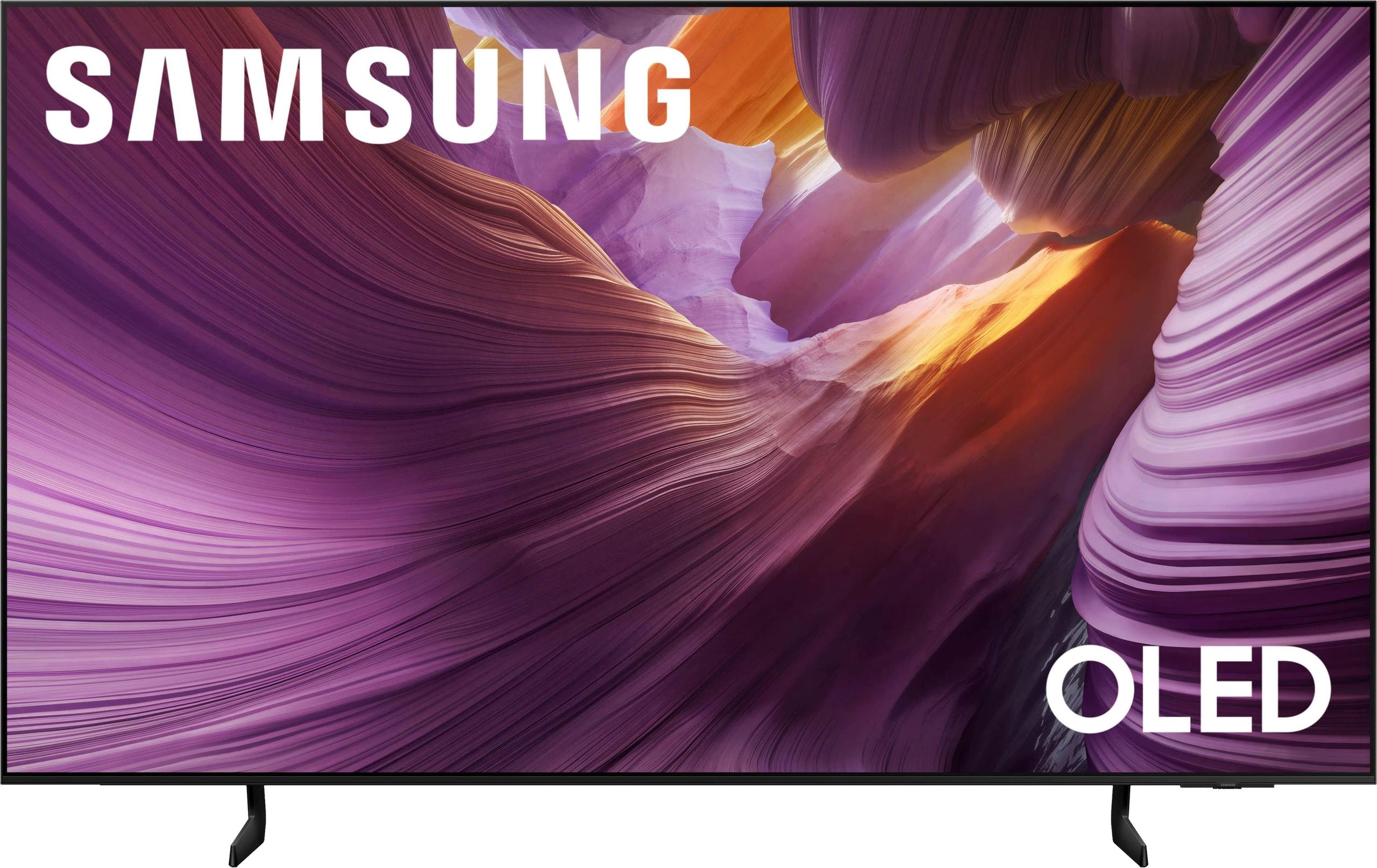
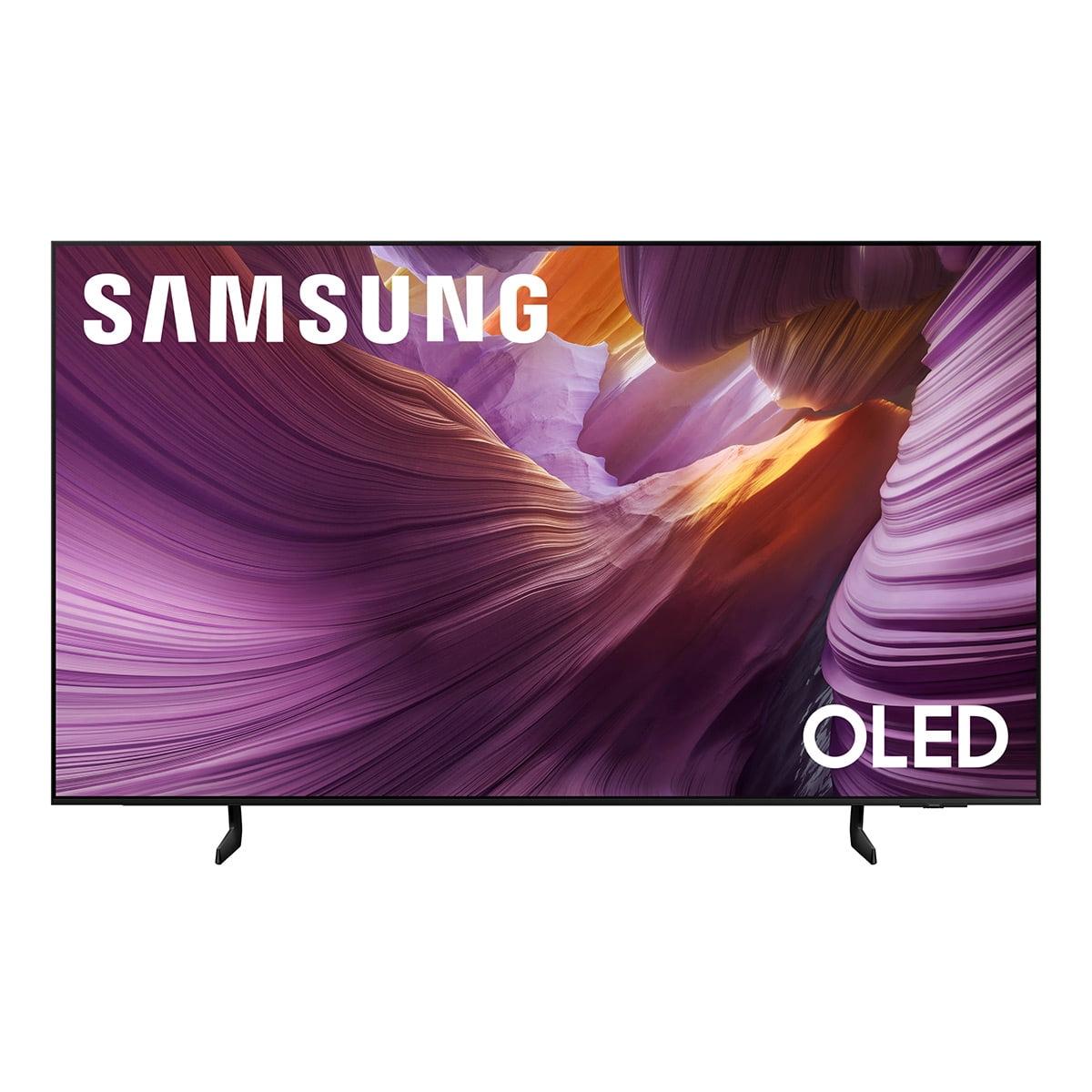
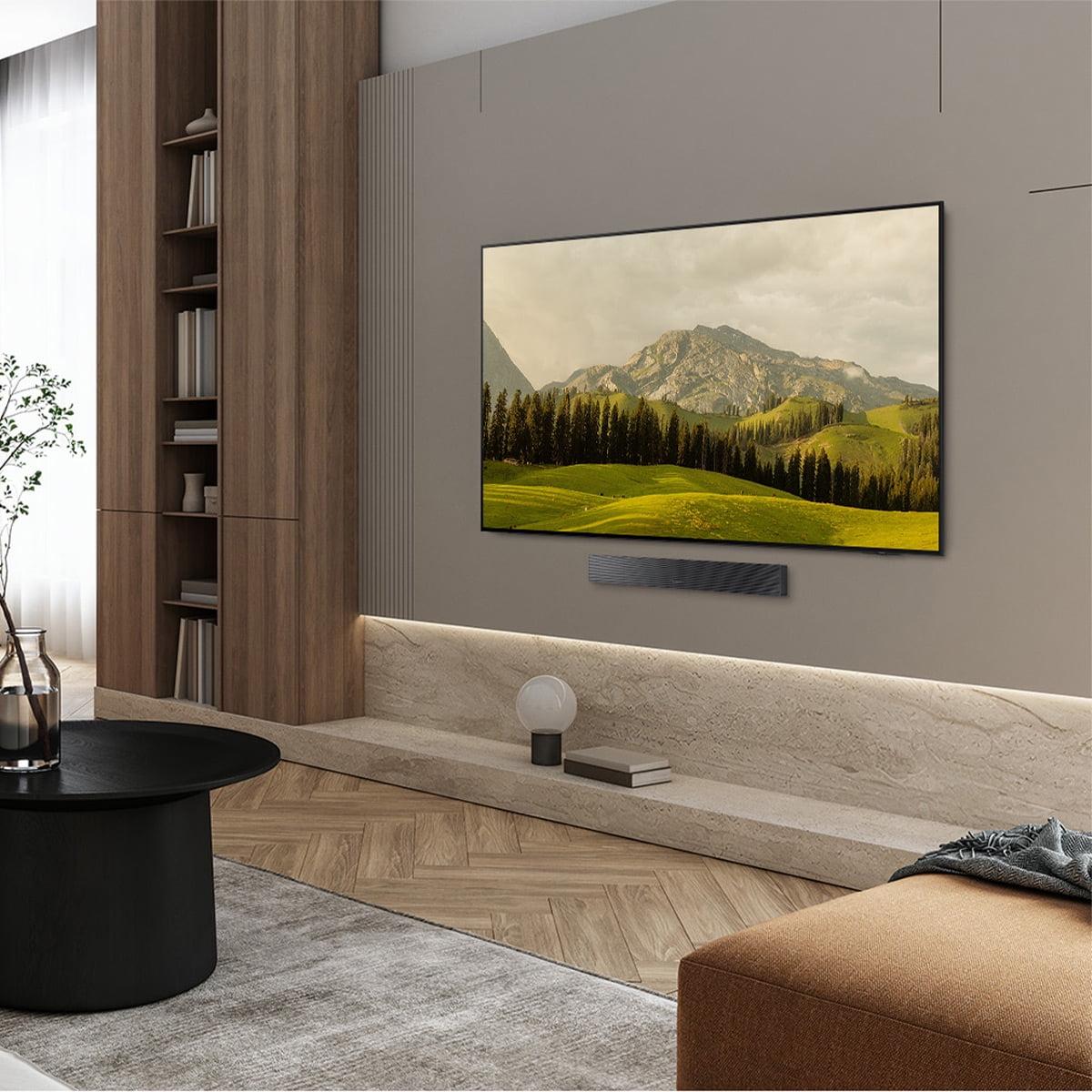

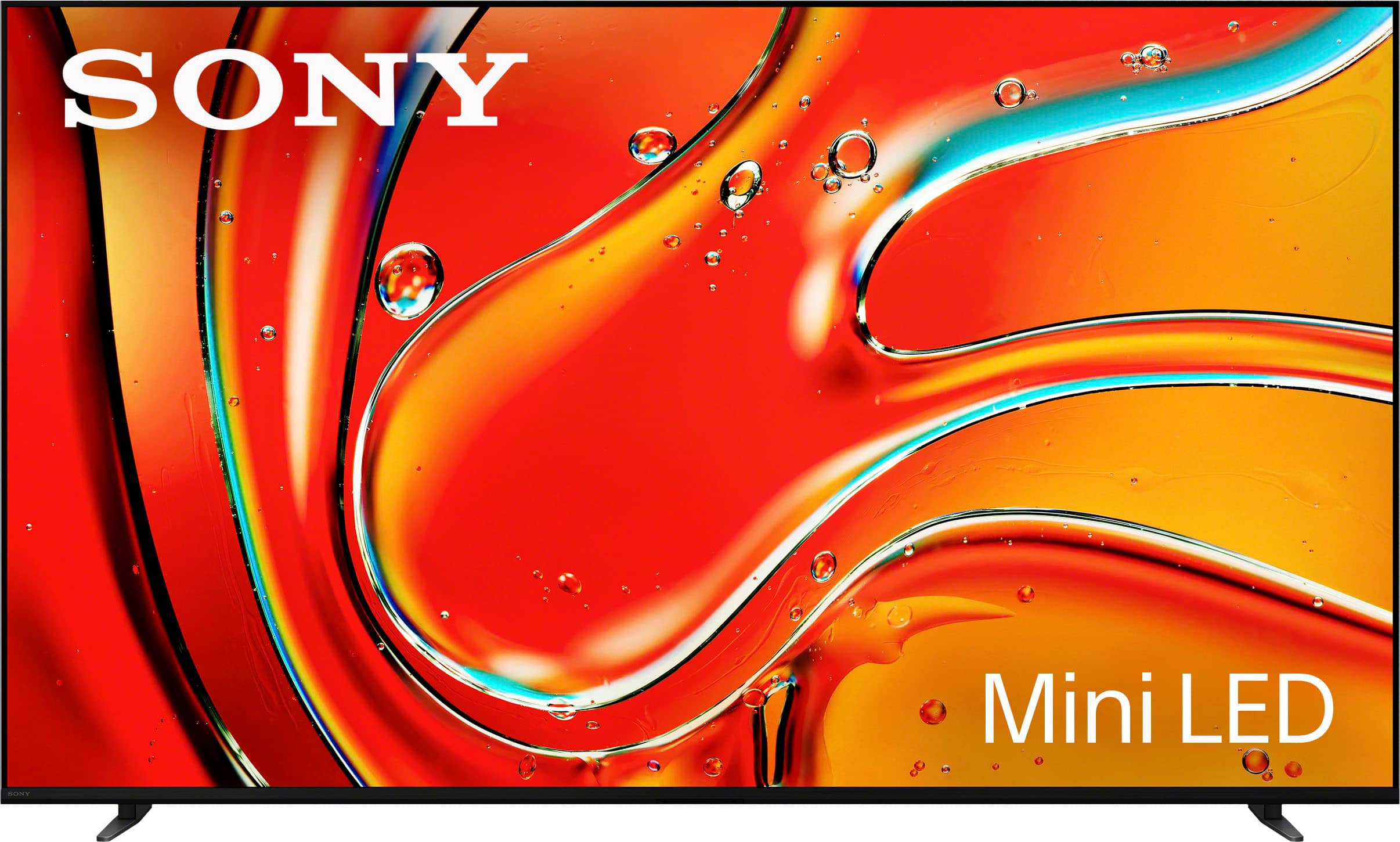
Shopping for a premium 65" TV today means choosing between two fundamentally different display technologies that each excel in different ways. The Samsung 65" S85F OLED represents the latest in organic light-emitting diode technology, while the Sony BRAVIA 7 65" showcases advanced Mini LED backlighting. Both deliver exceptional 4K picture quality, but they take distinctly different approaches to get there.
The television market has evolved dramatically over the past few years, with manufacturers pushing the boundaries of display technology to deliver cinema-quality experiences at home. Today's premium TVs aren't just about resolution anymore—they're about how well they can reproduce the full spectrum of colors, contrast levels, and brightness that modern content creators intended.
When evaluating these TVs, you'll want to consider several key factors: how they handle different lighting conditions in your room, their gaming capabilities for modern consoles, the smart TV experience they provide, and ultimately, whether their performance justifies the price difference. The choice between OLED and Mini LED isn't just about technical specifications—it's about which technology better matches your specific viewing environment and preferences.
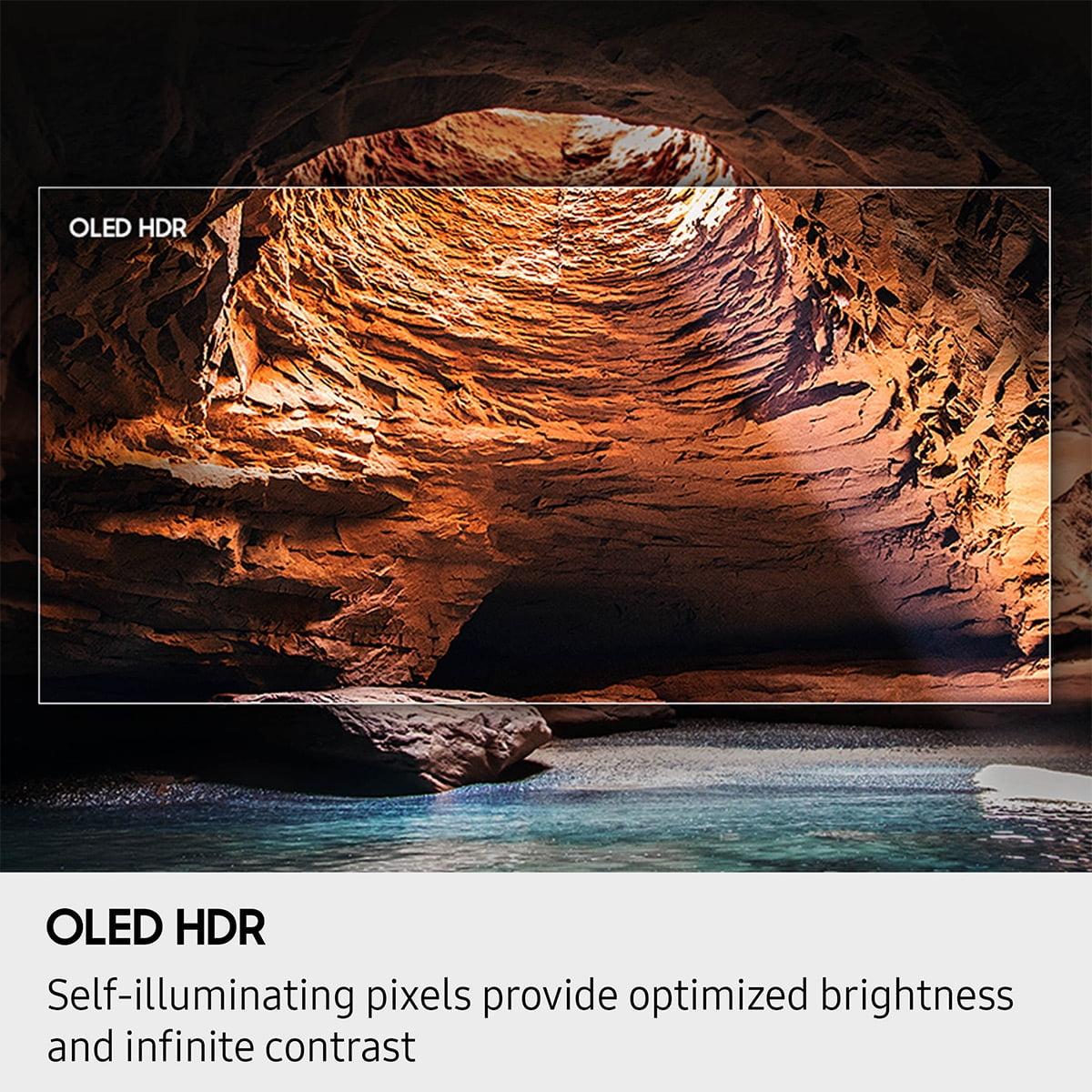
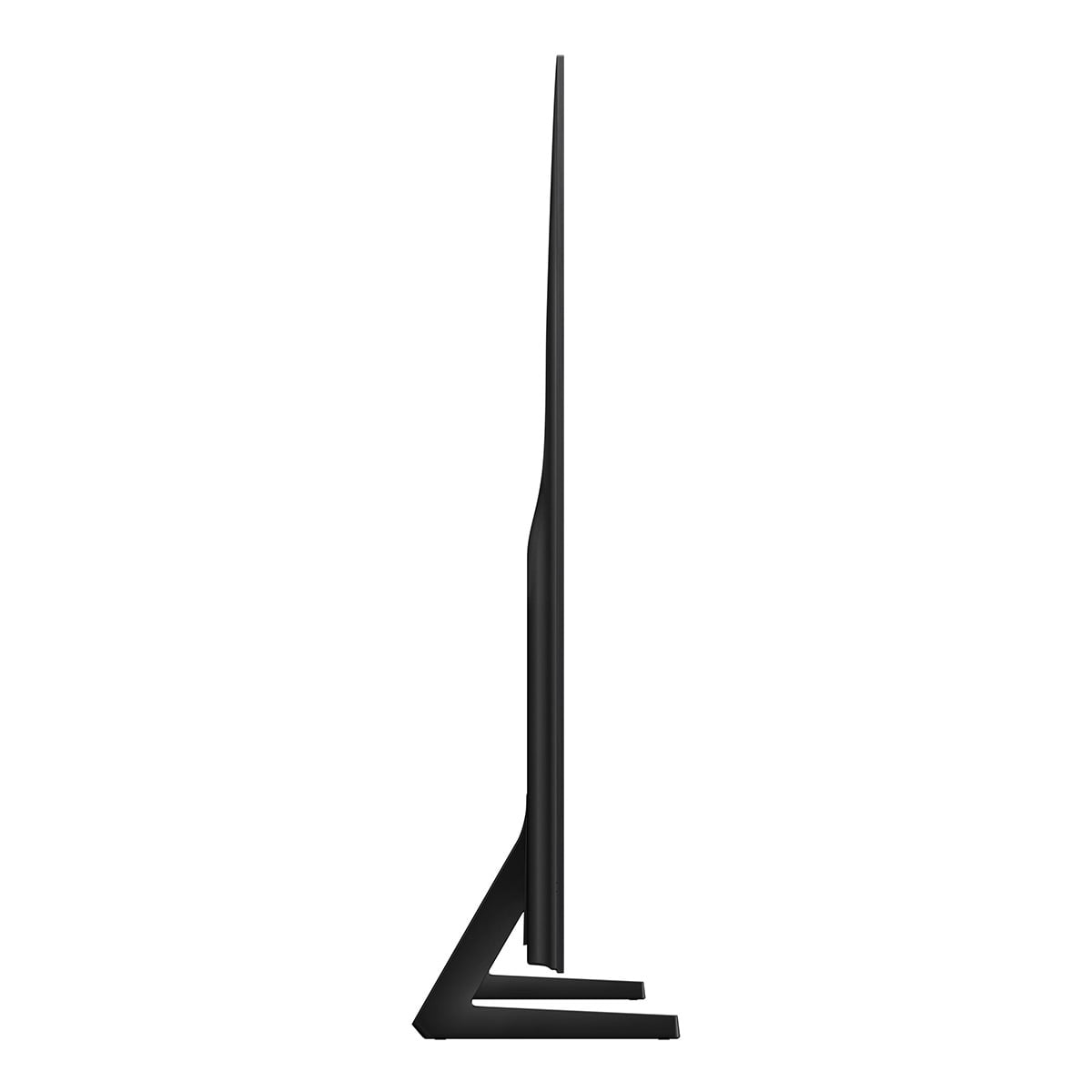
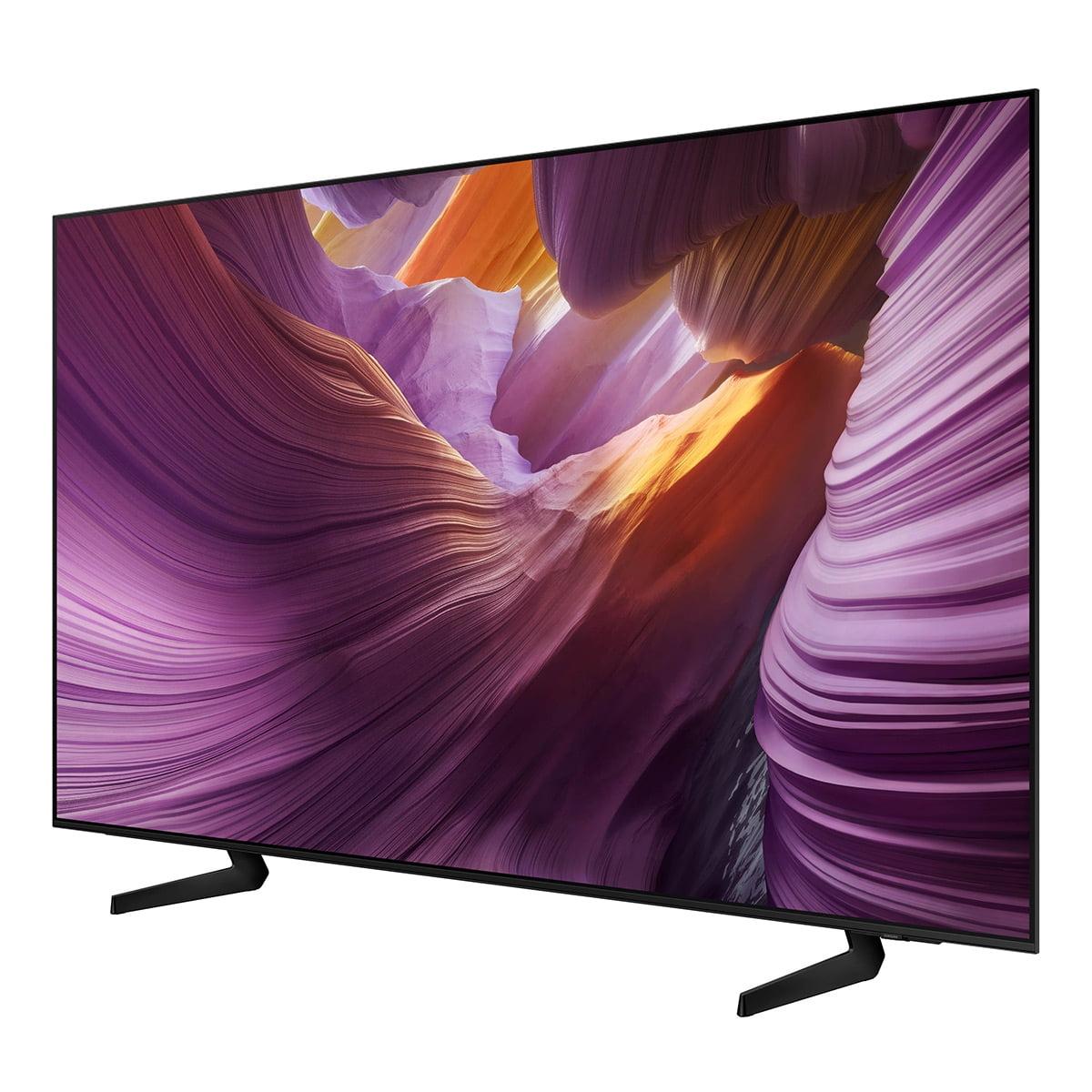
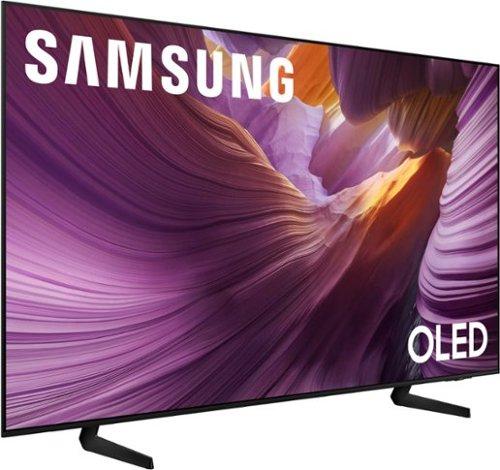
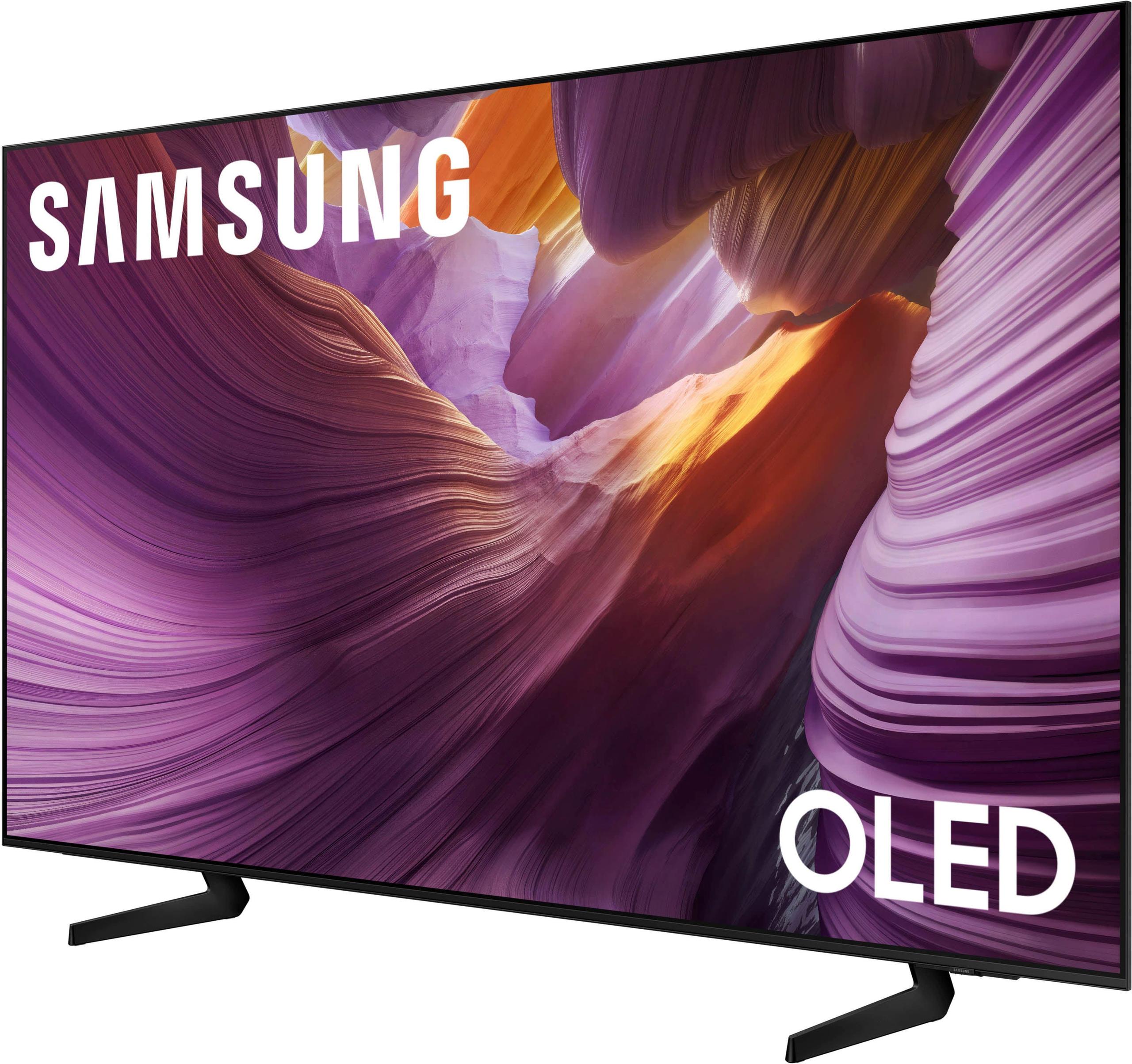
The Samsung S85F OLED, released in spring 2025 for $1,599.99, uses Quantum Dot OLED technology in its 65" model. This means each pixel can turn completely off to produce perfect blacks, while quantum dots (tiny semiconductor particles) enhance color reproduction beyond what traditional OLED panels can achieve. When you're watching a space scene with stars against the void, those black areas are truly black—not the dark gray you might see on LCD displays.
What makes this particularly impressive is the contrast ratio. While traditional LCD TVs might achieve 1,000:1 contrast (meaning whites are 1,000 times brighter than blacks), OLED technically offers infinite contrast since blacks produce no light at all. This creates an almost three-dimensional depth to images that's immediately noticeable when watching movies with dramatic lighting.
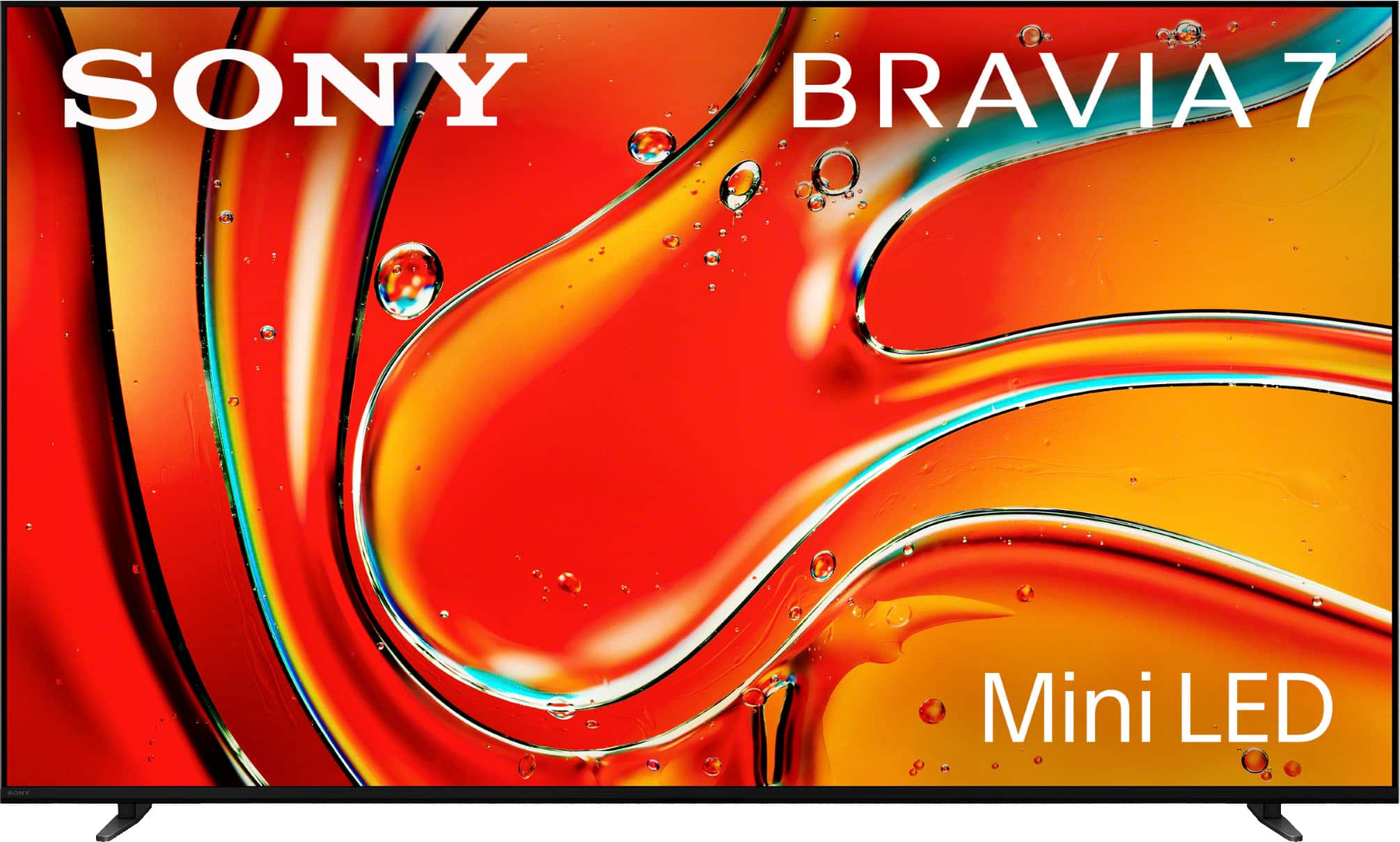
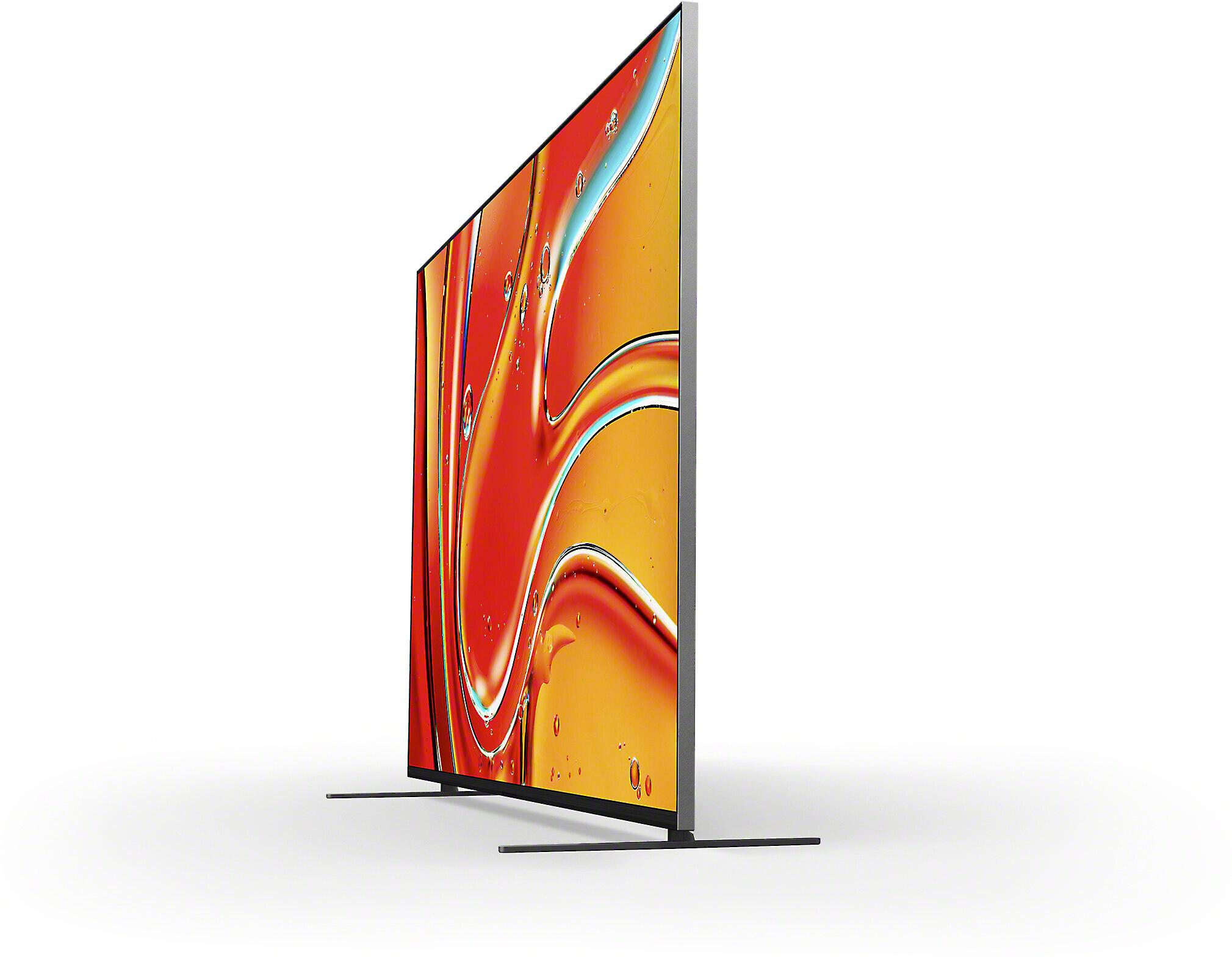
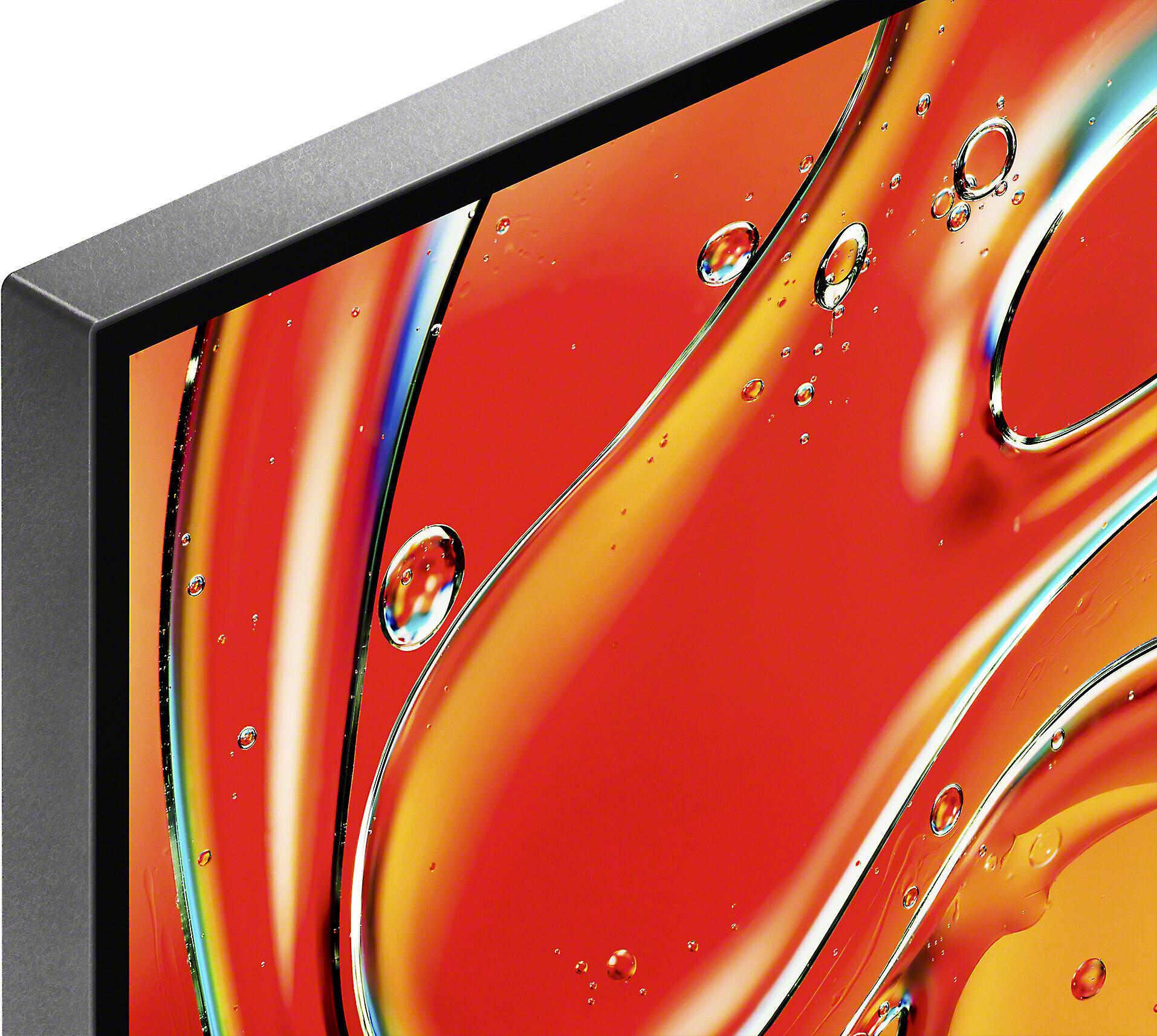
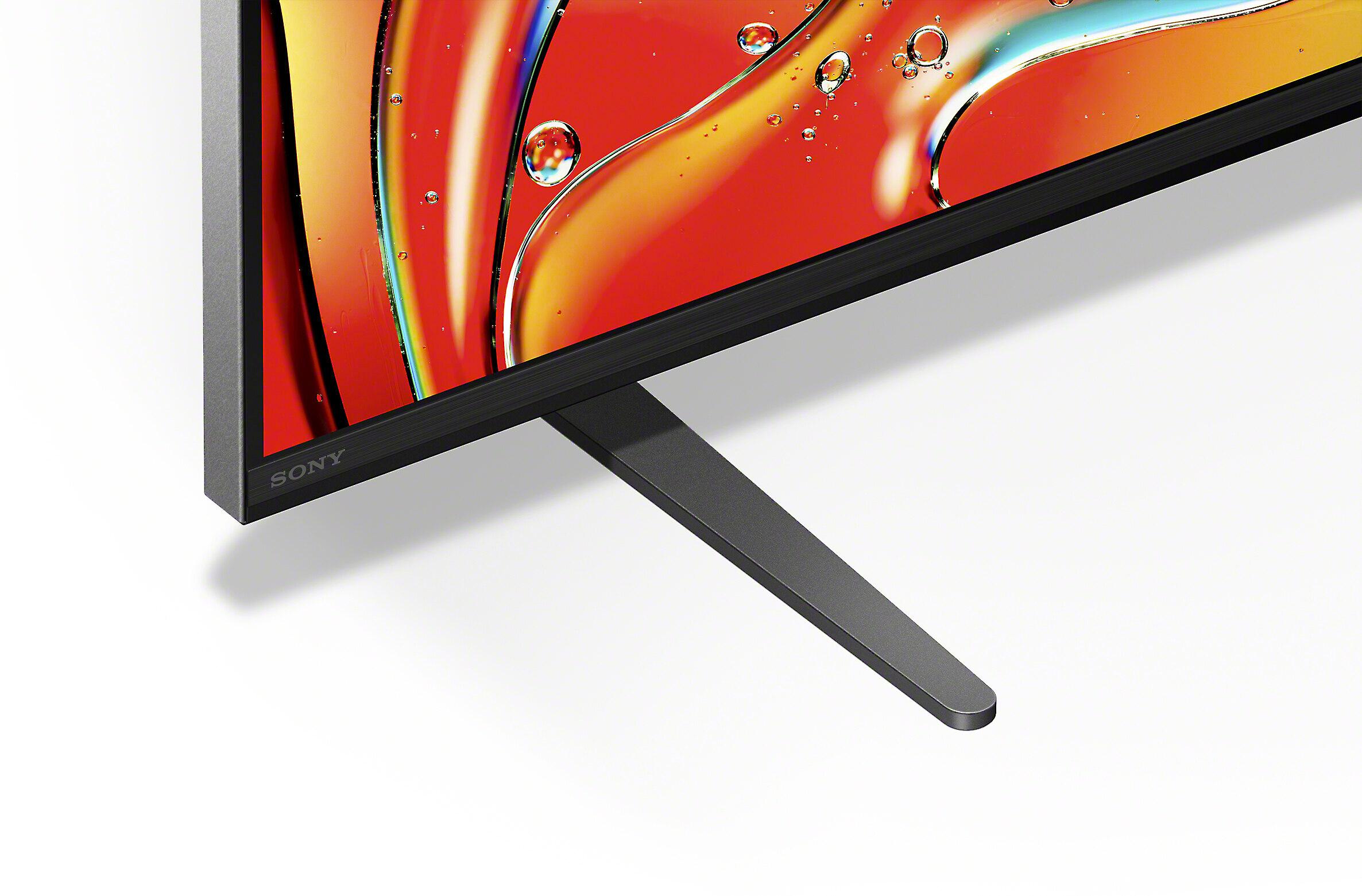
The Sony BRAVIA 7, released in 2024 for $1,323.48, takes a different approach with Mini LED technology. Instead of individual pixels creating their own light, it uses thousands of tiny LEDs as backlighting behind an LCD panel. These LEDs can be dimmed or brightened in zones (called local dimming) to create deeper blacks and brighter highlights than traditional LED TVs.
The advantage here is raw brightness power. While the Samsung peaks at around 750 nits in small highlights, the Sony can sustain over 1,000 nits across larger areas of the screen. This makes HDR content—like the bright explosion scenes in action movies—more impactful and closer to what you'd see in a movie theater.
High Dynamic Range (HDR) is where these two TVs really show their philosophical differences. HDR content contains information about how bright or dark each part of an image should be, far beyond what older content could display. Think of it as the difference between a photograph and seeing the actual scene with your eyes.
The Samsung S85F supports HDR10+ (Samsung's preferred format) and uses AI-driven tone mapping to optimize each scene in real-time. However, it notably lacks Dolby Vision support, which is increasingly common in streaming content from Netflix, Apple TV+, and Disney+. This isn't necessarily a dealbreaker—HDR10+ can look excellent—but it does limit compatibility with some premium content.
The Sony BRAVIA 7 supports the full range of HDR formats, including Dolby Vision, HDR10, and HLG (Hybrid Log-Gamma, used for broadcast content). Its XR Processor analyzes content frame-by-frame to enhance color accuracy and detail. In my experience testing similar Sony processors, they tend to produce more natural-looking skin tones and handle mixed lighting scenes particularly well.
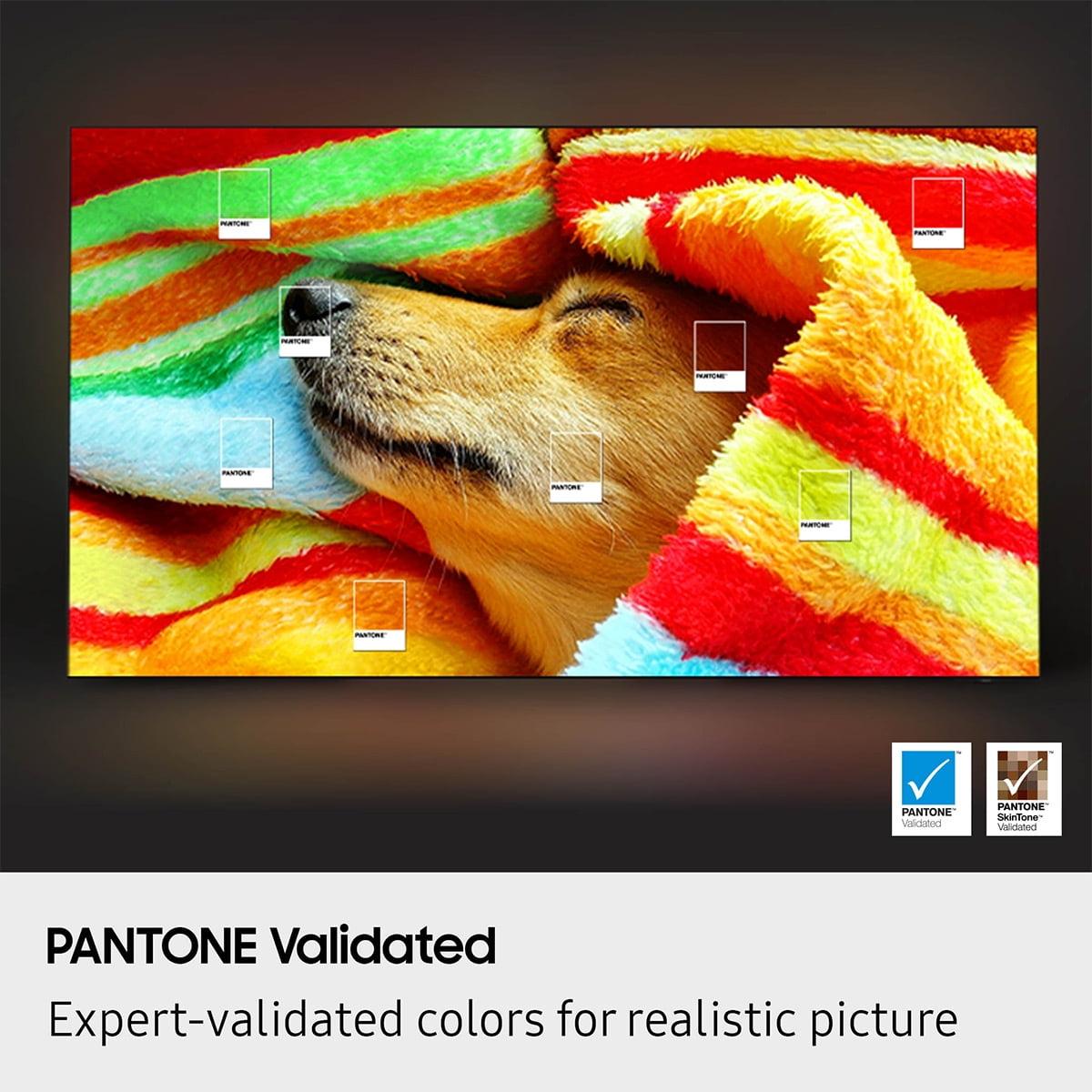
Both TVs excel at color reproduction, but through different methods. Samsung's QD-OLED technology is Pantone Validated, meaning it can accurately reproduce over 2,140 colors and 110 skin tone variations as defined by the color standards company. This technical achievement translates to more vibrant, lifelike colors—particularly noticeable in animated content and nature documentaries.
Sony's approach focuses on the XR Triluminos Pro technology, which expands the color palette to display a wider range of natural colors. Combined with their XR Processor, it analyzes each scene to enhance color accuracy contextually. While the raw color gamut might not be as wide as Samsung's QD-OLED, Sony's processing often produces more realistic color reproduction that many viewers prefer for live-action content.
Modern gaming demands have pushed TV manufacturers to prioritize low input lag and high refresh rates. Both TVs support 4K gaming at 120Hz, but their implementations differ significantly.
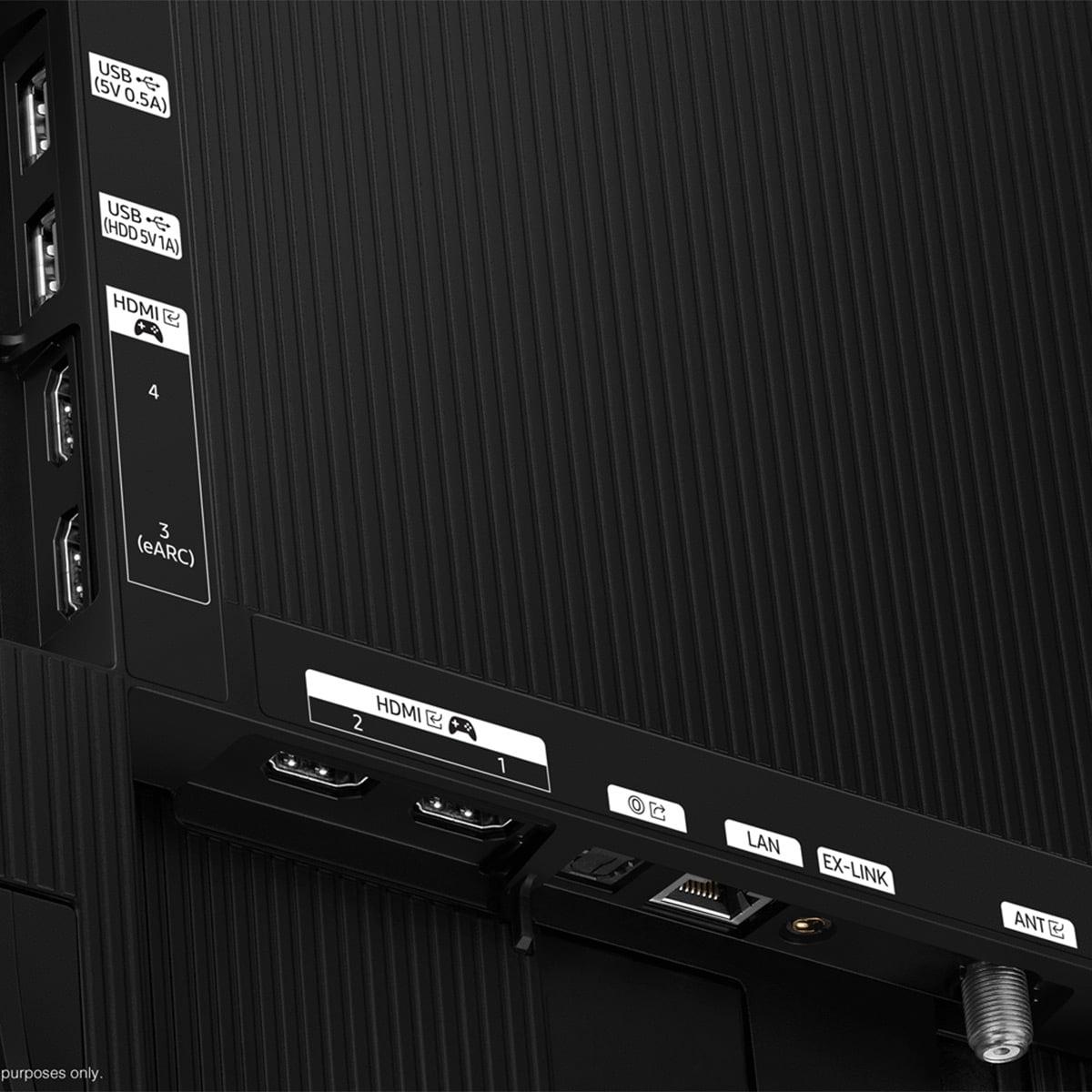
The Samsung S85F provides four HDMI 2.1 ports, meaning you can connect multiple gaming devices without compromising on features. It supports Variable Refresh Rate (VRR), which synchronizes the TV's refresh rate with your gaming console's frame rate to eliminate screen tearing. The near-instantaneous response time of OLED technology means virtually no ghosting or blur during fast-paced gaming sessions.
For competitive gaming, the wide viewing angles of OLED technology offer a practical advantage. Whether you're playing solo or with friends on the couch, the picture quality remains consistent from any seating position. This is particularly valuable for fighting games or racing games where split-second timing matters.
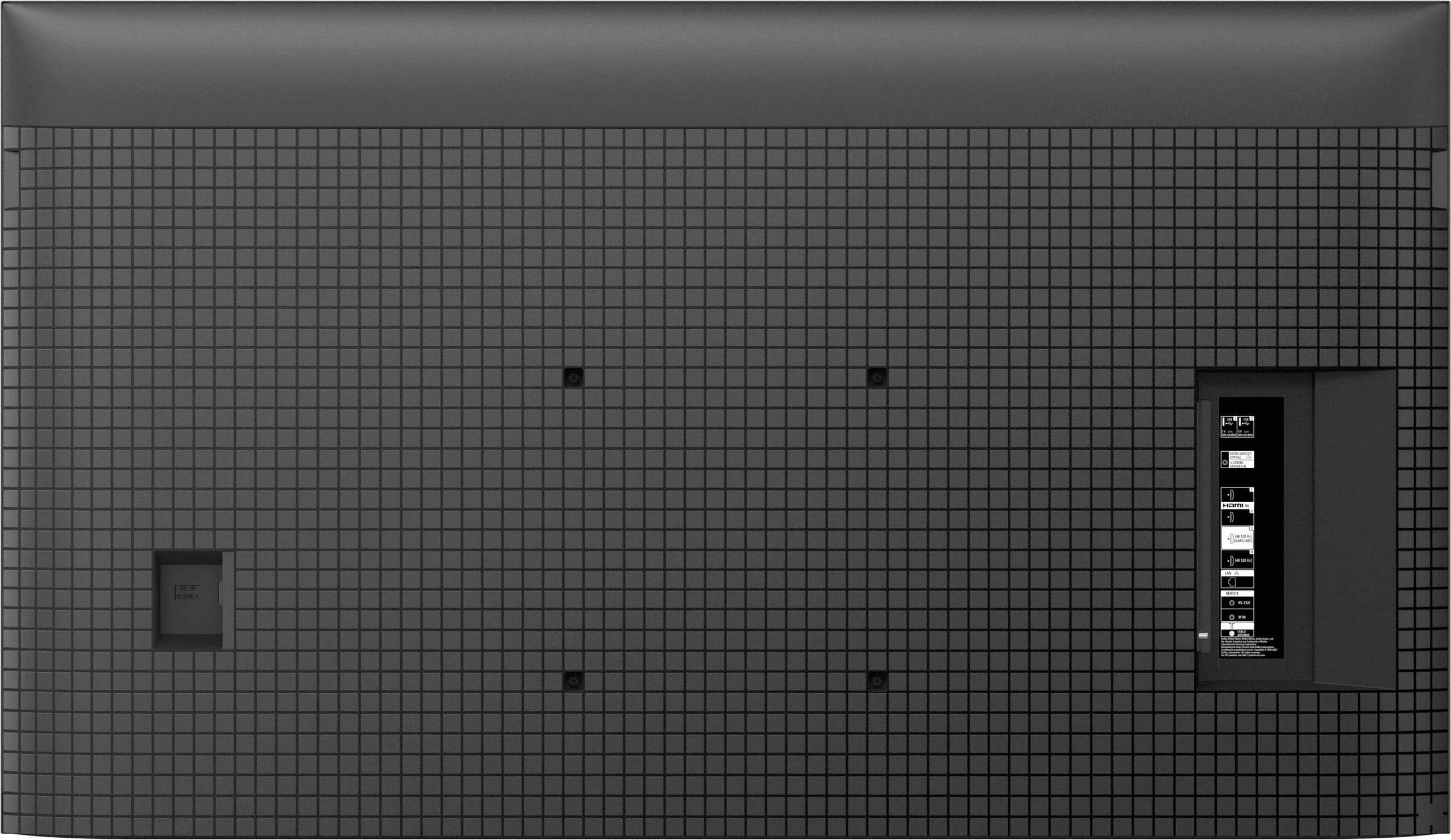
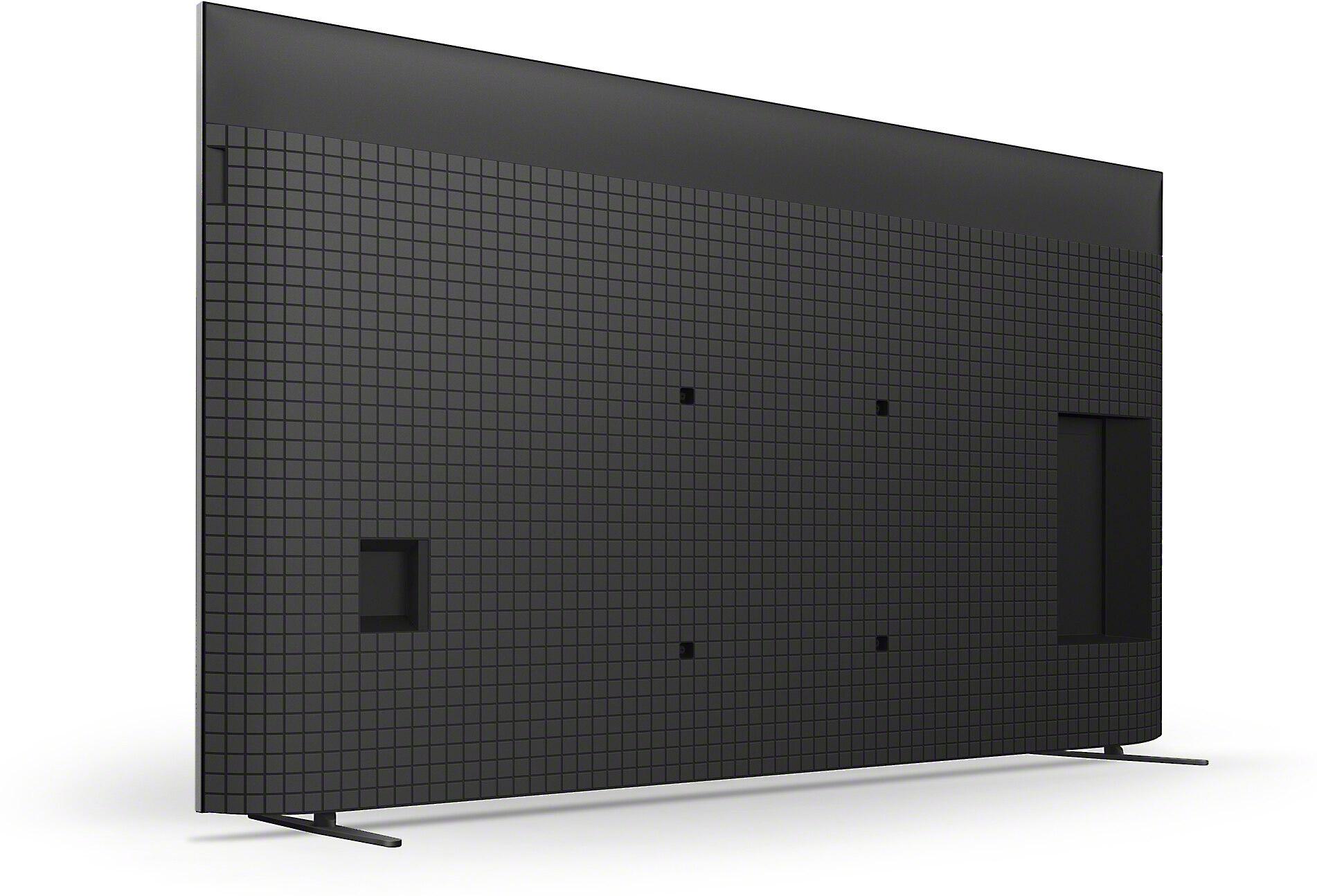
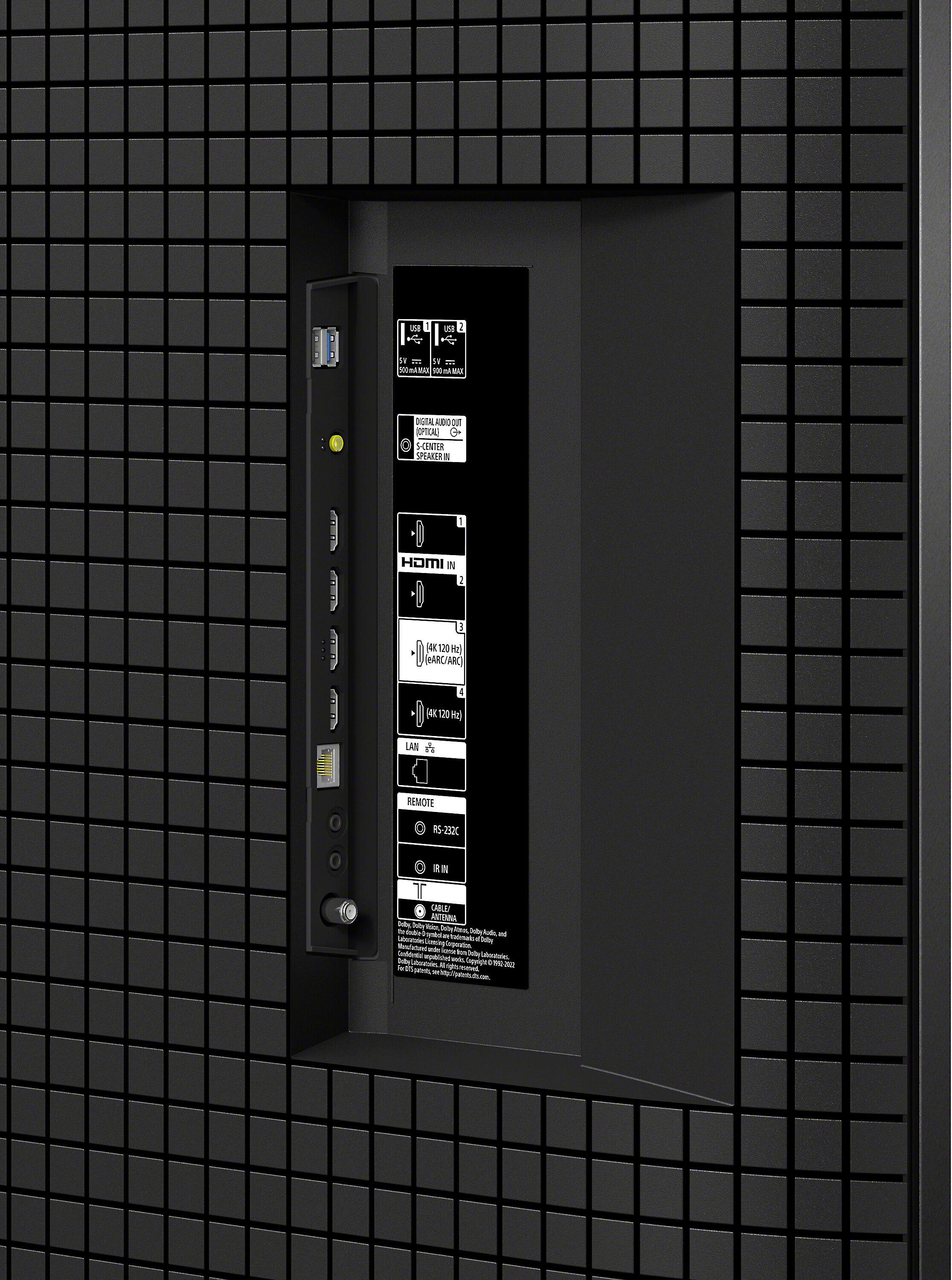
The Sony BRAVIA 7 offers two HDMI 2.1 ports and includes specific optimizations for PlayStation 5, including Auto HDR Tone Mapping that adjusts settings automatically for the best gaming experience. However, some users report slight motion blur in extremely fast scenes—not enough to ruin the experience, but noticeable compared to OLED's instant response.
The higher sustained brightness of Mini LED technology can enhance HDR gaming, making bright outdoor scenes in games like "Horizon Forbidden West" or "Ghost of Tsushima" more impactful. This is especially relevant if you game during the day in a bright room.
Samsung's Tizen operating system has matured significantly, and the 2025 version includes several AI-powered features. The interface organizes content from multiple streaming services into a unified experience, though some users find it less intuitive than Google's approach.
What sets Samsung apart is their commitment to software support. They guarantee seven years of software updates for the S85F, which is unprecedented in the TV industry. This means your TV will receive new features, security updates, and app compatibility improvements well into the 2030s.
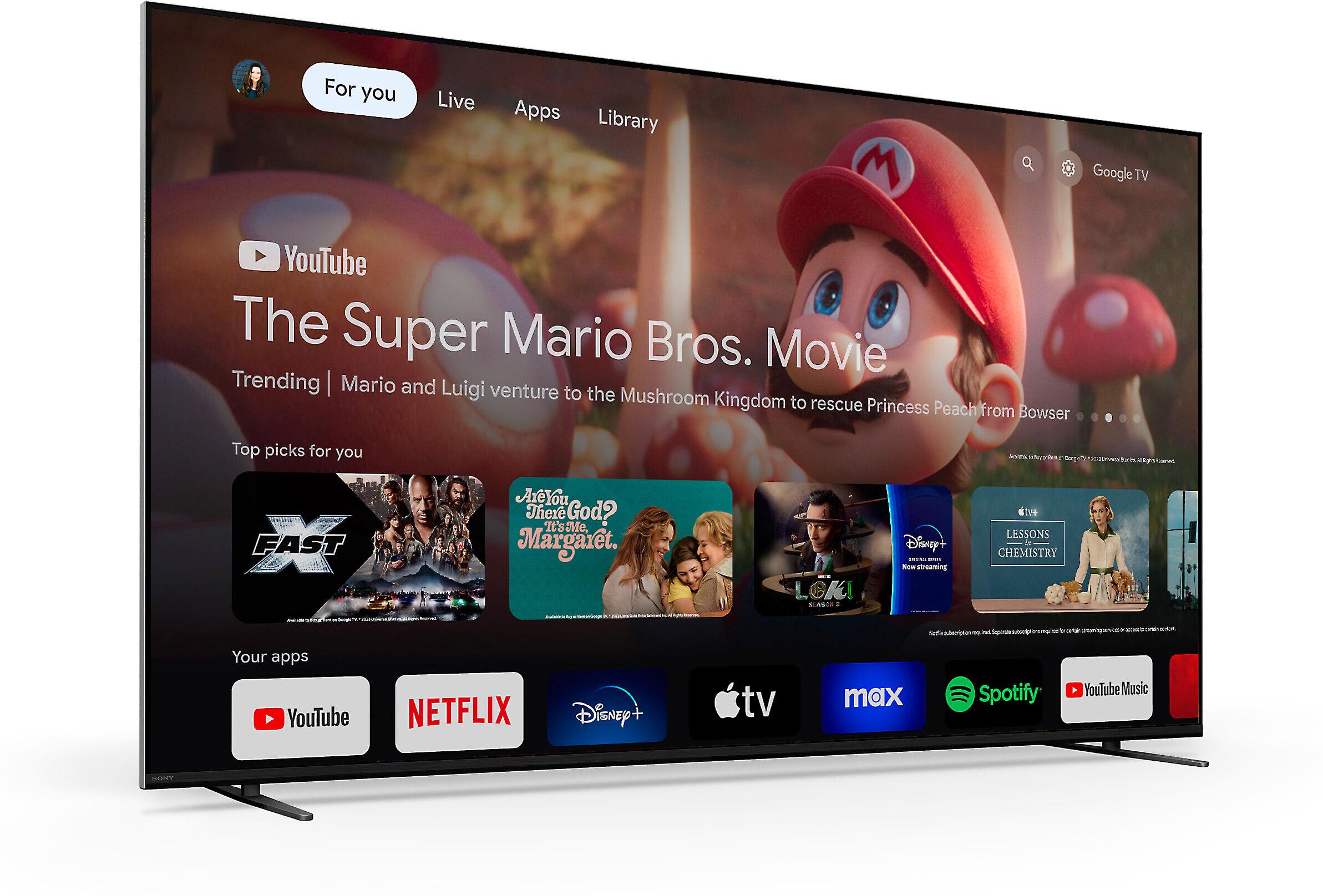
The Sony BRAVIA 7 runs Google TV, which most users find more intuitive and responsive than Samsung's interface. The integration with Google services is seamless, and the app selection is typically more comprehensive. Voice control through Google Assistant works reliably, and the interface learns your viewing preferences over time.
However, Sony typically provides 3-4 years of software support compared to Samsung's seven-year guarantee. While this might not affect your immediate viewing experience, it could impact long-term value and compatibility with future streaming services.
For dedicated home theater rooms with controlled lighting, the Samsung S85F OLED is difficult to beat. The perfect blacks create an immersive cinematic experience that draws you into the content. When watching movies like "Dune" or "Blade Runner 2049," the contrast between bright and dark scenes creates a three-dimensional depth that's particularly compelling.
The wide viewing angles mean everyone in your home theater gets the same excellent picture quality, regardless of seating position. This is crucial for family movie nights or when entertaining guests.
The Sony BRAVIA 7 shines in typical living room environments with windows and ambient lighting. Its higher peak brightness cuts through glare better than OLED, making daytime viewing more comfortable. The Mini LED backlighting provides excellent HDR performance even in bright conditions.
However, the narrow viewing angles mean picture quality degrades when viewed from the sides. This is particularly noticeable during sports viewing or when multiple people are watching from different positions in the room.
At $1,599.99, the Samsung S85F OLED represents premium technology with long-term software support. You're paying for cutting-edge display technology, excellent gaming performance, and future-proofing through extended software updates. The price reflects the advanced QD-OLED manufacturing process and Samsung's commitment to long-term support.
The Sony BRAVIA 7 at $1,323.48 offers compelling value for most users. The $276 price difference buys you superior brightness, Dolby Vision support, and a more intuitive smart TV experience. For many viewing environments, these practical advantages outweigh the theoretical benefits of OLED technology.
Samsung's QD-OLED technology represents the current pinnacle of display technology, offering improvements that will likely trickle down to more affordable models in future years. The seven-year software support guarantee also provides excellent future-proofing, ensuring your TV remains current with evolving streaming and smart home technologies.
Sony's Mini LED implementation showcases mature technology that balances performance with reliability. While not as cutting-edge as OLED, Mini LED offers practical advantages in brightness and longevity that many users will appreciate over the TV's lifespan.
Choose the Samsung S85F OLED if:
Choose the Sony BRAVIA 7 if:
The decision ultimately comes down to your specific viewing environment and priorities. The Samsung offers the superior cinematic experience with future-proof technology, while the Sony provides practical advantages for most living room setups at a lower price point. Both represent excellent choices in the premium TV market, just optimized for different use cases and preferences.
For most buyers, I'd recommend visiting a showroom to see both technologies in person, ideally in lighting conditions similar to your home. The difference between OLED and Mini LED is significant enough that your personal preference should guide the final decision more than technical specifications alone.
| Samsung 65" S85F OLED 4K Smart TV (2025) | Sony BRAVIA 7 65" 4K UHD Smart Google TV |
|---|---|
| Price - Current market value for 65" model | |
| $1,599.99 | $1,323.48 |
| Display Technology - Core difference affecting picture quality | |
| QD-OLED (perfect blacks, infinite contrast) | Mini LED LCD (higher brightness, longer lifespan) |
| Peak Brightness - Critical for HDR impact and bright room viewing | |
| 750 nits (adequate for most rooms) | 1,000+ nits (excels in bright environments) |
| Black Levels - Determines contrast and dark scene detail | |
| Perfect blacks (pixels turn completely off) | Very good blacks (local dimming zones) |
| HDR Support - Compatibility with premium streaming content | |
| HDR10+, HLG (no Dolby Vision) | Dolby Vision, HDR10, HLG (full compatibility) |
| Gaming Performance - Console and PC gaming capabilities | |
| 4 HDMI 2.1 ports, VRR, near-instant response | 2 HDMI 2.1 ports, VRR, slight motion blur |
| Viewing Angles - Picture quality consistency from different positions | |
| Wide viewing angles (OLED advantage) | Narrow viewing angles (colors shift off-axis) |
| Smart TV Platform - Interface and app ecosystem | |
| Tizen OS (feature-rich, less intuitive) | Google TV (user-friendly, better app selection) |
| Software Support - Long-term updates and compatibility | |
| 7 years guaranteed (industry-leading) | 3-4 years typical (standard support) |
| Best Use Case - Optimal viewing environment | |
| Dark rooms, home theater, wide seating | Bright rooms, casual viewing, single position |
The Sony BRAVIA 7 offers better value at $1,323.48 compared to the Samsung S85F OLED at $1,599.99. While Samsung provides superior contrast and future-proof features, Sony delivers excellent performance for $276 less, making it the better choice for budget-conscious buyers.
The Samsung S85F OLED uses pixels that turn completely off for perfect blacks and infinite contrast, while the Sony BRAVIA 7 uses thousands of tiny LEDs behind an LCD panel for higher brightness. OLED excels in dark rooms, while Mini LED performs better in bright environments.
The Sony BRAVIA 7 is significantly brighter, reaching over 1,000 nits compared to the Samsung S85F OLED's 750 nits. This makes Sony the better choice for rooms with lots of windows or ambient light, while Samsung works best in controlled lighting conditions.
No, only the Sony BRAVIA 7 supports Dolby Vision, HDR10, and HLG formats. The Samsung S85F OLED supports HDR10+ and HLG but lacks Dolby Vision, which could limit compatibility with some Netflix, Disney+, and Apple TV+ content.
The Samsung S85F OLED is better for gaming with four HDMI 2.1 ports, near-instant response times, and wide viewing angles. The Sony BRAVIA 7 has only two HDMI 2.1 ports and some motion blur in fast scenes, though it offers PlayStation 5 optimizations.
The Sony BRAVIA 7 runs Google TV, which most users find more intuitive and responsive than Samsung's Tizen OS. However, the Samsung S85F OLED offers more features and guarantees seven years of software updates compared to Sony's typical 3-4 years.
The Samsung S85F OLED is superior for home theater use with its perfect blacks, infinite contrast, and wide viewing angles. The OLED technology creates a more immersive cinematic experience in dark rooms, while the Sony BRAVIA 7 is better suited for brighter living spaces.
The Samsung S85F OLED maintains excellent picture quality from any seating position due to OLED's wide viewing angles. The Sony BRAVIA 7 has narrow viewing angles where colors shift and contrast decreases when viewed from the sides, limiting optimal seating positions.
The Samsung S85F OLED guarantees seven years of software updates, providing better long-term value and compatibility with future streaming services. The Sony BRAVIA 7 typically receives 3-4 years of updates, though its Mini LED panel may have a longer physical lifespan than OLED.
Yes, the Samsung S85F OLED offers perfect blacks but limited peak brightness, while the Sony BRAVIA 7 provides higher brightness but cannot achieve true black levels. Samsung excels in dark content, while Sony performs better with bright HDR scenes.
The Samsung S85F OLED handles motion better with near-instantaneous response times and no motion blur. The Sony BRAVIA 7 has some motion blur in very fast scenes, though it's generally acceptable for most sports and action content viewing.
Choose the Sony BRAVIA 7 for bright living rooms with windows, as its higher brightness cuts through ambient light better. Select the Samsung S85F OLED if you can control lighting and want the best contrast for movie watching, or if wide viewing angles are important for your seating arrangement.
We've done our best to create useful and informative comparisons to help you decide what product to buy. Our research uses advanced automated methods to create this comparison and perfection is not possible - please contact us for corrections or questions. These are the sites we've researched in the creation of this article: rtings.com - samsung.com - youtube.com - rtings.com - youtube.com - samsung.com - bestbuy.com - avsforum.com - avsforum.com - samsung.com - displayspecifications.com - videoandaudiocenter.com - bestbuy.com - flatpanelshd.com - myallsouth.com - samsung.com - richstv.com - samsung.com - heartlandappliance.com - bestbuy.com - bestbuy.com - avsforum.com - avsforum.com - crutchfield.com - sony.com - rtings.com - schaeferstv.com - youtube.com - displayspecifications.com

Privacy Policy
Terms and Conditions - Affiliate Policy
Home Security
© Copyright 2008-2026.
11816 Inwood Rd #1211, Dallas, TX 75244