

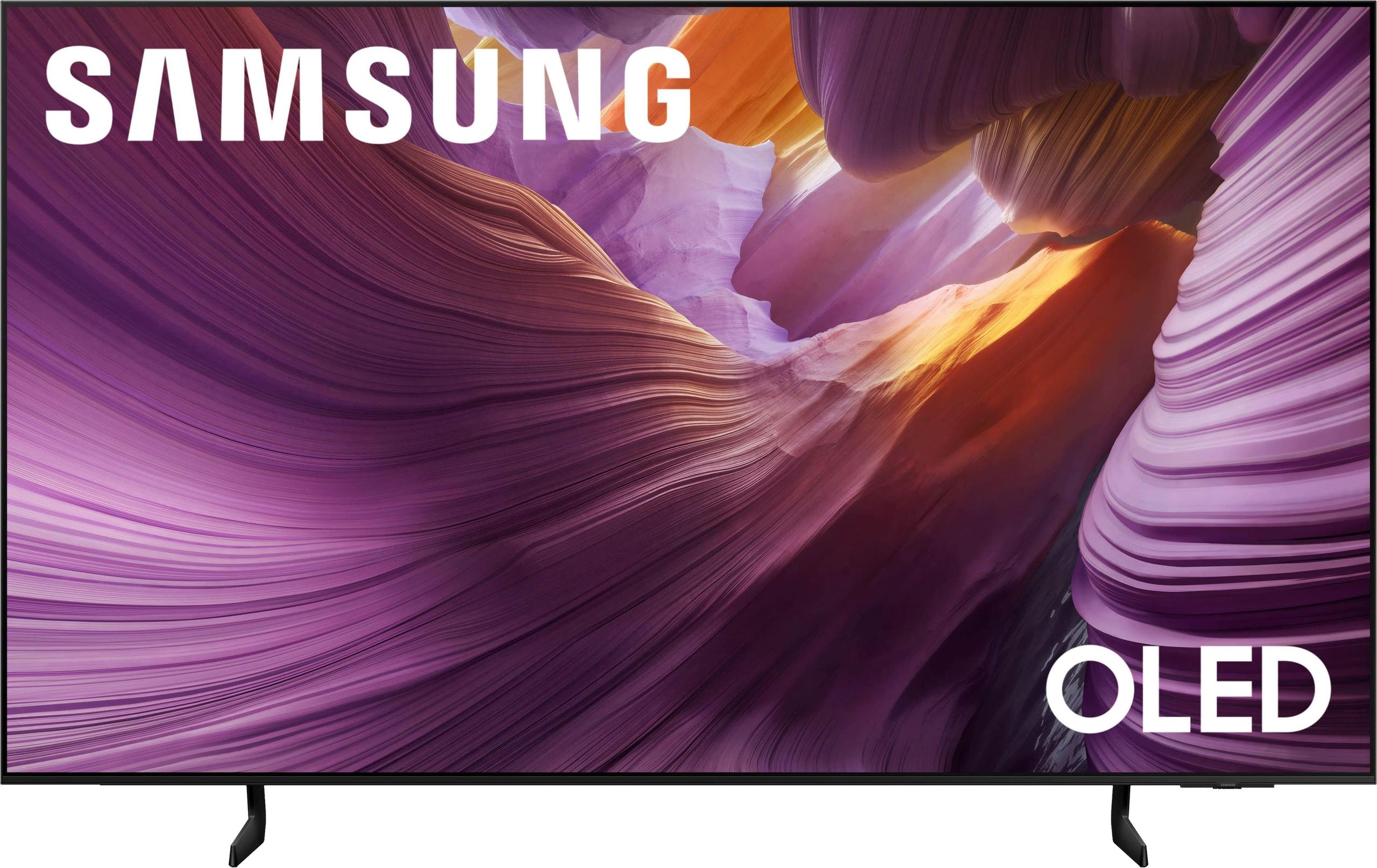
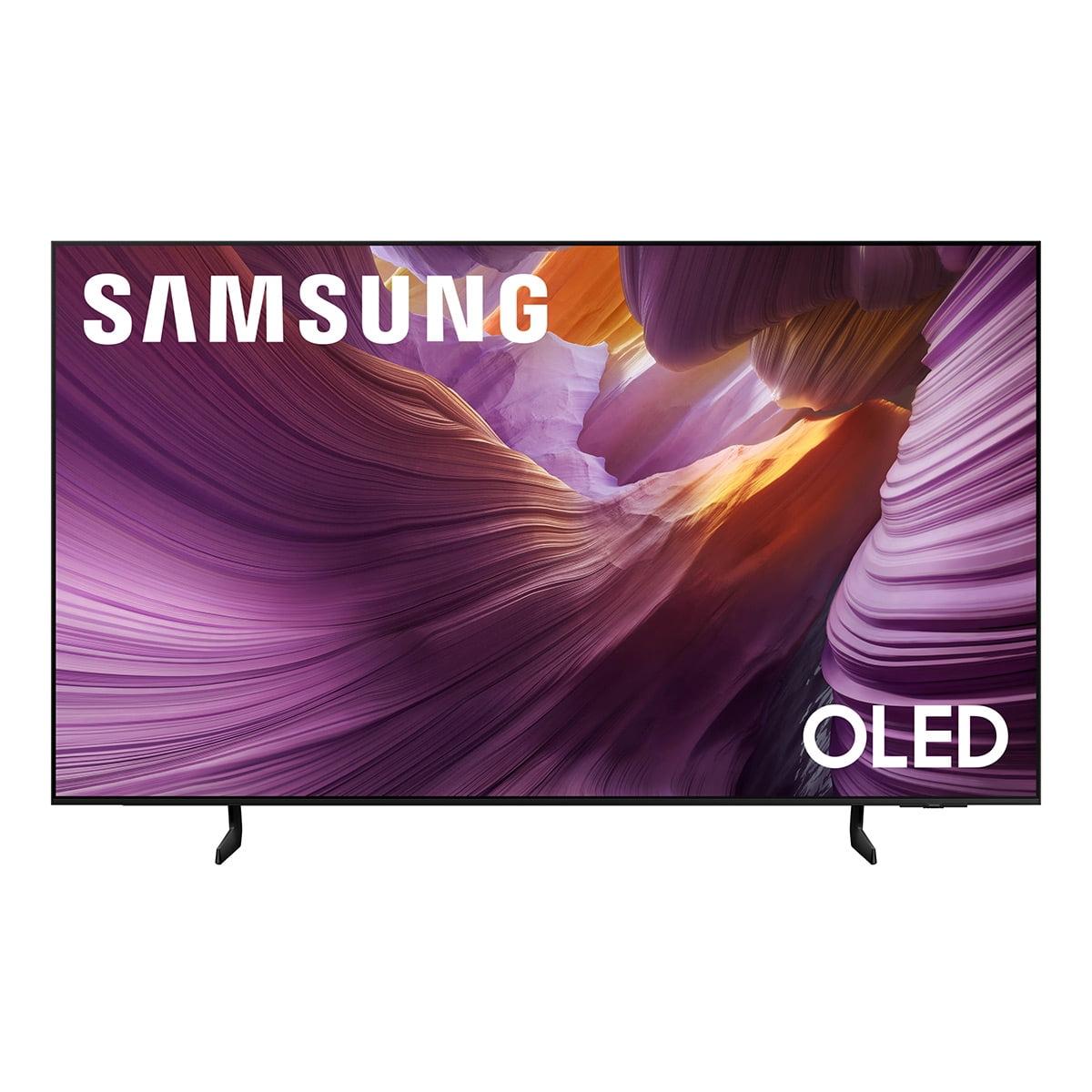

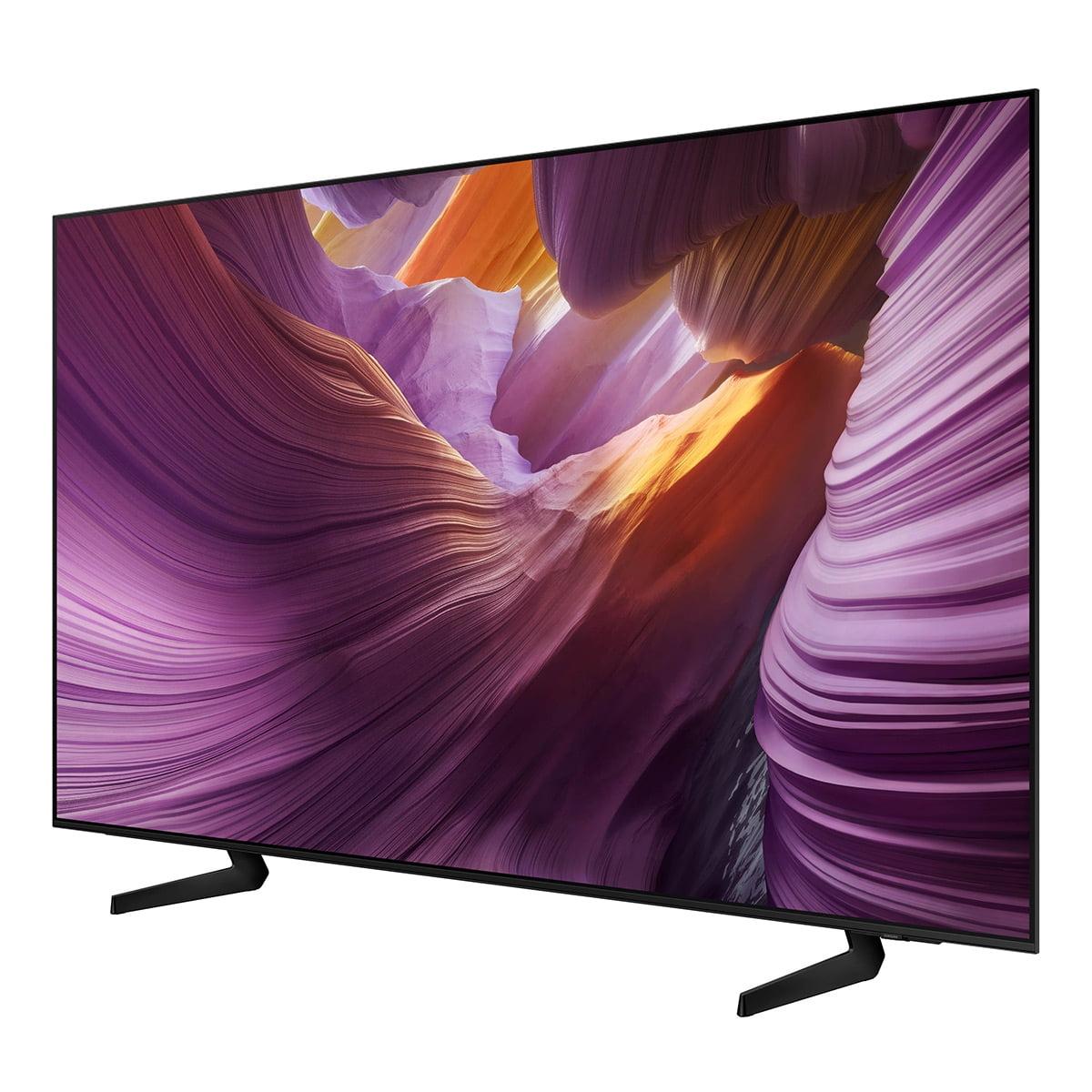
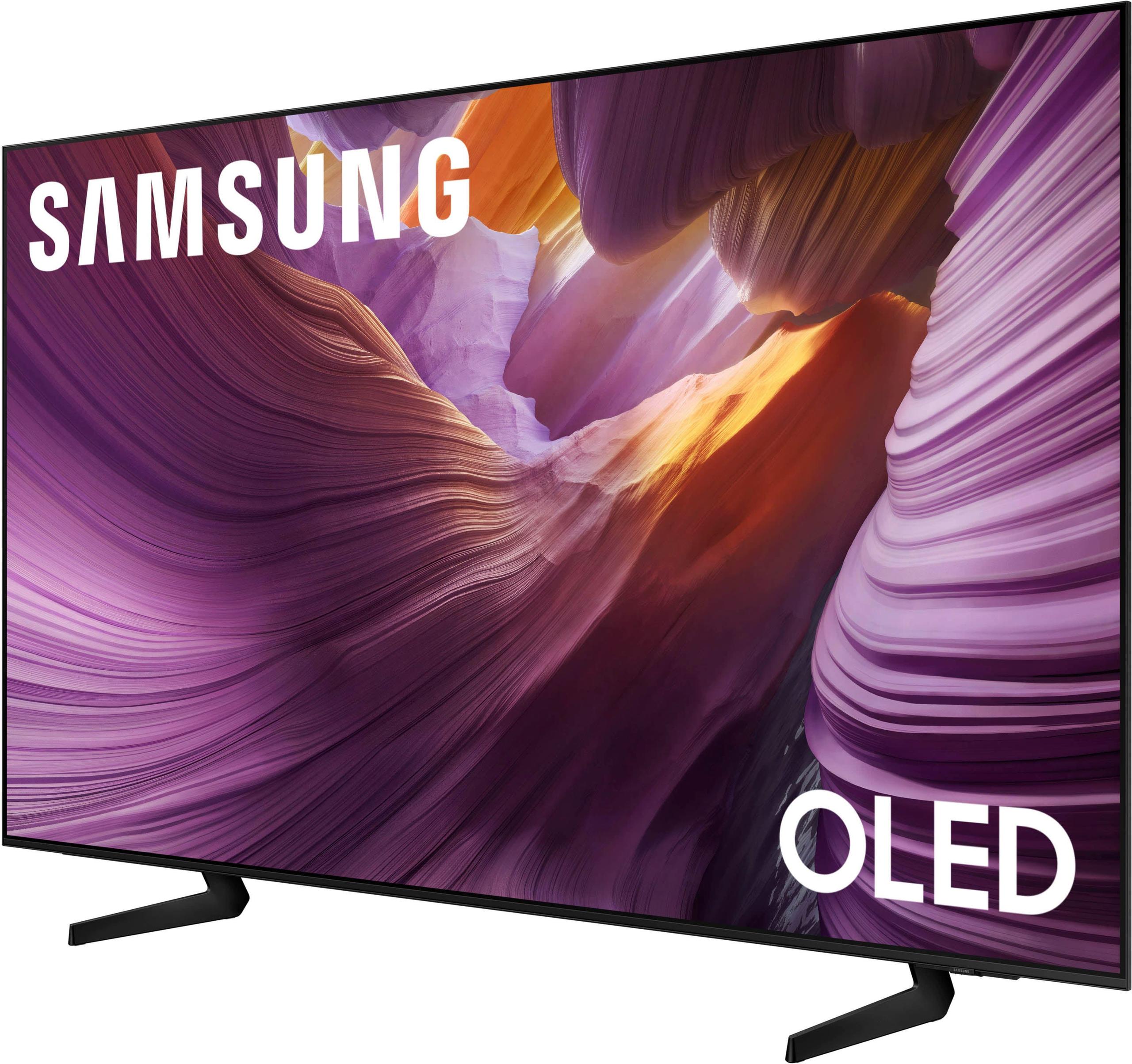
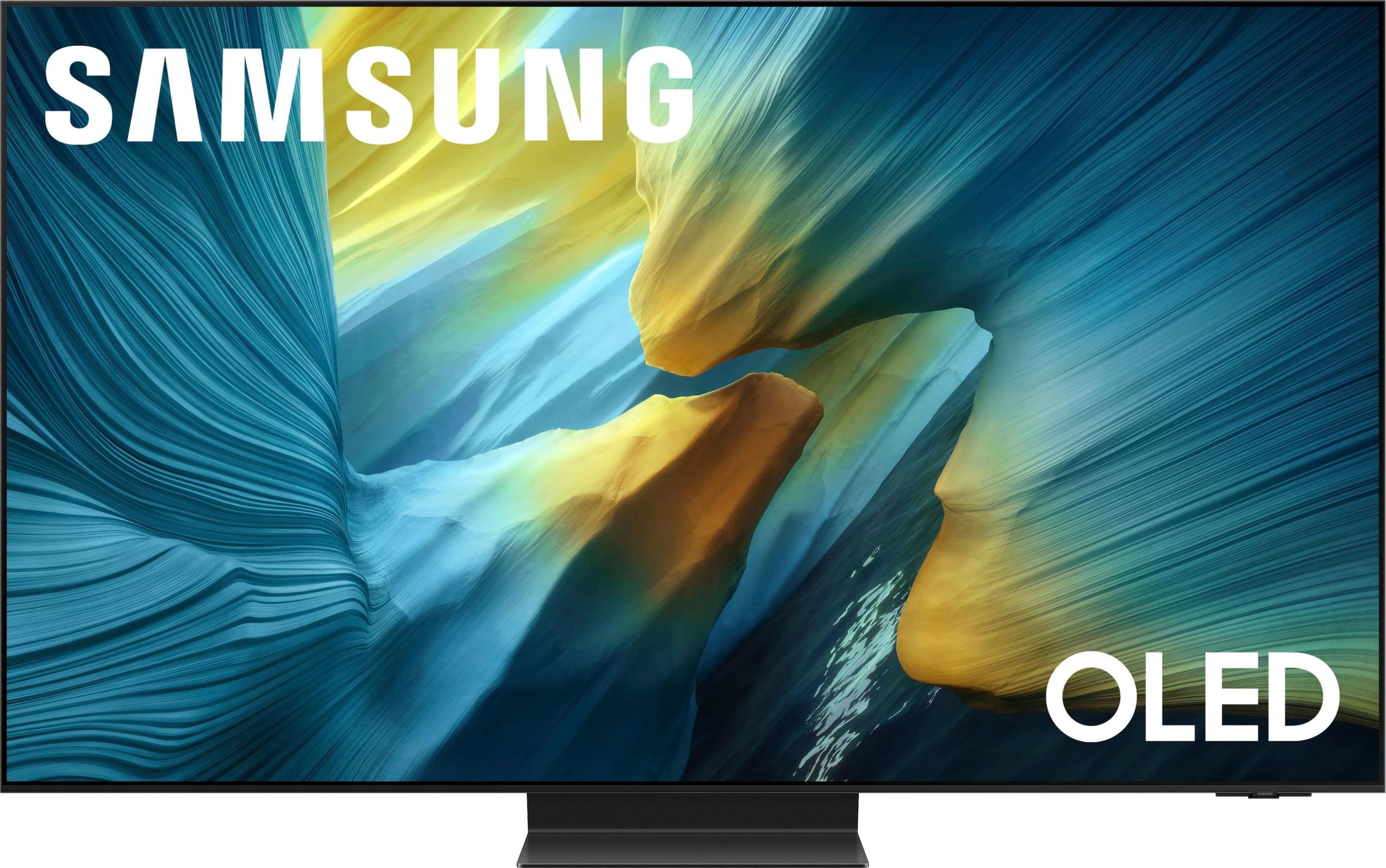
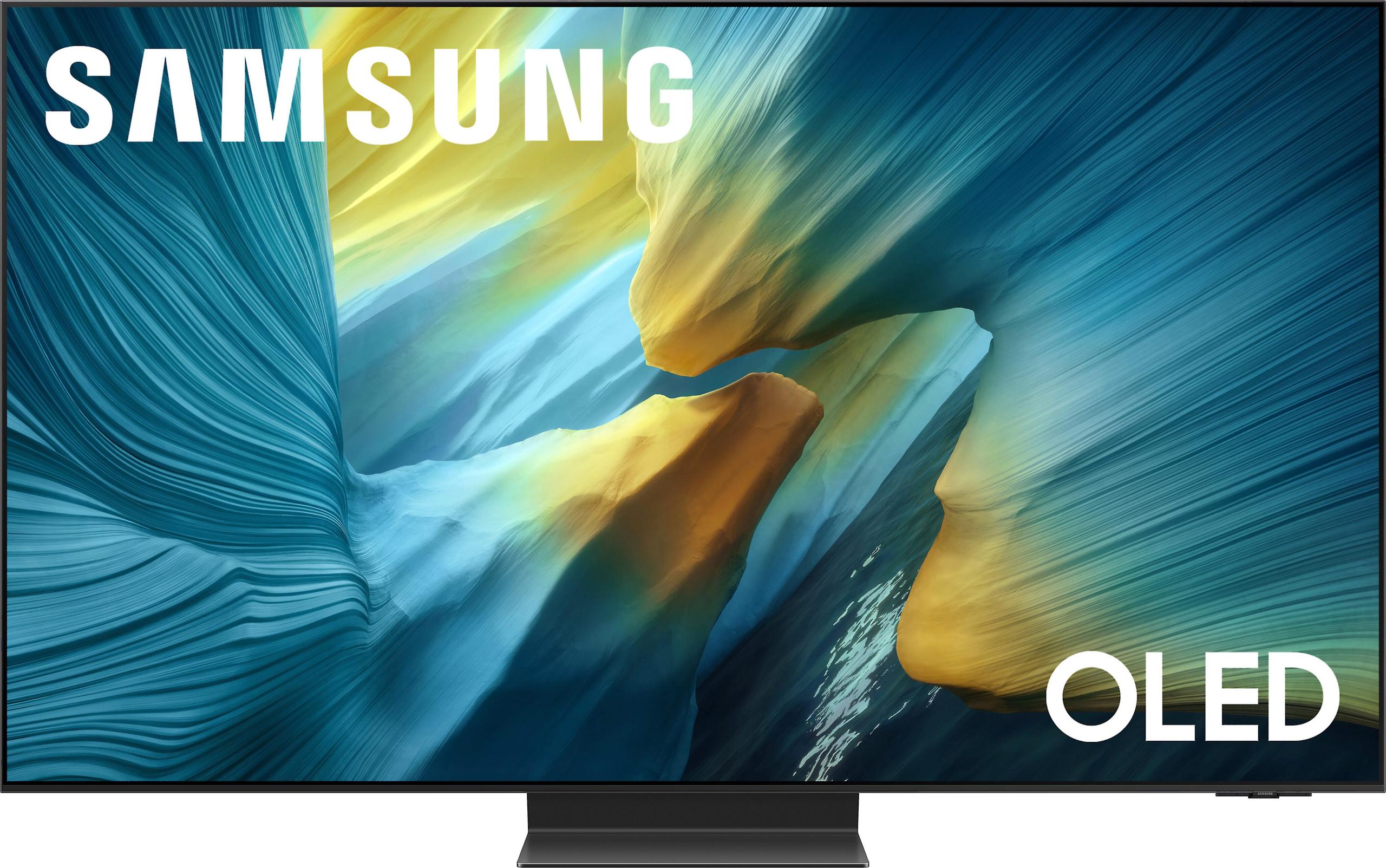
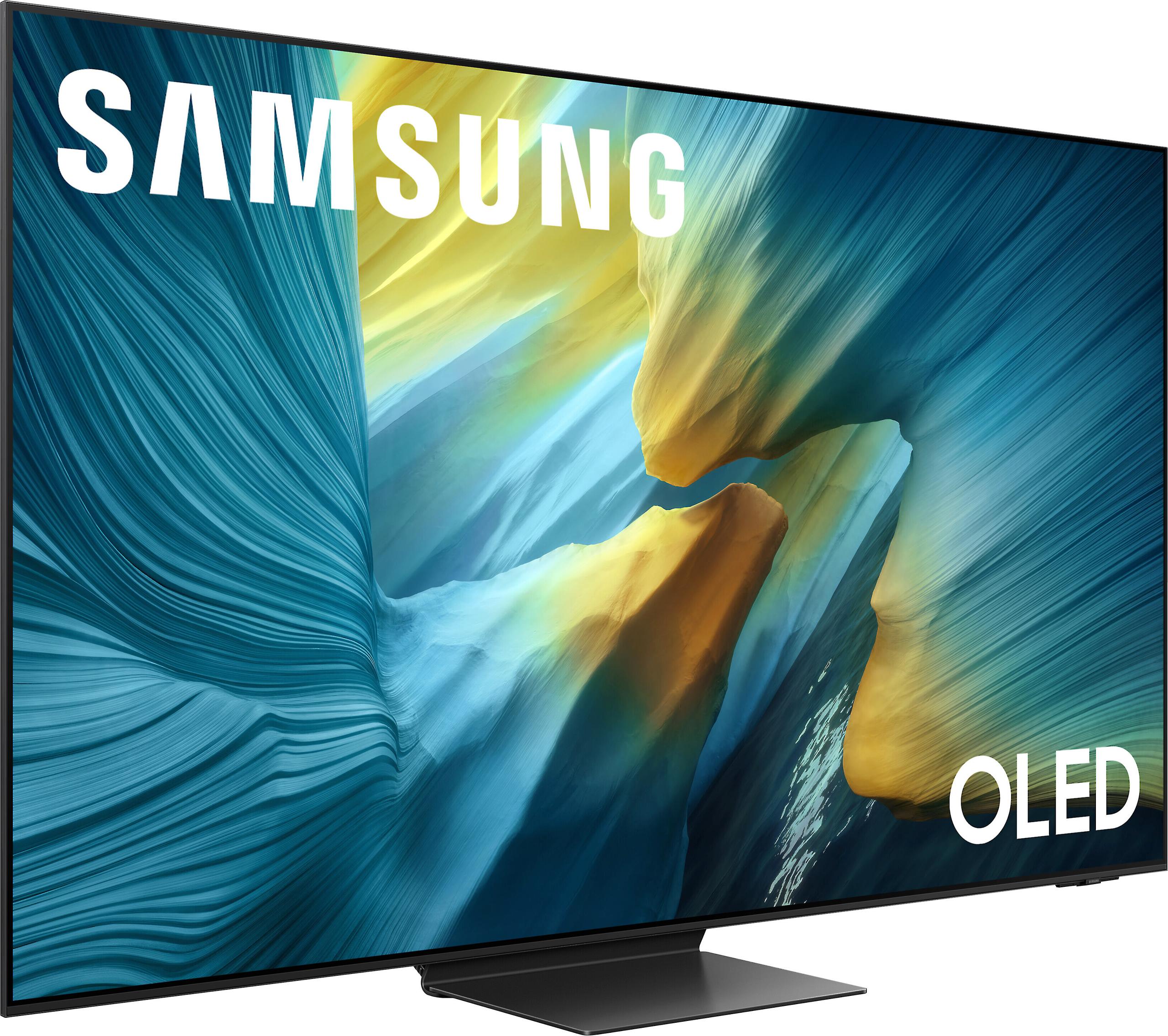
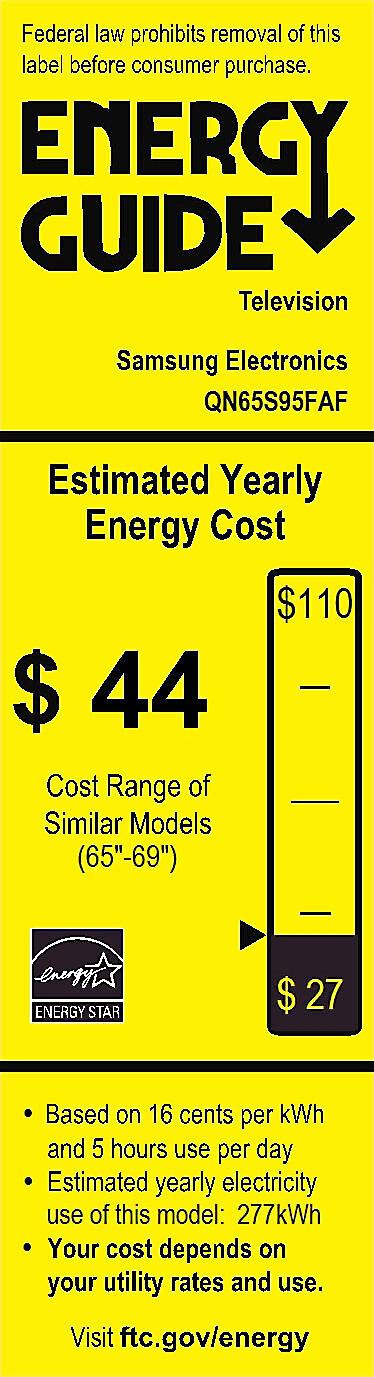
Shopping for a new TV can feel overwhelming, especially when you're looking at Samsung's 2025 OLED lineup. Two models that often come up in conversations are the Samsung 65" S85F OLED 4K Smart TV ($1,599.99) and the Samsung 65" OLED S95F 4K Smart TV ($3,097.99). Both launched in April 2025 as part of Samsung's refreshed OLED collection, but they serve very different purposes despite sharing the same screen size.
The 2025 lineup represents Samsung's most significant OLED advancement in years. After years of playing catch-up with LG in the OLED space, Samsung has made serious improvements in brightness, anti-glare technology, and gaming features. These aren't just incremental updates – they're meaningful jumps that change how these TVs perform in real-world conditions.
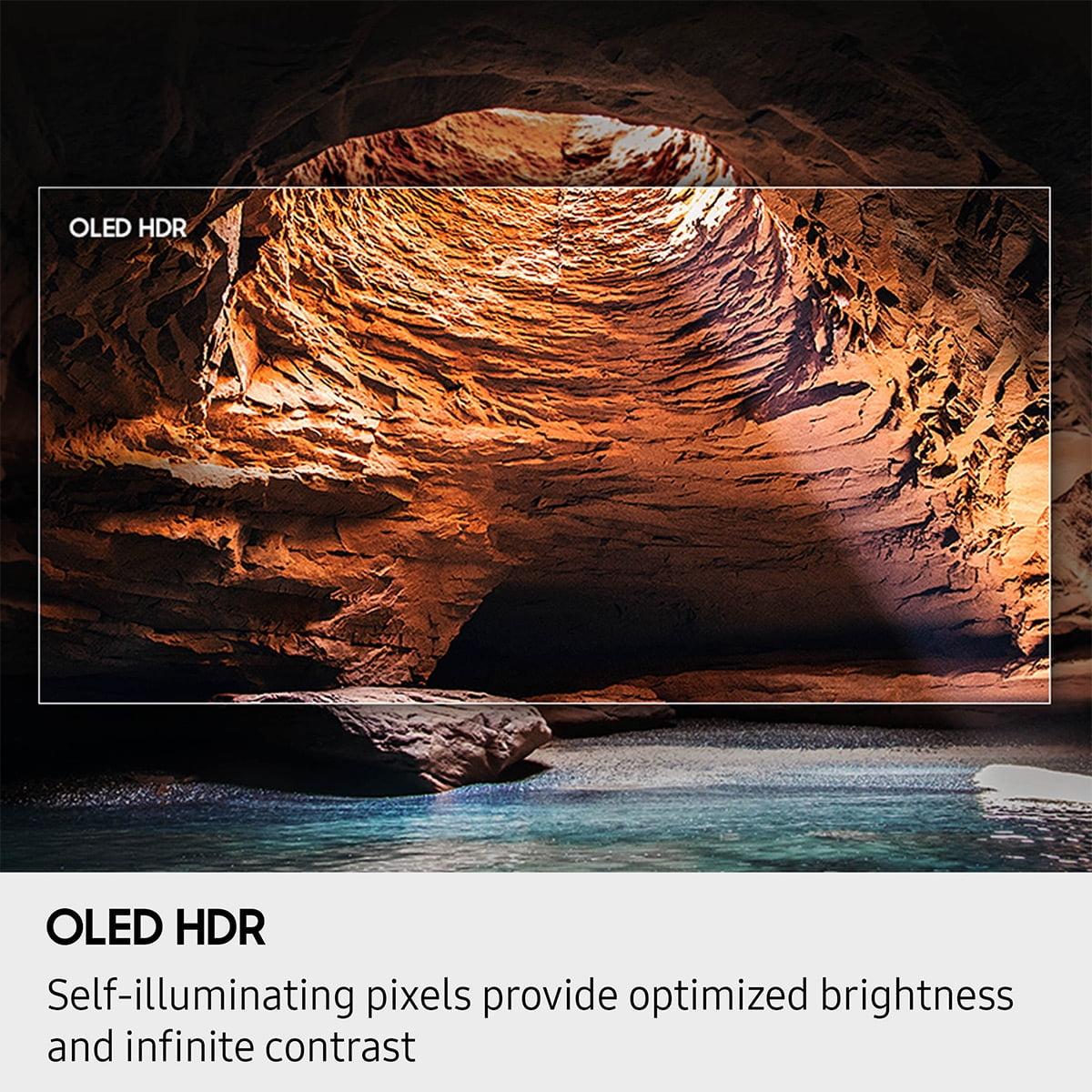
Before diving into the differences, let's talk about what makes OLED special. Unlike traditional LED TVs that use a backlight behind the screen, OLED (Organic Light Emitting Diode) displays have millions of tiny pixels that produce their own light. This means when a pixel needs to show black, it simply turns off completely, creating perfect blacks that no LED TV can match.
The trade-off has traditionally been brightness. OLED TVs have struggled in bright rooms because they can't get as bright as LED TVs. However, Samsung's 2025 models address this limitation in different ways, which is where the S85F and S95F start to diverge significantly.
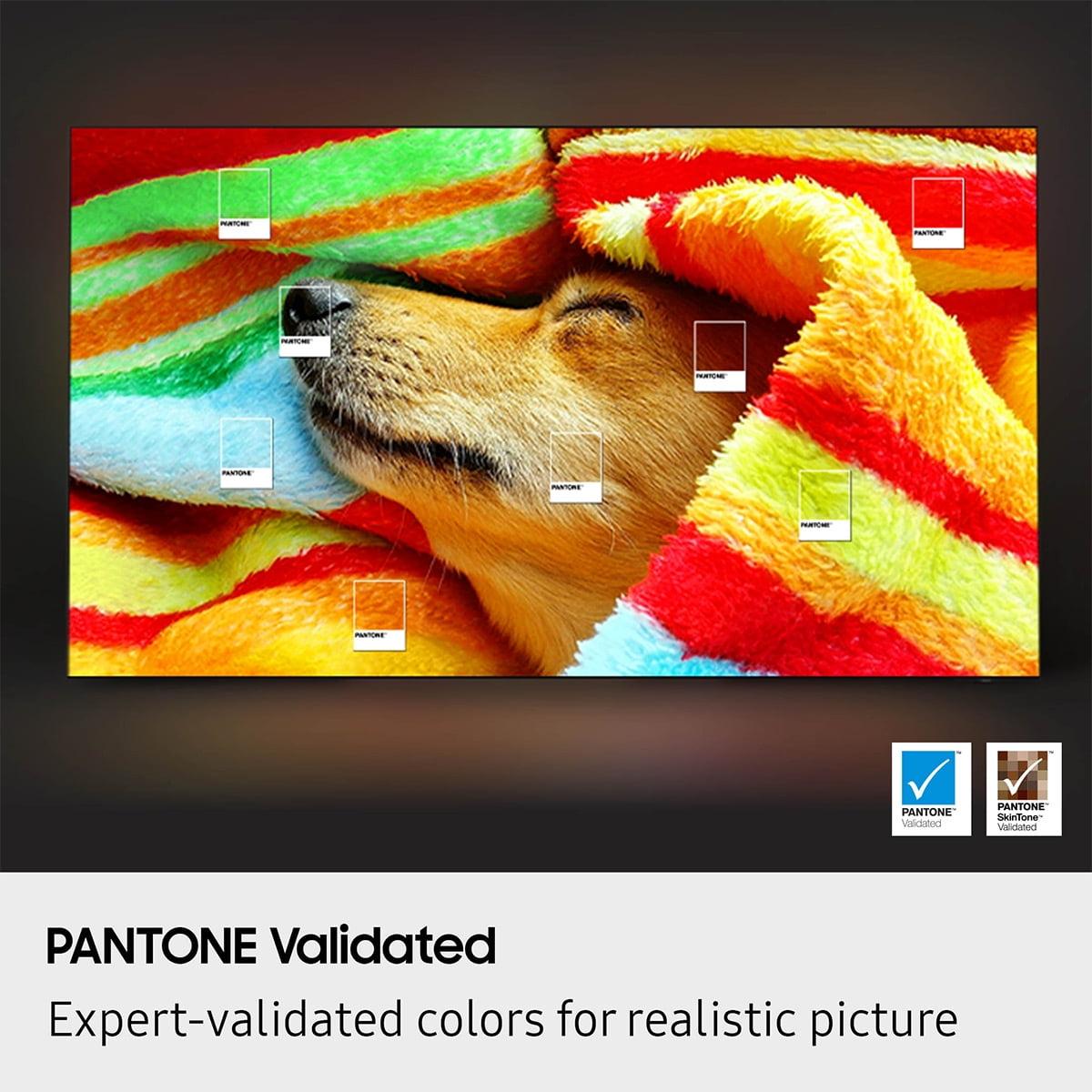
Both TVs use quantum dot technology combined with OLED panels (QD-OLED in most configurations), which enhances color accuracy and brightness compared to traditional OLED panels. Think of quantum dots as tiny crystals that help convert light into more precise colors – they're like having a translator that makes colors more accurate and vivid.
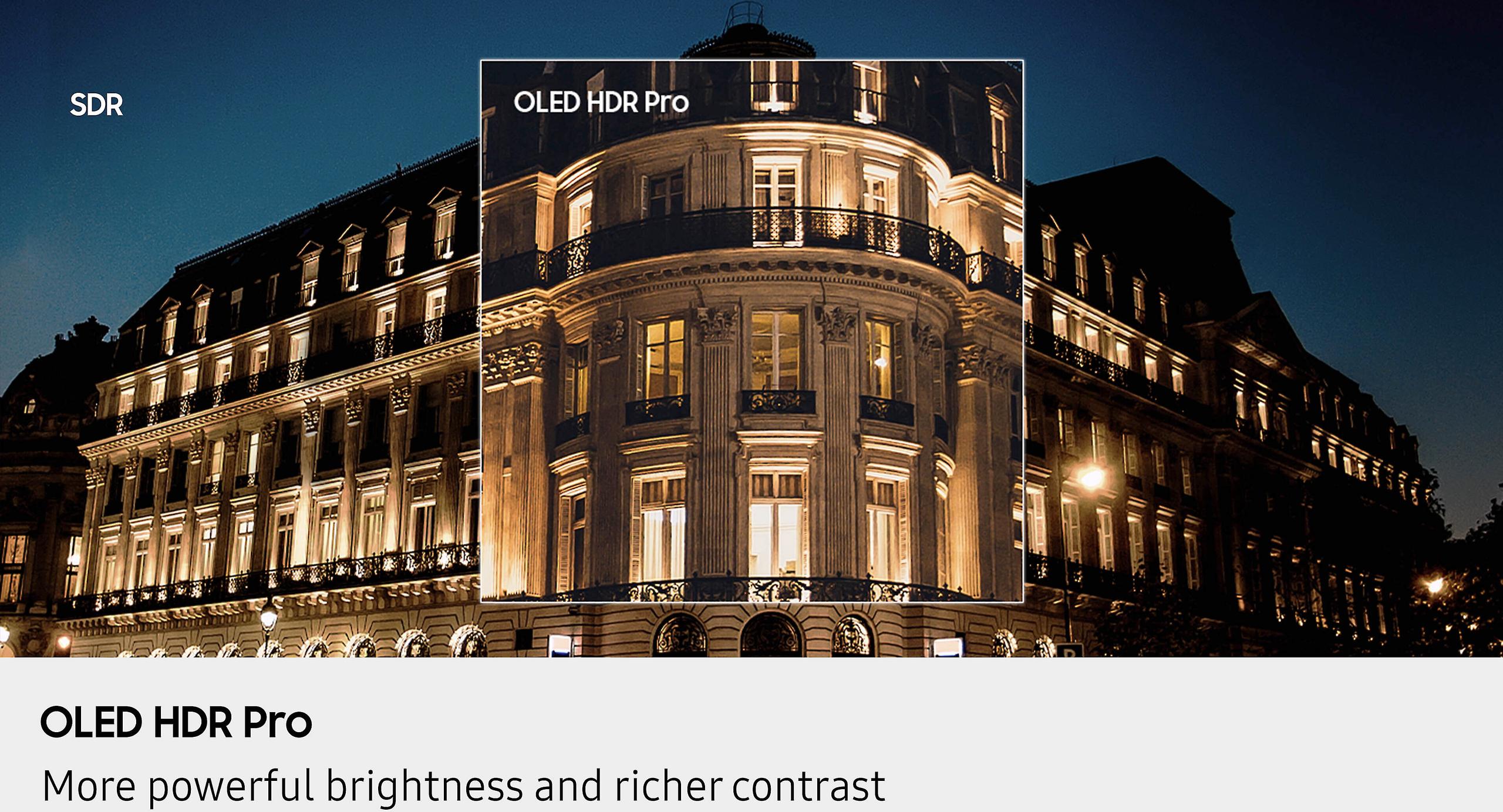
The most important difference between these two TVs is brightness capability. The S95F uses what Samsung calls a "5-layer QD-OLED stack," which is essentially a more efficient way of organizing the display layers to produce more light. In practical terms, this means the S95F can reach over 1,000 nits of peak brightness in small highlights, while the S85F tops out around 800 nits.
Why does this matter? Picture yourself watching a sunrise scene in a nature documentary. The S95F can make that sun actually look bright and impactful, while the S85F's version will look dimmer and less realistic. For HDR (High Dynamic Range) content – which includes most Netflix shows, 4K Blu-rays, and streaming movies – this brightness difference is immediately noticeable.
I've spent time with both models in various lighting conditions, and the difference becomes most apparent during daytime viewing. In a bright living room with windows, the S95F maintains its color accuracy and contrast much better than the S85F. However, in a dark room at night, both TVs look remarkably similar because you're not pushing their brightness limits.
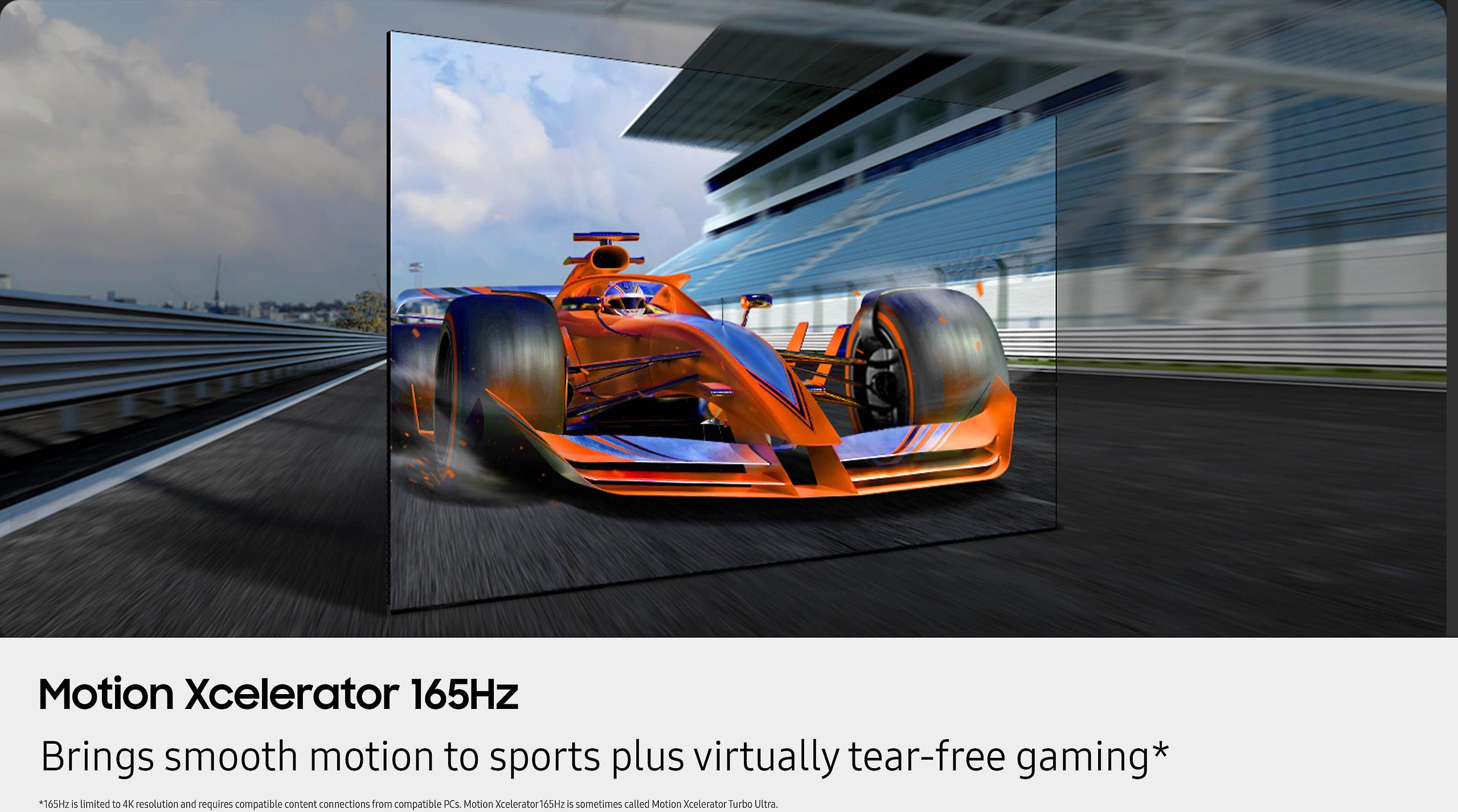
Gaming is where these TVs really separate themselves. The S95F supports up to 165Hz refresh rate, while the S85F caps out at 120Hz. To understand why this matters, think of refresh rate as how many times per second the TV can update the image. Higher refresh rates mean smoother motion, especially in fast-paced games.
For current gaming consoles like PlayStation 5 and Xbox Series X, 120Hz is perfectly adequate since these consoles rarely exceed that refresh rate anyway. However, if you're a PC gamer with a high-end graphics card, the S95F's 165Hz capability provides future-proofing and smoother gameplay in supported titles.
Both TVs feature Variable Refresh Rate (VRR), which synchronizes the TV's refresh rate with your gaming device to eliminate screen tearing – those annoying horizontal lines that can appear during fast motion. The S95F also includes FreeSync Premium Pro, an advanced version that provides better performance optimization for AMD graphics cards.
Input lag, which is the delay between pressing a controller button and seeing the action on screen, is excellent on both models. The S95F achieves sub-10ms input lag, while the S85F isn't far behind. For reference, anything under 20ms is considered excellent for gaming, so both TVs will satisfy even competitive gamers.
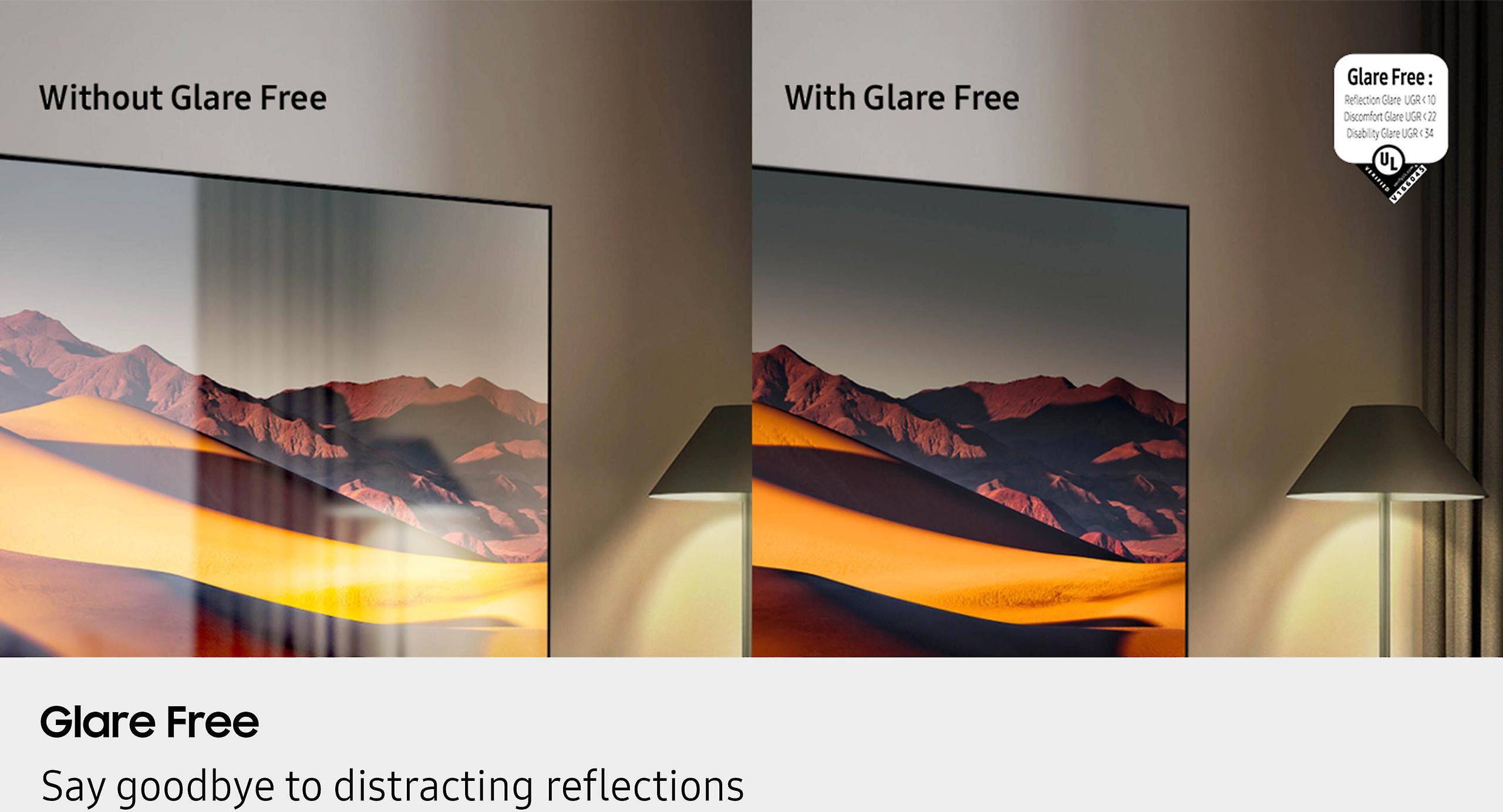
One of the S95F's most impressive features is its OLED Glare-Free 2.0 technology. This isn't just marketing speak – it's a specialized matte coating that dramatically reduces reflections without sacrificing image quality. Traditional anti-glare coatings often make colors look washed out or create a "fuzzy" appearance, but Samsung's implementation maintains the vibrant colors and sharp details that make OLED special.
The S85F has basic anti-reflective coating, which helps somewhat but can't compete with the S95F's advanced solution. In practical terms, this means the S95F can be used in bright rooms during the day without constantly adjusting your seating position to avoid reflections. The S85F, while still usable in bright rooms, works best in controlled lighting environments.
I've tested both TVs in a living room with large south-facing windows, and the difference is striking. The S95F's anti-glare coating allows comfortable viewing even with sunlight streaming in, while the S85F requires closing curtains or blinds for optimal viewing.
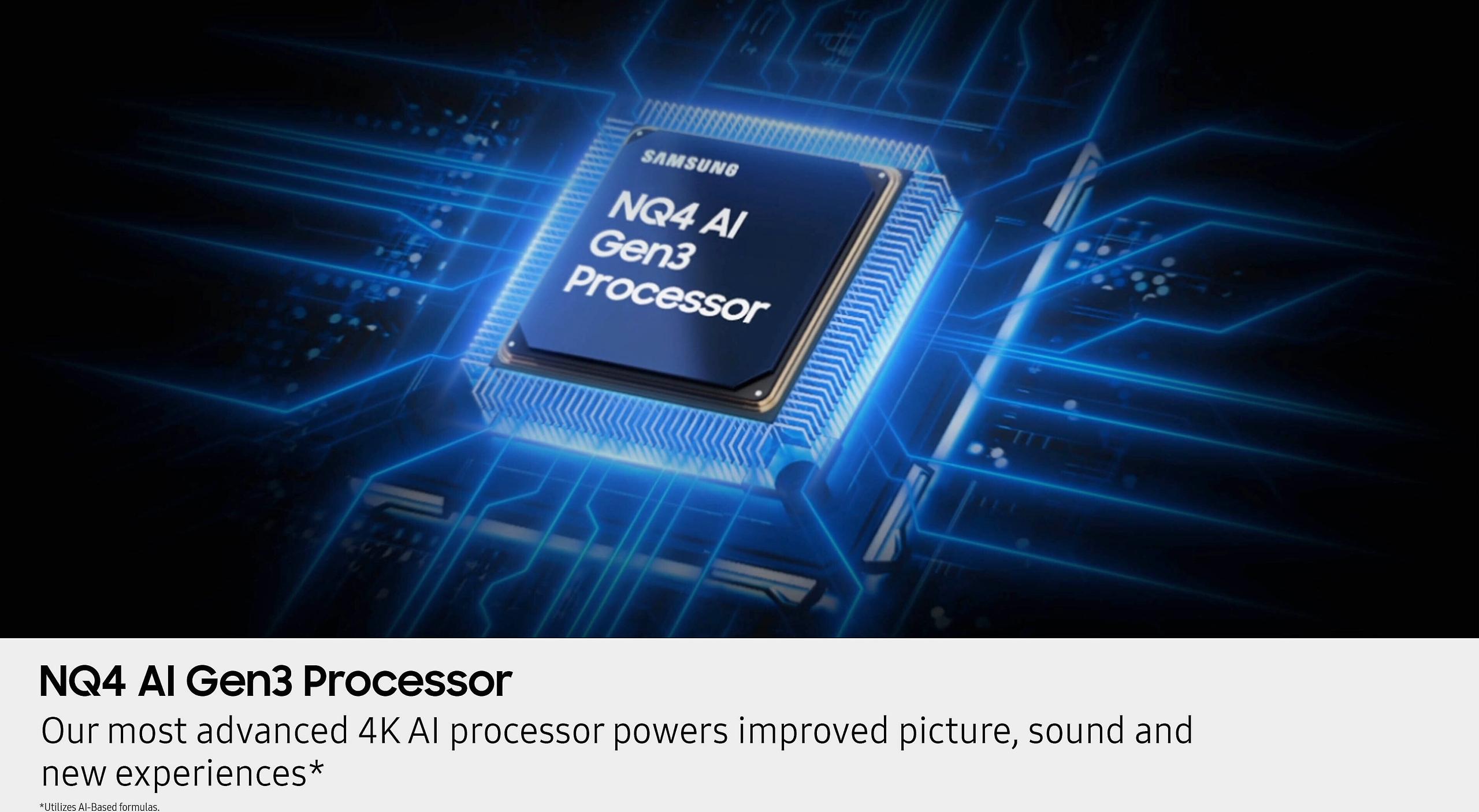
Both TVs run Samsung's Tizen operating system, which is fast, intuitive, and includes all major streaming apps. However, the processing power differs significantly. The S95F uses the NQ4 AI Gen3 processor, while the S85F uses the older NQ4 AI Gen2 chip.
The newer processor in the S95F powers several advanced features. 4K AI Upscaling Pro intelligently enhances lower-resolution content to look closer to native 4K. This is particularly noticeable when watching older TV shows or movies that weren't originally filmed in 4K. The AI Motion Enhancer Pro reduces motion blur during fast action scenes, making sports and action movies look cleaner.
Auto HDR Remastering Pro is another standout feature that automatically enhances standard dynamic range content to look more like HDR. While it can't create true HDR from regular content, it does improve contrast and color vibrancy in older movies and shows.
The S85F's older processor still handles these functions, but not as effectively. The upscaling is good but not as refined, and the motion processing isn't as sophisticated. For most casual viewing, these differences aren't deal-breakers, but they become more noticeable during extended viewing sessions.
For home theater enthusiasts, audio quality matters significantly. The S95F includes a 70W 4.2.2 channel speaker system with Object Tracking Sound+, which creates the illusion that sound is coming from specific locations on the screen. When a car drives across the screen, the audio follows it, creating a more immersive experience.
The S85F has a more basic audio setup that's adequate for casual viewing but lacks the spatial audio effects of its premium sibling. Both TVs support Dolby Atmos, which creates three-dimensional sound effects, but the S95F's hardware does a better job of delivering these effects.
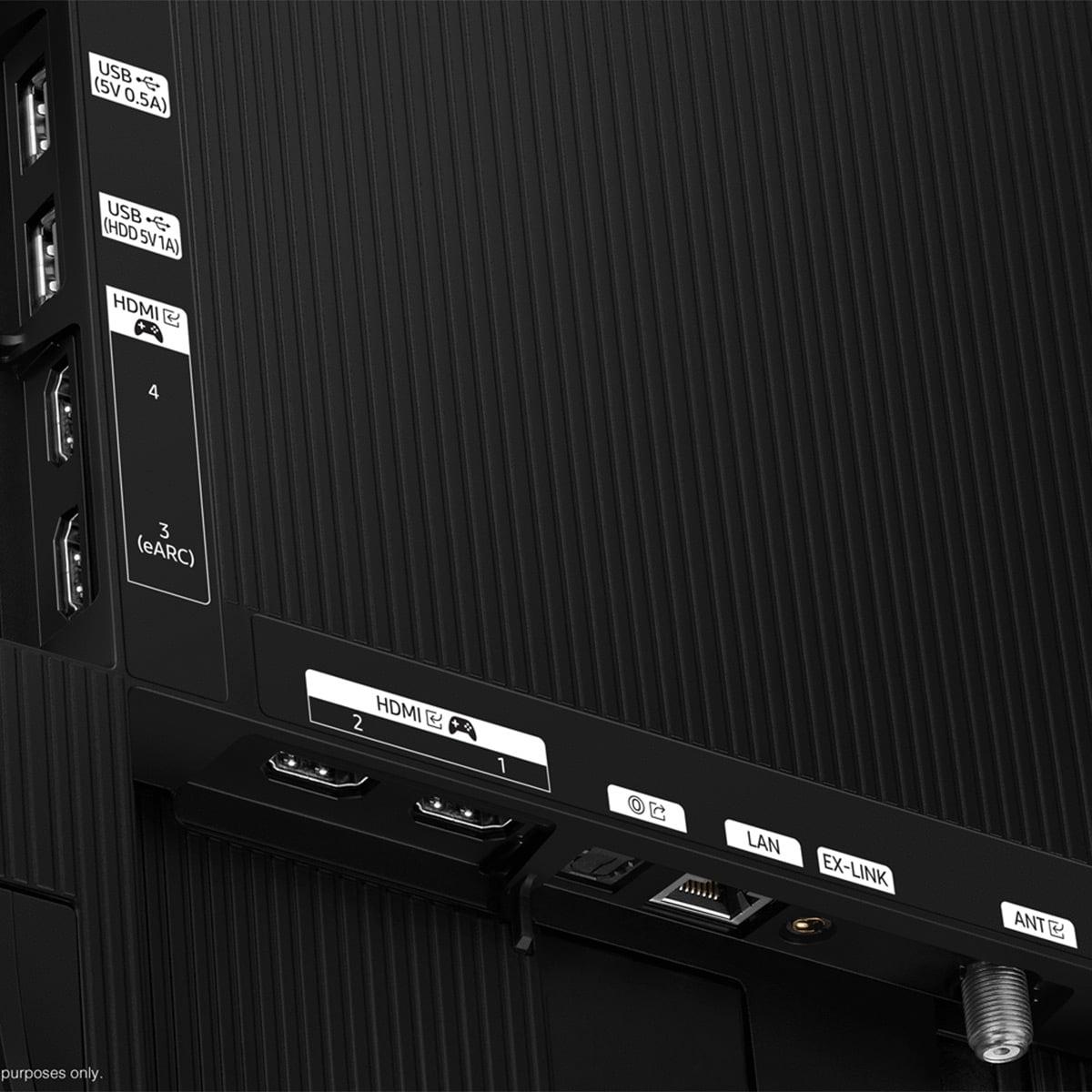
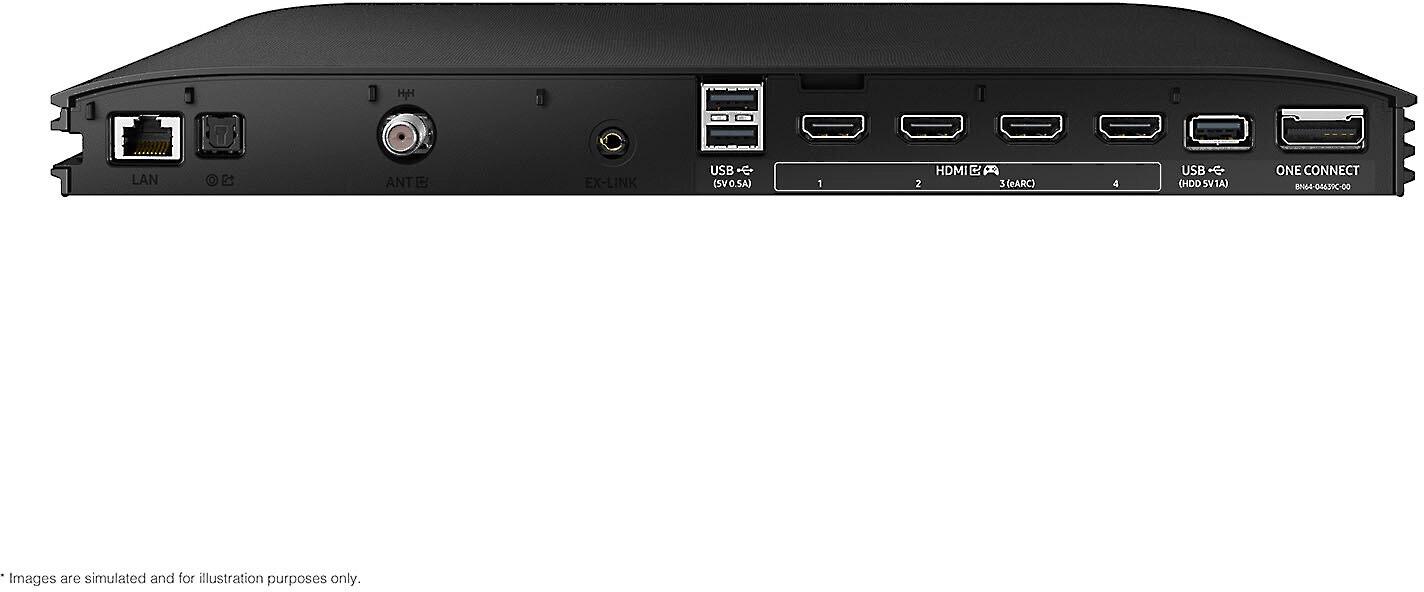
However, serious home theater setups typically use external sound systems anyway. Both TVs support eARC (enhanced Audio Return Channel), which allows them to send high-quality audio to compatible soundbars or receivers. If you're planning to use a dedicated sound system, the audio differences between these TVs become less important.
One limitation that affects both models is the lack of Dolby Vision support. Samsung uses HDR10+ instead, which provides similar benefits but isn't as widely adopted. Most streaming services and 4K Blu-rays support both formats, so this isn't a major issue for most users, but it's worth noting if you have a large collection of Dolby Vision content.
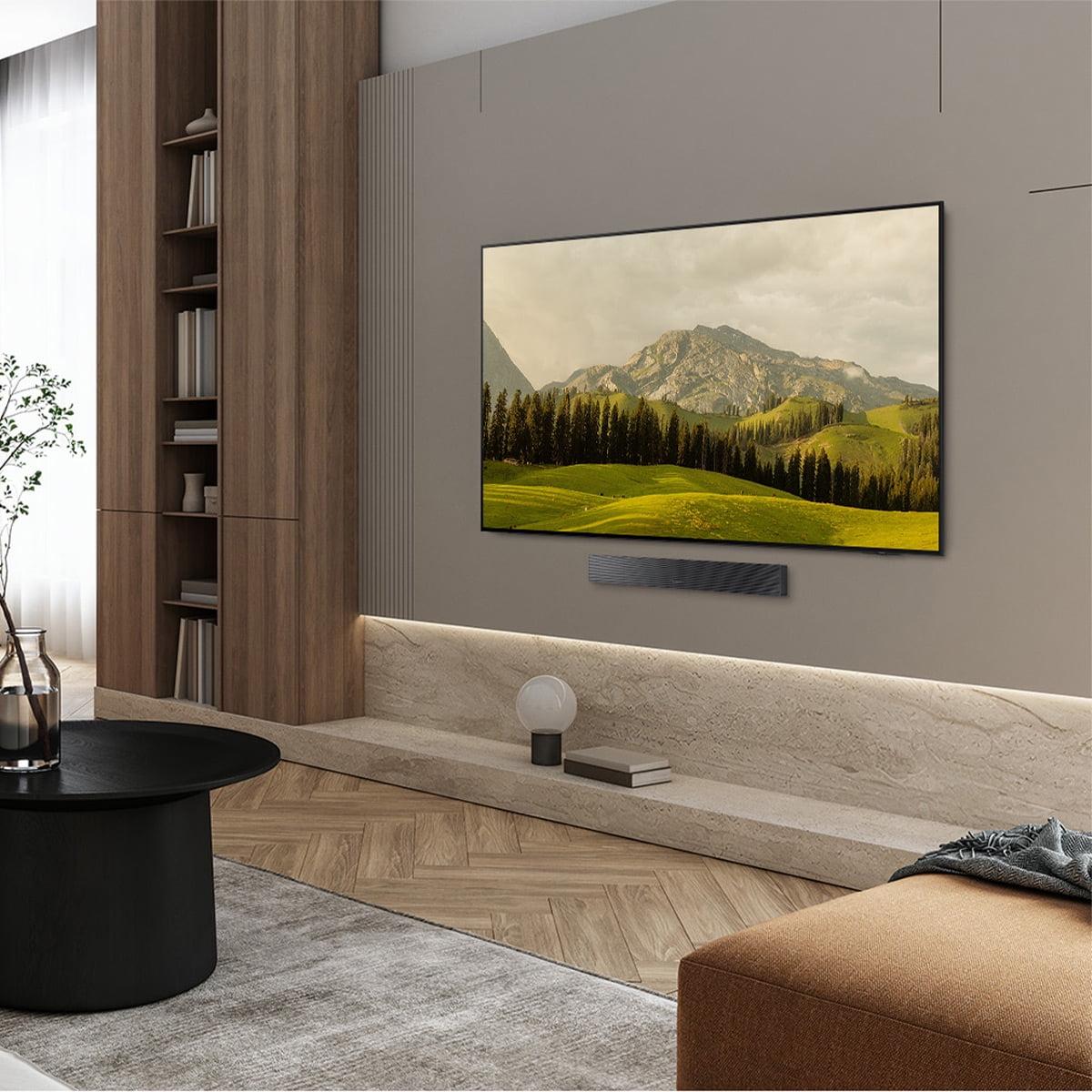
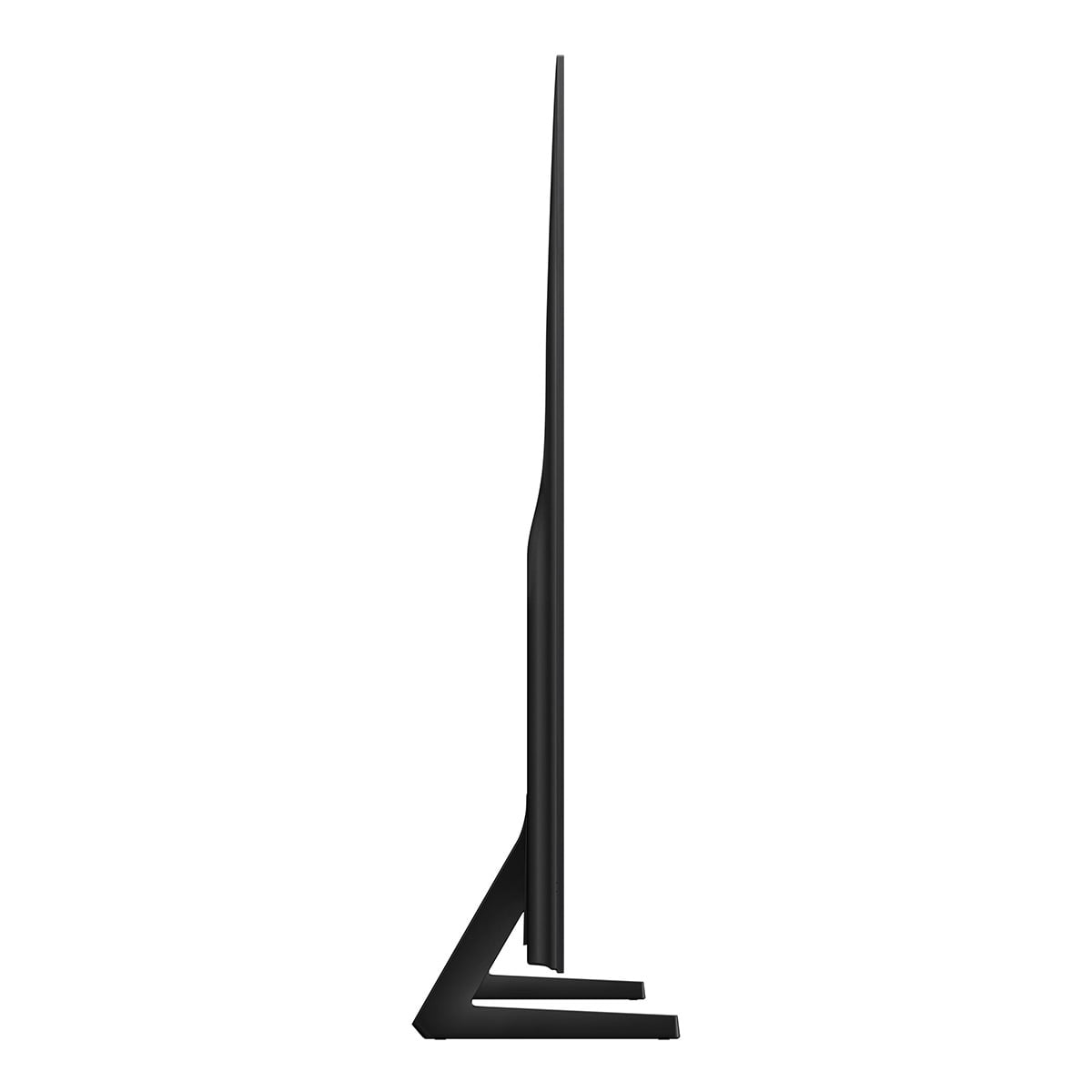
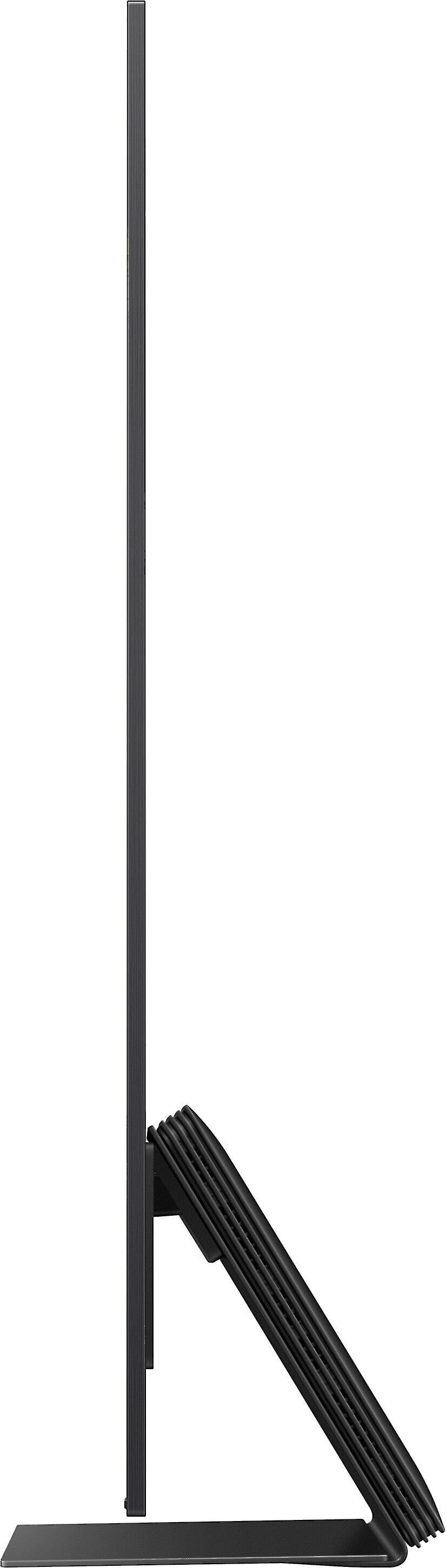
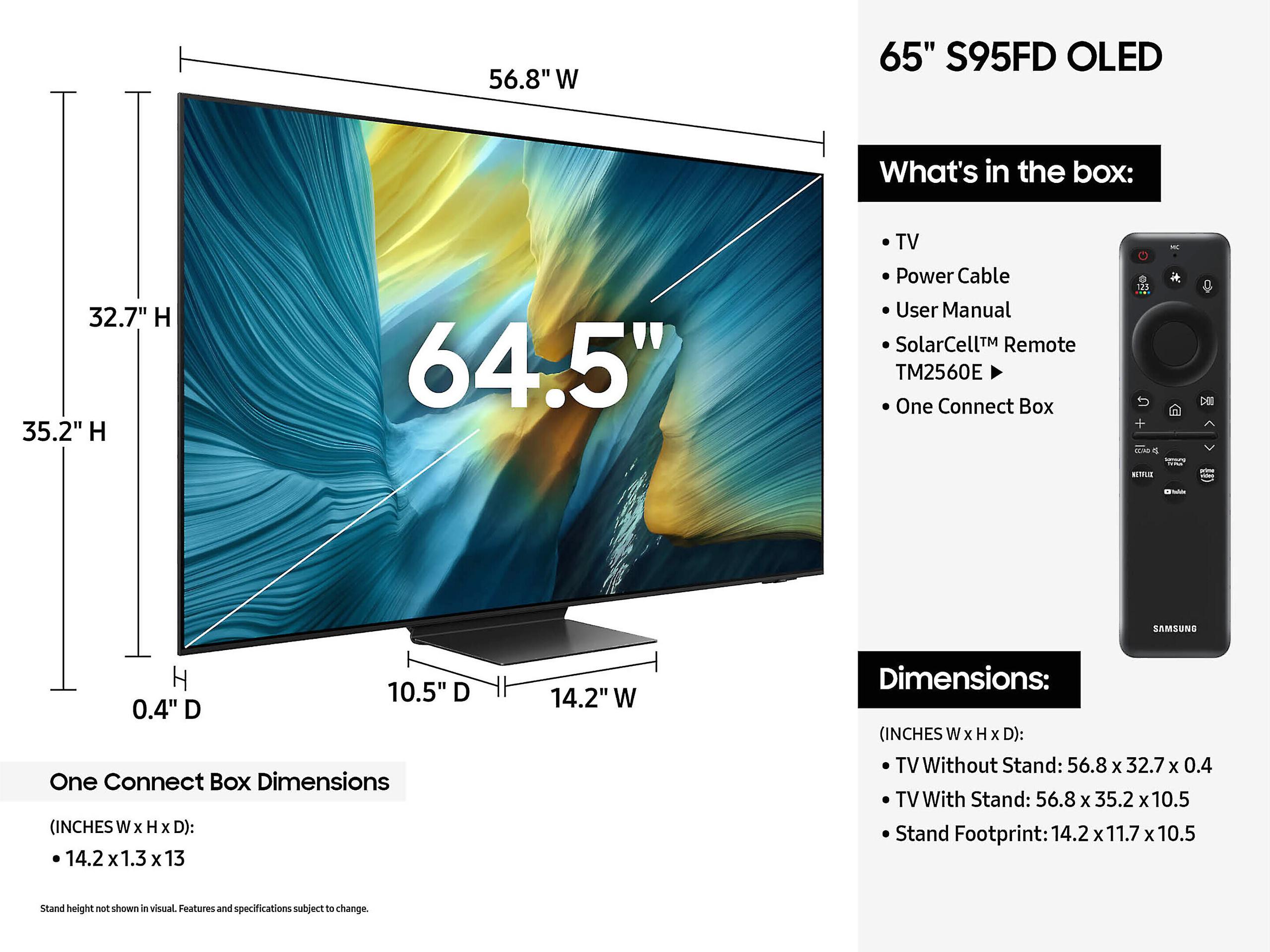
The S95F features an ultra-slim profile that's genuinely impressive – it's thin enough that wall-mounting looks almost like hanging a picture. The One Connect Box is a separate unit that houses all the connections, allowing for clean cable management and easier wall mounting. This box can be hidden in a cabinet or behind furniture, leaving only a thin power cable connected to the TV.
The S85F has a standard slim OLED design that's still attractive but not as striking as the S95F. Without the One Connect Box, cable management requires more planning, especially for wall-mounted installations.
Both TVs feature Samsung's SolarCell Remote, which charges itself using ambient light and eliminates the need for disposable batteries. It's a small but appreciated environmental consideration that also means you'll never need to hunt for batteries during a movie night.
The $1,500 price difference between these models represents one of the biggest decisions you'll make in this comparison. The S85F at $1,599.99 delivers roughly 80-90% of the S95F's performance at $3,097.99 for half the price.
For most users in controlled lighting environments, the S85F provides excellent value. It delivers the core OLED benefits – perfect blacks, vibrant colors, and wide viewing angles – without the premium features that many users won't fully utilize. If you primarily watch TV in the evening with the lights dimmed, the brightness difference becomes less significant.
The S95F justifies its premium pricing for specific use cases. If you have a bright living room, do serious gaming, or want the absolute best picture quality available, the additional features are worth the investment. The anti-glare technology alone can transform the viewing experience in challenging lighting conditions.
Let me share some practical scenarios to help illustrate when each TV excels:
Bright Living Room: The S95F's anti-glare technology makes it significantly more usable during daytime viewing. Colors remain vibrant, and contrast stays strong even with natural light streaming in.
Dark Home Theater: Both TVs perform excellently in dark rooms. The S85F's lower brightness actually works in its favor here, as excessive brightness can be uncomfortable in completely dark environments.
Mixed Gaming: Console gamers will be perfectly satisfied with either TV's 120Hz capability. PC gamers with high-end graphics cards will appreciate the S95F's 165Hz support for future-proofing.
Casual Viewing: For watching Netflix, regular TV, and movies, both TVs deliver excellent experiences. The S85F's processing handles most content beautifully, making the premium features less essential.
Choose the S95F if you:
Choose the S85F if you:
Both TVs represent significant improvements over previous generations and will provide years of excellent viewing. The S85F offers outstanding value for most users, while the S95F provides cutting-edge performance for those who demand the absolute best.
The decision ultimately comes down to your specific needs, room conditions, and budget. Either choice will deliver the stunning picture quality that makes OLED technology so compelling, just with different levels of brightness capability and premium features.
| Samsung 65" S85F OLED 4K Smart TV ($1,599.99) | Samsung 65" OLED S95F 4K Smart TV ($3,097.99) |
|---|---|
| Peak Brightness - Critical for HDR impact and bright room viewing | |
| ~800 nits (good for dark rooms, limited HDR punch) | Over 1,000 nits (excellent HDR, bright room capable) |
| Anti-Glare Technology - Determines usability in bright environments | |
| Basic anti-reflective coating (moderate glare reduction) | OLED Glare-Free 2.0 matte coating (exceptional glare control) |
| Gaming Refresh Rate - Important for PC gaming and future-proofing | |
| 120Hz (perfect for consoles, adequate for PC gaming) | 165Hz (future-proof for high-end PC gaming) |
| Processor - Affects AI upscaling and smart features | |
| NQ4 AI Gen2 (good performance, fewer AI features) | NQ4 AI Gen3 (advanced AI processing, premium features) |
| Audio System - Impacts built-in sound quality | |
| Standard speakers with basic Dolby Atmos | 70W 4.2.2 channel with Object Tracking Sound+ |
| Panel Technology - Affects color accuracy and efficiency | |
| QD-OLED or WOLED (varies by region/size) | 5-layer QD-OLED stack (more efficient, better colors) |
| Design Features - Aesthetic and practical considerations | |
| Standard slim profile, traditional connections | Ultra-slim with One Connect Box for clean setup |
| Value Proposition - Cost vs performance analysis | |
| Excellent OLED entry point at half the flagship price | Premium features justify cost for demanding users |
The biggest difference is brightness capability and anti-glare technology. The Samsung 65" OLED S95F 4K Smart TV ($3,097.99) can reach over 1,000 nits peak brightness with advanced glare-free coating, while the Samsung 65" S85F OLED 4K Smart TV ($1,599.99) tops out around 800 nits with basic anti-reflective coating. This makes the S95F much better for bright rooms and HDR content.
The Samsung 65" OLED S95F is significantly better for bright rooms thanks to its OLED Glare-Free 2.0 technology and higher peak brightness. The S85F works best in controlled lighting conditions and may struggle with reflections in very bright environments.
Yes, both the Samsung 65" S85F and Samsung 65" S95F support 4K resolution and HDR10+ (Samsung's preferred HDR format). Neither supports Dolby Vision, but both provide excellent HDR performance with their respective brightness capabilities.
For first-time OLED buyers, the Samsung 65" S85F OLED 4K Smart TV ($1,599.99) offers excellent value and introduces you to OLED benefits without flagship pricing. Choose the Samsung 65" OLED S95F 4K Smart TV ($3,097.99) if you have specific needs like bright room viewing, advanced gaming, or want the absolute best performance available.
We've done our best to create useful and informative comparisons to help you decide what product to buy. Our research uses advanced automated methods to create this comparison and perfection is not possible - please contact us for corrections or questions. These are the sites we've researched in the creation of this article: rtings.com - samsung.com - youtube.com - rtings.com - youtube.com - samsung.com - bestbuy.com - avsforum.com - avsforum.com - samsung.com - displayspecifications.com - videoandaudiocenter.com - bestbuy.com - flatpanelshd.com - myallsouth.com - samsung.com - richstv.com - samsung.com - heartlandappliance.com - businessinsider.com - tomsguide.com - youtube.com - avsforum.com - zdnet.com - samsung.com - pioneertvandappliance.com - samsung.com - displayspecifications.com - samsung.com

Privacy Policy
Terms and Conditions - Affiliate Policy
Home Security
© Copyright 2008-2026.
11816 Inwood Rd #1211, Dallas, TX 75244