

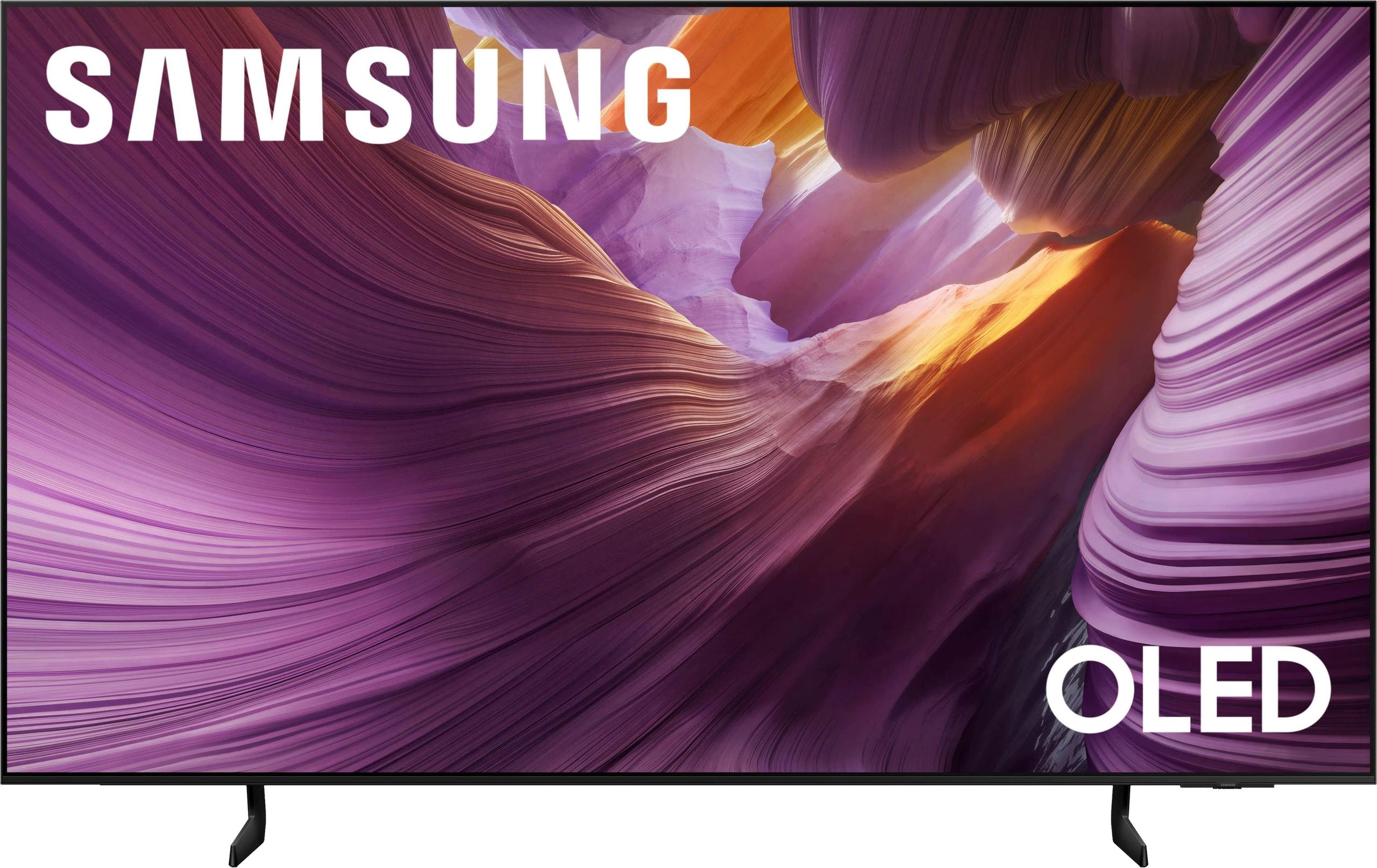
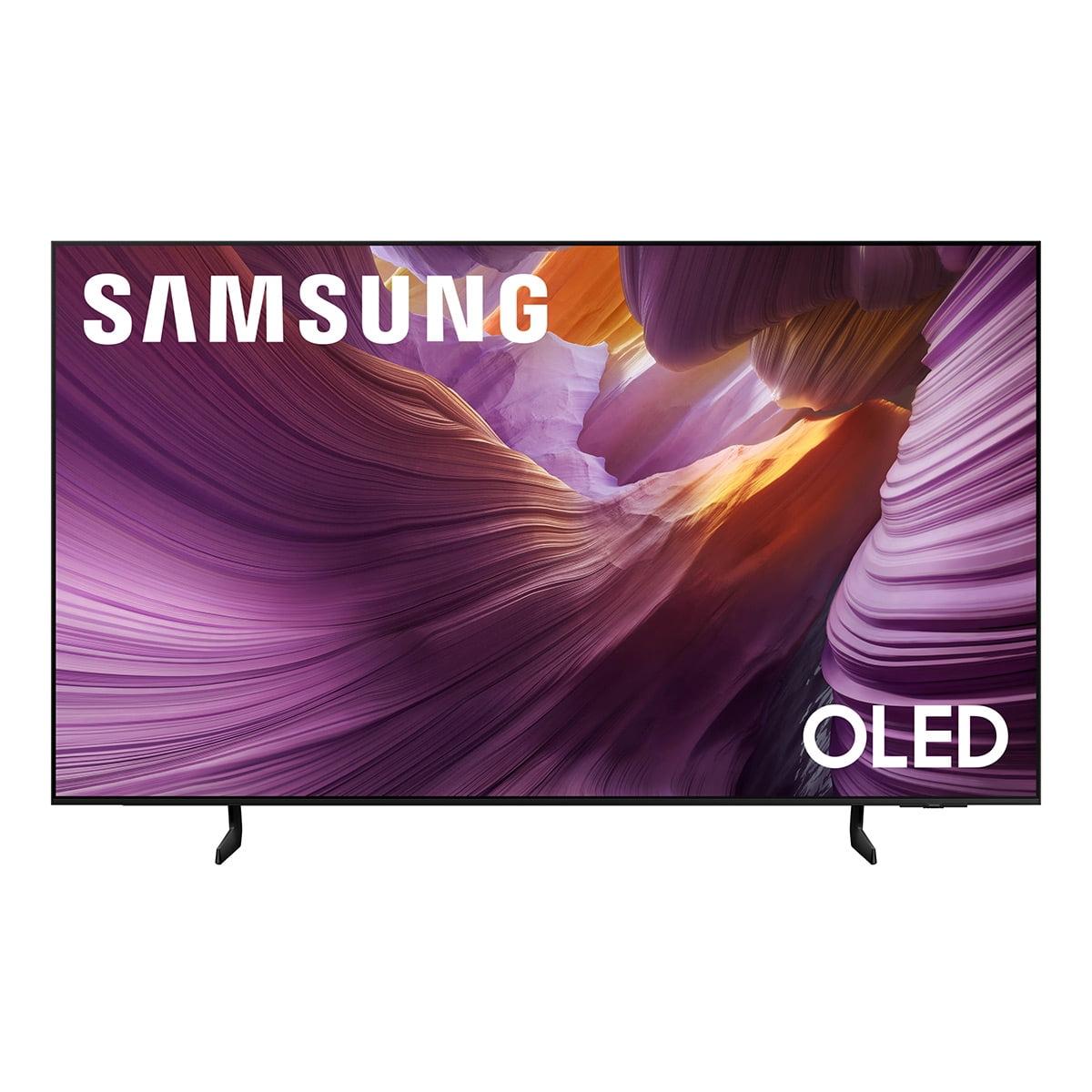
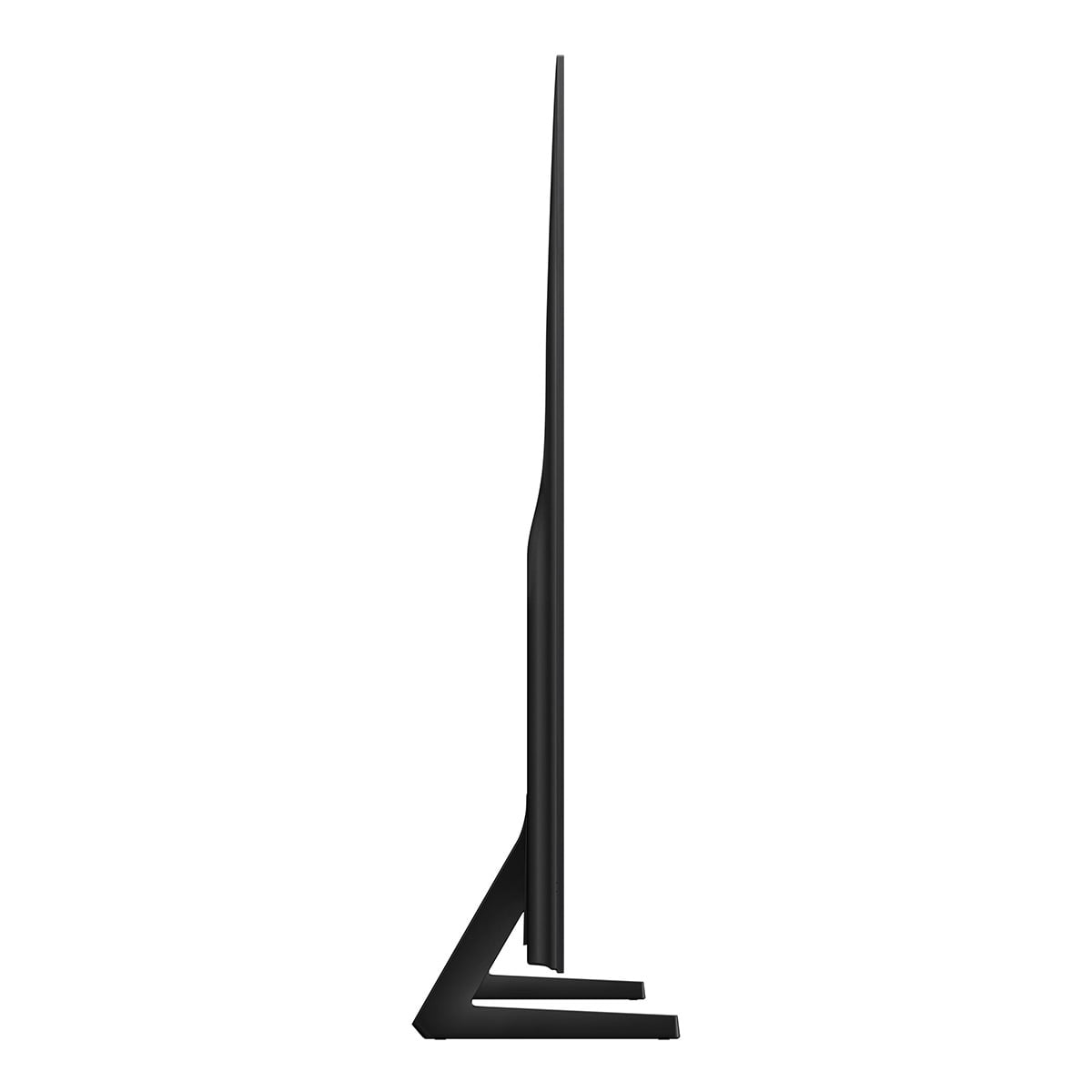

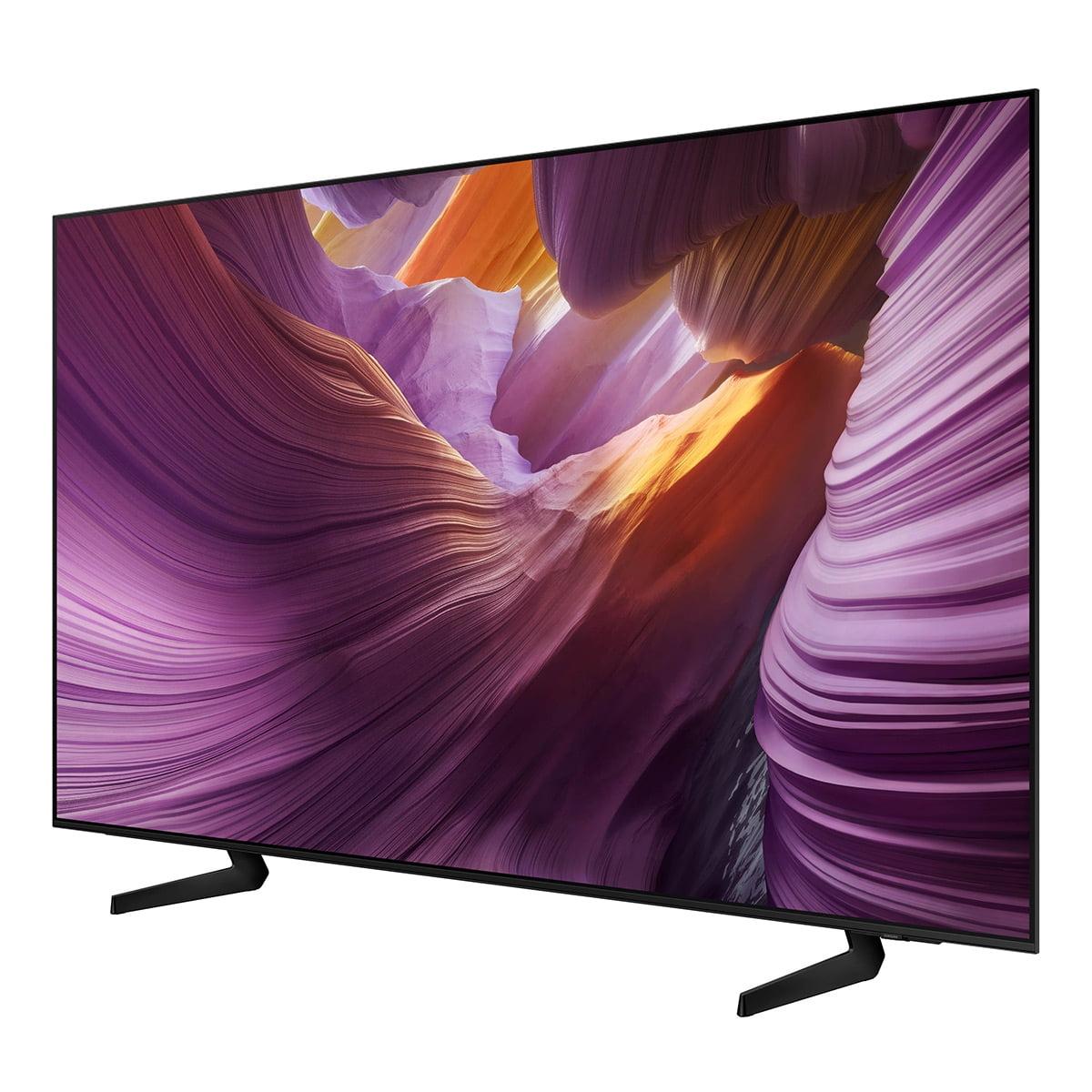
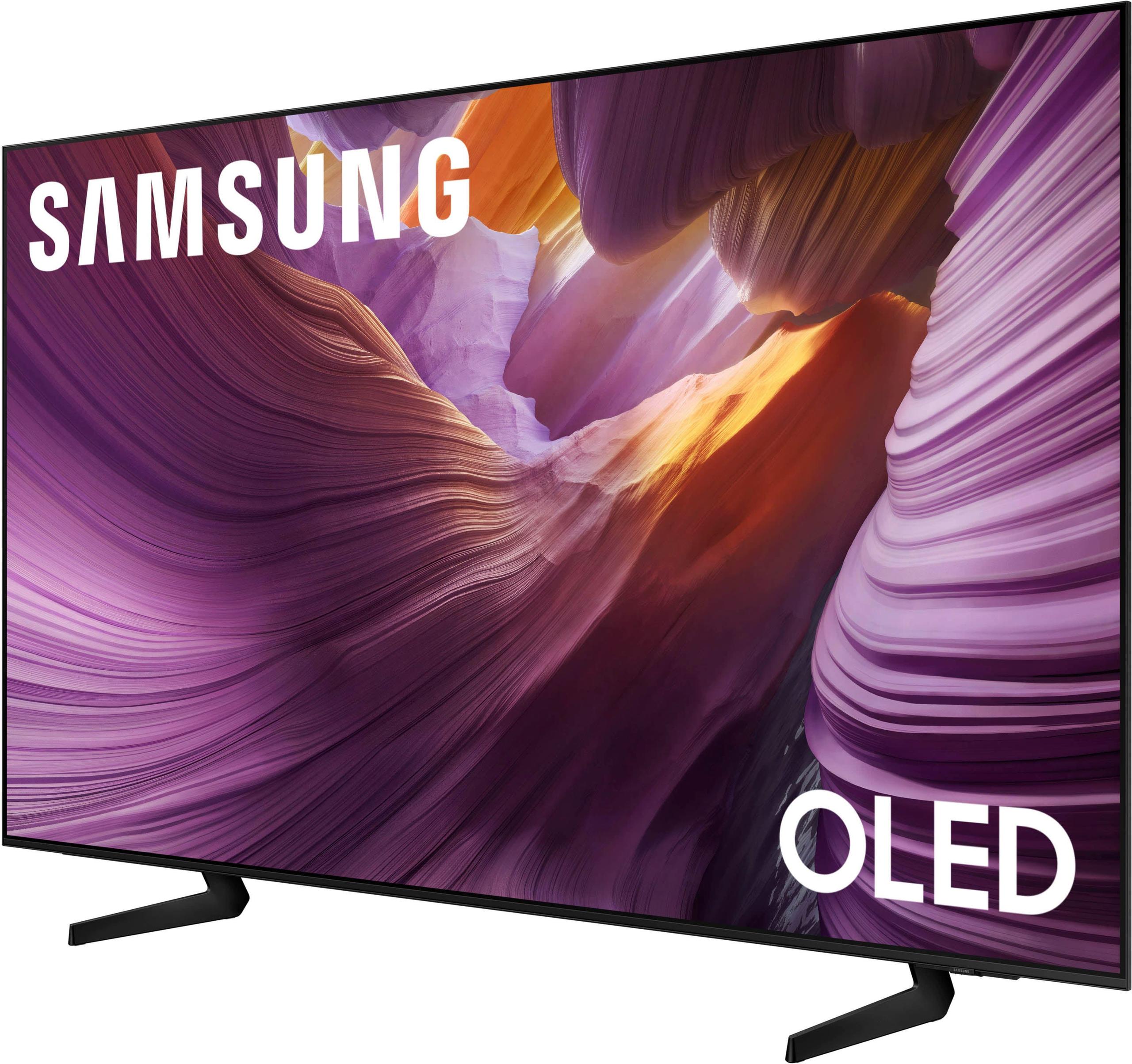
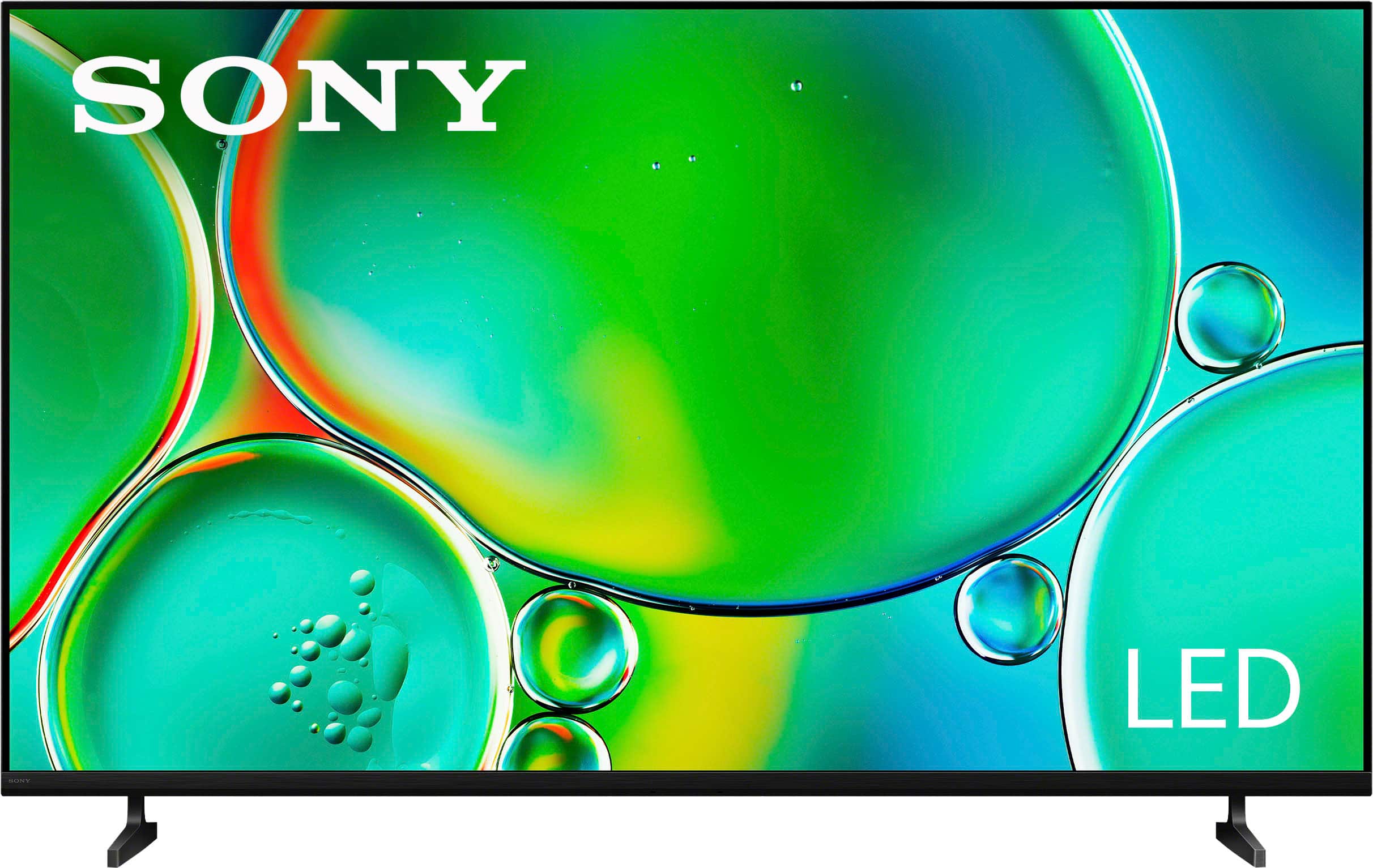
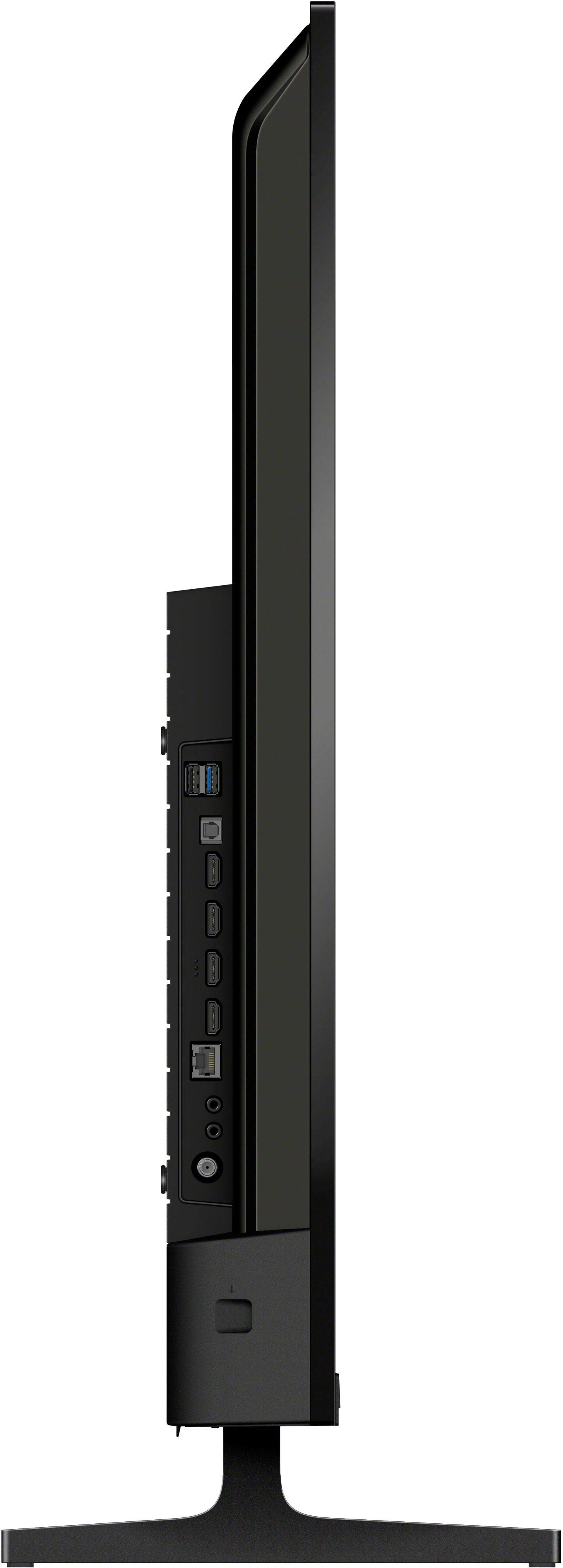
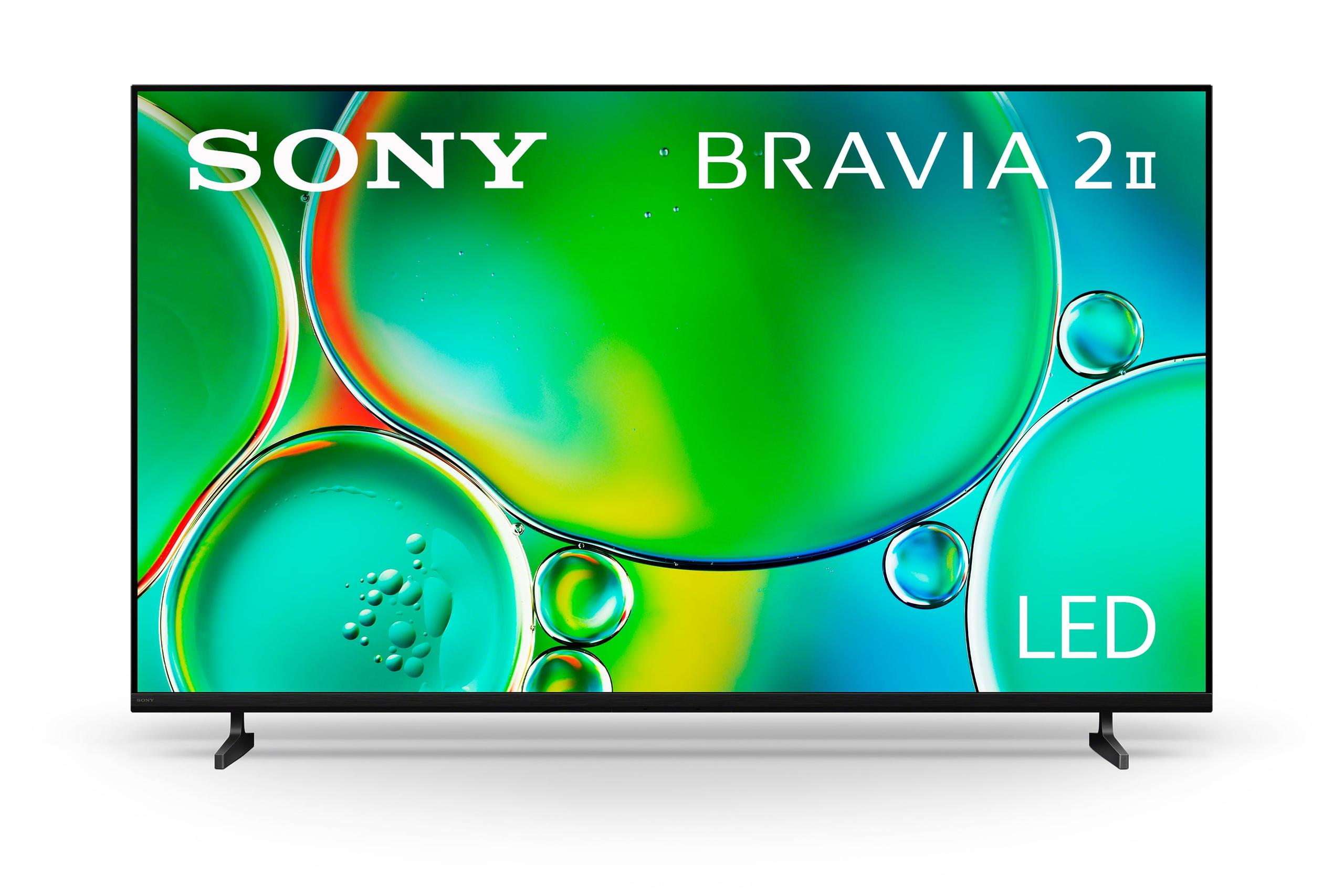




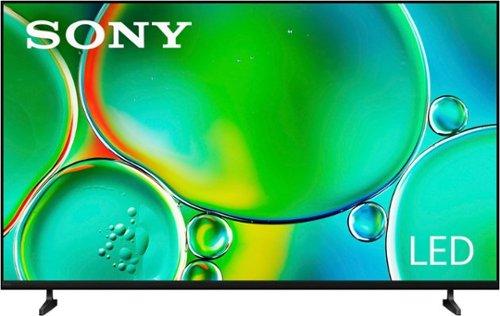
Choosing between the Samsung 65" S85F OLED 4K Smart TV at $1,599.99 and the Sony BRAVIA 2 II 65" 4K LED Google TV at $649.99 feels like comparing a sports car to a reliable sedan—both will get you where you want to go, but the experience is completely different. After spending time with both TVs, I can tell you that while they share the same screen size and 4K resolution, they're targeting entirely different audiences and budgets.
The 4K TV market has evolved dramatically over the past few years. OLED technology, once reserved for flagship models costing $3,000 or more, has become more accessible. Meanwhile, LED TVs have gotten smarter and more feature-rich, making them incredible value propositions for everyday viewers.
Both TVs launched in 2025, but at different points. The Samsung S85F arrived in early 2025 as Samsung's attempt to bring OLED technology to more budget-conscious consumers, while the Sony BRAVIA 2 II launched mid-2025 as Sony's answer to the demand for affordable yet capable 4K TVs.
What makes this comparison particularly interesting is how these companies have approached the same goal—delivering excellent 4K viewing—through completely different philosophies and price points.
The most significant difference between these TVs lies in their display technology, and it's worth understanding what this means for your viewing experience.
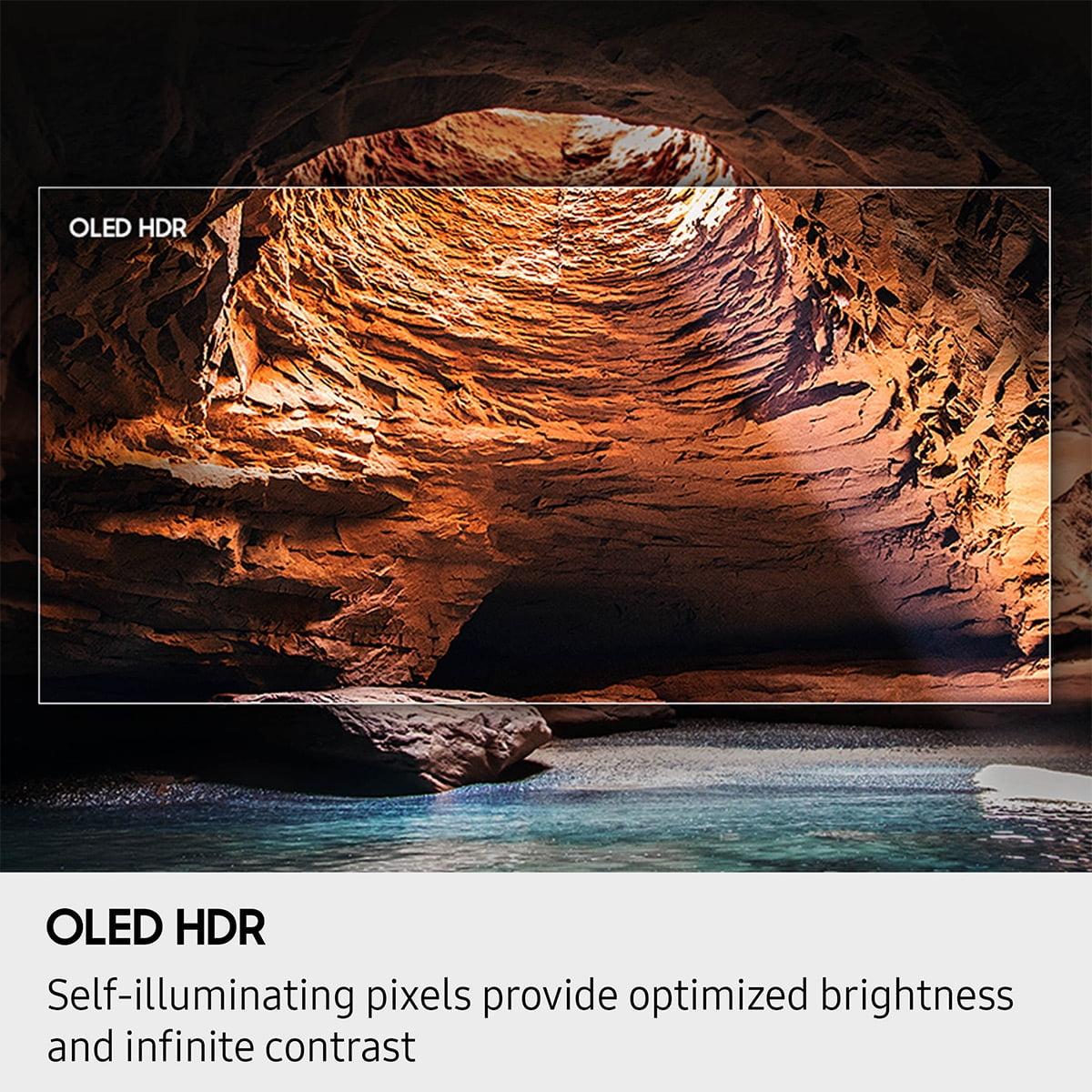
The Samsung S85F uses QD-OLED (Quantum Dot Organic Light Emitting Diode) technology. Think of OLED like having millions of tiny light bulbs that can turn completely on or off individually. When a pixel needs to be black, it simply turns off—no light whatsoever. This creates what we call "perfect blacks" and infinite contrast ratios.
The QD-OLED panel in the 65-inch Samsung model (available in North America) combines this pixel-level control with quantum dots, which are microscopic crystals that emit very pure colors when hit with light. This combination results in a broader color gamut—essentially, the TV can display more colors more accurately than traditional displays.
The Sony BRAVIA 2 II, on the other hand, uses a direct LED panel with frame dimming. This means it has a backlight behind the entire screen that illuminates liquid crystals to create the image. While this technology has improved significantly, it fundamentally cannot achieve true blacks because the backlight is always on to some degree.
In a dark room, the difference is immediately apparent. The Samsung's ability to display pure blacks makes movie watching feel more cinematic—you'll notice details in shadows that simply aren't visible on LED displays. Colors appear more vibrant and realistic because they're not competing with backlight bleed.
However, in bright rooms, the advantage becomes less pronounced. OLED panels can actually look gray when ambient light hits them, while LED displays often handle bright room viewing better due to their inherent brightness.
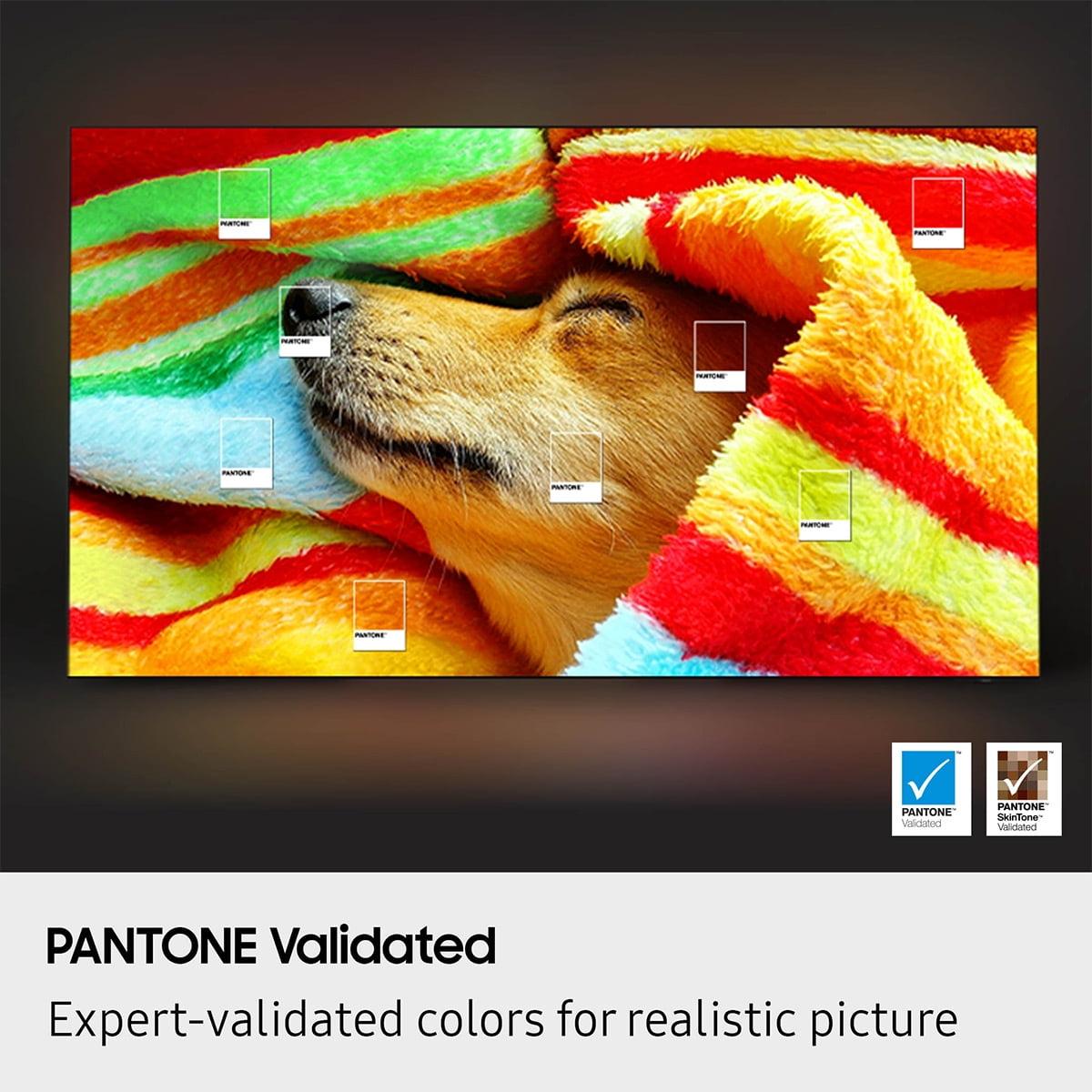
The Samsung S85F is Pantone Validated, meaning it can accurately reproduce over 2,140 colors and 110 different skin tones as defined by the Pantone color standard. This isn't just marketing fluff—it means skin tones look natural, and colors appear as the director intended.
The TV's NQ4 AI Gen2 Processor uses 20 neural networks to analyze content in real-time. It can recognize different types of content—sports, movies, animation—and adjust the picture accordingly. The Color Booster Pro feature is particularly impressive, using AI to enhance colors scene by scene rather than applying a blanket adjustment.
For HDR (High Dynamic Range) content, the Samsung reaches about 750 nits in small highlights and around 150 nits in full-screen bright scenes. While this isn't as bright as Samsung's flagship models, it's more than adequate for most viewing conditions and provides excellent detail in both bright and dark areas of the image.
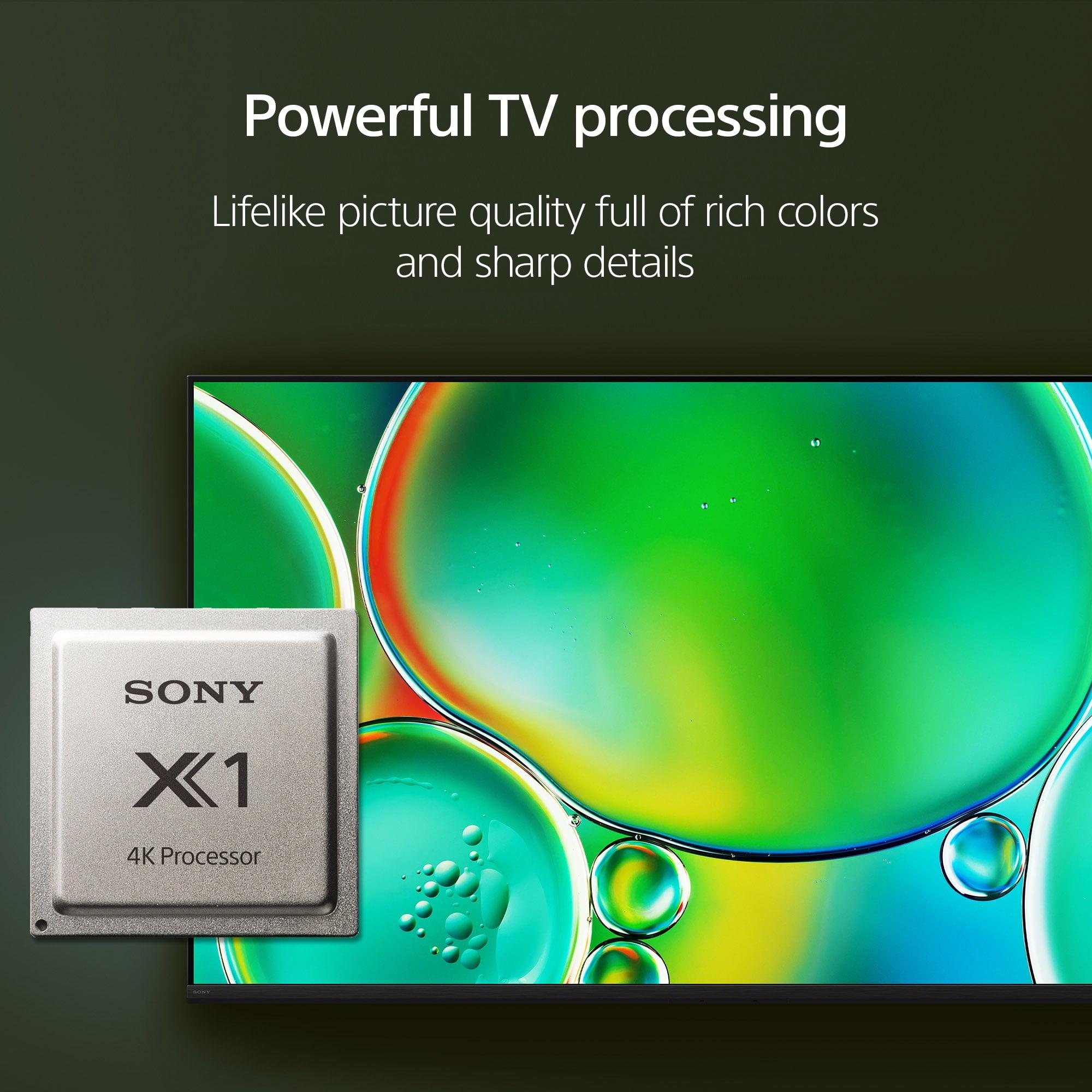
The Sony BRAVIA 2 II takes a different approach with its X1 processor and 4K X-Reality PRO technology. This system analyzes images against a database of content to upscale everything to near-4K quality. It's particularly effective with older content or lower-resolution streaming, often making 1080p content look surprisingly sharp.
Sony's Live Color technology works to expand the color palette, and while it can't match the OLED's color volume, it delivers surprisingly vibrant images for an LED display. The TV supports HDR10 and HLG (Hybrid Log-Gamma), though Sony hasn't disclosed specific brightness levels for this model.
Here's where the display technology difference becomes crucial for many households. The Samsung S85F maintains consistent picture quality from virtually any angle—you can sit far to the side and still see accurate colors and contrast. This makes it ideal for larger seating arrangements or open floor plans.
The Sony BRAVIA 2 II, like most LED TVs, experiences some color shifting and contrast loss when viewed from extreme angles. It's not terrible for casual viewing, but it's noticeable if you're used to OLED quality.
Gaming capabilities reveal another significant divide between these TVs, especially important as PlayStation 5 and Xbox Series X become more mainstream.
The Samsung S85F supports 4K gaming at 120Hz, which means it can display 120 frames per second. This creates incredibly smooth motion, especially noticeable in fast-paced games like racing titles or first-person shooters. The TV also supports VRR (Variable Refresh Rate), which synchronizes the display's refresh rate with your gaming console's output, eliminating screen tearing.
More importantly, OLED technology provides virtually instantaneous response times. When you press a button on your controller, the action appears on screen with minimal delay—crucial for competitive gaming.
The Sony BRAVIA 2 II is limited to 4K at 60Hz, which is perfectly adequate for most gaming but won't take full advantage of next-gen consoles' capabilities. It does support basic VRR and ALLM (Auto Low Latency Mode), which automatically switches to game mode when it detects a gaming console.
Both TVs include PlayStation 5-specific optimizations, but the Samsung goes further with features like Game Motion Plus, Dynamic Black EQ (which brightens dark areas in games for better visibility), and FreeSync Premium support for PC gaming.
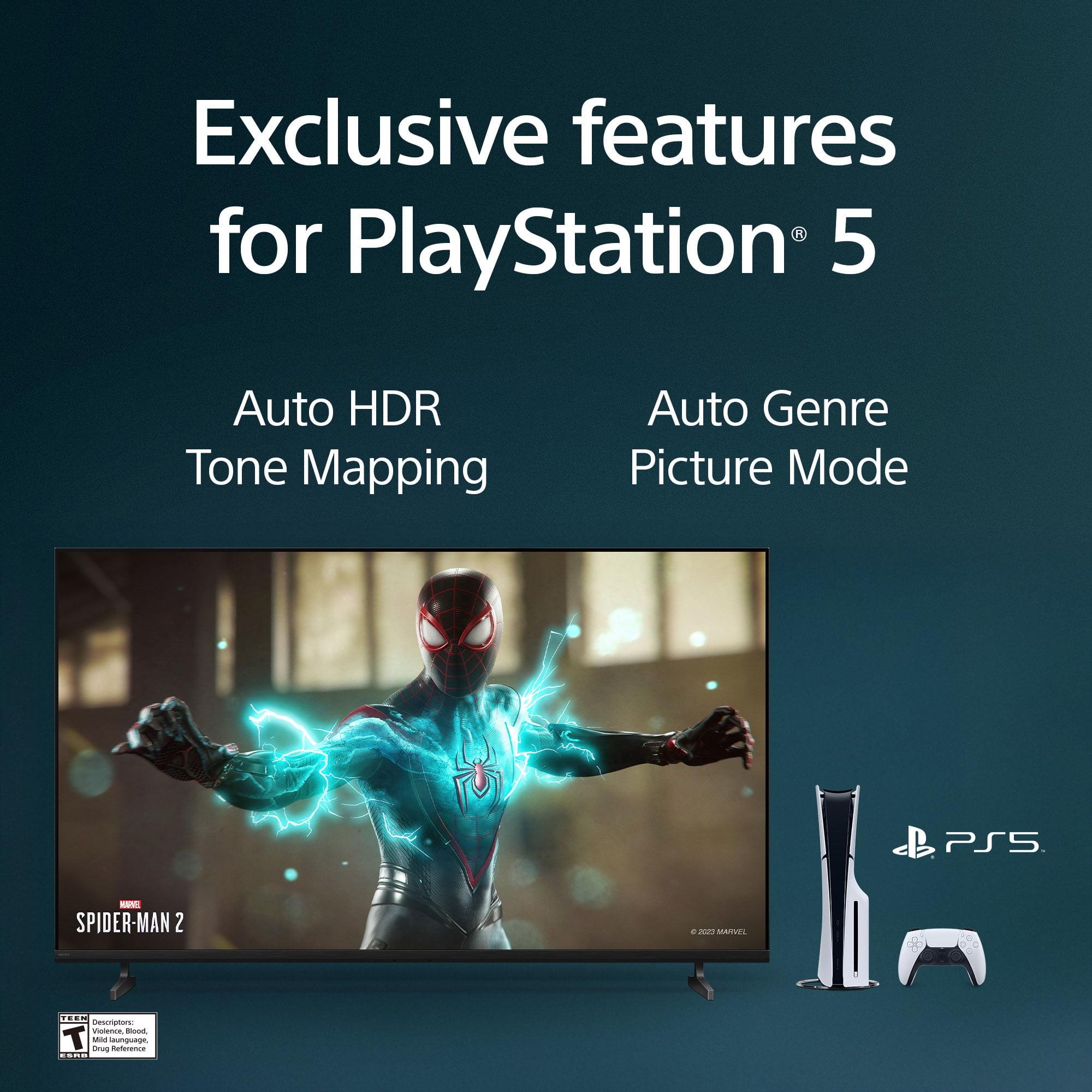
The Sony focuses more on plug-and-play convenience with automatic HDR tone mapping and genre-specific picture modes that activate based on the type of game you're playing.
The smart TV experience has become increasingly important as streaming replaces cable for many households.
The Samsung S85F runs Samsung's Tizen OS, which has matured into a robust platform. The interface is clean and customizable, with quick access to popular streaming services. Samsung's integration with SmartThings and Matter makes it a natural hub for smart home control.
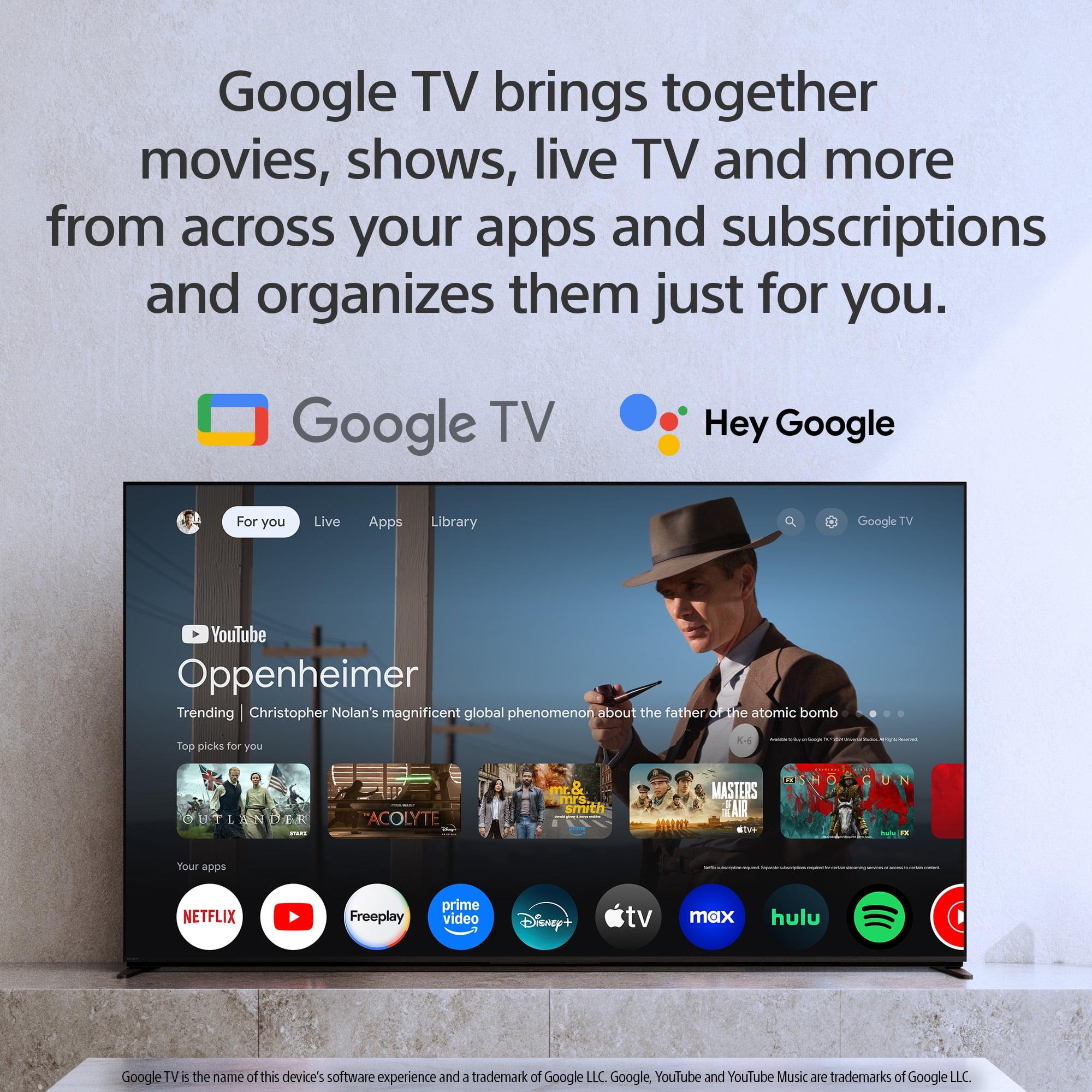
The Sony BRAVIA 2 II uses Google TV, which I find more intuitive for discovering new content. It aggregates recommendations from multiple streaming services and presents them in a unified interface. The integration with Google Assistant is seamless, and the TV supports both Google Cast and Apple AirPlay 2 for easy content sharing.
Both TVs support multiple voice assistants, but they implement them differently. The Samsung includes far-field voice interaction, meaning you can speak to it from across the room without the remote. The Sony requires either the remote or a connected Google Assistant device.
The Samsung's AI features extend beyond just picture quality—it can recognize when pets are distressed and play calming content when you're away, which is oddly thoughtful for a TV.
Neither TV will replace a dedicated sound system, but their approaches to audio processing differ significantly.
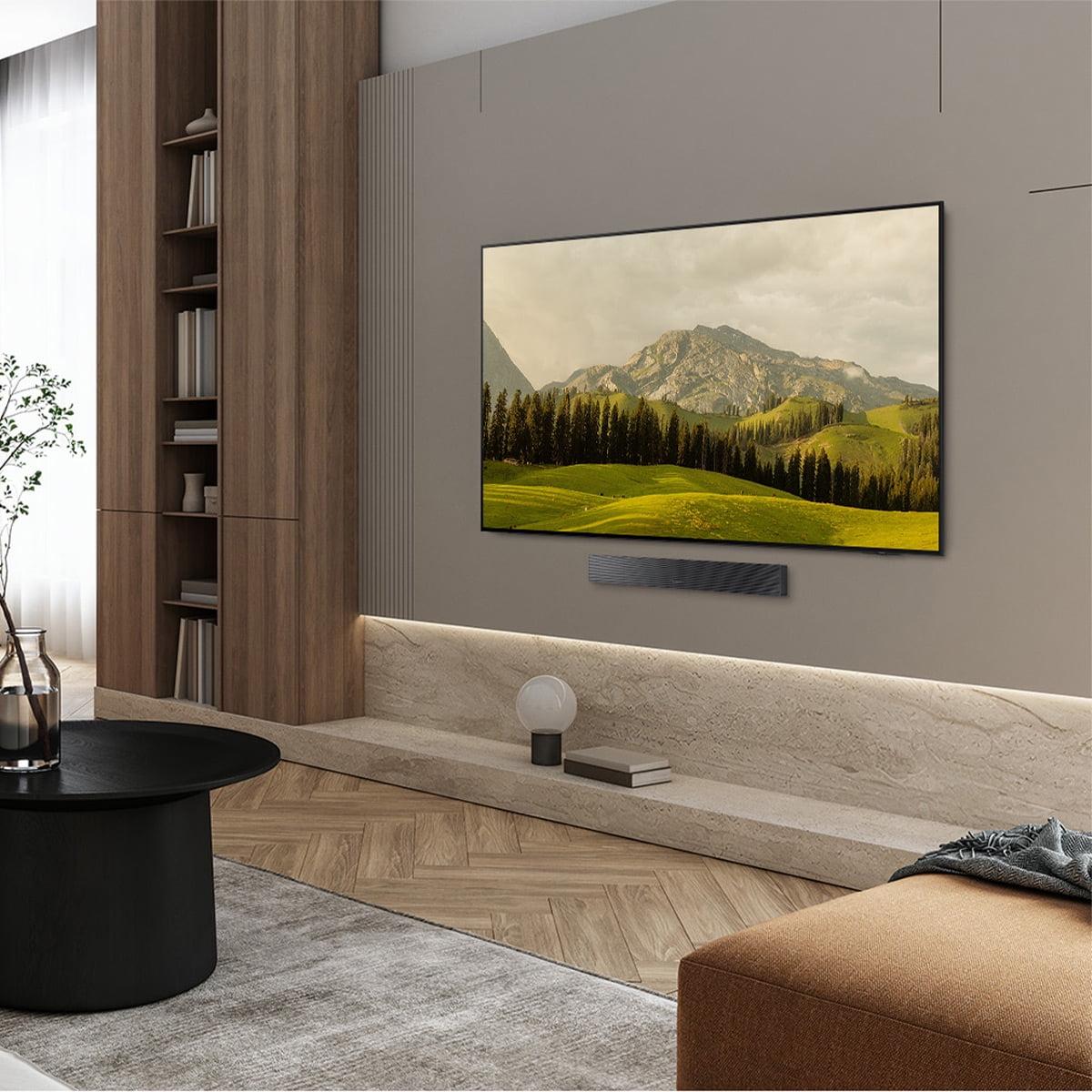
The Samsung S85F includes Object Tracking Sound Lite, which tries to position audio effects to match what's happening on screen. The Q-Symphony feature is particularly clever—it can coordinate with compatible Samsung soundbars to use both the TV's speakers and the soundbar simultaneously for a more immersive experience.
The Sony BRAVIA 2 II delivers more raw power with its 40W speaker system compared to Samsung's 20W, but Samsung's audio processing is more sophisticated. Both support Dolby Atmos, which creates a more three-dimensional sound experience.
For dedicated home theater setups, several factors become crucial.
Here's where the Samsung S85F shows a significant limitation: it doesn't support Dolby Vision, the premium HDR format used by Netflix, Disney+, and many 4K Blu-rays. Instead, it uses HDR10+, which is technically capable but less widely supported. For serious home theater enthusiasts, this could be a dealbreaker.
The Sony BRAVIA 2 II also lacks Dolby Vision support, focusing instead on HDR10 and HLG. However, at its price point, this is more understandable.
Both TVs have limitations for high-end audio setups. The Samsung doesn't support DTS audio passthrough, which could be problematic if you have a large collection of DTS-encoded content. The Sony provides better audio format support but lacks the processing sophistication of the Samsung.
The Samsung S85F includes smart calibration features that can optimize the picture for your specific room lighting and viewing preferences. This is particularly valuable for home theater setups where you want the most accurate image possible.
After living with both TVs, the differences become clear in daily use.
The Samsung S85F OLED at $1,599.99 truly shines in dark room viewing. Movie nights feel more cinematic, and the gaming experience is noticeably smoother. The wide viewing angles make it perfect for entertaining, and the premium build quality feels substantial.
However, the price premium is significant. You're paying 2.5 times more for features that may not matter to casual viewers. The lack of Dolby Vision support is also disappointing at this price point.
The Sony BRAVIA 2 II at $649.99 represents exceptional value. The upscaling is genuinely impressive—older content looks surprisingly good. The Google TV interface is intuitive, and the overall experience feels premium despite the budget price.
The limitations become apparent in side-by-side comparisons, but for everyday viewing, most people would be perfectly happy with its performance.
The decision ultimately comes down to your priorities and budget.
Both TVs succeed in their respective markets. The Samsung S85F offers genuinely premium performance with some compromises, while the Sony BRAVIA 2 II delivers solid 4K viewing at an accessible price point.
For most buyers, the Sony represents better value. Unless you're specifically seeking OLED's advantages or need advanced gaming features, the $950 price difference is hard to justify. However, if you've experienced OLED quality before, the Samsung's superior picture quality might be worth the investment.
The TV market in 2025 offers something for everyone, and both of these models prove that you don't need to spend $3,000 to get a great 4K viewing experience. Your choice simply depends on whether you want "very good" performance at a great price, or "excellent" performance at a premium price.
| Samsung 65" S85F OLED 4K Smart TV (2025) | Sony BRAVIA 2 II 65" 4K LED Google TV 2025 |
|---|---|
| Price - $950 difference reflects premium OLED technology | |
| $1,599.99 | $649.99 |
| Display Technology - OLED offers perfect blacks but costs significantly more | |
| QD-OLED panel with self-illuminating pixels | Direct LED with frame dimming |
| Peak Brightness - Higher brightness better for bright rooms | |
| 750 nits (small highlights), 150 nits (full screen) | Not disclosed, typical for LED entry-level |
| Refresh Rate - 120Hz crucial for smooth gaming and sports | |
| 120Hz native, supports 4K at 120Hz | 60Hz native, limited to 4K at 60Hz |
| HDR Support - Dolby Vision absence is notable on Samsung | |
| HDR10+, OLED HDR (no Dolby Vision) | HDR10, HLG (no Dolby Vision) |
| Gaming Features - Samsung significantly better for serious gamers | |
| 4K 120Hz, VRR, ALLM, FreeSync Premium, Gaming Hub | 4K 60Hz, basic VRR, ALLM, PlayStation optimization |
| HDMI Ports - Both adequate for modern setups | |
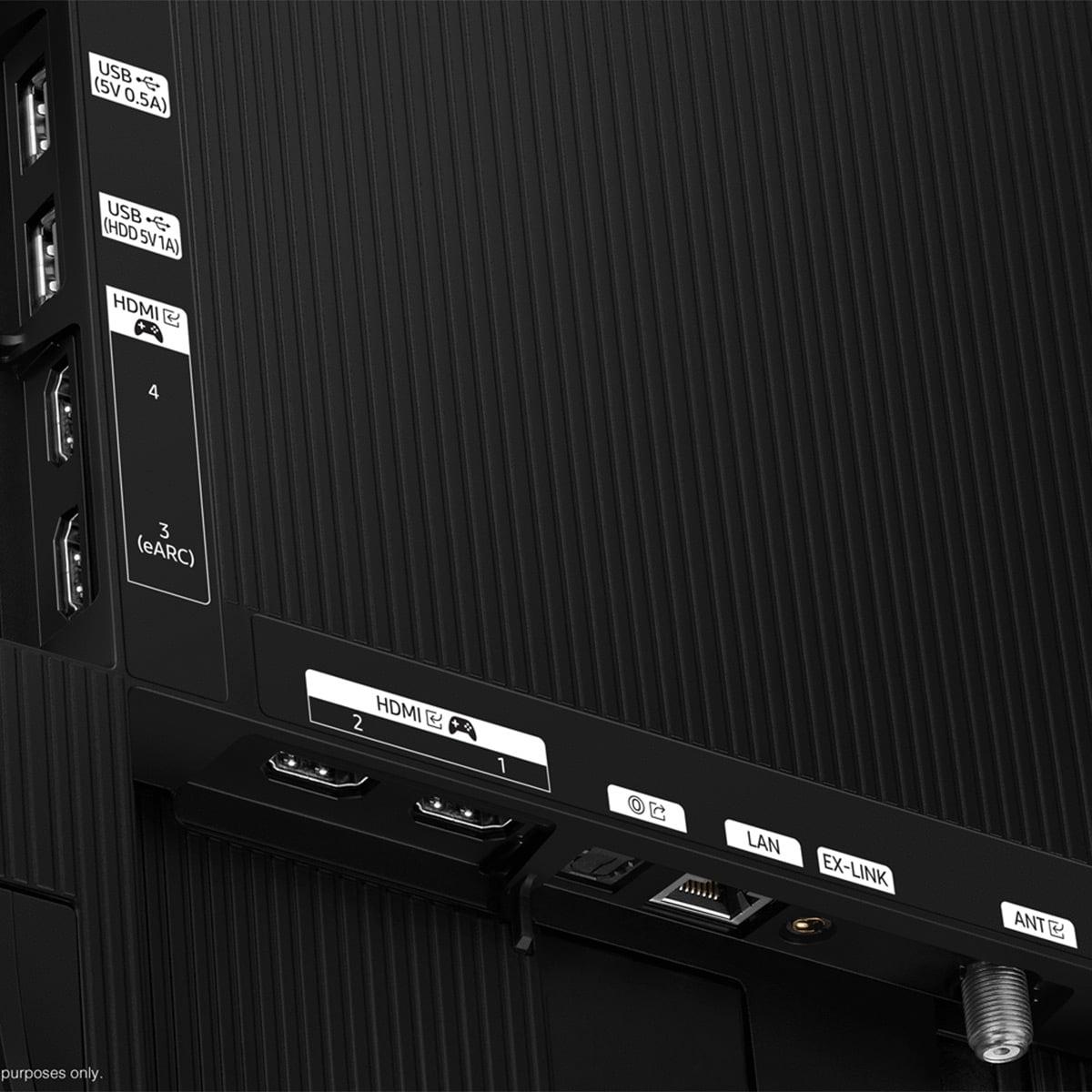
| 4 HDMI 2.1 ports (all support 4K 120Hz) | 4 HDMI 2.0 ports |
| Smart TV Platform - Choose based on ecosystem preference | |
| Tizen OS with SmartThings/Matter hub | Google TV with Google Assistant |
| Audio Power - Sony has more raw power, Samsung more processing | |
| 20W (2.0 channel) with Object Tracking Sound | 40W (2x10W) with Open Baffle speakers |
| Audio Features - Samsung's processing more advanced | |
| Dolby Atmos, Q-Symphony, Adaptive Sound Pro | Dolby Atmos, DTS:X, Clear Phase |
| Viewing Angles - OLED maintains quality from any position | |
| Ultra-wide viewing angle (OLED advantage) | Standard LED viewing angles with some color shift |
| Black Levels - Most noticeable difference in dark rooms | |
| Perfect blacks (pixels turn completely off) | Limited by LED backlight, cannot achieve true black |
| Color Accuracy - Samsung's Pantone validation adds precision | |
| Pantone Validated (2,140+ colors), Color Booster Pro | Live Color technology, X1 processor enhancement |
| Processor - Samsung's AI features more advanced | |
| NQ4 AI Gen2 with 20 neural networks | X1 4K Processor with Reality PRO upscaling |
| Response Time - Critical for competitive gaming | |
| Near-instantaneous (OLED advantage) | Standard LED response times |
| Voice Control - Samsung offers hands-free operation | |
| Far-field voice interaction, Bixby, Alexa | Google Assistant, requires remote or connected device |
| Remote Control - Samsung's solar charging is eco-friendly | |
| SolarCell Remote with light charging | Standard IR remote |
| Best Use Case - Choose based on your priorities | |
| Dark room viewing, gaming, premium experience | Bright room viewing, budget-conscious, casual use |
The Samsung 65" S85F OLED has significantly better picture quality due to its QD-OLED technology, which delivers perfect blacks, infinite contrast, and more vibrant colors. The Sony BRAVIA 2 II offers good picture quality for an LED TV with solid upscaling, but it cannot match OLED's contrast and black levels.
The Samsung S85F OLED costs $1,599.99 while the Sony BRAVIA 2 II is priced at $649.99, making the Samsung 2.5 times more expensive. The $950 price difference reflects the premium OLED technology versus budget-friendly LED display.
The Samsung S85F OLED is significantly better for gaming with 4K at 120Hz support, VRR, instantaneous response times, and four HDMI 2.1 ports. The Sony BRAVIA 2 II is limited to 4K at 60Hz with basic gaming features, making it adequate for casual gaming but not ideal for serious gamers.
Neither the Samsung S85F OLED nor the Sony BRAVIA 2 II supports Dolby Vision. The Samsung uses HDR10+ while the Sony supports HDR10 and HLG formats. This is a notable limitation for both TVs, especially the Samsung at its premium price point.
Both TVs offer excellent smart features but with different approaches. The Samsung S85F runs Tizen OS with SmartThings integration and far-field voice control, while the Sony BRAVIA 2 II uses Google TV with superior content discovery and Google Assistant integration. Choice depends on your preferred ecosystem.
The Samsung S85F OLED excels in dark rooms with perfect blacks but may appear gray in very bright rooms due to ambient light reflection. The Sony BRAVIA 2 II performs better in bright rooms thanks to its LED backlight but lacks the contrast needed for optimal dark room viewing.
The Sony BRAVIA 2 II at $649.99 offers exceptional value with solid 4K performance, good upscaling, and comprehensive smart features. The Samsung S85F at $1,599.99 provides premium performance but at a significant price premium that may not justify the cost for casual viewers.
The Sony BRAVIA 2 II has more raw audio power with 40W speakers compared to the Samsung S85F's 20W system. However, the Samsung offers more advanced audio processing with Object Tracking Sound Lite and Q-Symphony support for Samsung soundbars.
The Samsung S85F OLED maintains excellent picture quality from any viewing angle, making it ideal for large seating arrangements. The Sony BRAVIA 2 II experiences some color shifting and contrast loss when viewed from extreme angles, typical of LED displays.
The Samsung S85F OLED is better suited for home theater use with superior contrast, color accuracy, and Pantone validation, though it lacks Dolby Vision support. The Sony BRAVIA 2 II can work in home theater setups but is limited by LED technology and basic HDR support.
The Sony BRAVIA 2 II at $649.99 is the clear choice for budget-conscious buyers, offering solid 4K performance, good smart features, and reliable Sony quality. The Samsung S85F is only worth the premium if you specifically need OLED picture quality and advanced gaming features.
Choose the Samsung S85F OLED if you prioritize superior picture quality, gaming performance, and have the budget for premium features. Choose the Sony BRAVIA 2 II if you want excellent value, good 4K performance, and don't need the advanced features that justify the Samsung's higher price.
We've done our best to create useful and informative comparisons to help you decide what product to buy. Our research uses advanced automated methods to create this comparison and perfection is not possible - please contact us for corrections or questions. These are the sites we've researched in the creation of this article: rtings.com - samsung.com - youtube.com - rtings.com - youtube.com - samsung.com - bestbuy.com - avsforum.com - avsforum.com - samsung.com - displayspecifications.com - videoandaudiocenter.com - bestbuy.com - flatpanelshd.com - myallsouth.com - samsung.com - richstv.com - samsung.com - heartlandappliance.com - bestbuy.com - notebookcheck.net - rtings.com - youtube.com - youtube.com - rtings.com - avsforum.com - croma.com - totonstv.com - electronics.sony.com - listenup.com - pcrichard.com - youtube.com - flanners.com - brandsmartusa.com - displayspecifications.com - pioneertvandappliance.com - donstv.com

Privacy Policy
Terms and Conditions - Affiliate Policy
Home Security
© Copyright 2008-2026.
11816 Inwood Rd #1211, Dallas, TX 75244