

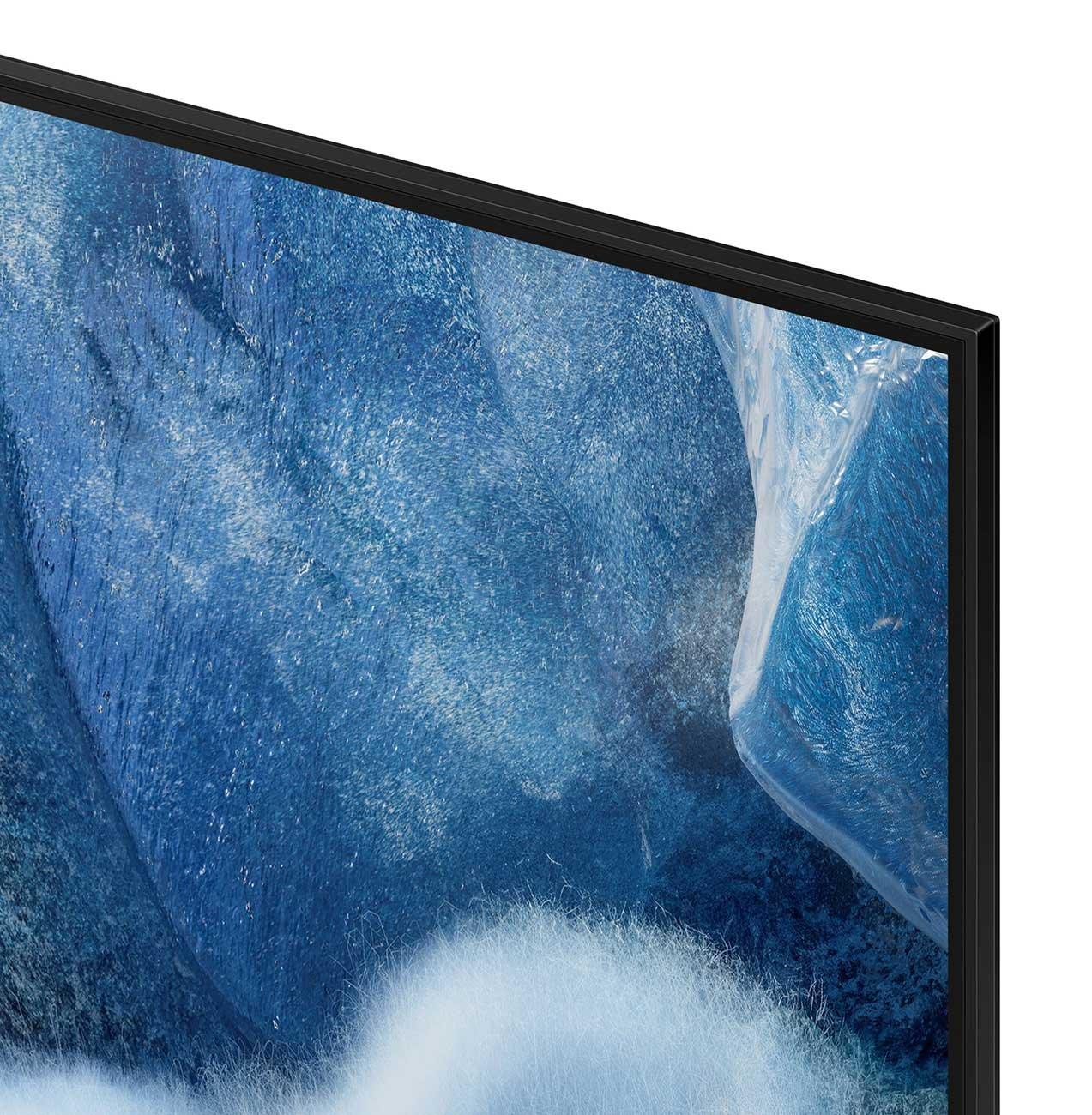
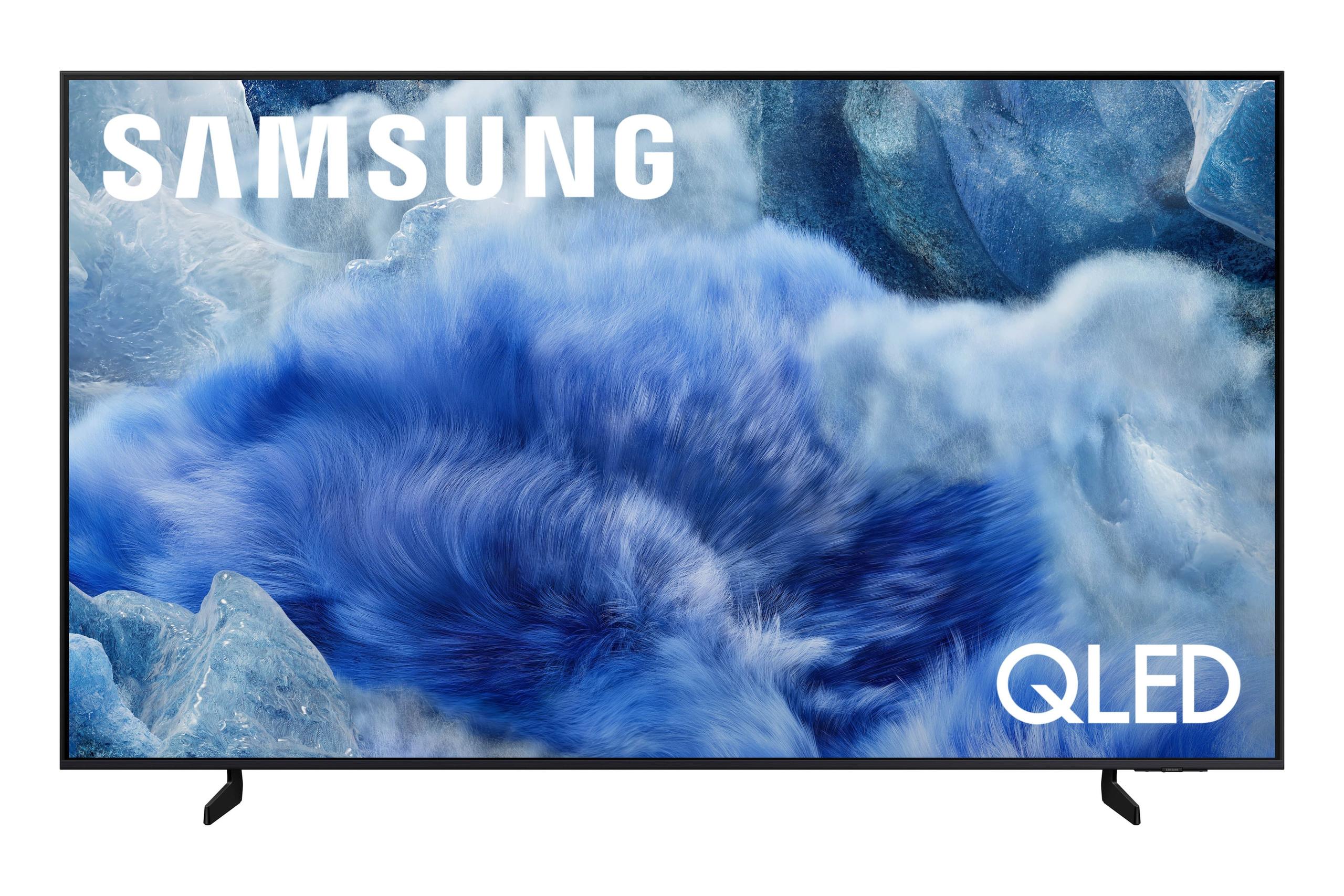
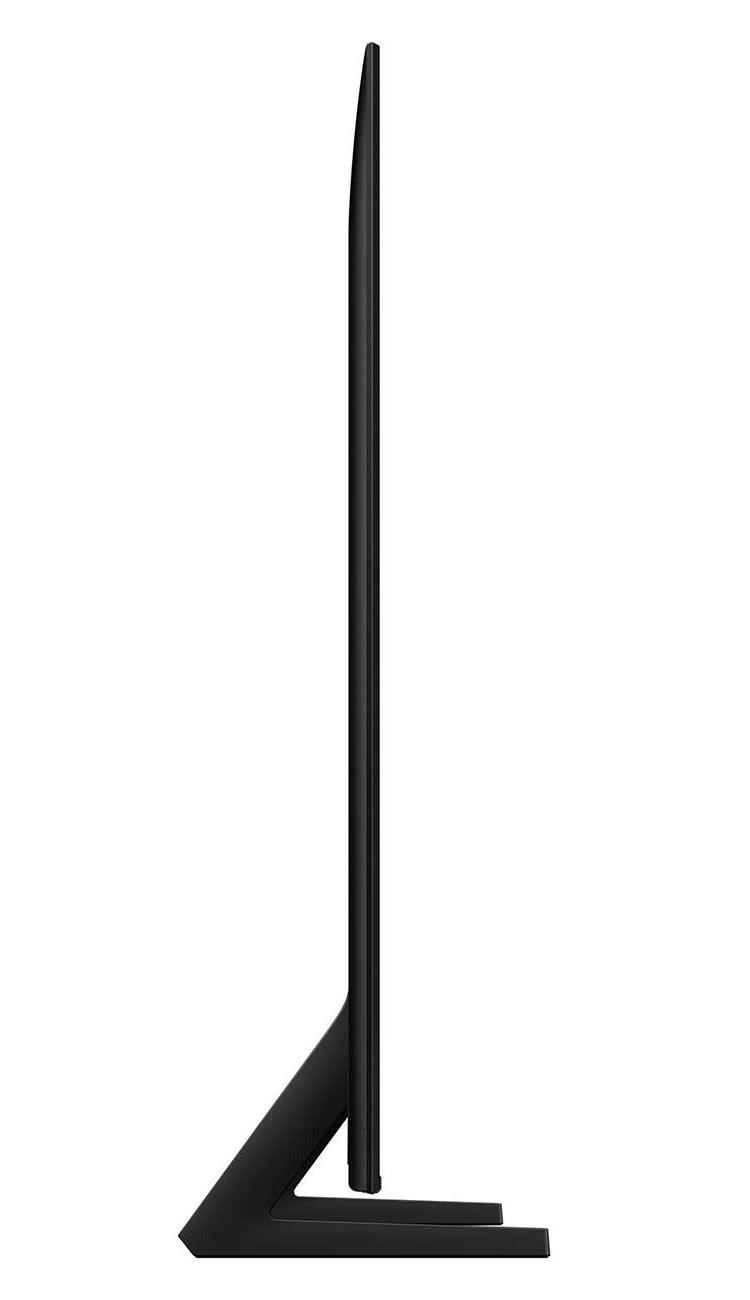
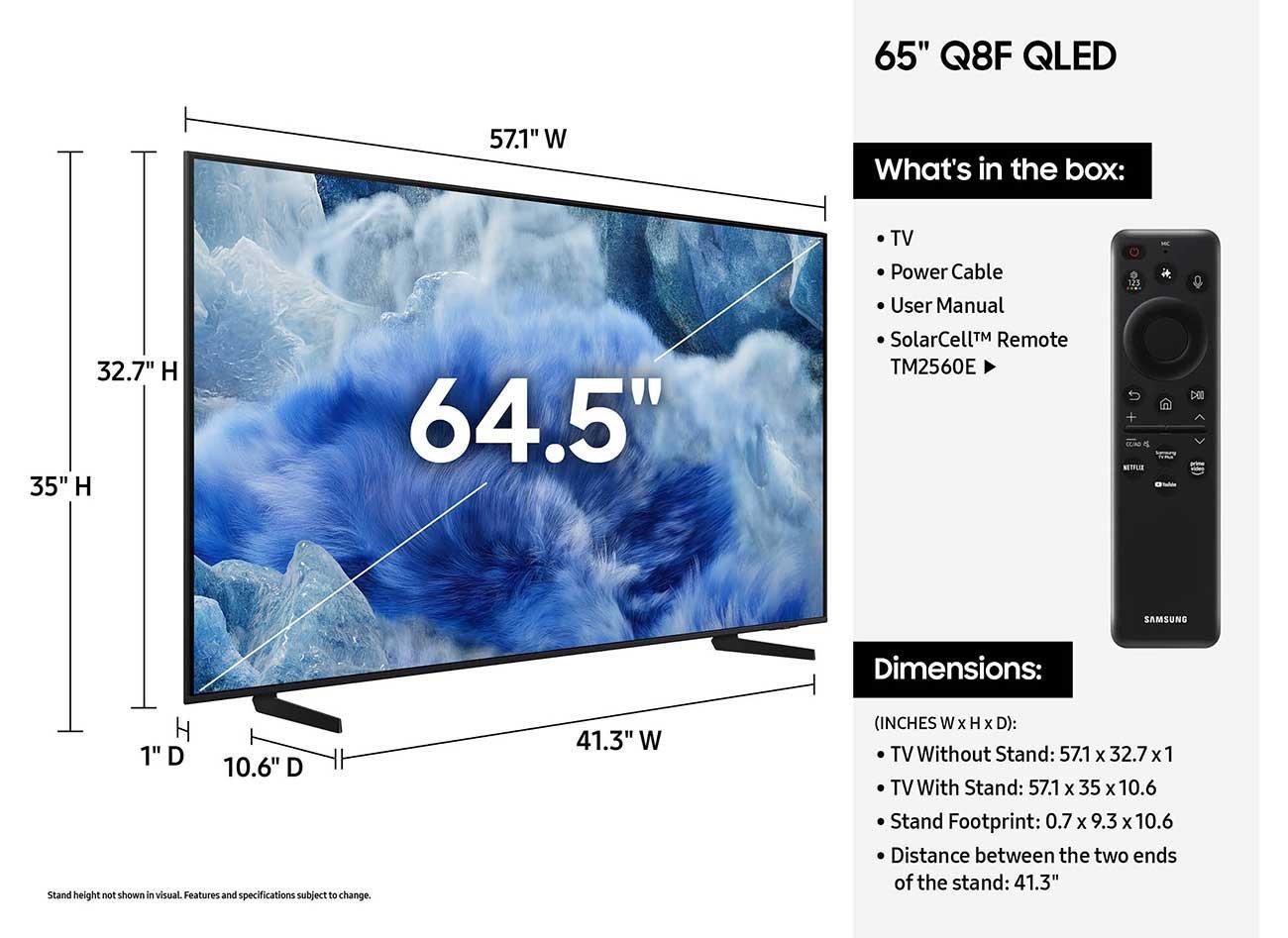
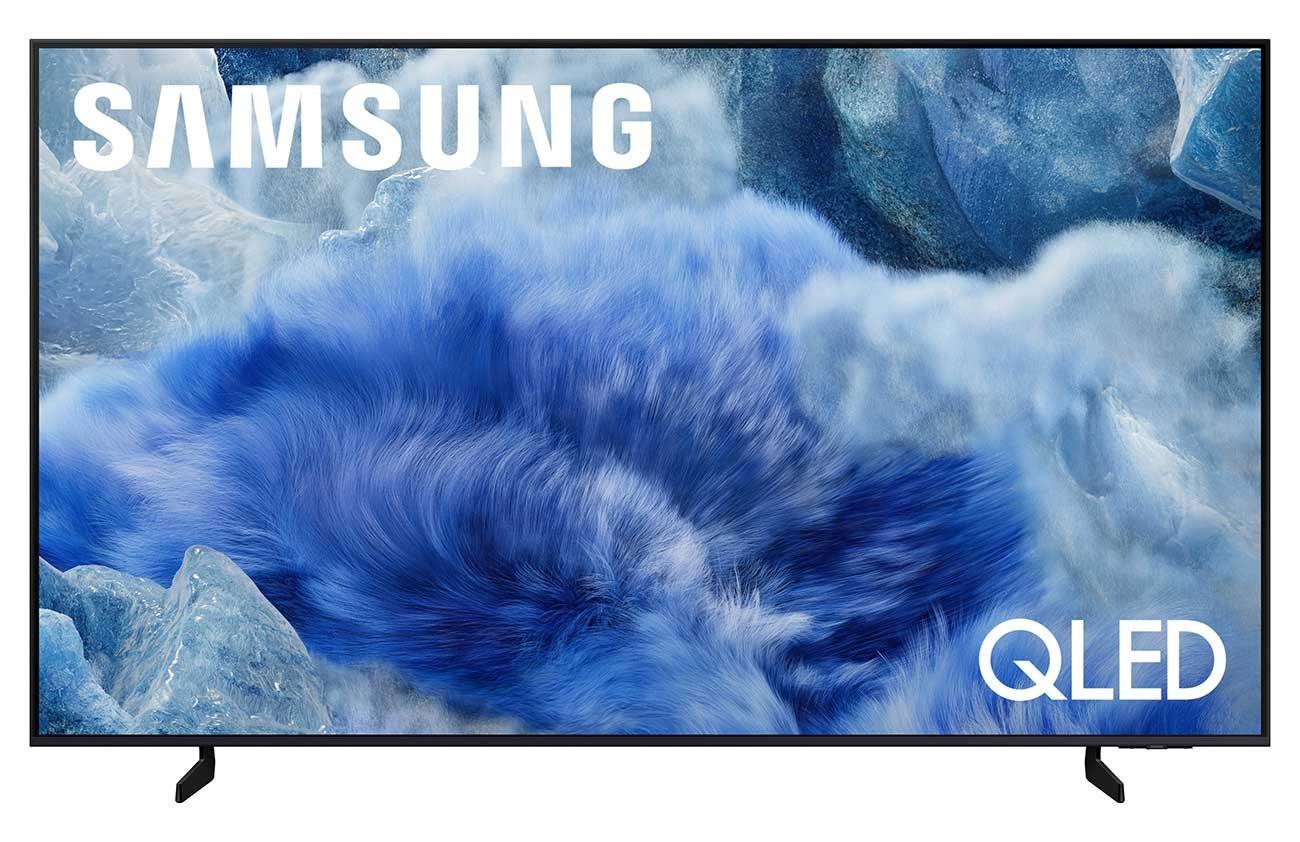
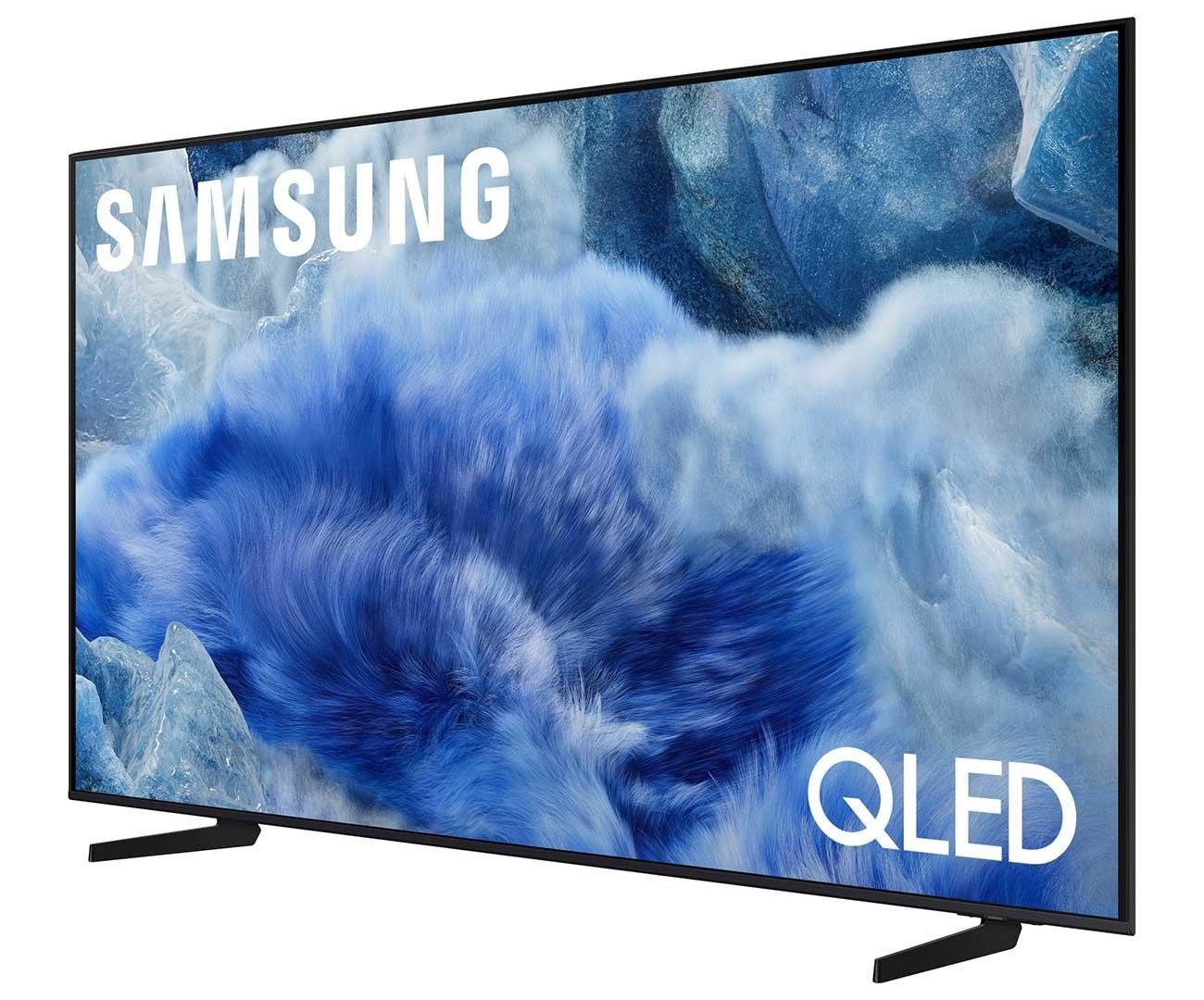
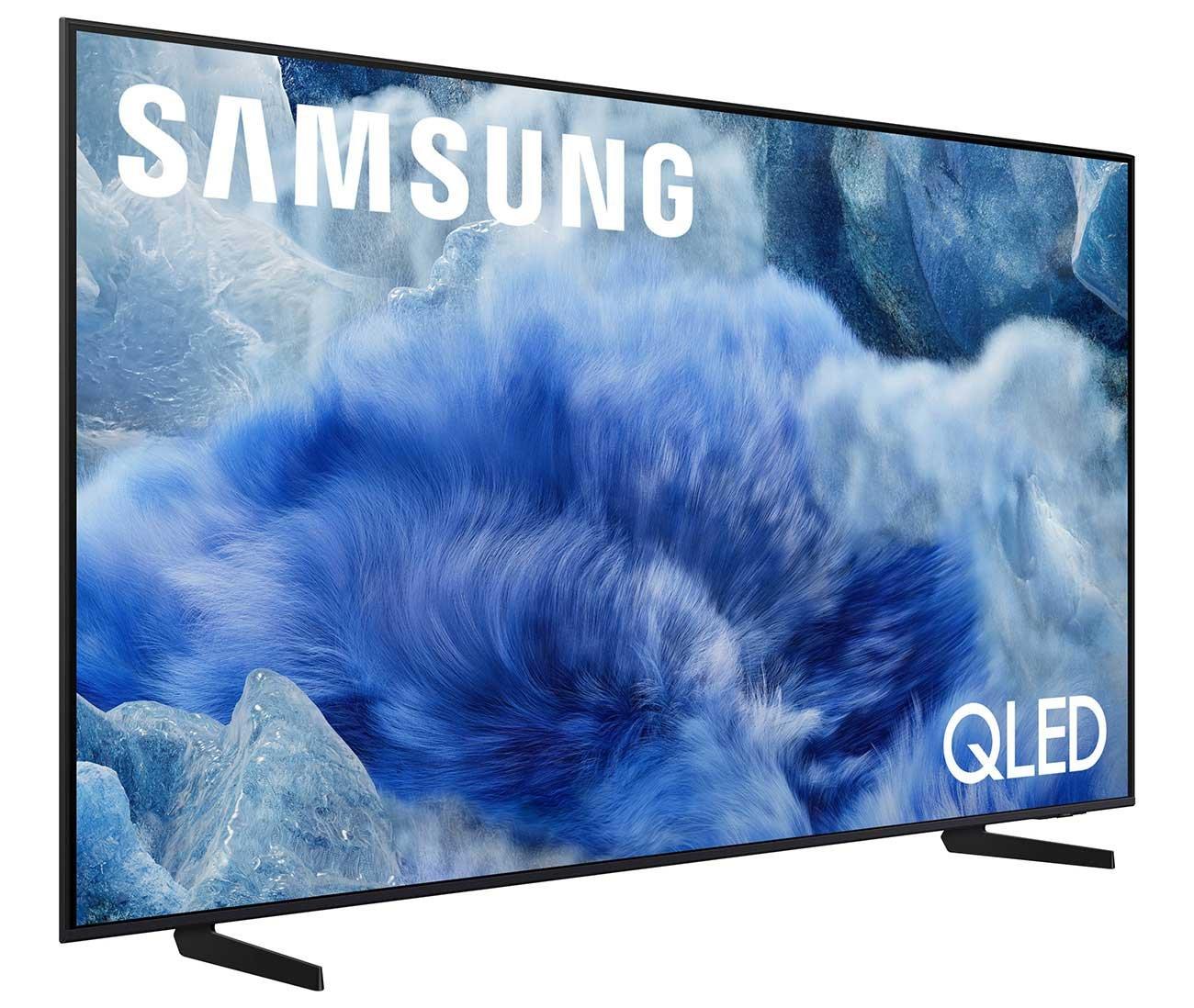
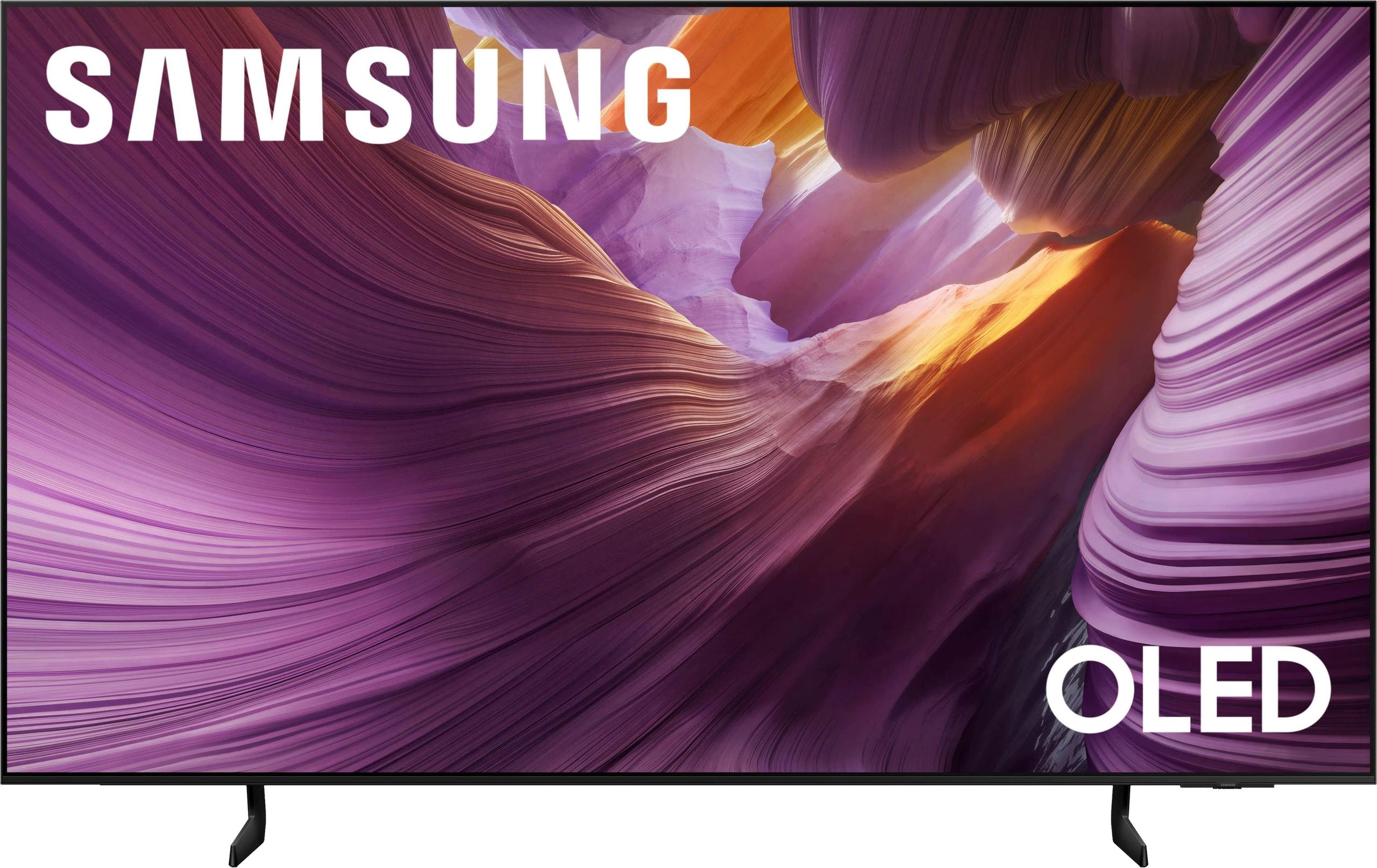
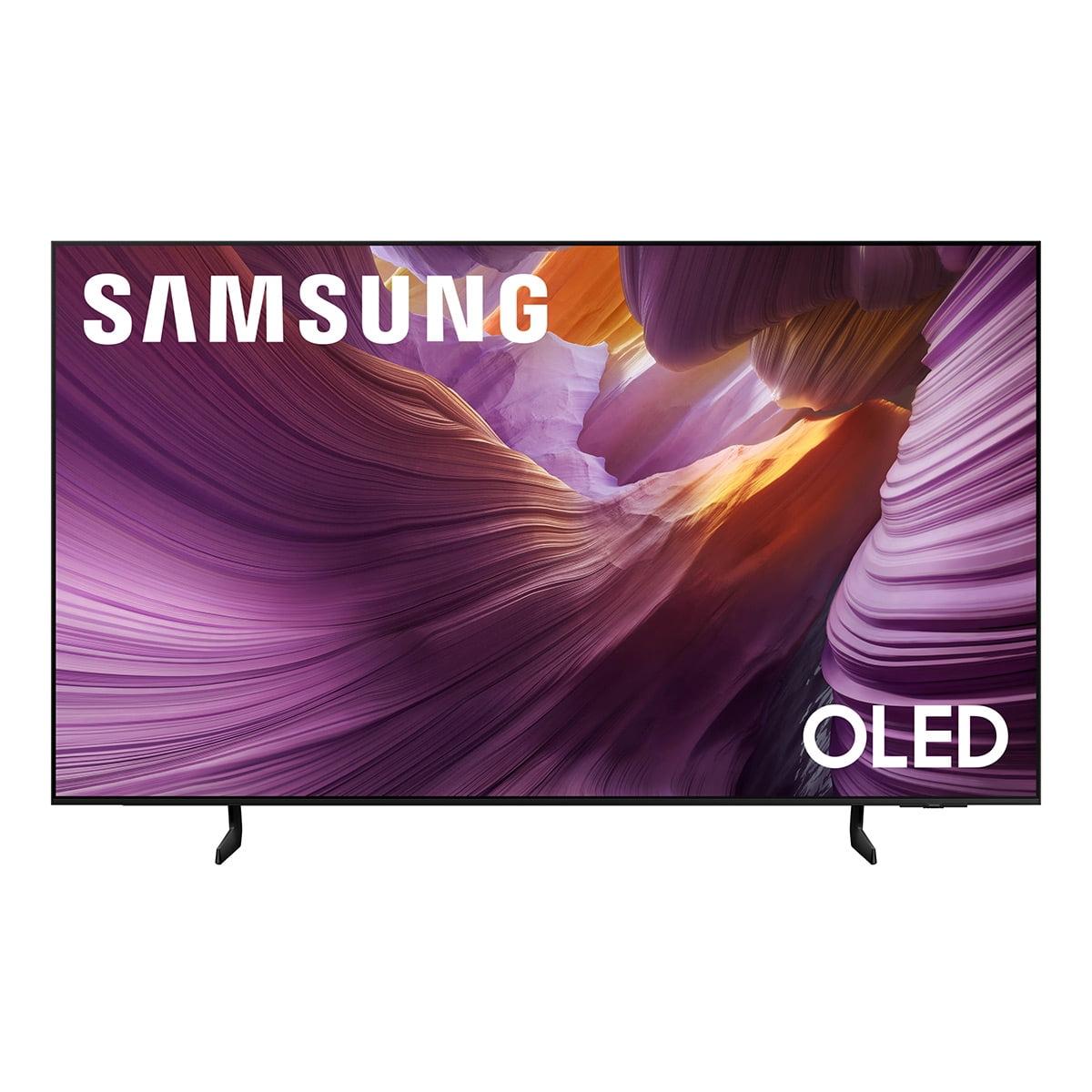
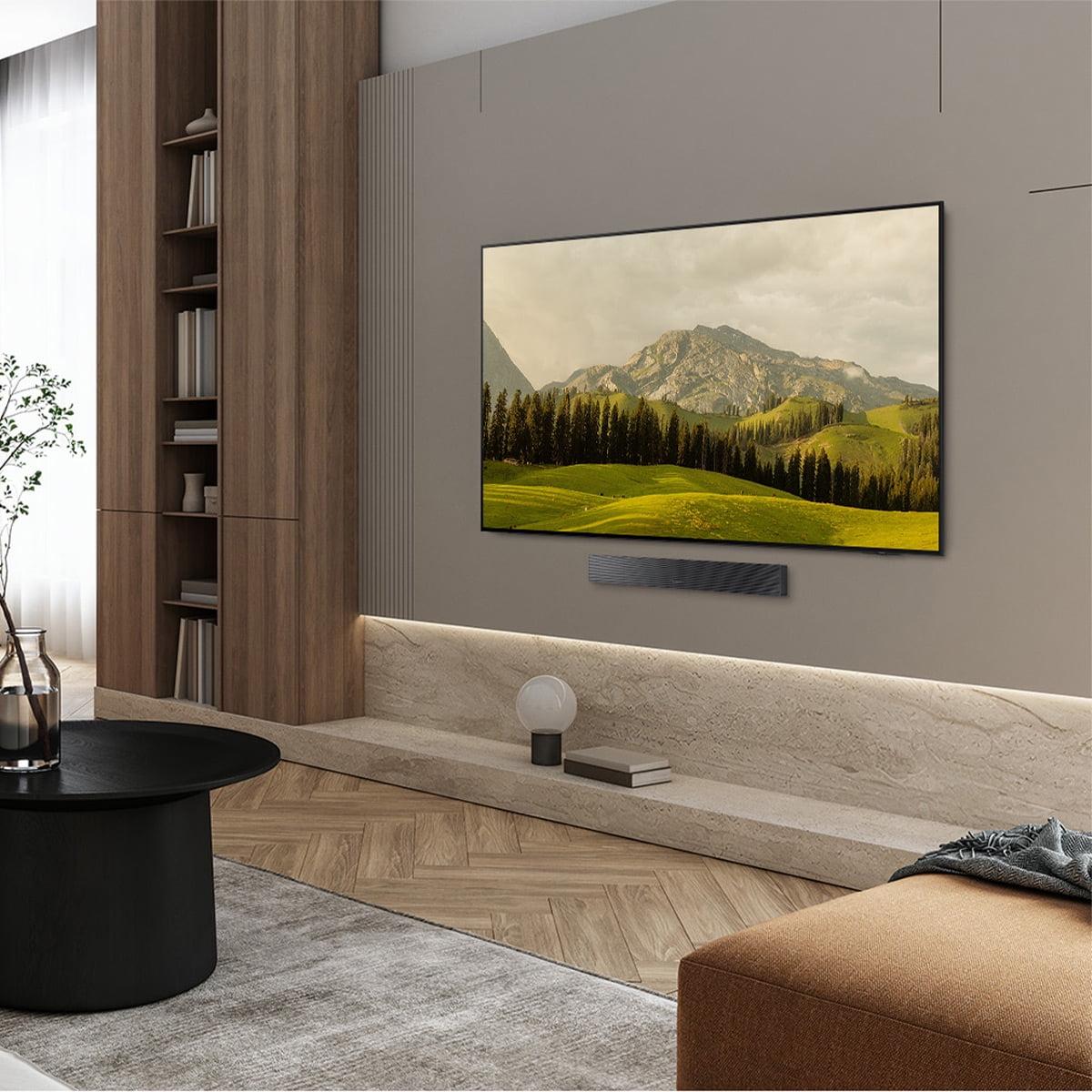
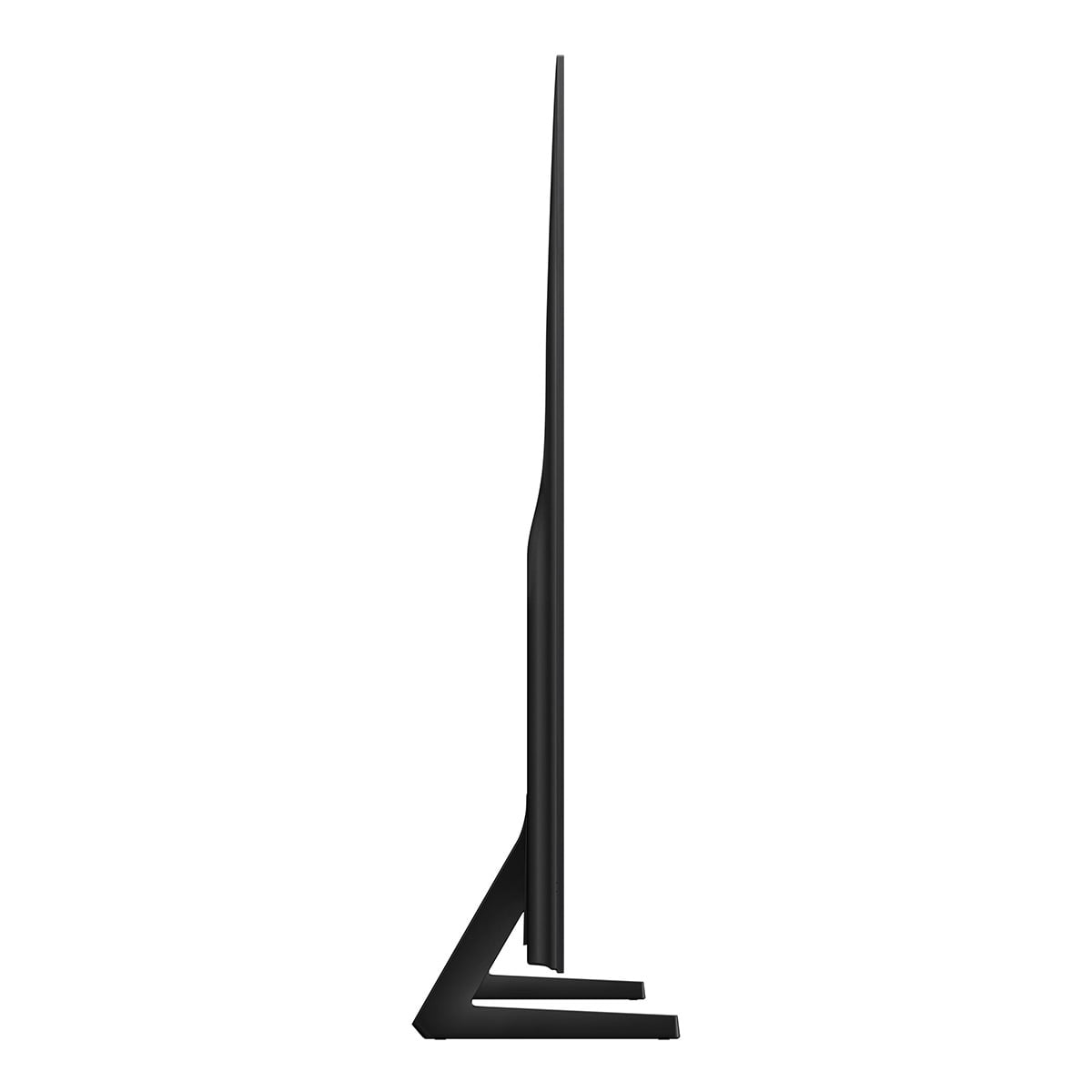

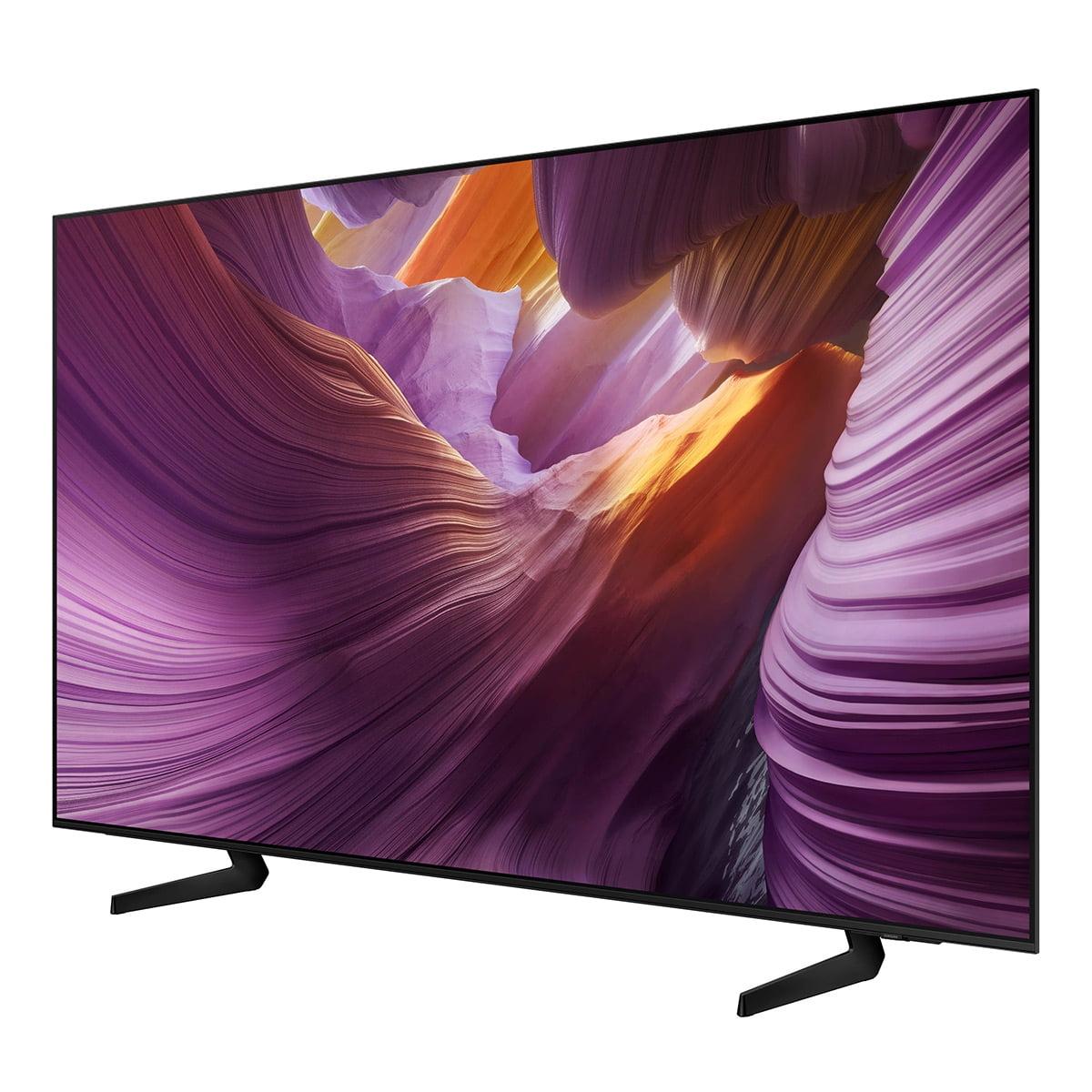
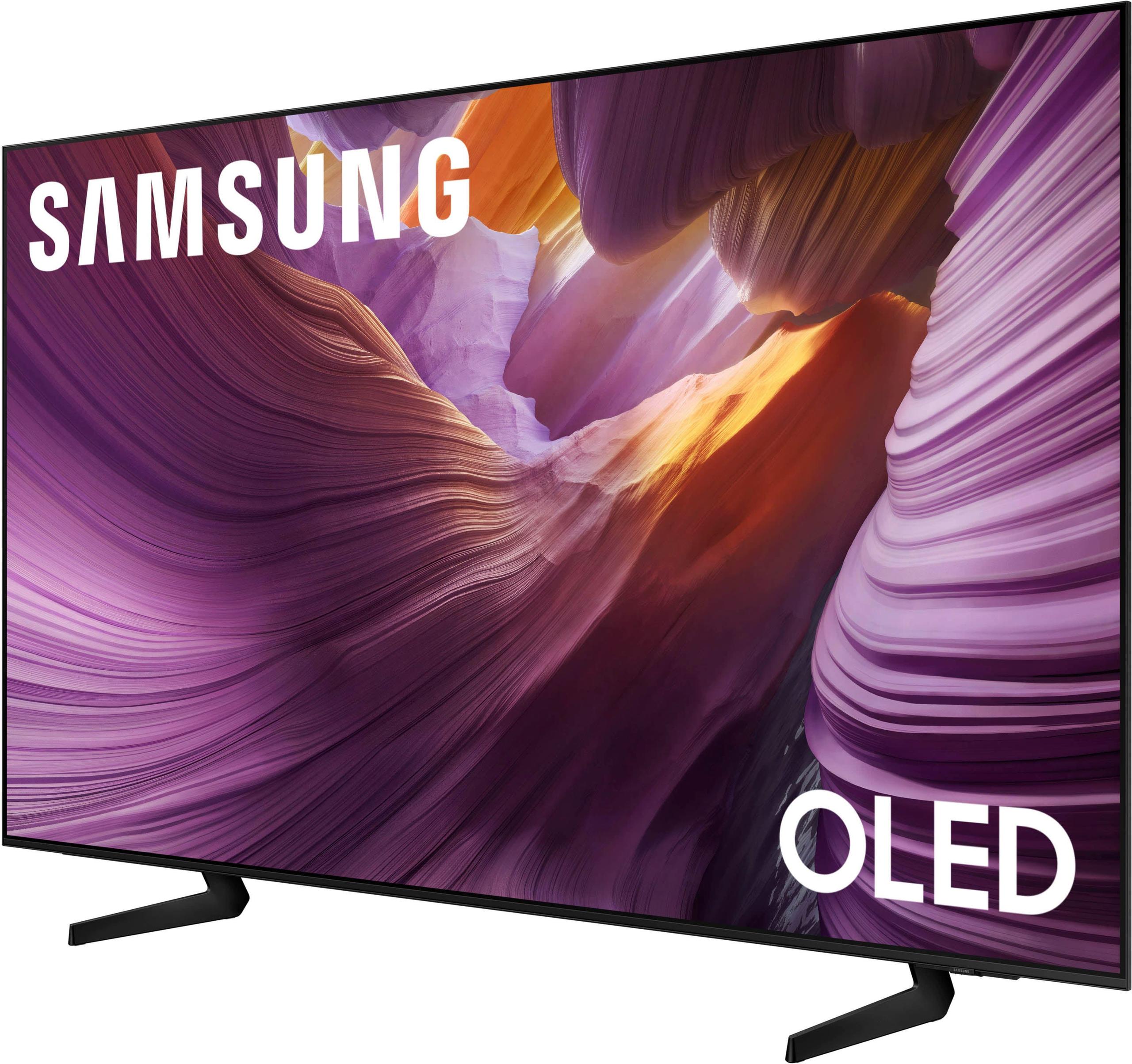
When Samsung released their 2025 TV lineup, they gave us two compelling options in the 65-inch category that perfectly illustrate the ongoing battle between QLED and OLED technologies. The Samsung QN8F QLED represents their refined approach to quantum dot displays, while the Samsung S85F OLED marks their continued push into self-illuminating pixel technology. At the time of writing, these TVs sit at different price points—with the QLED offering significantly more value per dollar, while the OLED commands a premium for its superior picture quality technology.
Having spent considerable time with both display types over the years, I can tell you that choosing between them isn't just about specifications on paper. It's about understanding how these fundamentally different technologies will perform in your specific space and with your viewing habits.
The core difference between these TVs lies in how they create images. The Samsung QN8F QLED uses what's called a quantum dot layer—microscopic particles that convert blue LED backlight into precise red and green colors. Think of quantum dots as incredibly tiny color filters that can produce almost any color in the spectrum when hit with light. This layer sits in front of a traditional LCD panel that's backlit by LEDs arranged in zones across the screen.
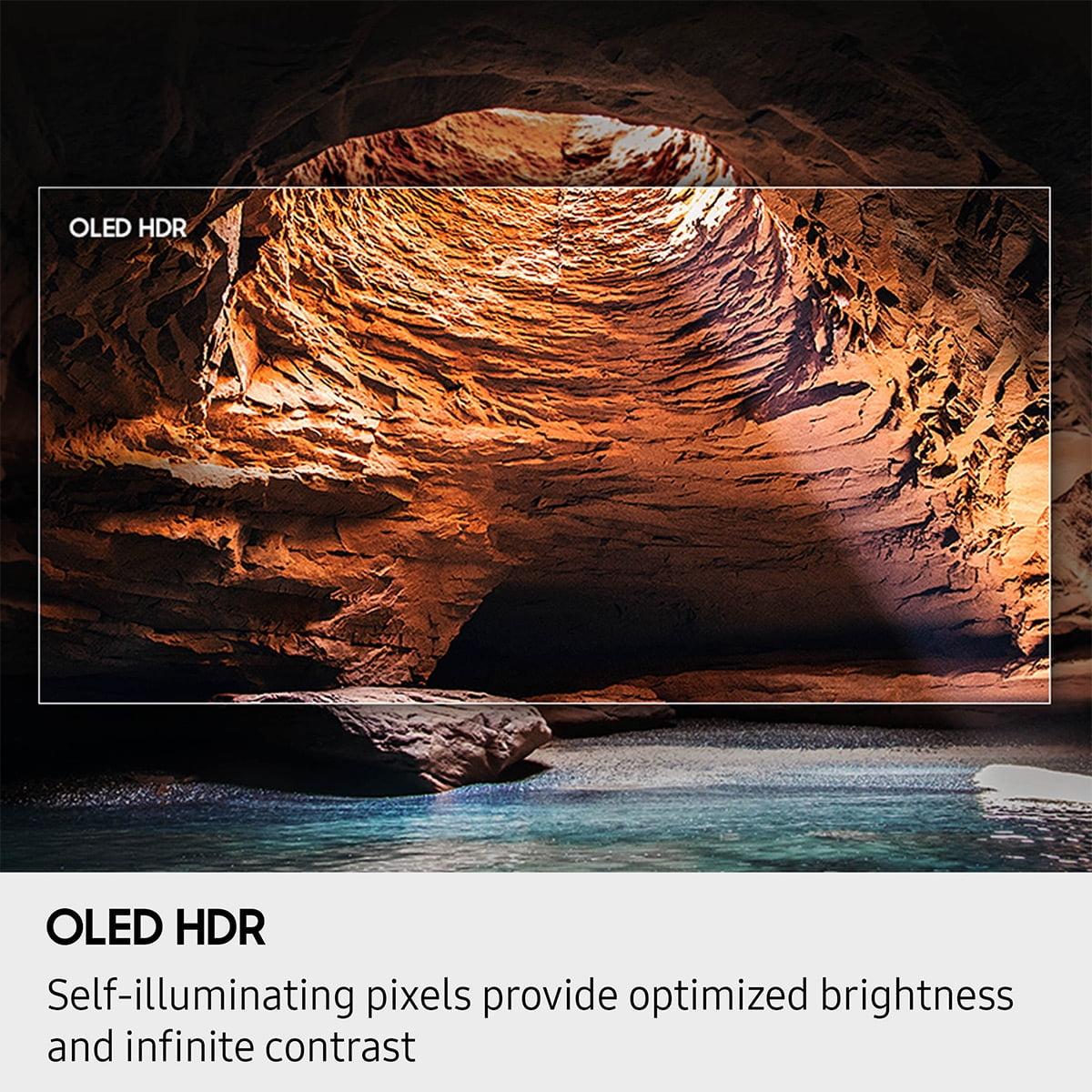
The Samsung S85F OLED, on the other hand, uses organic compounds that actually emit their own light when electricity passes through them. Each pixel is essentially a tiny light bulb that can turn completely on, completely off, or anywhere in between. This is why OLED can achieve perfect blacks—when a pixel needs to be black, it simply turns off entirely.
What makes the 65-inch S85F particularly interesting is that Samsung uses QD-OLED technology in this size for North American markets. This combines quantum dots with OLED pixels, giving you the brightness and color advantages of quantum dots with the contrast benefits of self-illuminating pixels. It's like getting the best of both worlds, though at a higher cost.
Contrast ratio—the difference between the brightest whites and darkest blacks—is arguably the most important factor in picture quality. This is where the Samsung S85F OLED absolutely dominates. When I watch a movie with dark scenes on an OLED, the experience feels more like looking through a window than watching a screen. Stars against a night sky appear to float in true black space, and shadow details remain visible without that grayish haze you get from backlit displays.
The Samsung QN8F QLED uses Dual LED backlighting, which is Samsung's attempt to improve contrast on LCD panels. This system uses both warm and cool LEDs that can be controlled independently, along with local dimming zones that can brighten or dim specific areas of the screen. While this creates better contrast than basic LCD TVs, it still can't match OLED's infinite contrast ratio. You'll notice this most in dark room viewing, where black bars in movies appear gray rather than truly black.
However, the QLED's limitation becomes an advantage in bright rooms. Since it has a constant backlight, it can push much higher peak brightness levels than the OLED. The QN8F can hit brightness levels that make HDR content really pop, even with sunlight streaming through windows.
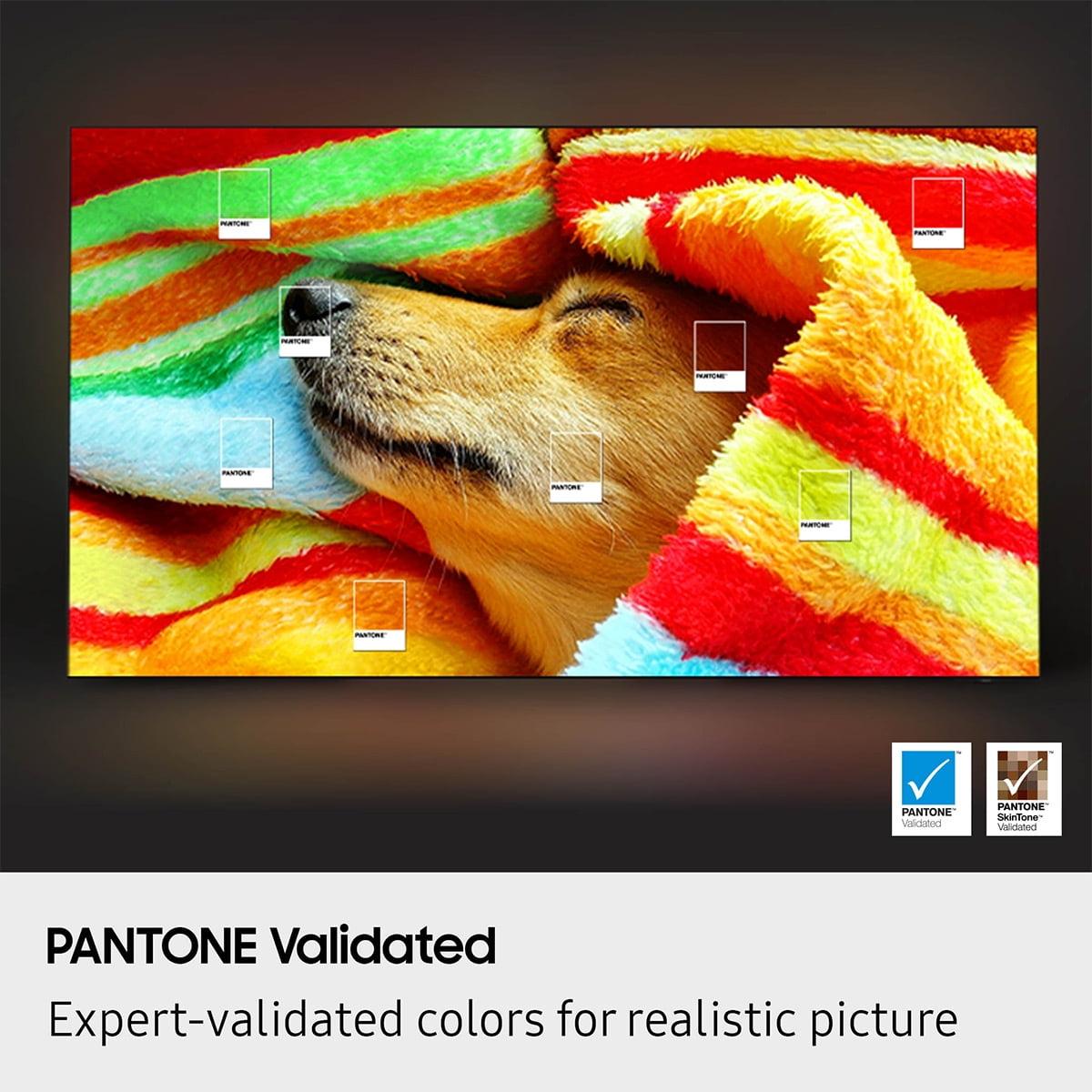
Both TVs excel at color reproduction, but in different ways. The Samsung S85F OLED achieves Pantone validation, meaning it can accurately reproduce over 2,140 specific colors and 110 skin tone variations that meet professional standards. When watching nature documentaries or films with careful color grading, the OLED's accuracy becomes apparent—skin tones look natural, and colors appear as the content creators intended.
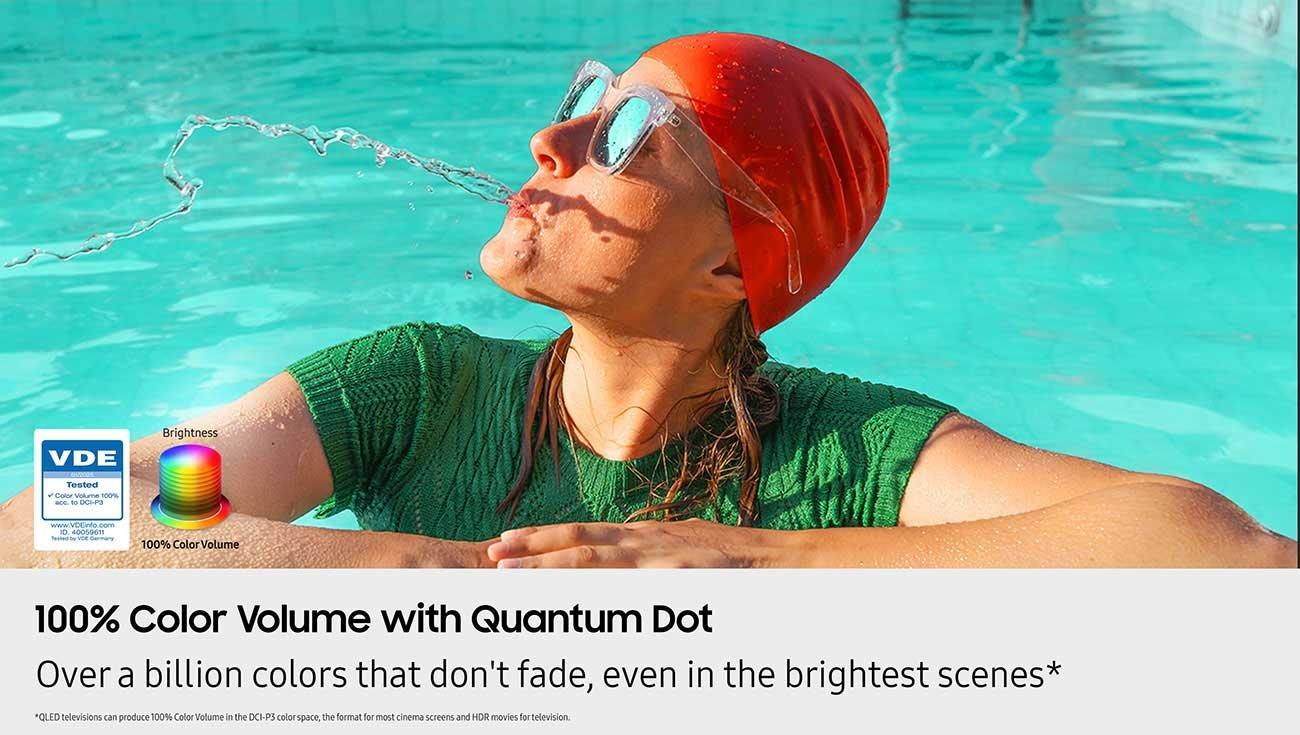
The Samsung QN8F QLED focuses on what Samsung calls "100% Color Volume." This means it can maintain color saturation even at high brightness levels—something traditional displays struggle with. Bright red sports cars in sunny racing scenes maintain their vivid appearance rather than washing out, and colorful animated content stays vibrant even in well-lit rooms.
The QN8F's Color Booster Pro feature uses artificial intelligence to analyze each scene and enhance specific colors in real-time. While this sometimes creates more impressive-looking images, it's not always as accurate as the OLED's approach. Think of it as the difference between a photo with Instagram filters versus one with professional color correction.
High Dynamic Range (HDR) content contains a wider range of brightness levels than standard video, from deep shadows to brilliant highlights like the sun or explosions. How well a TV can display this range determines how realistic and impactful HDR content appears.
The Samsung S85F OLED can hit peak brightness levels around 750 nits in small areas, with full-screen brightness dropping to about 150 nits. While these numbers might seem low compared to high-end TVs, the OLED's perfect blacks mean the perceived contrast is still exceptional. HDR content maintains detail in both shadows and highlights, creating images that feel three-dimensional.
The Samsung QN8F QLED, with its Quantum HDR+ technology, can push significantly higher peak brightness across larger areas of the screen. This makes HDR highlights more intense and visible even in bright viewing environments. If you're watching HDR content during the day or in a room with lots of ambient light, the QLED's extra brightness translates to a more impactful viewing experience.
Modern gaming demands have pushed TV manufacturers to optimize their displays for interactive content, and both Samsung models deliver impressive gaming capabilities, though through different approaches.
Response time measures how quickly a pixel can change from one color to another, while input lag measures the delay between pressing a controller button and seeing the action on screen. For competitive gaming, these measurements can mean the difference between victory and defeat.
The Samsung S85F OLED offers near-instantaneous pixel response times thanks to its self-illuminating technology. There's virtually no ghosting or blur during fast motion, making it ideal for first-person shooters or racing games where every millisecond counts. Combined with its low input lag, this OLED provides what many consider the gold standard for gaming displays.
The Samsung QN8F QLED can't quite match the OLED's natural response time advantages due to its LCD panel's physical limitations. However, Samsung's Motion Xcelerator technology processes motion at up to 144Hz, which can help reduce blur in certain types of content. For casual gaming or single-player experiences, the difference is often negligible.
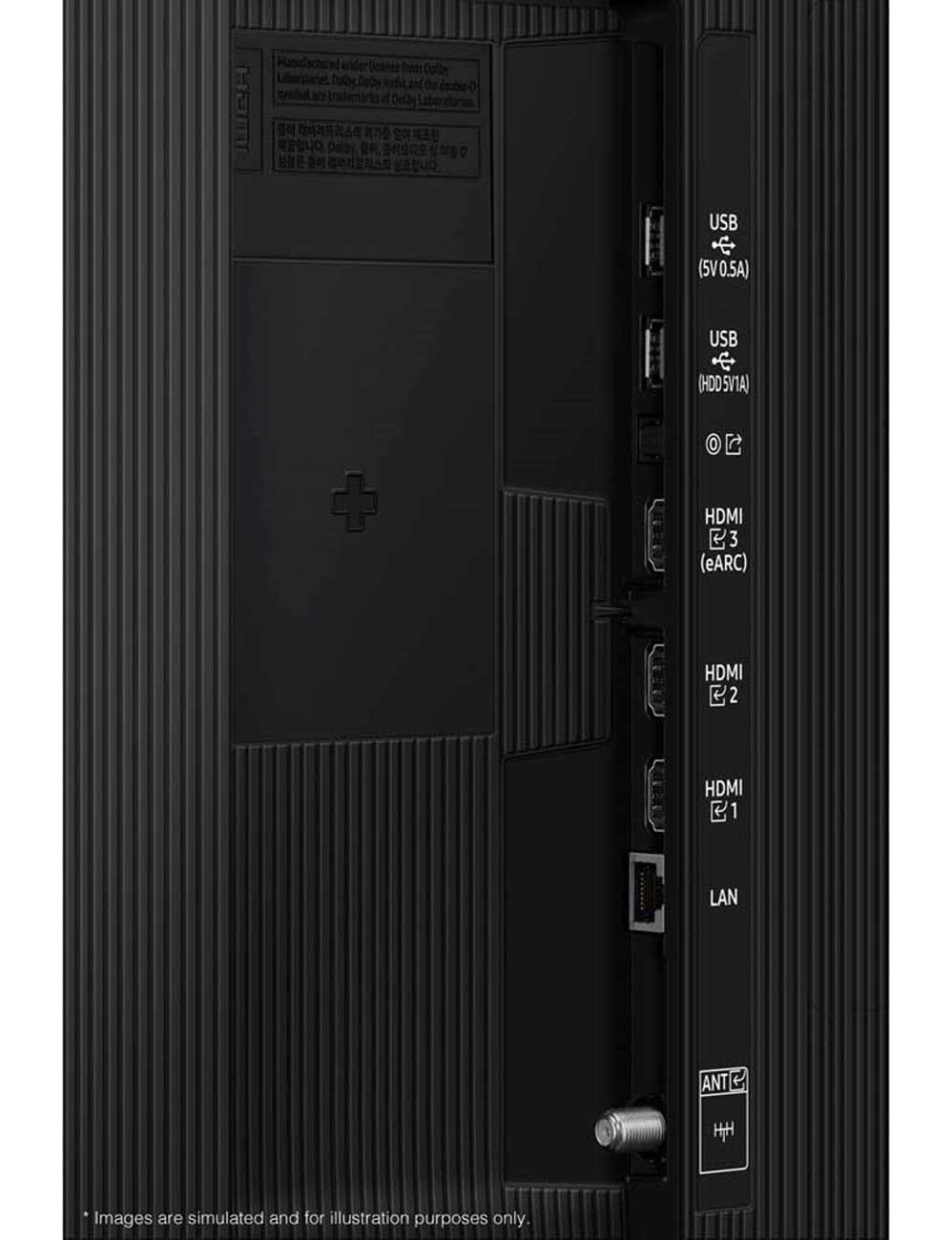
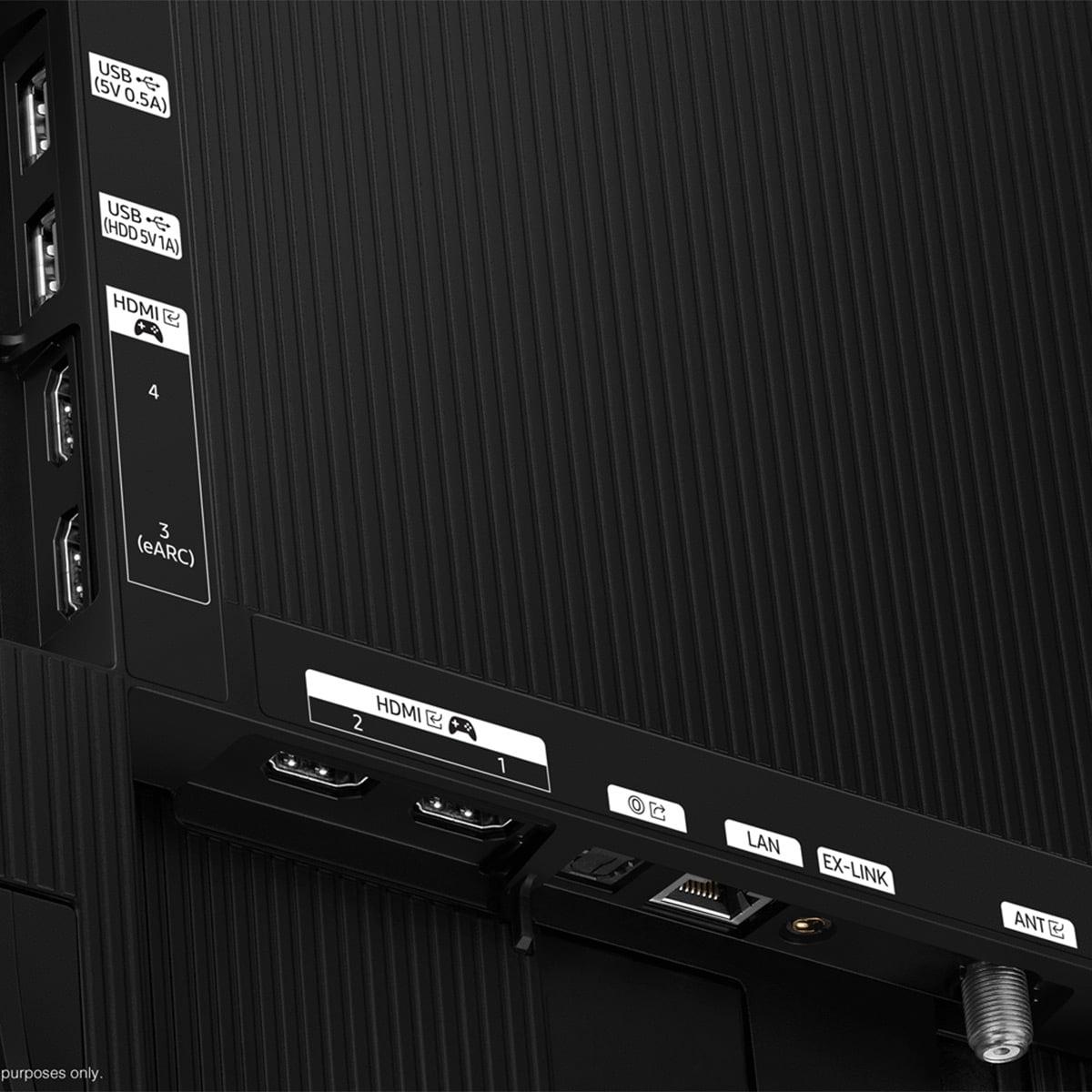
Both TVs support 4K gaming at 120 frames per second, Variable Refresh Rate (VRR) to eliminate screen tearing, and Auto Low Latency Mode (ALLM) for optimal gaming performance. They each include four HDMI 2.1 ports, meaning you can connect multiple next-generation consoles and devices without compromising on features.
The Samsung S85F OLED includes AMD FreeSync Premium certification, which works particularly well with gaming PCs and certain console games to create smoother gameplay. Its Gaming Hub also provides access to cloud gaming services, turning the TV into a gaming platform even without a dedicated console.
Samsung's 2025 models introduced significant improvements to their Tizen smart TV platform and AI processing capabilities. Both the Samsung QN8F QLED and Samsung S85F OLED include Samsung Vision AI, which learns from your viewing habits to optimize picture and sound settings automatically.
The S85F's NQ4 AI Gen2 processor includes 20 neural networks that work together to upscale lower-resolution content, enhance colors, and reduce noise in real-time. When streaming 1080p content from older shows or lower-quality sources, this processing power becomes noticeably beneficial.
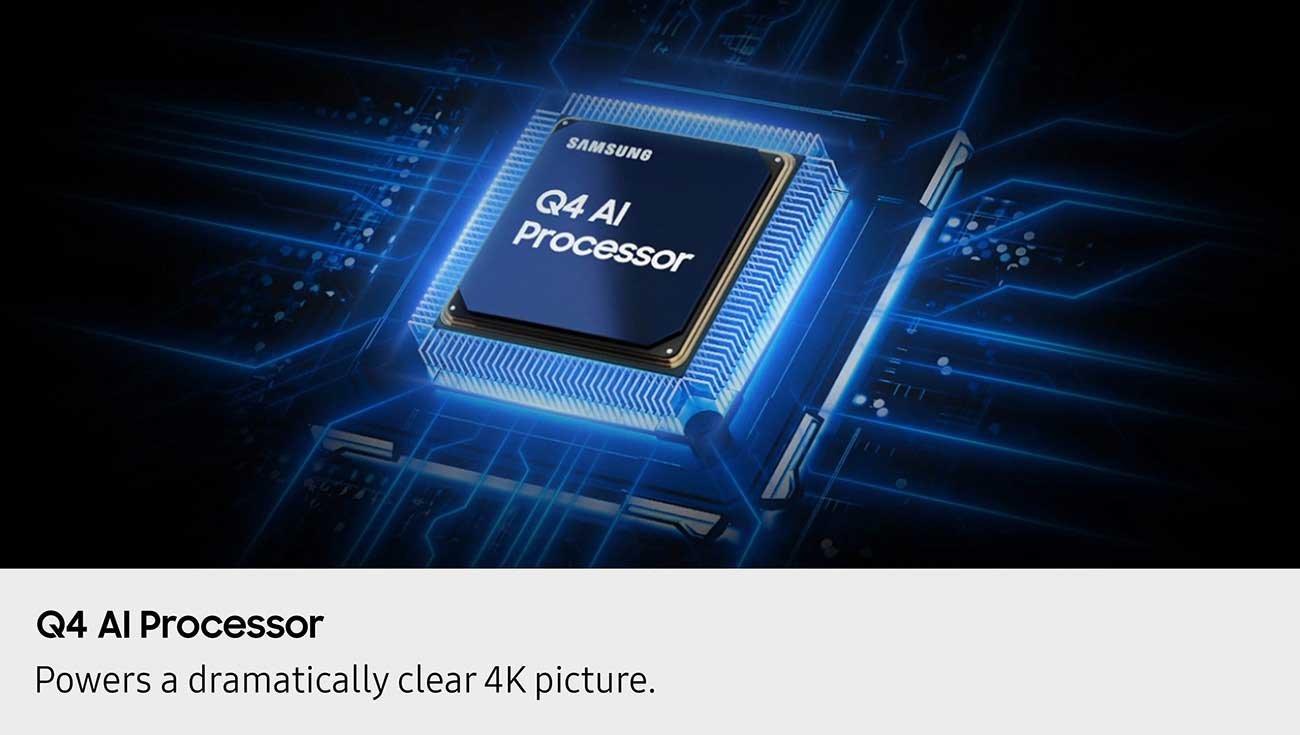
The QN8F's Q4 AI processor focuses more on adaptive optimization—adjusting the display based on your room's lighting conditions and the type of content you're watching. It's less powerful than the OLED's processor but still provides meaningful improvements to your viewing experience.
Both TVs integrate with Samsung's SmartThings ecosystem, allowing them to serve as smart home hubs. They can control connected devices, display security camera feeds, and even respond to voice commands from across the room through far-field microphones.
Your viewing environment plays a crucial role in determining which TV will perform better for your specific situation. I've found that this factor often matters more than pure specifications when it comes to daily satisfaction with your purchase.
If your TV room has large windows, overhead lighting, or faces east or west where sunlight streams in during peak viewing hours, the Samsung QN8F QLED will likely provide a better experience. Its higher peak brightness means content remains visible and colors stay saturated even with significant ambient light.
The QLED's quantum dot layer maintains color accuracy at high brightness levels, so you won't see the washed-out appearance that affects many TVs in bright conditions. Sports viewing during weekend afternoons, casual TV watching with lights on, and gaming during the day all benefit from this brightness advantage.
For dedicated home theater setups or evening viewing in controlled lighting, the Samsung S85F OLED creates an experience that's hard to match. The perfect blacks allow you to see details in shadows that would be lost in the gray haze of backlit displays. Movie letterbox bars disappear completely, creating an immersive experience where the screen seems to disappear.
I've noticed that OLED's superior contrast makes even non-HDR content appear more three-dimensional and realistic in dark environments. The depth and texture in faces, the subtle gradations in sunset skies, and the rich detail in dark scenes all benefit from the infinite contrast ratio.
Most people watch TV in varying lighting conditions throughout the day and evening. Both TVs handle these situations well, though with different strengths. The QLED maintains more consistent performance as lighting changes, while the OLED provides superior quality during optimal viewing conditions.
The S85F's anti-reflection coating helps reduce glare from specific light sources, though it can't overcome the fundamental limitation of OLED in very bright environments. The QN8F's consistent brightness means it adapts better to changing room conditions without requiring manual adjustments.
Both Samsung models include advanced audio processing, though their approaches differ slightly. The Samsung S85F OLED features Object Tracking Sound Lite, which uses AI to move audio effects across the screen to match on-screen action. Combined with Dolby Atmos support, this creates a more immersive audio experience than typical TV speakers provide.
The Samsung QN8F QLED includes similar audio technologies with Adaptive Sound+ that adjusts output based on both the content you're watching and your room's acoustic properties. Both TVs support Q-Symphony, which allows compatible Samsung soundbars to work in harmony with the TV's built-in speakers rather than replacing them entirely.
For serious home theater enthusiasts, both TVs support eARC (enhanced Audio Return Channel) for high-quality audio passthrough to external sound systems. However, it's worth noting that Samsung doesn't support Dolby Vision HDR format, instead using their own HDR10+ standard, which may matter if you have specific content preferences.
After considering all these factors, the decision often comes down to your priorities and viewing environment. At the time of writing, the price difference between these models reflects their different market positions—the QLED offers exceptional value for most users, while the OLED provides premium performance for those willing to pay for the best picture quality.
You want the best value for your investment. This TV delivers premium features and excellent performance at a more accessible price point. It's ideal for families or anyone who watches TV in varying lighting conditions throughout the day.
Your room has significant ambient light. Whether from windows, overhead lights, or open floor plans, the QLED's brightness advantage will provide better day-to-day usability in bright environments.
You prioritize worry-free ownership. Without the potential for burn-in from static images, you can watch news channels, play games with persistent HUD elements, or use the TV for computer work without concern.
You want future-proofing features. The 144Hz motion processing and robust gaming features ensure this TV will handle next-generation content and gaming requirements.
Picture quality is your top priority, and you're willing to invest in superior display technology. The perfect blacks, infinite contrast, and accurate colors create viewing experiences that backlit displays simply cannot match.
You primarily watch in controlled lighting conditions. Evening movie watching, dedicated home theaters, or rooms where you can control ambient light will showcase the OLED's advantages.
Gaming performance matters significantly. The near-instantaneous response times and superior motion handling provide competitive advantages for serious gamers.
You appreciate professional-grade color accuracy. Content creators, photography enthusiasts, or anyone who values accurate color reproduction will benefit from the Pantone validation and Color Booster Pro features.
Both the Samsung QN8F QLED and Samsung S85F OLED represent excellent choices within their respective categories. The QLED offers outstanding value and practical advantages for most viewing situations, while the OLED provides premium picture quality that justifies its higher cost for those who prioritize the ultimate viewing experience.
Samsung's 2025 improvements to both technologies mean you're getting mature, refined products regardless of which you choose. The quantum dot enhancements in the QLED and the QD-OLED technology in the S85F show how both display types continue evolving and improving.
Ultimately, your decision should be based on your specific needs, room environment, and budget rather than pure specifications. Both TVs will provide years of excellent performance, but understanding their different strengths ensures you'll be happy with your choice long after the initial excitement of a new TV fades.
| Samsung 65" QN8F Series QLED 4K Vision AI Smart TV 2025 | Samsung 65" S85F OLED 4K Smart TV (2025) |
|---|---|
| Display Technology - Fundamental difference in how images are created | |
| QLED with Quantum Dots and LED backlighting | QD-OLED with self-illuminating pixels (65" North America) |
| Peak Brightness - Critical for HDR impact and bright room viewing | |
| Higher peak brightness with Quantum HDR+ for impactful highlights | ~750 nits peak, ~150 nits full screen (lower but sufficient for most content) |
| Contrast Ratio - Most important factor for picture depth and realism | |
| Limited by LED backlighting zones | Infinite contrast with perfect blacks (pixels turn completely off) |
| Processor - Affects upscaling quality and smart features responsiveness | |
| Q4 AI Processor with adaptive optimization | NQ4 AI Gen2 with 20 neural networks (more advanced) |
| Refresh Rate - Important for gaming and motion smoothness | |
| 120Hz native, Motion Xcelerator 144Hz capability | 100Hz native, Motion Xcelerator 120Hz |
| Gaming Response Time - Critical for competitive gaming performance | |
| Good LCD response time with processing enhancements | Near-instantaneous OLED pixel response (superior for gaming) |
| Color Accuracy - Important for natural-looking content | |
| 100% Color Volume with quantum dots (vibrant but less accurate) | Pantone Validated with 2,140+ colors (professional accuracy) |
| Viewing Environment Suitability - Where each TV performs best | |
| Excellent for bright rooms and mixed lighting conditions | Best for dark rooms and controlled lighting environments |
| Burn-in Risk - Long-term durability consideration | |
| No burn-in risk with LCD technology | Modern OLED with improved burn-in resistance (minimal risk with normal use) |
| HDMI Gaming Features - Next-gen console compatibility | |
| 4 HDMI 2.1 ports, 4K 120Hz, VRR, ALLM | 4 HDMI 2.1 ports, 4K 120Hz, VRR, ALLM, FreeSync Premium |
| Smart TV Platform - User experience and app performance | |
| Tizen OS with Samsung Vision AI | Tizen OS with Samsung Vision AI (same platform) |
| Audio System - Built-in sound quality | |
| 20W with Adaptive Sound+ and room acoustic optimization | 20W with Dolby Atmos, Object Tracking Sound Lite |
| Value Proposition - Performance per dollar at time of writing | |
| Exceptional value with premium features at accessible pricing | Premium technology commands higher cost but delivers superior picture quality |
The Samsung S85F OLED delivers superior picture quality with perfect blacks and infinite contrast, making images appear more realistic and three-dimensional. The Samsung QN8F QLED offers brighter, more vibrant colors that work better in bright rooms. For dark room viewing and overall picture realism, OLED wins, but QLED excels in bright environments.
The Samsung QN8F QLED uses quantum dots with LED backlighting to enhance colors on an LCD panel, while the Samsung S85F OLED has self-illuminating pixels that can turn completely on or off. This means OLED creates perfect blacks by turning pixels off entirely, while QLED maintains a backlight that prevents true blacks but enables higher brightness levels.
The Samsung S85F OLED offers superior gaming performance with near-instantaneous pixel response times and minimal input lag, making it ideal for competitive gaming. Both the Samsung QN8F QLED and Samsung S85F OLED support 4K 120Hz gaming, VRR, and have four HDMI 2.1 ports, but OLED's faster response gives it the edge for serious gamers.
Modern OLED displays like the Samsung S85F OLED have significantly improved burn-in resistance compared to older models. While permanent image retention is still possible with extreme static content usage, normal gaming and TV watching pose minimal risk. The Samsung QN8F QLED has no burn-in risk due to its LCD technology.
The Samsung QN8F QLED performs better in bright rooms due to its higher peak brightness and quantum dot technology that maintains color accuracy even with ambient light. The Samsung S85F OLED can appear washed out in very bright conditions, though it includes anti-reflection coating to help reduce glare.
Yes, both the Samsung QN8F QLED and Samsung S85F OLED run the same Tizen smart TV platform with Samsung Vision AI, voice assistants, and SmartThings hub integration. The S85F has a more powerful NQ4 AI Gen2 processor that provides better upscaling and navigation responsiveness compared to the QN8F's Q4 processor.
The Samsung QN8F QLED offers exceptional value with premium features at a more accessible price point. While the Samsung S85F OLED costs significantly more, it provides superior picture quality technology that many consider worth the premium for the best viewing experience.
The Samsung S85F OLED has lower peak brightness than QLED models, making HDR less impactful in bright rooms. It also costs more than the Samsung QN8F QLED and has potential (though minimal) burn-in risk. Additionally, Samsung OLED TVs don't support Dolby Vision, using HDR10+ instead.
For dedicated home theater setups, the Samsung S85F OLED excels with perfect blacks, infinite contrast, and accurate colors that create a cinematic experience in dark rooms. The Samsung QN8F QLED works better for casual movie watching in mixed lighting conditions with its superior brightness and vibrant colors.
Both TVs feature 20W speaker systems with advanced audio processing, but with different approaches. The Samsung S85F OLED includes Dolby Atmos and Object Tracking Sound Lite for more immersive audio, while the Samsung QN8F QLED features Adaptive Sound+ that adjusts to your room's acoustics.
Both the Samsung QN8F QLED and Samsung S85F OLED are built for long-term reliability. QLED technology has no burn-in concerns and maintains consistent brightness over time. Modern OLED panels have greatly improved longevity, though they may experience gradual brightness reduction over many years of use.
Choose the Samsung QN8F QLED if you want excellent performance at better value, have a bright viewing room, or prefer worry-free ownership. Select the Samsung S85F OLED if picture quality is your top priority, you primarily watch in dark conditions, and you're willing to invest in premium display technology for the best viewing experience.
We've done our best to create useful and informative comparisons to help you decide what product to buy. Our research uses advanced automated methods to create this comparison and perfection is not possible - please contact us for corrections or questions. These are the sites we've researched in the creation of this article: bestbuy.com - samsung.com - rtings.com - youtube.com - samsung.com - pcrichard.com - abt.com - images.samsung.com - cnet.com - news.samsung.com - samsung.com - bestbuy.com - rtings.com - samsung.com - youtube.com - youtube.com - samsung.com - bestbuy.com - avsforum.com - avsforum.com - samsung.com - displayspecifications.com - videoandaudiocenter.com - bestbuy.com - flatpanelshd.com - myallsouth.com - samsung.com - richstv.com - samsung.com - heartlandappliance.com

Privacy Policy
Terms and Conditions - Affiliate Policy
Home Security
© Copyright 2008-2026.
11816 Inwood Rd #1211, Dallas, TX 75244