

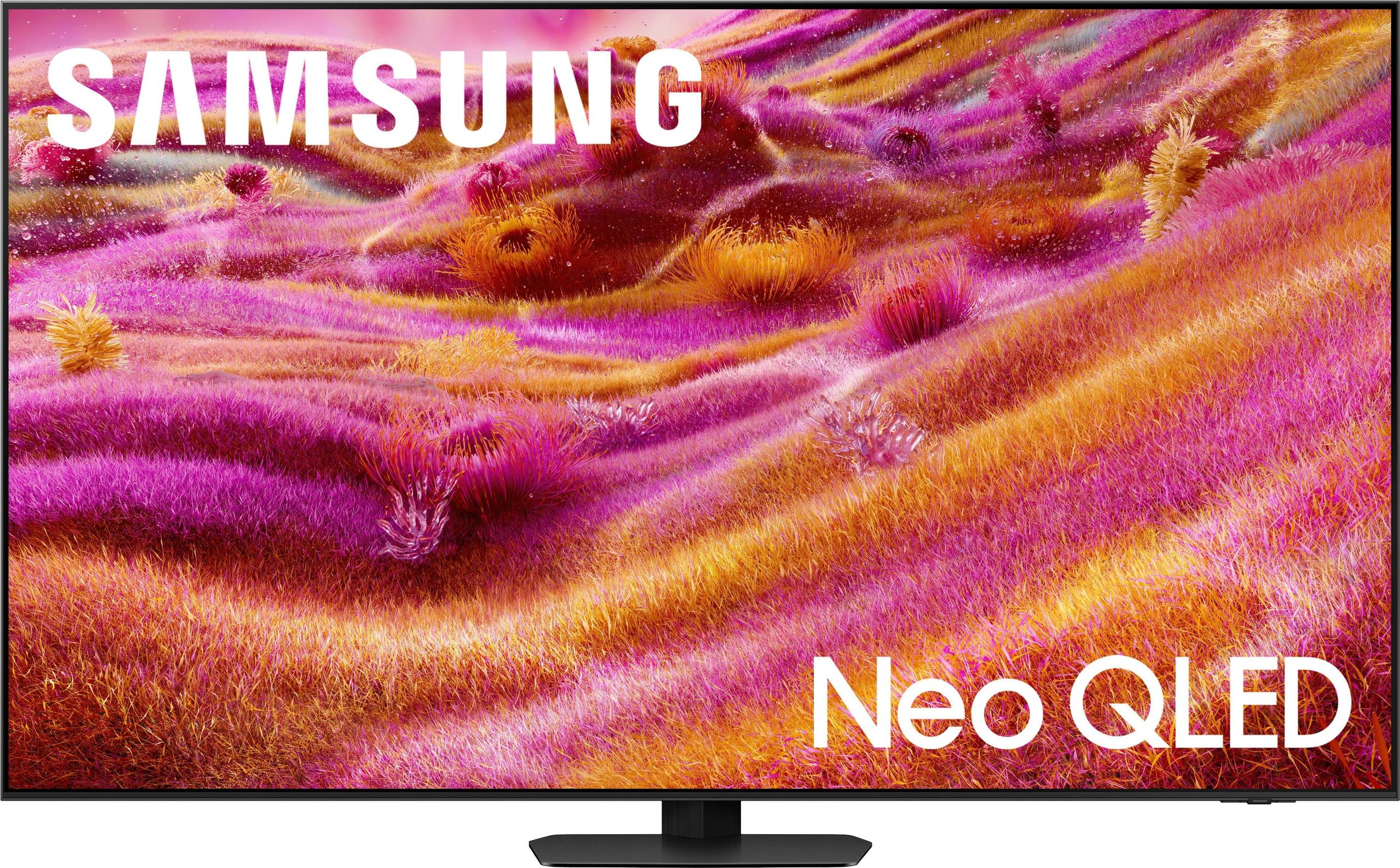
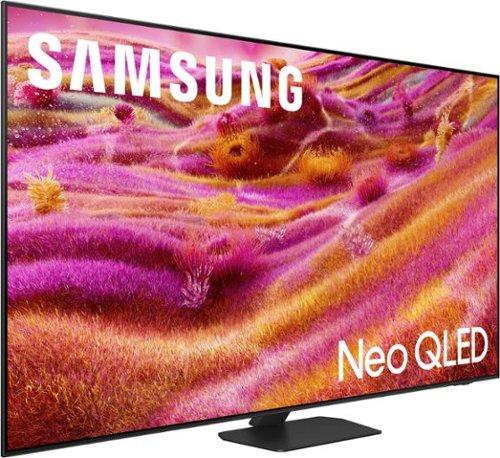
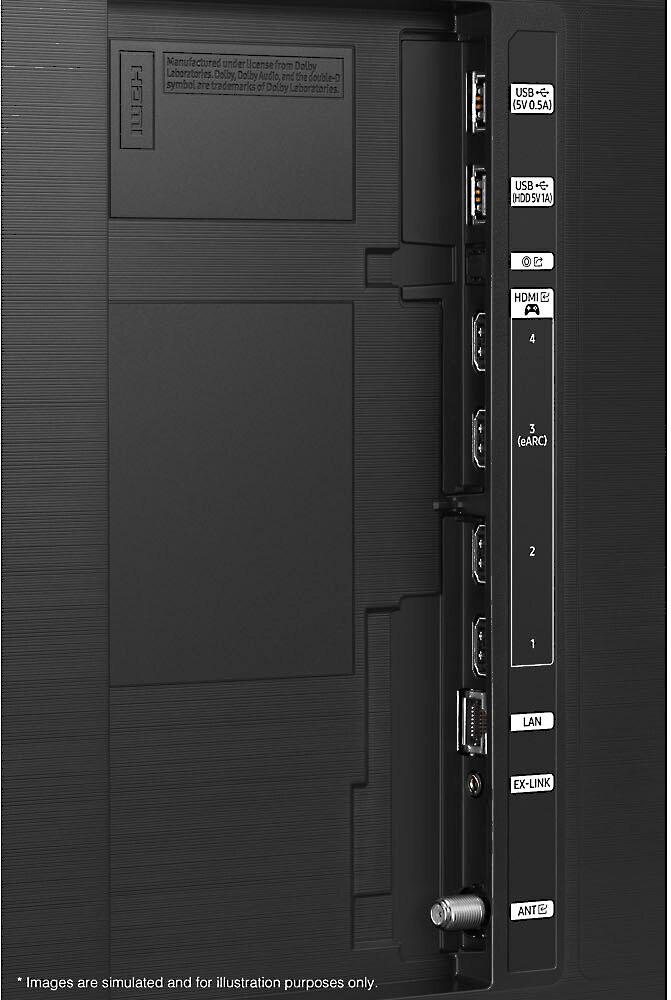
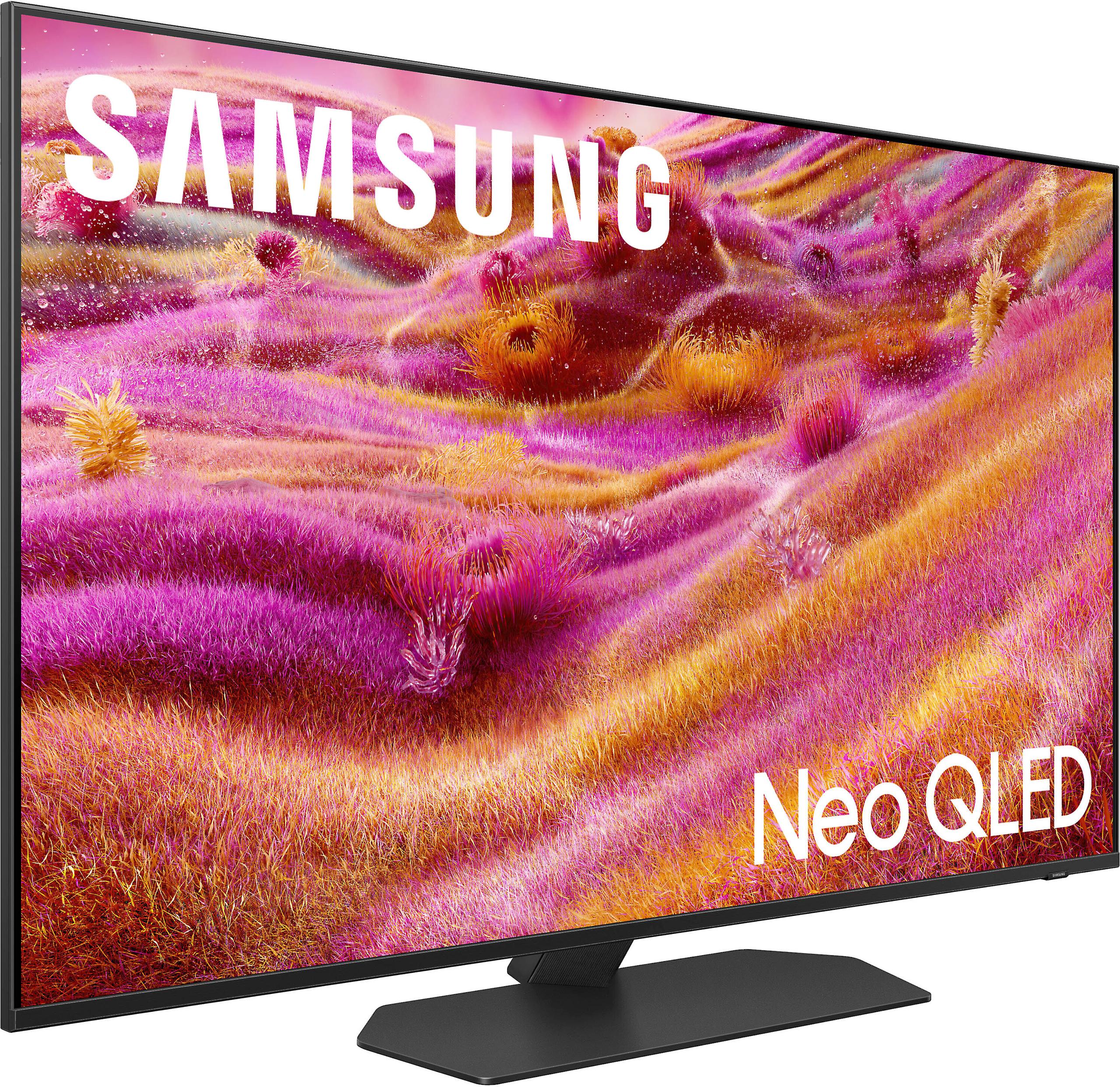
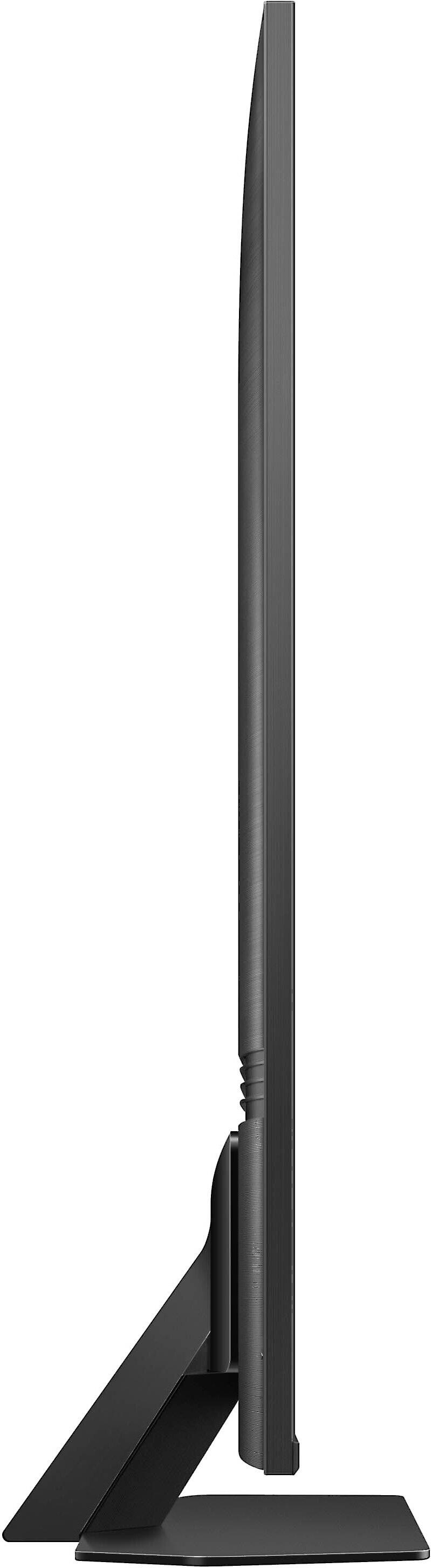
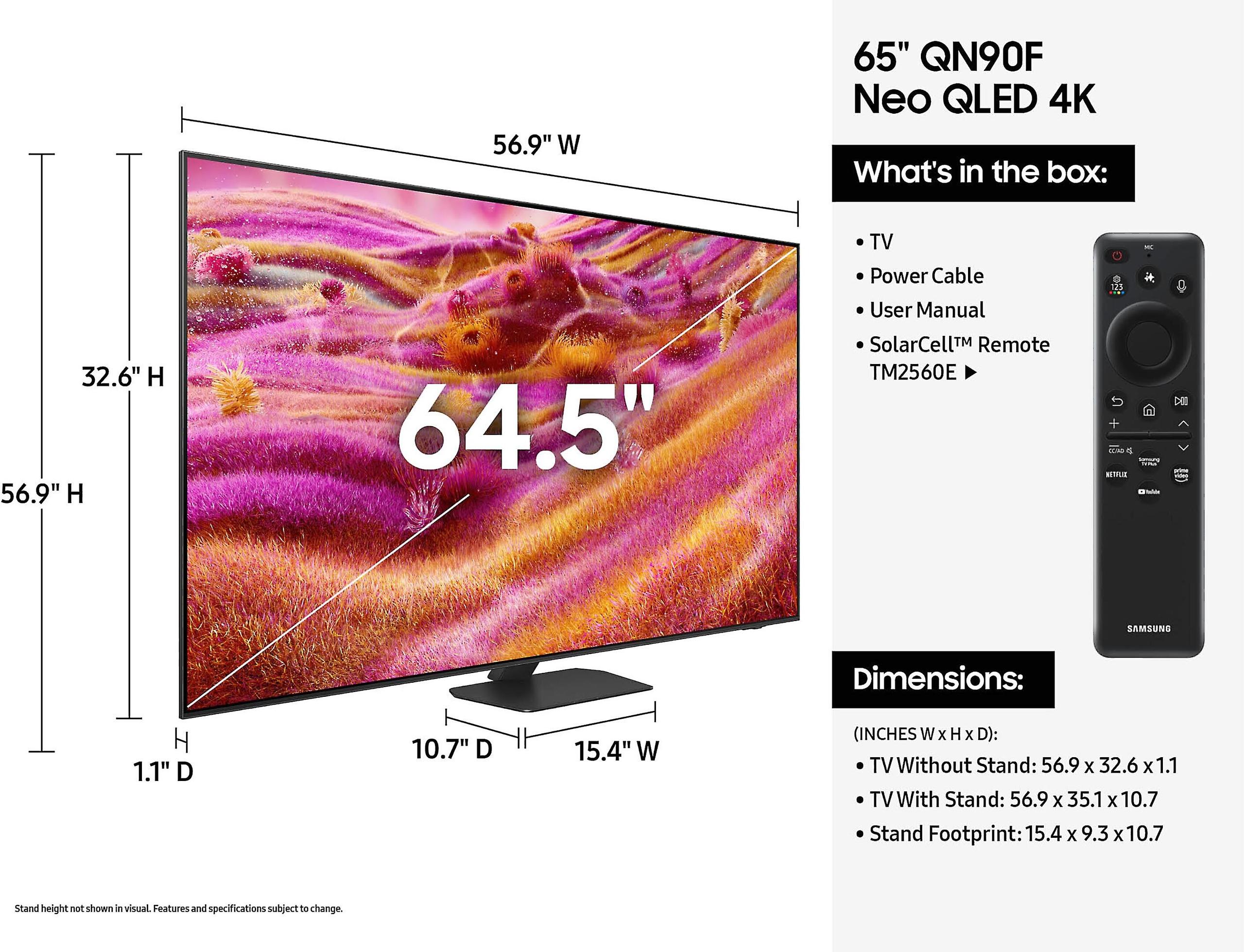


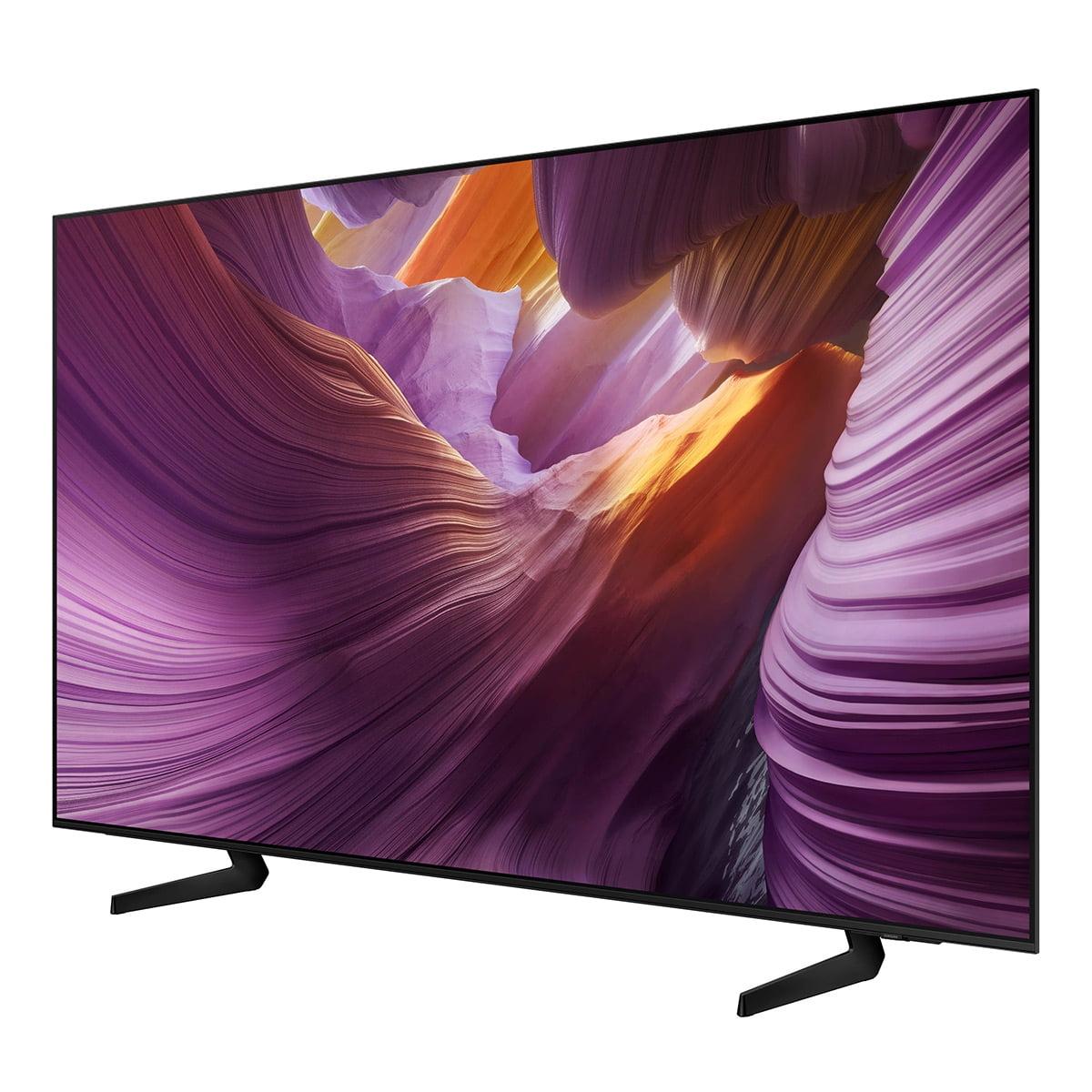
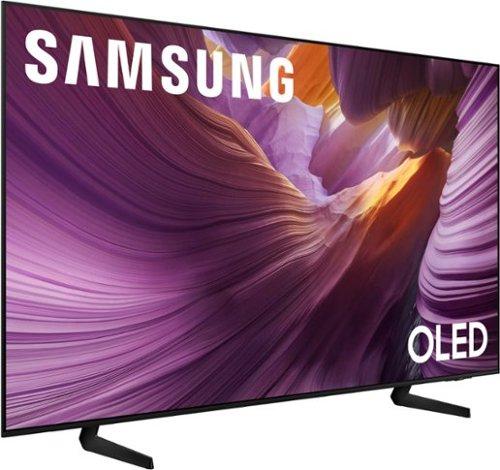
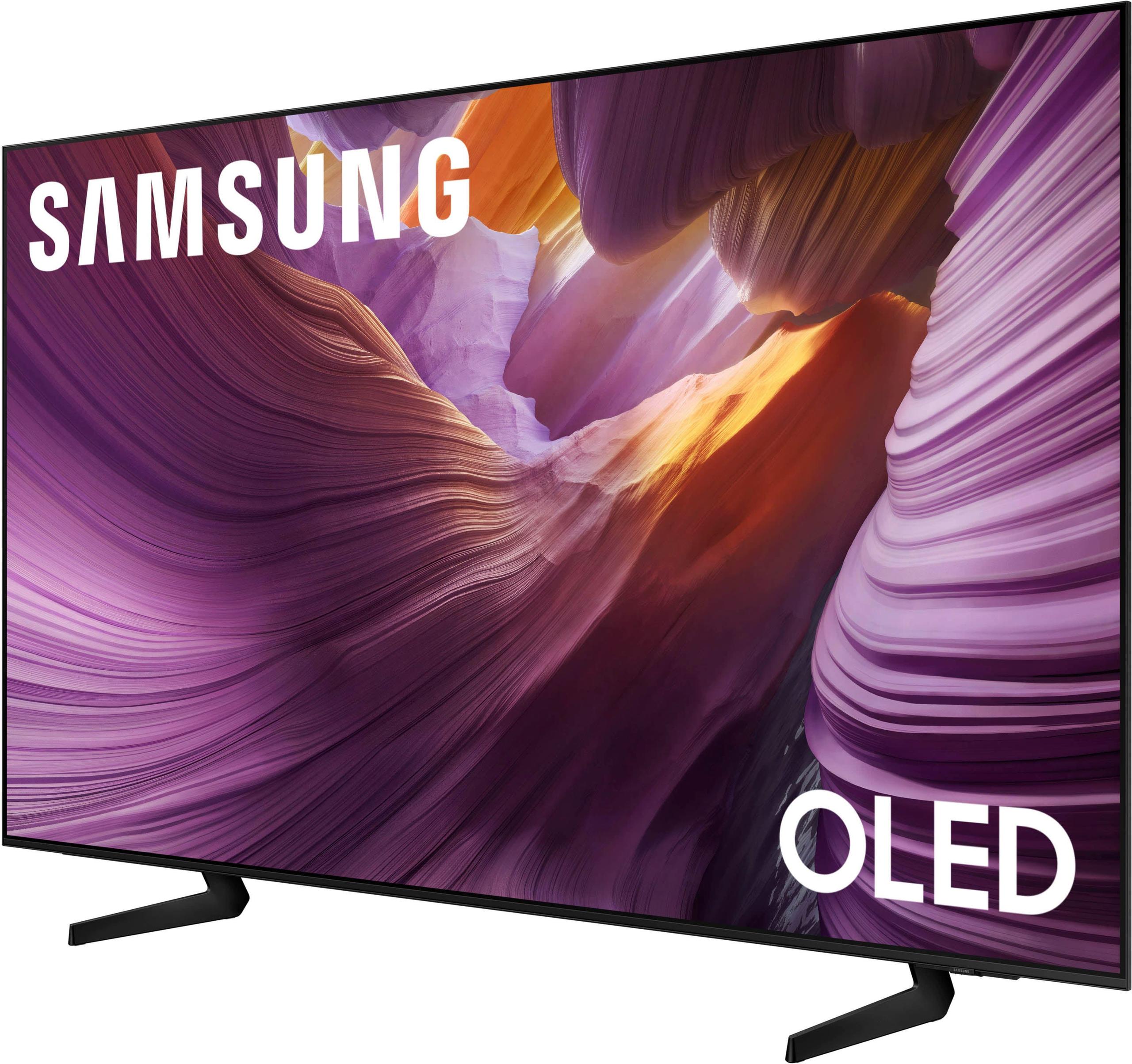
Choosing between Samsung's premium TV technologies has never been more complex. The company's 2025 lineup features two compelling 65-inch options that represent fundamentally different approaches to picture quality: the Samsung QN90F Neo QLED and the Samsung S85F OLED. Both launched in early 2025, but they target different users despite sharing the same screen size and smart features.
After spending considerable time with both display technologies over the years, I can tell you the choice isn't just about which TV is "better" – it's about which one works better in your specific environment and viewing habits. Let me break down everything you need to know to make the right decision.
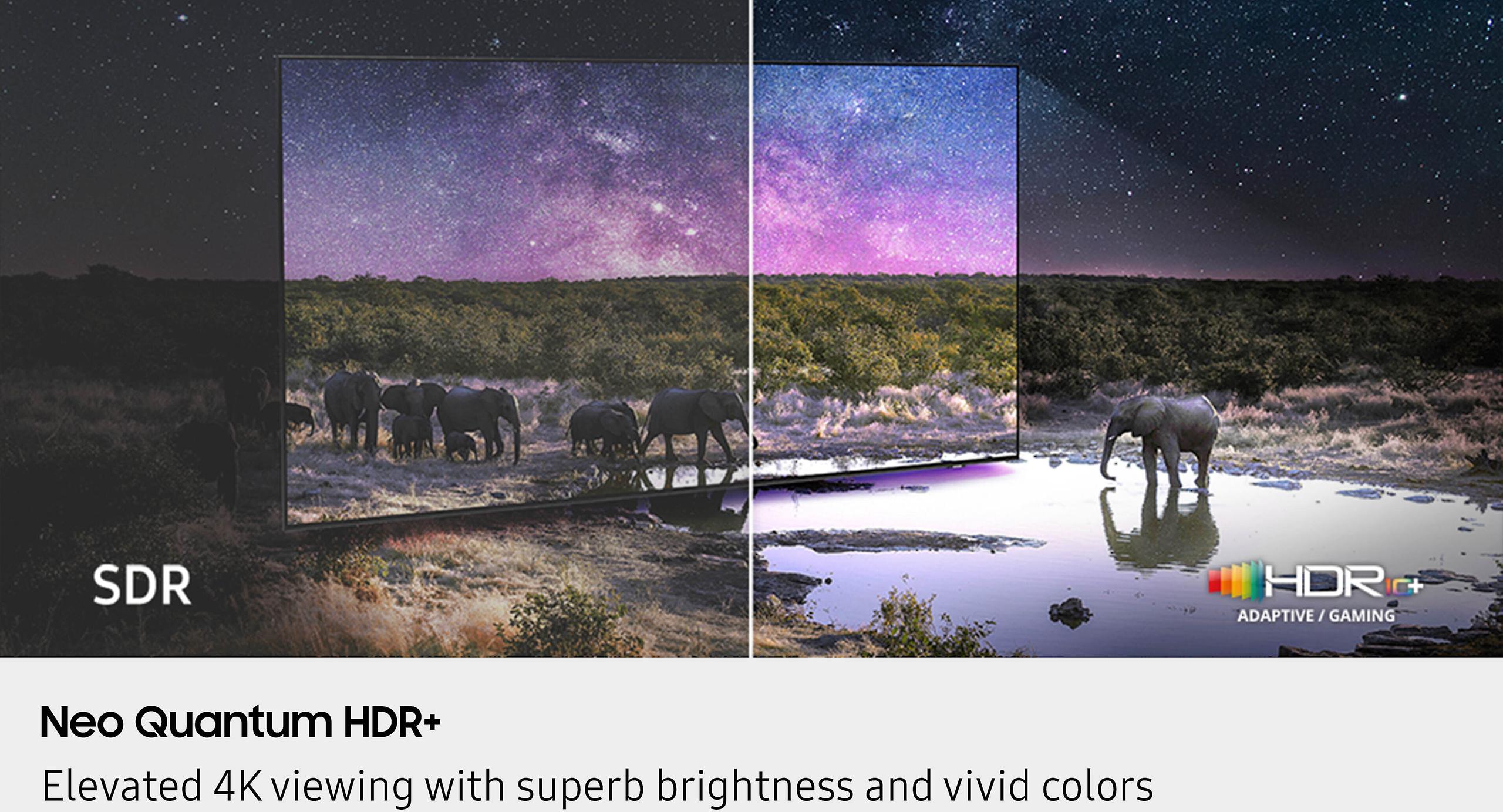
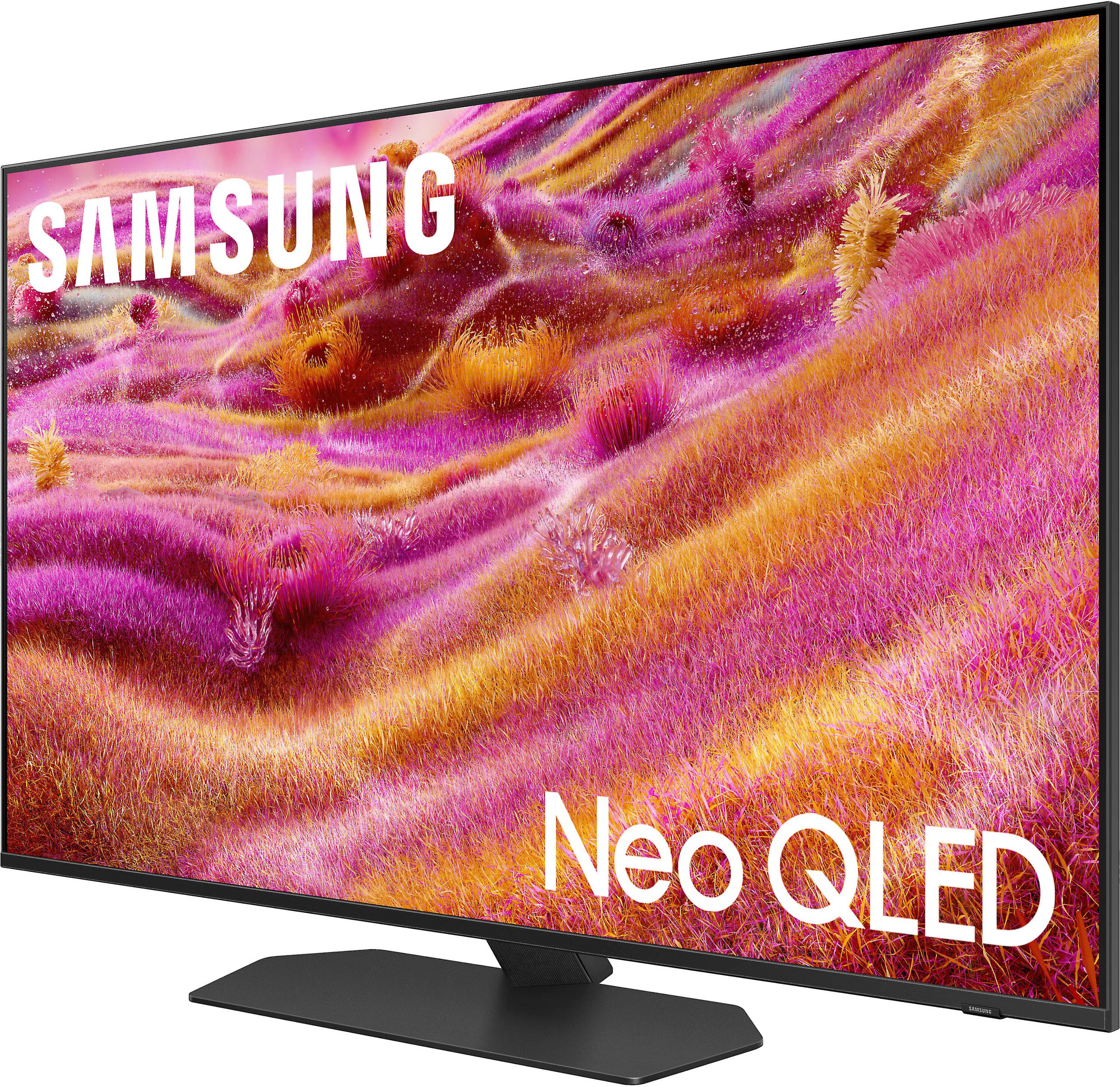
The Samsung QN90F uses Mini LED technology, which Samsung calls Neo QLED. Think of it as thousands of tiny LED lights arranged behind a traditional LCD panel. These LEDs can brighten or dim in groups called "local dimming zones" to create better contrast than older LED TVs. When a scene has bright stars against a dark sky, the Mini LEDs behind the stars light up while the zones behind the dark sky stay dim.
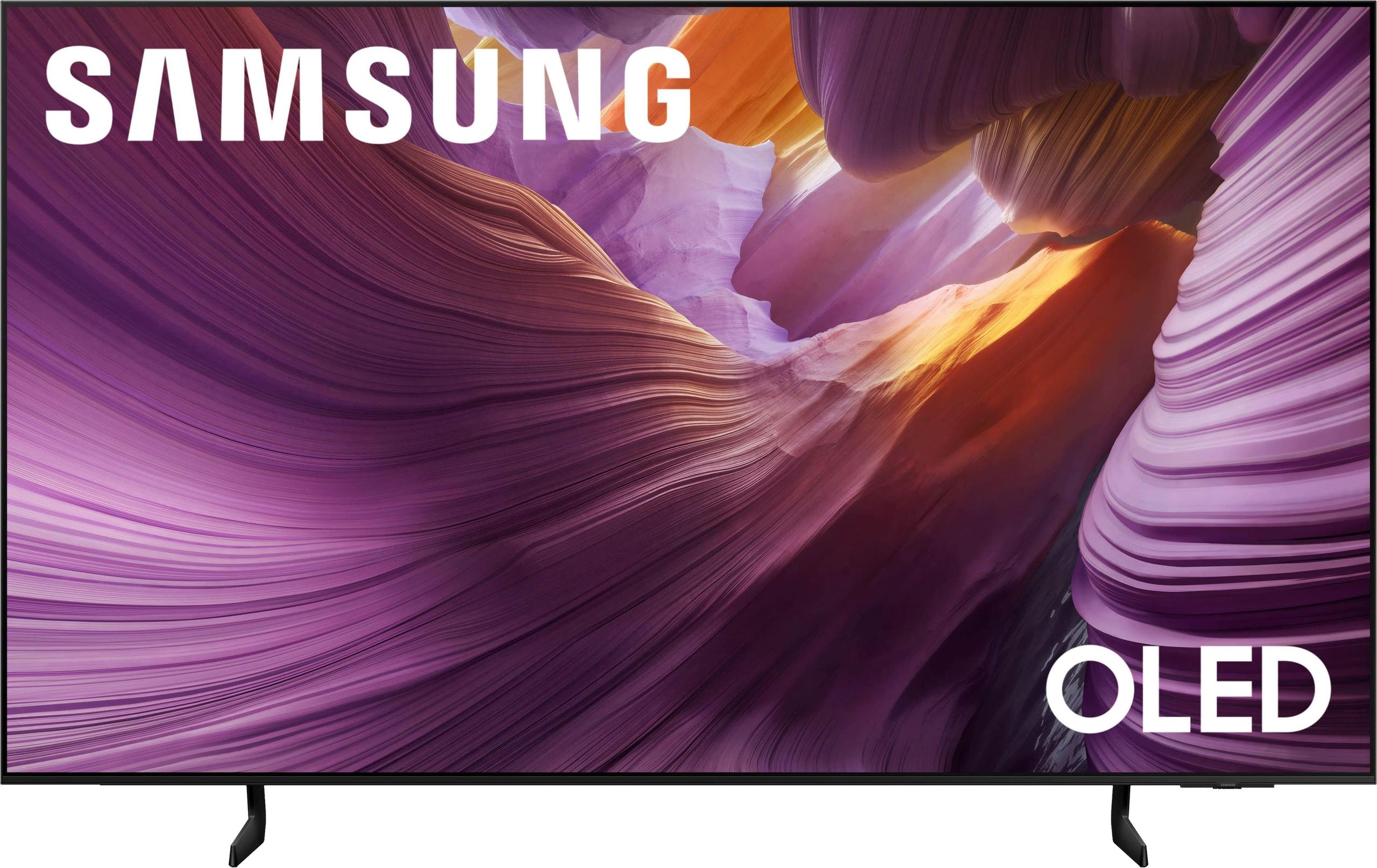
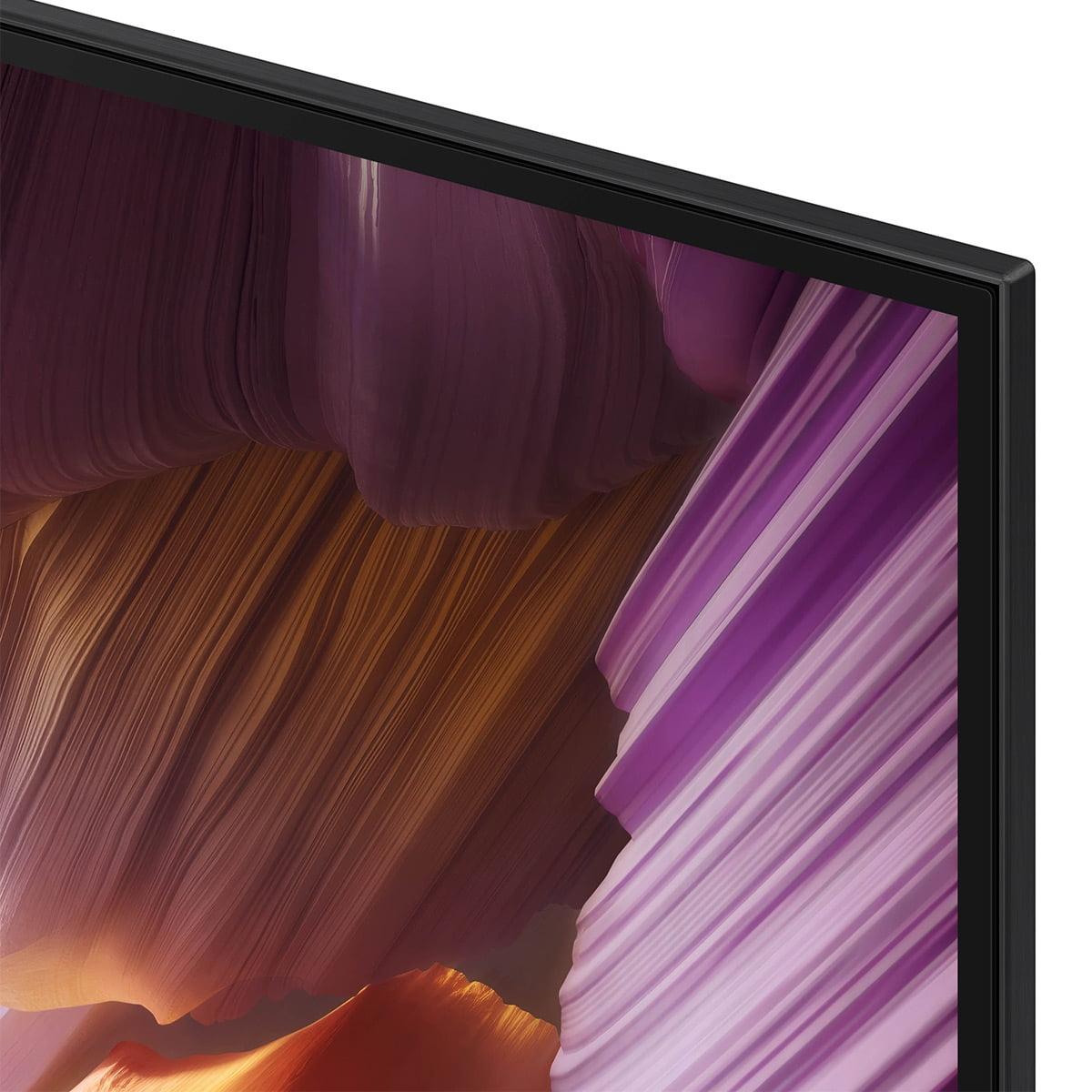
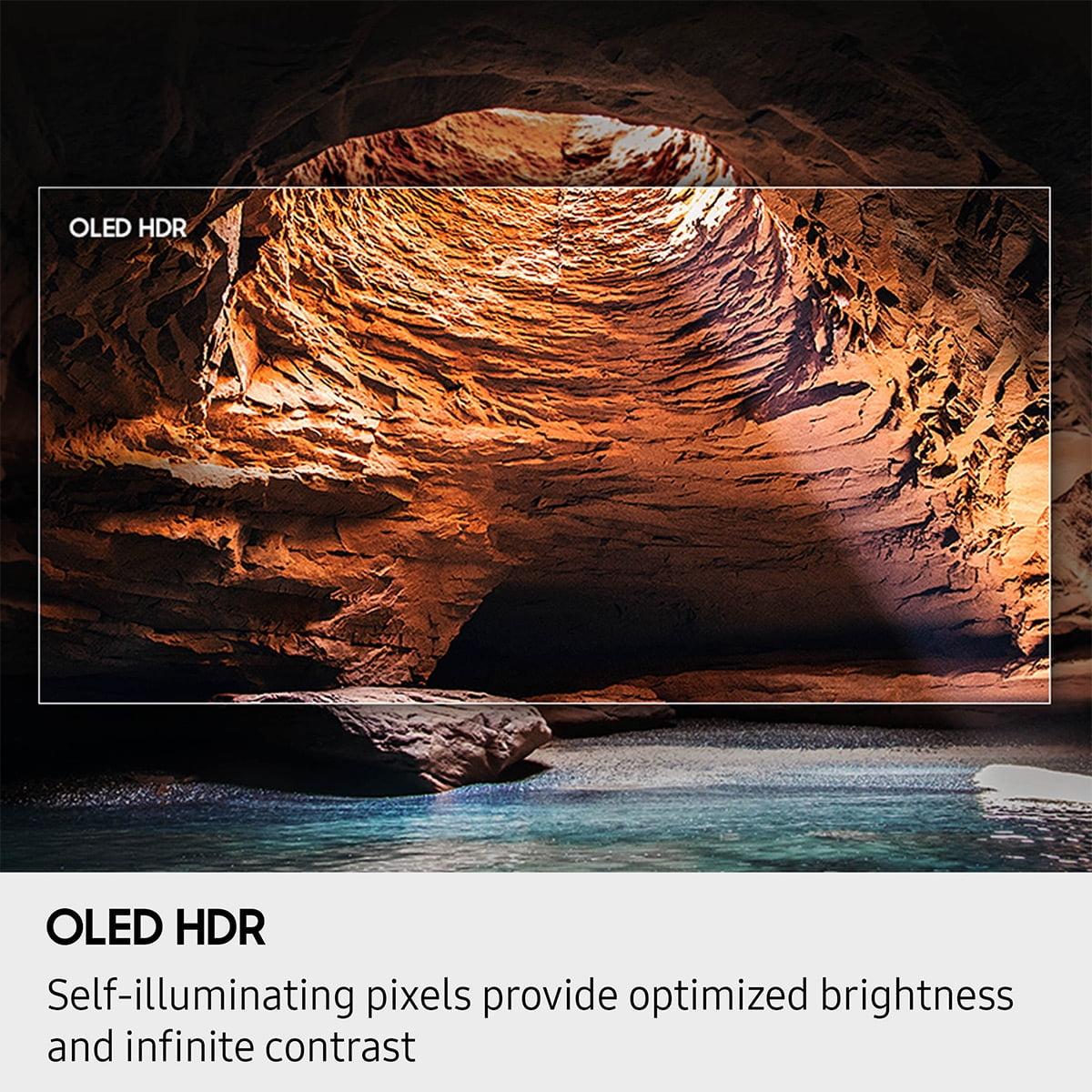
The Samsung S85F OLED, on the other hand, uses completely different technology where each individual pixel creates its own light. When displaying black, these pixels simply turn off completely. It's like having 8.3 million tiny light bulbs that can independently turn on, off, or adjust their brightness.
Samsung has made significant improvements to both technologies since 2020. The Mini LED systems now use smaller LEDs with more dimming zones, reducing the "blooming" effect (unwanted light bleeding around bright objects). Meanwhile, Samsung's OLED panels have gotten brighter and added quantum dot enhancement in certain sizes, including this 65-inch S85F model.
The most dramatic difference between these TVs becomes apparent when you're watching in a bright room. The QN90F Neo QLED can reach peak brightness levels around 2,000 nits (a measure of brightness) in small highlights, while the S85F OLED maxes out around 750 nits. To put this in perspective, a bright sunny day measures about 100,000 nits, while indoor lighting typically ranges from 100-500 nits.
This brightness advantage makes HDR (High Dynamic Range) content significantly more impactful on the QN90F. When you're watching a movie with bright explosions or sunlit scenes, those highlights pop with intensity that the S85F simply can't match. However, the OLED's perfect blacks create a different kind of drama – shadows disappear into true darkness rather than the slight grayish tint you'll see on even the best Mini LED TVs.
In my experience testing both technologies, the QN90F's brightness advantage becomes crucial if you're watching during the day or in a room with windows you can't easily cover. The S85F OLED performs beautifully in controlled lighting but can look washed out when competing against ambient light.
Here's where OLED technology truly shines. The S85F delivers perfect black levels because its pixels can turn completely off. When you're watching a movie with letterbox bars (those black bands above and below the picture), they disappear entirely into the darkness of your room. This creates an almost cinematic experience that's hard to replicate with other technologies.
The QN90F uses local dimming to approximate deep blacks, and Samsung has done excellent work here. The Mini LED zones can dim significantly behind dark content, but they can't turn off entirely like OLED pixels. You might notice subtle blooming around bright objects against dark backgrounds – like a full moon in a night sky – where light from bright zones slightly illuminates neighboring dark areas.
For home theater enthusiasts, this difference is significant. The S85F's infinite contrast ratio creates a more immersive viewing experience in dark rooms, while the QN90F's higher brightness compensates in brighter environments.
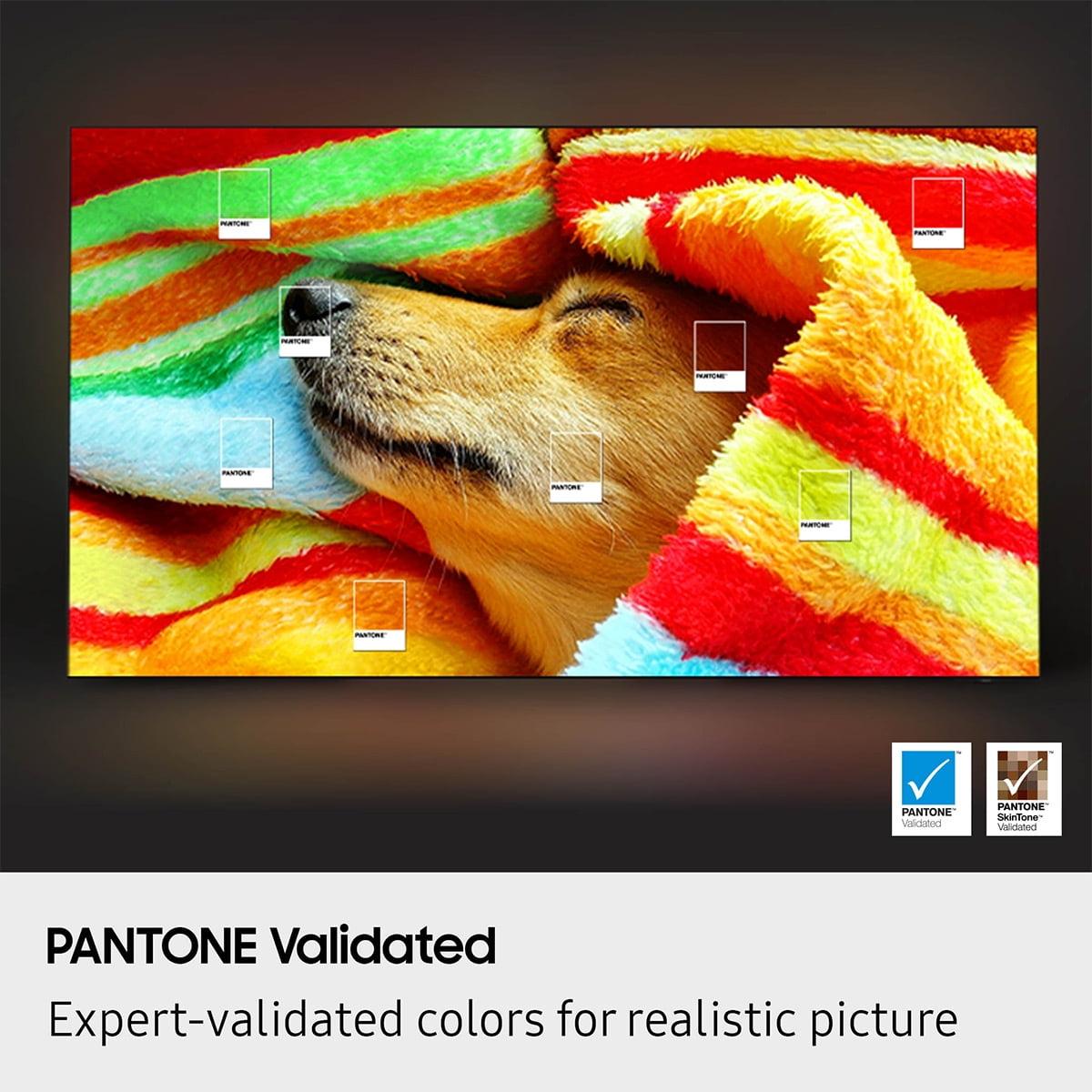
Both TVs deliver excellent color performance, but through different methods. The S85F uses Samsung's QD-OLED technology (in the 65-inch North American model), which combines quantum dots with OLED pixels to create exceptionally vibrant and accurate colors. Samsung has achieved Pantone validation for this display, meaning it can reproduce over 2,140 specific colors and 110 skin tone shades with professional accuracy.
The QN90F uses quantum dots with its Mini LED backlight to enhance color reproduction. While it can't match the S85F's color volume (how vibrant colors remain at different brightness levels), it delivers consistently saturated colors even in bright viewing conditions where the OLED might appear less vibrant.
Both TVs excel for gaming but serve different priorities. The S85F OLED offers nearly instantaneous response times – the time it takes for a pixel to change from one color to another. This makes it ideal for competitive console gaming where every millisecond matters. Combined with its perfect blacks, games with dark environments reveal more detail in shadows, potentially giving you a competitive advantage.
The QN90F Neo QLED supports higher refresh rates and includes more advanced gaming features. While both TVs support 4K gaming at 120Hz with Variable Refresh Rate (VRR) technology – which synchronizes the TV's refresh rate with your console or PC's frame rate to eliminate tearing – the Neo QLED model includes additional PC gaming optimizations.
Input lag (the delay between pressing a button and seeing the action on screen) is excellent on both displays, measuring under 10 milliseconds in game mode. For context, anything under 20ms is considered excellent for gaming.
If you're primarily gaming on PlayStation 5 or Xbox Series X, both TVs will serve you well. PC gamers who want future-proofing for high refresh rate gaming might prefer the QN90F's additional capabilities, though this comes at a significant price premium.
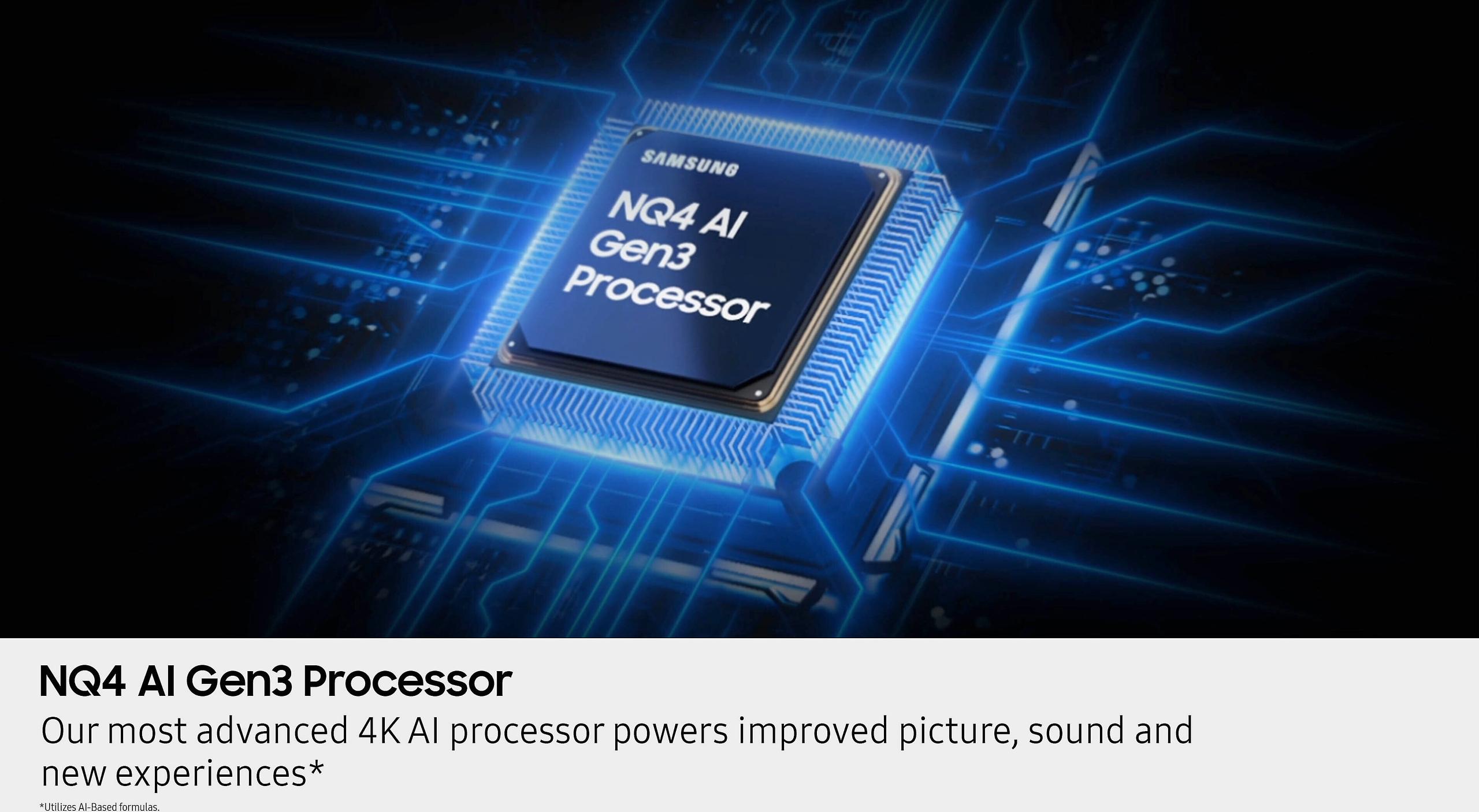
Both TVs run Samsung's Tizen operating system, but the QN90F includes the more advanced NQ4 AI Gen3 processor compared to the S85F's Gen2 version. This translates to better upscaling of lower-resolution content – important since much of what we watch isn't native 4K.
The Gen3 processor's additional neural networks analyze content in real-time, adjusting picture settings automatically. It can recognize different types of content (sports, movies, news) and optimize accordingly. The S85F includes similar features but with less sophisticated processing power.
Samsung's Vision AI platform, found on the QN90F, adds features like gesture control and environmental adaptation. The TV can analyze your room's lighting conditions and adjust picture settings automatically throughout the day. While these features sound impressive, in practice, most users will set their preferred picture mode and rarely interact with the advanced AI features.
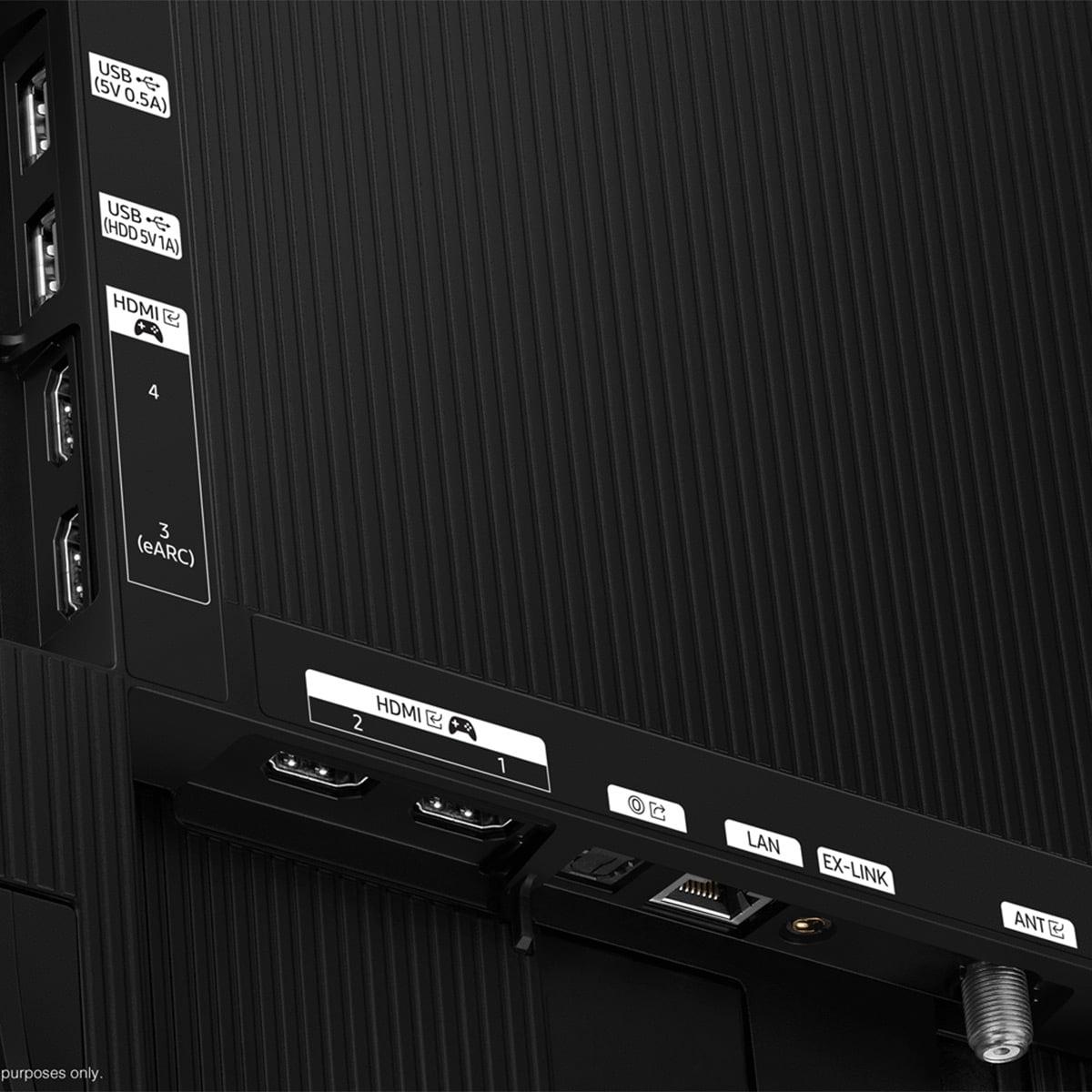
Both TVs include comprehensive smart features: voice control, extensive streaming app support, and integration with Samsung's SmartThings ecosystem for controlling other smart home devices.
The QN90F Neo QLED includes a 60-watt, 4.2.2-channel speaker system with Dolby Atmos support. This represents a significant upgrade over typical TV speakers and can provide satisfying audio for casual viewing. The Object Tracking Sound+ technology attempts to match audio positioning with on-screen action, creating a more immersive experience.
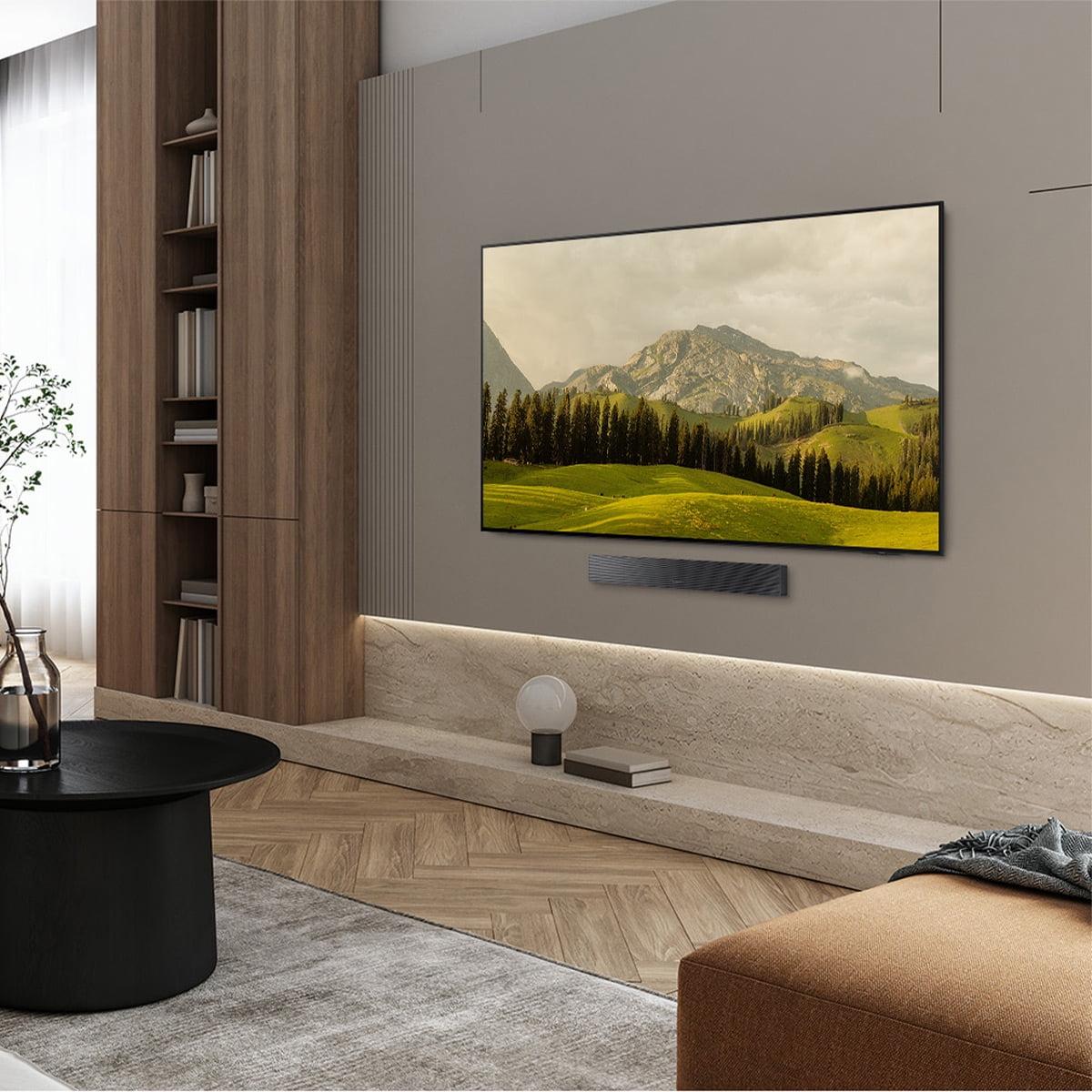
The S85F OLED includes a basic 20-watt, 2.0-channel system that's adequate for dialogue but lacks the power and dimensionality for movie watching or gaming. You'll likely want to pair it with a soundbar for the best experience.
For home theater setups, most enthusiasts will add external audio regardless of the TV's built-in speakers. However, if you prefer keeping things simple or are working within a tighter budget, the QN90F's superior audio system adds significant value.
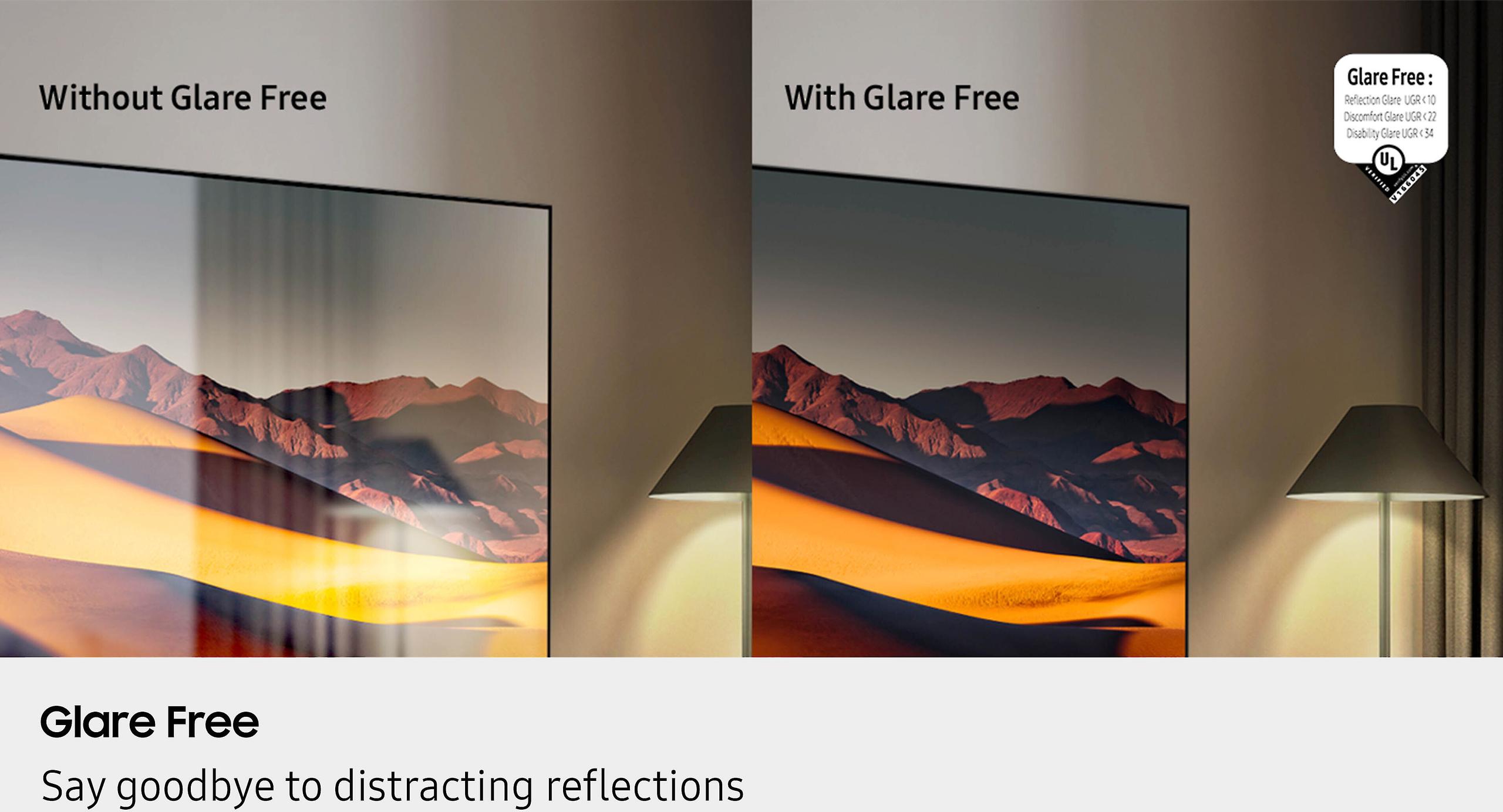
Your viewing environment often determines which TV will serve you better. The QN90F Neo QLED excels in bright rooms – living rooms with large windows, spaces where you can't control ambient lighting, or rooms where you primarily watch TV during daylight hours. Its anti-glare technology and high brightness maintain picture quality even in challenging lighting conditions.
The S85F OLED transforms dedicated viewing spaces. In a basement home theater, bedroom, or any room where you can control lighting, its perfect blacks and infinite contrast create a cinematic experience that's hard to beat. However, in bright conditions, OLED blacks can appear gray, and the overall image may look flat compared to the punchy brightness of Mini LED.
I've found that many buyers underestimate how much room lighting affects their viewing experience. If you're unsure about your lighting conditions, consider when and how you typically watch TV. Do you leave lights on? Are there windows in your viewing area? Can you easily darken the room for movie nights?
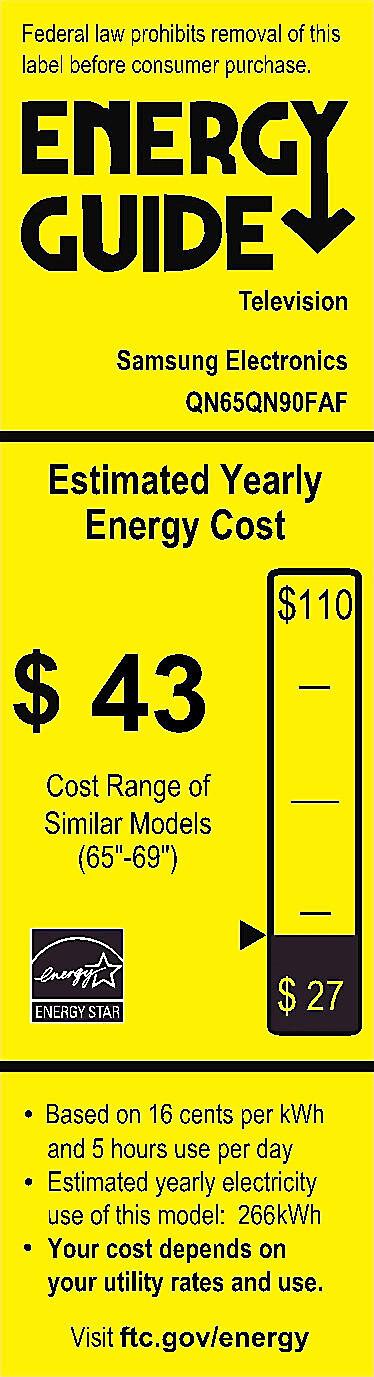
At the time of writing, the QN90F commands a significant premium over the S85F – roughly 75% more expensive for the 65-inch models. This price difference reflects the more advanced processing, superior brightness, better built-in audio, and the versatility to perform well in any lighting condition.
However, the S85F delivers exceptional value by providing about 90% of the premium TV experience at a much more accessible price point. For buyers who can optimize their viewing environment, it offers superior picture quality in many scenarios.
The value equation depends on your priorities. If you want one TV that works well everywhere in your home and don't mind paying for that versatility, the QN90F justifies its premium. If you're focused on picture quality in controlled conditions and appreciate saving money for other home theater components, the S85F is hard to beat.
Choose the Samsung QN90F Neo QLED if you:
Choose the Samsung S85F OLED if you:
Both TVs represent excellent choices within their intended use cases. The QN90F Neo QLED is the more versatile option that adapts to any environment, while the S85F OLED provides superior performance in optimal conditions at exceptional value.
For most buyers, I'd recommend starting with your room and budget. If you have a dedicated viewing space where you can control lighting, the S85F will likely provide a more satisfying experience while saving significant money. If your TV needs to work well in a bright living room or you value the convenience of excellent built-in audio, the QN90F is worth the investment.
Remember that both displays will likely serve you well for many years. Samsung's 2025 improvements to both technologies ensure you're getting mature, refined products regardless of which direction you choose. The "wrong" choice here is more about missing optimization opportunities than buying a bad TV.
| Samsung 65" QN90F Neo QLED 4K Vision AI Smart TV 2025 | Samsung 65" S85F OLED 4K Smart TV (2025) |
|---|---|
| Display Technology - Determines performance in different lighting conditions | |
| Mini LED with Quantum Matrix Technology Pro (excellent brightness, some blooming) | QD-OLED with self-illuminating pixels (perfect blacks, lower peak brightness) |
| Peak Brightness - Critical for HDR impact and bright room viewing | |
| ~2,000 nits (dramatic HDR highlights, works in sunlit rooms) | ~750 nits (good HDR but limited in bright environments) |
| Black Levels - Essential for contrast and dark room performance | |
| Very good with minimal blooming (slight grayish blacks) | Perfect infinite contrast (true blacks, pixels turn completely off) |
| Processor - Affects upscaling quality and smart features | |
| NQ4 AI Gen3 with 128 neural networks (superior upscaling) | NQ4 AI Gen2 with 20 neural networks (good but less advanced) |
| Anti-Glare Technology - Reduces reflections in bright rooms | |
| Glare Free technology coating (virtually eliminates reflections) | Standard glossy OLED panel (prone to reflections) |
| Gaming Features - Important for console and PC gaming | |
| 120Hz, VRR, ALLM, higher refresh rate support for PC | 120Hz, VRR, ALLM, near-instantaneous response times |
| Built-in Audio - Determines if you need external speakers | |
| 60W 4.2.2CH with Dolby Atmos (excellent built-in sound) | 20W 2.0CH system (adequate, soundbar recommended) |
| Color Accuracy - Professional color reproduction | |
| Quantum Dot enhanced colors (vibrant, consistent in all lighting) | Pantone Validated QD-OLED (2,140+ colors, exceptional accuracy) |
| Viewing Angles - Important for wide seating arrangements | |
| Ultra Wide Viewing Angle (good but slight color shift) | Perfect viewing angles (consistent from any position) |
| Best Use Cases - Where each TV excels | |
| Bright rooms, mixed lighting, all-day viewing, built-in audio priority | Dark rooms, home theaters, movie watching, budget-conscious buyers |
| Value Proposition - Price vs performance considerations | |
| Premium price for maximum versatility and bright room performance | Exceptional value delivering 90% of premium performance at lower cost |
The Samsung QN90F Neo QLED is significantly better for bright rooms. It reaches 2,000 nits peak brightness compared to the S85F OLED's 750 nits, and includes anti-glare technology that virtually eliminates reflections. The S85F can appear washed out in bright lighting conditions, while the QN90F maintains vibrant colors even in sunlit rooms.
The Samsung S85F OLED delivers superior black levels with perfect infinite contrast. Its pixels can turn completely off, creating true blacks that disappear into your room's darkness. The QN90F Neo QLED offers very good blacks with minimal blooming, but can't match the S85F's perfect contrast performance in dark viewing environments.
The QN90F uses Mini LED technology with thousands of tiny LEDs behind an LCD panel that dim in zones for better contrast. The S85F uses OLED technology where each individual pixel creates its own light and can turn completely off. Mini LED excels in brightness, while OLED provides perfect blacks and wider viewing angles.
Both TVs excel for gaming with 4K 120Hz, VRR, and low input lag under 10ms. The S85F OLED offers near-instantaneous response times ideal for competitive console gaming, while the QN90F includes advanced PC gaming features and higher refresh rate support. Console gamers will be happy with either, but the S85F provides better value.
The Samsung QN90F includes excellent 60W 4.2.2 channel speakers with Dolby Atmos that work well without additional audio equipment. The S85F has basic 20W stereo speakers that are adequate for dialogue but benefit significantly from a soundbar for movies and gaming.
The Samsung S85F OLED provides exceptional value, delivering approximately 90% of premium TV performance at a much lower cost. The QN90F commands a significant premium but offers superior brightness, better built-in audio, and versatility across all lighting conditions. Your choice depends on whether you prioritize savings or maximum versatility.
The Samsung QN90F includes the more advanced NQ4 AI Gen3 processor with superior upscaling and Vision AI features, while the S85F uses the capable but less powerful Gen2 processor. Both run Samsung's Tizen OS with comprehensive smart features, voice control, and streaming app support.
This depends on your viewing environment. The S85F OLED provides superior contrast and color accuracy for movies in dark rooms, while the QN90F delivers more impactful HDR highlights with its higher brightness. For controlled lighting movie watching, choose the S85F. For mixed lighting conditions, the QN90F is more versatile.
The Samsung S85F OLED offers perfect viewing angles with consistent picture quality from any seating position. The QN90F includes Ultra Wide Viewing Angle technology that's good but shows slight color shifts when viewed from extreme angles. For wide seating arrangements, the S85F has a clear advantage.
Choose the Samsung QN90F Neo QLED if your living room has windows, mixed lighting, or you watch TV during the day. Its brightness and anti-glare technology maintain picture quality in challenging conditions. Choose the S85F OLED if you can control lighting and want the best possible picture quality at a lower price point.
We've done our best to create useful and informative comparisons to help you decide what product to buy. Our research uses advanced automated methods to create this comparison and perfection is not possible - please contact us for corrections or questions. These are the sites we've researched in the creation of this article: rtings.com - images.samsung.com - youtube.com - listenup.com - youtube.com - cullenshomecenter.com - rtings.com - shopjetson.com - youtube.com - samsung.com - samsung.com - videoandaudiocenter.com - rtings.com - bestbuy.com - youtube.com - news.samsung.com - news.samsung.com - news.samsung.com - bestbuy.com - news.samsung.com - youtube.com - news.samsung.com - youtube.com - smarthomesounds.co.uk - rtings.com - samsung.com - youtube.com - youtube.com - samsung.com - bestbuy.com - avsforum.com - avsforum.com - samsung.com - displayspecifications.com - videoandaudiocenter.com - bestbuy.com - flatpanelshd.com - myallsouth.com - samsung.com - richstv.com - samsung.com - heartlandappliance.com

Privacy Policy
Terms and Conditions - Affiliate Policy
Home Security
© Copyright 2008-2026.
11816 Inwood Rd #1211, Dallas, TX 75244