

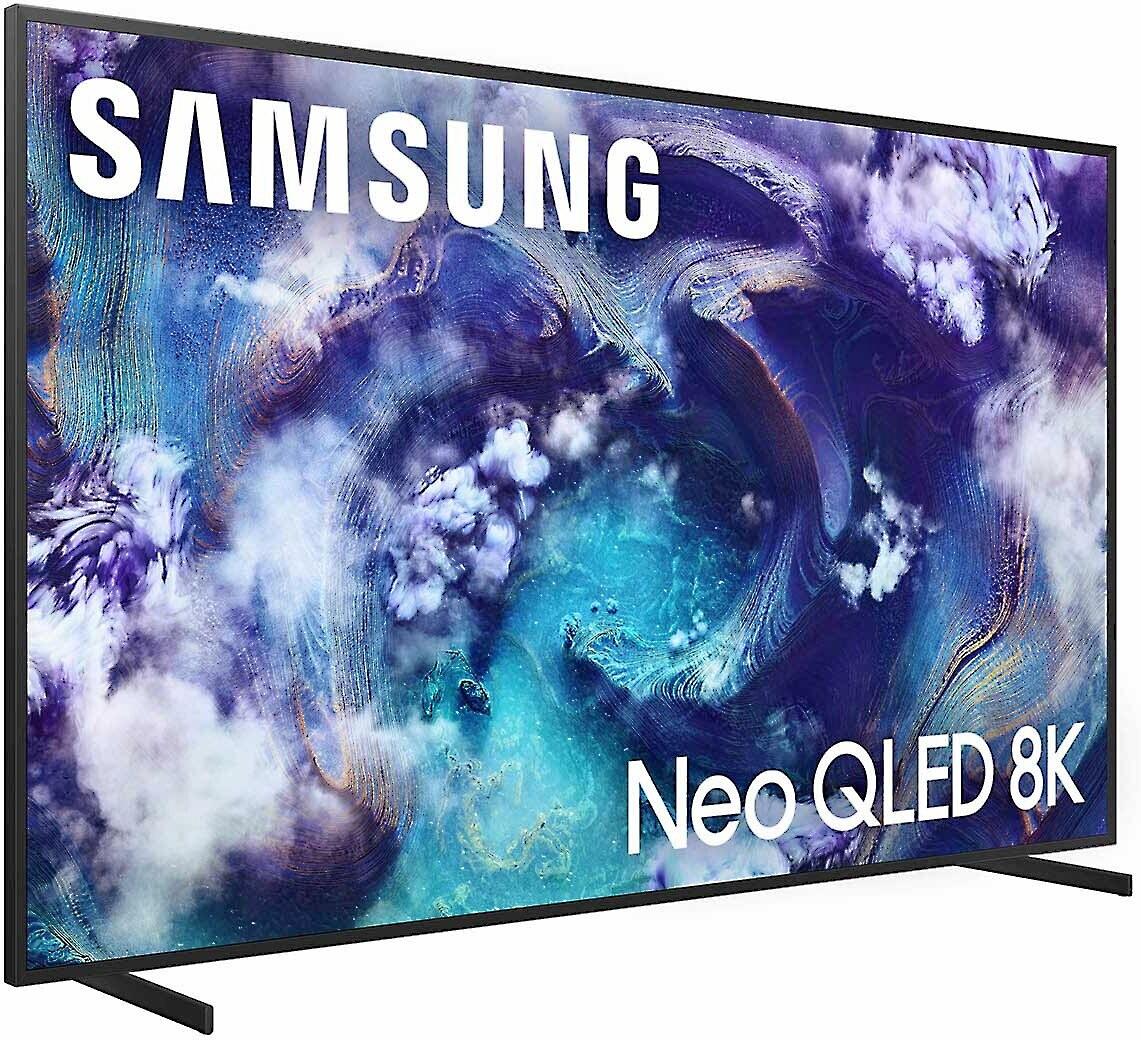
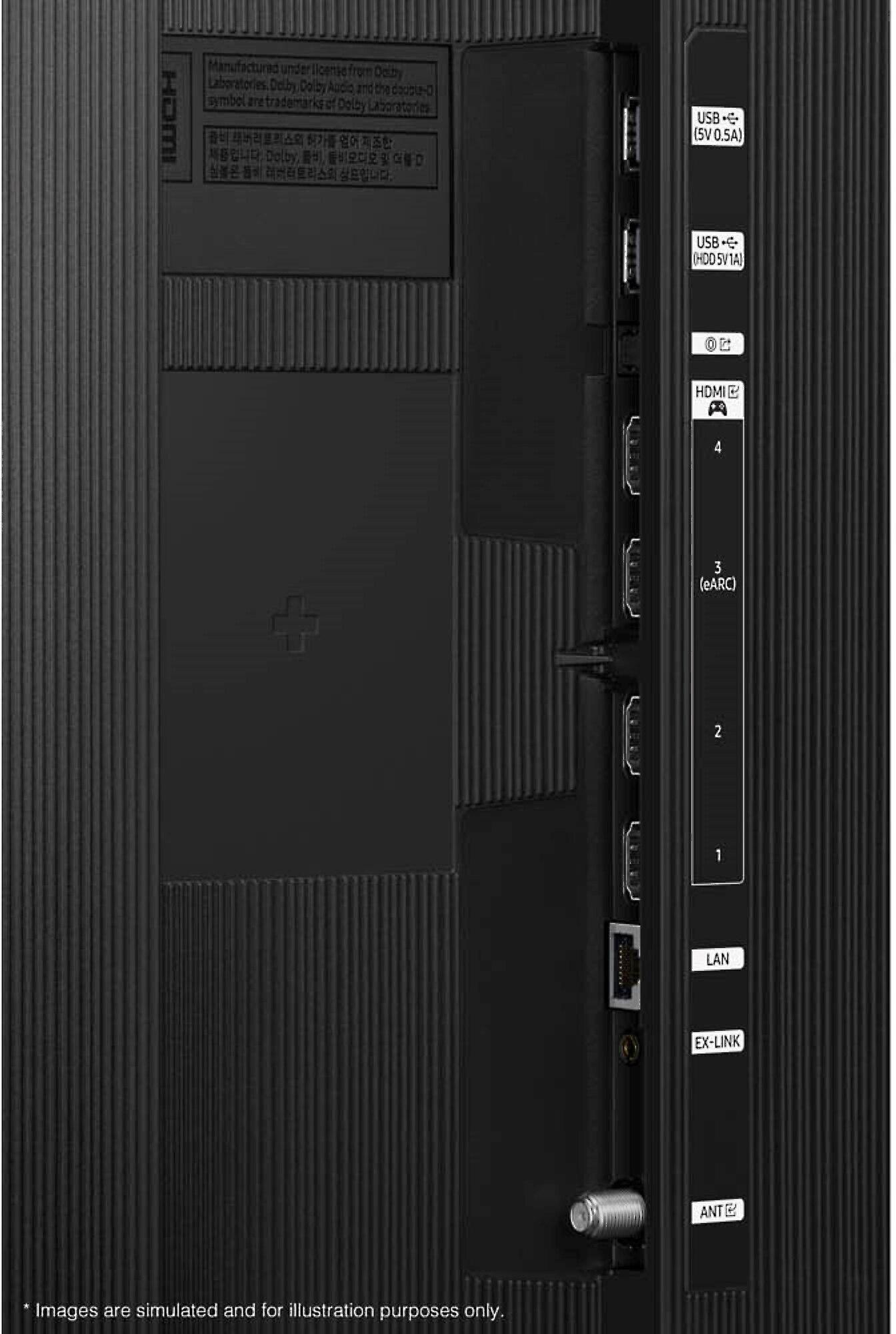
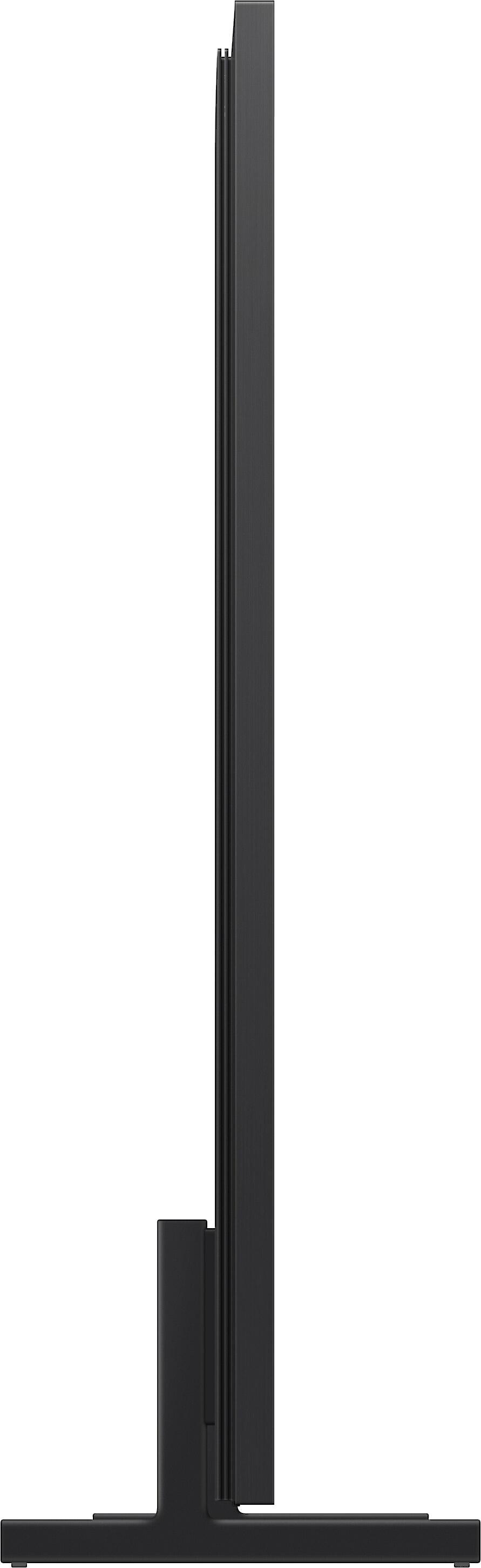
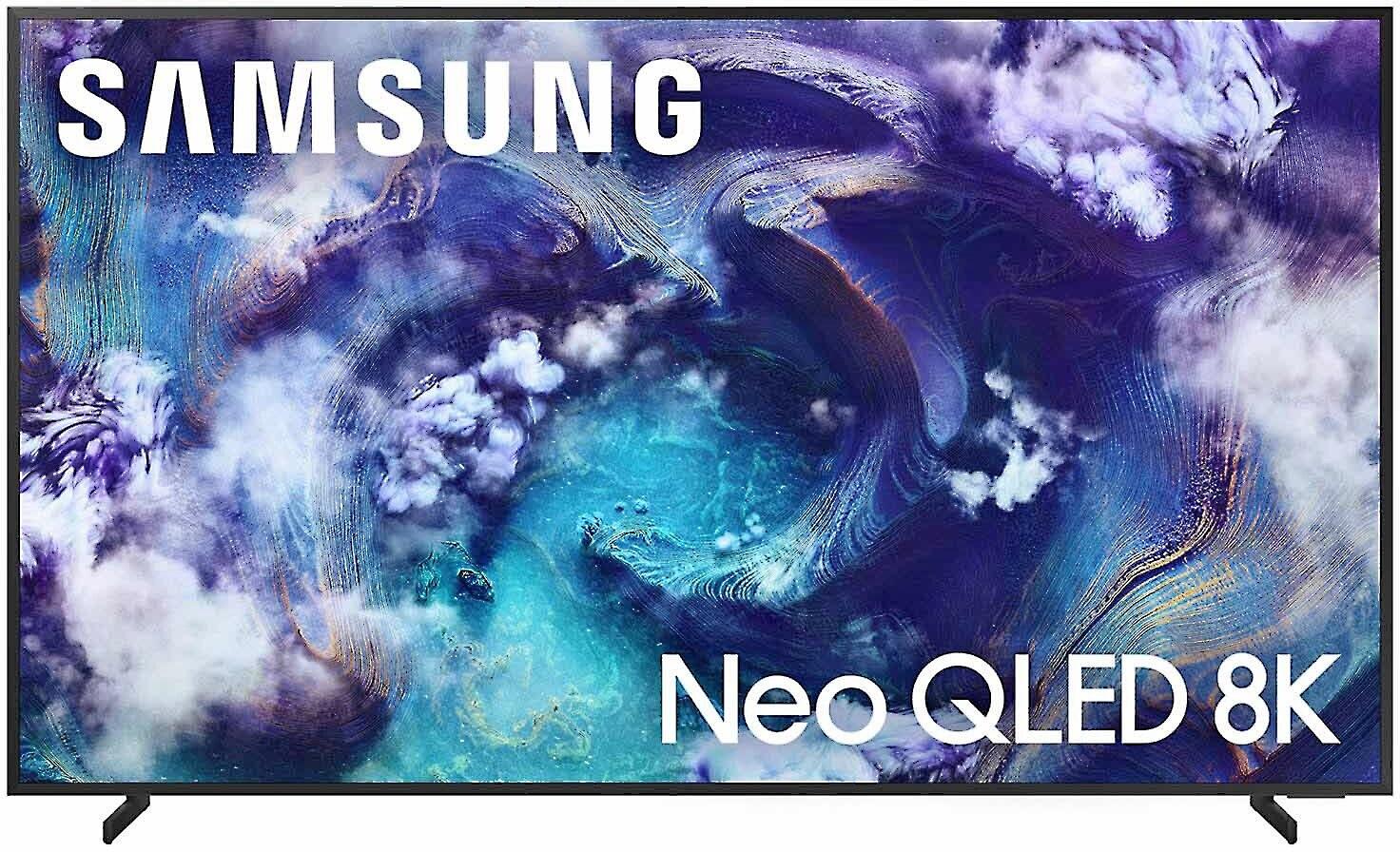
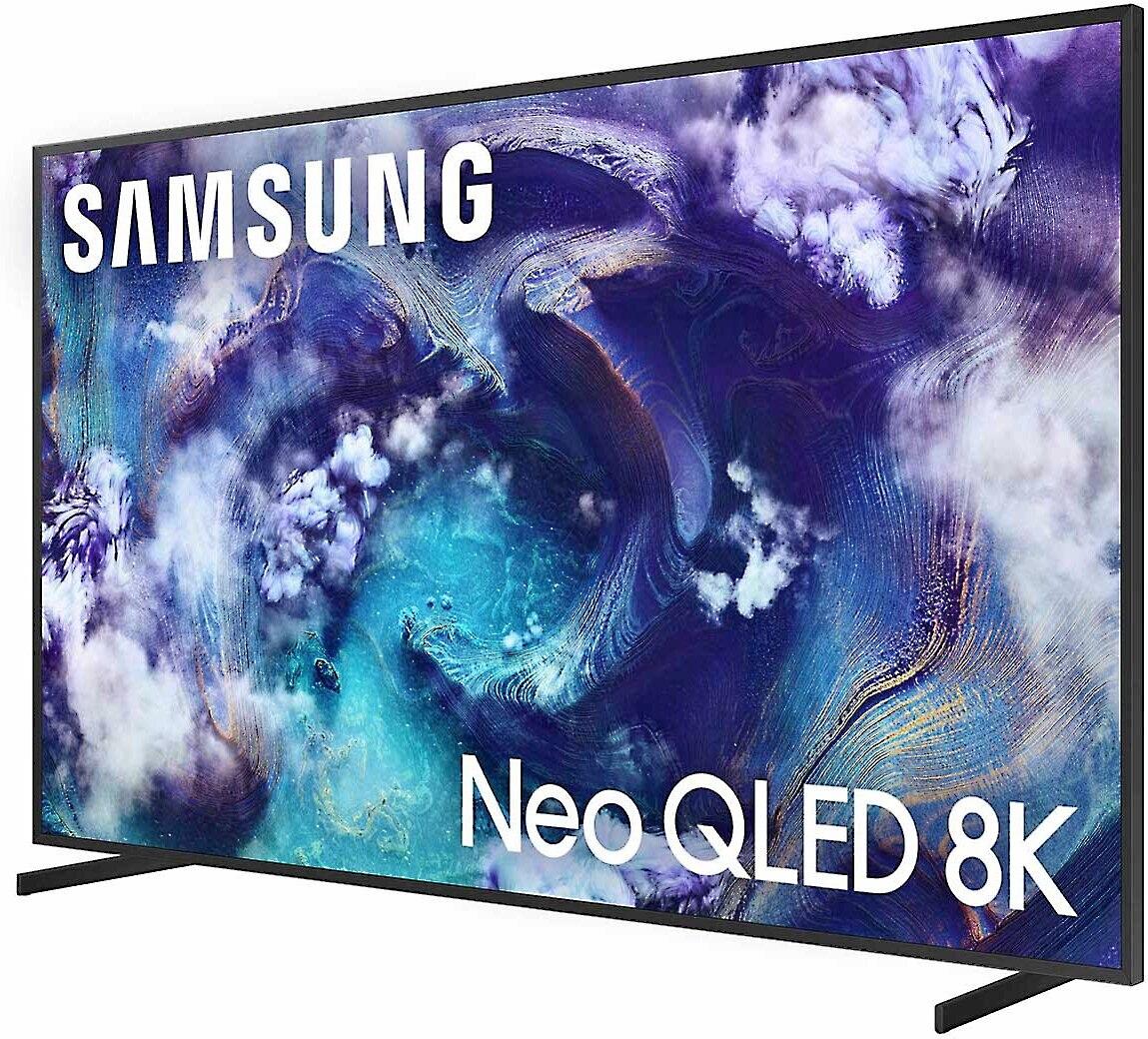

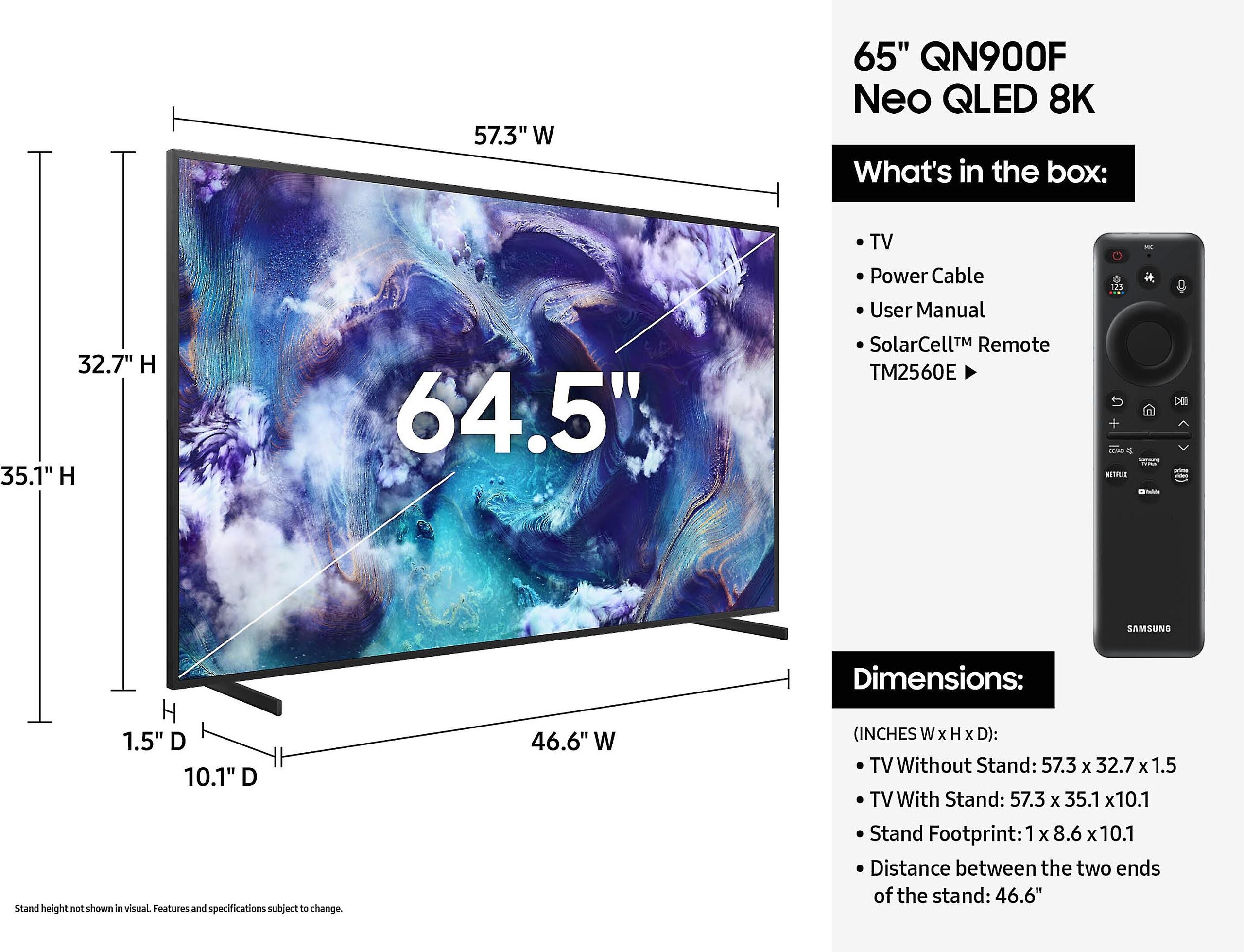
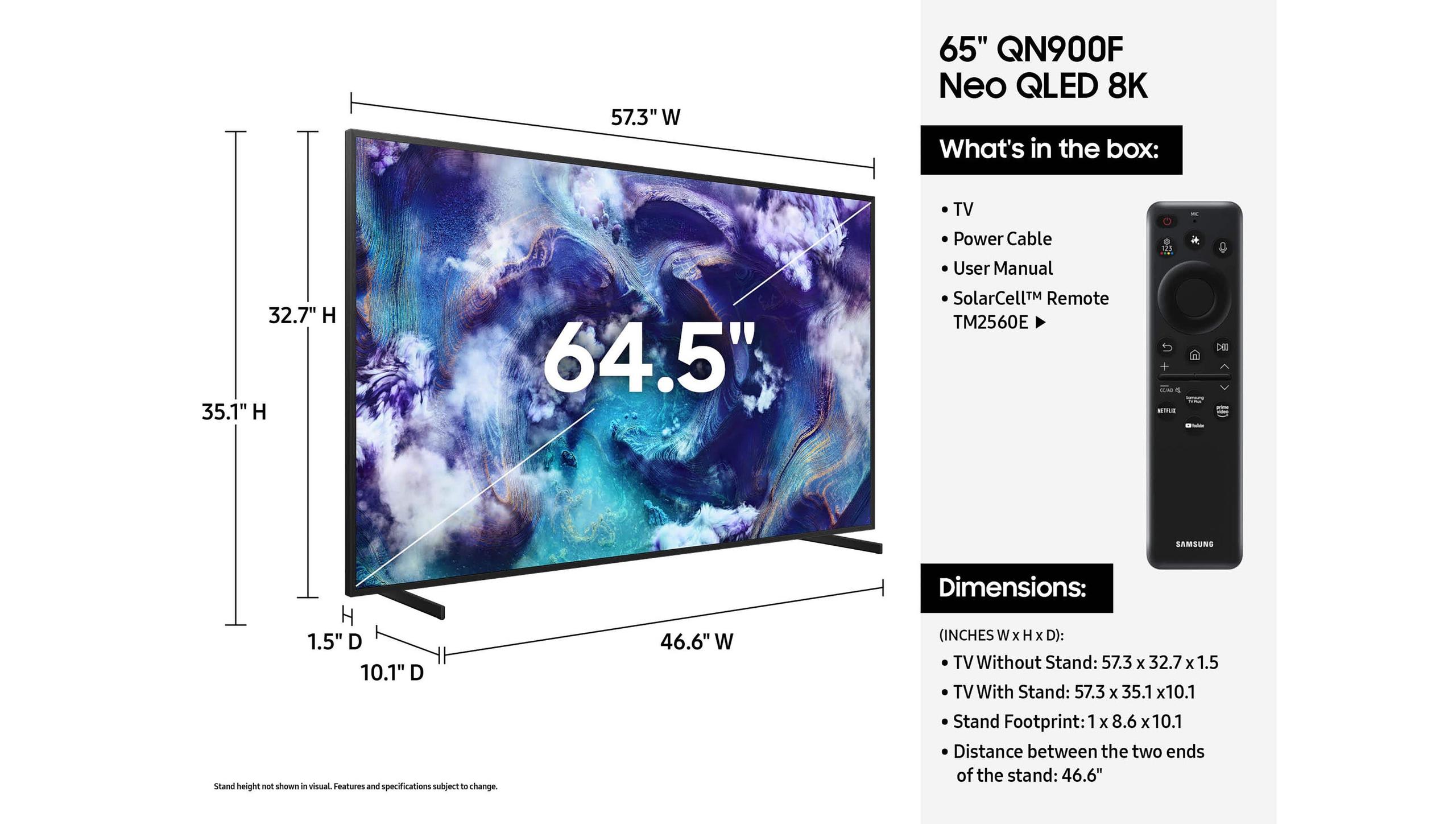
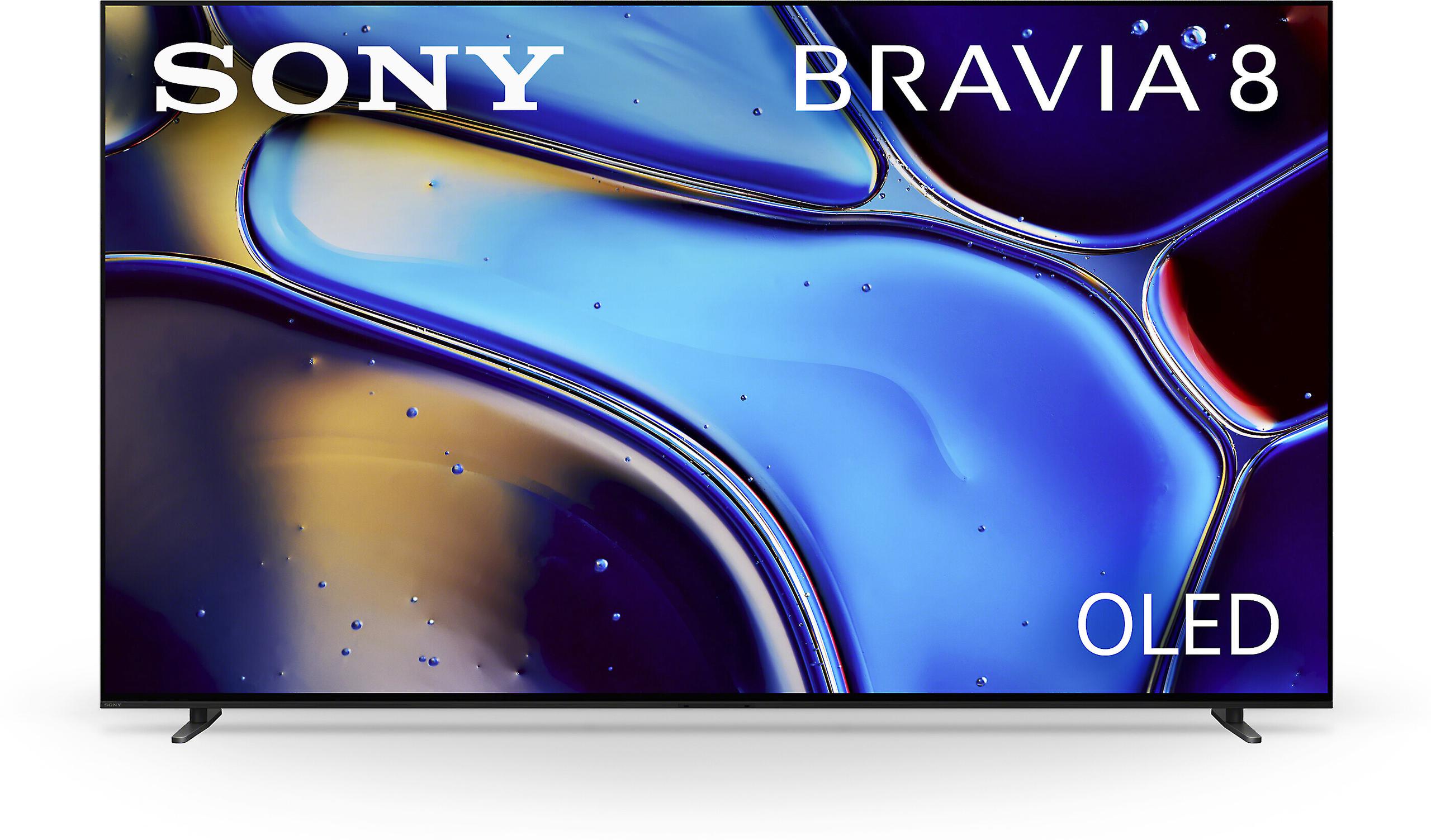
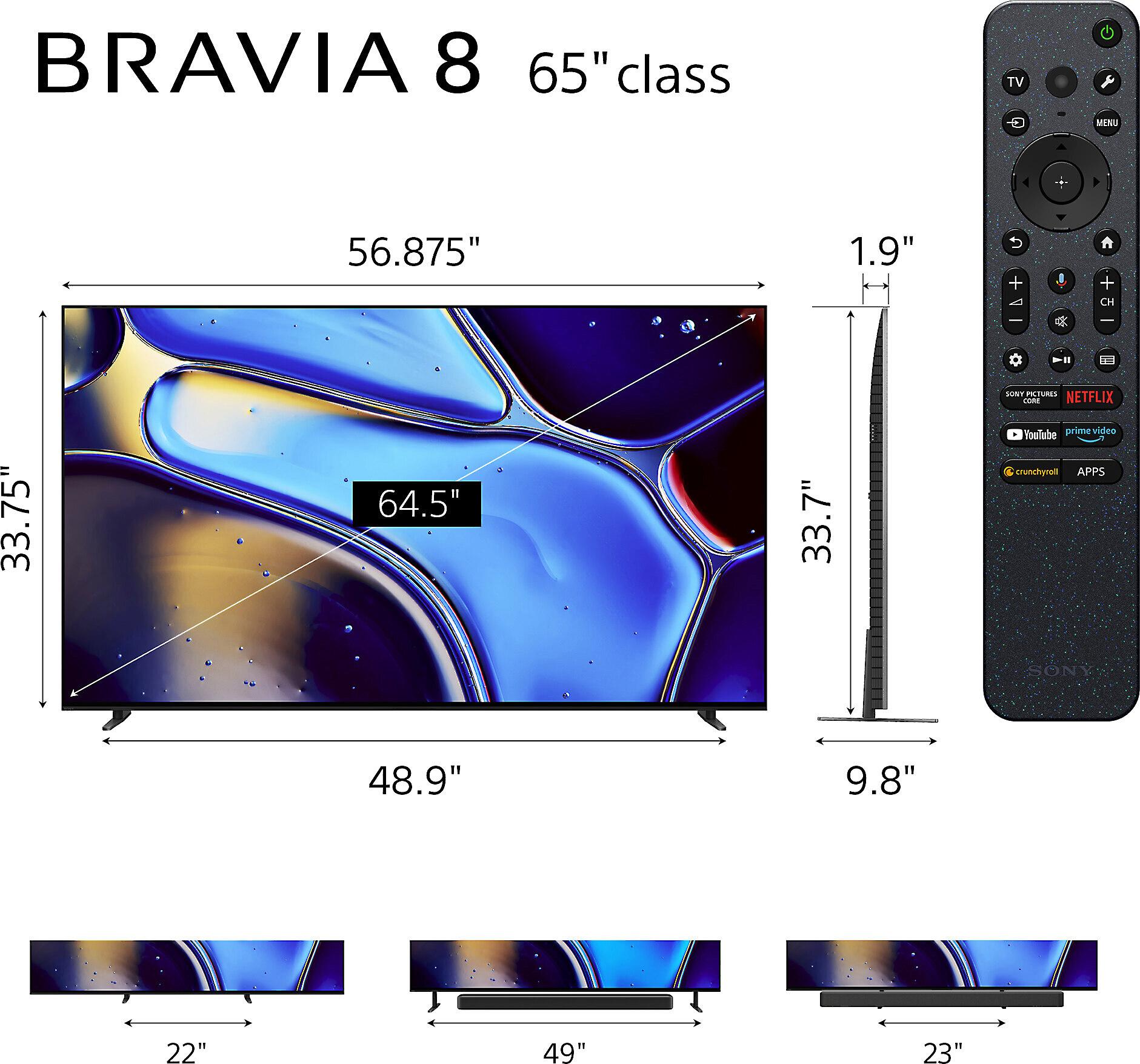
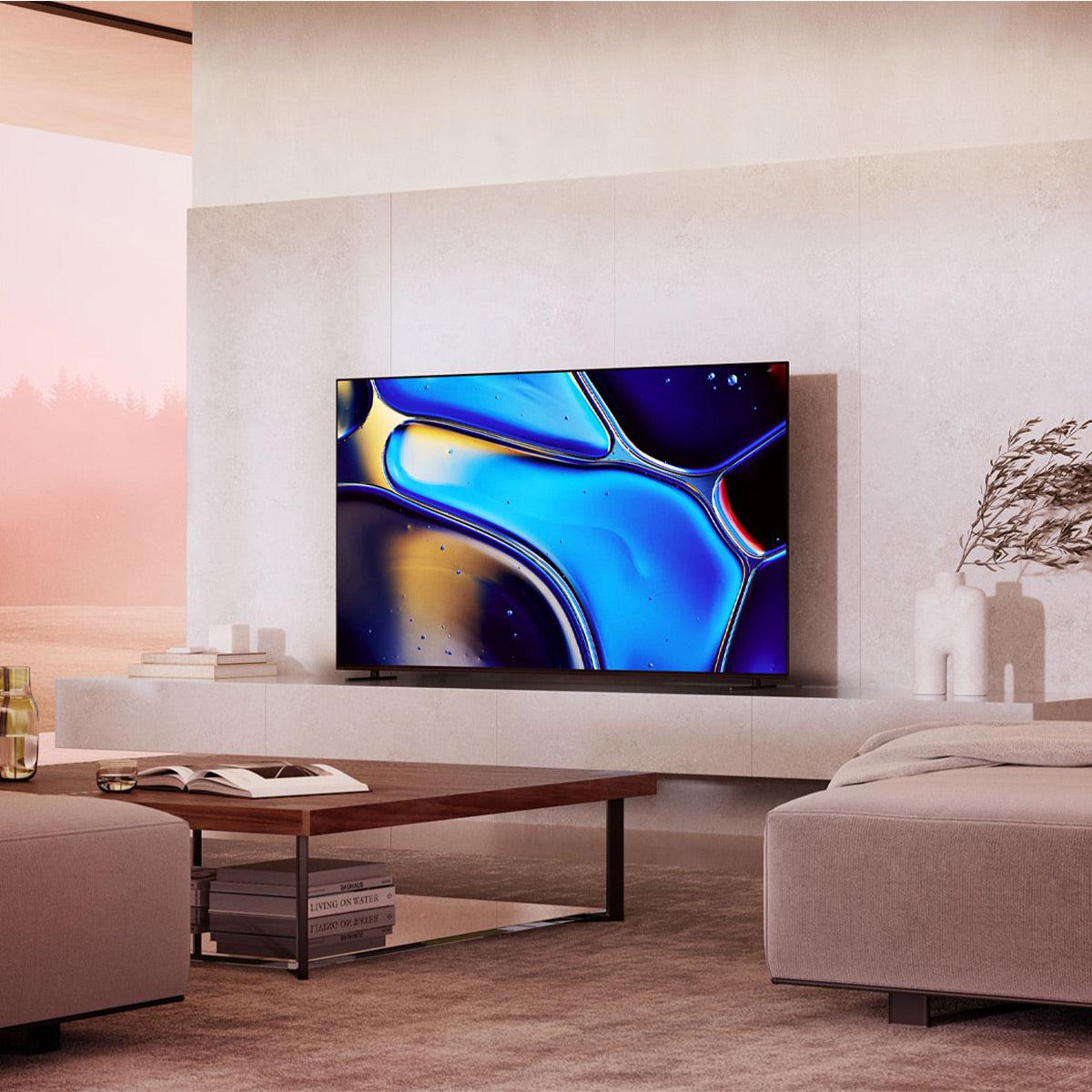
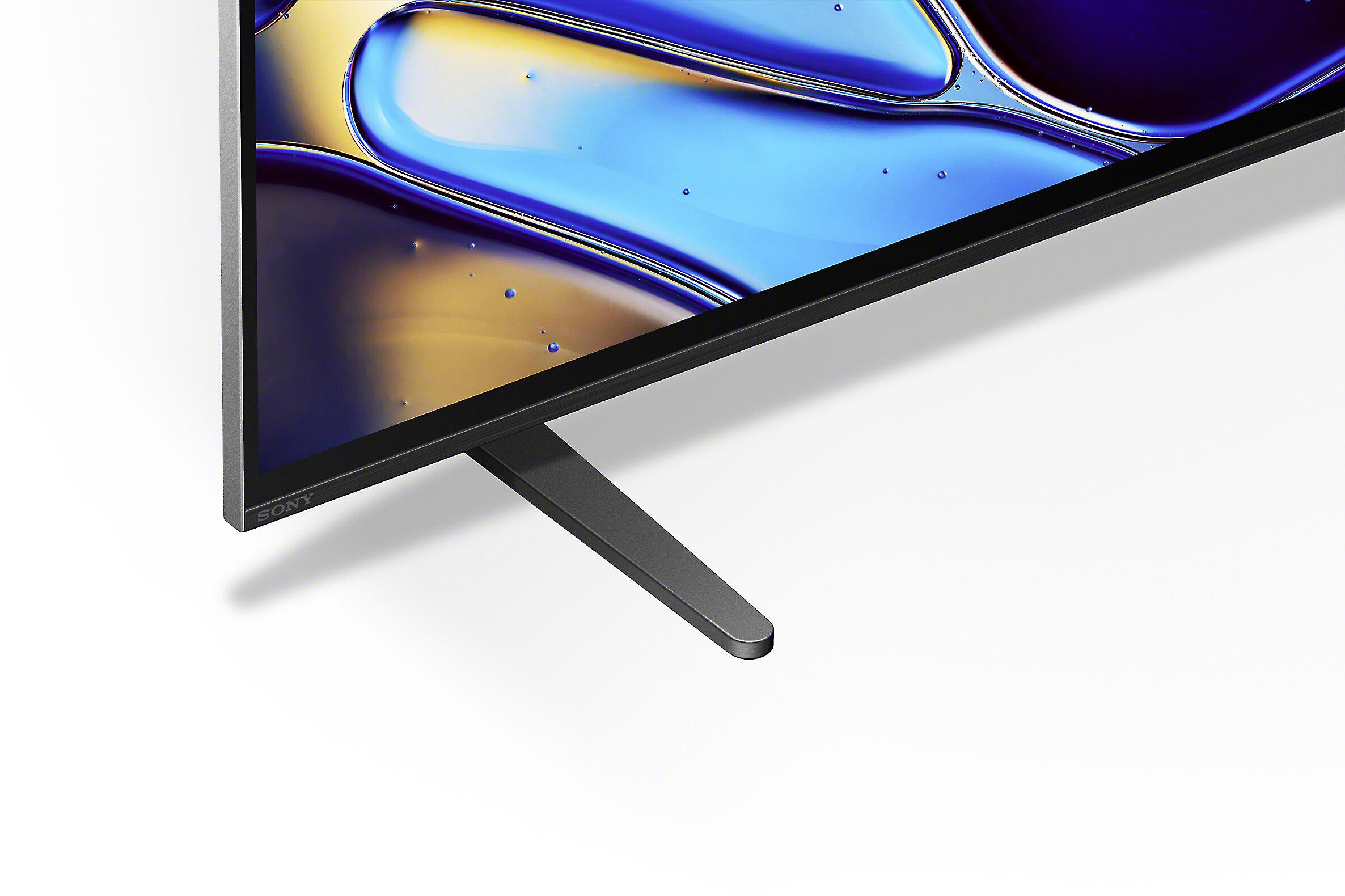
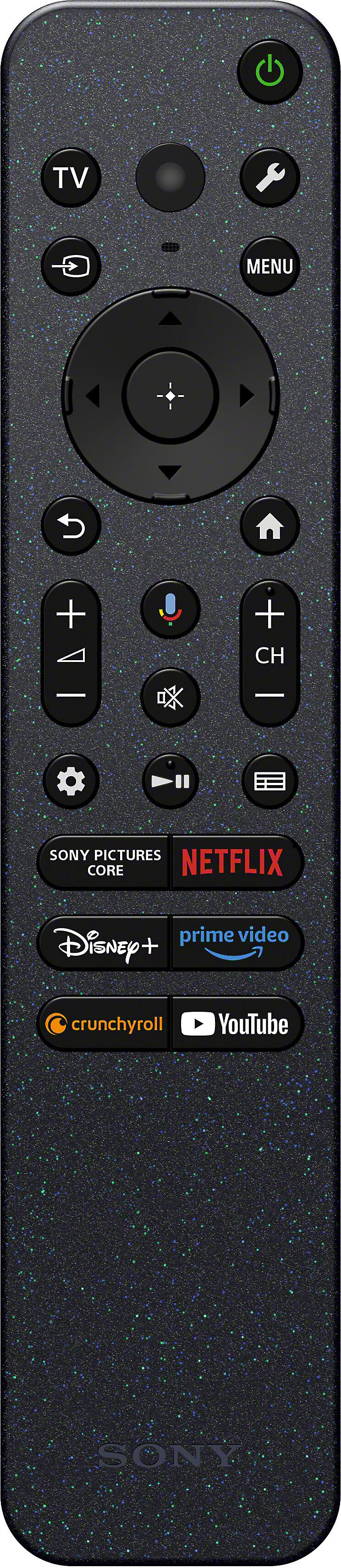
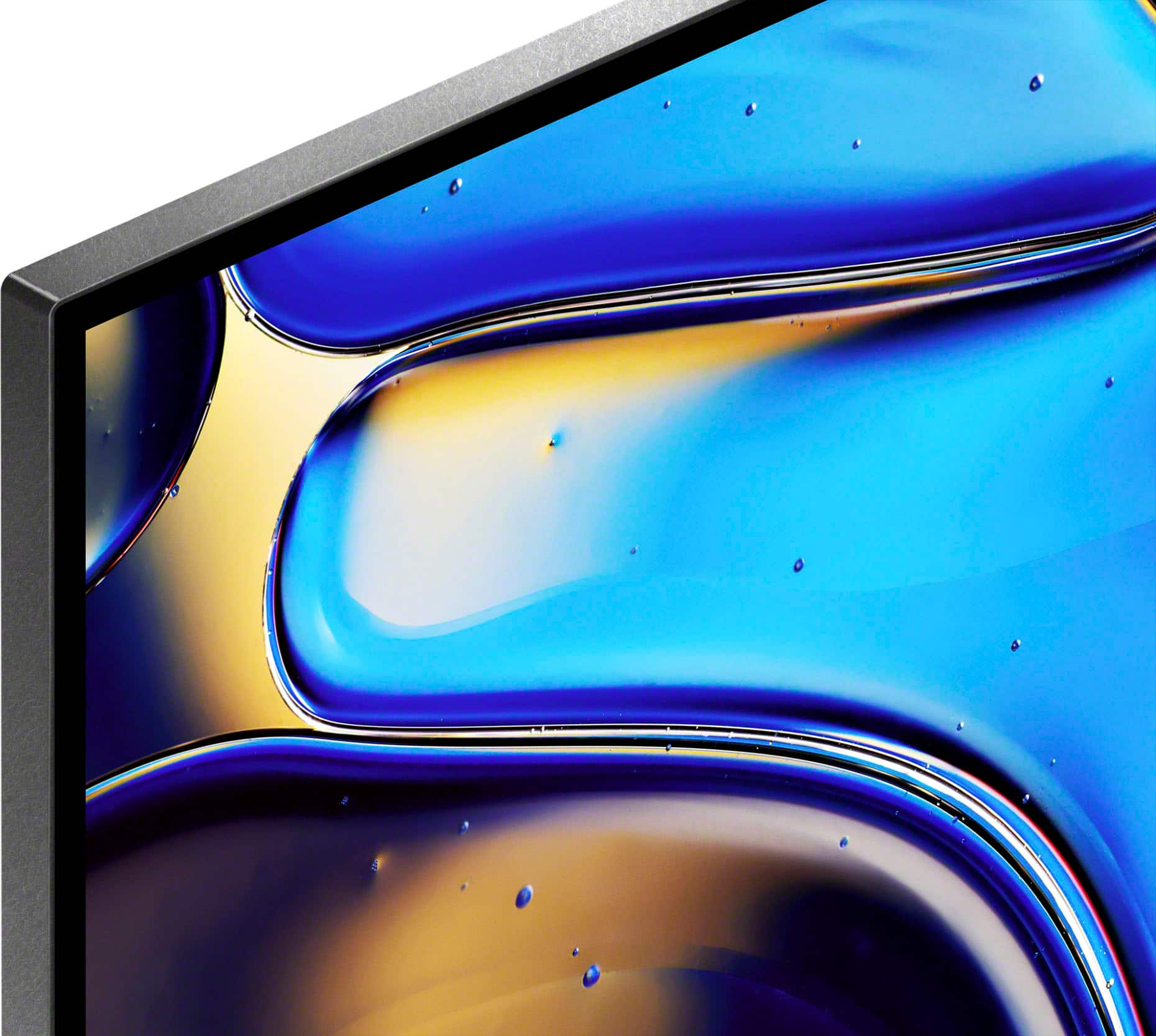
When you're dropping serious money on a 65-inch TV—the kind that becomes your living room's focal point for the next decade—two fundamentally different philosophies emerge at the top of the market. The Samsung QN900F Neo QLED 8K represents the bleeding edge of television technology, while the Sony BRAVIA 8 OLED perfects an established approach that's won over home theater enthusiasts worldwide.
Released in 2025 and 2024 respectively, these TVs showcase how premium television technology has evolved. The Samsung pushes into 8K territory with AI-powered processing that would have been impossible just a few years ago, while the Sony demonstrates how OLED technology has matured into a reliable, stunning display option at increasingly accessible prices.
The premium TV landscape essentially splits into two camps: those chasing the absolute cutting edge and those perfecting proven excellence. This distinction matters more than you might think, because it affects everything from your daily viewing experience to how long your investment remains relevant.
Display technology forms the foundation of this divide. The Samsung QN900F uses Quantum Mini LED technology—thousands of tiny LED lights behind the screen that can brighten or dim in precise zones. Think of it like having individual spotlights that can illuminate exactly the parts of the image that need brightness while leaving others dark. This approach excels at creating bright, vibrant images that pop even in well-lit rooms.
The Sony BRAVIA 8 takes the OLED route, where each pixel generates its own light and can turn completely off when displaying black. Imagine the difference between shining a flashlight on a white wall (LED) versus having millions of tiny candles that can each extinguish individually (OLED). This creates perfect blacks and infinite contrast—the holy grail of picture quality purists.
Resolution represents the other major philosophical split. The Samsung delivers true 8K resolution at 7,680 x 4,320 pixels—four times more detail than 4K. The Sony sticks with 4K's 3,840 x 2,160 pixels but focuses on making every pixel count through superior processing and display quality.
The Samsung QN900F doesn't just offer more pixels—it reimagines how those pixels get filled with meaningful content. The centerpiece is Samsung's NQ8 AI Gen2 processor, powered by 256 neural networks that analyze content in real-time. This isn't marketing fluff; it's a genuine technological leap that transforms how lower-resolution content appears on the 8K screen.
AI upscaling works by examining each frame of content and intelligently guessing what additional detail should exist in the gaps between pixels. The processor analyzes textures, edges, and patterns to reconstruct information that was lost during compression or simply never existed in lower-resolution sources. The result is 4K Netflix content that approaches near-8K clarity, and even HD cable that looks dramatically better than it has any right to.
The Quantum Matrix Technology Pro deserves particular attention because it solves a longstanding problem with LED TVs. Traditional LED backlights illuminate broad sections of the screen, causing bright objects to create halos of light around them—what enthusiasts call "blooming." Samsung's Mini LEDs are much smaller and can be controlled in many more zones, creating precise lighting that follows the contours of bright objects. This means a full moon in a dark sky stays properly bright without washing out the surrounding darkness.
Motion handling gets a boost from Motion Xcelerator technology that can push refresh rates up to 165Hz for 4K gaming content. Higher refresh rates mean smoother motion, whether you're watching fast-paced sports or playing competitive games. The difference becomes obvious when tracking a hockey puck across the ice or following rapid camera movements in action movies.
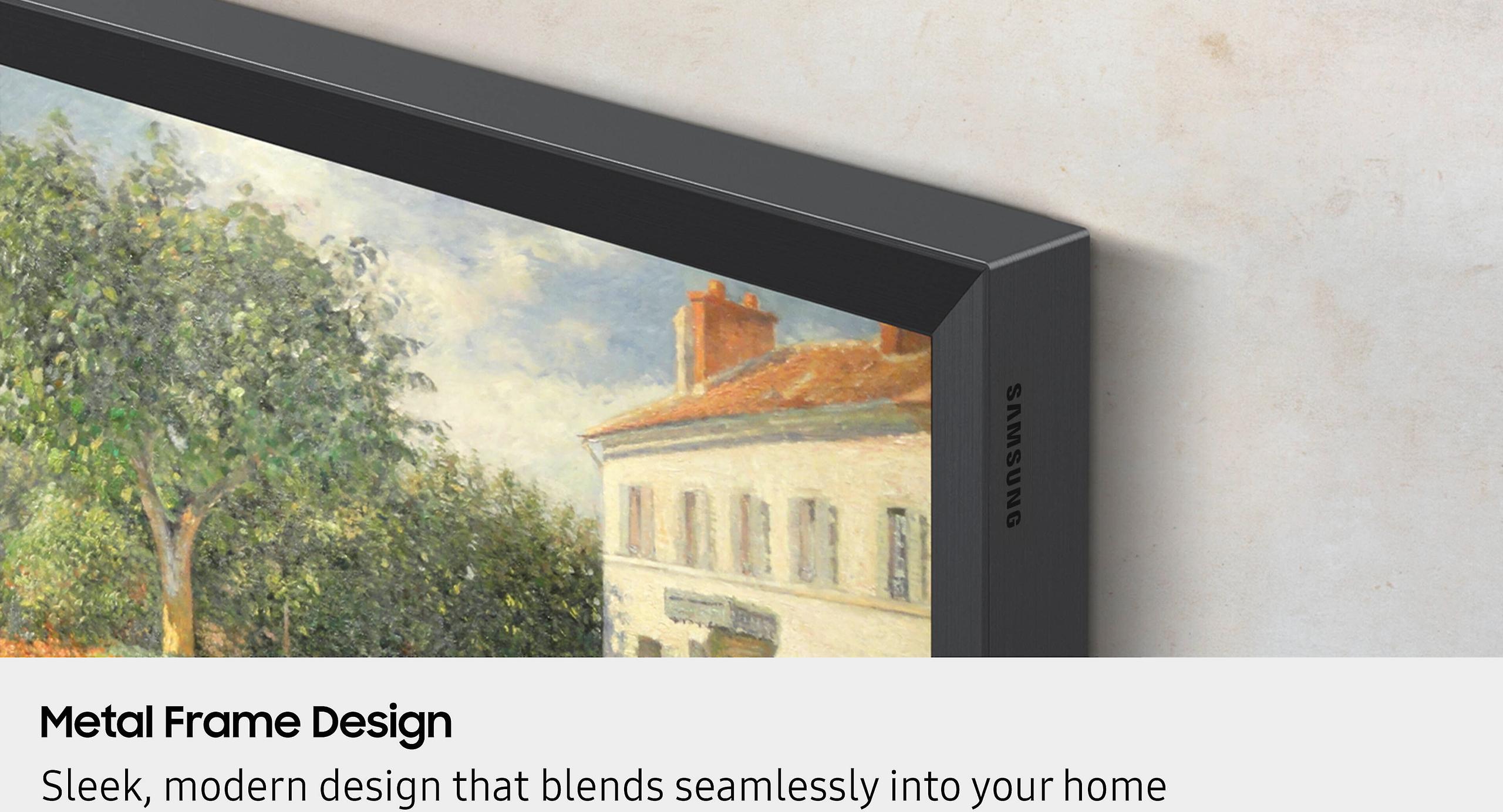
The anti-glare screen coating represents another significant innovation. Most TVs struggle in bright rooms because they act like mirrors, reflecting windows and lights back at viewers. Samsung's Glare Free technology uses a matte coating that diffuses reflections while maintaining image clarity—a engineering challenge that took years to solve properly.
The Sony BRAVIA 8 takes a different approach, focusing on perfecting the fundamentals of image quality rather than pushing pixel counts. OLED technology remains the gold standard for contrast because each of the 8.3 million pixels can achieve perfect black by turning completely off. No LED backlight, no matter how precisely controlled, can match true black levels.
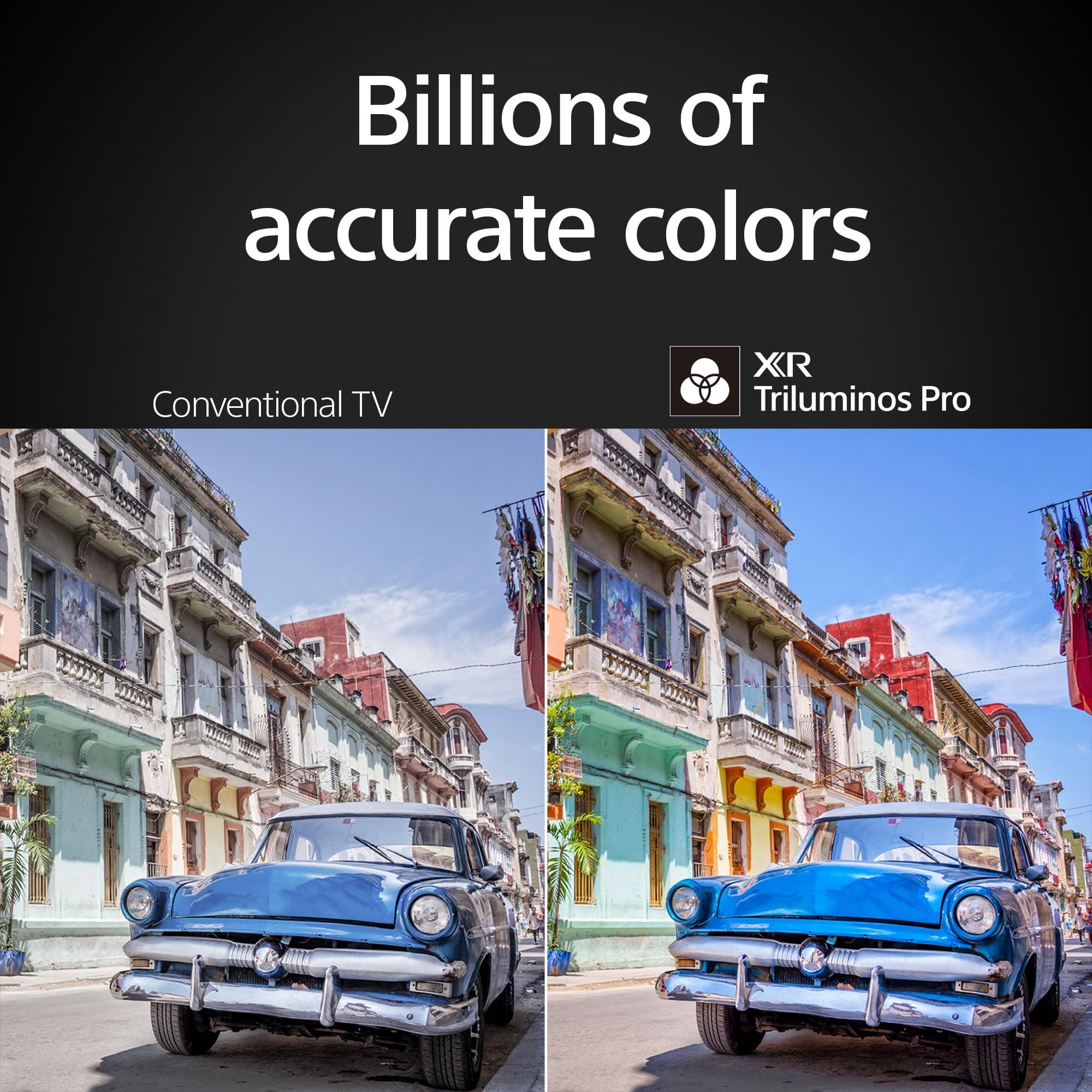
Color accuracy represents OLED's other major strength. Without a backlight filtering through color layers, OLED pixels produce purer colors that appear more natural and lifelike. This becomes particularly noticeable with skin tones, which can look artificial on over-saturated QLED displays but appear naturally accurate on quality OLED panels.
Sony's XR Processor uses what the company calls "cognitive intelligence"—algorithms designed to process images similarly to how human brains perceive visual information. Rather than simply boosting every element equally, it identifies focal points in scenes and enhances them while leaving backgrounds more subtle. This creates images that feel more natural and less artificially processed.
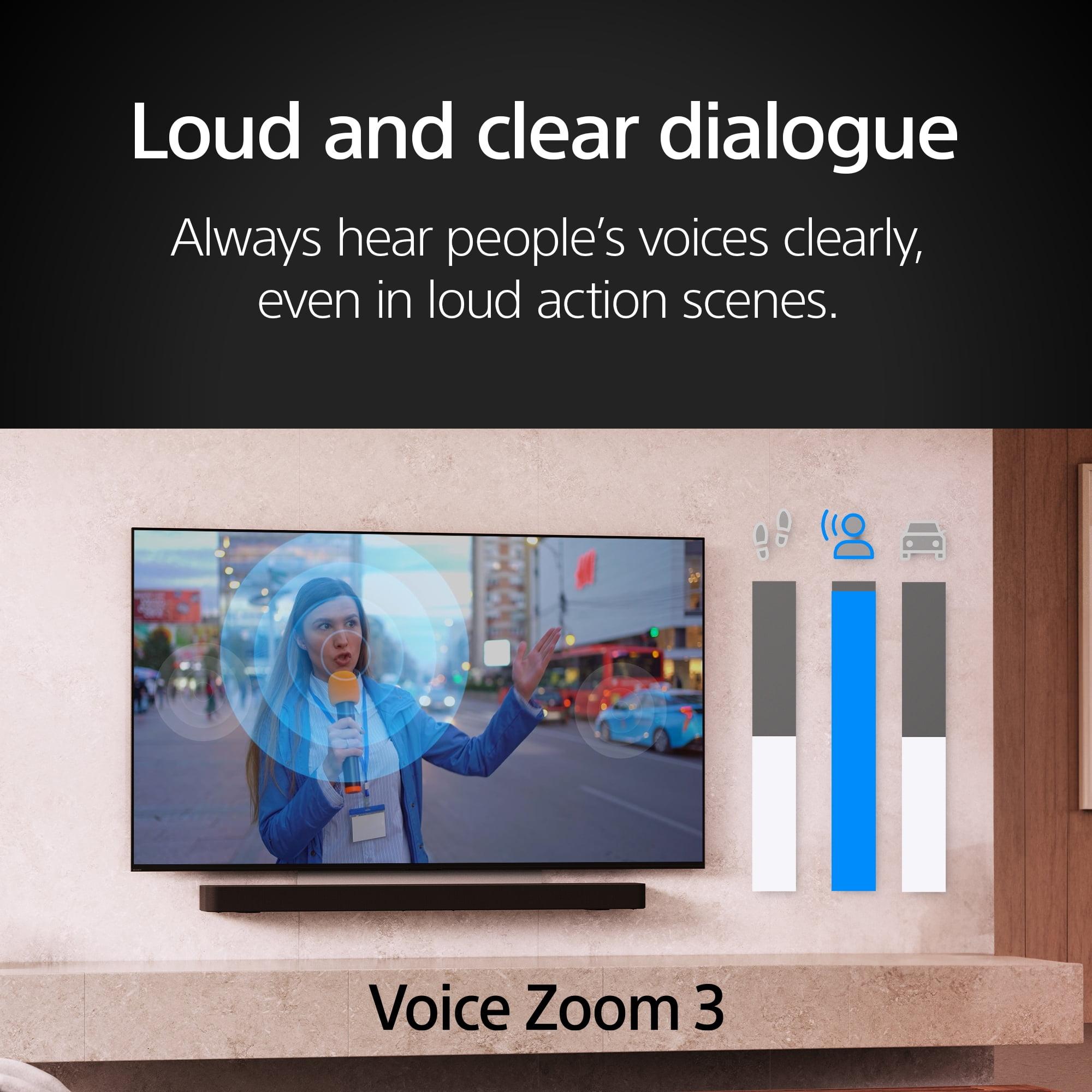
Acoustic Surface Audio+ technology turns the entire OLED screen into a speaker by vibrating the panel to produce sound. While this might sound gimmicky, it creates a unique effect where dialogue appears to come directly from actors' mouths rather than from speakers below the screen. Combined with the built-in 2.1 channel system providing 50 watts of power, the audio experience exceeds expectations for built-in TV speakers.
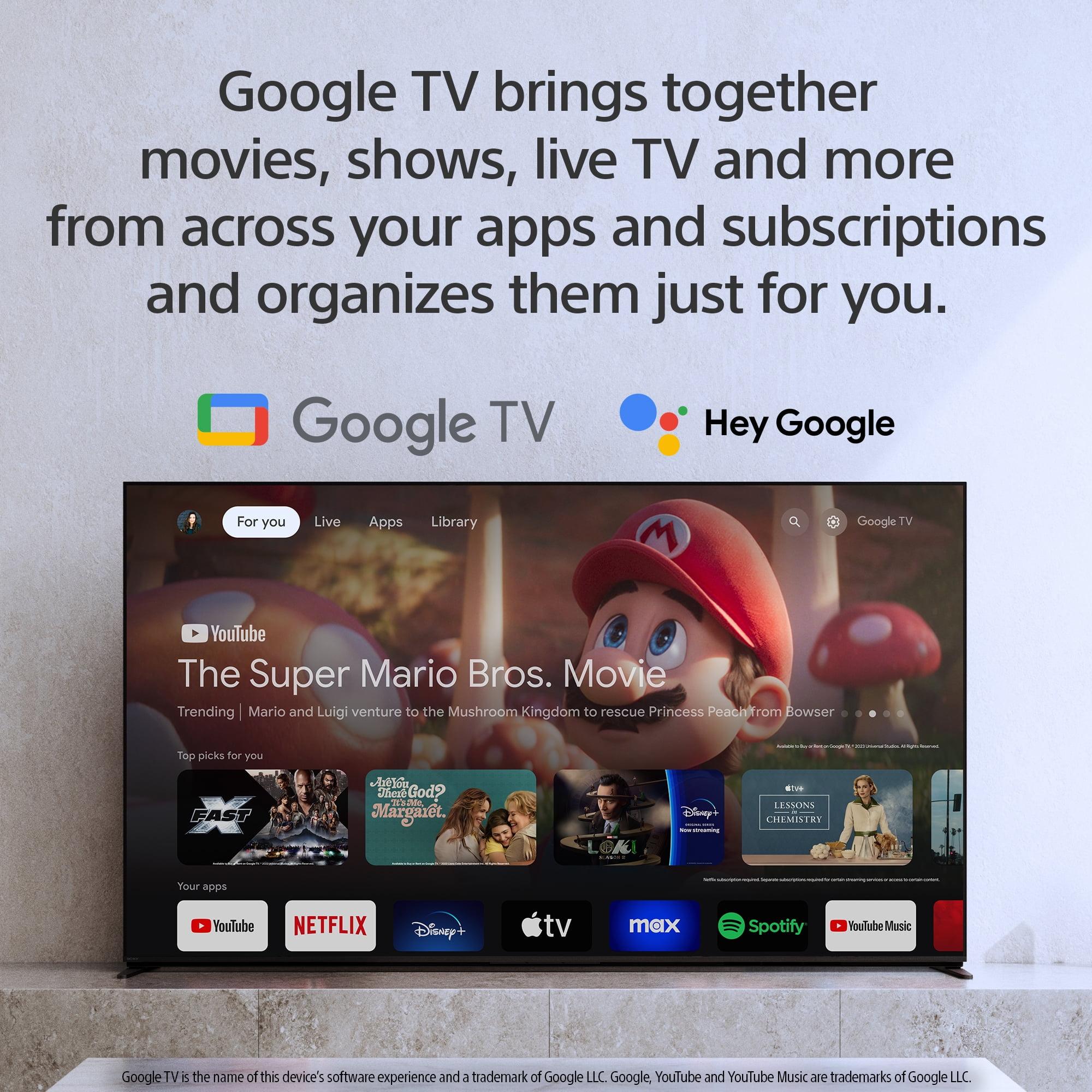
The Google TV platform offers advantages for users already invested in Google's ecosystem. Voice commands through Google Assistant work more naturally than competing systems, and the interface integrates seamlessly with Android phones and Google services. Content discovery feels more intuitive, aggregating viewing options across multiple streaming services.
Peak brightness measurements tell an important story about HDR (High Dynamic Range) performance. HDR content contains information about how bright different parts of the image should appear, from dim candlelight to blazing sunlight. TVs that can't get bright enough compress this range, making everything look flatter.
The Samsung QN900F's Mini LED backlighting achieves significantly higher peak brightness levels than OLED technology can match. This translates to more impactful HDR content where bright highlights truly pop off the screen. Sun reflections on water, explosions in action movies, and bright outdoor scenes maintain their intended visual impact.
However, the Sony BRAVIA 8 achieves superior contrast ratios through perfect blacks. While it can't match the Samsung's peak brightness, the combination of decent brightness with true black creates compelling HDR that many viewers prefer for its natural appearance. The difference becomes philosophical: do you want maximum brightness impact or more natural-looking contrast?
Both TVs support modern gaming features, but with different strengths. The Samsung edges ahead for competitive PC gaming with its ability to display 4K content at up to 165Hz refresh rates. This higher refresh rate provides smoother motion and reduced input lag—the delay between pressing a controller button and seeing the action on screen.
Variable Refresh Rate (VRR) support on both TVs eliminates screen tearing, where parts of the image update at different times, creating a disjointed appearance during fast motion. Auto Low Latency Mode (ALLM) automatically switches the TV to its fastest response mode when gaming consoles are detected.
The Sony offers advantages for cinematic gaming experiences. OLED's faster pixel response times mean less motion blur during rapid movements, and the perfect blacks create more atmospheric gaming environments. The difference in input lag—measured in milliseconds—remains minimal between both TVs for most gaming applications.
Upscaling performance becomes crucial since most content remains in 4K or lower resolutions. The Samsung's AI-driven approach to upscaling lower-resolution content to 8K represents a genuine technological advancement. Older movies, streaming content, and cable TV all benefit from the intelligent detail reconstruction.
The Sony focuses on enhancing 4K content through refined processing rather than aggressive upscaling. This approach tends to produce more natural-looking results with less risk of introducing artificial-looking enhancements or processing artifacts.
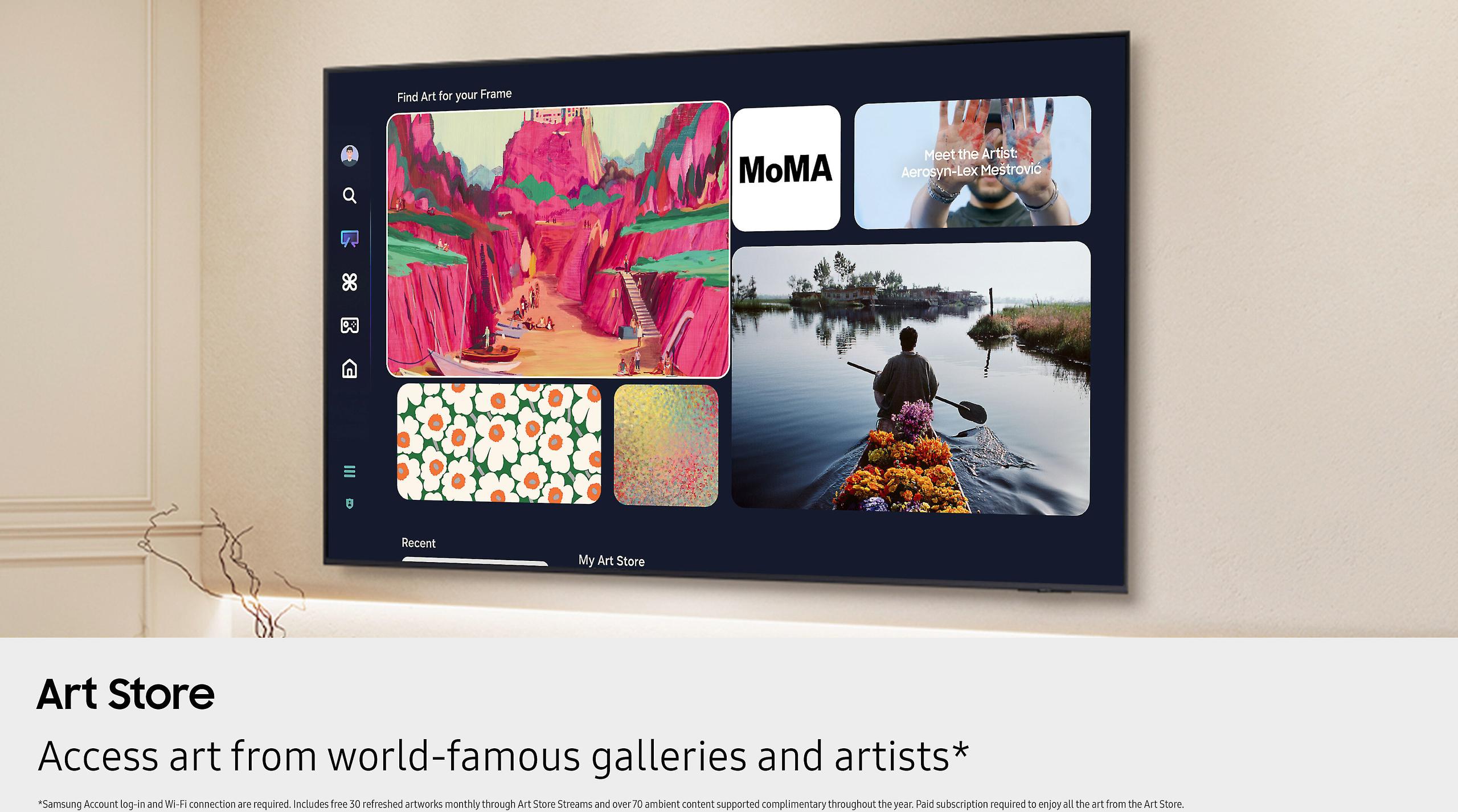
Streaming platform integration differs significantly between the two. Samsung's Tizen platform offers comprehensive smart features and gaming integration through Samsung Gaming Hub, while Sony's Google TV provides better integration with Google services and a more intuitive content discovery system.
For dedicated home theater setups, several factors become particularly important. Room lighting control plays a major role in TV selection. The Sony BRAVIA 8 performs best in controlled lighting environments where its perfect blacks and natural colors can shine without competing against ambient light. Home theaters with blackout curtains and careful lighting design will see the full benefit of OLED technology.
Conversely, the Samsung QN900F excels in multi-purpose rooms where controlling ambient light isn't always practical. Its anti-glare coating and high brightness levels maintain picture quality even with windows or room lighting present.
Viewing distance affects the perceived benefits of 8K resolution. At typical living room viewing distances of 8-12 feet, the additional detail of 8K becomes more noticeable on larger screens. Viewers who sit closer to their 65-inch display will appreciate the Samsung's resolution advantage more than those watching from across the room.
Audio considerations matter for home theater setups. While both TVs offer respectable built-in audio, serious home theater enthusiasts typically invest in separate sound systems. The Sony's lower price point (at the time of writing, roughly half the Samsung's cost) leaves more budget for premium audio equipment.
8K content availability remains limited but continues expanding. YouTube offers some 8K content, and streaming services are beginning to experiment with higher resolutions. The Samsung positions itself for this eventual transition, though the timeline remains uncertain.
AI processing improvements represent an interesting long-term consideration. The Samsung's more powerful processing platform could potentially receive updates that improve performance over time, similar to how smartphones get better through software updates.
Display longevity favors LCD technology slightly. While modern OLED panels have largely solved early burn-in concerns, the Sony could theoretically develop permanent image retention from static elements like channel logos or gaming HUDs displayed for extended periods. However, normal viewing patterns rarely cause problems with current OLED technology.
Choose the Samsung QN900F if you:
Choose the Sony BRAVIA 8 if you:
The decision ultimately comes down to priorities and room setup. The Samsung pushes television technology forward with genuine innovations in processing and resolution, commanding premium pricing for early adopters and tech enthusiasts. The Sony delivers established OLED excellence at outstanding value, perfect for viewers who prioritize natural picture quality and smart spending.
Both represent excellent choices within their respective philosophies. Your room lighting, viewing habits, and budget priorities should guide the decision more than technical specifications alone. Either TV will provide years of exceptional viewing experience—they just take different paths to get there.
| Samsung 65" Neo QLED 8K QN900F Vision AI Smart TV 2025 | Sony BRAVIA 8 65" 4K OLED TV |
|---|---|
| Resolution - Detail level and future-proofing capability | |
| True 8K (7,680 x 4,320) with AI upscaling | 4K (3,840 x 2,160) with refined processing |
| Display Technology - Core image quality approach | |
| Quantum Mini LED with local dimming zones | OLED with self-lit pixels |
| Peak Brightness - HDR impact and bright room performance | |
| Significantly higher peak brightness for vibrant HDR | Moderate brightness but perfect blacks for infinite contrast |
| Black Levels - Contrast and dark scene detail | |
| Very good blacks with Mini LED dimming | Perfect blacks (pixels turn completely off) |
| Processor - Content enhancement and AI features | |
| NQ8 AI Gen2 with 256 neural networks | XR Processor with cognitive intelligence |
| Anti-Glare - Performance in bright rooms | |
| Advanced Glare Free technology eliminates reflections | Standard OLED coating with some reflectivity |
| Gaming Performance - Refresh rates and response | |
| 4K up to 165Hz, VRR, ALLM | 4K up to 120Hz, VRR, ALLM, faster pixel response |
| Smart Platform - Interface and ecosystem integration | |
| Tizen with Samsung ecosystem, Gaming Hub | Google TV with Google services integration |
| Audio System - Built-in sound quality | |
| Advanced speaker system with Object Tracking Sound Pro | 2.1 channel (50W) with Acoustic Surface Audio+ |
| HDR Support - High dynamic range formats | |
| HDR10+ (no Dolby Vision support) | HDR10 and Dolby Vision |
| Viewing Angles - Picture consistency from side positions | |
| Ultra Viewing Angle technology | Naturally excellent OLED viewing angles |
| Price Category - Value positioning at time of writing | |
| Premium flagship pricing | High-end but significantly more affordable |
| Content Optimization - How it handles current streaming/cable | |
| Exceptional AI upscaling of all content to near-8K | Natural enhancement of 4K and HD sources |
| Room Suitability - Ideal environment for best performance | |
| Excellent for bright rooms, living spaces with ambient light | Best in controlled lighting, home theaters |
The Samsung QN900F excels in bright rooms with superior peak brightness and 8K detail, while the Sony BRAVIA 8 delivers more natural colors and perfect blacks through OLED technology. For most viewers, the Sony's infinite contrast and accurate colors provide a more cinematic experience, but the Samsung's brightness advantage makes it better for well-lit spaces.
The Samsung's 8K resolution provides noticeably sharper detail when sitting closer than 8 feet from the screen. However, with limited native 8K content available, the main benefit comes from AI upscaling of 4K sources. The Sony BRAVIA 8's 4K display offers excellent image quality with abundant content availability, making it the more practical choice for most users.
Both TVs support modern gaming features, but the Samsung QN900F edges ahead with 4K gaming up to 165Hz refresh rates and comprehensive gaming features. The Sony BRAVIA 8 offers excellent 120Hz gaming with faster OLED pixel response times that reduce motion blur. Console gamers will be happy with either, while competitive PC gamers may prefer the Samsung's higher refresh rates.
The Samsung QN900F significantly outperforms in bright environments thanks to its higher peak brightness and anti-glare Glare Free technology that eliminates reflections. The Sony BRAVIA 8 can struggle with ambient light reflections and may appear dimmer in well-lit rooms, making it better suited for controlled lighting environments.
The Sony BRAVIA 8 provides exceptional value by delivering premium OLED picture quality at roughly half the cost of the Samsung. The Samsung QN900F commands premium pricing for its cutting-edge 8K technology and advanced features. Most buyers will find better value in the Sony unless they specifically need 8K resolution or maximum brightness.
The Sony's OLED technology uses self-lit pixels that can turn completely off for perfect blacks and infinite contrast. The Samsung's Neo QLED uses thousands of Mini LEDs behind the screen for precise backlighting control, achieving higher brightness but not true blacks. OLED offers more natural picture quality, while Neo QLED provides better performance in bright rooms.
For dedicated home theaters with controlled lighting, the Sony BRAVIA 8 excels with perfect blacks, natural colors, and support for both HDR10 and Dolby Vision. The Samsung QN900F works better in multi-purpose rooms where ambient light is present, thanks to its superior brightness and anti-glare coating. Cinema purists typically prefer OLED's natural presentation.
The Samsung QN900F runs Tizen with Samsung ecosystem integration, comprehensive voice assistant support, and Gaming Hub features. The Sony BRAVIA 8 uses Google TV, offering better Google services integration, more intuitive content discovery, and seamless Android device connectivity. Both platforms provide access to major streaming services.
The Samsung QN900F features Object Tracking Sound Pro technology that moves audio around the screen to match on-screen action. The Sony BRAVIA 8 offers Acoustic Surface Audio+ that turns the screen into a speaker, creating dialogue that appears to come from actors' mouths. Both exceed typical TV audio quality, though serious home theater users will want external sound systems.
The Samsung QN900F lacks Dolby Vision HDR support and commands premium pricing for 8K technology with limited native content. The Sony BRAVIA 8 has potential OLED burn-in concerns with static images and lower peak brightness than Mini LED displays. Both represent mature technologies with minimal significant drawbacks for typical use.
The Samsung QN900F offers better future-proofing with 8K resolution preparation and advanced AI processing that could improve through updates. The Sony BRAVIA 8 uses proven OLED technology that delivers excellent performance today with abundant 4K content. The value of 8K future-proofing depends on how quickly 8K content becomes mainstream.
Choose the Samsung QN900F if you want cutting-edge technology, have bright living spaces, sit close to the TV, or prioritize maximum gaming performance. Select the Sony BRAVIA 8 if you prefer natural picture quality, have controlled lighting, want excellent value, or plan to invest savings in premium audio equipment for your setup.
We've done our best to create useful and informative comparisons to help you decide what product to buy. Our research uses advanced automated methods to create this comparison and perfection is not possible - please contact us for corrections or questions. These are the sites we've researched in the creation of this article: rtings.com - samsung.com - techradar.com - dolby.com - youtube.com - samsung.com - youtube.com - samsung.com - samsung.com - samsung.com - samsung.com - displayspecifications.com - samsung.com - rtings.com - bestbuy.com - merlinstv.com - news.samsung.com - bestbuy.com - bestbuy.com - bestbuy.com - crutchfield.com - avsforum.com - electronics.sony.com - sony.com - store.sony.co.nz - sony.com - displayspecifications.com

Privacy Policy
Terms and Conditions - Affiliate Policy
Home Security
© Copyright 2008-2026.
11816 Inwood Rd #1211, Dallas, TX 75244