

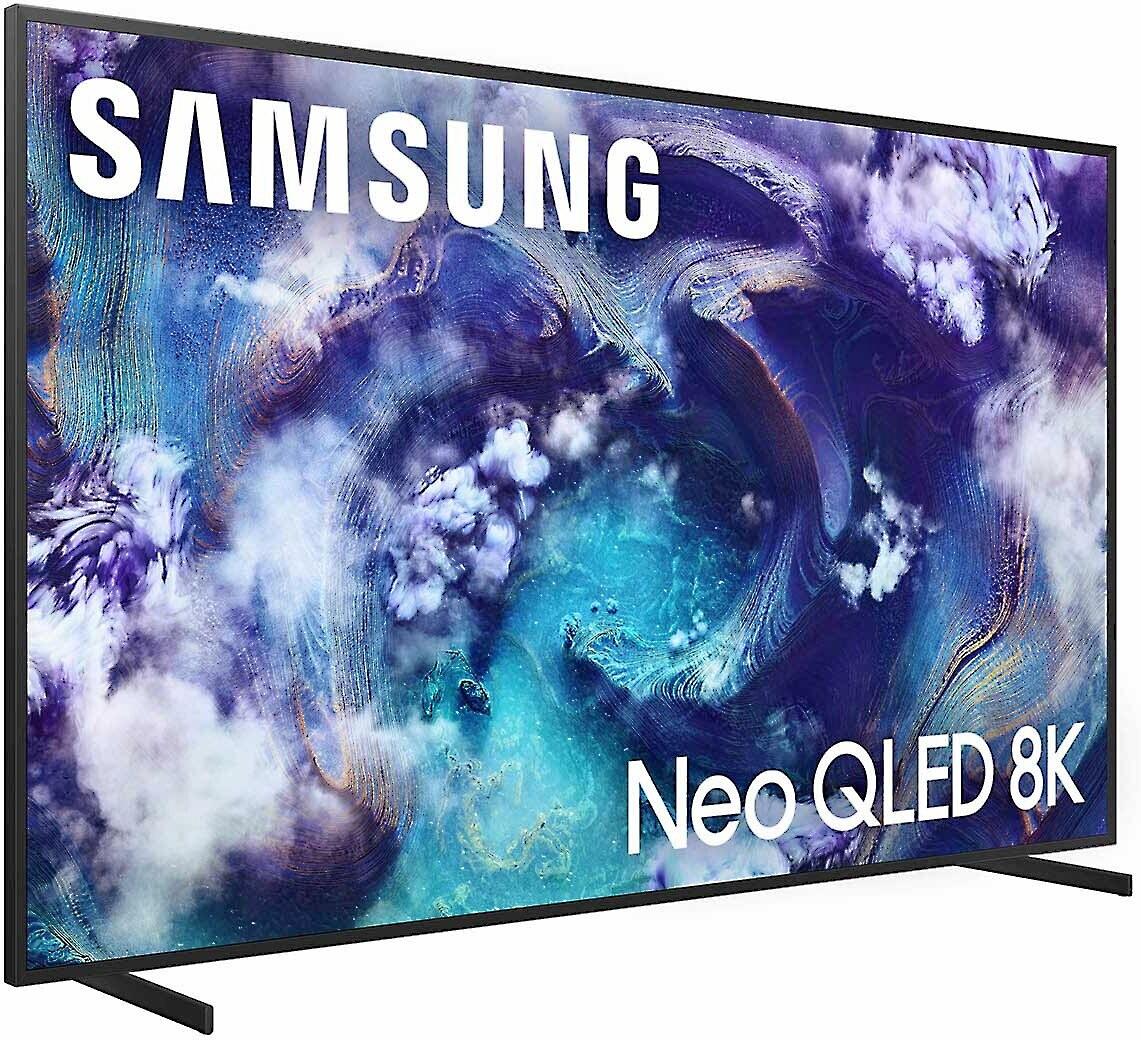
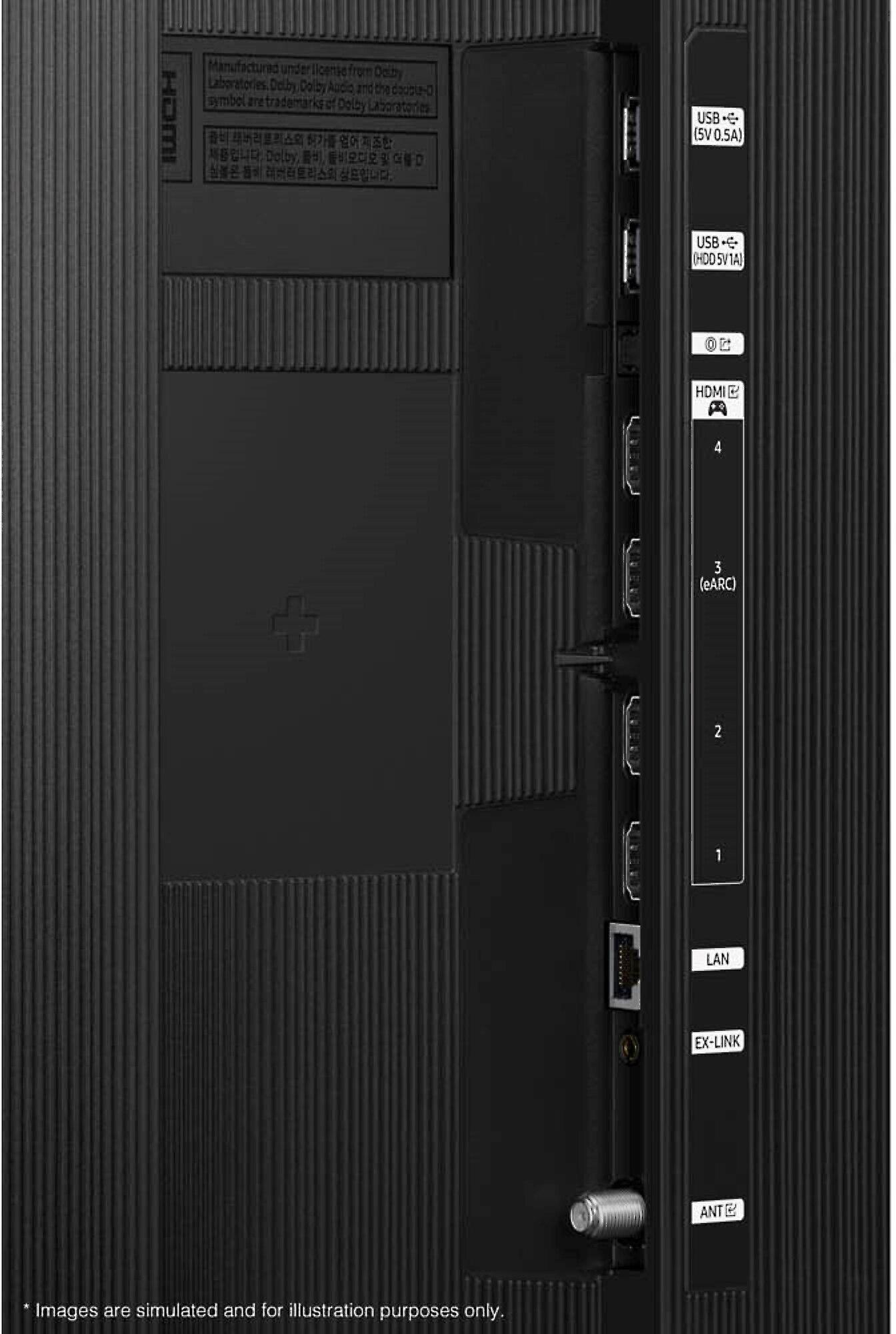
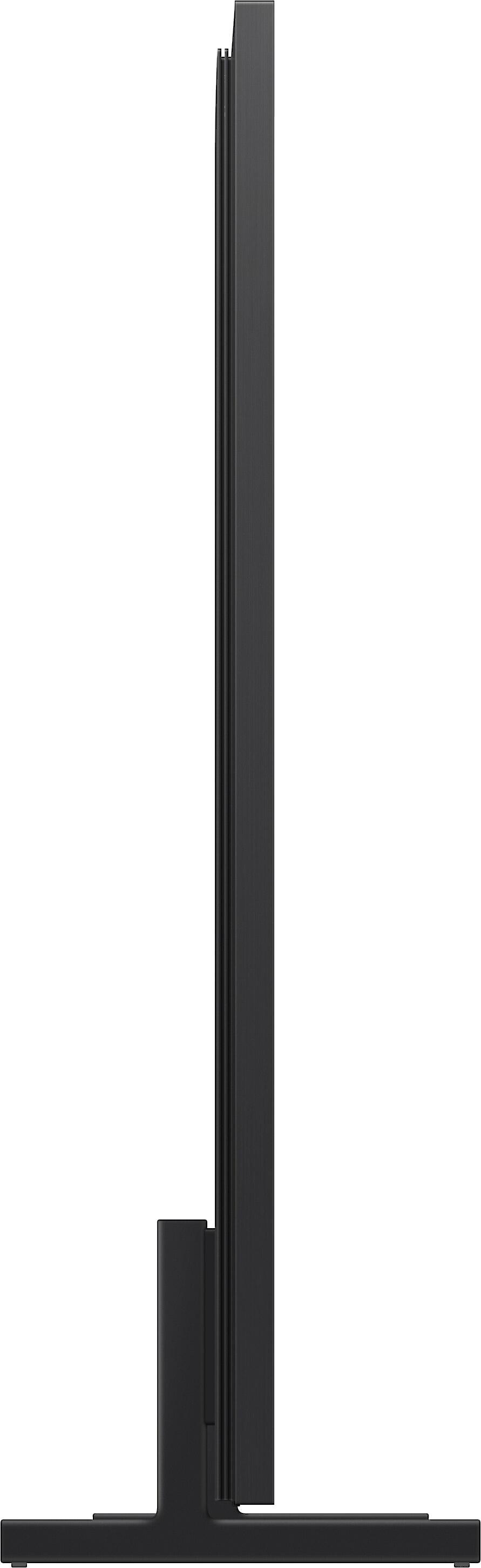
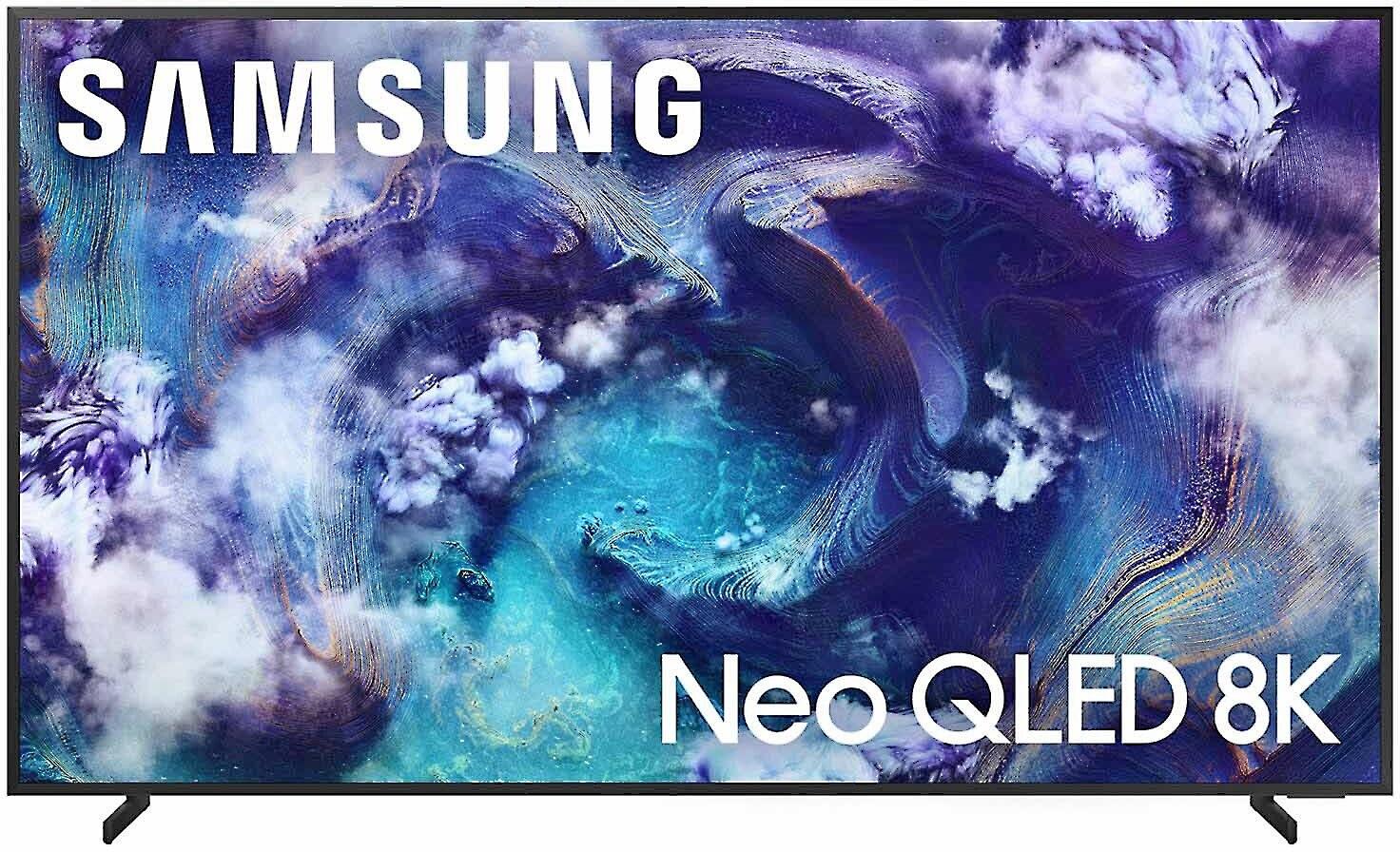
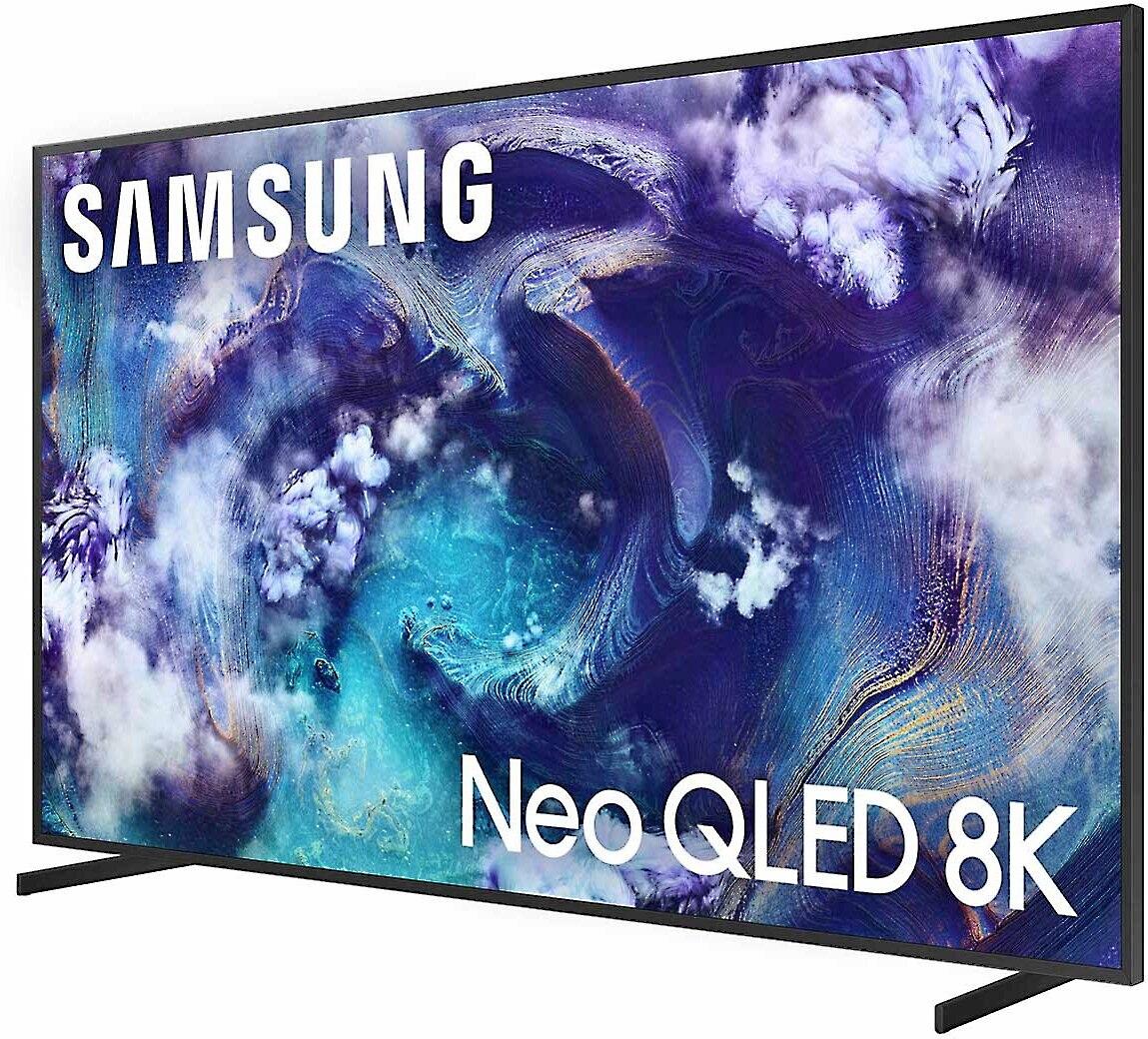

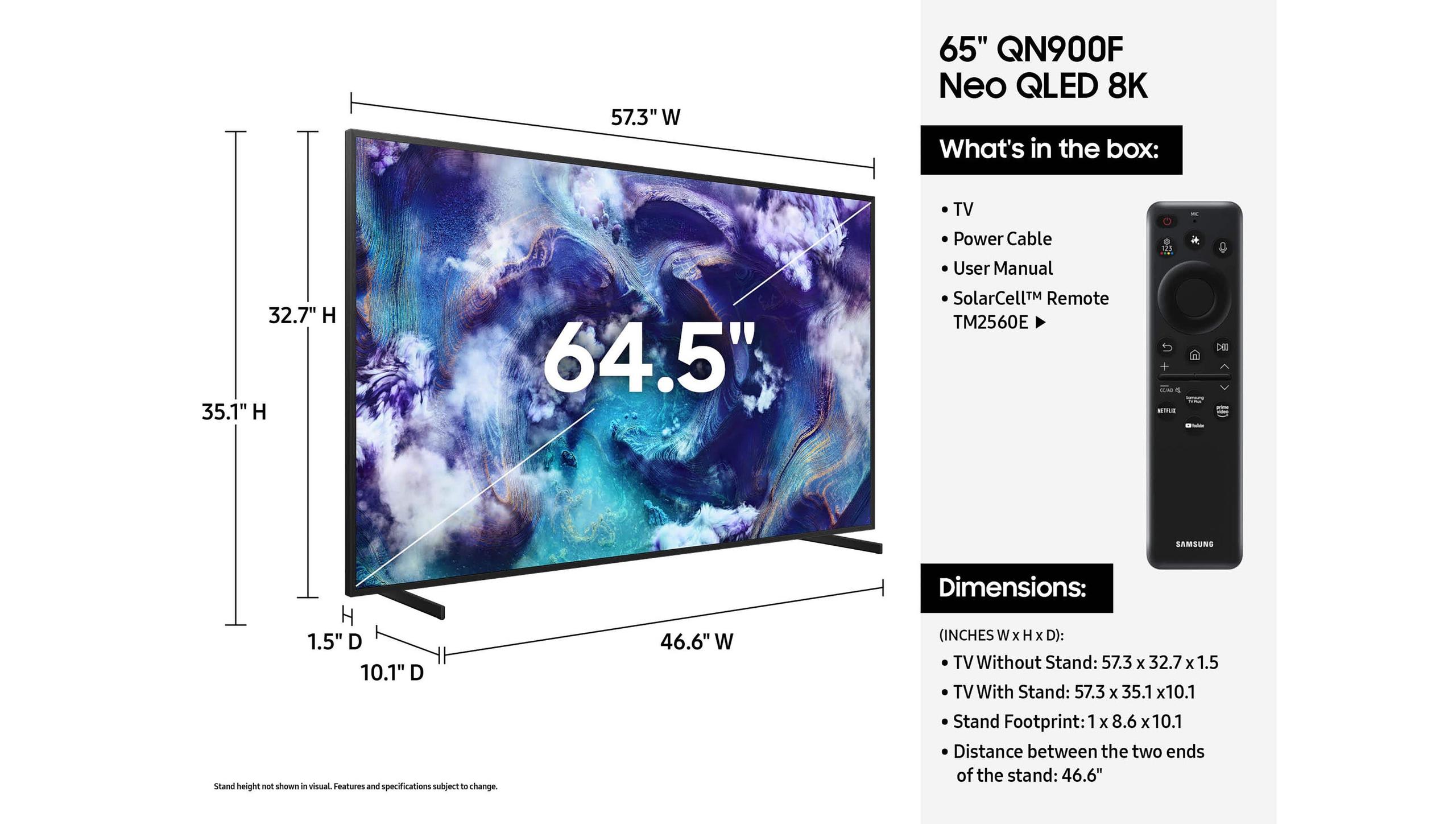
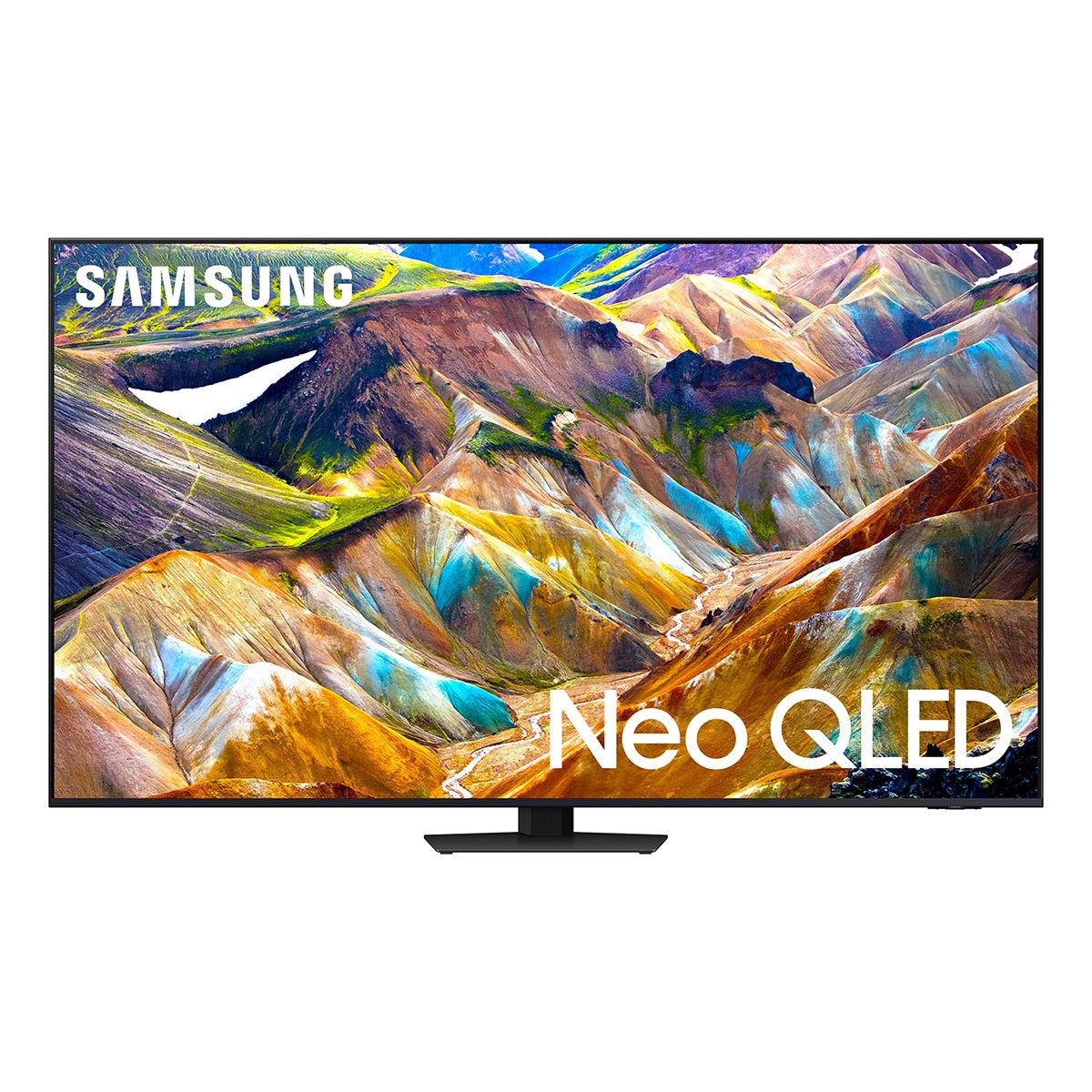
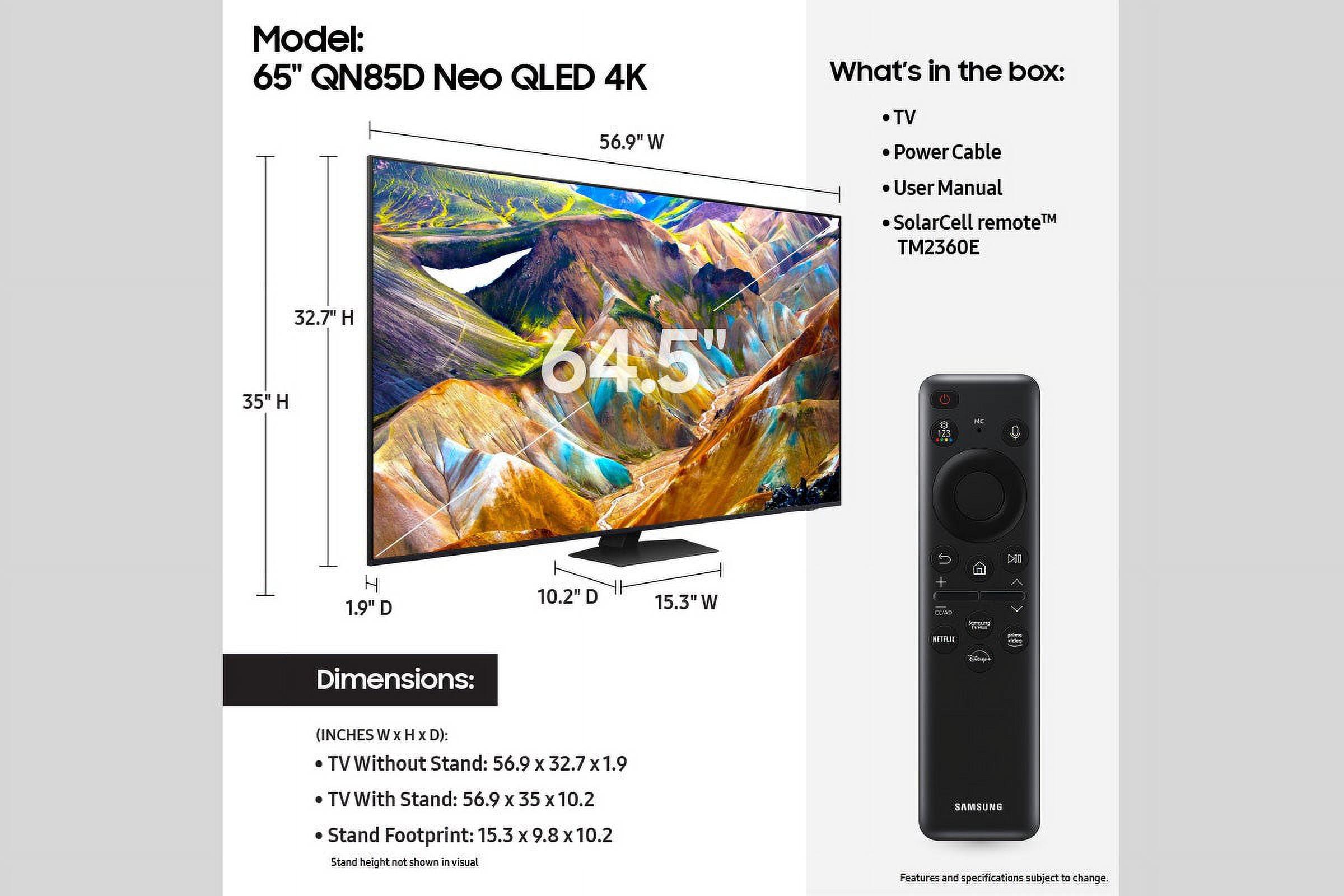
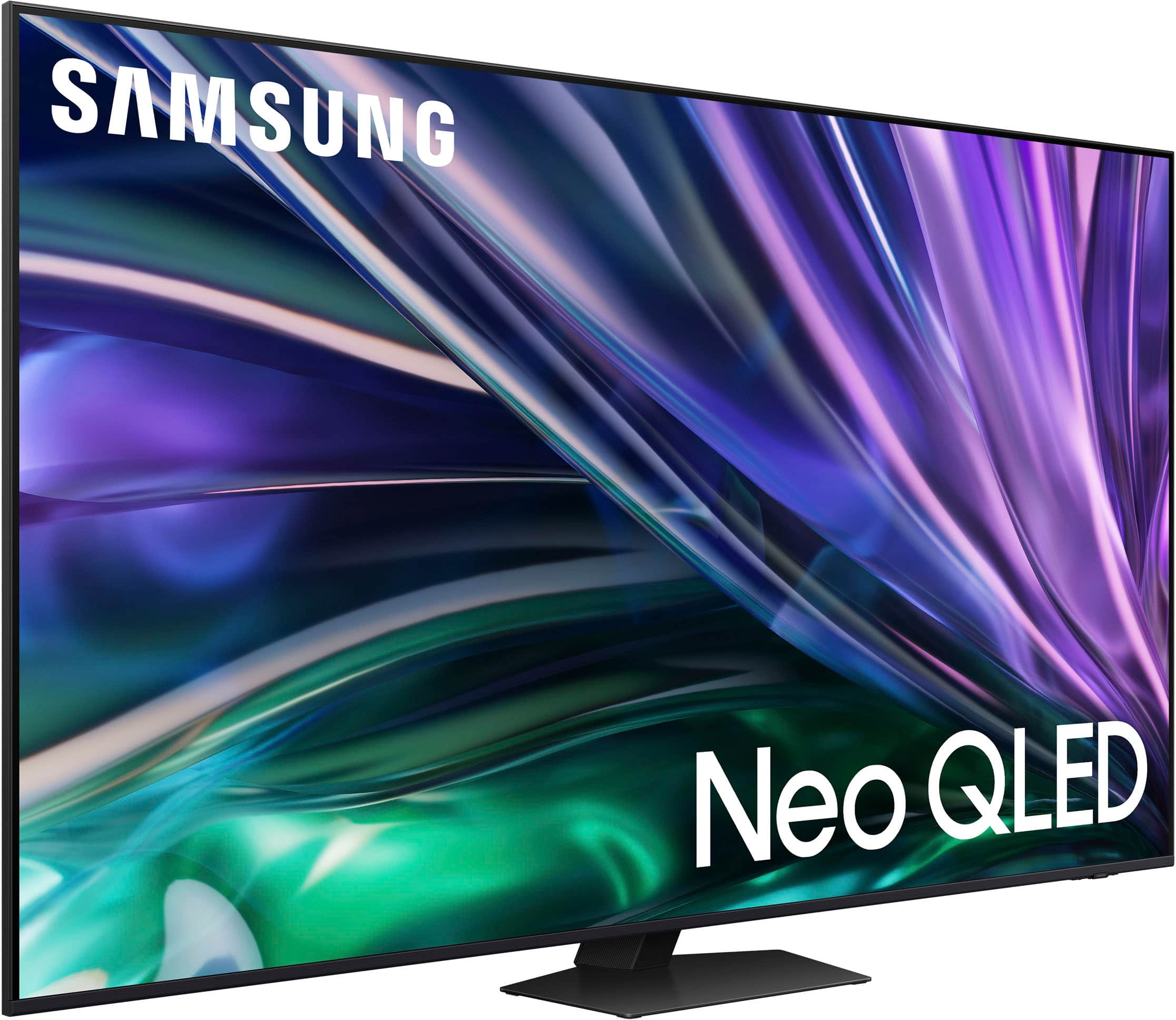
Choosing between premium TVs can feel overwhelming, especially when both options come from the same manufacturer and feature similar-sounding technology. Samsung's Neo QLED lineup presents exactly this challenge with the QN900F 8K flagship from 2025 and the QN85D 4K model from 2024. These TVs represent vastly different approaches to premium viewing, separated by more than just resolution.
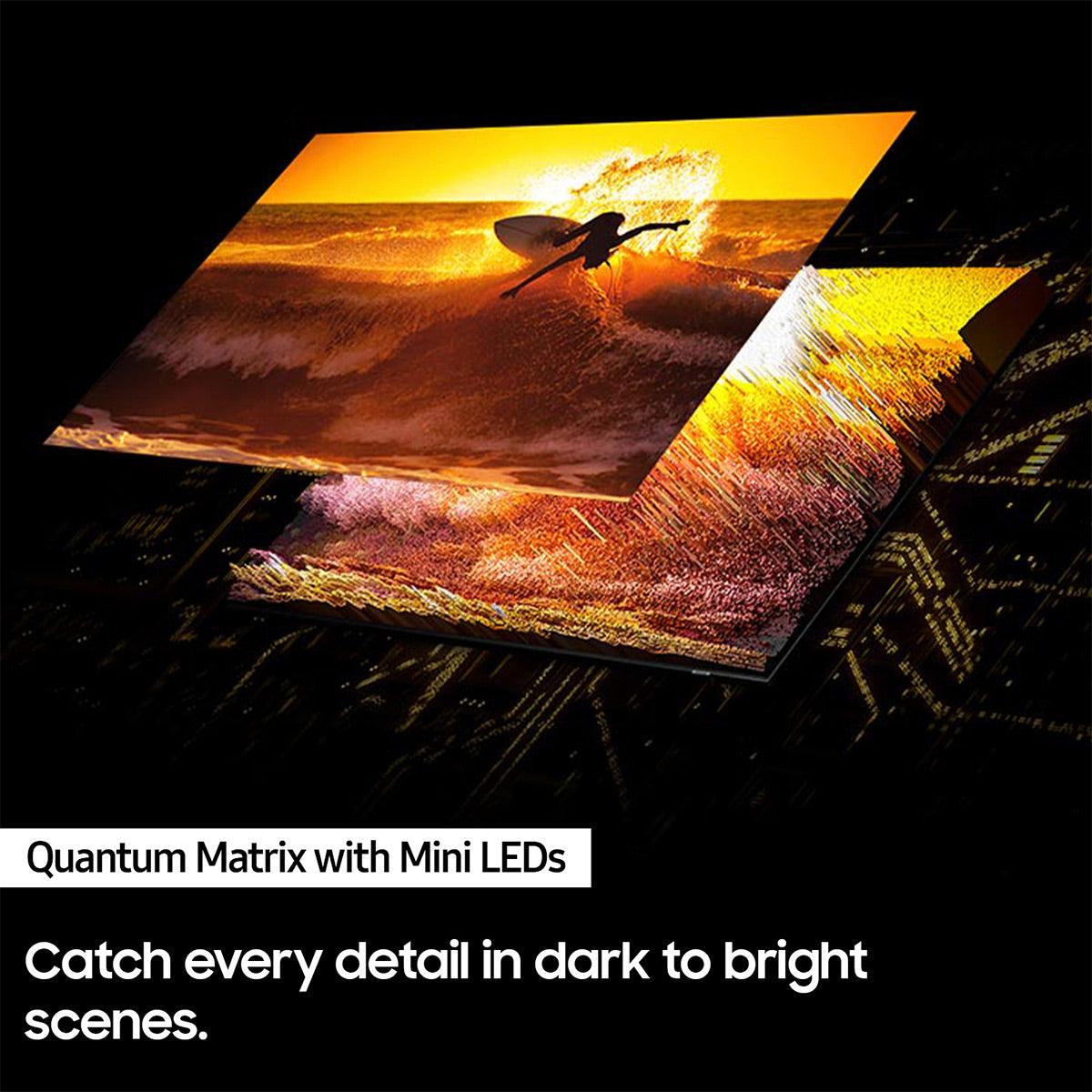
Before diving into comparisons, let's decode what "Neo QLED" actually means. Traditional LED TVs use a backlight behind the entire screen, which can make dark scenes look washed out. Neo QLED technology uses thousands of tiny Mini LEDs—each about 1/40th the size of conventional LEDs—arranged in precise zones behind the screen. These zones can brighten or dim independently, creating deeper blacks and more vibrant colors.
Think of it like having thousands of tiny flashlights that can turn on or off individually rather than one big flashlight illuminating everything. This is called "local dimming," and it's what gives both the QN900F and QN85D their impressive contrast compared to basic LED TVs.
The quantum dot layer adds another performance boost. These microscopic particles convert backlight into pure, saturated colors—imagine having a more precise paintbrush that can create exactly the shade you want. This combination of Mini LED backlighting and quantum dots is what Samsung calls Neo QLED.
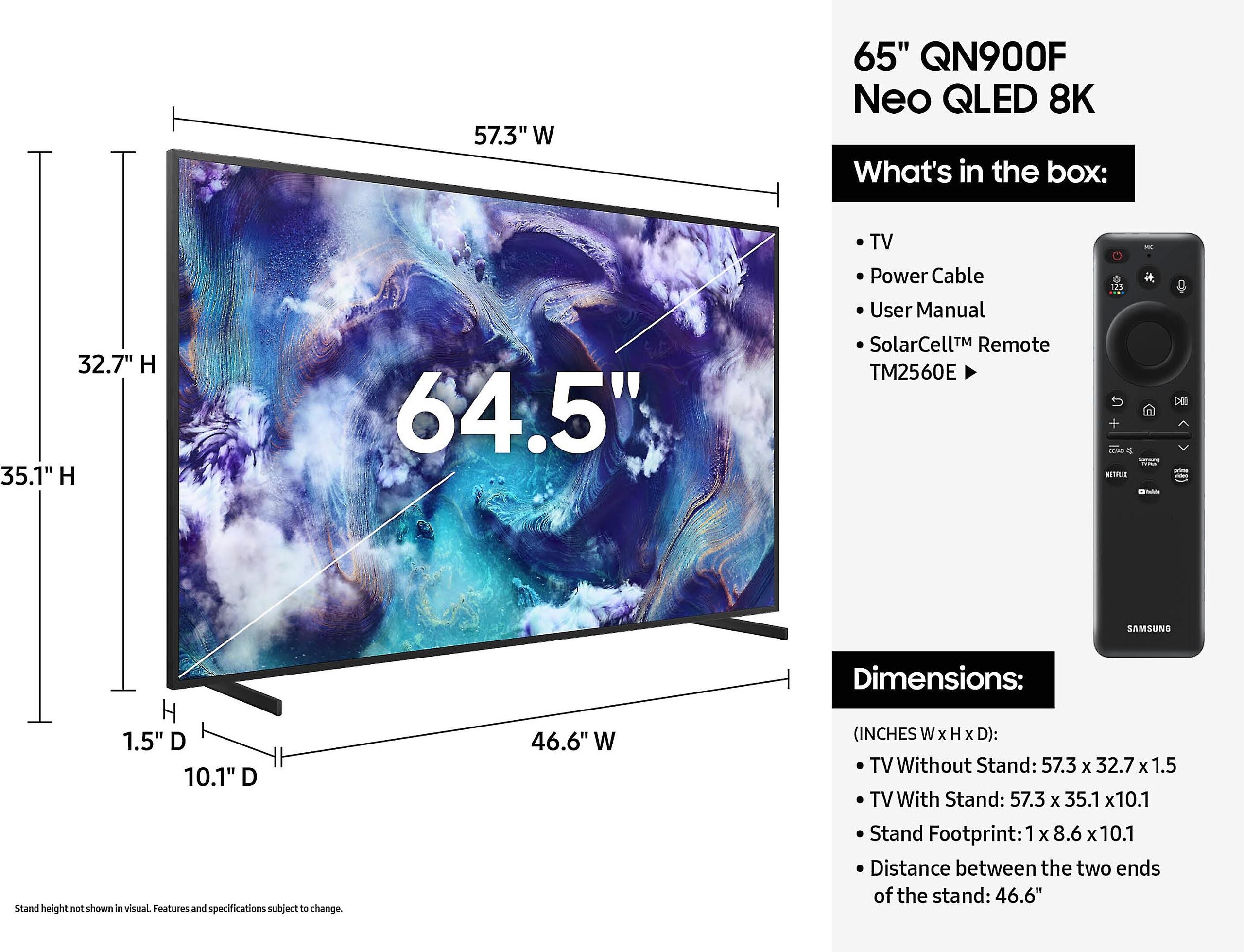
The QN900F's headline feature is its 8K resolution—7,680 by 4,320 pixels, which is four times more detailed than 4K. On paper, this sounds incredible. In practice, finding native 8K content to watch is like searching for a unicorn. Netflix, Disney+, and other streaming services offer virtually no 8K programming. Even YouTube's 8K videos are rare and often just upscaled 4K content.
So why does Samsung keep making 8K TVs? The real magic happens in the upscaling—taking lower resolution content and intelligently adding detail to fill those extra pixels. The QN900F's NQ8 AI Gen3 processor uses neural networks (think artificial intelligence trained on thousands of images) to analyze each frame and predict what the missing detail should look like.
From our research into professional reviews and user feedback, this upscaling works remarkably well. A well-mastered 4K movie on the QN900F often looks noticeably sharper and more detailed than the same content on a 4K TV, even when viewed from typical living room distances. The improvement is most noticeable on larger screens where you sit closer to the TV.
The QN85D, meanwhile, focuses its processing power on making 4K content look its absolute best. Its NQ4 AI Gen2 processor may be less powerful than its flagship sibling, but it's specifically tuned for 4K performance. For most viewers, this targeted approach delivers excellent results without the complexity and cost of 8K technology.
Both TVs excel in bright rooms, but they achieve this through different approaches. The QN900F uses Samsung's most advanced Mini LED implementation with Quantum Matrix Pro technology. This system provides incredibly precise control over brightness zones, allowing the TV to display blazing bright highlights while keeping dark areas truly dark.
The standout feature here is the QN900F's Glare-Free technology. Unlike traditional anti-glare coatings that can make the picture look slightly hazy, Samsung's approach maintains color accuracy and contrast while dramatically reducing reflections. If you've ever struggled to watch TV during the day because of window glare, this feature alone could justify the premium.
The QN85D takes a different approach with its VA (Vertical Alignment) panel. While it can't match the QN900F's peak brightness levels, it delivers an impressive native contrast ratio exceeding 160,000:1 when local dimming is active. This means the difference between the brightest whites and darkest blacks is enormous, creating that "pop" that makes images look three-dimensional.
Both TVs support Samsung's Quantum Dot technology, but the QN900F includes additional color enhancement features. The flagship model covers more of the color spectrum that human eyes can see, particularly in the difficult-to-reproduce deep reds and bright greens. For nature documentaries or animated content, this expanded color range creates more lifelike and vibrant images.
However, the QN85D shouldn't be underestimated. User reviews consistently praise its color accuracy straight out of the box, meaning you don't need professional calibration to get great-looking images. The colors are punchy without being oversaturated, and skin tones look natural—crucial for everything from sports to romantic comedies.
This is where the technology differences become most apparent. The QN900F's advanced Mini LED array provides more precise control over local dimming zones, resulting in better black levels and less "blooming"—that unwanted glow around bright objects in dark scenes.
The QN85D's VA panel naturally produces deeper blacks than many competing technologies, but it has fewer local dimming zones than higher-end models. In practice, this means you might notice some light bleeding around subtitles or bright objects in dark movie scenes, though it's rarely distracting during normal viewing.
For home theater enthusiasts who watch a lot of movies in darkened rooms, the QN900F's superior black level performance creates a more immersive experience. The difference is less noticeable when watching daytime TV or sports in well-lit rooms.
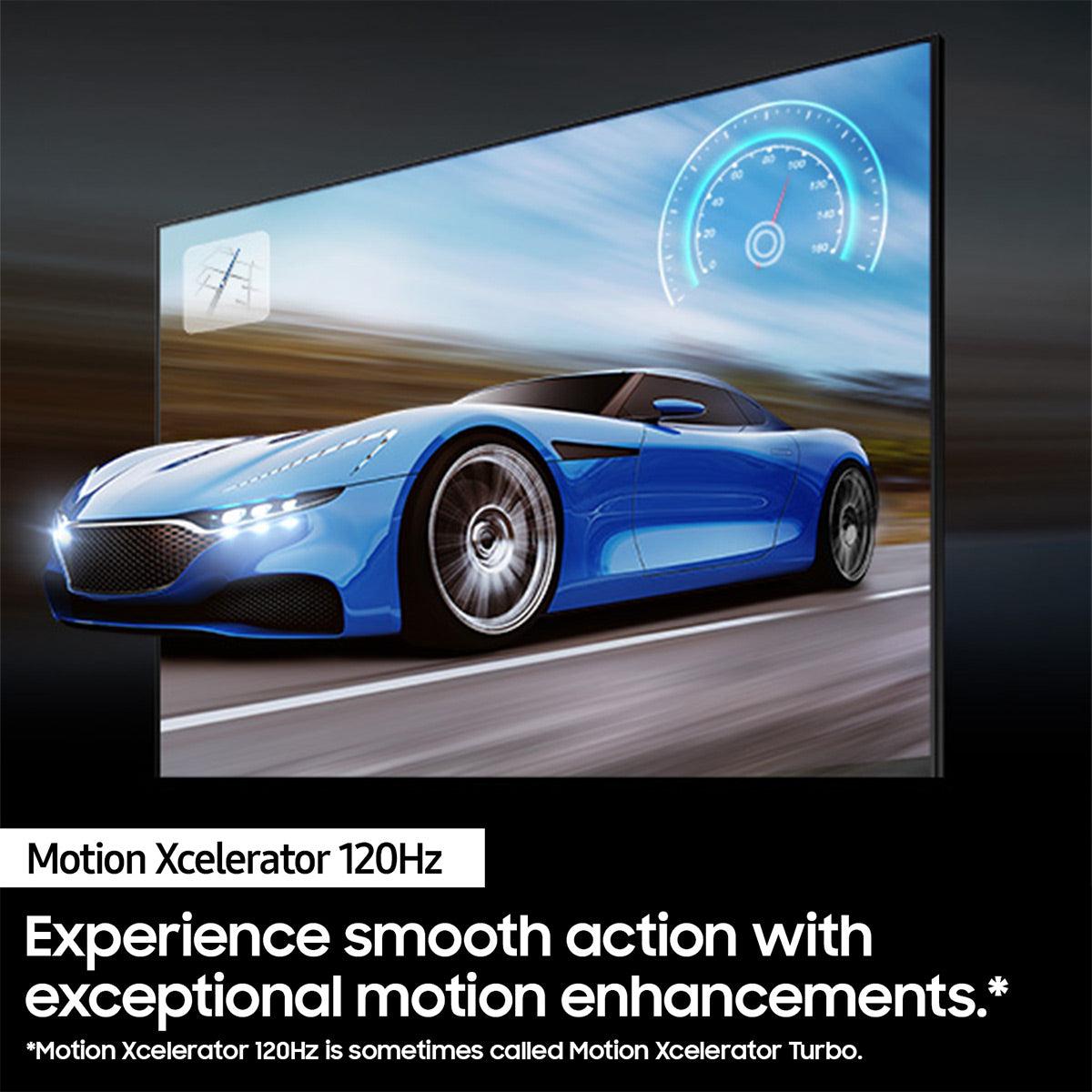
Gaming has become a crucial consideration for modern TV buyers, and both models deliver, albeit at different performance levels. The QN900F represents Samsung's most gaming-focused TV, supporting 4K resolution at up to 165Hz refresh rate. For context, most console games run at 60-120 frames per second, so this TV can handle even the most demanding gaming scenarios.
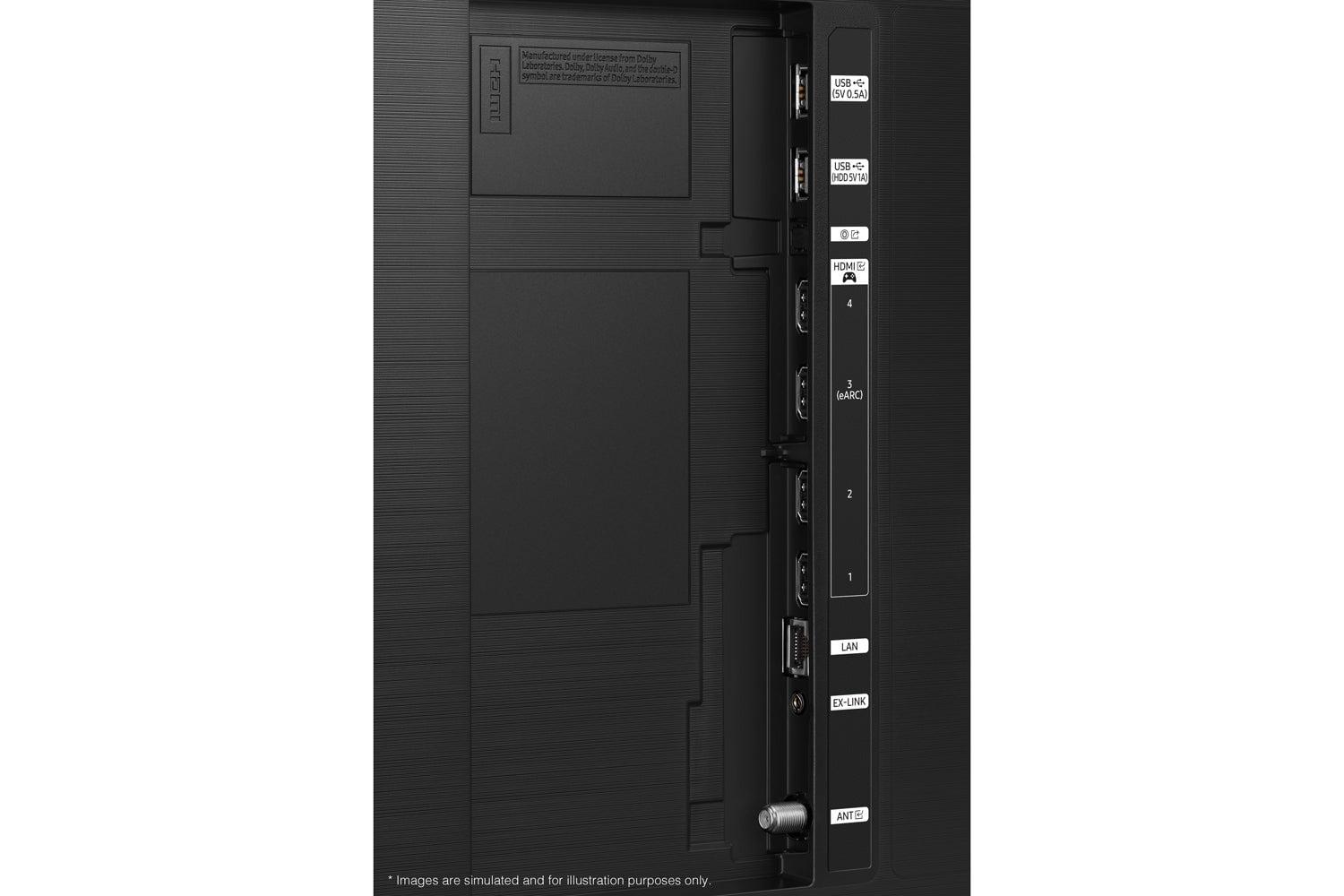
Variable Refresh Rate (VRR) technology synchronizes the TV's refresh rate with your gaming console's output, eliminating screen tearing and stuttering. Both TVs support this feature across multiple formats, including FreeSync Premium Pro and G-Sync compatibility, ensuring smooth gameplay regardless of your gaming setup.
The QN85D maxes out at 4K/120Hz, which is still excellent for gaming and matches the maximum output of current PlayStation 5 and Xbox Series X consoles. However, user reviews note some motion blur in Game Mode due to slower pixel response times. This isn't a dealbreaker for casual gaming, but competitive gamers might prefer the QN900F's faster pixel transitions.
Both TVs feature Auto Low Latency Mode (ALLM), which automatically switches to the lowest input lag setting when it detects a gaming console. Input lag—the delay between pressing a button and seeing the action on screen—measures under 10 milliseconds on both models, which is imperceptible to most players.
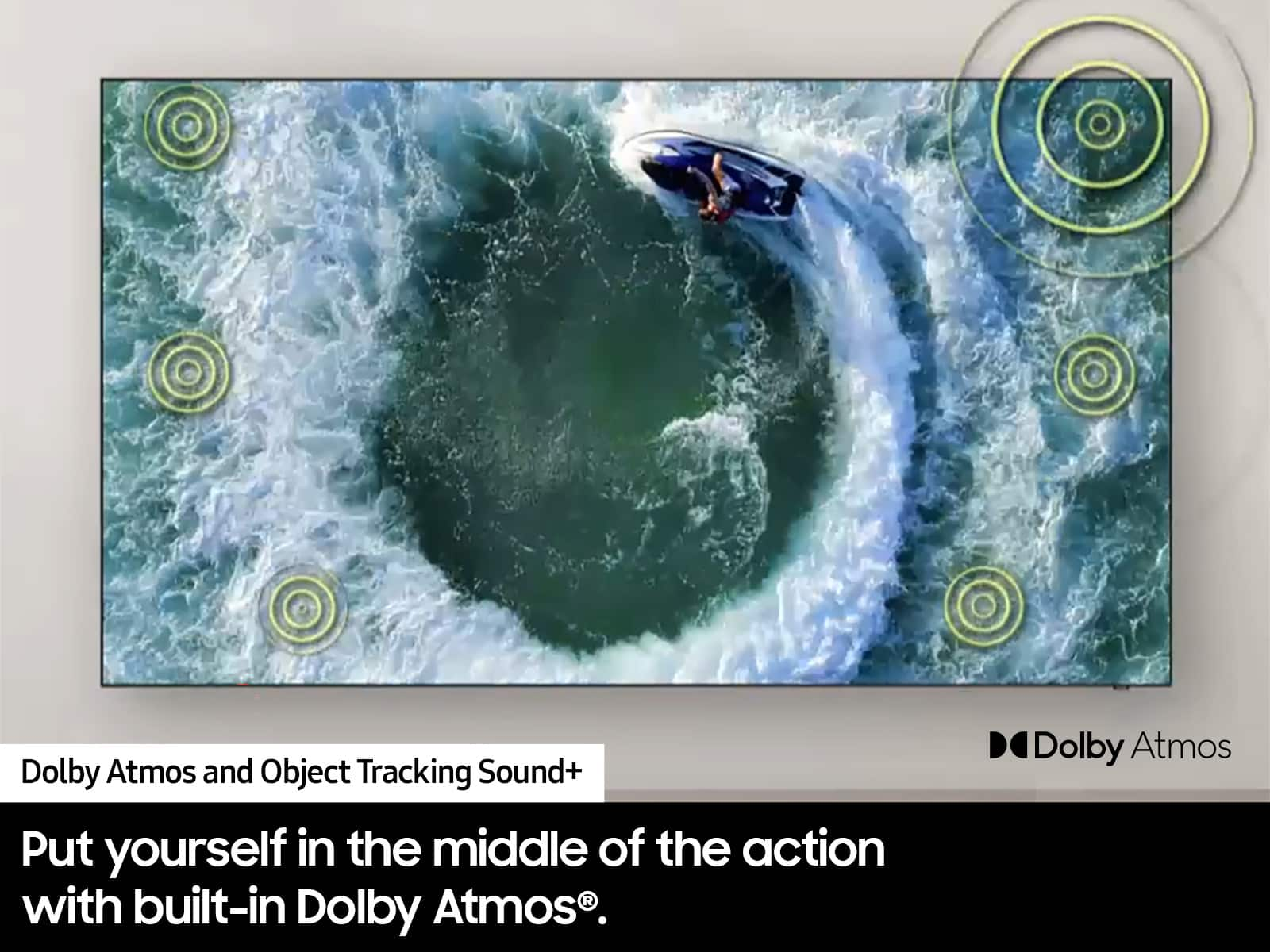
TV audio often gets overlooked, but it significantly impacts the viewing experience. The QN900F includes a comprehensive 4.2.2-channel Dolby Atmos system with dedicated top-firing speakers. This creates genuine surround sound effects, with helicopters seeming to fly overhead and rain appearing to fall from the ceiling.
Object Tracking Sound Pro takes this further by moving audio across the screen to match visual action. When a car drives from left to right, the engine sound follows along the screen. While not as immersive as a dedicated home theater system, it's remarkably effective for built-in TV speakers.
The QN85D includes more basic audio with Dolby Atmos and Object Tracking Sound Lite. It's adequate for casual viewing but lacks the power and spatial accuracy of its premium sibling. Most buyers planning a dedicated home theater setup will likely add a soundbar or surround system anyway, making this difference less critical for some users.
Both TVs run Samsung's Tizen operating system, but the QN900F includes the latest Vision AI integration introduced in 2025. This system learns your viewing preferences and automatically adjusts picture settings, suggests content, and optimizes performance based on what you're watching.
The AI processing extends to content analysis—the system recognizes when you're watching sports versus a dark movie and adjusts accordingly. For sports, it might boost motion clarity and color saturation. For films, it might enhance contrast and reduce motion smoothing for a more cinematic feel.
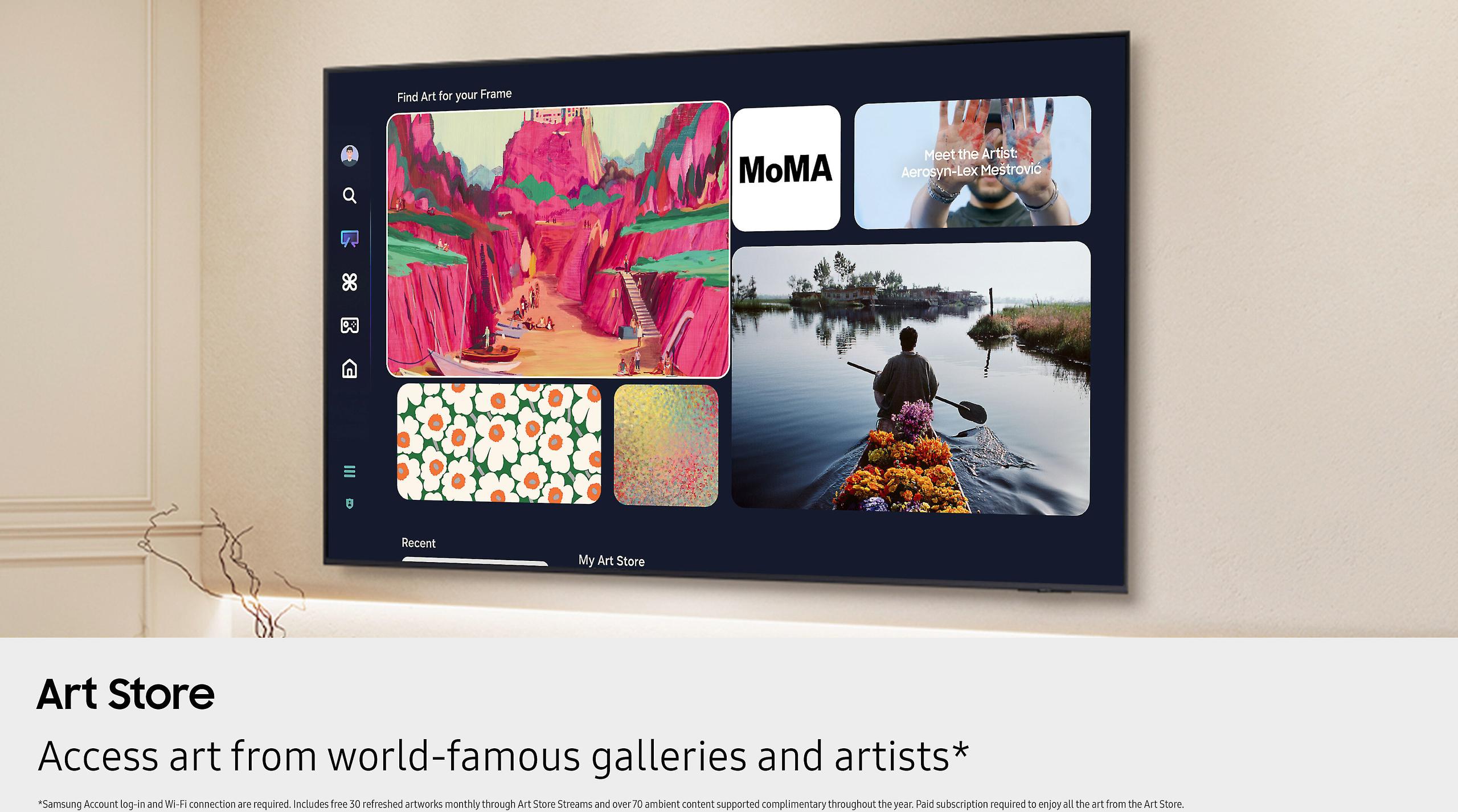
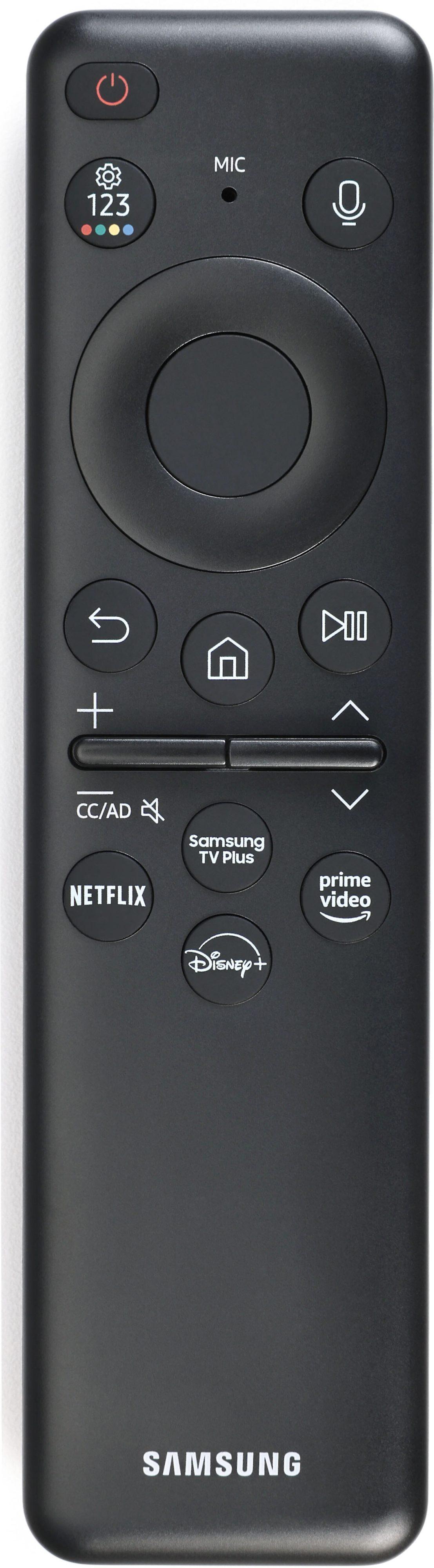
The QN85D includes Samsung's earlier AI implementation, which provides similar but less sophisticated optimization. The smart TV interface is identical on both models, offering easy access to major streaming services, Samsung's free TV Plus platform, and voice control through Bixby, Alexa, or Google Assistant.
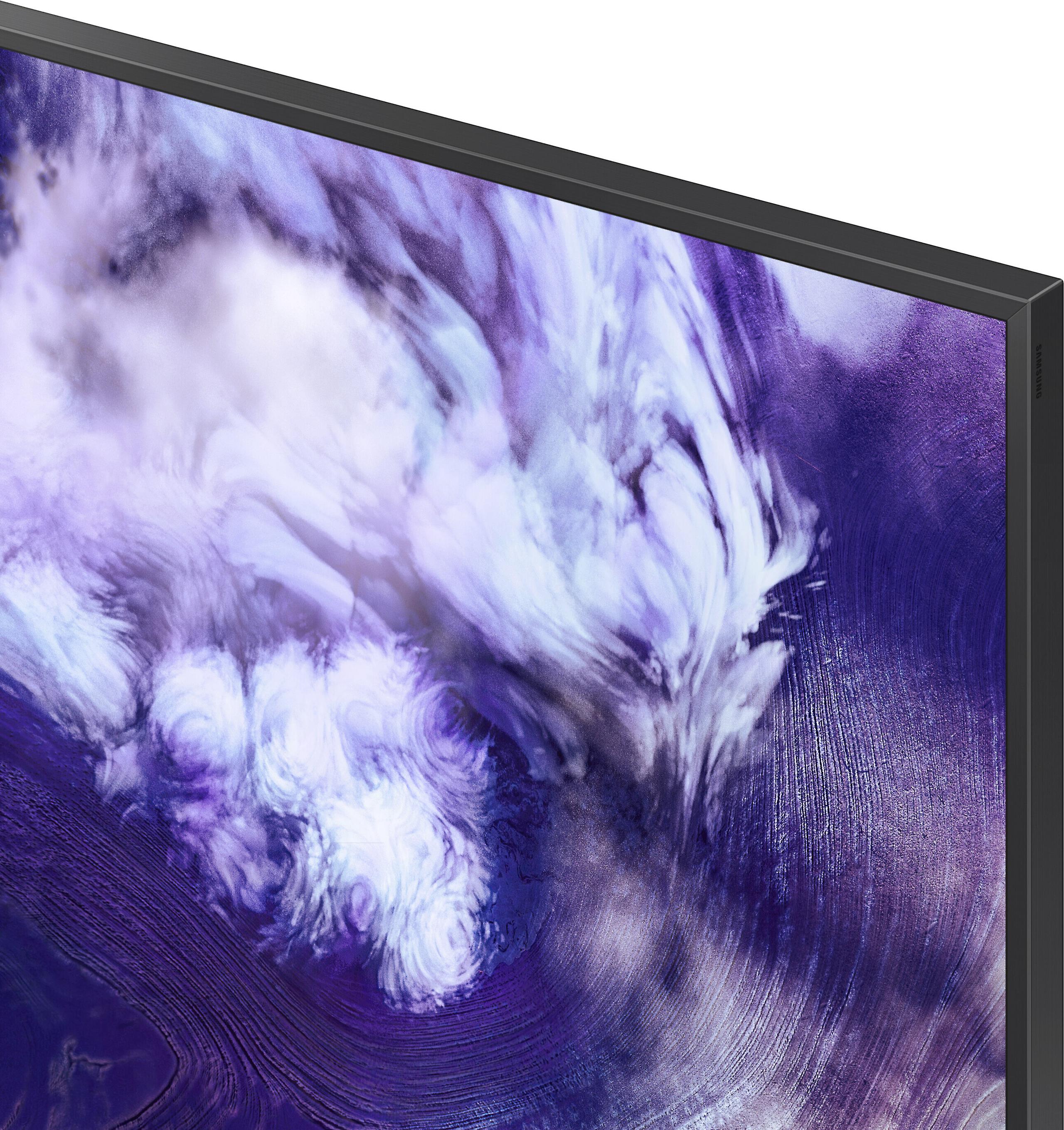
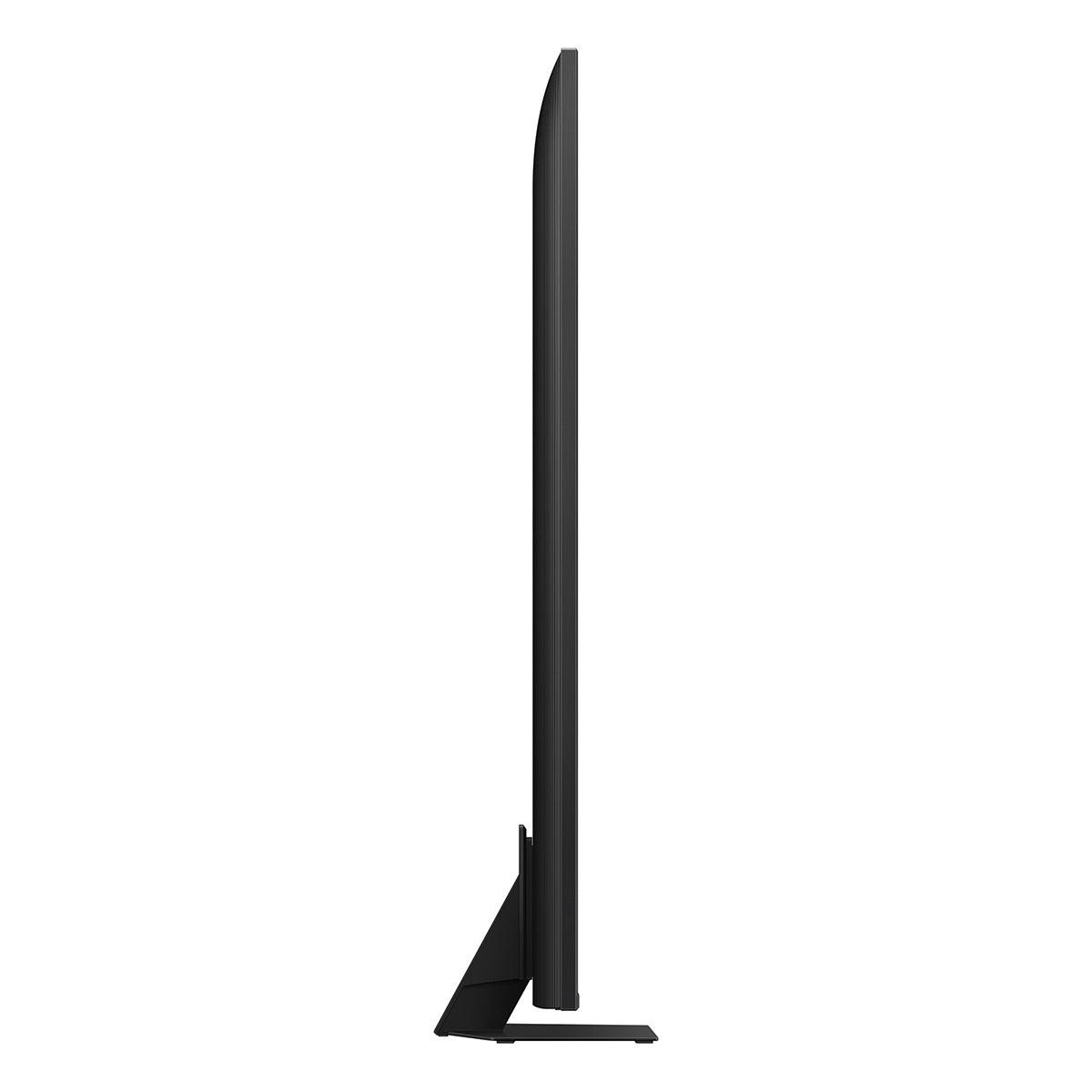
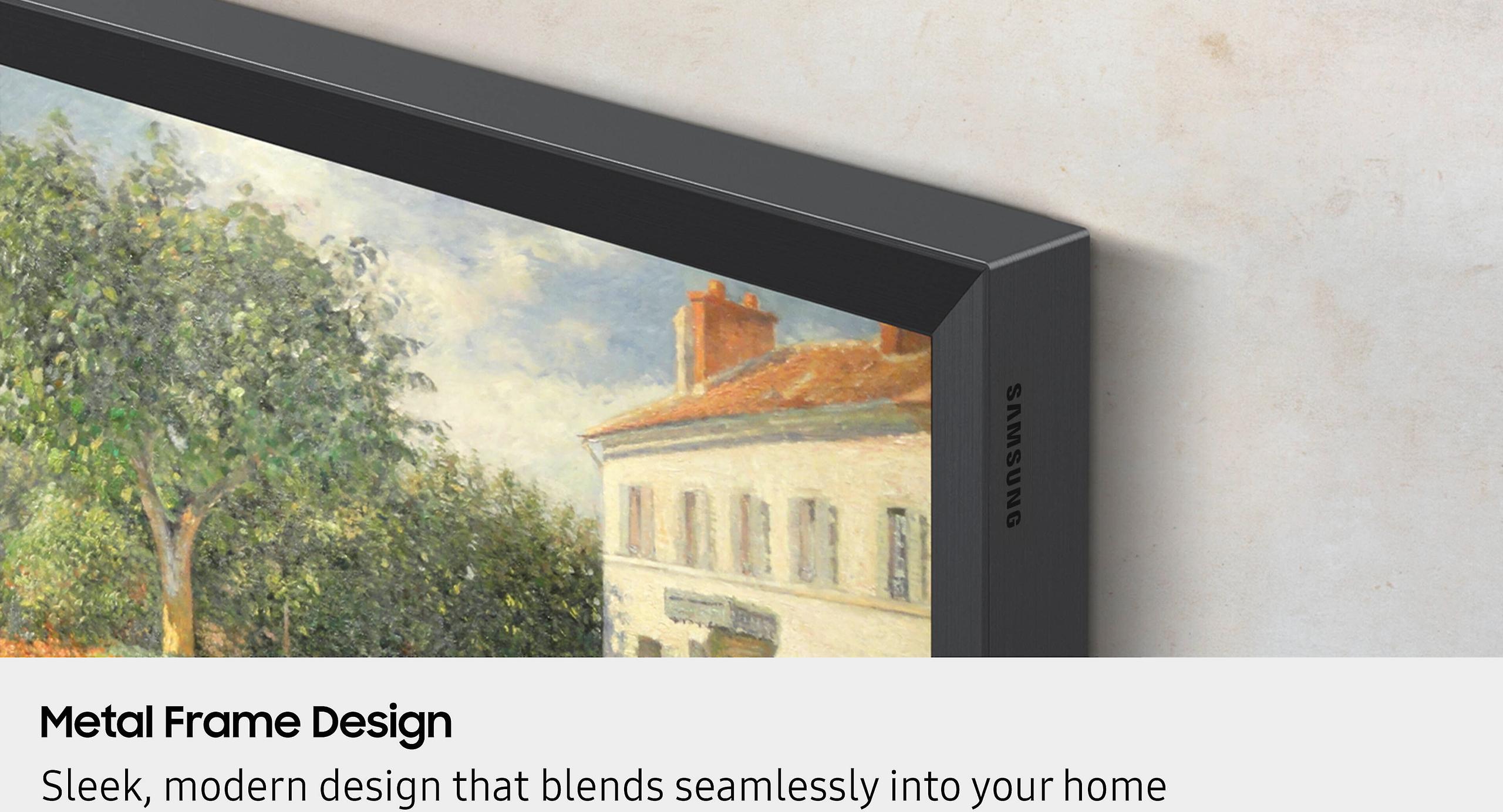
The QN900F features Samsung's new Metal Frame design, which creates an almost picture-frame aesthetic when wall-mounted. The bezels are virtually invisible, and the overall construction feels premium and substantial. This matters if the TV will be a focal point in your living space.
The QN85D uses Samsung's standard design language from 2024—clean and minimalist but less distinctive than the flagship's artistic appearance. Both TVs are well-built, but the QN900F feels more like a piece of furniture than an electronic device.
At the time of writing, the QN900F commands a significant premium—often double the price of the QN85D. This price gap reflects not just the 8K capability but also the advanced processing, superior audio system, premium design, and latest-generation features.
For many buyers, the QN85D offers exceptional value. You get Mini LED technology, comprehensive gaming features, solid smart TV capabilities, and impressive picture quality for significantly less money. The performance compromises—fewer local dimming zones, basic audio, slower gaming response—may not matter depending on your priorities and setup.
The QN900F makes sense for enthusiasts who want the absolute best performance and can appreciate (and afford) the incremental improvements. If you're building a premium home theater, plan to keep the TV for many years, or simply want the latest technology, the flagship's advantages may justify its cost.
Choose the QN900F if you're building a no-compromise home theater setup, prioritize gaming performance, value premium built-in audio, or want the latest technology regardless of cost. The 8K capability provides some future-proofing, even if native content remains limited.
The QN85D makes more sense for most buyers seeking excellent performance without flagship pricing. It delivers impressive picture quality, solid gaming features, and modern smart TV capabilities while leaving budget for other components like a soundbar or streaming devices.
Consider your room setup too. The QN900F's anti-glare technology shines in bright rooms with lots of windows, while the QN85D's VA panel provides better contrast in dedicated theater rooms but has narrower viewing angles for side seating.
Both TVs represent solid choices within their respective market segments. The QN85D offers exceptional value and performance for the majority of users, while the QN900F provides cutting-edge technology for those willing to pay for the ultimate viewing experience.
| Samsung 65" Neo QLED 8K QN900F Vision AI Smart TV 2025 | Samsung 65" QN85D Neo QLED 4K Smart TV |
|---|---|
| Display Resolution - Higher resolution provides sharper detail, but 8K content is extremely limited | |
| 8K (7680 x 4320) with AI upscaling | 4K (3840 x 2160) with standard upscaling |
| Panel Technology - Affects viewing angles and contrast performance | |
| Advanced Mini LED with Quantum Matrix Pro | Mini LED with VA panel for deep blacks |
| Gaming Performance - Critical for console and PC gaming | |
| 4K at 165Hz, VRR, ALLM, ultra-low input lag | 4K at 120Hz, VRR, ALLM, some motion blur in Game Mode |
| Audio System - Determines if you need external speakers | |
| 4.2.2-channel Dolby Atmos with Object Tracking Sound Pro | Basic Dolby Atmos with Object Tracking Sound Lite |
| Smart TV Processor - Impacts picture quality and AI features | |
| NQ8 AI Gen3 with Vision AI (2025 flagship technology) | NQ4 AI Gen2 (solid 2024 processing) |
| HDR Support - Important for streaming and 4K Blu-ray | |
| HDR10+ (no Dolby Vision like all Samsung TVs) | HDR10+ (no Dolby Vision like all Samsung TVs) |
| Anti-Glare Technology - Crucial for bright room viewing | |
| Advanced Glare-Free coating maintains color accuracy | Standard anti-reflective treatment |
| Local Dimming - Controls how well the TV displays dark scenes | |
| Ultimate 8K Dimming Pro with more precise zone control | Supreme UHD Dimming with fewer zones, some blooming |
| Design and Build Quality - Matters for wall mounting and room aesthetics | |
| Premium Metal Frame design, nearly invisible bezels | Standard 2024 Samsung design, clean but less distinctive |
| Market Position and Value - Helps determine if premium features justify cost | |
| 2025 flagship with cutting-edge features at premium pricing | 2024 entry-level Neo QLED offering excellent value |
| Best For - Target user scenarios | |
| Home theater enthusiasts, competitive gamers, bright rooms, latest tech adopters | Value-conscious buyers, casual gamers, those planning external audio, contrast-focused viewing |
The Samsung QN85D 4K offers significantly better value for most buyers. While the Samsung QN900F 8K includes premium features like Vision AI and superior audio, the QN85D delivers excellent Mini LED performance, gaming capabilities, and picture quality at a much lower price point. Unless you specifically need 8K resolution or flagship features, the QN85D provides 90% of the performance for considerably less money.
The Samsung QN900F features 8K resolution (7680 x 4320 pixels) while the Samsung QN85D has 4K resolution (3840 x 2160 pixels). However, since native 8K content is extremely rare, the real benefit comes from the QN900F's superior AI upscaling that makes 4K and HD content look sharper. For most viewers, the 4K resolution on the QN85D is perfectly adequate for current streaming and gaming content.
The Samsung QN900F 8K offers superior gaming performance with 4K at 165Hz refresh rate, faster pixel response times, and advanced gaming features. The Samsung QN85D 4K supports 4K at 120Hz, which is excellent for console gaming, but some users report motion blur in Game Mode due to slower pixel transitions. Both TVs support VRR, ALLM, and have low input lag suitable for competitive gaming.
Yes, but the Samsung QN900F performs better in bright rooms thanks to its advanced Glare-Free technology that reduces reflections while maintaining color accuracy. The Samsung QN85D also handles bright rooms well with excellent SDR brightness, though it's more susceptible to direct reflections. Both TVs use Mini LED backlighting that provides enough brightness to overcome ambient light.
The Samsung QN900F 8K features a significantly better 4.2.2-channel Dolby Atmos system with Object Tracking Sound Pro that creates immersive surround sound. The Samsung QN85D 4K has basic Dolby Atmos with Object Tracking Sound Lite that's adequate for casual viewing but lacks the power and spatial accuracy of the flagship model. If you plan to use external speakers, this difference becomes less important.
The Samsung QN900F offers superior picture processing with its NQ8 AI Gen3 processor, more precise local dimming control, and better black levels. The Samsung QN85D still delivers excellent picture quality with its VA panel providing impressive contrast ratios and good color accuracy. The QN900F's advanced processing is most noticeable with upscaled content and in challenging lighting conditions.
For a dedicated home theater room, the Samsung QN900F 8K is the superior choice with better black levels, more precise local dimming, superior built-in audio, and advanced processing for the ultimate viewing experience. However, the Samsung QN85D 4K can work well in home theaters, especially when paired with external audio equipment, offering excellent contrast and performance at a more accessible price point.
Both the Samsung QN900F and Samsung QN85D run Samsung's Tizen operating system with access to all major streaming services like Netflix, Disney+, and Prime Video. The QN900F includes newer Vision AI features for content optimization and personalized recommendations, while the QN85D has the standard Samsung smart TV interface with voice control and SmartThings integration.
The Samsung QN85D 4K uses a VA panel that provides excellent contrast but has narrower viewing angles, meaning colors and contrast degrade when viewed from the side. The Samsung QN900F 8K offers better viewing angle performance thanks to its advanced display technology, making it more suitable for wide seating arrangements or rooms where people sit at angles to the screen.
The Samsung QN900F 8K offers better future-proofing with 8K capability, latest-generation processing, and 2025 technology that should remain relevant longer. However, the Samsung QN85D 4K from 2024 still includes modern features like HDMI 2.1, comprehensive gaming support, and current smart TV capabilities that will remain useful for many years. Both TVs should provide excellent longevity.
Neither the Samsung QN900F nor the Samsung QN85D supports Dolby Vision, as Samsung uses HDR10+ instead across their TV lineup. Both TVs support HDR10+ and standard HDR10, which covers most streaming content and 4K Blu-rays. While some users prefer Dolby Vision, the HDR performance on both Samsung models is still excellent for the vast majority of content.
For streaming content, the Samsung QN85D 4K is often the smarter choice since most streaming services max out at 4K resolution. Its excellent upscaling and picture processing handle Netflix, Disney+, and other services beautifully. The Samsung QN900F 8K will make streaming content look slightly sharper through AI upscaling, but the improvement may not justify the significant price premium for most viewers focused primarily on streaming.
We've done our best to create useful and informative comparisons to help you decide what product to buy. Our research uses advanced automated methods to create this comparison and perfection is not possible - please contact us for corrections or questions. These are the sites we've researched in the creation of this article: rtings.com - samsung.com - techradar.com - dolby.com - youtube.com - samsung.com - youtube.com - samsung.com - samsung.com - samsung.com - samsung.com - displayspecifications.com - samsung.com - rtings.com - bestbuy.com - merlinstv.com - news.samsung.com - bestbuy.com - bestbuy.com - rtings.com - youtube.com - youtube.com - avsforum.com - youtube.com - samsung.com - videoandaudiocenter.com - shopjetson.com - mysoundconcepts.com - samsung.com - merlinstv.com - youtube.com - samsung.com - samsung.com

Privacy Policy
Terms and Conditions - Affiliate Policy
Home Security
© Copyright 2008-2026.
11816 Inwood Rd #1211, Dallas, TX 75244