

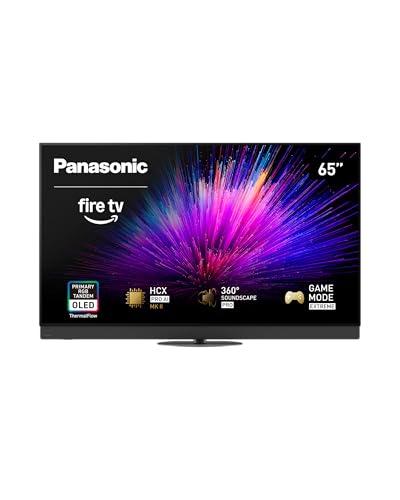
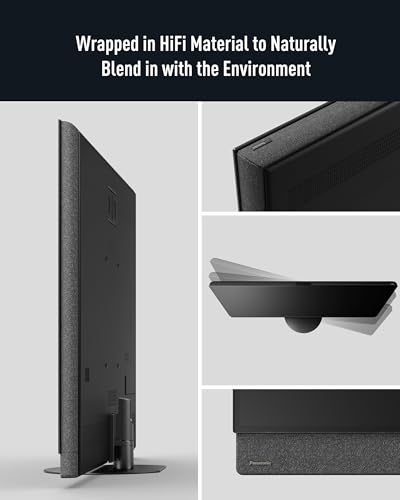
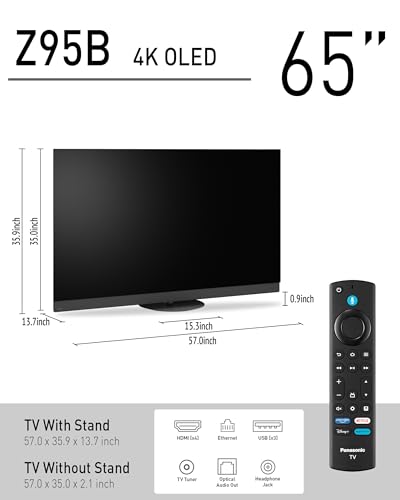
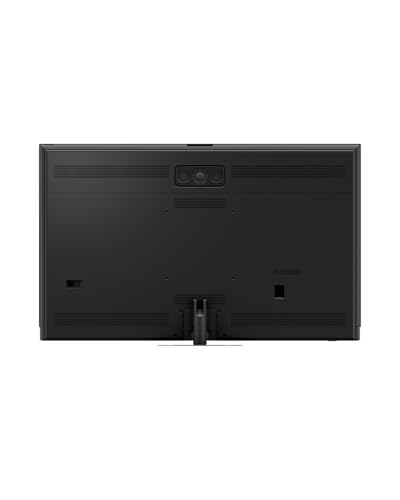

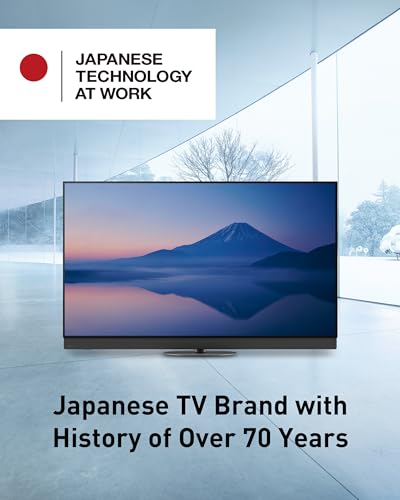
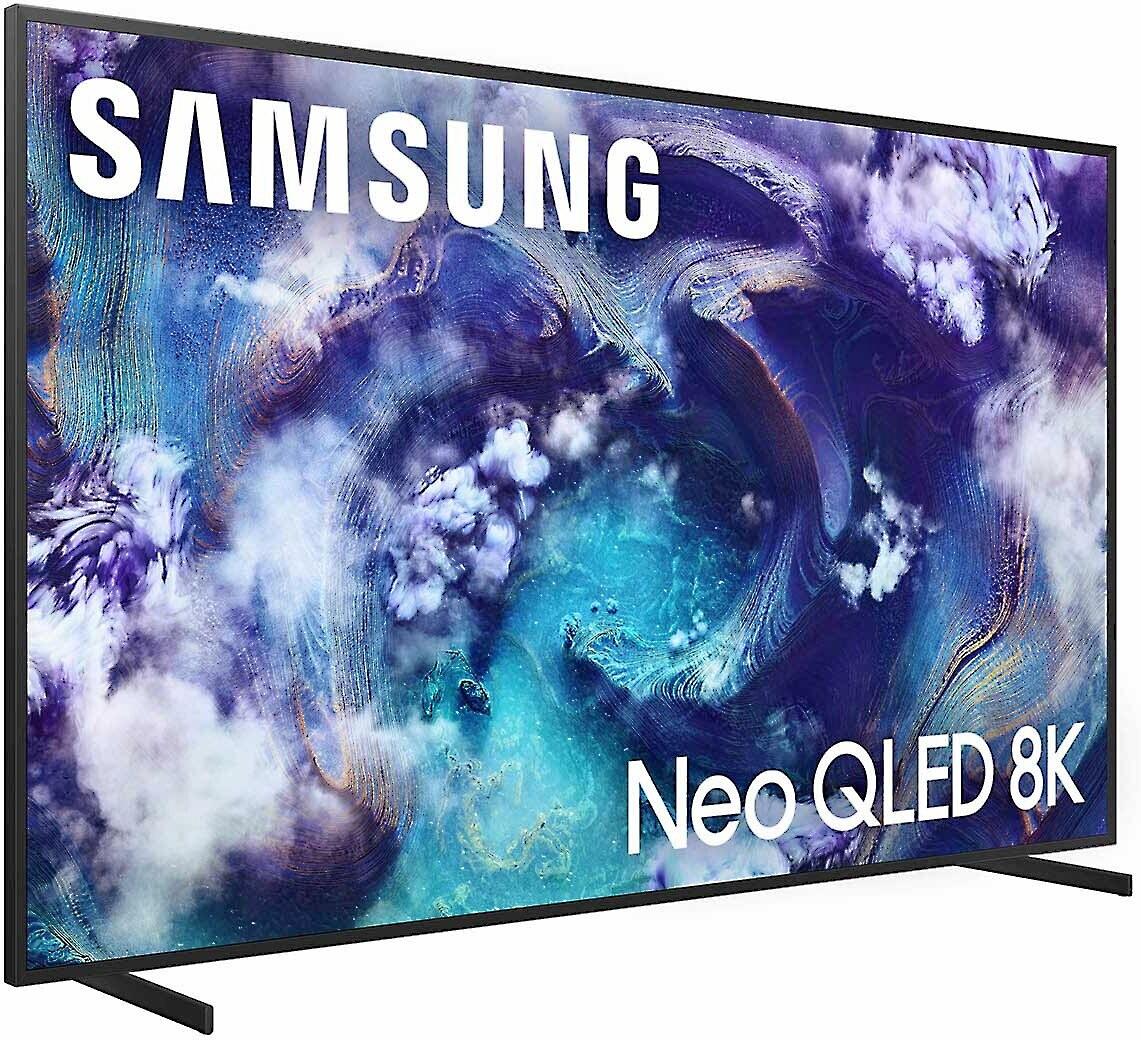
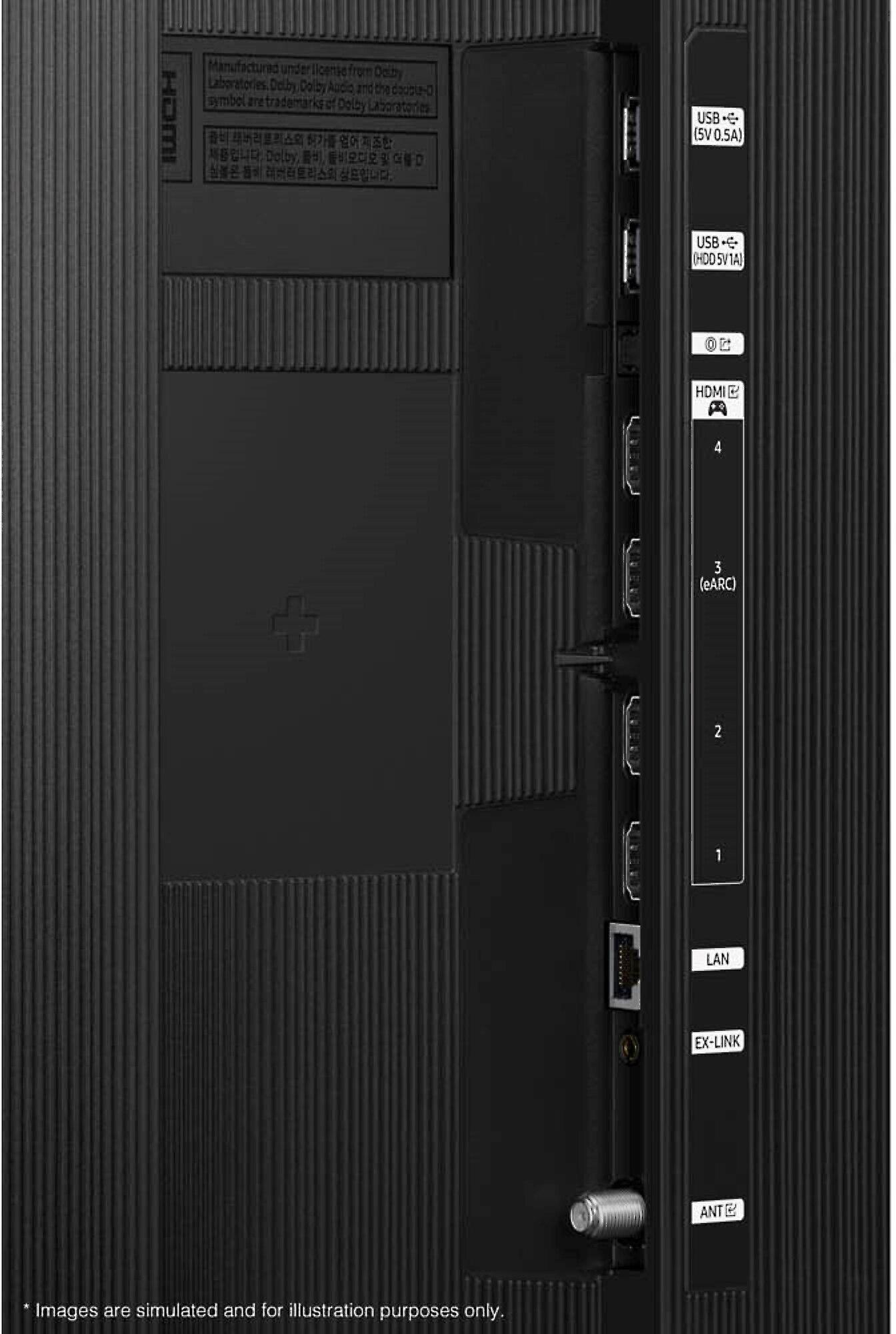
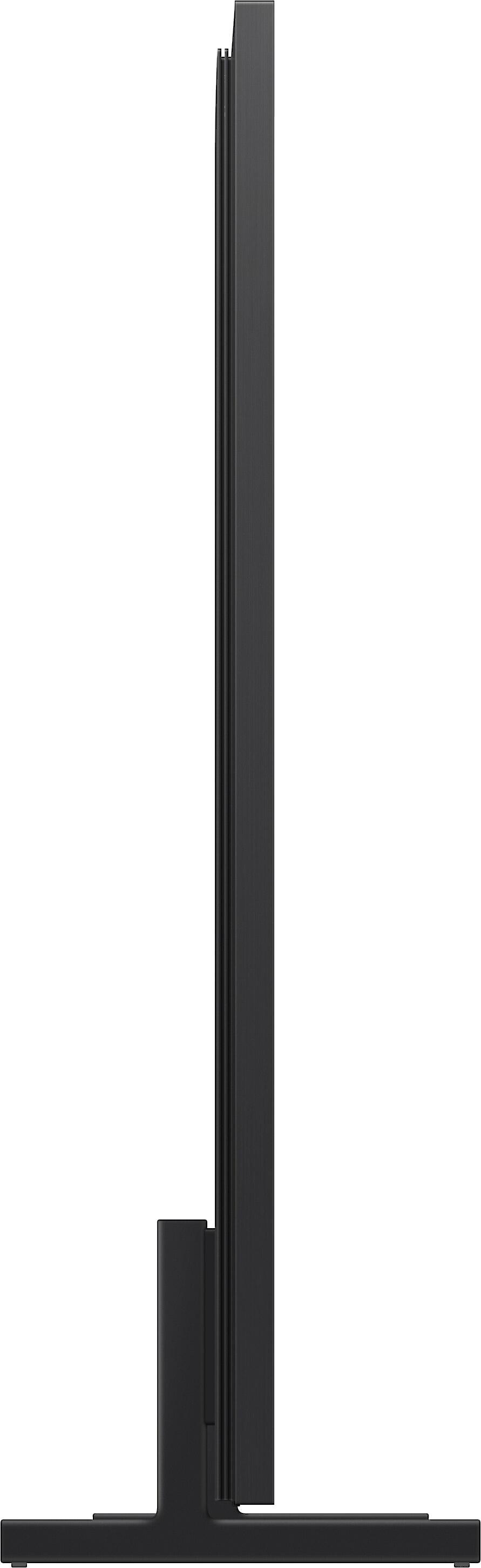
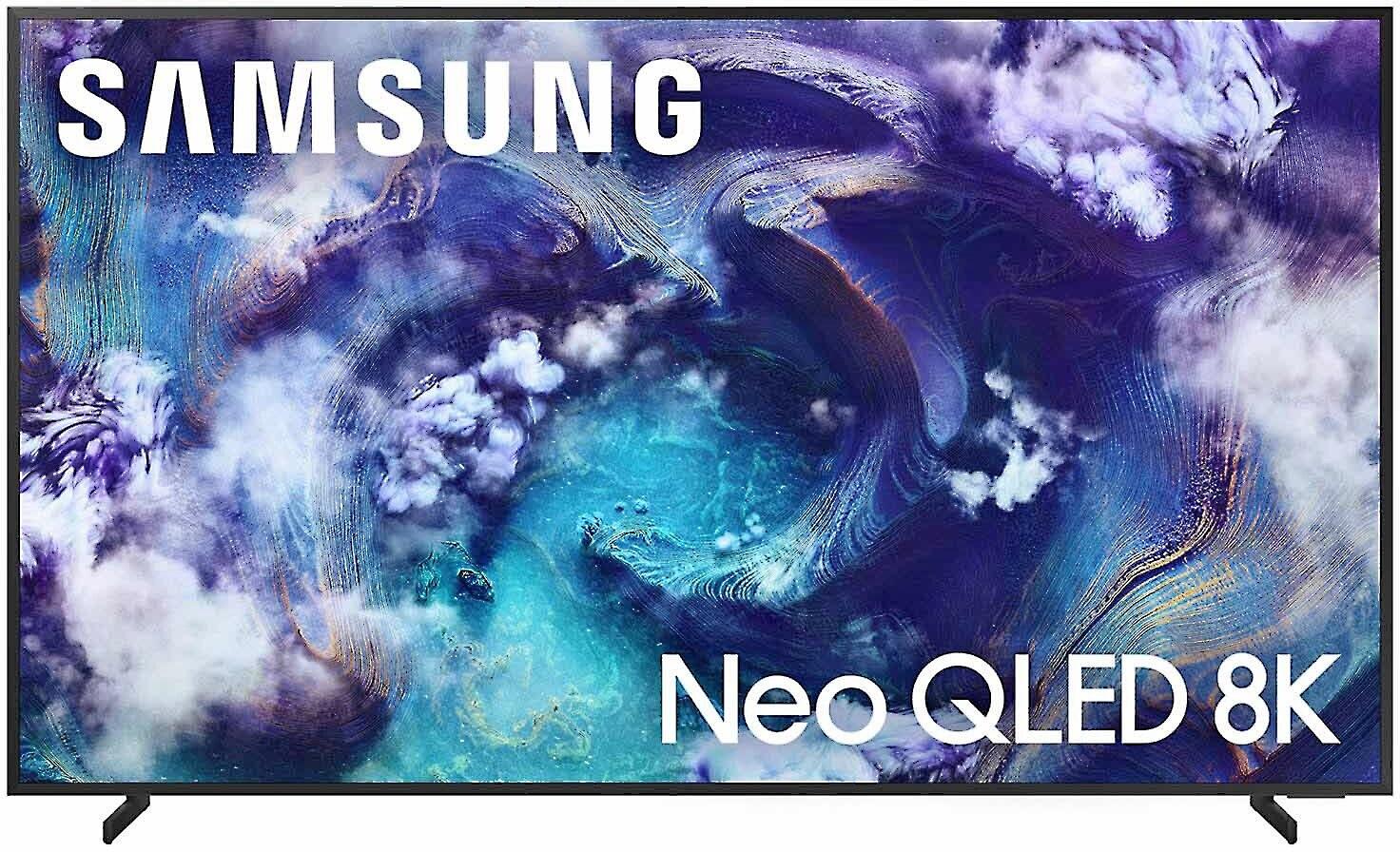
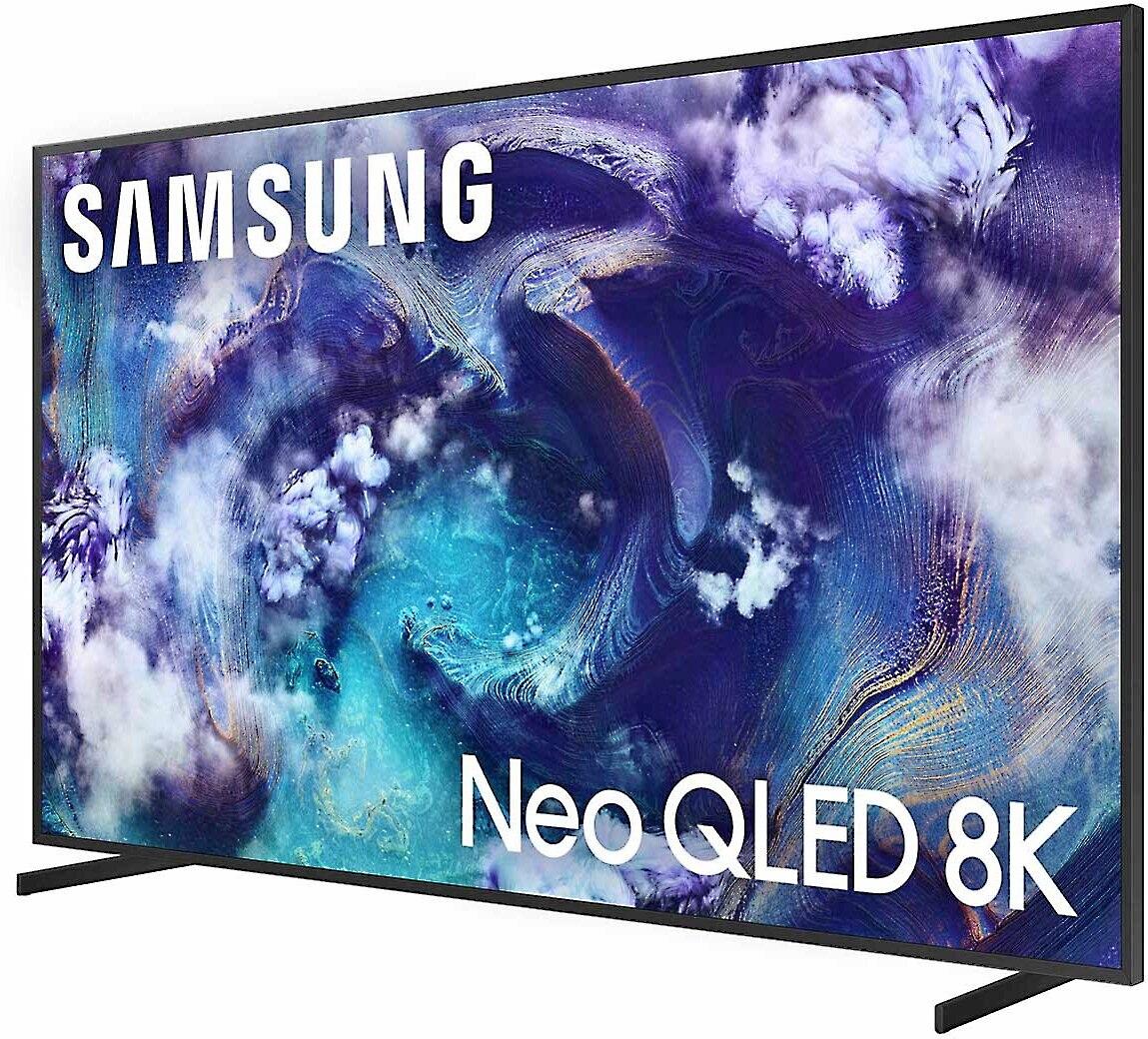

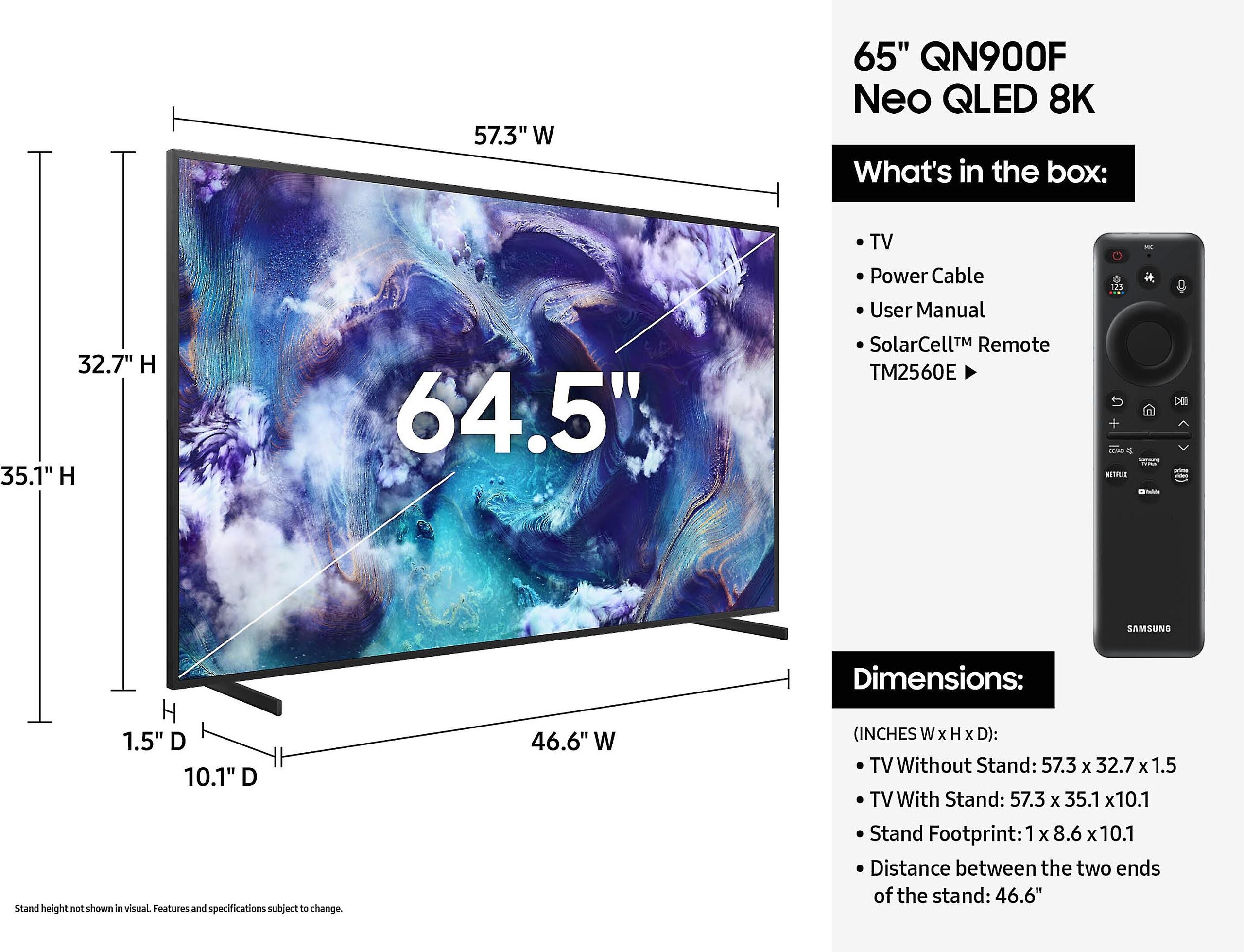
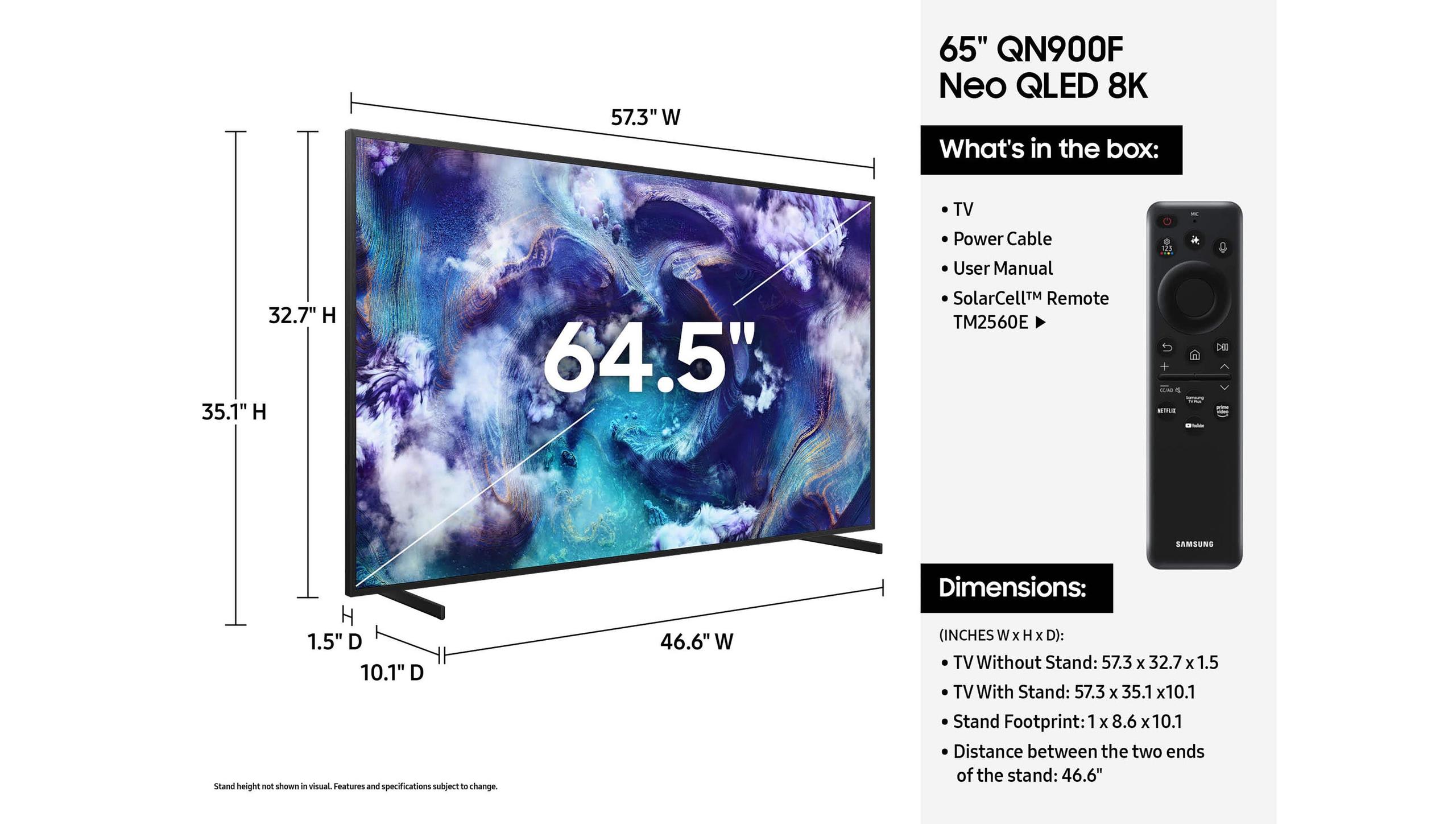
When shopping for a premium 65-inch TV, you'll likely encounter two very different approaches to delivering exceptional picture quality. The Panasonic Z95B Series 65" OLED 4K Smart Fire TV, released in 2025, represents the latest evolution in OLED technology with its innovative tandem panel design. Meanwhile, the Samsung 65" Neo QLED 8K QN900F Vision AI Smart TV 2025 takes a completely different path, using thousands of Mini LEDs to achieve stunning brightness and native 8K resolution.
Both TVs sit at the top of their respective manufacturers' lineups, but they solve the challenge of premium picture quality in fundamentally different ways. Understanding these approaches will help you choose the right display for your specific viewing environment and preferences.
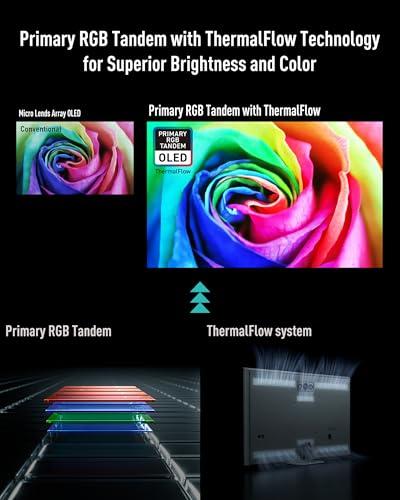
The battle between OLED and LED-based displays has been raging for years, and these two TVs represent the current pinnacle of each technology. OLED stands for Organic Light-Emitting Diode, which means each pixel produces its own light and can turn completely off to create true black. This is exactly what the Panasonic Z95B delivers, but with a twist – it uses a new "tandem panel" design with four layers of OLED material instead of the traditional three.
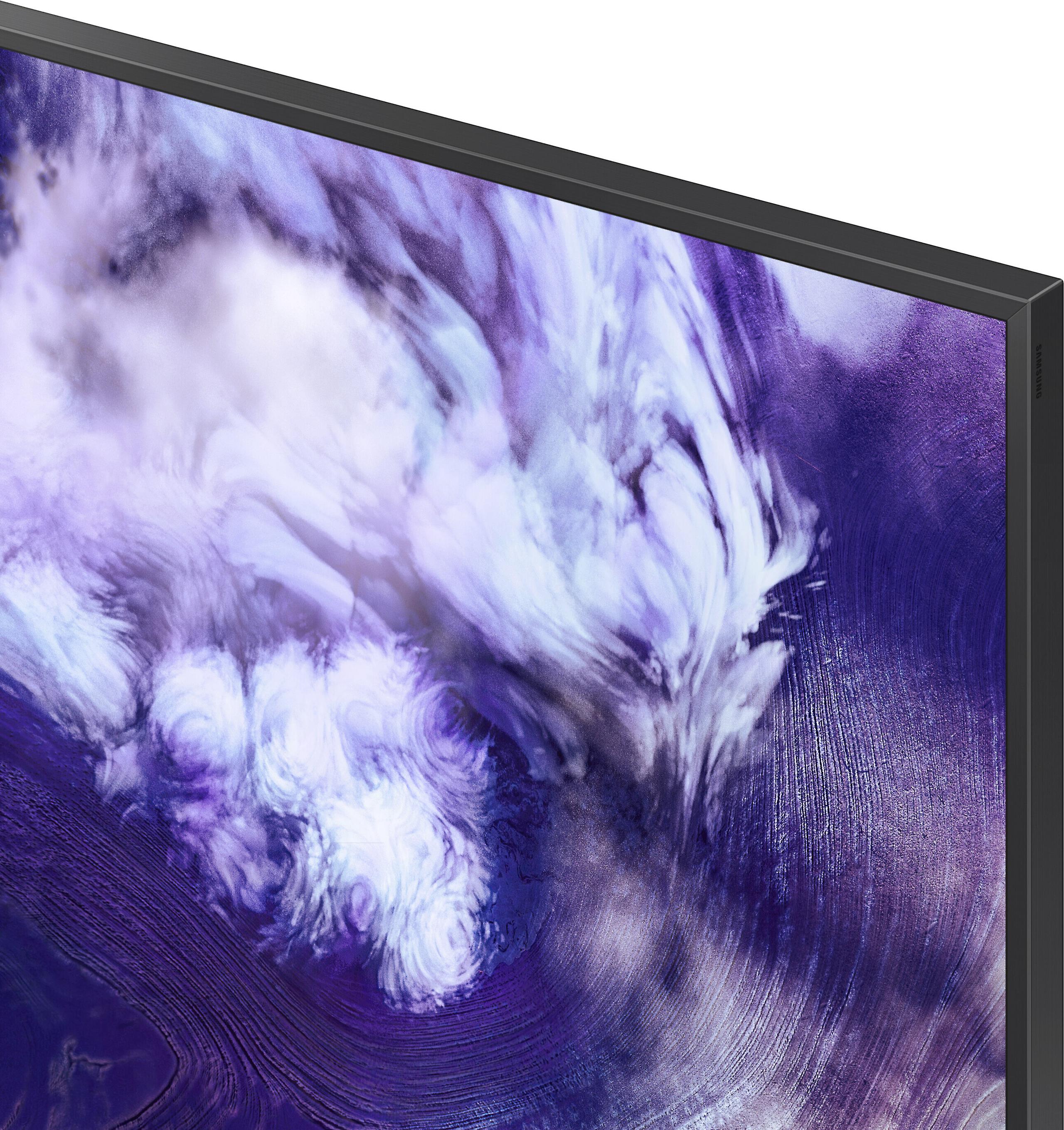
The Samsung QN900F, on the other hand, uses what Samsung calls Neo QLED technology. This is essentially a sophisticated LED backlight system using thousands of tiny LEDs (called Mini LEDs) combined with quantum dots – microscopic particles that convert blue light into precise colors. While it can't achieve the perfect blacks of OLED, it can get much brighter, which has important implications for HDR content and bright room viewing.
At the time of writing, both TVs command premium prices, with the Panasonic Z95B typically positioned as a high-end option that's competitive with other flagship OLEDs, while the Samsung QN900F sits at the very top of the price spectrum due to its 8K resolution and advanced processing.
The Panasonic Z95B achieves something that LED TVs simply cannot: perfect blacks. When an OLED pixel is supposed to be black, it turns completely off, producing zero light. This creates what's called "infinite contrast ratio" – the difference between the brightest white and the darkest black becomes mathematically infinite.
This matters enormously for movie watching, especially in dark rooms. When you're watching a space scene or a dimly lit thriller, the Panasonic Z95B can display the subtle details in shadows while maintaining inky black space backgrounds. There's no "blooming" effect where bright objects cause halos in dark areas, because each pixel is independently controlled.
Panasonic's new Primary RGB Tandem Panel takes this further by using four layers of OLED material – one red, one green, and two blue layers. This design increases light output by about 40% compared to traditional OLED panels, addressing one of OLED's traditional weaknesses: peak brightness. The company also includes their ThermalFlow cooling system, which actively manages heat to prevent burn-in and maintain consistent performance over time.
The Samsung QN900F takes the opposite approach, prioritizing brightness and precision over perfect blacks. Its Quantum Matrix Pro technology uses thousands of Mini LEDs – each about 1/40th the size of traditional LEDs – to create extremely precise backlighting zones. When combined with quantum dots, this system can produce incredibly bright, vibrant colors that maintain their accuracy even at high brightness levels.
This approach excels in bright rooms where ambient light can wash out darker displays. The Samsung QN900F can reach peak brightness levels that are typically 2-3 times higher than most OLED displays, making HDR content appear more impactful during daytime viewing. Samsung's anti-reflective coating, which they call "Glare Free" technology, further enhances bright room performance by minimizing reflections.
The trade-off is that perfect blacks become "very good blacks." While the Mini LED system can dim specific zones to near-black levels, it can't completely eliminate light leakage like individual OLED pixels can. In very dark rooms, you might notice subtle gray levels where pure black should appear, though Samsung's implementation is among the best available.
The Panasonic Z95B focuses heavily on color accuracy and filmmaker intent. It supports both Dolby Vision and HDR10+ – an unusual combination that gives you the broadest HDR content compatibility available. The HCX Pro AI Processor MK II includes specific picture modes calibrated for different streaming services, including Prime Video Calibrated Mode and Netflix Adaptive Calibrated Mode. For enthusiasts, it supports professional calibration tools like ISFccc and Calman.
The Samsung QN900F takes a more aggressive approach to image enhancement. Its NQ8 AI Gen3 Processor uses 256 neural networks to analyze and optimize every frame in real-time. This system excels at upscaling lower-resolution content to fill the 8K display, using artificial intelligence to add detail and reduce artifacts. The colors tend to be more vibrant and punchy than strictly accurate, which many viewers prefer for sports and casual viewing.
One of the biggest differences between these TVs is resolution. The Panasonic Z95B uses 4K resolution (3840 x 2160 pixels), which matches virtually all current content from streaming services, 4K Blu-rays, and gaming consoles. The Samsung QN900F quadruples that with 8K resolution (7680 x 4320 pixels), but here's where it gets complicated: there's virtually no native 8K content available to consumers.
The Samsung QN900F's real advantage lies in its AI upscaling capabilities. The NQ8 AI Gen3 Processor analyzes content in real-time and uses machine learning to add detail, reduce compression artifacts, and improve sharpness. When this works well, even 1080p streaming content can look remarkably detailed on the 8K display. However, the effectiveness varies depending on the source material and your viewing distance.
From a practical standpoint, you need to sit relatively close to a 65-inch screen to fully appreciate 8K resolution – typically within 6-8 feet. At normal living room distances of 10-12 feet, the difference becomes much less noticeable, making the Panasonic Z95B's approach of perfecting 4K arguably more sensible for most users.
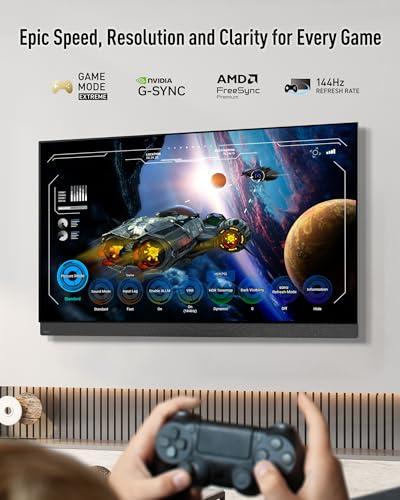
Both TVs offer excellent gaming features, but with different strengths. The Panasonic Z95B provides near-instantaneous pixel response times – a natural advantage of OLED technology where pixels can switch from black to color almost instantly. This eliminates motion blur during fast-paced gaming and provides the most responsive feel, especially important for competitive gaming.
The Samsung QN900F counters with higher refresh rate capabilities, supporting up to 165Hz at 4K resolution compared to the Panasonic Z95B's 144Hz maximum. It also offers 8K gaming capability for future consoles, though current PlayStation 5 and Xbox Series X systems max out at 4K. Both TVs support Variable Refresh Rate (VRR), Auto Low Latency Mode (ALLM), and are compatible with both FreeSync and G-SYNC technologies.
For current-generation gaming, the Panasonic Z95B's instant pixel response provides a slight edge in competitive scenarios, while the Samsung QN900F's higher brightness makes games appear more vibrant and impactful, particularly in bright rooms.
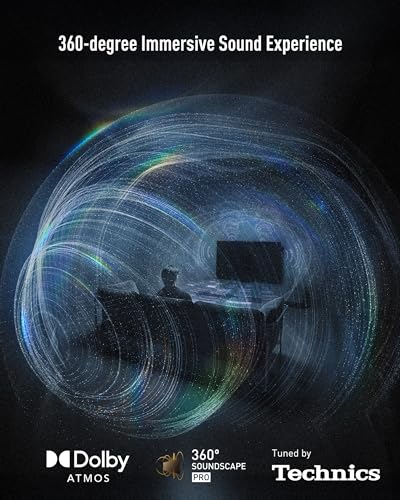
Audio quality often gets overlooked in TV comparisons, but it's an area where the Panasonic Z95B significantly outperforms most competitors. The 360° Soundscape Pro system, tuned by Technics (Panasonic's premium audio brand), includes a full 5.1.2 channel configuration with 170 watts of power. The speaker layout includes dedicated height channels for Dolby Atmos, creating genuinely immersive spatial audio that can eliminate the need for a soundbar in smaller rooms.
The Samsung QN900F includes a competent 4.2.2 channel system with Object Tracking Sound Pro, which moves audio effects across the screen to match visual action. While good for a TV speaker system, it doesn't reach the same level of immersion or power as the Panasonic Z95B's setup.
This audio difference adds significant value to the Panasonic Z95B, as high-quality soundbars typically cost $300-800 additional. If you're planning a complete entertainment setup, the Panasonic Z95B's superior built-in audio should factor into your value calculation.
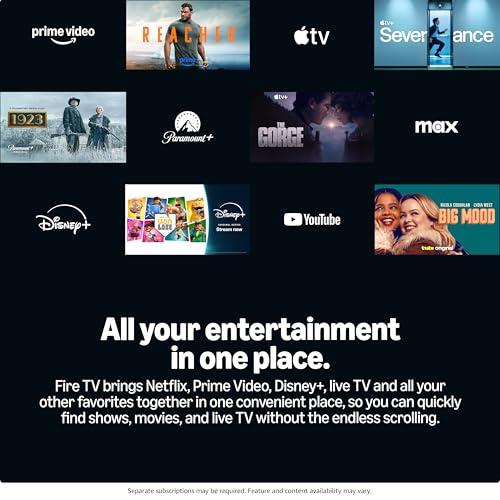
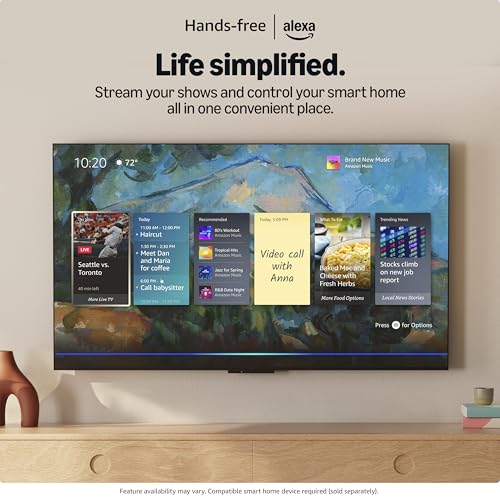
The smart TV experience differs significantly between these models. The Panasonic Z95B runs Amazon's Fire TV platform, which prioritizes content discovery and integrates deeply with Amazon's ecosystem. The interface is content-forward, showing recommendations from multiple streaming services on the home screen. Hands-free Alexa is built-in, allowing voice control without the remote.
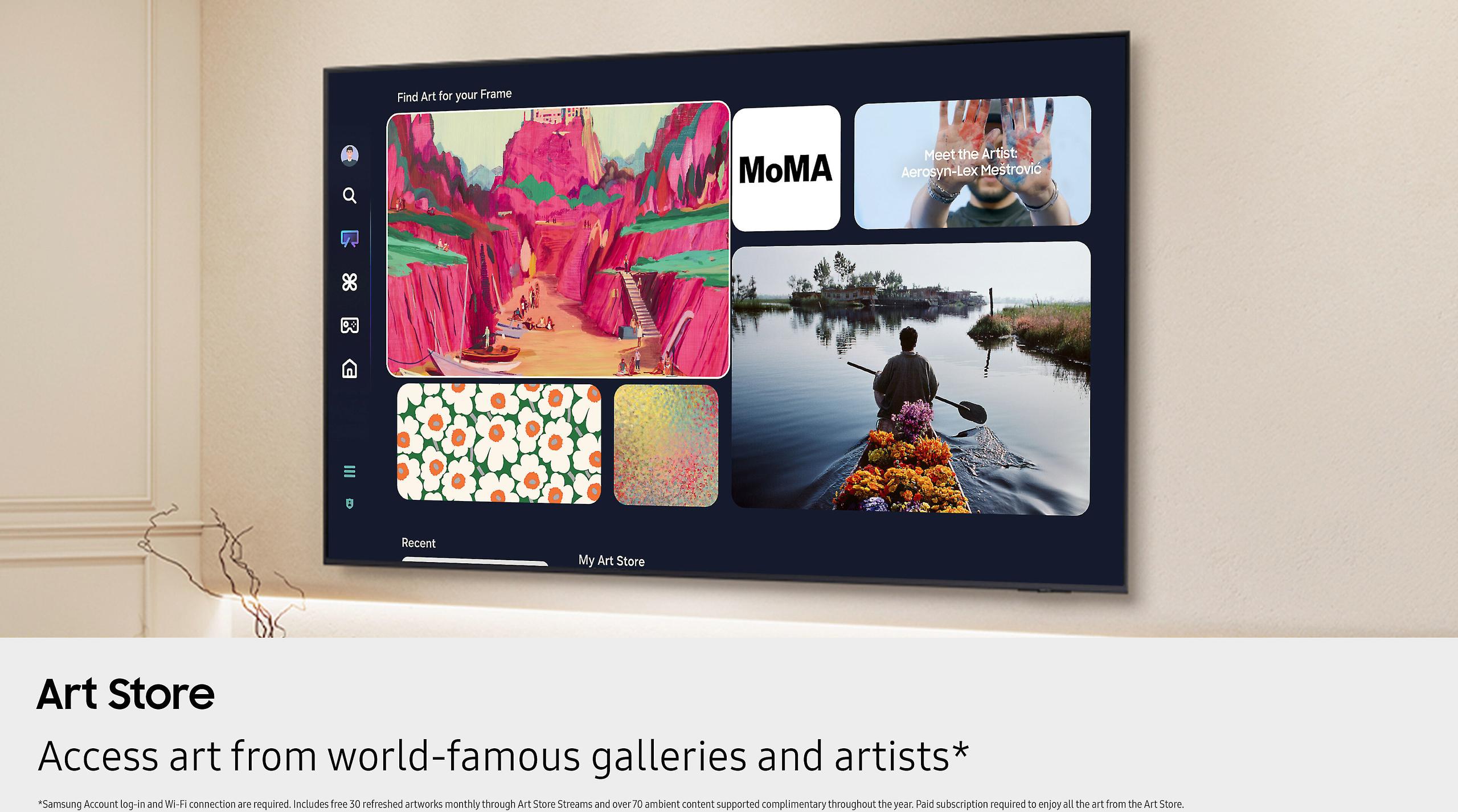
The Samsung QN900F uses Samsung's Tizen platform, now in version 9.0. Generally considered more polished and responsive than Fire TV, Tizen offers a cleaner interface with better app performance. It includes multiple voice assistants (Alexa, Bixby, and Google Assistant) and integrates well with Samsung's SmartThings ecosystem for smart home control.
Both platforms support all major streaming services, but Tizen tends to receive app updates more quickly and offers a more premium smart TV experience overall.
For dedicated home theater use, the Panasonic Z95B presents several advantages. Its perfect black levels and color accuracy make it ideal for movie watching in light-controlled environments. The comprehensive HDR format support (including both Dolby Vision and HDR10+) ensures compatibility with any source material, while the superior built-in audio can anchor a complete entertainment system.
The Panasonic Z95B also includes advanced calibration options that enthusiasts appreciate. Filmmaker Mode ensures movies display as directors intended, while the various streaming service calibration modes optimize picture quality for specific platforms.
For home theaters with significant ambient light, the Samsung QN900F becomes more appealing. Its higher brightness and anti-reflective coating maintain picture quality even with some lights on, while the 8K upscaling can improve the appearance of older movies and shows.
After extensive research into professional reviews and user feedback, both TVs excel in their intended applications, but they're designed for different users and environments.
Choose the Panasonic Z95B if you prioritize picture accuracy, plan to watch primarily in dark or dim environments, and value exceptional built-in audio. This TV excels for movie enthusiasts, provides the most cinematic experience available, and offers excellent value when you factor in the high-quality audio system. The comprehensive HDR support and professional calibration options make it particularly appealing for serious home theater applications.
The Samsung QN900F makes more sense for bright living rooms, users who want cutting-edge display technology, and those willing to pay a premium for future-proofing. Its exceptional brightness, advanced AI processing, and 8K capability provide a more versatile solution for varied viewing conditions and content types. The superior smart TV platform and freedom from burn-in concerns add to its appeal for everyday use.
At the time of writing, both TVs command premium pricing, but they offer different value propositions. The Panasonic Z95B typically costs less while including features (like premium audio) that would require additional purchases with other TVs. The Samsung QN900F costs significantly more but offers technologies and capabilities that simply aren't available elsewhere.
Your choice should ultimately depend on your viewing environment, content preferences, and whether you prioritize reference accuracy or cutting-edge performance. Both represent excellent examples of their respective technologies, delivering premium experiences that will satisfy demanding users for years to come.
| Panasonic Z95B Series 65" OLED 4K Smart Fire TV | Samsung 65" Neo QLED 8K QN900F Vision AI Smart TV 2025 |
|---|---|
| Display Technology - Core difference affecting picture quality | |
| Primary RGB Tandem OLED with 4-stack panel | Neo QLED with Quantum Matrix Pro Mini LEDs |
| Resolution - Impact on sharpness and future-proofing | |
| 4K (3840 x 2160) - matches all current content | 8K (7680 x 4320) - AI upscales everything to 8K |
| Peak Brightness - Critical for HDR and bright room viewing | |
| ~1,000-1,200 nits (excellent for dark rooms) | ~4,000+ nits (superior for bright environments) |
| Black Levels - Affects contrast and dark scene detail | |
| Perfect blacks with infinite contrast | Very good blacks with minimal blooming |
| HDR Format Support - Content compatibility | |
| Dolby Vision IQ, HDR10+, HDR10, HLG (broadest support) | HDR10+, HDR10, HLG (no Dolby Vision) |
| Gaming Refresh Rate - Smooth motion for gaming | |
| Up to 144Hz at 4K | Up to 165Hz at 4K, supports 8K gaming |
| Gaming Response Time - Input lag and pixel response | |
| Near-instantaneous OLED pixel response | Excellent but slightly behind OLED |
| Built-in Audio System - Potential soundbar savings | |
| 360° Soundscape Pro 5.1.2 (170W) tuned by Technics | 4.2.2 channel system with Object Tracking Sound |
| Smart TV Platform - User experience and app performance | |
| Fire TV OS with hands-free Alexa | Tizen 9.0 with multiple voice assistants |
| Burn-in Risk - Long-term durability concern | |
| Potential risk with static content (mitigated by cooling) | No burn-in risk with Mini LED technology |
| Viewing Environment Optimization - Room lighting suitability | |
| Best in dark/dim rooms, struggles in bright spaces | Excellent in bright rooms with anti-reflective coating |
| Processor and AI Features - Content enhancement capabilities | |
| HCX Pro AI MK II focused on accuracy | NQ8 AI Gen3 with 256 neural networks for upscaling |
| Professional Calibration Support - Enthusiast features | |
| ISFccc and Calman support, multiple calibrated modes | Standard calibration options |
| Unique Value Proposition - What sets each apart | |
| Perfect blacks + premium audio eliminates soundbar need | 8K future-proofing + unmatched brightness for any room |
The Panasonic Z95B OLED is superior for dark room viewing thanks to its perfect black levels and infinite contrast ratio. Each OLED pixel can turn completely off, creating true blacks without any light bleed or blooming around bright objects. This makes it ideal for home theaters and nighttime movie watching where you want the most cinematic experience possible.
The Samsung QN900F Neo QLED excels in bright environments with its superior peak brightness (over 4,000 nits) and anti-reflective "Glare Free" coating. The Mini LED backlighting can overcome ambient light much better than the Panasonic Z95B, maintaining vibrant colors and contrast even with windows or lights on during daytime viewing.
For most viewers, the Panasonic Z95B's 4K resolution is more practical since virtually all content is produced in 4K or lower. The Samsung QN900F's 8K resolution primarily benefits from AI upscaling of existing content, which can improve detail but isn't dramatically noticeable unless you sit very close to the screen. Choose 8K mainly for future-proofing if budget allows.
Both TVs offer excellent gaming features, but the Panasonic Z95B has a slight edge for competitive gaming due to OLED's near-instantaneous pixel response time. The Samsung QN900F supports higher refresh rates (165Hz vs 144Hz) and 8K gaming for future consoles. Both support VRR, ALLM, and work great with PlayStation 5 and Xbox Series X.
The Panasonic Z95B includes an exceptional 5.1.2 channel audio system tuned by Technics that may eliminate the need for a separate soundbar, especially in smaller rooms. The Samsung QN900F has decent built-in speakers but you'll likely want to add a soundbar for the best audio experience to match its premium picture quality.
The Panasonic Z95B offers broader HDR compatibility, supporting both Dolby Vision and HDR10+ along with standard HDR10 and HLG. The Samsung QN900F supports HDR10+, HDR10, and HLG but lacks Dolby Vision support. If you have a large collection of Dolby Vision content from Netflix or Apple TV+, the Panasonic Z95B provides better format coverage.
The Samsung QN900F has no burn-in risk since it uses Mini LED backlighting technology. The Panasonic Z95B has potential for OLED burn-in with static content, though Panasonic includes ThermalFlow cooling and various protective measures to minimize this risk. For varied content viewing, both should last many years without issues.
The Samsung QN900F uses Tizen, which is generally considered more polished and responsive than the Panasonic Z95B's Fire TV platform. Tizen offers cleaner navigation, faster app performance, and multiple voice assistants. Fire TV is more content-focused and integrates well with Amazon services, but can feel sluggish compared to Tizen.
Value depends on your priorities. The Panasonic Z95B typically costs less while including premium built-in audio that could save you hundreds on a soundbar purchase. The Samsung QN900F commands a premium but offers unique 8K capability and unmatched brightness. Consider total system cost including potential soundbar needs when comparing value.
The Panasonic Z95B offers comprehensive professional calibration support with ISFccc certification and Calman compatibility, plus multiple pre-calibrated modes for different streaming services. The Samsung QN900F has standard calibration options but doesn't match the Panasonic's depth of professional tuning capabilities for color accuracy enthusiasts.
The Samsung QN900F generally performs better for sports with its higher brightness, vibrant colors, and excellent motion handling in bright room conditions. The anti-reflective coating helps maintain picture quality during daytime games. The Panasonic Z95B offers perfect motion clarity but may not be bright enough for optimal sports viewing in well-lit living rooms.
Both the Panasonic Z95B and Samsung QN900F come with standard manufacturer warranties. Samsung has a longer track record with premium TV reliability, while Panasonic's return to the US market brings proven OLED expertise from other regions. The Samsung's Mini LED technology eliminates burn-in concerns that some users worry about with any OLED display, including the Panasonic Z95B.
We've done our best to create useful and informative comparisons to help you decide what product to buy. Our research uses advanced automated methods to create this comparison and perfection is not possible - please contact us for corrections or questions. These are the sites we've researched in the creation of this article: rtings.com - whathifi.com - techradar.com - tomsguide.com - youtube.com - youtube.com - youtube.com - avsforum.com - bestbuy.com - manuals.plus - na.panasonic.com - panasonic.com - displayspecifications.com - valueelectronics.com - flatpanelshd.com - valueelectronics.com - displayspecifications.com - flatpanelshd.com - rtings.com - samsung.com - techradar.com - dolby.com - youtube.com - samsung.com - youtube.com - samsung.com - samsung.com - samsung.com - samsung.com - displayspecifications.com - samsung.com - rtings.com - bestbuy.com - merlinstv.com - news.samsung.com - bestbuy.com

Privacy Policy
Terms and Conditions - Affiliate Policy
Home Security
© Copyright 2008-2026.
11816 Inwood Rd #1211, Dallas, TX 75244