

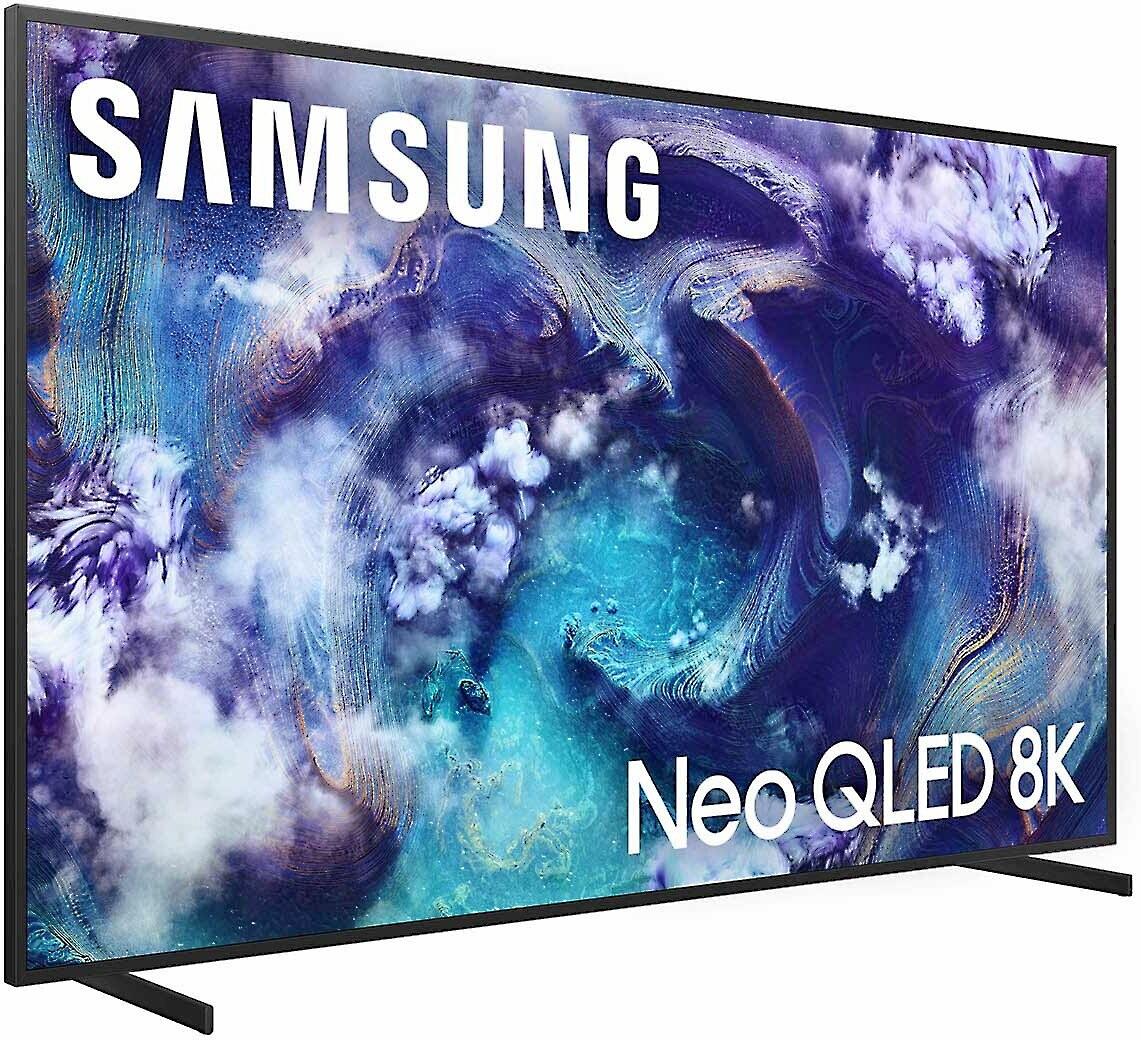
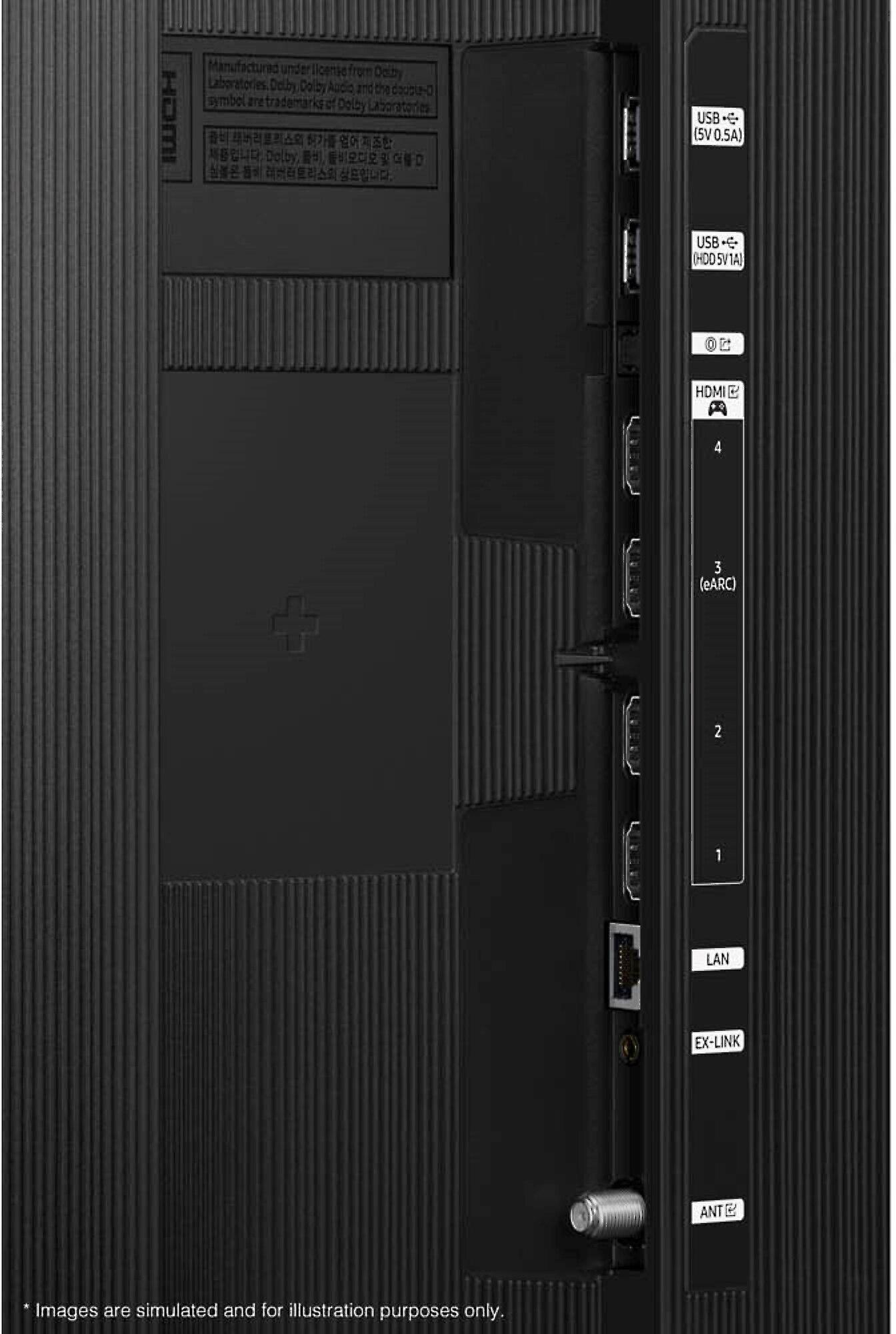
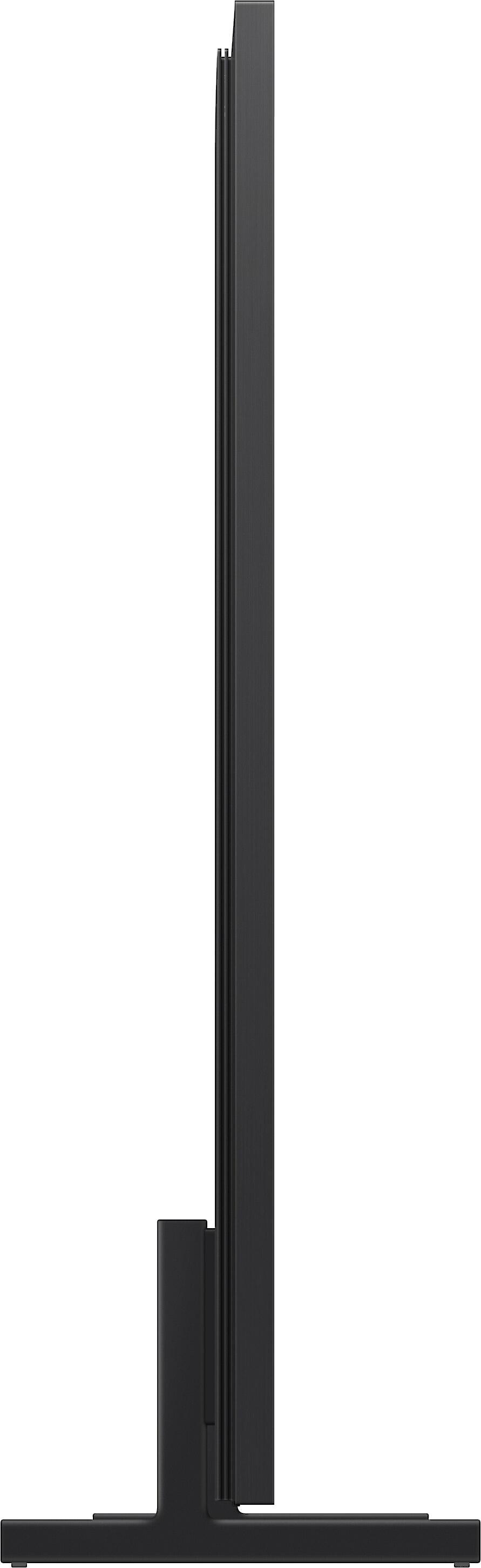
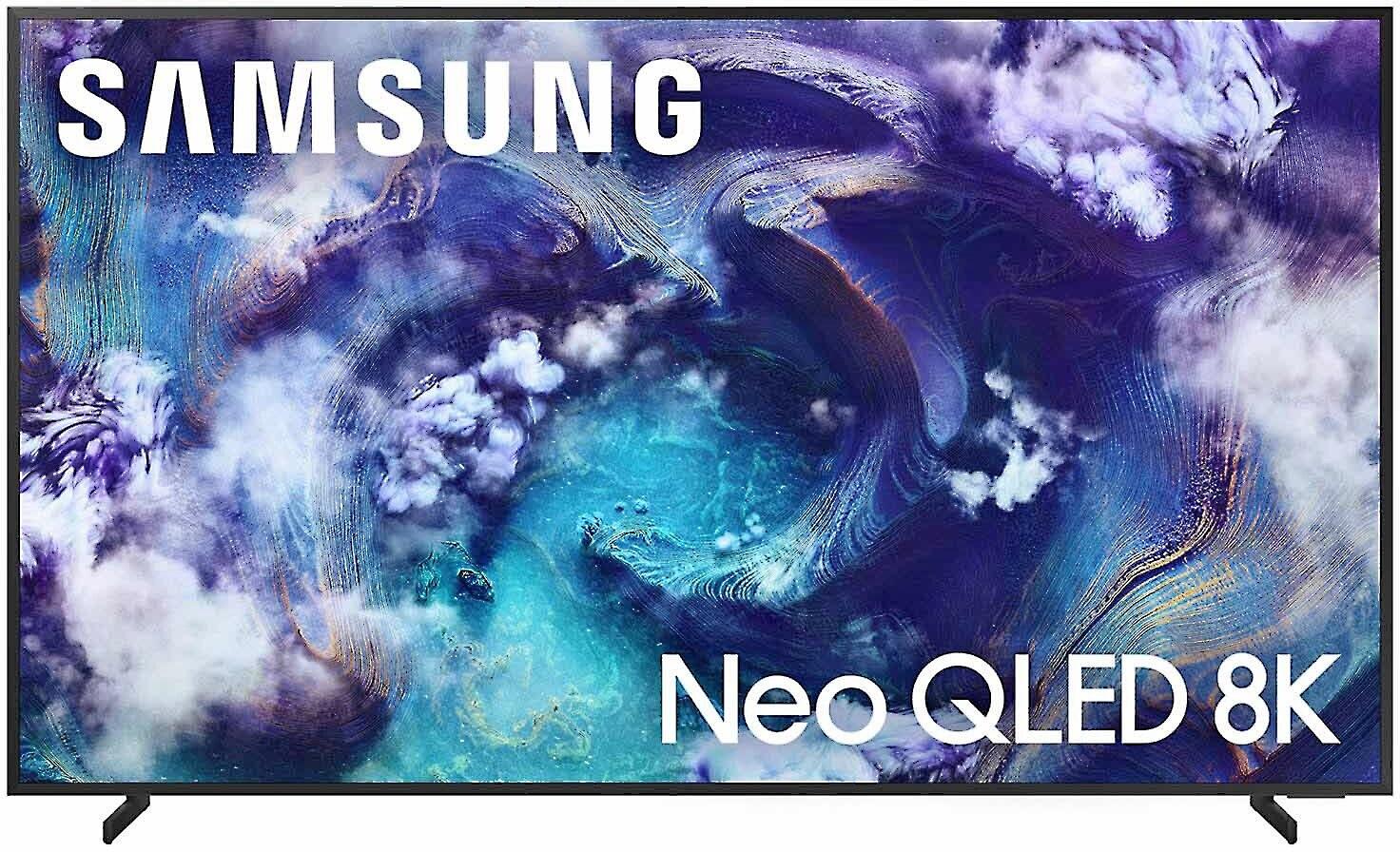
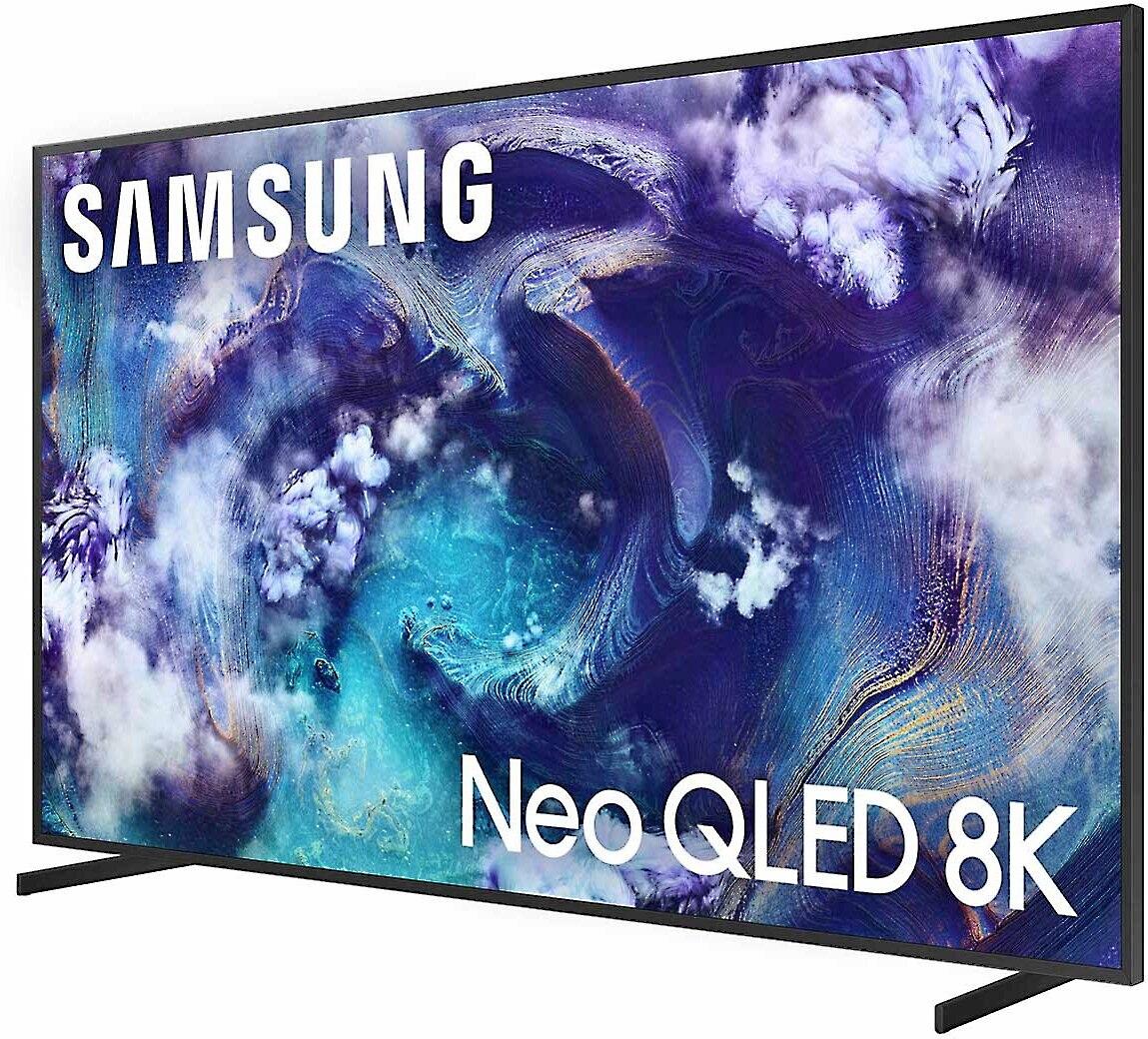
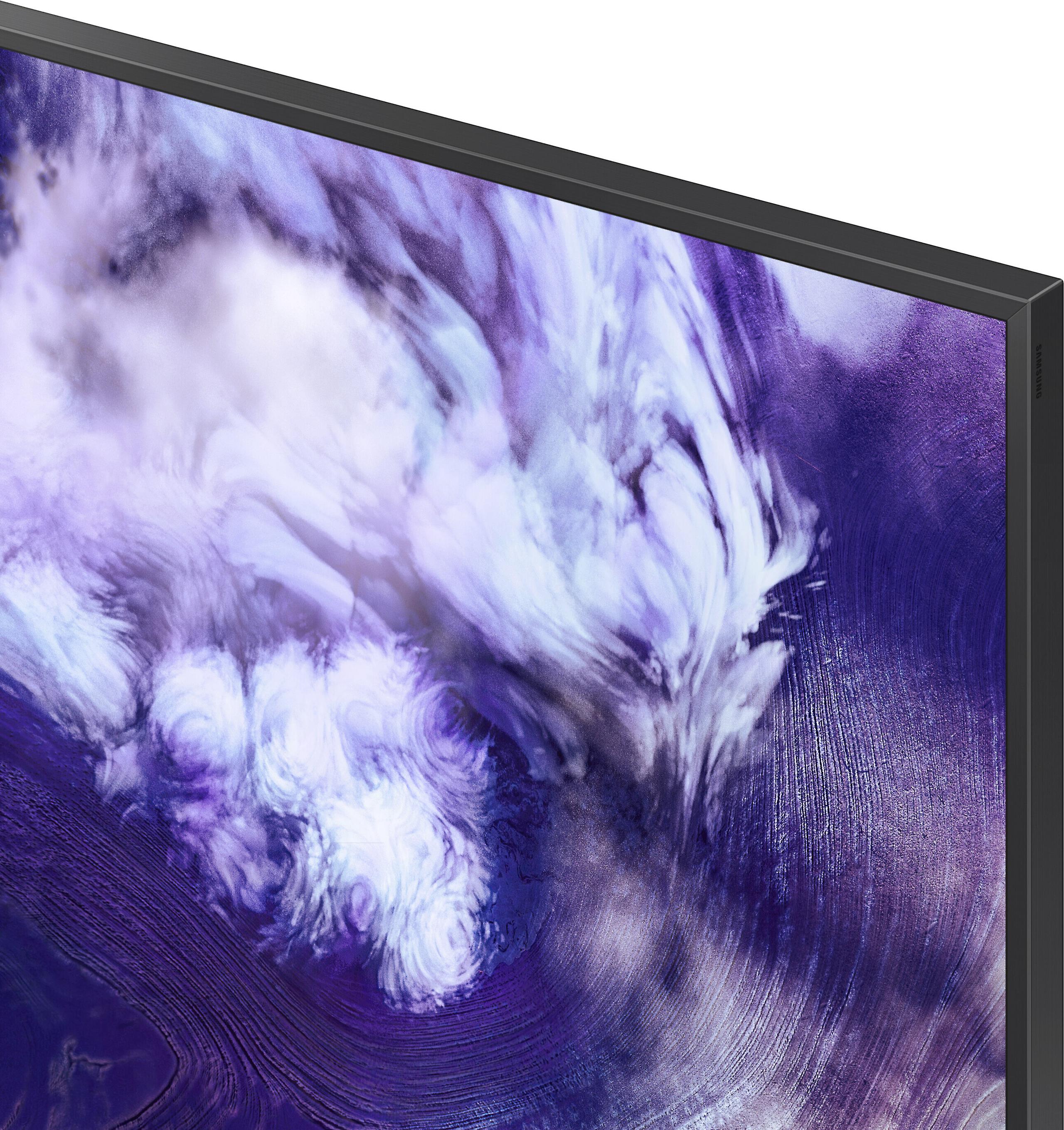

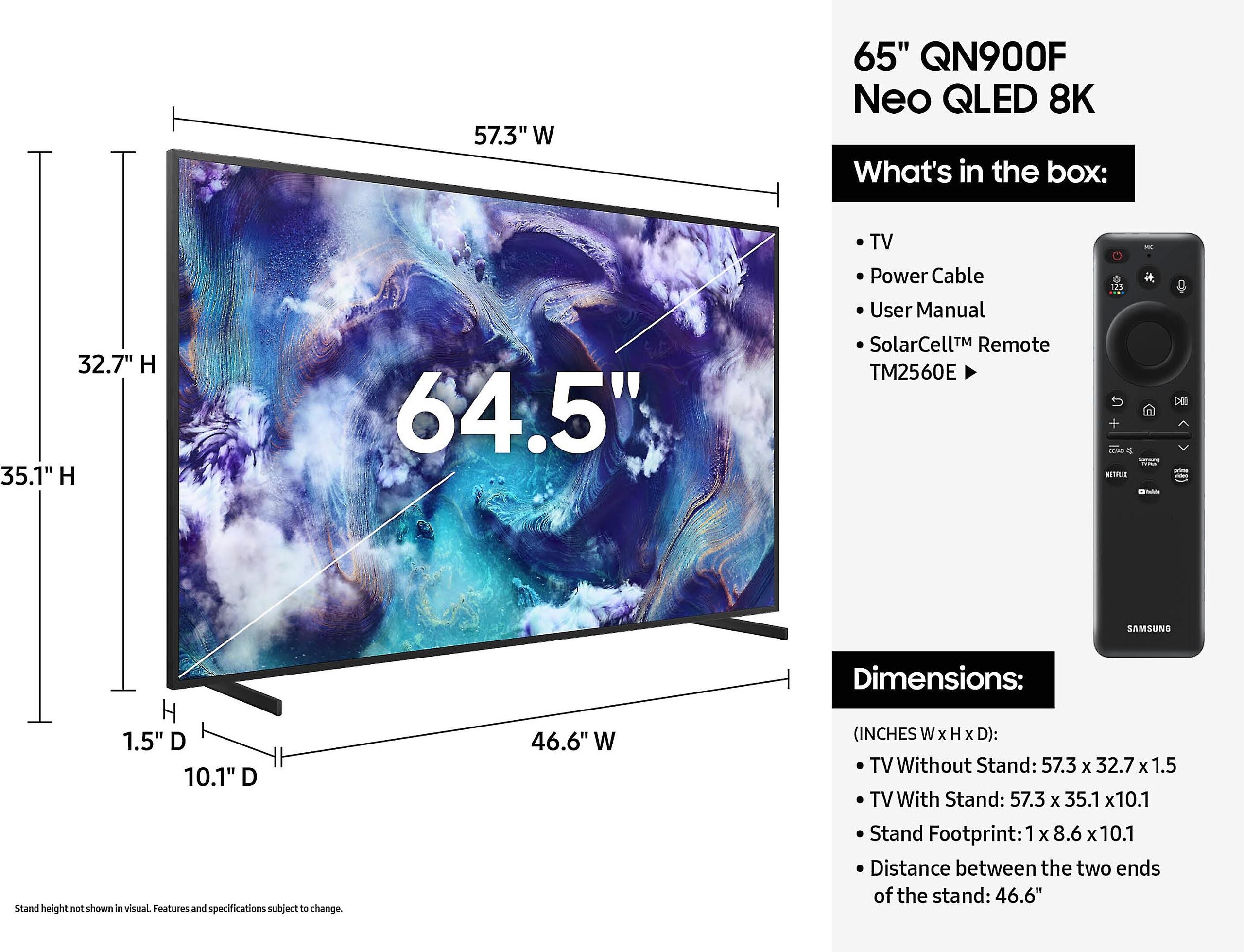
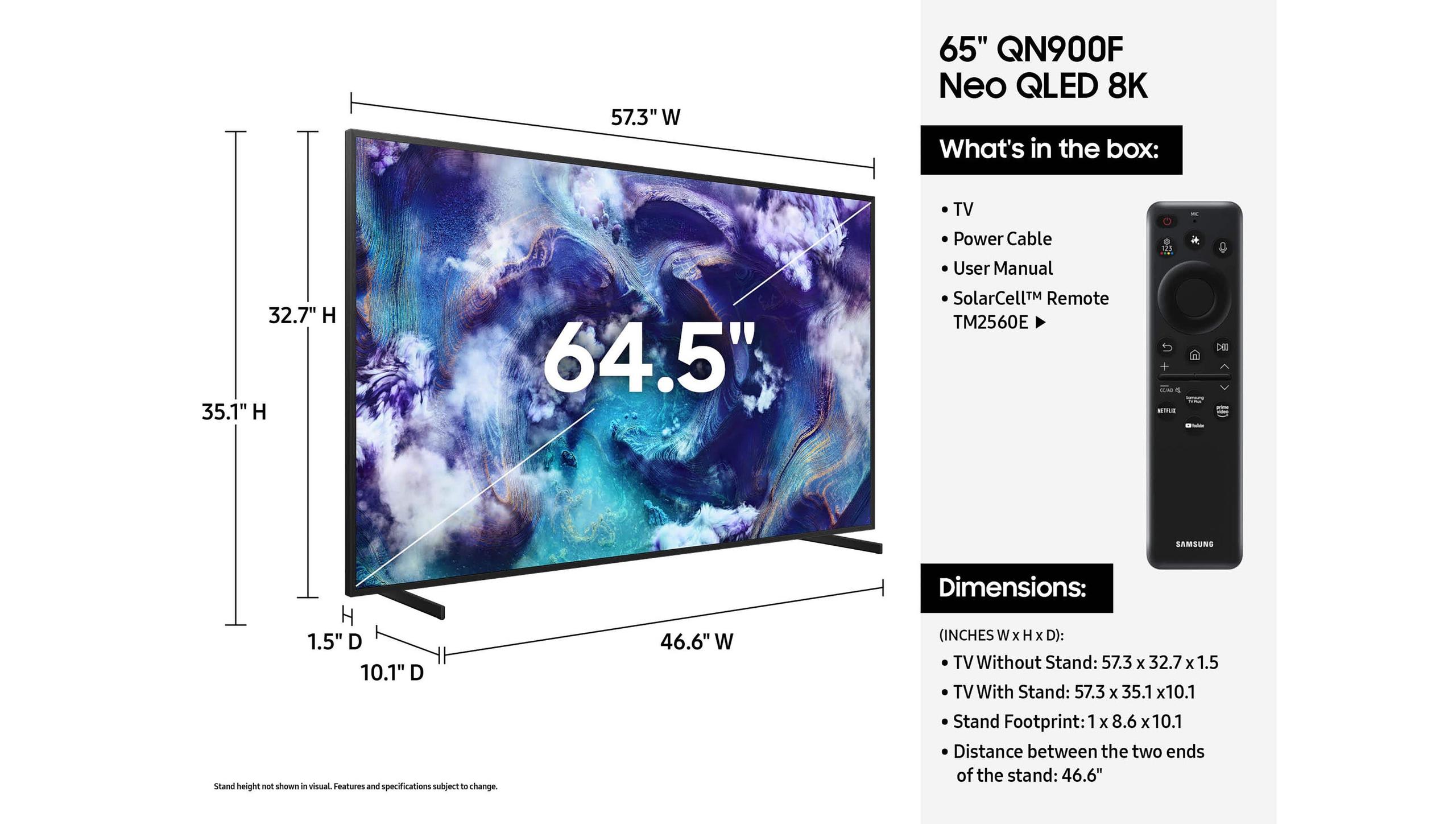
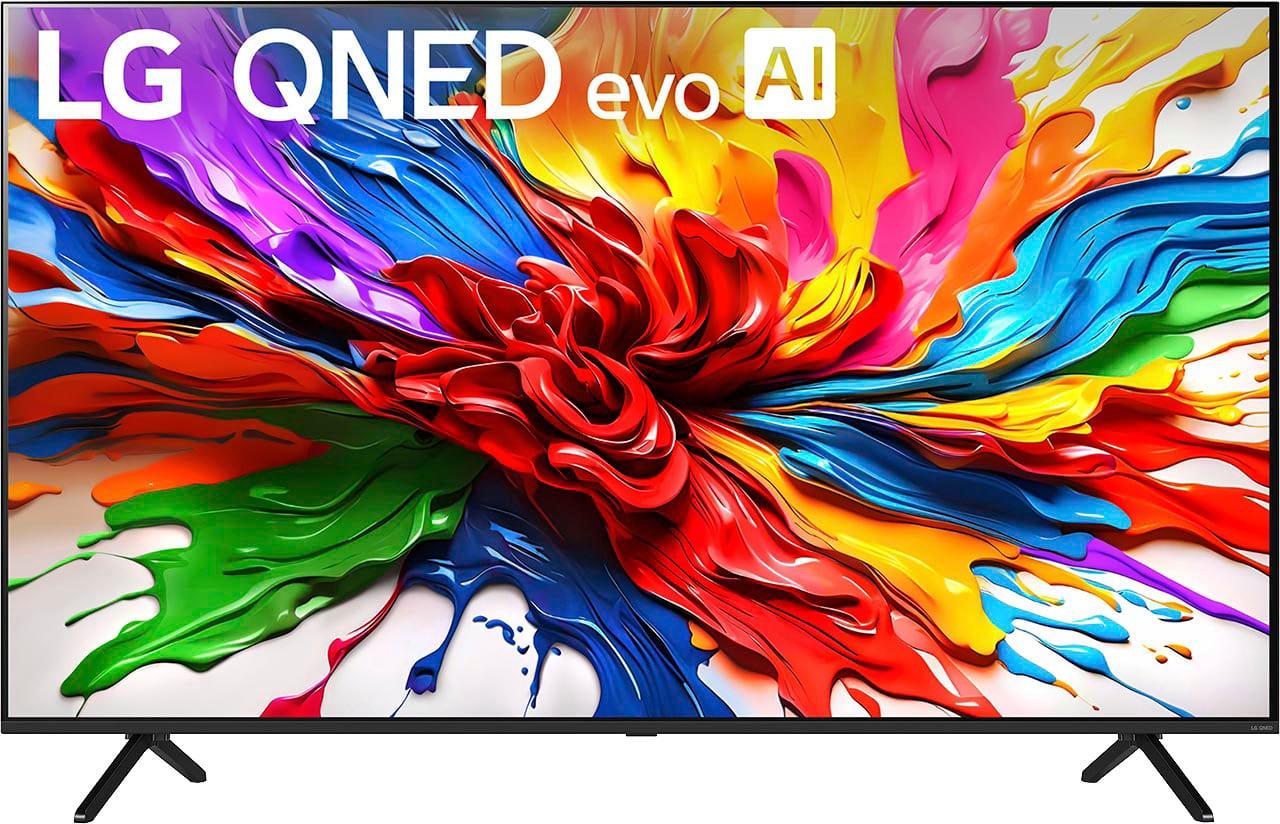
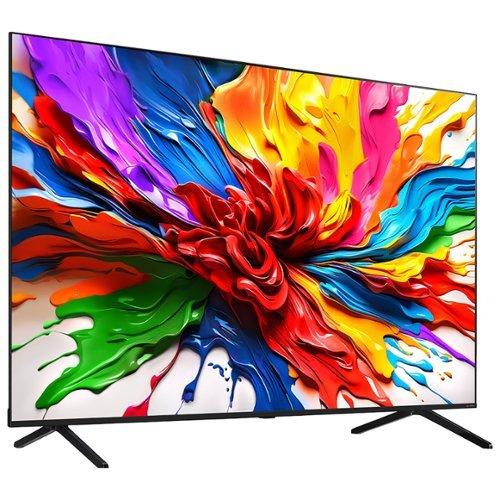
The television landscape has never been more exciting—or more confusing. Two flagship models from 2025 perfectly illustrate the crossroads facing TV buyers today: the Samsung 65" Neo QLED 8K QN900F pushing the boundaries with 8K resolution and premium features, versus the LG 65" QNED92A focusing on perfecting 4K performance at a more accessible price point.
Both TVs use Mini LED technology, which places thousands of tiny LEDs behind the screen for incredibly precise backlight control. Think of it like having thousands of individual flashlights that can dim or brighten independently, creating deeper blacks and brighter highlights than traditional LED TVs. This technology bridges the gap between affordable LED TVs and premium OLED displays, offering the best of both worlds.
Here's the uncomfortable truth about 8K in 2025: there's virtually no content to watch. Netflix doesn't stream in 8K. Disney+ doesn't offer 8K. Your PlayStation 5 and Xbox Series X don't output 8K games. Even 8K Blu-ray discs don't exist. The Samsung QN900F delivers a stunning 7,680 x 4,320 pixel display—four times more detailed than 4K—but relies entirely on artificial intelligence to upscale lower-resolution content.
Samsung's approach isn't entirely misguided. Their NQ8 AI Gen3 processor uses advanced algorithms and 256 neural networks to analyze every frame and recreate detail that wasn't originally there. When you watch a Netflix show in 4K, the TV essentially "imagines" what those extra pixels should look like. Our research into professional reviews suggests this works surprisingly well, with upscaled content looking noticeably sharper and more detailed than standard 4K displays.
The LG QNED92A, meanwhile, takes the opposite approach. Instead of chasing theoretical 8K capabilities, LG focused their α9 AI Gen8 processor entirely on making 4K content look absolutely perfect. This means better noise reduction, more accurate colors, and superior motion handling for the content you actually watch every day.
At the time of writing, the price difference between these approaches is substantial—the Samsung commands approximately twice the price of the LG. Whether that premium is justified depends entirely on how you value cutting-edge technology versus practical performance.
Both TVs excel in brightness, a crucial factor for Mini LED performance. The Samsung QN900F incorporates the same Glare-Free anti-reflective coating found in Samsung's acclaimed S95D OLED TV. This technology nearly eliminates reflections, making the TV usable even in bright, window-filled rooms where traditional TVs would look washed out.
The LG QNED92A reaches impressive peak brightness levels of 1,520 nits (a measure of how bright the screen can get), with its Precision Dimming Pro technology controlling hundreds of individual LED zones. For context, most standard LED TVs max out around 400-600 nits, while movie theaters typically display at 48 nits. Both of these TVs can get bright enough to make HDR (High Dynamic Range) content truly pop with realistic highlights and shadow detail.
Color reproduction reveals another philosophical difference. Samsung's Quantum Matrix Pro technology uses quantum dots—microscopic particles that emit pure colors when hit by light—combined with their Mini LED array. The result is incredibly vibrant, saturated colors that grab your attention immediately.
LG's approach combines quantum dots with their NanoCell technology, which filters out impure colors for more accurate reproduction. They've earned 100% Color Volume certification from Intertek, meaning they can reproduce the full range of colors at any brightness level. In practice, this often translates to more natural, film-like images that don't fatigue your eyes during long viewing sessions.
High Dynamic Range (HDR) makes the biggest visual impact on modern TVs, expanding the range between the darkest blacks and brightest whites to match what your eyes see in real life. Here, the LG QNED92A holds a significant advantage with Dolby Vision IQ support.
Dolby Vision uses dynamic metadata—essentially instructions that tell your TV exactly how each scene should look—rather than the static settings used by HDR10. Netflix, Disney+, Apple TV+, and most premium streaming services use Dolby Vision for their high-end content. The "IQ" variant automatically adjusts these settings based on your room's lighting conditions, so a dark scene looks appropriately dramatic whether you're watching at noon or midnight.
The Samsung QN900F supports HDR10+ instead, Samsung's competing standard that also uses dynamic metadata. While technically capable, HDR10+ has limited content availability compared to Dolby Vision. This creates a practical limitation: the Samsung might technically be superior, but it can't fully utilize the HDR capabilities of much streaming content.
From a home theater perspective, this difference matters enormously. If you're building a dedicated viewing room and carefully selecting 4K Blu-rays, both formats work well. But for everyday streaming, Dolby Vision compatibility gives the LG a clear advantage in picture quality with real content.
Gaming performance reveals both TVs' strengths and the current limitations of 8K gaming. The Samsung QN900F supports theoretical 8K gaming and can handle 4K content at 165Hz refresh rates. Variable Refresh Rate (VRR) technology synchronizes the TV's refresh rate with your console's output, eliminating screen tearing and stuttering.
However, no current gaming console outputs 8K. The PlayStation 5 and Xbox Series X target 4K at 60-120fps, with many games still running at lower resolutions to maintain smooth frame rates. The Samsung's advanced gaming specs are essentially future-proofing for consoles that may never exist.
The LG QNED92A takes a more practical approach with consistent 9.6ms input lag across all four HDMI 2.1 ports. Input lag measures the delay between pressing a controller button and seeing the action on screen—anything under 20ms is considered excellent for gaming. The LG's consistency means you get the same responsive performance whether you're connecting a PlayStation 5, Xbox Series X, Nintendo Switch, or gaming PC.
For competitive gaming, the LG's reliable performance trumps the Samsung's theoretical capabilities. For casual gaming with an eye toward future console generations, the Samsung offers more headroom.
Audio performance reveals the most dramatic difference between these TVs. The Samsung QN900F includes a sophisticated speaker system with Object Tracking Sound Pro technology. This uses multiple speakers positioned around the TV to create three-dimensional audio that follows the action on screen. When a helicopter flies from left to right, you hear it move across your room.
The TV also supports Dolby Atmos with dedicated height channels, creating overhead sound effects without requiring ceiling speakers. Samsung's Q-Symphony technology allows the TV's speakers to work alongside compatible Samsung soundbars, rather than being disabled when external audio is connected.
Based on professional reviews, the Samsung's audio quality is substantial enough that many users won't need additional sound equipment—a rarity in the thin-TV era. This represents significant value since quality soundbars often cost $500-1,500.
The LG QNED92A includes a basic 2.2 channel system with AI Sound Pro processing. While adequate for casual viewing, it lacks the power and sophistication for immersive movie watching. Most buyers will want to budget for a soundbar, adding to the total system cost.
For home theater enthusiasts, this audio difference could justify much of the Samsung's price premium. If you're planning to add a high-end sound system anyway, the LG's basic audio becomes less of a disadvantage.
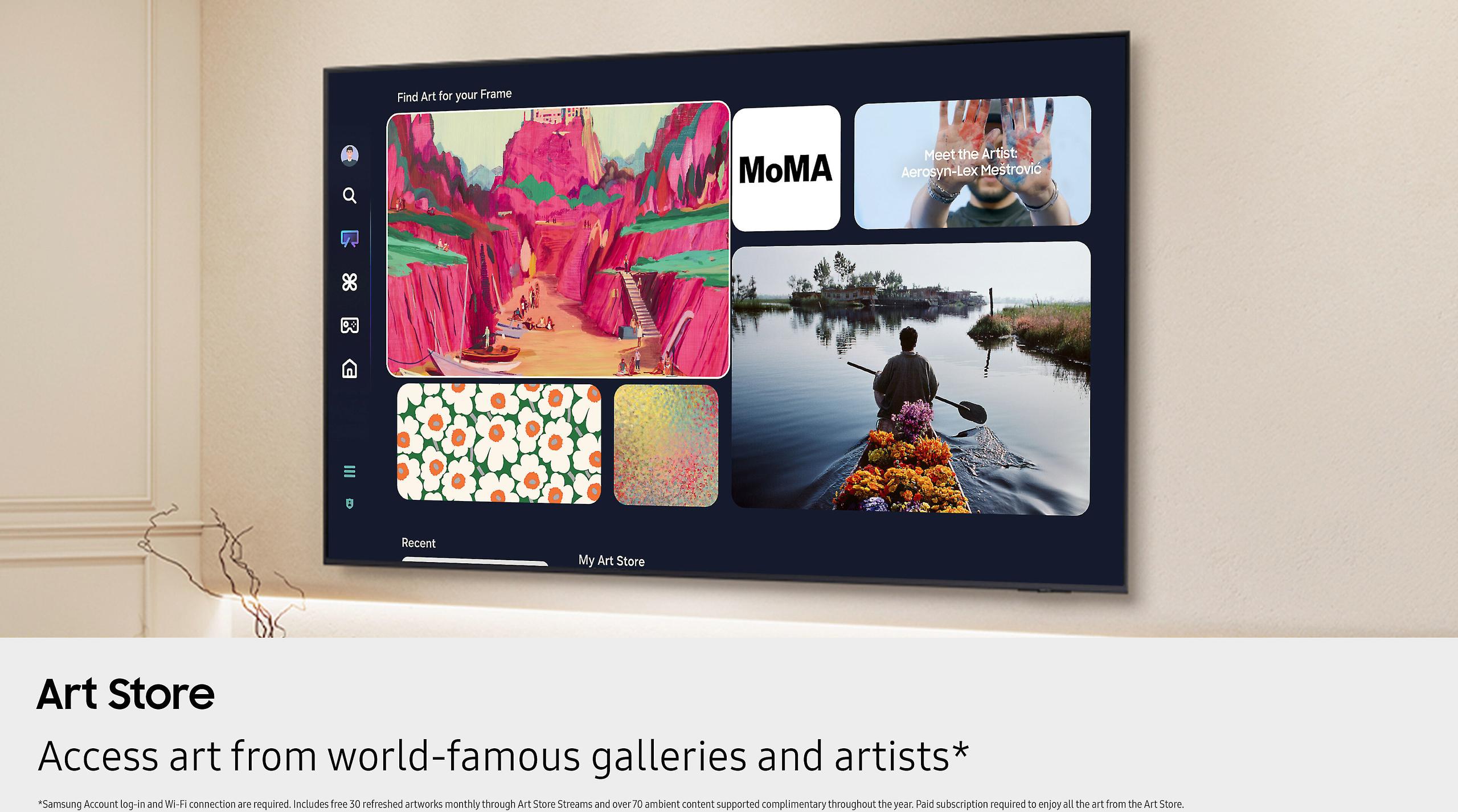
Both TVs run sophisticated smart platforms that handle everything from Netflix to smart home control. The Samsung QN900F uses Tizen OS with Vision AI features that learn your viewing habits and adjust picture settings automatically. The system can recognize different family members and provide personalized content recommendations.
Samsung's integration with their broader ecosystem shines here. If you own Samsung phones, tablets, or appliances, the TV becomes a natural control hub. The built-in Samsung TV Plus service offers free ad-supported channels, reducing reliance on cable or streaming subscriptions.
The LG QNED92A runs webOS 25 with LG's Re:New program guaranteeing software updates for five years—longer than most TVs receive support. The Magic Remote uses point-and-click navigation like a computer mouse, making it more intuitive than traditional TV remotes.
LG's voice assistant integration supports Google Assistant, Amazon Alexa, and Apple HomeKit simultaneously, making it more compatible with mixed smart home ecosystems. The webOS interface generally feels more responsive and includes over 300 free LG channels.
Both platforms work well, but LG's longer update commitment provides better long-term value assurance.
At the time of writing, the Samsung QN900F costs roughly twice as much as the LG QNED92A. This premium buys you 8K resolution, superior built-in audio, advanced gaming specs, and anti-glare screen technology. Whether these features justify the cost depends on your priorities and viewing environment.
The Samsung makes sense for early adopters building premium home theaters who value having cutting-edge technology, regardless of immediate utility. If you're in a bright room and prioritize built-in audio quality, the Samsung's advantages become more tangible.
The LG represents exceptional value for buyers wanting premium Mini LED performance without flagship pricing. You get 80% of the visual experience at roughly half the cost, with better streaming compatibility and guaranteed long-term software support.
Choose the Samsung QN900F if you're building a flagship home theater and budget isn't the primary concern. The superior audio system alone could save money on soundbar purchases, while the Glare-Free screen technology excels in bright environments. Early adopters who enjoy having the latest technology will appreciate the 8K capabilities, even without native content.
The LG QNED92A makes more sense for most buyers. It delivers excellent Mini LED picture quality with practical features that enhance actual viewing today. Dolby Vision support provides better streaming compatibility, while the lower price leaves budget for audio equipment upgrades.
From a home theater perspective, both TVs perform excellently. The Samsung provides a more complete out-of-the-box experience, while the LG offers flexibility to build a custom system around superior value.
The reality is that both represent excellent TVs that will satisfy most viewers. The choice comes down to whether you value theoretical future capabilities or practical current performance—and how much you're willing to pay for that distinction.
In the rapidly evolving TV market, the LG QNED92A feels like the smarter choice for most buyers in 2025. The Samsung QN900F impresses with its technical achievements, but those achievements come at a premium that's difficult to justify given current content limitations. As 8K content becomes more available over the coming years, that equation may shift—but for now, the LG offers the better balance of performance, features, and value.
| Samsung 65" Neo QLED 8K QN900F Vision AI Smart TV 2025 | LG 65" QNED92A QNED evo AI Mini LED 4K TV 2025 |
|---|---|
| Resolution - 8K sounds impressive but lacks content | |
| 8K (7,680 x 4,320 pixels) - 4x more pixels than 4K but no native content available | 4K (3,840 x 2,160 pixels) - Optimized for all current streaming and gaming content |
| HDR Format Support - Critical for streaming compatibility | |
| HDR10+, HDR10, HLG (no Dolby Vision limits Netflix/Disney+ quality) | Dolby Vision IQ, HDR10, HLG (full compatibility with premium streaming) |
| Mini LED Backlight Technology - Controls contrast and brightness | |
| Quantum Matrix Pro with thousands of Mini LEDs and advanced dimming | Precision Dimming Pro with hundreds of Mini LED zones |
| Peak Brightness - Higher is better for HDR and bright rooms | |
| Exceptionally high with Glare-Free anti-reflective coating | 1,520 nits peak brightness (excellent for most environments) |
| Gaming Performance - Important for console and PC gaming | |
| 4K at 165Hz, theoretical 8K gaming, 4 HDMI 2.1 ports | 4K at 120Hz, consistent 9.6ms input lag, 4 HDMI 2.1 ports |
| Audio System - Determines if you need a separate soundbar | |
| Multi-channel with Object Tracking Sound Pro and Dolby Atmos height channels | Basic 2.2 channel system (will likely need soundbar upgrade) |
| AI Processor - Handles upscaling and picture optimization | |
| NQ8 AI Gen3 with 256 neural networks for 8K upscaling | α9 AI Gen8 focused on perfecting 4K content |
| Smart TV Platform - Affects long-term usability | |
| Tizen OS with Vision AI and Samsung ecosystem integration | webOS 25 with 5-year guaranteed updates via Re:New program |
| Voice Assistant Support - Smart home integration | |
| Bixby, limited Google/Alexa support | Google Assistant, Amazon Alexa, Apple HomeKit (better compatibility) |
| Design Philosophy - Different approaches to premium TV | |
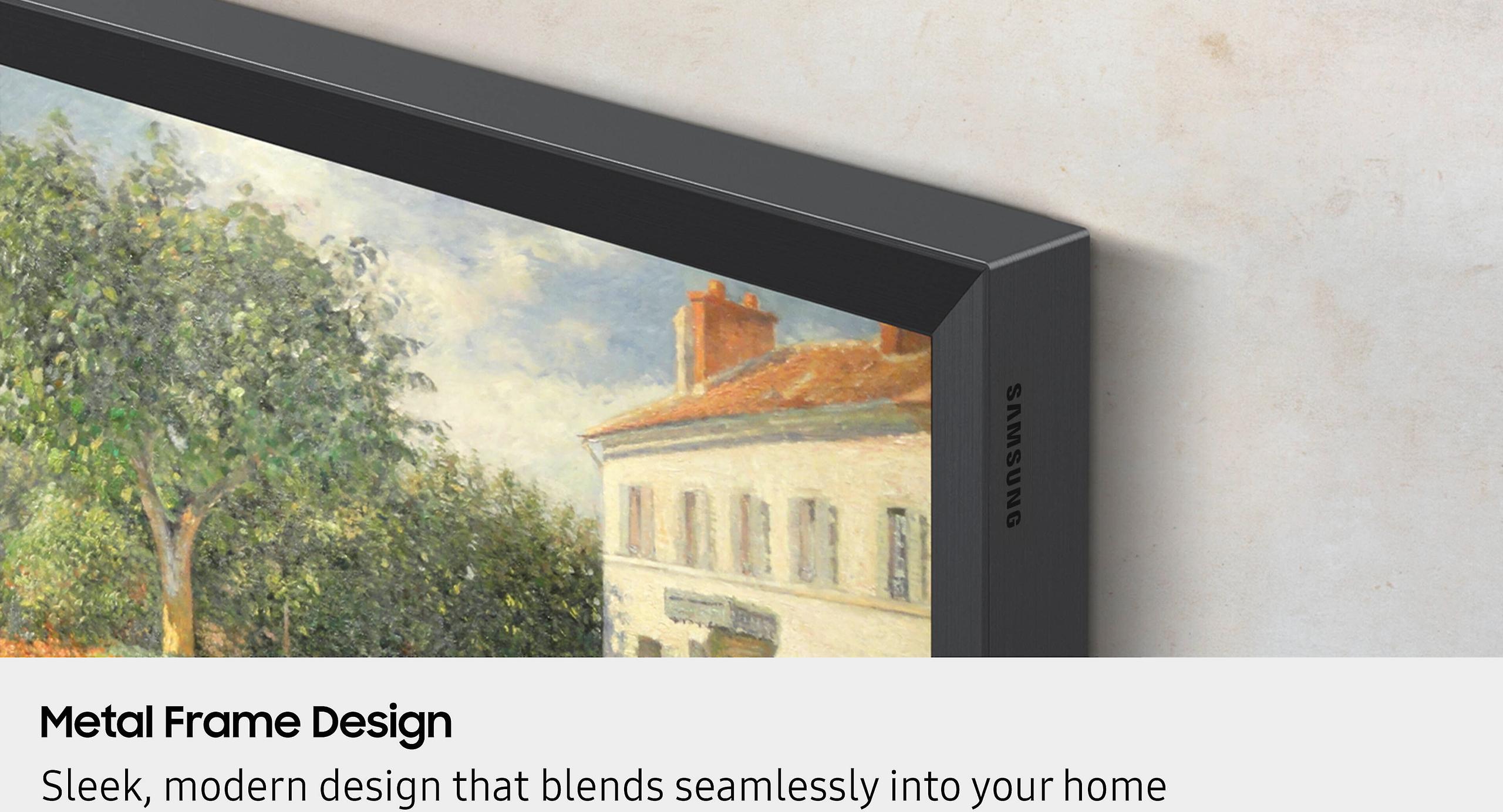
| Chamfered frame design, premium materials, art-focused aesthetic | Traditional premium TV design with ultra-slim bezels |
| Target User - Who each TV is designed for | |
| Early adopters wanting cutting-edge tech and built-in premium audio | Value-conscious buyers seeking practical premium performance |
| Value Proposition - Performance per dollar spent | |
| Premium pricing for future-proofing and superior audio | Excellent Mini LED performance at roughly half the cost |
The LG 65" QNED92A provides significantly better value, delivering approximately 80% of premium Mini LED performance at roughly half the cost of the Samsung 65" Neo QLED 8K QN900F. Unless you specifically need the Samsung's superior built-in audio or anti-glare coating, the LG offers more practical performance per dollar.
For most buyers, 4K remains the better choice. The Samsung QN900F offers impressive 8K resolution, but no streaming services, gaming consoles, or Blu-ray discs provide native 8K content. The LG QNED92A focuses on perfecting 4K performance with content you can actually watch today.
The LG QNED92A offers more consistent gaming performance with 9.6ms input lag across all HDMI ports and reliable 4K at 120Hz support. While the Samsung QN900F supports higher theoretical refresh rates and 8K gaming, no current consoles can utilize these advanced specifications.
Both TVs excel in bright environments, but the Samsung QN900F has a slight edge with its Glare-Free anti-reflective coating that virtually eliminates reflections. The LG QNED92A also performs well in bright rooms with its high peak brightness, though it lacks the specialized anti-glare technology.
The Samsung QN900F wins decisively with its multi-channel speaker system featuring Object Tracking Sound Pro and dedicated Dolby Atmos height channels. The LG QNED92A includes only a basic 2.2 channel system that will likely require a soundbar upgrade for optimal home theater performance.
The LG QNED92A offers better streaming compatibility with Dolby Vision IQ support for Netflix, Disney+, and other premium services. The Samsung QN900F uses HDR10+ instead, which has more limited content availability, though both TVs support all major streaming platforms.
For home theater enthusiasts, the Samsung QN900F provides a more complete out-of-the-box experience with superior audio and anti-glare technology. However, the LG QNED92A offers excellent value for building a custom system, especially when paired with external audio equipment.
The LG QNED92A guarantees five years of software updates through their Re:New program, providing better long-term support assurance. The Samsung QN900F offers regular Tizen updates but without the specific five-year commitment that LG provides.
Both offer excellent smart platforms, but with different strengths. The Samsung QN900F features Vision AI and deep Samsung ecosystem integration, while the LG QNED92A provides more universal compatibility with Google Assistant, Alexa, and Apple HomeKit simultaneously.
Both TVs excel at sports viewing with high brightness and smooth motion handling. The Samsung QN900F offers slightly better performance in bright rooms with anti-glare technology, while the LG QNED92A provides excellent motion clarity at a more accessible price point.
Picture quality depends on your priorities. The Samsung QN900F delivers more pixels and advanced upscaling, while the LG QNED92A focuses on optimizing real 4K content with better HDR compatibility. For actual viewing with current content, both provide excellent Mini LED performance.
For most first-time premium TV buyers, the LG QNED92A represents the smarter choice with practical features, guaranteed long-term support, and excellent value. Choose the Samsung QN900F only if you want cutting-edge technology regardless of cost and prioritize built-in audio quality over external flexibility.
We've done our best to create useful and informative comparisons to help you decide what product to buy. Our research uses advanced automated methods to create this comparison and perfection is not possible - please contact us for corrections or questions. These are the sites we've researched in the creation of this article: rtings.com - samsung.com - techradar.com - dolby.com - youtube.com - samsung.com - youtube.com - samsung.com - samsung.com - samsung.com - samsung.com - displayspecifications.com - samsung.com - rtings.com - bestbuy.com - merlinstv.com - news.samsung.com - bestbuy.com - stereoindex.com - youtube.com - youtube.com - digitaltrends.com - abt.com - lg.com - youtube.com - ecoustics.com - hometheaterforum.com - lg.com - valueelectronics.com - listenup.com - pcrichard.com - furnitureconnectionnd.com - avnirvana.com - files.bbystatic.com - lg.com - lgnewsroom.com - techradar.com - bestbuy.com - bestbuy.com - youtube.com - youtube.com

Privacy Policy
Terms and Conditions - Affiliate Policy
Home Security
© Copyright 2008-2026.
11816 Inwood Rd #1211, Dallas, TX 75244