

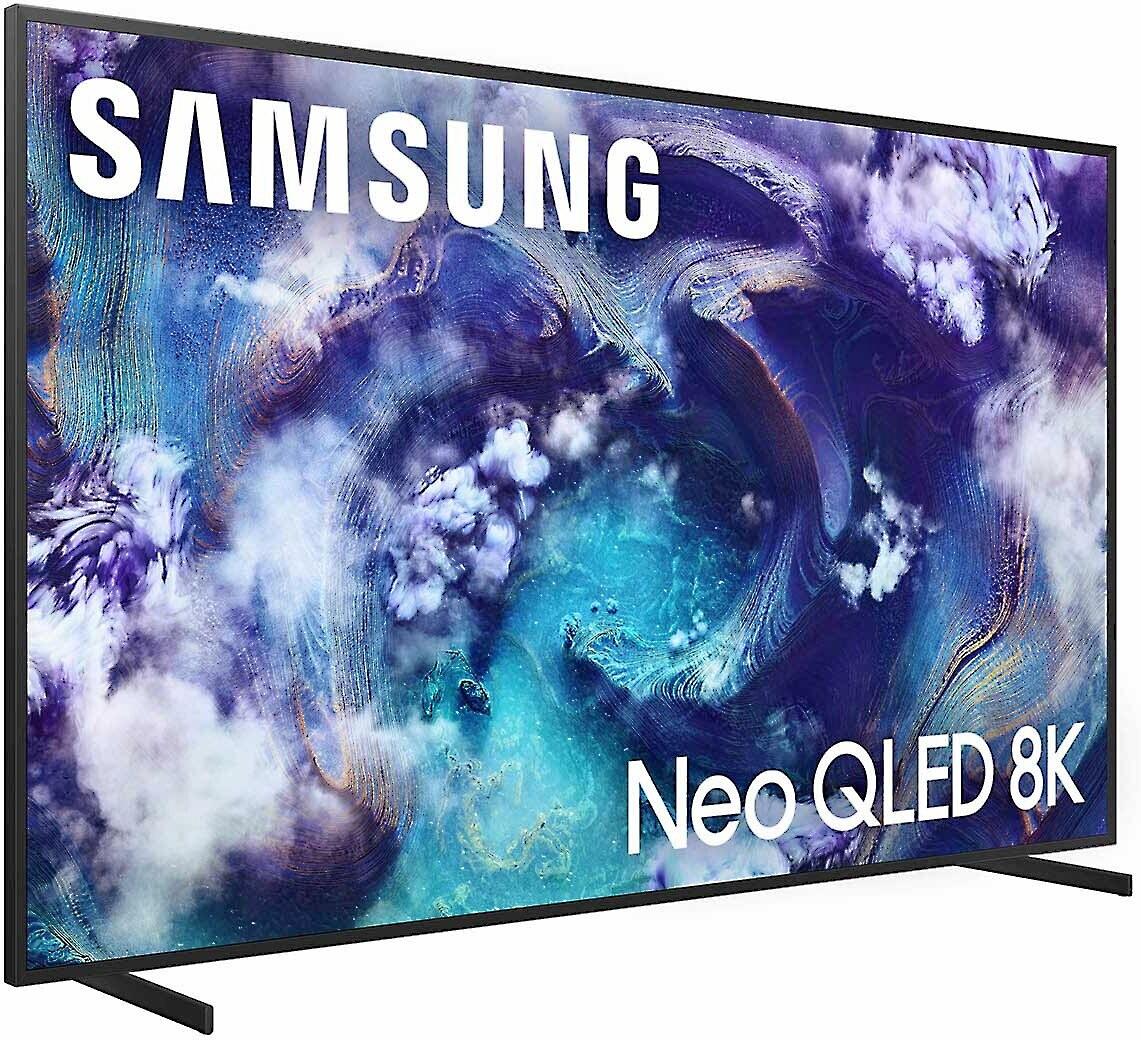
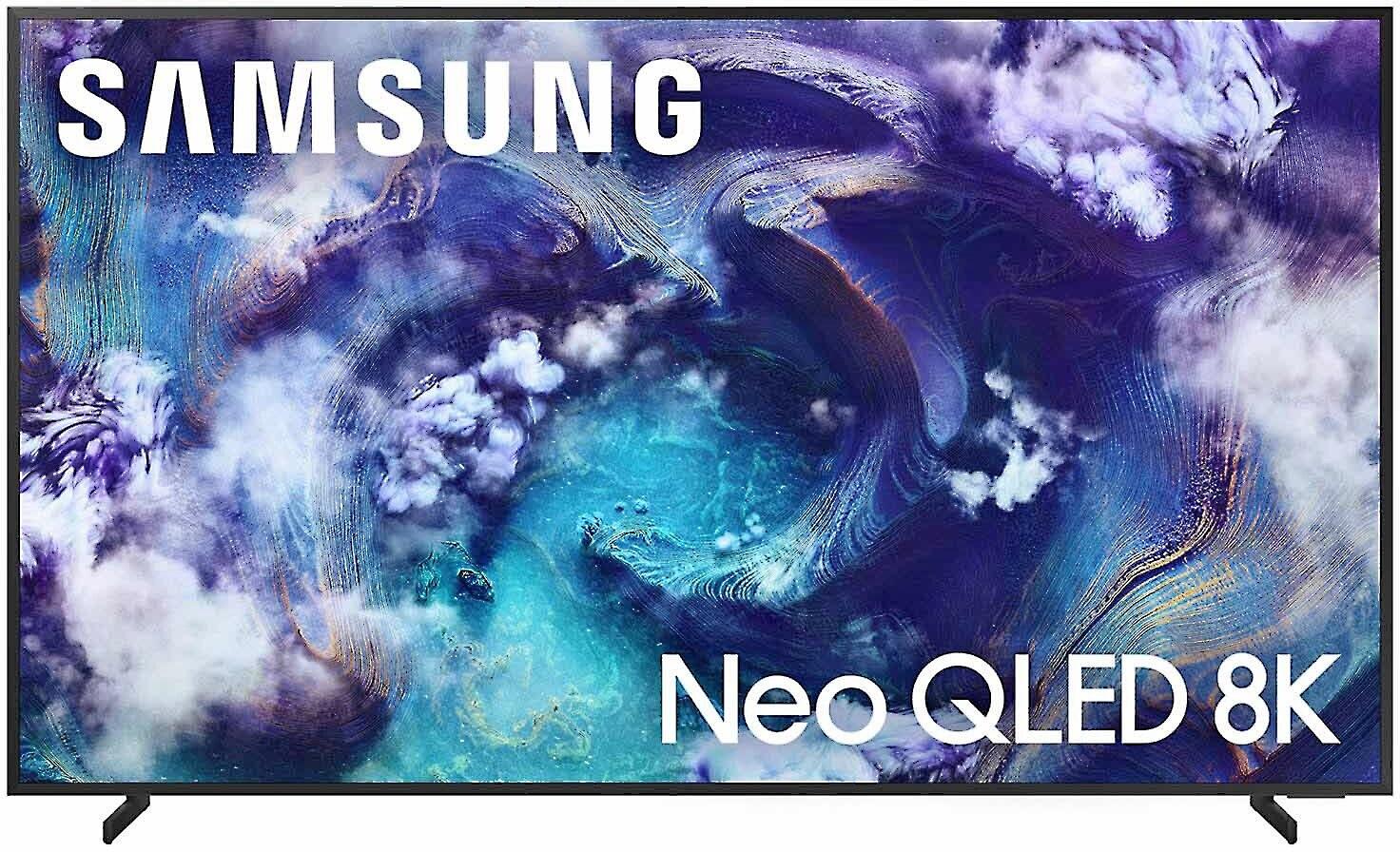
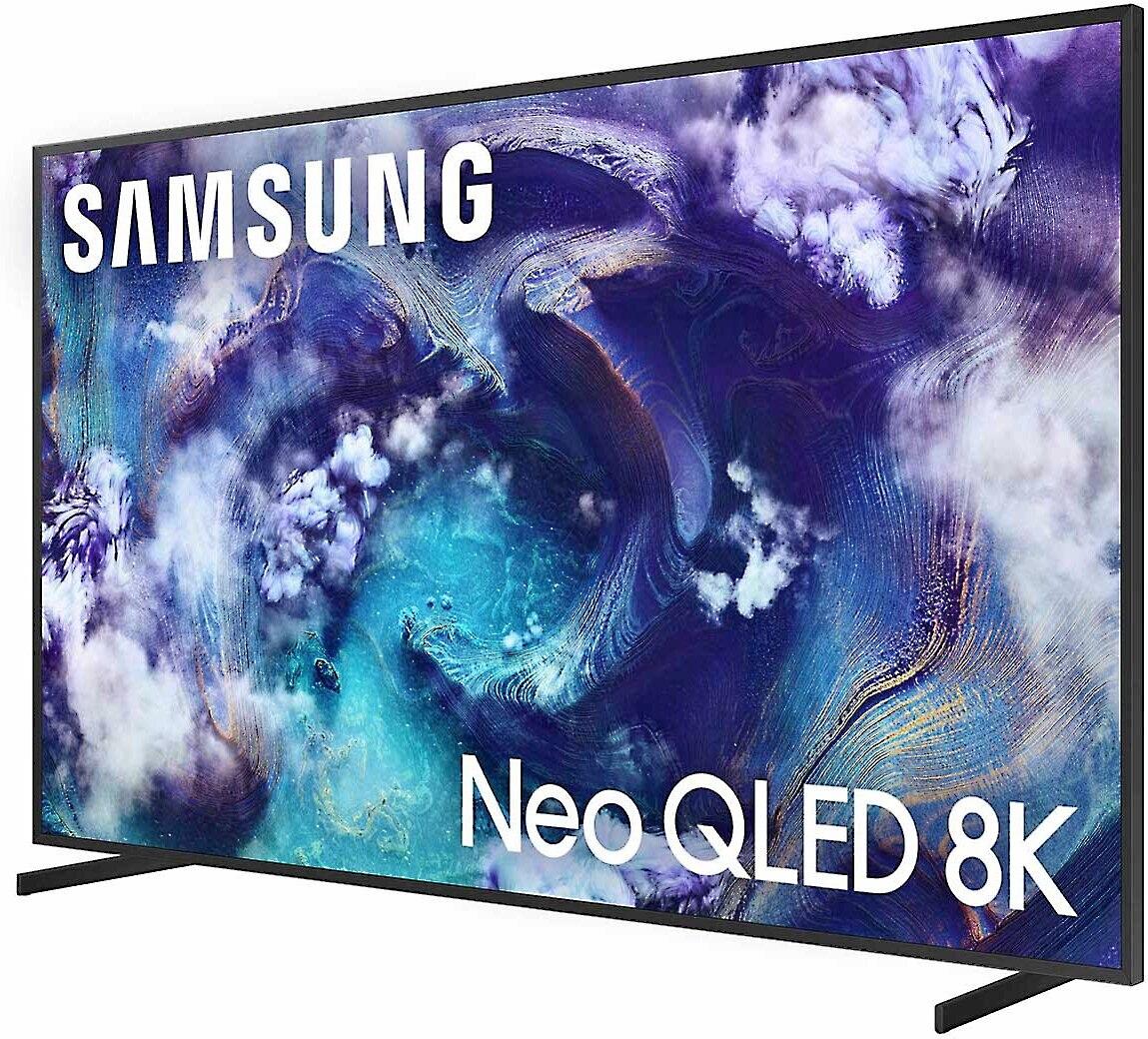

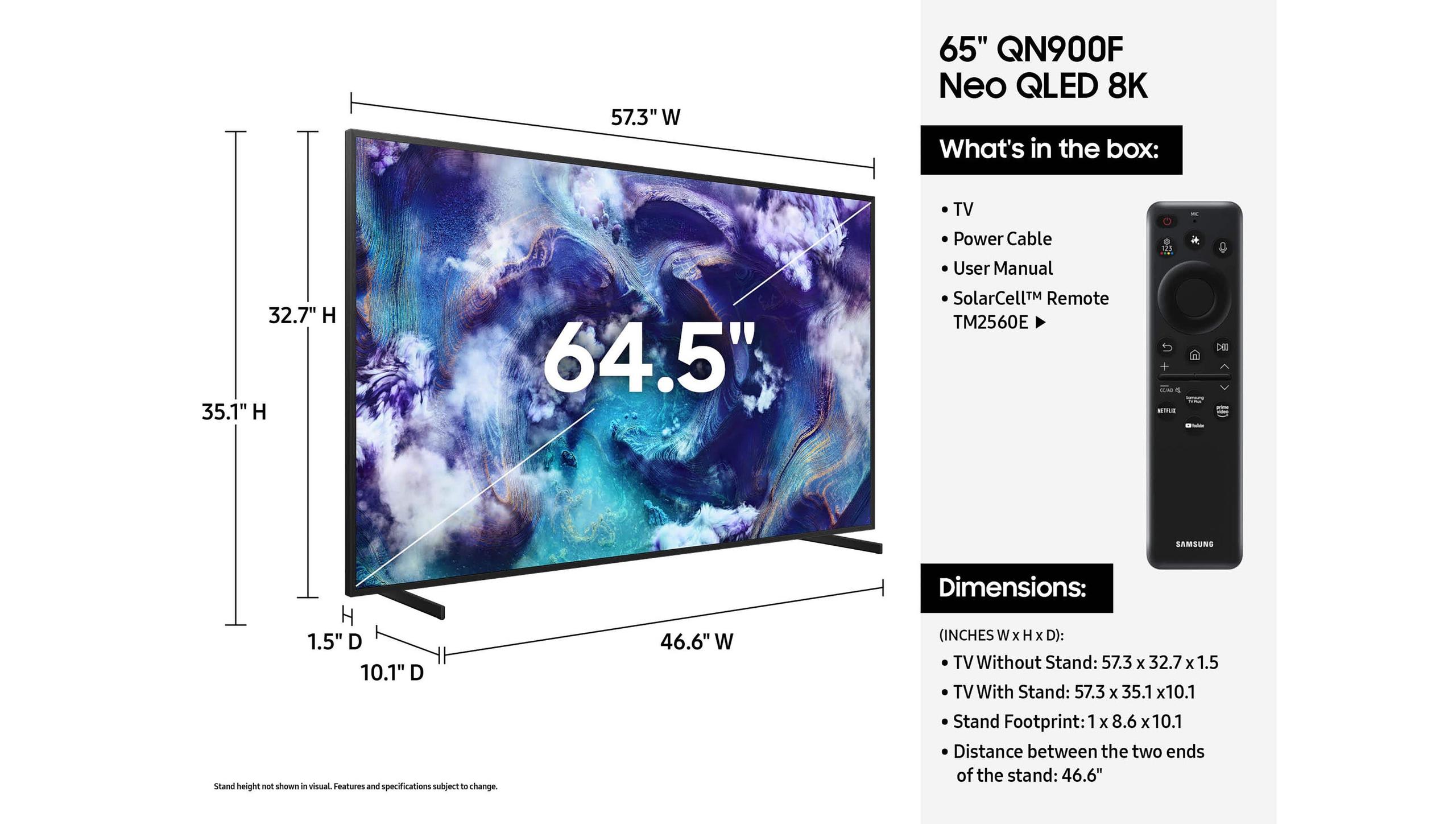
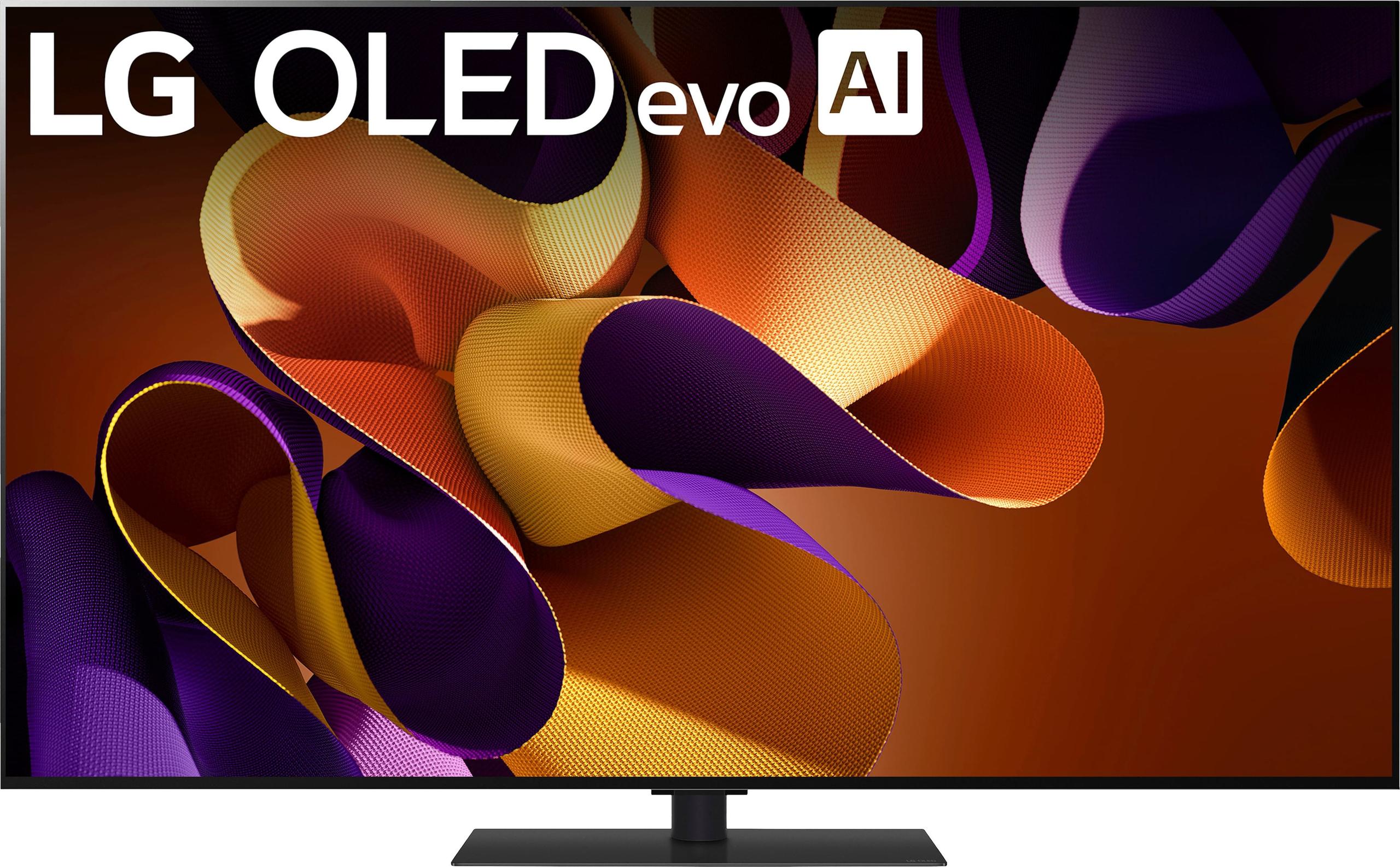
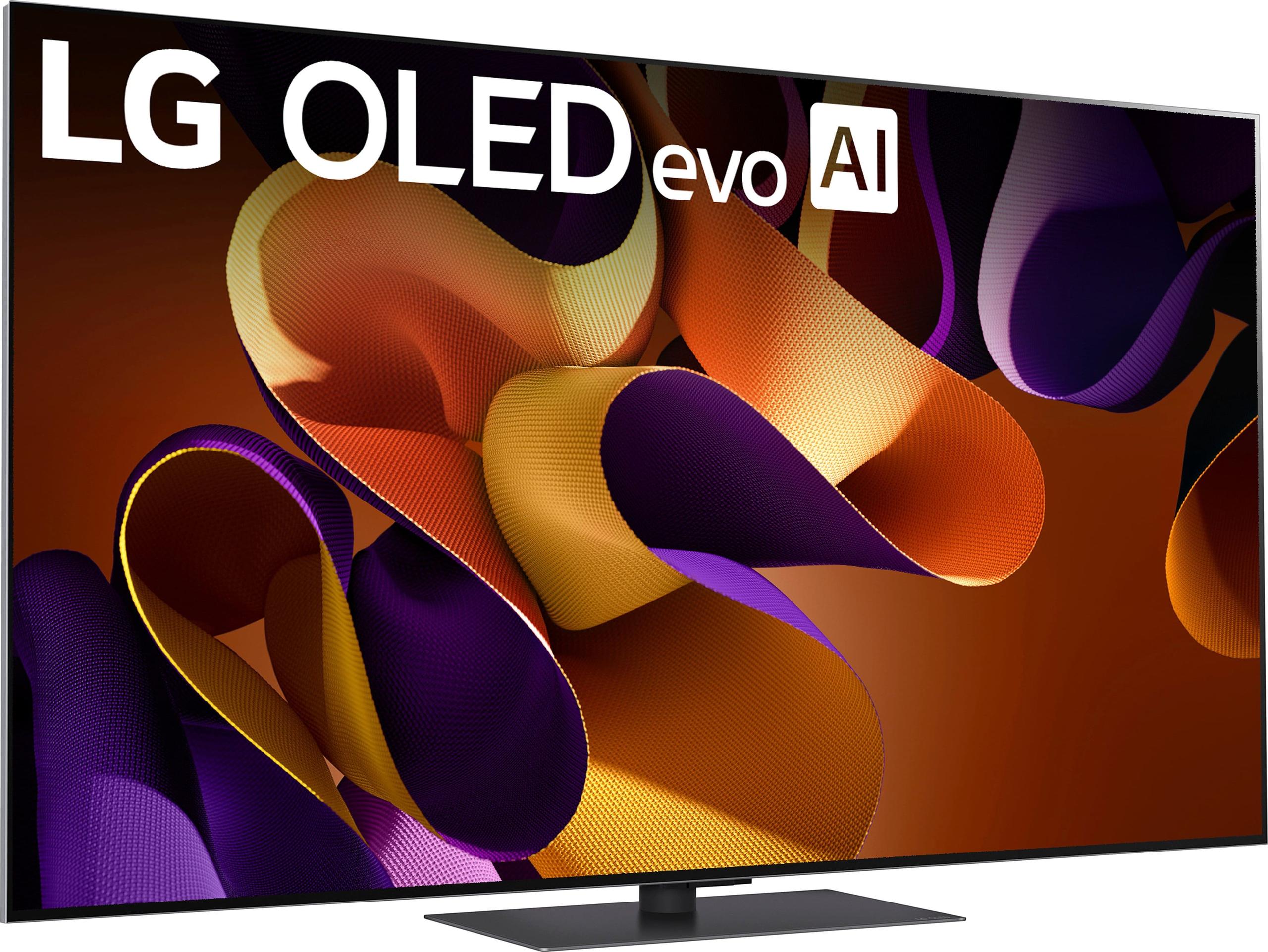
Shopping for a premium TV can feel overwhelming, especially when you're comparing cutting-edge technologies that approach picture quality in completely different ways. Today we're diving deep into two flagship 65-inch TVs that represent the pinnacle of their respective technologies: the Samsung 65" Neo QLED 8K QN900F from 2025 and the LG 65" G4 Series OLED from 2024.
At the time of writing, these TVs sit at opposite ends of the premium spectrum—Samsung's offering commands a significant premium for its 8K resolution and advanced processing, while LG's OLED delivers exceptional picture quality at a more accessible price point. But which approach makes more sense for your living room?
Before we dive into specifics, it's crucial to understand the fundamental difference between these technologies. The Samsung QN900F uses a cutting-edge LCD panel with Mini-LED backlighting, while the LG G4 employs OLED (Organic Light-Emitting Diode) technology.
LCD displays work by shining light through liquid crystals to create images. Samsung's Neo QLED takes this further with Quantum Dots—microscopic particles that produce more accurate colors—and Mini-LEDs for backlighting. These Mini-LEDs are incredibly small (about 1/40th the size of traditional LED backlights), allowing for thousands of individual dimming zones that can brighten or darken specific areas of the screen independently.
OLED technology is fundamentally different. Each pixel generates its own light and can turn completely off to produce perfect black. This means no backlighting is needed, resulting in incredibly thin panels and infinite contrast ratios—the mathematical difference between the brightest whites and darkest blacks.
Both approaches have evolved significantly. Samsung's 2025 QN900F represents a major leap forward in Mini-LED technology, incorporating AI processing that would have been science fiction just a few years ago. Meanwhile, LG's 2024 G4 builds on decades of OLED refinement, addressing previous brightness limitations while maintaining the technology's core advantages.
This is where the fundamental differences between these technologies become most apparent. The Samsung QN900F can achieve peak brightness levels exceeding 2,300 nits—bright enough to make HDR content truly pop even in bright living rooms. HDR (High Dynamic Range) content contains a much wider range of brightness levels than standard video, and TVs need serious brightness capability to display it properly.
The LG G4, while significantly brighter than previous OLED generations thanks to its Brightness Booster Max technology, typically peaks around 1,000 nits. That might sound like a huge disadvantage, but here's the thing: OLED's perfect blacks make that brightness feel more impactful than it does on LCD displays.
Think of it this way—if you're watching a scene with a bright explosion against a dark night sky, the Samsung can make that explosion blindingly bright, but the surrounding "black" areas will still have some light leaking through (called "blooming"). The LG won't make the explosion quite as bright, but the surrounding areas will be completely black, making the contrast feel more dramatic.
For most home viewing, the LG G4 delivers the more cinematic experience, especially in dedicated home theaters or rooms where you can control lighting. However, if your TV is in a bright living room with lots of windows, the Samsung's superior brightness becomes a real advantage.
This is OLED's killer feature. When a pixel needs to display black on the LG G4, it simply turns off completely. No light, perfect black, infinite contrast ratio. It's that simple and that effective.
The Samsung QN900F uses 1,446 local dimming zones—areas of the backlight that can dim independently. This is incredibly sophisticated for LCD technology and produces very good blacks with minimal light bleed. However, those 1,446 zones are still controlling over 8 million pixels, so you're never getting the per-pixel precision of OLED.
In practical terms, this means dark movie scenes will look more authentic on the LG, with better shadow detail and more immersive nighttime scenes. The Samsung still delivers excellent contrast for LCD technology, but can't match OLED's fundamental advantage here.
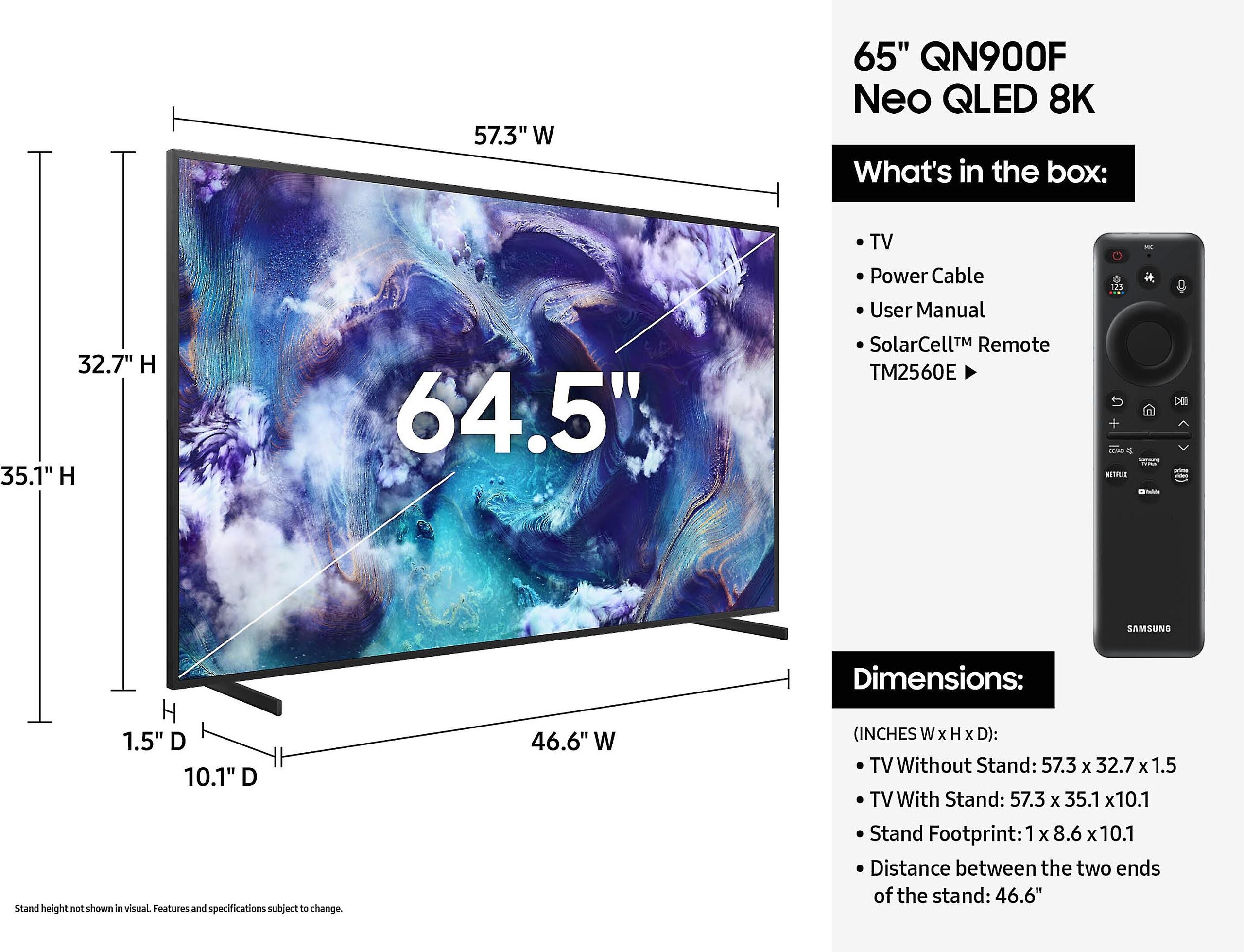
Here's where things get interesting. The Samsung QN900F offers native 8K resolution (7,680 x 4,320 pixels)—four times more detail than 4K. That sounds impressive, but there's a catch: virtually no content is available in 8K.
Netflix, Disney+, HBO Max, and other streaming services max out at 4K. Gaming consoles are just hitting their stride with 4K gaming. Even YouTube's limited 8K content is mostly tech demos rather than entertainment you'd actually watch.
So why consider 8K? The Samsung's advanced AI processing uses those extra pixels for incredibly sophisticated upscaling. When you're watching 4K content, the TV's 256 neural networks analyze each frame and intelligently add detail to approach 8K quality. This isn't just enlarging the image—it's using machine learning to predict what additional detail should exist.
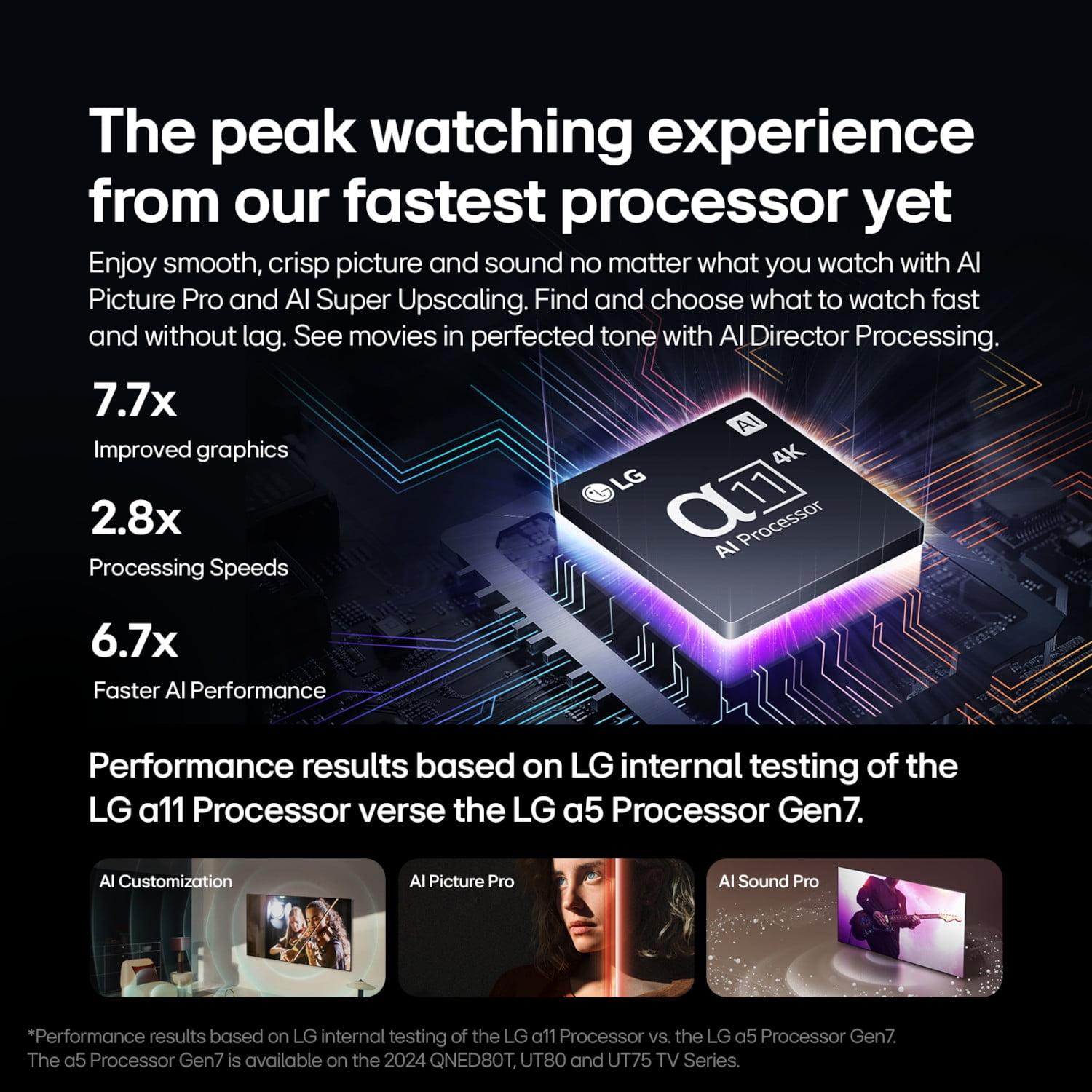
The LG G4 also has excellent upscaling through its α11 AI processor, but it's working with a 4K native panel. Both TVs make lower-resolution content look better, but the Samsung has more pixels to work with.
For most viewers, 4K provides all the detail you can realistically perceive at normal viewing distances. The 8K advantage becomes more noticeable with very large screens or when sitting unusually close to the display.
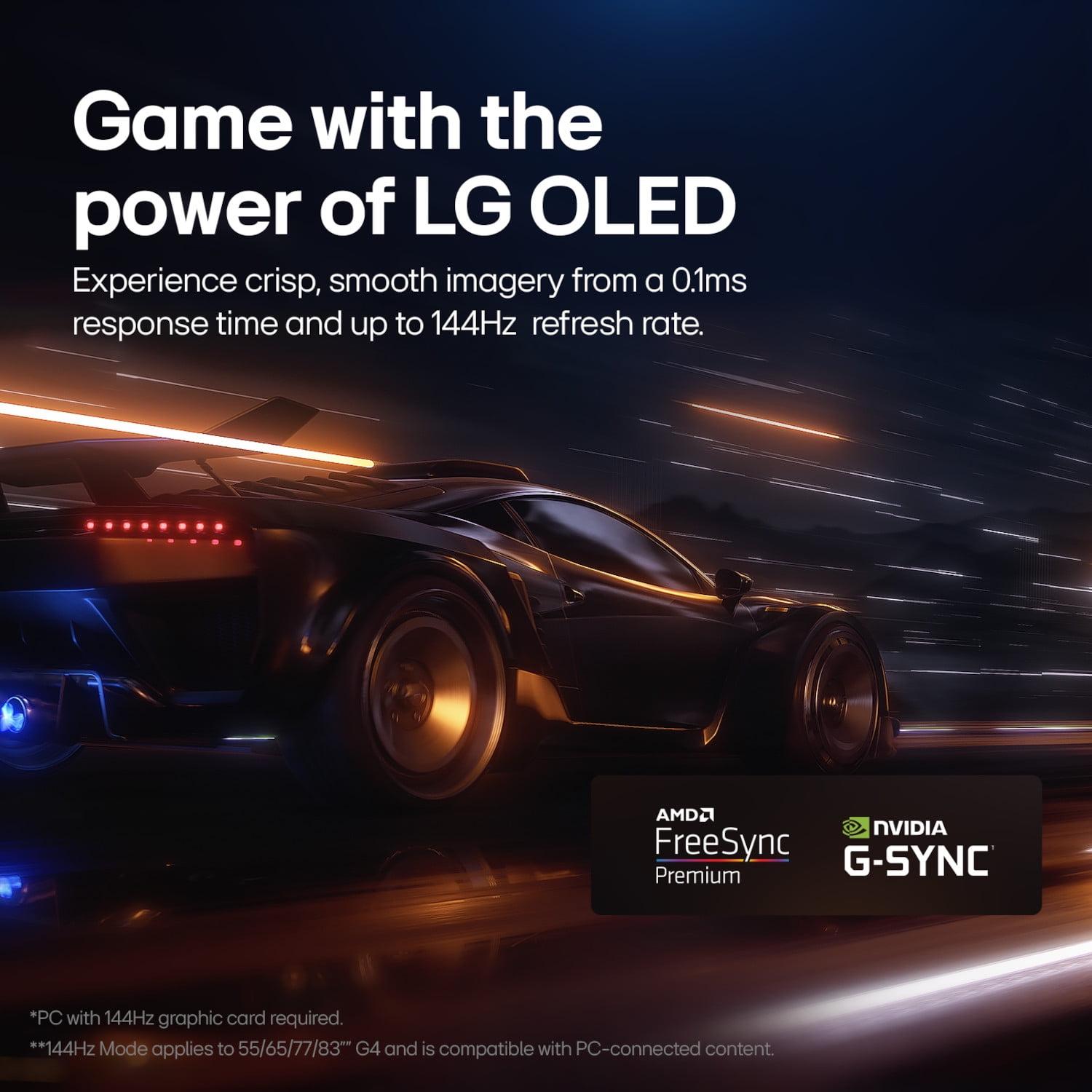
Both TVs excel for gaming, but with different strengths. The Samsung QN900F supports 4K gaming up to 165Hz refresh rate, while the LG G4 maxes out at 144Hz. Both offer Variable Refresh Rate (VRR) technology, which synchronizes the TV's refresh rate with your gaming console or PC to eliminate screen tearing.
Input lag—the delay between pressing a button and seeing the result on screen—is virtually identical between both models at around 10 milliseconds in game mode. That's imperceptible to human reaction times.
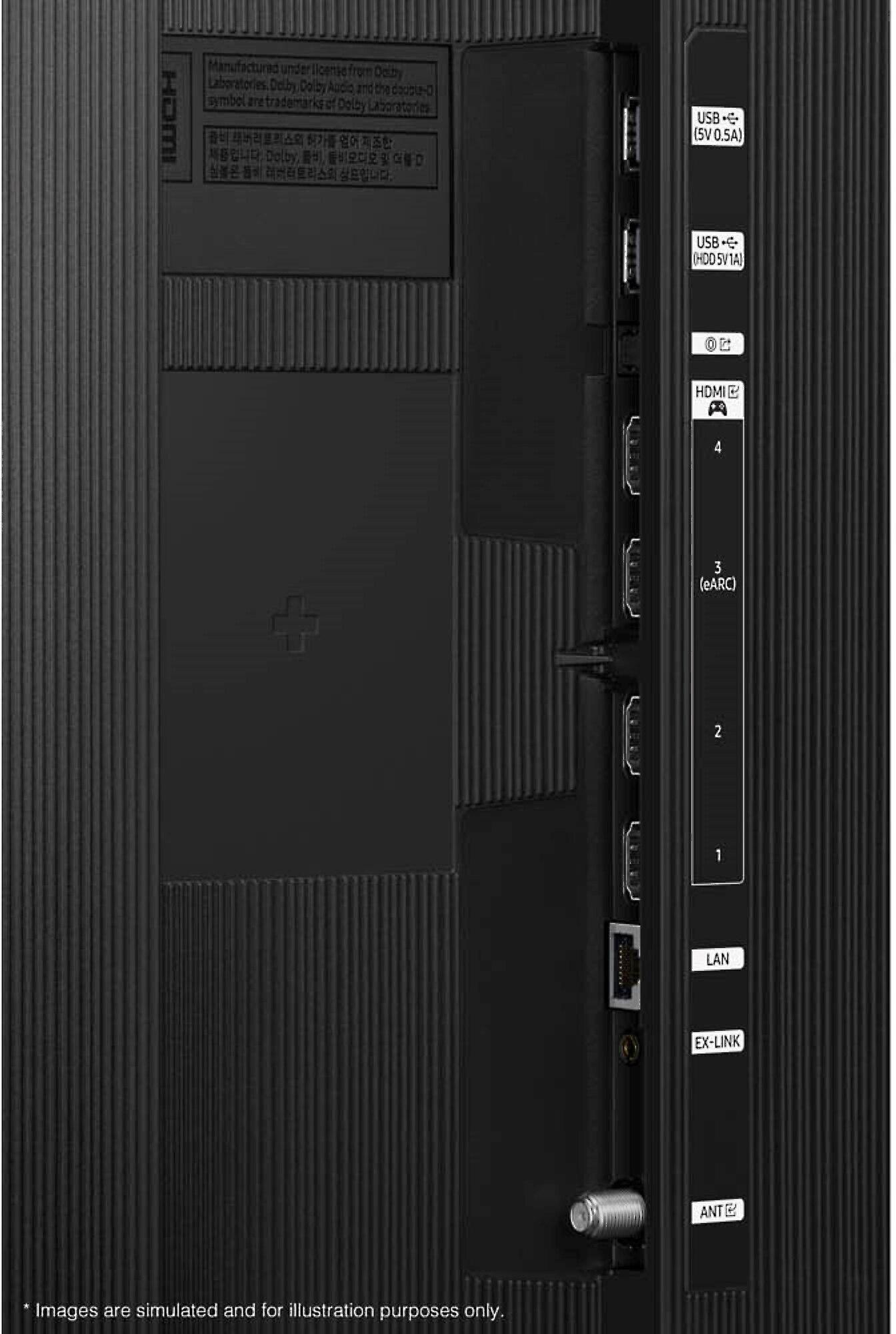
Where they differ is in gaming features. The Samsung includes Samsung Gaming Hub for cloud gaming services and an advanced Game Bar that displays performance metrics. The LG G4 offers four full HDMI 2.1 ports versus Samsung's mix of HDMI versions, making it better for users with multiple gaming consoles.
OLED's instant pixel response also gives the LG a slight edge in motion clarity during fast-paced gaming. You won't see ghosting or motion blur that can sometimes affect LCD displays during rapid camera movements.
This is where 2025 technology really shows. The Samsung QN900F introduces Vision AI, which continuously analyzes what you're watching and optimizes picture settings in real-time. If you switch from a bright daytime TV show to a dark movie, the TV instantly adjusts contrast, color temperature, and processing algorithms.
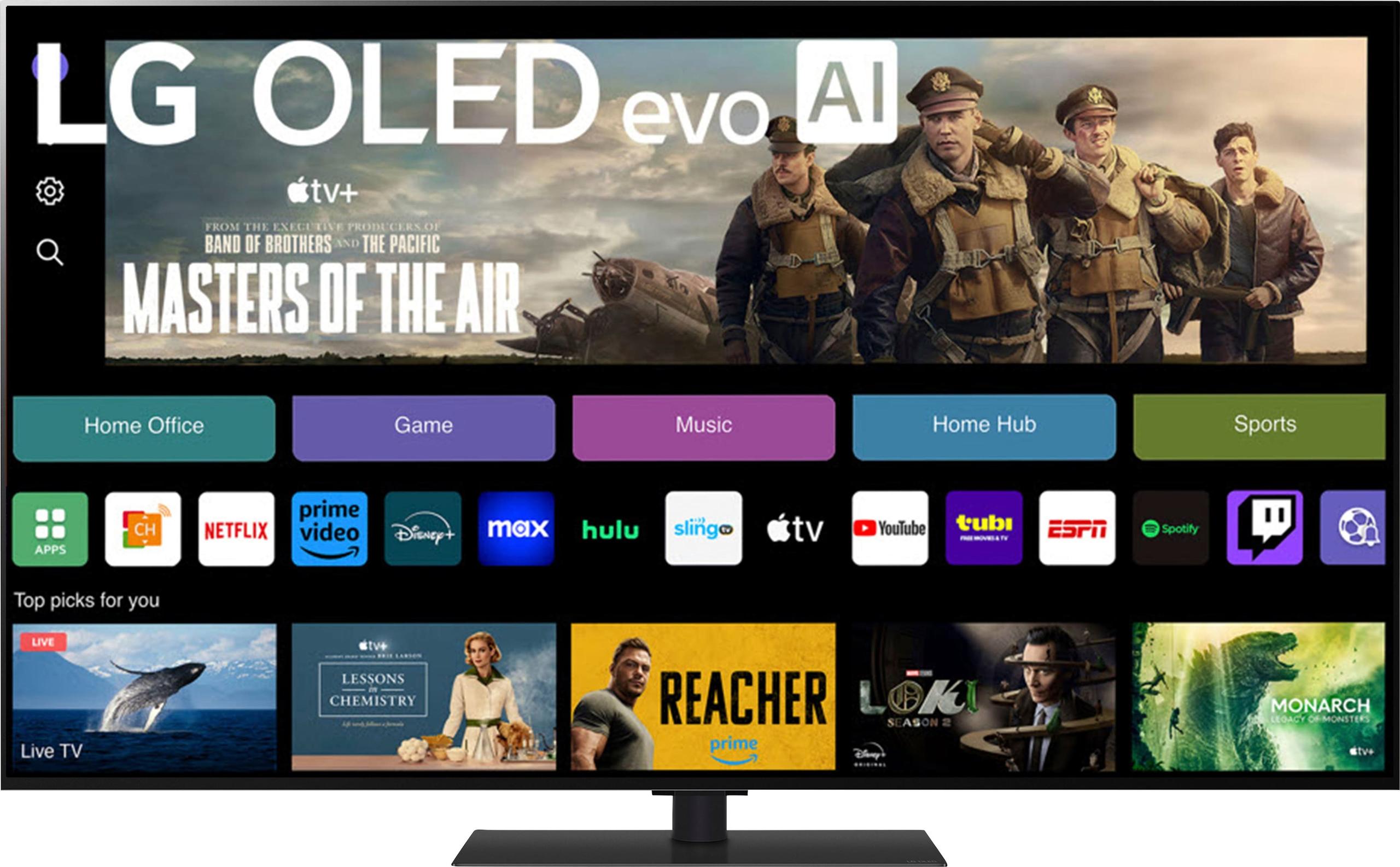
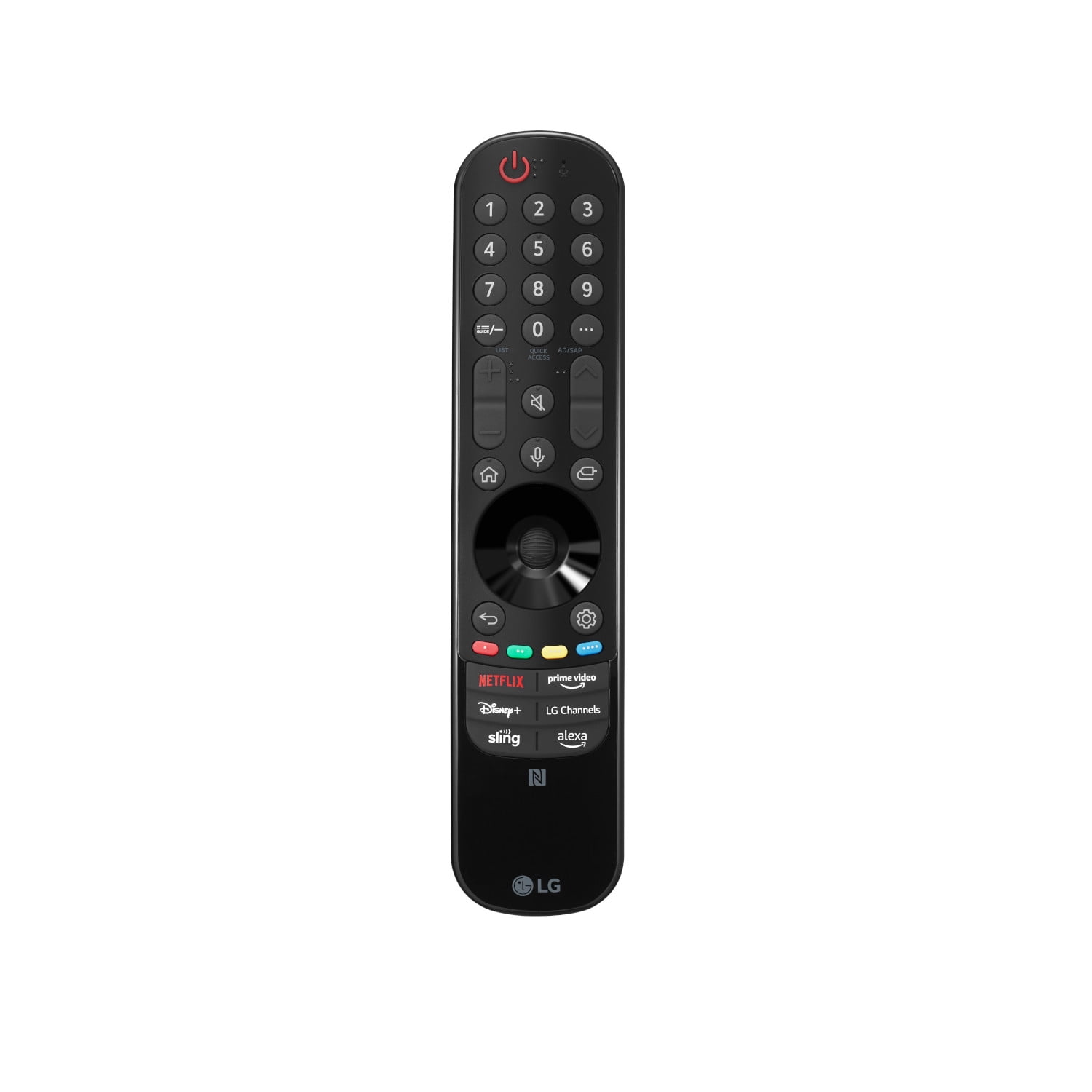
The LG G4's webOS platform is more mature and generally considered more user-friendly. It includes AI Concierge for content recommendations and Quick Cards for organizing your favorite apps. The Magic Remote with voice control works reliably and makes navigation intuitive.
Both platforms support major streaming apps, voice assistants, and smart home integration. Samsung's Tizen OS tends to be more customizable, while LG's webOS prioritizes simplicity and ease of use.
Premium TVs often skimp on audio, but both models make genuine efforts here. The LG G4 includes a 4.2-channel system with 60W of power that can virtualize up to 11.1.2 surround sound using AI processing. For a flat-panel TV, it's surprisingly capable with decent bass response and clear dialogue.
The Samsung QN900F features Object Tracking Sound Pro, which uses multiple speakers to make audio follow objects moving across the screen. It's an impressive effect that adds immersion to movies and sports.
However, both TVs benefit significantly from external sound systems. If you're investing in a premium display, consider budgeting for a quality soundbar or surround sound system to match the visual experience.
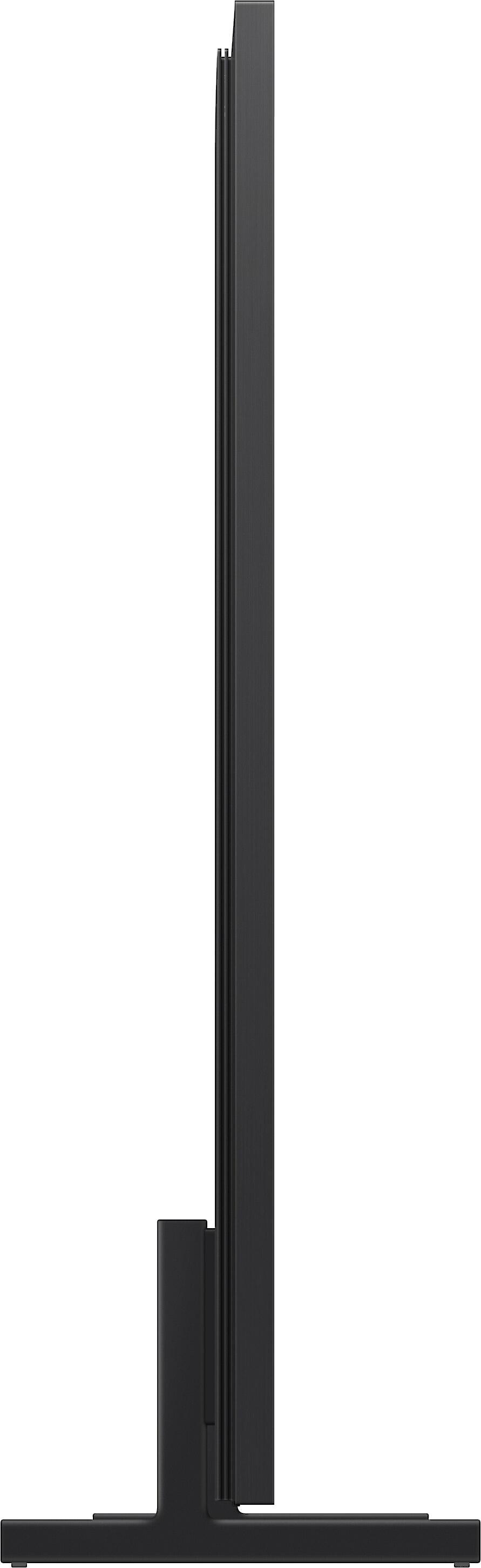
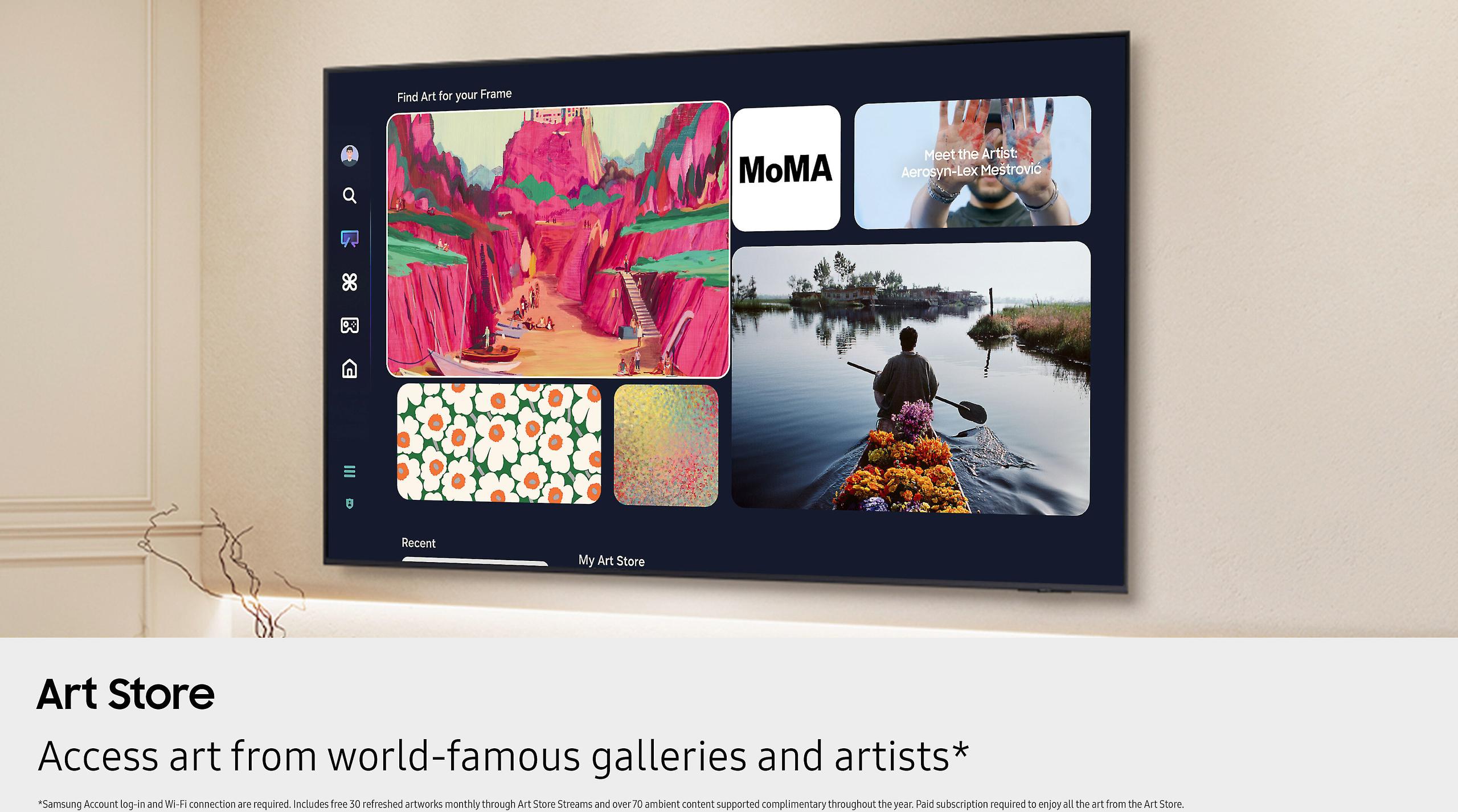
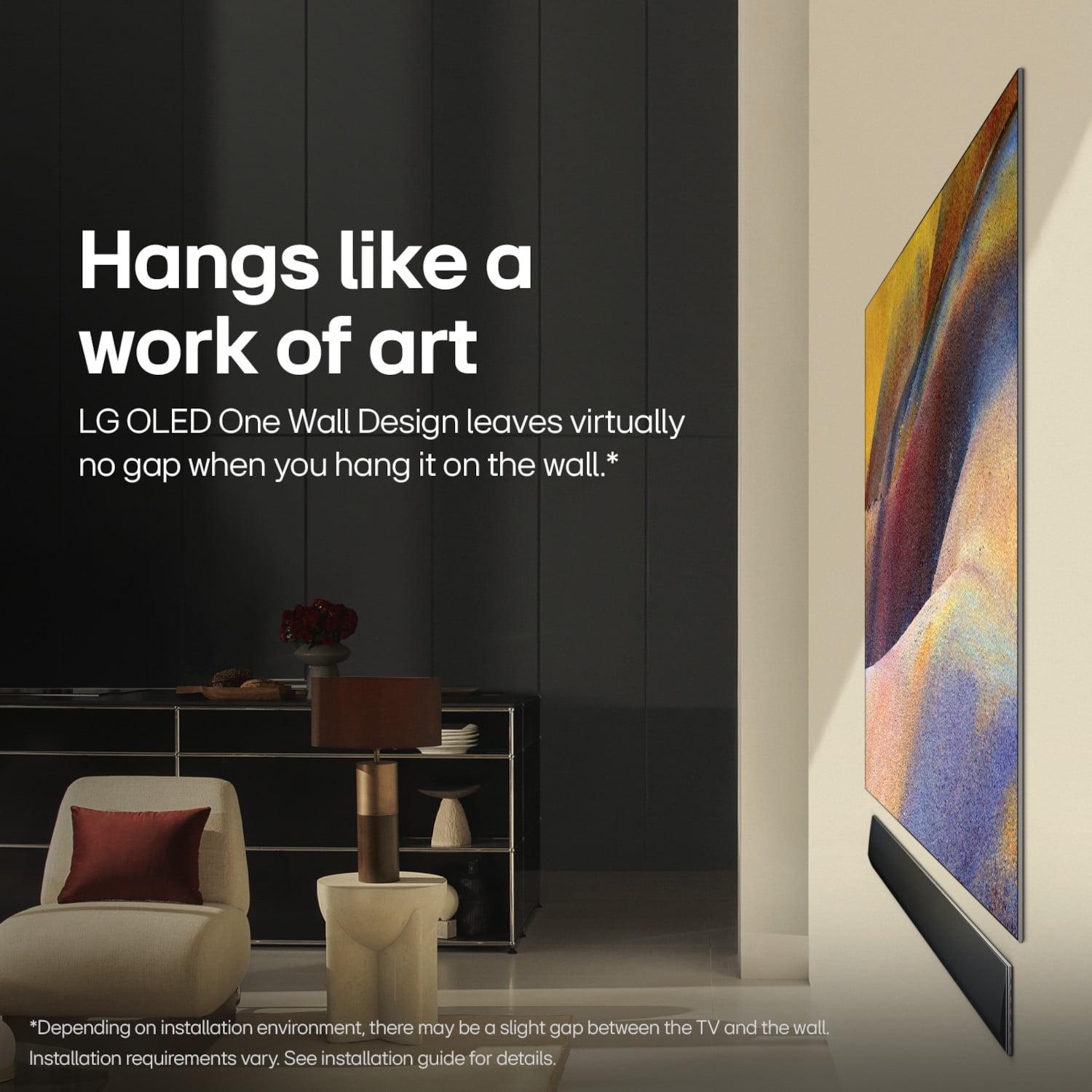
The LG G4 epitomizes modern TV design—impossibly thin with virtually no bezels. It's designed to mount flush against the wall like a piece of art, and LG includes gallery-style mounting hardware. When not displaying content, it can show artwork or photos to blend into your décor.
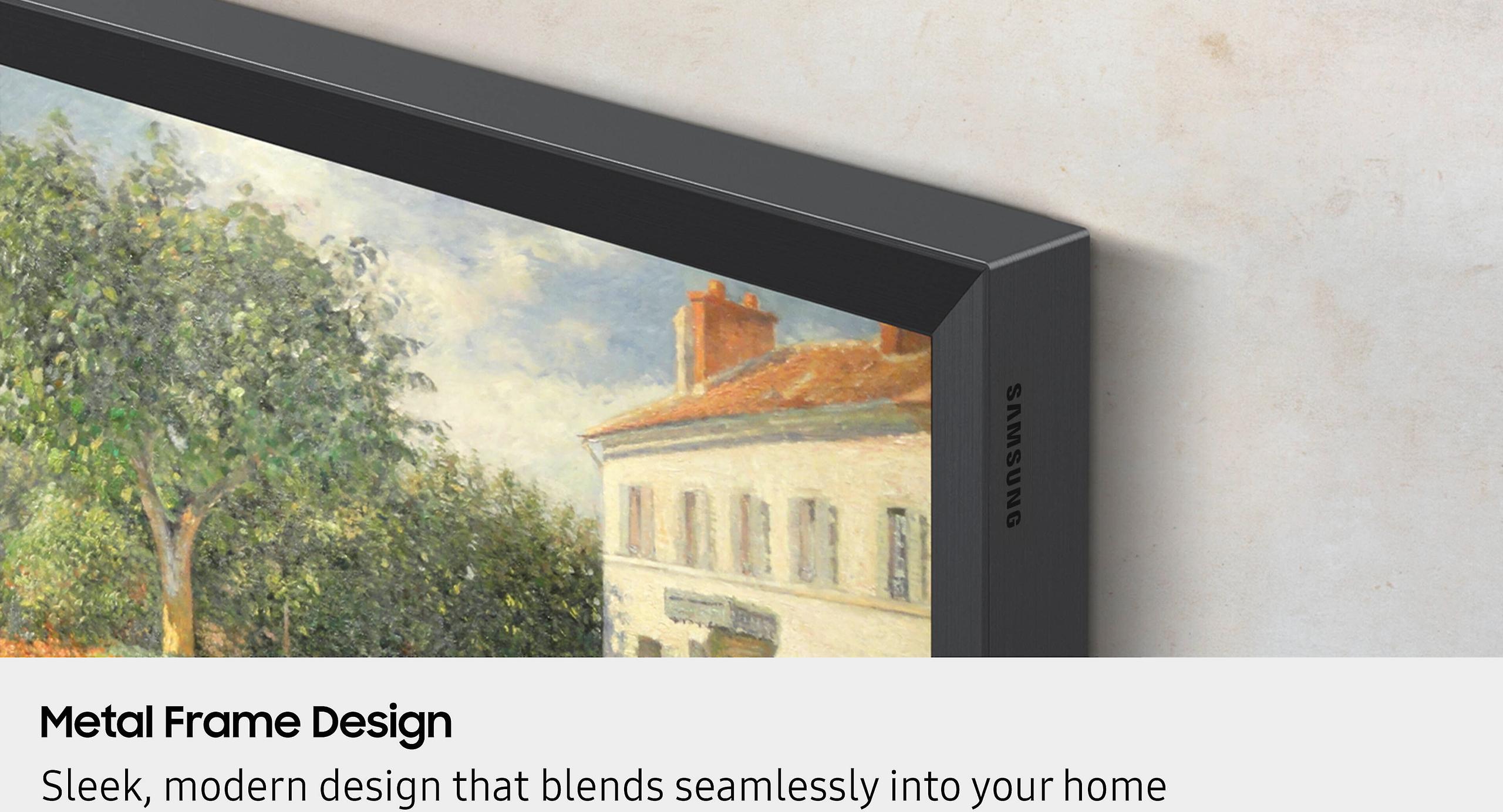
The Samsung QN900F is slightly thicker due to its backlighting system but still maintains an elegant profile. The included Wireless One Connect Box is particularly clever—all your devices connect to this separate box, which transmits signals wirelessly to the TV. This eliminates cable clutter and simplifies wall mounting.
At the time of writing, the LG G4 typically costs significantly less than the Samsung QN900F—often $800-1,000 difference for the 65-inch models. This price gap reflects the premium Samsung charges for 8K resolution and cutting-edge processing.
The value equation depends heavily on your priorities. The LG delivers superior contrast, proven technology, and excellent gaming at a lower price. The Samsung offers future-proofing, superior bright-room performance, and the latest AI features at a substantial premium.
For most buyers, the LG G4 represents better value. OLED's picture quality advantages are immediately visible and improve every viewing experience. The 8K benefits of the Samsung are more theoretical until content catches up.
In dedicated home theater environments with controlled lighting, OLED's advantages become even more pronounced. The LG G4's perfect blacks create an almost three-dimensional image quality that draws you into movies. Colors appear more natural and film-accurate, which many cinema enthusiasts prefer.
The Samsung QN900F excels in multi-purpose living spaces where ambient light varies throughout the day. Its anti-glare coating and extreme brightness maintain picture quality even with windows or lights behind the viewing position.
For home theater purists, the LG typically edges out LCD options due to its superior contrast and color accuracy. However, the Samsung's advanced processing and AI features appeal to tech enthusiasts who want the latest innovations.
Choose the Samsung QN900F if:
Choose the LG G4 if:
Based on our research and analysis of expert and user reviews, the LG G4 OLED emerges as the better choice for most premium TV buyers. Its superior contrast, excellent gaming performance, mature smart platform, and significantly lower price create a compelling value proposition that's hard to ignore.
The Samsung QN900F isn't wrong—it's genuinely impressive technology that showcases where TV displays are heading. However, the premium it commands for 8K resolution feels premature given the current content landscape. Unless you specifically need maximum brightness for challenging lighting conditions or are committed to having the absolute latest technology regardless of cost, the LG delivers better overall performance and value.
Both TVs represent the pinnacle of their respective technologies and will provide years of exceptional viewing experiences. The choice ultimately comes down to whether you prioritize proven OLED excellence or cutting-edge LCD innovation—and whether the price premium aligns with your needs and budget.
For most living rooms and most viewers, the LG G4 OLED strikes the better balance between performance, features, and value. It's the safer, smarter choice that delivers immediate benefits rather than promised future advantages.
| Samsung 65" Neo QLED 8K QN900F | LG 65" G4 Series OLED evo 4K UHD Smart TV 2024 |
|---|---|
| Display Technology - Fundamental approach to creating images | |
| Neo QLED with Mini-LED backlighting and Quantum Dots | OLED with self-lit pixels |
| Resolution - Future-proofing vs current content reality | |
| 8K (7680 x 4320) - 4x more pixels but limited native content | 4K (3840 x 2160) - abundant native content available |
| Peak Brightness - Critical for bright room viewing | |
| 2,350+ nits (excellent for daytime viewing) | ~1,000 nits (optimized for controlled lighting) |
| Contrast Performance - Most noticeable picture quality difference | |
| 1,446 local dimming zones (very good blacks for LCD) | Infinite contrast with perfect blacks (per-pixel control) |
| Pricing Tier - Value consideration at time of writing | |
| Premium pricing for 8K technology | Significantly lower cost for proven OLED performance |
| Gaming Performance - Next-gen console compatibility | |
| 4K up to 165Hz, advanced gaming features | 4K up to 144Hz, 0.1ms response time, four HDMI 2.1 ports |
| Smart Platform - User experience and AI features | |
| Tizen 9.0 with Vision AI and 256 neural networks | webOS 24 with α11 AI processor and intuitive interface |
| Audio System - Built-in sound quality | |
| Object Tracking Sound Pro with multi-channel setup | 4.2 channel 60W with Dolby Atmos, AI Sound Pro upmixing |
| Design Profile - Installation considerations | |
| Metal frame, Wireless One Connect Box for cable management | Ultra-slim OLED, gallery-style flush wall mounting |
| Anti-Glare Technology - Bright room performance | |
| Advanced Glare-Free screen coating | Standard OLED reflective properties |
| Warranty Coverage - Long-term protection | |
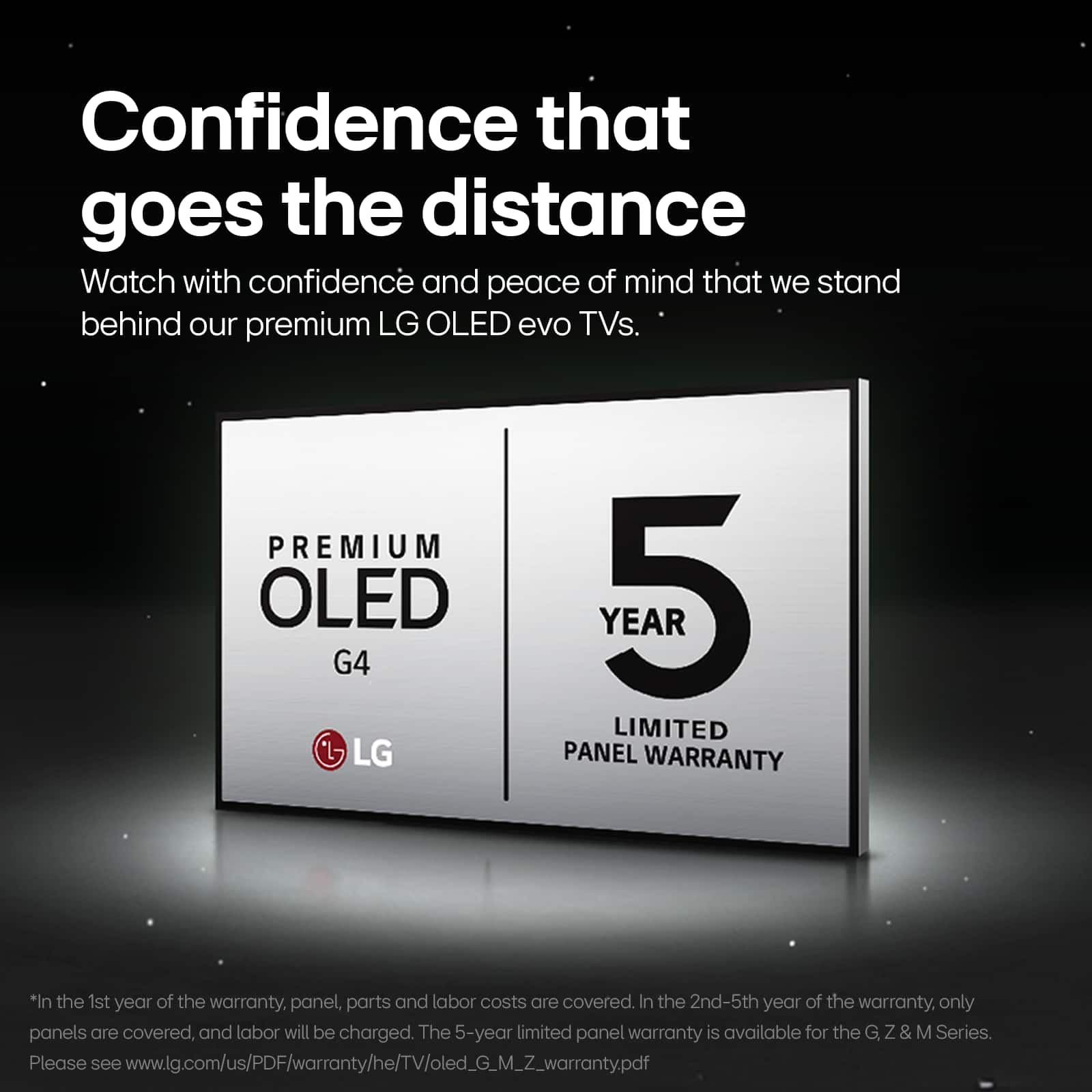
| 1-year standard warranty | 5-year panel warranty for OLED burn-in protection |
| Best Use Case - Ideal viewing environment | |
| Bright living rooms, tech enthusiasts wanting cutting-edge features | Home theaters, movie lovers prioritizing contrast and value |
The LG G4 OLED delivers superior picture quality for movies due to its perfect blacks and infinite contrast ratio. Each pixel can turn completely off, creating the deep blacks that make movie scenes look more cinematic and immersive. While the Samsung QN900F offers brighter highlights and 8K resolution, the OLED's contrast advantage is more noticeable for film viewing, especially in dark scenes.
Currently, 8K content is extremely limited, with most streaming services and gaming consoles maxing out at 4K. The Samsung QN900F uses advanced AI to upscale 4K content to near-8K quality, but this improvement is subtle for most viewers. The LG G4 provides excellent 4K performance with abundant native content available, making it better value for most buyers at the time of writing.
Both TVs excel for gaming, but with different strengths. The Samsung QN900F supports slightly higher refresh rates (165Hz vs 144Hz) and includes advanced gaming features like Samsung Gaming Hub. However, the LG G4 OLED offers four full HDMI 2.1 ports, 0.1ms response time, and superior motion clarity due to OLED's instant pixel response, making it excellent for competitive gaming.
The Samsung QN900F significantly outperforms in bright rooms, achieving over 2,300 nits peak brightness with advanced anti-glare coating that minimizes reflections. The LG G4 peaks around 1,000 nits and is more susceptible to reflections, making it better suited for controlled lighting environments or dedicated home theaters.
The LG G4 OLED provides better overall value, typically costing significantly less while delivering superior contrast and proven OLED technology. The Samsung QN900F commands a premium for its 8K resolution and cutting-edge AI features, but these benefits are mostly theoretical until 8K content becomes widely available.
OLED technology in the LG G4 uses self-lit pixels that can turn completely off for perfect blacks. Neo QLED in the Samsung QN900F uses Mini-LED backlighting with Quantum Dots for enhanced brightness and color, but requires backlighting that can cause some light bleed. Each approach has distinct advantages for different viewing scenarios.
The LG G4 OLED is generally preferred for dedicated home theaters due to its perfect blacks, superior contrast, and more natural color reproduction that filmmakers intend. The controlled lighting environment of a home theater maximizes OLED's strengths while minimizing its brightness limitations compared to the Samsung QN900F.
The Samsung QN900F runs Tizen 9.0 with Vision AI that adapts picture settings in real-time, while the LG G4 uses webOS 24 with an intuitive interface and Magic Remote. Both support major streaming apps and voice control, but LG's platform is generally considered more user-friendly, while Samsung's offers more customization options.
The LG G4 OLED features a 4.2 channel 60W system with AI Sound Pro that can virtualize 11.1.2 surround sound, delivering superior built-in audio quality. The Samsung QN900F includes Object Tracking Sound Pro for immersive effects. However, both TVs benefit significantly from external sound systems for the best home theater experience.
The LG G4 OLED can potentially experience burn-in if static images are displayed for extended periods, though LG includes a 5-year panel warranty and built-in protection features. The Samsung QN900F uses LCD technology that doesn't suffer from burn-in, making it worry-free for users who display static content like news tickers or gaming HUDs frequently.
The Samsung QN900F offers more future-proofing with native 8K resolution and advanced AI processing for when 8K content becomes available. However, the LG G4 provides immediate benefits with mature OLED technology and abundant 4K content, plus LG's 5-year warranty offers longer protection than Samsung's standard coverage.
The Samsung QN900F excels in larger, brighter living spaces where its superior brightness and anti-glare coating maintain picture quality despite ambient light. The LG G4 OLED is ideal for medium to large rooms with controllable lighting, where its perfect blacks and contrast can be fully appreciated without competing with bright ambient light.
We've done our best to create useful and informative comparisons to help you decide what product to buy. Our research uses advanced automated methods to create this comparison and perfection is not possible - please contact us for corrections or questions. These are the sites we've researched in the creation of this article: rtings.com - samsung.com - techradar.com - dolby.com - youtube.com - samsung.com - youtube.com - samsung.com - samsung.com - samsung.com - samsung.com - displayspecifications.com - samsung.com - rtings.com - bestbuy.com - merlinstv.com - news.samsung.com - bestbuy.com - hometechnologyreview.com - hometechnologyreview.com - whathifi.com - hometechnologyreview.com - youtube.com - tomsguide.com - tomsguide.com - smarthomesounds.co.uk - rtings.com - rtings.com - bhphotovideo.com - youtube.com - schaeferstv.com - bestbuy.com - costco.com - lg.com - lg.com - shopsilica.com - bestbuy.com - techradar.com - bestbuy.com - bestbuy.com - lg.com - lgnewsroom.com

Privacy Policy
Terms and Conditions - Affiliate Policy
Home Security
© Copyright 2008-2026.
11816 Inwood Rd #1211, Dallas, TX 75244