

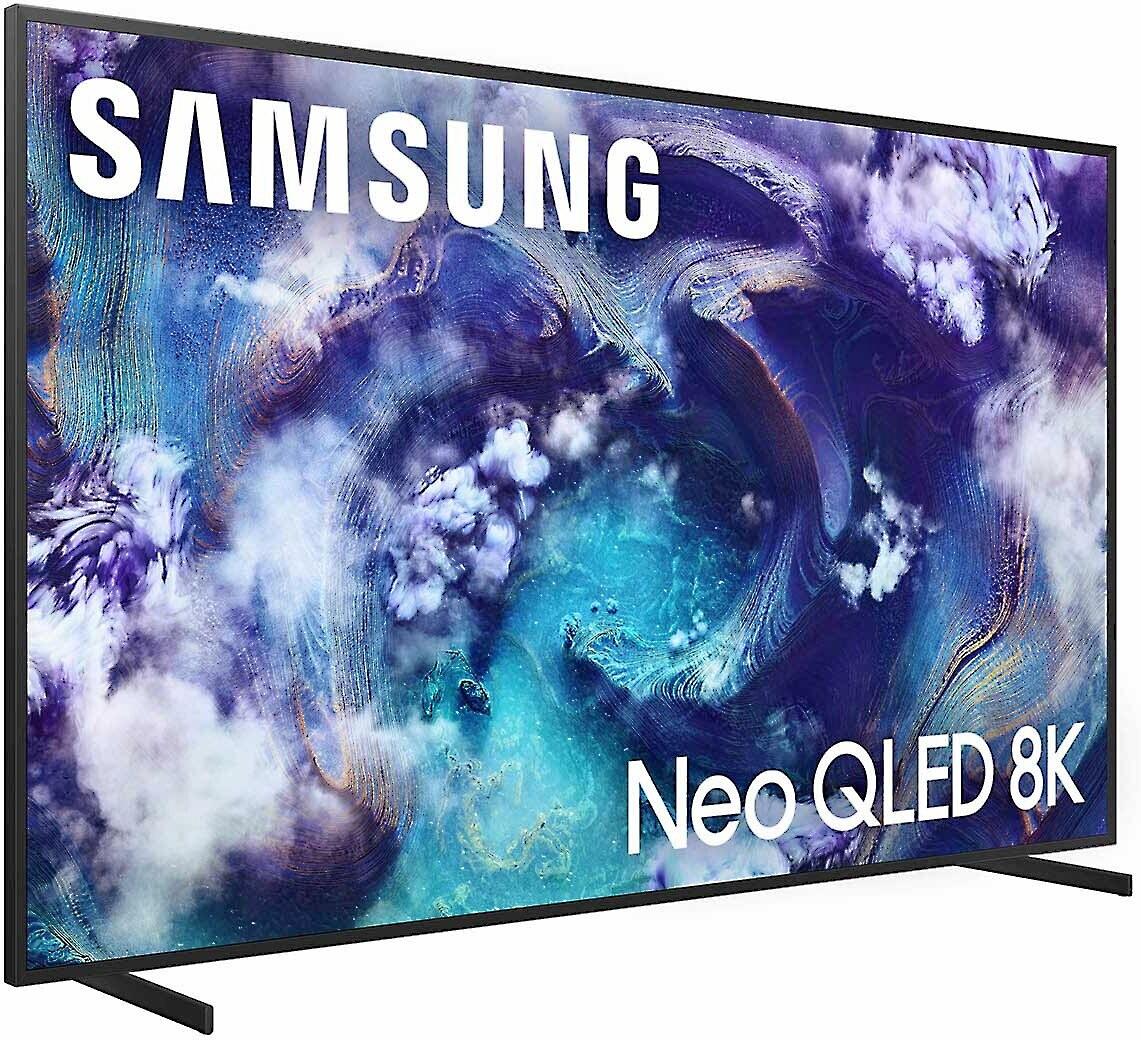
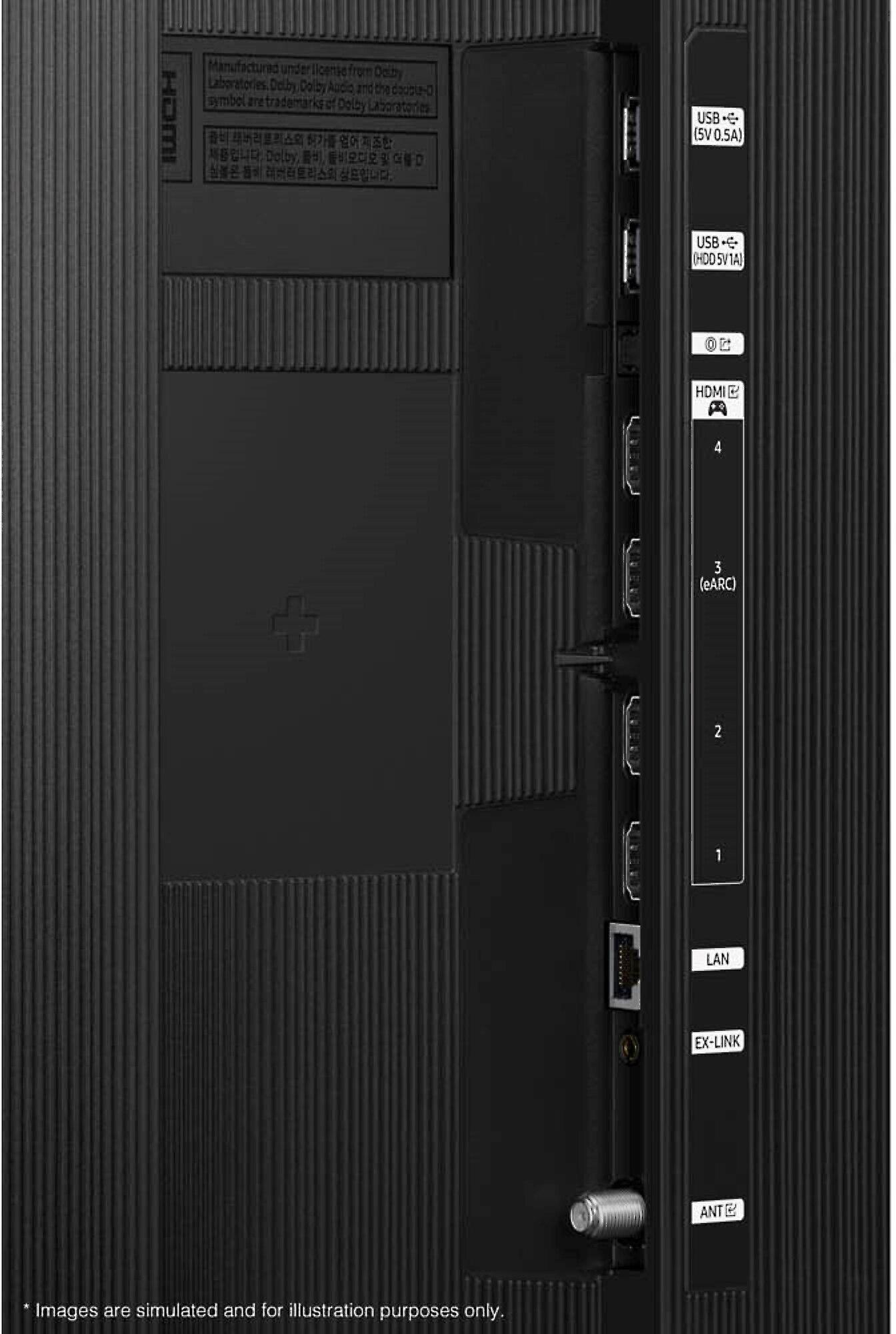
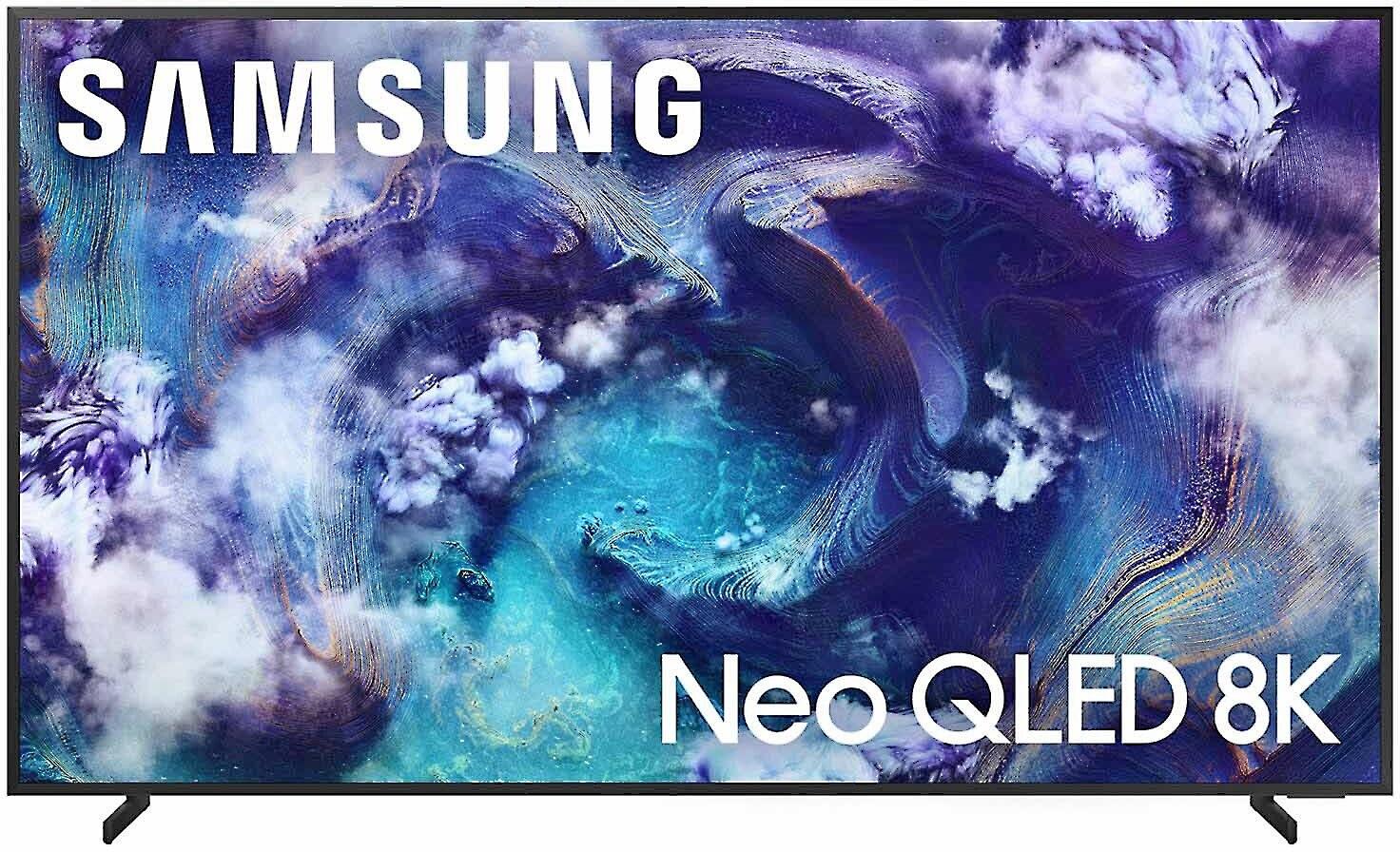
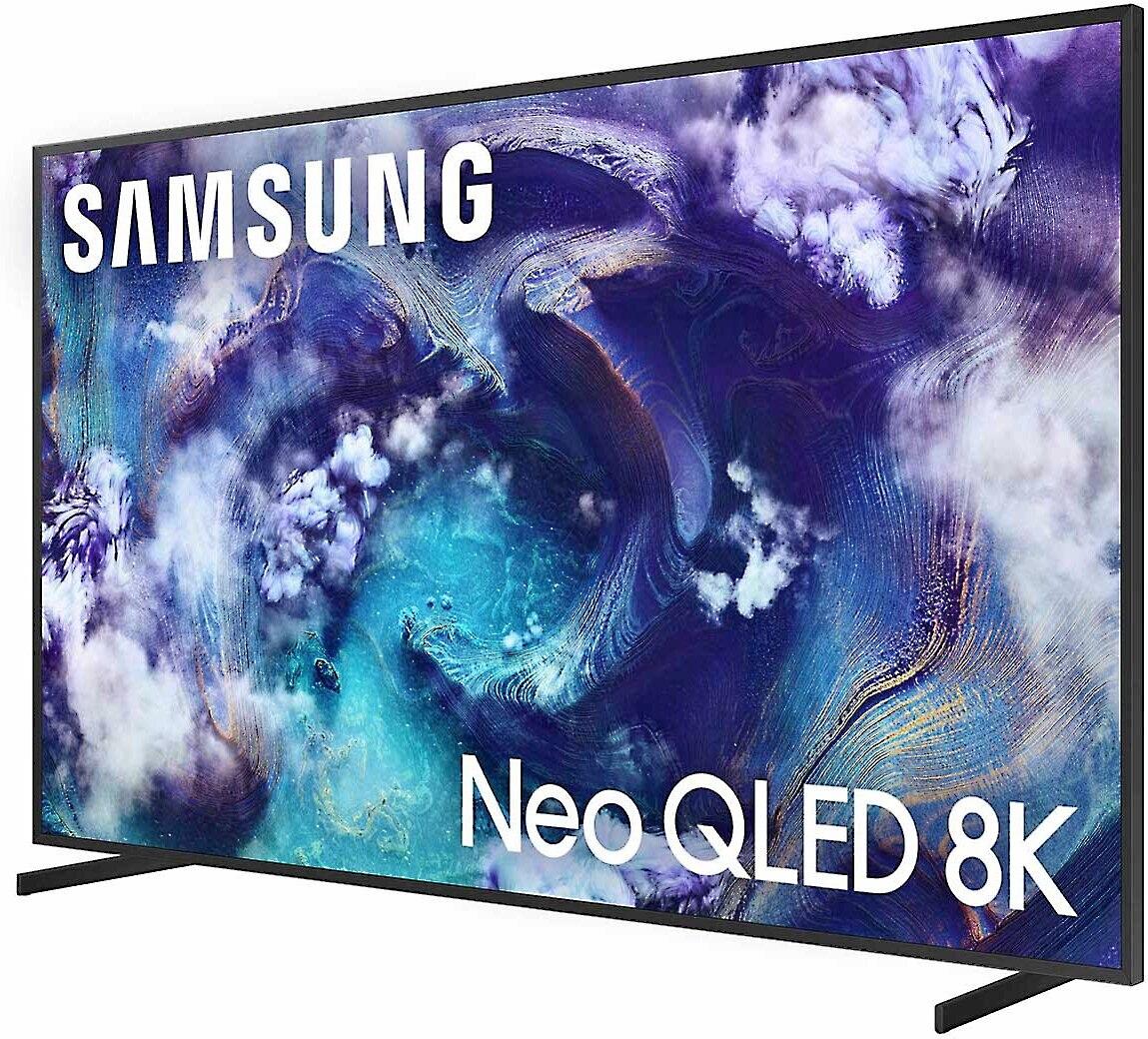
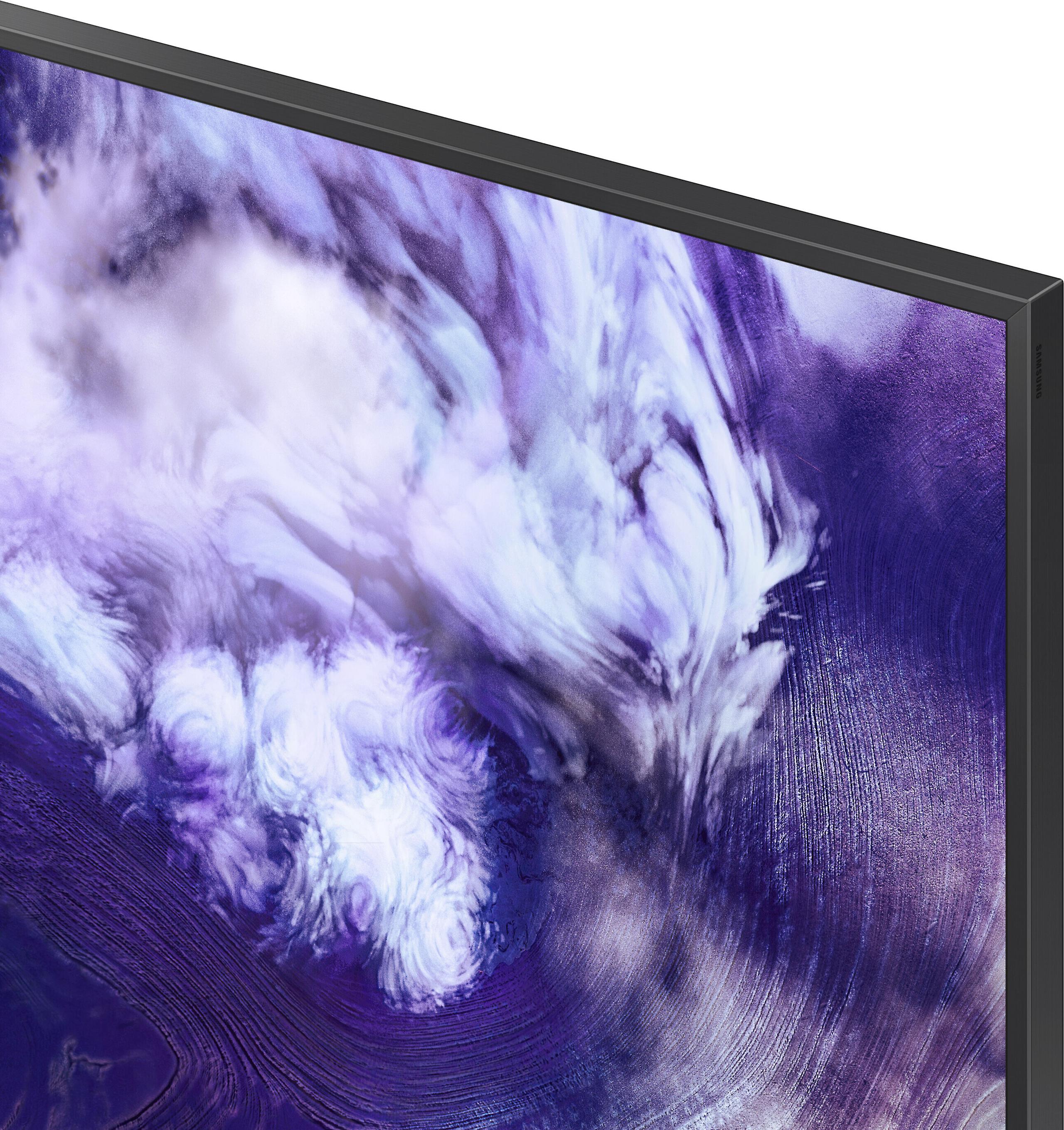

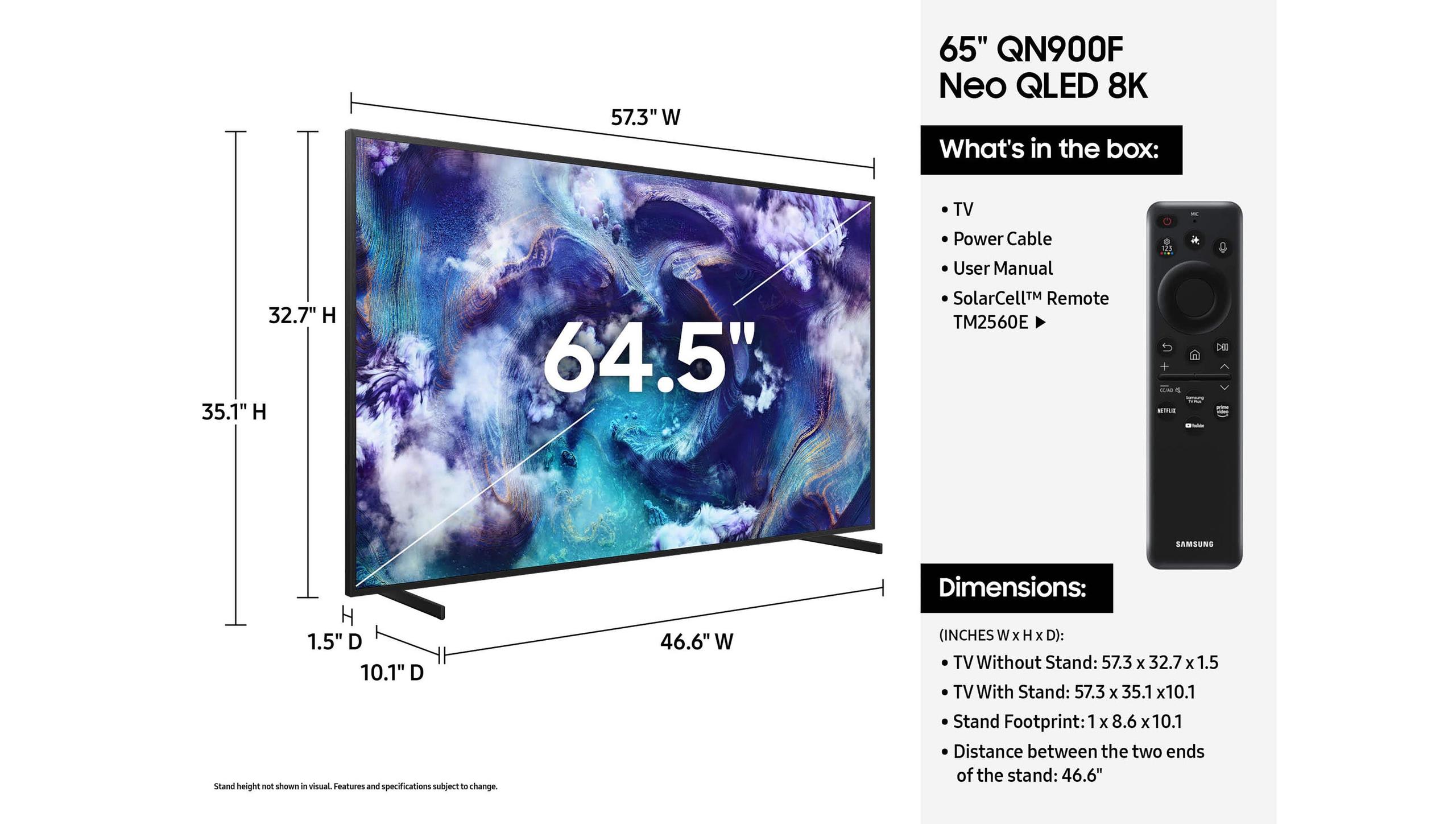
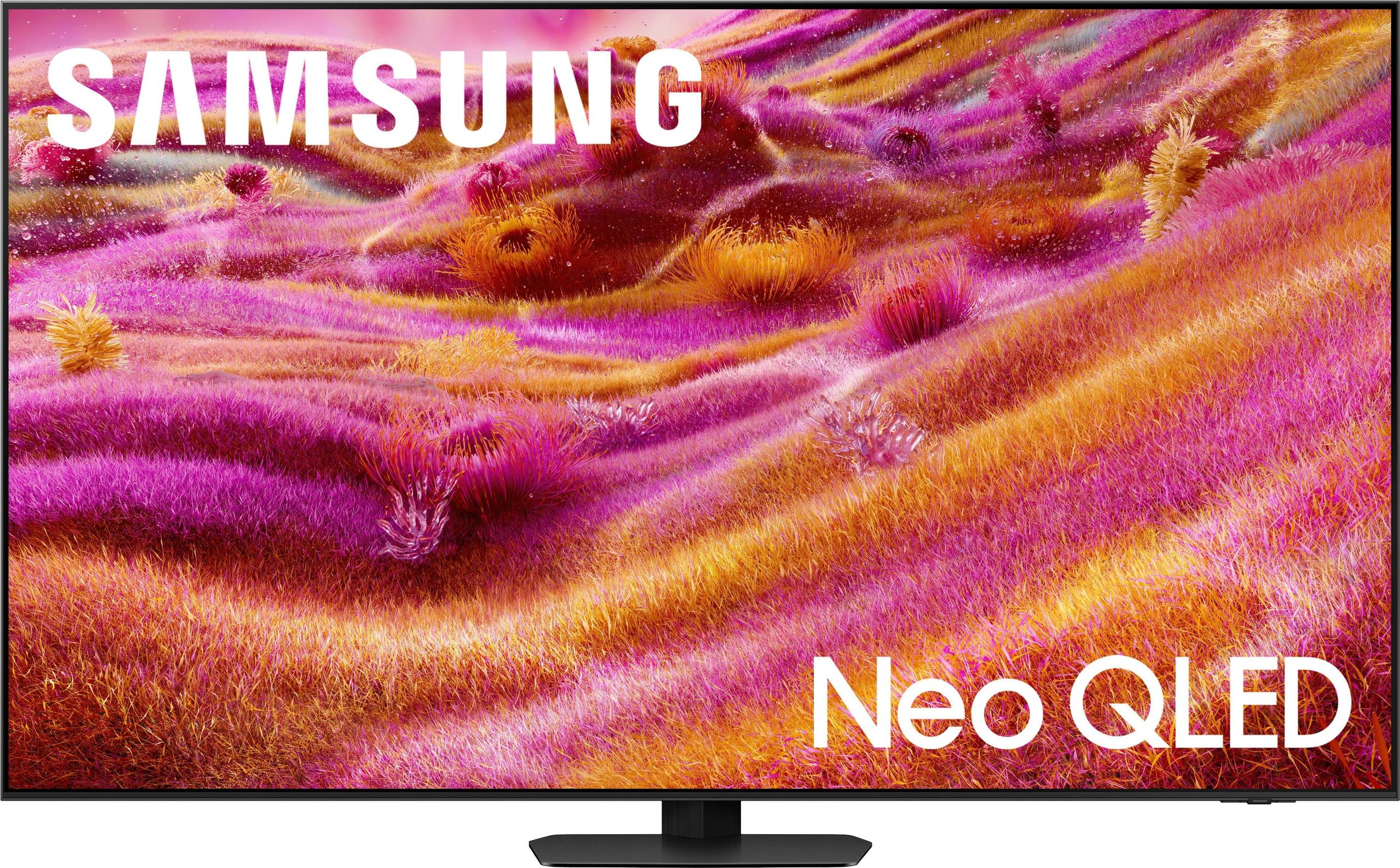
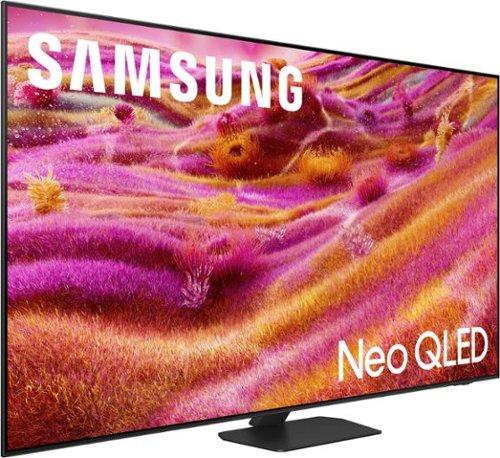

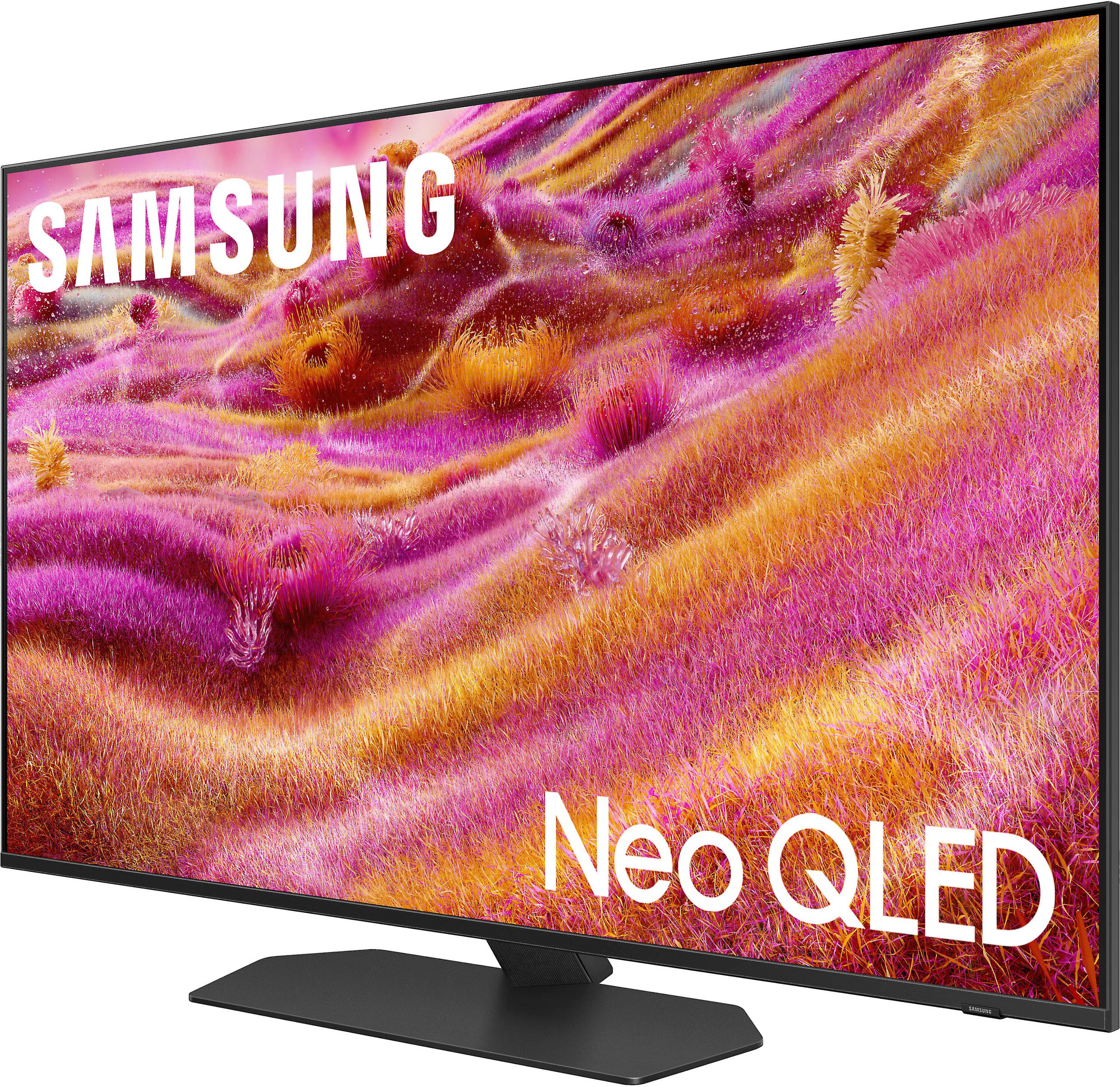
Samsung launched two premium Neo QLED models in 2025 that represent the pinnacle of LCD TV technology, but choosing between them isn't straightforward. The Samsung 65" Neo QLED 8K QN900F Vision AI Smart TV and Samsung 65" QN90F Neo QLED 4K Vision AI Smart TV both deliver exceptional picture quality, yet they take fundamentally different approaches to premium television performance.
At the time of writing, these models sit at opposite ends of Samsung's premium lineup, with the QN900F 8K model commanding a significant premium over the 4K QN90F. But here's what makes this comparison fascinating: the higher-priced 8K model doesn't automatically deliver better performance in every scenario. In fact, for most viewers, the 4K model might actually provide superior picture quality and features.
Premium smart TVs have evolved dramatically since the early days of flat panels. Today's flagship models incorporate technologies that were unimaginable just a few years ago, with artificial intelligence processors that can analyze content thousands of times per second, backlighting systems with thousands of individual zones, and displays capable of reproducing colors more accurately than most computer monitors.
The key considerations when evaluating premium TVs center around several core areas: display technology and resolution capabilities, processing power for content enhancement, HDR (High Dynamic Range) performance for realistic brightness and color, gaming features for modern consoles, and smart platform sophistication. Both Samsung models excel in these areas but take different approaches to achieving premium performance.
What makes this comparison particularly interesting is that both TVs use identical core display technology—Samsung's Neo QLED with Quantum Matrix Mini LED backlighting. This means they share the same fundamental advantages: exceptional brightness, precise local dimming (where different areas of the screen can be independently controlled for better contrast), and Samsung's Quantum Dot color technology that produces vibrant, accurate colors at any brightness level.
The most obvious difference between these models is resolution, but the reality is more complex than the numbers suggest. The QN900F delivers true 8K resolution at 7,680 × 4,320 pixels—that's four times the detail of 4K and sixteen times sharper than standard 1080p HD. When you're viewing native 8K content, the difference is genuinely remarkable, with texture details and clarity that can make you feel like you're looking through a window rather than at a screen.
However, here's the crucial catch: native 8K content barely exists. Major streaming services like Netflix, Disney+, and Amazon Prime have no announced plans for 8K content rollouts. Most movies and TV shows are still produced in 4K or lower resolutions. YouTube has some 8K content, but it's limited and often compressed in ways that diminish the quality advantage.
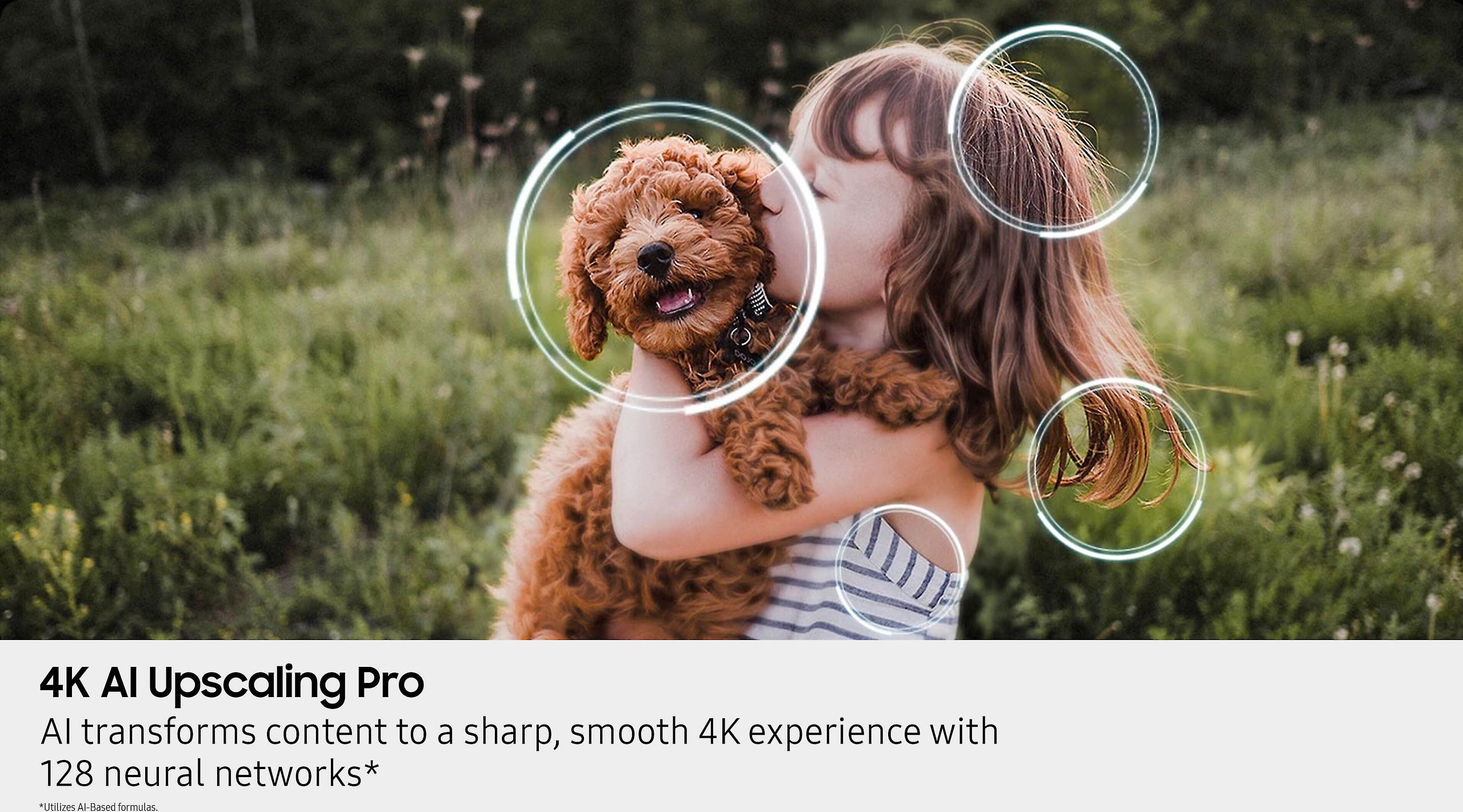
This is where AI upscaling becomes critical. The QN900F uses 8K AI Upscaling Pro powered by Samsung's NQ8 AI Gen2 Processor to analyze lower-resolution content and intelligently add detail to approach 8K quality. Our research into professional reviews and user experiences suggests this upscaling is genuinely impressive, particularly with high-quality 4K sources like Ultra HD Blu-rays.
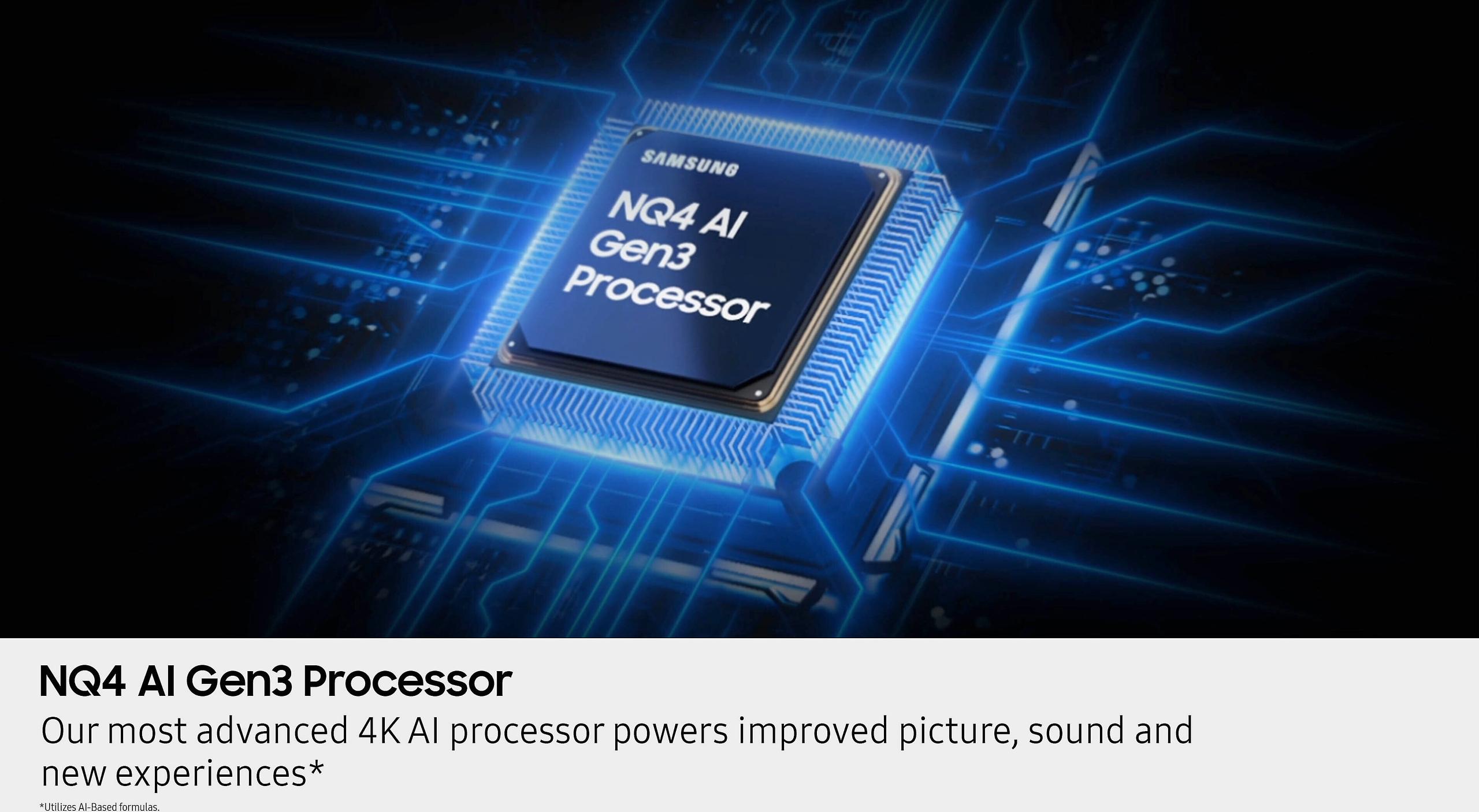
The QN90F, meanwhile, uses 4K AI Upscaling Pro with Samsung's newer NQ4 AI Gen3 Processor. Interestingly, this newer processor features 128 neural networks compared to the older processor in the 8K model, and early reviews suggest it may actually produce better-looking upscaling of HD content to 4K than the 8K model manages from 4K to 8K.
Both models utilize Samsung's Mini LED technology, which represents a significant advancement over traditional LED backlighting. Instead of using dozens of LED zones, Mini LED systems employ thousands of tiny LEDs that can be individually controlled. This creates deeper blacks (by turning off LEDs behind dark content) while maintaining bright highlights (by boosting LEDs behind bright objects).
The QN900F features Ultimate 8K Dimming Pro, which optimizes this local dimming specifically for 8K content. The QN90F uses Samsung's standard but still excellent local dimming system. In practical terms, both achieve impressive black levels for LCD TVs, with minimal blooming (unwanted light spillage around bright objects in dark scenes).
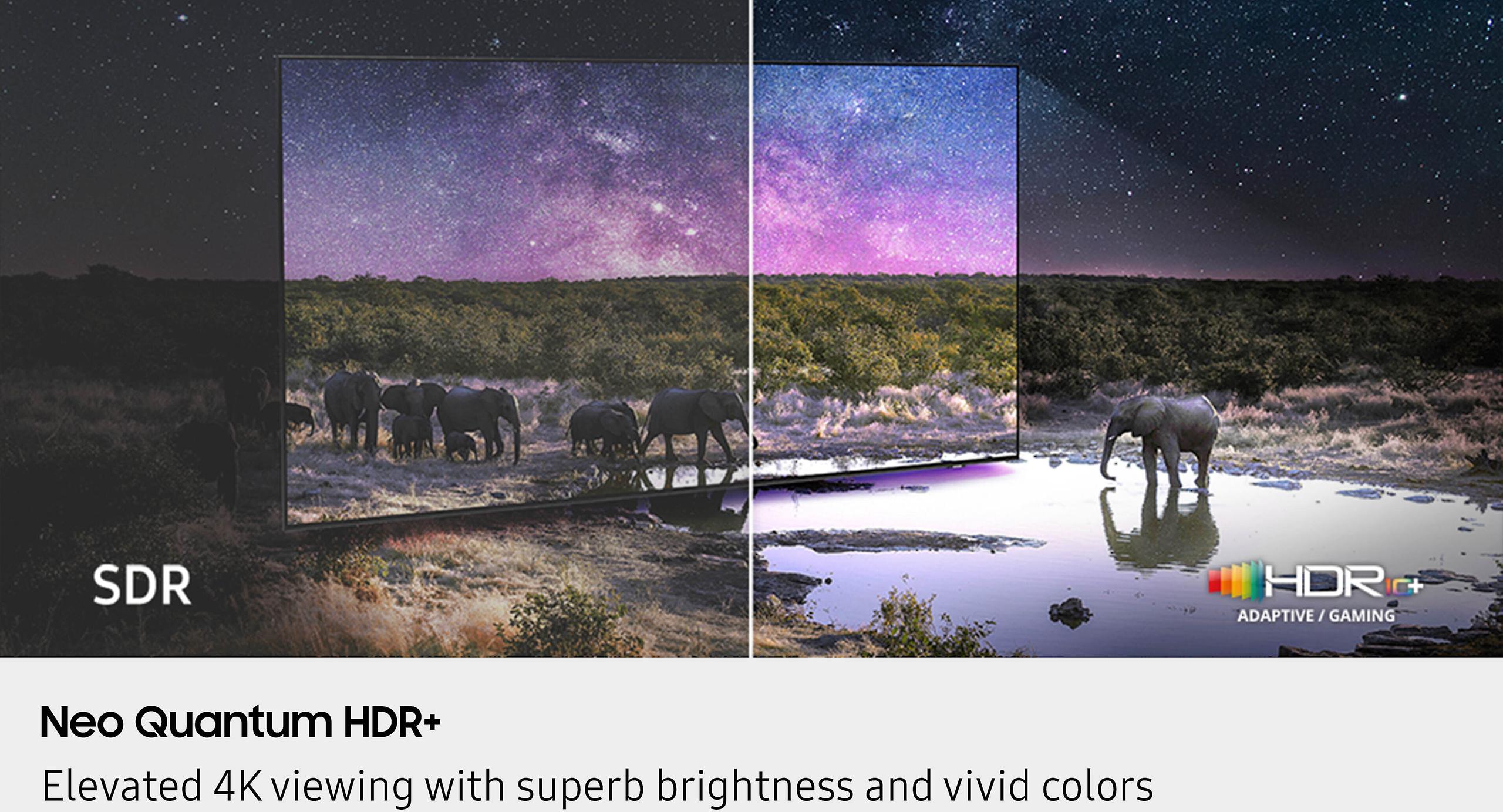
However, our analysis of professional reviews reveals an interesting performance advantage for the 4K QN90F: it actually achieves higher peak brightness in HDR content. Reviews consistently show the QN90F reaching up to 1,900 nits in small highlights while maintaining around 600 nits in larger bright scenes. This translates to more impactful HDR performance—those stunning moments when the sun breaks through clouds or explosions light up the screen feel more realistic and dramatic.
Both models support HDR10+ (an advanced HDR format that adjusts picture settings scene by scene) and HLG (Hybrid Log-Gamma, used by broadcasters), but neither supports Dolby Vision, the premium HDR format used by many streaming services and Ultra HD Blu-rays. This is a notable limitation for home theater enthusiasts who have invested in Dolby Vision content.
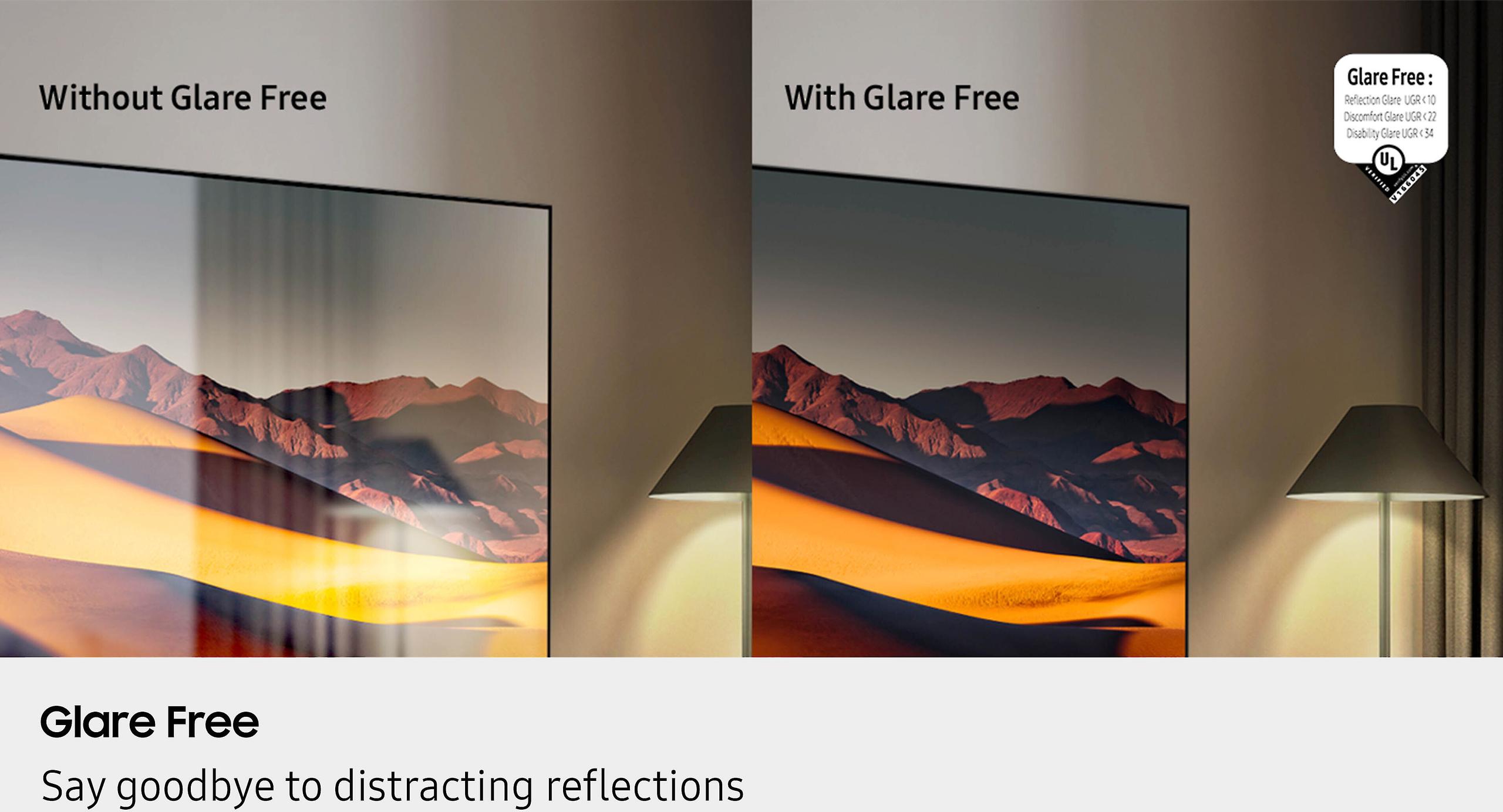
The Glare-Free technology deserves special mention because it fundamentally changes how these TVs perform in real homes. Traditional TVs become nearly unwatchable in bright rooms due to reflections, but Samsung's anti-reflection coating virtually eliminates this problem. User reviews consistently praise this feature, with many noting they can finally enjoy their TV during daytime hours without closing curtains.
Both models excel for gaming, supporting the advanced features required by PlayStation 5, Xbox Series X, and high-end gaming PCs. They offer 4K gaming at up to 165Hz refresh rates (meaning 165 frames displayed per second for ultra-smooth motion), Variable Refresh Rate (which eliminates screen tearing by matching the display refresh to game output), and Auto Low Latency Mode (which automatically optimizes settings when gaming is detected).
The QN900F can theoretically handle 8K gaming at 120Hz, but this capability is largely theoretical since current consoles don't output 8K and gaming PCs capable of 8K gaming at high frame rates cost more than most cars. The 4K QN90F focuses its processing power on optimizing 4K gaming performance instead.
Interestingly, professional reviews suggest the QN90F actually provides superior gaming picture quality. In Game Mode (which reduces input lag for responsive controls), the 4K model maintains better black levels and experiences less motion blur behind fast-moving objects. The 8K model shows some compromises in Game Mode, with slower zone transitions that can create visible haloing around bright objects moving across dark backgrounds.
Both TVs launched in 2025 with Samsung's Vision AI platform, representing a significant leap forward in TV intelligence. Vision AI goes beyond traditional smart TV features by continuously analyzing what you're watching and how you're using the TV, then automatically optimizing picture and sound settings.
The system can recognize different types of content—distinguishing between sports, movies, news, and gaming—and apply appropriate enhancements. It can detect room lighting conditions and adjust the display accordingly, brightening the image in daylight or reducing blue light in the evening. More impressively, it can analyze room acoustics and adjust audio processing to optimize sound for your specific space.
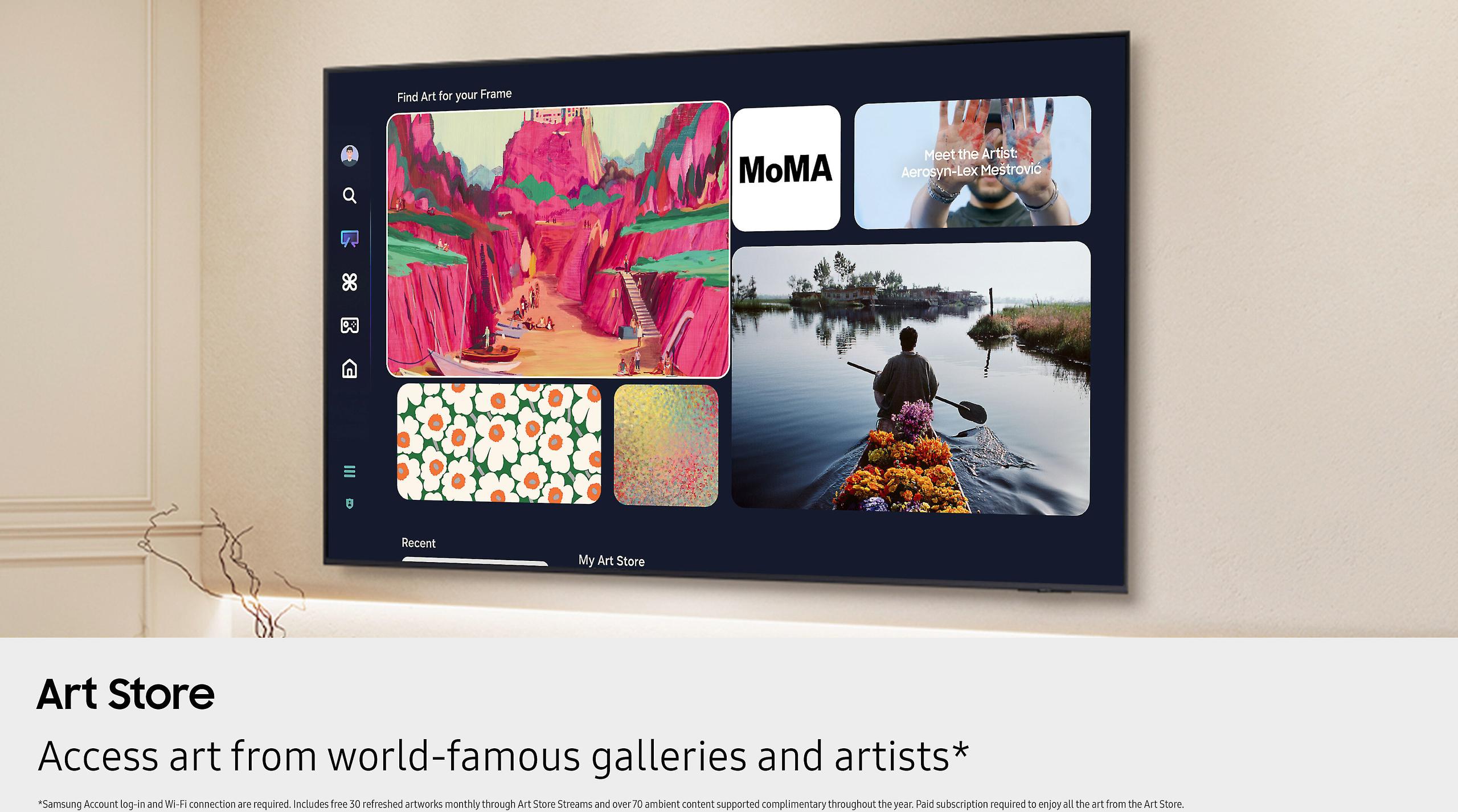
The Vision AI platform also introduces features like universal gesture control (controlling the TV with hand movements), generative art wallpapers that create unique artworks for your screen when not watching content, and home monitoring capabilities that can send alerts when the TV's sensors detect movement or sounds while you're away.
The QN90F benefits from having the newer NQ4 AI Gen3 Processor, which provides more sophisticated AI processing despite being positioned as the lower-tier model. This newer processor enables more accurate content analysis and faster response to changing conditions.
Television audio has historically been an afterthought, but both models take sound seriously. The QN90F features a 60W 4.2.2-channel system with dedicated top-firing speakers for Dolby Atmos support. Dolby Atmos creates three-dimensional soundscapes where audio can be positioned anywhere around you, including overhead. The Object Tracking Sound+ technology analyzes on-screen action and moves audio to match—car crashes pan from left to right, helicopters fly overhead, and dialogue follows characters as they move across the screen.
The QN900F includes Adaptive Sound Pro with both Dolby Atmos and DTS:X support, providing slightly more advanced audio processing. However, user reviews suggest the QN90F's speaker system might actually sound more engaging in typical home environments.
Both models face the same limitation that affects all flat-panel TVs: physics constrains how much sound quality you can achieve from thin speakers mounted behind a screen. For serious home theater use, external audio systems remain essential, but these built-in solutions are genuinely impressive for casual viewing.
For dedicated home theater rooms, several factors become particularly important. The QN900F offers potential advantages for viewers who sit closer than typical to their screens. In a home theater where you might sit 6-8 feet from a 65-inch display, the extra resolution detail becomes visible and worthwhile.
However, most home theater enthusiasts sit 8-12 feet from their screens, where the practical difference between 4K and 8K becomes negligible to human vision. At these distances, the QN90F's superior HDR brightness and processing advantages may actually provide more noticeable improvements to picture quality.
Both models support all the features home theater enthusiasts expect: low input lag for gaming, comprehensive color space support, and compatibility with external sound systems. The lack of Dolby Vision support is more significant for home theater use, where premium content and careful calibration matter most.
At the time of writing, the pricing difference between these models is substantial, with the 8K QN900F commanding a significant premium over the 4K QN90F. This price gap raises serious questions about value, particularly given the limited 8K content available and the QN90F's advantages in processing power and practical performance.
The value equation becomes clearer when you consider what you're actually paying for. The QN900F premium buys you 8K resolution and the potential for future content compatibility, but you're also getting an older processor and paying for capabilities that may not become relevant for years, if ever.
The QN90F offers nearly identical picture quality in real-world viewing scenarios, more advanced AI processing, superior gaming performance, and better built-in audio—all at a significantly lower price. For most buyers, this represents exceptional value in the premium TV market.
The QN900F makes sense for specific buyers: early adopters who want cutting-edge technology regardless of practical benefits, viewers with dedicated home theaters who sit unusually close to large screens, or those with substantial disposable income who prioritize having the most advanced display technology available. If you regularly view high-quality 4K content on Ultra HD Blu-rays and want the ultimate upscaling experience, the 8K model might justify its premium.
The QN90F represents the better choice for most premium TV buyers. It delivers essentially identical real-world picture quality with more advanced processing, superior gaming performance, and significant cost savings. If you prioritize getting the best performance for your investment, want proven 4K optimization over theoretical 8K benefits, or plan to use the TV primarily for streaming content and gaming, the 4K model offers superior practical value.
The choice ultimately comes down to your priorities and viewing habits. If you're building a future-proof setup and money isn't a primary concern, the QN900F offers the highest resolution available and impressive upscaling technology. However, for most viewers seeking premium picture quality, advanced features, and reasonable value, the QN90F provides better real-world performance at a more accessible price point.
Both models represent Samsung's commitment to premium LCD technology and deliver picture quality that rivals much more expensive OLED alternatives while exceeding them in bright room performance. The decision between them should be based on your specific needs, viewing distance, content preferences, and budget rather than assuming the higher-priced model automatically provides better performance.
In the rapidly evolving TV market of 2025, the Samsung QN90F strikes an ideal balance between cutting-edge technology and practical value, making it our recommendation for most buyers seeking premium television performance.
| Samsung 65" Neo QLED 8K QN900F Vision AI Smart TV 2025 | Samsung 65" QN90F Neo QLED 4K Vision AI Smart TV 2025 |
|---|---|
| Display Resolution - Higher resolution provides sharper detail, but benefits depend on viewing distance and content availability | |
| True 8K (7,680 × 4,320 pixels) with 8K AI Upscaling Pro | 4K UHD (3,840 × 2,160) with 4K AI Upscaling Pro |
| AI Processor - Controls upscaling quality, smart features, and real-time picture optimization | |
| NQ8 AI Gen2 Processor (older generation, 8K-optimized) | NQ4 AI Gen3 Processor (newer, 128 neural networks) |
| HDR Peak Brightness - Higher brightness creates more impactful HDR with better highlight detail | |
| Excellent HDR performance with Neo Quantum HDR 8K Pro | Superior HDR brightness up to 1,900 nits with Neo Quantum HDR+ |
| Local Dimming Technology - More precise dimming zones improve contrast and reduce blooming | |
| Ultimate 8K Dimming Pro with Quantum Matrix Technology Pro | Full Array Local Dimming with Quantum Matrix Technology Pro |
| Gaming Performance - Critical for PlayStation 5, Xbox Series X, and PC gaming | |
| 8K@120Hz, 4K@165Hz with Motion Xcelerator Turbo 8K Pro | 4K@165Hz with Motion Xcelerator Turbo+ (better Game Mode picture quality) |
| Built-in Audio System - Quality affects everyday viewing without external speakers | |
| Adaptive Sound Pro with Dolby Atmos and DTS:X support | 60W 4.2.2CH with Object Tracking Sound+ and dedicated top-firing speakers |
| Design and Build Quality - Affects room aesthetics and mounting options | |
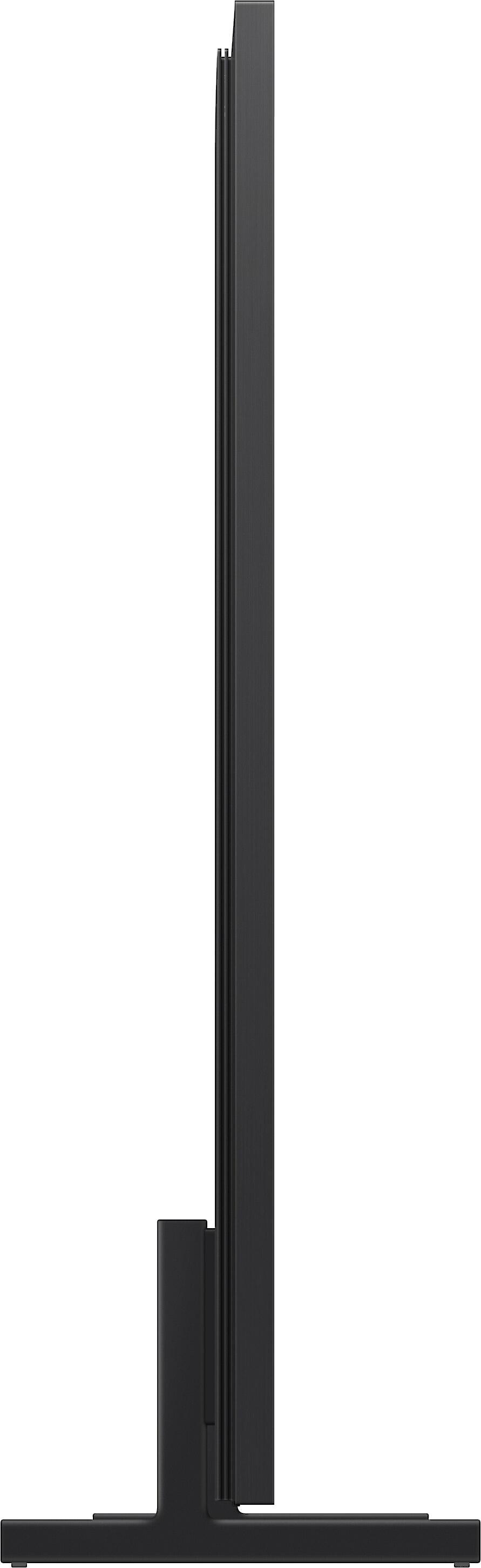
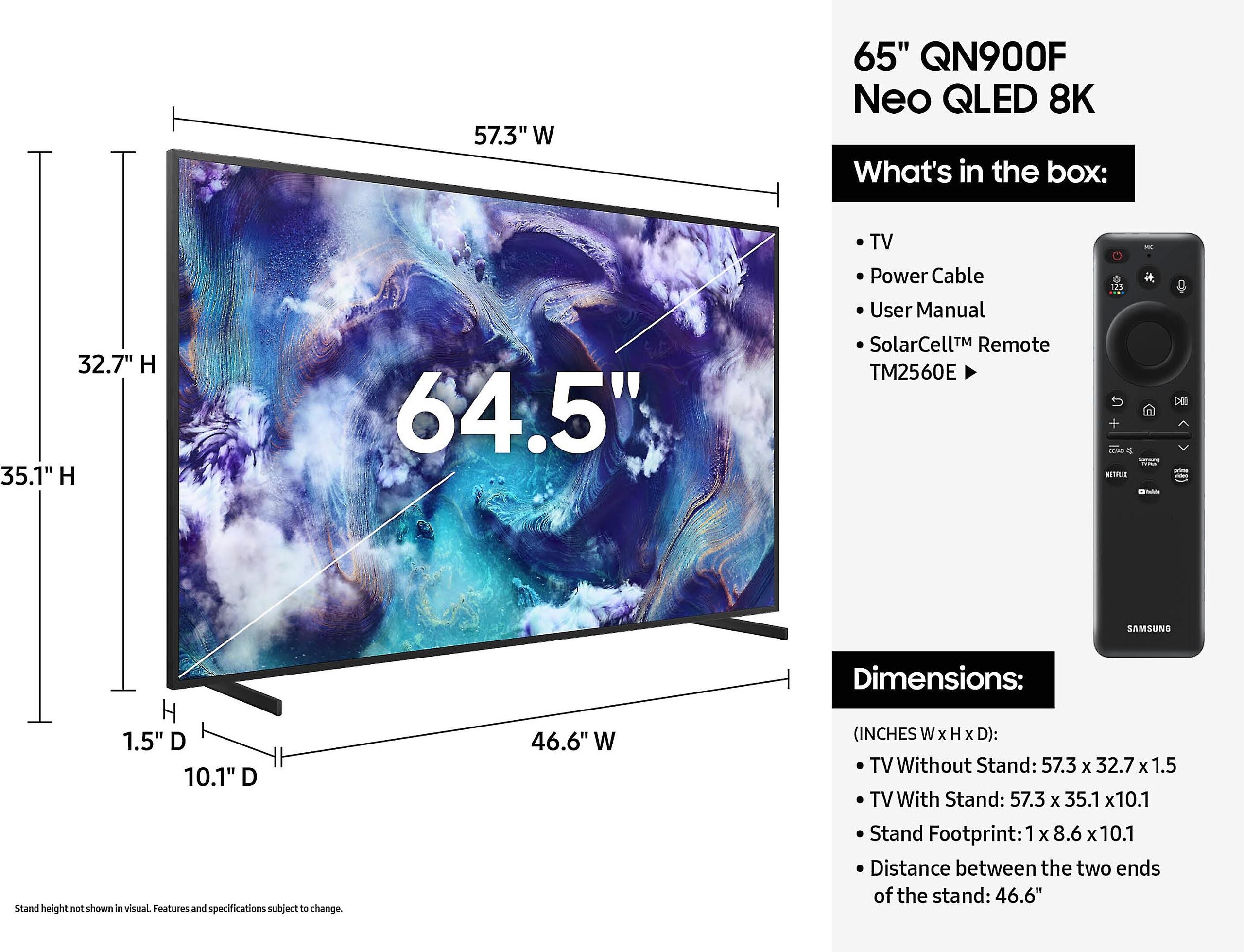
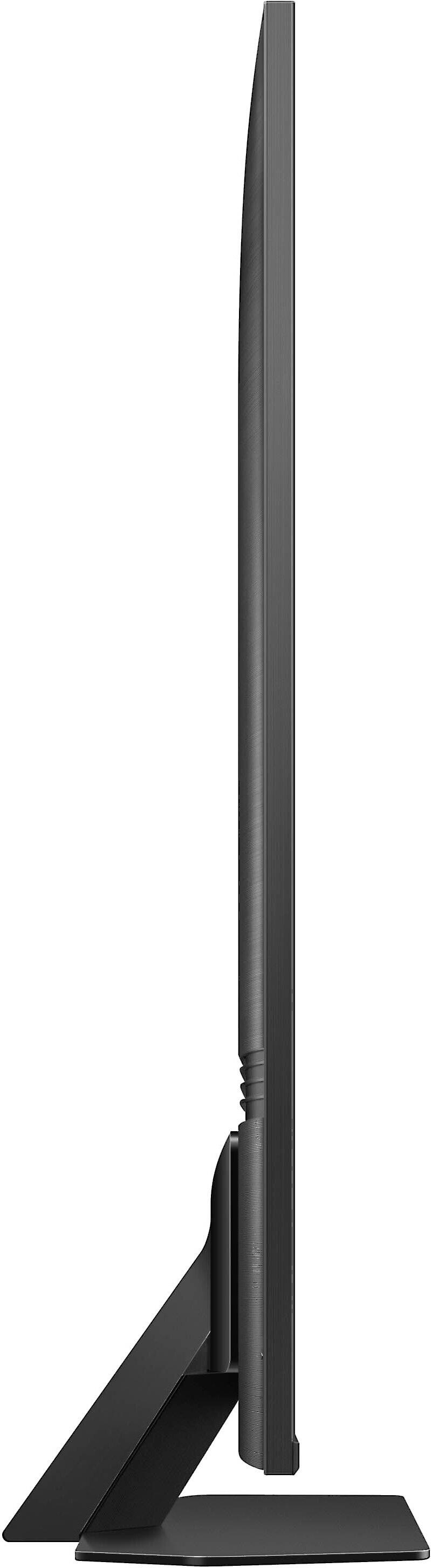
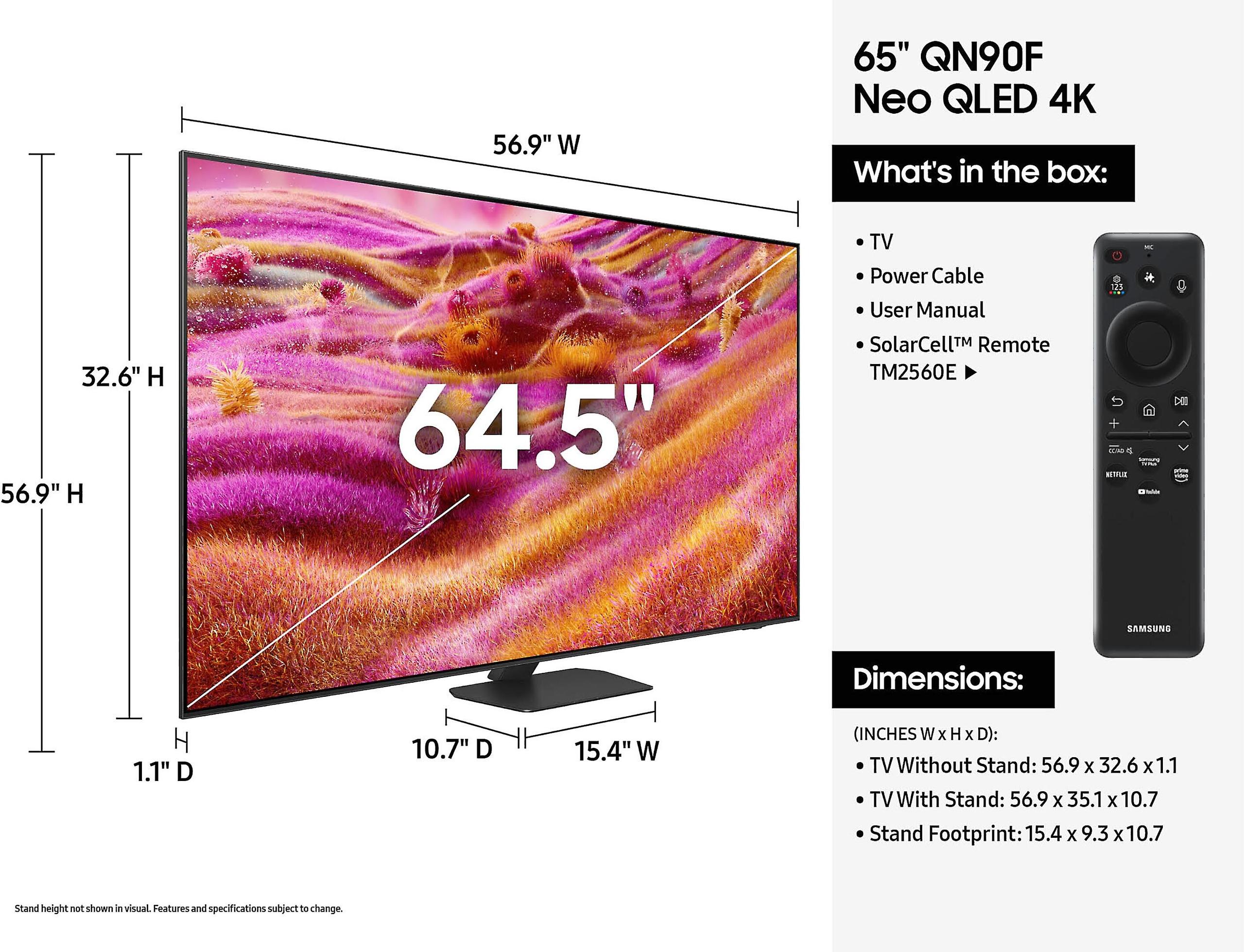
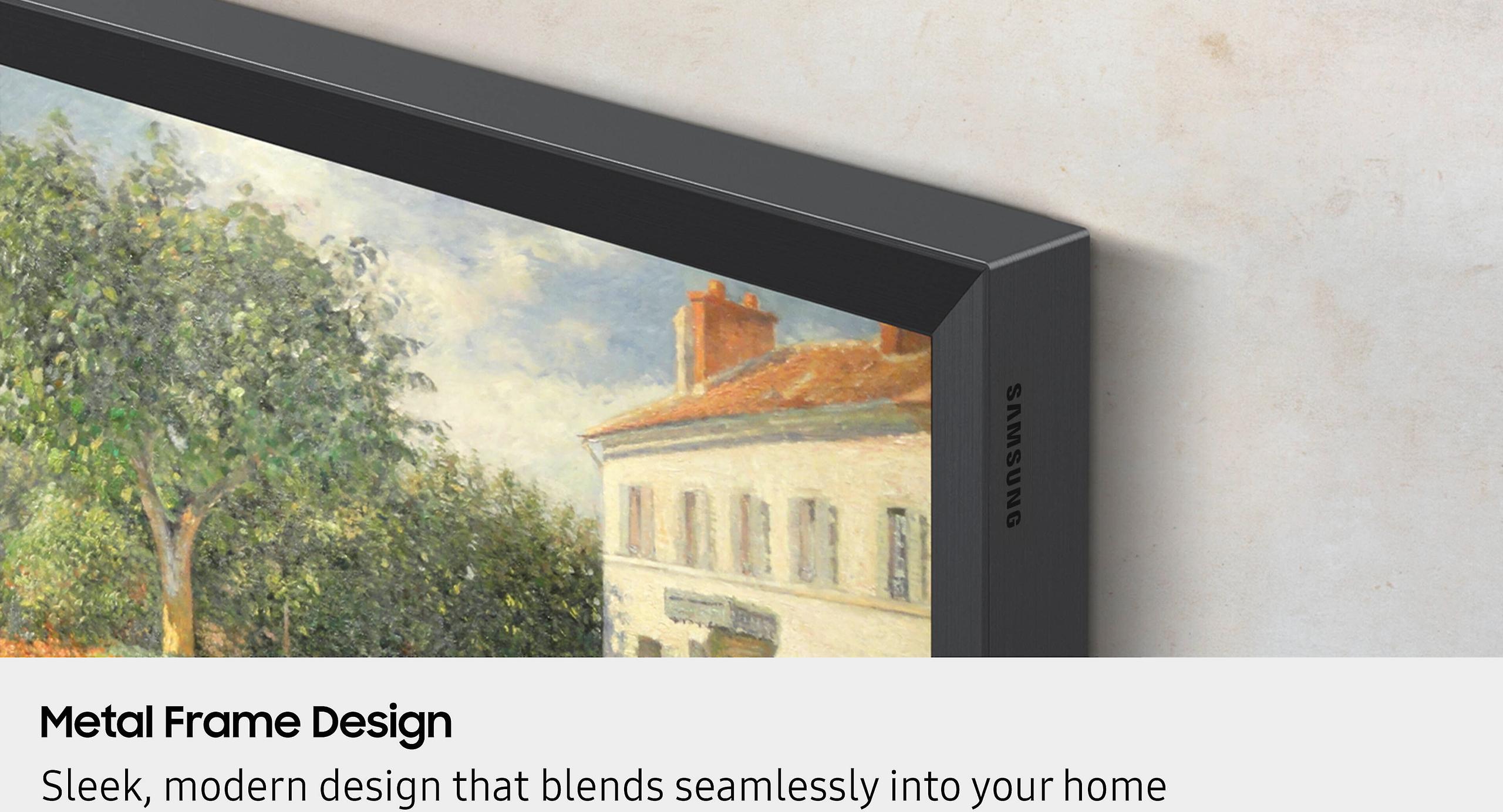
| New Metal Frame design, nearly edgeless appearance | Ultra-thin bezels, just over 1-inch depth despite Mini LED backlighting |
| Content Compatibility - Important for maximizing picture quality with available sources | |
| Optimized for future 8K content (currently very limited) | Optimized for current 4K streaming, gaming, and broadcast content |
| Glare-Free Technology - Essential for bright room viewing without reflections | |
| Samsung's award-winning Glare-Free anti-reflection coating | Samsung's award-winning Glare-Free anti-reflection coating |
| Smart Platform and AI Features - Affects daily usability and feature updates | |
| Samsung Vision AI with Tizen OS (gesture control, home insights) | Samsung Vision AI with Tizen OS (gesture control, home insights) |
| Value Proposition - Performance per dollar and practical benefits for most viewers | |
| Premium pricing for 8K resolution and future-proofing | Better performance per dollar with advanced processing and proven 4K optimization |
The primary difference is resolution: the Samsung 65" Neo QLED 8K QN900F delivers true 8K resolution (7,680 × 4,320 pixels) while the Samsung QN90F 4K model provides 4K resolution (3,840 × 2,160 pixels). Both use identical Neo QLED Mini LED technology, but the QN900F targets users wanting maximum resolution while the QN90F focuses on optimized 4K performance.
For most viewers, the Samsung QN90F 4K model actually provides superior everyday picture quality despite being the lower-tier model. It achieves higher HDR brightness (up to 1,900 nits), uses a newer NQ4 AI Gen3 processor with better content optimization, and delivers more impactful contrast. The 8K QN900F offers sharper detail with native 8K content, but since 8K content is extremely limited, the QN90F's superior processing of 4K and HD sources makes it better for daily use.
Currently, 8K content is virtually non-existent on streaming services, with no major platforms offering 8K programming. The Samsung QN900F 8K model relies heavily on AI upscaling to enhance 4K content to 8K, which is impressive but may not justify the significant price premium for most buyers. The QN90F 4K model provides excellent value by focusing on perfecting 4K performance with current content sources.
The Samsung QN90F 4K model is superior for gaming despite being the lower-tier option. Both models support 4K gaming at 165Hz and advanced features like VRR, but the QN90F maintains better black levels and less motion blur in Game Mode. The QN900F 8K model can theoretically handle 8K gaming, but current consoles don't output 8K, making this capability largely irrelevant for most gamers.
Yes, both the Samsung QN900F and QN90F feature Samsung's award-winning Glare-Free technology that virtually eliminates reflections. This anti-reflection coating makes both models excellent choices for bright living rooms or spaces with lots of windows. The QN90F actually has a slight edge with higher sustained brightness levels for daytime viewing.
Both the Samsung QN900F and QN90F run identical Samsung Vision AI platforms with the same smart features, including gesture control, generative art wallpapers, and home monitoring capabilities. However, the QN90F uses a newer NQ4 AI Gen3 processor that provides more sophisticated AI processing and faster response to changing conditions.
The Samsung QN90F 4K model has superior built-in audio with a 60W 4.2.2-channel system featuring dedicated top-firing speakers and Object Tracking Sound+ technology. The QN900F 8K model includes Adaptive Sound Pro with Dolby Atmos and DTS:X support, but user reviews suggest the QN90F's speaker system sounds more engaging in typical home environments.
For most home theater setups where viewers sit 8-12 feet from the screen, the Samsung QN90F provides better value and performance. The QN900F 8K model only shows meaningful resolution advantages when sitting very close (6-8 feet) to the screen. Both models lack Dolby Vision support, which is a consideration for home theater enthusiasts with premium content libraries.
Yes, viewing distance significantly affects which model makes sense. The Samsung QN900F 8K model only provides visible resolution benefits when sitting closer than 8 feet from the screen. At typical viewing distances of 8-12 feet, the human eye cannot distinguish between 4K and 8K resolution, making the QN90F 4K model more practical for most living room setups.
The Samsung QN90F 4K model provides significantly better value, offering superior real-world performance at a lower cost. It features a newer processor, better HDR brightness, superior gaming performance, and enhanced audio—all while costing considerably less than the QN900F 8K model. The 8K model's premium is difficult to justify given limited 8K content availability.
Both the Samsung QN900F and QN90F support HDR10+ and HLG (Hybrid Log-Gamma) but neither supports Dolby Vision, the premium HDR format used by many streaming services and Ultra HD Blu-rays. This is a notable limitation for users who prioritize premium HDR content, regardless of which Samsung model you choose.
If future-proofing is your primary concern and budget isn't a factor, the Samsung QN900F 8K model offers theoretical advantages for eventual 8K content adoption. However, the QN90F 4K model may actually be more future-proof in practical terms due to its newer AI processor and superior optimization for current and near-future content formats. Most experts recommend prioritizing proven 4K performance over uncertain 8K benefits.
We've done our best to create useful and informative comparisons to help you decide what product to buy. Our research uses advanced automated methods to create this comparison and perfection is not possible - please contact us for corrections or questions. These are the sites we've researched in the creation of this article: rtings.com - samsung.com - techradar.com - dolby.com - youtube.com - samsung.com - youtube.com - samsung.com - samsung.com - samsung.com - samsung.com - displayspecifications.com - samsung.com - rtings.com - bestbuy.com - merlinstv.com - news.samsung.com - bestbuy.com - rtings.com - images.samsung.com - youtube.com - listenup.com - youtube.com - cullenshomecenter.com - rtings.com - shopjetson.com - youtube.com - samsung.com - samsung.com - videoandaudiocenter.com - rtings.com - bestbuy.com - youtube.com - news.samsung.com - news.samsung.com - news.samsung.com - bestbuy.com - news.samsung.com - youtube.com - news.samsung.com - youtube.com - smarthomesounds.co.uk

Privacy Policy
Terms and Conditions - Affiliate Policy
Home Security
© Copyright 2008-2026.
11816 Inwood Rd #1211, Dallas, TX 75244