


![LG B5 Series OLED 65" 4K Smart TV 2025[1][7][9]](https://images.hometheaterreview.com/htr-stateless/2025/07/31238cd0-lg-b5-series-oled-65-4k-smart-tv-2025179.jpg)
![LG B5 Series OLED 65" 4K Smart TV 2025[1][7][9]](https://images.hometheaterreview.com/htr-stateless/2025/07/3368ce40-25ef-4d07-b442-bb0af89e3a29.jpg)
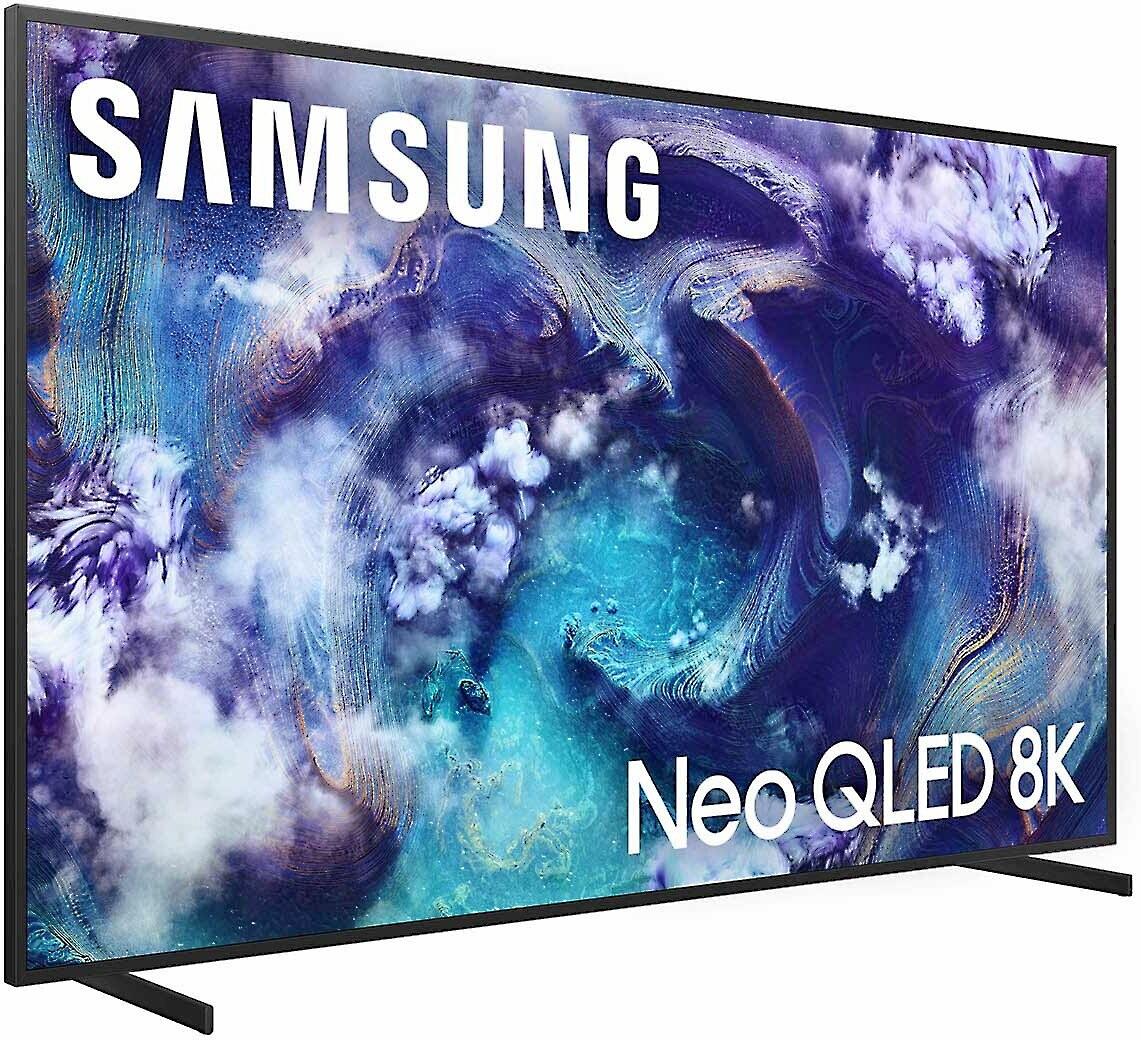
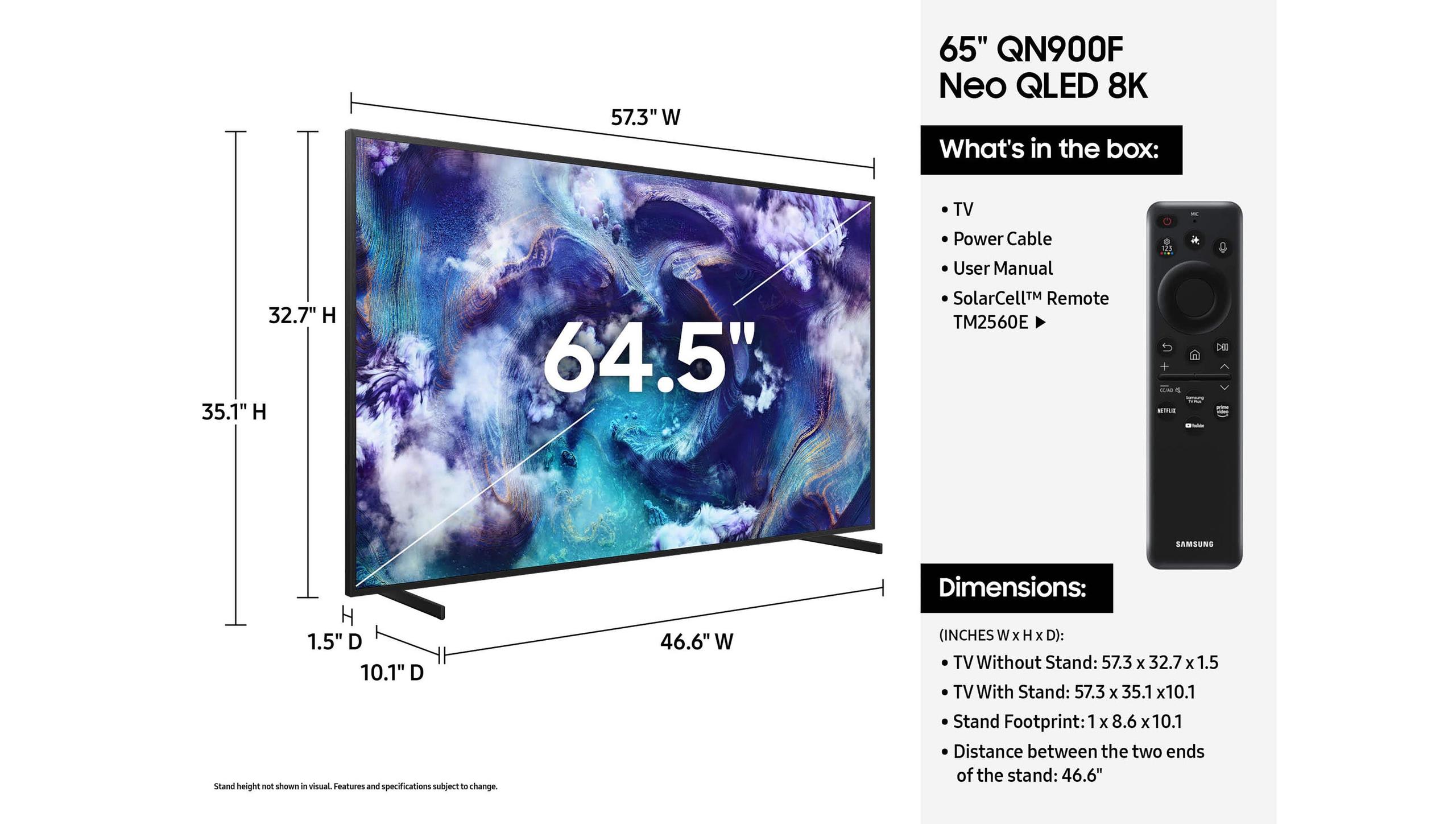
Shopping for a premium 65-inch TV in 2025 means navigating two fundamentally different display technologies, each with compelling advantages. The choice between Samsung's cutting-edge 8K Mini-LED technology and LG's refined OLED approach represents more than just brand preference—it's about understanding how you watch TV and what matters most in your viewing experience.
At the time of writing, these TVs sit in different price categories, with the Samsung QN900F commanding a premium for its 8K resolution and advanced Mini-LED backlighting, while the LG B5 OLED offers exceptional value as an entry point into OLED technology. The price difference reflects their distinct market positioning: Samsung targets early adopters seeking the latest display technology, while LG delivers proven OLED excellence at a more accessible price point.
The 65-inch premium TV market has evolved dramatically since 2020, when 4K content was still emerging and 8K remained largely theoretical. Today's landscape features mature 4K streaming ecosystems, advanced gaming capabilities, and display technologies that rival dedicated home theater projectors.
The fundamental choice comes down to display technology philosophy. Mini-LED represents the evolution of traditional LCD technology, using thousands of tiny LEDs behind the screen to create precise brightness zones—imagine having thousands of individual dimmer switches controlling different parts of your TV screen. OLED takes a completely different approach, with each pixel generating its own light and turning completely off when displaying black.
This technological difference creates distinct viewing experiences. Mini-LED excels in bright rooms and delivers spectacular HDR (High Dynamic Range) highlights—those brilliant explosions in action movies or gleaming car surfaces in automotive commercials. OLED dominates in dark room viewing, creating perfect blacks that make space scenes truly immersive and enhancing the contrast that makes colors pop.
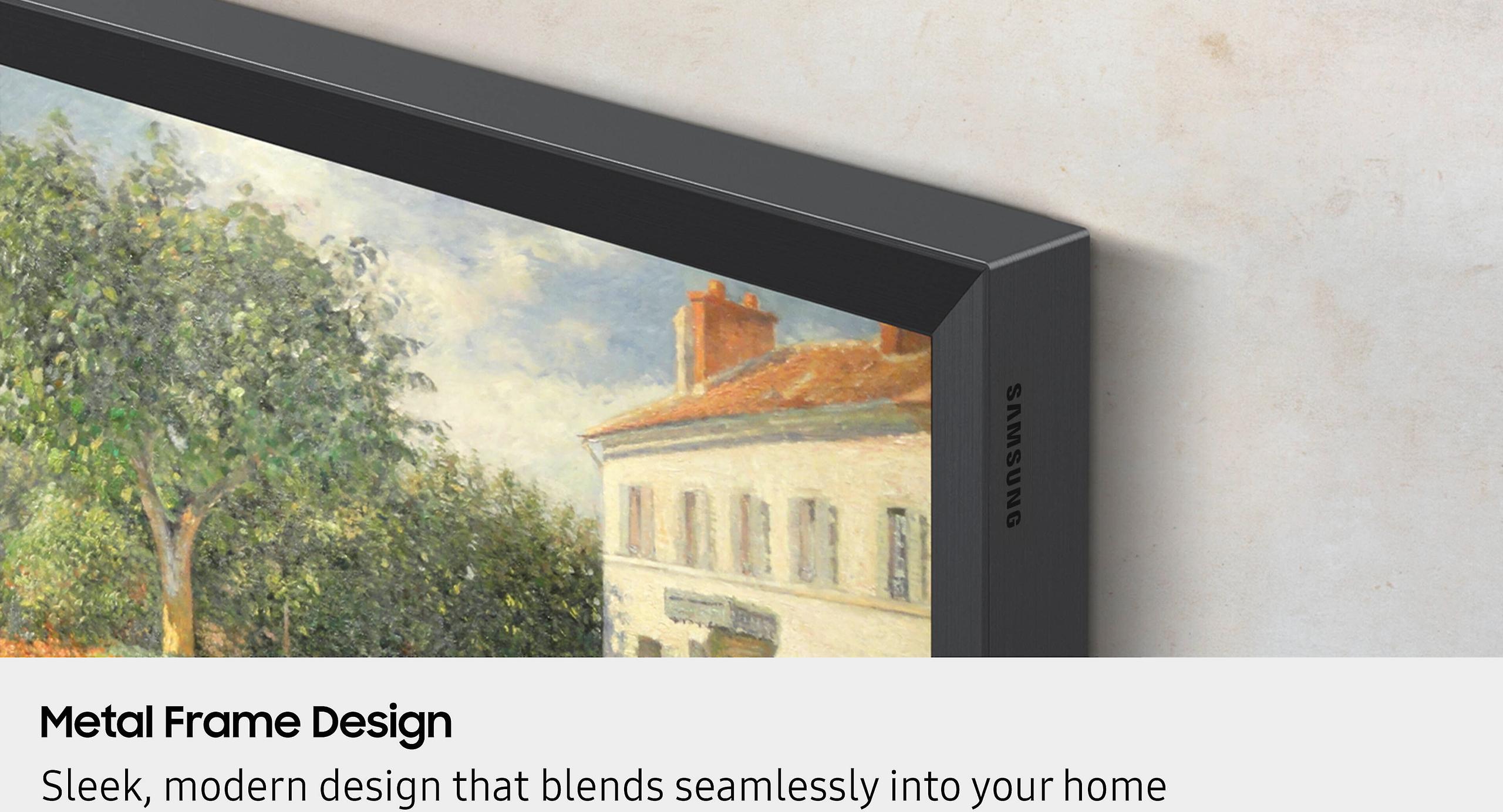
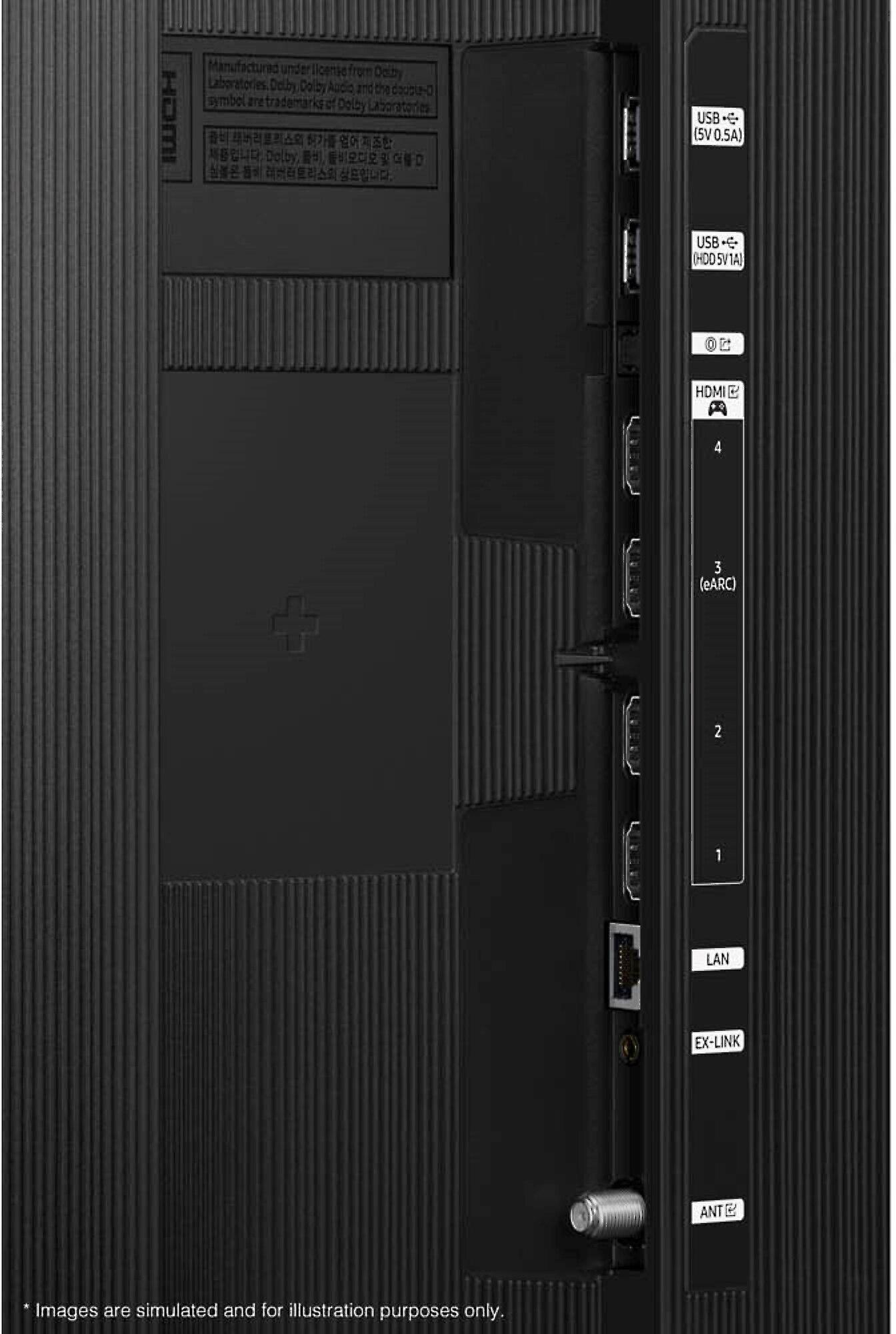
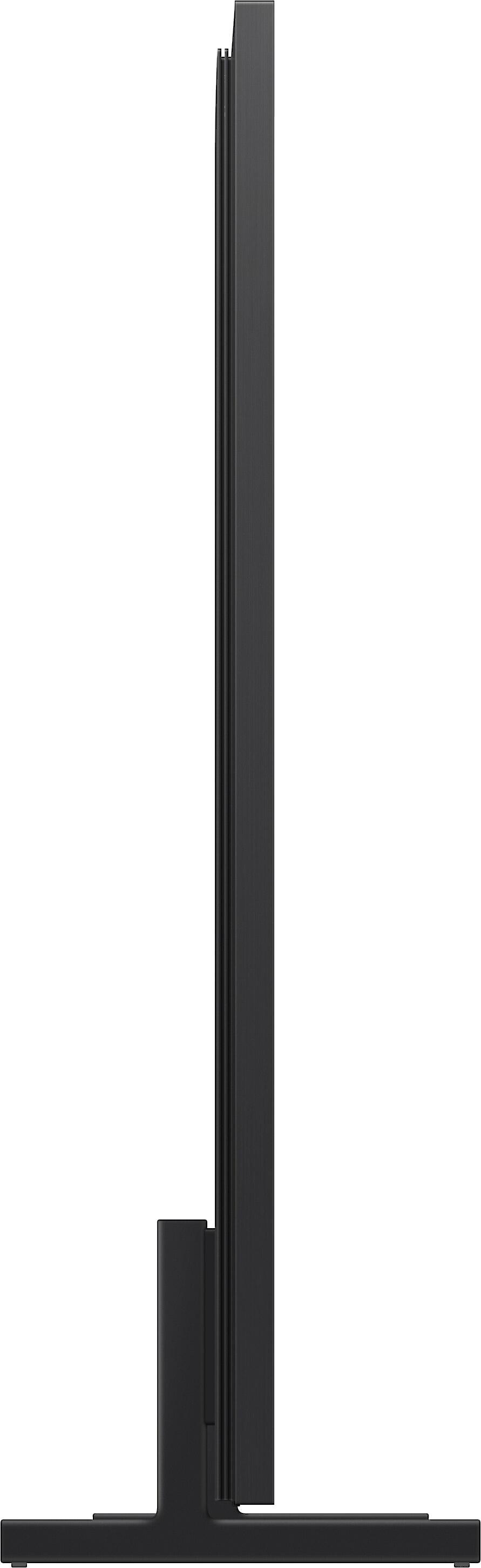
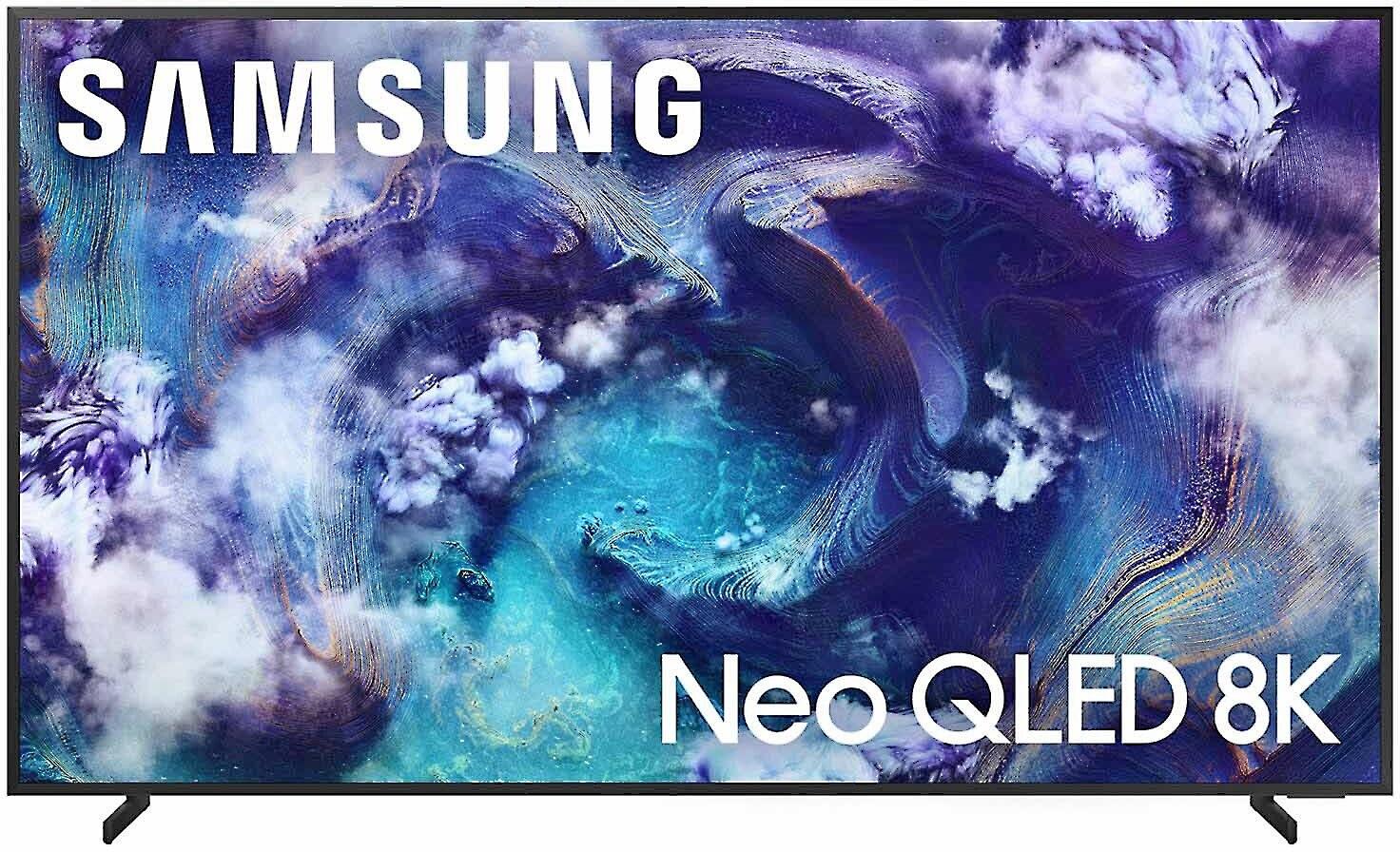
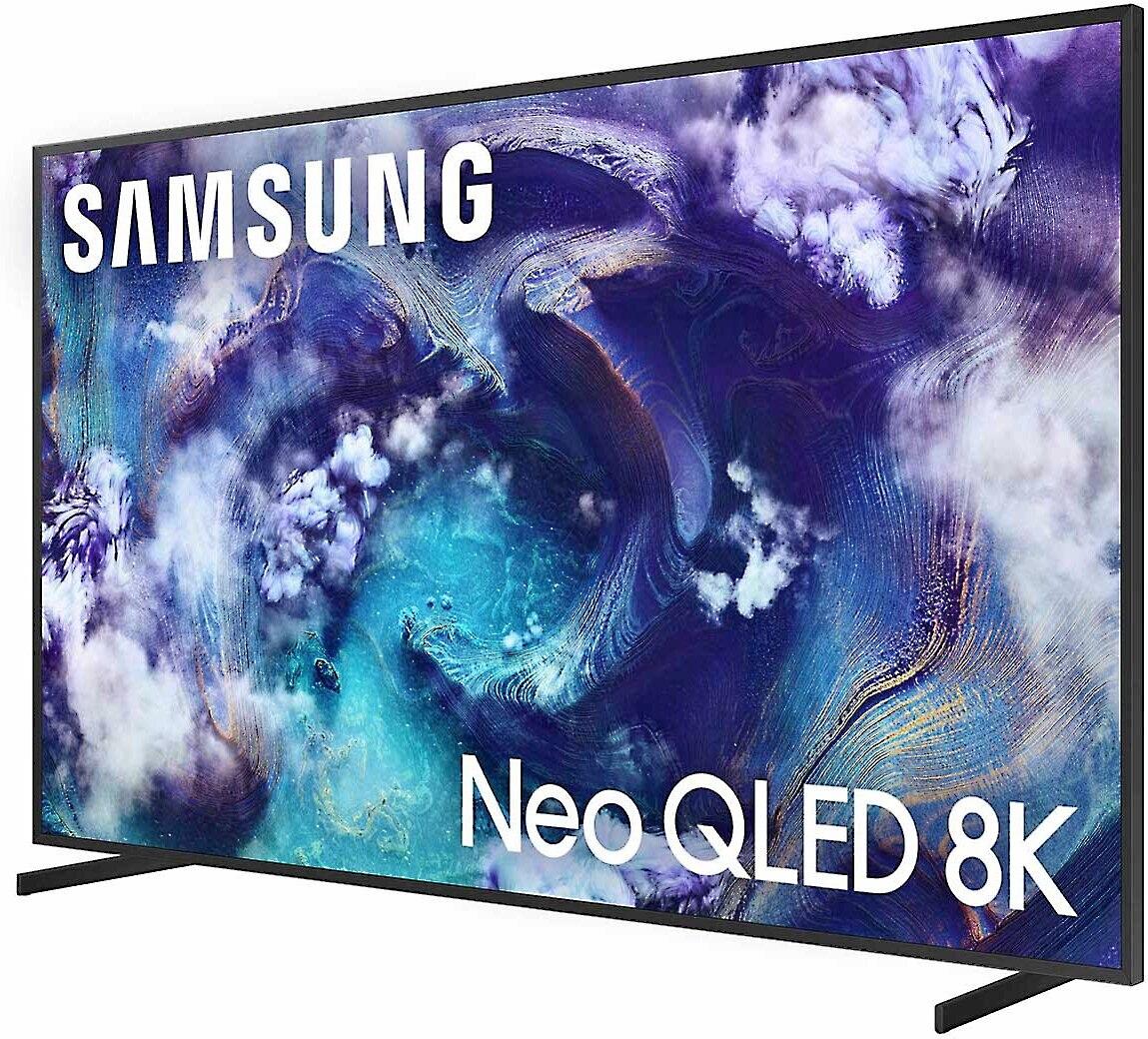
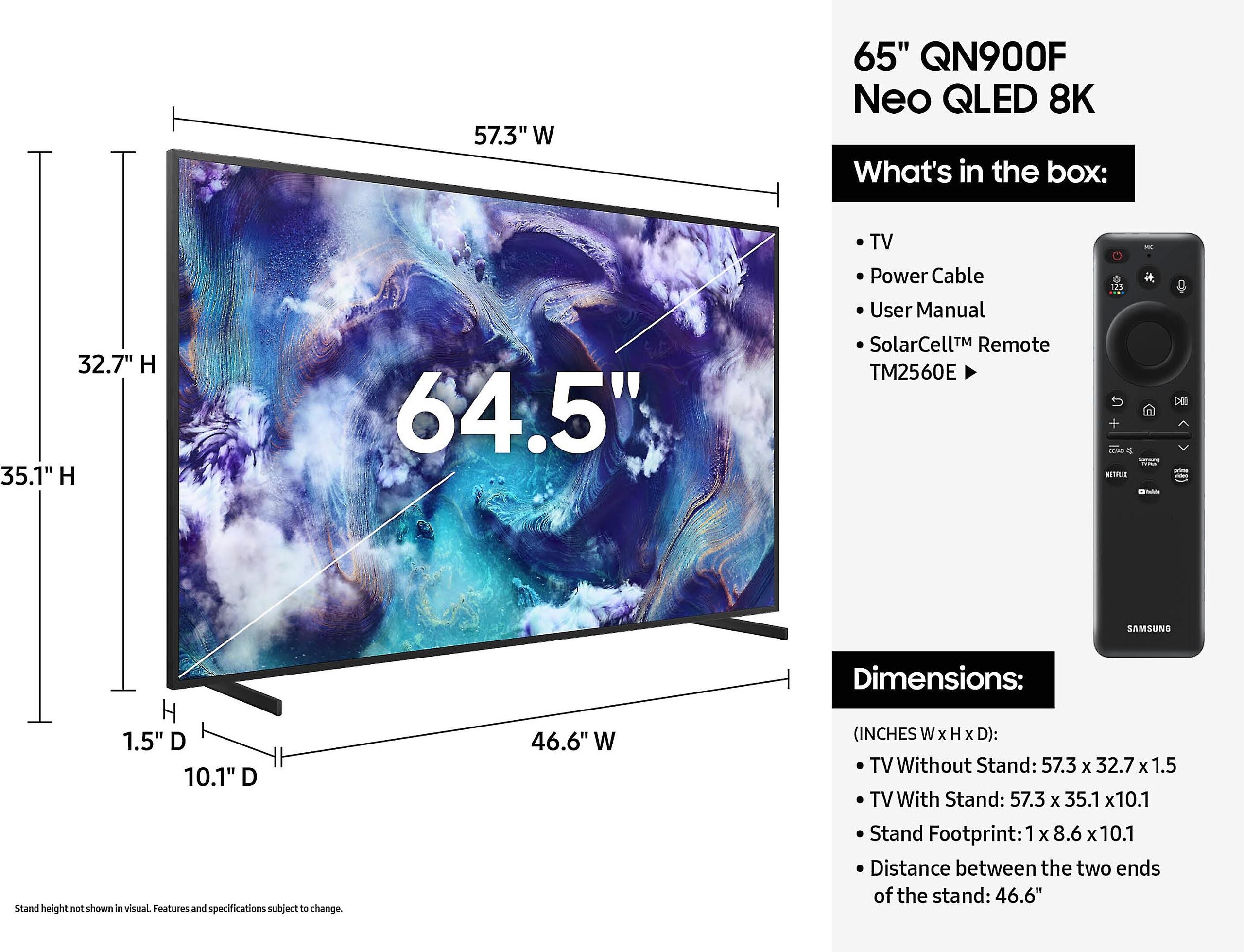
Released in 2025, the Samsung QN900F represents Samsung's entry into genuine 8K territory for mainstream consumers. While 8K TVs existed before 2025, they were either prohibitively expensive or compromised in other areas. The QN900F changes this equation by delivering native 8K resolution—that's 7,680 × 4,320 pixels, four times more detail than 4K—at a price point that, while premium, isn't astronomical.
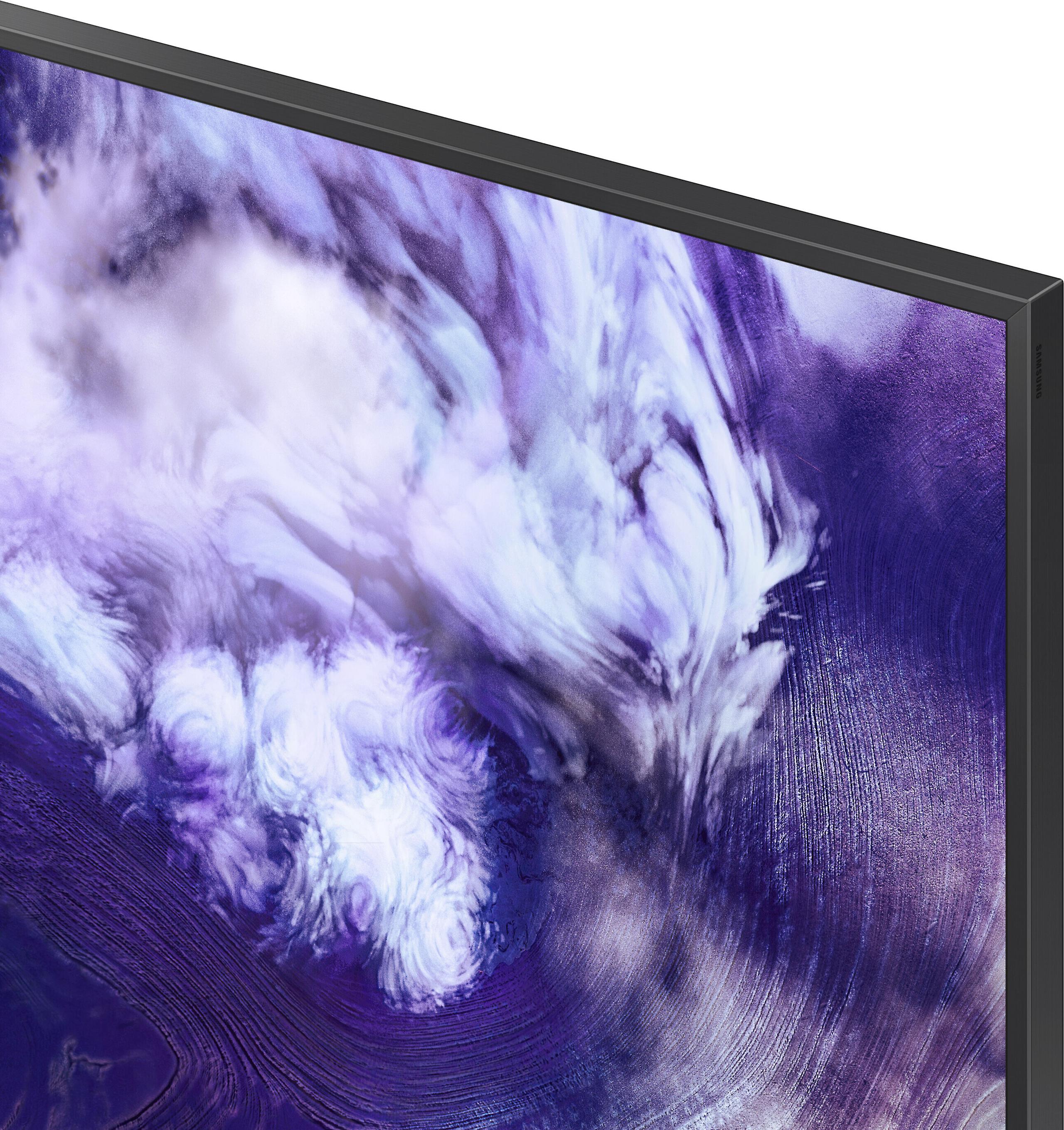
Samsung's Quantum Matrix Pro technology uses thousands of Mini-LEDs, each smaller than traditional LED backlights, arranged in precise zones behind the LCD panel. Think of it like having a high-resolution flashlight system illuminating your TV screen from behind, with each zone capable of independent brightness control. This creates what Samsung calls "Ultimate 8K Dimming Pro," allowing bright objects to shine brilliantly while keeping surrounding dark areas properly black.
The NQ8 AI Gen2 processor deserves particular attention. This isn't just marketing—the chip analyzes incoming content frame-by-frame, identifying objects, scenes, and content types to optimize the display in real-time. When you're watching a nature documentary, it enhances the greens of forest scenes. During sports, it sharpens motion and enhances the clarity of player jerseys and field details.
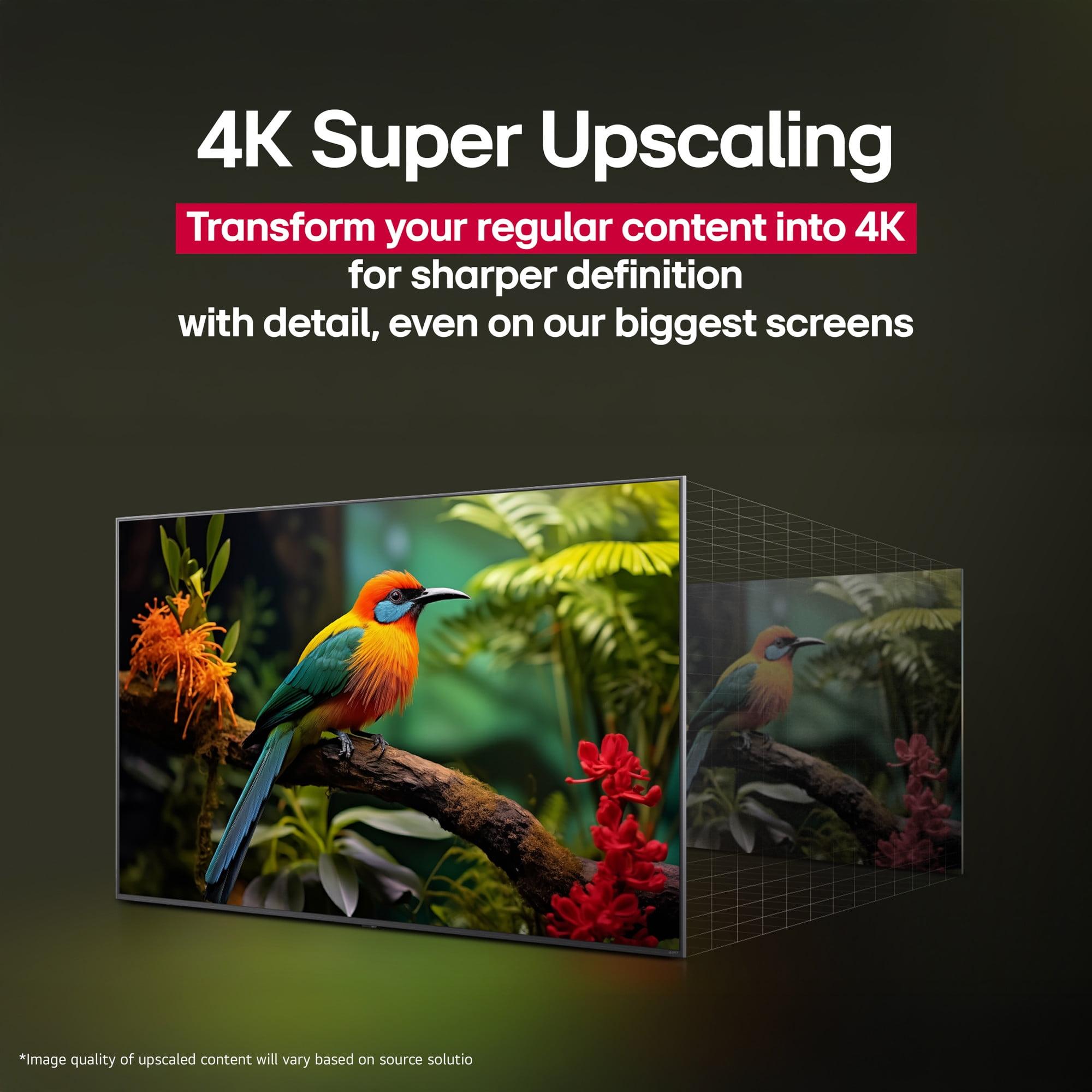
Here's where honest discussion becomes crucial: native 8K content remains extremely limited in 2025. Netflix, Amazon Prime, and Disney+ still primarily deliver 4K, with only select documentaries and tech demos available in 8K. However, the Samsung QN900F's 8K AI Upscaling Pro addresses this by analyzing 4K, HD, and even standard definition content to extrapolate additional detail.
From our research into professional reviews and user experiences, this upscaling proves remarkably effective. Lower-resolution content gains noticeable sharpness and detail without the artificial over-processing that plagued early upscaling attempts. The difference becomes particularly apparent on larger screen sizes—at 65 inches, the additional pixel density creates a more refined, film-like image quality even with 4K source material.
For gaming enthusiasts, the Samsung QN900F delivers impressive specifications. The TV supports 4K gaming at up to 165Hz refresh rate—significantly higher than the 120Hz maximum of current gaming consoles but beneficial for high-end PC gaming. Variable Refresh Rate (VRR) technology synchronizes the TV's display with your gaming system's frame output, eliminating screen tearing and stuttering.
The Motion Xcelerator technology specifically targets gaming performance, reducing input lag (the delay between pressing a button and seeing the result on screen) to levels competitive with dedicated gaming monitors. Auto Game Mode automatically switches to optimized settings when it detects a gaming console, ensuring you get the best performance without manual adjustment.
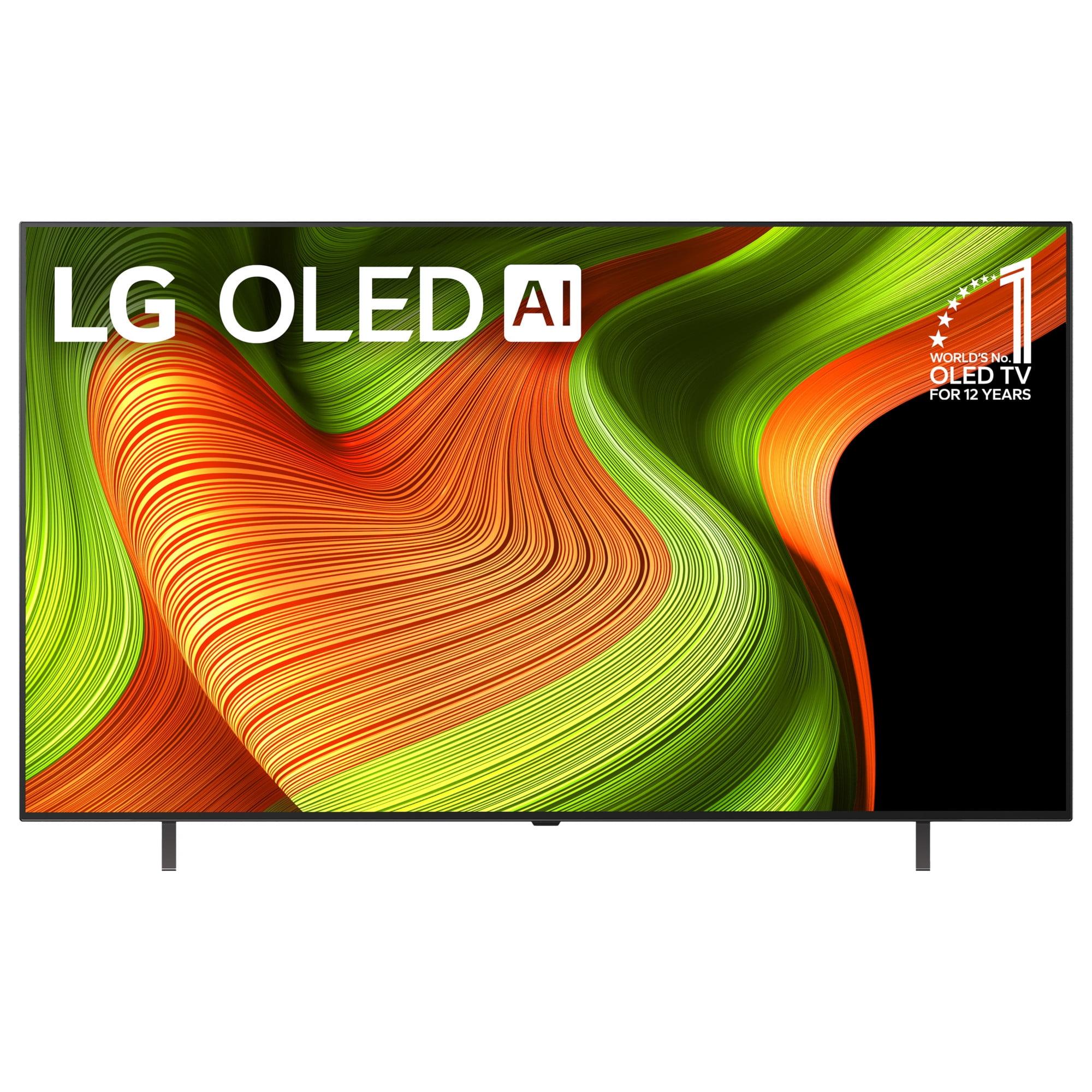
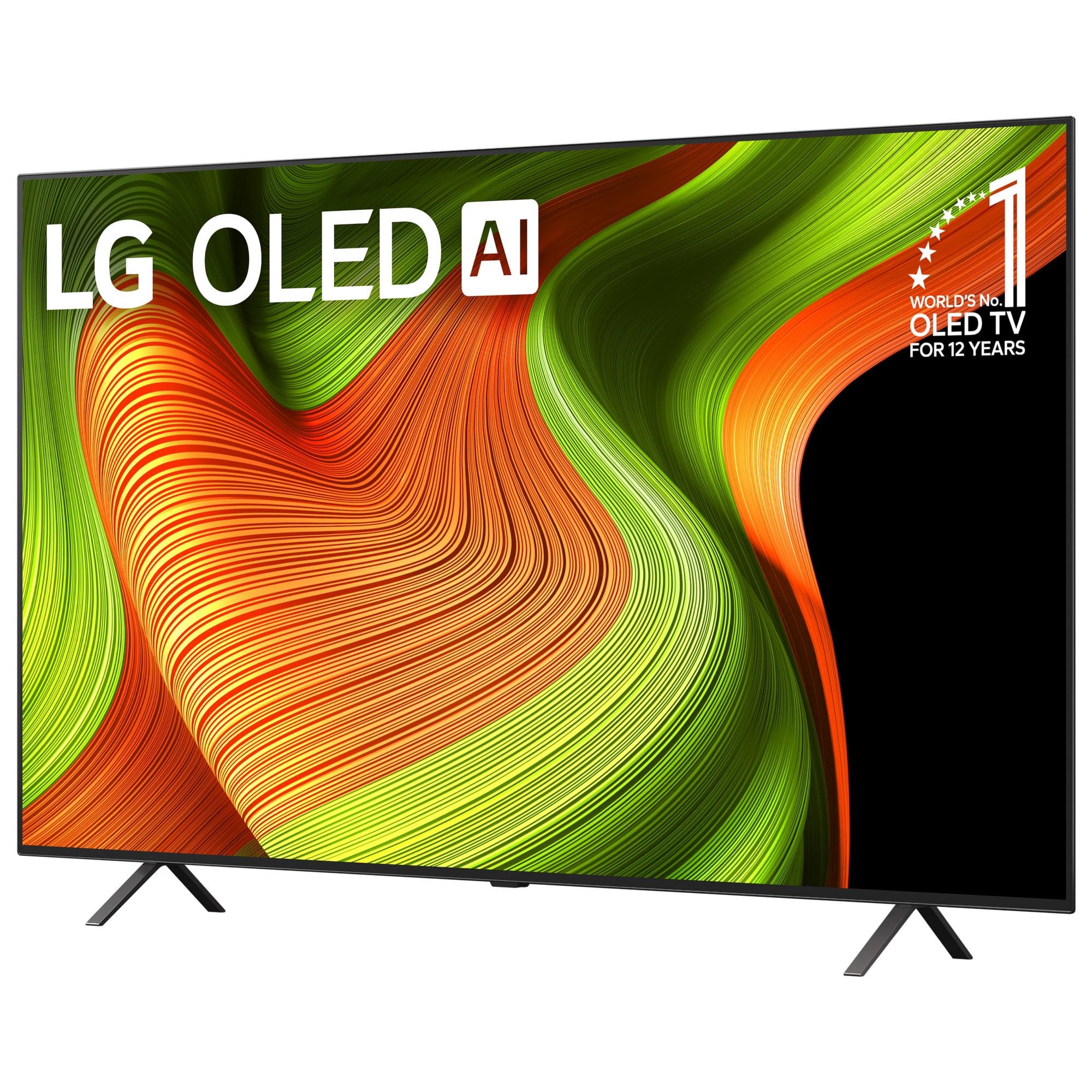
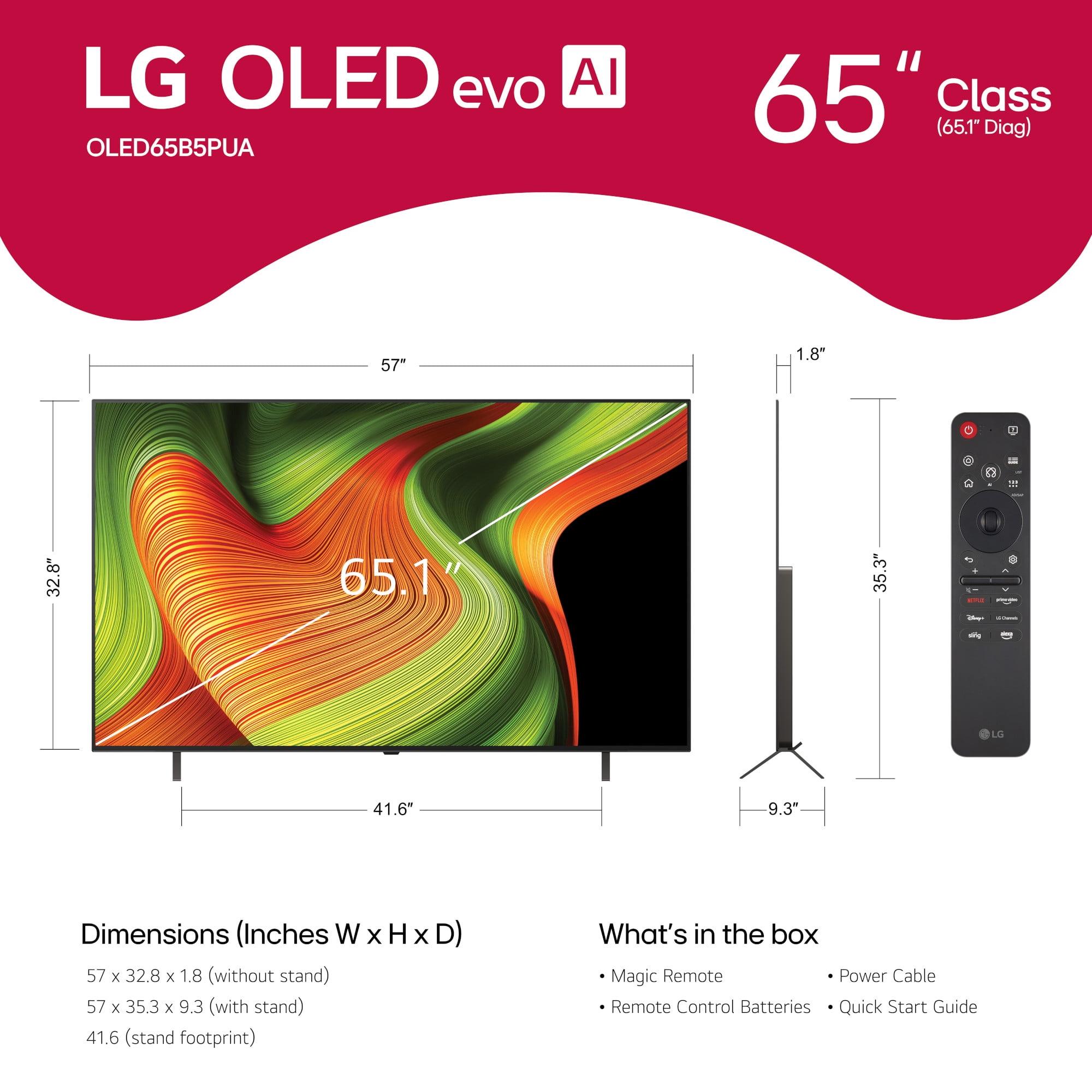
The LG B5 OLED, also released in 2025, represents LG's commitment to making OLED technology accessible. As their entry-level OLED offering, it maintains the core advantages that make OLED special while targeting a broader audience than premium models like the G5 or C5 series.
OLED's self-emissive pixels create what display enthusiasts call "infinite contrast ratio." When a pixel needs to display black, it simply turns off completely—no backlight bleed, no gray tint, just perfect darkness. This creates contrast ratios that Mini-LED, despite its impressive zone control, cannot match.
The practical impact becomes immediately apparent in dark scenes. Whether you're watching the latest Marvel movie's space sequences or playing atmospheric games like Resident Evil, the LG B5 delivers blacks so deep they seem to disappear into the screen bezel. Bright objects against these perfect blacks create a three-dimensional quality that's particularly striking in HDR content.
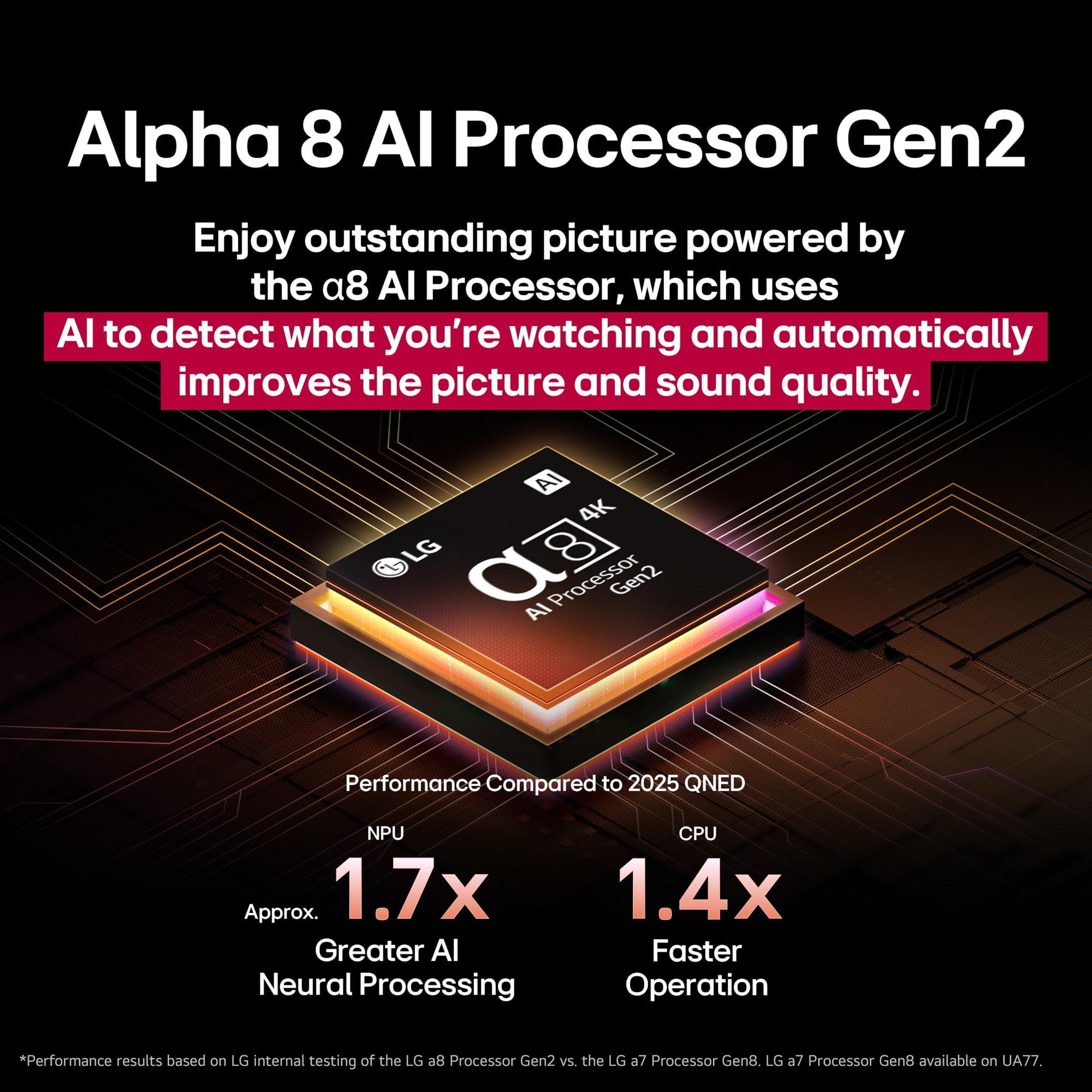
LG's α8 AI Processor 4K Gen2 takes a different approach than Samsung's system. Rather than focusing on upscaling to higher resolutions, it emphasizes optimizing 4K content for OLED's unique characteristics. The processor analyzes incoming content to prevent burn-in (permanent image retention), optimize brightness distribution, and enhance color accuracy.
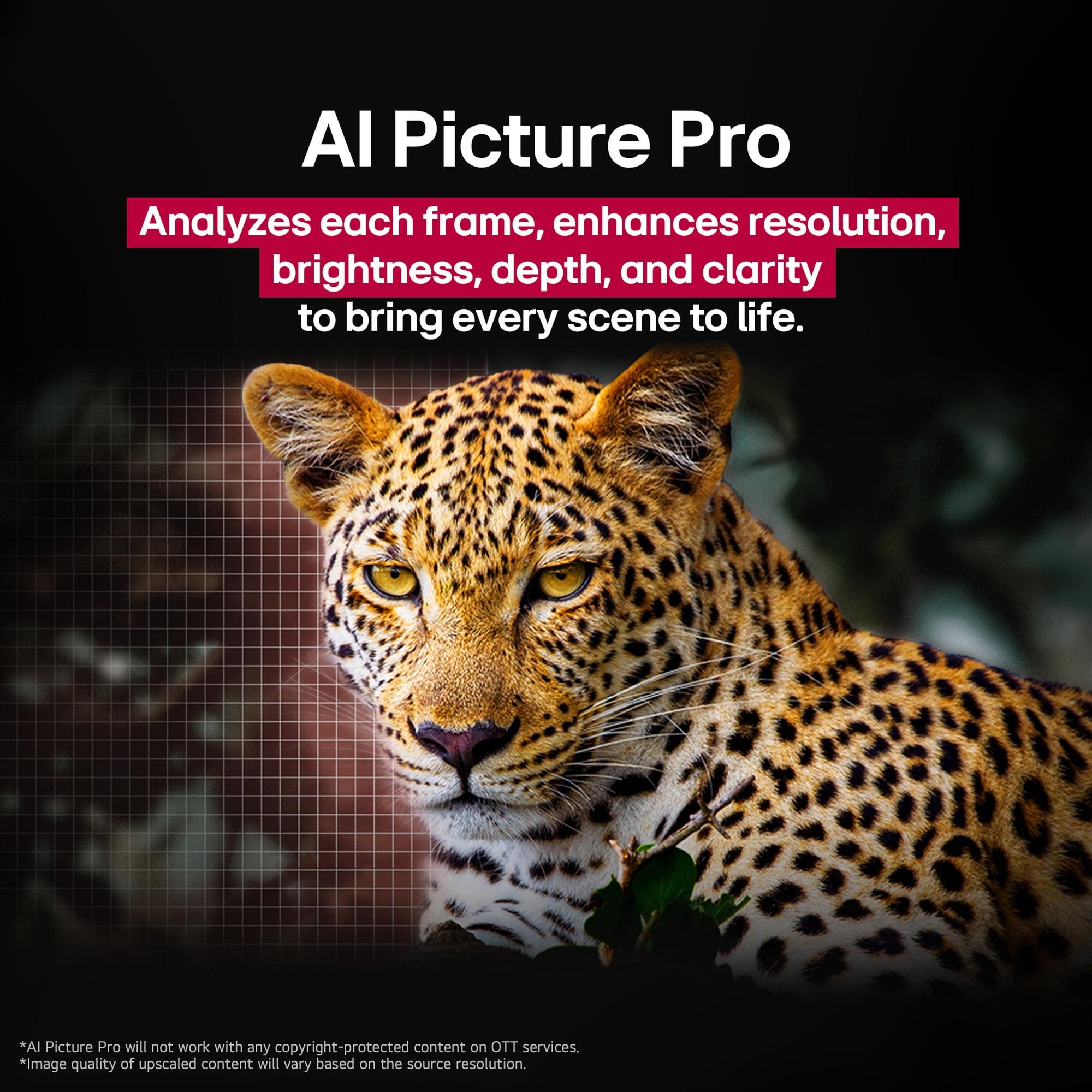
The AI Picture Pro feature deserves mention for its practical benefits. It automatically adjusts picture settings based on ambient lighting conditions, content type, and even time of day. During bright afternoon viewing, it increases brightness and adjusts color temperature. For late-night movie watching, it reduces blue light and optimizes contrast for comfortable viewing.
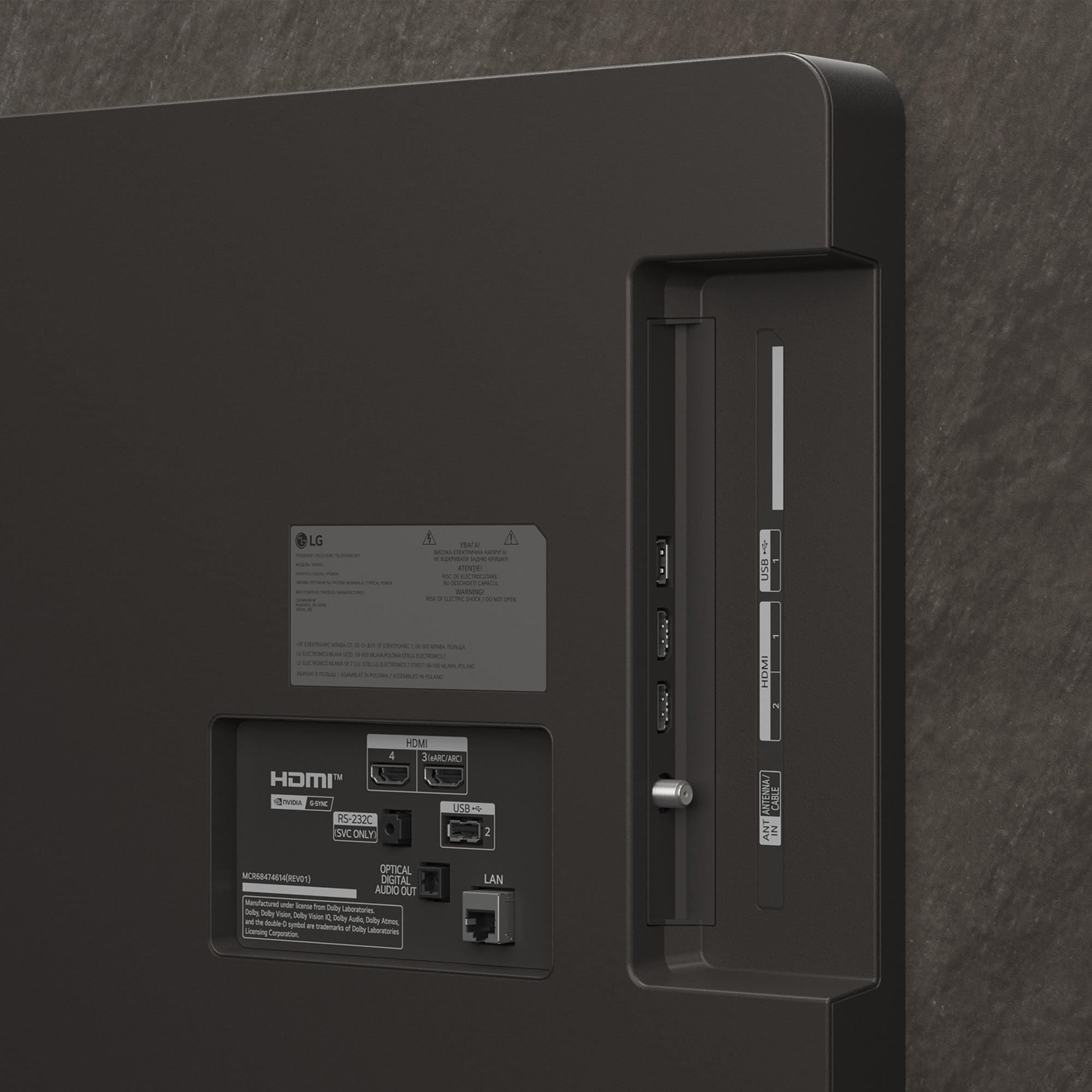
The LG B5 OLED excels in gaming responsiveness with near-instantaneous pixel response times—less than 0.1 milliseconds. This virtually eliminates motion blur, making fast-paced competitive gaming incredibly smooth. The TV supports both NVIDIA G-SYNC and AMD FreeSync technologies, ensuring compatibility with both major graphics card manufacturers.
However, the B5 caps gaming at 4K/120Hz, unlike Samsung's higher refresh rate capability. For current console gaming (PlayStation 5, Xbox Series X/S), this limitation proves irrelevant since consoles don't exceed 120Hz. PC gamers with high-end graphics cards might prefer Samsung's additional headroom, but the practical difference for most users remains minimal.
This represents perhaps the most significant practical difference between these TVs. The Samsung QN900F's Mini-LED backlighting can achieve much higher peak brightness levels than the LG B5 OLED. In rooms with large windows or bright overhead lighting, this brightness advantage proves crucial for maintaining image quality.
From extensive professional testing and user feedback, the Samsung maintains vibrant colors and good contrast even in challenging lighting conditions. The anti-glare coating further helps by reducing reflections, though it slightly softens the overall image sharpness.
The LG B5, like all OLEDs, struggles more in bright environments. Colors can appear washed out, and the overall image loses its punch when competing with strong ambient light. However, in controlled lighting conditions—dimmed rooms or evening viewing—the OLED's superior contrast more than compensates.
Both TVs support HDR, but with important differences. The Samsung QN900F supports HDR10+ Adaptive, which adjusts HDR parameters scene-by-scene based on your viewing environment. However, it notably lacks Dolby Vision support, which has become increasingly common on streaming platforms.
The LG B5 OLED supports Dolby Vision, HDR10, and HLG formats, providing broader compatibility with streaming services and UHD Blu-ray discs. Dolby Vision's dynamic metadata allows for more precise HDR optimization, often resulting in more accurate color reproduction and better shadow detail preservation.
Audio represents a concerning area for the LG B5. LG eliminated DTS audio format support across their 2025 OLED lineup, potentially affecting compatibility with certain Blu-ray discs and gaming content. Additionally, some users report intermittent Dolby Atmos playback issues requiring TV restart to resolve.
The Samsung QN900F maintains comprehensive audio format support, including DTS:X and Dolby Atmos, with a more robust built-in speaker system. While neither TV replaces a dedicated sound system for serious home theater use, Samsung's audio implementation proves more reliable and feature-complete.
Both manufacturers have refined their smart TV platforms significantly since 2020. LG's webOS 25 introduces "Quick Cards"—customizable app groups that streamline navigation. The AI features include voice recognition that learns individual family members' preferences, personalizing recommendations accordingly.
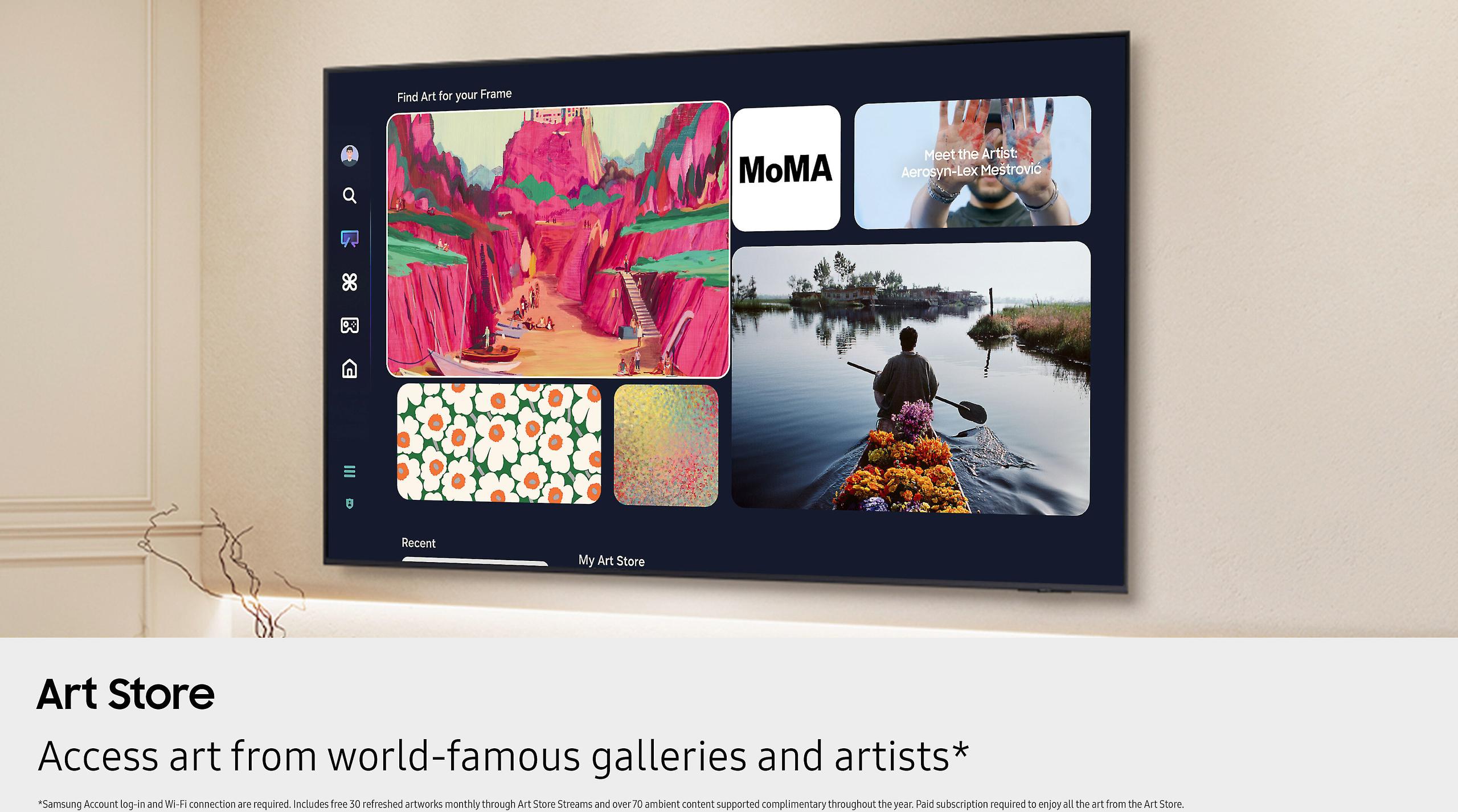
Samsung's Tizen platform emphasizes integration with their broader ecosystem, including Samsung phones, tablets, and smart home devices. The Vision AI technology extends beyond simple voice commands to predictive suggestions based on viewing habits and even mood analysis from voice tone.
Your living room has significant natural light or bright overhead fixtures. The Mini-LED technology's superior brightness ensures excellent picture quality regardless of lighting conditions. If you're building a future-focused entertainment system and want 8K capability as content becomes available, Samsung's approach makes sense.
Gaming enthusiasts with high-end PCs will appreciate the 4K/165Hz capability, even if current consoles don't utilize it. The comprehensive audio format support also benefits users with extensive physical media collections or those who prefer the TV's built-in audio system.
At the time of writing, the premium pricing reflects cutting-edge technology and future-proofing capabilities. If budget allows for this investment, you're getting genuinely advanced display technology.
You primarily watch TV in dimmed or dark conditions, where OLED's contrast advantage shines. Movie enthusiasts will particularly appreciate the perfect blacks and accurate colors, especially with Dolby Vision content from Netflix, Disney+, and Ultra HD Blu-ray discs.
The significantly lower price point (at time of writing) makes premium display technology accessible without sacrificing core picture quality. For most current content consumption—4K streaming, gaming on current consoles, and standard TV viewing—the B5 provides exceptional performance.
Wide viewing angles benefit households where multiple people watch from different seating positions, as OLED maintains color accuracy and contrast from side angles better than LCD-based displays.
Neither TV represents a universally superior choice—they excel in different scenarios. The Samsung QN900F offers cutting-edge technology with genuine 8K resolution and exceptional bright room performance, appealing to early adopters and those prioritizing maximum technical capabilities.
The LG B5 OLED delivers the core benefits that make OLED special—perfect blacks, excellent color accuracy, and wide viewing angles—at a much more accessible price point. It represents mature, proven technology that excels in controlled viewing environments.
Your decision should center on viewing environment, content preferences, and budget priorities. In bright, large living rooms, Samsung's brightness advantage proves compelling. In dedicated media rooms or dimmer spaces, OLED's contrast superiority creates more immersive experiences.
Both TVs will likely remain relevant and enjoyable for many years, but they represent different philosophies about what makes television viewing exceptional. Choose based on your specific needs rather than pursuing the highest specifications—sometimes the more affordable option provides the better overall experience.
| Samsung 65" Neo QLED 8K QN900F Vision AI Smart TV 2025 | LG B5 Series OLED 65" 4K Smart TV 2025 |
|---|---|
| Display Technology - Fundamental difference affecting all picture quality aspects | |
| Neo QLED with Quantum Matrix Pro Mini-LEDs | Self-lit OLED pixels with perfect blacks |
| Resolution - Future-proofing vs current content optimization | |
| 8K (7,680 × 4,320) with AI upscaling | 4K (3,840 × 2,160) with excellent native quality |
| Peak Brightness - Critical for bright room viewing and HDR impact | |
| Very High (Mini-LED advantage for daytime viewing) | Moderate (best for dim/dark rooms) |
| Black Levels - Affects contrast and dark scene detail | |
| Very Deep (excellent zone dimming but not perfect) | Perfect (infinite contrast ratio) |
| HDR Format Support - Streaming service compatibility | |
| HDR10+ Adaptive (no Dolby Vision) | Dolby Vision, HDR10, HLG (broader compatibility) |
| Gaming Refresh Rate - Higher rates benefit PC gaming more than consoles | |
| 4K at 165Hz (future-proof for high-end PC gaming) | 4K at 120Hz (perfect for current consoles) |
| Response Time - Critical for competitive gaming | |
| Very Low input lag with Motion Xcelerator | <0.1ms pixel response (nearly instantaneous) |
| VRR Gaming Support - Eliminates screen tearing | |
| AMD FreeSync Premium Pro, VRR | NVIDIA G-SYNC, AMD FreeSync, VRR |
| Audio Format Support - Affects physical media and some streaming | |
| DTS:X, Dolby Atmos (comprehensive support) | Dolby Atmos only (DTS dropped in 2025 models) |
| Smart TV Platform - Interface and app ecosystem | |
| Tizen OS with Vision AI | webOS 25 with Quick Cards and ThinQ AI |
| Viewing Angles - Important for wide seating arrangements | |
| Good but degrades at extreme angles | Excellent (OLED advantage for group viewing) |
| Price Category - Value positioning at time of writing | |
| Premium pricing for cutting-edge 8K technology | Entry-level OLED with exceptional value |
| Best Room Type - Lighting conditions matter most | |
| Bright living rooms with natural light | Dim/dark rooms or controlled lighting |
| Content Optimization - What each TV does best | |
| Future 8K content and bright HDR highlights | Current 4K streaming and perfect contrast |
The Samsung 65" Neo QLED 8K QN900F is significantly better for bright rooms due to its Mini-LED backlighting technology, which can achieve much higher peak brightness levels than OLED displays. The anti-glare coating also helps reduce reflections from windows and overhead lighting. The LG B5 Series OLED struggles in bright environments where its colors can appear washed out, making it better suited for dimmed or dark viewing conditions.
The Samsung QN900F offers 8K resolution (7,680 × 4,320 pixels), which is four times more detailed than the LG B5 OLED's 4K resolution (3,840 × 2,160 pixels). However, native 8K content is extremely limited in 2025, so you'll rely on AI upscaling for most viewing. The 4K resolution on the LG B5 is perfectly matched to current streaming services and provides excellent picture quality for all available content.
The LG B5 Series OLED has perfect black levels since each pixel can turn completely off, creating infinite contrast ratio. This makes dark scenes in movies incredibly immersive with no backlight bleed. While the Samsung QN900F has excellent contrast through its Mini-LED zone dimming, it cannot achieve the perfect blacks that OLED technology provides.
Both TVs excel at gaming but in different ways. The Samsung QN900F supports 4K gaming at up to 165Hz refresh rate, making it ideal for high-end PC gaming, plus it has very low input lag. The LG B5 OLED offers near-instantaneous pixel response times (<0.1ms) and supports 4K at 120Hz, which is perfect for console gaming. Both support VRR and have dedicated gaming modes.
The LG B5 Series OLED supports more HDR formats including Dolby Vision, HDR10, and HLG, providing broader compatibility with streaming services like Netflix and Disney+. The Samsung QN900F supports HDR10+ Adaptive but notably lacks Dolby Vision support, which could limit compatibility with some premium streaming content.
At the time of writing, the Samsung 65" Neo QLED 8K QN900F commands a significant premium due to its cutting-edge 8K technology and advanced Mini-LED display. The LG B5 Series OLED is positioned as an entry-level OLED offering, making premium OLED technology much more accessible while still delivering exceptional picture quality.
For dedicated home theater rooms with controlled lighting, the LG B5 Series OLED is typically preferred due to its perfect blacks and superior contrast, which create a more cinematic experience. However, the Samsung QN900F might be better for multi-purpose rooms that need to handle both daytime and nighttime viewing, thanks to its superior brightness capabilities.
The Samsung 65" Neo QLED 8K QN900F has better built-in audio with comprehensive format support including DTS:X and Dolby Atmos. The LG B5 OLED supports Dolby Atmos but LG dropped DTS audio support in their 2025 models, and some users report intermittent Atmos playback issues. Both TVs benefit from external sound systems for serious home theater use.
Both offer excellent smart platforms with different strengths. The LG B5 Series OLED runs webOS 25 with Quick Cards for app organization and AI-powered personalization. The Samsung QN900F uses Tizen OS with Vision AI that provides advanced content optimization and integrates well with other Samsung devices. Both support major streaming services and voice control.
The Samsung 65" Neo QLED 8K QN900F is more future-proof with native 8K resolution for when content becomes available, though this may take several years. The LG B5 Series OLED focuses on optimizing current 4K content excellently and will remain relevant as 4K is the dominant standard. Both have modern connectivity and gaming features that should last for years.
The LG B5 Series OLED has significantly better viewing angles, maintaining accurate colors and contrast when viewed from the sides - ideal for wide seating arrangements or group viewing. The Samsung QN900F has good viewing angles but experiences some color shifting and contrast reduction when viewed from extreme side angles, which is typical of LCD-based displays.
Choose the Samsung 65" Neo QLED 8K QN900F if you have a bright room, want future-proof 8K resolution, or prioritize maximum brightness for HDR content. Choose the LG B5 Series OLED if you watch mostly in dim/dark conditions, want perfect blacks and contrast, prefer better value pricing, or need wide viewing angles for group viewing. The LG B5 offers exceptional OLED quality at an accessible price, while the Samsung QN900F provides cutting-edge technology for early adopters.
We've done our best to create useful and informative comparisons to help you decide what product to buy. Our research uses advanced automated methods to create this comparison and perfection is not possible - please contact us for corrections or questions. These are the sites we've researched in the creation of this article: rtings.com - samsung.com - techradar.com - dolby.com - youtube.com - samsung.com - youtube.com - samsung.com - samsung.com - samsung.com - samsung.com - displayspecifications.com - samsung.com - rtings.com - bestbuy.com - merlinstv.com - news.samsung.com - bestbuy.com - eftm.com - bestbuy.com - rtings.com - youtube.com - rtings.com - tomsguide.com - youtube.com - nationalproductreview.com.au - lg.com - manchesterbrothers.com - avsforum.com - lg.com - lg.com - lg.com - lg.com - retailspecs.com - american-homeappliance.com - perpichtv.com

Privacy Policy
Terms and Conditions - Affiliate Policy
Home Security
© Copyright 2008-2026.
11816 Inwood Rd #1211, Dallas, TX 75244