

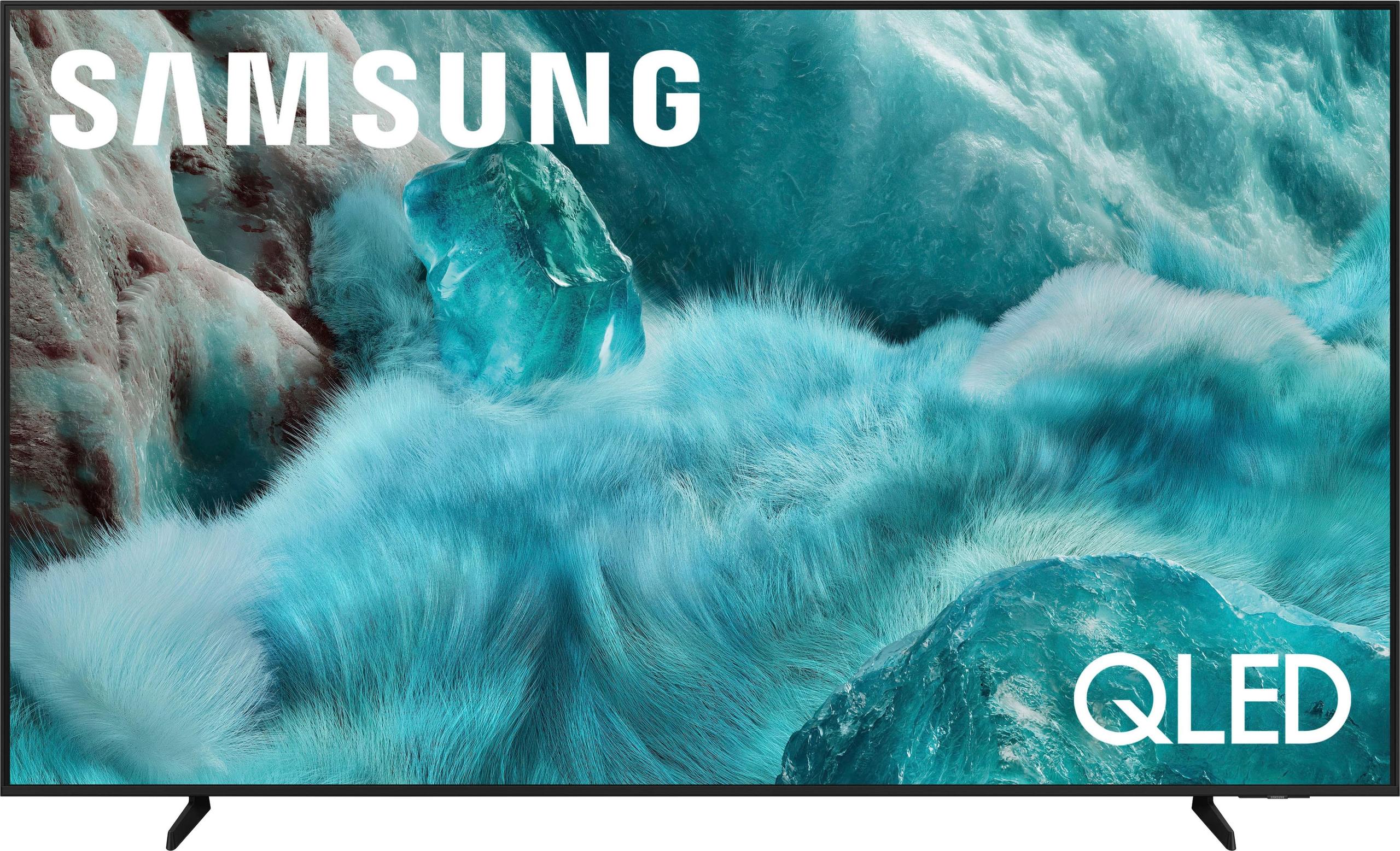
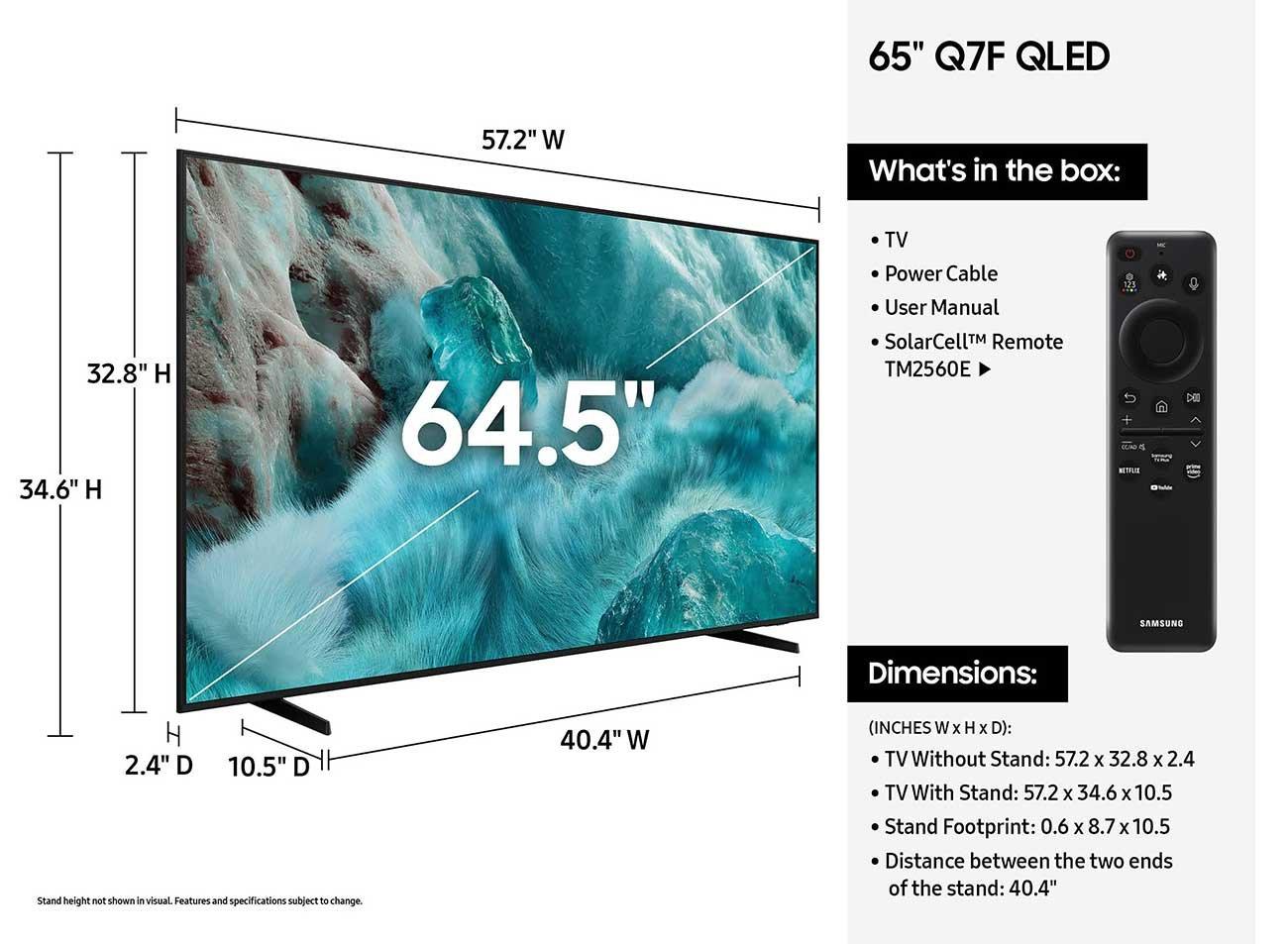

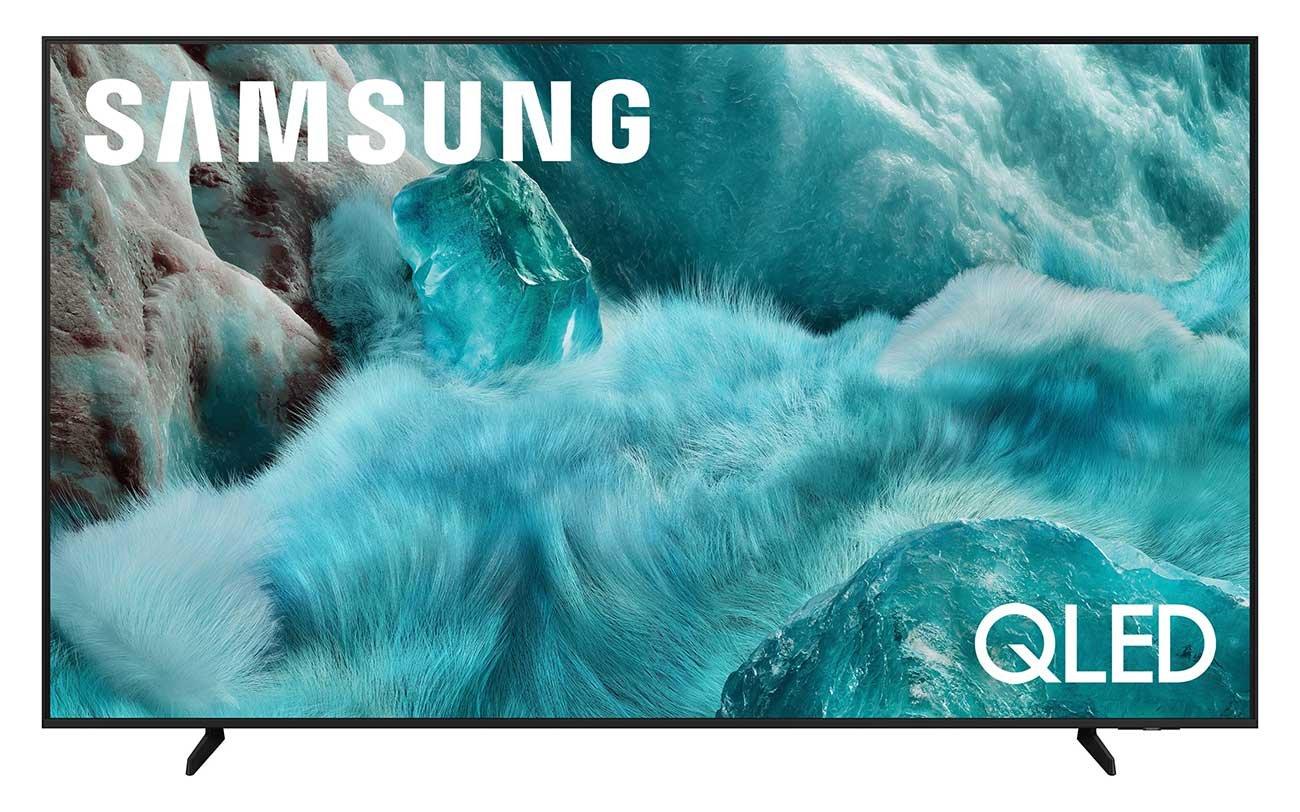
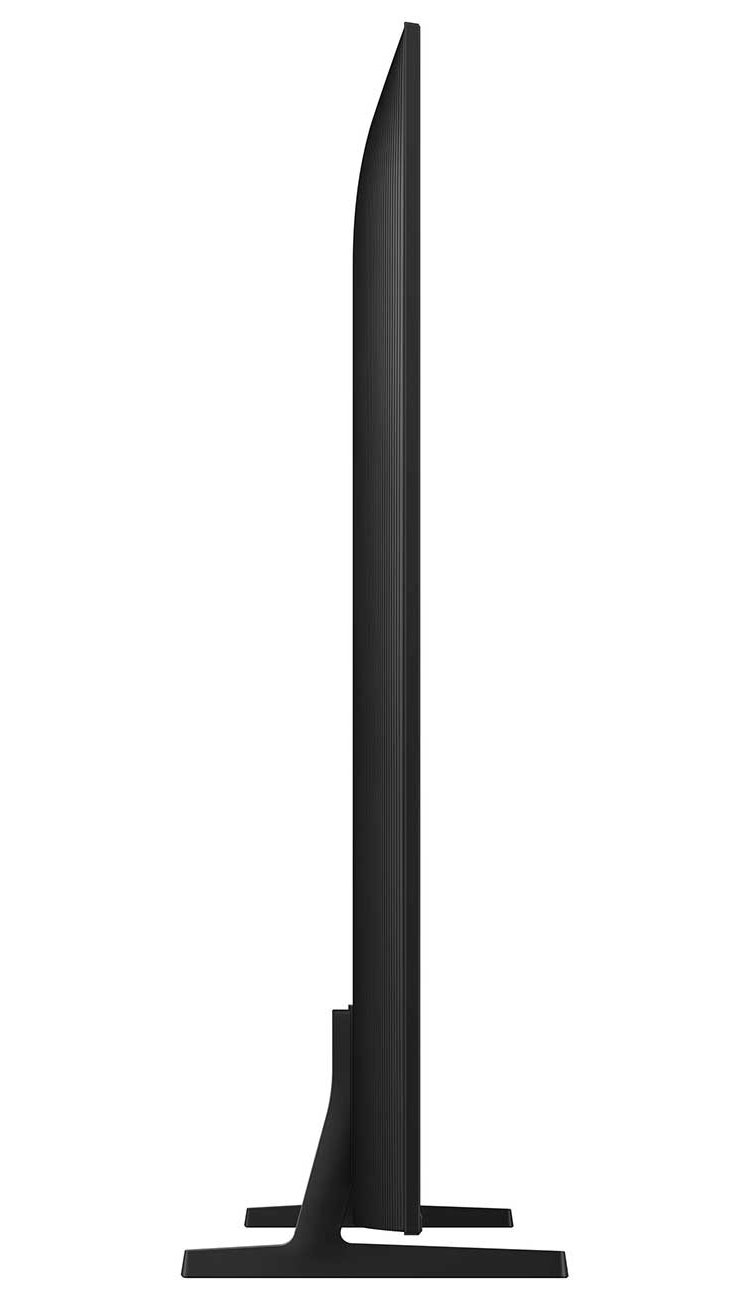
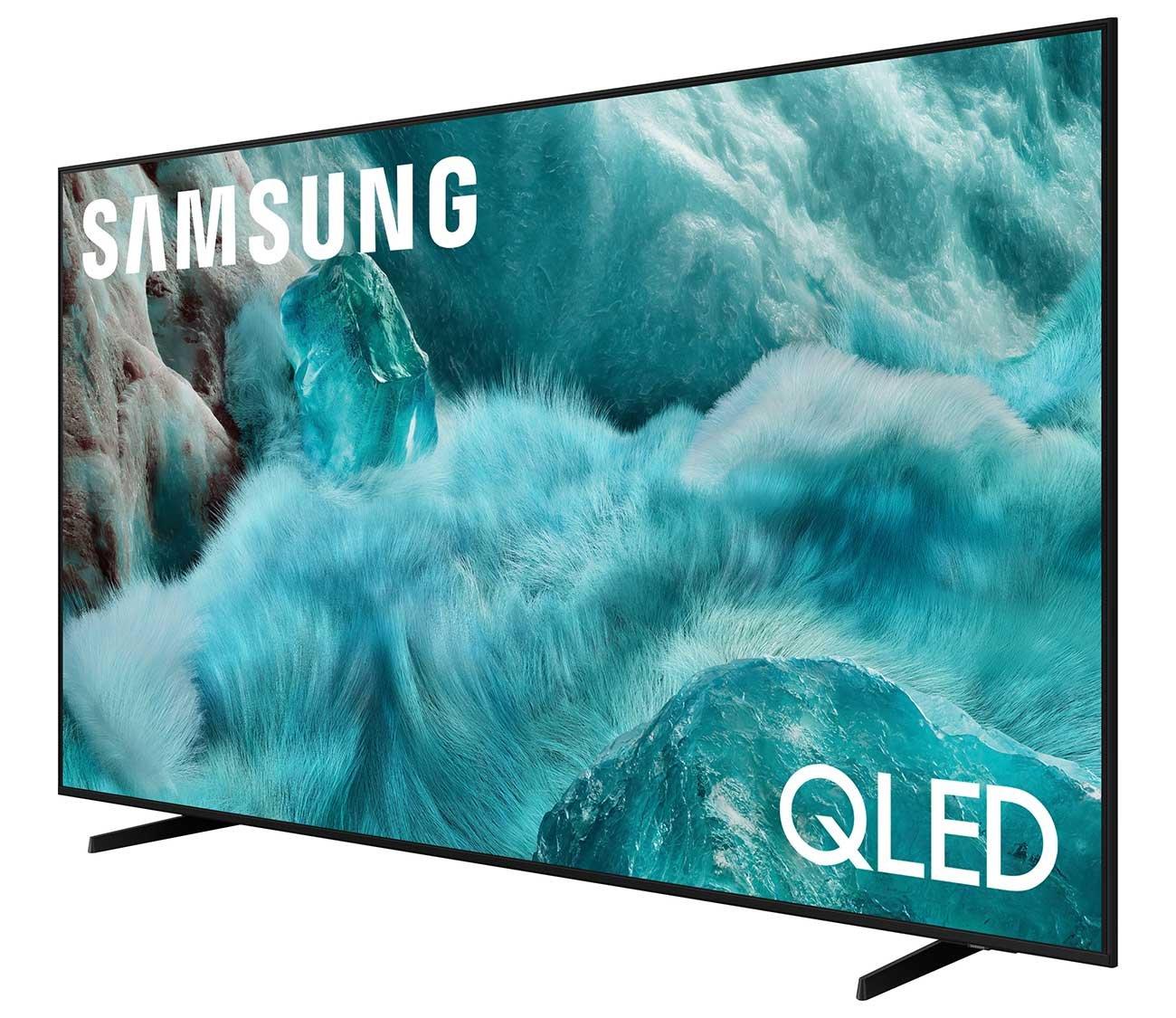
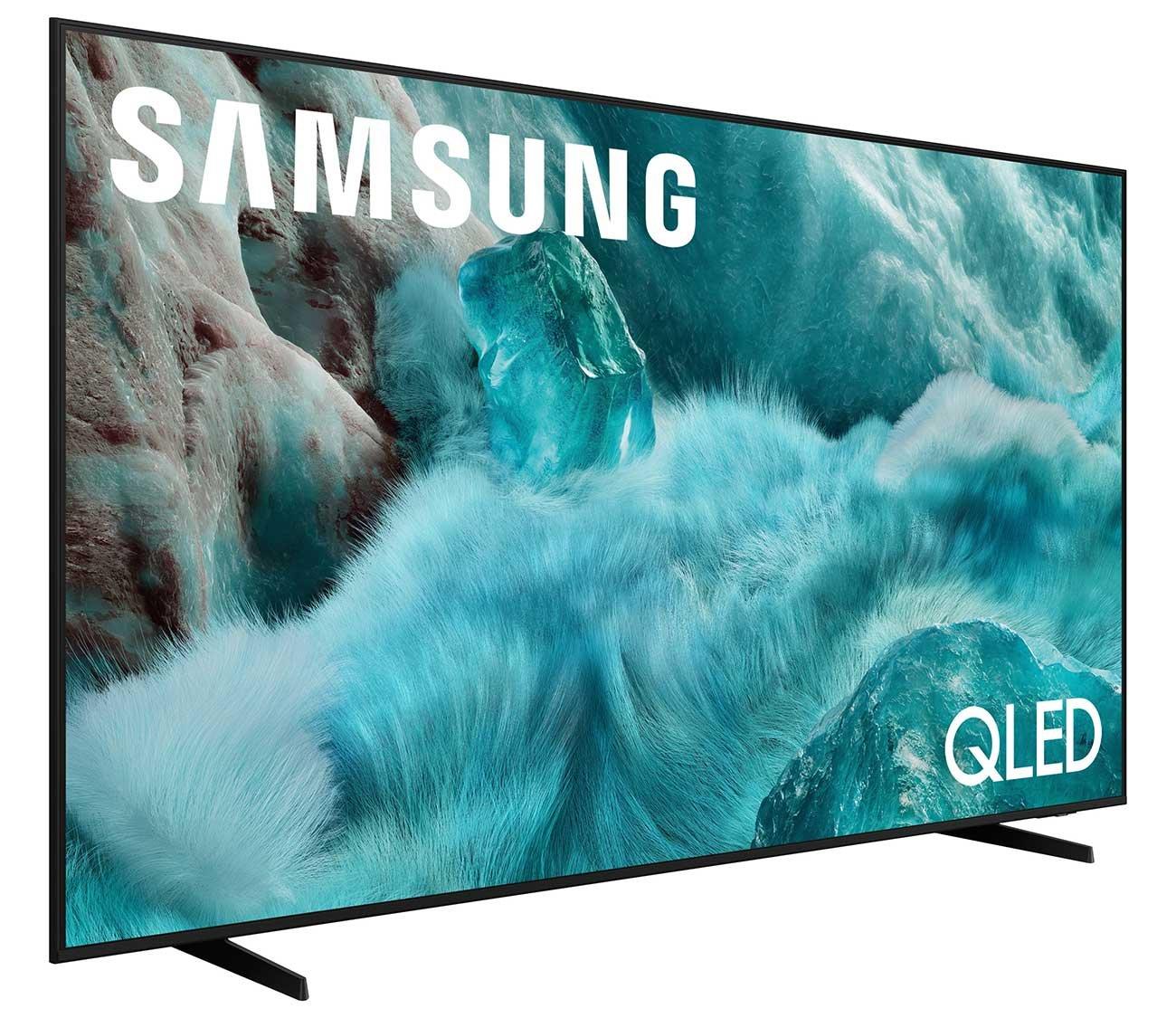


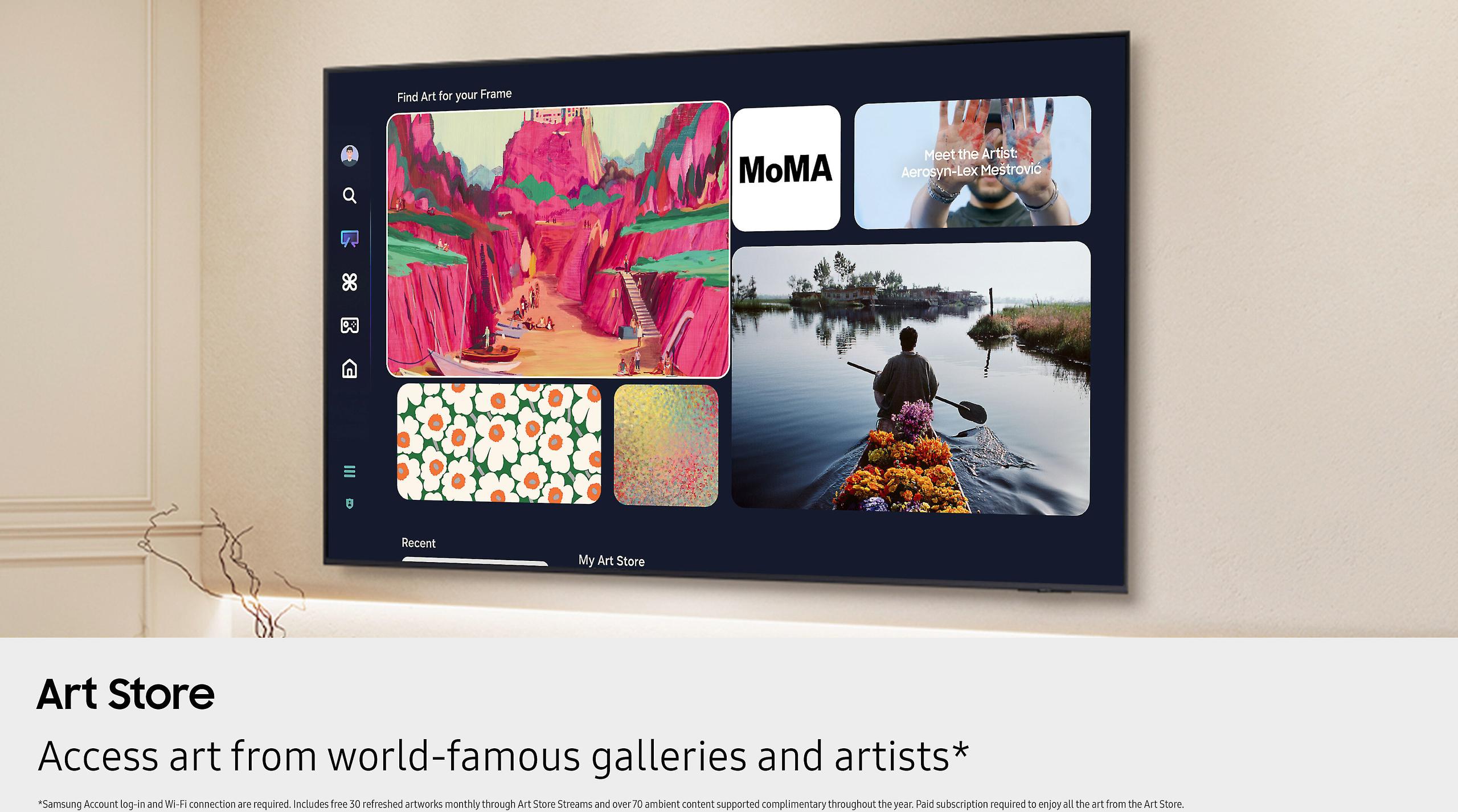
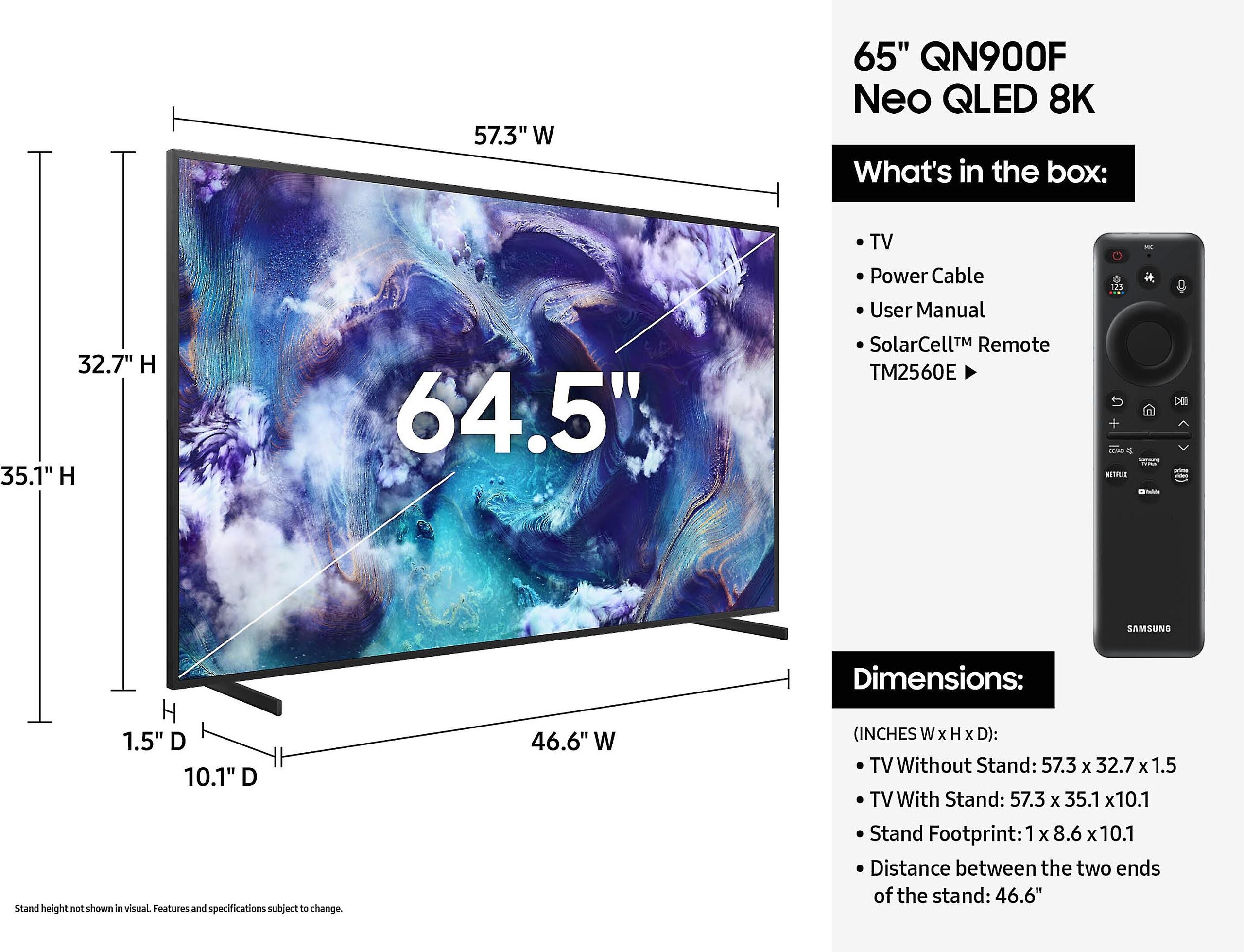
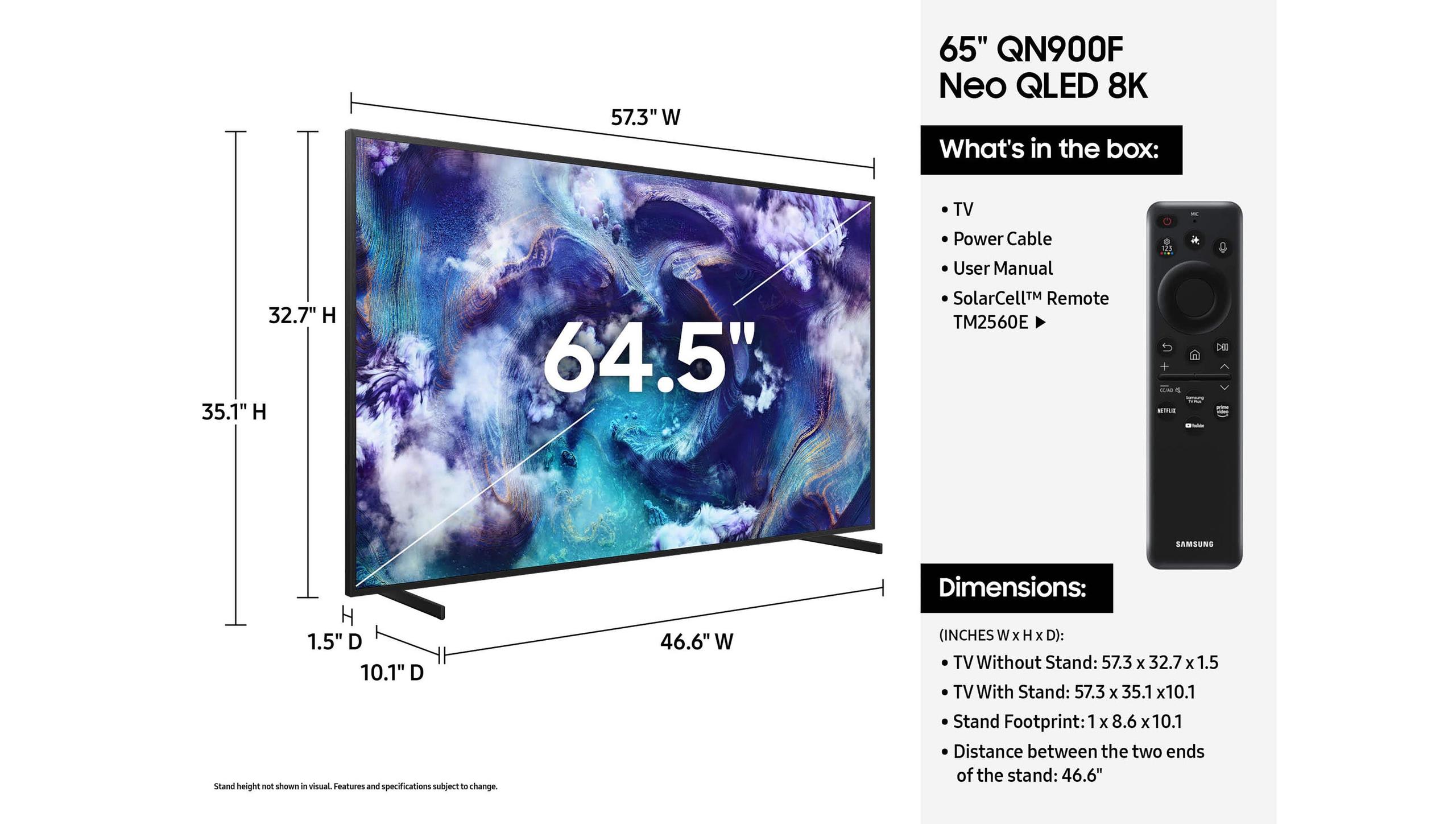
When Samsung launched both the Q7F and QN900F in 2025, they created an interesting dilemma for TV shoppers. Both are 65-inch QLED smart TVs with Samsung's Vision AI technology, but they might as well be from different planets when it comes to performance and price. At the time of writing, you're looking at roughly a 4x price difference between these models, which raises an important question: what exactly are you getting for that premium?
QLED stands for Quantum Dot LED, a display technology that uses microscopic particles called quantum dots to produce more accurate and vibrant colors than traditional LED TVs. Think of quantum dots as tiny color filters that can produce extremely pure colors when hit with light. Both the Q7F and QN900F use this technology, but that's where the similarities end.
The key considerations when choosing between QLED TVs include the type of backlighting system (which affects contrast and brightness), the processing power for upscaling content, HDR performance for realistic colors and brightness, gaming capabilities, and overall build quality. These factors determine not just how good your TV looks today, but how well it'll handle future content and technologies.
Since 2025, Samsung has made significant improvements to their QLED lineup, particularly in AI processing and local dimming technology. The gap between their budget and premium models has actually widened as they've packed more advanced features into their high-end TVs while keeping entry-level models competitively priced.
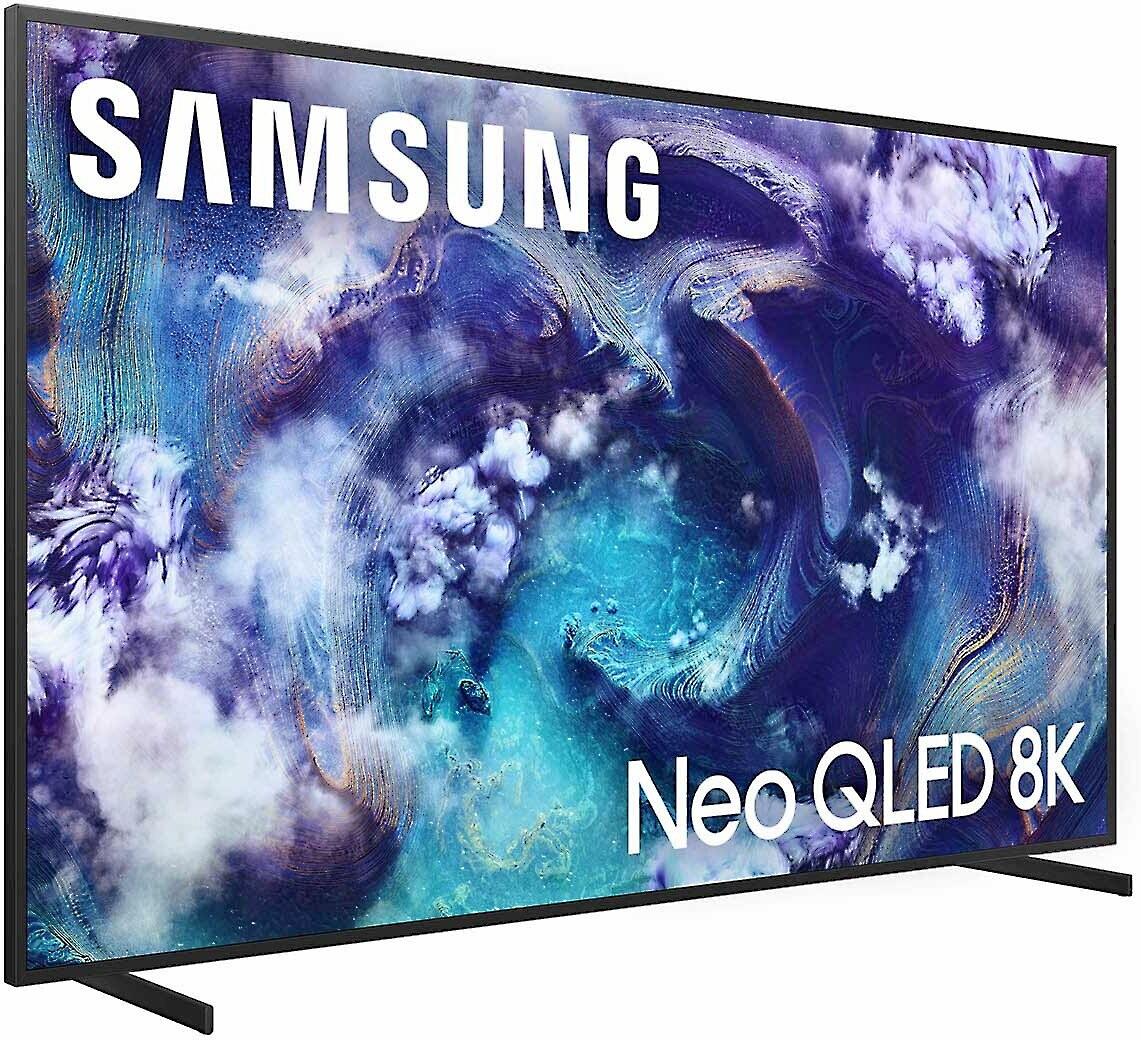
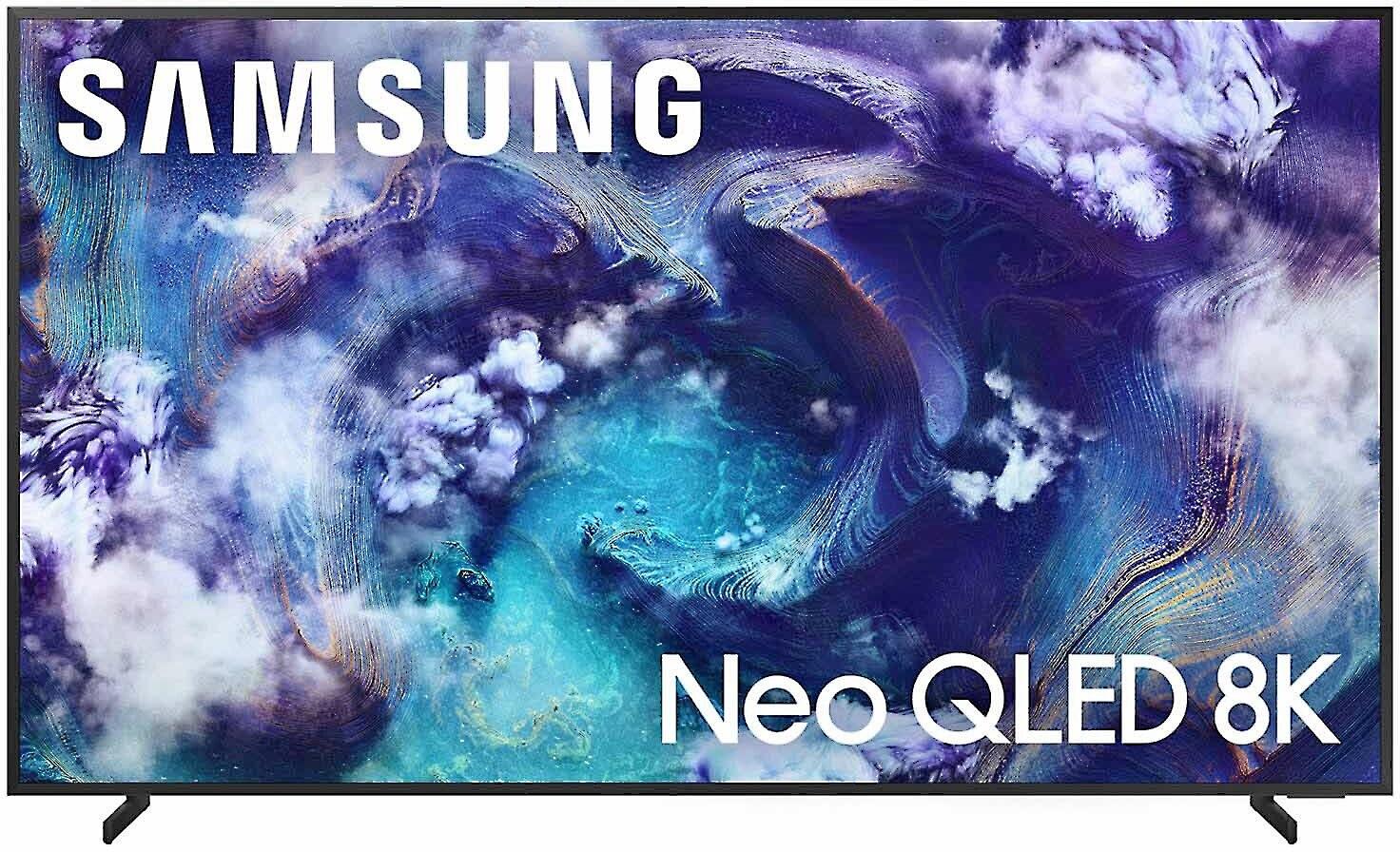
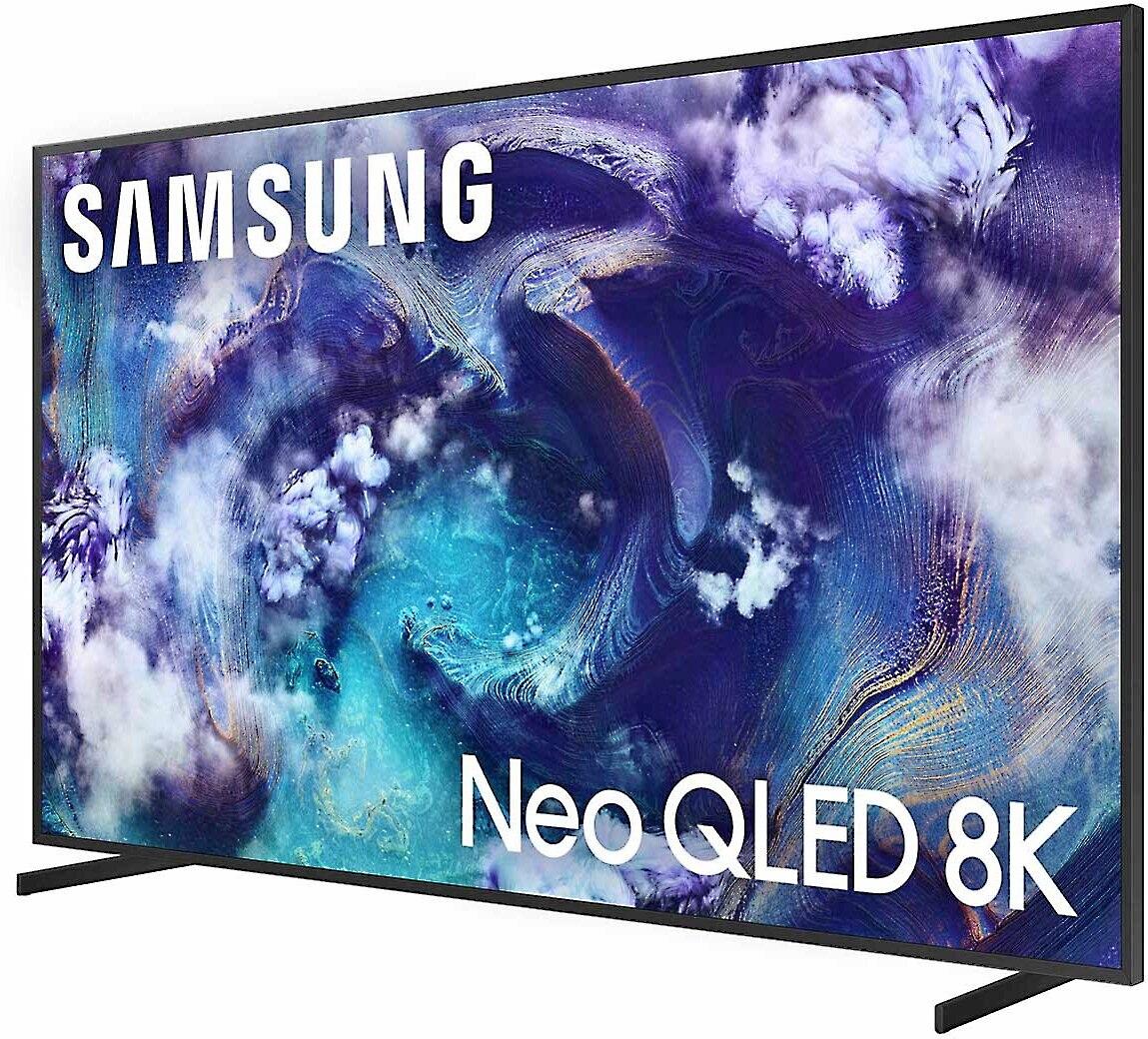
The most obvious difference between these TVs is resolution. The Q7F delivers standard 4K resolution (3,840 x 2,160 pixels), while the QN900F pushes into 8K territory with 7,680 x 4,320 pixels - literally four times as many pixels packed into the same screen space.
Here's the thing about 8K: there's virtually no native 8K content available to consumers right now. Netflix, Disney+, and other streaming services are still focused on delivering high-quality 4K content. So why does 8K matter? It's all about upscaling - the process of taking lower-resolution content and making it look sharper on a higher-resolution display.
The QN900F's NQ8 AI Gen3 Processor uses 256 neural networks (think of these as specialized mini-computers) to analyze each frame of video and intelligently add detail. Based on consensus expert reviews, this upscaling is genuinely impressive, taking 4K content and making it noticeably sharper and more detailed than it would appear on a native 4K display. Even standard HD content from cable or older streaming services benefits significantly.
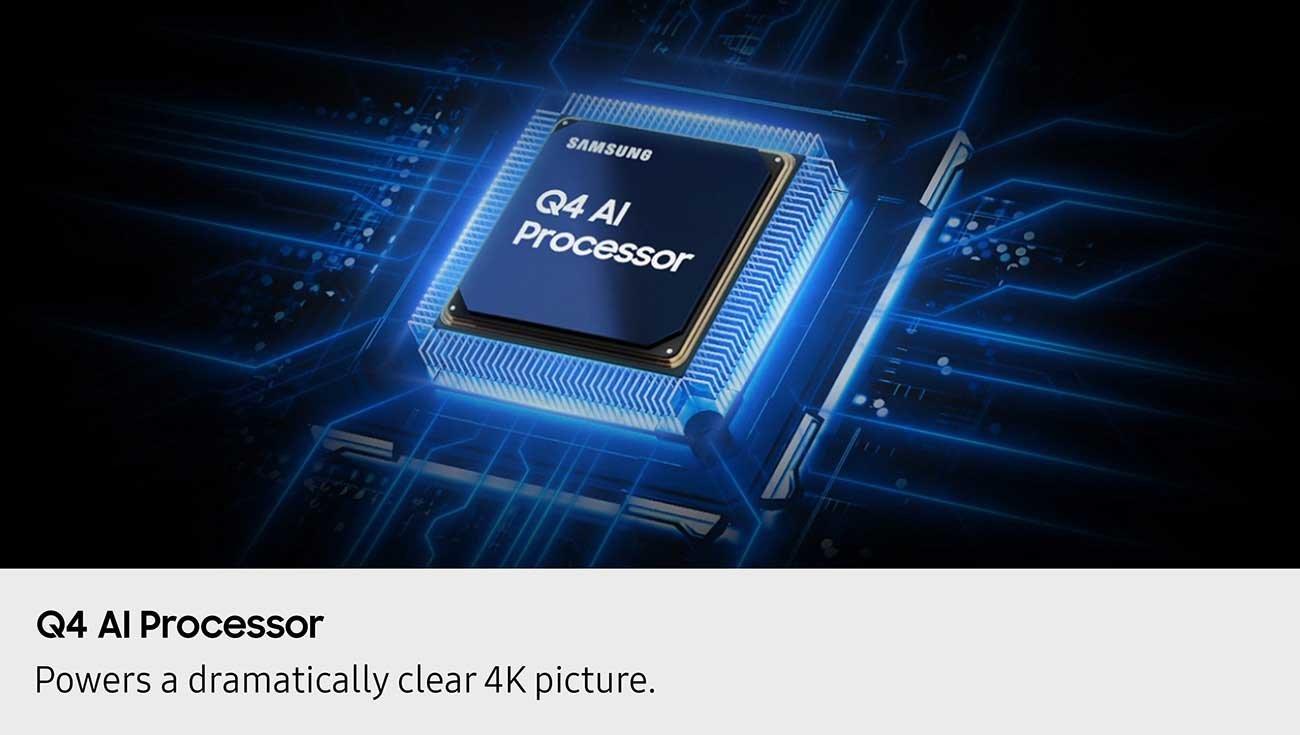
The Q7F uses Samsung's more basic Q4 AI Processor, which provides decent upscaling for a budget model but can't match the sophisticated enhancement of its premium sibling. For most viewers sitting 8-10 feet from a 65-inch screen, the difference is noticeable but not necessarily transformative.
This is where the QN900F truly separates itself. It uses Quantum Mini LED Pro technology, which replaces traditional LED backlights with thousands of LEDs that are just 1/50th the size of conventional ones. These Mini LEDs enable something called Ultimate 8K Dimming Pro - essentially, the TV can control the brightness in thousands of individual zones across the screen.
Why does this matter? Imagine watching a movie scene with a bright window and a dark interior room in the same shot. A TV with poor local dimming will either make the dark areas too bright (they'll look gray instead of black) or make the bright areas too dim. The QN900F can make the window blazingly bright while keeping the shadows truly dark, creating that realistic contrast that makes images pop off the screen.
The Q7F uses direct-lit LED backlighting with limited local dimming zones. It can achieve decent contrast for the price point, but based on the specifications showing 500 cd/m² brightness and a 4500:1 contrast ratio, it's clearly designed for budget-conscious buyers rather than those seeking reference-quality picture performance.
For home theater enthusiasts, this difference is crucial. HDR content - which includes most modern movies and many TV shows - is designed to take advantage of high brightness and deep blacks. The QN900F can display the full range of what content creators intended, while the Q7F will compress that range into what its more limited hardware can handle.
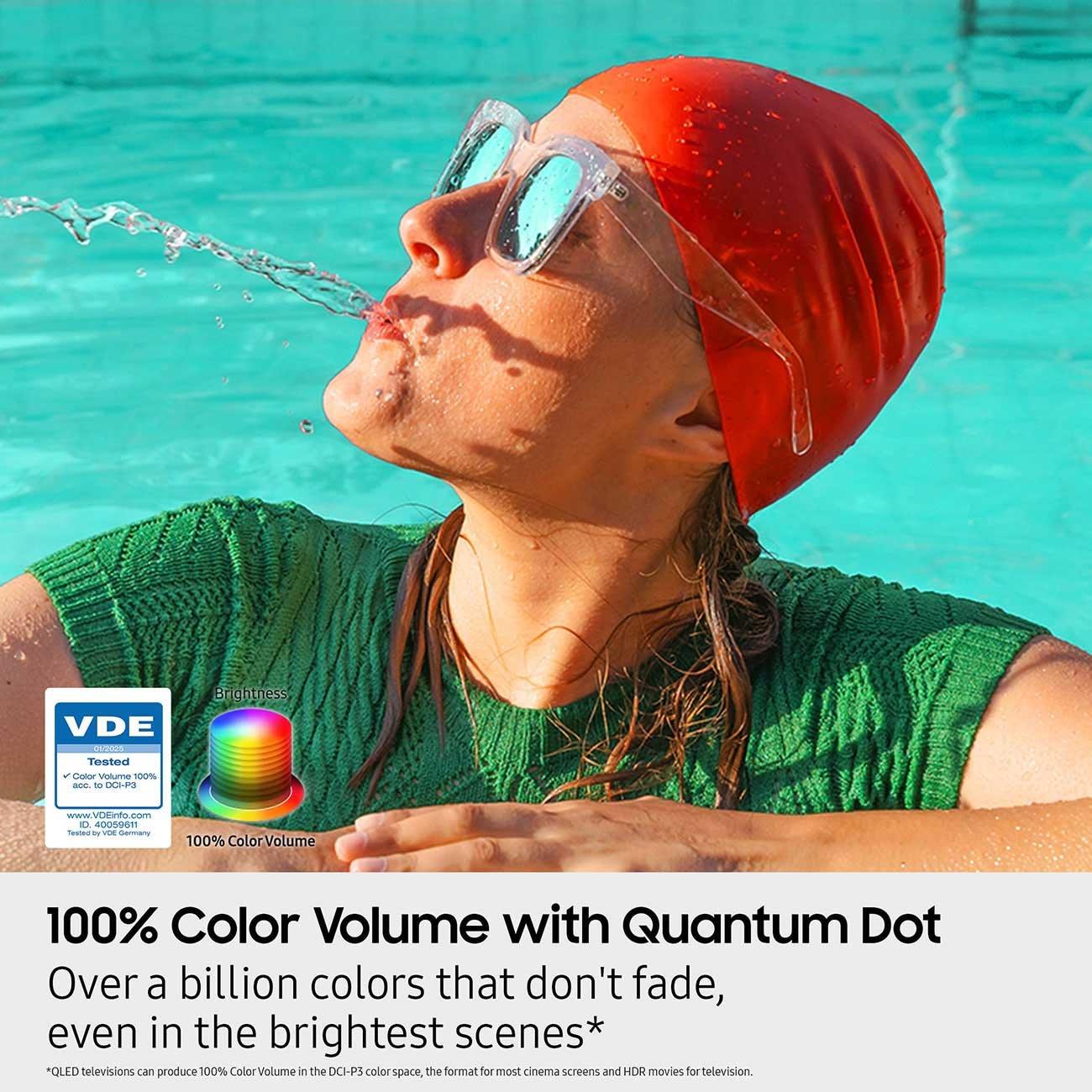
Both TVs support HDR10+, which is Samsung's preferred HDR format that adjusts brightness and color scene by scene. However, the QN900F adds Neo Quantum HDR 8K Pro and claims 100% Color Volume - meaning it can display accurate colors at any brightness level, from the darkest shadows to the brightest highlights.
The Q7F offers Quantum HDR, which is Samsung's entry-level HDR implementation. It'll show HDR content and make it look better than standard dynamic range video, but it can't approach the color accuracy and brightness range of the premium model.
Neither TV supports Dolby Vision, which is worth noting if you have a large library of movies that use this competing HDR format. However, HDR10+ covers most streaming content adequately.
Gaming is where the performance gap becomes almost comically wide. The QN900F offers a 120Hz native refresh rate with support for up to 165Hz at 4K resolution when connected to a capable gaming PC. It includes FreeSync Premium Pro (which prevents screen tearing), Auto Game Mode (which automatically switches to low-latency settings when it detects a game console), and features like Super Ultrawide Game View for supported games.
The Q7F is stuck at 60Hz with basic Motion Xcelerator technology. For casual gaming with older consoles or non-competitive gaming, this is perfectly adequate. But if you own a PlayStation 5, Xbox Series X, or a gaming PC, you're leaving significant performance on the table.
Based on expert reviews, the QN900F achieves input lag measurements that make it competitive with dedicated gaming monitors, while still delivering the large screen experience that makes single-player games more immersive. The difference in motion clarity during fast-paced games is immediately apparent.
For competitive gaming or anyone who values smooth, responsive gameplay, the Q7F simply can't compete. The 60Hz refresh rate means you're missing half the frames that modern consoles can deliver, and the lack of variable refresh rate support means you'll experience screen tearing in games where frame rates fluctuate.
Both TVs run Samsung's Tizen operating system with the company's One UI interface, but the QN900F's more powerful processor makes navigation noticeably snappier. App loading times, menu responsiveness, and the overall user experience benefit from having significantly more processing power under the hood.
The audio differences are equally stark. The QN900F features Object Tracking Sound Pro, which uses multiple speakers positioned around the TV to create sound that follows action across the screen. Combined with Dolby Atmos support and dedicated top-channel speakers, it creates a genuinely immersive audio experience that most viewers will find satisfying without a separate sound system.
The Q7F has basic built-in speakers that are adequate for casual viewing but lack the sophistication for movie nights or gaming sessions where audio quality matters. Most buyers at this price point will likely pair it with a soundbar anyway.
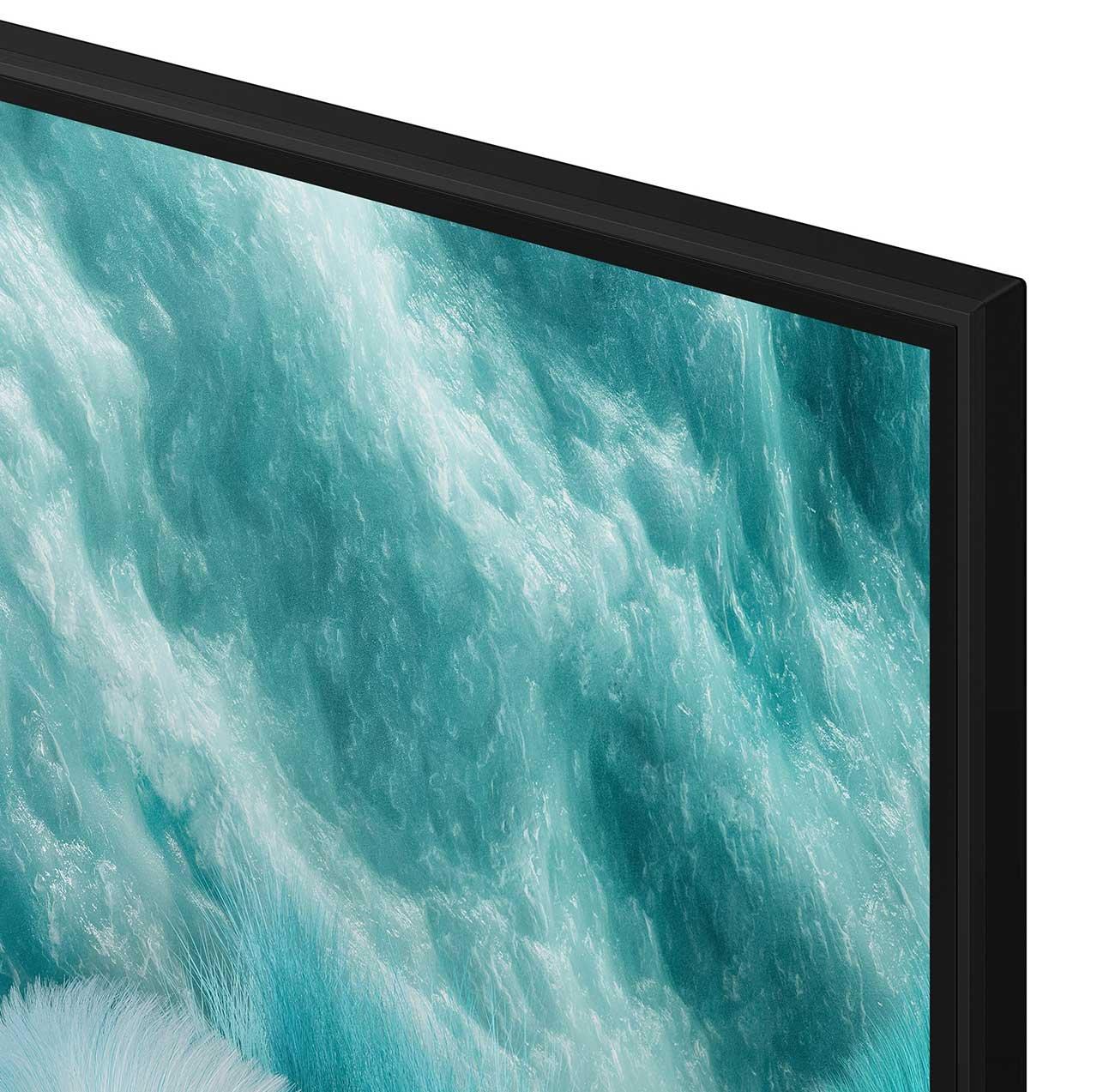
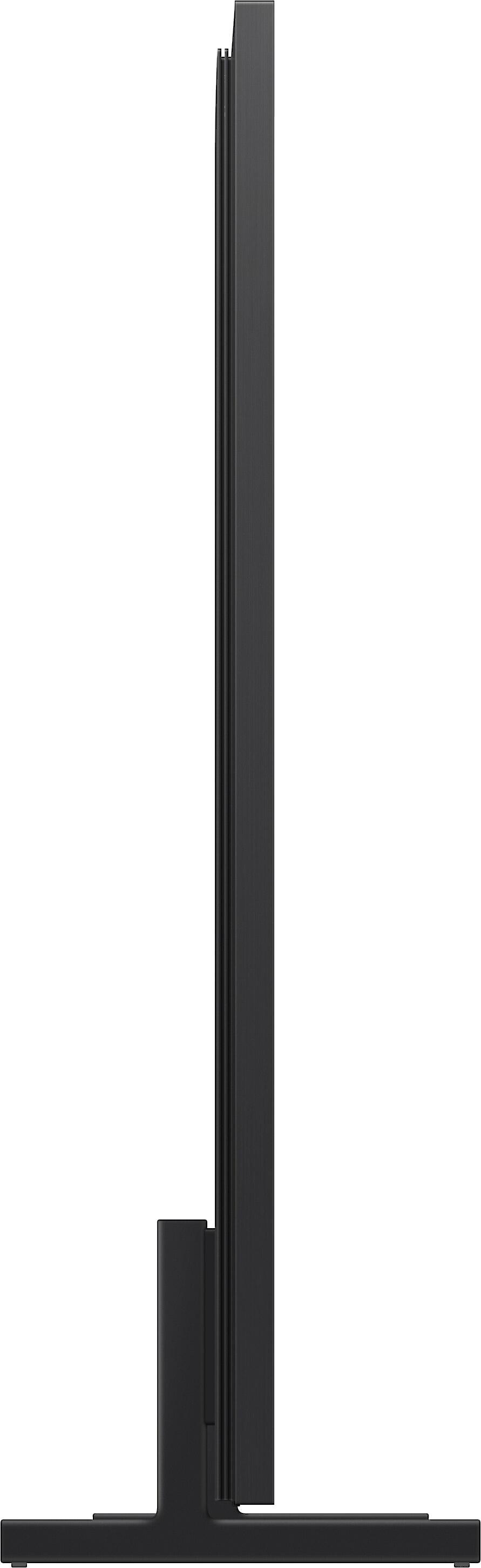
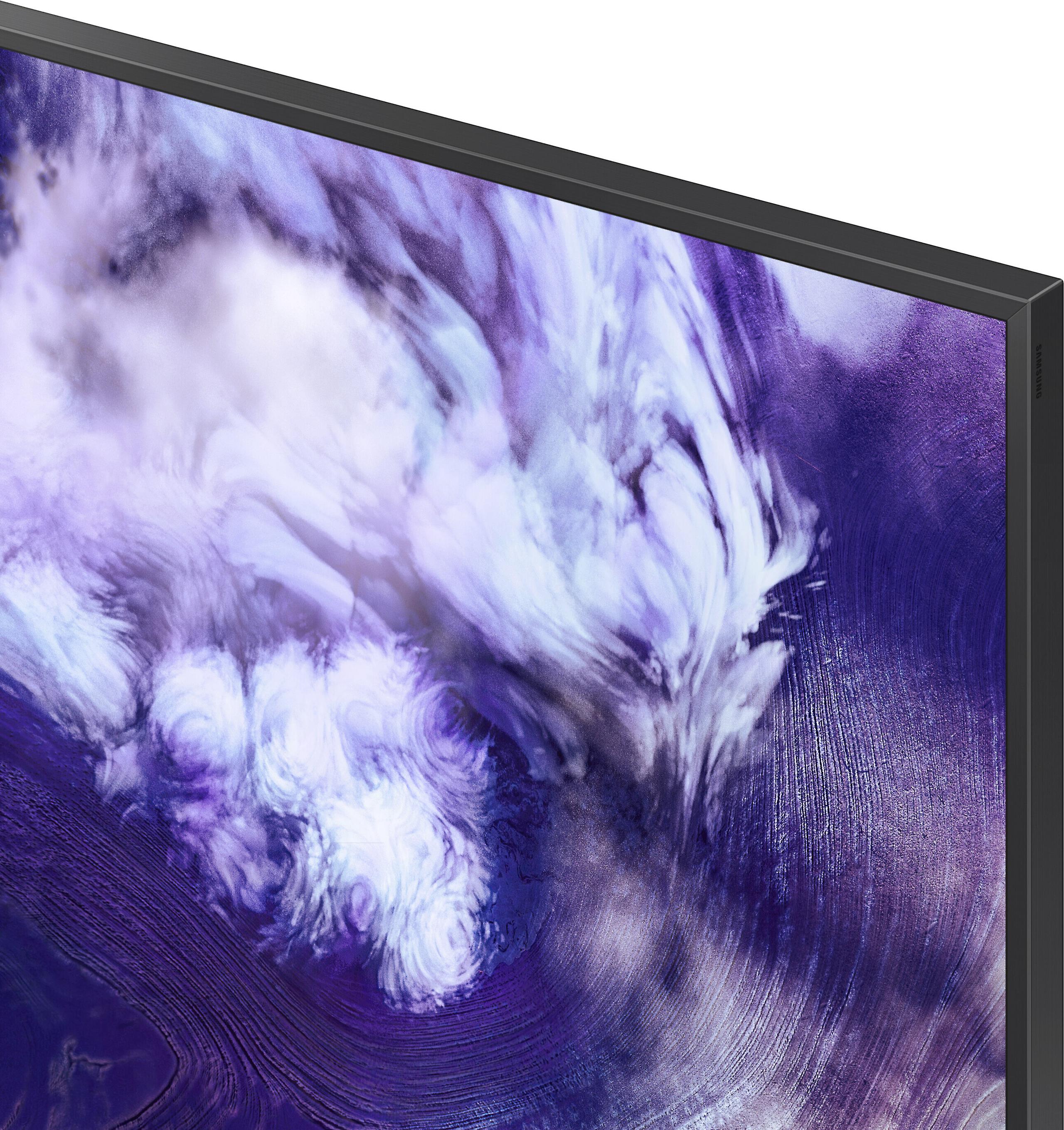
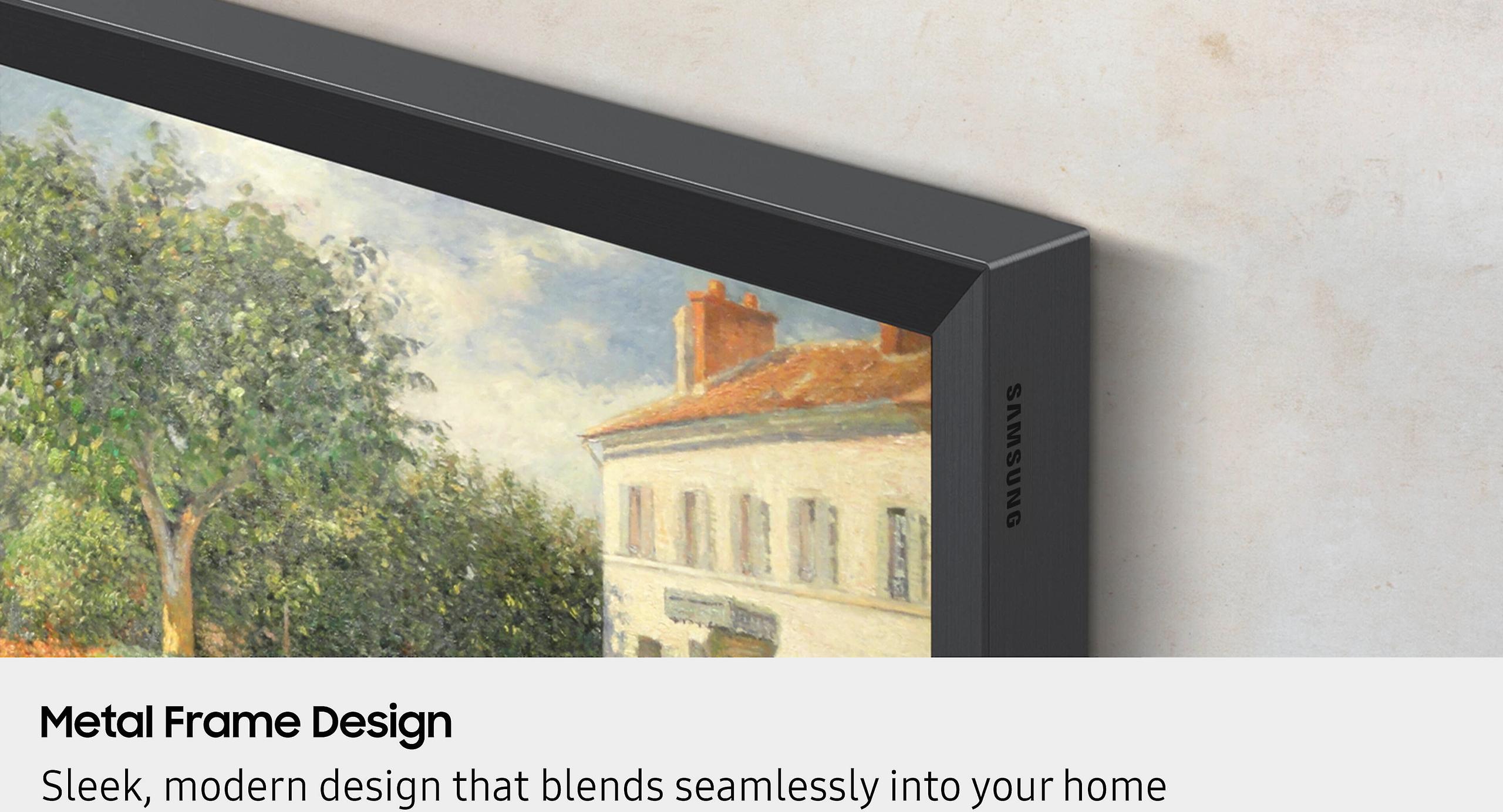
The QN900F showcases Samsung's premium Metal Frame Design and their award-winning Glare-Free coating. This anti-reflective technology is genuinely impressive - it nearly eliminates reflections even in bright rooms with windows directly facing the screen. For many living room setups, this feature alone justifies a significant price premium.
The Q7F has a more basic plastic frame and standard anti-glare coating. It looks fine in most rooms but won't have the premium aesthetic or reflection-fighting capability of its more expensive sibling.
At the time of writing, the price difference between these models represents one of the widest gaps in Samsung's lineup. The Q7F offers solid entry-level QLED performance at a budget-friendly price point, making it accessible to buyers who want Samsung's smart TV platform and decent 4K picture quality without breaking the bank.
The QN900F is positioned as Samsung's technology showcase - a statement piece that demonstrates what's possible when cost isn't the primary constraint. Every aspect of performance is significantly improved, from picture quality to gaming to build quality.
For dedicated home theater setups, the QN900F is the clear choice despite its higher cost. The combination of exceptional brightness, deep blacks, accurate colors, and minimal reflections creates an experience that approaches what you'd get from much more expensive projection systems.
The 8K upscaling particularly shines with high-quality 4K content like UHD Blu-rays, where the extra processing power can extract detail that might be missed on lesser displays. HDR content benefits enormously from the superior local dimming and brightness capabilities.
The Q7F can certainly anchor a casual home theater setup, especially in darker rooms where its brightness limitations are less apparent. However, serious movie enthusiasts will notice the compromises in contrast and color accuracy during demanding content.
The Q7F makes sense if:
The QN900F is worth the premium if:
The Q7F and QN900F serve completely different buyers despite sharing the Samsung name and QLED technology. The budget model offers solid value for basic 4K viewing needs, while the premium model delivers flagship performance that justifies its significant price premium through measurable improvements in every performance category.
For most buyers, the decision comes down to whether the QN900F's superior performance is worth the substantial price increase. If you're budget-conscious and have modest performance requirements, the Q7F delivers good value. But if you want the best possible experience and can afford the premium, the QN900F offers performance improvements that are immediately noticeable and will remain relevant for years to come.
The technology gap between these models reflects Samsung's strategy of maintaining options across the price spectrum while pushing the boundaries of what's possible at the high end. Choose based on your priorities, but understand that you're making a decision between two fundamentally different approaches to TV design and performance.
| Samsung 65" Q7F QLED 4K Vision AI Smart TV 2025 | Samsung 65" Neo QLED 8K QN900F Vision AI Smart TV 2025 |
|---|---|
| Resolution - Higher pixel count means sharper details, especially noticeable on large screens | |
| 4K (3840 x 2160) - Standard for most current content | 8K (7680 x 4320) - Four times the detail with AI upscaling |
| Display Technology - The backlight system that controls brightness and contrast | |
| Direct Lit LED with basic local dimming | Quantum Mini LED Pro with Ultimate 8K Dimming Pro |
| Processor - The brain that handles upscaling and smart features | |
| Q4 AI Processor - Basic enhancement capabilities | NQ8 AI Gen3 Processor with 256 neural networks |
| Peak Brightness - Critical for HDR content and bright room viewing | |
| 500 cd/m² (adequate for darker rooms) | Premium level brightness (excellent for any lighting) |
| Gaming Performance - Refresh rate and features for console/PC gaming | |
| 60Hz, basic gaming support | 120Hz native, up to 165Hz at 4K, FreeSync Premium Pro |
| HDR Support - Enhanced color and contrast for movies and shows | |
| HDR10+ with Quantum HDR | HDR10+ with Neo Quantum HDR 8K Pro, 100% Color Volume |
| Audio System - Built-in sound quality and surround capabilities | |
| Basic stereo speakers | Object Tracking Sound Pro with Dolby Atmos, top speakers |
| Smart Platform Speed - How quickly menus and apps respond | |
| Standard Tizen performance | Enhanced Tizen with faster navigation and loading |
| Anti-Glare Technology - Reduces reflections in bright rooms | |
| Standard anti-glare coating | Award-winning Glare-Free technology |
| Build Quality - Frame materials and overall construction | |
| Plastic frame, standard design | Metal Frame Design with premium aesthetics |
| Best For - The ideal buyer for each model | |
| Budget-conscious viewers wanting solid 4K performance | Enthusiasts seeking flagship picture quality and gaming features |
The primary difference is that the Samsung Q7F is a budget-friendly 4K QLED TV, while the Samsung QN900F is a premium 8K Neo QLED model with Mini LED backlighting. The QN900F offers significantly better picture quality, gaming features, and build quality, but costs about four times more than the Q7F.
The Samsung QN900F is dramatically better for gaming with its 120Hz refresh rate (up to 165Hz at 4K), FreeSync Premium Pro support, and low input lag. The Samsung Q7F is limited to 60Hz and lacks advanced gaming features, making it suitable only for casual gaming.
For most viewers, 4K from the Samsung Q7F is sufficient since there's virtually no native 8K content available. However, the Samsung QN900F's 8K resolution combined with advanced AI upscaling makes 4K and HD content look noticeably sharper and more detailed than on standard 4K displays.
The Samsung QN900F excels in bright rooms thanks to its much higher peak brightness and award-winning Glare-Free anti-reflective coating that nearly eliminates reflections. The Samsung Q7F with its 500 cd/m² brightness is better suited for darker viewing environments.
The Samsung QN900F delivers superior picture quality with its Quantum Mini LED Pro technology, providing deeper blacks, brighter highlights, and more vibrant colors with 100% Color Volume. The Samsung Q7F offers decent picture quality for its price range but can't match the contrast and color accuracy of the premium model.
The Samsung QN900F is excellent for dedicated home theater use with its exceptional HDR performance, deep blacks, and minimal reflections. The Samsung Q7F can work in a casual home theater setup, especially in darker rooms, but serious movie enthusiasts will notice limitations in contrast and brightness during demanding content.
Both TVs run Samsung's Tizen operating system, but the Samsung QN900F offers a more responsive experience thanks to its powerful NQ8 AI Gen3 Processor. The Samsung Q7F provides the same streaming apps and smart features but with slower navigation and loading times.
The Samsung QN900F features Object Tracking Sound Pro with Dolby Atmos and dedicated top-channel speakers for immersive 3D audio. The Samsung Q7F has basic built-in speakers that are adequate for casual viewing but most buyers will want to add a soundbar for better audio.
The Samsung Q7F offers better value for budget-conscious buyers who want solid 4K performance without premium features. The Samsung QN900F provides better value for enthusiasts who prioritize picture quality and gaming performance and can justify the significantly higher cost for measurable improvements.
Both support HDR10+, but the Samsung QN900F delivers superior HDR with Neo Quantum HDR 8K Pro, much higher peak brightness, and better local dimming. The Samsung Q7F offers basic Quantum HDR that improves over standard content but can't display the full range of HDR content as intended.
The Samsung QN900F is more future-proof with 8K resolution, advanced processing, and premium build quality that should remain relevant for 5+ years. The Samsung Q7F is designed as a budget option that provides good performance now but may feel outdated sooner as technology advances.
Choose the Samsung Q7F if you're budget-conscious, sit far from the TV, and primarily watch standard streaming content. Choose the Samsung QN900F if you want the best possible picture quality, game frequently, have a bright room, or want a premium TV that will stay current for years to come.
We've done our best to create useful and informative comparisons to help you decide what product to buy. Our research uses advanced automated methods to create this comparison and perfection is not possible - please contact us for corrections or questions. These are the sites we've researched in the creation of this article: bestbuy.com - youtube.com - samsung.com - samsung.com - pcrichard.com - samsung.com - samsung.com - videoandaudiocenter.com - displayspecifications.com - bestbuy.com - samsung.com - samsung.com - samsung.com - samsung.com - news.samsung.com - rtings.com - samsung.com - techradar.com - dolby.com - youtube.com - samsung.com - youtube.com - samsung.com - samsung.com - samsung.com - samsung.com - displayspecifications.com - samsung.com - rtings.com - bestbuy.com - merlinstv.com - bestbuy.com

Privacy Policy
Terms and Conditions - Affiliate Policy
Home Security
© Copyright 2008-2026.
11816 Inwood Rd #1211, Dallas, TX 75244