

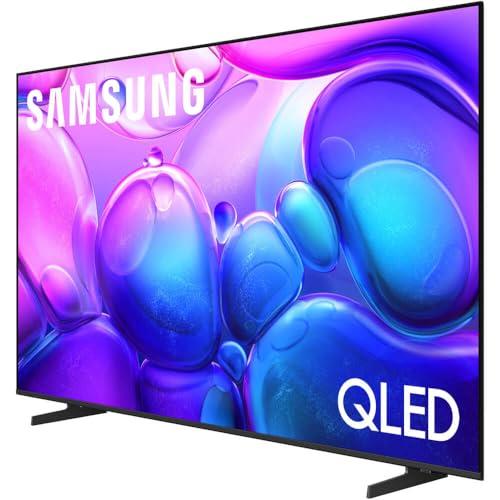
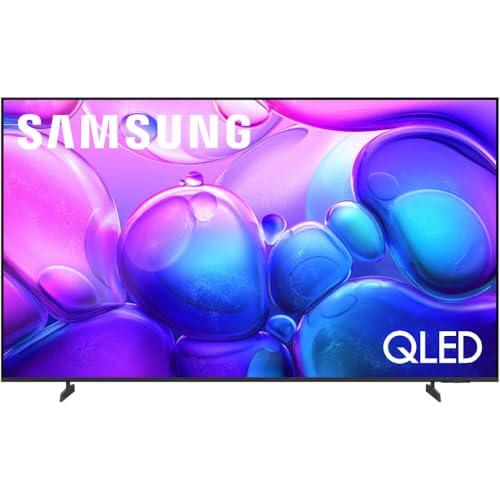
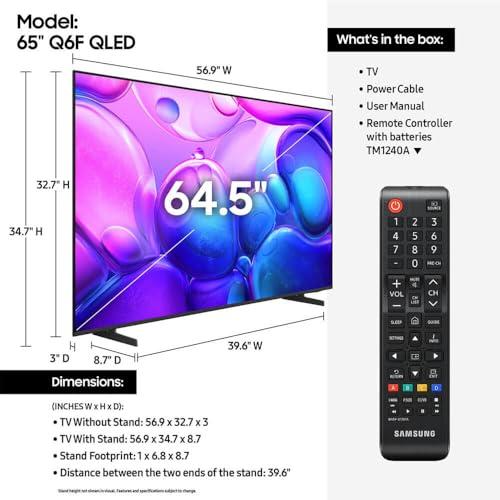
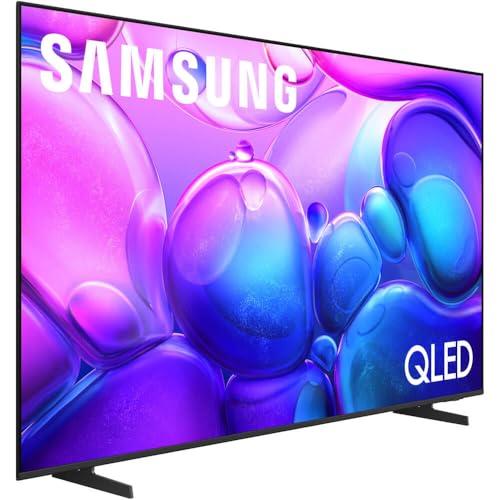
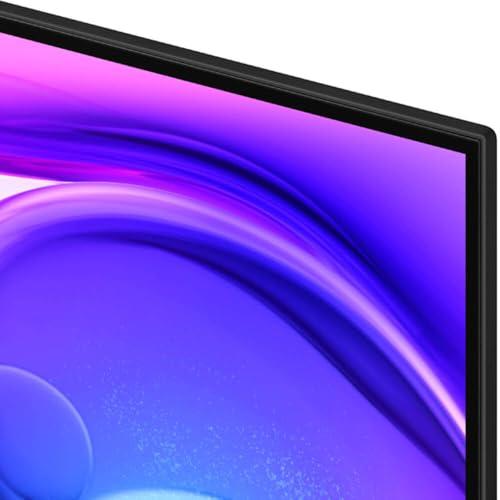
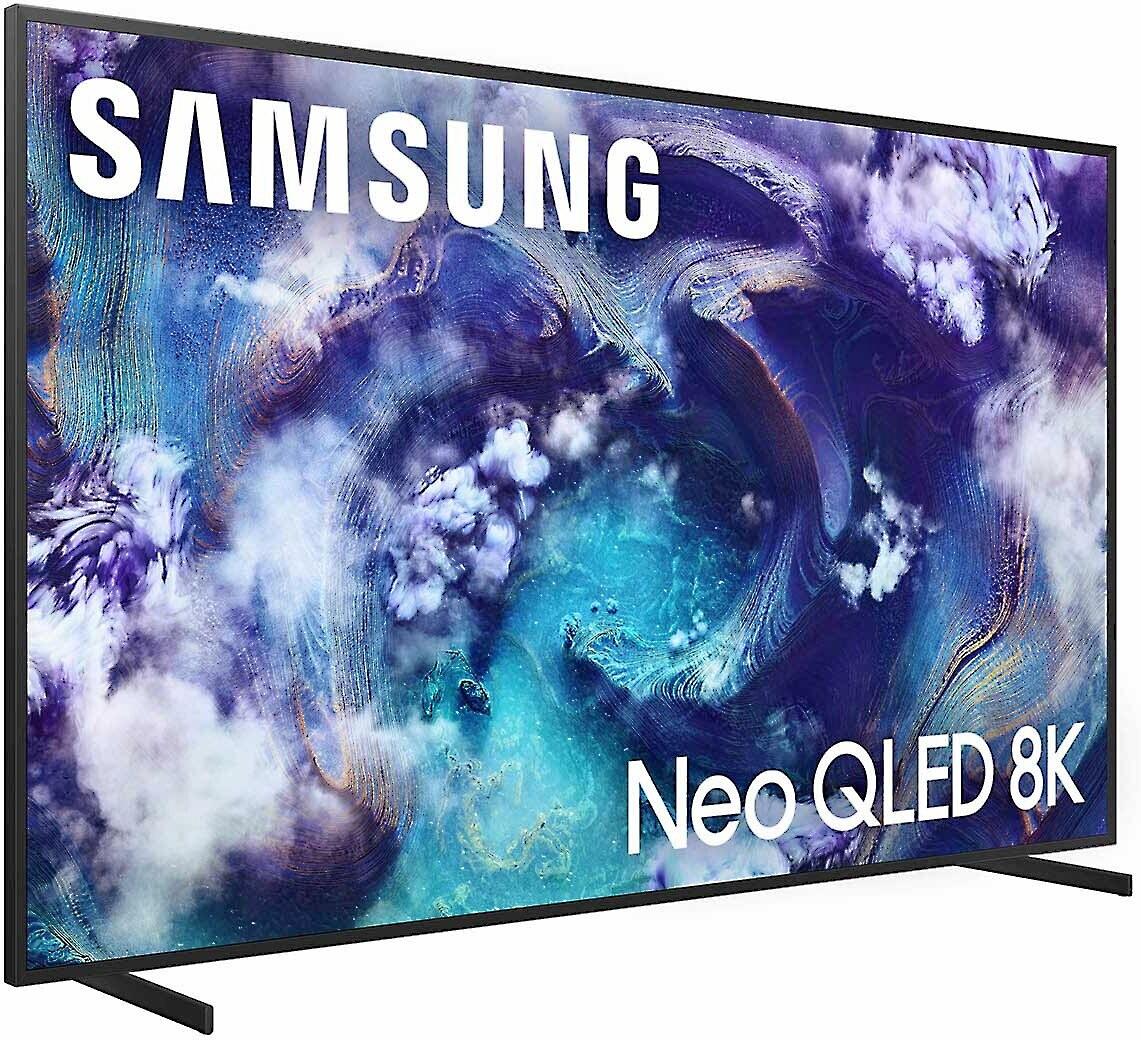
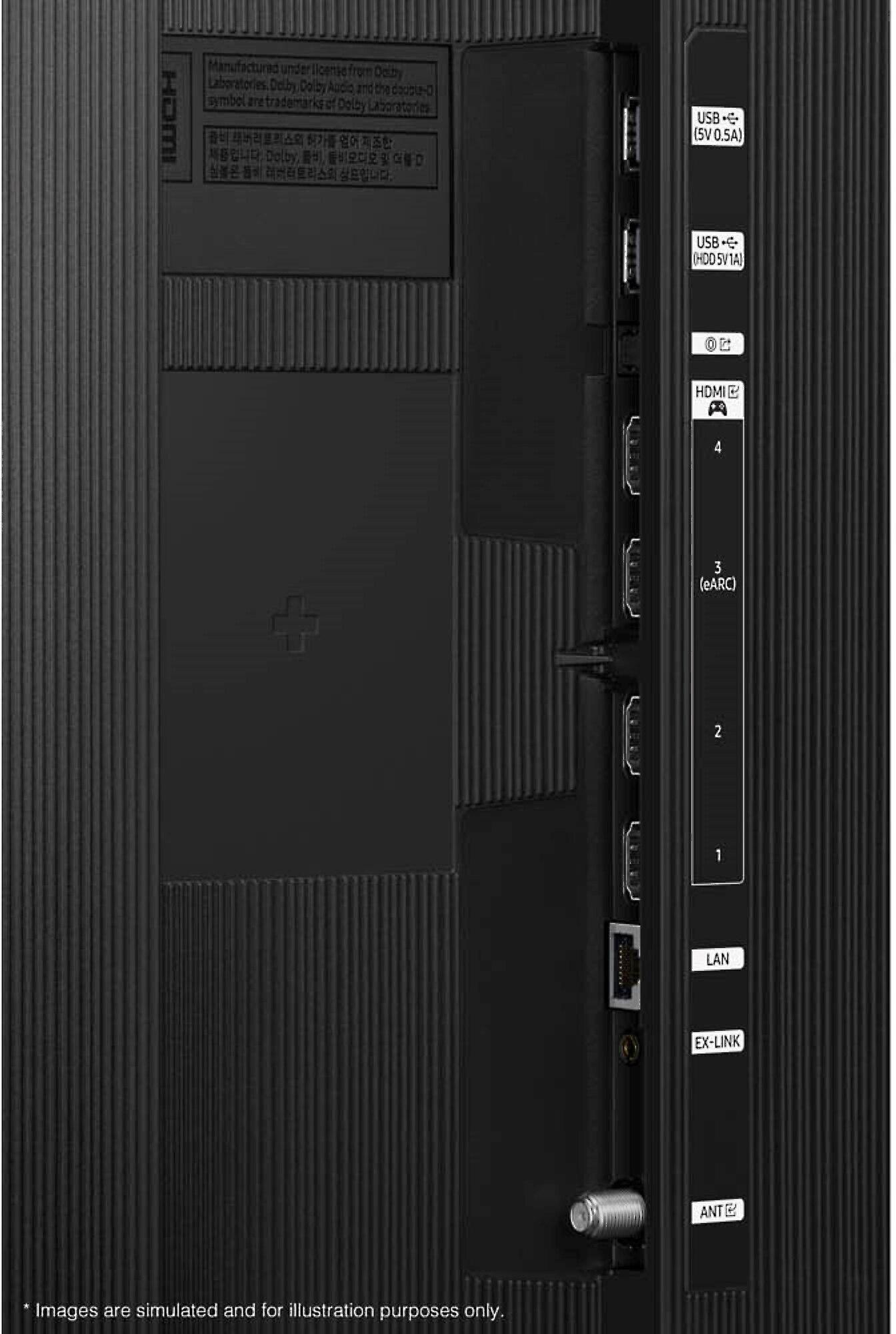
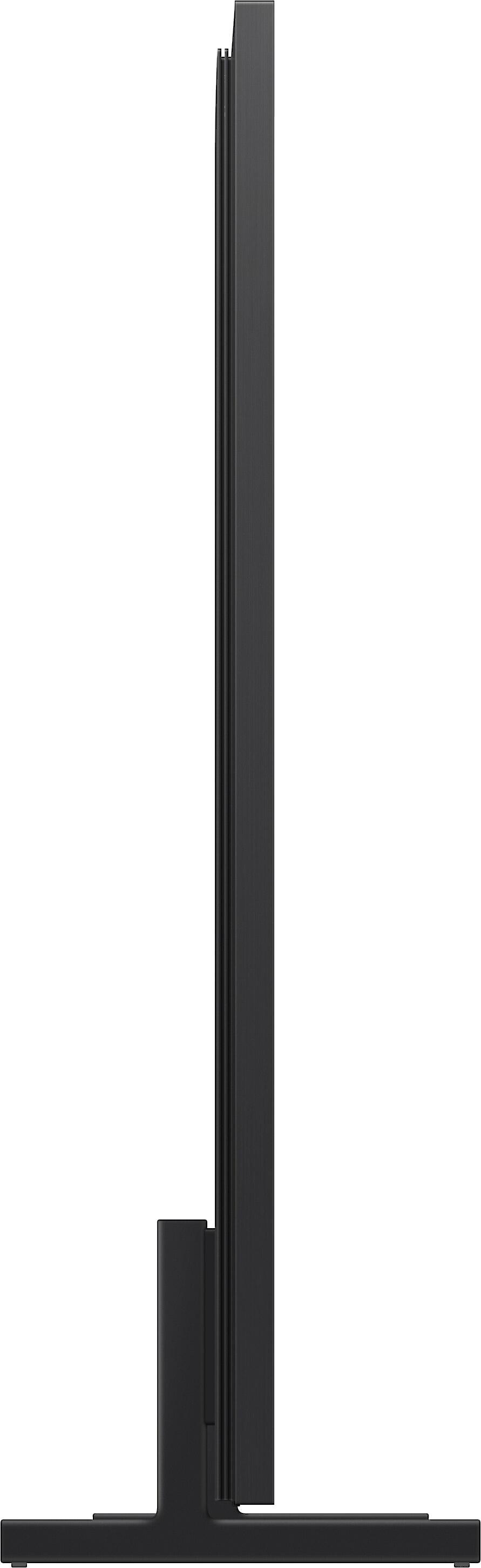
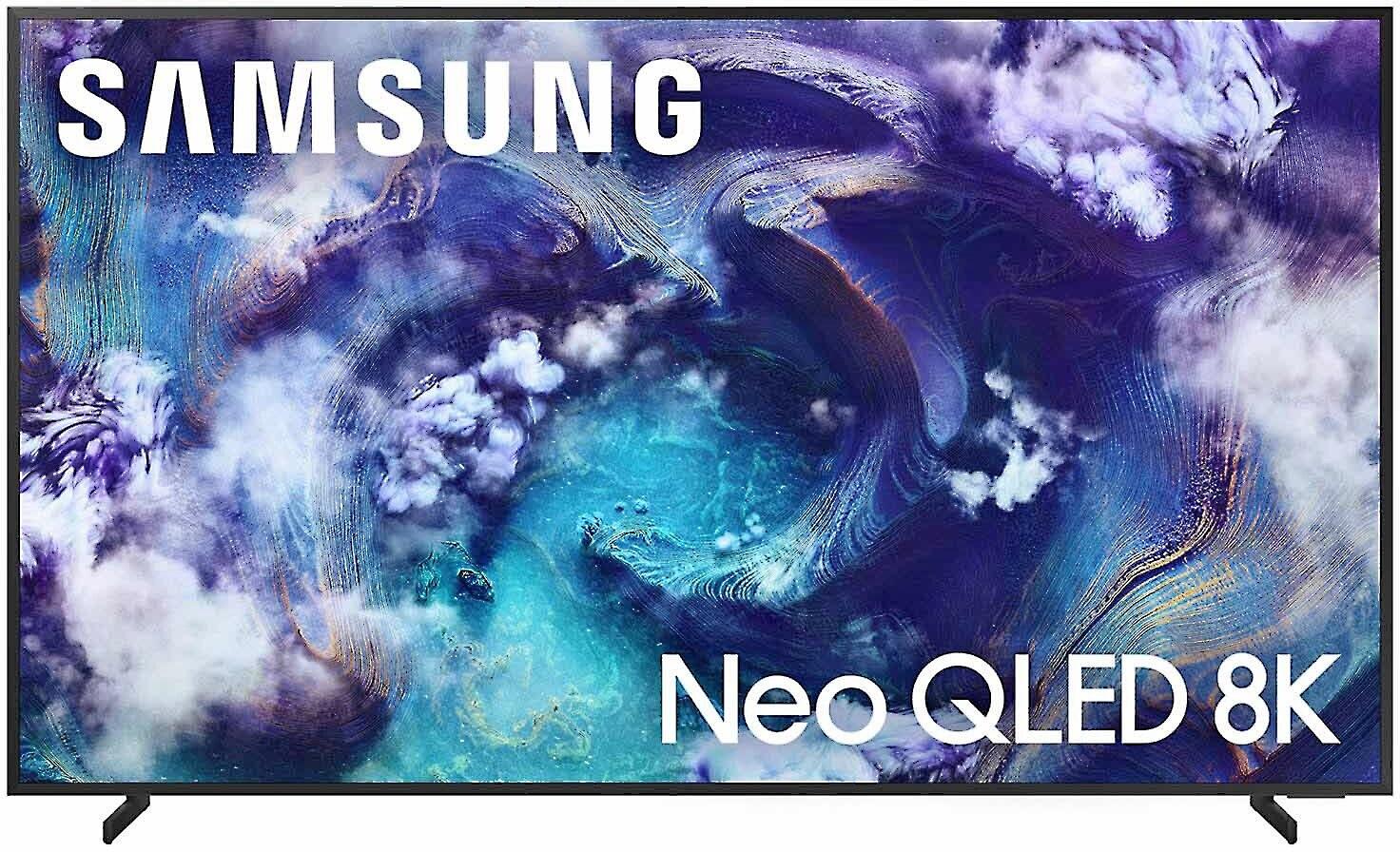
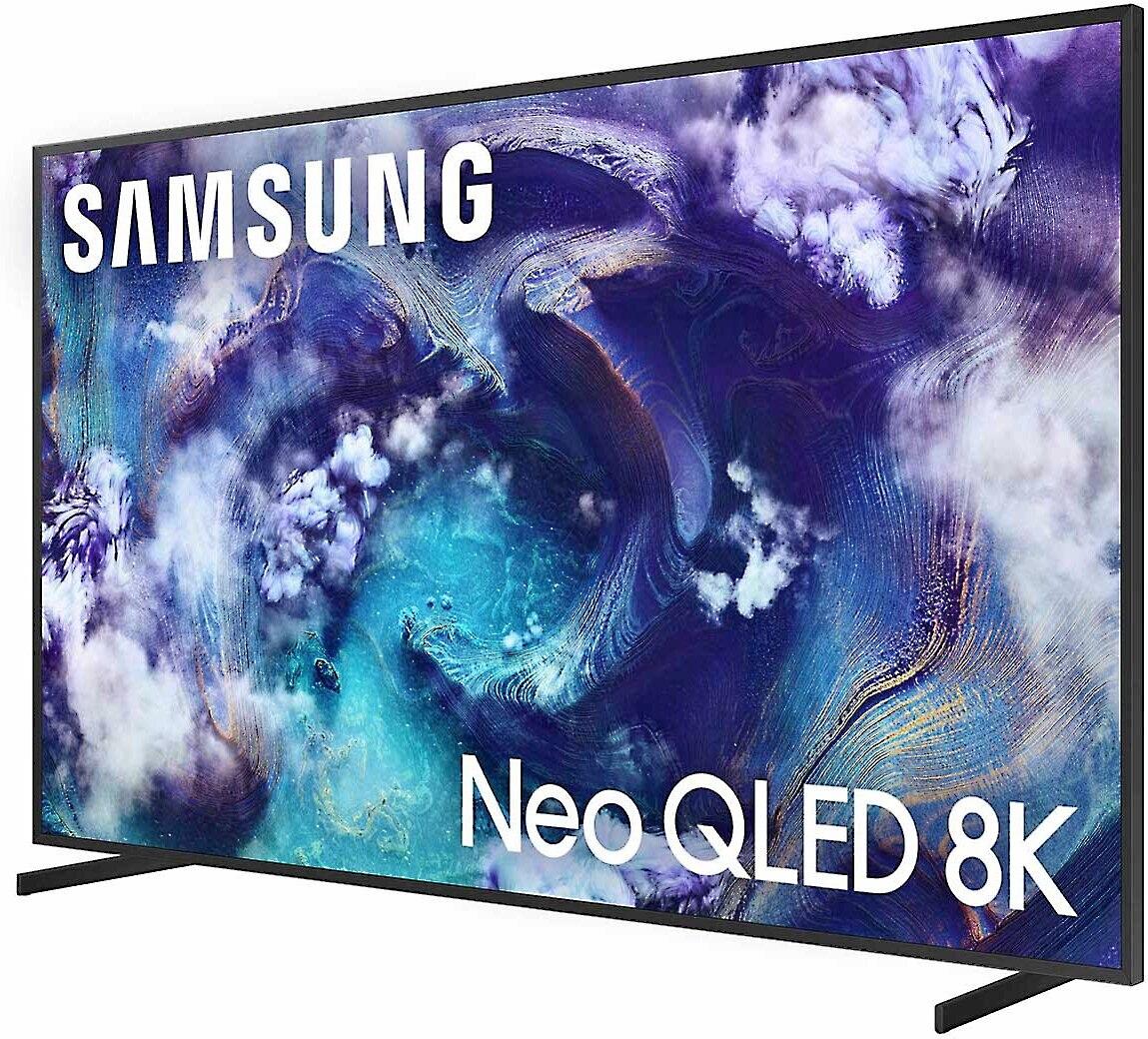
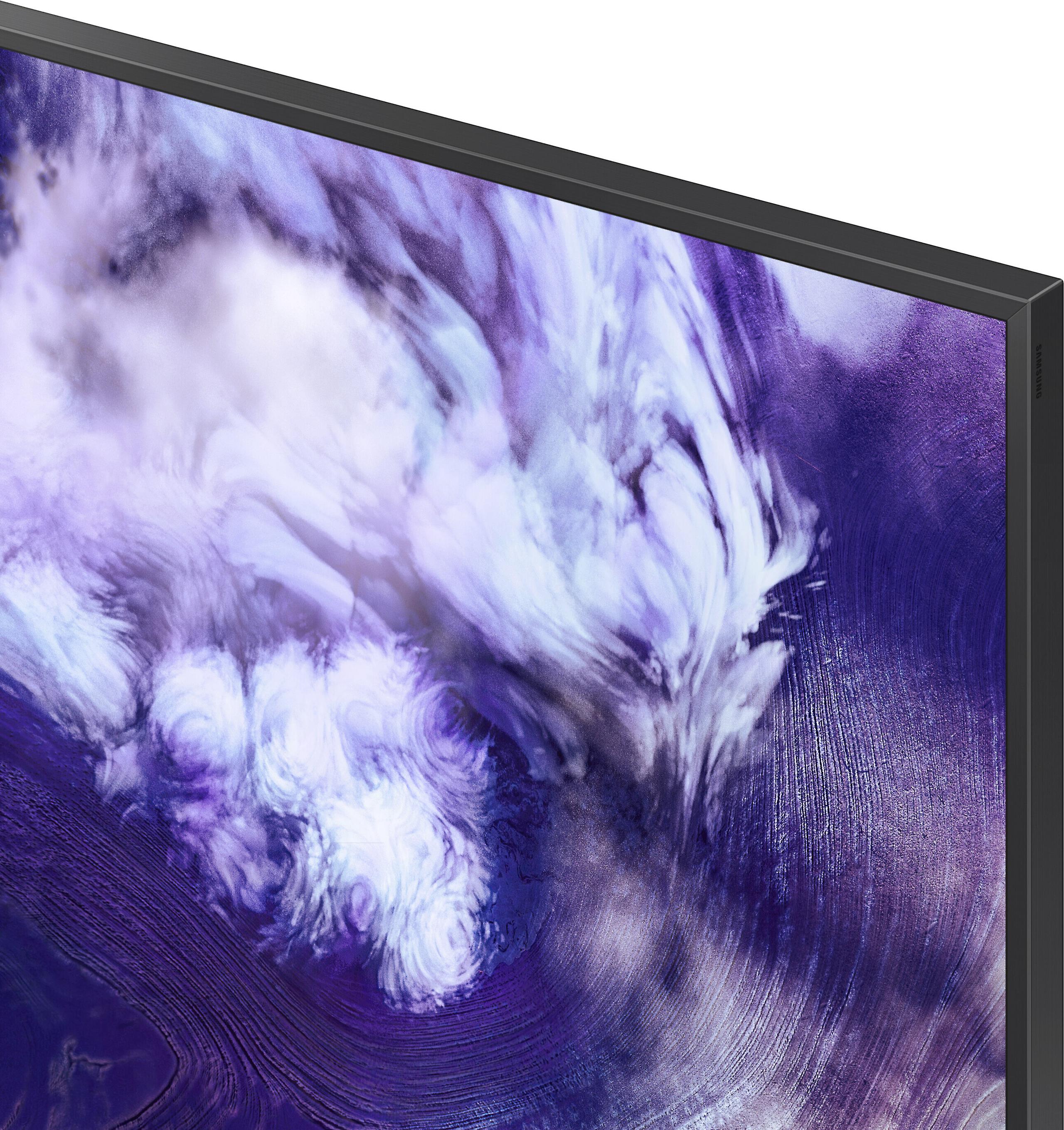

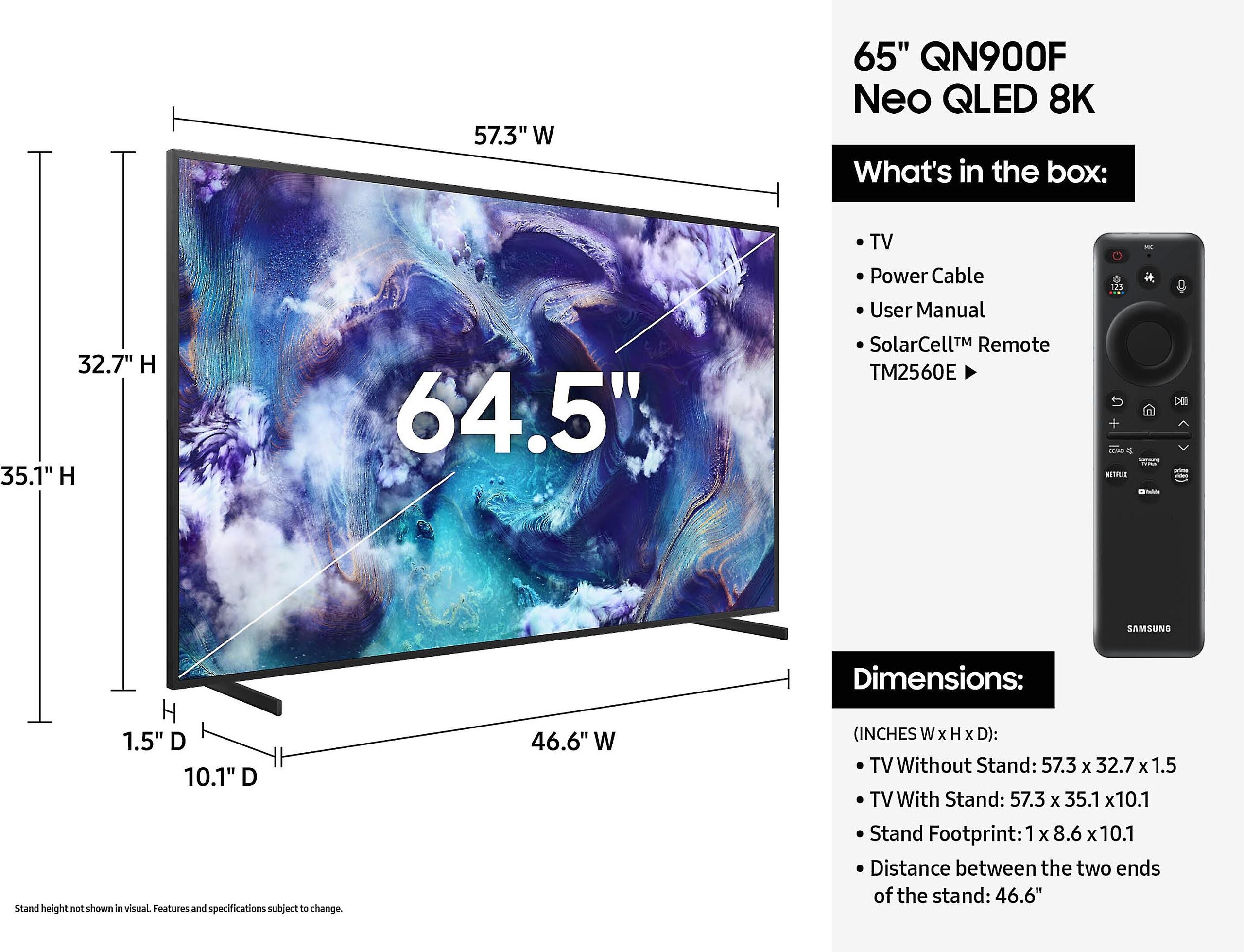
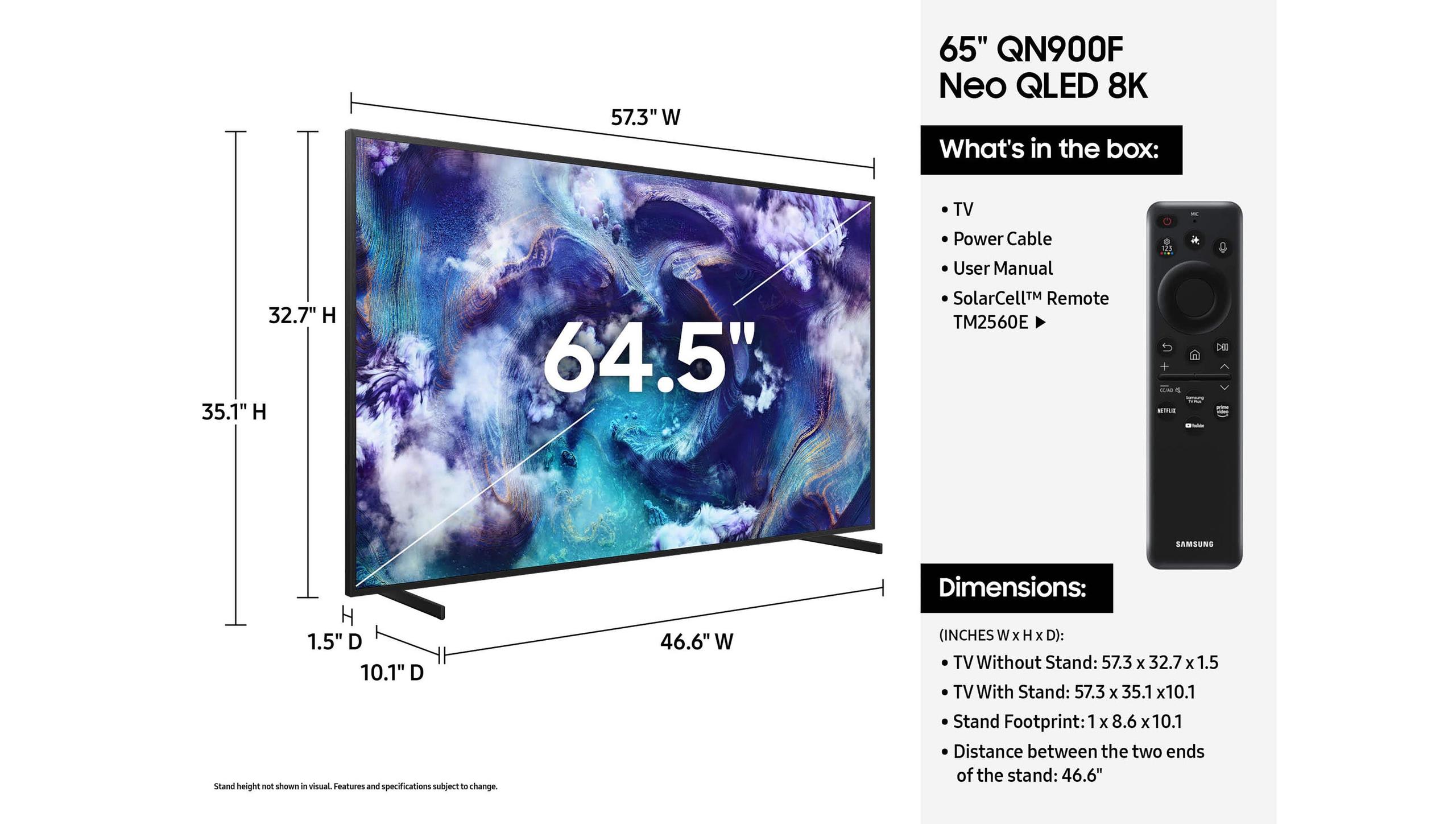
When Samsung released their 2025 TV lineup, they created quite a spectrum from budget-friendly to premium flagship models. Two models that perfectly illustrate this range are the Samsung 65" QLED Q6F and the Samsung 65" Neo QLED 8K QN900F. While both carry the QLED badge and Samsung's smart TV ecosystem, they're designed for completely different buyers and budgets.
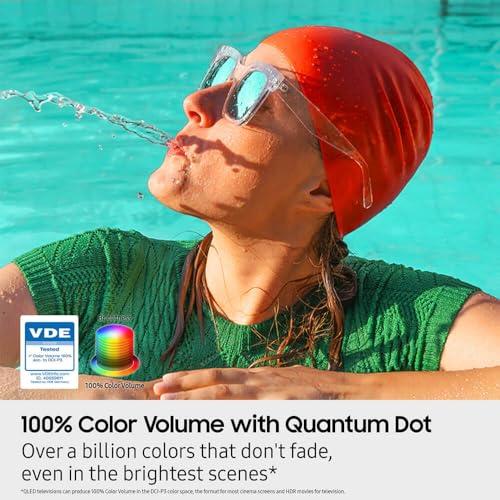
Understanding QLED technology helps explain why these TVs perform so differently despite sharing the same basic quantum dot foundation. QLED stands for Quantum Dot Light Emitting Diode, which uses tiny nanocrystals to create more accurate and vibrant colors than traditional LCD TVs. Think of quantum dots as microscopic color filters that can produce a billion different shades with incredible precision. However, the implementation of this technology varies dramatically between entry-level and premium models.
The most fundamental difference between the Q6F and QN900F lies in their backlighting systems. The Q6F uses edge-lit LED backlighting, where LED strips along the screen edges illuminate the entire display. This approach keeps costs down but creates challenges with uniformity - you might notice slightly brighter or darker areas across the screen, especially in dark scenes.
The QN900F takes a completely different approach with Mini LED backlighting. Instead of edge lighting, thousands of tiny LEDs sit directly behind the screen in what's called a full-array local dimming system. Each group of these Mini LEDs can brighten or dim independently, creating much more precise control over contrast. When you're watching a movie with bright explosions against a dark sky, the QN900F can make those explosions blazing bright while keeping the surrounding darkness truly dark.
This difference in backlighting technology ripples through every aspect of picture quality, from how well the TVs handle reflections to how realistic dark scenes appear.
Based on our research into expert reviews and user experiences, the brightness difference between these models is substantial. The Q6F achieves solid brightness levels that work well in most living rooms, but the QN900F reaches exceptional peak brightness that can overcome even direct sunlight from windows.
This brightness advantage becomes crucial for HDR (High Dynamic Range) content. HDR expands the range between the darkest blacks and brightest whites, creating more realistic images. The Q6F supports HDR10+ and can display HDR content adequately, but the QN900F's superior brightness makes HDR scenes truly pop with that "wow factor" you expect from premium content.
Here's where the backlighting difference becomes most apparent. The Q6F's edge-lit design struggles with black levels - dark scenes often appear grayish rather than truly black. This is particularly noticeable when watching movies in a dark room, where you might see light bleeding around the edges of the screen.
The QN900F's Mini LED system delivers what reviewers consistently describe as "very good black levels" for an LCD TV. While it can't match OLED technology's perfect blacks, it comes remarkably close. Dark movie scenes maintain their atmosphere, and you won't see the annoying light bleed that affects many LCD TVs.
One of the QN900F's standout features is Samsung's matte anti-glare coating, previously reserved for their flagship OLED models. This technology nearly eliminates reflections from windows, lamps, and other light sources. If you've ever struggled to watch TV during the day because of glare, this feature alone might justify the premium price.
The Q6F uses a standard glossy screen that, while providing slightly more vibrant colors in ideal conditions, shows reflections much more readily. This makes it less suitable for bright rooms or daytime viewing.
The resolution difference between these models sparks the most debate. The Q6F delivers standard 4K resolution with 3,840 x 2,160 pixels, while the QN900F pushes into 8K territory with 7,680 x 4,320 pixels - four times as many pixels.
Here's the reality about 8K in 2025: native 8K content remains extremely rare. You'll find some YouTube videos and demonstration content, but no streaming services or broadcast TV delivers 8K programming. This raises the obvious question: why pay for 8K?
The answer lies in upscaling technology. The QN900F's NQ8 AI Gen3 processor uses 256 neural networks to analyze and enhance every piece of content you watch. This AI upscaling is so sophisticated that it can take compressed HD or 4K sources and make them noticeably sharper and more detailed than they would appear on a 4K display.
Based on expert reviews, this upscaling works remarkably well. Reviewers noted that everyday content looks significantly better, with enhanced detail and sharpness that's particularly noticeable when sitting closer to the screen. However, the benefits are most apparent on larger screens and when viewing from typical home theater distances.
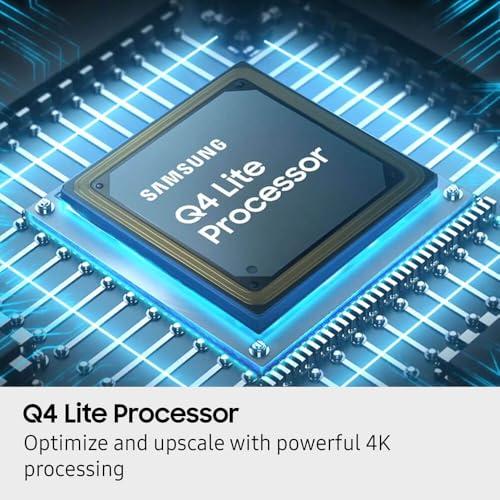
The Q6F's Q4 AI processor provides basic upscaling that improves lower-resolution content but can't match the sophistication of the premium model's processing power.
Gaming represents one of the clearest differentiators between these models. The Q6F offers 60Hz refresh rate gaming, which works fine for casual gaming but limits you to 60 frames per second. For many games, particularly single-player adventures or strategy games, this performs adequately.
The QN900F transforms into a gaming powerhouse with 165Hz at 8K resolution and 120Hz at 4K. It supports Variable Refresh Rate (VRR) technology, which synchronizes the TV's refresh rate with your gaming console or PC's output, eliminating screen tearing and stuttering. Input lag - the delay between pressing a button and seeing the action on screen - is minimal in Game Mode.
However, our research uncovered one important caveat: the QN900F can show motion blur when running games below its maximum refresh rate. This means you'll want to ensure your gaming setup can take full advantage of the high refresh rates to get the best experience.
Both models include Samsung's Gaming Hub, which provides access to cloud gaming services like Xbox Game Pass and NVIDIA GeForce NOW, turning your TV into a gaming console without additional hardware.
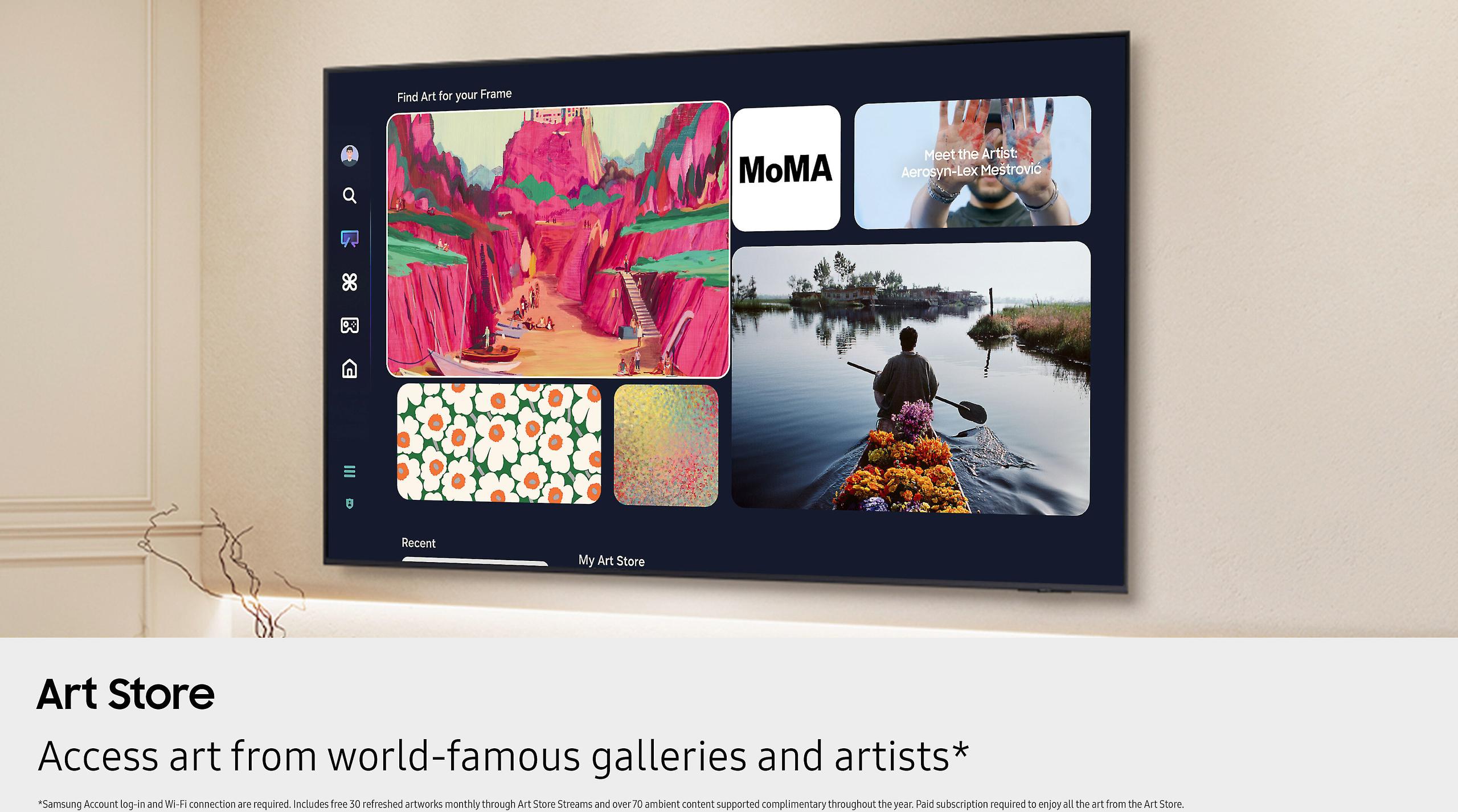
Both TVs run Samsung's Tizen operating system, but the experience differs significantly in responsiveness and intelligence. The Q6F provides the essential smart TV experience with access to all major streaming apps, voice control, and Samsung's free TV Plus service with hundreds of channels.
The QN900F elevates this with Tizen 9.0, featuring more sophisticated AI-powered content recommendations and a far-field microphone that lets you control the TV with voice commands from across the room. The interface responds more quickly, and the AI learns your viewing habits to suggest content you might enjoy.
Vision AI, featured prominently in the QN900F, automatically optimizes picture and sound settings based on what you're watching and your room's lighting conditions. This adaptive technology reduces the need to manually adjust settings for different content types.
Audio often gets overlooked in TV comparisons, but the difference here is meaningful. The Q6F includes standard built-in speakers that users describe as adequate for most content, providing clear dialogue and reasonable volume levels.
The QN900F features a sophisticated 4.2.2-channel audio system with Object Tracking Sound technology. This creates an effect where audio follows the action on screen - if a car drives from left to right, the sound moves with it. The system includes Dolby Atmos support for height effects that create a more immersive soundscape.
While both TVs benefit from external sound systems for the ultimate home theater experience, the QN900F's built-in audio is genuinely impressive and might eliminate the immediate need for a soundbar.
At the time of writing, these models represent very different value propositions. The Q6F targets buyers who want quantum dot color enhancement and Samsung's smart TV ecosystem without premium pricing. It delivers reliable 4K performance that satisfies most viewing needs.
The QN900F commands a significant premium but offers technologies that justify the cost for the right buyer. The Mini LED backlighting, anti-glare coating, 8K resolution with exceptional upscaling, and advanced gaming features create a viewing experience that's genuinely different from entry-level models.
For dedicated home theater setups, these models serve different purposes. The Q6F works well in controlled lighting environments where you can minimize reflections and appreciate its solid 4K performance. However, the lack of local dimming and limited contrast make it less ideal for cinematic experiences.
The QN900F excels in home theater applications, particularly in rooms where you can't completely control ambient light. The anti-glare coating and superior brightness ensure excellent visibility regardless of room lighting, while the Mini LED backlighting delivers the contrast needed for movie watching.
The 8K upscaling becomes particularly valuable in home theater settings where viewers sit closer to larger screens. The enhanced detail and sharpness are most noticeable in these scenarios.
Samsung's 2025 models represent meaningful improvements over their 2024 predecessors. The Q6F benefits from updated AI processing that better optimizes color and picture quality compared to earlier entry-level models. The QN900F includes refined Mini LED technology with more precise backlight control and improved upscaling algorithms.
The integration of Vision AI across both models shows Samsung's commitment to machine learning-driven optimization, though the implementation varies significantly between price tiers.
The Q6F makes sense for buyers who want Samsung's smart TV ecosystem and quantum dot color enhancement without premium pricing. It's ideal for general viewing, streaming content, and casual gaming in rooms where you can control lighting. If you're upgrading from an older TV and want solid 4K performance with modern smart features, this model delivers excellent value.
The QN900F targets enthusiasts and early adopters willing to invest in cutting-edge technology. It's particularly compelling for bright room viewing thanks to the anti-glare coating, serious gaming with high refresh rate requirements, and situations where you sit closer to the screen and can appreciate the enhanced resolution through upscaling.
These two models demonstrate how much TV technology can vary within the same brand's lineup. The Q6F offers solid fundamentals at an accessible price point, while the QN900F pushes boundaries with premium technologies that create a genuinely different viewing experience.
Your decision should align with your viewing environment, content preferences, and willingness to invest in future-facing technology. The Q6F satisfies mainstream needs excellently, while the QN900F provides premium performance that's most valuable in bright rooms, for gaming enthusiasts, and for viewers who appreciate cutting-edge display technology.
At the time of writing, the price difference reflects the substantial technology gap between these models. While the QN900F costs significantly more, its advanced features address real-world viewing challenges that affect many homes, making it a worthwhile investment for buyers who value premium performance.
| Samsung 65" QLED Q6F 4K Smart TV 2025 | Samsung 65" Neo QLED 8K QN900F Vision AI Smart TV 2025 |
|---|---|
| Display Resolution - Higher resolution provides sharper detail, especially when sitting closer | |
| 4K (3,840 x 2,160) with basic AI upscaling | 8K (7,680 x 4,320) with advanced AI upscaling that significantly enhances all content |
| Backlighting Technology - Determines contrast, black levels, and overall picture quality | |
| Edge-lit LED without local dimming (compromised blacks, some uniformity issues) | Mini LED with full-array local dimming (excellent blacks and contrast for LCD) |
| Peak Brightness - Critical for HDR performance and daytime viewing | |
| Good brightness for most rooms, adequate HDR | Exceptional brightness that overcomes glare, outstanding HDR performance |
| Anti-Glare Technology - Makes or breaks bright room viewing experience | |
| Standard glossy screen (shows reflections readily) | Premium matte anti-glare coating (nearly eliminates reflections) |
| Gaming Refresh Rate - Essential for smooth gaming and future console compatibility | |
| 60Hz (limits gaming to 60fps, suitable for casual gaming) | 165Hz at 8K, 120Hz at 4K with VRR support (excellent for serious gaming) |
| Picture Processor - Determines upscaling quality and AI optimization | |
| Q4 AI processor (basic content enhancement) | NQ8 AI Gen3 with 256 neural networks (exceptional upscaling and optimization) |
| Audio System - Affects whether you need external speakers immediately | |
| Standard 2-channel speakers (adequate but basic) | 4.2.2-channel with Object Tracking Sound and Dolby Atmos (impressive built-in audio) |
| Smart TV Platform - Impacts responsiveness and AI features | |
| Tizen OS with standard features and basic AI | Advanced Tizen 9.0 with Vision AI, far-field microphone, sophisticated recommendations |
| HDR Support - Determines premium content compatibility | |
| HDR10+ and HLG (no Dolby Vision) | HDR10+ and HLG with superior brightness for better HDR impact (no Dolby Vision) |
| Build Quality - Affects durability and premium feel | |
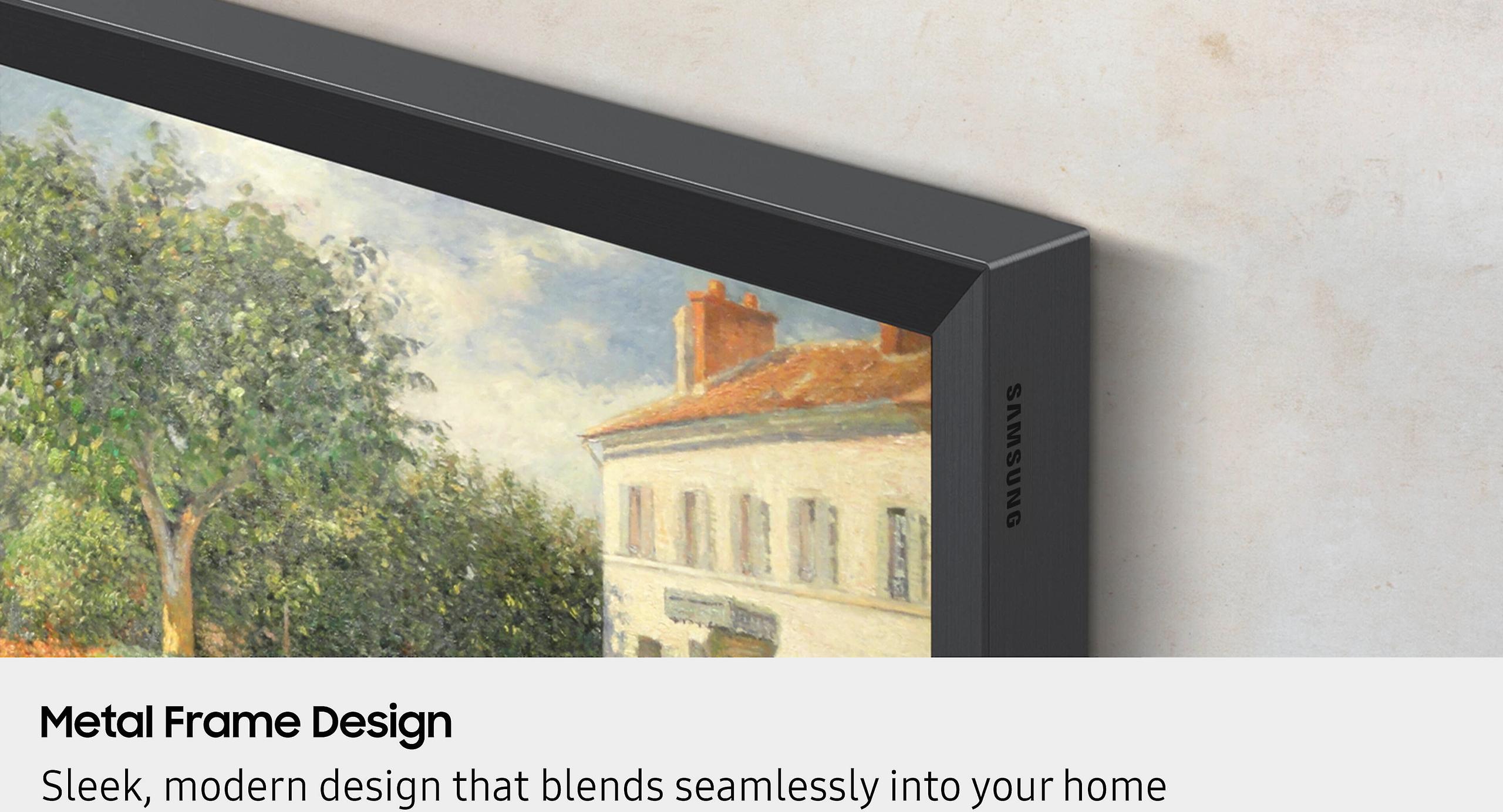
| Lightweight design, standard construction | Premium metal frame construction with advanced materials |
| Target Buyer - Who gets the best value from each model | |
| Budget-conscious buyers wanting solid 4K and smart features | Enthusiasts and gamers wanting cutting-edge display technology and bright-room performance |
The primary difference is display technology. The Samsung Q6F uses standard edge-lit LED backlighting for basic QLED performance, while the Samsung QN900F features advanced Mini LED backlighting with thousands of individually controlled zones for superior contrast and black levels. The QN900F also offers 8K resolution compared to the Q6F's 4K display.
The Samsung QN900F is significantly better for bright rooms thanks to its premium matte anti-glare coating that nearly eliminates reflections from windows and lights. The Samsung Q6F has a standard glossy screen that shows reflections readily, making it less suitable for daytime viewing in bright spaces.
Yes, the Samsung QN900F's 8K resolution is worthwhile primarily because of its exceptional AI upscaling technology. The NQ8 AI Gen3 processor uses 256 neural networks to enhance all content sources, making even compressed HD and 4K content look noticeably sharper and more detailed than on the Q6F.
The Samsung QN900F is vastly superior for gaming with its 165Hz refresh rate, 120Hz at 4K, VRR support, and minimal input lag. The Samsung Q6F is limited to 60Hz, making it suitable only for casual gaming but inadequate for competitive gaming or taking full advantage of next-gen consoles.
The Samsung QN900F delivers significantly better picture quality with its Mini LED backlighting providing excellent black levels and contrast. The Samsung Q6F suffers from typical edge-lit LCD issues like light bleeding and compromised black levels, though it still offers good quantum dot color reproduction.
The Samsung QN900F features a sophisticated 4.2.2-channel audio system with Object Tracking Sound and Dolby Atmos support, creating immersive audio where sound follows on-screen action. The Samsung Q6F has standard built-in speakers that are adequate but basic, likely requiring external audio for the best experience.
The Samsung QN900F excels in home theater applications with its superior contrast, anti-glare coating for versatile room lighting, and impressive built-in audio. The Samsung Q6F works adequately in controlled lighting environments but lacks the contrast and features needed for premium cinematic experiences.
The Samsung QN900F provides advanced smart features with Tizen 9.0, Vision AI that automatically optimizes settings, sophisticated content recommendations, and a far-field microphone for voice control. The Samsung Q6F offers standard Tizen OS with basic smart TV functionality and simpler AI features.
The Samsung QN900F's higher refresh rates (up to 165Hz) provide smoother motion handling ideal for sports and fast-paced content, though some motion blur can occur below maximum refresh rate. The Samsung Q6F's 60Hz refresh rate is adequate for most content but may show more motion blur during rapid action scenes.
The Samsung Q6F offers better value for mainstream buyers who want solid 4K performance and smart features without premium pricing. The Samsung QN900F provides exceptional value for enthusiasts willing to invest in cutting-edge display technology, particularly those with bright viewing rooms or serious gaming needs.
Yes, both the Samsung Q6F and Samsung QN900F run Samsung's Tizen OS and support all major streaming services like Netflix, Prime Video, Disney+, and YouTube. However, the QN900F offers a more responsive interface and advanced AI-powered content recommendations.
The Samsung QN900F is better for close viewing distances where you can appreciate the enhanced detail from 8K resolution and superior upscaling. The advanced processing makes content look sharper and more detailed when viewed up close, while the Samsung Q6F may show more pixelation and less refined detail at shorter distances.
We've done our best to create useful and informative comparisons to help you decide what product to buy. Our research uses advanced automated methods to create this comparison and perfection is not possible - please contact us for corrections or questions. These are the sites we've researched in the creation of this article: tomsguide.com - bestbuy.com - samsung.com - rtings.com - youtube.com - rtings.com - bestbuy.com - samsung.com - samsung.com - samsung.com - manuals.plus - shopjetson.com - samsung.com - samsung.com - samsung.com - samsung.com - bestbuy.com - jefflynch.com - rtings.com - samsung.com - techradar.com - dolby.com - youtube.com - samsung.com - youtube.com - samsung.com - samsung.com - samsung.com - samsung.com - displayspecifications.com - samsung.com - rtings.com - bestbuy.com - merlinstv.com - news.samsung.com - bestbuy.com

Privacy Policy
Terms and Conditions - Affiliate Policy
Home Security
© Copyright 2008-2026.
11816 Inwood Rd #1211, Dallas, TX 75244