

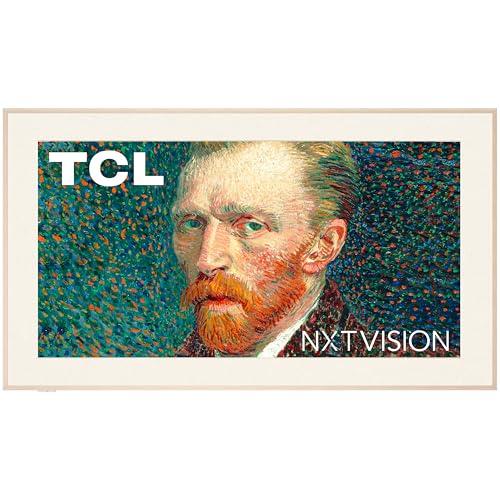

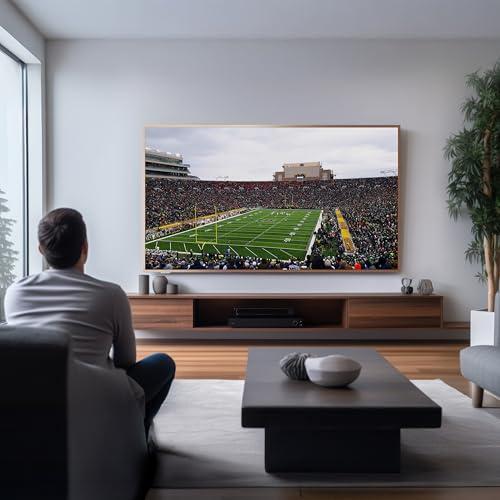

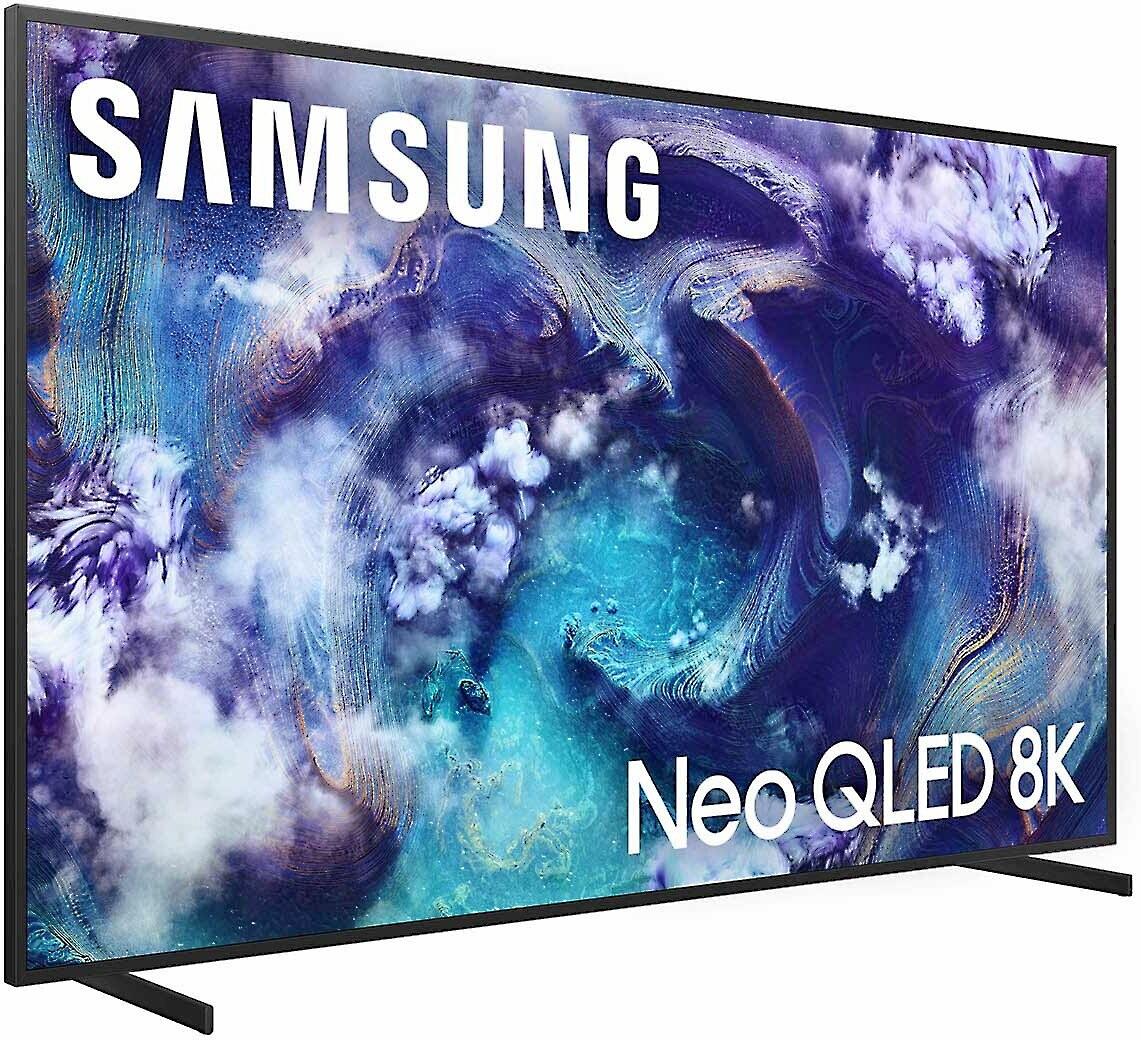
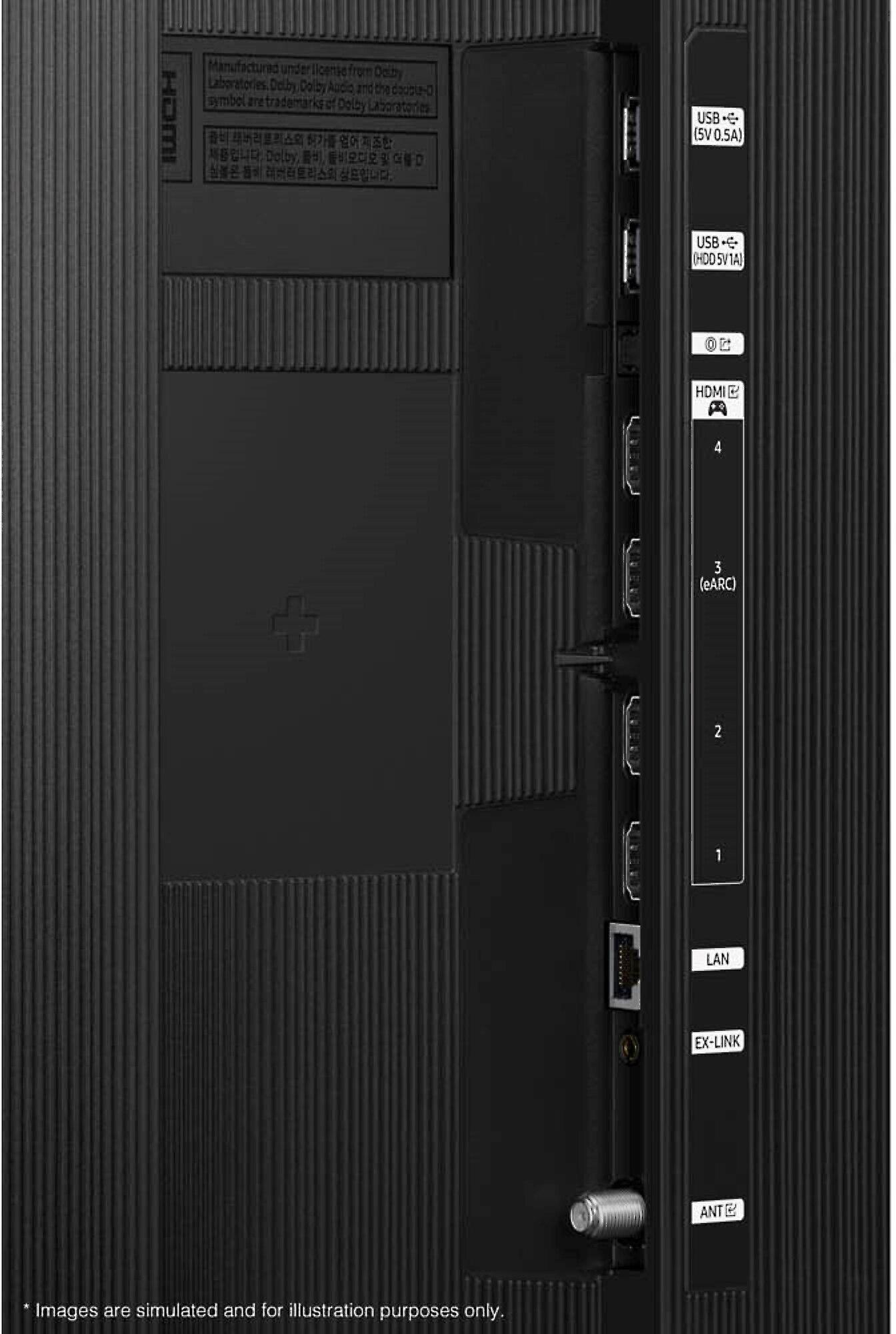
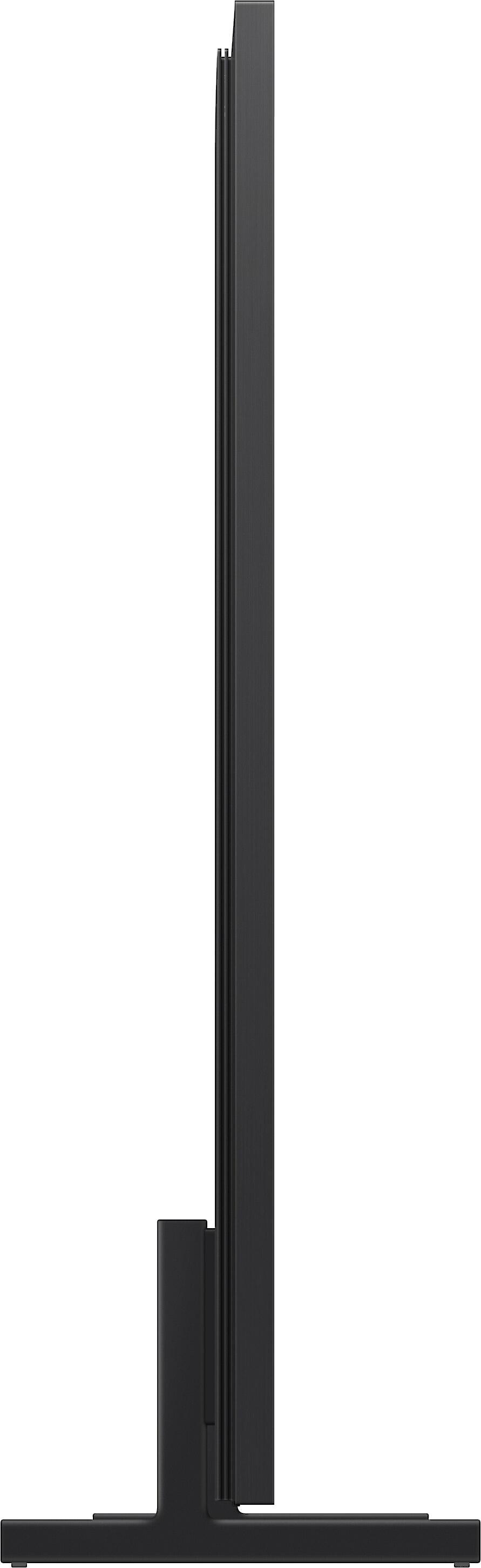
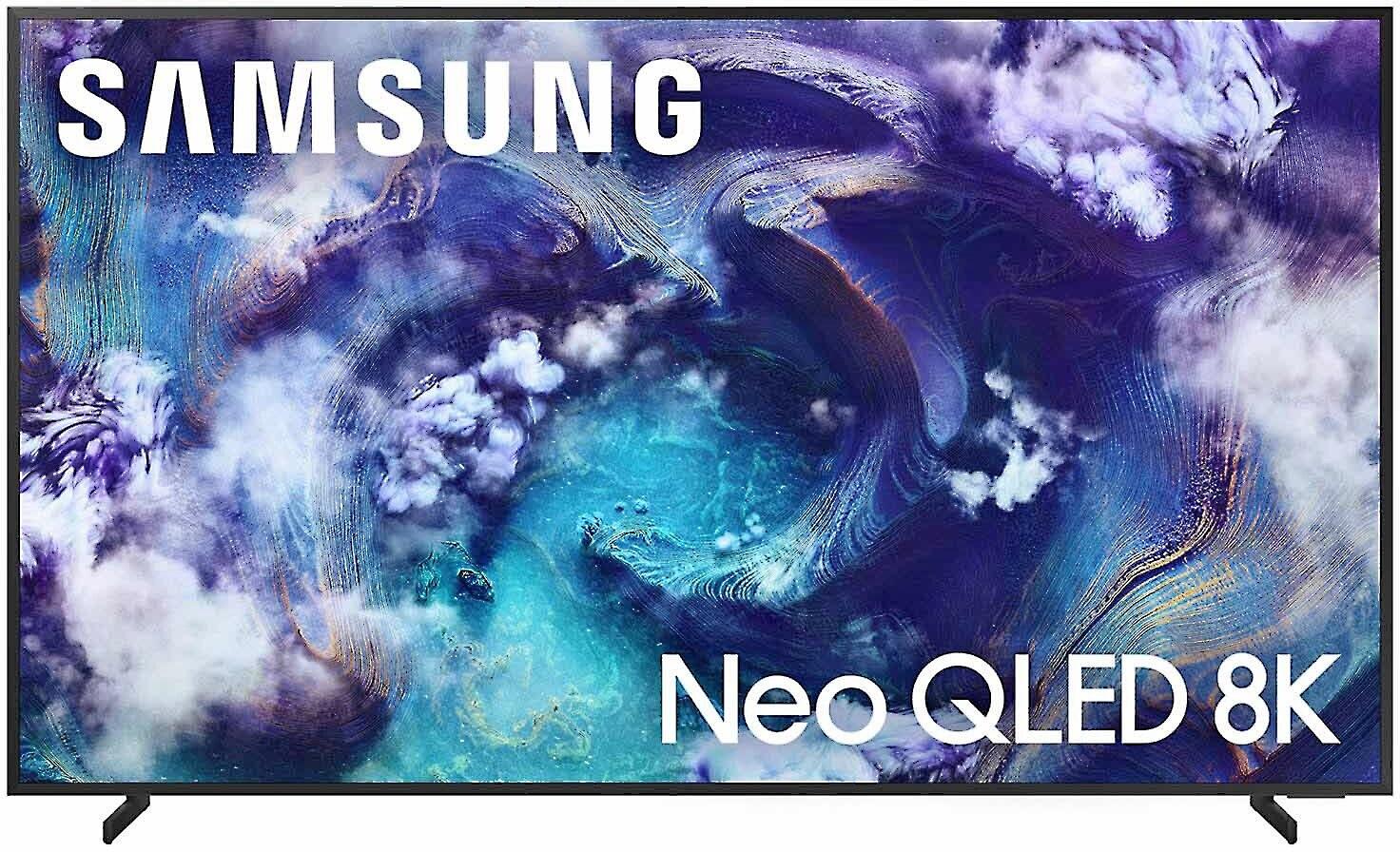
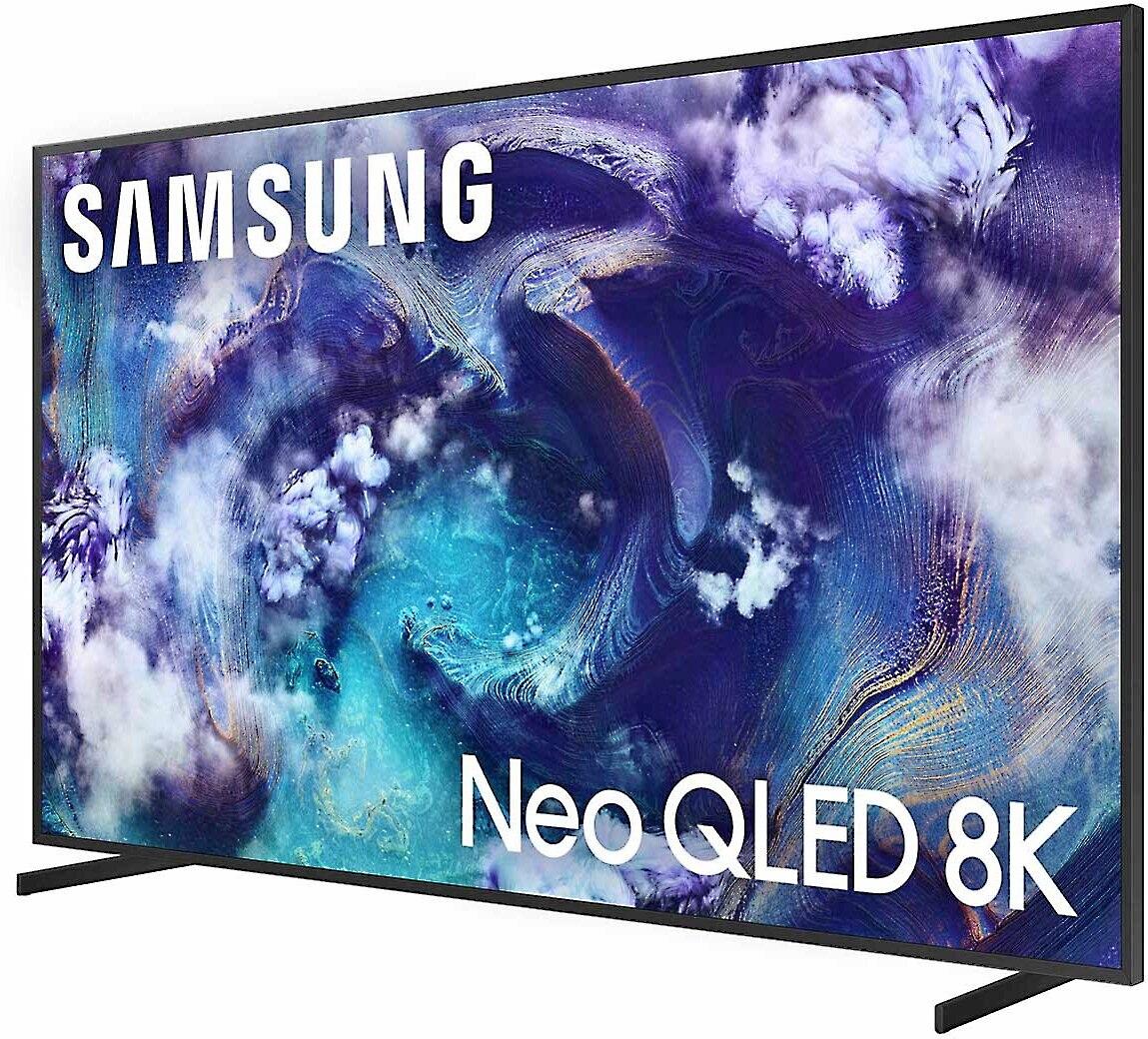

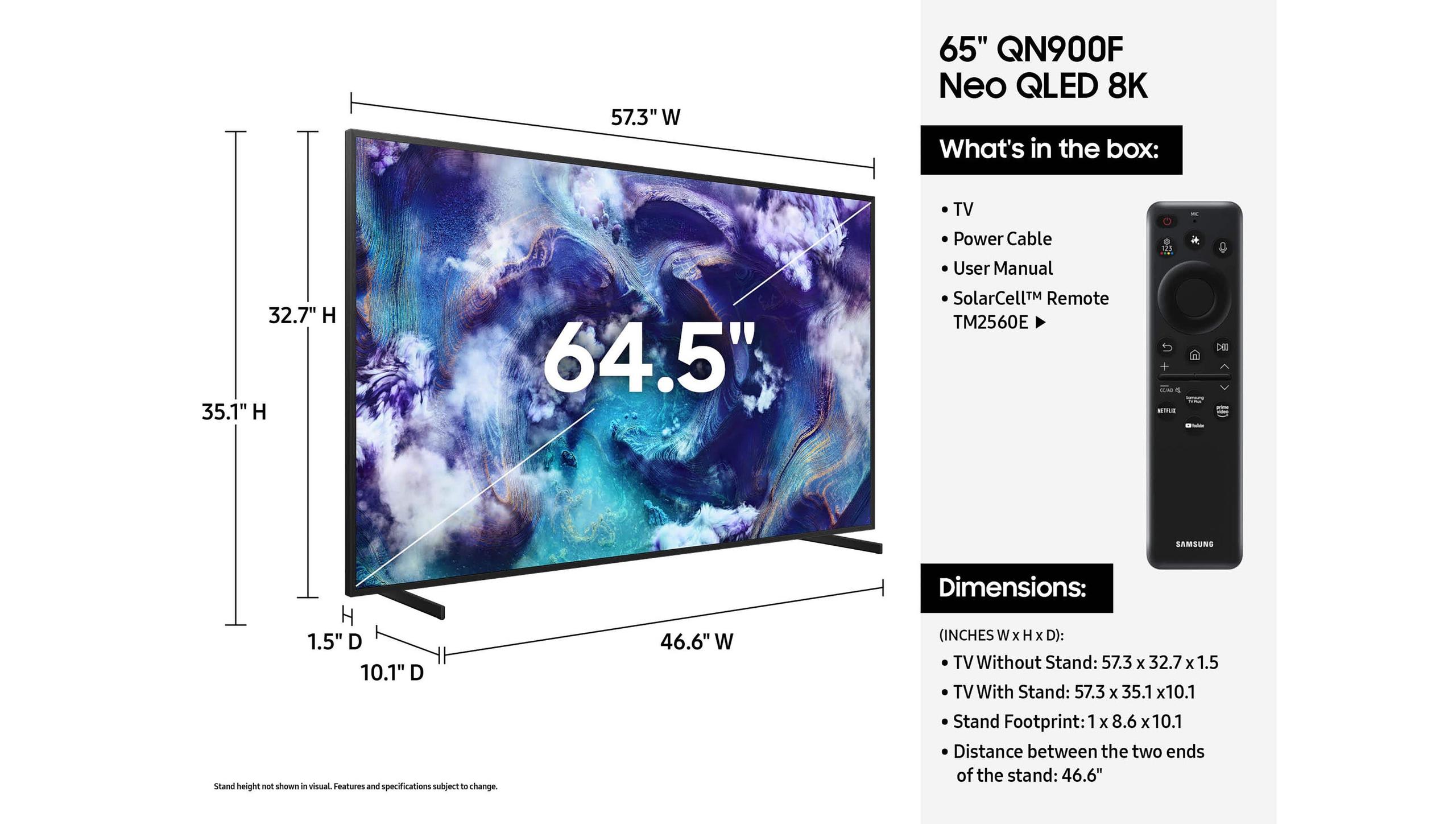
When shopping for a premium 65-inch TV in 2024 and 2025, you'll encounter two dramatically different philosophies. The TCL NXTVISION QLED 4K Art Frame TV represents the lifestyle television movement—a TV designed to blend into your living space like a piece of artwork. Meanwhile, the Samsung Neo QLED 8K QN900F Vision AI Smart TV embodies the performance-first approach, packing cutting-edge 8K technology and premium features into a flagship package.
Understanding which approach suits your needs requires diving into what makes these TVs tick and where each excels. At the time of writing, the TCL NXTVISION typically costs significantly less than the Samsung QN900F, but that price difference tells only part of the story. Let's break down what you're actually getting for your money.
The fundamental difference between these TVs starts with their core design philosophy. The TCL NXTVISION, released in 2024, emerged from the growing trend of "disappearing" televisions. TCL recognized that many people wanted their TV to serve double duty—providing entertainment when needed while functioning as digital art when idle. This led to some fascinating engineering choices that prioritize aesthetics over raw performance.
The Samsung QN900F, launched in 2025, takes the opposite approach. Samsung packed this TV with their latest 8K processing technology, premium backlighting, and advanced gaming features. It's designed for people who want the absolute best viewing experience available in consumer televisions.
This philosophical split creates interesting trade-offs that ripple through every aspect of these TVs' performance.
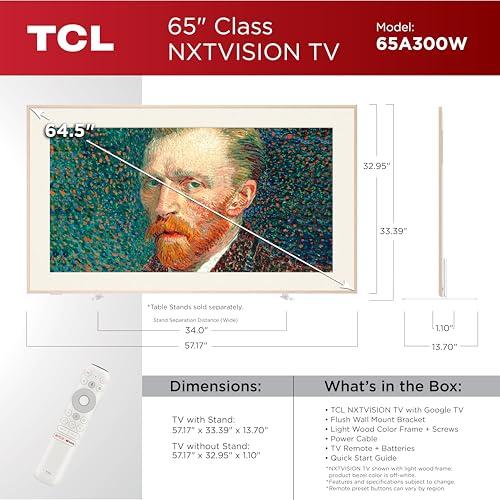
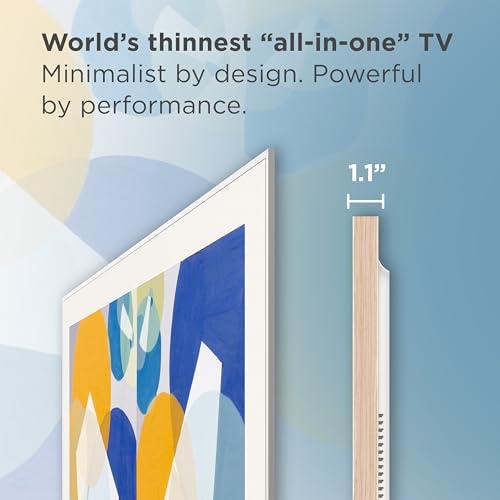
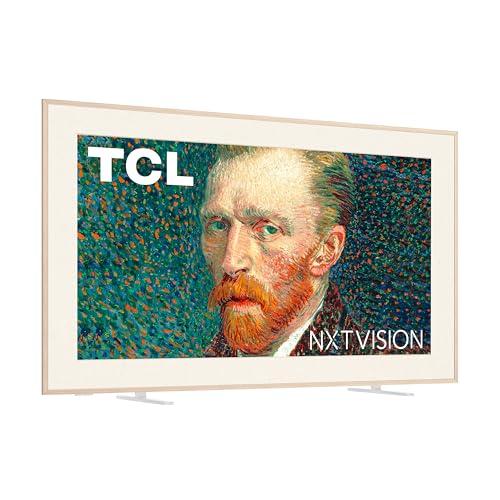
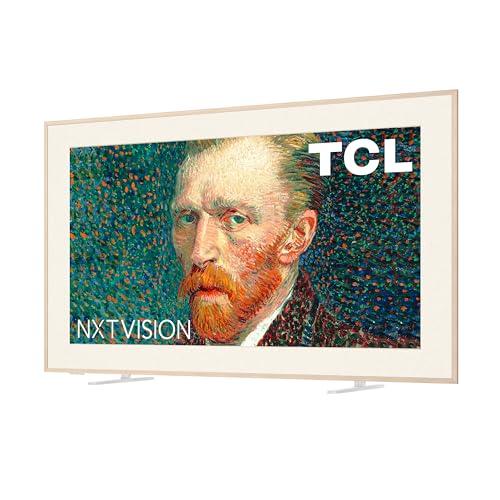
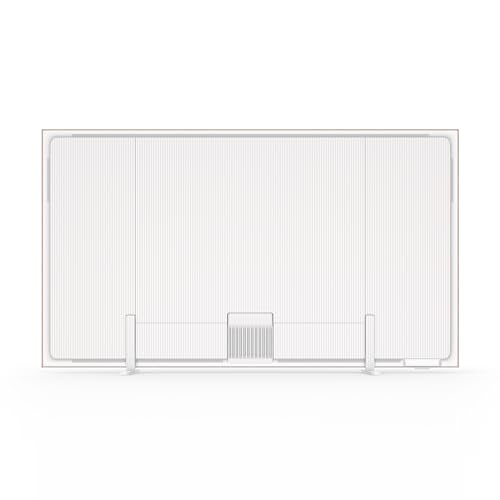
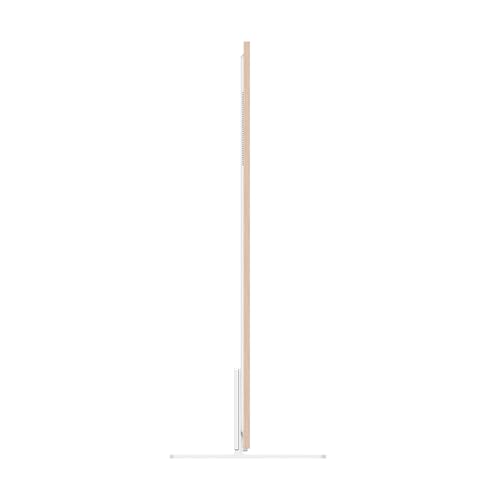
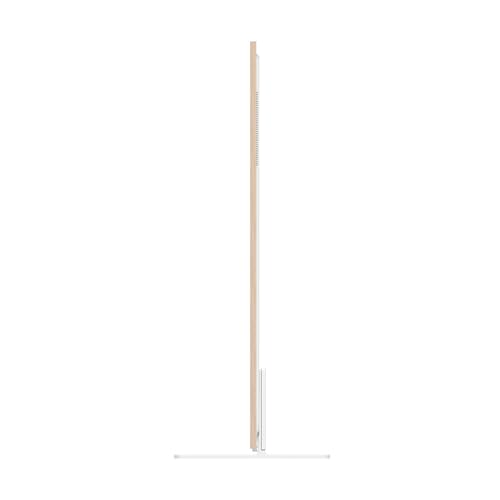
The TCL NXTVISION achieves something genuinely impressive with its ultra-slim 1.1-inch profile. Most TVs this thin require an external media box, but TCL built everything into the display itself. This eliminates the usual cables and boxes that break the illusion of a framed artwork hanging on your wall.
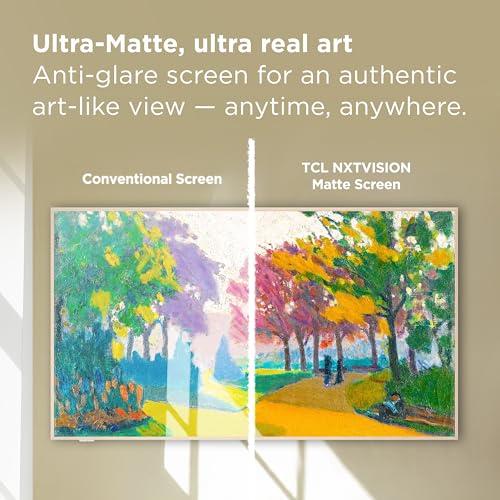
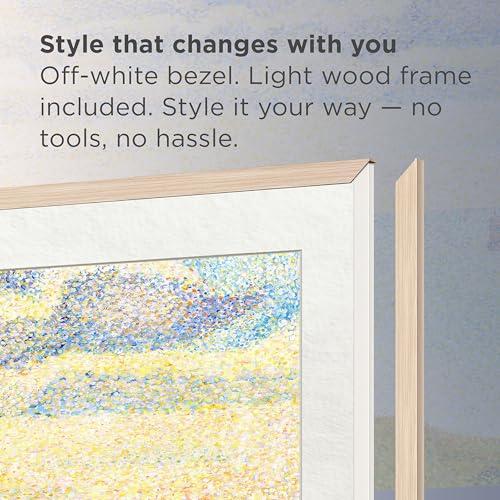
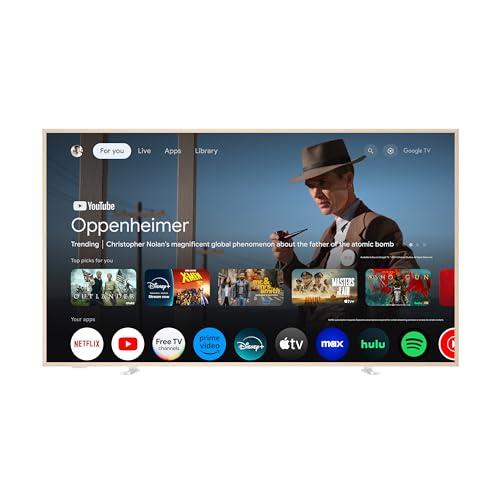
The magic happens with the ultra-matte anti-glare screen coating. Traditional matte screens often look muddy or washed out, but TCL's implementation actually mimics the texture of canvas. When displaying artwork, it genuinely resembles a real painting rather than a digital display. The included magnetic frames can be swapped to match your décor—light wood comes standard, with other options available.
What impressed me most during research was how effectively this TV handles bright rooms. The matte coating nearly eliminates reflections that would make other TVs unwatchable during the day. You can hang it opposite a window and still see the image clearly, something impossible with glossy screens.
However, this design focus comes with compromises. The edge-lit LED backlighting and lack of local dimming (a feature that controls brightness in different screen zones) means black levels suffer significantly. Dark movie scenes look more gray than black, and you'll notice light bleeding around bright objects in dark scenes—an effect called "blooming."
The Samsung QN900F represents Samsung's 2025 flagship technology, building on years of Mini LED development. The "Neo" in Neo QLED refers to Samsung's Mini LED backlighting system, which uses thousands of tiny LEDs smaller than traditional backlights. This allows for incredibly precise control over brightness in different screen areas.
The Quantum Matrix Pro technology manages these Mini LEDs with surgical precision. Instead of the TCL's edge-lit system that illuminates the entire screen from the sides, Samsung can brighten or dim individual zones to match the content. This creates true black levels that rival OLED displays while maintaining the brightness advantages of LED technology.
Samsung's 8K resolution delivers four times more pixels than the TCL's 4K display. While native 8K content remains limited, Samsung's NQ8 AI Gen3 processor uses artificial intelligence to upscale lower-resolution content. This isn't simple stretching—the AI analyzes the image and intelligently adds detail, sharpening edges and enhancing textures without introducing artifacts.
The glare-free technology Samsung developed differs from TCL's approach. Instead of a matte coating that changes the image character, Samsung uses an anti-reflective treatment that maintains the glossy look while dramatically reducing reflections. It's an engineering marvel that preserves color vibrancy and contrast while solving the glare problem.
The picture quality gap between these TVs is substantial, though both excel in different scenarios. For bright room viewing, both TVs perform admirably, but for different reasons. The TCL NXTVISION uses its matte screen to eliminate reflections, while the Samsung QN900F relies on superior brightness and anti-reflective technology.
In dark rooms, the differences become dramatic. The Samsung delivers true blacks that make movie scenes pop with realistic contrast. HDR (High Dynamic Range) content showcases the TV's full capabilities—bright highlights can reach eye-searing levels while dark areas remain perfectly black. The TCL struggles here, with dark scenes appearing washed out and HDR highlights lacking the punch that makes the format worthwhile.
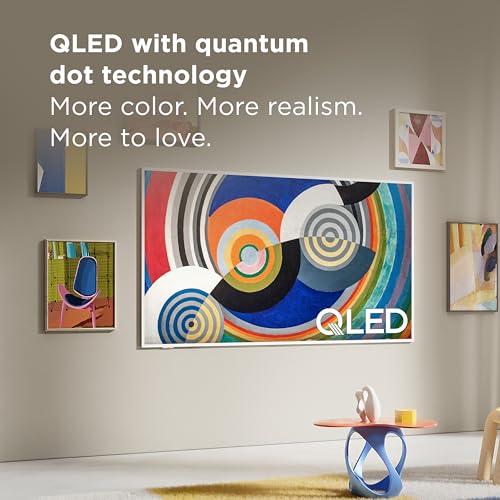
Color accuracy tells a similar story. While both TVs use quantum dot technology to produce vibrant colors, Samsung's implementation is far more precise. Professional reviews consistently note the TCL's poor color accuracy, with colors that look pleasing but aren't true to the original content. The Samsung offers cinema-grade color accuracy out of the box, with professional calibration options for enthusiasts.
For streaming content and cable TV, these differences matter less than you might expect. Both TVs handle compressed video well, and the TCL's AIPQ Pro processor does solid work upscaling lower-resolution content. However, when watching premium 4K content from Netflix, Amazon Prime, or 4K Blu-rays, the Samsung reveals details and nuances that simply aren't visible on the TCL.
Gaming represents an interesting battleground between these TVs. On paper, the TCL NXTVISION offers impressive specs with its Game Accelerator 240 supporting up to 240Hz refresh rates at 1080p and 144Hz at 4K resolution. It includes two HDMI 2.1 ports with Variable Refresh Rate (VRR) support, which synchronizes the display's refresh rate with your console or PC's frame output to eliminate screen tearing.
The Samsung QN900F counters with Motion Xcelerator 240Hz and comprehensive gaming features including Auto Low Latency Mode (ALLM), which automatically switches to gaming mode when it detects a console. Samsung's Gaming Hub provides direct access to cloud gaming services without needing a console.
However, real-world gaming performance favors Samsung significantly. The TCL's slow pixel response time creates motion blur during fast action, making it less ideal for competitive gaming. Racing games and first-person shooters suffer from trailing effects that can impact gameplay precision. The Samsung maintains crisp motion even during intense gaming sessions.
For casual gaming and single-player adventures, both TVs work fine. But if you're serious about gaming performance or play competitive titles, the Samsung justifies its premium with noticeably better motion clarity and response times.
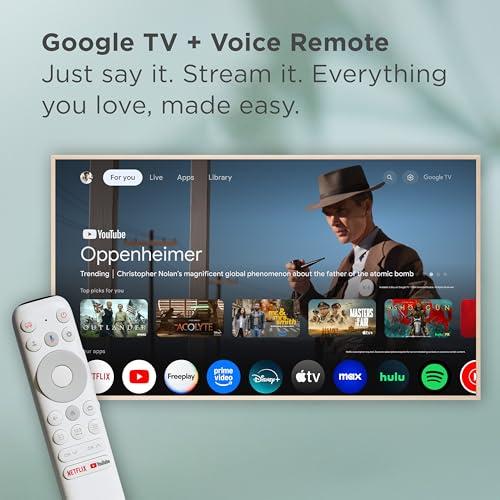
The smart TV experience differs significantly between these platforms. The TCL NXTVISION runs Google TV, which integrates seamlessly with Android devices and Google services. The interface feels familiar if you use Google products, and the built-in Chromecast makes content sharing effortless.
Samsung's Tizen platform on the QN900F has evolved into a sophisticated system with extensive app support and intuitive navigation. The 2025 version includes enhanced AI features that learn your viewing habits and make surprisingly accurate content recommendations.
Both platforms support major streaming services, but Samsung's platform typically receives new apps first and runs more smoothly. The Samsung also includes multiple voice assistants (Alexa, Google Assistant, and Samsung's Bixby), while the TCL focuses primarily on Google Assistant.
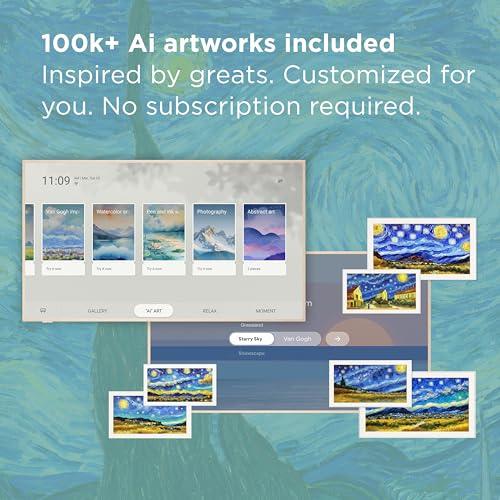
This is where the TCL NXTVISION truly shines. The art mode functionality isn't just a software addition—it's the TV's primary purpose. The curated art library includes over 400 works, plus AI-generated art capabilities that can create thousands of unique pieces. The matte screen makes displayed artwork look genuinely convincing as framed art.
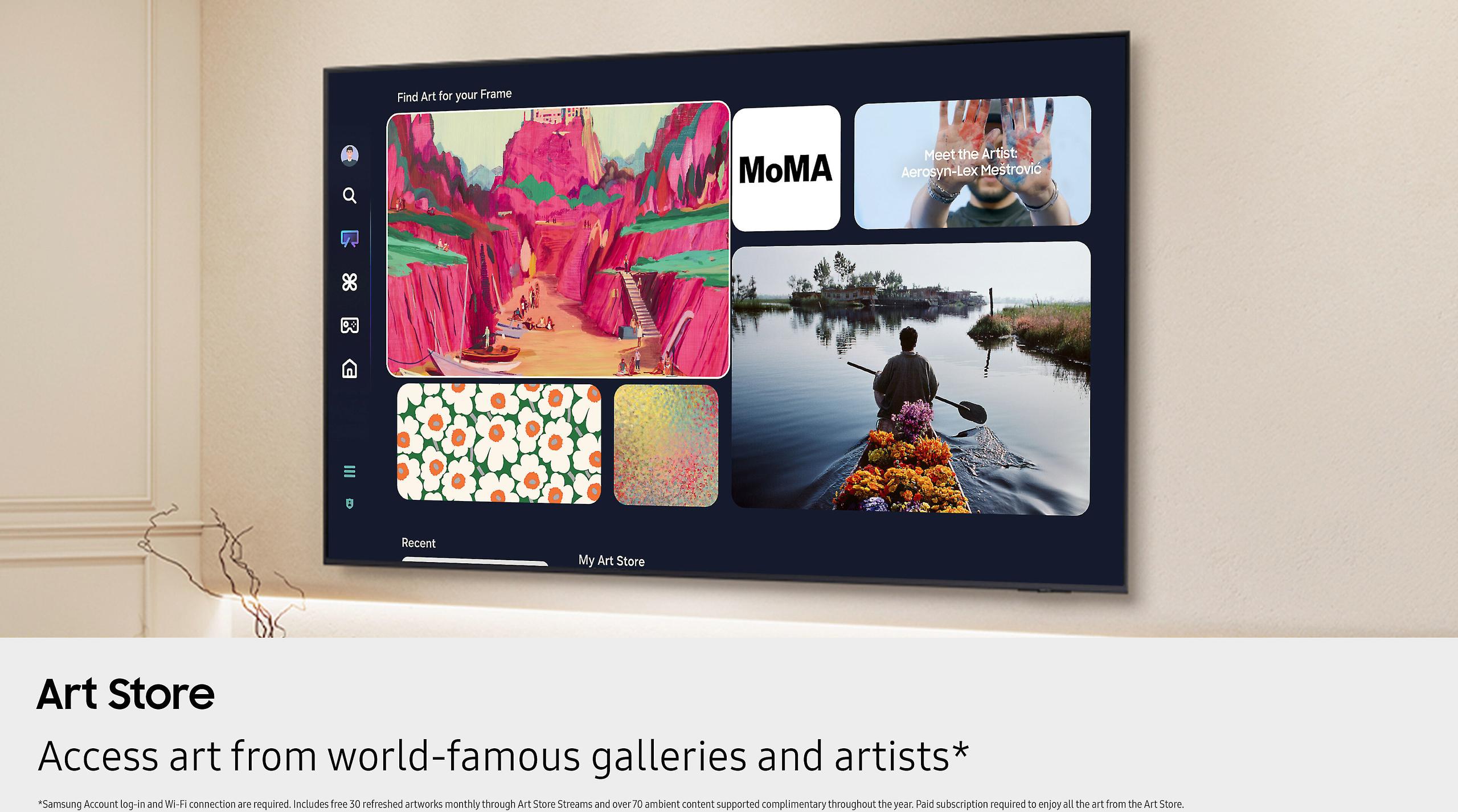
The Samsung QN900F includes Ambient Mode for displaying art, but it feels like an afterthought compared to the TCL's dedicated functionality. Samsung's glossy screen and traditional TV aesthetic don't sell the art illusion as effectively.
If you want a TV that truly disappears into your décor when not in use, the TCL has no real competition in this price range. It's genuinely transformative in living spaces where a traditional TV might look intrusive.
Audio quality represents another clear win for the Samsung QN900F. Its 4.2.2-channel system with Object Tracking Sound Pro creates genuinely immersive audio that follows action across the screen. The dedicated top-channel speakers provide convincing Dolby Atmos effects without a soundbar.
The TCL NXTVISION includes basic stereo speakers with Dolby Atmos processing, but the thin profile limits speaker size and bass response. It's adequate for casual viewing but won't satisfy serious movie watching or music listening.
For home theater use, both TVs include eARC (enhanced Audio Return Channel) support for connecting high-end sound systems, but the Samsung offers better audio passthrough capabilities.
At the time of writing, the TCL NXTVISION costs substantially less than the Samsung QN900F, making value comparison complex. The TCL offers unique lifestyle features and adequate 4K performance at a more accessible price point. If your priority is aesthetic integration and you don't need cutting-edge picture quality, it represents solid value.
The Samsung commands premium pricing for premium technology. The 8K resolution, Mini LED backlighting, and advanced processing justify the cost for performance enthusiasts, but casual viewers might not appreciate the differences enough to warrant the expense.
Consider this: if you're upgrading from a TV more than five years old, either option will seem impressive. But if you're coming from a recent 4K TV, only the Samsung will deliver a "wow factor" improvement in picture quality.
Choose the TCL NXTVISION if you prioritize home décor integration, have a bright living room, and want a TV that serves as digital art when idle. It's perfect for people who don't want their TV to dominate the room visually and prefer Google's ecosystem. The art functionality genuinely transforms living spaces, and the anti-glare properties make daytime viewing pleasant.
The Samsung QN900F suits serious movie enthusiasts, gamers, and anyone who wants flagship picture quality. If you have a dedicated media room, watch a lot of premium content, or plan to keep this TV for many years, Samsung's future-proofing with 8K resolution makes sense. The superior HDR performance and gaming capabilities justify the premium for demanding users.
For most people, the decision comes down to priorities: do you want a TV that disappears into your décor, or do you want the best possible viewing experience? Both TVs excel at their intended purposes, making this less about finding the "better" TV and more about matching the right tool to your specific needs.
The TCL NXTVISION represents an innovative approach to television design that prioritizes lifestyle integration over raw performance. The Samsung QN900F embodies traditional TV excellence pushed to its technological limits. Understanding which philosophy aligns with your needs will guide you to the right choice for your home and viewing habits.
| TCL 65" NXTVISION QLED 4K Art Frame TV | Samsung 65" Neo QLED 8K QN900F Vision AI Smart TV |
|---|---|
| Display Resolution - Higher resolution means sharper detail, but 8K content is still limited | |
| 4K (3840 x 2160) - Standard for streaming and gaming | 8K (7680 x 4320) - Future-proof with AI upscaling |
| Backlight Technology - Determines contrast, black levels, and HDR performance | |
| Edge-lit LED (no local dimming, compromised blacks) | Mini LED with Full Array Local Dimming (true blacks, excellent contrast) |
| Anti-Glare Technology - Critical for bright room viewing | |
| Ultra-matte canvas-like coating (eliminates reflections but affects image) | Glare-free coating (reduces reflections while preserving image quality) |
| Peak Brightness - Higher brightness improves HDR and daylight viewing | |
| High Brightness+ (adequate for most rooms) | Quantum Matrix Pro Mini LED (exceptional brightness for HDR) |
| Refresh Rate - Important for gaming and sports | |
| 120Hz native, up to 144Hz VRR (good gaming specs on paper) | 120Hz native with Motion Xcelerator 240Hz (superior motion processing) |
| Gaming Features - Essential for console and PC gaming | |
| 2x HDMI 2.1, AMD FreeSync Premium, Game Accelerator 240 | HDMI 2.1, FreeSync Premium Pro, Gaming Hub, low input lag |
| Design Philosophy - Determines how the TV fits in your space | |
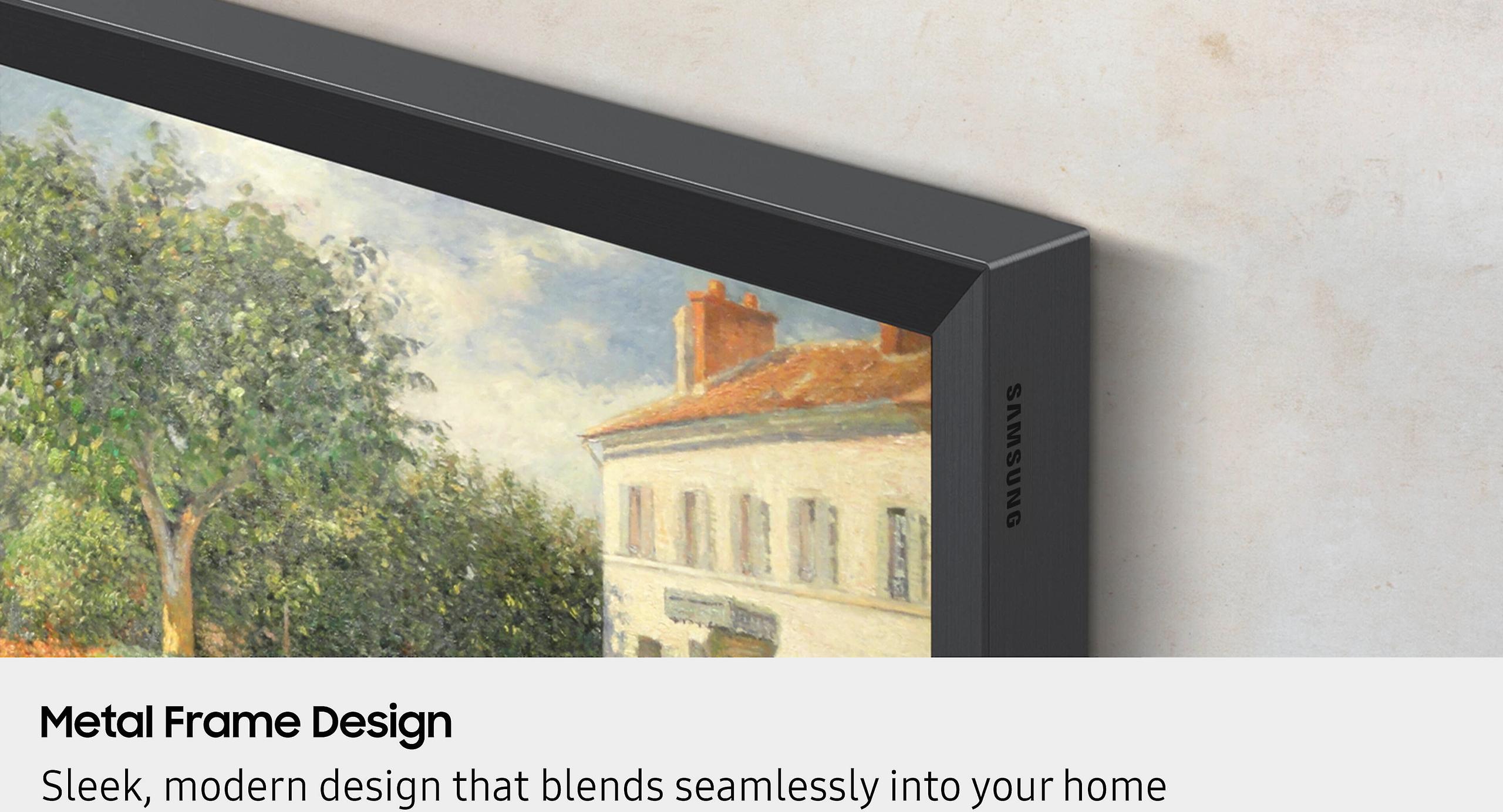
| 1.1" ultra-slim art frame with magnetic borders (disappears as décor) | Premium metal frame design (traditional TV aesthetic) |
| Art Display Capability - For using TV as digital artwork | |
| Purpose-built with 400+ curated works, AI art generation | Basic Ambient Mode (secondary feature) |
| Smart Platform - Affects app selection and user experience | |
| Google TV with Chromecast built-in | Samsung Tizen 9.0 with comprehensive streaming support |
| Audio System - Built-in sound quality without external speakers | |
| 2x 10W speakers with virtual surround | 4.2.2-channel system with Object Tracking Sound Pro |
| HDR Support - Enhanced contrast and color in premium content | |
| Dolby Vision IQ, HDR10+, HDR10, HLG | HDR10+, HLG (lacks Dolby Vision support) |
| Processor - Handles upscaling and image processing | |
| AIPQ PRO (decent upscaling, limited local processing) | NQ8 AI Gen3 (advanced 8K upscaling with 256 neural networks) |
| Color Technology - Affects color accuracy and vibrancy | |
| QLED with KSF phosphor coating (vibrant but inaccurate colors) | 100% Color Volume with quantum dots (cinema-grade accuracy) |
| Target Audience - Who each TV serves best | |
| Lifestyle buyers wanting art integration and bright room viewing | Performance enthusiasts wanting cutting-edge picture quality |
Both TVs handle bright rooms well but use different approaches. The TCL NXTVISION QLED 4K Art Frame TV features an ultra-matte anti-glare screen that virtually eliminates reflections, making it excellent for rooms with lots of windows. The Samsung Neo QLED 8K QN900F uses advanced glare-free technology that reduces reflections while maintaining superior brightness and color vibrancy. For extremely bright rooms, the TCL's matte coating gives it an edge, but Samsung's approach preserves better overall picture quality.
The Samsung QN900F offers true 8K resolution with 4x more pixels than the TCL NXTVISION, but the value depends on your usage. While native 8K content is limited, Samsung's AI upscaling technology makes 4K and HD content look noticeably sharper and more detailed. If you plan to keep the TV for many years or want future-proofing, the 8K resolution provides a clear advantage. For casual viewing of streaming content, the TCL's 4K resolution remains perfectly adequate.
The Samsung Neo QLED 8K QN900F delivers superior picture quality with its Mini LED backlighting, full array local dimming, and true black levels. It excels with HDR content, providing bright highlights and deep shadows that make movies more cinematic. The TCL NXTVISION offers decent 4K picture quality but suffers from gray blacks and limited contrast due to its edge-lit design. For serious movie watching, especially in dark rooms, the Samsung provides a significantly better experience.
The TCL NXTVISION QLED 4K Art Frame TV is purpose-built for art display with a canvas-like matte screen, magnetic frames, and a curated library of 400+ artworks plus AI-generated pieces. It genuinely looks like framed artwork when displaying art. The Samsung QN900F includes basic Ambient Mode for displaying art, but its glossy screen and traditional TV design don't create the same convincing art illusion. If art display is important to you, the TCL is the clear winner.
Both TVs offer solid gaming features, but the Samsung Neo QLED 8K QN900F performs better in real-world gaming scenarios. While the TCL NXTVISION supports higher refresh rates on paper (up to 240Hz), it suffers from slow pixel response times that create motion blur during fast action. The Samsung provides superior motion clarity, lower input lag, and more comprehensive gaming features through its Gaming Hub. Serious gamers will prefer the Samsung's performance.
The TCL NXTVISION runs Google TV, which integrates seamlessly with Android devices and Google services, offering built-in Chromecast and familiar interface. The Samsung QN900F uses Tizen 9.0, which provides excellent app support, faster performance, and multiple voice assistant options (Alexa, Google Assistant, Bixby). Both platforms support major streaming services, but Samsung's platform typically receives new apps first and offers more advanced AI-driven content recommendations.
Value depends on your priorities and budget. The TCL NXTVISION QLED 4K Art Frame TV costs significantly less while offering unique art display capabilities and solid 4K performance, making it excellent value for lifestyle-focused buyers. The Samsung Neo QLED 8K QN900F commands premium pricing but delivers cutting-edge 8K technology, superior picture quality, and advanced features that justify the cost for performance enthusiasts who want the best available technology.
The Samsung QN900F features a much more advanced 4.2.2-channel audio system with Object Tracking Sound Pro and dedicated top-channel speakers, creating immersive sound that follows screen action. The TCL NXTVISION includes basic stereo speakers with virtual surround processing, limited by its ultra-slim design. For home theater use without external speakers, the Samsung provides significantly better audio quality and Dolby Atmos performance.
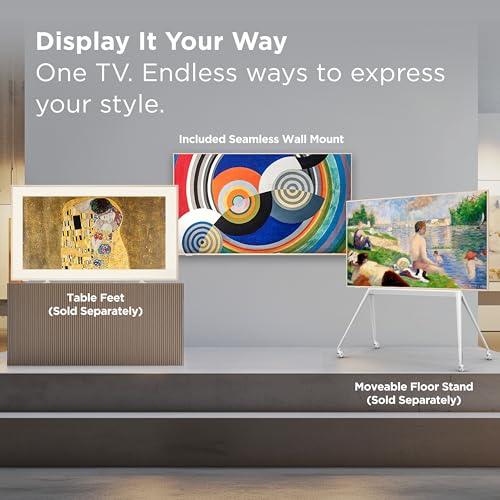
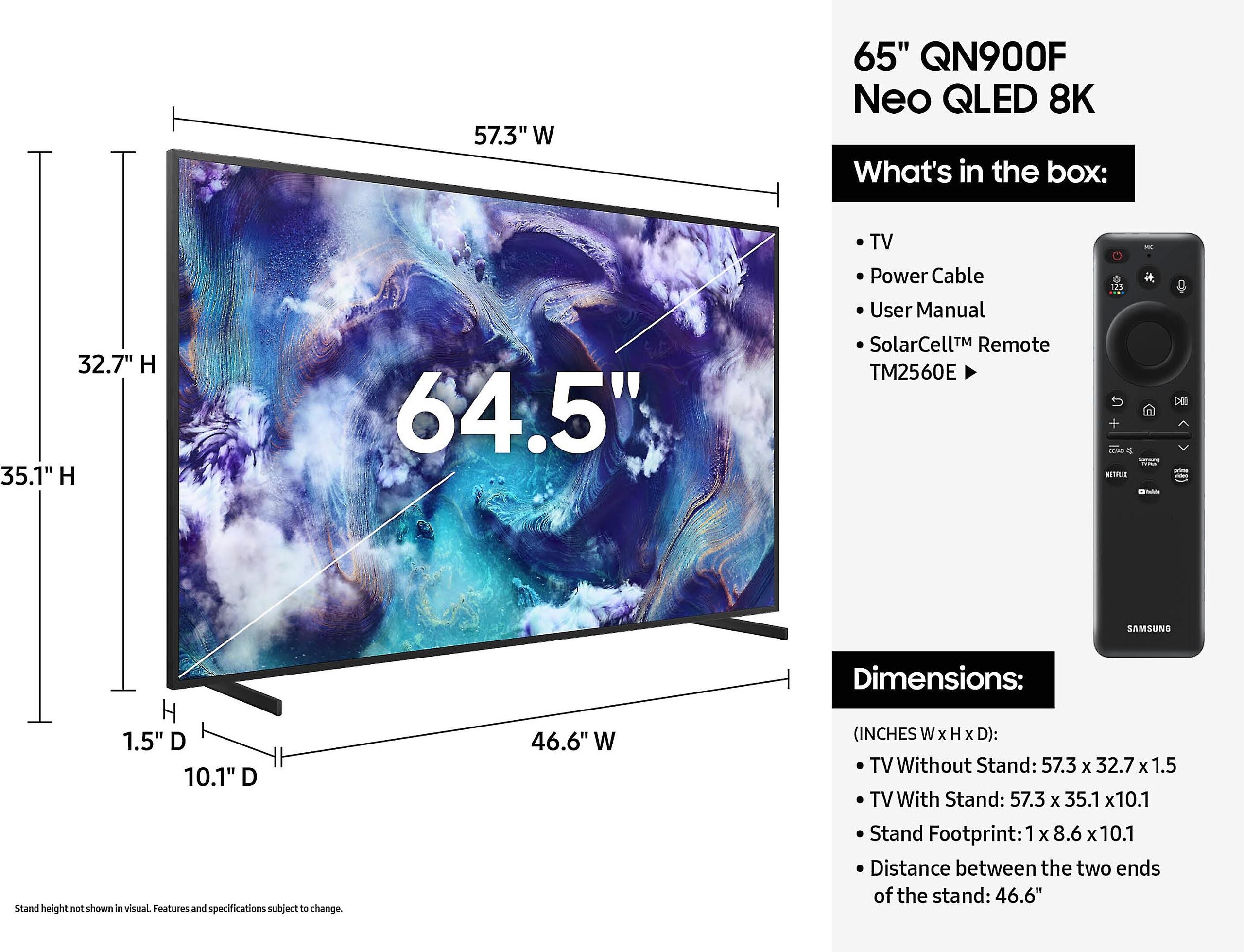
The TCL NXTVISION QLED 4K Art Frame TV is designed for simple installation with its ultra-slim 1.1-inch profile and included flush wall mount. Its built-in chassis eliminates external boxes and cable management issues. The Samsung QN900F offers traditional mounting options and includes a Wireless One Connect Box option for cable-free installation. Both are relatively easy to install, but the TCL's art frame design makes it simpler for achieving a gallery-style look.
For dedicated home theater use, the Samsung Neo QLED 8K QN900F is the superior choice with its exceptional contrast, true black levels, superior HDR performance, and immersive audio system. It delivers cinema-quality picture and sound in dark viewing environments. The TCL NXTVISION works adequately for casual home theater use but its compromised black levels and basic audio make it less suitable for serious movie enthusiasts who want the best possible viewing experience.
The Samsung QN900F offers better long-term value with its 8K resolution, advanced processing, and premium build quality that should remain relevant as content and gaming standards evolve. The TCL NXTVISION QLED 4K Art Frame TV may feel dated sooner due to its 4K resolution and basic processing, but its unique art functionality provides lasting value for décor-focused users. If you plan to keep the TV for 7+ years, Samsung's future-proofing technology provides better longevity.
Both TVs can function as large computer monitors, but with different strengths. The Samsung Neo QLED 8K QN900F offers superior text clarity due to its 8K resolution and better color accuracy for content creation. The TCL NXTVISION uses a BGR subpixel layout that may affect text sharpness for PC use, though its anti-glare screen helps with office lighting. For serious PC gaming or productivity work, the Samsung's higher resolution and better motion handling make it the preferred choice.
We've done our best to create useful and informative comparisons to help you decide what product to buy. Our research uses advanced automated methods to create this comparison and perfection is not possible - please contact us for corrections or questions. These are the sites we've researched in the creation of this article: rtings.com - tcl.com - bestbuy.com - tcl.com - bestbuy.com - tcl.com - youtube.com - rcwilley.com - businessinsider.com - bestbuy.com - target.com - youtube.com - support.tcl.com - nfm.com - woodruffappliance.com - flatpanelshd.com - tcl.com - rtings.com - samsung.com - techradar.com - dolby.com - youtube.com - samsung.com - youtube.com - samsung.com - samsung.com - samsung.com - samsung.com - displayspecifications.com - samsung.com - rtings.com - bestbuy.com - merlinstv.com - news.samsung.com - bestbuy.com

Privacy Policy
Terms and Conditions - Affiliate Policy
Home Security
© Copyright 2008-2026.
11816 Inwood Rd #1211, Dallas, TX 75244