

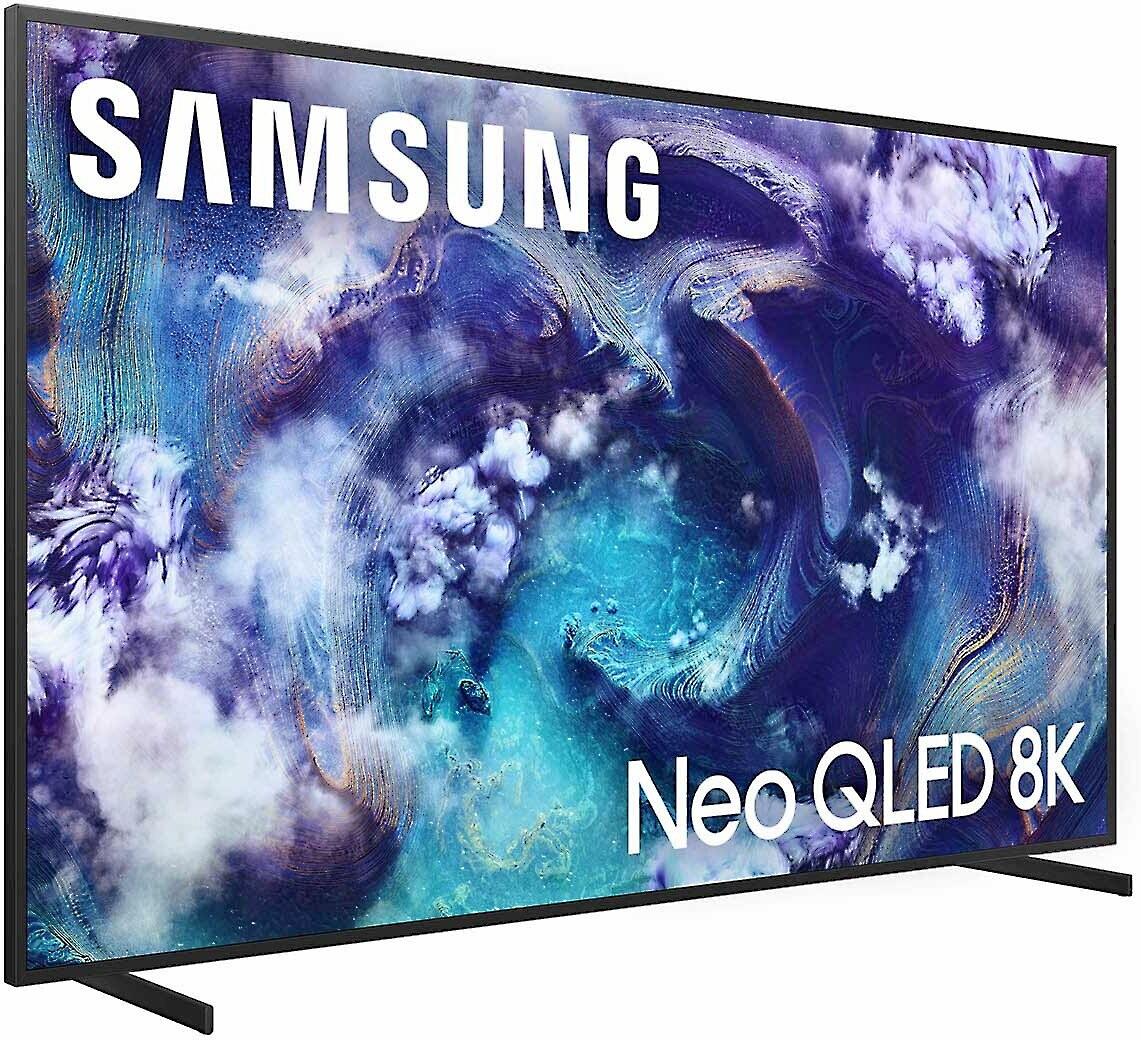
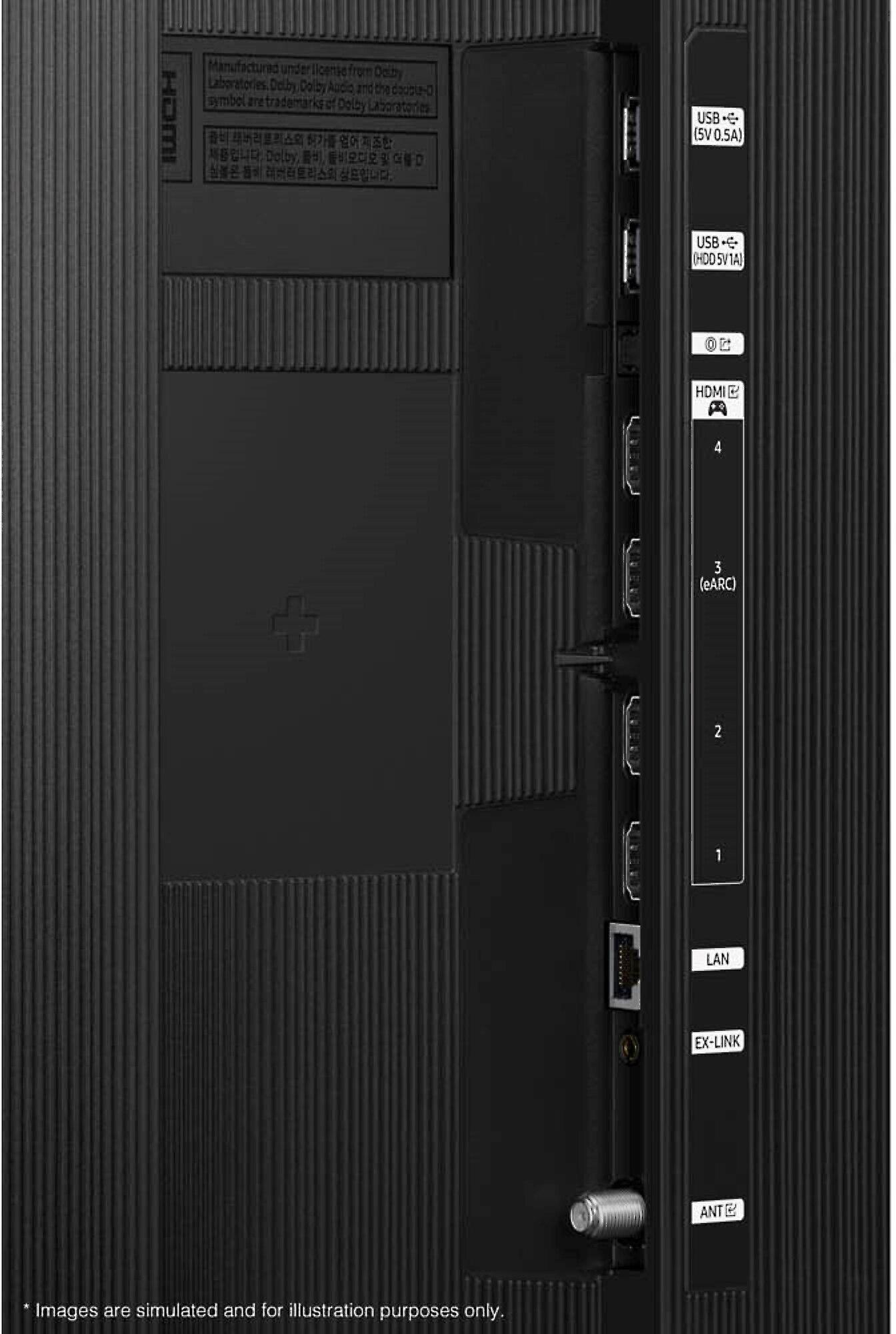
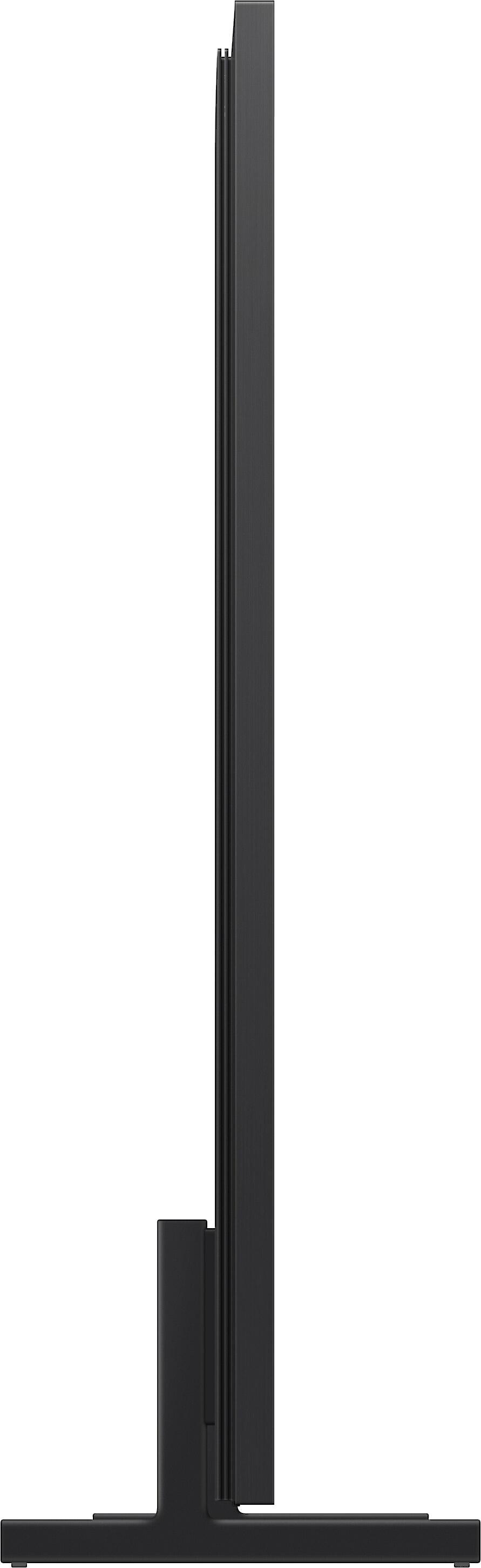
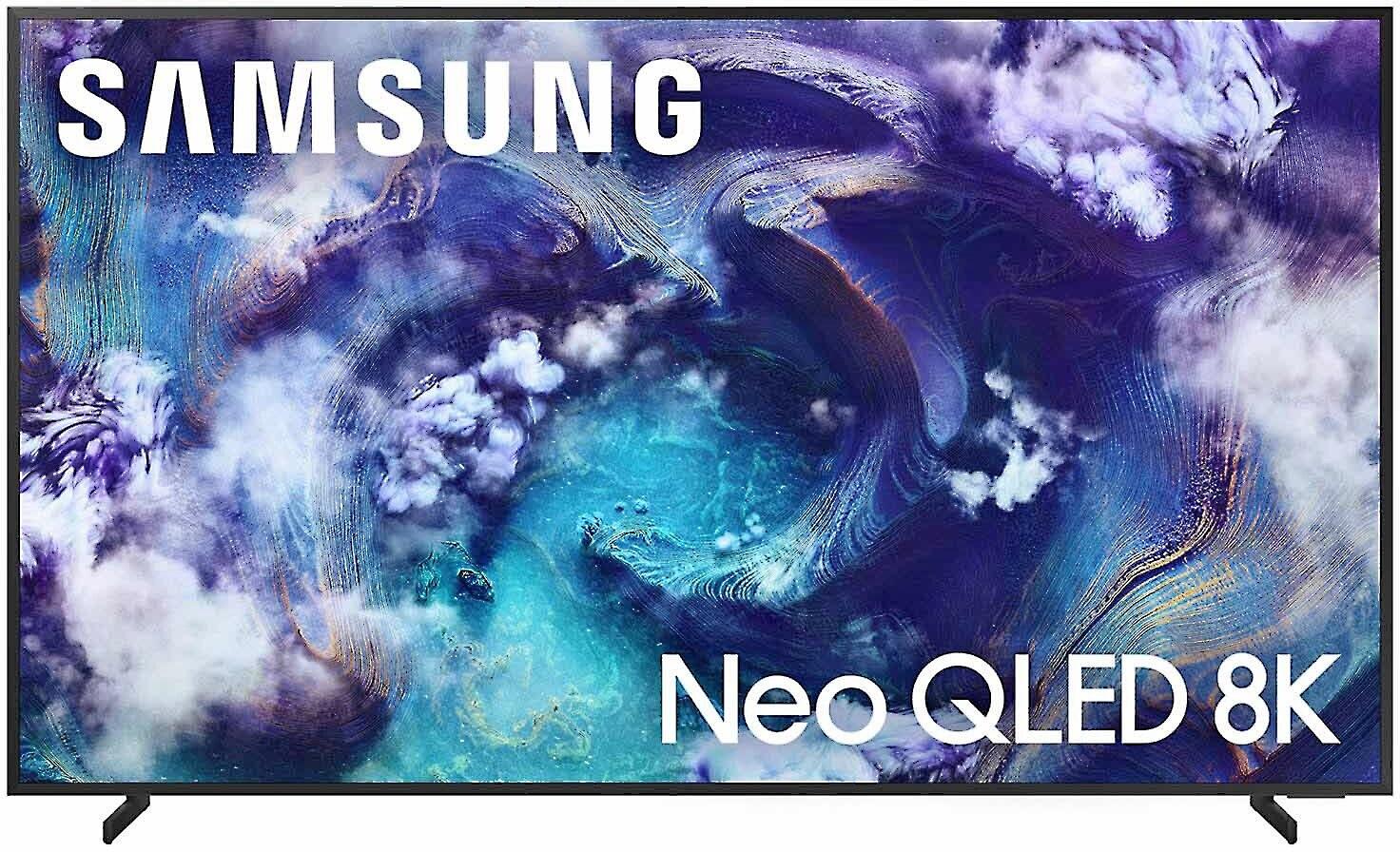
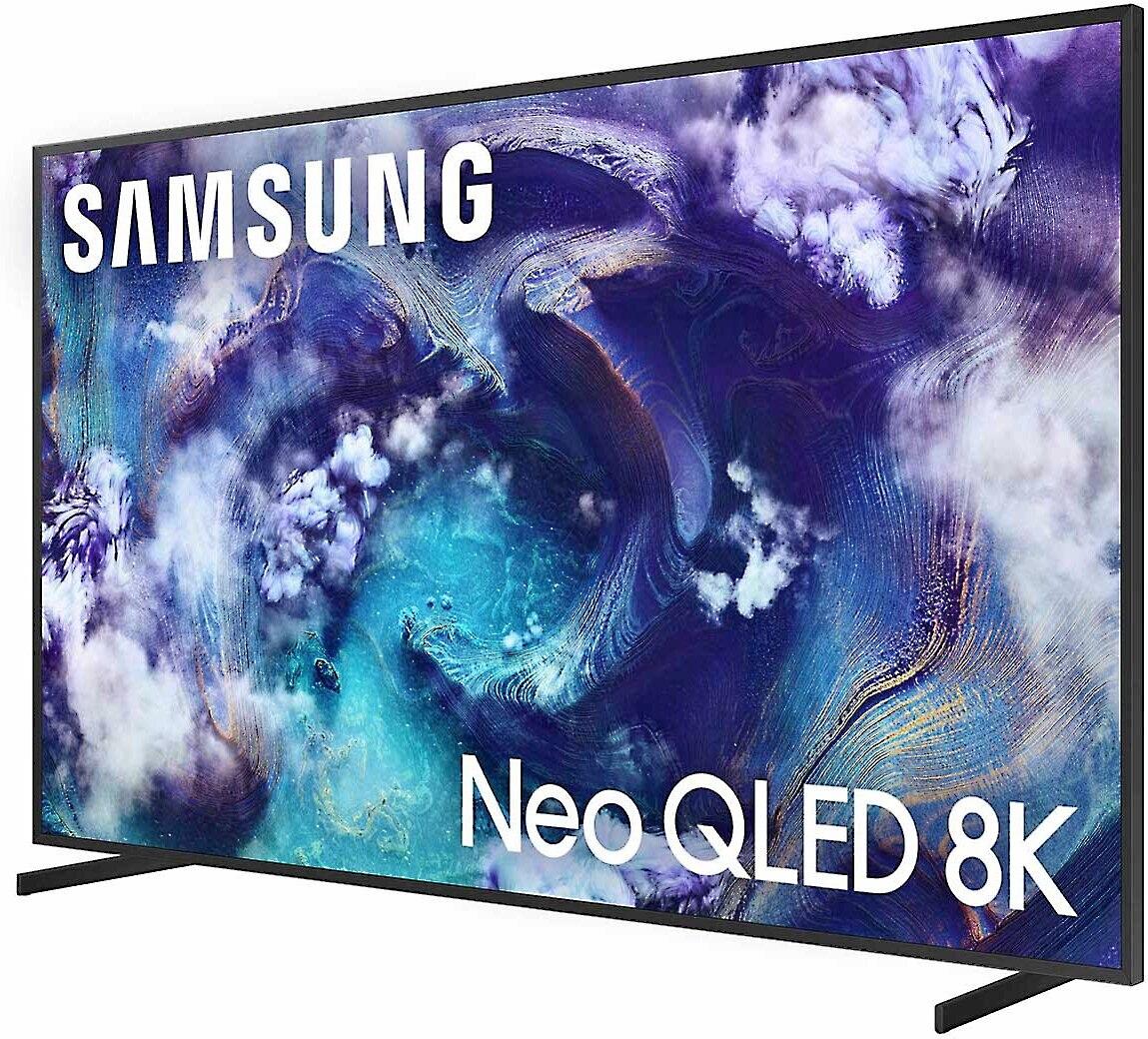

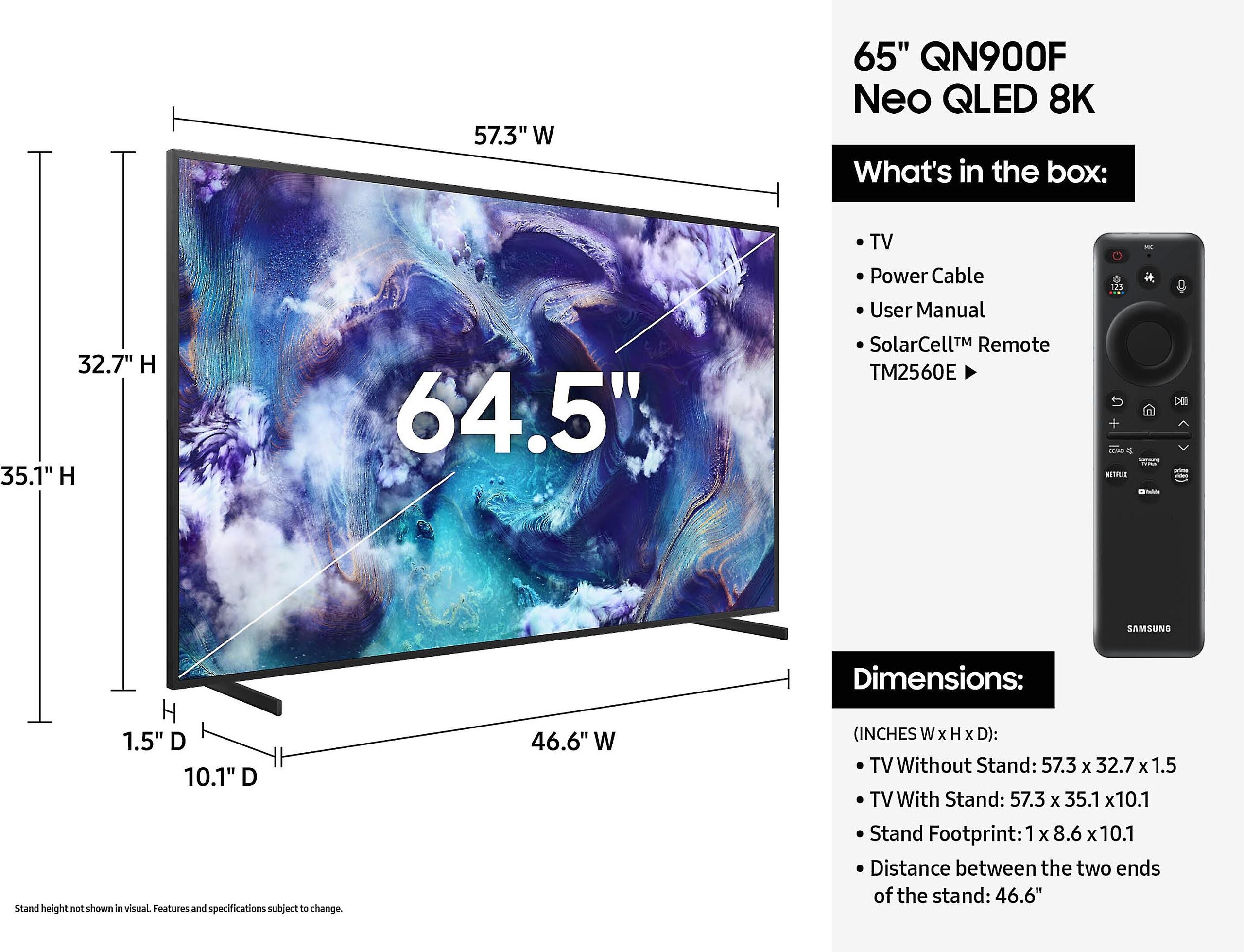
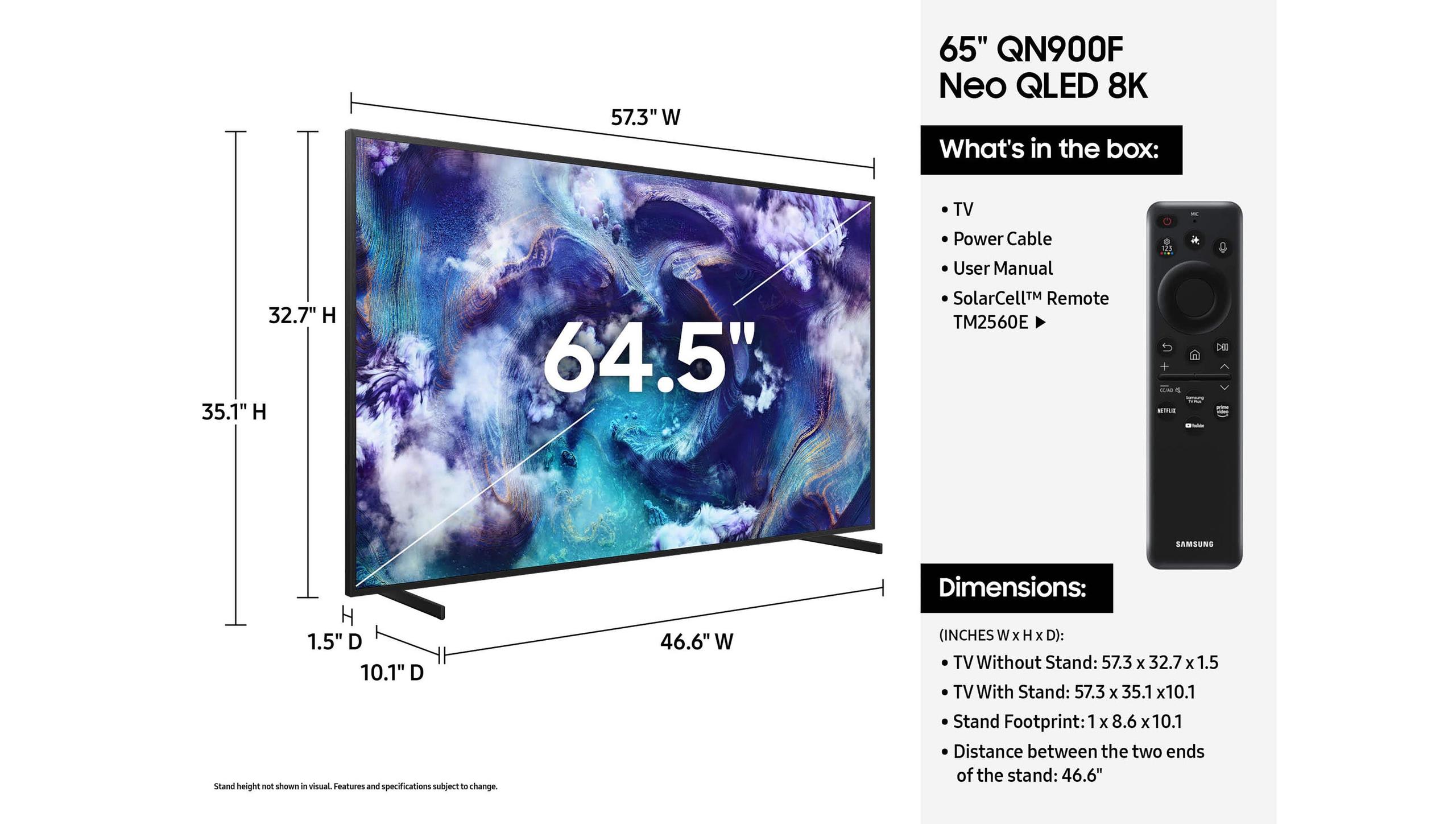
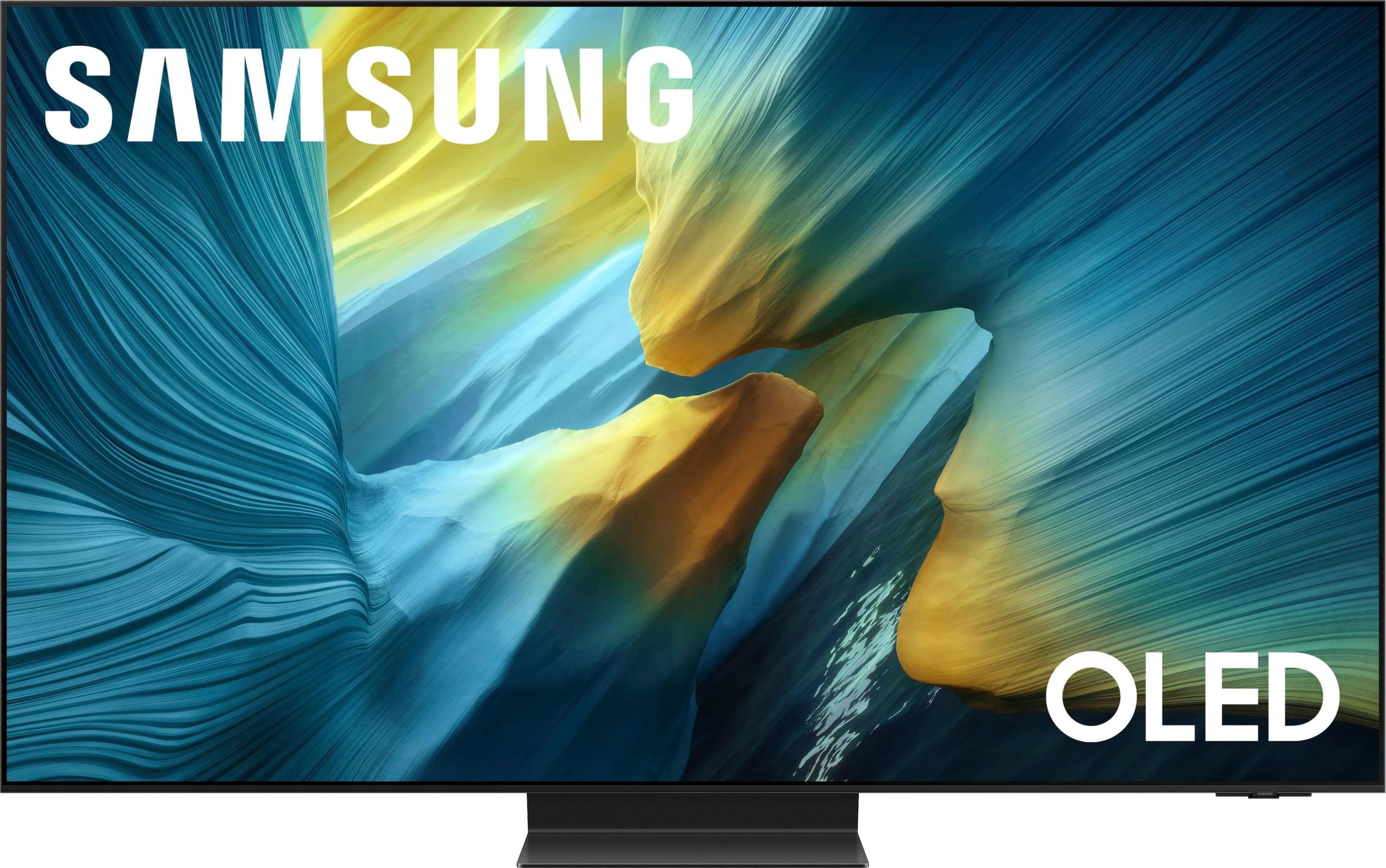
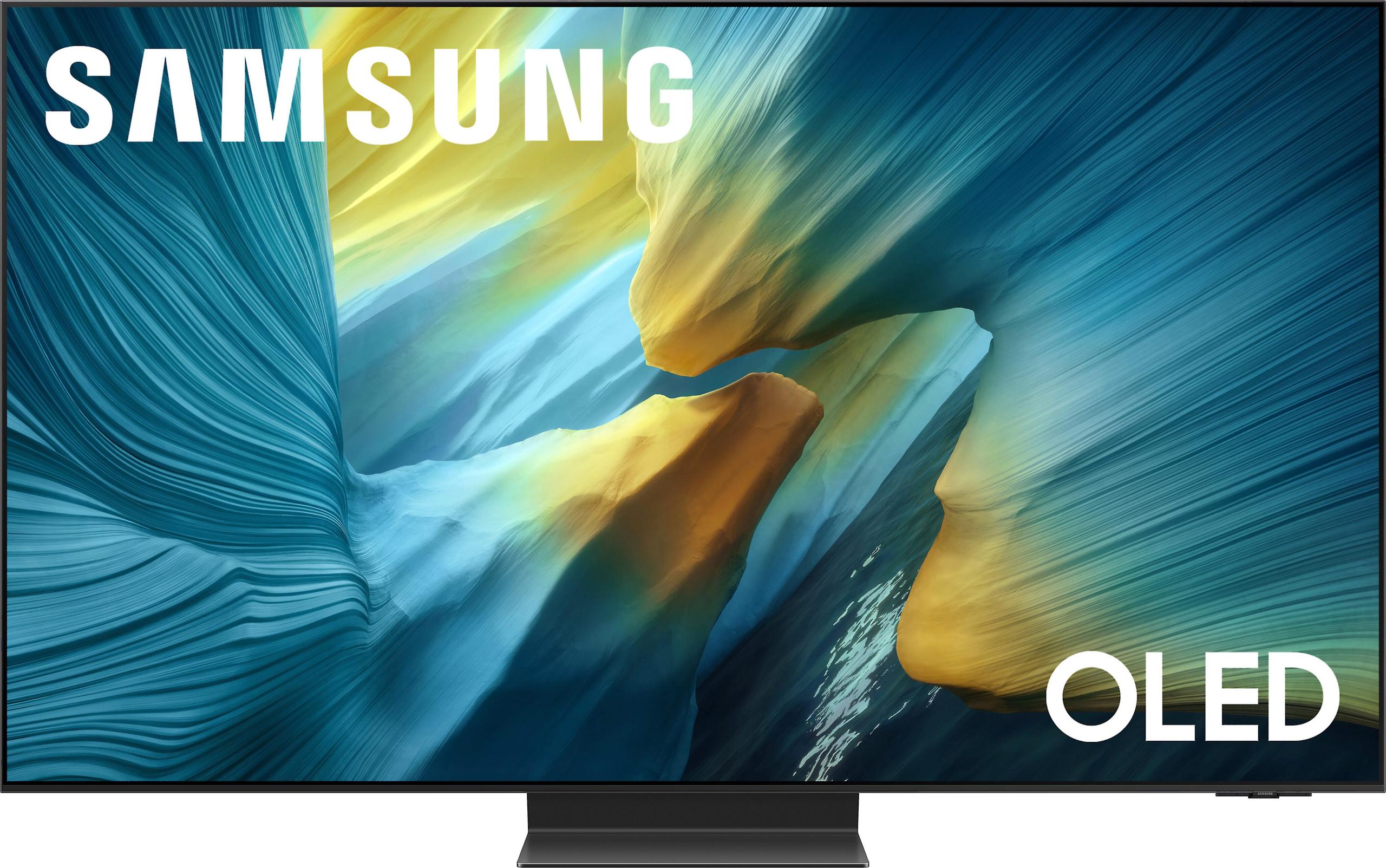
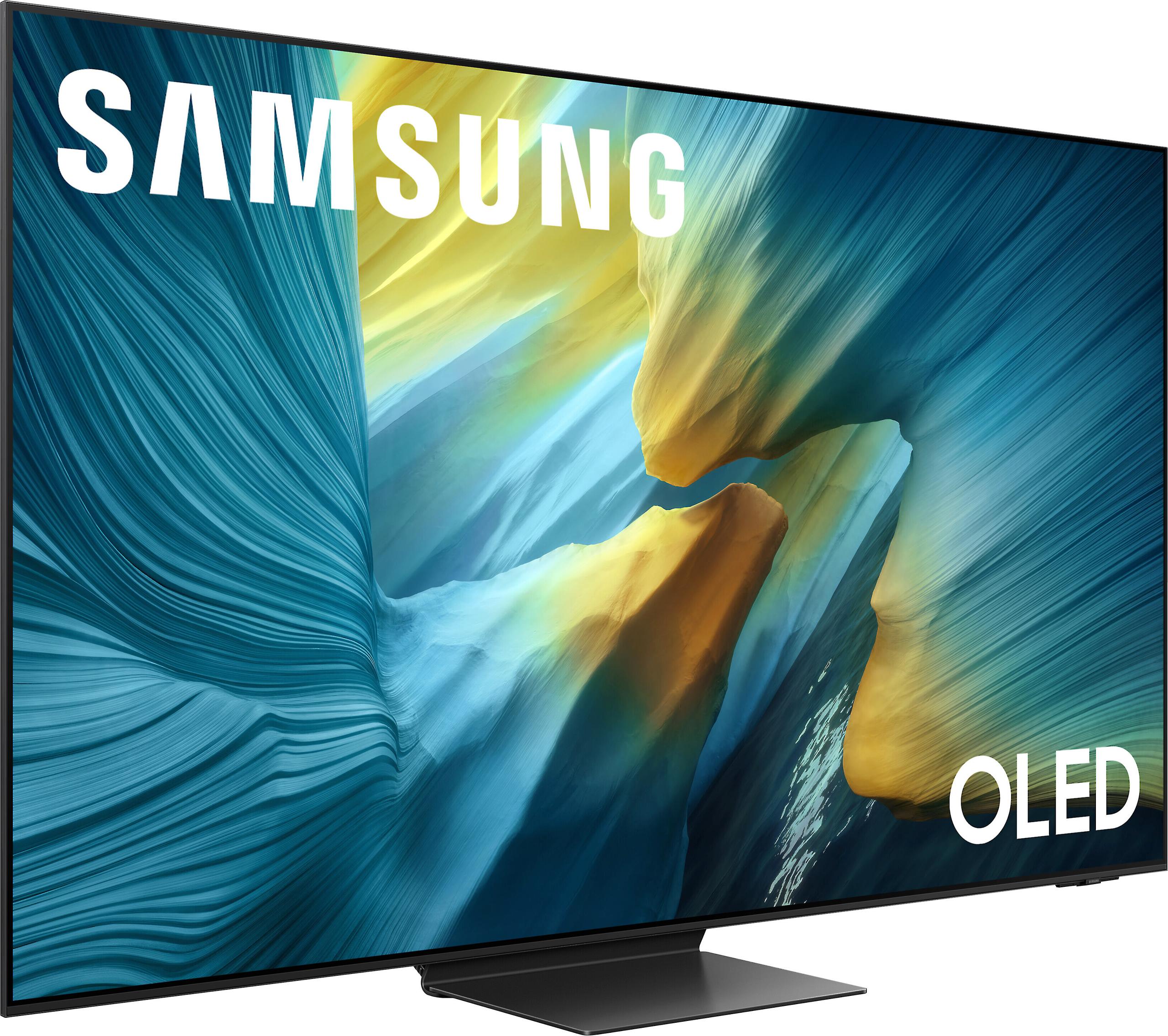
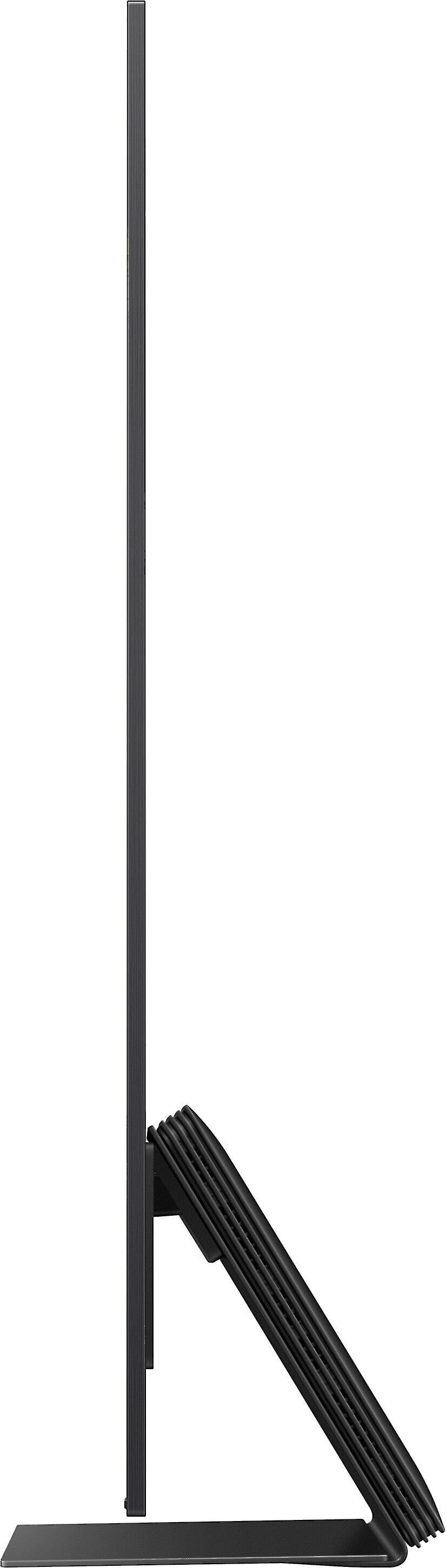
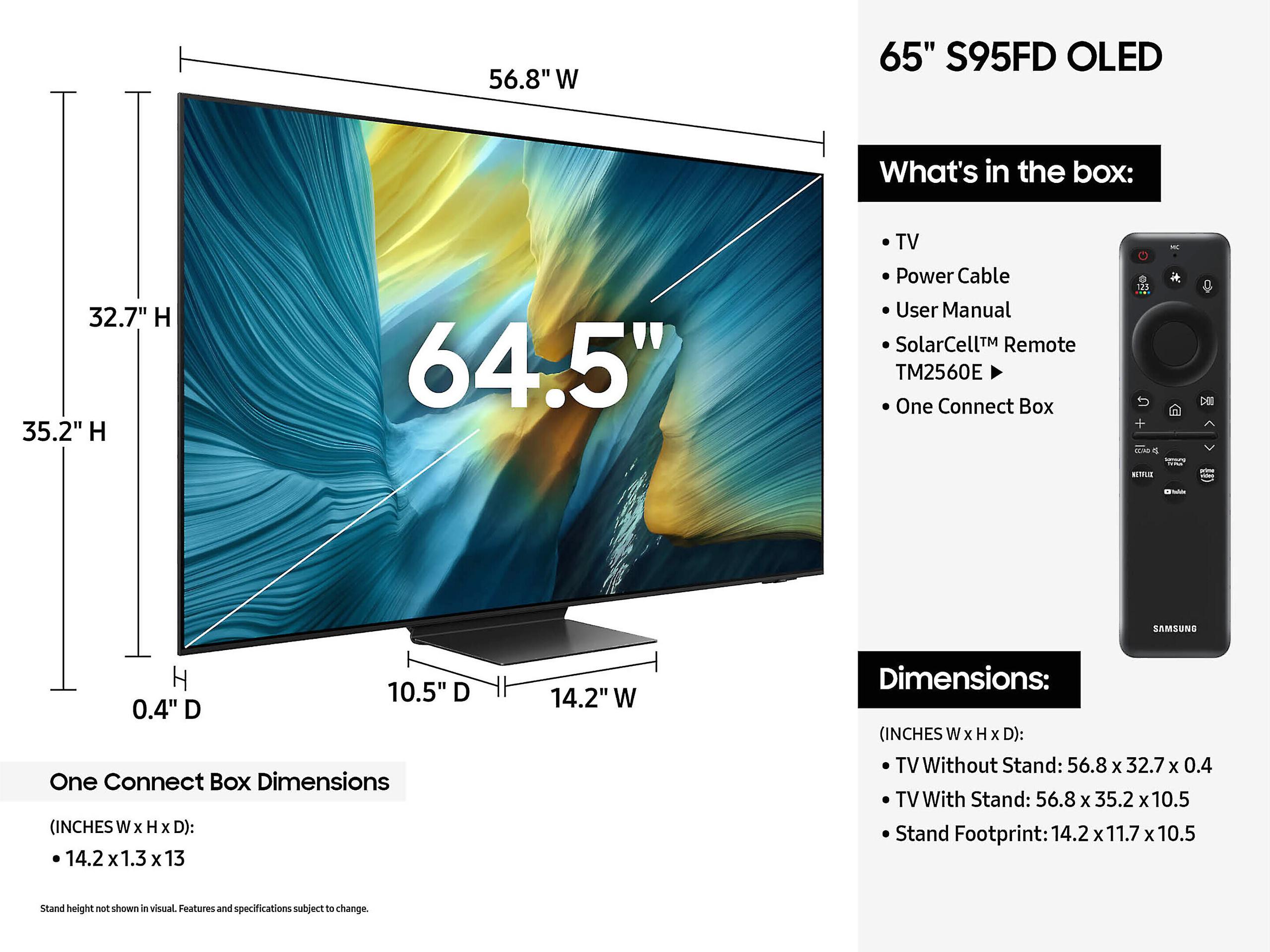
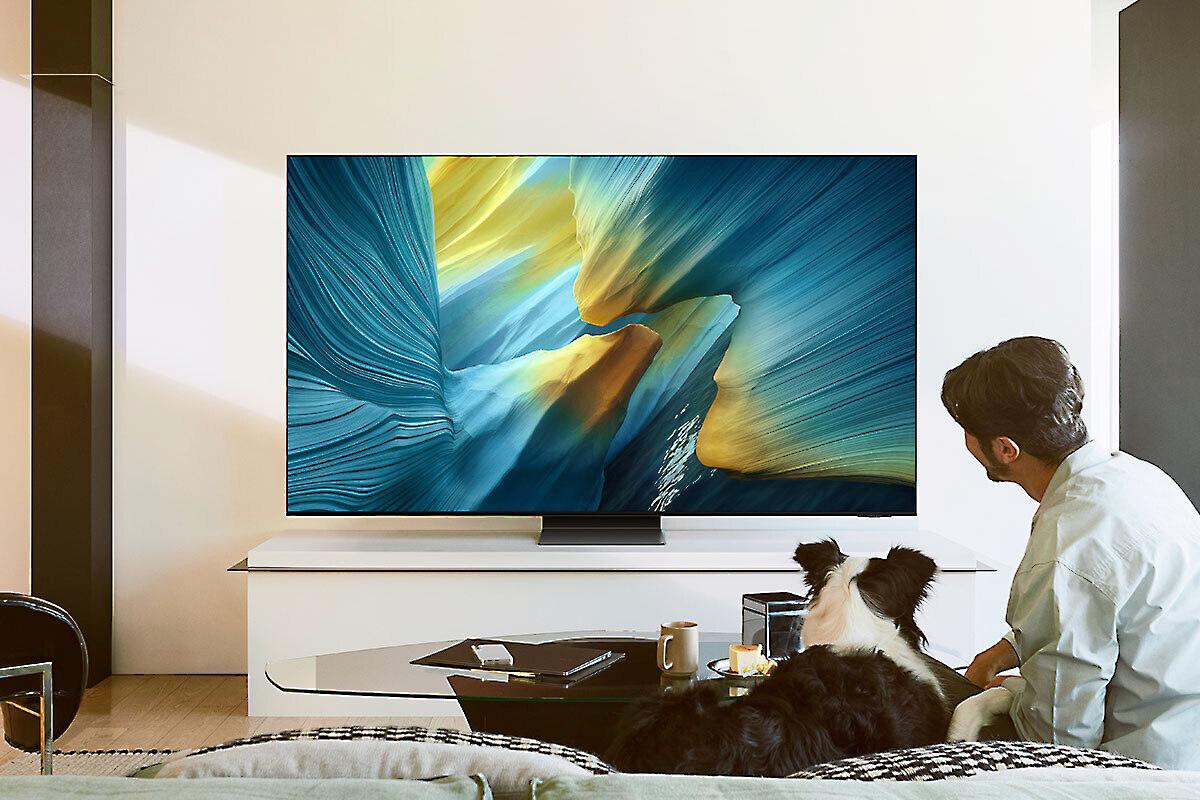

When Samsung released their 2025 TV lineup, they presented viewers with an interesting choice between two fundamentally different approaches to premium television technology. The Samsung 65" Neo QLED 8K QN900F represents their continued push toward ultra-high resolution displays, while the Samsung 65" OLED S95F 4K focuses on perfecting picture quality at today's content standards. At the time of writing, these models sit at the top of Samsung's premium range, with the QN900F commanding a higher price point despite the S95F offering what many consider superior overall performance.
Both televisions launched in early 2025, incorporating Samsung's latest Vision AI processing and representing significant technological leaps from their 2024 predecessors. The improvements aren't just incremental - Samsung fundamentally redesigned key components in both models to address previous limitations and push the boundaries of what's possible in home entertainment.
The core difference between these TVs lies in how they create light and color. The QN900F uses what's called Mini LED technology, which places thousands of tiny LED lights behind an LCD panel. These LEDs can be individually controlled in zones to create brighter and darker areas - think of it like having hundreds of tiny flashlights that can dim or brighten independently to match what's happening on screen. This "local dimming" creates much better contrast than traditional LCD TVs, though it can't achieve perfect blacks since the LEDs never turn completely off.
The S95F, meanwhile, uses QD-OLED technology - a newer approach where each individual pixel creates its own light. When a pixel needs to be black, it simply turns off completely, creating perfect darkness. QD-OLED adds quantum dot technology on top of traditional OLED, which means you get both perfect blacks and exceptionally vibrant colors. For 2025, Samsung implemented a new 5-layer tandem OLED stack that significantly increases brightness - historically OLED's biggest weakness.
What makes this comparison particularly interesting is that Samsung addressed the traditional OLED limitation (brightness in bright rooms) while the Mini LED option still struggles with OLED's strongest advantage (perfect contrast in dark scenes).
High Dynamic Range (HDR) content - which includes most modern streaming shows and movies - relies heavily on a TV's ability to display both very bright and very dark scenes simultaneously. This is where the technical differences between these TVs become most apparent.
The QN900F can sustain extremely high brightness levels across large portions of the screen, making it exceptional for HDR content in bright living rooms. When watching something like a sunny outdoor scene in a nature documentary, the Mini LED backlighting can make those highlights genuinely dazzling. However, our research into expert reviews reveals that this advantage isn't as clear-cut as the specifications might suggest.
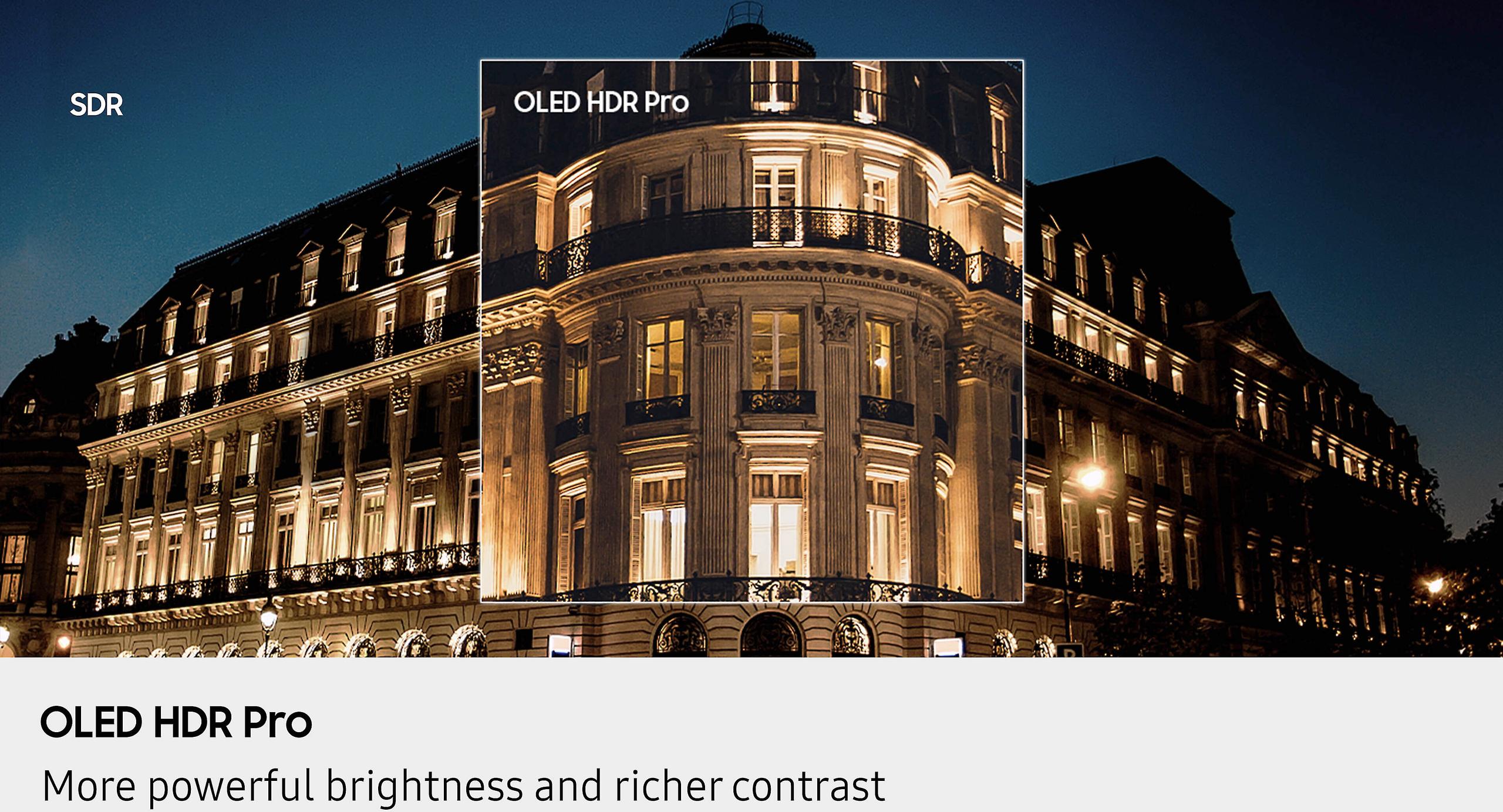
The S95F achieves something more impressive in real-world viewing: it appears brighter in mixed content scenarios. Because each pixel can turn completely off, the bright elements in HDR content genuinely pop against perfectly black backgrounds. A bright explosion in a dark movie scene will look more impactful on the OLED because the surrounding darkness is truly black, not the grayish black that even the best Mini LED displays produce.
The tandem OLED stack in the 2025 S95F represents a major breakthrough. Previous OLED TVs often looked dim compared to high-end LCD displays, but this new technology allows Samsung's OLED to compete directly with Mini LED brightness while maintaining perfect pixel-level control.
This is where the philosophical difference between these TVs becomes most apparent. The QN900F displays at 8K resolution - that's 7680 x 4320 pixels, exactly four times the detail of 4K. On paper, this sounds incredible, but the reality is more complex.
Currently, there's virtually no native 8K content available to consumers. Netflix, Disney+, and other streaming services max out at 4K, and even that's often compressed. Gaming consoles like the PlayStation 5 and Xbox Series X primarily target 4K gaming, with only a handful of titles supporting 8K output. This means the QN900F's most impressive feature - that ultra-high resolution - rarely gets used.
However, Samsung's NQ8 AI Gen3 processor does something clever: it uses artificial intelligence to upscale lower-resolution content to fill all those 8K pixels. The results can be genuinely impressive, particularly with high-quality 4K source material. Fine details in faces, textures in clothing, and small text become noticeably sharper compared to native 4K displays.
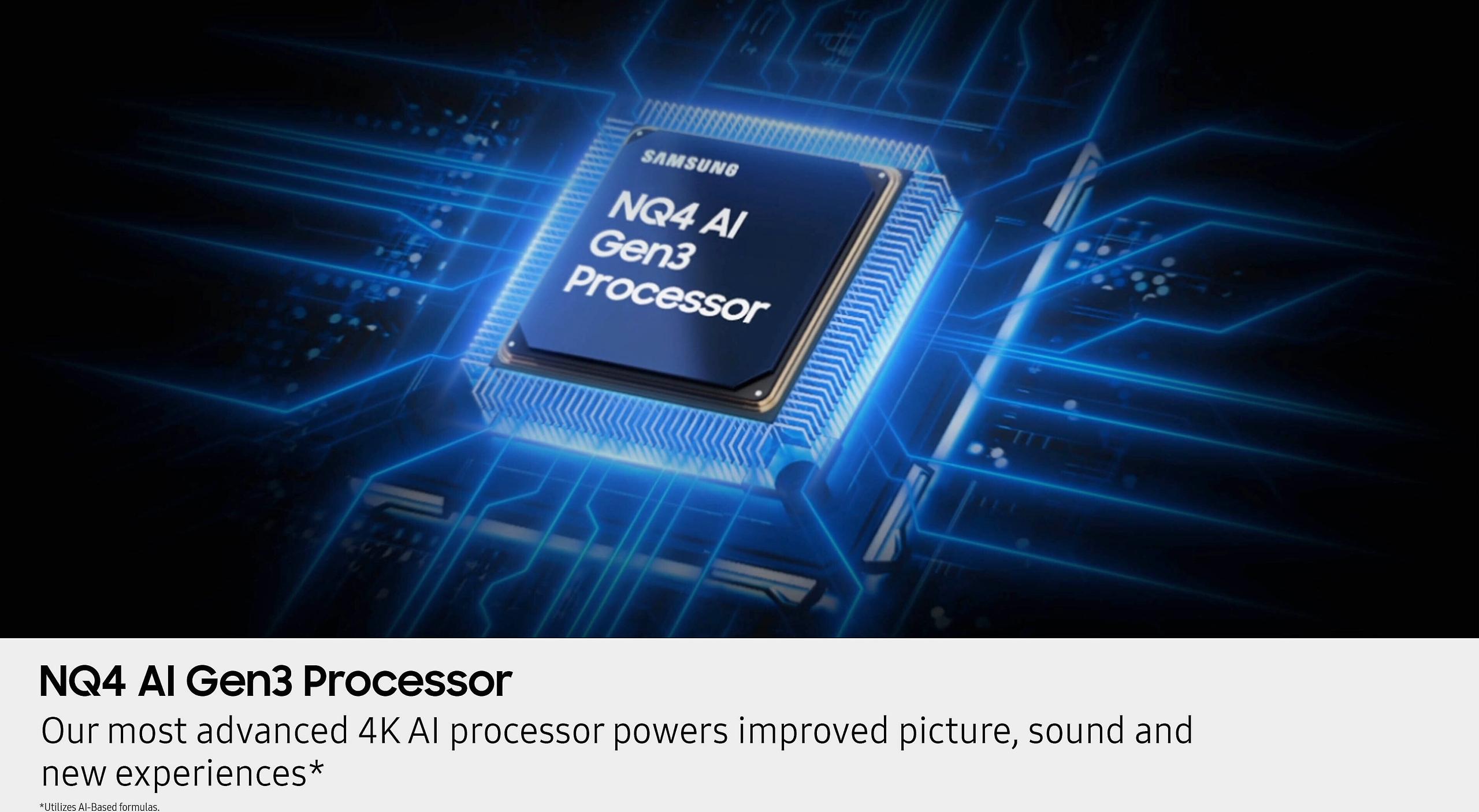
The S95F takes a different approach, using its NQ4 AI Gen3 processor to perfect 4K performance. Rather than stretching content to fit more pixels, it focuses on making each pixel as accurate and vibrant as possible. For the vast majority of content you'll actually watch, this approach delivers superior results.
Both TVs use quantum dot technology, which creates more pure and vibrant colors than traditional displays. However, they implement it differently, and the results are notable.
The QN900F uses quantum dots in combination with its Mini LED backlighting, creating impressively wide color gamuts and excellent color volume - meaning colors stay vivid even at high brightness levels. It's particularly effective with animated content and vibrant HDR movies.
The S95F combines quantum dots with OLED's precise pixel control, creating what many experts consider the most accurate and vibrant color reproduction available in consumer TVs. Because each pixel can be controlled individually, colors don't bleed or wash out in bright scenes, and the TV can display incredibly subtle color gradations that Mini LED displays struggle with.
In practical terms, skin tones look more natural on the S95F, while bright, saturated colors in animation or sports might have slightly more pop on the QN900F. For most viewers, the OLED's superior color accuracy is more important than the Mini LED's color volume.
For serious gamers, the differences between these TVs are dramatic. Gaming performance depends on several factors: input lag (how long between pressing a button and seeing the result), response time (how quickly pixels can change color), and refresh rate support.
The S95F excels in areas that matter most for competitive gaming. OLED pixels can change color almost instantaneously - we're talking microseconds rather than milliseconds. This eliminates motion blur and ghosting, which are particularly noticeable in fast-paced games like first-person shooters or racing games. When you're tracking enemies or navigating tight corners at high speed, this responsiveness creates a noticeably cleaner, more precise image.
The QN900F faces inherent limitations from its Mini LED technology. The liquid crystals that create the image simply can't change as quickly as OLED pixels. Expert reviews consistently note visible ghosting in fast motion, which can be distracting during intense gaming sessions.
However, the QN900F does offer 8K gaming support at 120Hz, which could become relevant as gaming hardware evolves. Currently, this is more of a future-proofing feature than a practical advantage, but it demonstrates Samsung's commitment to staying ahead of gaming technology trends.
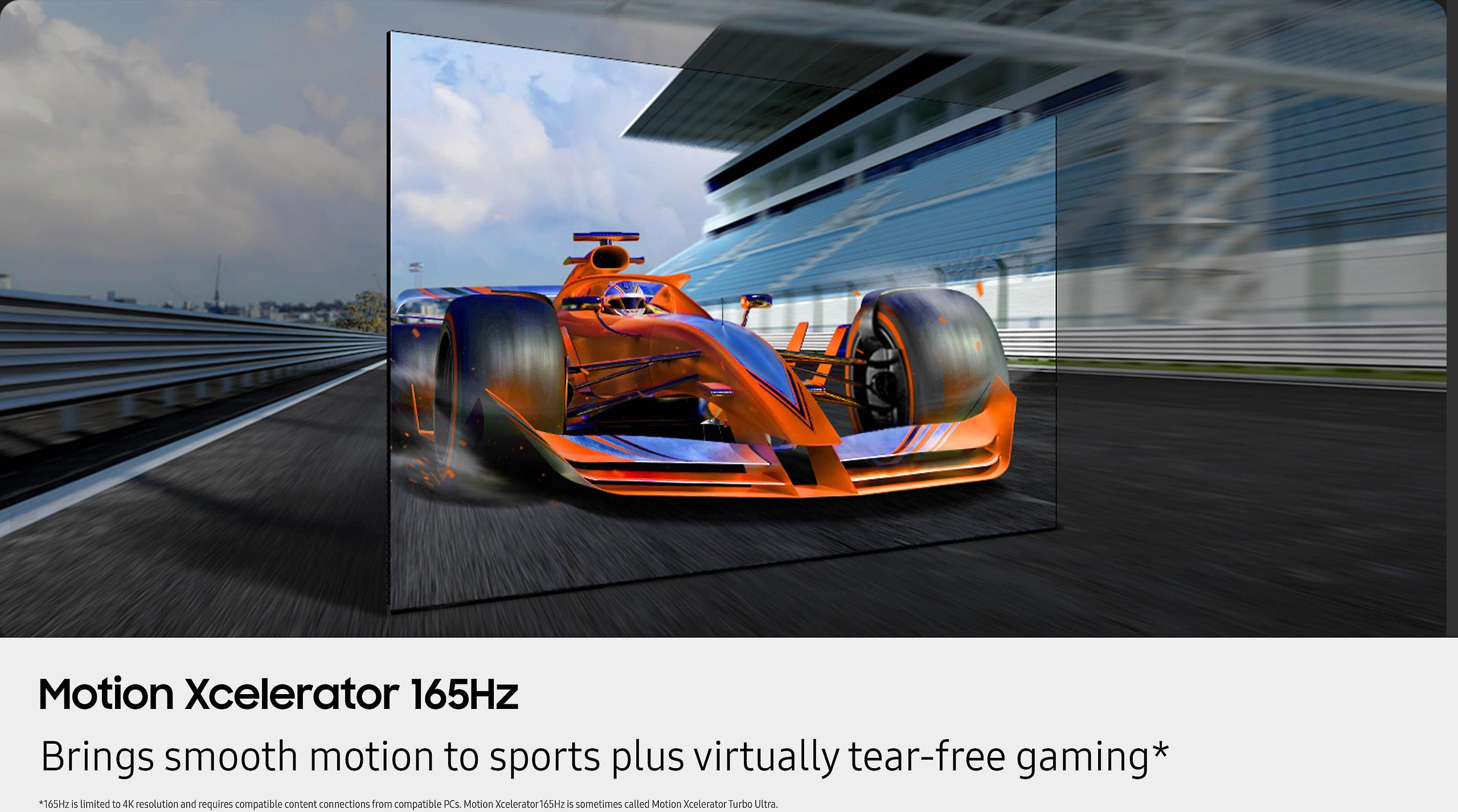
Both TVs support Variable Refresh Rate (VRR) technology, which synchronizes the TV's refresh rate with your gaming console or PC to eliminate screen tearing. The S95F supports this across all four HDMI ports at up to 165Hz in 4K, while the QN900F maxes out at 120Hz but includes 8K support.
Samsung's Tizen operating system runs on both TVs, powered by their latest Vision AI processing. This isn't just marketing - the AI genuinely improves the viewing experience by analyzing content in real-time and adjusting picture and sound settings accordingly.
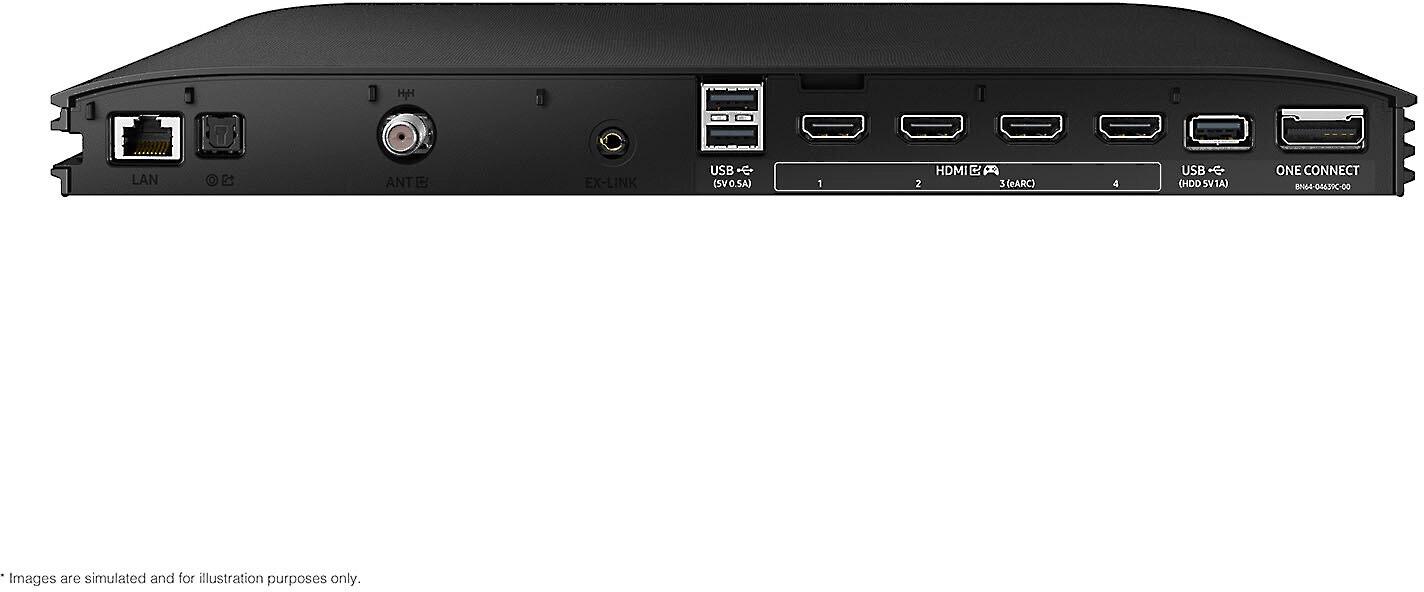
Both TVs include far-field microphones for voice control, comprehensive streaming app support, and Samsung's SmartThings integration for controlling other smart home devices. The interface is intuitive and responsive, though the S95F includes Samsung's Slim One Connect Box - a separate unit that houses all the TV's inputs.
This One Connect Box might seem like a small feature, but it's genuinely useful for wall-mounted installations. Instead of running multiple cables to the TV itself, you only need one connection between the TV and the box, which can be placed in a media cabinet with all your devices connected to it.
This is where your specific viewing environment becomes crucial in choosing between these TVs.
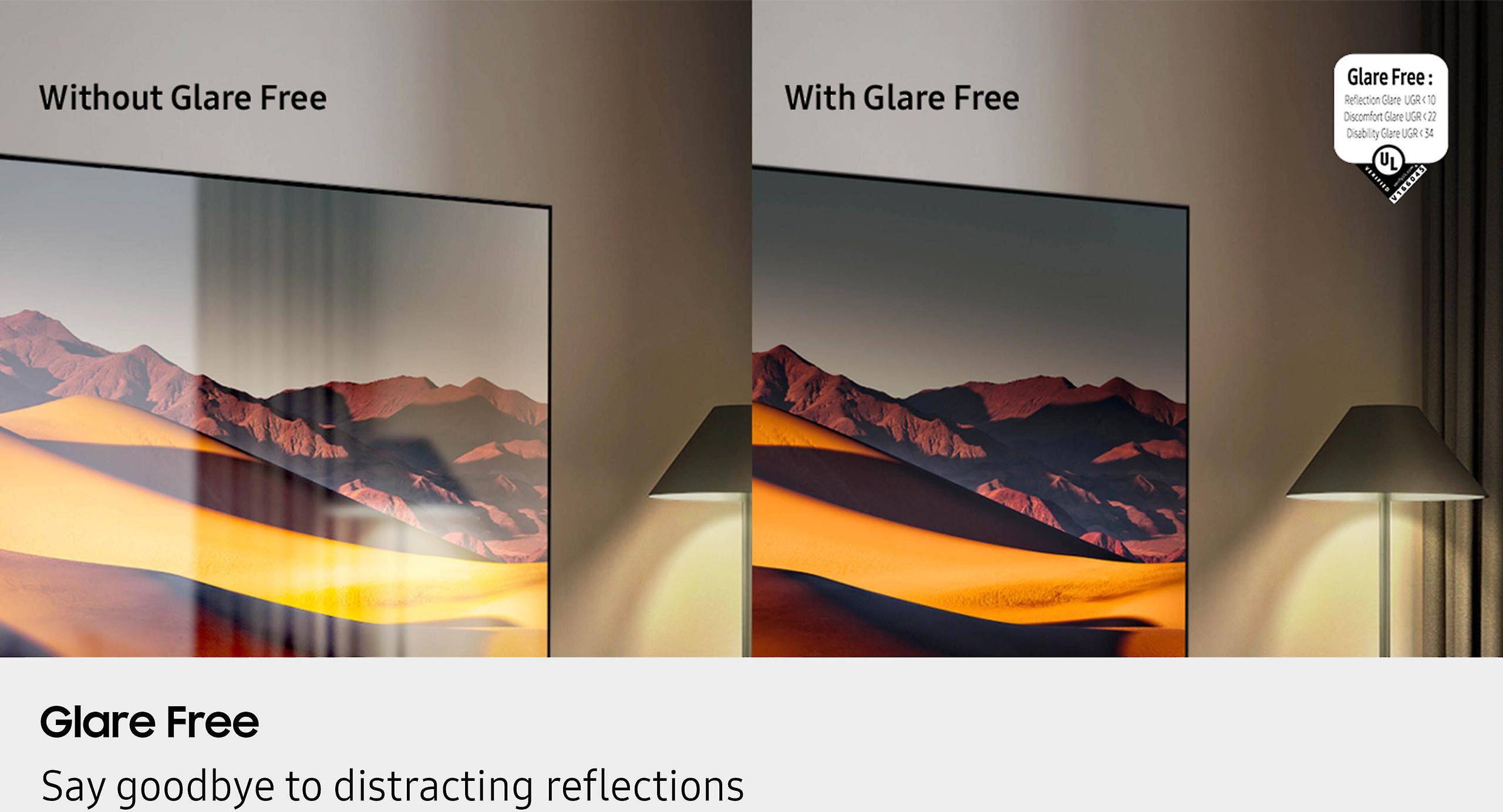
Traditional OLED displays struggled in bright rooms because they couldn't get bright enough to overcome ambient light and reflections. Samsung addressed this limitation head-on in the S95F with their Glare Free 2.0 coating and significantly increased brightness capabilities. Expert reviews describe reflections as "almost invisible" even with direct light sources hitting the screen.
The QN900F also includes Samsung's matte coating technology, which reduces reflections effectively. However, its advantage in bright rooms isn't as decisive as it once was, thanks to the OLED's improvements.
In dark room viewing - the traditional home theater scenario - the S95F maintains OLED's fundamental advantage. Perfect blacks create an immersive viewing experience that Mini LED technology simply cannot match. When watching movies in a darkened room, the OLED's infinite contrast ratio makes the image appear to float in space, while the Mini LED's slight grayish blacks remind you that you're watching a TV screen.
For mixed lighting environments - typical living rooms where you might watch TV during the day and evening - both TVs perform well, but the S95F adapts better to changing conditions thanks to its superior contrast control.
Both TVs include robust built-in speaker systems with Dolby Atmos support, but they share a significant limitation for serious home theater enthusiasts: neither supports Dolby Vision HDR or DTS audio passthrough.
Dolby Vision is a premium HDR format that provides better color and contrast information than the HDR10+ format both TVs support. While the practical differences aren't enormous, users with extensive Dolby Vision libraries might feel limited by this omission.
The DTS limitation affects users with high-end sound systems, as they may need to connect sources directly to their audio equipment rather than running everything through the TV.
For most users, the built-in audio is surprisingly capable, with both TVs featuring multi-channel speaker configurations and Samsung's Object Tracking Sound technology, which moves audio elements across the screen to match visual movement.
At the time of writing, the S95F costs several hundred dollars less than the QN900F while delivering superior performance in most scenarios. This price difference makes the value equation particularly favorable for the OLED option.
The QN900F essentially asks you to pay a premium for 8K resolution that you can't fully utilize with current content, while accepting compromises in contrast, gaming performance, and color accuracy. The 8K capability is impressive from a technological standpoint, but it doesn't translate to better actual viewing experiences with today's content ecosystem.
The S95F optimizes performance for content you can actually watch, delivering superior picture quality, gaming capabilities, and room versatility at a lower price point. It represents better value for almost every use case.
After researching expert reviews and analyzing the technical capabilities of both TVs, the Samsung 65" OLED S95F 4K emerges as the better choice for most buyers. Its combination of perfect contrast, excellent brightness, superior gaming performance, and lower price creates compelling value.
Choose the QN900F only if 8K resolution is genuinely important to you - perhaps you're an early adopter who wants to be ready for future 8K content, or you frequently view high-resolution photography or graphics where the extra detail might be noticeable. You should also consider it if you have an extremely bright viewing environment where every bit of brightness matters.
For everyone else - gamers, movie enthusiasts, families looking for the best overall TV experience - the S95F provides superior performance at a better price. Its technological advances address traditional OLED weaknesses while maintaining the fundamental advantages that make OLED displays so compelling.
The reality is that Samsung's 2025 OLED represents a mature, optimized approach to premium television technology, while their 8K Mini LED offering feels more like impressive engineering in search of a practical application. Both are exceptional TVs, but one delivers better real-world performance for the content you'll actually watch.
| Samsung 65" Neo QLED 8K QN900F | Samsung 65" OLED S95F 4K Smart TV |
|---|---|
| Display Technology - Fundamentally affects picture quality and performance | |
| Quantum Mini LED with local dimming zones | QD-OLED with perfect pixel-level control |
| Resolution - Higher isn't always better without content to match | |
| 8K (7680 x 4320) - future-proofing with limited current benefit | 4K (3840 x 2160) - optimized for all available content |
| Peak Brightness - Critical for HDR and bright room viewing | |
| Very high sustained brightness across large areas | Higher effective brightness in mixed content due to perfect blacks |
| Contrast Ratio - Most important factor for picture quality | |
| Excellent but limited by Mini LED blooming | Infinite contrast with perfect pixel-level blacks |
| Gaming Response Time - Crucial for competitive gaming | |
| Slower LCD response causes visible ghosting | Near-instantaneous OLED response eliminates blur |
| Gaming Refresh Rate - Higher numbers aren't always practically better | |
| 120Hz at 8K (limited game support) | 165Hz at 4K (matches current gaming hardware) |
| Screen Coating - Essential for bright room performance | |
| Matte anti-glare coating reduces reflections | Glare Free 2.0 makes reflections almost invisible |
| Smart Features - Both excellent but connectivity differs | |
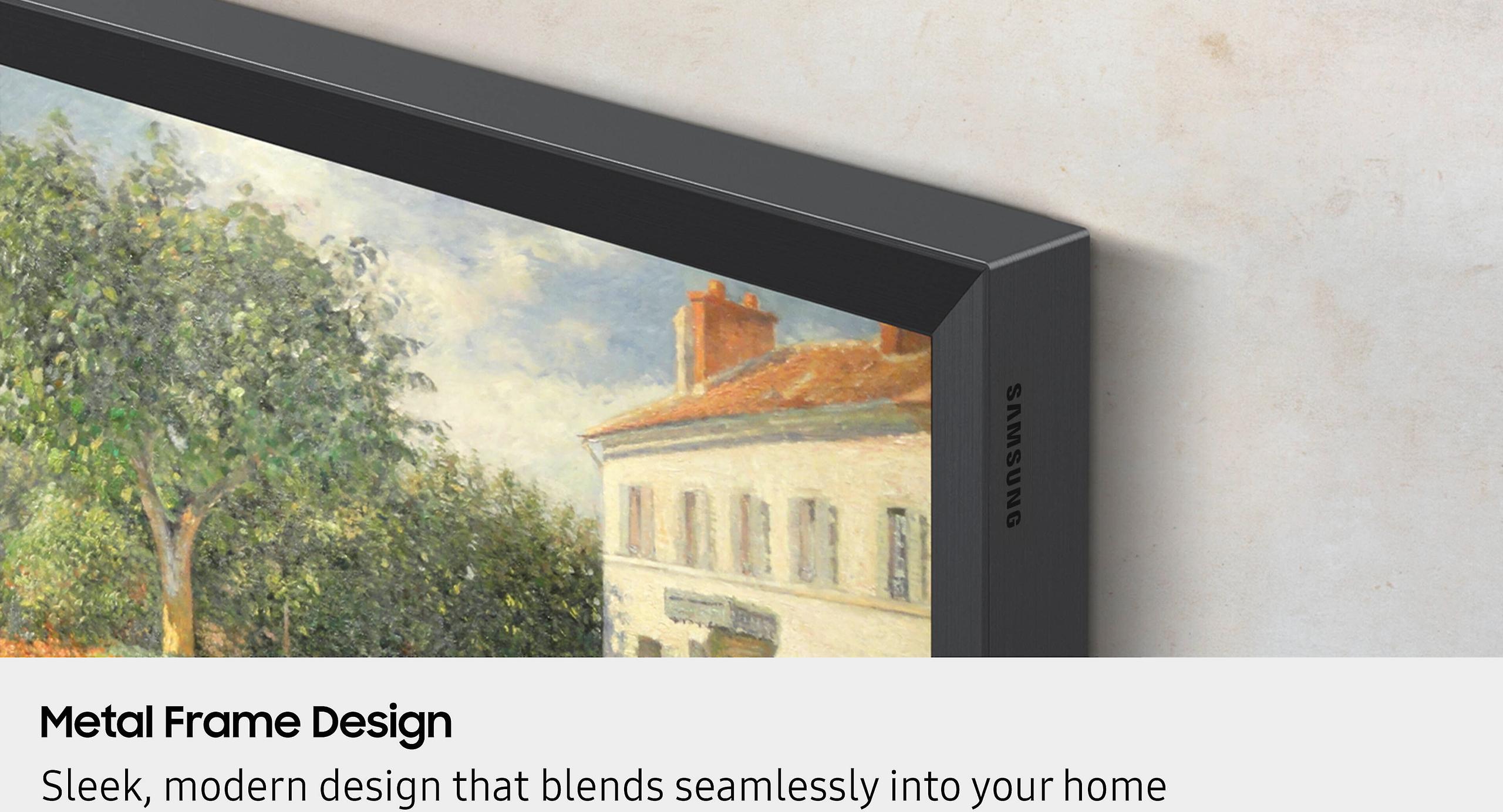
| Built-in ports with premium metal frame design | Slim One Connect Box for cleaner wall mounting |
| Audio Support - Limitation affects home theater setups | |
| No Dolby Vision or DTS passthrough | No Dolby Vision or DTS passthrough |
| Content Optimization - Matches available streaming and gaming content | |
| 8K upscaling impressive but rarely showcases native resolution | Perfect 4K performance for 99% of available content |
| Overall Value - Performance per dollar spent | |
| Premium price for limited 8K content ecosystem | Superior picture quality and gaming at lower cost |
The Samsung 65" OLED S95F 4K Smart TV delivers superior overall picture quality for most viewers. Its QD-OLED technology provides perfect blacks, infinite contrast, and more vibrant colors compared to the Samsung 65" Neo QLED 8K QN900F. While the QN900F offers 8K resolution, the lack of native 8K content means the S95F optimizes performance for content you can actually watch.
Currently, 8K resolution on the QN900F isn't worth the premium for most buyers. There's virtually no native 8K content available from streaming services, gaming consoles, or Blu-ray discs. The Samsung OLED S95F provides better real-world performance at 4K resolution with superior contrast and color accuracy that you'll notice with every show or movie you watch.
The S95F is significantly better for gaming due to OLED's near-instantaneous pixel response times that eliminate motion blur and ghosting. While the QN900F supports 8K gaming at 120Hz, the S95F's 165Hz at 4K with perfect response times provides a cleaner, more responsive gaming experience for current gaming hardware.
Both TVs perform well in bright rooms thanks to Samsung's anti-glare coating technology. The QN900F offers excellent brightness, but the S95F features upgraded Glare Free 2.0 coating that makes reflections almost invisible while delivering higher effective brightness through superior contrast control.
The Samsung OLED S95F provides better value, offering superior picture quality, gaming performance, and room versatility at a lower price point than the QN900F. You're getting better overall performance for less money, making it the smarter choice for most buyers.
Both the QN900F and S95F support HDR10+ but neither supports Dolby Vision, which may disappoint some home theater enthusiasts. They both deliver excellent HDR performance within their supported formats, with the Samsung OLED S95F providing more impactful HDR due to its perfect contrast ratios.
Both the Samsung QN900F and Samsung S95F lack Dolby Vision HDR support and DTS audio passthrough, which may affect some home theater setups. The QN900F's main limitation is the scarcity of 8K content, while the S95F has potential OLED burn-in concerns with static content, though this has been greatly improved in modern panels.
The S95F provides superior motion handling for sports due to OLED's instant pixel response times that eliminate blur and ghosting during fast action. While both TVs support high refresh rates, the Samsung OLED S95F's motion clarity is noticeably better for tracking fast-moving objects like soccer balls or hockey pucks.
The S95F is better positioned for long-term relevance as it's optimized for current and near-future content ecosystems. The QN900F offers 8K future-proofing, but the timeline for widespread 8K adoption remains unclear. The Samsung S95F will deliver superior performance for years to come with available content.
For home theater use, the S95F is the better choice due to its perfect blacks, superior contrast, and excellent dark room performance. While both TVs deliver impressive picture quality, the Samsung OLED S95F's infinite contrast ratio creates a more immersive cinematic experience that's ideal for dedicated home theater environments.
We've done our best to create useful and informative comparisons to help you decide what product to buy. Our research uses advanced automated methods to create this comparison and perfection is not possible - please contact us for corrections or questions. These are the sites we've researched in the creation of this article: rtings.com - samsung.com - techradar.com - dolby.com - youtube.com - samsung.com - youtube.com - samsung.com - samsung.com - samsung.com - samsung.com - displayspecifications.com - samsung.com - rtings.com - bestbuy.com - merlinstv.com - news.samsung.com - bestbuy.com - businessinsider.com - tomsguide.com - youtube.com - avsforum.com - zdnet.com - samsung.com - pioneertvandappliance.com - samsung.com - displayspecifications.com - samsung.com

Privacy Policy
Terms and Conditions - Affiliate Policy
Home Security
© Copyright 2008-2026.
11816 Inwood Rd #1211, Dallas, TX 75244