

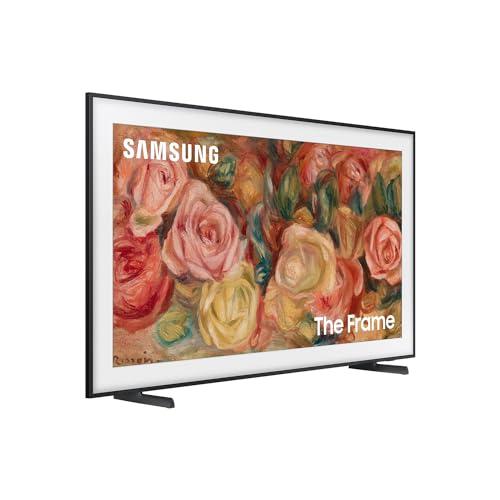

Choosing between Samsung's The Frame QLED 4K 2024 TV and the Neo QLED 8K QN900F 2025 feels like comparing a gallery piece to a sports car. Both are 65-inch Samsung TVs, but they solve completely different problems. One prioritizes looking beautiful on your wall when you're not watching, while the other delivers cutting-edge performance that pushes the boundaries of what a TV can do.
At the time of writing, these TVs sit in dramatically different price tiers—The Frame positions itself as an accessible premium lifestyle TV, while the QN900F commands flagship pricing that's roughly double the cost. That price gap isn't just Samsung being greedy; it reflects fundamental differences in display technology, processing power, and target audiences.
The premium TV market has split into two distinct paths. Lifestyle TVs like The Frame focus on blending into your living space, treating the TV as a piece of furniture that happens to show video. Performance TVs like the QN900F prioritize delivering the absolute best picture quality and features, regardless of aesthetics.
This divide matters because your priorities will determine which approach serves you better. If you spend more time looking at your TV when it's off than when it's on, or if you value how technology integrates into your home's design, the lifestyle approach makes sense. If you're a movie enthusiast, serious gamer, or just want the most impressive picture possible, performance-first designs deliver better results.
Both TVs handle the basics well—streaming apps, voice control, and solid build quality. The real differences emerge in display technology, picture processing, and specialized features.
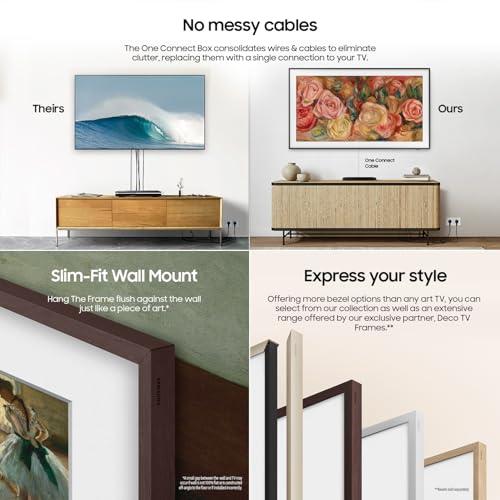
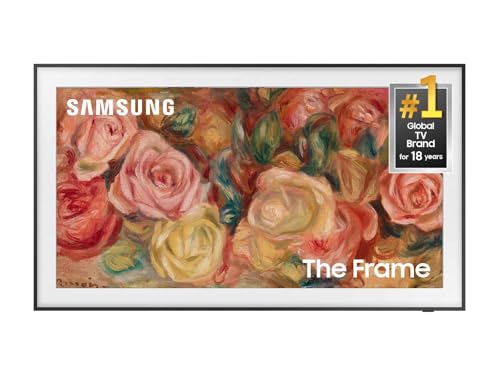
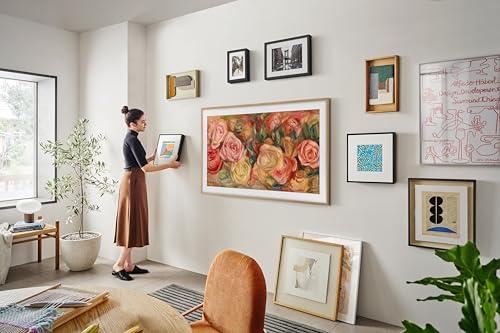
Released in 2024, The Frame represents Samsung's fourth generation of art-focused TVs. The concept remains the same: when you're not actively watching content, the TV displays digital artwork, transforming into what looks like a framed painting on your wall.
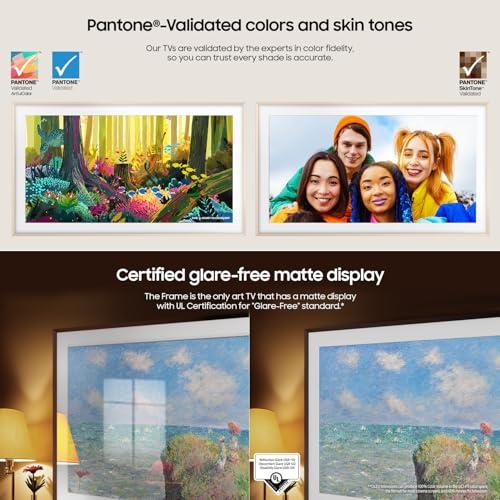
The 2024 model introduced several refinements over previous versions. The matte anti-reflective coating became more sophisticated, reducing glare while maintaining color accuracy. Samsung added new "matte shading" photo collections that enhance the realism of displayed artwork. Most importantly, the TV became the first to receive Pantone art certification, ensuring accurate color reproduction for artwork—a detail that matters when you're trying to convince guests that expensive digital frame is actually showing real art.
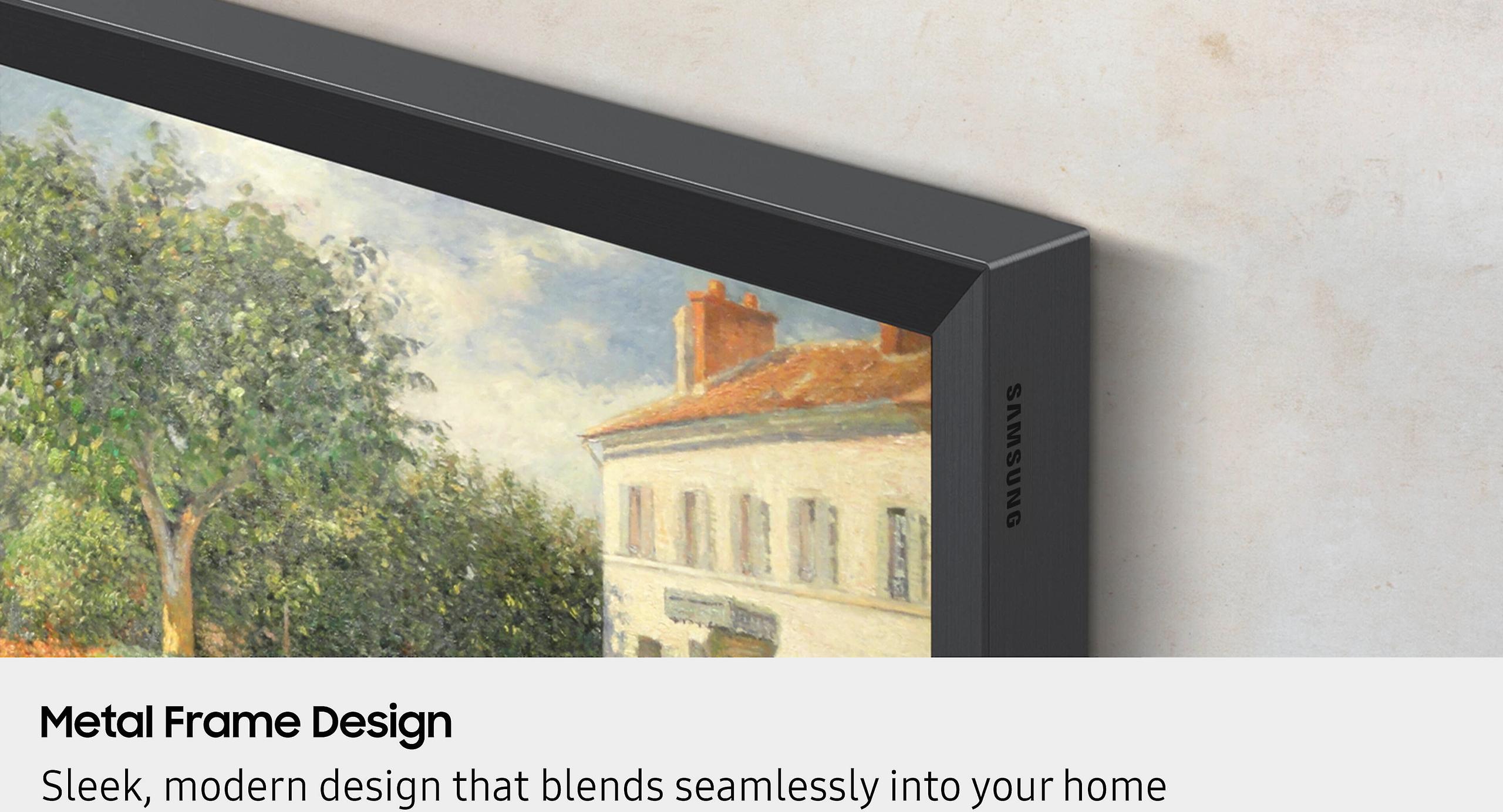
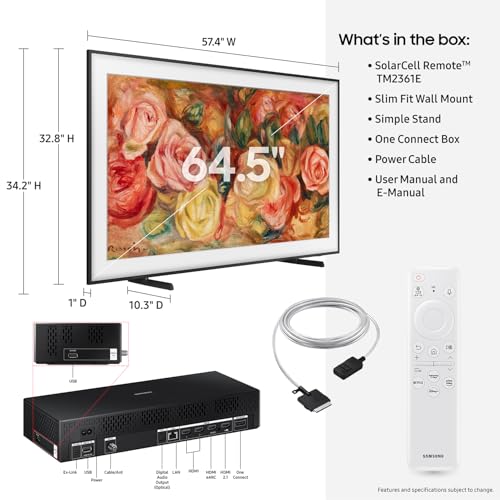
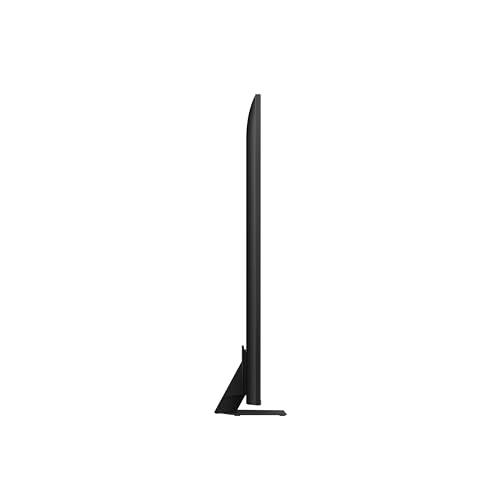
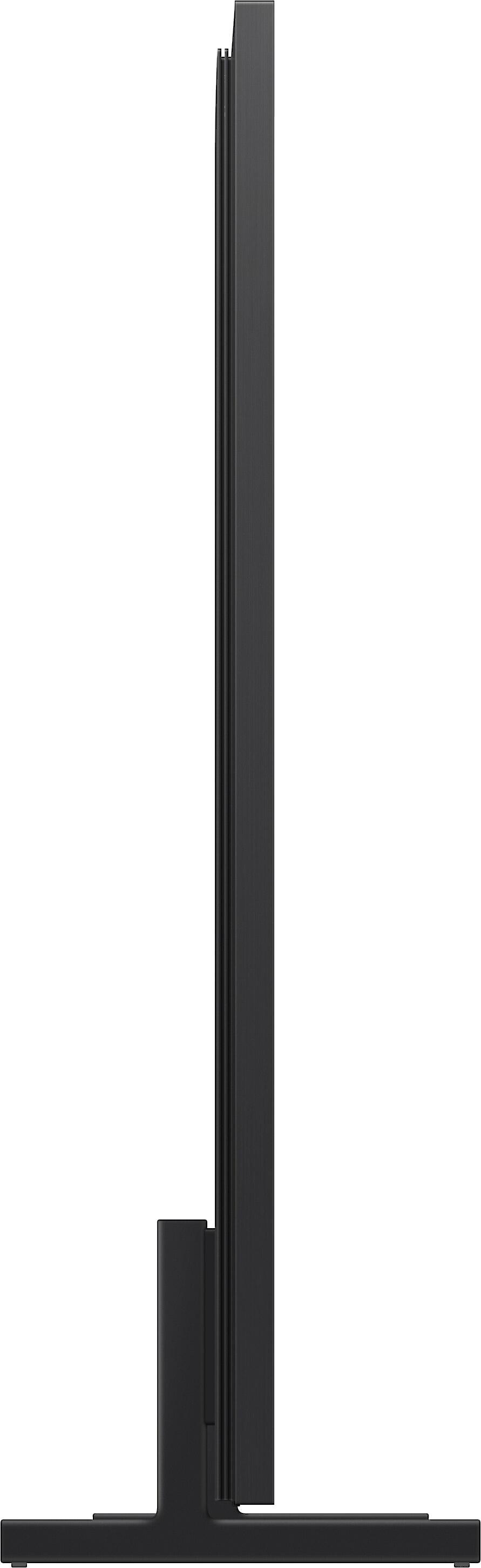
The Frame's technical foundation uses standard QLED technology with quantum dots (microscopic particles that enhance color purity) and edge lighting. Edge lighting means LEDs are positioned around the perimeter of the screen rather than distributed across the back. This keeps the TV incredibly thin—just one inch deep—but limits how precisely the TV can control brightness in different screen areas.
The display delivers 4K resolution (3,840 x 2,160 pixels) with solid but not spectacular brightness levels. HDR (High Dynamic Range) support includes HDR10 and HDR10+, which expand the range between the darkest and brightest parts of an image. However, without advanced local dimming—the ability to dim specific screen zones independently—The Frame can't achieve the deep blacks that make HDR content truly pop.
What The Frame does exceptionally well is handle reflections. The matte coating scatters ambient light rather than reflecting it directly back at viewers. This makes the TV viewable in moderately bright rooms without the mirror-like reflections that plague glossy screens. However, the matte finish can make colors appear slightly muted compared to glossy displays, and bright ambient light can still wash out the image.
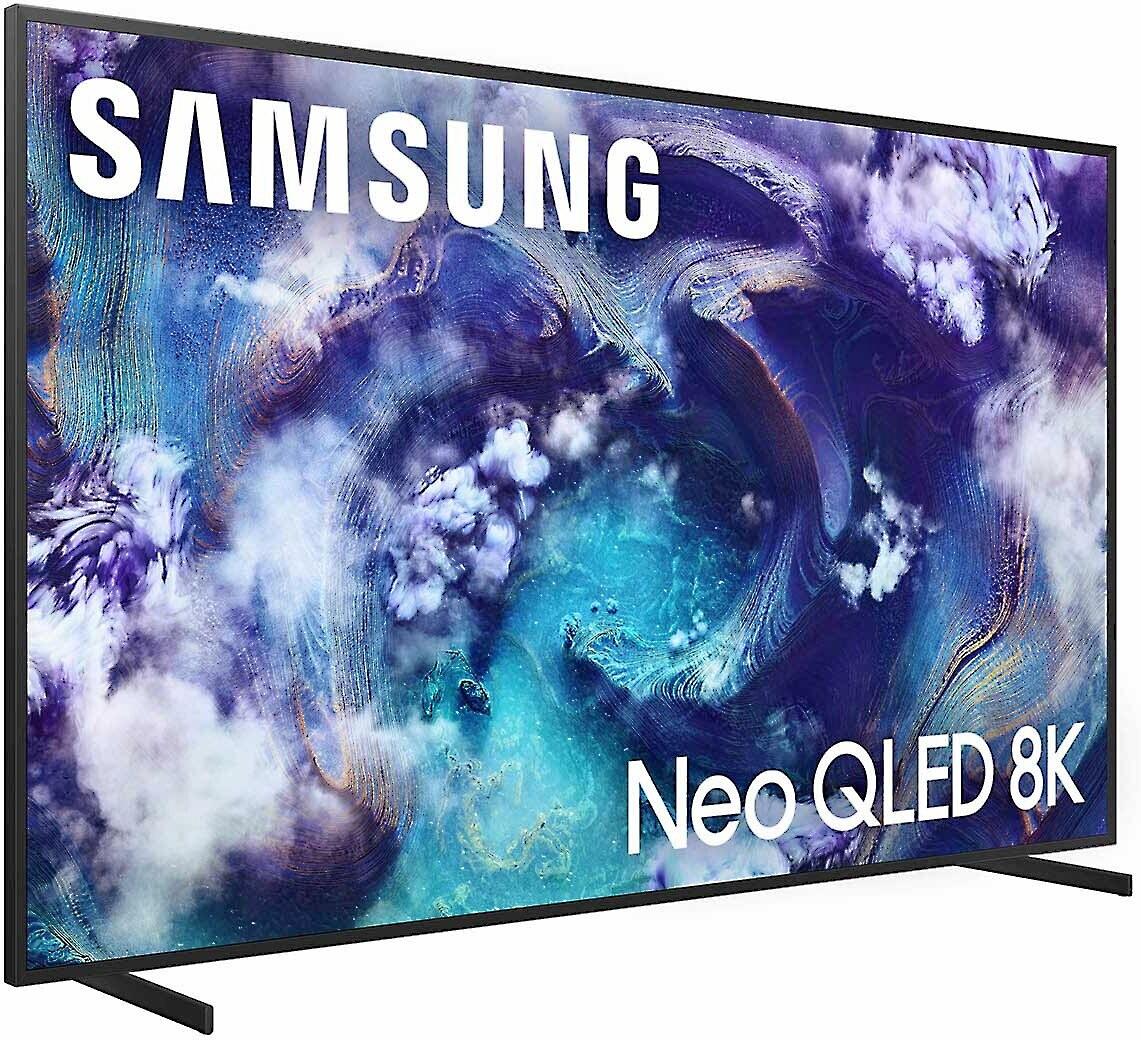
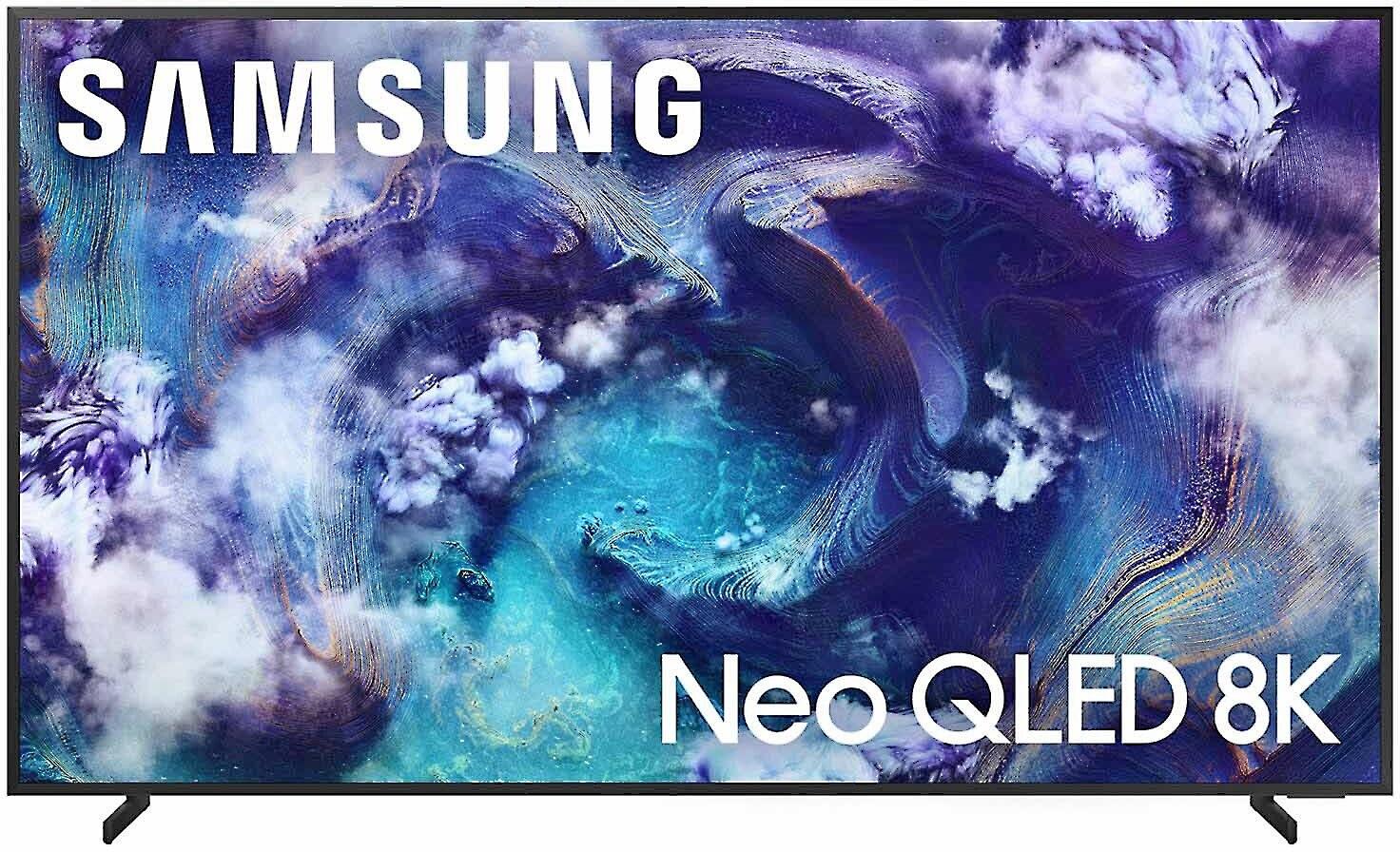
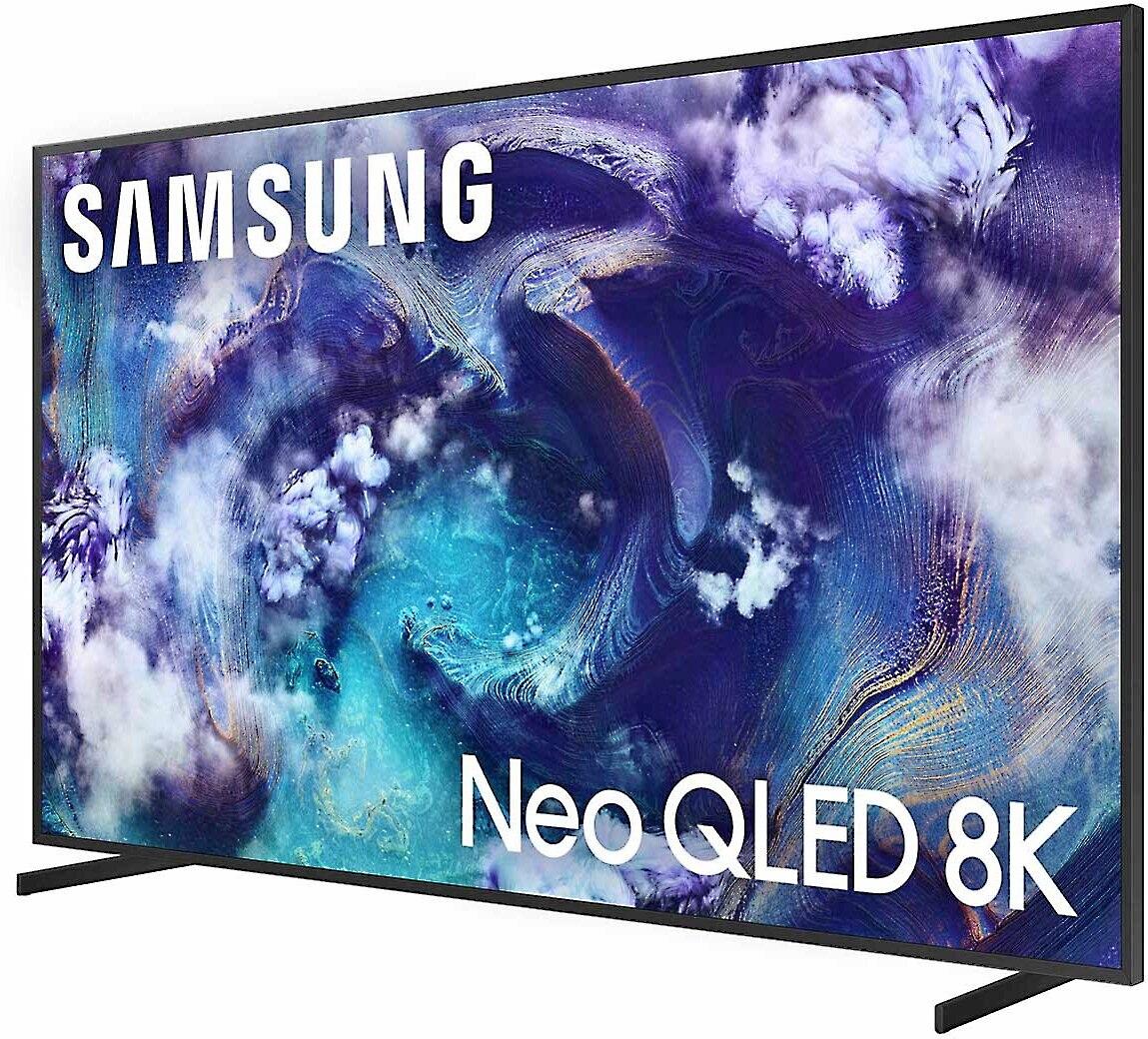
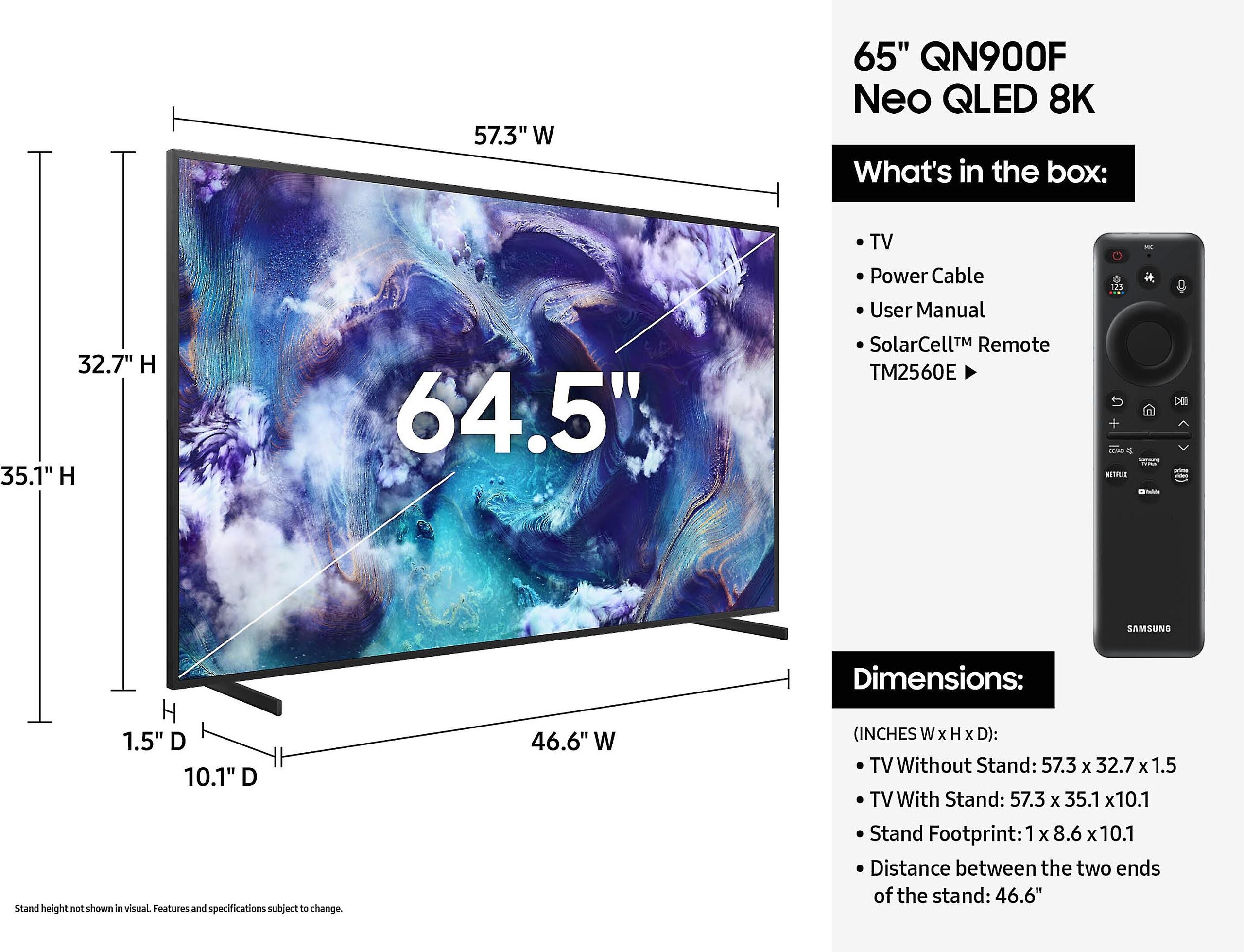
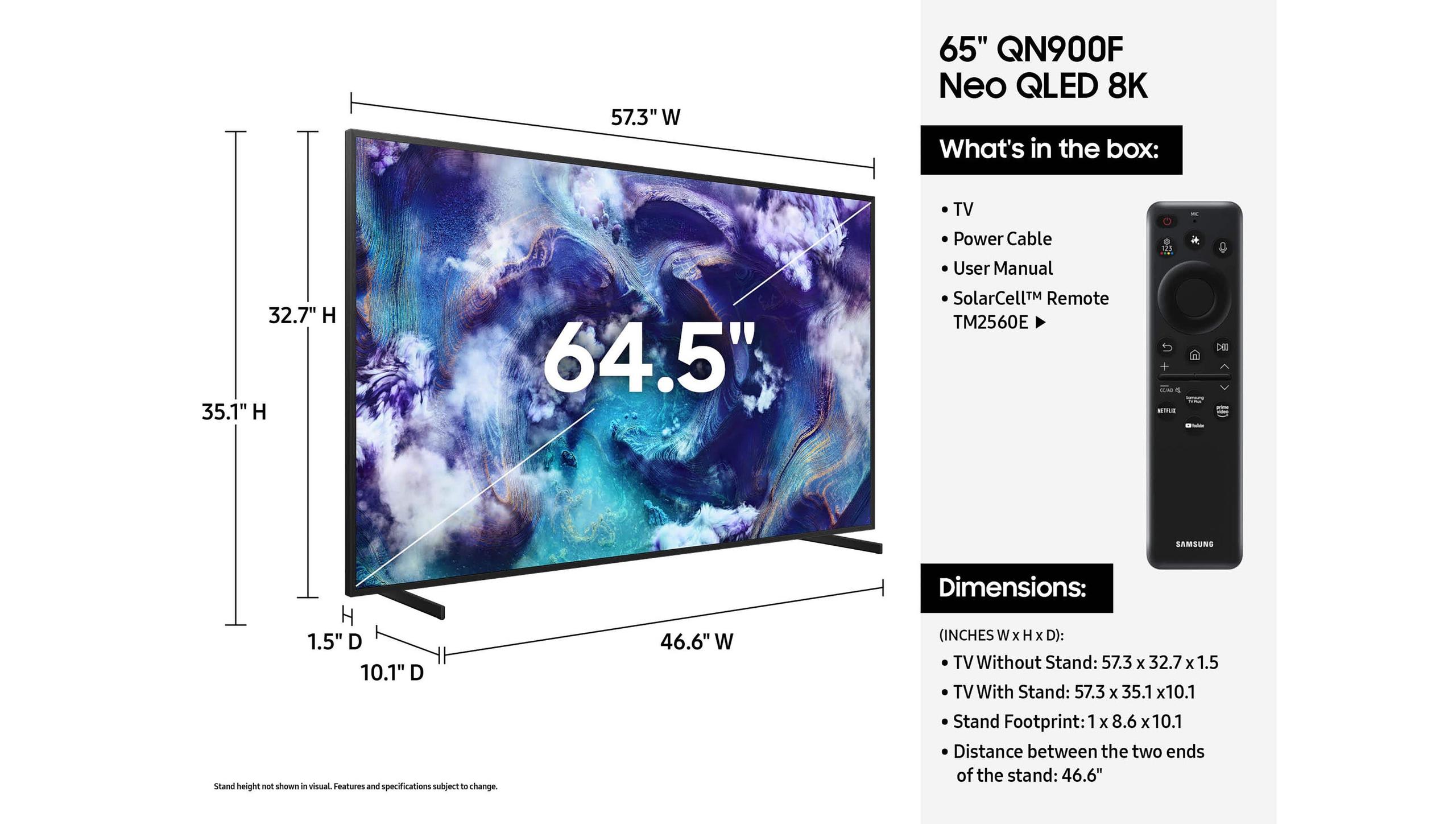
The QN900F, released in early 2025, represents Samsung's mainstream 8K flagship. It incorporates several years of Mini LED development and Samsung's most advanced AI processing to date.
The core difference lies in Mini LED technology. Instead of traditional LEDs the size of rice grains, Mini LEDs are 1/50th smaller—roughly the size of sesame seeds. This allows Samsung to pack thousands of them behind the screen for incredibly precise backlight control. Each zone can brighten or dim independently, creating deeper blacks and brighter highlights simultaneously across different parts of the image.
This quantum leap in local dimming capability, combined with 8K resolution (7,680 x 4,320 pixels), creates a display that can render fine details with exceptional clarity. The QN900F's NQ8 AI Gen3 processor uses 256 neural networks to analyze and enhance every frame in real-time. This AI upscaling is particularly important because native 8K content remains limited—the processor's job is making 4K, HD, and even standard definition sources look closer to 8K quality.
Samsung's Glare-Free coating on the QN900F takes anti-reflection technology further than The Frame's approach. Rather than just scattering light, it nearly eliminates reflections entirely while maintaining vibrant colors and contrast. In our research across professional reviews, this feature consistently impressed even skeptical reviewers who typically prefer glossy screens.
The performance gap between these TVs becomes obvious when you consider how they handle the most demanding content. The Frame delivers what most reviews describe as "adequate" picture quality—fine for casual viewing but not impressive for the price point. Colors lack the vibrancy and depth that makes HDR content engaging, and black levels appear grayish rather than truly dark.
The QN900F operates in a different league entirely. Peak brightness reaches levels that make HDR highlights genuinely impactful, while the Mini LED zones can simultaneously display deep blacks in shadowy areas of the same scene. This contrast capability transforms the viewing experience, especially with well-mastered 4K HDR content from streaming services or 4K Blu-rays.
However, The Frame's picture limitations become less relevant if you're primarily using it for background ambiance or casual streaming. The matte screen actually helps with perceived image quality in bright rooms by eliminating distracting reflections, even if the underlying picture lacks the punch of premium displays.
Motion handling reveals another technical divide. The Frame processes motion adequately for most content but struggles with fast-paced sports or action movies. The QN900F includes sophisticated motion processing, though with an important caveat: it performs best at its maximum 165Hz refresh rate for 4K content. Below that refresh rate, motion can appear blurry, requiring users to prioritize either smooth motion or other features.
For gaming enthusiasts, the QN900F offers compelling advantages but with notable limitations. It supports 4K gaming at up to 165Hz—significantly higher than the typical 120Hz standard—and includes Variable Refresh Rate (VRR) technology that synchronizes the TV's refresh with game frame rates to eliminate screen tearing.
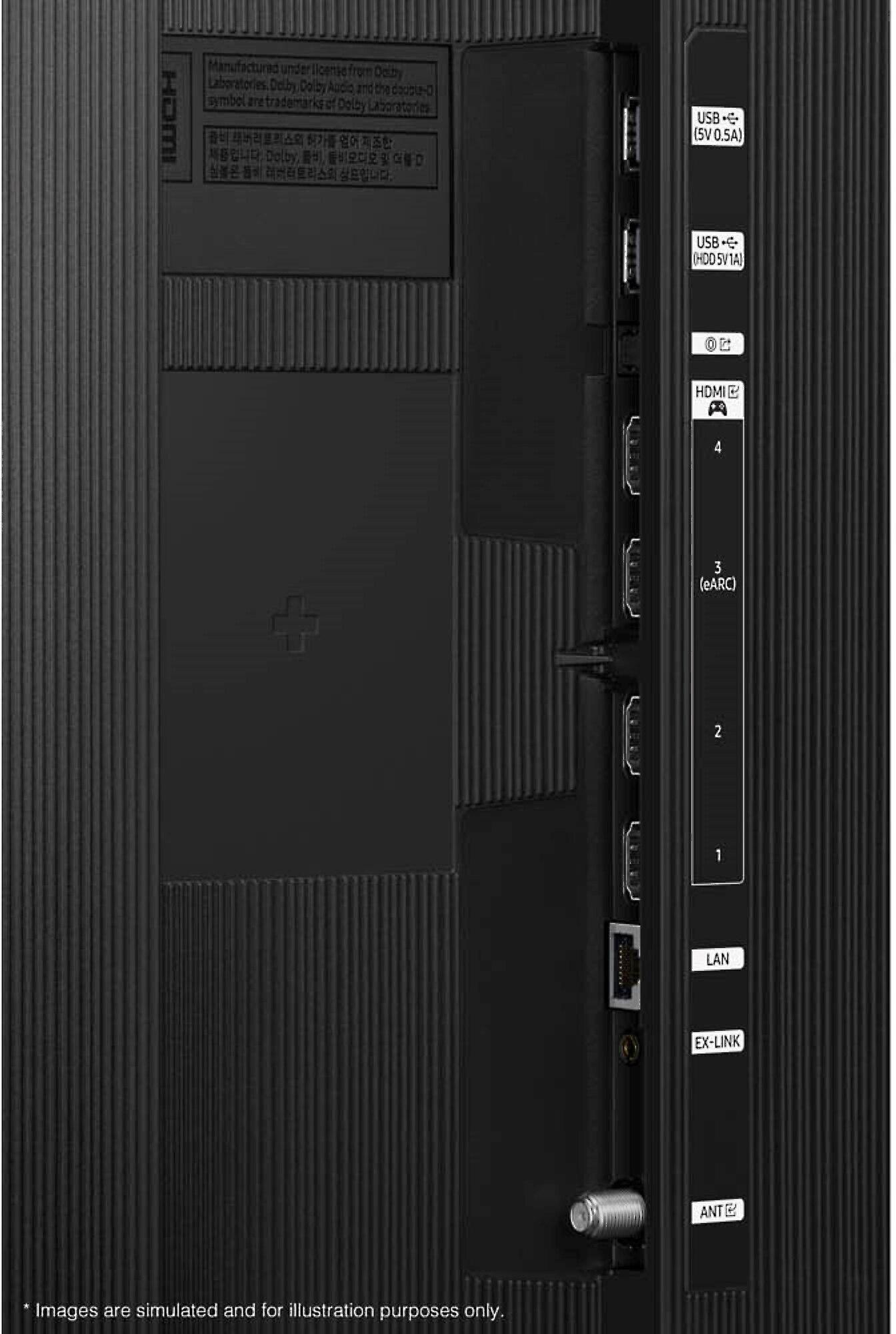
Input lag, the delay between controller input and on-screen response, measures exceptionally low on the QN900F. This responsiveness matters for competitive gaming where split-second reactions determine success. The TV also supports HDMI 2.1's full bandwidth, ensuring compatibility with the latest gaming consoles and high-end graphics cards.
The Frame provides basic gaming features with 4K support up to 120Hz and moderate input lag. It's perfectly adequate for casual gaming but won't satisfy users with multiple next-generation consoles or gaming PCs that can push higher frame rates.
The gaming picture becomes more complex when considering the QN900F's motion handling quirk. While it excels at maximum refresh rates, gaming at lower frame rates can result in blurry motion that undermines the premium experience. This means serious gamers might need to prioritize high frame rate gaming or accept some motion blur in certain titles.
Room lighting dramatically affects TV viewing experience, and this is where the technical approaches diverge most significantly. The Frame's matte coating helps with moderate ambient light but can struggle in bright rooms with direct sunlight or strong overhead lighting.
The QN900F's Glare-Free technology represents a genuine breakthrough in anti-reflection coating. Professional reviews consistently note that it nearly eliminates reflections while maintaining color vibrancy—traditionally a difficult balance. Combined with the TV's exceptional brightness output, it performs remarkably well in challenging lighting conditions that would wash out most displays.
This bright-room performance advantage makes the QN900F particularly appealing for living rooms with large windows or open floor plans with overhead lighting. The Frame works better in controlled lighting environments where its art display features can shine without competing with strong ambient light.
Both TVs run Samsung's Tizen smart platform, which has evolved significantly over recent years. The interface feels responsive and includes all major streaming apps, voice control through multiple assistants, and integration with Samsung's SmartThings ecosystem for smart home control.
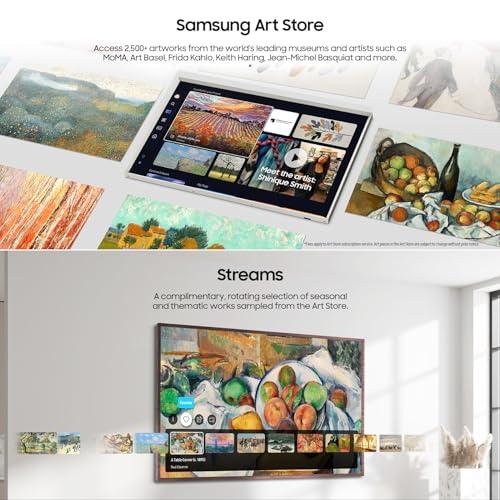
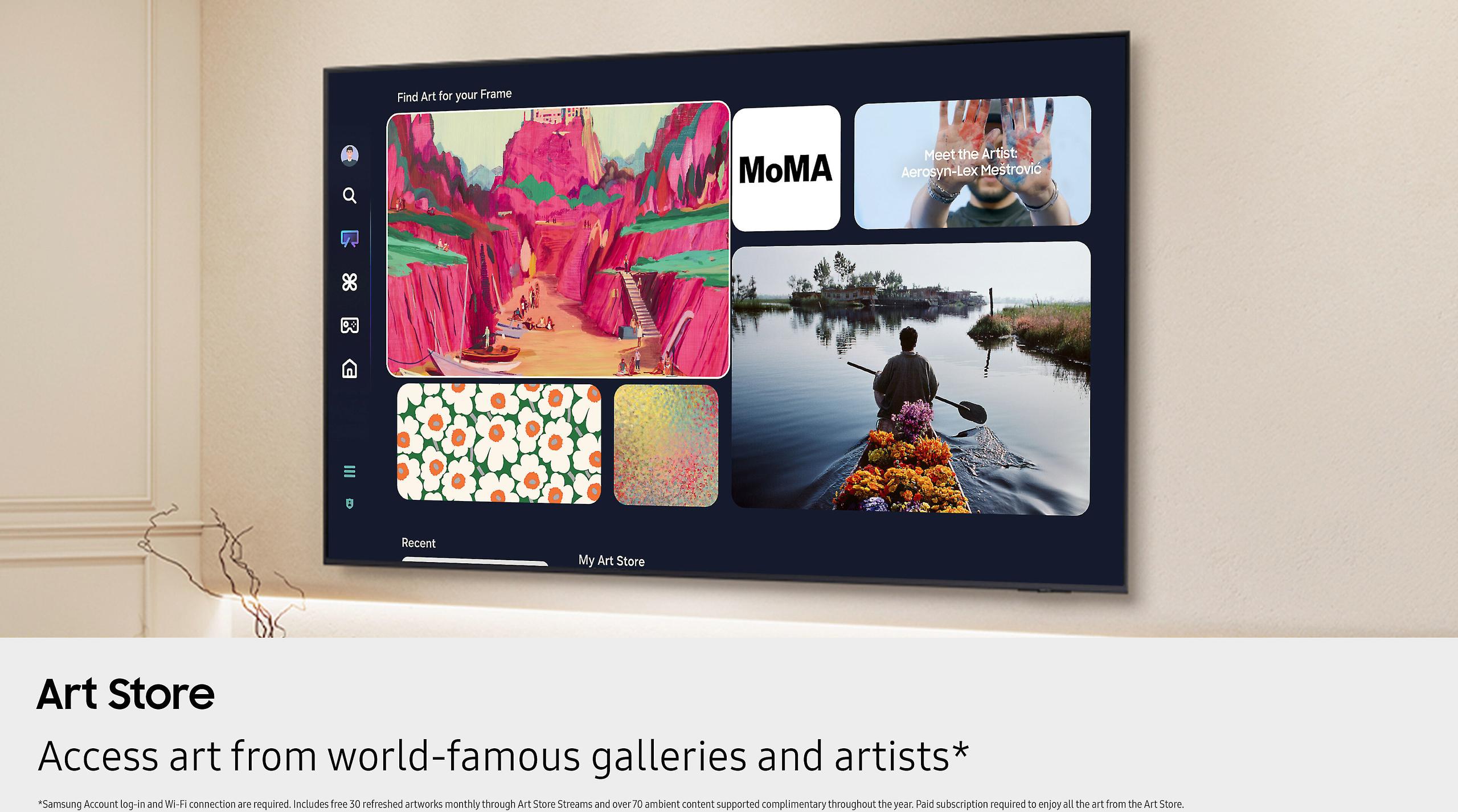
The Frame adds Samsung's Art Store, a subscription service providing access to curated artwork collections. The TV also supports uploading personal photos and artwork, though the magnetic bezel system for customizing the frame appearance requires separate purchases. Motion sensors automatically switch between art and TV modes when people approach.
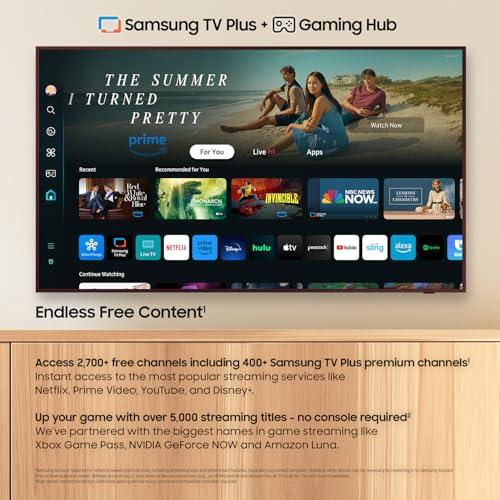
The QN900F includes Samsung's Gaming Hub, which provides access to cloud gaming services without requiring a console. The more powerful processor also enables more sophisticated AI features, including content recommendations and automatic picture optimization based on viewing patterns.
For dedicated home theater setups, the choice becomes clearer. The Frame's edge-lit design and limited local dimming make it poorly suited for dark room viewing where its technical limitations become most apparent. The matte coating, while helpful for bright rooms, can make dark scenes appear slightly washed out in controlled lighting.
The QN900F performs much better in home theater environments, though it's not perfect. The Mini LED backlighting can produce some blooming—light bleeding around bright objects against dark backgrounds—though this is generally well-controlled. The lack of Dolby Vision support (it uses HDR10+ instead) might disappoint film enthusiasts with large Dolby Vision libraries, though the difference is often subtle in practice.
Neither TV matches OLED displays for pure black levels and contrast in dark rooms. However, the QN900F gets reasonably close while offering much higher brightness for HDR content, making it a solid compromise for users who want great performance in both bright and dark environments.
At the time of writing, The Frame costs roughly half of what you'll pay for the QN900F. That price difference reflects completely different value propositions rather than simple feature upgrades.
The Frame justifies its premium over basic 4K TVs through its unique art display functionality and premium design. If you value the aesthetic integration and plan to use the art features regularly, the additional cost makes sense. However, judging it purely on picture quality reveals limited value compared to performance-focused alternatives at similar prices.
The QN900F commands flagship pricing for flagship performance. The Mini LED technology, 8K processing, and advanced gaming features represent meaningful technological advantages. However, the premium is substantial, and the benefits are most apparent to users who regularly consume high-quality content or engage in demanding gaming.
Choose The Frame if you prioritize how your TV looks when it's off, value the unique art display functionality, and primarily watch content in moderately lit rooms. It's perfect for style-conscious users who want their technology to enhance their home's aesthetic rather than dominate it. The TV works well for casual viewing, basic gaming, and social gatherings where the art display becomes a conversation piece.
Opt for the QN900F if you want the best possible picture quality, have a bright room with challenging lighting, or engage in serious gaming. It's ideal for movie enthusiasts, sports fans, and anyone who views their TV as the centerpiece of their entertainment setup. The advanced features and future-proofing justify the premium for users who can appreciate and utilize the technical advantages.
Consider alternatives if you primarily watch in dark rooms—OLED models might offer better contrast—or if budget constraints are paramount, as mid-tier QLED options provide better price-to-performance ratios for pure viewing quality.
The fundamental choice comes down to whether you want a beautiful piece of functional art that happens to be a good TV, or a exceptional TV that happens to look decent on your wall. Both approaches have merit, but they serve fundamentally different needs and preferences.
| Samsung 65" The Frame QLED 4K 2024 TV | Samsung 65" Neo QLED 8K QN900F Vision AI Smart TV 2025 |
|---|---|
| Display Technology - Determines picture quality and price tier | |
| Standard QLED with edge lighting (basic local dimming) | Neo QLED with Mini LED (thousands of precise dimming zones) |
| Resolution - Future-proofing vs current content optimization | |
| 4K (3,840 x 2,160) - optimized for today's content | 8K (7,680 x 4,320) - future-ready with AI upscaling |
| Peak Brightness - Critical for HDR impact and bright room viewing | |
| ~400 nits (adequate for moderate lighting) | 590+ nits (excellent for challenging lighting conditions) |
| Refresh Rate - Important for gaming and sports | |
| 120Hz (good for most gaming and content) | 165Hz at 4K, 60Hz at 8K (exceptional for high-end gaming) |
| Anti-Glare Technology - Makes or breaks bright room performance | |
| Matte display (reduces some reflections) | Glare-Free coating (nearly eliminates all reflections) |
| Primary Design Philosophy - Defines the user experience | |
| Lifestyle TV that doubles as wall art when off | Performance flagship optimized for viewing quality |
| Art Mode Features - Unique selling point for The Frame | |
| Full Art Mode with motion sensors, customizable bezels, Pantone certification | Not available (traditional TV when off) |
| Local Dimming Zones - Controls contrast and black levels | |
| Limited edge-lit zones (basic contrast control) | Thousands of Mini LED zones (precise contrast control) |
| Gaming Input Lag - Response time for competitive gaming | |
| ~10ms (adequate for casual gaming) | 9.2ms (excellent for competitive gaming) |
| HDR Support - Affects color and brightness range | |
| HDR10, HDR10+ (standard support) | HDR10+, Neo Quantum HDR 8K Pro (no Dolby Vision) |
| Audio System - Built-in sound quality | |
| 2.0.2 channel, 40W (basic but adequate) | 4.2.2 channel with Object Tracking Sound Pro (premium audio) |
| Processor - Affects upscaling and smart features | |
| Quantum Processor 4K (standard processing) | NQ8 AI Gen3 with 256 neural networks (advanced AI processing) |
| Installation Design - How it mounts and looks on wall | |
| Ultra-thin (1" depth) with flush wall mount included | Standard thickness with traditional mounting |
| Best Use Case - Who should buy each TV | |
| Style-focused users wanting TV/art hybrid in moderate lighting | Performance enthusiasts with bright rooms or serious gaming needs |
The Samsung 65" The Frame QLED 4K 2024 TV is designed as a lifestyle TV that displays artwork when not in use, while the Samsung 65" Neo QLED 8K QN900F Vision AI Smart TV 2025 is a performance-focused flagship with Mini LED technology and 8K resolution. The Frame prioritizes aesthetics and room integration, whereas the QN900F maximizes picture quality and gaming features.
The QN900F is significantly better for bright rooms thanks to its Glare-Free coating that nearly eliminates reflections while maintaining vibrant colors. The Frame has a matte display that helps with some reflections but can struggle in very bright conditions with direct sunlight or strong overhead lighting.
The 8K resolution on the Samsung Neo QLED 8K QN900F provides future-proofing and exceptional AI upscaling that makes 4K content look sharper and more detailed. However, native 8K content is still limited. The real benefit comes from the advanced processing that enhances all content, not just the higher pixel count.
Yes, the Samsung Frame TV genuinely mimics framed artwork when in Art Mode, complete with customizable magnetic bezels and Pantone-certified color accuracy. Motion sensors automatically switch between TV and art modes, and the ultra-thin 1-inch profile creates an authentic picture frame appearance when wall-mounted.
The QN900F delivers dramatically better picture quality with Mini LED technology providing precise local dimming, deeper blacks, and brighter highlights. The Frame offers adequate picture quality that's described as "just alright" in reviews, with limited contrast control due to its edge-lit design.
Yes, both support HDR content, but the Samsung QN900F delivers much better HDR performance with Neo Quantum HDR 8K Pro and higher peak brightness. The Frame supports HDR10 and HDR10+ but lacks the brightness and contrast needed to make HDR content truly impactful.
Choose the Samsung Frame TV if you prioritize aesthetics, want a TV that doubles as art, and primarily watch in moderate lighting conditions. Select the QN900F if you want the best possible picture quality, have a bright room, are a serious gamer, or use your TV as the centerpiece of your entertainment setup.
We've done our best to create useful and informative comparisons to help you decide what product to buy. Our research uses advanced automated methods to create this comparison and perfection is not possible - please contact us for corrections or questions. These are the sites we've researched in the creation of this article: tomsguide.com - rtings.com - rtings.com - youtube.com - bestbuy.com - techlicious.com - youtube.com - smalllilystudio.com - theeverymom.com - livingetc.com - pcrichard.com - image-us.samsung.com - samsung.com - images.samsung.com - samsung.com - buydig.com - tvsbook.com - bestbuy.com - samsung.com - samsung.com - flatpanelshd.com - rtings.com - samsung.com - techradar.com - dolby.com - youtube.com - samsung.com - youtube.com - samsung.com - samsung.com - samsung.com - samsung.com - displayspecifications.com - samsung.com - rtings.com - bestbuy.com - merlinstv.com - news.samsung.com - bestbuy.com

Privacy Policy
Terms and Conditions - Affiliate Policy
Home Security
© Copyright 2008-2026.
11816 Inwood Rd #1211, Dallas, TX 75244