

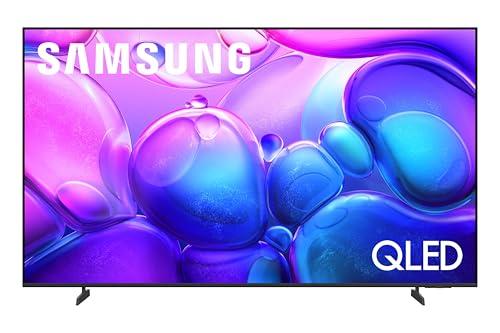
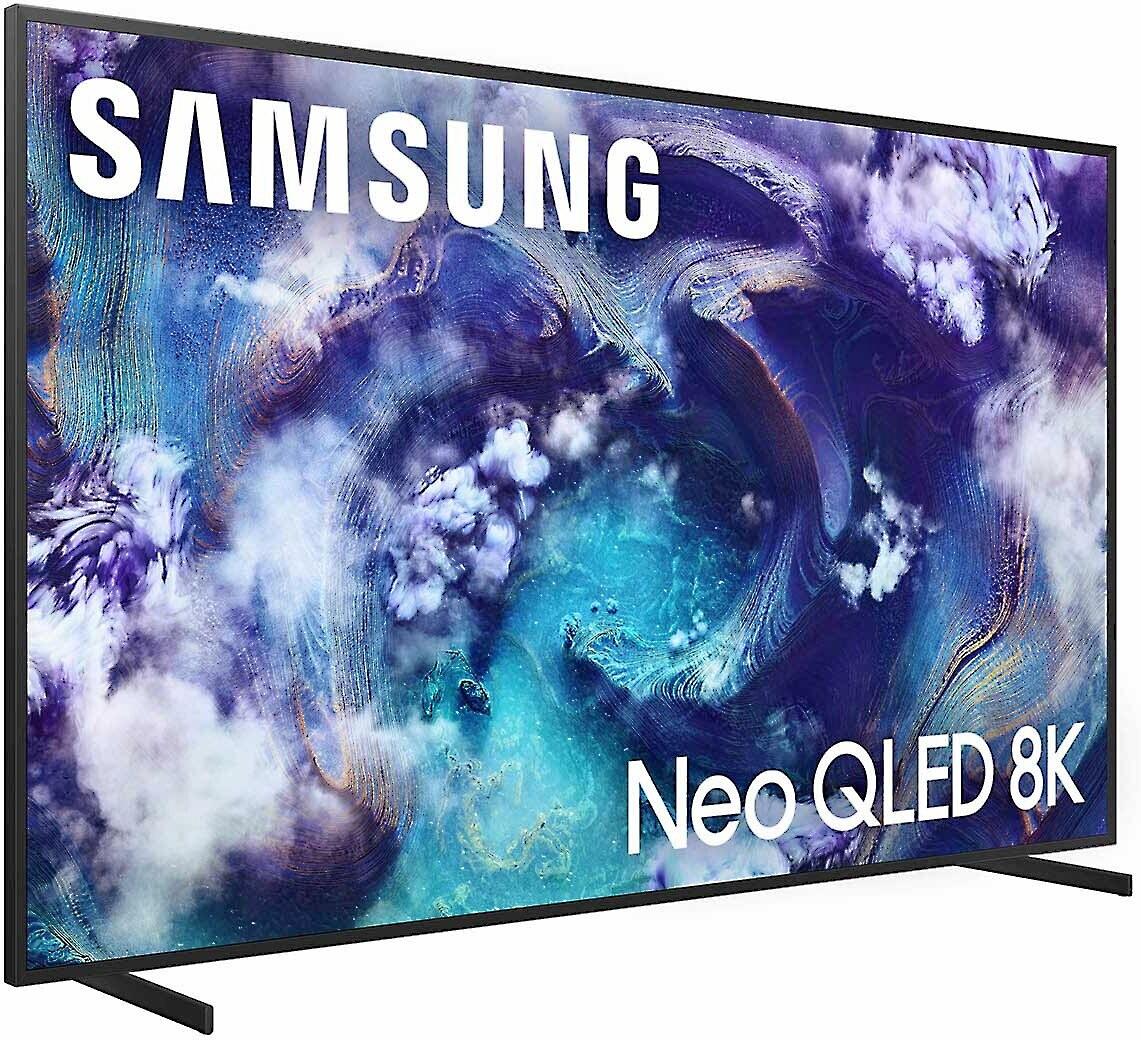
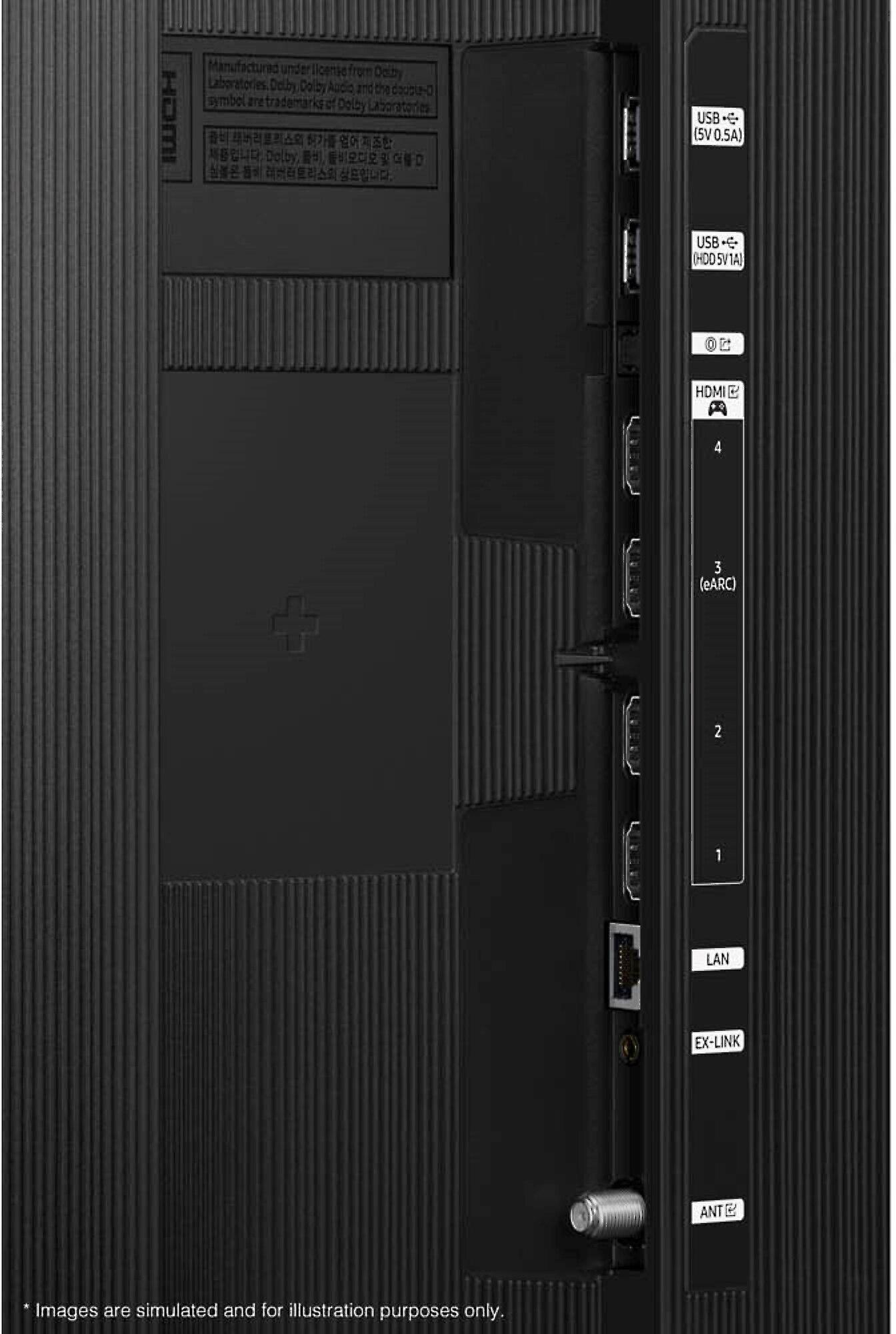
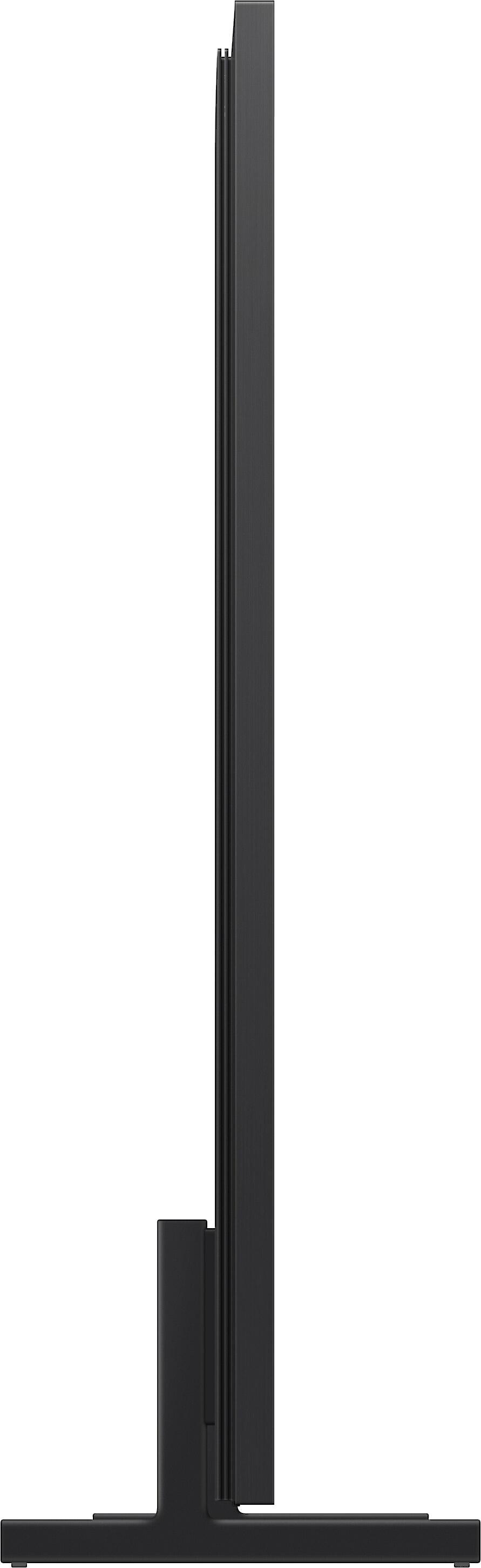
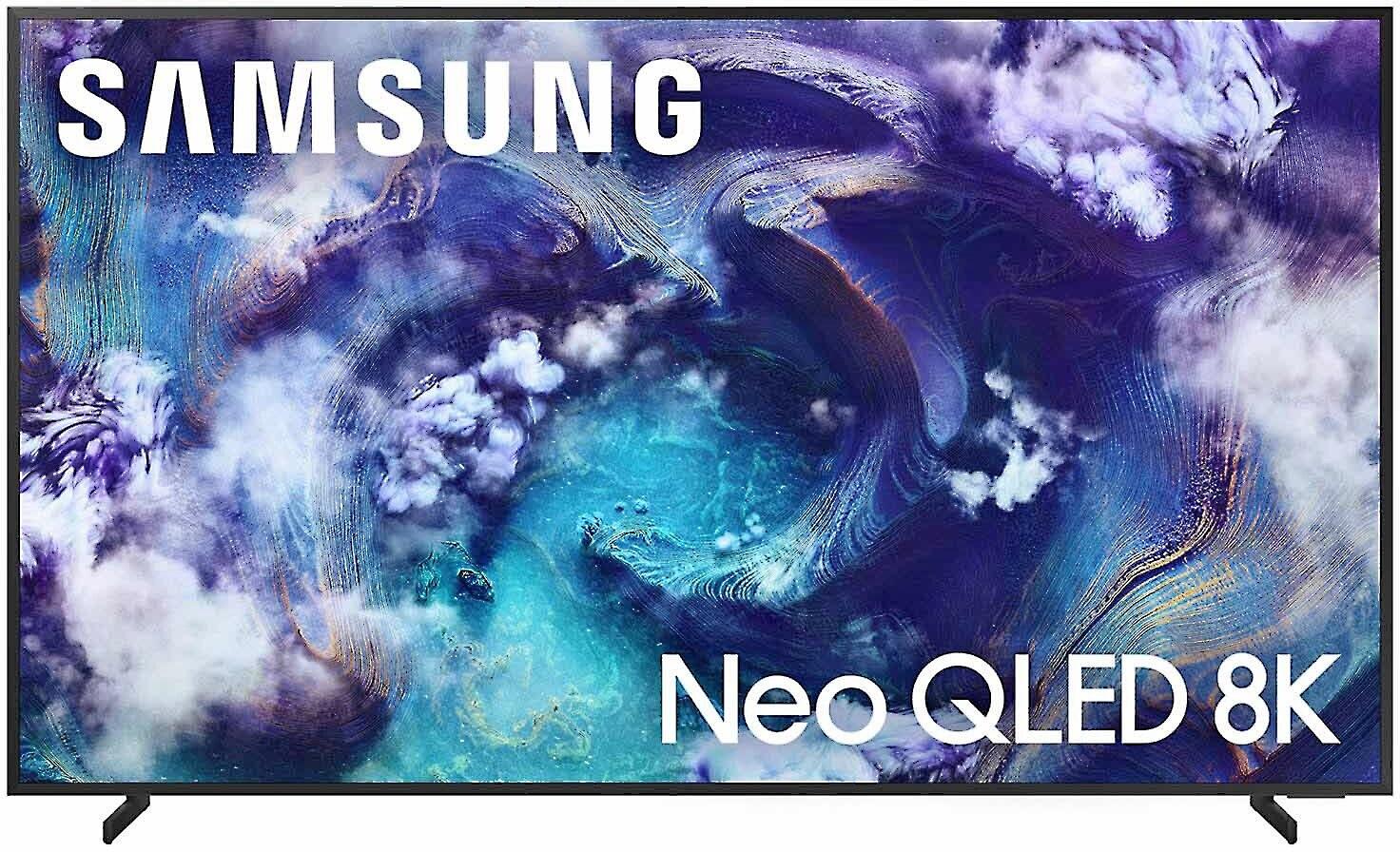
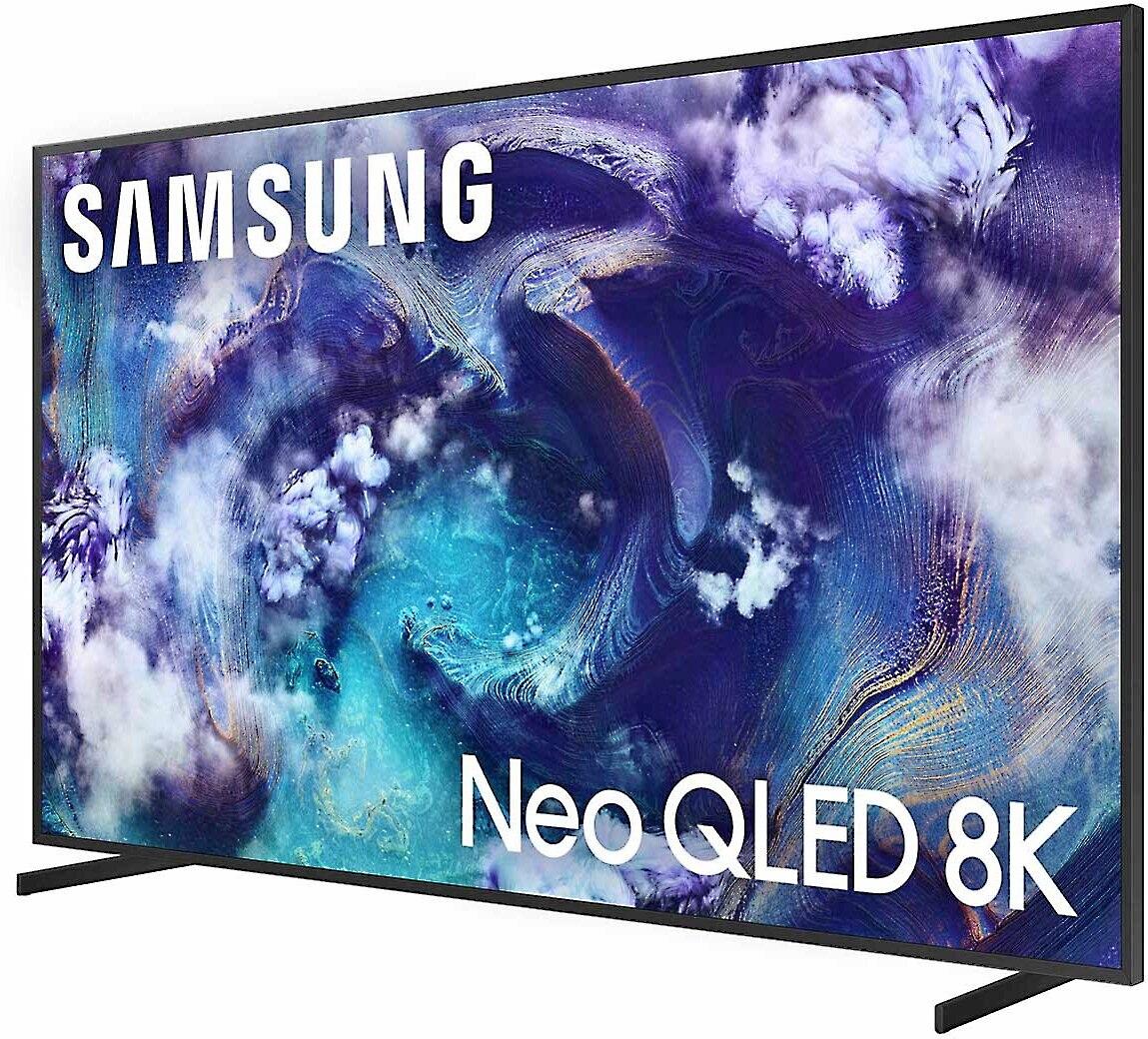

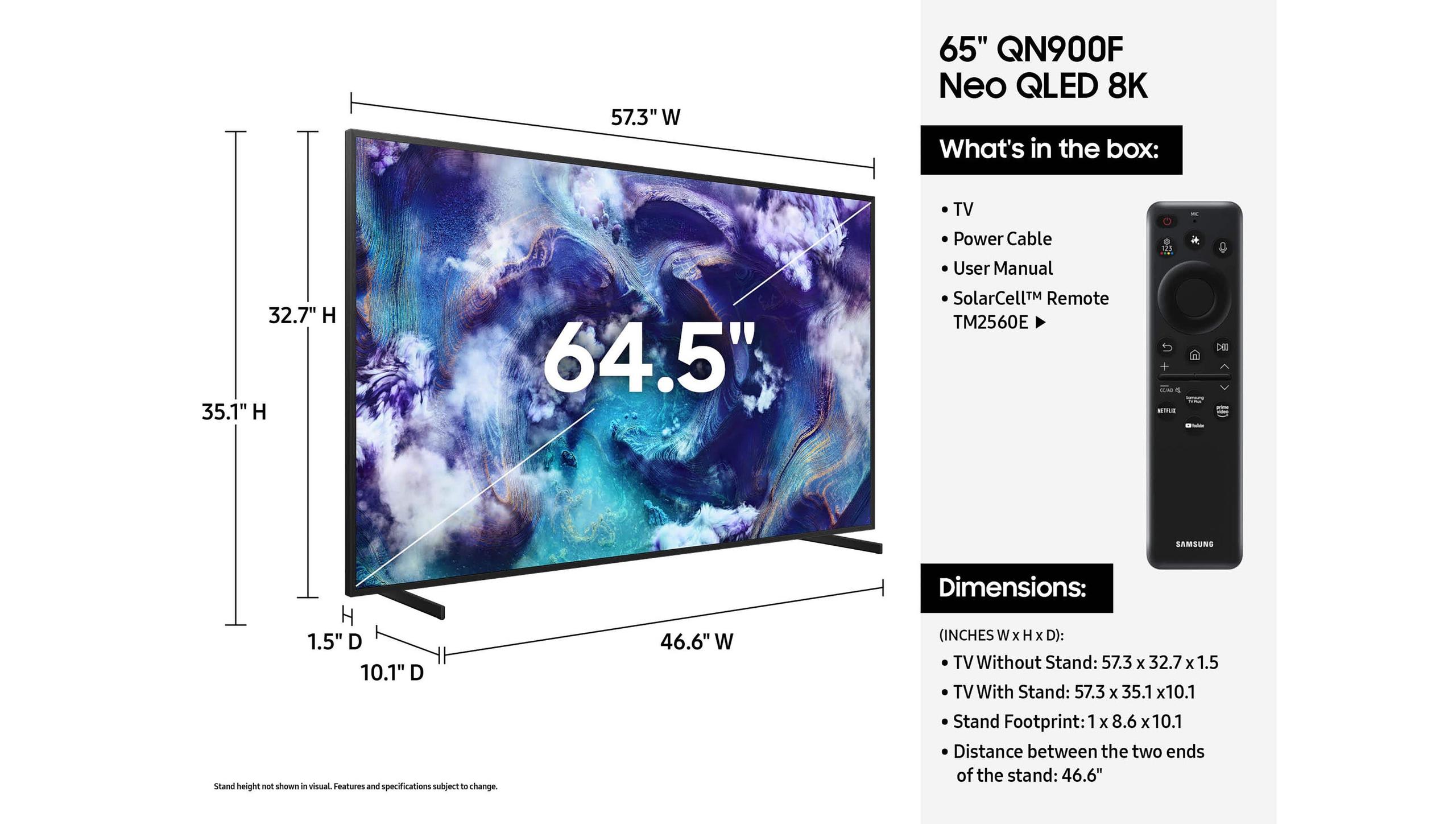
When Samsung launched their 2025 TV lineup, they made an interesting play in the QLED market. At the entry level, there's the Samsung 75-Inch QLED Q6F Series – a massive screen designed to bring quantum dot technology to budget-conscious buyers. At the premium end sits the Samsung 65" Neo QLED 8K QN900F, packed with cutting-edge Mini LED backlighting and AI processing power.
These aren't really competitors in the traditional sense – they're targeting completely different buyers and budgets. But if you're trying to decide between a bigger screen with basic features or a smaller screen with premium technology, this comparison will help you figure out which approach makes more sense for your home.
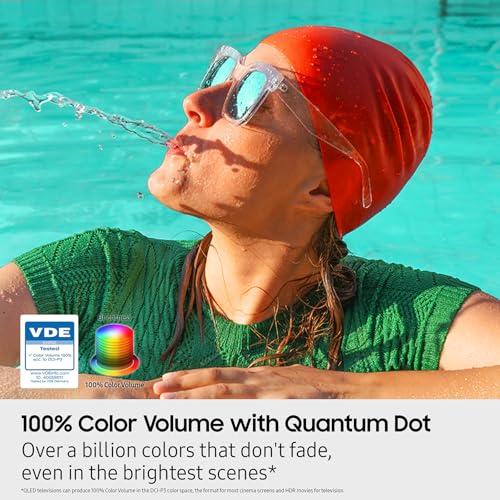
Before diving into specifics, let's talk about what makes QLED different from regular LED TVs. QLED stands for Quantum Dot Light Emitting Diode, which sounds fancy but basically means these TVs use microscopic particles called quantum dots to produce more accurate and vibrant colors. Think of quantum dots as tiny color filters that can produce over a billion different color combinations – far more than standard LED displays.
The main things to consider when choosing any QLED TV are display technology (basic QLED vs advanced Neo QLED), resolution (4K vs 8K), brightness capabilities for HDR content, smart features, gaming performance, and how well the TV handles bright rooms. Room lighting is actually huge – a TV that looks amazing in a dark showroom might disappoint in your sunny living room.
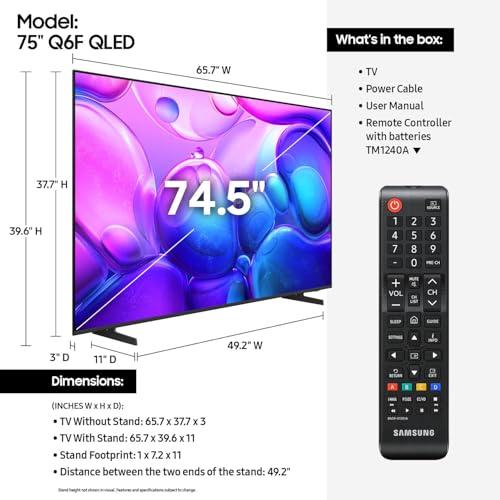
The Q6F 75" represents Samsung's "good enough" philosophy – deliver the core QLED experience at an accessible price point with a screen size that commands attention. Released in 2025, it's Samsung's entry ticket to quantum dot technology, focusing on essentials rather than bells and whistles.
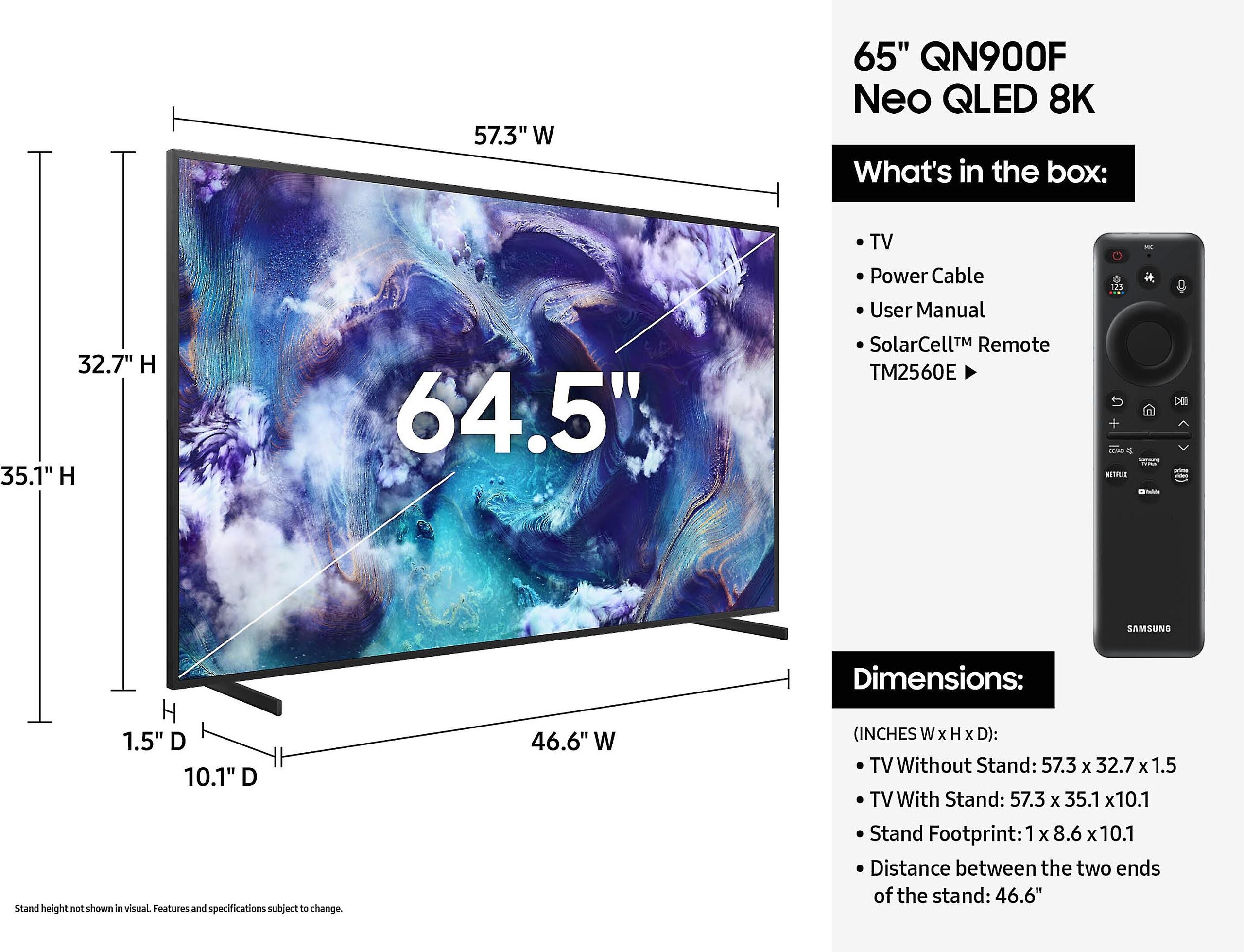
The QN900F 65" takes the opposite approach. This 8K Neo QLED, also from 2025, showcases Samsung's most advanced display technology. It's 10 inches smaller but packs Mini LED backlighting (thousands of tiny LEDs for precise brightness control), 8K resolution, and AI-powered processing that would have seemed like science fiction just a few years ago.
At the time of writing, the price gap between these models is substantial – you're looking at roughly entry-level pricing for the Q6F versus premium pricing for the QN900F. The question becomes whether the advanced features justify paying significantly more for less screen real estate.
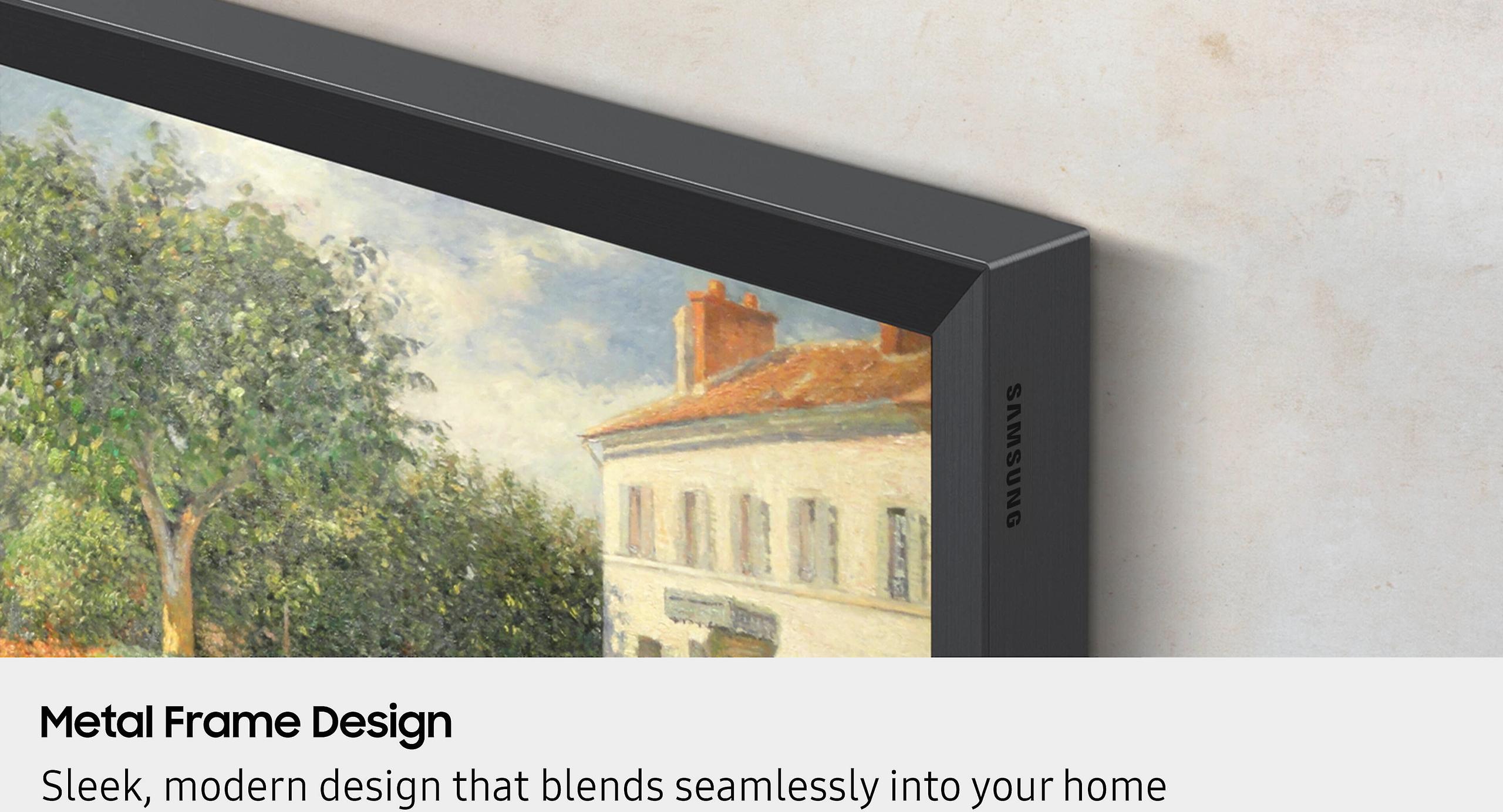
This is where these TVs diverge dramatically. The Q6F 75" delivers what I'd call "solid QLED basics." Its quantum dot layer produces vibrant colors that pop compared to non-QLED TVs, achieving what Samsung calls 100% Color Volume – meaning colors stay accurate even at high brightness levels. However, it lacks local dimming (the ability to dim specific screen areas independently), so dark scenes will look more grayish than truly black.
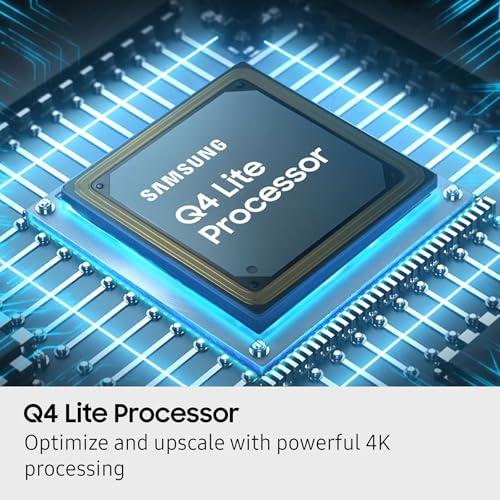
The Q4 Lite processor handles upscaling reasonably well, meaning your Netflix shows and Blu-rays will look crisp on the big screen. But "reasonably well" is the key phrase here – it's competent without being exceptional. Quantum HDR support means you'll get enhanced contrast in HDR content, though the limited peak brightness means highlights won't have the same punch as premium models.
The QN900F 65" operates in a completely different league. Its Quantum Matrix Mini LED technology uses thousands of tiny LEDs with precise local dimming zones. This creates what reviewers consistently describe as "very good black levels" for an LCD TV – impressive considering LCD panels traditionally struggle with deep blacks compared to OLED displays.
The NQ8 AI Gen3 processor is where things get interesting. This chip uses 256 neural networks (essentially AI decision-making pathways) to analyze every frame in real-time. It can take a compressed 1080p Netflix stream and upscale it to near-8K quality without introducing the artificial sharpening artifacts that plague lesser processors. The difference is genuinely visible – fine details in clothing, facial textures, and background elements appear more defined and natural.
For HDR content, the QN900F delivers exceptional brightness and contrast. HDR, or High Dynamic Range, allows TVs to display both extremely bright whites and deep blacks simultaneously – think of a sunset scene where you can see details in both the bright sky and shadowed foreground. The QN900F's Mini LED backlighting can brighten specific zones to over 4,000 nits (a measure of brightness) while keeping adjacent dark areas truly dark.
One important note: neither TV supports Dolby Vision HDR, Samsung's ongoing format war casualty. If you have a large collection of Dolby Vision content, this might influence your decision regardless of which Samsung model you choose.
Gaming capabilities reveal another major divide. The Q6F 75" offers basic gaming functionality with Auto Game Mode that reduces input lag (the delay between pressing a controller button and seeing the action on screen). However, its 60Hz refresh rate means it can't take advantage of next-generation consoles' 120Hz capabilities. For casual gaming – FIFA matches with friends or single-player adventures – it's perfectly adequate.
The QN900F 65" transforms into a serious gaming display. Motion Xcelerator 240Hz means incredibly smooth motion, especially beneficial for competitive gaming where every frame matters. Variable Refresh Rate (VRR) synchronizes the TV's refresh rate with your console's output, eliminating screen tearing and stuttering. HDMI 2.1 support ensures full compatibility with PlayStation 5 and Xbox Series X features.
Input lag on the QN900F measures exceptionally low – under 10 milliseconds in Game Mode. To put this in perspective, that's faster than many dedicated gaming monitors. Features like Super Ultrawide Game View and Game Bar provide competitive advantages, displaying additional game information and allowing custom aspect ratios for better peripheral vision in supported games.
Most people underestimate how much room lighting affects TV performance. The Q6F 75" uses a standard screen coating that provides moderate glare resistance. In bright rooms, especially those with windows facing the TV, colors can appear washed out and contrast suffers significantly. It's best suited for rooms where you can control lighting somewhat.
The QN900F 65" features Samsung's award-winning Glare-Free technology – a specialized anti-reflective coating that nearly eliminates reflections. I've seen this technology in action, and it's genuinely impressive how it maintains color accuracy and contrast even with direct sunlight hitting the screen. The exceptional SDR (Standard Dynamic Range) brightness helps overcome ambient light, making it genuinely usable in bright living rooms where other TVs would struggle.
This bright room capability extends the QN900F's versatility significantly. While most premium TVs require controlled lighting for optimal performance, this model adapts to real-world living spaces where natural light is unavoidable.
Both TVs run Samsung's Tizen operating system, but the experience differs considerably. The Q6F 75" offers essential smart TV functionality – major streaming apps, voice assistant support, and Samsung's TV Plus free streaming service. The Q4 Lite processor handles these tasks adequately but without the sophistication found in premium models.
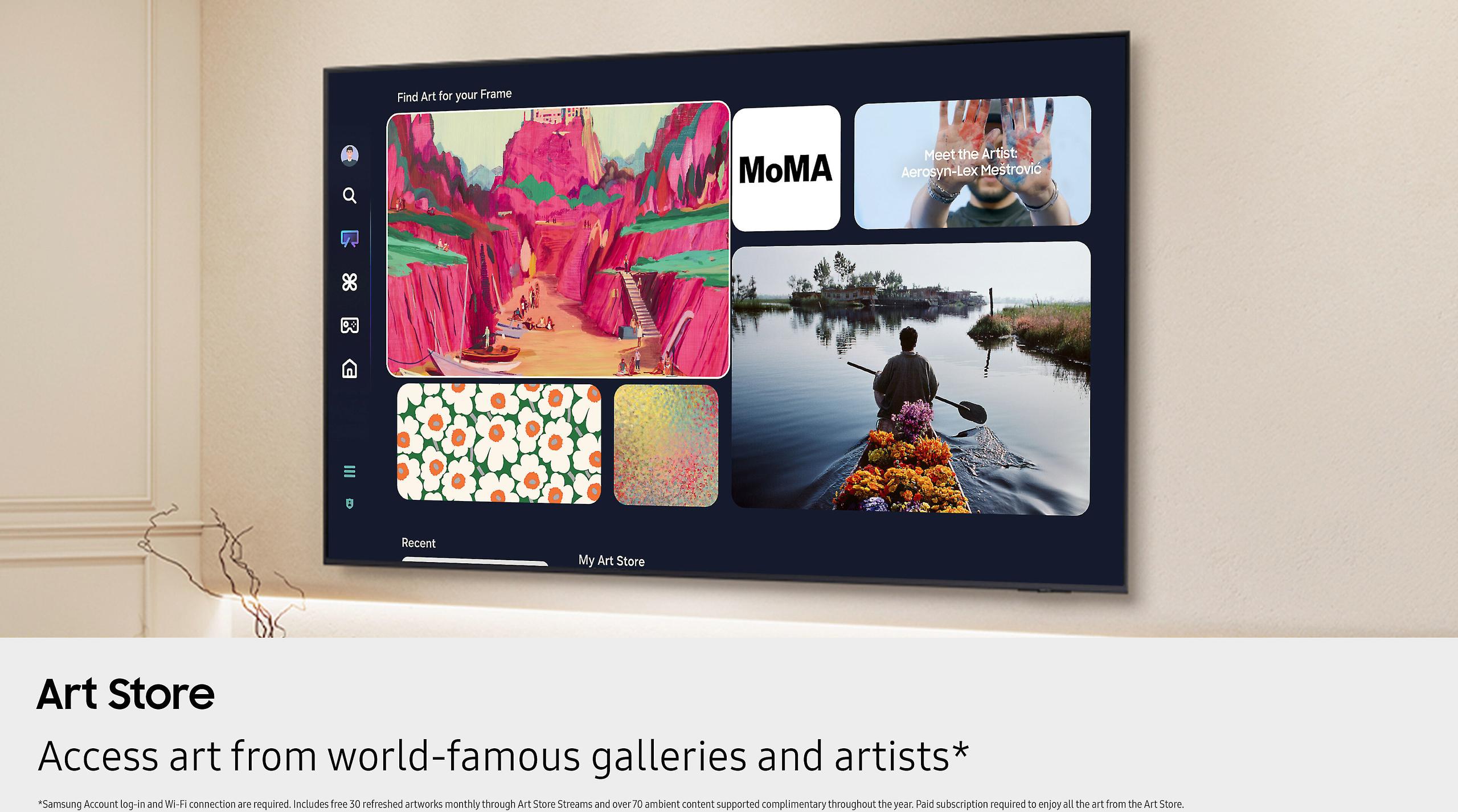
The QN900F 65" runs Tizen 9.0 with Vision AI integration, creating a genuinely intelligent viewing experience. The system learns your preferences, suggests content based on viewing habits, and automatically optimizes picture settings for different content types. The far-field microphone array enables hands-free voice control from across the room – surprisingly useful for quick volume adjustments or content searches.
The 8K AI upscaling deserves special mention. Even without native 8K content (which remains rare), the processor's analysis of lower-resolution sources produces noticeably sharper results. Facial details, text clarity, and fine textures show improvement over standard 4K upscaling, making the 8K resolution somewhat justifiable even with current content limitations.
Audio represents another significant performance gap. The Q6F 75" includes Object Tracking Sound Lite (OTS Lite) and Q-Symphony compatibility with Samsung soundbars. While adequate for basic viewing, the 20W 2-channel system lacks the dynamic range for movie soundtracks or immersive gaming audio.
The QN900F 65" incorporates a sophisticated 4.2.2-channel speaker system with dedicated top-firing drivers for Dolby Atmos support. Object Tracking Sound Pro creates genuine three-dimensional audio that follows action across the screen. While no TV speakers can match a dedicated surround sound system, the QN900F provides surprisingly immersive audio that reduces the immediate need for external speakers.
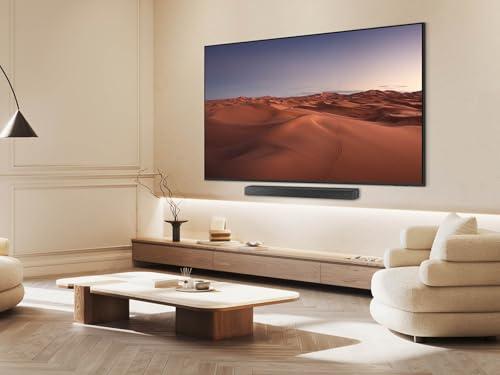
This brings us to the fundamental decision: 75 inches of good picture quality versus 65 inches of exceptional picture quality. The Q6F's screen provides 39% more viewing area – substantial when watching movies or sports with groups. For many families, this size advantage outweighs picture quality concerns, especially at typical viewing distances where fine detail differences become less apparent.
However, pixel density tells a different story. The QN900F's 8K resolution on a 65" screen creates much sharper images than 4K on 75". If you sit relatively close to your TV or prioritize image clarity for detailed content like nature documentaries or gaming, the smaller screen's superior resolution becomes more valuable.
For dedicated home theater setups, the QN900F 65" offers significant advantages. Its superior contrast ratio, color accuracy, and brightness control create more cinematic experiences in controlled lighting environments. The Mini LED backlighting virtually eliminates the blooming effects (bright halos around light sources) that plague lesser TVs during dark movie scenes.
The Q6F 75" works well for casual home theater use, especially in larger rooms where screen size becomes more important than absolute picture quality. However, serious film enthusiasts will likely find its limited contrast and HDR capabilities disappointing for premium content.
The QN900F 65" provides better long-term value through its advanced processing and 8K resolution. As streaming services and content creators gradually adopt higher resolutions and more sophisticated HDR implementations, the premium model's capabilities will remain relevant longer.
The Q6F 75" represents a more conservative approach – it delivers current needs excellently but may feel dated as TV technology continues advancing rapidly. Its 60Hz limitation already excludes it from next-generation gaming features available today.
At the time of writing, the price differential between these models is substantial, reflecting their different market positions. The Q6F 75" delivers impressive value for buyers prioritizing screen size and basic QLED benefits. Its quantum dot technology, smart features, and large display provide genuine entertainment value at an accessible price point.
The QN900F 65" commands premium pricing but justifies it through cutting-edge technology and versatile performance. For buyers who can afford the upgrade, it provides exceptional value considering its advanced features, bright room capabilities, and future-proofing potential.
Choose the Q6F 75" if you're a budget-conscious buyer who values screen size above all else, primarily watches standard streaming content, games occasionally, and can control your viewing room's lighting reasonably well. It's ideal for families wanting an impressive centerpiece TV without premium pricing.
Choose the QN900F 65" if picture quality matters more than screen size, you're a serious gamer, your viewing room has challenging lighting conditions, you want cutting-edge technology, or you're building a dedicated home theater setup. Despite its smaller size, it delivers a more premium and versatile viewing experience.
The decision ultimately comes down to priorities and budget. Both TVs succeed at their intended purposes – the Q6F democratizes QLED technology with impressive screen size, while the QN900F showcases what's possible when Samsung applies their most advanced display technology. Your choice should reflect whether you value size and affordability or premium performance and future-proofing.
| Samsung 75-Inch QLED Q6F Series 2025 | Samsung 65" Neo QLED 8K QN900F Vision AI Smart TV 2025 |
|---|---|
| Screen Size - Bigger screen means more immersive viewing but takes up more space | |
| 75 inches (39% more viewing area) | 65 inches (more manageable for most rooms) |
| Display Resolution - Higher resolution provides sharper detail, especially up close | |
| 4K UHD (3840 × 2160) - sufficient for current content | 8K (7680 × 4320) - future-proof with superior upscaling |
| Display Technology - Determines contrast, brightness, and color accuracy | |
| Standard QLED with Quantum Dots | Neo QLED with Mini LED backlighting for precise control |
| Processor - Controls upscaling quality and smart features | |
| Q4 Lite (basic upscaling and features) | NQ8 AI Gen3 with 256 neural networks (exceptional processing) |
| Local Dimming - Essential for deep blacks and better contrast | |
| None (elevated black levels in dark scenes) | Mini LED with thousands of dimming zones (excellent blacks) |
| Peak Brightness - Critical for HDR impact and bright room viewing | |
| Limited brightness (struggles in bright rooms) | Exceptional brightness with anti-glare coating (excellent for any room) |
| Refresh Rate - Affects motion smoothness and gaming performance | |
| 60Hz (basic motion, no next-gen gaming) | 240Hz with Motion Xcelerator (exceptional for gaming and sports) |
| Gaming Features - Important for console gamers | |
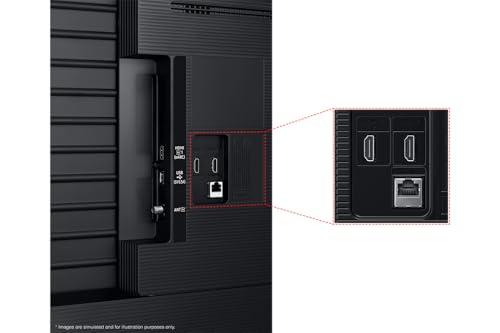
| Auto Game Mode only (casual gaming sufficient) | VRR, HDMI 2.1, ultra-low input lag (serious gaming ready) |
| HDR Support - Enhances contrast and color in premium content | |
| Quantum HDR (basic HDR experience) | Advanced Quantum HDR with professional tone mapping |
| Audio System - Built-in sound quality | |
| 20W 2-channel with OTS Lite (external speakers recommended) | 4.2.2-channel with Dolby Atmos and Object Tracking Sound Pro |
| Smart Platform - Interface and AI capabilities | |
| Basic Tizen OS (essential apps and features) | Advanced Tizen 9.0 with Vision AI (personalized, intelligent) |
| Best For - Primary use cases where each excels | |
| Large family rooms, budget-conscious buyers, casual viewing | Home theaters, gaming, bright rooms, tech enthusiasts |
The Samsung 75-Inch QLED Q6F Series 2025 offers better value if you prioritize screen size and basic QLED features at an affordable price. The Samsung 65" Neo QLED 8K QN900F Vision AI Smart TV 2025 provides superior value for buyers wanting premium picture quality, gaming performance, and future-proofing despite the higher cost.
The Q6F 75" is an entry-level QLED with standard backlighting and 4K resolution, while the QN900F 65" features advanced Mini LED backlighting, 8K resolution, and AI-powered processing. The Q6F prioritizes screen size and affordability, while the QN900F focuses on premium performance and advanced features.
The Samsung 65" Neo QLED 8K QN900F is significantly better for gaming with its 240Hz refresh rate, VRR support, HDMI 2.1, and ultra-low input lag. The Samsung 75-Inch QLED Q6F only offers basic gaming features with 60Hz refresh rate, making it suitable for casual gaming only.
The QN900F 65" excels in bright rooms thanks to its Glare-Free anti-reflective technology and exceptional peak brightness. The Q6F 75" has limited brightness and standard glare resistance, making it better suited for rooms with controlled lighting.
The Samsung 65" Neo QLED 8K QN900F delivers dramatically superior picture quality with Mini LED backlighting for deeper blacks, 8K resolution, advanced HDR processing, and AI-powered upscaling. The Samsung 75-Inch QLED Q6F offers good basic QLED picture quality but lacks local dimming and advanced processing.
This depends on your priorities and viewing distance. The Q6F 75" provides 39% more viewing area, which is significant for large rooms and group viewing. However, the QN900F 65" offers much sharper images and better overall quality. Choose size if you sit far from the TV; choose quality if you sit closer or prioritize detail.
The Samsung 65" Neo QLED 8K QN900F is superior for dedicated home theaters due to its Mini LED backlighting for true blacks, exceptional contrast ratio, advanced HDR capabilities, and Dolby Atmos audio system. The Q6F 75" works for casual home theater use but lacks the contrast and precision needed for serious cinematic experiences.
Yes, both the Samsung 75-Inch QLED Q6F and Samsung 65" Neo QLED 8K QN900F run Samsung's Tizen operating system with access to all major streaming services. However, the QN900F features more advanced AI recommendations and Vision AI integration for a smarter viewing experience.
The QN900F 65" has significantly better audio with a 4.2.2-channel system, dedicated top speakers, Dolby Atmos support, and Object Tracking Sound Pro. The Q6F 75" has basic 20W 2-channel speakers that are adequate for casual viewing but may require external speakers for movie watching.
The Samsung 65" Neo QLED 8K QN900F is more future-proof with 8K resolution, advanced AI processing, HDMI 2.1, and high refresh rate support for next-generation content and gaming. The Samsung 75-Inch QLED Q6F meets current needs well but may feel dated as technology advances.
Choose the Q6F 75" if you have a large living room, moderate lighting control, and prioritize screen size for family viewing. Select the QN900F 65" if your living room is bright, you want premium picture quality, or you frequently game and watch high-quality content.
Yes, both the Samsung 75-Inch QLED Q6F Series 2025 and Samsung 65" Neo QLED 8K QN900F Vision AI Smart TV 2025 are wall-mountable. The Q6F is larger and heavier, requiring a robust wall mount rated for 75" TVs. The QN900F is more manageable for wall mounting due to its smaller size and premium build quality.
We've done our best to create useful and informative comparisons to help you decide what product to buy. Our research uses advanced automated methods to create this comparison and perfection is not possible - please contact us for corrections or questions. These are the sites we've researched in the creation of this article: youtube.com - rtings.com - cnet.com - youtube.com - rtings.com - samsung.com - bestbuy.com - samsung.com - samsung.com - bestbuy.com - manuals.plus - arrowassociatedstores.com - samsung.com - samsung.com - samsung.com - flatpanelshd.com - device.report - rtings.com - samsung.com - techradar.com - dolby.com - youtube.com - samsung.com - youtube.com - samsung.com - samsung.com - samsung.com - samsung.com - displayspecifications.com - samsung.com - rtings.com - bestbuy.com - merlinstv.com - news.samsung.com - bestbuy.com

Privacy Policy
Terms and Conditions - Affiliate Policy
Home Security
© Copyright 2008-2026.
11816 Inwood Rd #1211, Dallas, TX 75244