

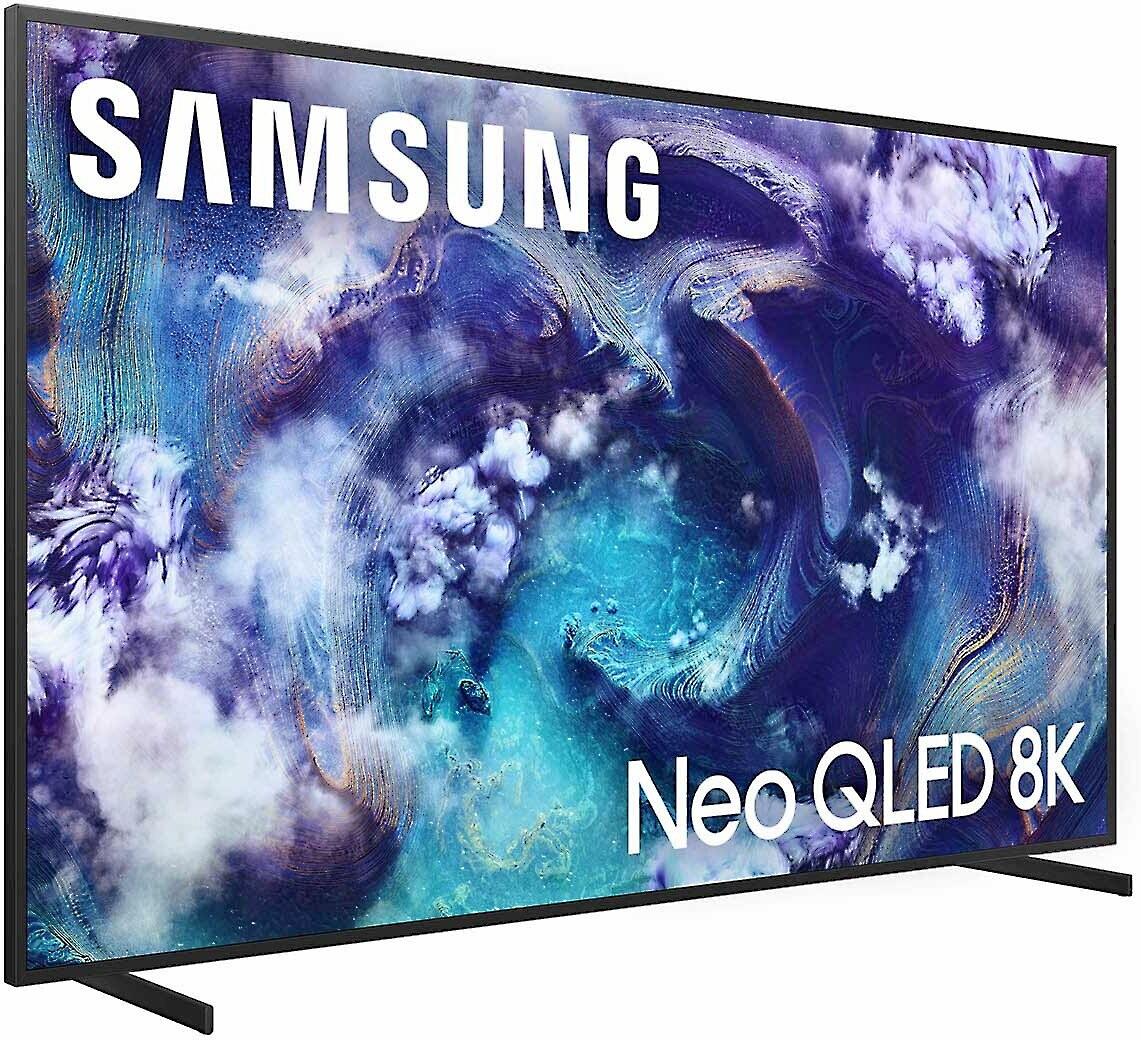
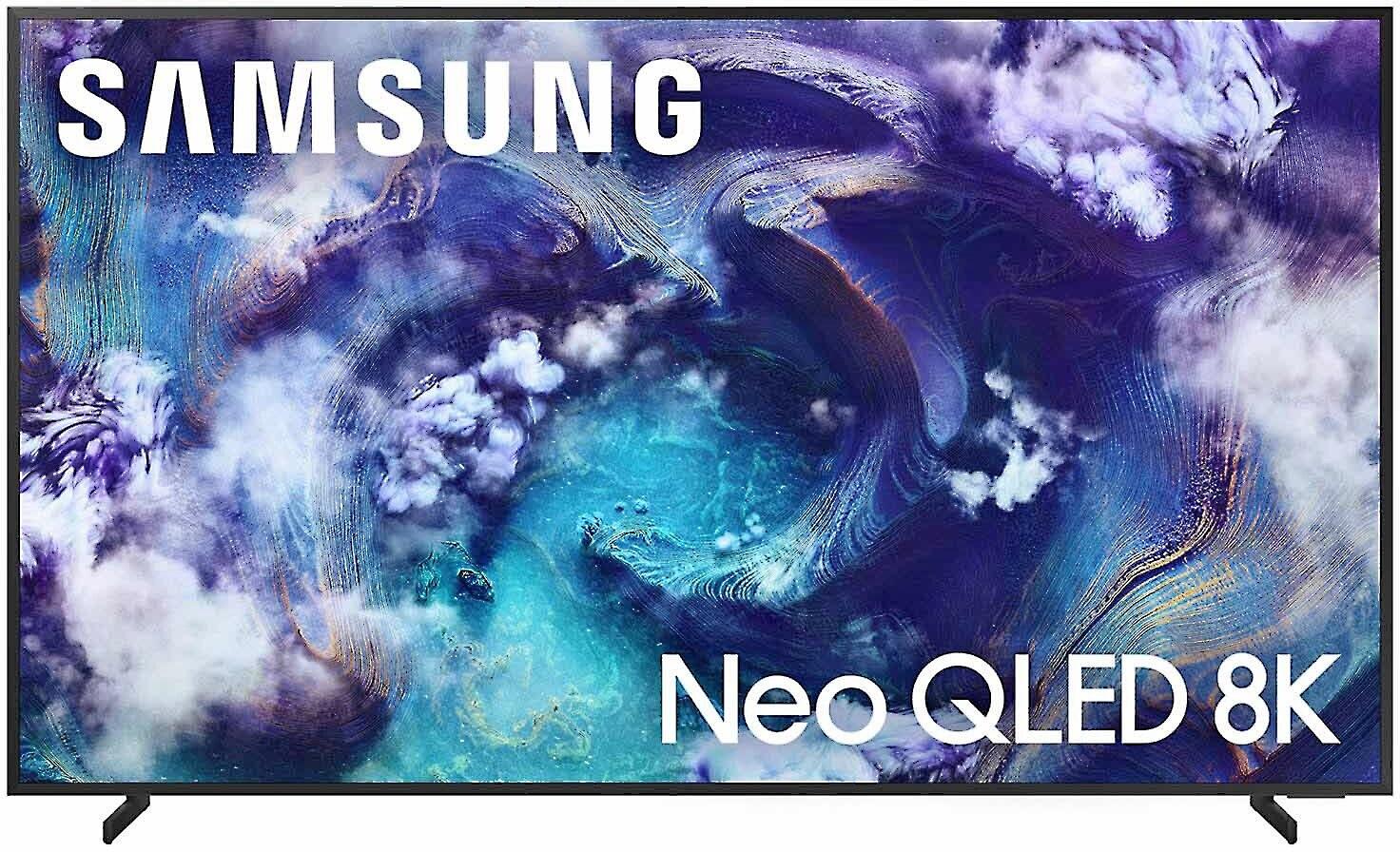
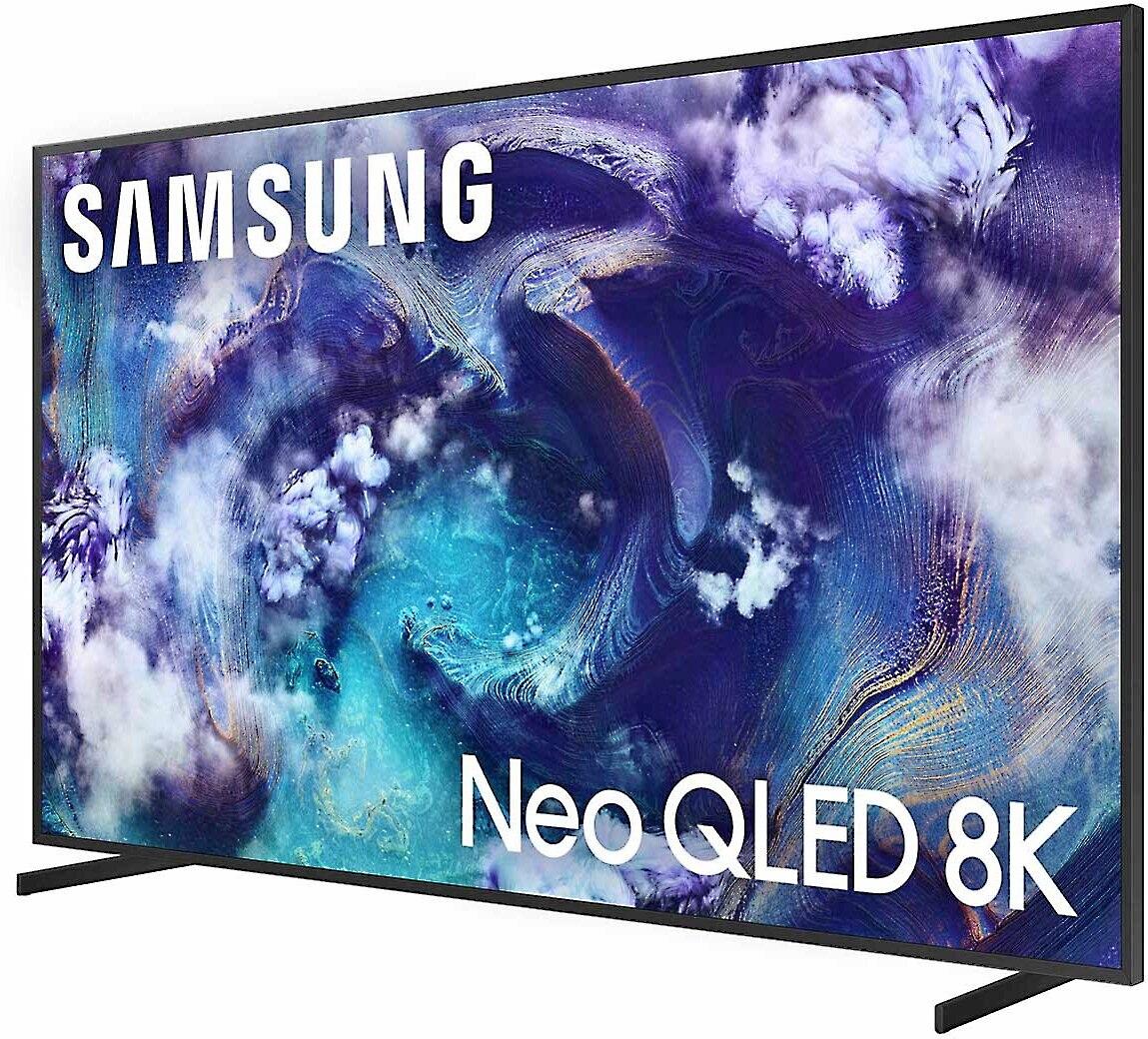

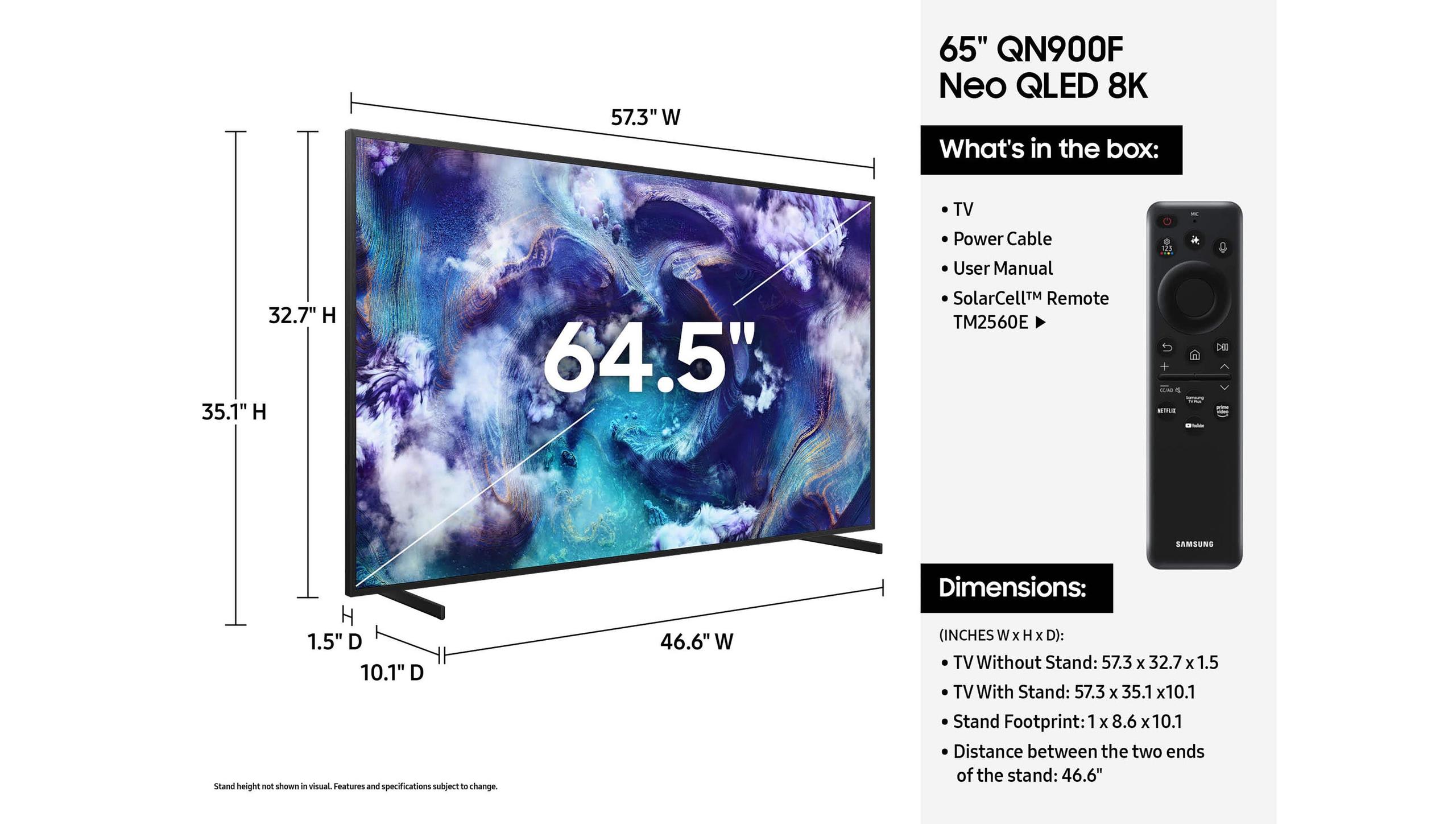
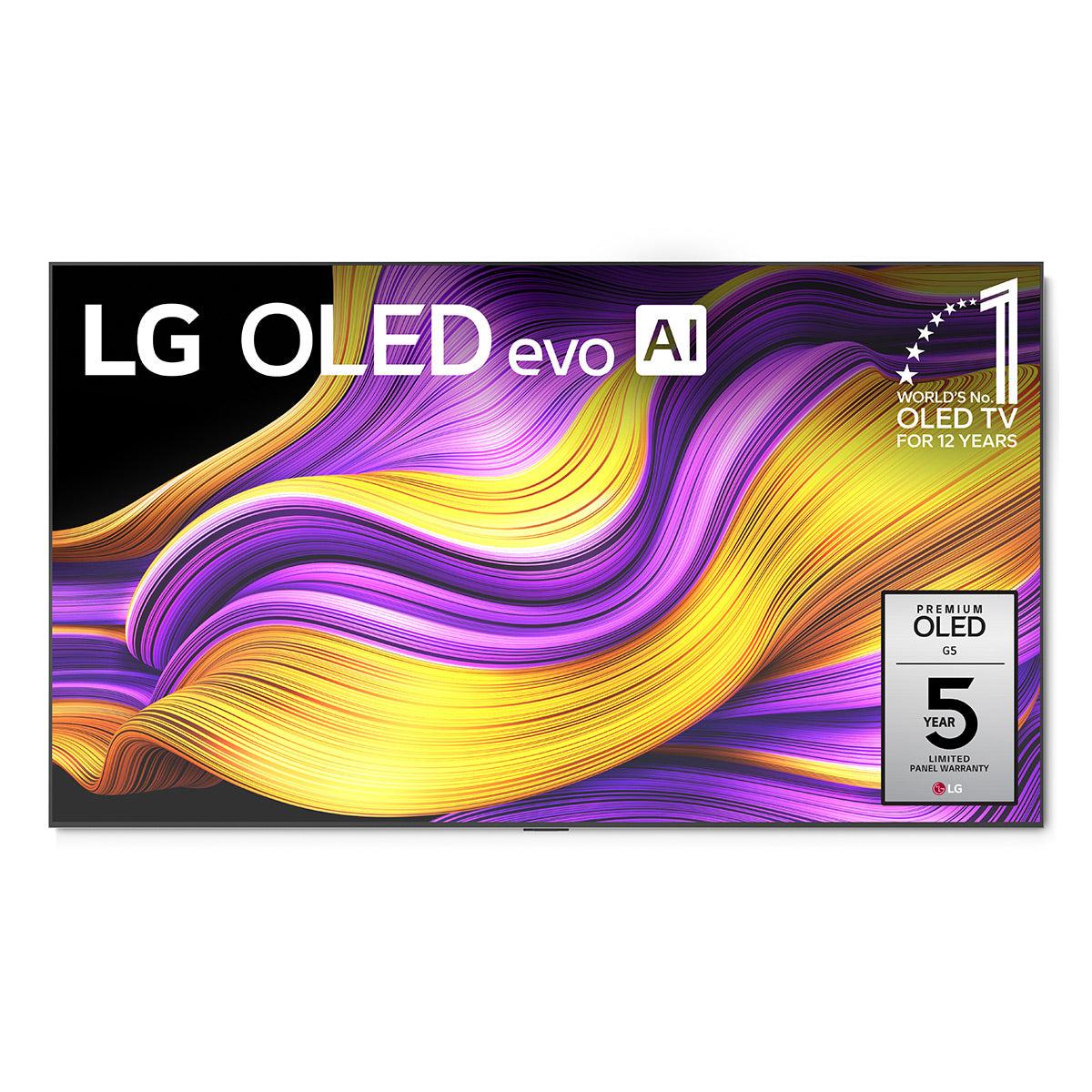
Shopping for a premium 65-inch TV in 2025 means choosing between two fundamentally different display technologies that have each reached impressive new heights. The Samsung 65" Neo QLED 8K QN900F and LG OLED evo G5 represent the pinnacle of their respective approaches to creating the perfect television picture.
These aren't just incremental upgrades from previous years. Both TVs launched in 2025 with significant technological breakthroughs that address long-standing limitations in their display technologies. Understanding which approach works better for your specific situation will save you from buyer's remorse and ensure you get the most value from your investment.
The fundamental difference between these TVs lies in how they create light and color. The Samsung QN900F uses Mini LED technology, which places thousands of tiny LED lights behind a quantum dot layer (a special film that converts blue light into pure red and green colors). Think of it like having thousands of precision flashlights behind a color filter, allowing incredibly bright and vibrant images.
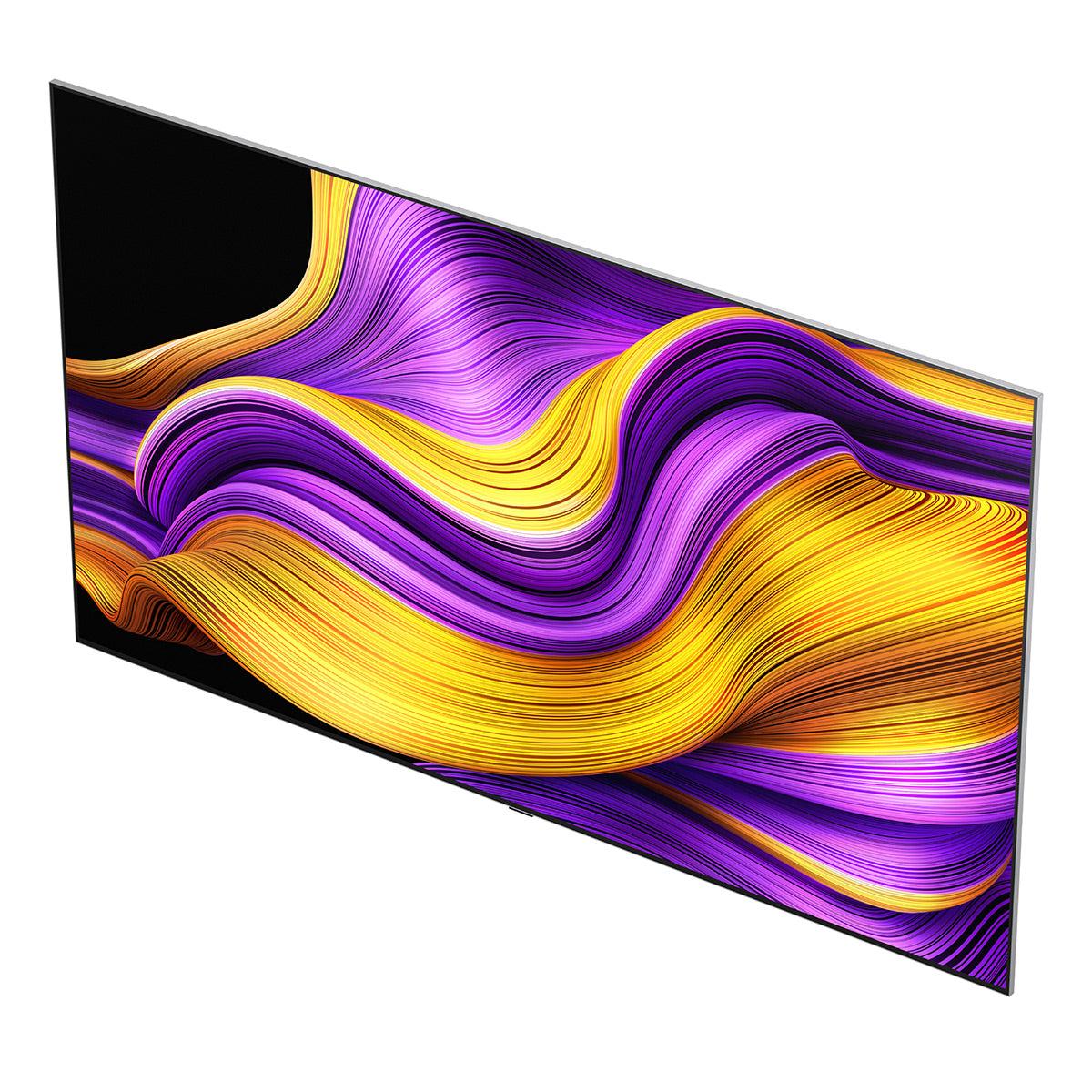
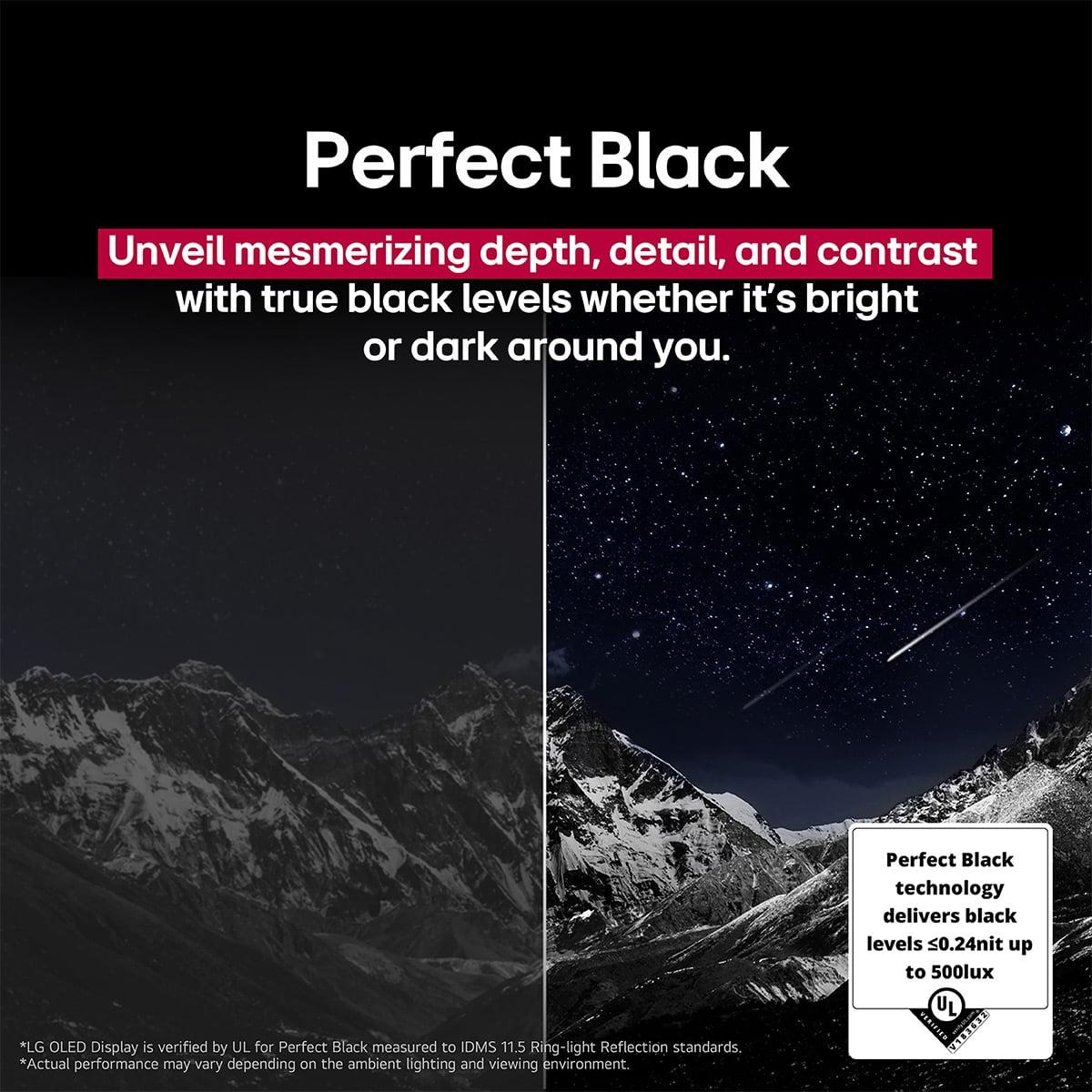
The LG G5, on the other hand, uses OLED technology where each individual pixel creates its own light. Instead of backlights, organic compounds in each pixel glow when electricity passes through them. When a pixel needs to be black, it simply turns off completely, creating perfect darkness.
This fundamental difference affects everything else about how these TVs perform, from how bright they can get to how they handle different types of content.
Brightness is where the Samsung QN900F shows its Mini LED muscles. Thanks to thousands of precisely controlled Mini LEDs behind quantum dot filters, this TV can reach peak brightness levels that make HDR (High Dynamic Range) content truly pop, especially in bright rooms. The quantum dots ensure that even at maximum brightness, colors remain accurate and saturated rather than washed out.

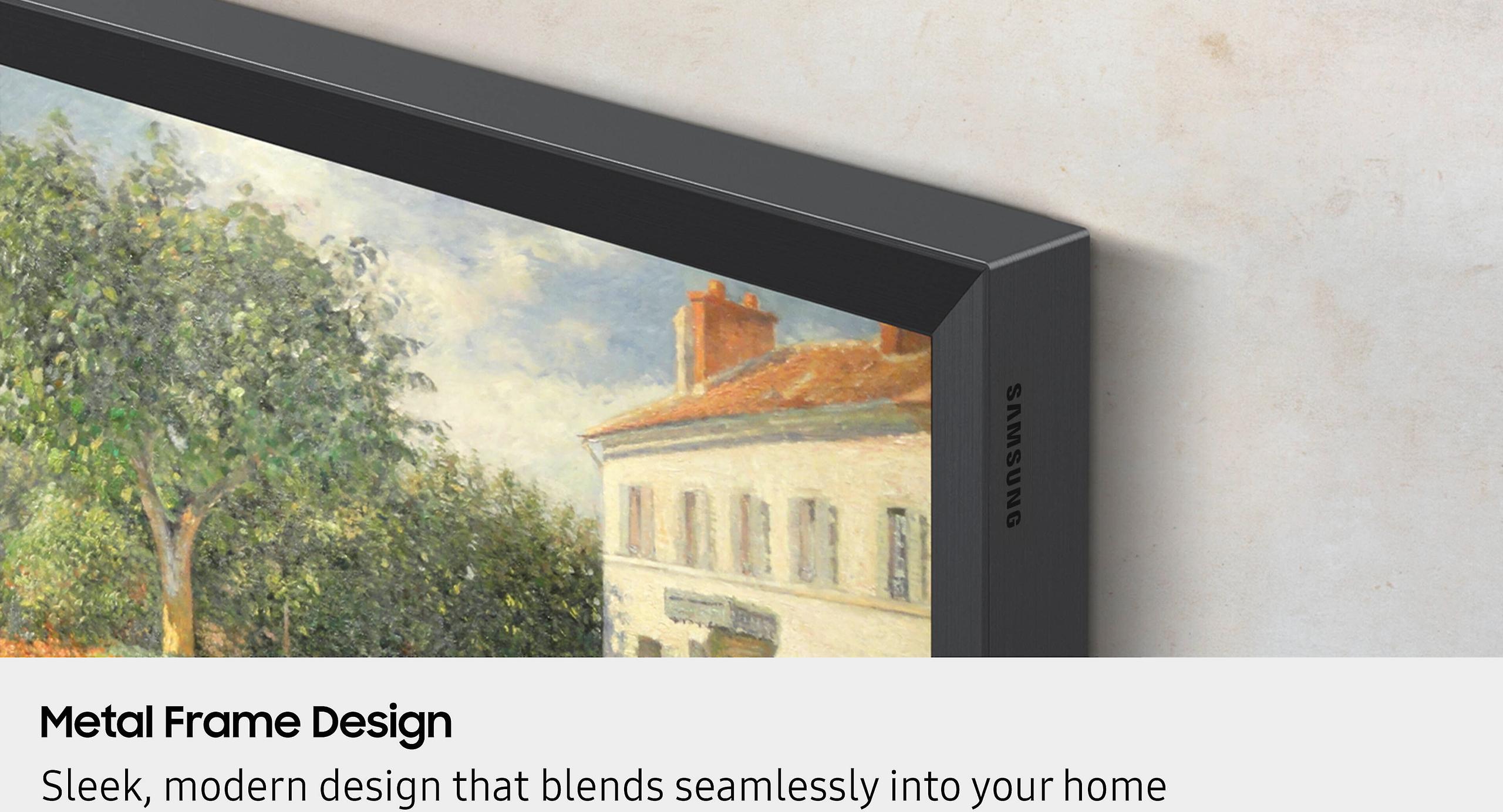
This brightness advantage becomes crucial when you're watching during the day or in a room with lots of windows. The Samsung's anti-glare coating, which Samsung calls "Glare Free" technology, works in combination with the high brightness to maintain picture quality even when dealing with reflections from sunlight or room lights.
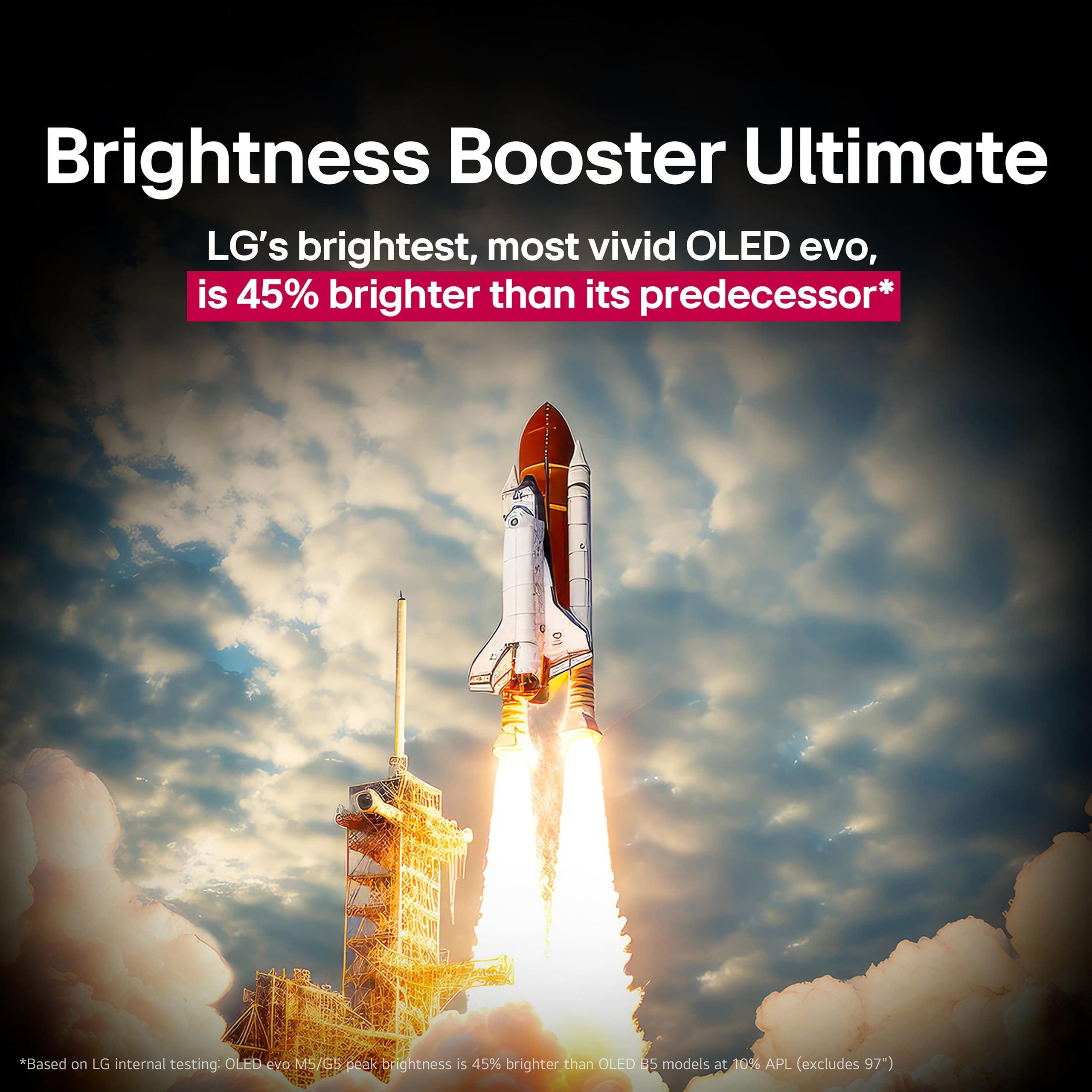
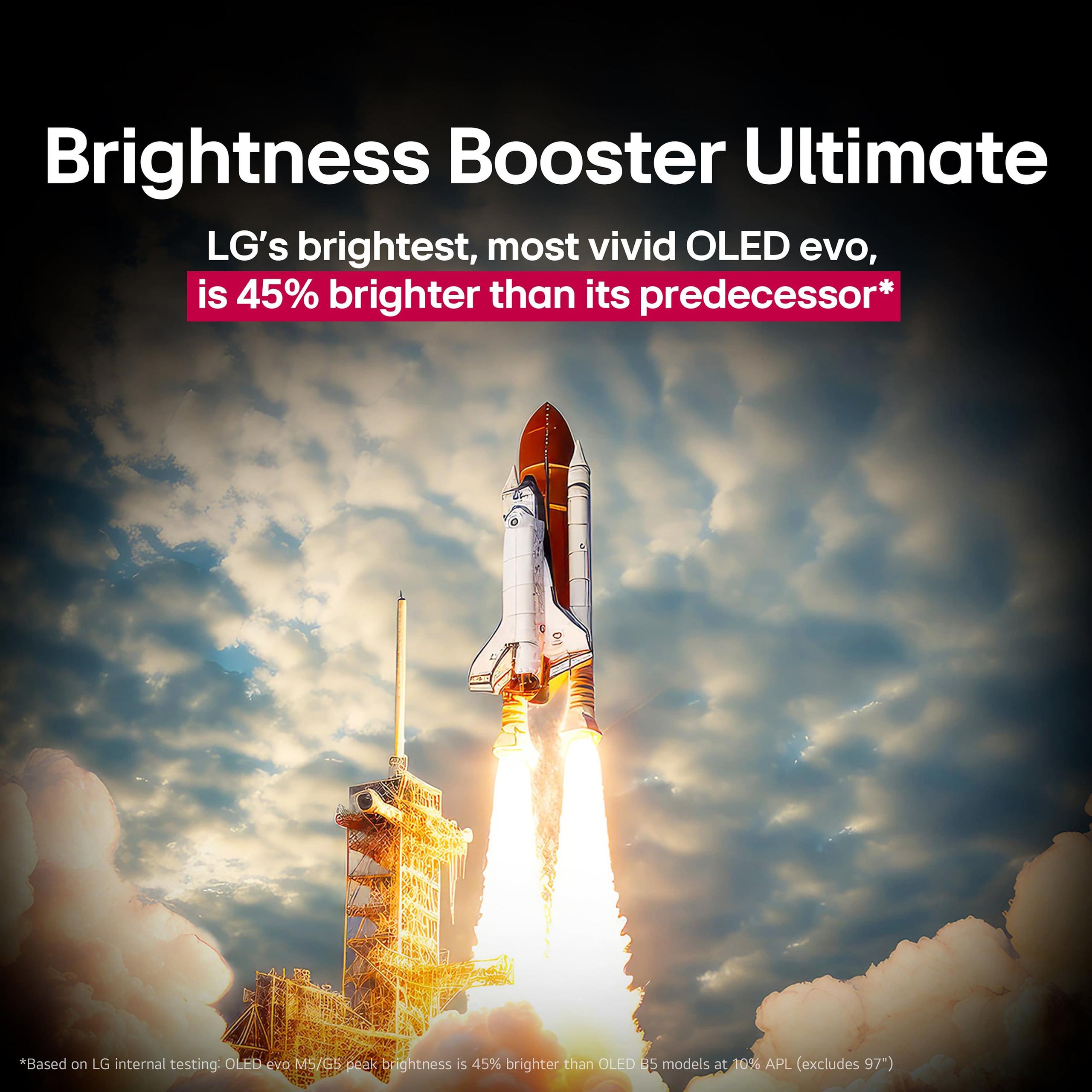
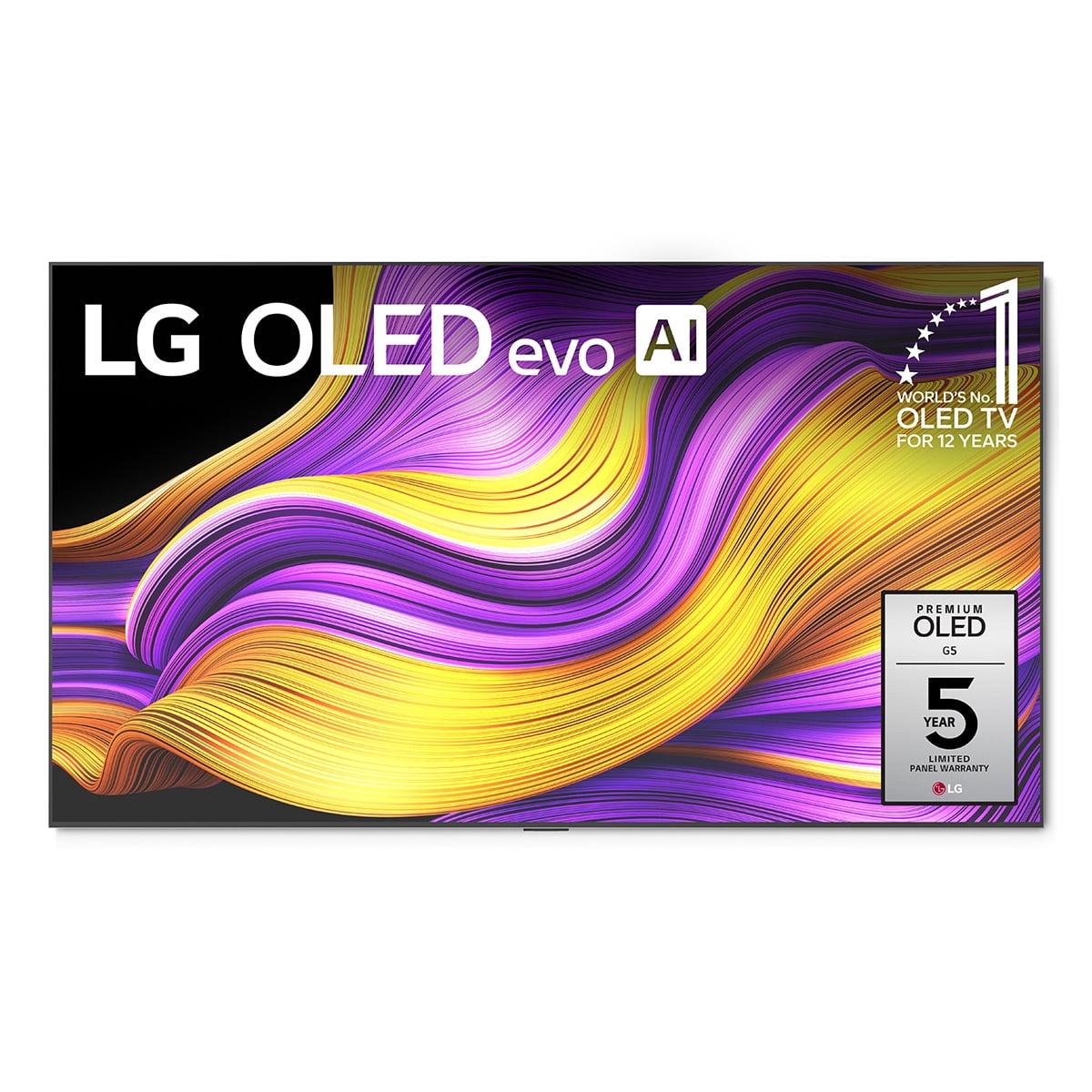
The LG G5 made headlines in 2025 by introducing what LG calls a "4-Stack RGB Tandem" OLED panel. This technical breakthrough layers four organic light-emitting structures instead of the typical single layer found in previous OLED TVs. The result? Up to 45% more brightness than previous OLED generations, finally making OLED viable for brighter viewing environments.
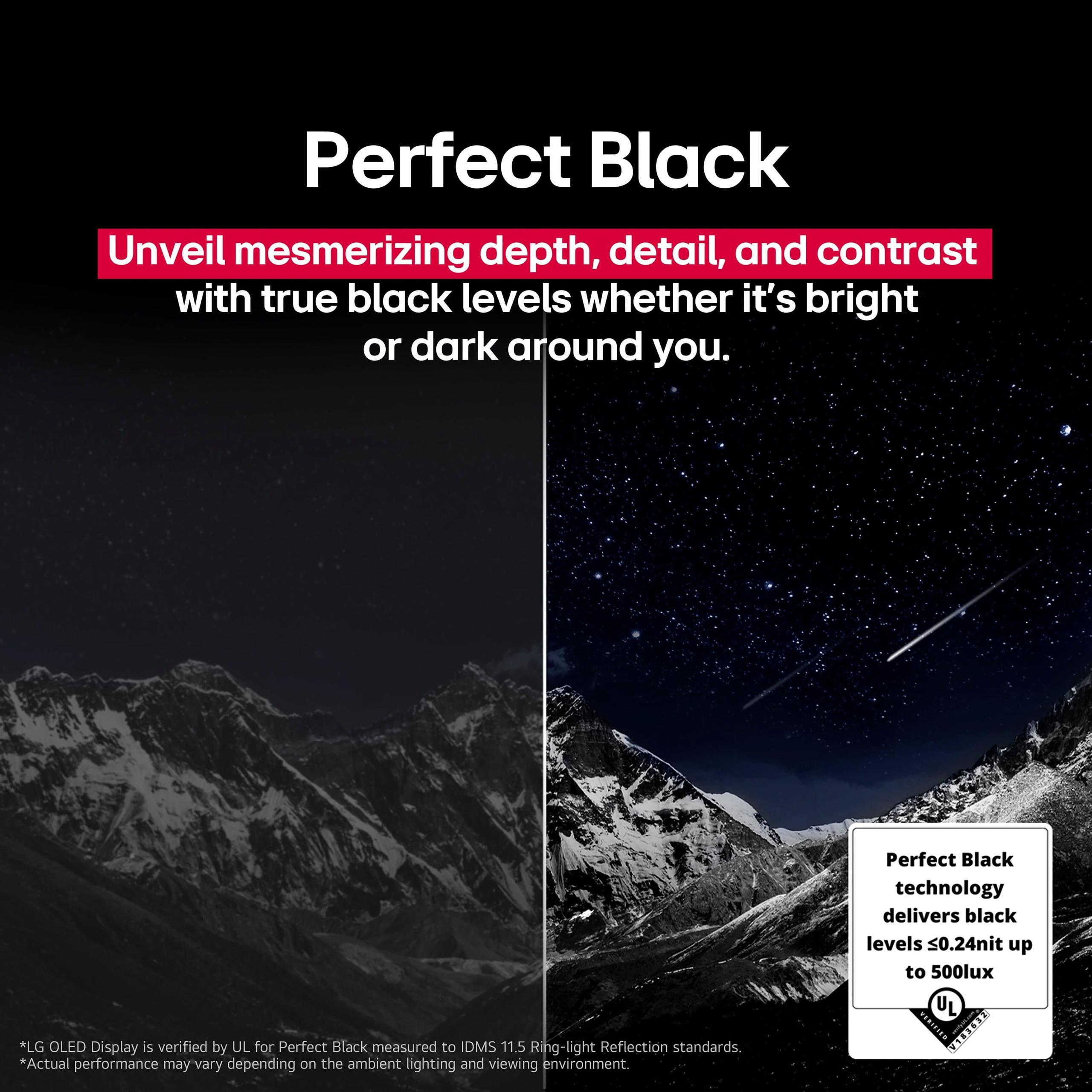
However, even with this improvement, the LG still can't match the Samsung's peak brightness in challenging lighting conditions. Where the LG excels is in darker rooms, where its perfect black levels create an infinite contrast ratio that no LCD-based TV can match.
This is where OLED technology truly shines. When watching a movie with dark scenes, like a space thriller or horror film, the LG G5's ability to turn individual pixels completely off creates blacks that are literally perfect. This isn't just a technical specification – it's immediately visible to your eyes. Dark scenes have depth and detail that gets lost on LCD TVs, no matter how advanced their backlighting systems.
The Samsung QN900F, despite using advanced Mini LED technology with thousands of dimming zones, still suffers from the fundamental LCD limitation: it needs backlights to create the image. Even with sophisticated local dimming (where different areas of the backlight can be controlled independently), you'll occasionally notice slight blooming around bright objects in dark scenes, or raised black levels in certain viewing conditions.
Both TVs excel in color reproduction, but in different ways. The Samsung's quantum dot technology creates exceptionally wide color gamuts (the range of colors the TV can display) with impressive color volume (how bright those colors can get). This makes it particularly effective for vibrant content like sports, nature documentaries, or animated movies.
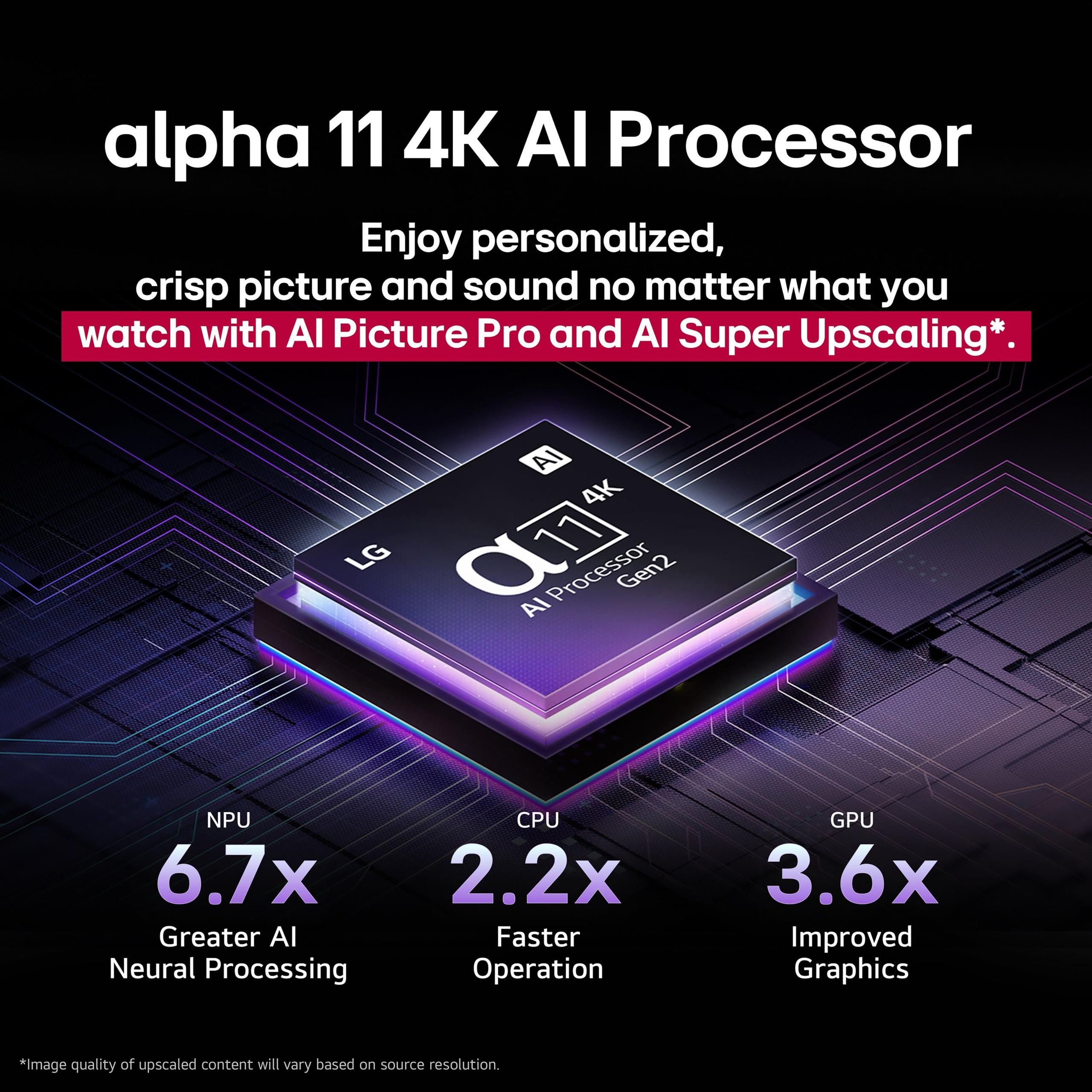
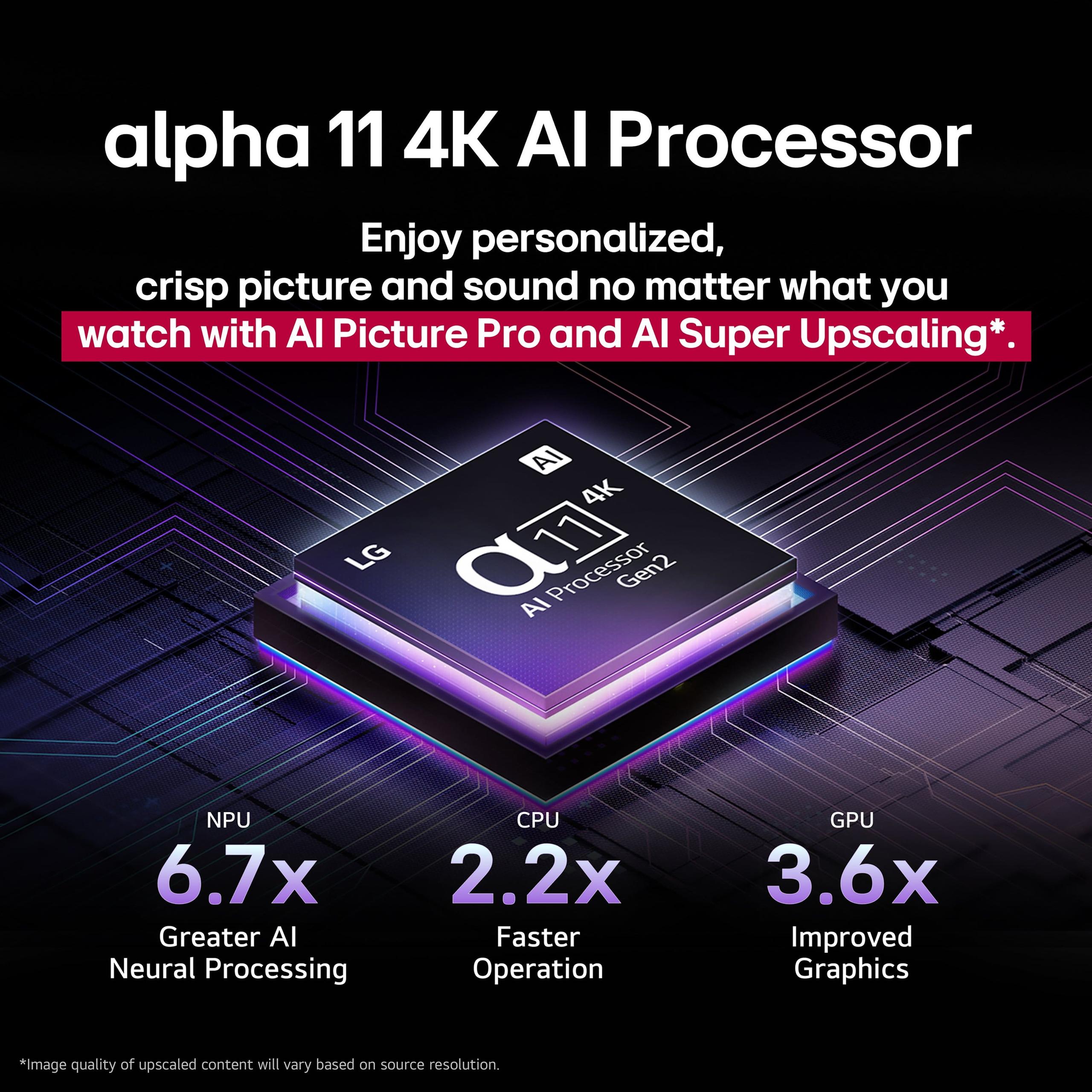
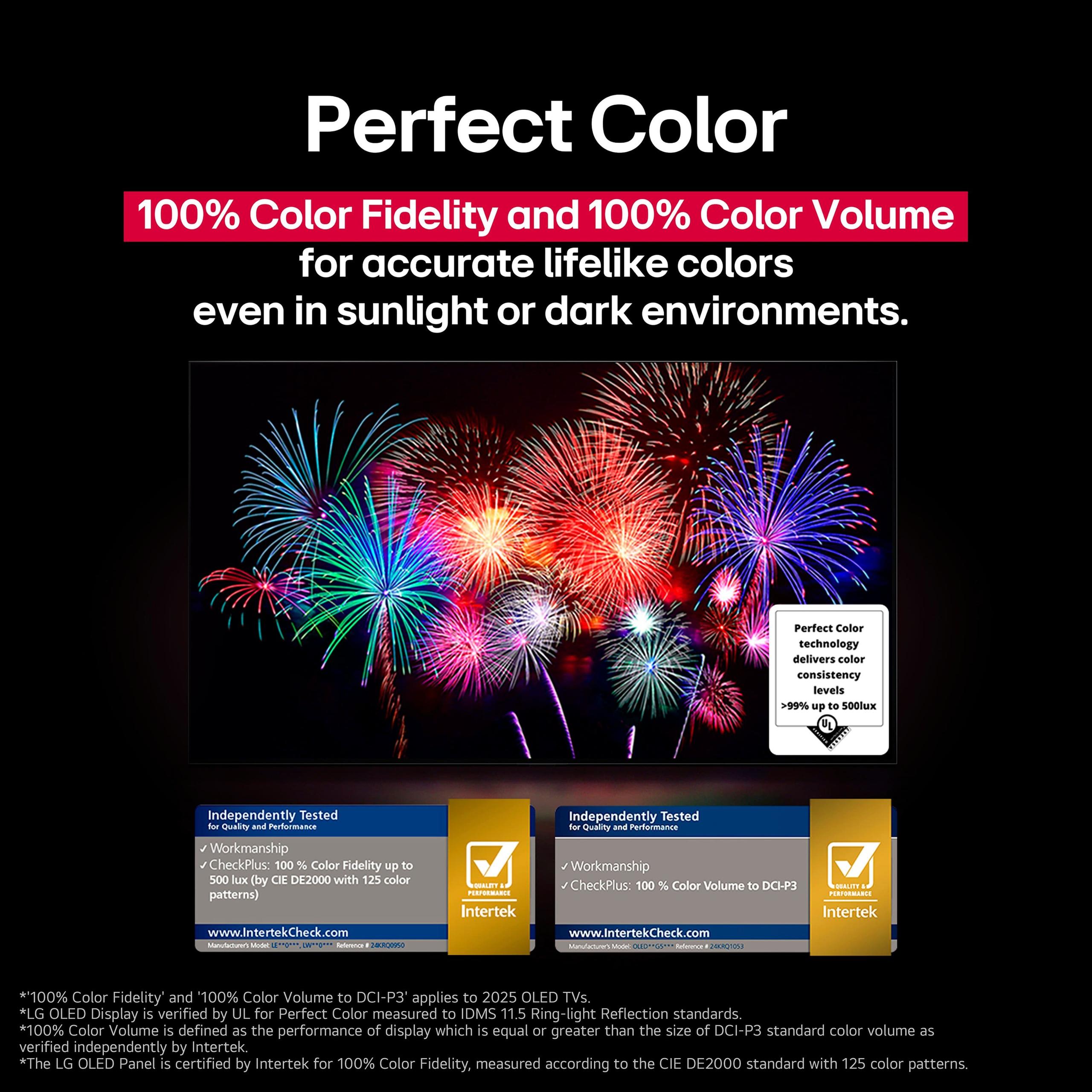
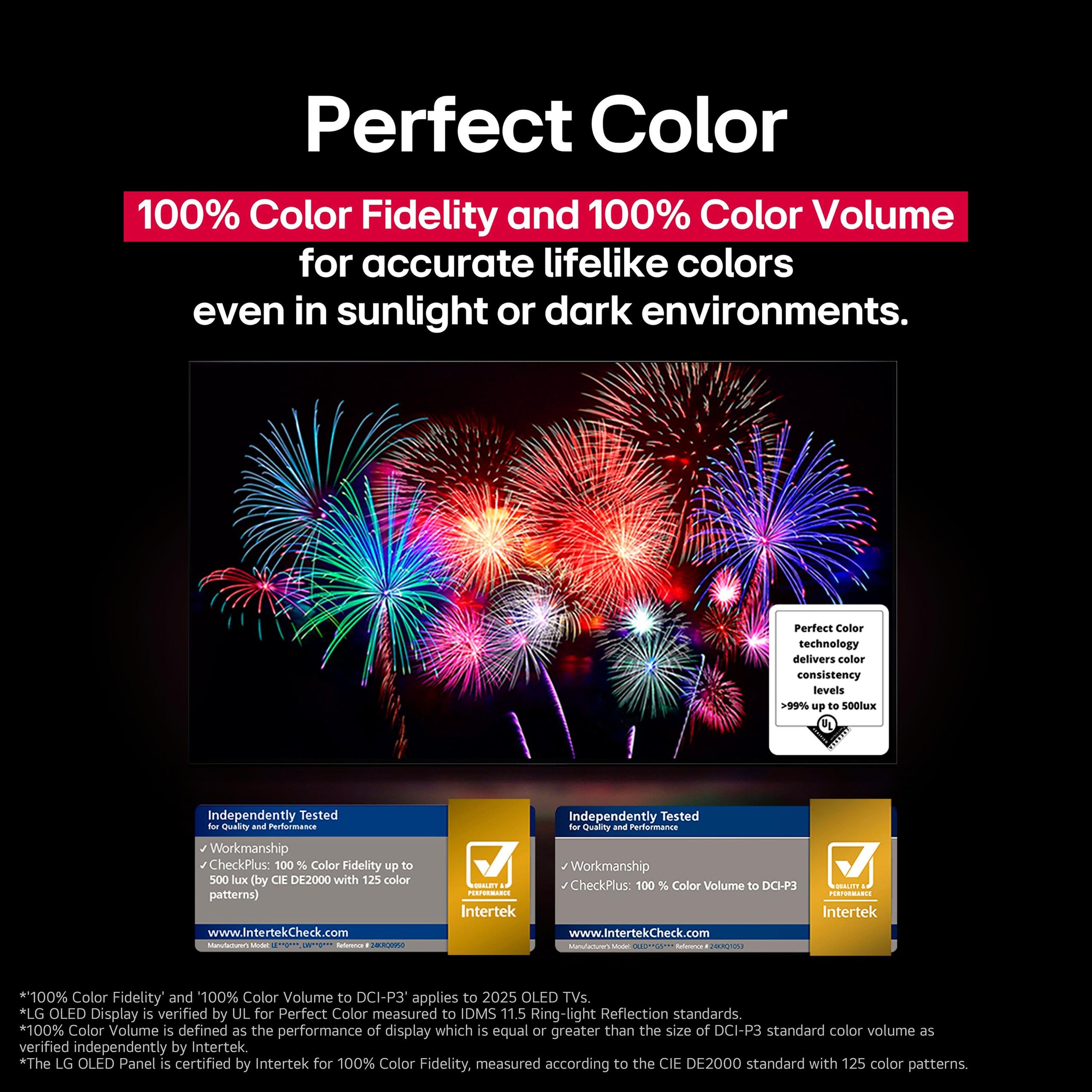
The LG G5 takes a more cinema-focused approach, with color accuracy that's closer to professional reference monitors used in movie studios. The RGB structure of the new panel delivers purer color separation, especially in blues, greens, and reds, while maintaining the natural color reproduction OLED is known for.
If you're serious about gaming, the performance differences between these TVs become critical. The LG G5 dominates in this category with specifications that read like a gamer's wish list.
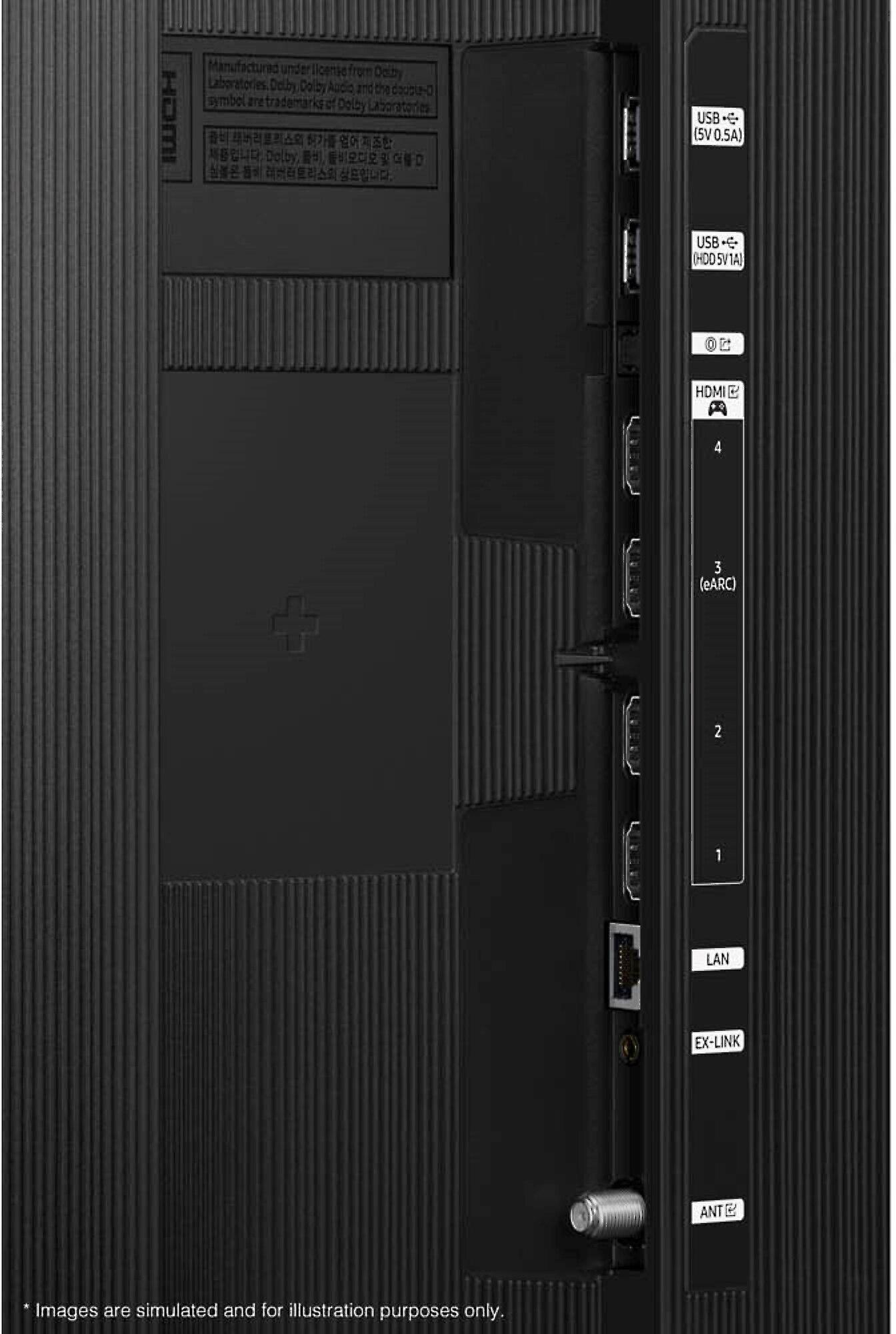
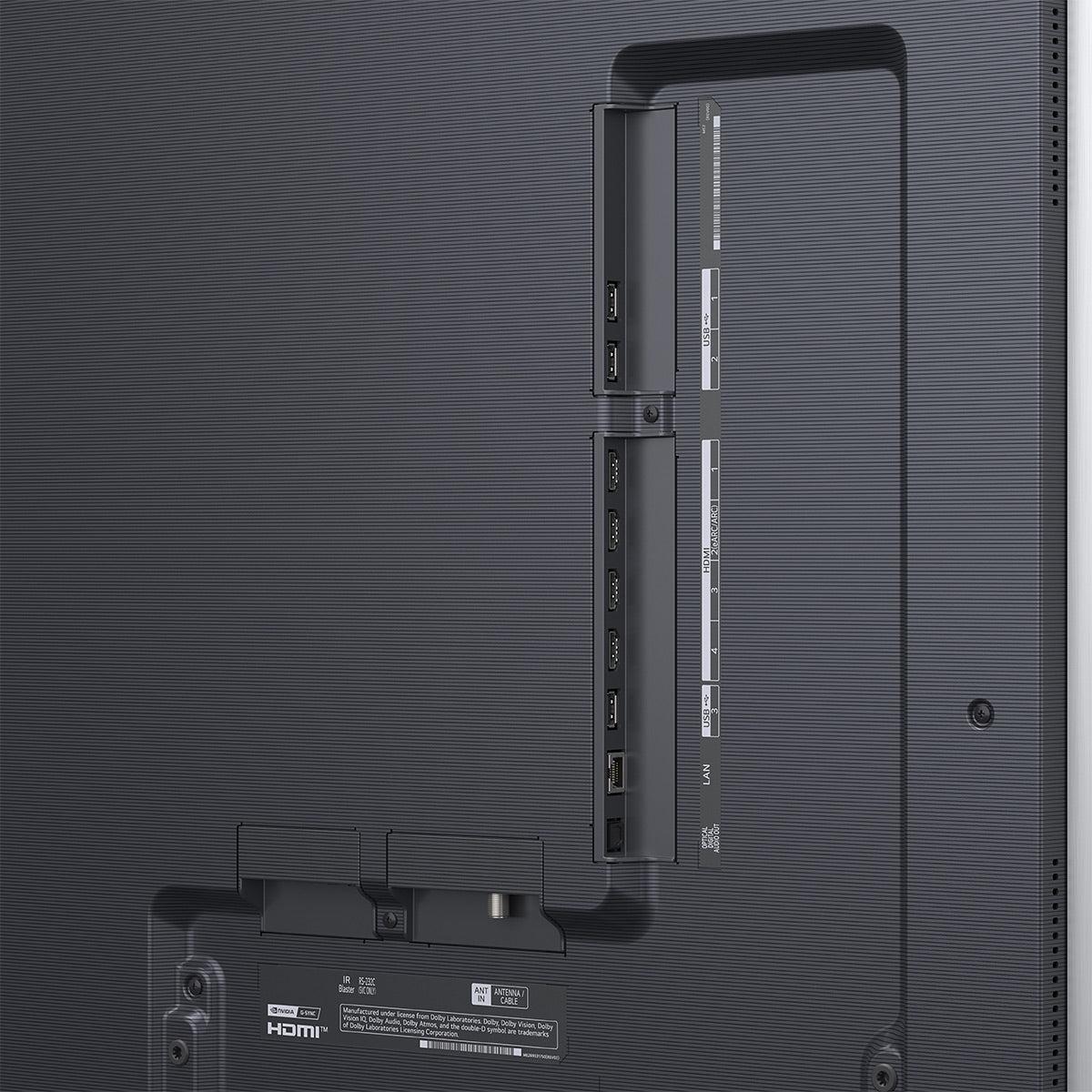
The LG supports 4K resolution at up to 165Hz refresh rate across all four HDMI 2.1 ports. This means whether you're connecting a PlayStation 5, Xbox Series X, or high-end gaming PC, you'll get the smoothest possible motion. More importantly, OLED's near-instantaneous pixel response time (around 0.1 milliseconds) means virtually no motion blur during fast-paced action.

Input lag – the delay between when you press a controller button and when that action appears on screen – measures just 4 milliseconds at 165Hz on the LG. For competitive gaming, this difference can literally be the difference between winning and losing a match.
The Samsung QN900F offers impressive gaming features too, including support for 4K at up to 240Hz in certain scenarios. However, LCD technology inherently has slower pixel response times than OLED, leading to more motion blur during rapid movements. Input lag is also higher, though still very good by overall TV standards.
Both TVs support Variable Refresh Rate (VRR), which synchronizes the TV's refresh rate with your gaming device's frame rate, eliminating screen tearing and stuttering. They're also compatible with both AMD FreeSync and NVIDIA G-SYNC technologies.
The Samsung QN900F is one of the few consumer TVs offering native 8K resolution (7,680 x 4,320 pixels) – four times more detail than 4K. However, native 8K content remains extremely limited in 2025. The real value lies in Samsung's AI upscaling technology, which uses machine learning to analyze and enhance lower-resolution content.
When watching high-quality 4K content, the difference is noticeable on a 65-inch screen, particularly in detailed scenes with fine textures or text. The AI processing adds perceived sharpness without introducing the artificial artifacts that plagued earlier upscaling technologies.
The LG G5 sticks with 4K resolution but optimizes every aspect of picture quality within that format. Given that most content is still 4K or lower, many experts argue that the LG's approach of perfecting 4K performance delivers better immediate value than preparing for 8K content that may not become mainstream for several more years.
The 8K question ultimately comes down to future-proofing versus current value. If you plan to keep your TV for 7-10 years and want to be ready for eventual 8K content adoption, the Samsung makes sense. If you prefer to maximize picture quality for today's content at a better price point, the LG is the logical choice.
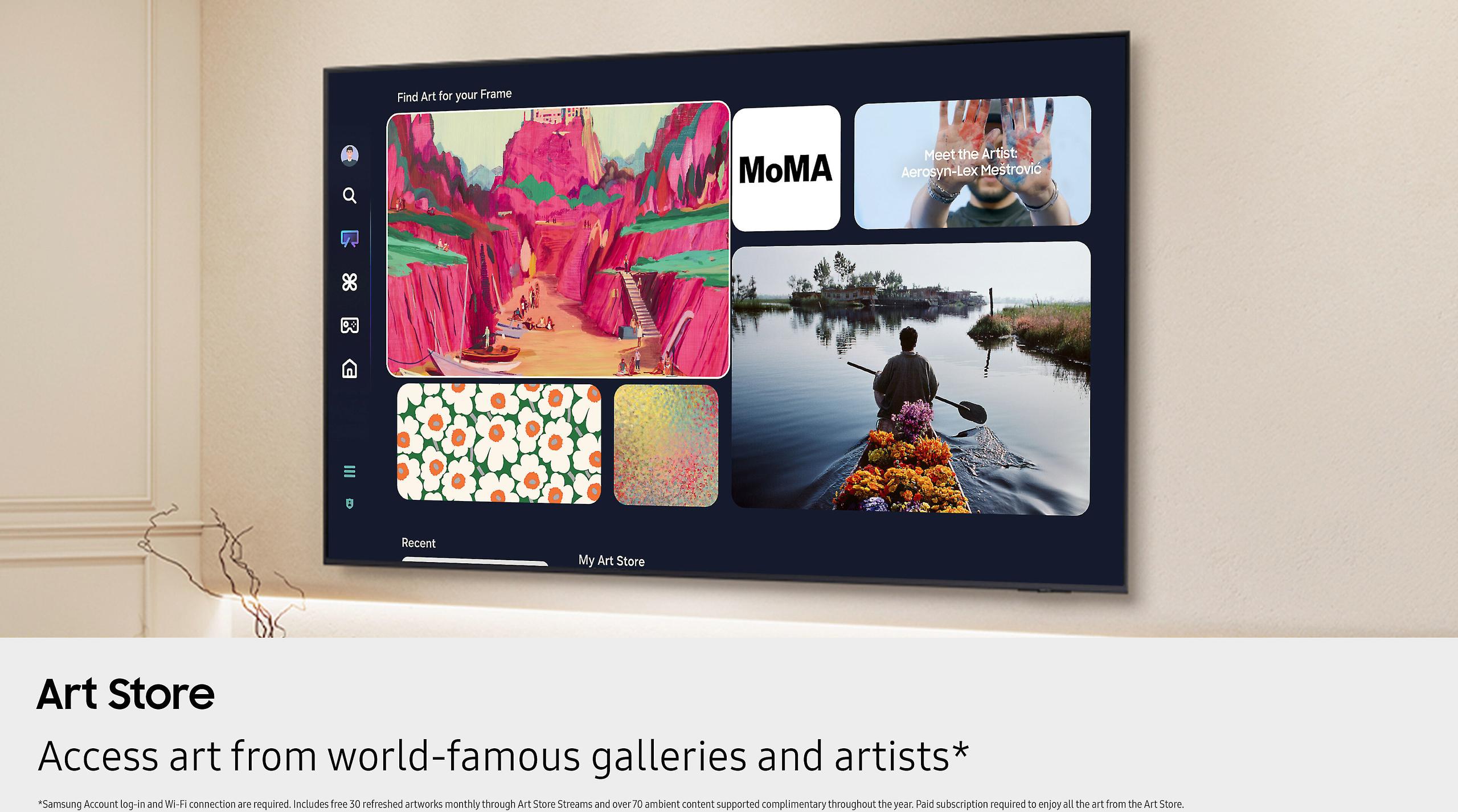
Both manufacturers have significantly improved their smart TV platforms for 2025. The Samsung QN900F runs Samsung's Tizen operating system with what they call "Vision AI" processing. This goes beyond simple picture adjustments to provide personalized content recommendations and adaptive picture optimization based on what you're watching and your room's lighting conditions.
One standout Samsung feature is the Wireless One Connect box, which allows you to connect all your devices (cable box, gaming consoles, streaming devices) to a separate unit that wirelessly transmits the signal to your TV. This eliminates cable clutter and makes wall mounting much cleaner.
The LG G5 runs webOS 25, which has evolved into one of the most intuitive smart TV interfaces available. LG's commitment to software longevity is impressive – they guarantee five years of major software updates through their "webOS Renew" program. The interface includes features like Quick Cards for organizing your favorite apps and over 300 free streaming channels.
Both platforms support all major streaming services, voice control, and integration with smart home systems. The choice often comes down to personal preference in interface design rather than missing features.
This is where the Samsung QN900F takes a clear lead. Its Object Tracking Sound Pro technology uses multiple speakers positioned around the TV to create three-dimensional audio that follows action across the screen. When a car drives from left to right in a movie, the audio literally moves with it.
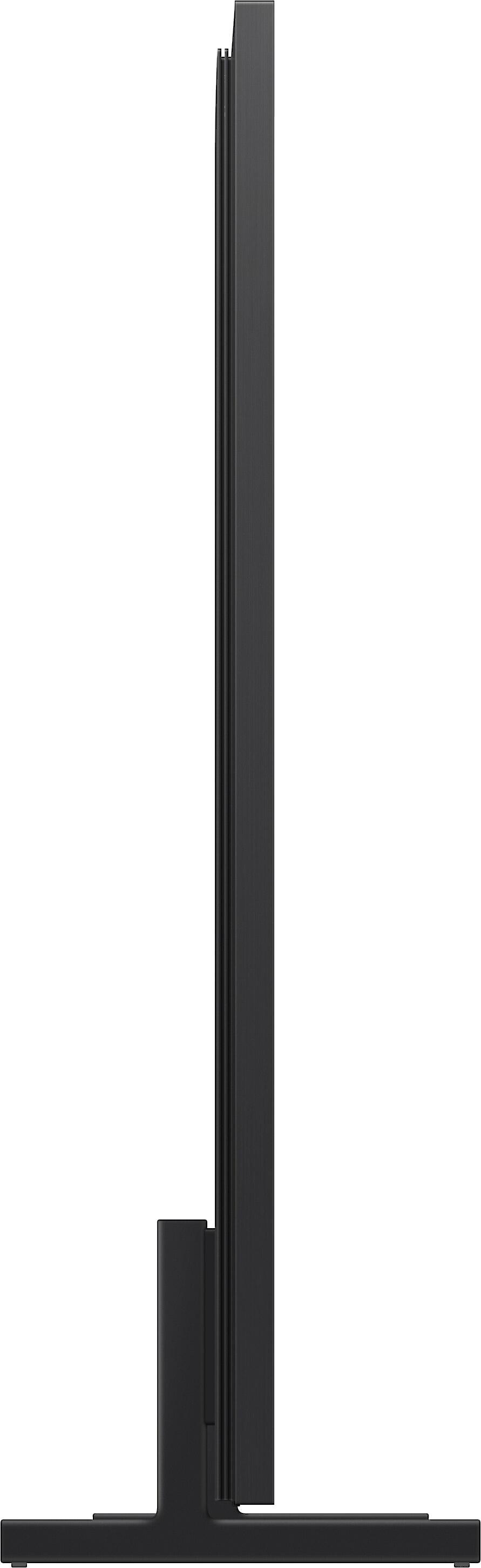
The Samsung's thicker profile allows for larger, more powerful built-in speakers compared to the ultra-thin LG G5. While the LG supports Dolby Atmos and includes decent speakers for an OLED TV, the physics of its gallery-style design limits audio performance.
If you're planning to use a soundbar or home theater system, this difference becomes less important. However, if you prefer the simplicity and cost savings of using your TV's built-in audio, the Samsung provides a significantly better experience.
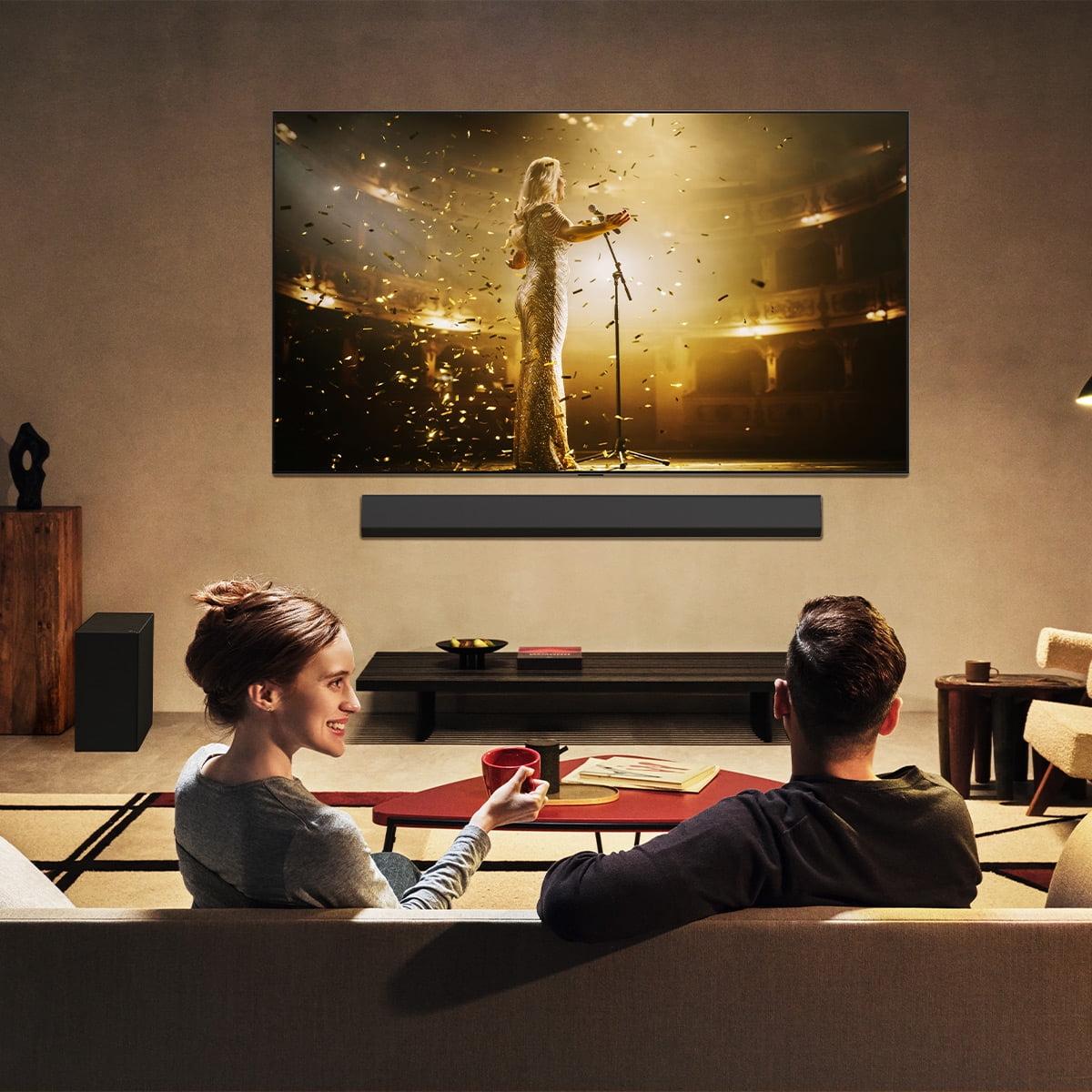
For dedicated home theater setups where you can control lighting, the LG G5 becomes the clear choice. Its perfect black levels, infinite contrast ratio, and cinema-accurate colors deliver the most film-like experience possible. The TV's ultra-thin profile also allows for flush wall mounting that creates a truly immersive, theater-like appearance.
FILMMAKER MODE on both TVs disables artificial image processing to show movies as directors intended, but the LG's natural color accuracy and contrast performance make it more effective at preserving artistic intent.
The Samsung works better for multi-purpose family rooms where the TV needs to perform well under various lighting conditions throughout the day. Its brightness and anti-glare technology maintain picture quality whether you're watching the morning news or a late-night movie.
At the time of writing, the LG G5 typically costs several hundred dollars less than the Samsung QN900F, making the value proposition even more compelling for many buyers. You're getting superior gaming performance, excellent picture quality in controlled lighting, and a 5-year panel warranty at a lower price point.
The Samsung commands its premium through future-proofing with 8K resolution, superior bright-room performance, and better built-in audio. Whether these features justify the additional cost depends on your specific priorities and viewing environment.
Choose the Samsung 65" Neo QLED 8K QN900F if you have a bright living room, want future-proofing with 8K resolution, prefer excellent built-in audio without buying a soundbar, or primarily watch sports and daytime programming. The Samsung is also the better choice if you value versatility – it performs well across all lighting conditions and content types.
Choose the LG OLED evo G5 if you can control your room's lighting, prioritize the absolute best picture quality and gaming performance, are satisfied with 4K resolution for current content needs, or want better value for your investment. The LG is ideal for movie enthusiasts and serious gamers who appreciate technical excellence.
Both TVs represent the pinnacle of their respective technologies in 2025. The Samsung offers more versatility and future-proofing at a premium price, while the LG delivers superior performance in optimal conditions at better value. Your room setup and primary use cases should drive your decision more than specifications alone.
The good news? Either choice will provide years of exceptional viewing experiences that would have been impossible just a few years ago. These technological advances mean you're choosing between two excellent TVs rather than trying to avoid a poor one.
| Samsung 65" Neo QLED 8K QN900F Vision AI Smart TV 2025 | LG OLED evo G5 65" 4K Smart TV 2025 |
|---|---|
| Display Technology - Fundamentally different approaches to creating light and color | |
| Neo QLED Mini LED with Quantum Dot layers | 4-Stack RGB Tandem OLED with self-lit pixels |
| Resolution - Higher pixel count vs optimized current content | |
| Native 8K (7680 x 4320) with AI upscaling | 4K (3840 x 2160) optimized for current content |
| Peak Brightness - Critical for bright room viewing and HDR impact | |
| Exceptional brightness with anti-glare coating | 45% brighter than previous OLEDs, but still dimmer than Mini LED |
| Black Levels - Affects contrast and dark scene detail | |
| Near-black with Mini LED local dimming | Perfect blacks with infinite contrast ratio |
| Gaming Refresh Rate - Higher numbers mean smoother motion | |
| 4K @ 240Hz support | 4K @ 165Hz on all four HDMI 2.1 ports |
| Gaming Response Time - Lower is better for competitive gaming | |
| Good for LCD technology (~5-8ms) | Near-instantaneous OLED response (~0.1ms) |
| Built-in Audio - Determines if you need a separate soundbar | |
| Object Tracking Sound Pro with robust speakers | Dolby Atmos support but limited by thin design |
| Smart Platform - Software experience and longevity | |
| Tizen with Vision AI and Wireless One Connect | webOS 25 with 5-year update guarantee |
| Warranty Coverage - Long-term protection for expensive purchase | |
| Standard 1-year manufacturer warranty | 5-year limited panel warranty |
| Best Room Type - Where each TV performs optimally | |
| Bright living rooms with windows and mixed lighting | Dark rooms or controlled lighting environments |
| Ideal For - Primary use cases where each excels | |
| Future-proofing, sports, versatile family room use | Home theater, gaming, cinema-accurate picture quality |
The Samsung 65" Neo QLED 8K QN900F is significantly better for bright rooms. Its Mini LED technology delivers exceptional peak brightness and features an anti-glare coating that virtually eliminates reflections from windows and room lights. The LG OLED evo G5, while 45% brighter than previous OLED models, still cannot match the Samsung's brightness levels in challenging lighting conditions.
The LG OLED evo G5 provides superior picture quality for home theater use. Its perfect black levels create infinite contrast ratios that make dark movie scenes more detailed and immersive. The OLED technology also delivers more accurate colors that match filmmaker intentions. However, this advantage is most noticeable in dark or controlled lighting environments where the Samsung QN900F would be hampered by its inability to achieve true blacks.
The LG OLED evo G5 is the clear winner for gaming. It offers 4K at 165Hz across all HDMI ports, near-instantaneous pixel response times (0.1ms), and extremely low input lag (4ms). These specifications provide smoother motion and faster response times crucial for competitive gaming. The Samsung QN900F supports higher refresh rates in some scenarios but has slower response times due to LCD technology limitations.
The 8K resolution on the Samsung QN900F provides future-proofing but limited immediate benefit since native 8K content remains scarce. The AI upscaling does improve high-quality 4K content noticeably on a 65-inch screen. The LG G5's 4K resolution is optimized for current content availability and delivers better value for most viewers today. Choose 8K if you plan to keep the TV for many years and want to be ready for future content.
The Samsung 65" Neo QLED 8K QN900F has significantly better built-in audio with Object Tracking Sound Pro technology that creates three-dimensional sound effects. Its thicker design allows for larger, more powerful speakers. The LG OLED evo G5 includes Dolby Atmos support but is limited by its ultra-thin profile. If you don't plan to buy a soundbar, the Samsung provides a much better audio experience.
Both TVs offer excellent smart platforms. The Samsung QN900F runs Tizen with Vision AI features and includes a Wireless One Connect box for cable-free device connections. The LG G5 uses webOS 25 with an intuitive interface and guarantees five years of software updates through their webOS Renew program. Both support all major streaming services and voice control, so the choice often comes down to interface preference.
The LG OLED evo G5 typically offers better value, costing several hundred dollars less while delivering superior gaming performance and excellent picture quality in optimal viewing conditions. It also includes a 5-year panel warranty. The Samsung QN900F commands a premium for its 8K future-proofing, bright-room performance, and superior built-in audio, but whether these features justify the higher cost depends on your specific needs.
The Samsung 65" Neo QLED 8K QN900F excels for sports viewing due to its exceptional brightness, vibrant colors, and anti-glare technology that maintains picture quality during daytime viewing. Sports content benefits from the bright, colorful presentation that Mini LED technology provides. The LG G5 offers smoother motion handling but is better suited for sports viewing in darker rooms.
The LG OLED evo G5 includes a notable 5-year limited panel warranty, providing long-term protection for the expensive OLED panel. The Samsung QN900F comes with a standard 1-year manufacturer warranty. This extended coverage makes the LG a safer long-term investment, especially considering OLED panels can be susceptible to burn-in over time, though this has become much less common with modern OLED technology.
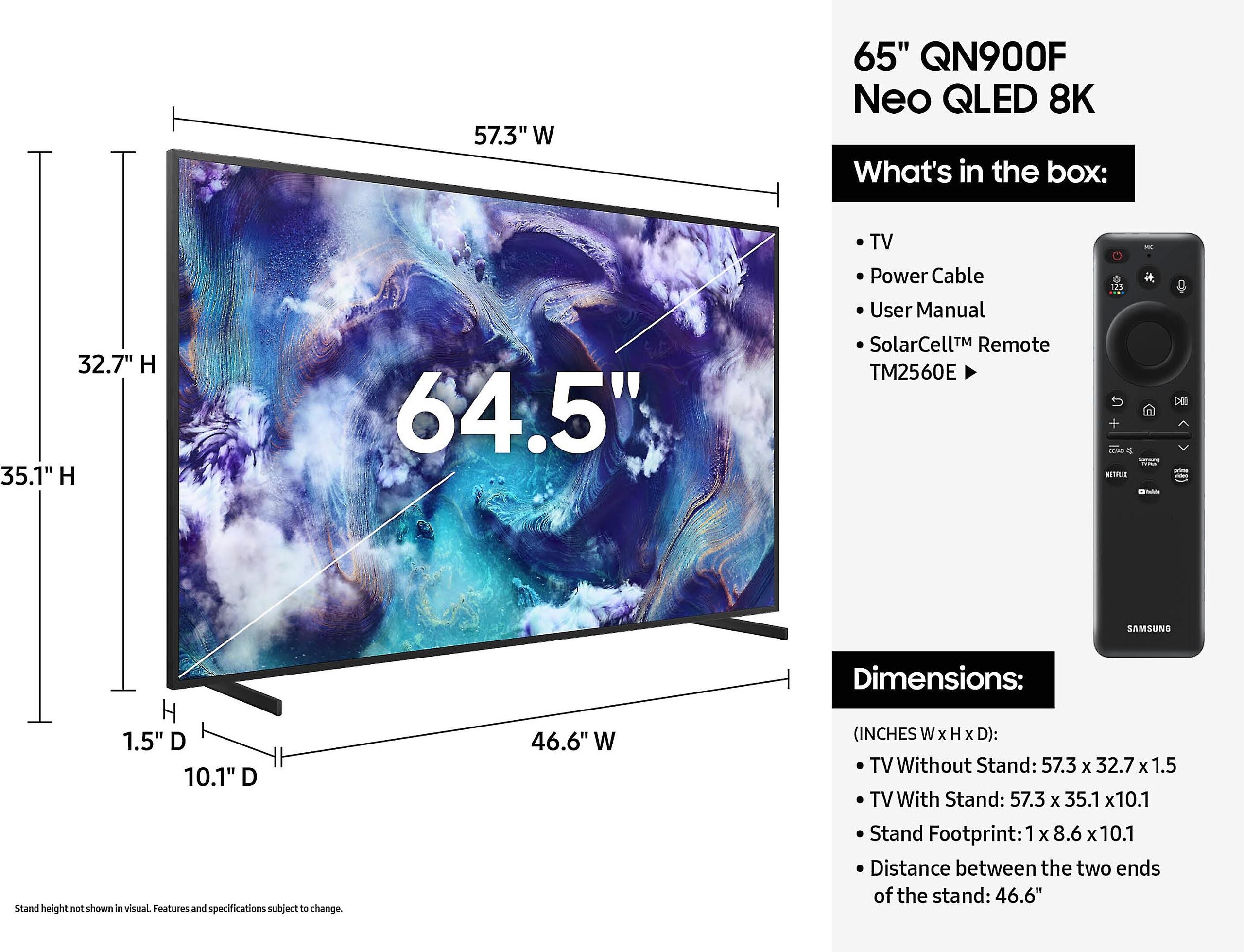
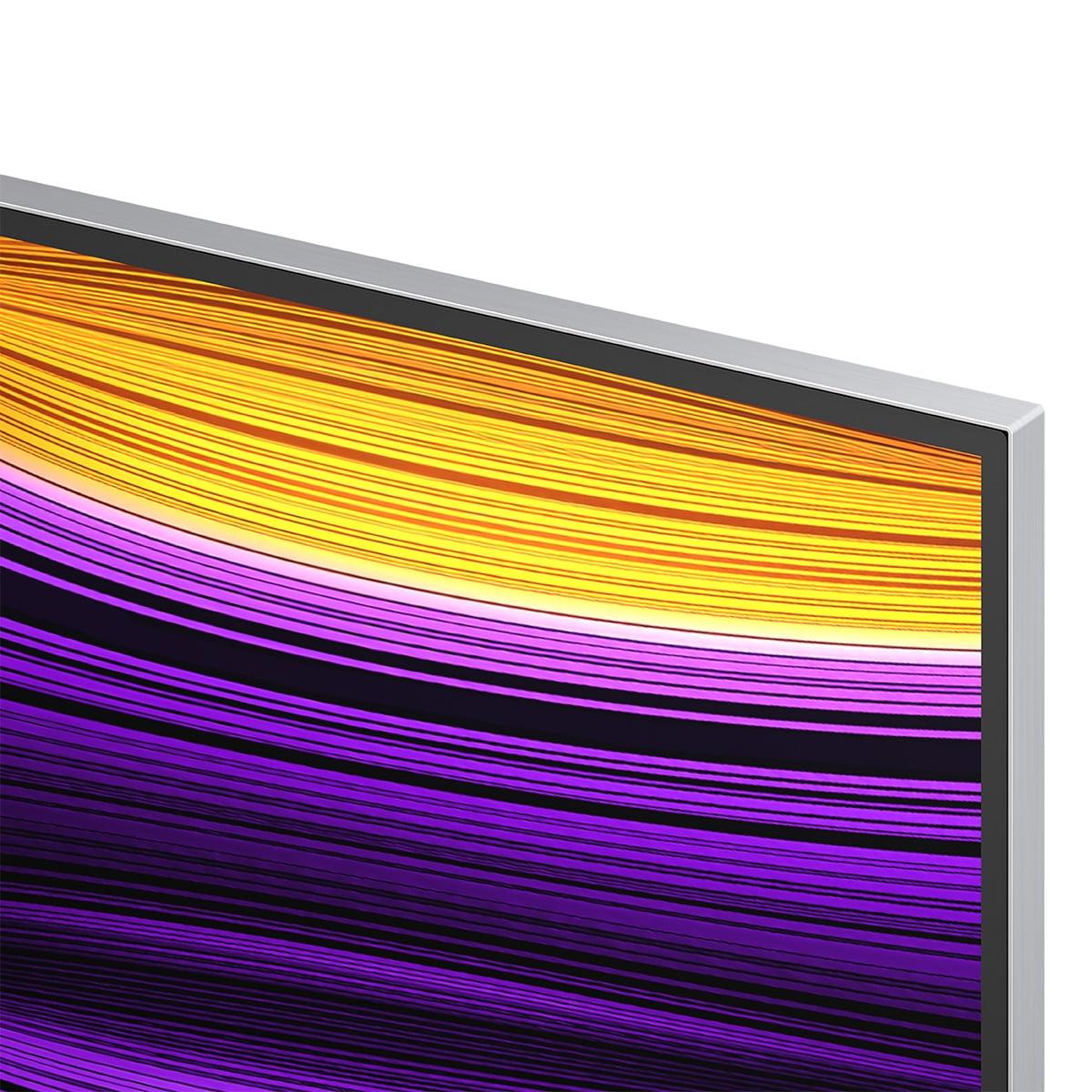
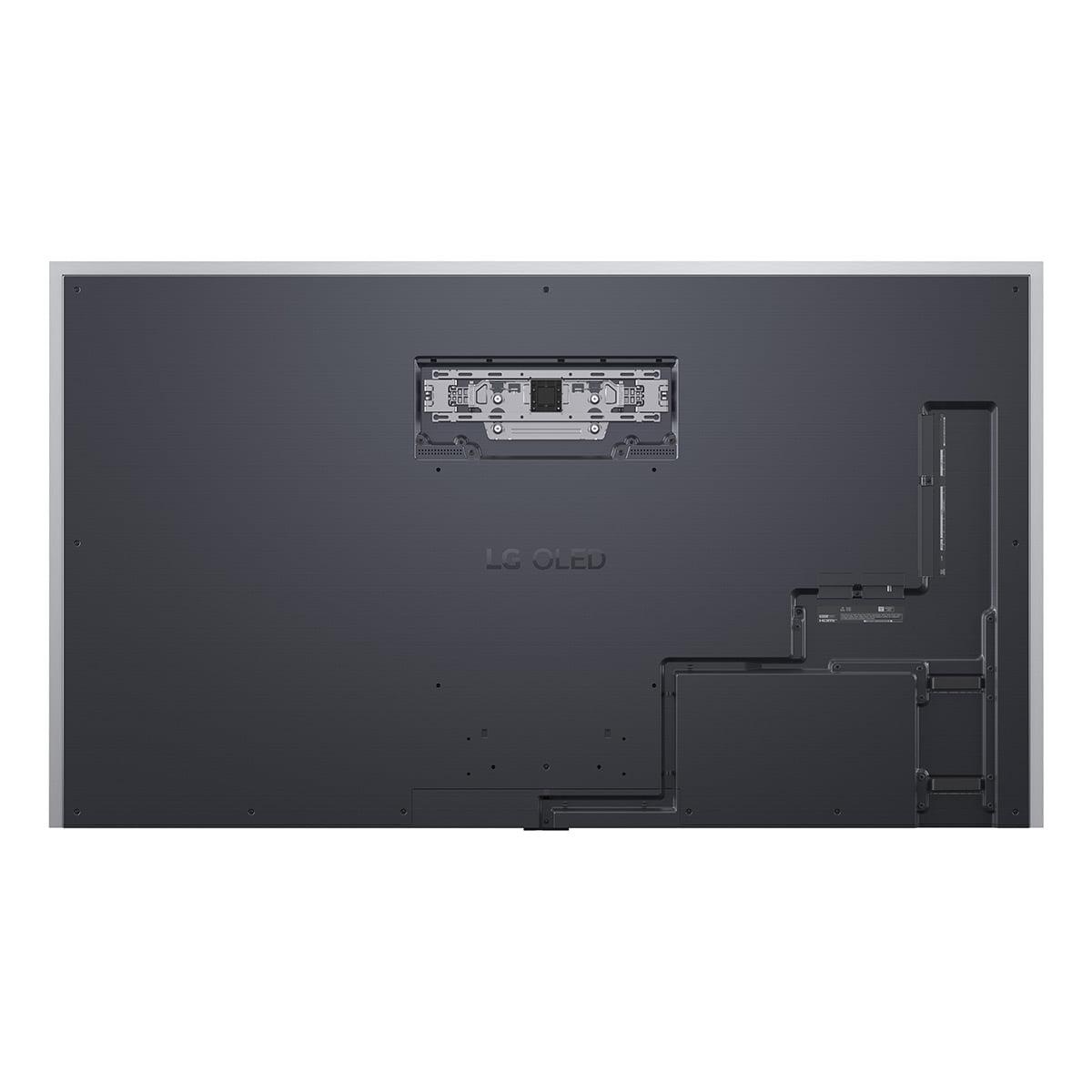
The LG OLED evo G5 is significantly thinner with its "One Wall Design" that mounts virtually flush against the wall, creating a gallery-like appearance. The Samsung QN900F has a thicker profile due to its Mini LED backlighting system but still wall-mounts well. If minimalist aesthetics and ultra-thin wall mounting are priorities, the LG is the clear choice.
The Samsung 65" Neo QLED 8K QN900F is more versatile across different content types and lighting conditions, making it better for mixed-use family rooms. It excels with sports, news, and daytime programming while still performing well with movies. The LG OLED evo G5 is more specialized, delivering the absolute best performance with movies and gaming in controlled lighting but being less optimal for bright-room viewing.
For a dedicated home theater with controlled lighting, the LG OLED evo G5 is the superior choice. Its perfect black levels, infinite contrast ratio, and cinema-accurate colors create the most film-like experience possible. The ultra-thin profile also enhances the immersive theater aesthetic. The Samsung QN900F would be overkill for this environment since its bright-room advantages wouldn't be utilized, and its higher cost wouldn't provide additional value in a dark theater setting.
We've done our best to create useful and informative comparisons to help you decide what product to buy. Our research uses advanced automated methods to create this comparison and perfection is not possible - please contact us for corrections or questions. These are the sites we've researched in the creation of this article: rtings.com - samsung.com - techradar.com - dolby.com - youtube.com - samsung.com - youtube.com - samsung.com - samsung.com - samsung.com - samsung.com - displayspecifications.com - samsung.com - rtings.com - bestbuy.com - merlinstv.com - news.samsung.com - bestbuy.com - bestbuy.com - techradar.com - rtings.com - youtube.com - youtube.com - rtings.com - bestbuy.com - youtube.com - valueelectronics.com - lg.com - audio-videoplus.com - lg.com - lg.com - lg.com

Privacy Policy
Terms and Conditions - Affiliate Policy
Home Security
© Copyright 2008-2026.
11816 Inwood Rd #1211, Dallas, TX 75244