



When you're shopping for a premium television, the choices can feel overwhelming. Do you need 8K resolution? Is Mini LED worth the extra cost? How much should you spend to get truly great picture quality? These questions become even more complex when comparing TVs from different generations and price tiers.
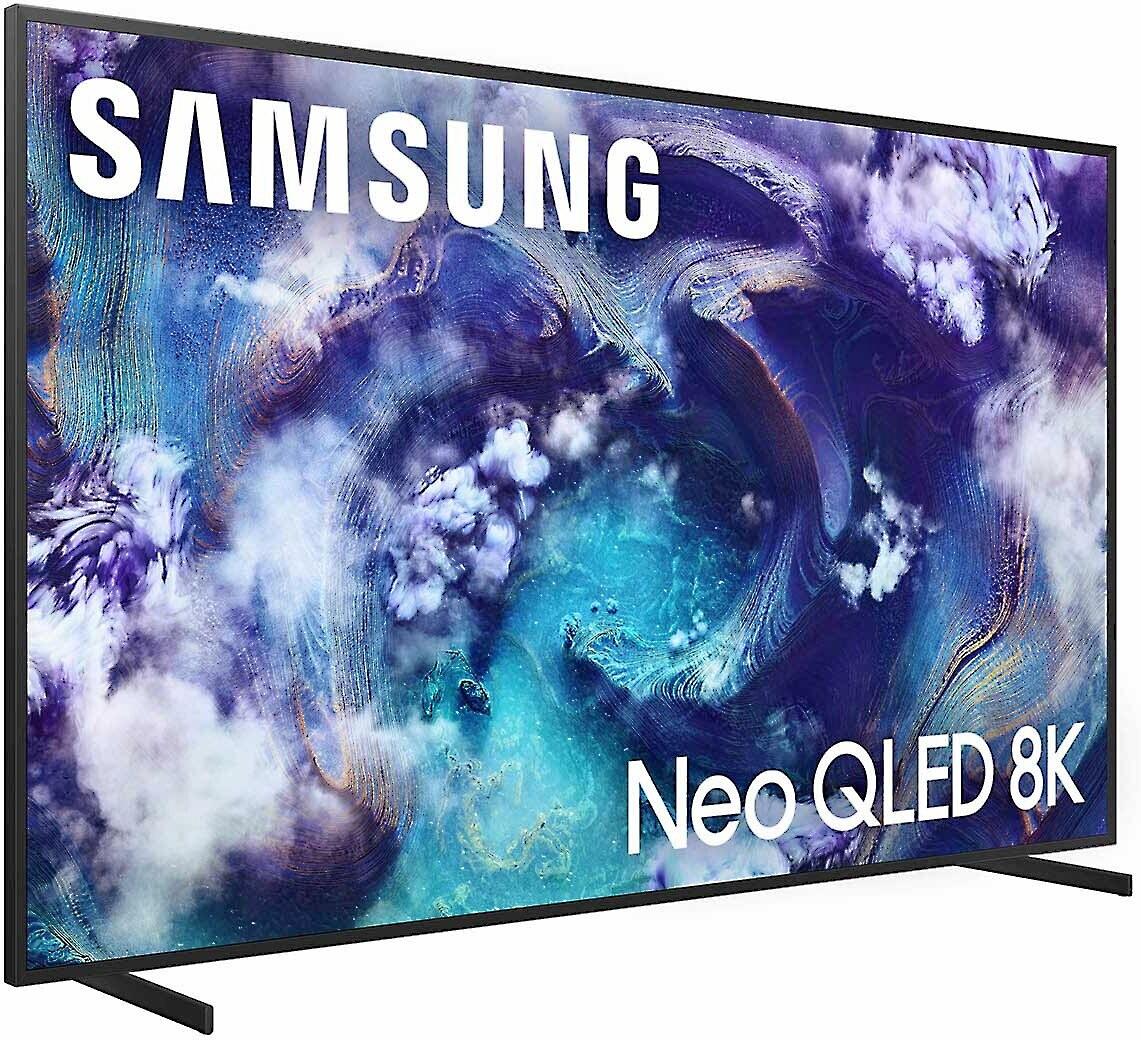
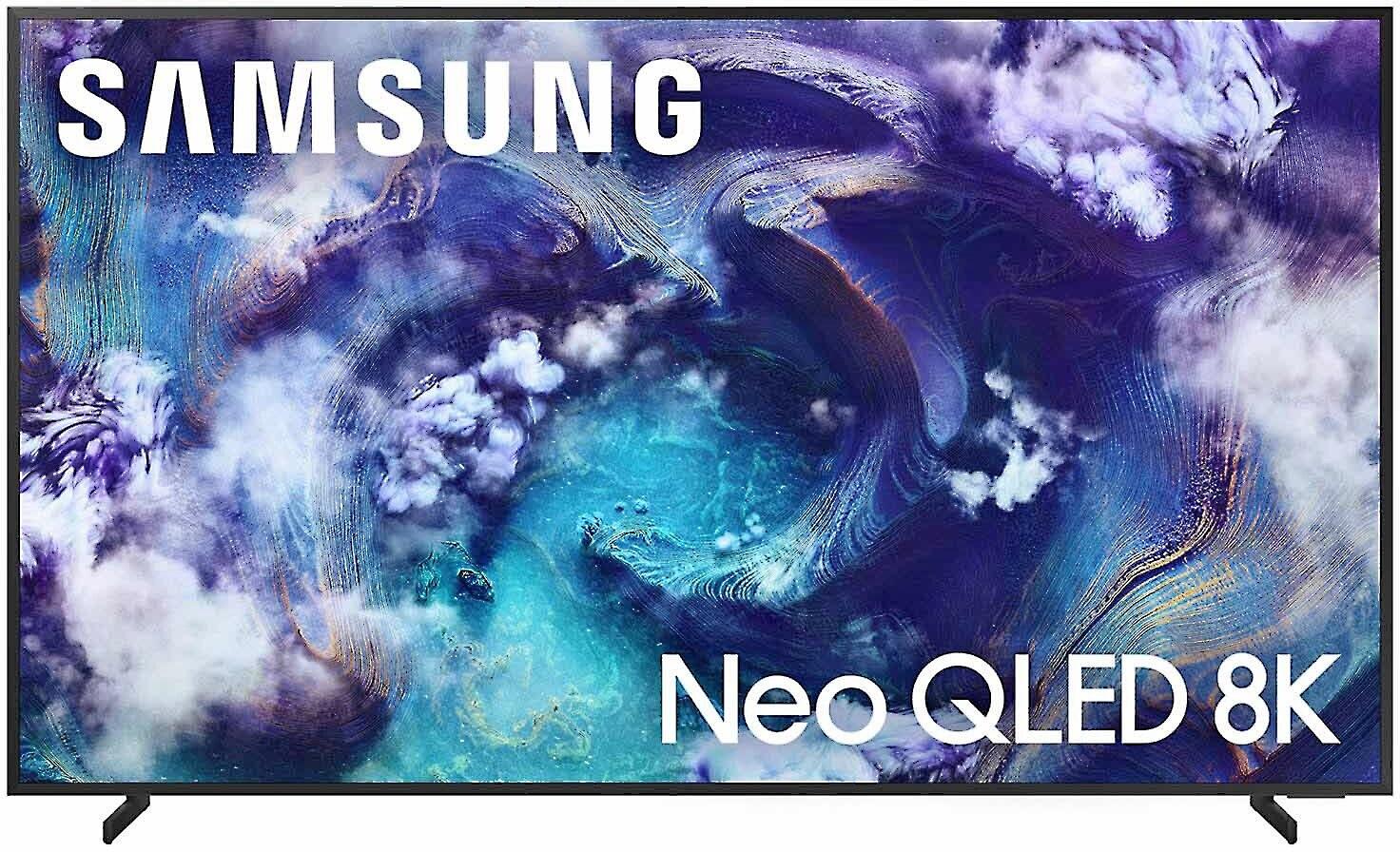
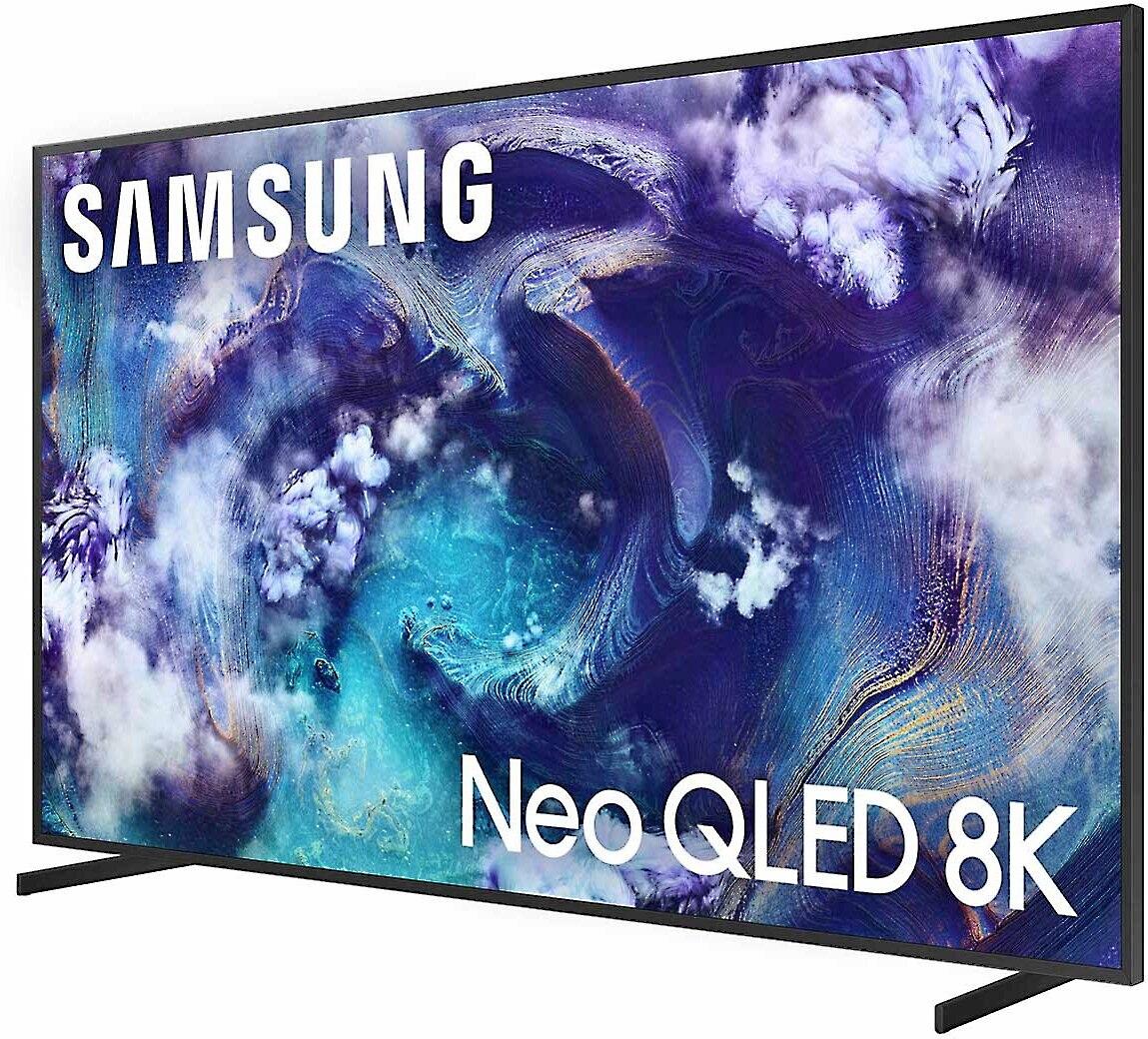
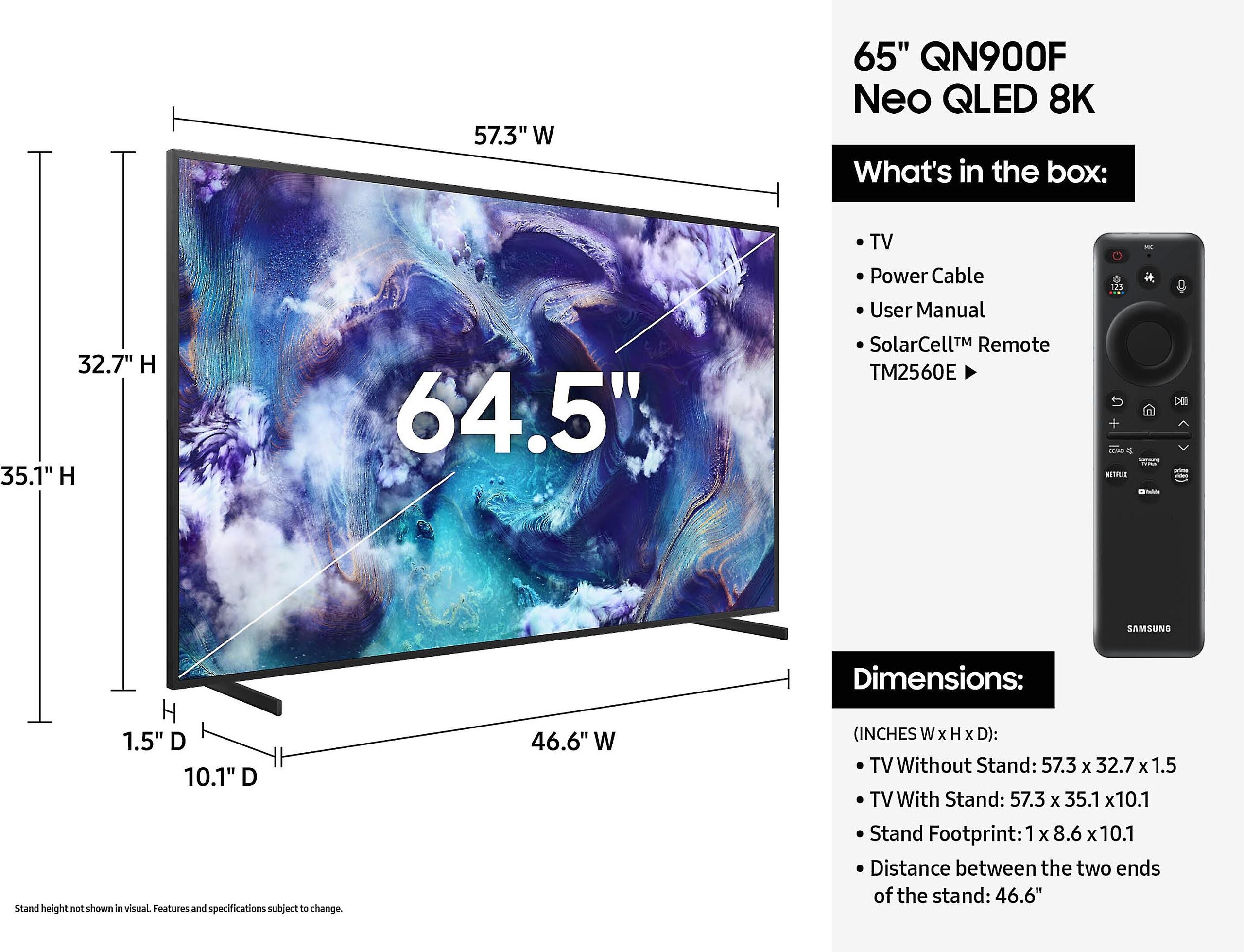
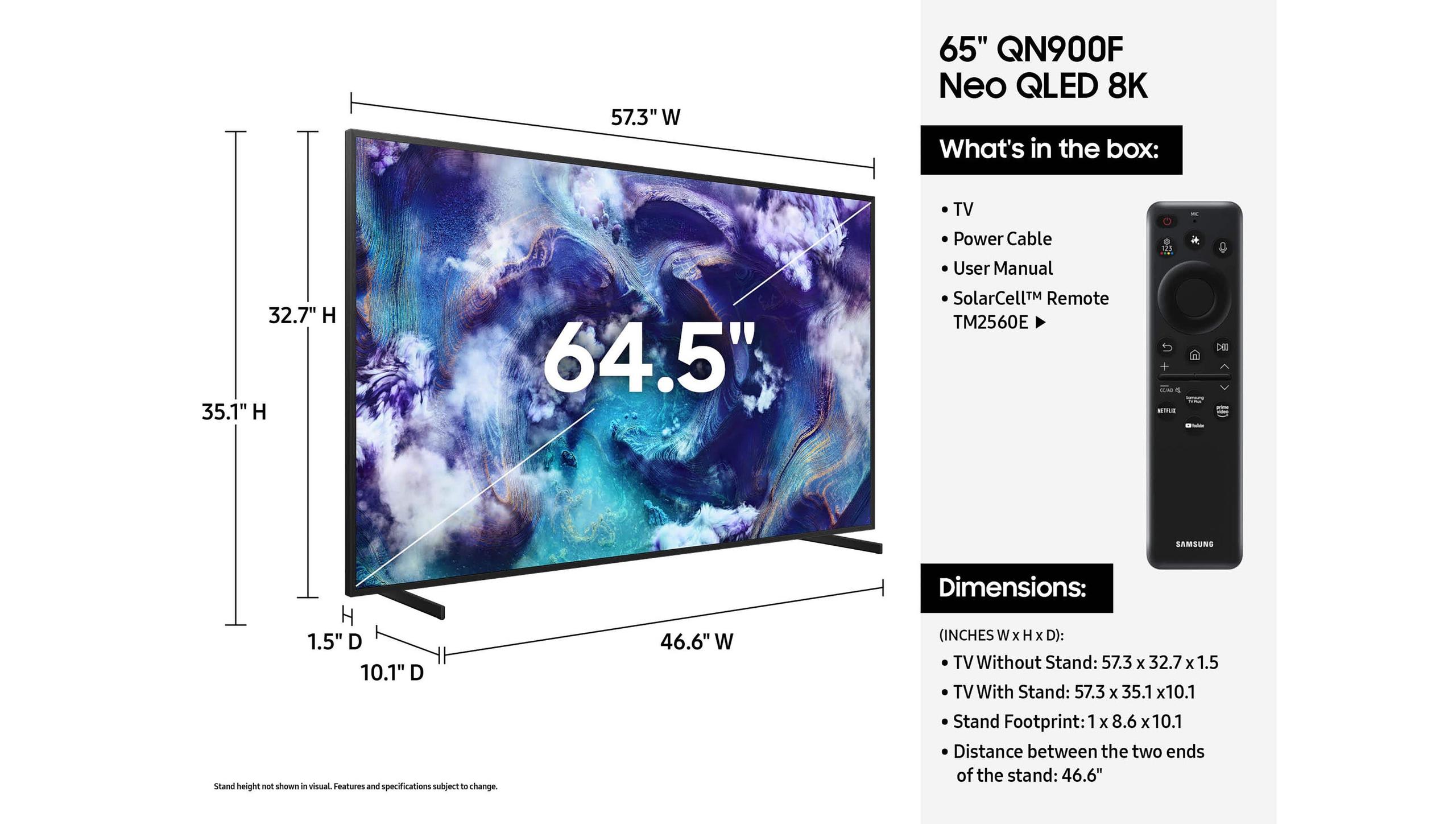
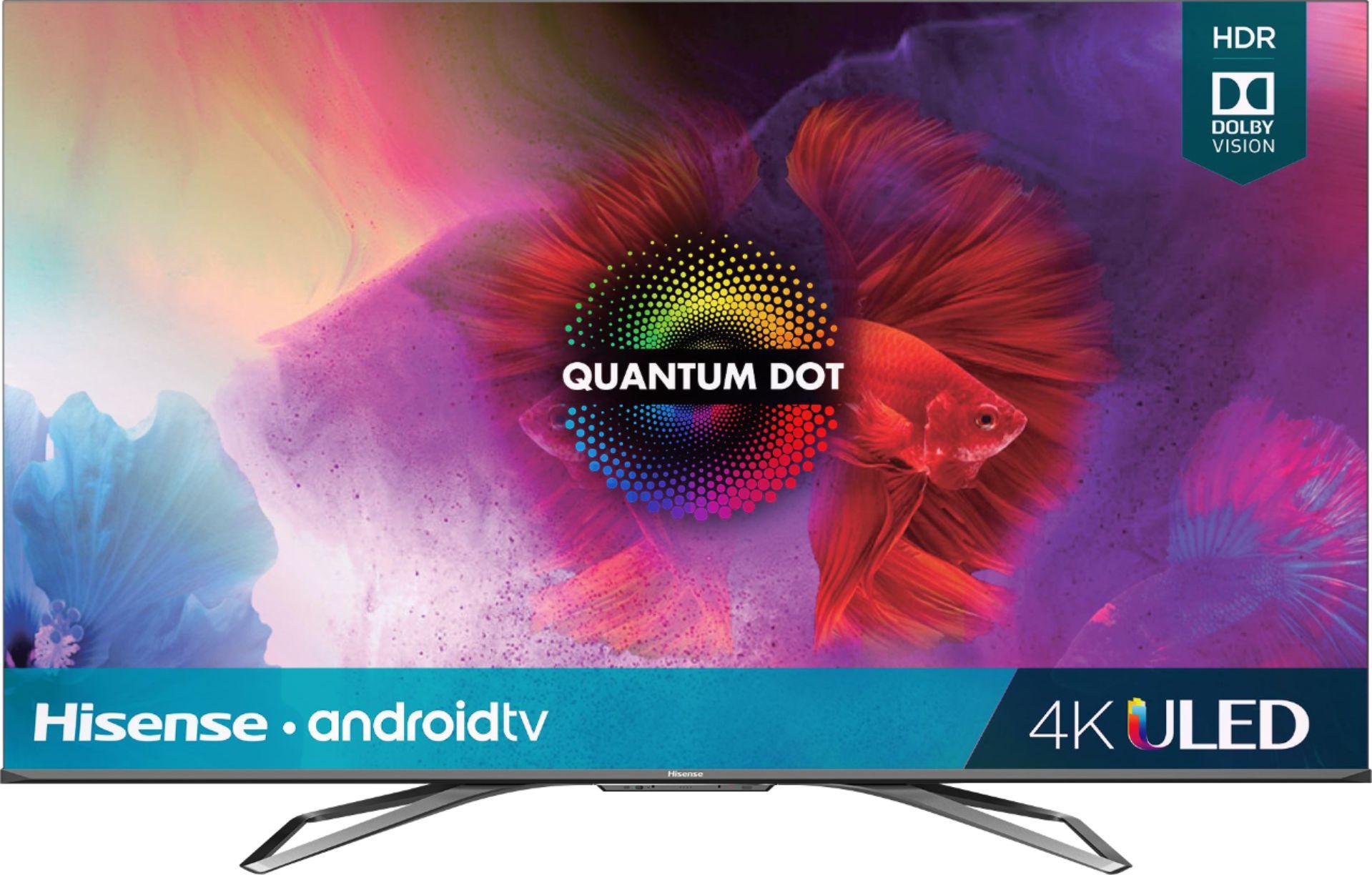
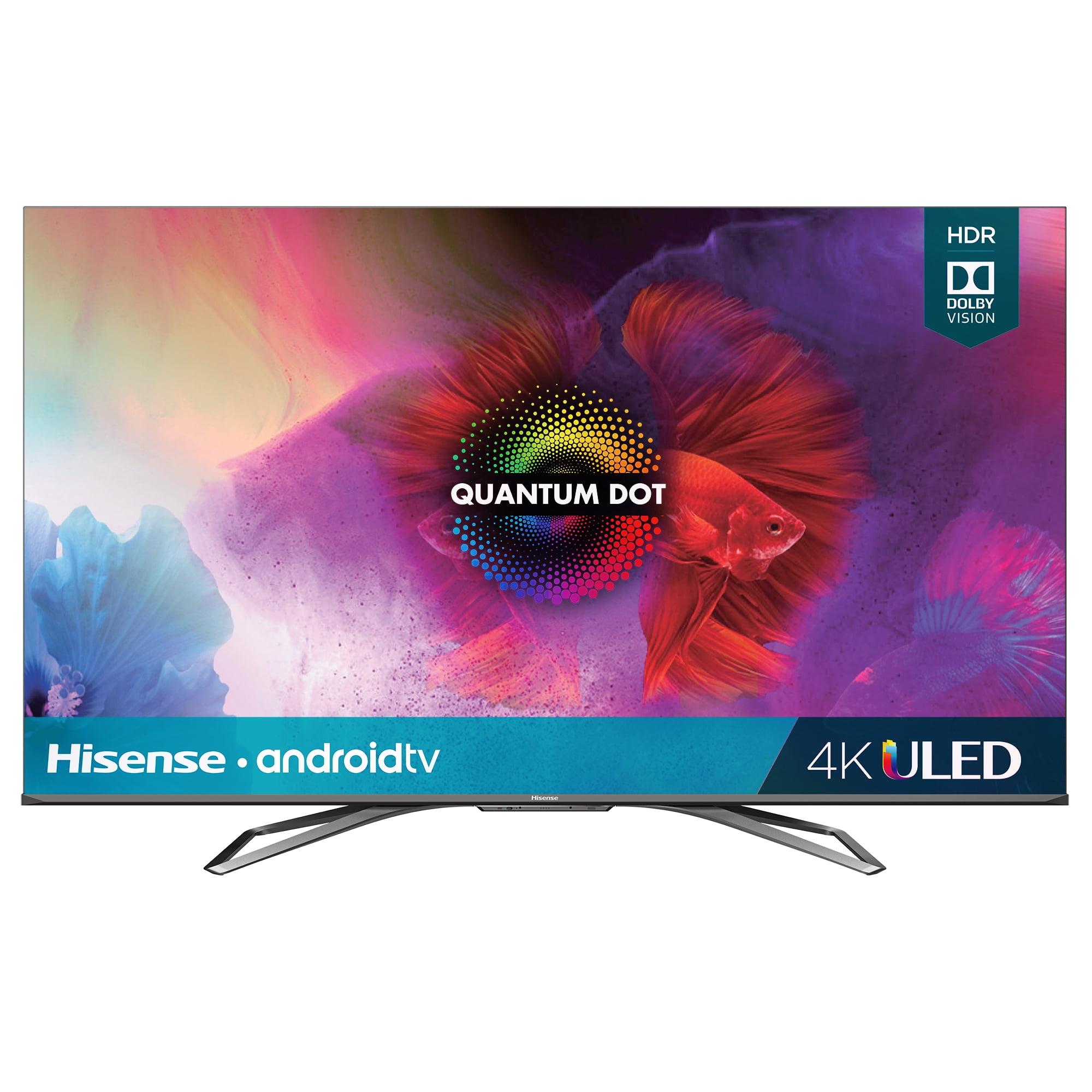
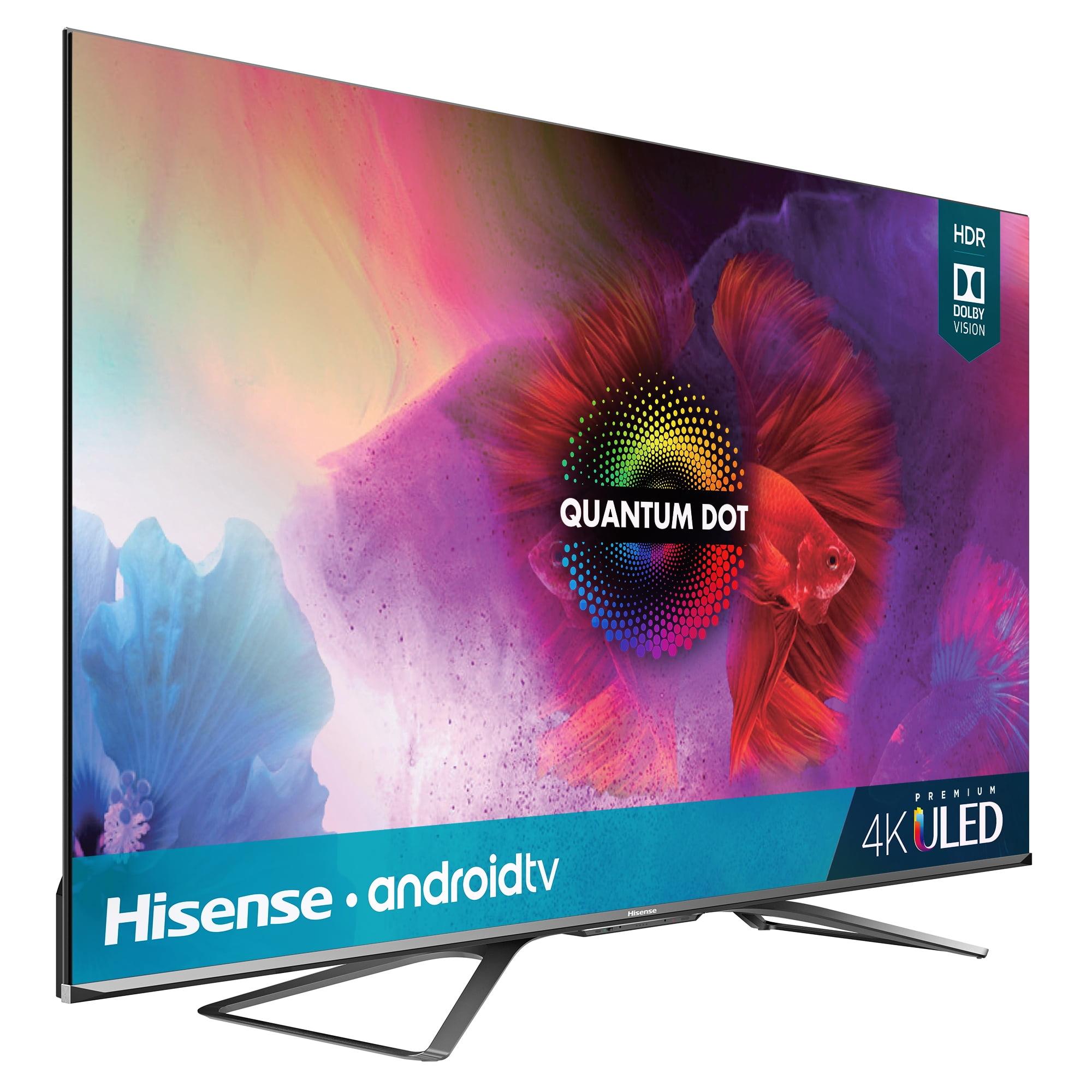
Today we're looking at two compelling options that represent very different approaches to premium television technology: the Samsung 65" Neo QLED 8K QN900F Vision AI Smart TV from 2025 and the Hisense 65" H9G Quantum Series 4K UHD Smart Android TV from 2020. While these models are separated by five years and a significant price gap, both aim to deliver exceptional home theater experiences through different technological paths.
Before diving into specifics, it's worth understanding what separates premium TVs from budget models. The most critical factors are picture quality (how bright, colorful, and detailed the image appears), contrast ratio (the difference between the darkest blacks and brightest whites), smart features (how well the TV handles streaming apps and responds to commands), and gaming capabilities (input lag and refresh rates for console gaming).
Premium TVs also incorporate advanced local dimming - a technology that controls the backlight in different zones across the screen. Think of it like having hundreds of tiny dimmers for different parts of your TV. This creates deeper blacks in dark scenes while maintaining bright highlights, making movies look more realistic and immersive.
The technology gap between budget and premium TVs has widened dramatically in recent years. While a $400 TV might look decent in a bright store, premium models deliver experiences that genuinely transform how content appears - especially in darkened home theater environments where contrast performance becomes most noticeable.
The Samsung QN900F represents 2025's entry-level Neo QLED 8K technology, while the Hisense H9G was a standout mid-range model from 2020. At the time of writing, the Samsung commands a premium price that's roughly 2.5 times higher than the Hisense, reflecting both newer technology and different market positioning.
What makes this comparison interesting is how these TVs approach picture quality through completely different technological strategies. The Samsung uses cutting-edge Mini LED backlighting with thousands of tiny LEDs for precise control, while the Hisense employs conventional full-array local dimming with quantum dot color enhancement. Both deliver impressive results, but through vastly different methods.
The five-year gap between these models also highlights how rapidly TV technology has evolved. In 2020, the Hisense H9G represented near-flagship performance at an accessible price. By 2025, that same performance level has become more mainstream, while new technologies like Mini LED and AI processing have pushed the premium tier to new heights.
The most obvious difference between these TVs is resolution. The Samsung QN900F delivers true 8K with 7,680 × 4,320 pixels - exactly four times the pixel density of the Hisense's 4K display at 3,840 × 2,160 pixels.
Here's where things get nuanced. For most viewers sitting 8-10 feet from a 65-inch screen, the resolution difference is subtle with native 4K content. However, the Samsung's advanced AI upscaling becomes the real game-changer. Its NQ8 AI Gen2 Processor analyzes content frame-by-frame, intelligently enhancing details without introducing the artificial sharpness that plagues lesser upscaling systems.
This means your existing Netflix shows, cable TV, and even older HD content look noticeably cleaner and more detailed on the Samsung. The AI identifies elements like faces, text, and textures, applying different enhancement algorithms to each. While the Hisense H9G includes decent upscaling through its Hi-View Engine, it's a conventional approach that can't match the sophistication of modern AI processing.
The 8K advantage becomes more pronounced if you sit closer to the screen or plan to use the TV for computer work. Text appears razor-sharp, and fine details in nature documentaries or architectural content show improvements that justify the resolution upgrade.
This is where the biggest performance gap emerges. The Samsung QN900F uses Mini LED technology - essentially thousands of tiny LEDs smaller than a grain of rice that can be controlled individually. This creates approximately 1,920 separate dimming zones across the 65-inch panel.
Compare that to the Hisense H9G's 180 full-array local dimming zones, and you begin to understand the precision difference. When watching a movie scene with bright stars against a black sky, the Samsung can illuminate just the star pixels while keeping surrounding areas completely black. The Hisense, with fewer zones, creates slight gray halos around bright objects - called "blooming" - that become distracting in dark room viewing.
The real-world impact is dramatic. Subtitle text appears crisp without gray backgrounds. City lights in night scenes maintain their punch without washing out surrounding details. For home theater enthusiasts who watch movies in darkened rooms, this contrast precision transforms the viewing experience.
Peak brightness determines how impactful HDR (High Dynamic Range) content appears. HDR works by expanding the range between darkest blacks and brightest whites, but only if your TV can actually display those bright highlights.
The Samsung QN900F achieves significantly higher peak brightness than the Hisense's approximately 1,000-nit capability. This brightness advantage becomes most apparent with aggressive HDR content - think sunlight reflecting off water, explosions in action movies, or metallic surfaces catching light.
Higher brightness also improves daytime viewing performance. In bright living rooms with windows, the Samsung maintains color vibrancy and contrast while the Hisense can appear washed out. Samsung's UL-certified Glare Free technology further reduces reflections, making the TV usable in challenging lighting conditions.
Both TVs use quantum dot technology for color enhancement, but implementation matters enormously. Quantum dots are microscopic particles that emit pure colors when hit by light, creating more accurate and vibrant colors than traditional LCD panels.
The Samsung's newer quantum dot implementation achieves 100% Color Volume, meaning it maintains color accuracy across all brightness levels. Reds stay red whether they're dark wine colors or bright fire truck paint. The Hisense H9G delivers impressive colors for its generation, but can't maintain the same consistency across brightness ranges.
However, the Hisense supports Dolby Vision HDR while Samsung TVs do not. Dolby Vision provides scene-by-scene metadata that optimizes HDR presentation for each moment of content. For viewers who consume significant Netflix, Disney+, or Apple TV+ content mastered in Dolby Vision, this represents a meaningful compatibility advantage despite the Samsung's superior overall HDR performance.
Gaming capabilities reveal another significant performance gap. The Samsung QN900F supports 4K gaming at refresh rates up to 165Hz with Variable Refresh Rate (VRR) and FreeSync Premium Pro certification. VRR synchronizes the TV's refresh rate with your console's output, eliminating screen tearing and stuttering for smoother gameplay.
Input lag - the delay between pressing a controller button and seeing the response on screen - measures extremely low on the Samsung. This responsiveness is crucial for competitive gaming where split-second reactions determine success.
The Hisense H9G offers decent gaming performance with approximately 15ms input lag and Auto Low Latency Mode (ALLM), which automatically switches to game mode when it detects console input. However, it lacks VRR support and caps at 60Hz refresh rates, limiting its appeal for serious gamers with high-end consoles or gaming PCs.
For casual gaming, the Hisense performs adequately. But if you're serious about gaming or want to future-proof for next-generation consoles, the Samsung's advanced gaming features justify its premium positioning.
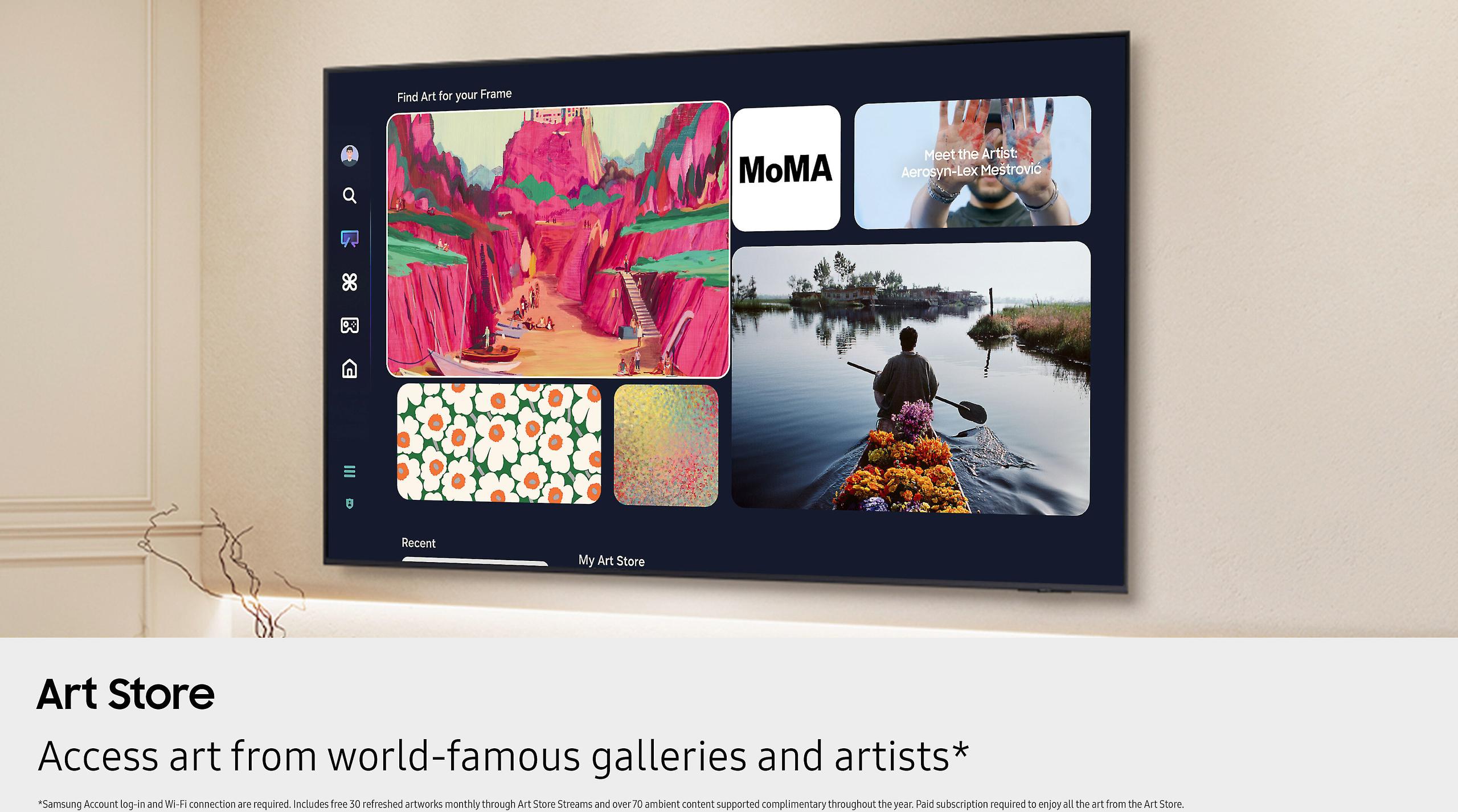
Platform choice significantly impacts daily usability. The Samsung QN900F runs Tizen OS 2025, which feels notably more responsive than the Hisense's older Android TV implementation. Apps launch faster, menus respond more quickly, and the overall interface appears more polished.
Samsung's Vision AI adds intelligent features like context-aware content recommendations and automatic picture optimization based on what you're watching. The system learns your preferences and suggests content across multiple streaming services, creating a more personalized experience.
Android TV on the Hisense H9G provides broader app compatibility and greater customization options. Google Play Store access means virtually any Android app can be installed, including international streaming services and niche applications. However, the 2020 Android TV version feels dated compared to modern implementations, with slower navigation and occasional lag during intensive tasks.
Both platforms support major streaming services like Netflix, Amazon Prime Video, and Disney+, but the Samsung's newer platform handles 8K streaming and advanced codec support more effectively.
Television audio often gets overlooked, but built-in speaker quality varies dramatically between models. The Samsung QN900F incorporates a 4.2-channel speaker system with 70W total power output, supporting Dolby Atmos for three-dimensional sound positioning.
Object Tracking Sound+ technology moves audio around the screen to match visual movement - car engines pan from side to side, helicopter sounds move overhead. For viewers using the TV's internal speakers rather than external sound systems, this creates a more immersive experience.
The Hisense H9G includes basic 20W stereo speakers that handle dialogue adequately but lack the power and sophistication for movie soundtracks or music. The difference becomes immediately apparent when watching action movies or content with dynamic audio mixing.
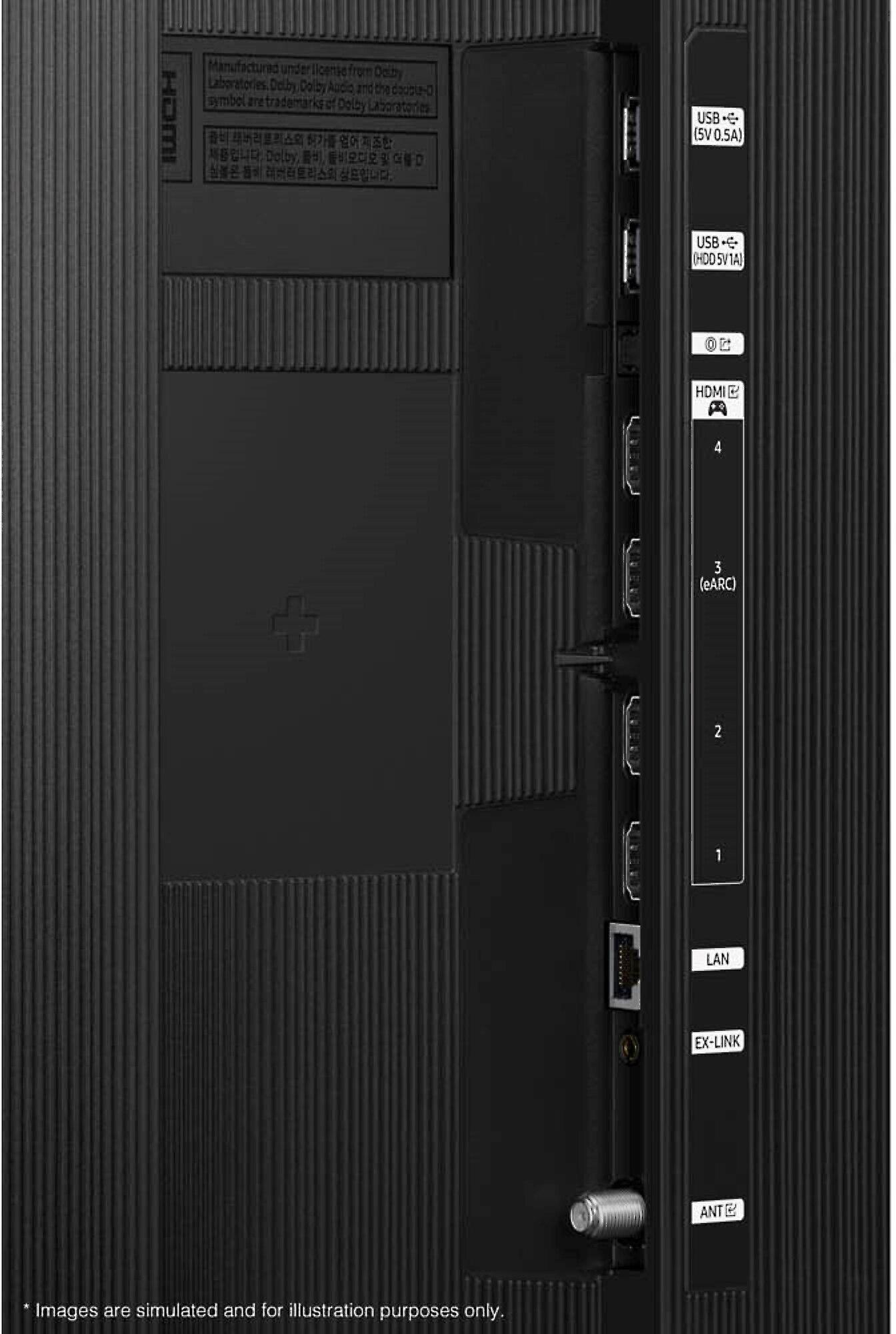
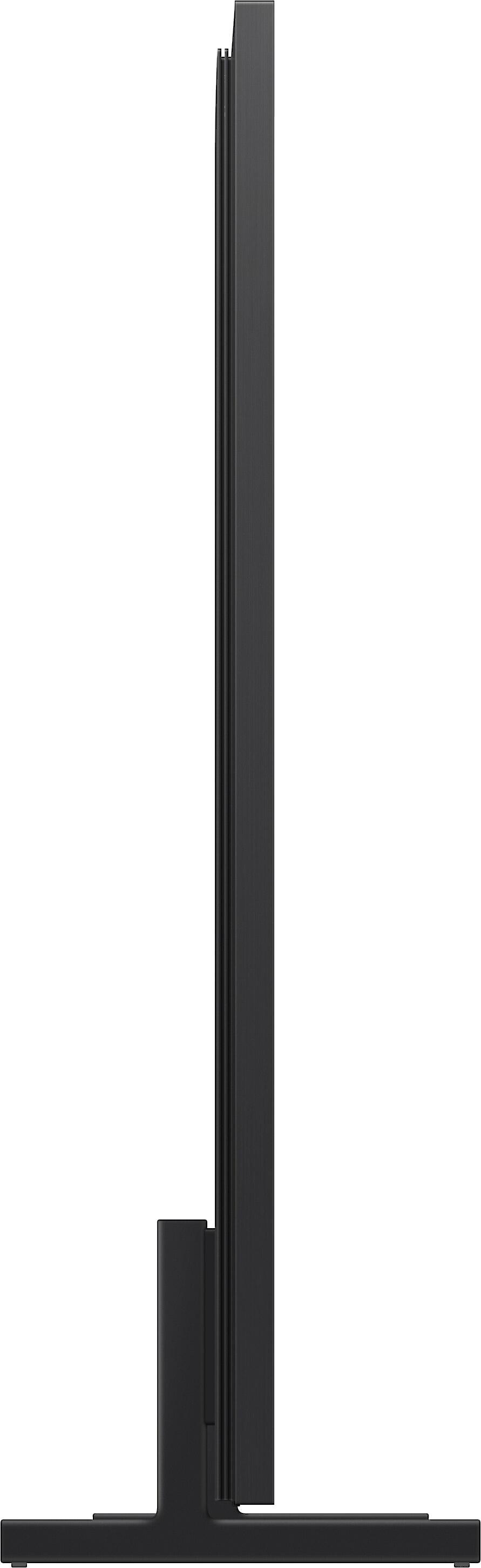
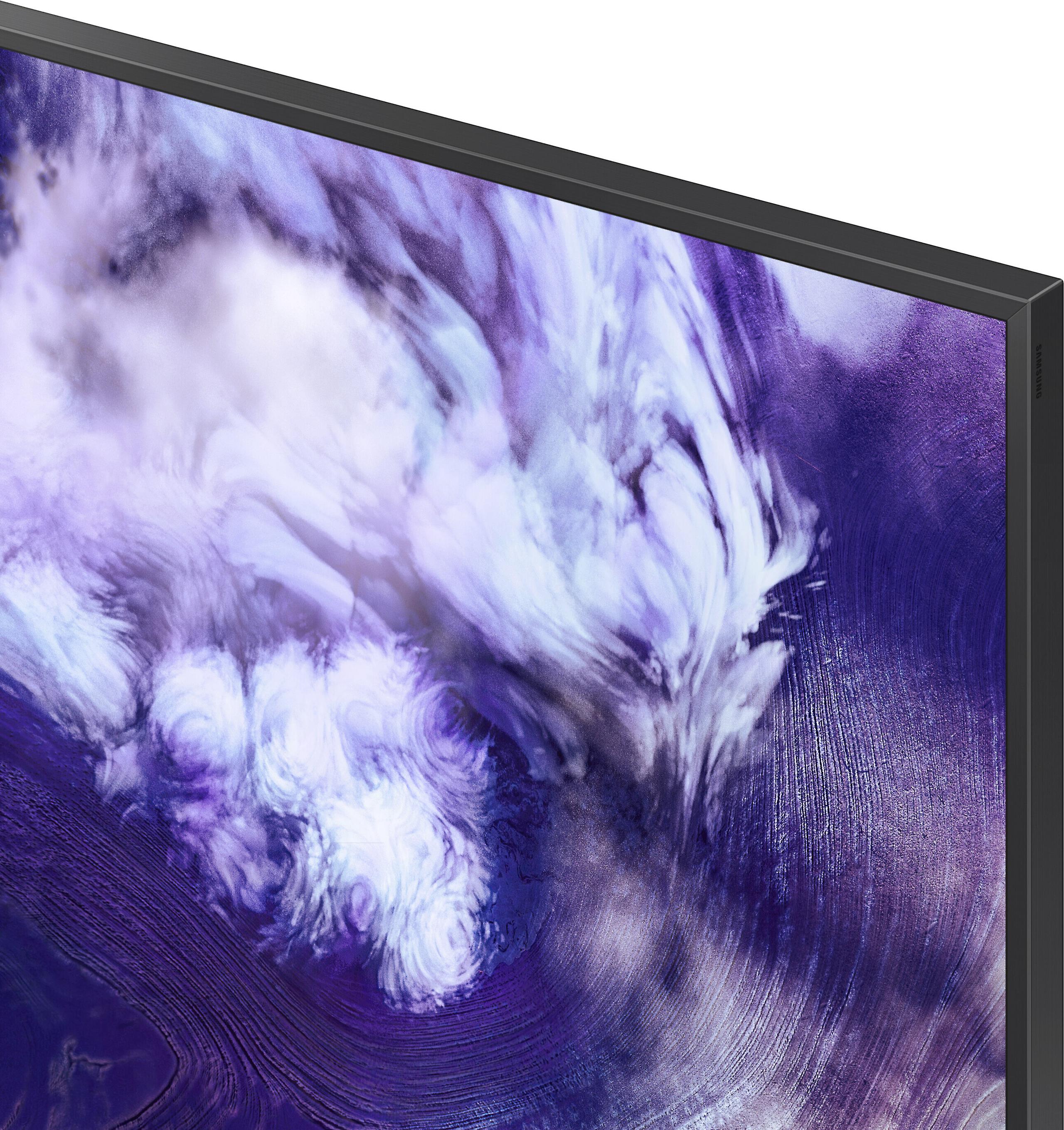
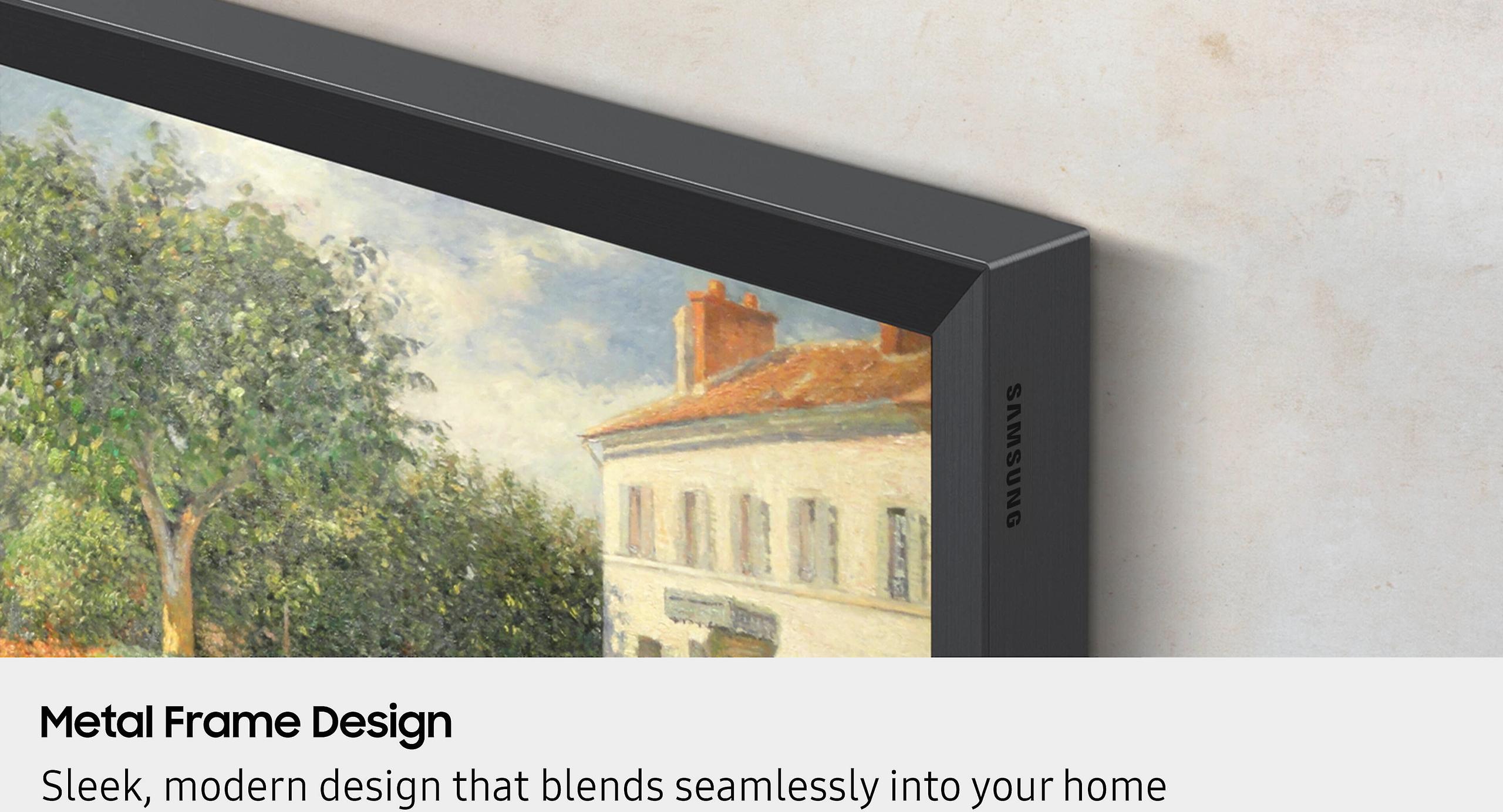
Aesthetics and construction quality reflect each TV's market positioning. The Samsung QN900F features premium Metal Chamfered Design with nearly edgeless bezels that complement modern home decor. The minimalist appearance works well whether the TV is wall-mounted or placed on a stand.
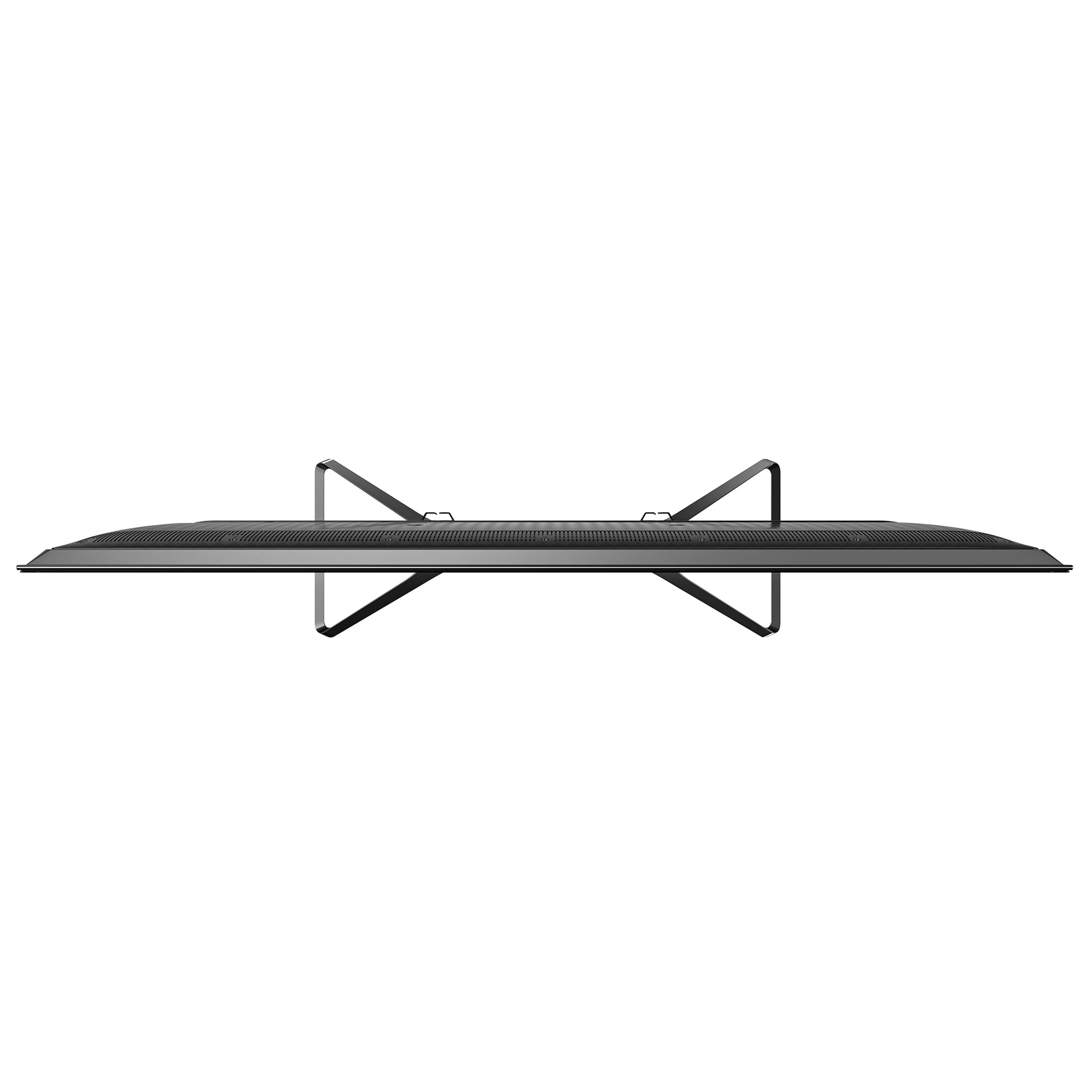
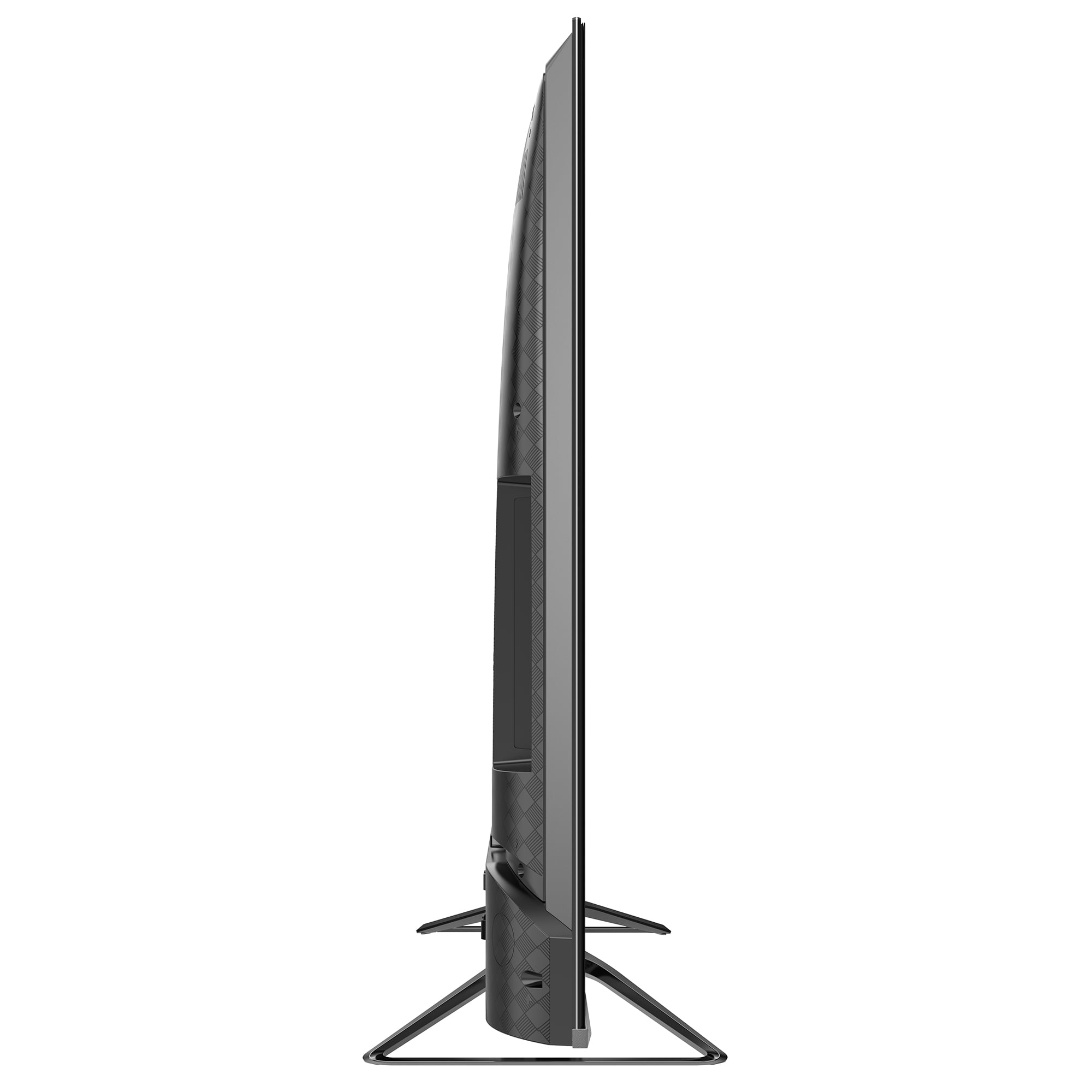
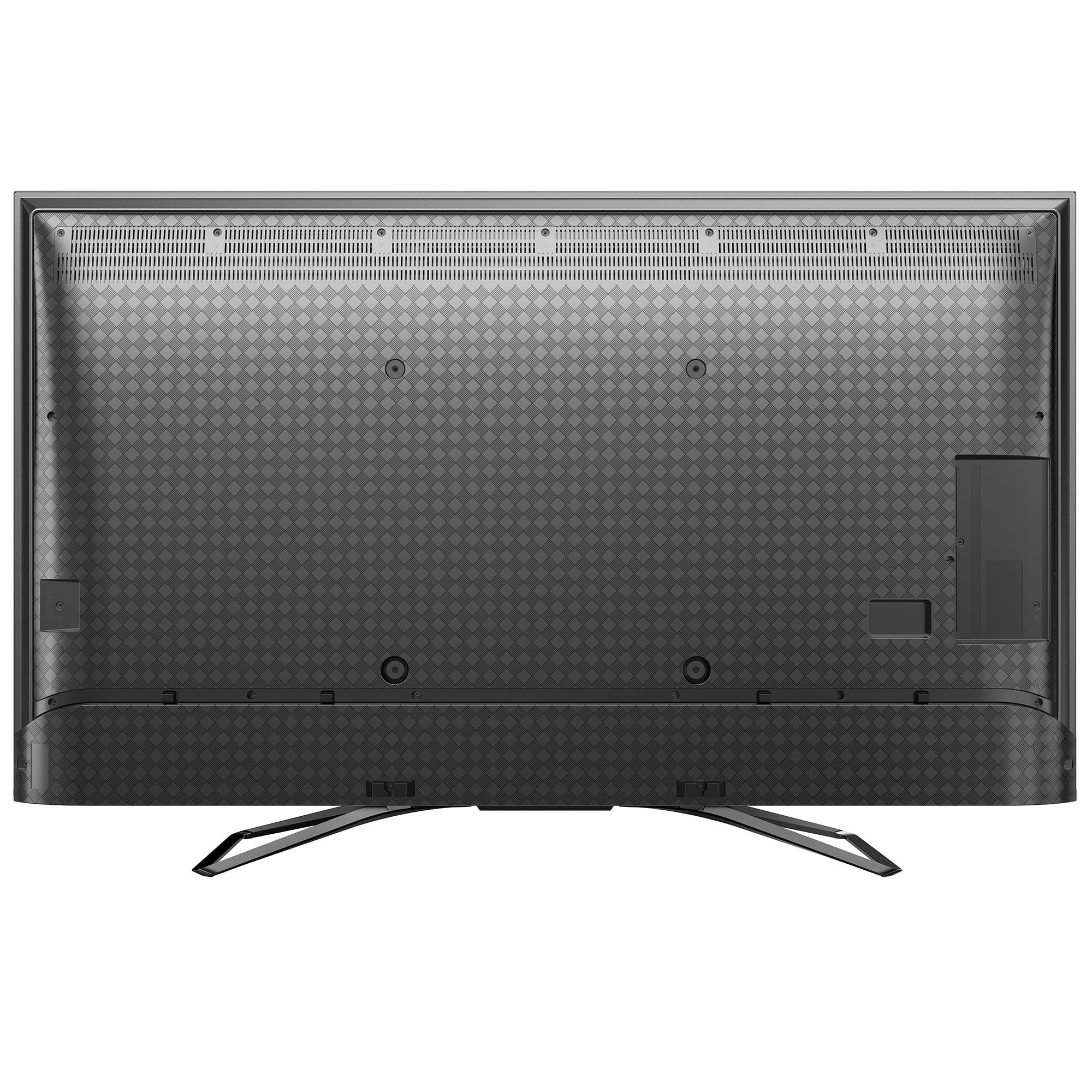
The Hisense H9G uses conventional plastic construction that prioritizes functionality over premium aesthetics. While solidly built, it appears dated compared to 2025 design standards. For buyers prioritizing performance over appearance, this difference matters less, but premium TVs often serve as focal points in living spaces where design considerations become important.
For dedicated home theater environments, the Samsung QN900F delivers reference-quality performance that justifies its premium pricing. The combination of Mini LED precision, high peak brightness, and sophisticated processing creates an experience that rivals commercial cinema projectors in many scenarios.
The controlled lighting conditions of home theaters allow the Samsung's contrast advantages to shine most dramatically. Dark scenes maintain detail without crushing blacks, while bright highlights pop with realistic intensity. The larger color gamut and accurate color reproduction ensure movies appear as directors intended.
The Hisense H9G performs admirably in home theater settings, delivering deep blacks and vibrant colors that would have been flagship-quality just a few years ago. However, the blooming around bright objects and lower peak brightness become more noticeable in darkened environments where contrast deficiencies are most apparent.
For casual living room viewing with mixed lighting conditions, the performance gap narrows considerably. Both TVs handle typical streaming content well, though the Samsung maintains its advantages with upscaling quality and HDR presentation.
At the time of writing, the Samsung QN900F commands roughly 2.5 times the Hisense H9G's pricing, creating a significant value consideration. The Hisense delivers approximately 80-85% of premium picture quality at a fraction of the cost, representing exceptional value for most consumers.
The question becomes whether the Samsung's technological advantages justify the substantial premium. For enthusiasts who prioritize cutting-edge technology, gaming performance, and reference-quality picture standards, the answer is likely yes. The Mini LED precision, AI processing, and advanced gaming features create a genuinely superior experience.
However, for casual viewers watching mixed content in typical living room conditions, the Hisense H9G provides excellent performance that satisfies most needs without the premium pricing. The money saved could fund a quality sound system or other home theater components that might provide greater overall improvement.
Choose the Samsung QN900F if you:
Choose the Hisense H9G if you:
The performance gap between these TVs is real and measurable, but context matters enormously. In bright living rooms with casual viewing habits, both deliver satisfying experiences. In darkened home theaters with premium content, the Samsung's technological advantages become more apparent and potentially justify the investment.
Ultimately, the Hisense H9G represents outstanding value that delivers premium performance at accessible pricing, while the Samsung QN900F pushes technological boundaries for enthusiasts willing to pay for the latest innovations. Both are excellent choices within their respective market segments, making the decision primarily about matching technology level to viewing priorities and budget constraints.
| Samsung 65" Neo QLED 8K QN900F Vision AI Smart TV 2025 | Hisense 65" H9G Quantum Series 4K UHD Smart Android TV |
|---|---|
| Display Resolution - Higher resolution means sharper details, especially when sitting closer | |
| 8K (7,680 × 4,320) with AI upscaling | 4K UHD (3,840 × 2,160) with standard upscaling |
| Backlighting Technology - Critical for contrast and eliminating blooming in dark scenes | |
| Mini LED with ~1,920 local dimming zones | Full-array LED with 180 local dimming zones |
| Peak Brightness - Determines HDR impact and daytime viewing performance | |
| Neo Quantum HDR 8K Pro (significantly higher than 1,000 nits) | Up to 1,000 nits peak brightness |
| HDR Format Support - Affects compatibility with streaming content | |
| HDR10, HDR10+, HLG (no Dolby Vision) | Dolby Vision, HDR10, HDR10+, HLG |
| Gaming Performance - Important for console and PC gaming | |
| 4K@165Hz, VRR, FreeSync Premium Pro, ultra-low input lag | 4K@60Hz, ALLM, ~15ms input lag (no VRR support) |
| Smart TV Platform - Affects app performance and user experience | |
| Tizen OS 2025 with Samsung Vision AI | Android TV (2020 version) |
| Audio System - Built-in speaker quality for those not using external audio | |
| 4.2-channel, 70W, Dolby Atmos, Object Tracking Sound+ | 2.0-channel, 20W stereo speakers |
| Processing Power - Impacts upscaling quality and smart features | |
| NQ8 AI Gen2 Processor with 256 neural networks | Hi-View Engine with standard processing |
| Design and Build Quality - Premium materials and aesthetics | |
| Metal Chamfered Design, nearly edgeless bezels | Standard plastic construction, conventional bezels |
| Release Year - Technology generation and future-proofing | |
| 2025 (cutting-edge technology) | 2020 (proven but older technology) |
| Value Proposition - Performance relative to typical pricing | |
| Premium pricing for flagship 8K performance and latest features | Exceptional value with 80-85% of premium performance |
The Samsung 65" Neo QLED 8K QN900F offers significantly better picture quality with Mini LED backlighting, 8K resolution, and advanced AI processing. However, the Hisense 65" H9G delivers about 80-85% of the performance at a much lower price point. The Samsung is worth the premium if you have a dedicated home theater, prioritize gaming features, or want cutting-edge technology. For casual viewing, the Hisense H9G provides excellent value.
The Samsung Neo QLED 8K QN900F has superior picture quality with deeper blacks, brighter highlights, and virtually no blooming thanks to its Mini LED technology with nearly 2,000 dimming zones. The Hisense H9G still delivers impressive picture quality with its 180 local dimming zones and quantum dot colors, but can't match the Samsung's contrast precision. For dark room movie watching, the Samsung provides a noticeably better experience.
The Samsung QN900F offers true 8K resolution (7,680 × 4,320 pixels) compared to the Hisense H9G's 4K resolution (3,840 × 2,160 pixels). While native 8K content is limited, the Samsung's AI upscaling makes all content look sharper and more detailed. The resolution difference is most noticeable when sitting closer to the screen or viewing fine details in nature documentaries and sports.
The Samsung Neo QLED 8K QN900F is significantly better for gaming with support for 4K at 165Hz, Variable Refresh Rate (VRR), and FreeSync Premium Pro. It has ultra-low input lag and advanced gaming features. The Hisense H9G offers decent gaming performance with low input lag and Auto Low Latency Mode, but lacks VRR support and caps at 60Hz refresh rates, making the Samsung the clear choice for serious gamers.
Yes, both TVs support major streaming services. The Samsung QN900F runs Tizen OS with fast app performance and Samsung's ecosystem integration. The Hisense H9G uses Android TV, which offers broader app compatibility through Google Play Store access. Both handle Netflix, Disney+, Amazon Prime Video, and other popular services well, though the Samsung feels more responsive in daily use.
The Samsung Neo QLED 8K QN900F has significantly better audio with a 4.2-channel system, 70W total power, Dolby Atmos support, and Object Tracking Sound+ technology. The Hisense H9G includes basic 20W stereo speakers that are adequate for dialogue but lack power for movies and music. If you plan to use the TV's built-in audio instead of a soundbar, the Samsung provides a much better experience.
The Samsung QN900F performs much better in bright rooms thanks to its higher peak brightness and Glare Free technology that reduces reflections. It maintains color vibrancy and contrast even with direct sunlight. The Hisense H9G can appear washed out in very bright conditions, though it's still watchable in moderately lit rooms. For bright living spaces, the Samsung has a clear advantage.
The Hisense H9G supports more HDR formats including Dolby Vision, HDR10, HDR10+, and HLG. The Samsung QN900F supports HDR10, HDR10+, and HLG but does not support Dolby Vision. This means the Hisense has better compatibility with Netflix, Disney+, and Apple TV+ content that uses Dolby Vision mastering, despite the Samsung's superior overall HDR performance.
The Samsung Neo QLED 8K QN900F is excellent for home theaters with its superior contrast, deep blacks, and minimal blooming in dark scenes. The Mini LED backlighting truly shines in controlled lighting conditions. The Hisense H9G also works well for home theaters and delivers impressive performance for its price point, but the Samsung provides reference-quality picture that justifies its premium positioning for serious home theater enthusiasts.
The Samsung QN900F is more future-proof with 8K resolution, advanced gaming features like 165Hz and VRR, and 2025 processing technology. As 8K content becomes more available and gaming standards evolve, it will remain relevant longer. The Hisense H9G, being a 2020 model, handles current content excellently but may feel dated sooner as new standards emerge. The Samsung offers better long-term value despite higher upfront costs.
The Hisense H9G offers exceptional value, delivering about 80-85% of premium TV performance at a significantly lower price point. It's the better choice for casual viewers, mixed content watching, and budget-conscious buyers who still want excellent picture quality. The Samsung QN900F provides superior performance but at a premium price that's mainly justified for enthusiasts, serious gamers, and dedicated home theater setups.
Choose the Samsung Neo QLED 8K QN900F for cutting-edge technology, superior gaming performance, home theater use, and if you want the best possible picture quality regardless of cost. Choose the Hisense H9G for excellent value, Dolby Vision support, Android TV flexibility, and if you want premium performance without premium pricing. The Samsung is for enthusiasts while the Hisense is for smart value-seekers who still want impressive quality.
We've done our best to create useful and informative comparisons to help you decide what product to buy. Our research uses advanced automated methods to create this comparison and perfection is not possible - please contact us for corrections or questions. These are the sites we've researched in the creation of this article: rtings.com - samsung.com - techradar.com - dolby.com - youtube.com - samsung.com - youtube.com - samsung.com - samsung.com - samsung.com - samsung.com - displayspecifications.com - samsung.com - rtings.com - bestbuy.com - merlinstv.com - news.samsung.com - bestbuy.com - rtings.com - bestbuy.com - techradar.com - youtube.com - digitaltrends.com - assets.hisense-usa.com - bestbuy.com - youtube.com - bestbuy.com

Privacy Policy
Terms and Conditions - Affiliate Policy
Home Security
© Copyright 2008-2026.
11816 Inwood Rd #1211, Dallas, TX 75244