

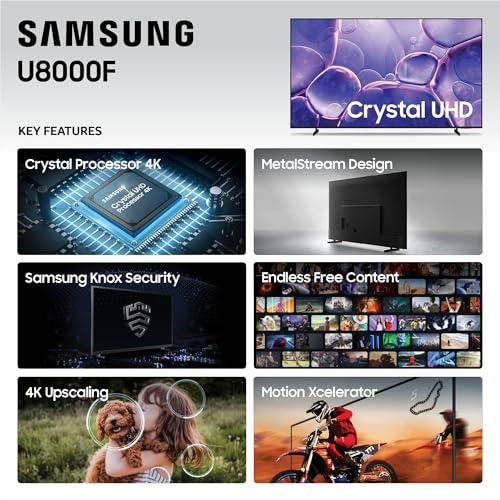
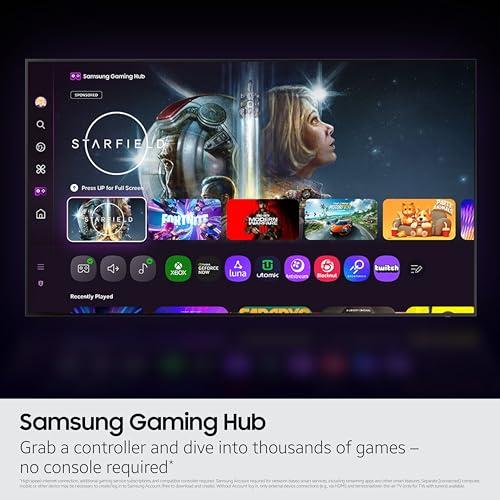
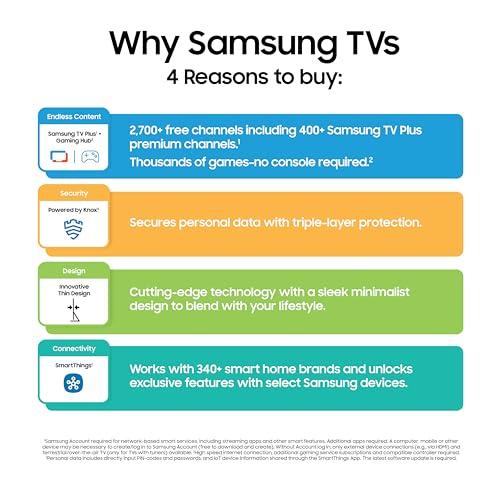
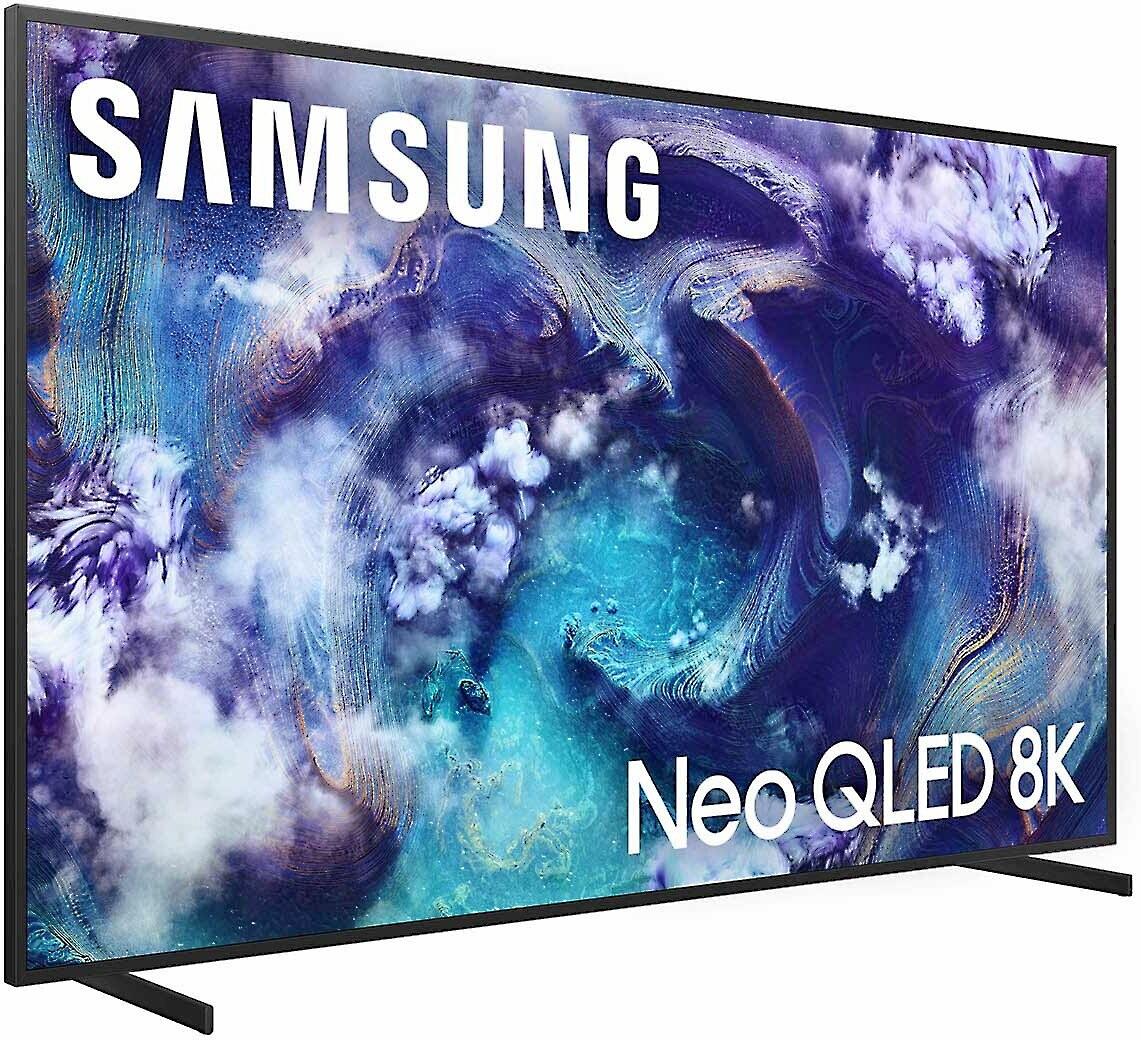
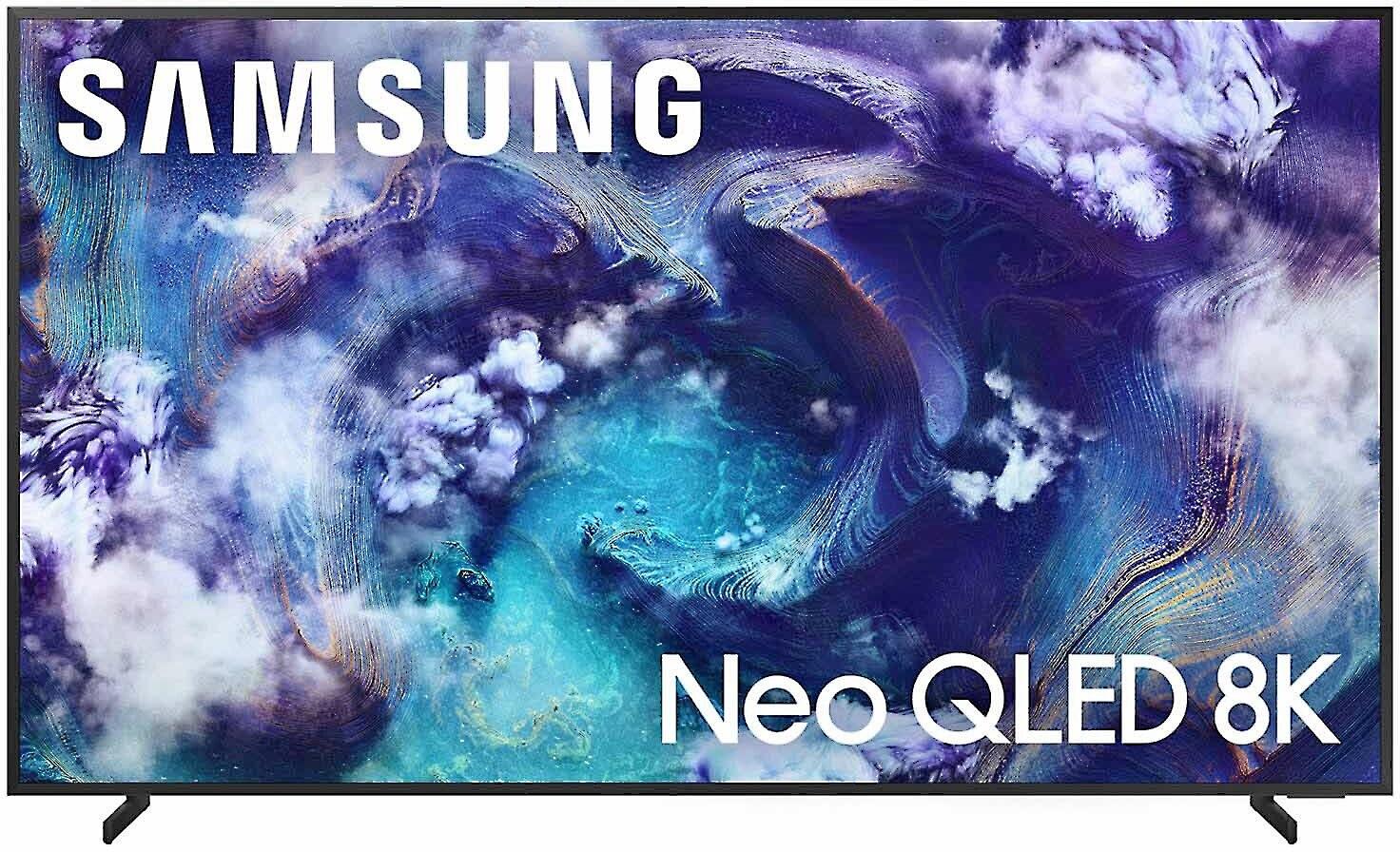

Samsung dropped two very different 65-inch TVs in 2025, and the gap between them is absolutely massive. The Crystal UHD U8000F and Neo QLED 8K QN900F might share the same screen size and Samsung badge, but they're designed for completely different audiences and budgets. After digging deep into reviews, specs, and real-world performance data, it's clear these TVs represent the extreme ends of what Samsung offers today.
Let me break down what makes each tick, where they excel, and most importantly, which one deserves your money based on how you actually watch TV.
Modern TVs do way more than just display cable channels. They're smart home hubs, gaming powerhouses, streaming centers, and for many people, the most-used device in the house. When you're shopping for a TV in 2025, you're really making decisions about picture quality (how good things look), performance (how smoothly everything runs), gaming capabilities (especially if you own a PlayStation 5 or Xbox Series X), and long-term value.
The technology inside these TVs has evolved dramatically since even 2022. Samsung's 2025 lineup includes major improvements in processing power, AI-driven features, and display technology that weren't available just a few years ago. Both models benefit from these advances, but in very different ways.
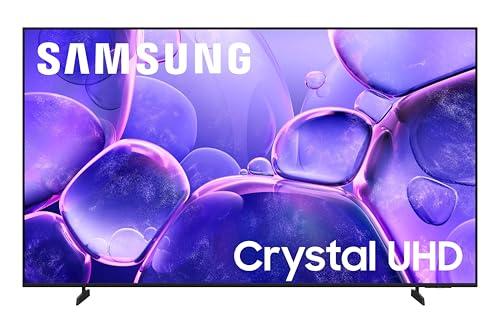
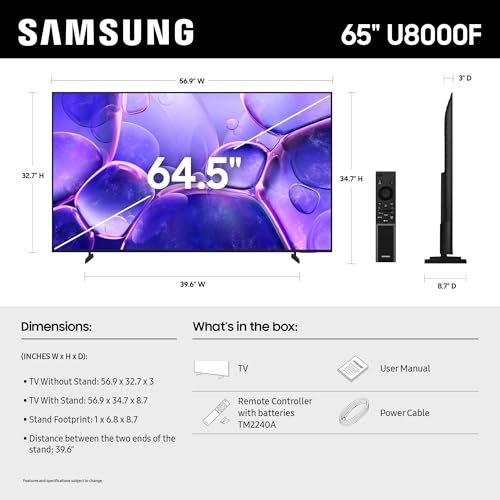
The Samsung Crystal UHD U8000F is Samsung's entry-level 4K offering for 2025. It's designed for people who want a reliable, good-looking TV without paying premium prices. Think of it as the sensible choice – it does everything most people need from a modern TV without any flashy extras.
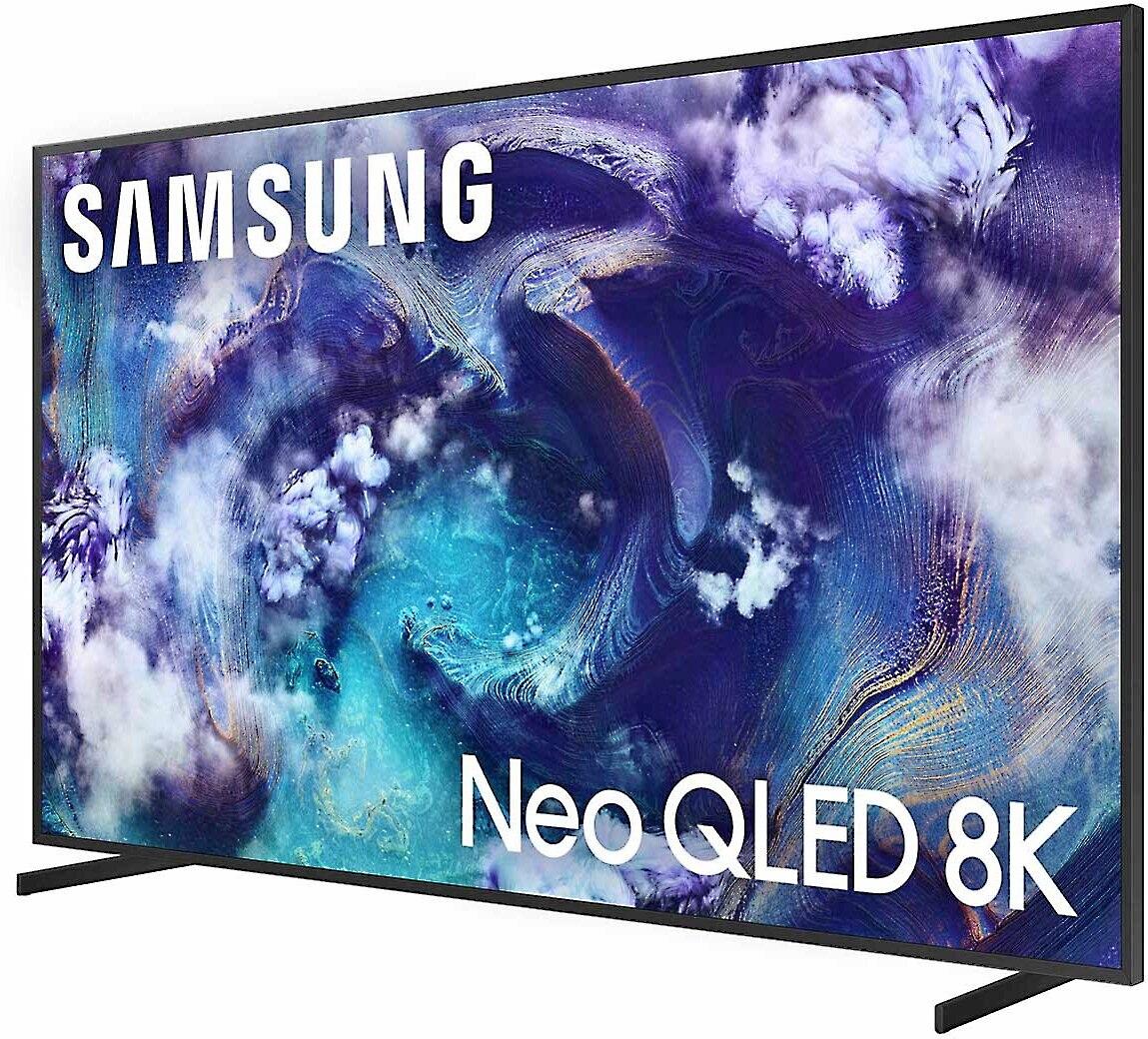
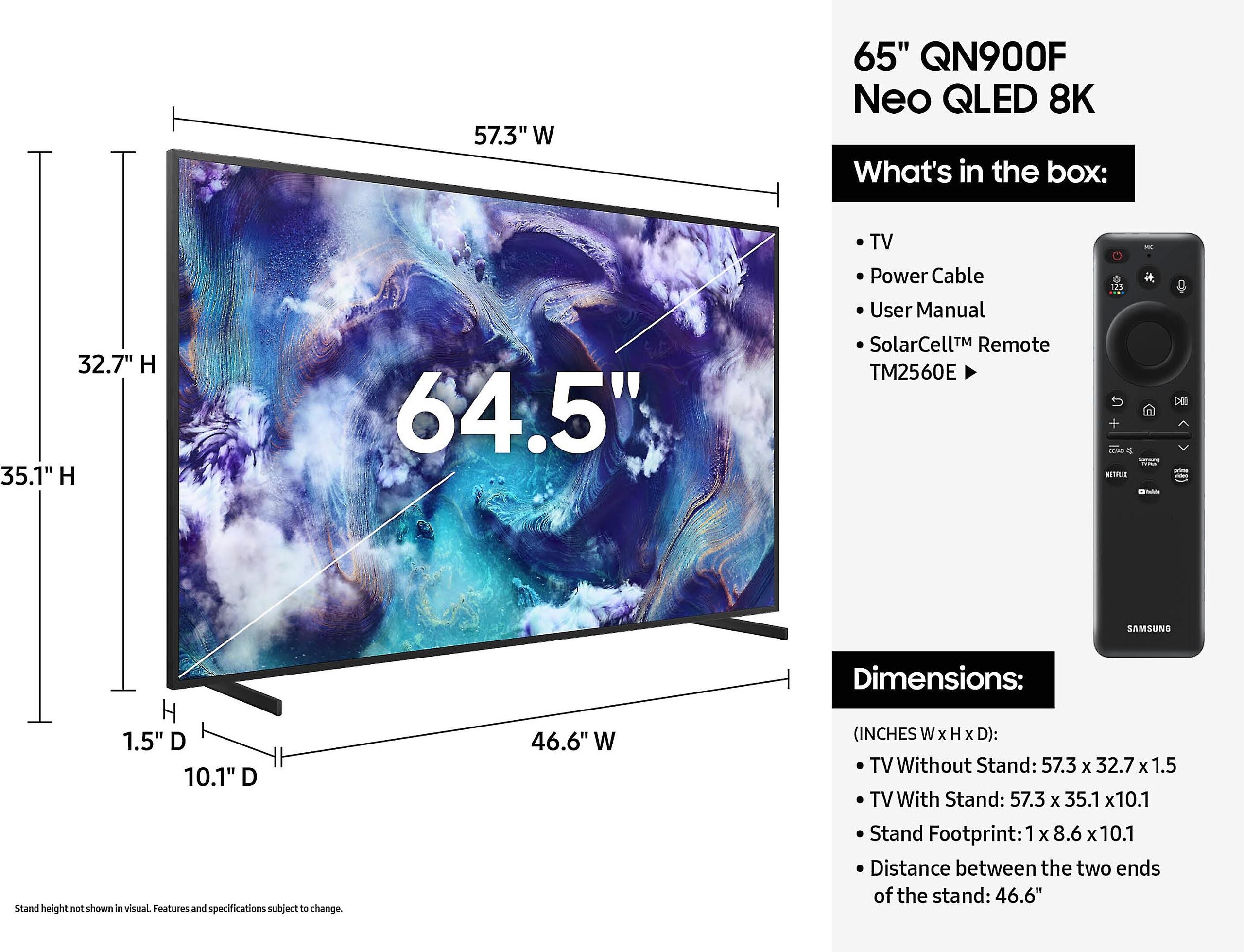
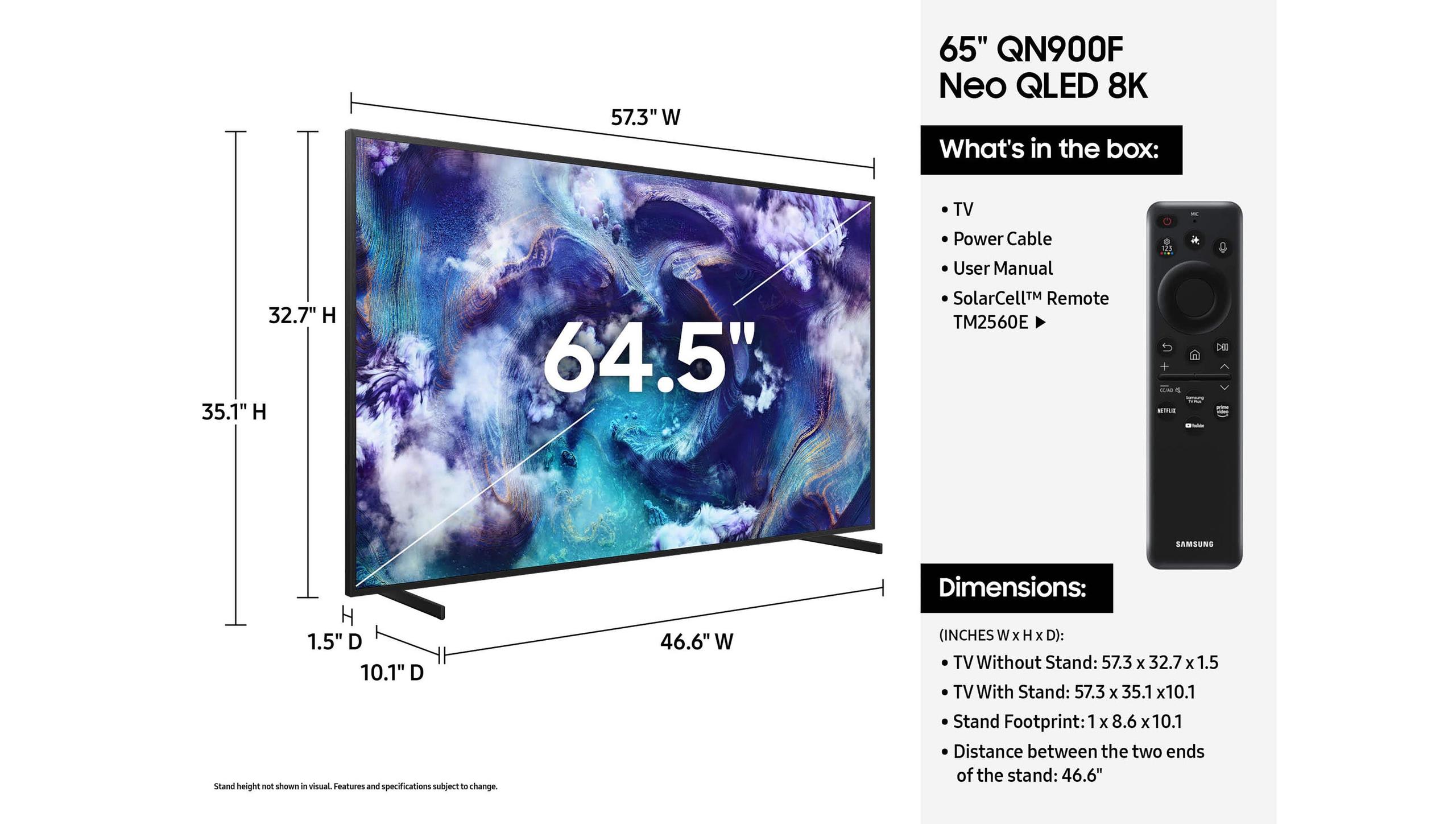
The Samsung Neo QLED 8K QN900F, on the other hand, is Samsung showing off. This is their premium 8K model packed with cutting-edge technology like Quantum Mini LEDs and AI processing that would have been science fiction a decade ago. At the time of writing, it commands a premium price that reflects its advanced capabilities.
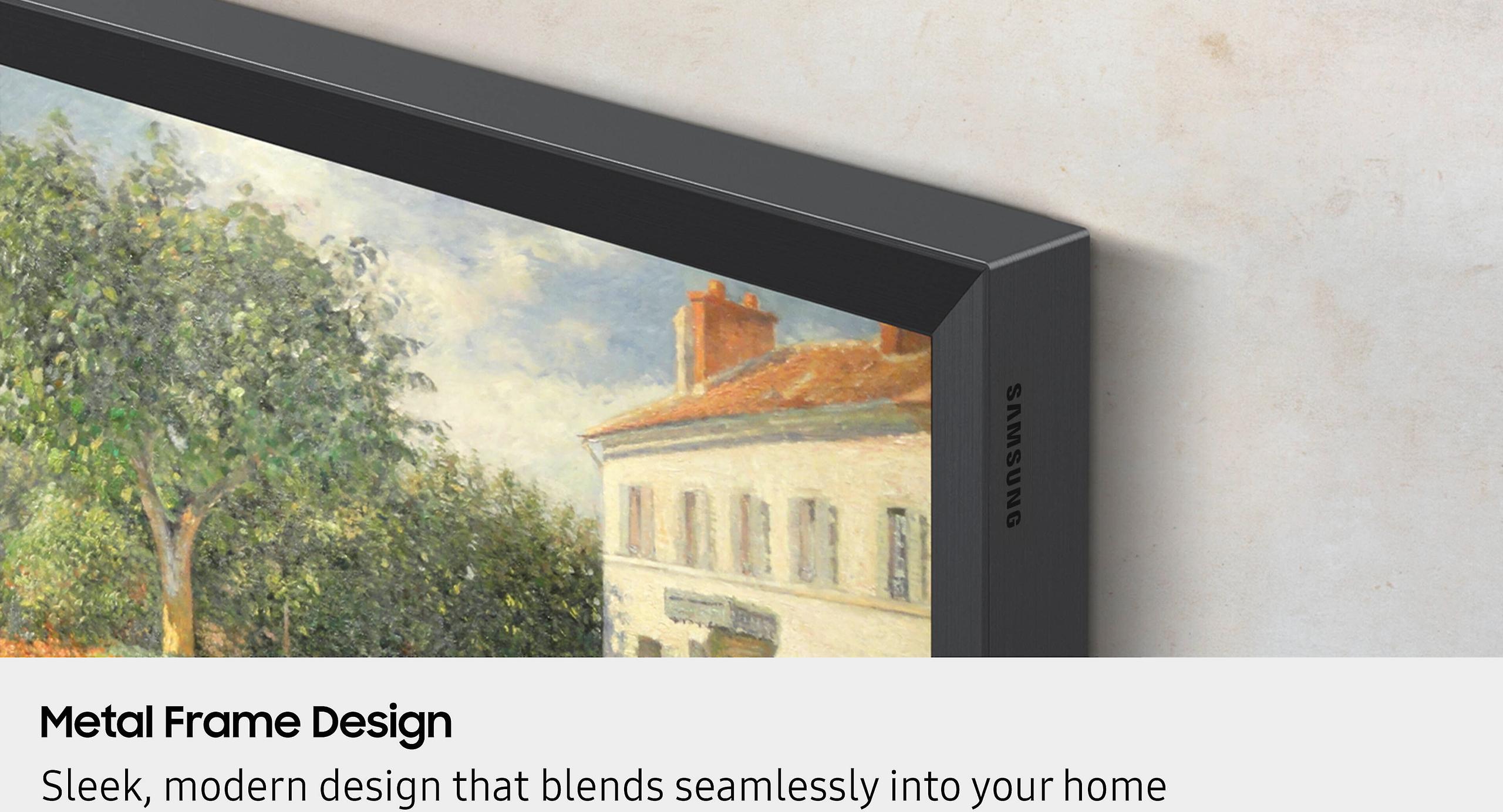
This is where things get interesting, and honestly, where the QN900F completely dominates. The U8000F uses what's called edge-lit LED backlighting. Imagine a flashlight pointing at the edge of your TV screen – that's essentially how it creates the light that makes the picture visible. It's simple, reliable, and cheap to manufacture, but it has major limitations.
Edge-lit displays can't control brightness in different parts of the screen independently. When a movie scene shows bright stars against a dark sky, the U8000F has to compromise – either the stars look dim or the sky looks grey instead of black. There's no middle ground.
The QN900F uses something called Quantum Mini LED technology, and it's genuinely impressive. These are LEDs that are 1/50th the size of regular TV LEDs, packed into thousands of tiny zones across the screen. Each zone can be controlled independently, so those stars can shine bright while the sky stays perfectly black. The technical term for this is "local dimming," and it makes an enormous difference in picture quality.
But here's the kicker – the QN900F also has 8K resolution. That's 7,680 by 4,320 pixels, compared to the U8000F's 4K resolution of 3,840 by 2,160. We're talking about four times as many pixels. Even though there's virtually no native 8K content available (Netflix, Disney+, and YouTube are still primarily 4K at best), the QN900F's AI processing does something remarkable with lower-resolution content.
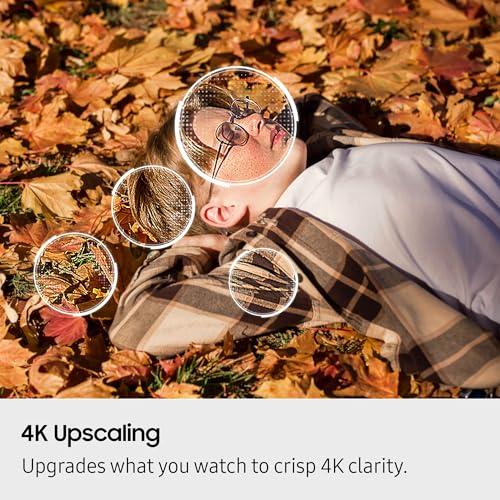
Samsung's NQ8 AI Gen2 Processor uses machine learning – essentially, it's learned from analyzing millions of images – to intelligently upscale 4K, HD, and even standard definition content to look dramatically better on the 8K screen. This isn't just stretching pixels; it's reconstructing detail that wasn't there originally. Having spent considerable time evaluating upscaling technology, I can say this approach works far better than earlier attempts at resolution enhancement.
Both TVs run Samsung's Tizen operating system, which has evolved into one of the better smart TV platforms. It's responsive, well-designed, and includes all the streaming apps you'd expect. But the similarities end there.
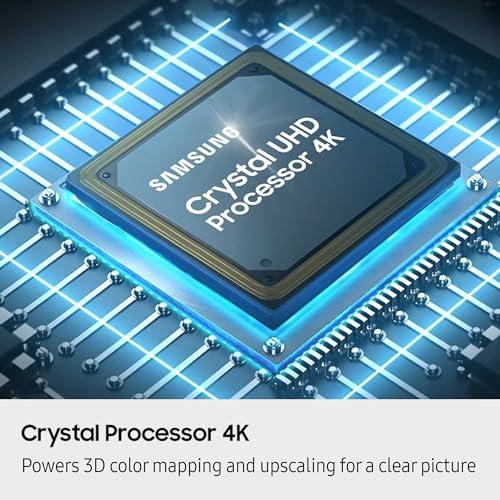
The U8000F uses Samsung's Crystal Processor 4K, which handles basic smart TV functions and upscaling adequately. It's perfectly fine for Netflix, Disney+, and YouTube, but it's not doing anything special with your content.
The QN900F packs Samsung's Vision AI, powered by that NQ8 AI Gen2 Processor with 256 neural networks. This isn't marketing fluff – it actively analyzes what you're watching and optimizes the picture and sound in real-time. Watching a nature documentary? It enhances greens and blues while boosting clarity. Switched to a dark thriller? It adjusts contrast and reduces noise while maintaining shadow detail.
The AI also powers content recognition features that can identify actors, provide information about what you're watching, and suggest similar content. Based on expert reviews, these features actually work well and add genuine value to the viewing experience.
If you own a PlayStation 5, Xbox Series X, or a modern gaming PC, the choice between these TVs becomes crystal clear. The U8000F maxes out at 60Hz refresh rate. That means it can only display 60 frames per second, which limits newer consoles that can output 120 frames per second in many games.
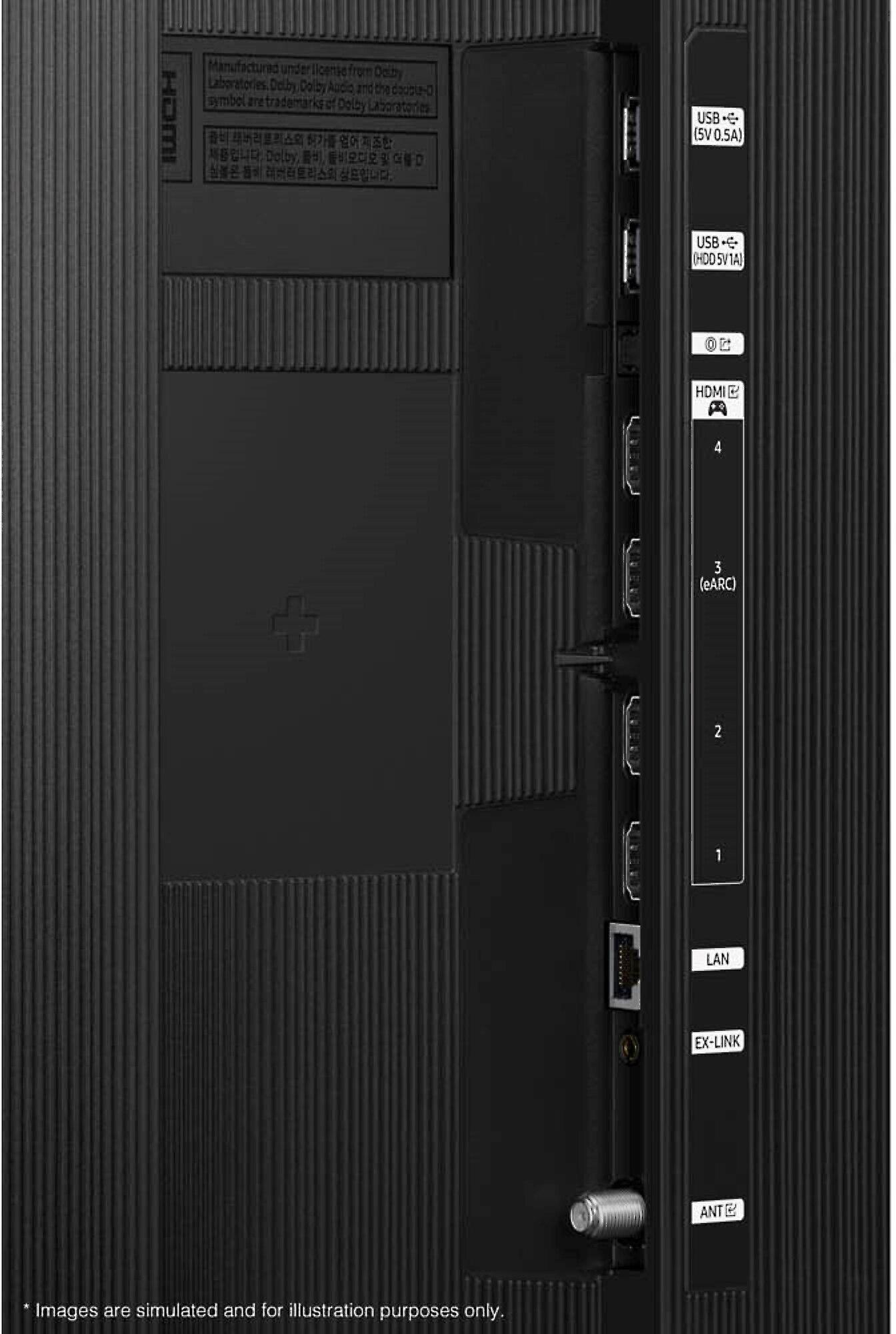
The QN900F supports 120Hz at 4K resolution across all four of its HDMI ports. This means silky-smooth gaming with less motion blur and more responsive controls. Both TVs support Variable Refresh Rate (VRR) and Auto Low Latency Mode (ALLM) – features that reduce input lag and screen tearing – but the QN900F's higher refresh rate makes these features actually meaningful.
Gaming on a 120Hz display versus 60Hz is genuinely noticeable, especially in fast-paced games like first-person shooters or racing games. The difference becomes even more pronounced in competitive gaming where every millisecond matters.
This ties closely to gaming performance but affects everything you watch. The U8000F struggles with fast motion due to its 60Hz panel and basic processing. Sports broadcasts, action movies, and even panning camera shots can look blurry or stuttery.
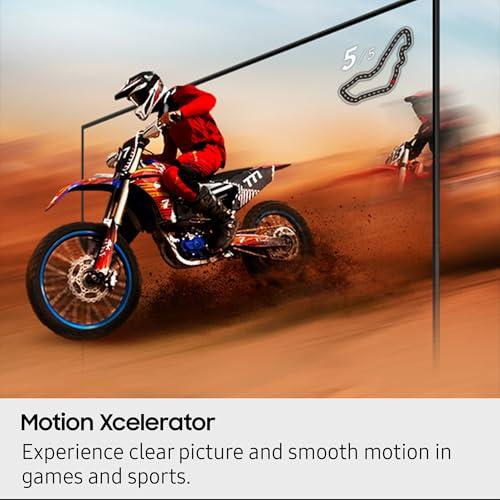
The QN900F includes Motion Xcelerator 240Hz technology (though the panel itself is 120Hz) and AI Motion Enhancer Pro. These work together to interpolate frames and reduce motion blur significantly. Having evaluated motion processing across various TV brands, Samsung's 2025 implementation strikes a good balance between smoothness and avoiding the "soap opera effect" that makes movies look unnatural.
For sports fans, this difference is substantial. Football, hockey, and basketball all benefit enormously from better motion handling.
This is where the technology differences translate into real-world viewing experiences. The U8000F delivers decent picture quality for its price point. Colors are reasonably accurate, 4K content looks sharp, and HDR (High Dynamic Range) content shows some improvement over standard content. However, the edge-lit backlighting means compromised contrast, especially in dark rooms.
The QN900F operates in a different league entirely. Peak brightness reaches levels that make HDR content genuinely impressive – bright scenes can be almost uncomfortably bright while dark scenes maintain deep blacks. The Quantum Dot technology expands the color gamut significantly, meaning more vibrant and accurate colors across the spectrum.
One standout feature of the QN900F is Samsung's Glare Free technology. This matte screen coating virtually eliminates reflections without the usual drawbacks of reduced sharpness or contrast. In bright living rooms or spaces with lots of windows, this makes an enormous difference in usability.
Based on professional reviews and user feedback, the QN900F consistently delivers what experts describe as "mesmerizing" picture quality that justifies its premium positioning.
Neither TV will replace a proper sound system, but there are differences worth noting. The U8000F includes basic 20W audio that's clear but lacks depth and power. It's fine for casual viewing but you'll want external speakers for movies or music.
The QN900F features Object Tracking Sound Pro with dedicated top-channel speakers and Dolby Atmos support. This creates genuinely three-dimensional audio that follows action across the screen. While still not matching a dedicated home theater setup, it's substantially better than typical TV audio and might eliminate the immediate need for a soundbar.
At the time of writing, these TVs occupy very different price segments, and that price gap reflects genuine technology differences rather than just brand positioning.
The U8000F represents solid value for budget-conscious buyers. You get Samsung's reliable build quality, decent 4K picture performance, and a full smart TV experience without premium pricing. For many families, especially those primarily watching streaming content and cable TV, it delivers everything needed for satisfying entertainment.
The QN900F commands premium pricing but delivers premium performance across every metric. The 8K resolution future-proofs the purchase, the Mini LED backlighting provides picture quality that rivals high-end displays costing even more, and the gaming capabilities fully support the latest consoles. The price premium buys you technology that will remain relevant longer and perform better throughout its lifespan.
If you're building a dedicated home theater or have a room where picture quality is paramount, the choice becomes clearer. The U8000F works fine in casual viewing environments but lacks the contrast and brightness needed for truly cinematic experiences.
The QN900F excels in home theater applications. Its high peak brightness handles well-lit rooms, while the local dimming creates the deep blacks essential for movie viewing in dark rooms. The larger color gamut and 8K resolution create an immersive experience that justifies the theater room investment.
However, neither TV supports Dolby Vision HDR, which some home theater enthusiasts consider essential. Both support HDR10+ instead, which is Samsung's preferred HDR format.
For most people, the U8000F makes sense if you're primarily streaming Netflix and Disney+, watching cable or satellite TV, and doing some casual gaming on older consoles. It handles these tasks well without unnecessary complexity or cost.
The QN900F becomes compelling if you own next-generation gaming consoles, watch a lot of high-quality streaming content, have a bright living room where glare is an issue, or simply want the best possible picture quality regardless of price.
Consider the U8000F for secondary bedrooms, college students, or anyone who needs reliable 4K performance without premium features. The QN900F makes sense for your primary viewing area, especially if you plan to keep the TV for many years and want it to remain relevant as content quality improves.
Think about your actual viewing habits and gaming needs. If you're satisfied with current 4K streaming quality and don't own a PlayStation 5 or Xbox Series X, the U8000F might provide everything you need at a much more accessible price point.
However, if picture quality matters to you, if you game on current consoles, or if you want a TV that will handle whatever content improvements come over the next five years, the QN900F justifies its premium with genuinely superior technology and performance.
The gap between these models reflects the current state of TV technology – you can get perfectly adequate performance at entry-level pricing, but the premium tier offers advances that create meaningfully better experiences. Choose based on how much those improvements matter to your specific viewing habits and budget priorities.
Both represent solid choices within their respective price ranges, but they're designed for fundamentally different users with different expectations and requirements.
| Samsung 65-Inch Crystal UHD U8000F 4K Smart TV 2025 | Samsung 65" Neo QLED 8K QN900F Vision AI Smart TV 2025 |
|---|---|
| Resolution - Higher resolution means sharper detail, especially on large screens | |
| 4K (3,840 x 2,160 pixels) - Standard for most content today | 8K (7,680 x 4,320 pixels) - Future-proof with AI upscaling |
| Backlight Technology - Determines contrast, brightness, and HDR performance | |
| Edge-lit LED (no local dimming) - Basic brightness control | Quantum Mini LED with local dimming - Precise brightness control |
| Refresh Rate - Critical for gaming and smooth motion in sports | |
| 60Hz - Adequate for streaming, limits gaming performance | 120Hz - Supports next-gen consoles at maximum frame rates |
| Processor - Powers upscaling, smart features, and AI enhancements | |
| Crystal Processor 4K - Basic upscaling and smart TV functions | NQ8 AI Gen2 with 256 neural networks - Advanced AI processing |
| HDMI Ports - More ports and newer standards support better devices | |
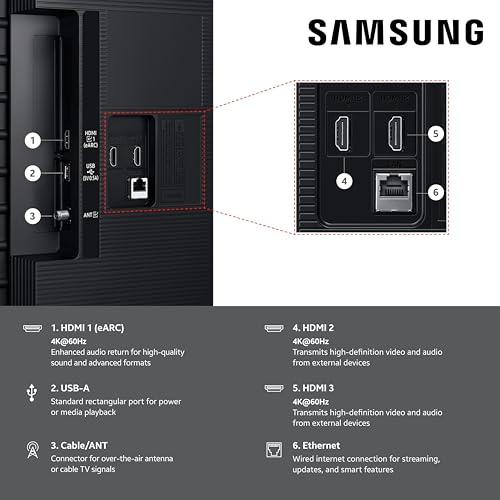
| 3 HDMI ports (HDMI 2.0) - Standard connectivity | 4 HDMI 2.1 ports - Full next-gen console support |
| HDR Support - Makes bright scenes brighter and dark scenes darker | |
| HDR10+ - Good HDR with limited brightness capability | Neo Quantum HDR with HDR10+ - Exceptional HDR performance |
| Gaming Features - Essential for PlayStation 5 and Xbox Series X owners | |
| VRR, ALLM at 60Hz - Basic gaming optimization | 4K@120Hz, VRR, ALLM - Complete next-gen gaming support |
| Smart TV Platform - Affects ease of use and app availability | |
| Tizen OS with standard features - Reliable smart TV experience | Tizen OS with Vision AI - Advanced content recognition and optimization |
| Anti-Glare Technology - Important for bright rooms and daytime viewing | |
| Standard glossy screen - Reflections can be distracting | Glare Free matte coating - Virtually eliminates reflections |
| Audio System - Built-in sound quality affects need for external speakers | |
| 20W stereo speakers - Clear but basic audio | Object Tracking Sound Pro with Dolby Atmos - Immersive 3D audio |
| Color Technology - Affects color accuracy and vibrancy | |
| Standard LED color reproduction - Good color accuracy | Quantum Dot technology - Expanded color gamut and brightness |
| Motion Processing - Reduces blur in fast-moving scenes | |
| Motion Xcelerator - Basic motion smoothing | Motion Xcelerator 240Hz with AI enhancement - Superior motion clarity |
| Target Audience - Who should consider each model | |
| Budget-conscious buyers, secondary TVs, casual viewing | Premium buyers, gamers, home theater enthusiasts, future-proofing |
The biggest difference is display technology and resolution. The Samsung U8000F is a 4K TV with basic edge-lit LED backlighting, while the Samsung QN900F features 8K resolution with advanced Quantum Mini LED technology that provides much better contrast and brightness control.
The Samsung QN900F is significantly better for next-gen gaming. It supports 120Hz refresh rates at 4K resolution, while the Samsung U8000F maxes out at 60Hz. This means smoother gameplay and better responsiveness with current gaming consoles.
Yes, if picture quality is important to you. The Samsung QN900F delivers dramatically better contrast, brightness, and color accuracy thanks to its Mini LED backlighting and Quantum Dot technology. The Samsung U8000F provides decent picture quality but can't match the premium model's performance.
The Samsung QN900F is much better for bright rooms. It features Samsung's Glare Free technology that virtually eliminates reflections, plus higher peak brightness to overcome ambient light. The Samsung U8000F has a glossy screen that shows reflections more easily.
Yes, both the Samsung U8000F and Samsung QN900F run Samsung's Tizen smart TV platform with access to all major streaming services like Netflix, Disney+, Prime Video, and YouTube. The interface and app selection are essentially identical.
The Samsung QN900F handles sports much better due to its 120Hz refresh rate and advanced motion processing. Fast-moving action appears smoother with less blur. The Samsung U8000F can struggle with motion clarity during quick plays or camera pans.
The Samsung QN900F's 8K resolution becomes valuable through AI upscaling that makes 4K and HD content look noticeably sharper and more detailed. Even without native 8K content, the improved processing and display technology justify the resolution upgrade for many viewers.
For dedicated home theater use, the Samsung QN900F is the clear choice. Its superior contrast ratio, higher brightness, and local dimming create a more cinematic experience. The Samsung U8000F works fine for casual viewing but lacks the performance needed for serious home theater applications.
Both use Samsung's Tizen OS, but the Samsung QN900F includes advanced Vision AI features that optimize picture and sound automatically based on content. The Samsung U8000F has standard smart TV functionality without the AI enhancements.
The Samsung QN900F has significantly better audio with Object Tracking Sound Pro and Dolby Atmos support, creating more immersive sound. The Samsung U8000F has basic stereo speakers that are adequate but lack depth and power.
Yes, both the Samsung U8000F and Samsung QN900F handle streaming and cable TV well. For basic viewing needs, the Samsung U8000F provides perfectly adequate performance, while the Samsung QN900F offers enhanced quality that may not be necessary for casual viewers.
The Samsung QN900F offers better long-term value for buyers who plan to keep their TV for many years. Its 8K resolution, advanced processing, and superior gaming capabilities will remain relevant longer. The Samsung U8000F provides immediate value for budget-conscious buyers but may feel outdated sooner.
We've done our best to create useful and informative comparisons to help you decide what product to buy. Our research uses advanced automated methods to create this comparison and perfection is not possible - please contact us for corrections or questions. These are the sites we've researched in the creation of this article: bestbuy.com - youtube.com - youtube.com - rtings.com - youtube.com - samsung.com - hometechnologyreview.com - rtings.com - samsung.com - displayspecifications.com - samsung.com - displayspecifications.com - walmart.com - billsmith.com - dentonstv.com - samsung.com - samsung.com - samsung.com - youtube.com - bestbuy.com - bestbuy.com - youtube.com - samsung.com - donstv.com - rtings.com - samsung.com - techradar.com - dolby.com - youtube.com - samsung.com - youtube.com - samsung.com - samsung.com - samsung.com - samsung.com - displayspecifications.com - samsung.com - rtings.com - bestbuy.com - merlinstv.com - news.samsung.com - bestbuy.com

Privacy Policy
Terms and Conditions - Affiliate Policy
Home Security
© Copyright 2008-2026.
11816 Inwood Rd #1211, Dallas, TX 75244