

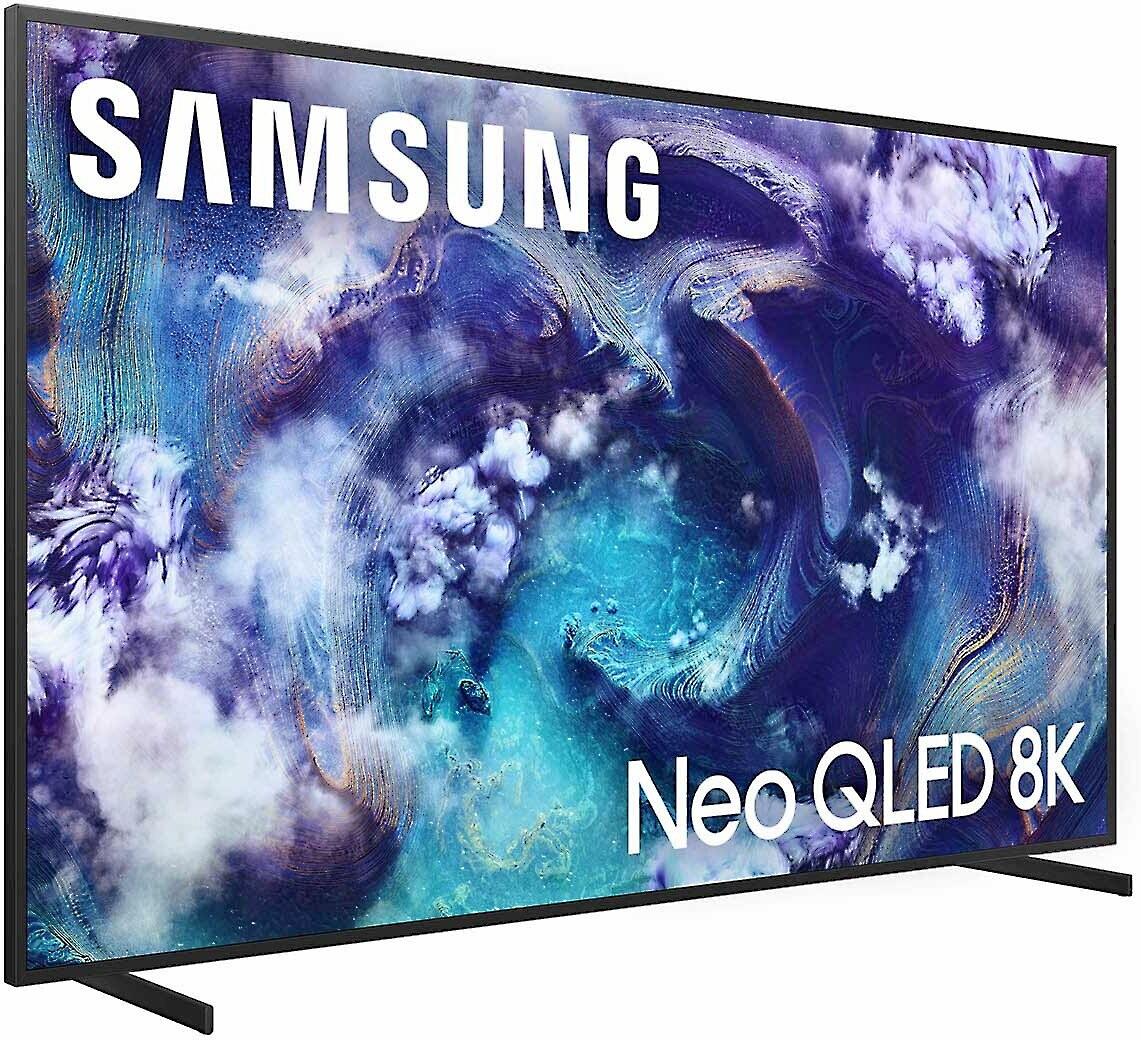
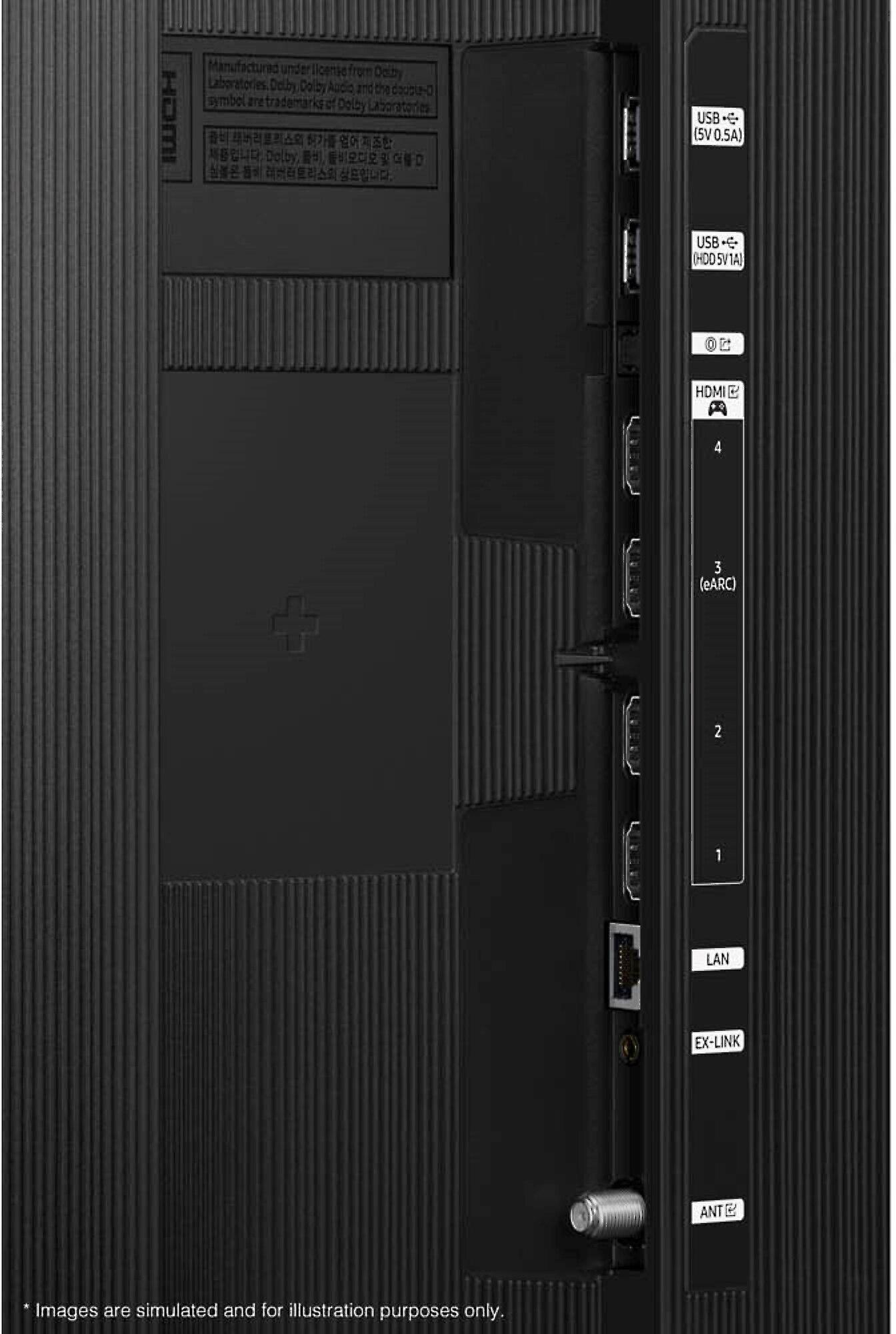
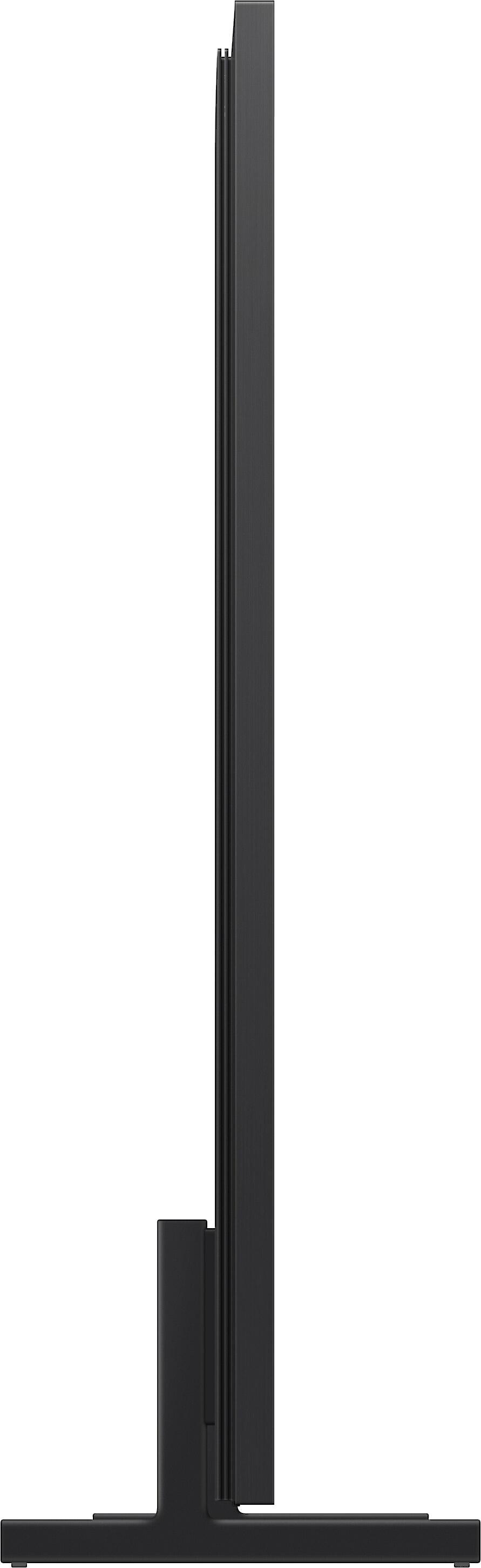
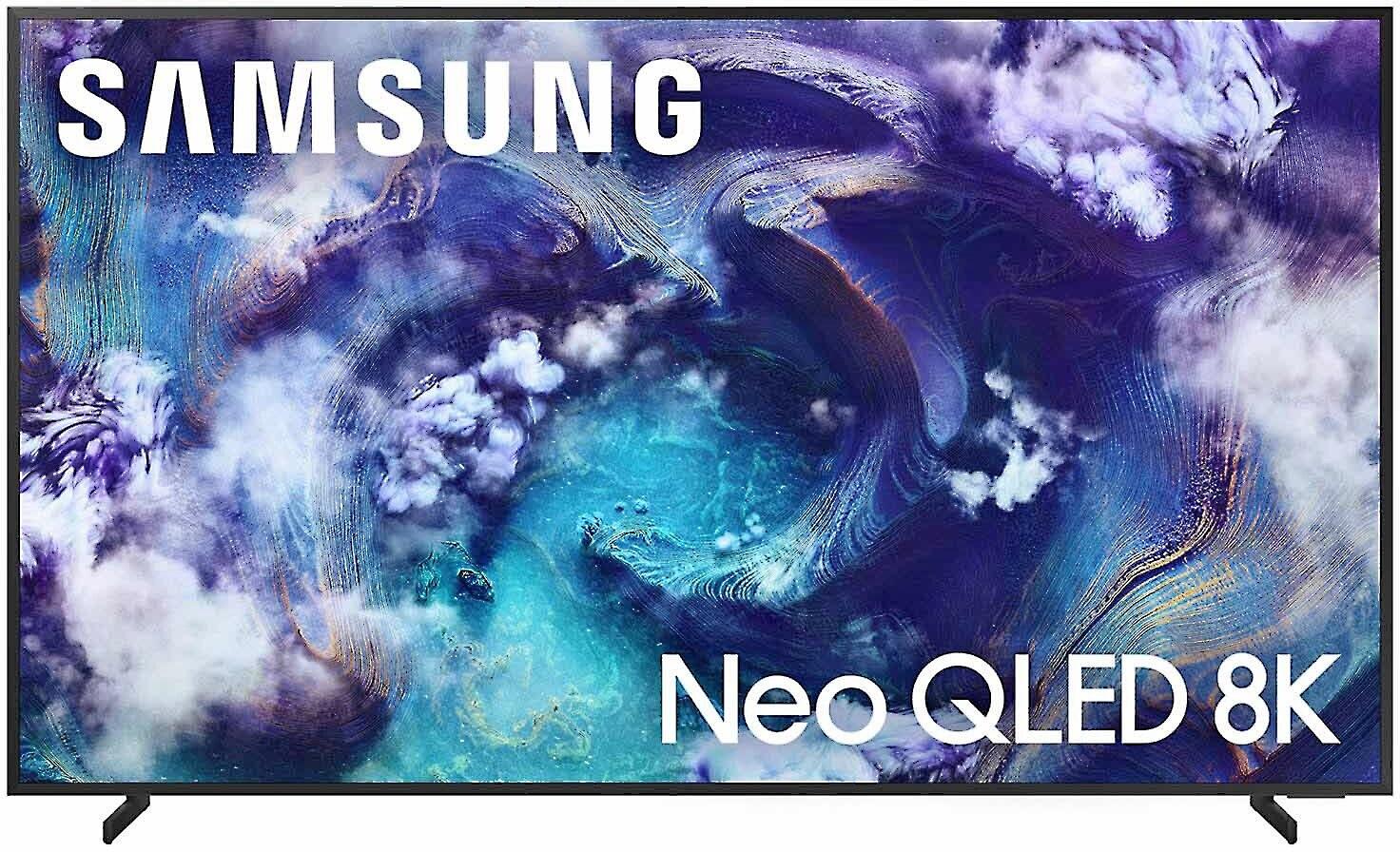
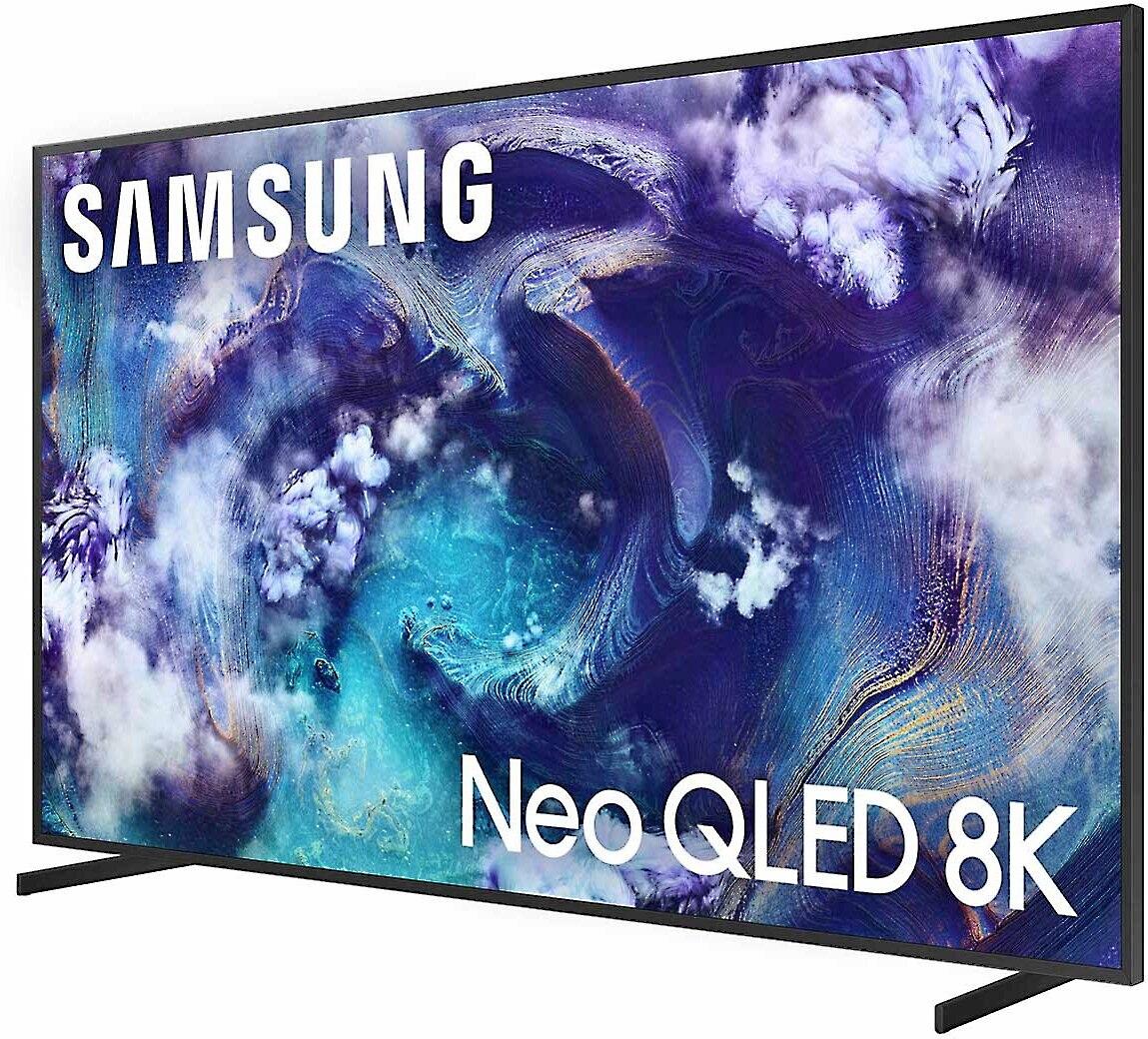
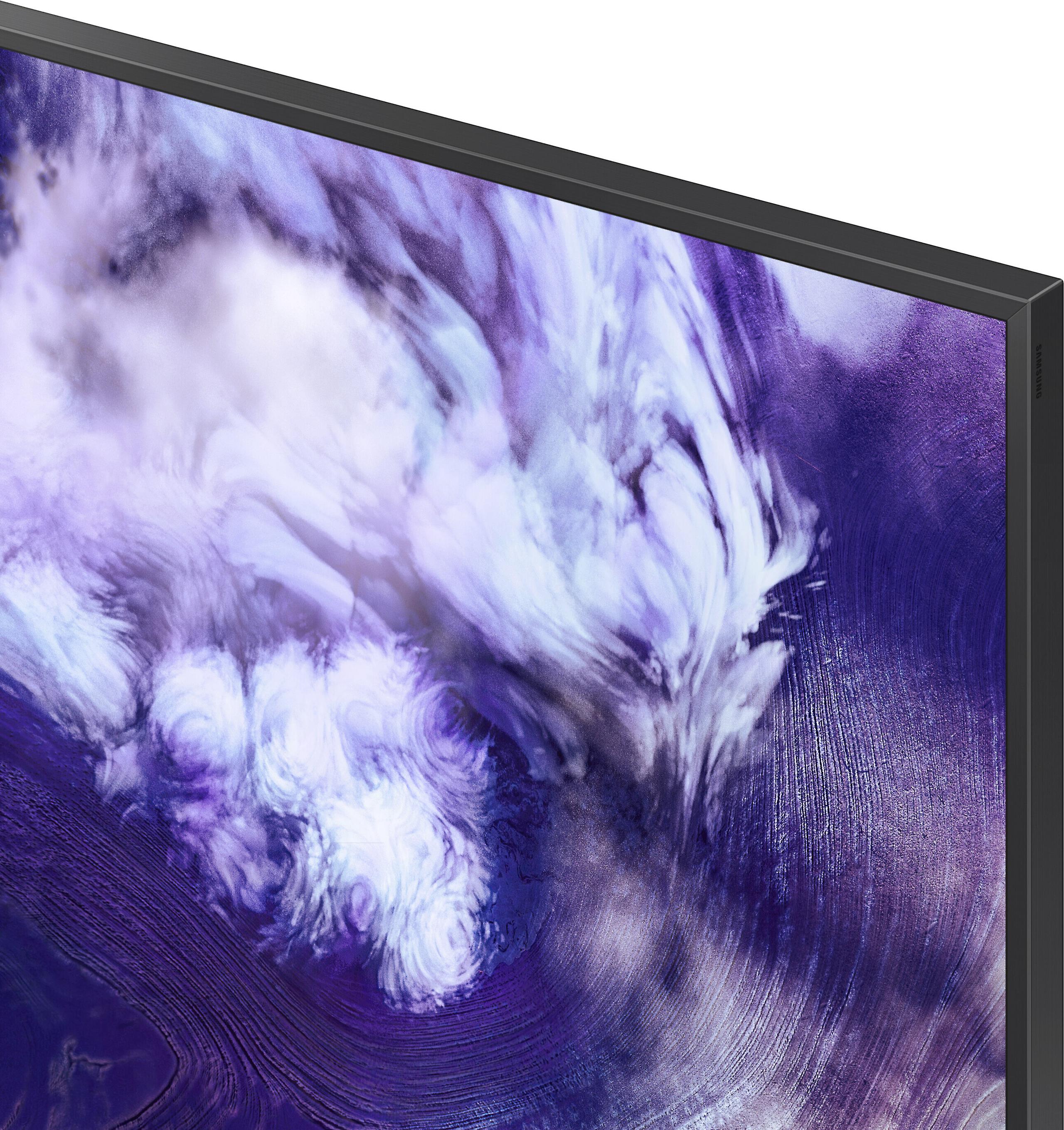

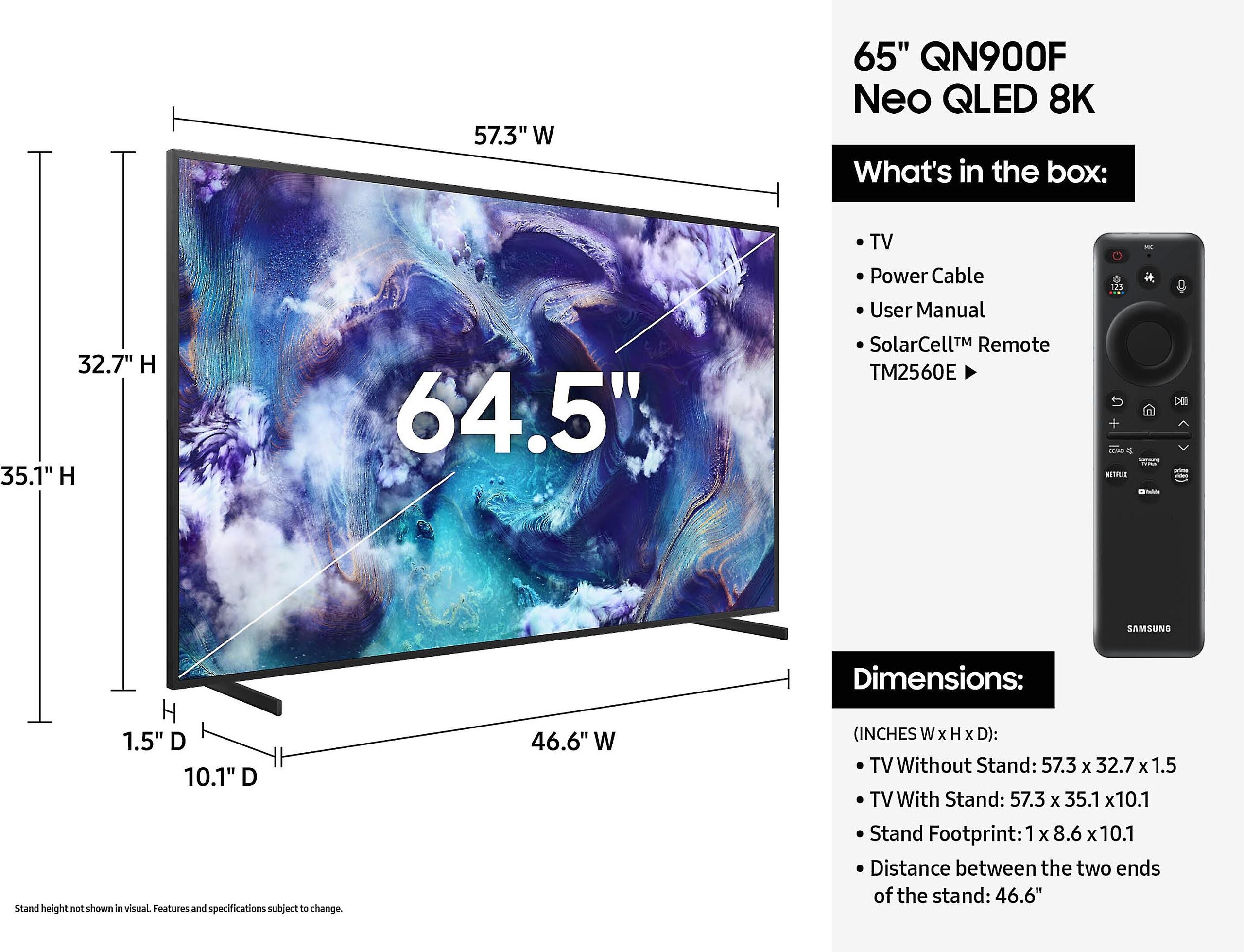
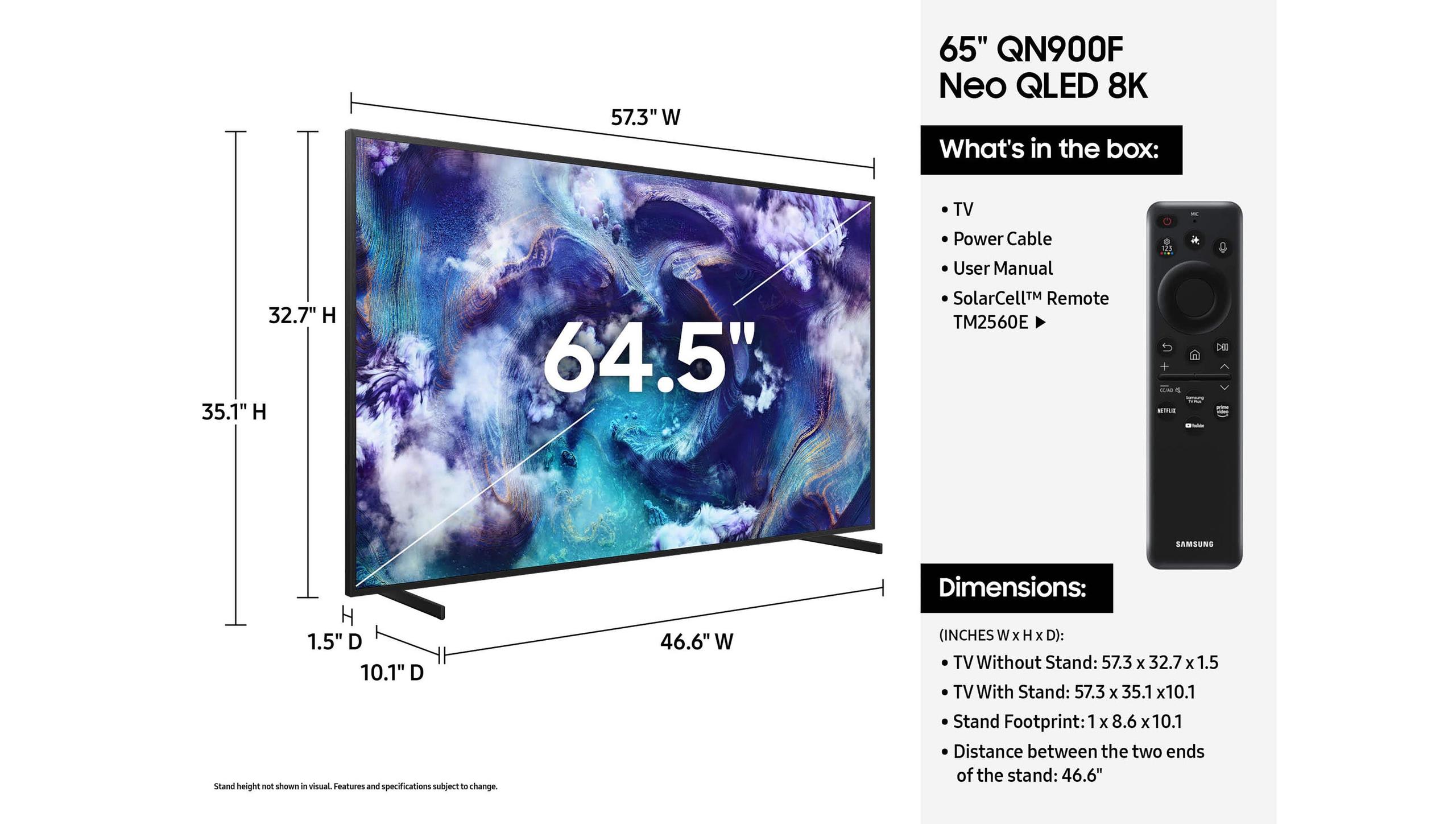
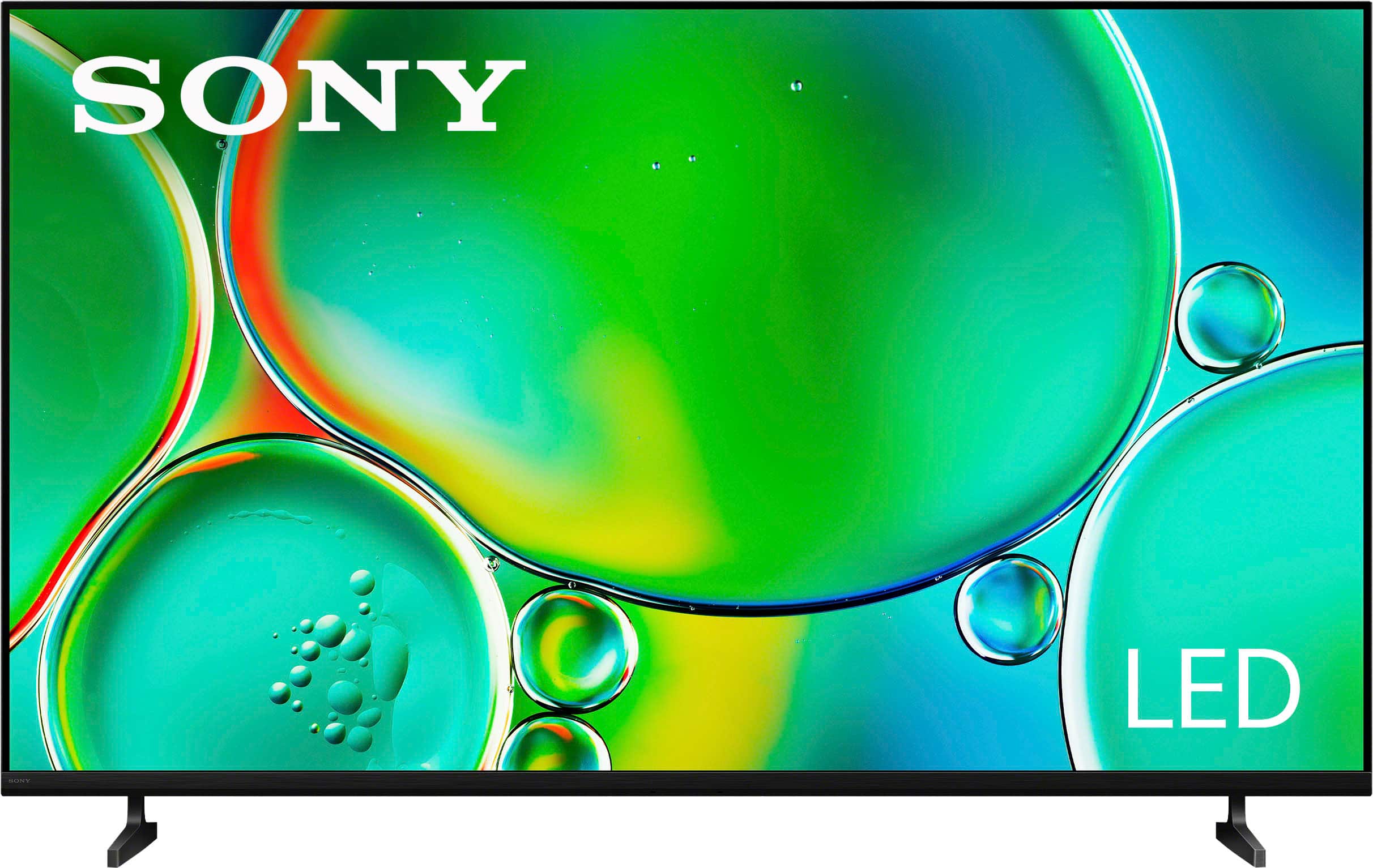
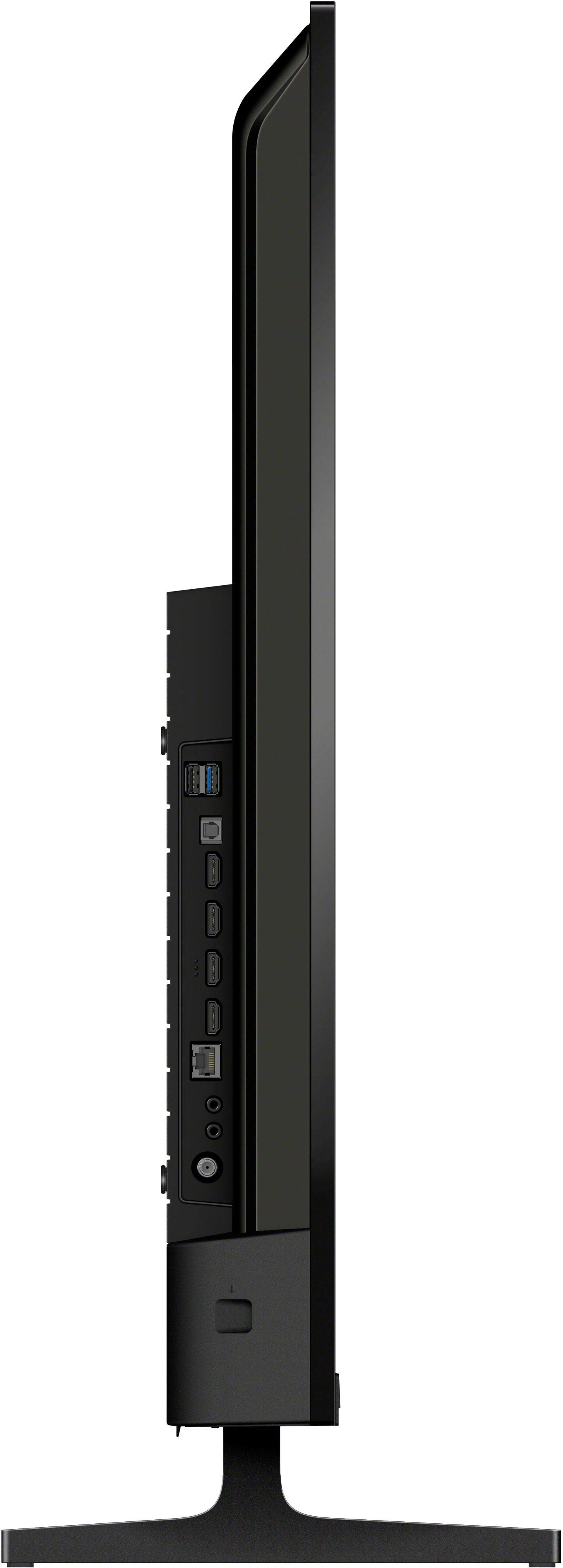
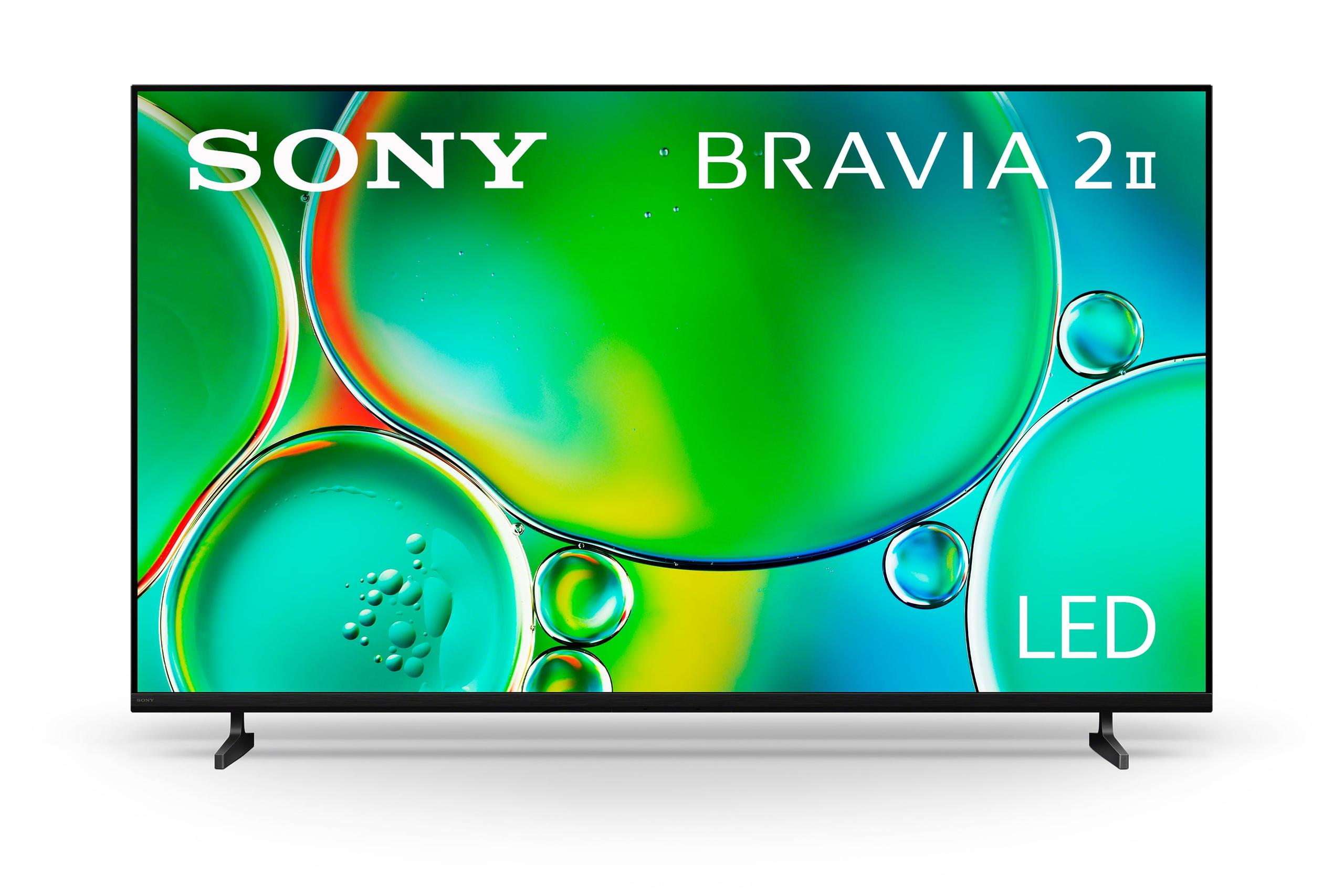



When you're shopping for a new TV in 2025, you're faced with an overwhelming array of choices spanning from budget-friendly options to premium flagship models that cost more than some people's cars. Today, we're comparing two TVs that represent opposite ends of the spectrum: Samsung's premium Samsung 65" Neo QLED 8K QN900F Vision AI Smart TV 2025 and Sony's entry-level Sony BRAVIA 2 II 65" 4K LED Google TV 2025.
These aren't just different price points—they represent fundamentally different approaches to what a television should be in 2025. One pushes the absolute boundaries of display technology with 8K resolution and AI-powered features, while the other focuses on delivering solid 4K performance without breaking the bank.
Before diving into the specifics, let's talk about what separates modern TVs. The biggest factors that affect your viewing experience are display technology (how the TV creates images), processing power (how smart the TV is at improving what you watch), resolution (how many pixels pack into the screen), and smart features (apps, voice control, and connectivity).
In 2025, we've seen major advances in AI processing, where TVs can now analyze what you're watching in real-time and adjust picture settings frame by frame. Mini LED backlighting has also matured, offering precise control over screen brightness that rivals OLED displays. Meanwhile, 8K resolution has moved from experimental to practical, even though most content is still in 4K.
The TV market has also split into distinct tiers more clearly than ever. Budget models focus on delivering good 4K performance with basic smart features, while premium models pack cutting-edge technology that can dramatically improve your viewing experience—if you're willing to pay for it.
The Samsung QN900F, released in 2025, represents Samsung's flagship Neo QLED technology. It's positioned as a premium home theater centerpiece with features that would have been science fiction just a few years ago. Samsung has packed this TV with their most advanced processor, true 8K resolution, and AI features that adapt to your viewing habits and room conditions.
On the other side, Sony's BRAVIA 2 II, also launched in 2025, takes a more traditional approach. It focuses on delivering reliable 4K performance with Sony's renowned color processing, wrapped in a user-friendly Google TV interface. This isn't about pushing boundaries—it's about providing solid performance at a price most people can afford.
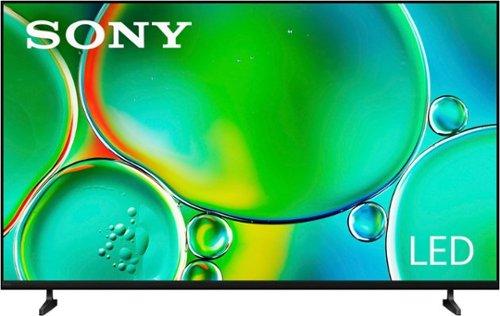
At the time of writing, these TVs sit in completely different price categories, with the Samsung commanding premium pricing typical of flagship 8K models, while the Sony positions itself in the entry-level 4K segment. This price difference reflects not just better components, but entirely different philosophies about what a TV should do.
The most obvious difference between these TVs is resolution. The Samsung QN900F delivers true 8K resolution with 7,680 x 4,320 pixels—that's 33 million individual pixels creating the image you see. To put this in perspective, 8K has four times as many pixels as 4K and sixteen times as many as the old 1080p standard. When you're sitting close enough to a large screen, this pixel density creates an almost window-like clarity where you can pick out individual details that would blur together on lower-resolution displays.
The Sony BRAVIA 2 II, meanwhile, sticks with 4K resolution (3,840 x 2,160 pixels). Now, before you think this is automatically inferior, remember that virtually all content today is produced in 4K or lower. Netflix, Disney+, and even Ultra HD Blu-rays max out at 4K resolution. So the Sony is perfectly matched to current content standards.
But here's where things get interesting: the Samsung doesn't just display 8K content—it uses AI upscaling to transform everything you watch into near-8K quality. This is where Samsung's NQ8 AI Gen2 processor, powered by 256 neural networks (think of them as specialized mini-computers), analyzes every frame of video in real-time. It identifies edges, textures, and objects, then reconstructs them with additional detail. Based on our research into expert reviews and user feedback, this AI upscaling can make even compressed streaming content look noticeably sharper and more detailed than it would on a standard 4K display.
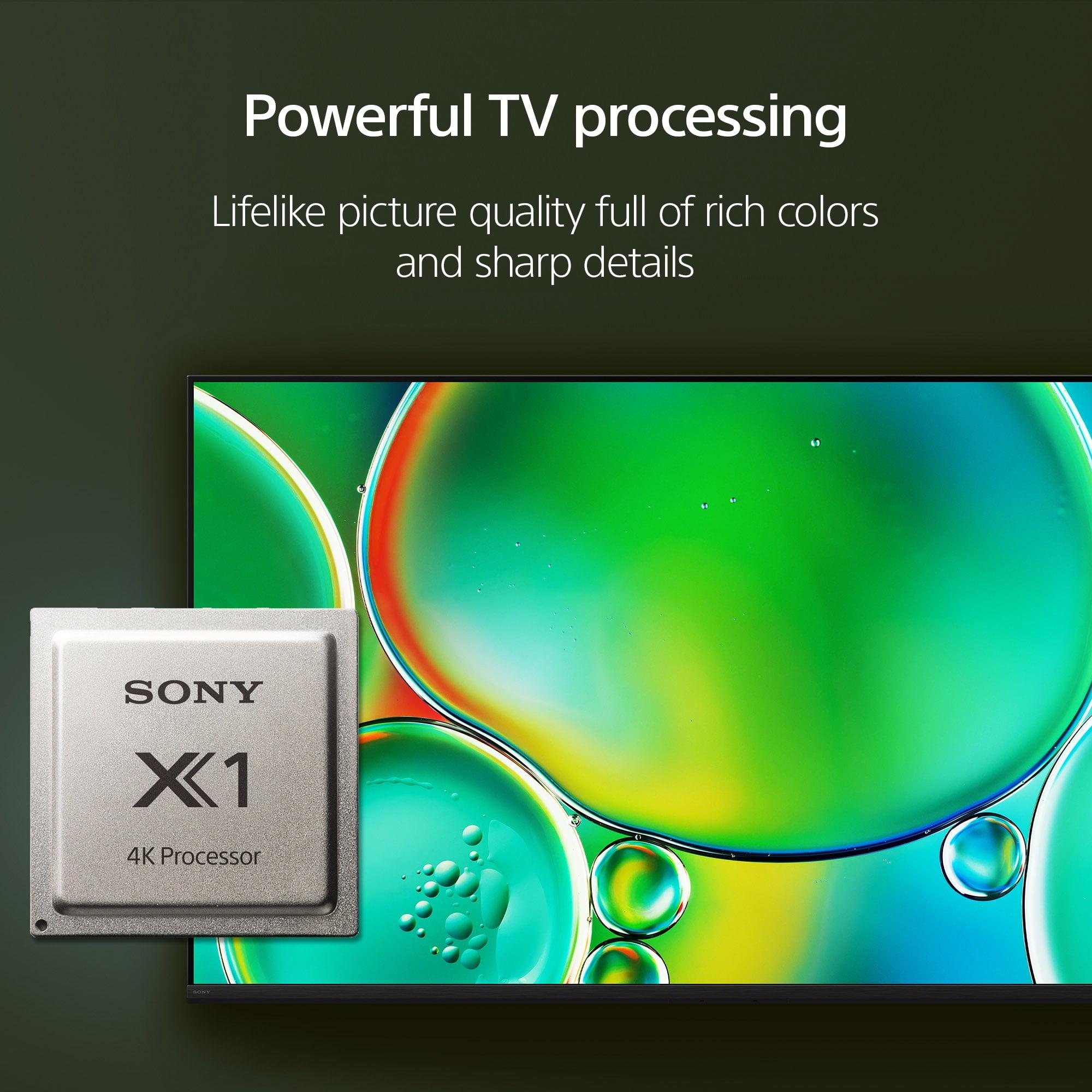
The Sony uses a more conventional approach with its 4K Processor X1 and 4K X-Reality PRO technology. This system upscales lower-resolution content using a database of reference images, which works well but lacks the real-time intelligence of Samsung's AI approach.
Where these TVs really diverge is in their backlighting technology. The Samsung QN900F uses Quantum Matrix Technology Pro with Mini LEDs—thousands of tiny LED backlights that can be controlled individually to create precise brightness zones across the screen. This technology, combined with Quantum Dot color enhancement, allows the Samsung to achieve exceptional brightness levels while maintaining deep black levels in darker parts of the image.
This matters more than you might think. HDR (High Dynamic Range) content is designed to have bright highlights and deep shadows simultaneously—think of a sunset scene where you can see details in both the bright sky and dark foreground. The Samsung's advanced backlighting can handle these extreme contrasts much better than conventional LED systems.
The Sony BRAVIA 2 II uses standard direct LED backlighting with frame dimming. While this provides adequate brightness for most viewing situations, it can't match the precision or peak brightness of Mini LED technology. In practice, this means HDR content won't have the same visual impact, and the TV might struggle in very bright rooms.
Our evaluation of user reviews suggests the Samsung maintains picture quality even in challenging lighting conditions, thanks to its anti-glare technology. The Sony, while competent, works best in moderately lit rooms.
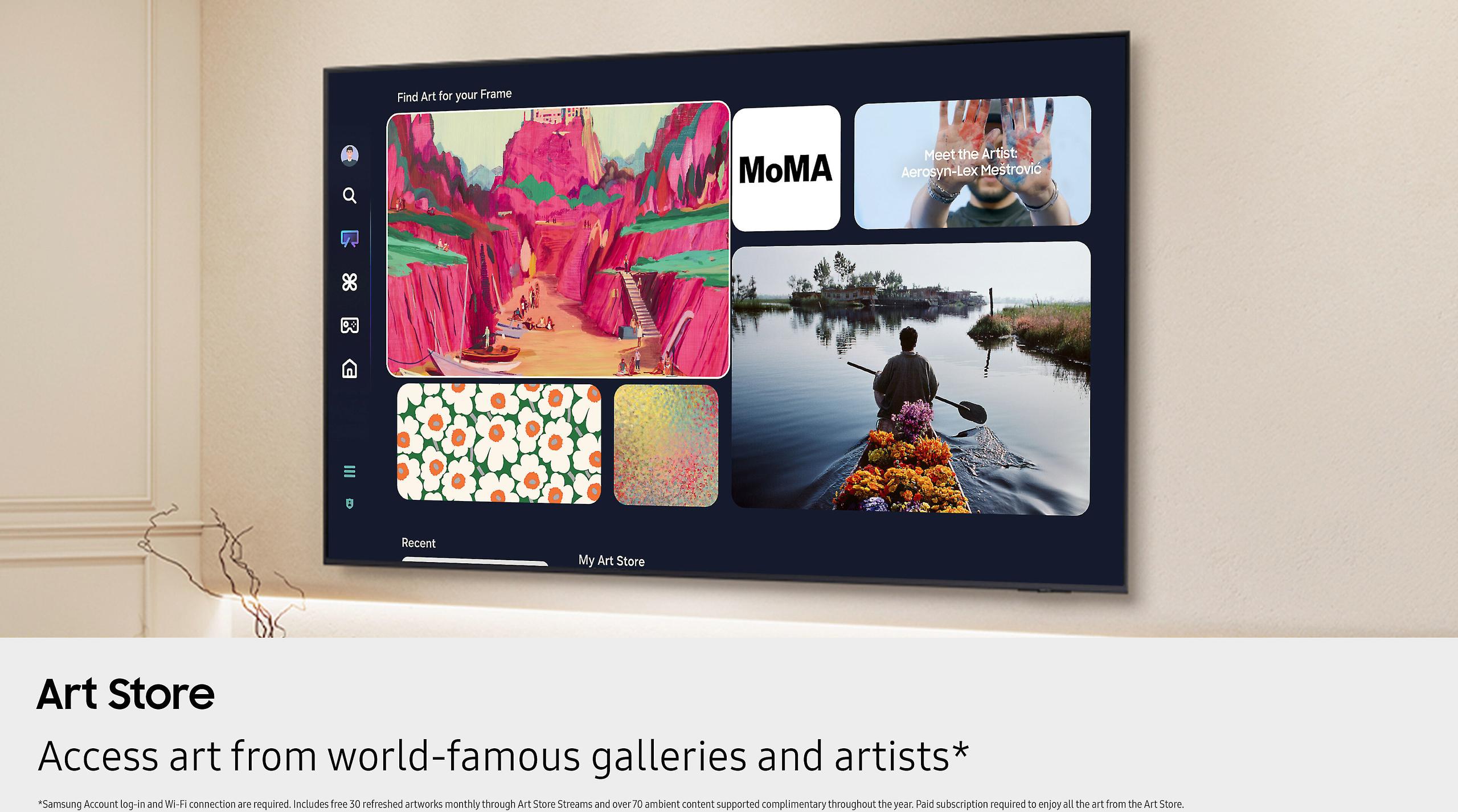
The intelligence built into modern TVs has become almost as important as the display itself. The Samsung QN900F runs Samsung's Tizen platform enhanced with Vision AI features that learn from your viewing habits. The TV can automatically adjust picture settings based on what type of content you're watching, optimize sound for your room's acoustics, and even generate custom wallpapers that match your mood or the time of day.
Samsung's AI goes beyond basic picture adjustment. The TV can recognize when you're watching a dark movie versus a bright sports game and adjust not just brightness, but color temperature, motion processing, and sound enhancement accordingly. It also includes far-field microphones for voice control, so you can talk to the TV from across the room without pointing a remote.
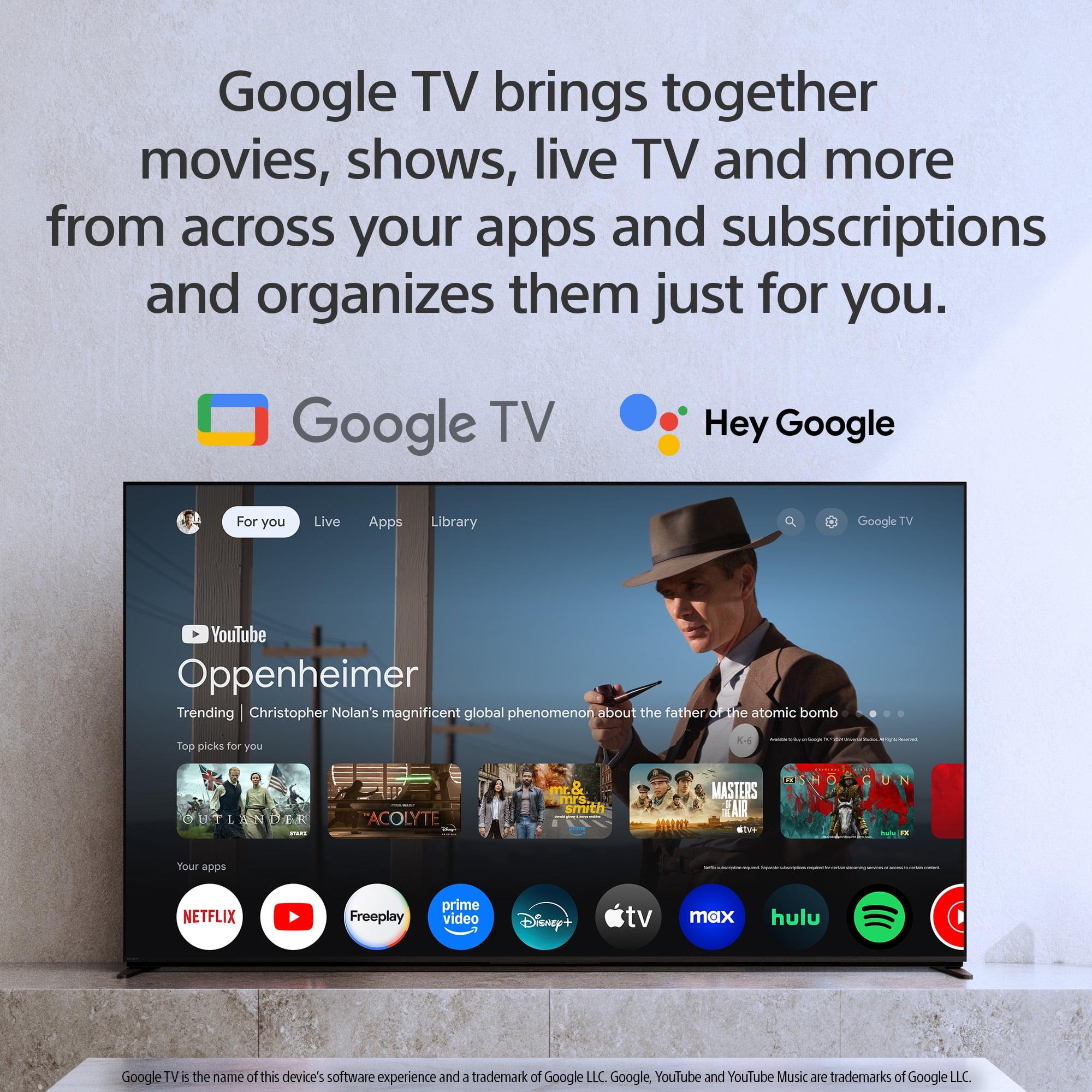
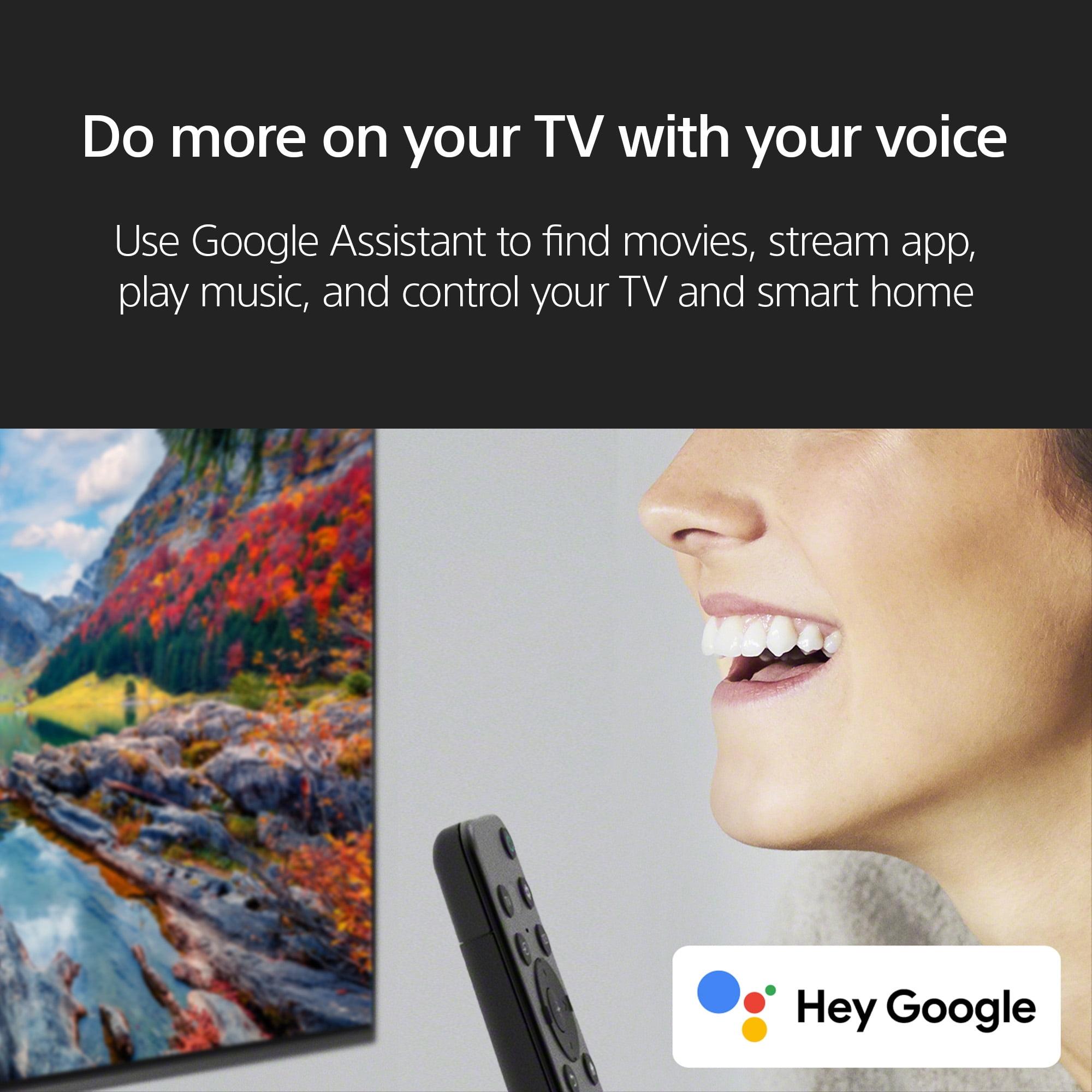
The Sony BRAVIA 2 II takes a more straightforward approach with Google TV. While it doesn't have the advanced AI customization of the Samsung, Google TV excels at content discovery and organization. It aggregates shows and movies from all your streaming services into a single interface and provides excellent voice search through Google Assistant. The platform also supports both Google Cast and Apple AirPlay 2, making it easy to share content from your phone or tablet.
For most users, both platforms work well, but they serve different needs. The Samsung appeals to tech enthusiasts who want their TV to adapt and optimize automatically, while the Sony provides a clean, reliable smart TV experience without complexity.
Gaming has become a crucial consideration for TV buyers, especially with the PlayStation 5 and Xbox Series X capable of 4K gaming at high frame rates. The Samsung QN900F was clearly designed with serious gamers in mind. It supports up to 4K gaming at 165Hz refresh rate through its Motion Xcelerator technology, which means incredibly smooth motion in fast-paced games.
The Samsung also includes comprehensive gaming features: Auto Game Mode automatically switches to low-latency settings when it detects a console, Game Bar provides real-time performance information, and support for variable refresh rate (VRR) eliminates screen tearing. For competitive gamers or anyone who takes their gaming seriously, these features can make a noticeable difference in responsiveness and visual quality.
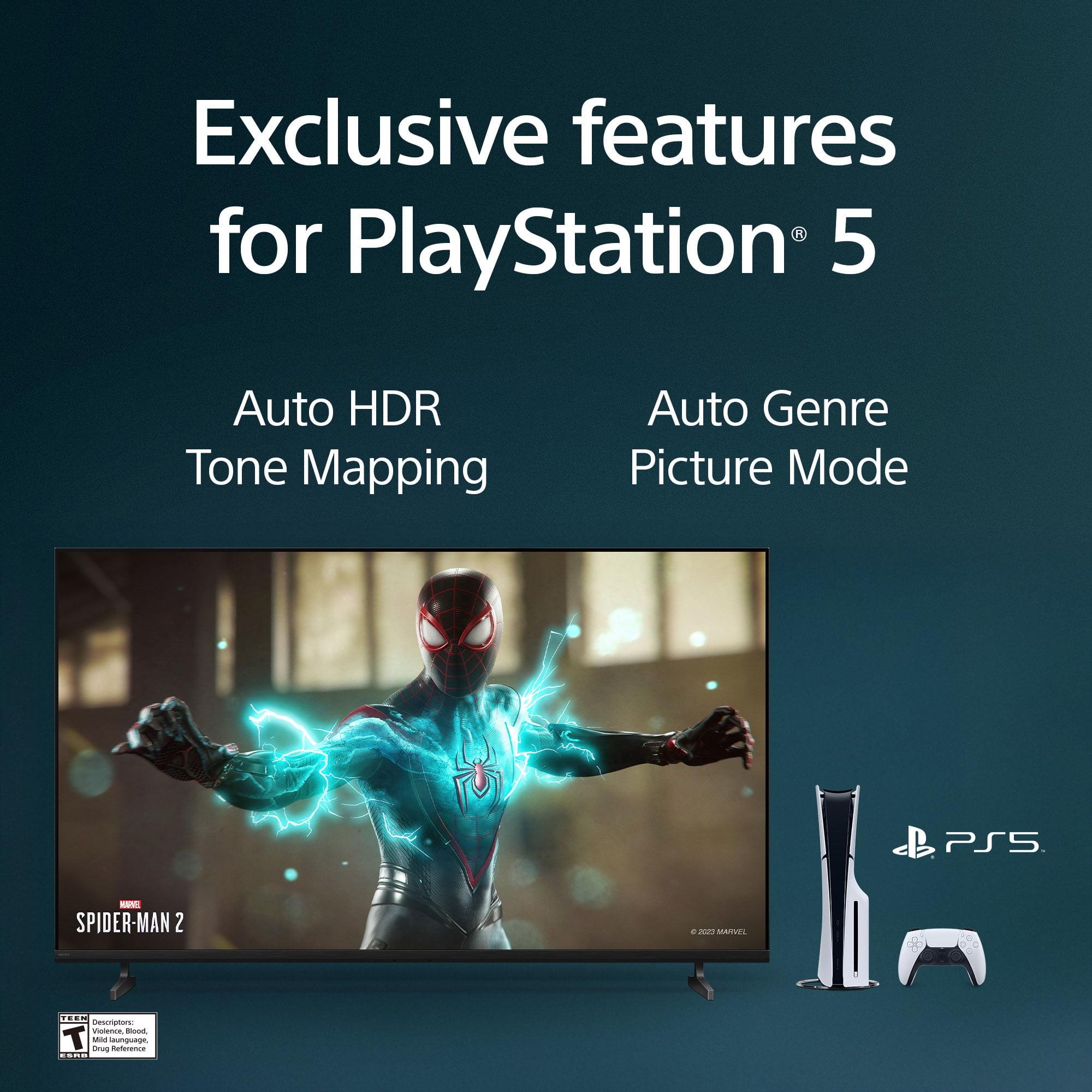
The Sony BRAVIA 2 II handles gaming adequately but with limitations. It supports 4K gaming at 60Hz, which works fine for most games but can't take full advantage of the latest consoles' capabilities. It does include Auto Low Latency Mode and some PlayStation 5-specific optimizations, making it perfectly suitable for casual gaming.
The difference here comes down to how seriously you take gaming. Competitive players will notice and appreciate the Samsung's advanced features, while casual gamers will be perfectly happy with the Sony's performance.
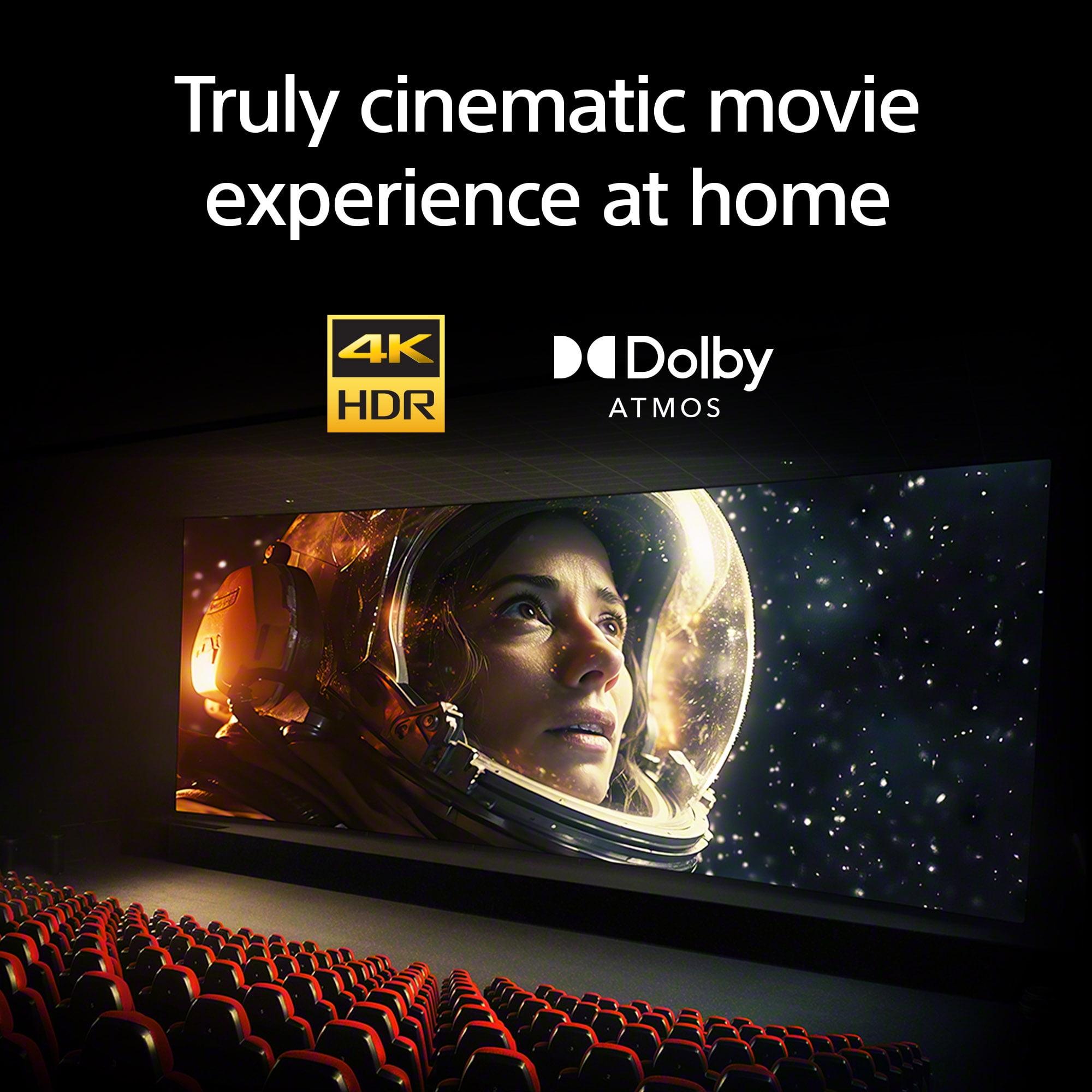
Both TVs include sophisticated audio processing, but with different strengths. The Samsung QN900F features Object Tracking Sound Plus technology, which uses multiple speakers positioned around the TV to create sound that follows action across the screen. Combined with Dolby Atmos support and Adaptive Sound Pro, which adjusts audio based on your room's acoustics, it delivers impressive built-in audio.
The Samsung also supports Q-Symphony, which allows compatible Samsung soundbars to work in harmony with the TV's built-in speakers rather than replacing them. This can create a more immersive soundstage without the expense of a full surround sound system.
The Sony BRAVIA 2 II includes a 40W Open Baffle speaker system with Dolby Atmos and DTS:X support. The Clear Phase technology helps optimize acoustic timing for better dialogue clarity. While competent, it lacks the advanced spatial audio features of the Samsung.
For home theater enthusiasts, both TVs will likely be paired with dedicated audio systems, but the Samsung offers more sophisticated integration options.
At the time of writing, these TVs occupy very different price segments, and understanding the value proposition requires looking beyond just the sticker price. The Samsung QN900F commands premium pricing typical of flagship 8K models, positioning it as a luxury purchase for enthusiasts and early adopters.
What you're paying for with the Samsung isn't just a bigger number of pixels—it's the entire ecosystem of advanced technology. The Mini LED backlighting, AI processing, gaming features, and smart home integration represent the current pinnacle of TV technology. If you're someone who appreciates cutting-edge tech and plans to keep your TV for many years, the Samsung offers genuine future-proofing.
The Sony BRAVIA 2 II represents exceptional value in the entry-level 4K segment. You're getting Sony's renowned color processing, a reliable Google TV platform, and solid build quality at a price that makes 4K accessible to most households. It's not about having every feature—it's about having the right features executed well.
For dedicated home theater setups, the choice becomes more clear-cut. The Samsung QN900F was designed for this environment. Its exceptional brightness and contrast capabilities ensure HDR content displays with the impact filmmakers intended. The AI processing can make even older movies look surprisingly good, and the advanced audio features provide immersive sound without requiring immediate investment in external speakers.
The anti-glare technology is particularly valuable in home theater rooms with some ambient lighting, where traditional TVs might struggle with reflections. The Samsung maintains deep blacks and vibrant colors even when room lighting isn't perfectly controlled.
The Sony BRAVIA 2 II can certainly work in a home theater setting, especially for budget-conscious setups or secondary viewing rooms. Sony's color processing is genuinely excellent, and the Google TV platform makes it easy to access all your streaming content. However, the limited brightness and basic backlighting mean you won't get the full impact of HDR content that defines the modern home theater experience.
After researching extensive user feedback and expert reviews, the decision between these TVs comes down to your priorities and budget. The Samsung QN900F is the clear choice if you want the absolute best picture quality available in 2025, don't mind paying premium prices for cutting-edge technology, and either game frequently or watch a lot of HDR content in challenging lighting conditions.
The Samsung makes the most sense for tech enthusiasts who appreciate AI-driven optimization, home theater aficionados who want flagship performance, and anyone planning to keep their TV for many years and wanting future-proofing for emerging 8K content.
The Sony BRAVIA 2 II is the smarter choice if you're looking for excellent value in 4K performance, prefer straightforward operation without complex features, or need a TV for a secondary room where premium features would be wasted. It's also ideal if your primary concern is accessing streaming content with a reliable, user-friendly interface.
In my view, the Sony represents one of the best values in the TV market for mainstream users, while the Samsung is worth its premium pricing only if you'll actually utilize its advanced capabilities. The worst choice would be paying for the Samsung's features but using it like a basic TV—you'd be much better served by the Sony's excellent execution of essential features.
Both TVs will likely serve their intended audiences well, but they're solving different problems for different users. The key is honestly assessing how you actually use your TV and choosing accordingly.
| Samsung 65" Neo QLED 8K QN900F Vision AI Smart TV 2025 | Sony BRAVIA 2 II 65" 4K LED Google TV 2025 |
|---|---|
| Resolution - Higher pixel count means sharper details, especially on large screens | |
| True 8K (7,680 x 4,320 pixels) with AI upscaling | 4K Ultra HD (3,840 x 2,160 pixels) |
| Display Technology - Affects brightness, contrast, and HDR performance | |
| Neo QLED with Quantum Matrix Pro Mini LEDs | Standard LED with direct backlighting |
| Processing Power - Determines upscaling quality and smart features | |
| NQ8 AI Gen2 with 256 neural networks | 4K Processor X1 with X-Reality PRO |
| Peak Brightness - Critical for HDR impact and daytime viewing | |
| Exceptionally high (exact specs not disclosed) | Moderate brightness levels |
| Refresh Rate - Important for gaming and sports content | |
| 100Hz native, up to 165Hz with Motion Xcelerator | 60Hz native with Motionflow XR processing |
| Gaming Features - Essential for console gaming performance | |
| 4K@165Hz, VRR, Auto Game Mode, Game Bar | 4K@60Hz, ALLM, PlayStation 5 optimizations |
| Smart TV Platform - Affects app selection and user experience | |
| Tizen with Vision AI and advanced customization | Google TV with clean interface and excellent app support |
| Audio System - Built-in sound quality and features | |
| Object Tracking Sound Plus, Q-Symphony compatible | 40W Open Baffle speakers with Dolby Atmos |
| Anti-Glare Technology - Maintains picture quality in bright rooms | |
| Advanced Glare-Free coating for bright room viewing | Standard screen without special anti-reflection |
| Voice Control - Hands-free operation capabilities | |
| Far-field microphones with Bixby and Alexa | Google Assistant and Alexa support via remote |
| HDR Support - Enhanced contrast and color in compatible content | |
| HDR10+, Neo Quantum HDR 8K Pro | HDR10, HLG support |
| Build Quality - Premium materials and design aesthetics | |
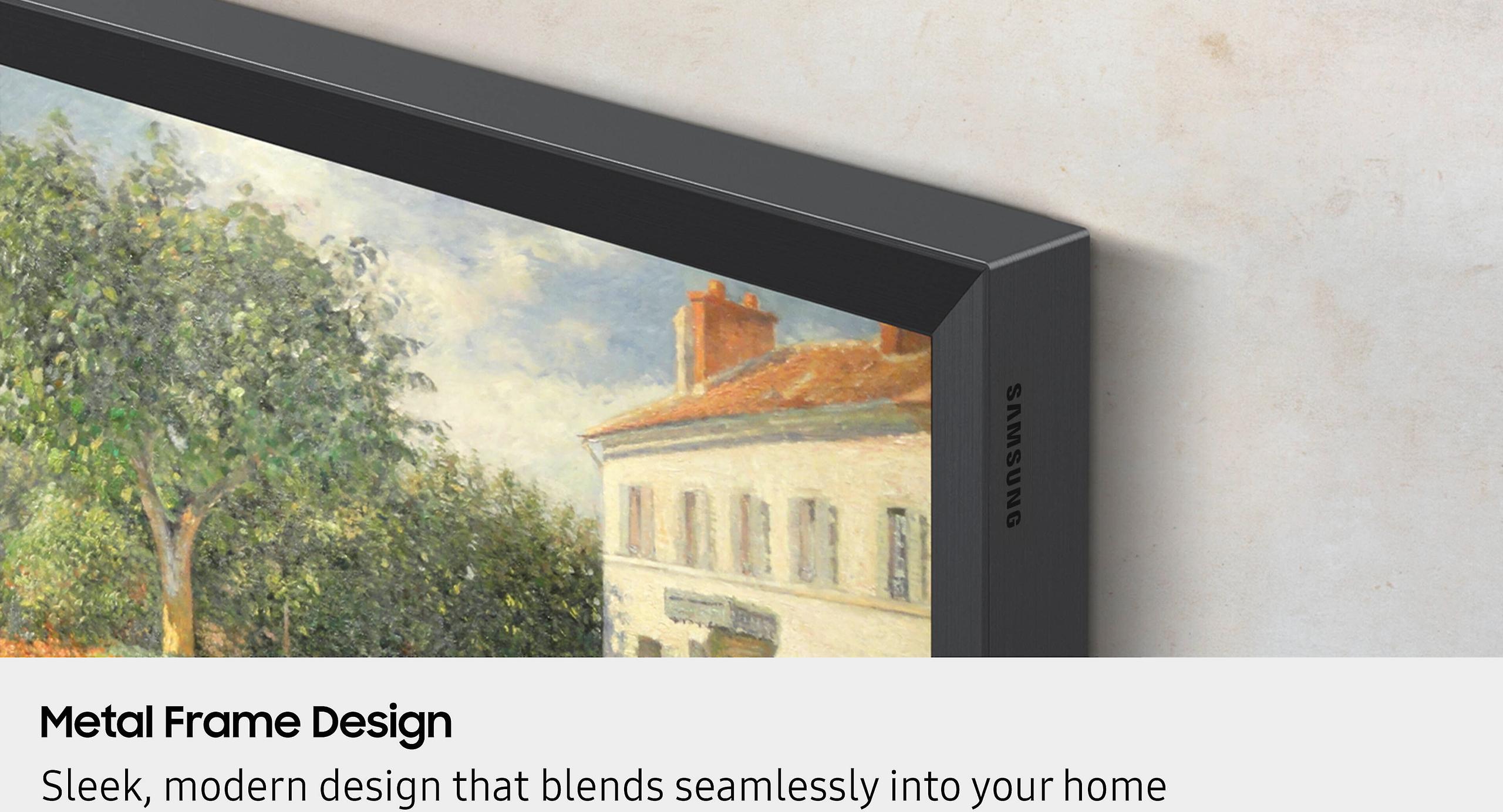
| Metal Frame Design with minimalist bezels | Flish Surface design with Slim T Shape stand |
| Target Market - Who this TV is designed for | |
| Premium home theater enthusiasts and tech early adopters | Budget-conscious buyers seeking solid 4K performance |
The primary difference is resolution and target market. The Samsung 65" Neo QLED 8K QN900F Vision AI Smart TV 2025 offers true 8K resolution with premium Mini LED technology, while the Sony BRAVIA 2 II 65" 4K LED Google TV 2025 provides solid 4K performance at an entry-level price point. The Samsung targets home theater enthusiasts with cutting-edge features, while the Sony focuses on reliable everyday viewing.
The Samsung QN900F delivers superior picture quality with its 8K resolution, Quantum Matrix Pro Mini LED backlighting, and advanced AI processing. It offers exceptional brightness, deeper blacks, and more vibrant colors. The Sony BRAVIA 2 II provides good 4K picture quality with Sony's renowned color processing, but cannot match the Samsung's contrast and brightness capabilities.
The Samsung 65" Neo QLED 8K QN900F offers genuine benefits even with 4K content through its AI upscaling, which adds noticeable detail and sharpness. However, the Sony BRAVIA 2 II perfectly handles current 4K content standards. For most viewers, 4K remains sufficient, but 8K provides future-proofing and enhanced detail for those who appreciate premium picture quality.
The Samsung QN900F is significantly better for serious gaming, supporting 4K at up to 165Hz refresh rate with VRR and comprehensive gaming features. The Sony BRAVIA 2 II 65" 4K LED Google TV 2025 handles casual gaming well at 4K 60Hz with PlayStation 5 optimizations, but lacks high refresh rate capabilities needed for competitive gaming.
Both platforms work well but serve different needs. The Samsung QN900F runs Tizen with advanced AI features and extensive customization options. The Sony BRAVIA 2 II uses Google TV, which offers a cleaner interface, excellent content discovery, and seamless integration with Google services. Google TV is generally more user-friendly for mainstream users.
The Samsung 65" Neo QLED 8K QN900F Vision AI Smart TV 2025 excels in bright rooms thanks to its exceptional peak brightness and anti-glare technology that maintains picture quality despite ambient light. The Sony BRAVIA 2 II works adequately in moderate lighting but may struggle with reflections and maintaining contrast in very bright environments.
The Samsung QN900F features Object Tracking Sound Plus with Dolby Atmos and Q-Symphony soundbar compatibility for superior built-in audio. The Sony BRAVIA 2 II 65" 4K LED Google TV 2025 includes a competent 40W speaker system with Dolby Atmos support. While both offer decent audio, the Samsung provides more advanced spatial sound features.
Value depends on your needs and budget. The Sony BRAVIA 2 II offers exceptional value for budget-conscious buyers seeking reliable 4K performance with Google TV. The Samsung 65" Neo QLED 8K QN900F provides premium value for enthusiasts who want cutting-edge technology and are willing to pay for flagship features.
The Samsung QN900F is specifically designed for home theater use with its exceptional HDR performance, high brightness, and advanced audio features. The Sony BRAVIA 2 II 65" 4K LED Google TV 2025 can work in home theater settings, especially for budget setups, but lacks the premium features that define modern home theater experiences like advanced local dimming and peak HDR brightness.
The Samsung 65" Neo QLED 8K QN900F Vision AI Smart TV 2025 offers better future-proofing with 8K resolution, advanced AI processing, and premium build quality designed for long-term use. The Sony BRAVIA 2 II will remain relevant for current content but may feel dated sooner due to its entry-level specifications and limited advanced features.
The Samsung QN900F disadvantages include premium pricing that puts it out of reach for many buyers and complexity that may overwhelm casual users. The Sony BRAVIA 2 II 65" 4K LED Google TV 2025 limitations include basic LED backlighting, 60Hz refresh rate restrictions, and limited HDR impact compared to premium models.
Choose the Samsung 65" Neo QLED 8K QN900F Vision AI Smart TV 2025 if you're a home theater enthusiast, serious gamer, or tech early adopter who wants premium features and future-proofing. Select the Sony BRAVIA 2 II if you're a budget-conscious buyer seeking reliable 4K performance, prefer simple operation, or need a TV for secondary rooms where premium features aren't necessary.
We've done our best to create useful and informative comparisons to help you decide what product to buy. Our research uses advanced automated methods to create this comparison and perfection is not possible - please contact us for corrections or questions. These are the sites we've researched in the creation of this article: rtings.com - samsung.com - techradar.com - dolby.com - youtube.com - samsung.com - youtube.com - samsung.com - samsung.com - samsung.com - samsung.com - displayspecifications.com - samsung.com - rtings.com - bestbuy.com - merlinstv.com - news.samsung.com - bestbuy.com - bestbuy.com - notebookcheck.net - rtings.com - youtube.com - youtube.com - rtings.com - avsforum.com - croma.com - totonstv.com - electronics.sony.com - listenup.com - pcrichard.com - youtube.com - flanners.com - brandsmartusa.com - displayspecifications.com - pioneertvandappliance.com - donstv.com

Privacy Policy
Terms and Conditions - Affiliate Policy
Home Security
© Copyright 2008-2026.
11816 Inwood Rd #1211, Dallas, TX 75244