

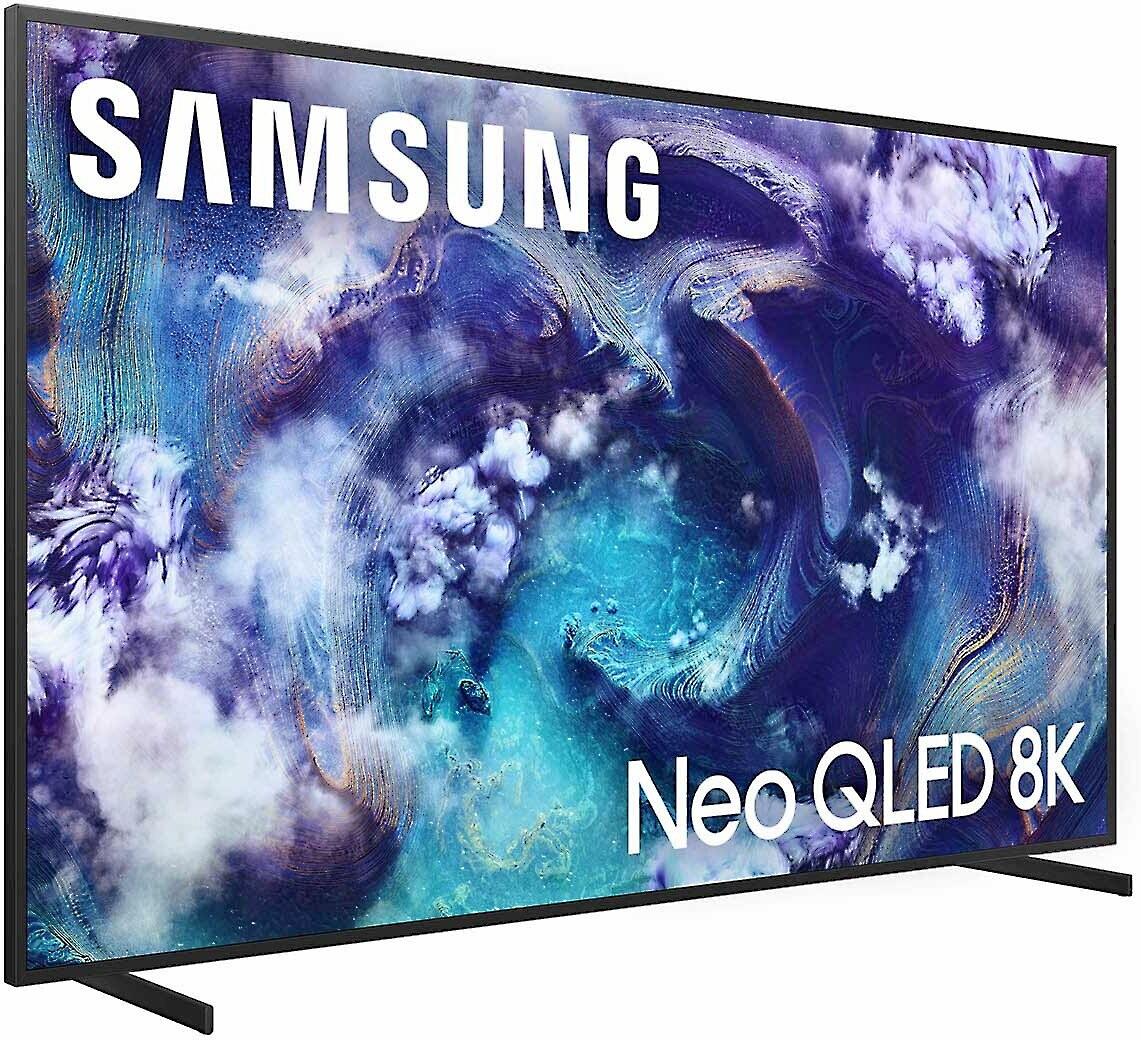
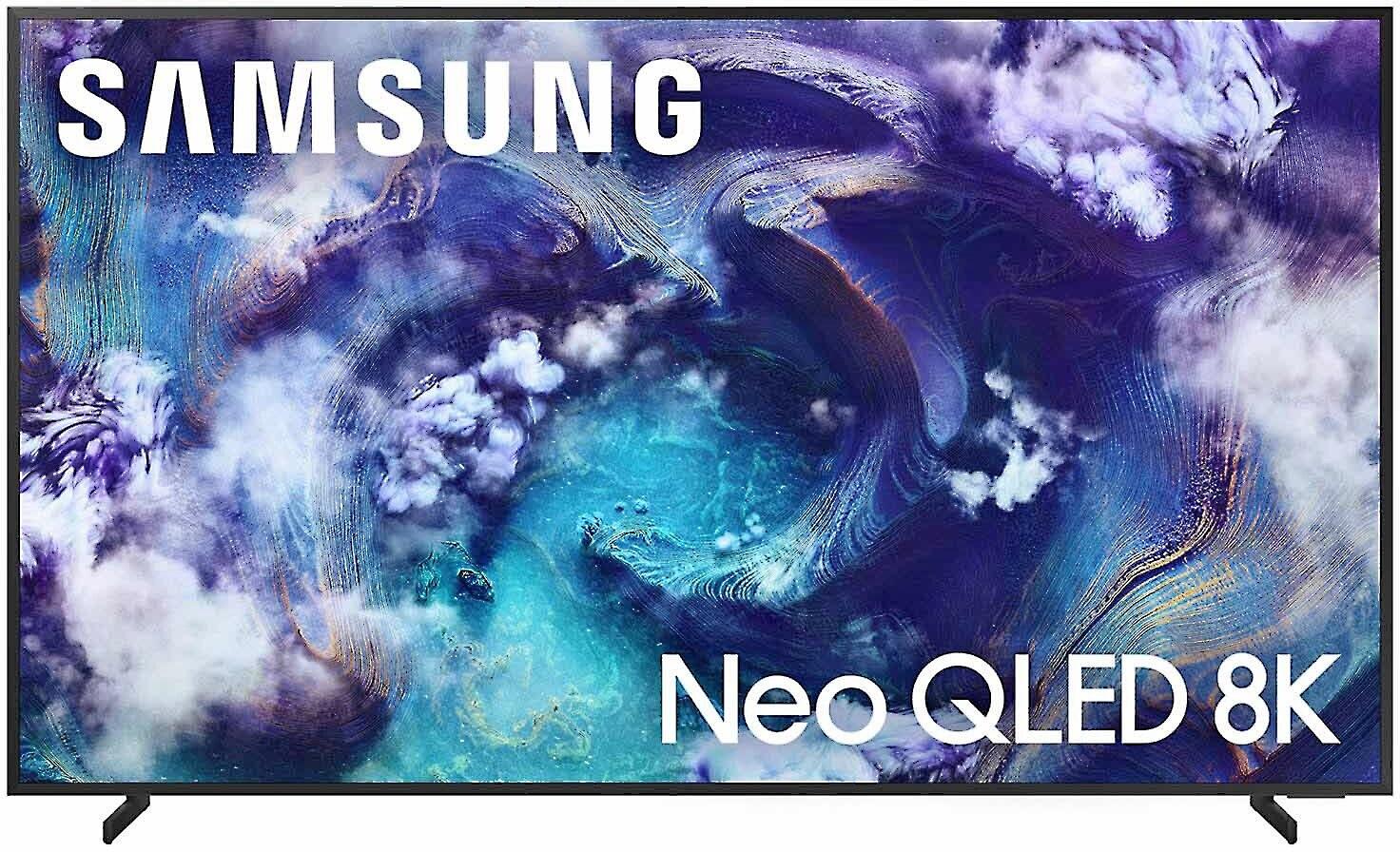
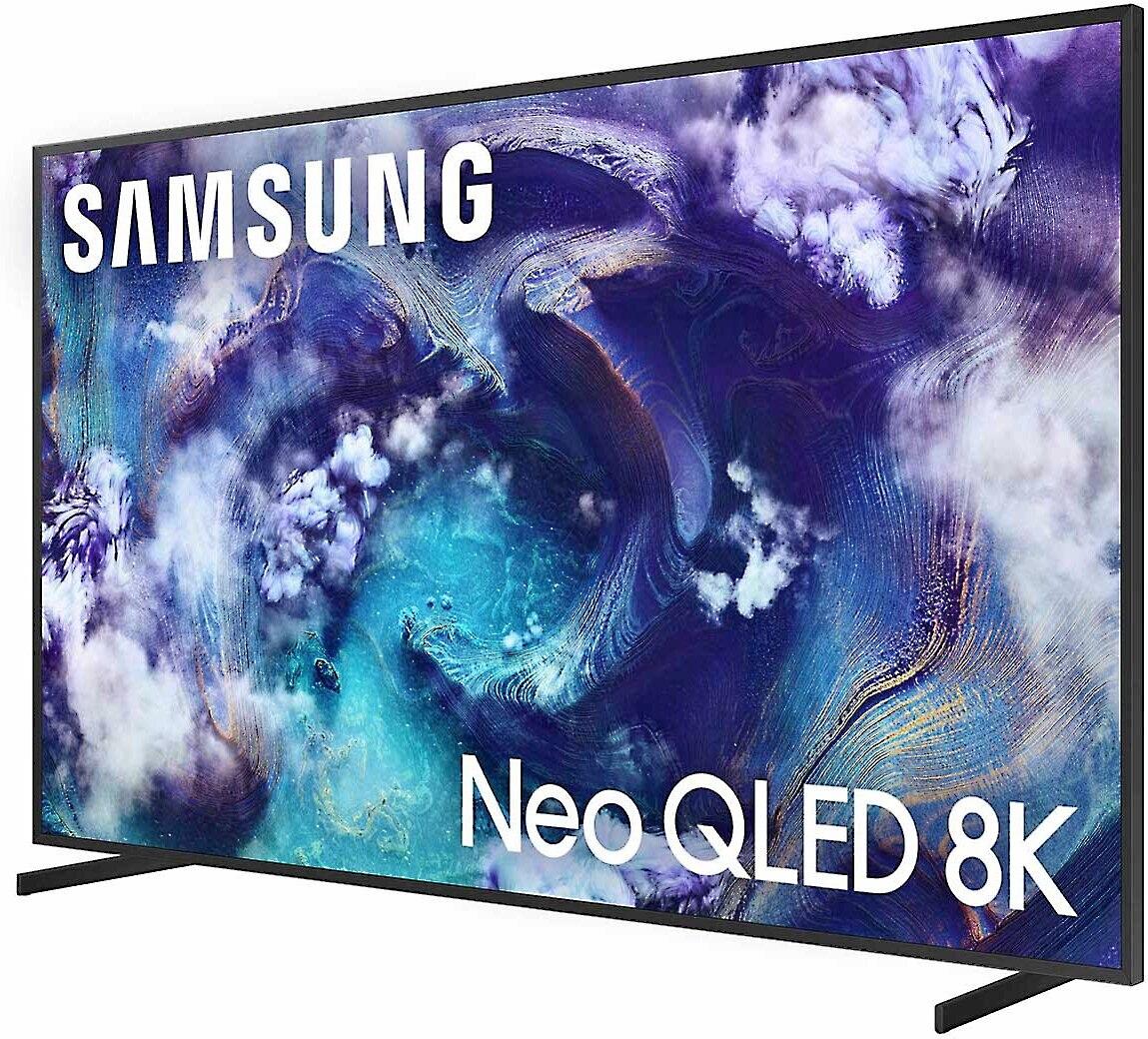

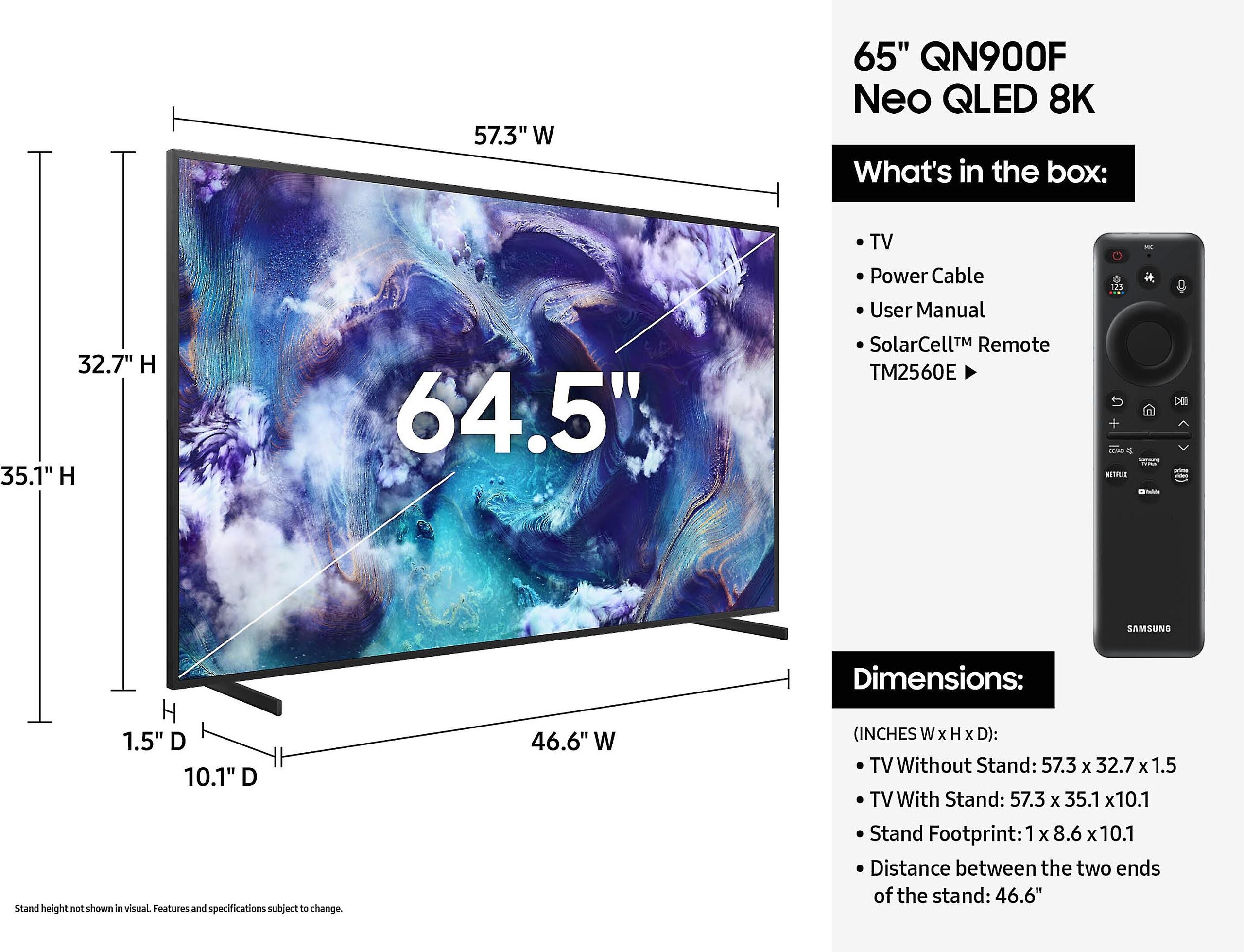
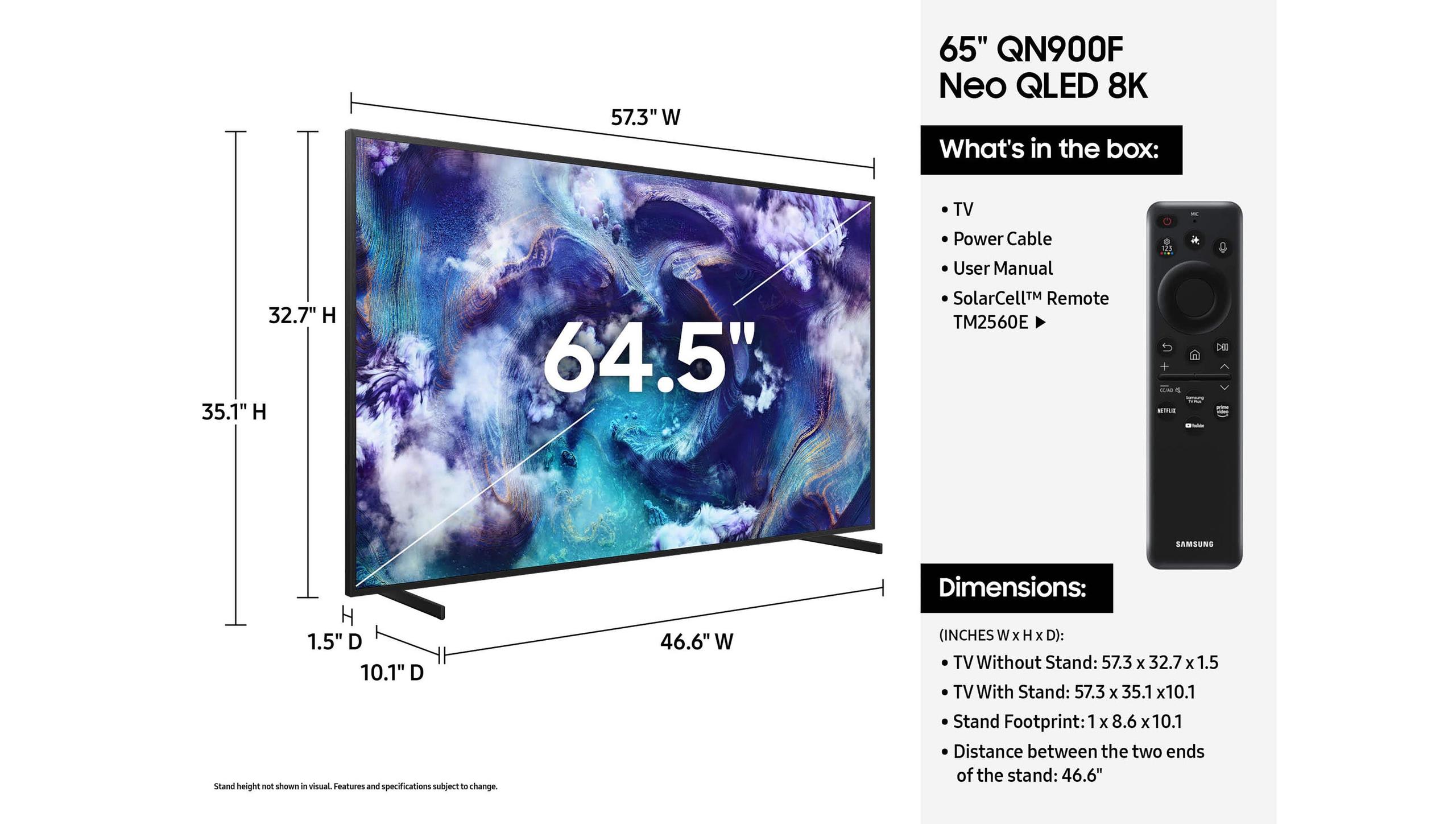
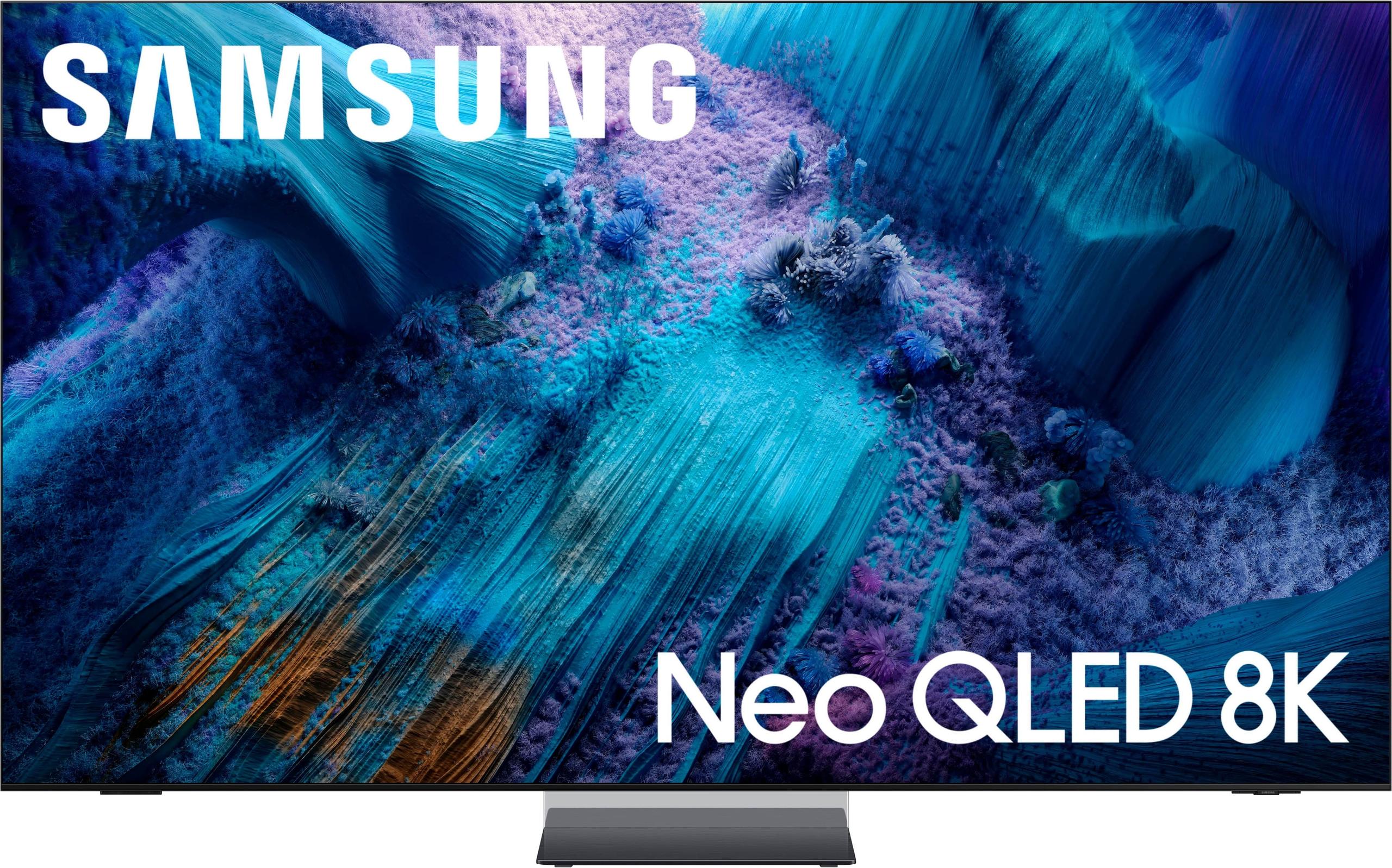
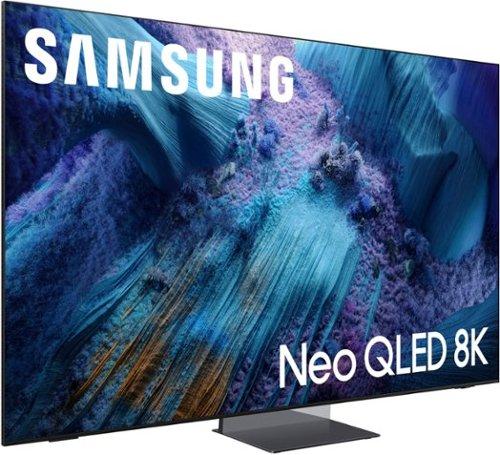
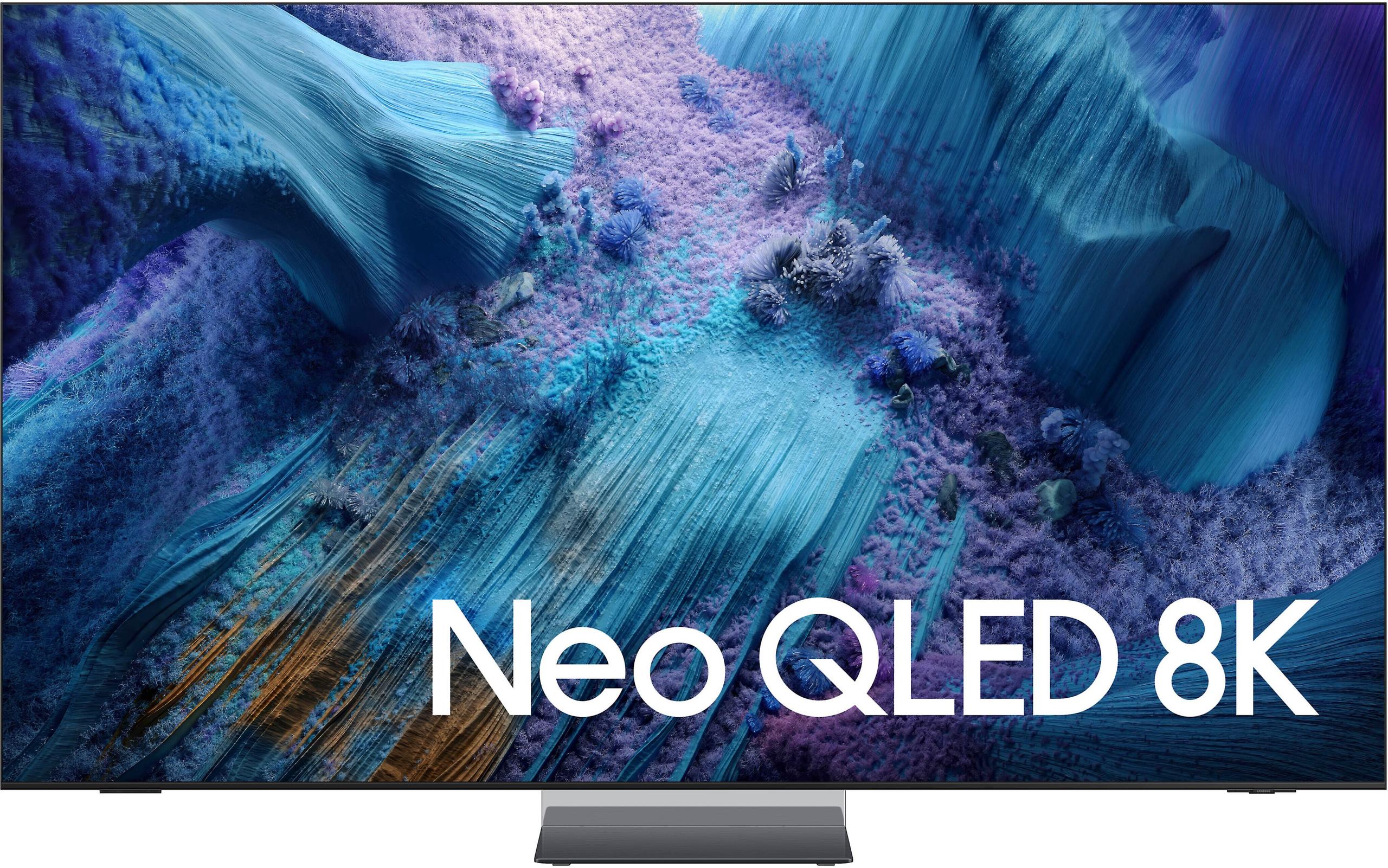
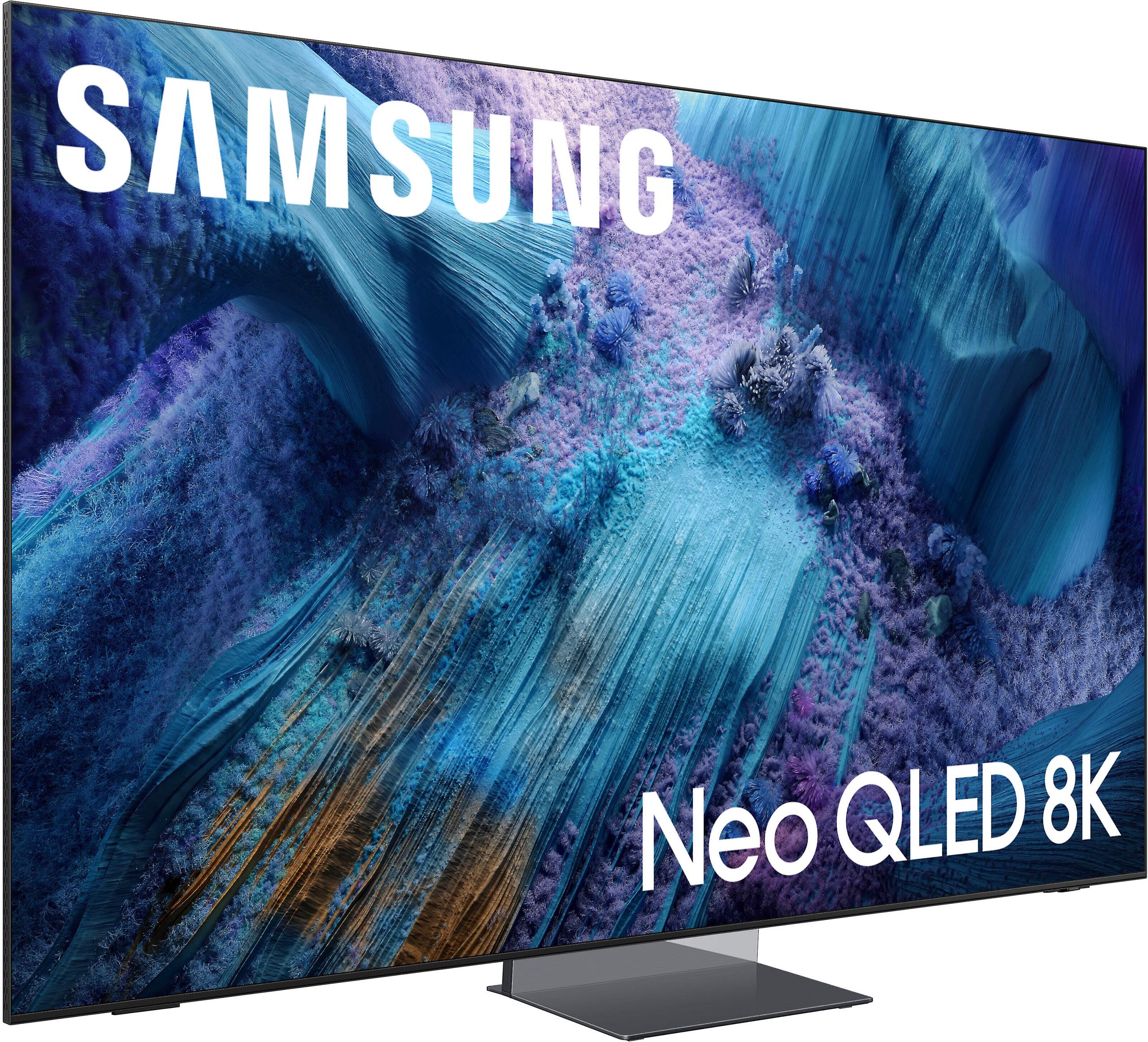
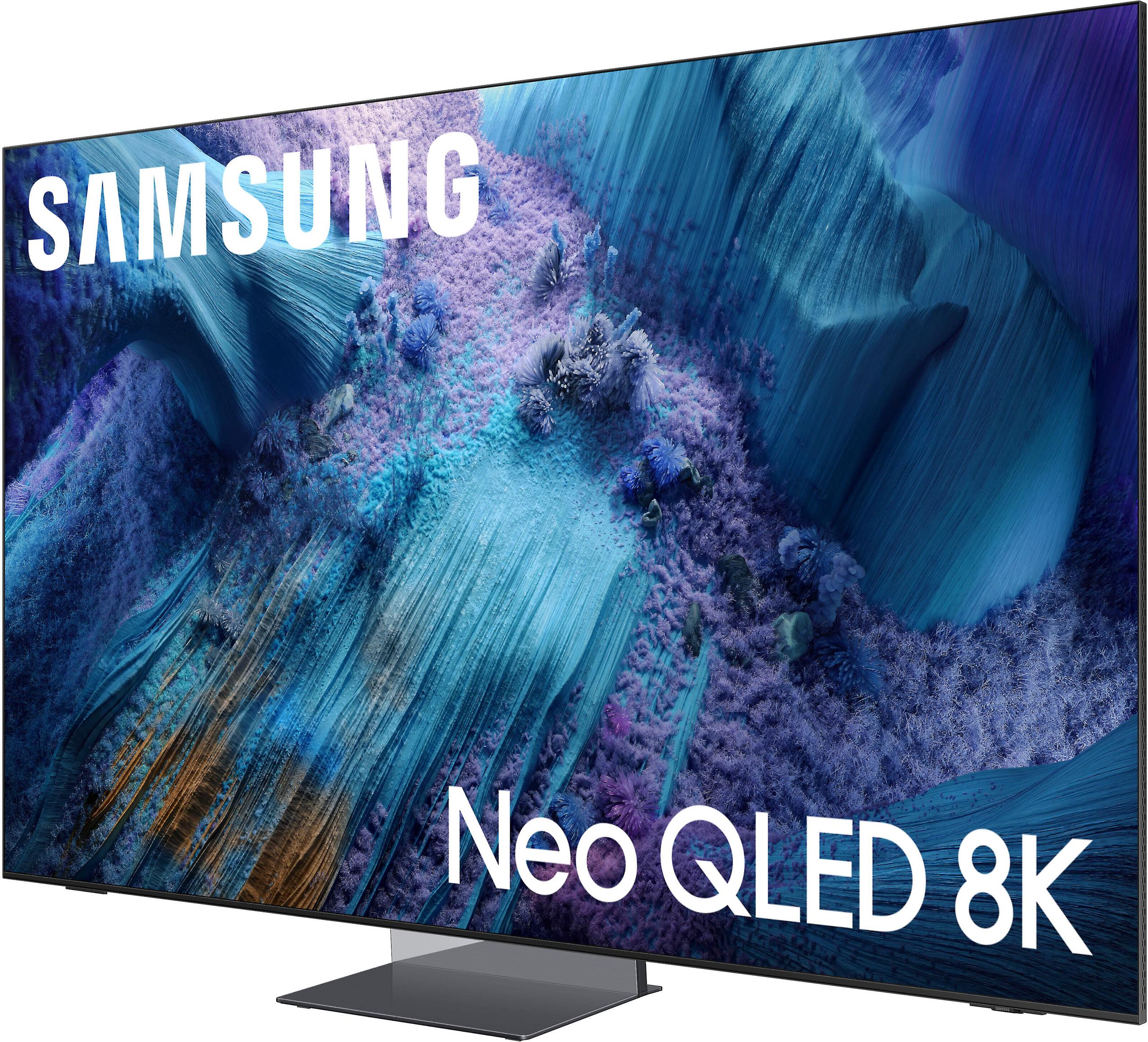
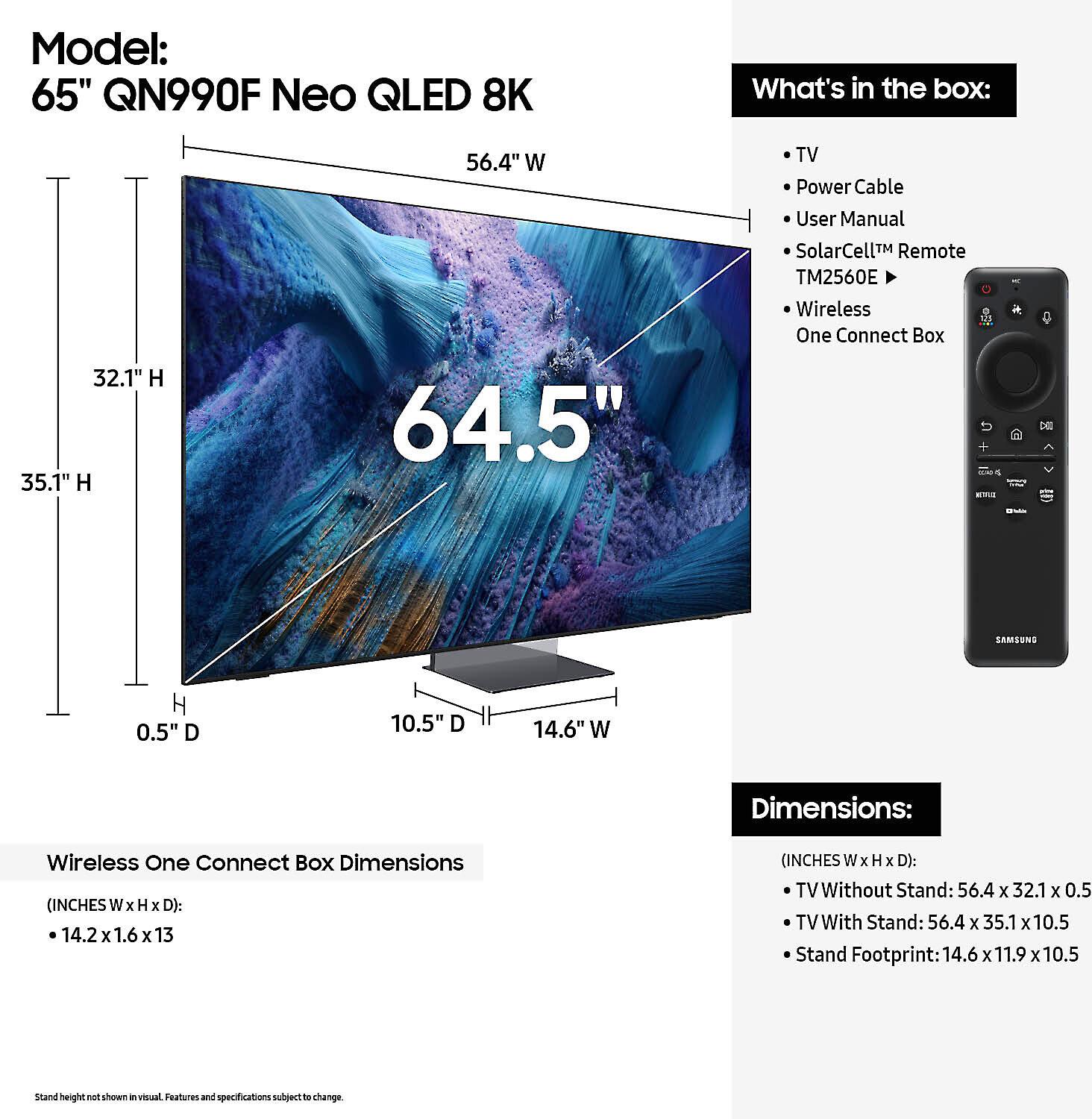

Samsung launched two impressive 8K televisions in 2025 that represent different approaches to premium home entertainment. The QN900F and QN990F both pack cutting-edge technology, but they target different audiences with notably different price points. At the time of writing, these models sit about $2,200 apart, making the choice between them more complex than simply picking the "better" TV.
Before diving into specifics, it's worth understanding what makes 8K TVs special and why you might consider one. 8K resolution means 7680 x 4320 pixels—four times more detail than 4K and sixteen times more than standard HD. That's an enormous amount of visual information, but here's the catch: true 8K content remains scarce. Most of what you'll watch comes from streaming services, cable TV, or gaming consoles that output in 4K or lower resolutions.
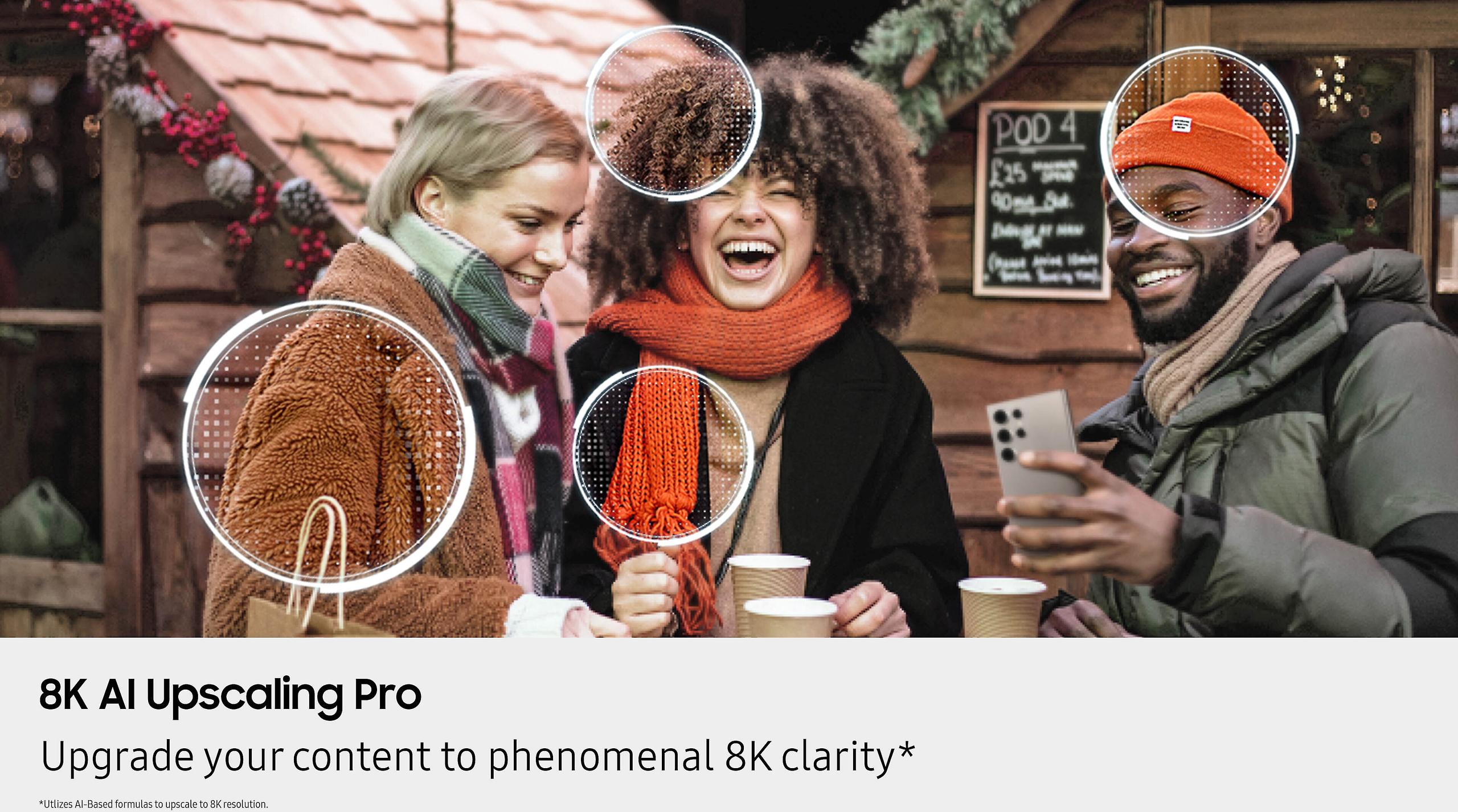
This is where AI upscaling becomes crucial. Think of upscaling as a smart algorithm that analyzes lower-resolution content and intelligently fills in the missing pixels to create a sharper, more detailed image on your 8K screen. The quality of this upscaling often matters more than the native 8K resolution itself, since you'll be relying on it for nearly everything you watch.
Both Samsung models use Mini LED backlighting technology, which employs thousands of tiny LEDs behind the screen for precise brightness control. This creates deeper blacks, brighter highlights, and better contrast than traditional LED TVs—essential for that cinematic experience whether you're watching movies or playing games.
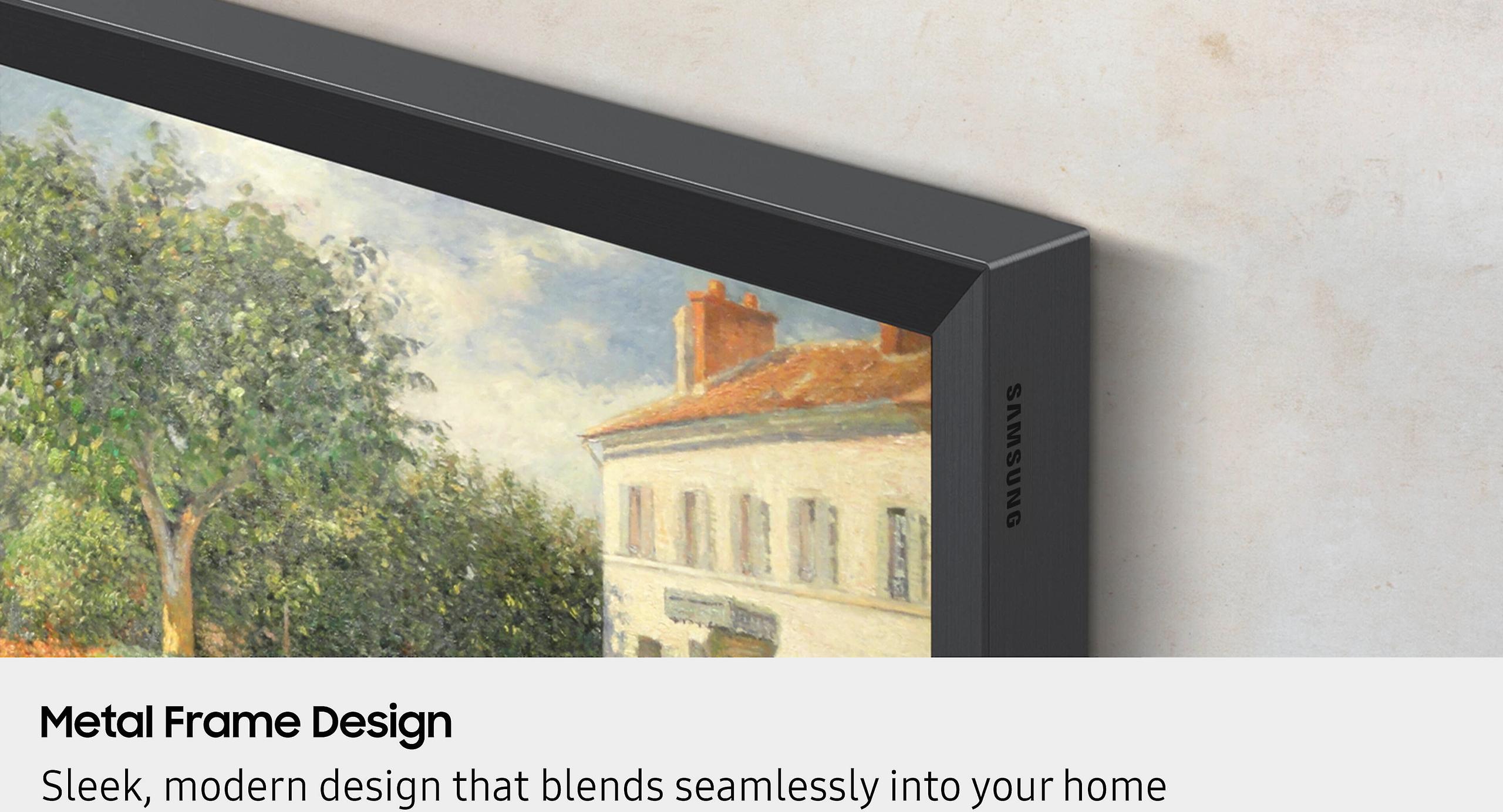
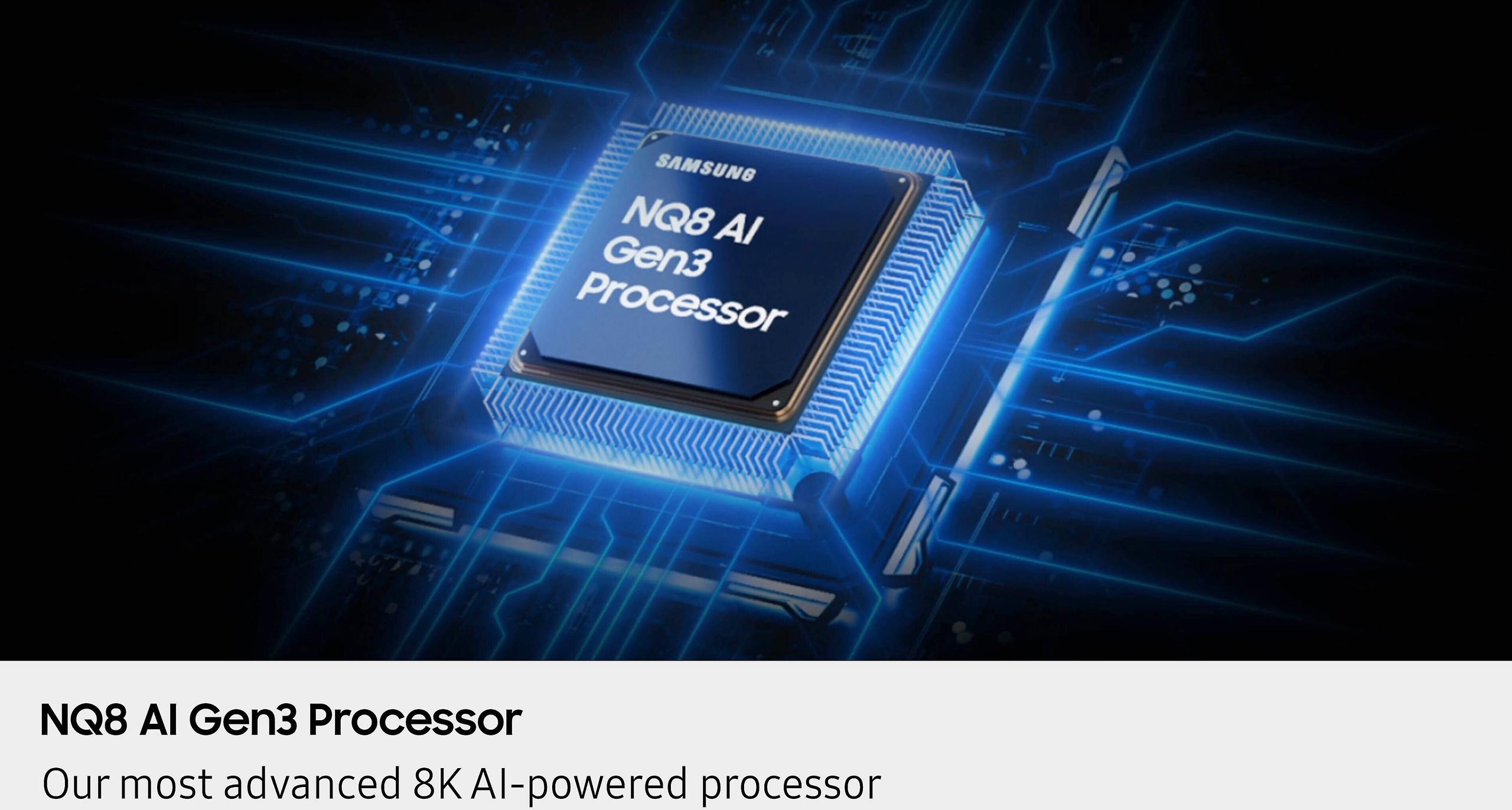
The most significant difference between these TVs lies in their processors. The QN990F features Samsung's NQ8 AI Gen3 processor, while the QN900F uses the previous-generation NQ8 AI Gen2 chip. This might sound like marketing speak, but the difference is substantial.
The Gen3 processor in the QN990F employs 768 neural networks—essentially specialized AI algorithms that work together to analyze and enhance every frame of content. It's like having a team of image experts constantly adjusting your picture in real-time. The QN900F, while still impressive with its Gen2 processor, uses fewer neural networks and less sophisticated algorithms.
In practical terms, this means the QN990F delivers superior upscaling performance. When you're watching a 1080p Netflix show or a compressed streaming movie, the Gen3 processor does a better job of adding detail and sharpness without introducing artifacts—those annoying digital imperfections that can make upscaled content look artificial.
Based on expert reviews and user feedback, the difference is noticeable but not always dramatic. The QN900F still provides excellent upscaling that transforms most content into crisp, detailed images. However, side-by-side comparisons consistently favor the QN990F for clarity and natural-looking enhancement, particularly with heavily compressed content like streaming video.
For gamers, both TVs offer impressive capabilities, but with important distinctions. The QN990F supports 4K gaming up to 240Hz, while the QN900F tops out at 165Hz for 4K content. Both handle 8K gaming at 120Hz, though finding games that actually output 8K remains challenging.
These refresh rates matter because they determine how smooth motion appears on screen. Higher refresh rates reduce motion blur and provide more responsive gaming experiences. However, the practical difference between 165Hz and 240Hz is less dramatic than you might expect for most current gaming scenarios.
Most PlayStation 5 and Xbox Series X games target 60-120fps, meaning both TVs can handle current gaming demands excellently. The QN990F's higher refresh rate becomes more valuable if you're gaming on a high-end PC with cutting-edge graphics cards that can push frame rates above 165fps, or if you want future-proofing for upcoming console generations.
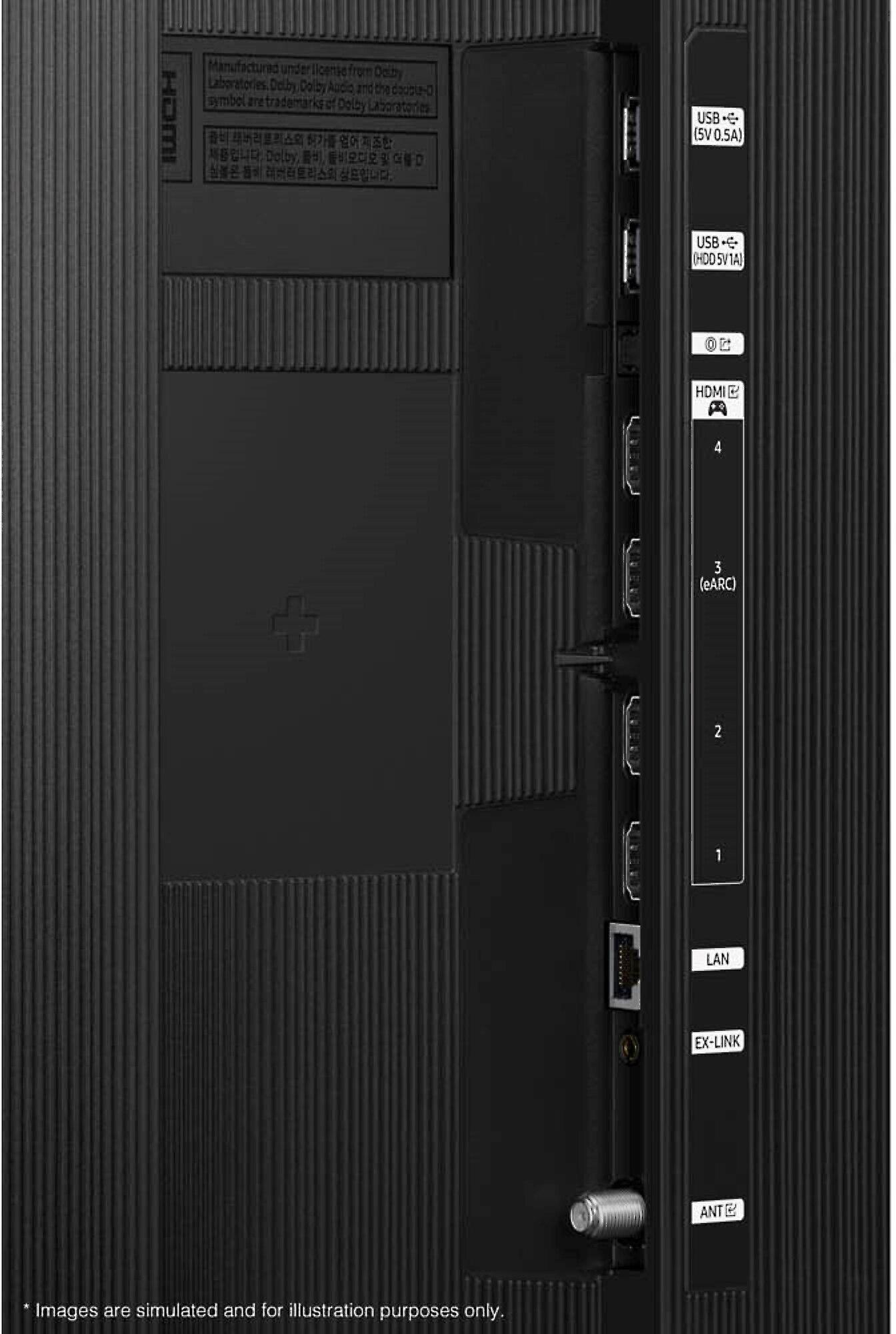
Both models feature HDMI 2.1 across all four ports, supporting Variable Refresh Rate (VRR) and Auto Low Latency Mode (ALLM). These features eliminate screen tearing and minimize input lag—the delay between pressing a button and seeing the action on screen. Input lag measurements from professional reviews show both TVs performing excellently for gaming, typically measuring under 10 milliseconds.
The QN990F includes a more robust audio system with a 6.4.4 channel configuration delivering 120 watts of power. This means dedicated speakers for different audio channels, including upward-firing drivers for Dolby Atmos height effects. The QN900F features capable audio with Dolby Atmos support but lacks the detailed channel specification and power output of its premium sibling.
In real-world use, both TVs provide surprisingly good built-in audio—better than most flat-panel displays. The QN990F delivers more immersive surround sound with better bass response and clearer dialogue. However, serious home theater enthusiasts will likely pair either TV with a dedicated sound system regardless, as even premium TV speakers can't match a quality soundbar or surround system.
For casual viewing and gaming, the QN900F's audio proves perfectly adequate. The step up to the QN990F becomes more worthwhile if you don't plan to add external audio equipment and want the best possible built-in sound experience.
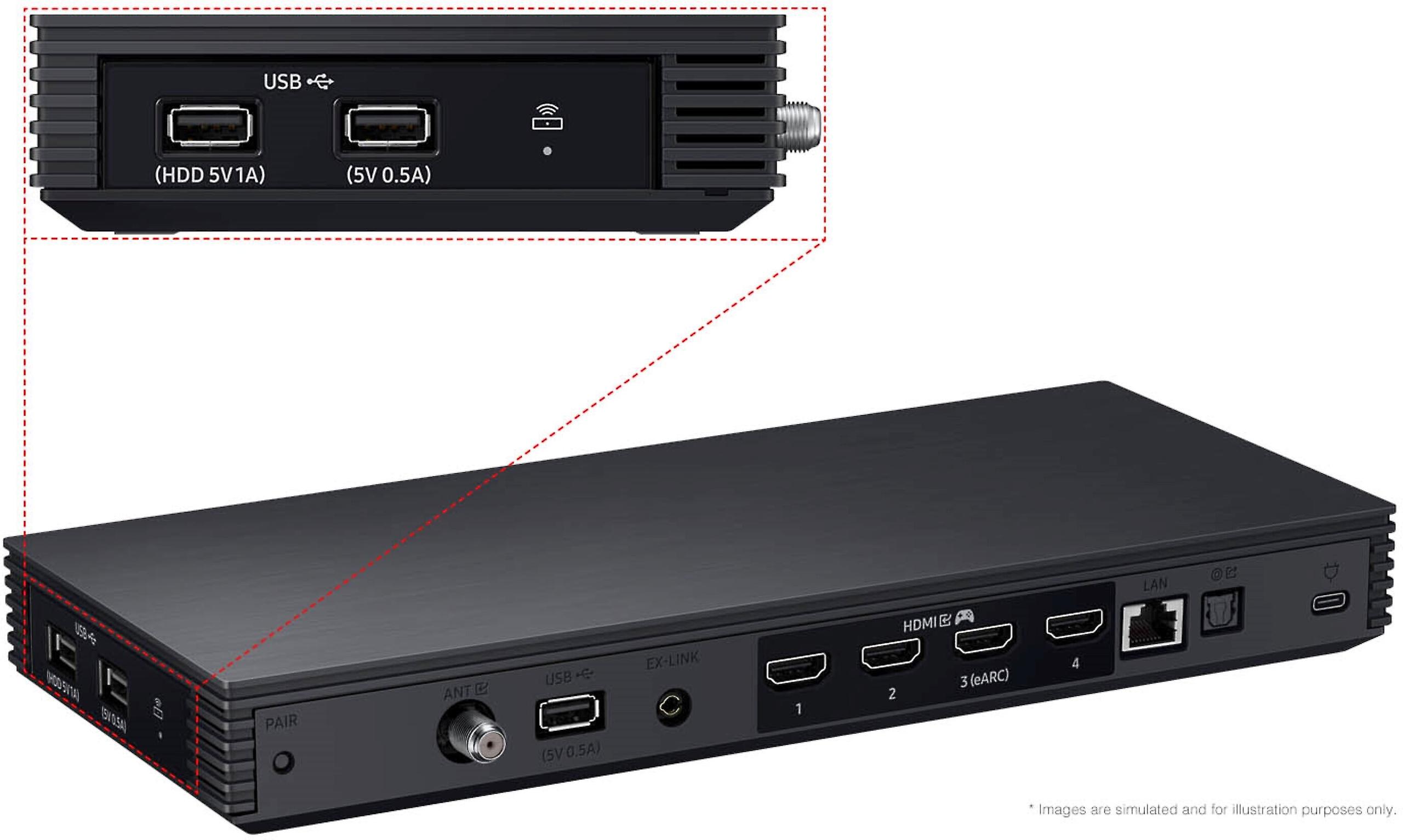
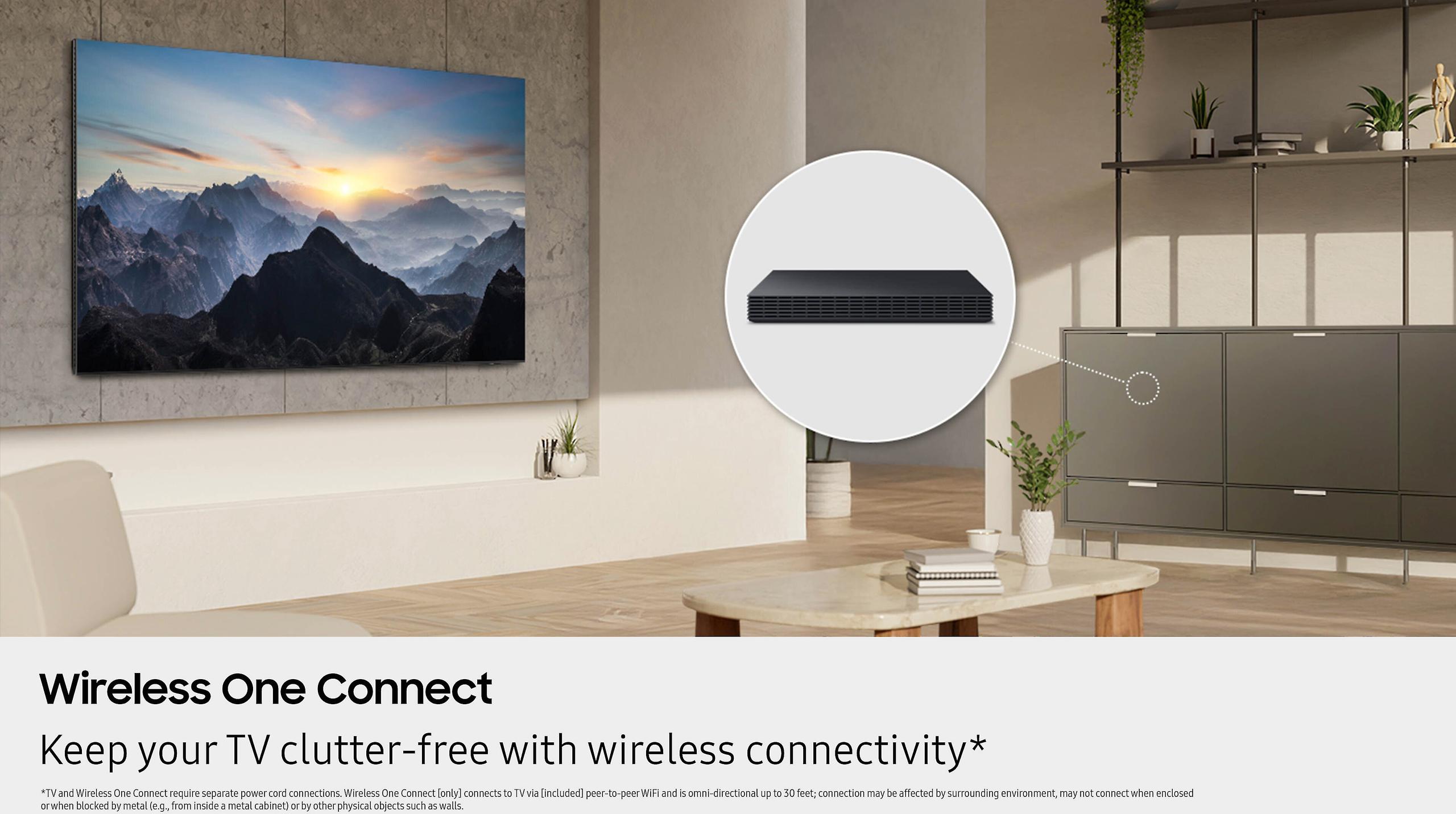
The QN990F's standout feature is its Wireless One Connect system—a separate box that connects to all your devices (cable box, gaming consoles, streaming devices) and transmits everything wirelessly to the TV up to 30 feet away. This eliminates the cable management nightmare that typically accompanies premium TV installations.
If you've ever tried wall-mounting a large TV, you know cable management can be frustrating and unsightly. Running multiple HDMI cables, power cords, and audio connections through walls or trying to hide them becomes a significant installation challenge. The Wireless One Connect solves this by letting you place the connection box wherever it's convenient—in a media cabinet, closet, or another room entirely.
The QN900F uses traditional wired connections, requiring all cables to connect directly to the TV. This isn't necessarily a problem for TV stand installations, but wall-mounting becomes more complex and potentially expensive if you need professional installation to hide cables properly.
From a reliability standpoint, wireless transmission of 8K signals represents impressive engineering, but it does introduce potential for interference or signal degradation in environments with significant wireless congestion. Most users report excellent reliability, but it's worth considering if you live in an apartment building with many wireless networks or have substantial wireless interference.
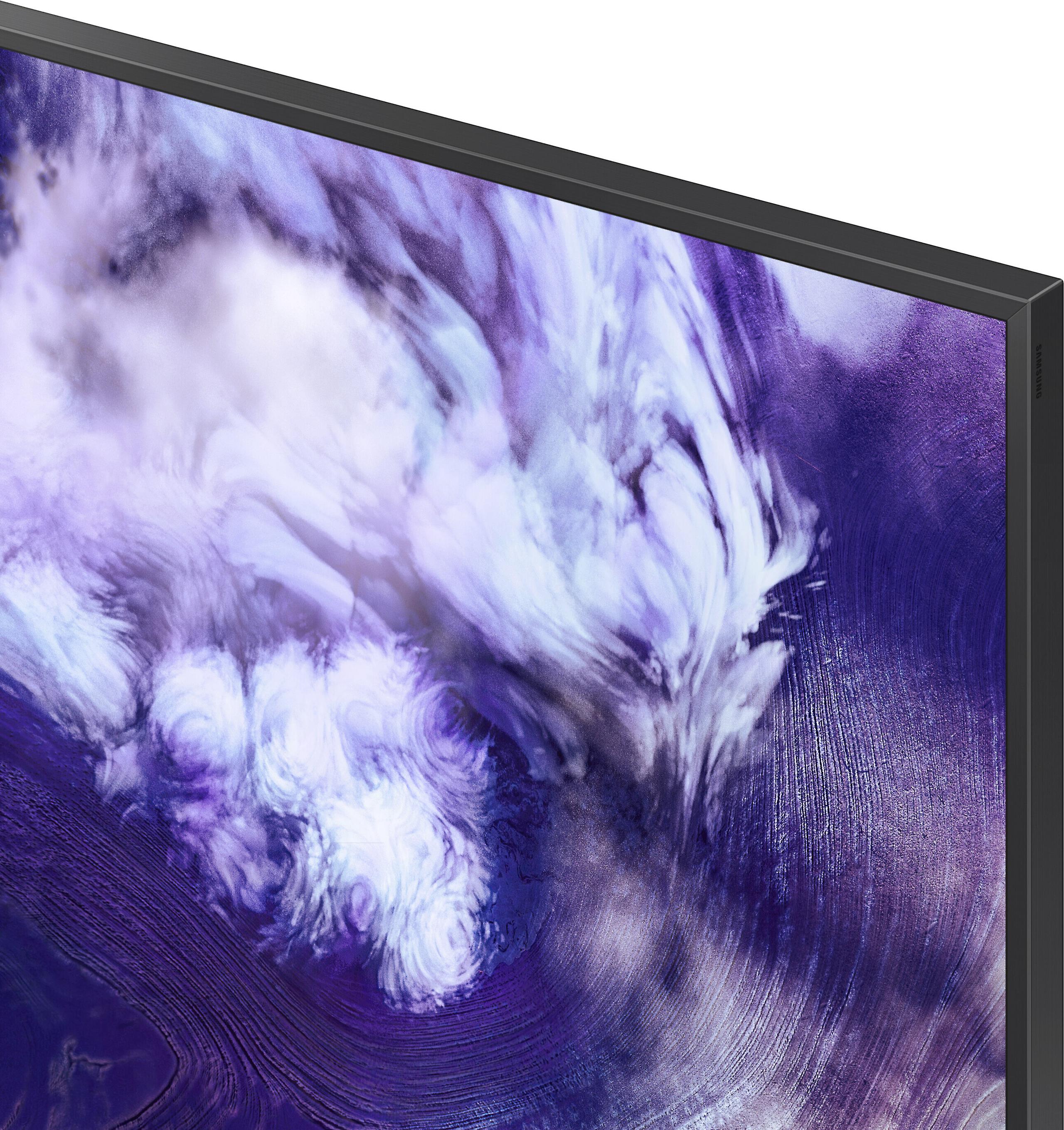
Both models share Samsung's core display technologies, delivering exceptional picture quality that justifies their premium positioning. The Mini LED backlighting provides precise local dimming—the ability to brighten or darken specific areas of the screen independently. This creates the deep blacks and bright highlights essential for HDR content.
The Quantum Matrix Technology Pro uses thousands of Mini LEDs for incredibly fine brightness control. In practical terms, this means when you're watching a movie with a bright explosion against a dark night sky, the TV can make the explosion brilliantly bright while keeping the surrounding darkness truly black, rather than the grayish appearance common with standard LED TVs.
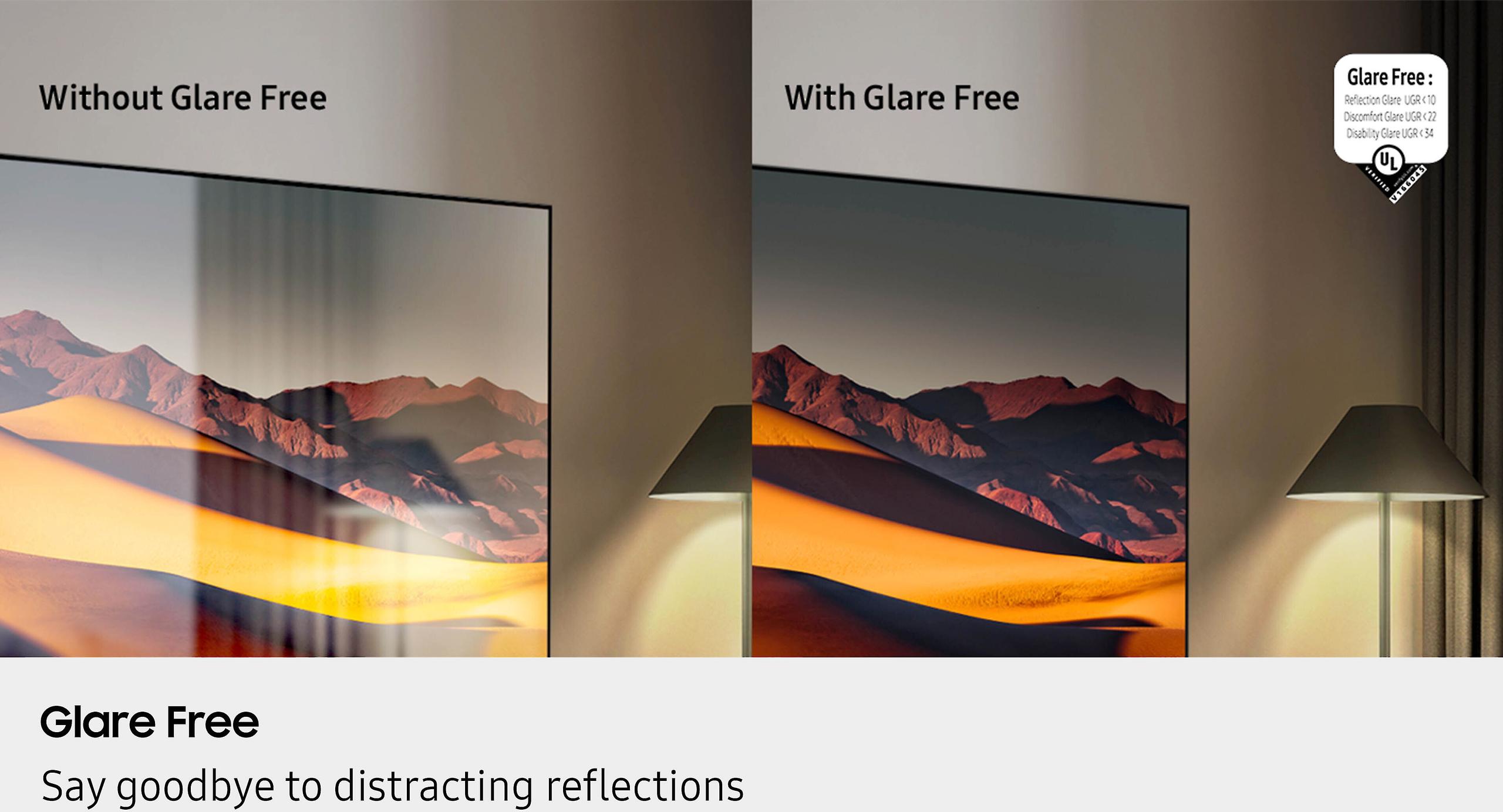
Both TVs feature Samsung's Glare-Free technology, which significantly reduces reflections from room lighting. This anti-reflective coating lets you enjoy vivid colors and deep blacks even in bright living rooms with large windows. Traditional TVs often become unwatchable in bright conditions due to reflections, but these Samsung models maintain picture quality across various lighting conditions.
However, neither model supports Dolby Vision HDR, instead using Samsung's HDR10+ format. Dolby Vision has become increasingly popular among streaming services and 4K Blu-ray discs. While HDR10+ provides similar benefits, content creators and streaming services have adopted Dolby Vision more widely. This limitation affects both models equally but represents a consideration for users with extensive Dolby Vision libraries.
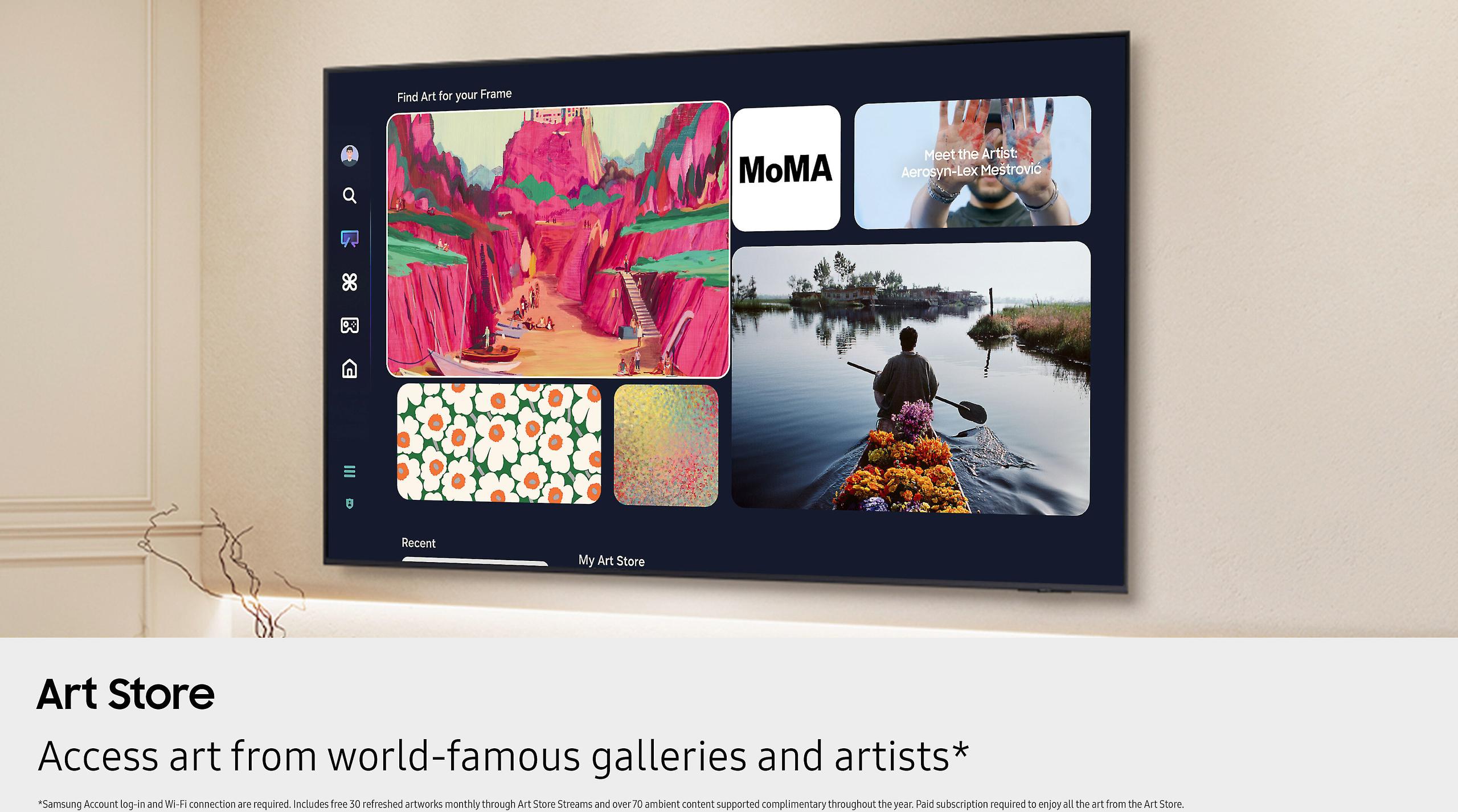
Both TVs run Samsung's Tizen operating system with Vision AI capabilities that automatically adjust picture and audio settings based on content type and viewing environment. The QN990F features the newer Tizen OS 9.0 with additional features like Click to Search (identifying objects or people on screen) and Live Translate for foreign language content.
The smart platform performs well with responsive navigation and comprehensive app support including all major streaming services. Voice control through Samsung's Bixby, Amazon Alexa, or Google Assistant works reliably for basic commands and content searches.
Samsung's Gaming Hub provides access to cloud gaming services like Xbox Game Pass Ultimate and NVIDIA GeForce Now directly through the TV, eliminating the need for a separate console for certain games. This feature works identically on both models and represents genuine added value for casual gaming.
At the time of writing, the price difference between these models is substantial—approximately $2,200 separating the QN900F from the QN990F. This premium buys you wireless connectivity, superior processing power, better audio, and future-proofing features.
For most buyers, the QN900F delivers exceptional 8K performance at a more reasonable price point. Its AI upscaling, while not quite matching the QN990F, still transforms lower-resolution content impressively. The gaming performance satisfies current console generations, and the picture quality rivals any TV in its class.
The QN990F justifies its premium for specific use cases. If you're planning a wall-mounted installation where cable management would be costly or unsightly, the Wireless One Connect alone might justify the price difference. For serious gamers with high-end PC setups who can benefit from 240Hz gaming, the extra refresh rate capability adds tangible value.
For dedicated home theater setups, both TVs excel, but considerations vary. The QN900F pairs excellently with external audio systems, and its traditional connectivity works well with AV receivers and complex multi-device setups.
The QN990F's Wireless One Connect becomes particularly valuable in finished basements or media rooms where running new cables through walls isn't practical. However, ensure your planned seating distance can appreciate 8K detail—typically 6-8 feet for a 65" screen to see meaningful improvement over 4K.
Both models' Glare-Free technology proves essential for rooms with ambient lighting or windows, maintaining picture quality across various viewing conditions that would compromise traditional displays.
Choose the QN900F if you want premium 8K performance without flagship pricing, can accommodate traditional cable management, and find 165Hz gaming adequate for your needs. It delivers remarkable picture quality and smart features that satisfy most premium TV requirements.
Select the QN990F if installation convenience is paramount, you want maximum future-proofing for gaming and processing capabilities, or you prefer the best possible built-in audio experience. The premium pays for convenience and cutting-edge features that may become more valuable as 8K content and high-refresh gaming become more common.
Both represent excellent entries into 8K technology, with the choice ultimately depending on your priorities: exceptional value with the QN900F or flagship features and convenience with the QN990F. Either delivers a viewing experience that will remain impressive for years to come.
| Samsung 65" Neo QLED 8K QN900F Vision AI Smart TV 2025 | Samsung 65" Neo QLED QN990F 8K Smart TV 2025 |
|---|---|
| Processor - Determines upscaling quality and AI features | |
| NQ8 AI Gen2 processor with standard 8K AI Upscaling | NQ8 AI Gen3 processor with 8K AI Upscaling Pro (768 neural networks) |
| Gaming Performance - Maximum refresh rates for smooth gameplay | |
| 4K gaming up to 165Hz, 8K gaming at 120Hz | 4K gaming up to 240Hz, 8K gaming at 120Hz |
| Connectivity - Cable management and installation flexibility | |
| Traditional wired HDMI connections | Wireless One Connect (up to 30ft range) eliminates cable clutter |
| Audio System - Built-in sound quality without external speakers | |
| Adaptive Sound Pro with Dolby Atmos support | 6.4.4 channel system (120W) with Dolby Atmos and DTS:X |
| Smart Platform - Software features and AI capabilities | |
| Tizen OS with Samsung Vision AI core features | Tizen OS 9.0 with advanced Vision AI, Click to Search, Live Translate |
| Design Profile - Physical appearance and installation considerations | |
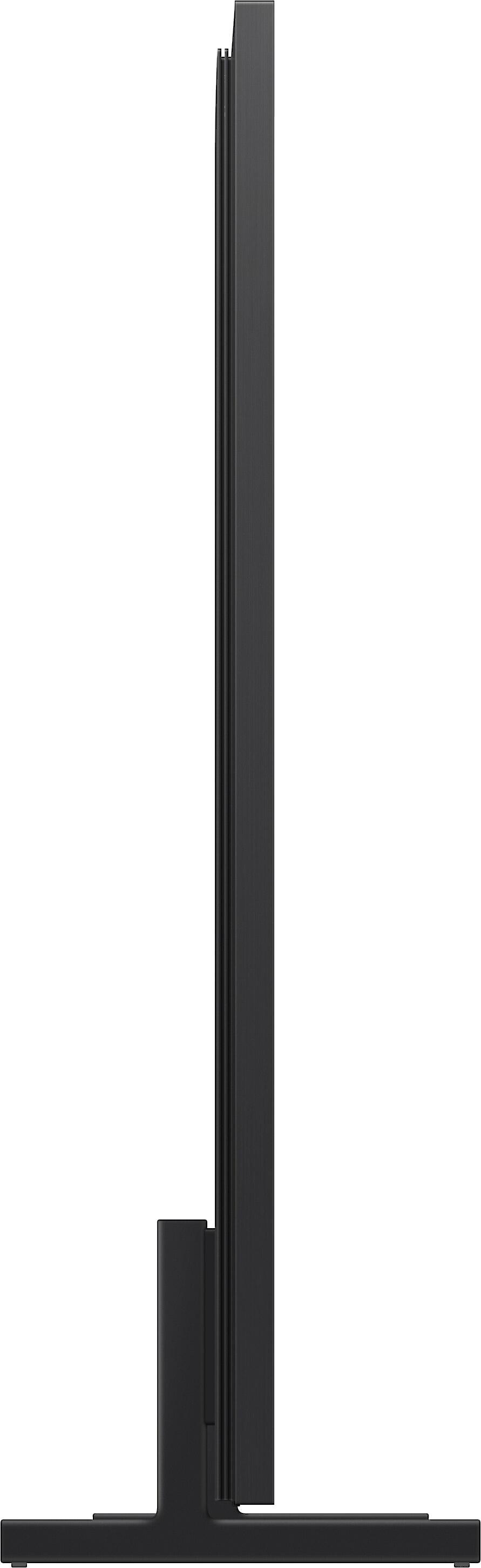
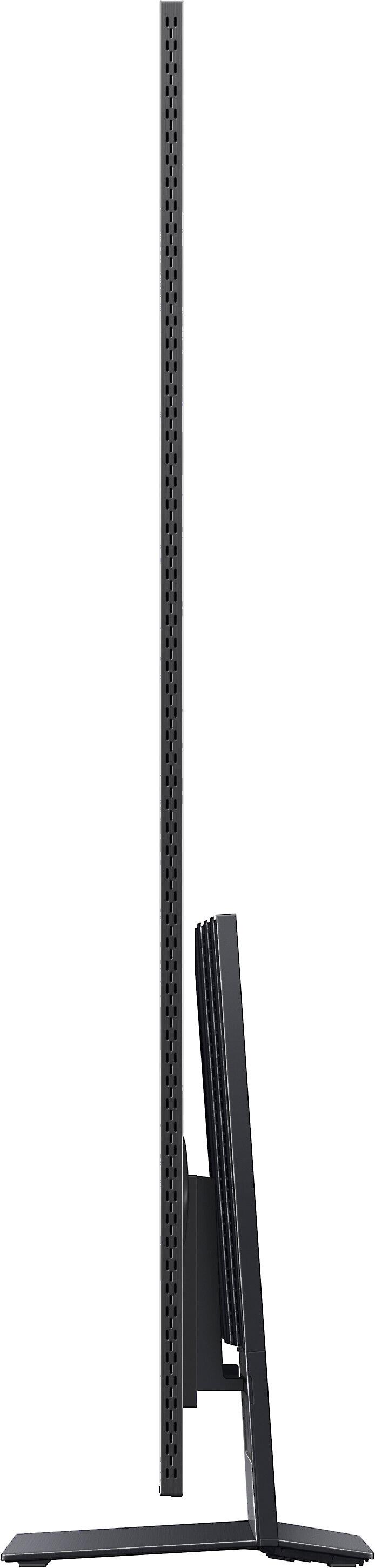
| Premium design with standard thickness | Ultra-thin Infinity One design (12.9mm thick) |
| Target Audience - Best suited for different user priorities | |
| Excellent 8K value for most users wanting premium picture quality | Flagship features for enthusiasts prioritizing convenience and cutting-edge tech |
| Price Positioning - Value proposition at time of writing | |
| Mid-premium pricing for accessible 8K experience | Flagship pricing with $2,200+ premium over QN900F |
The primary difference is processing power and connectivity. The Samsung QN990F features Samsung's latest NQ8 AI Gen3 processor with superior upscaling capabilities, while the Samsung QN900F uses the previous-generation NQ8 AI Gen2 chip. Additionally, the QN990F includes a Wireless One Connect system that eliminates cable clutter by connecting devices wirelessly up to 30 feet away.
The Samsung QN990F offers superior gaming performance with 4K support up to 240Hz compared to the QN900F's 165Hz maximum. Both support 8K gaming at 120Hz and include HDMI 2.1 with VRR and ALLM features. However, for most current gaming scenarios, the QN900F provides excellent performance that satisfies PlayStation 5 and Xbox Series X requirements.
Both TVs share core display technologies including Mini LED backlighting, Quantum Matrix Technology Pro, and Glare-Free screens. The Samsung QN990F delivers slightly better picture quality due to its advanced AI Gen3 processor, which provides superior upscaling of lower-resolution content. However, the Samsung QN900F still produces exceptional picture quality that rivals premium TVs in its class.
The Samsung QN900F provides better overall value, delivering essential 8K performance and premium picture quality at a more accessible price point. The QN990F commands a significant premium for flagship features like Wireless One Connect and advanced processing, making it worthwhile primarily for enthusiasts who prioritize cutting-edge technology and installation convenience.
Both models run Samsung's Tizen operating system with comprehensive streaming app support and Samsung Vision AI. The Samsung QN990F features the newer Tizen OS 9.0 with additional capabilities like Click to Search and Live Translate, while the QN900F includes core Vision AI features. Both support major streaming platforms, voice assistants, and Samsung Gaming Hub.
Wireless One Connect is the Samsung QN990F's standout feature, allowing you to place the connection box up to 30 feet away and connect all devices wirelessly to the TV. This dramatically simplifies wall-mounting installations and eliminates visible cables. The QN900F uses traditional wired connections, which work fine for TV stand setups but create more complexity for wall installations.
The Samsung QN990F features a more robust 6.4.4 channel audio system with 120W output, delivering superior built-in sound with better bass and surround effects. The QN900F provides capable Dolby Atmos audio that's adequate for most viewing. However, serious home theater enthusiasts will likely add external audio systems to either model for the best experience.
Both TVs excel in home theater environments with their Mini LED technology, Glare-Free screens, and premium picture processing. The Samsung QN990F offers advantages for dedicated theater rooms where cable management is challenging, while the QN900F pairs excellently with external audio systems and AV receivers at a more reasonable price point.
Both the Samsung QN900F and QN990F support HDR10+ but notably lack Dolby Vision support. This limitation affects both models equally, though HDR10+ still provides excellent dynamic range enhancement. The absence of Dolby Vision may be a consideration for users with extensive streaming libraries that feature Dolby Vision content.
The Samsung QN990F offers better future-proofing with its Gen3 AI processor, 240Hz gaming capability, and advanced smart features. However, the QN900F remains highly capable for current and near-future content demands. Both include comprehensive HDMI 2.1 support and 8K gaming at 120Hz, making either choice viable for several years.
The Samsung QN990F provides superior upscaling performance thanks to its 768 neural networks in the Gen3 processor, delivering more natural-looking enhancement of streaming content and cable TV. The QN900F still offers excellent upscaling that transforms most content impressively, though side-by-side comparisons favor the QN990F for heavily compressed sources.
Choose the Samsung QN900F if you want exceptional 8K performance at a more reasonable price, can work with traditional cable connections, and find 165Hz gaming adequate. Select the Samsung QN990F if installation convenience is crucial, you want maximum gaming performance, or you prioritize having the latest processing technology and don't mind paying a premium for flagship features.
We've done our best to create useful and informative comparisons to help you decide what product to buy. Our research uses advanced automated methods to create this comparison and perfection is not possible - please contact us for corrections or questions. These are the sites we've researched in the creation of this article: rtings.com - samsung.com - techradar.com - dolby.com - youtube.com - samsung.com - youtube.com - samsung.com - samsung.com - samsung.com - samsung.com - displayspecifications.com - samsung.com - rtings.com - bestbuy.com - merlinstv.com - news.samsung.com - bestbuy.com - samsung.com - abt.com - bestbuy.com - pcnation.com - samsung.com - videoandaudiocenter.com - exertisalmo.com - displayspecifications.com - theapplianceplug.com

Privacy Policy
Terms and Conditions - Affiliate Policy
Home Security
© Copyright 2008-2026.
11816 Inwood Rd #1211, Dallas, TX 75244