

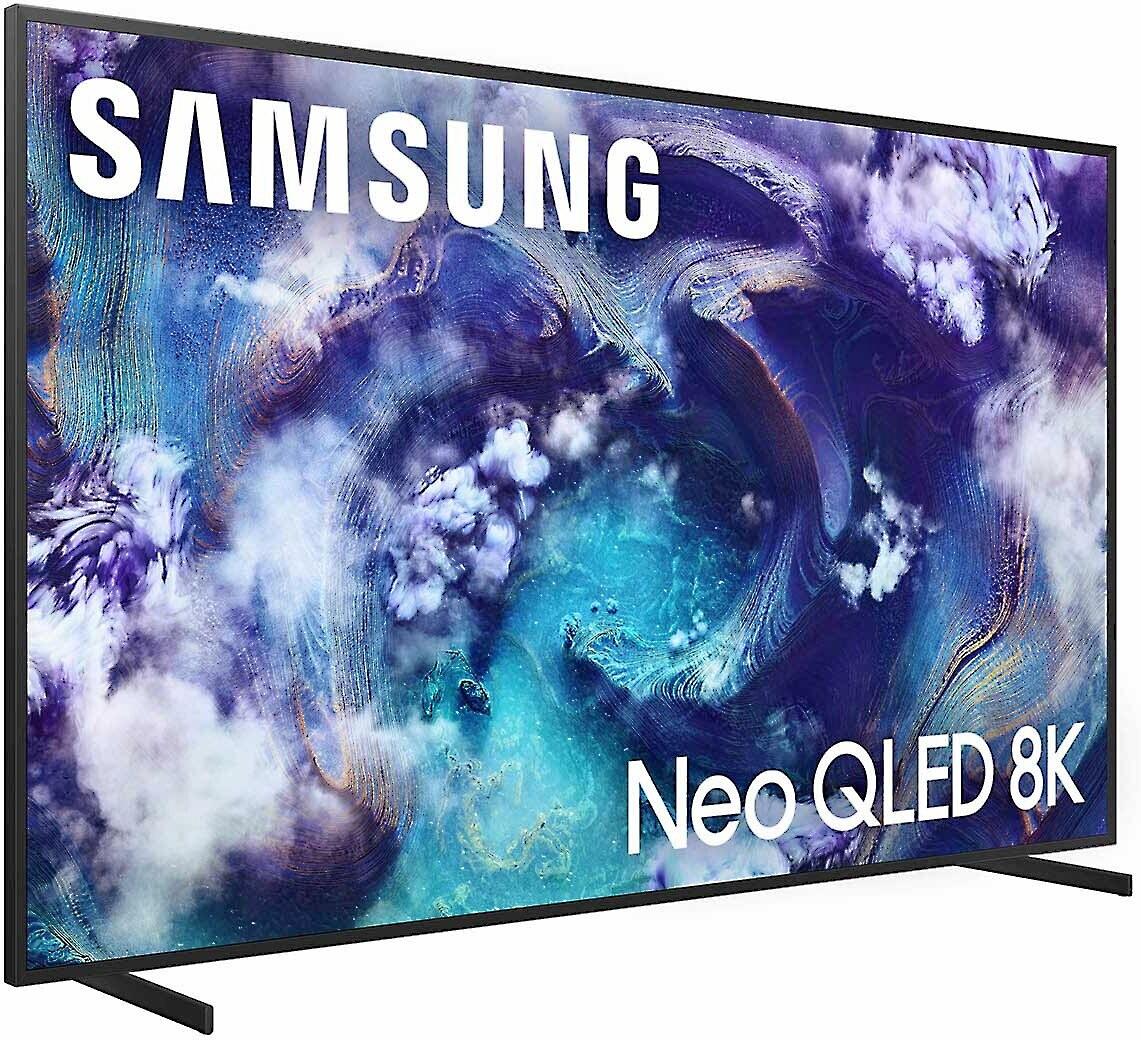
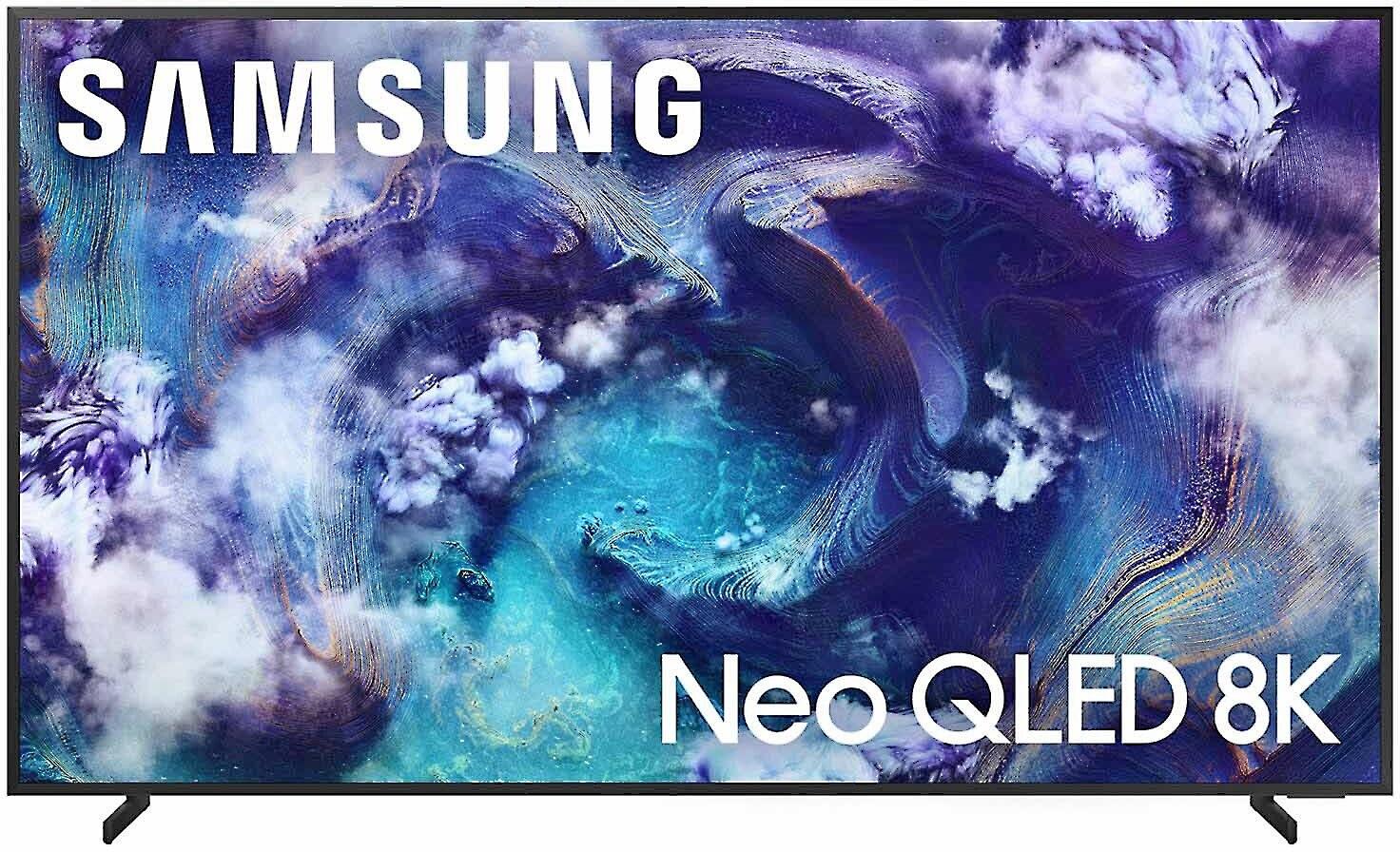
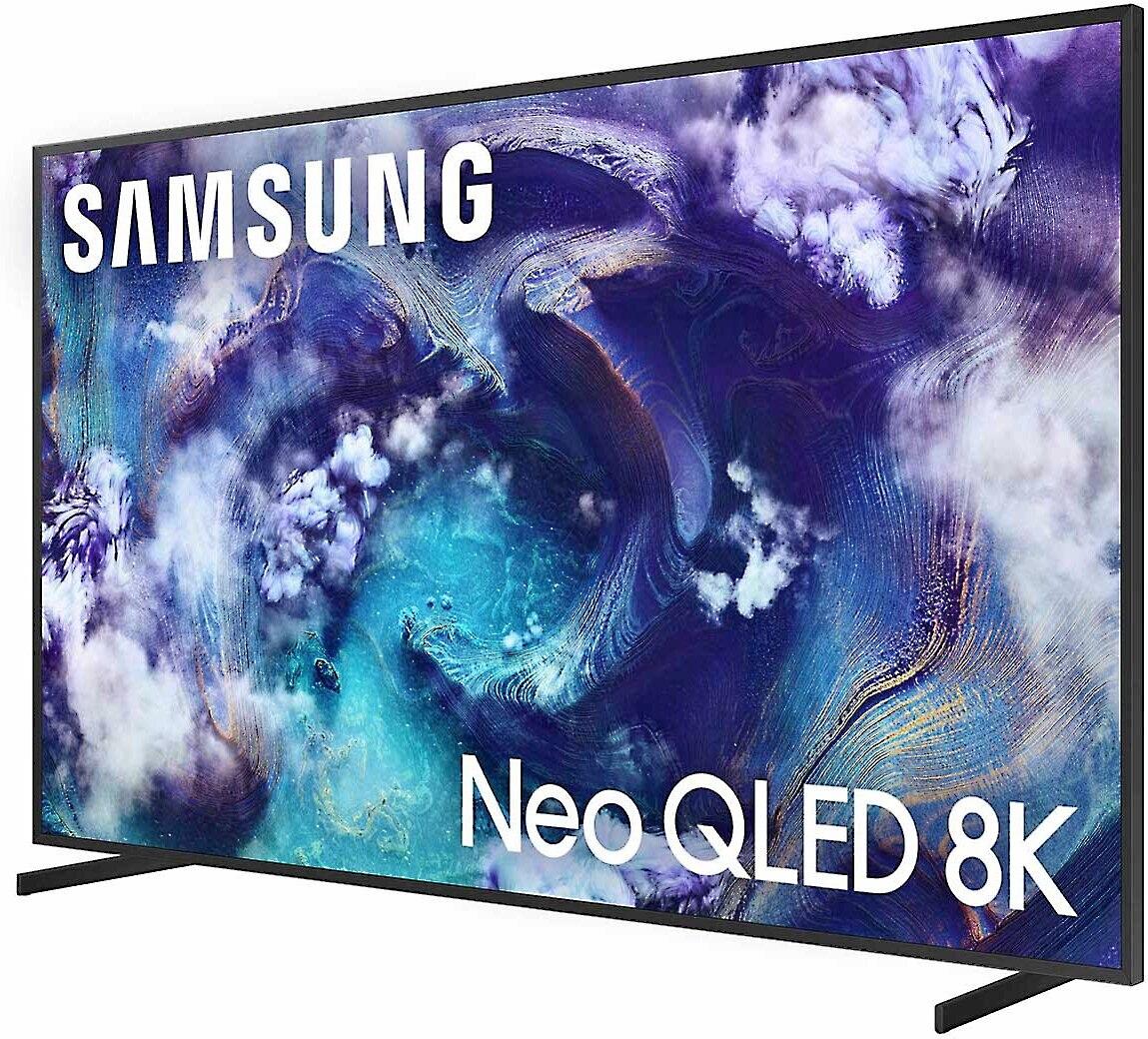

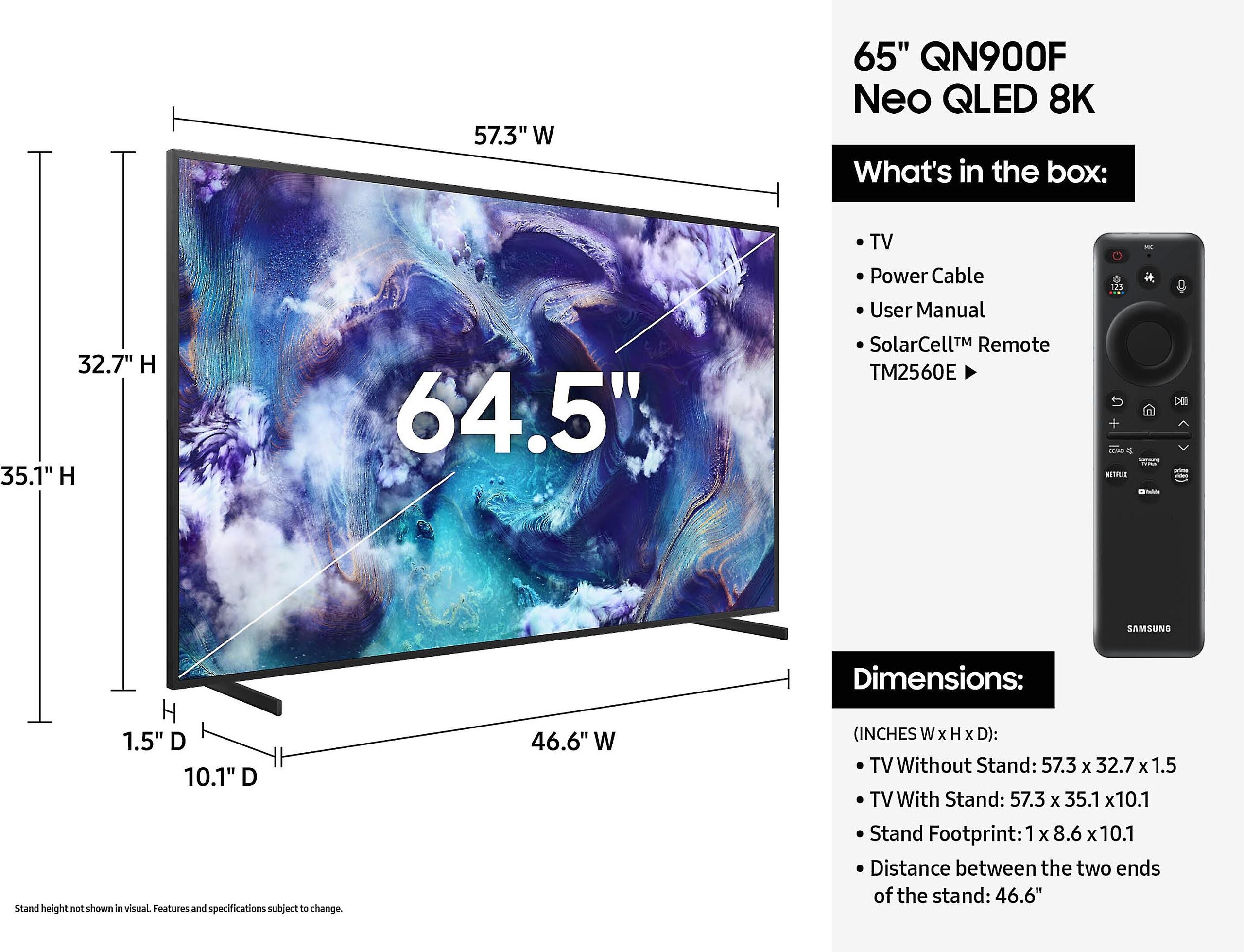
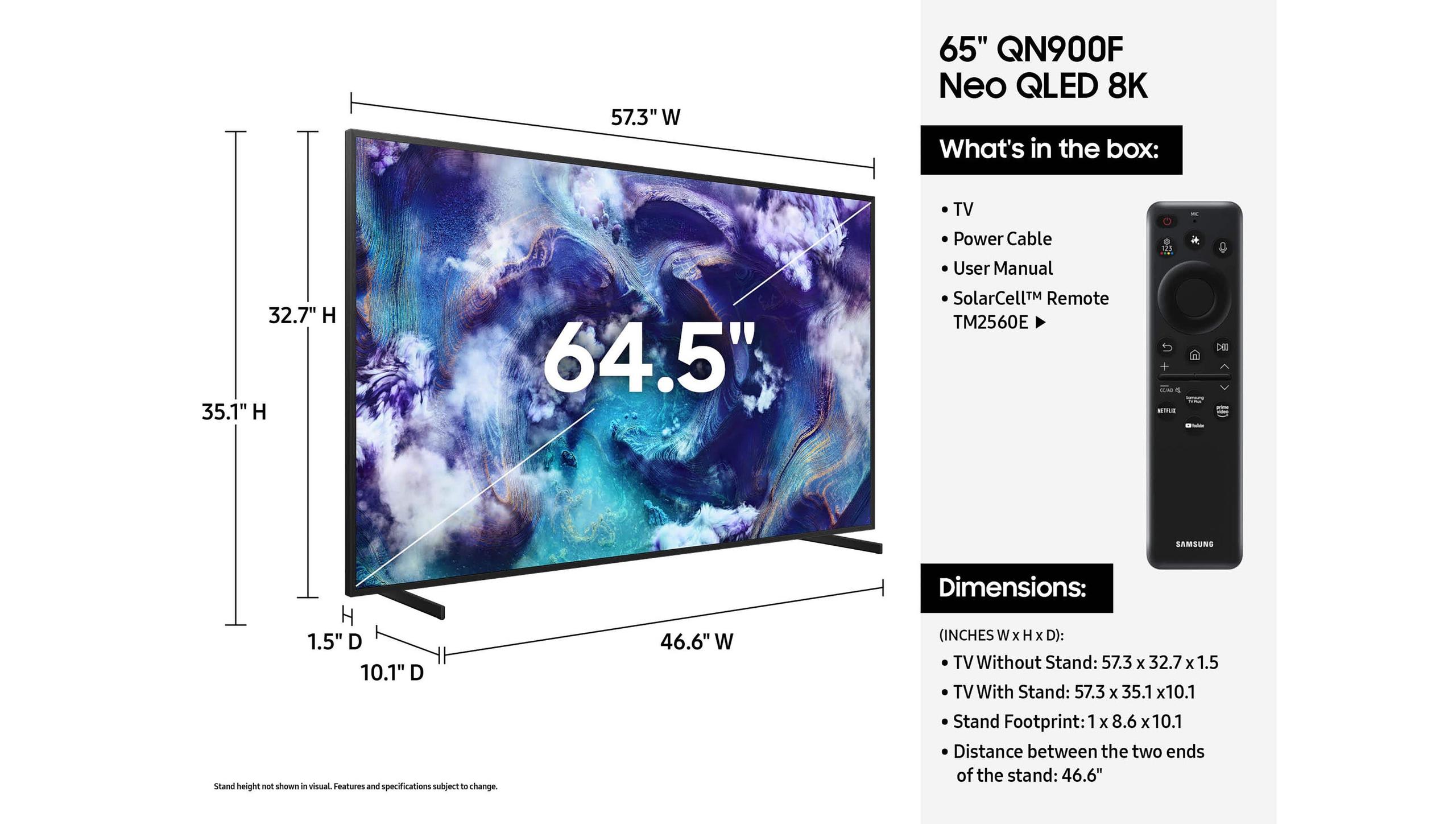

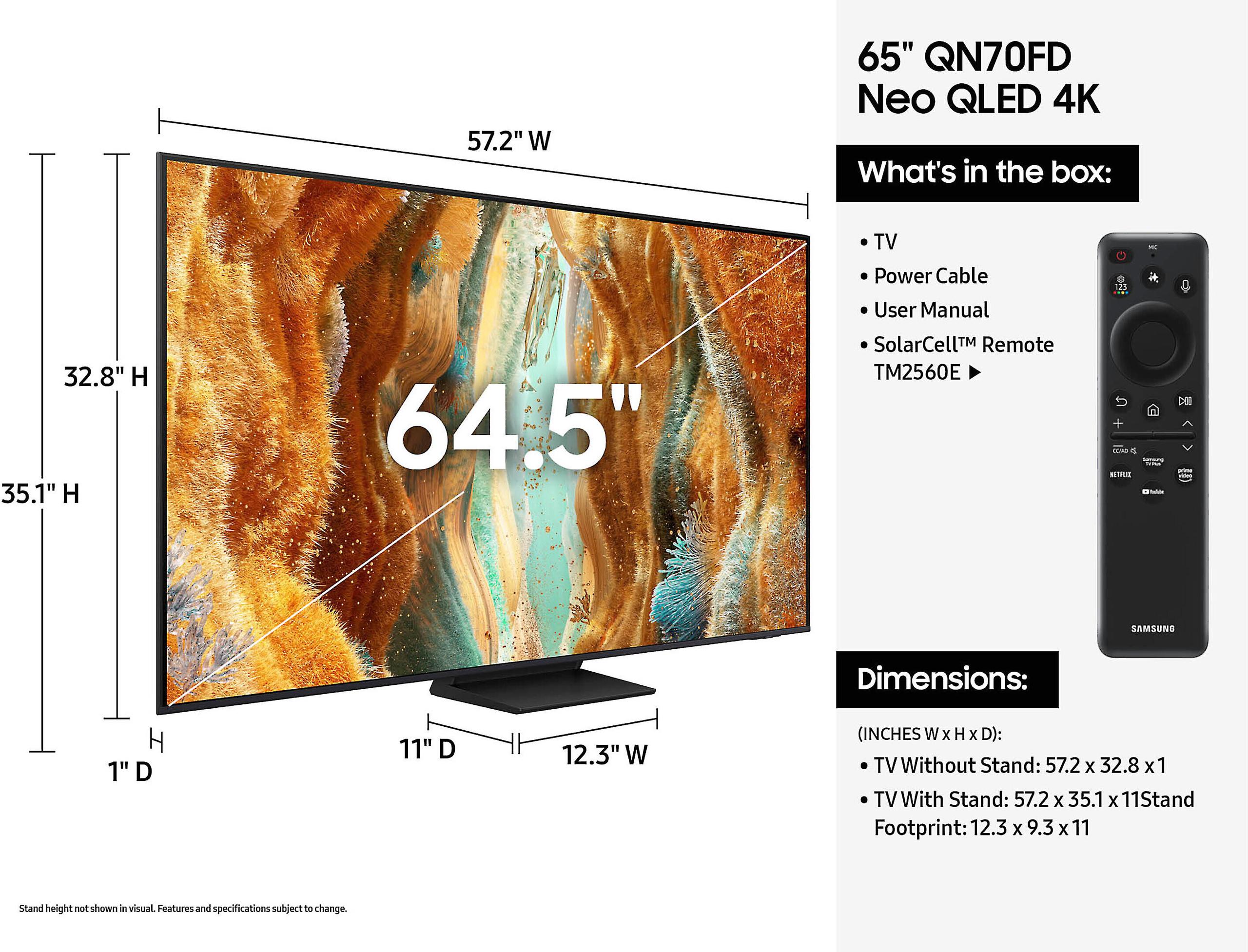
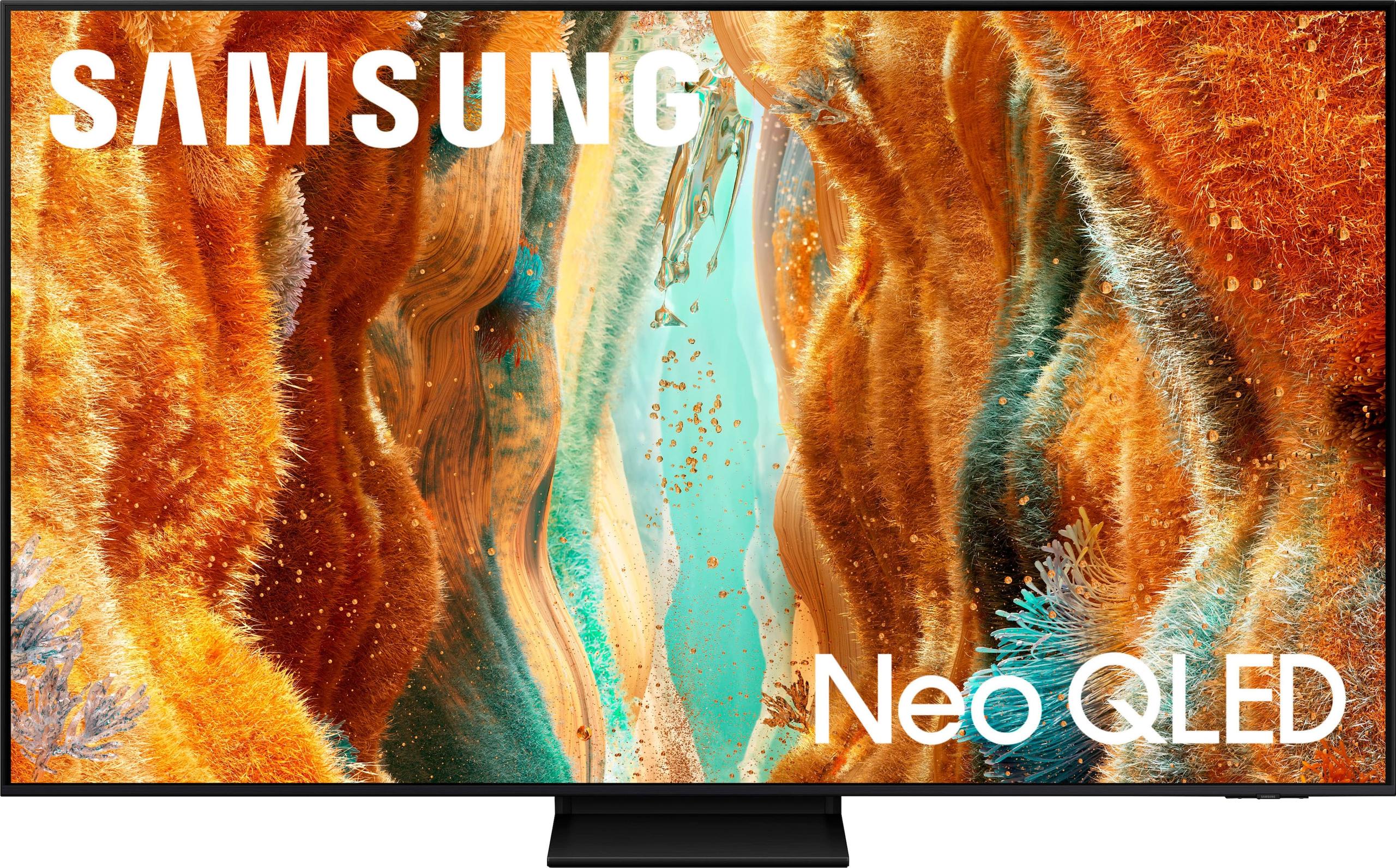
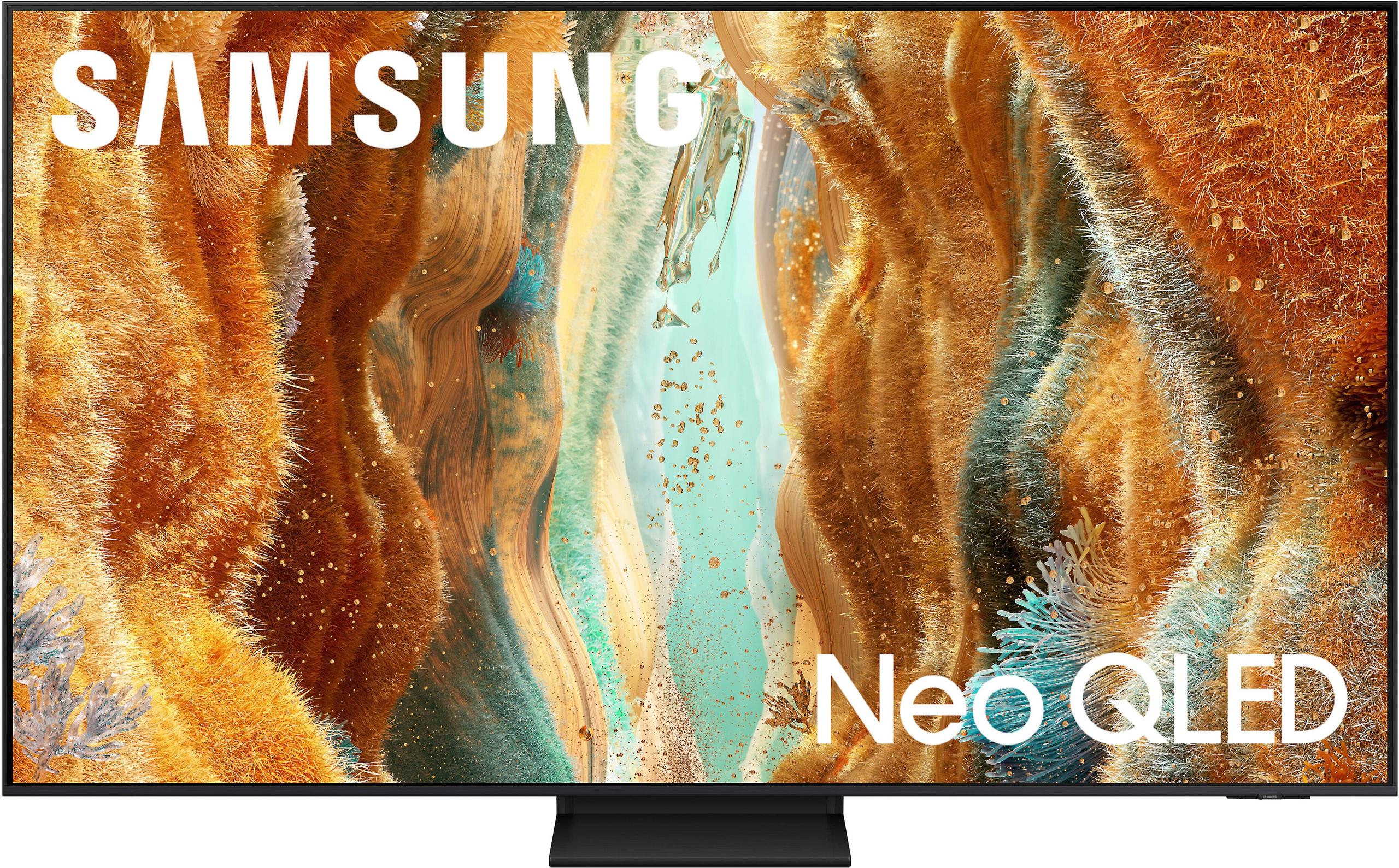
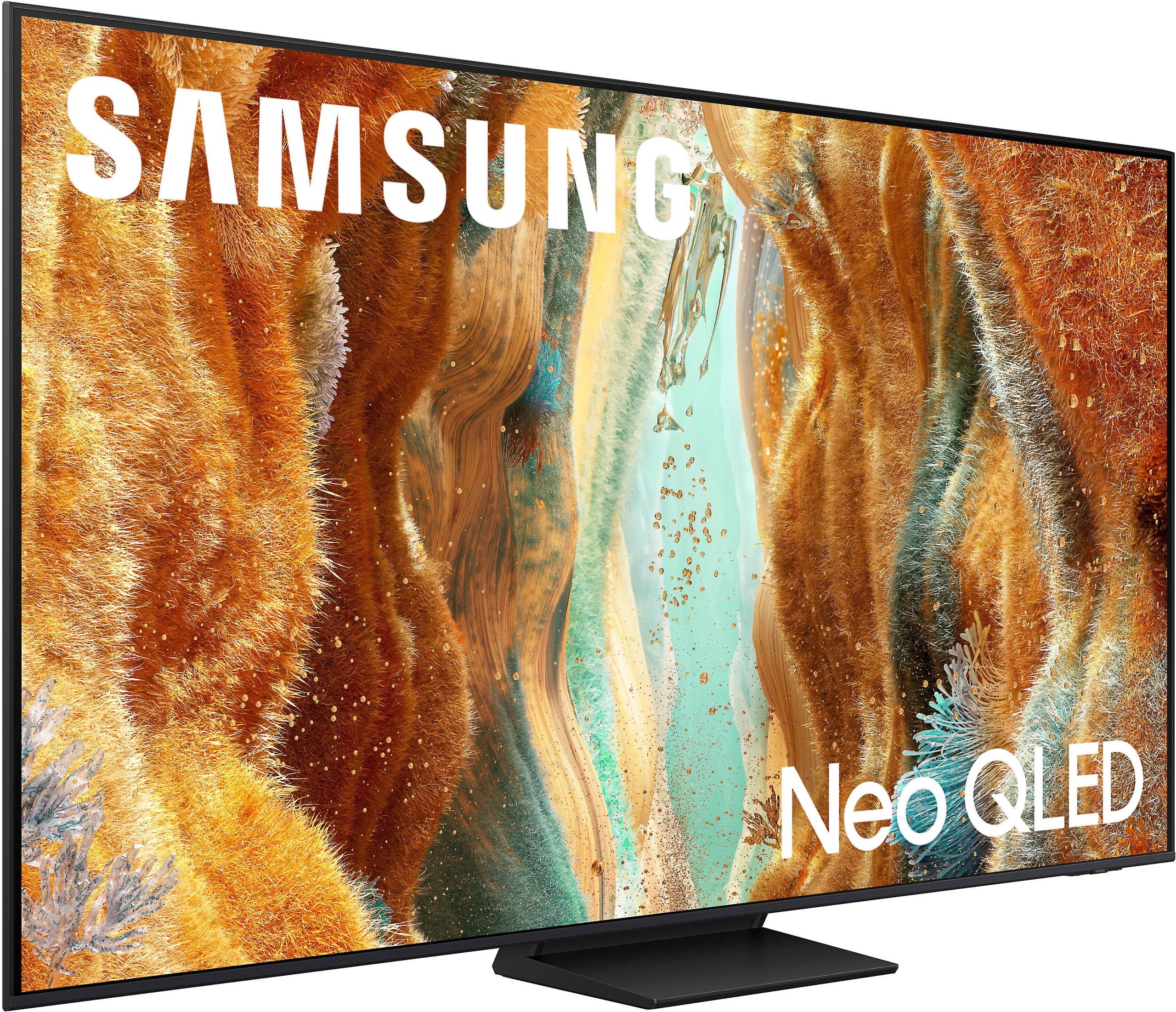
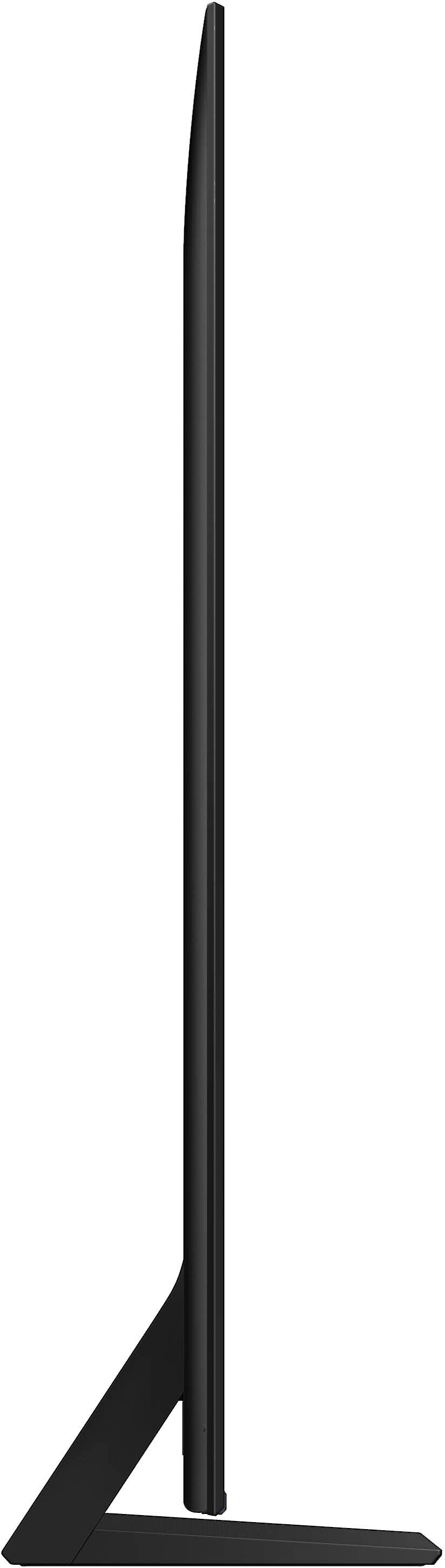
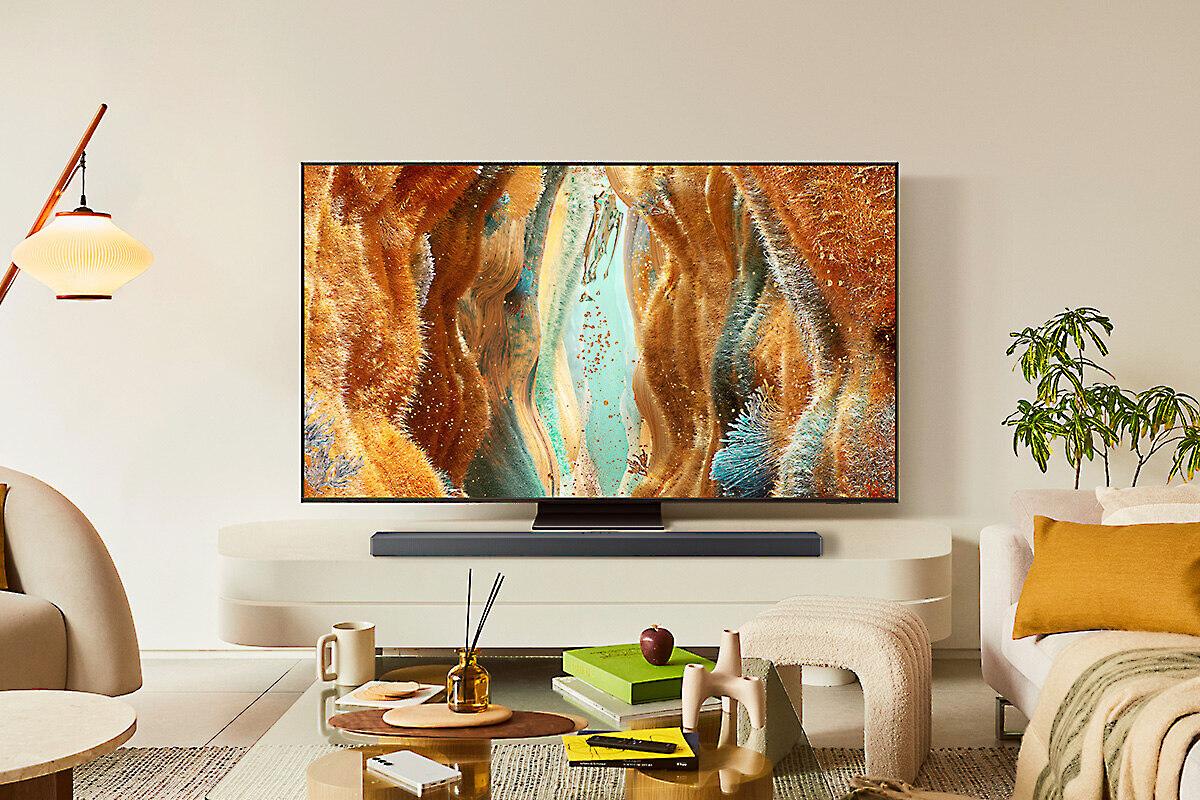

Shopping for a premium TV in 2025 means navigating an increasingly complex landscape of display technologies, smart features, and price points. Samsung's Neo QLED lineup presents two compelling but dramatically different options: the flagship Samsung 65" Neo QLED 8K QN900F and the value-focused Samsung 65" QN70F Neo QLED 4K. Understanding which makes sense for your home requires diving into what these technologies actually do and why the price difference is so substantial.
The premium TV market has evolved significantly since 2020, when 8K TVs first became commercially viable. Both models represent Samsung's Neo QLED technology, which uses Mini LEDs (thousands of tiny LEDs) instead of traditional LED backlighting to create more precise lighting zones. Think of it like having thousands of tiny flashlights behind your screen instead of just a few big ones – this creates deeper blacks, brighter highlights, and better overall contrast.
What matters most in premium TVs today? Picture quality remains king, but it's not just about resolution anymore. The processing power that enhances whatever content you're watching, the display's ability to handle different lighting conditions, audio quality that doesn't require immediate soundbar upgrades, and gaming performance have all become crucial factors.
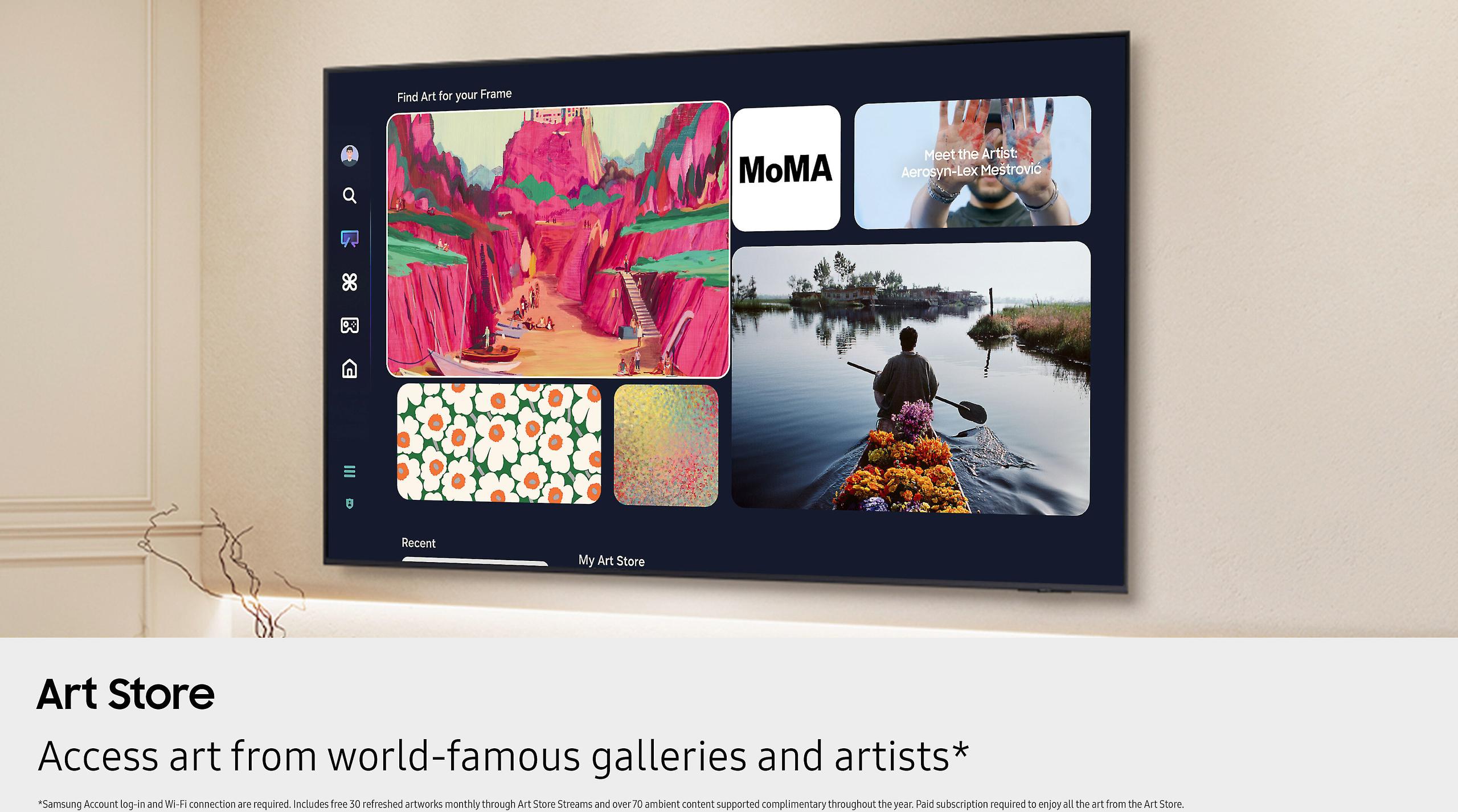
The smart TV platform and AI features have also transformed from basic streaming interfaces to sophisticated systems that learn your preferences and enhance content in real-time. Samsung's Vision AI, introduced across both models, represents their latest push into AI-powered viewing experiences.
The Samsung QN900F delivers true 8K resolution with 7,680 × 4,320 pixels – four times the detail of 4K. The Samsung QN70F provides 4K resolution at 3,840 × 2,160 pixels, which remains the sweet spot for most content today.
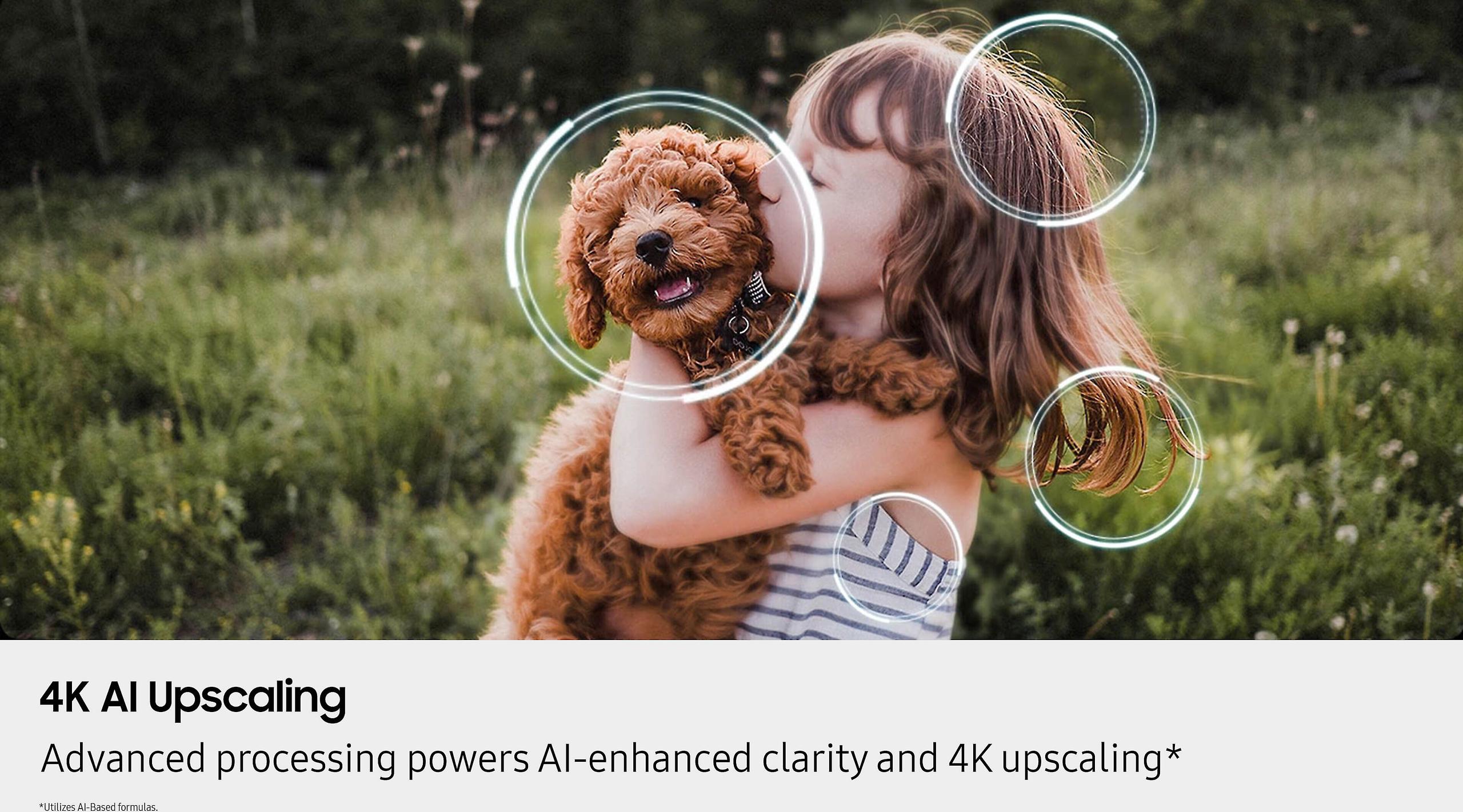
Here's the reality about 8K in 2025: native 8K content is still extremely limited. You're not getting 8K Netflix shows or YouTube videos in meaningful quantities. However, the QN900F's 8K capability shines through its AI upscaling technology. The NQ8 AI Gen2 processor analyzes every frame in real-time, using machine learning to add detail and sharpness to 4K, HD, and even standard definition content.
From our research into expert reviews, this upscaling makes a noticeable difference with high-quality 4K sources like Ultra HD Blu-rays or premium streaming content. The improvement is less dramatic with heavily compressed streaming video, but even Netflix shows benefit from the enhanced processing. The key is viewing distance – you need to sit relatively close to a 65-inch screen (about 8-10 feet) to appreciate the extra detail that 8K provides.
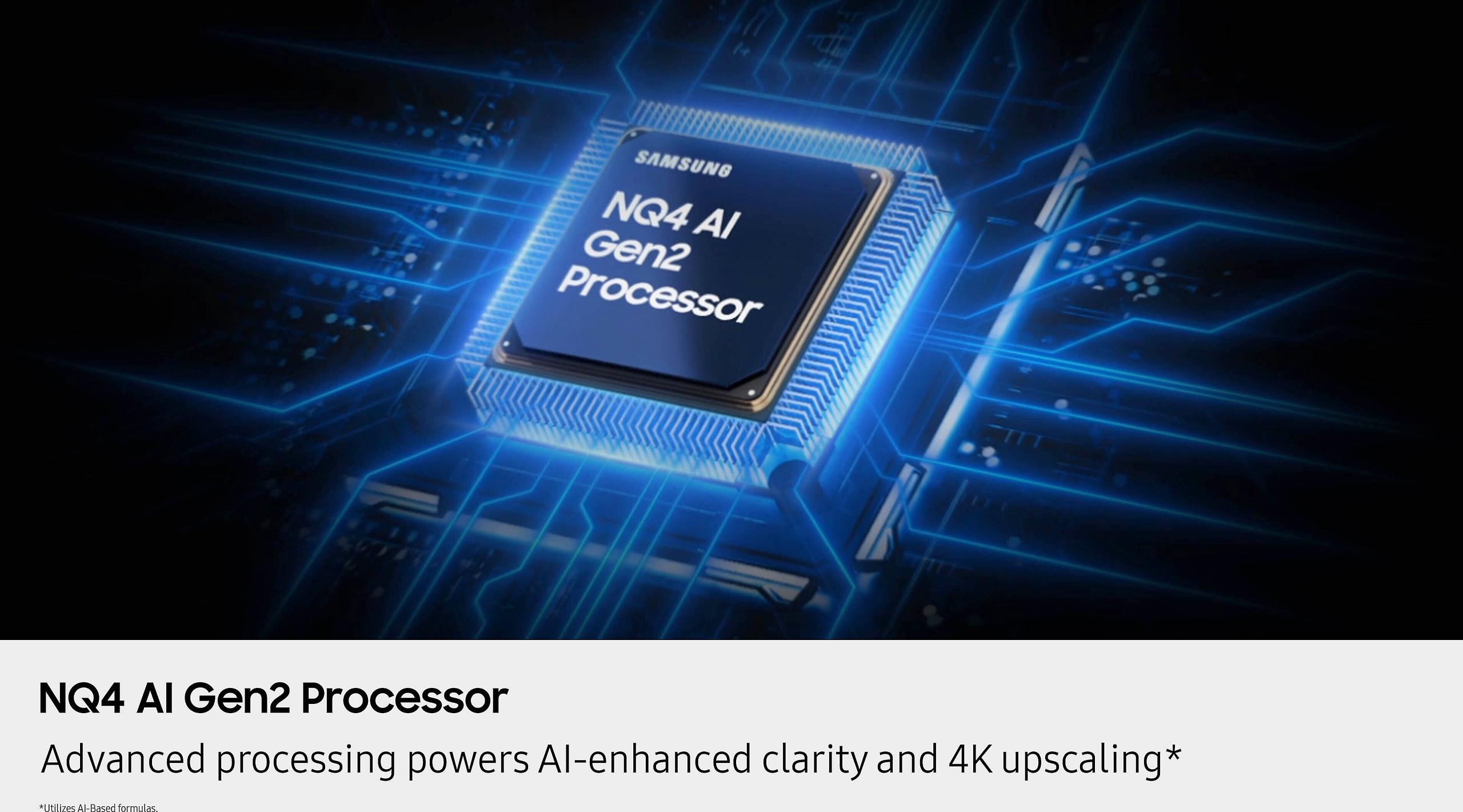
The QN70F handles 4K upscaling admirably with its NQ4 AI Gen2 processor, but it's working with a quarter of the pixels. For standard streaming content viewed at typical living room distances (10-12 feet), the difference becomes much less significant.
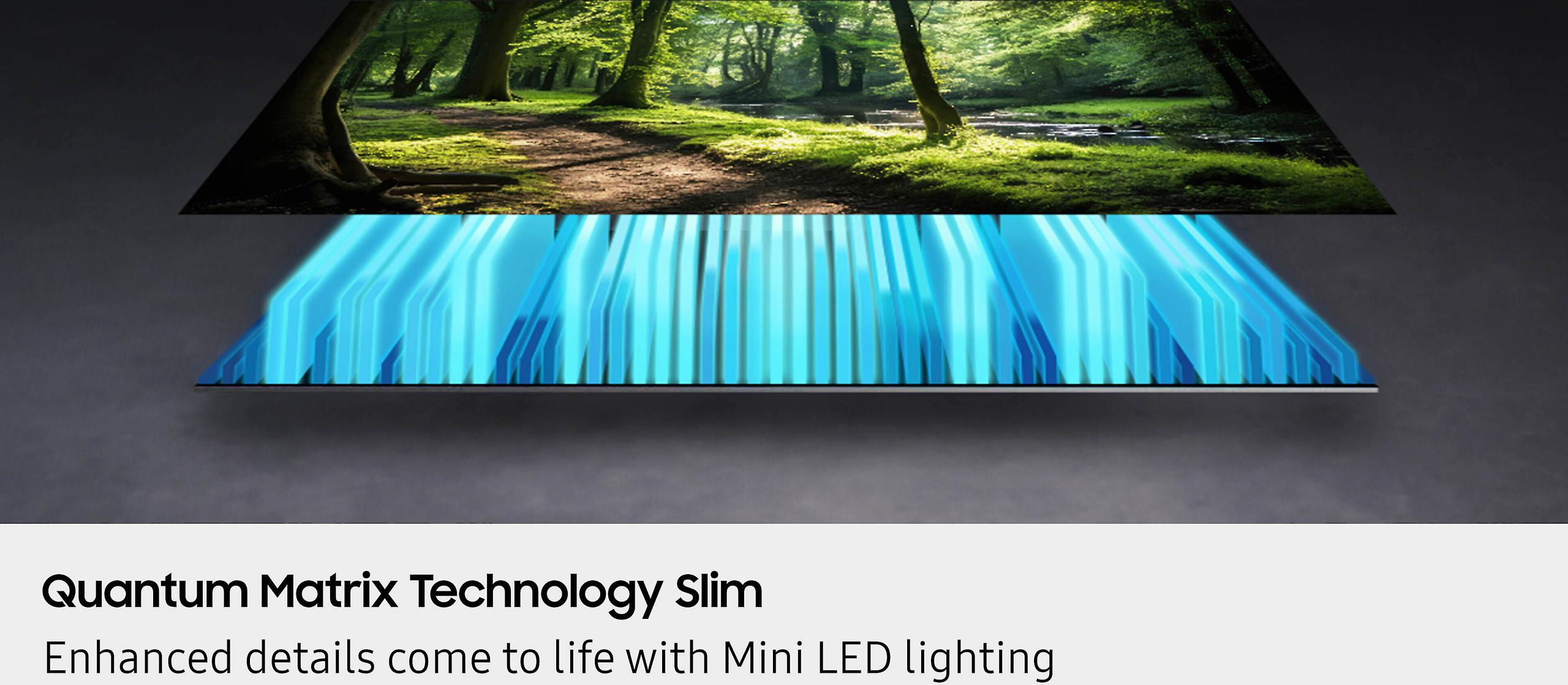
Both TVs use Mini LED technology, but the implementation varies significantly. The QN900F features Quantum Matrix Technology Pro with more sophisticated local dimming – essentially more precise control over which areas of the screen are bright or dark at any given moment. This creates what reviewers consistently praise as exceptional black levels for an LCD TV, with minimal "blooming" (unwanted light spill around bright objects on dark backgrounds).
The QN70F uses Quantum Matrix Technology Slim, which is Samsung's way of saying "fewer Mini LEDs with less precise control." It still delivers solid contrast and black levels that surpass traditional LED TVs, but won't match the flagship's performance in challenging scenes like a campfire at night or credits rolling over a dark background.
HDR (High Dynamic Range) performance tells a similar story. The QN900F supports Neo Quantum HDR 8K Pro, which processes HDR content with the full power of its 8K-optimized processor. The QN70F handles HDR well with its standard Neo Quantum HDR, but lacks the processing headroom for the most demanding content.
One standout feature of the QN900F is its anti-reflective coating, which Samsung calls "Glare Free" technology. Based on professional reviews, this nearly eliminates reflections even in bright rooms – a significant advantage for daytime viewing or rooms with lots of windows. The QN70F handles reflections adequately but can't match this performance.
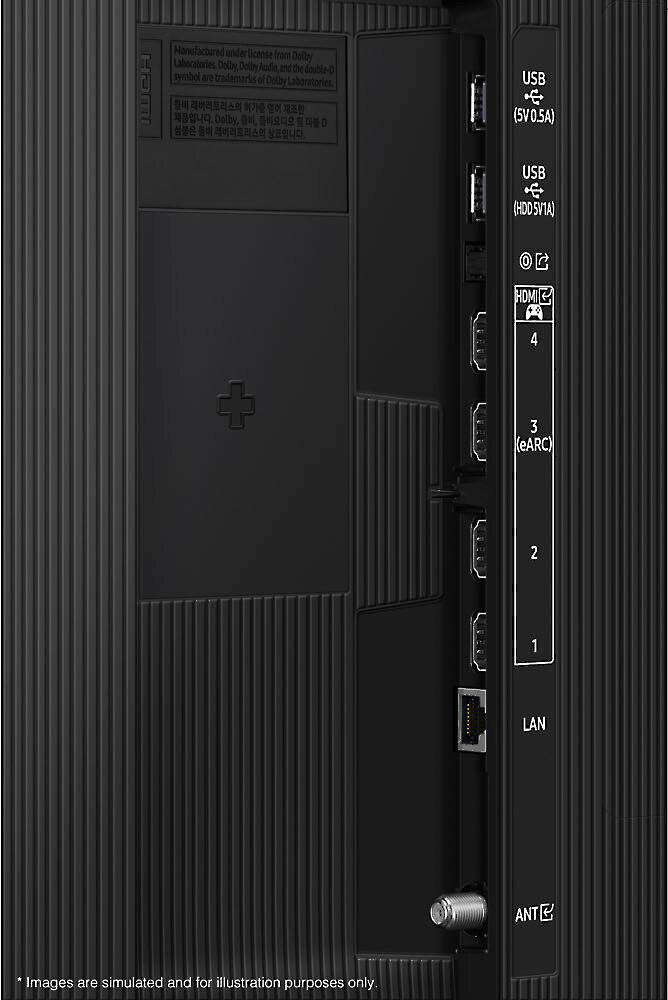
Gaming capabilities reveal an interesting twist in this comparison. Both TVs support HDMI 2.1, Variable Refresh Rate (VRR), and AMD FreeSync Premium Pro, making them excellent choices for PlayStation 5, Xbox Series X, and PC gaming. However, their refresh rate capabilities differ in important ways.
The QN900F can display 8K content at 60Hz or switch to 4K at up to 165Hz. The QN70F handles 4K at up to 144Hz. For competitive gaming, this means the QN70F might actually provide a smoother experience for high-refresh gaming, since most gaming content is 4K or lower anyway.
Both models feature low input lag – the delay between pressing a button and seeing the response on screen. This makes them suitable for both casual and competitive gaming. Auto Game Mode automatically switches to optimized settings when it detects a gaming console, reducing lag and enhancing responsiveness.
The gaming experience extends beyond just performance numbers. Both TVs support features like Game Bar (on-screen gaming information), Game Motion Plus (motion smoothing specifically tuned for games), and multiple picture modes optimized for different game genres.
This is where the models diverge dramatically. The QN900F includes a comprehensive 4.2-channel speaker system with 70 watts of power, Dolby Atmos support, and Object Tracking Sound+. This technology actually moves audio around the screen to match what's happening visually – when a car drives from left to right, the sound follows it.
The QN70F includes a basic 2.0-channel system with just 20 watts and limited Object Tracking Sound Lite. While it's adequate for casual viewing, most buyers will want to add a soundbar or surround sound system relatively quickly.
This audio difference has real financial implications. A decent soundbar that matches the QN900F's built-in audio quality typically costs $300-800, narrowing the practical price gap between the two models when factoring in additional purchases.
Both models run Samsung's Tizen operating system with Vision AI capabilities introduced in 2025. These AI features go beyond basic smart TV functions:
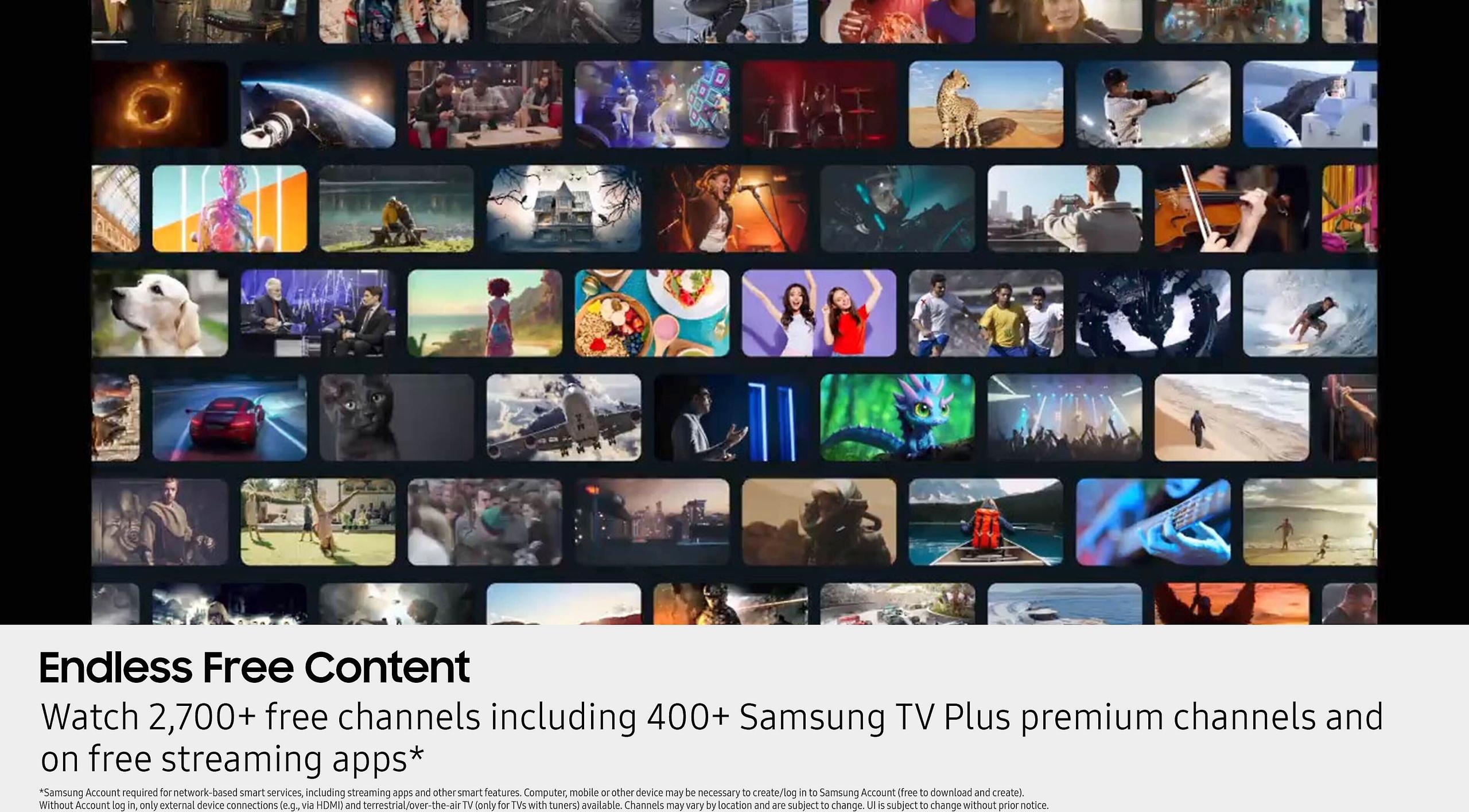
The QN900F's more powerful processor handles these AI features more smoothly, with faster response times and more sophisticated analysis. However, both TVs provide access to all major streaming platforms, voice control through Bixby and Alexa, and Samsung's free TV Plus service.
For dedicated home theater setups, the QN900F makes more sense despite its higher cost. The superior picture processing, better black levels, and comprehensive audio system align with the home theater goal of creating an immersive, cinematic experience. The 8K upscaling particularly benefits high-quality sources like Ultra HD Blu-rays.
The anti-reflective coating becomes crucial in home theater applications where controlling ambient light is important. Even with some room lighting, the QN900F maintains picture quality better than most TVs.
However, many home theater enthusiasts prefer to use external audio systems anyway. In setups with dedicated surround sound, the QN70F's audio limitations become irrelevant, making its exceptional picture quality-to-price ratio more attractive.
At the time of writing, the QN900F commands a significant premium over the QN70F – we're talking about a price difference that could fund a nice soundbar, streaming subscriptions for years, or even a second TV for another room.
The QN900F justifies its premium through:
The QN70F offers remarkable value by delivering:
Choose the Samsung QN900F if:
Choose the Samsung QN70F if:
The Samsung QN70F represents exceptional value in the premium TV space, delivering modern Neo QLED technology, comprehensive smart features, and solid gaming performance at an accessible price point. For most buyers, it provides all the picture quality and features they'll actually use and appreciate.
The Samsung QN900F serves enthusiasts and those building premium entertainment systems who want the best current technology offers. The 8K capability, superior processing, and comprehensive audio system justify the premium for buyers who prioritize cutting-edge performance over value.
Both represent solid choices within their respective market segments. The key is honestly assessing your viewing habits, room setup, and whether the premium features of the 8K model align with how you actually use your TV. In most living rooms, with typical viewing distances and content sources, the QN70F delivers a picture quality experience that's 90% as good as the flagship for a fraction of the cost.
The future of TV technology continues evolving rapidly, but both models include the processing power and connectivity to remain relevant for years to come. Your choice ultimately comes down to whether you value having the absolute latest technology or prefer maximizing the performance you get for every dollar spent.
| Samsung 65" Neo QLED 8K QN900F Vision AI Smart TV 2025 | Samsung 65" QN70F Neo QLED 4K Vision AI Smart TV 2025 |
|---|---|
| Resolution - Higher pixel count provides more detail, but benefits depend on viewing distance and content quality | |
| True 8K (7,680 × 4,320 pixels) with AI 8K Upscaling Pro | Native 4K (3,840 × 2,160 pixels) with 4K AI Upscaling |
| Processor - More powerful chips deliver better upscaling and faster AI features | |
| NQ8 AI Gen2 Processor (optimized for 8K processing) | NQ4 AI Gen2 Processor (optimized for 4K processing) |
| Mini LED Technology - More precise backlighting creates better contrast and black levels | |
| Quantum Matrix Technology Pro (advanced Mini LED control) | Quantum Matrix Technology Slim (basic Mini LED implementation) |
| HDR Performance - Better HDR processing makes movies and shows more lifelike | |
| Neo Quantum HDR 8K Pro with Contrast Enhancer Pro | Neo Quantum HDR (standard implementation) |
| Gaming Refresh Rate - Higher rates provide smoother gameplay, especially for competitive gaming | |
| 8K/60Hz or 4K/165Hz with Motion Xcelerator 165Hz | Native 4K/144Hz with Motion Xcelerator 144Hz |
| Audio System - Better built-in audio reduces need for external soundbar purchase | |
| 4.2CH system, 70W power, Dolby Atmos, Object Tracking Sound+ | 2.0CH system, 20W power, OTS Lite (limited object tracking) |
| Anti-Reflective Technology - Critical for bright rooms and daytime viewing | |
| Advanced "Glare Free" coating (nearly eliminates reflections) | Standard anti-reflective treatment |
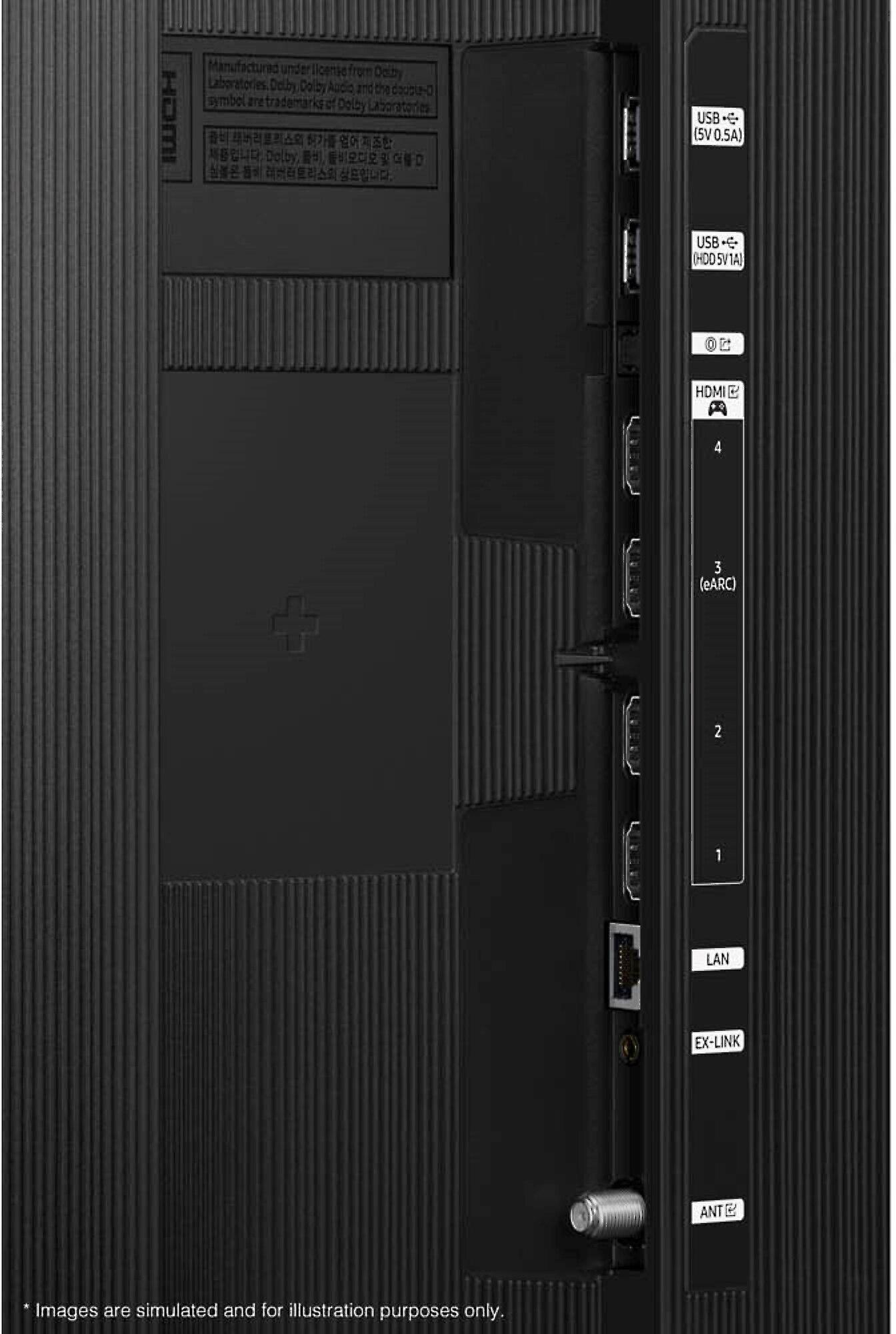
| HDMI Connectivity - HDMI 2.1 enables full gaming features and future compatibility | |
| 4 HDMI 2.1 ports with VRR and AMD FreeSync Premium Pro | 4 HDMI 2.1 ports with VRR and AMD FreeSync Premium Pro |
| Smart Platform - Both include Samsung's latest AI features and streaming apps | |
| Tizen OS with Vision AI (faster processing, quicker responses) | Tizen OS with Vision AI (standard performance) |
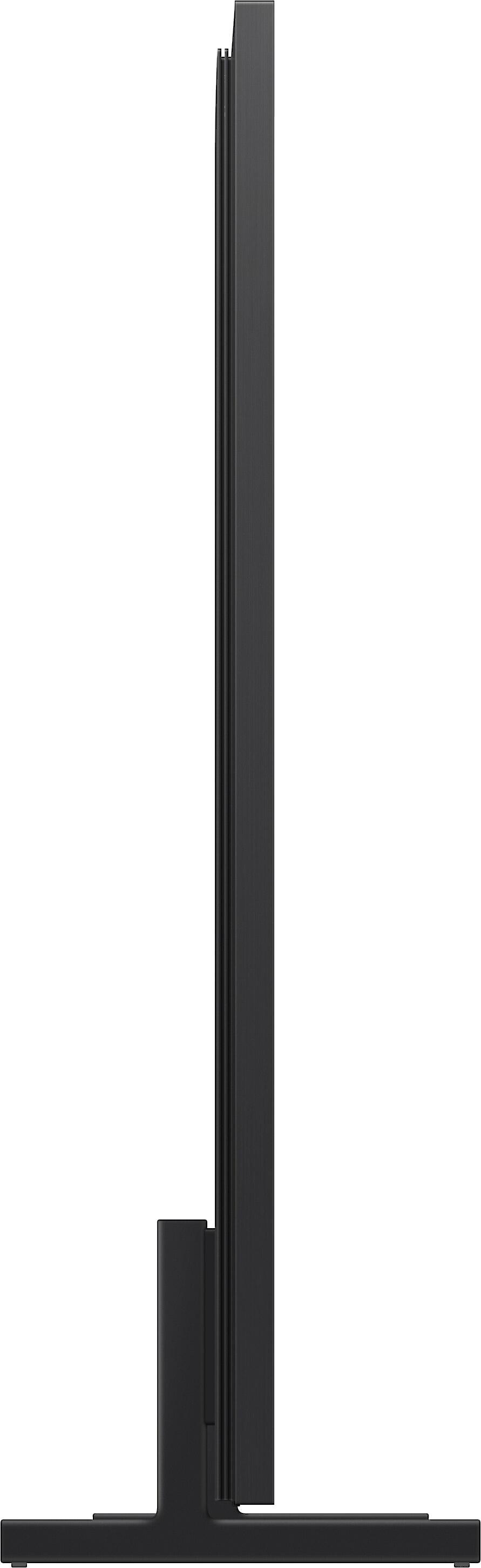
| Build Quality - Premium materials and design affect durability and aesthetics | |
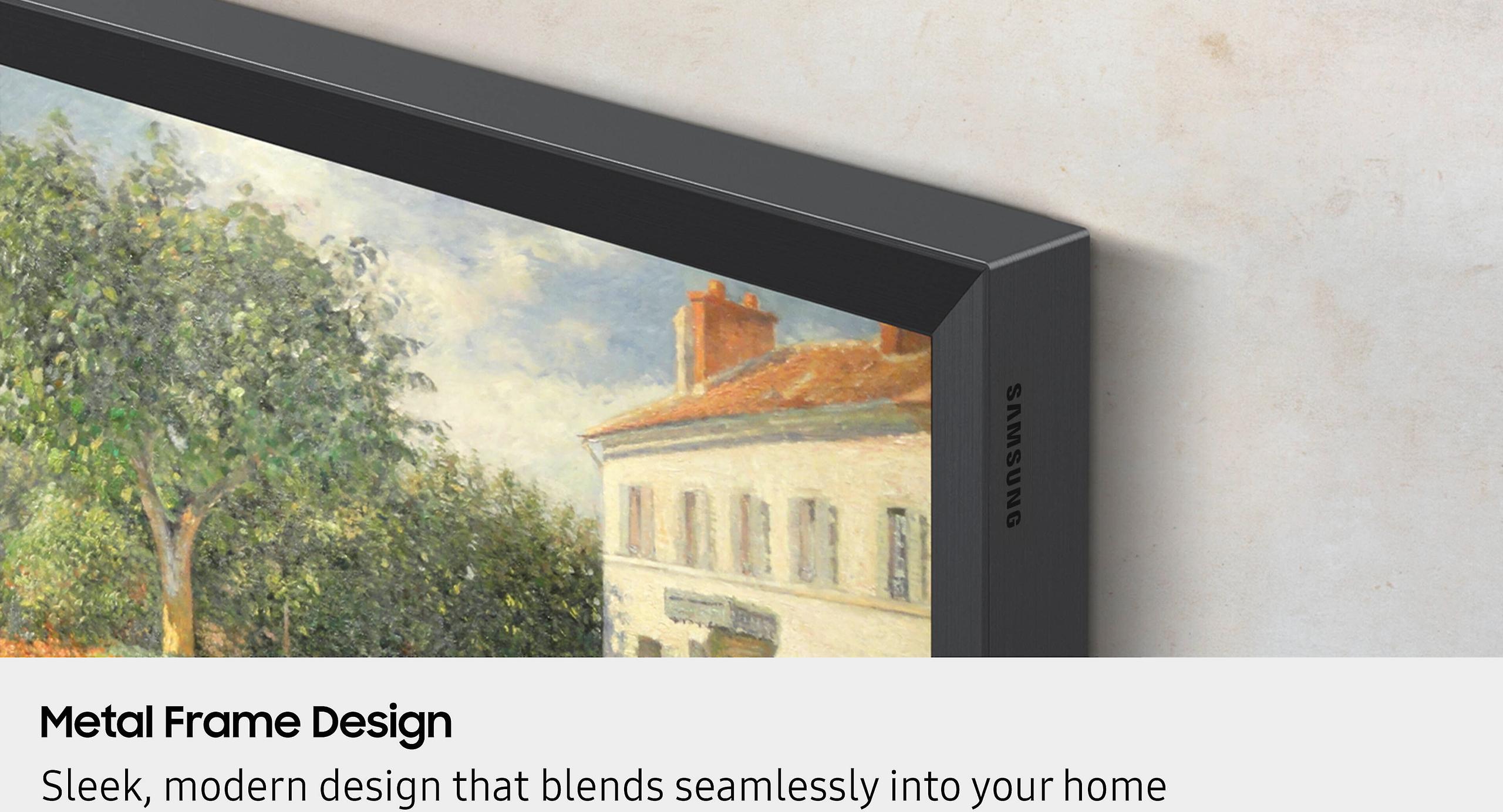
| Metal Chamfered Design with premium finish | Standard Neo QLED construction |
| Value Proposition - Consider total cost including potential soundbar purchase | |
| Premium 8K experience with comprehensive audio (no additional equipment needed) | Exceptional 4K performance at entry-level Neo QLED pricing (may require soundbar) |
The primary difference is resolution: the Samsung QN900F delivers true 8K (7,680 × 4,320 pixels) while the Samsung QN70F provides 4K (3,840 × 2,160 pixels). The QN900F also features more advanced Mini LED technology, superior audio with a 4.2CH speaker system, and enhanced processing power optimized for 8K content upscaling.
The Samsung QN70F offers exceptional value, delivering modern Neo QLED picture quality, gaming features, and smart TV capabilities at a significantly lower price point. Most viewers will find the QN70F provides excellent performance for streaming, gaming, and regular TV watching without the premium cost of 8K technology.
8K content remains limited, but the Samsung QN900F excels at upscaling 4K and HD content to near-8K quality using AI processing. The benefits are most noticeable with high-quality sources like Ultra HD Blu-rays and when sitting closer to the screen. For future-proofing and the best possible picture quality, the QN900F delivers, but the QN70F satisfies most current viewing needs.
Both TVs excel for gaming with HDMI 2.1, Variable Refresh Rate, and low input lag. The Samsung QN70F actually offers better high-refresh gaming at 4K/144Hz, while the Samsung QN900F provides 4K/165Hz or 8K/60Hz options. For competitive gaming, the QN70F may be preferable due to its optimized 4K performance.
The Samsung QN900F includes a comprehensive 4.2CH audio system with Dolby Atmos that delivers excellent sound quality without additional equipment. The Samsung QN70F has a basic 2.0CH system that's adequate for casual viewing but will likely benefit from a soundbar upgrade for the best audio experience.
The Samsung QN900F is better suited for dedicated home theaters due to its superior picture processing, advanced anti-reflective coating, deeper black levels, and comprehensive built-in audio system. The enhanced 8K upscaling particularly benefits high-quality sources like Ultra HD Blu-rays commonly used in home theater setups.
Both the Samsung QN900F and Samsung QN70F run Samsung's Tizen OS with Vision AI features including Click to Search, Live Translate, and personalized content recommendations. The QN900F processes these AI features faster due to its more powerful processor, but both provide access to all major streaming platforms and smart TV capabilities.
The Samsung QN900F significantly outperforms in bright rooms thanks to its advanced "Glare Free" anti-reflective coating that nearly eliminates reflections. The QN70F handles reflections adequately but cannot match the flagship's performance for daytime viewing or rooms with lots of windows.
Yes, both the Samsung QN900F and Samsung QN70F excel at streaming with their AI upscaling technology enhancing compressed streaming content. The QN900F provides slightly better enhancement due to its more powerful processor, but the QN70F delivers excellent streaming performance that satisfies most viewers.
The Samsung QN900F delivers superior contrast, deeper blacks, and better detail thanks to its advanced Quantum Matrix Technology Pro and 8K processing. The Samsung QN70F still provides excellent picture quality with solid contrast and vibrant colors. The difference is most noticeable in dark scenes and high-quality content sources.
The Samsung QN900F offers better future-proofing with true 8K capability and more advanced processing power that can handle emerging content formats. However, the Samsung QN70F includes modern connectivity like HDMI 2.1 and current smart TV features that will remain relevant for years. Both represent solid long-term investments.
Choose the Samsung QN900F if you want the absolute best picture quality, have a premium home theater setup, or prioritize future-proofing. Select the Samsung QN70F if you want excellent Neo QLED performance at exceptional value, primarily stream standard content, or prefer to allocate budget to other entertainment components like a soundbar or additional TVs.
We've done our best to create useful and informative comparisons to help you decide what product to buy. Our research uses advanced automated methods to create this comparison and perfection is not possible - please contact us for corrections or questions. These are the sites we've researched in the creation of this article: rtings.com - samsung.com - techradar.com - dolby.com - youtube.com - samsung.com - youtube.com - samsung.com - samsung.com - samsung.com - samsung.com - displayspecifications.com - samsung.com - rtings.com - bestbuy.com - merlinstv.com - news.samsung.com - bestbuy.com - rtings.com - youtube.com - wifihifi.com - samsung.com - samsung.com - samsung.com - samsung.com - flatpanelshd.com - bestbuy.com

Privacy Policy
Terms and Conditions - Affiliate Policy
Home Security
© Copyright 2008-2026.
11816 Inwood Rd #1211, Dallas, TX 75244