

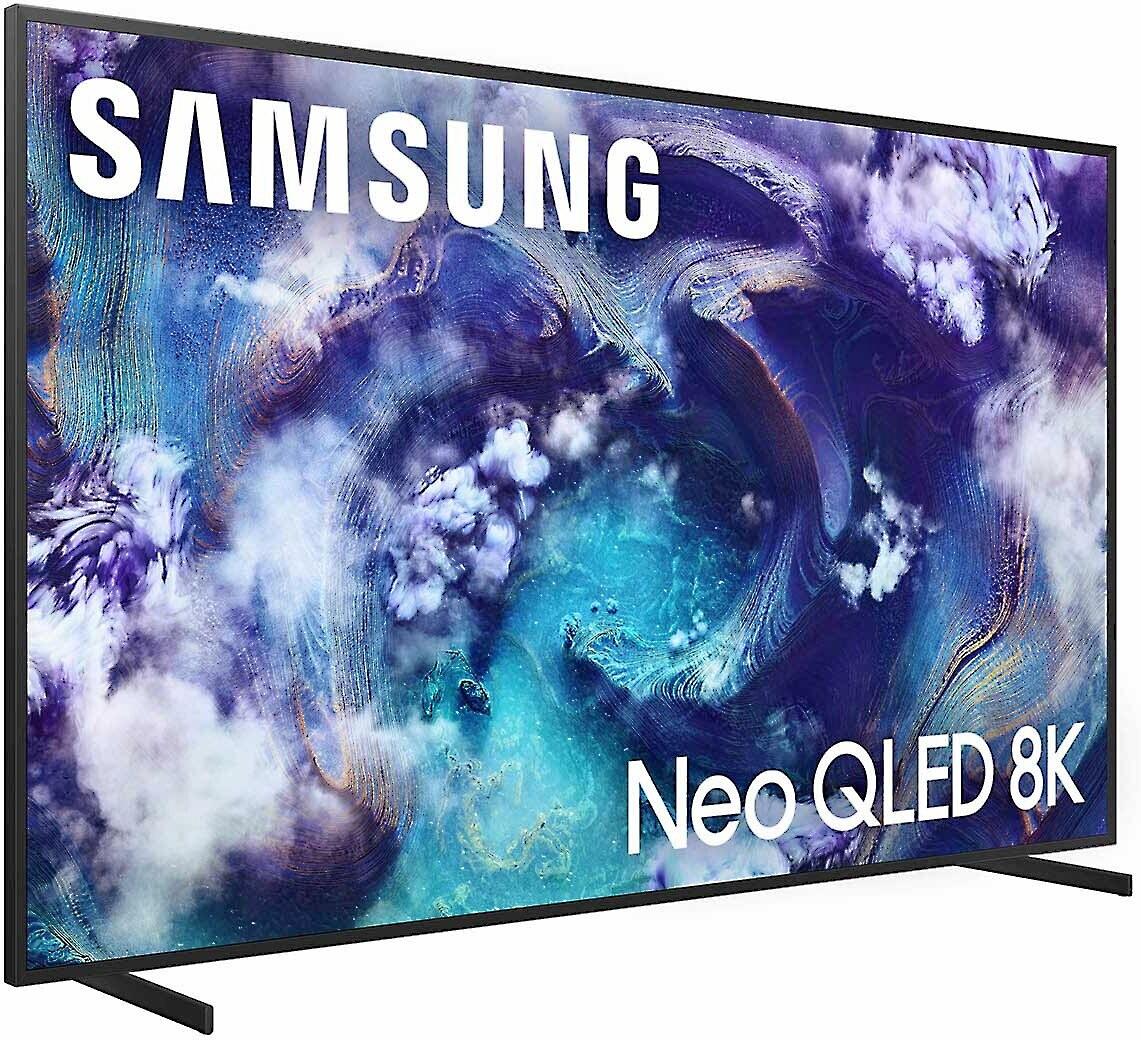
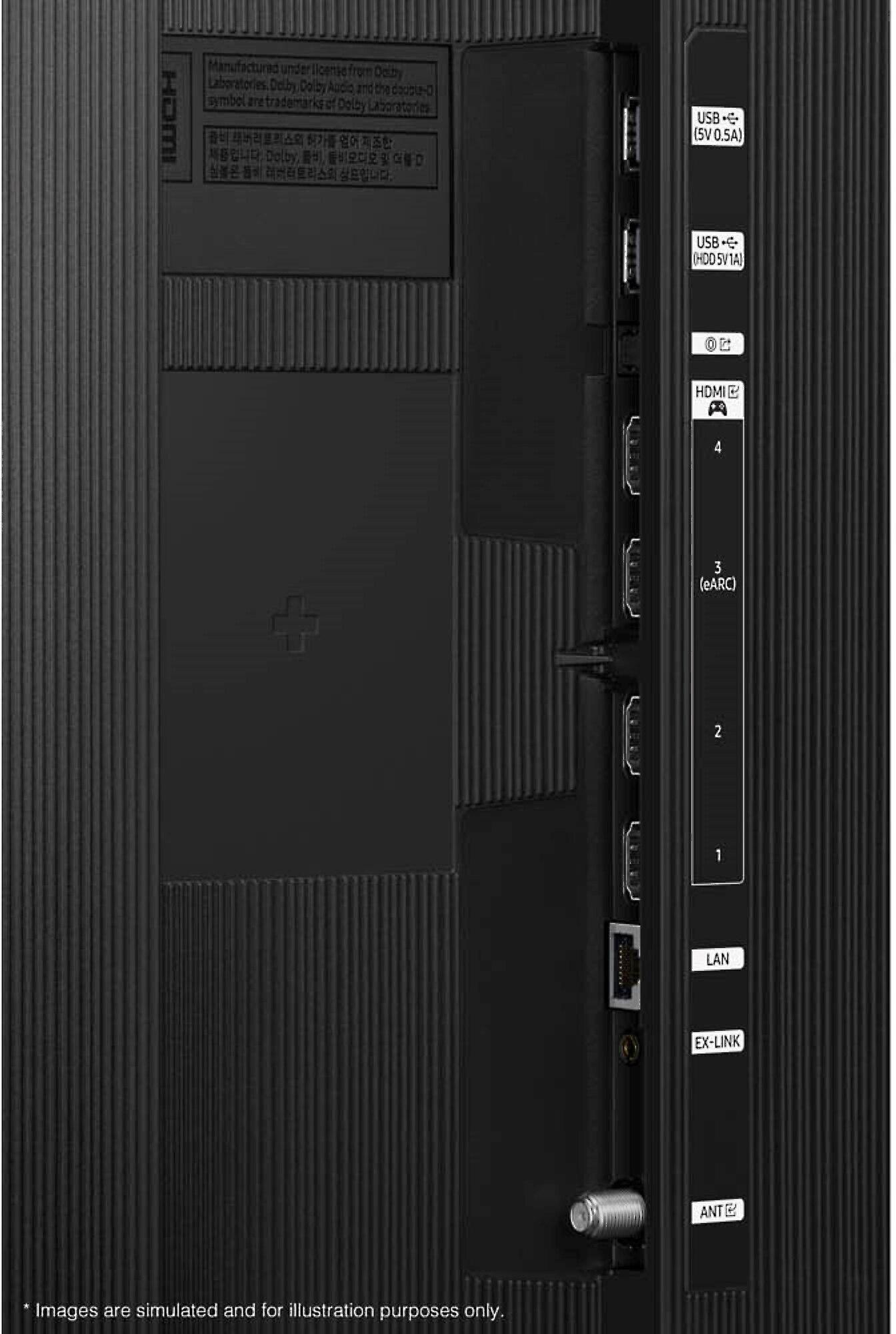
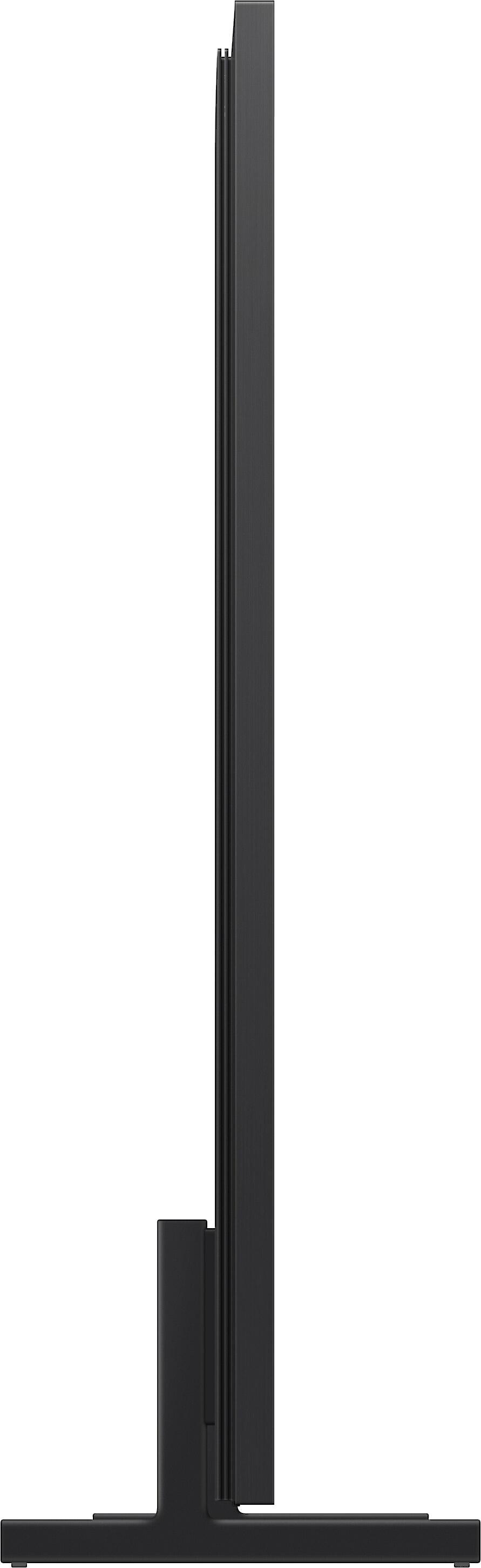
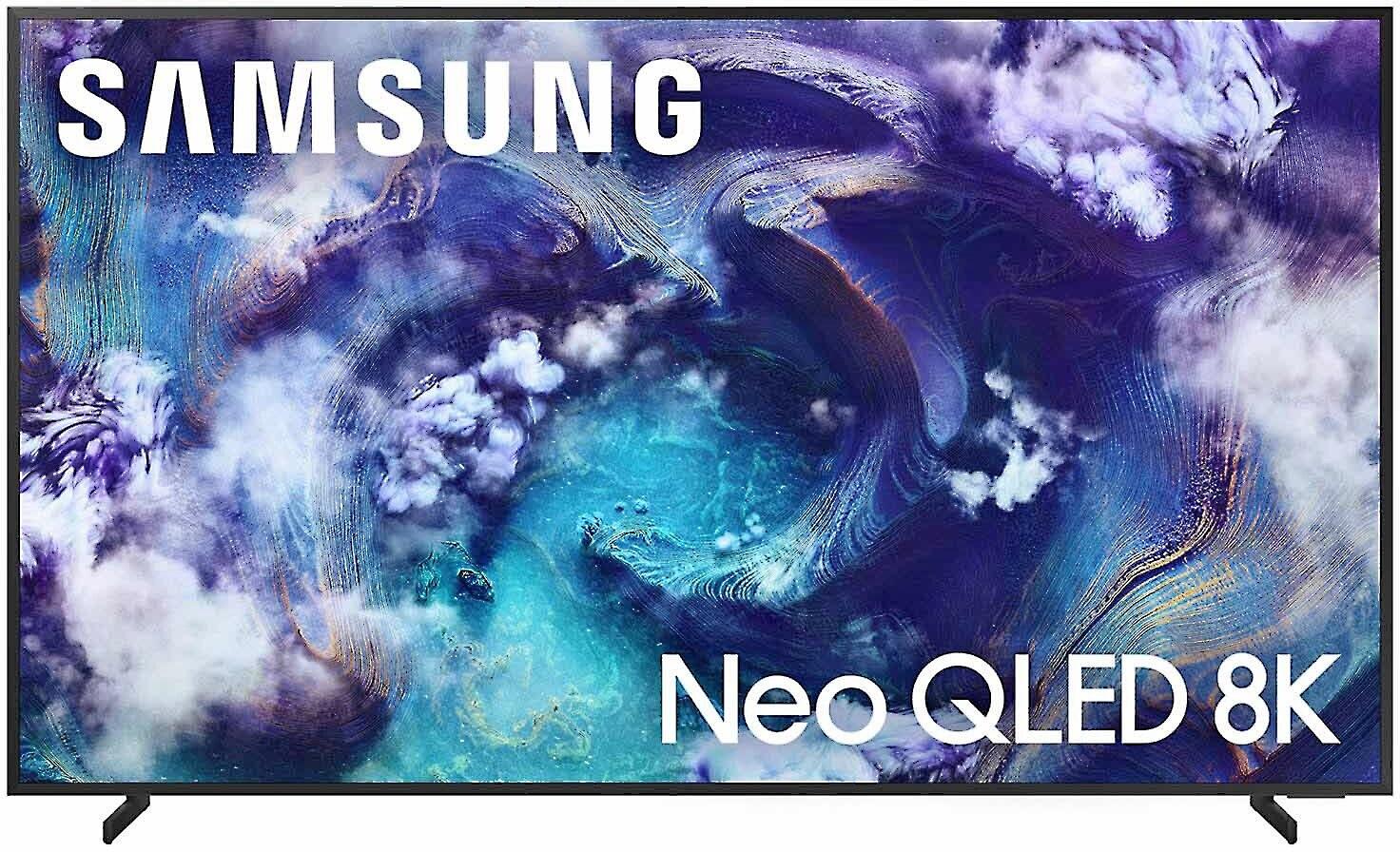
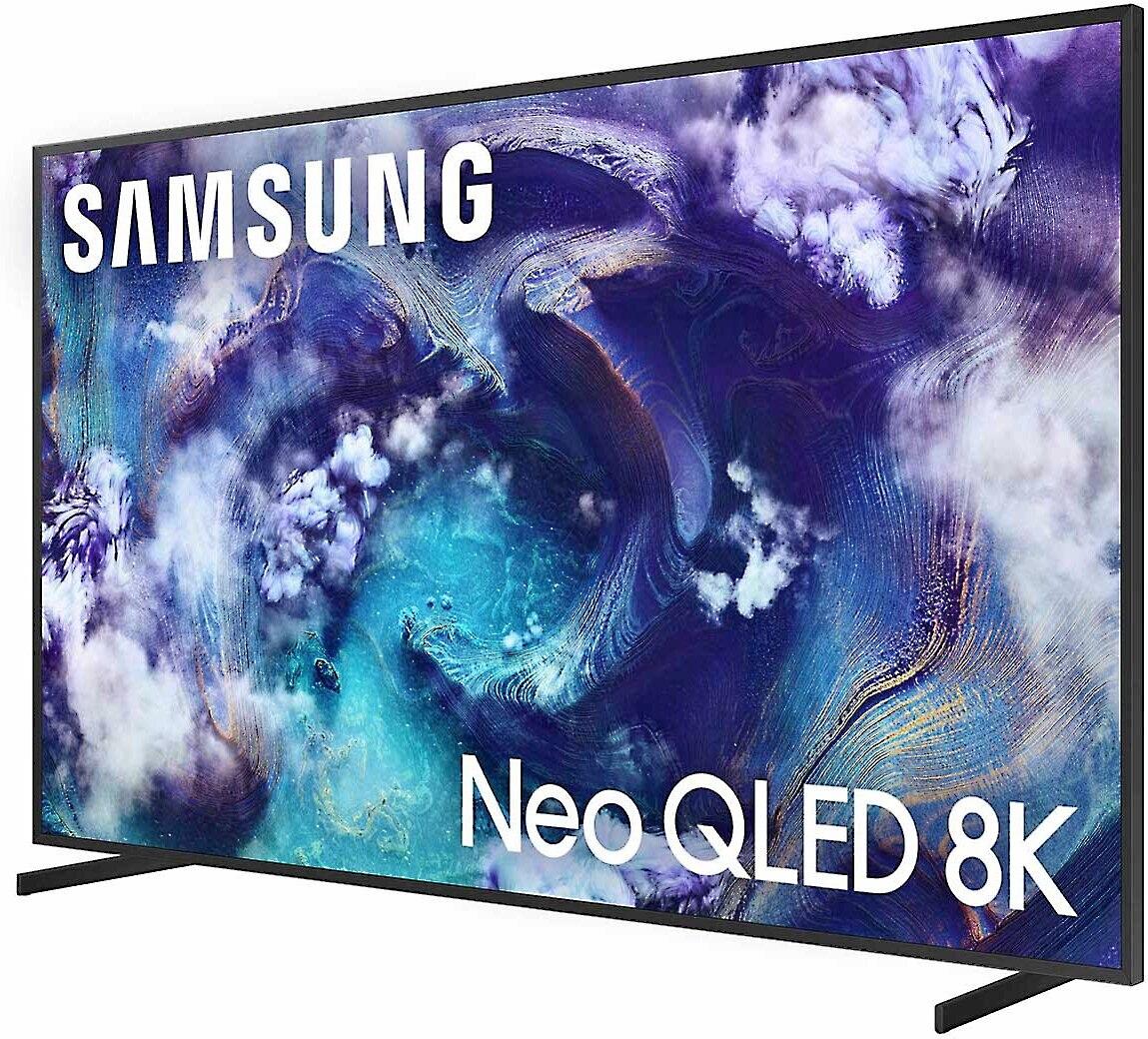
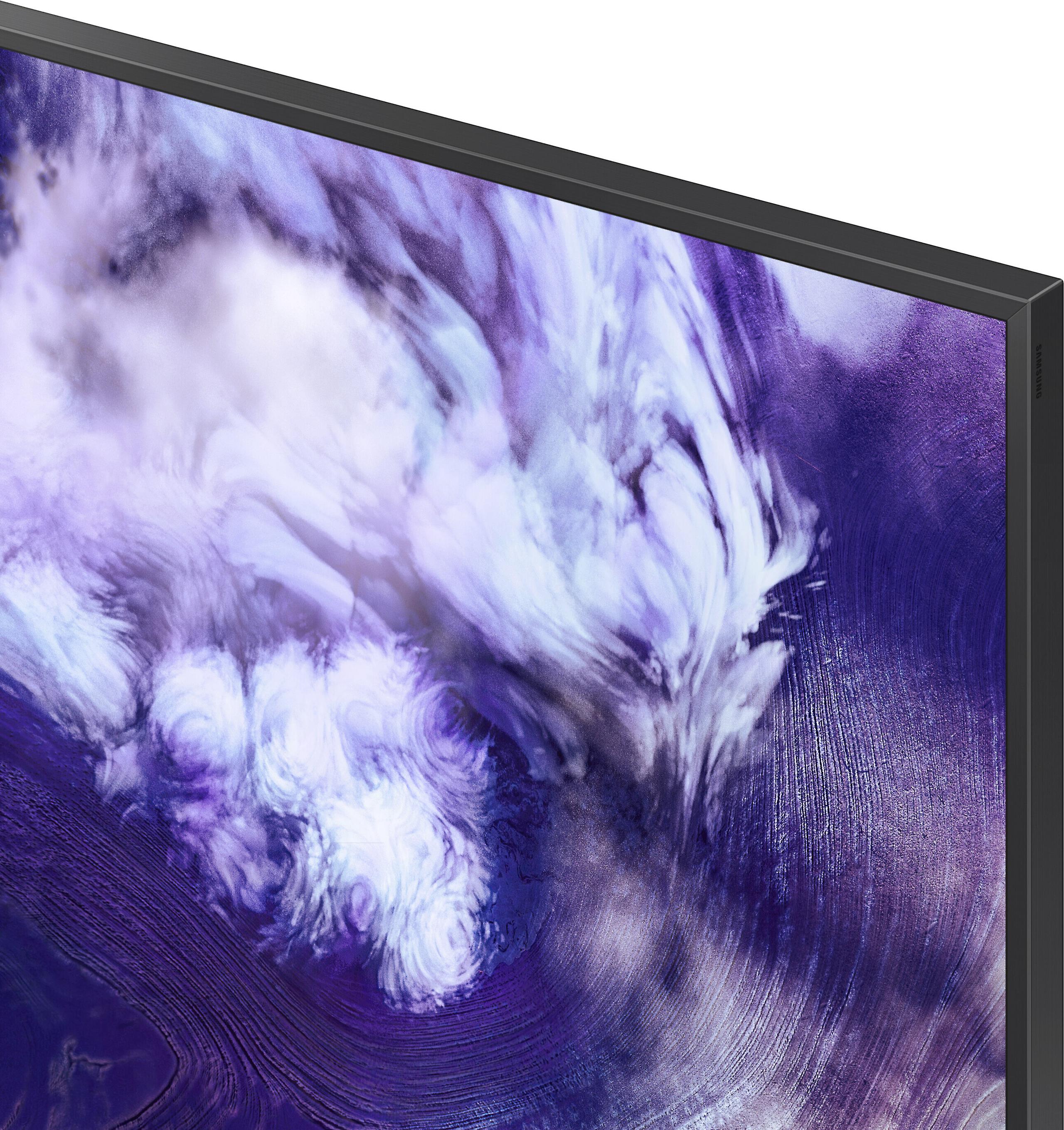

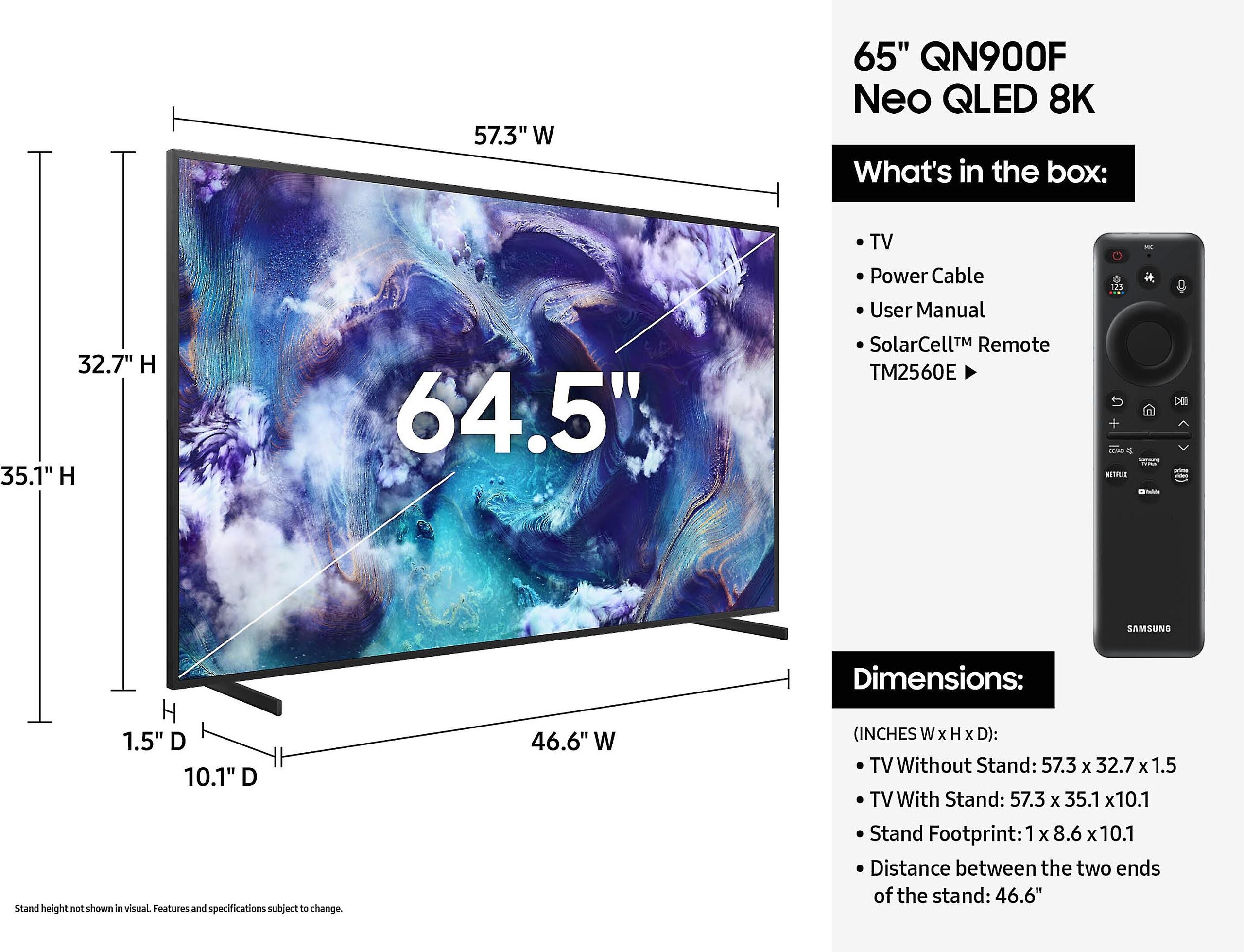
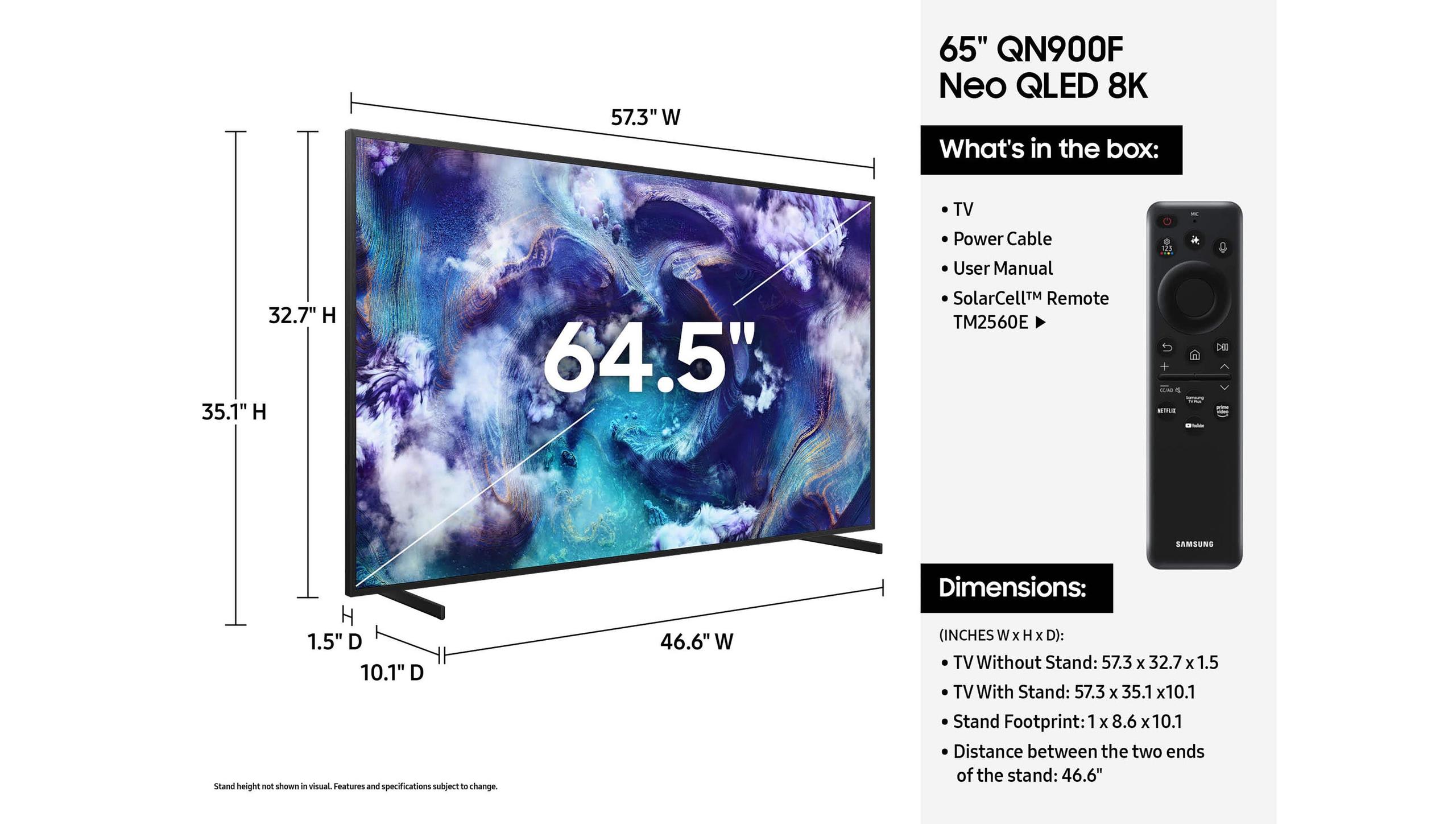

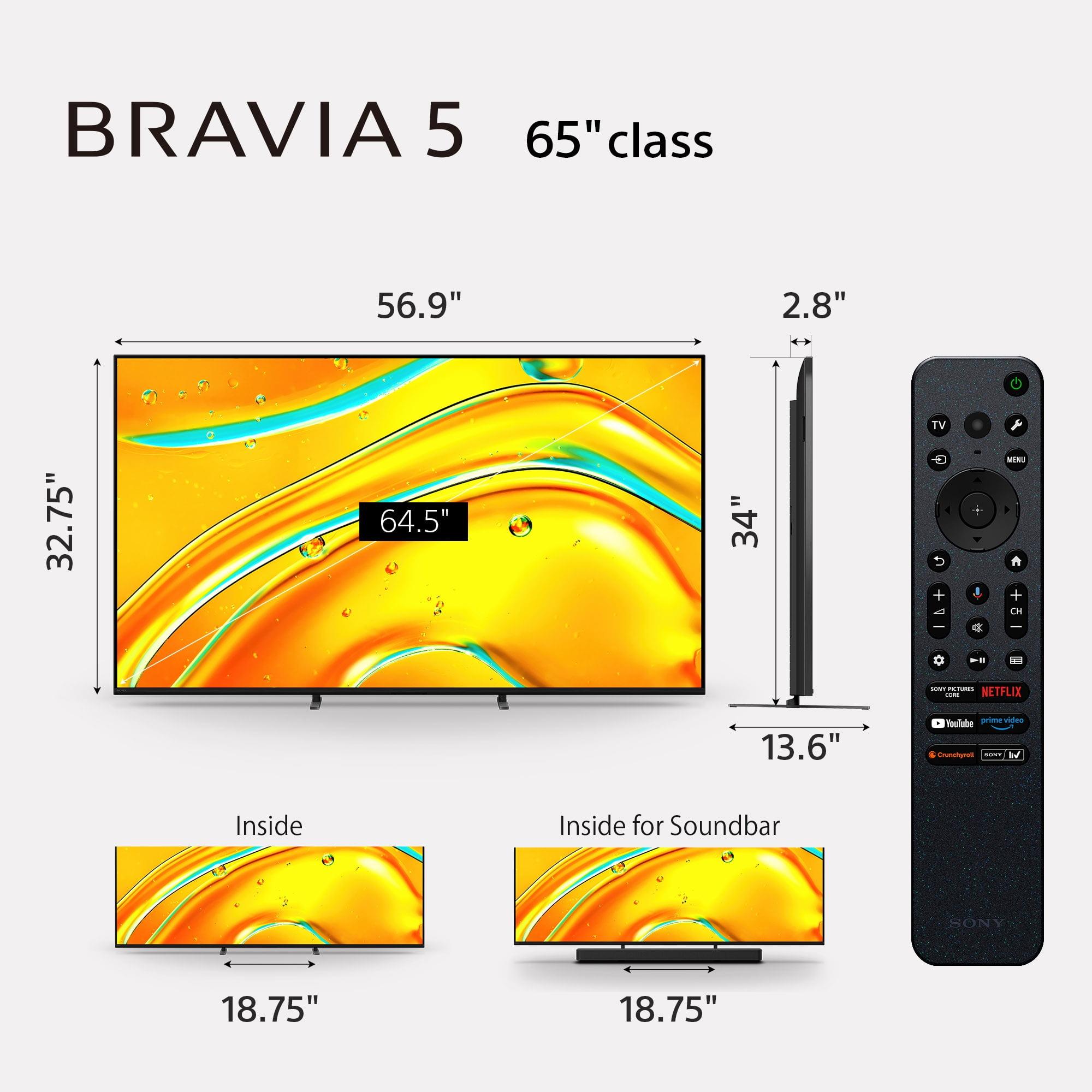
The TV market has reached an interesting crossroads in 2025. We're seeing flagship models push into true 8K territory while others perfect existing 4K technology with advanced backlighting. This creates a fascinating choice: do you invest in cutting-edge resolution or proven performance? The Samsung 65" Neo QLED 8K QN900F Vision AI Smart TV and Sony BRAVIA 5 65" Mini LED 4K Google TV represent these two philosophies perfectly.
Both TVs launched in 2025, marking significant evolution in their respective categories. Samsung continues pushing the 8K envelope with their third-generation Neo QLED technology, while Sony refined their Mini LED approach with professional-grade processing borrowed from their studio monitors. At the time of writing, these TVs sit in different price tiers—the Samsung QN900F commands flagship pricing while the Sony BRAVIA 5 targets the premium-but-accessible segment.
The most obvious difference between these TVs is resolution. The Samsung QN900F delivers true 8K at 7,680 x 4,320 pixels—that's 33 million individual pixels creating the image. Compare that to the Sony BRAVIA 5's 4K resolution of 3,840 x 2,160 pixels (8.3 million pixels), and Samsung technically offers four times the detail.
But here's where it gets interesting: resolution alone doesn't tell the whole story. The practical benefits of 8K depend heavily on your viewing distance and the quality of content you're watching. For a 65-inch screen, you need to sit closer than eight feet to truly appreciate the extra resolution—and even then, the source material matters enormously.
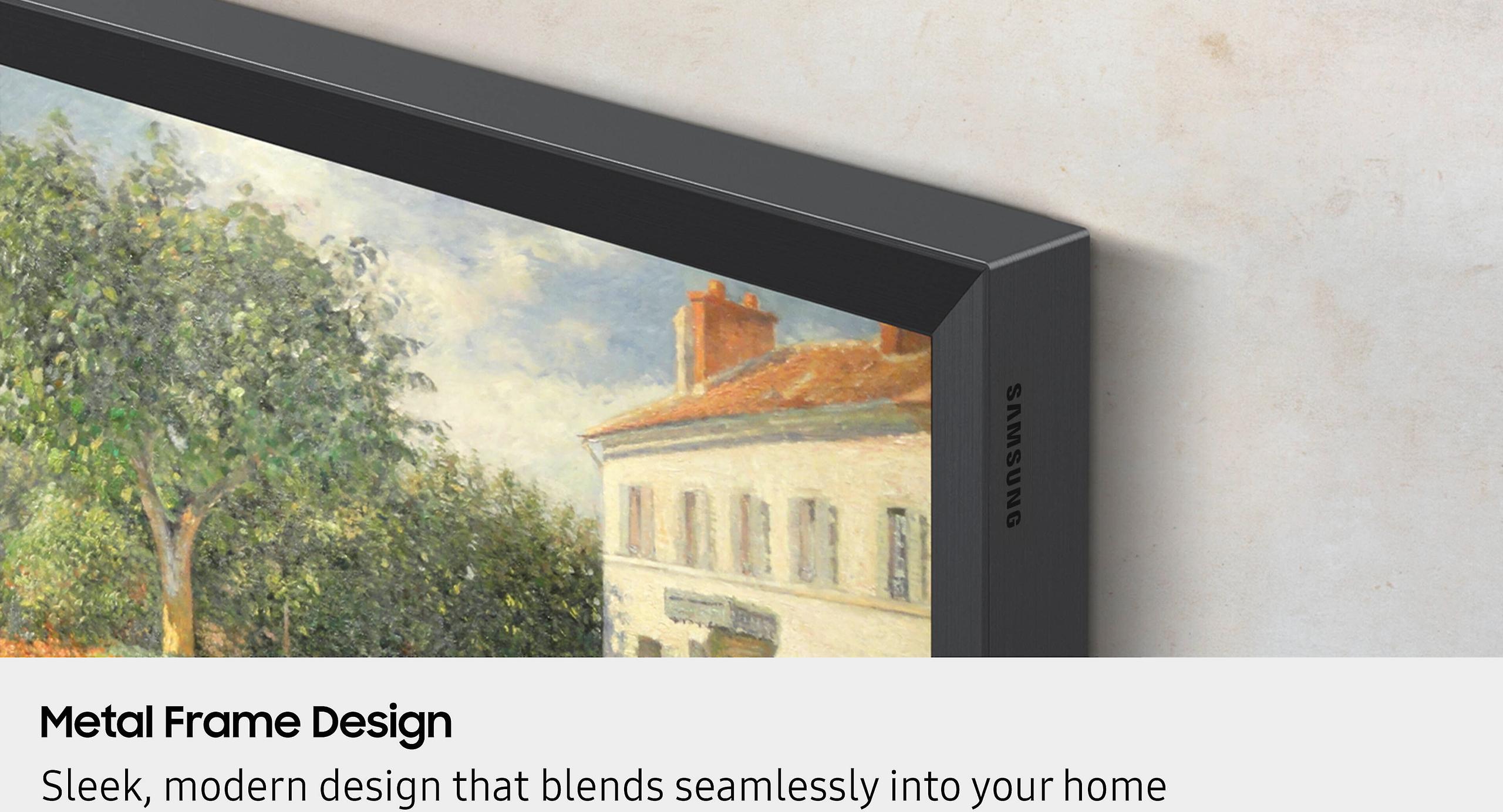
Most content today maxes out at 4K, with streaming services like Netflix and Disney+ offering their premium content at this resolution. This means both TVs rely heavily on upscaling technology—the process of taking lower-resolution content and intelligently adding detail to fill those extra pixels.
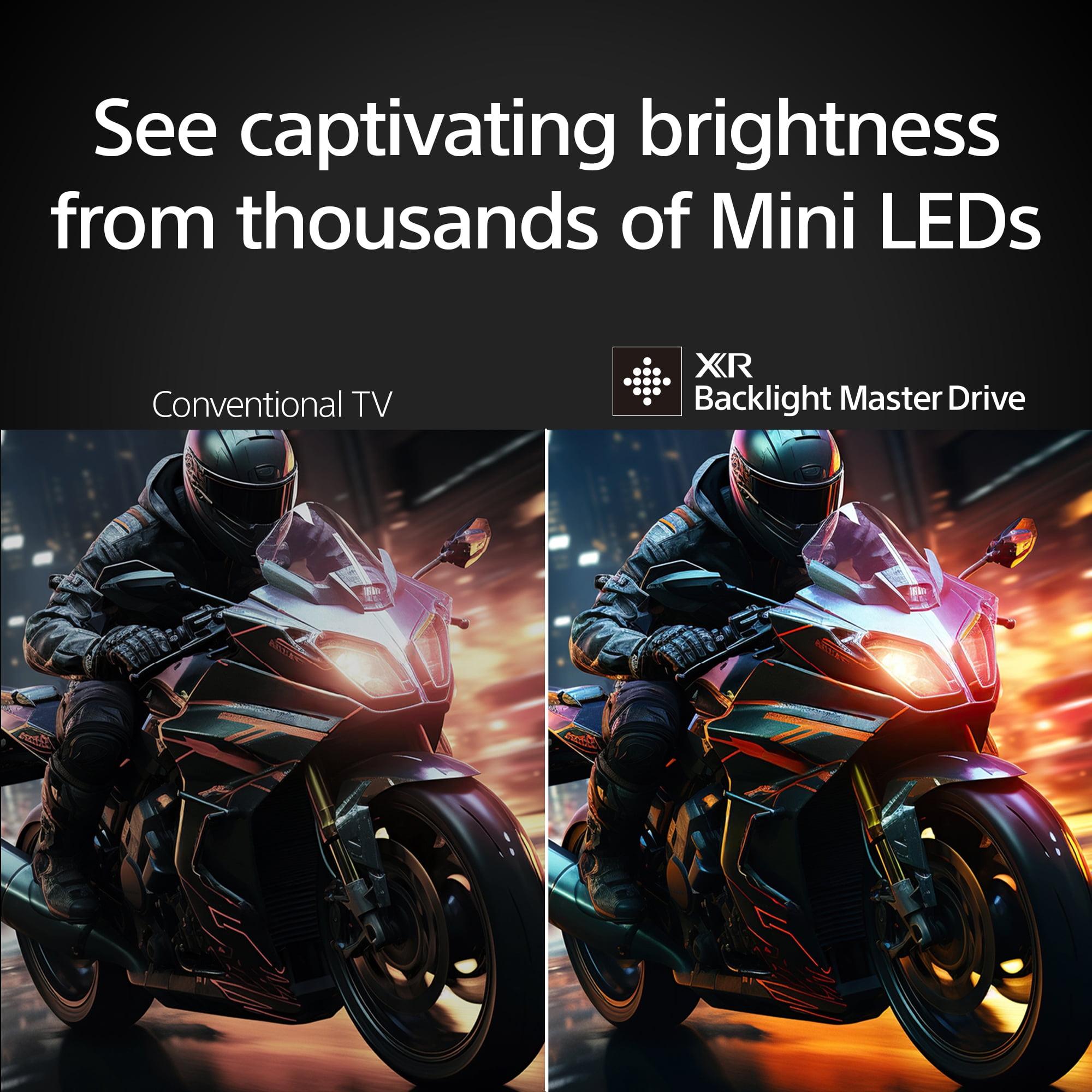
Both TVs use Mini LED backlighting, but they implement it differently. Traditional LED TVs use relatively large LED bulbs behind the screen, creating zones of light that can be dimmed independently (called local dimming). Mini LEDs are much smaller—sometimes thousands of them—allowing for incredibly precise control over brightness and darkness.
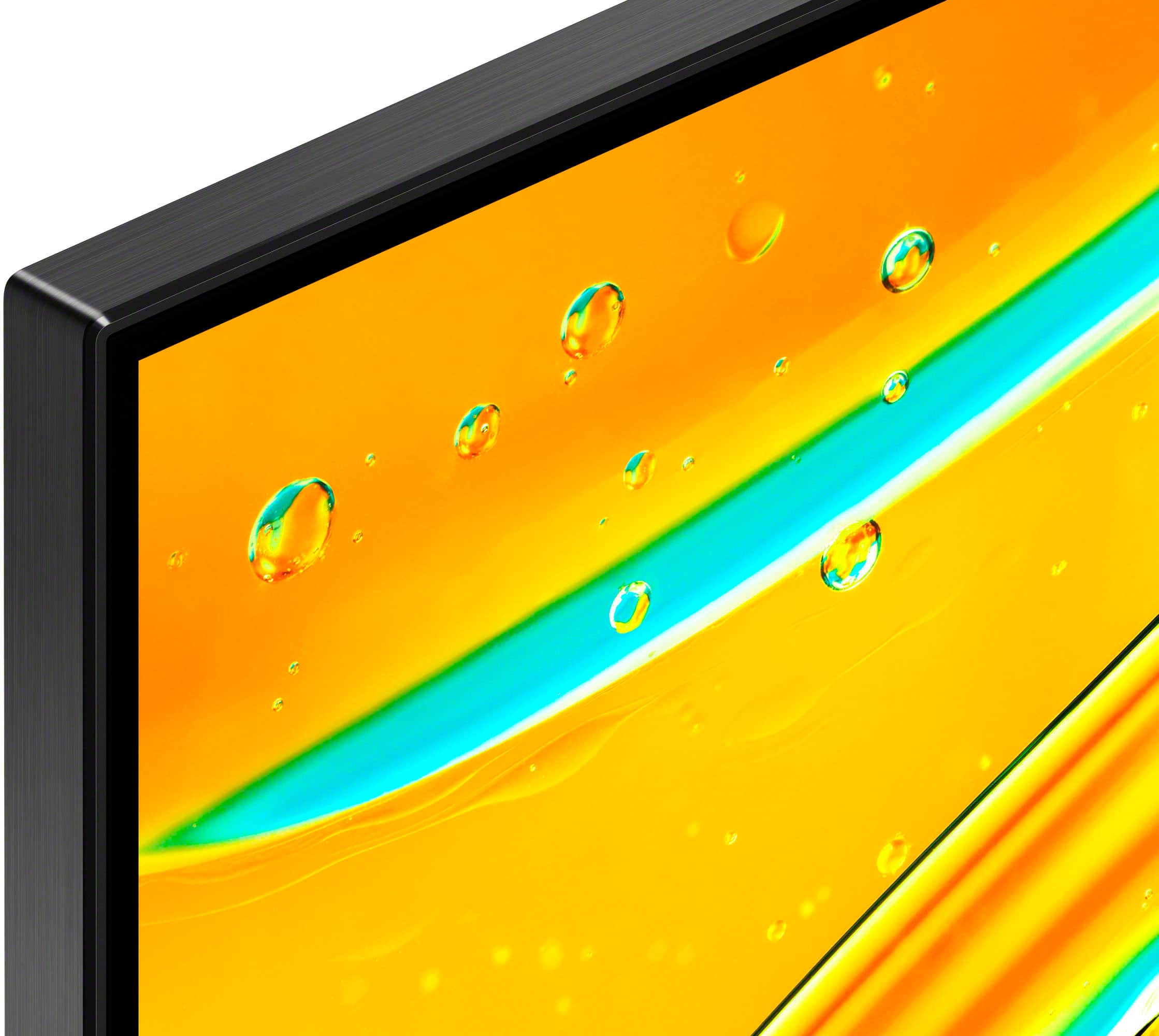
The Samsung QN900F uses what they call Quantum Matrix Technology Pro, which provides exceptional control over these tiny LEDs. This creates deeper blacks by completely shutting off LEDs in dark areas while allowing bright sections to really pop—crucial for HDR content where you want both a candle flame and a dark room to look realistic simultaneously.
Sony's approach in the BRAVIA 5 focuses on their XR Backlight Master Drive technology. This system, derived from Sony's professional mastering monitors (the screens used to create movies and TV shows), emphasizes natural, accurate reproduction over maximum brightness. It's a more conservative approach that prioritizes how content should look rather than how impressive it can look.
The Samsung QN900F features the NQ8 AI Gen2 Processor with 256 neural networks—essentially, artificial intelligence systems that analyze every frame of content in real-time. This processor examines scenes to identify objects, faces, and textures, then applies different enhancement strategies to each element. A person's face might get smoothed while background foliage gets sharpened, all happening instantaneously.
This aggressive AI processing can transform mediocre content into something spectacular. Older TV shows, compressed streaming video, and even low-quality sources benefit from Samsung's upscaling algorithms. However, this enhancement comes with trade-offs—some content can look over-processed or artificially sharp, particularly if you prefer the filmmaker's original vision.
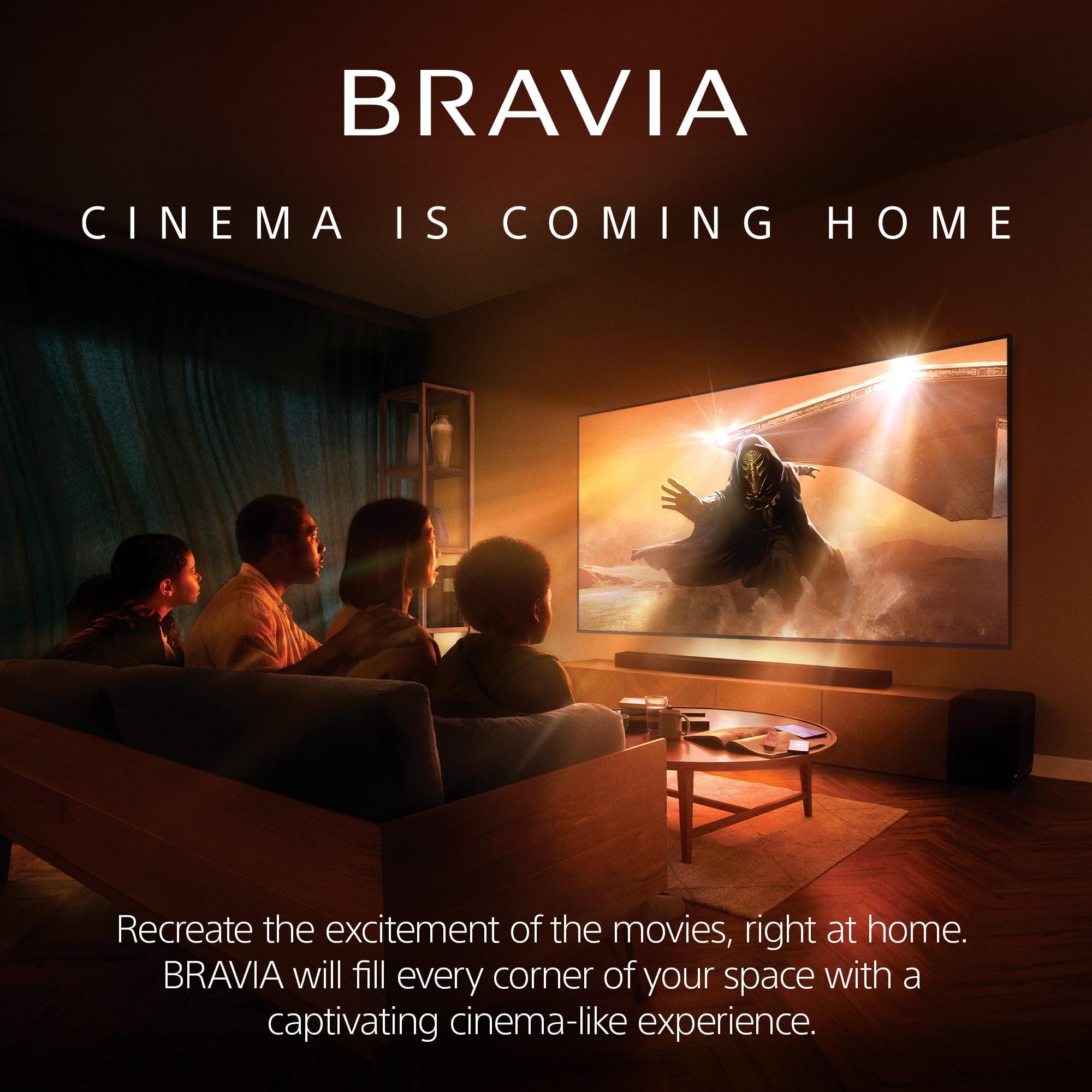
The Sony BRAVIA 5 takes a different approach with its XR Processor. Rather than maximum enhancement, Sony focuses on cognitive intelligence—processing that mimics how human vision actually works. The XR Processor identifies focal points in scenes (where your eyes naturally look) and enhances those areas while maintaining natural-looking backgrounds. This creates depth and dimension without the sometimes artificial appearance of aggressive AI processing.
High Dynamic Range (HDR) represents the difference between the brightest and darkest parts of an image—think of the contrast between sunlight streaming through a window and shadows in the same room. Both TVs handle HDR differently, and this affects your viewing experience significantly.
The Samsung QN900F excels in peak brightness, crucial for HDR impact. Bright highlights like explosions, sunlight, or neon signs really pop off the screen. Samsung's Quantum Mini LEDs can push brightness levels that make HDR content genuinely impressive, especially in bright rooms where ambient light might wash out dimmer displays.
However, Samsung doesn't support Dolby Vision—arguably the most important HDR format. Netflix, Disney+, Apple TV+, and many other premium services use Dolby Vision for their best content. Instead, Samsung supports HDR10+ (their preferred format) and standard HDR10. This isn't necessarily a dealbreaker, but it means you're not getting the optimal experience from a significant portion of high-quality streaming content.
The Sony BRAVIA 5 supports all major HDR formats, including Dolby Vision. While it may not reach Samsung's peak brightness levels, Sony's approach emphasizes gradual, natural-looking highlights that maintain detail in bright areas. Their XR HDR Remaster technology also enhances non-HDR content, bringing older movies and shows closer to modern HDR standards.
Color handling reveals another philosophical difference. The Samsung QN900F uses Quantum Dot technology—microscopic particles that emit pure colors when hit with light. This creates incredibly saturated, vivid colors that really grab attention. Samsung can display 100% of the DCI-P3 color space (the standard for digital cinema) with remarkable consistency across different brightness levels.
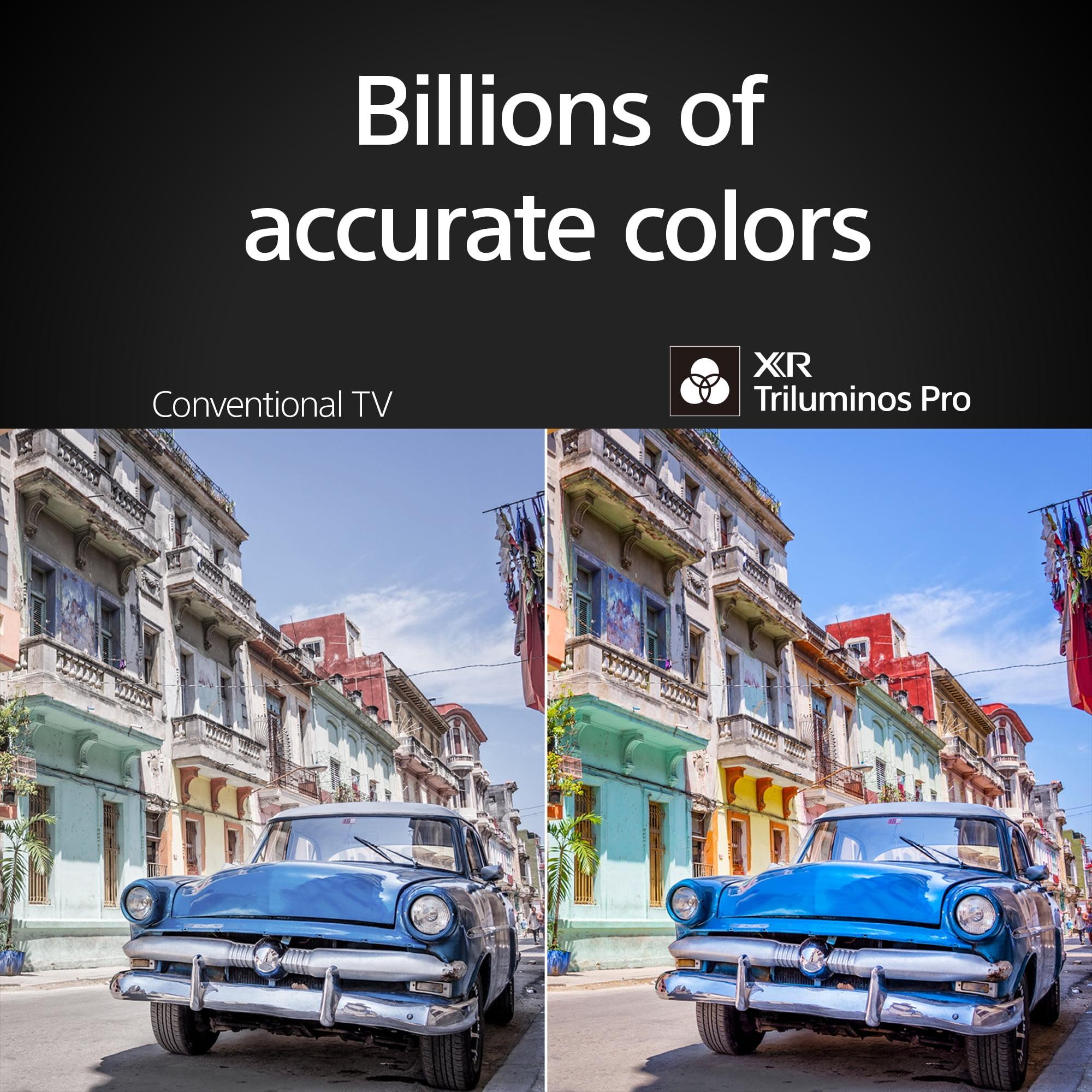
Sony's XR Triluminos Pro in the BRAVIA 5 focuses on color accuracy rather than saturation. Drawing from Sony's professional monitor heritage, this system reproduces colors as they were intended by content creators. The result is often more subdued than Samsung's approach but typically more natural and easier on the eyes during extended viewing.
Gaming has become a crucial consideration for modern TVs, and both models offer compelling but different gaming experiences.
Input lag—the delay between pressing a button and seeing the action on screen—matters enormously for competitive gaming. Both TVs offer dedicated game modes that minimize processing to reduce this delay, but their approaches differ.
The Samsung QN900F provides multiple gaming picture modes optimized for different game types. FPS (first-person shooter) mode emphasizes visibility and quick response, while RTS (real-time strategy) mode maintains detail for complex interfaces. Samsung's Game Bar overlay provides real-time information about frame rates, input lag, and HDR status without leaving your game.
The Sony BRAVIA 5 focuses on console integration, particularly with PlayStation 5. Auto HDR Tone Mapping automatically adjusts picture settings for optimal PS5 performance, while Auto Genre Picture Mode switches between different optimization profiles based on what you're playing. The TV also supports PS Remote Play, letting you stream games from your console to other devices.
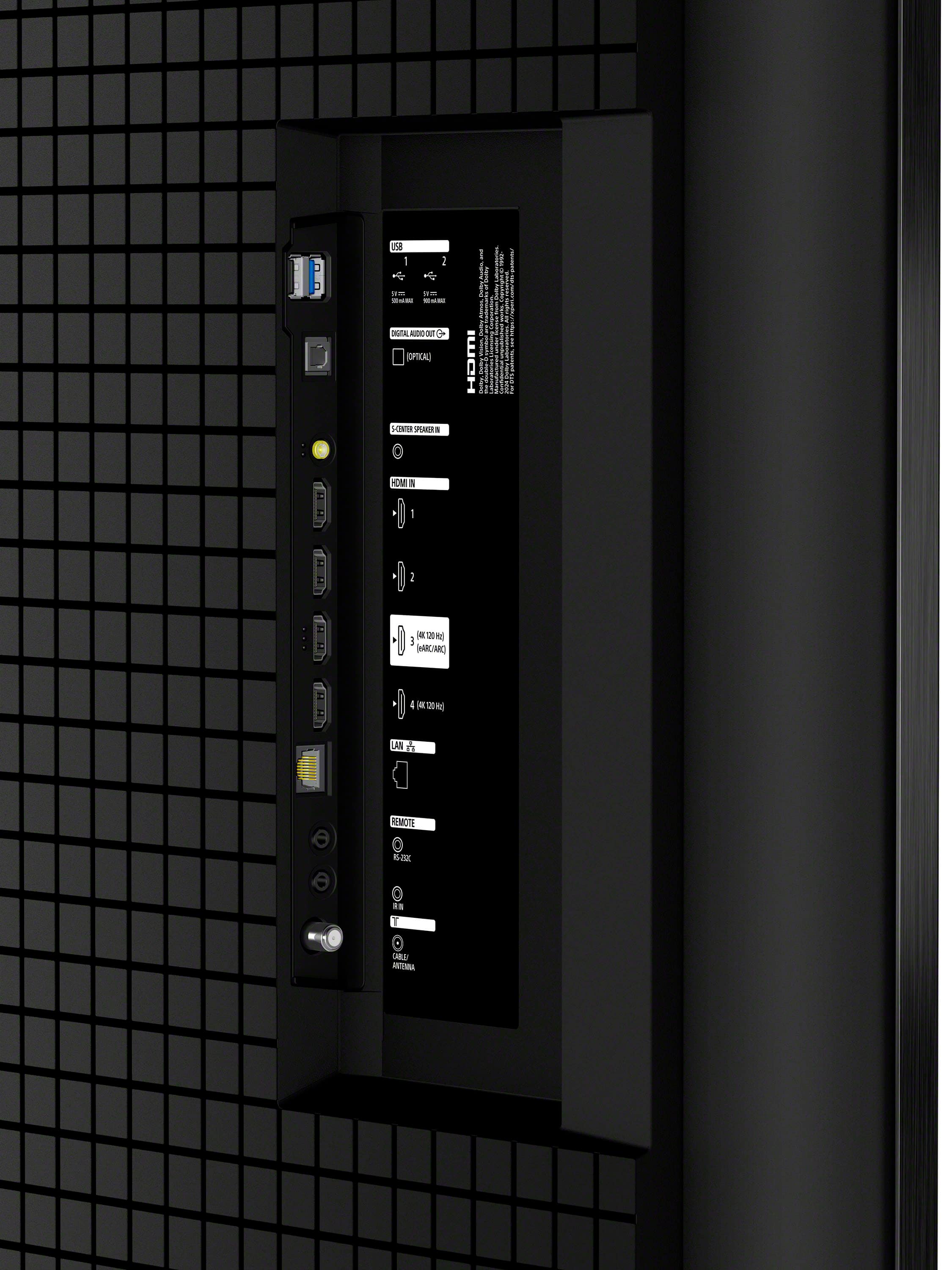
Both TVs support HDMI 2.1 features crucial for modern gaming consoles and PCs. Variable Refresh Rate (VRR) eliminates screen tearing by matching the TV's refresh rate to your graphics card or console output. Auto Low Latency Mode (ALLM) automatically switches to game mode when it detects gaming content.
The Samsung QN900F supports up to 165Hz refresh rates in gaming mode, potentially smoother than the Sony BRAVIA 5's 120Hz maximum. However, very few games currently output above 120fps, making this more of a future-proofing feature than an immediate benefit.
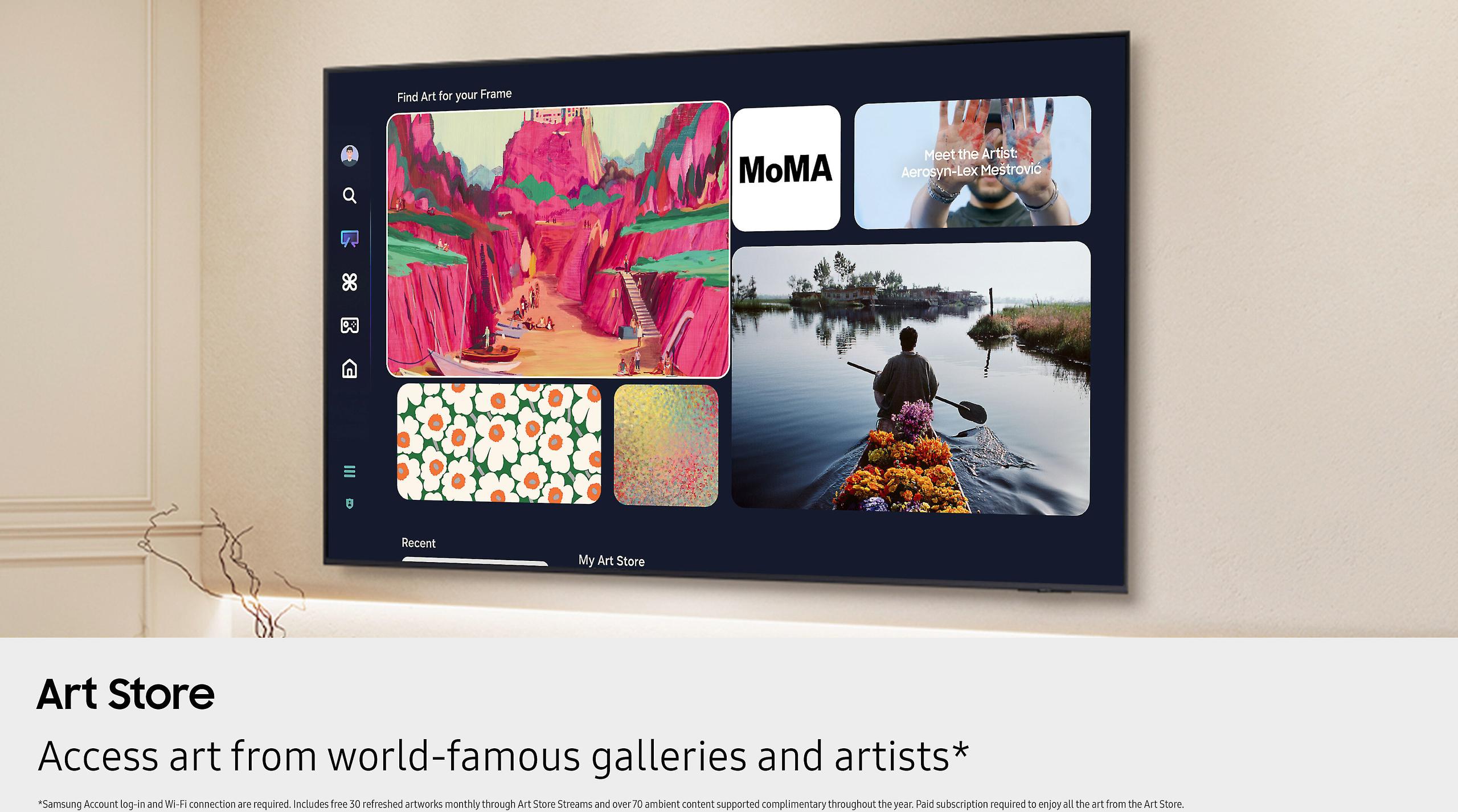
Samsung's Tizen operating system has evolved significantly, now incorporating Vision AI features that feel genuinely useful rather than gimmicky. Click to Search lets you point at objects on screen to get information about them—useful for identifying actors, products, or locations in movies and shows. Live Translate can translate foreign language content in real-time, expanding your viewing options considerably.
The interface emphasizes Samsung's ecosystem integration. If you own Samsung phones, tablets, or appliances, everything connects seamlessly through SmartThings. However, Tizen includes more advertising than some competitors, with sponsored content appearing in various interface elements.
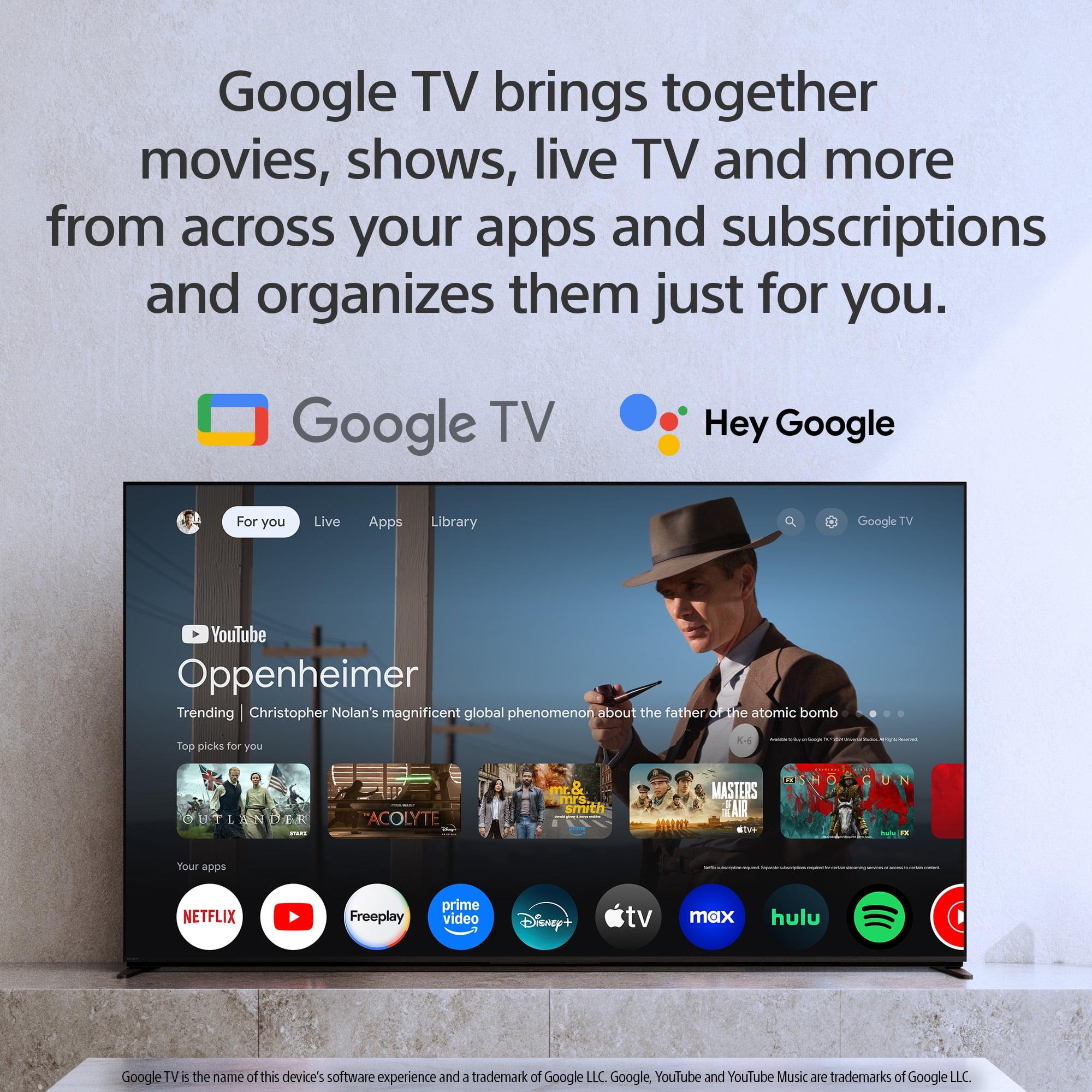
Google TV provides a cleaner, more focused experience. Content recommendations feel more intelligent and less commercial, organizing shows and movies by genre, mood, or viewing history rather than promotional priorities. The interface works particularly well if you're already invested in Google services—your YouTube history, Google Photos, and other accounts integrate naturally.
Google Assistant voice control tends to be more conversational and capable than Samsung's Bixby, understanding complex queries and controlling smart home devices effectively. Apple users will appreciate AirPlay 2 support, making it easy to share content from iPhones, iPads, and Macs.
The Samsung QN900F includes Object Tracking Sound Plus (OTS+), which uses multiple speakers positioned around the TV to create directional audio. When a helicopter flies across the screen, you hear the sound move with it. Top-firing speakers provide Dolby Atmos height effects, creating a more immersive soundscape without external speakers.
AI Sound Pro analyzes your room's acoustics and adjusts audio accordingly. This works surprisingly well in practice, compensating for hard surfaces that might create echo or soft furnishings that absorb sound.
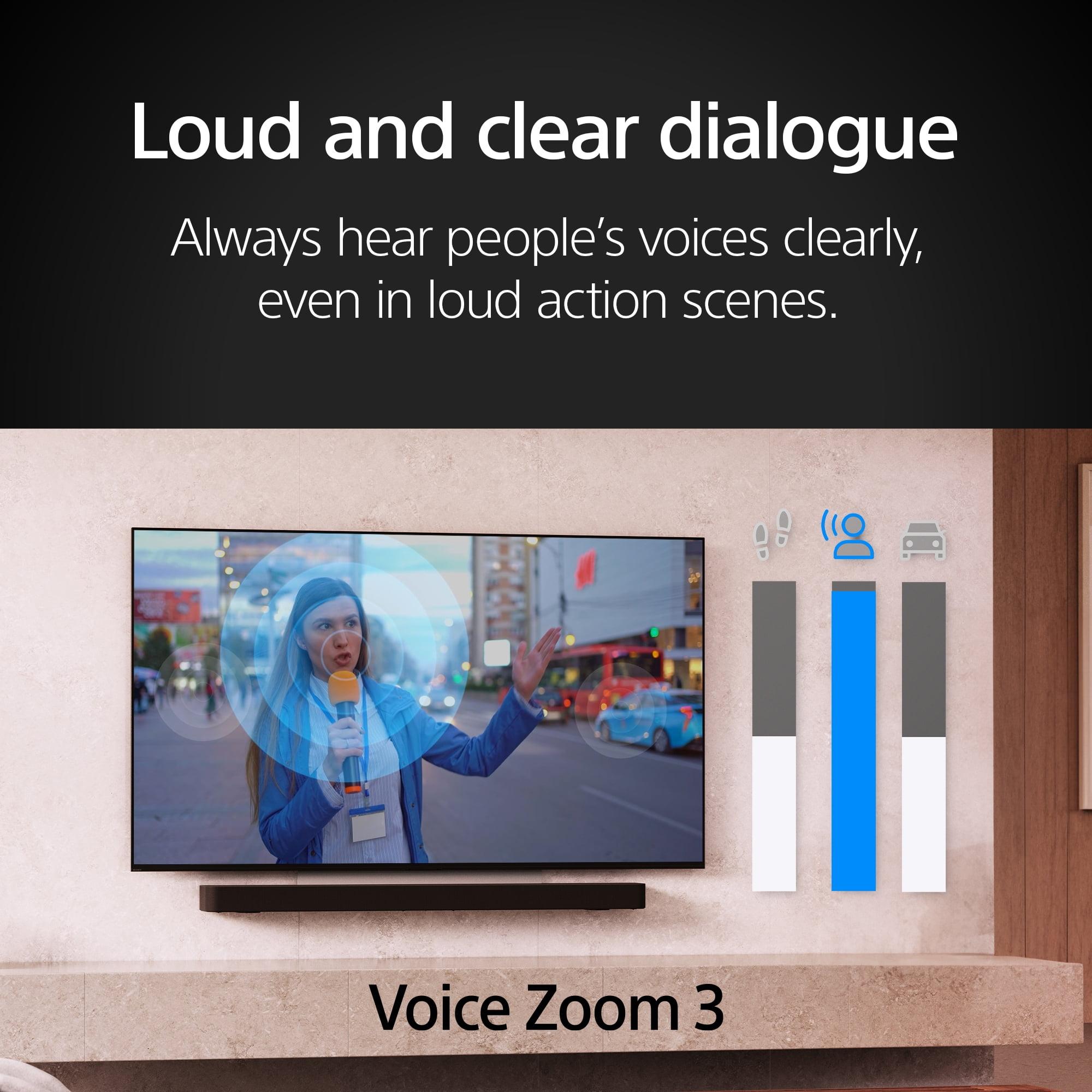
Sony's Acoustic Multi-Audio aligns sound precisely with on-screen action, but emphasizes accuracy over impressiveness. Voice Zoom 3 uses AI to enhance dialogue clarity—particularly useful for movies with dense soundtracks where conversations can get buried under music and effects.
The BRAVIA 5 works exceptionally well with Sony soundbars through Acoustic Center Sync, essentially turning the TV's speakers into a center channel for your surround sound system. This creates seamless audio integration that many competitors can't match.
The Samsung QN900F excels in bright rooms thanks to its Glare Free technology. This anti-reflective coating significantly reduces reflections from windows and lamps, maintaining picture quality even with considerable ambient light. Combined with high peak brightness, Samsung handles challenging lighting conditions better than most competitors.
The Sony BRAVIA 5 performs well in controlled lighting but struggles more with direct reflections. However, its more natural color reproduction and processing make it preferable for dedicated home theater spaces where you can control lighting conditions.
Both TVs use LCD technology, which typically offers narrower viewing angles than OLED displays. However, their Mini LED implementations help maintain color accuracy and contrast when viewed from the side.
The Samsung QN900F includes Ultra Viewing Angle technology that minimizes color shifting when viewed off-center. This makes it more suitable for large seating arrangements where not everyone sits directly in front of the TV.
Sony's approach prioritizes the center viewing position, providing optimal picture quality for the main seating area while accepting some degradation at extreme angles.
You want cutting-edge technology and don't mind paying premium prices for it. The Samsung QN900F makes sense if you sit relatively close to your TV (closer than 8 feet for a 65-inch screen) and can appreciate the extra detail 8K provides. It's also ideal for bright rooms where its superior brightness and glare resistance create a better viewing experience.
Early adopters who want to future-proof their purchase should consider Samsung's approach. As 8K content becomes more available—whether through streaming services, gaming, or eventual broadcast standards—you'll be ready. The AI upscaling technology also means your current 4K library will look better than on most other displays.
If you're heavily invested in Samsung's ecosystem (phones, appliances, soundbars), the integration benefits are significant. Gaming enthusiasts who want the highest refresh rates and most comprehensive gaming features will also prefer Samsung's approach.
You prioritize proven performance over cutting-edge features. The Sony BRAVIA 5 offers exceptional 4K picture quality with professional-grade processing at a more accessible price point. It's perfect if you want premium Mini LED benefits without paying flagship prices.
PlayStation 5 owners should strongly consider Sony's gaming optimizations and ecosystem integration. The natural color reproduction and Dolby Vision support also make it ideal for movie enthusiasts who want to see content as directors intended.
If you prefer cleaner smart TV interfaces with less advertising, Google TV provides a more pleasant daily experience. The broader HDR format support also ensures compatibility with more premium streaming content.
Both TVs represent significant achievements, but they target different audiences and priorities. The Samsung QN900F pushes boundaries with 8K resolution and aggressive AI enhancement—it's a statement piece for technology enthusiasts willing to pay for the latest innovations.
The Sony BRAVIA 5 perfects existing technology with professional-grade processing and careful attention to accuracy. It offers better immediate value for most users while providing a foundation for excellent home theater experiences.
At the time of writing, the price difference between these TVs reflects their different market positions. Samsung's flagship pricing reflects its cutting-edge technology and feature set, while Sony's more accessible pricing makes premium Mini LED technology available to a broader audience.
Your choice ultimately depends on whether you value technological advancement or refined execution. Both approaches have merit—Samsung for pushing the industry forward, Sony for delivering proven performance that serves most users exceptionally well.
For most people, the Sony BRAVIA 5 provides better immediate value and satisfaction. But if you're the type who always wants the newest technology and can appreciate the benefits it provides, the Samsung QN900F offers a genuinely compelling glimpse into the future of television.
| Samsung 65" Neo QLED 8K QN900F Vision AI Smart TV 2025 | Sony BRAVIA 5 65" Mini LED 4K Google TV 2025 |
|---|---|
| Resolution - Higher resolution provides more detail, but benefits depend on viewing distance | |
| 8K (7,680 x 4,320 pixels) - 33 million pixels | 4K (3,840 x 2,160 pixels) - 8.3 million pixels |
| Display Technology - Both use Mini LED for superior contrast and brightness control | |
| Neo QLED with Quantum Matrix Technology Pro | Mini LED with XR Backlight Master Drive |
| Peak Brightness - Critical for HDR impact and bright room viewing | |
| Higher peak brightness with superior glare resistance | Good brightness with professional-grade calibration |
| HDR Format Support - Determines compatibility with streaming services | |
| HDR10, HDR10+ (no Dolby Vision support) | HDR10, HDR10+, Dolby Vision, HLG |
| Processing Power - Affects upscaling quality and smart features | |
| NQ8 AI Gen2 with 256 neural networks | XR Processor with cognitive intelligence |
| Gaming Features - Important for console and PC gaming performance | |
| 165Hz gaming mode, FreeSync Premium Pro, Gaming Hub | 120Hz with HDMI 2.1, G-SYNC, PlayStation 5 optimizations |
| Smart Platform - Daily user experience and app ecosystem | |
| Tizen with Vision AI features (Click to Search, Live Translate) | Google TV with cleaner interface and better recommendations |
| Audio System - Built-in sound quality and surround capabilities | |
| Object Tracking Sound Plus (OTS+) with Dolby Atmos | Acoustic Multi-Audio with Voice Zoom 3 and soundbar integration |
| Color Technology - Affects color accuracy and saturation levels | |
| Quantum Dot with 100% Color Volume | XR Triluminos Pro with professional color accuracy |
| AI Enhancement - How aggressively the TV processes content | |
| Aggressive AI upscaling for maximum detail enhancement | Natural processing that preserves filmmaker intent |
| Viewing Angle Performance - Important for wide seating arrangements | |
| Ultra Viewing Angle technology for better off-center viewing | Optimized for center position with some side angle limitations |
| Glare Resistance - Crucial for bright room performance | |
| Glare Free technology with excellent anti-reflective coating | Standard anti-reflective with some direct light struggles |
| Price Positioning - Value proposition at time of writing | |
| Flagship pricing for cutting-edge 8K technology | Premium-accessible pricing for proven 4K performance |
The Samsung 65" Neo QLED 8K QN900F offers higher resolution with 8K display and aggressive AI upscaling that makes all content look sharper. However, the Sony BRAVIA 5 65" Mini LED provides more natural, filmmaker-intended colors with professional-grade processing. For home theater enthusiasts who prioritize accuracy, Sony's approach typically delivers more authentic picture quality, while Samsung excels at making content look impressively enhanced.
The 8K resolution on the Samsung QN900F provides noticeable benefits only if you sit closer than 8 feet from the screen. Most streaming content is still 4K or lower, so you're relying on AI upscaling. The Sony BRAVIA 5 focuses on perfecting 4K performance with Mini LED technology. For most viewers, Sony's excellent 4K implementation offers better immediate value than Samsung's 8K future-proofing.
The Sony BRAVIA 5 offers superior PlayStation 5 integration with Auto HDR Tone Mapping and optimized picture modes. Both TVs support HDMI 2.1 features, but the Samsung QN900F provides higher 165Hz refresh rates and comprehensive Gaming Hub features. PlayStation users should lean toward Sony, while Xbox and PC gamers might prefer Samsung's higher refresh rates and gaming-focused features.
The Samsung QN900F uses Tizen with Vision AI features like Click to Search and Live Translate, plus Samsung ecosystem integration. The Sony BRAVIA 5 runs Google TV, offering cleaner interfaces, better content recommendations, and Google Assistant. Sony's platform feels less commercial with fewer ads, while Samsung provides more AI-powered features but with more promotional content mixed in.
The Samsung QN900F significantly outperforms in bright rooms with its Glare Free technology that virtually eliminates reflections. Combined with higher peak brightness, Samsung maintains excellent picture quality even with windows or lamps nearby. The Sony BRAVIA 5 performs well in controlled lighting but struggles more with direct reflections, making it better suited for darker home theater environments.
No - this is a key difference. The Sony BRAVIA 5 supports all major HDR formats including Dolby Vision, which is used by Netflix, Disney+, and Apple TV+. The Samsung QN900F lacks Dolby Vision support, only offering HDR10 and HDR10+. For streaming enthusiasts who want optimal compatibility with premium content, Sony provides broader HDR format support.
The Samsung QN900F features Object Tracking Sound Plus with directional audio that follows action across the screen, plus Dolby Atmos support. The Sony BRAVIA 5 emphasizes dialogue clarity with Voice Zoom 3 and integrates excellently with Sony soundbars. Samsung provides more immersive built-in audio, while Sony focuses on accuracy and external audio system integration.
The Samsung QN900F uses aggressive AI upscaling with 256 neural networks to transform lower-resolution content into 8K, often making dramatic improvements to older shows and movies. The Sony BRAVIA 5 takes a more conservative approach, enhancing content while preserving the original artistic intent. Samsung makes content look more impressive, while Sony maintains more natural appearance.
The Sony BRAVIA 5 typically offers better value by delivering premium Mini LED performance at more accessible pricing. The Samsung QN900F commands flagship pricing for cutting-edge 8K technology and AI features. Sony provides immediate benefits for current content, while Samsung represents an investment in future technology that may take years to fully utilize.
The Samsung QN900F includes Ultra Viewing Angle technology that maintains better color accuracy when viewed from the sides, making it suitable for wider seating arrangements. The Sony BRAVIA 5 optimizes picture quality for the center viewing position with some degradation at extreme angles. For large family rooms, Samsung handles multiple viewing positions better.
For dedicated home theaters with controlled lighting, the Sony BRAVIA 5 excels with its professional-grade color accuracy, Dolby Vision support, and natural processing that preserves filmmaker intent. The Samsung QN900F works better in multi-purpose rooms with ambient light. Home theater purists typically prefer Sony's approach, while Samsung suits versatile entertainment spaces.
The Samsung QN900F offers more future-proofing with native 8K resolution, higher gaming refresh rates, and advanced AI processing that will improve as content quality increases. The Sony BRAVIA 5 focuses on perfecting current standards with excellent 4K performance and broad format compatibility. Samsung bets on emerging technology, while Sony delivers proven performance for today's content landscape.
We've done our best to create useful and informative comparisons to help you decide what product to buy. Our research uses advanced automated methods to create this comparison and perfection is not possible - please contact us for corrections or questions. These are the sites we've researched in the creation of this article: rtings.com - samsung.com - techradar.com - dolby.com - youtube.com - samsung.com - youtube.com - samsung.com - samsung.com - samsung.com - samsung.com - displayspecifications.com - samsung.com - rtings.com - bestbuy.com - merlinstv.com - news.samsung.com - bestbuy.com - rtings.com - pro.sony - youtube.com - electronics.sony.com - electronics.sony.com - electronics.sony.com - bestbuy.com - electronics.sony.com - youtube.com - bestbuy.com - videoandaudiocenter.com - valueelectronics.com - youtube.com - sony.ca - perpichtv.com - sony.com - displayspecifications.com - pioneertvandappliance.com - flatpanelshd.com

Privacy Policy
Terms and Conditions - Affiliate Policy
Home Security
© Copyright 2008-2026.
11816 Inwood Rd #1211, Dallas, TX 75244