

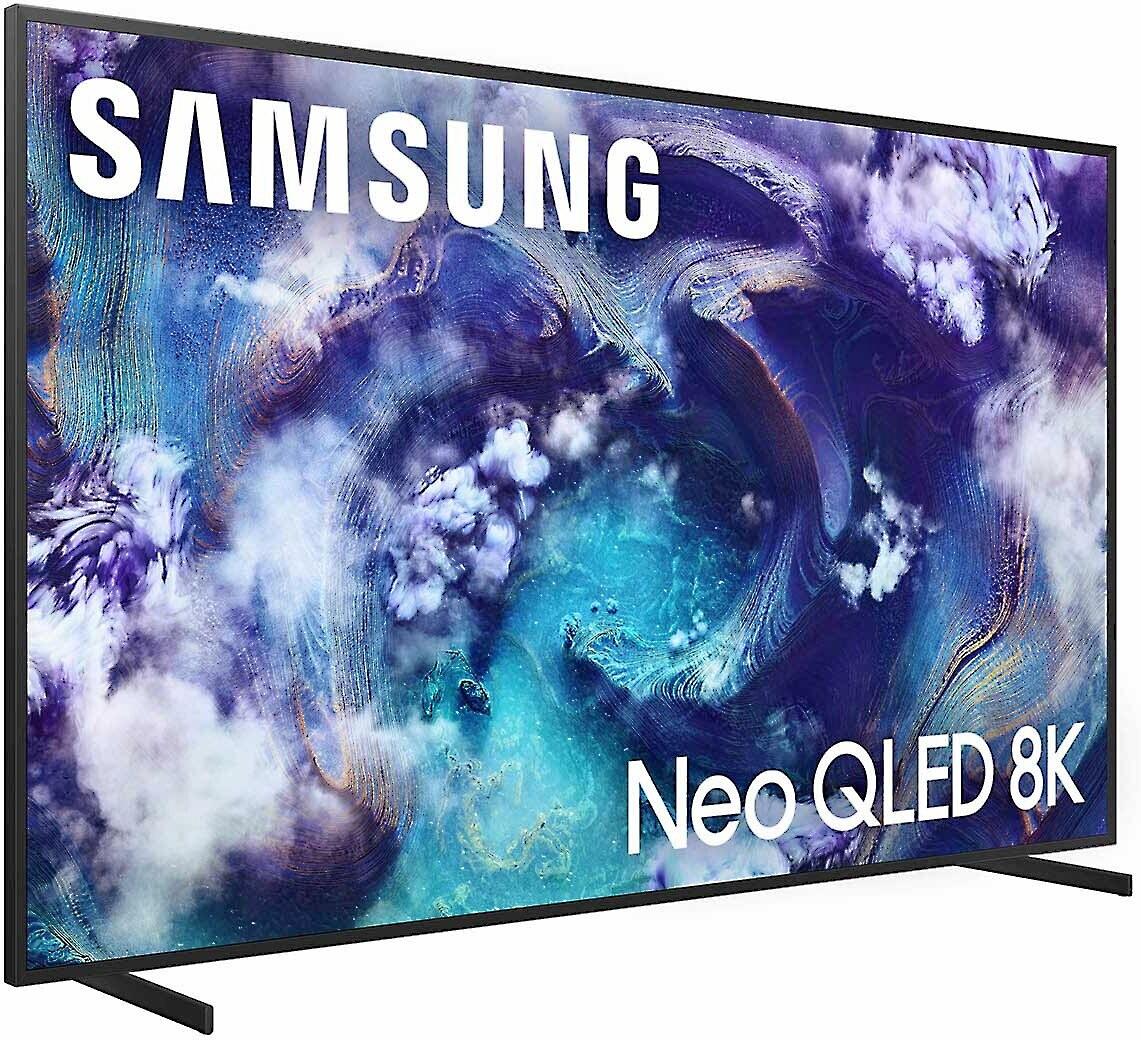
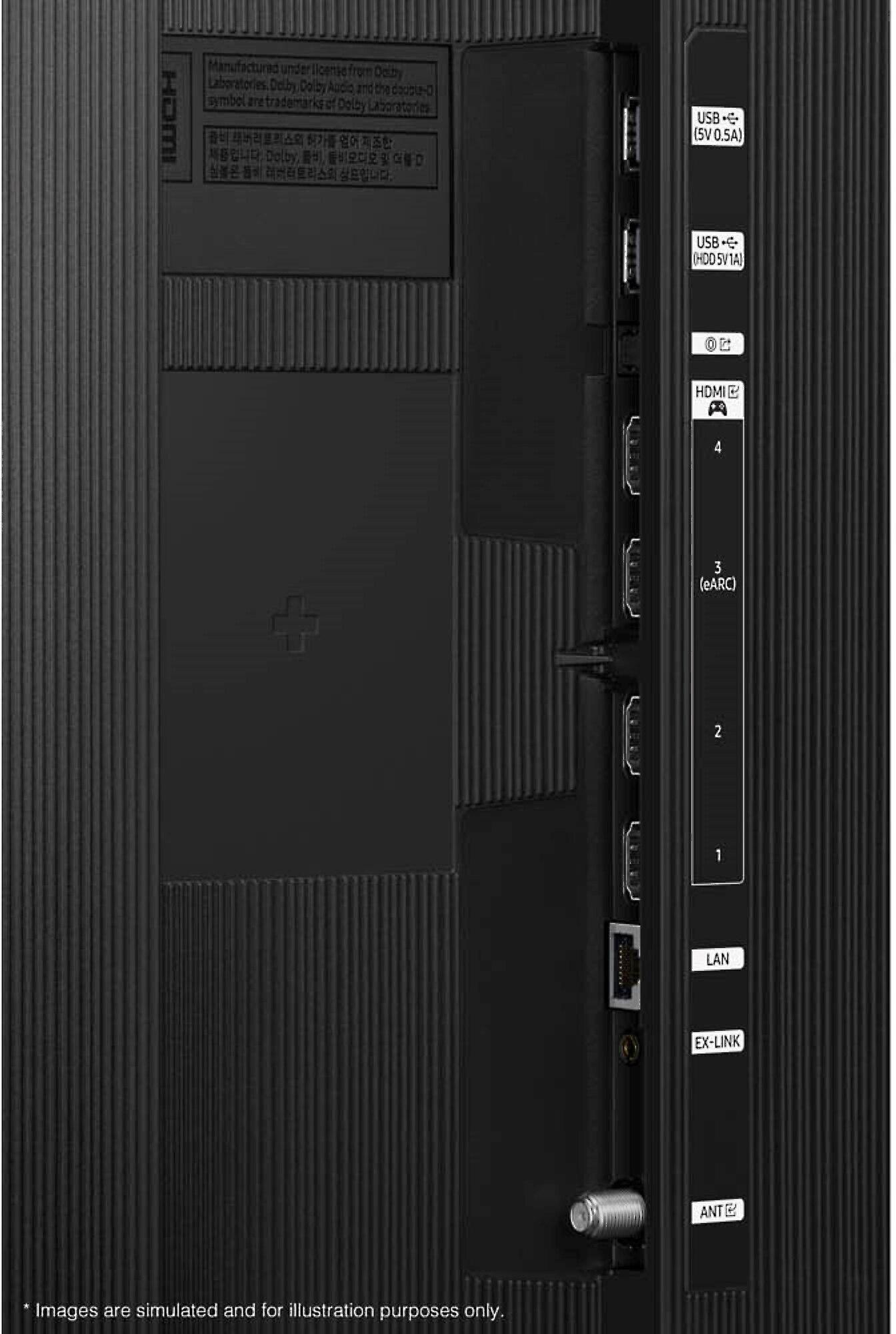
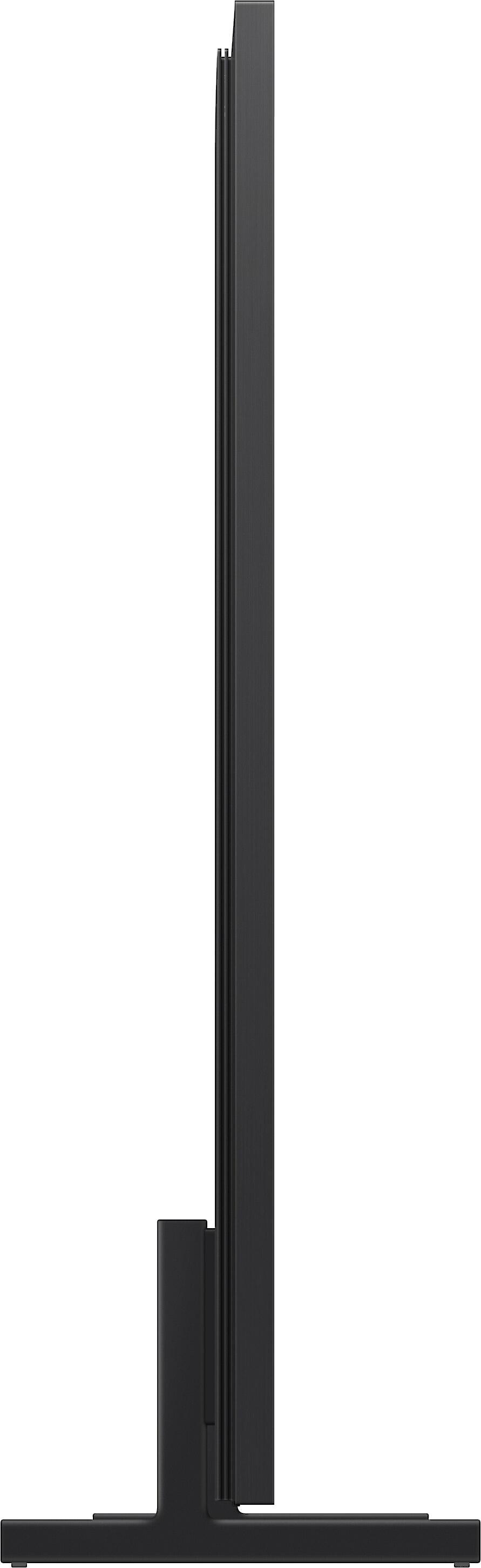
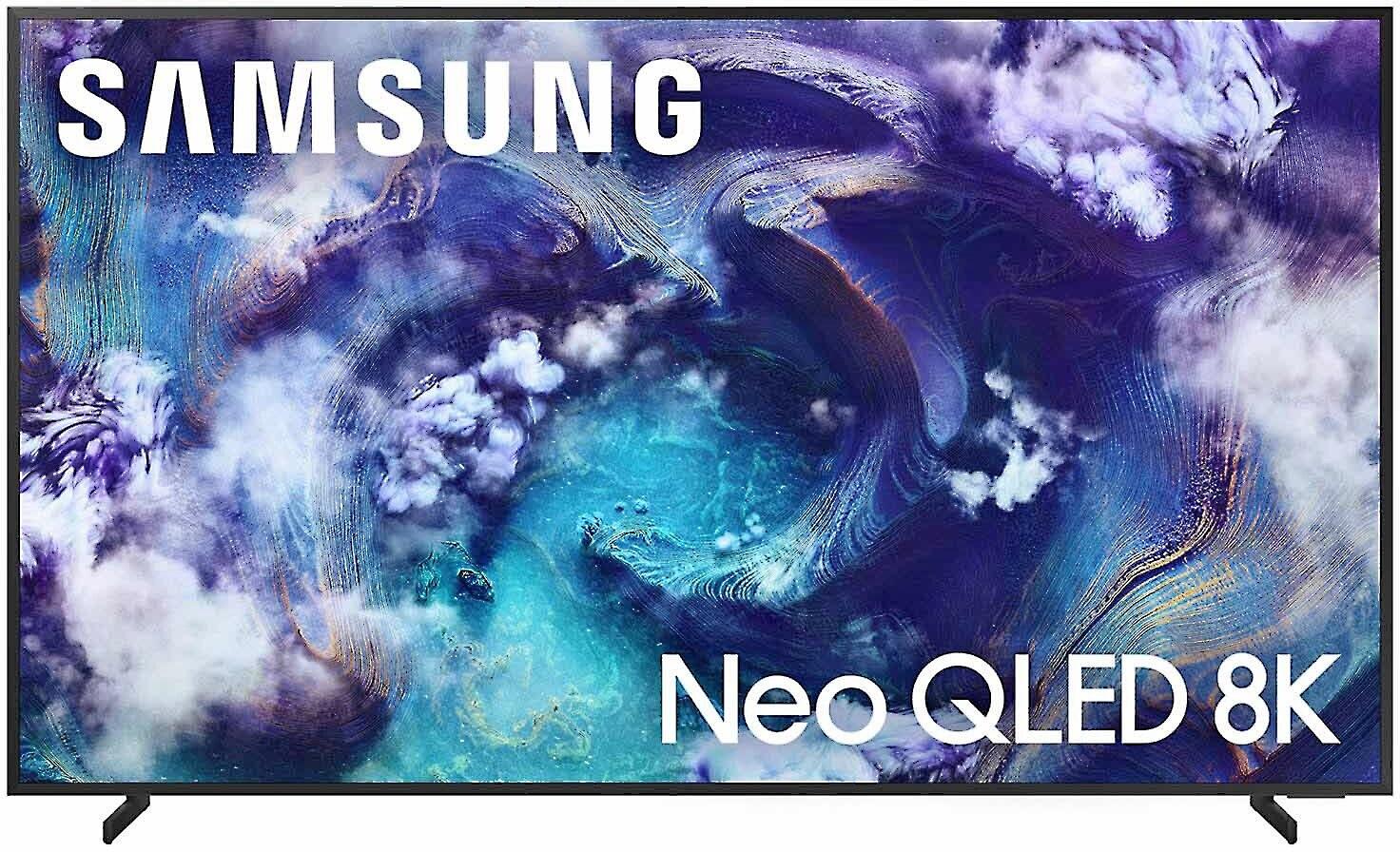
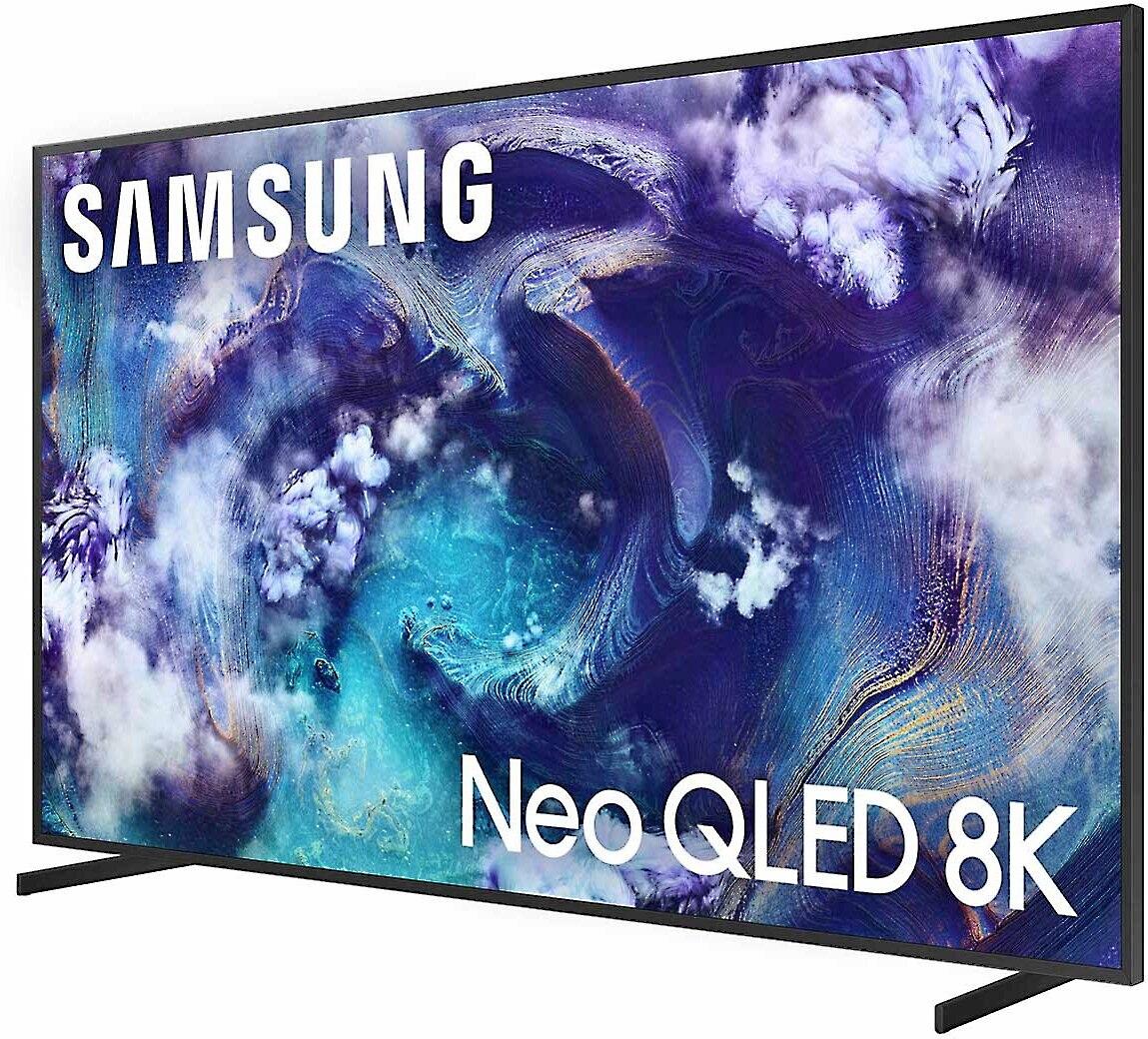
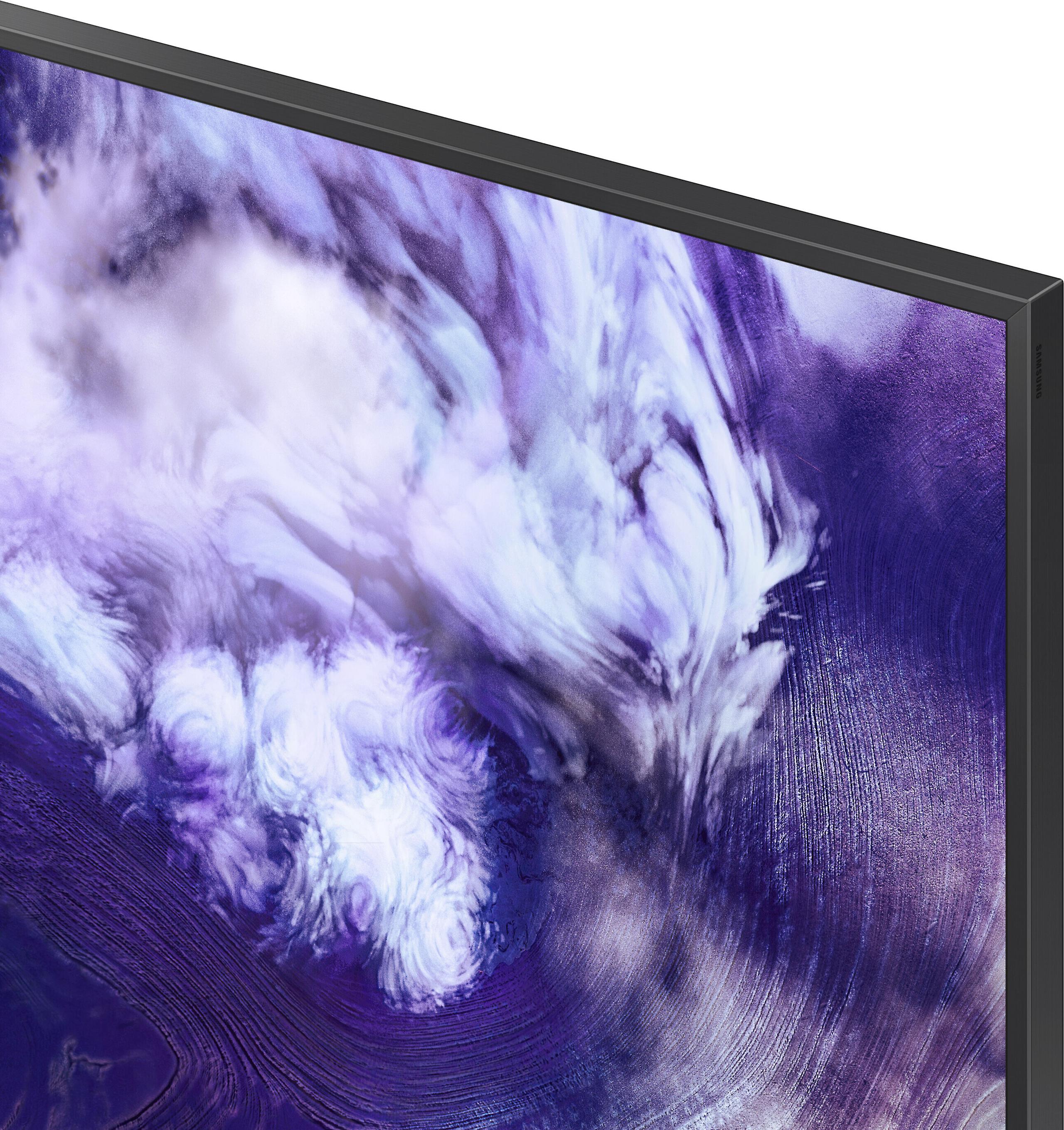

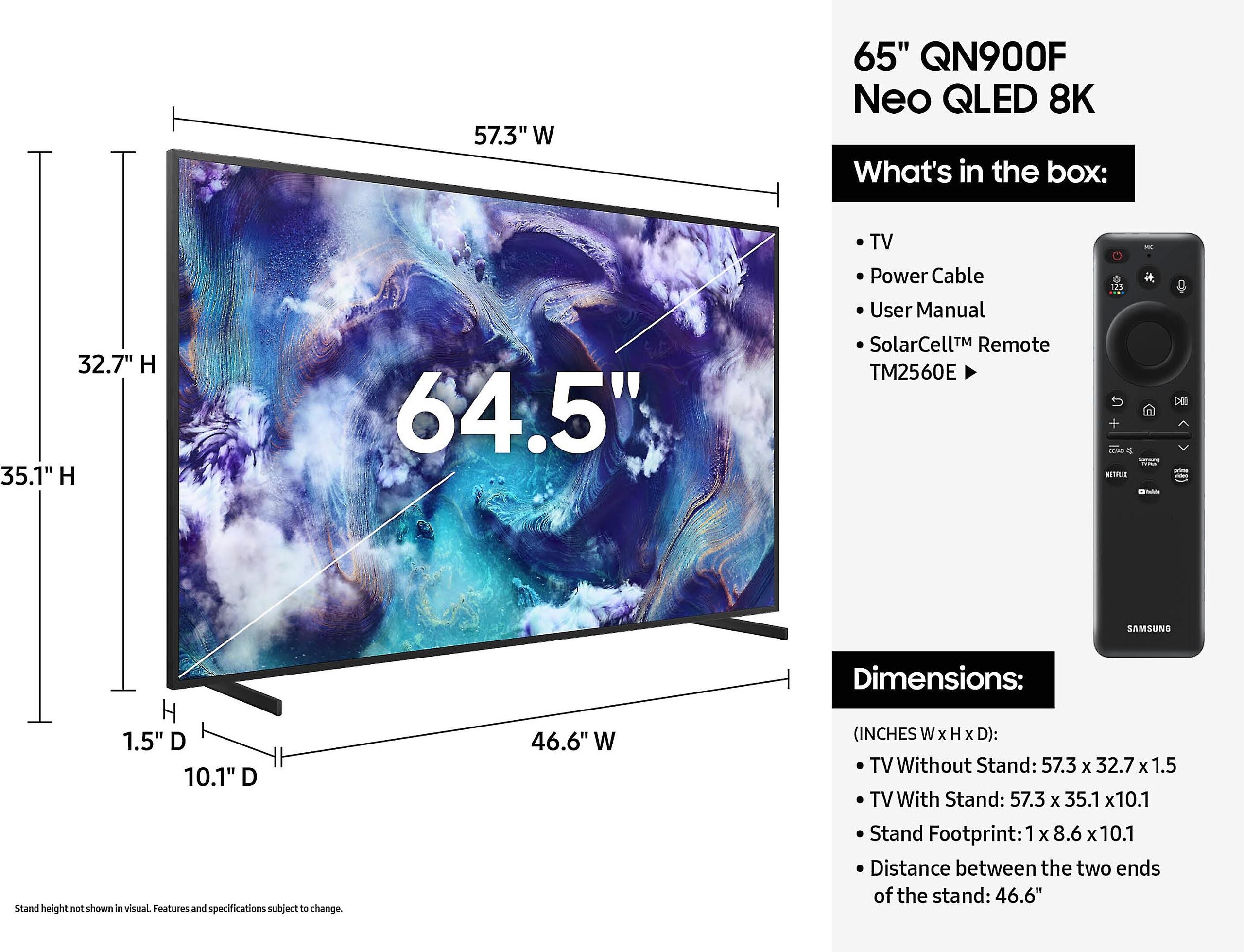
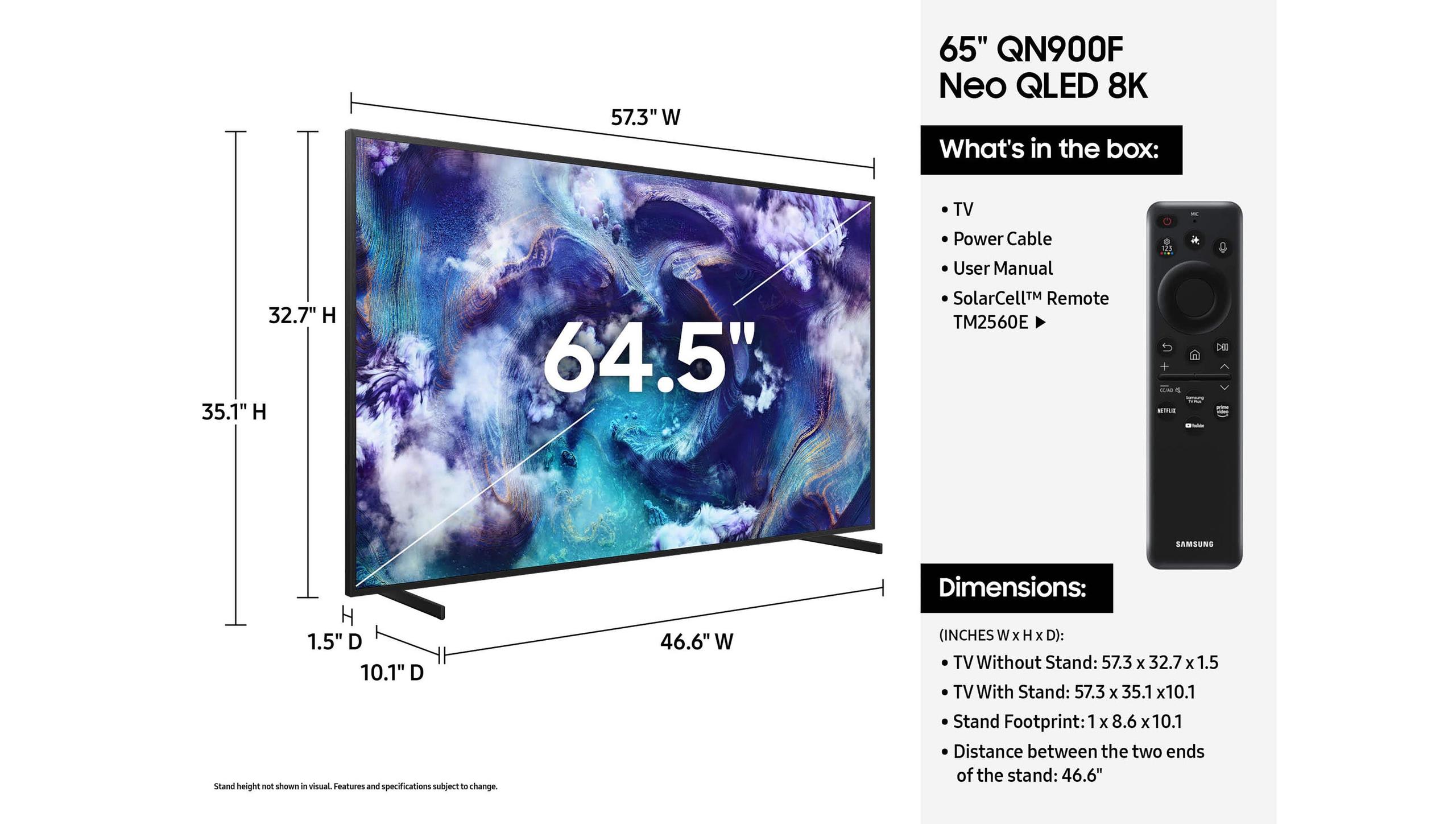
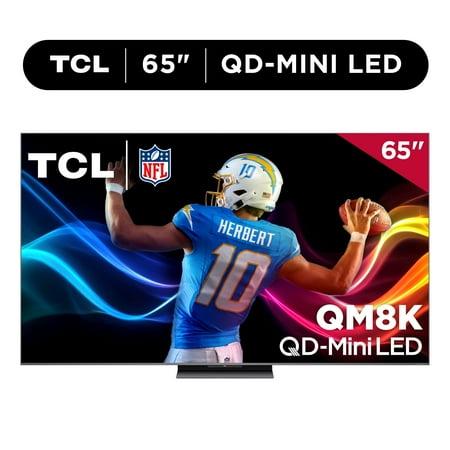
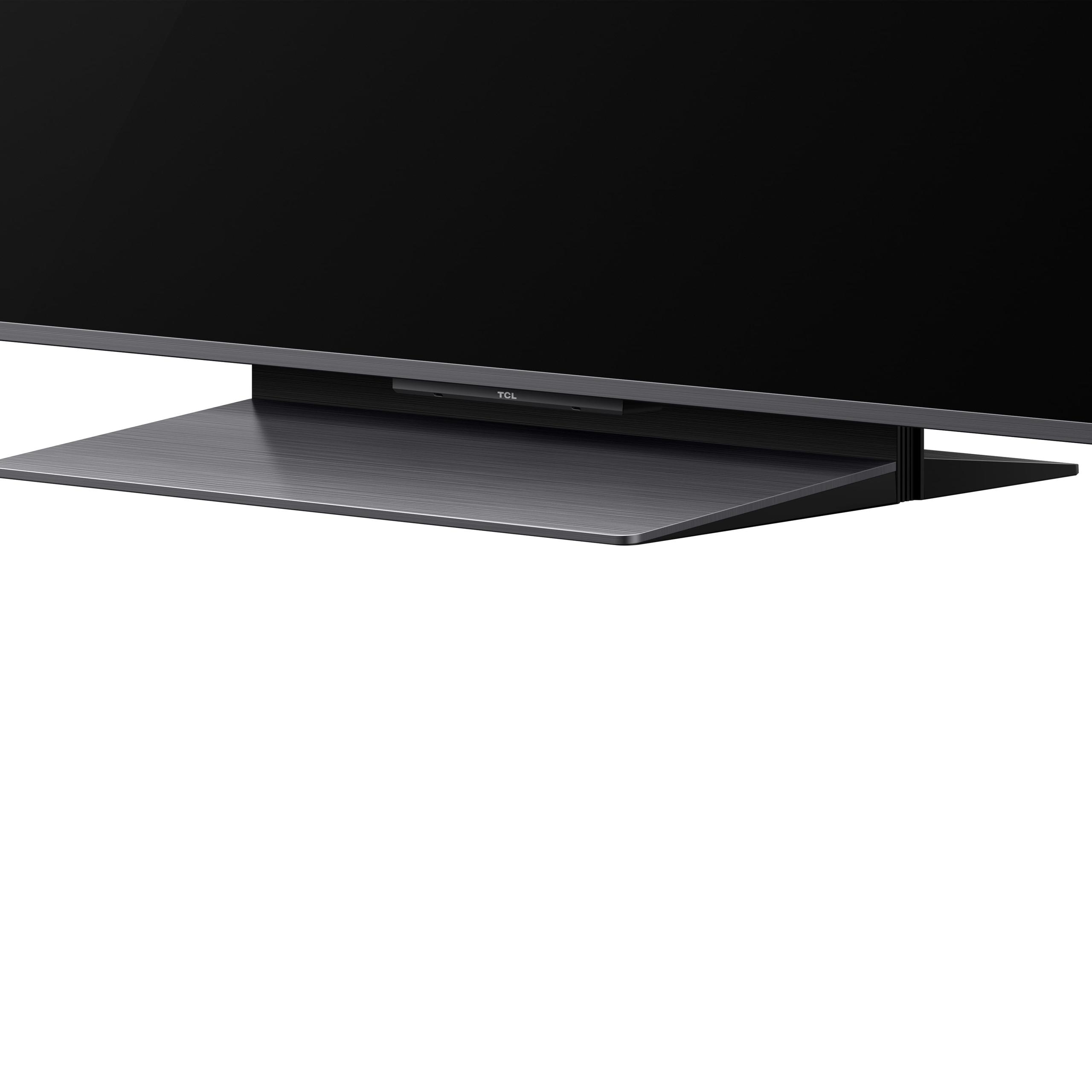
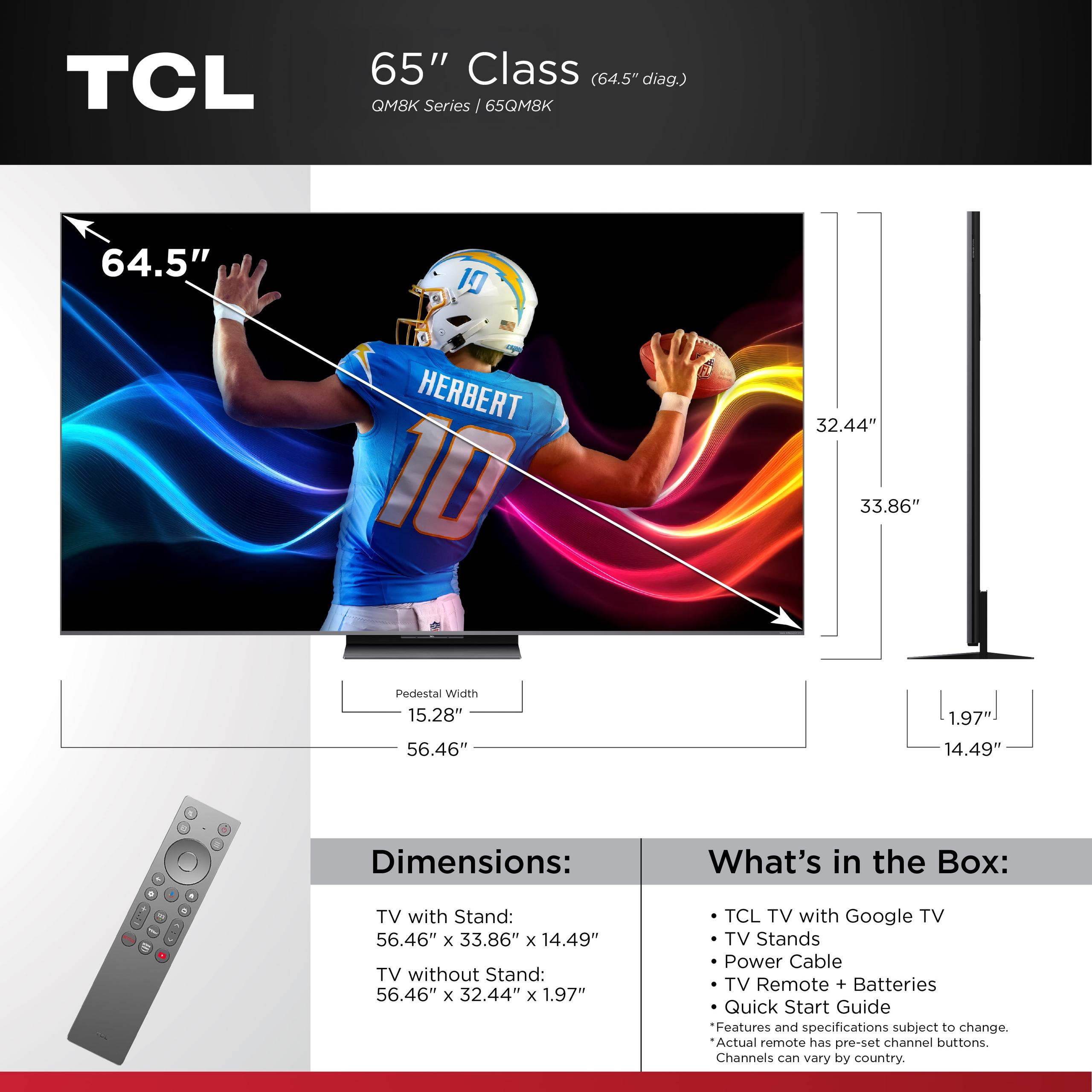
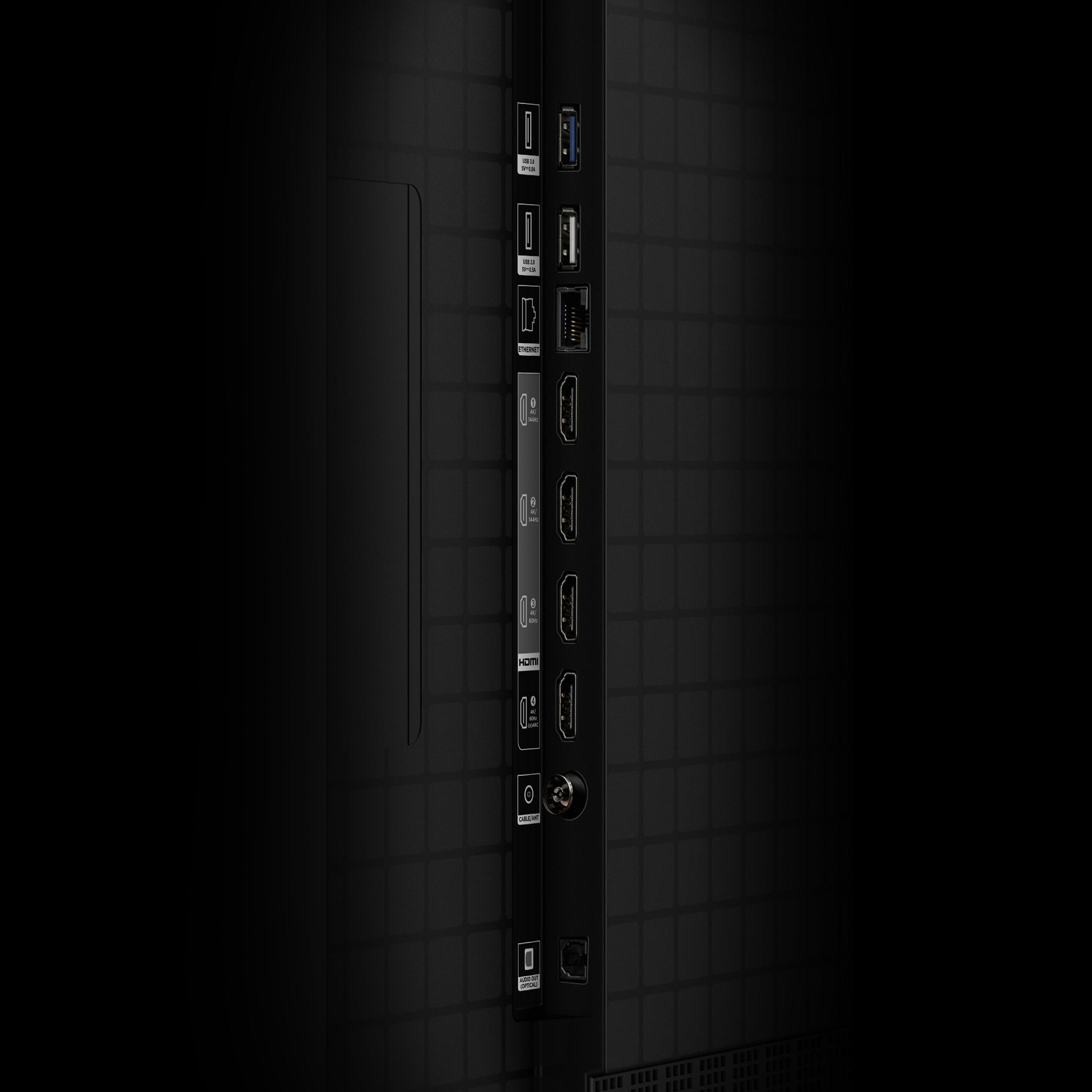

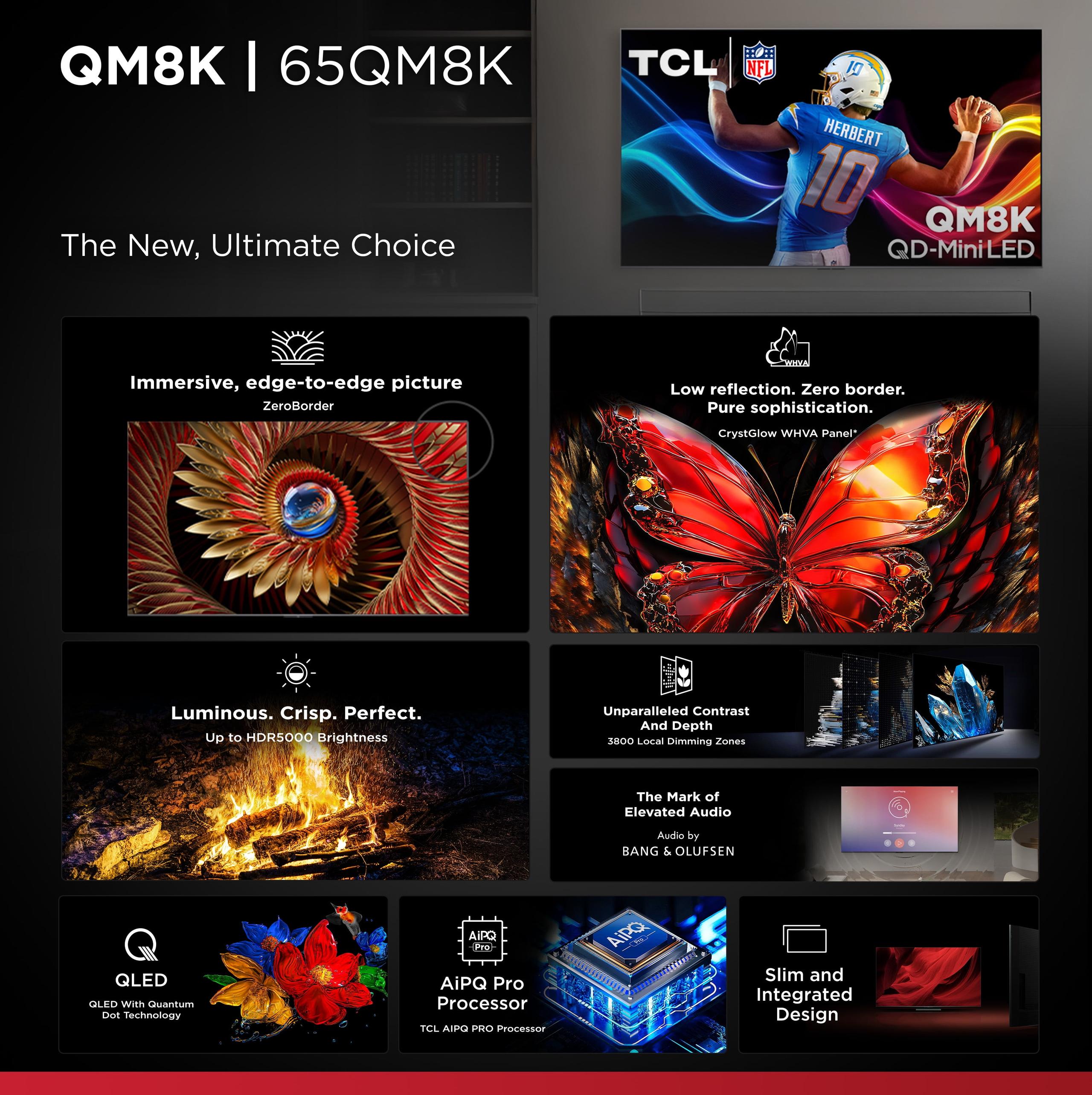

The premium TV market in 2025 presents an interesting paradox. On one side, you have manufacturers pushing 8K resolution as the next big thing. On the other, you have companies perfecting 4K technology to deliver the best possible picture with content that actually exists. This battle perfectly captures the current state of premium television technology, and two TVs exemplify these competing philosophies: the Samsung 65" Neo QLED 8K QN900F Vision AI Smart TV and the TCL 65" QM8K Series QD-Mini LED 4K Smart TV.
Both released in 2025, these TVs represent fundamentally different approaches to delivering premium picture quality. The Samsung QN900F doubles down on resolution, packing four times as many pixels as 4K while relying on artificial intelligence to make lower-resolution content look better. The TCL QM8K takes the opposite approach—stick with 4K but make it absolutely spectacular through superior brightness, contrast, and color performance.
At the time of writing, these TVs sit at dramatically different price points, with the Samsung commanding about three times the cost of the TCL. This price difference reflects not just different features, but entirely different philosophies about what makes a TV worth buying in 2025.
The premium TV category has evolved significantly since 2020. Back then, basic LED backlighting was standard, and most TVs struggled to get bright enough for good HDR (High Dynamic Range) performance. HDR technology displays a wider range of brightness levels, making bright scenes more brilliant and dark scenes deeper, creating more lifelike images.
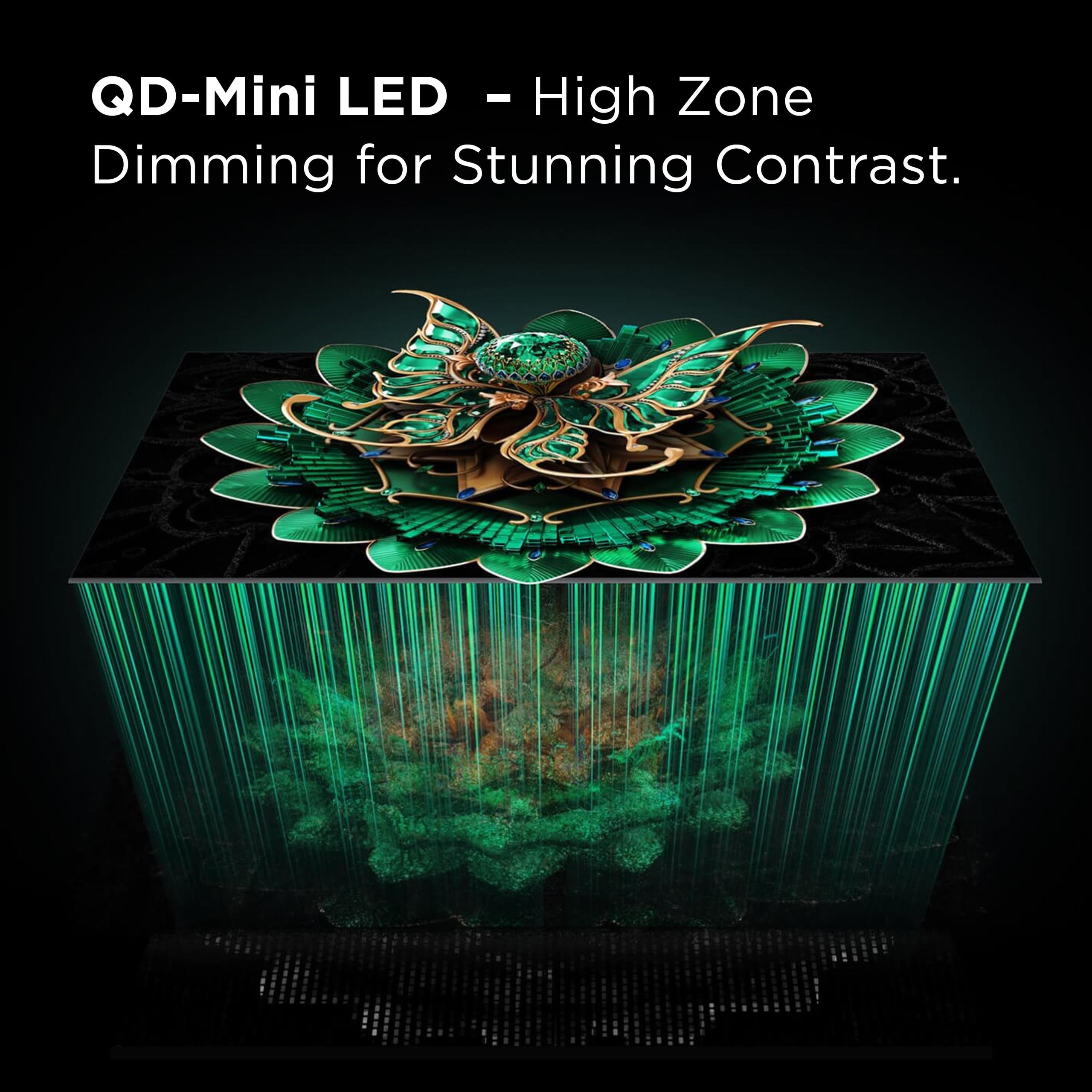
Today's premium TVs use Mini LED backlighting—tiny LEDs that can be controlled individually to create precise brightness zones across the screen. Think of it like having thousands of tiny flashlights behind your TV that can turn on and off independently. This creates much better contrast because dark areas can be truly dark while bright areas stay brilliant.
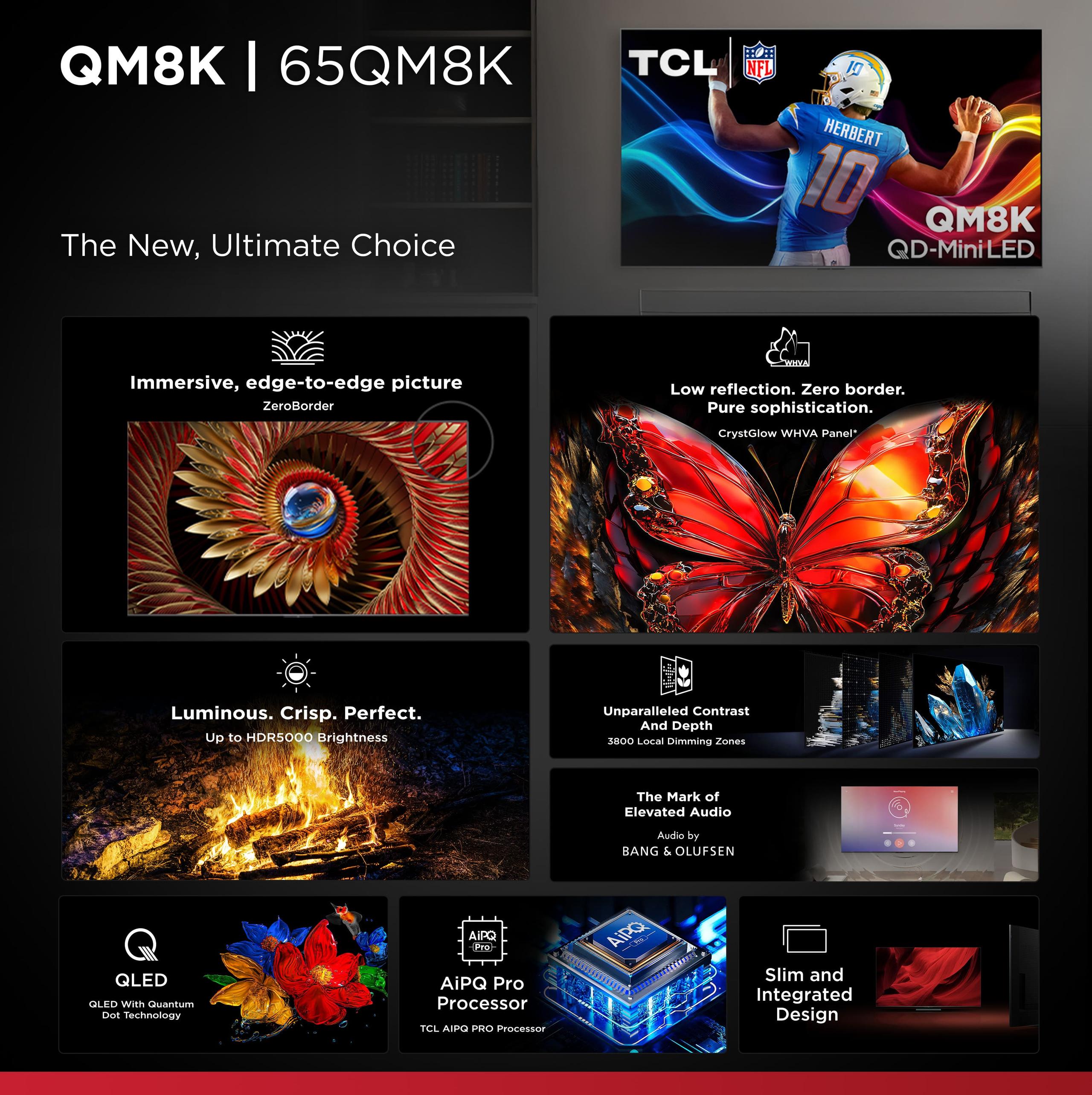
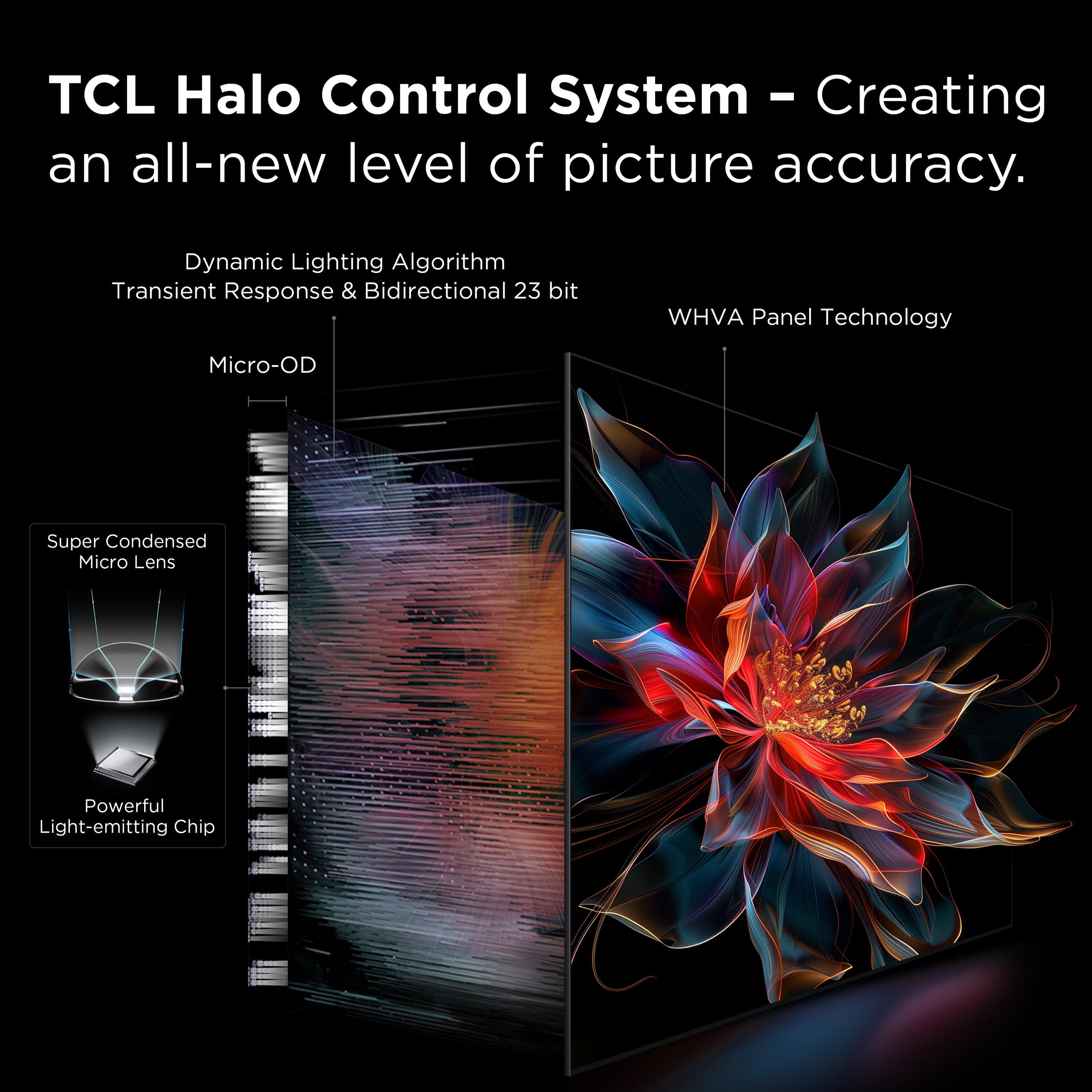
Both the Samsung QN900F and TCL QM8K use Mini LED technology, but they implement it differently. The Samsung combines it with Quantum Matrix Technology Pro, which uses even more precise control over these Mini LEDs. The TCL uses what they call the Halo Control System, which focuses on eliminating the bright halos that sometimes appear around objects on Mini LED displays.
The biggest question facing premium TV buyers isn't about backlighting technology—it's about resolution strategy. Do you invest in 8K for the future, or perfect your 4K experience for the content available today?
The Samsung QN900F delivers true 8K resolution, meaning it has 7,680 × 4,320 pixels compared to 4K's 3,840 × 2,160. That's four times as many pixels crammed into the same 65-inch screen. In theory, this should create incredibly sharp, detailed images that make 4K look soft by comparison.
The reality is more complicated. Our research into expert reviews reveals that the benefits of 8K resolution are most noticeable when you're sitting very close to a large screen, or when viewing truly high-quality source material. At typical viewing distances—around 8-10 feet for a 65-inch TV—many viewers struggle to see the difference between well-processed 4K and 8K content.
The Samsung's NQ8 AI Gen2 processor works overtime to justify that 8K resolution. It uses 256 neural networks (think of them as specialized computer algorithms) to analyze every frame and upscale lower-resolution content. When you're watching a 4K Netflix show, the processor adds detail and sharpness to make it look closer to native 8K quality. Professional reviews consistently praise Samsung's upscaling as among the best available, making even HD content look surprisingly sharp.
The TCL QM8K takes a different approach—make 4K look absolutely perfect. Since virtually all content today is 4K or lower, this strategy focuses on maximizing what you can actually watch rather than preparing for hypothetical future content.
Here's where things get interesting. The TCL QM8K actually outperforms the Samsung QN900F in peak brightness, reaching up to 5,000 nits compared to Samsung's approximately 4,000 nits. A nit is a measurement of brightness—for comparison, a typical sunny day measures around 10,000 nits, while older TVs managed maybe 400-500 nits.
This brightness advantage matters more than you might think. HDR content is mastered at specific brightness levels, and if your TV can't reach those levels, you're not seeing the content as intended. The TCL's superior brightness means HDR movies and shows have more impact, with sunlight looking genuinely bright and reflections appearing more realistic.
In bright rooms—which describes most living rooms during the day—the TCL maintains better picture quality. The extra brightness cuts through ambient light, keeping colors vivid and contrast strong even when sunlight hits the screen.
Both TVs excel at contrast, but for different reasons. The Samsung QN900F achieves excellent black levels through its Quantum Matrix Technology Pro, which can dim individual zones very precisely. This creates deep blacks with minimal blooming—the bright halos that sometimes appear around bright objects on dark backgrounds.
The TCL QM8K uses its Halo Control System to achieve similar results but with a different approach. It uses what TCL calls "Zero-Delay Transient Response," which means the dimming zones can adjust almost instantaneously as scenes change. Our research into professional reviews reveals that both TVs control blooming exceptionally well for Mini LED displays, with the TCL sometimes edging ahead in particularly challenging test patterns.
For home theater use, both deliver the deep blacks necessary for cinematic experiences. The Samsung might have a slight edge in the darkest scenes due to its more advanced processing, but the difference is often imperceptible in real-world content.
Gaming represents one of the clearest differentiators between these TVs. The Samsung QN900F supports 4K gaming at up to 165Hz and can even handle 8K gaming at 60Hz for compatible systems. This makes it ideal for high-end PC gaming where you have the graphics power to drive these resolutions and frame rates.
The TCL QM8K offers a 144Hz native refresh rate, which is excellent for console gaming and most PC setups. Its Game Accelerator 288 feature can handle variable refresh rates up to 288Hz, though this is more of a technical specification than a practical advantage since no current gaming systems output at such rates.
For competitive gaming, response time matters more than maximum refresh rate. Both TVs offer low input lag—the delay between pressing a controller button and seeing the action on screen—but expert testing suggests the TCL maintains more consistent performance across different gaming modes.
Console gamers using PlayStation 5 or Xbox Series X will find both TVs excellent, but the TCL's lower price point makes it a more sensible choice given that these consoles target 4K resolution anyway. PC gamers with high-end graphics cards might appreciate the Samsung's 8K capabilities, though this requires significant computational power and limits frame rates in demanding games.
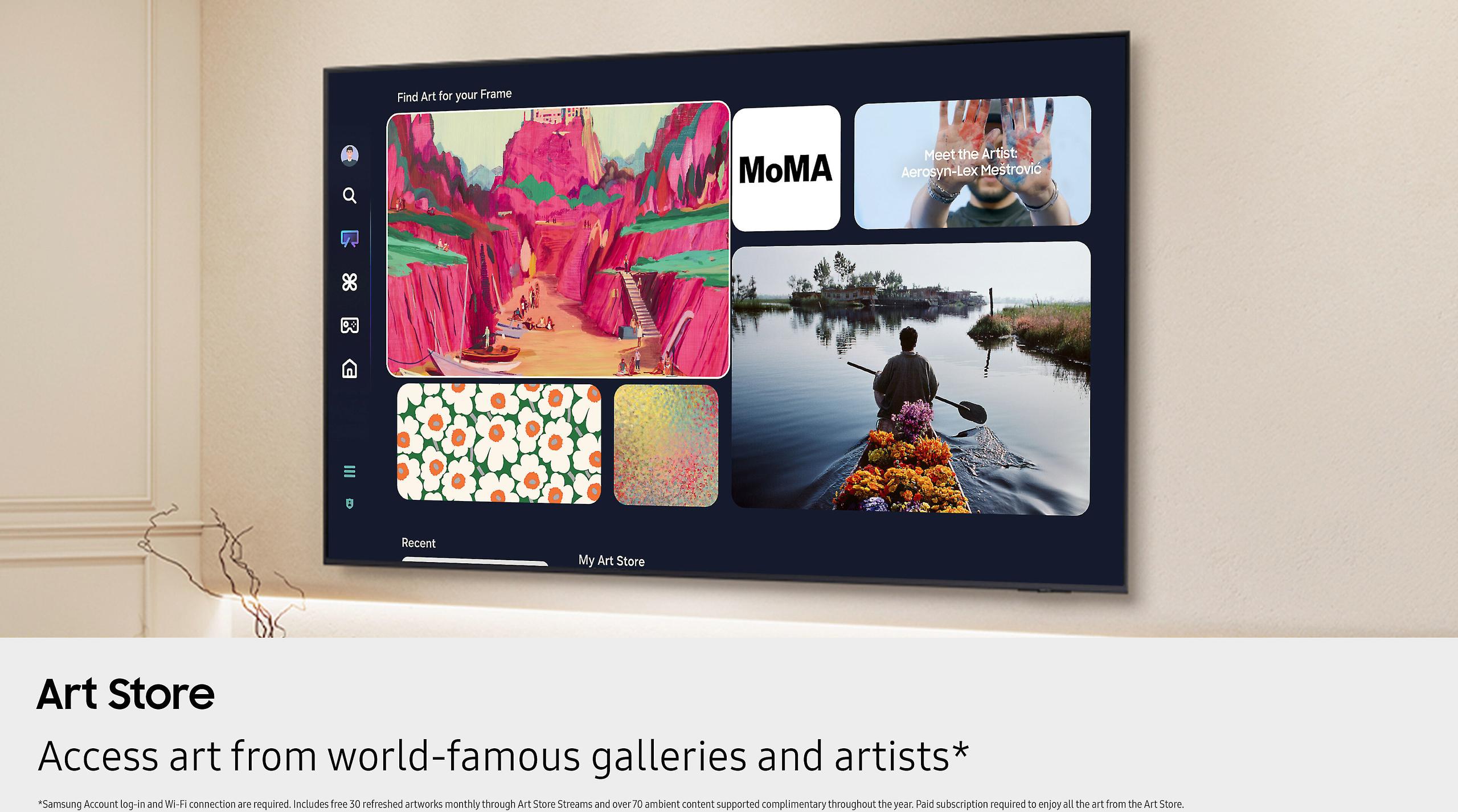
The software experience differs significantly between these TVs. The Samsung QN900F runs Tizen OS 9.0, Samsung's proprietary smart TV platform. It's polished and integrates well with other Samsung devices, but it's not as intuitive as some alternatives. Samsung's Vision AI adds interesting features like automatic scene optimization and content recommendations, but these feel more like nice additions than essential features.
The TCL QM8K uses Google TV, which provides a more familiar interface for most users. Google's search and recommendation algorithms are generally more accurate, and the platform receives more frequent updates. The interface feels more responsive in daily use, and voice commands work more reliably.
For smart home integration, both support major platforms, but Google TV's native Google Assistant integration gives the TCL an edge for users already invested in Google's ecosystem.
The Samsung QN900F includes a more sophisticated built-in audio system with 6.2.4 channel Dolby Atmos support and Object Tracking Sound. This technology moves audio around the screen to match visual action—when a car drives across the screen, the sound follows. It's genuinely impressive for built-in TV speakers.
The TCL QM8K offers a competent 2.1.2 channel system tuned by Bang & Olufsen, but it's clearly not the focus of the design. The audio is adequate for casual viewing but will benefit from an external soundbar for serious movie watching.
For home theater setups, most enthusiasts will use external audio systems anyway, making the Samsung's audio advantage less relevant. However, if you prefer not to add extra components, the Samsung provides a more complete out-of-the-box experience.
Here's the elephant in the room: there's virtually no native 8K content available to consumers. YouTube has some 8K videos, and there are tech demos, but no streaming service offers 8K movies or shows, and no 8K disc format exists for home use.
This means the Samsung QN900F's 8K resolution relies entirely on upscaling lower-resolution content. While Samsung's upscaling is excellent, you're essentially paying premium prices for the potential of 8K rather than actual 8K content you can watch today.
The TCL QM8K maximizes performance with content that actually exists. Every major streaming service offers 4K HDR content, 4K Blu-ray discs provide reference-quality sources, and gaming consoles target 4K resolution. You get immediate benefits rather than future promises.
This content reality strongly favors the TCL for most users. You're buying a TV to watch content today, not to prepare for content that might exist someday.
At the time of writing, the price difference between these TVs is substantial enough to buy a high-quality soundbar with the savings from choosing the TCL QM8K. This isn't just about being cheaper—it's about delivering better practical performance at a significantly lower cost.
Professional reviews consistently note that the TCL provides superior brightness, excellent contrast, and outstanding performance with current content. The Samsung QN900F offers more advanced processing and future-proofing, but these advantages don't translate to better day-to-day viewing experiences for most users.
For home theater enthusiasts, the TCL's superior brightness often matters more than the Samsung's higher resolution. HDR content looks more impactful, and the TV performs better in varied lighting conditions.
The Samsung QN900F makes sense for specific users. If you're a technology enthusiast who wants the latest features regardless of immediate practical benefits, Samsung's 8K processing and Vision AI provide cutting-edge capabilities. Users with large rooms who sit close to their TVs might appreciate the extra resolution. Samsung ecosystem users will enjoy the integration with other devices.
Early adopters who plan to keep their TV for many years might find the 8K investment worthwhile, assuming content eventually becomes available. However, this requires betting on industry adoption timelines that remain uncertain.
The TCL QM8K serves the broader market better. It delivers flagship-level performance with content you can actually watch today. The superior brightness creates more dramatic HDR experiences, and the excellent blooming control provides cinema-quality contrast. Gamers get outstanding performance without paying for 8K capabilities their systems can't utilize anyway.
For most home theater setups, the TCL provides better practical performance. The brightness advantage is immediately noticeable, the 4K image quality is outstanding, and the significant cost savings can fund acoustic treatments or a premium soundbar that will improve the overall experience more than extra pixels.
Based on our research and analysis of expert opinions, the TCL QM8K represents the smarter purchase for most buyers in 2025. It delivers superior brightness, excellent contrast, outstanding gaming performance, and works optimally with all current content—at a fraction of the Samsung's cost.
The Samsung QN900F offers impressive technology and excellent processing, but it's solving problems most users don't have while charging premium prices for benefits that remain largely theoretical. Unless you specifically need 8K resolution or have a strong preference for Samsung's ecosystem, the practical advantages favor TCL's approach.
This doesn't diminish Samsung's technical achievements—the upscaling is genuinely impressive, and the processing capabilities are advanced. However, in a market where value and performance matter, optimizing current technology often beats pioneering future technology that isn't ready for mainstream use.
The TV you should buy is the one that makes your current content look amazing, not one that prepares for content that might exist someday. In 2025, that means the TCL QM8K offers the better path to premium TV performance.
| Samsung 65" Neo QLED 8K QN900F Vision AI Smart TV 2025 | TCL 65" QM8K Series QD-Mini LED 4K Smart TV |
|---|---|
| Resolution - Higher resolution provides sharper detail, but content availability matters | |
| 8K (7,680 x 4,320) - 4x more pixels than 4K, but relies on upscaling since no native 8K content exists | 4K (3,840 x 2,160) - Optimized for all current streaming and gaming content |
| Peak Brightness - Critical for HDR impact and bright room viewing | |
| Up to 4,000 nits (excellent for HDR, good for bright rooms) | Up to 5,000 nits (superior HDR performance, outstanding in bright rooms) |
| Refresh Rate - Higher rates provide smoother motion for gaming and sports | |
| 120Hz native, up to 165Hz at 4K (excellent for high-end PC gaming) | 144Hz native (ideal for console gaming and most PC setups) |
| Gaming Features - Important for console and PC gamers | |
| 4K@165Hz, 8K@60Hz, AMD FreeSync Premium Pro, Gaming Hub | Game Accelerator 288, VRR up to 288Hz, Auto Game Mode, lower input lag |
| Smart TV Platform - Affects daily usability and app performance | |
| Tizen OS 9.0 with Vision AI (polished but proprietary) | Google TV (more intuitive, better voice search, frequent updates) |
| Audio System - Built-in sound quality before adding external speakers | |
| 6.2.4 channel Dolby Atmos with Object Tracking Sound (impressive for TV speakers) | 2.1.2 channel Bang & Olufsen tuned (adequate, benefits from soundbar) |
| HDR Support - Determines compatibility with different streaming content | |
| HDR10+, Neo Quantum HDR 8K Pro (lacks Dolby Vision support) | Dolby Vision IQ, HDR10+, HDR10, HLG (broader format support) |
| Processing Power - Affects upscaling quality and smart features | |
| NQ8 AI Gen2 with 256 neural networks (superior upscaling, advanced AI features) | AiPQ Pro Processor (optimized for 4K performance, solid but less advanced) |
| Value Proposition - Performance per dollar and practical benefits | |
| Premium pricing for cutting-edge 8K tech and future-proofing | Flagship 4K performance at significantly lower cost with immediate benefits |
The Samsung 65" Neo QLED 8K QN900F offers 8K resolution, but there's virtually no native 8K content available to consumers. The TCL 65" QM8K Series focuses on perfecting 4K performance with content you can actually watch today. Unless you're planning to keep the TV for many years and want future-proofing, 4K provides better value since all streaming services, gaming consoles, and Blu-ray discs are optimized for 4K resolution.
Both TVs excel at gaming but in different ways. The Samsung QN900F supports 4K gaming at 165Hz and even 8K gaming at 60Hz, making it ideal for high-end PC gaming. The TCL QM8K offers 144Hz native refresh rate with lower input lag, making it better for console gaming and competitive play. For PlayStation 5 or Xbox Series X, the TCL provides excellent performance at a much lower price point.
The TCL QM8K Series actually gets brighter than the Samsung QN900F, reaching up to 5,000 nits compared to Samsung's 4,000 nits. This means the TCL delivers more impactful HDR performance and better visibility in bright rooms. For home theater setups, this brightness advantage often matters more than extra resolution since HDR content looks more dramatic and realistic.
The Samsung QN900F uses Tizen OS with Vision AI features, which is polished but proprietary. The TCL QM8K runs Google TV, offering more intuitive navigation, better voice search, and more frequent updates. Google TV generally provides a smoother user experience with more accurate content recommendations, making the TCL easier to use daily.
The Samsung QN900F features a more advanced 6.2.4 channel Dolby Atmos system with Object Tracking Sound that moves audio around the screen. The TCL QM8K has a competent 2.1.2 channel system tuned by Bang & Olufsen but will benefit from adding a soundbar. If you prefer not to buy external speakers, the Samsung provides better built-in audio quality.
Yes, significant differences exist beyond resolution. The TCL QM8K offers superior peak brightness and excellent blooming control, often resulting in better contrast and HDR performance. The Samsung QN900F has more advanced processing with 256 neural networks for upscaling, making lower-resolution content look sharper. For current 4K content, the TCL often delivers more impactful visuals due to its brightness advantage.
The TCL QM8K Series provides significantly better value, offering flagship-level performance with superior brightness at a much lower price point. The Samsung QN900F charges premium pricing for 8K technology that currently has limited practical benefits. Unless you specifically need Samsung's advanced processing or ecosystem integration, the TCL delivers better performance per dollar.
Both TVs handle motion well but differently. The Samsung QN900F uses Motion Xcelerator technology with its advanced processor to smooth motion and reduce blur. The TCL QM8K offers Motion Rate 480 with MEMC frame insertion for fluid sports and action content. Both provide excellent motion clarity, with the TCL sometimes appearing smoother due to its higher native refresh rate.
For dedicated home theaters, the TCL QM8K often performs better due to its superior brightness and contrast performance in controlled lighting. The extra brightness helps HDR content look more cinematic, while excellent blooming control maintains deep blacks. The Samsung QN900F offers more advanced processing, but the TCL's practical advantages in brightness and contrast often matter more for movie watching.
The TCL QM8K Series supports more HDR formats, including Dolby Vision IQ, HDR10+, HDR10, and HLG. The Samsung QN900F supports HDR10+ and Neo Quantum HDR but notably lacks Dolby Vision support. Since many streaming services and 4K Blu-rays use Dolby Vision, the TCL provides broader compatibility with HDR content sources.
The Samsung QN900F is more future-proof with 8K resolution and advanced AI processing, preparing for eventual 8K content adoption. However, the timeline for mainstream 8K content remains uncertain. The TCL QM8K maximizes performance with current technology and content that exists today. For most buyers, optimizing current performance provides better value than preparing for uncertain future content.
Choose the TCL QM8K Series if you want exceptional performance with current content at a reasonable price, especially in bright rooms where its superior brightness shines. Pick the Samsung QN900F if you're a technology enthusiast who wants cutting-edge 8K processing, plan to keep the TV for many years, or prefer Samsung's ecosystem integration. For most users, the TCL delivers better practical performance and value.
We've done our best to create useful and informative comparisons to help you decide what product to buy. Our research uses advanced automated methods to create this comparison and perfection is not possible - please contact us for corrections or questions. These are the sites we've researched in the creation of this article: rtings.com - samsung.com - techradar.com - dolby.com - youtube.com - samsung.com - youtube.com - samsung.com - samsung.com - samsung.com - samsung.com - displayspecifications.com - samsung.com - rtings.com - bestbuy.com - merlinstv.com - news.samsung.com - bestbuy.com - tomsguide.com - youtube.com - businessinsider.com - rtings.com - youtube.com - avsforum.com - avsforum.com - bestbuy.com - tcl.com - tcl.com - tcl.com - flatpanelshd.com - romomattressfurniture.com - brandsmartusa.com - pcrichard.com - tvsbook.com - tcl.com - youtube.com - prnewswire.com - tcl.com - tcl.com

Privacy Policy
Terms and Conditions - Affiliate Policy
Home Security
© Copyright 2008-2026.
11816 Inwood Rd #1211, Dallas, TX 75244