

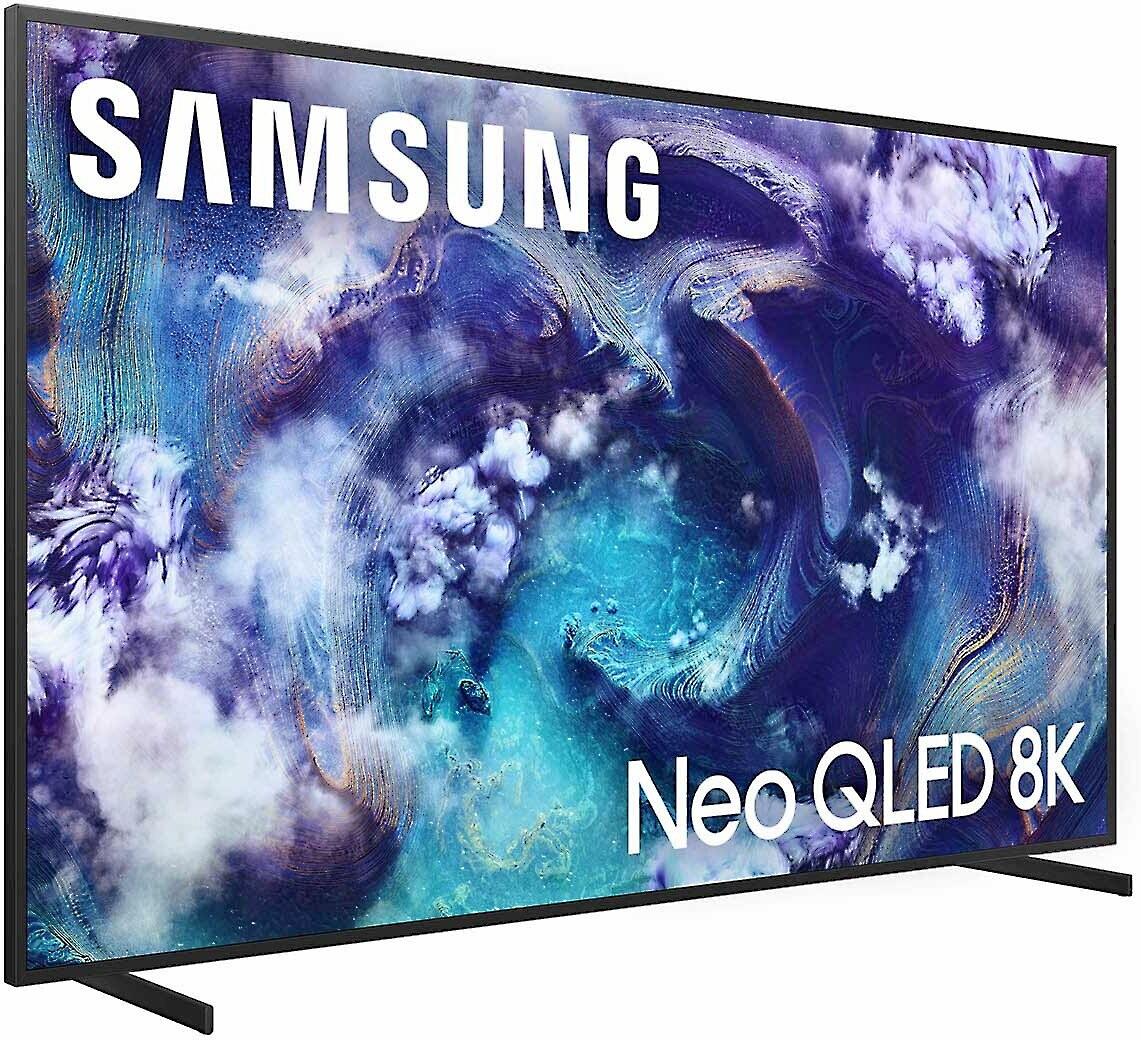
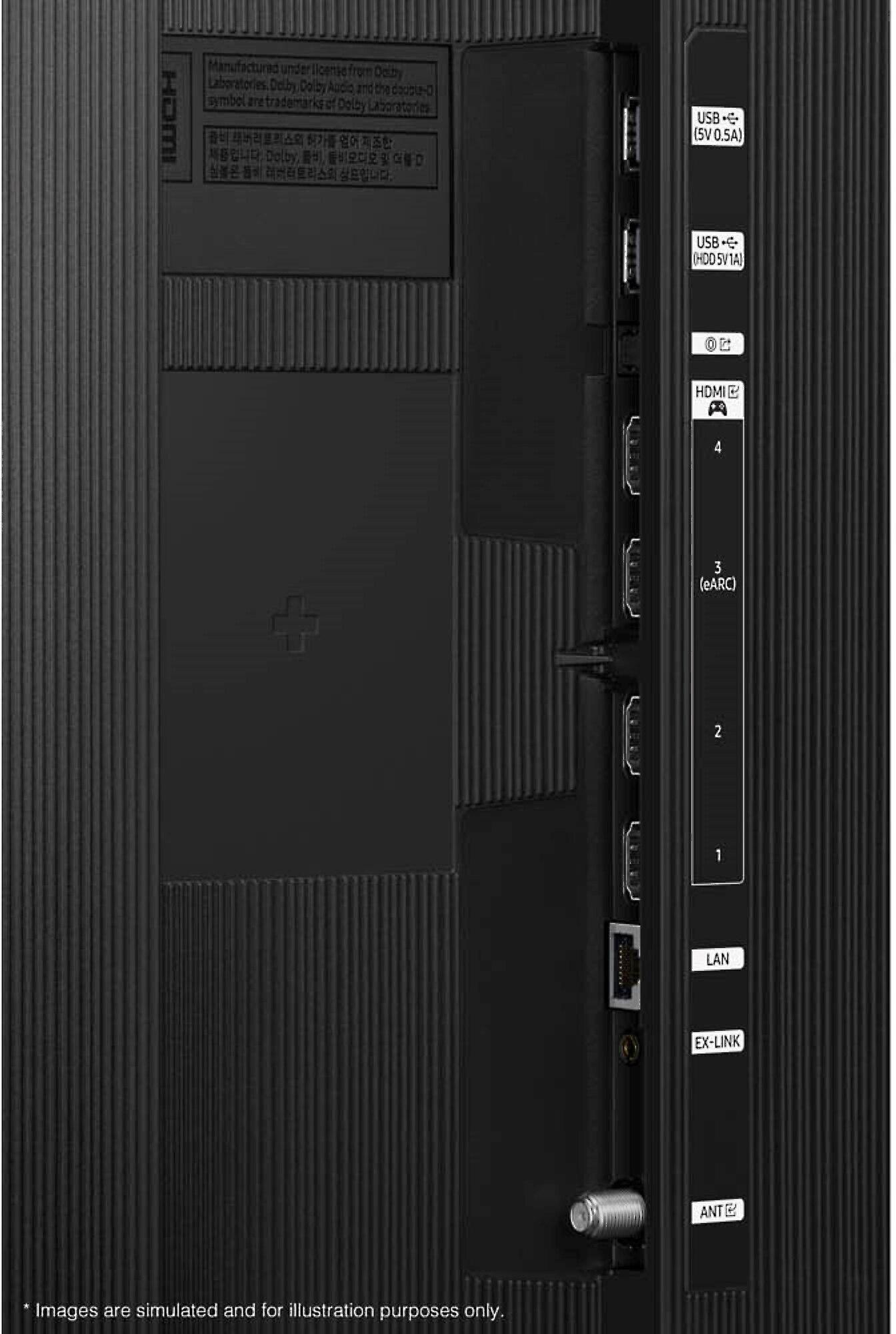
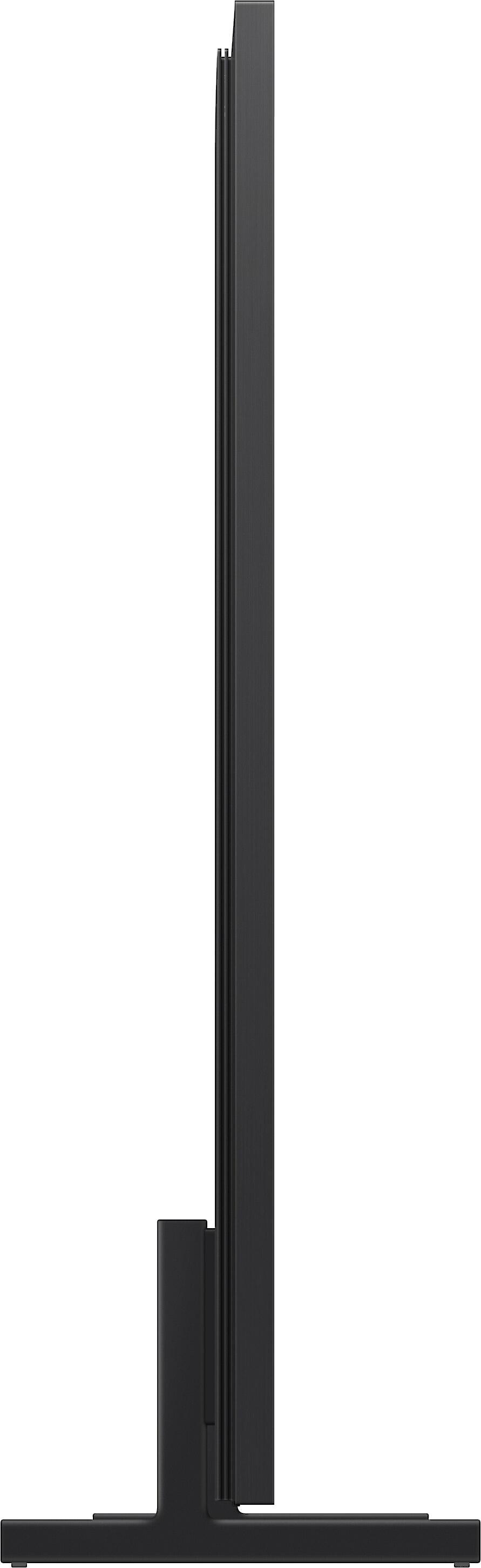
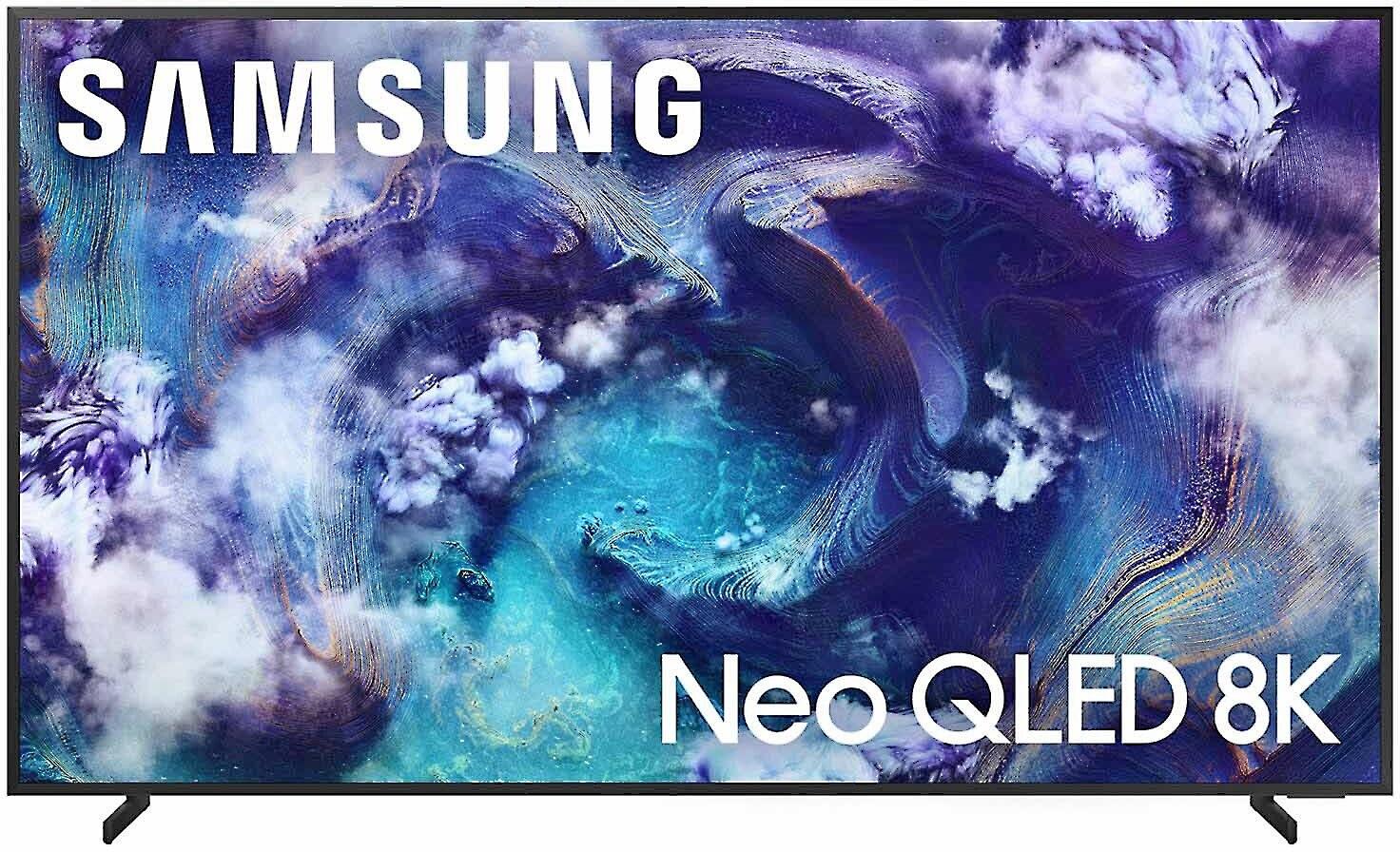
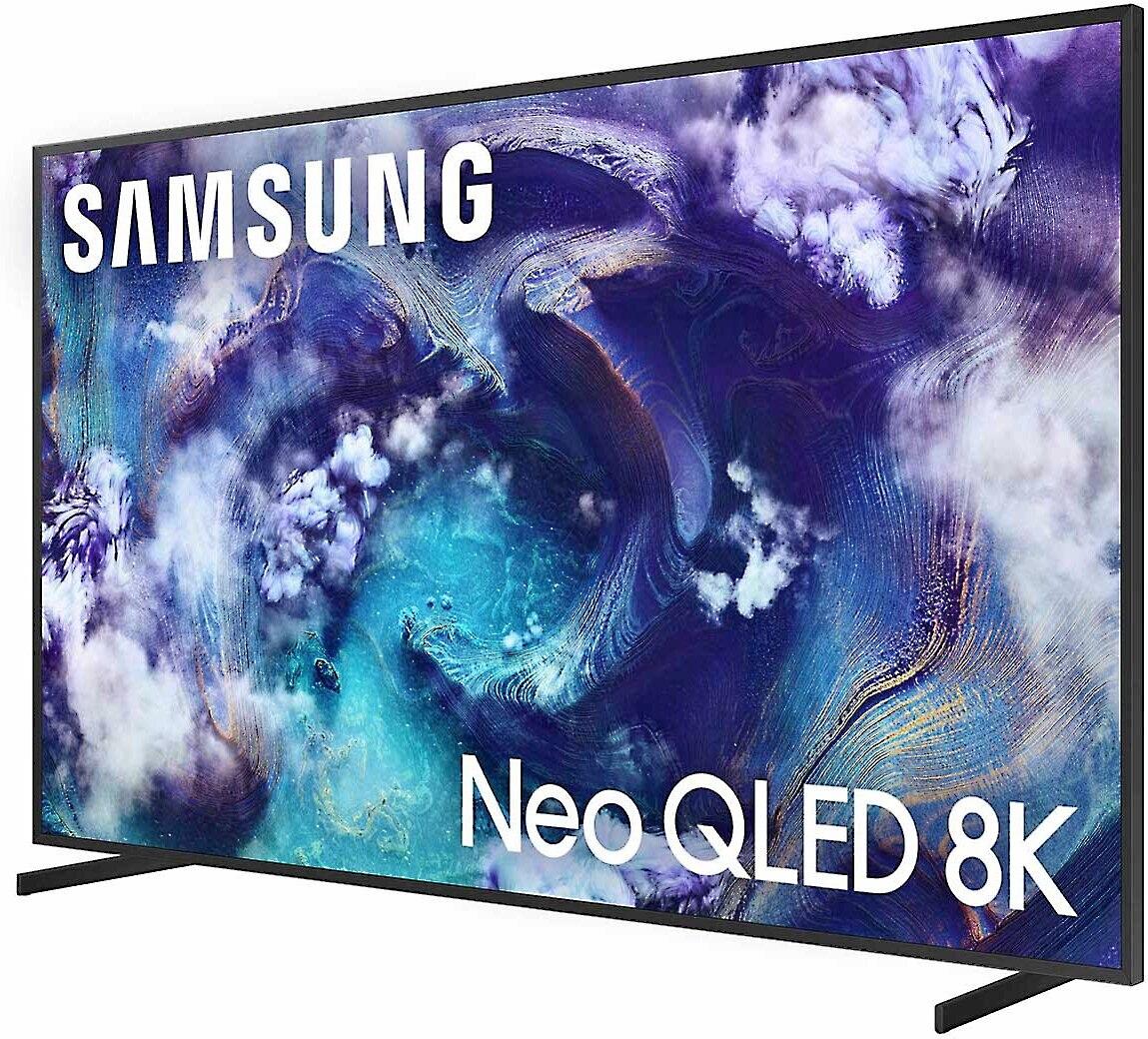

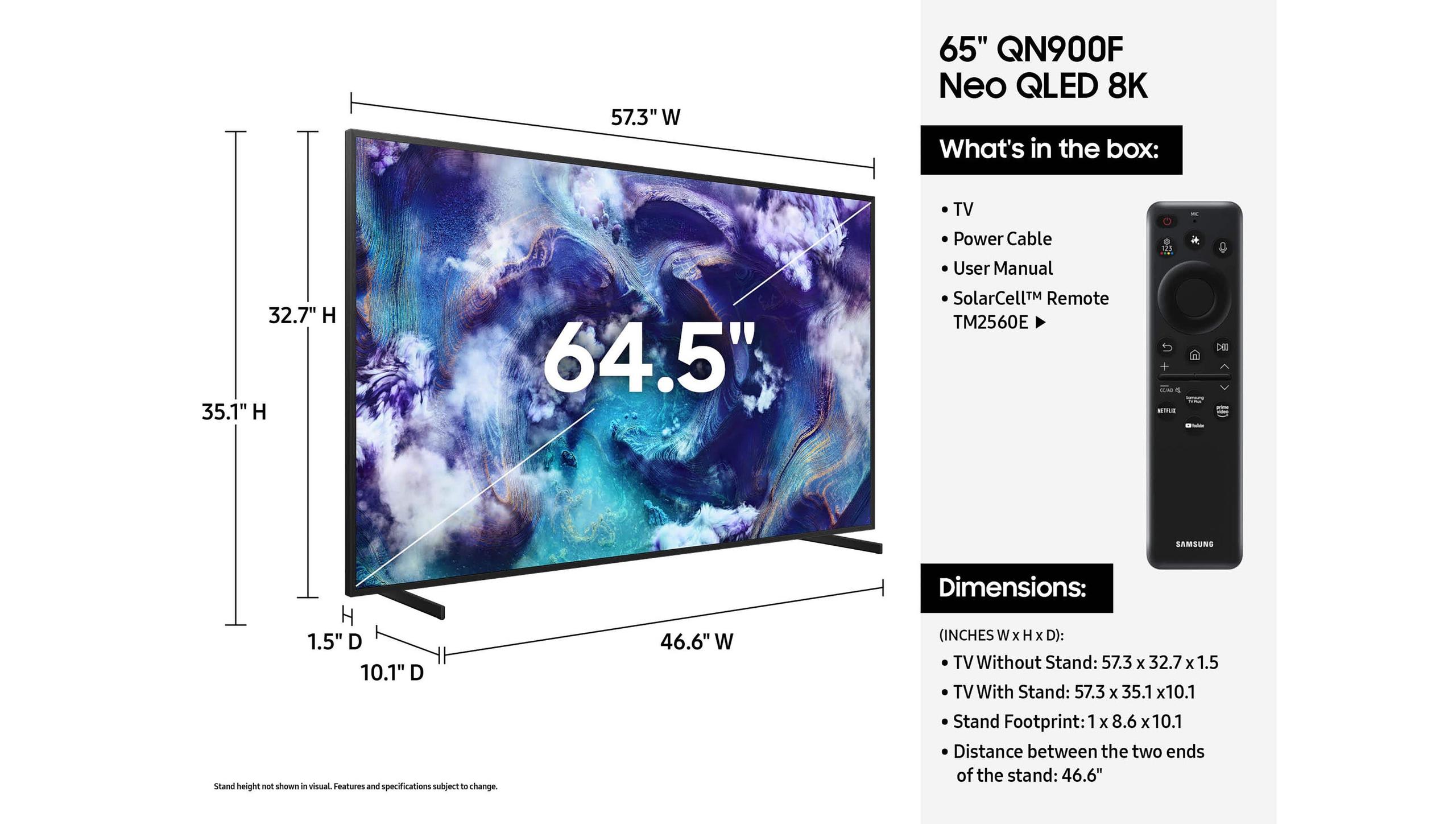
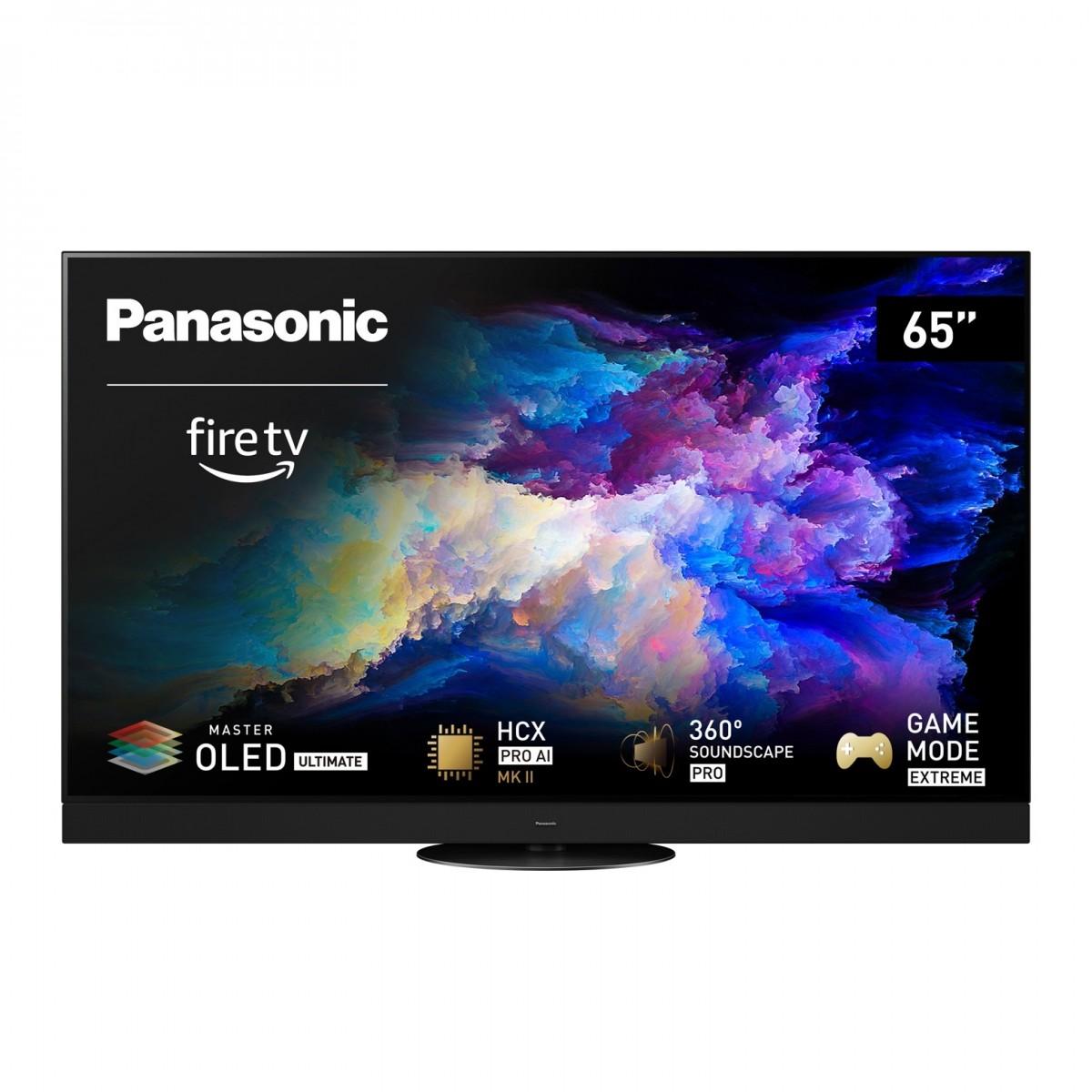
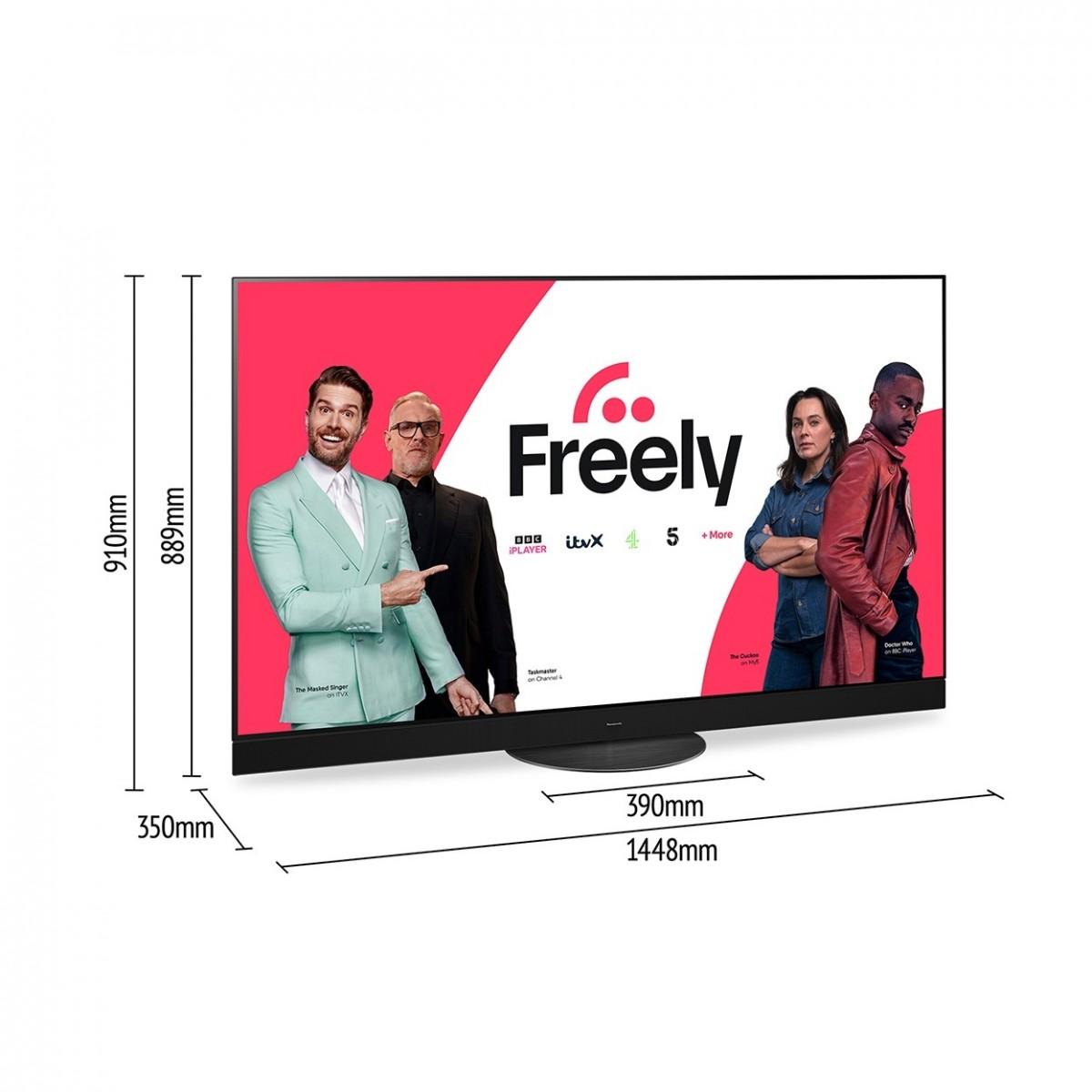
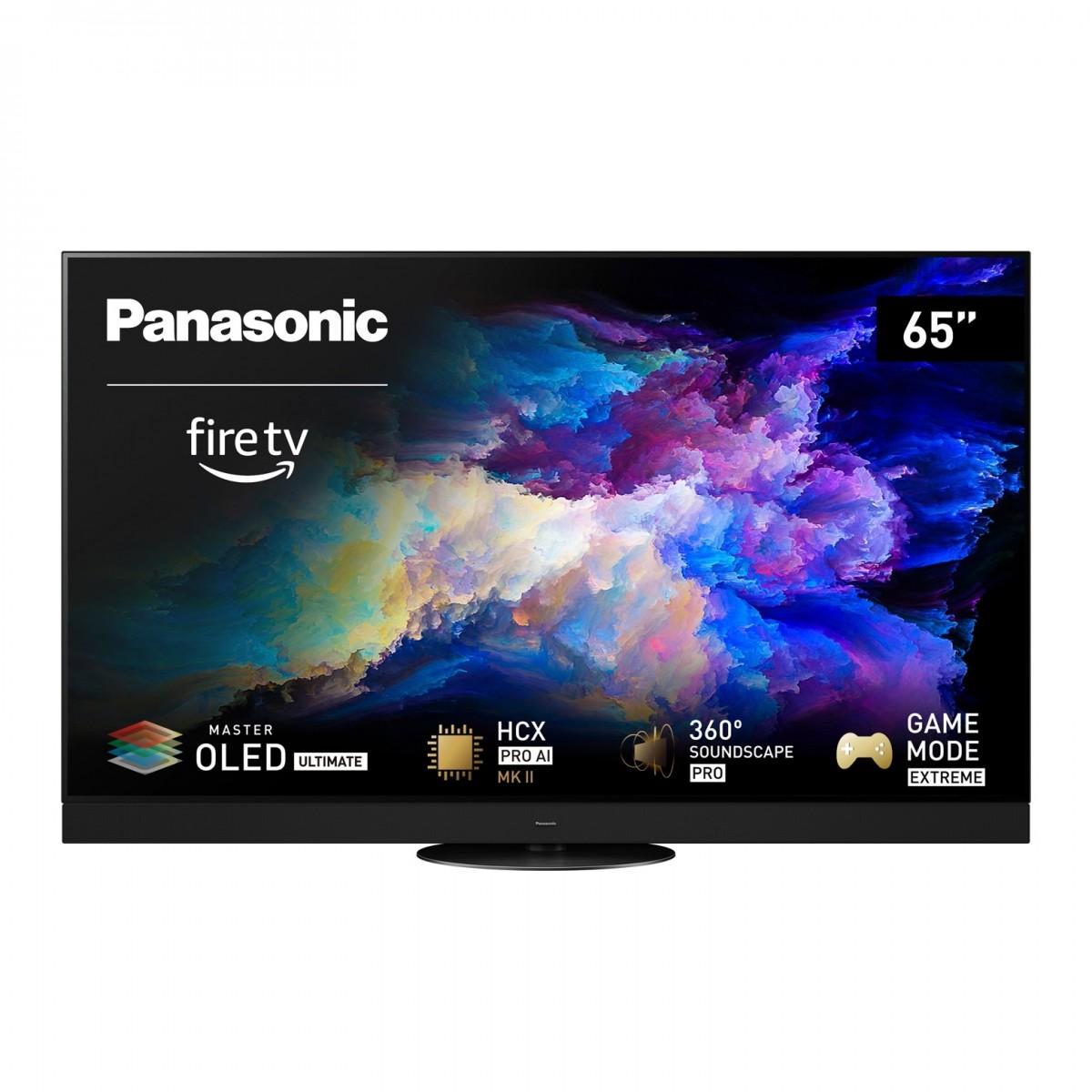
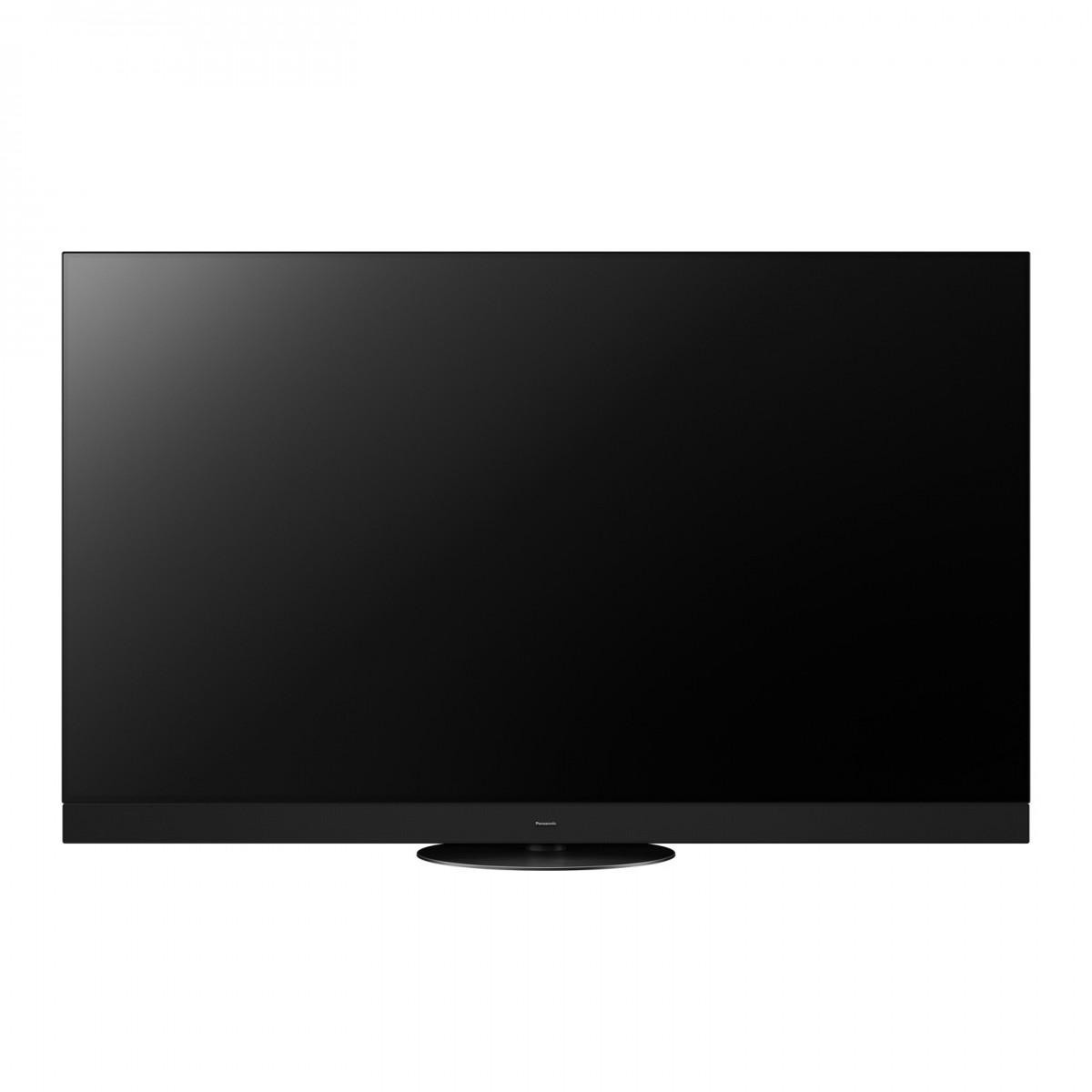
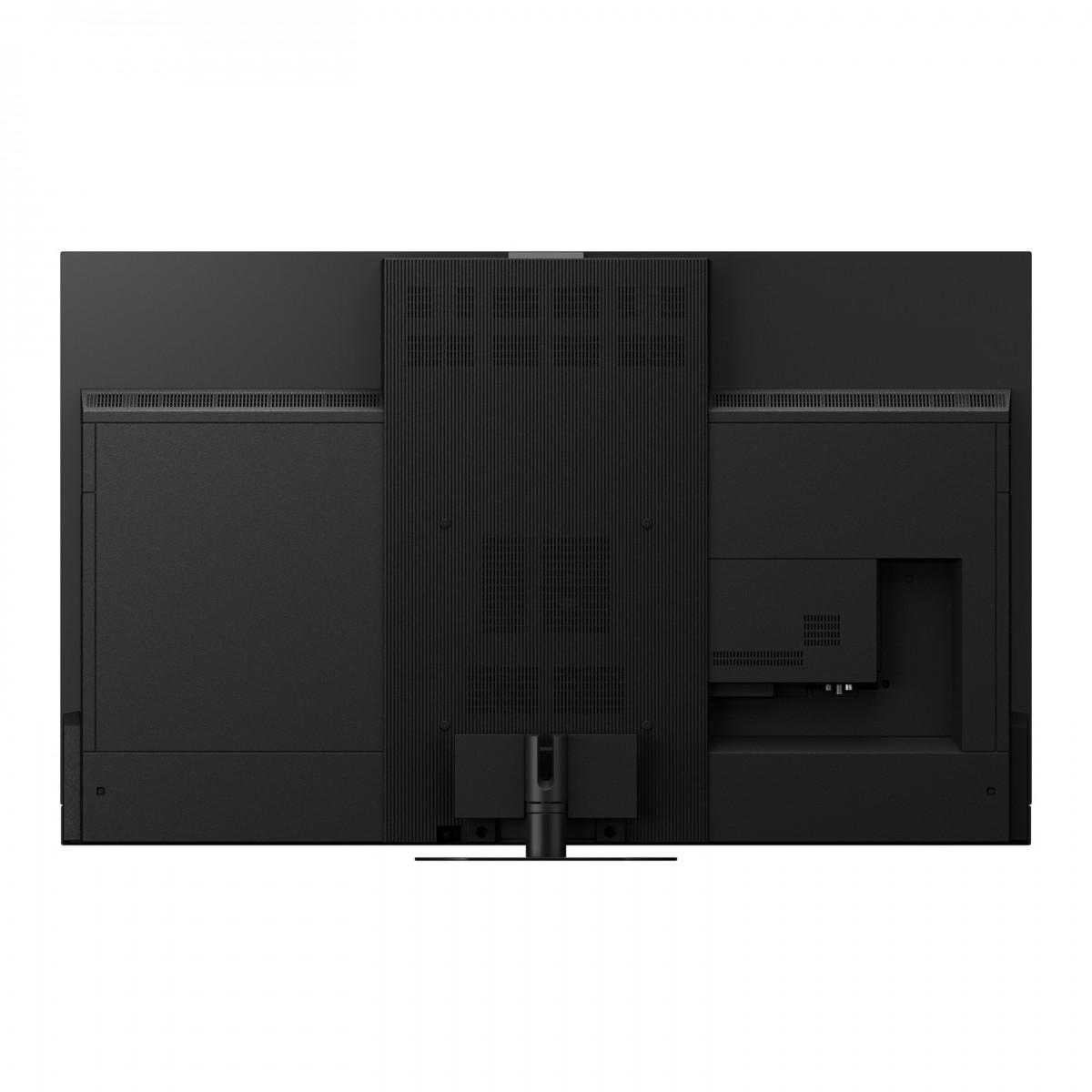
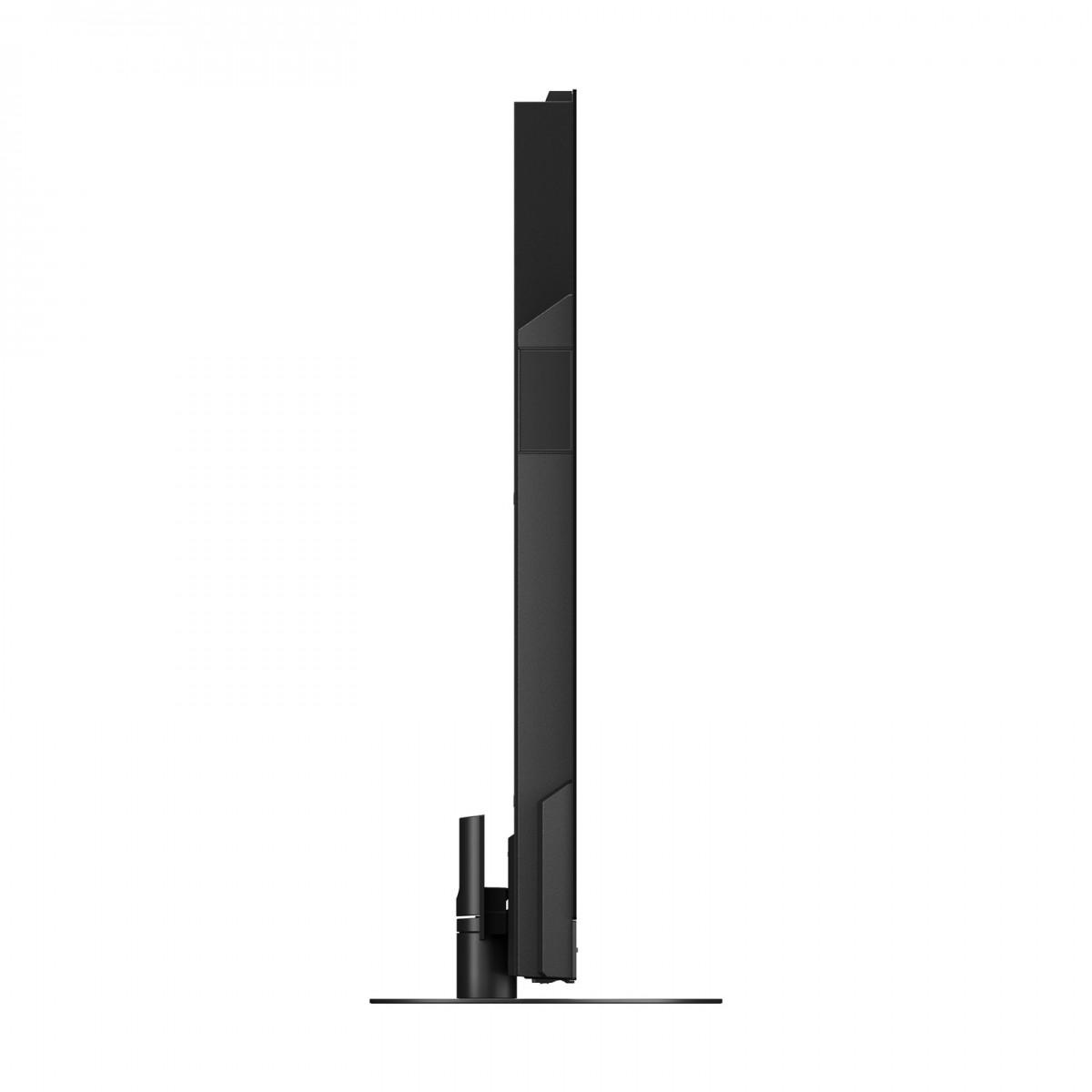
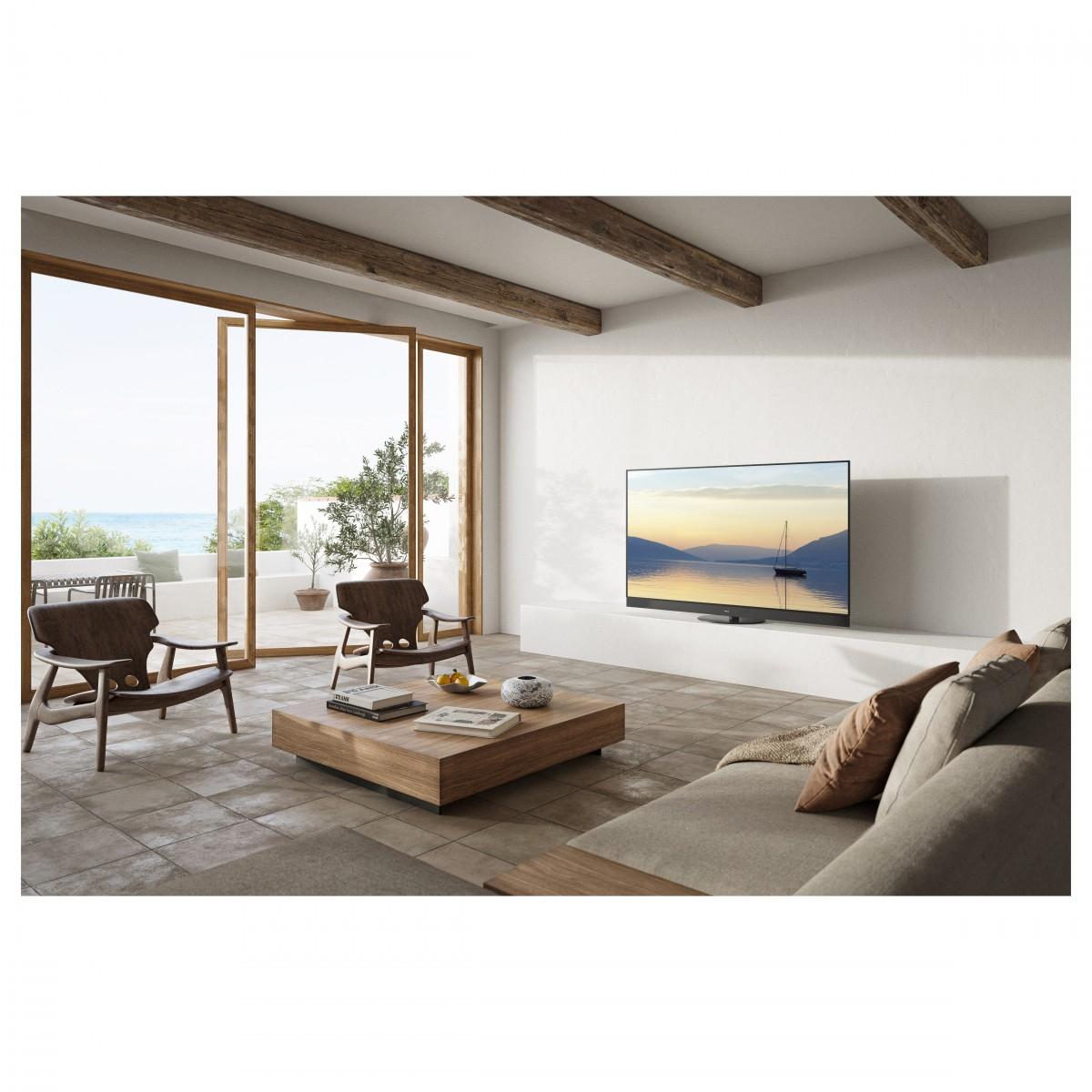
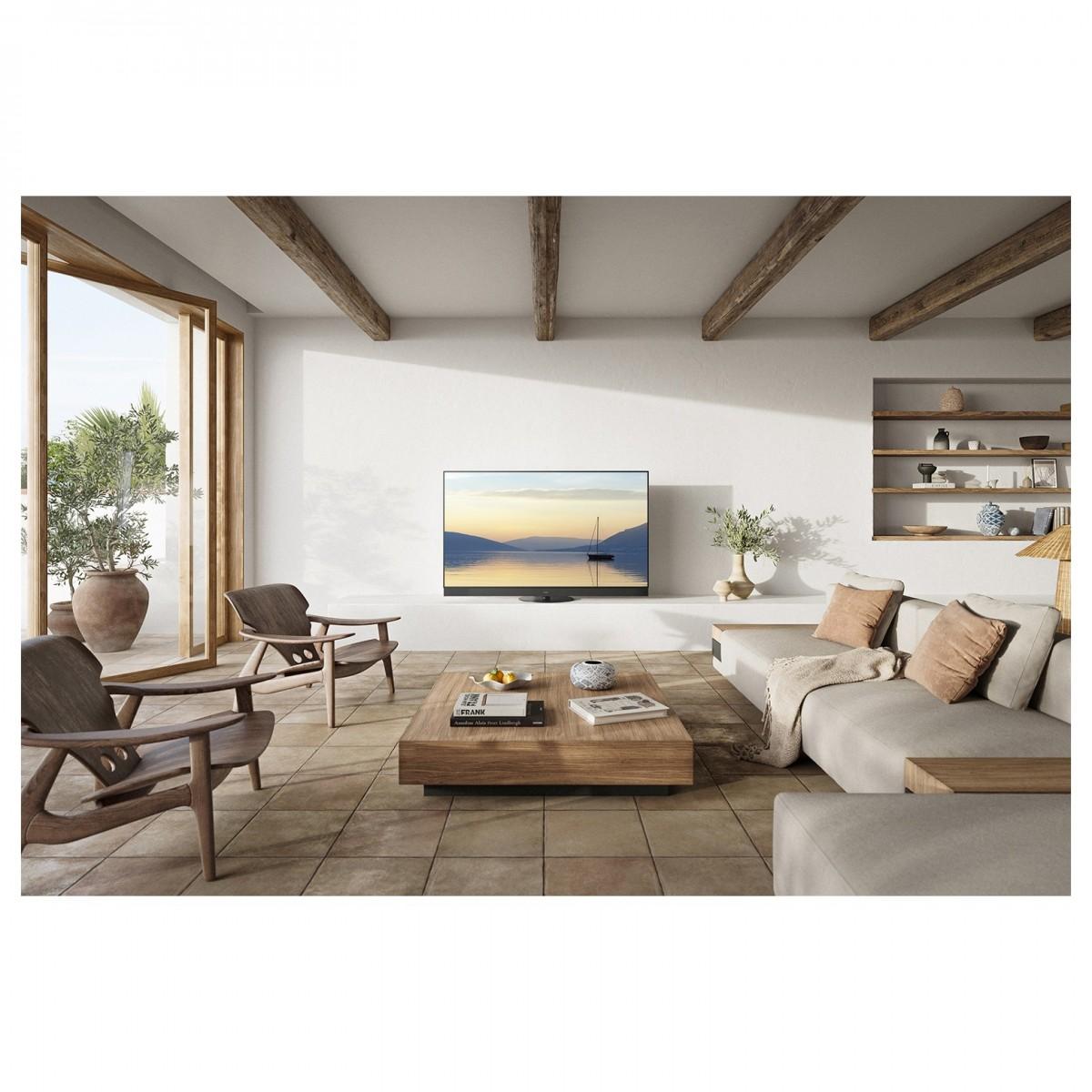
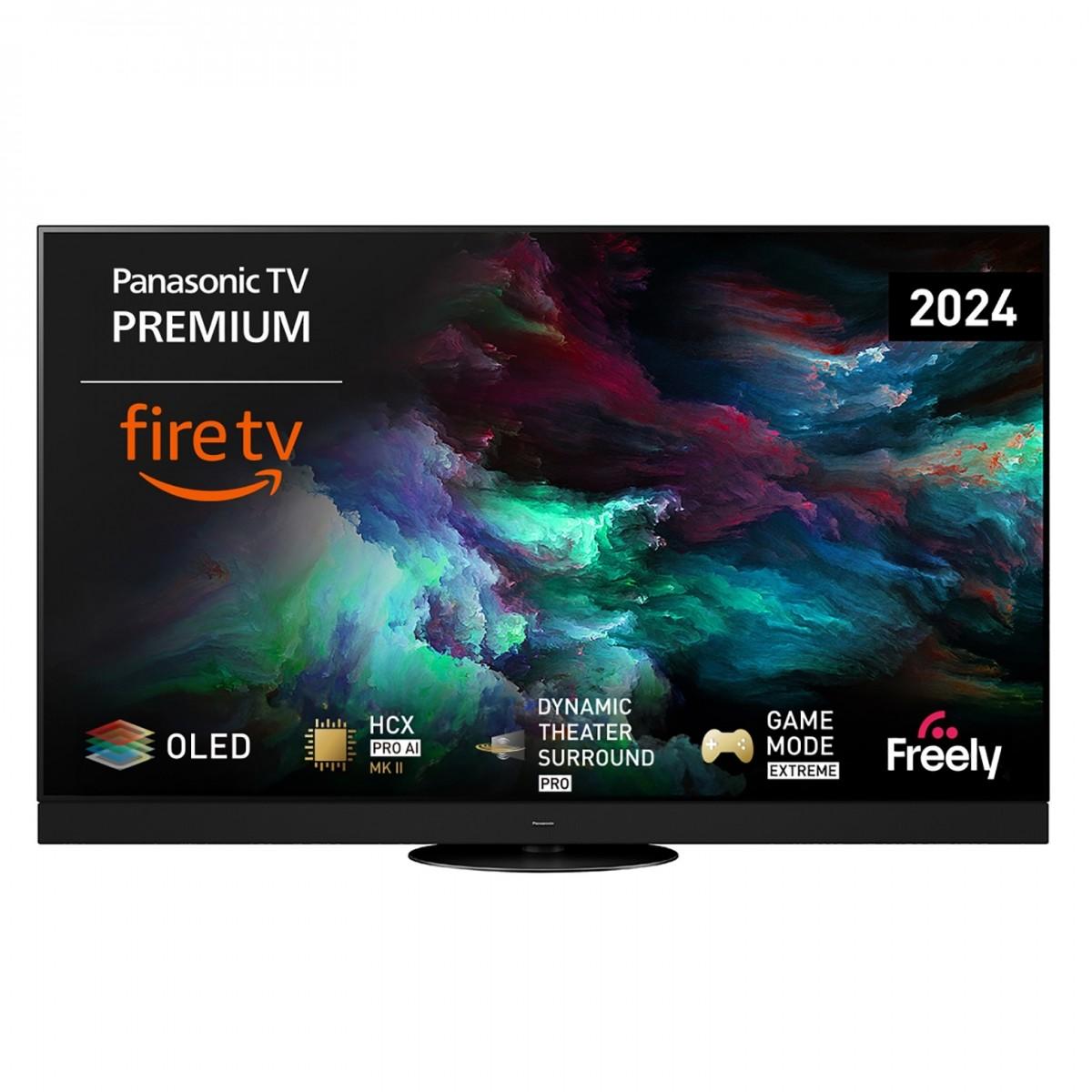
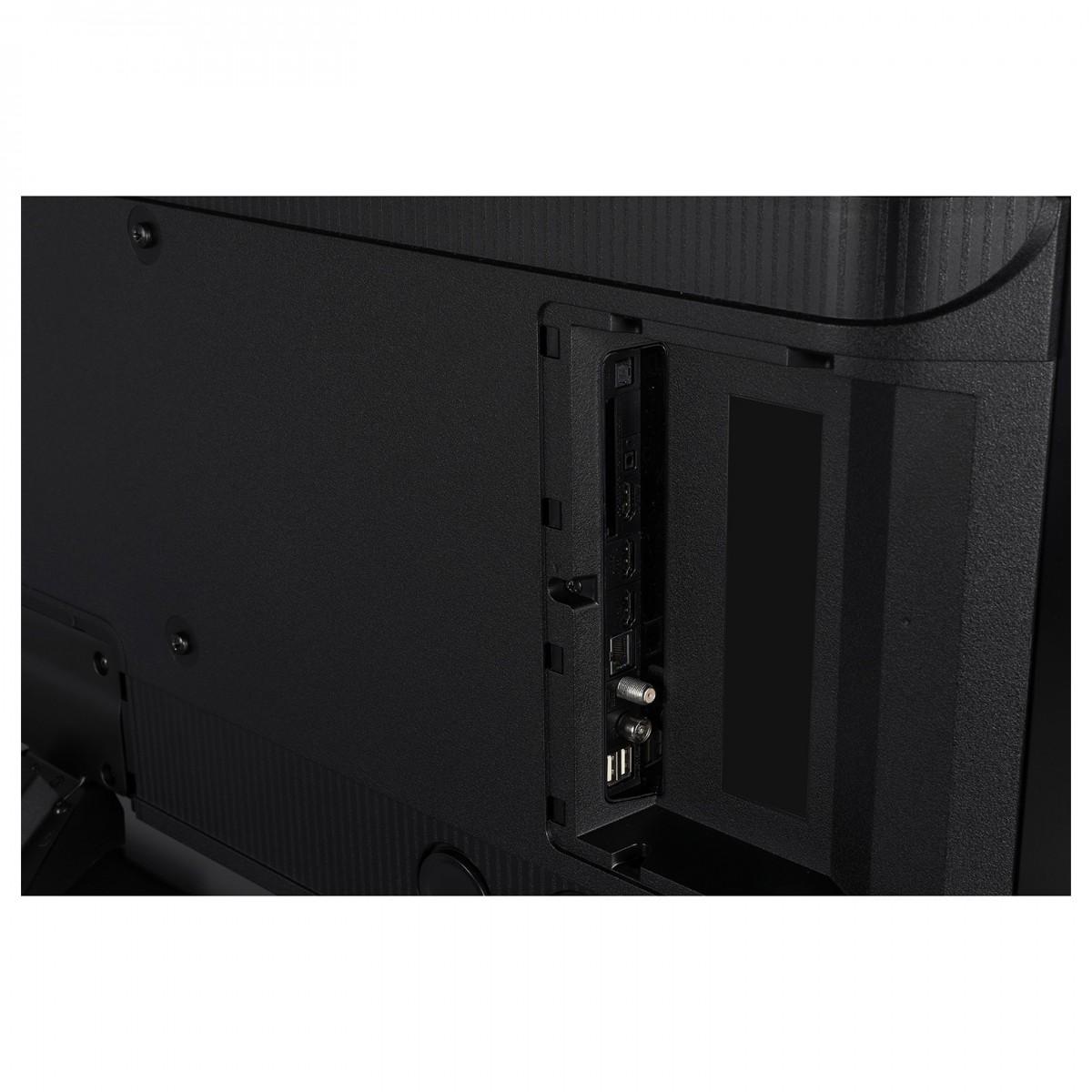
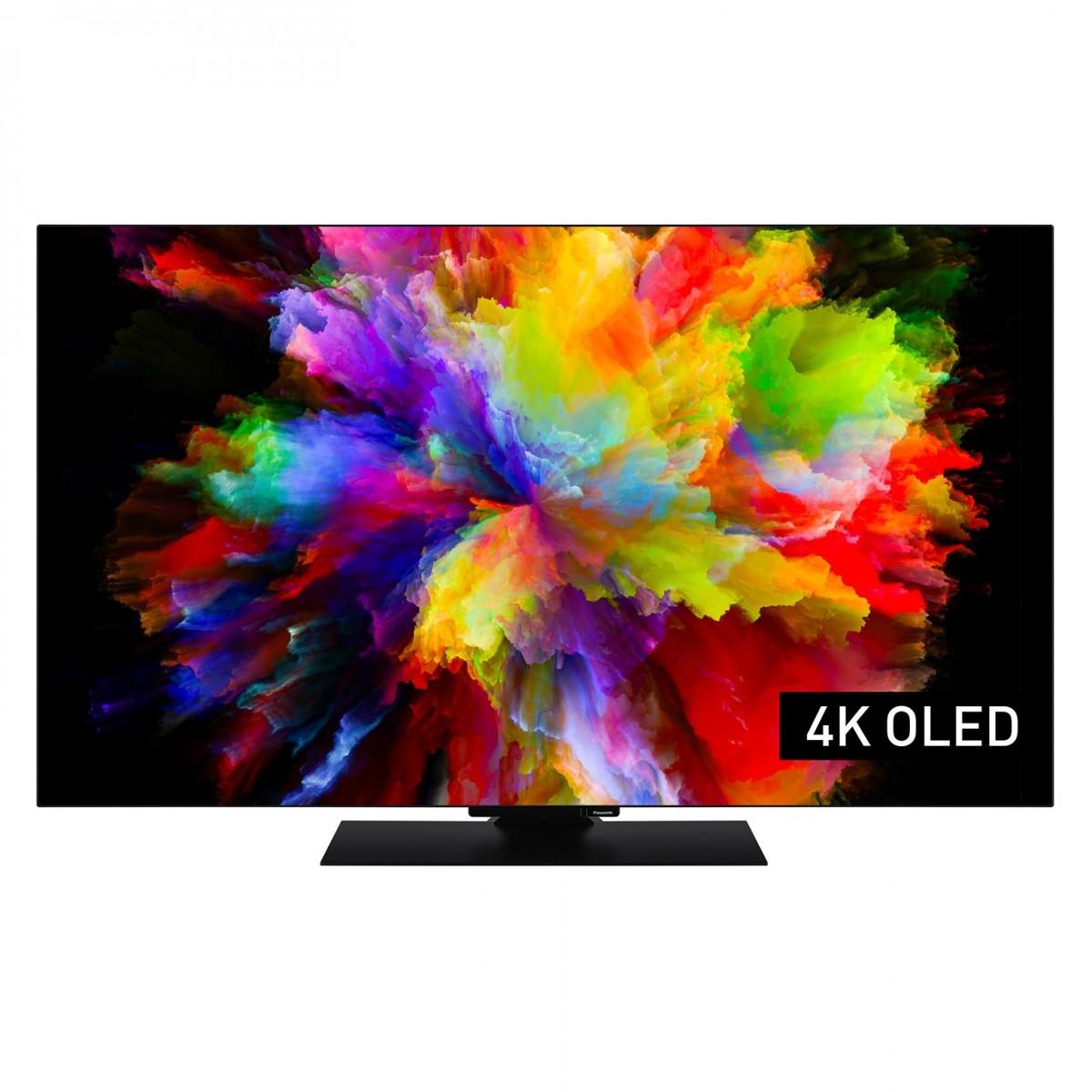
Choosing between the Panasonic Z95A 65" OLED and Samsung QN900F 8K Neo QLED means picking between two fundamentally different philosophies of what makes a great television. Released in 2024 and 2025 respectively, these TVs represent the current pinnacle of their respective technologies—but they achieve premium performance through completely different approaches.
The core decision comes down to this: Do you want perfect blacks and natural colors (OLED), or maximum brightness and future-ready resolution (8K Mini LED)? At the time of writing, you're looking at roughly a $700-800 price difference, with the Samsung QN900F commanding a premium for its cutting-edge 8K technology.
Before diving deep into performance, it's crucial to understand what makes these displays fundamentally different. The Panasonic Z95A uses OLED (Organic Light-Emitting Diode) technology, where each individual pixel produces its own light. Think of it like having 8 million tiny lightbulbs that can turn completely on or off independently. This creates what's called "pixel-level dimming"—the ability to make parts of the screen perfectly black while others shine brightly.
The Samsung QN900F, on the other hand, uses Mini LED backlighting behind a traditional LCD panel. Instead of self-emitting pixels, it has thousands of tiny LED lights arranged in zones behind the screen. These LEDs can dim or brighten in groups (called "local dimming zones") to create contrast, but they can't achieve the pixel-perfect control of OLED.
The trade-off is fundamental: OLED gives you perfect blacks but limited brightness, while Mini LED delivers incredible brightness but can't quite match OLED's contrast perfection.
This is where the technologies diverge most dramatically. When the Panasonic Z95A wants to display pure black, those pixels simply turn off completely. The result is true black—not dark gray, not almost-black, but actual black. In a dark room watching a movie with letterboxing (those black bars above and below the picture), those bars disappear completely into your room's darkness.
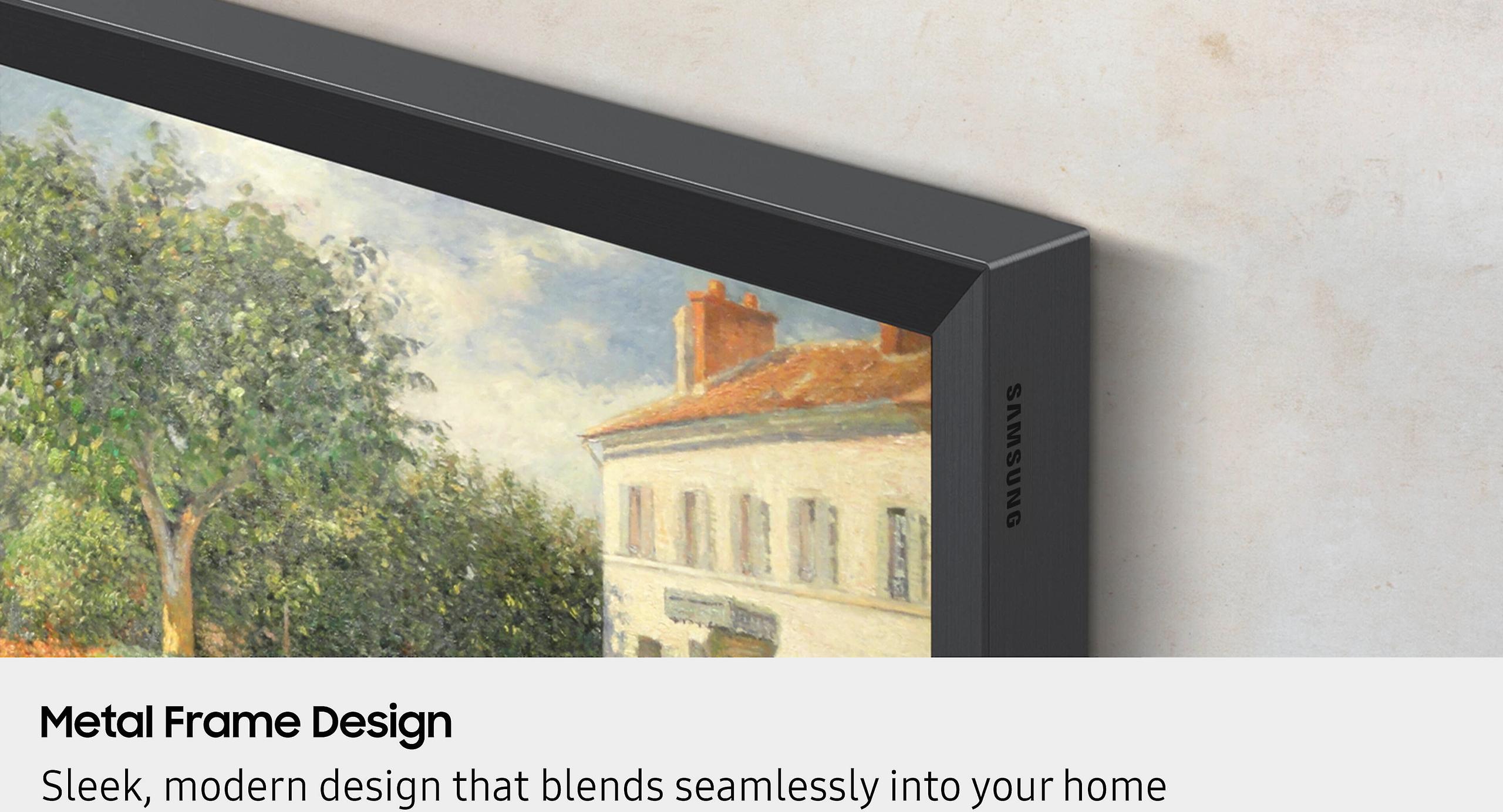
The Samsung QN900F can't quite match this. Even with thousands of dimming zones, some light bleeds through from nearby bright areas—a phenomenon called "blooming" or "haloing." However, Samsung has made remarkable progress here. The Mini LED implementation creates blacks that look genuinely impressive, just not quite OLED-perfect.
Where Samsung fights back is in bright scenes. The QN900F can pump out over 4,000 nits of brightness in peak highlights, while the Panasonic Z95A tops out around 1,000 nits. For HDR (High Dynamic Range) content, this means Samsung can make highlights genuinely blinding—think sunlight reflecting off water or a bright explosion—while OLED displays these scenes more subtly.
Both TVs excel here, but with different strengths. OLED technology naturally produces very accurate colors because each pixel emits pure light without filtering. The Panasonic Z95A covers essentially all the color spaces you'll encounter in movies and TV shows, with particularly excellent performance in darker colors where its perfect blacks help maintain color saturation.
Samsung's QN900F uses Quantum Dot technology—microscopic particles that convert blue LED light into very pure red and green light. This creates what Samsung calls "100% Color Volume," meaning it can maintain color accuracy even at extreme brightness levels where other displays might wash out. If you're watching vibrant HDR content in a bright room, the Samsung maintains its color punch better.
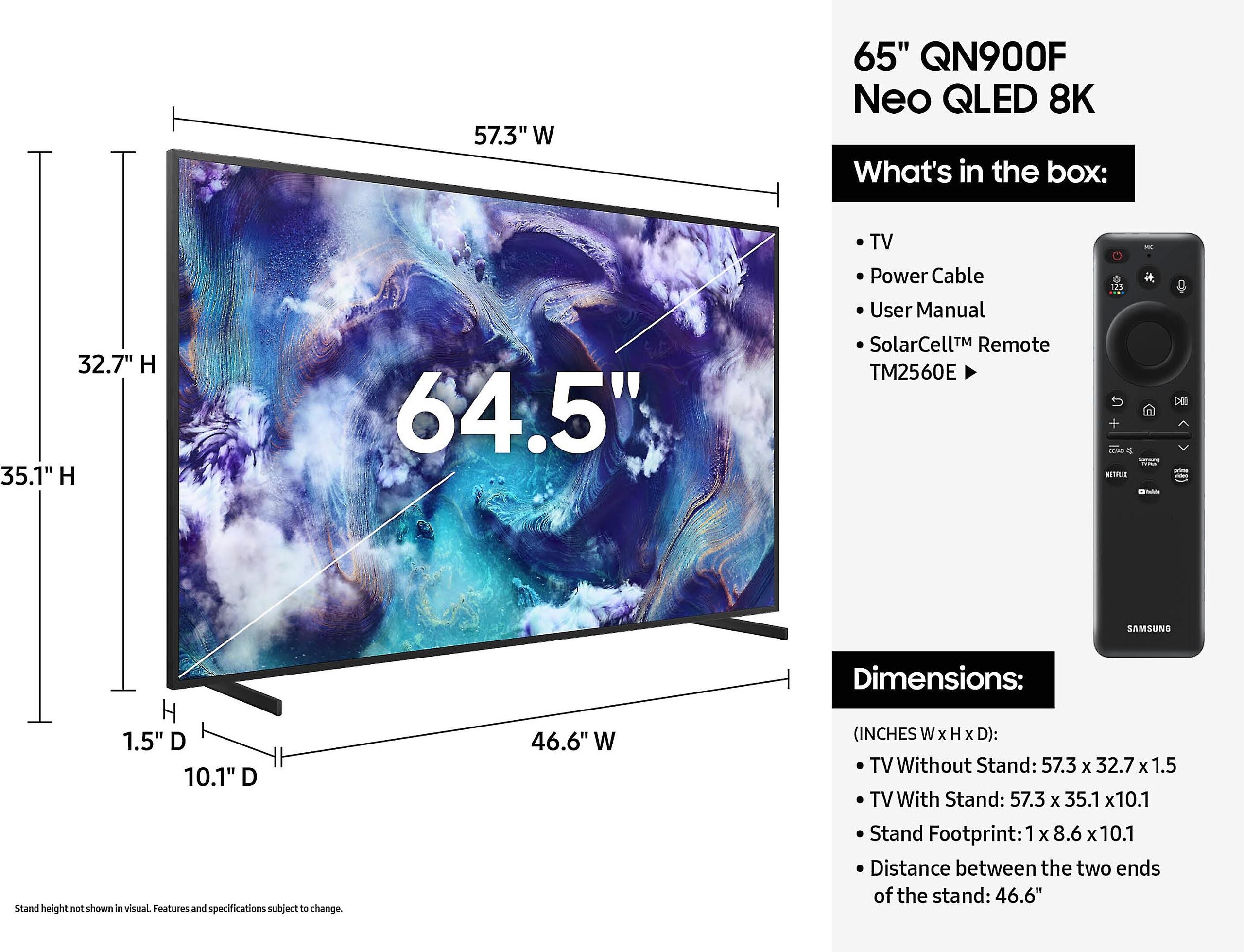
Here's where things get interesting. The Samsung QN900F packs 33 million pixels compared to the Panasonic Z95A's 8 million pixels. That's four times the resolution. But here's the catch: there's virtually no native 8K content available to consumers yet.
So why does 8K matter? Samsung's NQ8 AI processor uses machine learning to upscale lower-resolution content. When you watch a 4K Netflix show, the TV analyzes the image hundreds of times per second and adds detail that wasn't originally there. Our research suggests this works remarkably well for text, graphics, and detailed textures—you'll notice sharper writing on signs, more defined fabric textures, and cleaner edges on objects.
However, heavily compressed content (like live TV or lower-quality streaming) can look artificially sharpened or introduce artifacts. The technology works best with high-quality 4K sources.
Both TVs cater to serious gamers, but again with different approaches. The Panasonic Z95A offers what OLED is famous for: near-instantaneous response time. When a pixel needs to change from one color to another, it happens almost immediately. This eliminates motion blur and creates incredibly sharp images during fast-paced gaming.
The Samsung QN900F can't quite match OLED's response time perfection, but it offers higher refresh rates. While the Panasonic tops out at 120Hz (meaning it can display 120 frames per second), the Samsung pushes to 165Hz at 4K resolution. For PC gamers with high-end graphics cards, this extra smoothness is noticeable.
Both support Variable Refresh Rate (VRR)—a technology that synchronizes the TV's refresh rate with your console or PC's frame rate to eliminate screen tearing. The Samsung goes further with FreeSync Premium Pro certification, offering a wider VRR range that works better with fluctuating frame rates.
Input lag (the delay between pressing a button and seeing the action on screen) is excellent on both, typically measuring under 10 milliseconds in game mode—competitive with dedicated gaming monitors.
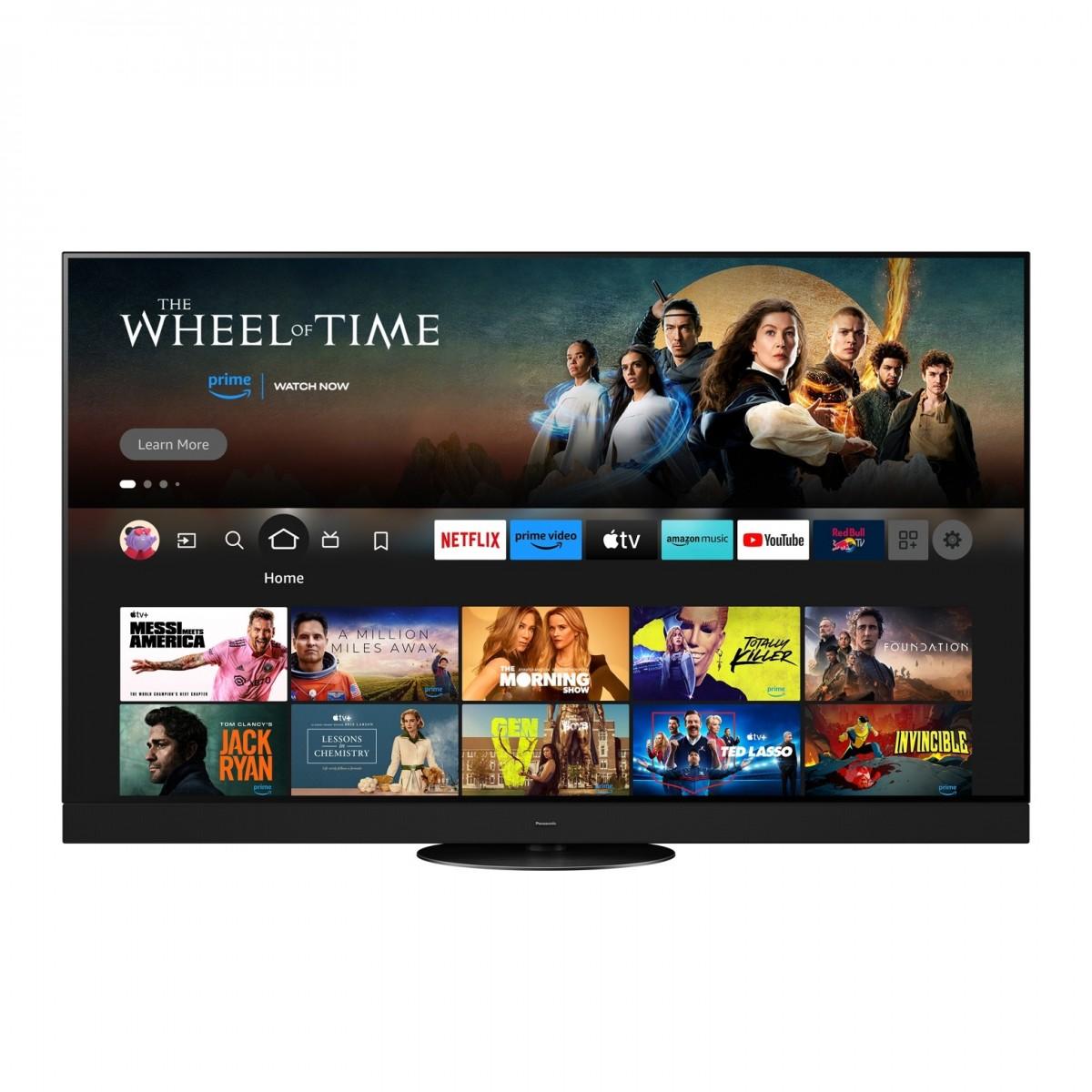
The Panasonic Z95A runs Amazon Fire TV, which means you get the full ecosystem of streaming apps plus Alexa integration. The interface is clean and fast, though not particularly customizable. The HCX Pro AI Processor focuses on content optimization—it automatically detects whether you're watching a movie, sports, or other content type and adjusts picture settings accordingly.
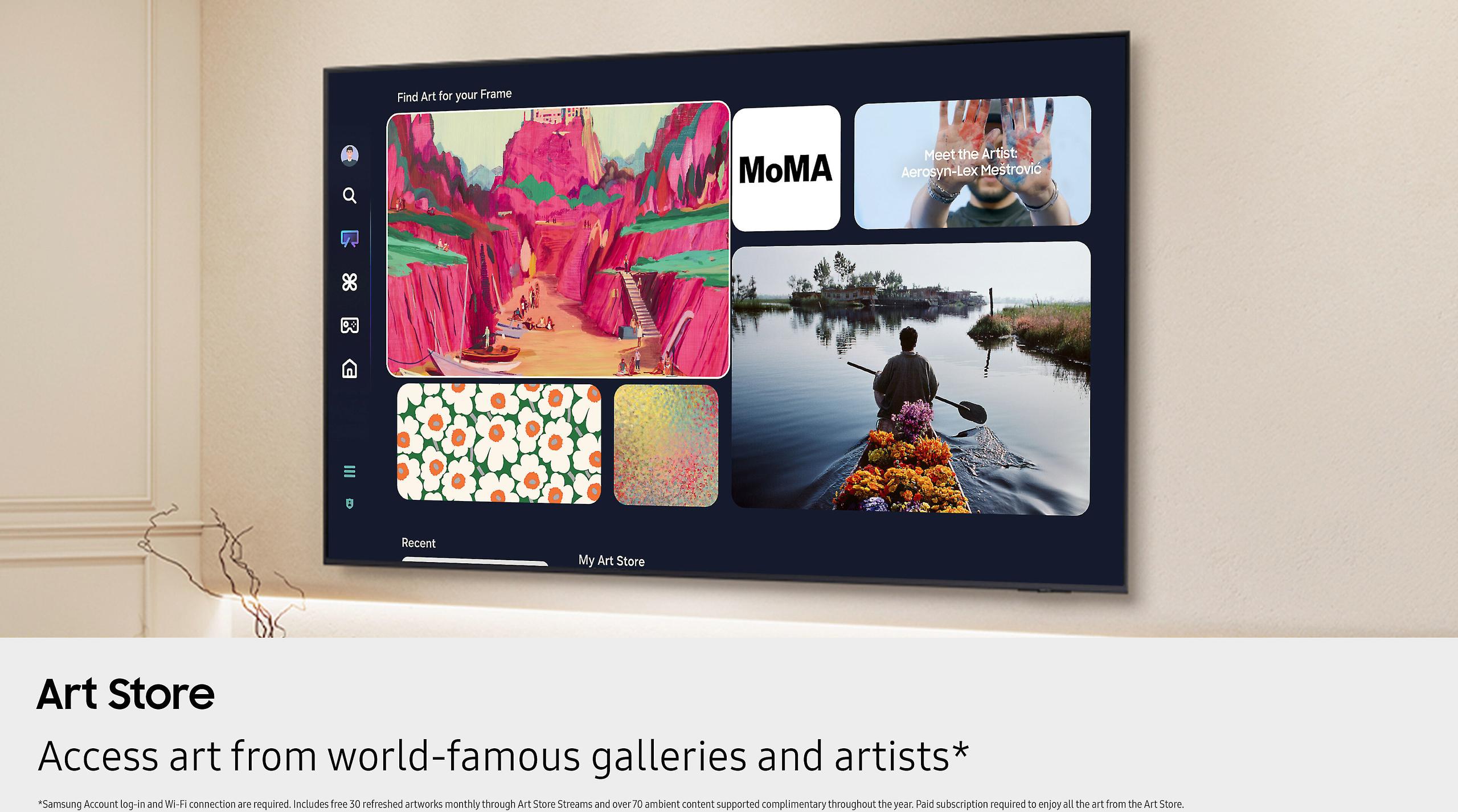
Samsung's QN900F runs the company's Tizen operating system, which is more sophisticated but also more complex. The Vision AI system is particularly impressive, not just upscaling content to 8K but also adjusting picture settings based on ambient light, content type, and even your viewing history. The TV learns your preferences over time.
The Samsung also includes Gaming Hub, which provides access to cloud gaming services like Xbox Cloud Gaming and NVIDIA GeForce Now without needing a console. This is genuinely useful if you want to try games without buying dedicated hardware.
Neither TV will replace a good soundbar or surround sound system, but there are meaningful differences. The Panasonic Z95A includes upward-firing speakers that bounce sound off your ceiling for a basic Dolby Atmos effect. The 20-watt system sounds clear but lacks the power for truly immersive audio.
The Samsung QN900F takes audio more seriously with a 4.2.2 channel system pumping out 70 watts. It includes dedicated top-channel speakers for more convincing Dolby Atmos, plus Object Tracking Sound that moves audio around the screen to match on-screen action. While still not replacement for dedicated audio gear, it's genuinely better than most TV speakers.
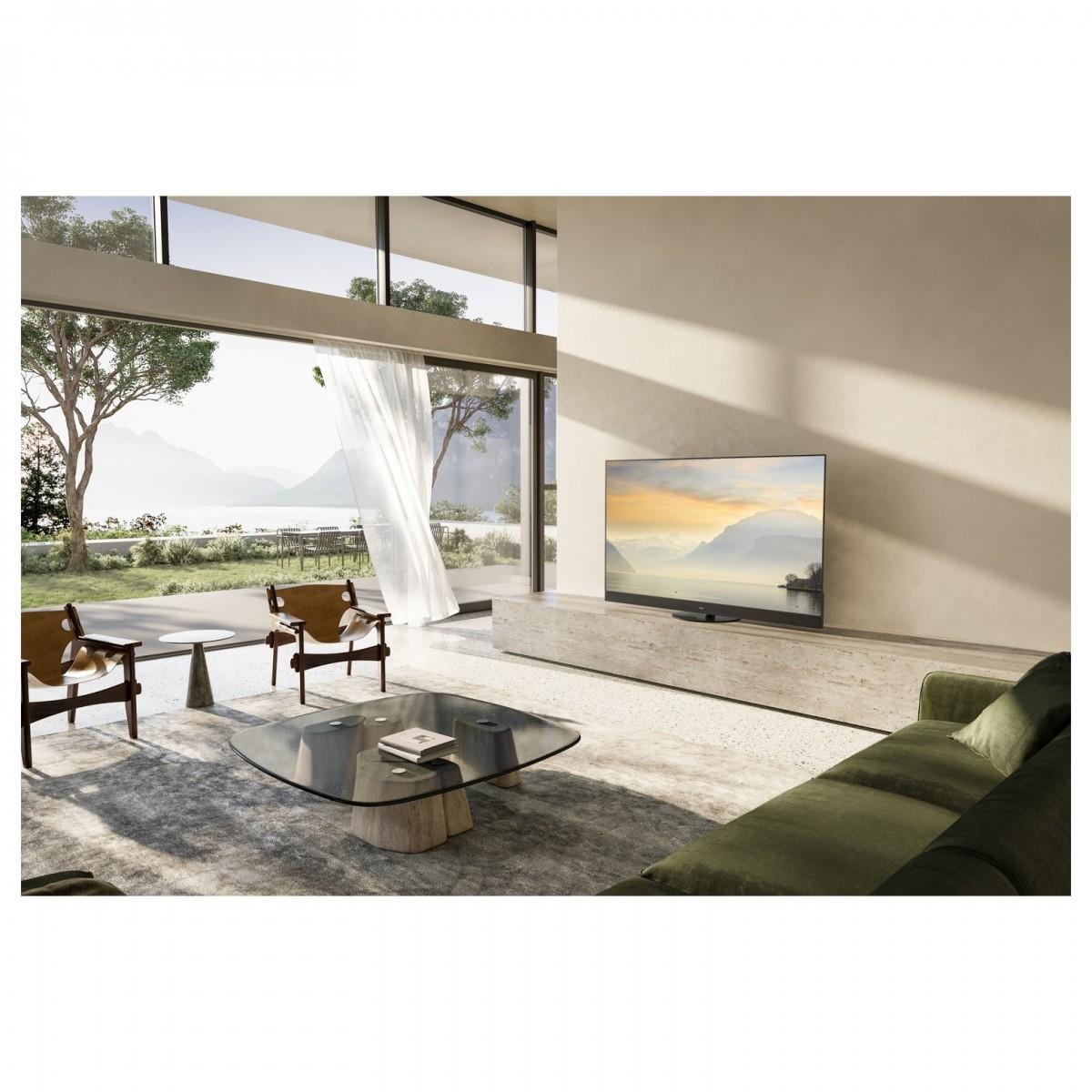
Your room makes a huge difference in which TV will perform better. In a dedicated home theater or basement with controlled lighting, the Panasonic Z95A creates a more cinematic experience. Those perfect blacks make letterboxed movies feel like looking through a window into another world. Colors appear more natural, and the overall image has a film-like quality that many find more engaging for long viewing sessions.
But in a bright living room with lots of windows, the story flips. The Samsung QN900F's superior brightness means it maintains contrast and color even with lights on or sunlight streaming in. Samsung's anti-reflective coating also helps significantly—it's not perfect, but it does reduce distracting reflections better than most TVs.
At the time of writing, the Panasonic Z95A represents better immediate value. You're getting proven, mature technology that works brilliantly with all current content. 4K streaming from Netflix, Disney+, and others looks exceptional, and the TV extracts every bit of quality from 4K Blu-rays.
The Samsung QN900F asks you to pay a premium for future potential. That 8K resolution won't show its full benefits until 8K content becomes widely available—which could be years away. However, the superior brightness and processing power do provide immediate benefits, especially if your viewing environment demands them.
Consider the Samsung an investment in cutting-edge technology that will maintain relevance longer, while the Panasonic maximizes performance per dollar spent today.
Choose the Panasonic Z95A OLED if you prioritize image quality above all else and primarily watch in dim or dark environments. It's ideal for movie enthusiasts who want the most cinematic experience possible. The perfect blacks and natural colors create an immersive viewing experience that's hard to match, especially for dramatic films and TV shows where contrast and color accuracy matter most.
The Panasonic also makes sense if you want premium performance without paying the absolute highest prices. It represents mature technology at its peak, delivering consistent, excellent results with all current content.
Go with the Samsung QN900F 8K Neo QLED if you watch TV in bright environments, want the latest technology, or frequently game on PC. The superior brightness makes it more versatile for different lighting conditions, while the 8K resolution and advanced processing provide a glimpse of future TV technology.
The Samsung is also the better choice if you consume varied content types—sports, news, HDR movies—where peak brightness matters more than perfect blacks. Its robust smart features and gaming capabilities make it feel more like a complete entertainment hub.
Both TVs represent the pinnacle of their respective technologies, but they serve different needs and preferences. The Panasonic Z95A perfects the home theater experience with unmatched contrast and natural colors. The Samsung QN900F pushes boundaries with cutting-edge resolution and brightness that adapts to any viewing environment.
Your choice ultimately depends on your room, viewing habits, and whether you prefer proven excellence or technological leadership. Either way, you're getting a TV that will deliver exceptional performance for years to come—just through different approaches to display perfection.
| Panasonic Z95A 65" OLED 4K Ultra HD Smart TV | Samsung 65" Neo QLED 8K QN900F Vision AI Smart TV 2025 |
|---|---|
| Display Technology - Fundamental approach to image quality | |
| OLED with self-emitting pixels for perfect blacks | Mini LED backlight with 8K LCD panel for maximum brightness |
| Resolution - Detail level and future-readiness | |
| 4K (8.3 million pixels) - matches all current content | 8K (33 million pixels) - relies on AI upscaling for now |
| Peak Brightness - Critical for HDR and bright room viewing | |
| ~1,000 nits (excellent for dark rooms) | 4,000+ nits (superior for bright environments) |
| Black Levels - Contrast and cinematic experience | |
| Perfect blacks with infinite contrast ratio | Excellent blacks with minimal blooming from Mini LED zones |
| Gaming Refresh Rate - Smoothness for fast-paced action | |
| 120Hz maximum (great for console gaming) | 165Hz at 4K (advantage for high-end PC gaming) |
| Smart TV Platform - Interface and app ecosystem | |
| Amazon Fire TV with Alexa built-in | Samsung Tizen with Vision AI and Gaming Hub |
| Audio System - Built-in sound quality | |
| 20W with basic Dolby Atmos upward-firing speakers | 70W 4.2.2 channel system with Object Tracking Sound |
| HDR Format Support - Compatibility with premium content | |
| HDR10, HDR10+, Dolby Vision, HLG (full compatibility) | HDR10, HDR10+ only (no Dolby Vision support) |
| Room Suitability - Best viewing environment | |
| Dark to moderately lit rooms (controlled lighting preferred) | Any lighting condition (excels in bright rooms) |
| Content Optimization - What it does best | |
| Perfect for movies/TV with current 4K libraries | Future-focused with AI upscaling for varied content types |
| Value Proposition - Cost vs performance balance | |
| Premium 4K performance at competitive OLED pricing | Ultra-premium pricing for cutting-edge 8K technology |
The Panasonic Z95A OLED delivers superior contrast with perfect blacks and natural colors, making it ideal for movie watching in dark rooms. The Samsung QN900F 8K Neo QLED offers exceptional brightness and sharper detail through 8K resolution, performing better in bright rooms. For pure cinematic quality, OLED wins, but for versatility and future-proofing, the 8K Samsung excels.
Currently, there's minimal native 8K content available, making the Samsung QN900F heavily dependent on AI upscaling. The Panasonic Z95A maximizes performance with abundant 4K content. Choose 8K if you want cutting-edge technology and superior brightness, or stick with 4K OLED for proven excellence with current content libraries.
Both TVs excel for gaming but differently. The Panasonic Z95A offers near-instantaneous response times and 120Hz refresh rate, perfect for console gaming. The Samsung QN900F provides higher 165Hz refresh rates at 4K and includes Gaming Hub for cloud gaming. PC gamers may prefer Samsung's higher refresh rates, while console gamers will love OLED's response time.
The Samsung QN900F significantly outperforms in bright environments with 4,000+ nits peak brightness and anti-reflective coating. The Panasonic Z95A struggles with ambient light, washing out at around 1,000 nits. If your TV faces windows or you watch with lights on, the Samsung is the clear winner.
The Samsung QN900F offers more advanced smart features with Tizen OS, Vision AI processing, and Gaming Hub integration. The Panasonic Z95A uses Amazon Fire TV for a simpler but comprehensive streaming experience with Alexa built-in. Samsung provides more customization and AI features, while Panasonic offers straightforward reliability.
The Samsung QN900F delivers superior built-in audio with 70W 4.2.2 channel system and Object Tracking Sound technology. The Panasonic Z95A provides 20W with basic Dolby Atmos upward-firing speakers. While neither replaces a dedicated sound system, the Samsung offers noticeably better built-in audio performance.
The Panasonic Z95A OLED creates a more cinematic home theater experience with perfect blacks, natural colors, and film-like image quality in dark rooms. The letterboxing bars disappear completely, creating an immersive movie experience. The Samsung QN900F works better for mixed-use spaces but can't match OLED's home theater authenticity.
The Panasonic Z95A supports all major HDR formats including Dolby Vision, providing broader compatibility with premium content. The Samsung QN900F only supports HDR10 and HDR10+ but displays HDR highlights much brighter at 4,000+ nits versus 1,000 nits. Samsung wins for bright HDR scenes, Panasonic for format compatibility.
The Panasonic Z95A provides better immediate value with mature OLED technology that maximizes current 4K content quality. The Samsung QN900F commands a premium for 8K resolution and advanced processing, representing an investment in future technology. Choose Panasonic for proven performance per dollar, Samsung for long-term technological leadership.
The Panasonic Z95A suffers in bright rooms and has potential burn-in concerns with static images over time. The Samsung QN900F lacks native 8K content, costs significantly more, and can't achieve OLED's perfect blacks. Consider your viewing environment and content preferences when weighing these limitations.
The Samsung QN900F offers better future-proofing with 8K resolution, advanced AI processing, and superior brightness for evolving HDR standards. The Panasonic Z95A maximizes current technology but may feel outdated as 8K content eventually arrives. However, both TVs will provide excellent performance for many years with current content.
For bright living rooms with lots of ambient light, choose the Samsung QN900F for its superior brightness and anti-reflective properties. For controlled lighting environments where you prioritize image quality, the Panasonic Z95A delivers more cinematic results. Consider your room's lighting conditions as the primary deciding factor between these technologies.
We've done our best to create useful and informative comparisons to help you decide what product to buy. Our research uses advanced automated methods to create this comparison and perfection is not possible - please contact us for corrections or questions. These are the sites we've researched in the creation of this article: youtube.com - youtube.com - whathifi.com - tomsguide.com - shop.panasonic.com - store.in.panasonic.com - rtings.com - applianceplus.co.nz - rtings.com - store.in.panasonic.com - samsung.com - rtings.com - samsung.com - techradar.com - dolby.com - youtube.com - samsung.com - youtube.com - samsung.com - samsung.com - samsung.com - samsung.com - displayspecifications.com - samsung.com - rtings.com - bestbuy.com - merlinstv.com - news.samsung.com - bestbuy.com

Privacy Policy
Terms and Conditions - Affiliate Policy
Home Security
© Copyright 2008-2026.
11816 Inwood Rd #1211, Dallas, TX 75244