

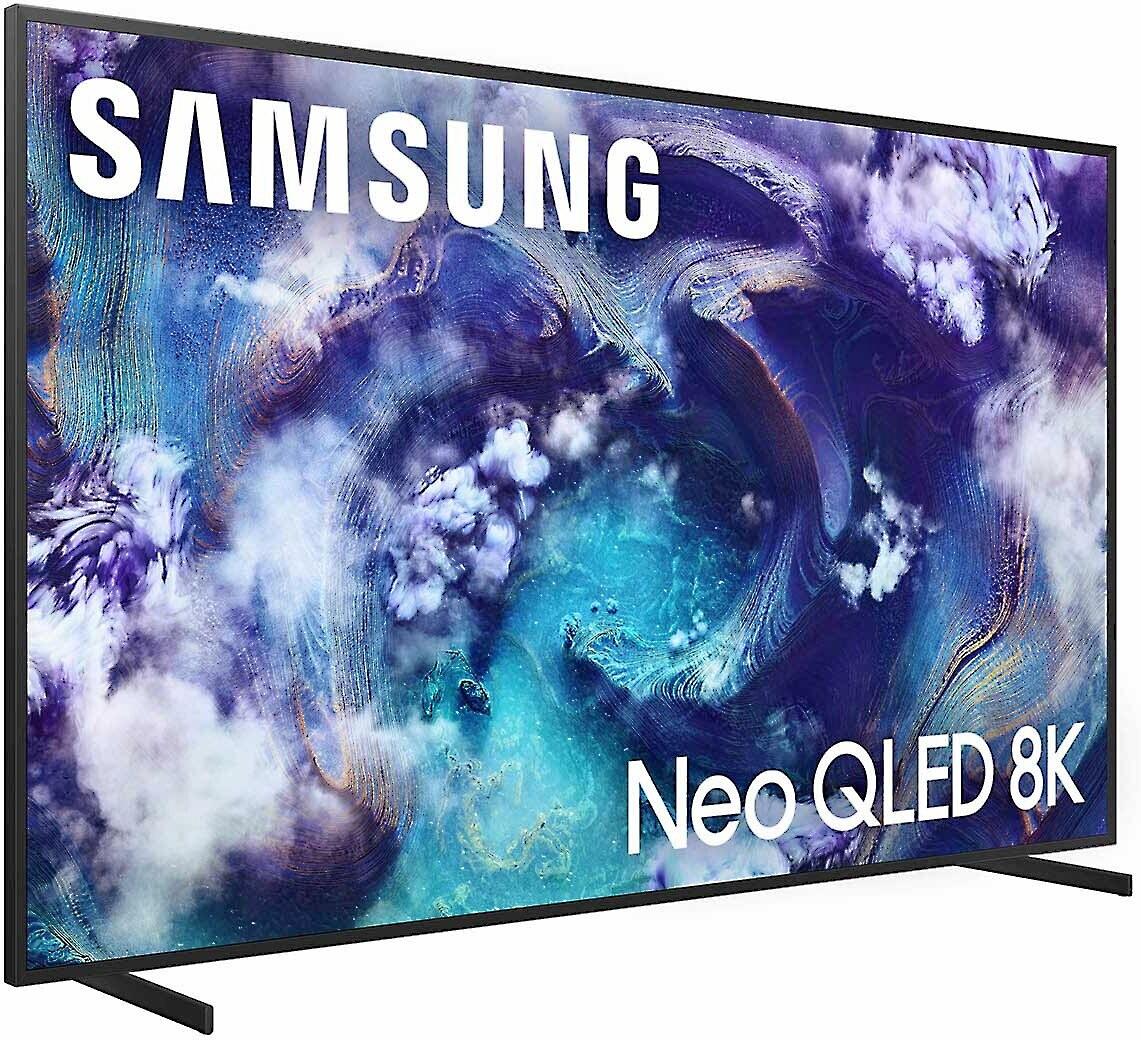
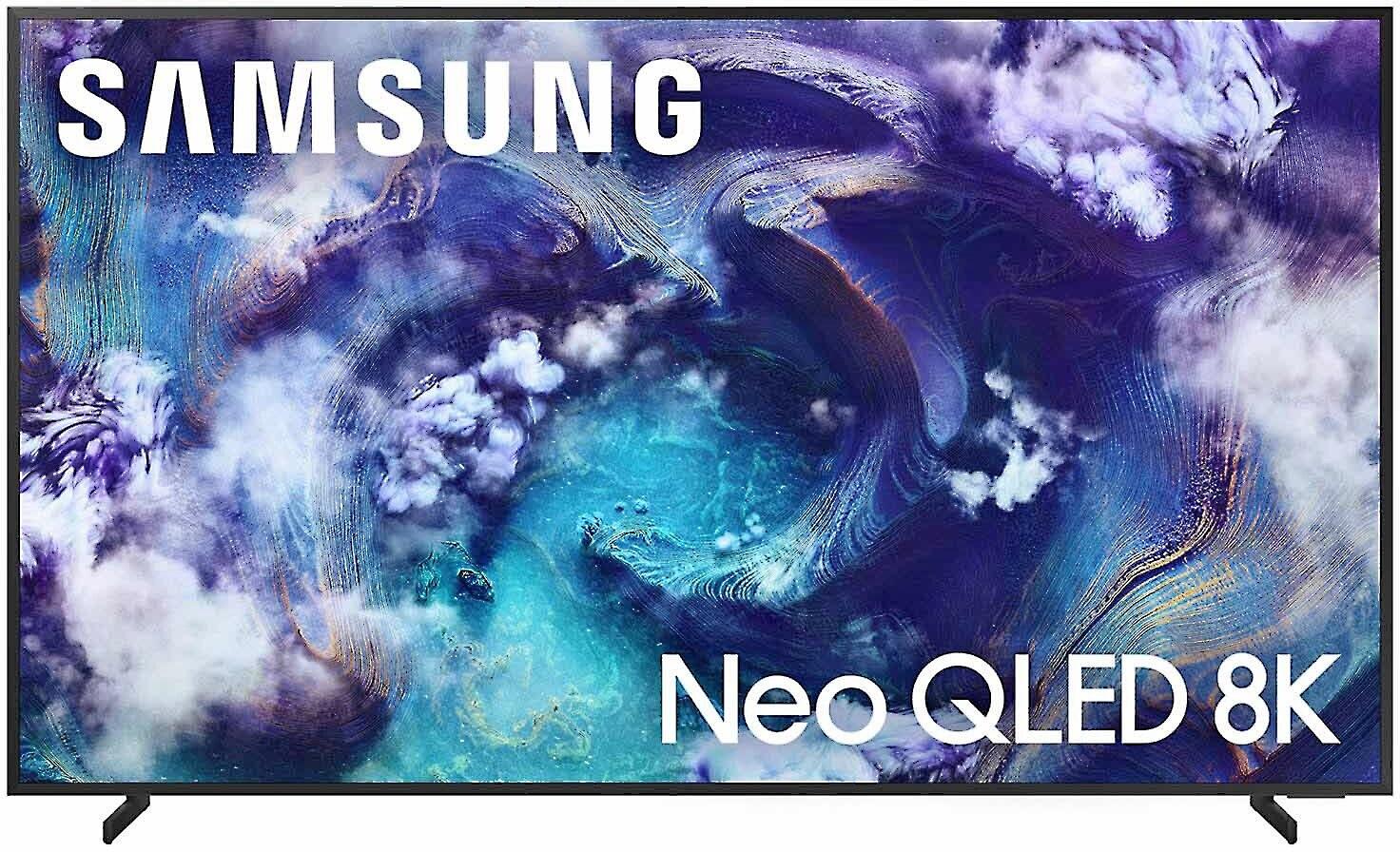
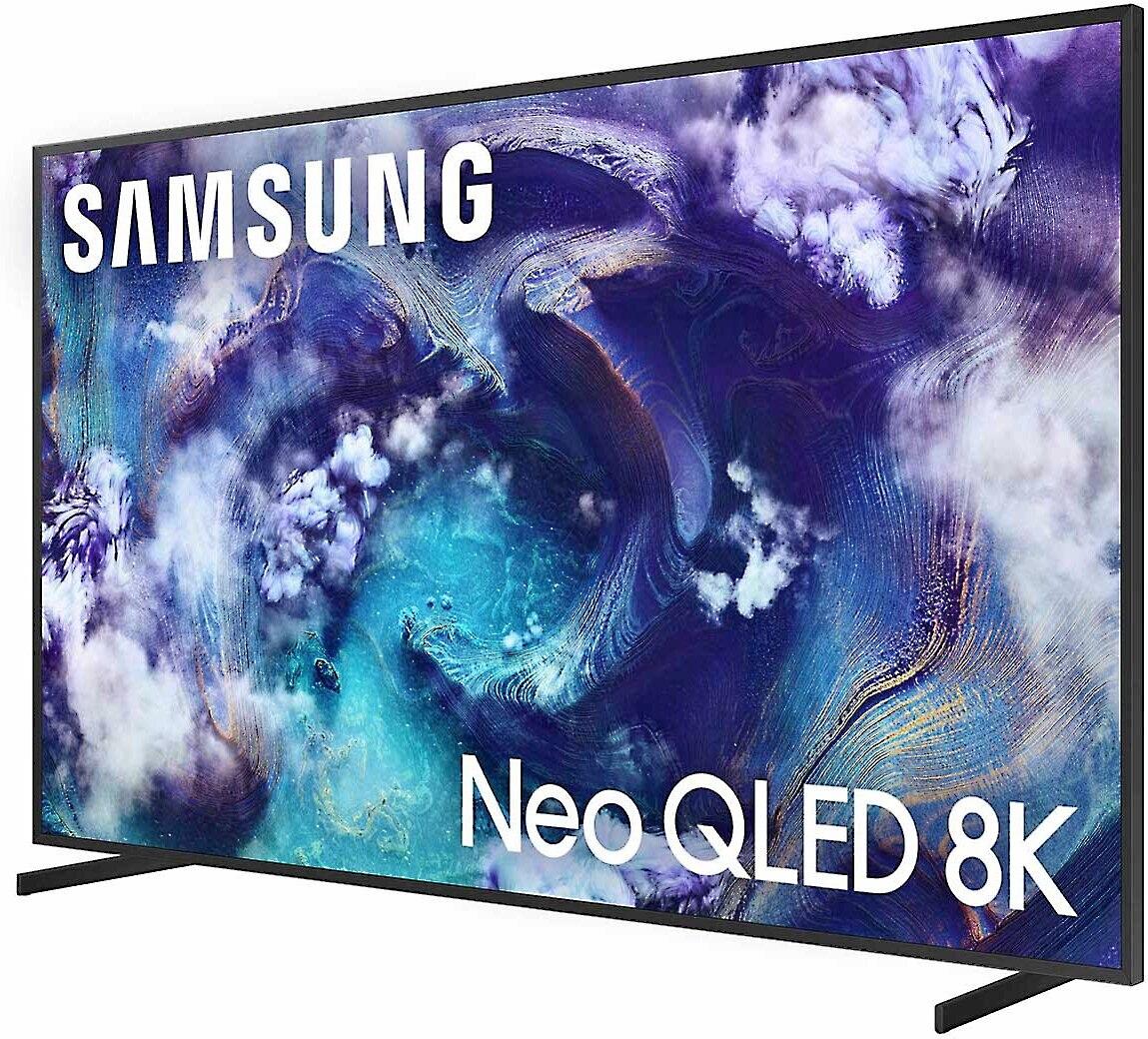

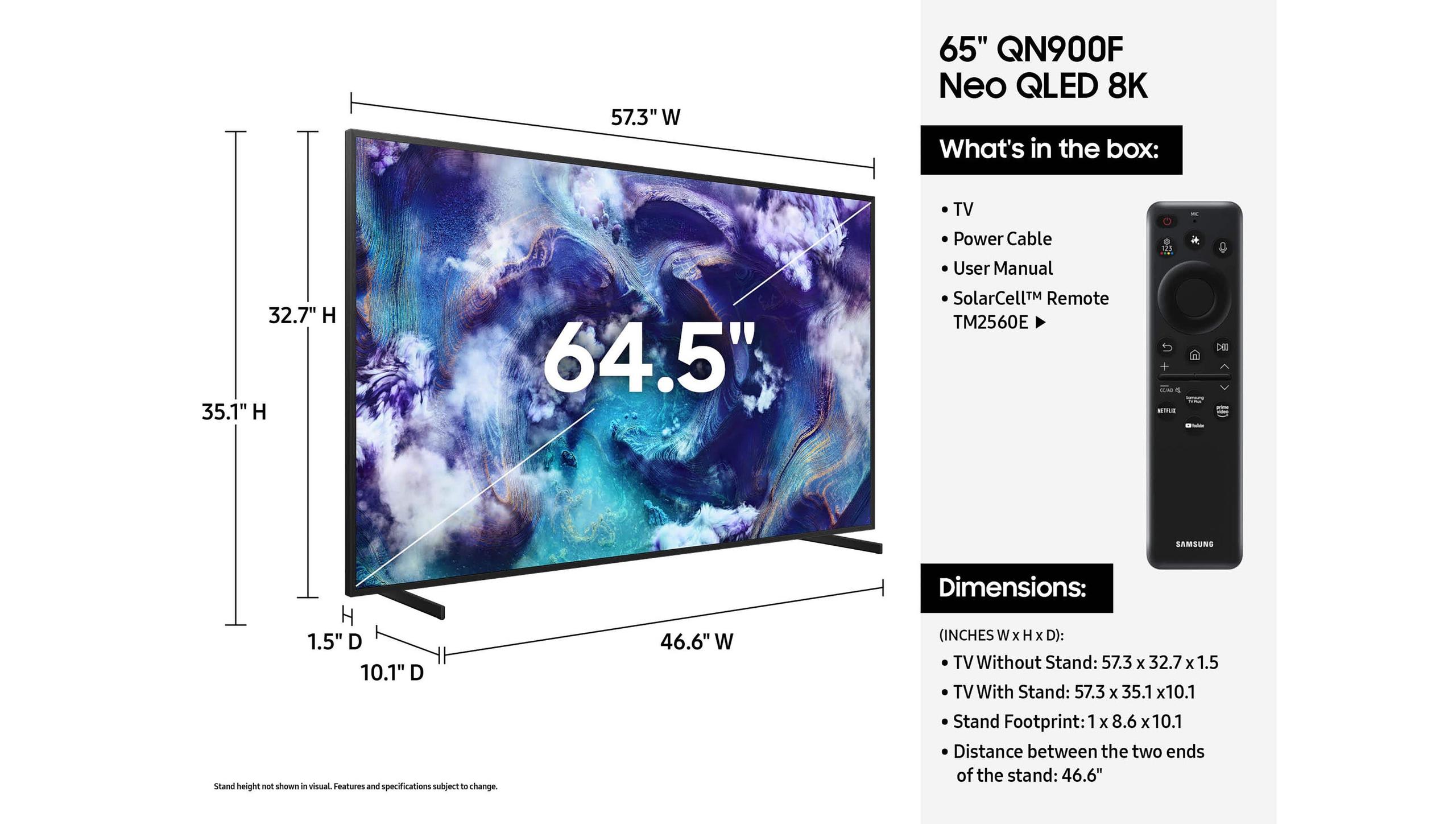

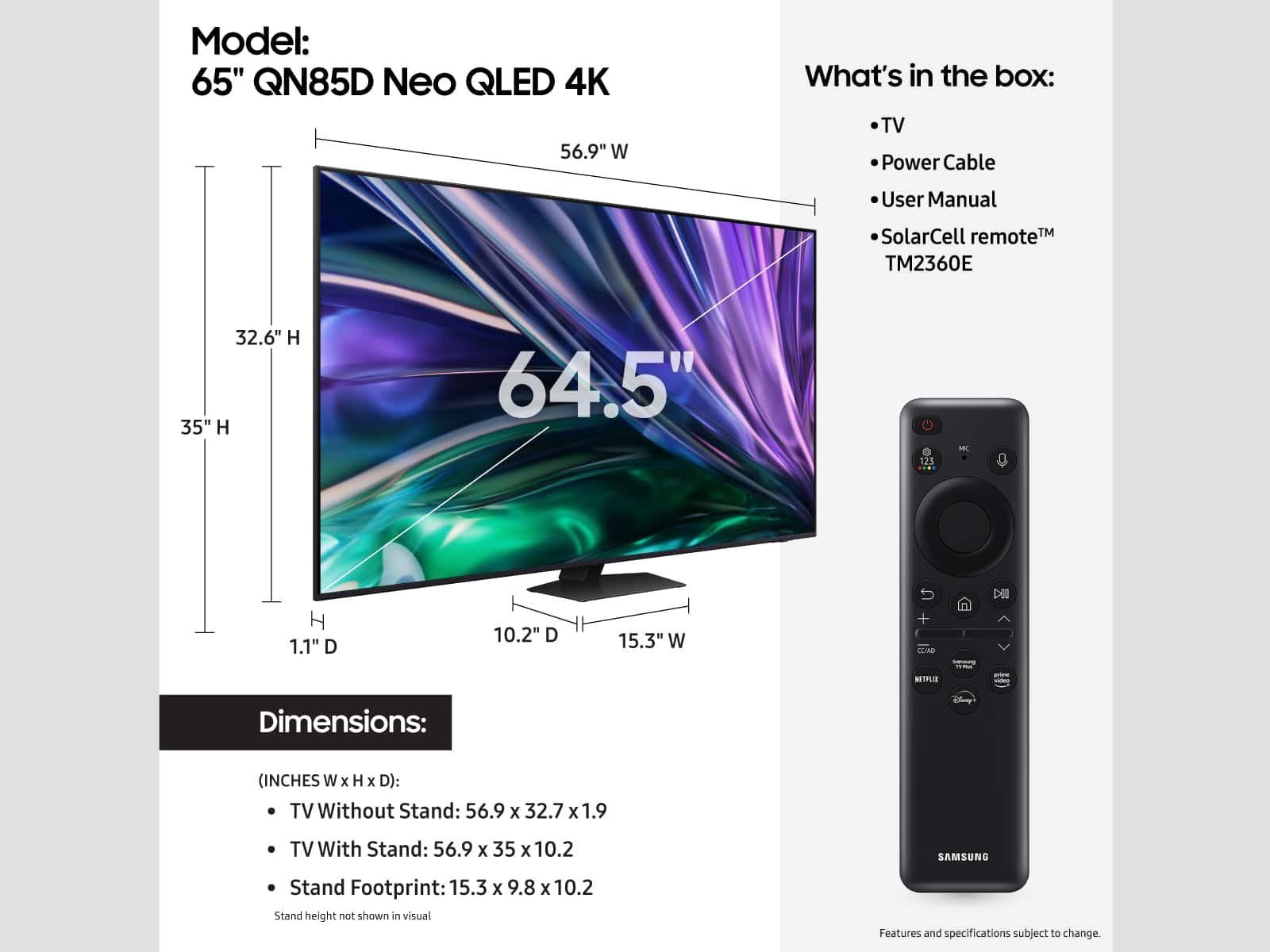
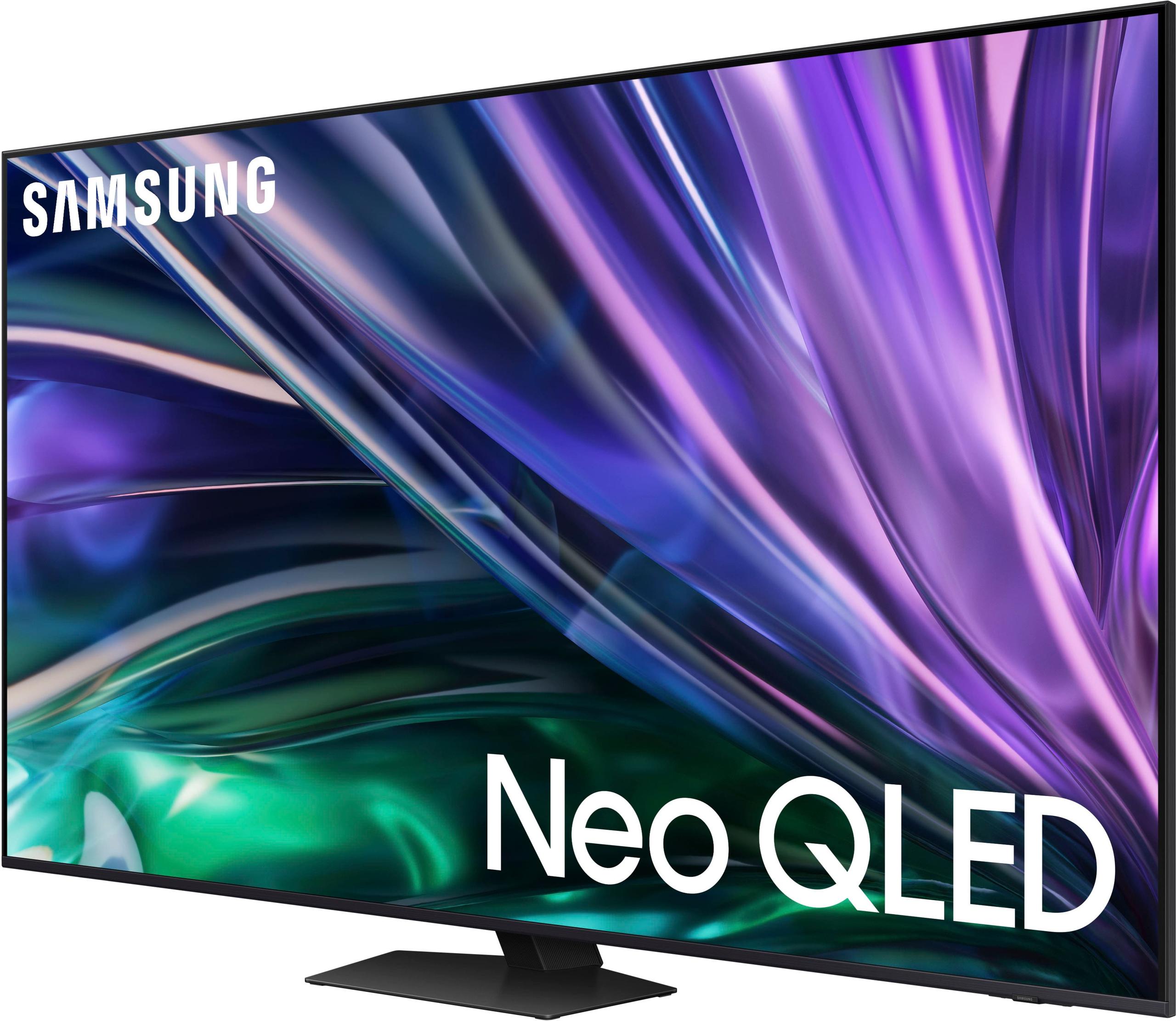

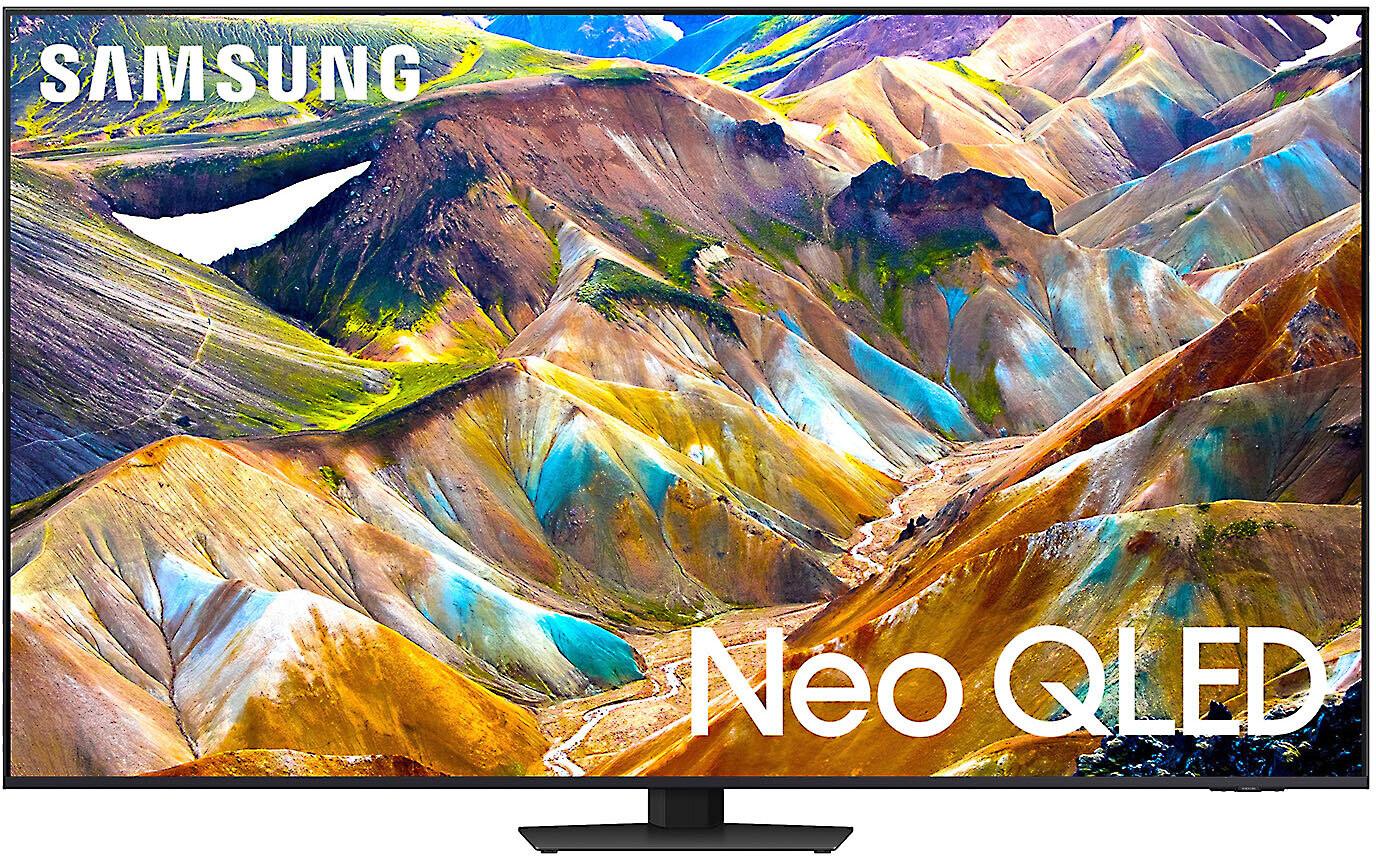
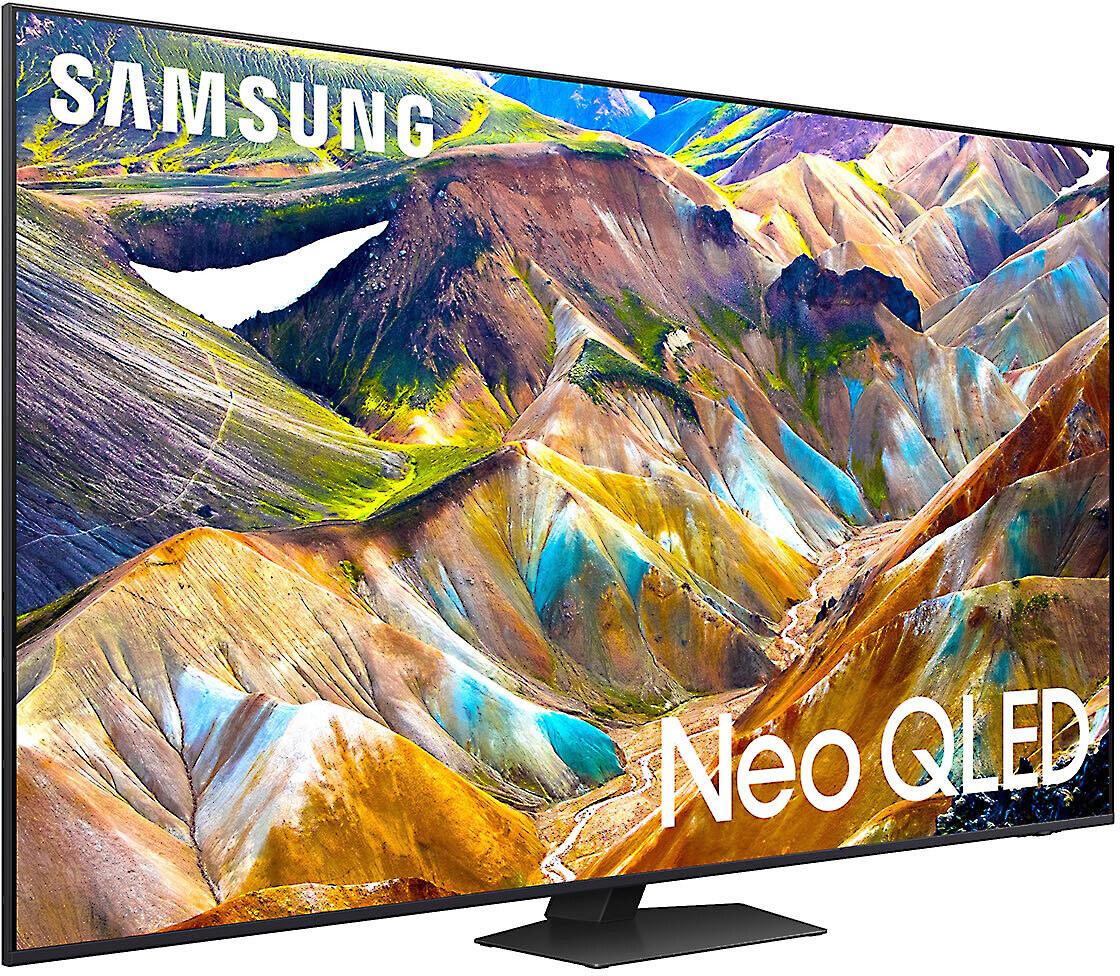
When you're ready to upgrade to a premium 65-inch TV, Samsung offers two compelling but very different approaches to picture excellence. The Samsung Neo QLED 8K QN900F represents the cutting edge of LED technology with 8K resolution, while the Samsung S90D OLED delivers the inherent magic of OLED displays at a much more accessible price point.
At the time of writing, these TVs sit at opposite ends of the premium spectrum—the QN900F commands flagship pricing in the $3,000+ range, while the S90D delivers exceptional value around $1,200. This isn't just a price difference; it's a fundamental choice between two distinct display technologies that excel in different ways.
Before diving into specifics, it's worth understanding what separates premium TVs from budget models. Premium displays distinguish themselves through superior brightness levels, wider color ranges, better contrast ratios (the difference between the brightest whites and deepest blacks), and more sophisticated processing that makes all your content look better.
The Samsung QN900F uses Neo QLED technology, which is Samsung's premium LED approach. Think of it as thousands of tiny LEDs (called Mini LEDs) working behind the screen to create incredibly precise brightness control. Meanwhile, the S90D uses OLED technology, where each individual pixel produces its own light and can turn completely off to create perfect blacks.
Both technologies have evolved significantly since 2020. OLED displays have gotten much brighter—addressing their historical weakness in bright rooms—while Mini LED technology has dramatically improved contrast and reduced the "blooming" effect (unwanted light spillage around bright objects) that plagued earlier LED TVs.
Contrast ratio might be the most important picture quality metric because it determines how realistic and three-dimensional images appear. Here's where these technologies take completely different approaches.
The S90D OLED achieves what's called "infinite contrast" because each pixel can turn completely off, creating true blacks alongside bright highlights. When you're watching a space scene with stars against the void, those black areas are actually black—not the dark gray you get with most TVs. This creates an almost three-dimensional pop that makes movies feel more cinematic.
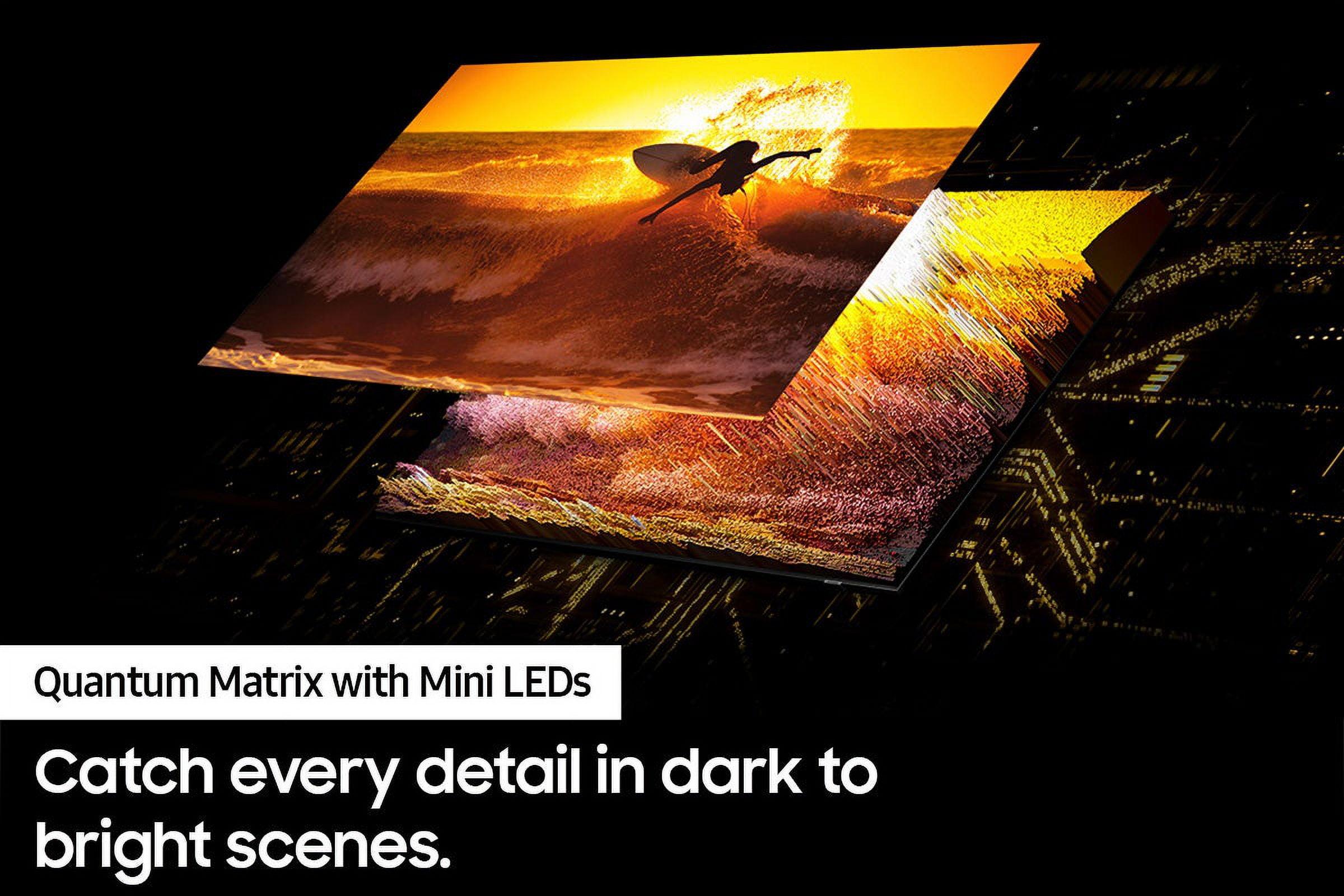
The QN900F can't match OLED's perfect blacks, but its Quantum Matrix Pro technology with Mini LEDs gets remarkably close. Instead of having just dozens of dimming zones like cheaper LED TVs, it controls thousands of tiny LEDs independently. This means it can make most of the screen dark while keeping just the bright areas illuminated, with minimal light bleeding between zones.
In practical terms, the OLED wins in dark room viewing, especially for movies. But the QN900F holds its own better than any LED TV we've evaluated, and its superior brightness gives it advantages elsewhere.
Peak brightness determines how vibrant HDR (High Dynamic Range) content appears and how well the TV performs in bright rooms. Modern movies and shows are mastered to take advantage of very bright displays, so this isn't just about room lighting—it's about seeing content as filmmakers intended.
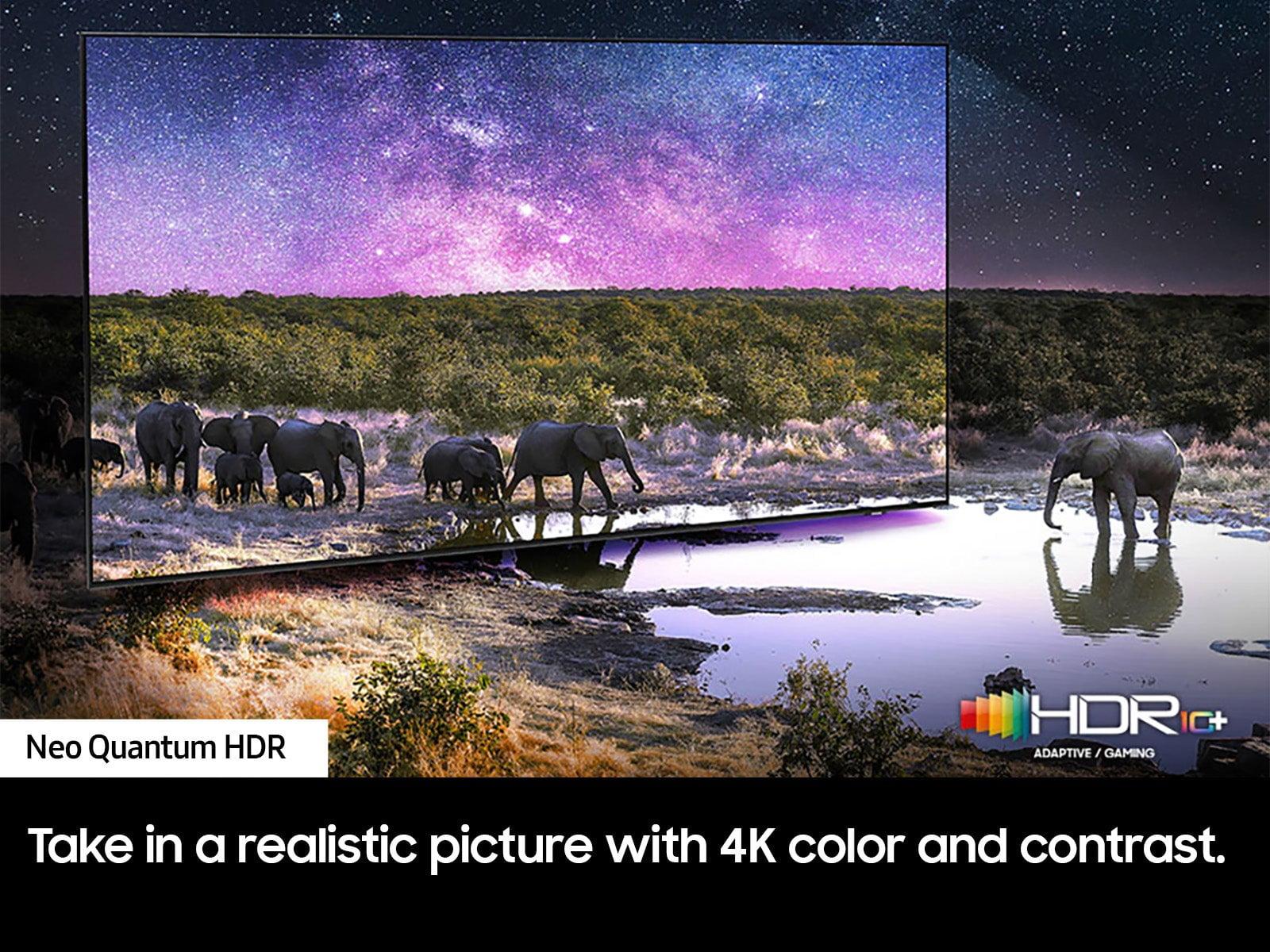
The QN900F excels here, achieving exceptional brightness levels that make HDR content truly pop. Whether you're watching the gleam of sunlight on water or the sparkle of city lights at night, bright details maintain their impact even with windows open during the day.
The S90D reaches about 1,240 nits of peak brightness—impressive for OLED technology and a significant improvement over earlier OLED models. This is bright enough for most HDR content to look spectacular, though it won't quite match the QN900F's peak intensity in the brightest scenes.
Both TVs use quantum dot technology, which enhances color accuracy and volume (how vibrant colors remain at different brightness levels). The S90D combines OLED's natural color advantages with quantum dot enhancement, creating what Samsung calls QD-OLED. This delivers exceptional color that stays accurate even at wide viewing angles.
The QN900F uses quantum dots differently, applying them to filter the Mini LED backlight for enhanced color purity. Combined with its superior brightness, this creates incredibly vibrant colors that maintain their intensity in bright rooms.
Both deliver excellent color, but the OLED S90D tends to look more natural and film-like, while the QN900F can appear more vivid and punchy—a difference that comes down to personal preference and viewing environment.
This is where the QN900F offers something genuinely unique. Its 8K resolution provides four times the detail of 4K, with 7,680 by 4,320 pixels compared to the S90D's 3,840 by 2,160.
But here's the reality: there's virtually no native 8K content available for consumers in 2024. Netflix, Disney+, and other streaming services max out at 4K. So why consider 8K?
The answer lies in upscaling—the process of taking lower-resolution content and intelligently adding detail to fill those extra pixels. The QN900F's NQ8 AI Gen3 processor uses advanced algorithms to analyze incoming content and create additional detail that looks natural, not artificial. When we've evaluated 8K upscaling on premium TVs, the improvement is genuinely noticeable, especially on larger screens where you sit relatively close.
The S90D also upscales content beautifully with its NQ4 AI Gen2 processor, but it's working within 4K resolution limits. For current content, this is perfectly adequate and often indistinguishable from higher resolutions at normal viewing distances.
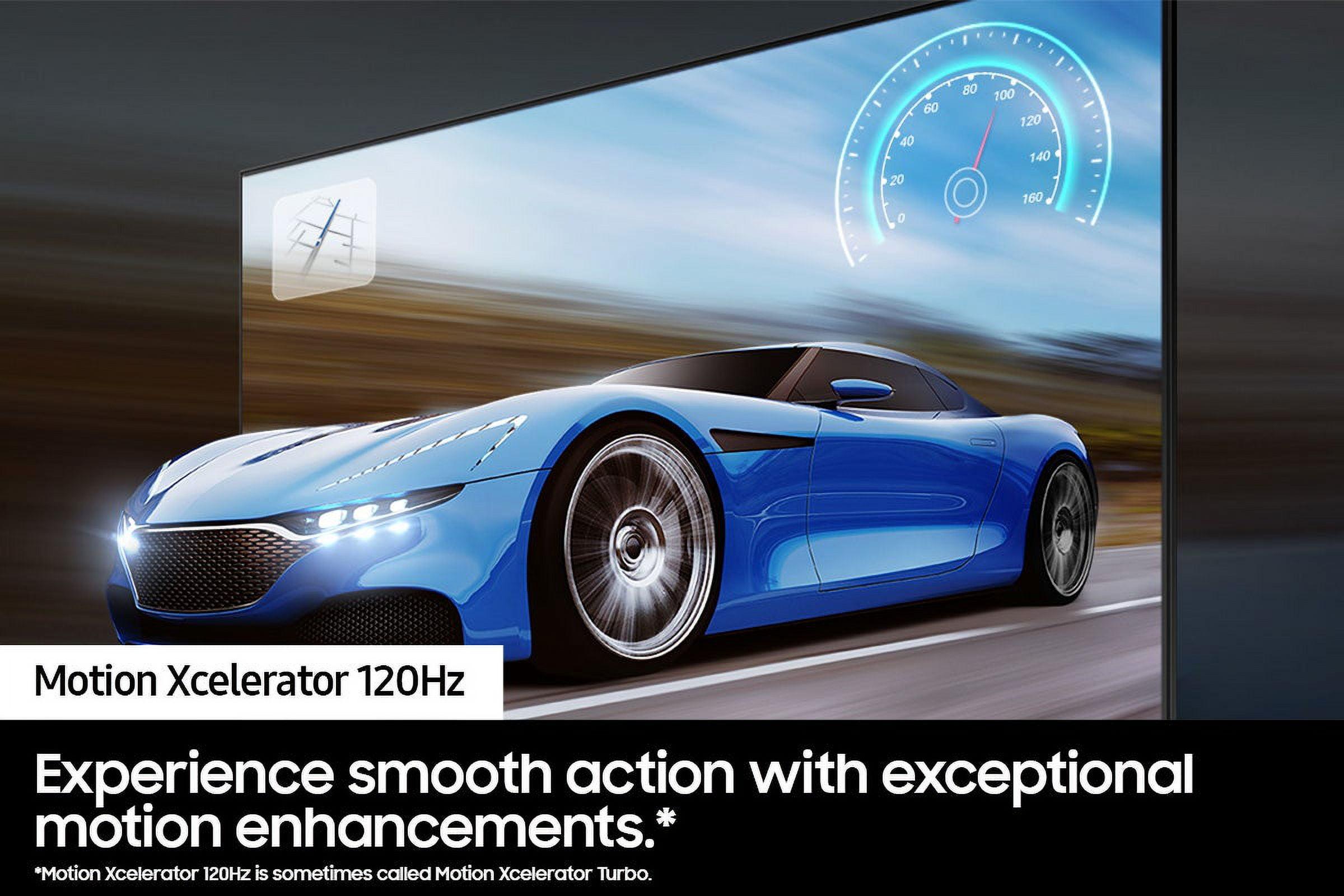
Both TVs cater to serious gamers but in different ways. The QN900F supports up to 240Hz refresh rates with its Motion Xcelerator technology, meaning it can display 240 frames per second for incredibly smooth motion. It also includes FreeSync Premium Pro, which eliminates screen tearing when gaming with compatible PCs and consoles.
The S90D maxes out at 144Hz, but its OLED technology provides near-instantaneous pixel response times. This means less motion blur and ghosting during fast-paced gaming. OLED's inherent speed advantage makes it particularly appealing for competitive gaming where every millisecond matters.
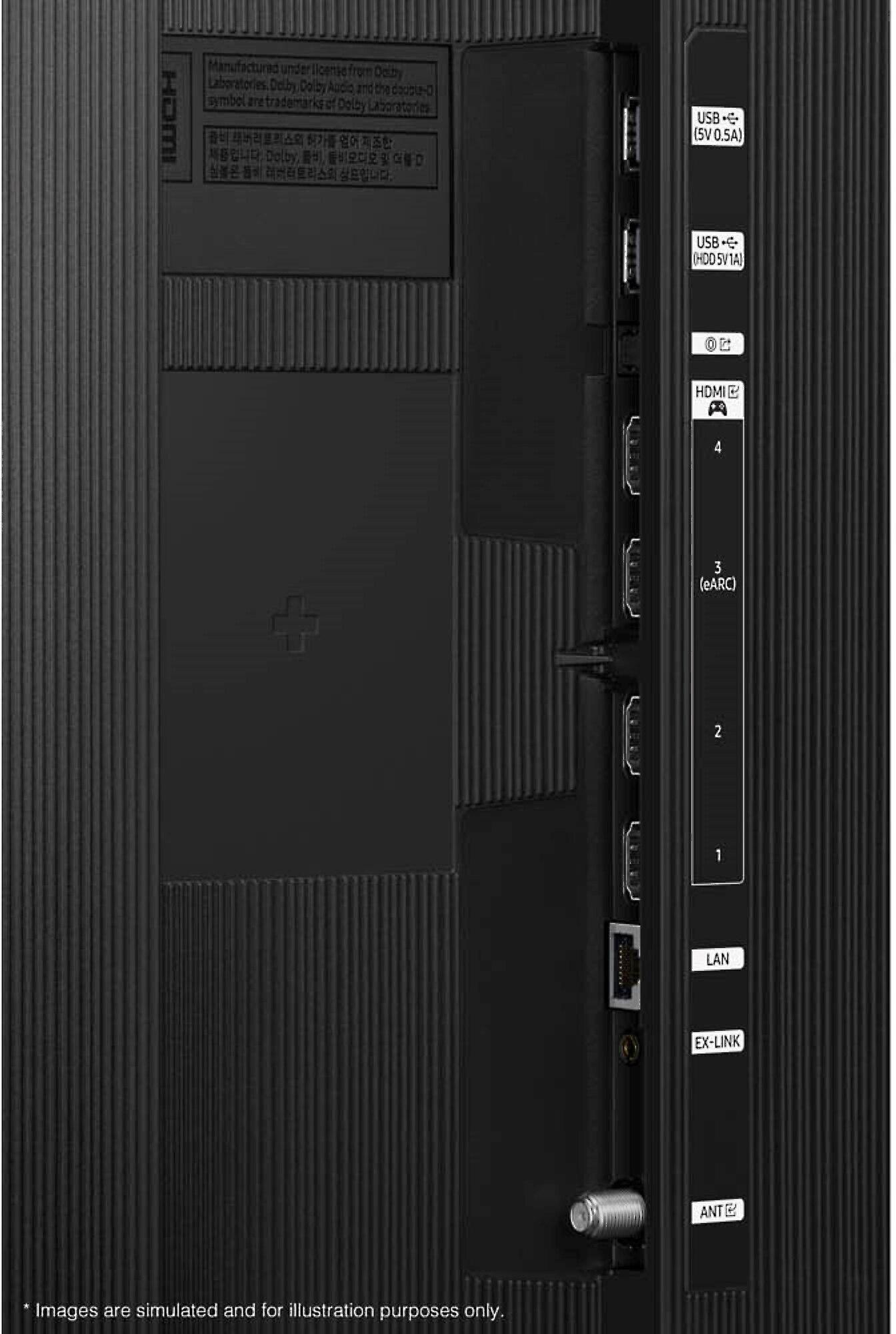
Both support HDMI 2.1 features like Variable Refresh Rate (VRR) and Auto Low Latency Mode (ALLM), ensuring compatibility with PlayStation 5, Xbox Series X/S, and high-end gaming PCs.
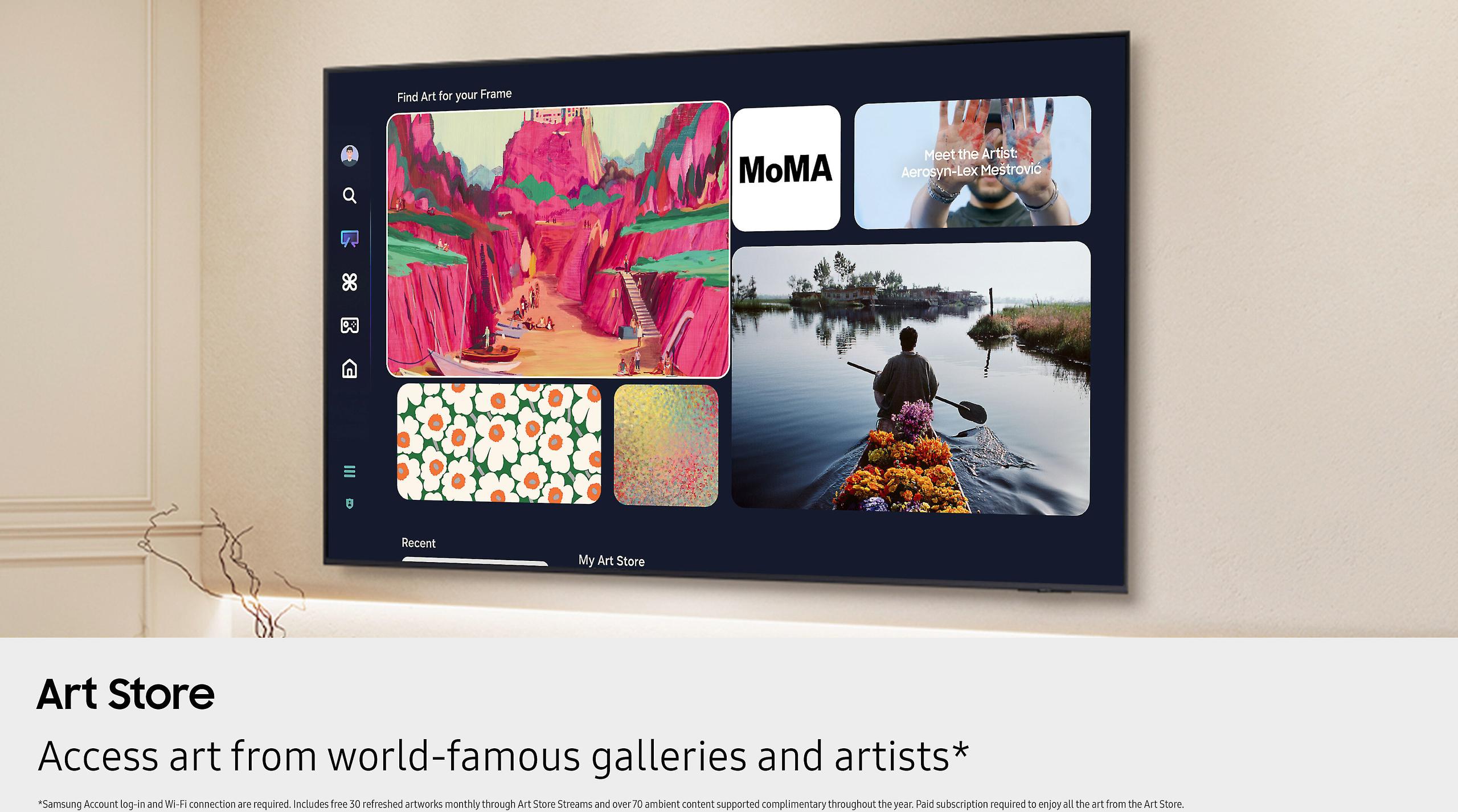
Samsung's Tizen operating system powers both TVs, but the QN900F benefits from more advanced processing power. Its NQ8 AI Gen3 processor doesn't just handle upscaling—it optimizes picture settings in real-time based on content type, room lighting, and viewing conditions.
The S90D runs Tizen smoothly with its NQ4 AI Gen2 processor, offering the same streaming apps and smart features with slightly less computational power for AI enhancement. In daily use, both feel responsive and capable.
Both TVs integrate with Samsung's SmartThings ecosystem and support voice control through Bixby, Alexa, or Google Assistant. The QN900F adds Vision AI features that adapt to your viewing patterns and preferences over time.
TV speakers rarely match dedicated sound systems, but both models make respectable efforts. The QN900F includes Object Tracking Sound Pro with dedicated top-firing speakers for Dolby Atmos, creating more immersive audio that follows action across the screen.
The S90D supports Dolby Atmos but relies on its main speaker array to create virtual height effects. It sounds good for a TV, but the QN900F's dedicated upward-firing speakers provide more convincing surround sound.
For serious home theater setups, you'll likely want external audio regardless, but the QN900F's superior built-in audio could delay that purchase.
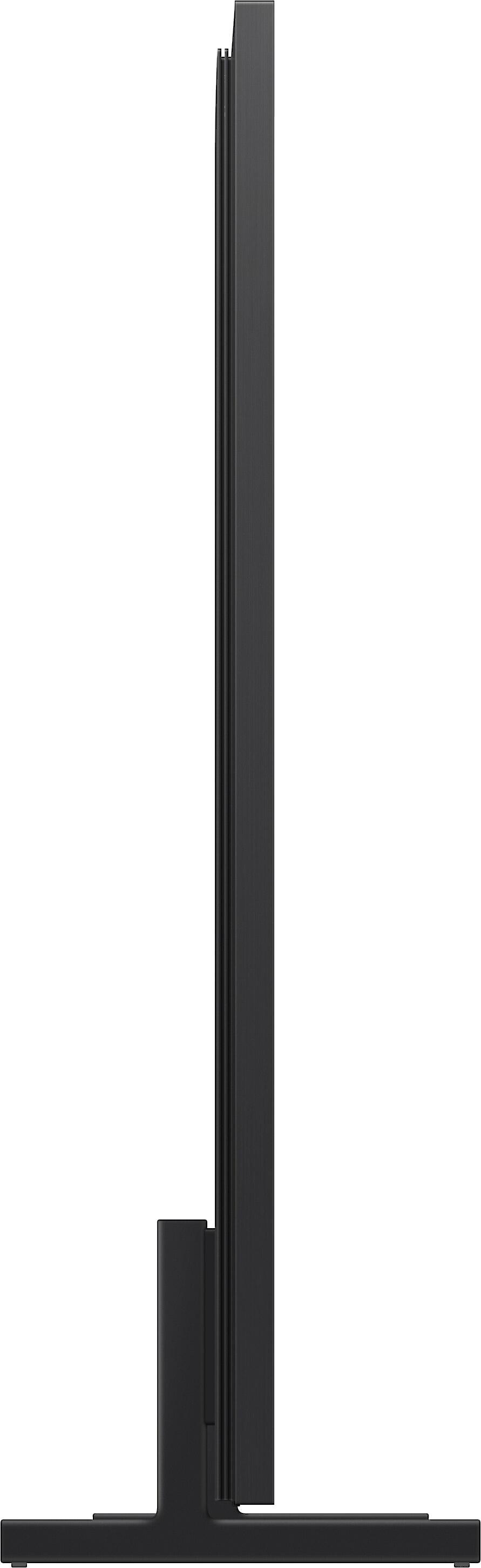
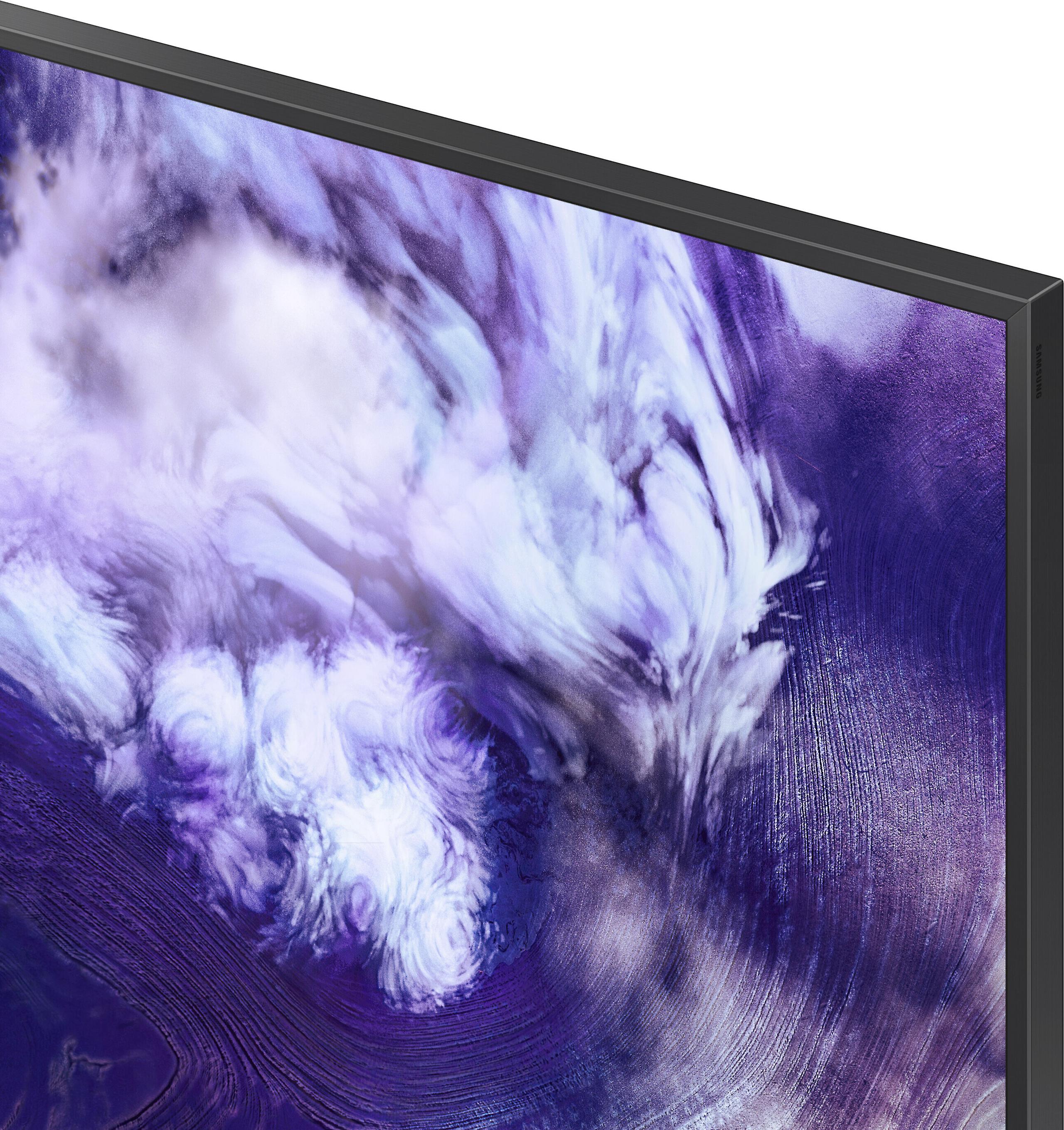
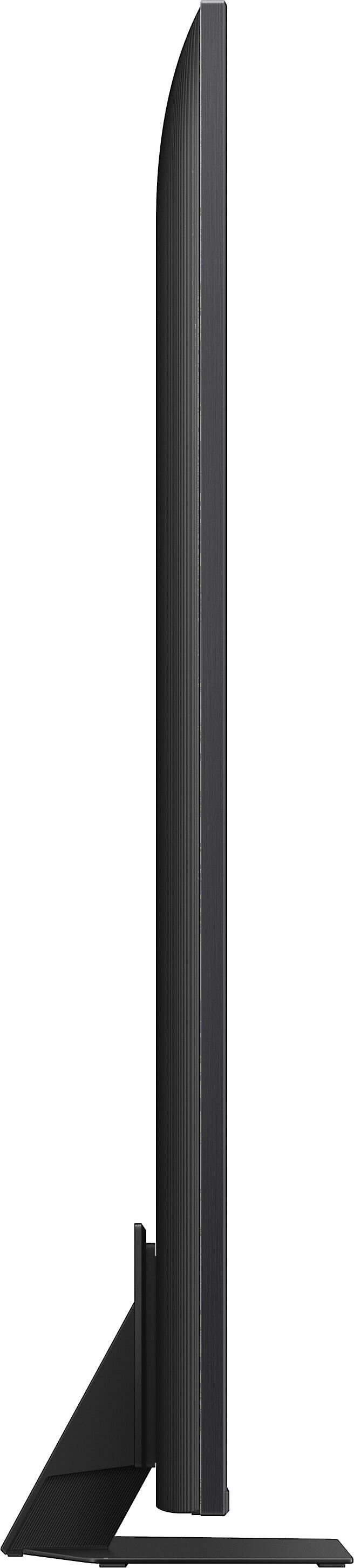
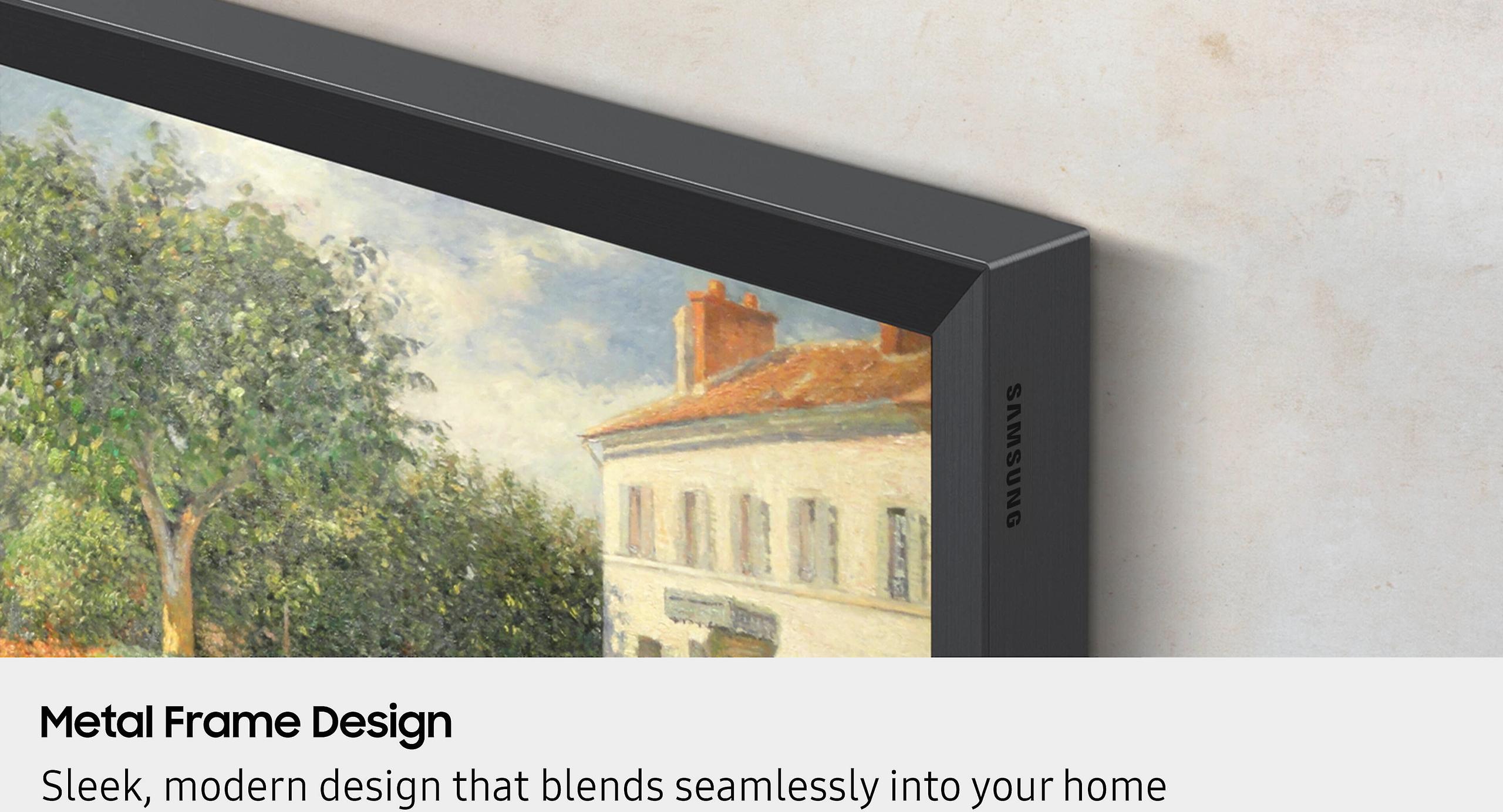
The QN900F features Samsung's new Metal Frame design with an ultra-thin profile that looks premium mounted on any wall. Its nearly edgeless appearance creates a modern, minimalist aesthetic.
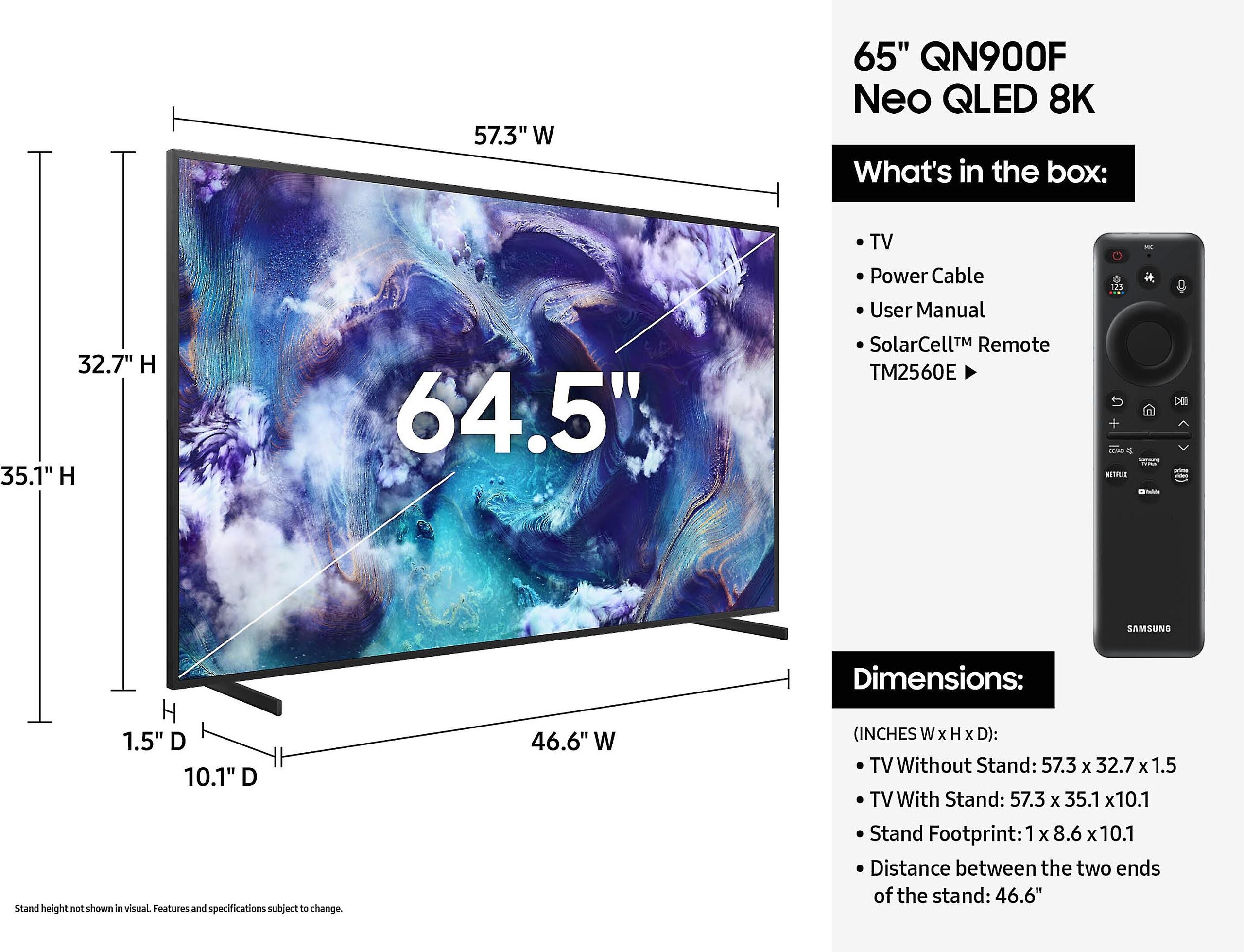
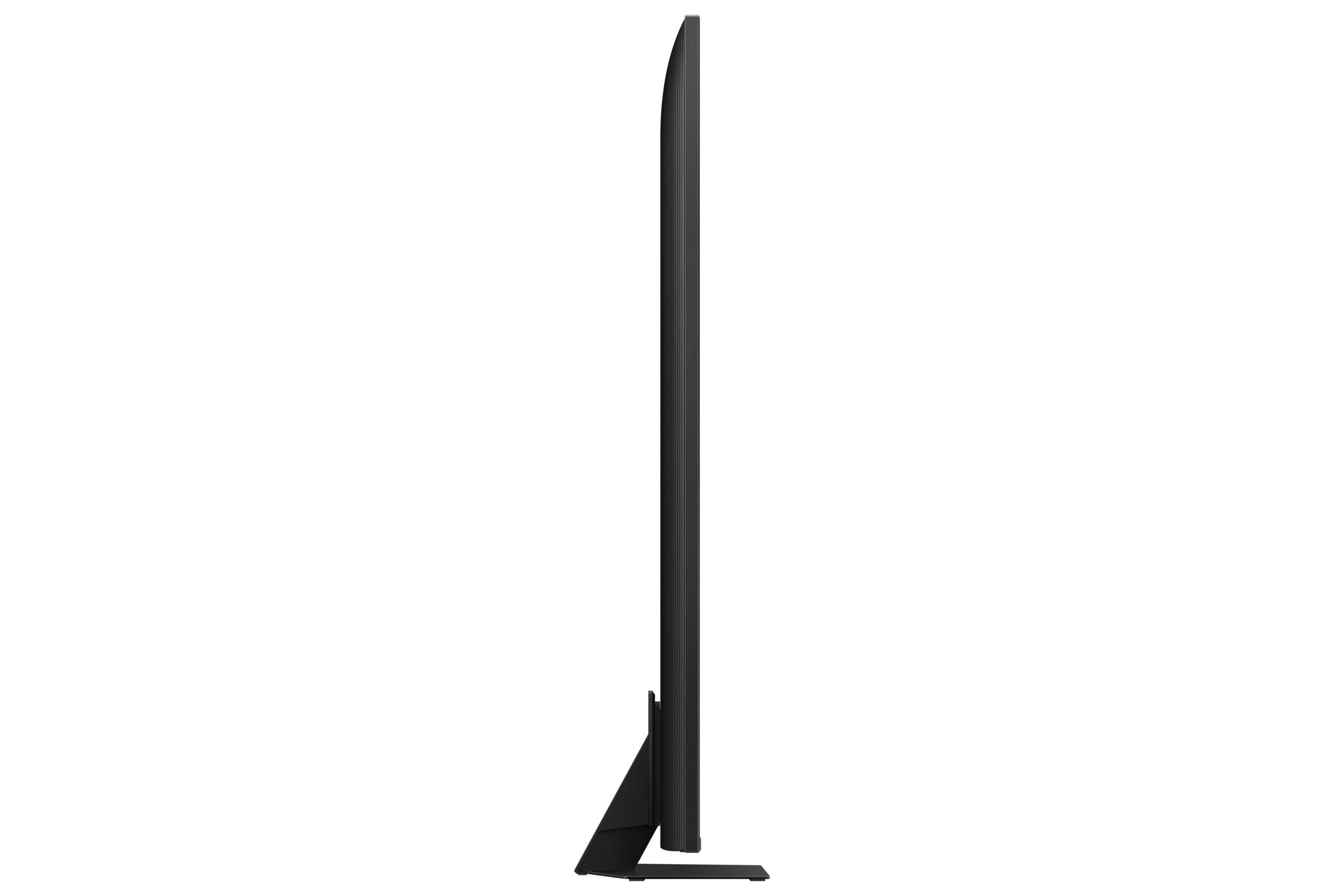
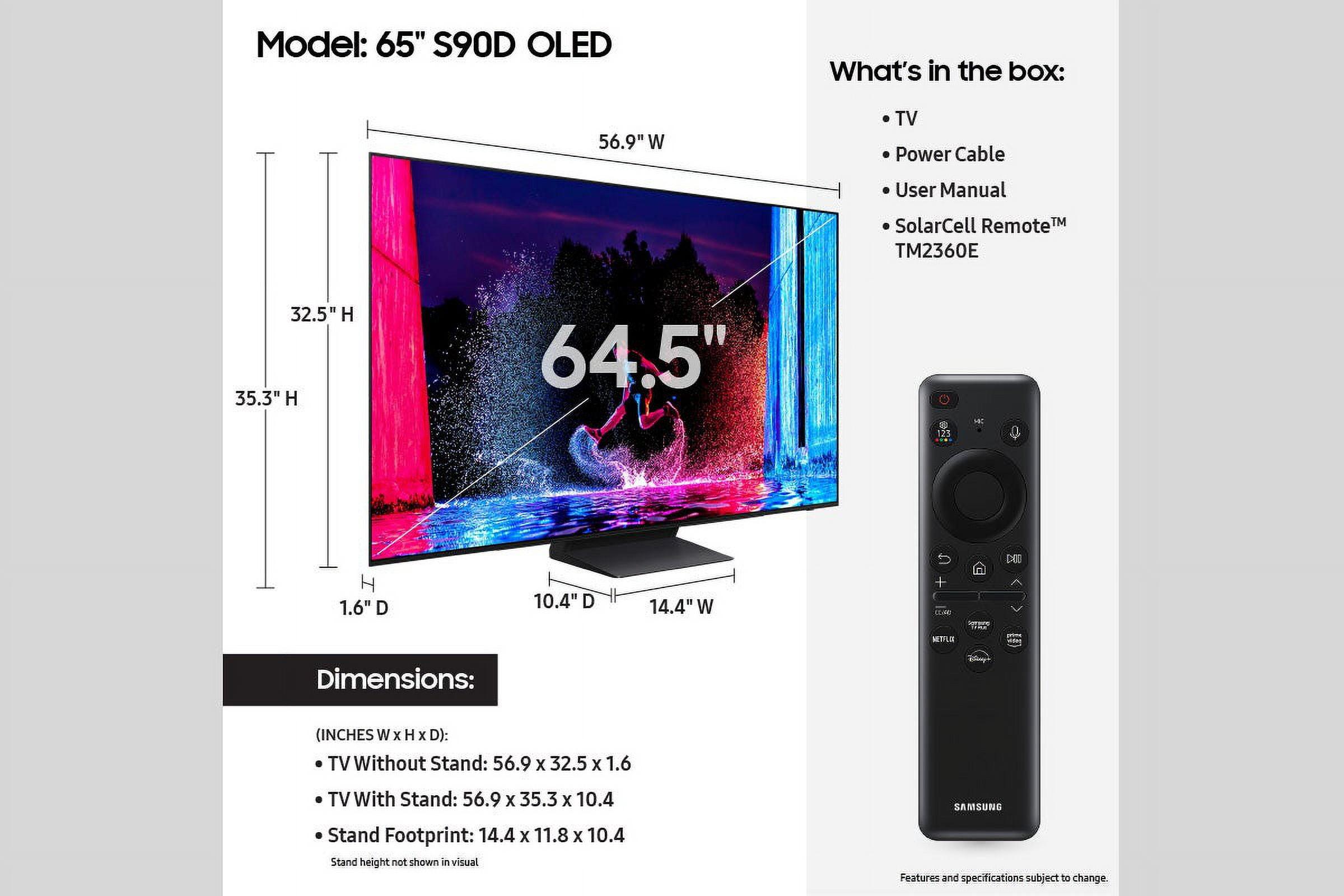
The S90D maintains OLED's traditional thin profile with a simple stand design that doesn't dominate room decor. Both TVs include Samsung's SolarCell remote that charges itself from ambient light.
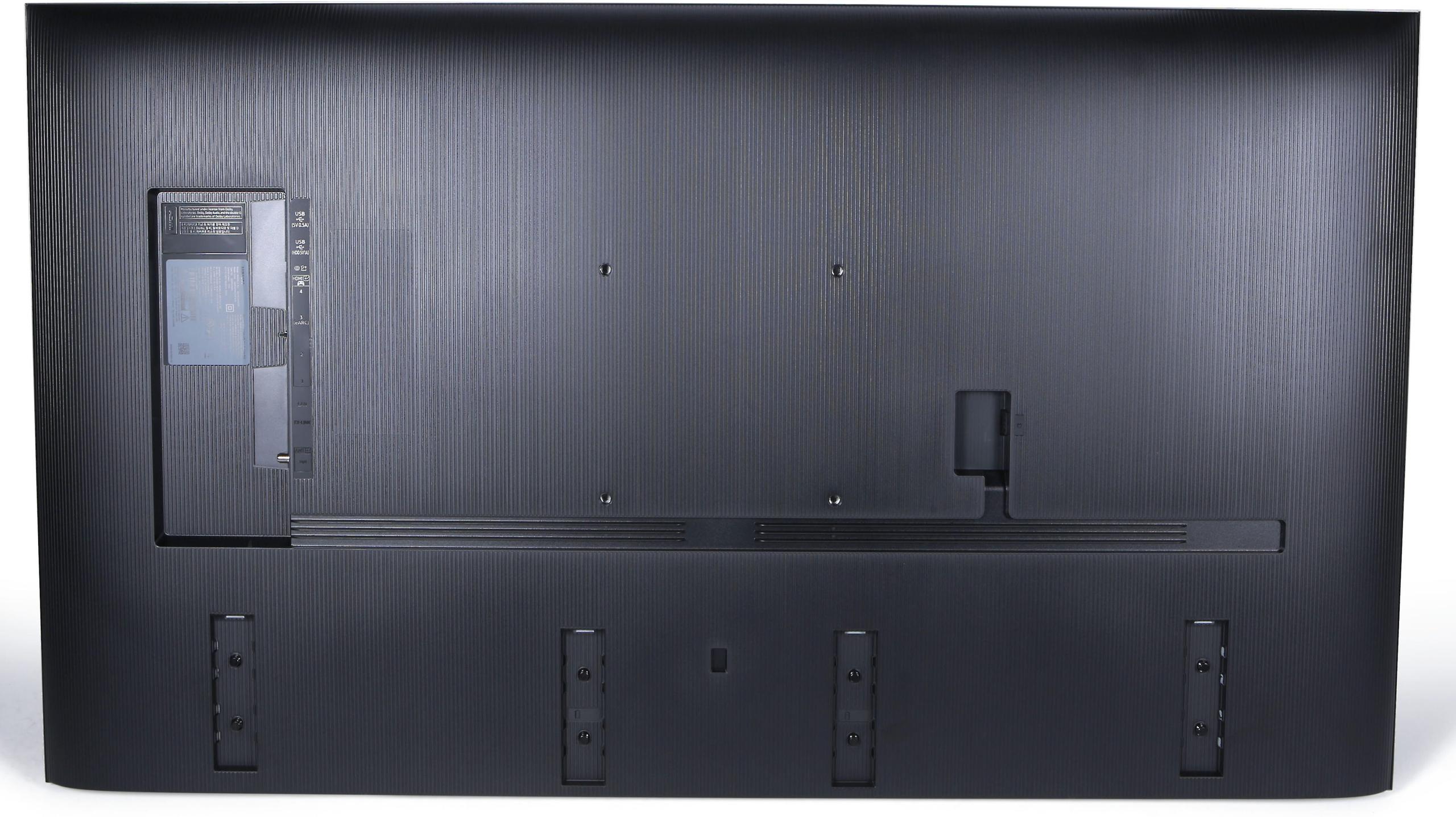
One unique QN900F feature is the optional Wireless One Connect Box, which can transmit all input signals wirelessly from up to 30 feet away. This simplifies wall mounting and reduces cable clutter significantly.
Here's where these TVs truly differentiate themselves. The S90D excels in controlled lighting environments—think basement home theaters or rooms with blackout curtains. Its perfect blacks create an almost projector-like cinematic experience that's hard to beat.
However, the S90D's glossy screen reflects room lighting, making it less ideal for bright living rooms with large windows. You'll notice reflections during darker scenes, which can be distracting.
The QN900F includes Samsung's Glare-Free technology, featuring a matte coating that virtually eliminates reflections. Combined with its superior brightness, it performs exceptionally well in any lighting condition. Whether you're watching during a sunny afternoon or a dark evening, the picture quality remains consistently excellent.
At the time of writing, the price gap between these models is substantial—roughly $2,000 separates them. The S90D represents exceptional value, delivering flagship-level picture quality at a much more accessible price point. You're getting OLED's inherent advantages without paying flagship prices.
The QN900F costs significantly more but offers genuinely unique capabilities: 8K resolution, superior brightness, better room adaptability, and more advanced processing. Whether these advantages justify the price premium depends on your priorities and budget flexibility.
For dedicated home theater spaces with controlled lighting, the S90D is hard to beat. Its perfect blacks and excellent color accuracy create an immersive cinematic experience that rivals much more expensive displays. The money saved versus the QN900F could fund significant audio upgrades or seating improvements.
However, if your "home theater" doubles as a family room with ambient lighting, the QN900F maintains its picture quality advantages regardless of room conditions. Its Glare-Free screen technology is genuinely game-changing for multi-purpose spaces.
Choose the Samsung QN900F if:
Choose the Samsung S90D if:
Both TVs represent excellent choices within their respective categories. The S90D delivers the OLED experience at an accessible price, making premium picture quality available to more buyers. Its perfect blacks and excellent color make it ideal for movie enthusiasts with appropriate viewing environments.
The QN900F pushes display technology forward with 8K resolution, superior brightness, and room adaptability that works anywhere. It's genuinely futureproof and versatile, though at a significant price premium.
The decision ultimately comes down to your viewing environment, budget, and whether you value cutting-edge technology or proven performance at exceptional value. Either choice will significantly upgrade your viewing experience—they just excel in different ways.
| Samsung 65" Neo QLED 8K QN900F Vision AI Smart TV 2025 | Samsung 65" OLED S90D TV |
|---|---|
| Display Technology - Core difference determining picture quality characteristics | |
| Neo QLED with Quantum Matrix Pro Mini LEDs | QD-OLED with quantum dot enhancement |
| Resolution - Future-proofing vs current content optimization | |
| 8K (7680×4320) with AI upscaling | 4K (3840×2160) with AI upscaling |
| Peak Brightness - Critical for HDR content and bright room viewing | |
| Exceptional brightness levels, ideal for any lighting | 1,240 nits - excellent for OLED, good for most rooms |
| Contrast Ratio - Determines image depth and realism | |
| Outstanding for LED with minimal blooming | Infinite contrast with perfect blacks |
| Processor - Affects upscaling quality and smart features | |
| NQ8 AI Gen3 with 256 neural networks | NQ4 AI Gen2 with 20 neural networks |
| Gaming Performance - Refresh rate and response capabilities | |
| Motion Xcelerator 240Hz, FreeSync Premium Pro | Motion Xcelerator 144Hz, near-instant OLED response |
| Screen Finish - Room lighting adaptability | |
| Glare-Free matte coating eliminates reflections | Glossy screen prone to reflections in bright rooms |
| Audio System - Built-in sound quality | |
| Object Tracking Sound Pro with top-firing speakers | Dolby Atmos with virtual height effects |
| HDR Support - High dynamic range format compatibility | |
| HDR10+, HLG (no Dolby Vision) | HDR10+, HLG (no Dolby Vision) |
| Smart Platform - Operating system and app performance | |
| Tizen with Vision AI adaptive features | Tizen with standard Samsung smart features |
| Design Profile - Aesthetic and mounting considerations | |
| Metal Frame design, Wireless One Connect Box option | Traditional OLED slim profile |
| Best Viewing Environment - Optimal room conditions | |
| Excels in bright rooms and mixed lighting | Best in dark, controlled lighting environments |
| Value Proposition - Performance per dollar consideration | |
| Premium investment with cutting-edge technology | Exceptional OLED quality at accessible pricing |
The Samsung S90D OLED delivers superior picture quality for movies due to its perfect blacks and infinite contrast ratio. OLED technology allows each pixel to turn completely off, creating true blacks that make dark movie scenes look more realistic and cinematic. While the Samsung QN900F offers excellent picture quality with its Mini LED technology, it can't match OLED's perfect black levels that are crucial for the film experience.
The Samsung QN900F features 8K resolution with 7,680 x 4,320 pixels, which is four times more detailed than the Samsung S90D's 4K resolution of 3,840 x 2,160 pixels. However, there's virtually no native 8K content available in 2024. The QN900F uses advanced AI upscaling to enhance 4K and HD content, while the S90D focuses on optimizing current 4K content perfectly.
The Samsung QN900F is significantly better for bright rooms thanks to its Glare-Free technology and superior brightness levels. Its matte screen coating virtually eliminates reflections, while its Mini LED backlight can get much brighter than OLED displays. The Samsung S90D has a glossy screen that reflects room lighting, making it less suitable for bright living spaces.
Both TVs excel at gaming but in different ways. The Samsung QN900F supports up to 240Hz refresh rates and includes FreeSync Premium Pro for PC gaming. The Samsung S90D offers 144Hz gaming with near-instantaneous OLED response times that reduce motion blur. Both support HDMI 2.1, VRR, and Auto Low Latency Mode for next-gen consoles.
The Samsung S90D offers exceptional value, delivering flagship OLED picture quality at a much more accessible price point. You get perfect blacks, excellent colors, and premium smart features without paying flagship prices. The Samsung QN900F costs significantly more but provides unique advantages like 8K resolution, superior brightness, and better room adaptability.
For dedicated home theaters with controlled lighting, the Samsung S90D is ideal due to its perfect blacks and cinematic picture quality. However, if your home theater doubles as a family room with ambient lighting, the Samsung QN900F maintains excellent performance regardless of lighting conditions thanks to its anti-glare technology and superior brightness.
Both TVs run Samsung's Tizen operating system with access to all major streaming apps. The Samsung QN900F includes more advanced Vision AI features that adapt to your viewing habits and room conditions. The Samsung S90D offers the same core smart TV functionality with slightly less AI-powered optimization, but both provide smooth, responsive smart TV experiences.
The Samsung QN900F features Object Tracking Sound Pro with dedicated top-firing speakers for more immersive Dolby Atmos audio. The Samsung S90D supports Dolby Atmos but uses virtual height effects through its main speakers. While both sound good for built-in TV audio, the QN900F provides more convincing surround sound without external speakers.
The Samsung QN900F offers better future-proofing with its 8K resolution and more advanced processing power, preparing for eventual 8K content adoption. However, the Samsung S90D provides excellent longevity for current content needs, as 4K will remain the standard for years to come. Both TVs include modern connectivity and smart features that should remain relevant.
The Samsung QN900F doesn't support Dolby Vision HDR format and commands a premium price that may not justify the benefits for all users. The Samsung S90D has a glossy screen that shows reflections in bright rooms and maxes out at 4K resolution. Neither limitation is a deal-breaker, but they're worth considering based on your viewing environment and content preferences.
The Samsung QN900F is generally better for sports due to its superior brightness, excellent motion handling at 240Hz, and Glare-Free screen that works well in bright living rooms where sports are typically watched. The Samsung S90D also handles sports well with smooth 144Hz motion, but its glossy screen can be problematic during daytime games in bright rooms.
Choose the Samsung QN900F if you want cutting-edge technology, have a flexible budget, and need excellent performance in bright rooms. Pick the Samsung S90D if you prioritize value, primarily watch in darker environments, and want the best picture quality for your dollar. Consider your room lighting, budget, and whether you value future-proofing or current content optimization more.
We've done our best to create useful and informative comparisons to help you decide what product to buy. Our research uses advanced automated methods to create this comparison and perfection is not possible - please contact us for corrections or questions. These are the sites we've researched in the creation of this article: rtings.com - samsung.com - techradar.com - dolby.com - youtube.com - samsung.com - youtube.com - samsung.com - samsung.com - samsung.com - samsung.com - displayspecifications.com - samsung.com - rtings.com - bestbuy.com - merlinstv.com - news.samsung.com - bestbuy.com - bestbuy.com - valueelectronics.com - youtube.com - cnet.com - bestbuy.com - videoandaudiocenter.com - youtube.com - samsung.com - samsung.com - pcrichard.com - samsung.com

Privacy Policy
Terms and Conditions - Affiliate Policy
Home Security
© Copyright 2008-2026.
11816 Inwood Rd #1211, Dallas, TX 75244