

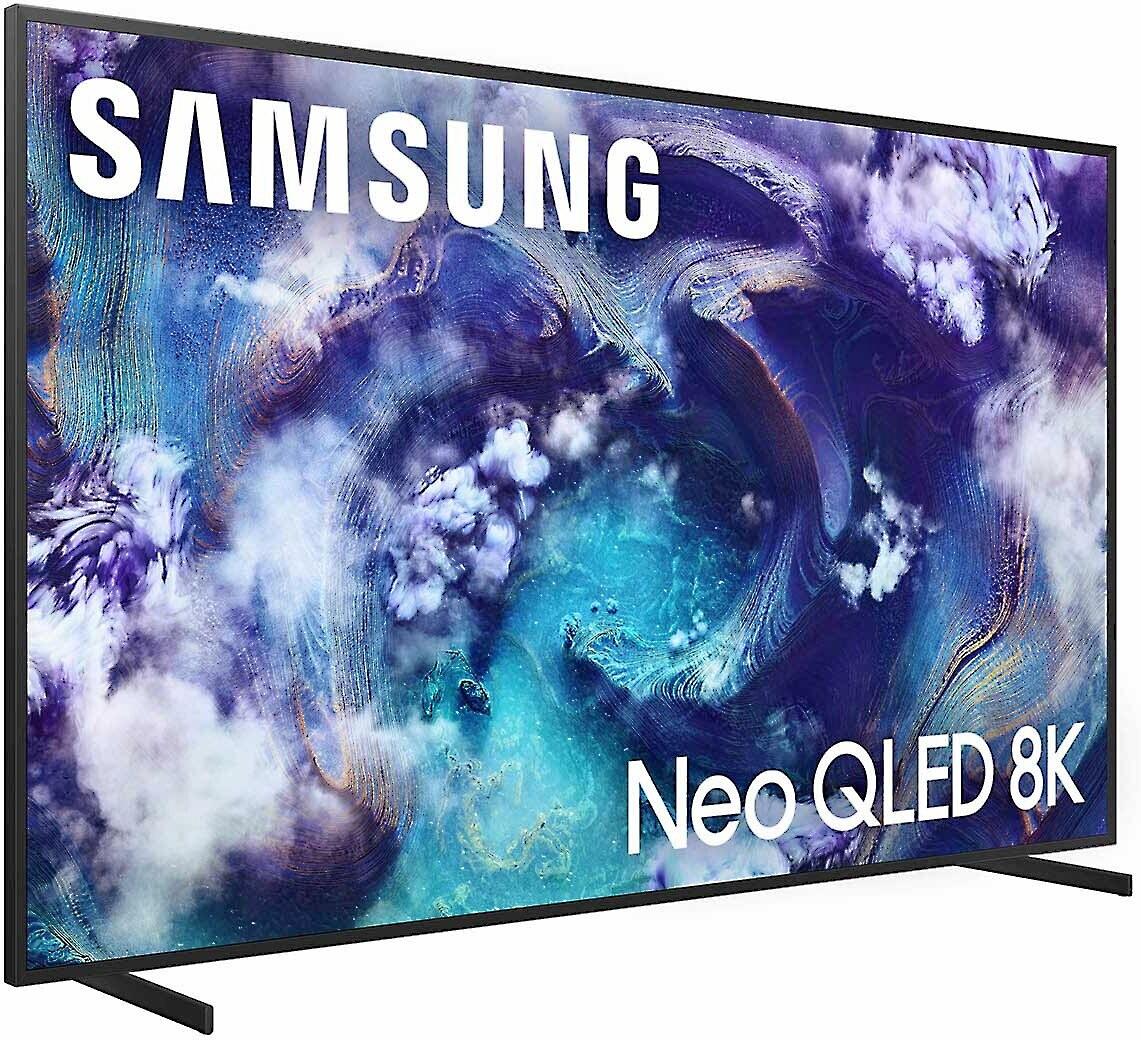
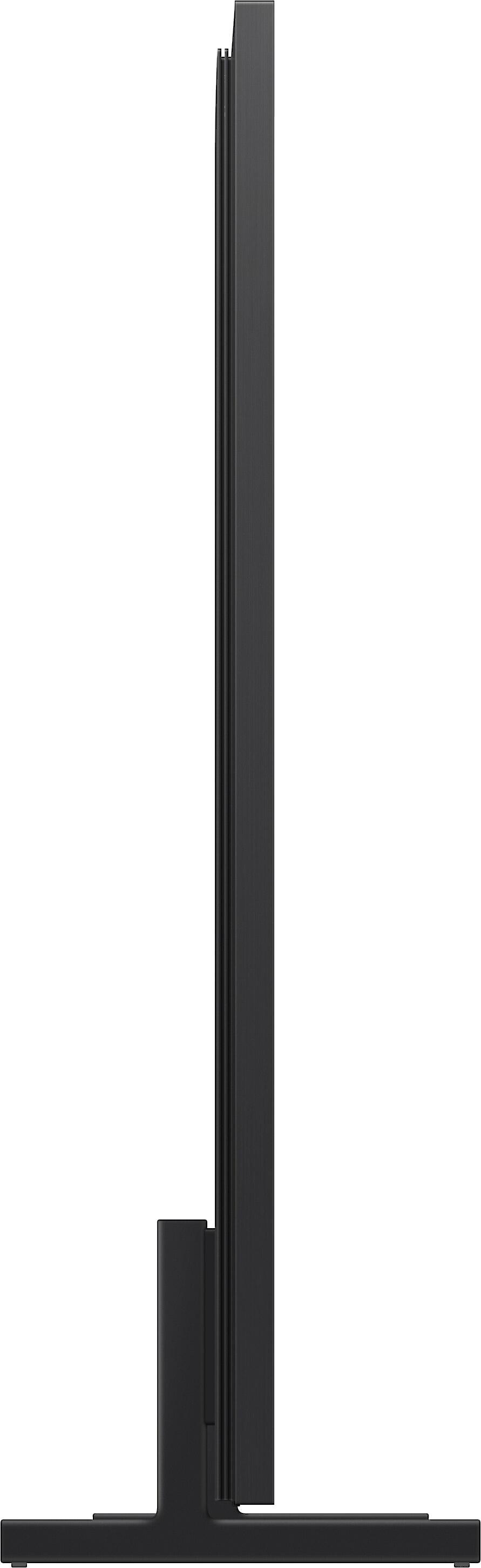
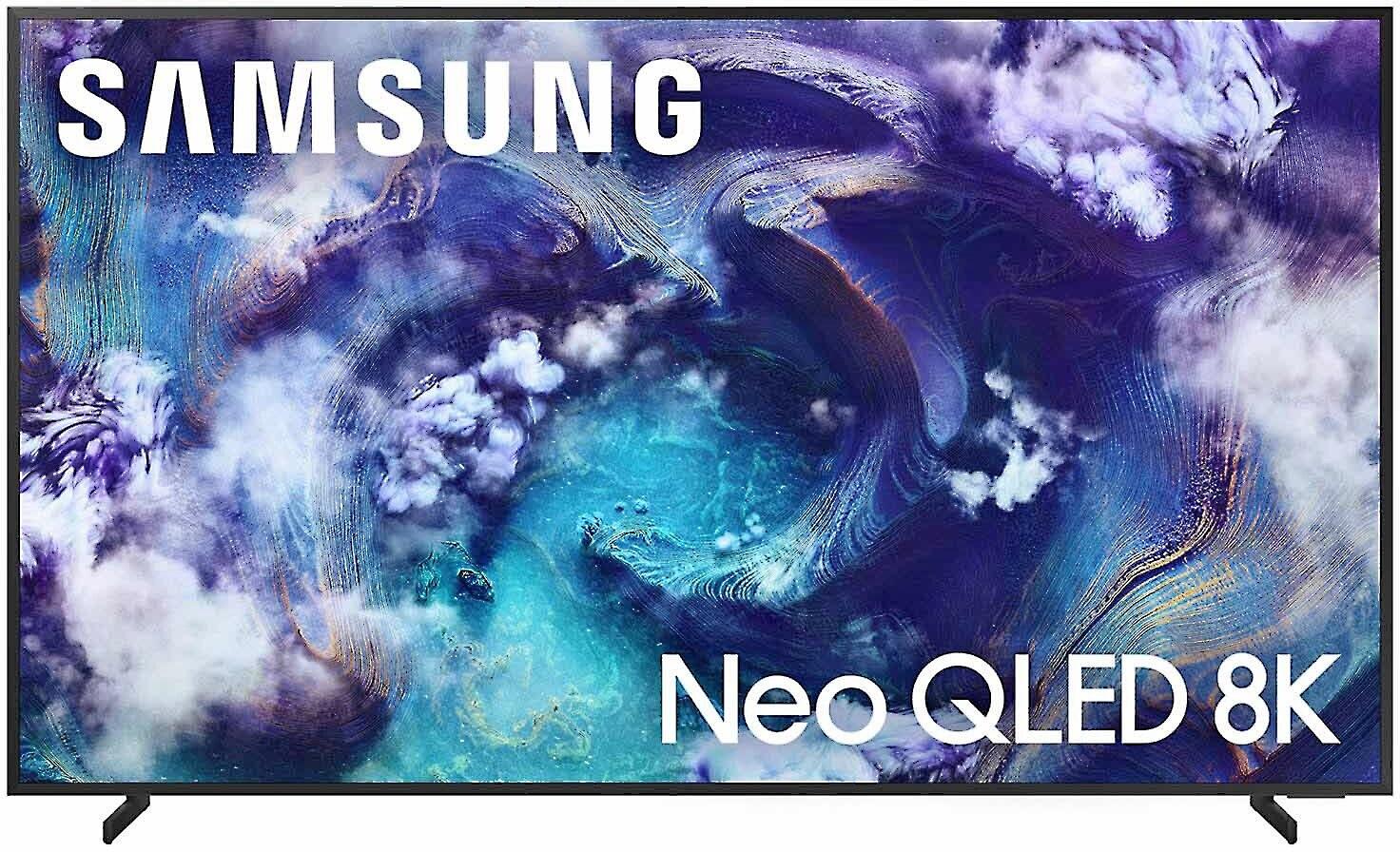
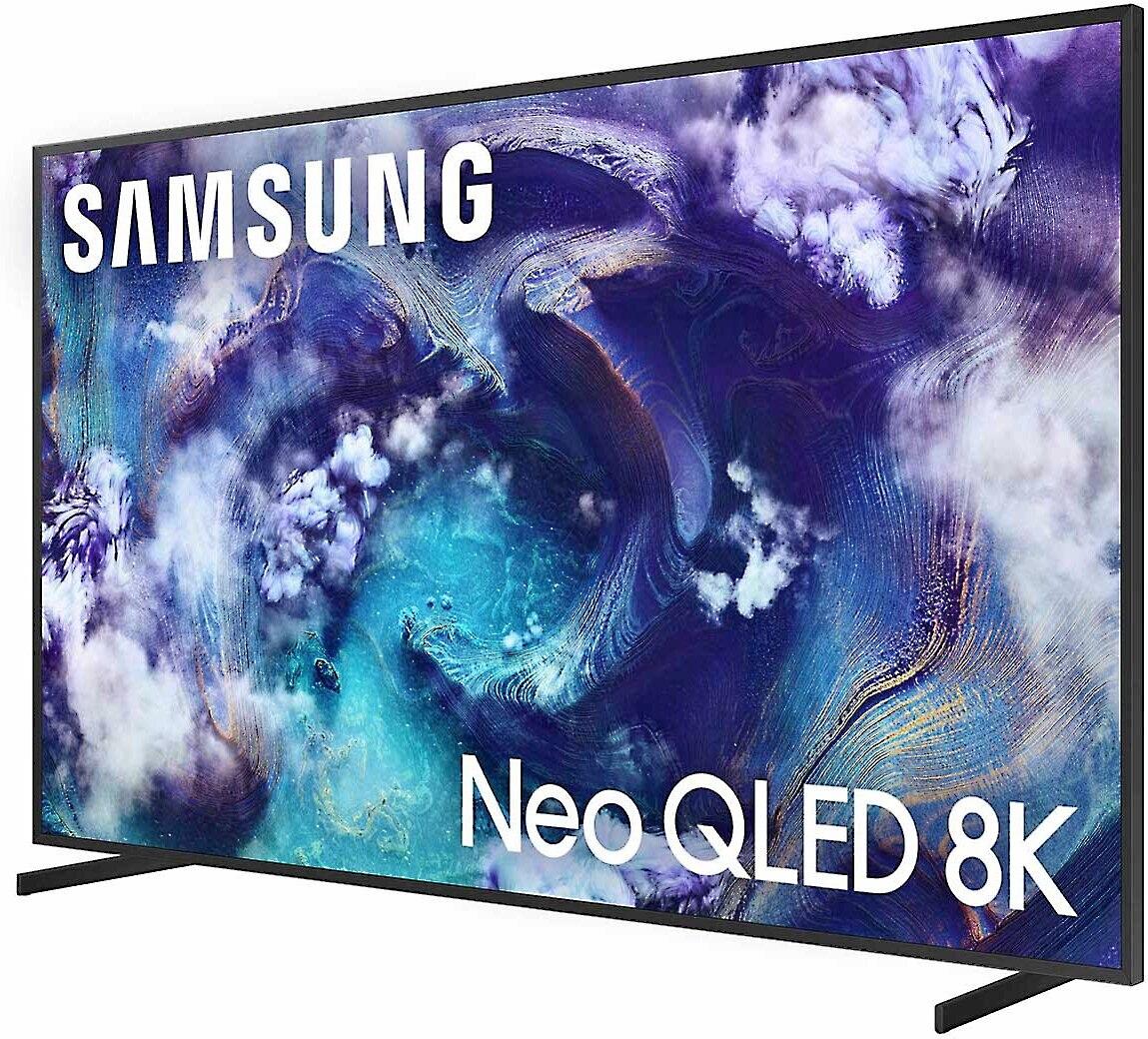
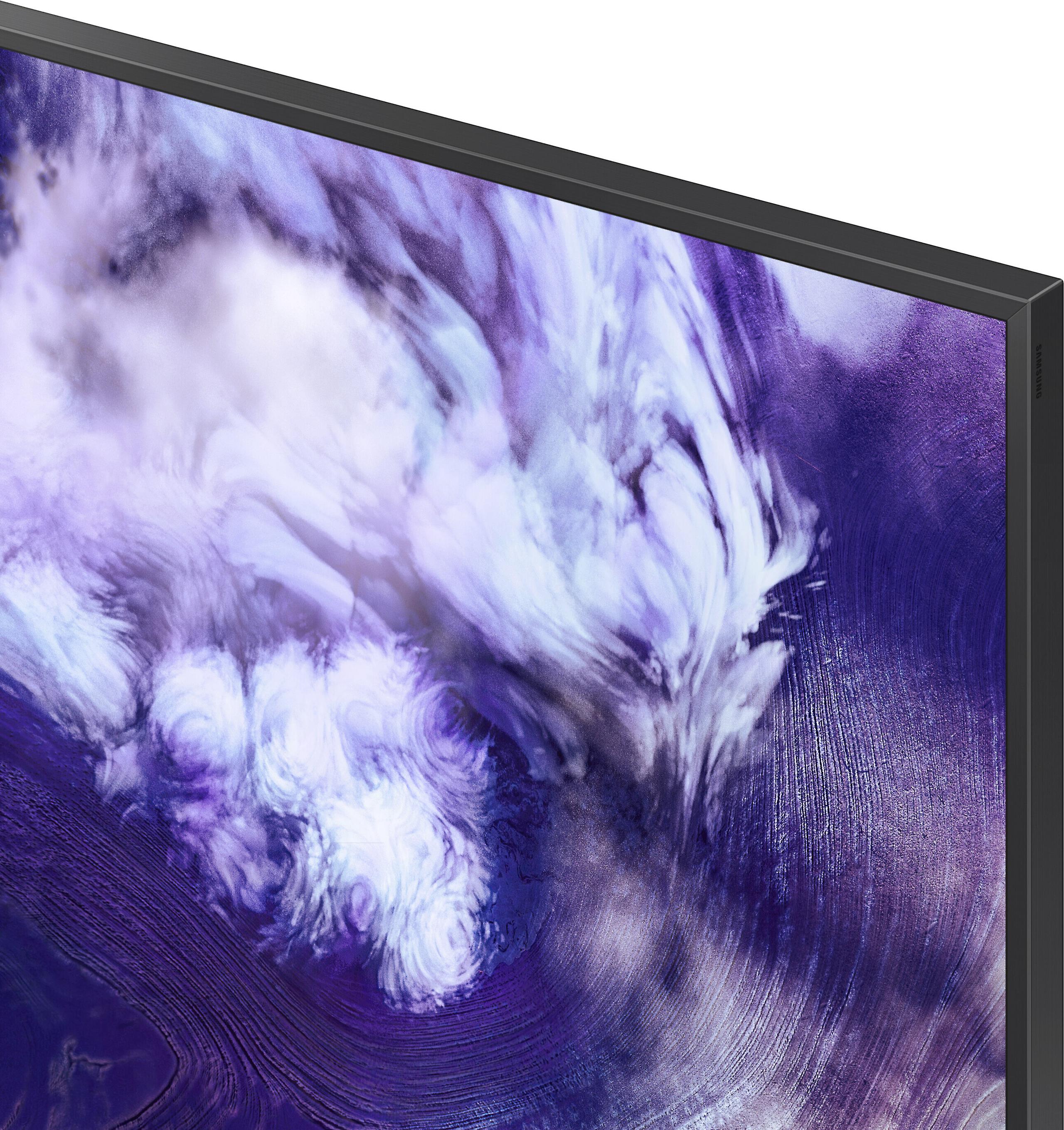

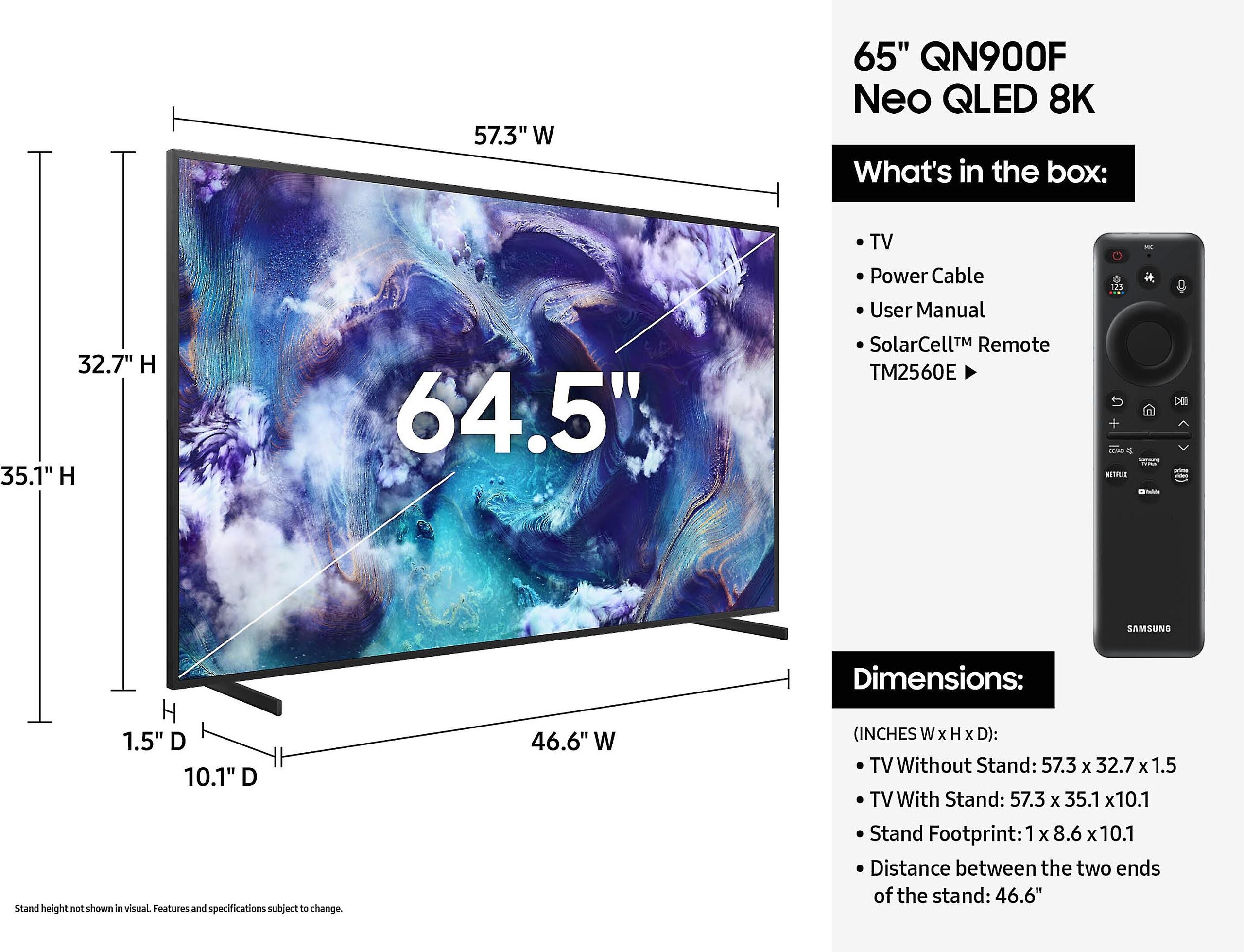
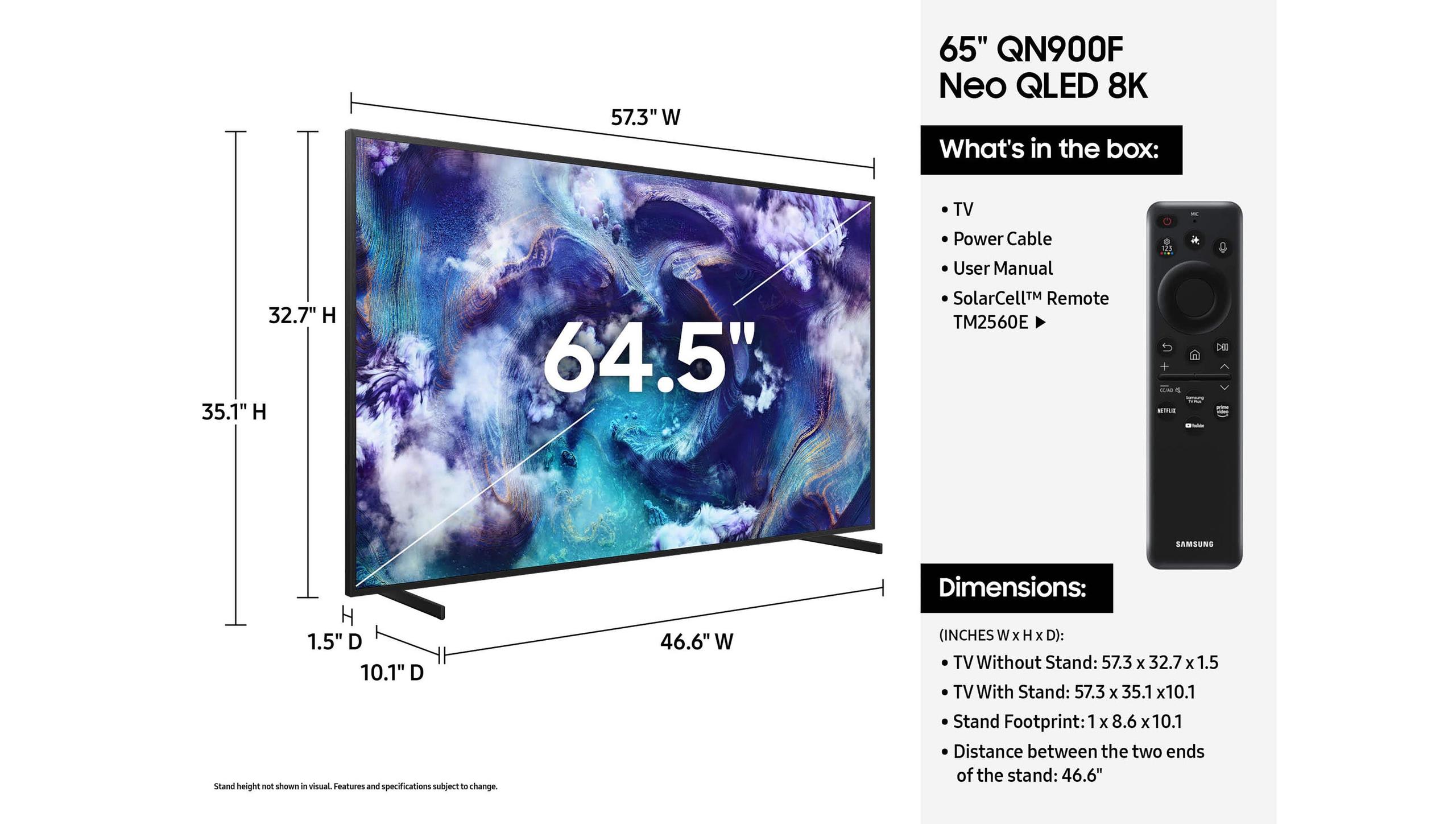
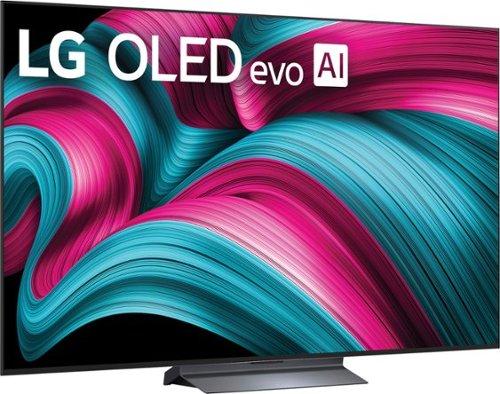
Shopping for a premium 65-inch TV in 2025 means choosing between two fundamentally different technologies that approach picture quality from opposite directions. The Samsung 65" Neo QLED 8K QN900F represents the pinnacle of LCD technology with Mini-LED backlighting, while the LG OLED evo C5 65" delivers the self-emitting pixel magic that OLED is famous for. At the time of writing, these TVs sit at vastly different price points – with the Samsung commanding flagship pricing and the LG offering premium OLED performance at roughly half the cost.
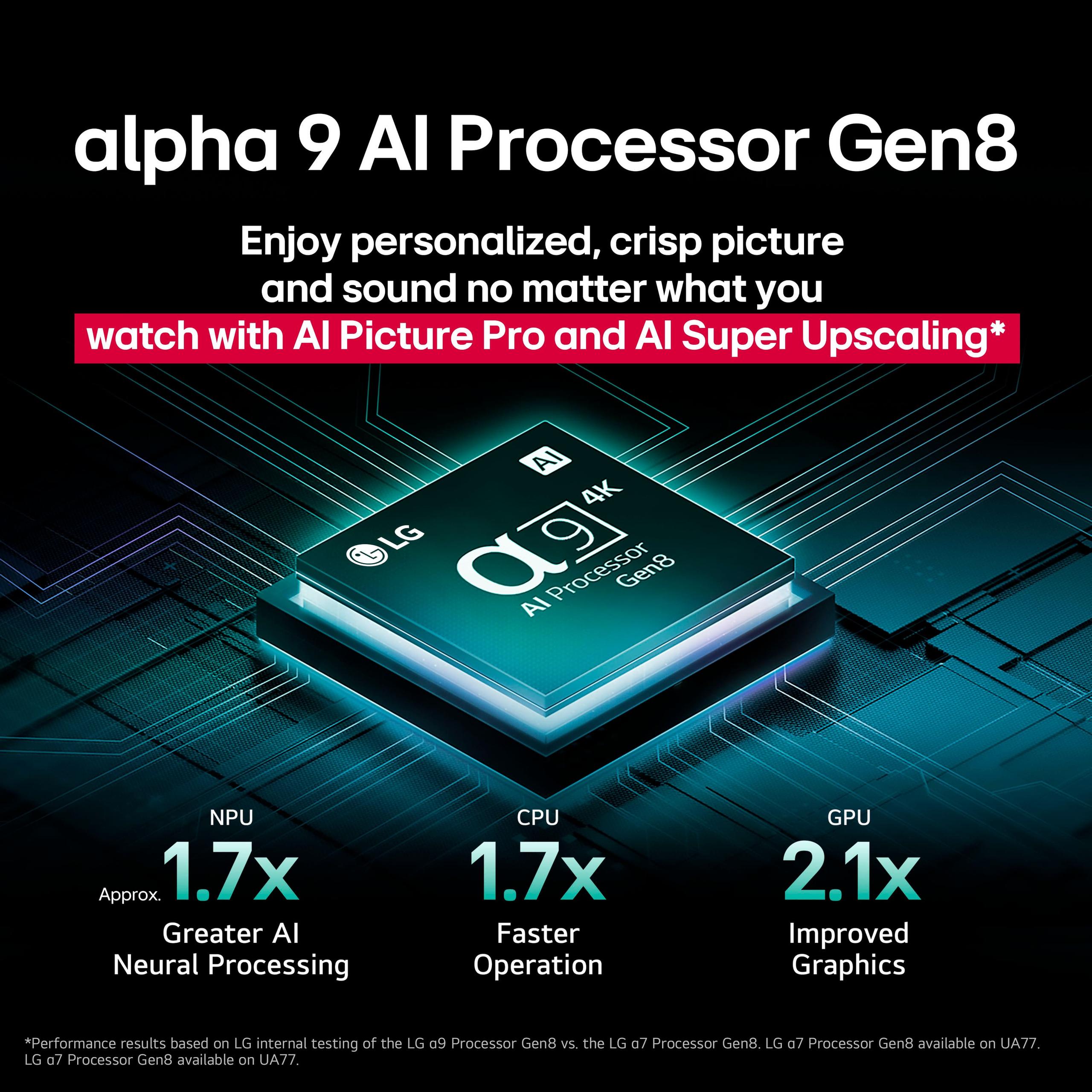
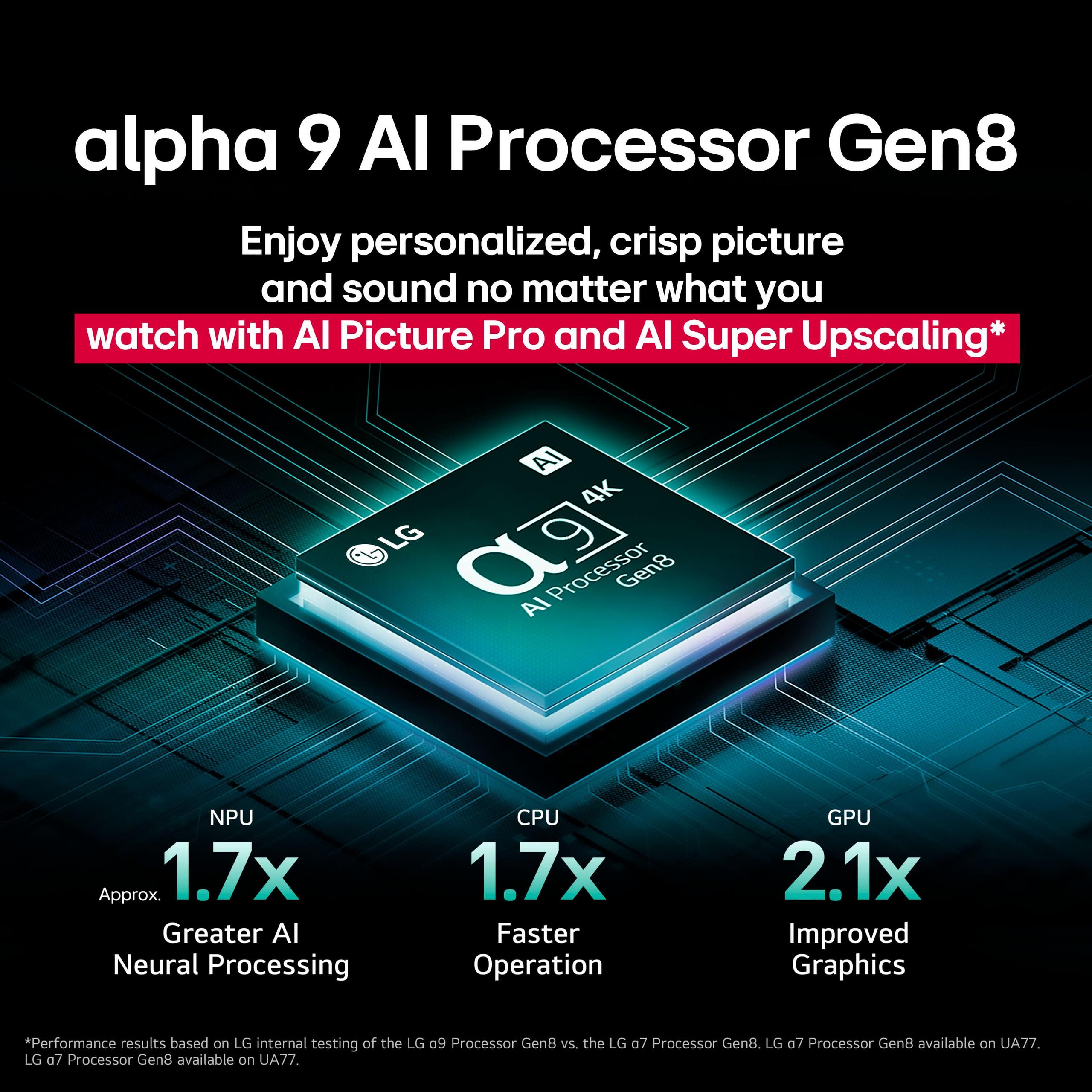
Both TVs launched in 2025, representing significant technological leaps from their 2024 predecessors. The Samsung QN900F introduces Vision AI capabilities and enhanced Mini-LED control, while the LG C5 features the new Alpha 9 Gen8 processor – a major upgrade that brings substantially improved AI processing and brightness compared to the previous C4 model.
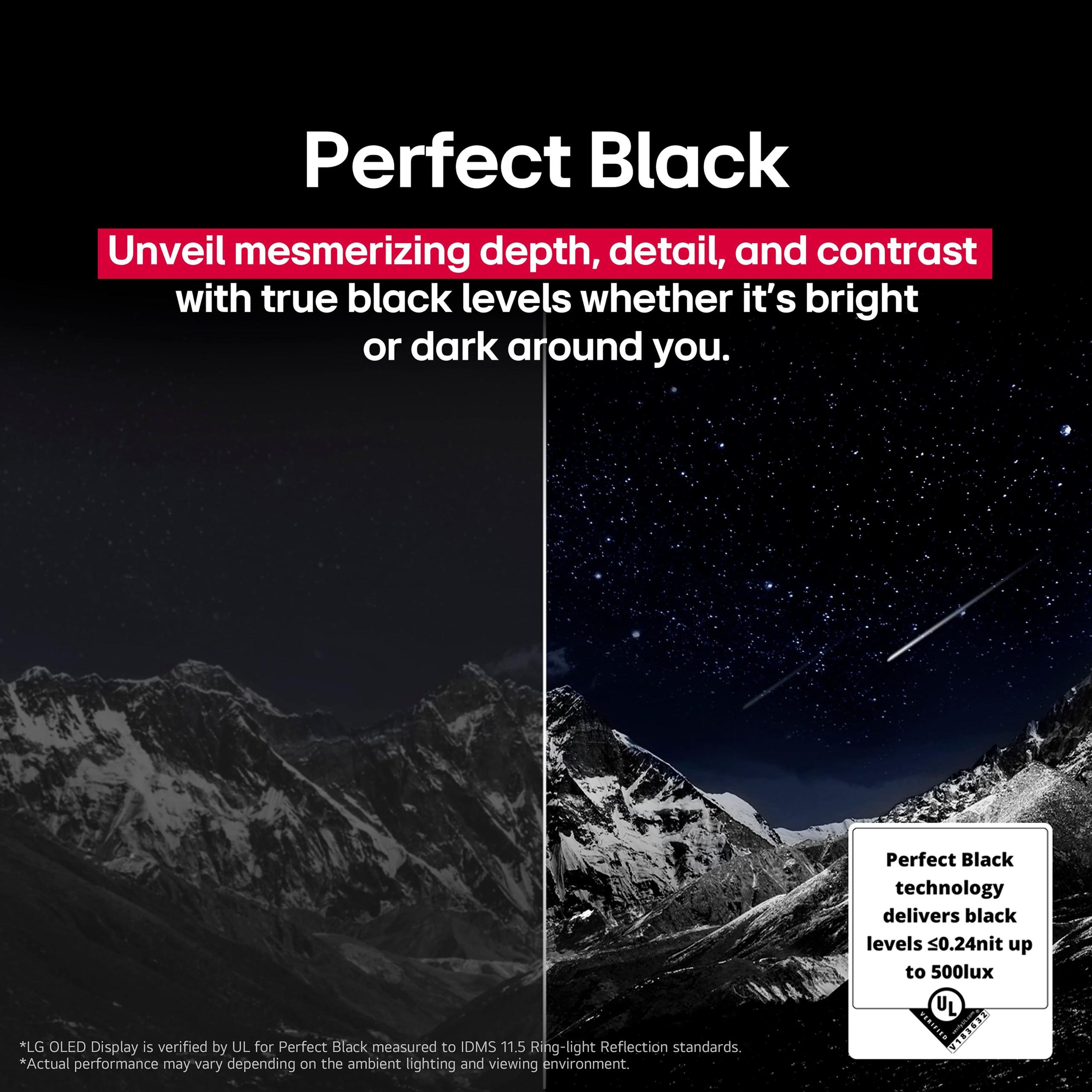
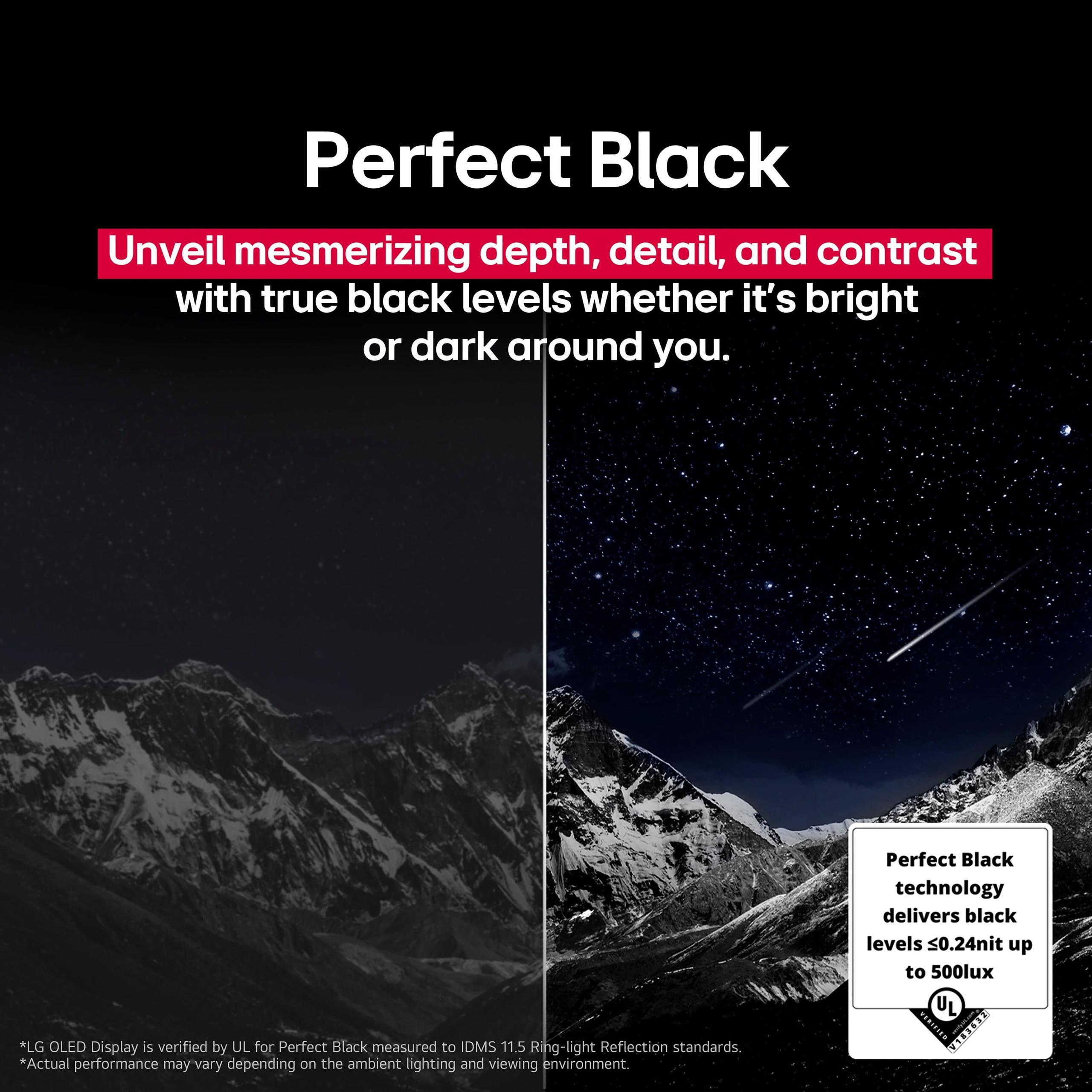
Before diving into performance comparisons, it's crucial to understand what makes these TVs fundamentally different. The LG C5 uses OLED (Organic Light-Emitting Diode) technology, where each pixel produces its own light and can turn completely off. This creates perfect blacks – literally zero light output – and infinite contrast ratios. Think of it like having 8.3 million tiny light bulbs that can each be dimmed to complete darkness or brightened independently.
The Samsung QN900F, on the other hand, uses Neo QLED technology, which combines thousands of Mini-LEDs (much smaller than traditional LED backlights) behind an LCD panel with Quantum Dot color enhancement. Instead of individual pixel control, it uses zones of Mini-LEDs that can be dimmed or brightened together. This approach allows for much higher peak brightness but can't achieve true blacks since there's always some light bleeding through the LCD panel.
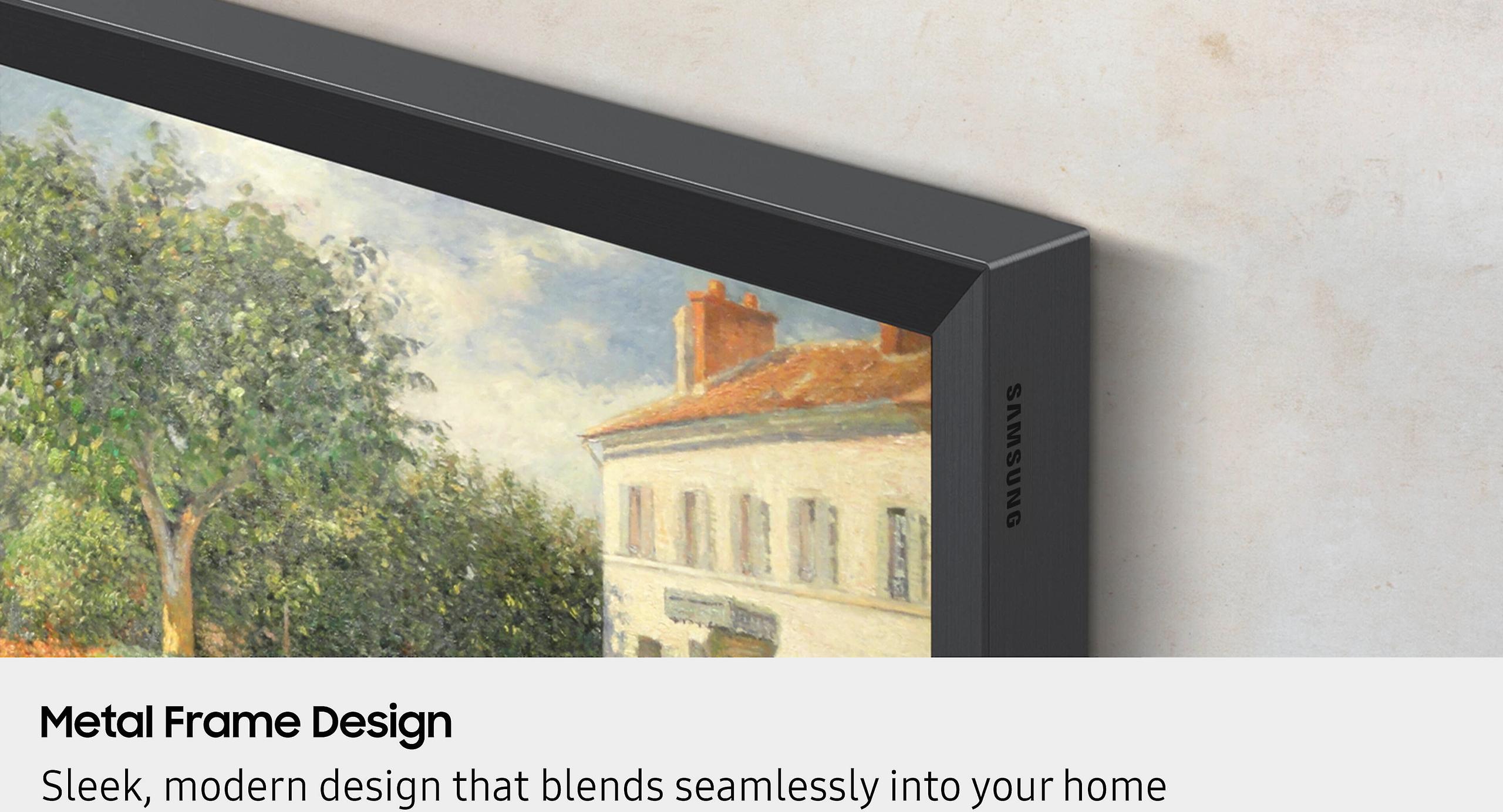
This is where the technology difference becomes most apparent. The LG C5 delivers perfect blacks that make dark movie scenes look genuinely cinematic. When watching films like "Blade Runner 2049" or "Dune," the deep space scenes and shadowy interiors have that inky blackness you'd experience in a movie theater. Each bright element – like a character's face lit by a single light source – appears to float against true darkness.
The Samsung QN900F can't match this absolute black performance, but it compensates with exceptional control over its Mini-LED zones. With thousands of individual LED zones compared to hundreds in regular TVs, it minimizes the "blooming" effect (where bright objects cause light to spill into dark areas nearby). While not perfect, this advanced local dimming creates impressive contrast that most viewers find satisfying, especially in mixed lighting conditions.
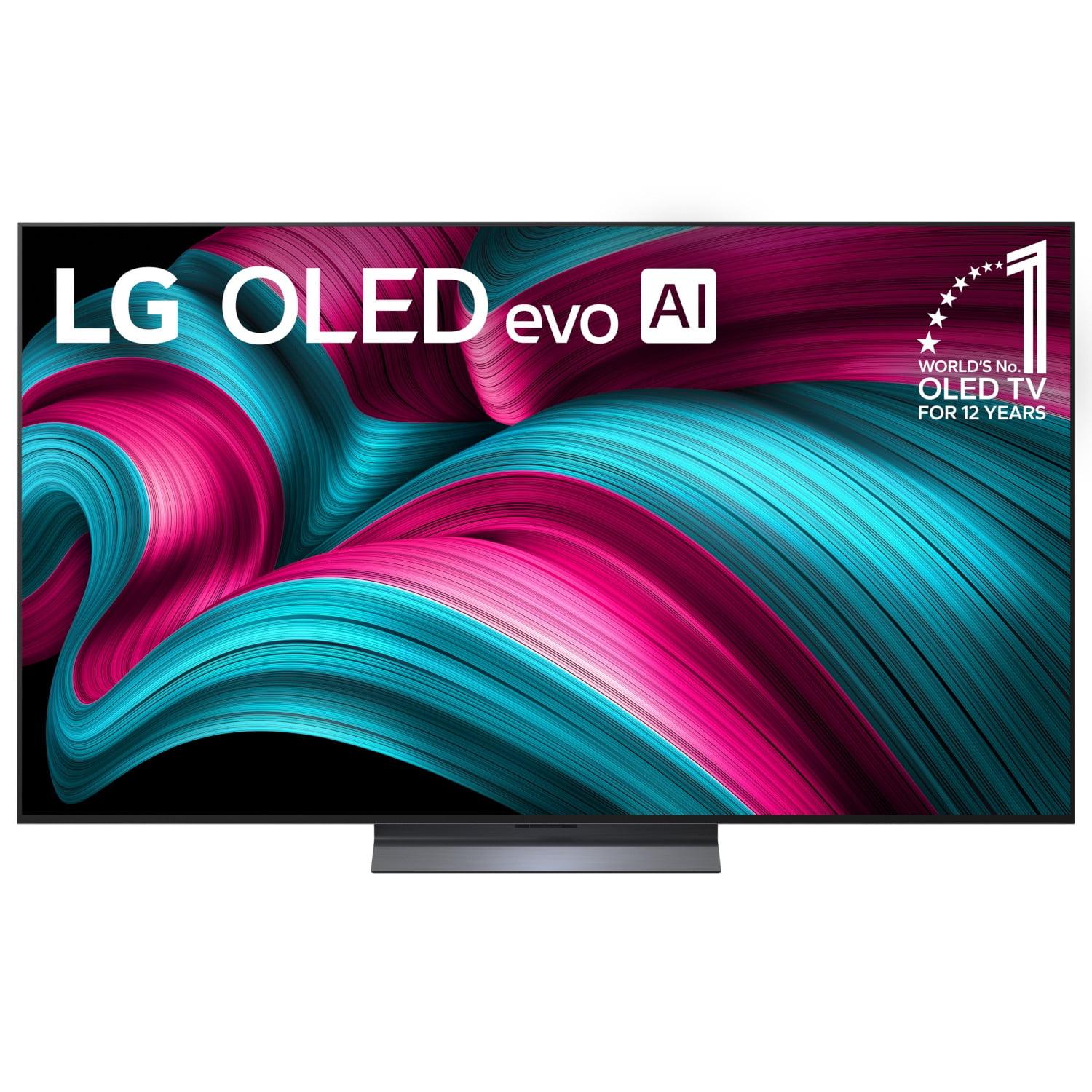
Here's where the Samsung QN900F takes a commanding lead. Its Mini-LED backlight can push peak brightness well above 4,000 nits – making HDR highlights genuinely spectacular. When the sun breaks through clouds in a nature documentary or explosions light up an action movie, the Samsung delivers that "wow" factor that makes HDR content feel almost three-dimensional.
The LG C5 has improved significantly from previous OLED generations, reaching higher peak brightness levels than its predecessors. However, it still caps out around 1,000-1,200 nits in typical viewing scenarios. For most HDR content, this proves sufficient, but the Samsung's brightness advantage becomes obvious when watching aggressively mastered HDR films or playing games with bright outdoor scenes.
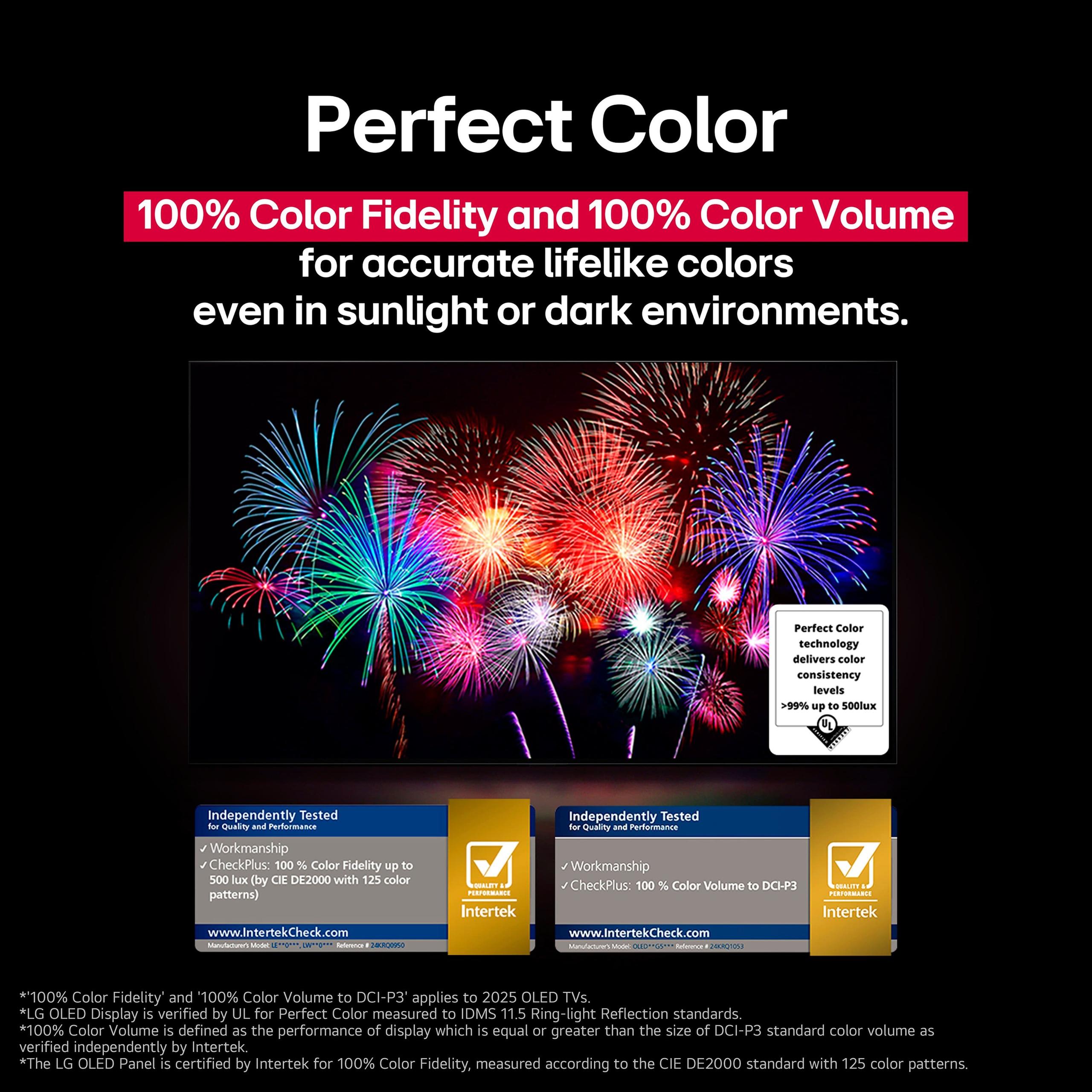
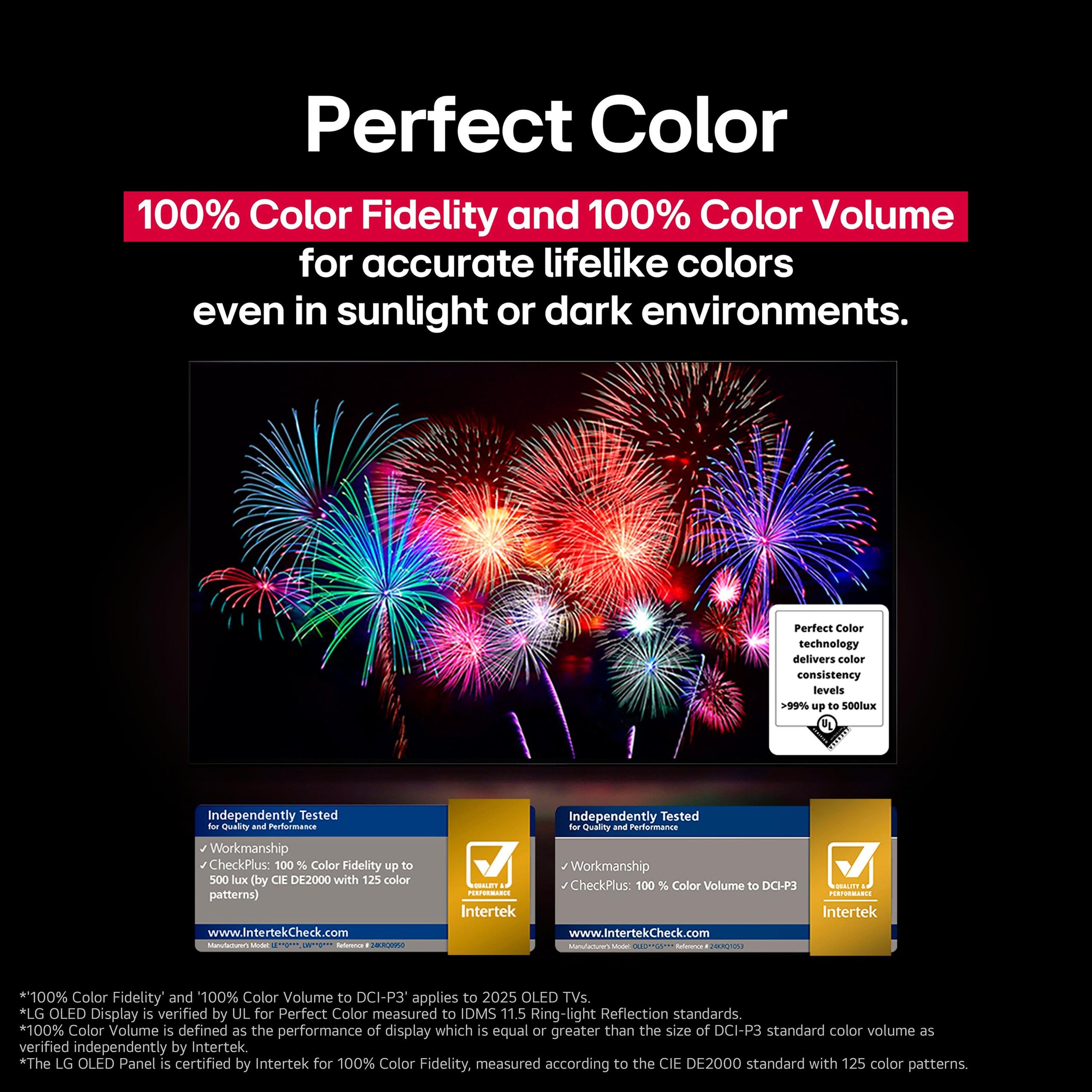
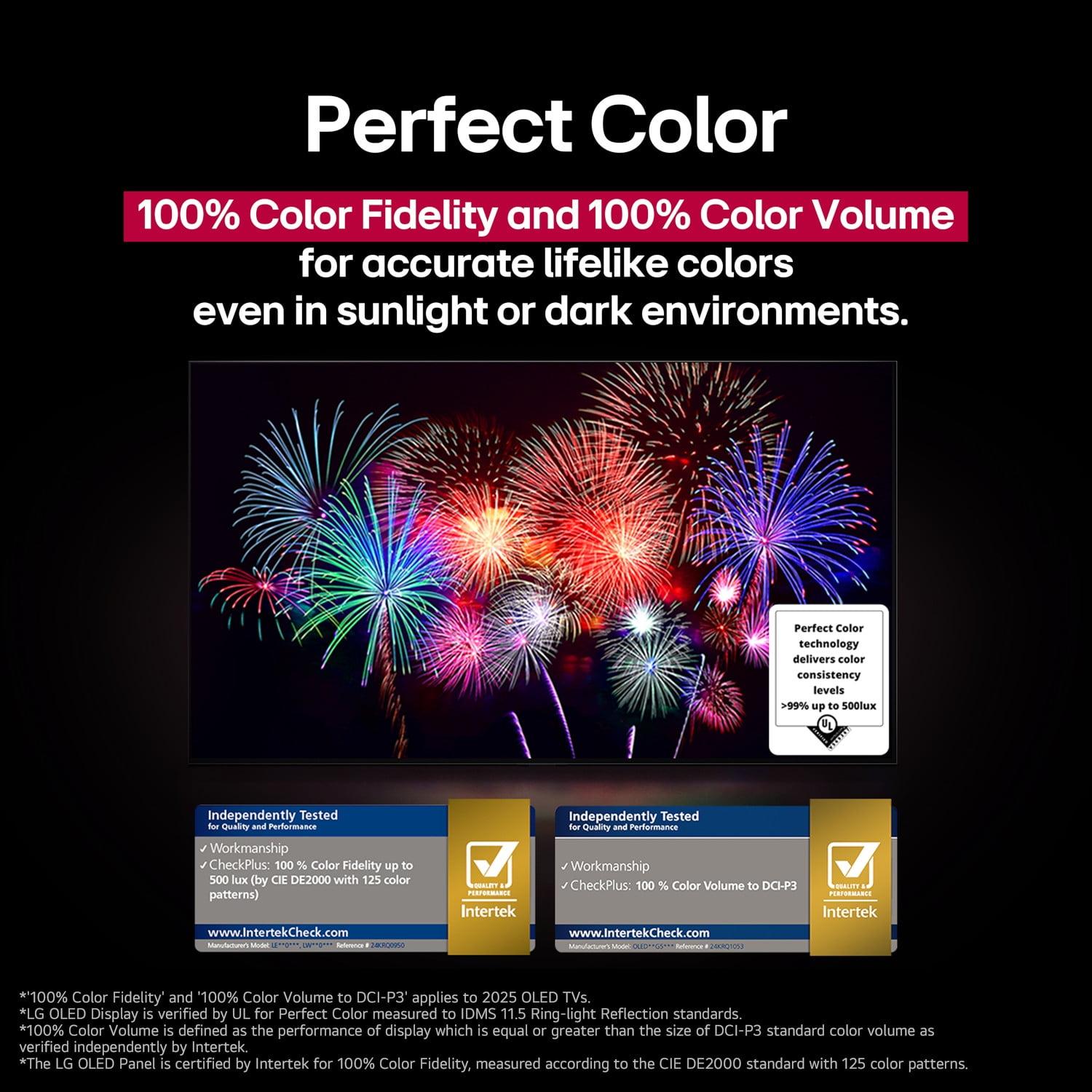
Both TVs excel at color reproduction but take different approaches. The Samsung QN900F uses Quantum Dot technology, which maintains vibrant color saturation even at high brightness levels – something traditionally challenging for displays. This "color volume" advantage means bright, colorful scenes maintain their vibrancy without washing out.
The LG C5 achieves exceptional color accuracy out of the box, often requiring minimal calibration for professional-grade results. Its colors appear more natural and film-like, which many viewers prefer for movies and TV shows. The Alpha 9 Gen8 processor includes improved color processing that analyzes content in real-time to optimize color reproduction.
The resolution difference represents perhaps the most debated aspect of this comparison. The Samsung QN900F offers native 8K resolution (7,680 x 4,320 pixels) – four times more detail than 4K. However, native 8K content remains extremely limited in 2025, restricted mainly to YouTube videos and some specialty streaming content.
The LG C5 sticks with 4K resolution, which perfectly aligns with the current content ecosystem. Every major streaming service, gaming console, and UHD Blu-ray disc delivers 4K content, making it the sweet spot for actual viewing.
The Samsung's 8K advantage relies heavily on AI upscaling – using machine learning to convert lower-resolution content to 8K. The NQ8 AI Gen3 processor performs this upscaling impressively, adding apparent detail and sharpness to 4K and HD sources. However, this processing sometimes introduces artifacts or an overly sharp appearance that looks unnatural.
From a practical standpoint, at typical viewing distances (8-12 feet for a 65-inch TV), the resolution difference becomes minimal for most content. The 8K advantage becomes more apparent when sitting closer to the screen or with true 8K source material.
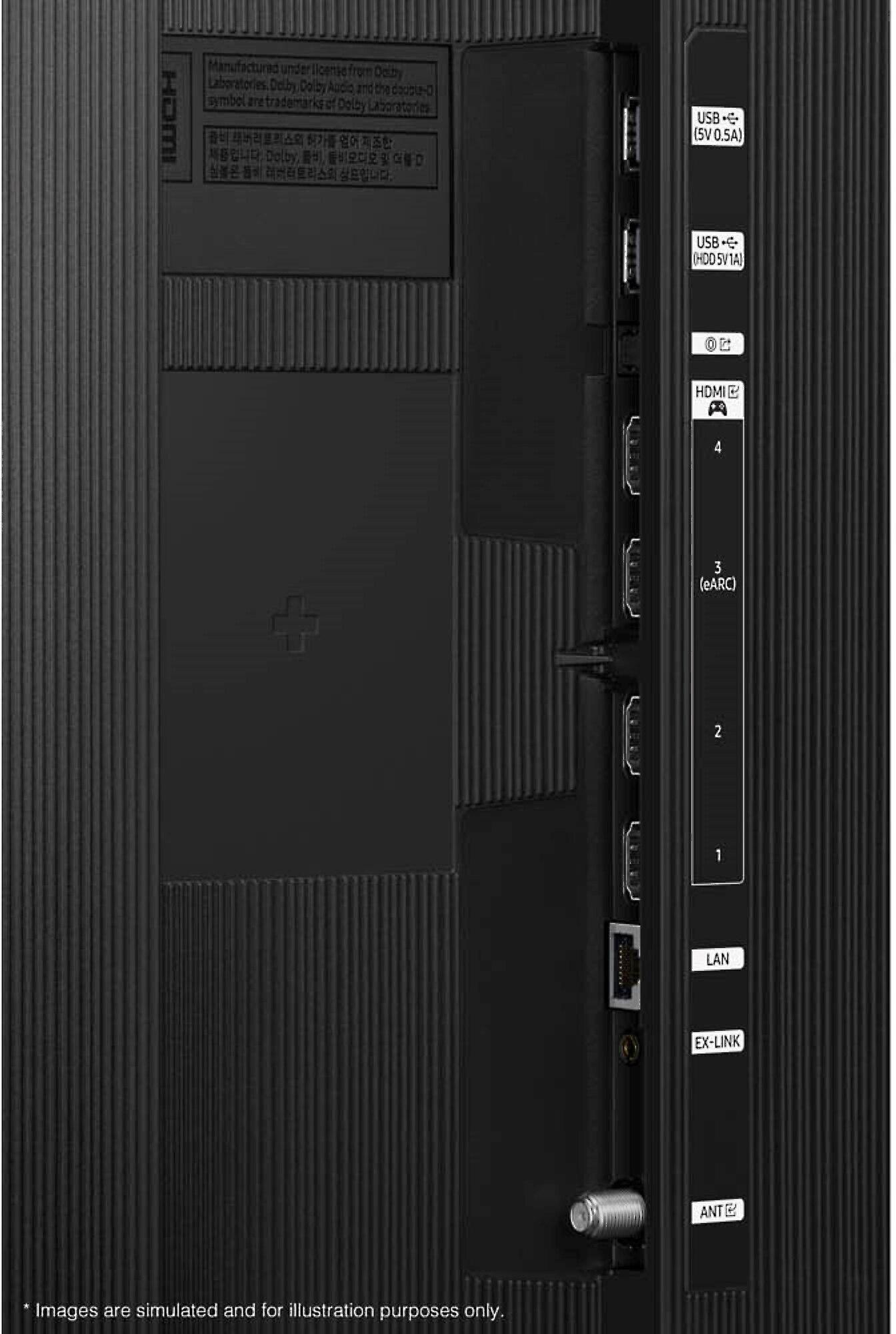
Both TVs excel at gaming but emphasize different strengths. The LG C5 delivers a blazing-fast 0.1ms response time – essentially instantaneous pixel response that eliminates motion blur in fast-paced games. Combined with four HDMI 2.1 ports supporting 4K at 120Hz with Variable Refresh Rate (VRR), it provides an incredibly responsive gaming experience.
The Samsung QN900F offers slightly higher input lag but compensates with superior brightness for HDR gaming. Games like "Cyberpunk 2077" or "Spider-Man" with aggressive HDR implementation look more spectacular on the Samsung, with neon lights and explosions that genuinely pop off the screen.
For competitive gaming – especially first-person shooters or fighting games – the LG C5 provides the edge with its faster response time. For cinematic gaming experiences where visual spectacle matters more than split-second timing, the Samsung QN900F takes the lead.
Your room's lighting conditions often determine which TV performs better. The Samsung QN900F includes anti-glare coating and exceptional peak brightness that overcomes ambient light. In bright living rooms with large windows, it maintains picture quality throughout the day without requiring blackout curtains.
The LG C5 performs best in controlled lighting environments. While improved from previous OLED generations, it still reflects room lighting and can appear washed out in very bright conditions. However, in dimmed or dark rooms, it delivers that coveted cinematic experience that LCD technology can't match.
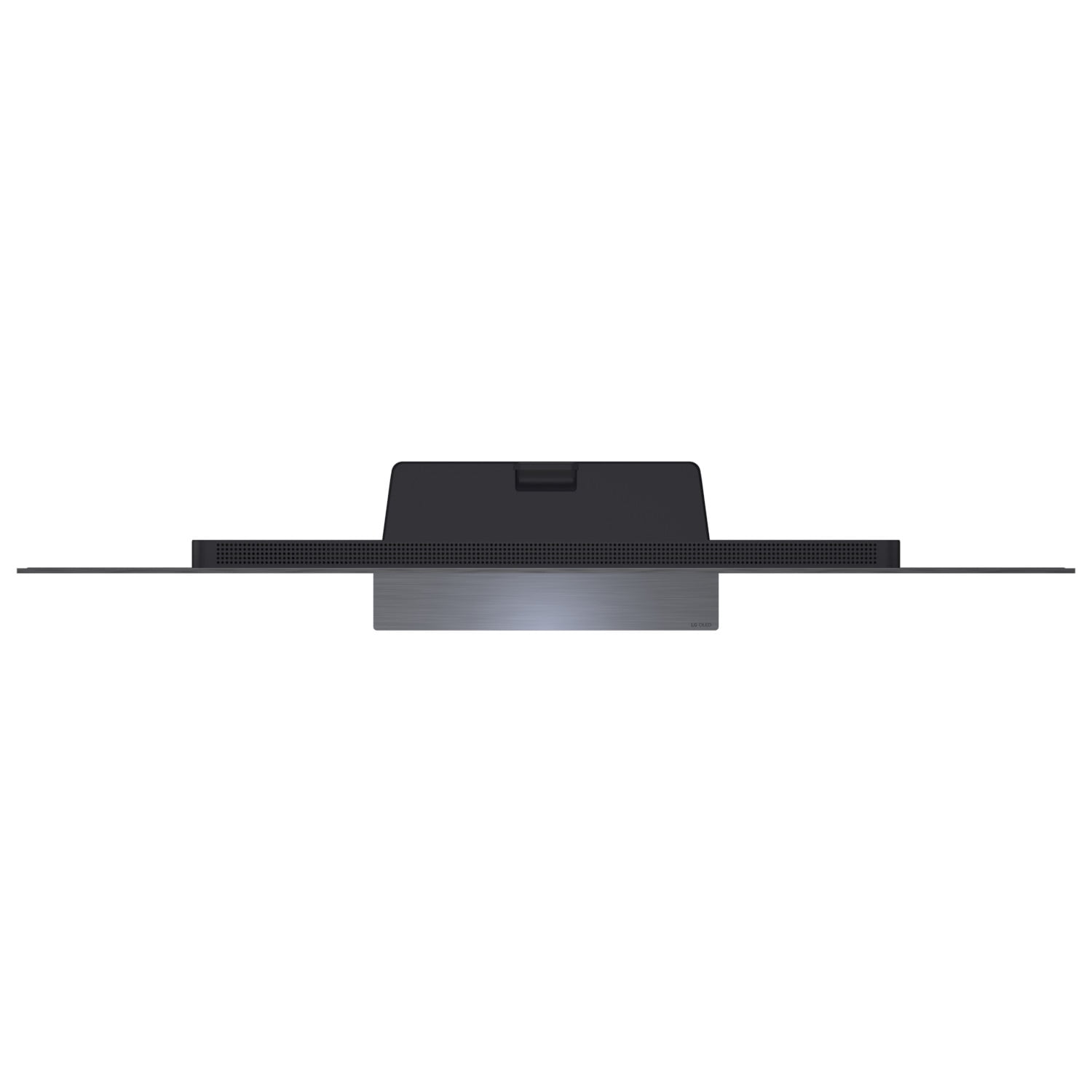
Consider your primary viewing times and room setup. If you watch TV mainly during daylight hours in a bright room, the Samsung's advantages become compelling. If evening and nighttime viewing dominates your usage, the LG's superior contrast creates a more immersive experience.
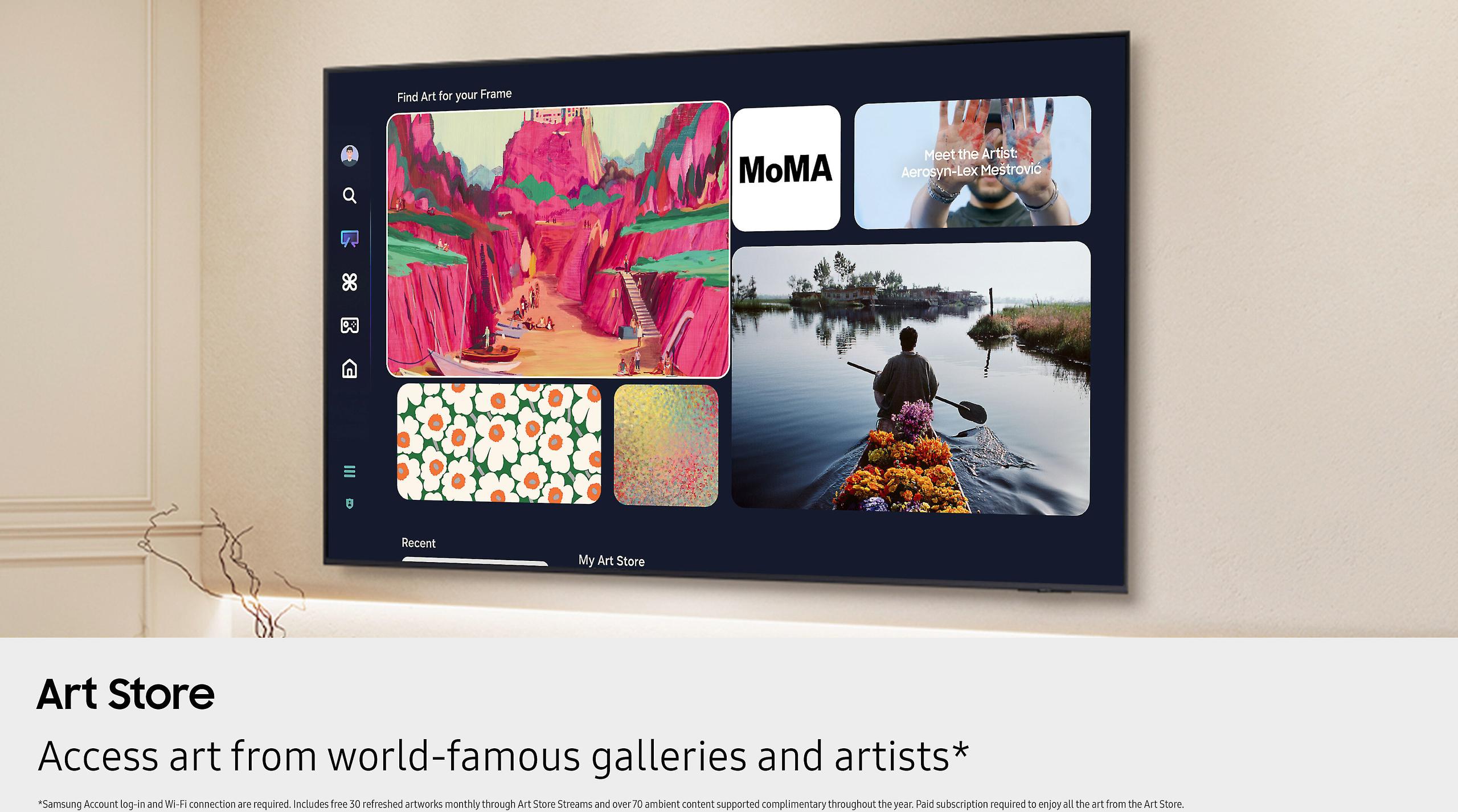
Both TVs offer comprehensive smart platforms, but with different philosophies. The Samsung QN900F features Samsung's Tizen OS with Vision AI capabilities that learn viewing preferences and optimize settings automatically. The wireless One Connect Box allows cable-free installation, reducing clutter significantly.
The LG C5 runs webOS 25, which many consider more user-friendly than Samsung's interface. The Magic Remote provides intuitive point-and-click navigation, and the platform offers excellent app selection and performance.
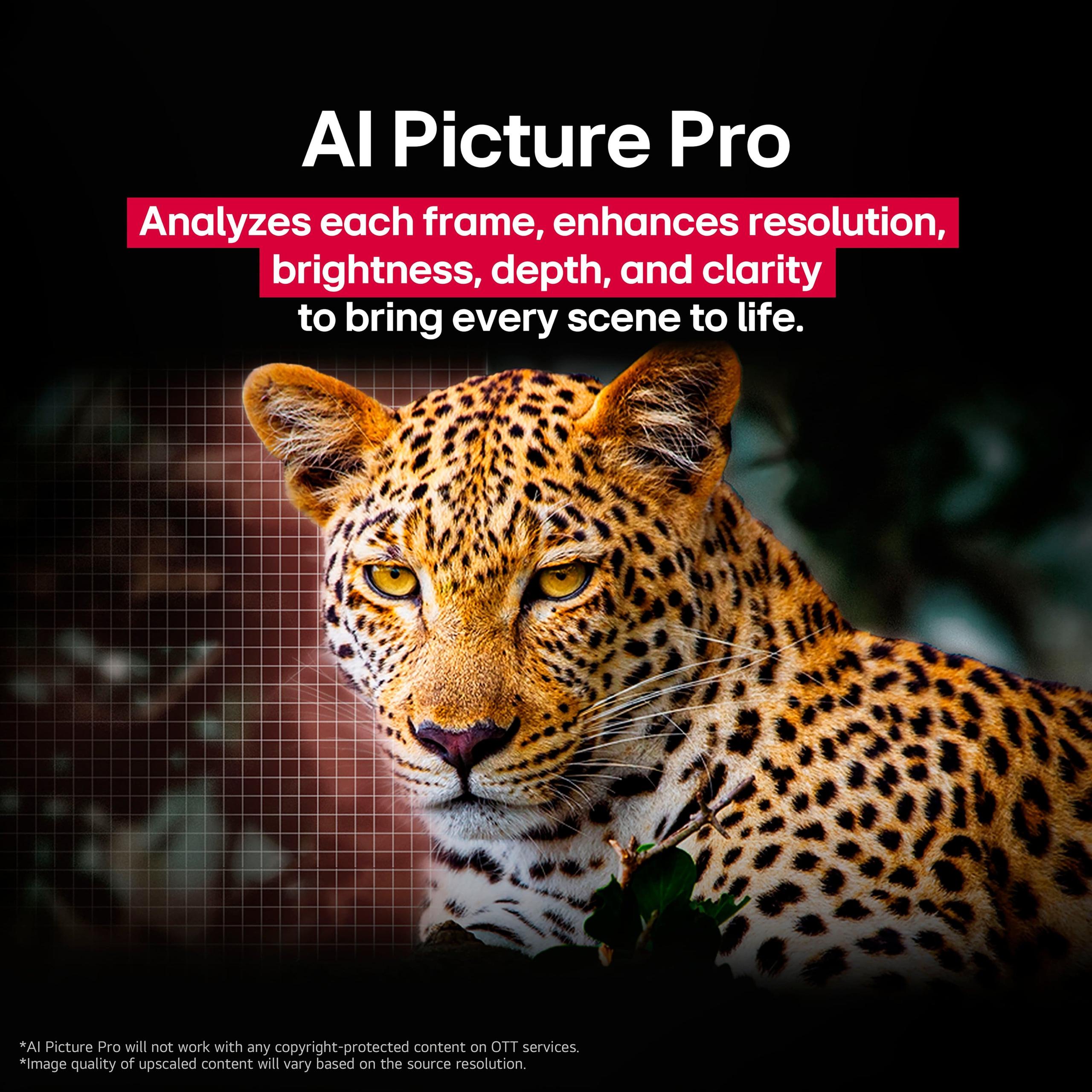
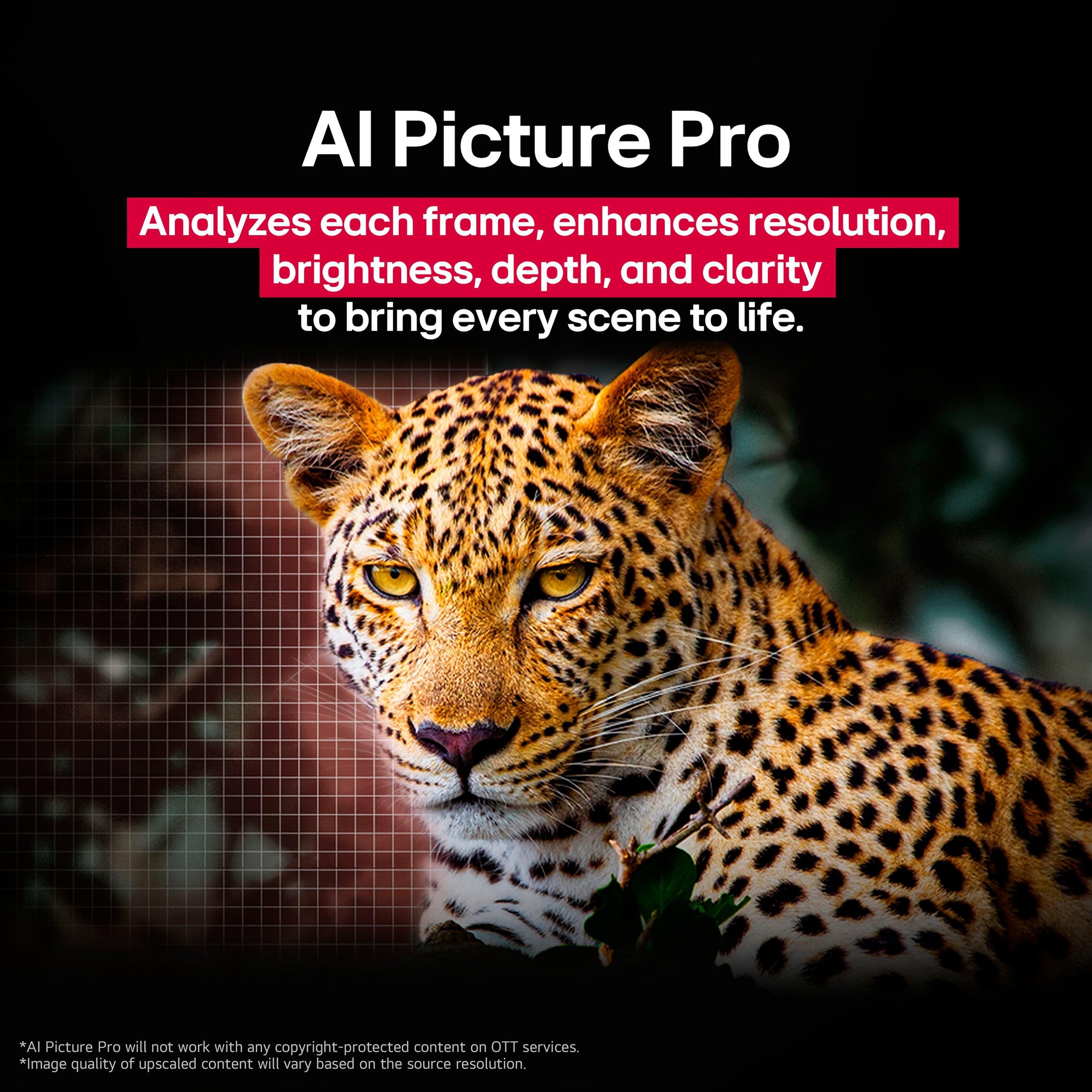
Processing power differs significantly between models. The Samsung's NQ8 AI Gen3 processor focuses heavily on 8K upscaling and brightness optimization. The LG's Alpha 9 Gen8 processor emphasizes natural motion handling and color accuracy – crucial for the OLED panel's capabilities.
The Samsung QN900F includes a more sophisticated speaker system with Object Tracking Sound Pro technology. This creates directional audio that follows action across the screen – voices move left and right as characters walk, and sound effects position themselves spatially. The top-firing speakers add height channels for a more immersive experience.
The LG C5 provides competent built-in audio with Dolby Atmos support, but its speakers can't match the Samsung's power or sophistication. Most users find it adequate for casual viewing but may prefer external audio for serious movie watching.
Both TVs support advanced audio formats, though notably, LG removed DTS passthrough support from their 2025 lineup – potentially problematic for users with older audio equipment or specific disc collections.
At the time of writing, the pricing difference between these TVs is substantial – roughly a 2:1 ratio favoring the LG C5. This creates different value propositions for different buyers.
The LG C5 delivers genuine OLED performance at what historically would be considered mid-range pricing. You're getting perfect blacks, excellent gaming performance, and premium build quality without flagship costs. The main compromises involve brightness limitations and lack of 8K future-proofing.
The Samsung QN900F commands flagship pricing for flagship features. The Mini-LED technology, 8K resolution, advanced processing, and premium build justify the cost for buyers who want cutting-edge technology and maximum versatility across different room conditions.
Your TV room has significant ambient light from windows or fixtures. The anti-glare coating and exceptional brightness make it usable in conditions where OLED struggles. You're building a future-proof setup and believe 8K content adoption will accelerate. The premium build quality and wireless One Connect Box appeal to your aesthetic preferences.
You frequently watch HDR content and want maximum visual impact. The spectacular brightness makes HDR movies and shows more dramatic than what OLED can deliver. Mixed usage patterns – daytime TV watching, evening movies, and gaming – benefit from the Samsung's versatility across different lighting conditions.
Your viewing environment allows for some light control, and you prioritize that cinematic experience that only OLED can deliver. Perfect blacks create immersion that's difficult to appreciate until experienced firsthand. You're primarily focused on current 4K content and don't feel compelled to pay extra for 8K future-proofing.
Gaming performance matters, and you want the fastest response times available. The value proposition appeals to you – getting premium display technology without flagship pricing allows budget allocation toward other components like sound systems or gaming hardware.
For dedicated home theater setups, the LG C5 typically provides the more cinematic experience. Perfect blacks create that "suspended disbelief" feeling where the screen seems to disappear, leaving only the content. The accurate color reproduction and film-like motion handling preserve the director's intended vision.
However, if your theater room has any ambient lighting or if you watch a mix of content types, the Samsung QN900F offers more flexibility. Its brightness capabilities prevent the need for perfect light control while still delivering spectacular HDR performance.
Based on extensive research into user experiences and expert reviews, the LG C5 represents exceptional value for most buyers. It delivers 90% of premium TV performance at roughly half the flagship cost, making it ideal for viewers who want OLED's unique advantages without maximum financial investment.
The Samsung QN900F serves buyers with specific needs: bright room performance, desire for cutting-edge technology, or emphasis on HDR spectacle over perfect contrast. Its premium pricing makes sense only if these specific advantages address your viewing environment and preferences.
For most home entertainment setups in 2025, the sweet spot falls with the LG C5 – offering transformative OLED picture quality that makes a genuine difference in daily viewing enjoyment while preserving budget for other system components or future upgrades.
The choice ultimately depends on your room, content preferences, and value priorities. Both represent excellent TVs that will provide years of exceptional entertainment, just with different strengths that appeal to different viewing situations and preferences.
| Samsung 65" Neo QLED 8K QN900F Vision AI Smart TV 2025 | LG OLED evo C5 65" 4K TV 2025 |
|---|---|
| Display Technology - Fundamental difference affecting all picture quality aspects | |
| Neo QLED Mini-LED LCD with Quantum Dot (thousands of LED zones for precise backlighting control) | OLED self-emitting pixels (each pixel produces its own light and can turn completely off) |
| Resolution - Future-proofing vs current content optimization | |
| 8K (7680 x 4320) with AI upscaling for lower resolution content | 4K (3840 x 2160) perfectly matched to current streaming and gaming content |
| Peak Brightness - Critical for HDR impact and bright room viewing | |
| 4,000+ nits (exceptional HDR highlights, overcomes ambient light easily) | ~1,200 nits (good HDR performance, limited in very bright rooms) |
| Black Levels - Essential for contrast and dark scene detail | |
| Very deep blacks with minimal blooming (Mini-LED zones can't achieve true black) | Perfect blacks (pixels turn completely off for infinite contrast ratio) |
| Gaming Response Time - Crucial for competitive gaming and motion clarity | |
| Enhanced motion processing with low input lag | 0.1ms response time (fastest available, eliminates motion blur) |
| Processor - Determines upscaling quality and smart features | |
| NQ8 AI Gen3 with Vision AI (focuses on 8K upscaling and brightness optimization) | Alpha 9 Gen8 AI (emphasizes color accuracy and natural motion handling) |
| HDR Format Support - Affects compatibility with streaming content | |
| HDR10+, HLG (no Dolby Vision support) | Dolby Vision, HDR10, HLG (widest format compatibility) |
| Audio System - Built-in sound quality without external speakers | |
| Object Tracking Sound Pro with top-firing speakers (sophisticated directional audio) | Dolby Atmos support with standard TV speakers (adequate but benefits from soundbar) |
| Room Suitability - Where each TV performs best | |
| Bright rooms with ambient light (anti-glare coating, high brightness) | Dark to dimly lit rooms (perfect blacks shine, reflections can wash out image) |
| Smart Platform - User interface and app ecosystem | |
| Tizen OS with wireless One Connect Box (reduces cable clutter) | webOS 25 with Magic Remote (intuitive point-and-click navigation) |
| Value Proposition - Performance per dollar at time of writing | |
| Flagship pricing for cutting-edge 8K technology and maximum brightness | Exceptional value delivering premium OLED performance at mid-range cost |
| Best For - Ideal buyer and use case | |
| Future-focused buyers wanting 8K readiness, bright room viewing, maximum HDR impact | Value-conscious buyers prioritizing perfect contrast, gaming performance, current 4K content |
The LG OLED evo C5 delivers superior picture quality in dark rooms due to its perfect black levels. Each OLED pixel can turn completely off, creating infinite contrast ratios that make dark movie scenes look truly cinematic. The Samsung Neo QLED 8K QN900F offers excellent contrast with its Mini-LED technology, but can't achieve the absolute blacks that make the LG C5 ideal for home theater environments.
The Samsung 65" Neo QLED 8K QN900F excels in bright rooms thanks to its exceptional peak brightness (over 4,000 nits) and anti-glare coating. This combination overcomes ambient light that can wash out other displays. While the LG OLED evo C5 has improved brightness compared to previous OLED models, it still struggles with reflections and bright room performance compared to the Samsung.
The 8K resolution on the Samsung QN900F offers future-proofing but limited immediate benefits since native 8K content remains scarce. The TV's AI upscaling does enhance 4K and HD content, but the LG C5's 4K resolution perfectly matches current streaming, gaming, and Blu-ray content. For most viewers, 4K provides excellent detail at typical viewing distances.
Both TVs offer excellent gaming features, but serve different priorities. The LG OLED evo C5 provides faster response times (0.1ms) and four HDMI 2.1 ports, making it ideal for competitive gaming. The Samsung Neo QLED 8K QN900F offers superior brightness for HDR gaming and includes Samsung Gaming Hub. Choose the LG C5 for speed or the Samsung QN900F for visual spectacle.
The core difference lies in display technology: the Samsung QN900F uses Mini-LED backlighting behind an LCD panel with thousands of dimming zones, while the LG C5 uses OLED technology where each pixel produces its own light. This means the Samsung achieves higher brightness but the LG OLED evo C5 delivers perfect blacks and infinite contrast.
The LG OLED evo C5 provides exceptional value, delivering premium OLED performance at roughly half the cost of flagship models. You get perfect blacks, excellent gaming features, and premium build quality without flagship pricing. The Samsung Neo QLED 8K QN900F commands premium pricing for cutting-edge 8K technology and maximum brightness capabilities.
For movie watching, the LG C5 typically provides a more cinematic experience with its perfect blacks and accurate colors that preserve the filmmaker's vision. The Samsung QN900F excels with HDR movies that benefit from its spectacular brightness, making explosions and bright scenes more dramatic. Choose based on your room lighting and content preferences.
Both offer excellent smart platforms: the Samsung QN900F features Tizen OS with Vision AI that learns preferences and includes a wireless One Connect Box for cable-free installation. The LG OLED evo C5 runs webOS 25 with the intuitive Magic Remote for point-and-click navigation. Both support major streaming apps and voice assistants.
The Samsung 65" Neo QLED 8K QN900F includes a more sophisticated speaker system with Object Tracking Sound Pro and top-firing speakers for directional audio. The LG C5 provides decent Dolby Atmos support but with less powerful speakers. Both benefit from external sound systems for optimal home theater audio.
For dedicated home theaters with controlled lighting, the LG OLED evo C5 creates a more immersive experience with perfect blacks that make the screen seem to disappear. However, if your theater has any ambient lighting or mixed usage, the Samsung Neo QLED 8K QN900F offers more versatility while still delivering spectacular HDR performance.
Both the Samsung QN900F and LG C5 include standard one-year limited warranties covering parts and labor. LG offers their Re:New program promising software updates for up to five years, while Samsung provides regular Tizen OS updates. Both manufacturers have established service networks, though experiences may vary by region.
Choose the LG OLED evo C5 if you prioritize value, perfect contrast, fast gaming response, and primarily watch in controlled lighting. Choose the Samsung 65" Neo QLED 8K QN900F if you need bright room performance, want 8K future-proofing, prefer maximum HDR impact, or have a larger budget for flagship features. The LG C5 offers the best value for most buyers.
We've done our best to create useful and informative comparisons to help you decide what product to buy. Our research uses advanced automated methods to create this comparison and perfection is not possible - please contact us for corrections or questions. These are the sites we've researched in the creation of this article: rtings.com - samsung.com - techradar.com - dolby.com - youtube.com - samsung.com - youtube.com - samsung.com - samsung.com - samsung.com - samsung.com - displayspecifications.com - samsung.com - rtings.com - bestbuy.com - merlinstv.com - news.samsung.com - bestbuy.com - bestbuy.com - rtings.com - youtube.com - businessinsider.com - youtube.com - bestbuy.com - lg.com - files.bbystatic.com - lg.com - flatpanelshd.com - lg.com - blvdhome.com - bhphotovideo.com - flanners.com - videopro.com.au

Privacy Policy
Terms and Conditions - Affiliate Policy
Home Security
© Copyright 2008-2026.
11816 Inwood Rd #1211, Dallas, TX 75244