


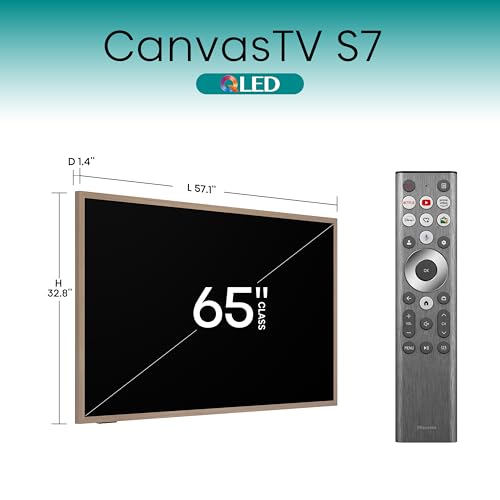
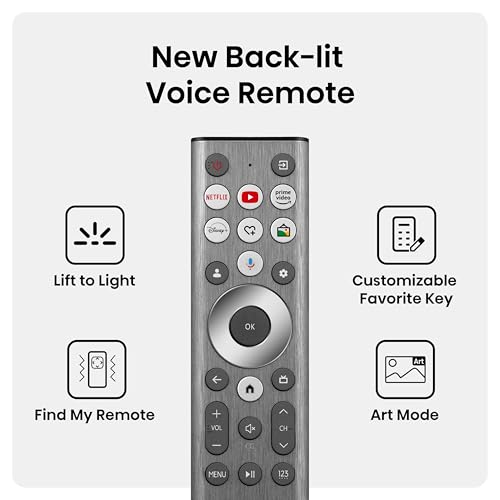



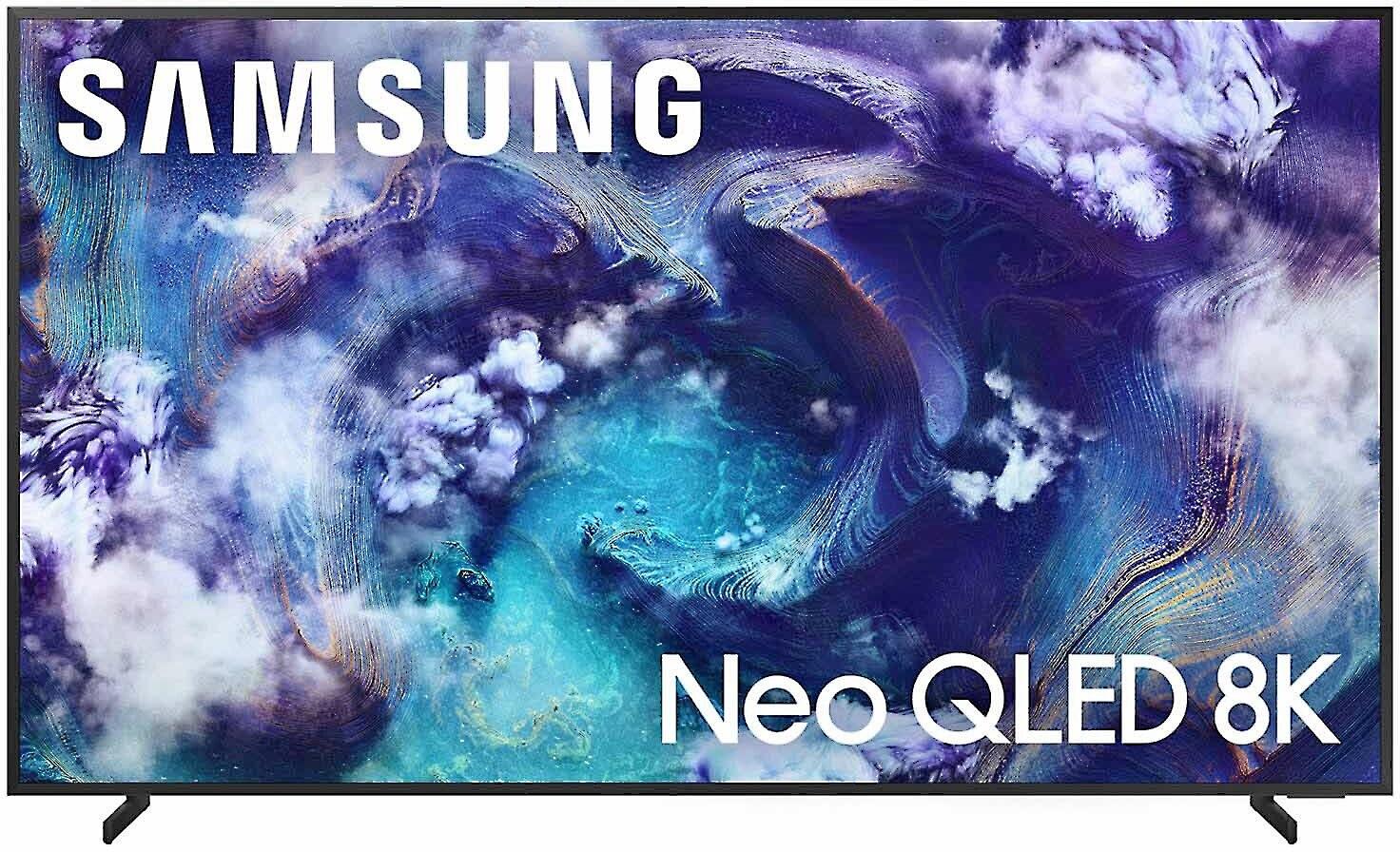
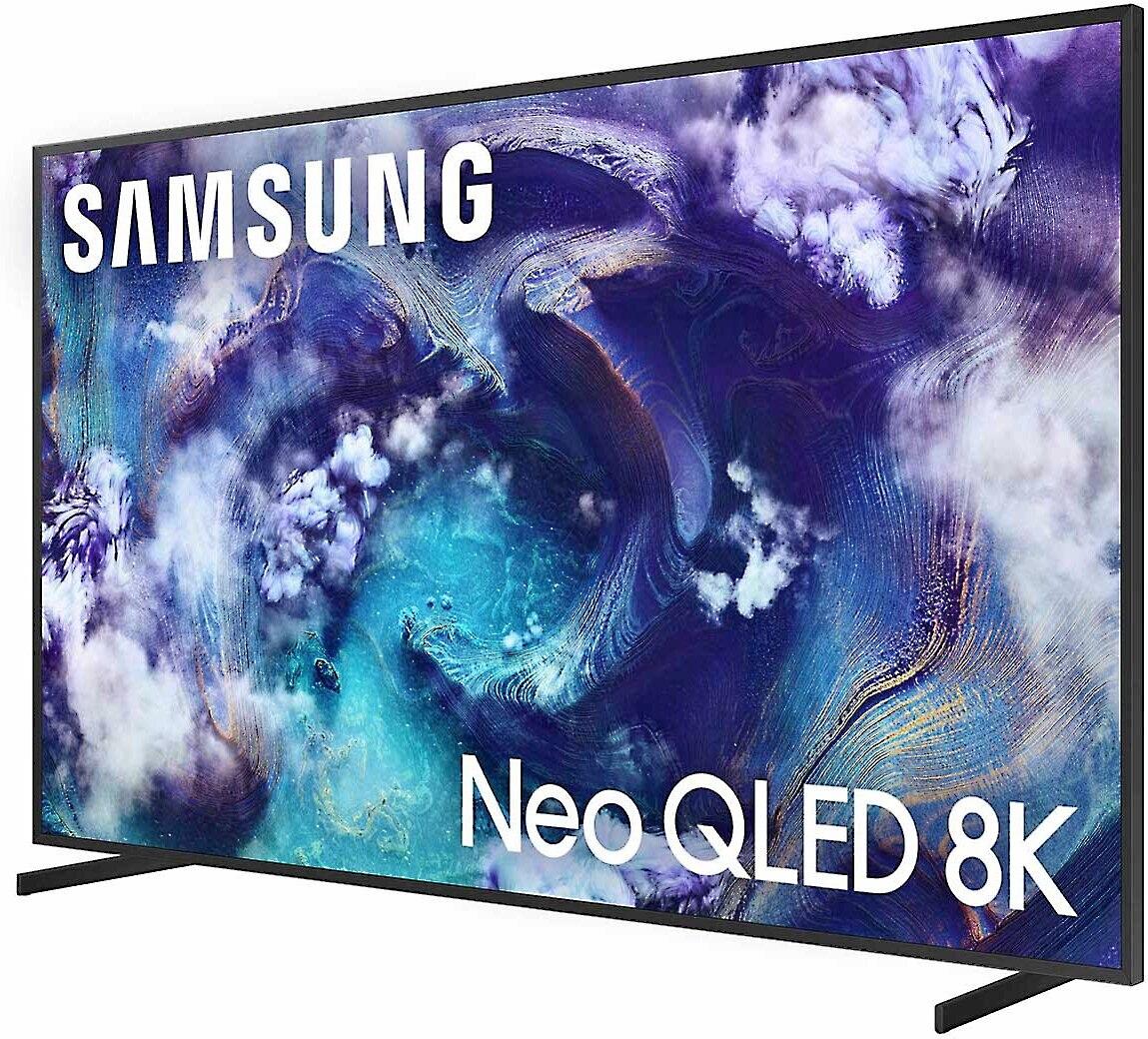

The large-screen TV market has split into fascinating directions. You're no longer just choosing between brands—you're picking between completely different philosophies about what a premium television should do. The Hisense 65" S7N CanvasTV, released in 2024, treats your TV as living room art that happens to show excellent 4K content. Meanwhile, the Samsung 65" Neo QLED 8K QN900F, Samsung's 2025 flagship, pushes every technical boundary to deliver the most impressive viewing experience possible.
At the time of writing, these represent vastly different investment levels. The Hisense CanvasTV positions itself as premium value, while the Samsung QN900F commands flagship pricing that's roughly three to four times higher. The question isn't just which TV is better—it's which approach makes sense for your specific situation.
The premium TV space has evolved beyond simple "good, better, best" tiers. Today's high-end displays serve distinct primary purposes, and understanding these categories helps clarify which direction makes sense for your home.
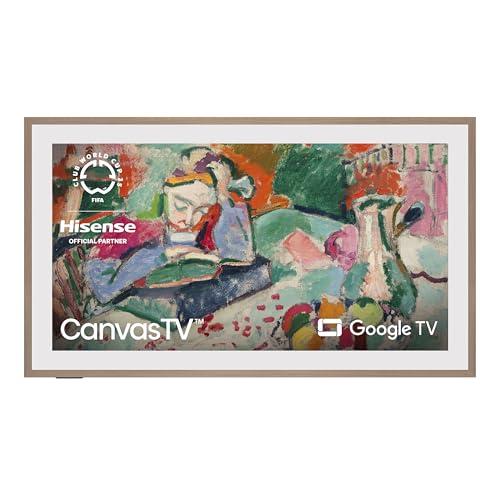
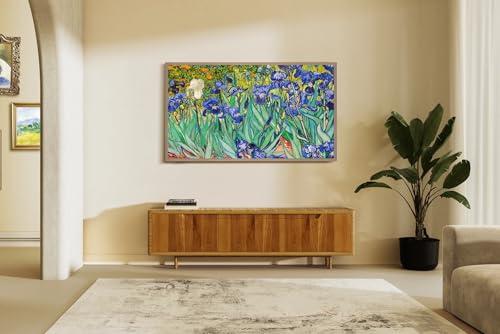
Lifestyle TVs prioritize seamless integration into your living space. They excel when you're not actively watching content, transforming into digital art galleries or disappearing into your decor. The Hisense S7N CanvasTV exemplifies this approach with its matte anti-glare finish and dedicated art mode features.
Performance TVs focus entirely on delivering the most impressive picture and audio quality possible. Every technical specification targets maximum impact during active viewing. The Samsung QN900F represents this philosophy, cramming cutting-edge display technology into a package designed to wow you every time you turn it on.
Your choice depends heavily on how you actually use your main TV. Do you want it to enhance your room's aesthetics 24/7, or do you primarily care about those two hours each evening when you're actively watching content?
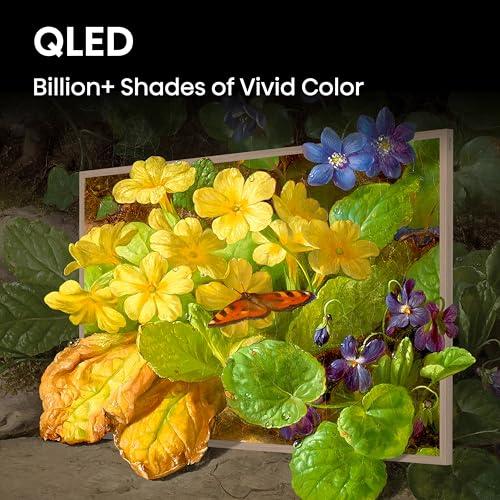
The most fundamental difference between these TVs lies in their display approach and resolution capabilities. The Hisense CanvasTV uses a 4K QLED panel (3840×2160 pixels) with Quantum Dot technology—essentially tiny particles that produce more accurate colors than traditional LED displays. QLED technology has matured significantly since its introduction, and the 2024 implementation in the CanvasTV delivers vibrant, lifelike colors across its 1.07 billion color range.
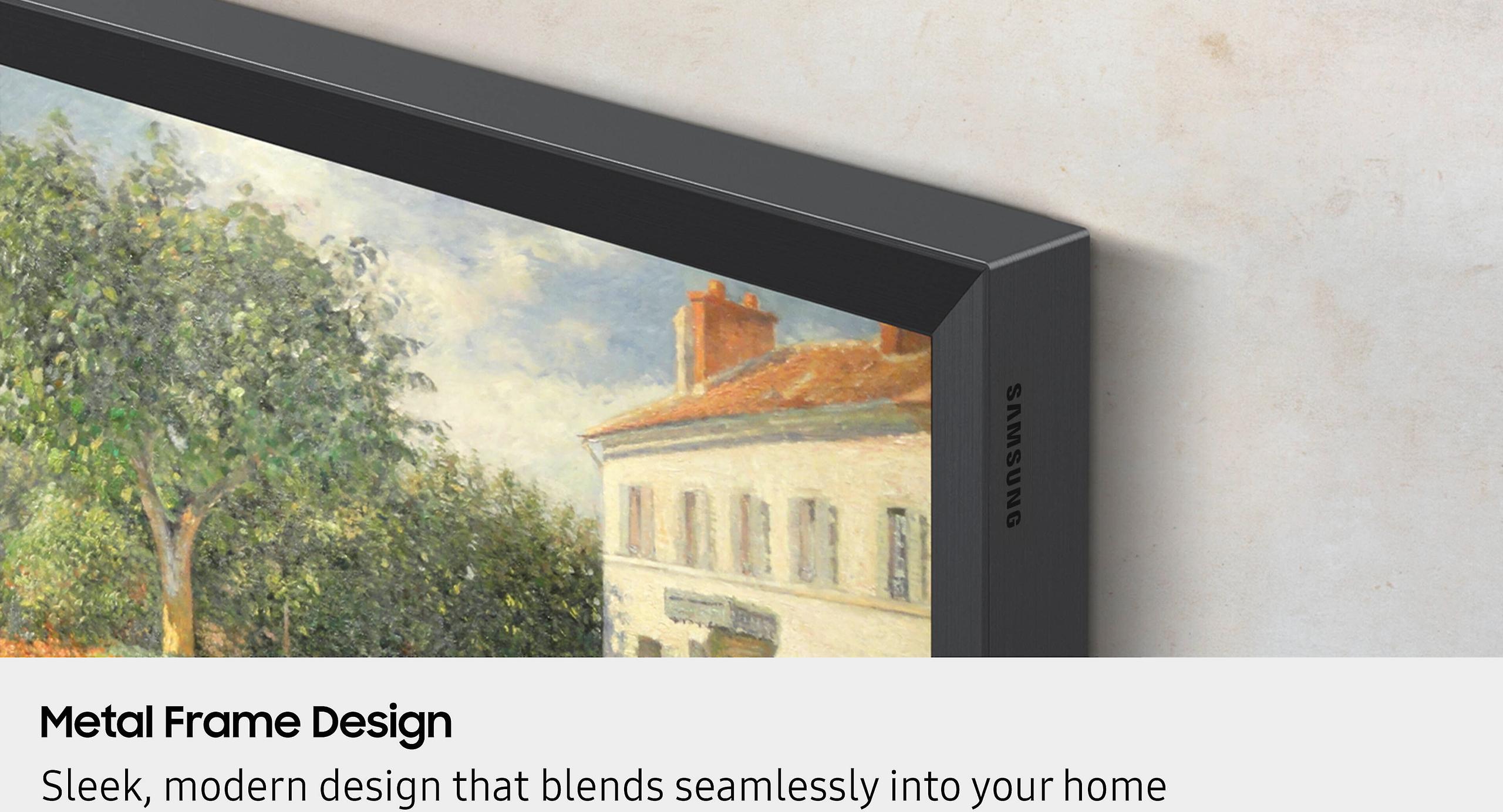
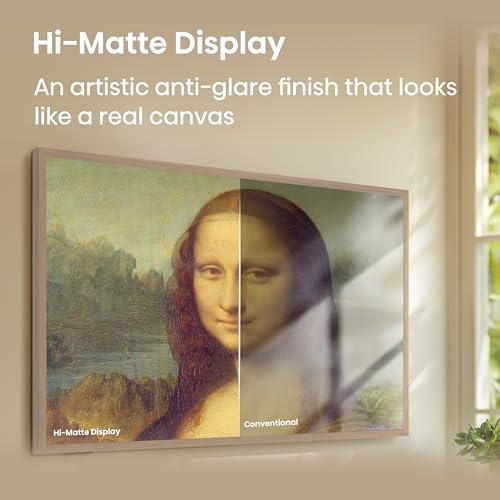
More importantly for its intended use, the Hisense features a Hi-Matte anti-glare coating that reduces reflections to just 5%. This matte finish isn't just about reducing glare—it actually mimics the texture and depth of real paintings when displaying artwork. Traditional glossy TV screens reflect room lighting and look obviously electronic when showing static art, but the CanvasTV's coating helps it blend into your decor like an actual framed painting.
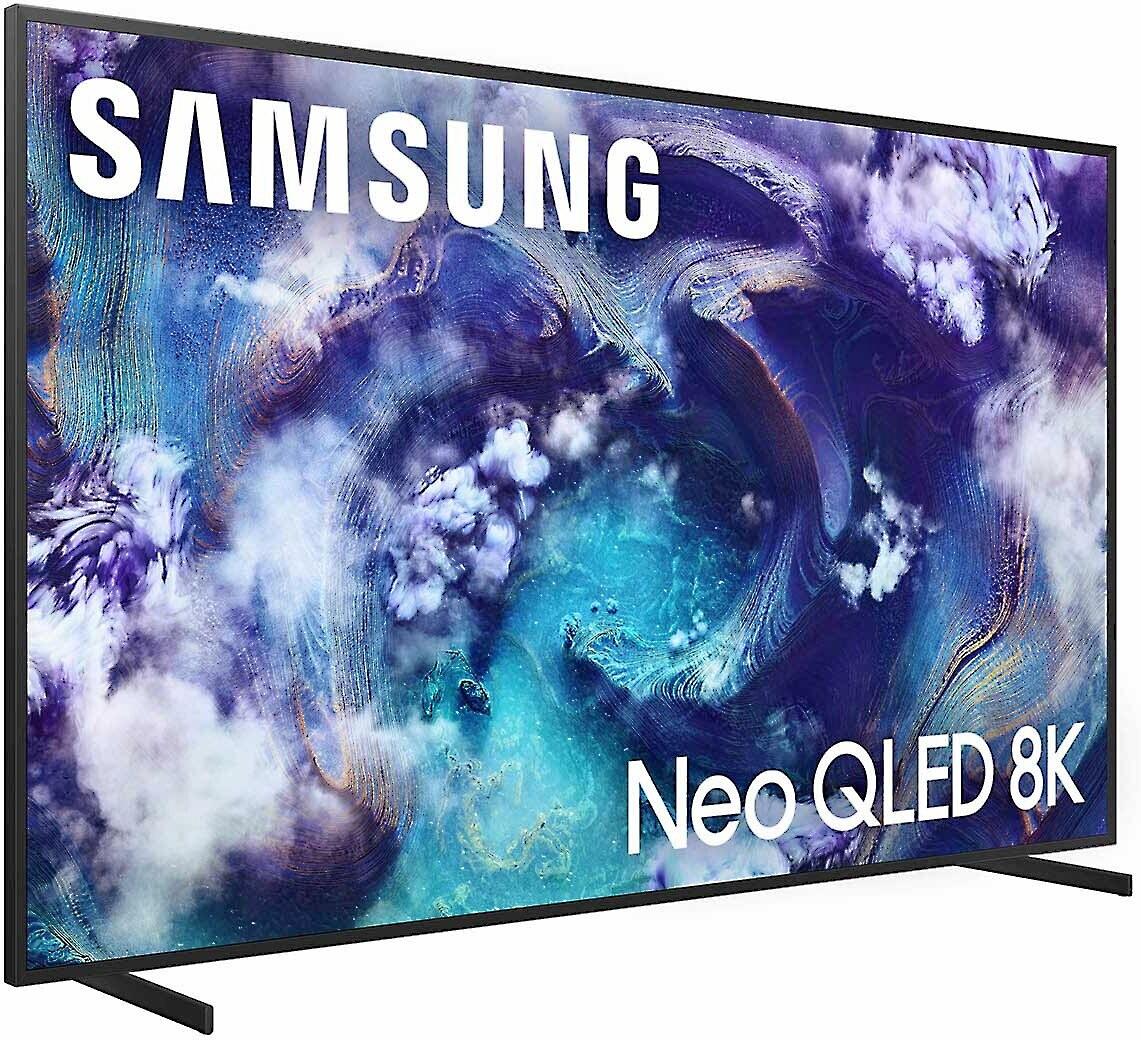
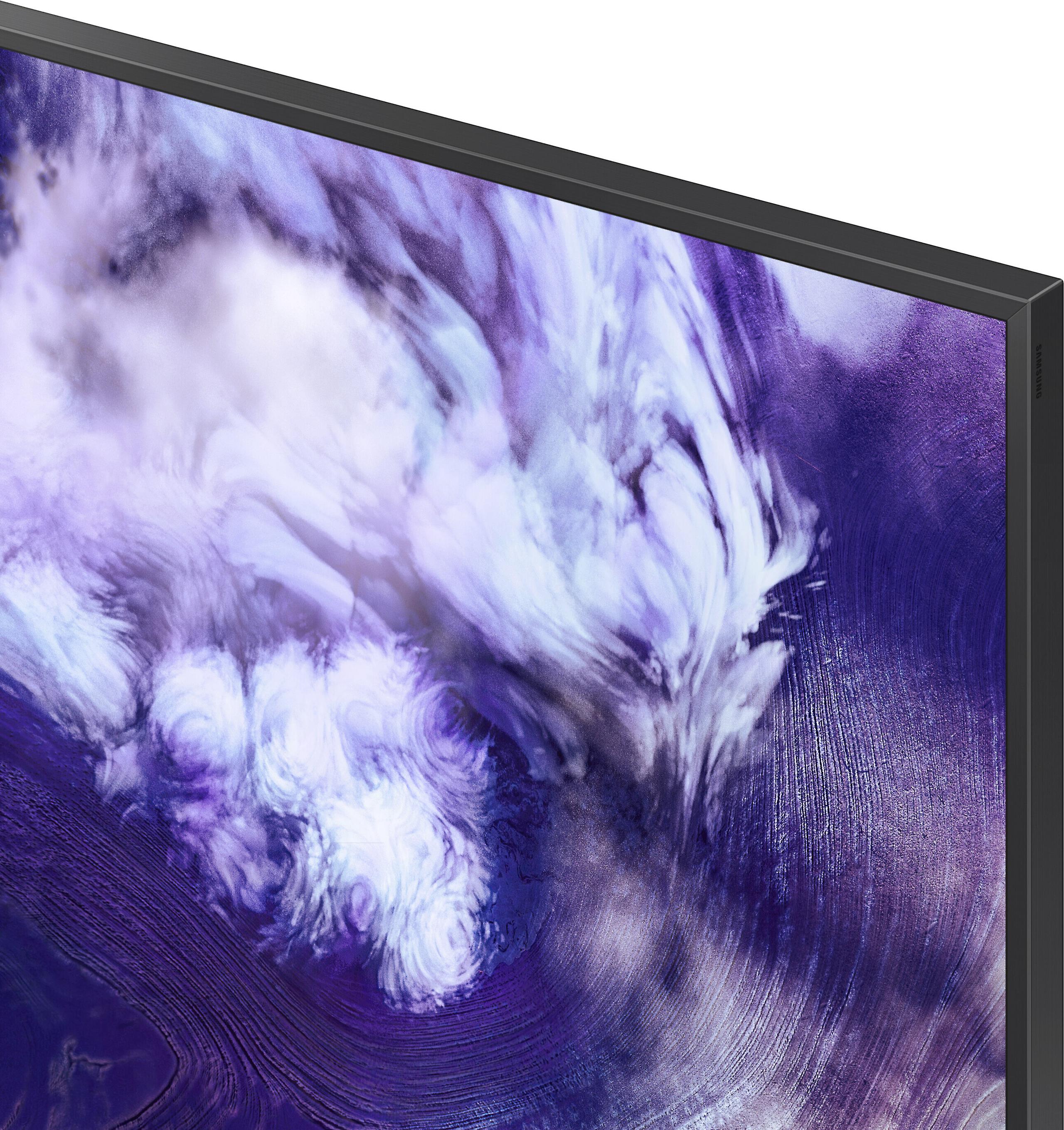
The Samsung QN900F takes a completely different approach with 8K resolution (7680×4320 pixels)—literally four times more pixels than 4K. However, the real magic happens in Samsung's Mini LED backlighting system. Instead of a few dozen LED zones like typical TVs, the QN900F uses approximately 1,920 individually controlled Mini LED zones behind the screen. Each zone can brighten or dim independently, creating dramatically better contrast between bright and dark areas of the same scene.
This Mini LED advantage becomes obvious in mixed lighting scenes. When watching a movie with bright sunlight streaming through a dark window, the Samsung can make the sunlight genuinely bright while keeping the shadows properly dark. The Hisense, with its more conventional backlighting, will either wash out the shadows to brighten the sunlight or dim the sunlight to preserve the shadows.
The 8K resolution question deserves honest discussion. Native 8K content remains extremely limited in 2024 and 2025—no streaming service offers 8K, and 8K Blu-rays barely exist. The Samsung's NQ8 AI Gen3 Processor attempts to bridge this gap using 768 neural networks (essentially AI algorithms) to analyze and enhance lower-resolution content in real-time. This AI upscaling has improved dramatically over the past few years, and based on expert consensus, Samsung's 2025 implementation can make 4K content look noticeably sharper and more detailed on the 8K panel.
Peak brightness represents one of the most significant performance differences between these displays. The Hisense S7N reaches approximately 450 nits peak brightness—perfectly adequate for most viewing situations and actually well-suited for its art display function, where excessive brightness would look unnatural.
The Samsung QN900F produces over 2,200 nits peak brightness, nearly five times brighter. This dramatic difference transforms HDR (High Dynamic Range) content, where bright highlights like reflections on water, metal, or explosions should genuinely dazzle your eyes. When watching premium HDR content—think big-budget movies on Netflix, Disney+, or 4K Blu-ray—the Samsung can reproduce the filmmaker's creative intent for bright highlights in ways the Hisense simply cannot match.
This brightness advantage extends to daytime viewing. In rooms with lots of windows or bright overhead lighting, the Samsung maintains vibrant colors and strong contrast, while dimmer displays can appear washed out. However, the Hisense's matte anti-glare coating actually provides better performance in some bright room situations by eliminating reflections that would distract from the Samsung's glossy screen.
Gaming performance reveals interesting contradictions between these displays. The Hisense S7N CanvasTV offers a native 144Hz refresh rate—higher than most premium TVs, including the Samsung QN900F's 120Hz panel. Higher refresh rates mean smoother motion in fast-paced games, particularly competitive titles where every frame matters.
Refresh rate measures how many times per second the display updates the image. Standard TVs show 60 frames per second (60Hz), but gaming displays often push 120Hz or higher. The CanvasTV's 144Hz capability, combined with Variable Refresh Rate (VRR) support, makes it surprisingly competitive for serious gaming despite its art-focused marketing.
The Samsung QN900F counters with lower input lag—the delay between pressing a controller button and seeing the result on screen. At approximately 2.7 milliseconds in game mode, the Samsung responds faster than the Hisense's 5.4ms lag. While both qualify as excellent for gaming, competitive players might notice the Samsung's quicker response in precision-demanding games.
Samsung also provides more comprehensive gaming integration through its Gaming Hub, which includes cloud gaming services and advanced display settings. The Samsung's Motion Xcelerator technology uses AI to smooth fast-moving objects, though some gamers prefer to disable motion processing for more responsive feel.
For most gaming scenarios, both TVs perform excellently, but the Hisense offers that rare combination of high refresh rate and reasonable pricing that appeals to budget-conscious enthusiasts.
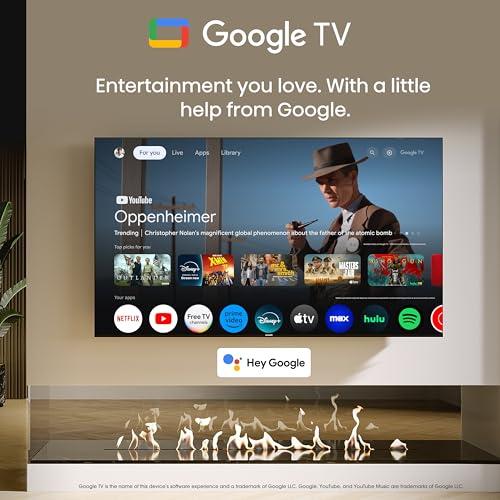
Smart TV platforms significantly impact your daily experience, and these TVs take different approaches. The Hisense CanvasTV runs Google TV, which has evolved into one of the cleanest and most intuitive smart TV interfaces. Google TV aggregates content from multiple streaming services, learns your preferences, and presents relevant recommendations without feeling cluttered. The platform includes Chromecast built-in, making it seamlessly compatible with Android devices and Google services.
The Samsung QN900F uses Samsung's Tizen 9.0 platform, which has matured considerably over the past few years. Tizen offers deeper integration with Samsung devices—your Galaxy phone can easily share content, control the TV, and even use the TV as a smart home hub through SmartThings. The interface feels more feature-rich than Google TV, though some users find it busier.
Samsung's AI capabilities extend beyond picture processing into content recommendations and interface adaptation. The TV learns your viewing habits and adjusts interface layouts, suggests content, and even optimizes picture settings based on what you're watching. This AI integration represents a significant evolution from earlier Tizen versions that felt somewhat sluggish.
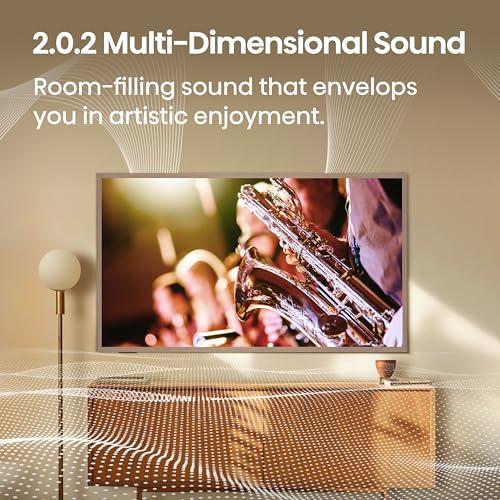
Both TVs include respectable built-in audio systems that outperform typical TV speakers. The Hisense S7N features a 2.0.2 channel system with upward-firing speakers that create a pseudo-surround effect. DTS Virtual:X processing simulates three-dimensional sound placement, making movie dialogue clearer and creating better spatial awareness in games.
The Samsung QN900F steps up to a 4.2.2 channel system with Object Tracking Sound Pro technology. This system uses multiple speakers positioned around the TV's perimeter to move sound effects across the screen, following action as it moves. When a car drives from left to right on screen, the audio literally moves with it. Dolby Atmos support adds overhead sound effects that complement the upward-firing speakers.
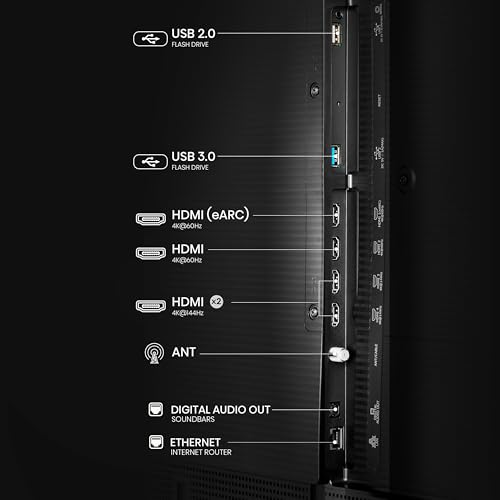
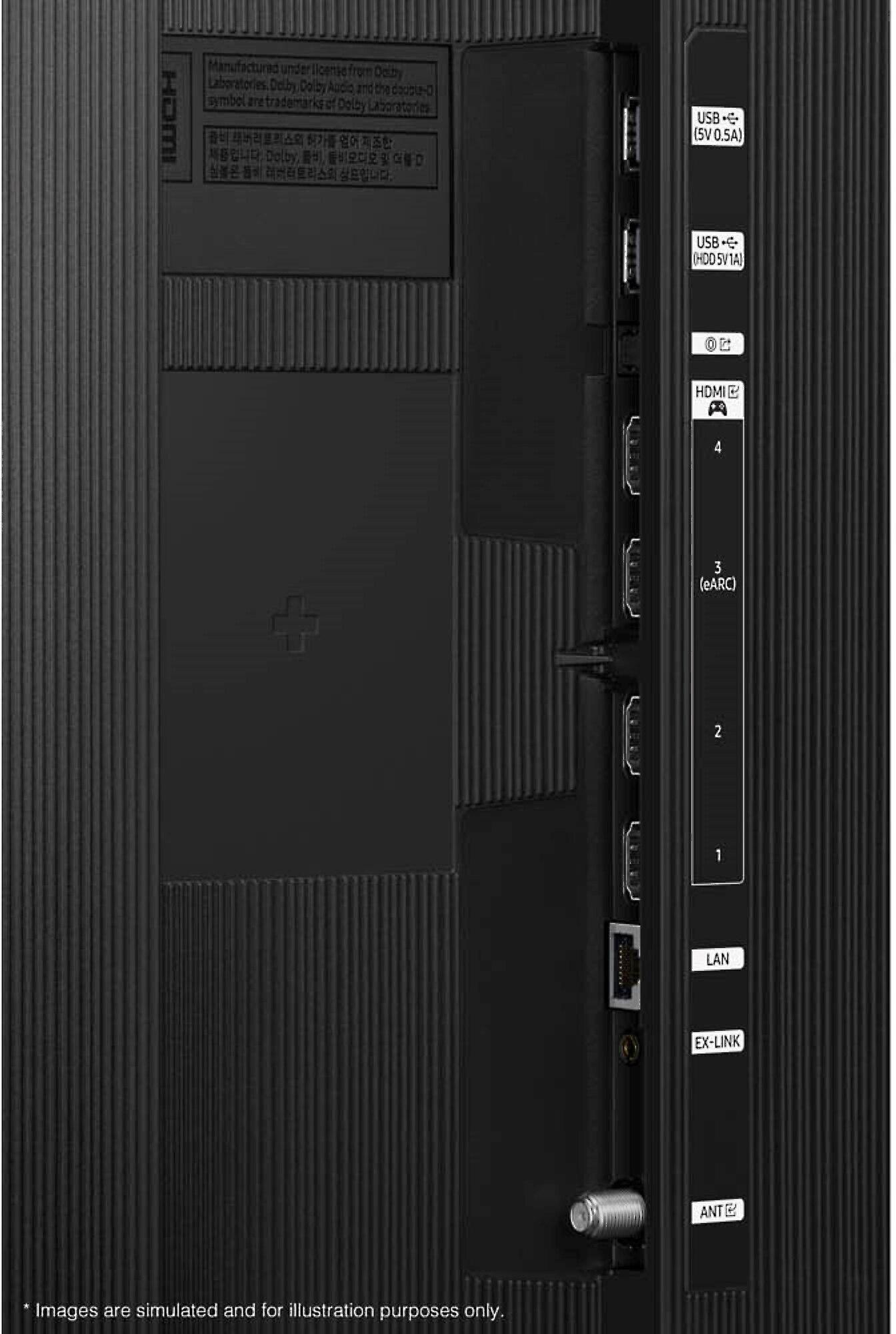
For serious home theater enthusiasts, both TVs support eARC (Enhanced Audio Return Channel) for connecting external sound systems. However, the Samsung's Wireless One Connect Box simplifies this setup by handling all connections remotely, then sending a single thin cable to the wall-mounted TV.
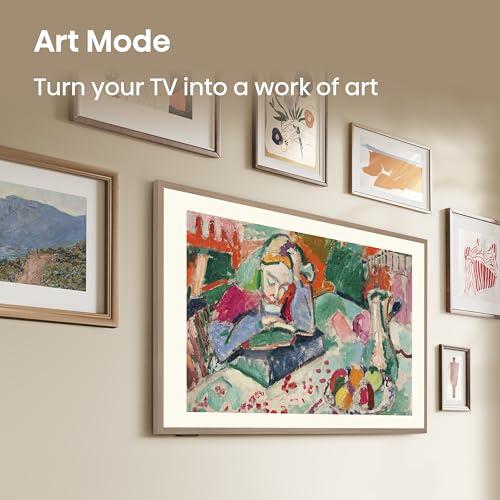
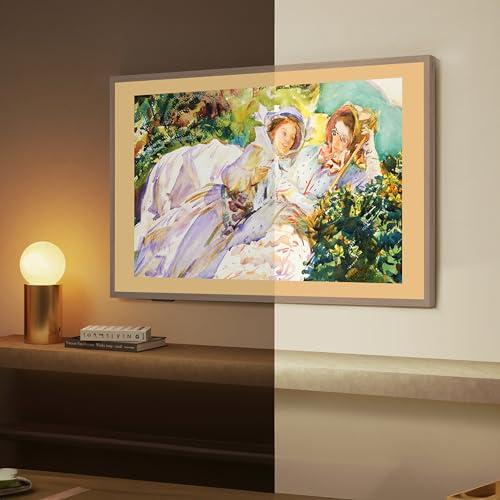
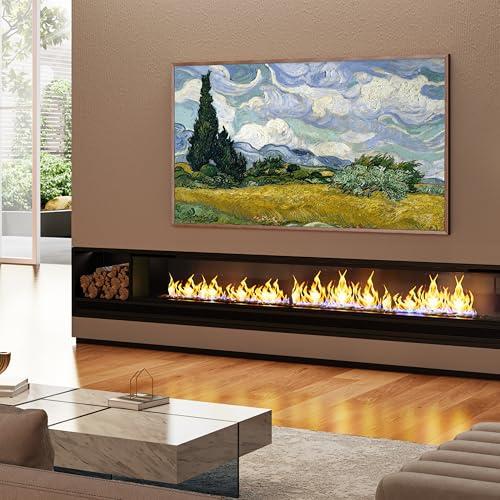
The Hisense CanvasTV's art functionality deserves detailed explanation because it represents a genuinely different approach to TV ownership. Art Mode transforms your TV into a digital gallery displaying curated artwork, personal photos, or abstract designs when not actively watching content.
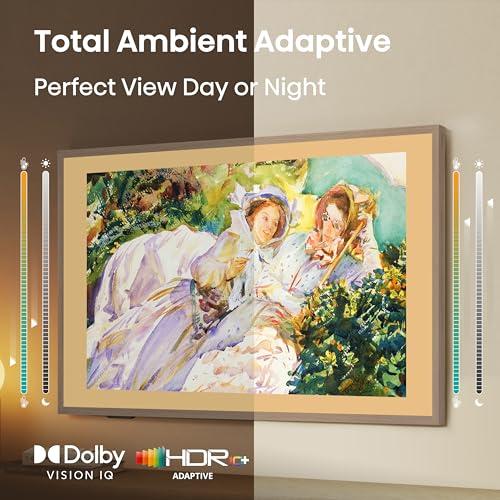
Motion sensors detect when someone enters the room and automatically switch from power-saving mode to art display. Light sensors adjust the image brightness to match ambient lighting, creating a more natural artwork appearance. The included art library contains hundreds of pieces across various styles and periods, with no subscription fees required—a significant advantage over Samsung's Frame TV, which charges for premium art access.
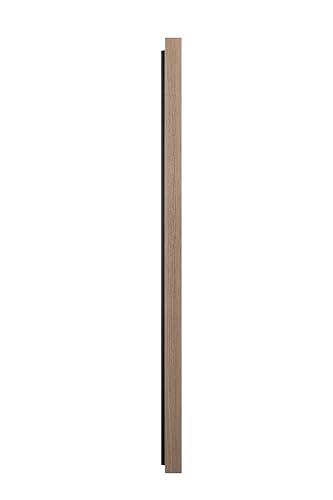
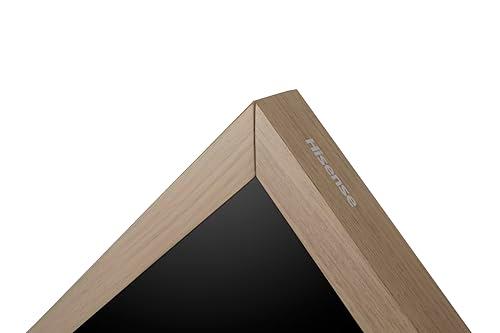
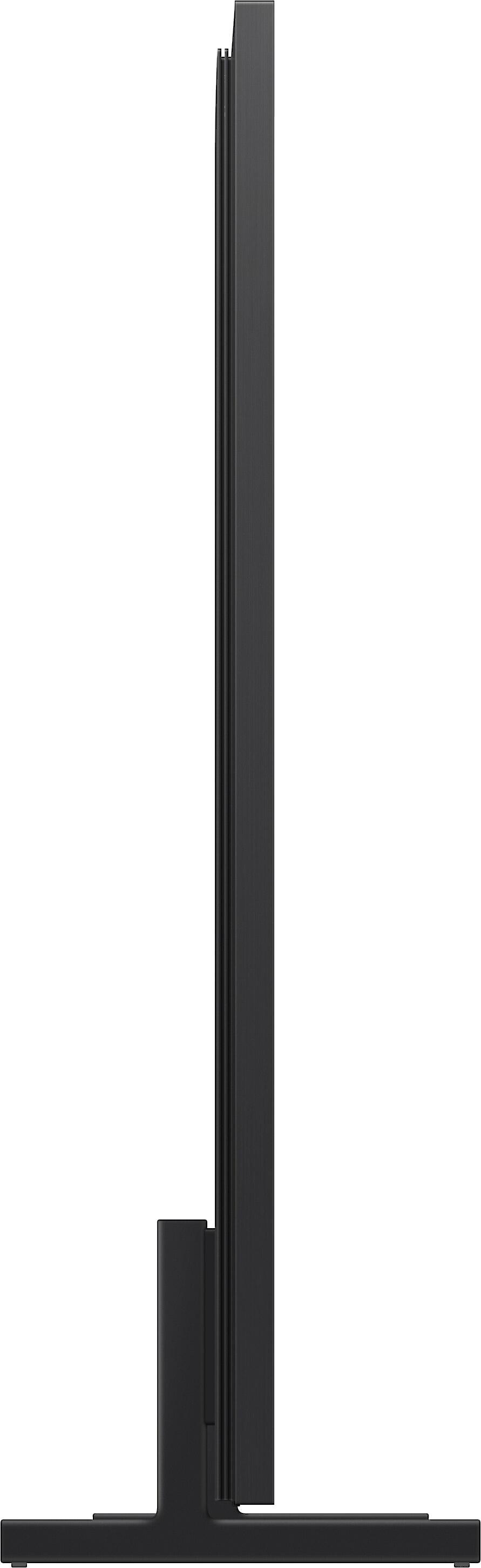
The magnetic frame system allows easy customization to match your decor. The standard teak frame can be swapped for white or walnut options, and the frames attach without tools. Combined with the ultra-slim wall mount that positions the TV just 3mm from the wall, the overall effect genuinely resembles a framed painting rather than a mounted TV.
This art functionality works because of the matte Hi-Matte coating mentioned earlier. Unlike glossy TV screens that obviously look electronic when showing static images, the CanvasTV's texture and anti-reflective properties help it blend into room lighting naturally.
At the time of writing, these TVs occupy dramatically different price segments, making direct value comparisons challenging. The Hisense S7N CanvasTV delivers premium QLED performance with unique art functionality at mainstream pricing. You're getting solid 4K picture quality, gaming-friendly refresh rates, and a feature set that no other TV in its price range matches.
The Samsung QN900F commands flagship pricing that's roughly three to four times higher, but it includes cutting-edge technology that simply doesn't exist at lower price points. The Mini LED backlighting, 8K resolution, and advanced AI processing represent the current pinnacle of LCD TV technology.
For home theater use, the performance differences become more pronounced. In a dedicated theater room with controlled lighting, the Samsung's superior brightness and contrast create a more immersive experience with premium content. The deeper blacks and brighter highlights provide that "wow factor" that justifies premium TV ownership.
However, in typical living rooms with varied lighting conditions, the Hisense often provides a more practical daily experience. Its anti-glare coating performs better in bright rooms, the art mode adds genuine functionality, and the 4K performance satisfies the vast majority of content consumption.
Choose the Hisense 65" S7N CanvasTV if you want a TV that enhances your living space both while watching and not watching content. It excels in bright rooms, offers surprisingly good gaming performance, and provides premium QLED quality without flagship pricing. The art functionality isn't a gimmick—it genuinely changes how you think about having a large screen in your main living area.
The Hisense makes particular sense for buyers who want premium features without premium pricing, appreciate Google's clean smart TV interface, or have bright living rooms where anti-glare coating provides practical benefits.
Choose the Samsung 65" Neo QLED 8K QN900F if you prioritize having the most impressive picture quality available and can utilize its advanced features. The superior brightness and contrast create genuinely better experiences with high-quality content, and the 8K future-proofing provides long-term value for buyers planning to keep their TV for many years.
The Samsung particularly appeals to home theater enthusiasts, Samsung ecosystem users, and buyers who consume lots of premium content where the advanced processing and brightness capabilities provide clear advantages.
Both represent excellent TVs that excel in their intended use cases. Your choice should depend on whether you value lifestyle integration and practical daily use (Hisense) or maximum performance and cutting-edge technology (Samsung). Neither choice will disappoint if it matches your priorities and budget.
| Hisense 65" S7N CanvasTV QLED 4K Smart Display | Samsung 65" Neo QLED 8K QN900F Vision AI Smart TV 2025 |
|---|---|
| Display Resolution - Future-proofing vs current content optimization | |
| 4K (3840×2160) native with standard upscaling | 8K (7680×4320) native with AI upscaling from all sources |
| Peak Brightness - Critical for HDR impact and daytime viewing | |
| 450 nits (good for art display, adequate for most content) | 2,200+ nits (exceptional HDR performance, excellent bright room viewing) |
| Backlight Technology - Determines contrast and black level quality | |
| Direct LED with basic local dimming | Mini LED with ~1,920 individual dimming zones |
| Anti-Glare Treatment - Essential for bright room performance | |
| Hi-Matte coating reduces reflections to 5% (mimics painting texture) | Glare-Free technology maintains glossy picture quality |
| Gaming Performance - Refresh rate and responsiveness for gaming | |
| 144Hz native, 5.4ms input lag, VRR/ALLM support | 120Hz native, 2.7ms input lag, Motion Xcelerator 240Hz |
| Art Display Features - Lifestyle integration when TV is off | |
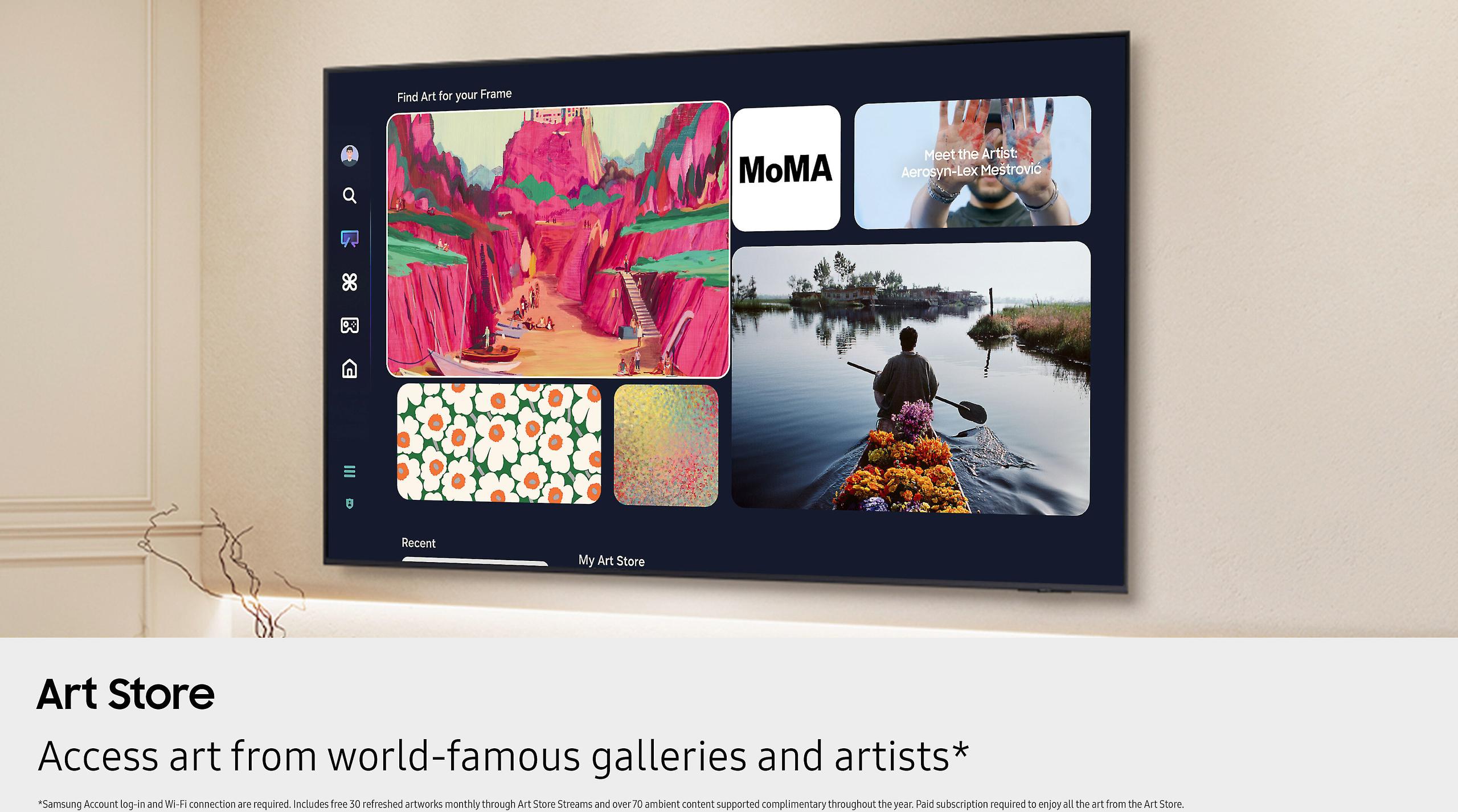
| Dedicated Art Mode, motion/light sensors, free art library, magnetic frames | Ambient Mode+ with basic art display, Samsung Art Store (subscription) |
| Smart Platform - Daily interface and app ecosystem | |
| Google TV (clean, intuitive, Chromecast built-in) | Tizen 9.0 (feature-rich, Samsung ecosystem integration) |
| Audio System - Built-in sound quality and spatial effects | |
| 2.0.2 channel (36W) with upward-firing speakers, DTS Virtual:X | 4.2.2 channel system, Object Tracking Sound Pro, Dolby Atmos |
| Design Philosophy - Wall-mount aesthetics and cable management | |
| Ultra-slim 3mm wall mount, all connections to TV, art-focused design | Wireless One Connect Box, single cable to TV, premium metal frame |
| Processing Power - AI upscaling and picture optimization | |
| Standard smart TV processing focused on art display functions | NQ8 AI Gen3 Processor with 768 neural networks for content optimization |
| Target Use Case - Primary intended application | |
| Art display + solid TV performance in bright rooms | Maximum picture quality for dedicated viewing experiences |
| Value Positioning - Performance per dollar and long-term investment | |
| Exceptional art TV value with solid 4K performance | Premium flagship with cutting-edge tech, 3-4x higher investment |
The Hisense 65" S7N CanvasTV excels in bright rooms due to its Hi-Matte anti-glare coating that reduces reflections to just 5%. This matte finish eliminates the distracting reflections that plague most TVs in sunny environments. While the Samsung Neo QLED 8K QN900F has superior brightness at 2,200+ nits, its glossy screen can still reflect room lighting. For consistently bright living spaces, the Hisense CanvasTV provides a more comfortable viewing experience.
The Hisense S7N CanvasTV offers 4K resolution (3840×2160 pixels), which matches virtually all current streaming content and Blu-ray discs. The Samsung QN900F provides 8K resolution (7680×4320 pixels) with four times more pixels, but native 8K content is extremely limited. Samsung's advanced AI upscaling enhances 4K content on the 8K display, though the improvement is most noticeable at close viewing distances.
Both TVs offer excellent gaming performance with different strengths. The Hisense CanvasTV provides 144Hz native refresh rate and supports 4K@144Hz gaming, which is higher than most premium TVs. The Samsung Neo QLED counters with lower 2.7ms input lag versus 5.4ms on the Hisense, plus comprehensive Gaming Hub features. For competitive gaming, the Hisense wins on refresh rate, while the Samsung offers quicker response times.
The Hisense 65" S7N CanvasTV is specifically designed as an art TV with dedicated Art Mode, motion sensors, and a free extensive art library. It includes magnetic swappable frames and mounts just 3mm from the wall to mimic a real painting. The Samsung QN900F offers Ambient Mode+ with basic art display capabilities, but it's not the primary focus and Samsung's premium art requires subscription fees through their Art Store.
The Samsung Neo QLED 8K QN900F delivers superior movie picture quality with 2,200+ nits peak brightness, Mini LED backlighting with 1,920 dimming zones, and advanced HDR processing. This creates dramatically better contrast and more impactful bright highlights in premium content. The Hisense CanvasTV provides solid 4K QLED performance that satisfies most viewers, but cannot match the Samsung's premium display technology for cinematic experiences.
The Hisense S7N CanvasTV runs Google TV, offering a clean, intuitive interface with excellent app support and built-in Chromecast. The Samsung Neo QLED QN900F uses Tizen 9.0, which provides deeper Samsung ecosystem integration and more advanced AI-powered features. Google TV tends to feel simpler and more straightforward, while Tizen offers more customization and smart home integration for Samsung device users.
The Samsung Neo QLED 8K QN900F excels in dedicated home theater environments where lighting can be controlled. Its superior brightness, Mini LED contrast, and advanced processing create a more immersive cinematic experience with premium content. The 4.2.2 channel audio system with Object Tracking Sound Pro also provides better built-in sound. The Hisense CanvasTV works well in home theaters but is optimized more for bright living room use.
The Samsung QN900F features a more advanced 4.2.2 channel audio system with Object Tracking Sound Pro that moves sound effects across the screen, plus Dolby Atmos support. The Hisense CanvasTV includes a 2.0.2 system with upward-firing speakers and DTS Virtual:X processing. Both provide good built-in audio that outperforms typical TV speakers, but the Samsung offers more sophisticated spatial sound processing.
The Hisense 65" S7N CanvasTV provides exceptional value, delivering QLED picture quality, unique art functionality, and gaming-friendly features at a mainstream price point. The Samsung Neo QLED 8K QN900F costs significantly more but includes cutting-edge technology like 8K resolution, Mini LED backlighting, and advanced AI processing. Value depends on whether you prioritize affordability with solid performance (Hisense) or premium technology regardless of cost (Samsung).
The Hisense S7N CanvasTV uses a specialized Hi-Matte coating that virtually eliminates reflections and mimics the texture of real paintings. This makes it ideal for rooms with lots of ambient light. The Samsung QN900F features Glare-Free technology that reduces reflections while maintaining the glossy screen's picture quality. For consistently bright environments, the Hisense's matte approach provides superior glare control.
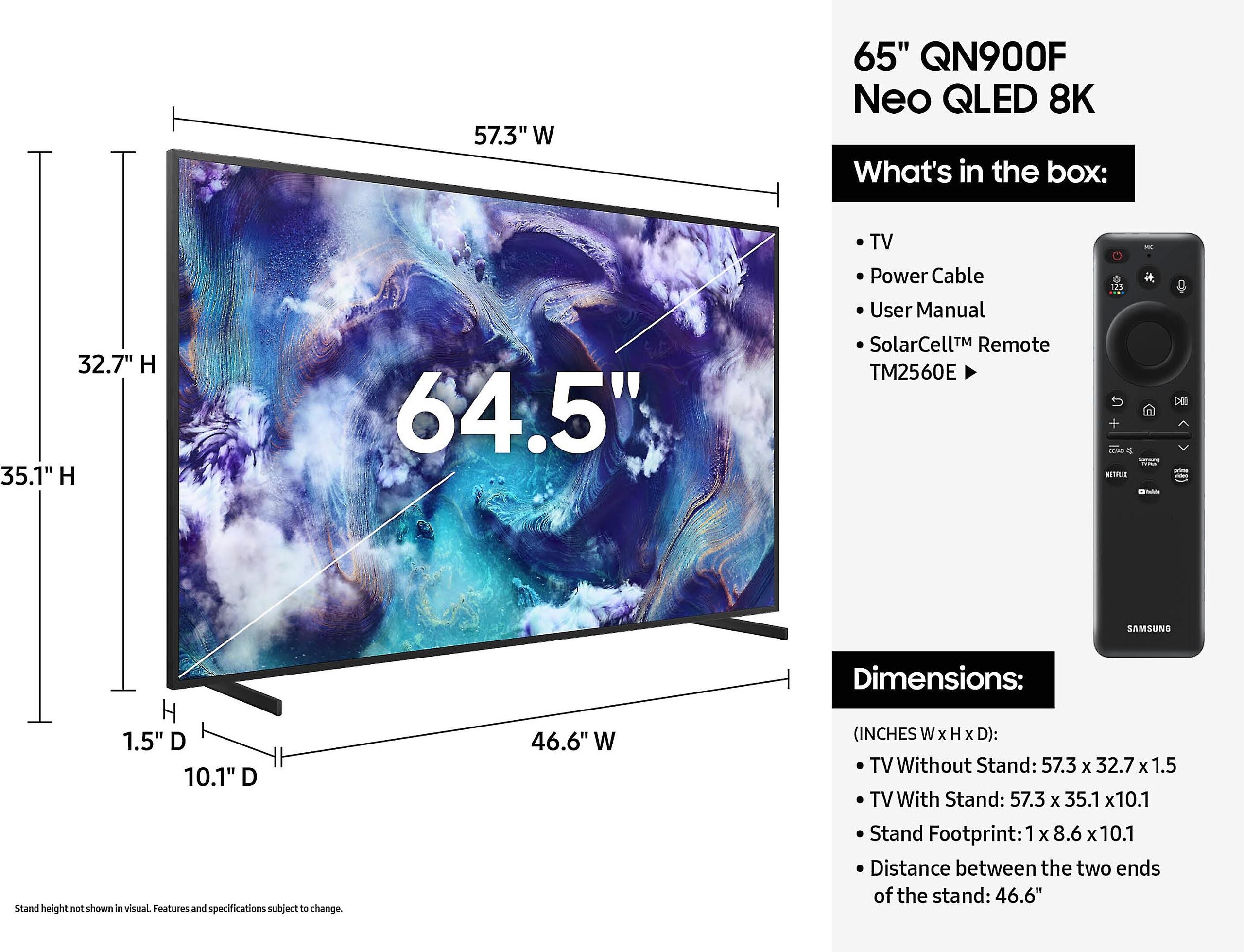
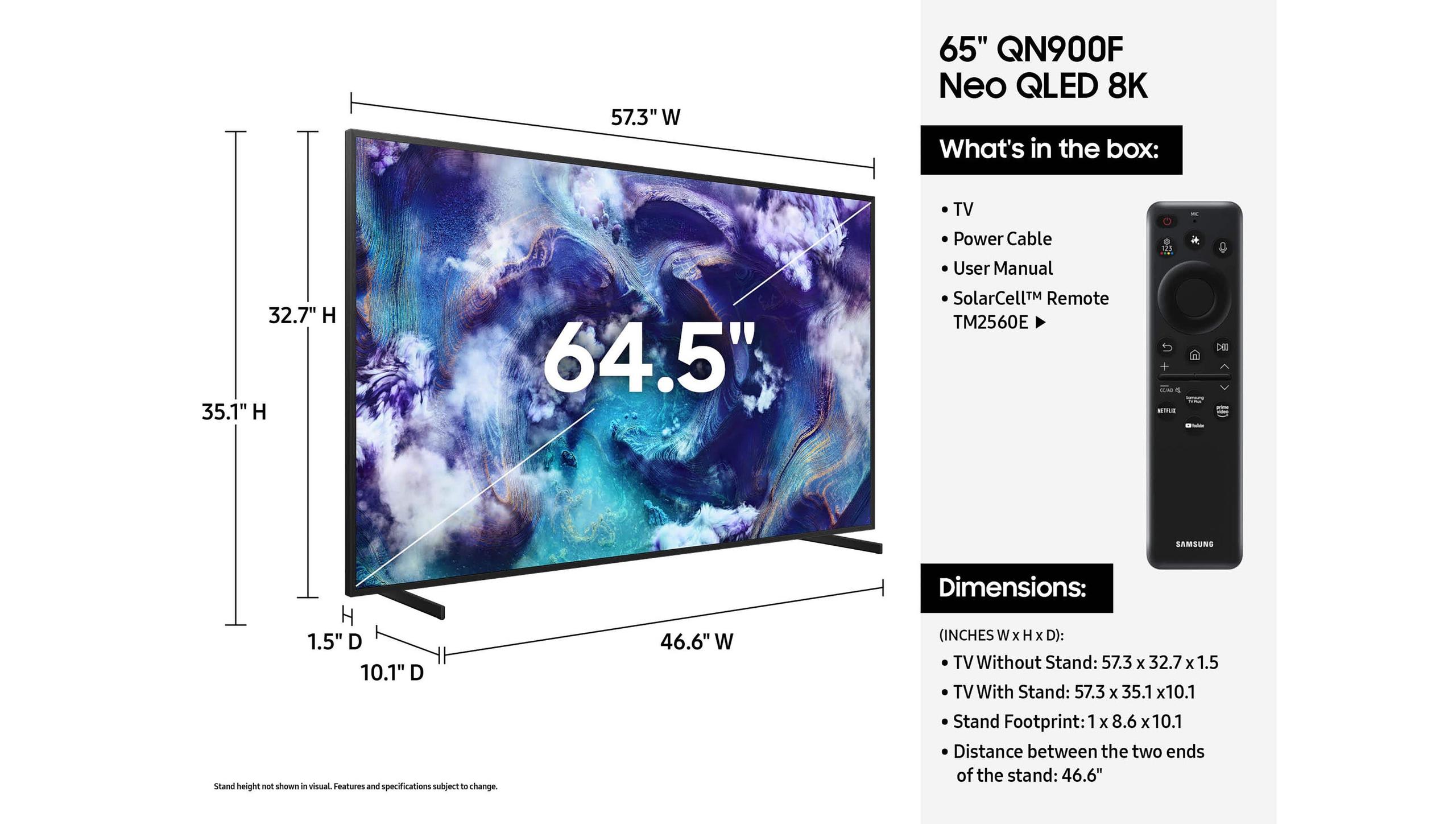
Both TVs wall-mount beautifully but with different approaches. The Hisense CanvasTV includes an ultra-slim mount that positions the TV just 3mm from the wall, creating a painting-like appearance with magnetic swappable frames. The Samsung Neo QLED features a Wireless One Connect Box that handles all connections remotely, requiring only a single thin cable to the wall-mounted TV. The Hisense wins for art-like aesthetics, while the Samsung offers superior cable management.
The Samsung Neo QLED 8K QN900F excels with high-quality 4K HDR content from streaming services, 4K Blu-rays, and gaming, where its superior brightness and processing create noticeable improvements. The Hisense 65" S7N CanvasTV handles all standard content well and particularly shines when displaying static artwork or in bright room viewing situations. For premium movie watching, the Samsung provides a more impressive experience, while the Hisense offers more versatile daily use including art display functionality.
We've done our best to create useful and informative comparisons to help you decide what product to buy. Our research uses advanced automated methods to create this comparison and perfection is not possible - please contact us for corrections or questions. These are the sites we've researched in the creation of this article: bestbuy.com - hisense.sg - tomsguide.com - content.syndigo.com - rtings.com - hisense-usa.com - youtube.com - bestbuy.com - youtube.com - displayspecifications.com - displayspecifications.com - manuals.plus - displayspecifications.com - bestbuy.com - hisense-canada.com - manuals.plus - bargainoutletandmore.com - bestbuy.com - device.report - rtings.com - samsung.com - techradar.com - dolby.com - youtube.com - samsung.com - youtube.com - samsung.com - samsung.com - samsung.com - samsung.com - displayspecifications.com - samsung.com - rtings.com - bestbuy.com - merlinstv.com - news.samsung.com - bestbuy.com

Privacy Policy
Terms and Conditions - Affiliate Policy
Home Security
© Copyright 2008-2026.
11816 Inwood Rd #1211, Dallas, TX 75244