

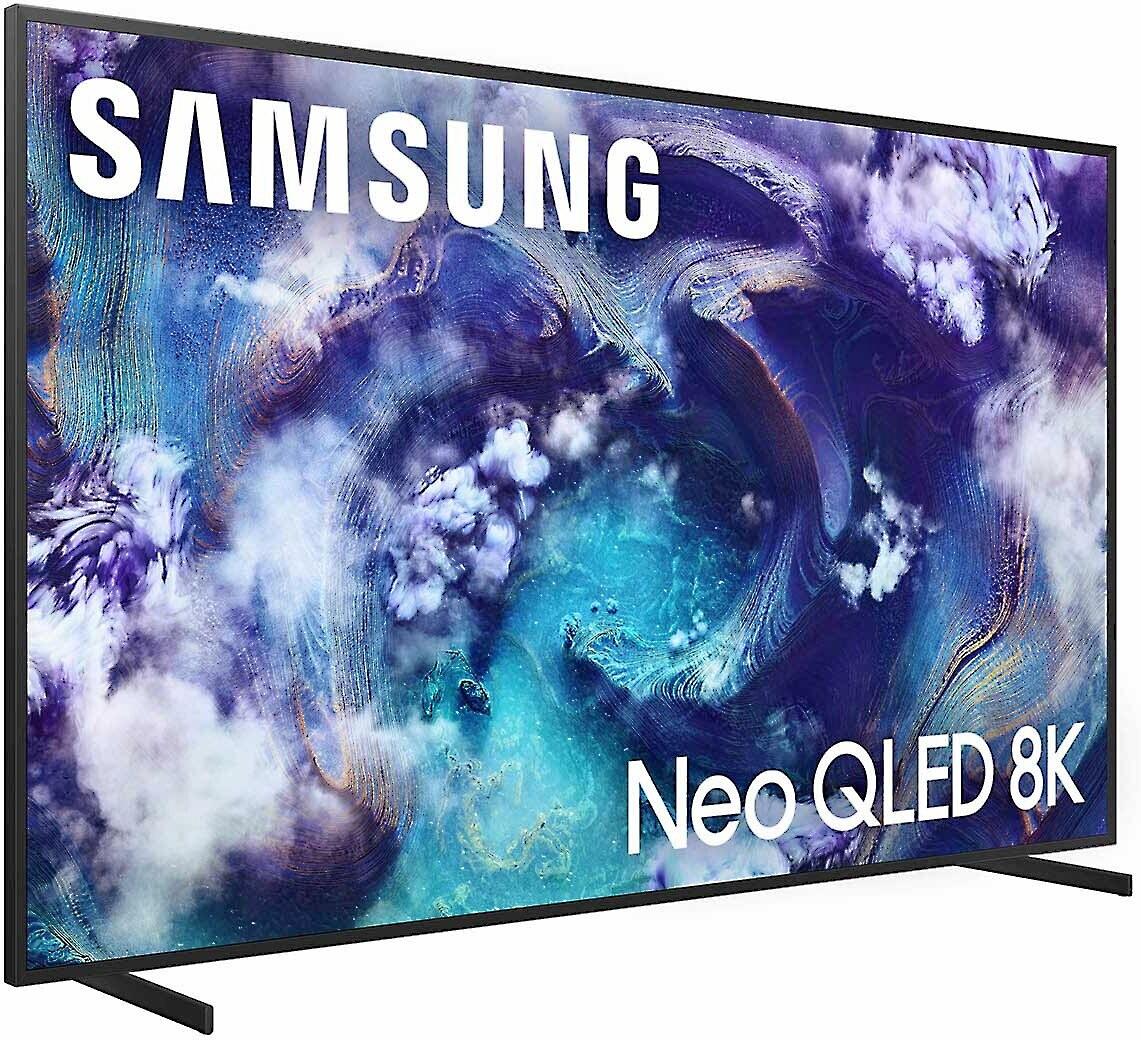
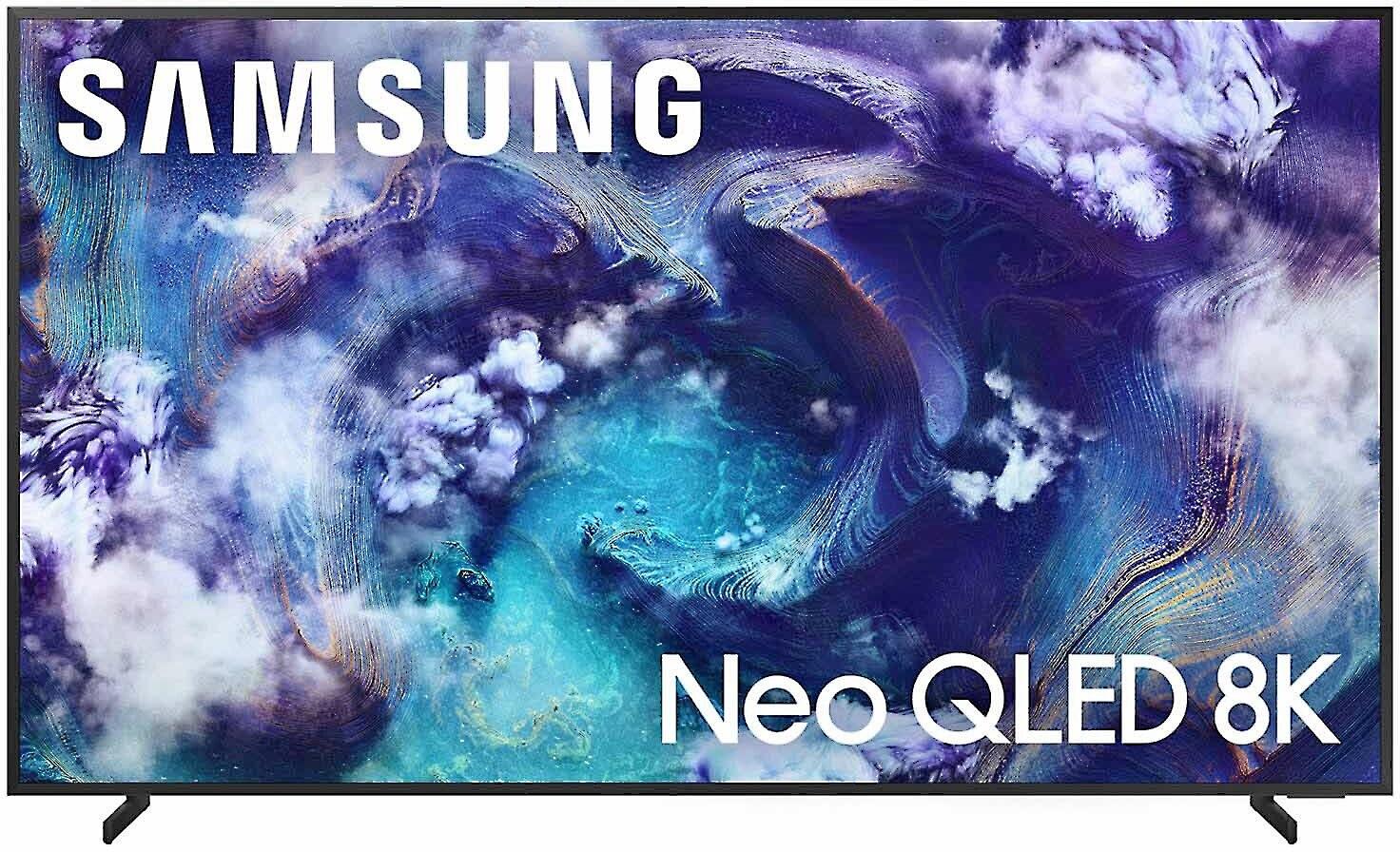
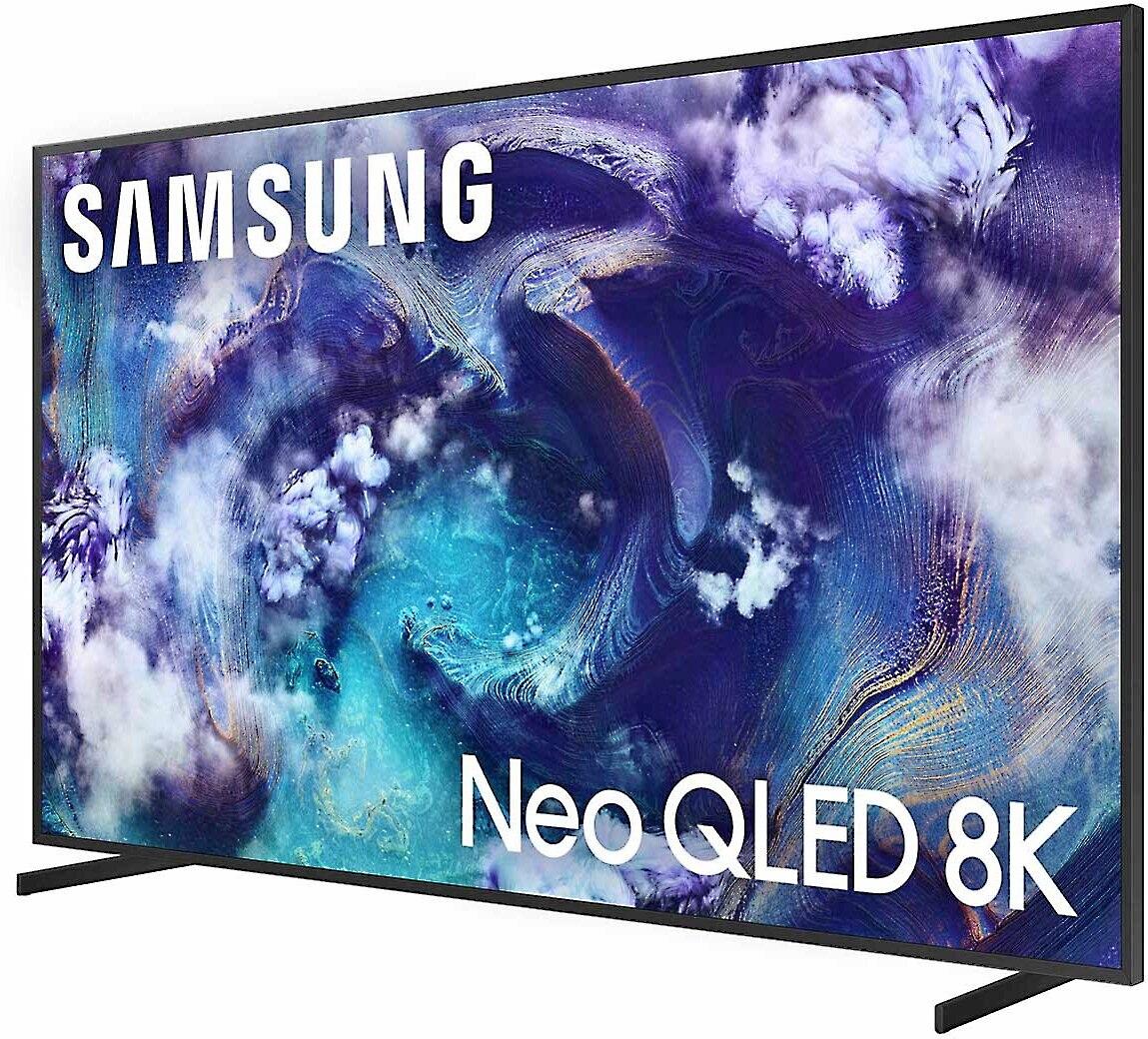

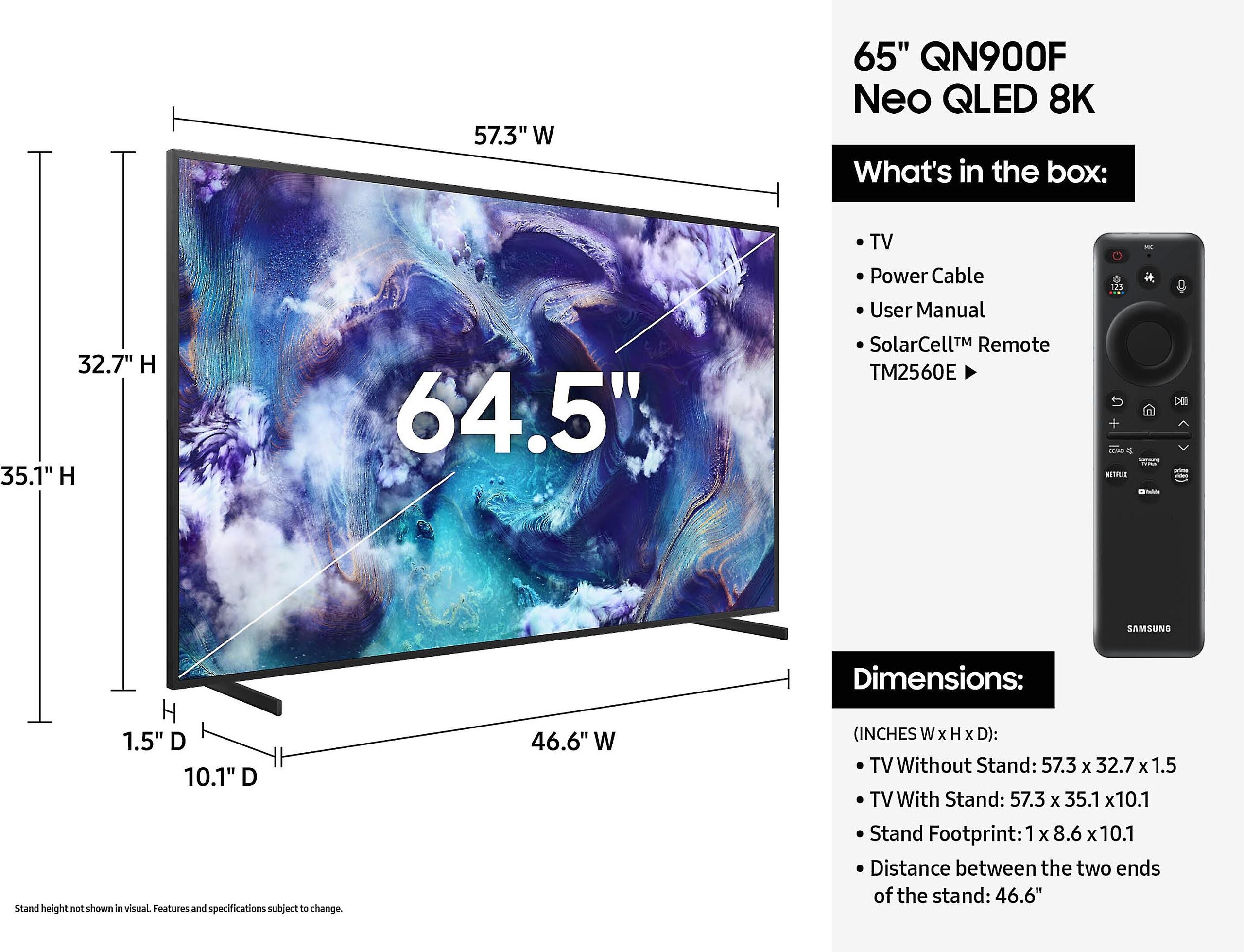
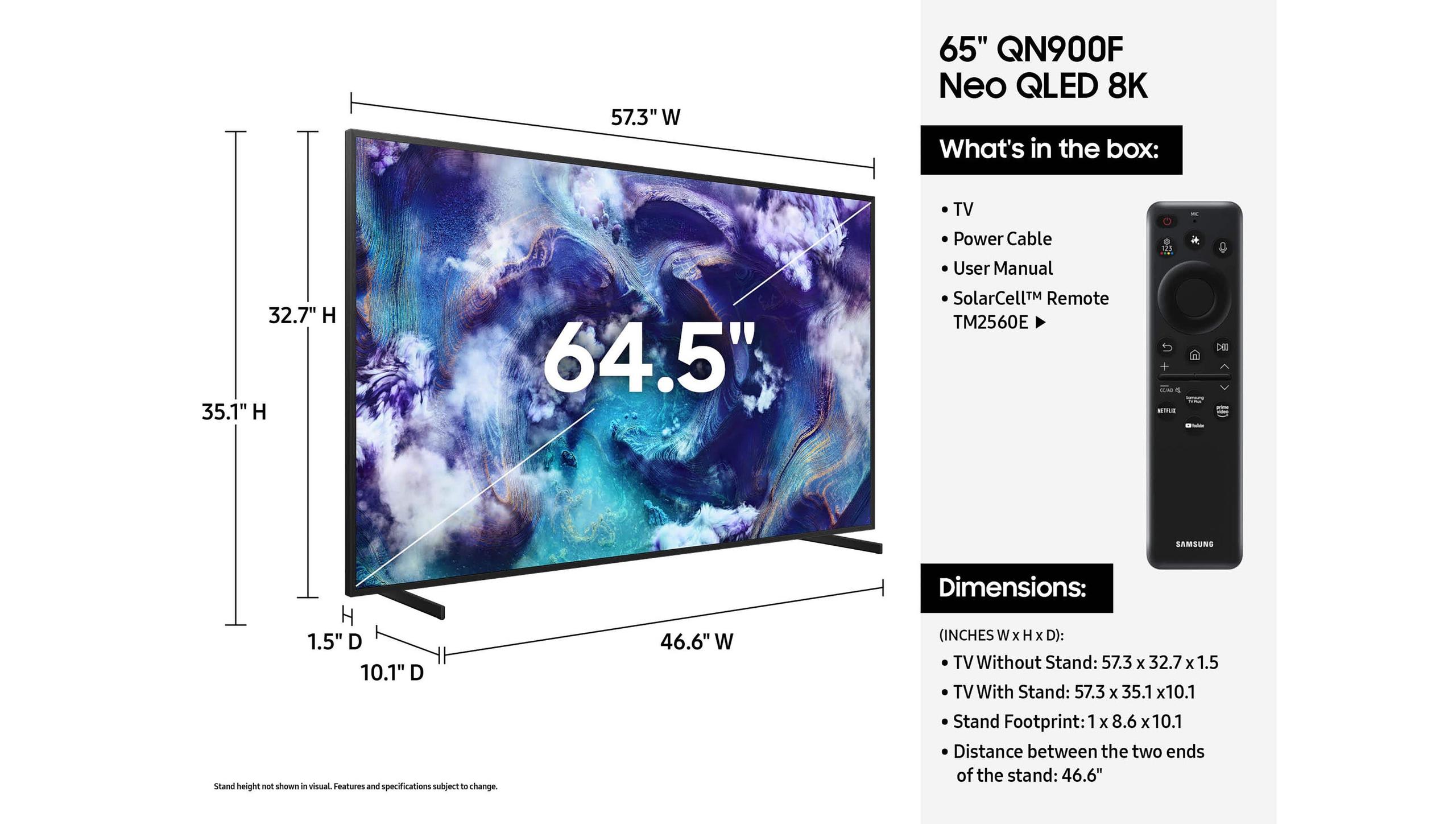
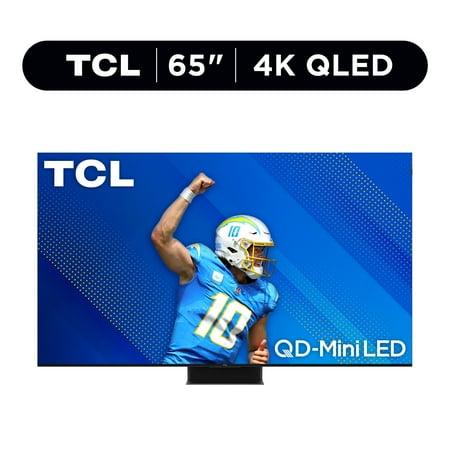




When you're ready to upgrade to a premium 65-inch TV, two models that consistently grab attention are the Samsung 65" Neo QLED 8K QN900F and the TCL 65" QM8 Mini-LED Smart TV. These represent fundamentally different philosophies in premium TV design, and at the time of writing, there's a substantial price gap that makes this comparison particularly interesting for buyers trying to get the most bang for their buck.
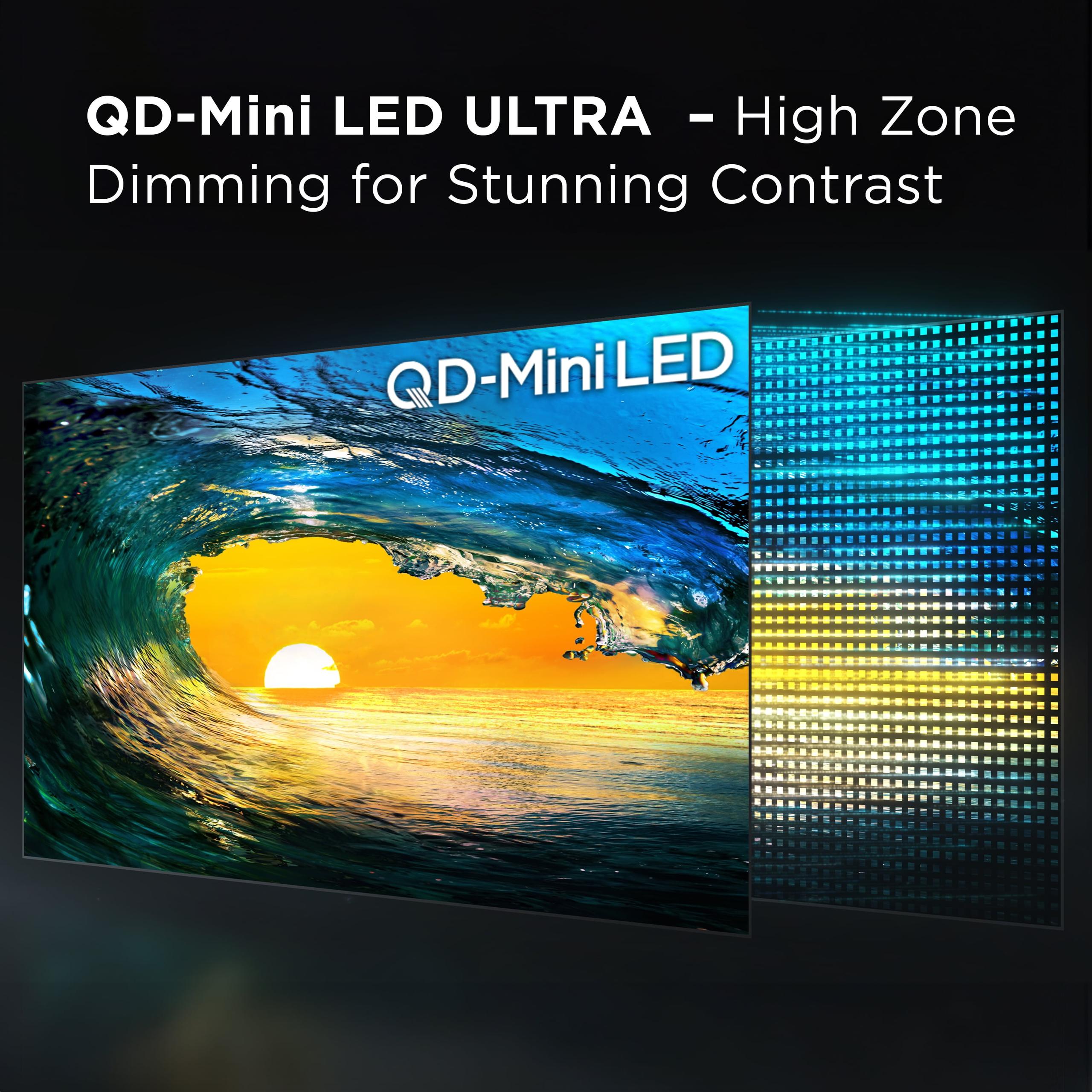
Before diving into the specifics, let's talk about what makes a TV "premium" in 2024 and 2025. Premium TVs use advanced backlighting technologies like Mini-LED, which replaces traditional LED backlights with thousands of tiny LEDs that can dim independently. This creates better contrast by making dark areas truly dark while keeping bright areas brilliant.
Both the Samsung QN900F and TCL QM8 use Mini-LED technology, but they implement it differently. The Samsung pairs it with Quantum Dots - microscopic particles that produce pure, vibrant colors when hit by light. The TCL also uses Quantum Dot technology in their QD-Mini LED system, creating what many consider the sweet spot between OLED-like contrast and LED brightness.
Local dimming zones are another crucial concept. Think of your TV's backlight as being divided into hundreds or thousands of separate zones that can brighten or dim independently. More zones generally mean better contrast control, though the quality of the processing matters just as much as the quantity.
The biggest philosophical difference between these TVs is resolution. The Samsung QN900F delivers true 8K resolution at 7,680 × 4,320 pixels - four times the detail of 4K. The TCL QM8 sticks with 4K at 3,840 × 2,160 pixels but focuses on making that 4K experience exceptional.
Here's the reality check: native 8K content is still extremely rare in 2025. You'll find some YouTube videos, a few streaming documentaries, and virtually no movies or TV shows. This means the Samsung's 8K capability relies heavily on AI upscaling - using artificial intelligence to analyze 4K, HD, or even standard definition content and enhance it to fill those extra pixels convincingly.
Samsung's NQ8 AI Gen2 processor is genuinely impressive at this upscaling task. It uses machine learning to recognize objects, faces, and textures, then applies appropriate sharpening and detail enhancement. The results can be striking, especially with high-quality 4K source material. However, you're still fundamentally working with upscaled content rather than true 8K detail.
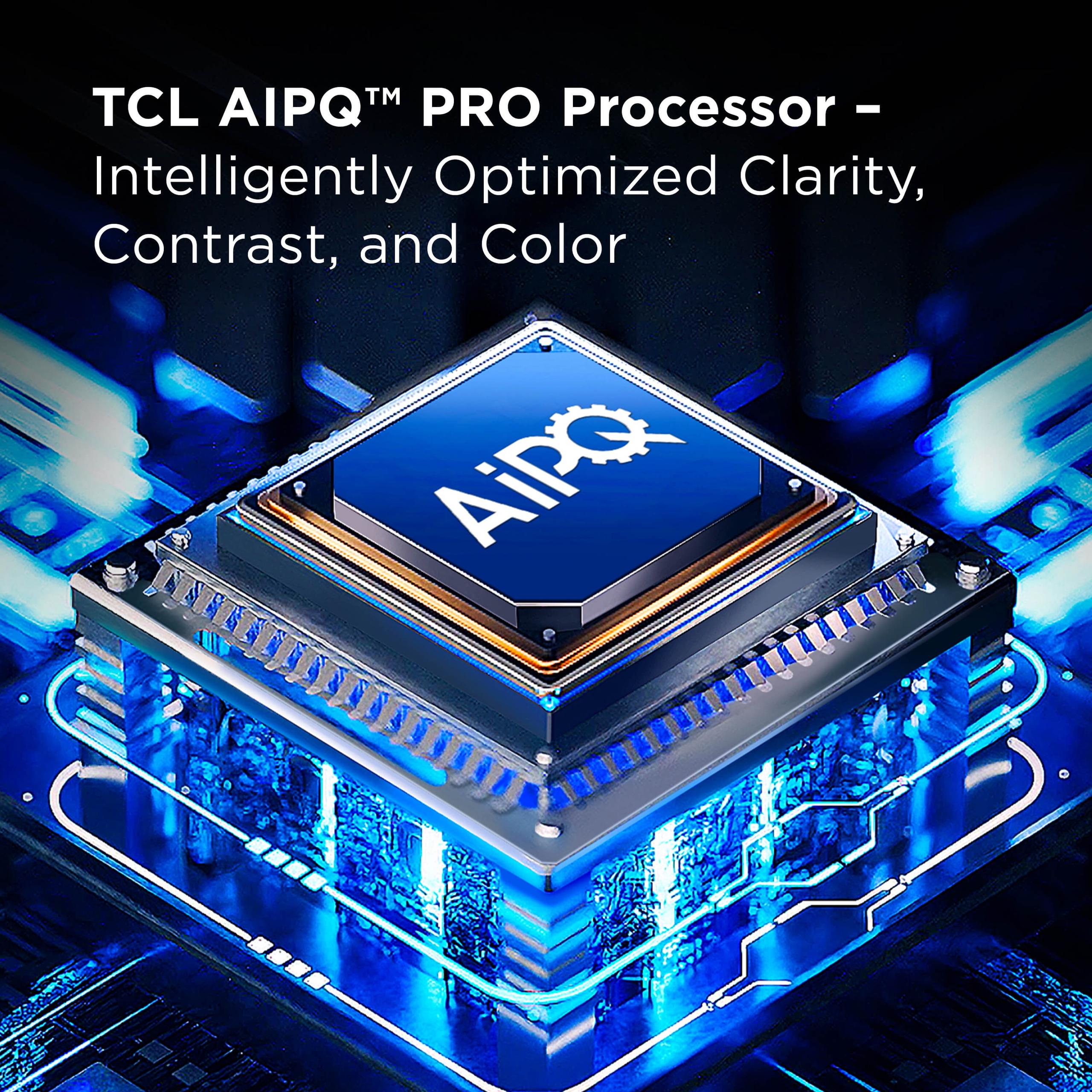
The TCL QM8 takes a different approach: perfect the 4K experience. With current content being overwhelmingly 4K or lower, this makes practical sense for most buyers. The TV can focus all its processing power on color accuracy, contrast, and motion handling rather than splitting resources between upscaling and image quality.
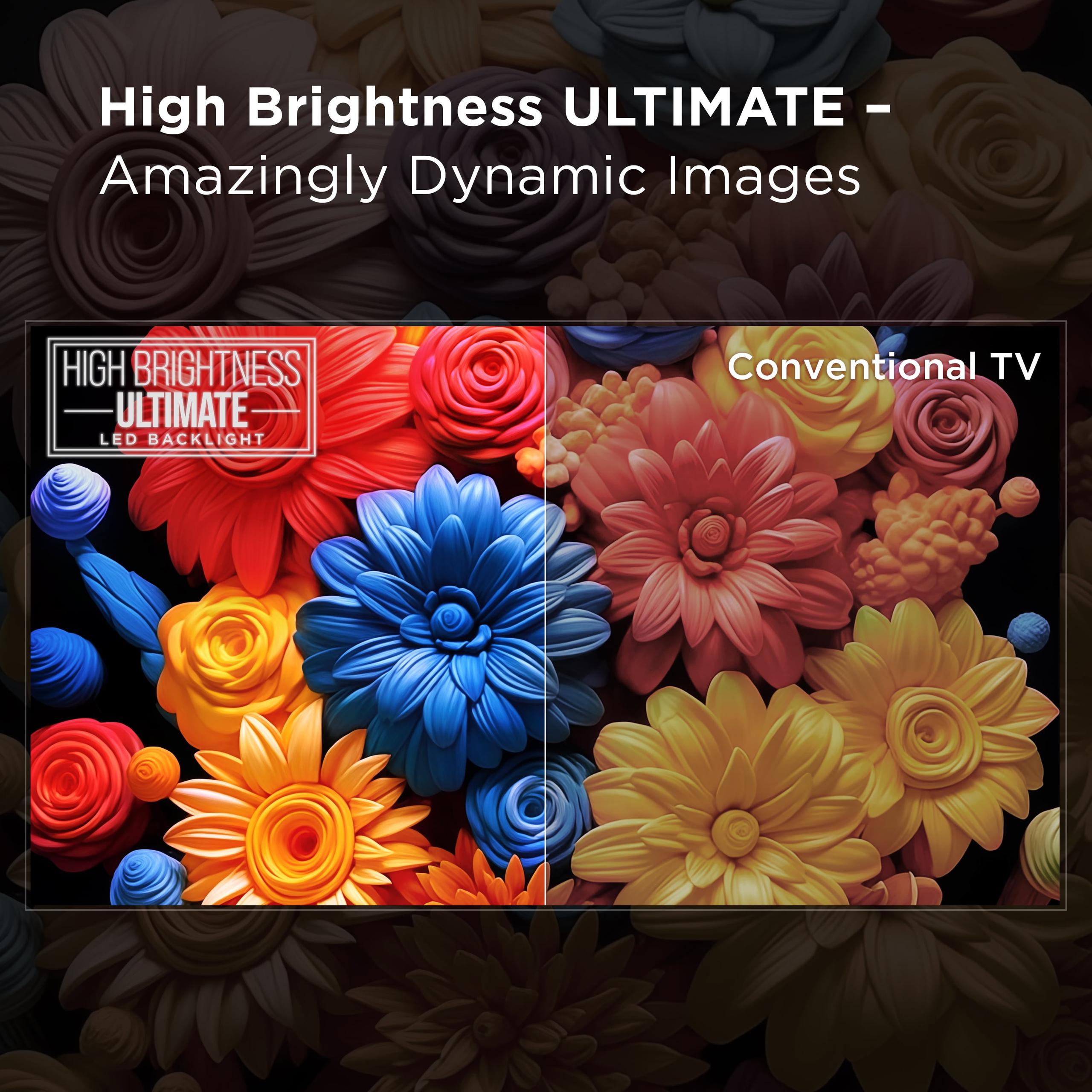
Based on our research into professional reviews and user feedback, the picture quality battle between these TVs is more nuanced than you might expect. The TCL QM8 consistently surprises reviewers with its exceptional brightness capabilities, reaching up to 5,000 nits peak brightness in ideal conditions. This crushes the Samsung QN900F's approximately 2,000 nits, making the TCL significantly better for bright room viewing and HDR content that really pops.
Contrast performance tells an interesting story. Both TVs achieve excellent black levels for LCD technology, but the TCL QM8 shows less blooming - that annoying halo effect you see around bright objects against dark backgrounds. This is partly due to more aggressive local dimming with up to 5,000 individual zones compared to Samsung's Quantum Matrix system.
Color accuracy is where Samsung traditionally excels, and the QN900F delivers with near-perfect coverage of the DCI-P3 color space used in movies. The TV's Quantum Dot technology produces incredibly pure colors that don't fade at high brightness levels. The TCL QM8 achieves about 91% DCI-P3 coverage, which is still excellent but not quite at Samsung's level.
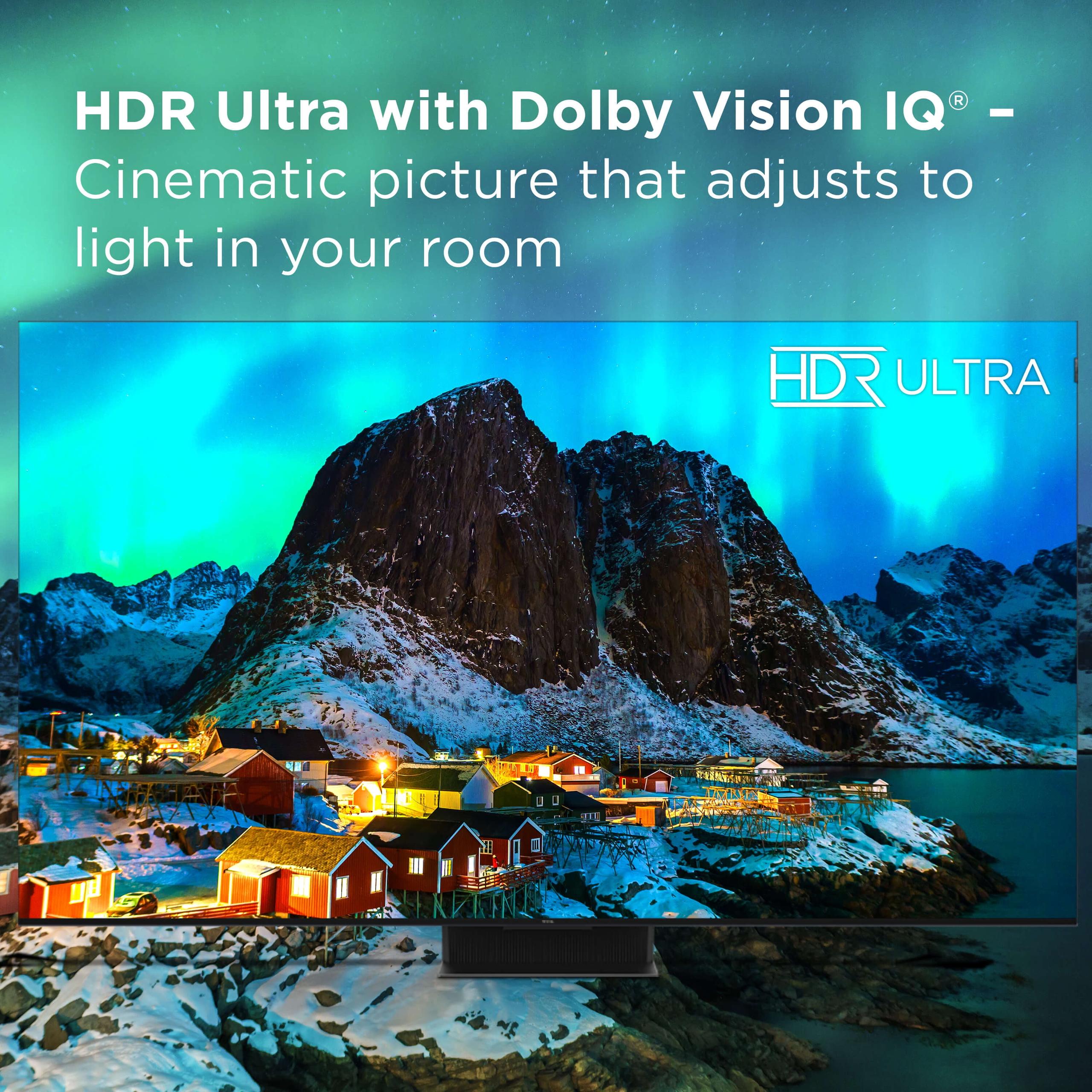
HDR format support creates another interesting divide. The TCL QM8 supports Dolby Vision, the premium HDR format used by Netflix, Disney+, and most major streaming services. Samsung stubbornly refuses to license Dolby Vision, instead supporting their own HDR10+ format and the basic HDR10 standard. For streaming content, this gives TCL a real advantage since Dolby Vision content often looks more vibrant and detailed than HDR10+ versions of the same material.
Gaming capabilities have become crucial for premium TVs, and both models deliver impressive performance with some key differences. The Samsung QN900F edges ahead with support for 4K gaming at 165Hz refresh rate, compared to the TCL QM8's 144Hz maximum. While both refresh rates are incredibly smooth, competitive gamers who notice every frame will appreciate Samsung's slight advantage.
Input lag - the delay between pressing a button and seeing the action on screen - is excellent on both TVs. The Samsung achieves roughly 10 milliseconds in game mode, while the TCL comes close at around 12-15 milliseconds. For context, anything under 20 milliseconds feels instantaneous to most players.
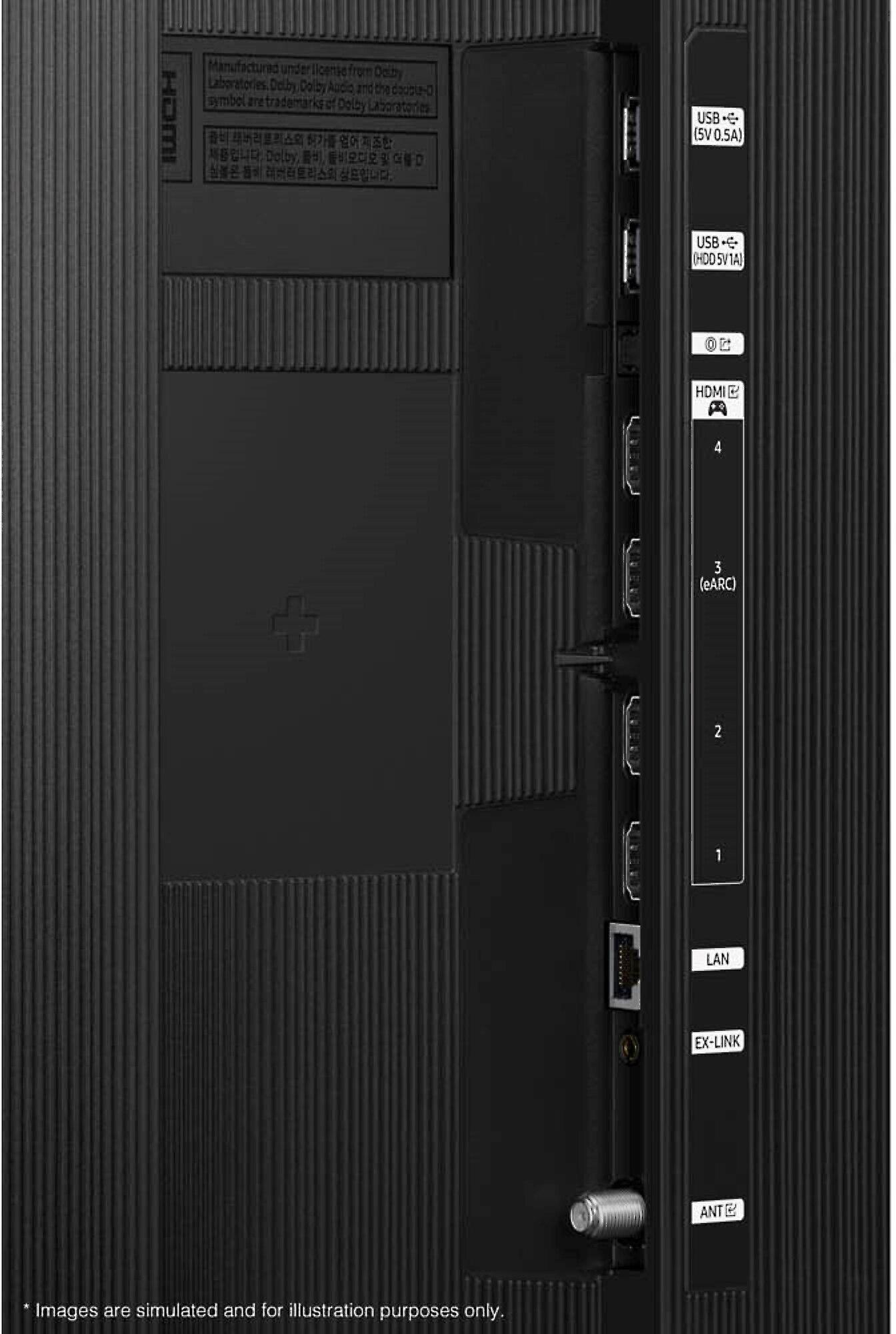
Variable Refresh Rate (VRR) support helps eliminate screen tearing by synchronizing the TV's refresh rate with your gaming console or PC's frame rate. Both TVs support all major VRR formats, including FreeSync, G-Sync compatibility, and HDMI VRR. The Samsung QN900F has a slight edge with four HDMI 2.1 ports compared to the TCL's specification, though both provide enough ports for modern gaming setups.
Auto Game Mode switching, which automatically optimizes TV settings when it detects gaming content, works reliably on both models. Samsung includes their Gaming Hub interface for cloud gaming services, while TCL focuses on optimizing the connection between your console and the TV.
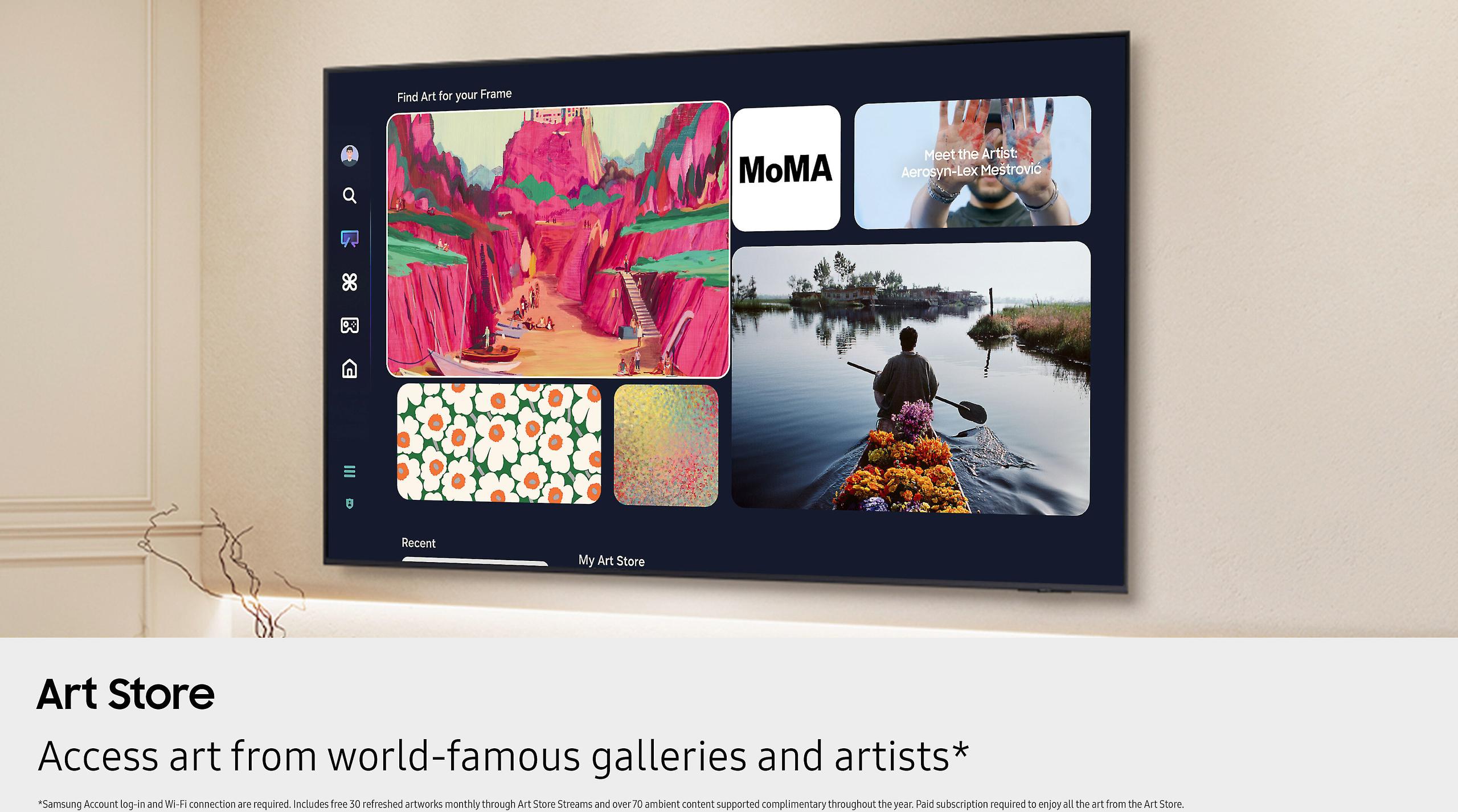
Your TV's smart platform affects every viewing session, so the choice between Samsung's Tizen and TCL's Google TV implementation matters more than many realize. Samsung's Tizen OS has matured significantly, offering a clean interface with Samsung TV Plus for free streaming content and excellent integration with other Samsung devices through SmartThings.
The Samsung QN900F includes Vision AI features that attempt to optimize picture and sound settings based on content type and viewing environment. In practice, these features work inconsistently - sometimes improving the experience, other times creating oversaturated or overly sharp images that look artificial.
Google TV on the TCL QM8 provides a content-first experience that many users prefer. It aggregates shows and movies from multiple streaming services, making discovery easier. Chromecast built-in lets you easily cast content from phones and tablets, and Google Assistant voice control feels more natural than Samsung's Bixby implementation.
App support is excellent on both platforms, though Google TV typically receives new streaming apps first since it's based on Android TV. Samsung's Tizen occasionally lags behind with new service launches, though all major streaming platforms are available on both systems.
Premium TV audio has improved dramatically in recent years, and both models deliver surprisingly capable built-in sound systems. The TCL QM8 takes a more aggressive approach with an 80W, 2.1.2-channel ONKYO-tuned system that includes a dedicated subwoofer and upward-firing drivers for Dolby Atmos effects.
Samsung's QN900F uses a 70W, 4.2-channel system with Object Tracking Sound Pro technology that attempts to move audio around the screen to match on-screen action. While clever, the implementation feels more gimmicky than genuinely immersive compared to TCL's straightforward approach with actual upward-firing speakers.
For serious home theater enthusiasts, both TVs support eARC (Enhanced Audio Return Channel) for sending high-quality audio to external sound systems. However, if you're planning to use the built-in speakers regularly, the TCL QM8's dedicated subwoofer provides noticeably better bass response and overall impact.
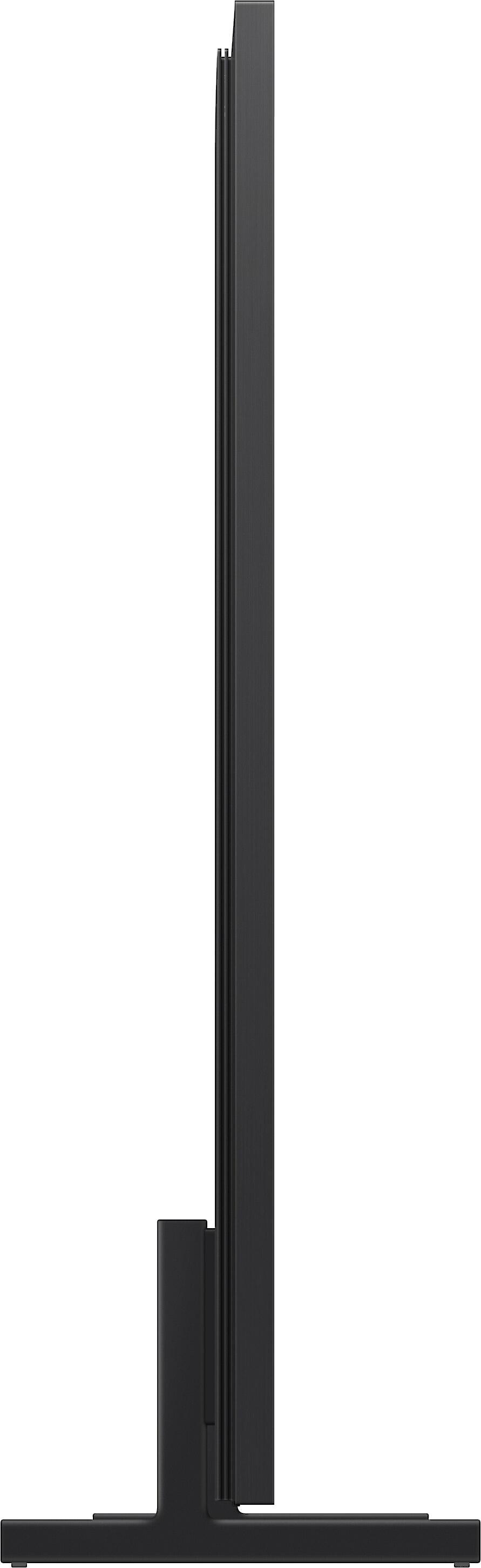
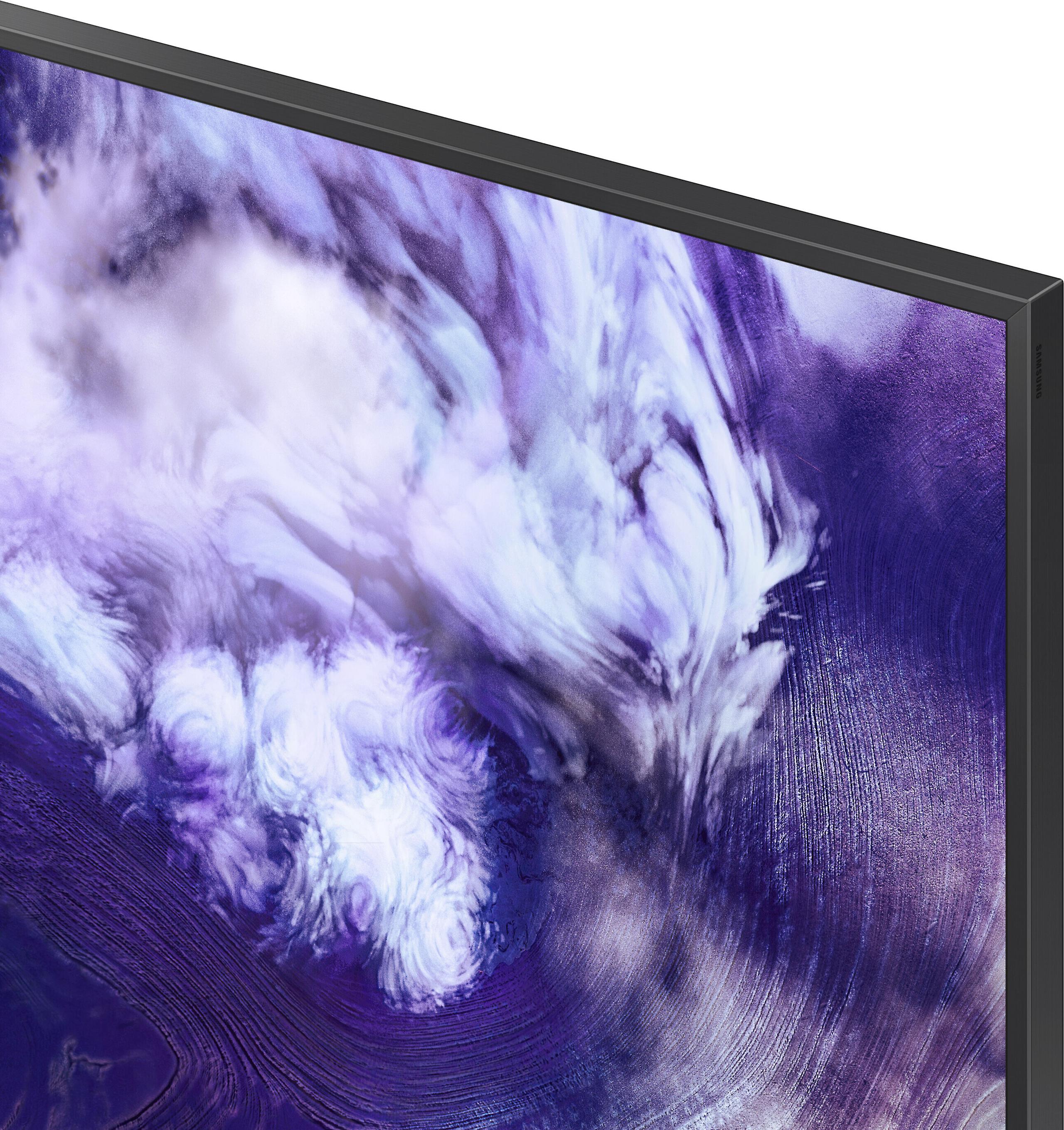
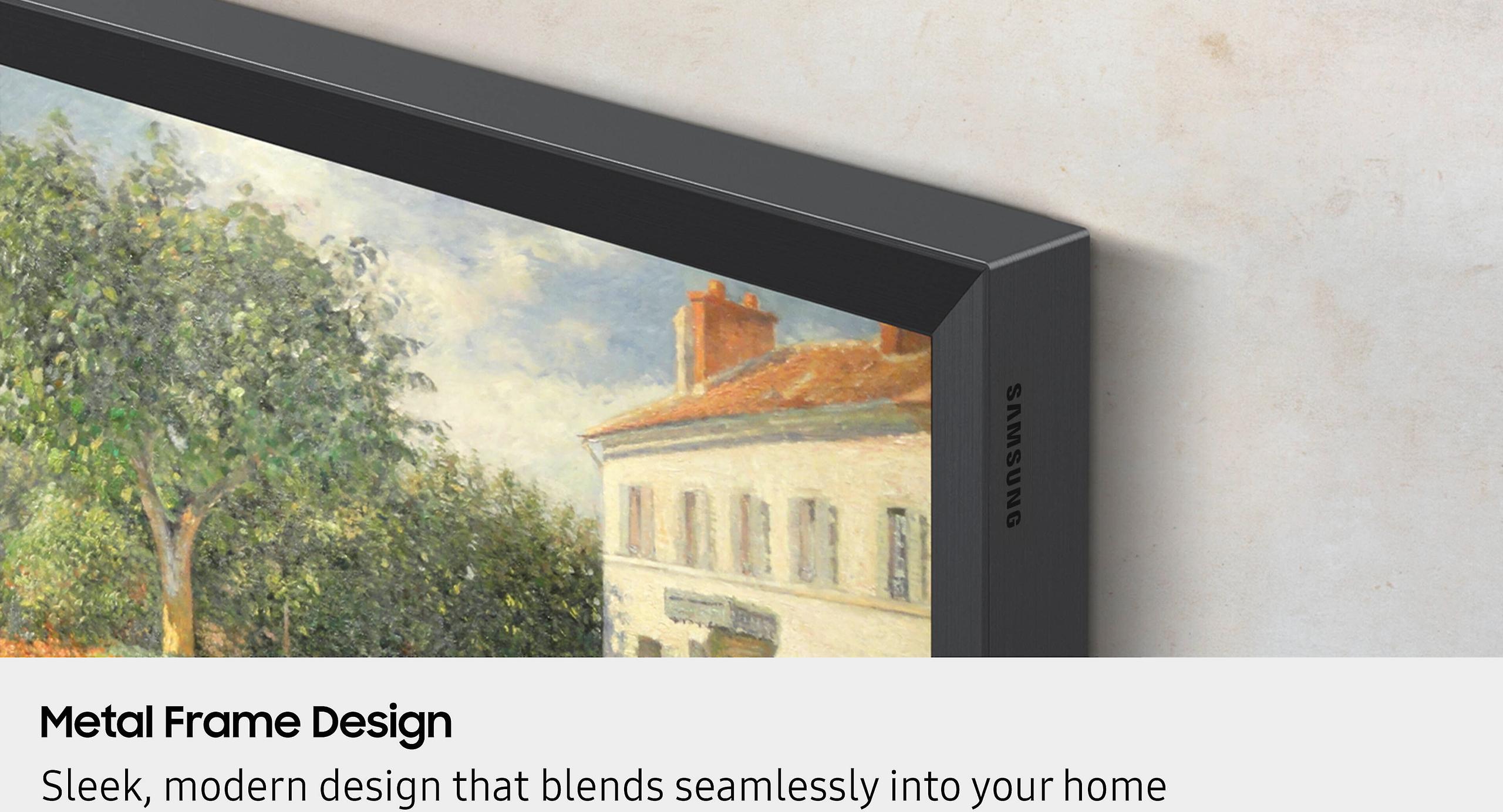
Samsung has traditionally led in TV design, and the QN900F continues this trend with a nearly bezel-free metal frame and premium materials throughout. The anti-glare coating is particularly impressive, virtually eliminating reflections even in bright rooms. This makes it genuinely usable in challenging lighting conditions where most TVs become unwatchable.
The TCL QM8 opts for a more conventional design approach but still looks premium with thin bezels and solid construction. The center-mounted stand works well for most entertainment centers, though wall mounting is straightforward on both models.
Build quality feels solid on both TVs, though Samsung's premium materials and finish quality justify some of the price difference. The Samsung feels like a luxury product, while the TCL feels like excellent value engineering.
At the time of writing, there's a significant price gap between these models that fundamentally changes the value equation. The TCL QM8 costs substantially less while delivering superior brightness, better HDR format support, and excellent 4K performance for current content.
The Samsung QN900F asks buyers to pay a considerable premium for 8K capability, advanced AI processing, and premium build quality. Whether this premium makes sense depends largely on your viewing habits and future expectations.
For most buyers consuming Netflix, Disney+, gaming, and broadcast content, the TCL QM8 provides better day-to-day picture quality at a significantly lower price. The money saved could fund a premium sound bar, improving your overall entertainment experience more than 8K resolution would.
However, the Samsung makes sense for buyers who want the latest technology regardless of immediate benefits, plan to keep their TV for many years as 8K content becomes available, or simply prefer Samsung's ecosystem and build quality.
In a dedicated home theater with controlled lighting, both TVs excel, but their strengths differ. The TCL QM8's superior brightness and contrast make it excellent for rooms that aren't completely dark, while also delivering impressive performance in darker environments.
The Samsung QN900F's AI upscaling shines when watching older movies or lower-quality streaming content, potentially bringing new life to classic films. However, the lack of Dolby Vision support becomes more noticeable in a dedicated theater setup where you're likely watching premium streaming content.
For gaming-focused home theaters, the Samsung's 165Hz capability and comprehensive gaming features provide a slight edge, though the difference is minimal for most games and players.
Choose the Samsung 65" Neo QLED 8K QN900F if you want cutting-edge 8K technology, prefer Samsung's ecosystem, need the absolute best gaming performance, or plan to keep your TV for many years as 8K content emerges. The premium build quality and advanced processing justify the higher price for buyers who value having the latest technology.
Choose the TCL 65" QM8 Mini-LED Smart TV if you want maximum performance per dollar for current 4K content, prefer brighter, more vibrant images, need Dolby Vision support for streaming, or want to allocate more budget to other home theater components. It delivers exceptional picture quality that often surpasses more expensive competitors.
The TCL QM8 represents better value for most buyers, providing superior brightness, excellent contrast, and great 4K performance at a significantly lower price. The Samsung QN900F serves buyers betting on 8K content growth or those wanting the absolute latest technology regardless of immediate benefits.
In our evaluation, the TCL wins on pure value and current-content performance, while Samsung wins on future-proofing and premium features. Your choice should align with whether you prioritize immediate picture quality benefits or long-term technological advancement.
| Samsung 65" Neo QLED 8K QN900F | TCL 65" QM8 Mini-LED Smart TV |
|---|---|
| Display Resolution - Future-proofing vs current content optimization | |
| 8K (7680×4320) with AI upscaling for current 4K content | 4K (3840×2160) optimized for today's streaming and gaming |
| Peak Brightness - Critical for HDR impact and bright room viewing | |
| ~2,000 nits (good for most rooms) | Up to 5,000 nits (exceptional for bright spaces and vibrant HDR) |
| Local Dimming Zones - Controls contrast and reduces blooming | |
| Quantum Matrix Pro (precise control, fewer visible zones) | Up to 5,000 zones (more aggressive dimming, better black uniformity) |
| HDR Format Support - Affects streaming content quality | |
| HDR10+ Adaptive, HDR10 (no Dolby Vision) | Dolby Vision, HDR10+ Adaptive, HDR10 (better streaming compatibility) |
| Gaming Refresh Rate - Smoothness for competitive gaming | |
| 165Hz at 4K (slight edge for competitive gamers) | 144Hz at 4K (excellent for all gaming scenarios) |
| Gaming Input Lag - Responsiveness for competitive play | |
| ~10ms (exceptionally responsive) | ~12-15ms (still excellent for gaming) |
| Color Gamut Coverage - Affects color accuracy and vibrancy | |
| Near 100% DCI-P3 (cinema-accurate colors) | ~91% DCI-P3 (very good but not reference-level) |
| Smart TV Platform - Daily user experience | |
| Tizen OS with Samsung ecosystem integration | Google TV with superior content discovery |
| Audio System - Built-in sound quality | |
| 70W 4.2-channel with Object Tracking Sound Pro | 80W 2.1.2-channel ONKYO system with dedicated subwoofer |
| Anti-Glare Technology - Usability in bright rooms | |
| Advanced matte coating virtually eliminates reflections | Standard reflection handling |
| HDMI 2.1 Ports - Future gaming and device compatibility | |
| 4 ports (full next-gen console support) | 4 ports (matches Samsung's connectivity) |
| Build Quality and Design - Premium feel and aesthetics | |
| Metal frame, near-bezelless, premium materials | Solid construction, conventional design approach |
| Processor Technology - Upscaling and image enhancement | |
| NQ8 AI Gen2 with advanced 8K upscaling | Standard 4K processing optimized for current content |
| Release Year and Technology Maturity | |
| 2025 model with latest Samsung innovations | 2024 model with proven Mini-LED implementation |
The TCL QM8 Mini-LED Smart TV delivers superior picture quality for most current content with up to 5,000 nits peak brightness and excellent contrast. However, the Samsung 65" Neo QLED 8K QN900F offers more accurate colors and advanced AI upscaling that can enhance older content to near-8K quality.
8K content remains extremely limited in 2025, with virtually no movies or TV shows available in native 8K. The Samsung QN900F relies on AI upscaling to enhance 4K content, which works well but doesn't match true 8K detail. Most buyers get better value focusing on excellent 4K performance with the TCL QM8.
The Samsung 65" Neo QLED 8K QN900F has a slight gaming advantage with 165Hz refresh rate and 10ms input lag compared to the TCL QM8's 144Hz and 12-15ms lag. Both support all VRR formats and have four HDMI 2.1 ports, making either excellent for gaming.
The TCL QM8 Mini-LED Smart TV uses Google TV with superior content discovery and Chromecast built-in. The Samsung QN900F runs Tizen OS with Samsung ecosystem integration and SmartThings compatibility. Both support major streaming apps, though Google TV typically gets new services first.
The TCL QM8 significantly outperforms with up to 5,000 nits peak brightness versus the Samsung QN900F's approximately 2,000 nits. This makes the TCL much better for bright rooms and more impactful HDR content.
Only the TCL QM8 Mini-LED Smart TV supports Dolby Vision HDR, which is used by Netflix, Disney+, and most streaming services. The Samsung 65" Neo QLED 8K QN900F only supports HDR10+ and HDR10, potentially limiting streaming quality.
The TCL QM8 features an 80W ONKYO 2.1.2-channel system with a dedicated subwoofer and upward-firing speakers. The Samsung QN900F has a 70W 4.2-channel system with Object Tracking Sound Pro but lacks a dedicated subwoofer.
Both TVs use Mini-LED backlighting, but the TCL QM8 Mini-LED Smart TV offers up to 5,000 individual dimming zones for better contrast control. The Samsung QN900F uses Quantum Matrix Pro technology with fewer but more precisely controlled zones.
The TCL QM8 provides exceptional value with superior brightness, Dolby Vision support, and excellent 4K performance at a significantly lower price. The Samsung 65" Neo QLED 8K QN900F costs considerably more for 8K capability and premium features that may not benefit most users.
Both excel in home theaters, but serve different needs. The TCL QM8 Mini-LED Smart TV offers better brightness and Dolby Vision for premium streaming content. The Samsung QN900F provides more accurate colors and advanced processing for varied content sources.
The Samsung 65" Neo QLED 8K QN900F offers better future-proofing with 8K resolution and advanced AI processing for when 8K content becomes available. The TCL QM8 focuses on perfecting current 4K technology but may need upgrading sooner as 8K adoption increases.
Choose the Samsung QN900F for 8K future-proofing, premium build quality, advanced gaming features, and Samsung ecosystem integration. Choose the TCL QM8 Mini-LED Smart TV for superior brightness, better value, Dolby Vision support, and excellent 4K performance for current content.
We've done our best to create useful and informative comparisons to help you decide what product to buy. Our research uses advanced automated methods to create this comparison and perfection is not possible - please contact us for corrections or questions. These are the sites we've researched in the creation of this article: rtings.com - samsung.com - techradar.com - dolby.com - youtube.com - samsung.com - youtube.com - samsung.com - samsung.com - samsung.com - samsung.com - displayspecifications.com - samsung.com - rtings.com - bestbuy.com - merlinstv.com - news.samsung.com - bestbuy.com - rtings.com - rtings.com - techradar.com - tcl.com - the-gadgeteer.com - nfm.com - ecoustics.com - careyscommunications.com - pcrichard.com - tcl.com

Privacy Policy
Terms and Conditions - Affiliate Policy
Home Security
© Copyright 2008-2026.
11816 Inwood Rd #1211, Dallas, TX 75244