


Shopping for a 65-inch TV in 2025 means navigating a landscape where you can spend anywhere from under $400 to well over $2,000 for what might look like similar products on paper. The reality is that these different price tiers represent fundamentally different viewing experiences, build quality levels, and technological capabilities.
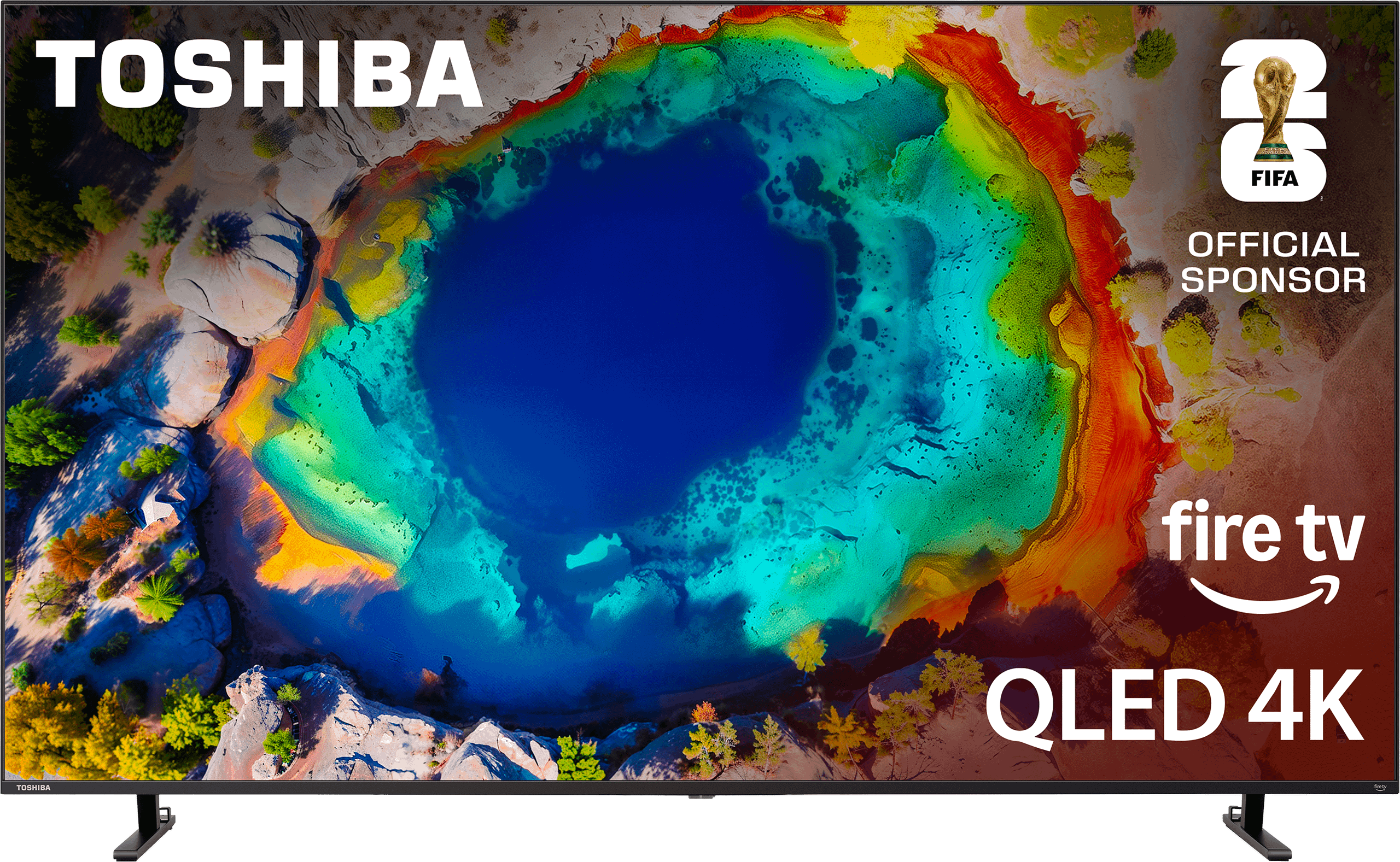
Today we're comparing two TVs that perfectly illustrate this divide: the budget-friendly Toshiba 65" M550 Series QLED Fire TV and Samsung's flagship Samsung 65" Neo QLED 8K QN900F Vision AI Smart TV 2025. At the time of writing, these TVs are separated by roughly seven times the price—a gap that raises the obvious question: what exactly are you getting for that extra money, and is it worth it?
The TV industry has undergone massive changes over the past few years. QLED technology—which uses quantum dots to enhance color reproduction—has become standard even in budget models, while premium TVs have pushed into 8K resolution and Mini-LED backlighting. Smart TV platforms have matured significantly, though reliability varies wildly between manufacturers and price points.
When evaluating any 65-inch TV, the key considerations break down into several critical areas: picture quality (including HDR performance and color accuracy), gaming capabilities, smart platform reliability, audio quality, and overall build quality. The weight you place on each factor should guide your decision between budget and premium options.
The Toshiba M550, released in 2024, represents the sweet spot of budget QLED technology. It packs impressive specs for its price range, including full-array local dimming—a feature that controls LED backlighting in zones to improve contrast—and support for all major HDR formats including Dolby Vision. However, our research into user and expert reviews reveals some significant compromises in processing power and software reliability.
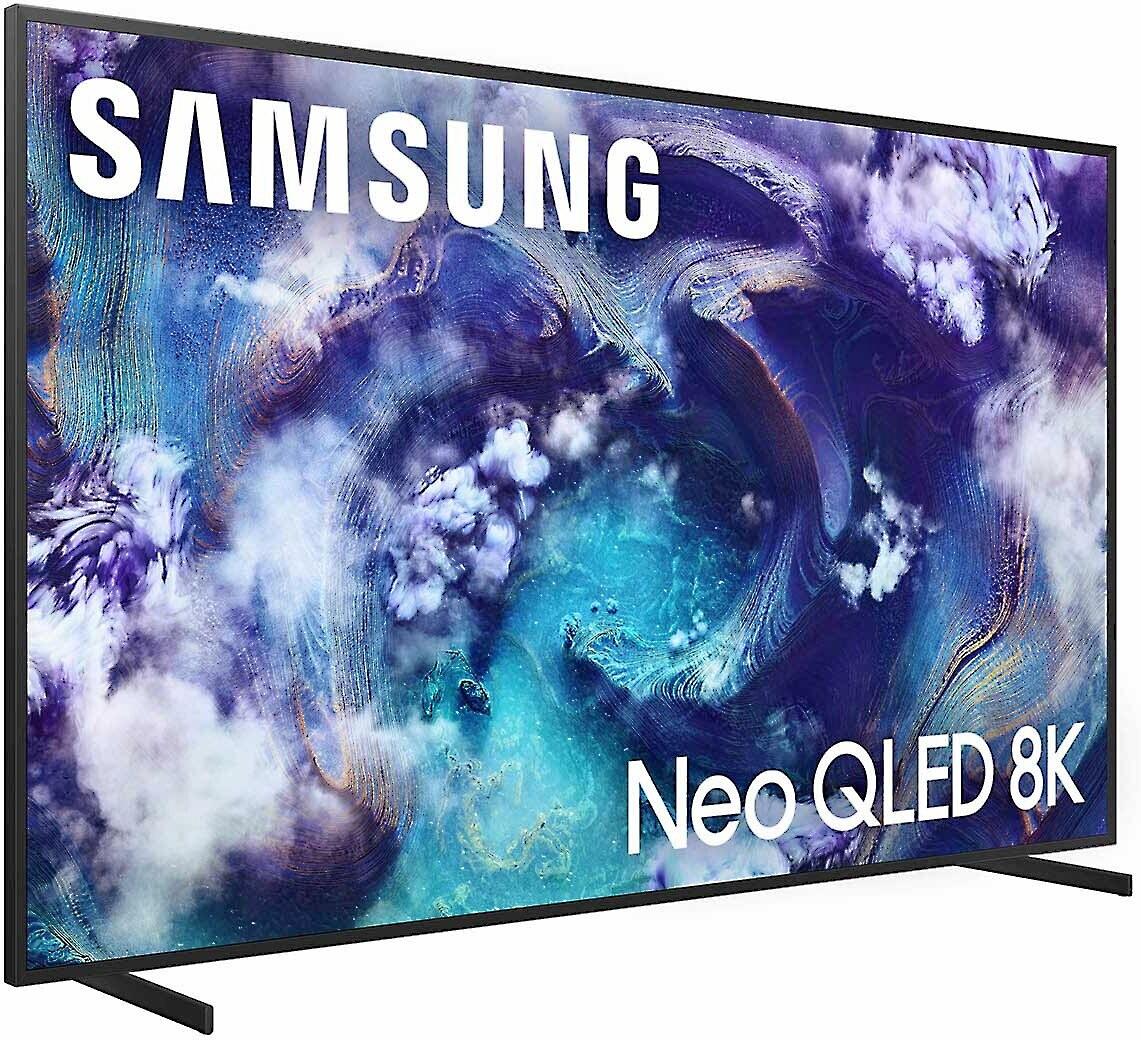
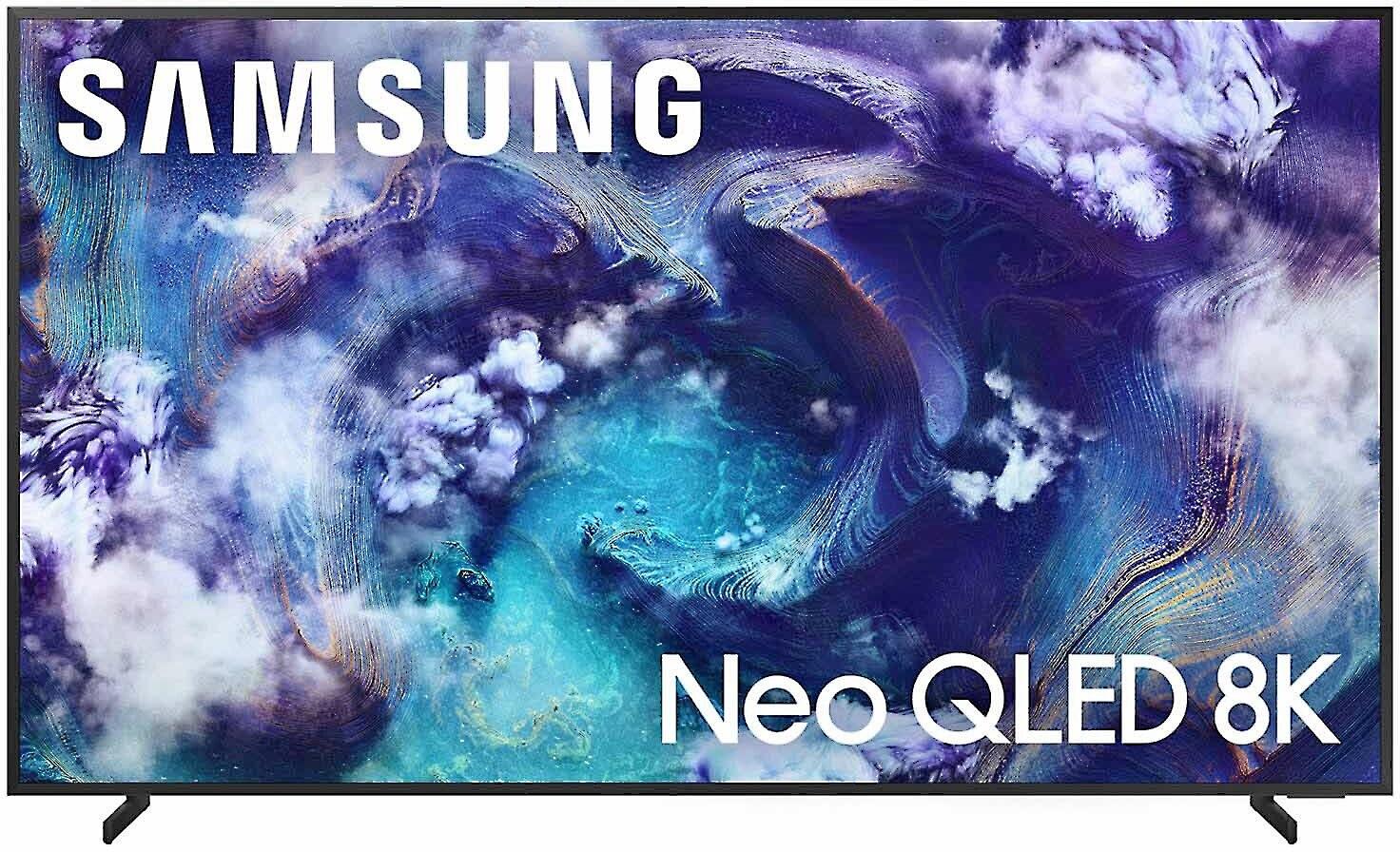
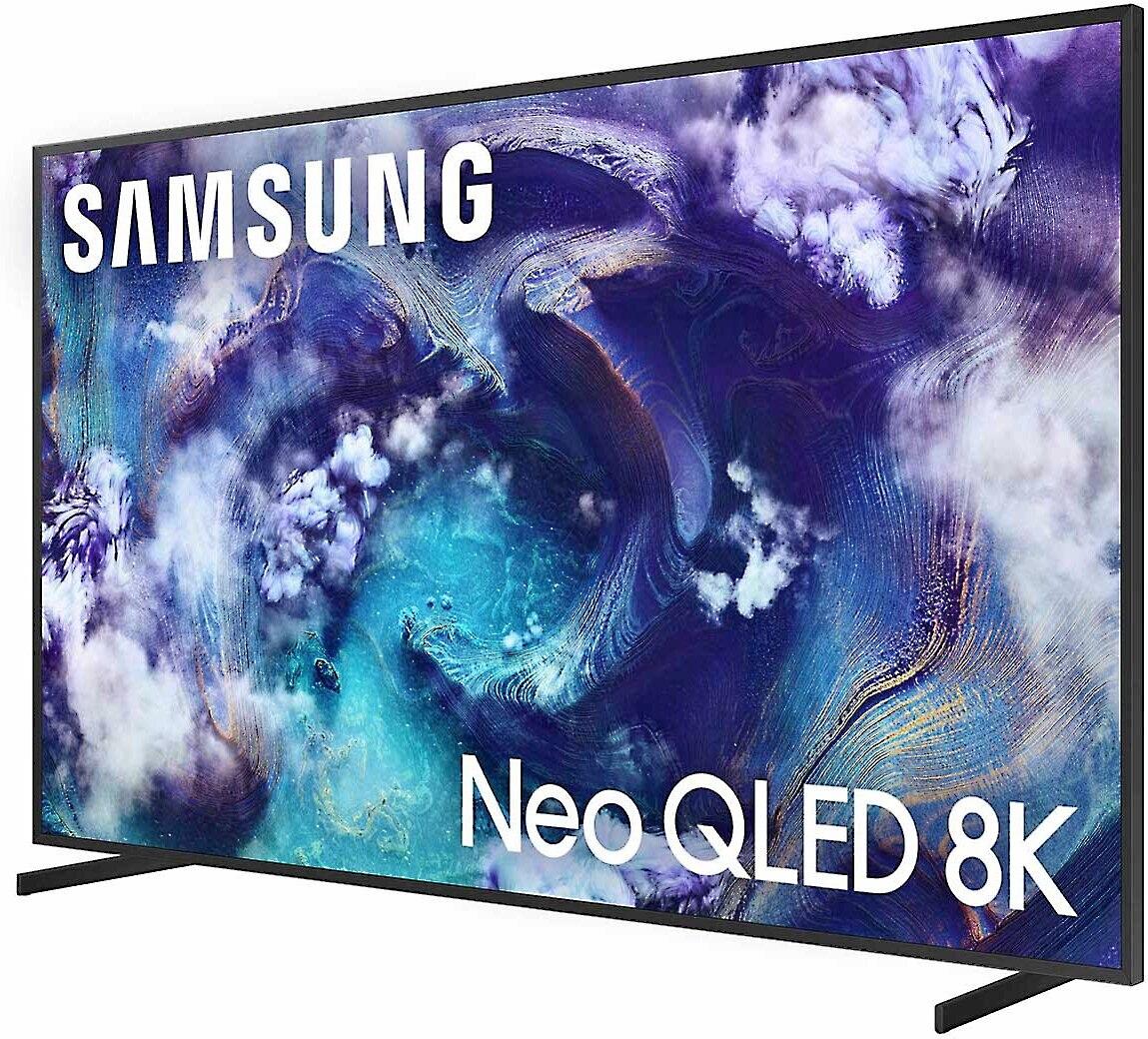
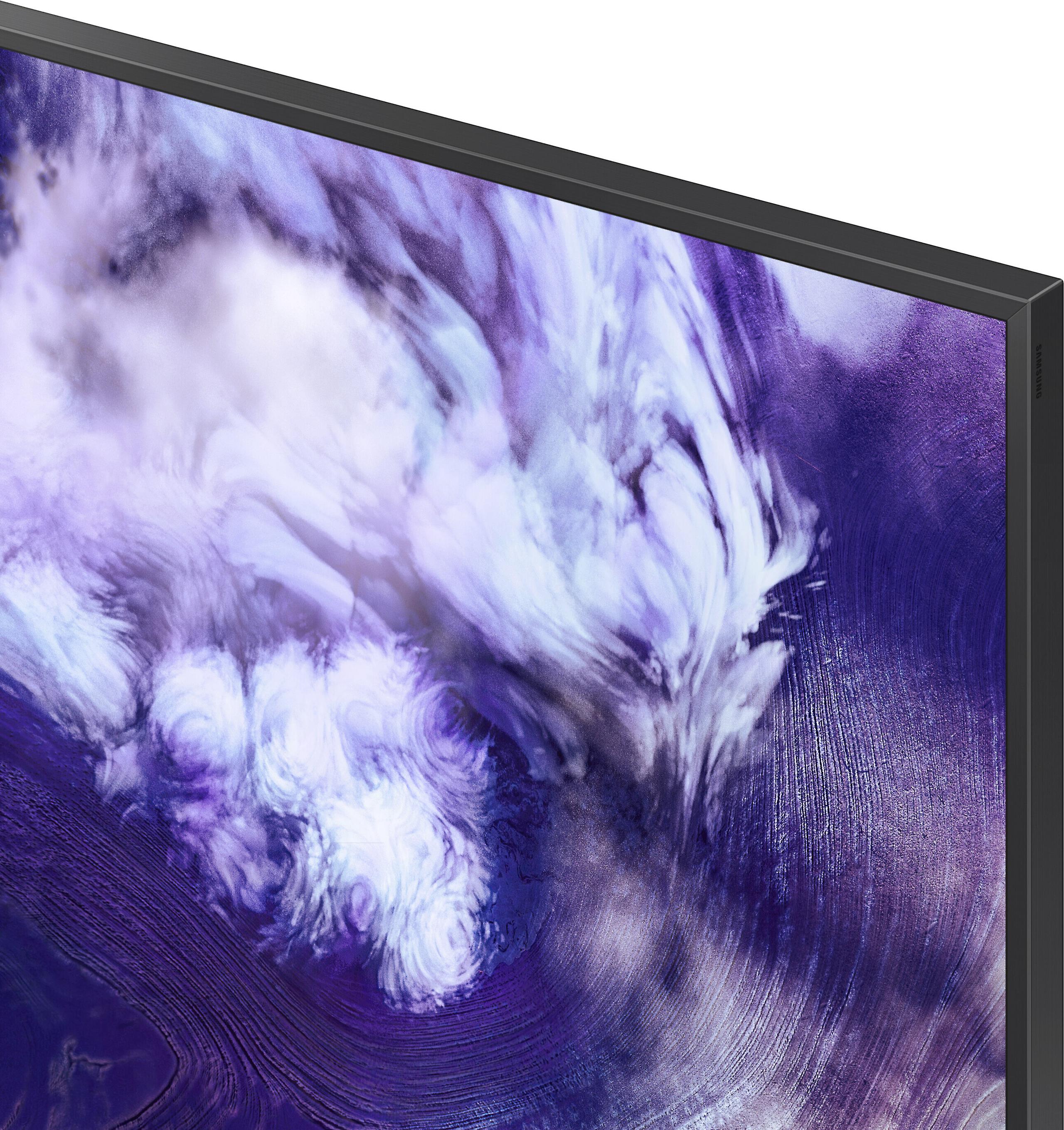
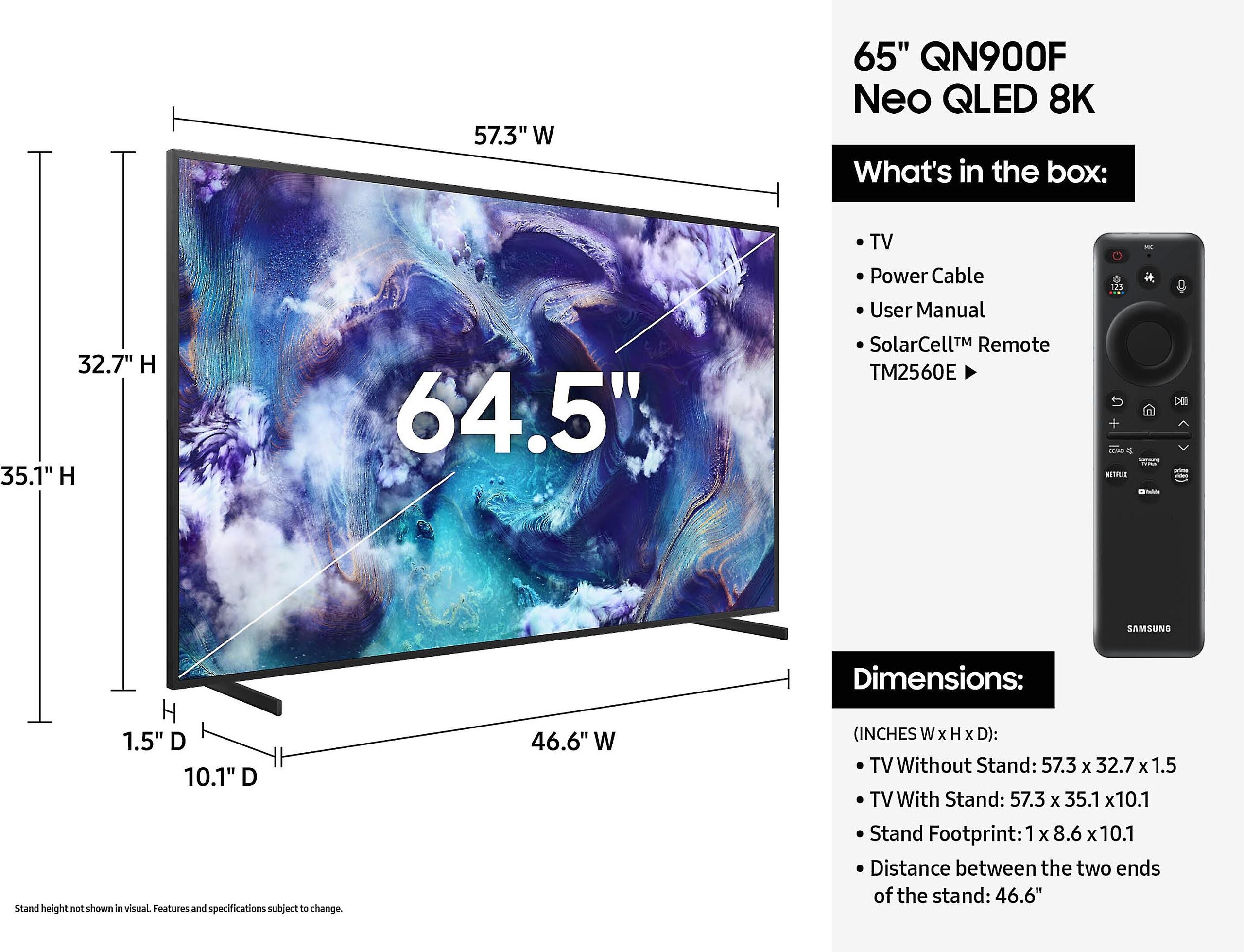
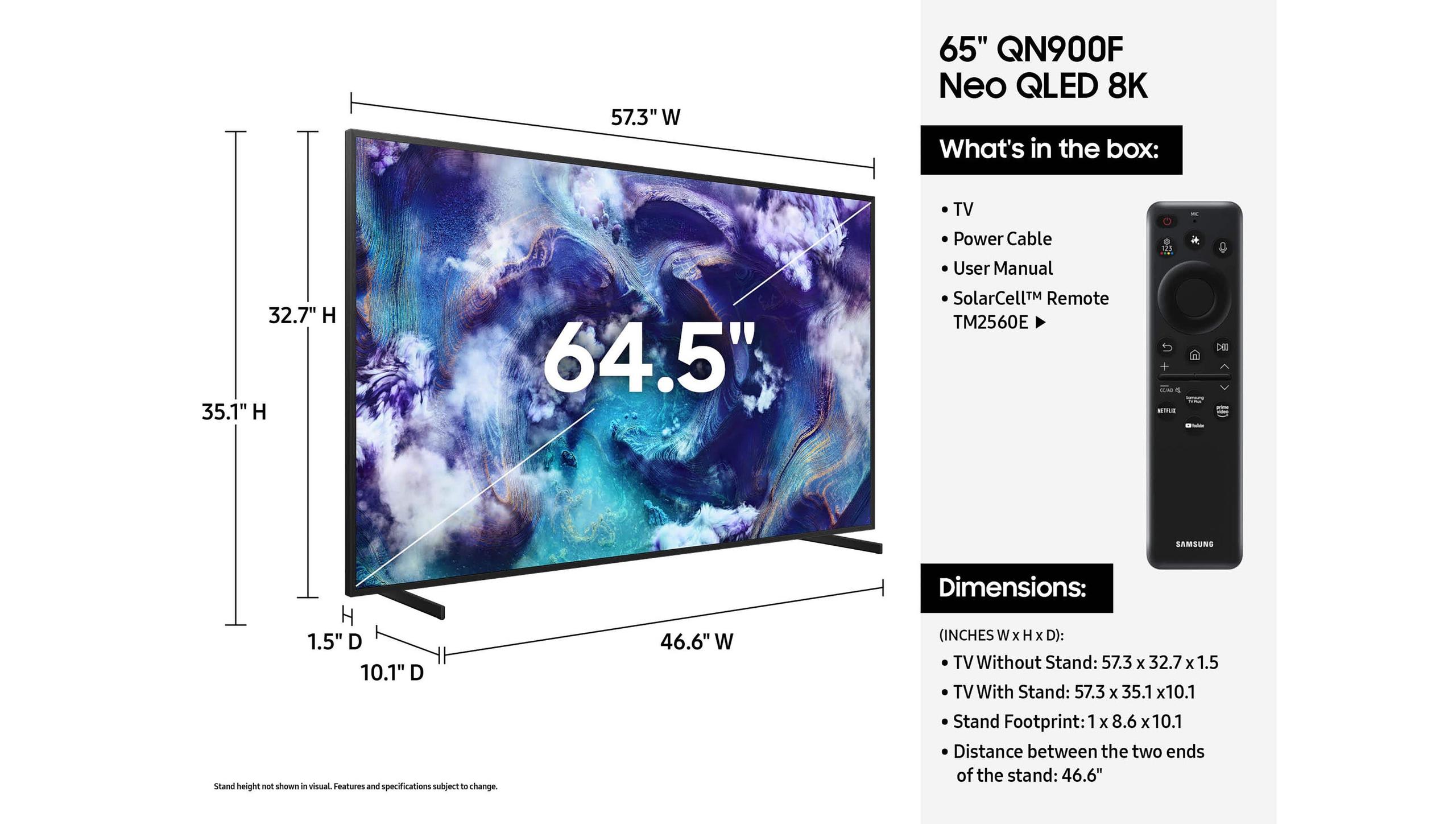
The Samsung QN900F, launched in 2025, sits at the pinnacle of LCD TV technology. It's Samsung's answer to premium OLED displays, using thousands of tiny Mini-LEDs instead of traditional LED backlights to achieve near-OLED contrast levels while maintaining superior brightness. The "Vision AI" branding reflects Samsung's heavy investment in artificial intelligence for upscaling lower-resolution content and optimizing picture settings automatically.
The most obvious difference between these TVs is resolution. The Toshiba M550 delivers standard 4K resolution (3,840 × 2,160 pixels), while the Samsung QN900F pushes into 8K territory (7,680 × 4,320 pixels)—four times the pixel density.
Here's where things get interesting: there's virtually no native 8K content available for consumers in 2025. Netflix tops out at 4K, as do most streaming services and Blu-ray discs. So why pay extra for 8K? The answer lies in upscaling—the process of taking lower-resolution content and intelligently filling in the extra pixels.
The Samsung's NQ8 AI Gen3 Processor uses 256 neural networks (essentially small AI programs) to analyze incoming video and enhance it in real-time. When you're watching a 1080p Netflix show, this system examines textures, edges, and motion patterns to create additional detail that looks remarkably natural. The result is that even older HD content appears noticeably sharper and more detailed than on a standard 4K display.
The Toshiba M550 includes its own REGZA Engine ZR processor for 4K upscaling, and while it does a respectable job enhancing HD content, it can't match the sophistication of Samsung's AI-driven approach. For most viewers watching primarily 4K content, this difference is less critical, but it becomes noticeable with lower-quality sources like cable TV or older streaming content.
High Dynamic Range (HDR) represents one of the most significant improvements in TV technology over the past decade. HDR allows TVs to display a wider range of brightness levels, from deeper blacks to brighter highlights, creating more lifelike images. Both TVs support the major HDR formats: HDR10, HDR10+, and Dolby Vision.
However, HDR performance depends heavily on how bright a TV can get and how precisely it can control that brightness. This is where the Samsung QN900F pulls significantly ahead. Its Quantum Matrix Mini LED system can achieve much higher peak brightness levels—critical for those spectacular HDR moments like sunlight reflecting off water or explosions in action movies.
The Mini-LED technology deserves explanation: instead of using a few dozen large LEDs behind the screen, Mini-LEDs employ thousands of LEDs smaller than the tip of a pencil. This allows for incredibly precise brightness control across different areas of the screen. When a scene shows both a dark cave and bright sky, the Samsung can make the cave truly black while keeping the sky brilliantly bright—something traditional LED TVs struggle with.
The Toshiba M550 uses full-array local dimming with 48 zones, which is impressive for its price range. This means the TV can control brightness in 48 different areas of the screen independently. While this provides good contrast improvement over edge-lit budget TVs, it can't match the pixel-level precision of the Samsung's thousands of Mini-LEDs.
Both TVs use QLED technology, but implementation matters enormously. Quantum dots are microscopic particles that emit pure colors when hit by light. The Toshiba M550 covers over 90% of the DCI-P3 color gamut—the standard used for digital cinema—which is excellent for a budget TV.
The Samsung QN900F achieves 100% color volume, meaning it can reproduce those vibrant colors at any brightness level. This is particularly important for HDR content, where you might have both bright, saturated colors and dim, subtle tones in the same scene. The Samsung maintains color accuracy across this entire range, while budget TVs often see colors fade or shift as brightness changes.
Gaming has become a crucial consideration for TV buyers, especially with the PlayStation 5 and Xbox Series X pushing 4K gaming at high frame rates. This is where the technical specifications create a stark performance divide.
The Toshiba M550 includes a 120Hz panel—meaning it can theoretically display 120 frames per second for ultra-smooth gaming. However, there's a significant bottleneck: its HDMI ports only support 4K resolution at 60Hz. This means while the panel could handle 120fps gaming, the inputs can't deliver that signal at 4K resolution. You can get 120Hz, but only at lower resolutions like 1440p or 1080p.
The TV does support Variable Refresh Rate (VRR) up to 60Hz at 4K, which helps eliminate screen tearing—the visual artifact where the top and bottom of the screen show different frames. It also includes Auto Low Latency Mode (ALLM), which automatically switches to game mode when it detects a gaming console, reducing input lag (the delay between pressing a button and seeing the result on screen).
The Samsung QN900F represents a different league entirely for gaming. Its Motion Xcelerator technology supports 4K gaming at up to 165Hz—well beyond what current consoles can output but future-proofing for PC gaming and next-generation consoles. Input lag is measured in single-digit milliseconds, making it suitable for competitive gaming.
Beyond the raw specifications, the Samsung includes advanced gaming features like Game Bar (on-screen gaming information), Super Ultrawide Game View for unique aspect ratios, and Samsung Gaming Hub for cloud gaming services. These features transform the TV into a comprehensive gaming center rather than just a display.
For casual gaming—playing single-player adventures or family-friendly games—the Toshiba M550 provides adequate performance. For serious gamers, especially those with high-end PCs or who prioritize competitive gaming, the Samsung QN900F offers substantial advantages.
This area reveals perhaps the most significant practical difference between these TVs, and it's where the Toshiba M550 shows the compromises of its budget positioning most clearly.
The Toshiba runs Amazon's Fire TV platform, which offers excellent content integration and straightforward navigation. However, our research into user reviews reveals consistent complaints about performance. The TV's processor appears underpowered for the demands of modern smart TV operation. Users report 30-60 second delays when opening apps, frequent system freezes, and apps occasionally crashing back to the home screen.
These aren't minor inconveniences—they fundamentally impact daily use. When you want to quickly switch from Netflix to YouTube, waiting a full minute for the app to load breaks the seamless experience modern viewers expect. Multiple reviewers noted the TV sometimes takes a full minute just to resume watching from where you left off.
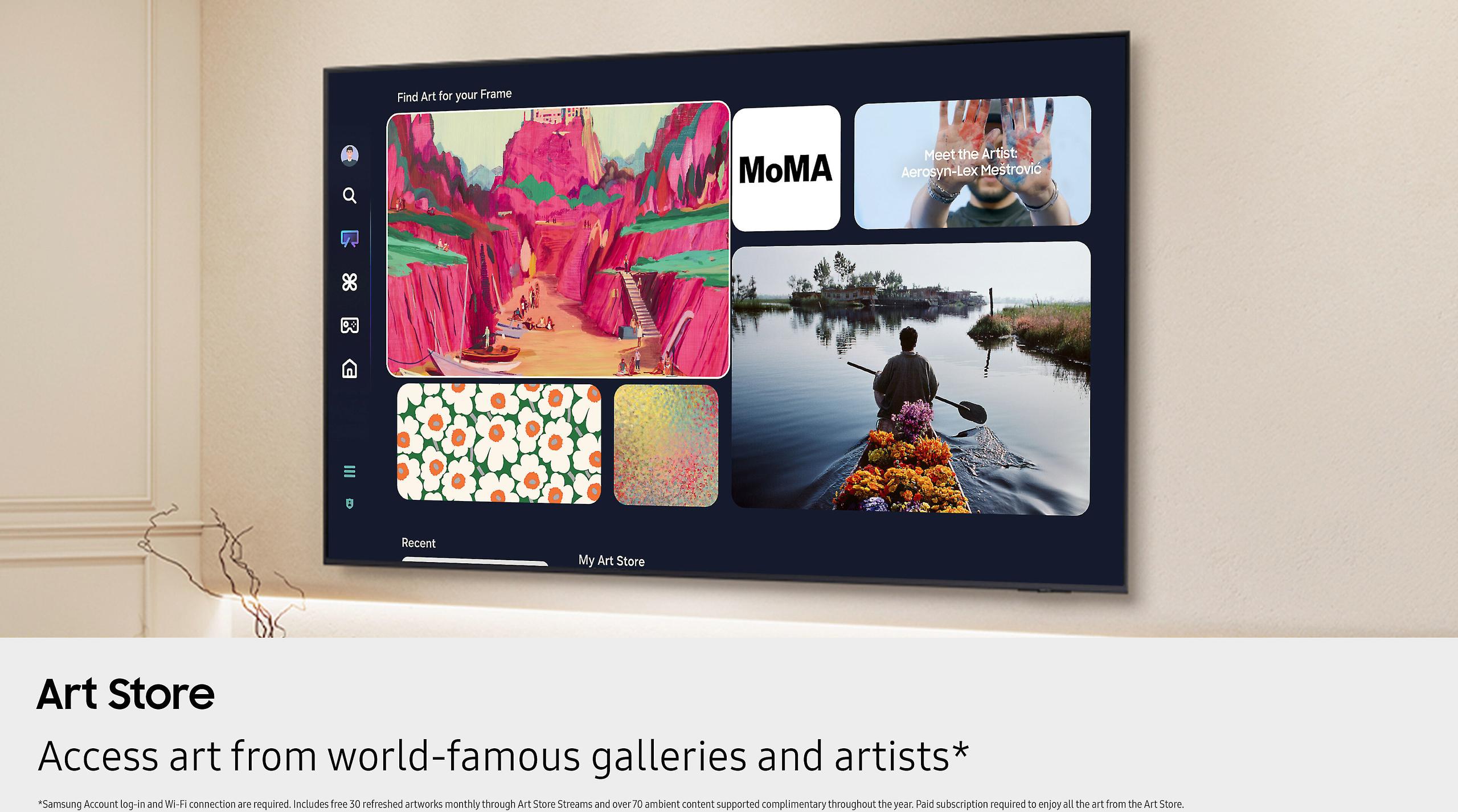
The Samsung QN900F runs Samsung's Tizen operating system, which has evolved significantly since its early days. The current version feels responsive and stable, with near-instantaneous app switching and reliable performance. The Vision AI features add genuinely useful capabilities like automatic subtitle translation and content recommendations based on viewing patterns.
Samsung's smart platform also integrates with broader smart home ecosystems more effectively, supporting multiple voice assistants and offering features like SmartThings integration for controlling other devices.
TV audio represents an interesting case study in the value equation between these models. Most serious home theater enthusiasts plan to use external audio equipment regardless of TV price, but for many users, built-in audio quality matters significantly.
The Toshiba M550 includes REGZA Power Audio Pro with Dolby Atmos support, featuring dual 12W speakers and a 25W bass woofer. Reviews consistently describe the audio as "adequate" or "gets the job done," but suggest most users will want to add a soundbar for optimal experience.
The Samsung QN900F features a 4.2.2 channel system with 70W total output, Object Tracking Sound+, and dedicated top-channel speakers for genuine Dolby Atmos reproduction. Object Tracking Sound is particularly impressive—it uses multiple speakers to make sound follow action across the screen, so a car driving from left to right actually sounds like it's moving.
Professional reviews describe the Samsung's audio as "robust for a flat-panel TV" with "solid bass performance," often eliminating the immediate need for external audio equipment. For users who don't want the complexity or expense of a separate sound system, this represents significant added value.
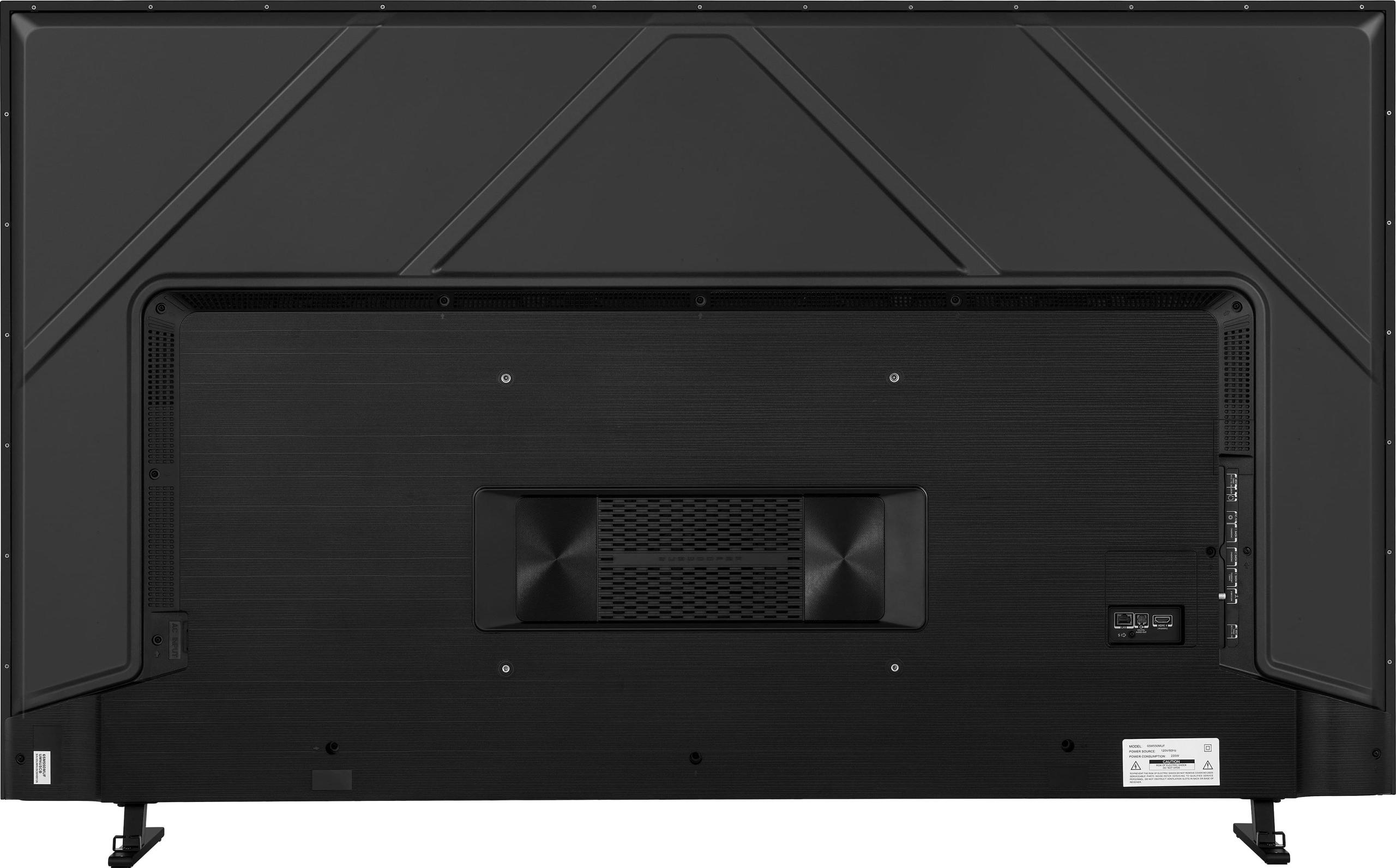
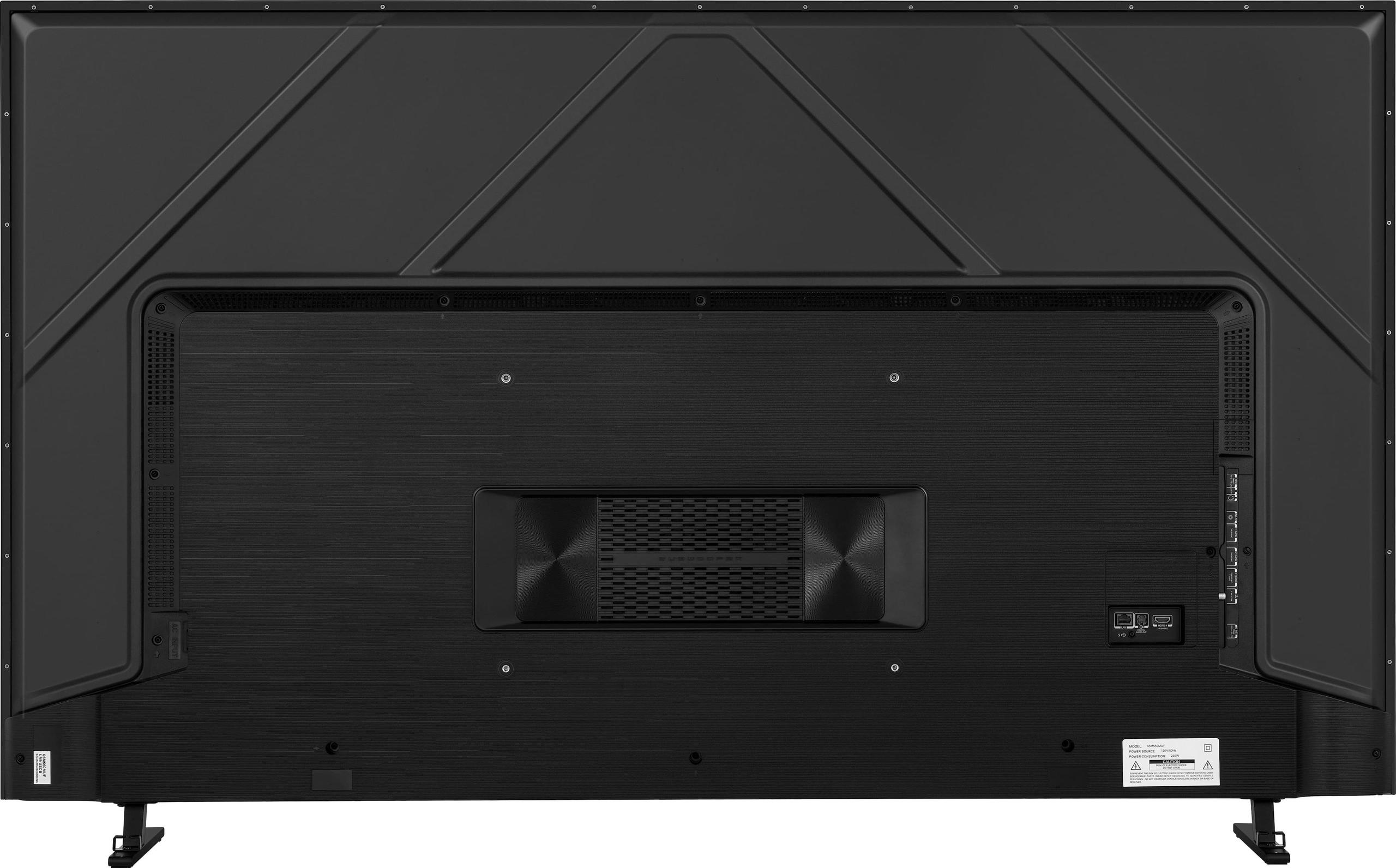
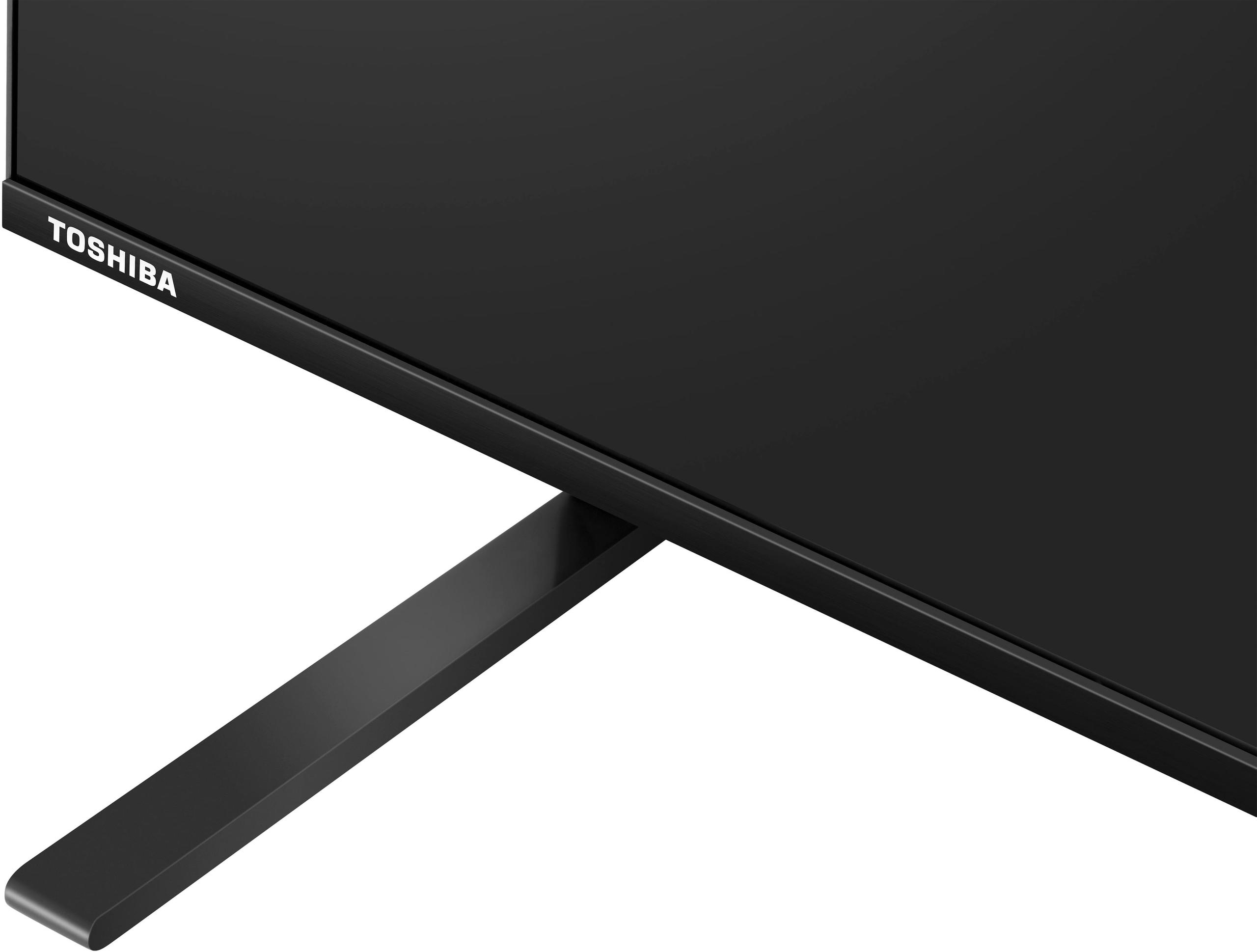
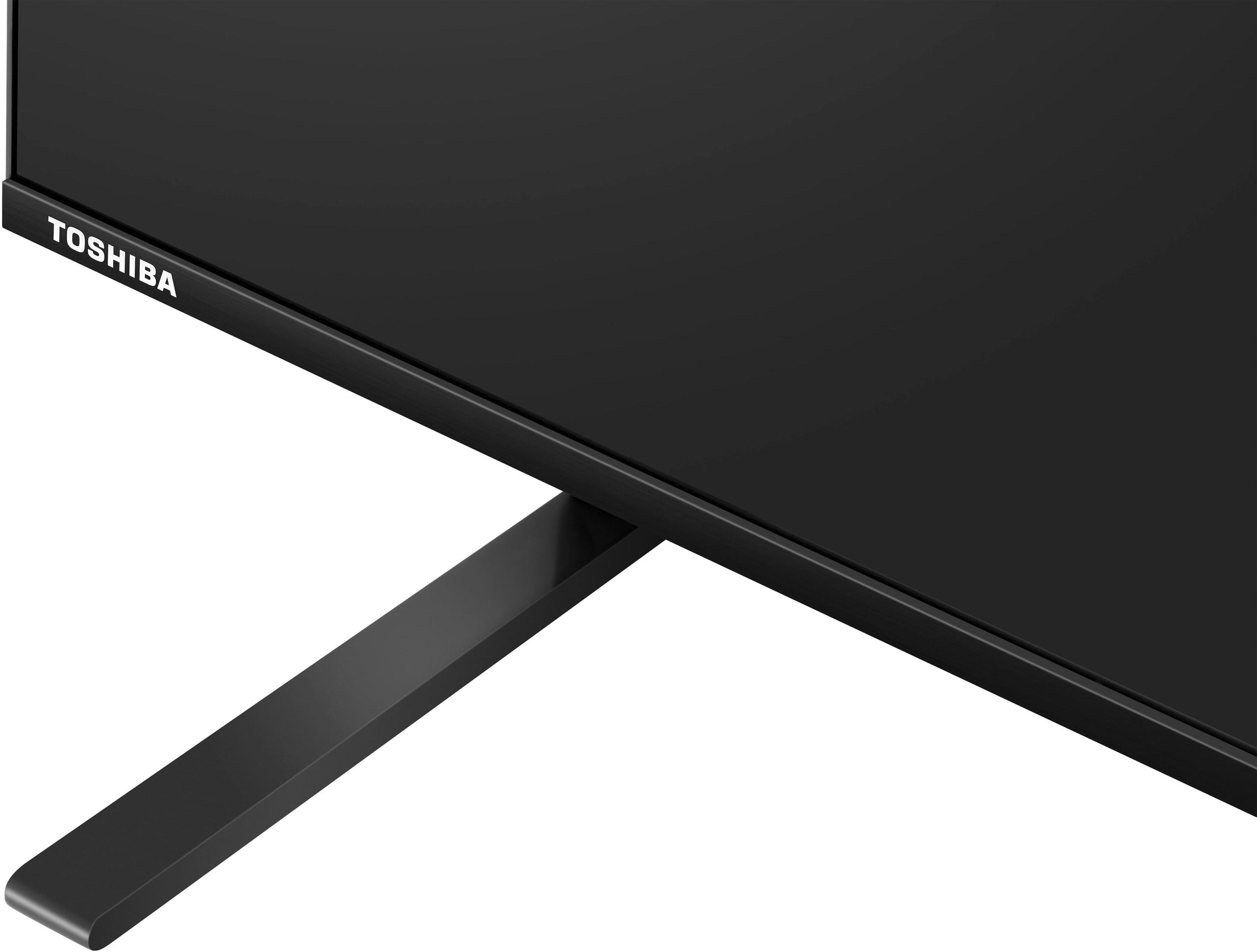
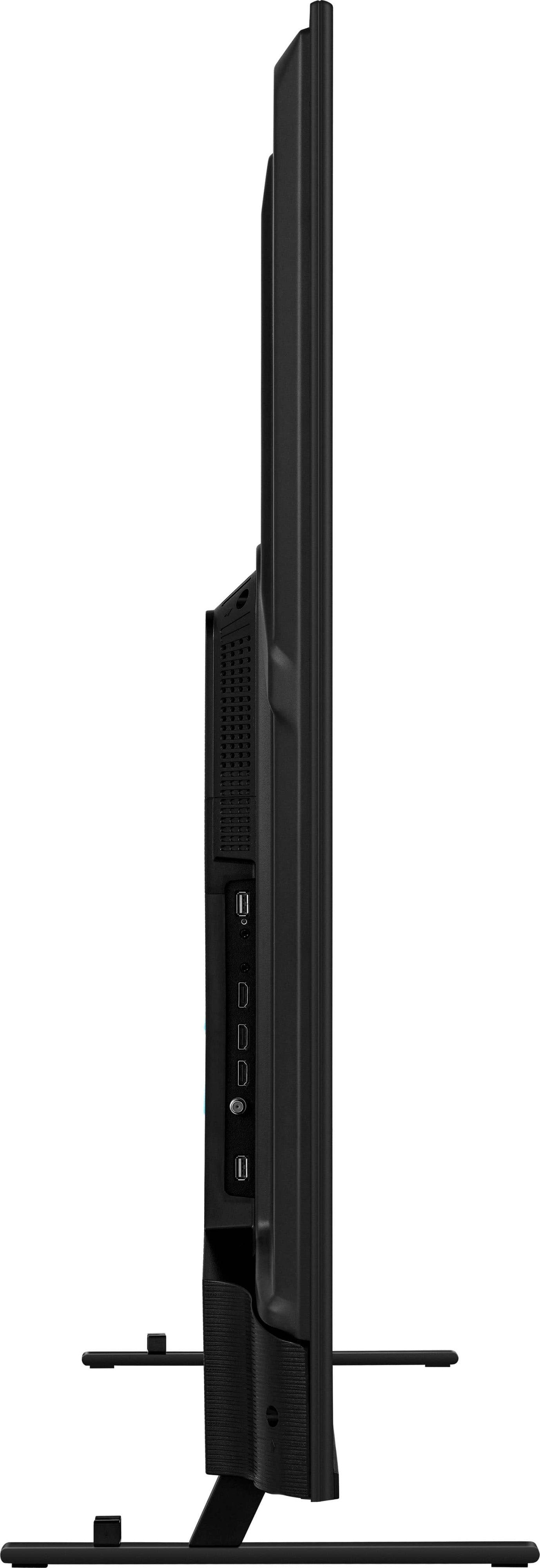
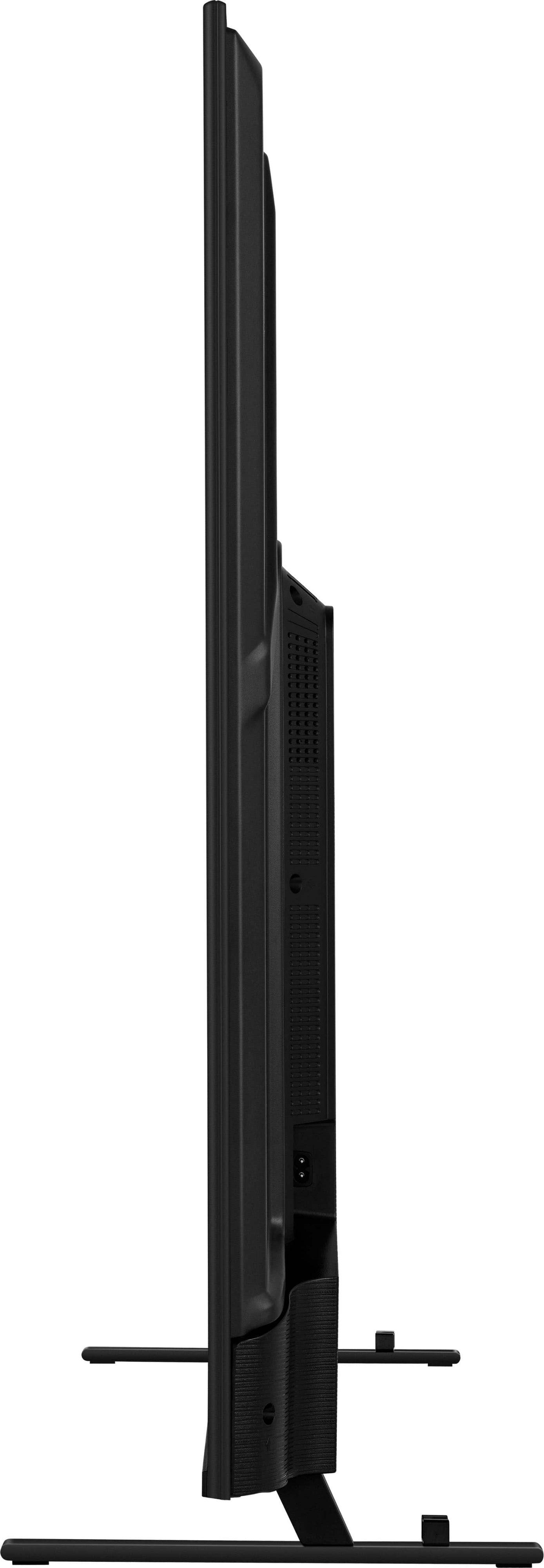
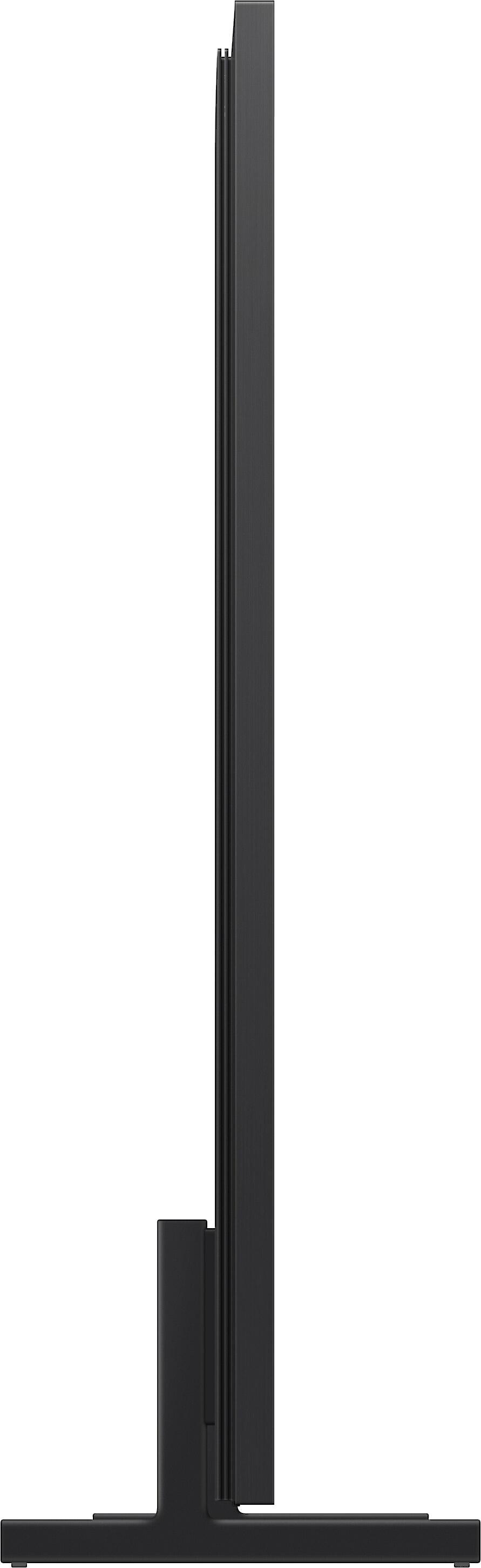
The physical construction of these TVs reflects their different market positions clearly. The Toshiba M550 offers respectable build quality for its price, with a metal back panel and reasonably slim bezels, though some cost-cutting is evident in materials and finishing.
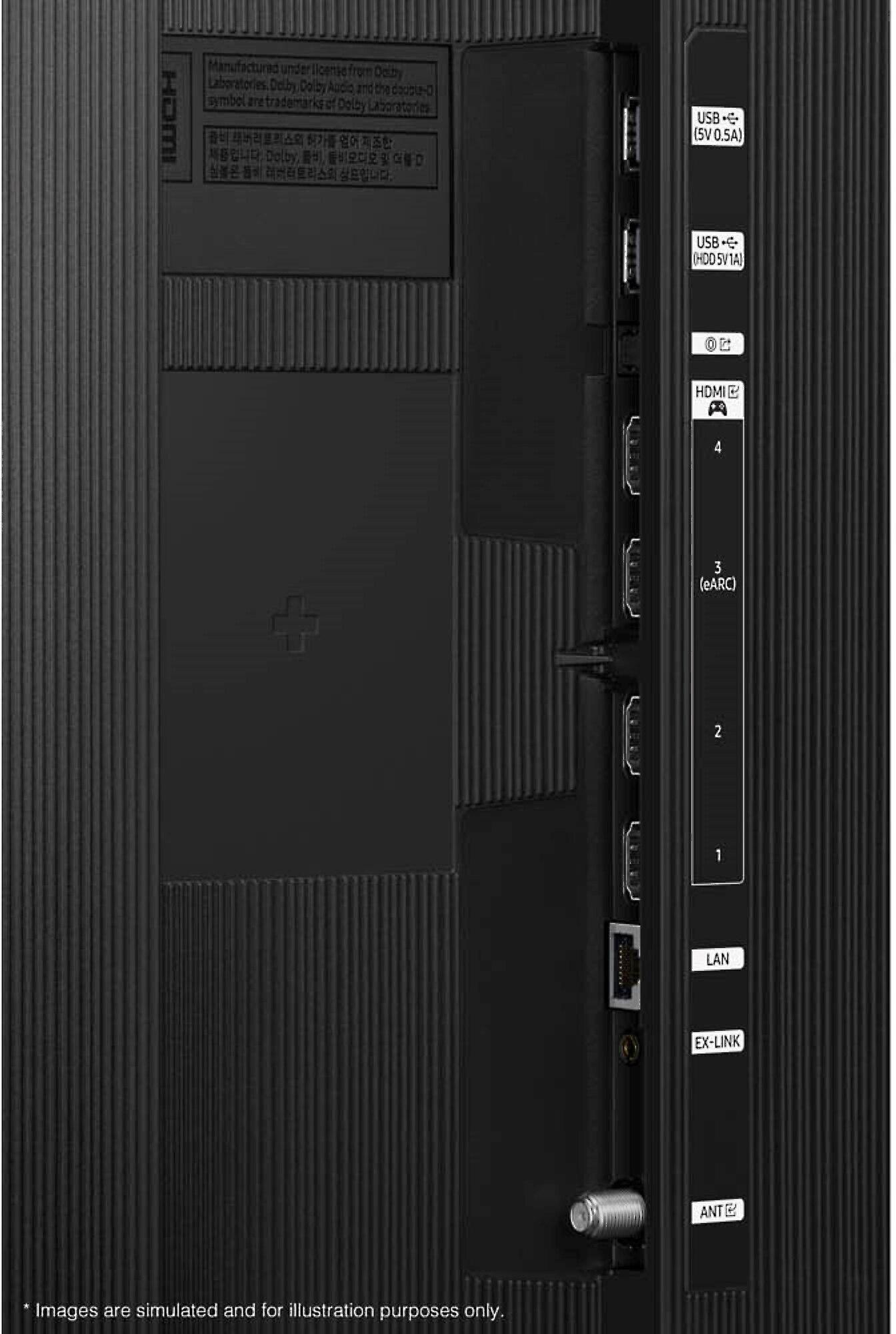
The Samsung QN900F features premium construction with an nearly edgeless metal frame and sophisticated cable management. More importantly, it includes Samsung's award-winning Glare-Free technology—a matte screen coating that dramatically reduces reflections from windows and lights. This might sound like a minor feature, but in bright living rooms, it can transform the viewing experience by maintaining image clarity and color accuracy even with significant ambient light.
The Samsung's premium construction also suggests better long-term durability, though this is difficult to quantify without years of real-world use.
When considering these TVs, the fundamental question isn't whether the Samsung QN900F is better—it clearly is in almost every measurable way. The question is whether those improvements justify the substantial price premium for your specific needs and budget.
Choose the Toshiba M550 if: Your primary goal is getting a large, high-quality display at the lowest possible cost, and you're willing to accept some software frustrations for significant savings. It's ideal for families who primarily stream content, watch movies, and do casual gaming. The picture quality is genuinely impressive for the price, and many of the software issues can be mitigated by connecting external streaming devices like an Apple TV or Nvidia Shield.
Choose the Samsung QN900F if: You want cutting-edge performance and are planning to keep this TV for 7-10 years. It's the clear choice for serious gamers, movie enthusiasts who want the best possible HDR experience, and anyone with a bright living room who would benefit from anti-glare technology. The superior processing also makes it more future-proof as streaming quality continues to improve.
Consider alternatives if: The Toshiba's software issues concern you but the Samsung exceeds your budget. The middle tier of the TV market offers 4K QLED displays with more reliable smart platforms at moderate price premiums over budget options.
The Toshiba M550 represents exceptional value for viewers who prioritize screen size and basic picture quality over premium features. Despite its software limitations, it delivers a genuinely impressive viewing experience for a fraction of the cost of premium alternatives.
The Samsung QN900F justifies its premium pricing through superior technology across every category: brighter, more accurate pictures; faster, more capable gaming; reliable smart platform performance; and premium build quality. For enthusiasts and long-term buyers, these advantages accumulate into a significantly better ownership experience.
Ultimately, both TVs succeed in their intended markets. The Toshiba proves that budget TVs have evolved dramatically, while the Samsung demonstrates how premium technology can enhance every aspect of the viewing experience. Your choice should align with your priorities, budget, and how long you plan to keep your new TV.
| Toshiba 65" M550 Series QLED Fire TV | Samsung 65" Neo QLED 8K QN900F Vision AI Smart TV 2025 |
|---|---|
| Resolution - Higher resolution provides sharper detail, but 8K content is extremely limited | |
| 4K (3,840 x 2,160 pixels) - adequate for all current content | 8K (7,680 x 4,320 pixels) - future-proof but limited native content |
| Display Technology - Mini-LEDs provide dramatically better contrast and brightness control | |
| QLED with standard LED backlight and 48-zone local dimming | Neo QLED with Mini-LED backlight and thousands of dimming zones |
| HDR Peak Brightness - Critical for impactful HDR performance in bright rooms | |
| Moderate brightness levels (exact specs not disclosed) | High peak brightness with Quantum Matrix Mini LEDs |
| Gaming Performance - Essential for console and PC gaming | |
| 120Hz panel limited to 4K@60Hz inputs, VRR up to 60Hz | 4K@165Hz with full VRR support, ultra-low input lag |
| Smart Platform - Affects daily usability and long-term satisfaction | |
| Fire TV with Alexa (reports of slow performance and freezing) | Tizen with Vision AI (responsive with advanced features) |
| Audio System - Determines if you need external speakers | |
| Basic Dolby Atmos support, requires soundbar for best experience | 4.2.2 system with Object Tracking Sound+, often eliminates need for soundbar |
| Processing Power - Impacts upscaling quality and overall responsiveness | |
| REGZA Engine ZR (adequate but limited AI capabilities) | NQ8 AI Gen3 with 256 neural networks (superior upscaling and optimization) |
| Build Quality and Design - Affects durability and room aesthetics | |
| Decent construction with visible cost-cutting measures | Premium metal frame with Glare-Free anti-reflection technology |
| Target User - Who should buy each TV | |
| Budget-conscious buyers wanting large QLED display for streaming | Enthusiasts wanting cutting-edge technology and premium performance |
The Samsung 65" Neo QLED 8K QN900F delivers superior picture quality with 8K resolution, Mini-LED technology, and advanced AI processing. However, the Toshiba 65" M550 Series QLED Fire TV provides excellent 4K QLED picture quality at a fraction of the cost. For most viewers, the Toshiba's picture quality is more than adequate for streaming and movies.
8K content remains extremely limited, with no major streaming services offering native 8K programming. The Samsung QN900F's 8K resolution mainly benefits upscaling of lower-resolution content through AI processing. Unless you're future-proofing for a 7-10 year ownership period, the Toshiba M550's 4K resolution handles all current content perfectly.
The Samsung 65" Neo QLED 8K QN900F is significantly better for gaming, offering 4K gaming at 165Hz with ultra-low input lag and advanced VRR support. The Toshiba M550 has a 120Hz panel but is limited to 4K@60Hz inputs, making it adequate for casual gaming but not ideal for competitive or high-end PC gaming.
The Toshiba 65" M550 uses Fire TV but suffers from performance issues including slow app loading, frequent freezing, and system crashes according to user reviews. The Samsung QN900F runs Samsung's Tizen platform with Vision AI, which is generally more responsive and stable with faster app performance.
The Samsung 65" Neo QLED 8K QN900F features a superior 4.2.2 channel audio system with Object Tracking Sound+ and often eliminates the need for a soundbar. The Toshiba M550 has basic Dolby Atmos support but most users will want to add external speakers for the best audio experience.
Yes, the Samsung QN900F delivers much brighter HDR performance thanks to its Mini-LED backlighting, creating more impactful highlights and better contrast. The Toshiba 65" M550 supports all major HDR formats but with more limited brightness ranges typical of budget TVs.
The Samsung 65" Neo QLED 8K QN900F excels in bright rooms with its Glare-Free anti-reflection technology and higher peak brightness. The Toshiba M550 can handle moderate lighting but may struggle with significant glare or very bright ambient conditions.
The Samsung QN900F features advanced AI upscaling with 256 neural networks that dramatically improves lower-resolution content. The Toshiba 65" M550 includes decent 4K upscaling through its REGZA Engine, but it cannot match Samsung's sophisticated AI-driven enhancement of HD and streaming content.
For budget-conscious buyers, the Toshiba M550 offers exceptional short to medium-term value despite some reliability concerns. The Samsung 65" Neo QLED 8K QN900F provides better long-term value for buyers planning 7-10 year ownership with superior build quality and future-proof features.
The Toshiba 65" M550 Series QLED Fire TV compromises on smart platform performance (slow, unreliable), gaming capabilities (limited refresh rates), and processing power (basic upscaling). However, it maintains good core picture quality with QLED technology and full-array local dimming.
The Samsung QN900F is superior for dedicated home theater use with its exceptional HDR performance, precise contrast control, and high-quality built-in audio. The Toshiba 65" M550 can work in home theater setups but may require external audio equipment and performs best with external streaming devices to bypass software issues.
Choose the Toshiba 65" M550 Series QLED Fire TV if you want a large QLED display at the lowest cost and primarily stream content casually. Choose the Samsung 65" Neo QLED 8K QN900F Vision AI Smart TV 2025 if you want cutting-edge technology, serious gaming capabilities, and plan to keep the TV for many years.
We've done our best to create useful and informative comparisons to help you decide what product to buy. Our research uses advanced automated methods to create this comparison and perfection is not possible - please contact us for corrections or questions. These are the sites we've researched in the creation of this article: bestbuy.com - bestbuy.com - consumerreports.org - youtube.com - pcvarge.com - tomsguide.com - youtube.com - bestbuy.com - toshibatv-usa.com - marketplace-staging.paytomorrow.com - toshibatv-usa.com - productabout.com - leaseville.com - youtube.com - toshibatv-usa.com - rtings.com - samsung.com - techradar.com - dolby.com - youtube.com - samsung.com - youtube.com - samsung.com - samsung.com - samsung.com - samsung.com - displayspecifications.com - samsung.com - rtings.com - bestbuy.com - merlinstv.com - news.samsung.com - bestbuy.com

Privacy Policy
Terms and Conditions - Affiliate Policy
Home Security
© Copyright 2008-2026.
11816 Inwood Rd #1211, Dallas, TX 75244