

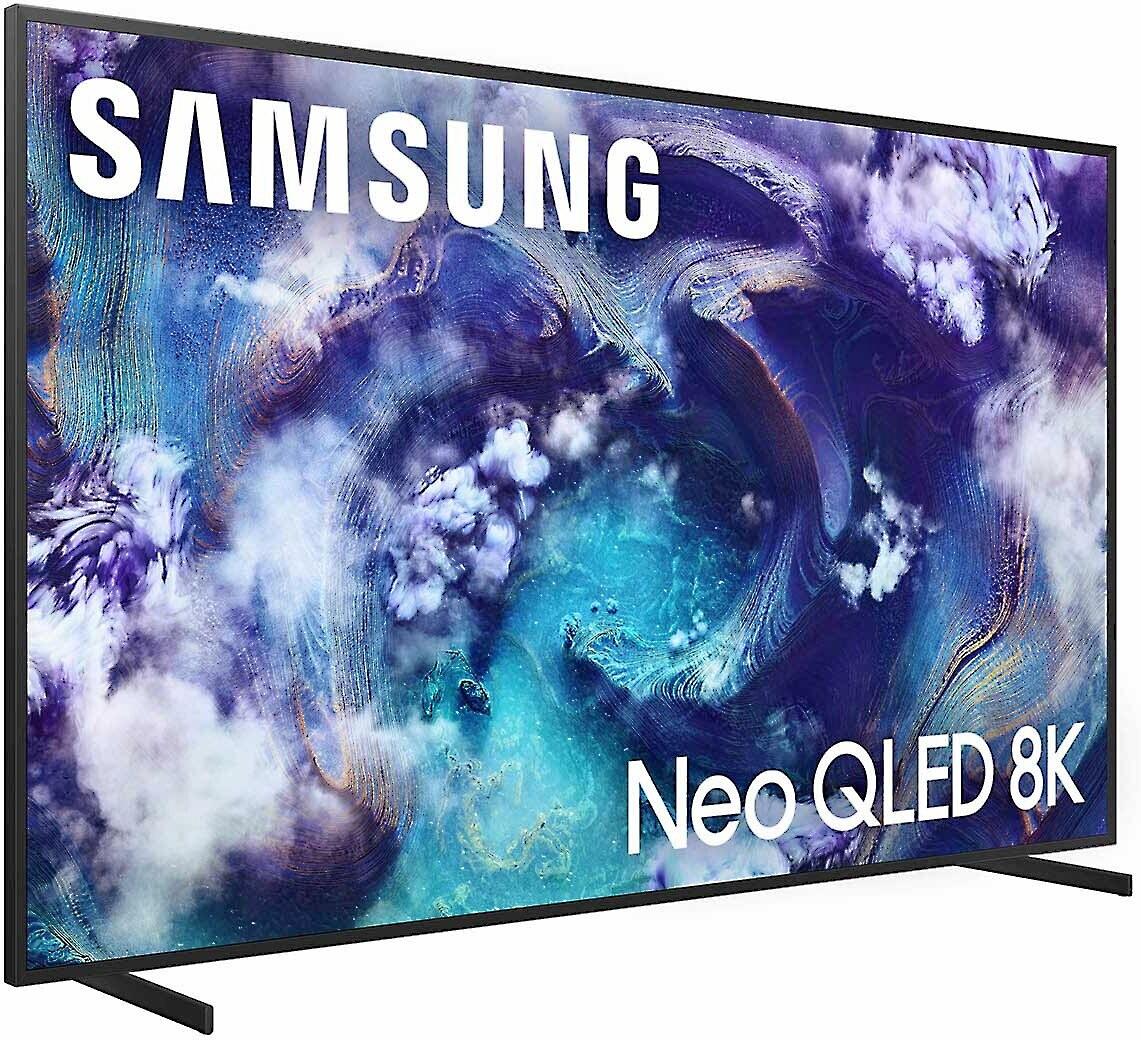
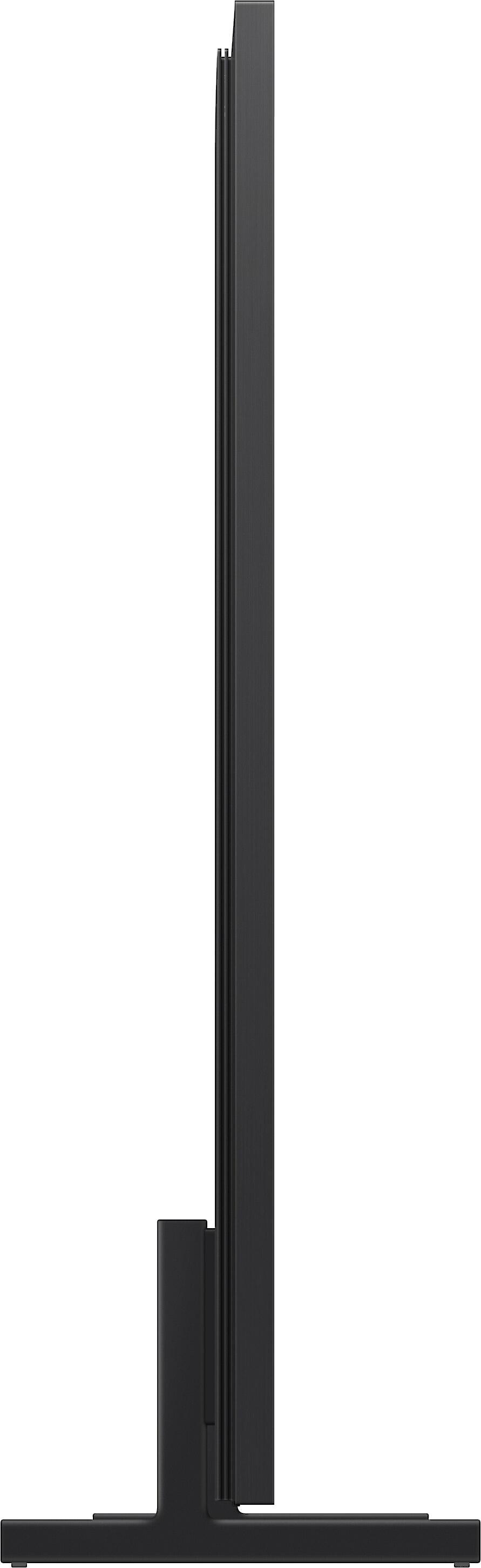
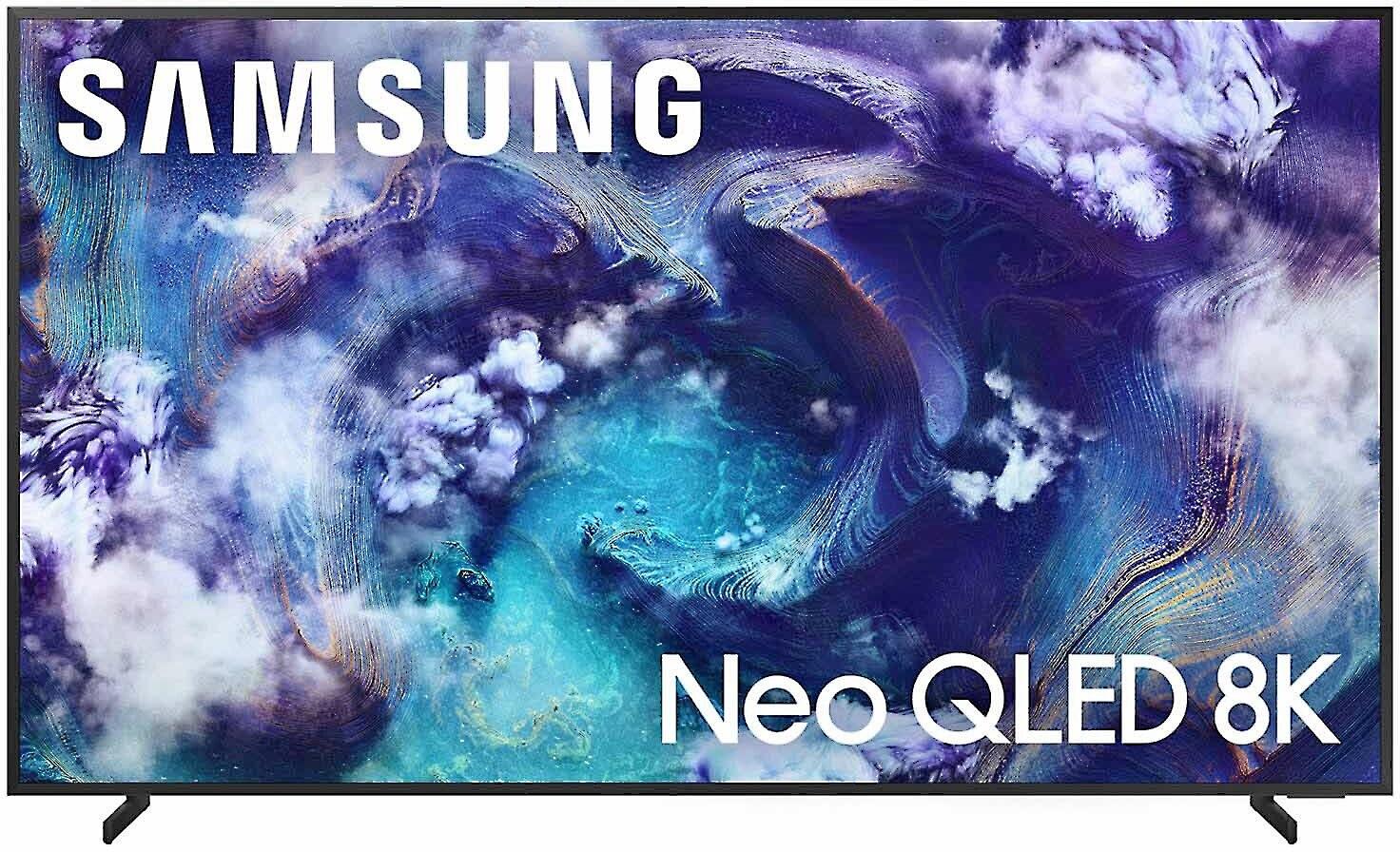

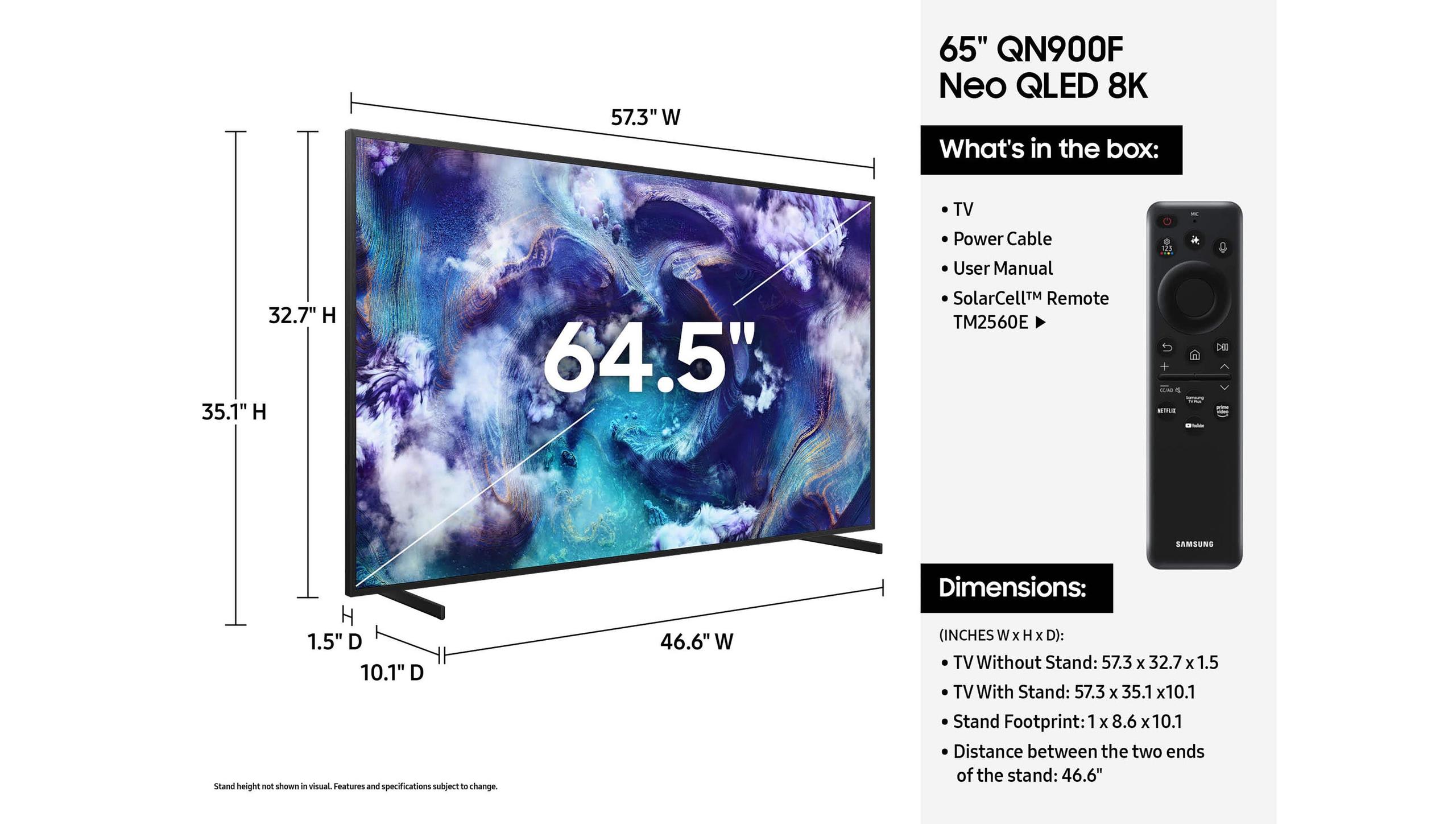
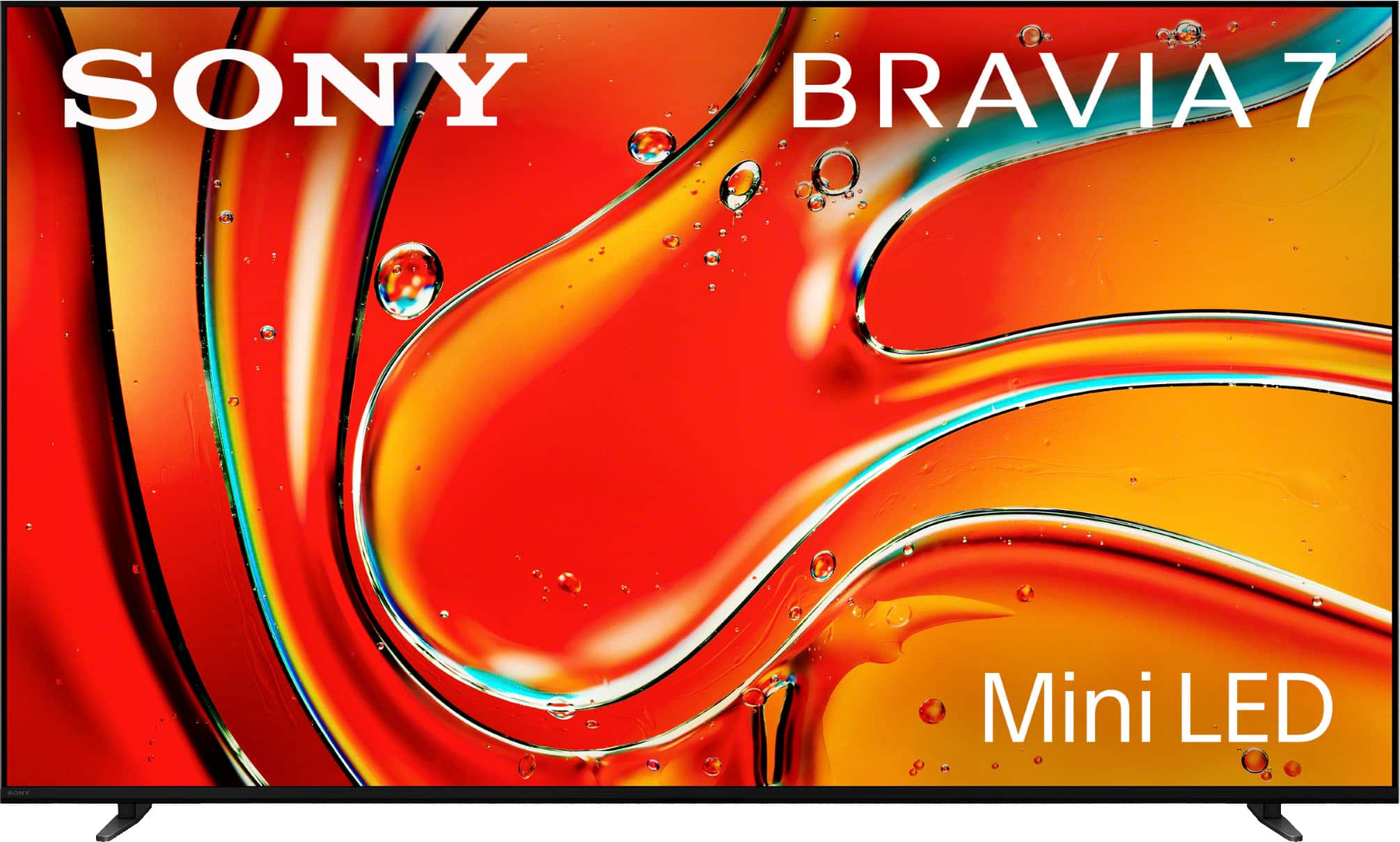
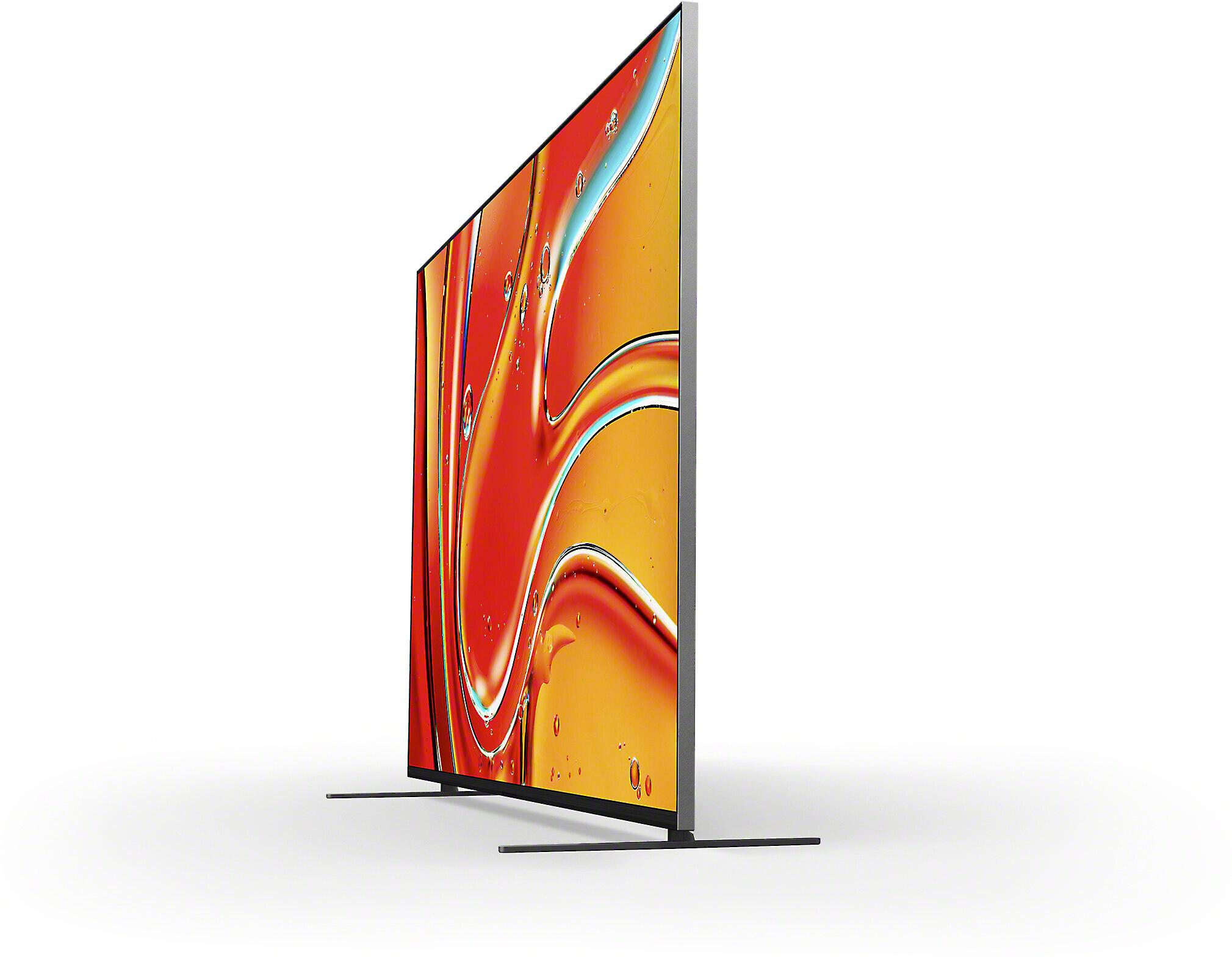
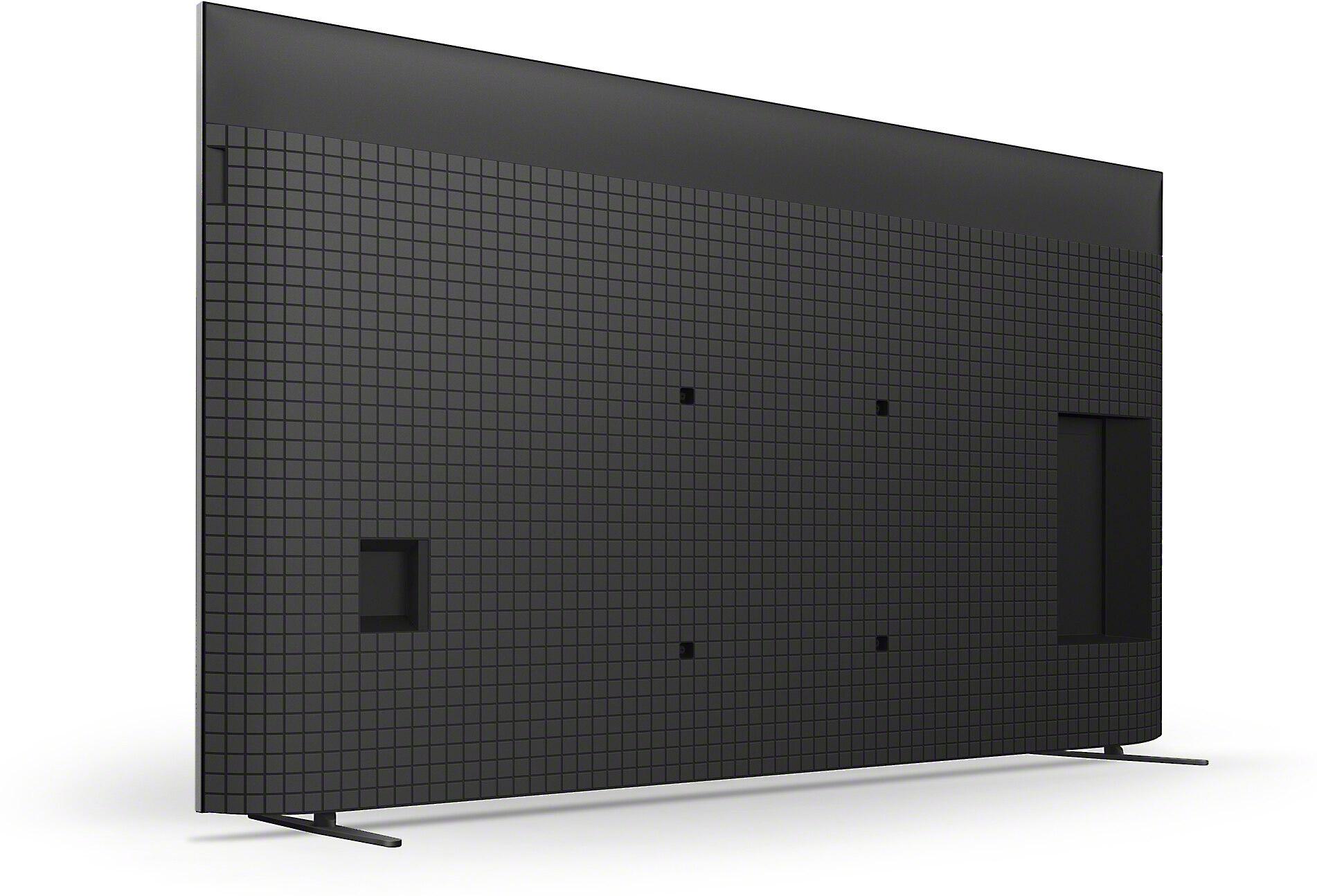
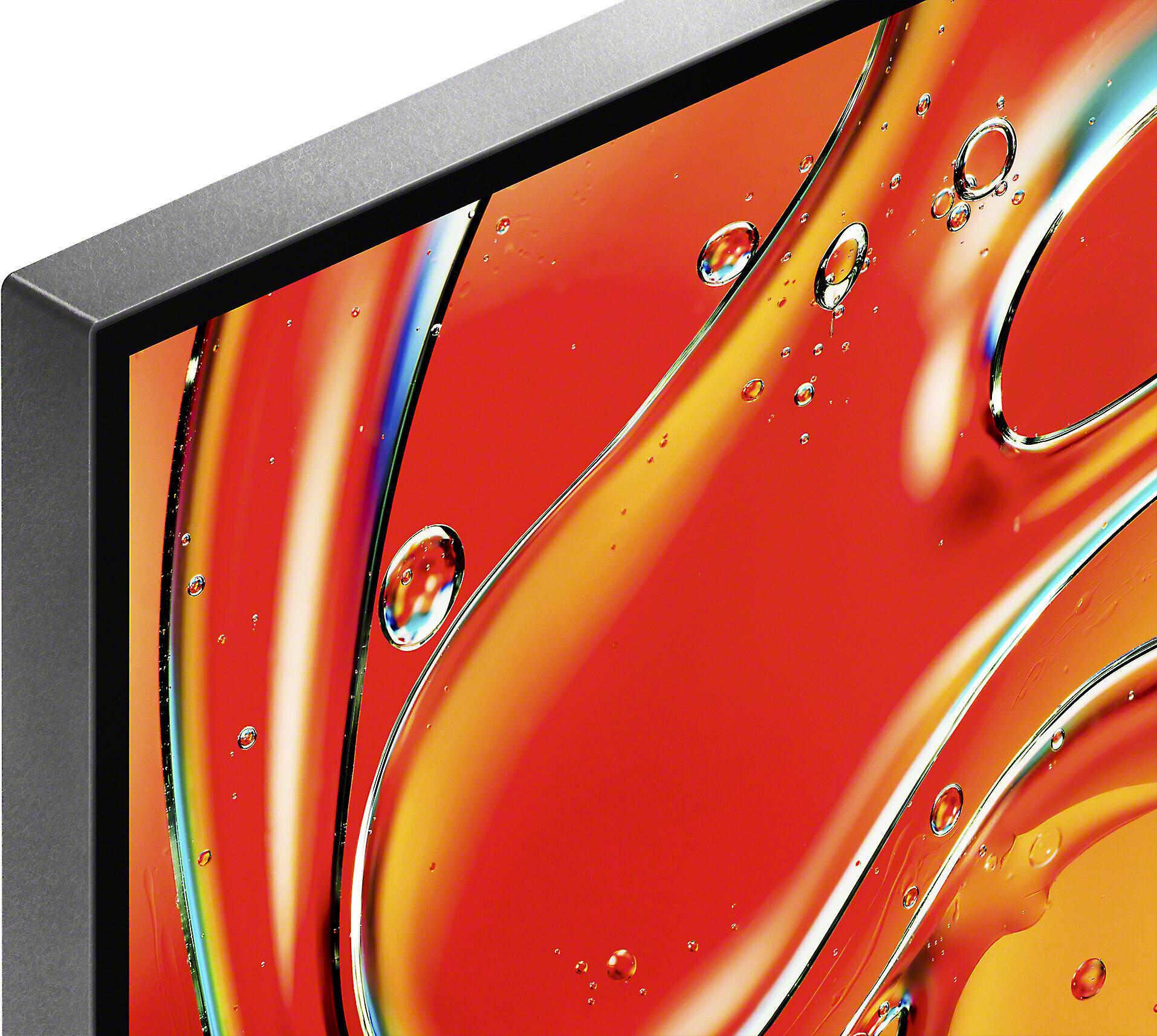
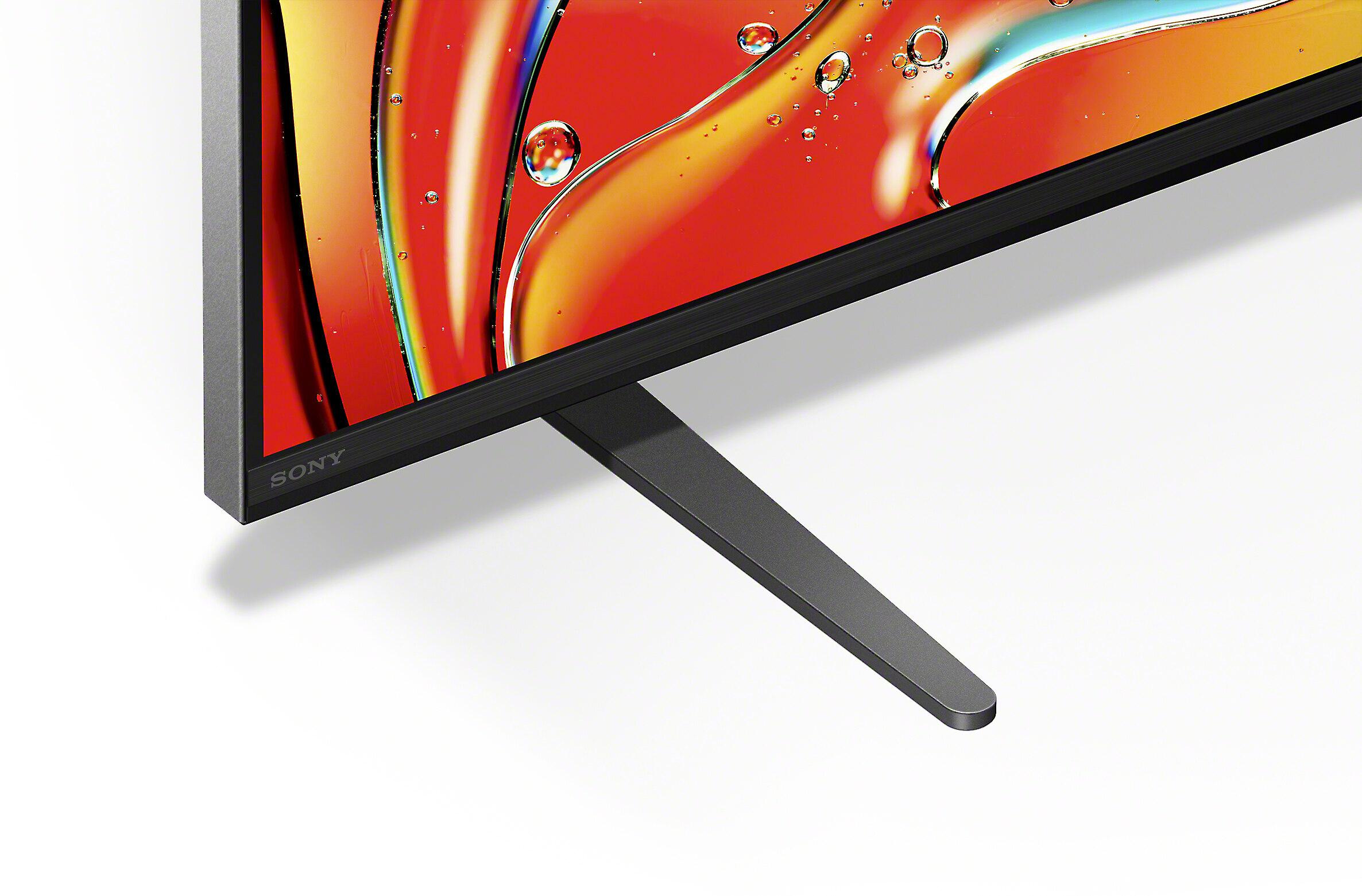
When you're shopping for a 65-inch premium TV, two compelling options emerge from different philosophical approaches: Samsung's flagship QN900F with cutting-edge 8K technology and Sony's BRAVIA 7 with refined 4K processing. At the time of writing, these represent vastly different value propositions—the Samsung positioned as a premium flagship while the Sony delivers near-flagship performance at a significantly lower price point.
Released in 2024 and 2025 respectively, both TVs showcase the latest in Mini-LED technology, but they take fundamentally different paths to picture excellence. Understanding these differences is crucial for making the right choice for your living room.
The premium TV market has evolved dramatically over the past few years. Mini-LED backlighting has become the gold standard, offering the precise control of OLED with the brightness advantages of traditional LCD. This technology uses thousands of tiny LEDs behind the screen, allowing for incredibly detailed control over brightness and darkness—think of it as having thousands of individual dimmer switches for different parts of your screen.
When evaluating premium TVs, the most critical performance metrics include:
Peak brightness determines how vivid highlights appear and how well the TV performs in bright rooms. Local dimming zones control how precisely the TV can make parts of the screen bright or dark without affecting nearby areas. Color gamut measures how many different colors the TV can display, while motion handling affects how smooth fast-moving content appears.
The smart platform ecosystem has become equally important. Your TV's operating system determines how easily you can find and launch content, how frequently it receives updates, and how well it integrates with your other devices.
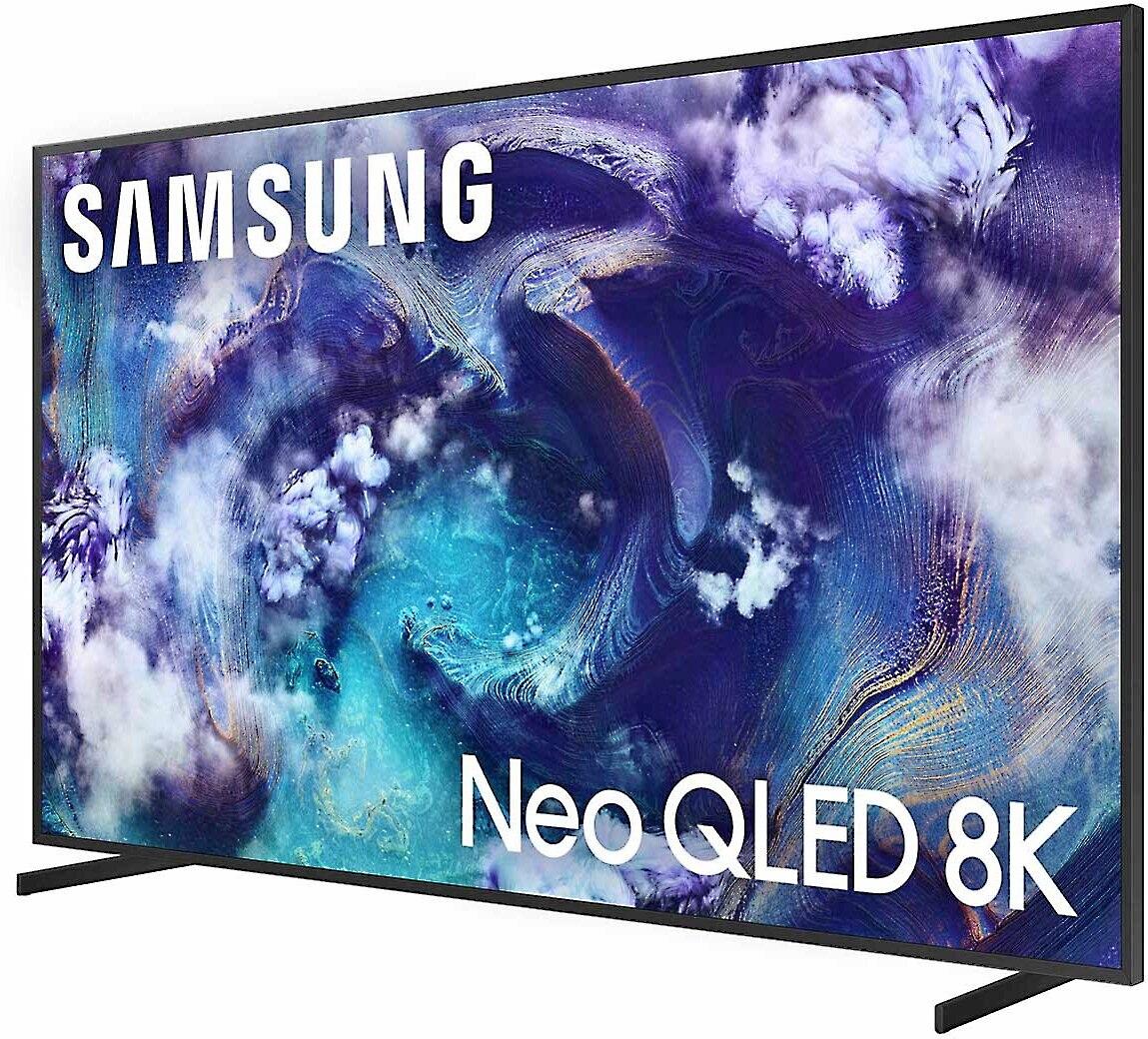
The Samsung QN900F represents Samsung's vision of the future—an 8K powerhouse designed to showcase what's possible when you don't compromise on specifications. Released in 2025, it builds on Samsung's years of Mini-LED development with their most advanced processor yet.
The standout feature is true 8K resolution: 7,680 by 4,320 pixels. To put this in perspective, that's four times more pixels than 4K and sixteen times more than standard HD. The NQ8 AI Gen3 processor, powered by 256 neural networks, analyzes every frame in real-time to upscale lower-resolution content. This isn't simple stretching—the AI examines textures, edges, and patterns to intelligently add detail that approximates what 8K capture would look like.
Samsung's Quantum Matrix Pro technology deserves special attention. It uses thousands of Mini-LEDs with incredibly precise control, likely achieving peak brightness exceeding 2,000 nits. For context, most premium TVs peak around 1,000-1,200 nits, while bright sunlight measures about 100,000 nits. That extra brightness creates more convincing HDR (High Dynamic Range)—the technology that makes highlights pop and shadows reveal hidden details.
The QN900F's Glare-Free coating addresses a common complaint with bright TVs: reflections. This anti-reflective treatment nearly eliminates mirror-like reflections that can make viewing difficult in bright rooms. It's particularly effective if your TV faces windows or bright lights.
For gamers, the Motion Xcelerator 240Hz represents serious performance. Most TVs refresh at 60Hz (60 times per second), with premium models hitting 120Hz. The Samsung's 240Hz capability ensures incredibly smooth motion, though you'll need high-end PC graphics cards to take full advantage.
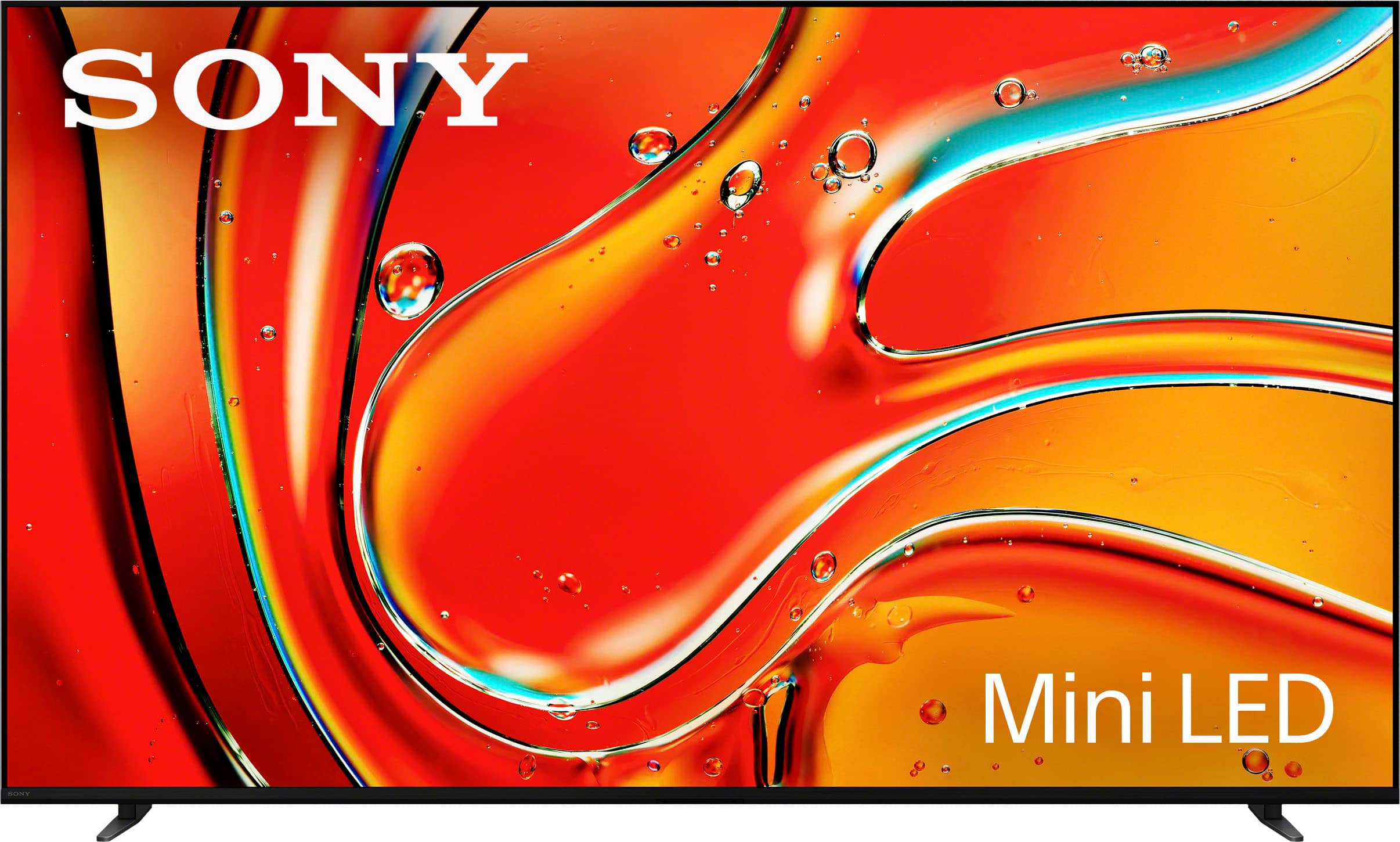
Sony took a different approach with the BRAVIA 7. Rather than pushing resolution boundaries, they focused on optimizing 4K performance with their XR Cognitive Processor—a chip designed to mimic how humans perceive images.
The key innovation is how Sony processes content. While traditional processors analyze picture elements separately, the XR processor considers how different elements relate to each other. It identifies focal points in each scene (usually faces or main subjects) and optimizes those areas first, then balances the rest of the image accordingly. This creates more natural, lifelike images that often look more "correct" than technically superior displays.
The BRAVIA 7 includes Dolby Vision support—a significant advantage over Samsung. Dolby Vision is an enhanced HDR format that provides scene-by-scene optimization instructions. When you watch Dolby Vision content on Netflix or Disney+, the TV receives specific instructions for how each scene should look, rather than applying general HDR settings throughout the entire movie.
Sony's XR Backlight Master Drive controls the Mini-LED array with particular attention to preventing "blooming"—the halo effect around bright objects on dark backgrounds. While the BRAVIA 7 doesn't achieve the QN900F's peak brightness levels, its more conservative approach often produces cleaner, more controlled images.
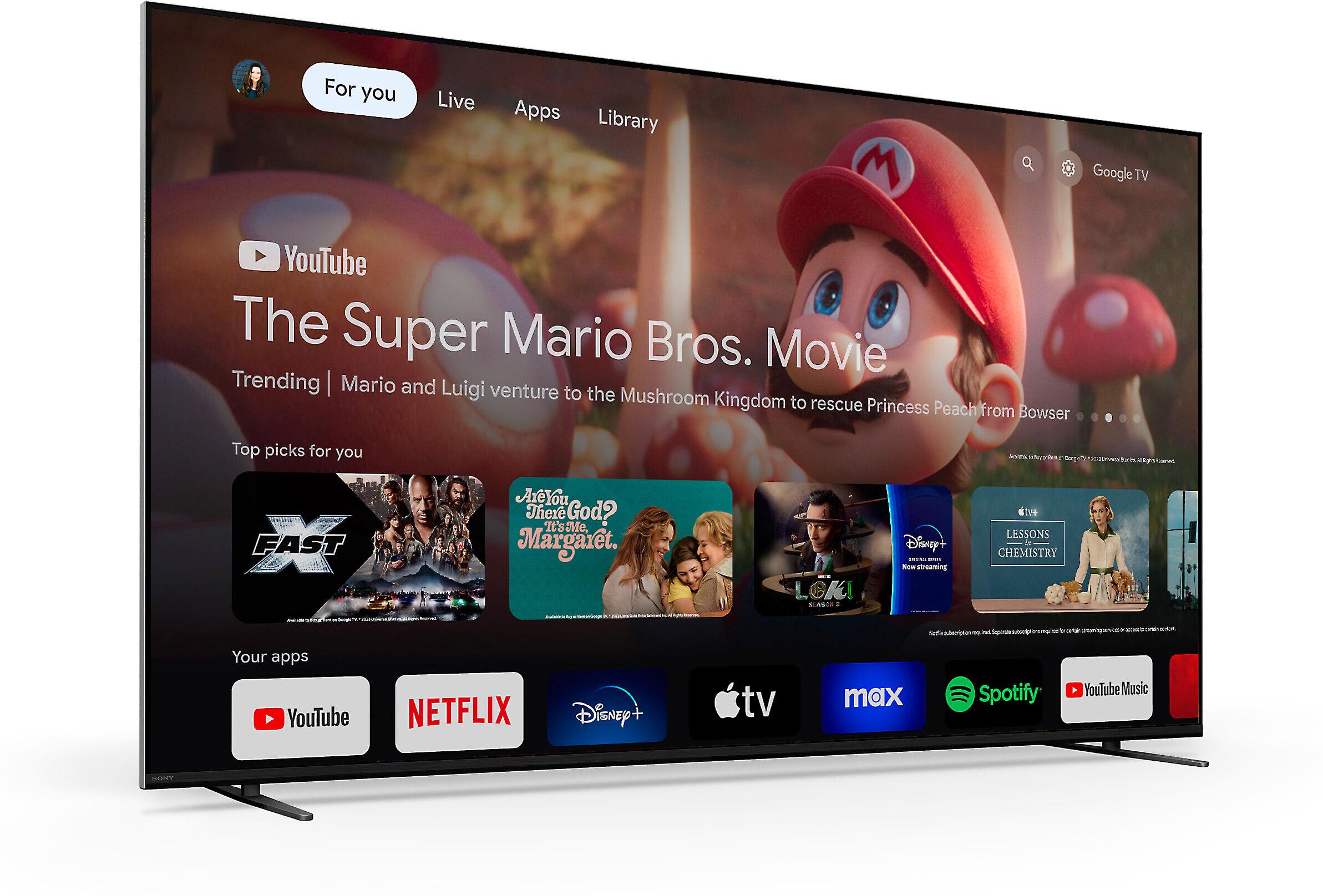
The Google TV platform deserves recognition for superior content discovery. Instead of separate apps for each service, Google TV aggregates content from your subscriptions into unified recommendations. Search for "action movies" and you'll see results from Netflix, Prime Video, Disney+, and other services in one place, rather than searching each app individually.
Based on our research across professional reviews and user experiences, both TVs excel in picture quality but with different strengths.
The Samsung QN900F dominates in raw specifications. Its 8K resolution provides noticeably sharper images, particularly with large text, fine patterns, and detailed textures. The difference is most apparent when viewing 8K content or sitting closer than the traditional viewing distance (about 8 feet for a 65-inch screen).
However, the practical reality is more nuanced. True 8K content remains extremely limited—mostly YouTube demos and some streaming trials. The real test is how well each TV handles the 4K and HD content you actually watch daily.
Here, both TVs perform admirably, but differently. The QN900F's AI upscaling creates impressive detail, sometimes adding texture and sharpness that wasn't in the original content. This can look spectacular with nature documentaries or well-filmed movies, but occasionally creates artificial-looking results with heavily compressed or lower-quality sources.
The BRAVIA 7 takes a more conservative approach, focusing on faithful reproduction rather than enhancement. Colors tend to look more natural, particularly skin tones and subtle gradations. The Dolby Vision support provides a meaningful advantage with streaming content, as many Netflix and Disney+ titles are mastered specifically for this format.
Brightness performance favors Samsung significantly. The QN900F can display much brighter highlights, making HDR content more impactful and improving visibility in bright rooms. If your TV faces windows or you watch with lights on, Samsung's superior brightness and anti-glare coating provide clear advantages.
Both TVs excel for gaming but emphasize different aspects of performance.
The Samsung QN900F prioritizes maximum performance metrics. Its 240Hz refresh rate capability, combined with features like Super Ultrawide Game View and Mini Map Zoom, caters to competitive PC gamers who want every possible advantage. The Game Bar provides real-time performance information without leaving your game.
The Sony BRAVIA 7 focuses on console gaming optimization, particularly PlayStation 5. Its Auto HDR Tone Mapping automatically adjusts HDR settings for optimal gaming visuals, while the lower input lag (under 8.5ms) provides responsive controls. The 4K at 120Hz support on two HDMI inputs accommodates both PS5 and Xbox Series X simultaneously.
For most gamers, both TVs provide excellent experiences. The choice depends on your priorities: Samsung for maximum specifications and PC gaming features, Sony for console optimization and ease of use.
TV audio quality varies dramatically, and both manufacturers take different approaches.
The Sony BRAVIA 7 generally provides superior built-in audio. Its 40-watt speaker system with Acoustic Auto Calibration adjusts sound based on your room's characteristics and your seating position. The DTS:X and Dolby Atmos support creates convincing surround effects for a TV speaker system.
The Samsung QN900F features Object Tracking Sound Pro, which moves audio effects across the screen to match on-screen action. This works particularly well with movies and shows where sounds pan across the screen, though the overall audio quality doesn't quite match Sony's more balanced approach.
For serious home theater enthusiasts, both TVs work well with external sound systems. However, Sony's broader audio format support and better eARC (Enhanced Audio Return Channel) implementation provide more flexibility with high-end audio setups.
At the time of writing, the pricing difference between these TVs is substantial—the Samsung QN900F commands a significant premium over the Sony BRAVIA 7. This creates an interesting value proposition analysis.
The QN900F offers genuinely cutting-edge technology. Its 8K resolution, advanced AI processing, and maximum brightness specifications represent the current pinnacle of TV technology. However, these advantages come with diminishing returns for typical viewing scenarios.
The BRAVIA 7 delivers what many consider 90% of flagship performance at a much lower cost. Its 4K processing rivals any TV on the market, the picture quality satisfies even demanding viewers, and the feature set covers all practical needs.
Consider your viewing habits honestly. If you primarily watch Netflix, Disney+, and cable TV from a normal viewing distance, the Sony's 4K optimization and Dolby Vision support provide more practical benefits than Samsung's 8K resolution.
The smart TV platform affects every interaction with your TV, making it surprisingly important for long-term satisfaction.
Google TV on the Sony BRAVIA 7 excels at content discovery and organization. Its recommendation engine learns your preferences across all services, while voice search works reliably for finding specific content or controlling TV functions. The integration with Google services and Chromecast functionality makes it easy to share content from phones and tablets.
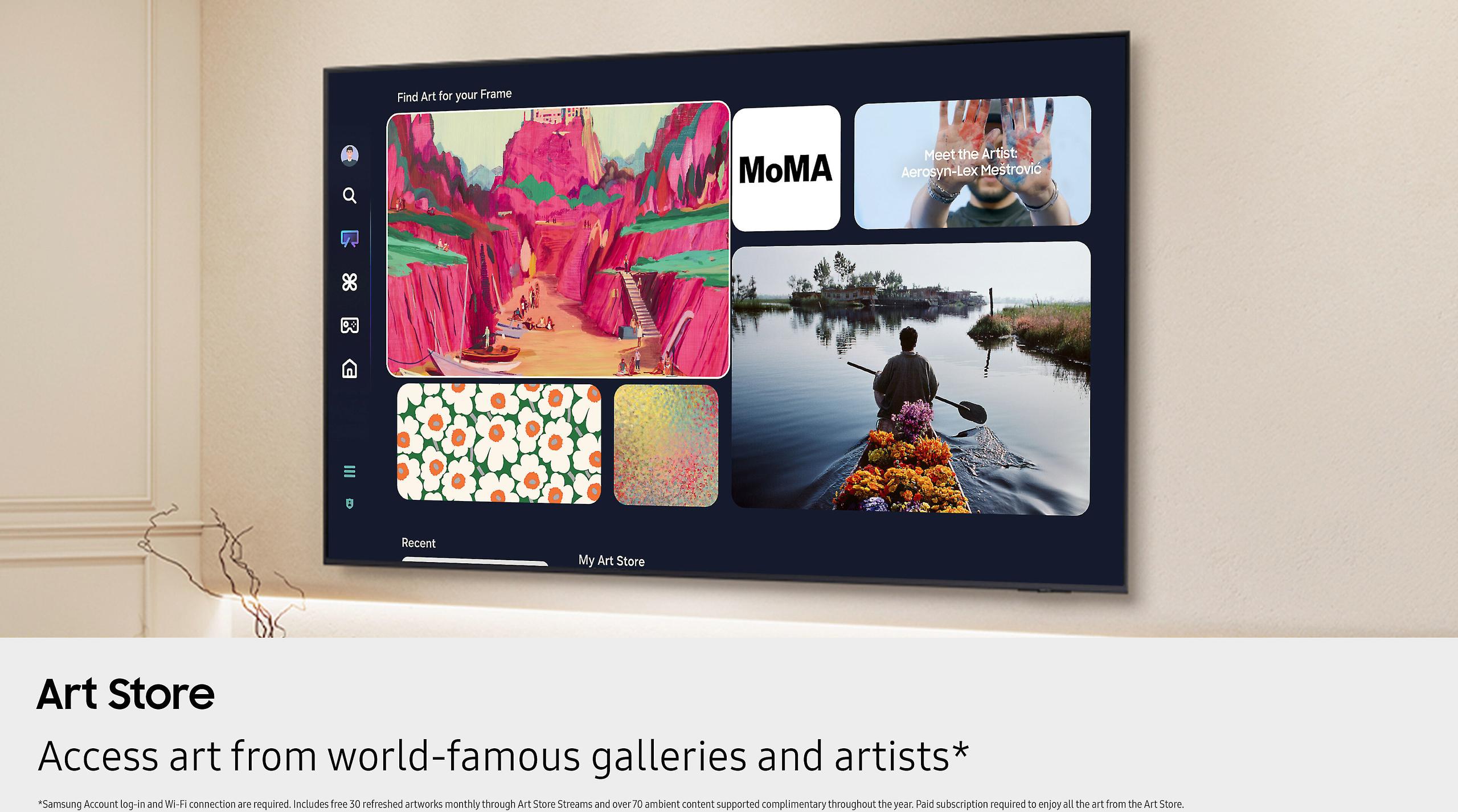
Samsung's Tizen platform on the QN900F offers different strengths. The Gaming Hub provides access to cloud gaming services like Xbox Game Pass and NVIDIA GeForce Now without additional hardware. Multi-View allows watching two sources simultaneously—useful for keeping an eye on sports scores while watching other content.
Both platforms receive regular updates and support all major streaming services. The choice often comes down to ecosystem preferences: Google services integration versus Samsung device connectivity.
The decision between these TVs depends on your priorities, budget, and viewing environment.
Choose the Samsung QN900F if you want the absolute latest technology and have the budget for a premium purchase. It's ideal for early adopters who value having cutting-edge specifications, even if the practical benefits aren't immediately apparent. The superior brightness and anti-glare coating make it excellent for bright rooms, while the gaming features appeal to competitive players.
The Sony BRAVIA 7 makes sense for most buyers seeking flagship-level performance without the premium price. Its 4K processing rivals any TV available, the Dolby Vision support provides better streaming experiences, and the Google TV platform offers superior content discovery. The more natural color reproduction and audio quality create a satisfying daily viewing experience.
For home theater enthusiasts, both TVs perform well, but considerations differ. The QN900F's higher brightness suits larger, brighter rooms, while the BRAVIA 7's more accurate colors and better audio format support align with typical home theater priorities.
Both TVs represent excellent choices within their respective market positions. The Samsung QN900F pushes technological boundaries and delivers maximum performance for those willing to pay the premium. The Sony BRAVIA 7 provides exceptional value by focusing on optimizing the content you actually watch today.
For most buyers, the Sony offers the better combination of performance, features, and value. Its 4K optimization handles current content beautifully, the smart platform excels at daily use, and the overall experience satisfies even demanding viewers. The Samsung's 8K capabilities and maximum brightness appeal to enthusiasts but provide limited practical benefits for typical viewing scenarios.
The choice ultimately depends on whether you prioritize having the latest technology or getting the most performance for your money. Both approaches have merit—just ensure your choice aligns with your actual viewing needs and budget realities.
| Samsung 65" Neo QLED 8K QN900F Vision AI Smart TV 2025 | Sony BRAVIA 7 65" 4K UHD Smart Google TV |
|---|---|
| Display Resolution - Future-proofing vs current content optimization | |
| 8K (7680 x 4320) - 4x more pixels than 4K, limited content available | 4K (3840 x 2160) - Optimized for current streaming and gaming content |
| Peak Brightness - Critical for HDR impact and bright room viewing | |
| 2,000+ nits (exceptional HDR highlights, excellent for bright rooms) | 1,000-1,200 nits (very good HDR, adequate for most lighting conditions) |
| Backlight Technology - Determines contrast and local dimming precision | |
| Quantum Matrix Pro Mini-LED (thousands of zones, premium control) | XR Backlight Master Drive Mini-LED (excellent control, reduced blooming) |
| HDR Format Support - Affects streaming service compatibility | |
| HDR10, HDR10+, HLG (missing Dolby Vision is notable limitation) | HDR10, HDR10+, HLG, Dolby Vision (better Netflix/Disney+ experience) |
| Smart Platform - Daily usability and content discovery | |
| Tizen OS with Samsung Gaming Hub (good ecosystem integration) | Google TV (superior content aggregation and voice search) |
| Gaming Performance - Refresh rates and console optimization | |
| 240Hz max, FreeSync Premium Pro, advanced gaming features | 120Hz max, VRR/ALLM, PlayStation 5 optimization |
| Audio System - Built-in speaker quality and surround sound | |
| Object Tracking Sound Pro with Dolby Atmos (good directional audio) | 40W system with DTS:X, Dolby Atmos, room calibration (better overall quality) |
| Anti-Glare Technology - Performance in bright environments | |
| Glare-Free coating (nearly eliminates reflections, premium feature) | Standard anti-reflective treatment (good but not exceptional) |
| AI Processing - Upscaling and image enhancement capabilities | |
| NQ8 AI Gen3 with 256 neural networks (cutting-edge 8K upscaling) | XR Cognitive Processor (excellent 4K processing, natural results) |
| Release Year & Value Position | |
| 2025 flagship (premium pricing for latest technology) | 2024 upper mid-range (exceptional performance-per-dollar) |
Both the Samsung QN900F and Sony BRAVIA 7 deliver excellent picture quality, but with different strengths. The Samsung QN900F offers superior brightness and 8K resolution for incredibly sharp images, while the Sony BRAVIA 7 provides more natural colors and includes Dolby Vision support for better Netflix and Disney+ viewing. For most streaming content, the Sony BRAVIA 7 delivers more accurate colors and better HDR performance with current 4K content.
The Samsung QN900F offers true 8K resolution, but 8K content remains extremely limited. The Sony BRAVIA 7 focuses on optimizing 4K content that you actually watch daily. Unless you're an early adopter who wants the latest technology regardless of content availability, the Sony BRAVIA 7 provides better value by excelling at current 4K streaming, gaming, and broadcast content.
Both TVs excel for gaming but emphasize different features. The Sony BRAVIA 7 offers specific PlayStation 5 optimization with Auto HDR Tone Mapping and supports 4K at 120Hz. The Samsung QN900F provides higher refresh rates up to 240Hz and advanced gaming features like Game Bar and Super Ultrawide views. Console gamers typically prefer the Sony BRAVIA 7, while PC gamers might favor the Samsung QN900F.
The Samsung QN900F uses Tizen OS with Samsung Gaming Hub and SmartThings integration, while the Sony BRAVIA 7 runs Google TV with superior content discovery. Google TV aggregates content from all your streaming services in one place and offers better voice search. The Sony BRAVIA 7 generally provides a more intuitive daily experience for finding and launching content.
The Samsung QN900F significantly outperforms in bright environments thanks to its higher peak brightness (2,000+ nits) and Glare-Free anti-reflective coating that nearly eliminates reflections. The Sony BRAVIA 7 performs adequately in bright rooms but can't match Samsung's brightness levels or anti-glare technology. For rooms with challenging lighting, the Samsung QN900F is the clear winner.
The Sony BRAVIA 7 generally provides superior built-in audio with its 40-watt system, room calibration, and support for DTS:X and Dolby Atmos. The Samsung QN900F features Object Tracking Sound Pro but doesn't match Sony's overall audio quality. Both TVs benefit from external sound systems for home theater use, though the Sony BRAVIA 7 works better as a standalone audio solution.
The Sony BRAVIA 7 delivers exceptional value by providing flagship-level picture quality at a significantly lower price point than the Samsung QN900F. While the Samsung QN900F offers cutting-edge 8K technology and maximum brightness, the Sony BRAVIA 7 excels at current content for much less money, making it the better value for most buyers.
Dolby Vision provides scene-by-scene HDR optimization and is widely used by Netflix, Disney+, and other streaming services. The Sony BRAVIA 7 includes full Dolby Vision support, while the Samsung QN900F notably lacks this feature. For streaming enthusiasts, the Sony BRAVIA 7 delivers better picture quality with popular streaming services that use Dolby Vision mastering.
For home theater use, both TVs perform well but serve different preferences. The Samsung QN900F provides maximum brightness and 8K resolution for impressive visuals, while the Sony BRAVIA 7 offers more accurate colors, better audio format support, and superior eARC compatibility with external audio systems. Home theater enthusiasts often prefer the Sony BRAVIA 7 for its natural color reproduction and audio flexibility.
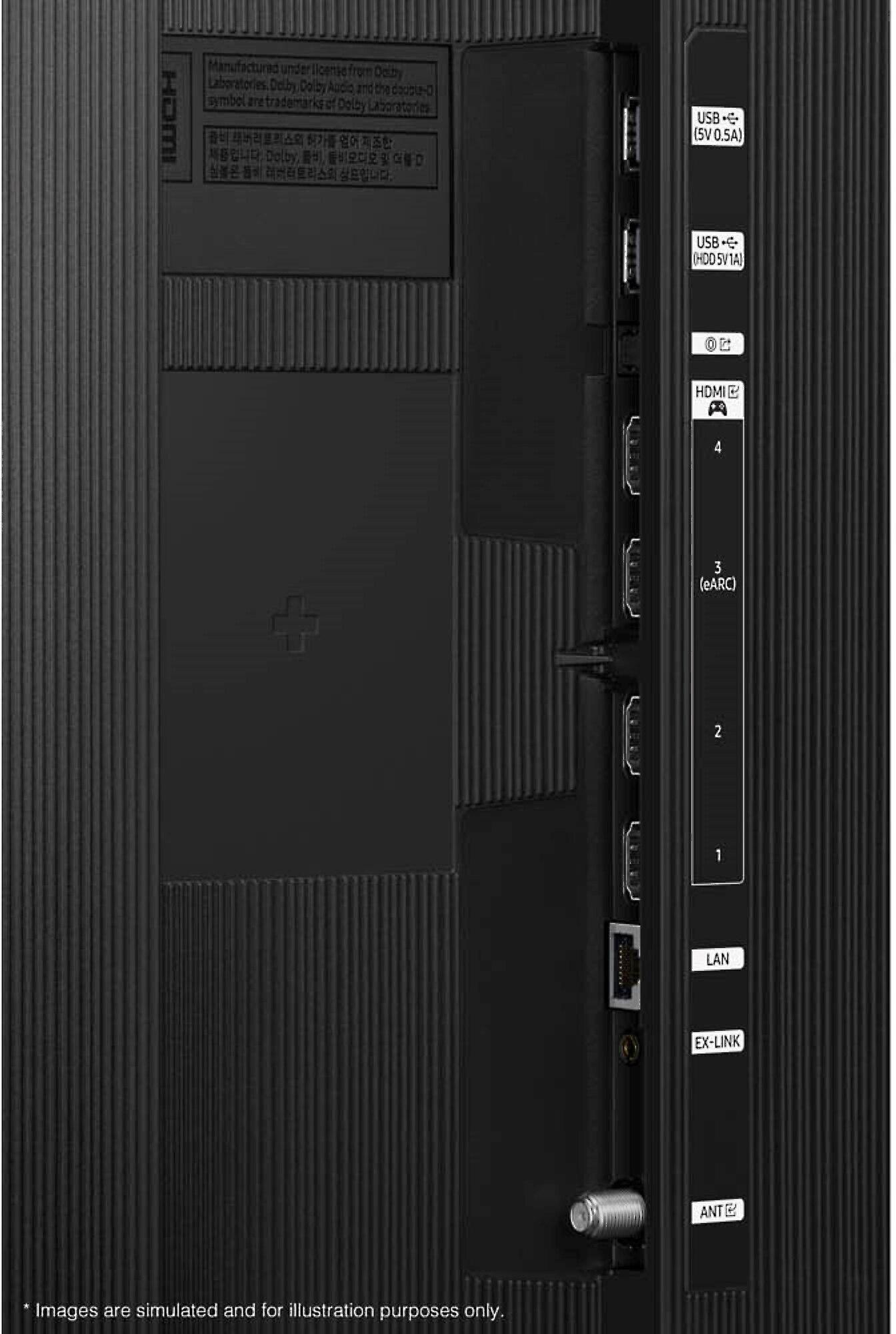
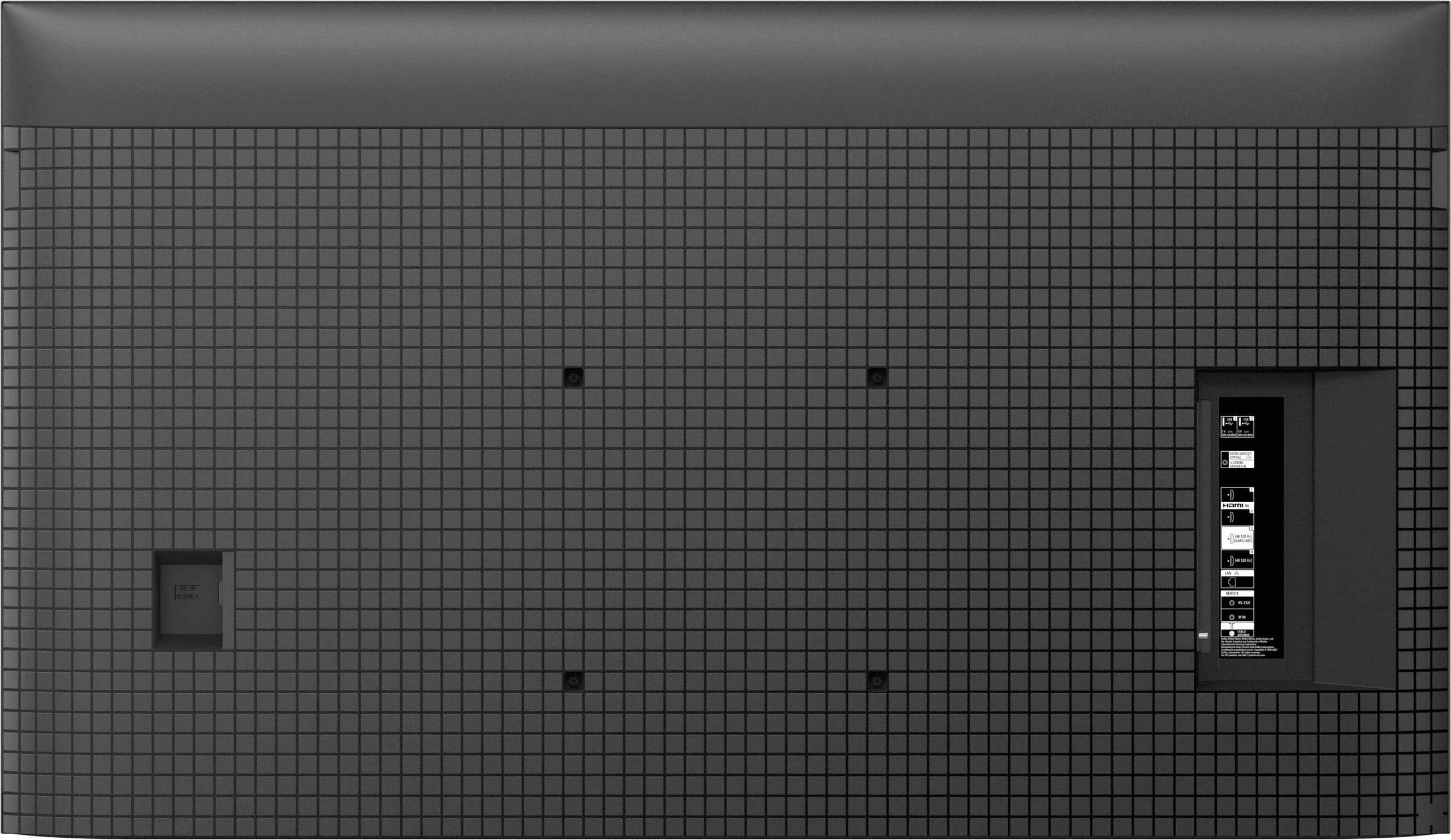
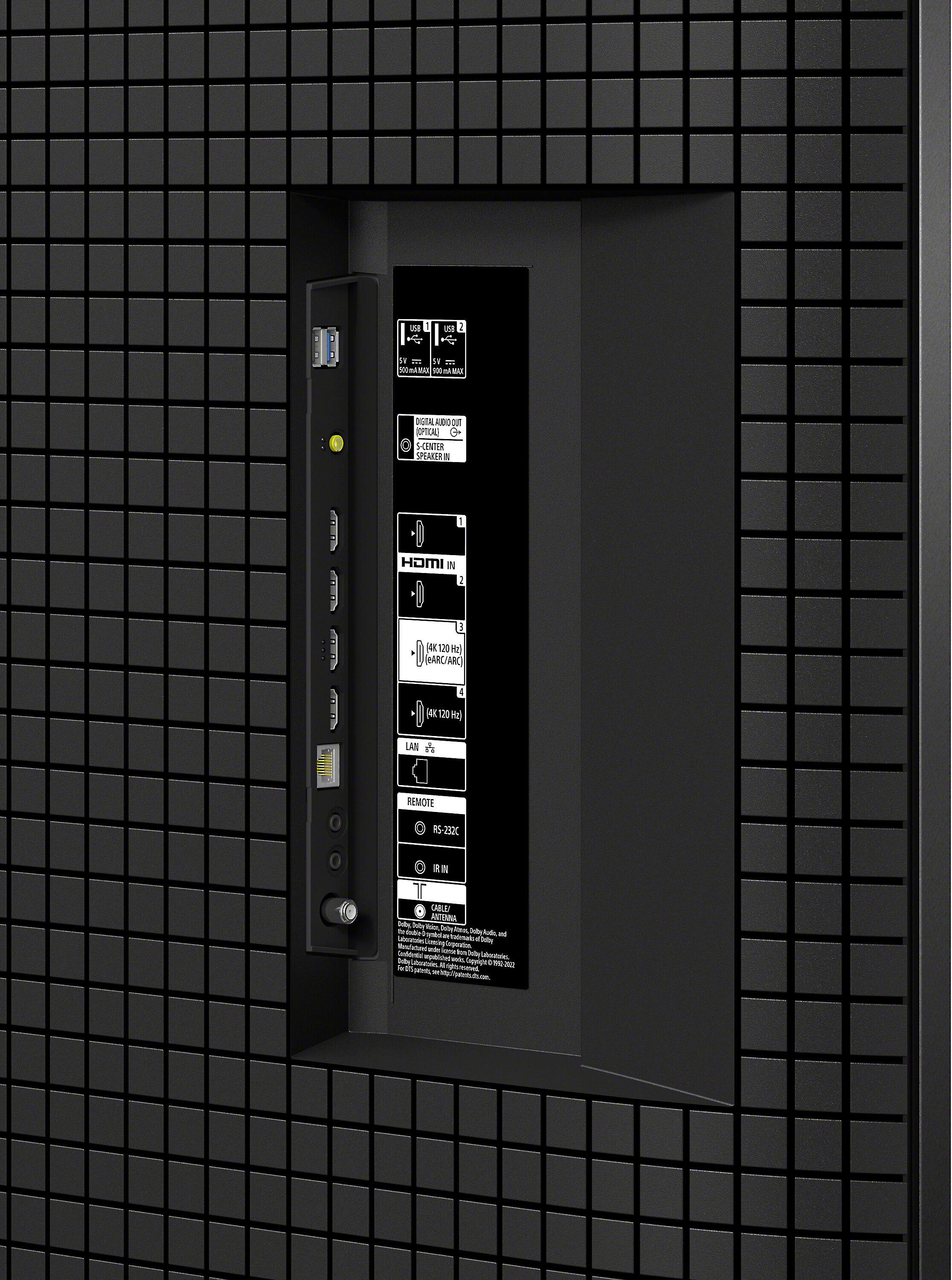
Both the Samsung QN900F and Sony BRAVIA 7 offer comprehensive connectivity with multiple HDMI 2.1 ports, USB inputs, and wireless capabilities. The Samsung QN900F includes a unique Wireless One Connect Box that reduces cable clutter, while the Sony BRAVIA 7 provides better streaming integration with Chromecast and AirPlay 2. Both support modern gaming features like VRR and ALLM.
Both manufacturers provide regular software updates, but with different approaches. The Sony BRAVIA 7 benefits from Google TV's frequent updates and long-term support, while the Samsung QN900F receives Samsung's Tizen updates and new gaming features. Google TV typically offers longer support cycles and more consistent feature additions, giving the Sony BRAVIA 7 an advantage for long-term usability.
TV performance should be the primary factor, though ecosystem integration adds convenience. The Samsung QN900F integrates well with Samsung phones and SmartThings devices, while the Sony BRAVIA 7 works seamlessly with Google services and Android devices. However, both TVs work with any device ecosystem. Focus on which TV better matches your viewing needs and budget rather than brand loyalty when choosing between the Samsung QN900F and Sony BRAVIA 7.
We've done our best to create useful and informative comparisons to help you decide what product to buy. Our research uses advanced automated methods to create this comparison and perfection is not possible - please contact us for corrections or questions. These are the sites we've researched in the creation of this article: rtings.com - samsung.com - techradar.com - dolby.com - youtube.com - samsung.com - youtube.com - samsung.com - samsung.com - samsung.com - samsung.com - displayspecifications.com - samsung.com - rtings.com - bestbuy.com - merlinstv.com - news.samsung.com - bestbuy.com - bestbuy.com - bestbuy.com - avsforum.com - avsforum.com - crutchfield.com - sony.com - rtings.com - schaeferstv.com - youtube.com - displayspecifications.com

Privacy Policy
Terms and Conditions - Affiliate Policy
Home Security
© Copyright 2008-2026.
11816 Inwood Rd #1211, Dallas, TX 75244