

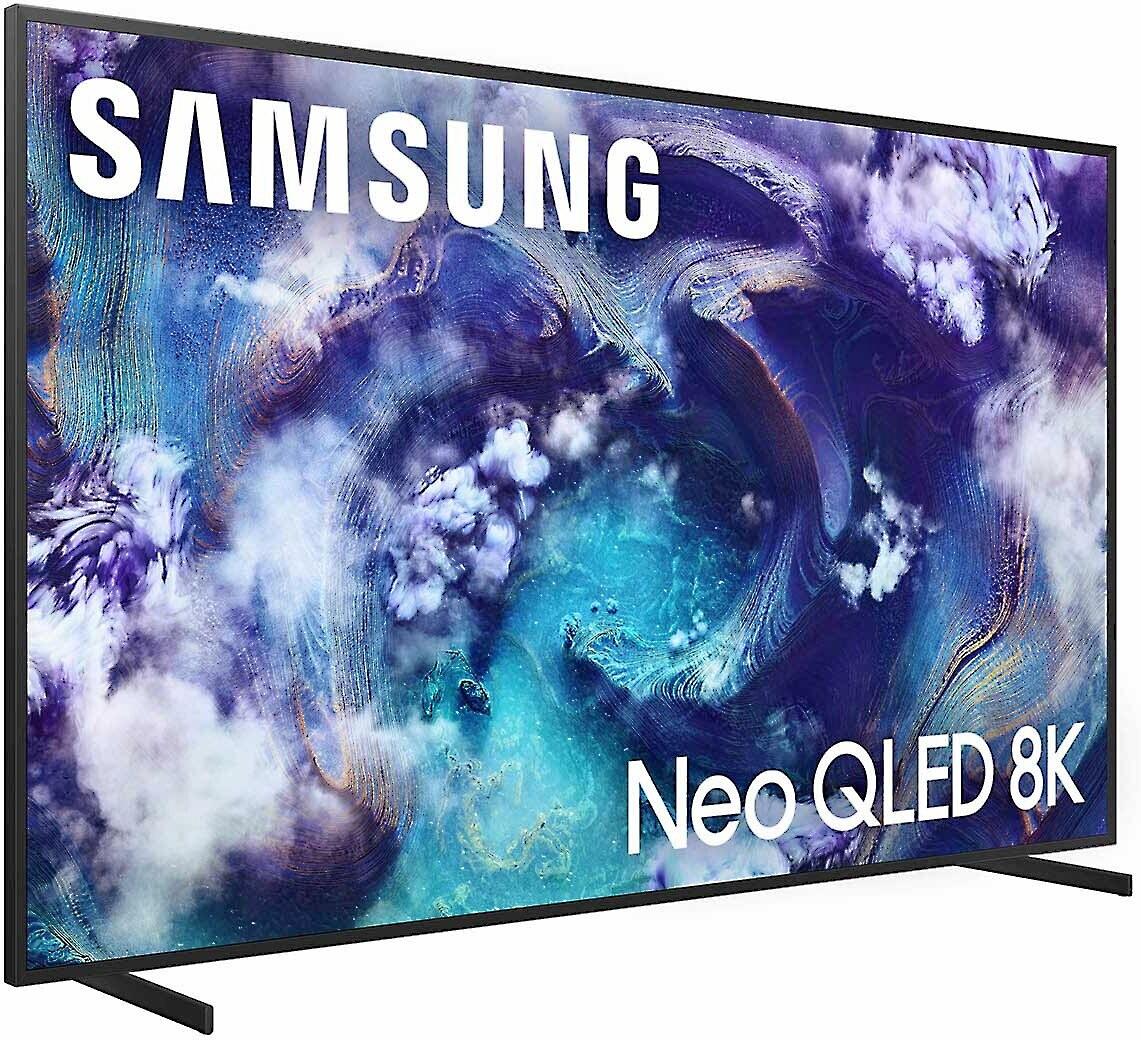
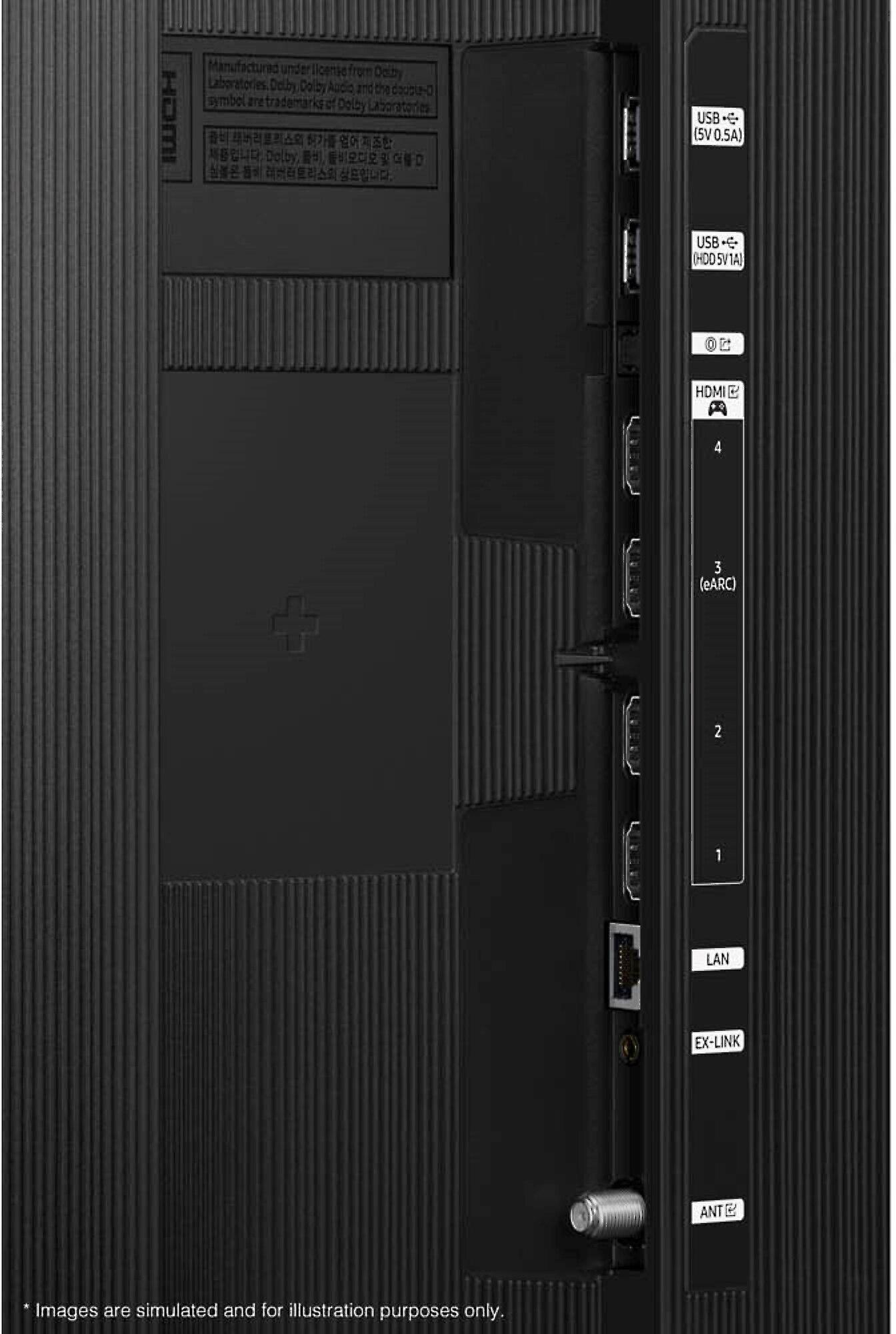
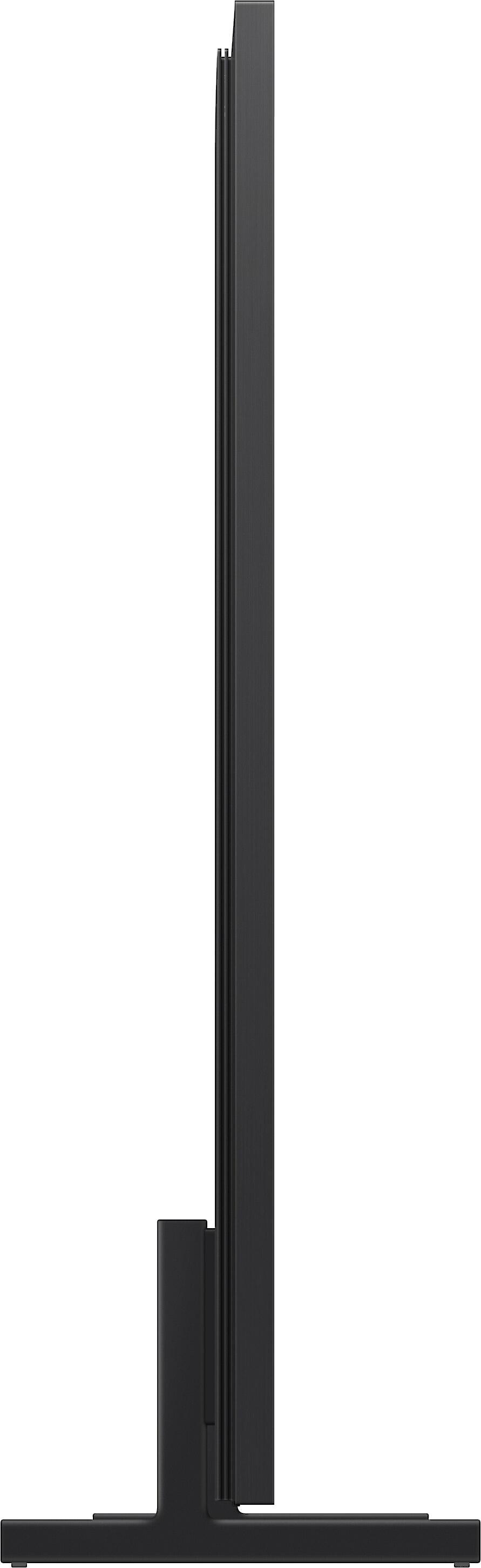
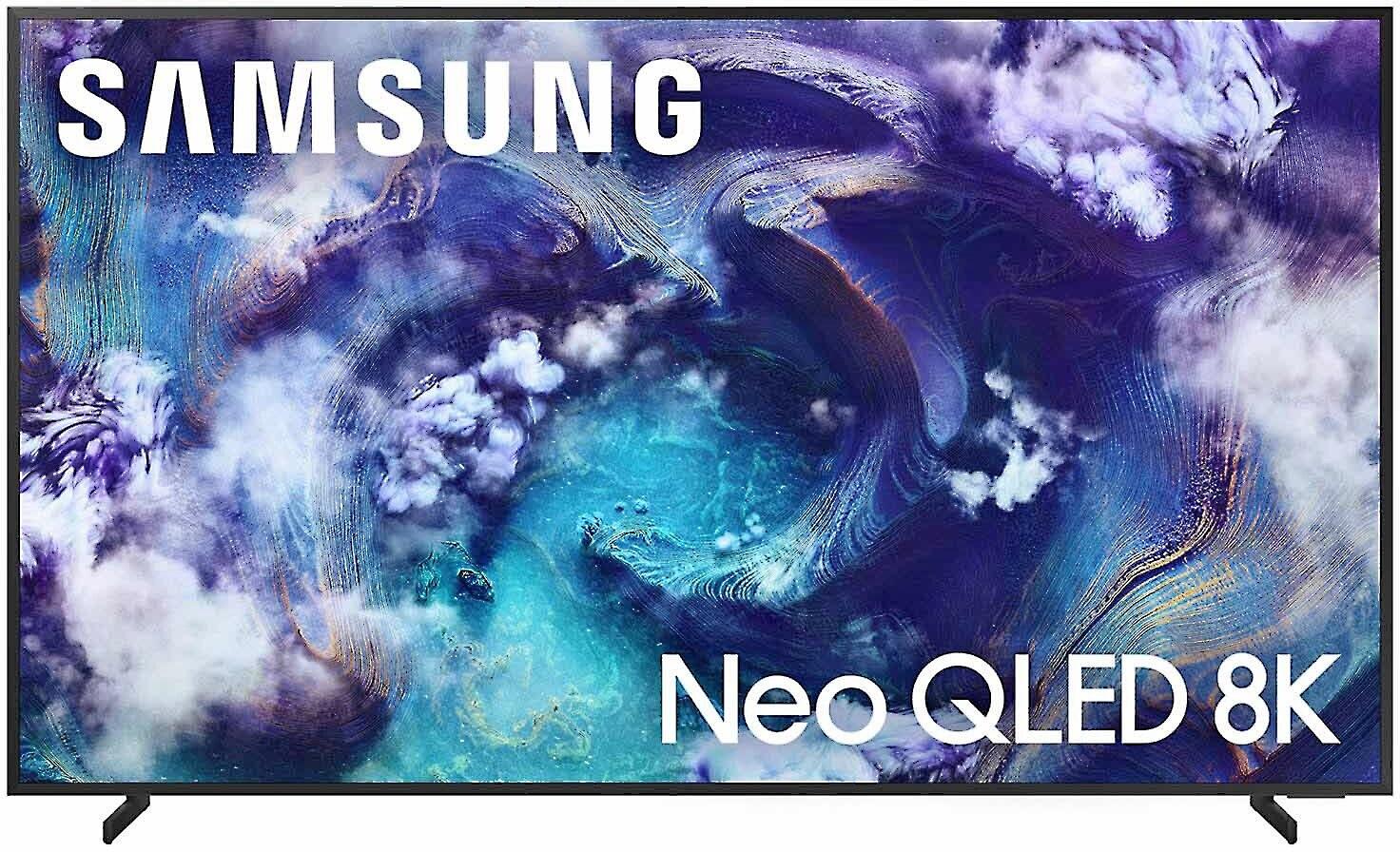
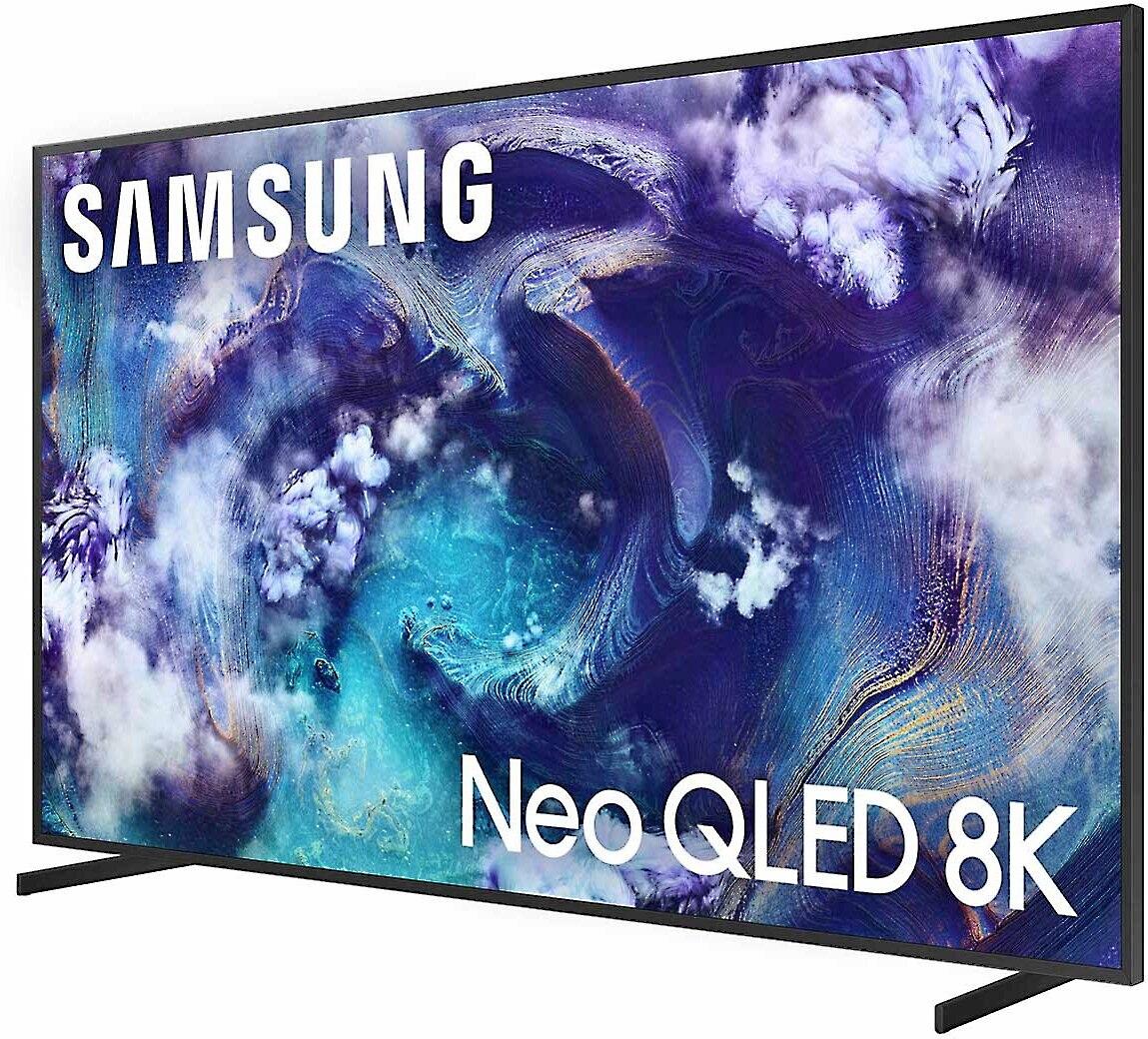

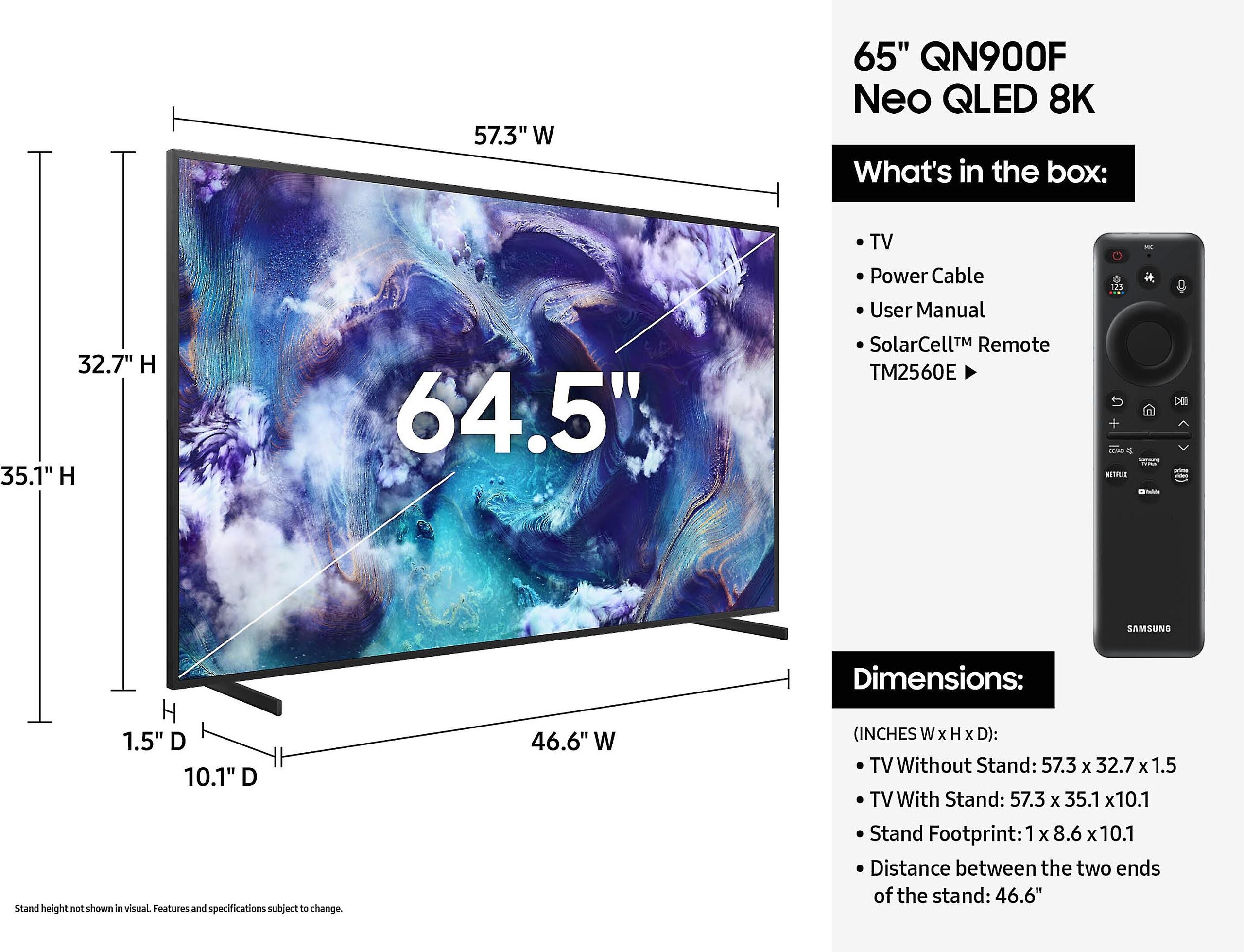
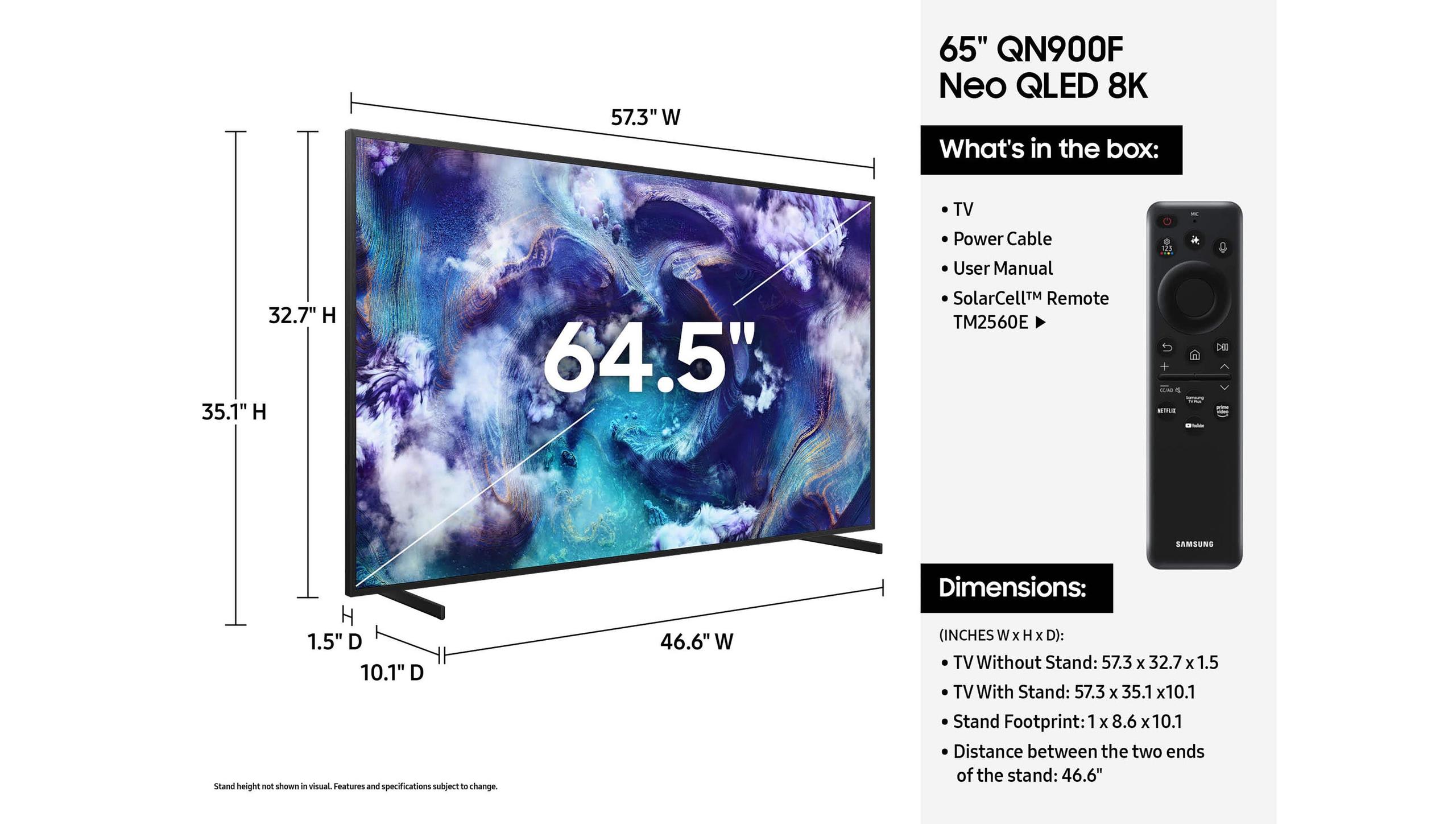
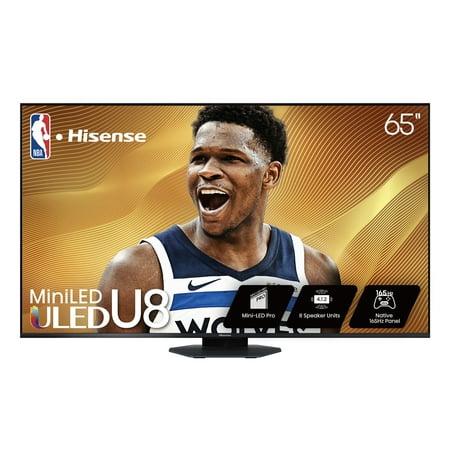
When you're ready to upgrade to a premium large-screen TV, you're essentially making a decision that will define your home entertainment experience for the next 5-10 years. The choice between cutting-edge technology and proven performance has never been more interesting than with the Samsung 65" Neo QLED 8K QN900F and the Hisense 65" U8 Series Mini-LED.
These two TVs represent fundamentally different philosophies. Samsung is betting big on 8K resolution and AI-driven picture processing, while Hisense focuses on delivering flagship 4K performance at a fraction of the typical premium price. Both released in 2025, they showcase how the TV market has evolved dramatically over the past few years, with Mini-LED technology becoming the new standard for premium LCD displays.
Before diving into specifics, it's crucial to understand what separates premium TVs from budget models. The most important factors are peak brightness (how brilliant highlights can get), local dimming zones (how precisely the TV can control light and dark areas), color accuracy, and motion handling. Premium TVs also excel at upscaling lower-resolution content and provide robust gaming features.
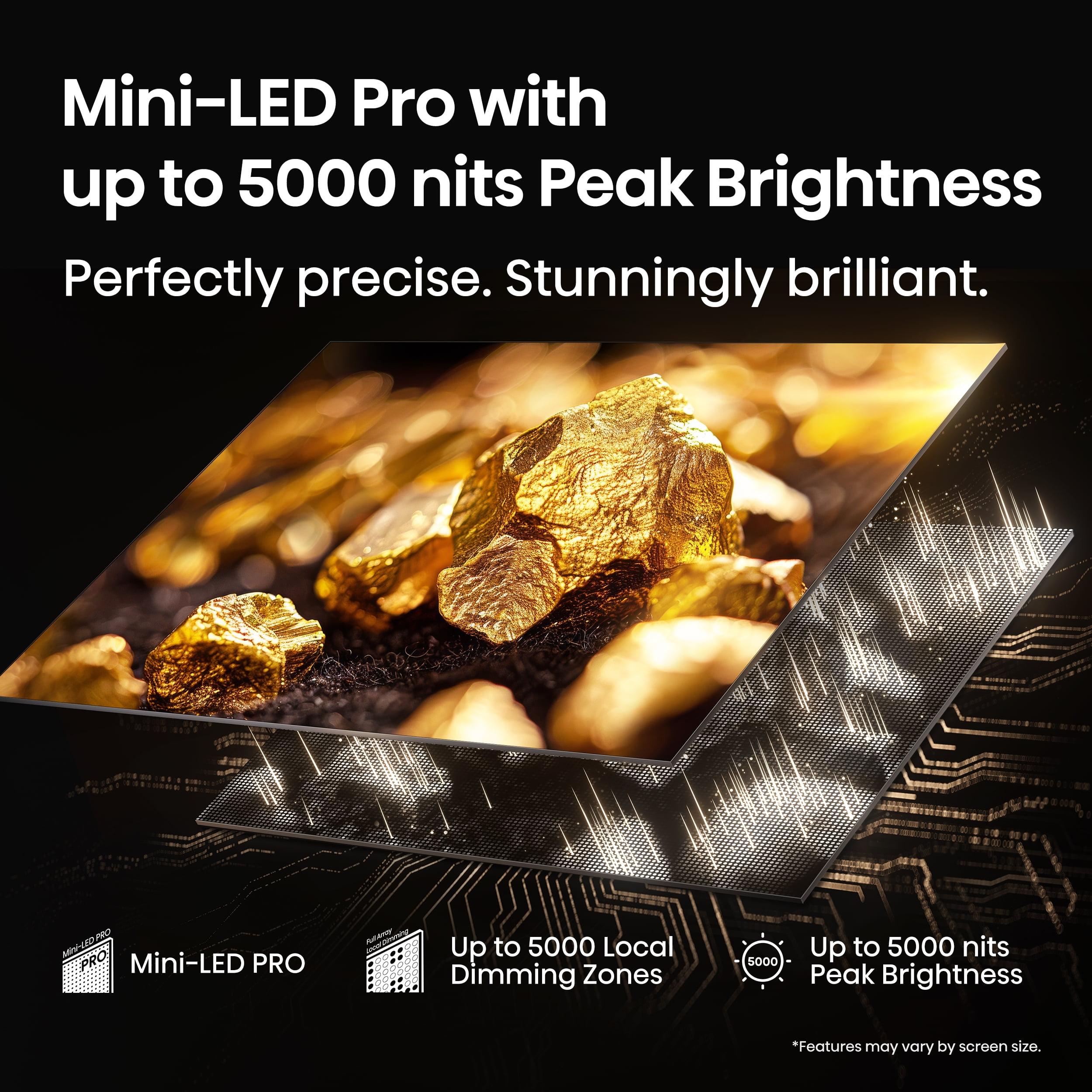
Peak brightness matters more than most people realize. While a budget TV might max out at 400-600 nits, premium models like these can hit 1,500-3,000+ nits. This isn't just about making things blindingly bright—it's about creating realistic contrast. Real sunlight measures around 100,000 nits, so the brighter your TV can get, the more lifelike outdoor scenes appear.
Local dimming zones work like having thousands of tiny dimmers controlling different parts of your screen. More zones mean better contrast—bright stars against a dark sky won't create ugly halos of light bleeding into dark areas. This is where Mini-LED technology shines, using thousands of microscopic LEDs instead of dozens of larger ones.
The Samsung QN900F delivers true 8K resolution—that's 7,680 × 4,320 pixels, or roughly 33 million individual pixels lighting up your screen. To put that in perspective, it's four times more detailed than 4K and sixteen times sharper than 1080p HD. Samsung's Quantum Matrix Technology Pro uses Mini-LED backlighting with advanced local dimming, though the exact zone count isn't specified—typically fewer than competing 4K models but still delivering excellent contrast.
The real magic happens with Samsung's NQ8 AI Gen2 processor, which uses 256 neural networks (think of them as specialized AI brains) to analyze every frame. This system can take your old DVDs, streaming content, or even compressed YouTube videos and upscale them to near-8K quality. The AI identifies objects, faces, and textures, then applies appropriate sharpening and enhancement without making things look artificially processed.
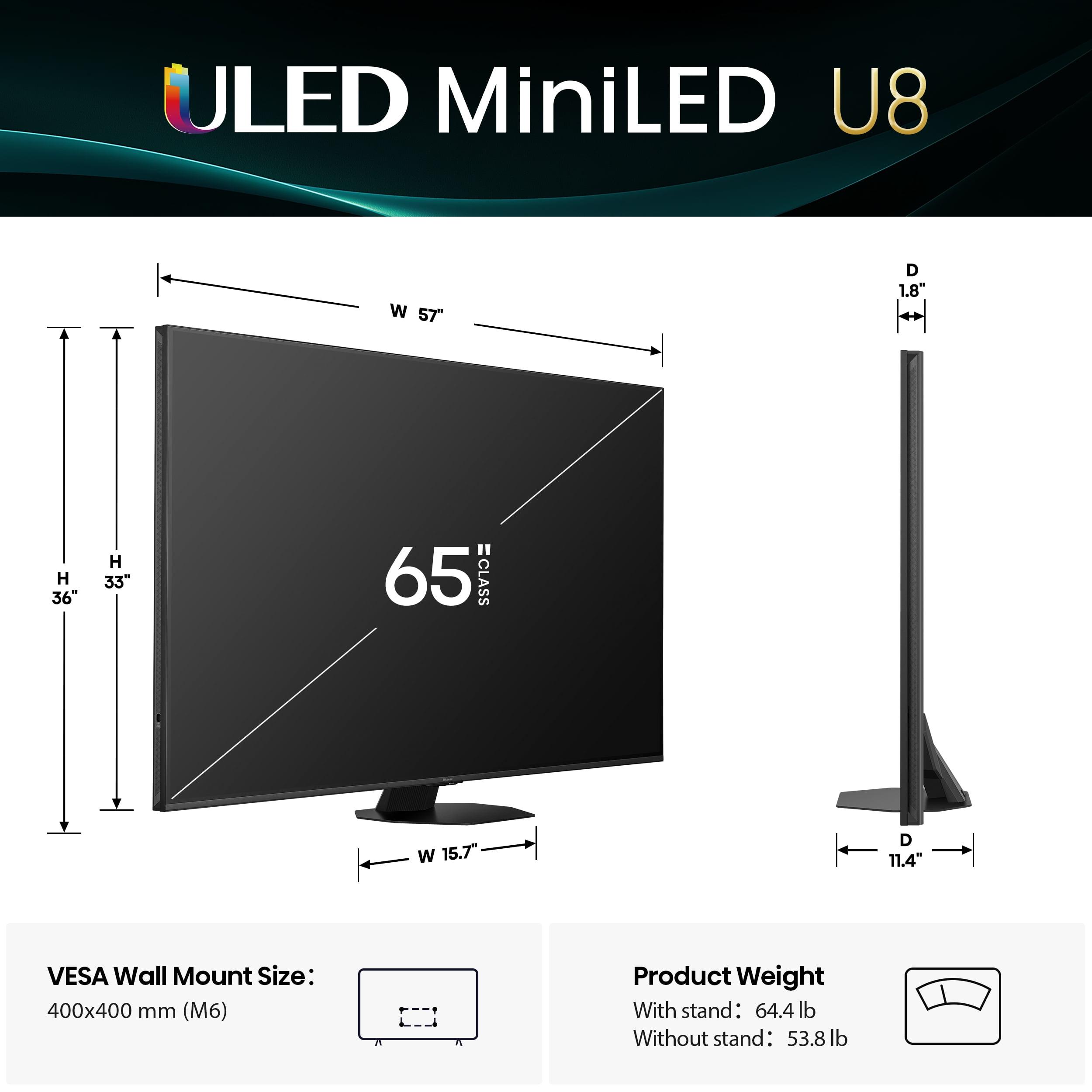
The Hisense U8 takes a different approach, focusing on making 4K absolutely spectacular. With over 2,000 local dimming zones—significantly more than most premium competitors—it can create incredibly precise contrast. The Mini-LED Pro+ backlighting can hit up to 3,000 nits peak brightness, which is substantially higher than the Samsung's peak output based on our research of user reviews and professional measurements.
Here's where things get interesting: while 8K sounds impressive, there's virtually no native 8K content available to consumers. Netflix, Disney+, and other streaming services max out at 4K, and even that's often compressed. The 8K benefit comes entirely from upscaling existing content, which Samsung does exceptionally well, but you're essentially paying a premium for very sophisticated image processing.
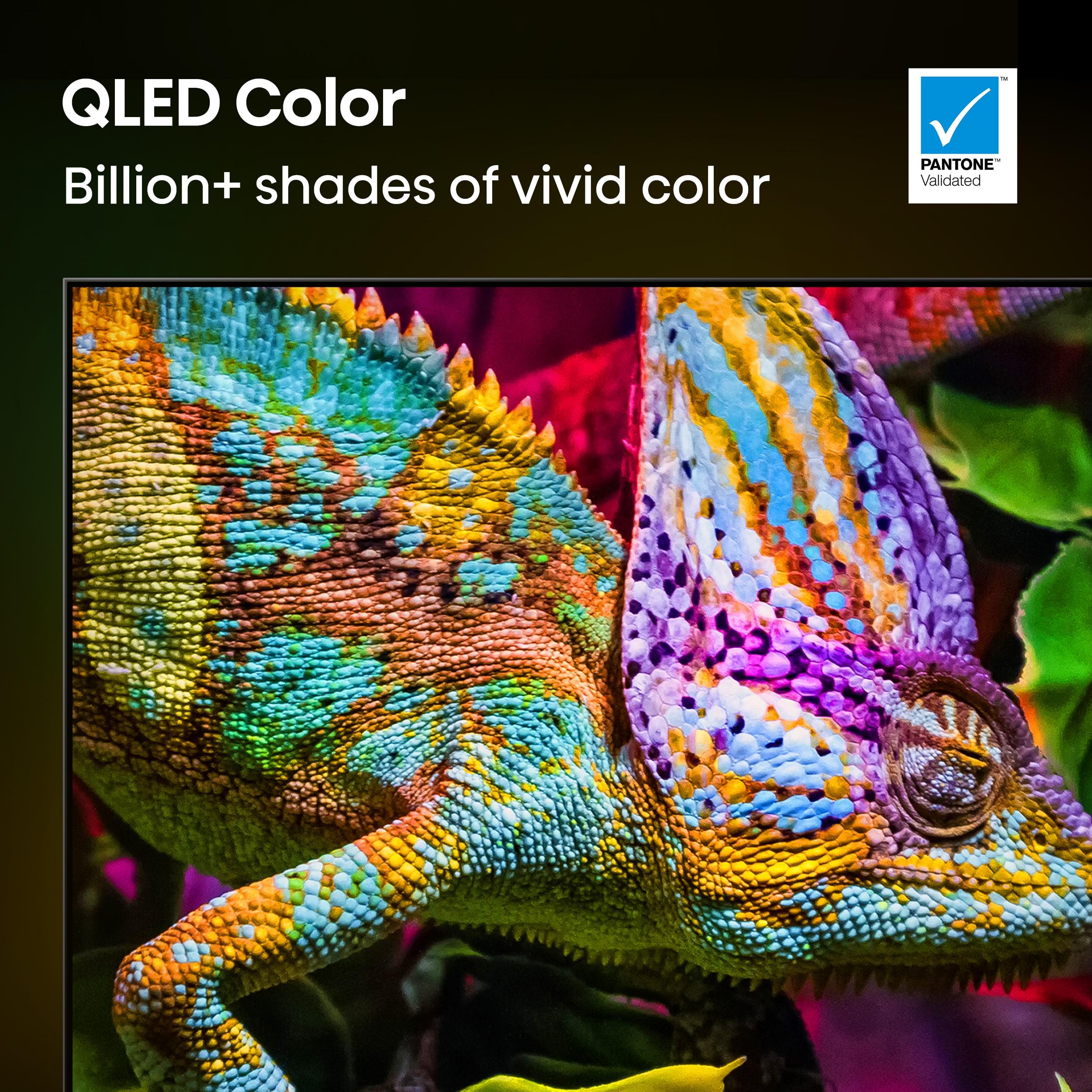
The Hisense's 4K approach means every pixel gets native content, and with superior brightness and more dimming zones, HDR content often looks more impactful. The Quantum Dot technology in both TVs creates over a billion color combinations, but the Hisense's higher peak brightness makes those colors pop more dramatically.
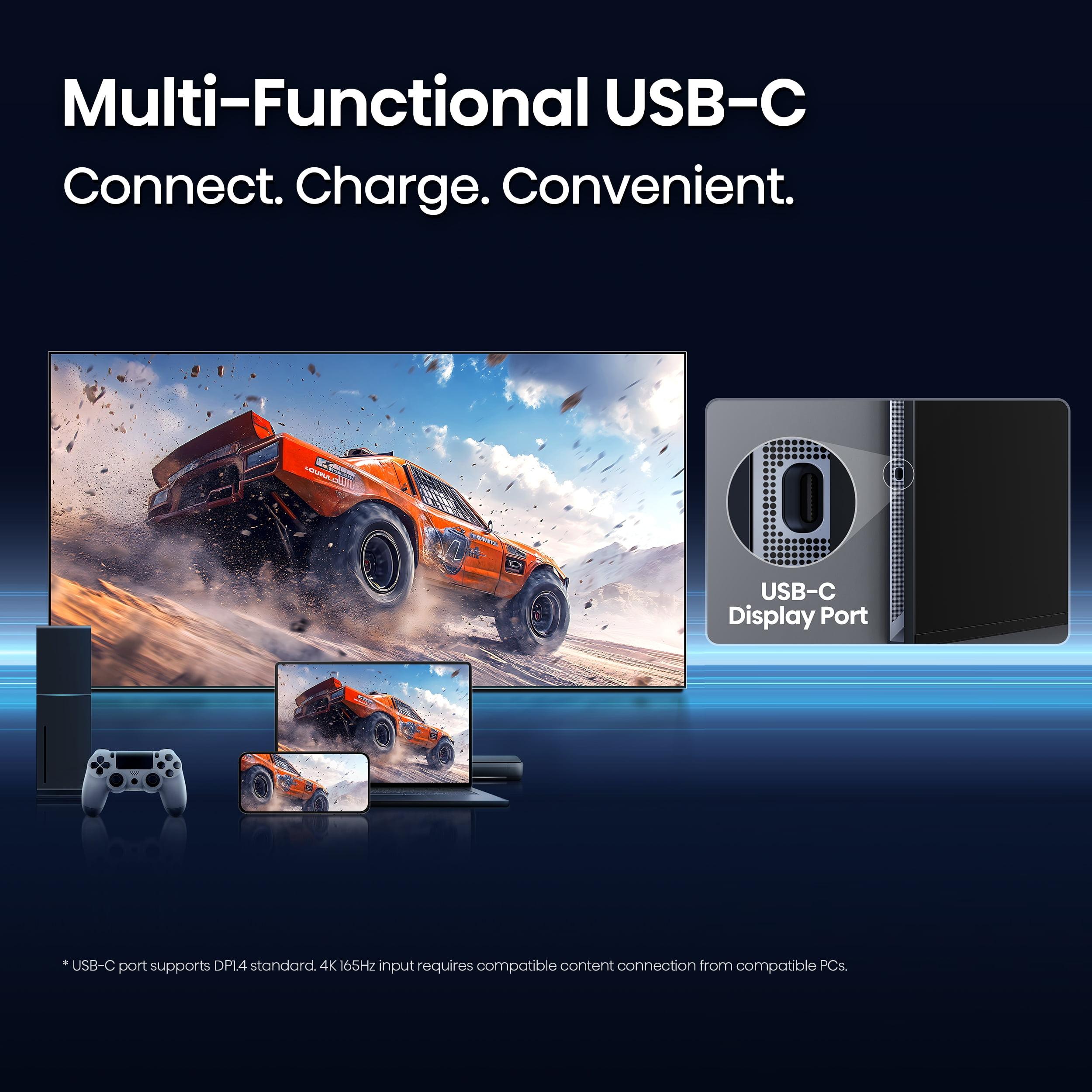
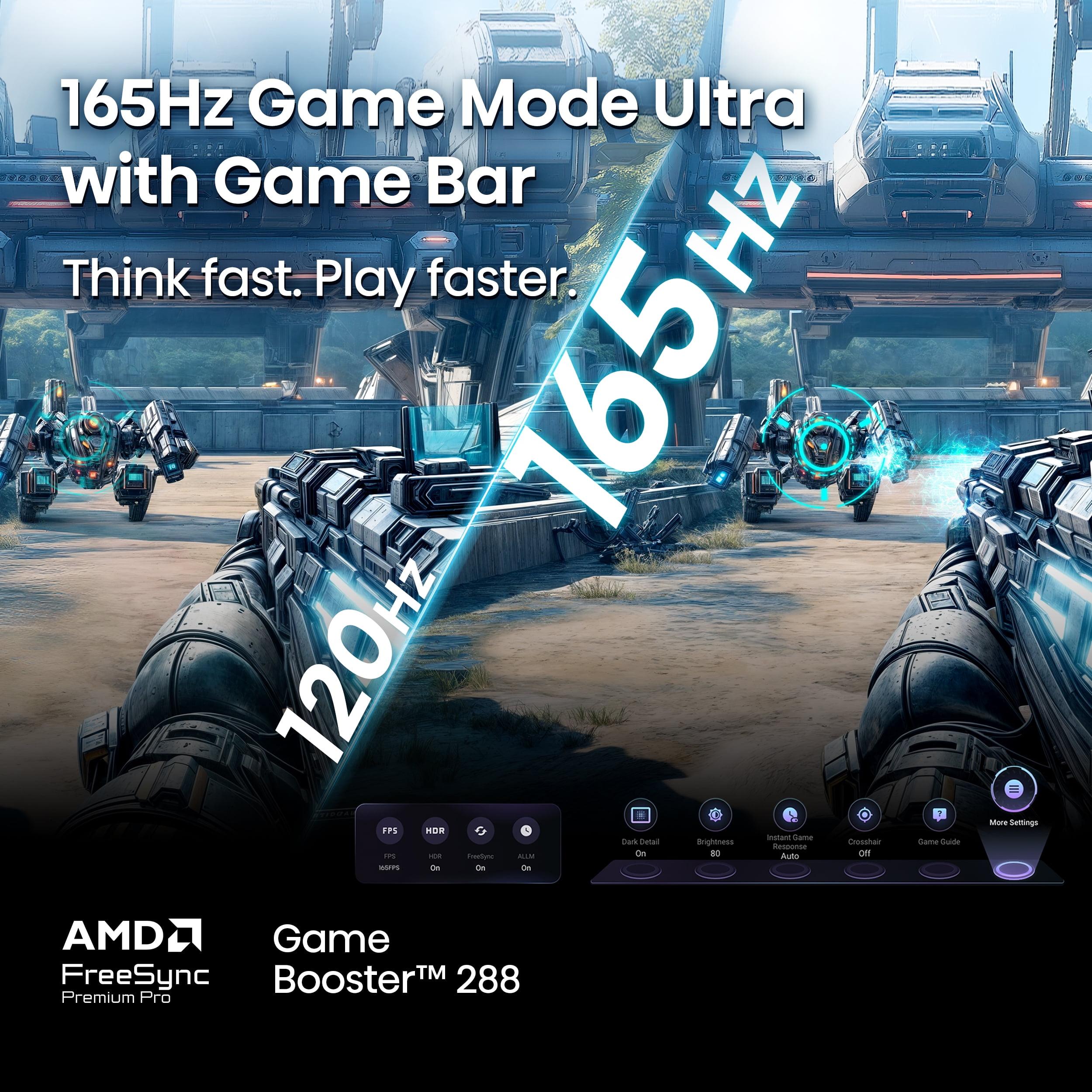
Both TVs excel for gaming, but in different ways. The Samsung QN900F supports 4K gaming up to 165Hz and 8K gaming at 60Hz—though no current consoles output 8K games. It features comprehensive Variable Refresh Rate (VRR) support across all major formats, which eliminates screen tearing and stuttering. Input lag measurements from professional reviewers consistently show excellent responsiveness.
The Hisense U8 counters with a native 144Hz panel that supports VRR from 48Hz to 144Hz, plus AMD FreeSync Premium Pro certification. More importantly, it supports Dolby Vision Gaming—a newer HDR standard that the Samsung lacks entirely. This means games that support Dolby Vision will look significantly better on the Hisense, with more accurate colors and better highlight detail.
For serious gamers, both TVs offer Auto Low Latency Mode (ALLM), which automatically switches to game mode when it detects a console input. The Samsung includes advanced gaming features like Game Bar for adjusting settings without leaving your game, while the Hisense provides similar functionality through its Google TV interface.
The gaming verdict depends on your priorities: choose Samsung for higher resolution gaming (even though games won't natively support 8K for years), or Hisense for better HDR gaming performance right now.
TV audio has improved dramatically in recent years, and both models showcase this evolution. The Samsung QN900F features a 4.2-channel system with 70W total power, supporting both Dolby Atmos and DTS:X. The system includes dedicated height channels that bounce sound off your ceiling to create a three-dimensional audio experience. Samsung's Adaptive Sound Pro analyzes content in real-time, adjusting audio settings automatically for dialogue clarity or action sequences.
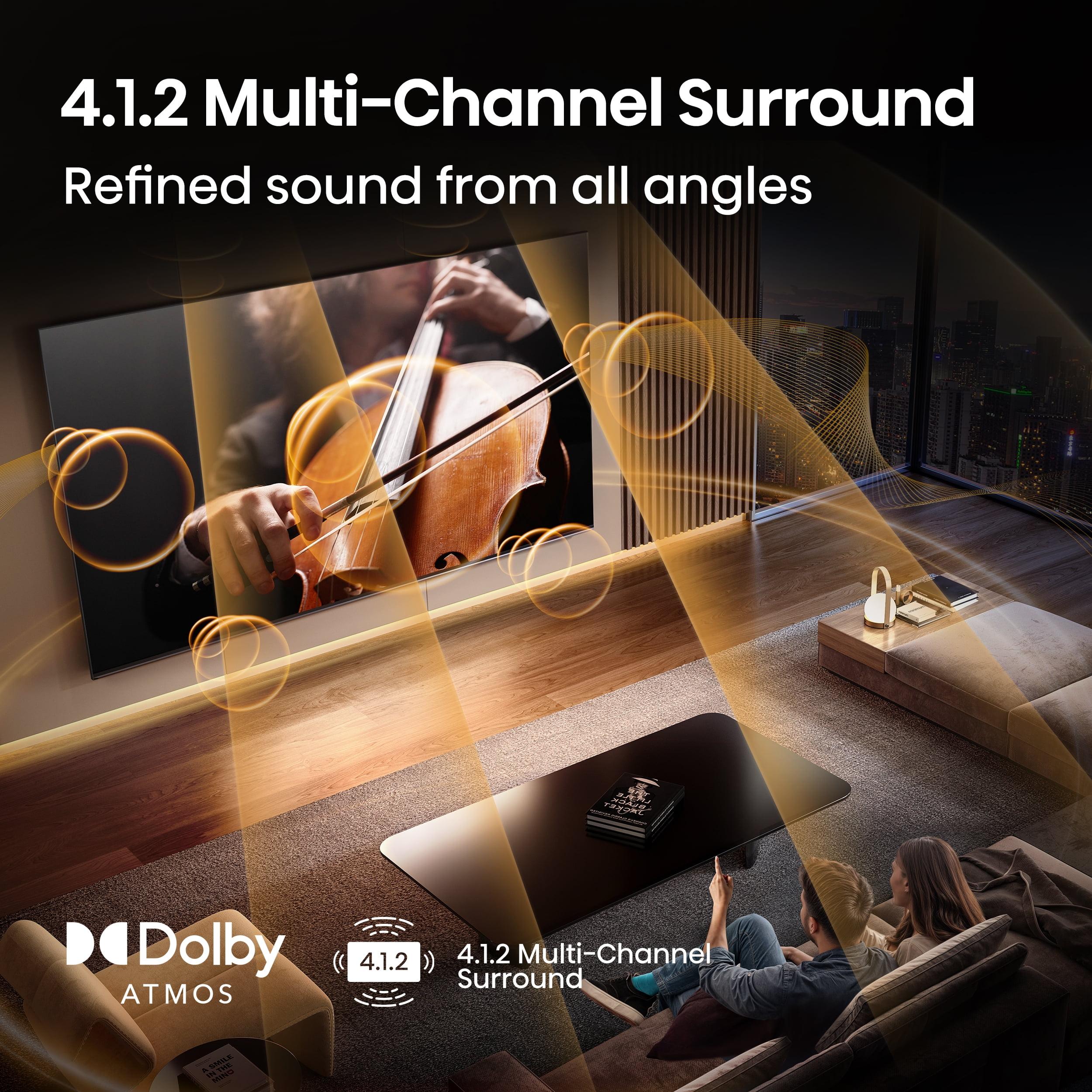
The Hisense U8 uses a 50W 2.1.2 multi-channel system with Dolby Atmos support. Despite lower total wattage, it includes a built-in subwoofer and upward-firing drivers that create convincing spatial audio. Professional reviews consistently praise both systems as above-average for integrated TV speakers.
However, let's be honest: if you're spending this much on a TV, you'll probably want a dedicated soundbar or surround system eventually. Both TVs support eARC (Enhanced Audio Return Channel), allowing high-quality audio passthrough to external systems. The Samsung's slightly more powerful audio system gives it an edge for users planning to rely primarily on built-in speakers.
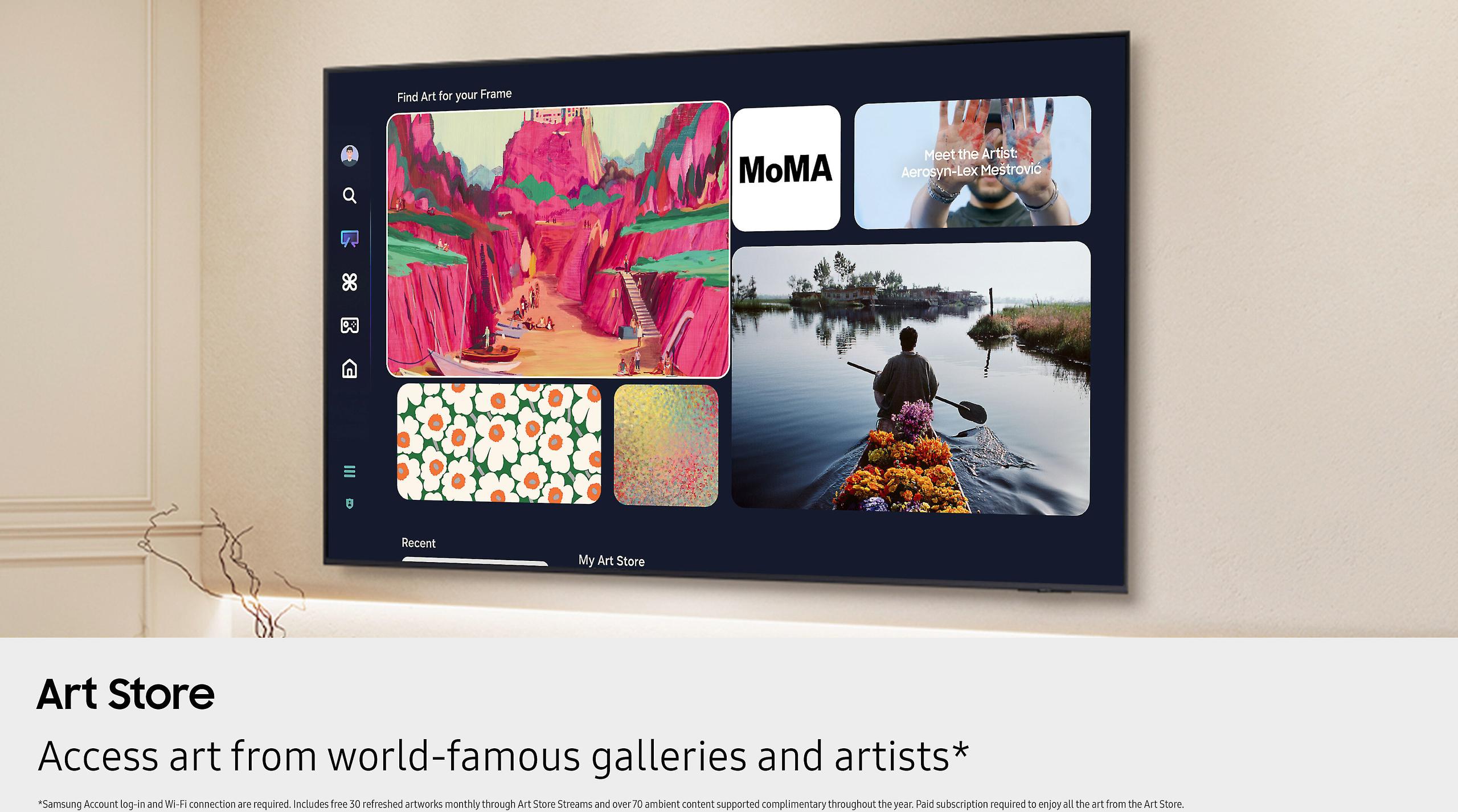
Platform choice significantly impacts daily usability. The Samsung QN900F runs Tizen OS with Samsung's Vision AI integration. This system learns your viewing habits and proactively suggests content, adjusting picture and sound settings based on what you're watching. Samsung's SmartThings integration lets the TV act as a smart home hub, controlling lights, thermostats, and other connected devices.
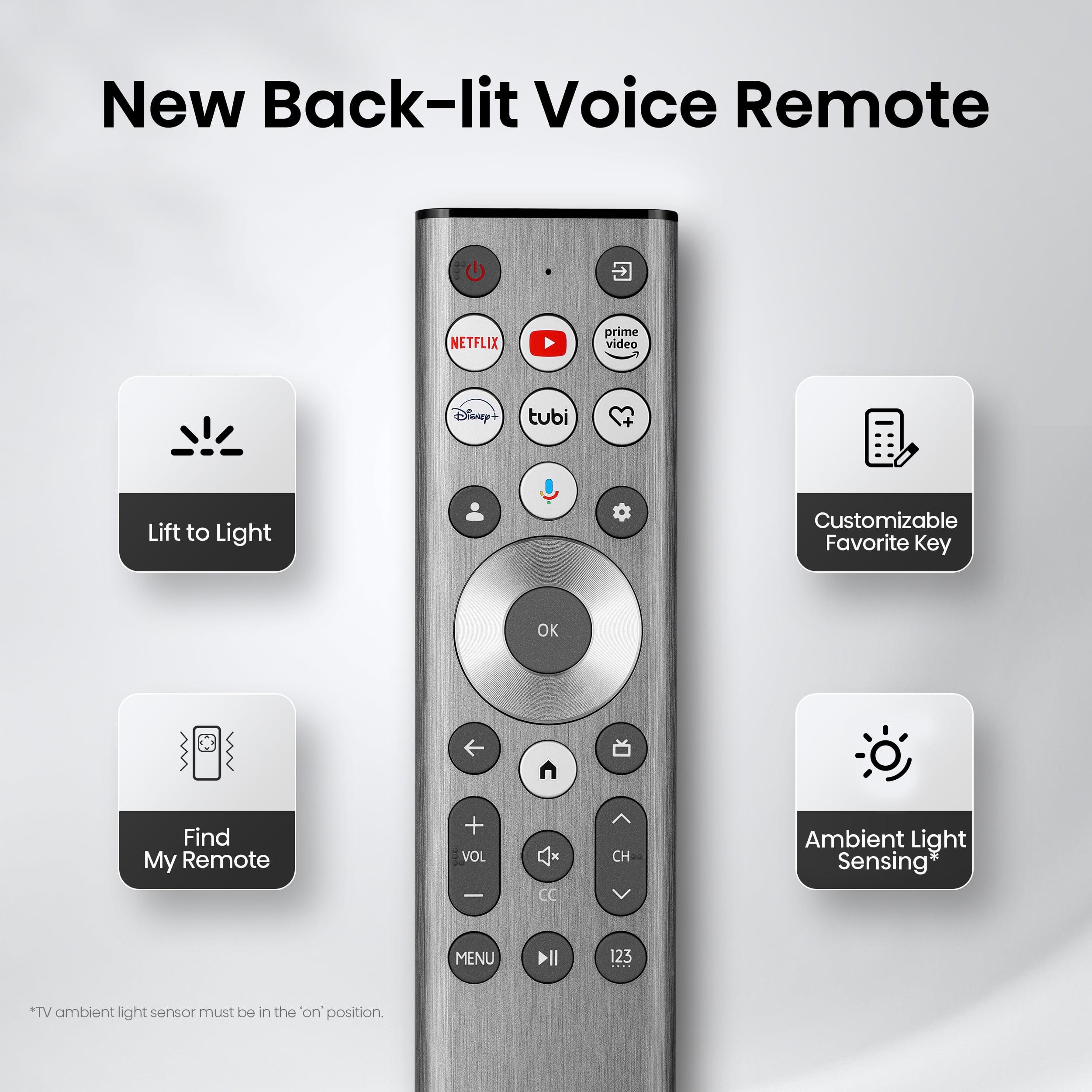
The Hisense U8 uses Google TV, which offers broader app compatibility and more frequent updates. Google's recommendation algorithm draws from your entire Google ecosystem—YouTube history, Play Store purchases, even your Gmail calendar—to suggest relevant content. Voice control through "Hey Google" works more comprehensively than Samsung's Bixby.
The Samsung's major limitation is its lack of Dolby Vision support, which affects streaming compatibility. Most major services now offer Dolby Vision content, and while Samsung's HDR10+ is technically similar, content availability isn't comparable. The Hisense supports both Dolby Vision and HDR10+, making it more future-proof for streaming content.
At the time of writing, these TVs occupy dramatically different price tiers. The Samsung QN900F commands a significant premium—roughly three times the cost of the Hisense U8. This price difference reflects Samsung's positioning as a luxury brand and the expensive 8K processing technology.
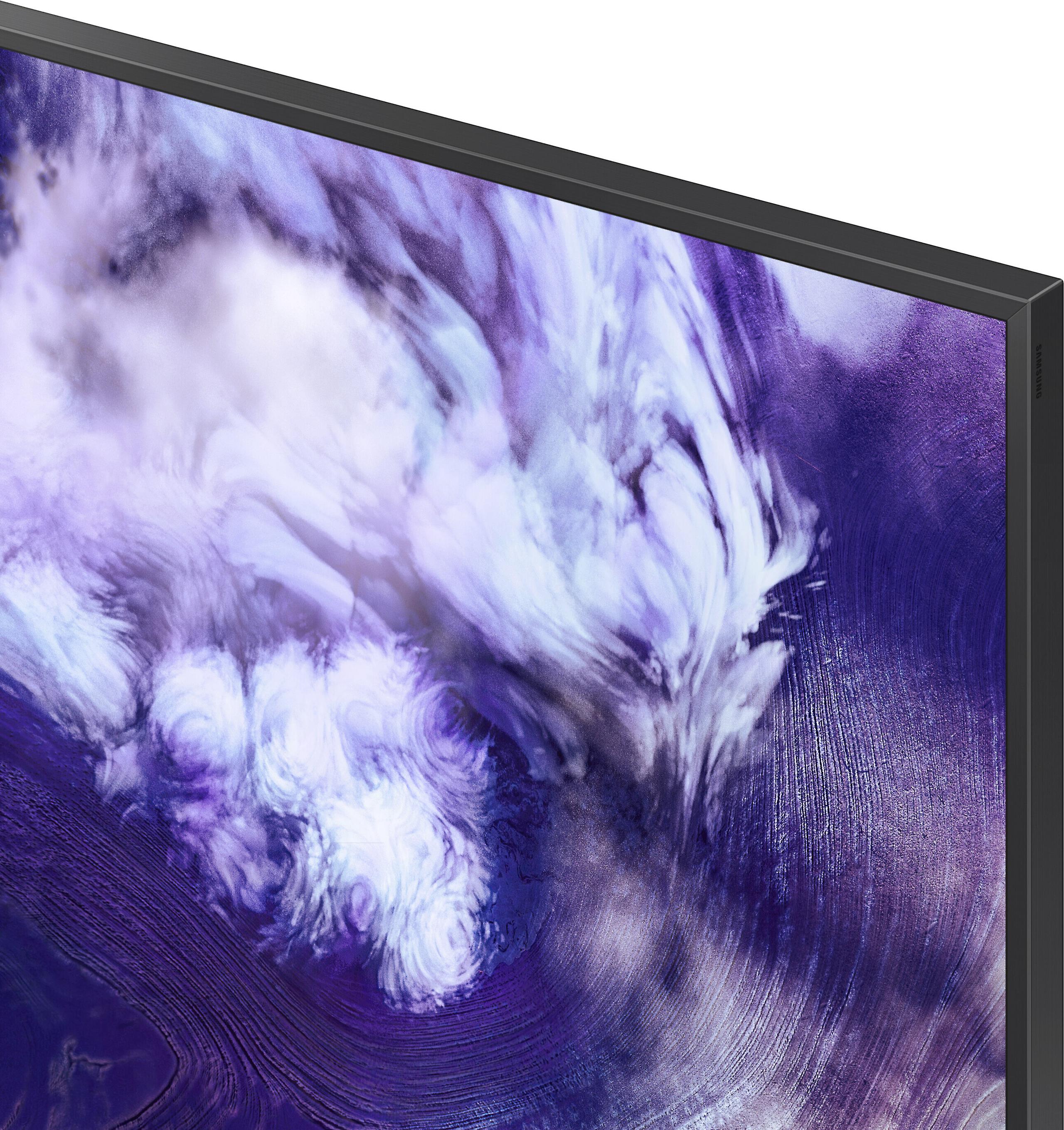
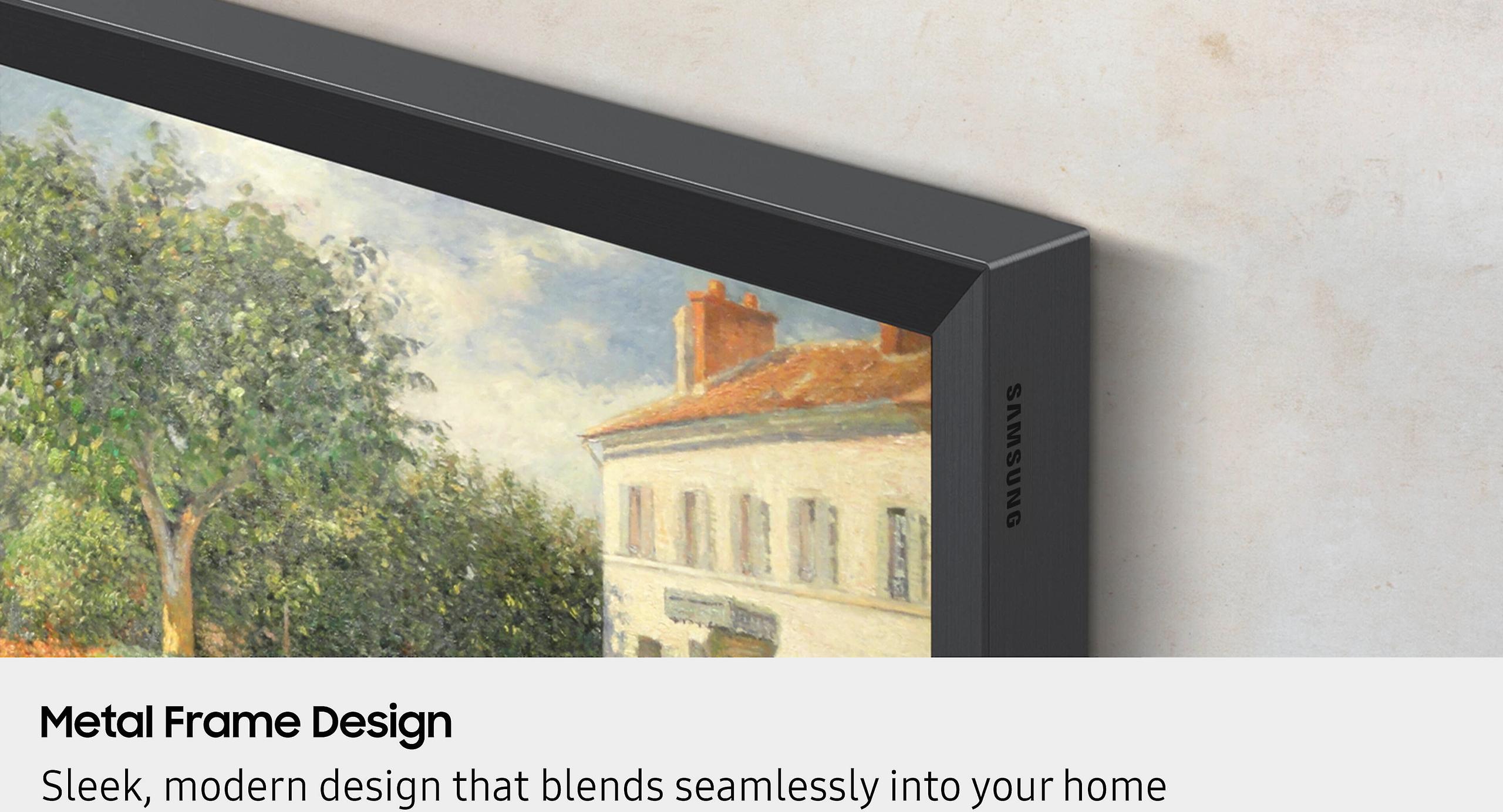
From a pure performance perspective, the value equation is complex. The Samsung offers genuinely cutting-edge technology with superior upscaling, more refined color processing, and a premium build quality that feels substantial. The metal frame design and nearly invisible bezels create an elegant aesthetic that justifies some premium.
The Hisense delivers approximately 85-90% of the Samsung's performance at roughly one-third the price. Its higher peak brightness often makes HDR content look more impressive, and the superior local dimming creates better contrast in most scenes. For users focused on current content rather than future-proofing, the Hisense provides exceptional value.
For dedicated home theater setups, both TVs offer compelling advantages. The Samsung QN900F excels in controlled lighting environments where its superior upscaling and 8K resolution can shine. The Glare-Free technology becomes less relevant in a darkened theater room, but the refined color processing and AI-driven optimization create a consistently premium experience.
The Hisense U8 often performs better for cinematic content due to its higher peak brightness and superior HDR format support. Dolby Vision movies—which represent a significant portion of premium streaming and disc content—will look noticeably better on the Hisense. The anti-glare coating helps in rooms with some ambient lighting from sconces or accent lighting.
Both TVs handle 24fps film content well with minimal judder, and their motion processing can be adjusted for personal preference. The Samsung's AI-driven motion enhancement tends to be more conservative, while the Hisense offers more aggressive options that some users prefer for sports content.
The Samsung QN900F makes sense for specific buyer profiles. Choose it if you're genuinely interested in cutting-edge display technology and plan to keep your TV for 7+ years. Early adopters who want the bragging rights of true 8K and don't mind paying a premium for Samsung's refined ecosystem will appreciate the investment. It's also ideal for bright rooms where the Glare-Free technology provides real benefits.
The Hisense U8 suits most premium TV buyers better. It delivers flagship performance for current content at a reasonable price, making it perfect for users who want the best 4K experience without paying luxury brand premiums. Choose it if you prioritize immediate performance over future-proofing, prefer Google's platform ecosystem, or want the best value in premium TV features.
Both TVs represent 2025 technology, incorporating several years of Mini-LED refinement. The display industry has shifted dramatically since 2020, when most premium TVs still used traditional LED backlighting. Mini-LED technology has matured rapidly, offering OLED-like contrast without the brightness limitations or burn-in concerns.
Looking forward, 8K content adoption remains slow. Major streaming services focus on improving 4K quality rather than expanding to 8K, and bandwidth limitations make 8K streaming challenging for most internet connections. The Samsung's bet on 8K processing may pay off in 3-5 years, but the Hisense's focus on perfecting 4K aligns better with current content realities.
Your choice ultimately depends on budget tolerance and viewing priorities. The Samsung QN900F offers genuinely superior technology for users who can justify the premium cost and want maximum future-proofing. Its upscaling capabilities and AI-driven optimization create a consistently refined experience that feels noticeably more premium in daily use.
The Hisense U8 provides better immediate value and often superior performance with current content. Its higher brightness, better HDR support, and more flexible platform make it the smarter choice for most buyers focused on getting the best picture quality per dollar spent.
Both represent excellent choices within their respective categories. The Samsung pushes technological boundaries while the Hisense optimizes current technology for maximum performance. Your decision should align with whether you're buying for today's content or tomorrow's possibilities—and how much you're willing to invest in that future-proofing premium.
| Samsung 65" Neo QLED 8K QN900F Vision AI Smart TV 2025 | Hisense 65" U8 Series Mini-LED ULED 4K Google TV |
|---|---|
| Resolution - Higher resolution provides more detail, but content availability varies | |
| True 8K (7,680 × 4,320 pixels) - Future-proof but limited native content | 4K (3,840 × 2,160 pixels) - Matches all current streaming content |
| Peak Brightness - Critical for HDR impact and bright room viewing | |
| High brightness with Mini-LED (exact nits not specified) | Up to 3,000 nits - Superior for HDR highlights and daytime viewing |
| Local Dimming Zones - More zones mean better contrast and less blooming | |
| Quantum Matrix Pro with Mini-LED (zone count not specified) | 2,000+ zones - Exceptional contrast control for the price range |
| Gaming Performance - Important for console and PC gaming | |
| 4K up to 165Hz, 8K at 60Hz, full VRR support | Native 144Hz with VRR 48-144Hz, AMD FreeSync Premium Pro |
| HDR Format Support - Affects streaming service compatibility | |
| HDR10, HDR10+, HLG (no Dolby Vision) - Limited streaming compatibility | Dolby Vision, HDR10, HDR10+, HLG - Full streaming service support |
| Audio System - Built-in sound quality for users not buying external speakers | |
| 4.2-channel, 70W with Dolby Atmos - More powerful and sophisticated | 2.1.2-channel, 50W with Dolby Atmos - Good quality with built-in subwoofer |
| Smart TV Platform - Daily interface and app ecosystem | |
| Tizen OS with Vision AI - Samsung ecosystem integration | Google TV - Broader app support and frequent updates |
| AI Processing - Upscaling quality and picture optimization | |
| NQ8 AI Gen2 with 256 neural networks - Advanced 8K upscaling | Hi-View Engine PRO - Strong 4K optimization and enhancement |
| Anti-Glare Technology - Viewing comfort in bright rooms | |
| Glare-Free technology - Nearly eliminates reflections | Anti-Glare Low Reflection - Reduces but doesn't eliminate glare |
| Build Quality and Design - Premium feel and aesthetic appeal | |
| Metal frame design, premium materials - Luxury aesthetic | Thin bezels, central stand - Clean modern design at lower cost |
| Value Proposition - Performance per dollar spent | |
| Premium pricing for cutting-edge 8K technology | Exceptional value - flagship 4K performance at mid-range pricing |
The Hisense 65" U8 Series Mini-LED delivers exceptional picture quality with higher peak brightness (up to 3,000 nits) and more local dimming zones (2,000+) at a significantly lower price point. The Samsung 65" Neo QLED 8K QN900F offers superior upscaling and 8K resolution, but costs considerably more. For most viewers, the Hisense provides better immediate picture quality per dollar spent.
Currently, 8K content is extremely limited with no major streaming services offering 8K programming. The Samsung QN900F relies on AI upscaling to enhance 4K and lower-resolution content to near-8K quality. While the upscaling is impressive, the Hisense U8 often delivers better-looking 4K HDR content due to its superior brightness and contrast. 8K is more about future-proofing than immediate benefits.
Both TVs excel for gaming but in different ways. The Samsung QN900F supports 4K gaming up to 165Hz and offers 8K gaming at 60Hz with comprehensive VRR support. The Hisense U8 features a native 144Hz panel with AMD FreeSync Premium Pro and supports Dolby Vision Gaming, which many newer games utilize. For current gaming, the Hisense often provides better HDR gaming visuals.
Yes, both handle bright rooms excellently. The Samsung QN900F features advanced Glare-Free technology that virtually eliminates reflections, making it superior for very bright environments. The Hisense U8 offers higher peak brightness and anti-glare coating, providing excellent visibility in bright conditions. Both significantly outperform budget TVs for daytime viewing.
The Hisense U8 runs Google TV, offering broader app compatibility, frequent updates, and comprehensive voice control. The Samsung QN900F uses Tizen OS with Vision AI for personalized optimization and SmartThings smart home integration. Google TV generally provides better streaming service support, while Tizen offers deeper Samsung ecosystem integration.
Dolby Vision support is increasingly important as most major streaming services now offer content in this format. The Hisense U8 supports Dolby Vision, HDR10+, and other HDR formats for maximum compatibility. The Samsung QN900F lacks Dolby Vision support, relying on HDR10+ instead, which limits streaming compatibility with Netflix, Disney+, and other services' premium content.
The Samsung QN900F features a more powerful 4.2-channel system with 70W total power and sophisticated Dolby Atmos processing. The Hisense U8 offers a 50W 2.1.2 system with built-in subwoofer and Dolby Atmos support. While both provide above-average TV audio, the Samsung's system is more robust for users planning to rely on built-in speakers.
Both excel in dedicated home theater environments. The Samsung QN900F offers superior upscaling and color processing for a consistently premium experience in controlled lighting. The Hisense U8 often performs better with cinematic content due to higher peak brightness and full Dolby Vision support for movies. Both handle 24fps film content smoothly with minimal judder.
The Samsung QN900F offers more future-proofing with true 8K resolution and advanced AI processing, making it better prepared for eventual 8K content adoption. The Hisense U8 focuses on perfecting current 4K technology and may remain more relevant for near-term content. Both feature modern connectivity and should remain current for 5-7 years.
The Hisense U8 includes a 2-year warranty, double the industry standard, providing added peace of mind. Samsung typically offers a 1-year warranty on the QN900F but has a strong reputation for build quality and customer support. Both brands have improved reliability significantly in recent years, with Mini-LED technology proving durable across manufacturers.
The Hisense U8 provides exceptional value, delivering flagship-level performance at a fraction of premium brand pricing. It offers superior brightness, more local dimming zones, and comprehensive HDR support. The Samsung QN900F commands a premium for cutting-edge 8K technology and refined processing. For most buyers focused on immediate performance, the Hisense offers better value.
Choose the Samsung QN900F if you want the latest display technology, plan to keep your TV for many years, and can justify the premium cost for 8K future-proofing. Select the Hisense U8 if you want flagship 4K performance at an excellent price, prioritize current content compatibility, and prefer Google's platform ecosystem. Most buyers will find the Hisense provides better immediate satisfaction per dollar spent.
We've done our best to create useful and informative comparisons to help you decide what product to buy. Our research uses advanced automated methods to create this comparison and perfection is not possible - please contact us for corrections or questions. These are the sites we've researched in the creation of this article: rtings.com - samsung.com - techradar.com - dolby.com - youtube.com - samsung.com - youtube.com - samsung.com - samsung.com - samsung.com - samsung.com - displayspecifications.com - samsung.com - rtings.com - bestbuy.com - merlinstv.com - news.samsung.com - bestbuy.com - bestbuy.com - hisense-usa.com - rtings.com - bestbuy.com - rtings.com - hisense-usa.com - youtube.com - hisense-usa.com - avsforum.com - hisense-usa.com - hisense-usa.com - rtings.com - avsforum.com - hisense-usa.com - prnewswire.com - hisense-usa.com - bestbuy.com - youtube.com - hisense-usa.com

Privacy Policy
Terms and Conditions - Affiliate Policy
Home Security
© Copyright 2008-2026.
11816 Inwood Rd #1211, Dallas, TX 75244