

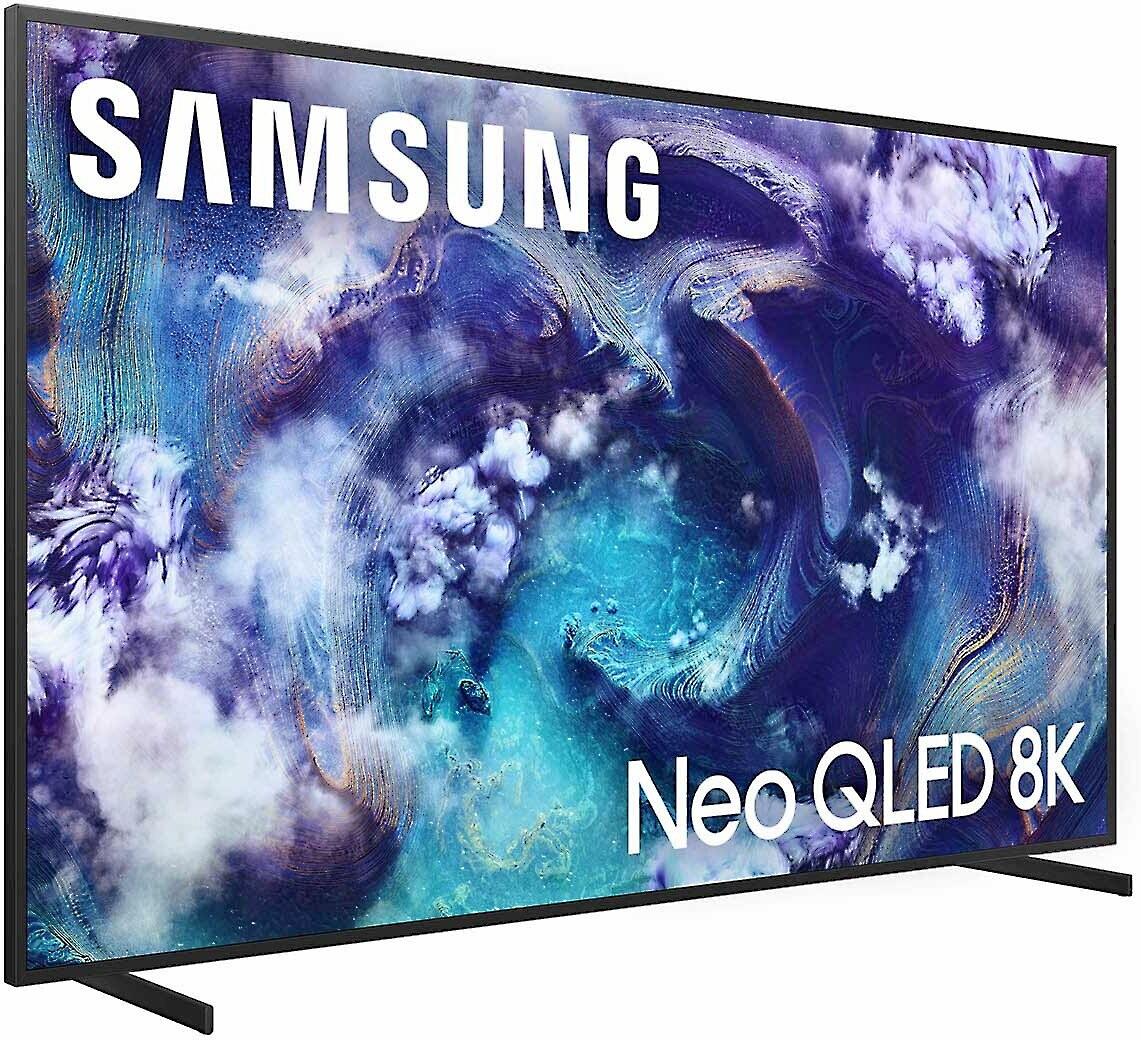
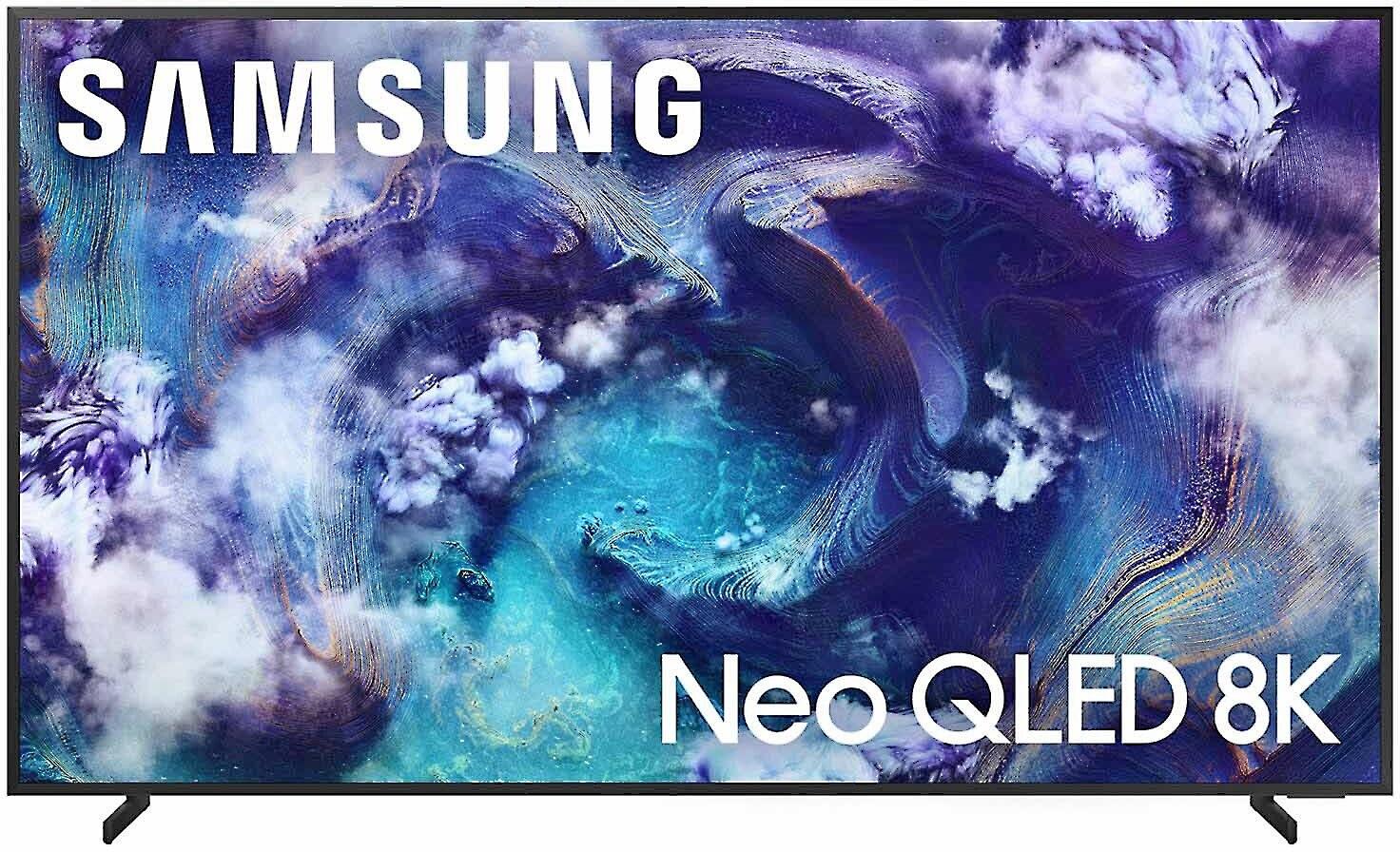
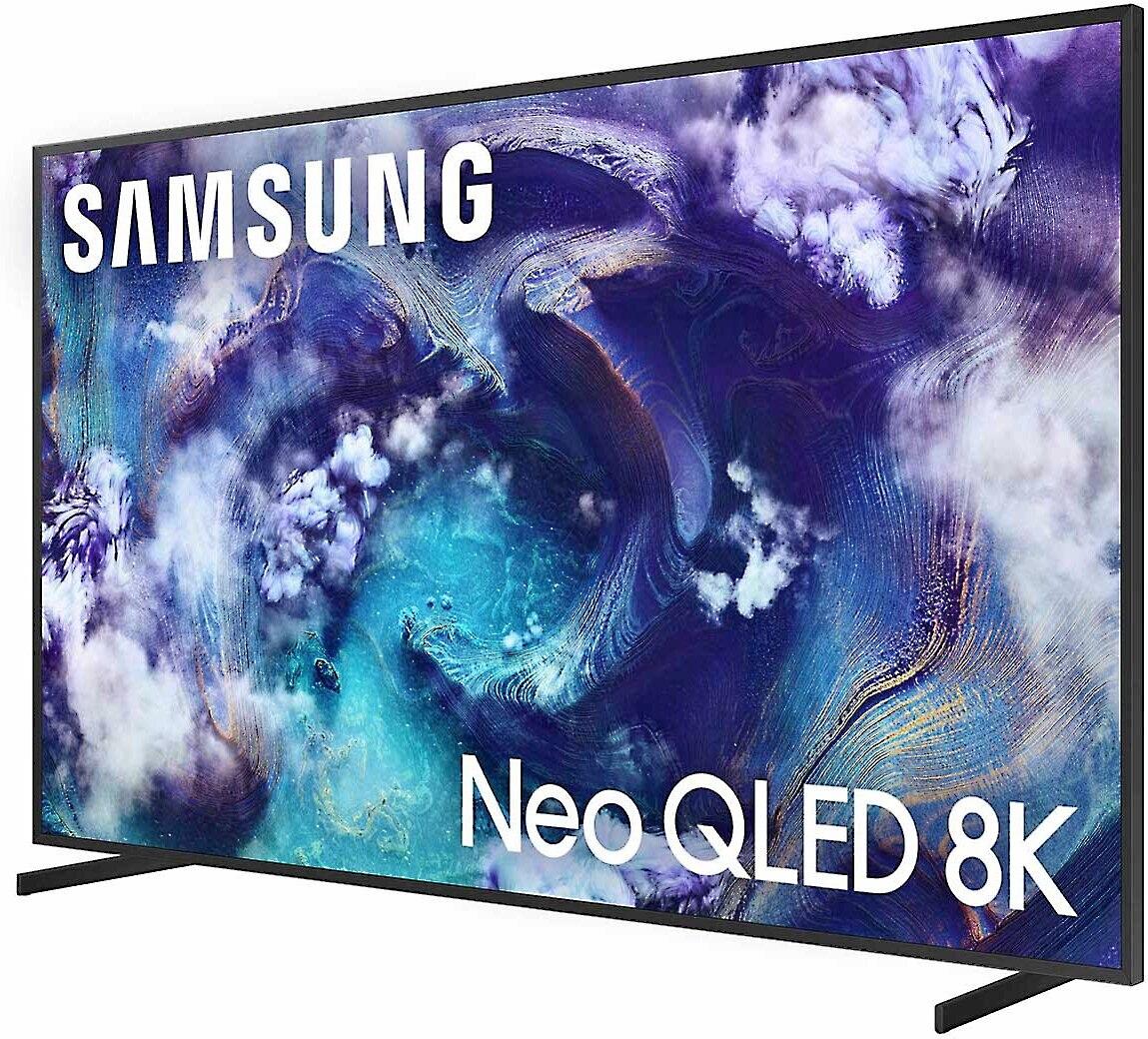

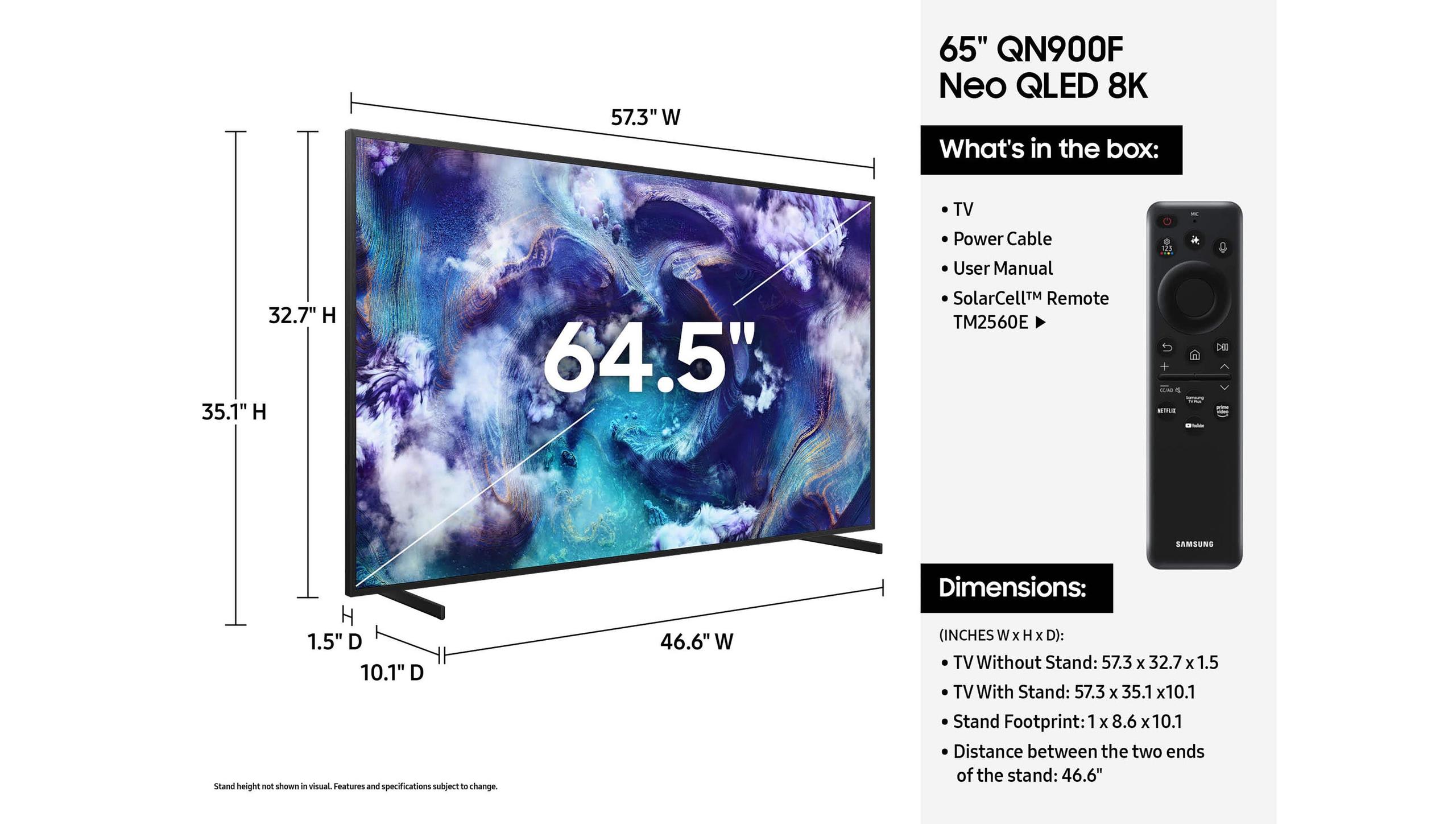
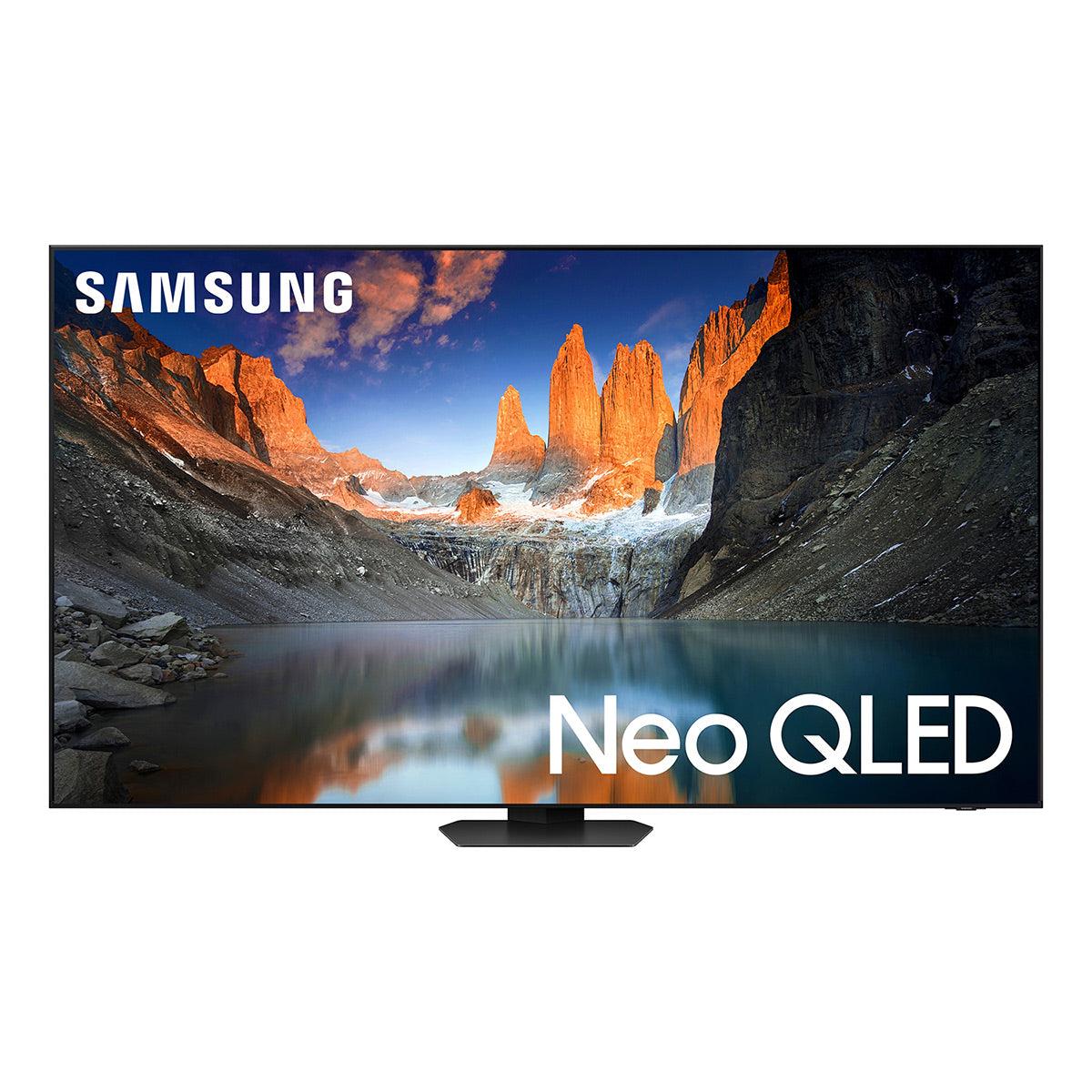
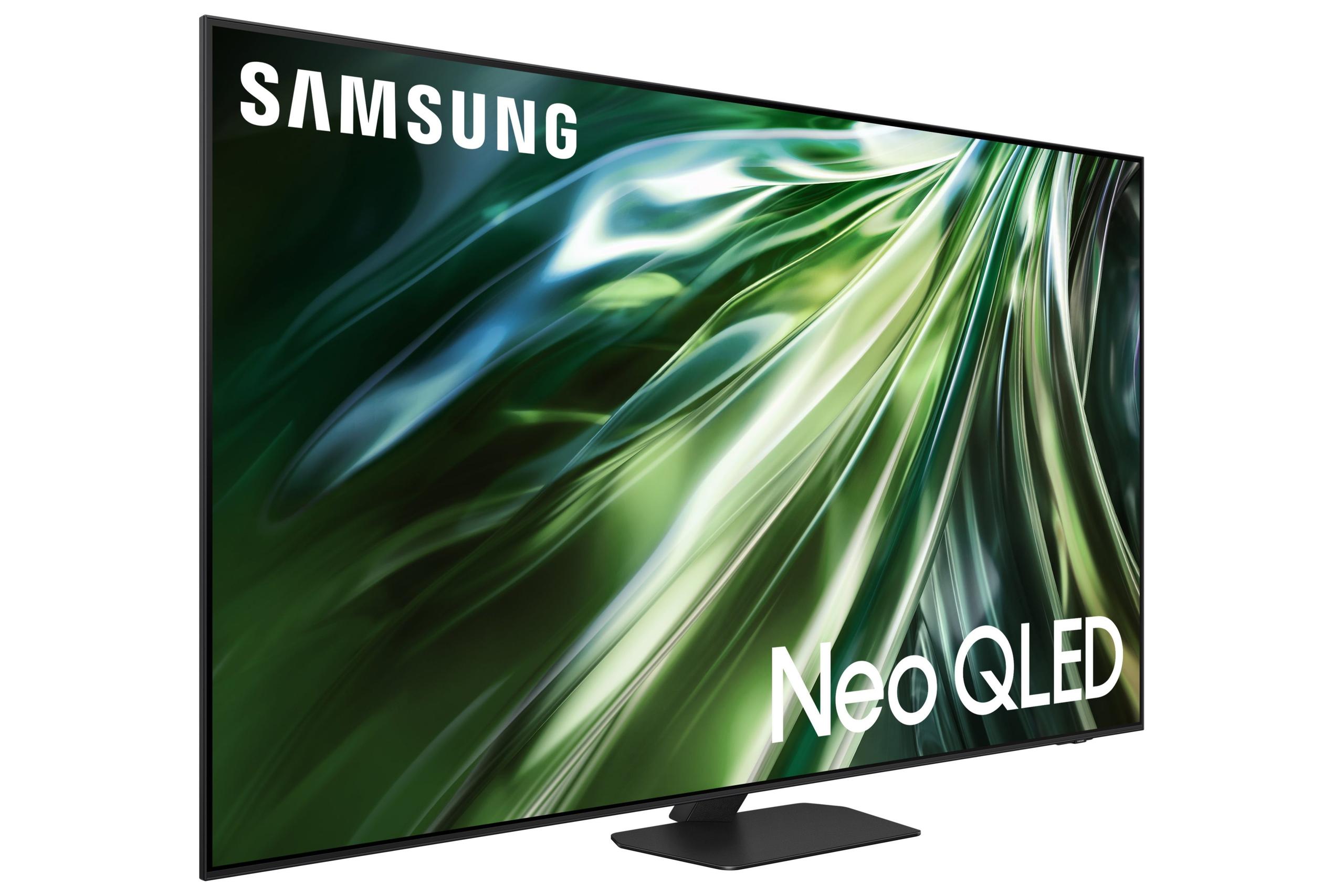
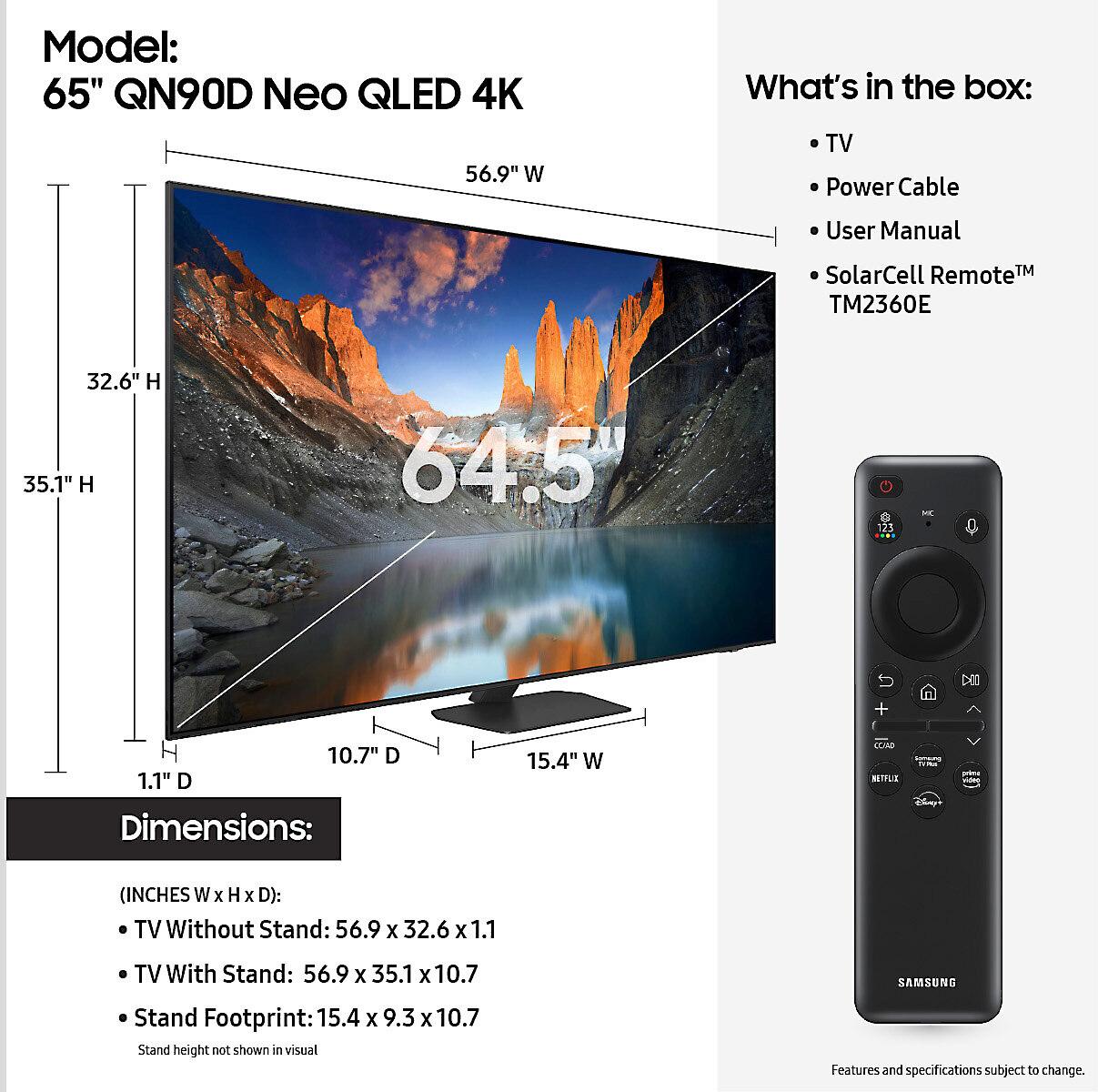
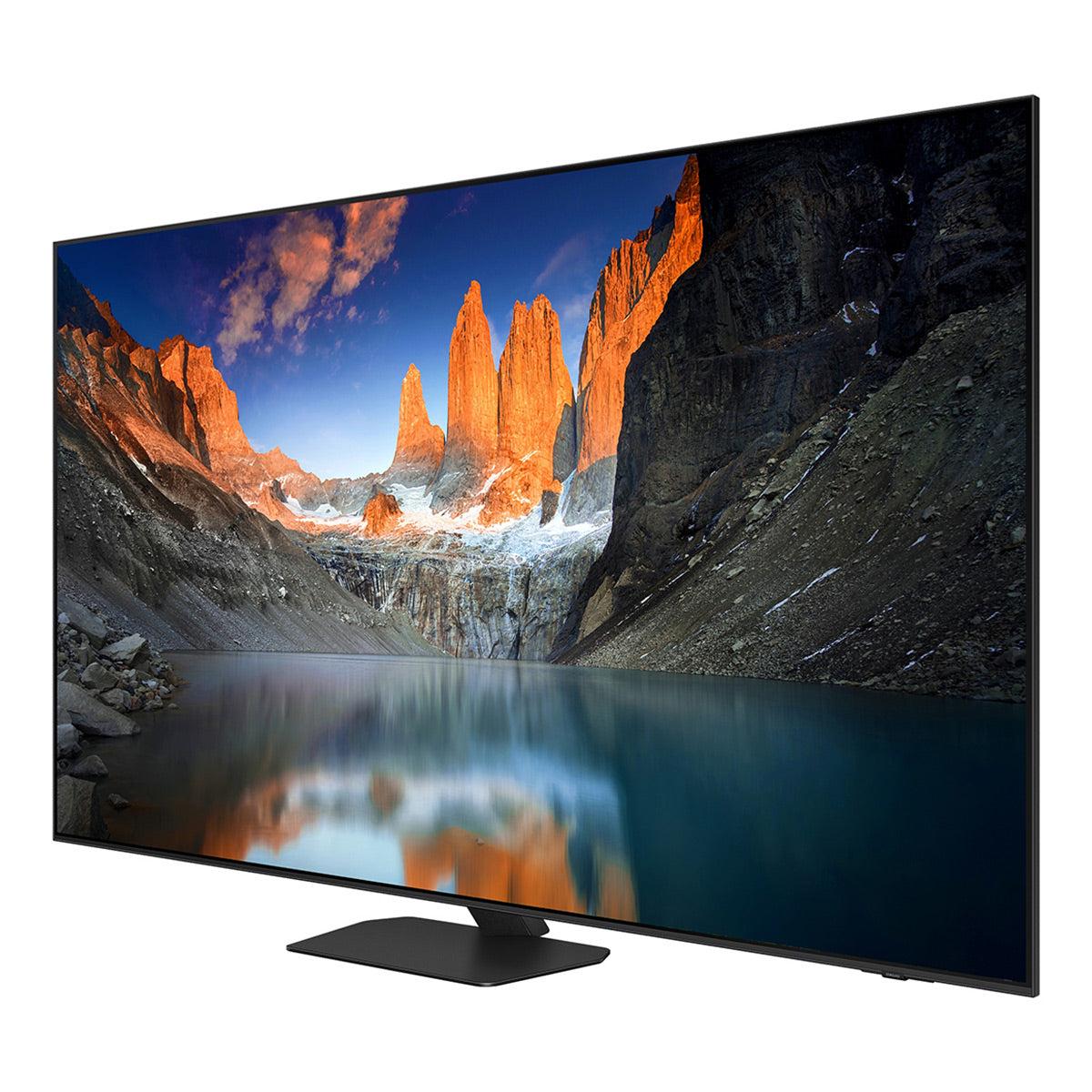
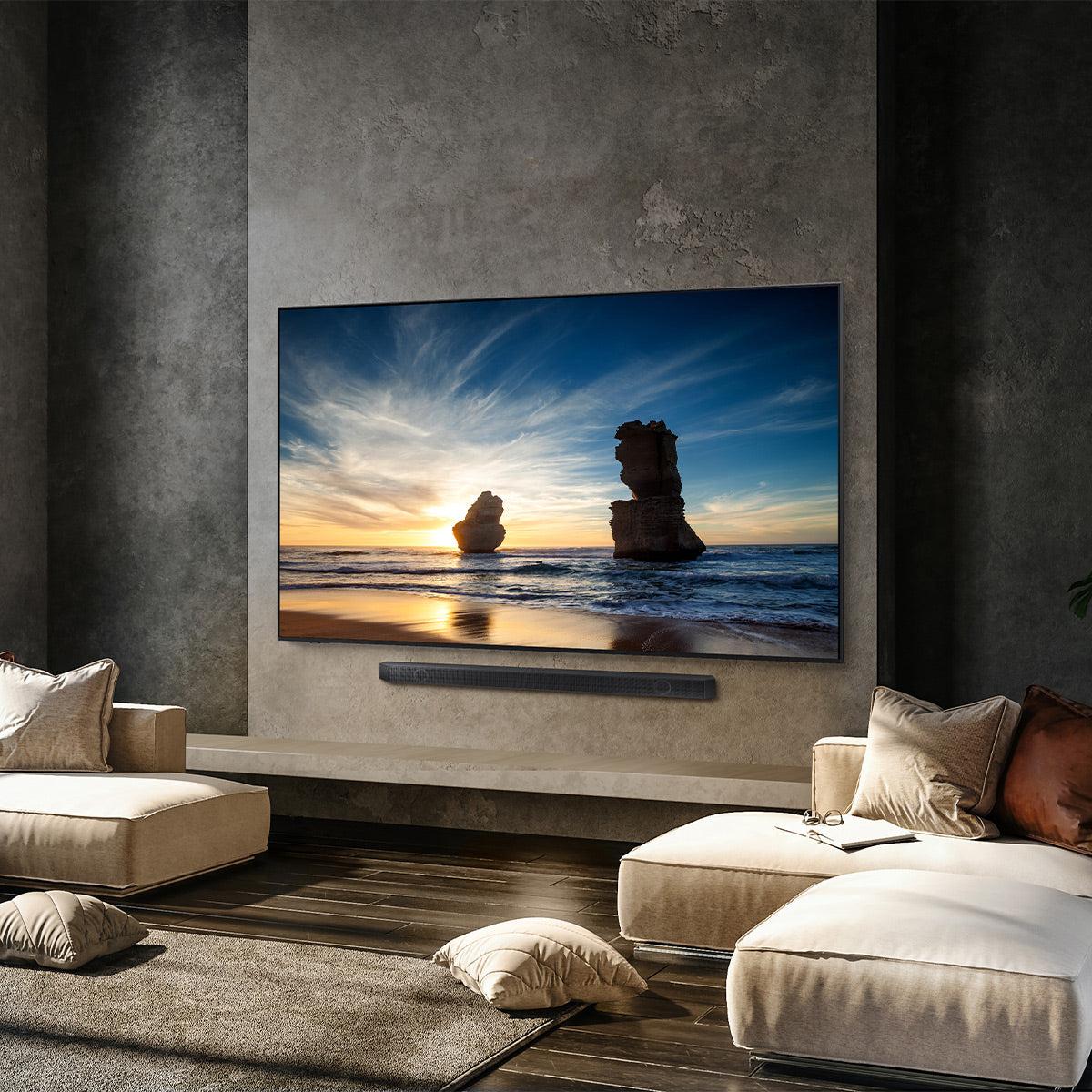
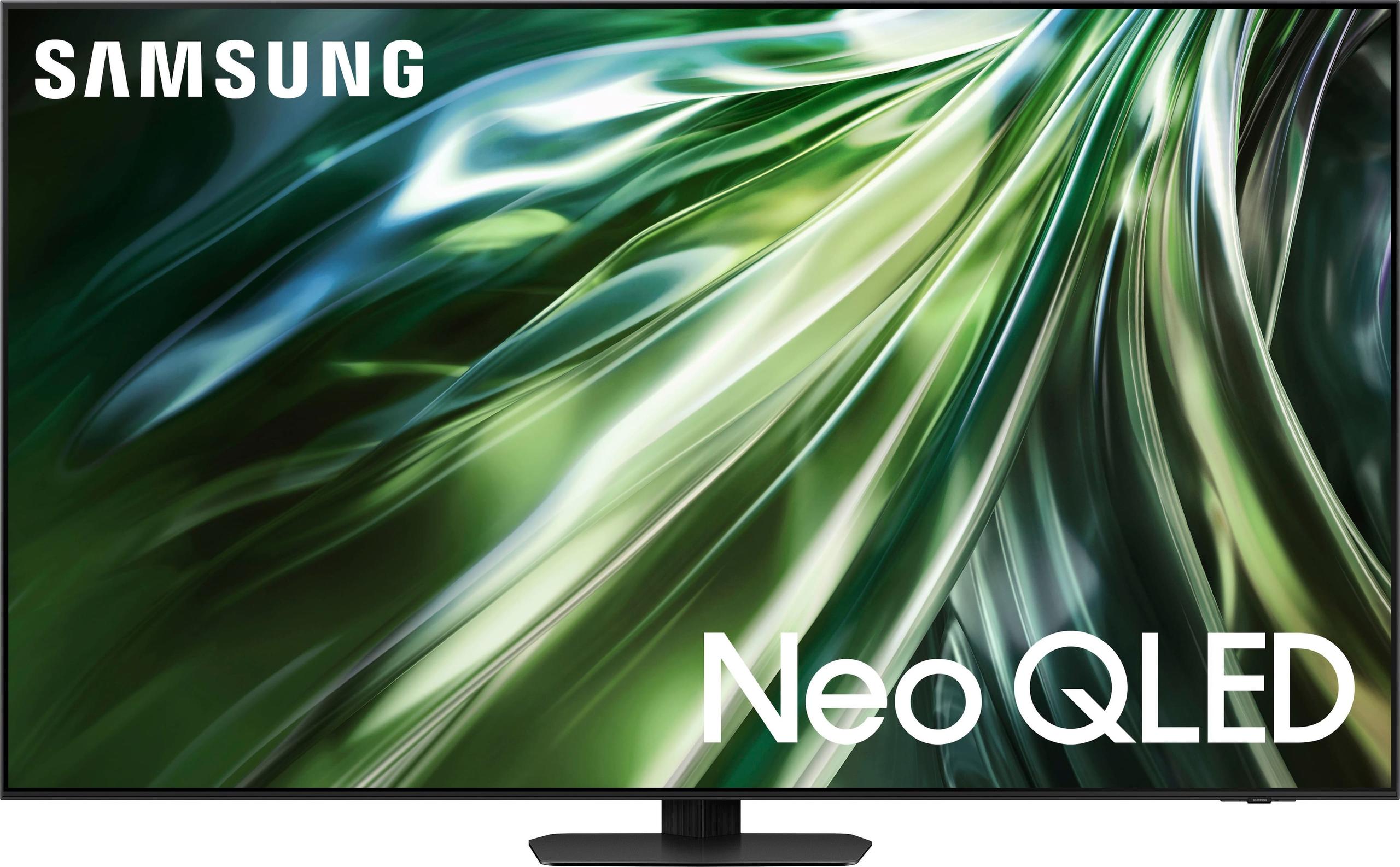

Samsung's 2024 and 2025 Neo QLED lineup presents an interesting dilemma for TV shoppers. The Samsung 65" QN90D Series 4K Neo QLED Smart TV launched in 2024 as a premium yet accessible option, while the Samsung 65" Neo QLED 8K QN900F Vision AI Smart TV 2025 represents Samsung's technological flagship. At the time of writing, you're looking at roughly a $2,000 price difference between these models, which raises the fundamental question: is 8K technology worth the premium?
Both TVs share Samsung's Neo QLED foundation – a combination of Quantum Mini LED backlighting and quantum dot color enhancement – but they diverge significantly in resolution, processing power, and smart features. Understanding these differences helps determine which delivers better value for your specific needs.
Neo QLED represents Samsung's answer to OLED dominance in the premium TV market. Instead of self-lighting pixels like OLED, Neo QLED uses thousands of tiny Mini LEDs behind the screen to create incredibly precise backlighting zones. These Mini LEDs are roughly 1/40th the size of traditional LED backlights, allowing for much more accurate light control.
The "Neo" part refers to Samsung's advanced local dimming technology that can dim or brighten individual zones independently. This creates deeper blacks and brighter highlights simultaneously – something traditional LED TVs struggle with. Quantum dots, meanwhile, are microscopic particles that convert LED light into pure, saturated colors across the entire brightness range.
When shopping for premium TVs, the main considerations include peak brightness capabilities (important for HDR content), black level performance (how dark the screen can get), color accuracy and volume, motion handling for sports and gaming, smart platform sophistication, and long-term value retention.
The Samsung QN900F 8K model packs 33.2 million pixels into its 65-inch screen, compared to the QN90D's 8.3 million pixels. That's four times the resolution, but here's where things get complicated: there's virtually no native 8K content available to consumers.
Netflix, Disney+, Amazon Prime Video, and other streaming services max out at 4K. Even most movie theaters only project in 4K. This means the QN900F's 8K capabilities rely entirely on upscaling – taking lower-resolution content and intelligently adding detail to fill those extra pixels.
Samsung's NQ8 AI Gen3 Processor in the QN900F excels at this upscaling task, using 256 neural networks to analyze each frame and add convincing detail without creating artifacts (unwanted visual distortions). The results are impressive: 4K content gains noticeable sharpness, and even 1080p sources look remarkably clean. Text appears razor-sharp, fine details in clothing and textures become more apparent, and the overall sense of depth improves.
However, the benefits depend heavily on viewing distance. Sitting 8-10 feet from a 65-inch screen, the resolution difference becomes subtle. Move closer to 5-6 feet, and the QN900F's extra sharpness becomes obvious. This explains why 8K makes more sense on larger screens where you naturally sit closer.
The QN90D, meanwhile, focuses its NQ4 AI Gen2 Processor entirely on optimizing 4K performance rather than stretching resources across upscaling duties. For current content libraries dominated by 4K streaming and Blu-ray discs, this approach often delivers more consistent results.
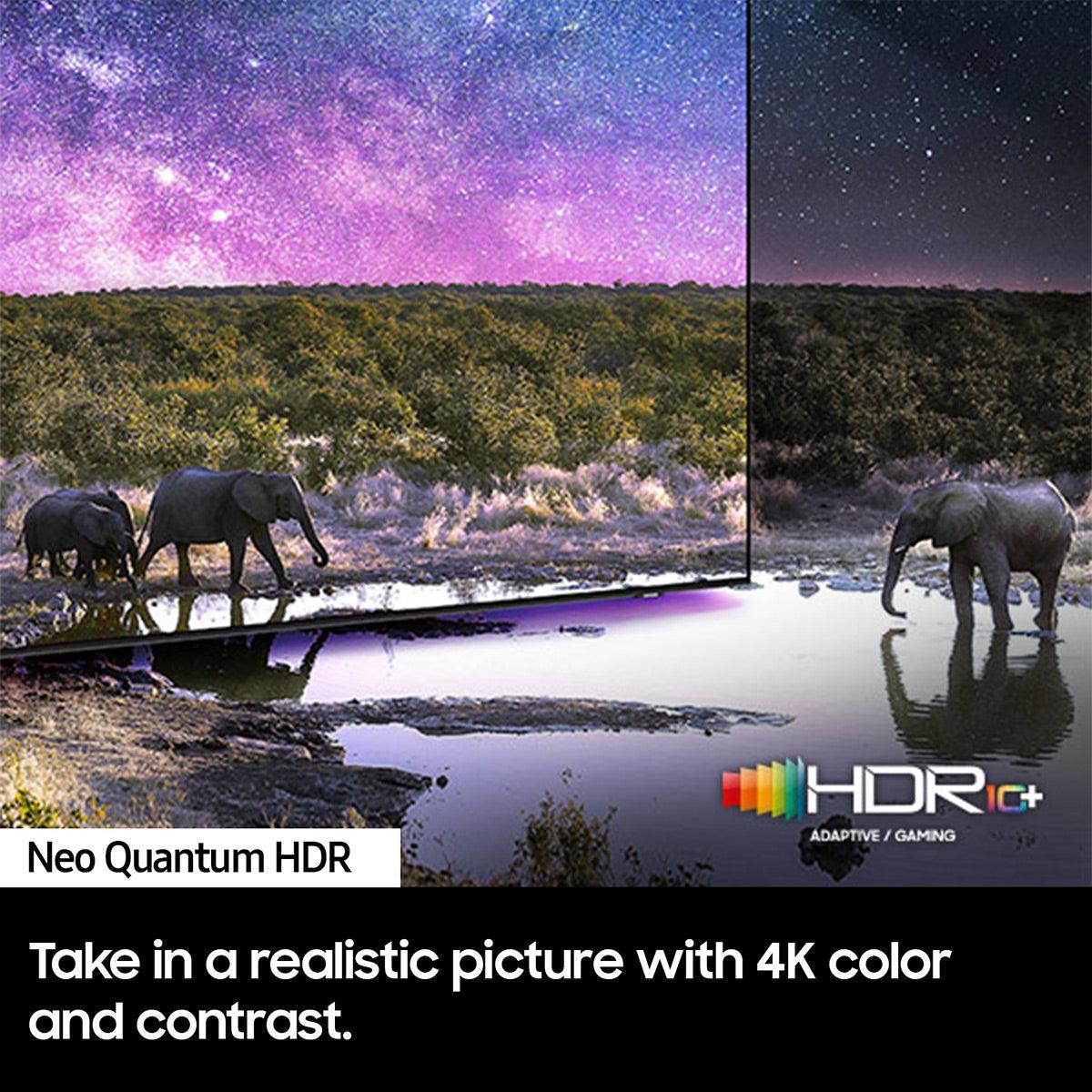
Both TVs excel in peak brightness, crucial for impactful HDR (High Dynamic Range) content. HDR expands the range between the darkest and brightest parts of an image, creating more lifelike contrast. The QN900F achieves slightly higher peak brightness through its Quantum Matrix Pro technology, reaching over 2,000 nits in small areas – bright enough to make HDR highlights truly pop, even in daylight.
The QN90D delivers impressive brightness around 1,800-2,000 nits, still outperforming most OLED TVs and sufficient for excellent HDR in most rooms. Both support HDR10+ and HLG formats, though notably neither includes Dolby Vision – a limitation across Samsung's lineup that affects compatibility with some streaming content.
Here's where Mini LED technology shines compared to traditional LED TVs. Both models can selectively dim backlight zones to create deeper blacks, but the QN900F offers more sophisticated control through Ultimate 8K Dimming Pro. This system manages thousands of dimming zones with greater precision, reducing "blooming" – the unwanted halo effect around bright objects against dark backgrounds.
The QN90D still delivers impressive black levels for an LCD TV, though you might notice slight blooming in challenging scenes like bright text on black backgrounds or candle flames in dark rooms. Neither matches OLED's perfect blacks, but they come surprisingly close while maintaining much higher peak brightness.
Quantum dot technology gives both TVs exceptional color capabilities. These microscopic particles convert backlight into pure, saturated colors that remain vibrant even at maximum brightness – something OLED TVs struggle with. Both achieve nearly 100% of the DCI-P3 color space used in most HDR content.
The QN900F gains a slight edge through more advanced processing that provides smoother color gradations and better handling of complex color transitions. The difference is subtle but noticeable in demanding content like nature documentaries with rich, varied colors.
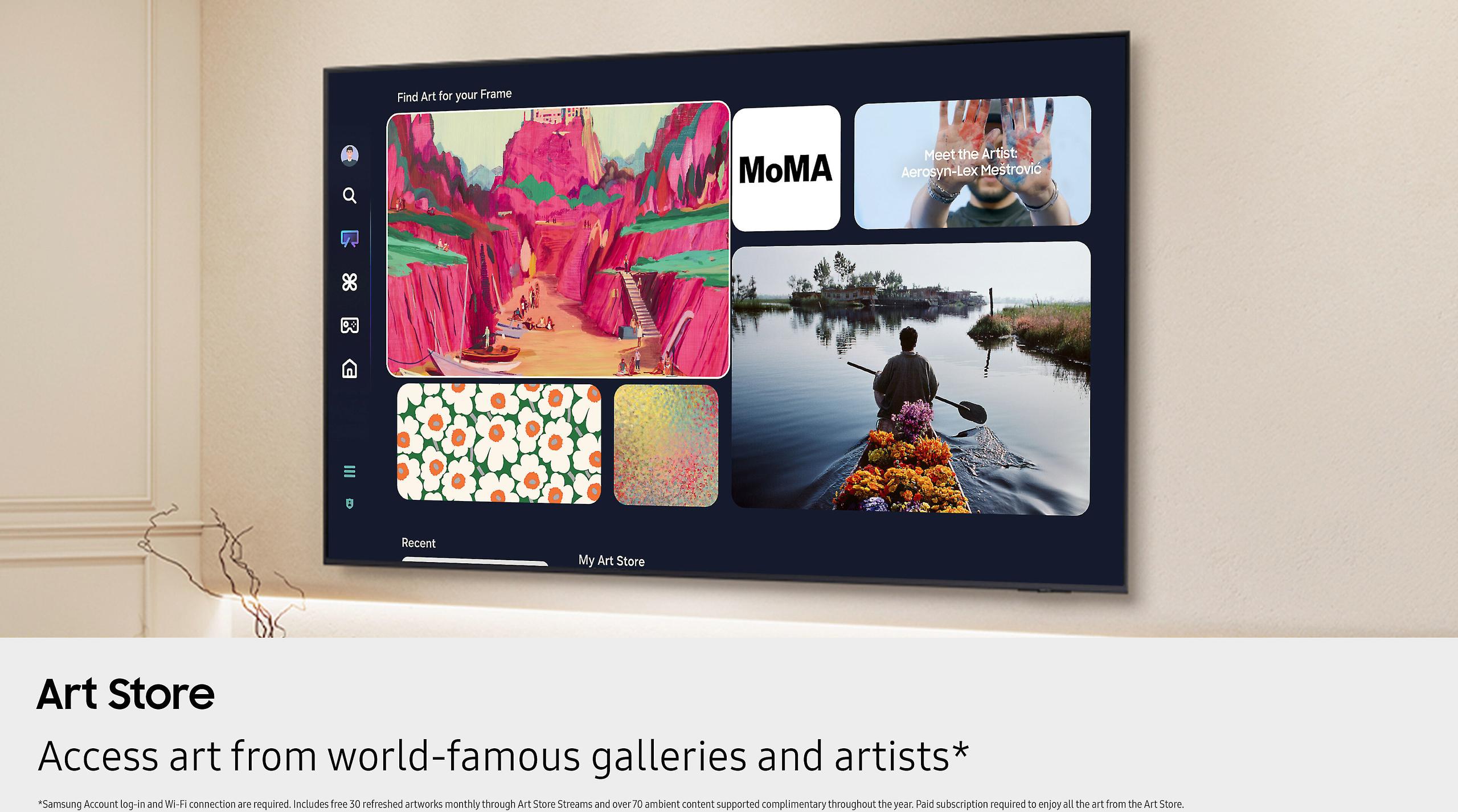
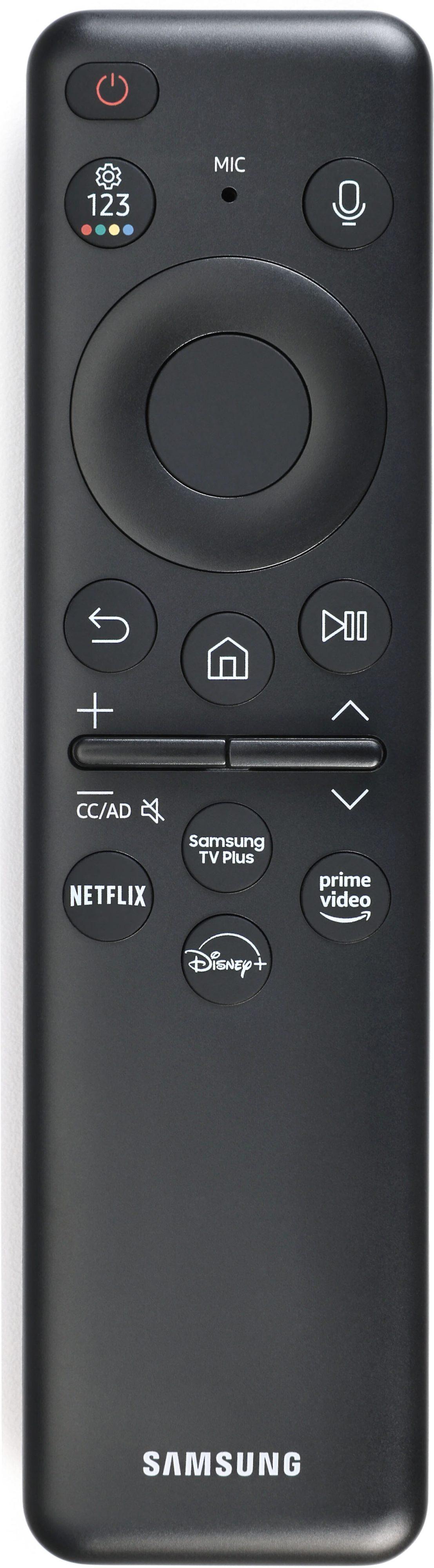
The smart TV experience represents one of the most significant differences between these models. The QN90D runs Samsung's mature Tizen platform with comprehensive app support, voice control through Alexa, Bixby, and Google Assistant, and features like SmartThings integration for smart home control.
The QN900F elevates this foundation with Vision AI – Samsung's most advanced smart TV implementation. Vision AI continuously analyzes what you're watching and automatically adjusts picture and sound settings for optimal performance. It learns your viewing habits, suggests content based on preferences, and even adjusts display settings based on room lighting conditions.
More impressively, Vision AI enhances the viewing experience in real-time. It can brighten dialogue during noisy scenes, adjust color temperature for different content types, and optimize motion settings for sports versus movies. These adjustments happen seamlessly in the background, creating a more personalized experience without manual tweaking.
Both platforms provide excellent streaming app selection and smooth navigation, but the QN900F's AI-driven optimizations represent a genuine step forward in smart TV sophistication.
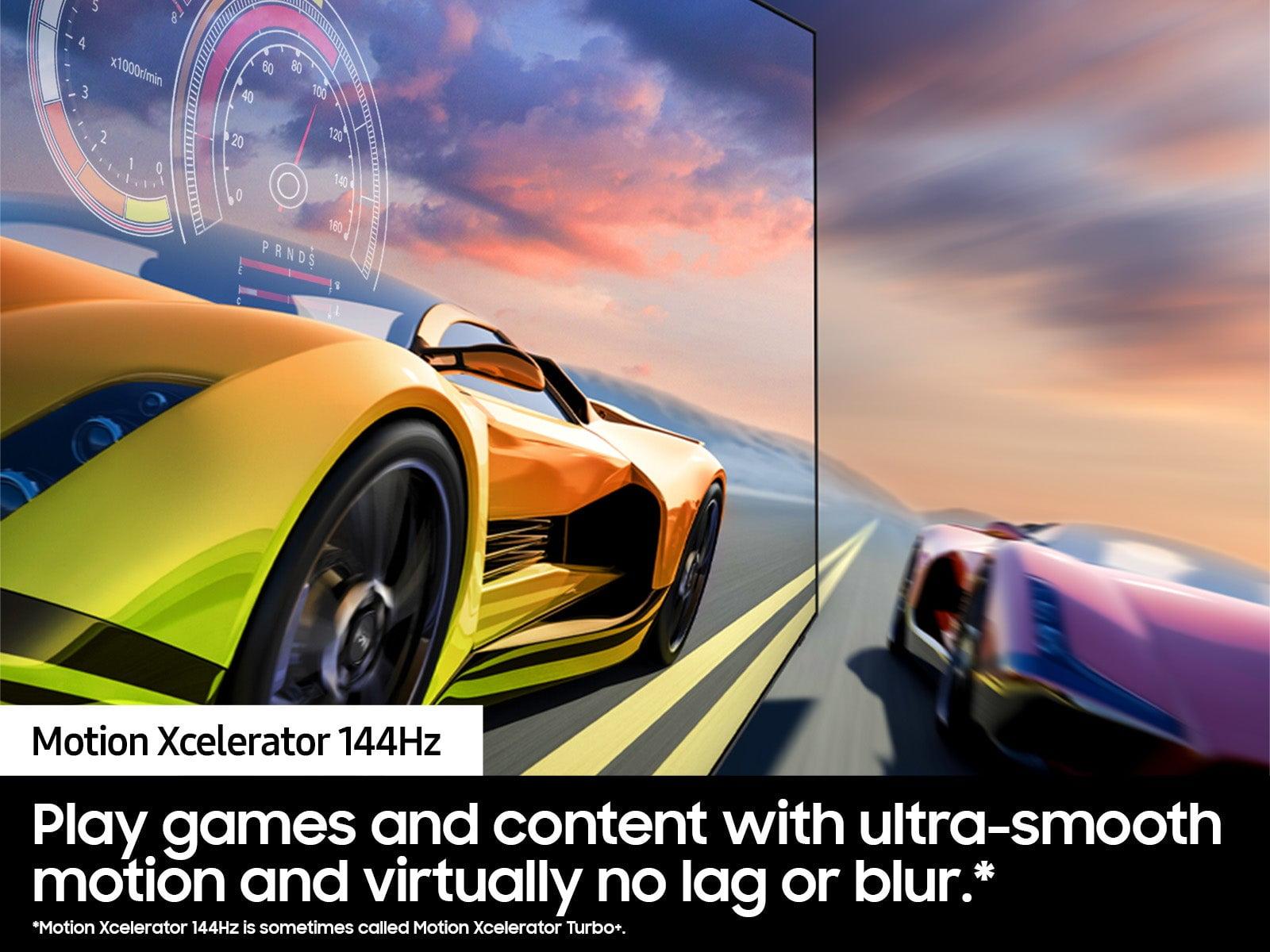
Gaming has become increasingly important for premium TV evaluation, especially with PlayStation 5 and Xbox Series X capabilities. Both TVs excel in gaming scenarios, supporting 4K at 120Hz, Variable Refresh Rate (VRR) to eliminate screen tearing, and Auto Low Latency Mode (ALLM) that automatically switches to Game Mode when consoles are detected.
The QN900F adds 8K gaming support for future console generations and high-end PC gaming. Current benefits are primarily in UI sharpness and text clarity, but as gaming evolves, native 8K gaming will become more relevant. Motion Xcelerator 240Hz provides potentially smoother motion handling, though current consoles and games rarely push beyond 120Hz.
Both include Samsung's Gaming Hub, providing cloud gaming access to services like Xbox Game Pass without needing a console. Game Bar 3.0 offers real-time gaming statistics and settings adjustments, while features like Super Ultrawide Game View and Mini Map Zoom provide competitive advantages in certain games.
Input lag – the delay between controller input and screen response – remains low on both models, typically under 10 milliseconds in Game Mode. This rivals dedicated gaming monitors while maintaining large-screen cinematic impact.
TV audio often gets overlooked, but both models deliver surprisingly capable sound. The QN900F features Object Tracking Sound Pro with dedicated top-channel speakers, creating convincing three-dimensional audio that follows action across the screen. Dolby Atmos processing adds height information, making explosions feel more impactful and dialogue more natural.
The QN90D provides Object Tracking Sound+ through a competent 4.2.2 channel system. While not as sophisticated as the QN900F's setup, it still delivers much better audio than typical flat-panel TVs, with clear dialogue and reasonable bass response.
Both support Adaptive Sound technology that analyzes audio content and optimizes settings automatically. However, serious home theater enthusiasts will likely pair either TV with a dedicated soundbar or surround system to fully realize their visual capabilities.
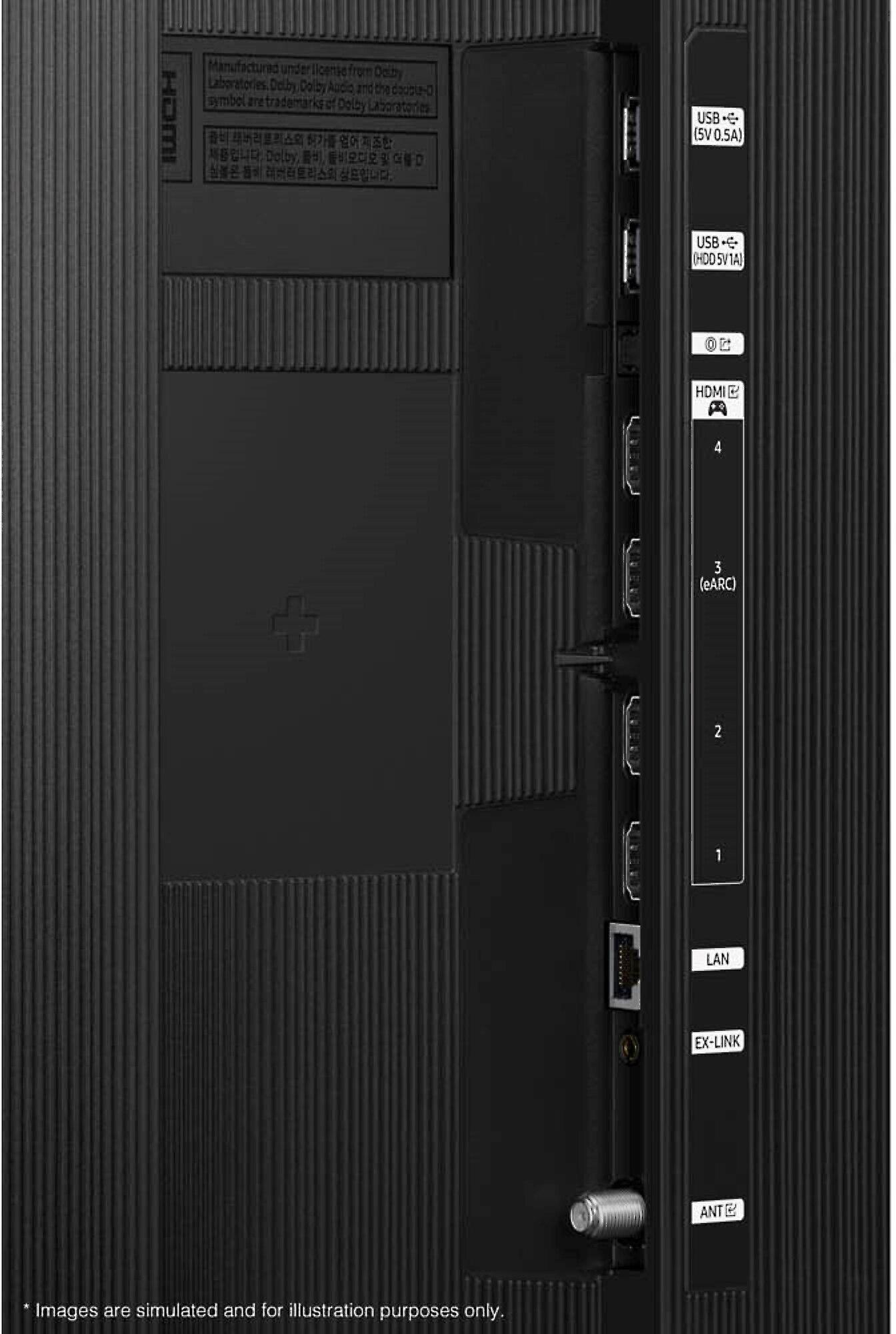
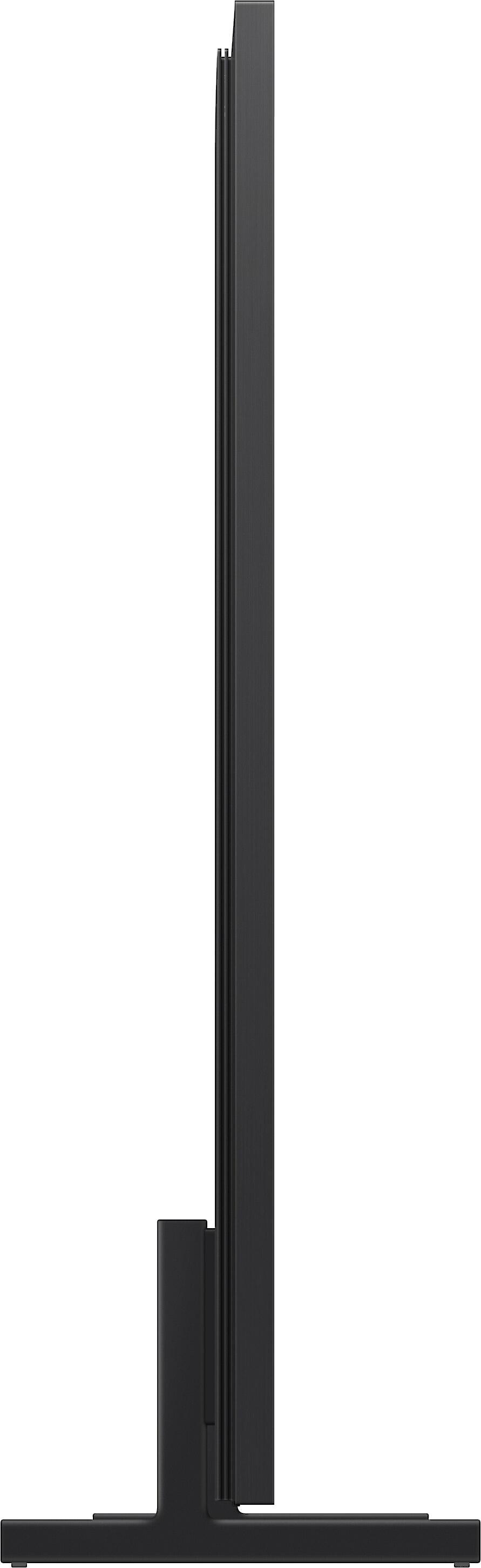
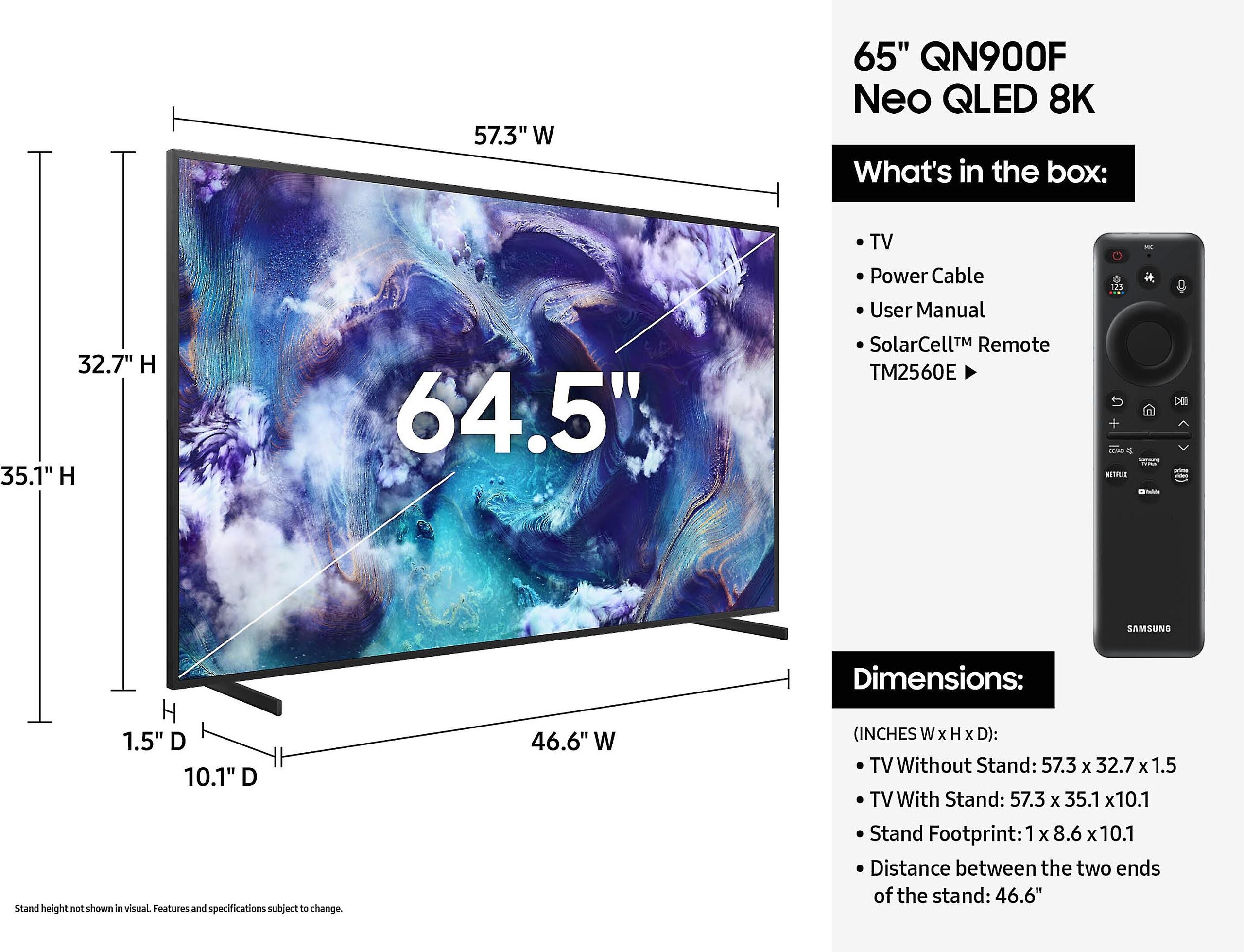
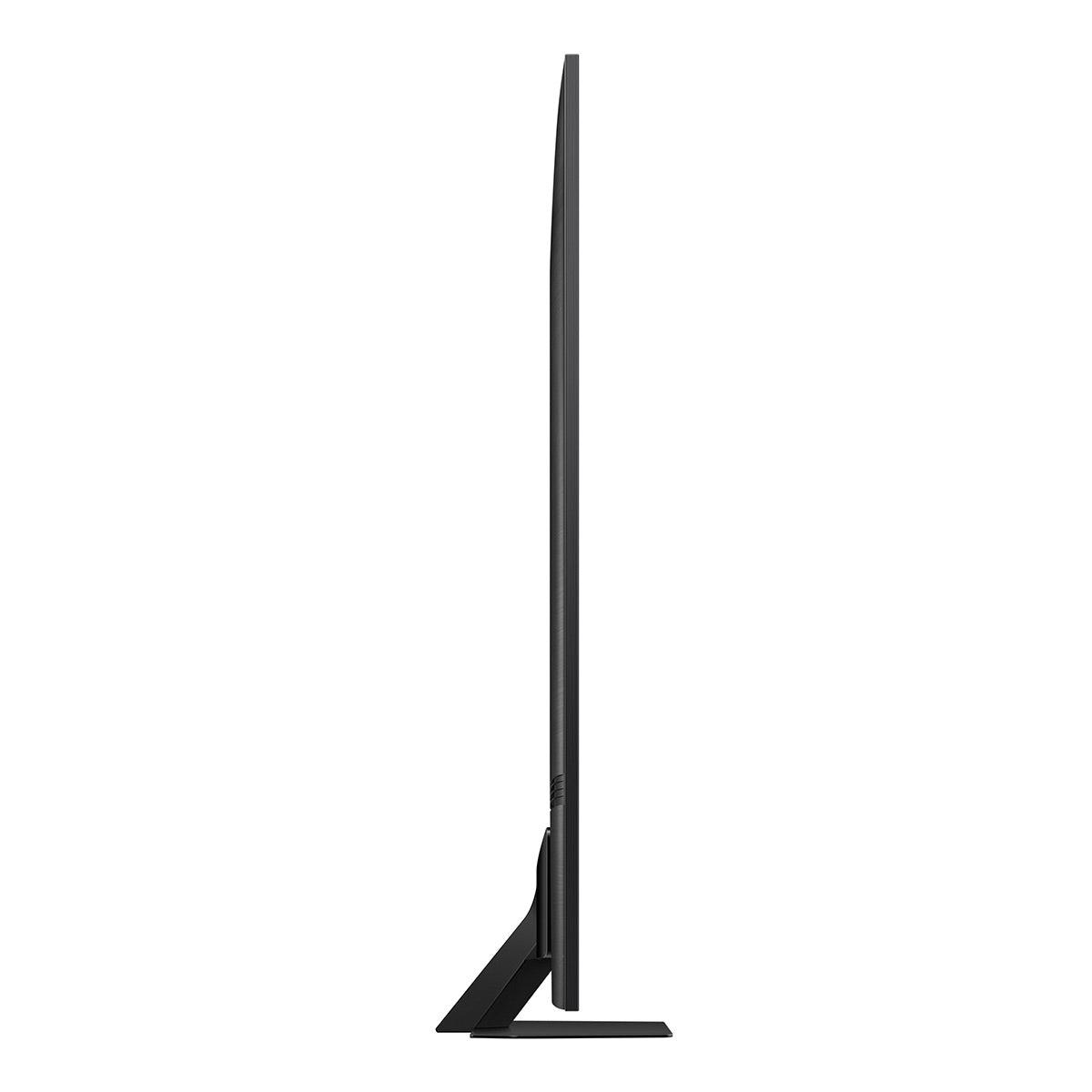
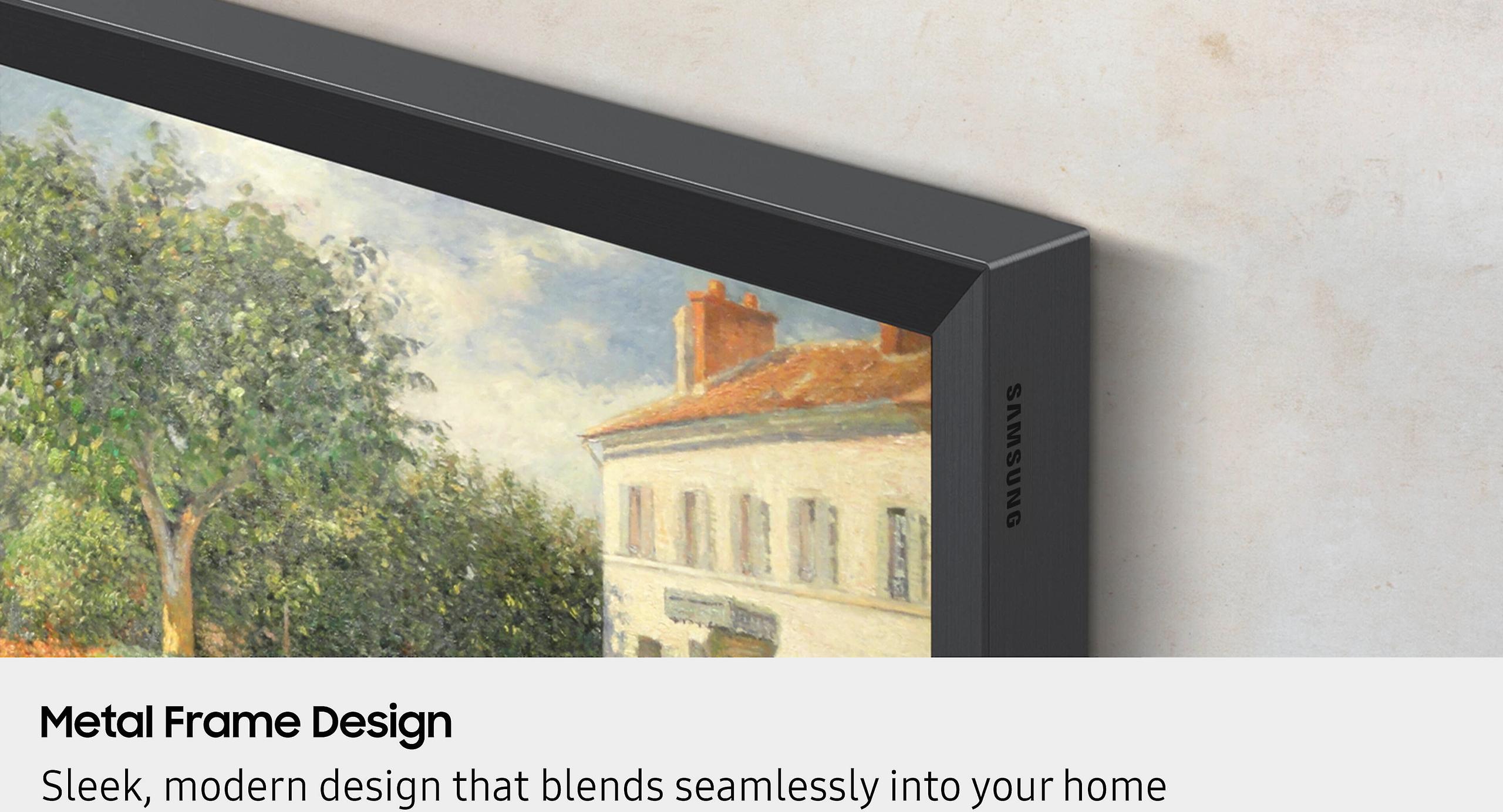
Physical design reflects each model's market positioning. The QN900F features a new Metal Frame design with nearly invisible bezels and premium materials throughout. The Wireless One Connect Box represents a significant convenience upgrade, housing all connections in a separate unit that communicates wirelessly with the display up to 30 feet away. This eliminates unsightly cable runs and enables flexible installation scenarios.
The QN90D offers attractive design with slim bezels and solid construction, but requires traditional cable management directly to the TV. Both mount easily on walls and include attractive stands for tabletop placement.
At the time of writing, the price difference between these models is substantial – roughly $2,000 separating them. This premium buys 8K resolution, advanced AI features, superior picture processing, premium build quality, and future-proofing for emerging content standards.
The value equation depends heavily on individual priorities. If you appreciate cutting-edge technology, sit relatively close to large screens, and plan to keep your TV for many years, the QN900F's advantages justify consideration. The AI-driven optimizations and 8K upscaling create a noticeably refined experience, even with current content.
However, the QN90D delivers roughly 90% of the visual experience for significantly less money. For most viewing scenarios – sitting 8+ feet from the screen, primarily consuming 4K streaming content, and prioritizing value over absolute performance – it represents the smarter choice.
Consider long-term investment perspectives too. The QN900F offers better future-proofing as 8K content eventually emerges and gaming evolves, while the QN90D provides excellent performance now with room in the budget for earlier upgrades.
In dedicated home theater environments, different factors become important. Light control, seating distance, and content quality take precedence over smart features and AI optimization. Both TVs perform excellently in dark rooms, though the QN900F's superior local dimming provides slightly better black level performance.
For home theaters prioritizing maximum image quality over value, the QN900F represents Samsung's best effort. Its advanced processing and 8K capabilities shine with high-quality 4K Blu-ray content, creating an experience that approaches large-screen cinema quality.
However, home theater enthusiasts often prefer OLED technology for its perfect blacks and film-like presentation. Both Samsung models prioritize brightness and color vibrancy over the more subdued, cinematic presentation that some viewers prefer.
The Samsung QN900F 8K makes sense for technology enthusiasts who want Samsung's absolute best, viewers who sit closer than 8 feet to large screens, those planning to keep their TV for 5+ years, and users who appreciate AI-driven optimization and premium build quality. It's also the better choice for gamers interested in future 8K gaming capabilities and those who frequently watch high-quality 4K content that benefits from advanced upscaling.
The Samsung QN90D 4K suits viewers prioritizing value while maintaining excellent performance, those sitting 8+ feet from the screen where 8K benefits diminish, users satisfied with current 4K content quality, and buyers who prefer upgrading more frequently rather than paying premium prices for future-proofing. It's perfect for most living room setups where excellent picture quality matters more than having absolute cutting-edge technology.
Based on our research and evaluation of expert and user consensus, the Samsung QN90D 4K represents better value for most buyers. It delivers outstanding picture quality, comprehensive smart features, and excellent gaming performance at a much more accessible price point. The Samsung QN900F 8K is undeniably superior, but its advantages are often subtle in typical viewing scenarios.
Choose 8K only if you can genuinely appreciate its benefits and the premium features justify the substantial cost difference. For most viewers, the QN90D's exceptional 4K performance provides all the visual impact you need while leaving budget for other home theater improvements or future upgrades.
Both represent Samsung's Mini LED technology at its finest, but the QN90D strikes the optimal balance between performance and value for 2024 TV shopping.
| Samsung 65" Neo QLED 8K QN900F Vision AI Smart TV 2025 | Samsung 65" QN90D Series 4K Neo QLED Smart TV |
|---|---|
| Resolution - Higher resolution provides sharper detail, but benefits depend on viewing distance | |
| 8K (7680 x 4320) - 4x more pixels, noticeable at close viewing distances | 4K (3840 x 2160) - Industry standard, perfect for current content |
| AI Processing - Smarter processors improve picture quality and user experience | |
| NQ8 AI Gen3 with Vision AI - Advanced upscaling and personalized optimization | NQ4 AI Gen2 - Excellent 4K processing and upscaling |
| Peak Brightness - Critical for HDR impact and bright room viewing | |
| 2000+ nits with Quantum Matrix Pro - Superior HDR highlights | 1800-2000 nits - Excellent HDR performance for most rooms |
| Local Dimming - More zones mean better contrast and reduced blooming | |
| Ultimate 8K Dimming Pro - Thousands of precise zones | Full Array Local Dimming - Excellent zone control |
| Smart Features - AI capabilities enhance convenience and viewing experience | |
| Vision AI with adaptive optimization and learning | Tizen OS with comprehensive app support |
| Audio System - Better audio reduces need for external speakers | |
| Object Tracking Sound Pro with top speakers, Dolby Atmos | Object Tracking Sound+, 4.2.2CH system, Dolby Atmos |
| Gaming Performance - Important for console and PC gaming | |
| 8K gaming ready, Motion Xcelerator 240Hz, Gaming Hub | 4K@120Hz, Motion Xcelerator Turbo+, Gaming Hub |
| Build Quality - Premium materials and design affect longevity and aesthetics | |
| Metal Frame design, Wireless One Connect Box | Solid construction, traditional connectivity |
| Future-Proofing - How well the TV handles emerging content and standards | |
| 8K ready for future content, advanced AI learning | Optimized for current 4K content ecosystem |
| Value Proposition - Performance per dollar and long-term investment | |
| Premium technology showcase with substantial cost | Excellent performance at much lower price point |
The primary difference is resolution: the Samsung 65" Neo QLED 8K QN900F Vision AI Smart TV 2025 offers 8K resolution with 33.2 million pixels, while the Samsung 65" QN90D Series 4K Neo QLED Smart TV provides 4K resolution with 8.3 million pixels. The QN900F also features more advanced AI processing and premium build quality.
Both TVs excel for gaming with 4K@120Hz support, VRR, and low input lag. However, the Samsung QN900F offers additional 8K gaming capabilities and Motion Xcelerator 240Hz for potentially smoother motion. For current gaming, the Samsung QN90D provides excellent performance at a lower cost.
The 8K benefits of the Samsung QN900F depend on viewing distance and screen size. At typical living room distances (8+ feet), the difference is subtle. The QN90D delivers outstanding 4K performance that satisfies most viewers while costing significantly less.
The Samsung QN900F offers superior picture quality with higher peak brightness, more advanced local dimming (Ultimate 8K Dimming Pro), and better AI-driven optimization. However, the Samsung QN90D still delivers excellent picture quality with impressive brightness and color performance.
Yes, both TVs excel in bright rooms thanks to their Mini LED technology and high peak brightness. The Samsung QN900F includes additional Glare-Free technology for even better performance in challenging lighting conditions, while the Samsung QN90D handles most bright room scenarios effectively.
The Samsung QN900F features advanced Vision AI that learns viewing habits and automatically optimizes settings. The Samsung QN90D runs Samsung's proven Tizen platform with comprehensive app support. Both offer voice control and smart home integration, but the QN900F provides more sophisticated AI capabilities.
The Samsung QN900F includes Object Tracking Sound Pro with dedicated top speakers for enhanced Dolby Atmos performance. The Samsung QN90D offers Object Tracking Sound+ through a capable 4.2.2 channel system. Both deliver better audio than typical flat-panel TVs.
Both TVs handle streaming excellently, but the Samsung QN900F provides superior upscaling of streaming content through its advanced NQ8 AI Gen3 processor. The Samsung QN90D focuses its processing power on optimizing 4K content, delivering consistent streaming performance.
Both work well in home theaters, with the Samsung QN900F offering slightly better black levels and contrast control through Ultimate 8K Dimming Pro. The Samsung QN90D provides excellent home theater performance at a more accessible price point. Both support HDR10+ for enhanced movie experiences.
The Samsung QN900F offers better future-proofing with 8K resolution, advanced AI that continues learning, and cutting-edge processing. The Samsung QN90D remains current for today's content ecosystem but may require earlier replacement as 8K content becomes more common.
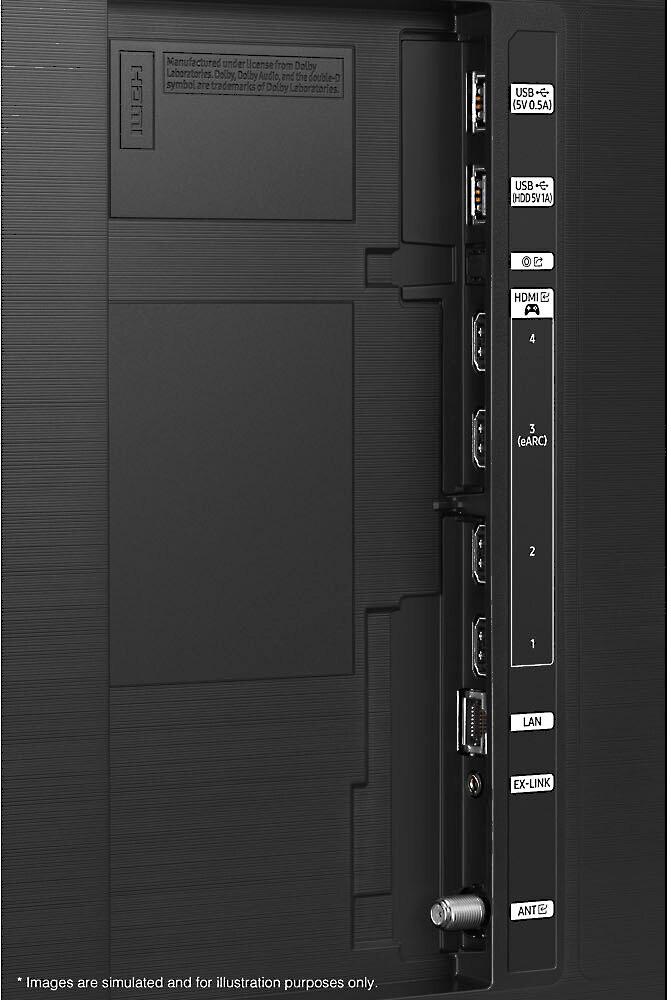
The Samsung QN900F features premium Metal Frame design and includes a Wireless One Connect Box for cable-free installation. The Samsung QN90D offers solid construction with attractive design but uses traditional connectivity requiring direct cable management.
The Samsung QN90D provides better value for most buyers, delivering roughly 90% of the visual experience at a significantly lower cost. The Samsung QN900F represents Samsung's technological showcase but commands a premium that's justified mainly for enthusiasts seeking cutting-edge features and future-proofing.
We've done our best to create useful and informative comparisons to help you decide what product to buy. Our research uses advanced automated methods to create this comparison and perfection is not possible - please contact us for corrections or questions. These are the sites we've researched in the creation of this article: rtings.com - samsung.com - techradar.com - dolby.com - youtube.com - samsung.com - youtube.com - samsung.com - samsung.com - samsung.com - samsung.com - displayspecifications.com - samsung.com - rtings.com - bestbuy.com - merlinstv.com - news.samsung.com - bestbuy.com - tomsguide.com - abt.com - youtube.com - youtube.com - rtings.com - samsung.com - samsung.com - standardtvandappliance.com - gerhardsappliance.com - bestbuy.com - image-us.samsung.com - youtube.com - images.samsung.com

Privacy Policy
Terms and Conditions - Affiliate Policy
Home Security
© Copyright 2008-2026.
11816 Inwood Rd #1211, Dallas, TX 75244