

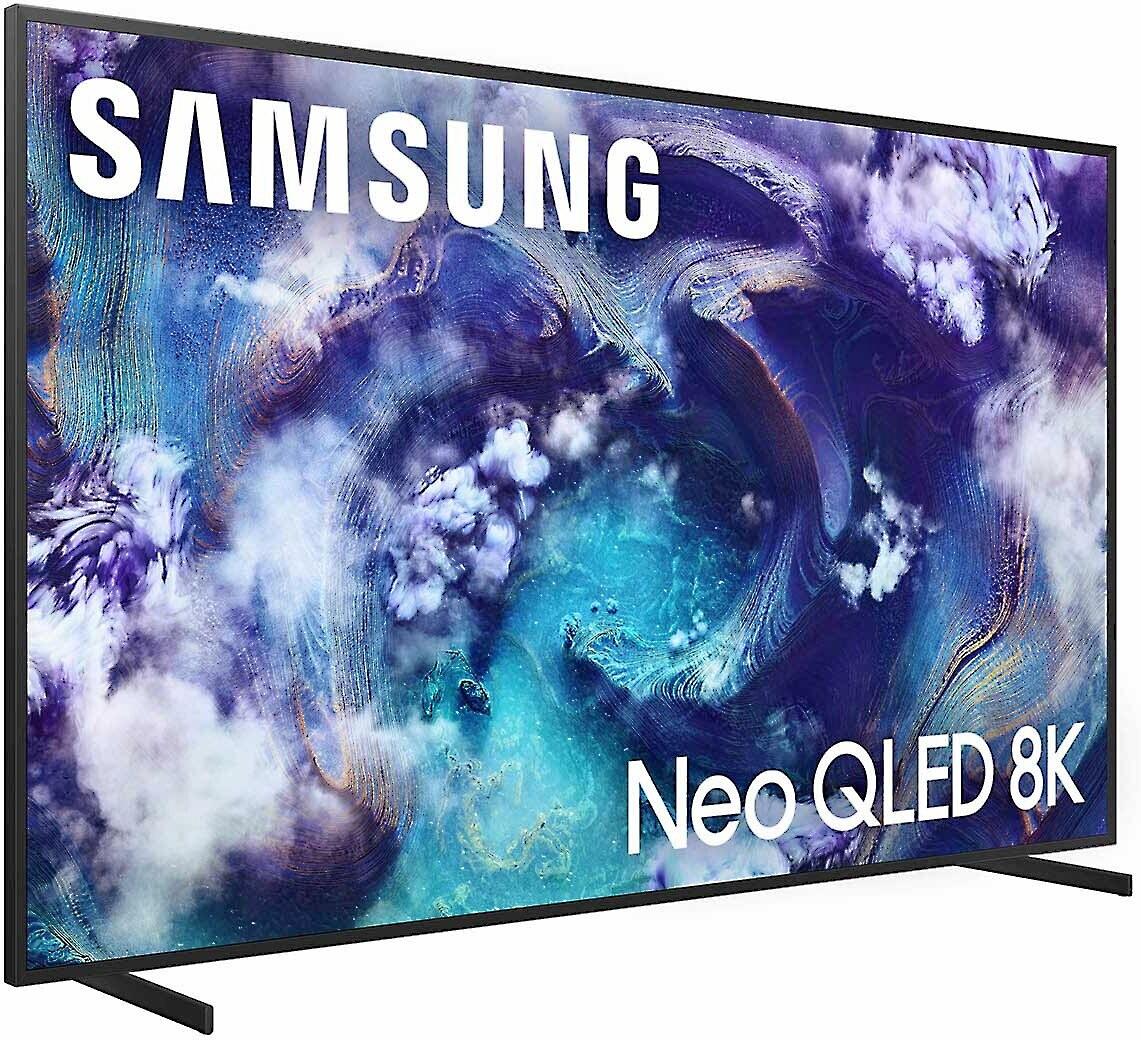
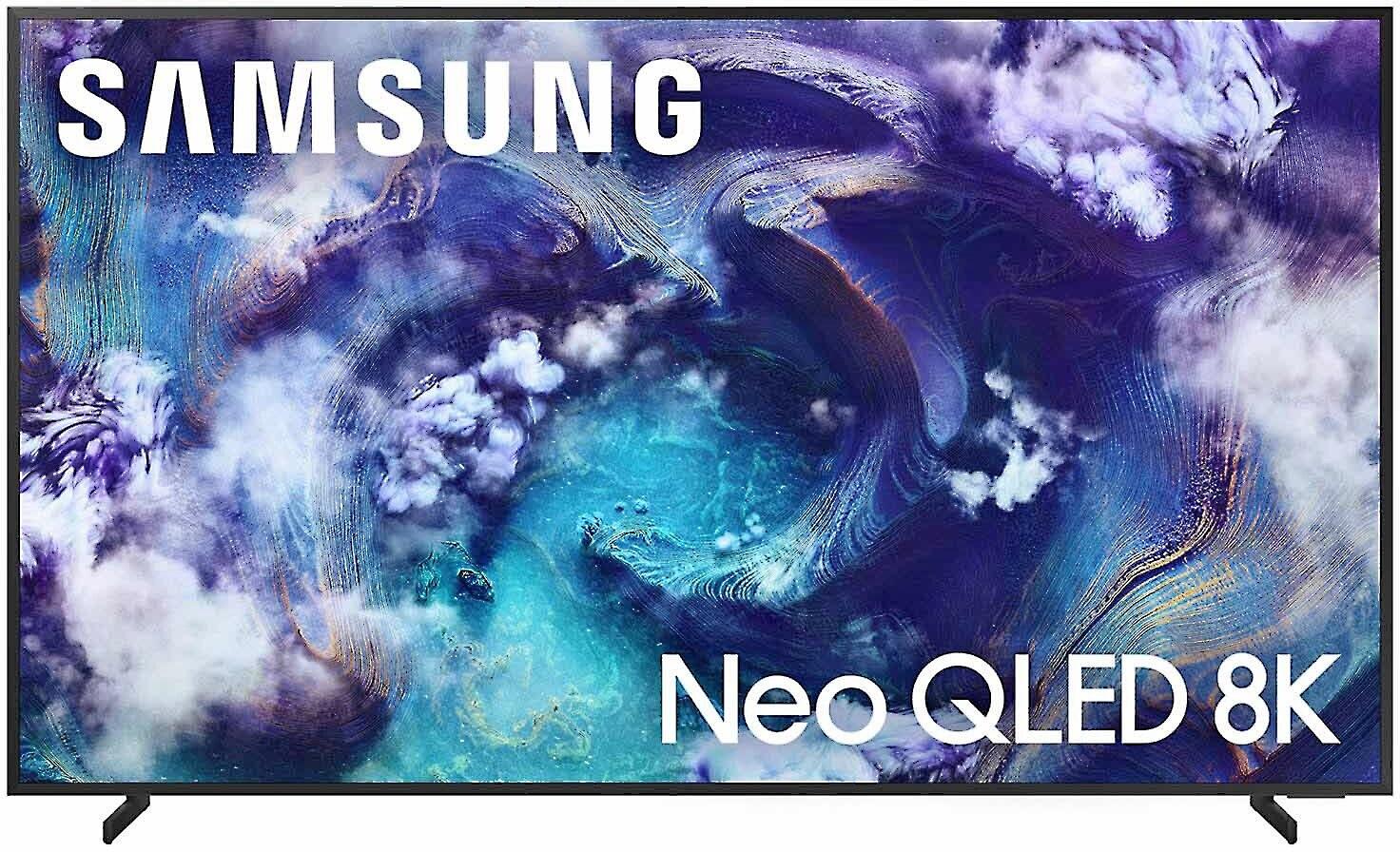
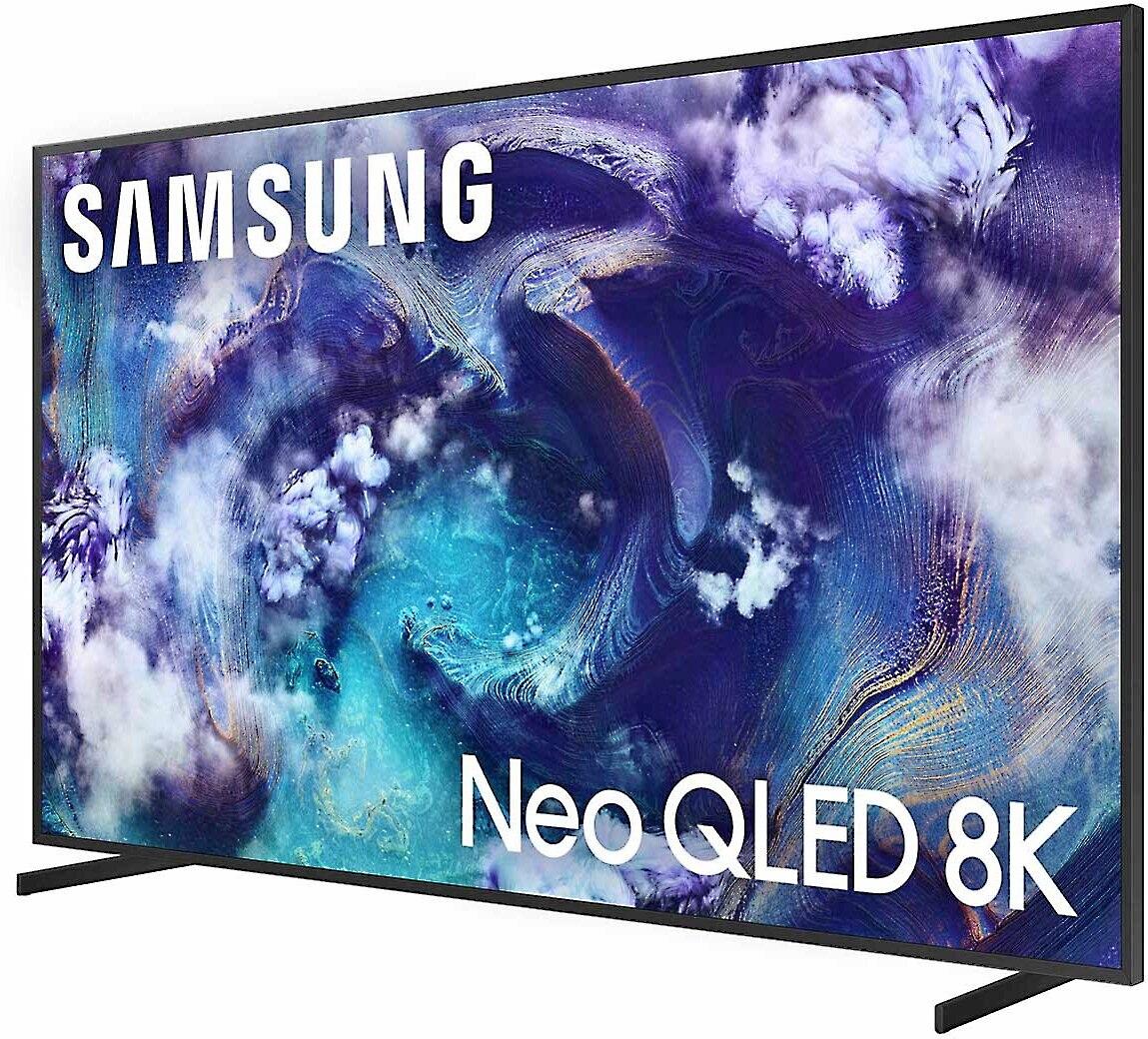
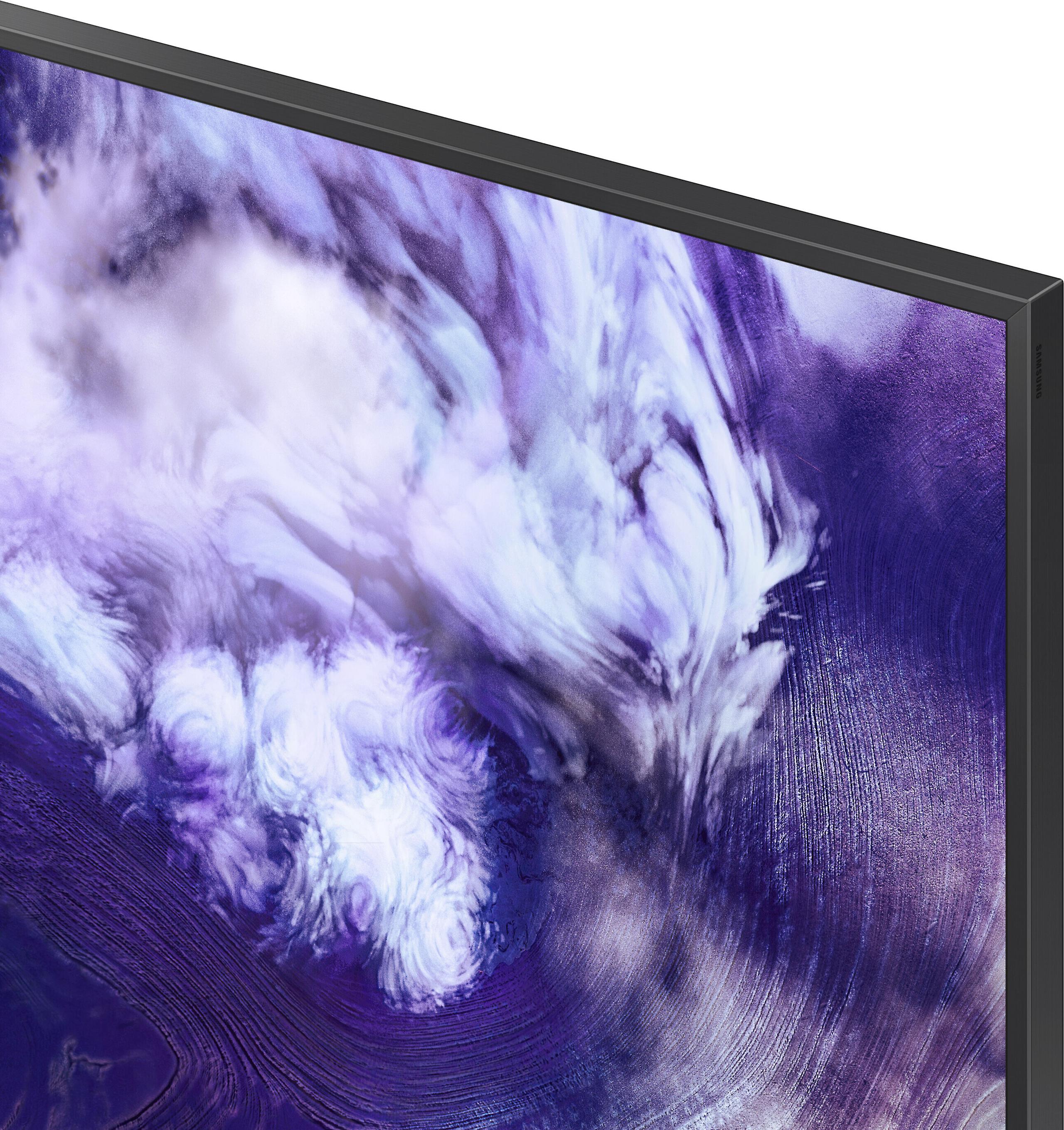

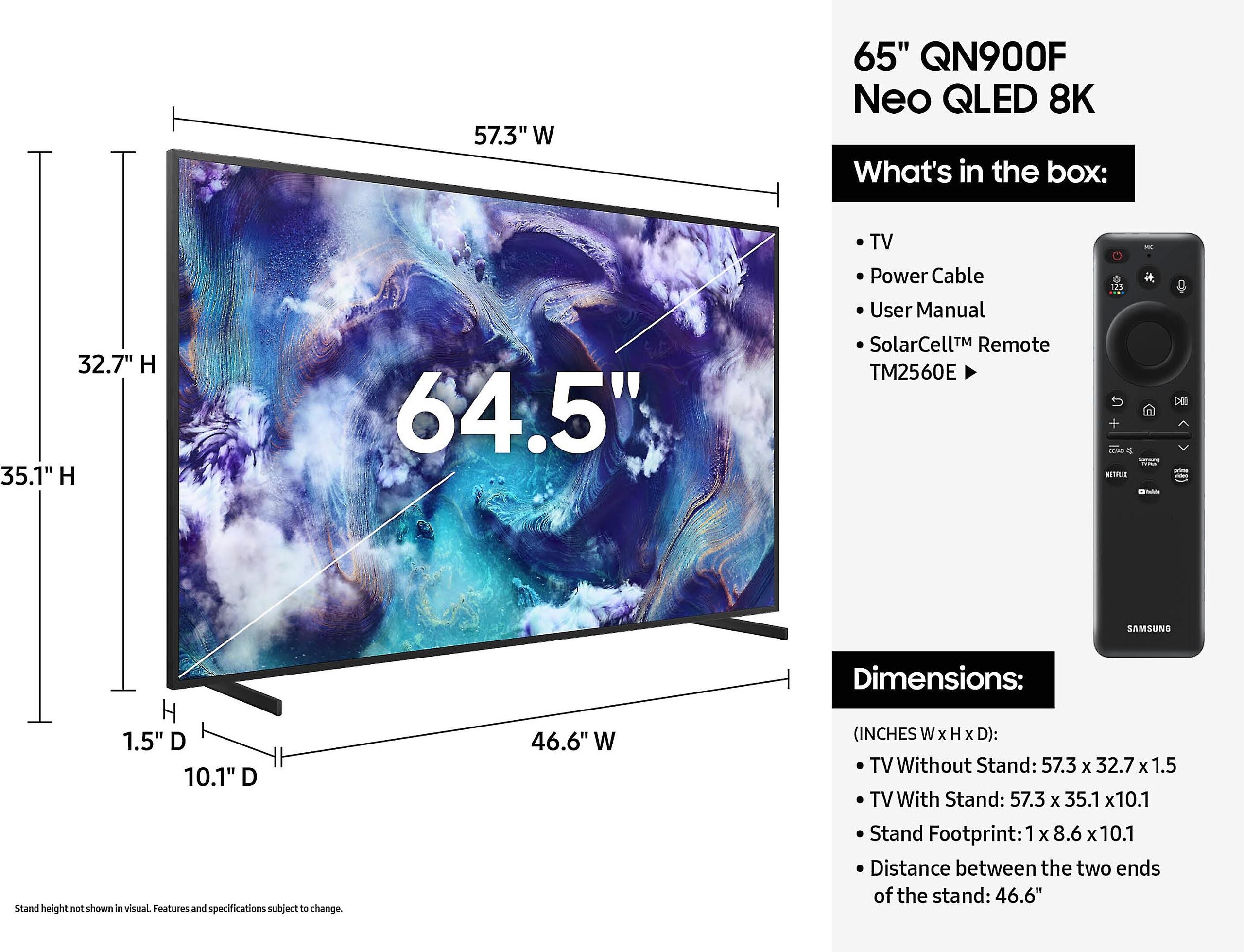
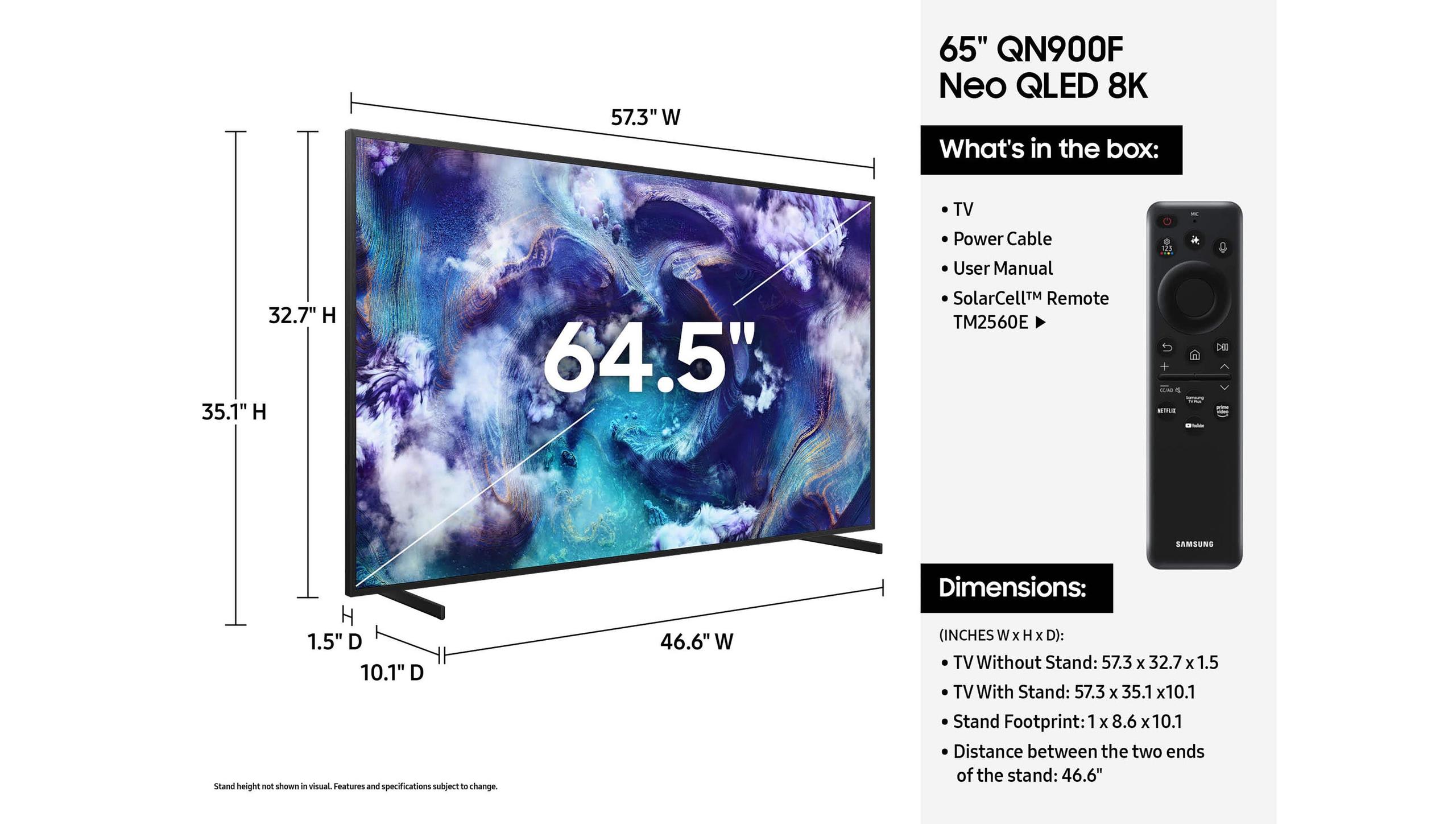
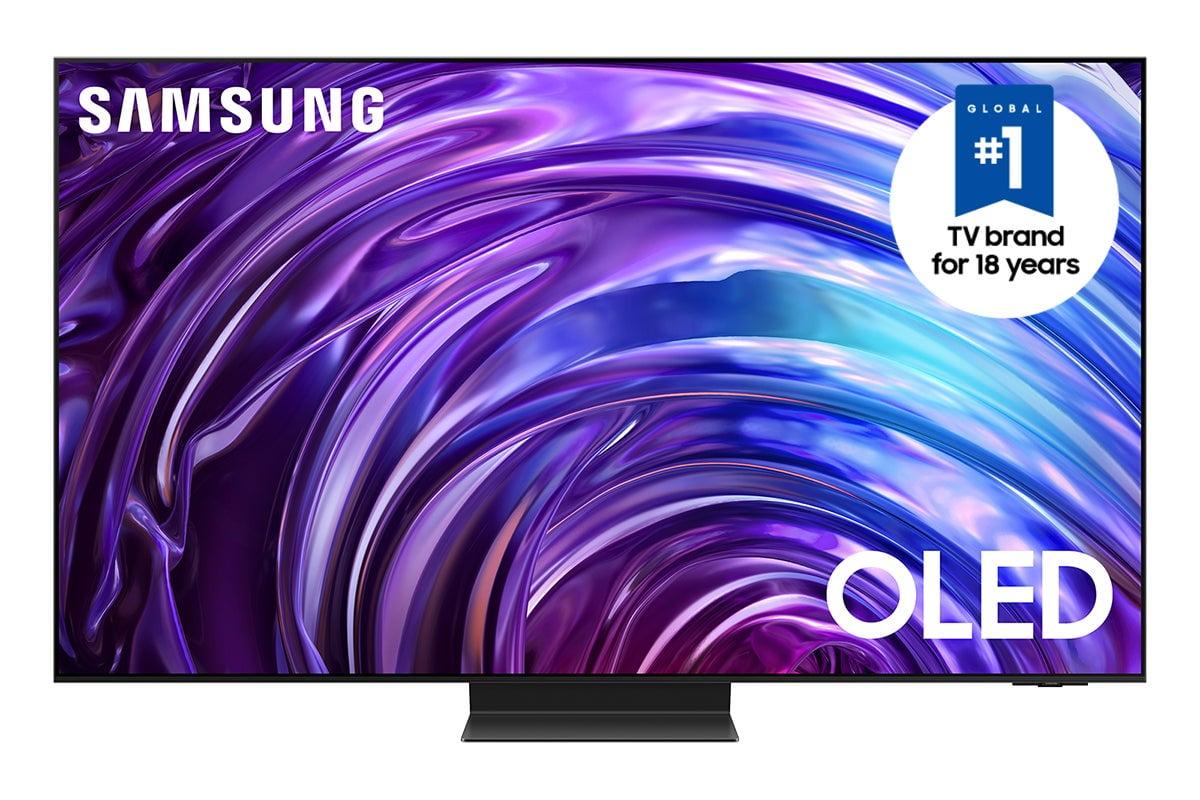
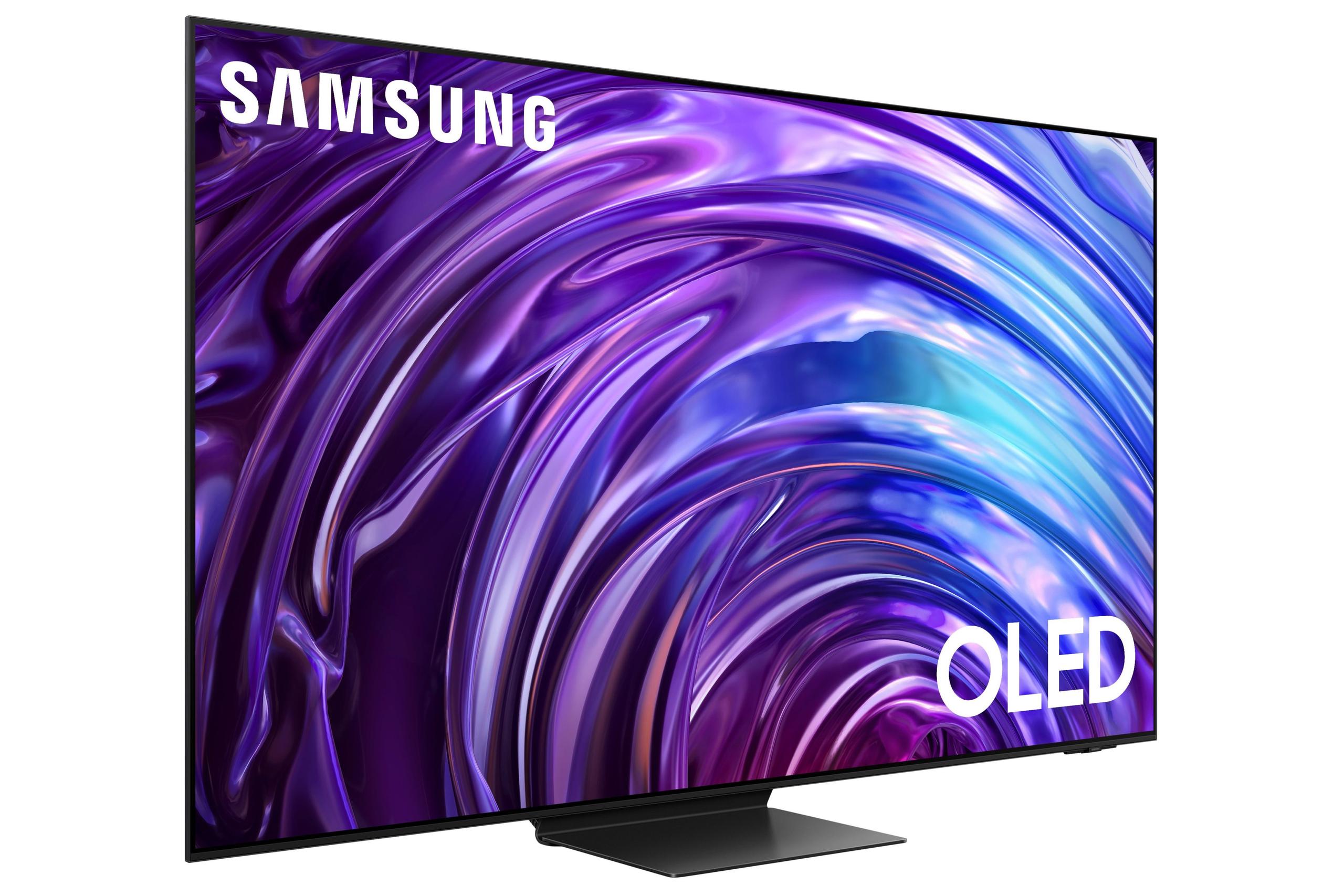
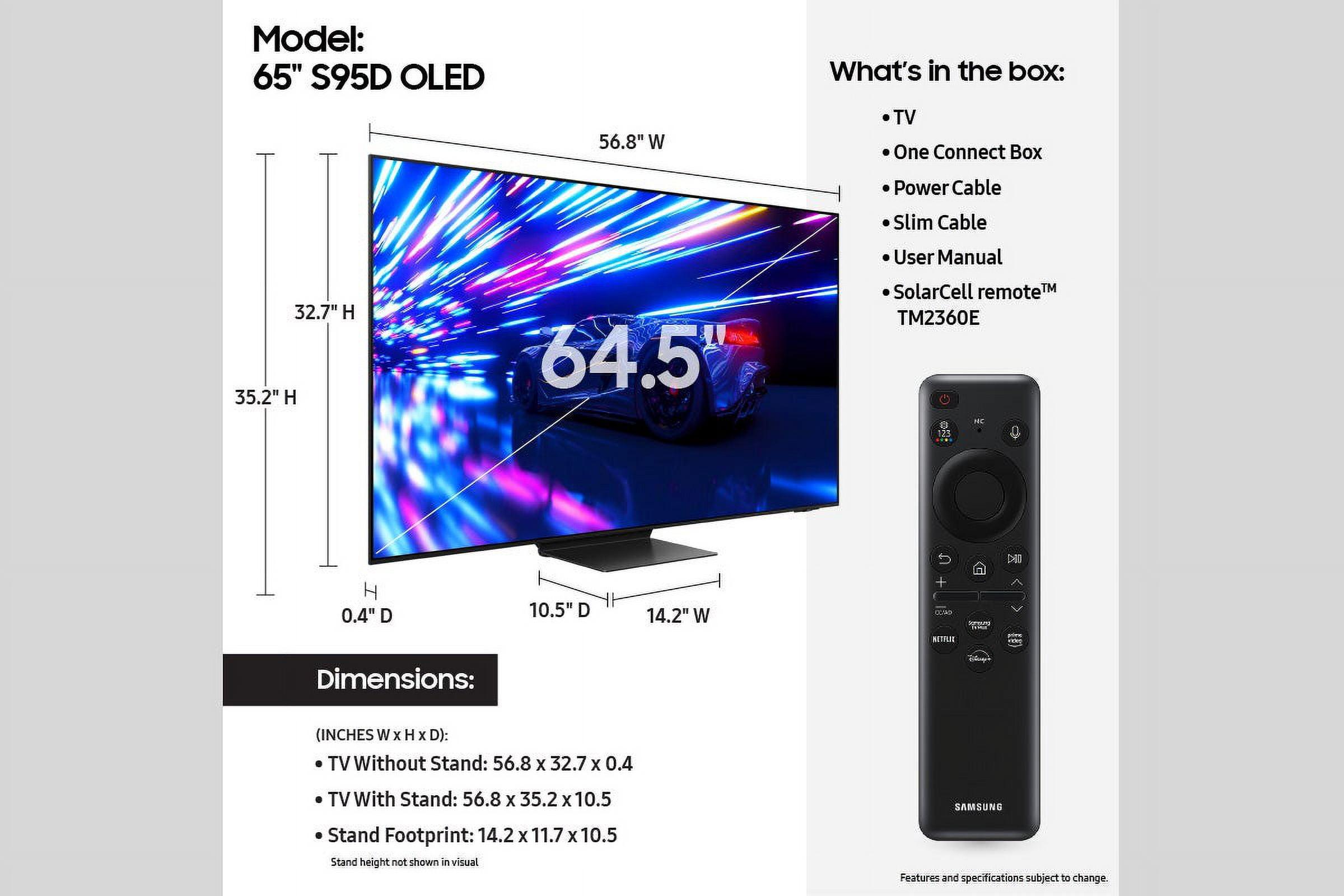
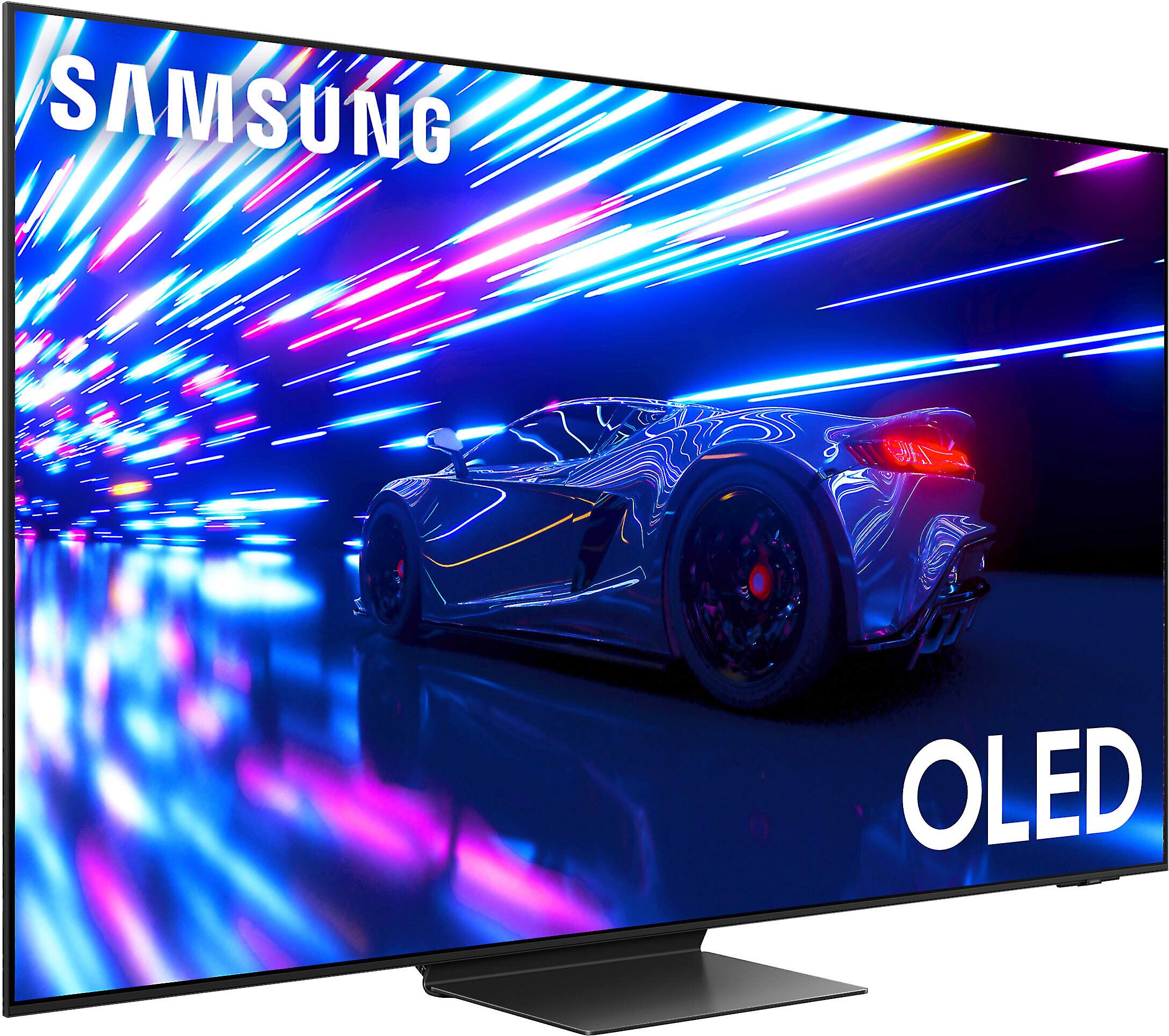
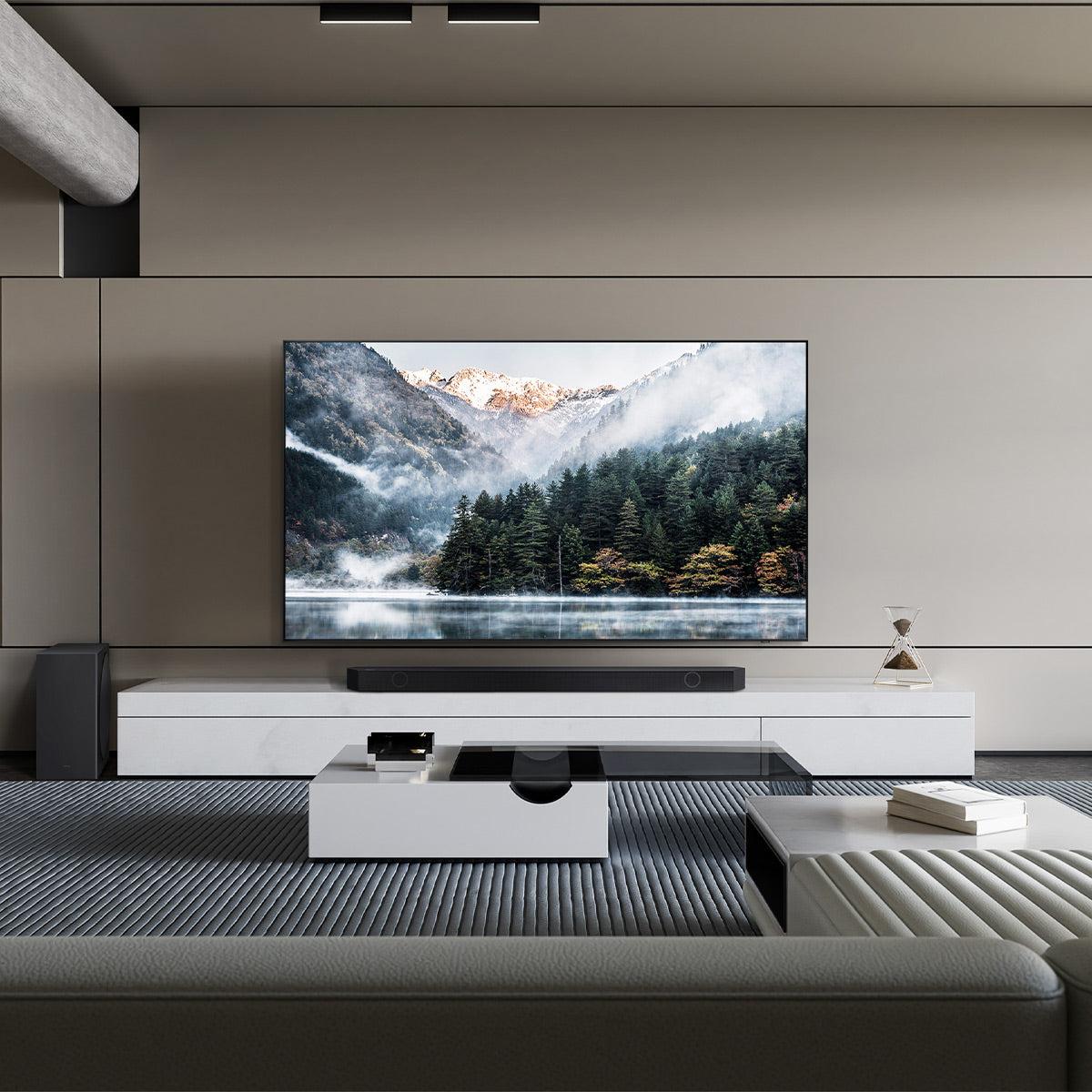
When shopping for a premium 65-inch TV, you'll likely encounter two fundamentally different technologies competing for your attention. Samsung's premium lineup offers both cutting-edge 8K Mini-LED displays and stunning OLED panels, each representing distinct approaches to delivering exceptional picture quality. The Samsung 65" Neo QLED 8K QN900F (released in 2025) and the Samsung S95D 4K OLED (from 2024) perfectly illustrate this technological divide.
Understanding these differences isn't just about comparing spec sheets—it's about matching the right technology to your specific viewing environment, content preferences, and budget. At the time of writing, these models sit at different price points, with the newer QN900F commanding a significant premium over the discounted S95D, making the value equation particularly interesting.
The television industry currently offers two primary paths to premium picture quality: advanced LCD technology using Mini-LED backlighting, and OLED (Organic Light Emitting Diode) displays. Think of Mini-LED as the ultimate evolution of traditional LCD technology, while OLED represents a completely different approach where individual pixels create their own light.
Mini-LED technology, found in the QN900F, uses thousands of tiny LEDs behind the LCD panel to create incredibly precise backlighting control. This allows for dramatic contrast improvements over standard LCD TVs, with bright areas staying bright while dark areas become genuinely dark. The "Mini" in Mini-LED refers to the LED size—they're about 1/40th the size of traditional LED backlights, allowing manufacturers to pack many more into the same space for finer control.
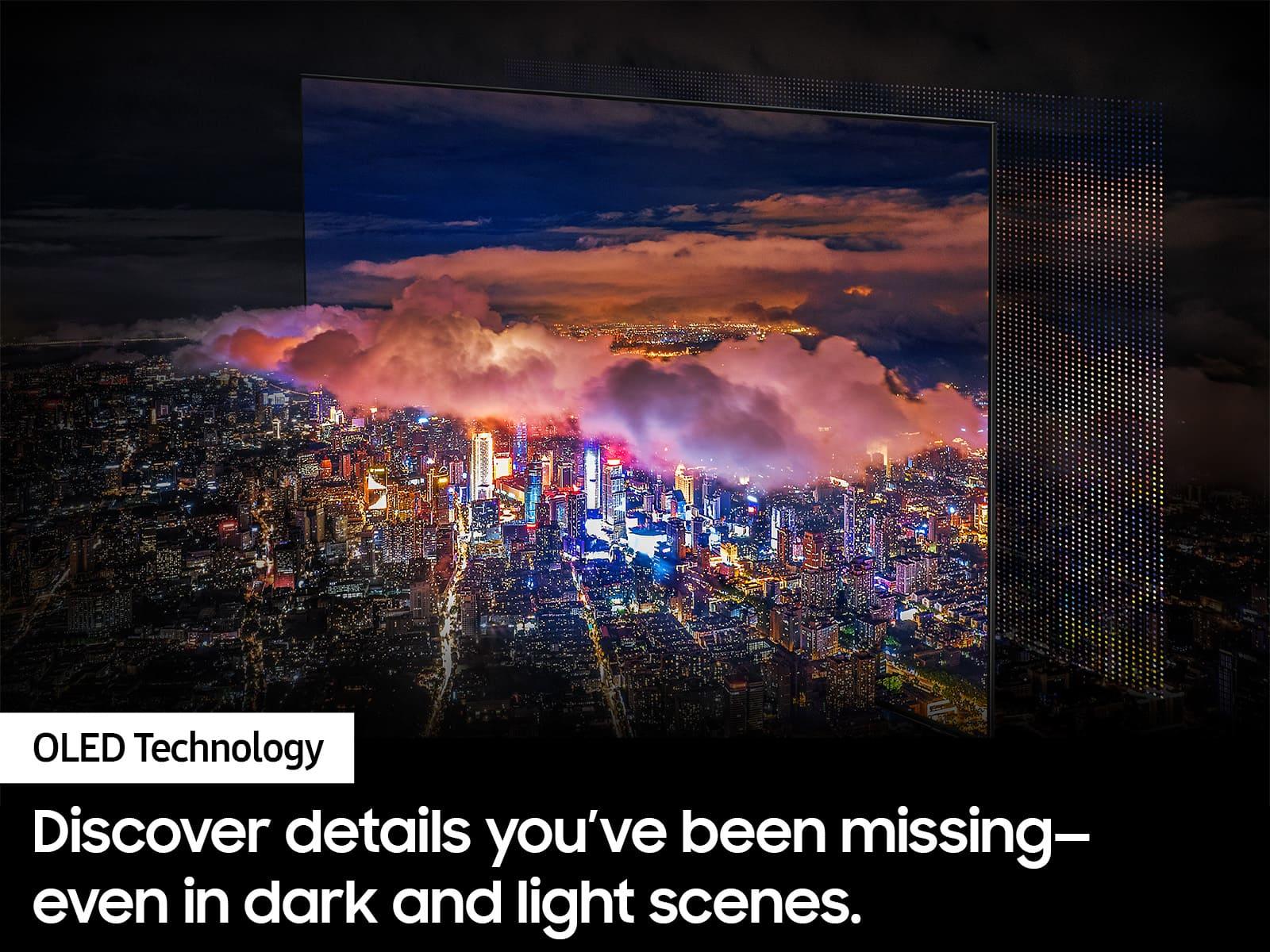
OLED technology in the S95D works differently entirely. Each pixel is essentially a tiny organic LED that can turn completely on or off independently. This creates perfect black levels since pixels displaying black areas literally turn off, producing no light whatsoever. It's like having millions of tiny light switches rather than a few large floodlights trying to selectively illuminate different areas.
The resolution difference adds another layer of complexity. The QN900F delivers 8K resolution (7680 x 4320 pixels), which contains four times more pixels than 4K. Meanwhile, the S95D focuses on optimizing 4K resolution (3840 x 2160 pixels) to perfection. This isn't just about pixel counting—it affects processing power, upscaling requirements, and content availability.
Picture quality represents the most critical performance characteristic for any premium TV, and both models excel through different strengths. Our research into professional reviews and user feedback reveals distinct advantages for each approach.
Contrast Performance: Where OLED Shines
The S95D delivers what many consider the gold standard for contrast performance. When displaying a scene with bright stars against a dark sky, each star can shine brilliantly while the surrounding space remains perfectly black. This infinite contrast ratio—the mathematical result of dividing brightness by true zero—creates an almost three-dimensional depth to images that LCD technology struggles to match.
However, the QN900F comes remarkably close through its sophisticated Mini-LED implementation. With 1,446 individual dimming zones, it can create nearly black areas adjacent to bright highlights with minimal "blooming" (where bright objects cause unwanted glow in surrounding dark areas). While not mathematically infinite like OLED, the practical difference becomes less noticeable in many real-world viewing scenarios.
Brightness: Mini-LED's Crushing Victory
Where the QN900F truly dominates is brightness capability. Professional measurements show peak brightness levels reaching up to 2,350 nits in HDR content—bright enough to create genuinely eye-catching highlights even in daylight-filled rooms. This brightness advantage becomes crucial for HDR (High Dynamic Range) content, where the format's impact depends on the display's ability to create truly bright highlights alongside dark shadows.
The S95D, while impressively bright for OLED technology, simply cannot match these peak brightness levels due to the organic materials' physical limitations. However, for most content and viewing conditions, OLED provides sufficient brightness while maintaining perfect blacks that LCD cannot achieve.
Color Performance: QD-OLED's Secret Weapon
The S95D incorporates QD-OLED technology, combining OLED's perfect pixel control with quantum dot color enhancement. Quantum dots are microscopic particles that convert light into extremely pure colors, resulting in more vibrant and accurate color reproduction than traditional displays. This technology delivers Pantone-validated colors across a wider color gamut—essentially meaning it can display colors that other TVs simply cannot produce.
The QN900F uses quantum dot technology as well, achieving 100% color volume according to Samsung's specifications. However, the combination with OLED in the S95D creates a color performance advantage that becomes particularly noticeable in bright, saturated scenes like animated films or nature documentaries.
The resolution difference between these models represents one of the most significant decision factors. The QN900F delivers true 8K resolution with four times the pixel density of 4K, while the S95D focuses on perfecting 4K display quality.
8K Benefits and Limitations
Eight-thousand-pixel horizontal resolution provides noticeably sharper detail when viewing appropriate content from reasonable distances. On a 65-inch display, the additional detail becomes apparent when sitting closer than about 8 feet—a common distance for many living rooms. The QN900F's AI upscaling technology also works to enhance lower-resolution content, often improving the appearance of 4K and even HD sources.
However, native 8K content remains extremely limited as of 2025. Major streaming services offer minimal 8K options, and most cable/satellite providers don't broadcast 8K signals. Gaming consoles are just beginning to support 8K output, and even then, frame rates often suffer significantly compared to 4K gaming.
4K Optimization Advantage
The S95D dedicates all its processing power to optimizing 4K content—the resolution that dominates today's entertainment ecosystem. Netflix, Disney+, Apple TV+, and other major services primarily offer 4K HDR as their premium tier. Gaming consoles deliver their best performance at 4K resolution with high frame rates.
This focus allows the S95D to perfect 4K display quality rather than dividing resources between resolution conversion and picture optimization. For viewers primarily consuming current-generation content, this represents a more practical approach to premium picture quality.
Both televisions excel for gaming applications, though with different strengths that appeal to various gaming preferences and setups.
The QN900F supports refresh rates up to 165Hz at 4K resolution, providing extremely smooth motion for competitive gaming. This high refresh rate capability, combined with Variable Refresh Rate (VRR) support, eliminates screen tearing and stuttering that can affect gaming performance. Input lag measures approximately 9 milliseconds in game mode—fast enough that even competitive gamers won't notice delays between controller input and screen response.
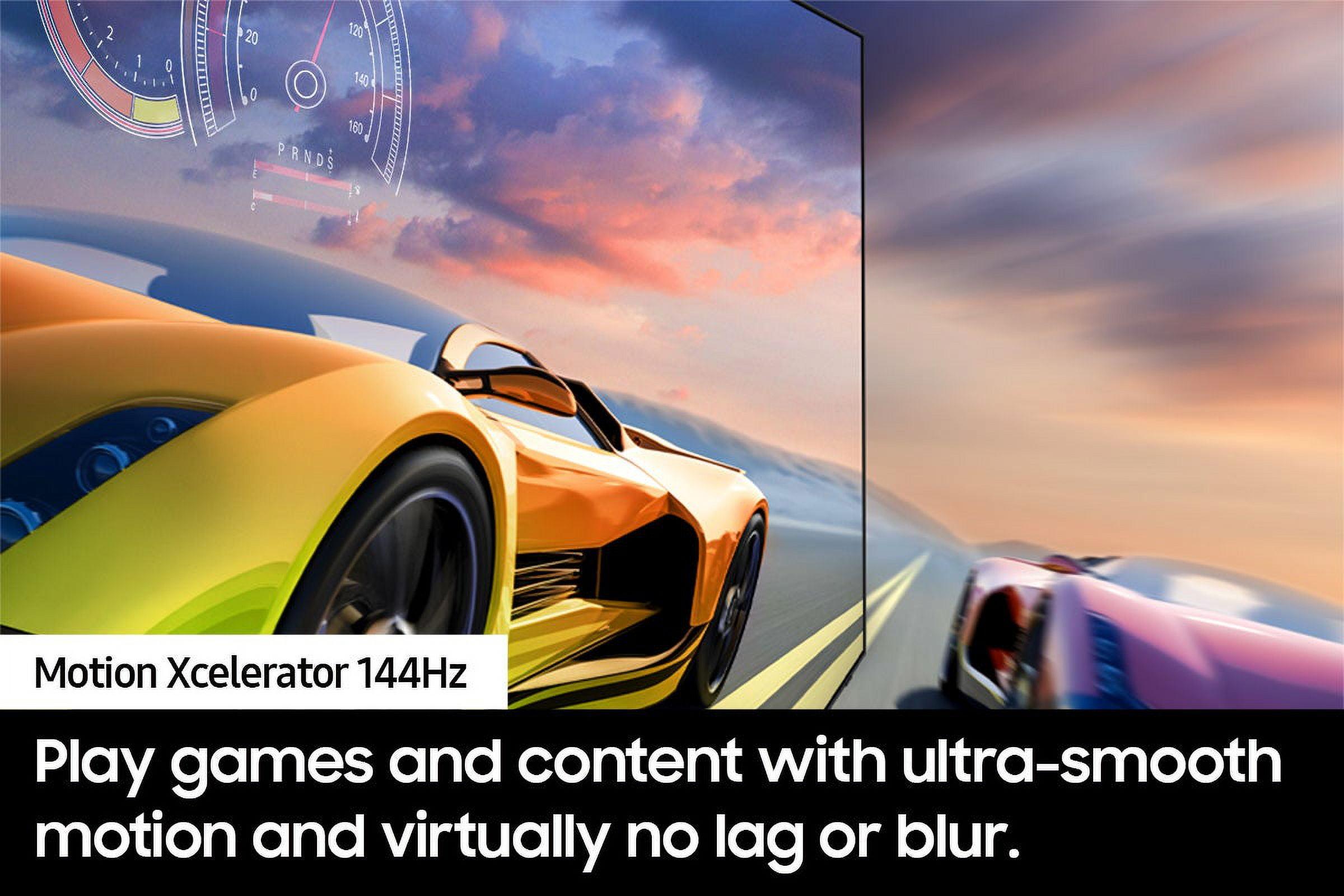
The S95D supports up to 144Hz refresh rates with similarly low input lag. While technically lower than the QN900F's maximum, the practical difference proves negligible for most gaming scenarios. OLED's inherent advantages—perfect blacks and near-instantaneous pixel response times—create exceptional motion clarity that many gamers prefer over slightly higher refresh rates.
Both models include comprehensive gaming features like Auto Game Mode (which automatically optimizes settings when gaming consoles are detected) and gaming-specific picture modes. However, the choice often comes down to gaming environment: the QN900F excels in bright gaming setups where its superior brightness cuts through ambient light, while the S95D creates more immersive experiences in darker gaming environments.
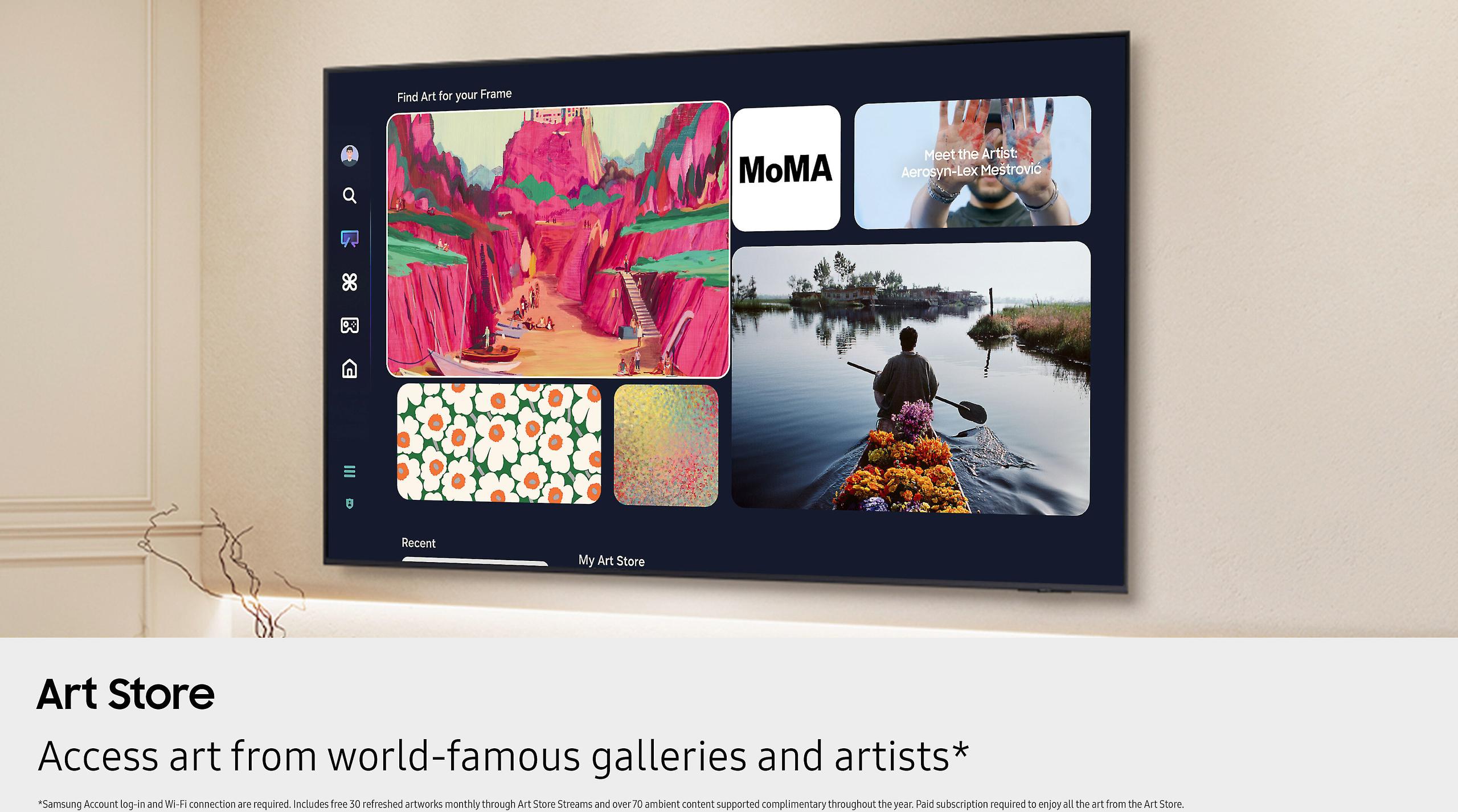
Samsung's Tizen operating system powers both televisions, providing access to all major streaming services and smart home integration. However, the processing capabilities differ significantly between generations.
The QN900F incorporates Samsung's NQ8 AI Gen3 processor with 256 neural networks dedicated to picture and sound optimization. This advanced processing enables real-time content analysis and enhancement, automatically adjusting picture settings based on what you're watching. The AI can distinguish between different content types—movies, sports, gaming—and optimize accordingly without manual intervention.
The S95D uses the NQ4 AI Gen2 processor, which, while less computationally powerful, focuses specifically on 4K optimization. This targeted approach often produces excellent results since the processor isn't dividing attention between resolution upscaling and quality enhancement.
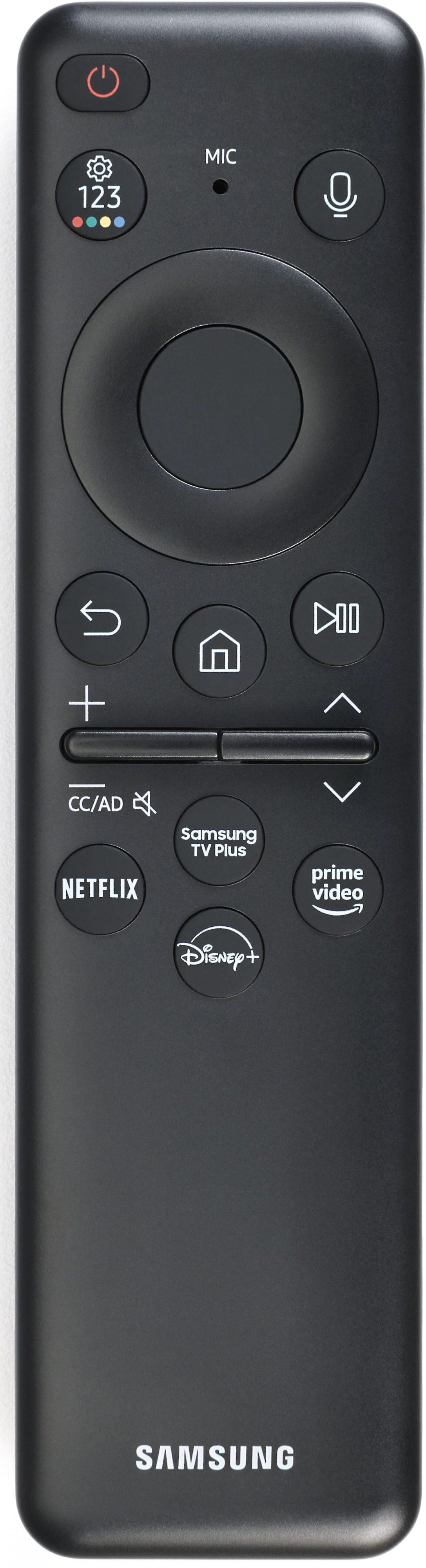
Both models include voice control through Samsung's Bixby assistant, plus compatibility with Amazon Alexa and Google Assistant. Smart home integration through Samsung's SmartThings platform allows control of connected devices directly from the TV interface.
Your viewing environment significantly influences which television will perform better in your specific setup.
Bright Room Performance
The QN900F excels in challenging lighting conditions through its combination of exceptional brightness and anti-glare coating technology. This glare-free screen coating, previously exclusive to Samsung's OLED lineup, nearly eliminates reflections from windows, lamps, and other light sources. Combined with peak brightness capabilities that can overcome ambient light, it maintains picture quality even in sunroom-like conditions where most televisions struggle.
Dark Room Excellence
The S95D creates the ultimate dark room viewing experience. Perfect black levels allow your eye to perceive the full dynamic range of content without the slight greyish appearance that even high-end LCD displays exhibit in completely dark scenes. This creates a more cinematic experience that many home theater enthusiasts prefer.
The S95D's matte coating also helps with moderate ambient light situations, though it cannot match the QN900F's bright room capabilities. In mixed lighting conditions—rooms with some ambient light but not extremely bright—both televisions perform admirably, with preference depending on content type and personal priorities.
Both models include sophisticated built-in audio systems that eliminate the immediate need for external soundbars in many installations.
The QN900F features Object Tracking Sound Pro with multiple drivers positioned around the display. This technology attempts to match audio positioning with visual elements on screen—dialogue appears to come from characters' mouths, while sound effects move across the soundstage to match on-screen action.
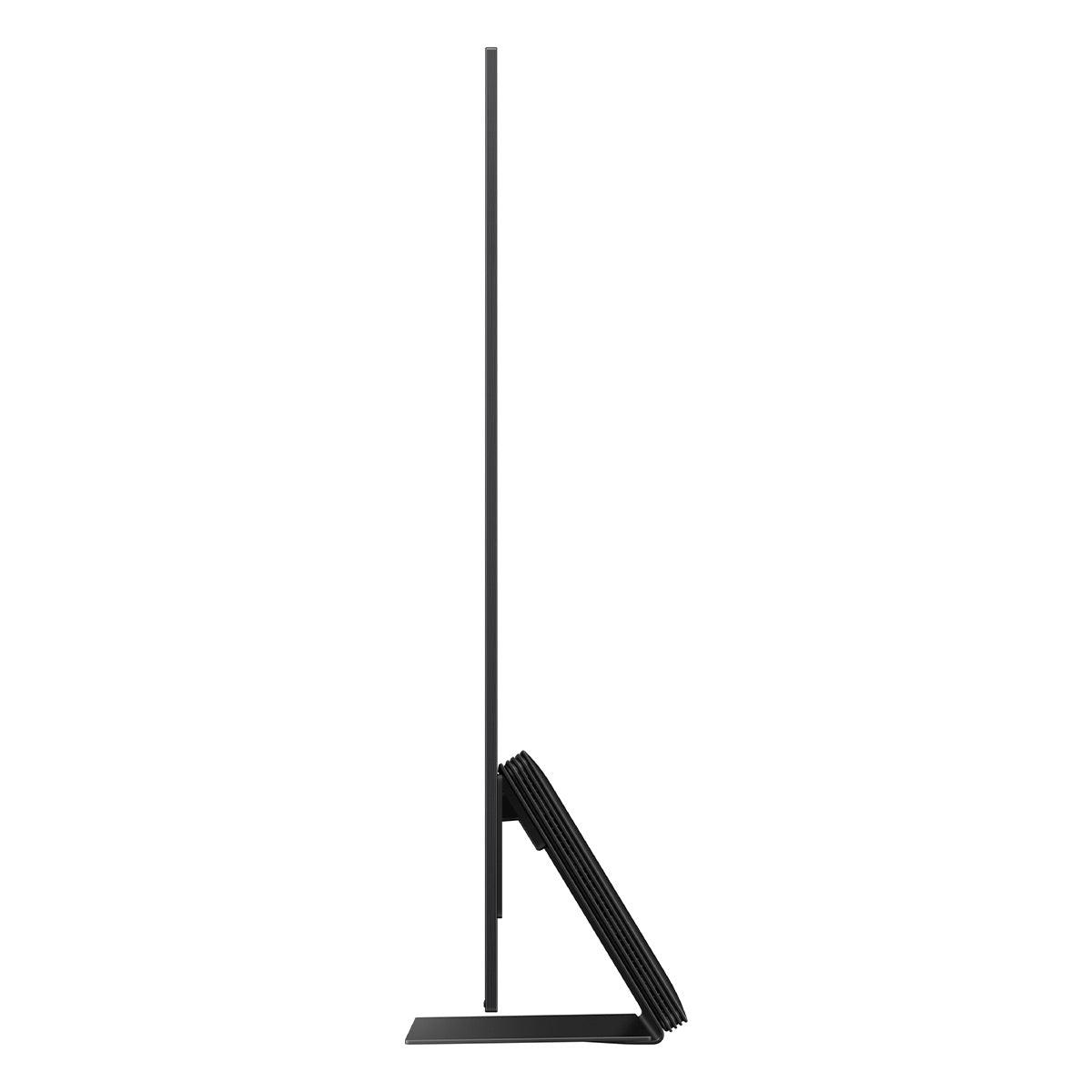
The S95D incorporates similar Object Tracking Sound+ technology with Dolby Atmos support. The slimmer OLED profile doesn't allow for as much internal speaker volume as the thicker Mini-LED design, but the audio quality remains impressive for built-in speakers.
Both televisions benefit from dedicated home theater audio systems, though their built-in audio capabilities suffice for casual viewing and smaller rooms.
At the time of writing, the pricing difference between these models reflects their different positions in Samsung's lineup and release timing. The QN900F, as the newer 8K flagship, commands a premium price that reflects its cutting-edge technology and future-proofing capabilities. The S95D, having been available longer, often appears at significant discounts from its original launch price, creating compelling value for OLED picture quality.
Future-Proofing Considerations
The QN900F's 8K resolution provides theoretical future-proofing as content creation gradually shifts toward higher resolutions. However, the timeline for widespread 8K adoption remains uncertain, and the practical benefits depend on viewing distance and room setup.
The S95D's focus on perfecting current-generation 4K content may prove more valuable for viewers who prioritize immediate benefits over theoretical future capabilities. OLED technology also tends to age well, maintaining picture quality over time better than some LCD technologies.
Based on our research and analysis of professional reviews and user feedback, specific scenarios clearly favor one technology over the other.
Choose the Samsung QN900F if:
Choose the Samsung S95D if:
The S95D represents exceptional value for most viewers, delivering world-class picture quality at a more accessible price point. Its OLED technology provides immediate, dramatic improvements over standard displays that you'll notice with every viewing session.
The QN900F appeals to enthusiasts seeking the absolute cutting edge of display technology, offering unmatched brightness and future-ready resolution capabilities. Its premium pricing reflects genuinely advanced capabilities that excel in challenging viewing environments.
Both televisions deliver premium experiences that significantly exceed standard display capabilities. Your choice ultimately depends on balancing immediate picture quality benefits, room environment requirements, content consumption patterns, and budget considerations. Either selection will provide years of exceptional viewing experiences that showcase why premium display technology continues evolving rapidly.
| Samsung 65" Neo QLED 8K QN900F Vision AI Smart TV 2025 | Samsung S95D 4K OLED Smart TV |
|---|---|
| Display Technology - Determines contrast, brightness, and viewing experience | |
| Mini-LED LCD with 1,446 local dimming zones | QD-OLED with pixel-level control |
| Resolution - Affects detail clarity and future content compatibility | |
| 8K (7680 x 4320) with AI upscaling | 4K (3840 x 2160) optimized for current content |
| Peak Brightness - Critical for HDR impact and bright room viewing | |
| Up to 2,350 nits (exceptional for daytime viewing) | OLED-level brightness (excellent for controlled lighting) |
| Black Level Performance - Creates contrast and cinematic depth | |
| Outstanding blacks for LCD (minimal blooming) | Perfect blacks with infinite contrast ratio |
| Glare Resistance - Determines usability in bright rooms | |
| Glare-free coating eliminates most reflections | Matte OLED coating reduces moderate reflections |
| Gaming Refresh Rate - Impacts motion smoothness in fast games | |
| Up to 165Hz at 4K resolution | Up to 144Hz with near-instant response |
| Color Technology - Affects vibrancy and accuracy | |
| Quantum Dot with 100% color volume | QD-OLED with Pantone-validated colors |
| AI Processing - Enhances picture quality automatically | |
| NQ8 AI Gen3 with 256 neural networks | NQ4 AI Gen2 focused on 4K optimization |
| Content Optimization - Best performance with available content | |
| Future-ready for 8K content (limited availability) | Perfect for current 4K streaming ecosystem |
| Ideal Viewing Environment - Where each TV performs best | |
| Bright rooms with ambient light or glare | Dark to moderately lit rooms |
| Value Positioning - Performance per dollar consideration | |
| Premium pricing for cutting-edge 8K technology | Exceptional value with significant discounts available |
Both TVs deliver exceptional picture quality but through different approaches. The Samsung S95D OLED provides perfect black levels and infinite contrast, making it ideal for cinematic viewing in dark rooms. The Samsung QN900F offers superior brightness up to 2,350 nits and excellent contrast for LCD technology, making it better for bright rooms. For most viewers, the S95D's OLED technology provides more dramatic visual improvements.
The Samsung QN900F's 8K resolution provides sharper detail when sitting close to the screen, but native 8K content remains extremely limited in 2025. The Samsung S95D focuses on perfecting 4K display quality for today's streaming services and gaming content. Unless you prioritize future-proofing over immediate benefits, the S95D's optimized 4K performance offers better practical value.
Both TVs excel for gaming with low input lag around 9ms. The Samsung QN900F supports up to 165Hz refresh rates, while the Samsung S95D maxes out at 144Hz. The S95D's OLED technology provides superior motion clarity and perfect blacks for immersive gaming. Competitive gamers might prefer the QN900F's higher refresh rate, but most gamers will appreciate the S95D's visual quality.
The Samsung QN900F significantly outperforms in bright rooms thanks to its exceptional brightness and glare-free coating that eliminates reflections. The Samsung S95D includes a matte coating that helps with moderate ambient light but cannot match the QN900F's bright room capabilities. If your viewing area has windows or significant lighting, the QN900F provides better visibility.
At current pricing, the Samsung S95D typically offers superior value with significant discounts from its original price, delivering flagship OLED picture quality at a more accessible cost. The Samsung QN900F commands a premium for its cutting-edge 8K technology and latest AI processing. For most buyers, the S95D provides better performance per dollar.
Both TVs excel in home theater environments. The Samsung S95D creates the ultimate dark room cinematic experience with perfect blacks and rich colors that enhance movie watching. The Samsung QN900F works better in mixed-lighting home theaters where some ambient light is present. Both support Dolby Atmos and have quality built-in speakers, though dedicated audio systems maximize their potential.
The Samsung QN900F includes the latest NQ8 AI Gen3 processor with 256 neural networks for advanced content optimization. The Samsung S95D uses the NQ4 AI Gen2 processor focused on 4K enhancement. Both run Samsung's Tizen OS with access to all major streaming apps, voice control, and smart home integration. The QN900F offers more advanced AI features but both provide comprehensive smart capabilities.
The Samsung QN900F features Object Tracking Sound Pro with multiple drivers positioned around the display for spatial audio. The Samsung S95D includes Object Tracking Sound+ with Dolby Atmos support. Both deliver impressive built-in audio that eliminates the immediate need for soundbars in smaller rooms, though the QN900F's thicker design allows for slightly more robust speaker systems.
Both TVs handle motion excellently with different strengths. The Samsung QN900F offers higher refresh rates up to 165Hz and AI motion enhancement for smooth sports viewing. The Samsung S95D provides OLED's inherent motion advantages with near-instantaneous pixel response times. Both effectively eliminate motion blur, with preference depending on content type and viewing preferences.
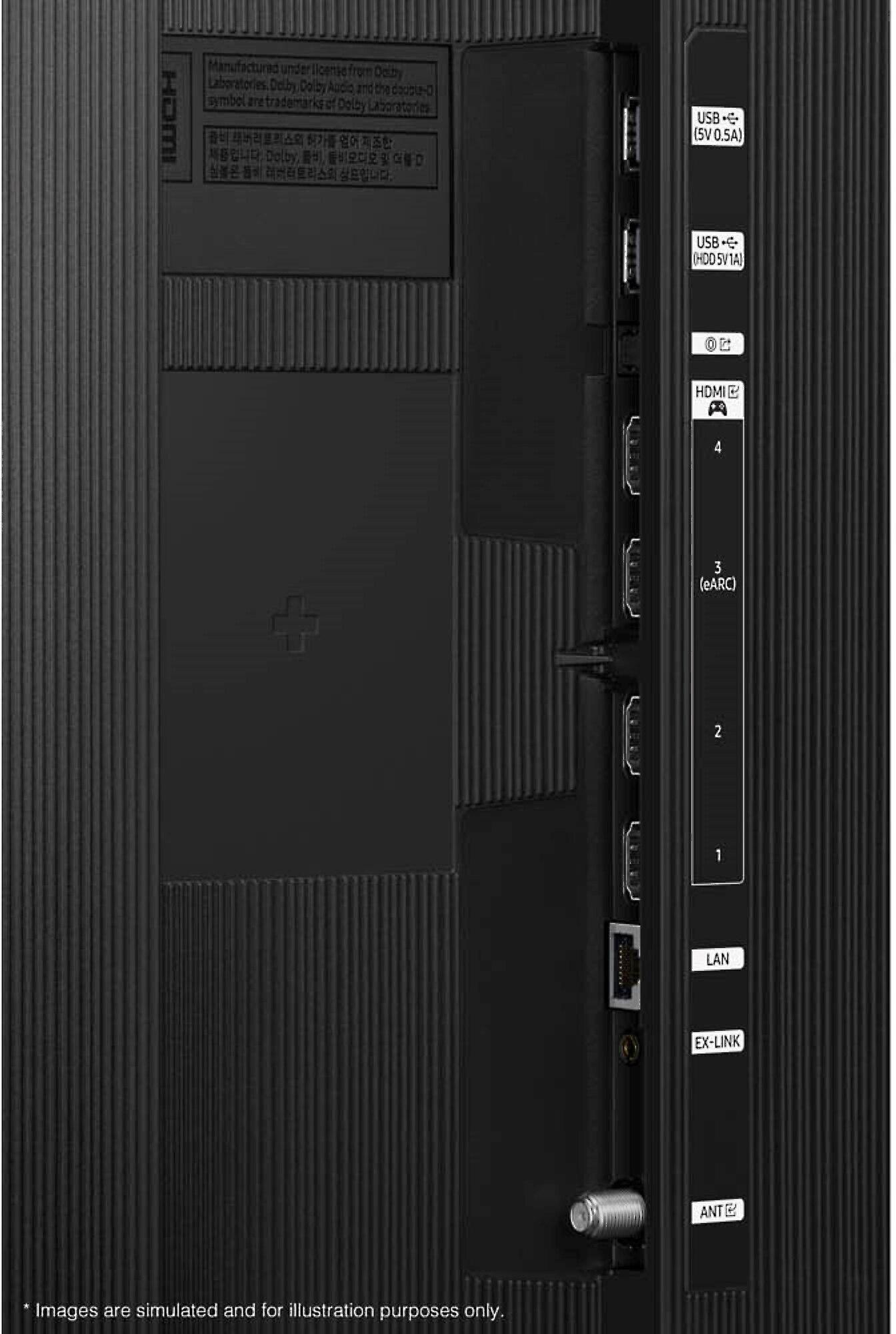
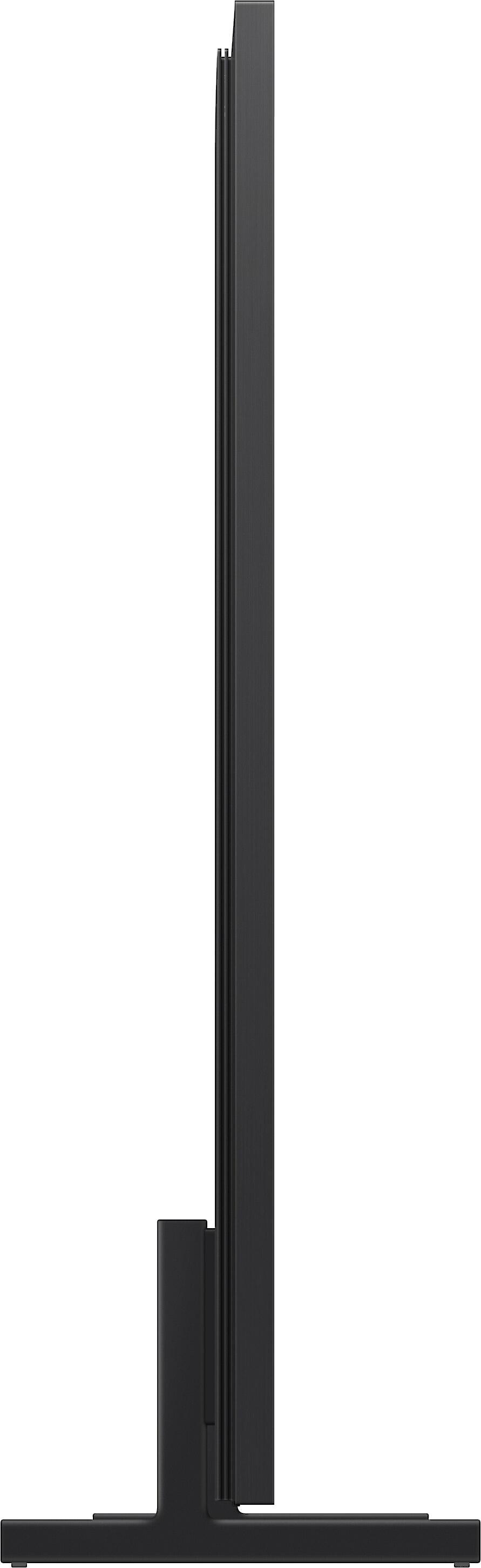
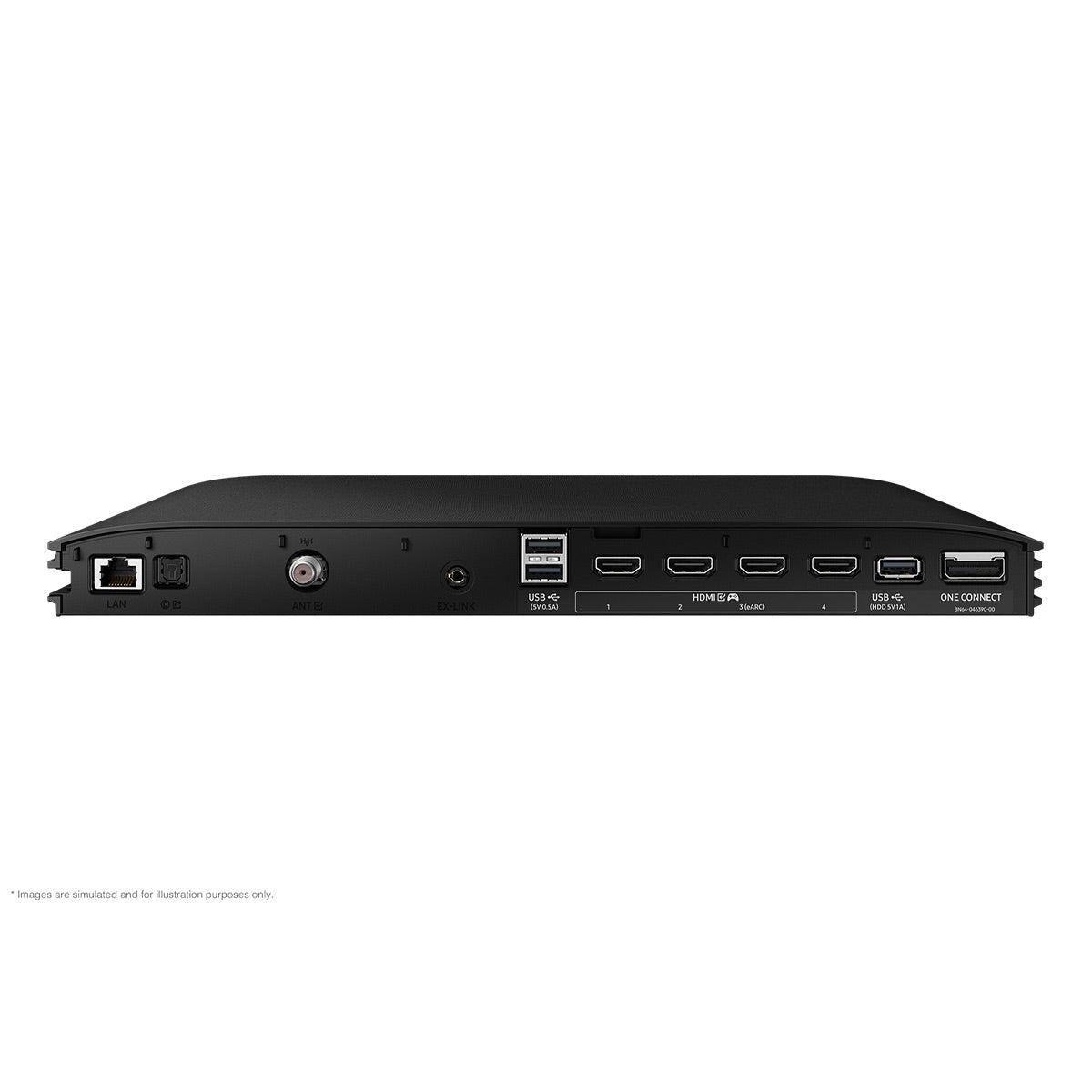
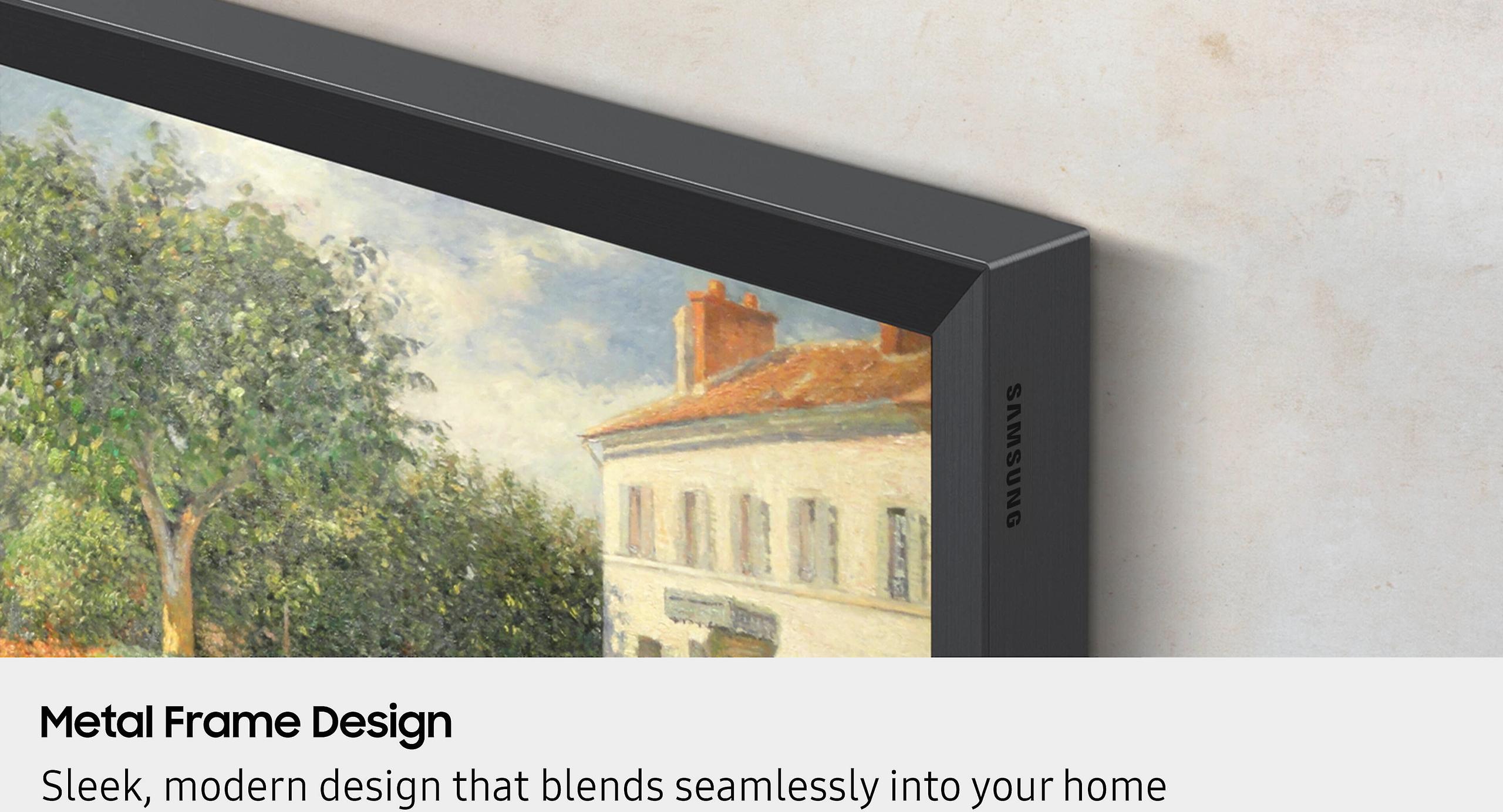
The Samsung S95D features an ultra-thin OLED design with an external One Connect Box that houses all inputs, creating a minimalist wall-mounted appearance. The Samsung QN900F has a more traditional design with integrated ports and a metal frame aesthetic. Both offer premium build quality, but the S95D provides more flexibility for clean installations.
The Samsung QN900F excels with its AI upscaling that enhances lower-resolution content to near-8K quality, making it versatile for varied content sources. The Samsung S95D optimizes current 4K streaming content perfectly, delivering exceptional quality with Netflix, Disney+, and gaming sources. Both handle HDR content excellently, with the QN900F providing brighter highlights and the S95D offering perfect contrast.
Choose the Samsung QN900F if you have a bright living room with windows or ambient lighting, want cutting-edge 8K technology, and prefer maximum brightness for HDR content. Select the Samsung S95D if you can control lighting, prioritize exceptional contrast and black levels, want better value, and focus on current 4K content quality. Consider your room lighting, budget, and content preferences when deciding between these excellent Samsung displays.
We've done our best to create useful and informative comparisons to help you decide what product to buy. Our research uses advanced automated methods to create this comparison and perfection is not possible - please contact us for corrections or questions. These are the sites we've researched in the creation of this article: rtings.com - samsung.com - techradar.com - dolby.com - youtube.com - samsung.com - youtube.com - samsung.com - samsung.com - samsung.com - samsung.com - displayspecifications.com - samsung.com - rtings.com - bestbuy.com - merlinstv.com - news.samsung.com - bestbuy.com - techradar.com - videoandaudiocenter.com - avsforum.com - cnet.com - abt.com - merlinstv.com - nfm.com - rtings.com - flintsfurniture.com - samsung.com - bestbuy.com - displayspecifications.com

Privacy Policy
Terms and Conditions - Affiliate Policy
Home Security
© Copyright 2008-2026.
11816 Inwood Rd #1211, Dallas, TX 75244