

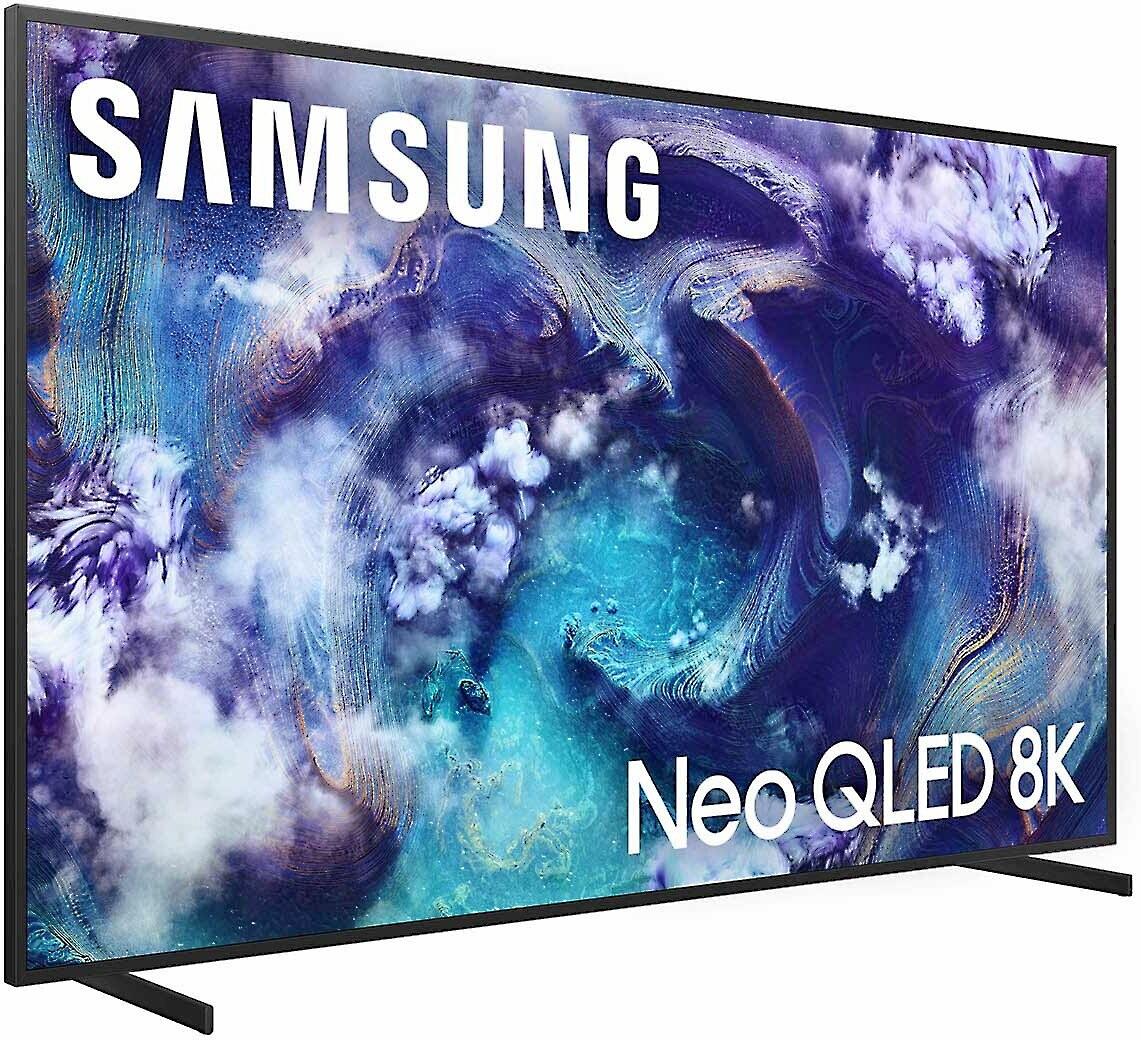
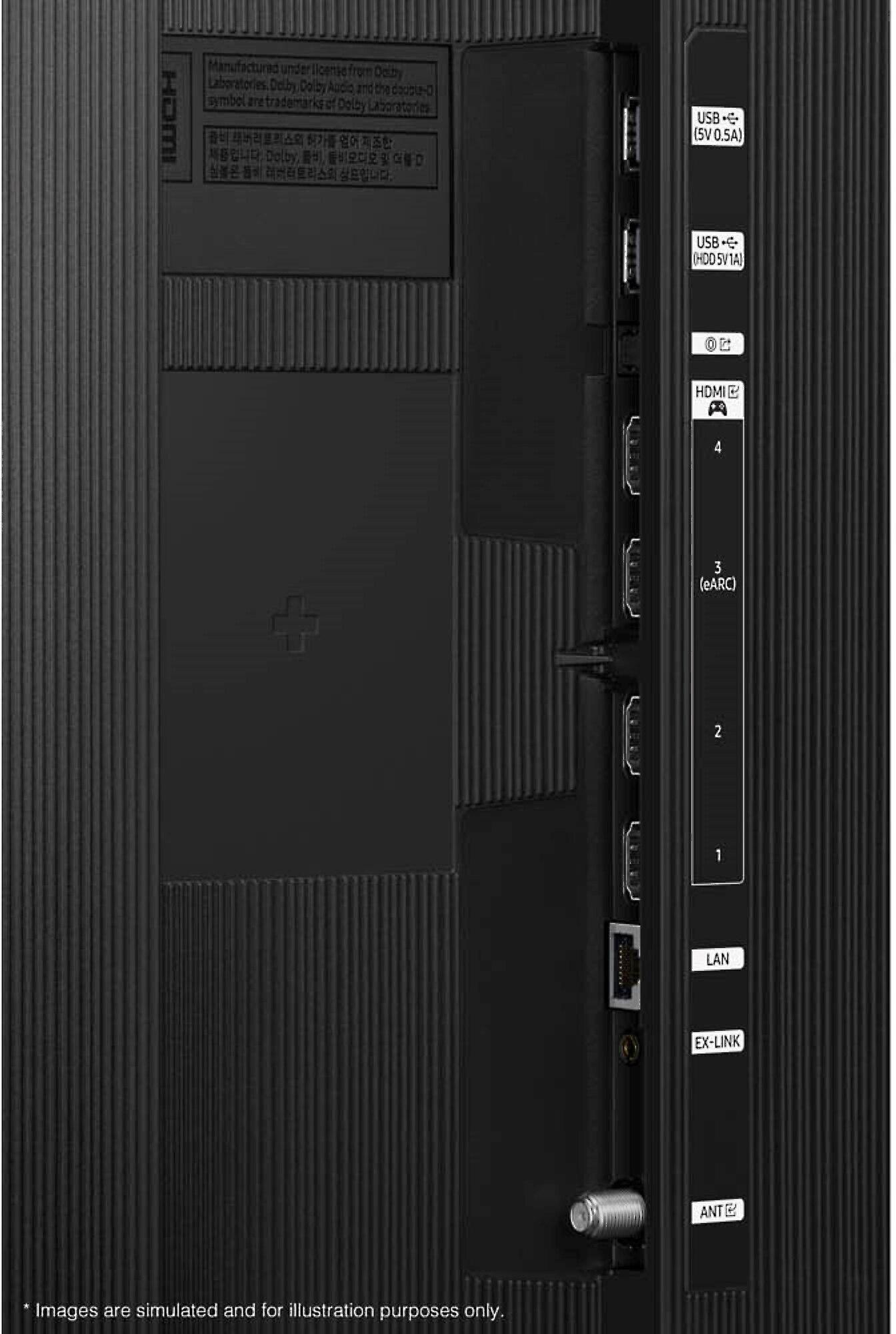
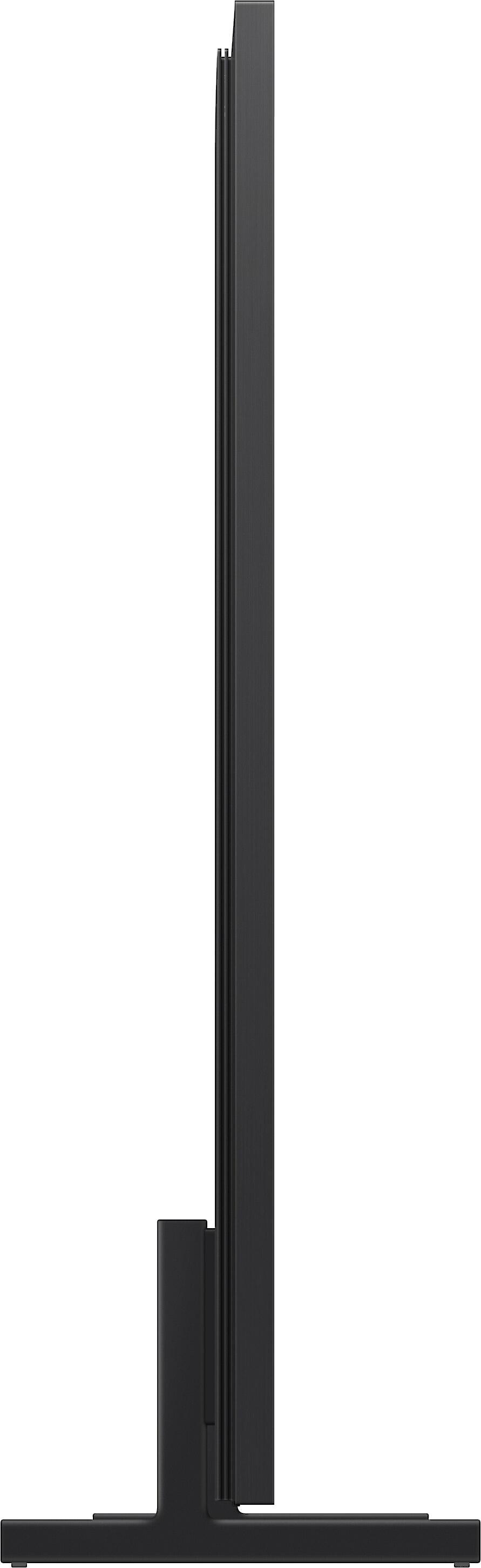
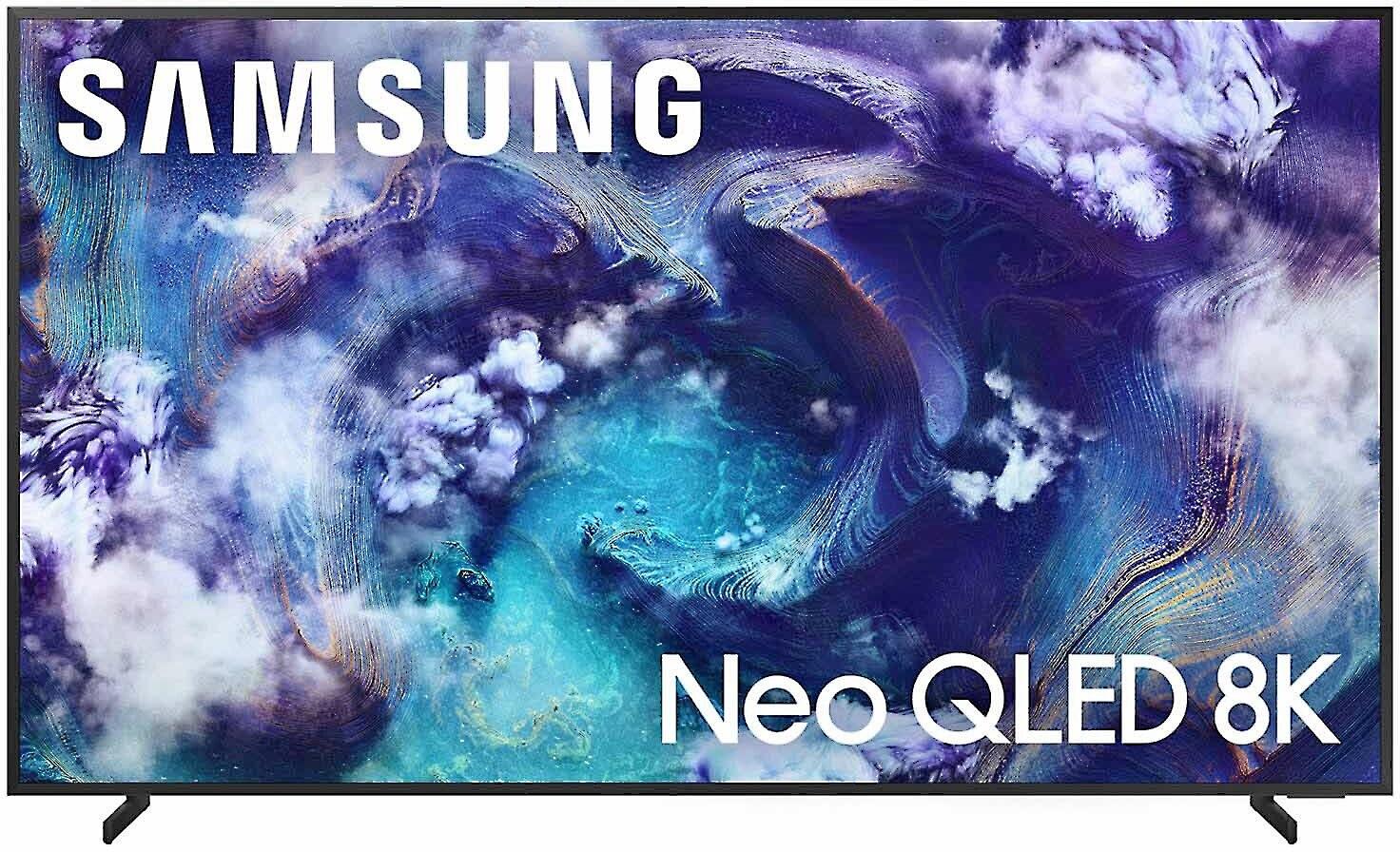
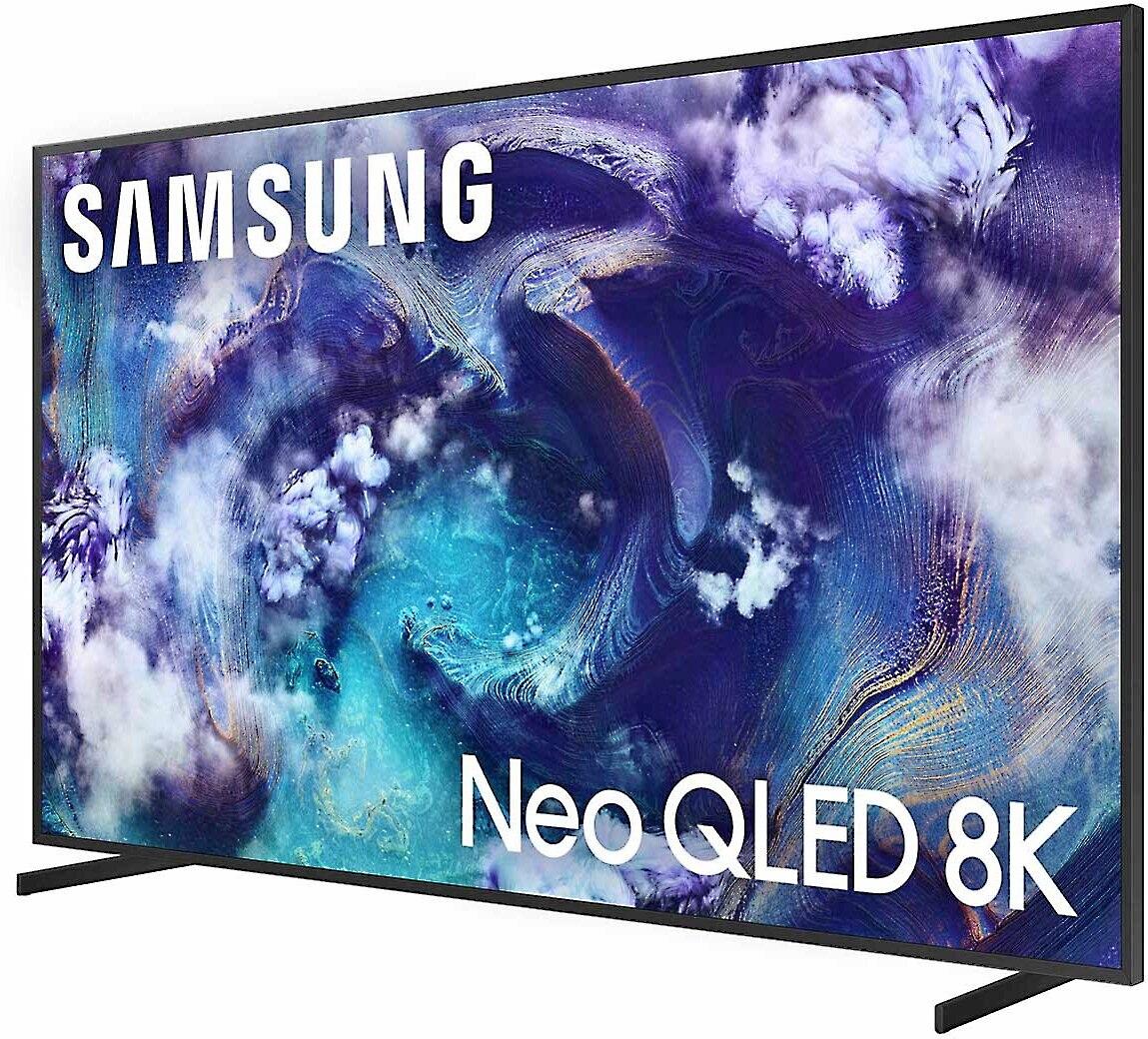

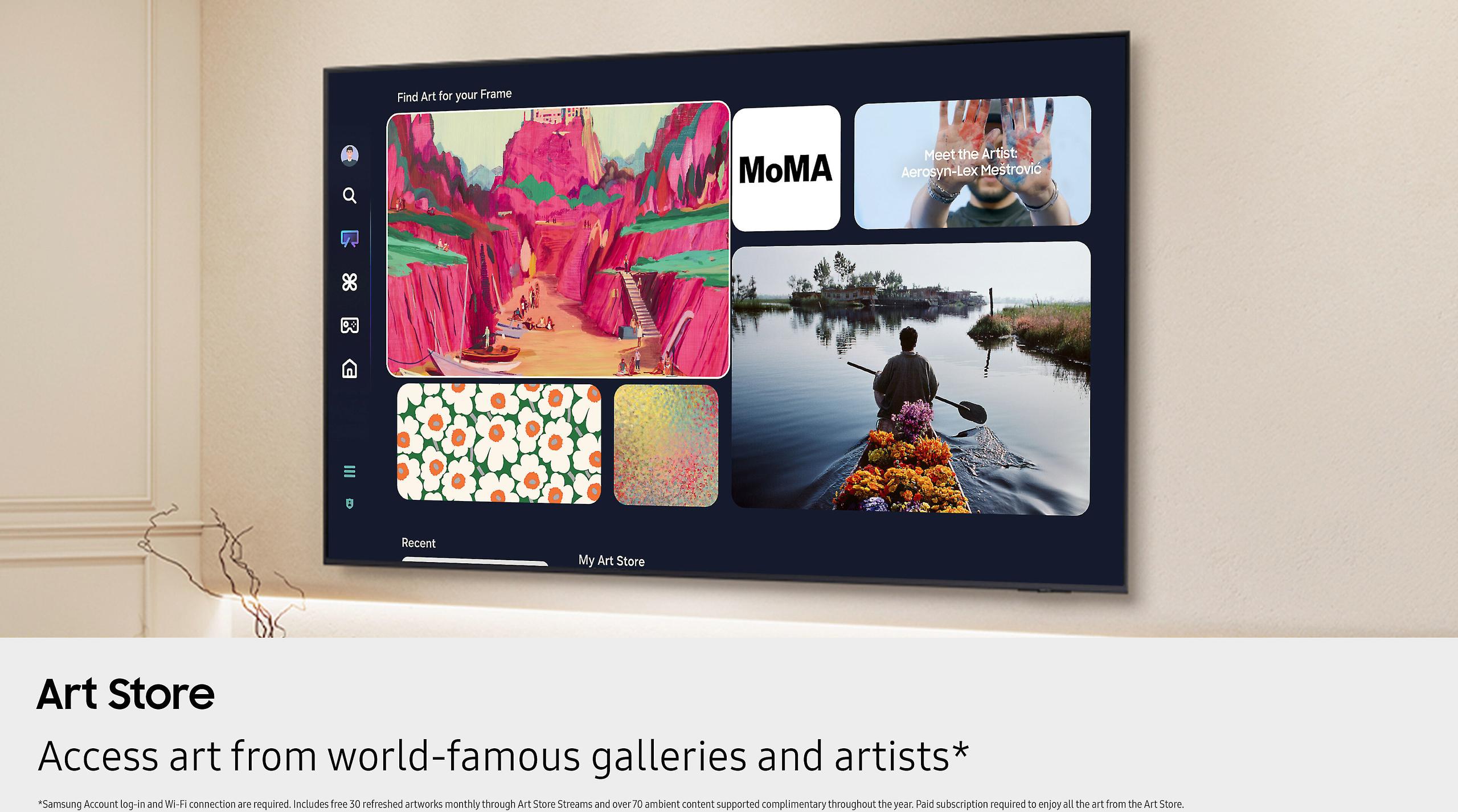
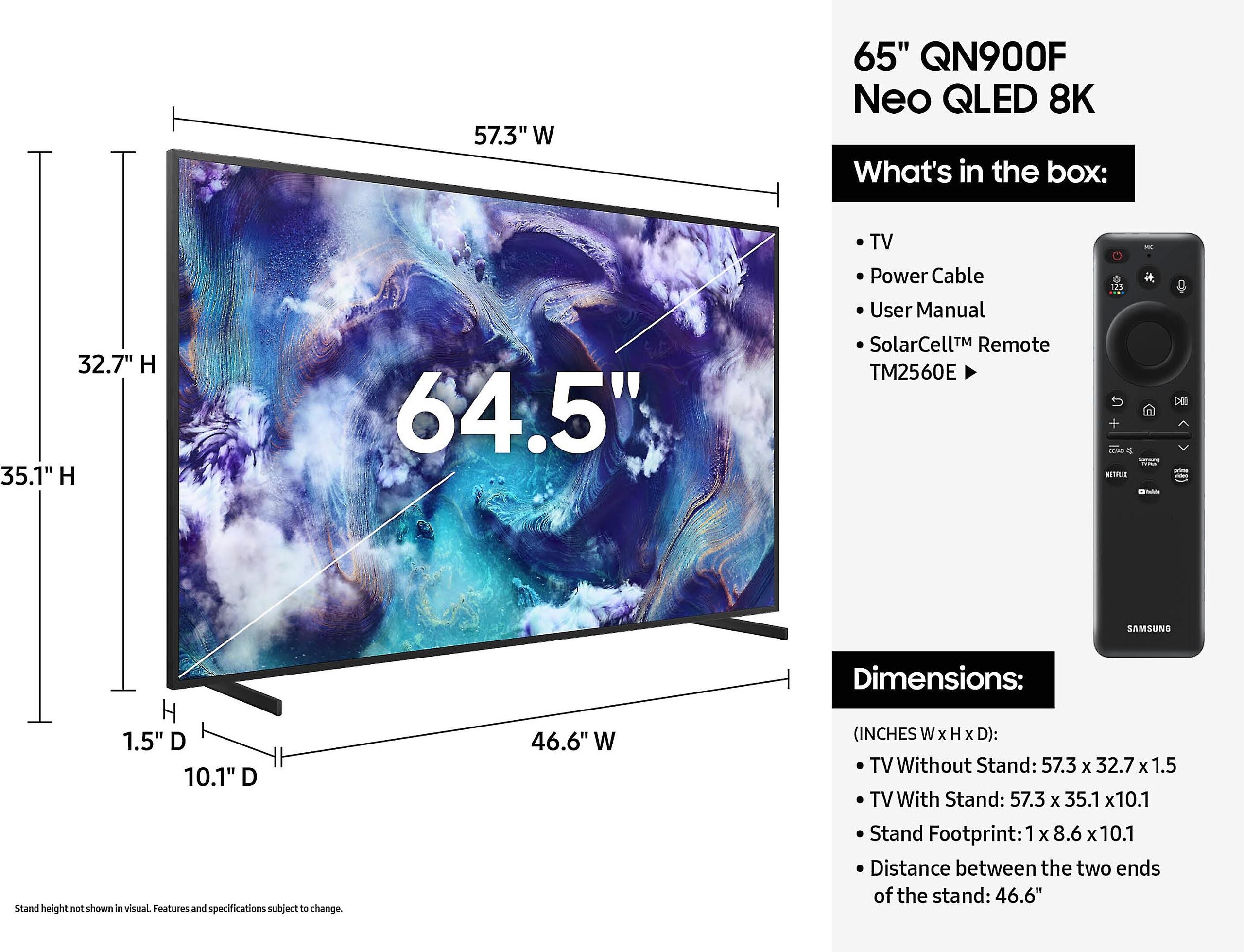
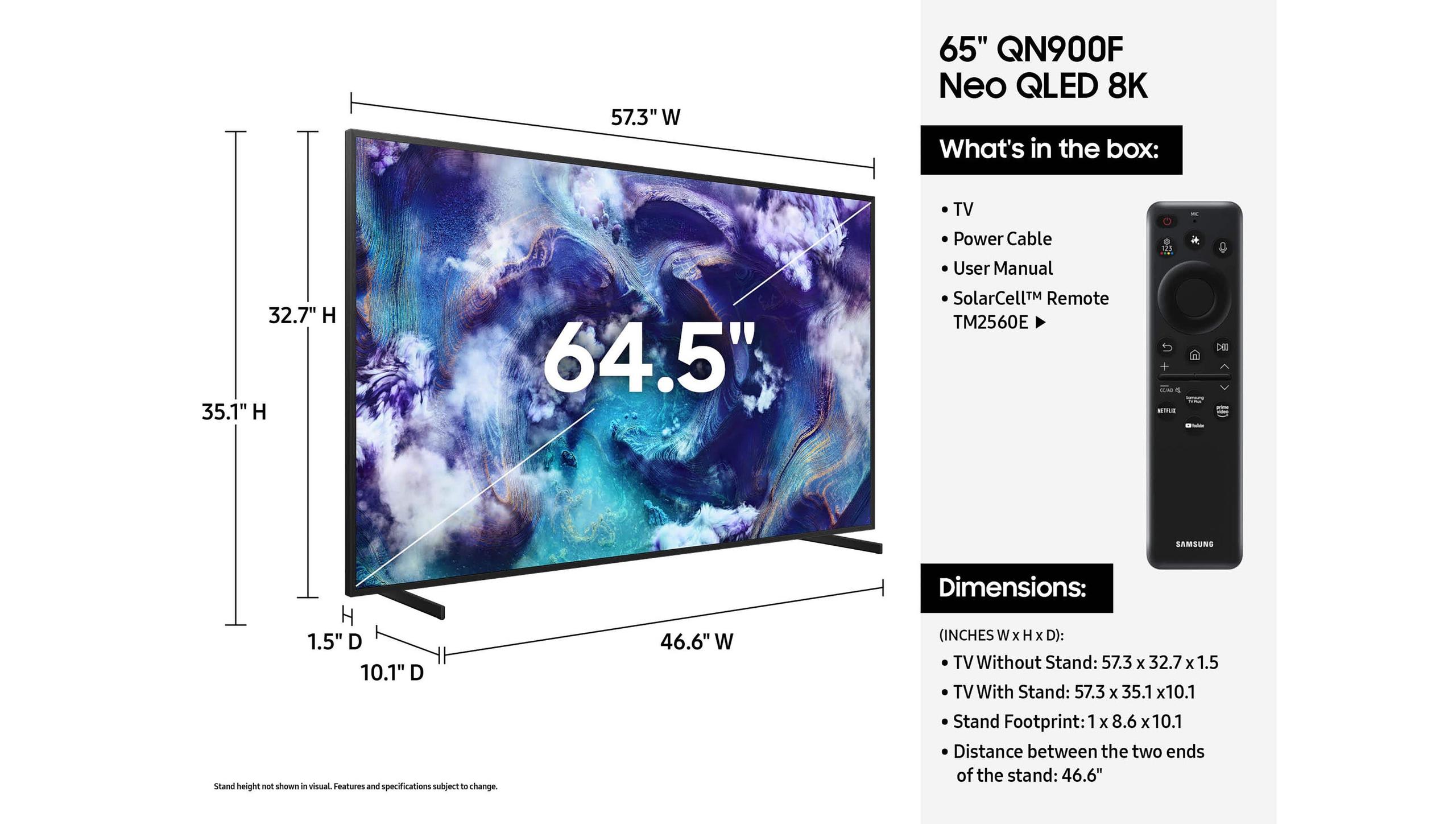
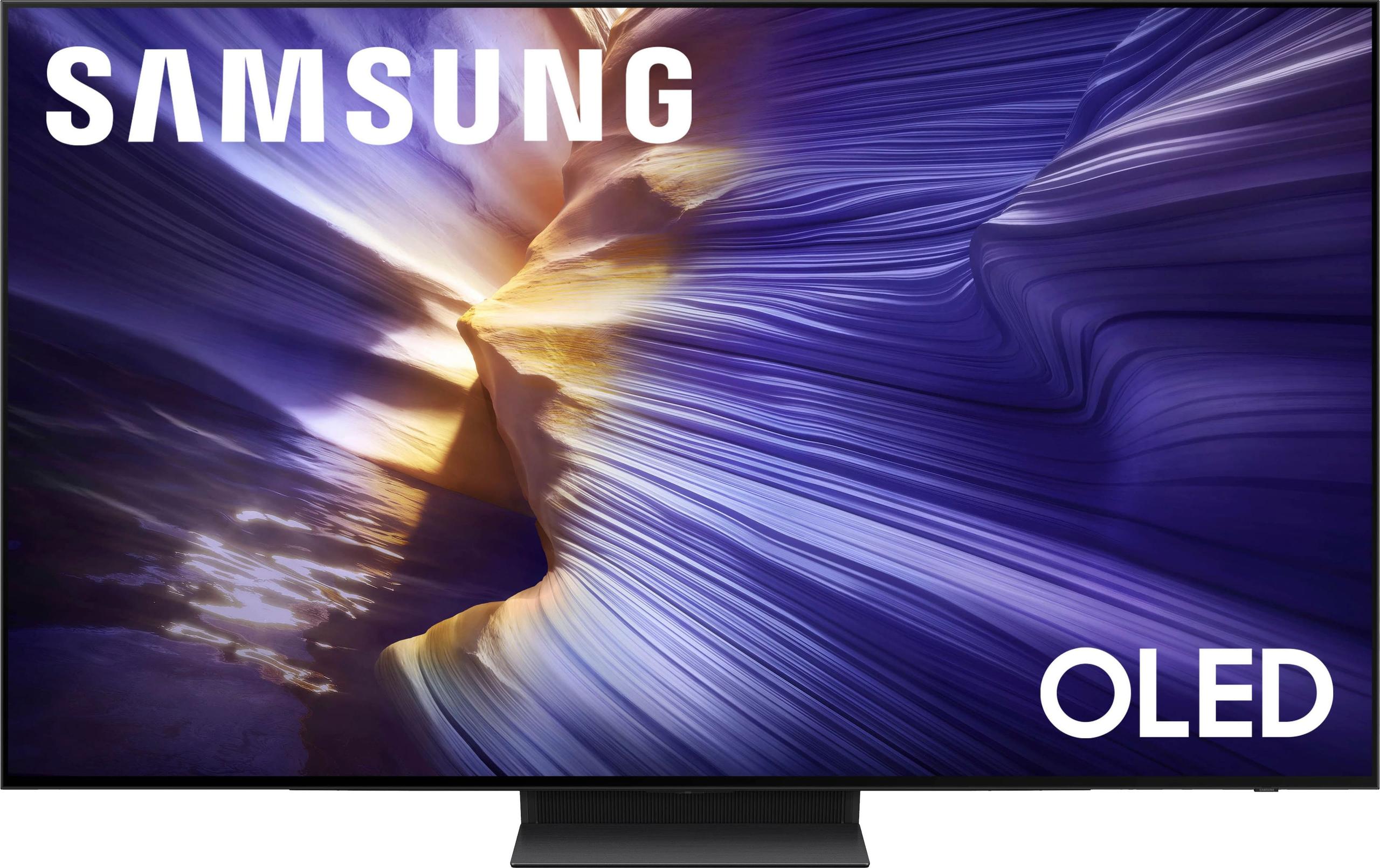
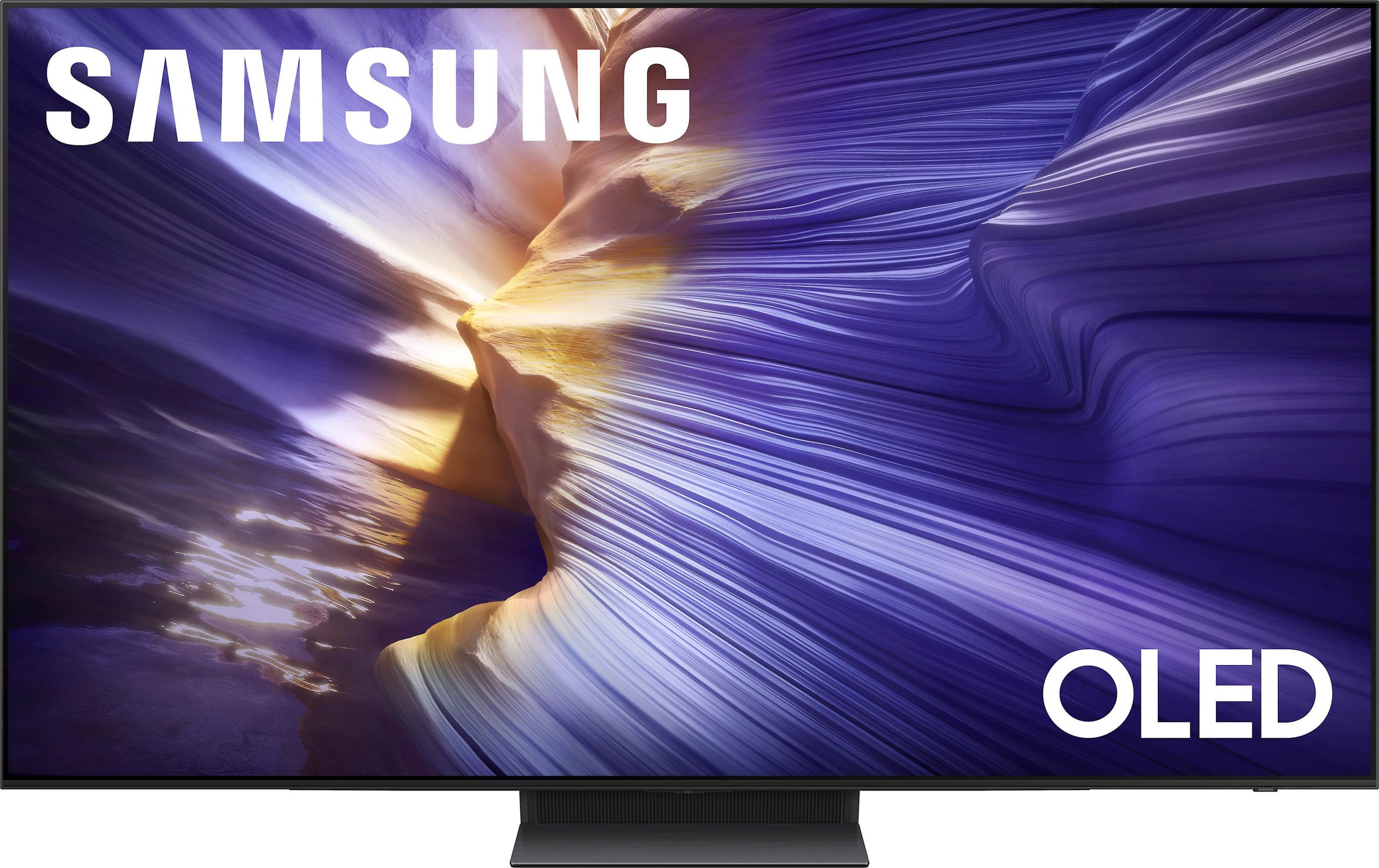
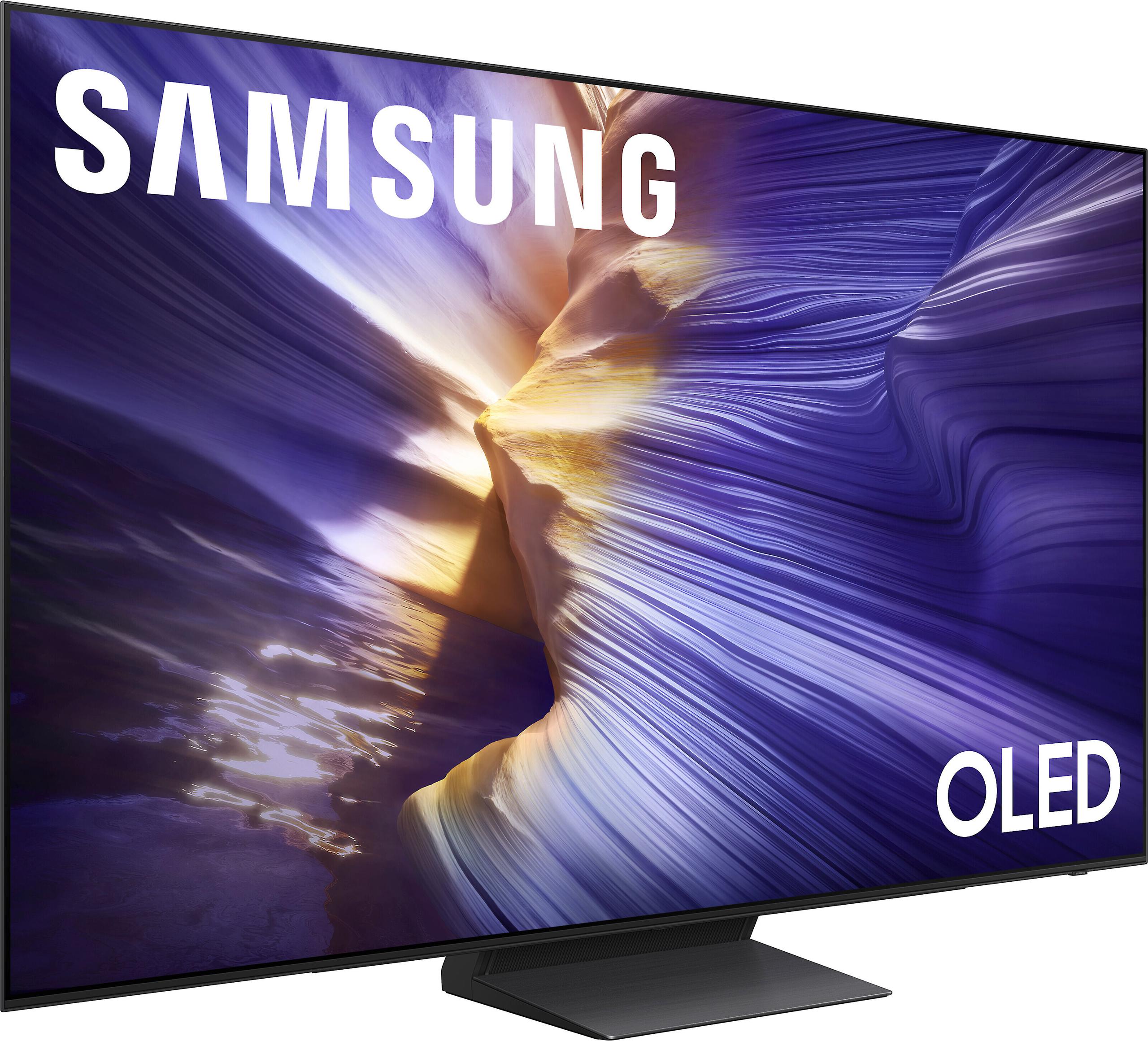
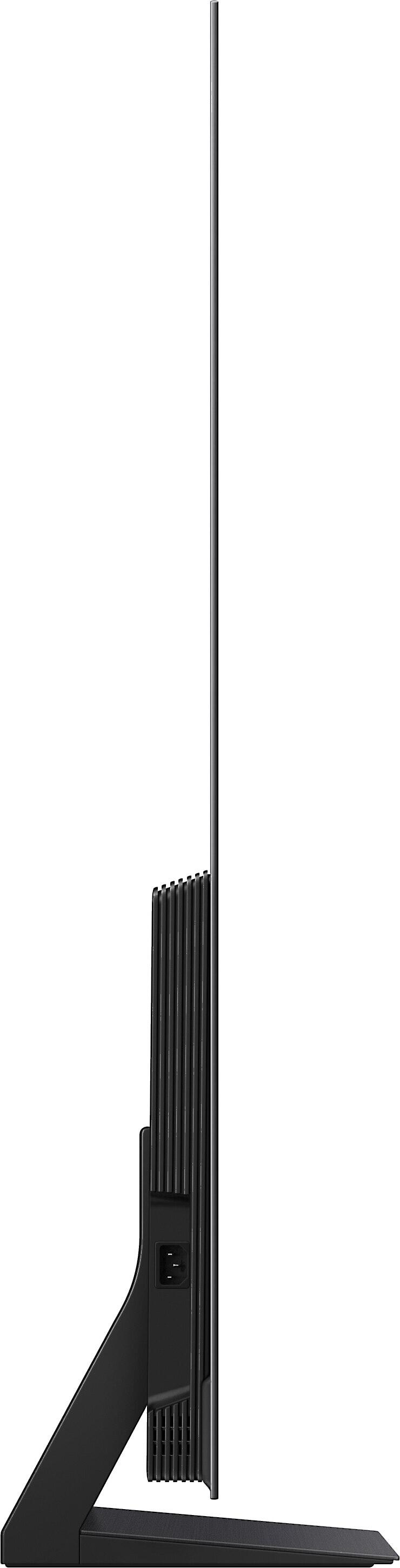
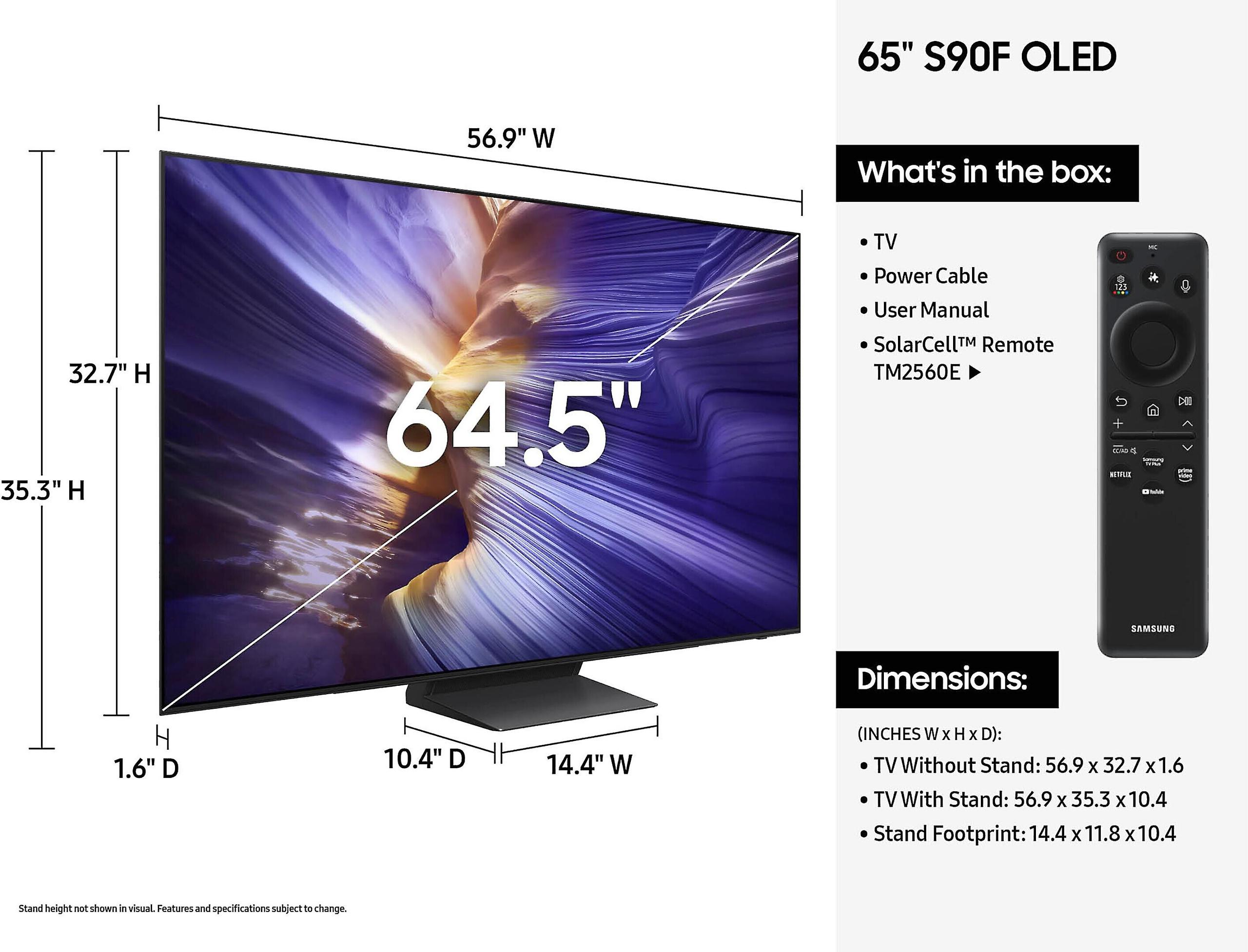

Shopping for a premium 65-inch TV can feel overwhelming, especially when you're looking at Samsung's top-tier offerings. The Samsung 65" Neo QLED 8K QN900F and Samsung 65" S90F OLED 4K represent two very different approaches to delivering exceptional picture quality. Both launched in 2025 with significant improvements over their predecessors, but they use fundamentally different technologies that create distinct viewing experiences.
Understanding these differences is crucial because your choice will impact your viewing experience for the next 5-10 years. The QN900F Neo QLED uses Samsung's most advanced Mini LED technology with 8K resolution, while the S90F OLED employs self-illuminating pixels with optimized 4K processing. At the time of writing, these models represent a significant price gap, with the OLED typically costing several hundred dollars less than the 8K Neo QLED.
The Samsung QN900F uses Mini LED technology, which places thousands of tiny LEDs behind a traditional LCD panel enhanced with quantum dots (special crystals that improve color accuracy). Think of it like having thousands of individual flashlights lighting up specific areas of your screen. This creates what's called "local dimming zones" - areas that can get very bright or completely dark independently of each other.
The Samsung S90F OLED takes a completely different approach. Each pixel creates its own light using organic compounds that glow when electricity passes through them. When a pixel needs to be black, it simply turns off completely. This means you get perfect blacks - something that's physically impossible with traditional backlighting systems.
Both approaches have their strengths. Mini LED technology can get extremely bright - often exceeding 2,000 nits (a measure of brightness) - which makes HDR content look incredibly dramatic. OLED technology achieves perfect contrast because it can display true black right next to brilliant white, creating an infinite contrast ratio.
Here's where things get interesting. The QN900F boasts 8K resolution, meaning it has four times as many pixels as a 4K display - specifically 7,680 × 4,320 pixels compared to the S90F's 3,840 × 2,160 pixels. On paper, this sounds like an obvious win for 8K.
In reality, it's more complicated. Native 8K content is virtually non-existent in 2025. You won't find 8K movies on Netflix, Disney+, or any major streaming service. Most broadcast TV is still 1080p, and even 4K content represents a small fraction of what most people watch daily.
This means the QN900F's value proposition relies heavily on AI upscaling - using artificial intelligence to analyze lower-resolution content and intelligently add detail to make it look closer to 8K quality. Samsung's NQ8 AI Gen3 Processor uses 256 neural networks (think of these as specialized mini-computers) to perform this upscaling in real-time.
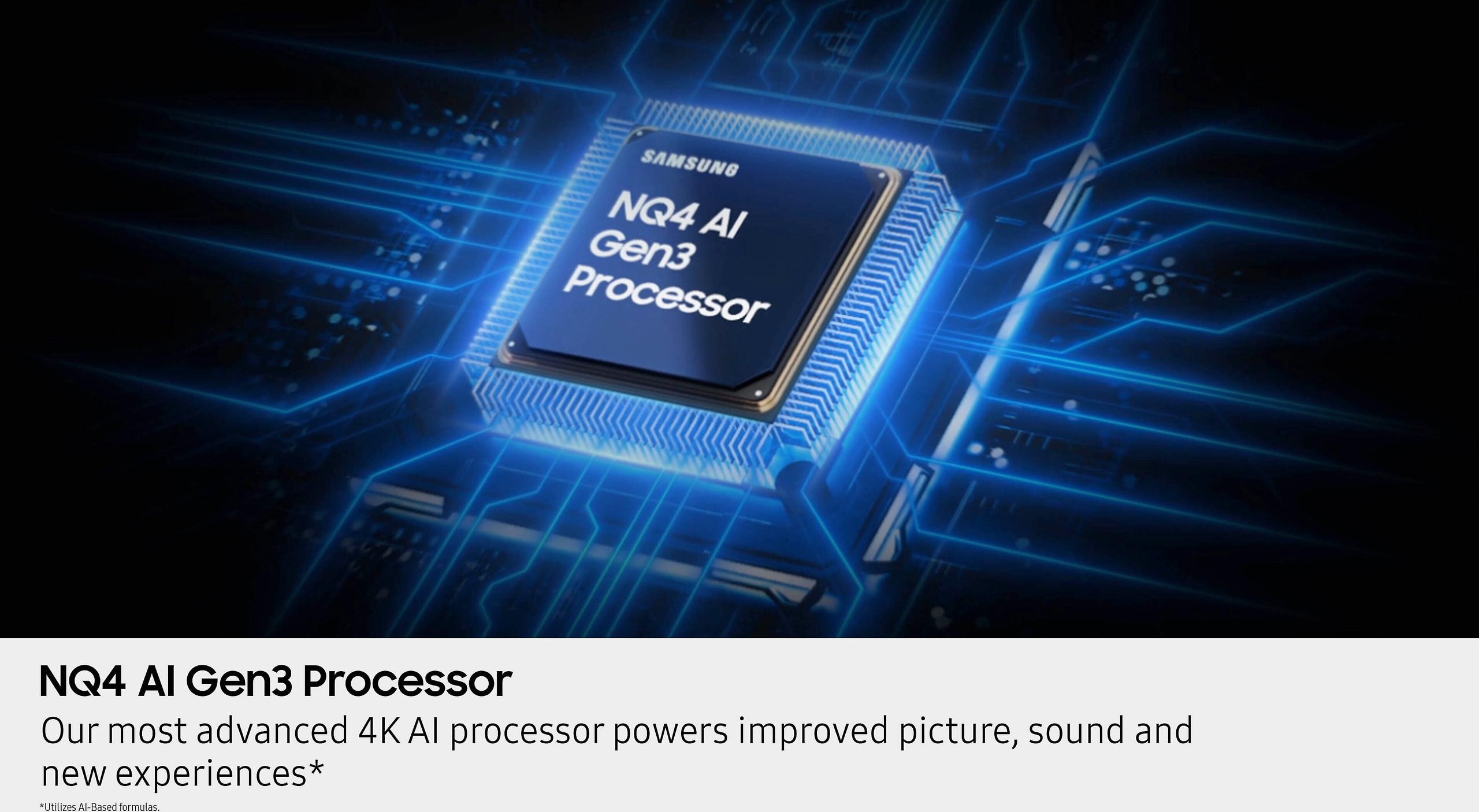
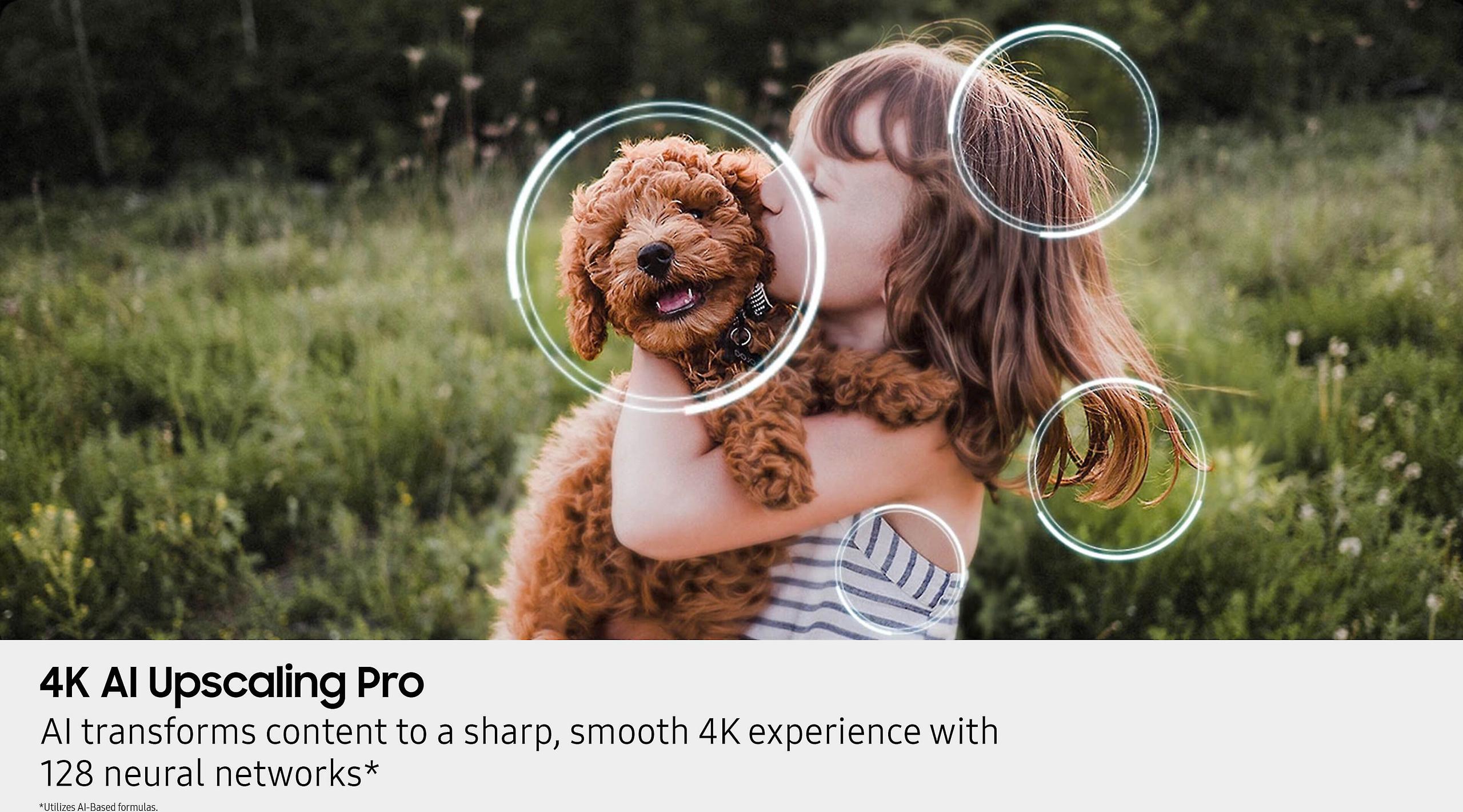
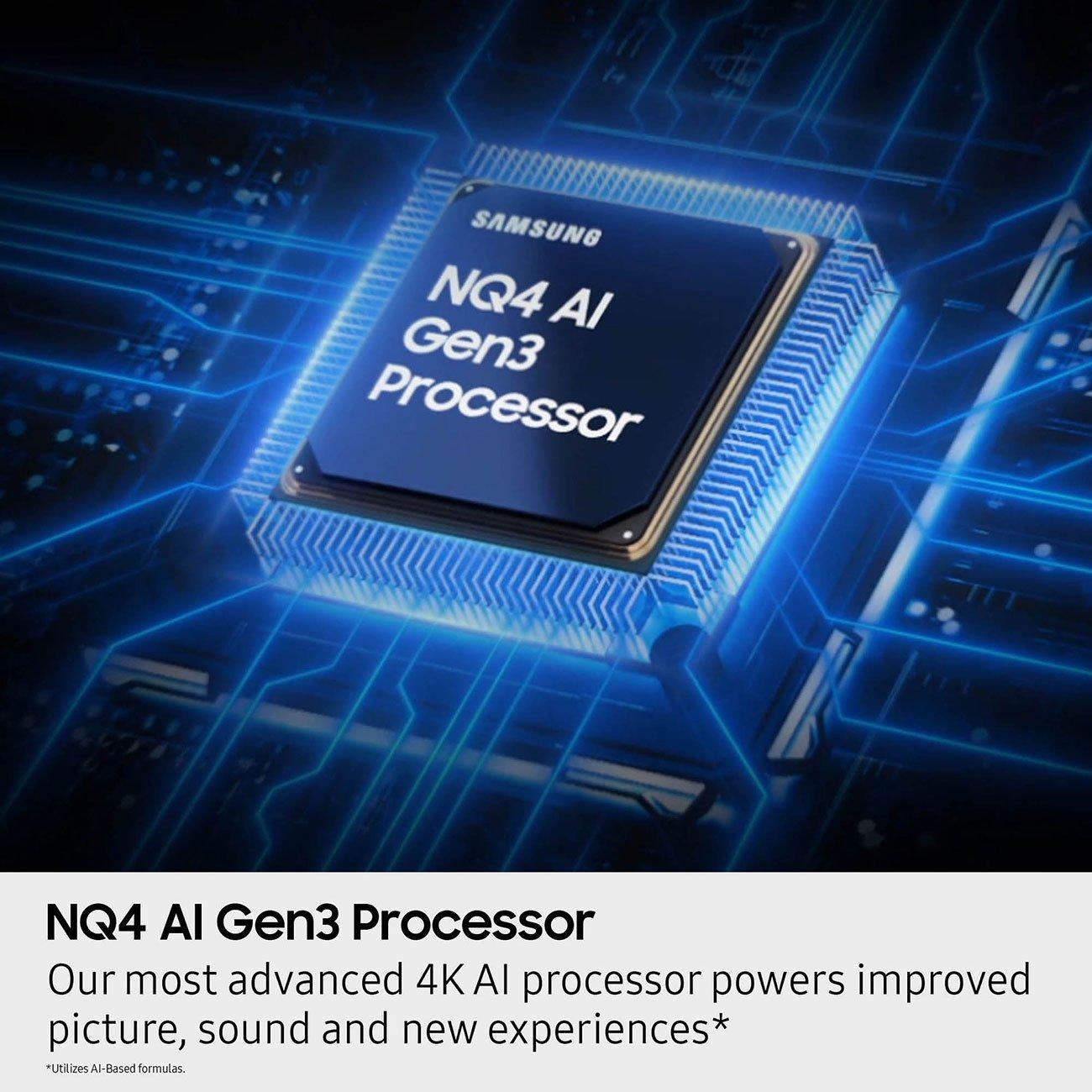
The S90F OLED, meanwhile, focuses its NQ4 AI Gen3 Processor with 128 neural networks specifically on optimizing 4K content, which represents the vast majority of premium content available today.
If you've ever been frustrated by a TV that looks washed out during the day, you'll appreciate what the QN900F brings to the table. Its Mini LED backlighting can achieve peak brightness levels that make HDR content genuinely stunning, even in bright rooms. HDR (High Dynamic Range) is technology that expands the range between the darkest blacks and brightest whites, creating more lifelike images.
When you're watching a sunset scene in a nature documentary or an explosion in an action movie, the QN900F can make those bright elements truly pop off the screen. This is particularly noticeable with content that's been "aggressively mastered" - meaning the creators intentionally used very bright highlights for dramatic effect.
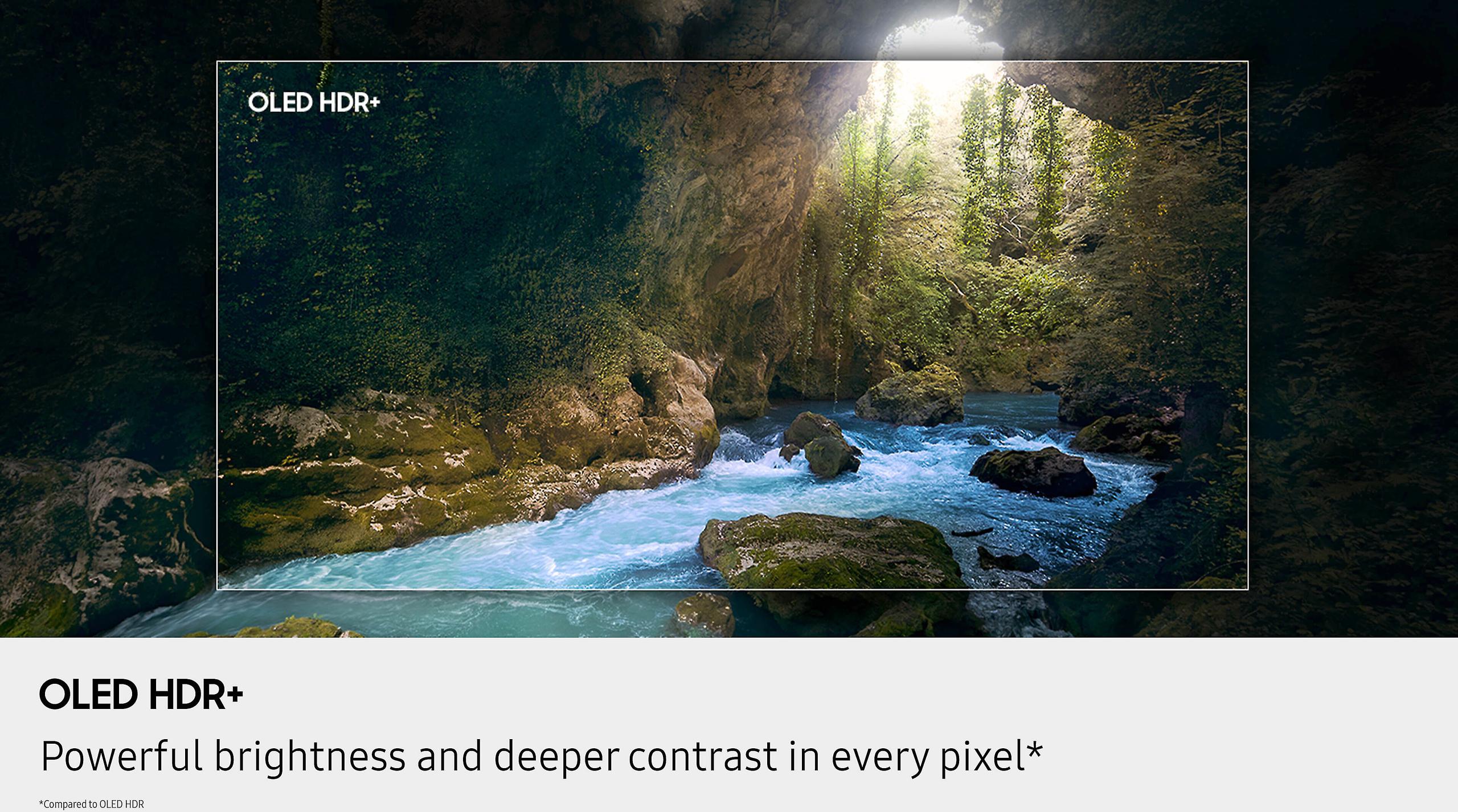
The S90F OLED takes a different approach to HDR. While it can't match the raw brightness of Mini LED, it compensates with perfect black levels. In a darkened room, watching a space scene where stars twinkle against pure black space creates an almost window-like viewing experience that's difficult to describe until you see it.
Both TVs excel at color reproduction but in different ways. The QN900F's Quantum Dot technology maintains color saturation even at very high brightness levels - something traditional TVs struggle with. This means bright, colorful scenes like animated movies or nature documentaries maintain their vibrancy without looking washed out.
The S90F OLED features what Samsung calls QD-OLED technology in the 65-inch size, which combines quantum dots with OLED pixels. This creates exceptionally natural color reproduction that's been Pantone validated - meaning it meets professional color accuracy standards. Colors look more like what you'd see in real life rather than oversaturated.
Motion handling becomes crucial when you're watching fast-paced content. The QN900F supports 120Hz refresh rates with Motion Xcelerator technology, which reduces blur during sports broadcasts or action movies. However, some users report that motion can appear slightly soft when not running at maximum refresh rates.
The S90F OLED pushes this further with 144Hz refresh rates and near-instantaneous pixel response times around 0.1 milliseconds. This virtually eliminates motion blur, making it exceptional for sports viewing and competitive gaming where every frame matters.
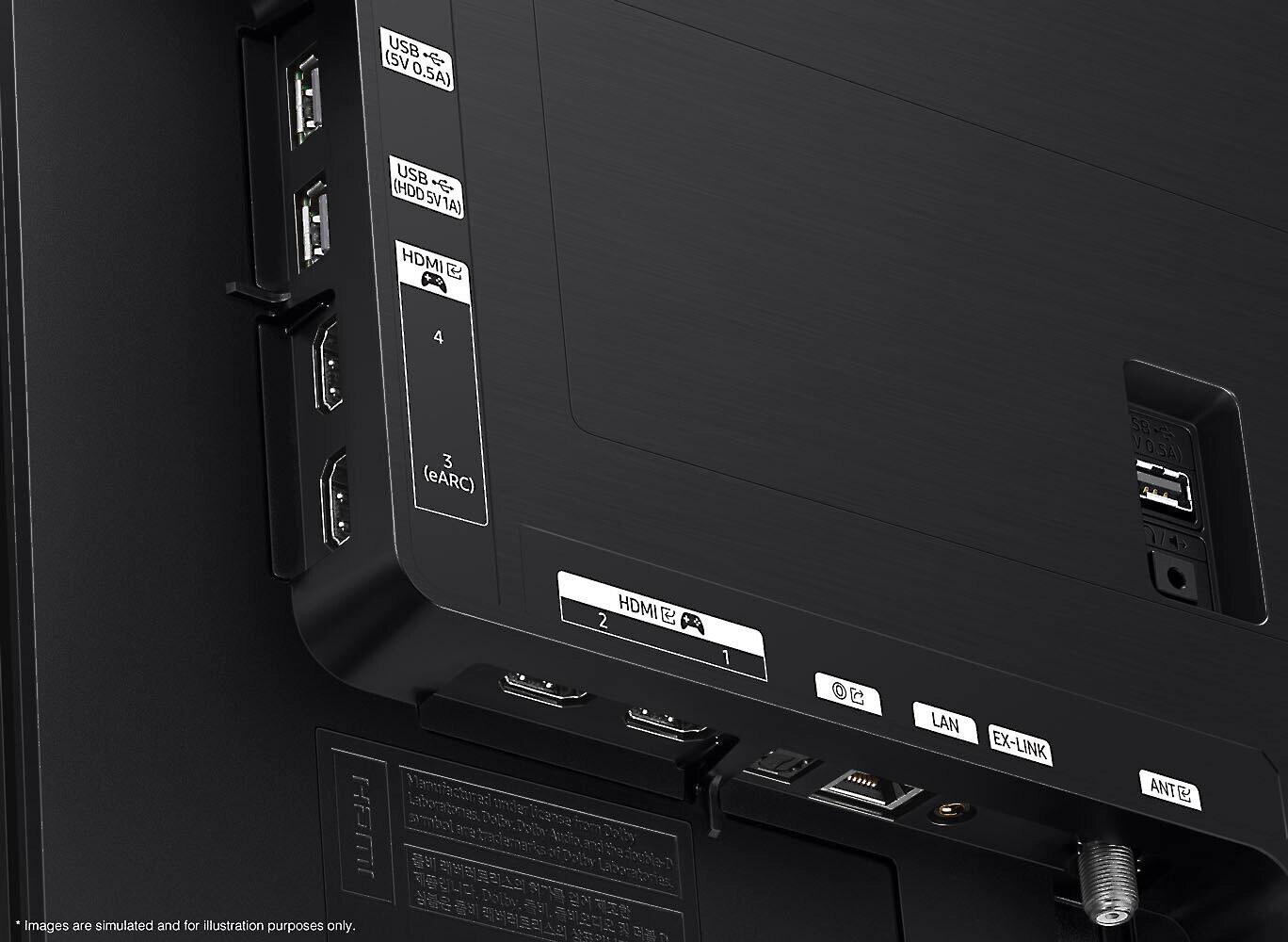
Gaming has become increasingly important for TV buyers, especially as PlayStation 5 and Xbox Series X consoles push higher frame rates and advanced graphics features. Both TVs support HDMI 2.1 connections, which enable these advanced gaming features, but they implement them differently.
The QN900F handles 4K gaming at 120Hz with Variable Refresh Rate (VRR) technology, which synchronizes the TV's refresh rate with your console's output to eliminate screen tearing. It also includes Auto Low Latency Mode (ALLM), which automatically switches to a gaming-optimized picture mode when it detects a gaming console.
The S90F OLED goes further with 4K gaming at 144Hz, providing even smoother motion for competitive gaming. More importantly, OLED's instant pixel response means there's virtually no ghosting or blur during fast camera movements in first-person shooters or racing games. If you're serious about gaming, especially competitive online gaming, this difference is noticeable.
Both TVs run Samsung's 2025 Tizen operating system, which has evolved significantly over the years. The interface is intuitive, with quick access to major streaming services and a far-field microphone for voice commands without needing the remote.
The QN900F's AI processing focuses heavily on content upscaling, using machine learning to analyze what type of content you're watching and optimize the upscaling accordingly. It can distinguish between a nature documentary and an animated movie, applying different enhancement algorithms to each.
The S90F's AI processing includes a feature called Auto HDR Remastering, which intelligently converts standard dynamic range (SDR) content to HDR-like quality. This is particularly valuable because most older movies and TV shows weren't originally mastered in HDR, but this feature can make them look more vibrant and detailed.
Both TVs include Samsung's Vision AI, which recognizes what's on screen and can adjust settings automatically. For example, it might detect a dark movie scene and adjust the backlight to reduce eye strain, or recognize a sports broadcast and enhance motion clarity.
If your TV room has large windows or significant ambient lighting that you can't control, the QN900F becomes compelling despite its higher price. Its anti-reflective coating and high brightness levels mean you won't constantly fight glare or struggle to see dark scenes during daytime viewing.
I've found that many families underestimate how much room lighting affects their viewing experience. A TV that looks amazing in a darkened store showroom might disappoint in your bright living room.
For a dedicated media room or basement setup where you can control lighting, the S90F OLED creates a more cinematic experience. The perfect blacks and precise contrast make you feel like you're looking through a window rather than at a screen. Movie enthusiasts often describe OLED viewing as more "film-like" compared to the sometimes artificial brightness of LED-backlit displays.
Most families use their TV for everything: morning news, afternoon sports, evening movies, and weekend gaming sessions. Here, the S90F OLED proves more versatile. Its excellent off-angle viewing means family members sitting to the sides still get good picture quality, and its superior motion handling benefits both sports and gaming.
At the time of writing, the S90F OLED typically costs several hundred dollars less than the QN900F Neo QLED, making the value equation interesting. You're paying a premium for 8K resolution that primarily benefits from AI upscaling rather than native content.
The question becomes whether that upscaling provides enough visual improvement to justify the extra cost. Based on our research and consensus from professional reviews, the improvement is most noticeable on very large screens (75+ inches) when sitting relatively close. On a 65-inch screen at typical viewing distances, the difference is subtle for most content.
From a future-proofing perspective, 8K content adoption has been slower than industry predictions. While having 8K capability might seem like insurance for the future, the reality is that streaming bandwidth limitations and storage requirements make widespread 8K adoption unlikely in the next 5-7 years.
One concern often raised about OLED technology is burn-in - permanent image retention from static elements like news tickers or gaming HUDs. Modern OLEDs, including the S90F, include sophisticated prevention features like pixel shifting, logo detection, and automatic brightness limiting. While burn-in risk isn't zero, it's become much less of a concern with normal viewing habits.
The QN900F doesn't face burn-in concerns due to its LCD-based technology, which might provide peace of mind for users who frequently display static content or use their TV as a computer monitor.
For serious home theater enthusiasts, both TVs offer excellent calibration options and color accuracy. However, the S90F OLED's perfect black levels create more authentic movie theater-like viewing, especially for content mastered with theatrical presentation in mind.
Both models support major HDR formats, though notably neither supports Dolby Vision - Samsung's ongoing format preference for HDR10+ instead. This might influence your decision if you have a large collection of Dolby Vision content from streaming services like Netflix or physical media.
After extensive research and evaluation of professional reviews and user feedback, the S90F OLED emerges as the better choice for most buyers. Its combination of superior picture quality for current content, excellent gaming performance, strong value proposition, and versatility across different viewing scenarios makes it the more practical choice.
Choose the QN900F Neo QLED if you have a bright room that can't be controlled, you're willing to pay a premium for future-proofing with 8K upscaling, or you prefer the peace of mind that comes with traditional LCD technology.
Choose the S90F OLED if you want the best picture quality for today's content, prioritize gaming performance, appreciate significant cost savings, or can provide some lighting control for optimal viewing.
The S90F represents better value for most households because it optimizes the viewing experience for content you can actually watch today, rather than banking on a future 8K ecosystem that remains uncertain. Its superior motion handling, perfect contrast, and lower price point make it the smarter investment for most families looking to upgrade their viewing experience.
While both TVs will provide excellent entertainment for years to come, the S90F OLED delivers more immediate satisfaction and better value, making it our recommendation for most buyers in this premium TV category.
| Samsung 65" Neo QLED 8K QN900F Vision AI Smart TV 2025 | Samsung 65" S90F OLED 4K Vision AI Smart TV 2025 |
|---|---|
| Display Technology - Determines contrast, brightness capabilities, and viewing experience | |
| Neo QLED with Mini LED backlighting and quantum dots | OLED with self-illuminating pixels (QD-OLED panel) |
| Resolution - Higher numbers don't always mean better real-world performance | |
| 8K (7,680 × 4,320 pixels) with AI upscaling focus | 4K (3,840 × 2,160 pixels) optimized for current content |
| Peak Brightness - Critical for HDR impact and bright room viewing | |
| 2,000+ nits (excellent for bright rooms and dramatic HDR) | ~1,500 nits (good brightness with perfect blacks for contrast) |
| Black Level Performance - Affects contrast and dark scene detail | |
| Very good blacks with minimal blooming from local dimming | Perfect blacks (pixels turn completely off) |
| Gaming Refresh Rate - Higher rates provide smoother motion for competitive gaming | |
| 120Hz with VRR and low input lag | 144Hz with near-instant 0.1ms pixel response |
| Motion Handling - Important for sports and fast-paced content | |
| Motion Xcelerator Turbo 8K Pro (good, some blur at lower rates) | Motion Xcelerator 144Hz (excellent, virtually no blur) |
| AI Processor - Drives upscaling quality and smart features | |
| NQ8 AI Gen3 with 256 neural networks (8K upscaling focus) | NQ4 AI Gen3 with 128 neural networks (4K optimization) |
| Viewing Angle Performance - Matters for family seating arrangements | |
| Good with Ultra Viewing Angle technology | Excellent color and brightness retention off-axis |
| Burn-in Risk - Long-term durability consideration | |
| No burn-in risk (LCD technology) | Minimal risk with modern prevention features |
| Content Ecosystem Support - What you can actually watch today | |
| Limited by lack of native 8K content, relies on upscaling | Optimized for abundant 4K streaming and gaming content |
| Room Lighting Suitability - Where each TV performs best | |
| Excellent for bright rooms with anti-glare coating | Best in controlled lighting, good in moderate ambient light |
| Value Proposition - Performance per dollar spent | |
| Premium pricing for future-proofing and 8K upscaling | Strong value with immediate picture quality benefits |
The Samsung S90F OLED delivers superior picture quality for most movie and TV content due to its perfect black levels and infinite contrast ratio. Each pixel can turn completely off, creating true blacks that make colors pop and provide a more cinematic viewing experience. The Samsung QN900F Neo QLED offers brighter highlights for HDR content, but the OLED's contrast advantage makes it better for the dark scenes common in movies and dramas.
Currently, 8K resolution on the Samsung QN900F provides minimal real-world benefits since virtually no native 8K content exists. The TV relies on AI upscaling to enhance 4K and HD content, which does improve sharpness but doesn't justify the significant price premium for most buyers. The Samsung S90F OLED optimizes 4K content exceptionally well, making it the smarter investment for today's viewing habits.
The Samsung S90F OLED is superior for gaming with its 144Hz refresh rate and near-instant 0.1ms pixel response time, virtually eliminating motion blur and input lag. While the Samsung QN900F Neo QLED supports 120Hz gaming with good performance, the OLED's faster response makes it ideal for competitive gaming where every millisecond matters.
The Samsung QN900F Neo QLED excels in bright rooms with its high peak brightness (2,000+ nits) and anti-glare coating, maintaining excellent visibility even with windows or bright lighting. The Samsung S90F OLED performs well in moderate lighting but may struggle with very bright ambient light, making the Neo QLED the better choice for bright living rooms.
Both the Samsung QN900F and Samsung S90F OLED run identical Samsung Tizen smart platforms with the same streaming apps and voice control features. The main difference lies in their AI processors - the QN900F focuses on 8K upscaling while the S90F optimizes 4K content processing, but both provide equally smooth smart TV experiences.
The Samsung QN900F Neo QLED suffers from limited native 8K content and a significant price premium that's hard to justify for most users. The Samsung S90F OLED has potential burn-in risk with static images (though modern prevention features minimize this) and lower peak brightness that may not satisfy bright room viewing needs.
Both TVs handle sports well, but the Samsung S90F OLED has a slight edge due to its superior motion handling and 144Hz refresh rate that eliminates blur during fast action. The Samsung QN900F Neo QLED offers better bright room visibility for daytime sports viewing, making the choice depend on your room's lighting conditions.
The Samsung S90F OLED typically costs several hundred dollars less than the Samsung QN900F Neo QLED, making it the clear value winner. The OLED delivers superior picture quality for current content at a lower price, while the Neo QLED's 8K premium is difficult to justify given the lack of available 8K content.
The Samsung S90F OLED is ideal for dedicated home theater setups where lighting can be controlled. Its perfect blacks and infinite contrast create a truly cinematic experience that mimics professional movie theaters. The Samsung QN900F Neo QLED works well too, but OLED technology provides the most authentic movie theater-like viewing experience.
The Samsung S90F OLED maintains excellent color accuracy and brightness when viewed from the side, making it perfect for families with wide seating arrangements. The Samsung QN900F Neo QLED also offers good viewing angles with its Ultra Viewing Angle technology, but the OLED provides slightly better off-axis performance overall.
Both the Samsung QN900F Neo QLED and Samsung S90F OLED should last 7-10 years with proper care. The Neo QLED has no burn-in risk due to its LCD technology, while the OLED includes modern burn-in prevention features that make this concern minimal for normal viewing. Samsung provides similar warranty coverage and software updates for both models.
Choose the Samsung QN900F Neo QLED if you have a very bright room, want future-proofing with 8K upscaling, or prefer avoiding any burn-in concerns. Select the Samsung S90F OLED if you want the best picture quality for current content, prioritize gaming performance, prefer significant cost savings, or can provide some lighting control for optimal viewing.
We've done our best to create useful and informative comparisons to help you decide what product to buy. Our research uses advanced automated methods to create this comparison and perfection is not possible - please contact us for corrections or questions. These are the sites we've researched in the creation of this article: rtings.com - samsung.com - techradar.com - dolby.com - youtube.com - samsung.com - youtube.com - samsung.com - samsung.com - samsung.com - samsung.com - displayspecifications.com - samsung.com - rtings.com - bestbuy.com - merlinstv.com - news.samsung.com - bestbuy.com - youtube.com - t3.com - rtings.com - bestbuy.com - stereonet.com - samsung.com - bestbuy.com - flatpanelshd.com - myallsouth.com - pcrichard.com - samsung.com - bestbuy.com - samsung.com - samsung.com - samsung.com

Privacy Policy
Terms and Conditions - Affiliate Policy
Home Security
© Copyright 2008-2026.
11816 Inwood Rd #1211, Dallas, TX 75244