

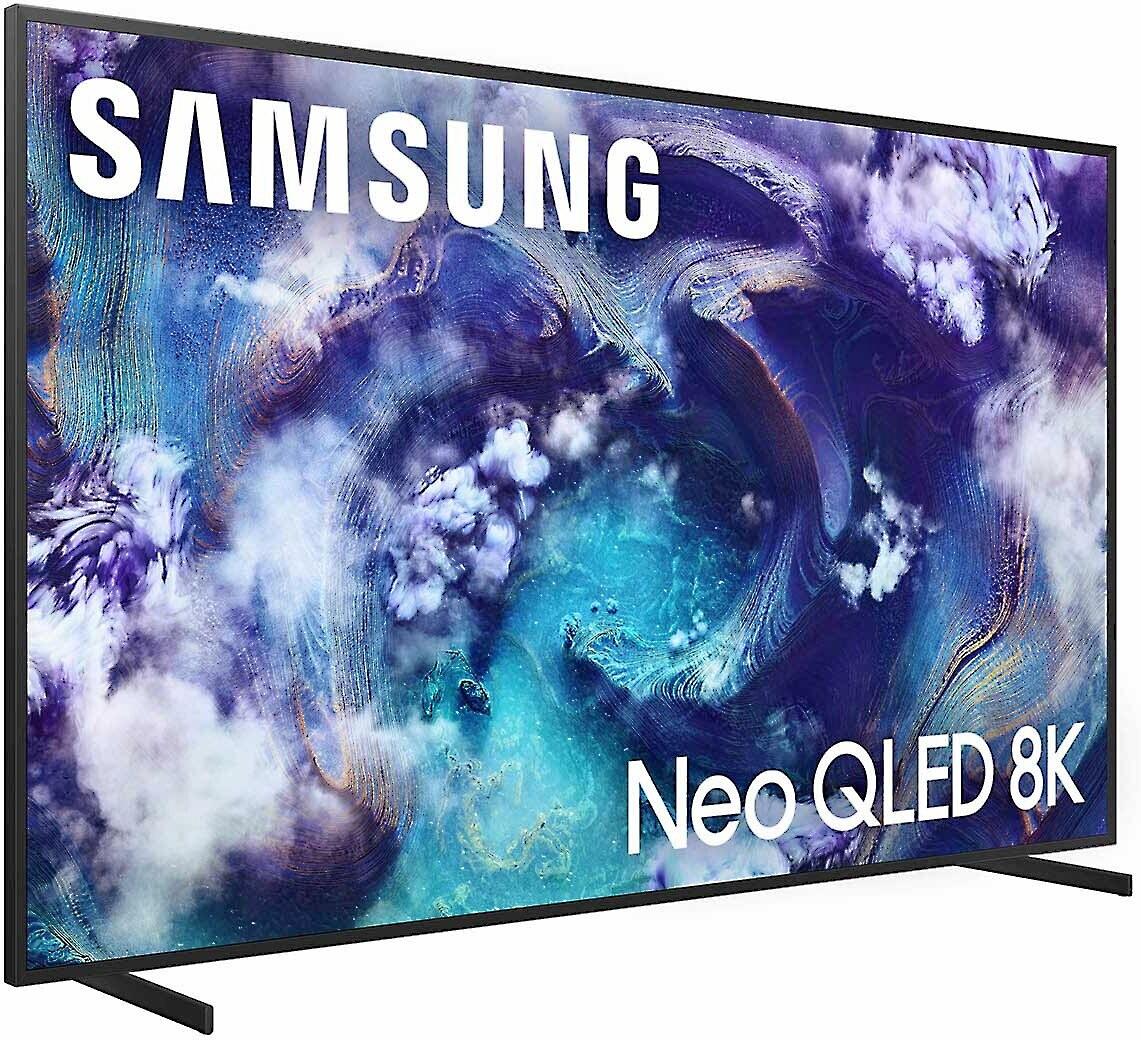
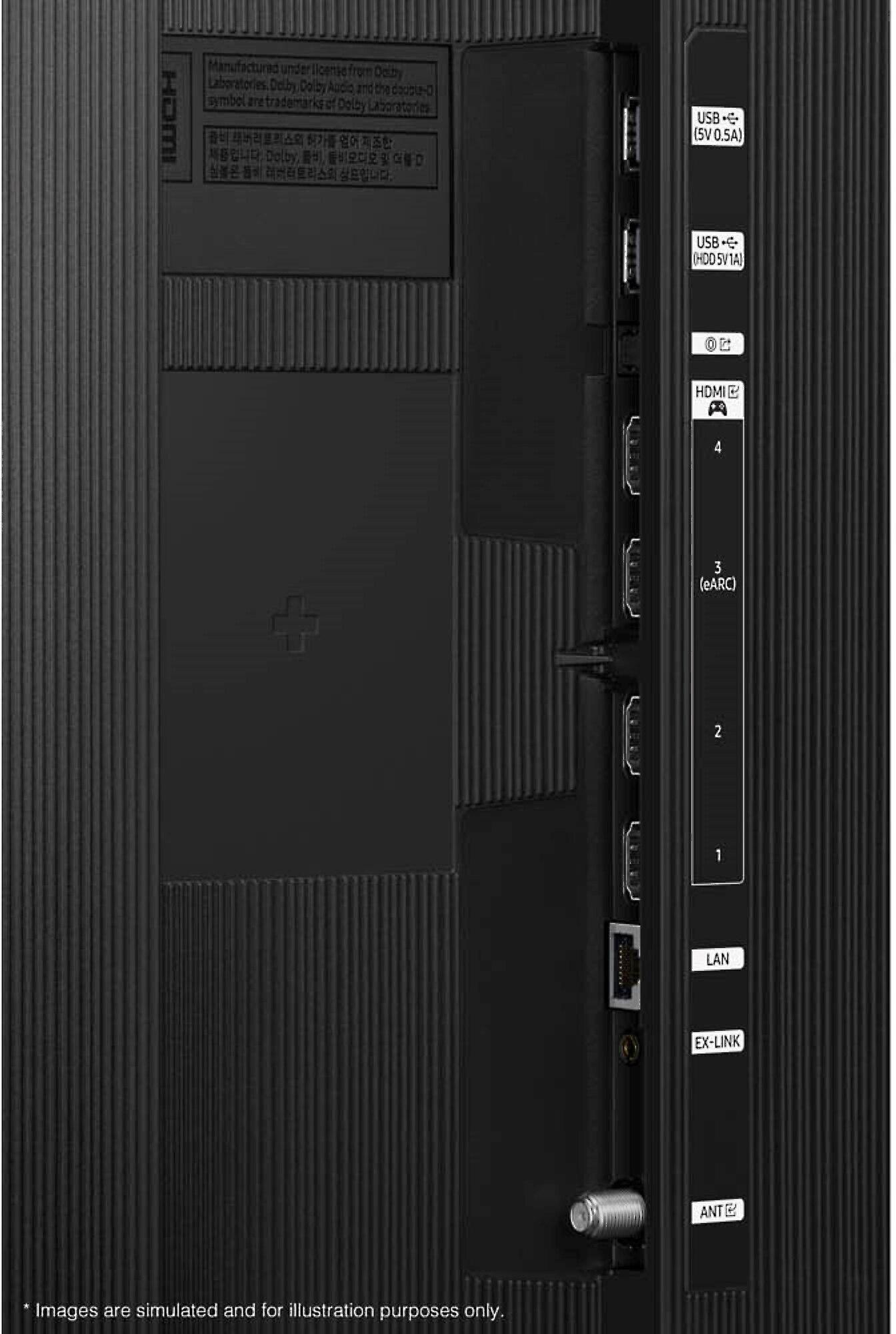
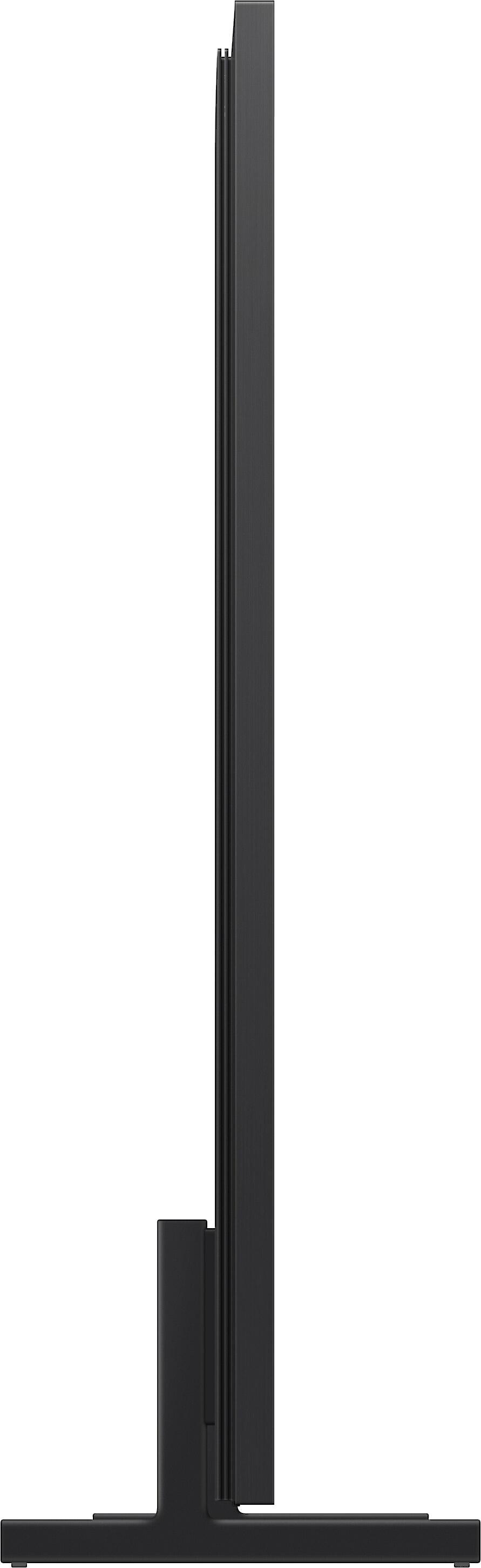
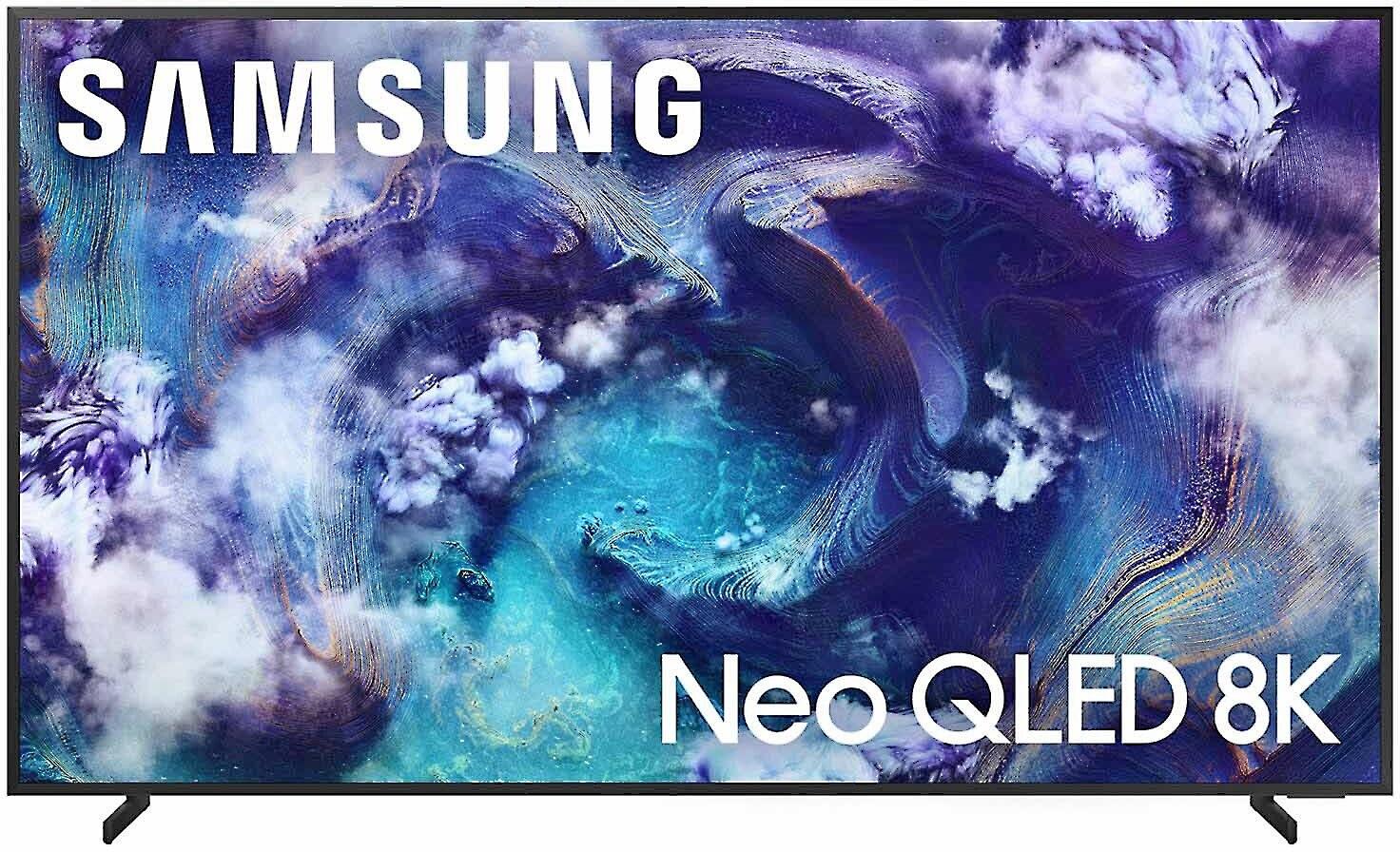
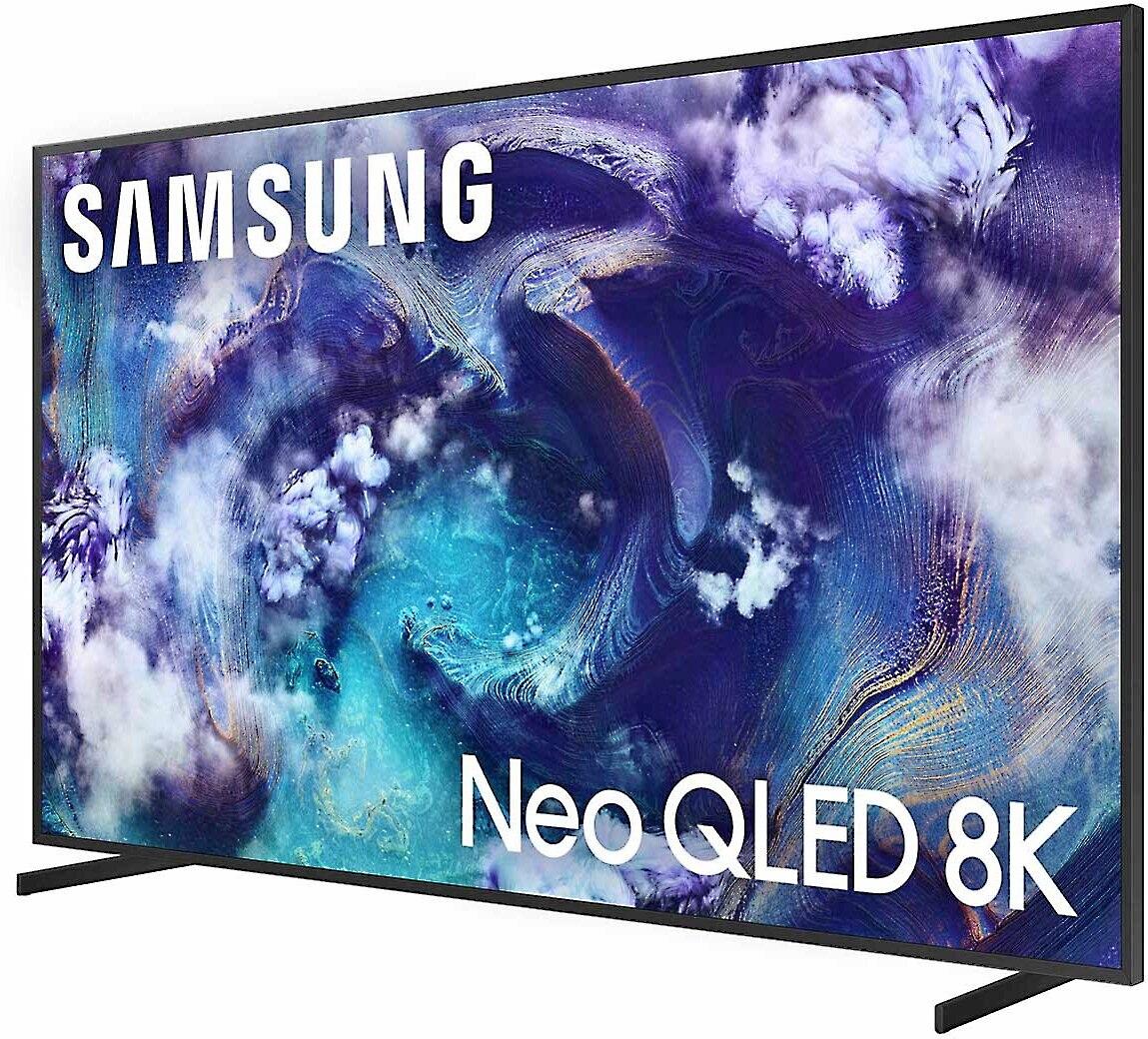

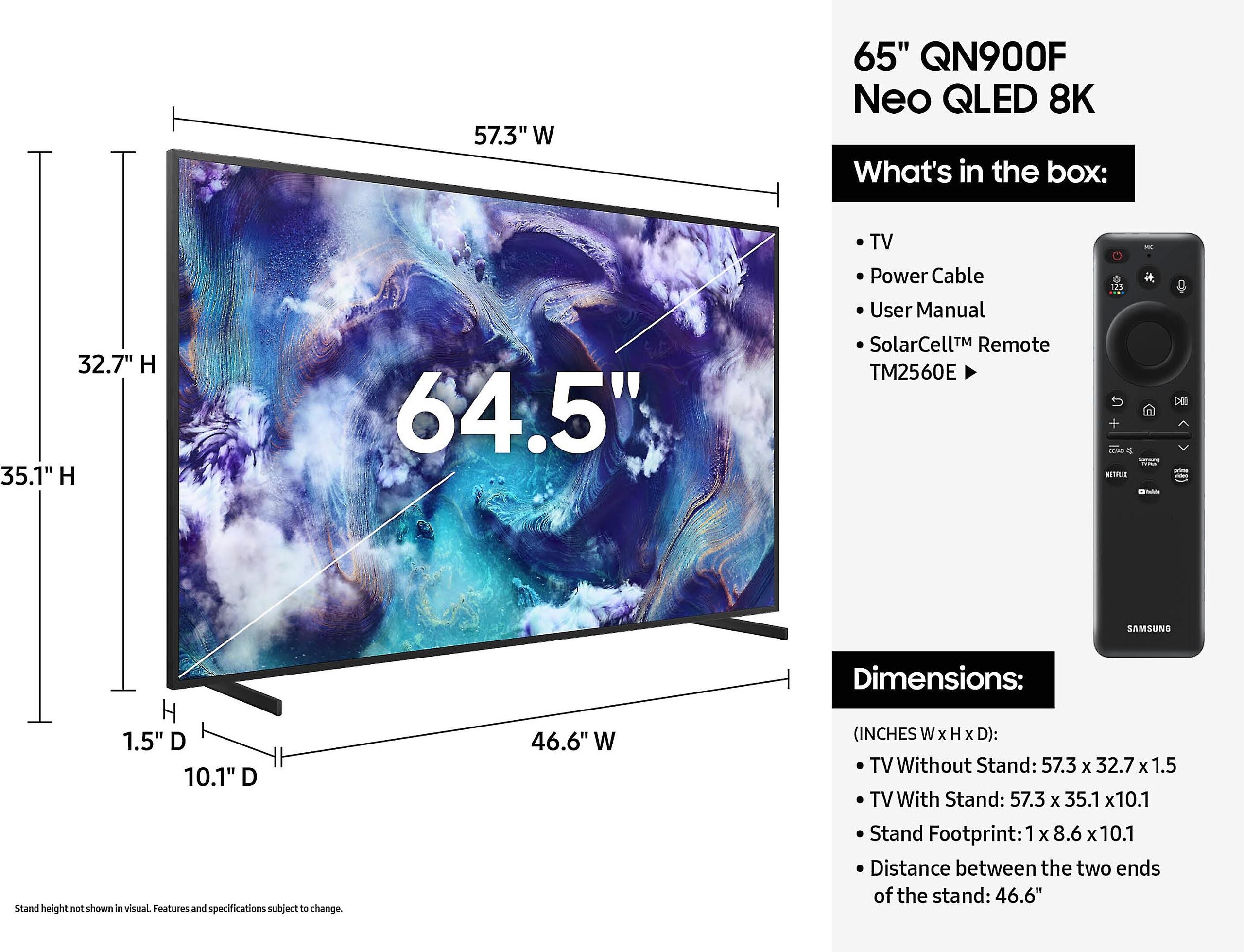
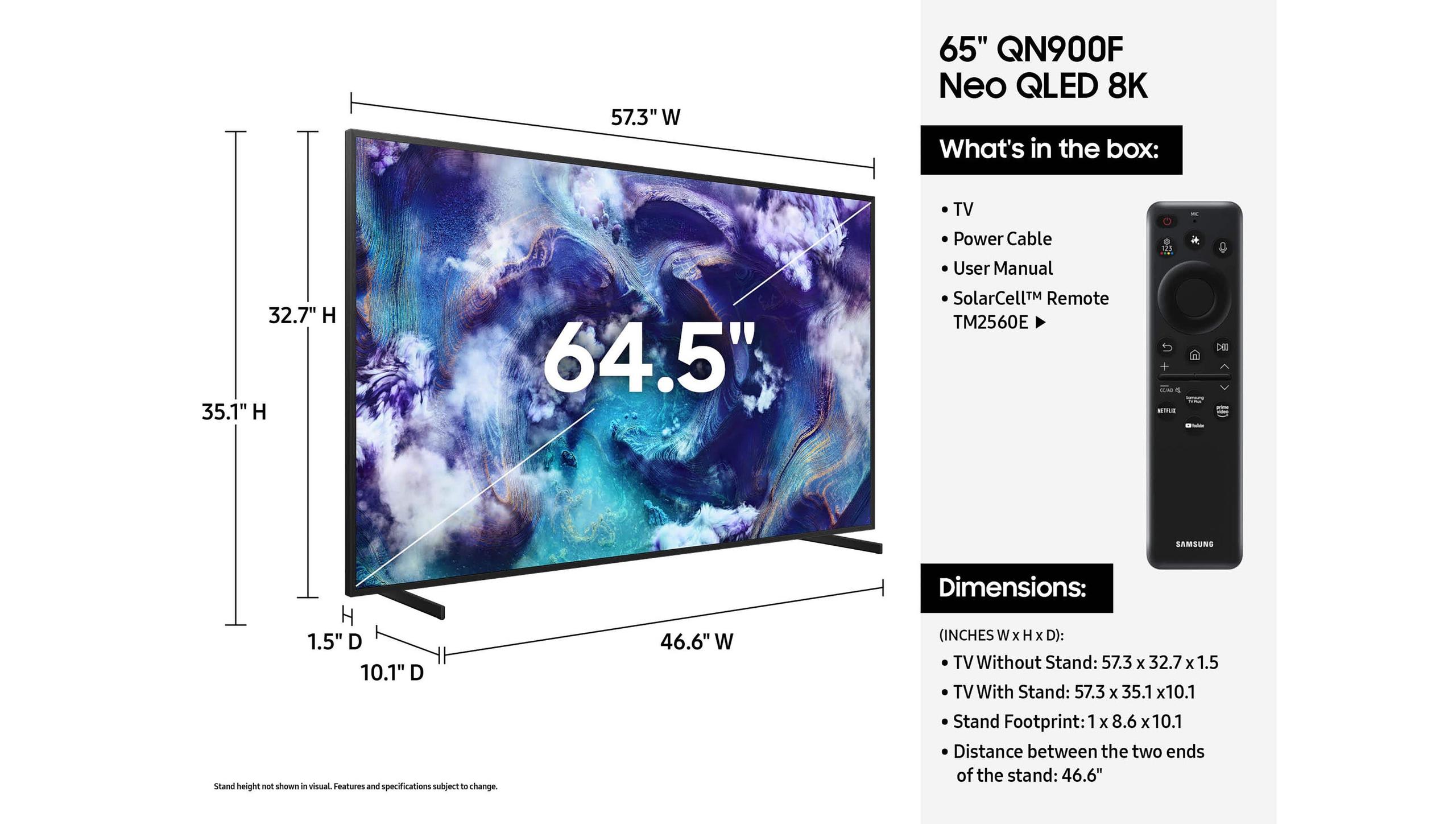
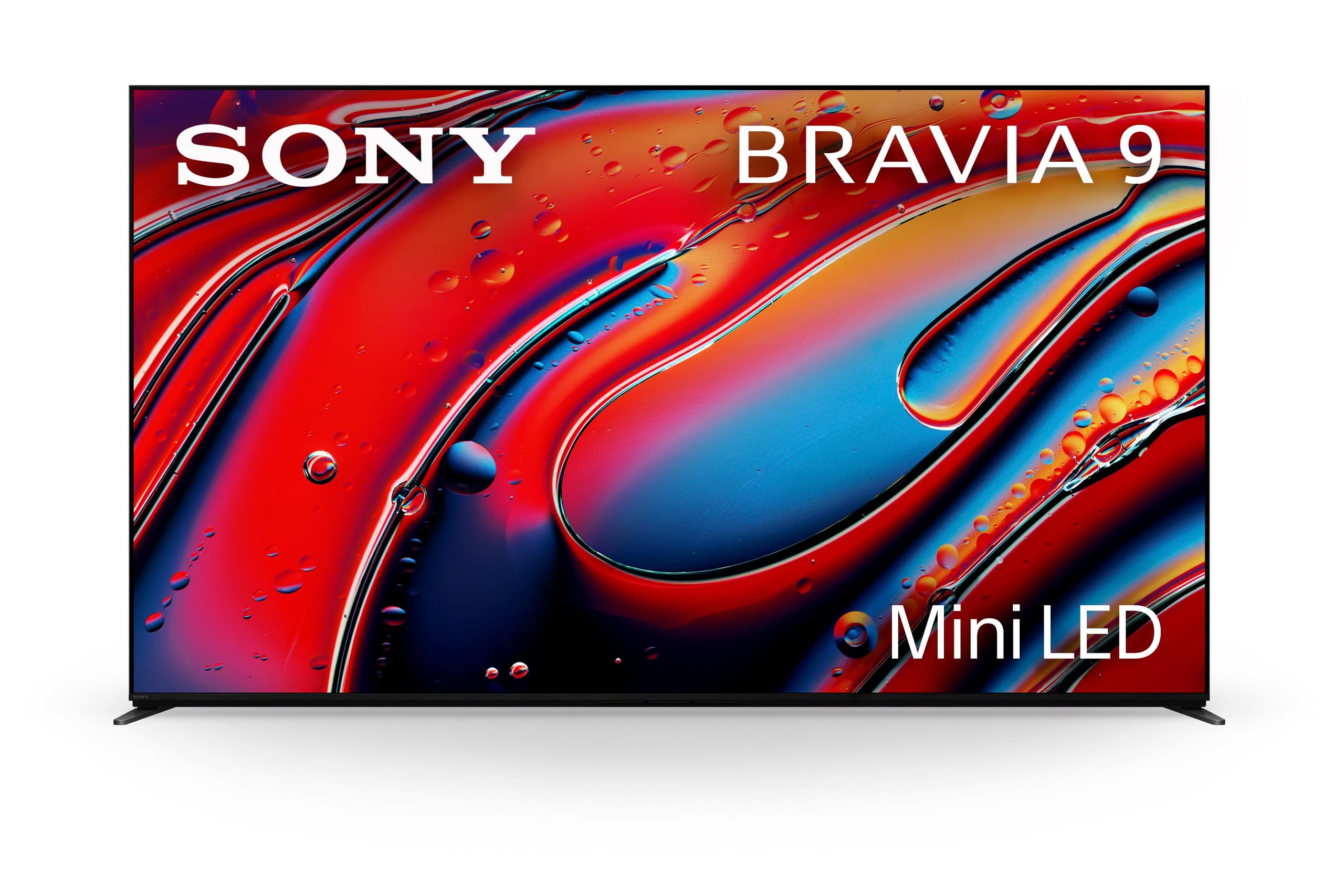
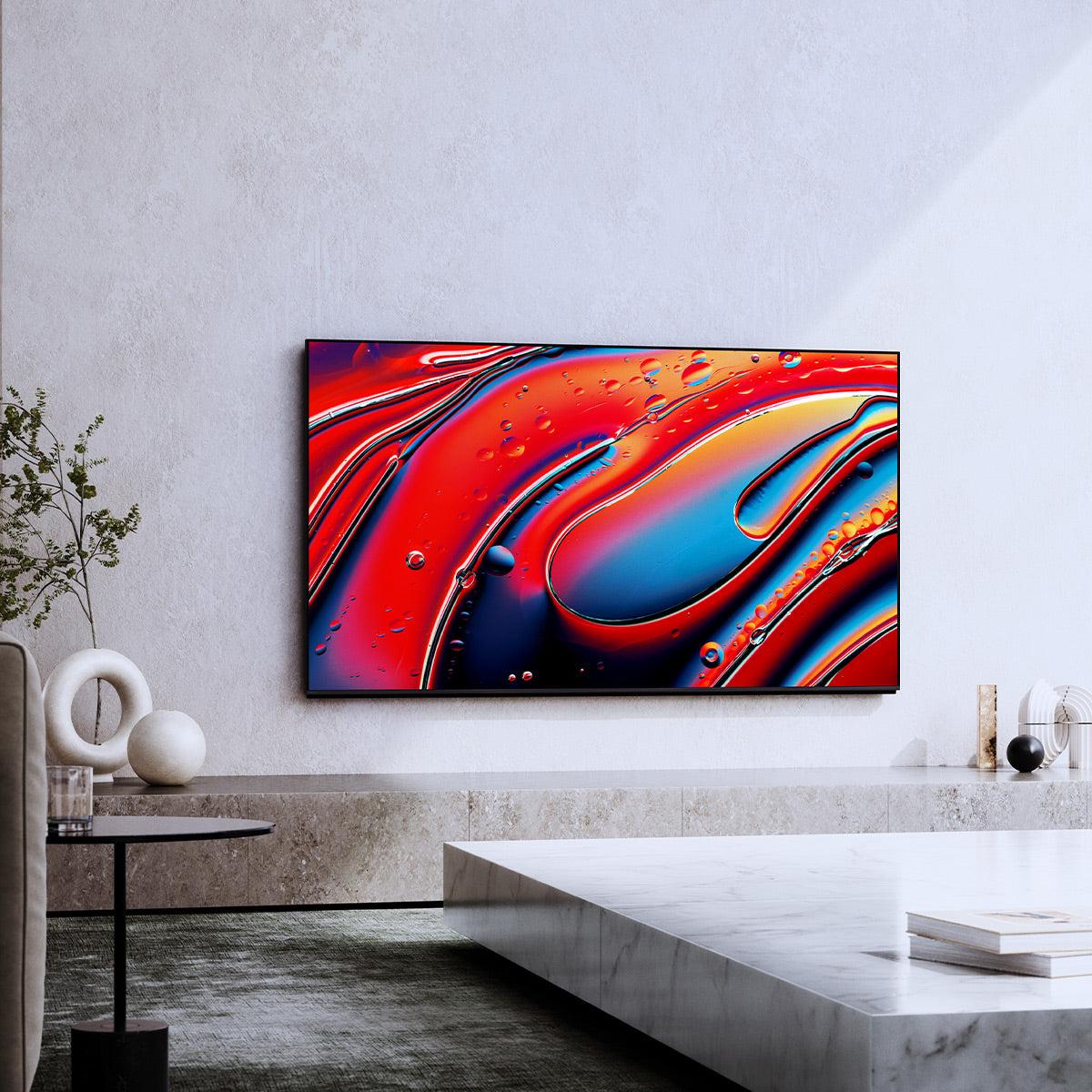
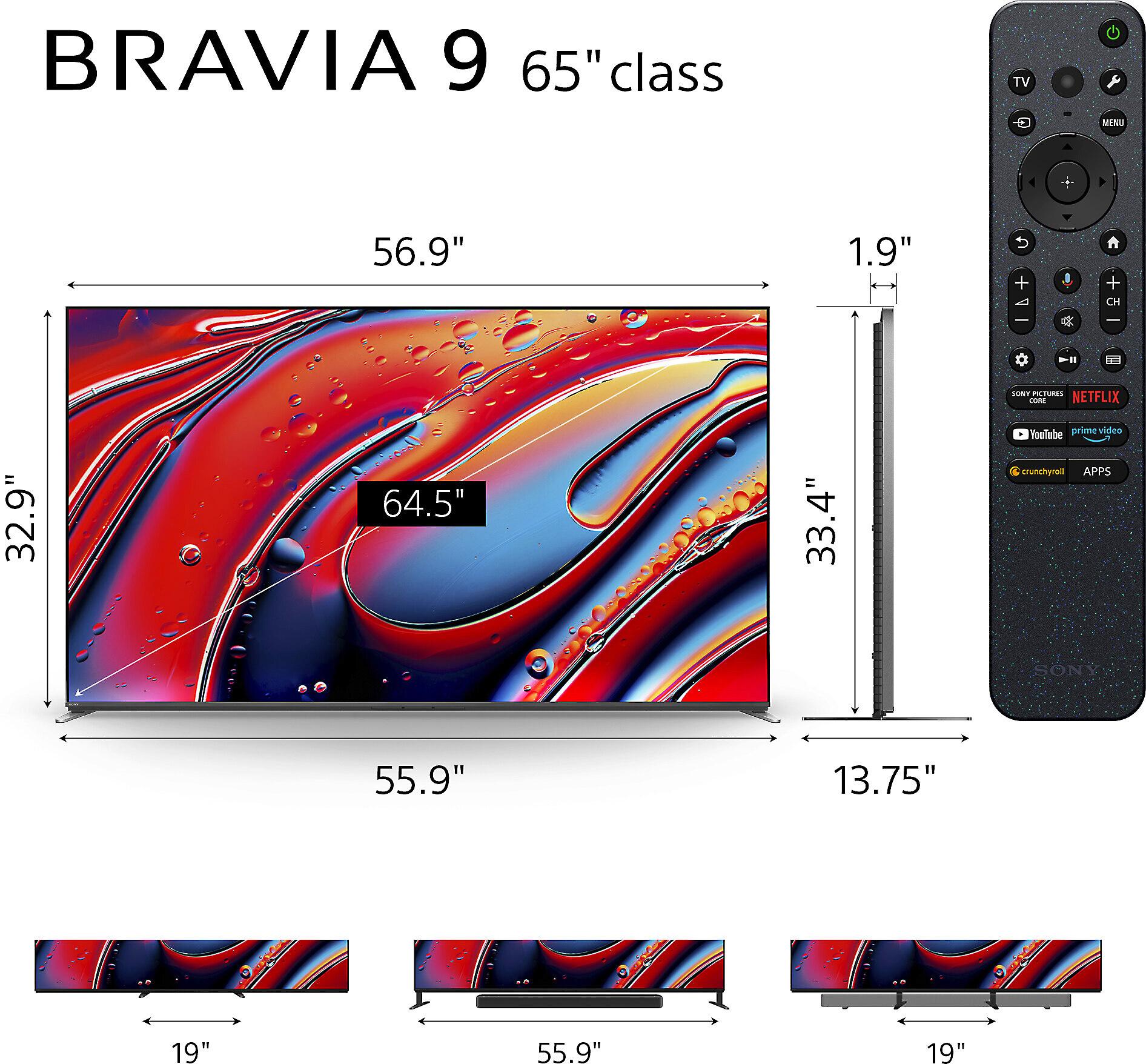

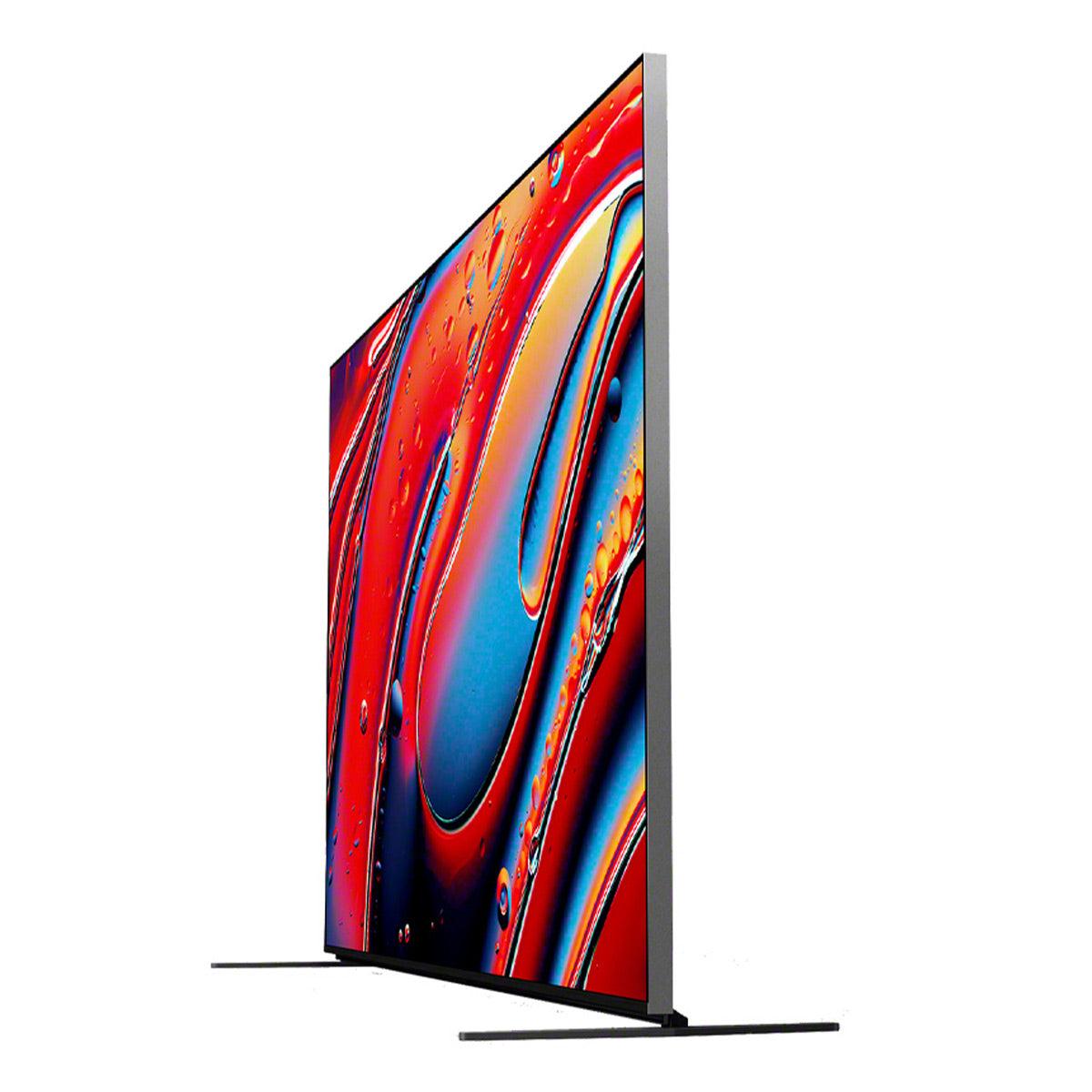
The premium TV market has reached an interesting crossroads. On one side, we have manufacturers like Samsung pushing the boundaries with 8K resolution and cutting-edge processing. On the other, companies like Sony are perfecting 4K technology with superior content compatibility and refined picture processing. This creates a fascinating comparison between the Samsung QN900F 8K Neo QLED from 2025 and the Sony BRAVIA 9 4K Mini LED from 2024.
Both televisions represent the peak of LED-based display technology, using Mini LED backlighting—thousands of tiny LEDs that provide incredibly precise control over brightness and darkness across the screen. Think of it like having thousands of individual dimmer switches instead of one master control for your entire room's lighting. This technology bridges the gap between traditional LED TVs and OLED displays, offering the brightness advantages of LED with much better contrast control.
The fundamental split between these TVs reflects two different approaches to premium display technology. The Samsung QN900F embodies the "more pixels is better" philosophy, cramming 33 million pixels into its 65-inch display compared to a typical 4K TV's 8.3 million pixels. Samsung's bet is that this massive pixel density, combined with AI-powered upscaling, will create a noticeably superior viewing experience both now and in the future.
The Sony BRAVIA 9, meanwhile, represents the "perfect what exists" approach. Rather than chasing higher resolutions, Sony focuses on making current 4K content look as good as possible through superior processing, broader HDR (High Dynamic Range) support, and more natural color reproduction. HDR, for those unfamiliar, extends the range between the darkest and brightest parts of an image, creating more realistic contrast that better matches what our eyes see in real life.
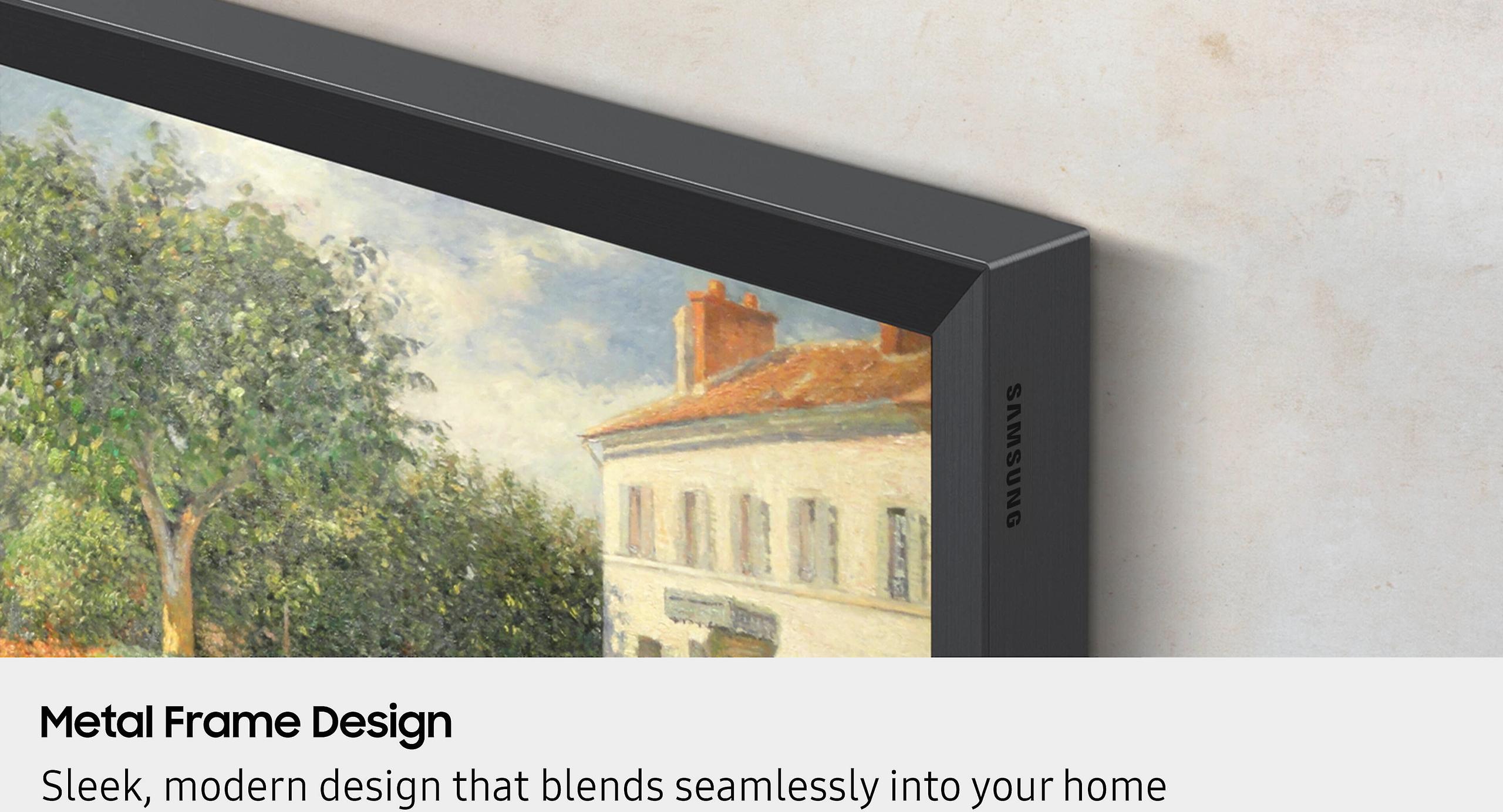
When evaluating premium TVs, picture quality remains the most critical factor, and both displays excel in different ways. The Samsung QN900F leverages its Quantum Matrix Pro technology—Samsung's fancy name for their advanced Mini LED control system—to achieve exceptional brightness levels. This TV can get significantly brighter than most displays, making it particularly effective in rooms with lots of ambient light or large windows.
The NQ8 AI Gen3 processor inside the Samsung QN900F represents a significant advancement in TV processing power. This chip uses machine learning to analyze incoming video in real-time, identifying objects, faces, and scene types to optimize the picture accordingly. When you're watching a lower-resolution source—say, a 1080p cable broadcast—this processor works to recreate detail that was lost in compression, essentially filling in the gaps to approach 8K quality.
However, our research into professional reviews and user feedback consistently points to the Sony BRAVIA 9 delivering more natural and pleasing picture quality for most content. Sony's XR Cognitive Processor takes a different approach, focusing on how humans actually perceive images rather than just maximizing technical specifications. This results in more accurate skin tones, better color gradation, and a more three-dimensional sense of depth.
The most significant advantage for Sony lies in its Dolby Vision support. While both TVs support HDR, they use different formats. The Samsung QN900F uses HDR10+, while the Sony BRAVIA 9 supports both HDR10+ and Dolby Vision. This matters because major streaming services like Netflix, Disney+, and Apple TV+ primarily use Dolby Vision for their premium content. When you watch a Dolby Vision movie on the Sony, you're seeing it exactly as the filmmaker intended. On the Samsung, that same content gets converted to HDR10+, which can result in less accurate colors and contrast.
The 8K versus 4K debate requires honest discussion about real-world benefits. From typical living room viewing distances—usually 8 to 12 feet from a 65-inch TV—the human eye struggles to distinguish the resolution difference. The benefits of 8K become more apparent when sitting very close to the display or when viewing native 8K content, which remains extremely scarce.
Currently, almost no consumer content exists in 8K. A few documentaries on YouTube, some demonstration videos, and expensive specialty cameras represent the entire 8K ecosystem. This means the Samsung QN900F's primary advantage lies in its upscaling capabilities rather than native 8K content display.
That said, Samsung's upscaling technology has genuinely impressed in testing scenarios. The AI processor can take 1080p cable TV content and make it look noticeably sharper and more detailed than on competing TVs. However, this processing sometimes introduces artificial sharpness that can look unnatural, particularly with human faces or complex textures.
Both televisions cater well to serious gamers, but with different strengths. The Samsung QN900F offers features like FreeSync Premium Pro, which synchronizes the display refresh rate with compatible graphics cards to eliminate screen tearing—those annoying horizontal lines that sometimes appear during fast-paced gaming. The TV's Gaming Hub also provides access to cloud gaming services, turning your TV into a gaming platform without needing a console.
The Sony BRAVIA 9 takes a more focused approach, with specific optimizations for PlayStation 5. Features like Auto HDR Tone Mapping work directly with Sony's console to deliver optimal gaming visuals without manual adjustment. Both TVs achieve input lag under 10 milliseconds in game mode, which means virtually no delay between pressing a button and seeing the action on screen—crucial for competitive gaming.
For home theater gaming setups, both displays support 4K gaming at 120Hz refresh rates, making them future-proof for current and upcoming console generations. The higher refresh rate creates smoother motion during fast-paced games, reducing blur and improving response times.
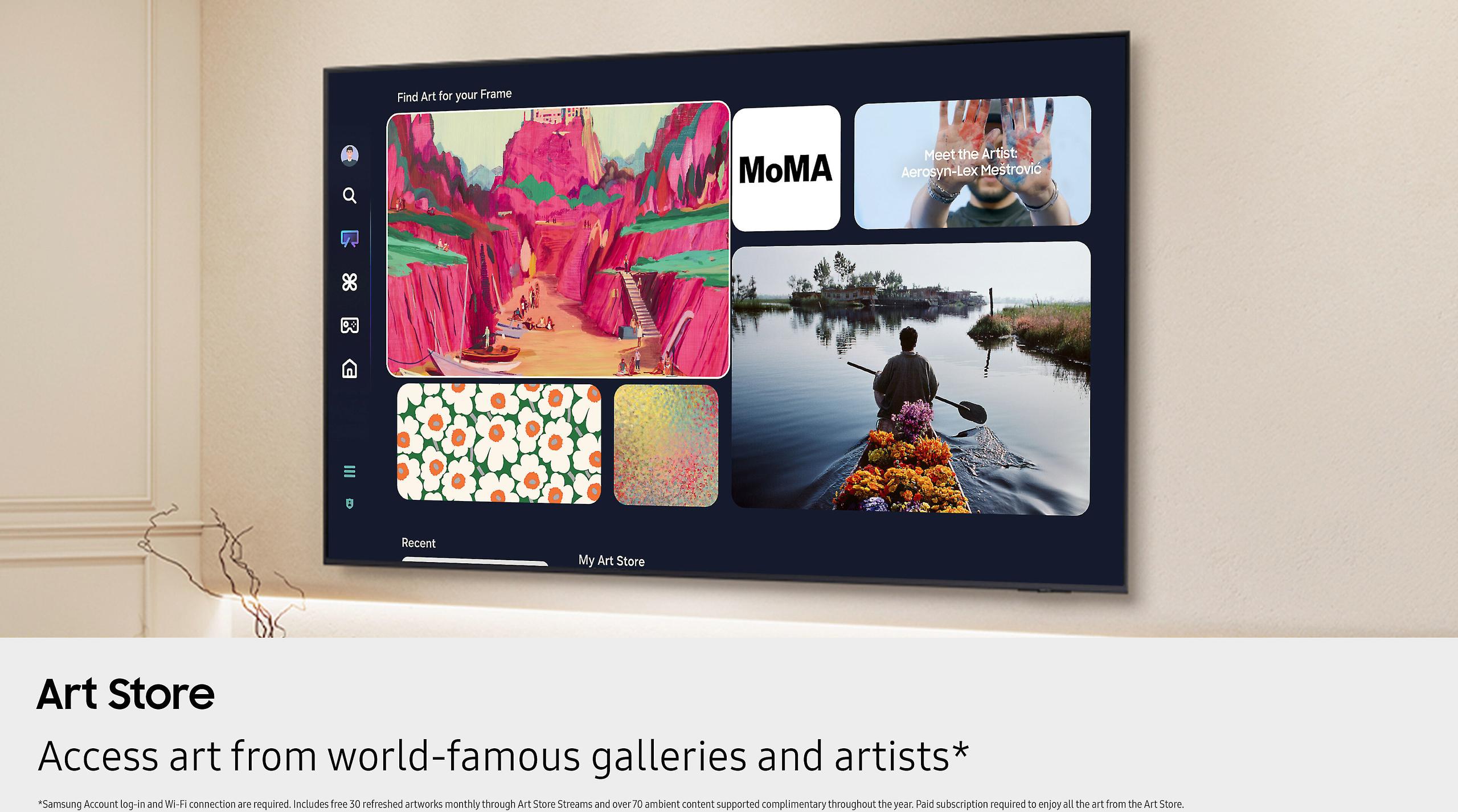
The smart TV platform significantly impacts daily usability, and these televisions take different approaches. The Samsung QN900F runs Tizen OS, Samsung's proprietary system that integrates well with other Samsung devices and SmartThings home automation. The interface feels clean and responsive, with AI-powered content recommendations that learn your viewing preferences over time.
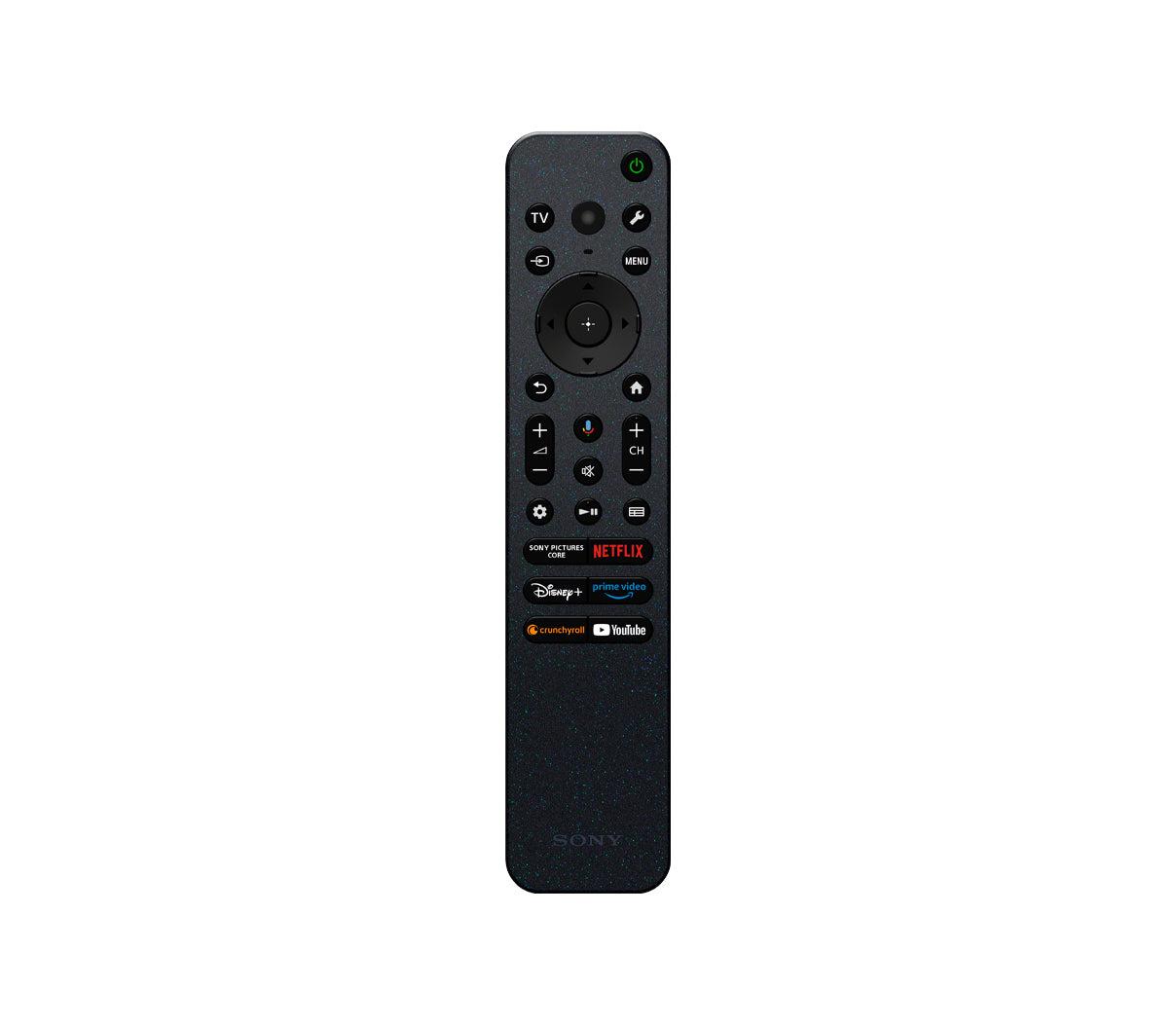
The Sony BRAVIA 9 uses Google TV, which excels at aggregating content across different streaming services. Rather than jumping between Netflix, Disney+, and HBO Max apps, Google TV creates a unified interface showing recommendations from all your subscribed services. The hands-free Google Assistant integration allows voice control without picking up the remote, and Chromecast built-in makes wireless streaming from phones and tablets seamless.
From our evaluation of user feedback, Google TV generally receives higher marks for content discovery and cross-platform compatibility, while Tizen gets praise for integration with Samsung's broader ecosystem.
Premium TVs increasingly focus on audio quality, and both models deliver respectable sound for flat-panel displays. The Samsung QN900F features Object Tracking Sound Pro, which uses multiple speakers positioned around the TV frame to create audio that follows action across the screen. When a car drives from left to right in a movie, the sound literally moves with it.
The Sony BRAVIA 9 includes Acoustic Multi-Audio+ with up-firing speakers that bounce sound off the ceiling to create height effects. Voice Zoom 3 technology specifically enhances dialogue clarity—particularly valuable given how many modern movies and shows seem to bury conversation under music and sound effects.
However, both TVs truly shine when paired with a quality soundbar or home theater system. The Sony BRAVIA 9 offers Acoustic Center Sync, which coordinates the TV speakers with compatible Sony soundbars to create a more cohesive soundstage. For serious home theater enthusiasts, this feature provides a compelling reason to stay within Sony's audio ecosystem.
At the time of writing, the Samsung QN900F commands a significant premium over the Sony BRAVIA 9—typically 30-40% more expensive for the same screen size. This price difference reflects the 8K technology, more advanced processing, and newer release date, but raises important questions about value.
The Sony delivers what most would consider 90% of the premium TV experience at a substantially lower cost. For current content consumption patterns—primarily streaming services, gaming, and cable TV—the Sony provides superior performance in key areas like HDR compatibility and natural image processing.
The Samsung's value proposition centers on future-proofing. If 8K content becomes mainstream over the next five to seven years, early adopters will benefit from having invested in the technology. However, the transition from HD to 4K took nearly a decade, and 8K faces even greater challenges including bandwidth limitations and diminishing returns in visual improvement.
For dedicated home theater environments, several factors favor different choices. The Sony BRAVIA 9 excels in controlled lighting conditions where its superior color accuracy and Dolby Vision support create a more cinematic experience. The natural image processing produces results that align more closely with filmmaker intentions, particularly important for serious movie enthusiasts.
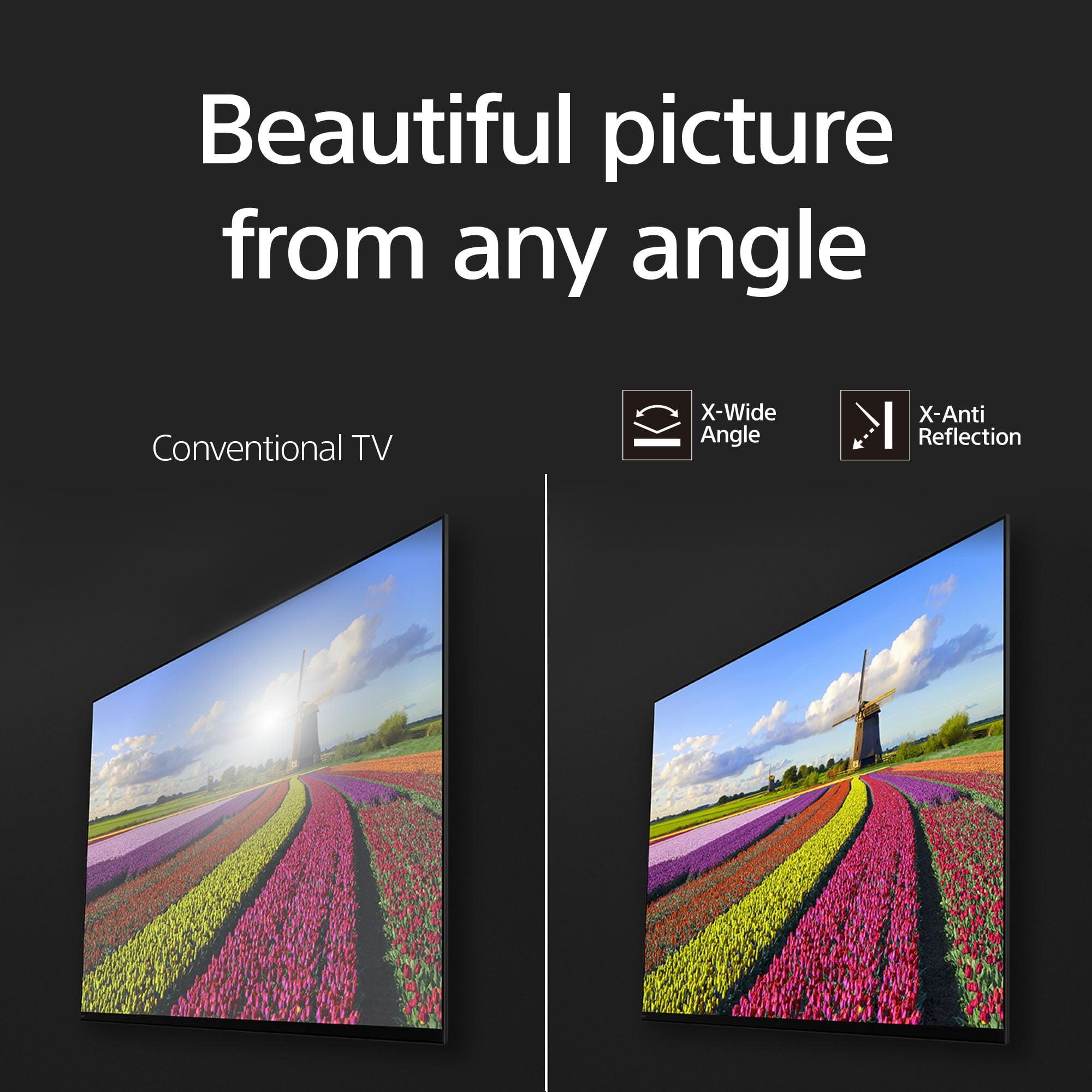
The Samsung QN900F performs better in challenging lighting environments thanks to its exceptional peak brightness and anti-reflective coating. If your theater setup includes windows or ambient lighting that can't be completely controlled, Samsung's brighter display maintains image quality better than the Sony.
For audio integration, Sony's ecosystem approach provides advantages when building a complete home theater. The ability to synchronize TV speakers with Sony soundbars creates more immersive audio without the complexity of completely disabling built-in speakers.
The decision ultimately depends on your priorities and viewing habits. Choose the Samsung QN900F if you want the absolute latest technology, plan to keep the TV for many years, and believe 8K content will become significant during your ownership period. The advanced AI processing genuinely improves lower-quality sources, and the exceptional brightness handles any viewing environment.
However, for most buyers, the Sony BRAVIA 9 represents the smarter purchase. The superior HDR compatibility immediately improves your streaming experience with current content. The more natural image processing creates consistently pleasing results across different content types. Most importantly, the substantial cost savings can fund other home theater improvements—a quality soundbar, streaming device, or even a larger screen size.
The Sony BRAVIA 9 also makes more sense for PlayStation users, thanks to specific gaming optimizations, and for anyone prioritizing proven technology over bleeding-edge features. Sometimes the best choice isn't the newest or most expensive option, but the one that best matches your actual usage patterns and delivers exceptional performance in the areas that matter most.
Both televisions represent excellent choices within their respective philosophies. Your decision should align with whether you prefer to invest in tomorrow's potential or perfect today's reality.
| Samsung 65" Neo QLED 8K QN900F Vision AI Smart TV 2025 | Sony BRAVIA 9 65" 4K UHD Mini LED QLED Smart Google TV |
|---|---|
| Resolution - Higher numbers don't always mean better picture quality | |
| 8K (7680 × 4320) with 33 million pixels | 4K (3840 × 2160) with 8.3 million pixels |
| HDR Format Support - Critical for streaming service compatibility | |
| HDR10+ only (limits Netflix, Disney+ premium content) | Dolby Vision + HDR10+ (optimized for all major streaming services) |
| Release Year - Affects price and technology maturity | |
| 2025 (latest Samsung 8K technology) | 2024 (proven Sony 4K refinements) |
| Backlight Technology - Controls brightness and contrast precision | |
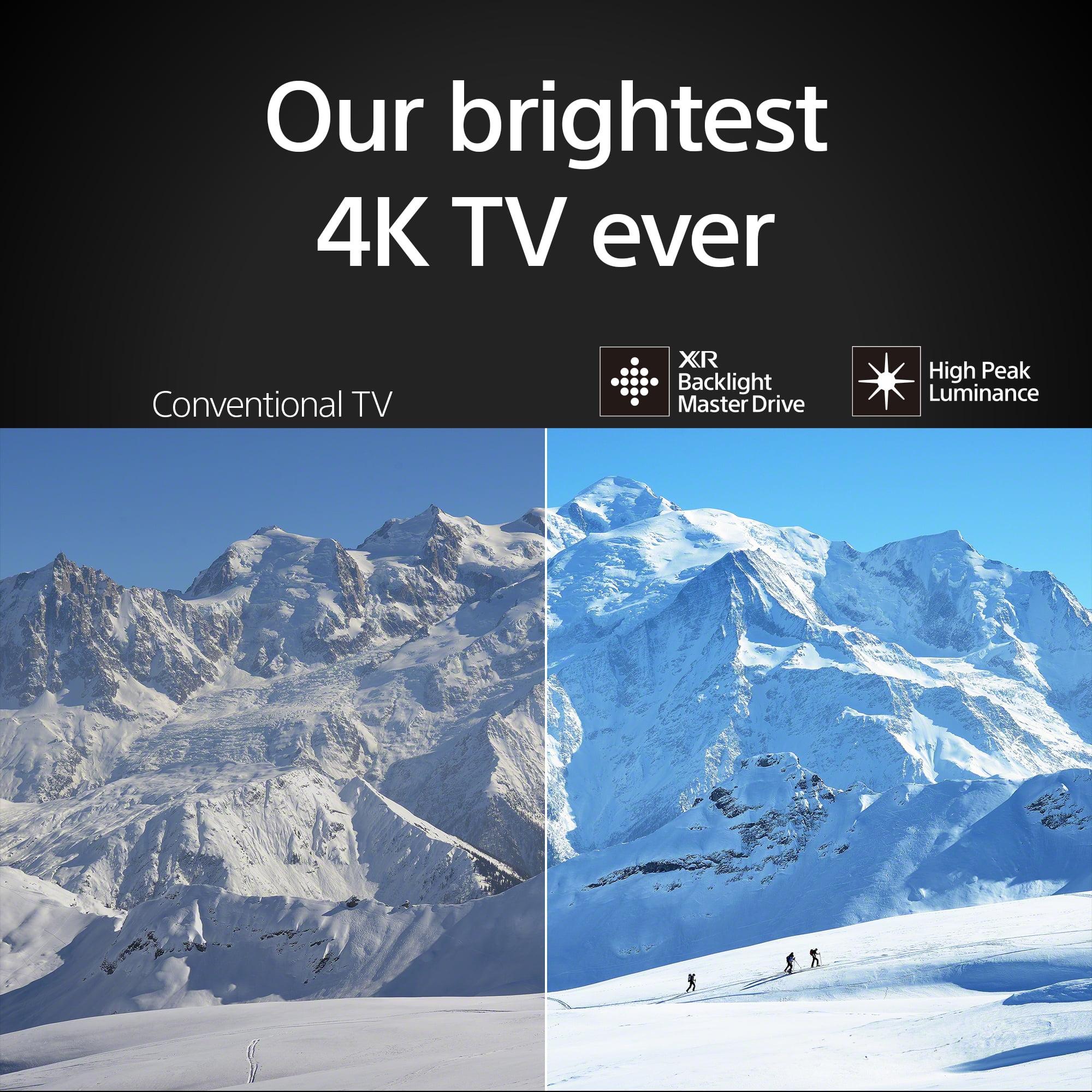
| Quantum Matrix Pro Mini LED with Ultimate 8K Dimming | XR Backlight Master Drive Mini LED system |
| Processor - Determines upscaling and image enhancement quality | |
| NQ8 AI Gen3 with 256 neural networks for 8K upscaling | XR Cognitive Processor focused on natural 4K optimization |
| Peak Brightness - Important for HDR impact and bright room viewing | |
| Exceptionally high (Samsung's brightest 8K model) | Very high (Sony's brightest 4K TV ever) |
| Gaming Features - Matters for console and PC gaming performance | |
| 120Hz, FreeSync Premium Pro, Gaming Hub, Auto Game Mode | 4K@120Hz, VRR, ALLM, PS5 optimizations, Auto HDR Tone Mapping |
| Smart Platform - Affects daily usability and app ecosystem | |
| Tizen OS with Samsung SmartThings integration | Google TV with superior content aggregation and voice control |
| Audio System - Built-in sound quality before adding external speakers | |
| Object Tracking Sound Pro with Dolby Atmos, top-firing speakers | 2.2.2 system with Acoustic Multi-Audio+, Voice Zoom 3 |
| Anti-Reflection Technology - Reduces glare in bright environments | |
| Glare-Free coating (award-winning reflection reduction) | X-Anti Reflection technology with wide viewing angles |
| 8K Content Readiness - Future-proofing vs current content optimization | |
| Native 8K support with AI upscaling for all content | Focused 4K mastery with proven content compatibility |
| Value Proposition - Performance per dollar consideration | |
| Premium pricing for cutting-edge 8K technology | Superior cost-to-performance ratio for current content needs |
The Sony BRAVIA 9 generally delivers superior picture quality for current content thanks to its Dolby Vision support, which is used by Netflix, Disney+, and other major streaming services. The Samsung QN900F offers higher resolution with 8K, but the Sony's more natural color processing and broader HDR compatibility produce more pleasing results for most viewers.
For most buyers, 8K isn't worth the premium yet. The Samsung QN900F offers impressive 8K resolution, but virtually no native 8K content exists. From typical viewing distances of 8-12 feet, the resolution difference is barely noticeable. The Sony BRAVIA 9 focuses resources on perfecting 4K content, which represents better value for current viewing habits.
Both TVs excel at gaming, but the Sony BRAVIA 9 has specific PlayStation 5 optimizations like Auto HDR Tone Mapping that work directly with Sony's console. The Samsung QN900F offers Gaming Hub with cloud gaming services and FreeSync Premium Pro. Both support 4K at 120Hz with low input lag under 10ms.
The Samsung QN900F uses Tizen OS, which integrates well with Samsung devices and SmartThings home automation. The Sony BRAVIA 9 runs Google TV, which excels at content discovery across streaming services and includes hands-free Google Assistant. Google TV generally receives higher marks for cross-platform compatibility.
Both TVs achieve exceptional brightness levels, but the Samsung QN900F typically gets brighter thanks to its Quantum Matrix Pro technology and anti-glare coating. This makes it particularly effective in rooms with lots of windows or ambient light. The Sony BRAVIA 9 also gets very bright while maintaining better color accuracy.
In controlled lighting conditions, the Sony BRAVIA 9 excels with its superior color accuracy and Dolby Vision support, creating a more cinematic experience that aligns with filmmaker intentions. The Samsung QN900F works better if your theater room has ambient lighting that can't be completely controlled.
The Samsung QN900F features Object Tracking Sound Pro with speakers positioned around the frame to create audio that follows screen action. The Sony BRAVIA 9 includes Voice Zoom 3 for enhanced dialogue clarity and can sync with compatible Sony soundbars. Both deliver good sound for built-in speakers but benefit from external audio systems.
Both Samsung and Sony have excellent reputations in the premium TV market. The Samsung QN900F represents cutting-edge technology that may have typical early-adoption issues. The Sony BRAVIA 9 uses more mature 4K technology with proven reliability. Both brands offer comparable warranty coverage and customer support.
The Sony BRAVIA 9 provides significantly better value, delivering about 90% of premium TV performance while costing substantially less than the Samsung QN900F. The Sony's superior HDR compatibility and proven 4K optimization offer immediate benefits, while Samsung's 8K premium is harder to justify with current content availability.
The Samsung QN900F uses advanced AI processing with 256 neural networks to upscale lower-resolution content to near-8K quality, which can genuinely improve cable TV and older content. The Sony BRAVIA 9 focuses on perfecting 4K upscaling with more natural results that avoid artificial sharpening. Sony's approach typically looks more pleasing to most viewers.
Both TVs handle sports well with excellent motion clarity. The Samsung QN900F offers exceptional brightness that works great in bright rooms where sports are often watched, plus AI processing that can enhance broadcast quality. The Sony BRAVIA 9 provides more natural color reproduction and better HDR support for sports content on streaming platforms.
Yes, ecosystem compatibility matters. Choose the Samsung QN900F if you own Samsung phones, tablets, or SmartThings devices for seamless integration. The Sony BRAVIA 9 works better with Google ecosystem devices, Chromecast, and PlayStation consoles. Both support Apple AirPlay, but the Sony offers broader cross-platform compatibility overall.
We've done our best to create useful and informative comparisons to help you decide what product to buy. Our research uses advanced automated methods to create this comparison and perfection is not possible - please contact us for corrections or questions. These are the sites we've researched in the creation of this article: rtings.com - samsung.com - techradar.com - dolby.com - youtube.com - samsung.com - youtube.com - samsung.com - samsung.com - samsung.com - samsung.com - displayspecifications.com - samsung.com - rtings.com - bestbuy.com - merlinstv.com - news.samsung.com - bestbuy.com - bestbuy.com - bestbuy.com - youtube.com - whathifi.com - crutchfield.com - rtings.com - pcrichard.com - merlinstv.com - youtube.com - sony.ca - electronics.sony.com

Privacy Policy
Terms and Conditions - Affiliate Policy
Home Security
© Copyright 2008-2026.
11816 Inwood Rd #1211, Dallas, TX 75244