

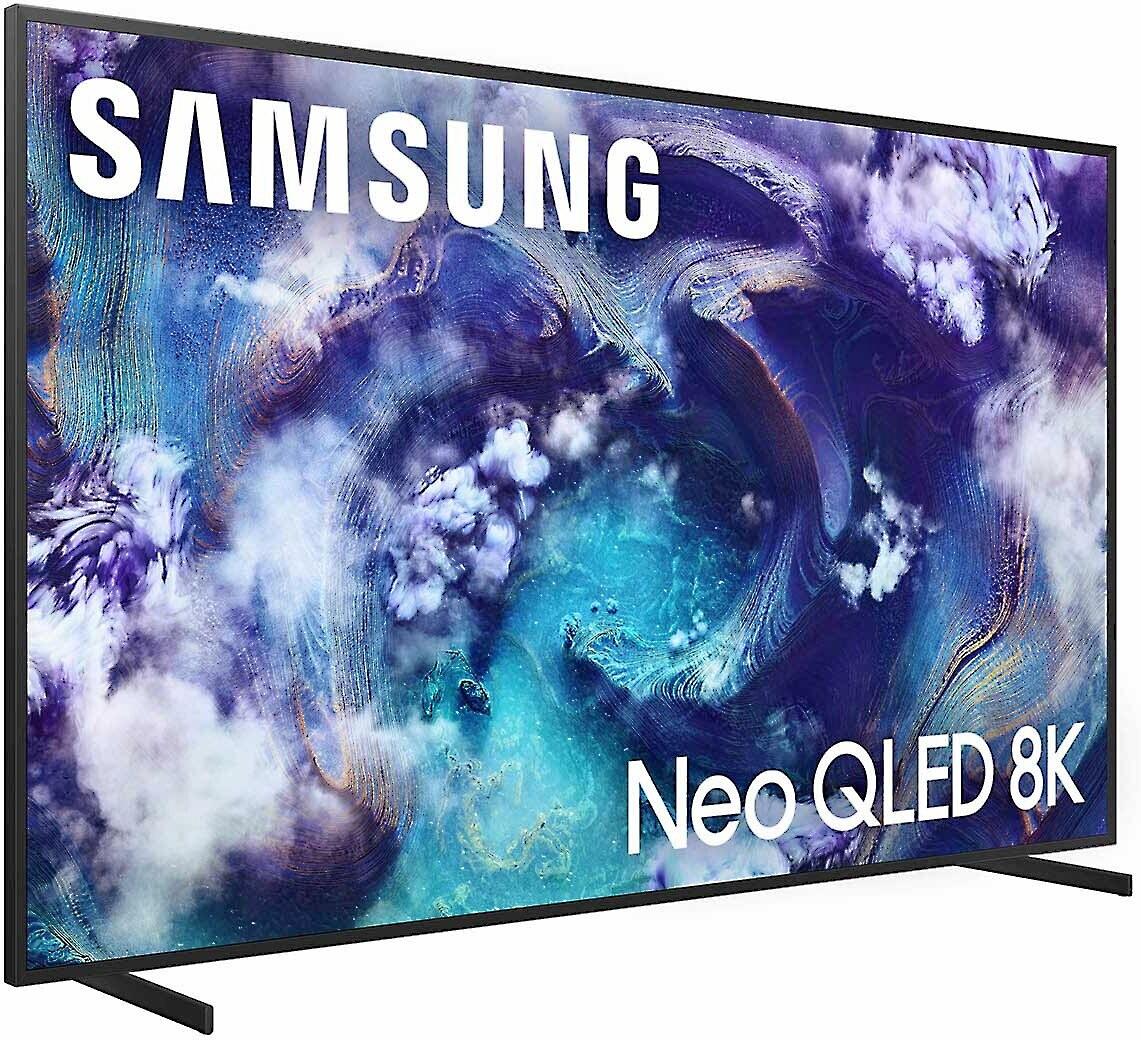
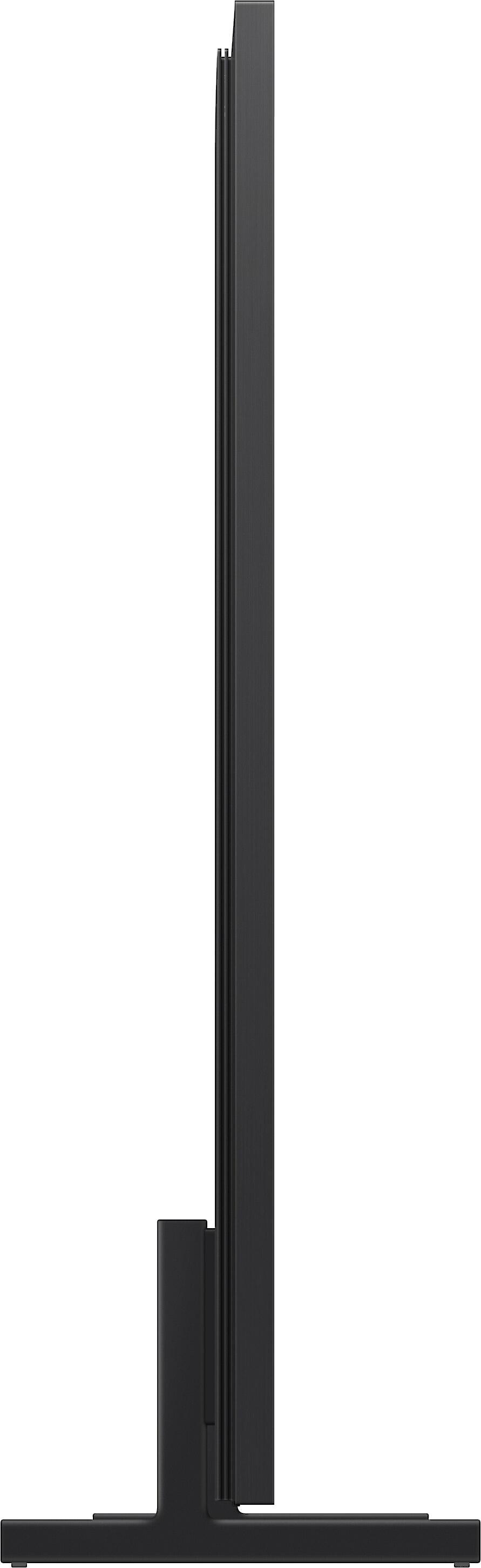
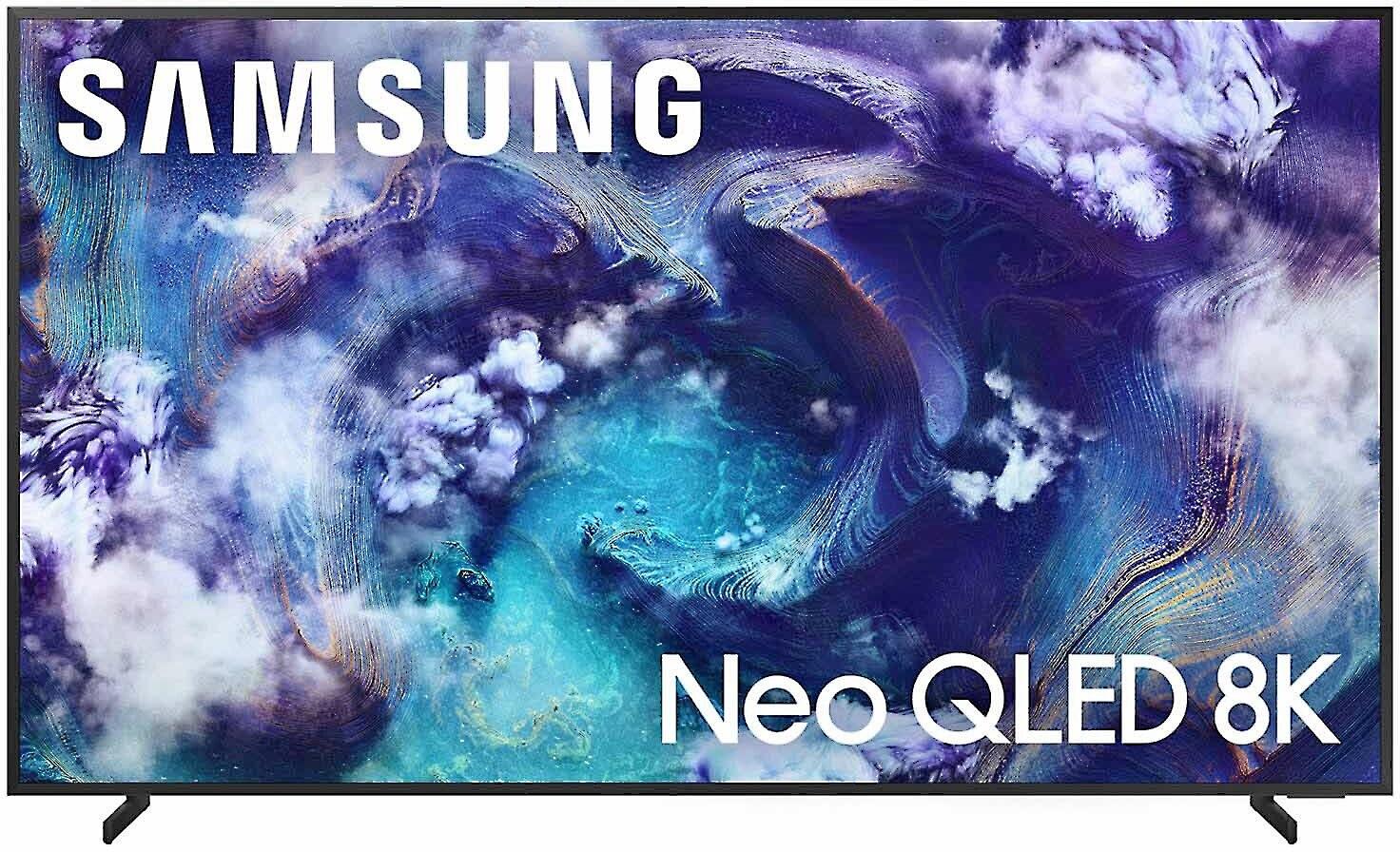
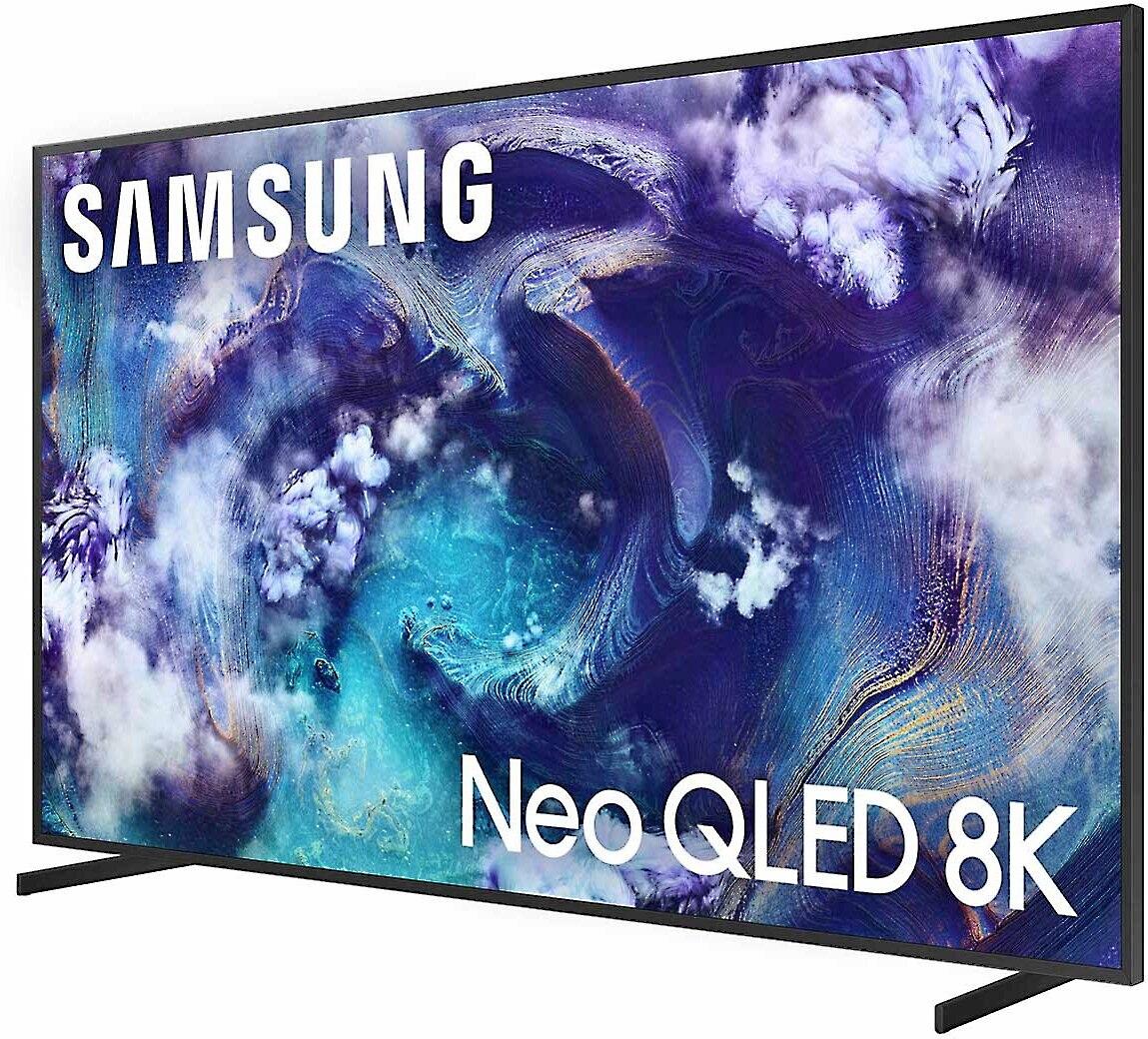
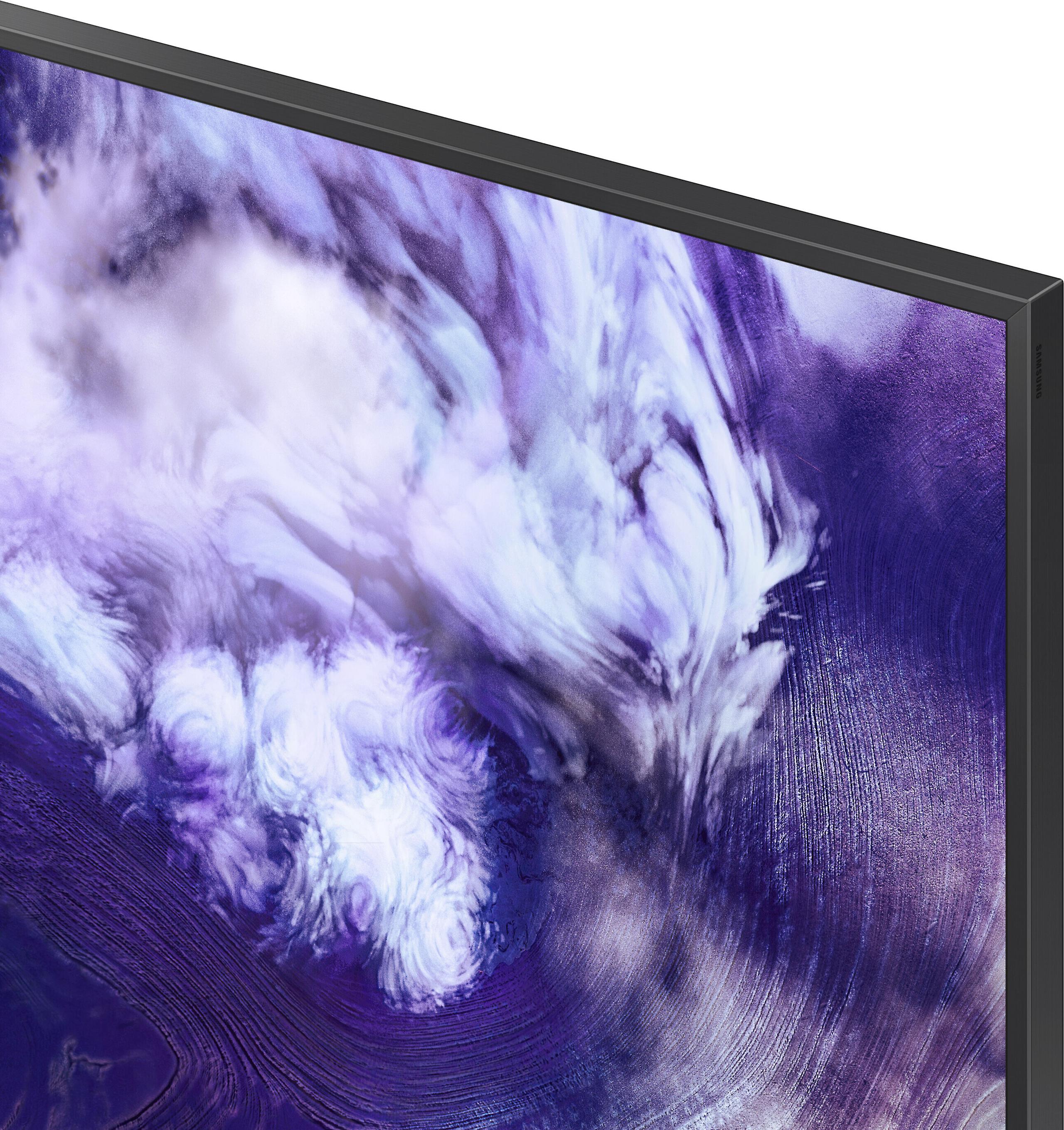

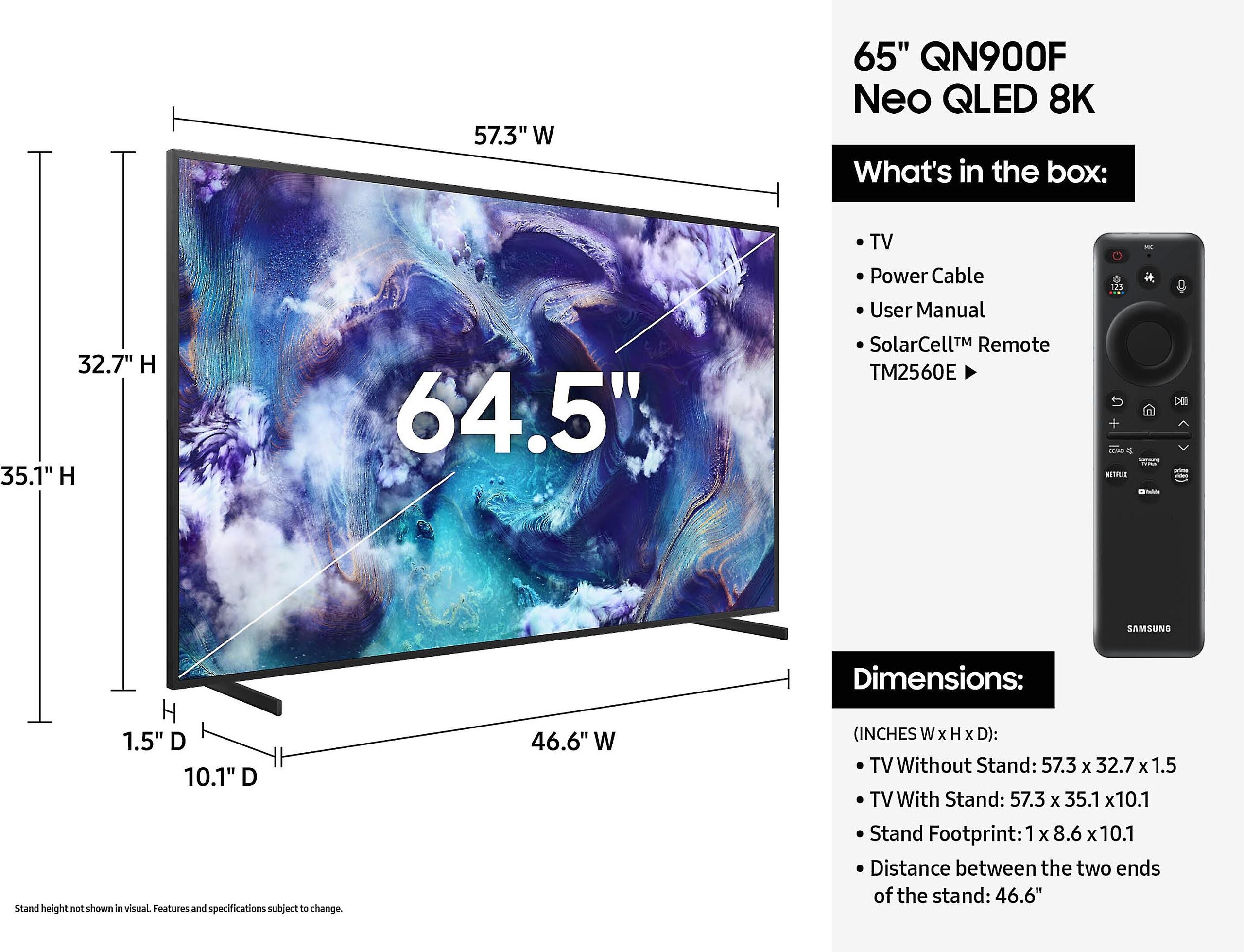
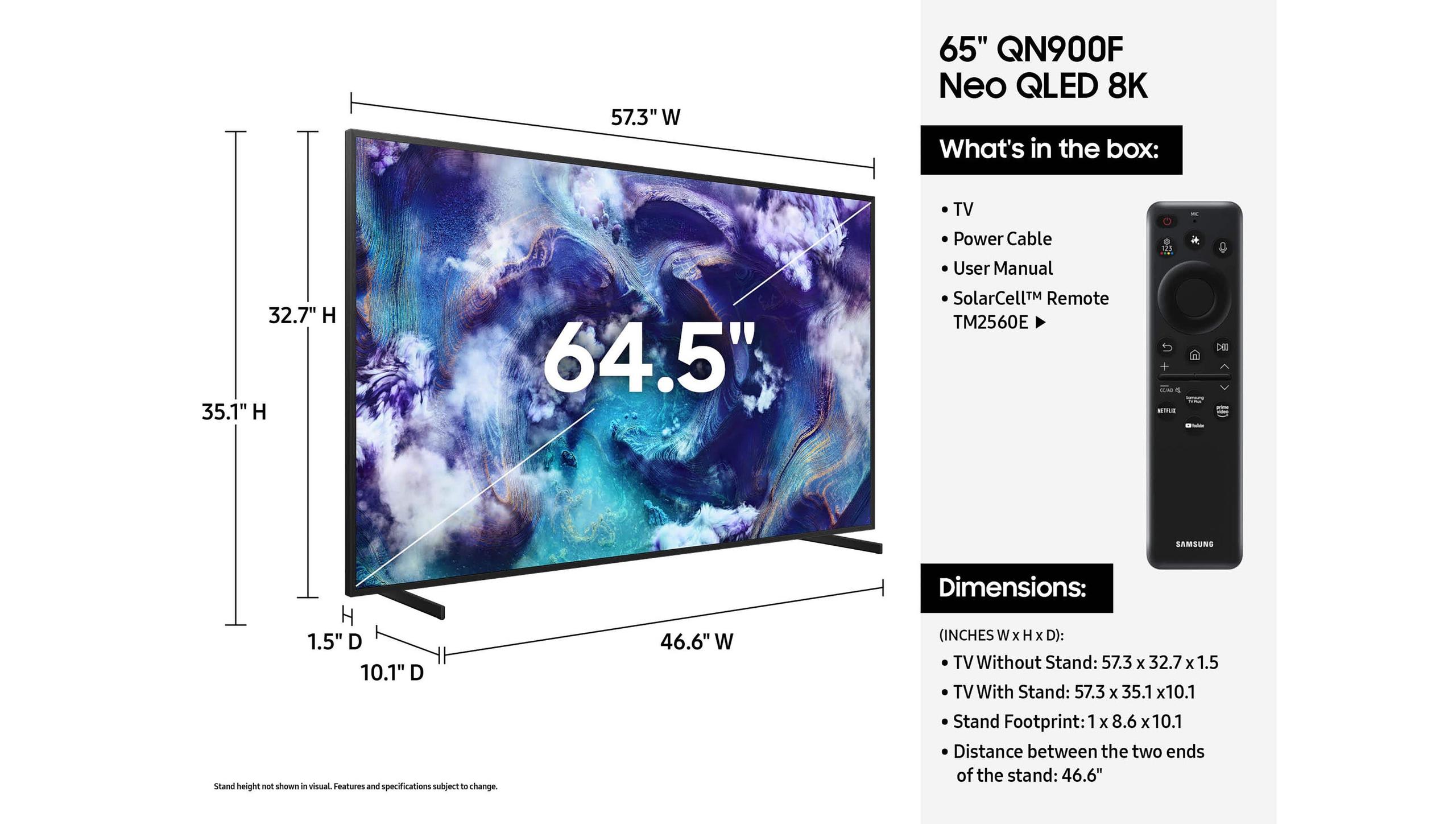
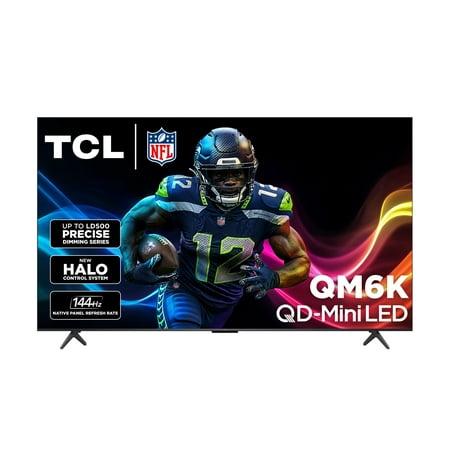
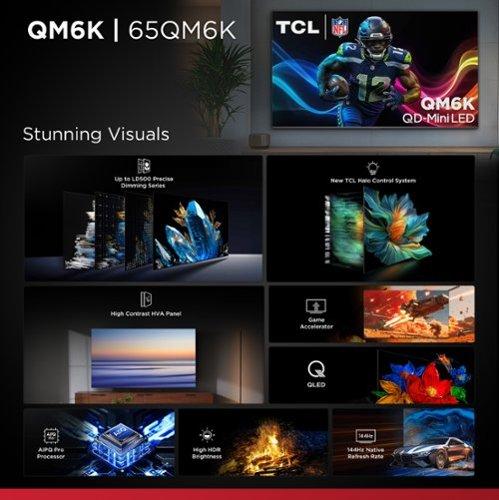
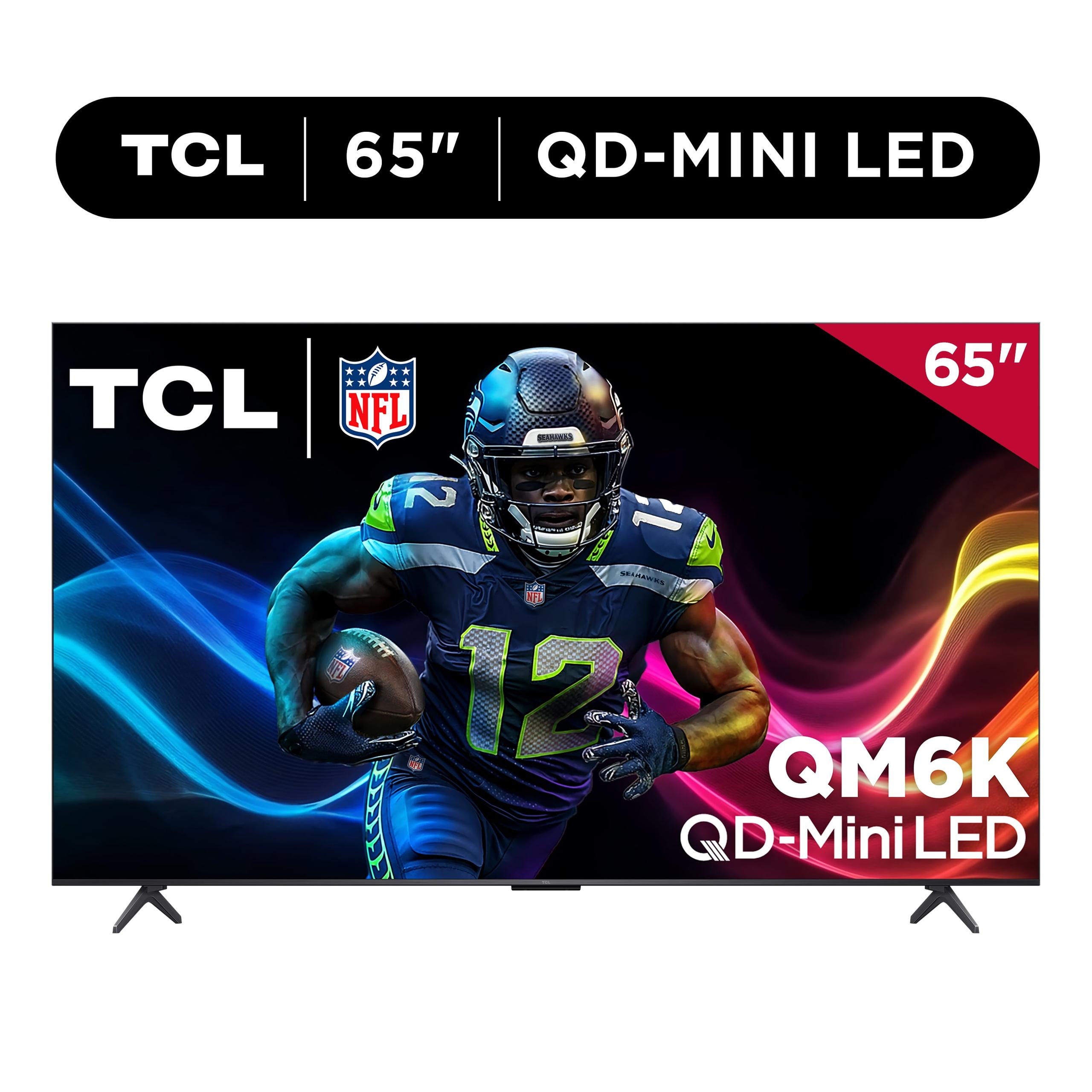
When shopping for a 65-inch TV in 2025, two dramatically different approaches emerge in the market. The Samsung QN900F pushes boundaries with 8K resolution and premium processing, while the TCL QM6K delivers impressive 4K performance at a fraction of the cost. At the time of writing, these TVs represent opposite ends of the value spectrum - the Samsung costs roughly six times more than the TCL, making this comparison particularly fascinating.
Today's TV market revolves around several key performance areas that determine your viewing experience. Picture quality remains king, encompassing brightness, contrast, color accuracy, and resolution. Smart features and processing power affect daily usability - how quickly menus respond, how well the TV enhances poor-quality content, and how intuitive the interface feels. Gaming capabilities have exploded in importance as PlayStation 5, Xbox Series X, and high-end PCs demand features like high refresh rates and variable refresh rate (VRR) support. Finally, the value proposition weighs all these features against cost.
The Samsung QN900F and TCL QM6K represent fundamentally different philosophies. Samsung targets technology enthusiasts willing to pay premium prices for cutting-edge features, while TCL focuses on delivering excellent performance at accessible pricing. Both launched in 2025, with Samsung positioning their model as a step below their flagship QN990F, and TCL marking the QM6K as their "affordable premium" entry.
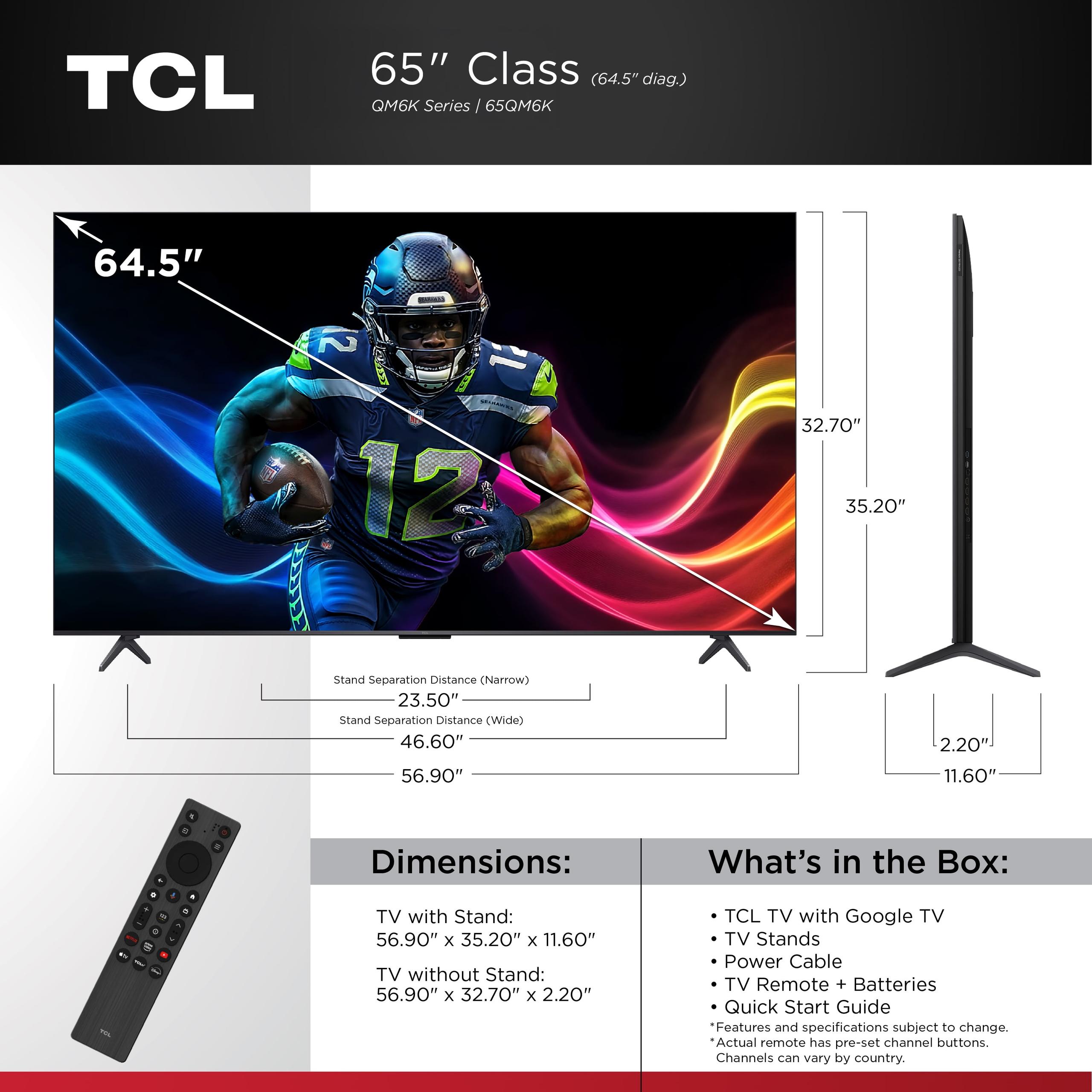
The most obvious difference between these TVs is resolution. The Samsung QN900F delivers true 8K at 7,680 × 4,320 pixels - that's four times more detail than the TCL QM6K's 4K resolution of 3,840 × 2,160 pixels. On paper, this sounds revolutionary. In practice, it's more nuanced.
Here's the reality: virtually no native 8K content exists for consumers. Netflix, Disney+, Prime Video, and other streaming services max out at 4K. Gaming consoles barely push 4K consistently, let alone 8K. So what's the point of 8K?
The Samsung QN900F's real advantage lies in its AI upscaling technology. Samsung's NQ8 AI Gen2 processor uses 512 neural networks - think of them as tiny digital brains - to analyze each frame and enhance lower-resolution content. This means your 4K Netflix shows get processed to look sharper and more detailed than they would on a standard 4K TV. The improvement is subtle but noticeable, especially when sitting closer to the screen than typical viewing distances.
The TCL QM6K uses its AiPQ Pro processor for upscaling too, though it's less sophisticated. It does a solid job converting 1080p content to 4K quality, which matters since plenty of cable TV and older streaming content still broadcasts at lower resolutions.
For most people, the 4K resolution on the TCL QM6K provides plenty of detail. You'd need to sit quite close to a 65-inch screen - closer than most people do - to truly appreciate the extra sharpness that 8K provides.
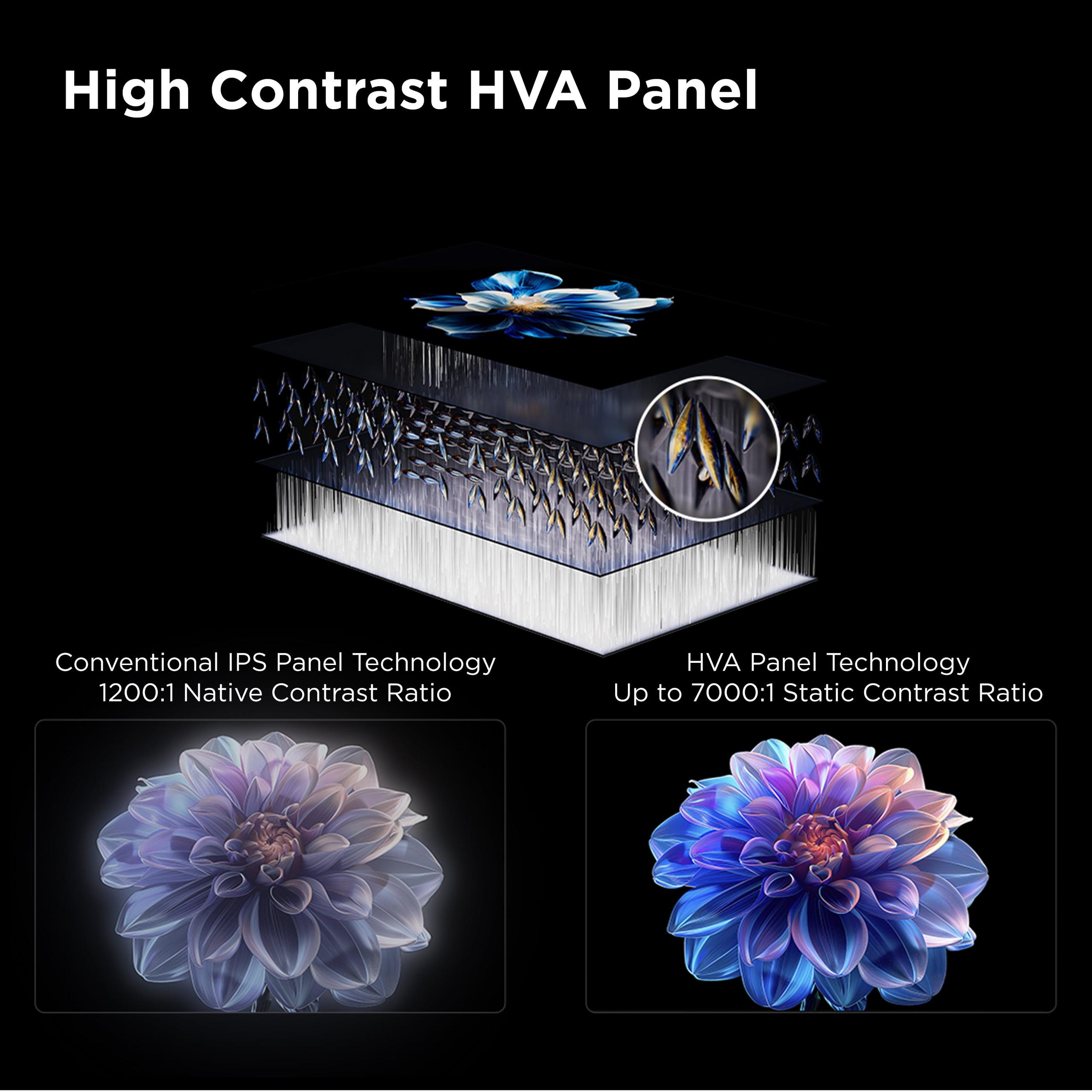
Both TVs use Mini LED backlighting, but implement it differently. Mini LEDs are tiny lights behind the screen that can turn on and off independently, creating better contrast by making dark scenes truly dark while keeping bright areas bright. Think of it like having thousands of tiny flashlights that can dim or brighten individually instead of one big light illuminating the entire screen.
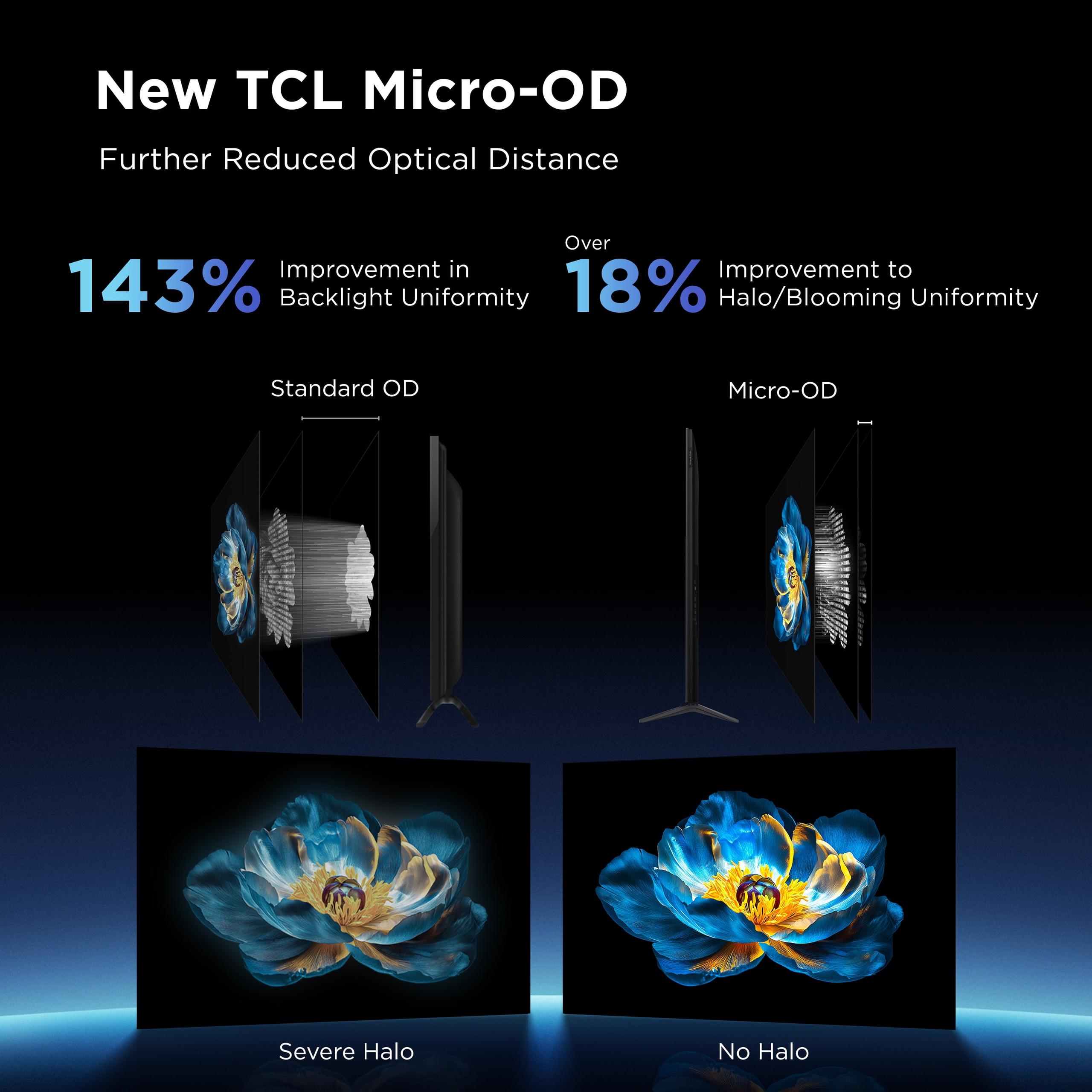
The Samsung QN900F uses Quantum Matrix Pro technology with thousands of Mini LEDs arranged in precise zones. This creates exceptional local dimming - the ability to make parts of the screen very dark while other parts stay bright. Samsung's implementation minimizes "blooming," that annoying halo effect you sometimes see around bright objects on dark backgrounds.
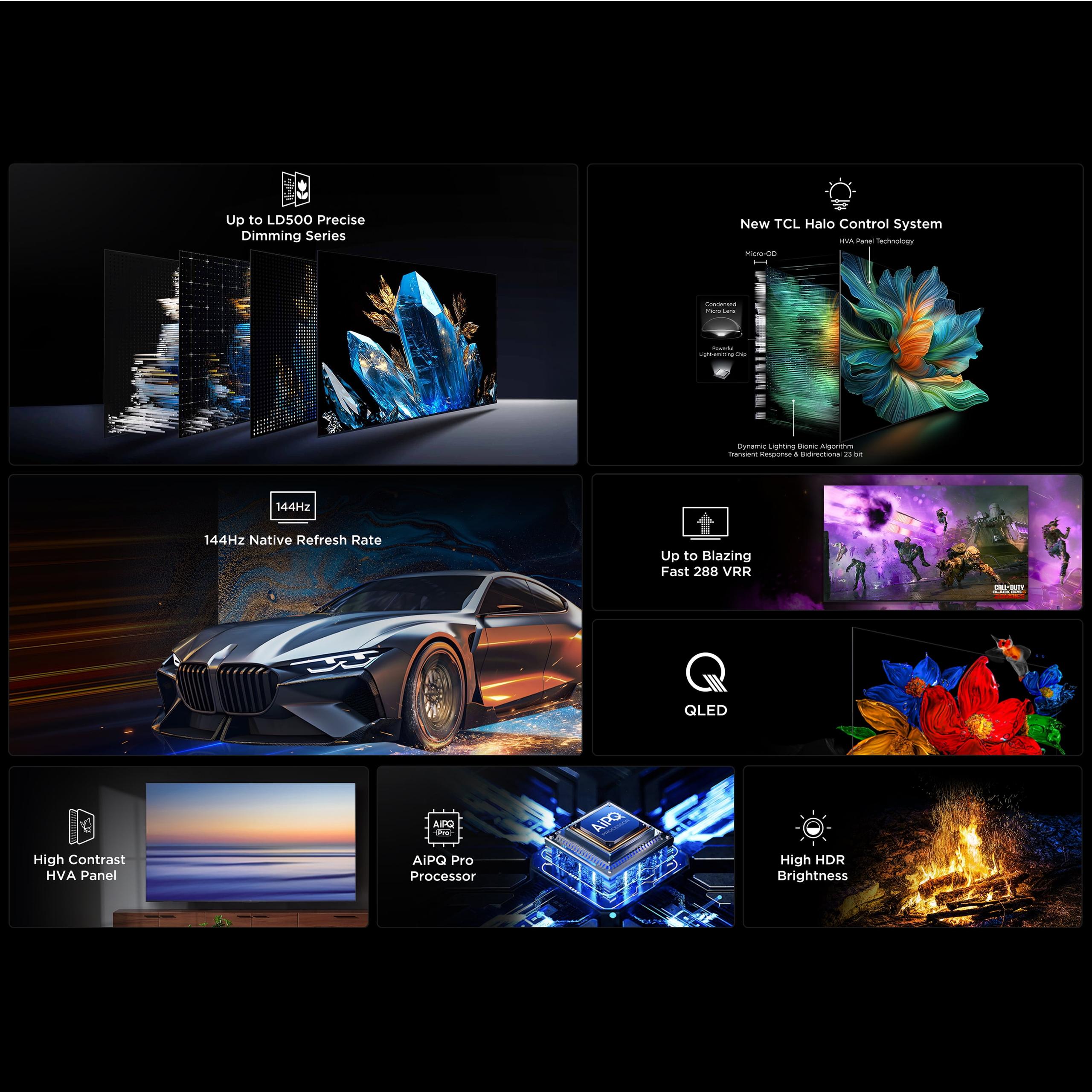
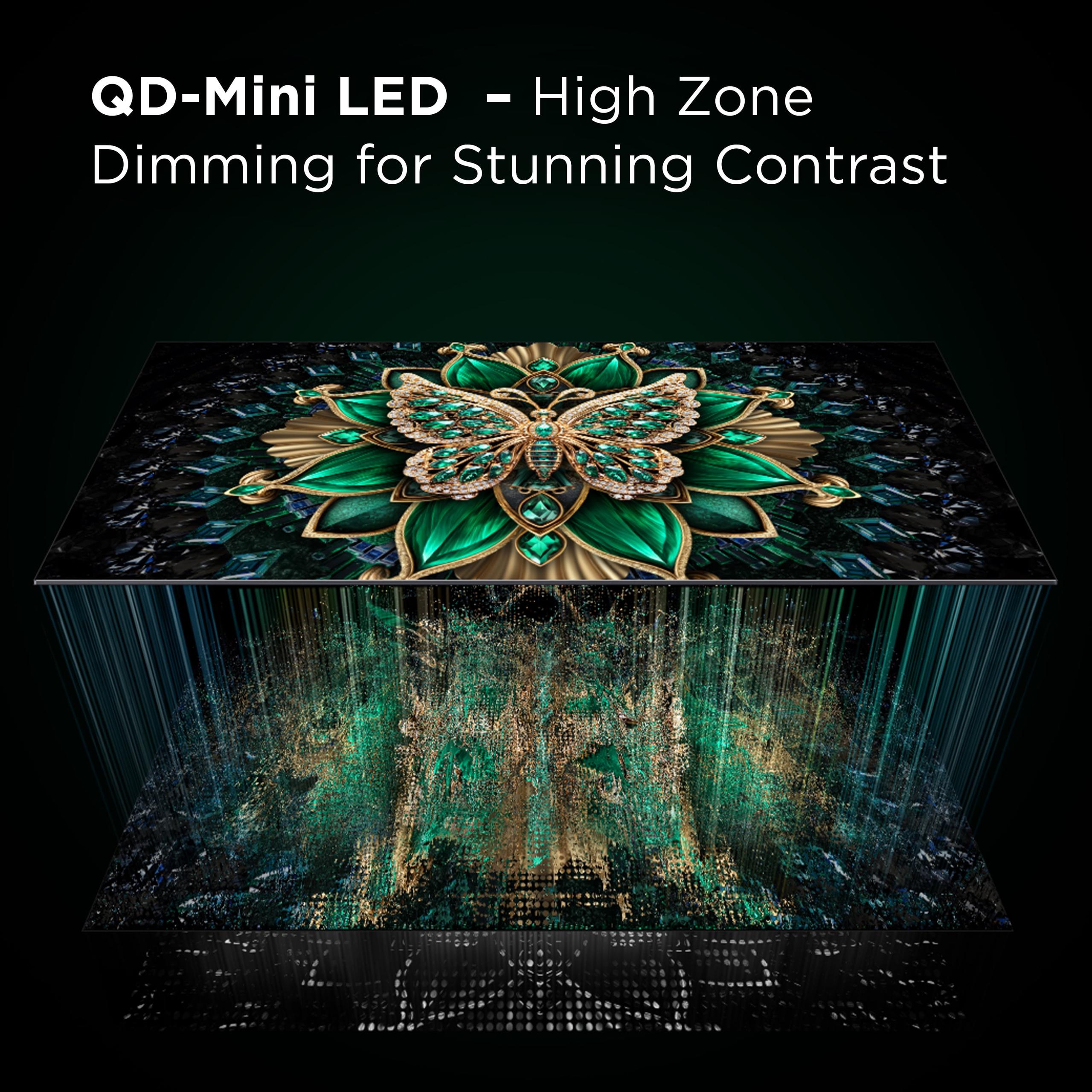
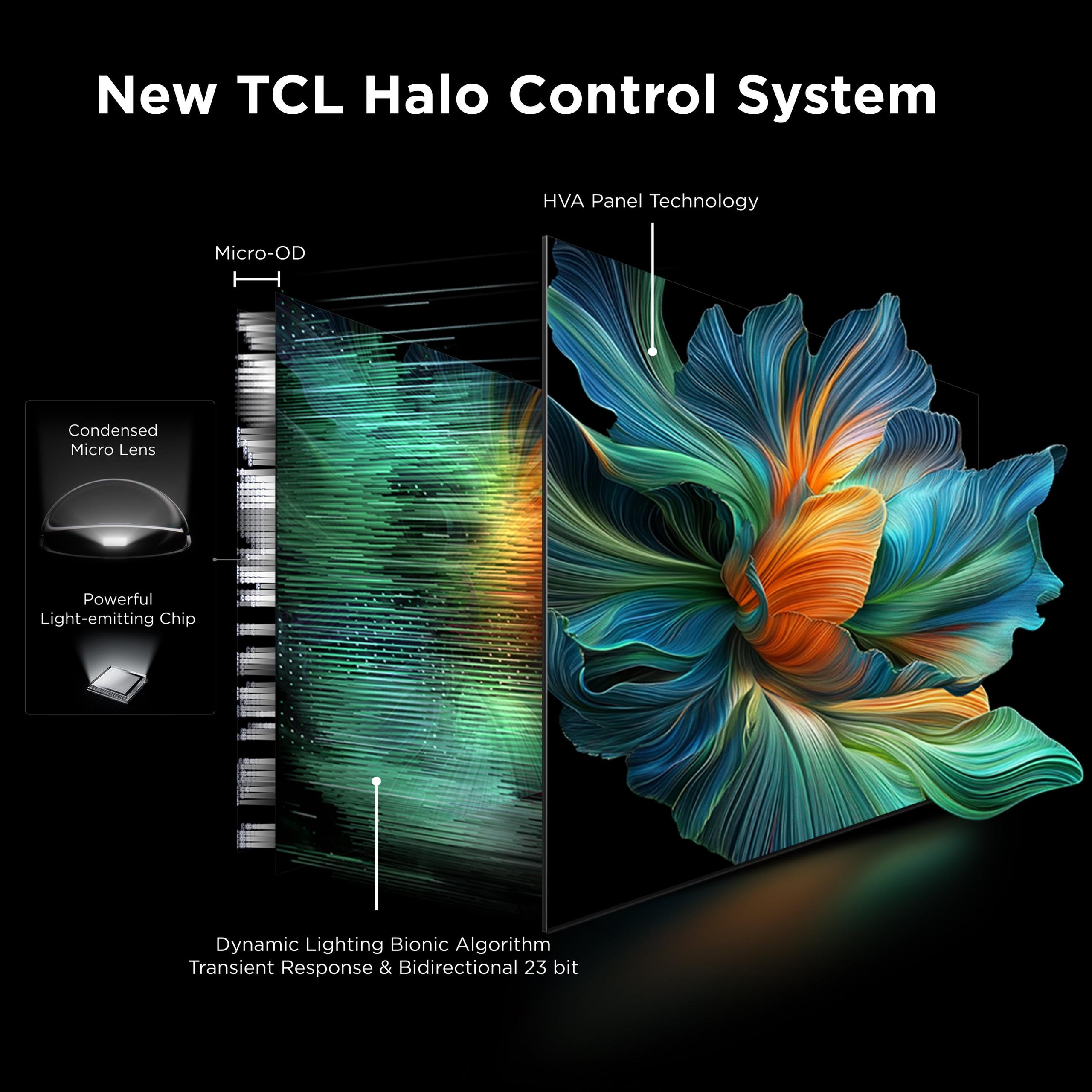
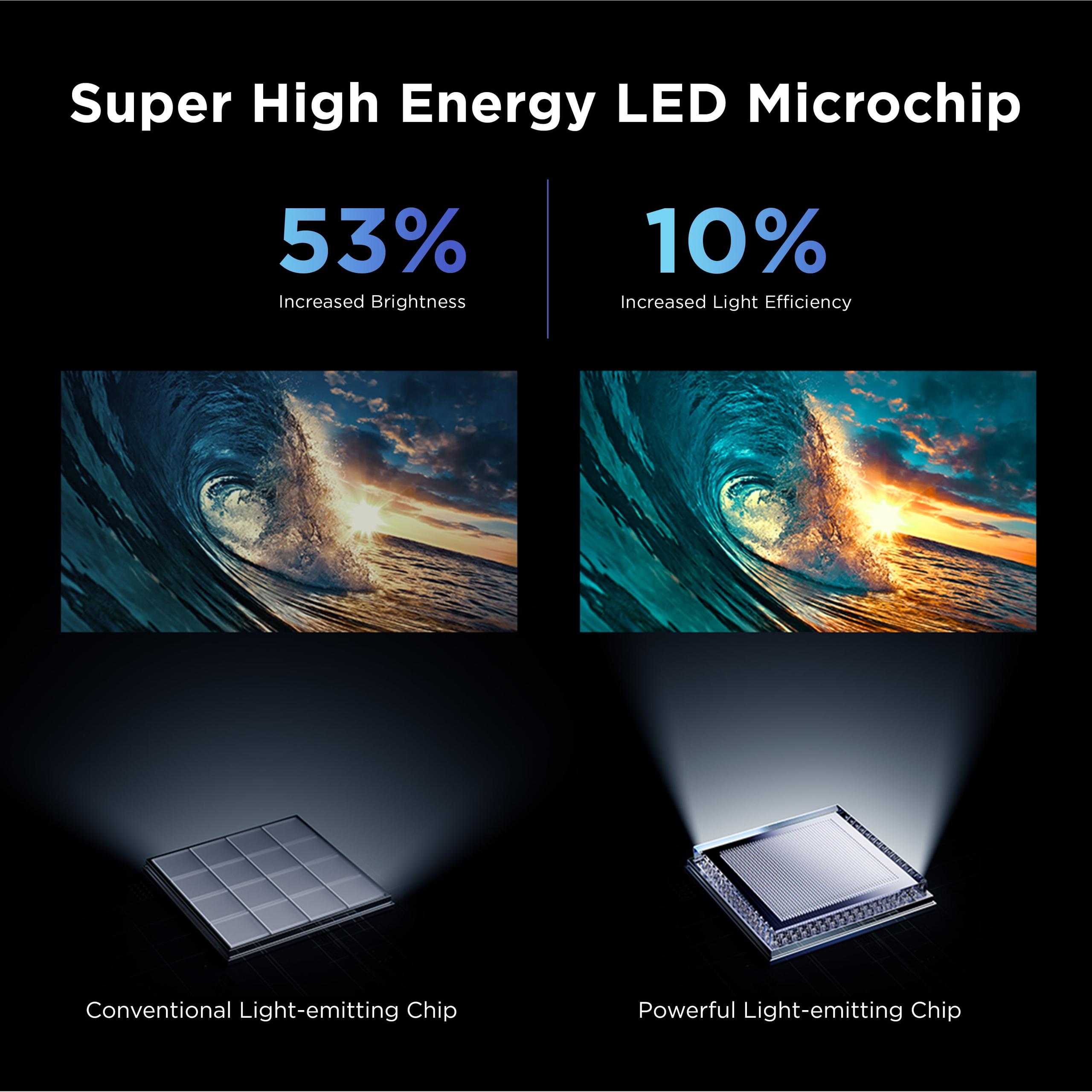
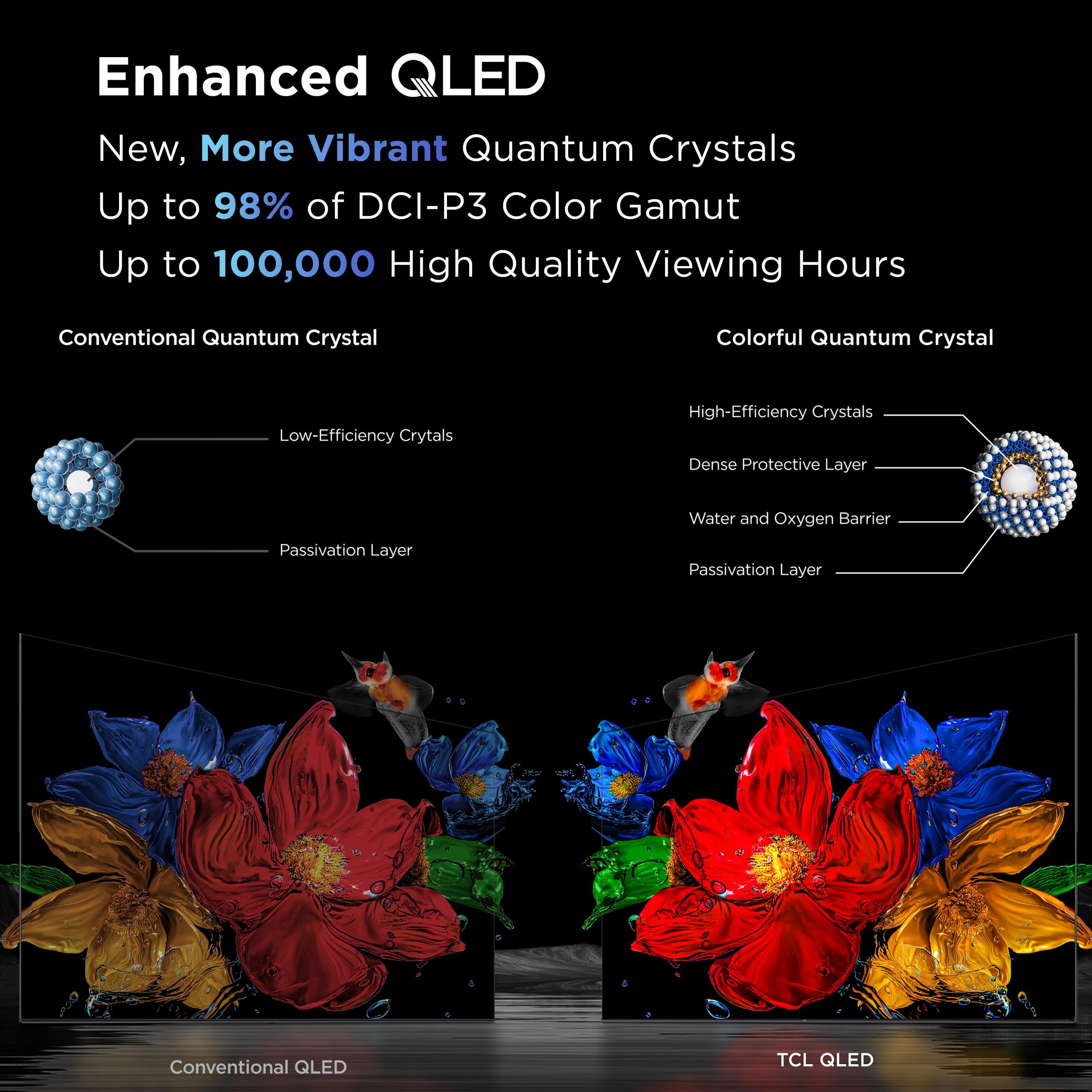
The TCL QM6K offers up to 500 local dimming zones through its QD-Mini LED system. While fewer zones than Samsung's premium implementation, it still delivers impressive contrast for its price point. TCL combines this with quantum dot technology, which enhances color accuracy and brightness. Quantum dots are microscopic particles that improve how colors appear on screen, making reds more vivid and greens more natural.
Peak brightness matters enormously for HDR content - those movies and shows that display a wider range of bright and dark details. The Samsung QN900F achieves higher peak brightness levels, making HDR content more impactful. However, the TCL QM6K gets bright enough for most viewing environments and actually supports Dolby Vision IQ, an advanced HDR format that the Samsung surprisingly lacks.
This Dolby Vision omission on the Samsung QN900F is puzzling for a premium TV. Dolby Vision provides scene-by-scene HDR optimization, while Samsung only supports HDR10+ (their competing format). If you have a large collection of Dolby Vision content from streaming services or 4K Blu-rays, the TCL QM6K actually handles this content better.
Gaming performance has become crucial as modern consoles and PCs push higher frame rates and demand lower latency. Input lag - the delay between pressing a controller button and seeing the action on screen - can make or break competitive gaming.
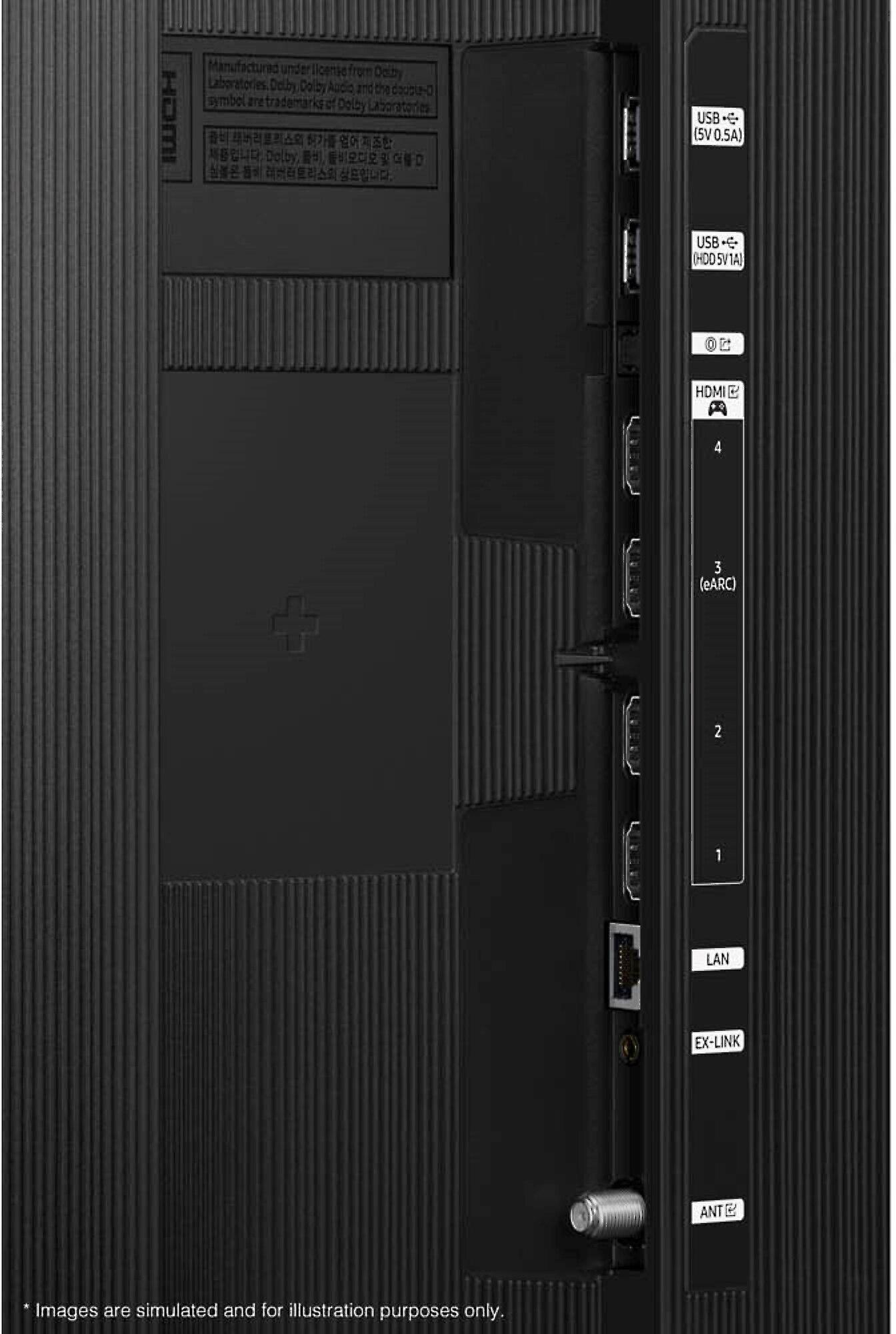
The Samsung QN900F excels here with support for 4K gaming at up to 165Hz refresh rate. Most TVs max out at 120Hz, so this extra smoothness benefits high-end PC gamers with powerful graphics cards. It includes four HDMI 2.1 ports with full bandwidth, meaning you can connect multiple gaming devices without compromising performance. Variable Refresh Rate (VRR) support eliminates screen tearing - those horizontal lines that appear when frame rates fluctuate.
The TCL QM6K impresses with its 144Hz native panel and Game Accelerator 288 technology, which supports variable refresh rates up to 288Hz in certain modes. While it won't match the Samsung's 4K performance at extreme refresh rates, it handles current-generation gaming excellently. Most PlayStation 5 and Xbox Series X games target 60-120fps anyway, well within the TCL's capabilities.
Both TVs offer very low input lag in game mode - typically under 20 milliseconds, which feels instantaneous during gameplay. The practical difference for most gamers is minimal, though the Samsung QN900F provides more headroom for future gaming advances.
Smart TV platforms have matured significantly, and both TVs offer excellent experiences with different strengths.
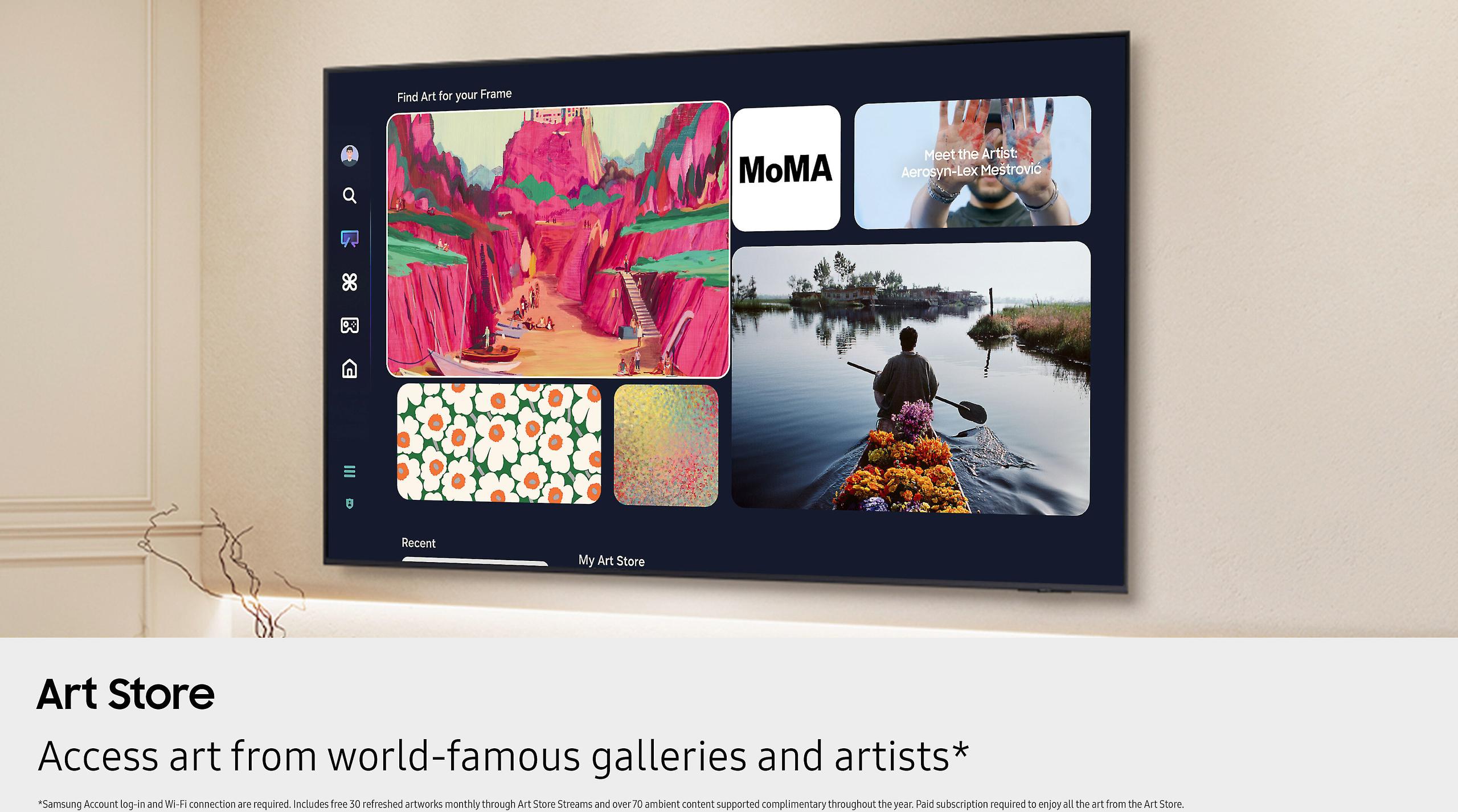
The Samsung QN900F runs Tizen 9.0 with Samsung Vision AI, which learns your viewing habits and suggests content accordingly. The interface feels polished and responsive, with quick access to all major streaming services. Samsung's ecosystem integration shines if you own other Samsung devices - your TV can display photos from Samsung phones, control smart home devices, and sync with Samsung soundbars seamlessly.
The TCL QM6K uses Google TV, which many consider the most intuitive smart TV platform available. It aggregates content from multiple streaming services into unified recommendations, making it easier to find something to watch. Google Assistant integration works naturally for voice commands, and Chromecast built-in means effortless casting from phones and tablets.
Processing power affects daily usability beyond just picture quality. The Samsung QN900F's NQ8 AI Gen2 processor handles menu navigation smoothly and enhances content in real-time. It can recognize content types - sports, movies, documentaries - and apply appropriate processing. The TCL QM6K's AiPQ Pro processor, while less powerful, still provides responsive performance for typical smart TV tasks.
TV speakers often disappoint, but both models make genuine efforts to deliver quality audio without external equipment.
The Samsung QN900F features a 70-watt audio system with Dolby Atmos and DTS:X support. Object Tracking Sound Pro technology moves audio around the screen to match visual action - when a car drives across the screen, the engine sound follows. It's a noticeable improvement over basic TV audio, though dedicated soundbars still outperform it.
The TCL QM6K includes a 2.1 channel Onkyo speaker system with a dedicated subwoofer built into the TV. This provides better bass response than most budget TVs manage. Dolby Atmos support adds spatial audio effects, creating a more immersive soundscape.
Neither TV replaces a good soundbar for serious home theater use, but both provide respectable audio for casual viewing. The Samsung offers more power and advanced processing, while the TCL's dedicated subwoofer delivers better low-frequency performance for its price range.
At the time of writing, the price difference between these TVs is substantial - the Samsung QN900F costs roughly six times more than the TCL QM6K. This creates an interesting value discussion.
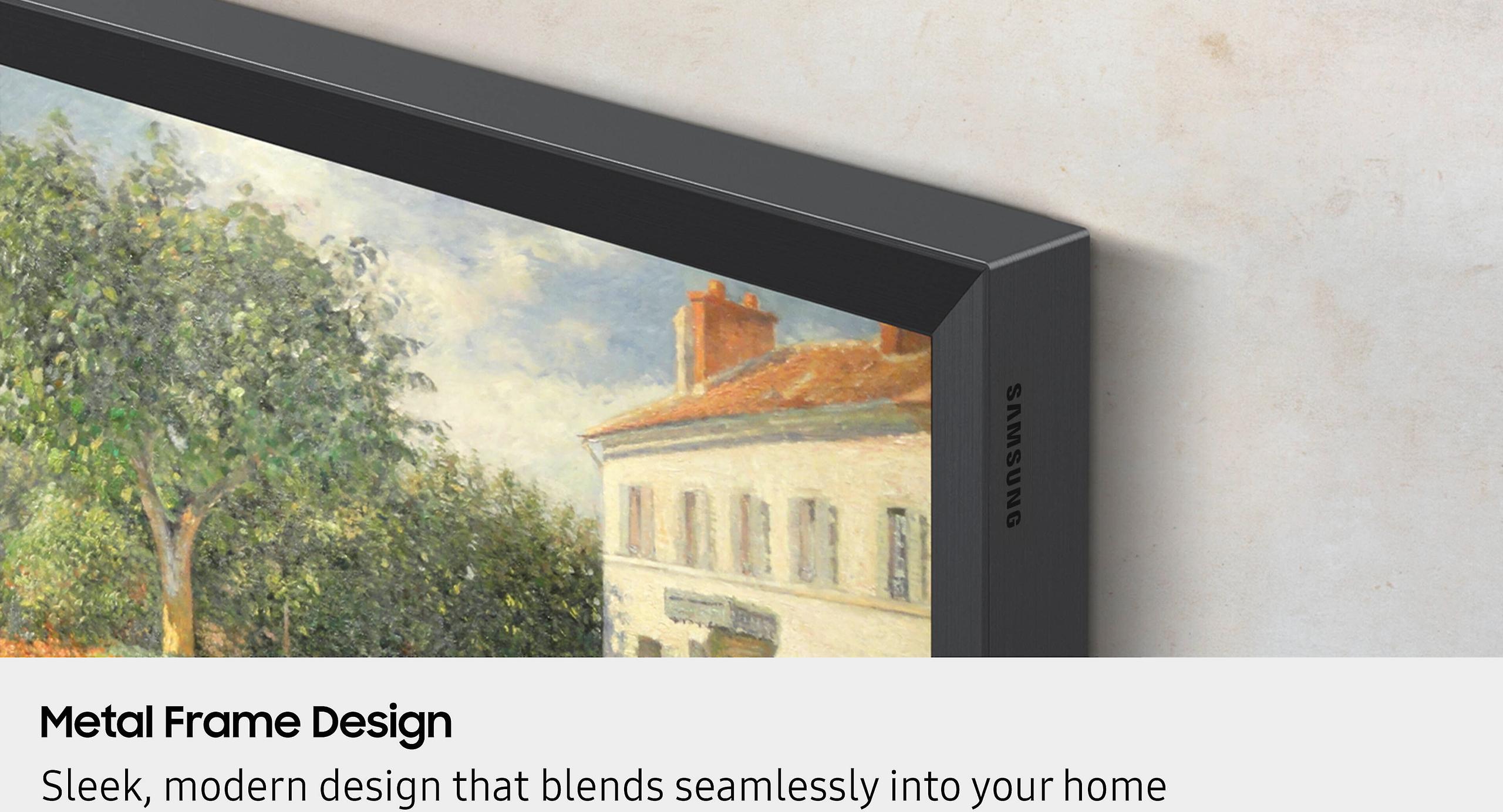
The Samsung QN900F justifies its premium pricing through cutting-edge technology: true 8K resolution, advanced AI processing, superior gaming capabilities, and premium build quality. The metal frame design looks elegant, and features like Glare-Free technology minimize reflections in bright rooms. For technology enthusiasts who want the latest advancements and have the budget to match, the Samsung delivers genuine benefits.
The TCL QM6K represents exceptional value engineering. It includes premium features typically found in much more expensive TVs: Mini LED backlighting, quantum dot technology, 144Hz gaming support, and a quality smart TV platform. TCL achieved this by focusing on core performance rather than cutting-edge features like 8K resolution.
For dedicated home theater use, several factors become more important. Room lighting, seating distance, and content sources all influence which TV works better.
In darker, controlled environments where home theaters typically operate, both TVs perform well. The Samsung QN900F's superior local dimming creates deeper blacks and better shadow detail, enhancing the cinematic experience. Its higher peak brightness makes HDR content more impactful, though this matters less in dark rooms.
The TCL QM6K's Dolby Vision IQ support becomes valuable in home theater setups, as it optimizes HDR content based on room conditions. Many home theater enthusiasts have invested in Dolby Vision content libraries, making this feature significant.
Seating distance matters enormously for 8K benefits. In typical living room setups with 8-12 foot viewing distances, the resolution advantage of the Samsung QN900F becomes minimal. Home theaters often allow closer seating where 8K resolution provides visible benefits.
The Samsung QN900F makes sense for specific scenarios. Technology enthusiasts who want cutting-edge features, gamers with high-end PCs requiring extreme refresh rates, and users with unlimited budgets will appreciate its advanced capabilities. If you sit close to your TV, have a very bright room, or prioritize future-proofing above all else, the Samsung justifies its premium pricing.
The TCL QM6K suits most people better. It delivers excellent 4K picture quality, solid gaming performance, and modern smart TV features at accessible pricing. For typical viewing distances and content consumption, it provides 90% of the experience at a fraction of the cost. The money saved could fund a quality soundbar, streaming service subscriptions, or simply stay in your wallet.
From a practical standpoint, the TCL QM6K represents smarter buying for most consumers. Current content limitations make 8K resolution largely theoretical, while the TCL's 4K performance satisfies real-world viewing needs excellently. Unless you specifically need the Samsung's extreme gaming capabilities or have unlimited budget, the TCL provides better overall value.
The TV market in 2025 offers genuine choice between technological advancement and practical value. The Samsung QN900F pushes boundaries for those who demand the latest technology, while the TCL QM6K proves that excellent performance doesn't require premium pricing. Your choice depends on whether you prioritize cutting-edge features or maximum value for your investment.
| Samsung 65" Neo QLED 8K QN900F Vision AI Smart TV 2025 | TCL 65" QM6K QD-Mini LED 4K TV |
|---|---|
| Resolution - Higher resolution provides sharper detail, but content availability matters | |
| 8K (7,680 × 4,320) - Future-proof but limited native content | 4K (3,840 × 2,160) - Perfect for all current streaming and gaming |
| Display Technology - Affects brightness, contrast, and color quality | |
| Quantum Matrix Pro Mini LED with thousands of zones | QD-Mini LED with up to 500 local dimming zones |
| Gaming Performance - Critical for console and PC gaming | |
| 165Hz at 4K, four HDMI 2.1 ports, ultra-low input lag | 144Hz native, 288Hz VRR, FreeSync Premium Pro support |
| HDR Support - Determines how well bright and dark scenes display | |
| HDR10+, HDR10, HLG (missing Dolby Vision) | Dolby Vision IQ, HDR10+, HDR10, HLG (full format support) |
| Smart TV Platform - Affects daily usability and app selection | |
| Tizen 9.0 with Samsung Vision AI and SmartThings integration | Google TV with built-in Assistant and Chromecast |
| Audio System - Built-in sound quality without external speakers | |
| 70W with Dolby Atmos, Object Tracking Sound Pro | 2.1 Onkyo system with dedicated subwoofer, Dolby Atmos |
| Processing Power - Enhances picture quality and upscaling performance | |
| NQ8 AI Gen2 with 512 neural networks for 8K upscaling | AiPQ Pro processor with machine learning optimization |
| Peak Brightness - Important for HDR content and bright room viewing | |
| Higher peak brightness with Glare-Free anti-reflective coating | Good brightness levels for most viewing environments |
| Target Audience - Who should consider each model | |
| Premium buyers wanting cutting-edge 8K and advanced AI features | Value-focused buyers seeking excellent 4K performance and features |
| Best Use Cases - Where each TV excels | |
| Large rooms, close viewing, high-end PC gaming, tech enthusiasts | Most living rooms, streaming, console gaming, budget-conscious buyers |
The biggest difference is resolution and price positioning. The Samsung QN900F offers 8K resolution (7,680 × 4,320 pixels) with premium AI processing, while the TCL QM6K provides excellent 4K performance at a much lower price point. The Samsung targets technology enthusiasts willing to pay for cutting-edge features, while the TCL focuses on delivering maximum value.
Both TVs excel at gaming but serve different needs. The Samsung QN900F supports 4K gaming at 165Hz with four HDMI 2.1 ports, making it ideal for high-end PC gaming. The TCL QM6K offers 144Hz native refresh rate and 288Hz VRR support, which handles all current console gaming excellently at a fraction of the cost.
For most buyers, 4K remains the better choice. The TCL QM6K delivers excellent 4K picture quality that satisfies virtually all viewing needs, while native 8K content is still extremely limited. The Samsung QN900F's 8K resolution mainly benefits AI upscaling of 4K content and future-proofing for early adopters.
The Samsung QN900F delivers superior absolute picture quality with higher peak brightness, more advanced local dimming, and sophisticated AI processing. However, the TCL QM6K provides remarkably good picture quality for its price, with solid contrast, accurate colors, and surprisingly effective upscaling that satisfies most viewers.
Both platforms excel in different ways. The Samsung QN900F uses Tizen with Vision AI that learns your preferences and integrates well with Samsung devices. The TCL QM6K runs Google TV, which many consider more intuitive with better content discovery and seamless Chromecast integration.
Surprisingly, the TCL QM6K supports more HDR formats, including Dolby Vision IQ, HDR10+, HDR10, and HLG. The Samsung QN900F notably lacks Dolby Vision support, only offering HDR10+, HDR10, and HLG - an unusual omission for a premium TV.
The Samsung QN900F features a more powerful 70-watt audio system with Object Tracking Sound Pro and advanced Dolby Atmos processing. The TCL QM6K includes a 2.1 Onkyo speaker system with a dedicated subwoofer, providing better bass response than most budget TVs. Neither replaces a good soundbar for serious home theater use.
The Samsung QN900F handles bright rooms better with higher peak brightness and Glare-Free anti-reflective technology that minimizes reflections. While the TCL QM6K gets sufficiently bright for most rooms, the Samsung's advanced anti-glare coating provides a clearer image in challenging lighting conditions.
The Samsung QN900F offers superior upscaling with its NQ8 AI Gen2 processor using 512 neural networks to enhance lower-resolution content to near-8K quality. The TCL QM6K provides solid upscaling through its AiPQ Pro processor, effectively converting 1080p content to 4K, though not as sophisticated as Samsung's implementation.
The TCL QM6K delivers exceptional value, offering premium features like Mini LED backlighting, quantum dot technology, and 144Hz gaming at a budget-friendly price. The Samsung QN900F provides cutting-edge technology and superior performance but at a significantly higher cost that's harder to justify for most buyers.
To appreciate 8K resolution on a 65-inch screen, you typically need to sit closer than 6 feet from the TV. Most people sit 8-12 feet away in living rooms, where the TCL QM6K's 4K resolution provides plenty of detail. The Samsung QN900F's 8K advantage is most noticeable in dedicated home theater setups with closer seating.
For most buyers, the TCL QM6K represents the smarter choice, delivering excellent 4K performance, solid gaming capabilities, and modern smart features at an accessible price. The Samsung QN900F makes sense for technology enthusiasts, users with unlimited budgets, or those specifically needing extreme gaming performance or 8K future-proofing.
We've done our best to create useful and informative comparisons to help you decide what product to buy. Our research uses advanced automated methods to create this comparison and perfection is not possible - please contact us for corrections or questions. These are the sites we've researched in the creation of this article: rtings.com - samsung.com - techradar.com - dolby.com - youtube.com - samsung.com - youtube.com - samsung.com - samsung.com - samsung.com - samsung.com - displayspecifications.com - samsung.com - rtings.com - bestbuy.com - merlinstv.com - news.samsung.com - bestbuy.com - youtube.com - tomsguide.com - youtube.com - tcl.com - tomsguide.com - youtube.com - youtube.com - hometechnologyreview.com - rtings.com - bestbuy.com - tcl.com - youtube.com - youtube.com - bestbuy.com - youtube.com - youtube.com - youtube.com - tcl.com - youtube.com - walmart.com - tcl.com - displayspecifications.com - kitele.com - displayspecifications.com - flatpanelshd.com - woodruffappliance.com - displayspecifications.com - prnewswire.com - tcl.com - youtube.com - abt.com - youtube.com - tclkenya.co.ke - budgethomefurn.com

Privacy Policy
Terms and Conditions - Affiliate Policy
Home Security
© Copyright 2008-2026.
11816 Inwood Rd #1211, Dallas, TX 75244