

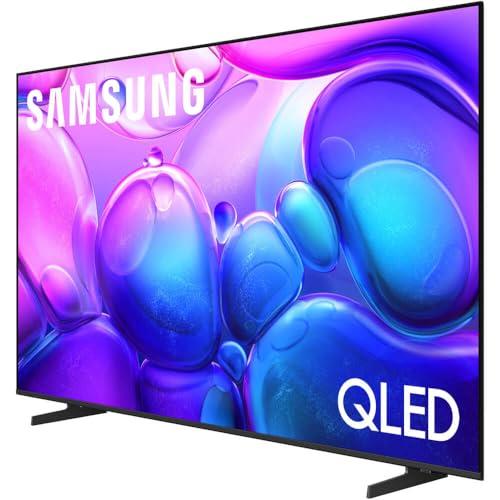
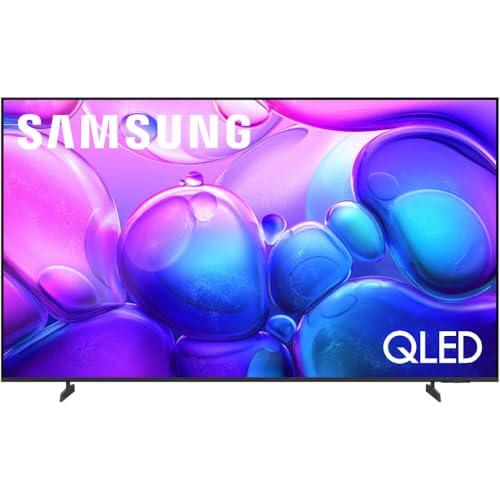
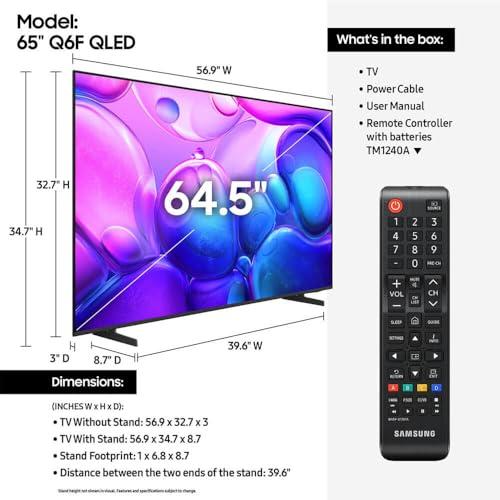
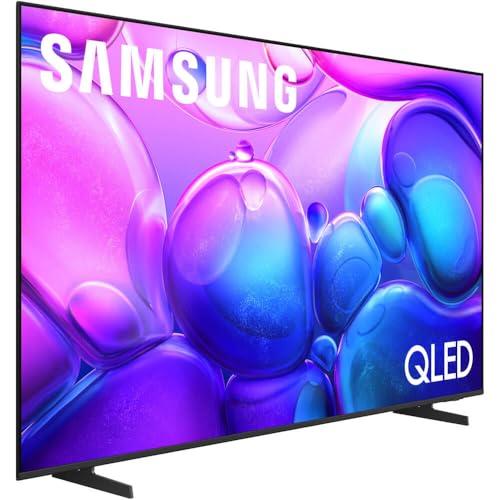
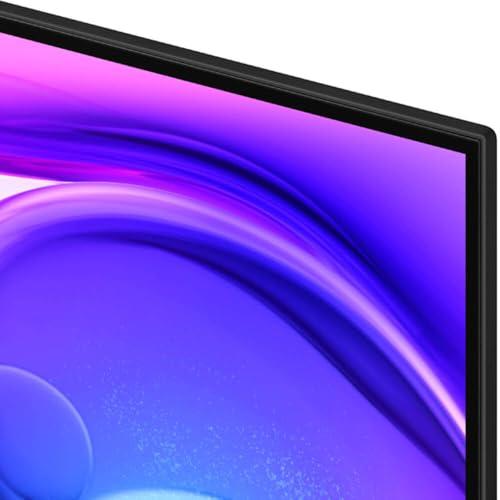
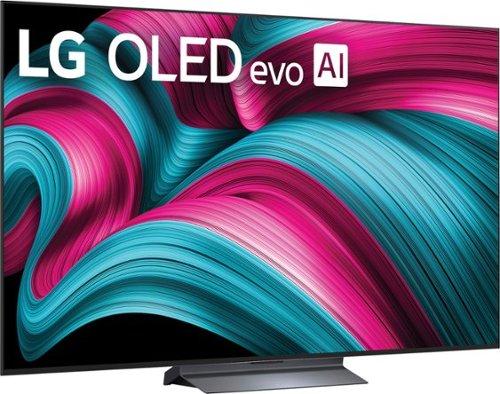


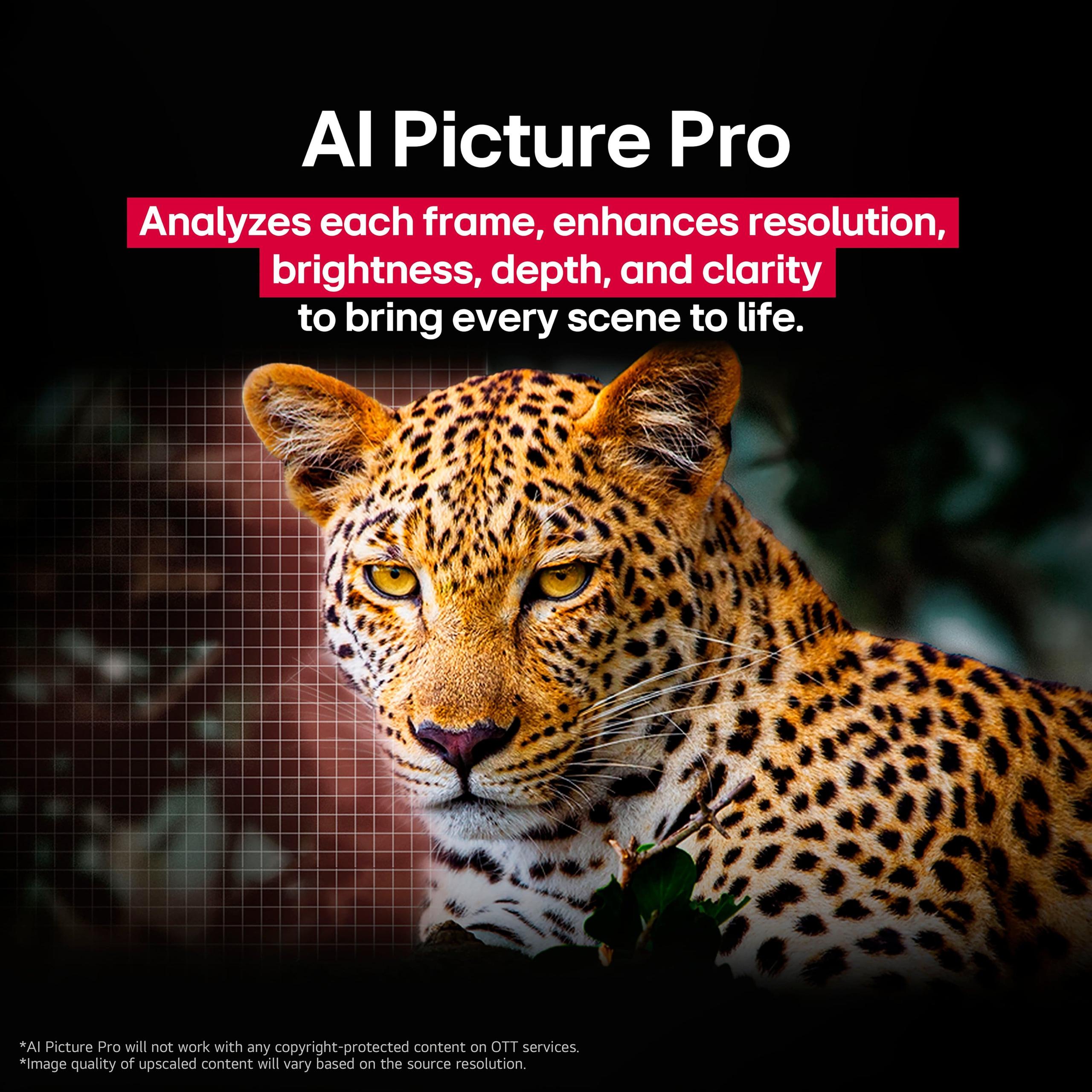
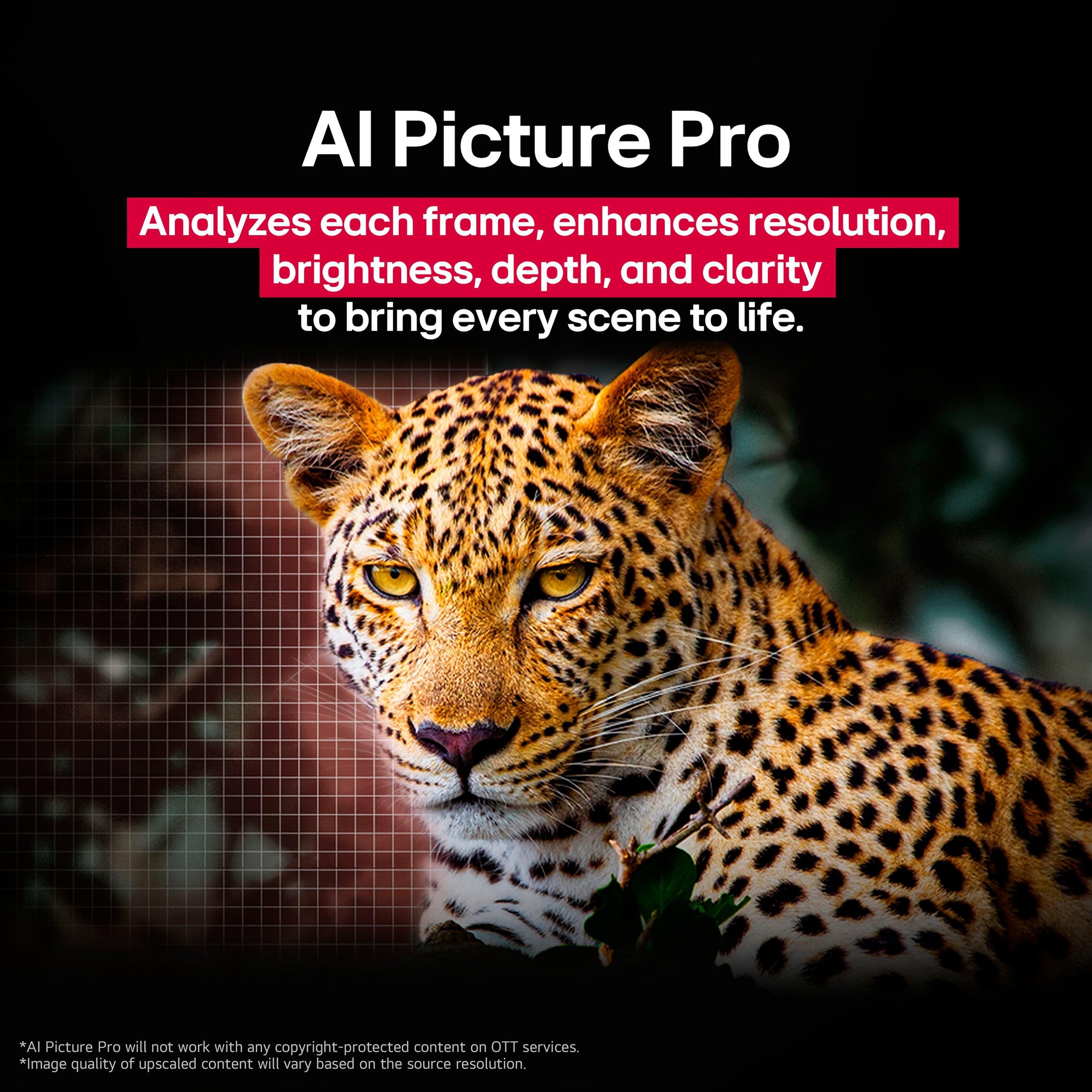
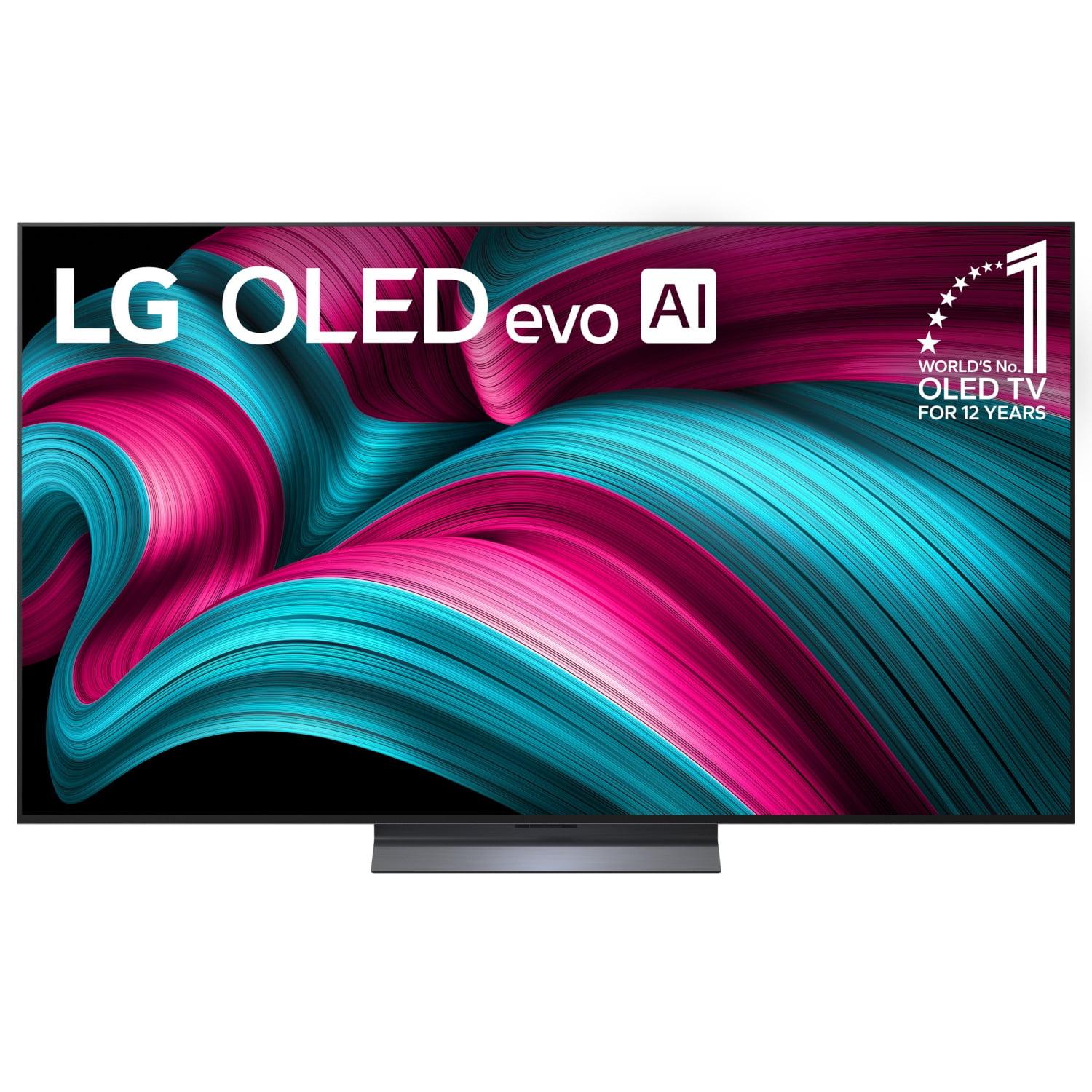
The TV market in 2025 has settled into an interesting battle between two fundamentally different technologies. On one side, you have QLED TVs like the Samsung 65" QLED Q6F, which use traditional LCD panels enhanced with quantum dot technology—microscopic crystals that create more vibrant colors when hit by light. On the other side are OLED TVs like the LG OLED evo C5, where each individual pixel creates its own light and can turn completely off to produce perfect blacks.
Both TVs launched in 2025, representing the latest refinements in their respective technologies. The Samsung Q6F sits at the entry level of Samsung's QLED lineup, while the LG C5 occupies the sweet spot of LG's OLED range. At the time of writing, these TVs represent vastly different price points—the Samsung costs roughly one-third of what the LG originally retailed for, though significant discounts have narrowed that gap considerably.
The most important thing to understand about these TVs is how they create the images you see. The Samsung Q6F uses what's called an LCD panel with quantum dot enhancement. Think of it like a sandwich: there's a backlight (usually LEDs along the edges or behind the screen), then a layer of quantum dots that convert that light into purer colors, and finally the LCD panel that blocks or allows light through to create the picture. This means every pixel is always being lit from behind, even when it's supposed to be black.
The LG C5 works completely differently. Each pixel is essentially a tiny light bulb that can produce its own light in whatever color is needed, or turn completely off. This is called OLED technology (Organic Light Emitting Diode), and it's what allows for those perfect blacks you've probably heard about—when a pixel needs to be black, it simply stops emitting light entirely.
These fundamental differences cascade into everything else about how these TVs perform, from gaming to movie watching to bright room viewing.
This is where you'll see the biggest difference between these technologies. The Samsung Q6F uses what Samsung calls "UHD Dimming" and "Mega Contrast," which sounds impressive but is essentially software trying to make up for hardware limitations. Since the LCD panel is always backlit, true black is impossible—what you get instead is a very dark gray. In dark movie scenes, you might notice that black areas look slightly washed out or that bright objects seem to "bloom" with a halo effect.
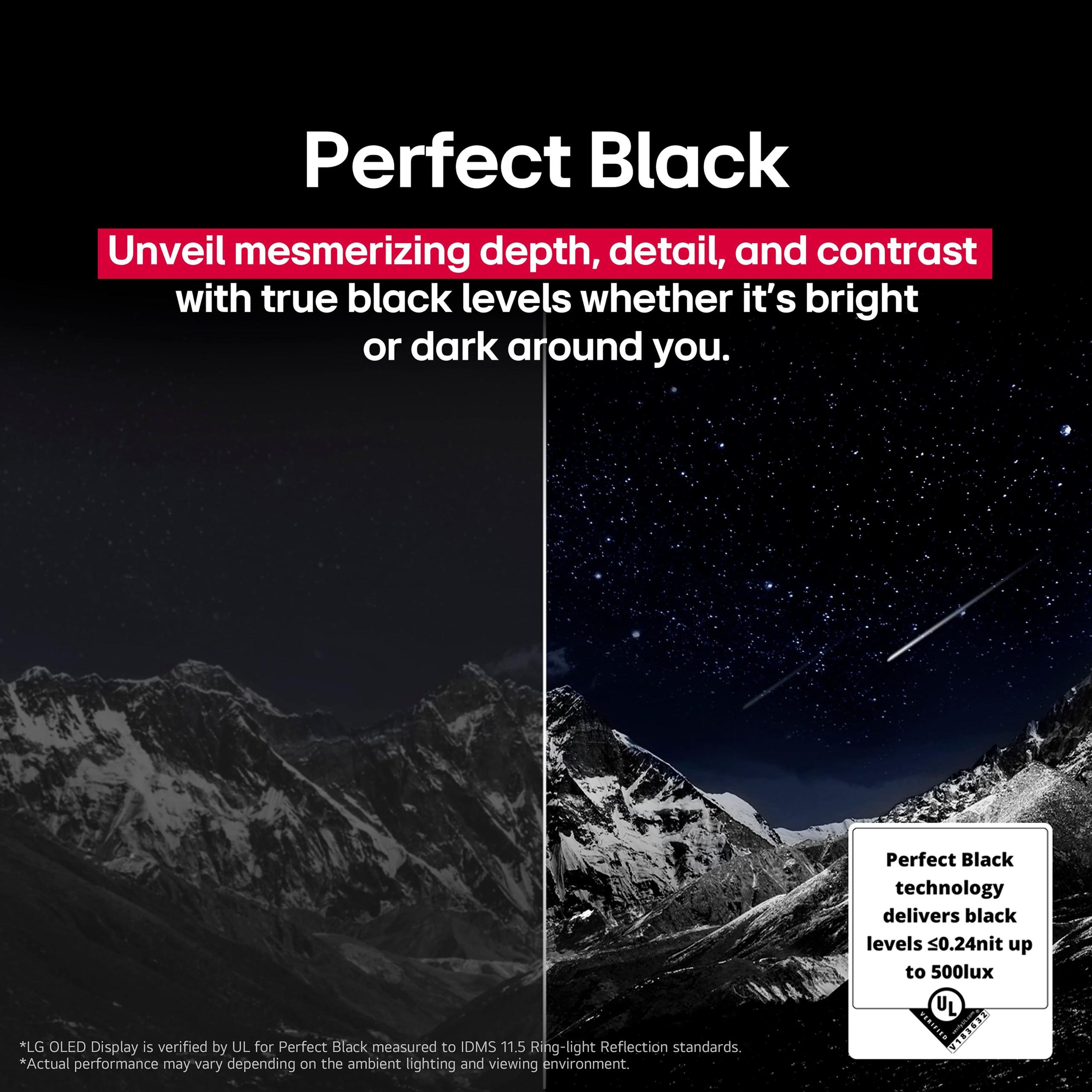
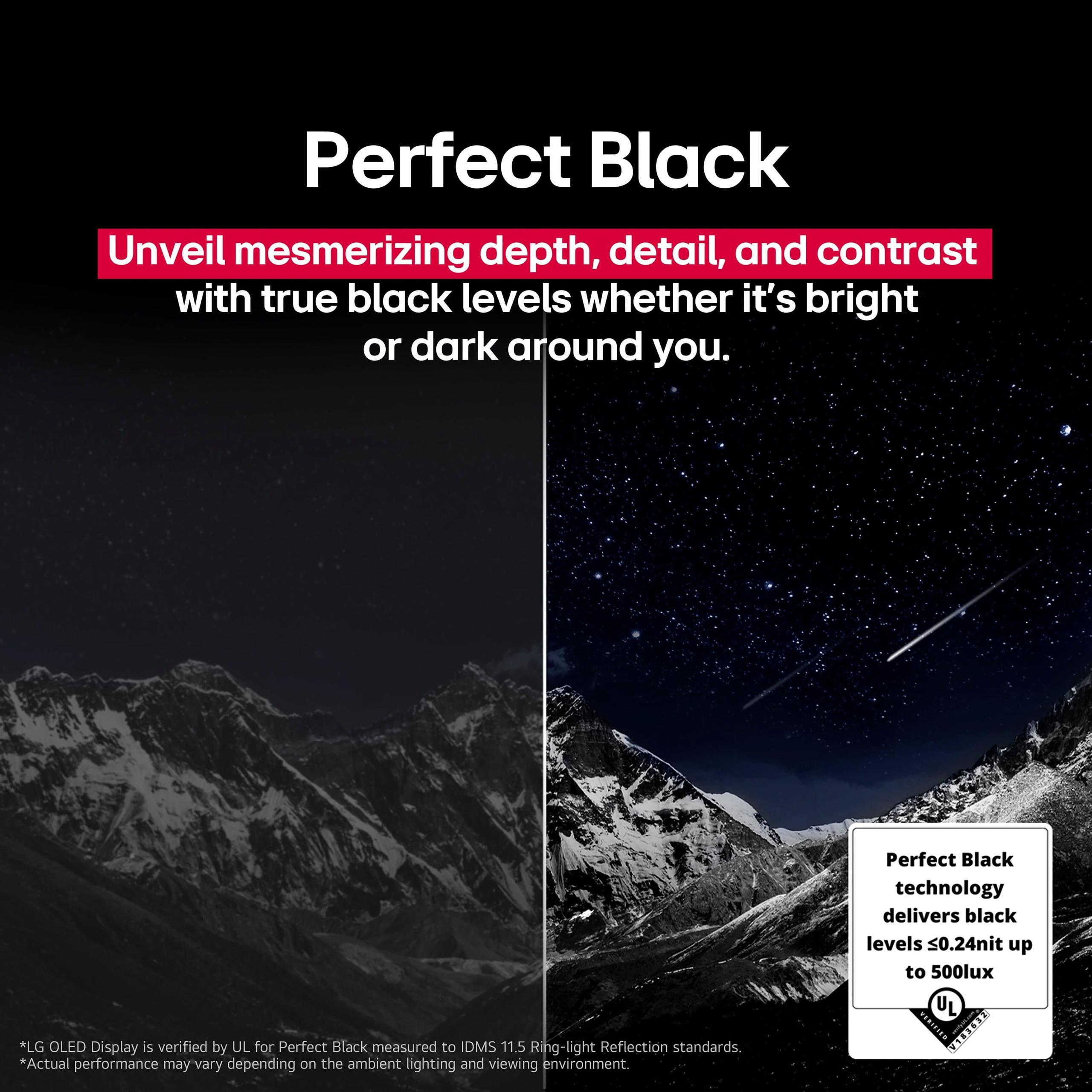
The LG C5, with its OLED technology, achieves what's certified as "Perfect Black." When you're watching a movie with a black letterbox (those black bars above and below the picture), those areas are truly black—indistinguishable from the TV being off. This creates an almost cinematic effect where the picture seems to float in darkness.
Our research shows this difference is most noticeable when watching movies or TV shows with dark scenes. Horror movies, space scenes, or nighttime drama sequences simply look more dramatic and immersive on the LG C5. The Samsung Q6F handles these scenes adequately, but you're always aware you're watching a TV rather than looking through a window into another world.
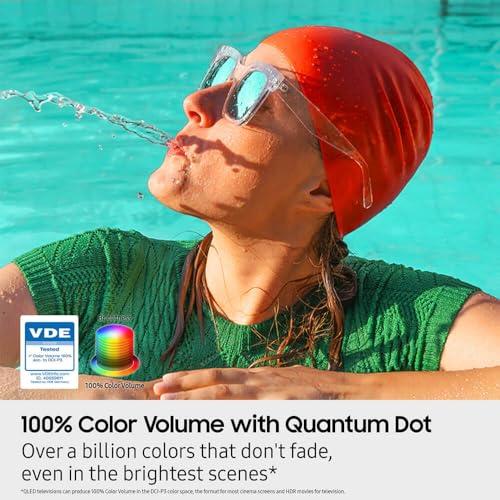
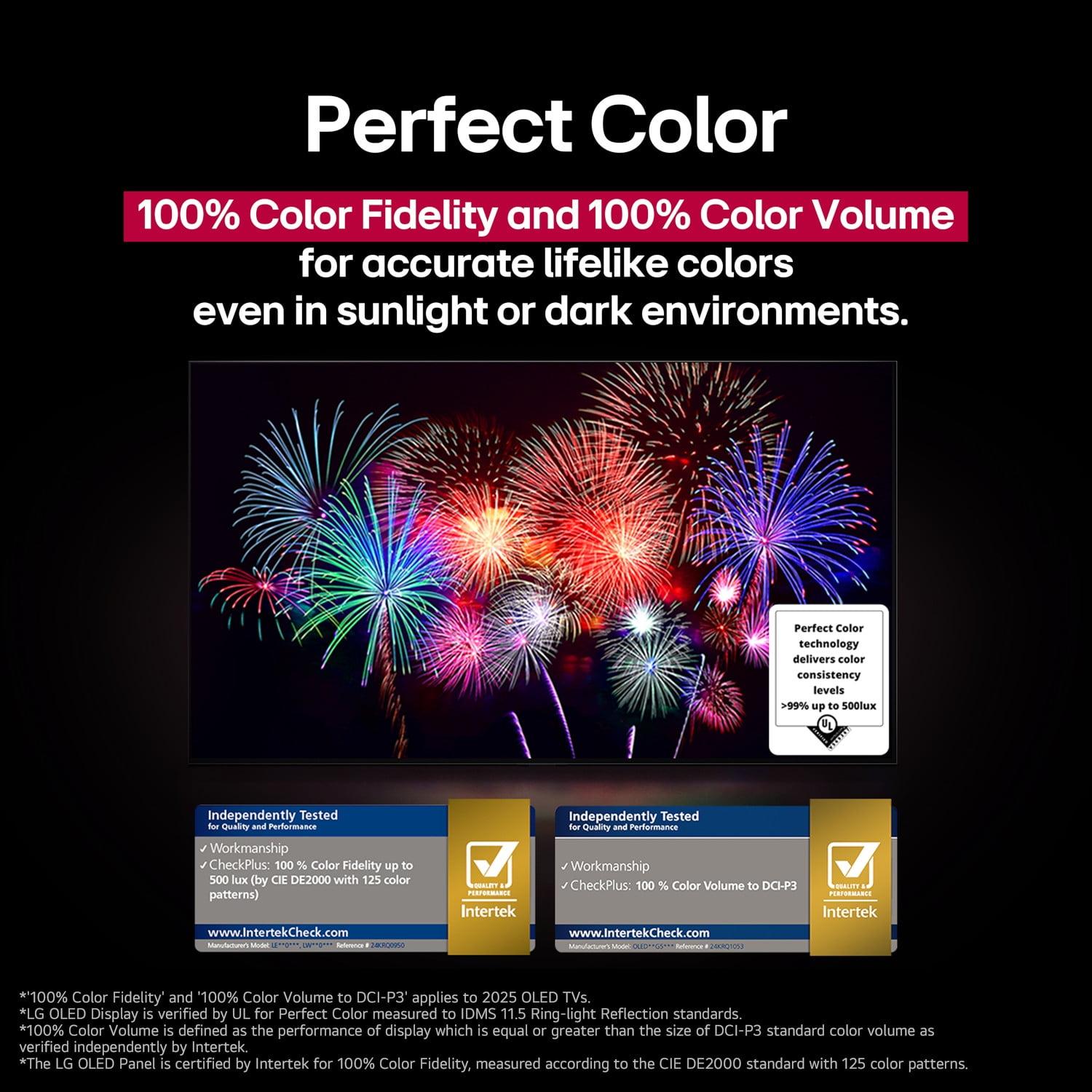
Here's where things get more nuanced. The Samsung Q6F uses quantum dot technology to achieve what Samsung calls "100% Color Volume" in the DCI-P3 color space—essentially meaning it can produce very saturated, vibrant colors. Quantum dots are incredibly efficient at converting light into pure colors, which is why Samsung TVs often look so punchy and vibrant in store displays.
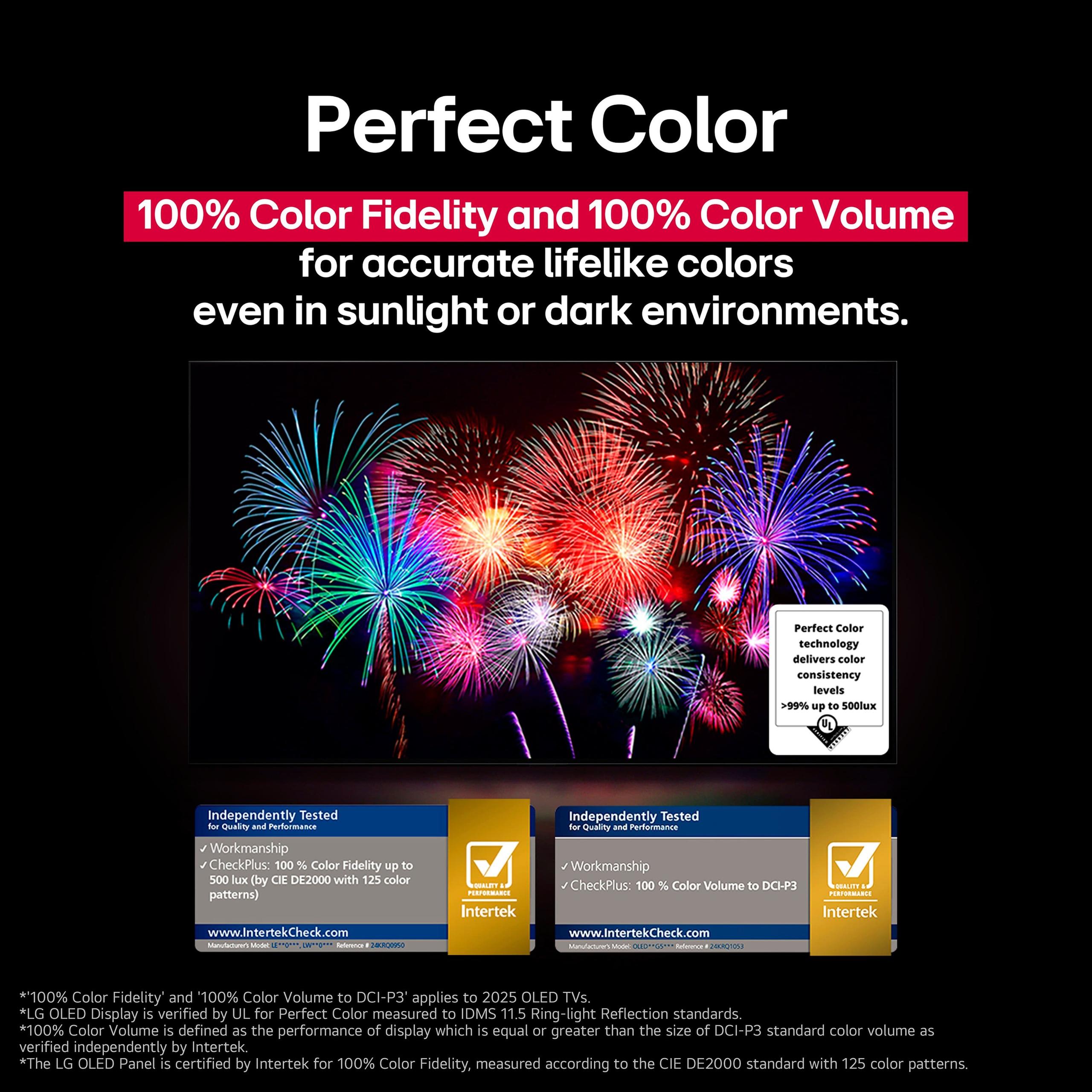
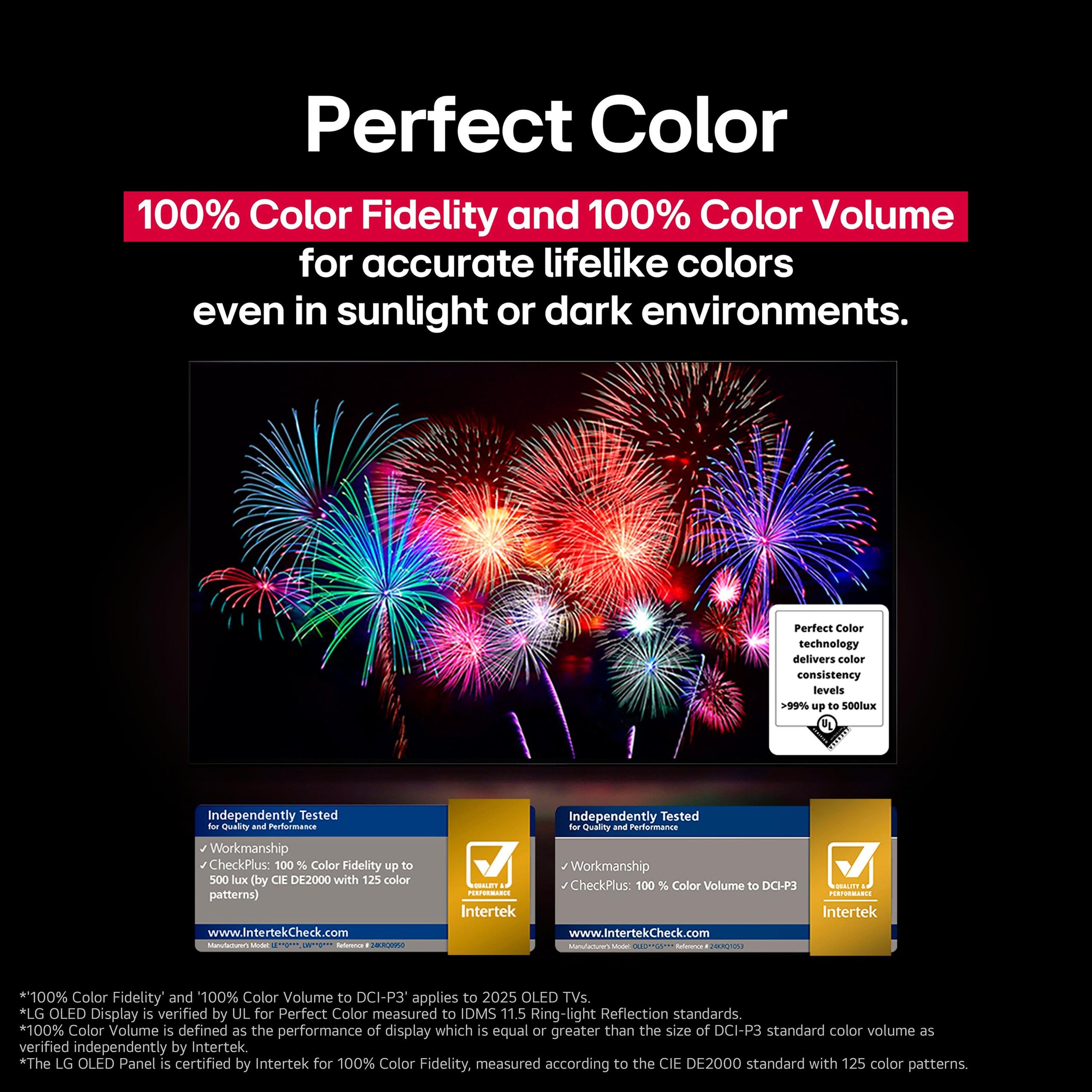
The LG C5 takes a different approach with its "Perfect Color" certification and OLED evo technology. Rather than going for maximum saturation, it focuses on color accuracy—reproducing colors as they were intended to be seen. The result is often more natural-looking, though some viewers prefer the extra pop of quantum dot displays.
Brightness is where the technologies show their age-old trade-off. LCD panels like the one in the Samsung Q6F can get quite bright, which helps in rooms with lots of windows or ambient light. The LG C5 has made significant improvements with its "Brightness Booster" technology compared to older OLEDs, earning "Bright Room Ready" certification, but it still can't match the peak brightness of LCD displays.
HDR (High Dynamic Range) is where content can display a wider range of brightness levels, from deeper blacks to brighter whites, creating more realistic images. The Samsung Q6F supports HDR10+ and Samsung's own Quantum HDR processing, but its performance is limited by the LCD technology's inability to produce true blacks alongside bright highlights.
The LG C5 supports Dolby Vision (widely considered the premium HDR format), HDR10+, and standard HDR10. More importantly, its ability to produce perfect blacks while simultaneously displaying bright highlights in the same scene creates HDR performance that's genuinely impressive. When you're watching a sunset scene, for example, the LG C5 can show deep shadows and bright sky in the same frame without compromise.
Gaming is where these TVs show perhaps their most dramatic differences. The Samsung Q6F offers what you'd expect from an entry-level gaming TV: a 60Hz refresh rate (50Hz in some regions), Auto Low Latency Mode (ALLM) that automatically switches to a low-lag mode when it detects a game console, and Variable Refresh Rate (VRR) to help prevent screen tearing.
These features are adequate for casual gaming—playing story-driven single-player games or occasional multiplayer sessions. However, the 60Hz refresh rate means you're limited to 60 frames per second maximum, which can feel choppy in fast-paced games compared to what modern consoles and PCs can deliver.
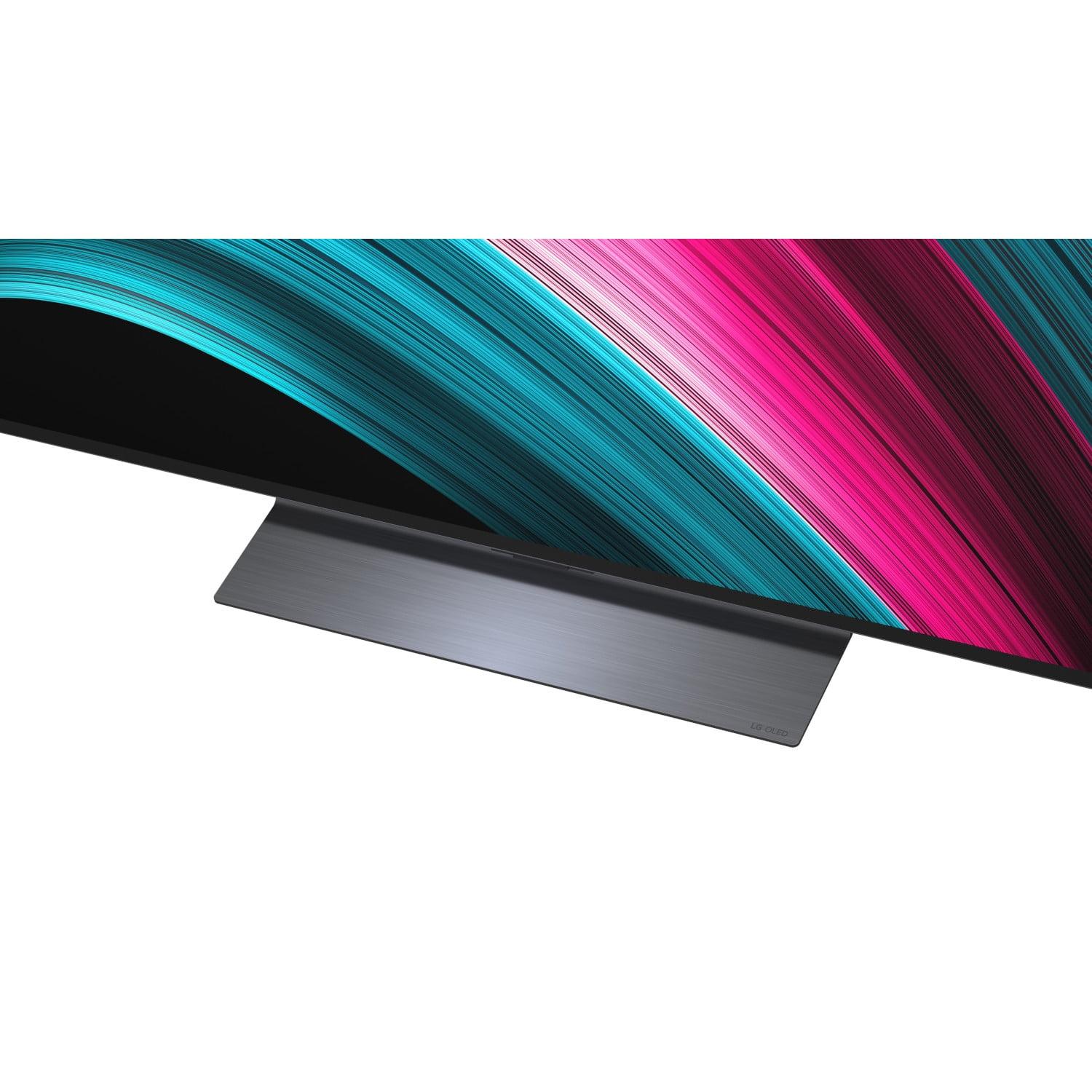
The LG C5 is in a completely different league for gaming. It supports up to 144Hz refresh rate, meaning games can display up to 144 frames per second for incredibly smooth motion. It includes all four HDMI ports at full HDMI 2.1 bandwidth, supports both NVIDIA G-Sync and AMD FreeSync Premium for tear-free gaming, and has earned VESA's ClearMR 9000 certification for motion clarity.
The response time difference is equally dramatic. While the Samsung Q6F has respectable input lag for its class, the LG C5 achieves a 0.1ms response time—essentially instantaneous. For competitive gaming, this difference can be meaningful.
If you're serious about gaming, especially with a PlayStation 5, Xbox Series X, or a modern gaming PC, the LG C5 offers features that would cost hundreds of dollars in a dedicated gaming monitor.
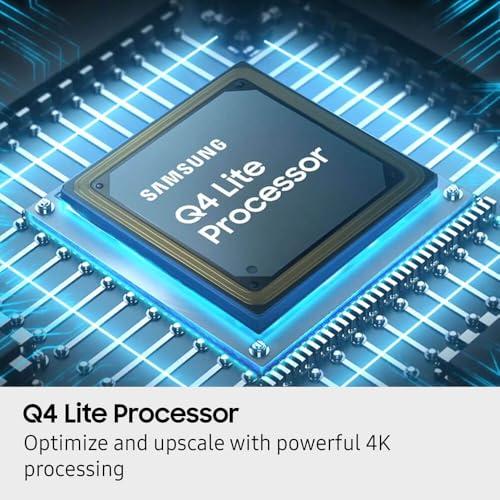
Both TVs run their manufacturers' latest smart TV platforms, but with very different capabilities. The Samsung Q6F uses Samsung's Tizen operating system with the Q4 Lite Processor. This combination provides basic 4K upscaling (improving lower-resolution content to look better on the 4K screen), content optimization, and access to all major streaming apps.
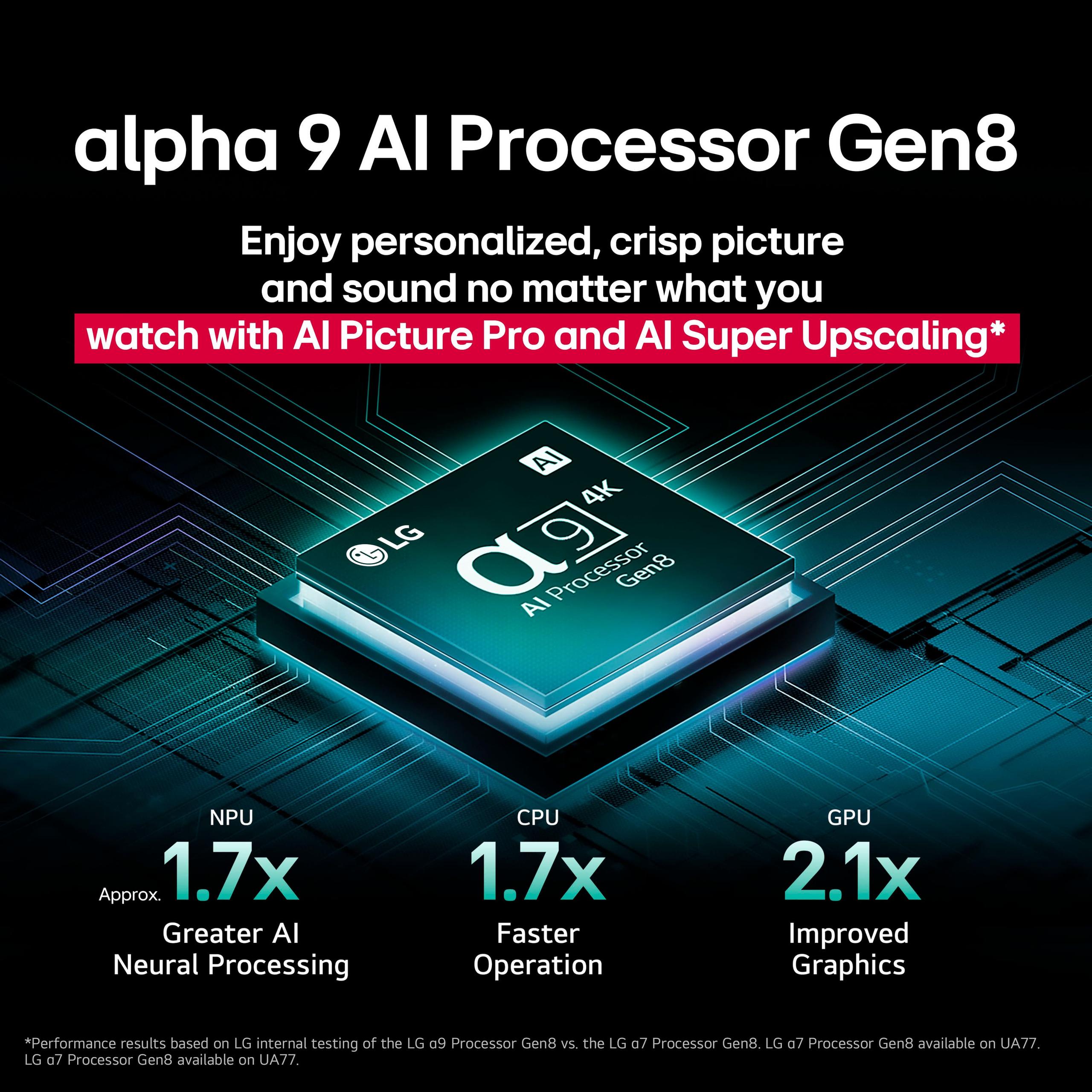
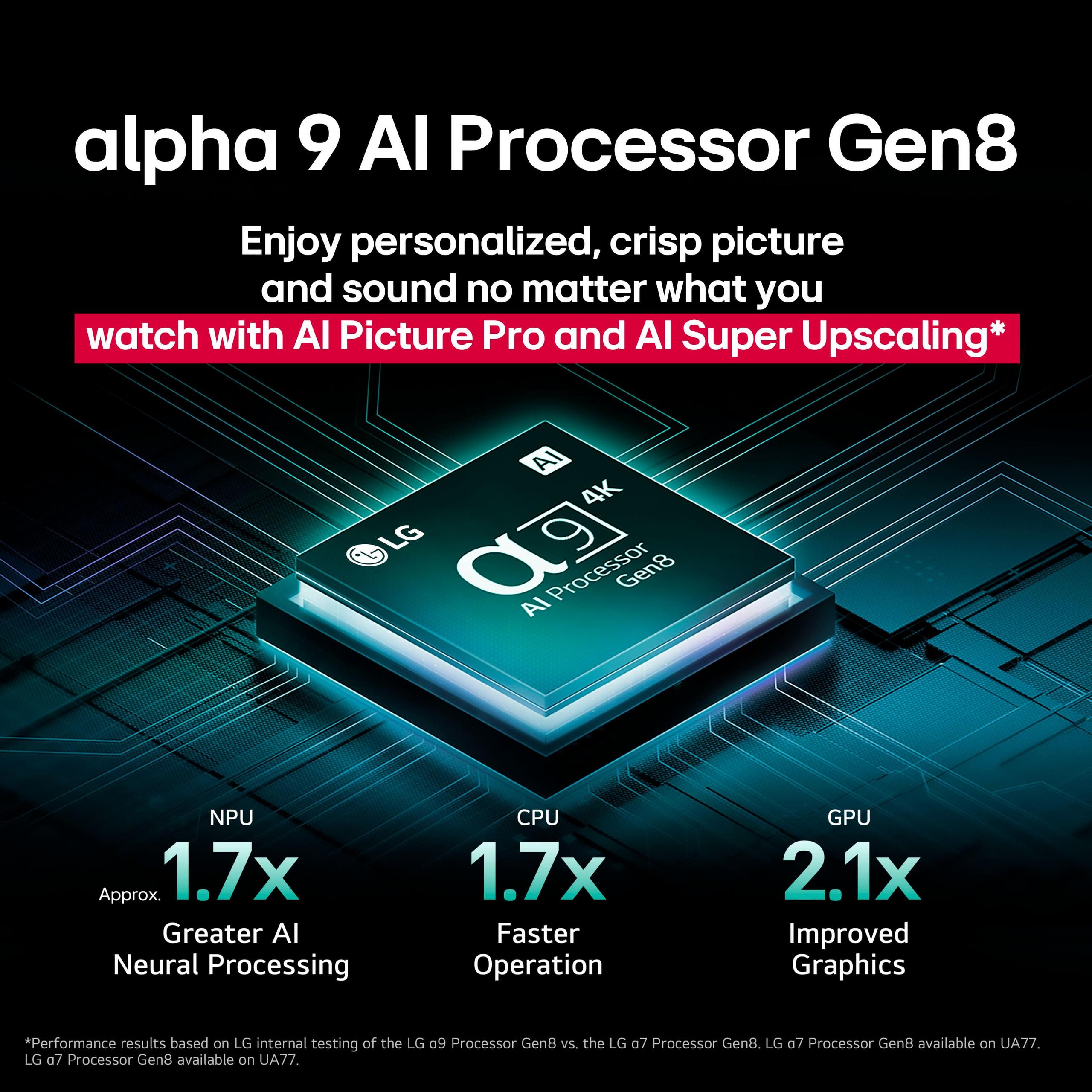
The LG C5 runs webOS 25 powered by the Alpha 9 AI Processor Gen 8—a much more sophisticated system. This processor uses artificial intelligence to analyze content in real-time, automatically adjusting picture and sound settings based on what you're watching. It can recognize whether you're watching a movie, sports, or playing a game, and optimize accordingly.
The difference shows up in daily use. The LG C5 includes 32GB of expanded memory for faster app loading and smoother navigation, plus Wi-Fi 6E support for better streaming performance. The AI features extend to content recommendations and even a personalized setup wizard that customizes the TV based on your viewing preferences and room conditions.
TV audio often gets overlooked, but there are meaningful differences here. The Samsung Q6F includes Object Tracking Sound Lite (OTS Lite), which attempts to make sound follow action on screen, plus Q-Symphony support for pairing with Samsung soundbars. The audio system is basic but functional—fine for casual viewing but limited for more immersive experiences.
The LG C5 takes audio more seriously with AI Sound Pro, which creates virtual 11.1.2 channel surround sound from the built-in speakers. It supports Dolby Atmos for more immersive audio and includes an AI Sound Wizard that customizes audio based on your preferences and room acoustics. While still not matching a dedicated sound system, it's significantly more capable than typical TV speakers.
If you're setting up a dedicated home theater or media room, the choice becomes clearer. The LG C5 excels in dark viewing environments where its perfect blacks and precise shadow detail create a more cinematic experience. The wide viewing angles mean everyone in the room gets a good picture, and the 144Hz capability future-proofs your setup for next-generation gaming consoles and streaming content.
The Samsung Q6F is better suited for living rooms or family rooms with lots of ambient light, where its brighter LCD panel helps overcome glare and reflections. However, the limited viewing angles mean people sitting to the sides might see color shifting or reduced contrast.
For serious movie watching, the LG C5's support for Dolby Vision and Filmmaker Mode (which preserves the director's intended picture settings) provides a more authentic cinematic experience. The Samsung Q6F includes Filmmaker Mode as well, but the LCD technology limits how accurately it can reproduce the intended image.
At the time of writing, the Samsung Q6F represents exceptional value for quantum dot color technology at an entry-level price point. You're getting enhanced colors, basic smart features, and adequate gaming performance for roughly one-third the cost of premium alternatives.
The LG C5, while significantly more expensive initially, has seen substantial price drops that make it more compelling. When you consider that it includes features that would cost hundreds in a dedicated gaming monitor, plus premium picture quality that will remain impressive for years, the value proposition becomes more attractive.
There's also the question of longevity. The Samsung Q6F's LCD technology is mature and reliable, with no concerns about burn-in (permanent image retention). However, its basic processor and limited feature set may feel outdated sooner as streaming services and gaming consoles continue advancing.
The LG C5 includes OLED burn-in protection features, though permanent image retention remains theoretically possible with extreme usage patterns. LG's Re:New Program promises five years of software updates and feature additions, helping maintain relevance longer.
Choose the Samsung Q6F if you're primarily looking for a solid, reliable TV for general viewing in a bright room. It's ideal for families who want enhanced colors and smart features without premium pricing. The quantum dot technology does make regular TV shows, sports, and streaming content look more vibrant than standard TVs.
The Samsung Q6F also makes sense if you're concerned about burn-in, have a very bright viewing environment, or if the budget simply doesn't stretch to premium OLED pricing, even with current discounts.
Choose the LG C5 if picture quality is your primary concern, you're a serious gamer, or you primarily watch in darker environments. The perfect blacks and infinite contrast create a genuinely premium viewing experience that's particularly noticeable with movies and high-quality streaming content.
The LG C5 is also the clear choice for gaming enthusiasts who want to take full advantage of modern consoles or PC gaming. The 144Hz refresh rate and comprehensive gaming features provide an experience that rivals dedicated gaming monitors.
These TVs represent two different philosophies in TV design. The Samsung Q6F prioritizes value and reliability, delivering enhanced colors and smart features at an accessible price point. It's a solid choice that does most things well without excelling at any particular area.
The LG C5 prioritizes performance and innovation, using cutting-edge OLED technology to deliver superior picture quality, gaming features, and smart capabilities. At current pricing, it represents one of the best values in premium TV technology.
For most people, the decision comes down to budget and priorities. If you want a good TV that enhances your viewing experience without breaking the bank, the Samsung Q6F delivers on that promise. If you want the best possible picture quality and gaming performance, and can justify the higher investment, the LG C5 provides technology that will impress for years to come.
The gap between these TVs reflects the broader state of the TV market in 2025—you can get perfectly satisfactory performance at modest prices, but stepping up to premium technology still requires a significant investment that pays dividends in daily viewing quality.
| Samsung 65" QLED Q6F 4K Smart TV 2025 | LG OLED evo C5 65" 4K TV 2025 |
|---|---|
| Display Technology - Fundamentally different approaches to creating images | |
| QLED (LCD with Quantum Dot enhancement) | OLED evo (Self-illuminating pixels) |
| Black Levels & Contrast - Most noticeable difference in dark room viewing | |
| UHD Dimming with edge-lit backlighting (limited blacks) | Perfect blacks with infinite contrast ratio |
| Peak Brightness - Critical for bright room performance | |
| Higher peak brightness, better for well-lit rooms | Lower peak brightness but "Bright Room Ready" certified |
| Gaming Refresh Rate - Essential for smooth gaming performance | |
| 60Hz (50Hz some regions) | 144Hz native with 0.1ms response time |
| Gaming Features - Advanced capabilities for serious gamers | |
| ALLM, VRR, HGiG (basic gaming support) | Full HDMI 2.1, G-Sync, FreeSync Premium, ClearMR 9000 |
| Processor - Affects upscaling quality and smart features | |
| Q4 Lite Processor (basic optimization) | Alpha 9 AI Processor Gen 8 (advanced AI processing) |
| HDR Support - Important for premium streaming content | |
| Quantum HDR, HDR10+ | Dolby Vision, HDR10+, Perfect Color certified |
| Color Technology - Different approaches to vibrant colors | |
| Quantum Dot (100% Color Volume, very saturated) | OLED evo (Perfect Color certification, natural accuracy) |
| Audio System - Built-in sound quality differences | |
| OTS Lite, 2-channel 20W with Q-Symphony | AI Sound Pro with virtual 11.1.2 and Dolby Atmos |
| Smart Platform - User interface and app performance | |
| Tizen Smart TV with basic AI features | webOS 25 with 32GB memory and Wi-Fi 6E |
| Burn-in Risk - Long-term reliability consideration | |
| No burn-in concerns (LCD technology) | Minimal risk with modern OLED protection features |
| Viewing Angles - Important for group viewing | |
| Limited viewing angles with color shifting | Wide viewing angles maintain picture quality |
| Best Use Case - Who should choose each TV | |
| Budget-conscious buyers, bright rooms, casual gaming | Picture quality enthusiasts, serious gamers, home theater |
The LG OLED evo C5 delivers superior picture quality with perfect blacks and infinite contrast ratio thanks to its OLED technology. Each pixel can turn completely off, creating true blacks that the Samsung Q6F cannot match due to its LCD backlight. However, the Samsung Q6F can get brighter and offers more vibrant colors through quantum dot technology, making it better for very bright rooms.
QLED TVs like the Samsung Q6F use LCD panels with quantum dot enhancement and LED backlighting, while OLED TVs like the LG C5 have self-illuminating pixels. This means the LG C5 can produce perfect blacks by turning pixels completely off, while the Samsung Q6F always has some backlight bleeding through, resulting in dark grays instead of true blacks.
The LG OLED evo C5 is significantly better for gaming with its 144Hz refresh rate, 0.1ms response time, and full HDMI 2.1 support on all ports. It also includes NVIDIA G-Sync and AMD FreeSync Premium. The Samsung Q6F offers basic gaming features with 60Hz refresh rate and standard gaming modes, suitable for casual gaming but not competitive play.
The Samsung Q6F performs better in bright rooms due to its higher peak brightness from LCD technology. The LG C5 has improved bright room performance with "Brightness Booster" technology compared to older OLEDs, but it still doesn't get as bright as the Samsung Q6F in very sunny conditions.
The LG OLED evo C5 has more advanced smart features with webOS 25, 32GB expanded memory, Wi-Fi 6E, and the Alpha 9 AI Processor that provides intelligent content optimization. The Samsung Q6F uses Tizen with basic smart features and the Q4 Lite Processor, which is adequate but less sophisticated than the LG C5's AI capabilities.
The Samsung Q6F has no burn-in risk since it uses LCD technology. The LG OLED evo C5 has minimal burn-in risk thanks to modern OLED protection features, but permanent image retention is theoretically possible with extreme usage patterns like displaying static images for many hours daily.
The LG OLED evo C5 excels in home theater setups with its perfect blacks, wide viewing angles, and support for Dolby Vision HDR. The cinematic experience is enhanced by true blacks that make the picture appear to float in darkness. The Samsung Q6F can work for home theater but lacks the contrast and viewing angle performance of the LG C5.
The LG OLED evo C5 has superior audio with AI Sound Pro that creates virtual 11.1.2 channel surround sound and supports Dolby Atmos. The Samsung Q6F includes Object Tracking Sound Lite and Q-Symphony for soundbar compatibility, but it's more basic. Both benefit from external sound systems for the best audio experience.
The LG OLED evo C5 supports more premium HDR formats including Dolby Vision, HDR10+, and standard HDR10. The Samsung Q6F supports Quantum HDR and HDR10+ but lacks Dolby Vision support, which is widely considered the premium HDR standard used by many streaming services and 4K Blu-rays.
The Samsung Q6F uses quantum dot technology for highly saturated, vibrant colors that really pop in store displays. The LG C5 focuses on color accuracy with "Perfect Color" certification, producing more natural-looking colors. The Samsung Q6F may appear more vivid, while the LG C5 offers more realistic color reproduction.
Both TVs should last many years, but they face different challenges. The Samsung Q6F uses mature LCD technology that's very reliable, but its basic processor may feel outdated sooner. The LG OLED evo C5 includes more future-proof features like 144Hz gaming and advanced processing, plus LG's Re:New Program promises five years of software updates.
Choose the Samsung Q6F if you want good picture quality at a budget-friendly price point, primarily watch in bright rooms, or prefer casual gaming. The LG OLED evo C5 is better for picture quality enthusiasts, serious gamers, home theater setups, and those who primarily watch in darker environments where its perfect blacks truly shine.
We've done our best to create useful and informative comparisons to help you decide what product to buy. Our research uses advanced automated methods to create this comparison and perfection is not possible - please contact us for corrections or questions. These are the sites we've researched in the creation of this article: tomsguide.com - bestbuy.com - samsung.com - rtings.com - youtube.com - rtings.com - bestbuy.com - samsung.com - samsung.com - samsung.com - manuals.plus - shopjetson.com - samsung.com - samsung.com - samsung.com - samsung.com - bestbuy.com - jefflynch.com - bestbuy.com - rtings.com - youtube.com - businessinsider.com - youtube.com - bestbuy.com - lg.com - files.bbystatic.com - lg.com - flatpanelshd.com - lg.com - blvdhome.com - bhphotovideo.com - flanners.com - videopro.com.au

Privacy Policy
Terms and Conditions - Affiliate Policy
Home Security
© Copyright 2008-2026.
11816 Inwood Rd #1211, Dallas, TX 75244