

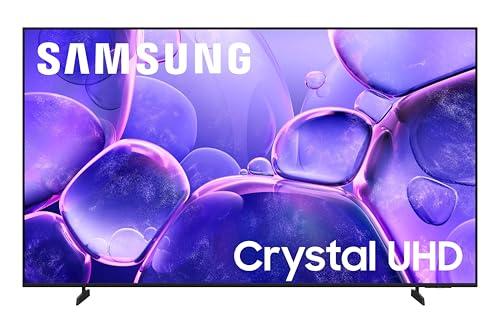
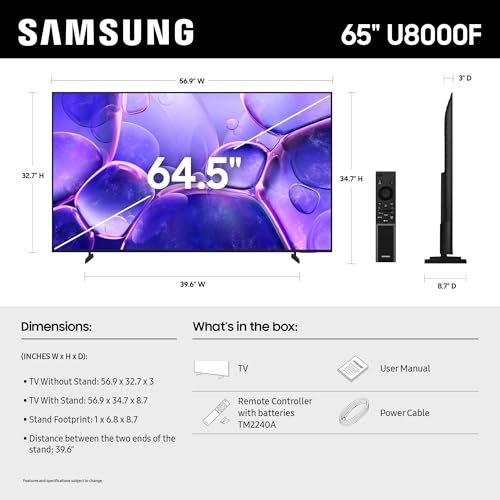
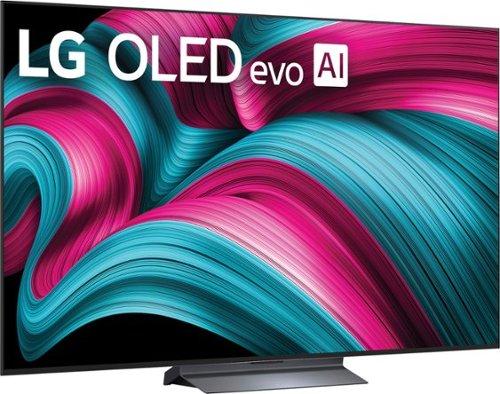
When you're shopping for a 65-inch TV in 2025, you're entering the sweet spot of home entertainment. It's big enough to create that cinematic experience without dominating your living room, but choosing between different display technologies can feel overwhelming. Today we're comparing two completely different approaches: the Samsung 65-Inch Crystal UHD U8000F represents the budget-friendly LED route, while the LG OLED evo C5 showcases premium OLED technology.
These aren't just different brands—they're fundamentally different ways of creating the picture you see. Understanding this difference is crucial because it affects everything from how dark your room needs to be for optimal viewing to whether you can fully enjoy the latest PlayStation or Xbox games.
The core difference lies in how each TV creates light and color. The Samsung U8000F uses traditional LED backlighting with an LCD panel—imagine thousands of tiny LED bulbs behind a liquid crystal display that selectively blocks or allows light through. It's like having a flashlight shining through a sophisticated color filter.
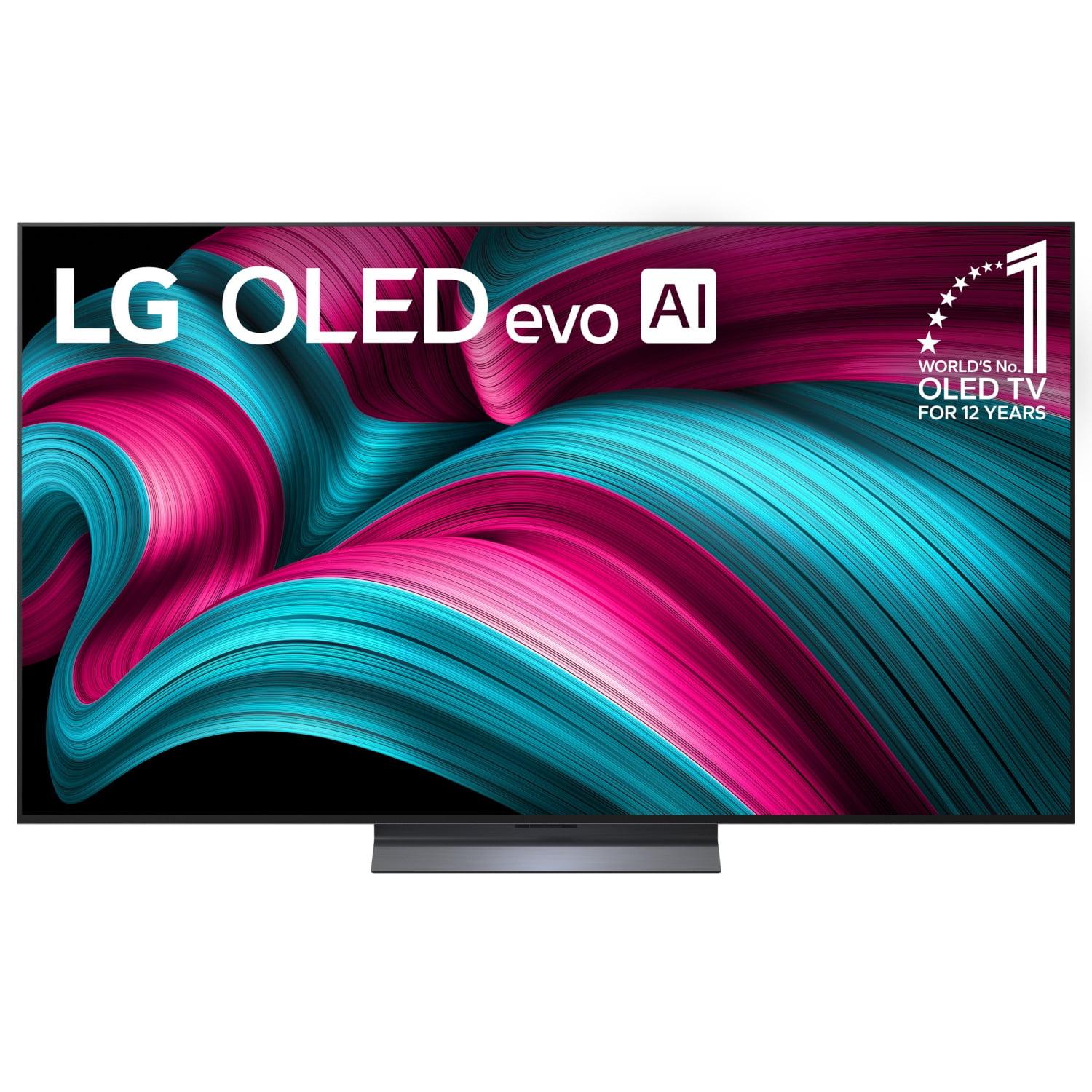
The LG C5 uses OLED technology, where each of the 8.3 million pixels generates its own light. When a pixel needs to be black, it simply turns off completely. Think of it like having millions of microscopic light bulbs that can each turn on or off independently, creating perfect darkness where needed.
This fundamental difference cascades into every aspect of performance, from how deep the blacks look to how quickly the TV responds to your gaming controller.
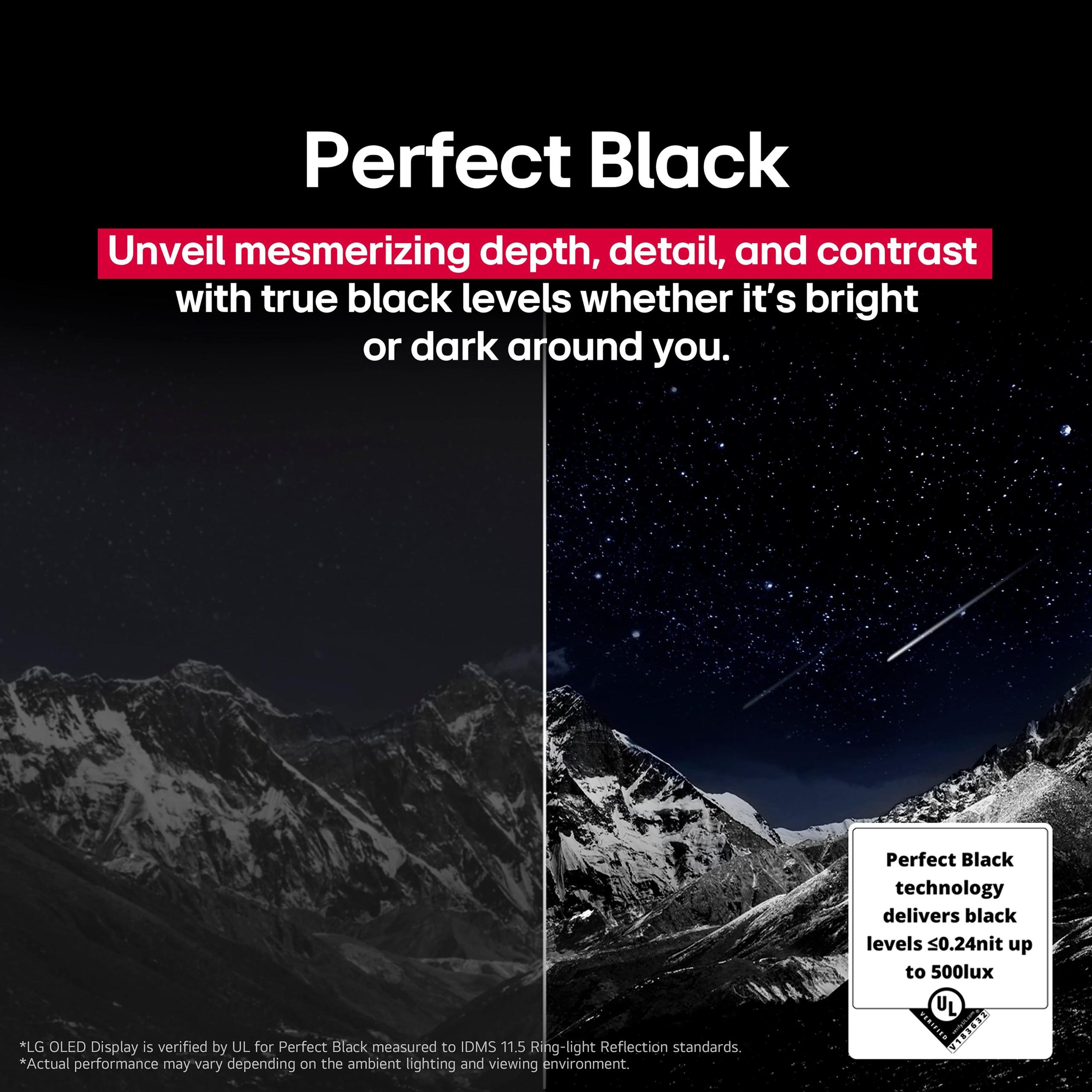
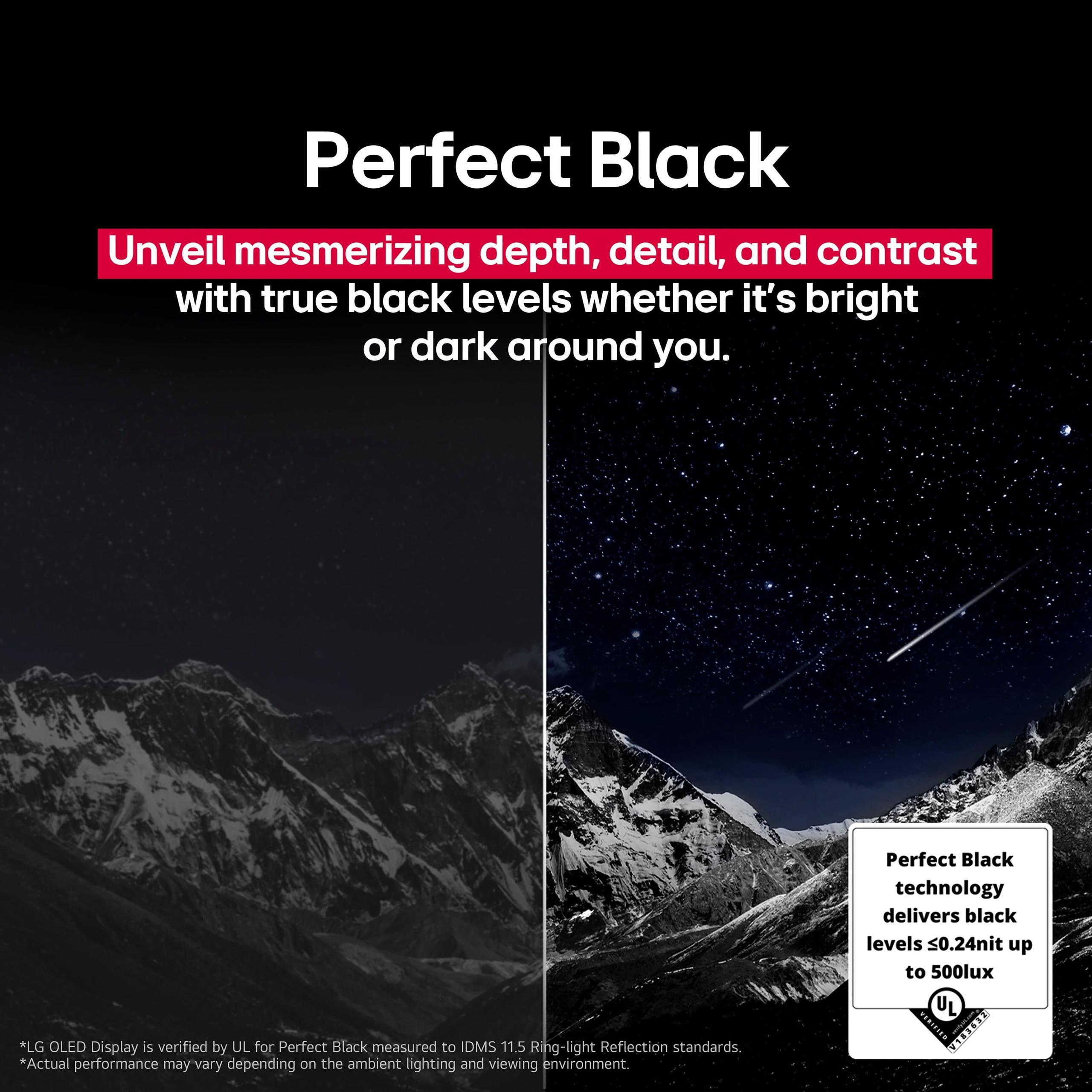
Here's where the technology gap becomes immediately obvious. The LG C5 achieves what's called "perfect black"—when displaying a black screen or dark scene, those pixels are literally off, producing no light whatsoever. This creates infinite contrast ratio, meaning the difference between the brightest and darkest parts of the image is limited only by how bright the TV can get.
The Samsung U8000F uses UHD Dimming technology, which divides the screen into zones and dims the LED backlighting selectively. While this helps, there's always some light bleeding through because the LED backlight can't turn off completely behind dark areas. In a dark room watching a movie with black bars (letterboxing), you'll notice these bars appear dark gray rather than true black on the Samsung.
This matters more than you might think. When watching movies like "Dune" or "Blade Runner 2049" with their dramatic dark scenes, the OLED's perfect blacks make shadows more detailed and the overall image more three-dimensional.
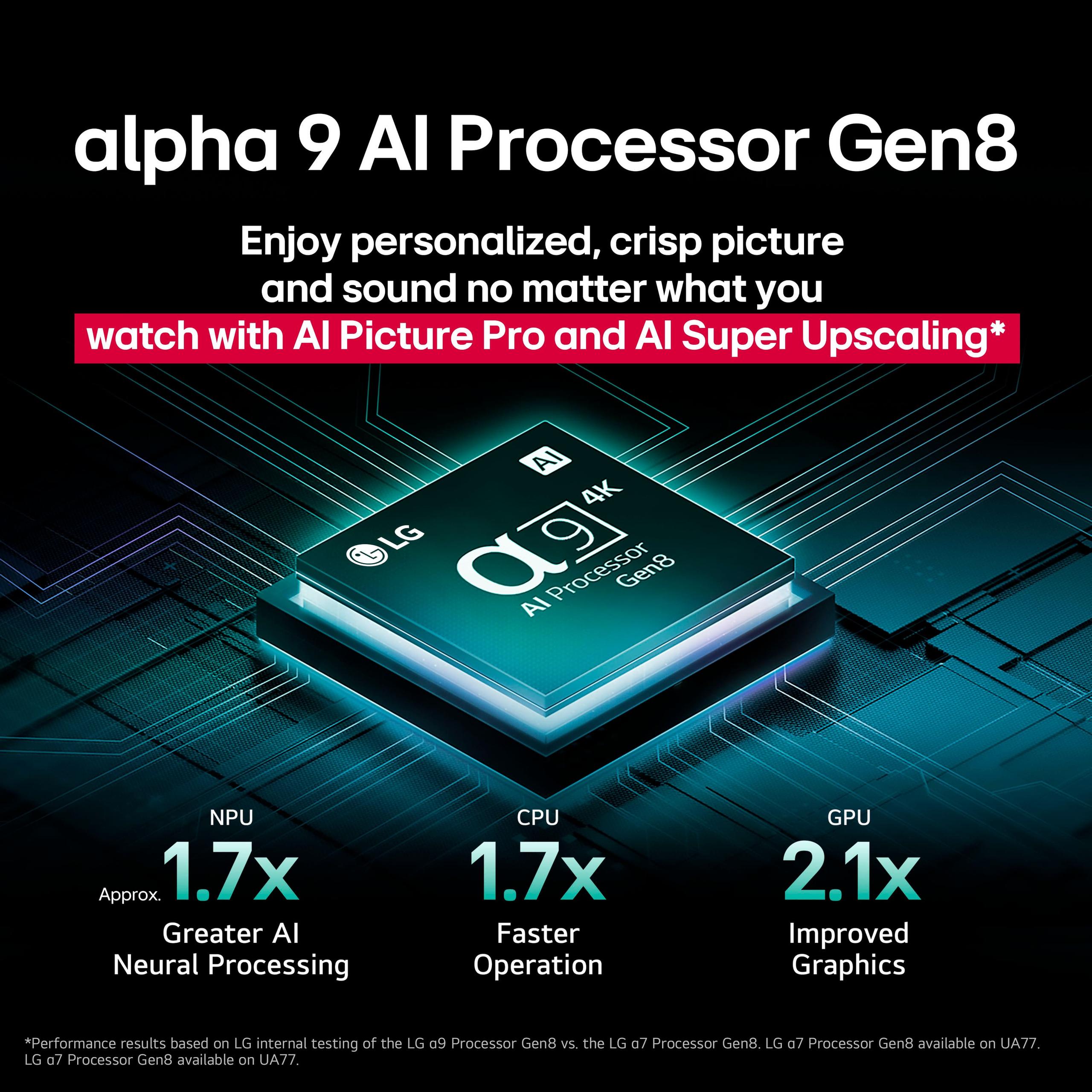
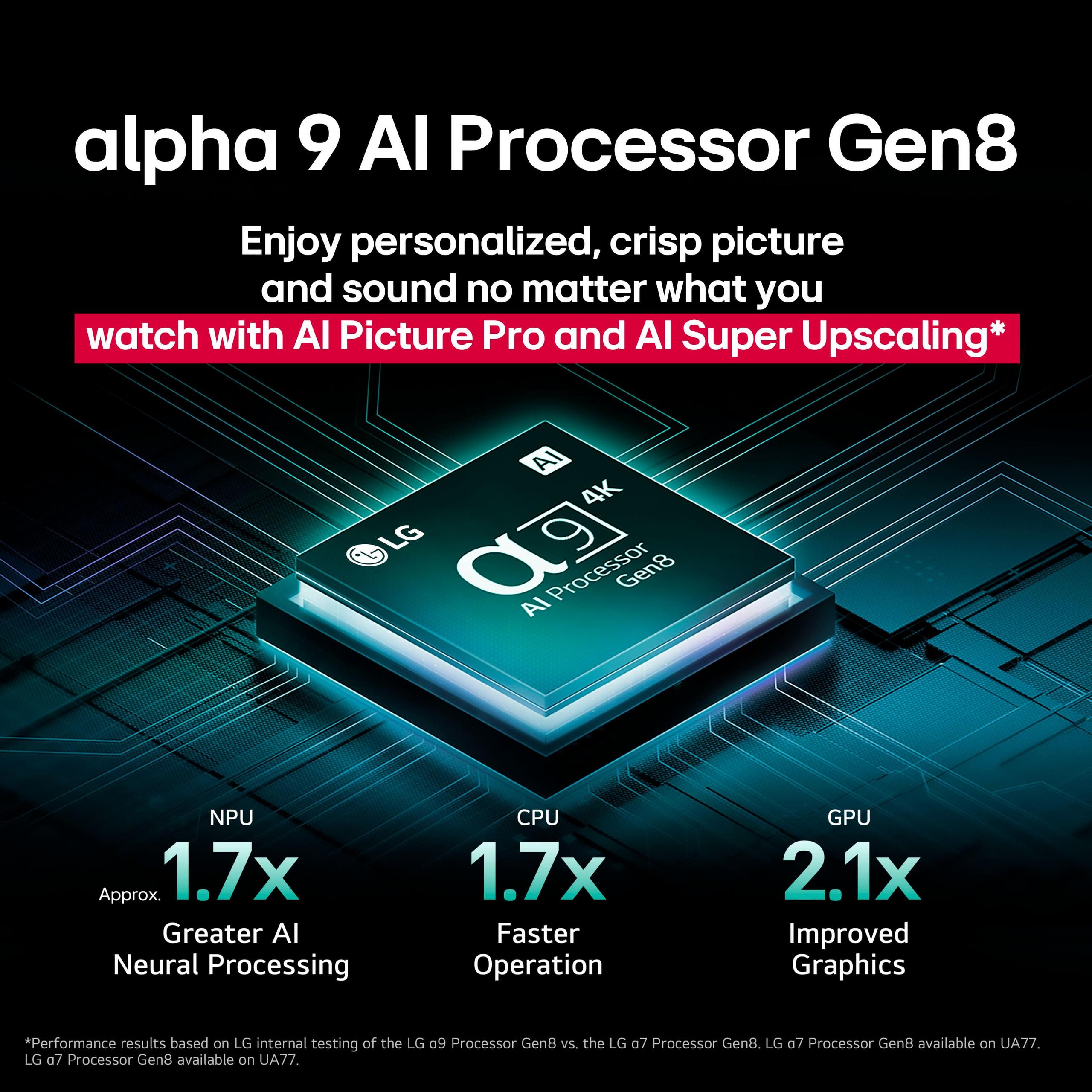
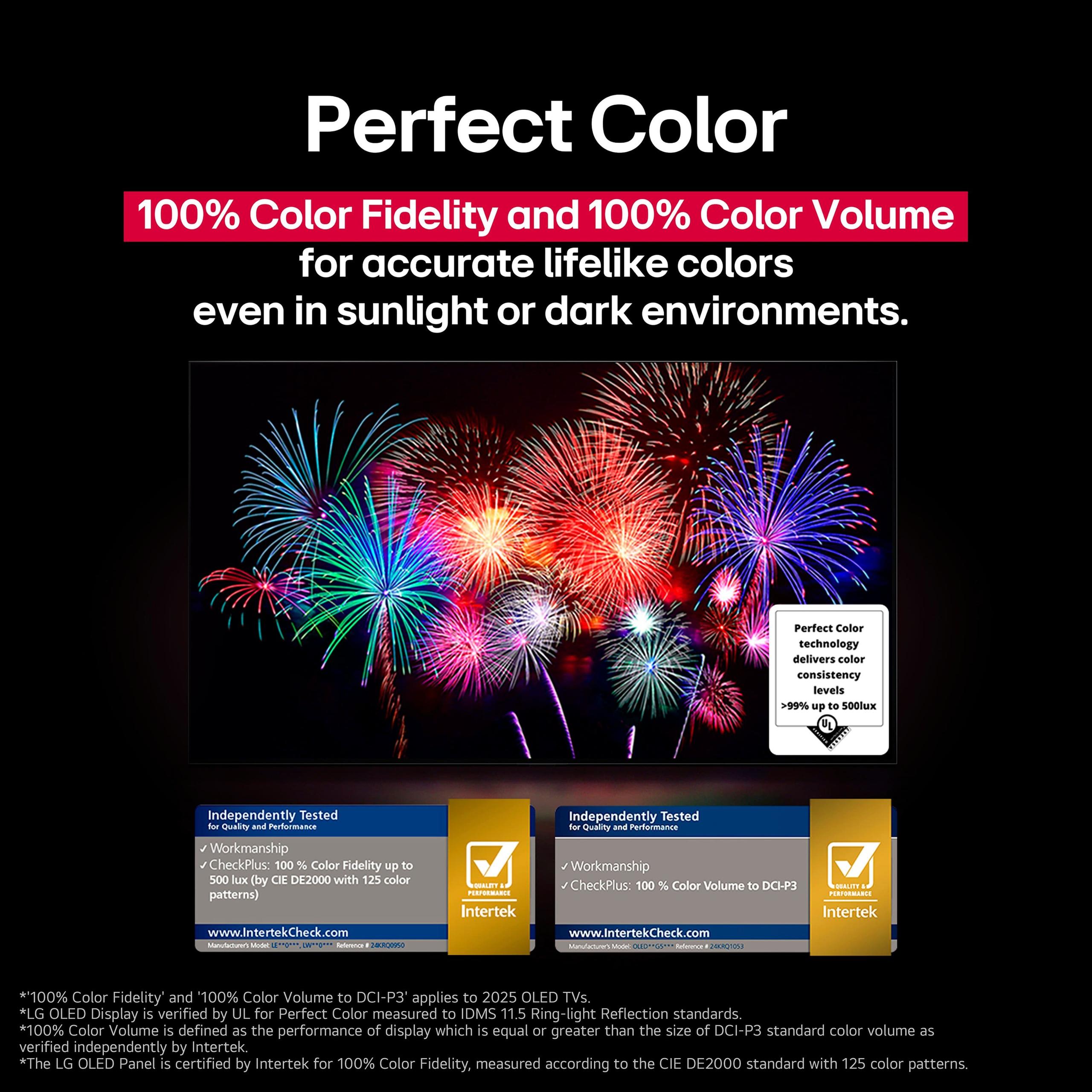
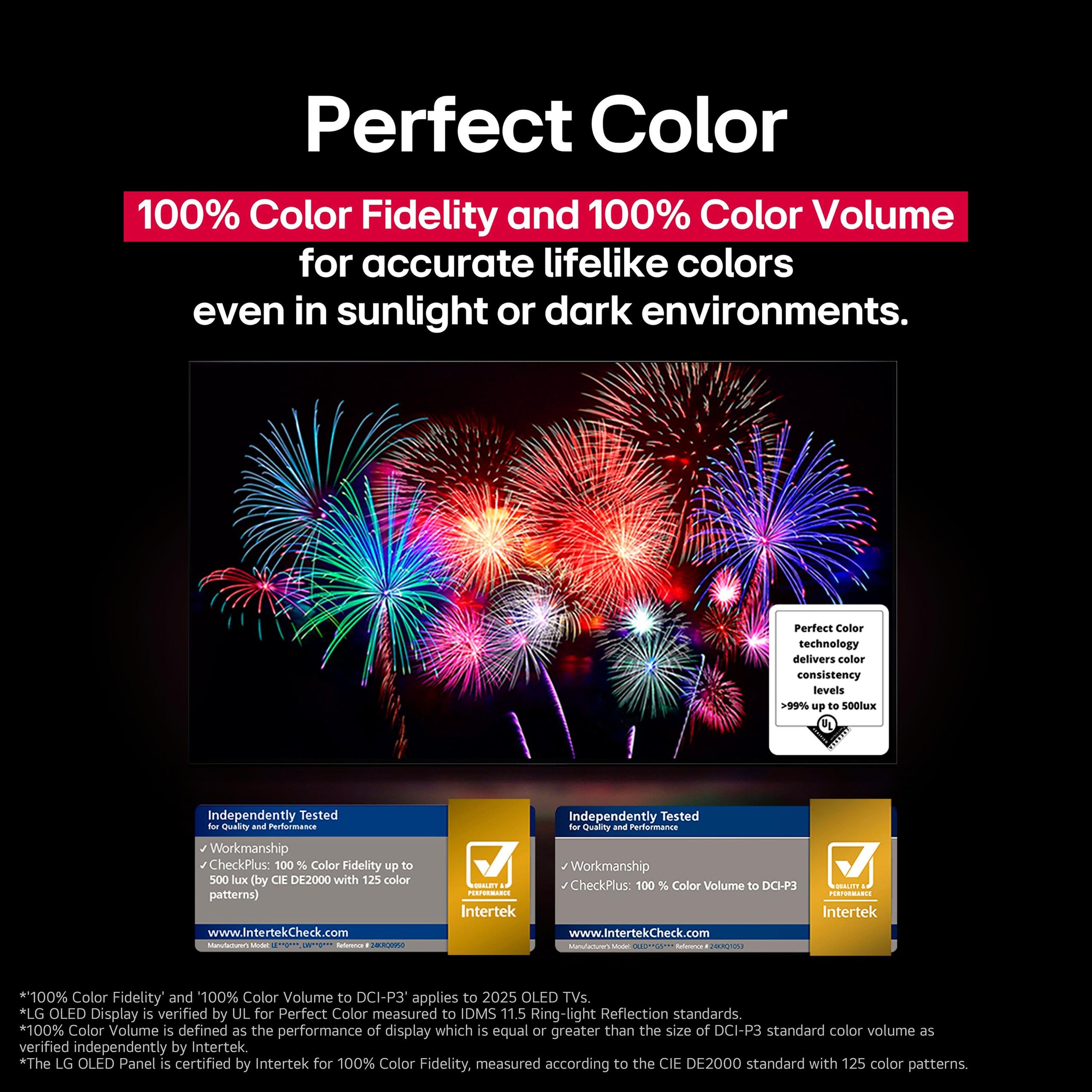
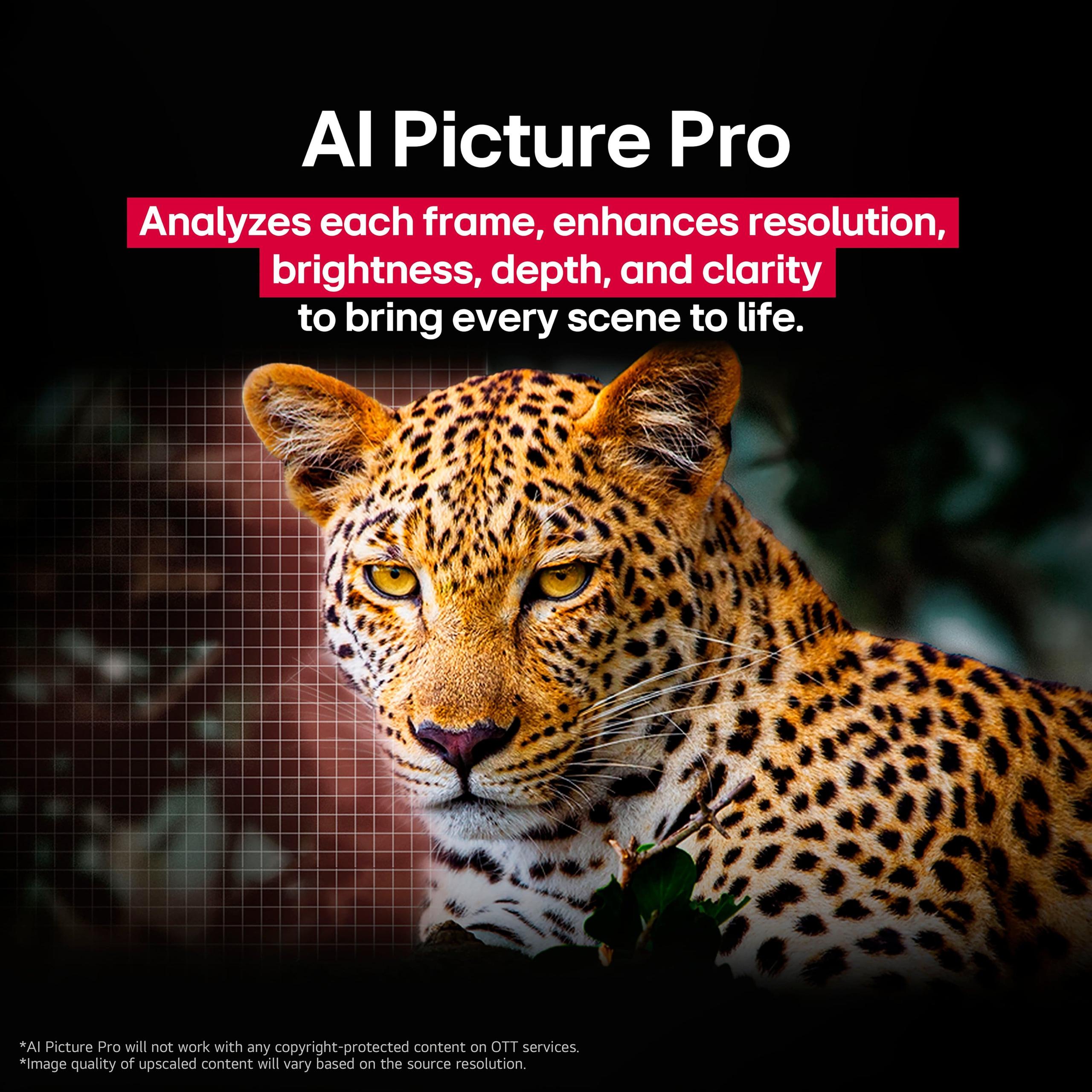
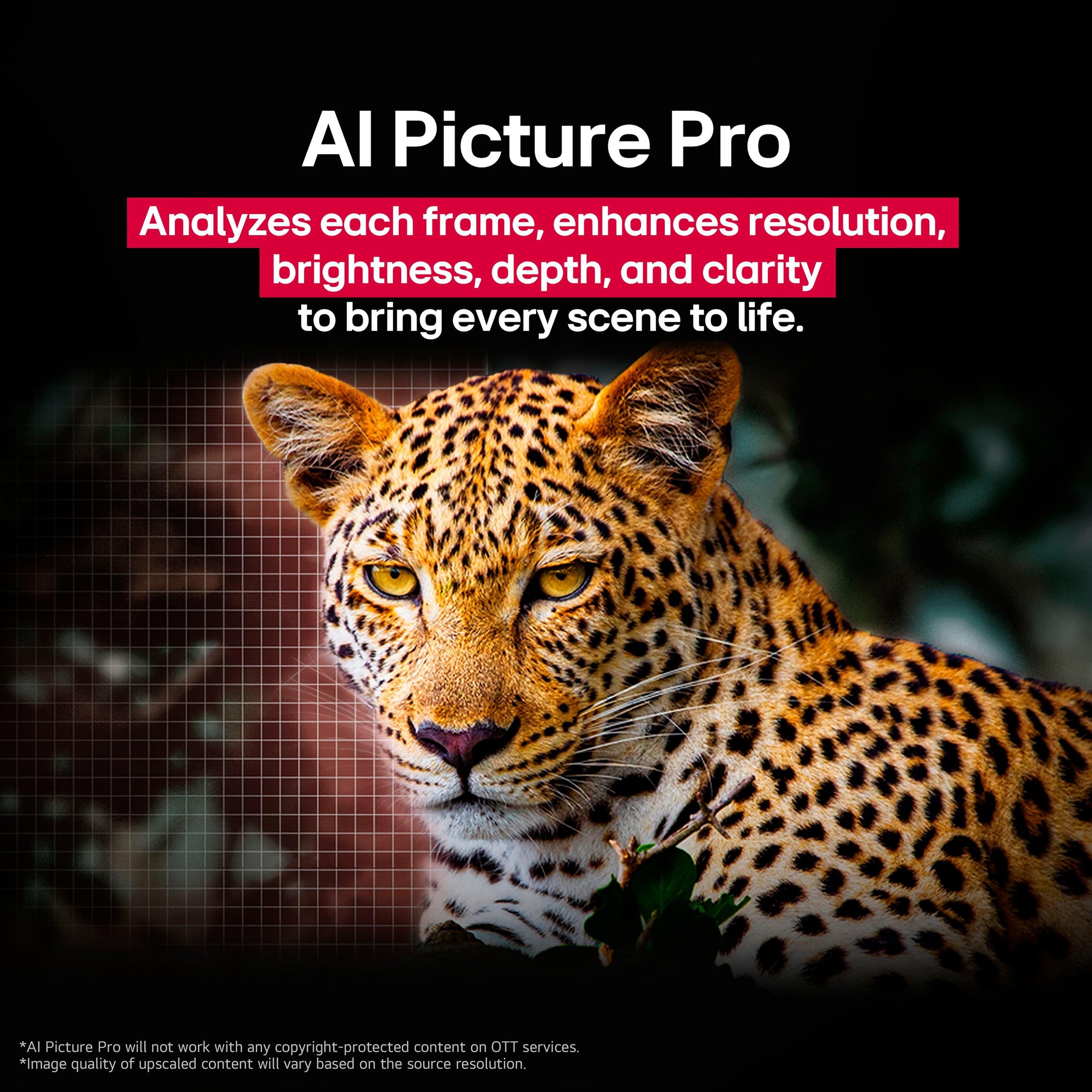
Both TVs handle color differently due to their underlying technology. The LG C5 earned "Perfect Color" certification, meaning it can reproduce colors very close to what content creators intended. Its Alpha 9 AI Processor Gen8 (LG's top-tier image processor made specifically for their OLED panels) analyzes content in real-time and adjusts colors, contrast, and sharpness automatically.
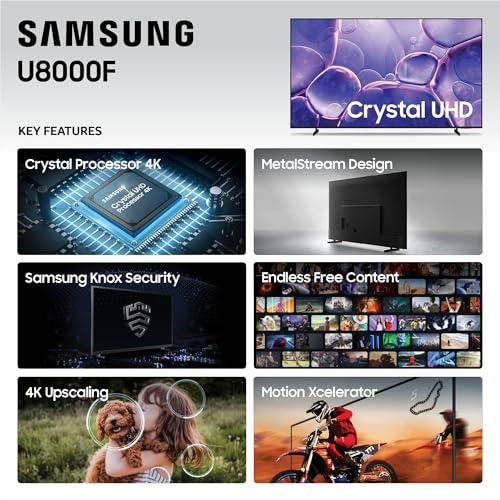
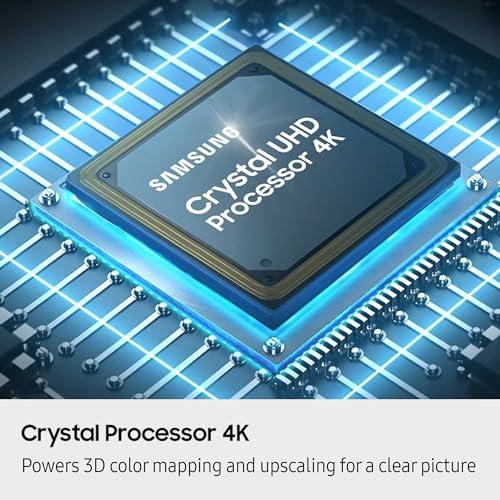
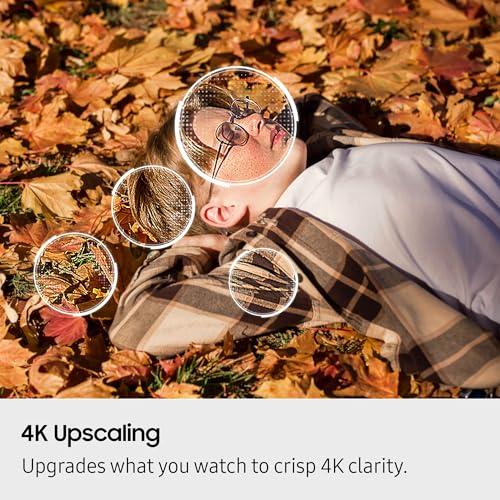
The Samsung U8000F uses the Crystal Processor 4K with Color Booster technology. While less sophisticated than LG's AI processor, it does a respectable job upscaling lower-resolution content to look sharper on the 4K screen—a technique called upscaling that essentially fills in missing detail intelligently.
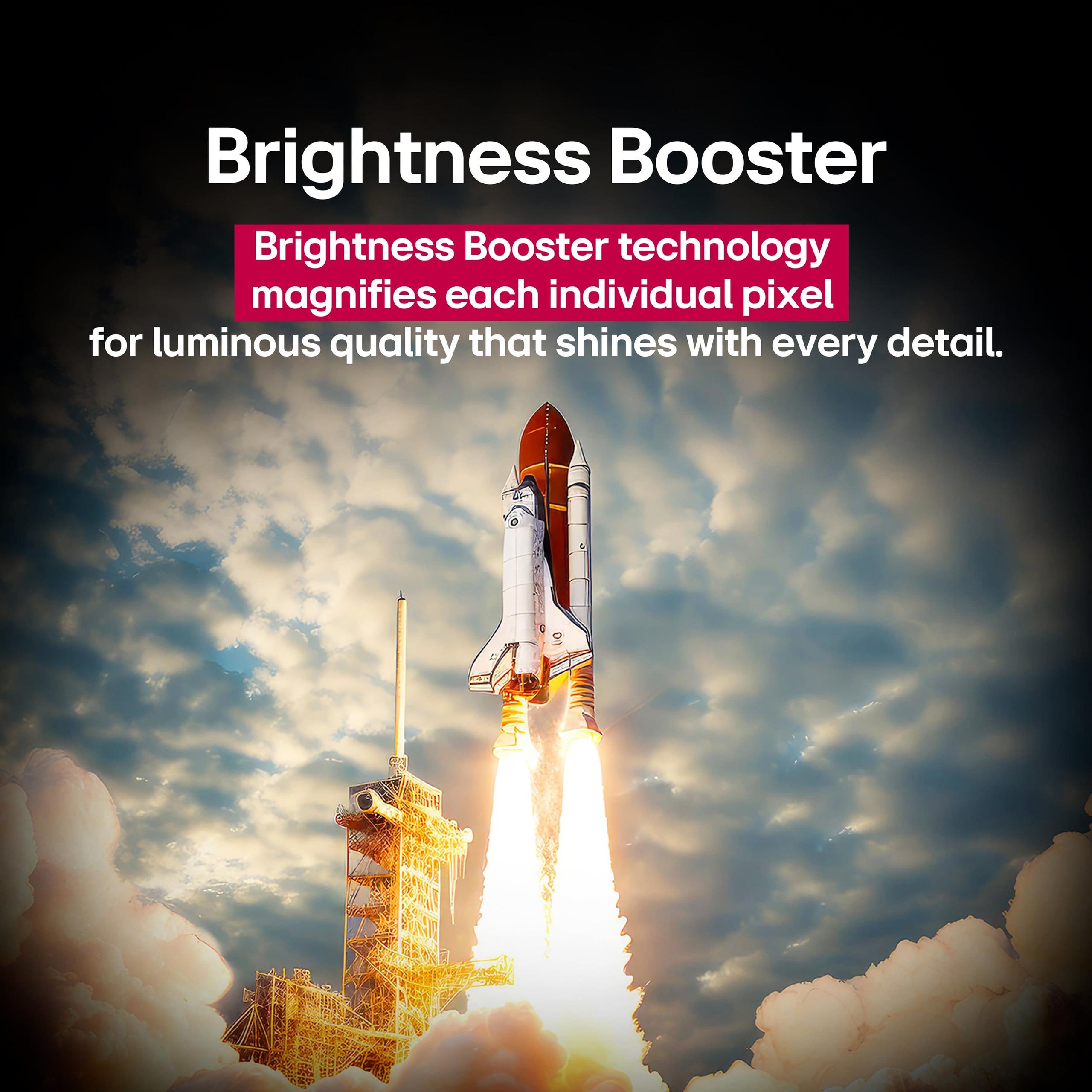
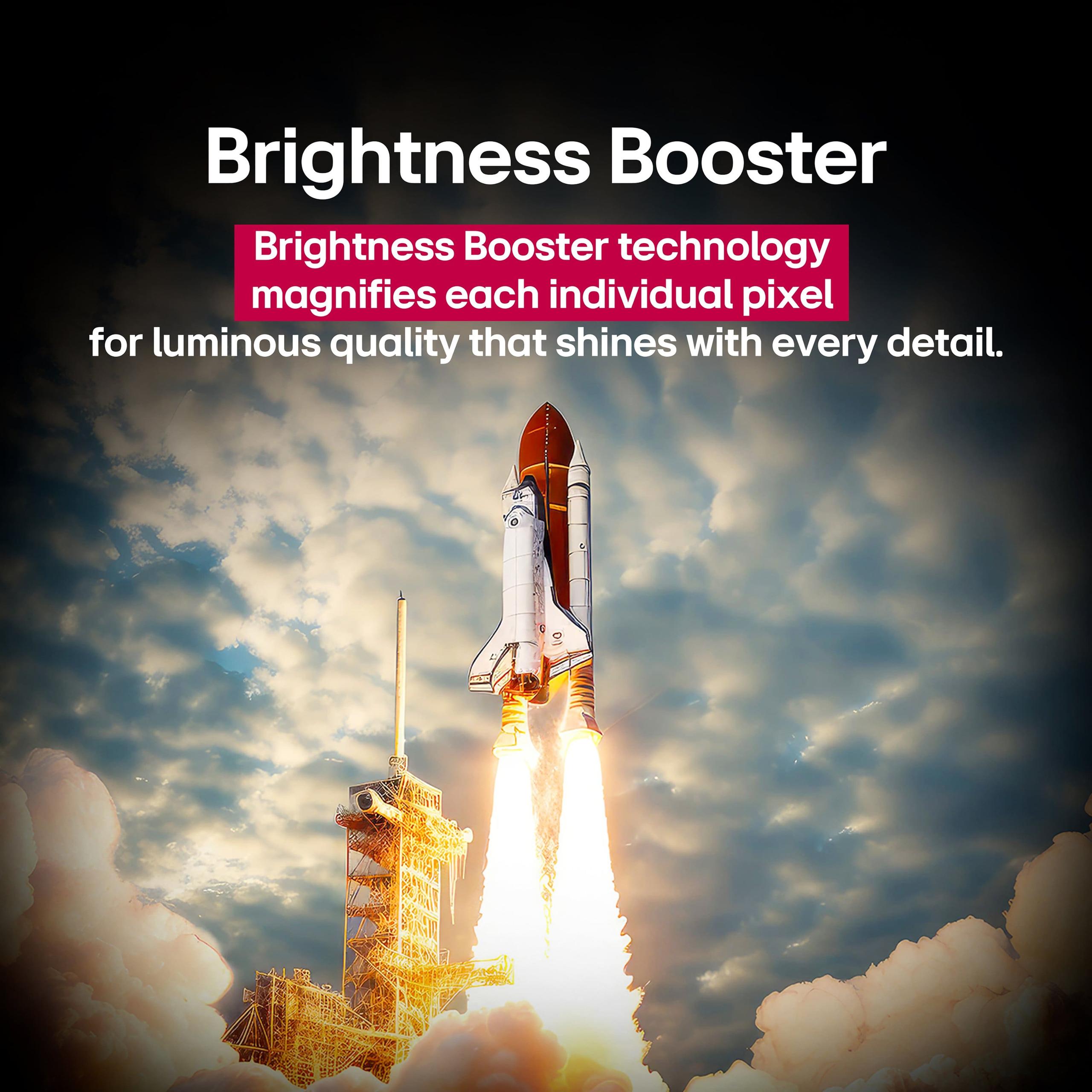
For brightness, the LG C5 received "Bright Room Ready" certification for 2025, addressing a historical OLED weakness. Previous OLED TVs struggled in bright rooms because they couldn't get bright enough to overcome ambient light. The C5's Brightness Booster technology significantly improves this, though LED TVs like the Samsung still generally get brighter overall.
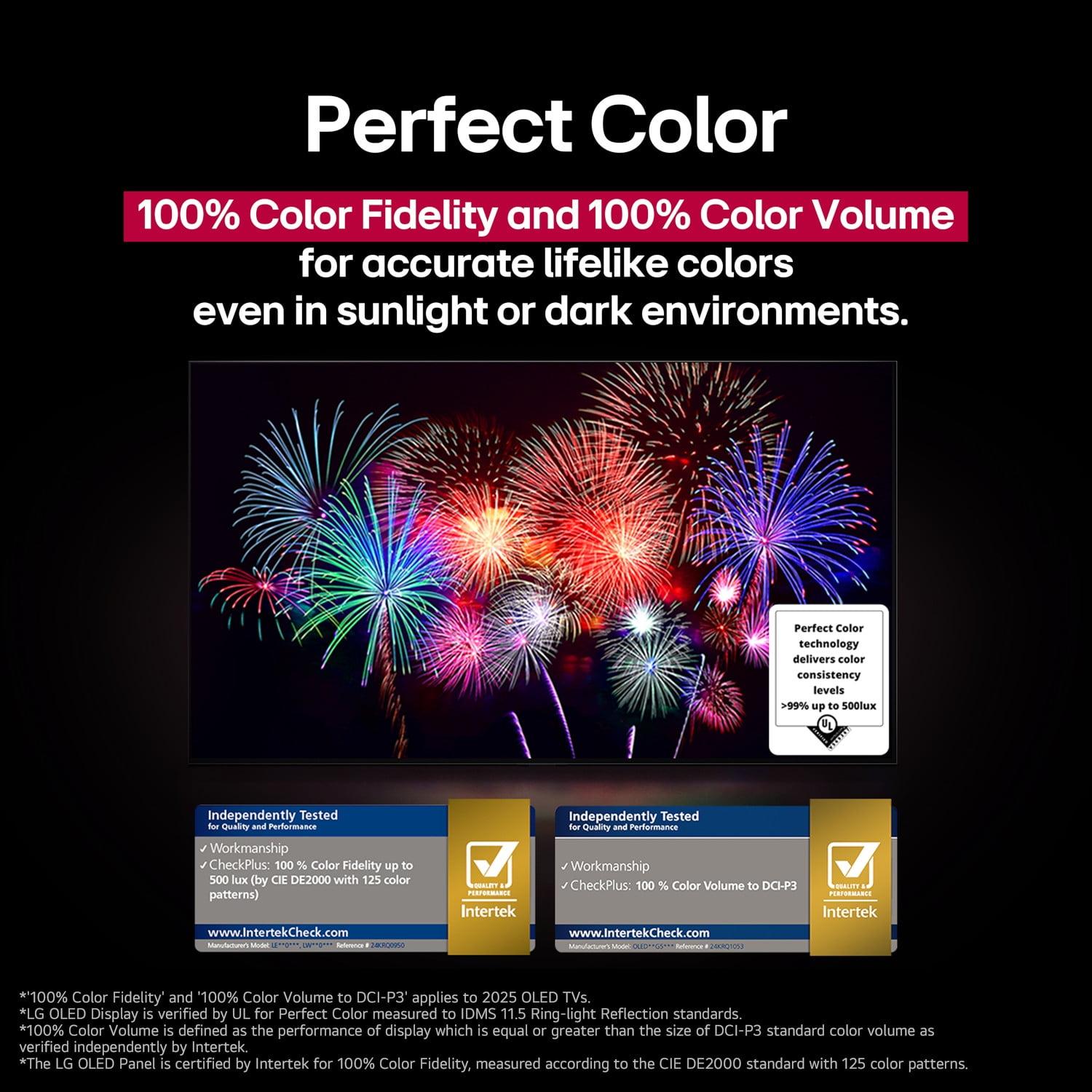
High Dynamic Range (HDR) content contains more color information and brighter highlights than standard content—think of the difference between an old photograph and what your eyes see in real life. Both TVs support HDR, but their approaches differ significantly.
The LG C5 supports Dolby Vision, which is considered the premium HDR format used by Netflix, Disney+, and major movie studios. Dolby Vision adjusts the picture scene-by-scene for optimal color and brightness. The TV's perfect blacks mean that when you see a bright explosion against a dark sky, the contrast is genuinely dramatic.
The Samsung U8000F supports HDR10+, which is similar to Dolby Vision but less common in streaming content. While it can display HDR content, the limited brightness and contrast capabilities mean the "wow factor" isn't as pronounced, especially in bright rooms.
This is where the technology gap becomes a chasm. Gaming has evolved rapidly, with PlayStation 5 and Xbox Series X supporting 4K resolution at 120 frames per second—twice as smooth as traditional 60fps gaming. Modern gaming also uses Variable Refresh Rate (VRR), which synchronizes the TV's refresh rate with the game's frame rate to eliminate screen tearing (those horizontal lines that appear when the TV and game console are out of sync).
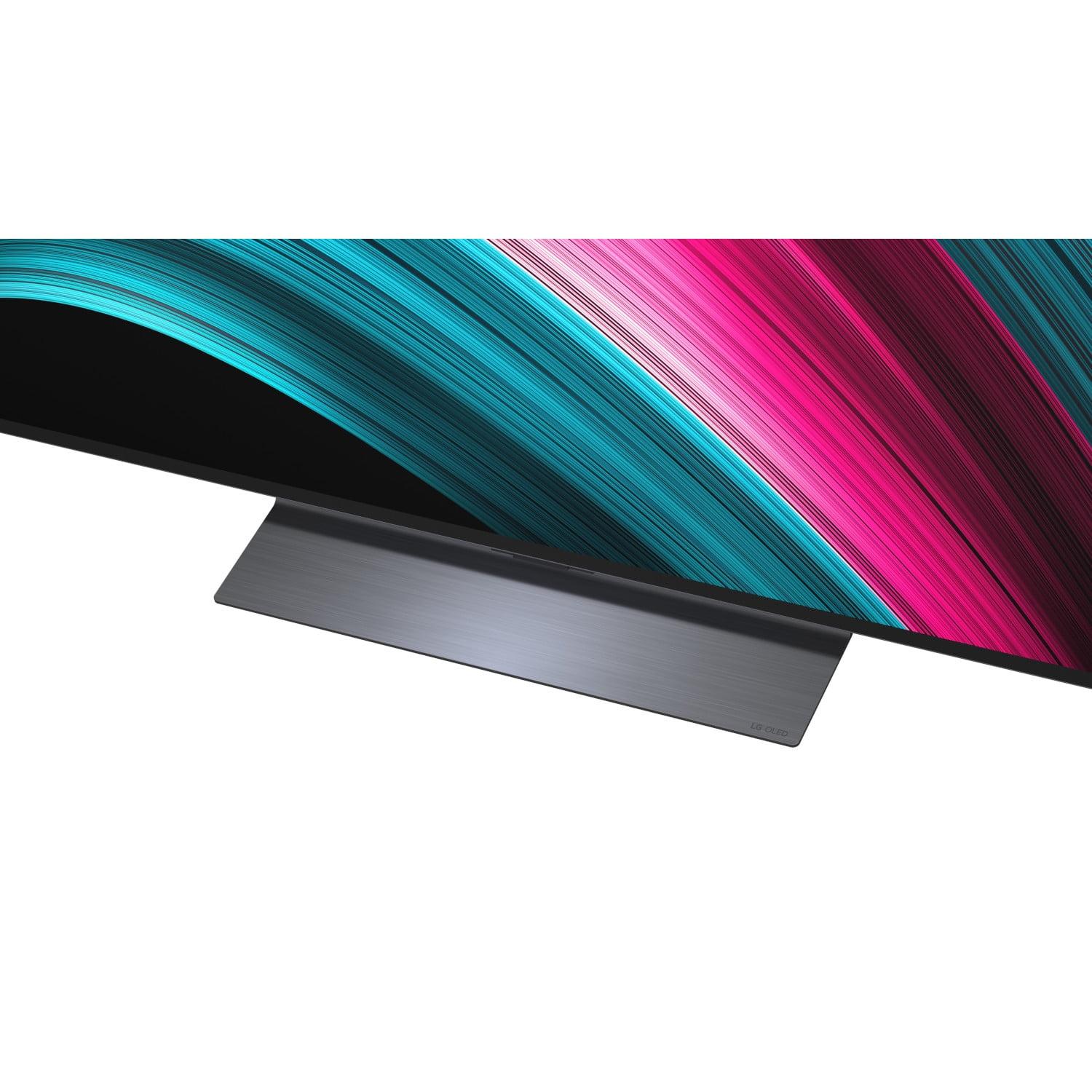
The LG C5 offers a blazing 0.1 millisecond response time—essentially instantaneous. Input lag (the delay between pressing a button and seeing the action on screen) is virtually eliminated. For competitive gaming or fast-paced action games, this responsiveness is game-changing.
The Samsung U8000F has adequate response time for casual gaming but can't match OLED's speed. The 60Hz refresh rate limitation means you won't experience the full smoothness of next-generation gaming, even if you own a PS5 or high-end gaming PC.
Here's a crucial difference: the LG C5 includes four HDMI 2.1 ports with full 48Gbps bandwidth. HDMI 2.1 is the latest standard that enables 4K at 120Hz gaming, VRR, and other advanced features. This means you can connect multiple next-gen consoles, a gaming PC, and a high-end sound system simultaneously without compromising performance.
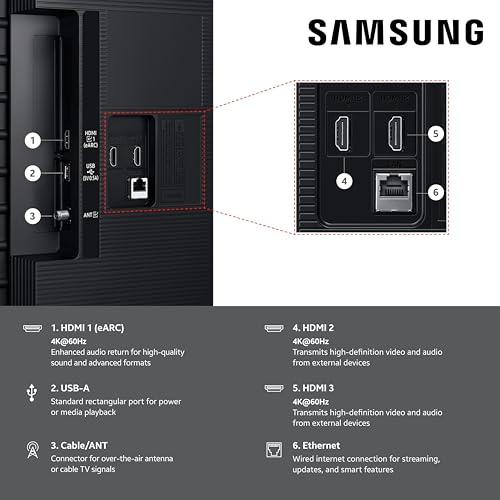
The Samsung U8000F offers three standard HDMI ports without HDMI 2.1 capabilities. While adequate for current needs, this limits future expandability and next-generation gaming features.
The LG C5 includes support for both NVIDIA G-SYNC and AMD FreeSync Premium, making it compatible with high-end gaming PCs from both major graphics card manufacturers. Auto Low Latency Mode (ALLM) automatically switches to the lowest-lag mode when gaming is detected.
Gaming on the Samsung U8000F is functional but basic—think of it as capable of current gaming but not optimized for the future of gaming technology.
Both TVs offer comprehensive smart TV capabilities, but with different strengths. The LG C5 runs webOS 25, LG's latest smart TV platform featuring AI-driven content recommendations that learn your preferences over time. The interface is clean and responsive, with quick access to all major streaming services.
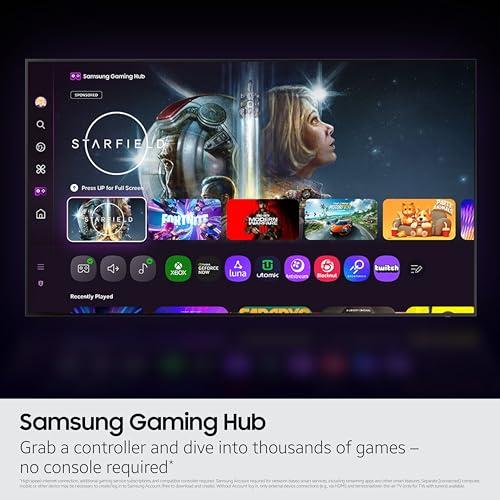
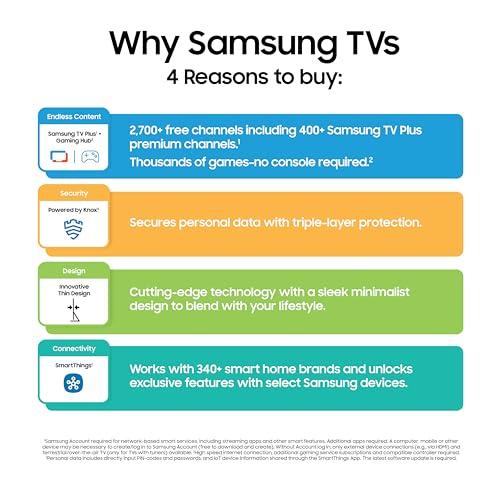
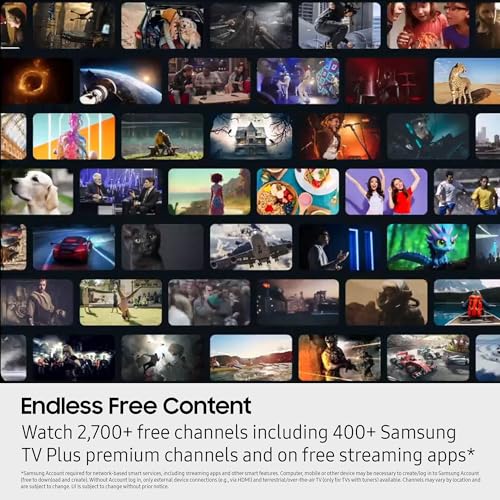
The Samsung U8000F uses Tizen OS with Samsung Knox Security, providing robust protection for your personal data and connected devices. Samsung's platform integrates well with other Samsung devices and offers Samsung TV Plus—thousands of free streaming channels, though content quality varies.
Both support voice control through multiple assistants (Alexa, Google Assistant), but the LG C5 includes more advanced AI features that optimize picture and sound settings automatically based on what you're watching.
Neither TV excels in built-in audio, which is typical for thin modern displays. The LG C5 supports Dolby Atmos passthrough, meaning it can send advanced 3D audio to compatible soundbars or home theater systems. However, LG controversially dropped DTS audio passthrough support across their entire 2025 lineup—disappointing for users with extensive movie collections using DTS audio.
The Samsung U8000F features Object Tracking Sound Lite, which attempts to move sound across the screen to match on-screen action. It also supports Q-Symphony, allowing Samsung soundbars to work in harmony with the TV's built-in speakers for richer sound.
Both TVs benefit significantly from adding a dedicated soundbar or home theater system, but the LG's Dolby Atmos support makes it more compatible with premium audio setups.
At the time of writing, these TVs represent vastly different value propositions. The Samsung U8000F typically costs several hundred dollars, positioning it as an excellent entry-level 4K option. You're getting reliable performance, decent picture quality, and all the smart TV features most people need.
The LG C5 commands significantly more—often two to three times the Samsung's price, even with current promotional pricing. However, you're paying for genuinely superior technology: perfect blacks, exceptional color accuracy, elite gaming performance, and future-proof connectivity.
The question becomes: is the premium technology worth the substantial price difference for your specific needs?
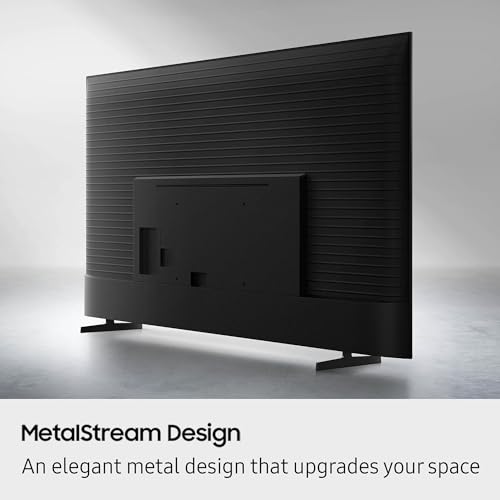
The Samsung U8000F features Samsung's MetalStream Design, inspired by aircraft construction. The metal body and slim bezels provide an elegant appearance that belies its budget positioning. Build quality feels solid and reliable.
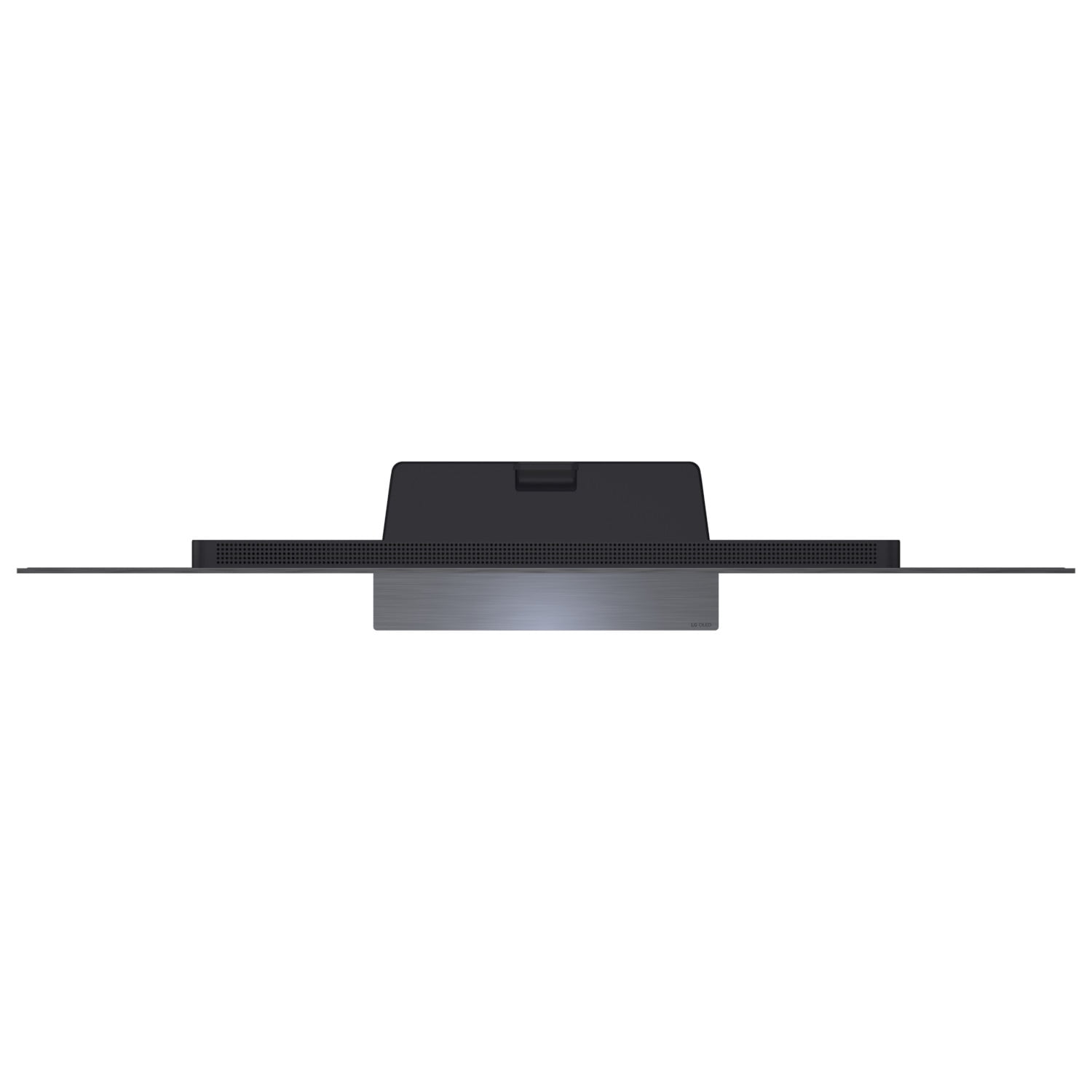
The LG C5 takes minimalism further with an almost invisible bezel that makes the picture appear to float. The ultra-thin profile (except for the bottom section housing electronics) creates a premium aesthetic. When not displaying content, it can showcase art or photos, functioning as a digital art piece.
Both TVs wall-mount easily, but the LG's thinner profile and cleaner lines make it more visually striking when mounted.
For dedicated home theater rooms, the LG C5 is transformative. Perfect blacks mean you can achieve true cinema-quality darkness between scenes, while Dolby Vision support ensures you're seeing movies as directors intended. The wide viewing angles mean everyone in the room gets a great picture.
The Samsung U8000F works fine in home theaters but can't achieve the same dramatic contrast. The LED backlight means some light bleed is always present, which becomes more noticeable in completely dark rooms.
For living room viewing with ambient light, both TVs perform adequately, though the Samsung's higher brightness might handle bright rooms slightly better in some conditions.
Both TVs launched in 2025, representing the latest generation of their respective technologies. The Samsung U8000F includes refinements to Samsung's LED technology and updated smart TV platform, while maintaining the affordable positioning that makes Samsung popular.
The LG C5 represents LG's continued evolution of OLED technology. Since OLED TVs entered the mainstream around 2016, LG has steadily improved brightness levels—historically OLED's main weakness compared to LED TVs. The 2025 C5 series specifically addresses bright room performance while maintaining OLED's inherent advantages.
You want excellent value for basic 4K viewing. This TV excels for families who primarily watch streaming services, broadcast television, and casual content. If your gaming consists mainly of single-player adventures or older games, the 60Hz limitation won't bother you. The reliable performance and lower cost make it ideal for bedrooms, secondary viewing areas, or anyone who wants "good enough" picture quality without premium pricing.
It's also perfect if you're part of the Samsung ecosystem with other Samsung devices, as the integration is seamless.
Picture quality is paramount and you can justify the significant price premium. This TV transforms movie watching with its perfect blacks and accurate colors—every film becomes more immersive and visually stunning. It's essential for serious gamers who want to experience next-generation console gaming as intended, with silky-smooth 120Hz gaming and instant response.
The LG C5 is also ideal if you're building a home theater setup and want the best possible foundation for your investment in premium content and audio equipment.
These represent genuinely different philosophies: proven, affordable technology versus cutting-edge premium performance. The Samsung U8000F delivers solid value and reliable performance for mainstream use. The LG C5 provides transformative picture quality and gaming performance that justifies its premium pricing for demanding users.
The decision ultimately depends on your priorities, budget, and how you plan to use your TV. For most casual viewers, the Samsung provides everything needed for enjoyable viewing. For enthusiasts, gamers, and movie lovers, the LG's superior technology creates noticeably better experiences that can justify the higher investment.
Consider this: if you're planning to keep your TV for 7-10 years, paying more upfront for significantly better technology and future-proofing might prove wise. But if you're satisfied with current streaming quality and casual gaming, the Samsung's excellent value proposition is hard to ignore.
Both represent smart choices within their respective categories—it's really about matching the right technology to your specific needs and budget.
| Samsung 65-Inch Crystal UHD U8000F 4K Smart TV 2025 | LG OLED evo C5 65" 4K TV 2025 |
|---|---|
| Display Technology - Determines picture quality, contrast, and viewing experience | |
| LED-backlit LCD panel with UHD Dimming | OLED with 8.3 million self-lit pixels |
| Black Levels - Critical for movie watching and dark room viewing | |
| Dark gray blacks due to LED backlight bleed | Perfect blacks (pixels turn completely off) |
| Refresh Rate - Essential for gaming and smooth motion | |
| 60Hz (standard TV content) | Native 120Hz (supports up to 144Hz for gaming) |
| Gaming Response Time - Affects competitive gaming performance | |
| Standard response time | 0.1ms (virtually instantaneous) |
| HDR Support - Enhances color and brightness in compatible content | |
| HDR10, HDR10+, HLG | Dolby Vision, HDR10, HLG (premium format support) |
| Processor - Handles upscaling and smart features | |
| Crystal Processor 4K | Alpha 9 AI Processor Gen8 (AI-powered optimization) |
| HDMI Ports - Future-proofing for gaming consoles and devices | |
| 3 x HDMI 2.0 (standard bandwidth) | 4 x HDMI 2.1 (full 48Gbps for next-gen gaming) |
| Gaming Features - Next-generation console compatibility | |
| Basic VRR and ALLM | VRR, ALLM, G-SYNC, FreeSync Premium, 4K@144Hz |
| Smart TV Platform - User experience and app selection | |
| Tizen OS with Samsung Knox Security | webOS 25 with AI personalization |
| Audio Support - Home theater system compatibility | |
| Object Tracking Sound Lite, Q-Symphony | Dolby Atmos support (no DTS passthrough) |
| Design Profile - Wall mounting and room aesthetics | |
| MetalStream Design with metal body | Ultra-thin profile with nearly invisible bezel |
| Brightness Performance - Daytime viewing in bright rooms | |
| Good LED brightness for daytime viewing | "Bright Room Ready" OLED (improved over previous generations) |
| Value Proposition - What you get for the investment | |
| Excellent budget option for basic 4K viewing | Premium OLED technology at discounted pricing |
The LG OLED evo C5 delivers significantly better picture quality for movies due to its perfect black levels and infinite contrast ratio. Each pixel can turn completely off, creating true blacks that make dark movie scenes more dramatic and detailed. The Samsung Crystal UHD U8000F uses LED backlighting which can't achieve true blacks, resulting in dark gray areas instead. For home theater setups, the OLED's Dolby Vision support and superior contrast make it the clear winner for cinematic experiences.
The LG OLED evo C5 is dramatically better for gaming, especially with modern consoles. It offers 120Hz refresh rate, 0.1ms response time, and four HDMI 2.1 ports for next-generation gaming features. The Samsung U8000F is limited to 60Hz with basic gaming features, making it adequate for casual gaming but unable to fully utilize PlayStation 5 or Xbox Series X capabilities. Serious gamers should choose the LG C5 for the best experience.
Both TVs handle daytime viewing differently. The Samsung Crystal UHD U8000F typically gets brighter overall due to its LED backlighting technology. However, the LG OLED evo C5 features "Bright Room Ready" certification for 2025, significantly improving OLED brightness compared to previous generations. While the Samsung may have a slight edge in very bright rooms, the LG C5 now performs much better in normal lighting conditions than older OLED TVs.
The LG OLED evo C5 runs webOS 25 with advanced AI personalization that learns your viewing habits and optimizes picture settings automatically. The Samsung Crystal UHD U8000F uses Tizen OS with Samsung Knox Security and includes Samsung TV Plus for free streaming channels. Both support major streaming apps and voice assistants, but the LG C5 offers more sophisticated AI-driven features and content recommendations.
Both the Samsung U8000F and LG C5 are built by reputable manufacturers with good reliability records. LED TVs like the Samsung traditionally have longer lifespans, while OLED technology has improved significantly in durability. The LG OLED evo C5 includes advanced burn-in protection and is designed for normal home use. For longevity, the Samsung Crystal UHD U8000F may have a slight advantage, but both should provide many years of reliable service.
Yes, both TVs work well with external audio systems. The LG OLED evo C5 supports Dolby Atmos passthrough, making it ideal for premium home theater setups, though it lacks DTS support. The Samsung Crystal UHD U8000F features Q-Symphony technology for Samsung soundbars and supports standard audio formats. For serious home theater use, the LG C5 offers better compatibility with high-end audio equipment.
This depends on your needs and budget. The Samsung Crystal UHD U8000F offers excellent value for basic 4K viewing at a much lower cost. The LG OLED evo C5 costs significantly more but provides premium picture quality, gaming features, and future-proofing that justify the price for enthusiasts. If you want good 4K performance without premium features, choose the Samsung. If picture quality and gaming matter most, the LG C5 delivers better long-term value.
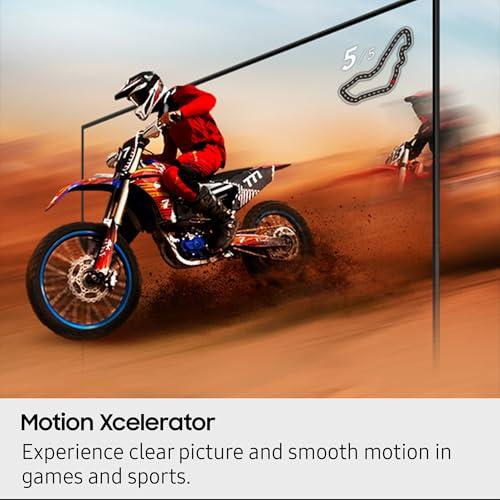
For sports, both TVs perform well but differently. The Samsung U8000F offers good motion handling and brightness for daytime sports viewing. The LG OLED evo C5 provides better motion clarity with its 120Hz refresh rate and faster response time, making fast action appear smoother. The OLED's perfect blacks also enhance contrast during evening games. Overall, the LG C5 offers superior sports viewing, especially for fast-paced action.
The LG OLED evo C5 offers superior connectivity with four HDMI 2.1 ports supporting full bandwidth for next-generation devices, plus Wi-Fi 6E for faster streaming. The Samsung Crystal UHD U8000F provides three standard HDMI ports and one USB port, which is adequate for current needs but less future-proof. If you plan to connect multiple gaming consoles or high-end devices, the LG C5 provides better expandability.
The Samsung U8000F limitations include 60Hz refresh rate, limited gaming features, and inability to achieve true blacks. The LG OLED evo C5 costs significantly more and lacks DTS audio support, which may disappoint some home theater users. The Samsung is also brighter in very bright rooms, while OLED technology, though improved, still requires some consideration for static image display to prevent potential burn-in over many years.
Both TVs handle streaming well, but the LG OLED evo C5 has advantages for premium streaming content. It supports Dolby Vision, which is used by Netflix, Disney+, and other major services for enhanced HDR content. The perfect blacks make Marvel movies and dark scenes more dramatic. The Samsung Crystal UHD U8000F supports HDR10+ and provides good streaming quality at a lower cost. For the best streaming experience with premium content, choose the LG C5.
For your main living room TV, consider how you'll primarily use it. Choose the Samsung Crystal UHD U8000F if you want reliable 4K performance for casual viewing, streaming, and basic gaming at an affordable price. Select the LG OLED evo C5 if picture quality is important, you're a serious gamer, or you want a premium viewing experience for movies and shows. The LG C5 is the better long-term investment if you can justify the higher cost for superior performance.
We've done our best to create useful and informative comparisons to help you decide what product to buy. Our research uses advanced automated methods to create this comparison and perfection is not possible - please contact us for corrections or questions. These are the sites we've researched in the creation of this article: bestbuy.com - youtube.com - youtube.com - rtings.com - youtube.com - samsung.com - hometechnologyreview.com - rtings.com - samsung.com - displayspecifications.com - samsung.com - displayspecifications.com - walmart.com - billsmith.com - dentonstv.com - samsung.com - samsung.com - samsung.com - youtube.com - bestbuy.com - bestbuy.com - youtube.com - samsung.com - donstv.com - bestbuy.com - rtings.com - youtube.com - businessinsider.com - youtube.com - bestbuy.com - lg.com - files.bbystatic.com - lg.com - flatpanelshd.com - lg.com - blvdhome.com - bhphotovideo.com - flanners.com - videopro.com.au

Privacy Policy
Terms and Conditions - Affiliate Policy
Home Security
© Copyright 2008-2026.
11816 Inwood Rd #1211, Dallas, TX 75244