


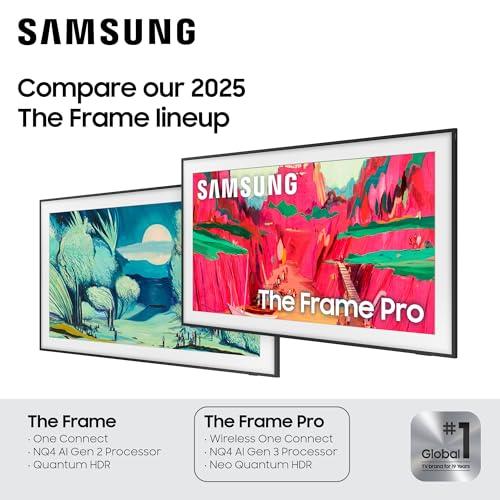


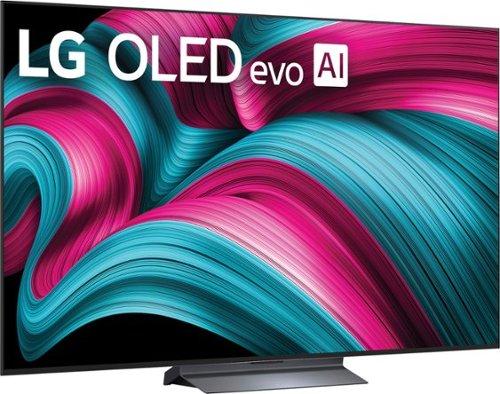




The premium 65-inch TV market has reached an exciting crossroads in 2025. Two standout models represent completely different philosophies about what makes a great television: the Samsung 65" Frame Pro, which reimagines the TV as a lifestyle centerpiece, and the LG OLED evo C5, which focuses on delivering the best possible picture quality and gaming performance. Both launched in 2025, but they're targeting very different needs.
Before diving into the details, it's important to understand that these aren't just two variations of the same thing. The Samsung Frame Pro uses Neo QLED technology – a fancy name for Mini LED backlighting combined with quantum dots (tiny particles that enhance color accuracy). The LG C5 OLED uses OLED technology, where each pixel produces its own light and can turn completely off for perfect blacks.
Think of it this way: Mini LED TVs like the Frame Pro use thousands of tiny LED lights behind the screen to create brightness, while OLED TVs like the C5 have millions of individual pixels that light themselves up. This fundamental difference affects everything from how dark the blacks look to how bright the screen can get.
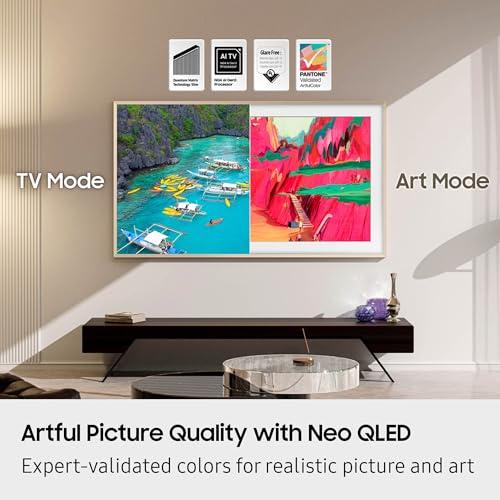
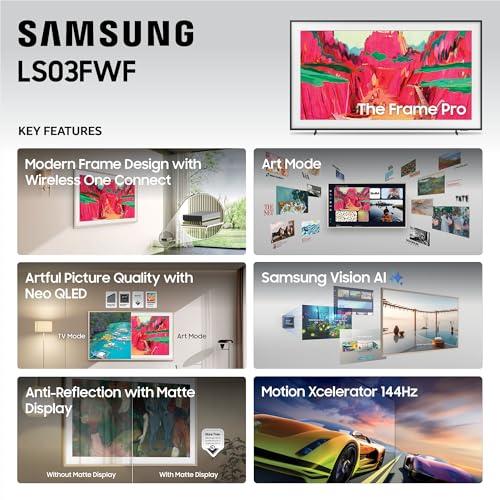
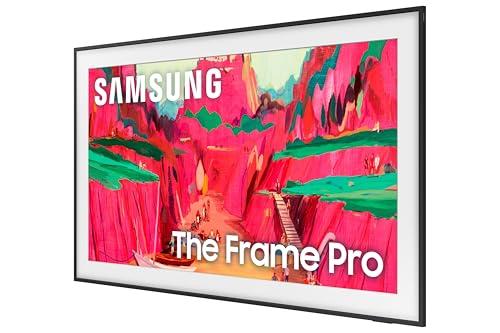
Samsung's approach with the Frame Pro is genuinely revolutionary in the TV space. When you're not watching anything, it transforms into a digital art gallery, displaying paintings, photographs, or personal pictures that look remarkably realistic thanks to its matte anti-glare screen. The matte finish works like the glass over a museum painting – it eliminates reflections that would otherwise make the screen look obviously electronic.
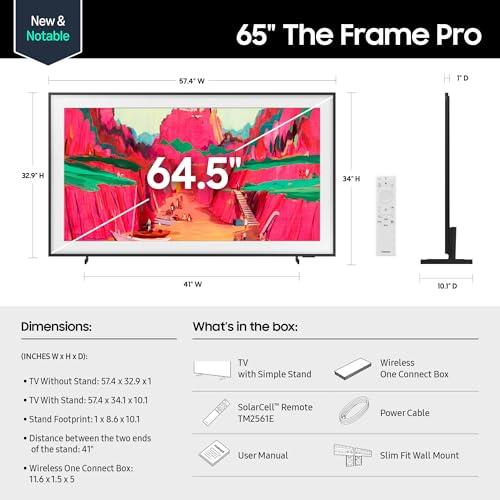
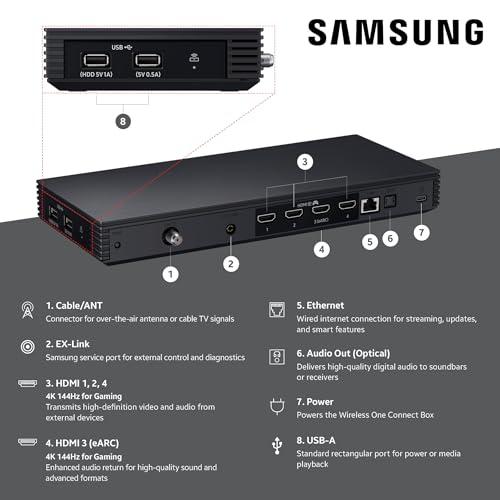
But the real game-changer is the Wireless One Connect Box. All your devices – gaming consoles, cable boxes, streaming devices – connect to this separate box that can sit up to 33 feet away from the TV. The box then sends video and audio wirelessly to the screen using Wi-Fi 7 technology. This means absolutely zero visible cables running to your wall-mounted TV. For anyone who's ever struggled with cable management during a TV installation, this is genuinely impressive.
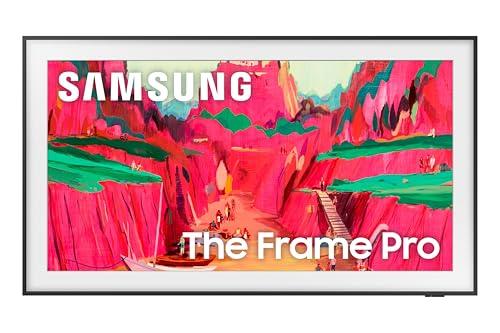
The Frame Pro also comes with customizable bezels in different colors and styles, so you can make it match your room's décor. When combined with the art display mode, it really does look like an expensive framed painting on your wall.
The picture quality on the Frame Pro represents a significant upgrade over previous Frame models. Samsung's Neo QLED Mini LED technology uses thousands of tiny LED lights for local dimming – essentially, different sections of the screen can be brighter or dimmer independently. This creates better contrast than basic LED TVs, though not as good as OLED.
Peak brightness is genuinely impressive, reaching over 1,000 nits in testing. For context, most TVs max out around 400-600 nits, so this is exceptionally bright. This makes HDR content (High Dynamic Range – essentially, content with a wider range of bright and dark areas) really pop, especially things like explosions in action movies or bright outdoor scenes.
However, there's a trade-off. The local dimming isn't as precise as it could be, which means dark scenes can look a bit washed out compared to true OLED displays. Black areas might appear more like dark gray, and you'll sometimes see "blooming" – where bright objects create a subtle halo effect in dark backgrounds.
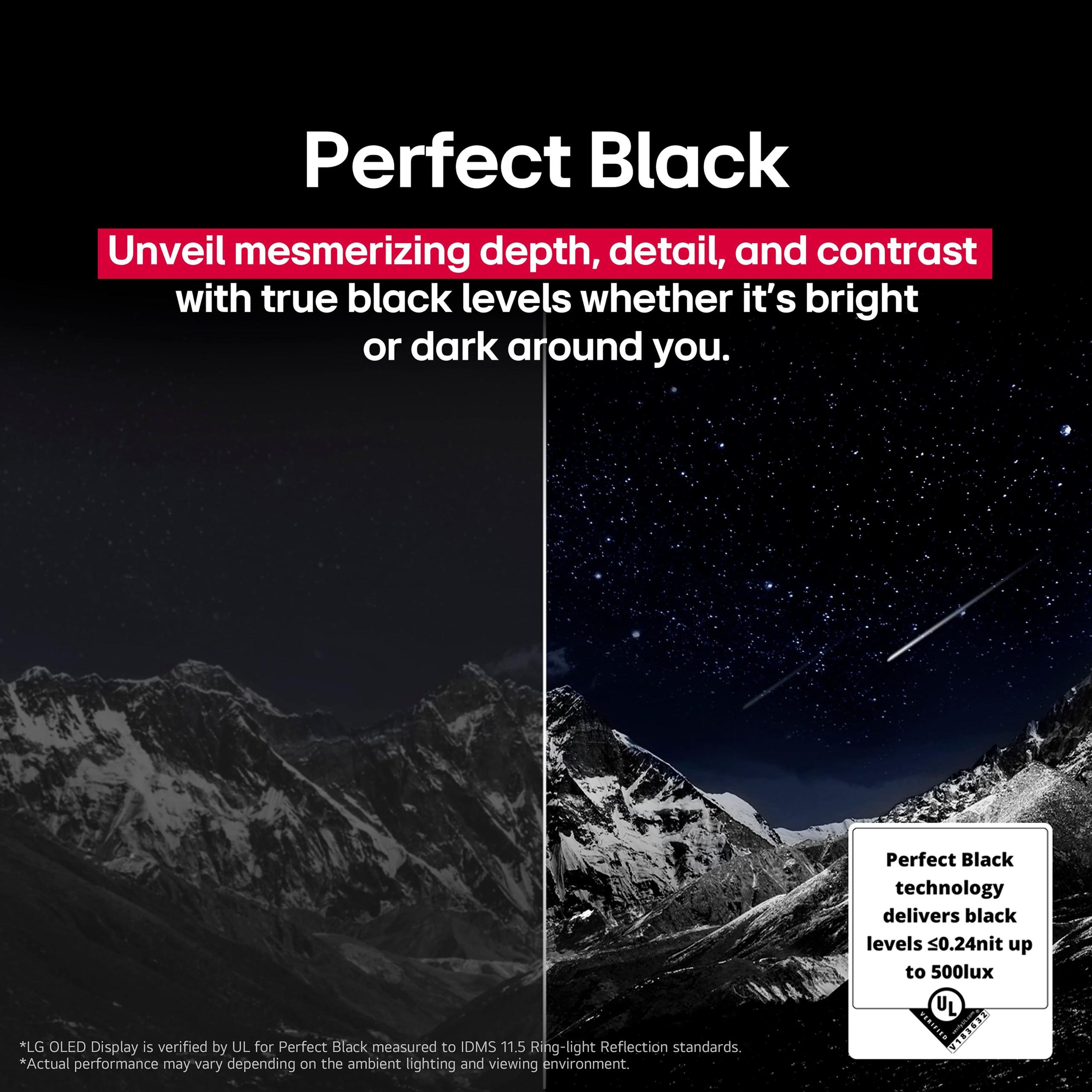
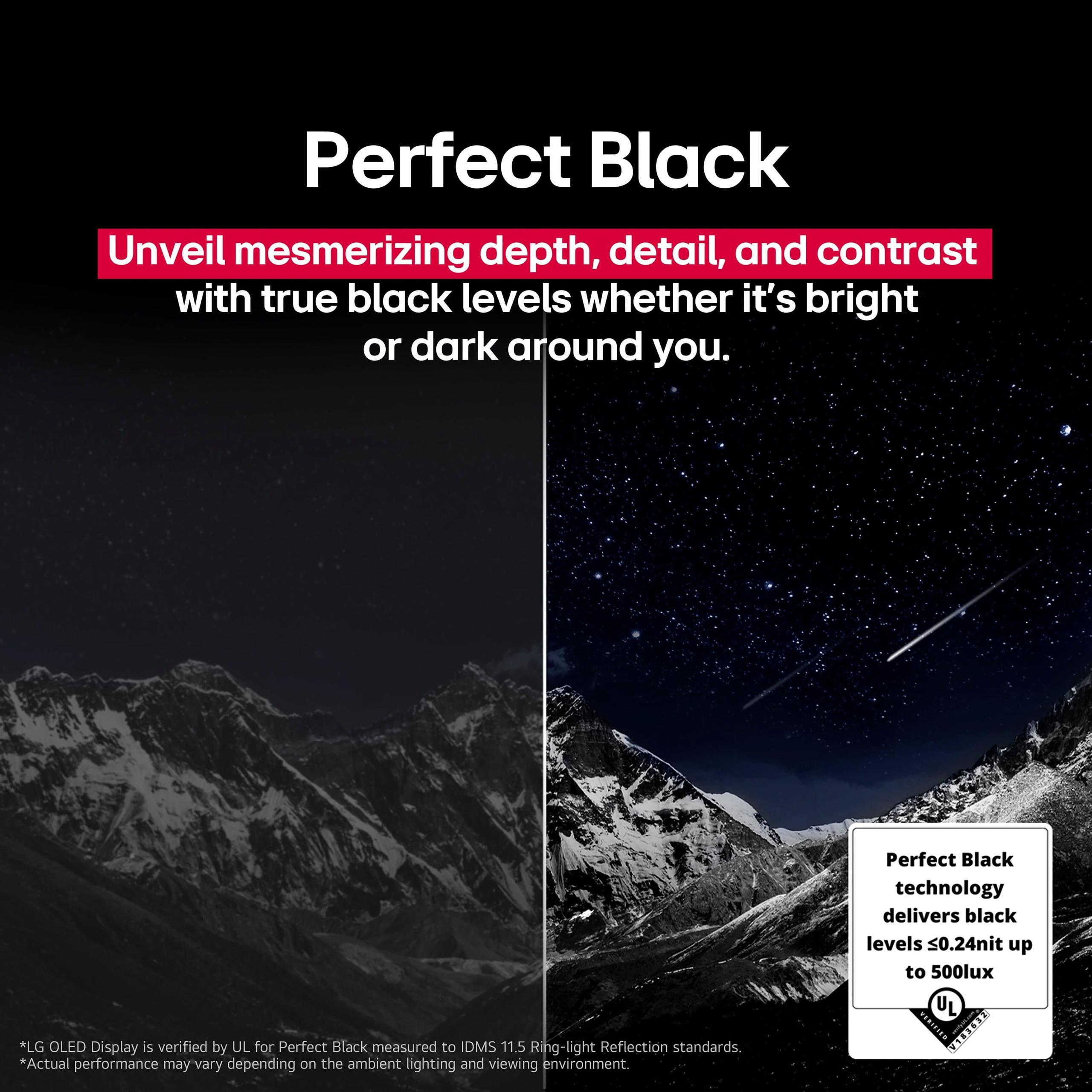
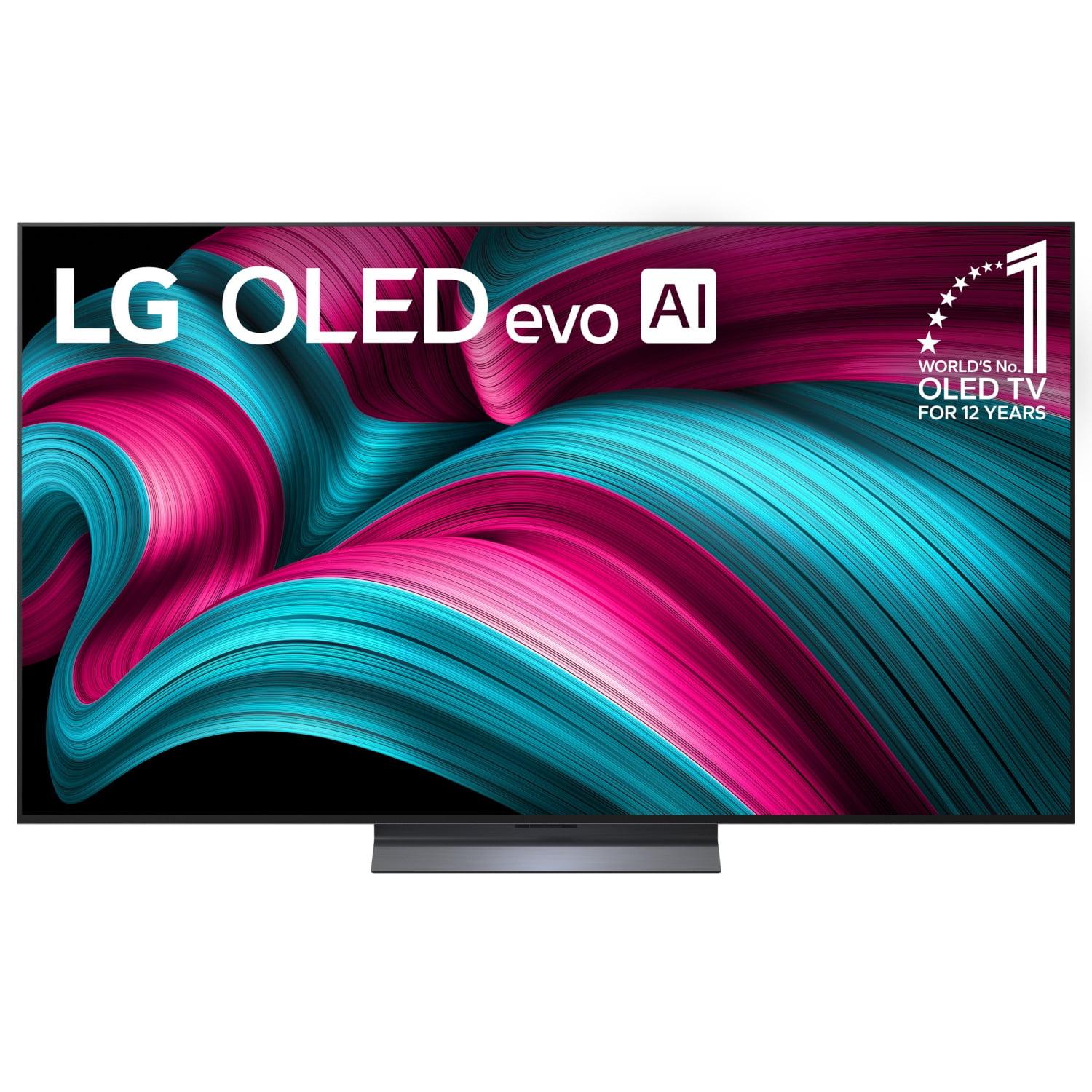
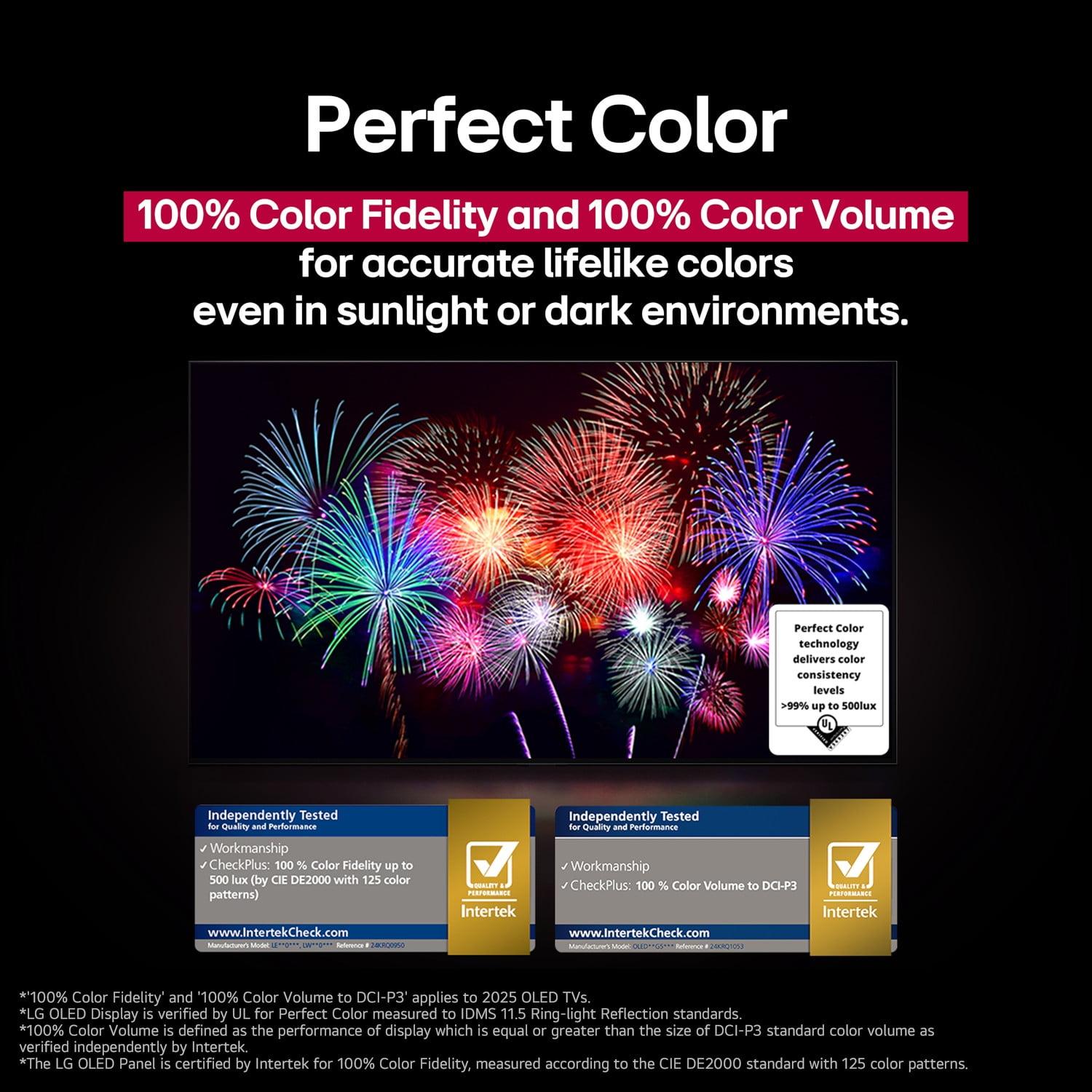
The LG C5 OLED takes a completely different approach. Instead of using a backlight, each of the 8.3 million pixels produces its own light. When a pixel needs to be black, it simply turns off completely. This creates what's called infinite contrast ratio – the difference between the brightest and darkest parts of the image is as extreme as physically possible.
The result is picture quality that's simply stunning for movies and TV shows. Dark scenes in films like those found in Game of Thrones or horror movies maintain perfect detail in shadows while bright elements still shine. Colors look incredibly natural and realistic, and the wide viewing angles mean the picture looks great even if you're sitting off to the side.
For gaming, the LG C5 OLED is in a different league entirely. It features a 0.1-millisecond response time – that's how long it takes for a pixel to change from one color to another. To put this in perspective, most TVs have response times of 10-30 milliseconds. For fast-paced games, this virtually eliminates motion blur.
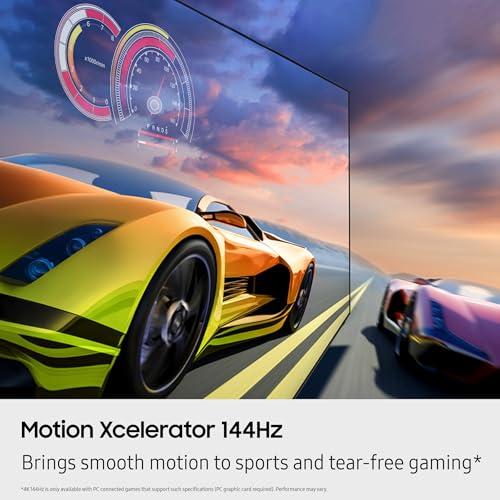
The TV supports 4K gaming at up to 144Hz refresh rate, meaning it can display up to 144 frames per second. Most console games run at 60fps, but PC games and some next-gen console titles can take advantage of higher frame rates for incredibly smooth motion. It also supports Variable Refresh Rate (VRR), which eliminates screen tearing – a visual artifact where the image appears to split horizontally during fast motion.
The Samsung Frame Pro technically supports 144Hz as well, but our research shows it suffers from much higher input lag – the delay between pressing a button and seeing the action on screen. At over 30 milliseconds, it's not suitable for competitive gaming, though casual players might not notice.
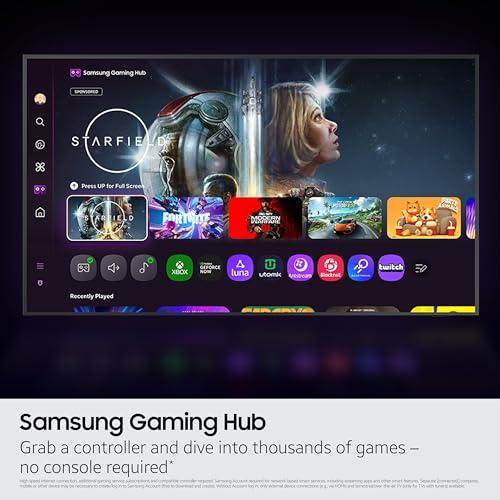
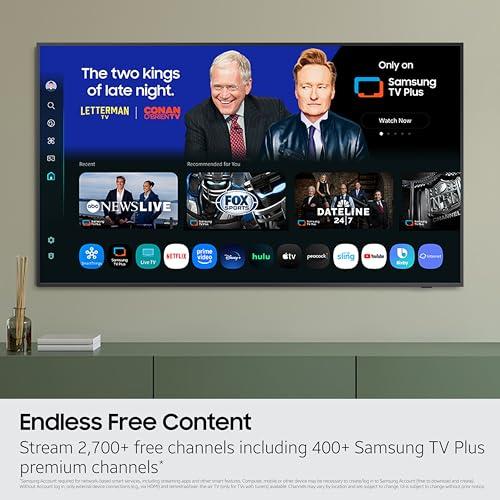
Both TVs run sophisticated smart platforms, but they feel quite different in daily use. The Frame Pro uses Samsung's Tizen platform, which is clean and responsive. The real appeal is the seamless integration with Art Mode and the Samsung Art Store, which offers thousands of curated artworks you can display. The wireless setup also means the TV boots up instantly without needing to communicate with external boxes.
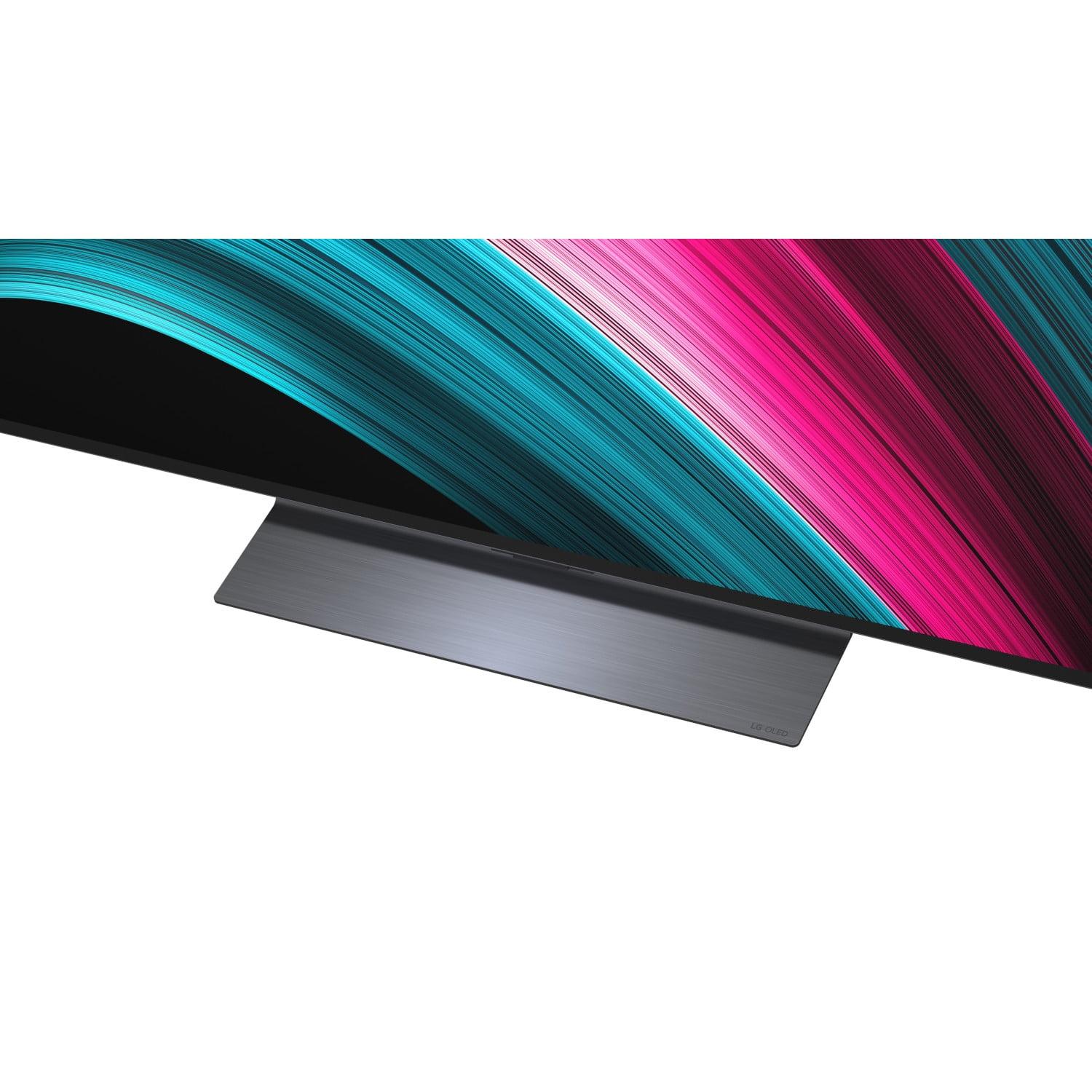
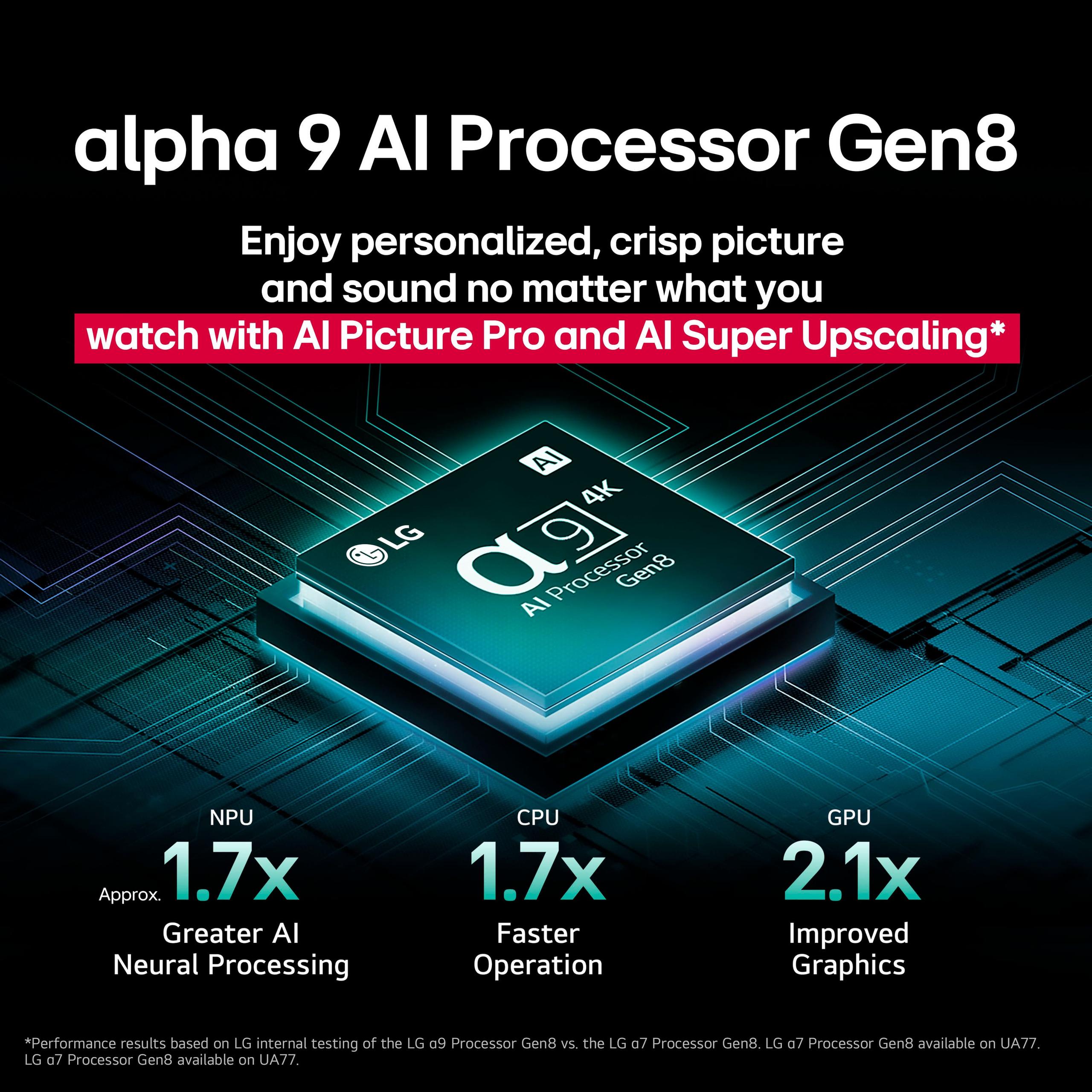
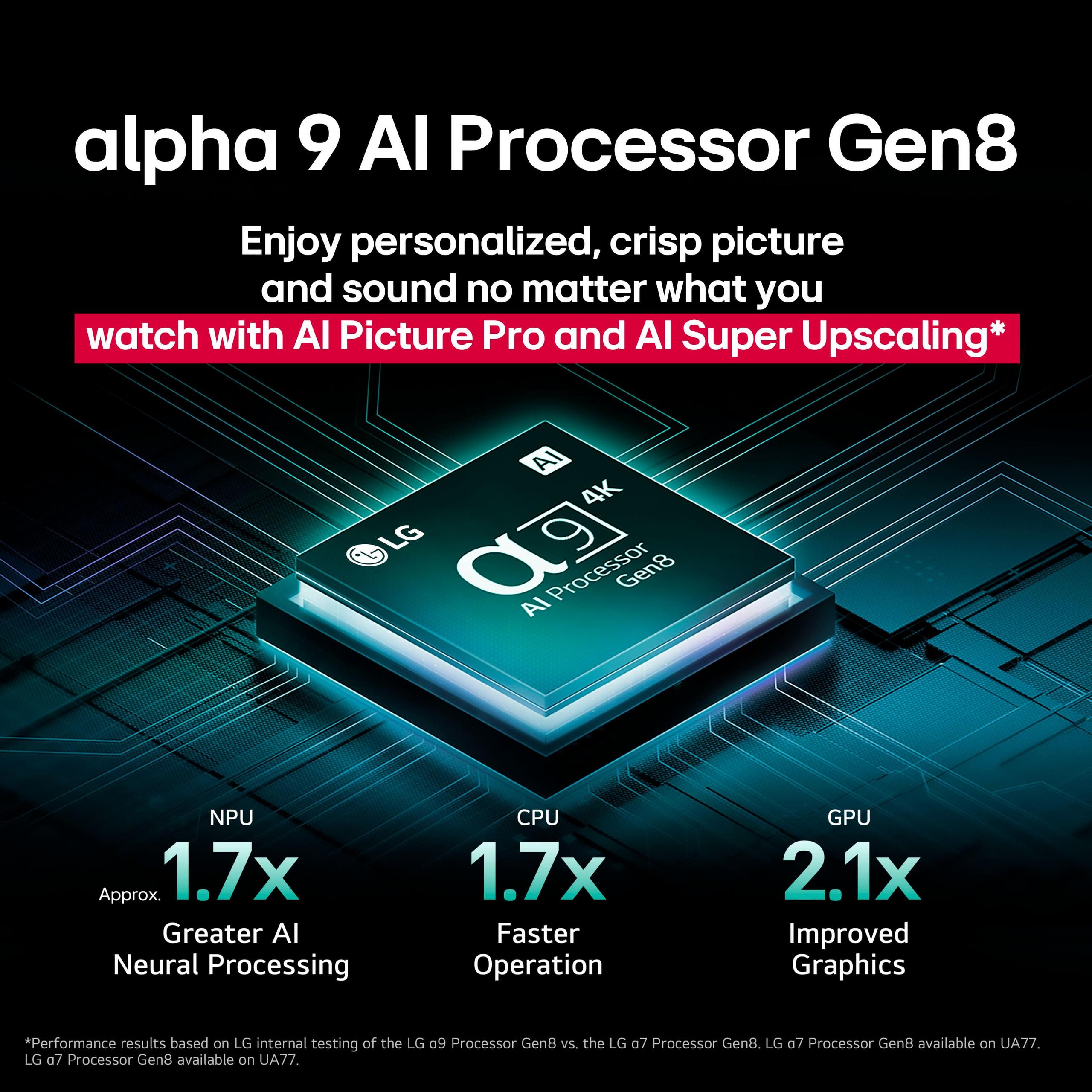
The LG C5 runs webOS 25, which feels more advanced in terms of AI features. The system learns your viewing habits and makes genuinely useful content recommendations. The Magic Remote is particularly well-designed, working like a computer mouse that you wave in the air to control an on-screen cursor.
Both platforms support all major streaming services and voice assistants, so daily functionality is excellent on either choice.
Here's where these TVs really diverge, and it might be the most important factor in your decision. The Samsung Frame Pro is specifically designed for bright rooms. That matte anti-glare screen isn't just for aesthetics – it makes the TV completely usable even with windows directly behind your seating or bright overhead lighting.
Traditional glossy TV screens act like mirrors in bright rooms, reflecting lamps, windows, and even your own face back at you. The Frame Pro's matte finish essentially eliminates this problem. Combined with its high peak brightness, it remains perfectly viewable in any lighting condition.
The LG C5 OLED has improved brightness compared to previous OLED generations, but it's still fundamentally better suited for controlled lighting. In a dark or dim room, the perfect blacks and infinite contrast create an incredibly immersive viewing experience that the Samsung simply cannot match. However, in a bright living room with lots of windows, reflections can become distracting.
At the time of writing, pricing on both models has settled significantly from their launch prices earlier in 2025. The Samsung Frame Pro commands a premium for its unique lifestyle features and wireless technology. You're essentially paying extra for the art display functionality, customizable aesthetics, and the convenience of wireless installation.
The LG C5 OLED typically offers better value in terms of pure performance per dollar. The picture quality improvements and gaming capabilities you get represent excellent value, especially considering current market pricing.
It's worth noting that OLED prices have become much more competitive in recent years, making premium picture quality accessible to more buyers. Meanwhile, lifestyle-focused TVs like the Frame Pro maintain higher pricing because they offer unique features you can't get elsewhere.
For dedicated home theater use, the LG C5 OLED is the clear choice. The perfect blacks and infinite contrast create the immersive, cinema-like experience that movie enthusiasts crave. Dolby Vision HDR support means compatible content displays with the enhanced color and brightness that directors intended.
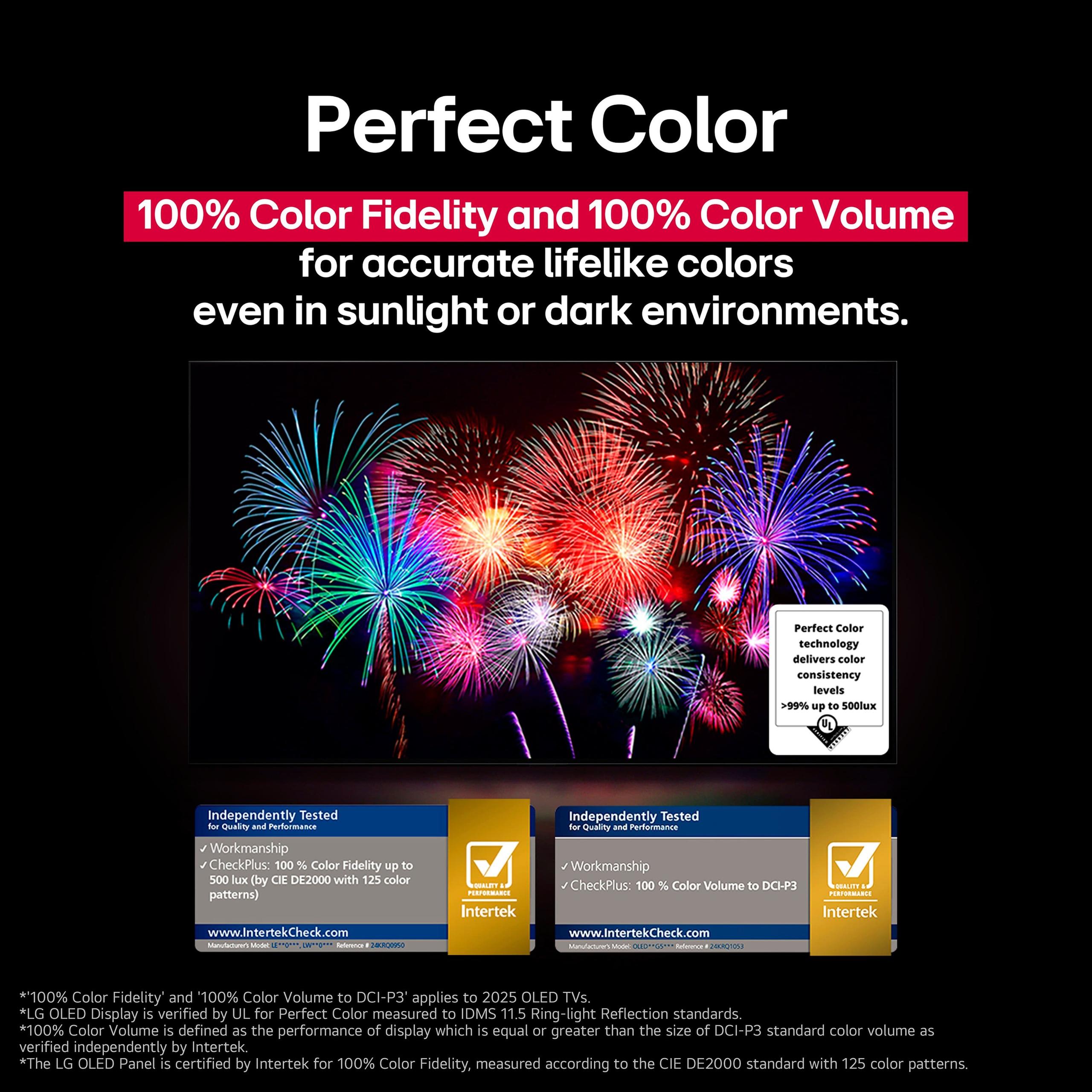
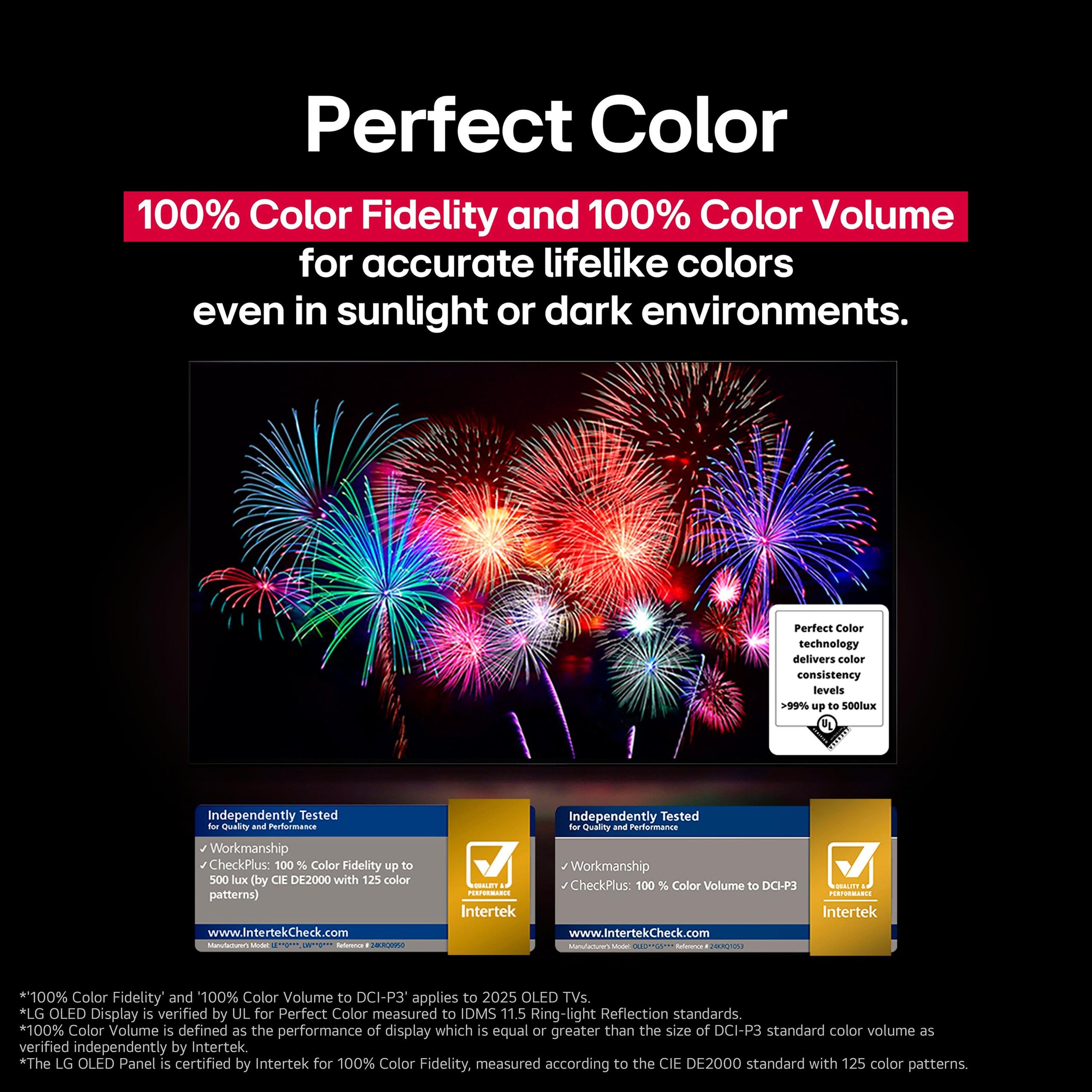
The TV's wide color gamut (the range of colors it can display) covers more of what human eyes can see compared to standard TVs. This is particularly noticeable in animated films and nature documentaries, where colors appear more vivid and lifelike.
Audio features include Dolby Atmos support, though like most TVs, you'll want to pair it with a good soundbar or surround sound system for the full experience.
The Frame Pro certainly delivers good home theater performance, especially for HDR content in bright rooms. However, the compromised black levels and less precise local dimming mean it can't match the cinematic quality of OLED technology.
Both TVs should provide years of reliable service, but there are some factors to consider. OLED panels can experience burn-in – permanent image retention if static elements (like video game HUDs or news channel logos) are displayed for extremely long periods. However, modern OLED TVs include multiple protection mechanisms, and burn-in is much less common than it was in early OLED generations.
The Samsung Frame Pro's wireless technology is impressive, but it does mean you're dependent on that wireless connection working reliably. There's no wired backup option, so any interference or technical issues with the wireless system could be problematic.
Both manufacturers provide solid warranty coverage and have good track records for software updates and long-term support.
The Samsung Frame Pro makes sense for specific situations. If you're mounting the TV in a bright living room, kitchen, or any space with lots of natural light, its anti-glare properties and high brightness make it genuinely superior for daily viewing. The art display mode is perfect if you want the TV to contribute positively to your room's aesthetics when not in use.
The wireless connectivity is genuinely game-changing if you're doing a clean wall installation or if running cables would be difficult in your space. Interior designers and homeowners who prioritize aesthetics will appreciate how seamlessly it integrates into living spaces.
However, choose the LG C5 OLED if picture quality is your primary concern. For movie nights, binge-watching TV series, or any scenario where you want the absolute best image quality, OLED technology remains superior. The gaming performance alone makes it worthwhile for anyone with modern gaming consoles or a gaming PC.
The C5 also represents better value if you want maximum performance for your investment. You're getting picture quality that rivals TVs costing significantly more, along with gaming features that compete with dedicated gaming monitors.
These are both excellent TVs, but they solve different problems. The Samsung Frame Pro is for people who want their TV to be a lifestyle enhancement that looks good even when turned off and performs excellently in bright rooms. The LG C5 OLED is for people who want the absolute best picture quality and gaming performance available at this price point.
Your decision should ultimately come down to your room's lighting, your priorities between aesthetics and performance, and whether the unique features of the Frame Pro justify its premium pricing for your specific situation. Both represent the cutting edge of 2025 TV technology – they just take very different approaches to getting there.
| Samsung 65" The Frame Pro 4K Neo QLED Smart TV 2025 | LG OLED evo C5 65" 4K TV 2025 |
|---|---|
| Display Technology - Determines picture quality fundamentals | |
| Neo QLED Mini LED with Quantum Dots | WOLED with self-illuminating pixels |
| Peak Brightness - Critical for HDR and bright room viewing | |
| 1,000+ nits (excellent for overcoming glare) | Enhanced brightness vs previous OLEDs (good for most rooms) |
| Black Levels - Makes the biggest visual impact for movies | |
| Local dimming with some light bleed | Perfect blacks with infinite contrast |
| Gaming Response Time - Essential for competitive gaming | |
| 30ms+ input lag (not suitable for serious gaming) | 0.1ms response time (professional gaming grade) |
| Refresh Rate - Affects motion smoothness | |
| Up to 144Hz (limited by high input lag) | Native 120Hz, up to 144Hz (fully optimized) |
| Anti-Glare Properties - Determines bright room usability | |
| Matte anti-reflection screen (eliminates reflections) | Standard glossy finish (reflections in bright rooms) |
| Connectivity Innovation - Affects installation flexibility | |
| Wireless One Connect Box (cable-free mounting) | Traditional wired connections (4x HDMI 2.1) |
| Art Display Mode - Unique lifestyle feature | |
| Full art gallery with customizable bezels | Basic screensaver/photo display |
| Smart Platform - Daily user experience | |
| Samsung Tizen with Art Store integration | LG webOS 25 with advanced AI features |
| HDR Support - Content compatibility | |
| HDR10+ Adaptive, Neo Quantum HDR | Dolby Vision, HDR10, HLG |
| Gaming Features - Console and PC compatibility | |
| VRR support, limited by input lag | VRR, ALLM, G-Sync/FreeSync compatible |
| Room Lighting Optimization - Where each TV excels | |
| Designed for bright rooms with direct light | Best in controlled/dim lighting conditions |
| Value Positioning - Performance per dollar consideration | |
| Premium pricing for lifestyle features | Superior performance at competitive pricing |
The LG OLED evo C5 delivers superior picture quality for movies thanks to its perfect black levels and infinite contrast ratio. Each pixel can turn completely off, creating true blacks that make dark movie scenes look incredibly realistic. The Samsung Frame Pro offers excellent brightness and color but can't match the cinematic depth that OLED technology provides for home theater viewing.
Yes, the Samsung Frame Pro excels in bright rooms due to its matte anti-glare screen and high peak brightness of over 1,000 nits. It's specifically designed to overcome reflections from windows and overhead lighting. The LG C5 OLED performs better in controlled lighting conditions where its perfect blacks can shine.
The LG OLED evo C5 is significantly better for gaming with its 0.1ms response time, four HDMI 2.1 ports, and optimized VRR support. The Samsung Frame Pro technically supports 144Hz but suffers from high input lag over 30ms, making it unsuitable for competitive gaming.
The Samsung Frame Pro features a revolutionary Wireless One Connect Box that eliminates all cables to the TV, plus Art Mode that transforms it into a digital art gallery when not in use. It also includes customizable bezels to match your décor, making it as much a lifestyle product as a TV.
Modern OLED TVs like the LG C5 OLED have multiple protection mechanisms against burn-in, making it much less common than in early OLED generations. For typical home use with varied content, burn-in is rarely an issue. The Samsung Frame Pro uses Mini LED technology that doesn't have burn-in concerns.
The LG OLED evo C5 typically offers better value with superior picture quality, gaming performance, and features at a competitive price point. The Samsung Frame Pro commands a premium for its unique lifestyle features like wireless connectivity and art display mode.
Both TVs can be wall-mounted, but the Samsung Frame Pro offers a cleaner installation thanks to its Wireless One Connect Box that eliminates visible cables. The LG C5 OLED requires traditional cable management but is still wall-mountable with its slim profile.
The LG OLED evo C5 is ideal for dedicated home theater use with its perfect blacks, infinite contrast, and Dolby Vision support creating a cinematic experience. The Samsung Frame Pro provides good home theater performance but can't match OLED's ability to render dark movie scenes with perfect detail.
The Samsung Frame Pro runs Tizen with Art Store integration and built-in voice assistants, while the LG C5 OLED features webOS 25 with advanced AI recommendations and intuitive navigation. Both support all major streaming services and offer smooth, responsive interfaces.
Both TVs excel with HDR content but differently. The Samsung Frame Pro delivers impressive peak brightness that makes HDR highlights pop, especially in bright rooms. The LG OLED evo C5 provides superior HDR performance overall with better tone mapping and contrast, plus Dolby Vision support.
Both the Samsung Frame Pro and LG C5 OLED are built to high quality standards with solid warranty coverage. The Frame Pro's wireless technology adds complexity but Samsung has a good track record. OLED panels are mature technology with excellent reliability when used normally.
Choose the Samsung Frame Pro if you want a TV that doubles as wall art, need excellent bright room performance, or value wireless installation convenience. Pick the LG OLED evo C5 if picture quality is your priority, you're a serious gamer, or you want maximum performance value for your investment.
We've done our best to create useful and informative comparisons to help you decide what product to buy. Our research uses advanced automated methods to create this comparison and perfection is not possible - please contact us for corrections or questions. These are the sites we've researched in the creation of this article: tomsguide.com - youtube.com - smarthomesounds.co.uk - images.samsung.com - rtings.com - samsung.com - bestbuy.com - bestbuy.com - businessinsider.com - dentonstv.com - samsung.com - flatpanelshd.com - samsung.com - jefflynch.com - youtube.com - costco.com - bestbuy.com - rtings.com - youtube.com - businessinsider.com - youtube.com - bestbuy.com - lg.com - files.bbystatic.com - lg.com - flatpanelshd.com - lg.com - blvdhome.com - bhphotovideo.com - flanners.com - videopro.com.au

Privacy Policy
Terms and Conditions - Affiliate Policy
Home Security
© Copyright 2008-2026.
11816 Inwood Rd #1211, Dallas, TX 75244