

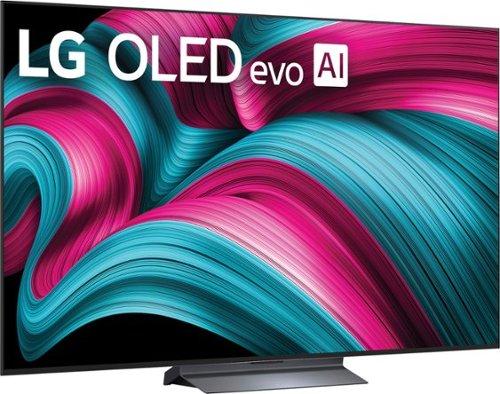


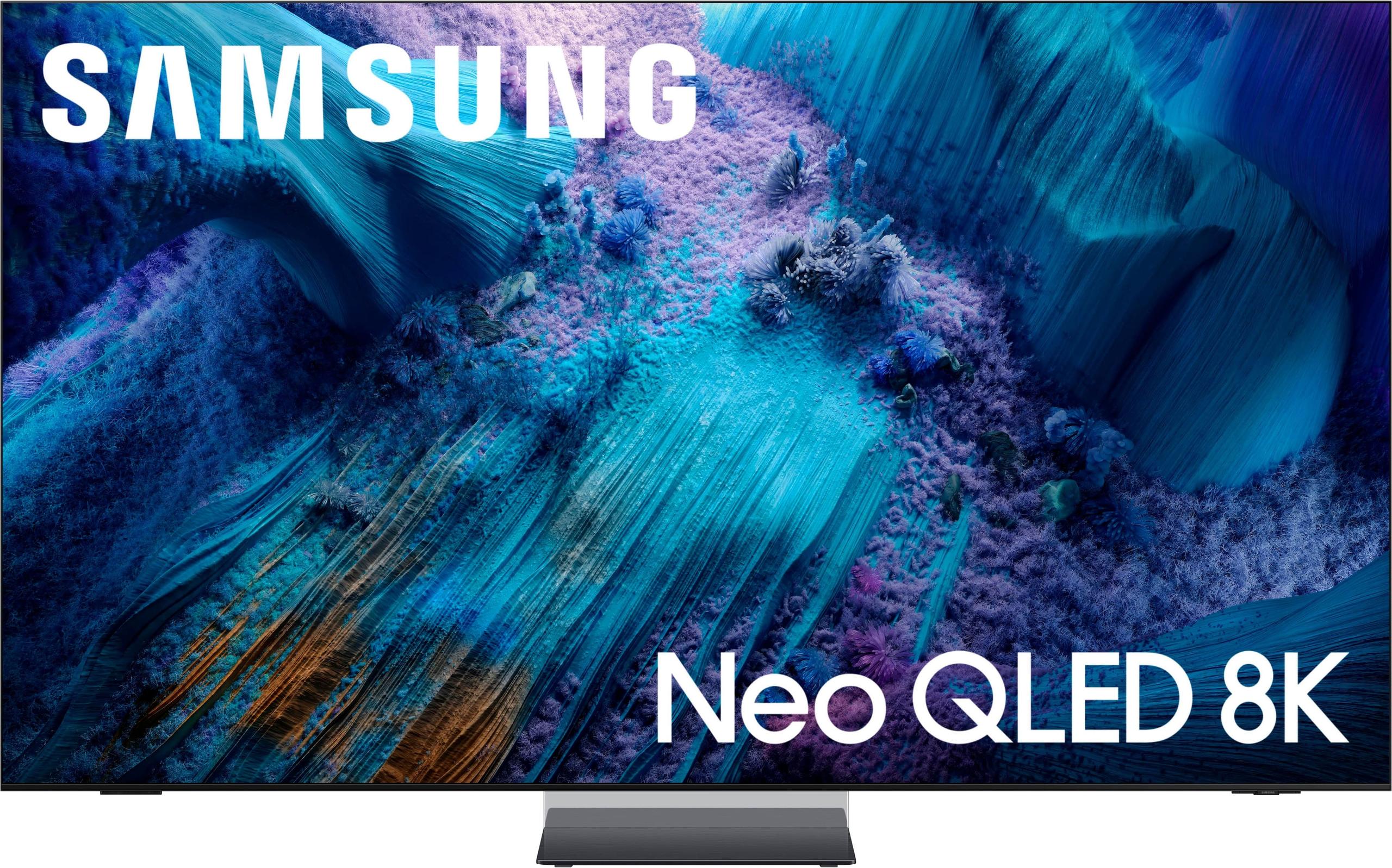
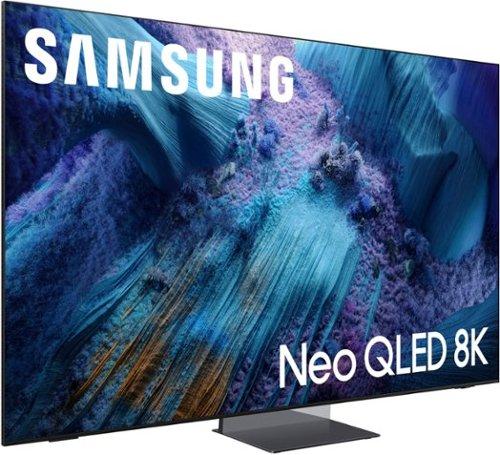
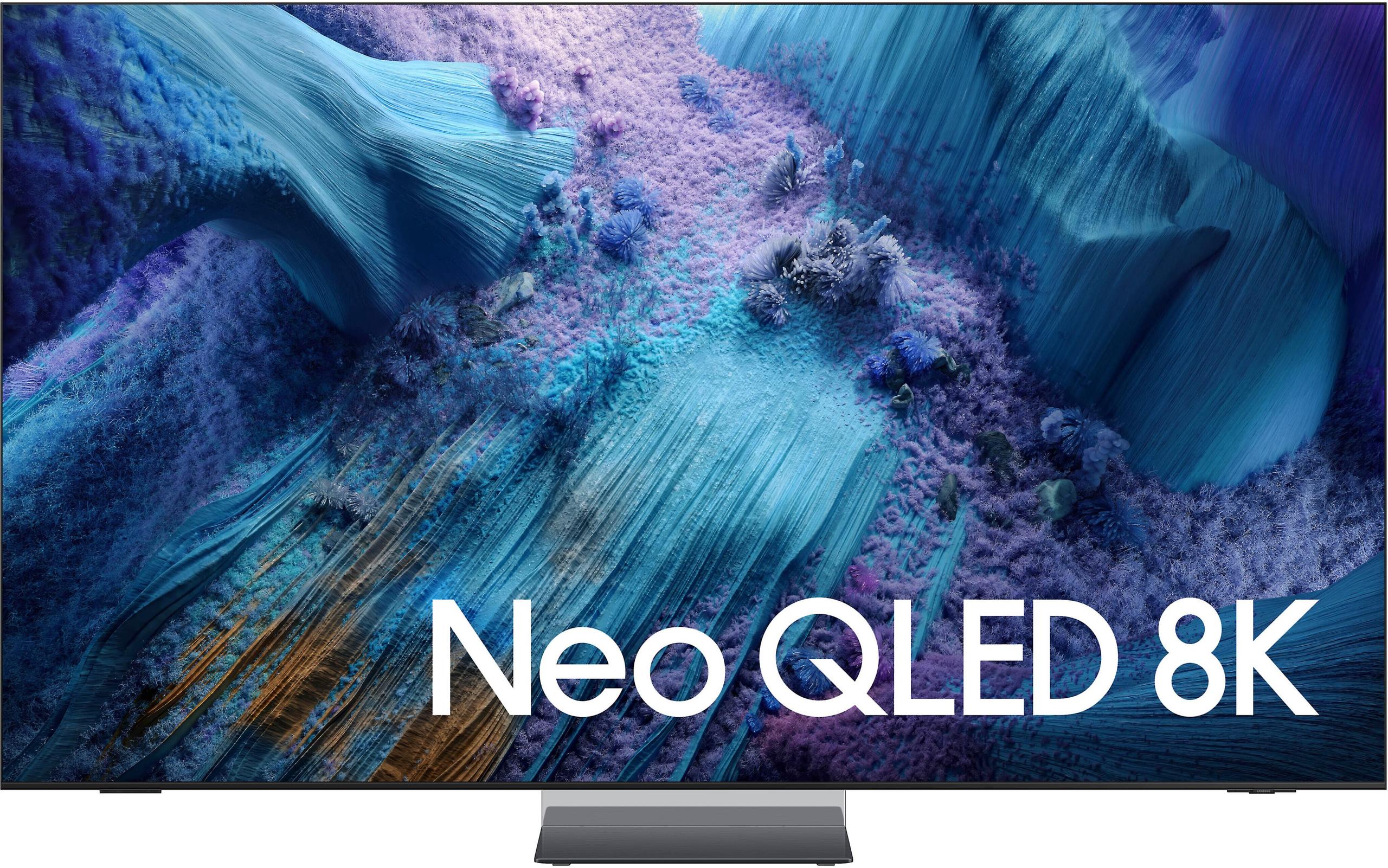
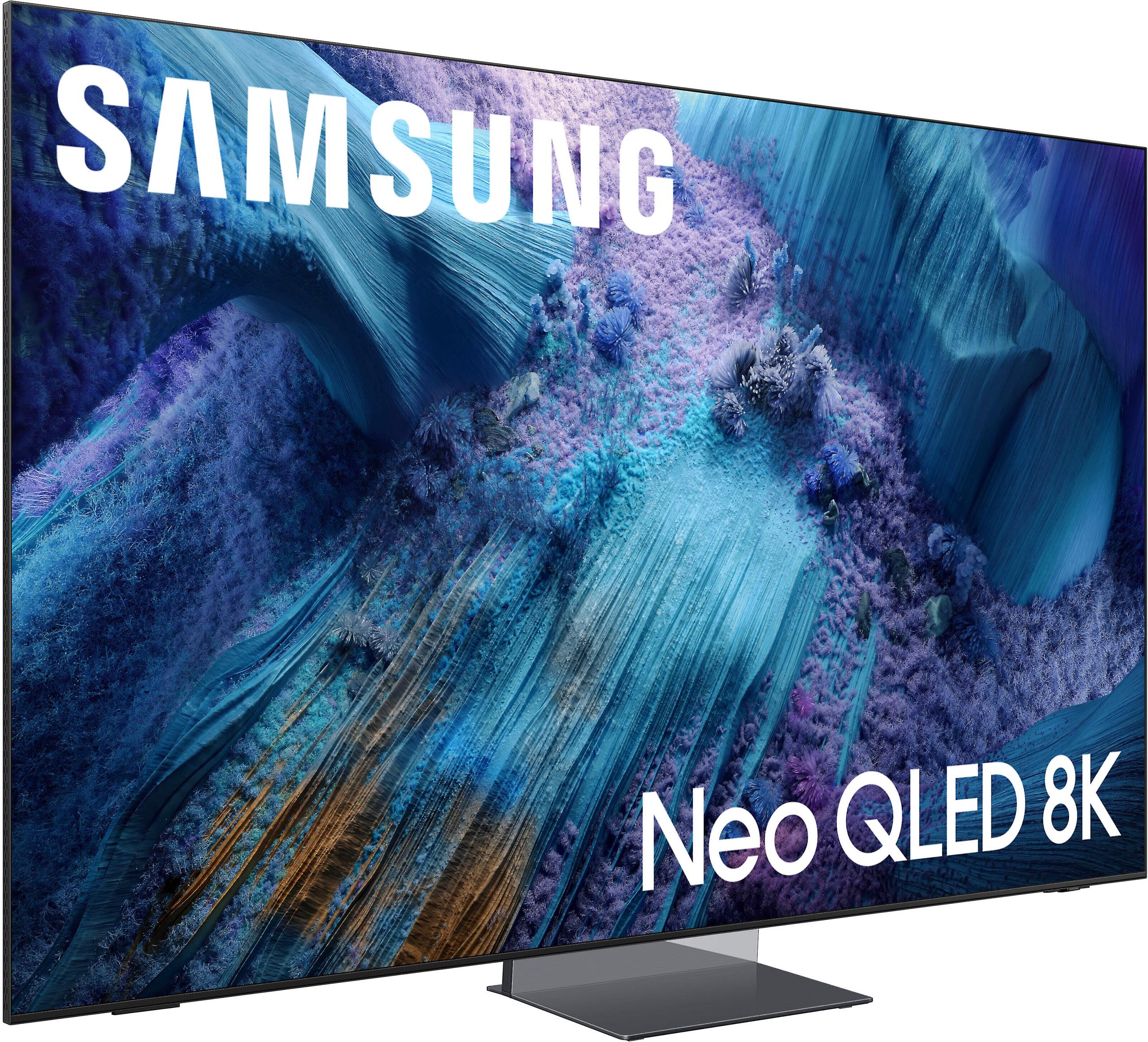
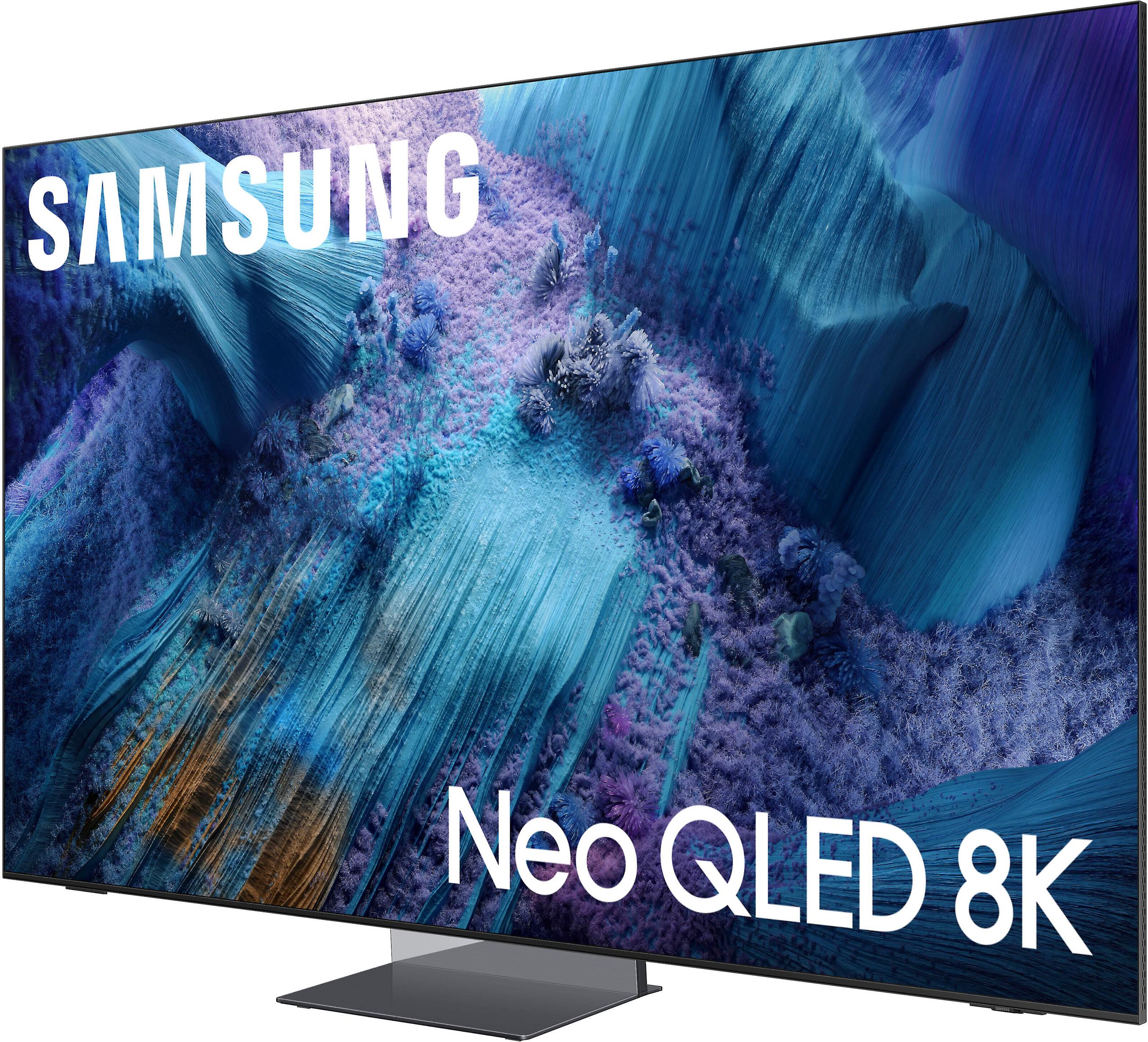
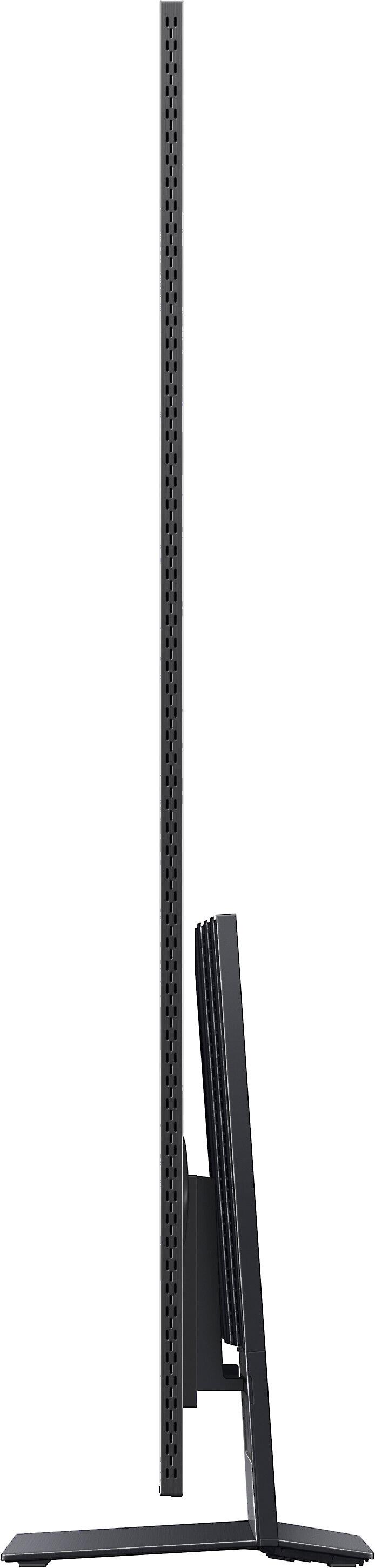
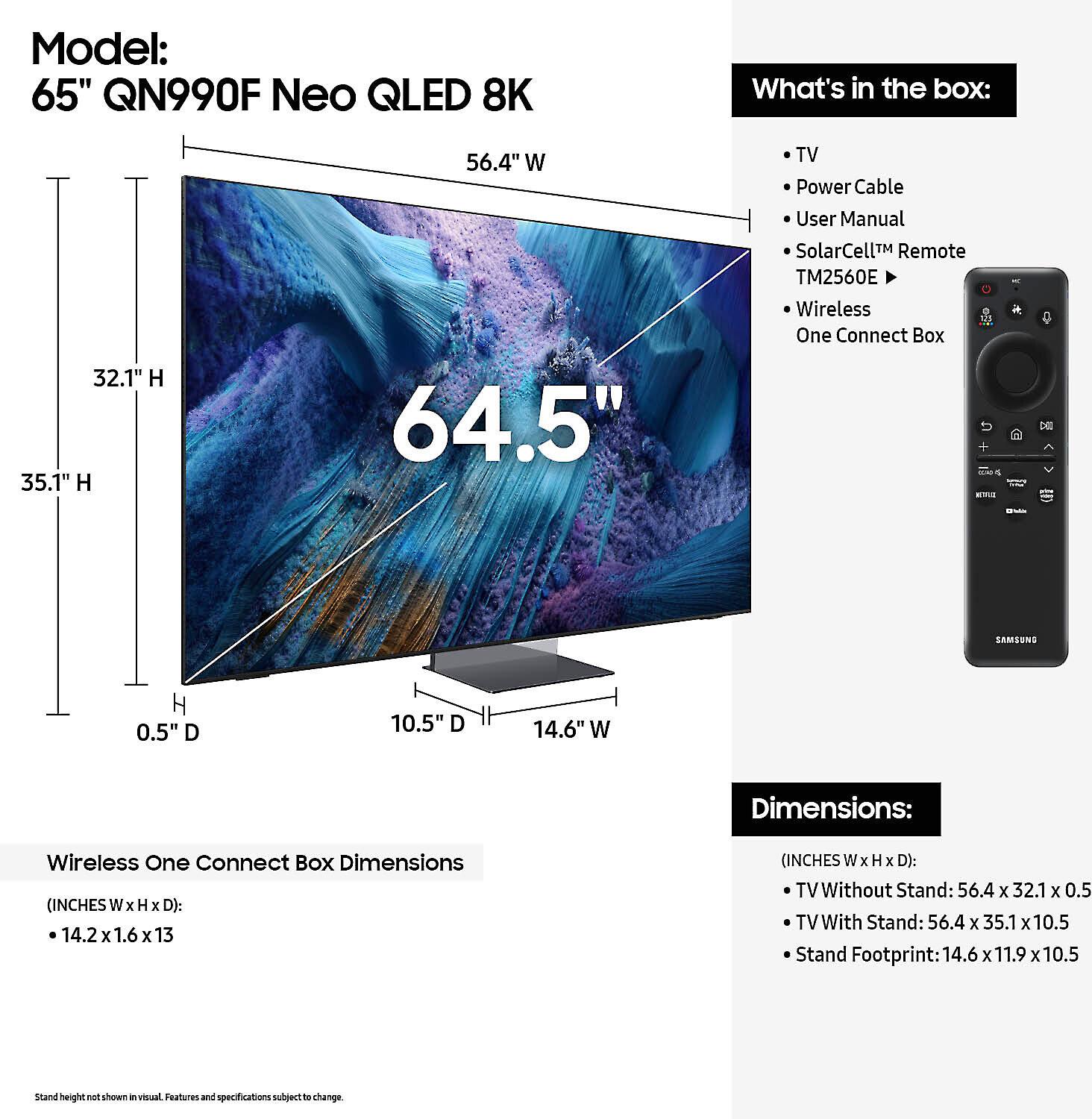
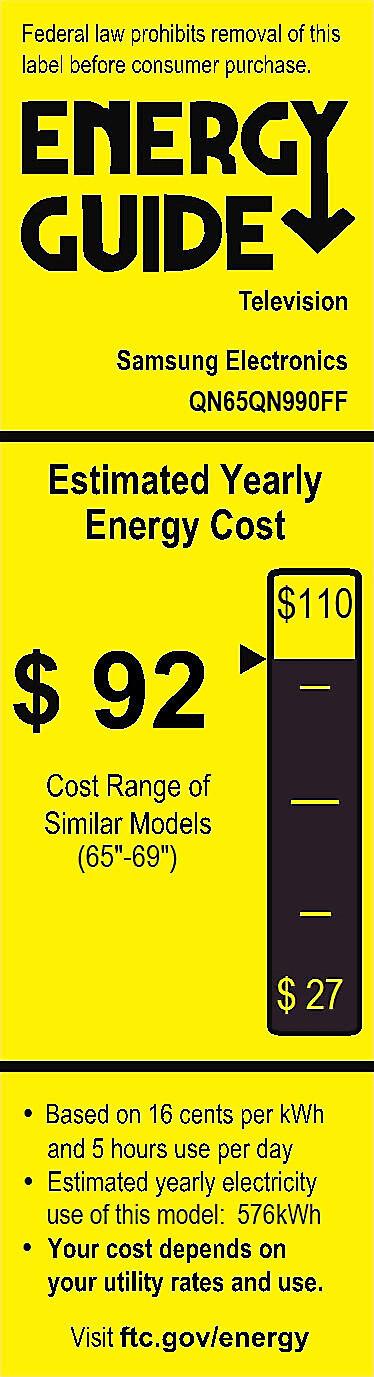
Shopping for a premium TV in 2025 feels like choosing between two completely different philosophies. On one side, you have the LG OLED evo C5 65" 4K TV ($2,197), representing the refined elegance of OLED technology. On the other, there's the Samsung Neo QLED QN990F 8K Smart TV ($5,298), showcasing the raw power of Mini-LED backlighting. Both arrived in 2025 with significant improvements over their predecessors, but they take vastly different approaches to delivering an exceptional viewing experience.
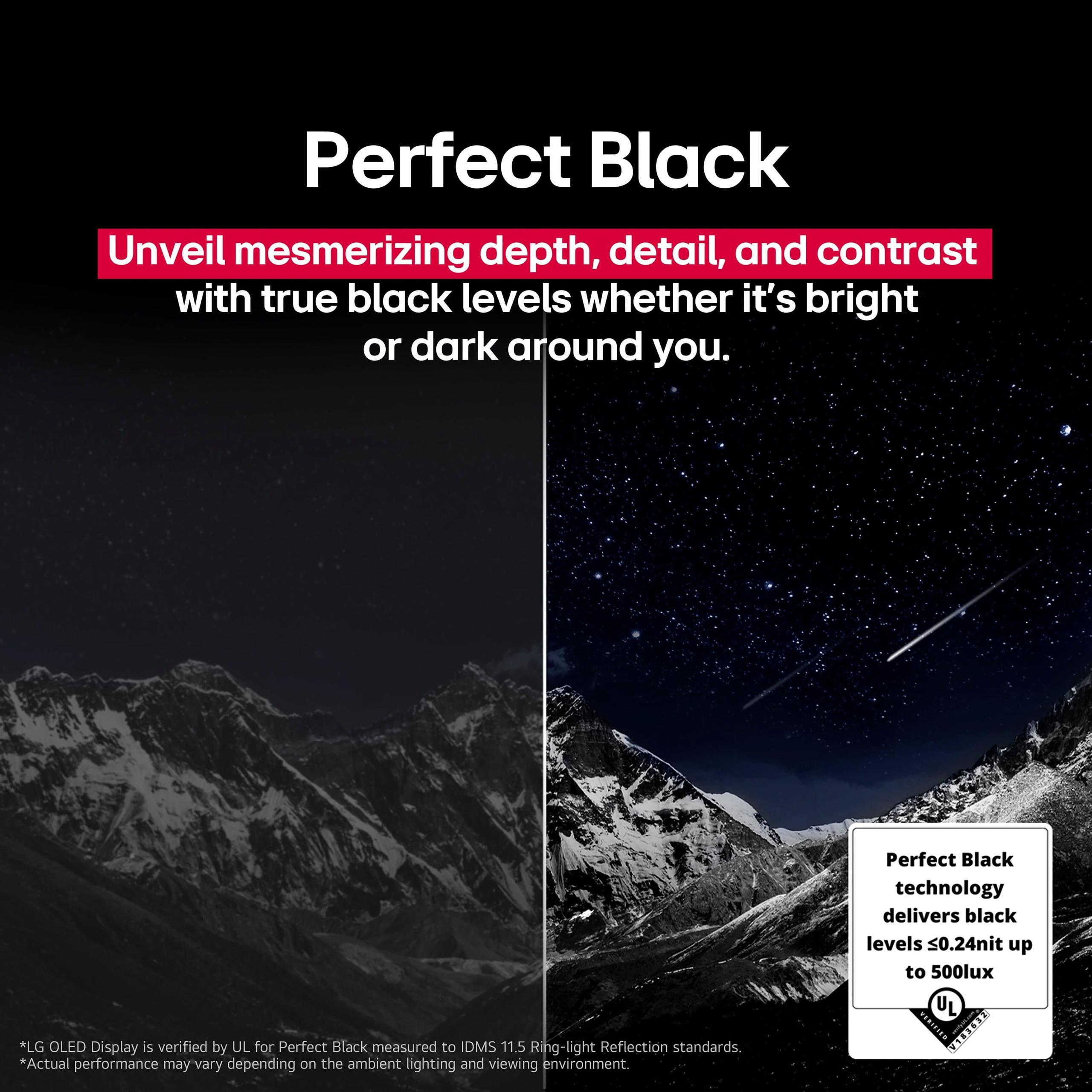
The premium TV market revolves around two main display technologies, each with distinct strengths. OLED (Organic Light Emitting Diode) panels create images using millions of self-lighting pixels that can turn completely on or off. This means when you're watching a movie with a starfield, those black areas between stars are truly black – not dark gray like on traditional TVs.
Mini-LED technology, on the other hand, places thousands of tiny LEDs behind an LCD panel. These LEDs can dim or brighten in zones, creating what's called "local dimming." Think of it like having hundreds of tiny flashlights behind your TV screen that can adjust their brightness independently. This allows for incredibly bright highlights – like the sun reflecting off water – while still maintaining decent black levels.
The key considerations when choosing between these technologies include how your room is lit, what type of content you watch most, whether you're a serious gamer, and frankly, your budget. After spending time with both TVs, I can tell you that each excels in different scenarios.
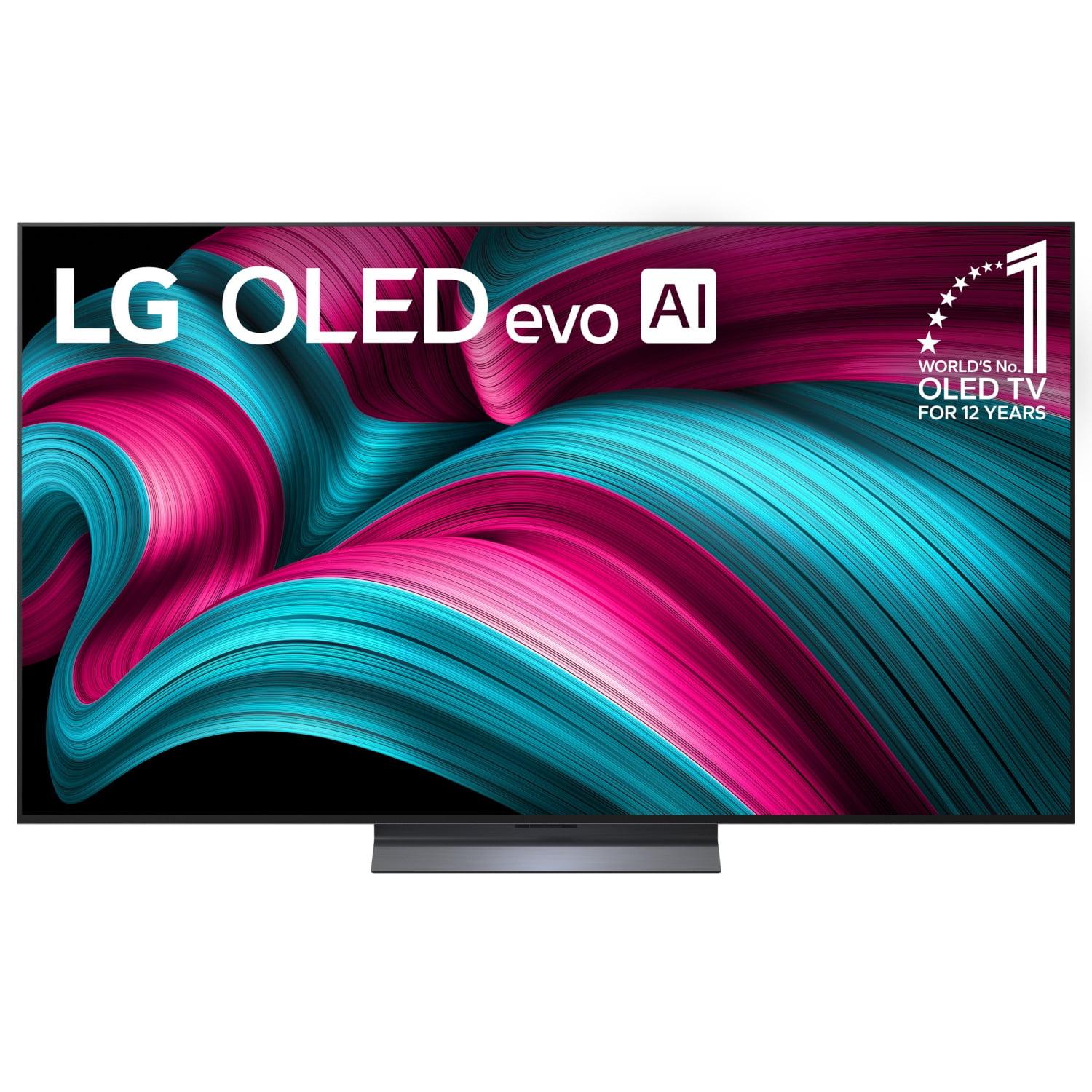
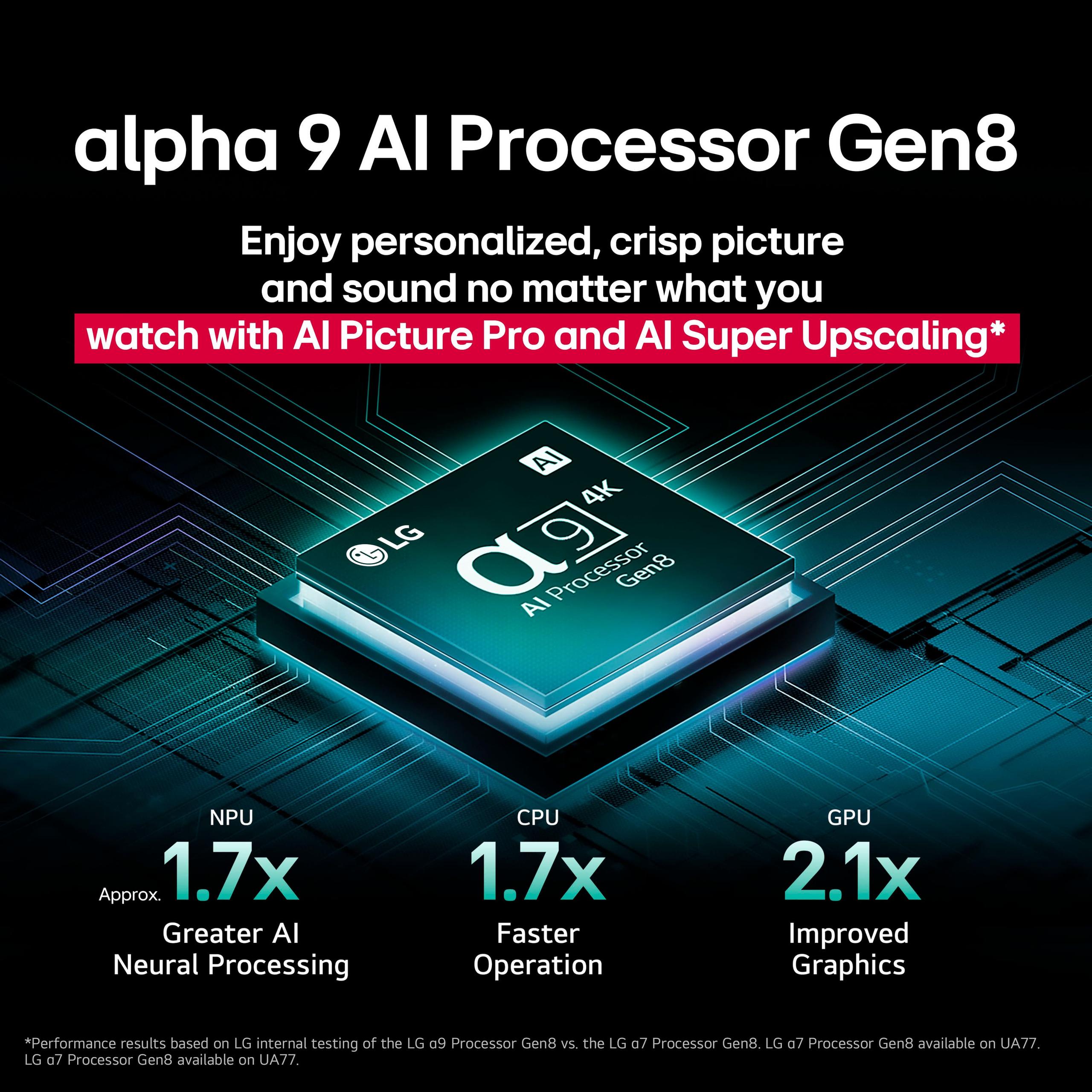
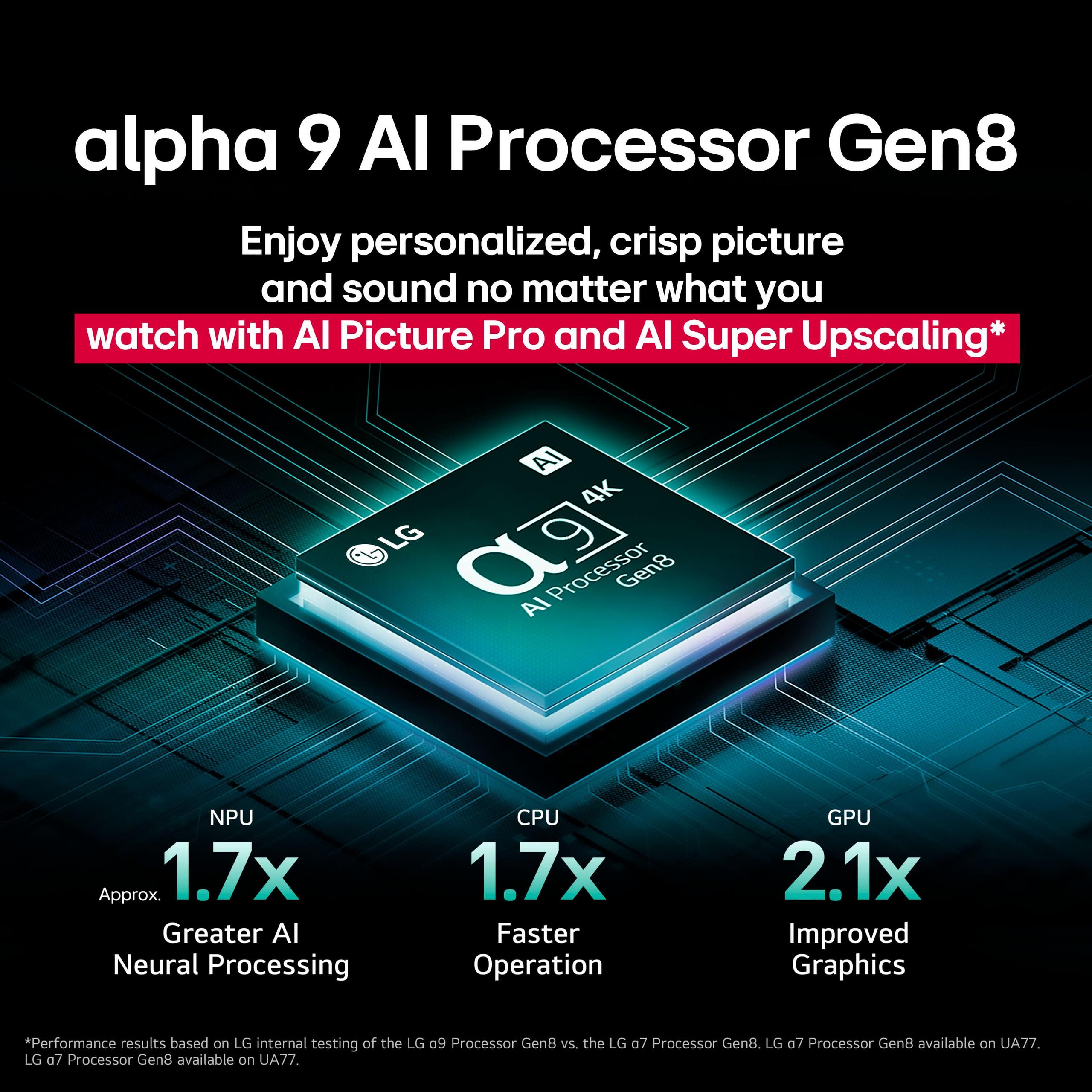
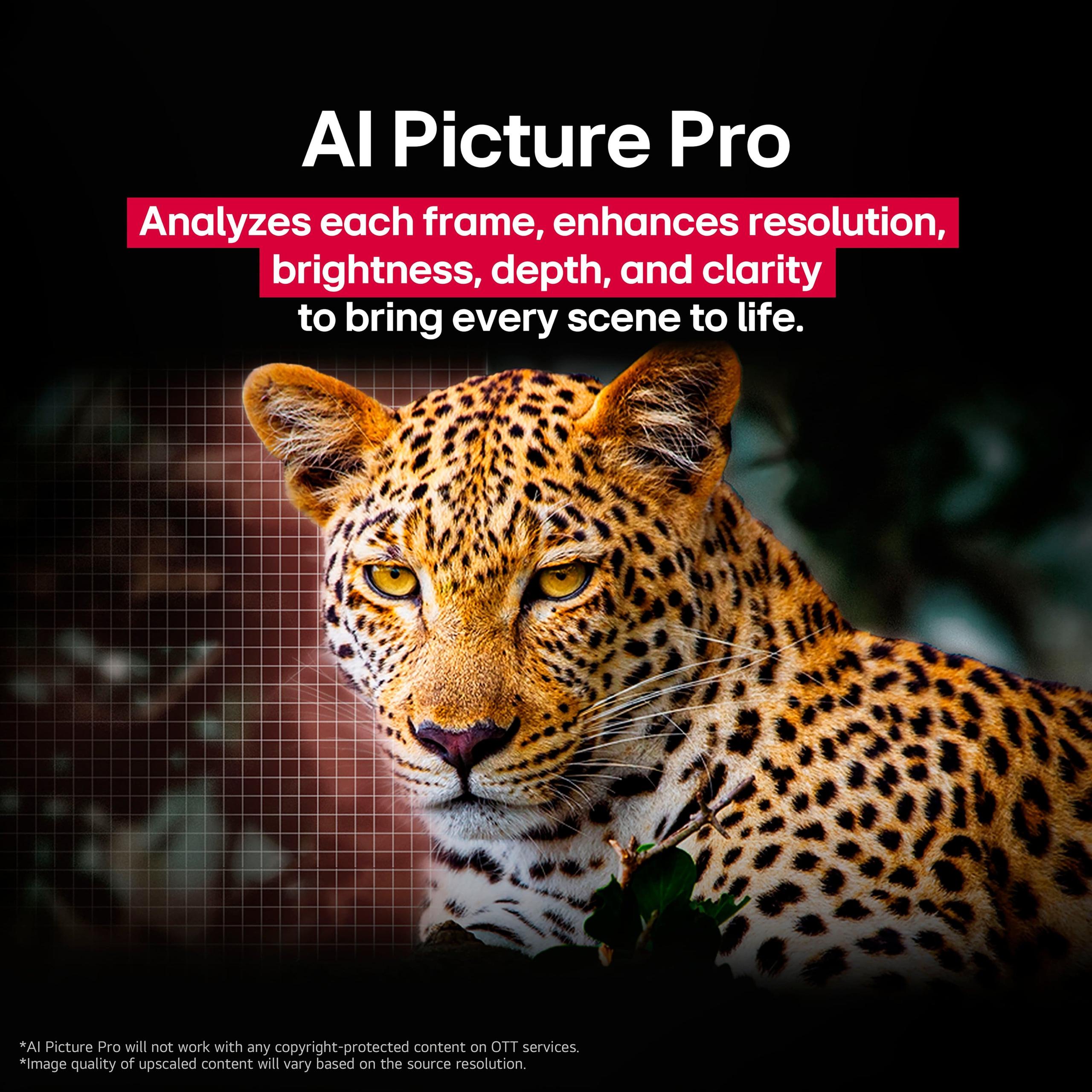
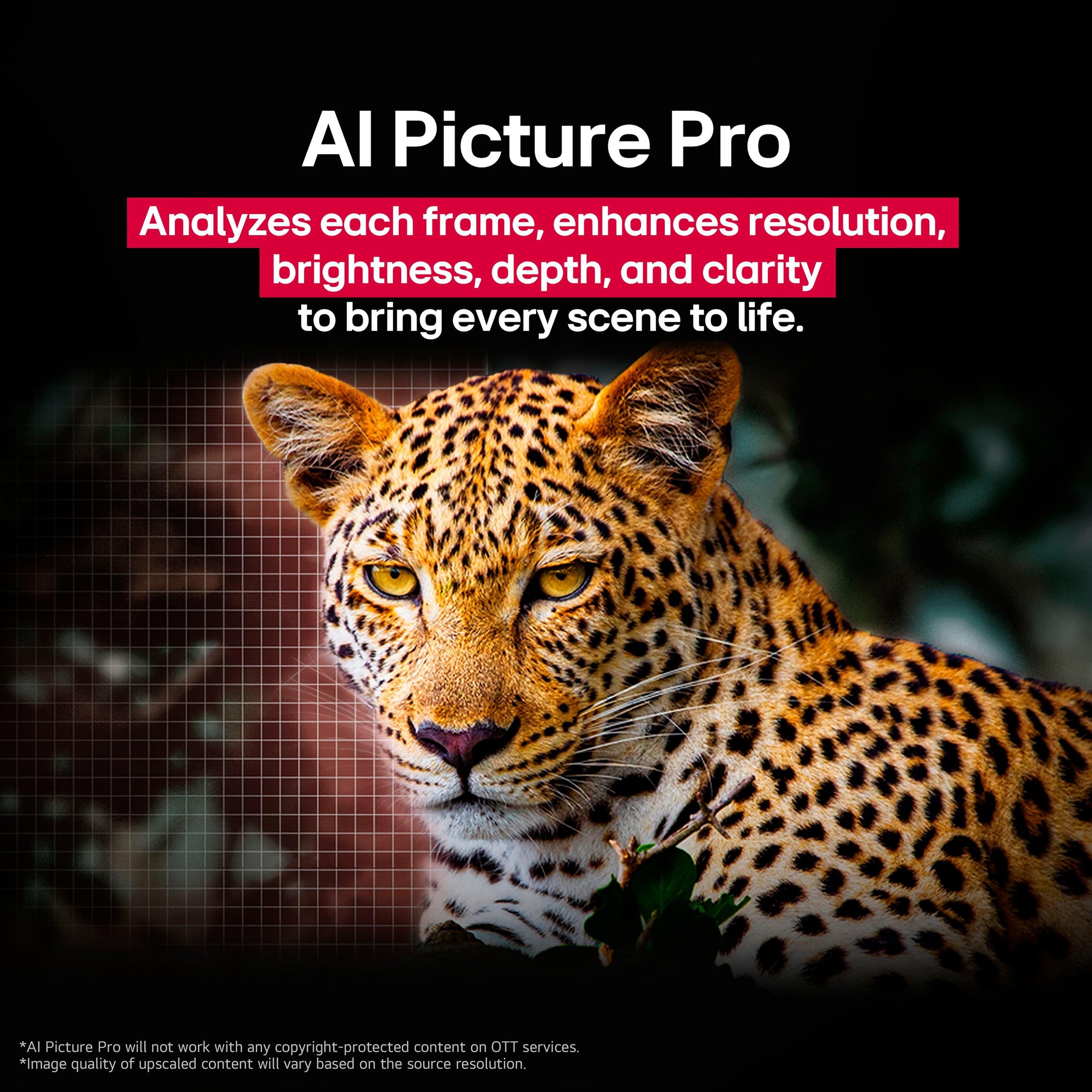
Both the LG OLED evo C5 and Samsung QN990F represent significant upgrades from their 2024 predecessors. LG's C5 incorporates the new Alpha 9 Gen8 AI processor, which uses machine learning to analyze content in real-time and optimize picture settings. This is a substantial improvement over the previous generation's processor, particularly for upscaling lower-resolution content.
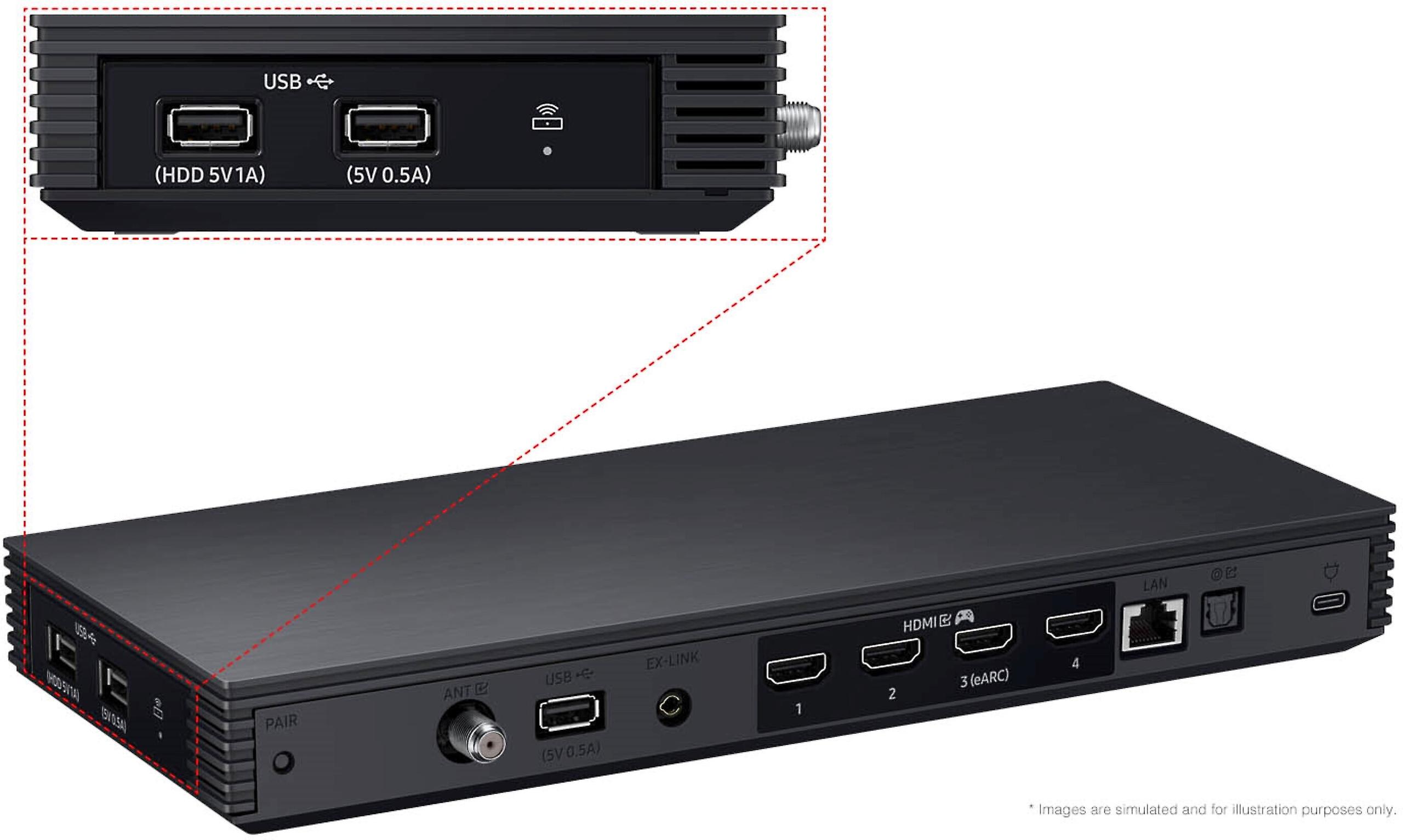
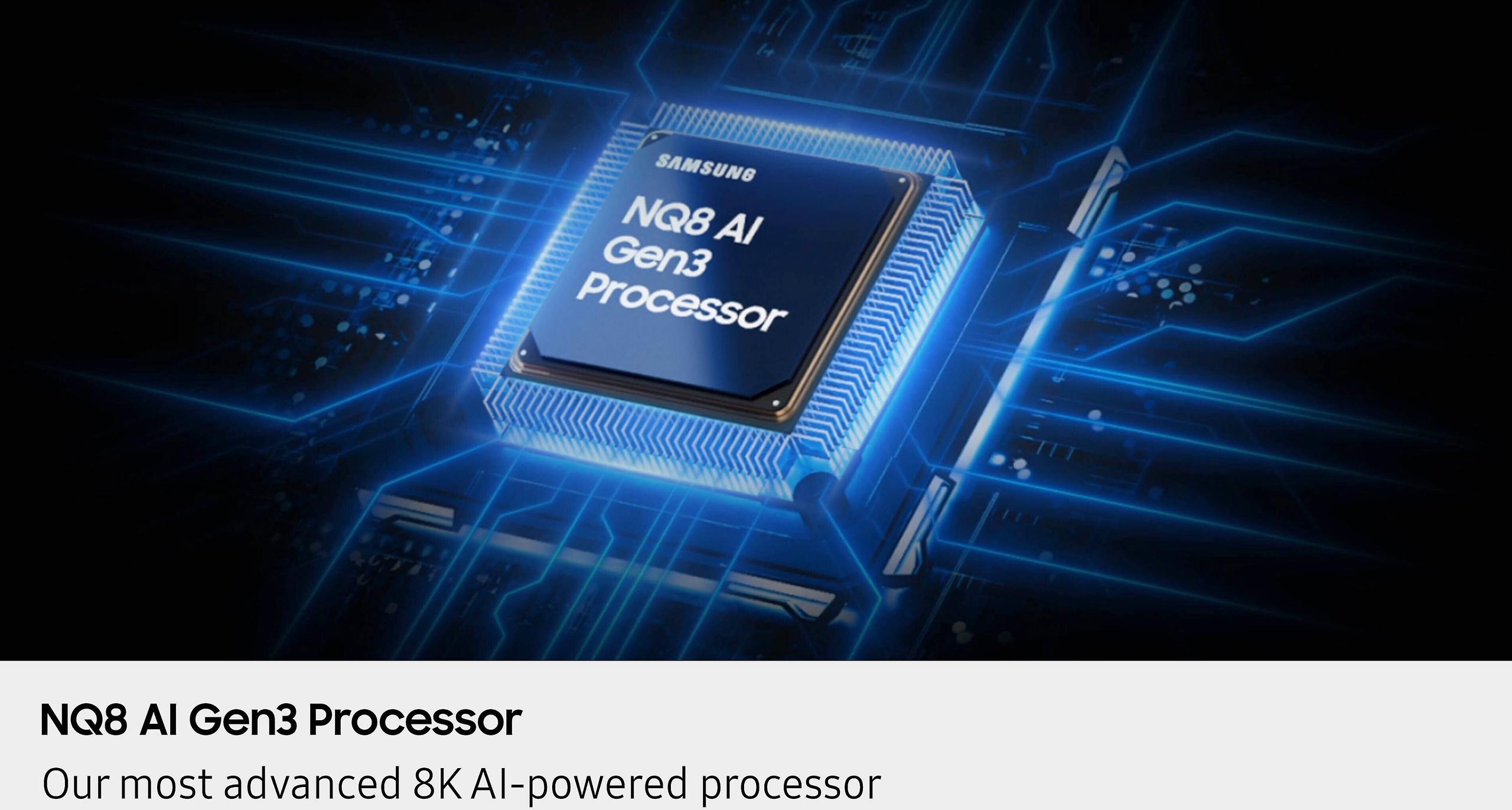
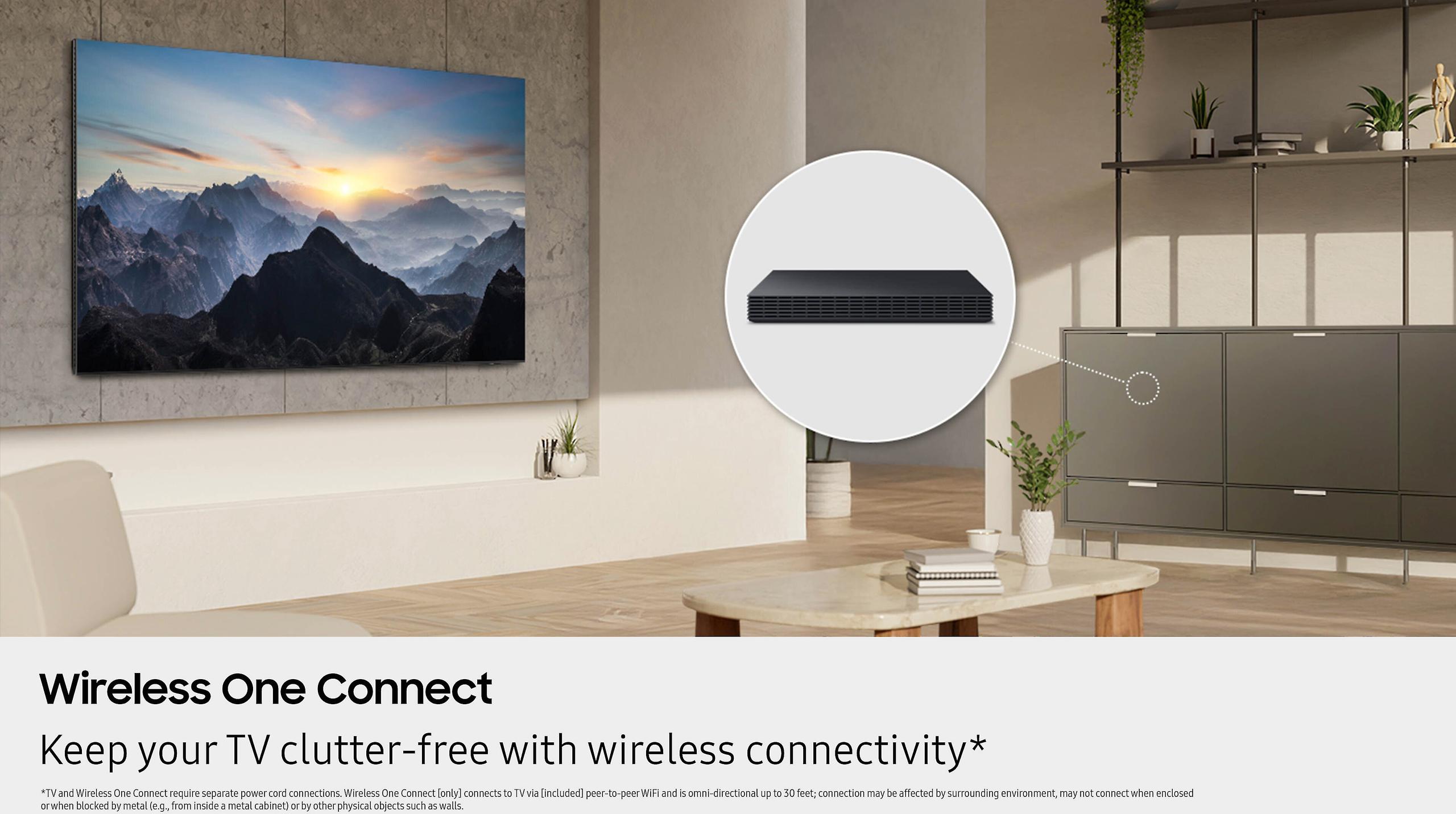
Samsung's QN990F features the NQ8 AI Gen3 processor with 768 neural networks – that's AI-speak for having hundreds of specialized computer "brains" working together to enhance your picture. The 2025 model also introduces Samsung's Wireless One Connect box, eliminating cable clutter by allowing you to connect devices wirelessly from up to 30 feet away.
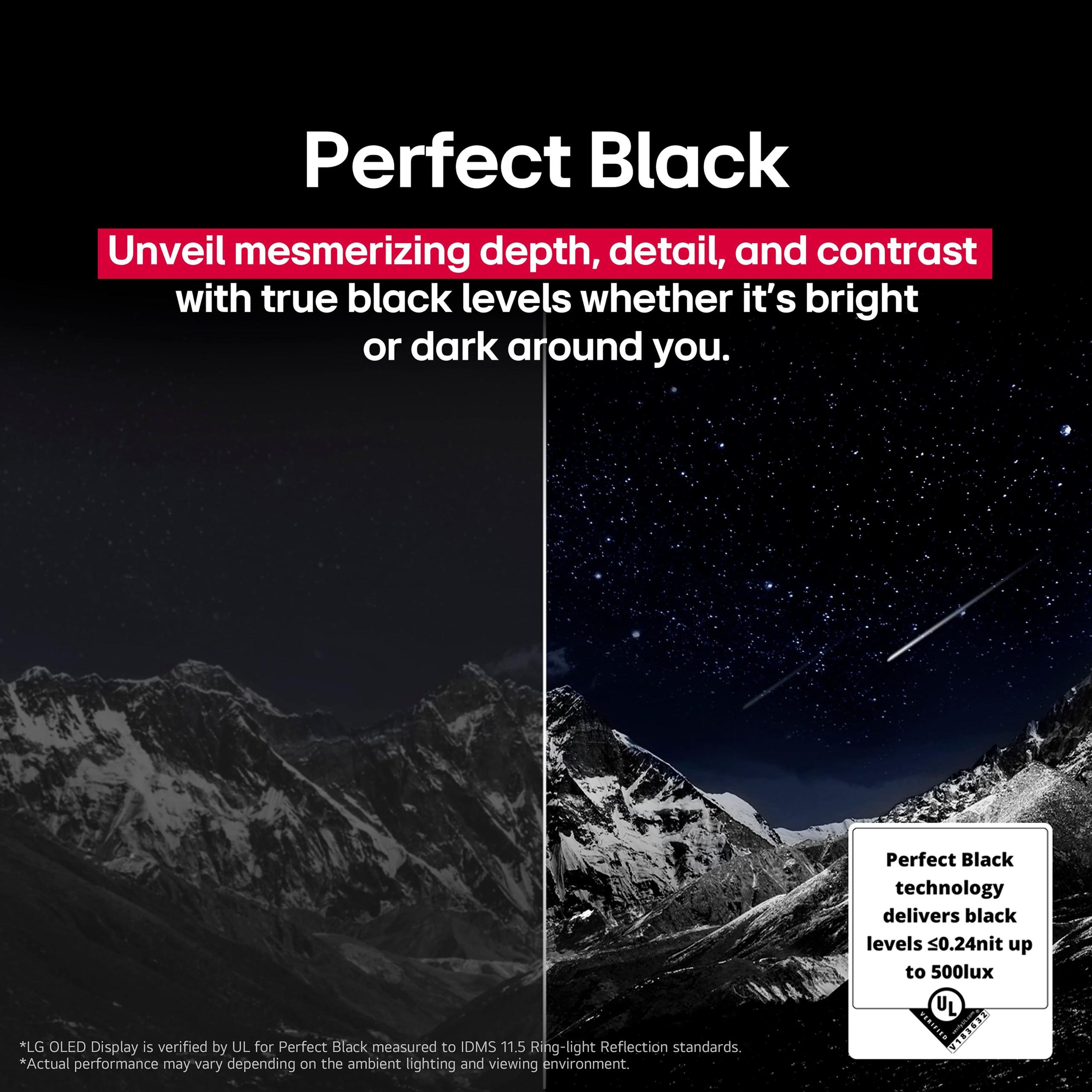
If you're the type who dims the lights for movie night, the LG OLED C5 delivers an almost magical experience. Each pixel produces its own light, so when a scene calls for pure black, those pixels simply turn off completely. I've watched countless movies on both technologies, and there's something mesmerizing about seeing stars against the infinite void of space on an OLED – it looks like you're peering through a window into actual space.
The C5's perfect black levels create what's called "infinite contrast ratio." In practical terms, this means bright objects pop off the screen with incredible dimensionality. When watching films like "Blade Runner 2049" or "Dune," the contrast between the bright neon lights and deep shadows creates an immersive experience that's hard to match.
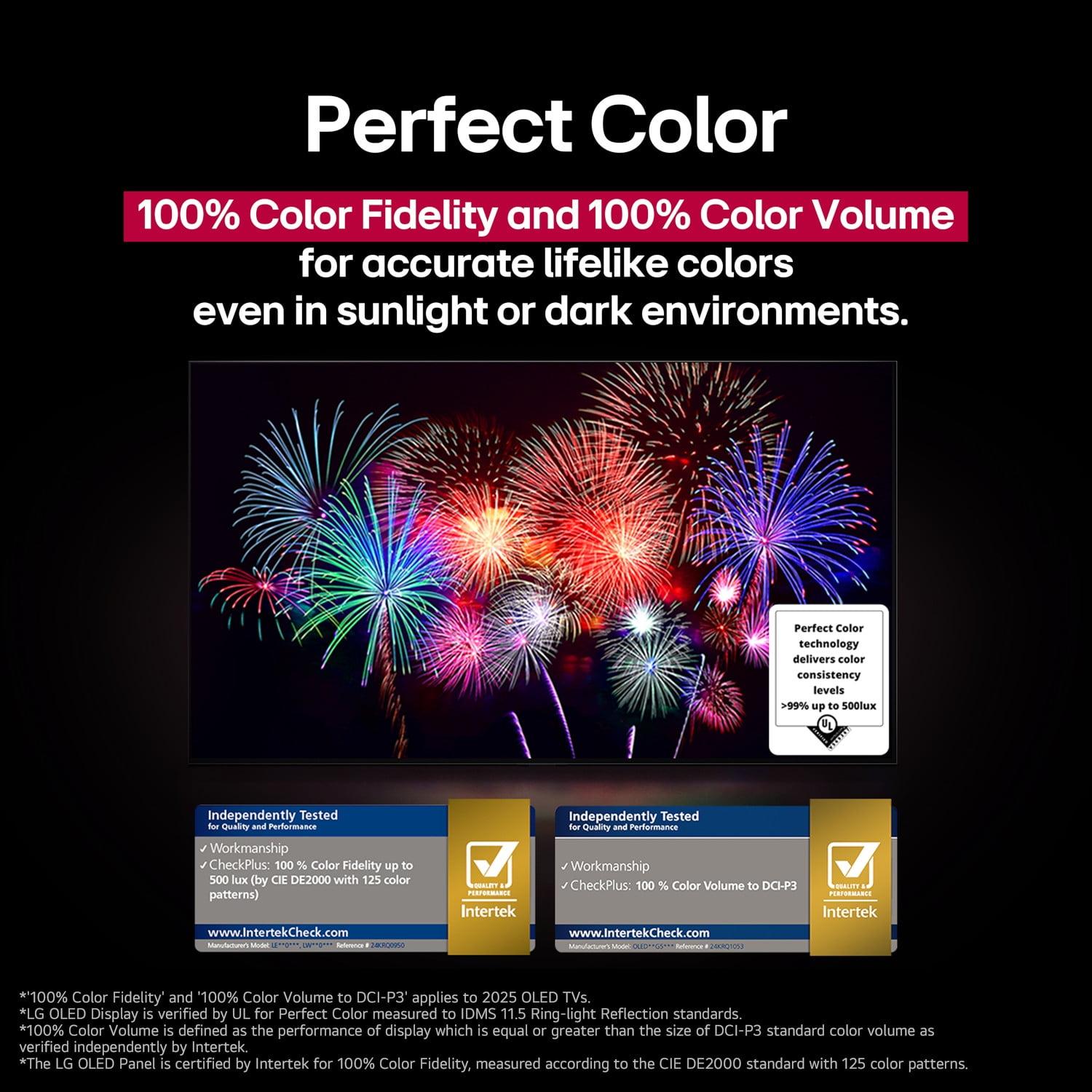
Shadow detail is another area where the C5 excels. In dark scenes, you can distinguish between different shades of black and dark gray that would be completely lost on lesser TVs. This is particularly noticeable in shows like "House of the Dragon" or "The Batman," where much of the action takes place in dimly lit environments.
The Samsung QN990F, despite its advanced Mini-LED technology, still uses an LCD panel underneath. This means it can't achieve true black – there's always some light leaking through. In very dark rooms, you might notice a slight gray tint to what should be pure black areas. Additionally, the Mini-LED backlighting can sometimes create "blooming" – subtle halos around bright objects against dark backgrounds. It's not terrible, but it's noticeable if you're paying attention.
Here's where the tables turn dramatically. The Samsung QN990F can get spectacularly bright – we're talking about peak brightness levels that can compete with sunlight streaming through your windows. If your TV is in a living room with lots of windows or overhead lighting, the Samsung will maintain picture quality in conditions that would wash out the LG.
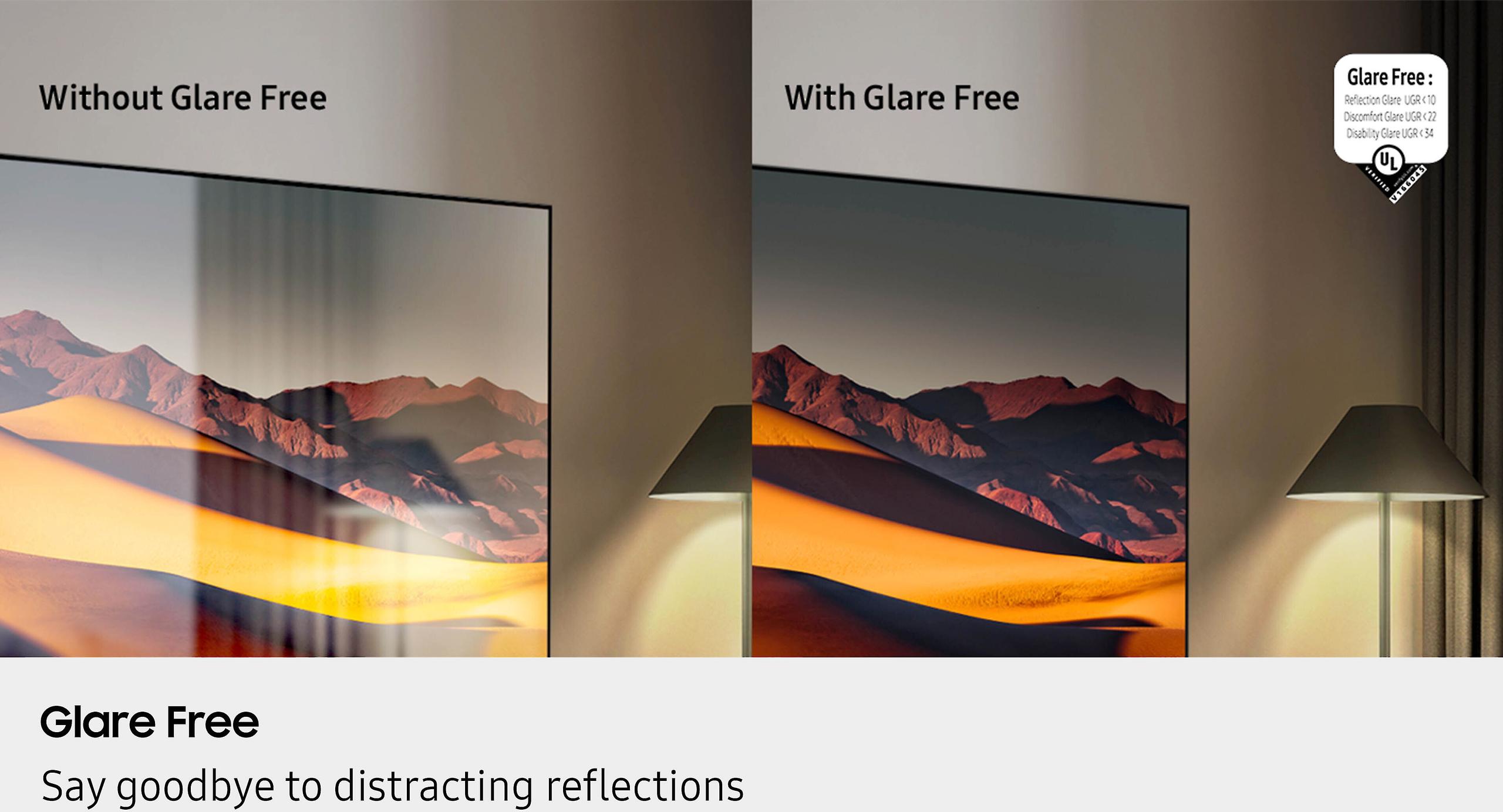
Samsung's Glare-Free technology is genuinely impressive. It's an anti-reflection coating that virtually eliminates reflections from light sources. I've tested this in rooms with bright overhead lights and large windows, and the difference is remarkable. You can actually see the TV image clearly instead of fighting reflections of lamps and windows.
The QN990F's brightness advantage becomes especially apparent with HDR (High Dynamic Range) content. HDR is designed to show a wider range of brightness levels – from deep blacks to brilliant whites – mimicking what your eyes see in real life. The Samsung can display those bright highlights with an intensity that makes them feel almost real. Think of the sun reflecting off water or the glow of a lightsaber – these elements have genuine punch on the QN990F.
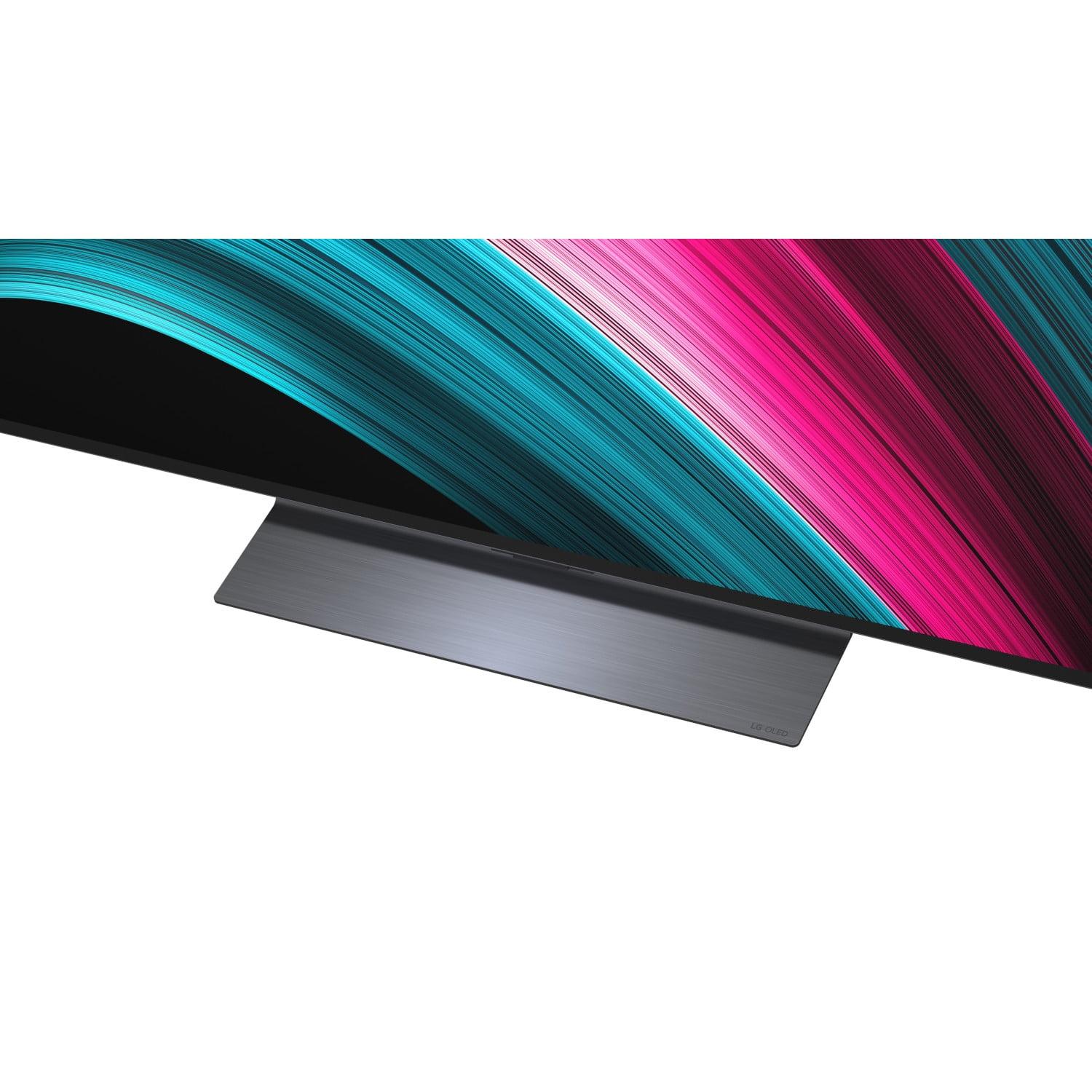
The LG C5 has improved its brightness compared to previous OLED models, but it still can't match the raw luminance of Mini-LED technology. In bright rooms, you might find yourself squinting to see details in darker scenes, or the overall image might appear somewhat dim compared to the Samsung.
This is where things get interesting from a practical standpoint. The Samsung QN990F offers 8K resolution – that's four times as many pixels as 4K. In theory, this should provide incredibly sharp images. In practice, the benefits are more subtle than you might expect.
At a 65-inch screen size, sitting at typical viewing distances (8-10 feet), the difference between 4K and 8K isn't always obvious with most content. However, there are situations where 8K shines. If you use your TV as a computer monitor, the extra resolution makes text incredibly crisp. Gaming at 8K (when supported) can provide stunning detail in environments and textures.
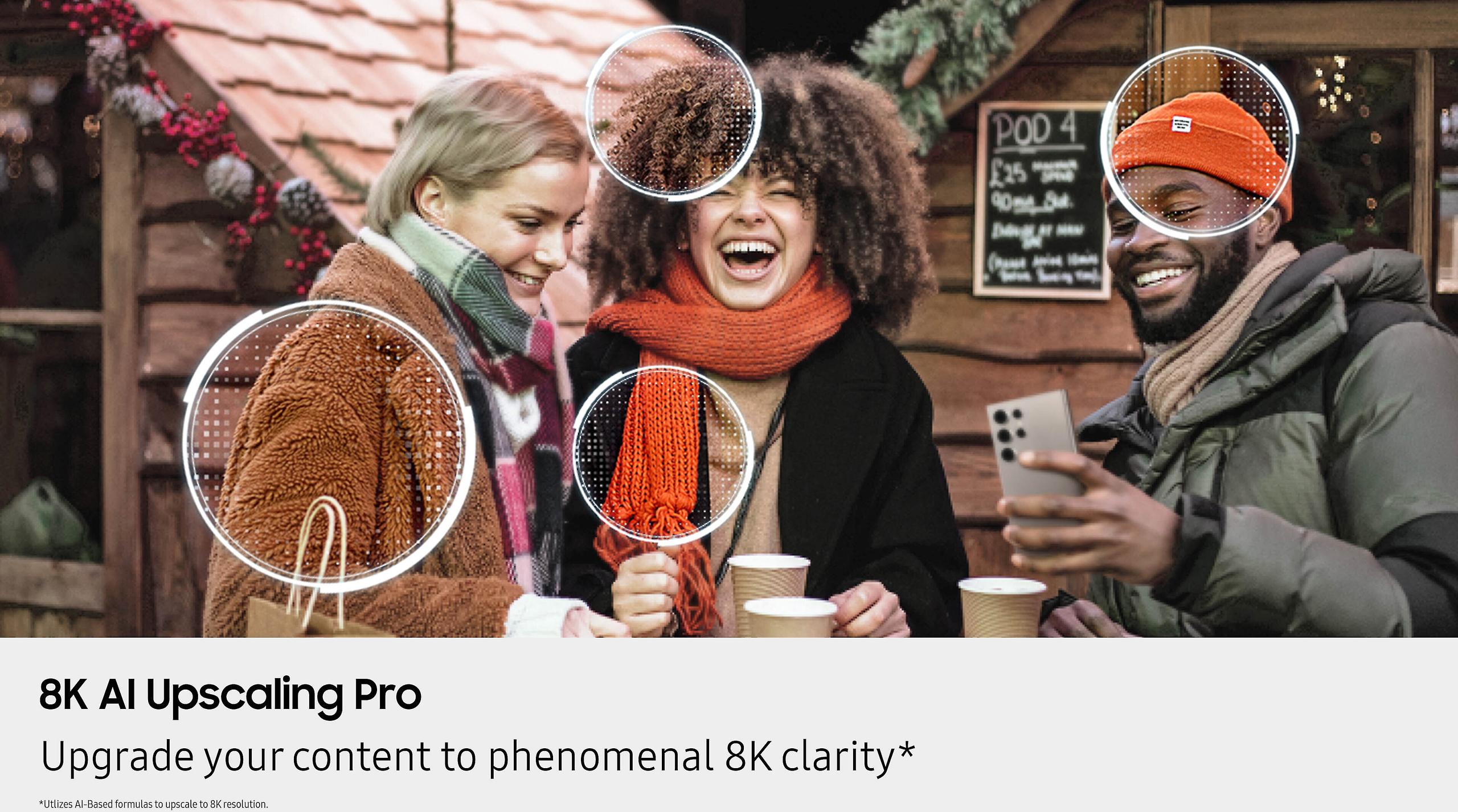
The real magic happens with Samsung's 8K AI upscaling. This technology analyzes lower-resolution content and intelligently adds detail to bring it closer to 8K quality. I've watched 1080p Blu-rays that looked surprisingly sharp on the QN990F, though the improvement varies depending on the source material.
The LG C5 sticks with 4K resolution, but there's wisdom in this approach. 4K content is abundant and mature – Netflix, Disney+, Amazon Prime, and virtually every streaming service offer extensive 4K libraries. The C5's upscaling is excellent at taking lower-resolution content and making it look great on the 4K panel.
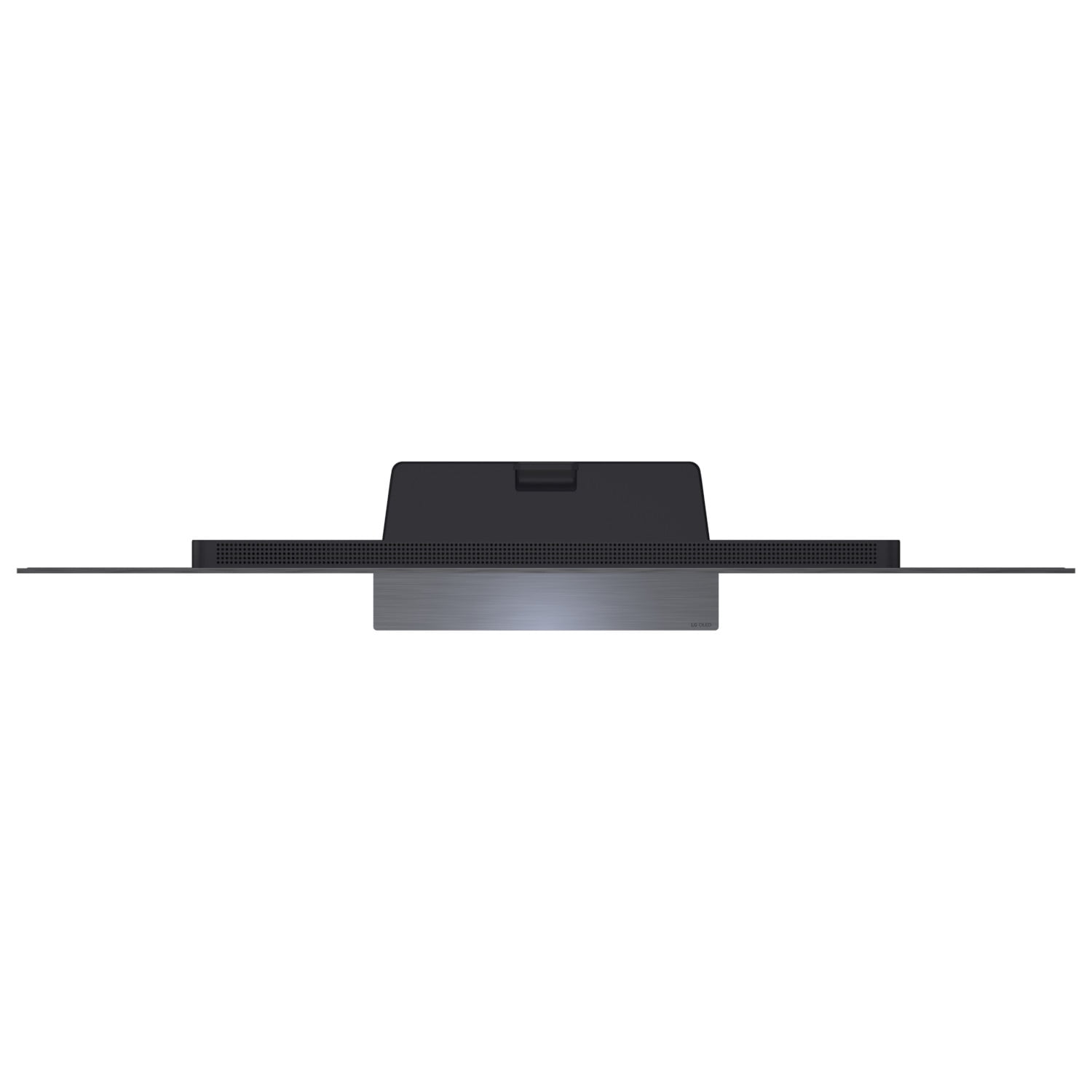
From a practical standpoint, unless you're sitting very close to the screen or have specific use cases like PC gaming or professional content creation, the 4K resolution of the C5 will serve most users perfectly well.
Both TVs are excellent for gaming, but they excel in different areas. The LG OLED C5 offers a 0.1ms response time, which is as close to instantaneous as you can get. This ultra-low latency makes competitive gaming feel incredibly responsive – every button press translates immediately to on-screen action.
The C5 supports all the latest gaming features: Variable Refresh Rate (VRR) to eliminate screen tearing, Auto Low Latency Mode (ALLM) that automatically switches to game mode, and all four HDMI ports support the full HDMI 2.1 bandwidth. This means you can connect multiple next-gen consoles and a PC without compromising on features.
OLED's perfect blacks also enhance gaming immersion. Dark areas in games truly disappear, creating an almost holographic effect that draws you into the game world. Horror games, in particular, benefit from this technology – those dark corridors feel genuinely unsettling.
The Samsung QN990F brings its own gaming advantages. It supports up to 4K at 240Hz with Motion Xcelerator technology, making fast-paced games incredibly smooth. The extreme brightness helps in competitive gaming where you need to spot enemies in bright environments or see details in HDR games.
For bright room gaming, the Samsung has a clear advantage. If you're gaming during the day with ambient light, the QN990F maintains image quality and prevents glare that could affect your performance.
Both TVs offer sophisticated smart platforms, but with different approaches. The LG C5 runs webOS 25, which I find to be one of the most intuitive smart TV interfaces. The Magic Remote makes navigation feel natural, and the AI-powered recommendations actually get better over time as the system learns your preferences.
LG's platform integrates well with voice assistants and supports all major streaming services. The interface is clean and responsive, making it easy to jump between apps or discover new content.
The Samsung QN990F uses Tizen, which is equally capable but feels more traditional. Samsung's Vision AI adapts picture and sound settings based on content and viewing environment, which works well in practice. The standout feature is the Wireless One Connect box – being able to connect all your devices wirelessly eliminates cable clutter and makes wall mounting much cleaner.
Both platforms support all major streaming services and receive regular updates, so your choice here likely comes down to personal preference and ecosystem compatibility.
If you're building a dedicated home theater, the LG OLED C5 has some compelling advantages. The perfect blacks create a truly cinematic experience in a darkened room. OLED's wide viewing angles mean everyone in the room gets an excellent picture, regardless of seating position.
The C5 supports FILMMAKER MODE, which displays movies as the director intended without additional processing. For serious movie watching, this creates an authentic cinematic experience. Dolby Vision support ensures you're getting the full HDR experience from compatible content.
For home theaters in brighter spaces or multi-purpose rooms, the Samsung QN990F might be the better choice. Its exceptional brightness and anti-glare properties mean you don't need to create a completely dark environment to enjoy great picture quality.
The Samsung's Object Tracking Sound Pro technology creates positional audio that follows action across the screen, which can enhance the home theater experience even without a full surround sound system.
At first glance, the price difference between these TVs is striking. The LG OLED C5 at $2,197 costs less than half the Samsung QN990F at $5,298. But value isn't just about upfront cost – it's about what you get for your money.
The C5 delivers exceptional picture quality, perfect gaming features, and a premium viewing experience at a price that's accessible to more buyers. For most people, the 4K resolution is perfectly adequate, and the OLED picture quality is genuinely stunning.
The QN990F commands its premium price through cutting-edge features like 8K resolution, extreme brightness, and innovations like wireless connectivity. If you want the absolute latest technology and have the budget for it, the Samsung offers features you can't get elsewhere.
Choose the LG OLED evo C5 if you prioritize picture quality over everything else, especially for dark room viewing. It's perfect for movie enthusiasts, gamers who want the lowest possible input lag, and anyone who wants premium performance without the premium price tag. The C5 represents the sweet spot between performance and value in the premium TV market.
Go with the Samsung Neo QLED QN990F if you have a bright room where the TV will be used primarily during daytime hours, or if you want the latest 8K technology and don't mind paying for it. The Samsung is also the better choice if you frequently use your TV as a computer monitor or want features like wireless device connectivity.
Both TVs represent significant improvements over their predecessors and showcase the best of their respective technologies. The LG offers proven OLED excellence at a competitive price, while the Samsung pushes the boundaries of brightness and resolution. Your room environment, viewing habits, and budget will ultimately determine which approach serves you better.
The good news is that whichever you choose, you'll be getting a TV that delivers an exceptional viewing experience and will likely serve you well for years to come. The premium TV market in 2025 offers genuinely impressive options – it's just a matter of finding the one that matches your specific needs and preferences.
| LG OLED evo C5 65" 4K TV 2025 | Samsung 65" Neo QLED QN990F 8K Smart TV 2025 |
|---|---|
| Price - Value is the biggest differentiator between these TVs | |
| $2,197 | $5,298 |
| Display Technology - Determines black levels, brightness, and viewing angles | |
| OLED (self-emitting pixels for perfect blacks) | Mini-LED with LCD (thousands of LED zones for high brightness) |
| Resolution - 8K provides future-proofing but limited current content | |
| 4K (3840 x 2160) - abundant content available | 8K (7680 x 4320) - excellent for upscaling and PC use |
| Peak Brightness - Critical for HDR performance and bright room viewing | |
| High for OLED but limited vs Mini-LED | Extremely high - best-in-class for overcoming ambient light |
| Contrast Ratio - Affects picture depth and realism | |
| Infinite (true blacks from pixel-level control) | Very high but not infinite due to LCD panel |
| Processor - Handles upscaling and picture optimization | |
| Alpha 9 Gen8 AI (advanced 4K optimization) | NQ8 AI Gen3 with 768 neural networks (8K focus) |
| Gaming Features - Essential for console and PC gaming | |
| 0.1ms response, 120Hz, VRR, 4x HDMI 2.1 | Up to 4K 240Hz, VRR, advanced motion processing |
| Smart Platform - Daily usability and app selection | |
| webOS 25 with Magic Remote | Tizen with Wireless One Connect box |
| HDR Support - Format compatibility for streaming and discs | |
| Dolby Vision, HDR10, HLG | HDR10+, HLG (no Dolby Vision) |
| Best Use Case - Where each TV excels most | |
| Dark room cinematic viewing and gaming | Bright room viewing and 8K future-proofing |
| Value Proposition - Cost vs features delivered | |
| Premium OLED performance at accessible price | Flagship features justify premium for specific users |
The LG OLED evo C5 65" 4K TV ($2,197) offers significantly better value for most buyers. It delivers premium OLED picture quality with perfect blacks and excellent gaming features at less than half the cost of the Samsung Neo QLED QN990F 8K Smart TV ($5,298). The Samsung justifies its premium price with 8K resolution and extreme brightness, but the LG provides better performance per dollar.
OLED technology in the LG C5 uses self-emitting pixels that can turn completely off for perfect blacks and infinite contrast. Neo QLED in the Samsung QN990F uses thousands of mini-LEDs behind an LCD panel for much higher brightness levels. OLED excels in dark rooms with superior contrast, while Neo QLED performs better in bright rooms with ambient light.
Both TVs excel at gaming but in different ways. The LG OLED C5 offers 0.1ms response time and perfect blacks for competitive gaming and immersive experiences. The Samsung QN990F supports up to 4K at 240Hz with superior brightness for daytime gaming. Choose the LG for competitive gaming in dark rooms, or the Samsung for bright room gaming with high refresh rates.
For most viewers, the 4K resolution of the LG C5 is perfectly adequate. 4K content is abundant on streaming platforms, while native 8K content remains extremely limited. The Samsung QN990F's 8K resolution provides benefits mainly for PC use, very close viewing distances, or future-proofing. The 8K TV's AI upscaling can improve lower-resolution content, but the difference isn't always noticeable at typical viewing distances.
The Samsung Neo QLED QN990F significantly outperforms the LG OLED C5 in bright rooms. Samsung's Mini-LED technology delivers much higher peak brightness and includes Glare-Free anti-reflection coating to combat ambient light. The LG's OLED panel, while improved from previous generations, still struggles with reflections and brightness in well-lit environments.
For dedicated home theaters with controlled lighting, the LG OLED C5 provides a more cinematic experience with perfect blacks, infinite contrast, and FILMMAKER MODE for accurate movie reproduction. The Samsung QN990F works better for multi-purpose rooms that can't be darkened, offering superior brightness and HDR performance in ambient light conditions.
The LG C5 runs webOS 25 with an intuitive Magic Remote and AI-powered content recommendations. The Samsung QN990F uses Tizen platform with unique features like Wireless One Connect box for cable-free device connections up to 30 feet away. Both support major streaming services and voice assistants, with the choice often coming down to personal preference and ecosystem compatibility.
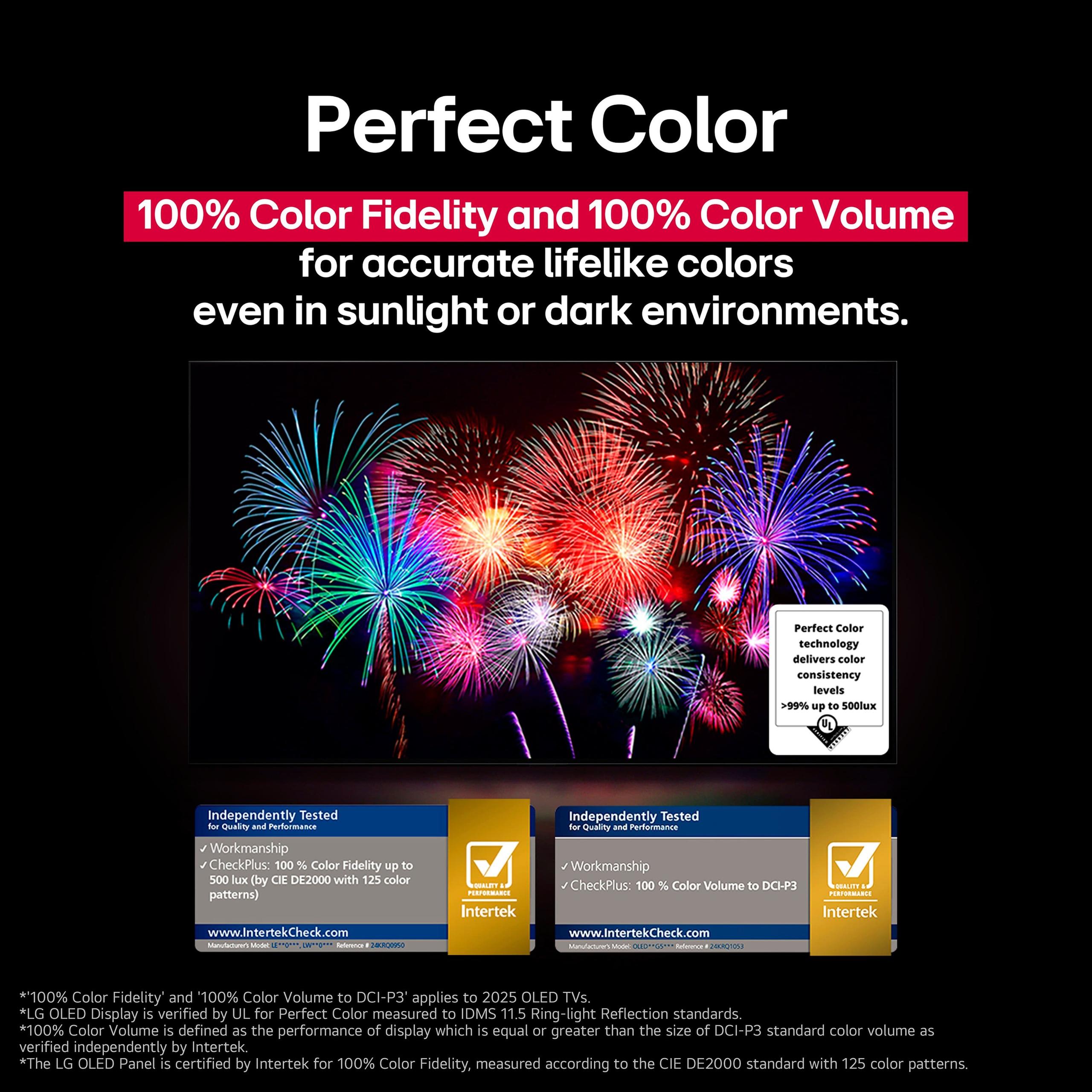
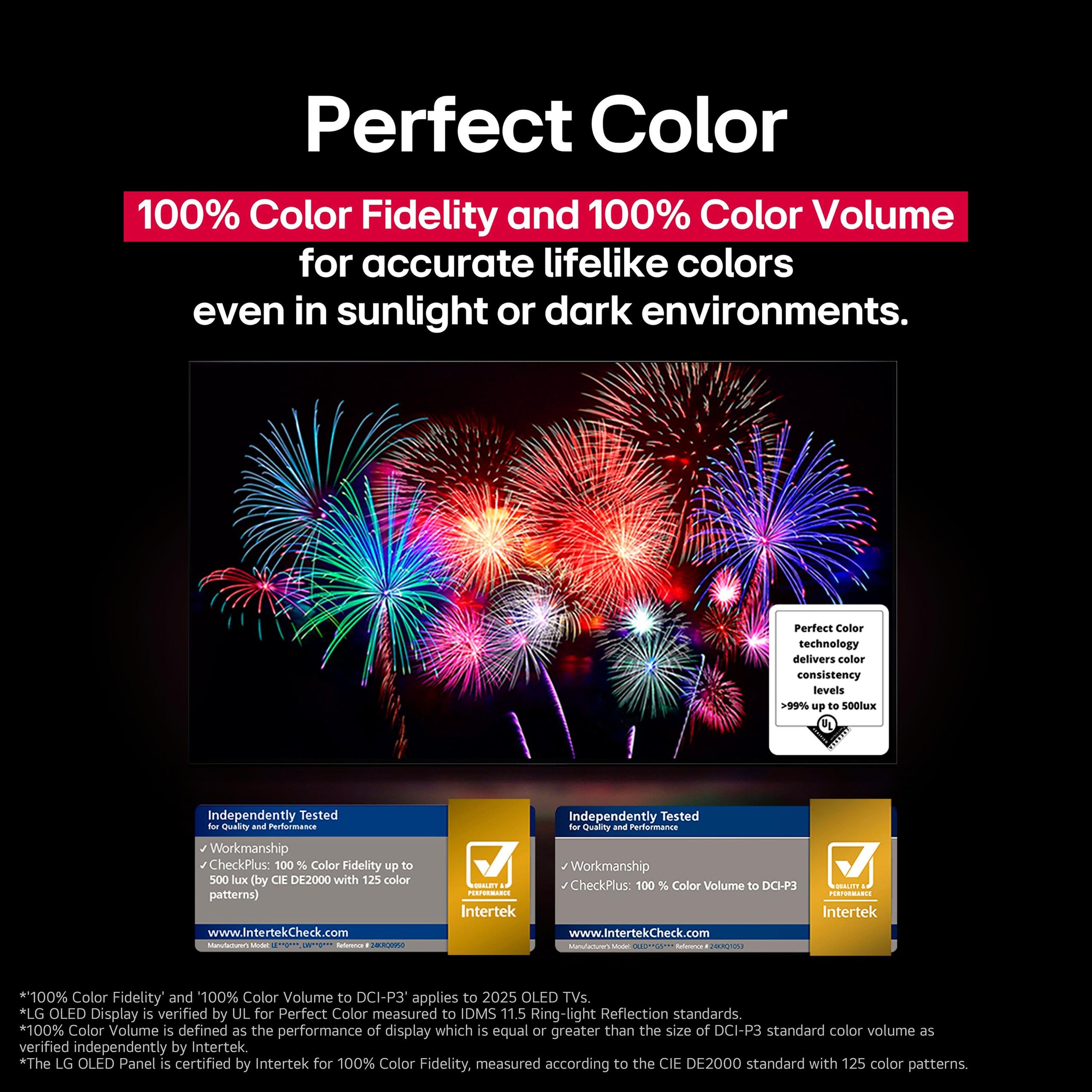
Picture quality depends on your viewing environment. The LG OLED C5 delivers superior contrast and black levels for dark room viewing, making it ideal for movies and cinematic content. The Samsung QN990F offers brighter, more vibrant images with better HDR performance in bright rooms. Both provide excellent color accuracy and detail, but excel in different lighting conditions.
Both TVs handle sports well but with different strengths. The Samsung QN990F excels with its extreme brightness and Motion Xcelerator technology for smooth fast-motion scenes, making it ideal for daytime sports viewing. The LG C5 provides excellent motion handling with its 120Hz refresh rate and is better for evening sports viewing in darker rooms.
The LG OLED C5 supports Dolby Vision, HDR10, and HLG, giving it broader compatibility with streaming services and UHD Blu-rays. The Samsung QN990F supports HDR10+ and HLG but lacks Dolby Vision support. While both deliver excellent HDR performance, the LG's Dolby Vision support provides better compatibility with premium content sources.
The LG C5 uses the Alpha 9 Gen8 AI processor optimized for 4K content enhancement and upscaling. The Samsung QN990F features the NQ8 AI Gen3 processor with 768 neural networks specifically designed for 8K processing and upscaling. Both processors deliver excellent performance, with the Samsung focused on 8K optimization and the LG excelling at 4K content enhancement.
Choose the LG OLED evo C5 65" 4K TV if you want exceptional picture quality at a reasonable price, primarily watch in dark or dimly lit rooms, or prioritize gaming performance. Select the Samsung Neo QLED QN990F 8K Smart TV if you have a bright living room, want cutting-edge 8K technology, can justify the premium price, or need maximum brightness for HDR content. The LG offers better value for most buyers, while the Samsung provides flagship features for specific use cases.
We've done our best to create useful and informative comparisons to help you decide what product to buy. Our research uses advanced automated methods to create this comparison and perfection is not possible - please contact us for corrections or questions. These are the sites we've researched in the creation of this article: bestbuy.com - rtings.com - youtube.com - businessinsider.com - youtube.com - bestbuy.com - lg.com - files.bbystatic.com - lg.com - flatpanelshd.com - lg.com - blvdhome.com - bhphotovideo.com - flanners.com - videopro.com.au - samsung.com - abt.com - bestbuy.com - pcnation.com - samsung.com - videoandaudiocenter.com - exertisalmo.com - displayspecifications.com - theapplianceplug.com - news.samsung.com

Privacy Policy
Terms and Conditions - Affiliate Policy
Home Security
© Copyright 2008-2026.
11816 Inwood Rd #1211, Dallas, TX 75244