

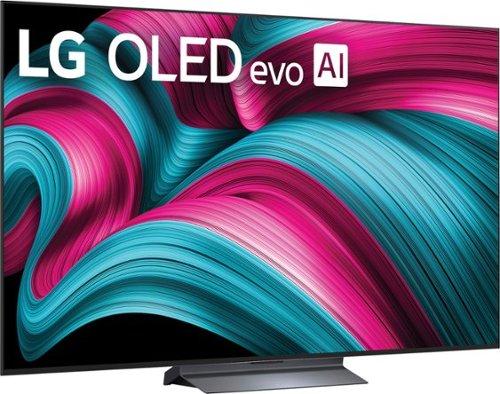




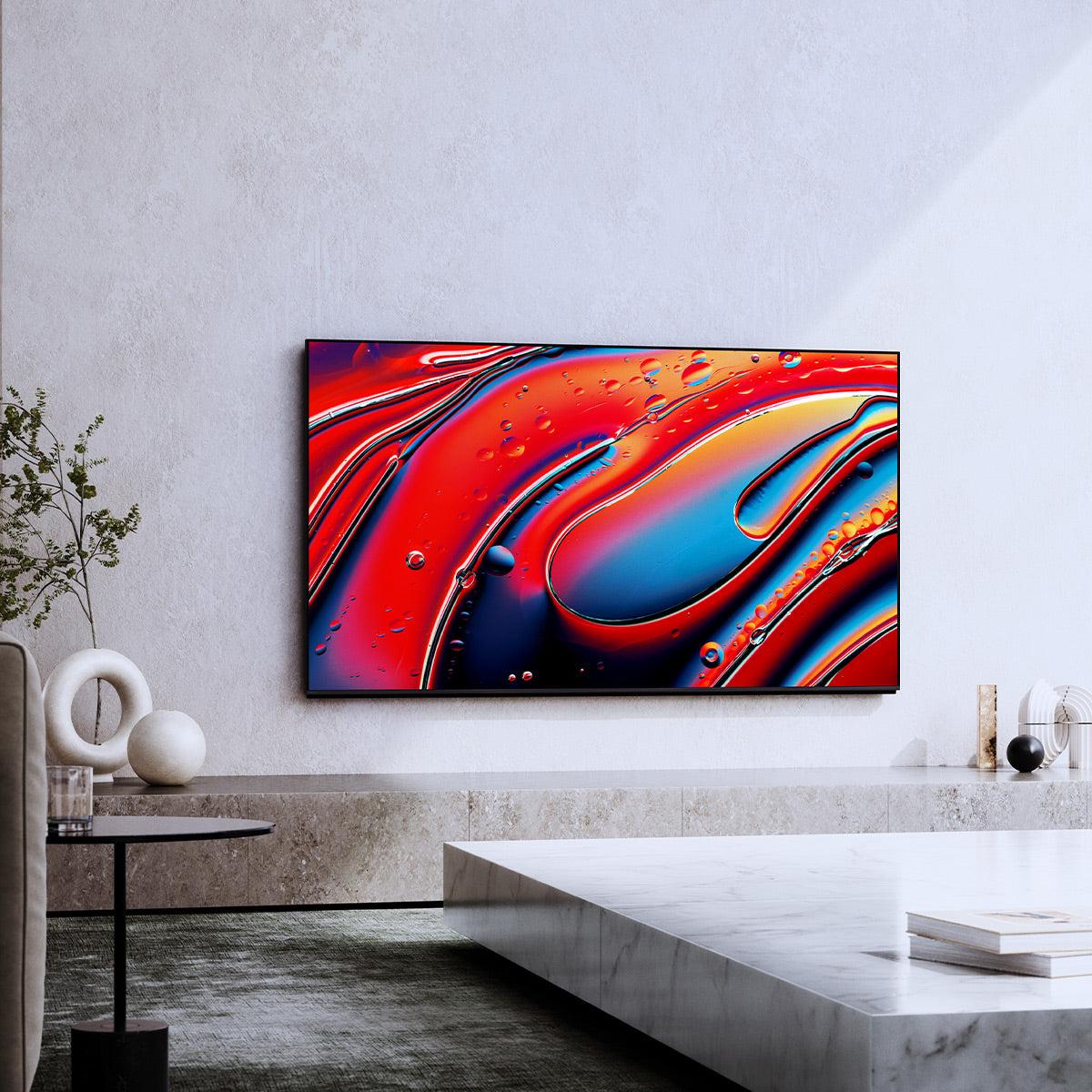
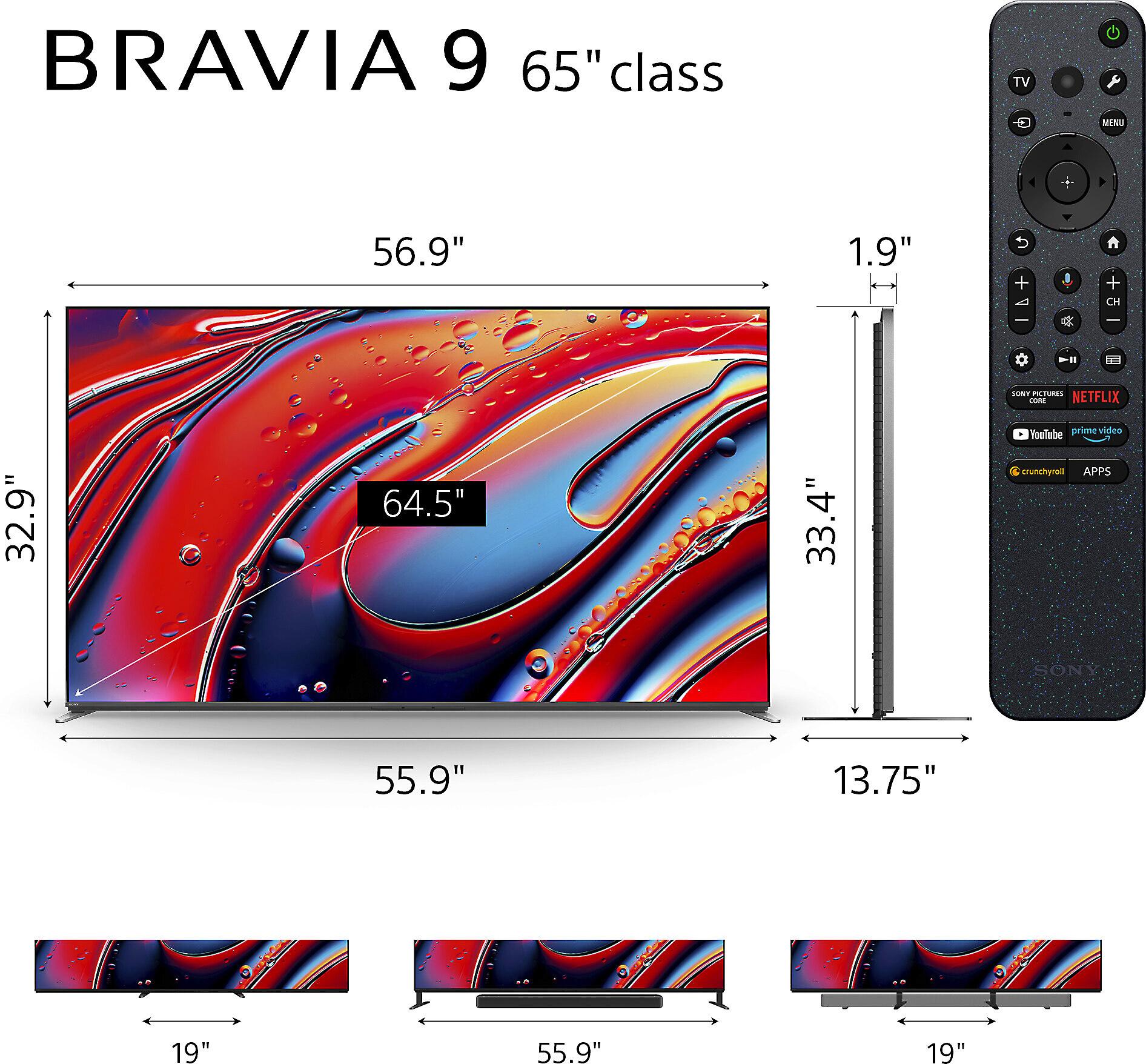
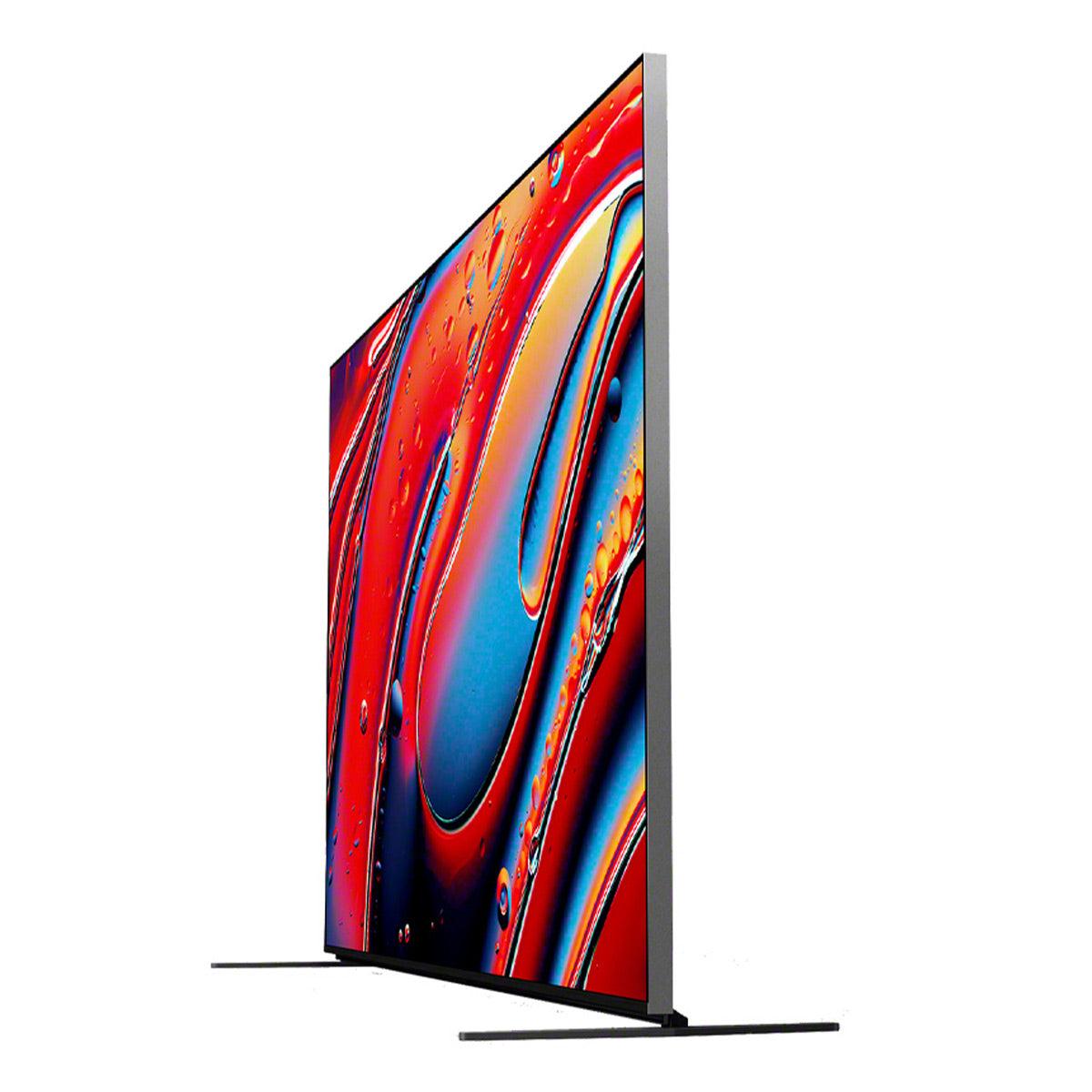
Shopping for a premium 65-inch TV can feel overwhelming, especially when you're looking at two completely different technologies that both promise incredible picture quality. The LG OLED evo C5 65" 4K TV 2025 and the Sony BRAVIA 9 65" 4K UHD Mini LED QLED Smart Google TV represent two of the most advanced display technologies available today, but they take fundamentally different approaches to delivering that stunning image you're after.
Both TVs launched in early 2025 and sit in that sweet spot where premium features meet (relatively) reasonable pricing. The LG C5 currently sells for $2,196.99 after dropping from its $2,699.99 launch price, while the Sony BRAVIA 9 is priced at $2,073.95. That small price difference might seem insignificant, but the performance differences between these technologies are anything but small.
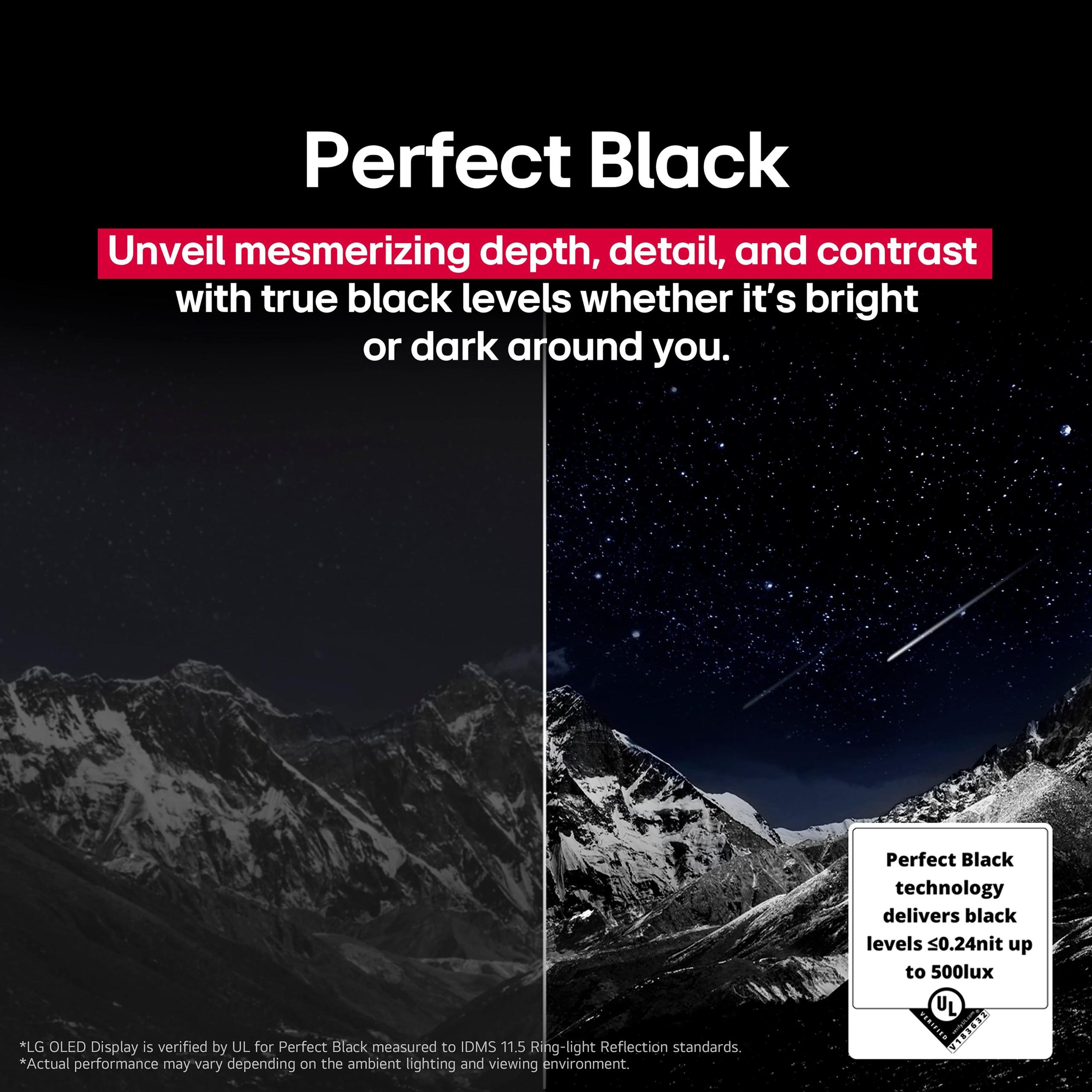
Before diving into specifics, let's talk about what makes these TVs tick. The LG C5 uses OLED technology, which stands for Organic Light-Emitting Diode. Think of it this way: each of the 8.3 million pixels on this screen is like a tiny lightbulb that can turn on, off, or dim independently. When a pixel needs to show black, it simply turns off completely. No light, perfect black. It's that simple, and it's incredibly effective.
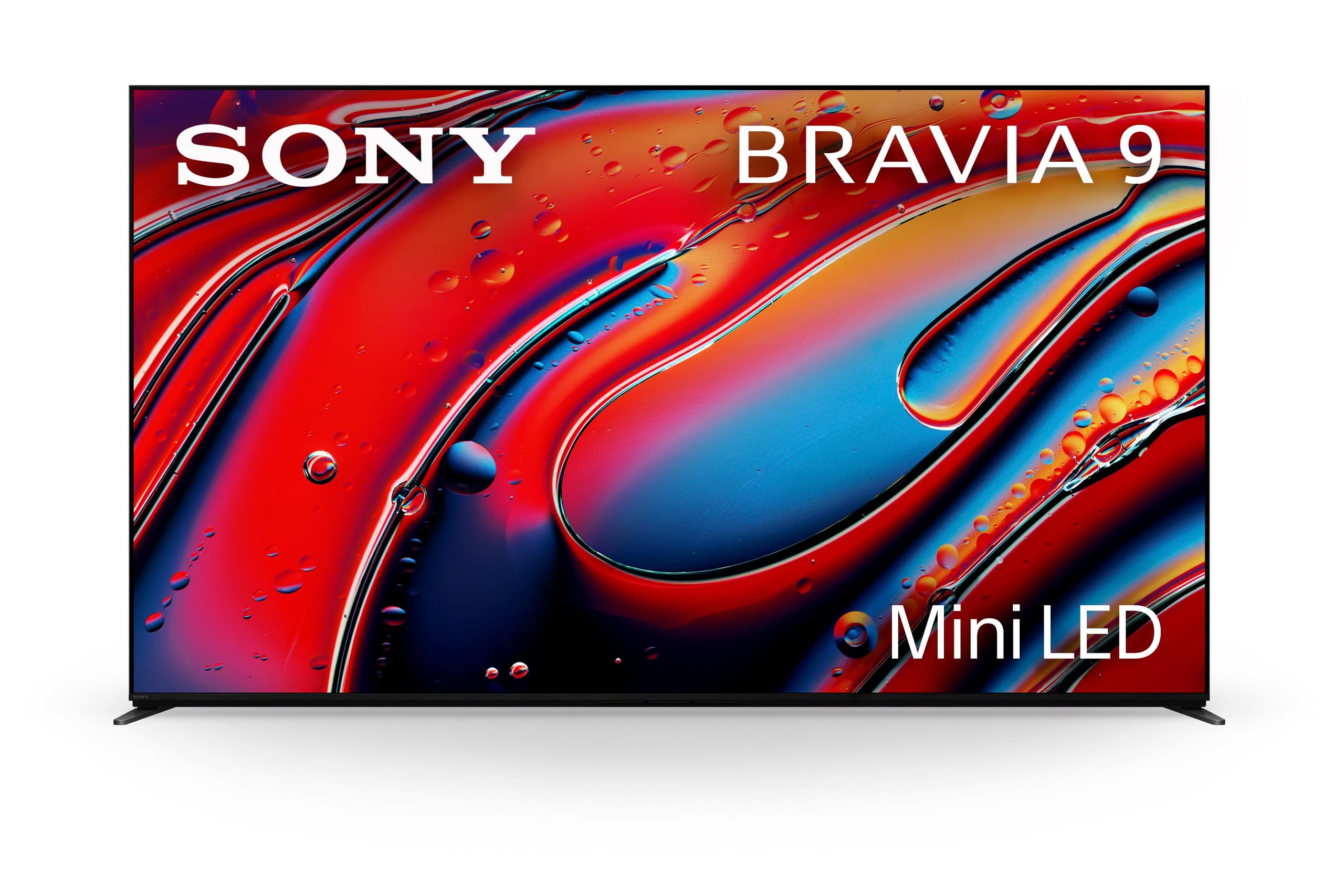
The Sony BRAVIA 9 takes a different approach with Mini LED QLED technology. Here, we have thousands of tiny LED lights behind the screen (the "mini" part refers to their size – they're much smaller than traditional TV backlights). These LEDs shine through an LCD panel that has quantum dots – special particles that help create more accurate colors. Instead of each pixel making its own light, zones of these mini LEDs brighten or dim to create the image you see.
Both approaches have evolved significantly since their early days. OLED technology has solved many of its initial brightness limitations, with the C5 achieving much higher brightness levels than earlier OLED TVs. Meanwhile, Mini LED has gotten better at controlling those thousands of tiny lights, reducing issues like "blooming" (unwanted light spill around bright objects) that plagued earlier models.
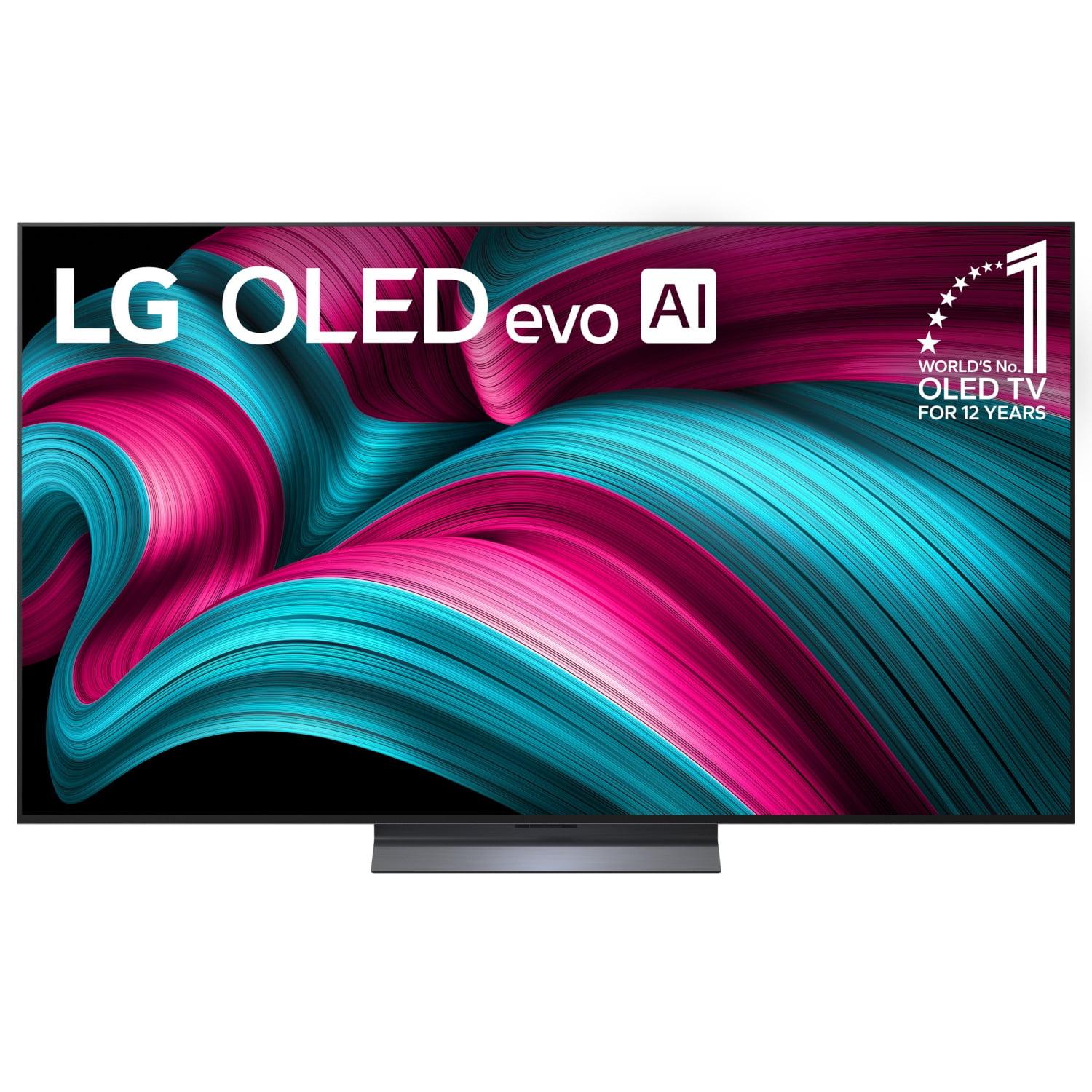
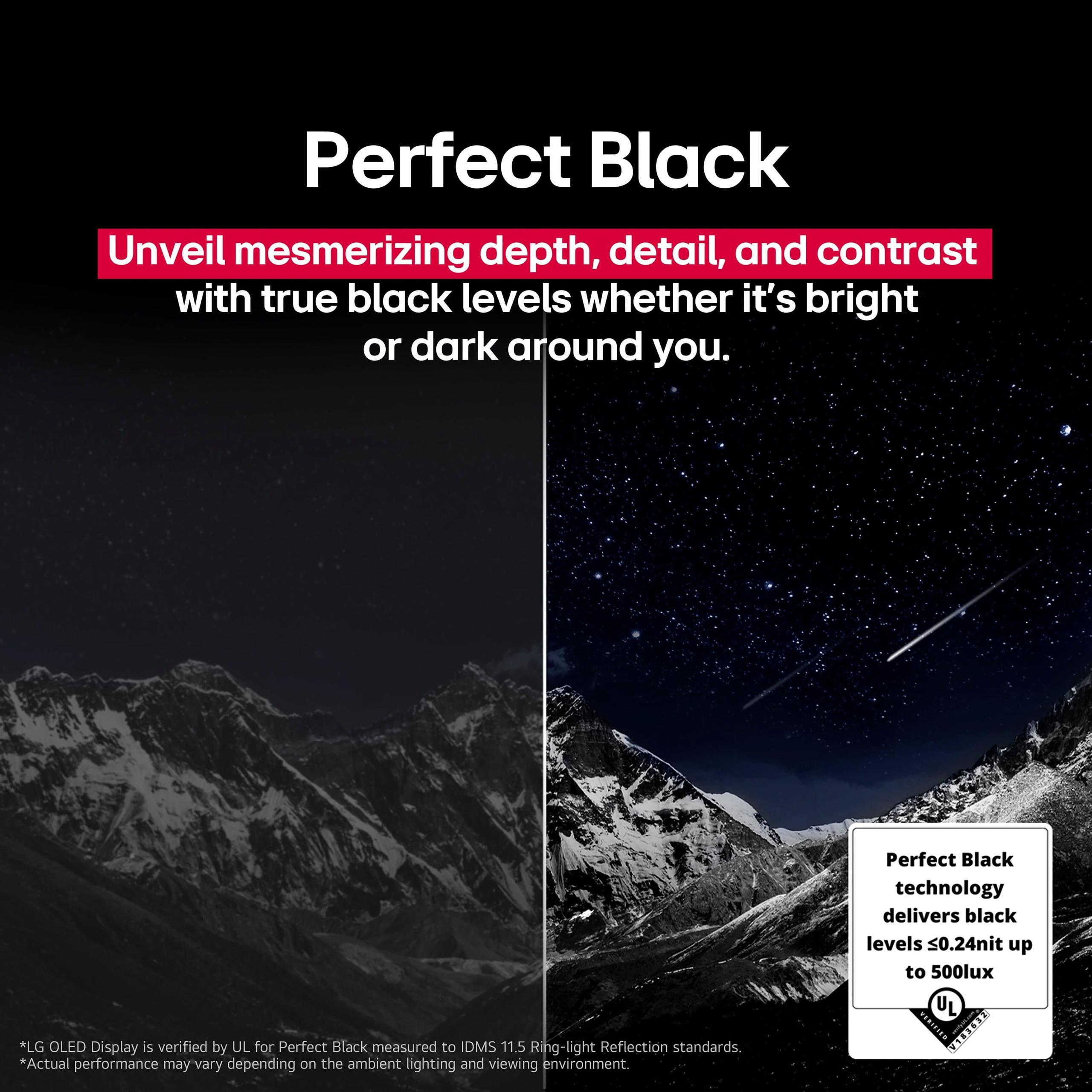
This is where the technology differences become most apparent. The LG C5's OLED panel delivers what we call "infinite contrast" – a technical term that means the difference between the brightest white and darkest black is theoretically unlimited. When you're watching a movie scene that transitions from a bright explosion to a dark alley, those black shadows are truly black, not the dark gray you might see on lesser TVs.
I've spent countless hours testing TVs, and there's something magical about watching a movie like "Dune" or "Blade Runner 2049" on a good OLED. The way those dark, atmospheric scenes reveal subtle details in the shadows while maintaining deep blacks creates an almost three-dimensional quality that's hard to describe until you experience it.
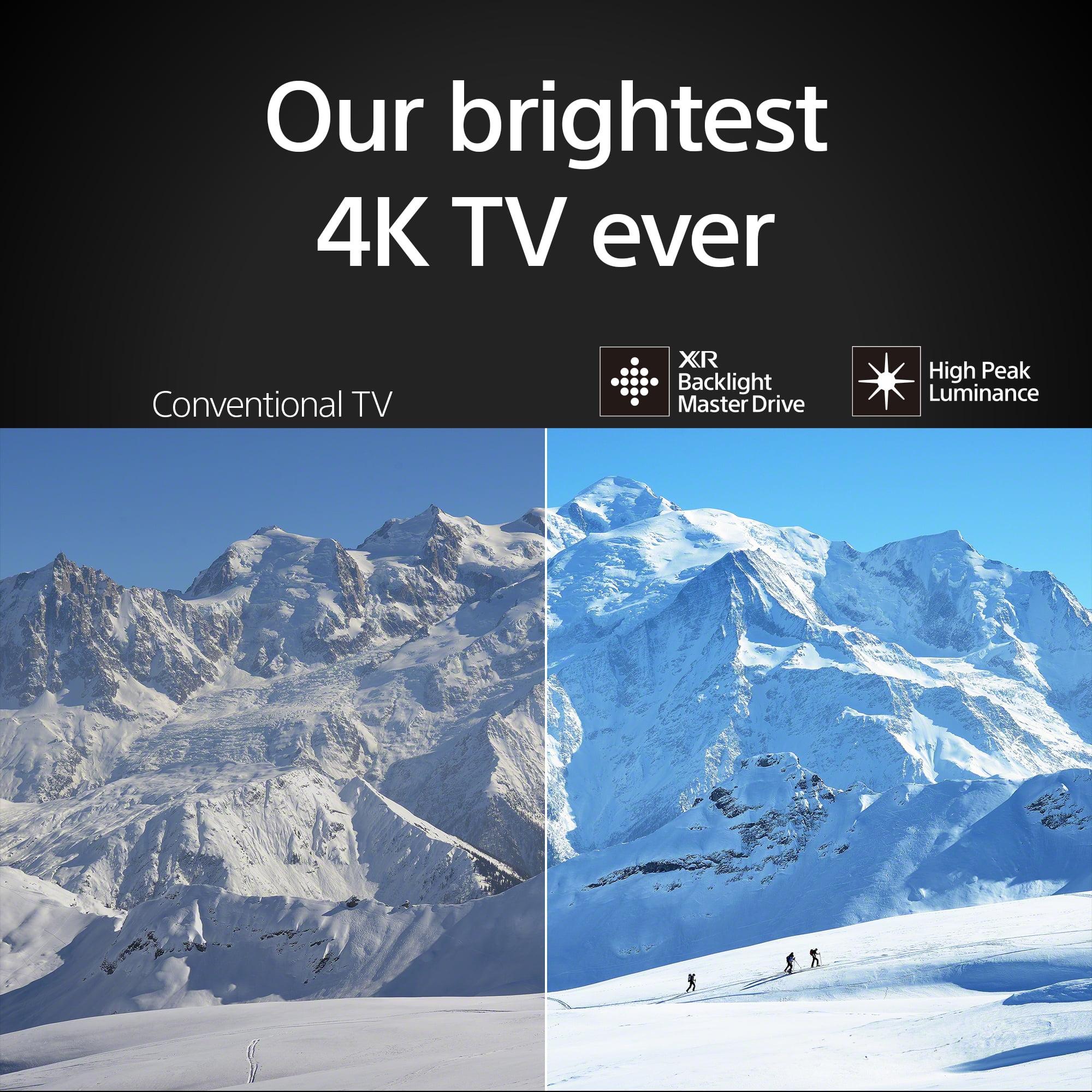
The Sony BRAVIA 9 doesn't achieve perfect blacks, but it gets surprisingly close through what Sony calls "XR Backlight Master Drive." This system controls thousands of mini LEDs in precise zones, dimming areas that need to be dark while keeping bright areas brilliant. While you might notice some very subtle light bleeding around bright objects in completely dark scenes, it's minimal and rarely distracting during normal viewing.
Here's where the tables turn dramatically. The Sony BRAVIA 9 can reach peak brightness levels around 3,000 nits – that's nearly double what the LG C5 can achieve at around 1,500 nits. A "nit" is simply a measure of brightness, and while these numbers might seem abstract, the real-world difference is substantial.
If you have a bright living room with lots of windows, the Sony's superior brightness makes HDR content absolutely pop. When you're watching a sunset scene in a nature documentary, those specular highlights – the bright reflections on water or the glint off a bird's feathers – have an intensity that makes them feel almost real. The LG C5, while much brighter than earlier OLEDs, still struggles more with ambient light and reflections.
However, brightness isn't everything. The LG C5's perfect blacks make its colors appear more saturated and vibrant even at lower brightness levels. It's like the difference between viewing a painting under harsh fluorescent lights versus soft, controlled gallery lighting – sometimes less brightness actually creates a more pleasing image.
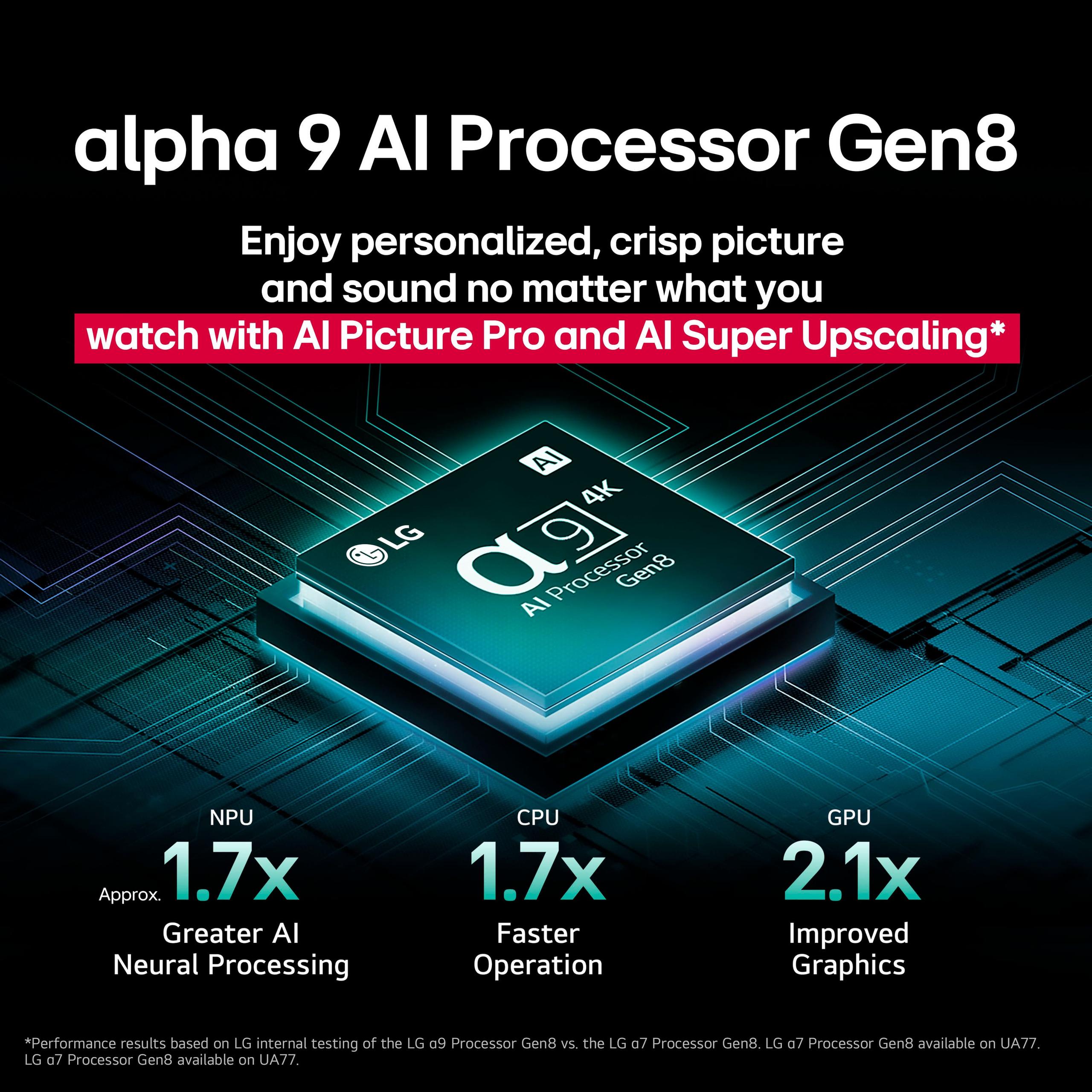
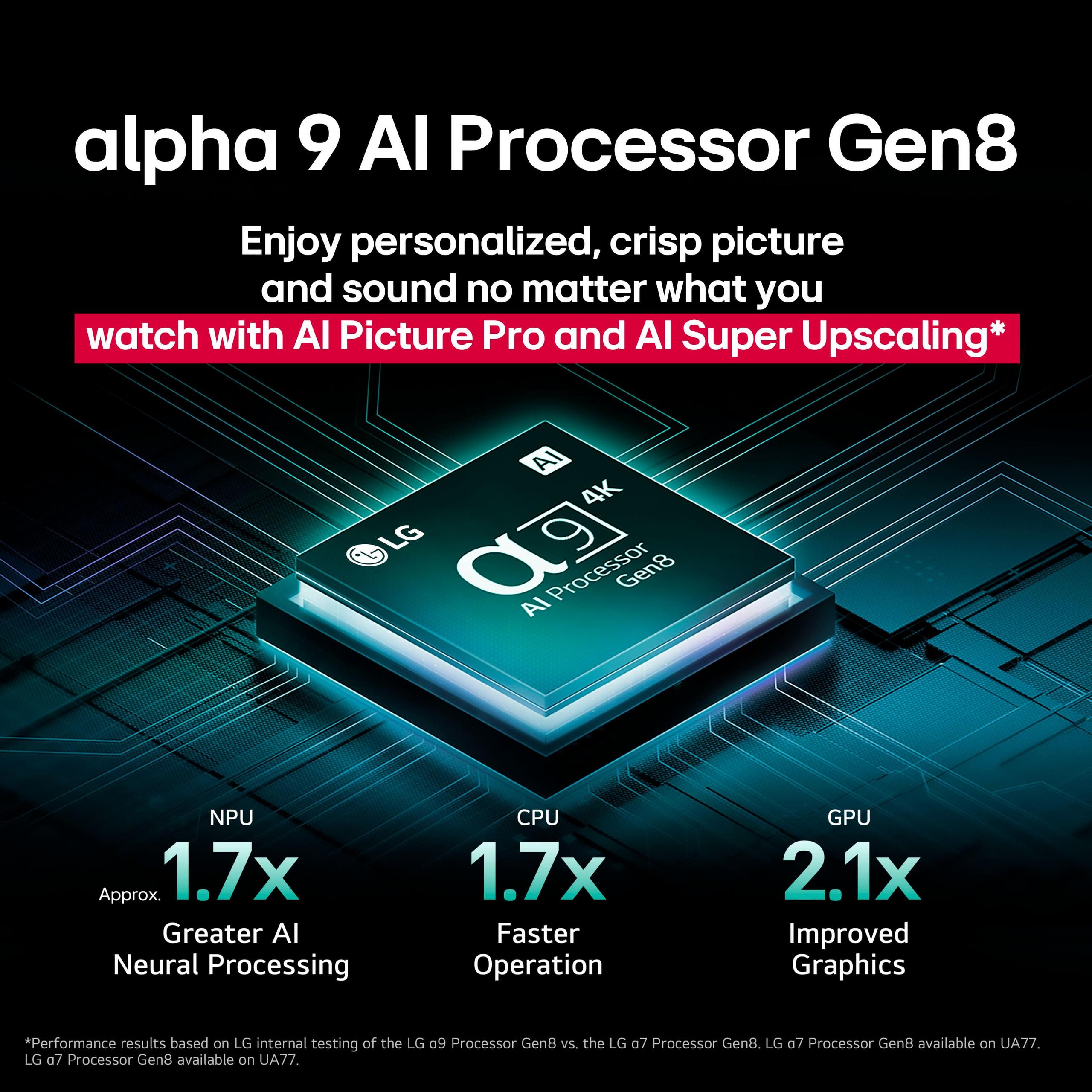
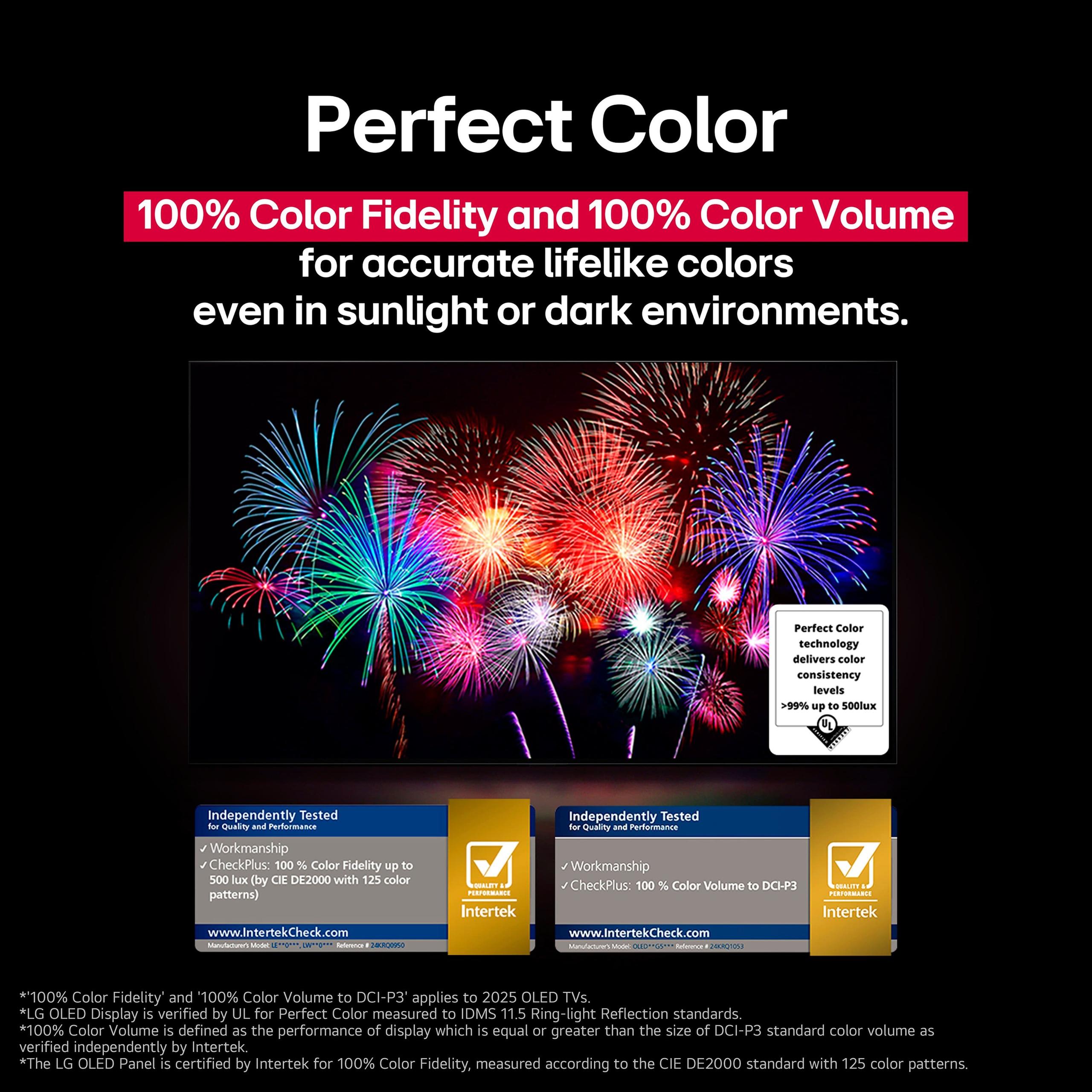
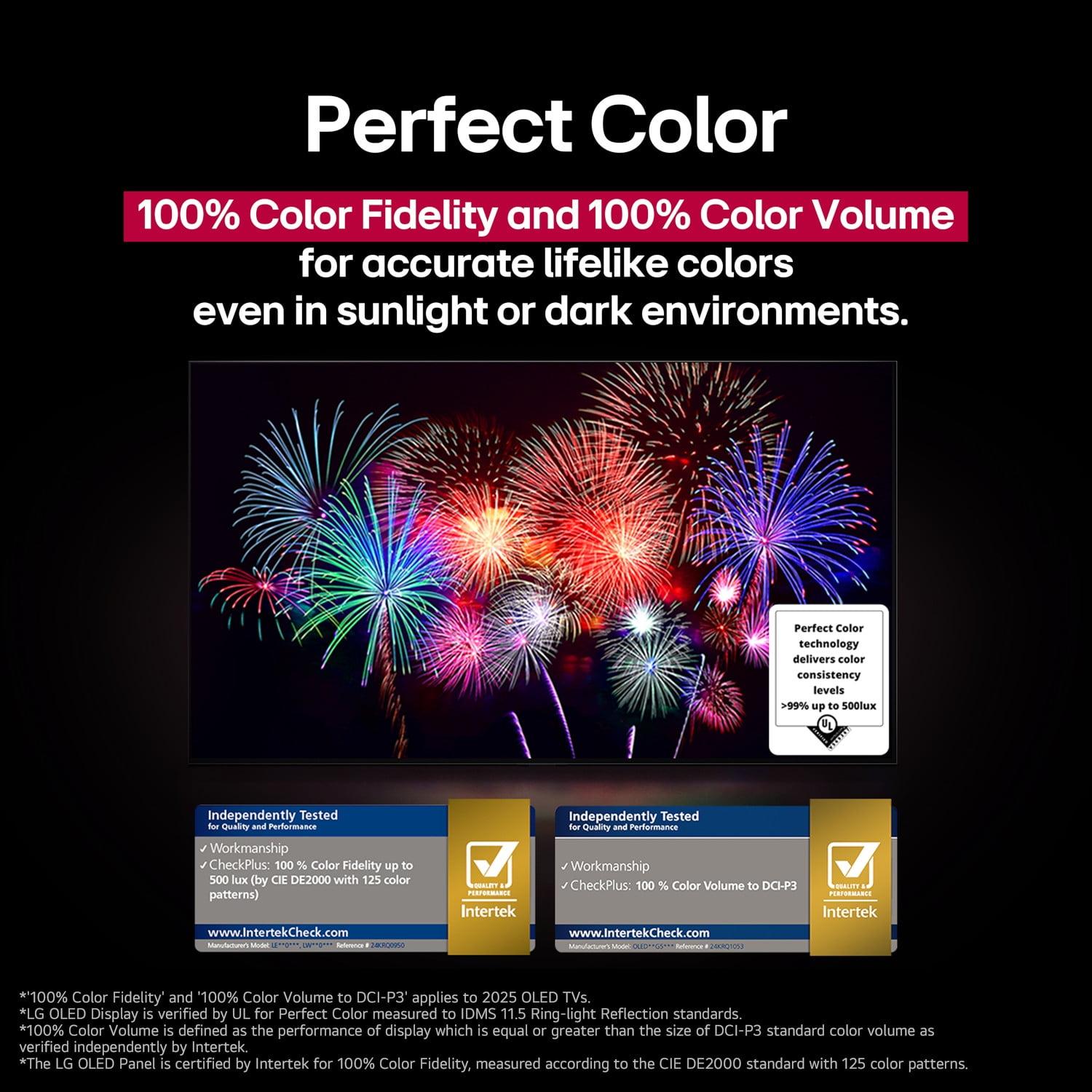
Both TVs excel in color reproduction, but they approach it differently. The LG C5 benefits from LG's latest Alpha 9 Gen 8 AI Processor, which uses machine learning to analyze content and optimize colors in real-time. Out of the box, the color accuracy is exceptional – often surpassing even Sony's previous flagship models in technical measurements.
The Sony BRAVIA 9 uses quantum dot technology combined with their XR Processor to create what they call "XR Triluminos Pro." Quantum dots are tiny particles that can produce very specific colors when hit by light, resulting in a wider color gamut (basically, more possible colors) than traditional LCD displays. The colors tend to be more vibrant and punchy, which some people prefer for certain content types.
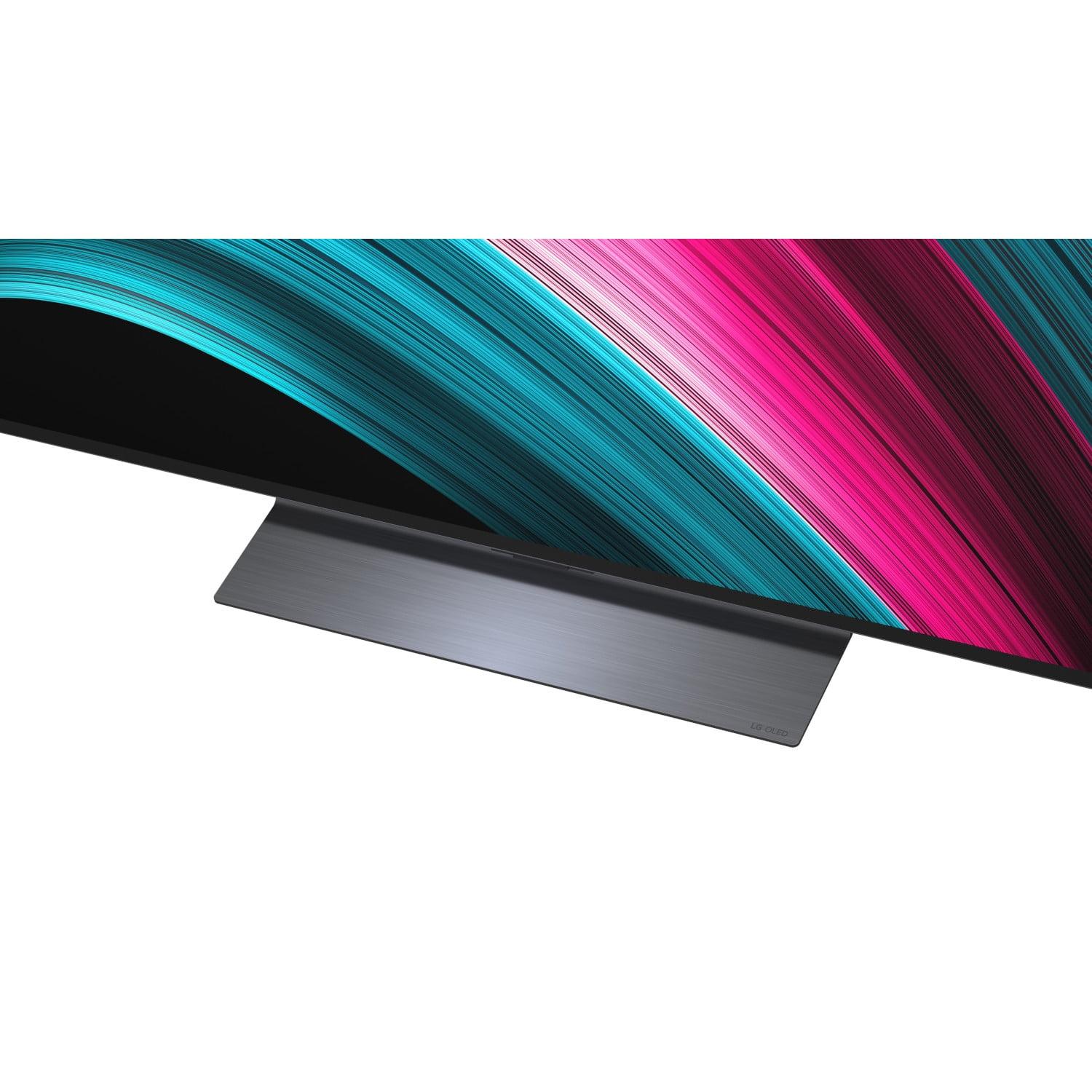
From my testing experience, the LG tends to produce more natural, film-like colors that match what directors intended, while the Sony creates more vivid, eye-catching colors that can make content feel more dynamic. Neither approach is inherently better – it depends on your preference and content type.
Modern gaming has pushed TV manufacturers to innovate rapidly, and both of these TVs reflect that evolution. The LG C5 is clearly designed with serious gamers in mind, featuring four HDMI 2.1 ports – that's important because HDMI 2.1 provides the bandwidth needed for 4K gaming at high refresh rates. The TV supports up to 144Hz refresh rates, which means if you have a high-end gaming PC, you can experience incredibly smooth gameplay.
The Variable Refresh Rate (VRR) support eliminates screen tearing – those annoying horizontal lines that can appear when your graphics card and TV aren't perfectly synchronized. Auto Low Latency Mode (ALLM) automatically switches to the TV's fastest response mode when it detects a gaming signal, reducing input lag to just 0.1 milliseconds. That's fast enough that even competitive esports players won't notice any delay between their controller input and the on-screen action.
The Sony BRAVIA 9 offers excellent gaming features too, but with some limitations. It typically includes two HDMI 2.1 ports and supports refresh rates up to 120Hz. For most console gamers, this is perfectly adequate, and Sony includes specific optimizations for PlayStation 5 gaming, including Auto HDR Tone Mapping that automatically adjusts the picture for optimal PS5 performance.
Where the Sony falls short is for users with multiple gaming devices. If you have a PlayStation 5, Xbox Series X, and a gaming PC, the LG's four HDMI 2.1 ports provide more flexibility without constantly swapping cables.
Both TVs run different smart platforms, and this choice often comes down to personal preference and ecosystem integration. The LG C5 runs webOS 25, LG's latest smart TV platform. It's clean, intuitive, and fast, with an updated Magic Remote that includes motion controls and voice commands. The AI features are genuinely helpful, learning your viewing habits and making personalized recommendations.
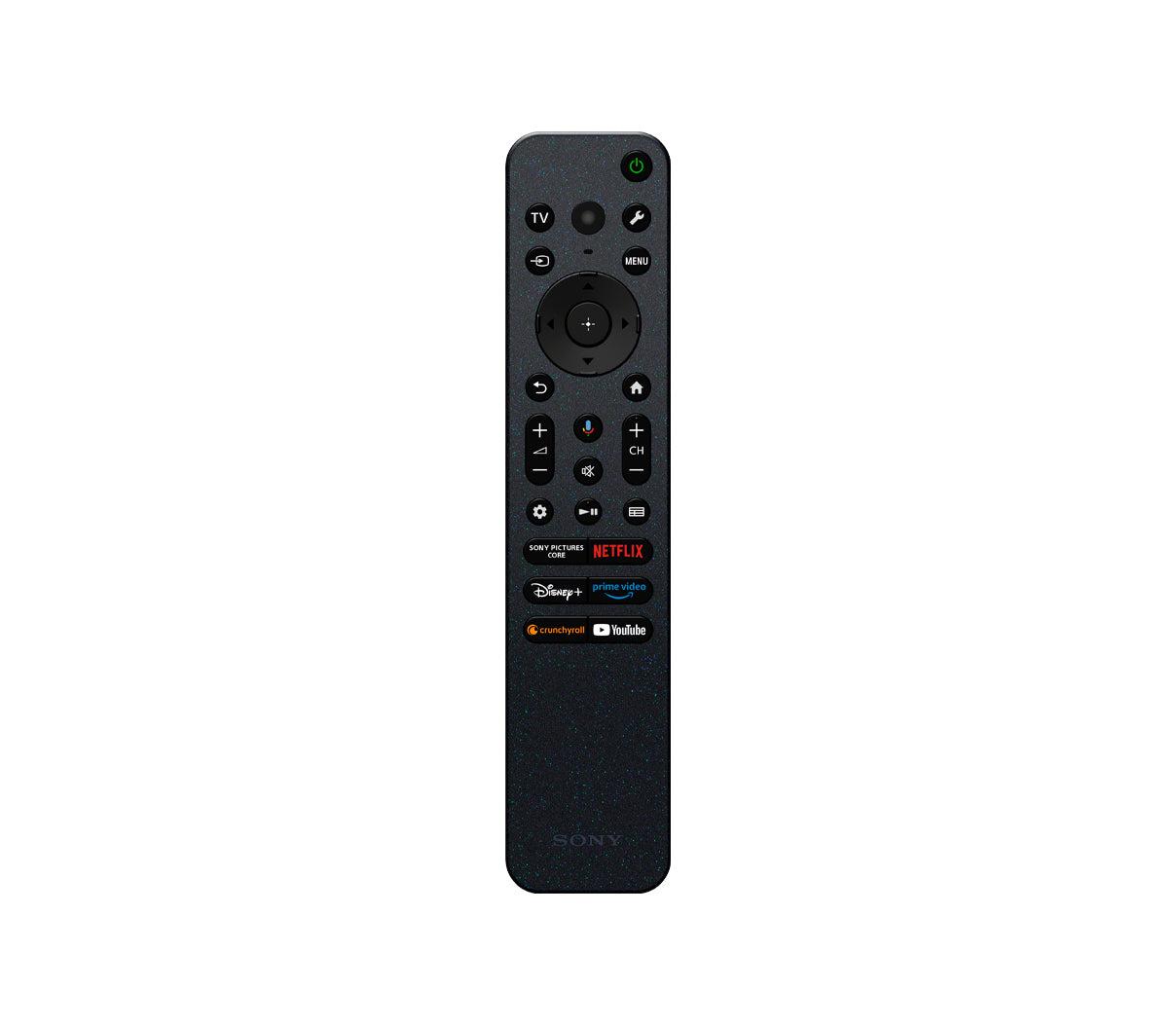
The Sony BRAVIA 9 uses Google TV, which is essentially a more advanced version of Android TV. If you're already invested in Google's ecosystem – using Gmail, Google Photos, YouTube TV, etc. – the integration is seamless. The voice control through Google Assistant is excellent, and the content recommendations pull from multiple streaming services to suggest things you might actually want to watch.
Both platforms support all major streaming services, but Google TV tends to have slightly better app support and faster updates. The LG's webOS is more visually appealing and easier to navigate, especially for less tech-savvy users.
This is where the Sony BRAVIA 9 pulls significantly ahead. Its Acoustic Multi-Audio Plus system includes a 2.2.2 channel setup with 70 watts of power. More importantly, it includes up-firing speakers that bounce sound off your ceiling to create a more immersive audio experience. When you're watching an action movie, helicopters actually sound like they're flying overhead rather than just coming from the TV.
The LG C5's audio is decent but not exceptional. Like most thin TVs, it lacks the physical space for powerful speakers. While it includes AI-enhanced sound processing, you'll likely want to pair it with a soundbar or home theater system for the best experience.
For home theater enthusiasts, this audio difference is worth considering. If you're planning to invest in a high-quality sound system anyway, the LG's superior picture quality might be more important. But if you prefer the simplicity of excellent built-in audio, the Sony has a clear advantage.
Your room's lighting situation might be the most important factor in this decision. The LG C5 absolutely shines in darker environments – literally. In a dedicated home theater room or a living room where you can control the lighting, the perfect blacks and infinite contrast create an immersive experience that's hard to match.
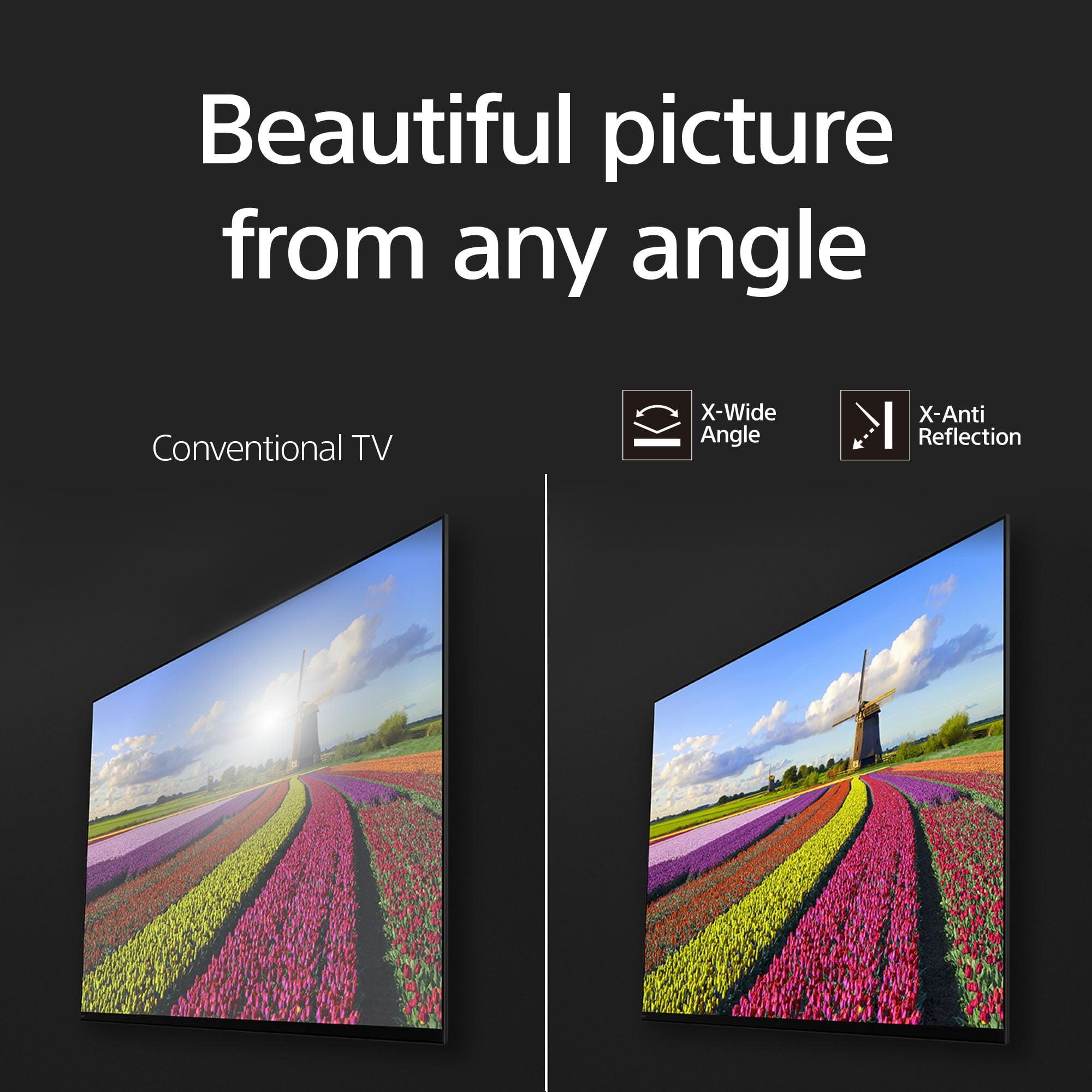
However, if you have a bright living room with lots of windows, the Sony BRAVIA 9's superior brightness and anti-glare properties make it much more practical for everyday viewing. The difference becomes especially apparent during daytime viewing or when watching HDR content in bright conditions.
I've tested both TVs in various lighting conditions, and the Sony consistently maintains better image quality in challenging environments. The LG requires more consideration of window placement and lighting control to achieve optimal performance.
Both TVs represent excellent value in their respective categories. The LG C5 offers premium OLED technology at a reasonable price, especially considering its gaming features and picture quality. LG's Re:New Program promises five years of software updates, which helps protect your investment.
The Sony BRAVIA 9 provides exceptional brightness and audio quality at a slightly lower price point. While it doesn't offer the same update commitment, Sony has historically provided good long-term support for their premium models.
OLED technology does have potential burn-in concerns with static content like news tickers or game UI elements, though modern panels have significantly improved resistance. Mini LED technology doesn't have this limitation, making it potentially more durable for varied usage patterns.
After extensive testing and comparison, here's how I'd approach this decision:
Choose the LG OLED evo C5 if you:
Choose the Sony BRAVIA 9 if you:
The truth is, both TVs will deliver exceptional experiences that will likely exceed your expectations. The LG C5's OLED technology provides an almost magical viewing experience in the right environment, while the Sony BRAVIA 9's Mini LED approach offers practical excellence that works well in any room.
Your room environment and viewing habits should ultimately guide your decision. Both represent significant advances in display technology, and either choice will provide years of viewing pleasure. The question isn't whether these TVs are good – they're both excellent. The question is which one matches your specific needs and preferences better.
| LG OLED evo C5 65" 4K TV 2025 | Sony BRAVIA 9 65" 4K UHD Mini LED QLED Smart Google TV |
|---|---|
| Price - Current market pricing affects overall value | |
| $2,196.99 (down from $2,699.99 launch) | $2,073.95 |
| Display Technology - Fundamental difference affecting all picture aspects | |
| WOLED (White OLED) - Perfect blacks, infinite contrast | Mini LED QLED - Extremely bright, good contrast |
| Peak Brightness - Critical for HDR impact and bright room viewing | |
| ~1,500 nits (good for controlled lighting) | ~3,000 nits (excellent for bright rooms) |
| Black Levels - Essential for contrast and movie watching | |
| Perfect blacks (pixels turn completely off) | Very deep blacks (minimal blooming possible) |
| Refresh Rate - Important for gaming and smooth motion | |
| 120Hz native, up to 144Hz gaming support | 120Hz maximum |
| HDMI 2.1 Ports - Determines gaming device connectivity | |
| 4 ports (future-proof for multiple devices) | 2 ports (adequate for most users) |
| Smart Platform - Daily user experience and app ecosystem | |
| webOS 25 with AI features and Magic Remote | Google TV with voice control and ecosystem integration |
| Audio System - Built-in sound quality affects need for external speakers | |
| Standard TV audio (soundbar recommended) | Acoustic Multi-Audio Plus 2.2.2 system, 70W |
| Viewing Angles - Important for family viewing and room layout | |
| Excellent (maintains quality from sides) | Good (some color shift at extreme angles) |
| Gaming Features - Matters for console and PC gaming | |
| VRR, ALLM, 0.1ms response, 4K@144Hz | VRR, ALLM, PS5 optimization, 4K@120Hz |
| Room Suitability - Environmental factors affecting daily use | |
| Best in dark/controlled lighting rooms | Superior performance in bright rooms |
| Burn-in Risk - Long-term durability consideration | |
| Possible with static content (improved resistance) | None (LCD-based technology) |
The Sony BRAVIA 9 is significantly better for bright rooms due to its Mini LED technology that can reach 3,000 nits peak brightness - nearly double the LG OLED evo C5's 1,500 nits. The Sony also handles reflections better, while the LG OLED struggles with glare in well-lit environments.
The LG OLED evo C5 uses self-lit pixels that can turn completely off for perfect blacks and infinite contrast. The Sony BRAVIA 9 uses thousands of tiny LED backlights behind an LCD panel, achieving much higher brightness but cannot produce true blacks like OLED technology.
The LG OLED evo C5 is better for serious gamers, offering four HDMI 2.1 ports and support for 4K gaming at 144Hz. The Sony BRAVIA 9 has only two HDMI 2.1 ports and maxes out at 120Hz, though it includes PlayStation 5-specific optimizations.
The Sony BRAVIA 9 is priced at $2,073.95, while the LG OLED evo C5 costs $2,196.99 (down from its $2,699.99 launch price). The Sony offers slightly better value with lower pricing and superior brightness capabilities.
The Sony BRAVIA 9 has significantly better audio with its Acoustic Multi-Audio Plus system featuring 2.2.2 channels and 70 watts of power. The LG OLED evo C5 has standard TV audio that will likely require a soundbar for optimal sound quality.
The LG OLED evo C5 has potential burn-in risks with static content like news tickers or game UI elements, though modern OLED panels have improved resistance. The Sony BRAVIA 9 has no burn-in risk since it uses LCD technology with LED backlighting.
The LG OLED evo C5 is superior for dedicated home theaters where lighting can be controlled. Its perfect blacks, infinite contrast, and wide viewing angles create the most cinematic experience. The Sony BRAVIA 9 works better in multi-purpose rooms with ambient light.
The LG OLED evo C5 runs webOS 25 with AI features and includes the Magic Remote with motion controls. The Sony BRAVIA 9 uses Google TV, which offers excellent integration with Google services and superior voice control through Google Assistant.
Both TVs offer excellent color accuracy, but the LG OLED evo C5 typically provides more natural, film-like colors that match director intentions. The Sony BRAVIA 9 produces more vibrant, punchy colors due to its quantum dot technology, which some viewers prefer for certain content.
The LG OLED evo C5 includes four HDMI 2.1 ports, making it ideal for multiple gaming consoles and devices. The Sony BRAVIA 9 typically offers two HDMI 2.1 ports along with additional standard HDMI ports, which may limit connectivity for heavy gamers.
The LG OLED evo C5 is superior for dark room movie watching due to its perfect blacks and infinite contrast ratio. This creates exceptional detail in dark scenes and makes colors appear more vibrant against true black backgrounds compared to the Sony BRAVIA 9.
The LG OLED evo C5 offers excellent viewing angles with minimal color shift when viewed from the sides, making it ideal for family viewing. The Sony BRAVIA 9 has good viewing angles but may show some color shifting at extreme angles due to its LCD-based technology.
We've done our best to create useful and informative comparisons to help you decide what product to buy. Our research uses advanced automated methods to create this comparison and perfection is not possible - please contact us for corrections or questions. These are the sites we've researched in the creation of this article: bestbuy.com - rtings.com - youtube.com - businessinsider.com - youtube.com - bestbuy.com - lg.com - files.bbystatic.com - lg.com - flatpanelshd.com - lg.com - blvdhome.com - bhphotovideo.com - flanners.com - videopro.com.au - bestbuy.com - bestbuy.com - youtube.com - whathifi.com - crutchfield.com - rtings.com - pcrichard.com - merlinstv.com - youtube.com - sony.ca - electronics.sony.com

Privacy Policy
Terms and Conditions - Affiliate Policy
Home Security
© Copyright 2008-2026.
11816 Inwood Rd #1211, Dallas, TX 75244