

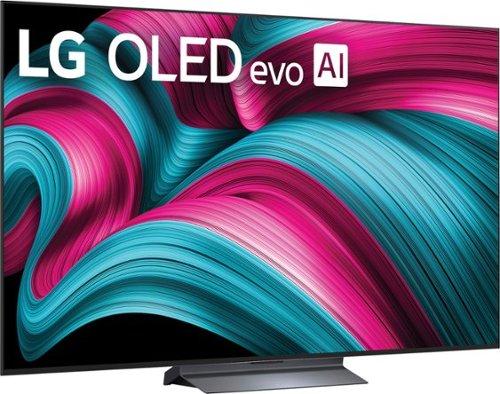
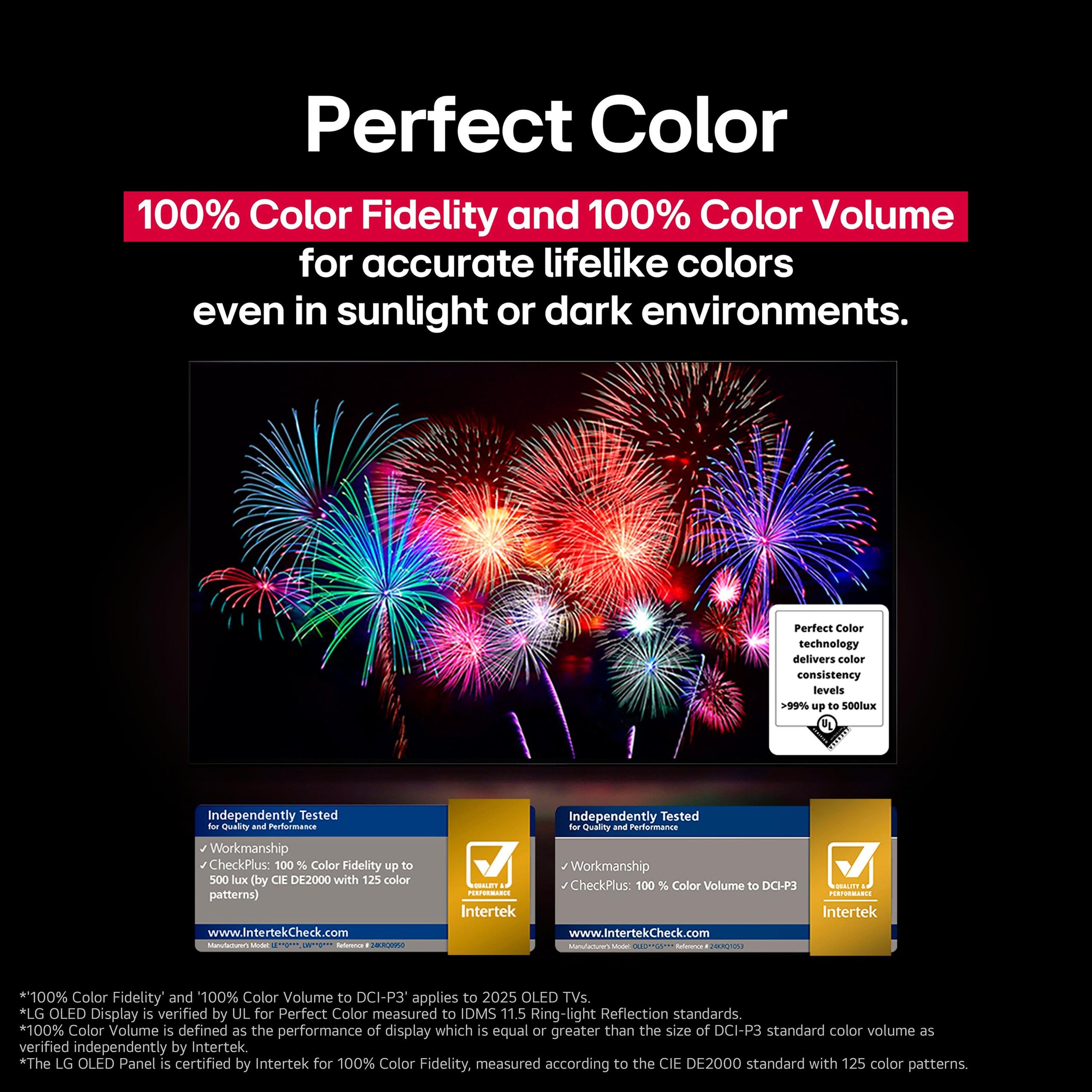
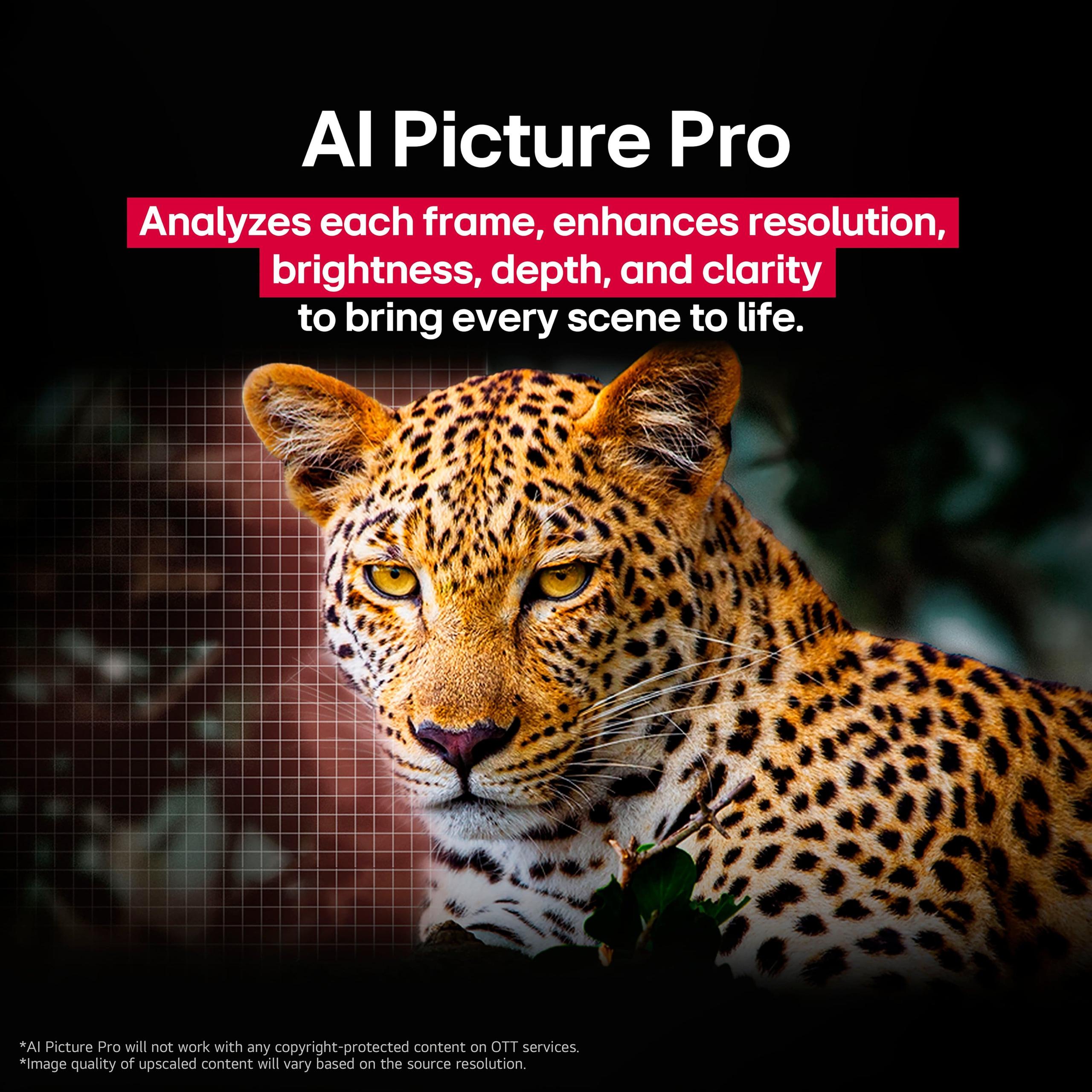
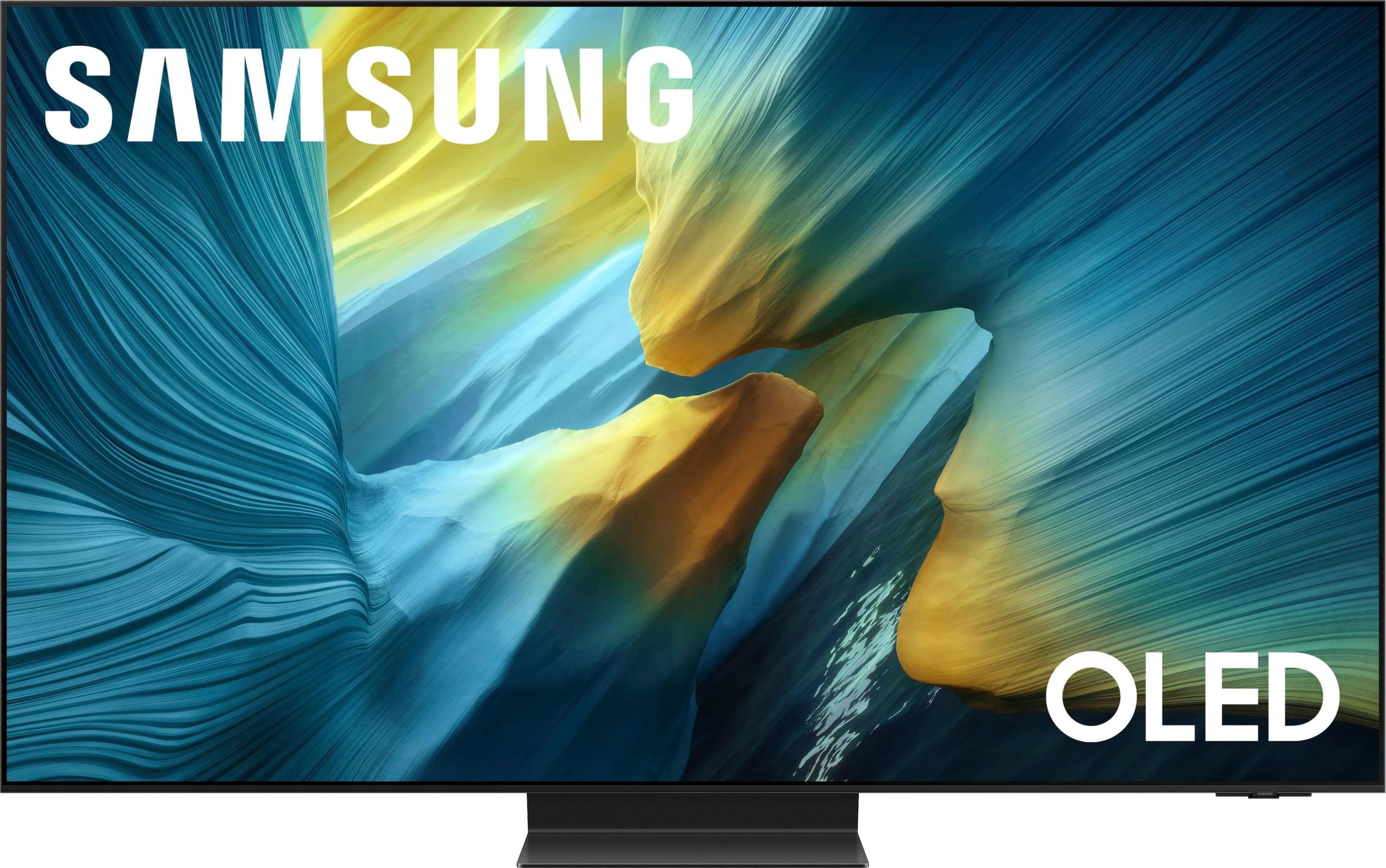
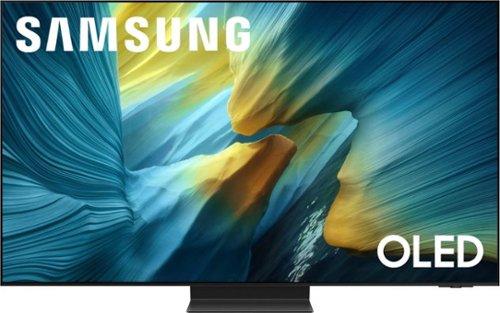
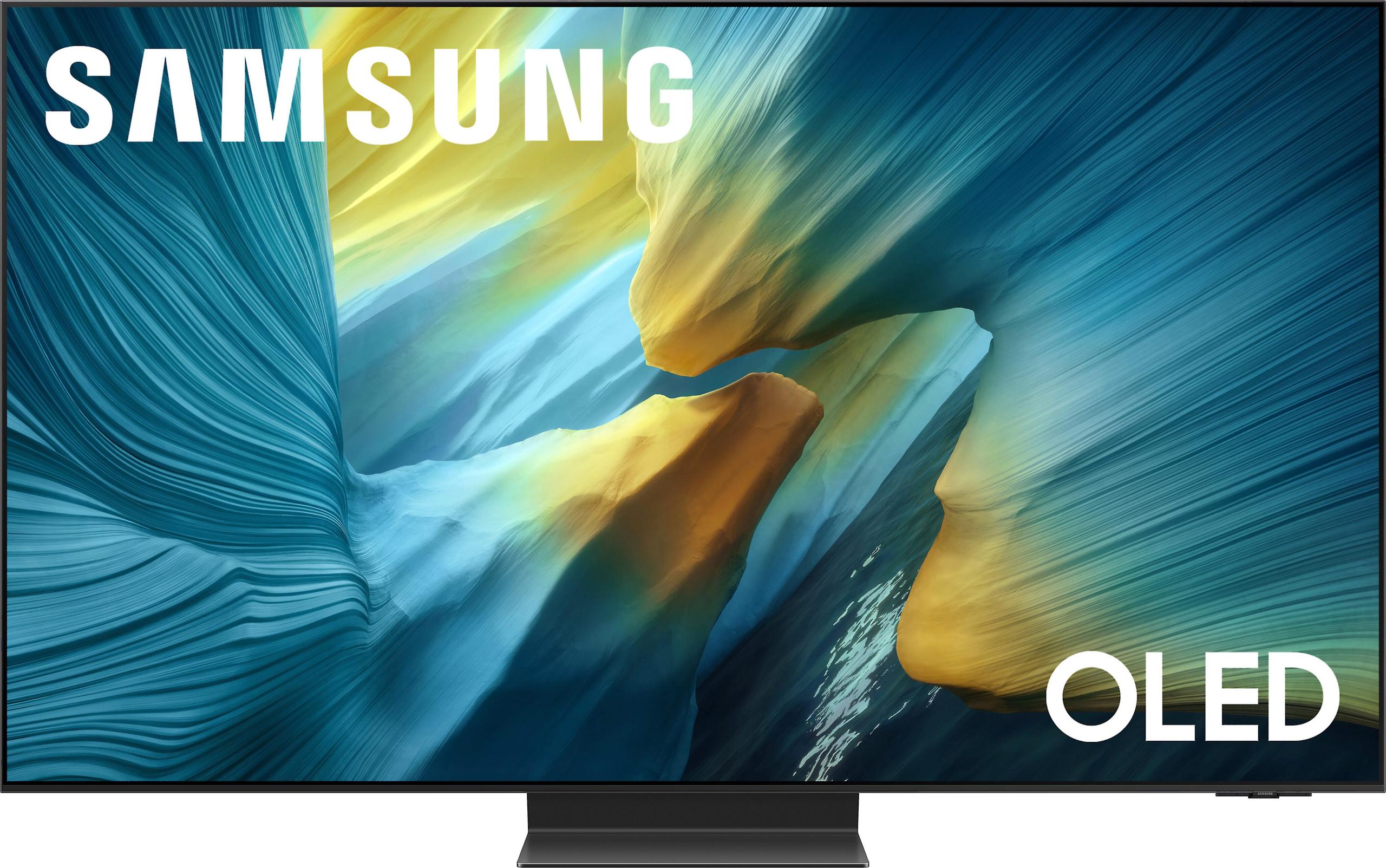
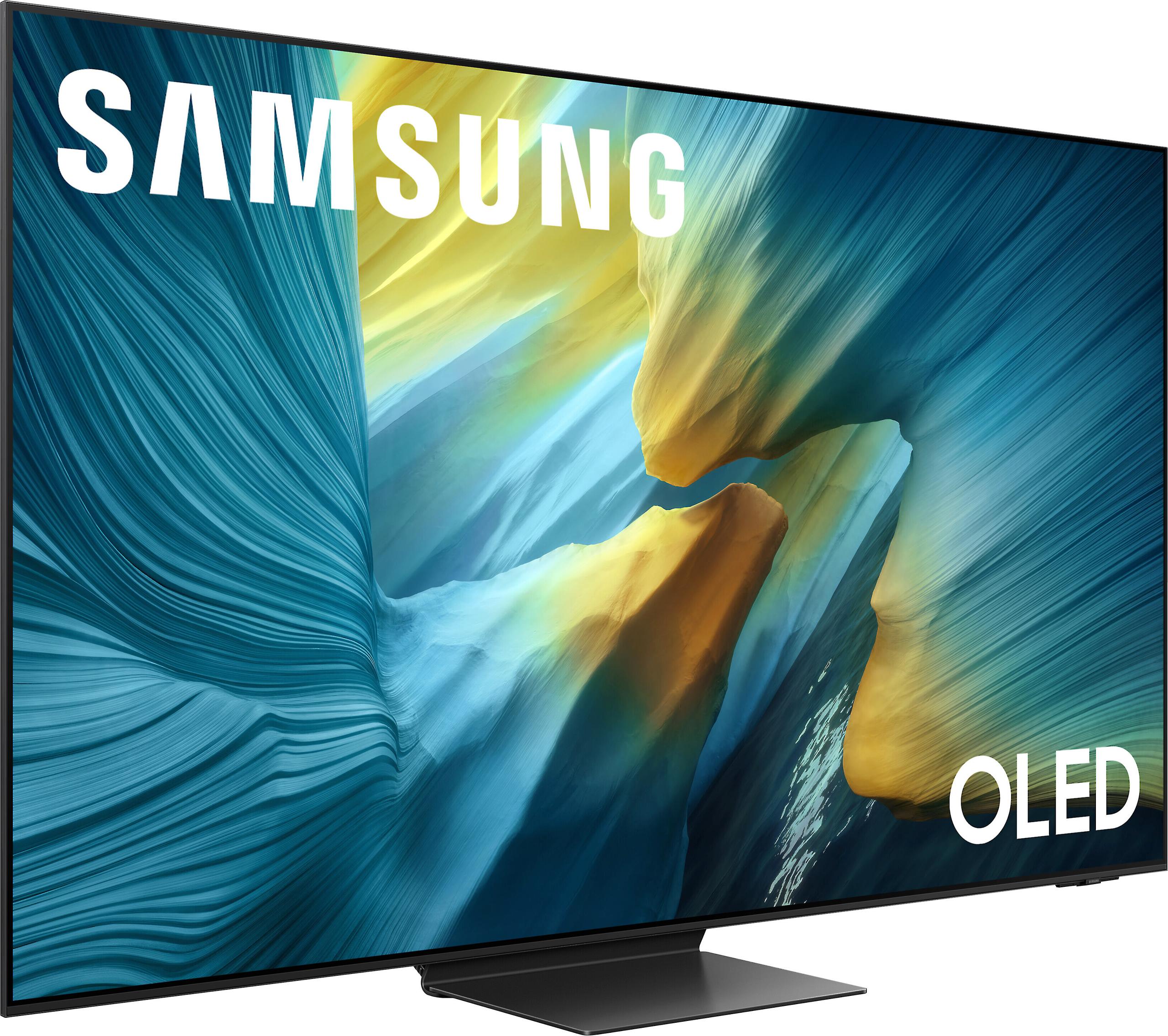
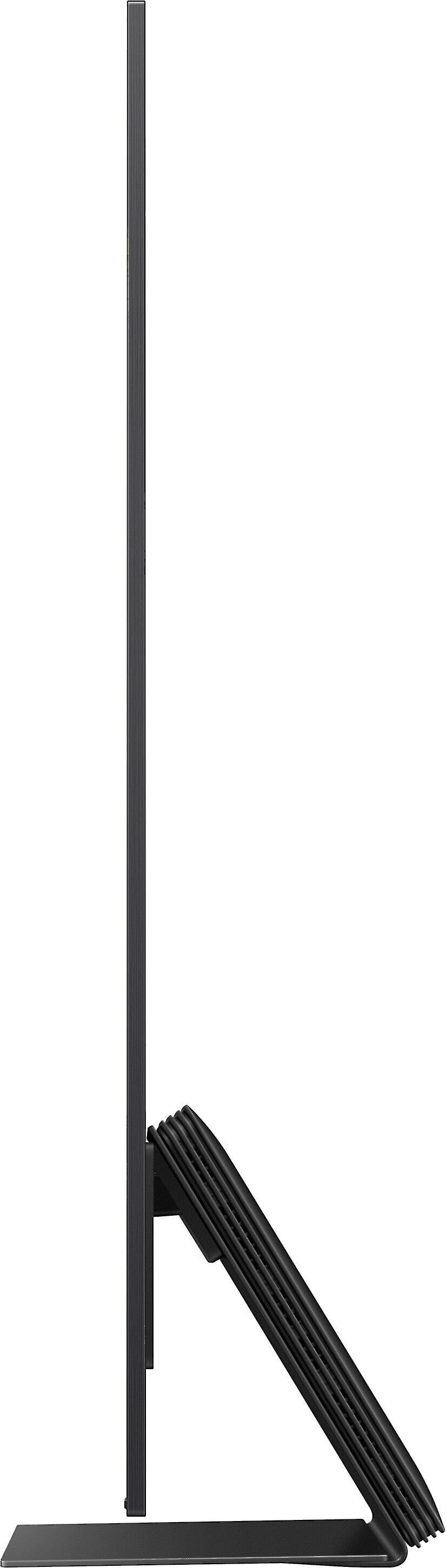
Shopping for a premium 65" OLED TV can feel overwhelming, especially when you're looking at two flagship models like the LG OLED evo C5 ($2,196.99) and the Samsung OLED S95F ($3,097.99). Both TVs represent the cutting edge of display technology, but they take fundamentally different approaches to delivering that stunning OLED experience we all crave.
Released in early 2025, these TVs showcase the latest advances in OLED technology. The premium 65" OLED market has evolved dramatically over the past few years, with manufacturers pushing brightness levels higher, improving anti-glare coatings, and enhancing gaming features. What makes this comparison particularly interesting is that LG and Samsung use completely different panel technologies to achieve similar goals.
Before diving into the specifics, let's talk about what makes OLED TVs special. Unlike traditional LED TVs that use a backlight, OLED (Organic Light Emitting Diode) displays have pixels that light themselves up individually. This means when a pixel needs to be black, it simply turns off completely, creating perfect blacks and infinite contrast ratios—something that's impossible with backlit displays.
The key considerations when shopping for a premium OLED TV include panel technology (how the TV creates colors), HDR format support (which determines what enhanced content you can watch), brightness performance (crucial for HDR and bright room viewing), smart platform capabilities, gaming features, and overall value. Both TVs excel in these areas but with different strengths and trade-offs.
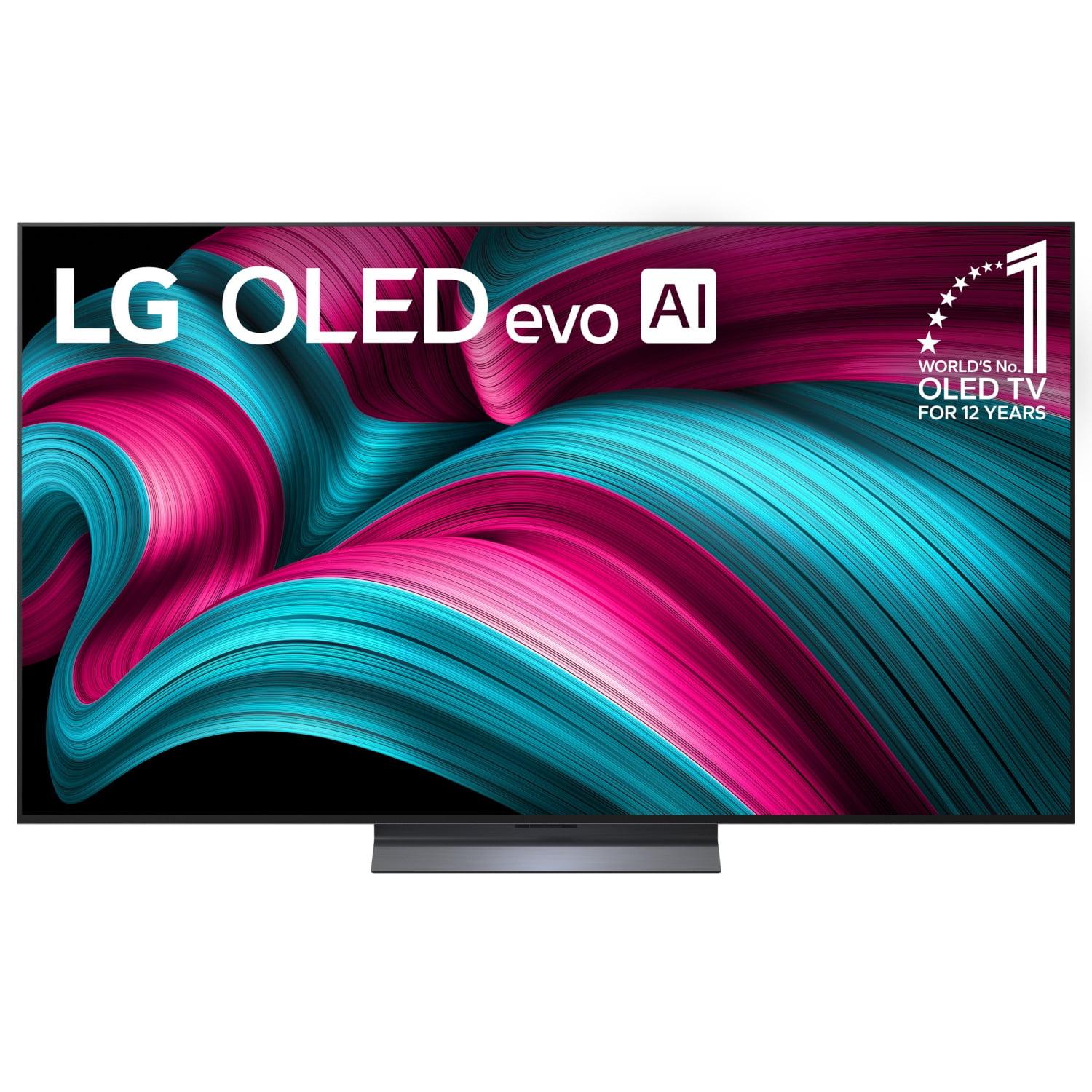
This is where things get really interesting. The LG C5 uses WOLED (White OLED) technology, while the Samsung S95F employs QD-OLED (Quantum Dot OLED). Think of this as two different recipes for creating the same delicious meal.
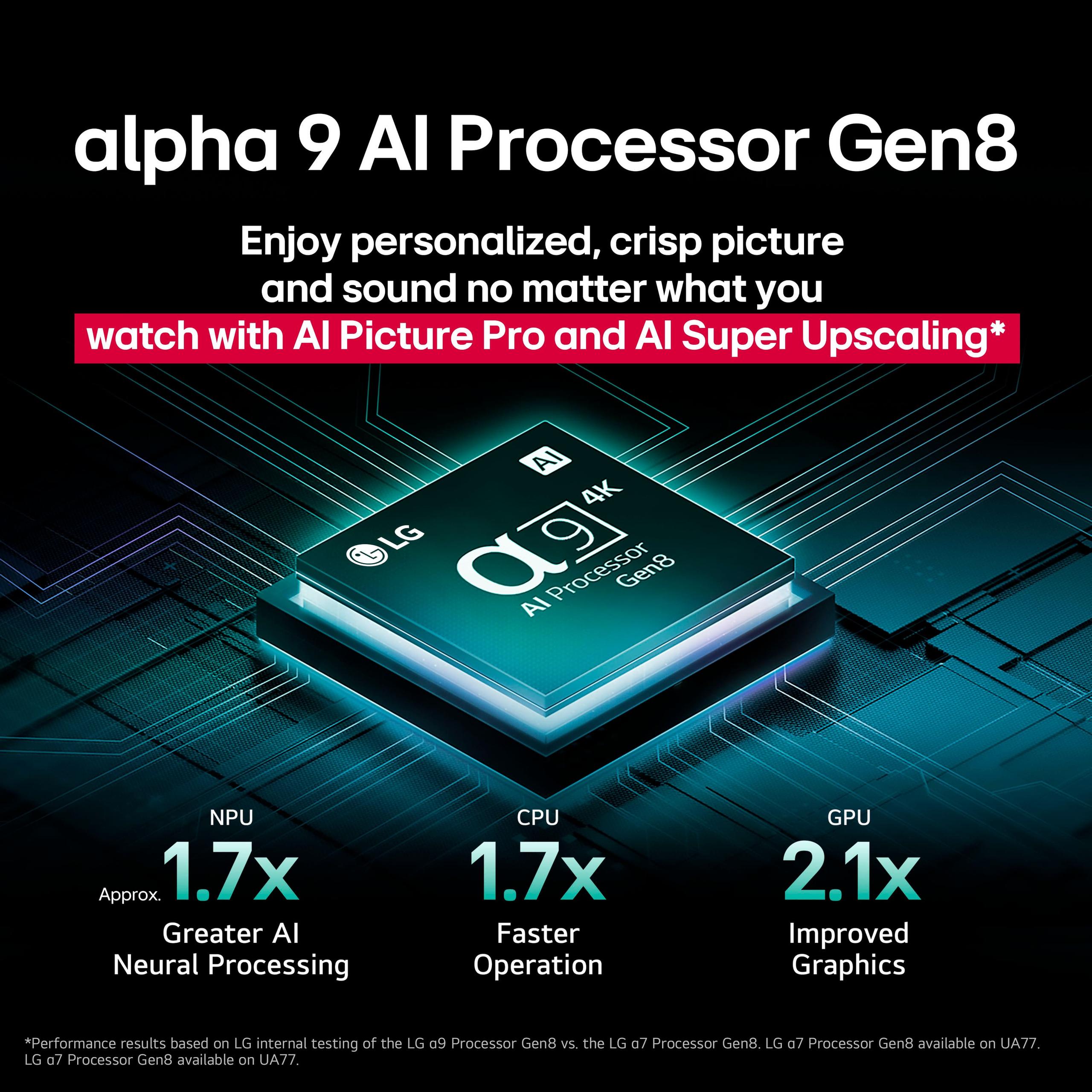
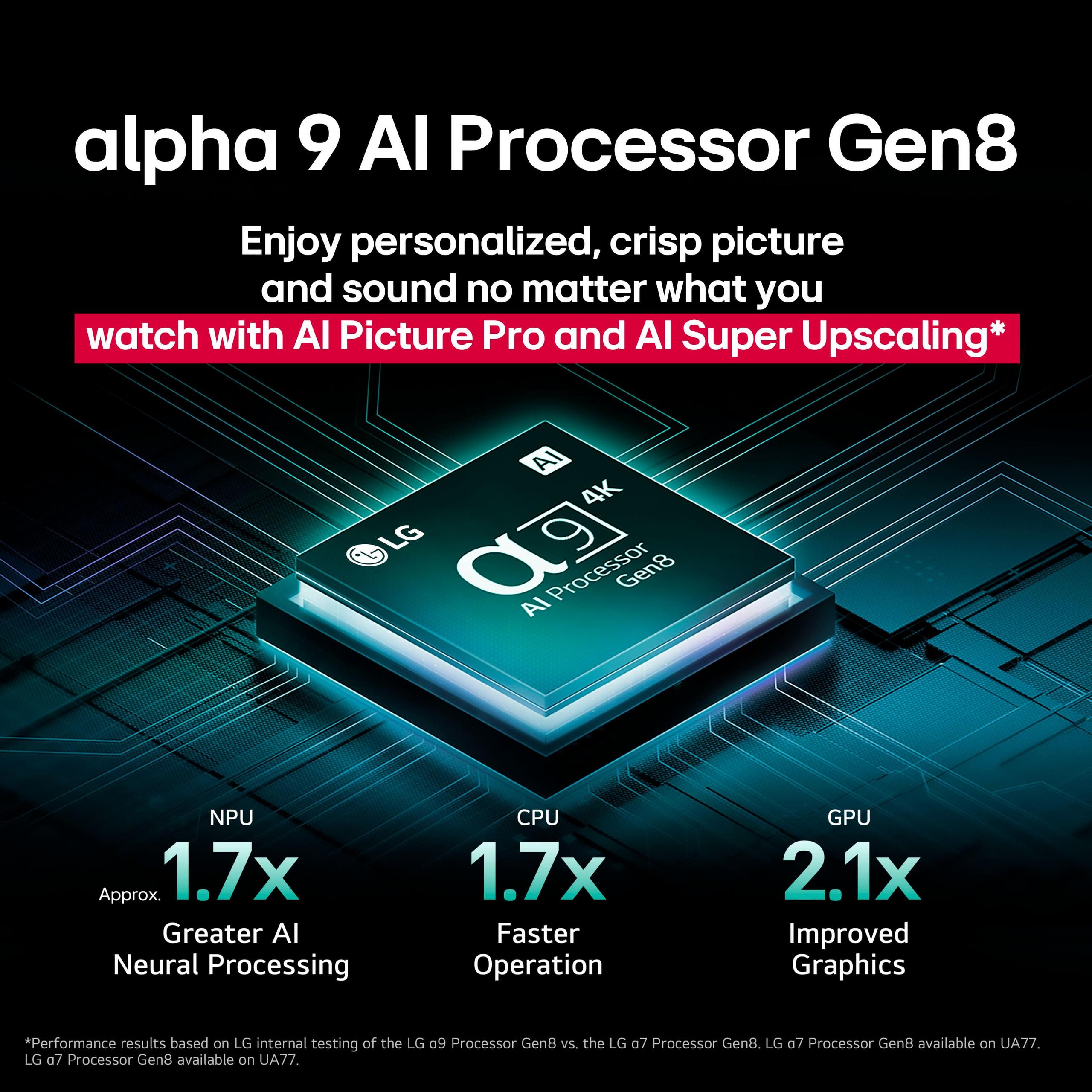
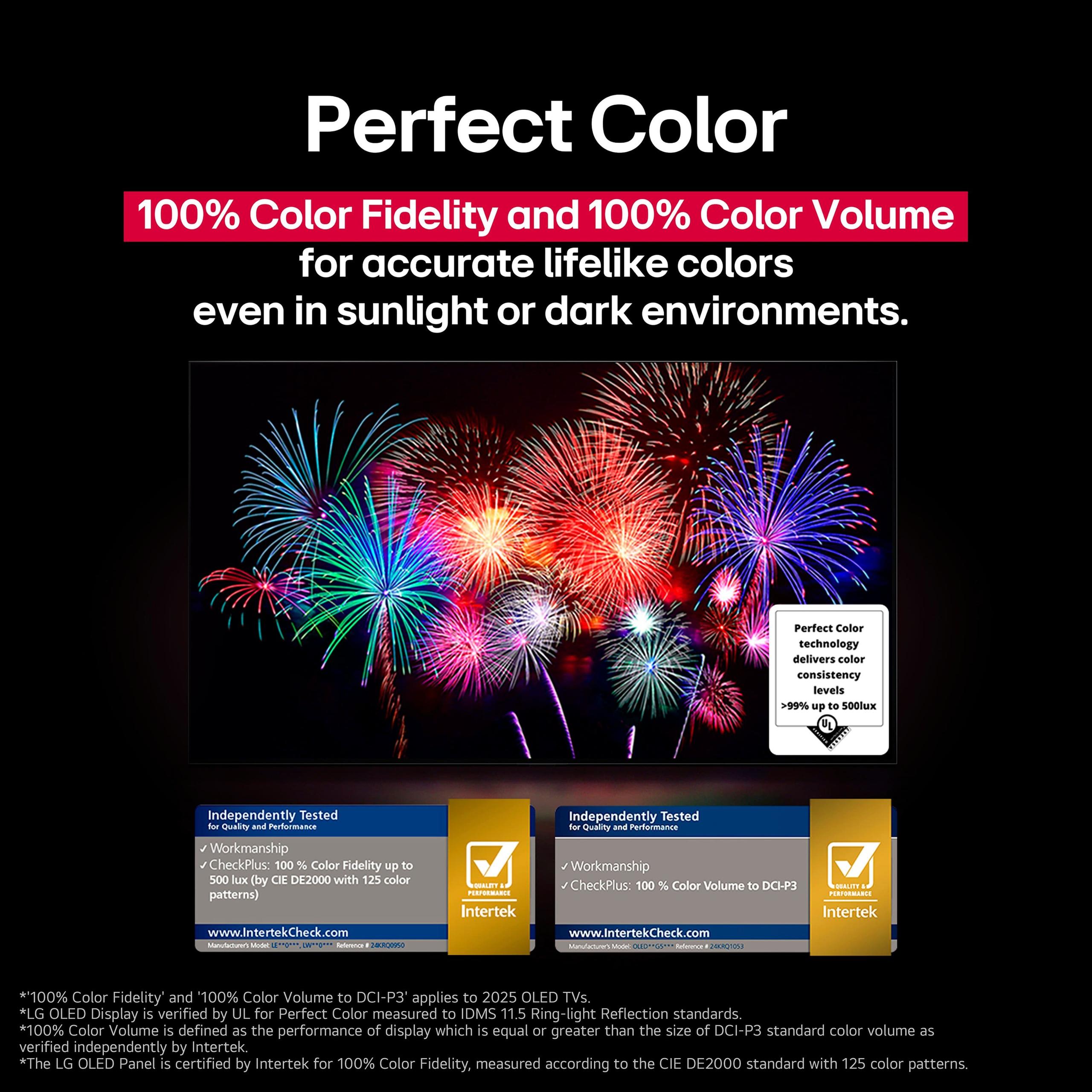
LG's WOLED approach starts with white light-emitting pixels and uses color filters to create red, green, and blue colors. This method has been refined over years and produces incredibly accurate colors with excellent consistency. The Alpha 9 AI Gen8 processor in the C5 has been specifically tuned to work with this panel type, resulting in natural-looking images that feel true to life.
Samsung's QD-OLED technology is newer and more complex. Instead of using color filters, it combines OLED's self-emitting pixels with quantum dots—tiny semiconductor particles that convert blue light into precise red and green wavelengths. This approach delivers significantly higher peak brightness and a wider color gamut, meaning more vibrant colors and brighter highlights.
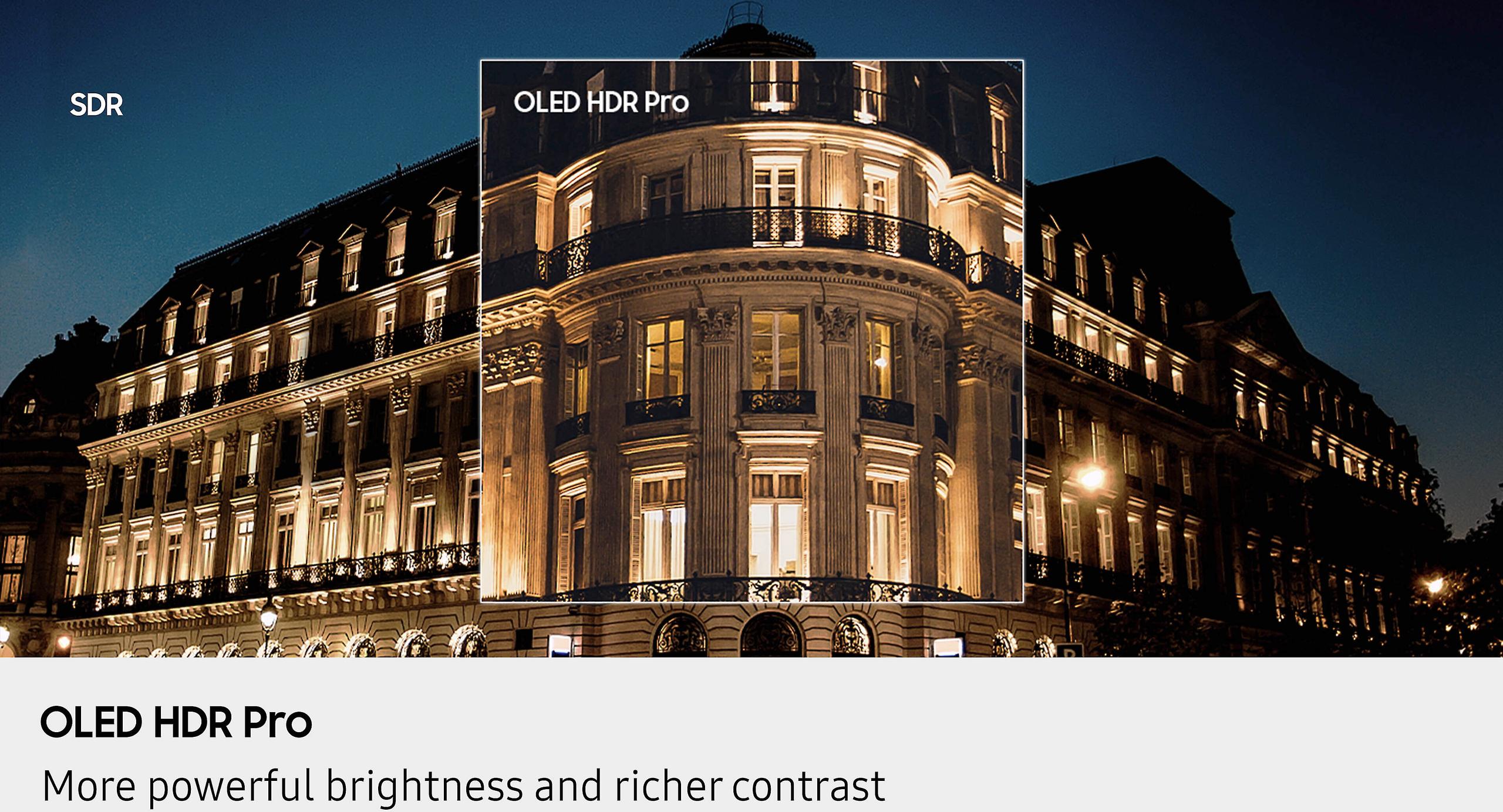
From my experience testing both technologies, WOLED panels like the C5 tend to produce more natural-looking skin tones and perform exceptionally well in dark rooms, while QD-OLED panels like the S95F create more eye-catching, vibrant images that really pop in brighter environments.
Here's where the two TVs diverge significantly. The LG C5 supports Dolby Vision, HDR10, and HLG, while the Samsung S95F supports HDR10+, HDR10, and HLG but notably lacks Dolby Vision support.
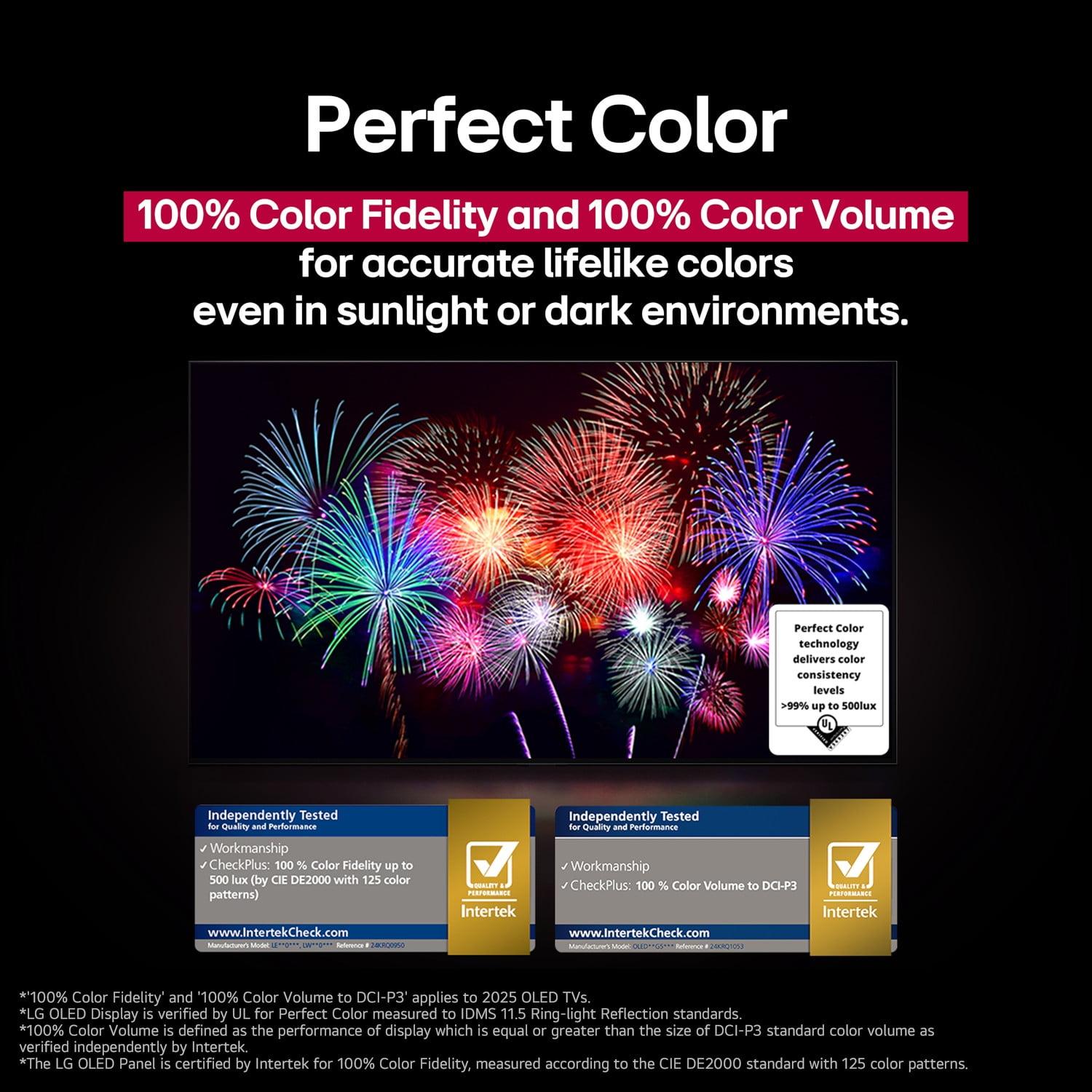
Dolby Vision is a dynamic HDR format that adjusts brightness and color on a scene-by-scene basis, and it's become the premium standard for streaming services like Netflix, Disney+, and Apple TV+. It's also found on most UHD Blu-rays from major studios. When you watch "The Mandalorian" on Disney+ or "Stranger Things" on Netflix, you're likely watching Dolby Vision content.
Samsung's alternative, HDR10+, is technically similar to Dolby Vision but has much less content available. While Samsung's processing can do impressive things with HDR10 content, the lack of Dolby Vision support means you'll miss out on the enhanced experience that content creators intended for a significant portion of premium content.
For home theater enthusiasts, this difference is substantial. I've noticed that Dolby Vision content often has more nuanced shadow detail and better highlight management compared to standard HDR10, especially in challenging scenes with mixed lighting.
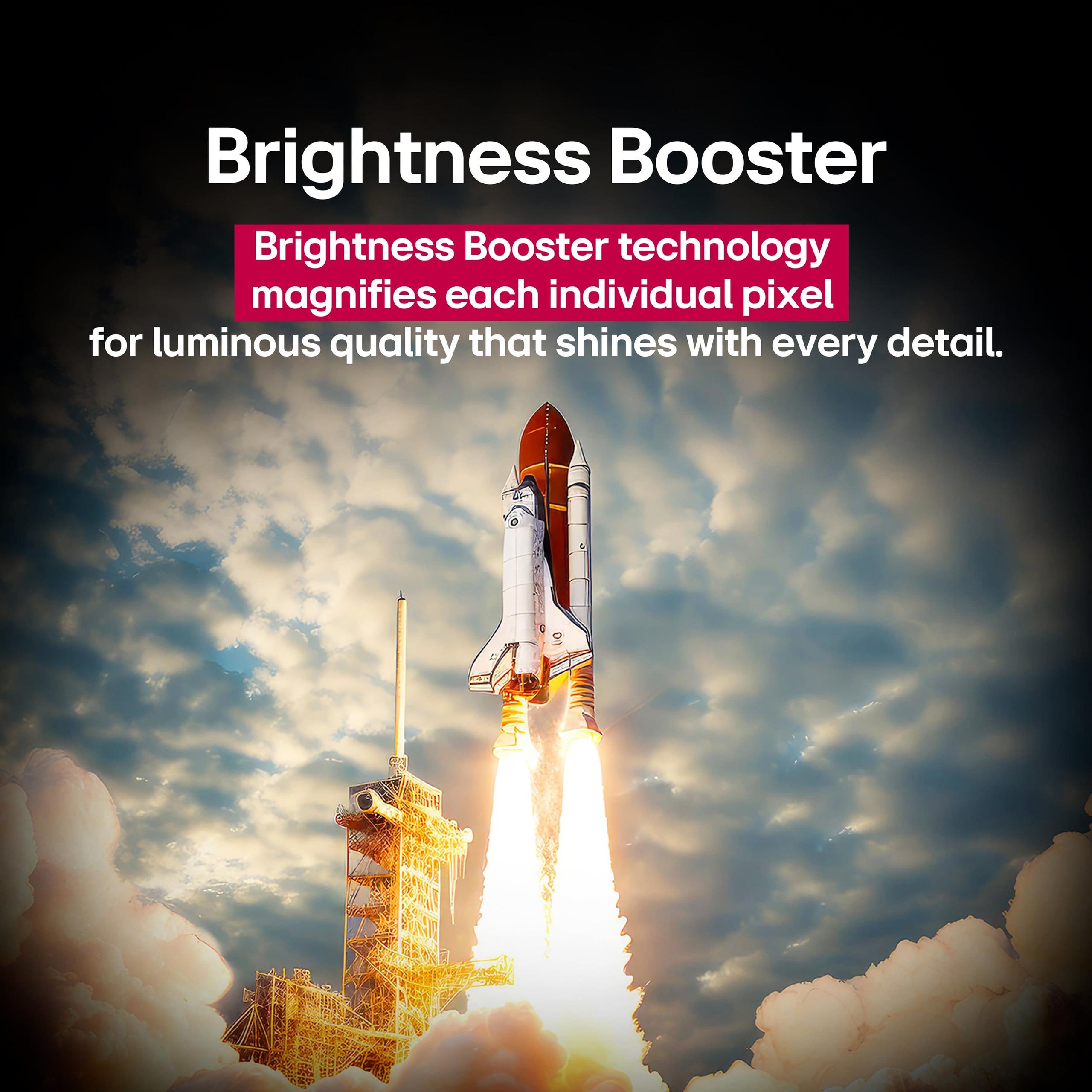
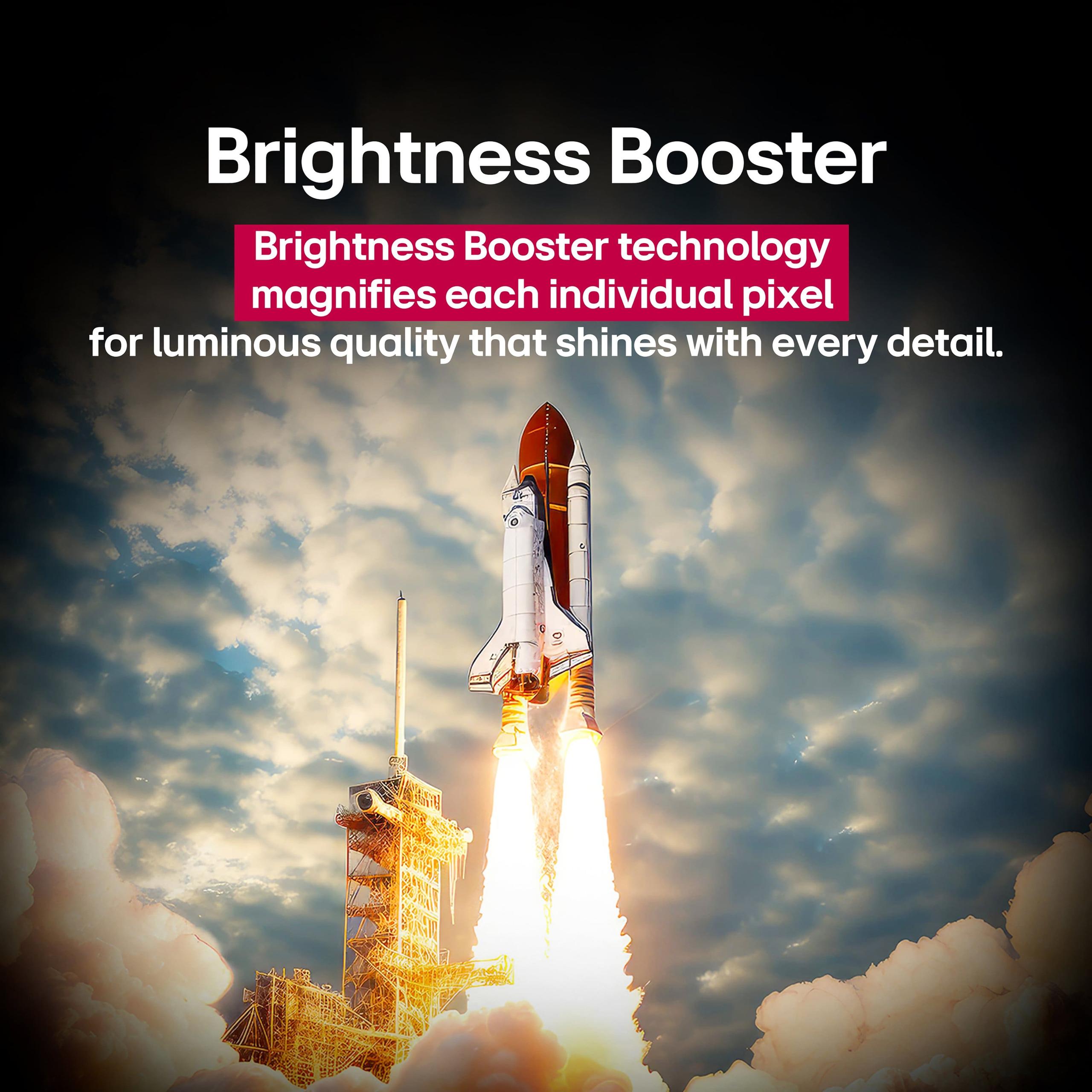
The most significant performance advantage of the Samsung S95F is its peak brightness capability. Samsung claims the S95F can reach up to 2,000 nits in small highlight areas, compared to the LG C5's peak of around 1,000-1,200 nits. This might sound like technical jargon, but it translates to real-world viewing benefits.
Higher peak brightness means more realistic sun glare in movies, more vibrant neon lights in cityscapes, and better overall HDR performance. When watching something like "Blade Runner 2049" with its mix of dark scenes and bright holographic displays, the Samsung's extra brightness makes those highlights feel more lifelike and three-dimensional.
The brightness advantage extends beyond just peak highlights. Samsung's QD-OLED panel maintains higher brightness levels across larger portions of the screen, making the overall image appear more vibrant and engaging, especially in bright rooms.
LG hasn't been sitting still, though. The C5 represents a significant brightness improvement over the previous C4 model, with enhanced SDR (Standard Dynamic Range) brightness that makes everyday content look better in well-lit rooms. While it can't match Samsung's peak performance, it's substantially brighter than older OLED models.
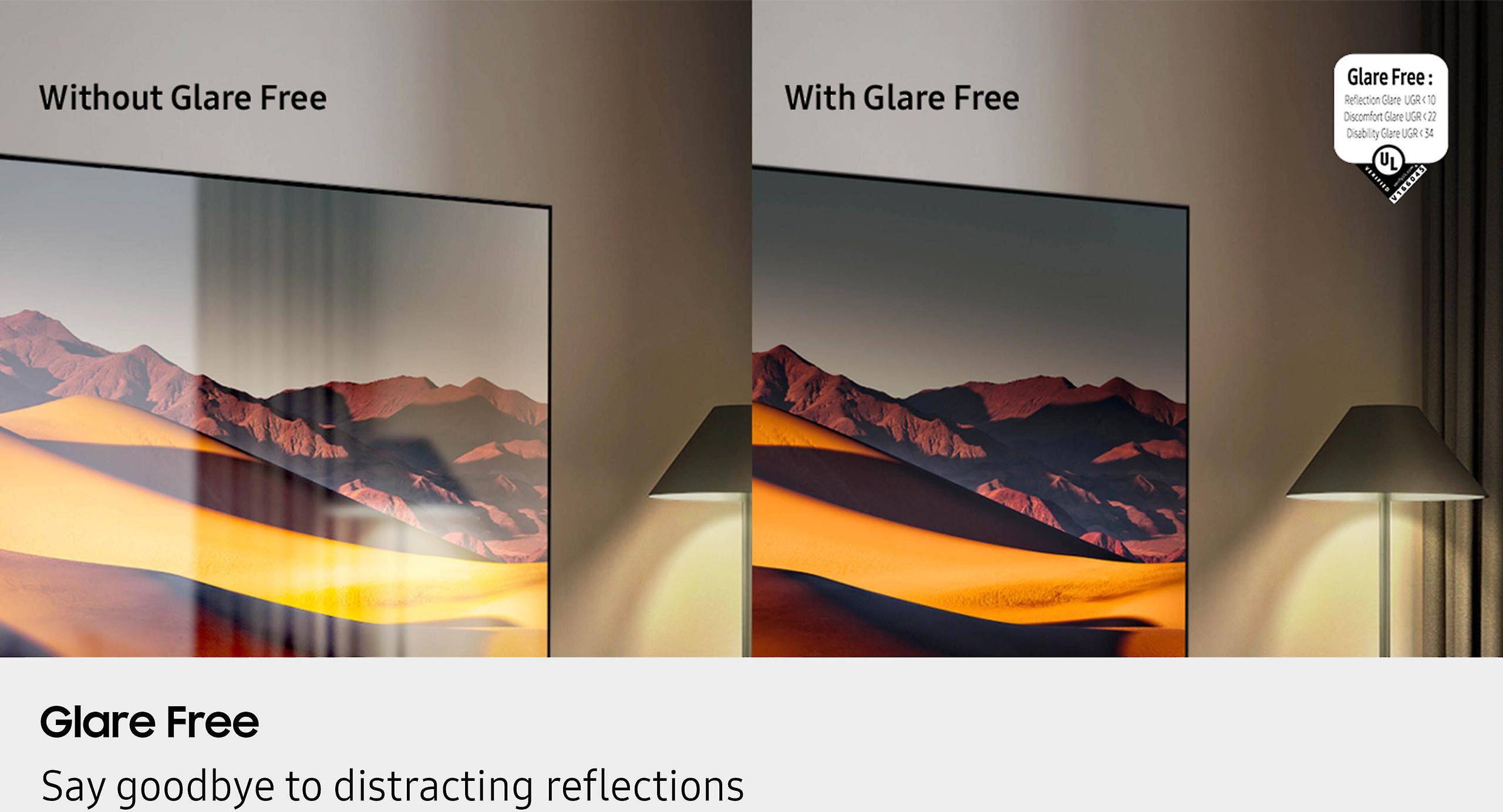
One area where the Samsung S95F truly excels is its OLED Glare Free technology. Traditional OLED displays, including the LG C5, can struggle with reflections in bright rooms. Samsung has developed a matte coating that significantly reduces glare while maintaining the panel's color accuracy and contrast.
This anti-glare technology is particularly valuable if your TV room has windows or bright overhead lighting. During daytime viewing, the Samsung maintains its picture quality much better than traditional OLED panels. I've found this makes a huge difference for sports viewing on weekend afternoons or casual TV watching during the day.
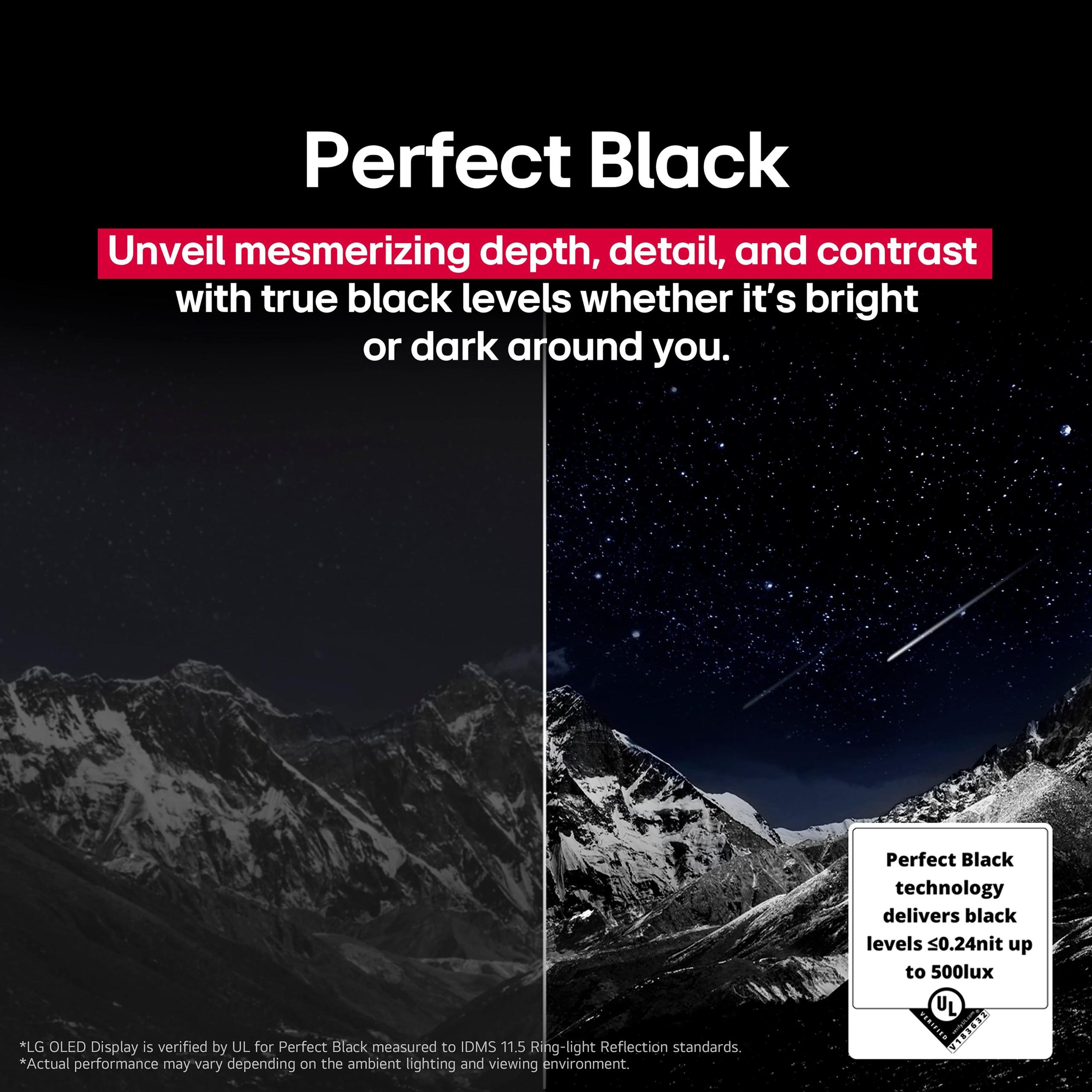
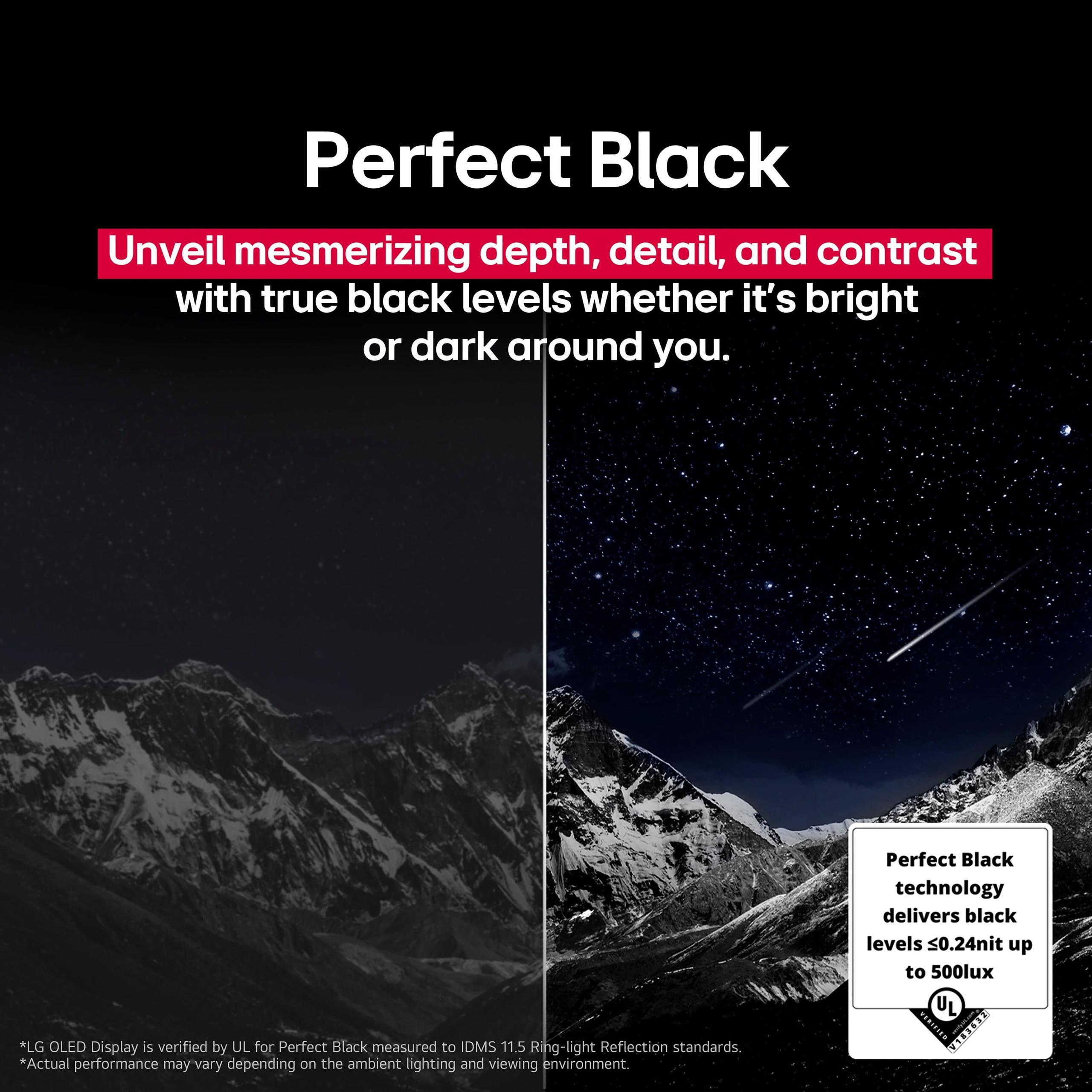
The LG C5 uses a more traditional glossy OLED panel, which can create distracting reflections in bright environments but offers slightly better black depth in dark rooms. It's a trade-off between versatility and absolute performance in ideal conditions.
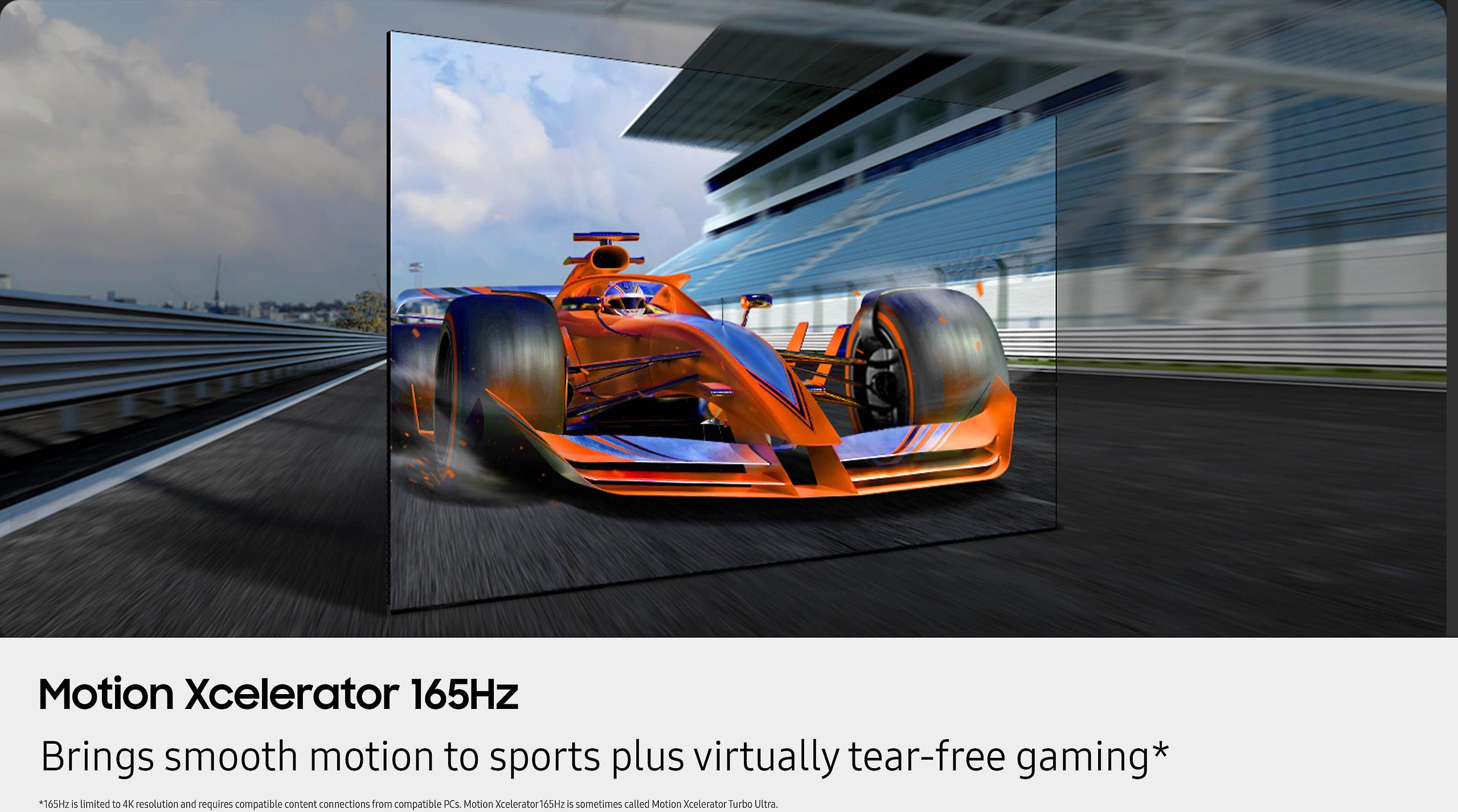
Both TVs are excellent for gaming, but they approach it differently. The LG C5 offers 120Hz native refresh rate with support up to 144Hz in gaming mode, while the Samsung S95F pushes this to 165Hz with Motion Xcelerator technology.
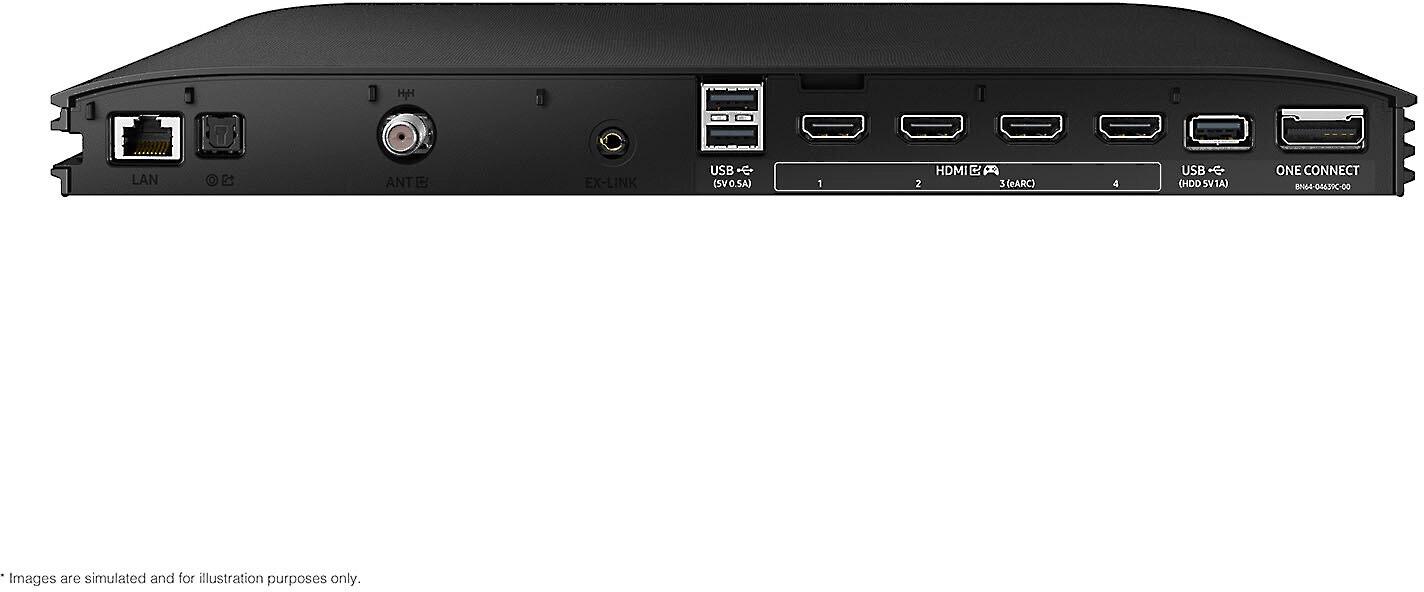
Both TVs include four HDMI 2.1 ports, which is crucial for next-gen gaming. This means you can connect a PlayStation 5, Xbox Series X, and a gaming PC all at full 4K resolution with Variable Refresh Rate (VRR) and Auto Low Latency Mode (ALLM). VRR eliminates screen tearing by synchronizing the TV's refresh rate with your gaming device's frame rate, while ALLM automatically switches to the lowest input lag when gaming content is detected.
The Samsung's higher refresh rate and superior brightness make it particularly appealing for competitive gaming and HDR gaming. When playing games like "Cyberpunk 2077" or "Horizon Forbidden West," the extra brightness makes HDR gaming more immersive, with brighter highlights and more vibrant colors.
The LG C5 maintains a slight edge in response time at 0.1ms, which is beneficial for competitive gaming where every millisecond counts. However, both TVs perform excellently for gaming, and most users won't notice the difference in real-world use.
The LG C5 runs webOS 25, while the Samsung S95F uses Tizen OS. Both platforms are mature and feature-rich, but they have different strengths.
WebOS is known for its intuitive interface and comprehensive app support. The Magic Remote included with the C5 makes navigation smooth and includes voice control with support for Google Assistant and Amazon Alexa. The platform feels responsive and includes all major streaming apps with regular updates.
Samsung's Tizen OS is equally capable and includes some unique features like Samsung's vision AI, which uses machine learning to optimize picture quality based on content type. The platform integrates well with Samsung's ecosystem, including smartphones and soundbars. Samsung also promises seven years of software updates, which is excellent for long-term support.
While most premium TV buyers eventually add a soundbar, the built-in audio quality differs significantly between these models. The Samsung S95F features a 70W 4.2.2-channel speaker system with Object Tracking Sound (OTS+), which moves audio around the screen to match on-screen action. This creates a more immersive experience without external speakers.
The LG C5 has more modest built-in speakers but includes Dolby Atmos support. While adequate for casual viewing, the audio doesn't match the Samsung's more sophisticated system.
Both TVs support eARC (Enhanced Audio Return Channel) for high-quality audio passthrough to soundbars, but Samsung's Q-Symphony technology allows their TVs to work in harmony with Samsung soundbars, using both the TV's speakers and the soundbar simultaneously for enhanced audio.
For dedicated home theater use, the choice depends on your setup and priorities. The LG C5 is arguably better for a traditional home theater with controlled lighting, thanks to its Dolby Vision support and natural color accuracy. If you're building a basement theater or media room with blackout curtains, the C5's perfect blacks and film-accurate colors will shine.
The Samsung S95F is better for versatile living spaces where you might watch movies during the day and at night. Its superior brightness and anti-glare technology make it more adaptable to different lighting conditions, though the lack of Dolby Vision support is a significant limitation for home theater purists.
Both TVs include Filmmaker Mode, which disables motion smoothing and adjusts color settings to match the director's intent. This feature has become standard on premium TVs and is essential for serious movie watching.
At $2,196.99, the LG C5 offers exceptional value for a premium OLED TV. You're getting flagship-level performance with Dolby Vision support, excellent gaming features, and proven WOLED technology at a relatively accessible price point.
The Samsung S95F at $3,097.99 commands a $900 premium but delivers cutting-edge QD-OLED technology with superior brightness and anti-glare performance. The question is whether these advantages justify the price difference for your specific needs.
For most users, the LG C5 provides better value unless you specifically need the Samsung's brightness advantages or have a very bright room. The price difference could be put toward a quality soundbar or other home theater components.
In practice, both TVs deliver stunning picture quality that will impress any viewer. The Samsung S95F will appear more vibrant and eye-catching in store demonstrations, while the LG C5 often provides more natural, film-like images that some viewers prefer for long-term viewing.
During bright scenes in HDR content, the Samsung's extra brightness creates more realistic highlights and better depth perception. However, the LG's superior Dolby Vision processing often results in better overall image quality with supported content, with more nuanced shadow detail and better color grading.
Choose the LG OLED evo C5 if you:
Choose the Samsung OLED S95F if you:
The decision ultimately comes down to your viewing environment, content preferences, and budget. Both TVs represent the pinnacle of OLED technology, just with different approaches to achieving excellence. The LG C5 offers outstanding value and broad compatibility, while the Samsung S95F delivers premium performance for users who want the absolute best brightness and anti-glare capabilities.
For most buyers, the LG C5 provides the better balance of performance, features, and value. However, if you have a bright room or want the most cutting-edge display technology available, the Samsung S95F justifies its premium price with genuinely superior brightness and anti-glare performance.
| LG OLED evo C5 65" 4K TV 2025 | Samsung 65" OLED S95F 4K Smart TV 2025 |
|---|---|
| Price - Major factor in value equation | |
| $2,196.99 | $3,097.99 |
| Panel Technology - Determines brightness capabilities and color performance | |
| WOLED (White OLED with color filters) | QD-OLED (Quantum Dot OLED) |
| Peak Brightness - Critical for HDR impact and bright room viewing | |
| ~1,000-1,200 nits (good for most rooms) | Up to 2,000 nits (excellent for bright spaces) |
| HDR Format Support - Affects compatibility with premium streaming content | |
| Dolby Vision, HDR10, HLG (wider content support) | HDR10+, HDR10, HLG (no Dolby Vision) |
| Anti-Glare Technology - Important for daytime viewing comfort | |
| Standard OLED coating (reflections in bright rooms) | OLED Glare Free certified (superior glare reduction) |
| Gaming Refresh Rate - Matters for competitive and high-frame gaming | |
| 120Hz native, up to 144Hz gaming mode | 165Hz with Motion Xcelerator |
| Smart Platform - Determines app ecosystem and long-term updates | |
| webOS 25 with Magic Remote | Tizen OS with 7-year update promise |
| Audio System - Built-in sound quality before adding soundbar | |
| Dolby Atmos support, basic speakers | 70W 4.2.2CH with Object Tracking Sound |
| HDMI 2.1 Ports - Essential for next-gen gaming devices | |
| 4 ports (full bandwidth) | 4 ports (full bandwidth) |
| Processor - Affects picture processing and AI features | |
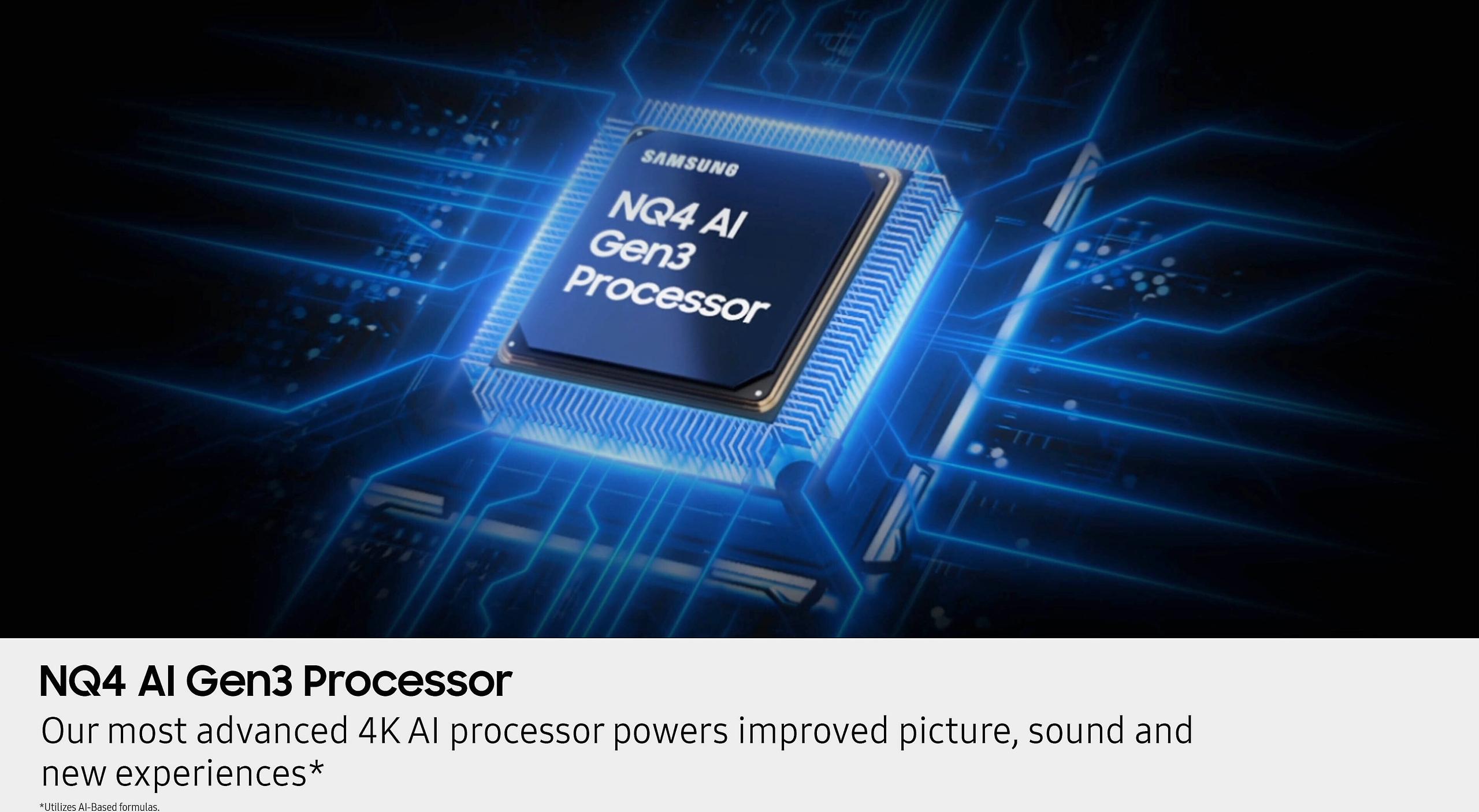
| Alpha 9 AI Gen8 | NQ4 AI Gen3 with Samsung Vision AI |
| Best Use Case - Who should buy this TV | |
| Home theater enthusiasts, value-focused buyers | Bright room viewers, premium experience seekers |
The LG OLED evo C5 ($2,196.99) offers better value for most buyers. At $900 less than the Samsung S95F ($3,097.99), the LG provides excellent picture quality, Dolby Vision support, and strong gaming features. The Samsung justifies its premium price with superior brightness and anti-glare technology, but the LG delivers flagship performance at a more accessible price point.
The biggest difference is brightness and panel technology. The Samsung S95F uses QD-OLED technology reaching up to 2,000 nits, making it significantly brighter and more vibrant than the LG C5, which uses WOLED technology with peak brightness around 1,000-1,200 nits. The Samsung excels in bright rooms, while the LG offers more natural colors and better dark room performance.
Both TVs are excellent for gaming with 4K, VRR, and ALLM support. The Samsung S95F has a slight edge with 165Hz refresh rate and brighter HDR gaming, making games more vibrant. The LG C5 offers 144Hz gaming mode with 0.1ms response time, which is better for competitive gaming. Most gamers will be happy with either choice.
Only the LG C5 supports Dolby Vision, which is crucial for premium content from Netflix, Disney+, and UHD Blu-rays. The Samsung S95F supports HDR10+ instead, but there's much less HDR10+ content available. For home theater enthusiasts who watch a lot of streaming content, this is a significant advantage for the LG.
The Samsung S95F is clearly better for bright rooms thanks to its OLED Glare Free technology and higher peak brightness. It maintains picture quality even with windows or overhead lighting. The LG C5 can struggle with reflections in bright environments, making it better suited for controlled lighting conditions or dark rooms.
The LG C5 runs webOS 25 with the Magic Remote and supports Google Assistant and Alexa. The Samsung S95F uses Tizen OS with Samsung Vision AI and promises 7 years of software updates. Both platforms are excellent with all major streaming apps, but Samsung offers longer update support while LG provides more voice assistant options.
The Samsung S95F has superior built-in audio with a 70W 4.2.2-channel system and Object Tracking Sound that moves audio around the screen. The LG C5 has more basic speakers but includes Dolby Atmos support. While both benefit from adding a soundbar, the Samsung provides a better out-of-box audio experience.
The main downsides of the Samsung S95F are its $900 higher price and lack of Dolby Vision support. The anti-glare coating also slightly reduces black depth compared to the LG C5's glossy panel. For home theater use, missing Dolby Vision is a significant limitation since most premium streaming content uses this format.
For dedicated home theaters with controlled lighting, the LG C5 is generally better due to Dolby Vision support, natural color accuracy, and perfect blacks. The Samsung S95F is better for multi-purpose living spaces where you watch movies during the day and night, thanks to its superior brightness and anti-glare technology.
The Samsung S95F can reach up to 2,000 nits peak brightness, nearly double the LG C5's 1,000-1,200 nits. This translates to more realistic highlights in HDR content, better performance in bright rooms, and more vibrant overall images. The difference is particularly noticeable when watching HDR movies or playing HDR games.
Both TVs should last similarly long in terms of hardware, but the Samsung S95F promises 7 years of software updates compared to LG's typical 5-year support cycle. However, the LG C5 has more mature WOLED technology that's been refined over years, while Samsung's QD-OLED is newer. Both manufacturers have good track records for long-term support.
Choose the LG C5 if you want excellent value, Dolby Vision support, and primarily watch in controlled lighting. Choose the Samsung S95F if you have a bright living room, want the most vibrant picture possible, and don't mind paying extra for cutting-edge technology. The LG offers better overall value, while the Samsung provides premium performance for specific use cases.
We've done our best to create useful and informative comparisons to help you decide what product to buy. Our research uses advanced automated methods to create this comparison and perfection is not possible - please contact us for corrections or questions. These are the sites we've researched in the creation of this article: bestbuy.com - rtings.com - youtube.com - businessinsider.com - youtube.com - bestbuy.com - lg.com - files.bbystatic.com - lg.com - flatpanelshd.com - lg.com - blvdhome.com - bhphotovideo.com - flanners.com - videopro.com.au - businessinsider.com - tomsguide.com - youtube.com - avsforum.com - zdnet.com - samsung.com - pioneertvandappliance.com - samsung.com - displayspecifications.com - samsung.com

Privacy Policy
Terms and Conditions - Affiliate Policy
Home Security
© Copyright 2008-2026.
11816 Inwood Rd #1211, Dallas, TX 75244