


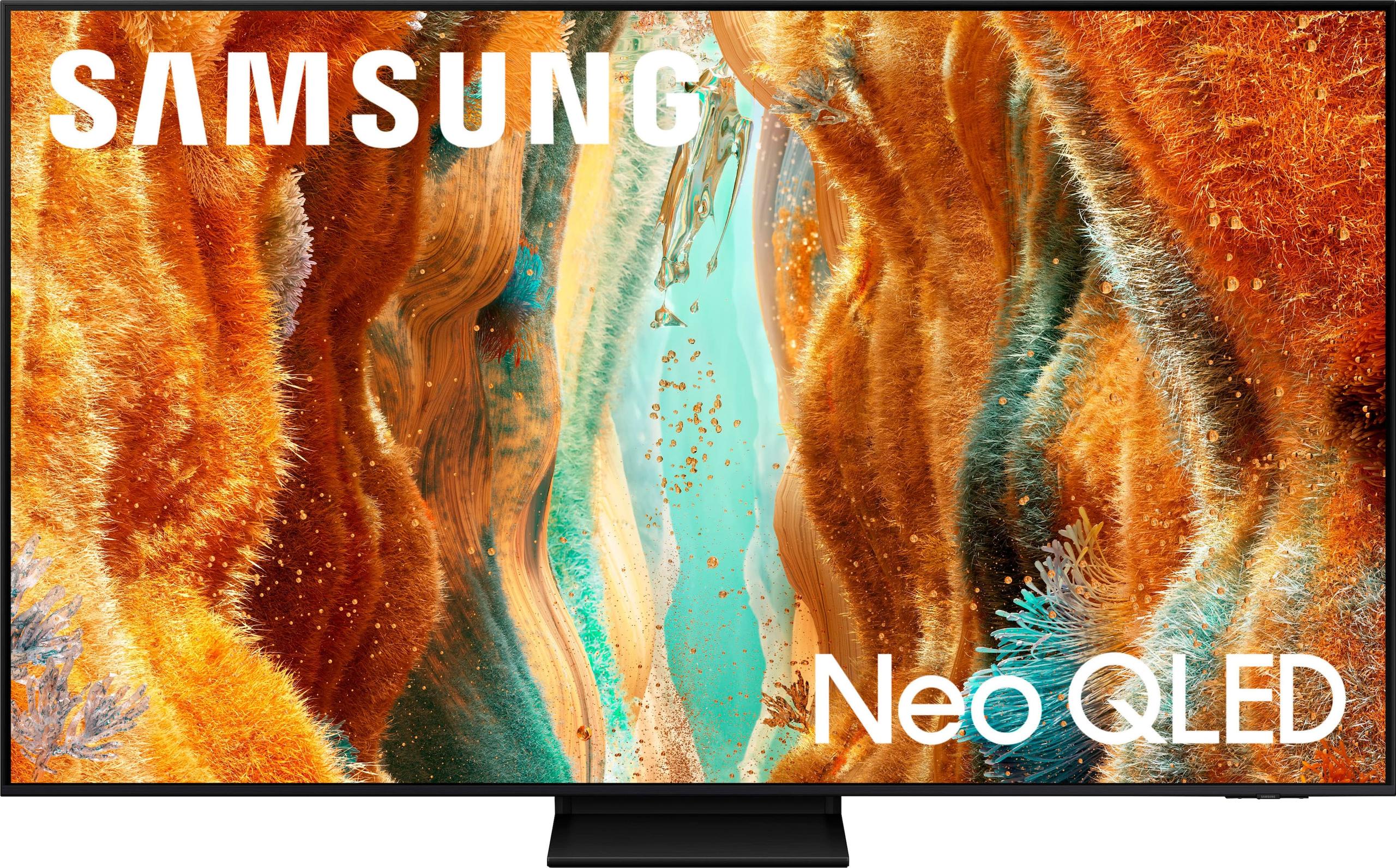
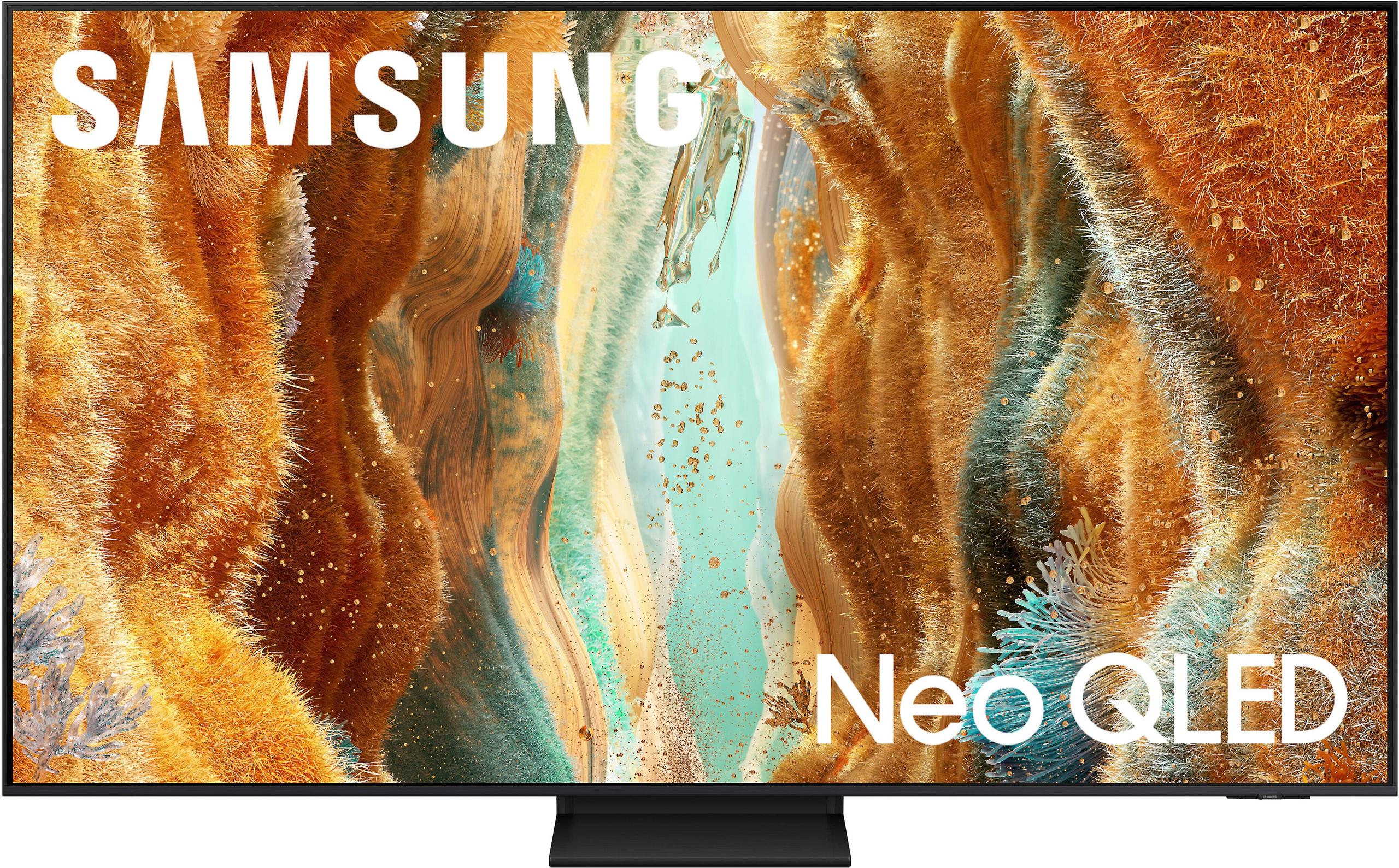
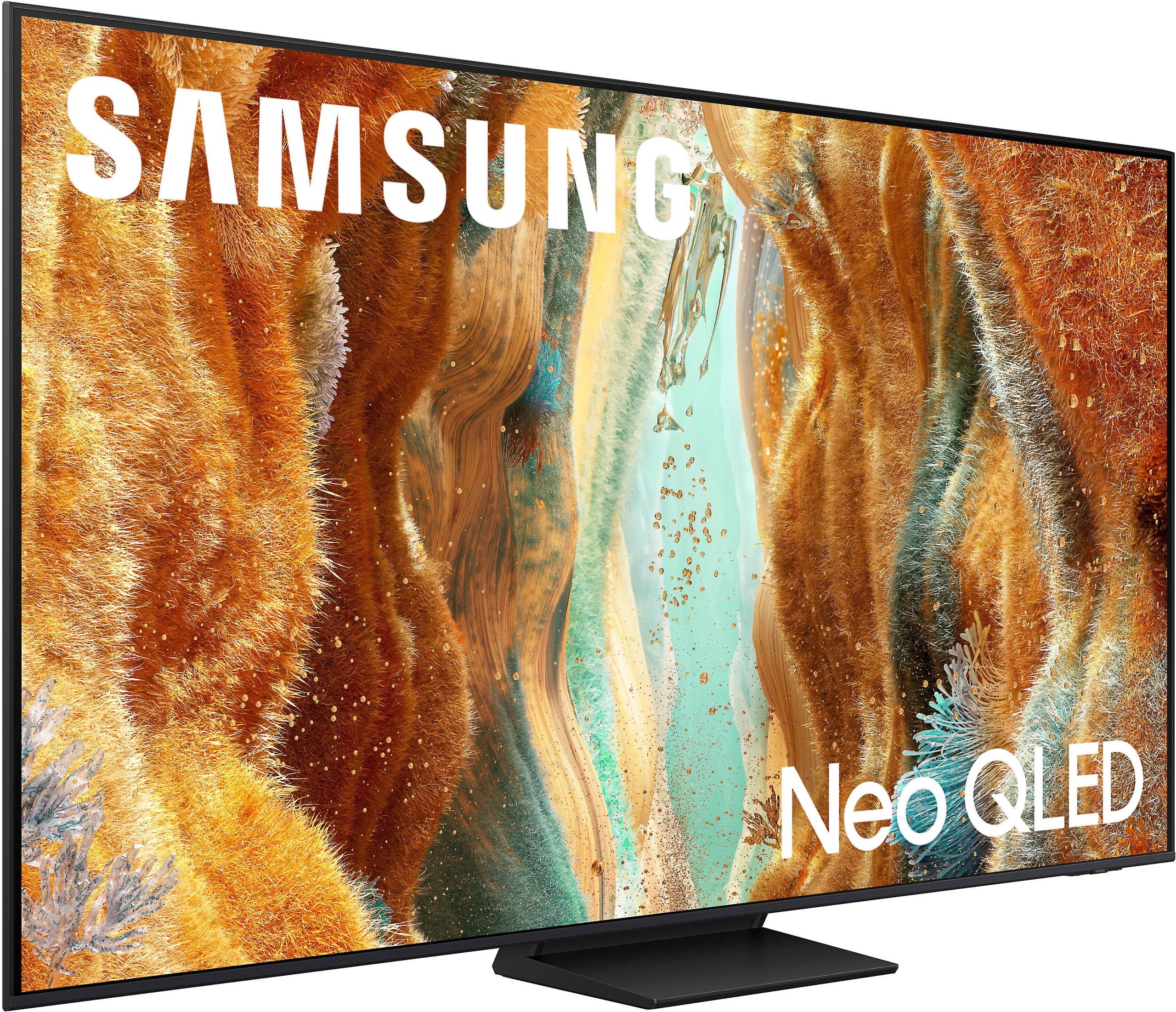
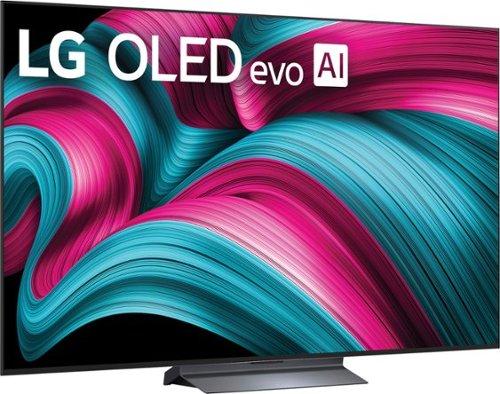
Walking into a TV showroom today, you'll quickly realize that buying a premium 65-inch TV isn't as simple as it used to be. Two fundamentally different display technologies now dominate the high-end market, each with distinct strengths that appeal to different viewing habits and room setups. The Samsung 65" QN70F Neo QLED and LG OLED evo C5 perfectly represent this divide, offering compelling but very different approaches to premium picture quality.
Both TVs launched in 2025 as part of their manufacturers' latest lineups, incorporating years of refinement in their respective display technologies. The Samsung QN70F sits as Samsung's entry point into their Neo QLED family, while the LG C5 occupies the middle tier of LG's OLED offerings. At the time of writing, there's a significant price gap between them, with the Samsung positioned as the more budget-friendly premium option and the LG commanding a higher premium for its OLED technology.
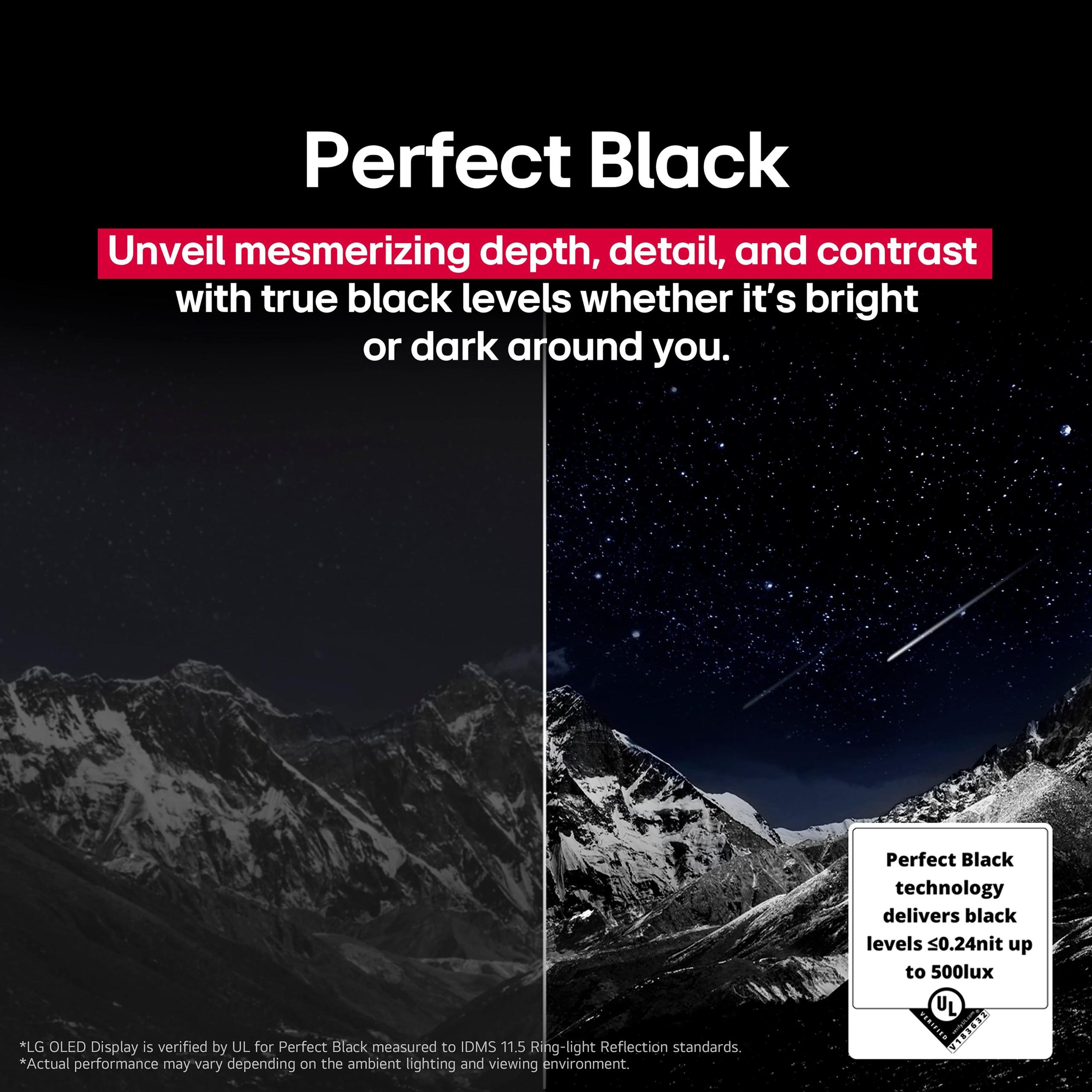
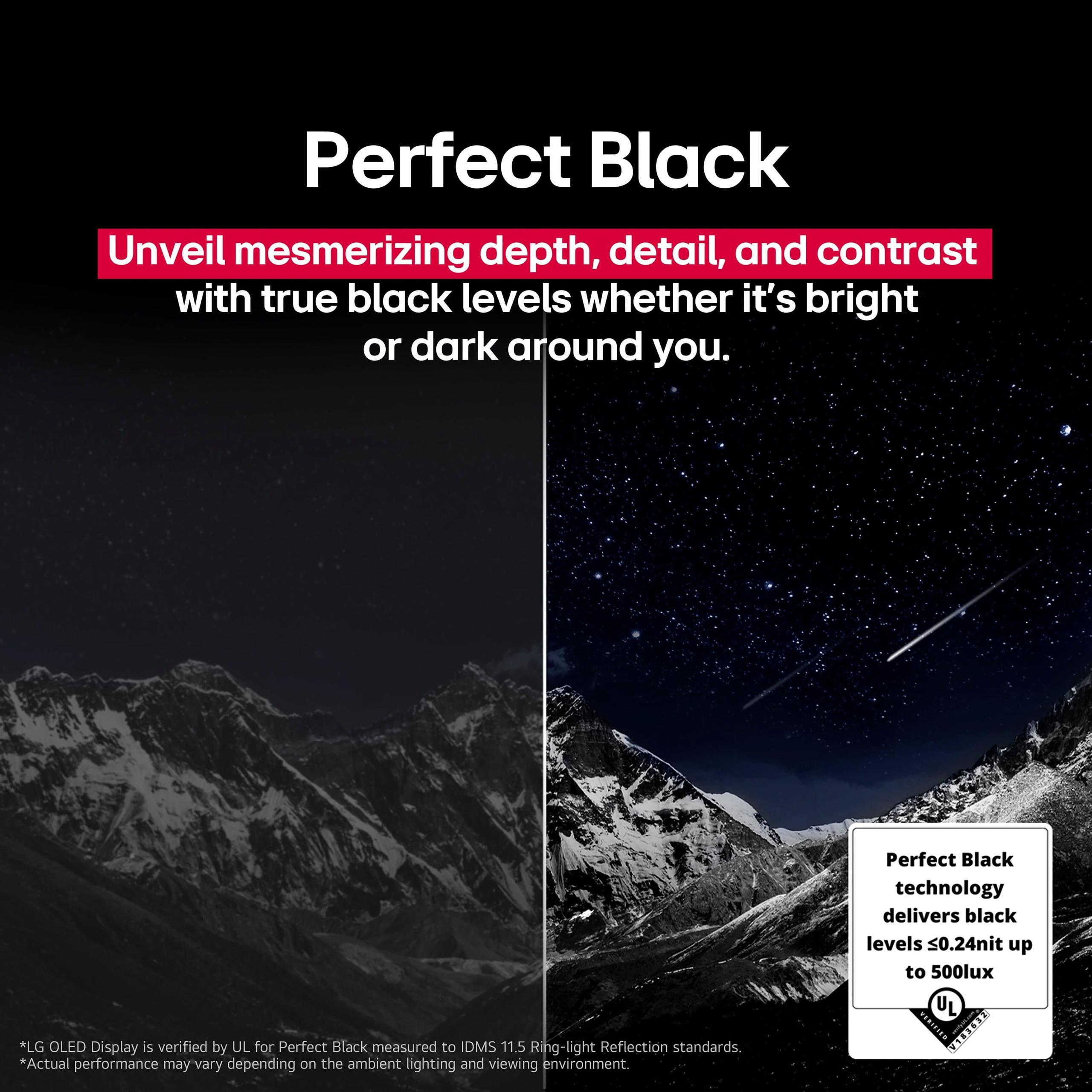
The core difference between these TVs lies in how they create light and color. The LG C5 OLED uses organic light-emitting diodes (OLED) where each individual pixel generates its own light. Think of it like having 8.3 million tiny light bulbs that can turn completely on, completely off, or anywhere in between. This creates what we call "perfect blacks" – when a pixel needs to display black, it simply turns off entirely, producing true darkness rather than dark gray.
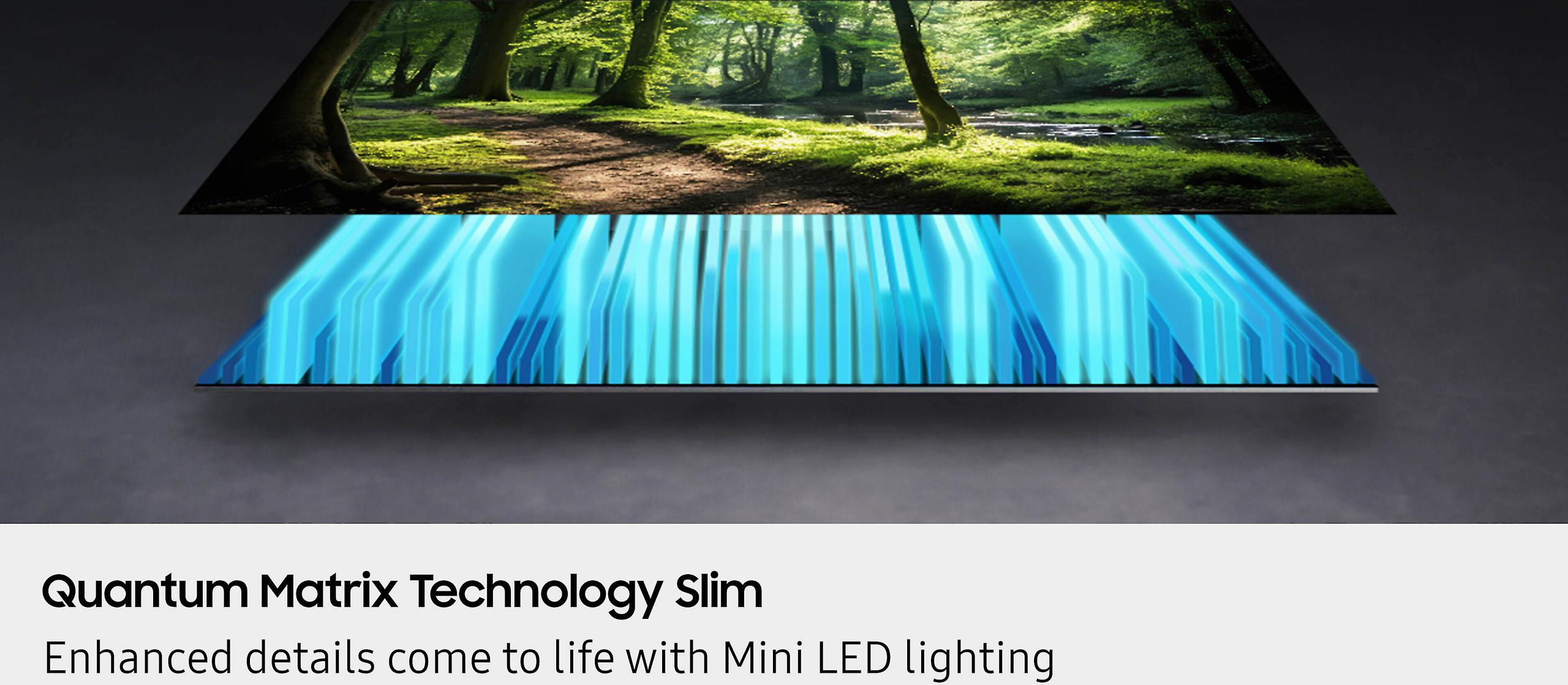
The Samsung QN70F, on the other hand, uses Mini LED backlighting behind a quantum dot layer. Mini LEDs are incredibly small LED lights – much smaller than traditional TV backlights – arranged in zones across the back of the screen. These zones can dim or brighten independently, but they still shine light through the entire screen panel. This means blacks appear as very dark gray rather than true black, but the system can produce much brighter highlights.
This fundamental difference affects everything about how these TVs perform, from movie watching to gaming to daytime viewing.
Contrast – the difference between the brightest whites and darkest blacks – forms the foundation of compelling picture quality. Here's where the philosophical differences between these technologies become most apparent.
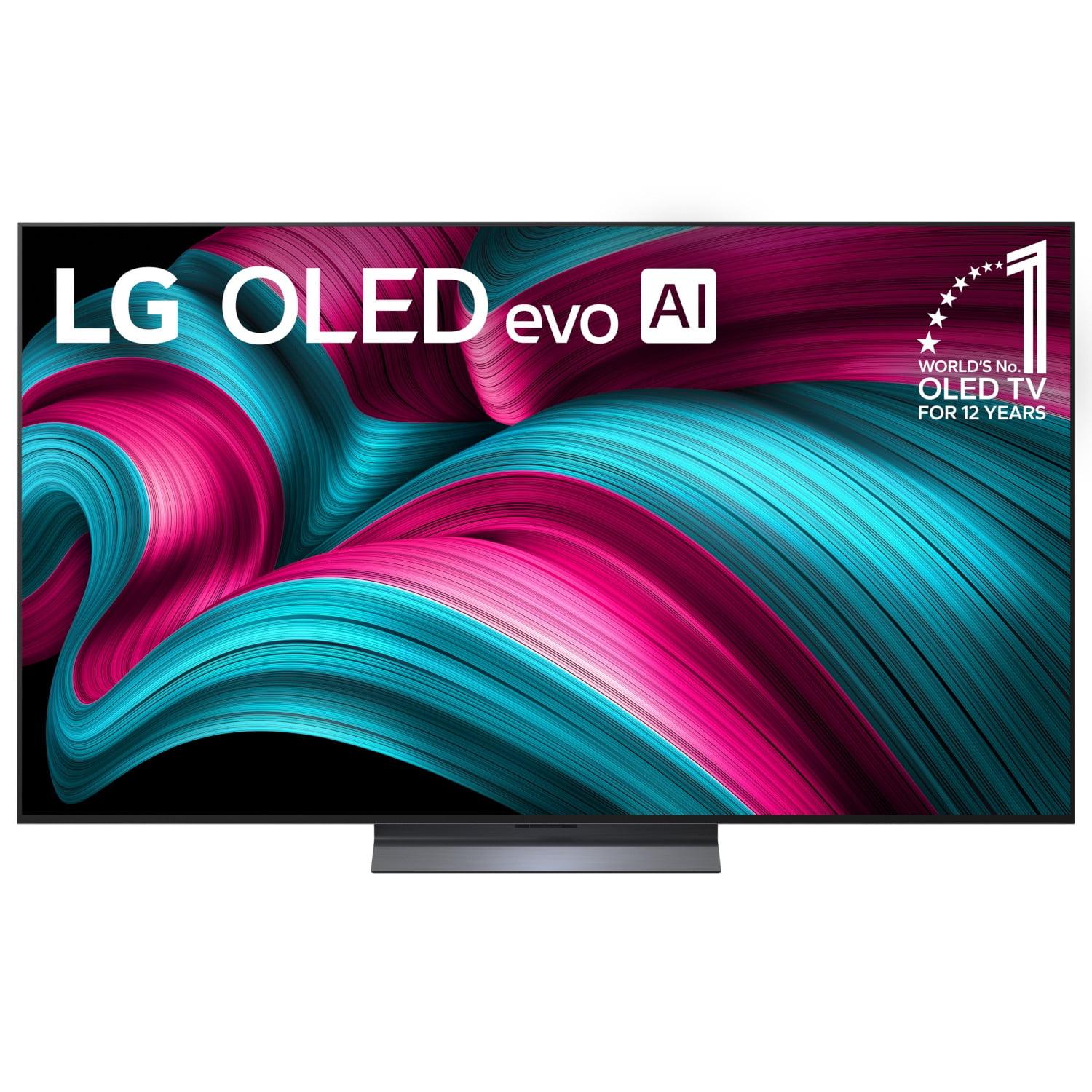
The LG C5 achieves what display engineers call "infinite contrast" because its pixels can turn completely off. When you're watching a movie with a night scene, like the cave sequences in recent blockbusters, you'll see true darkness that makes bright elements like torches or car headlights pop with dramatic intensity. This creates an almost three-dimensional depth that draws you into the scene.
The Samsung QN70F takes a different approach with its Supreme UHD Dimming technology. While it can't achieve true blacks, it compensates with significantly brighter peak highlights. During those same torch-lit cave scenes, the flames themselves will appear more brilliant and intense on the Samsung, even if the surrounding darkness isn't quite as deep.
In practical terms, this means the LG C5 excels in dark room viewing where you can appreciate those perfect blacks, while the Samsung QN70F performs better in rooms with ambient light where true blacks matter less than overall brightness.
High Dynamic Range (HDR) content – which includes more brightness and color information than standard video – reveals another key performance difference. The Samsung QN70F supports Neo Quantum HDR with HDR10+ Adaptive, which adjusts brightness scene by scene. Its Mini LED backlight can push certain highlights to impressive brightness levels, making things like stadium lights, explosions, or bright skies look more realistic.
The LG C5 supports Dolby Vision HDR, generally considered the premium HDR format. While it can't match the Samsung's peak brightness, its perfect contrast means HDR content often looks more balanced and natural. The improved brightness over previous LG OLED generations means it now handles HDR content much better in typical living room conditions.
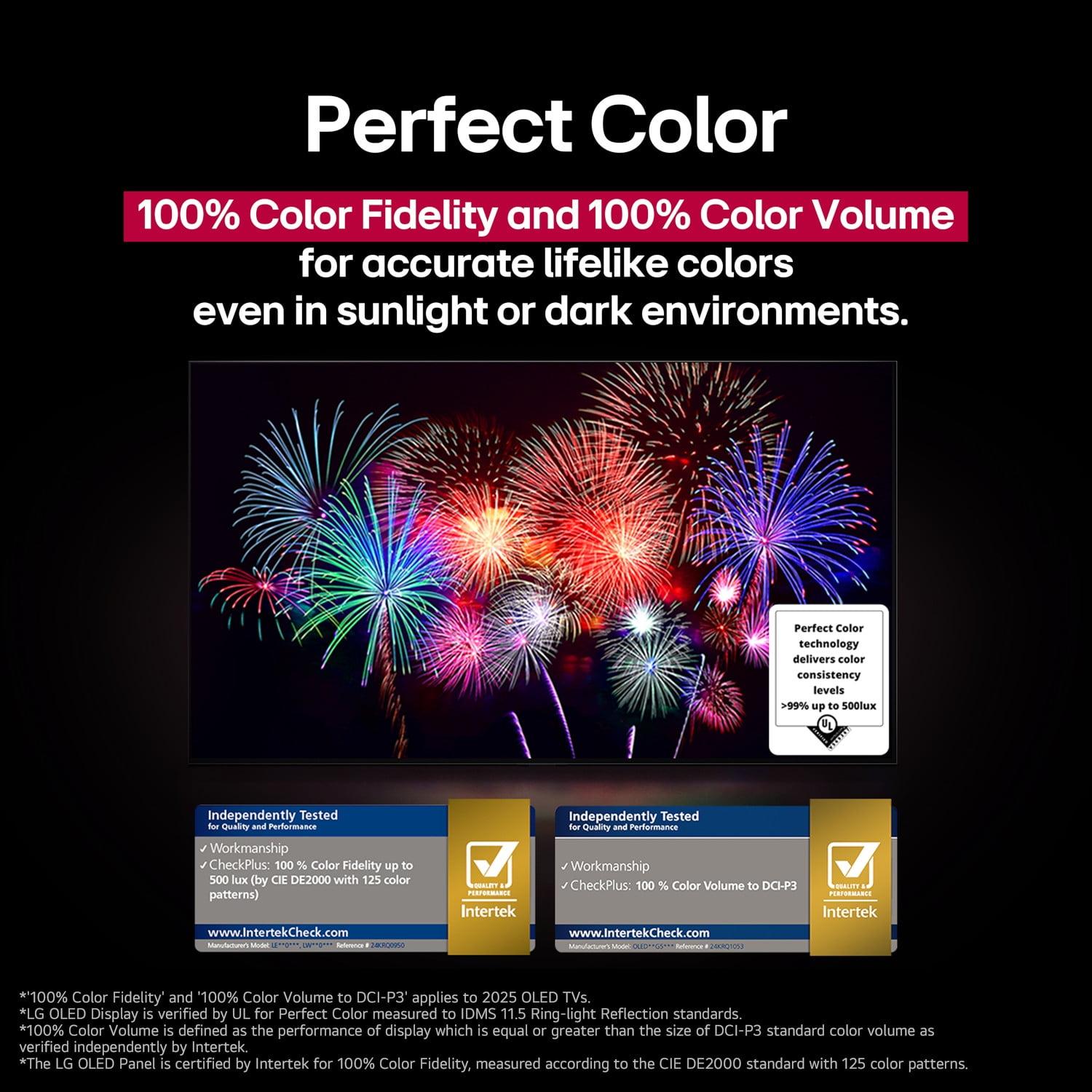
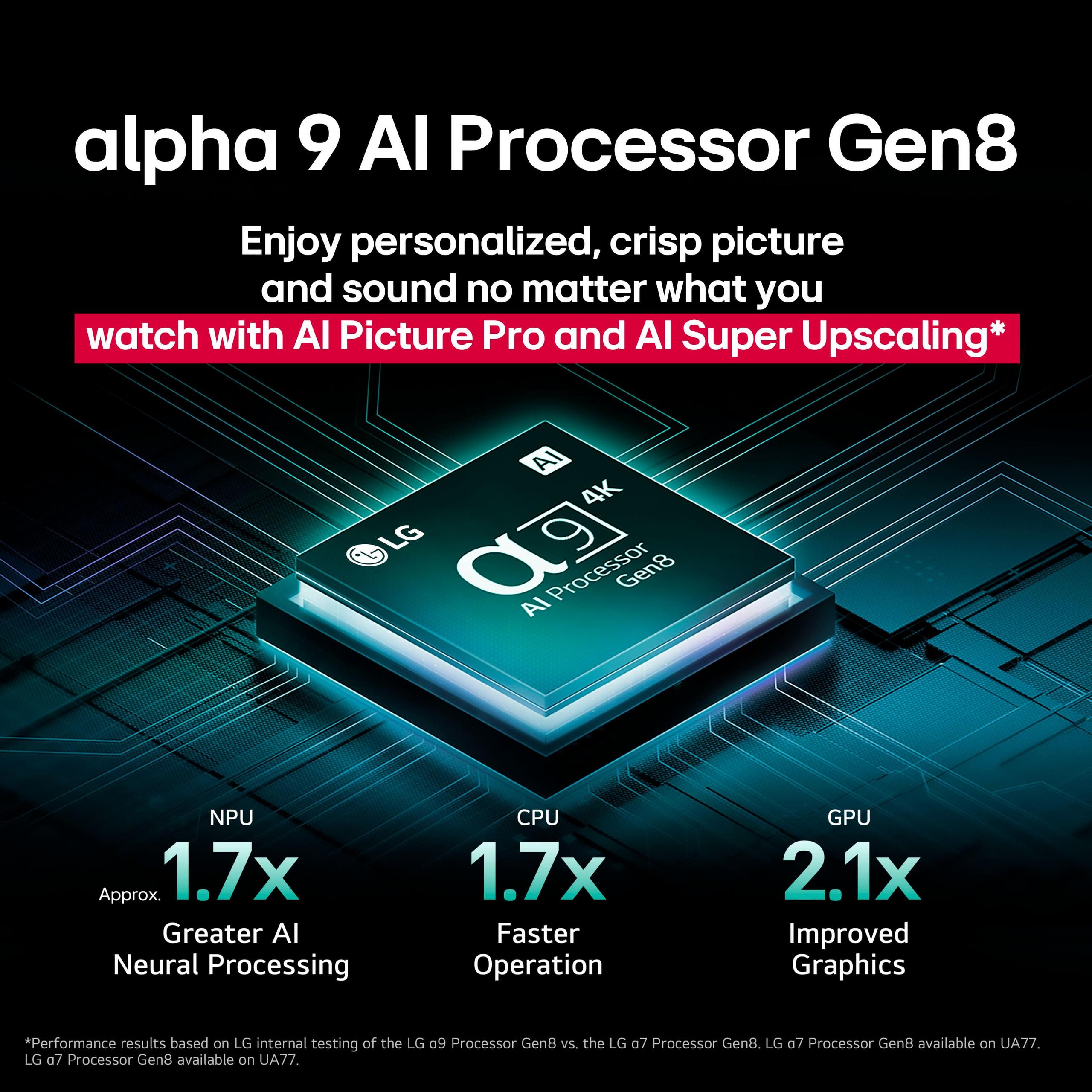
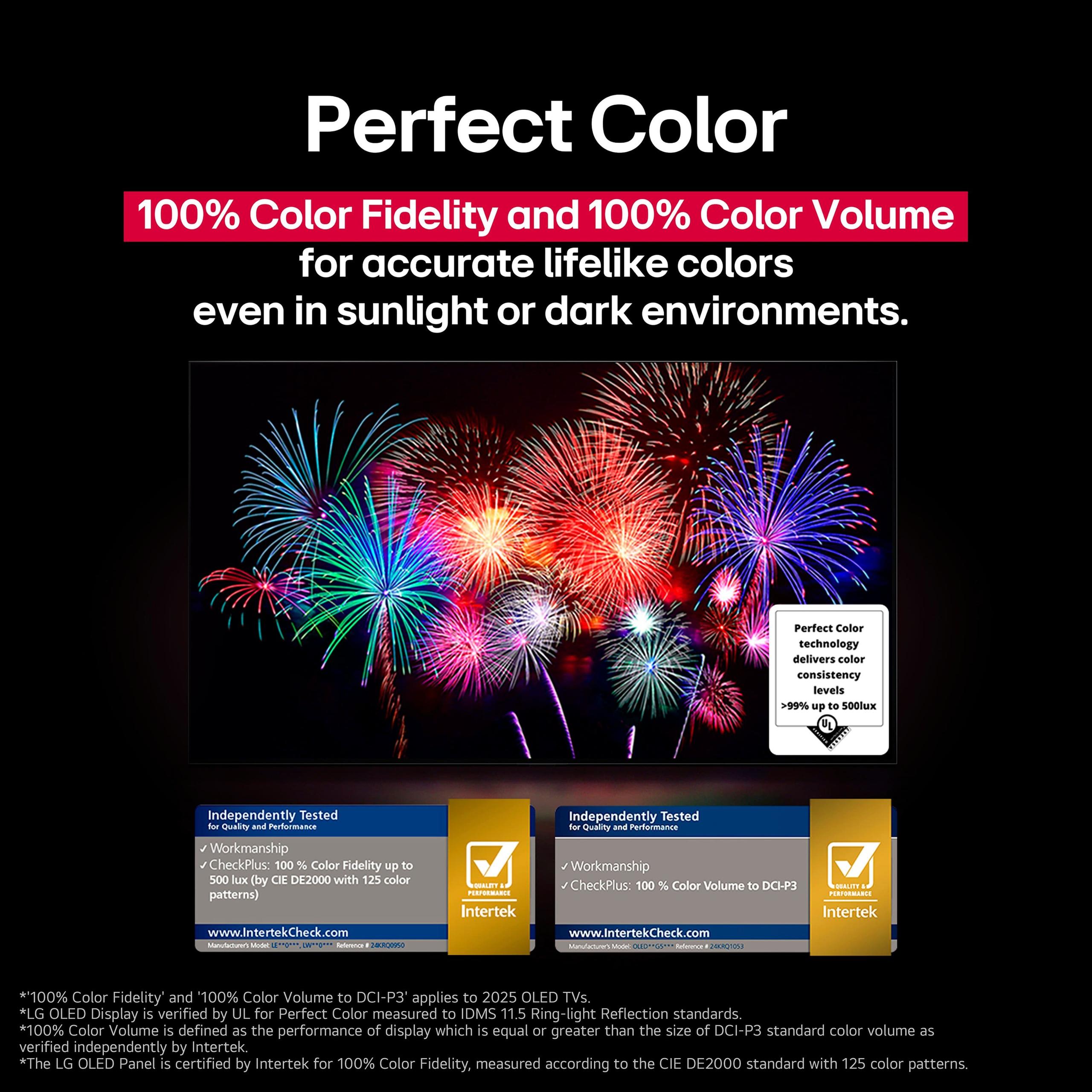
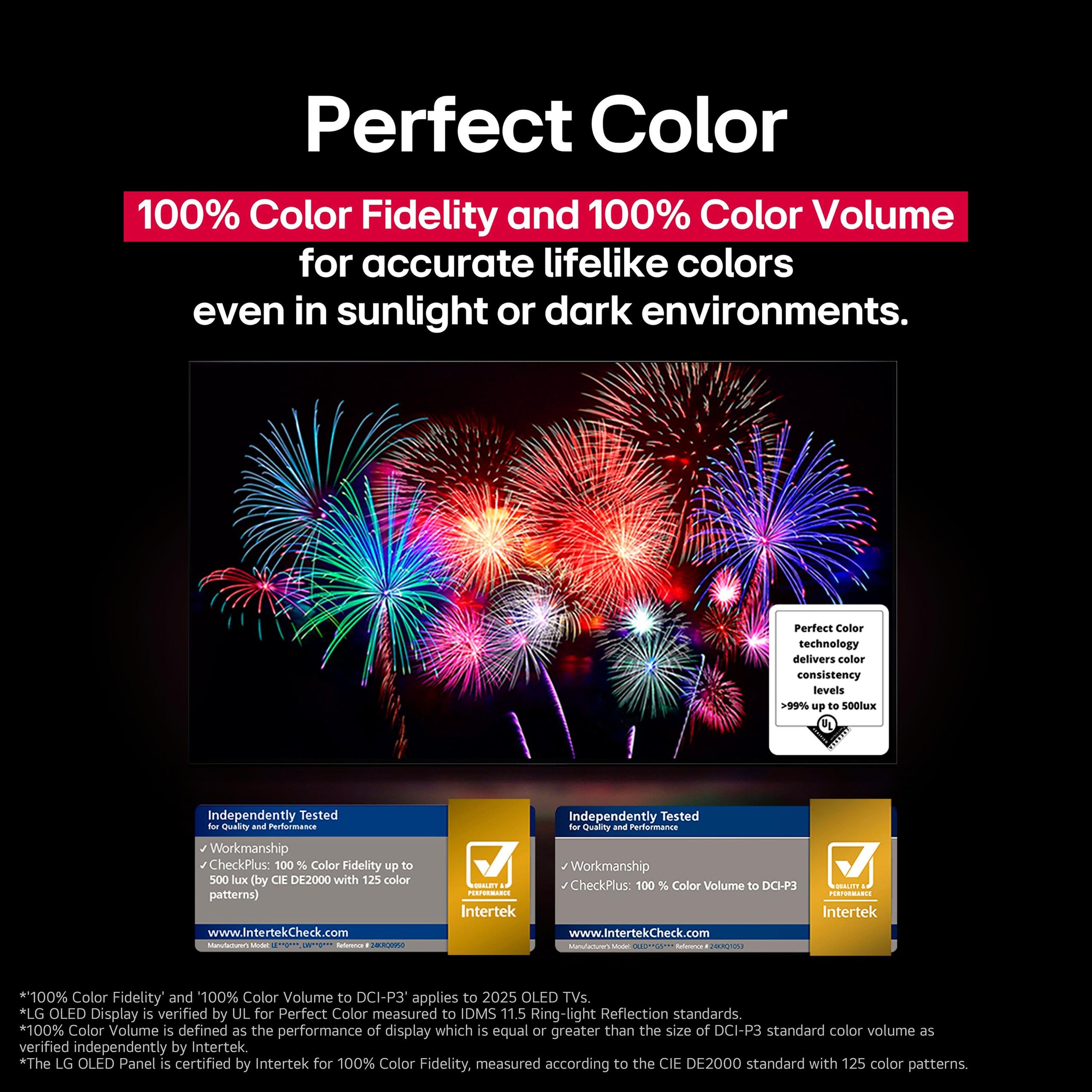
Color performance reveals another interesting trade-off. The LG C5 delivers what many consider more natural, film-like colors straight out of the box. Its WOLED (White OLED) technology, combined with the Alpha 9 Gen8 processor, produces colors that feel authentic and pleasing without over-saturation.
The Samsung QN70F uses Quantum Dot technology with its Color Booster Pro feature, creating more saturated, vibrant colors that really pop. Some viewers prefer this punchy look, especially for sports or bright content, though purists might find it slightly artificial for movie watching.
Both TVs cater to serious gamers, but they approach gaming excellence differently. The LG C5 offers a blazing-fast 0.1ms response time – essentially instantaneous – which competitive gamers will appreciate. This means virtually no delay between pressing a button and seeing the action on screen, crucial for fast-paced shooters or fighting games.
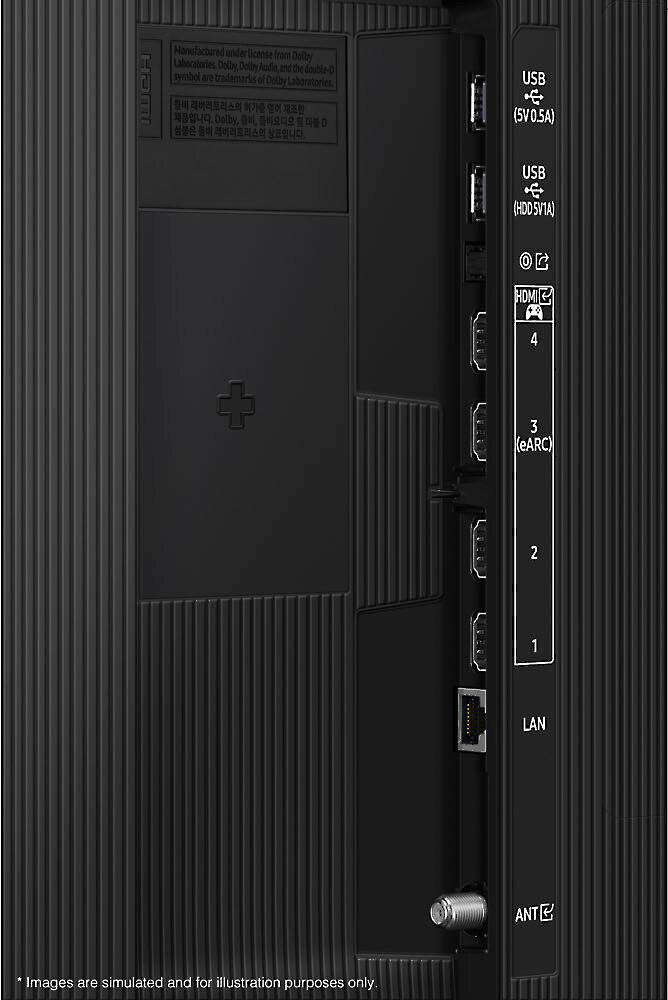
The TV supports native 120Hz refresh rates up to 144Hz for PC gaming, with Variable Refresh Rate (VRR) technology that syncs with your console or graphics card to eliminate screen tearing. All four HDMI ports support full HDMI 2.1 bandwidth, meaning you can connect multiple high-end gaming devices without compromise.
The Samsung QN70F delivers solid gaming performance with its 100Hz native refresh rate (expandable to 144Hz) and includes AMD FreeSync Premium Pro technology. While its response time isn't quite as quick as the OLED, it's still excellent for most gaming scenarios. The TV also supports HDR10+ Gaming, which can enhance the visual experience in compatible games.
For Xbox Series X, PlayStation 5, or high-end PC gaming, both TVs will deliver excellent experiences. The LG C5 has a slight edge for competitive gaming due to its response time, while the Samsung QN70F might appeal to gamers who prefer brighter, more vibrant visuals.
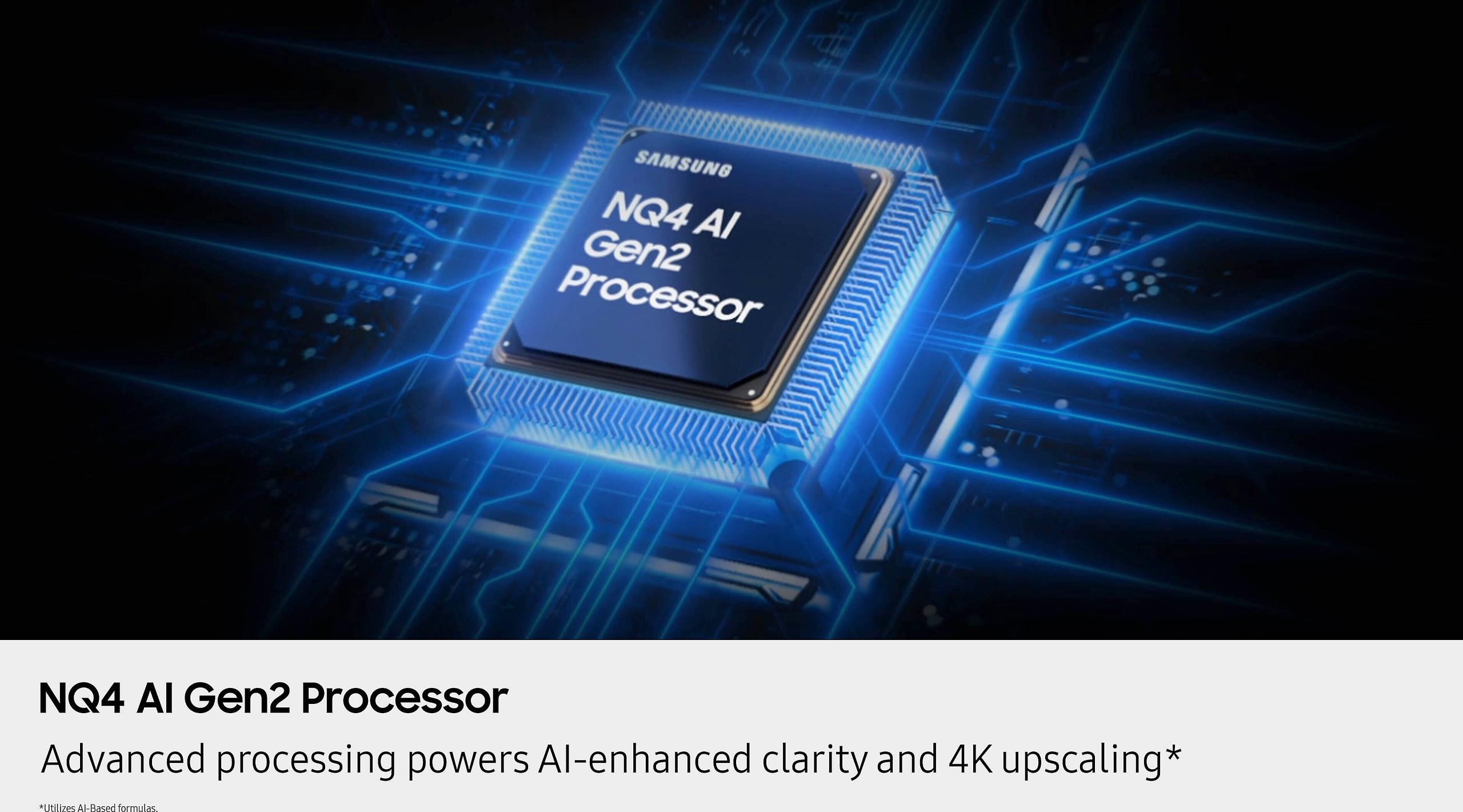
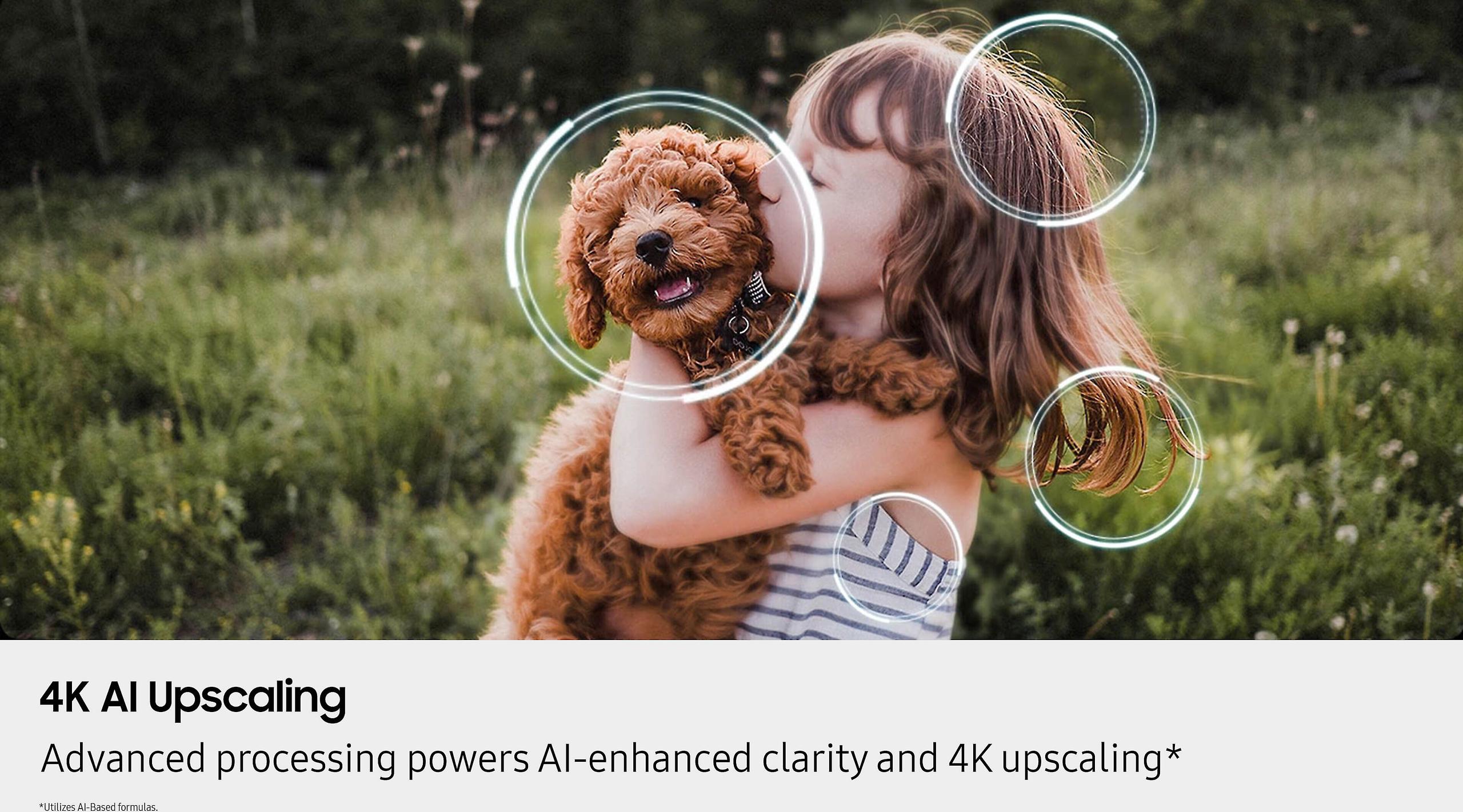
The smart TV experience has evolved dramatically, and both manufacturers have invested heavily in AI-powered features for 2025. The Samsung QN70F includes Samsung's Vision AI technology, powered by the NQ4 AI Gen2 processor. This brings genuinely useful features like "Click to Search," which lets you instantly identify actors or get information about what's on screen, and "Live Translate" for real-time subtitle translations during live broadcasts.
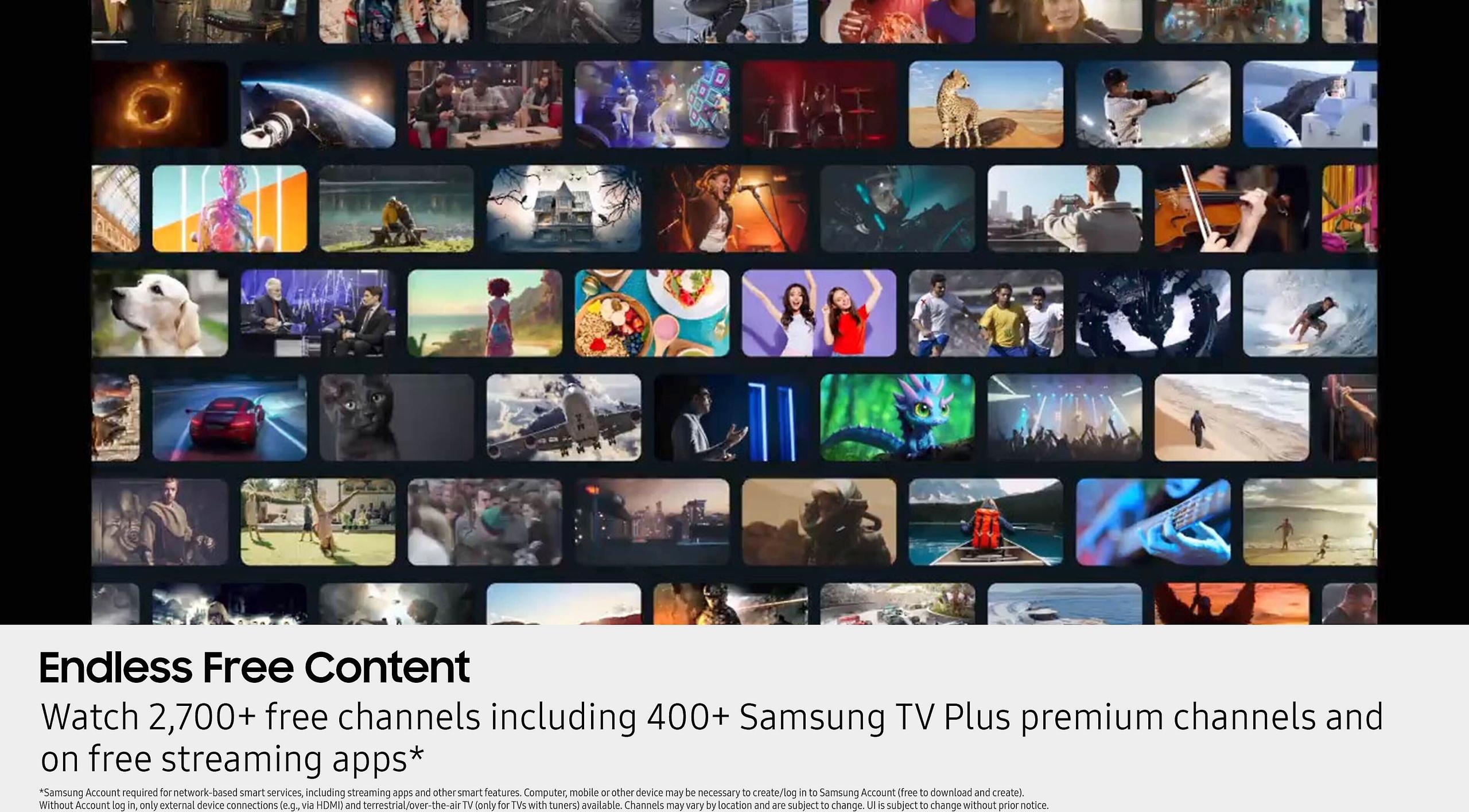
Samsung's Tizen operating system feels mature and responsive, with Samsung TV Plus providing access to hundreds of free channels. The interface is intuitive, though some users find it slightly more cluttered than competitors.
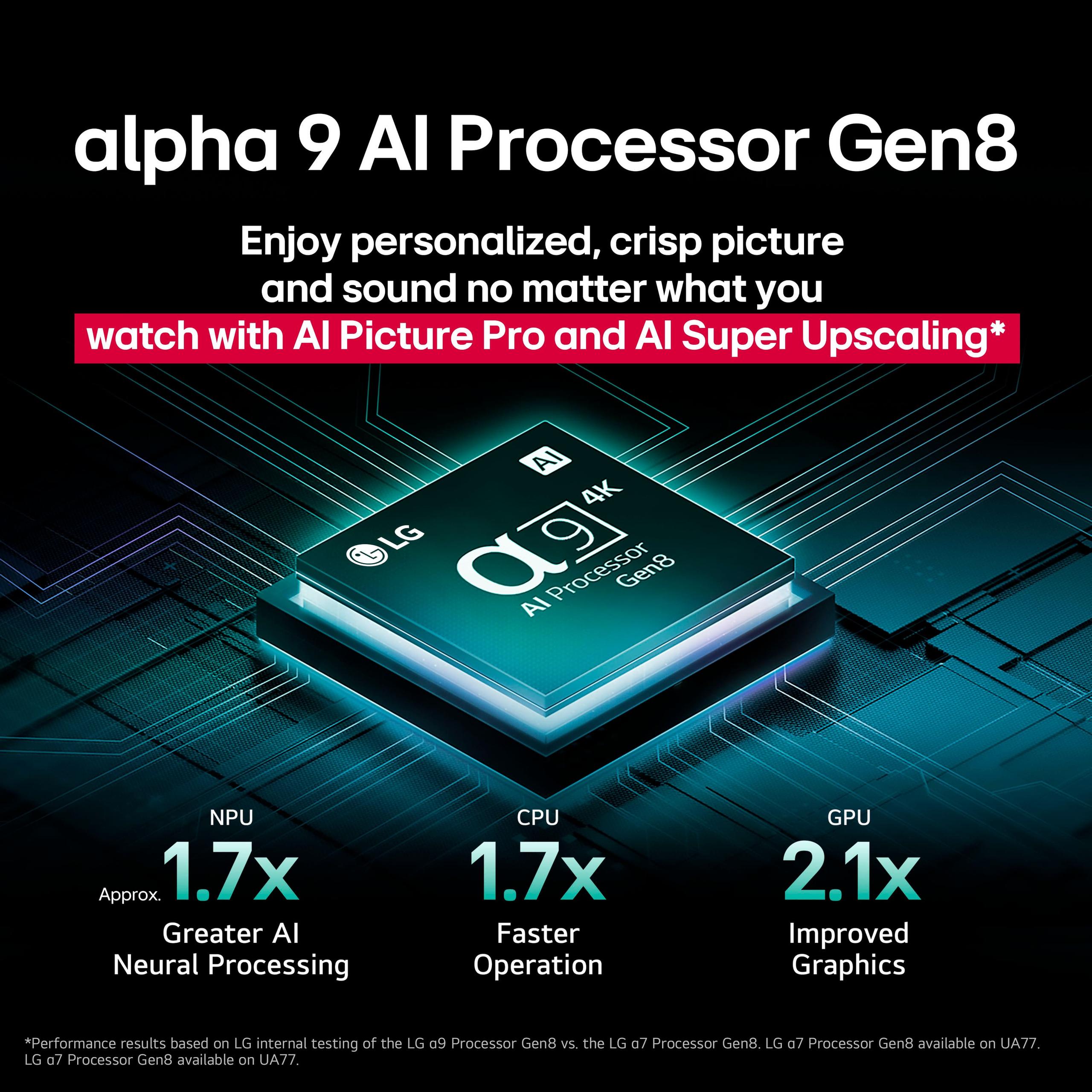
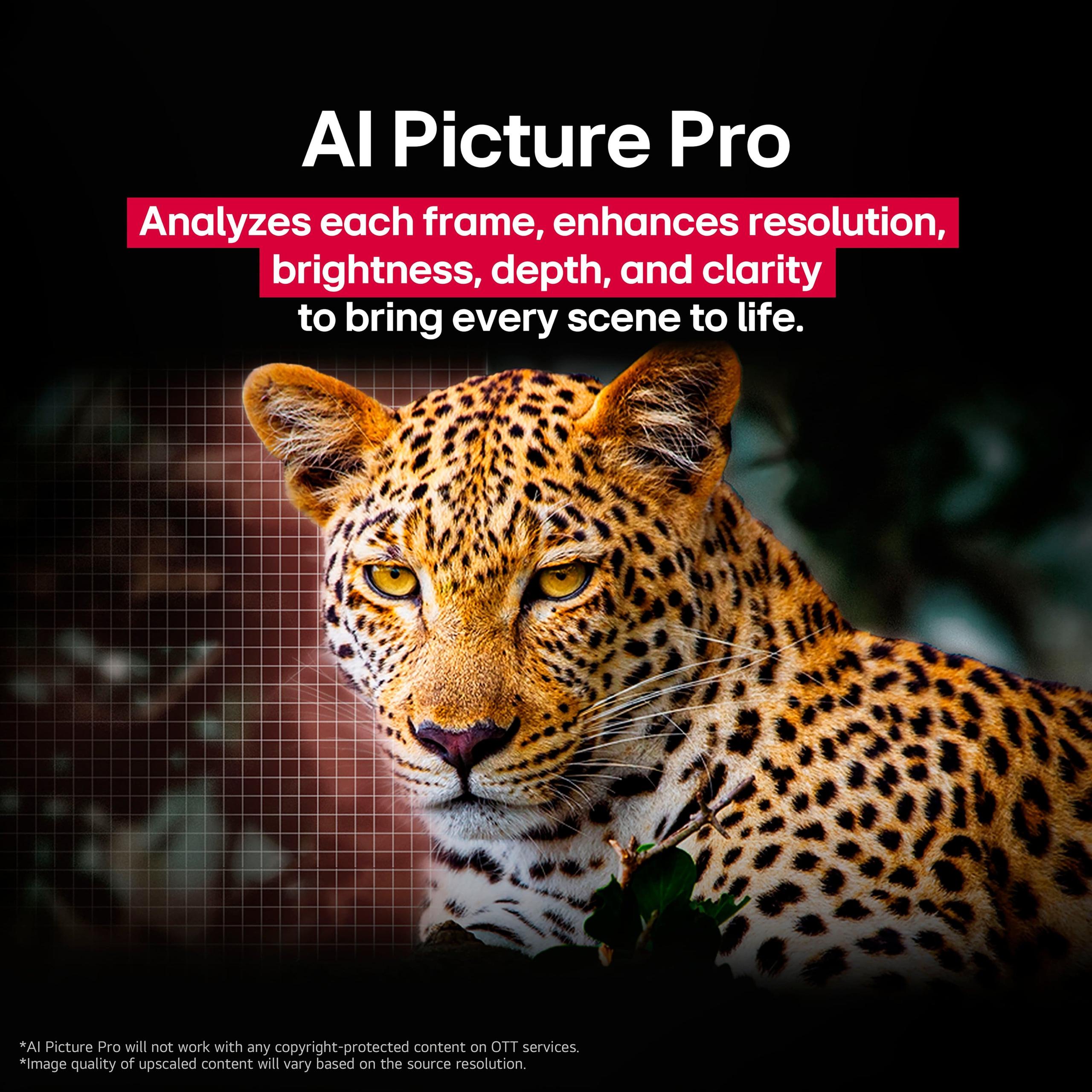
The LG C5 runs webOS 25, which many consider the most elegant TV interface available. The Magic Remote makes navigation feel natural, almost like using a computer mouse. LG's Alpha 9 Gen8 processor powers AI Picture Pro and AI Sound Pro, which continuously analyze and optimize your viewing experience based on content type and viewing conditions.
WebOS includes over 300 free LG Channels and seamlessly integrates with major streaming services. The platform feels snappier and more polished than most competitors, though Samsung's AI features are more immediately practical.
Your room's lighting conditions significantly impact which TV will perform better. The Samsung QN70F excels in bright environments – think living rooms with large windows, open floor plans, or rooms where you can't control ambient light. Its Mini LED backlight can overcome room glare and maintain good picture quality even during daytime viewing.
The LG C5 includes "Bright Room Ready" technology that improves performance in well-lit conditions compared to previous OLED generations. However, it still performs best in controlled lighting environments. If you have blackout curtains or primarily watch in the evening, the OLED's perfect blacks create a more cinematic experience.
For dedicated home theaters or media rooms where you can control lighting, the LG C5 provides a more immersive experience. For family rooms or spaces with lots of natural light, the Samsung QN70F maintains better picture quality throughout the day.
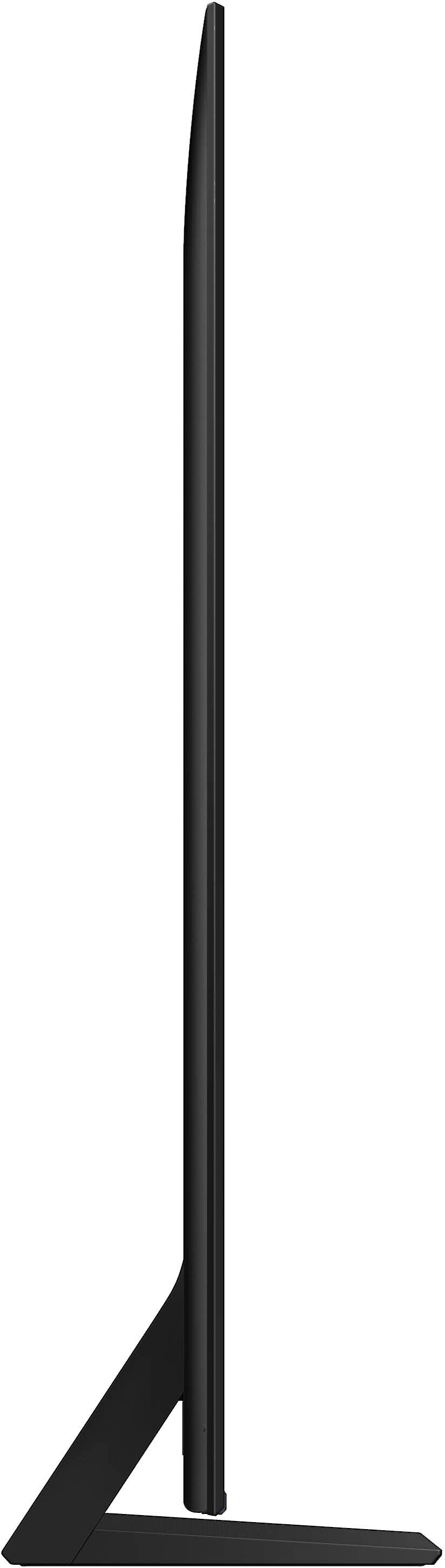
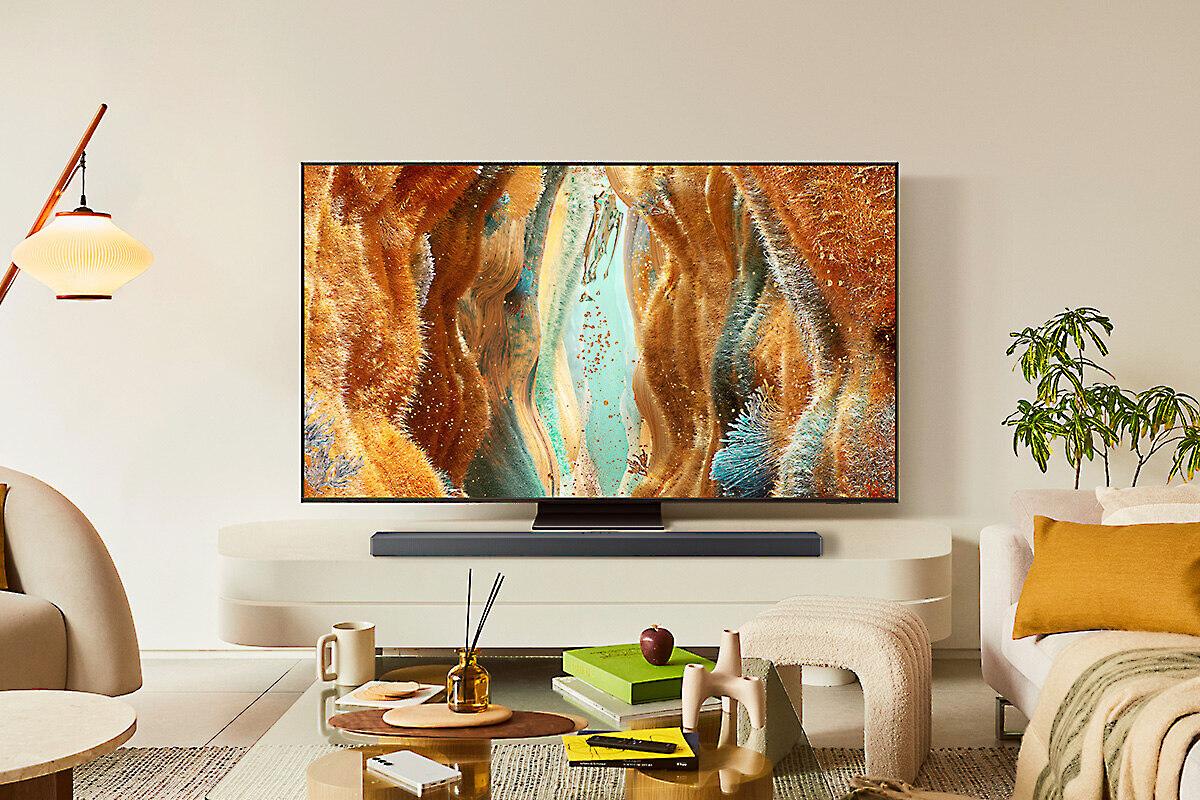
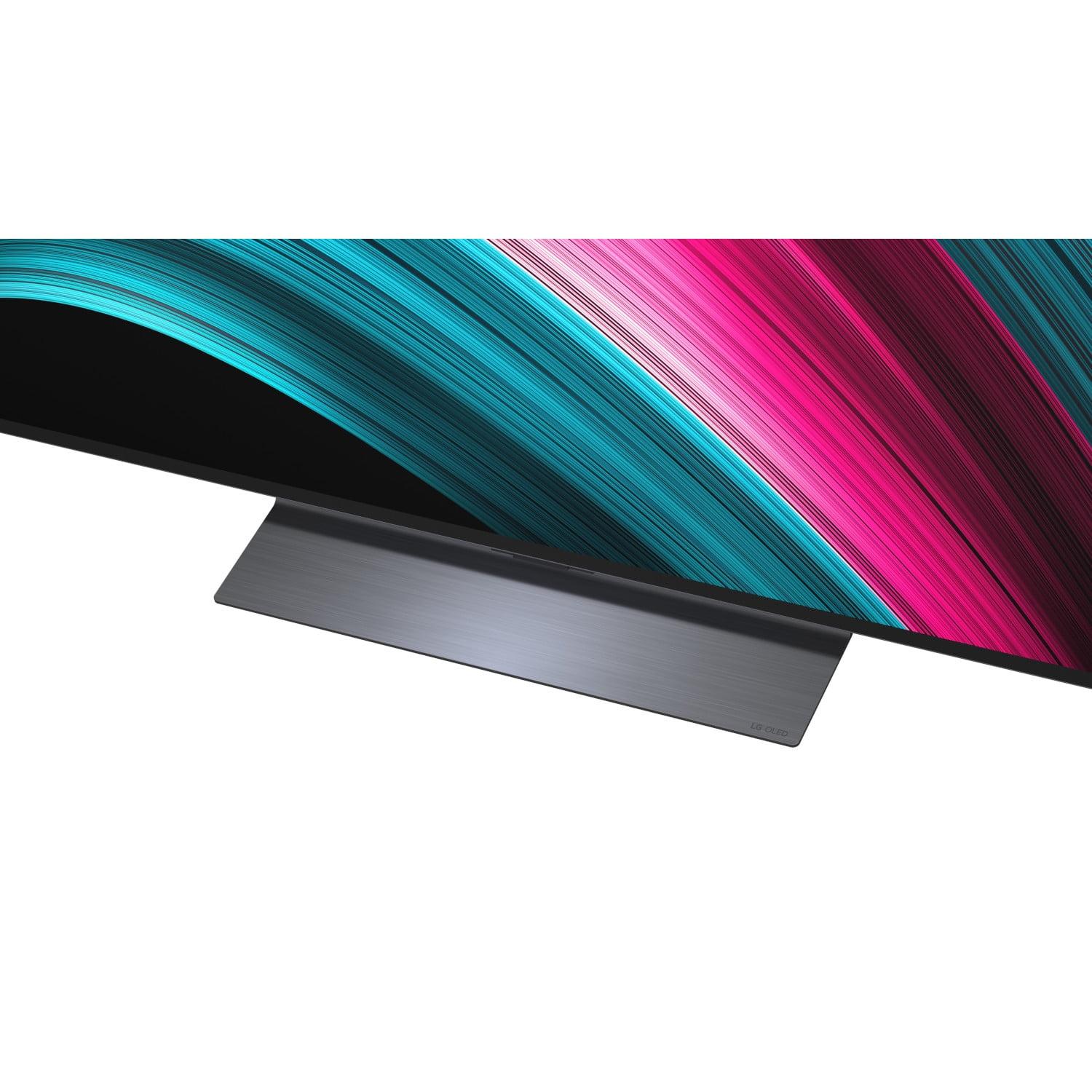
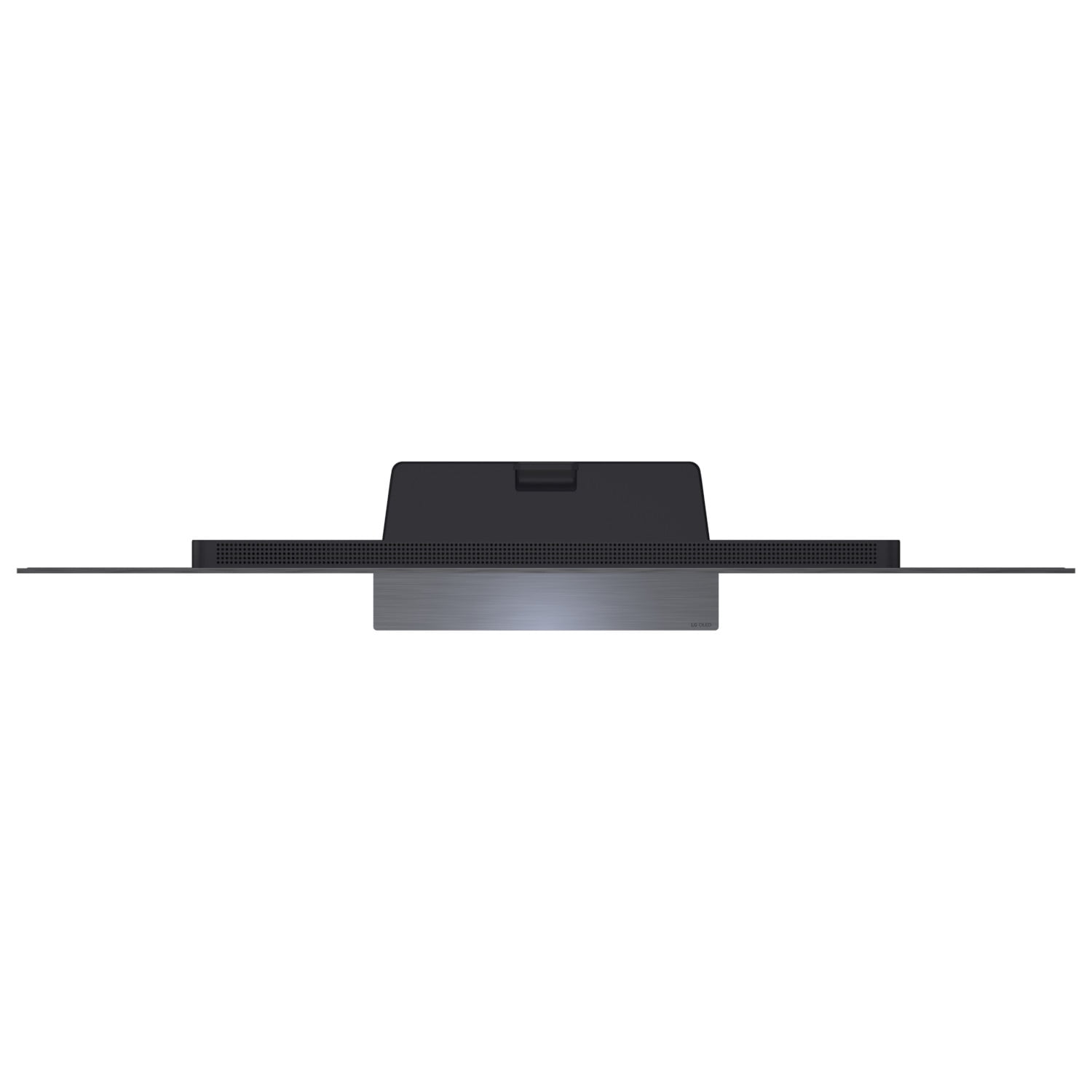
Both TVs embrace minimalist design principles with nearly invisible bezels and slim profiles. The LG C5 achieves an impressively thin design – almost wafer-like around the edges – that looks elegant wall-mounted or on a stand. When not displaying content, it can showcase artwork or photos, functioning as a large digital frame.
The Samsung QN70F offers solid build quality with a more conventional thickness that houses its Mini LED backlighting system. While not quite as striking as the OLED's thinness, it still looks premium and modern in any room setup.
At the time of writing, the Samsung QN70F offers compelling value, delivering many premium TV features at a more accessible price point. You get advanced AI features, good HDR performance, and solid gaming capabilities without the OLED premium.
The LG C5 commands higher pricing that reflects its OLED technology and superior gaming performance. However, LG's Re:New Program promises software updates and feature additions for up to five years, potentially extending the TV's useful life and adding value over time.
Both TVs include comprehensive warranty coverage and should provide years of reliable service. The choice often comes down to whether OLED's perfect blacks and gaming advantages justify the price premium for your specific use case.
Choose the Samsung QN70F Neo QLED if you have a bright living room where the TV will compete with natural light throughout the day. Its superior brightness and good contrast make it ideal for families who watch varied content – from morning news to evening movies to weekend sports. The practical AI features add genuine utility, and the more accessible pricing makes it an excellent entry point into premium TV territory.
The LG C5 OLED is the better choice for viewers who prioritize picture quality above all else and can control their viewing environment. If you're a serious movie enthusiast who appreciates cinematic blacks, a competitive gamer who needs the fastest response times, or someone planning to keep their TV for many years, the OLED technology justifies its premium pricing.
For dedicated home theaters, the LG C5 creates a more immersive, cinema-like experience. For versatile family rooms that serve multiple purposes throughout the day, the Samsung QN70F offers better overall performance across varied viewing conditions.
The decision ultimately comes down to your room, your priorities, and your budget. Both represent excellent examples of their respective technologies, refined through years of development and perfectly suited to different viewing preferences. Whichever you choose, you'll enjoy a significant upgrade over older TV technology and features that will remain relevant for years to come.
| Samsung 65" QN70F Neo QLED | LG OLED evo C5 |
|---|---|
| Display Technology - Fundamentally determines picture quality and room suitability | |
| Mini LED backlight with Quantum Dot layer | Self-emitting OLED pixels with perfect blacks |
| Peak Brightness - Critical for HDR performance and bright room viewing | |
| Superior brightness with Neo Quantum HDR | Enhanced brightness over previous OLEDs but still lower than Mini LED |
| Black Levels - Most noticeable difference in dark room viewing | |
| Very good blacks with Supreme UHD Dimming | Perfect infinite blacks (pixels turn completely off) |
| Gaming Response Time - Essential for competitive gaming | |
| Good response time with low input lag | 0.1ms response time (industry leading) |
| Refresh Rate - Important for smooth motion and gaming | |
| 100Hz native (up to 144Hz) with AMD FreeSync Premium Pro | Native 120Hz (up to 144Hz) with VRR on all 4 HDMI 2.1 ports |
| AI Features - Practical smart TV capabilities | |
| Vision AI with Click-to-Search, Live Translate, actor ID | Alpha 9 Gen8 with AI Picture/Sound Pro, personalized optimization |
| Smart Platform - Daily usability and interface quality | |
| Tizen OS with Samsung TV Plus (hundreds of free channels) | webOS 25 with Magic Remote (considered premium TV interface) |
| HDR Support - Enhanced color and contrast for premium content | |
| HDR10+ Adaptive with scene-by-scene optimization | Dolby Vision HDR with superior tone mapping |
| Room Environment Performance - Where each TV excels | |
| Excellent in bright rooms, good contrast in mixed lighting | Best in dark/controlled lighting, improved bright room performance |
| Color Technology - Affects color accuracy and vibrancy | |
| Quantum Dot with Color Booster Pro (vibrant, punchy colors) | WOLED with superior out-of-box accuracy (natural, film-like) |
| Build Quality - Design and long-term value | |
| Solid premium build with conventional thickness | Ultra-thin wafer design, 5-year Re:New software support |
| Best Use Cases - Who should choose each TV | |
| Bright living rooms, families wanting good value premium features | Dark room viewing, serious gamers, home theater enthusiasts |
The Samsung QN70F Neo QLED performs significantly better in bright rooms due to its Mini LED backlight technology that can produce much higher peak brightness levels. The Neo Quantum HDR can overcome glare and maintain good picture quality even during daytime viewing. While the LG C5 OLED includes "Bright Room Ready" improvements, it still struggles with direct sunlight and performs best in controlled lighting environments.
The LG C5 OLED uses self-emitting pixels that can turn completely off to create perfect blacks and infinite contrast. The Samsung QN70F Neo QLED uses Mini LED backlighting behind a quantum dot layer, which can't achieve true blacks but produces much brighter highlights. This means OLED excels in dark rooms while Neo QLED performs better in bright environments.
Both TVs support next-gen gaming features, but the LG C5 OLED has advantages for competitive gaming with its 0.1ms response time and native 120Hz refresh rate up to 144Hz on all four HDMI 2.1 ports. The Samsung QN70F offers solid gaming performance with AMD FreeSync Premium Pro and good response times, making either suitable for console gaming, though serious gamers may prefer the OLED's speed.
The Samsung QN70F includes Vision AI with practical features like Click-to-Search for actor identification and Live Translate for real-time subtitles, running on Tizen OS with Samsung TV Plus. The LG C5 OLED uses webOS 25 with the Magic Remote, generally considered a more elegant interface, plus AI Picture Pro that continuously optimizes viewing based on content and conditions.
The Samsung QN70F Neo QLED typically offers better value at its price point, delivering premium features like AI capabilities, good HDR performance, and solid gaming at a more accessible cost. The LG C5 OLED commands a premium for its superior picture quality technology, perfect blacks, and gaming performance, which may justify the higher cost for discerning viewers.
For dedicated home theater setups with controlled lighting, the LG C5 OLED provides a more cinematic experience with perfect blacks, infinite contrast, and natural colors that closely match the filmmaker's intent. The Dolby Vision HDR support also enhances movie viewing. However, if your theater room has ambient light, the Samsung QN70F may maintain better picture quality throughout various lighting conditions.
LG offers a significant advantage with their Re:New Program, promising software updates and new features for the LG C5 OLED for up to five years. The Samsung QN70F receives regular Tizen OS updates but without the same long-term commitment, making the LG potentially better for buyers planning to keep their TV for many years.
This depends on the content and viewing environment. The Samsung QN70F excels with brighter HDR highlights thanks to its Mini LED technology and HDR10+ Adaptive support. The LG C5 OLED offers superior HDR balance with Dolby Vision support and perfect contrast, making HDR content look more natural even if not as bright. Both handle HDR well, but in different ways.
Both TVs handle sports content effectively. The Samsung QN70F may have a slight edge for daytime sports viewing in bright rooms due to its superior brightness, while its Color Booster Pro makes grass and uniforms appear vibrant. The LG C5 OLED provides smooth motion handling and accurate colors, making it excellent for evening sports viewing in darker environments.
The LG C5 OLED generally offers a more intuitive daily experience with webOS 25 and the Magic Remote, which feels natural to navigate. The Samsung QN70F uses Tizen OS, which is also user-friendly but some find slightly more cluttered. Both TVs set up easily, but LG's interface tends to be more polished and responsive for everyday use.
Both the Samsung QN70F and LG C5 OLED support 4K gaming up to 144Hz, making them excellent for PC gaming. The LG C5 offers superior response times and VRR support across all HDMI ports, while the Samsung QN70F includes AMD FreeSync Premium Pro. For competitive PC gaming, the OLED's speed advantage may be worth the premium cost.
If you have a living room with windows and mixed lighting throughout the day, the Samsung QN70F Neo QLED is the clear choice. Its Mini LED backlight maintains good picture quality even with ambient light, while the LG C5 OLED performs best when you can dim the lights. The Samsung adapts better to real-world living room conditions where lighting varies throughout the day.
We've done our best to create useful and informative comparisons to help you decide what product to buy. Our research uses advanced automated methods to create this comparison and perfection is not possible - please contact us for corrections or questions. These are the sites we've researched in the creation of this article: rtings.com - youtube.com - wifihifi.com - samsung.com - samsung.com - samsung.com - samsung.com - flatpanelshd.com - news.samsung.com - bestbuy.com - bestbuy.com - rtings.com - youtube.com - businessinsider.com - youtube.com - bestbuy.com - lg.com - files.bbystatic.com - lg.com - flatpanelshd.com - lg.com - blvdhome.com - bhphotovideo.com - flanners.com - videopro.com.au

Privacy Policy
Terms and Conditions - Affiliate Policy
Home Security
© Copyright 2008-2026.
11816 Inwood Rd #1211, Dallas, TX 75244