

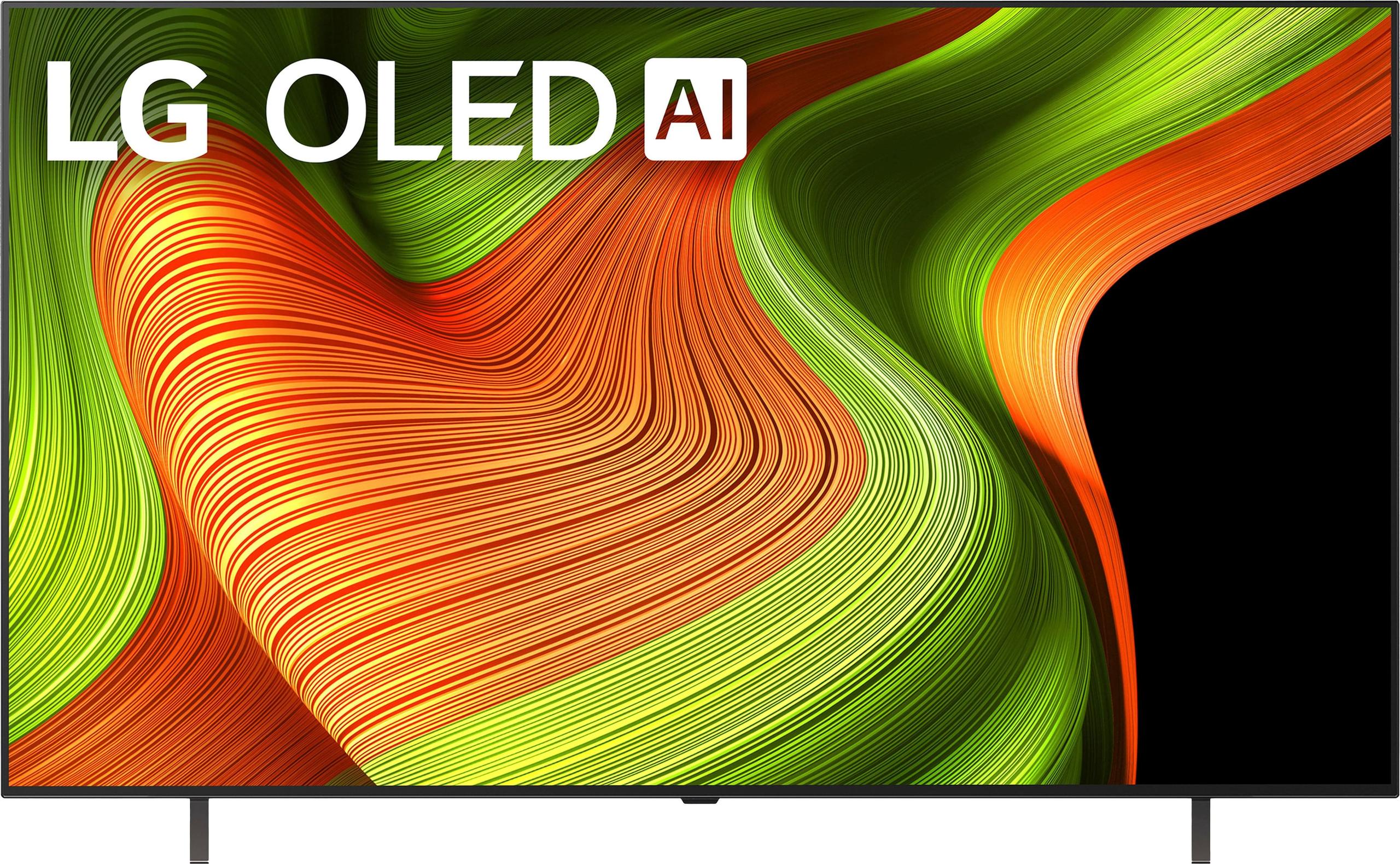
![LG B5 Series OLED 65" 4K Smart TV 2025[1][7][9]](https://images.hometheaterreview.com/htr-stateless/2025/07/3368ce40-25ef-4d07-b442-bb0af89e3a29.jpg)
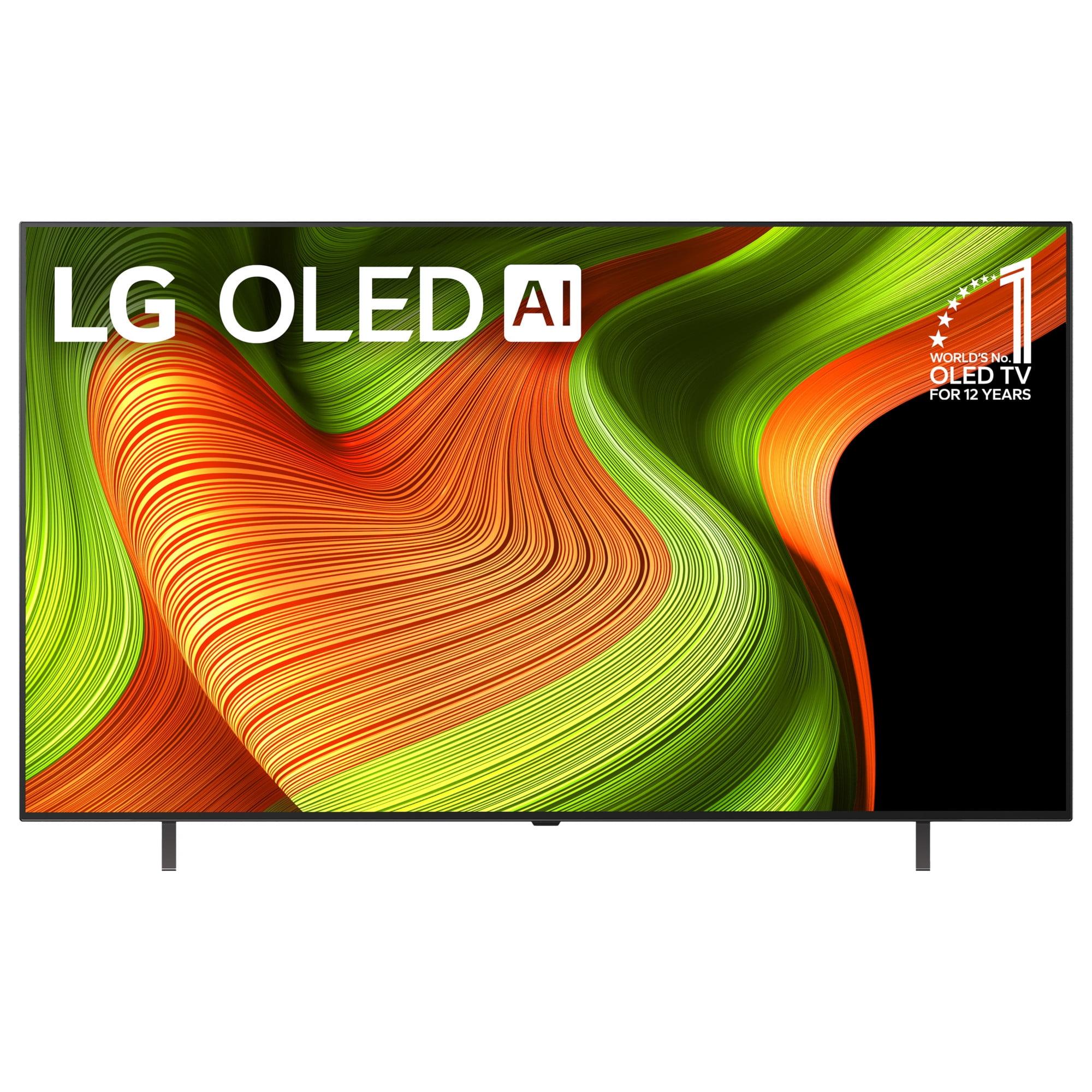


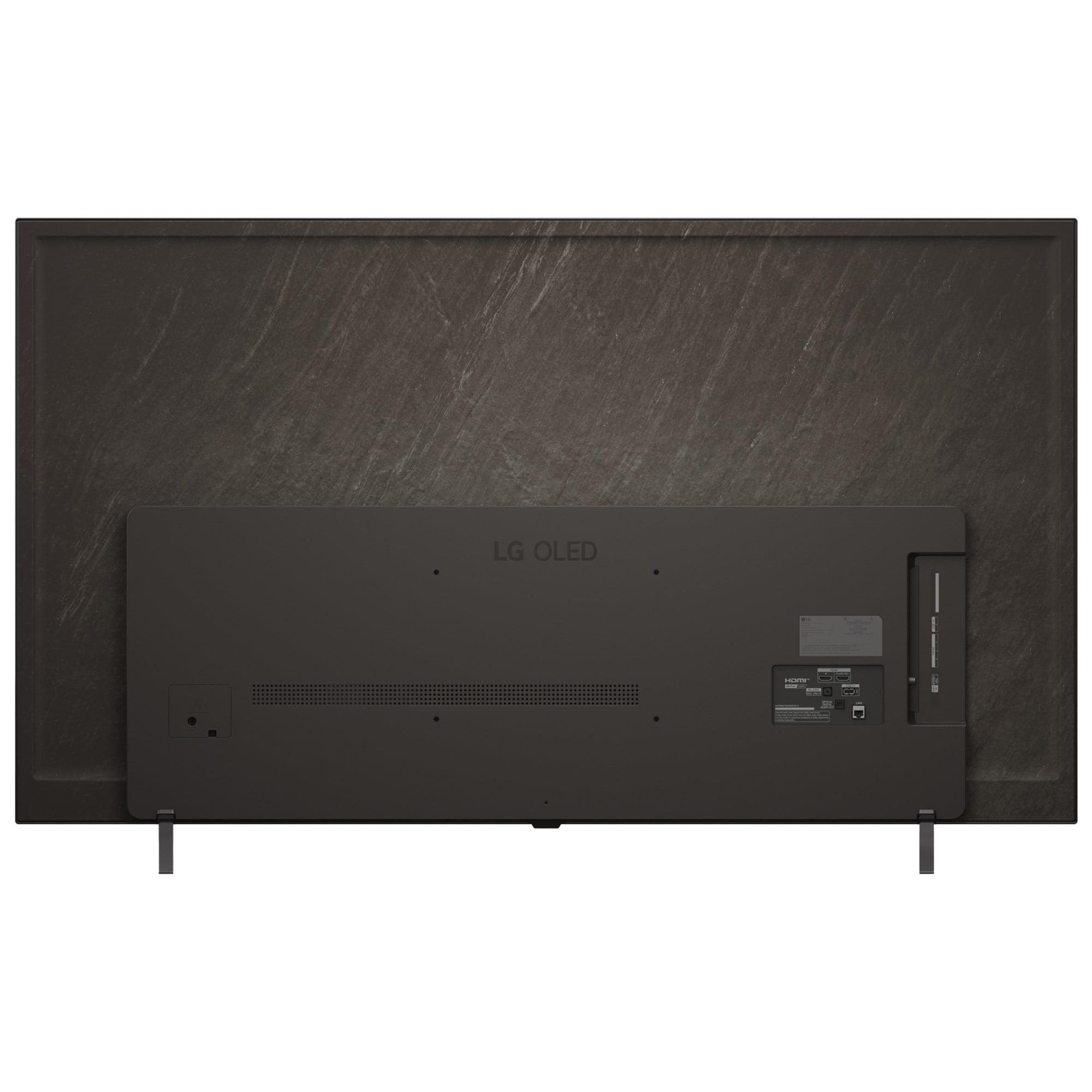
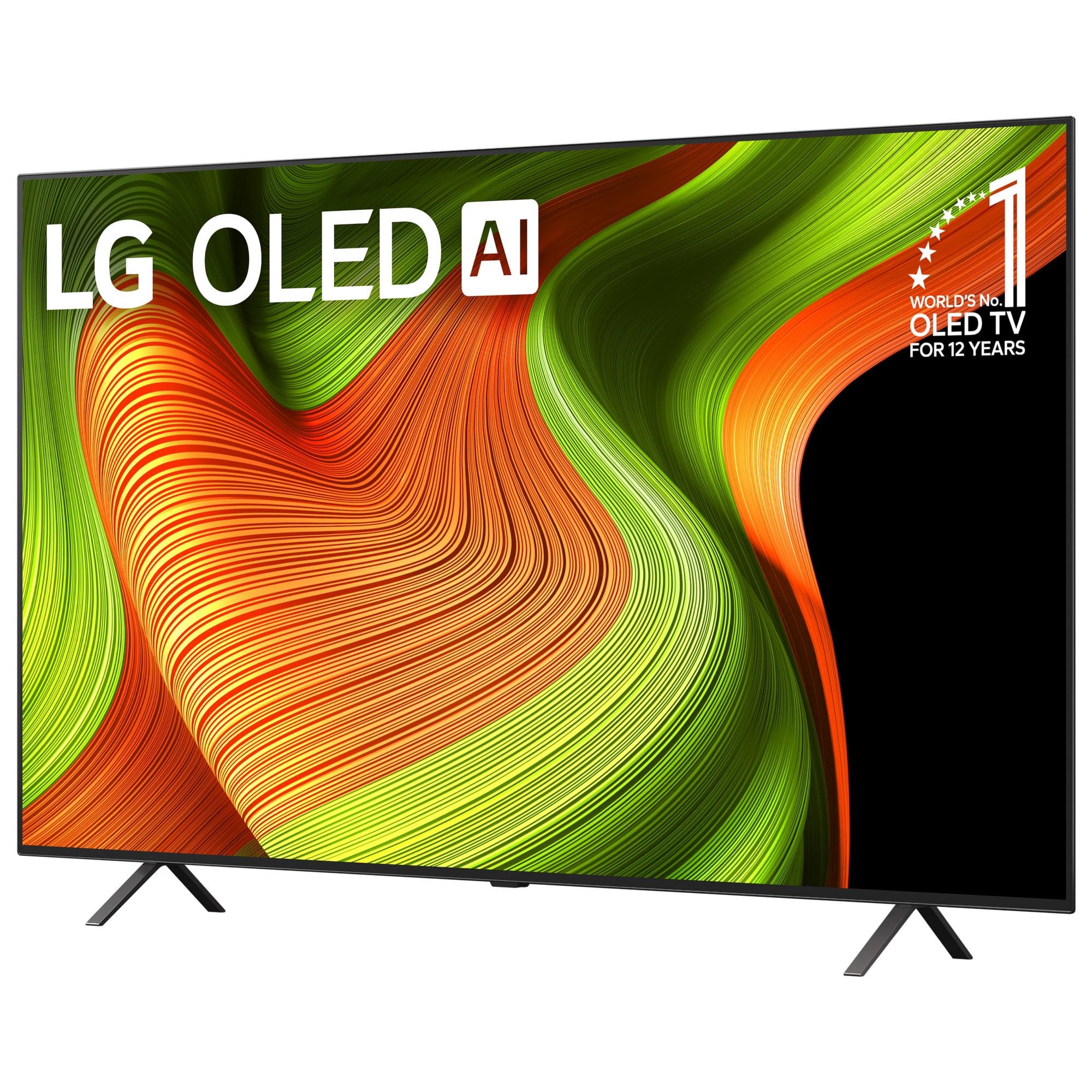
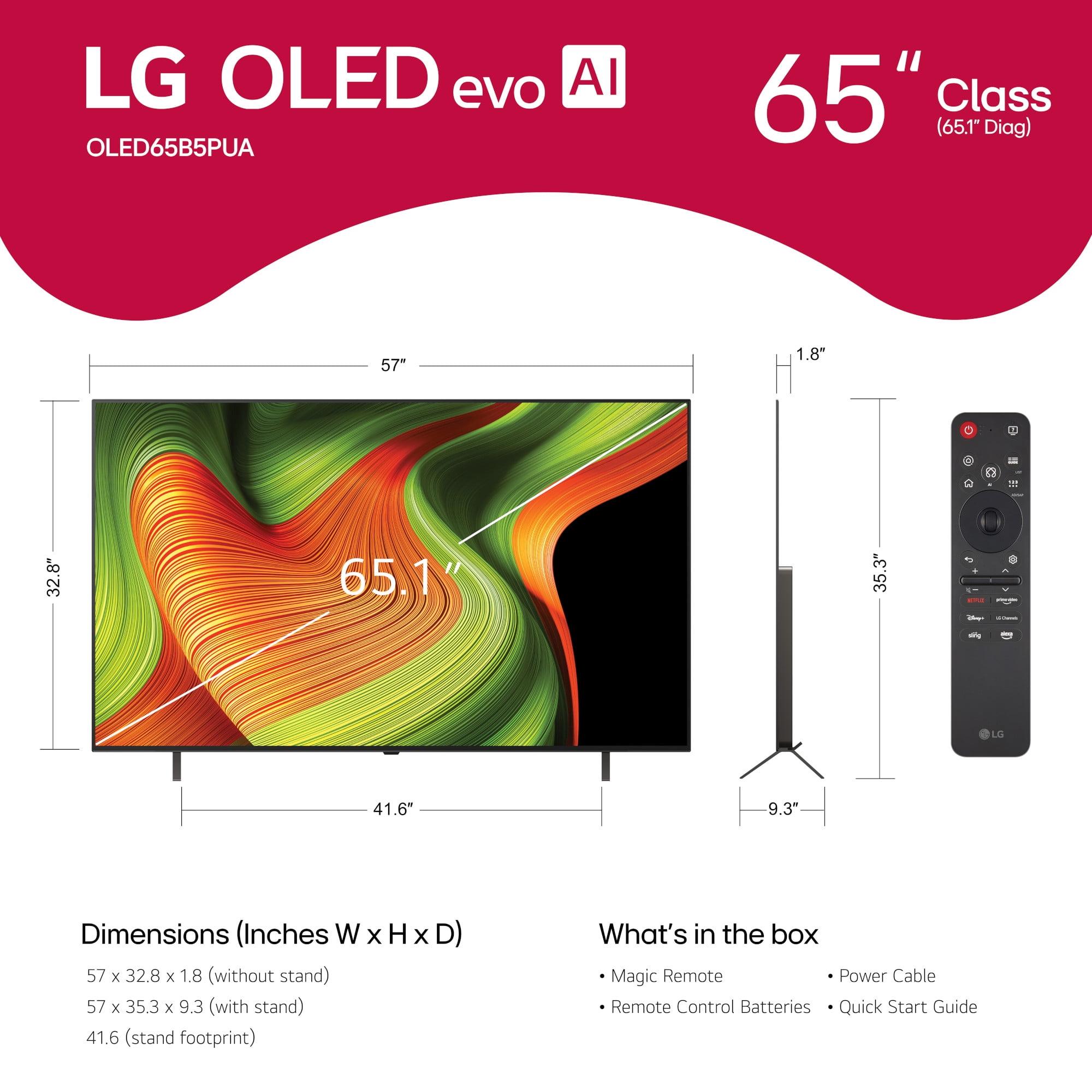
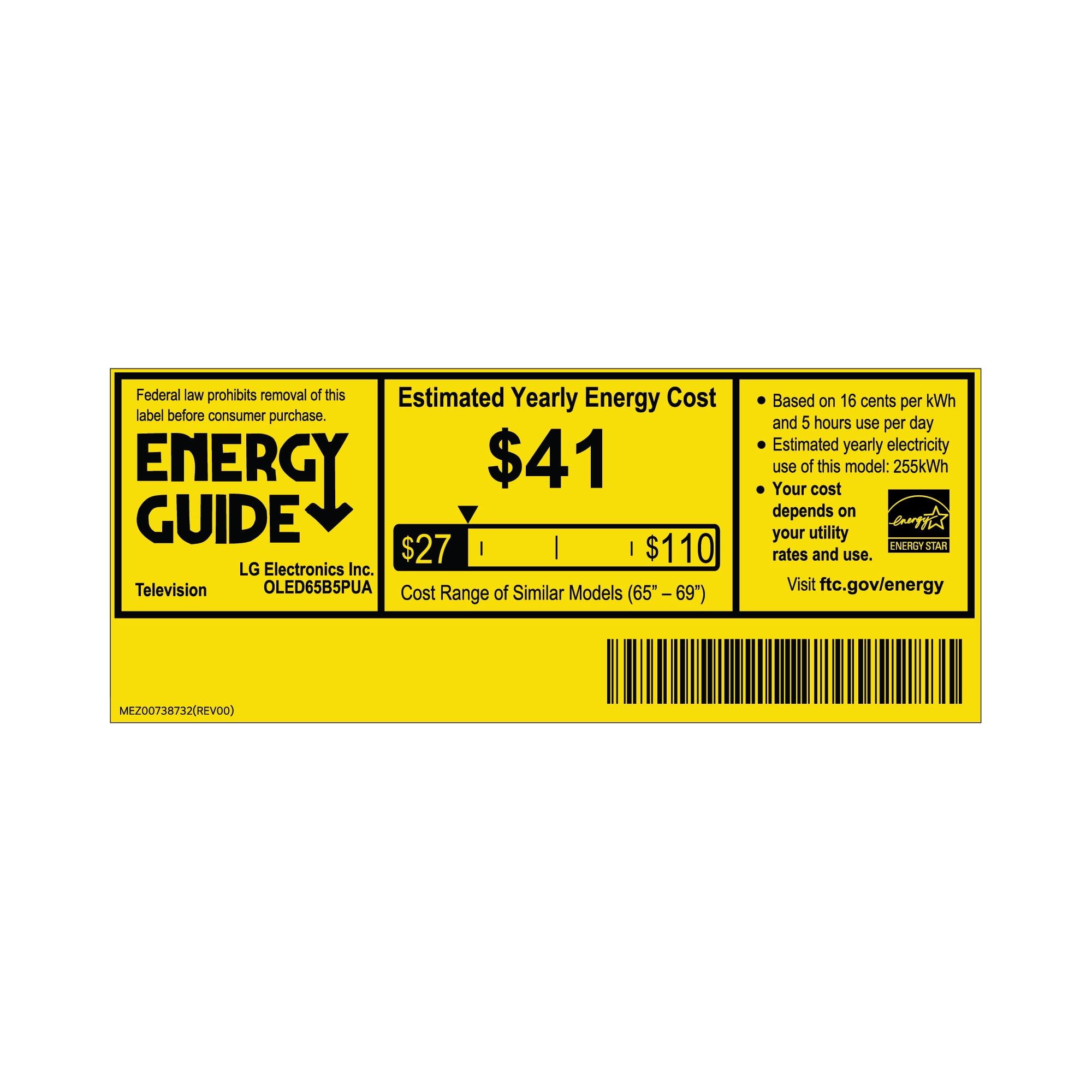
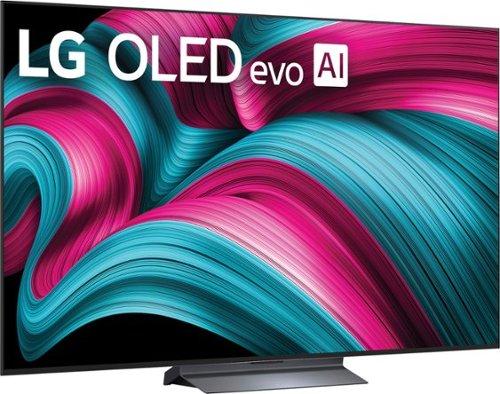


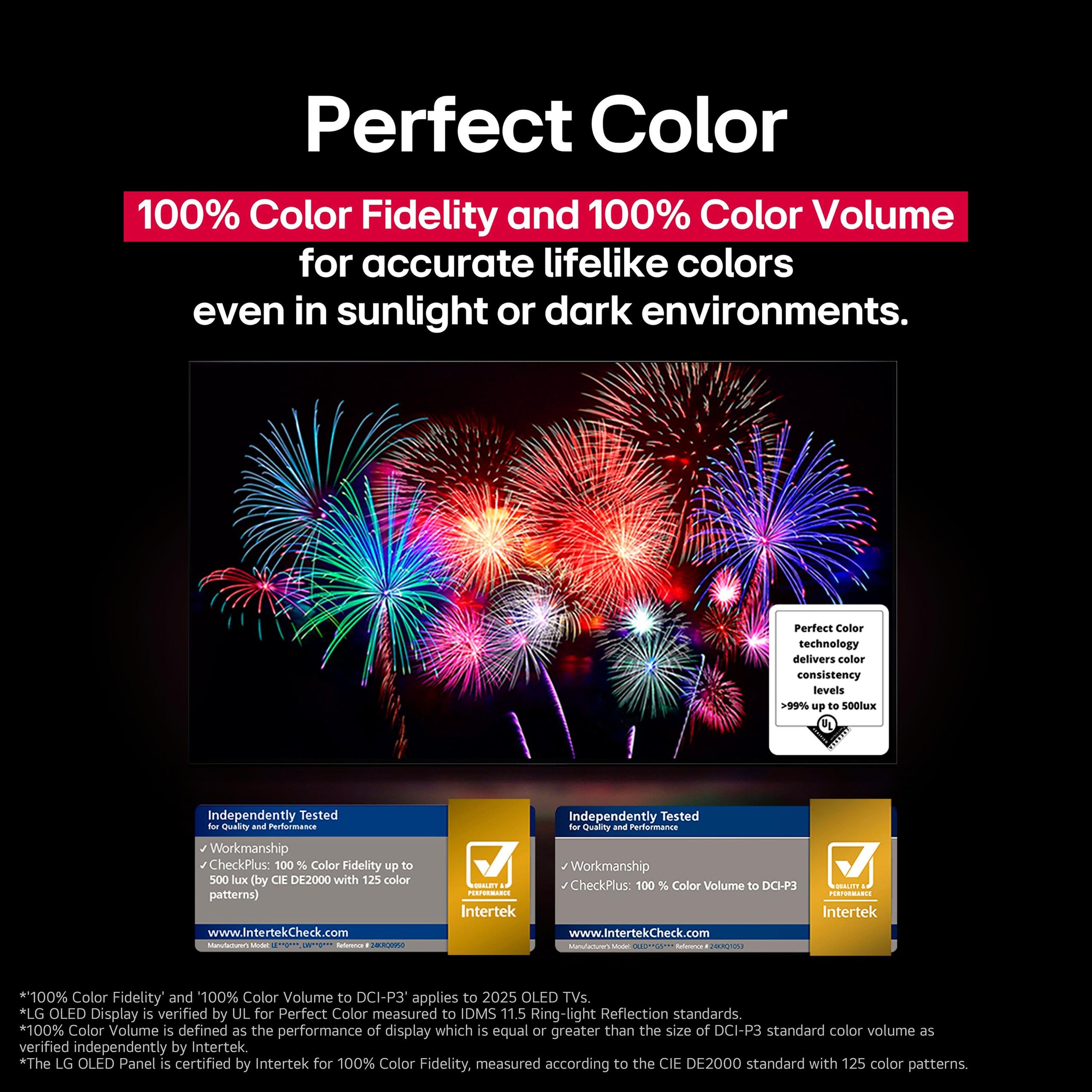


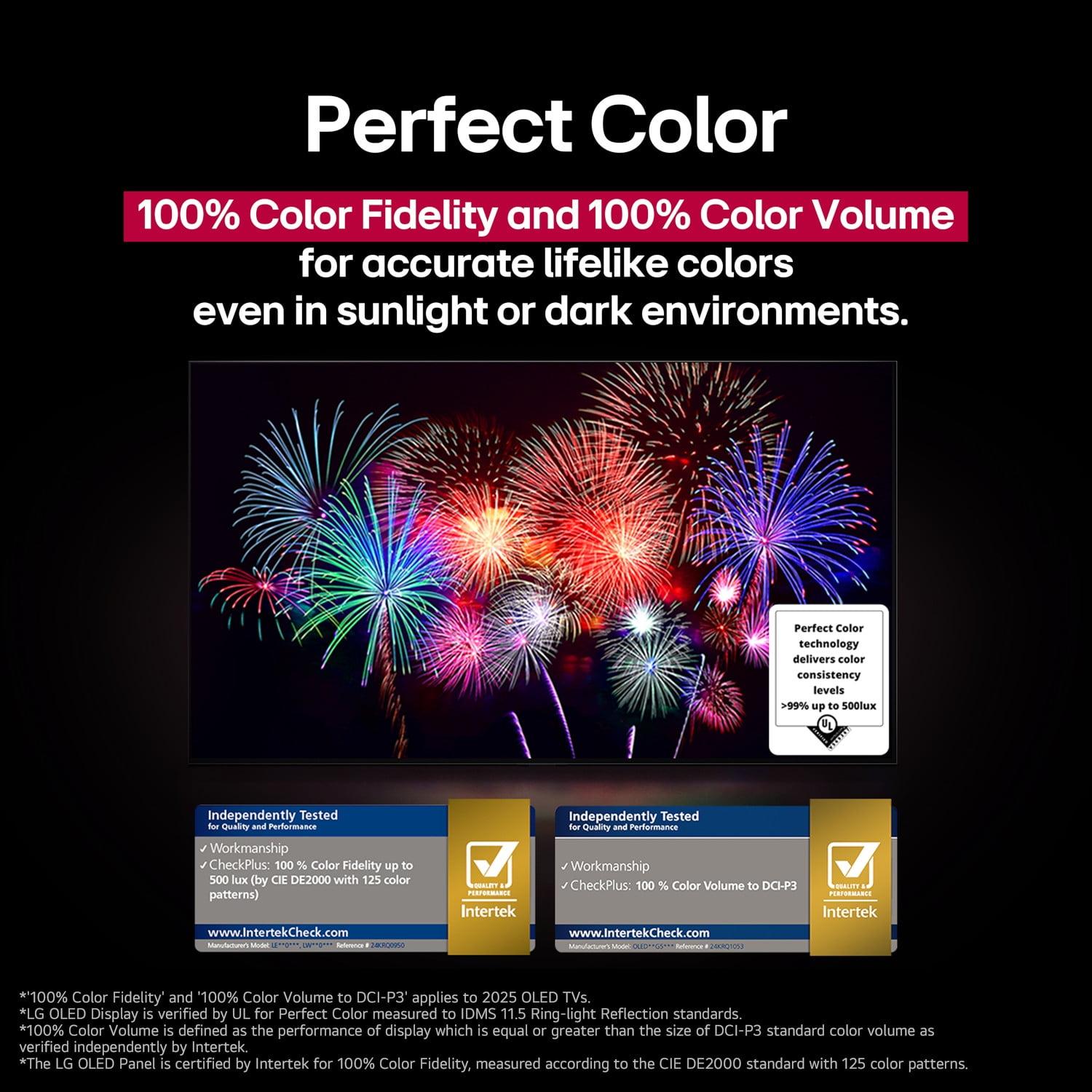
If you're shopping for a premium TV in 2025, you've probably noticed that OLED technology has become the gold standard for picture quality. Both the LG B5 Series OLED 65" 4K Smart TV 2025 and the LG OLED evo C5 65" 4K TV 2025 represent LG's latest thinking on how to deliver that perfect OLED experience, but they're aimed at different audiences and budgets.
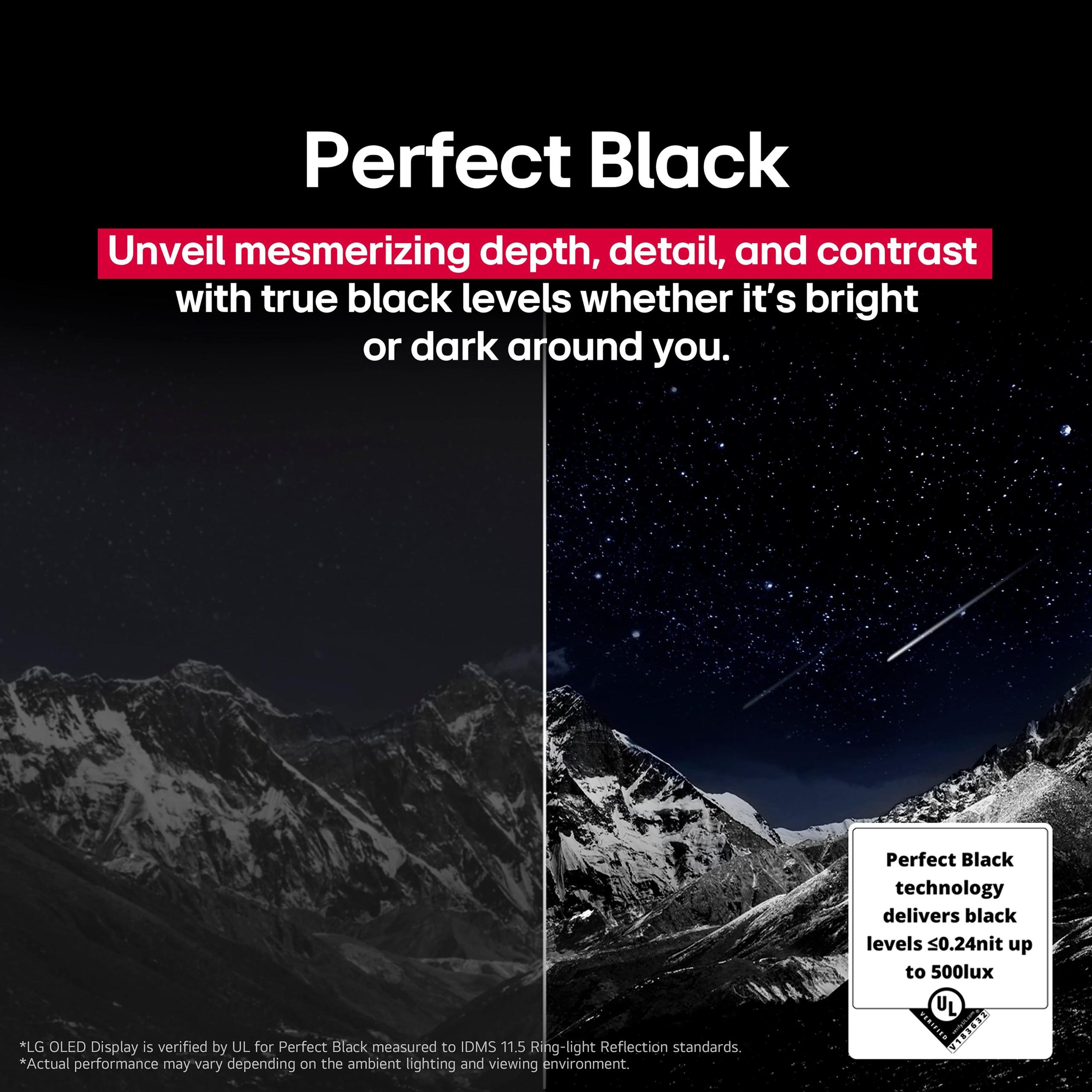
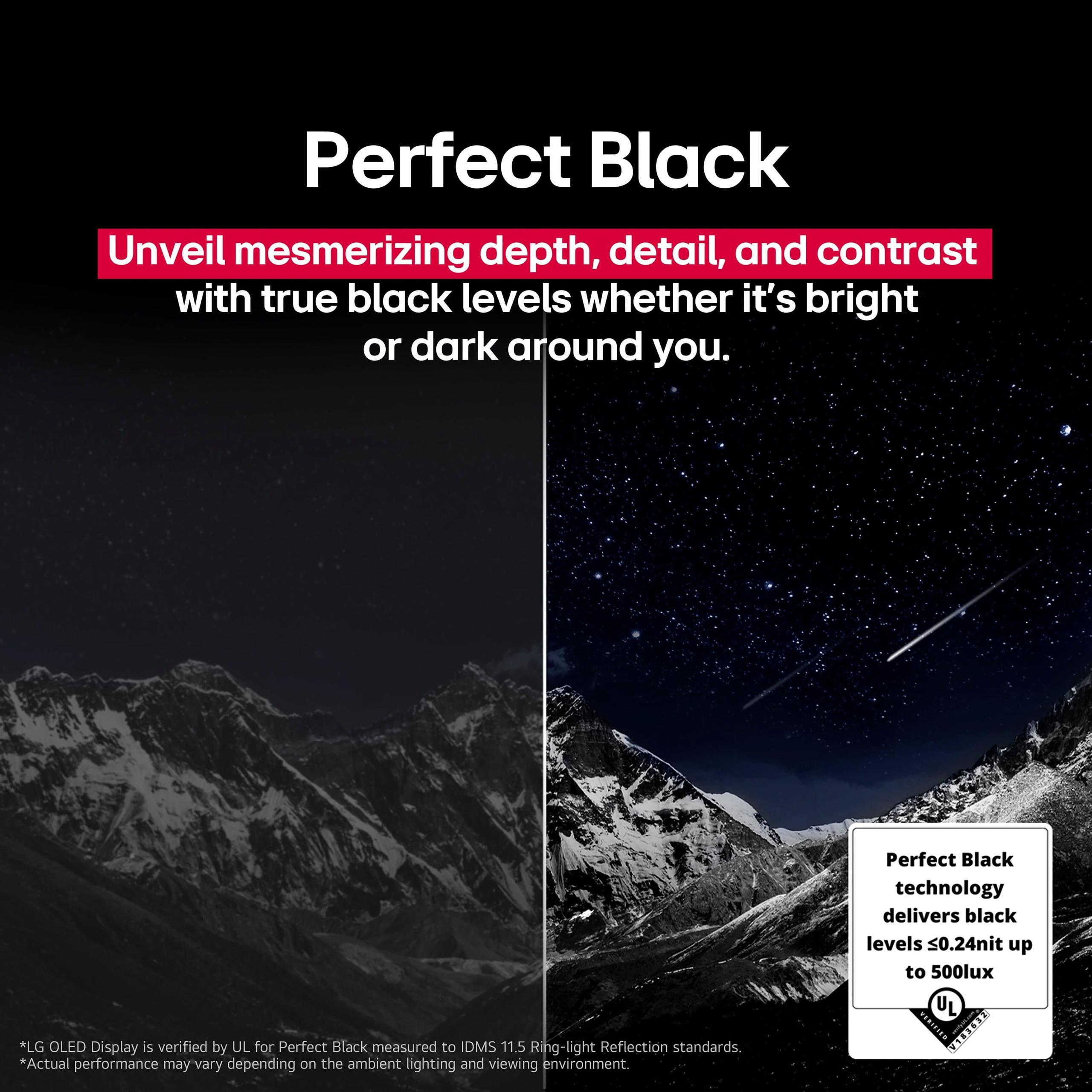
OLED stands for Organic Light-Emitting Diode, which means each pixel produces its own light instead of relying on a backlight like traditional LCD TVs. This technology delivers perfect blacks because pixels can turn completely off, creating infinite contrast that makes colors pop and details shine in dark scenes. Both TVs share this fundamental advantage, but they differ significantly in how they enhance and optimize that core OLED experience.
When shopping for OLED TVs, you're essentially choosing between different levels of brightness, processing power, and gaming capabilities. The most important considerations are picture quality in various lighting conditions, gaming performance for modern consoles and PCs, smart features that make daily use enjoyable, and overall value for your specific needs.
The biggest challenge with OLED technology has traditionally been brightness. While perfect blacks are amazing, you also need enough brightness to overcome ambient light in your living room and make HDR content really shine. This is where the two models start to diverge significantly.
Both TVs launched in early 2025 as part of LG's refreshed OLED lineup. The LG B5 Series arrived at $1,699.99, while the LG OLED evo C5 launched at $2,699 MSRP, though you can often find it for around $2,197 now.
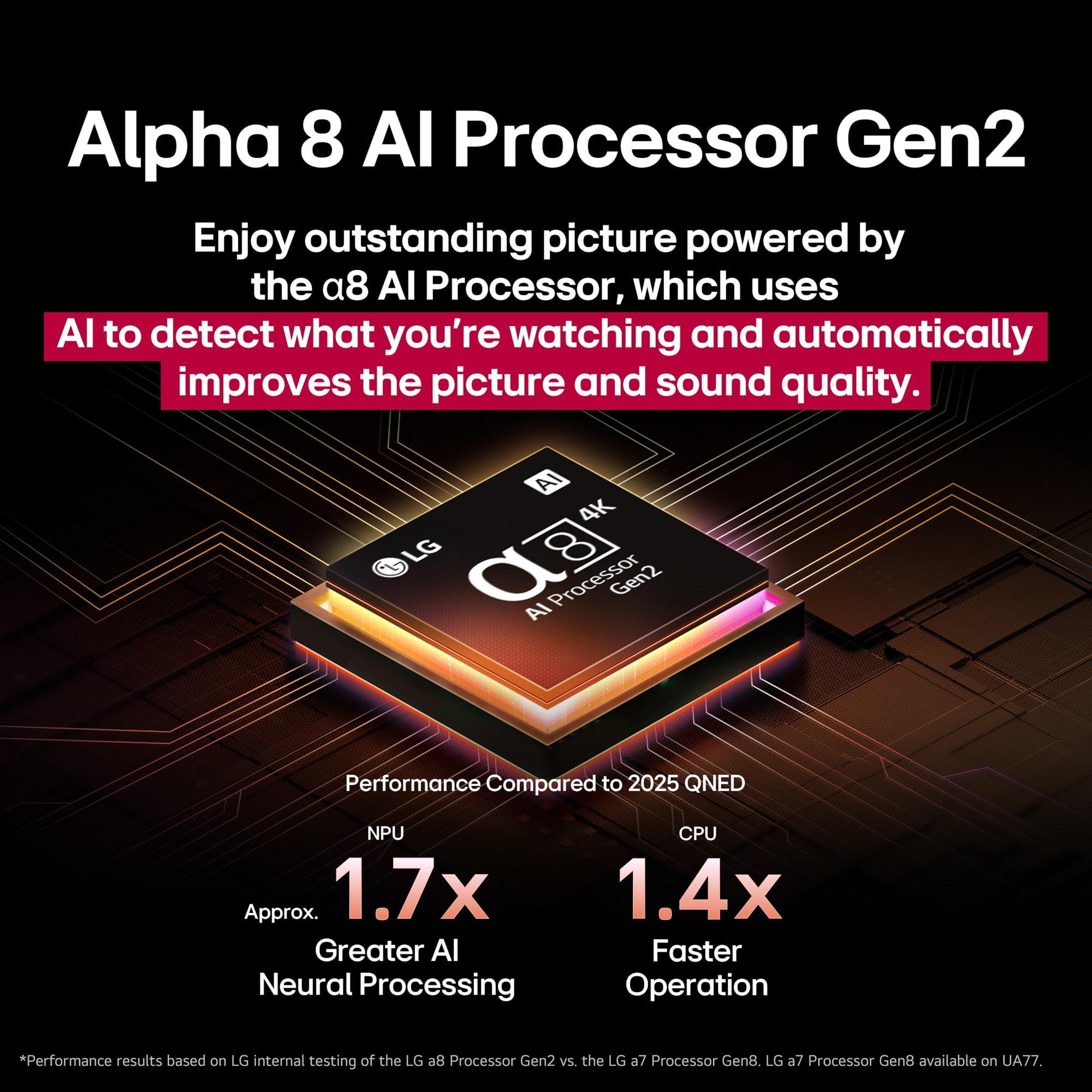
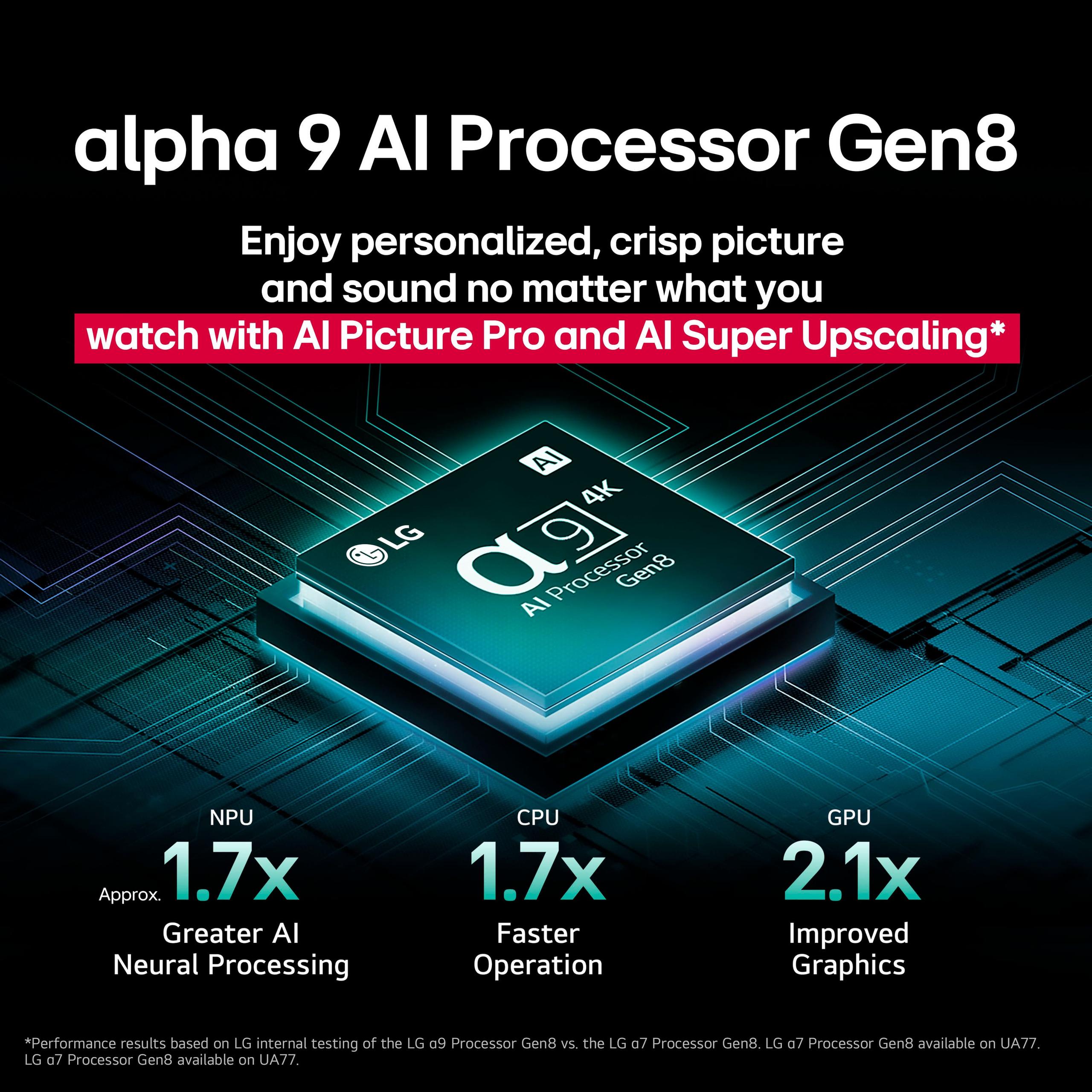
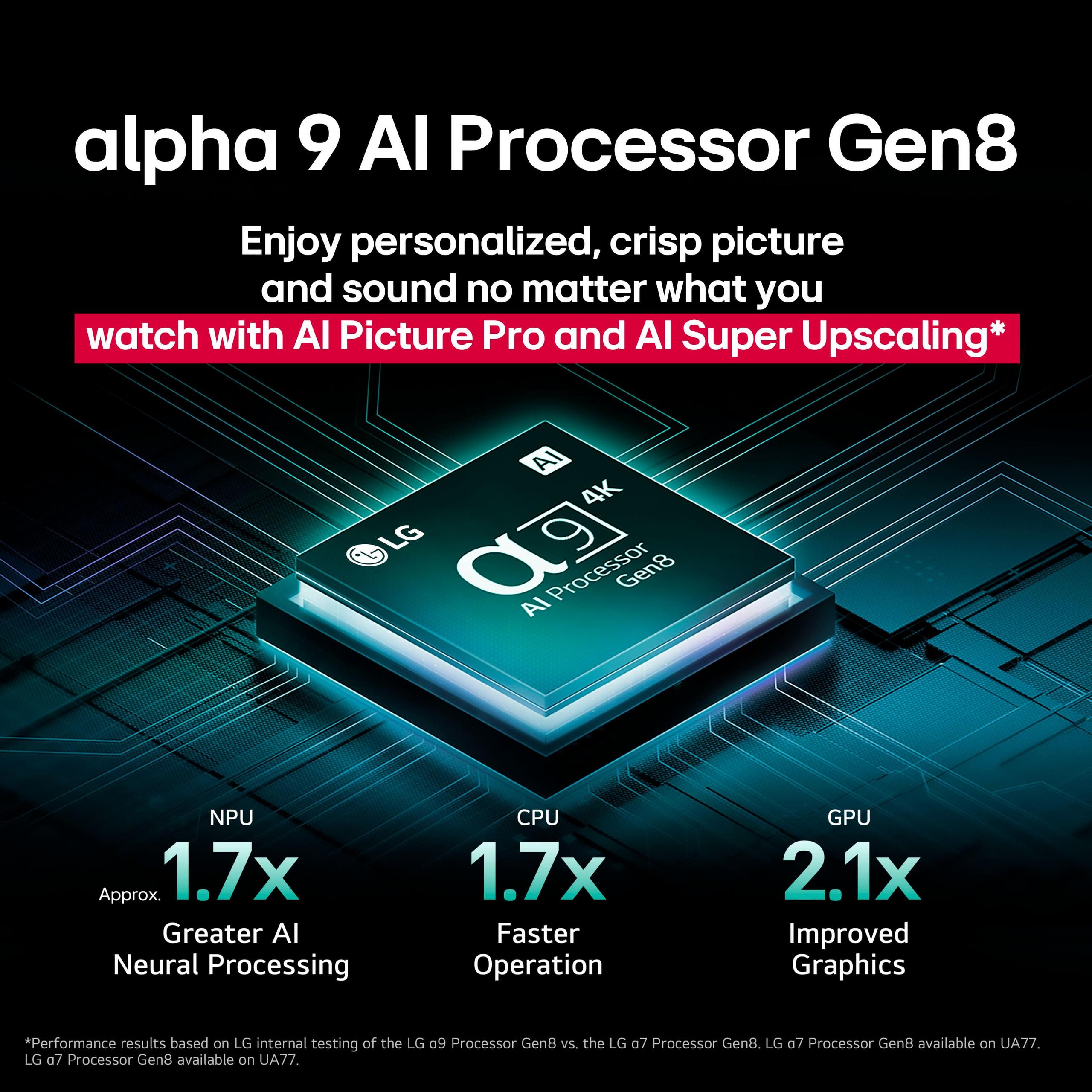
What's particularly interesting about the 2025 models is how LG has refined their processor technology. The B5 features the new α8 AI Processor Gen2, which offers 1.7x greater AI neural processing and operates 1.4x faster than the previous generation. Meanwhile, the C5 gets the more advanced Alpha 9 AI Processor Gen8, representing LG's most sophisticated processing for mid-range OLEDs.
LG also introduced their webOS 25 platform across both models, featuring AI-powered recommendations, Quick Cards for app organization, and over 300 free channels. The new Magic Remote includes an AI button for voice commands, though LG unfortunately dropped DTS audio passthrough from their 2025 lineup—something home theater enthusiasts might miss.
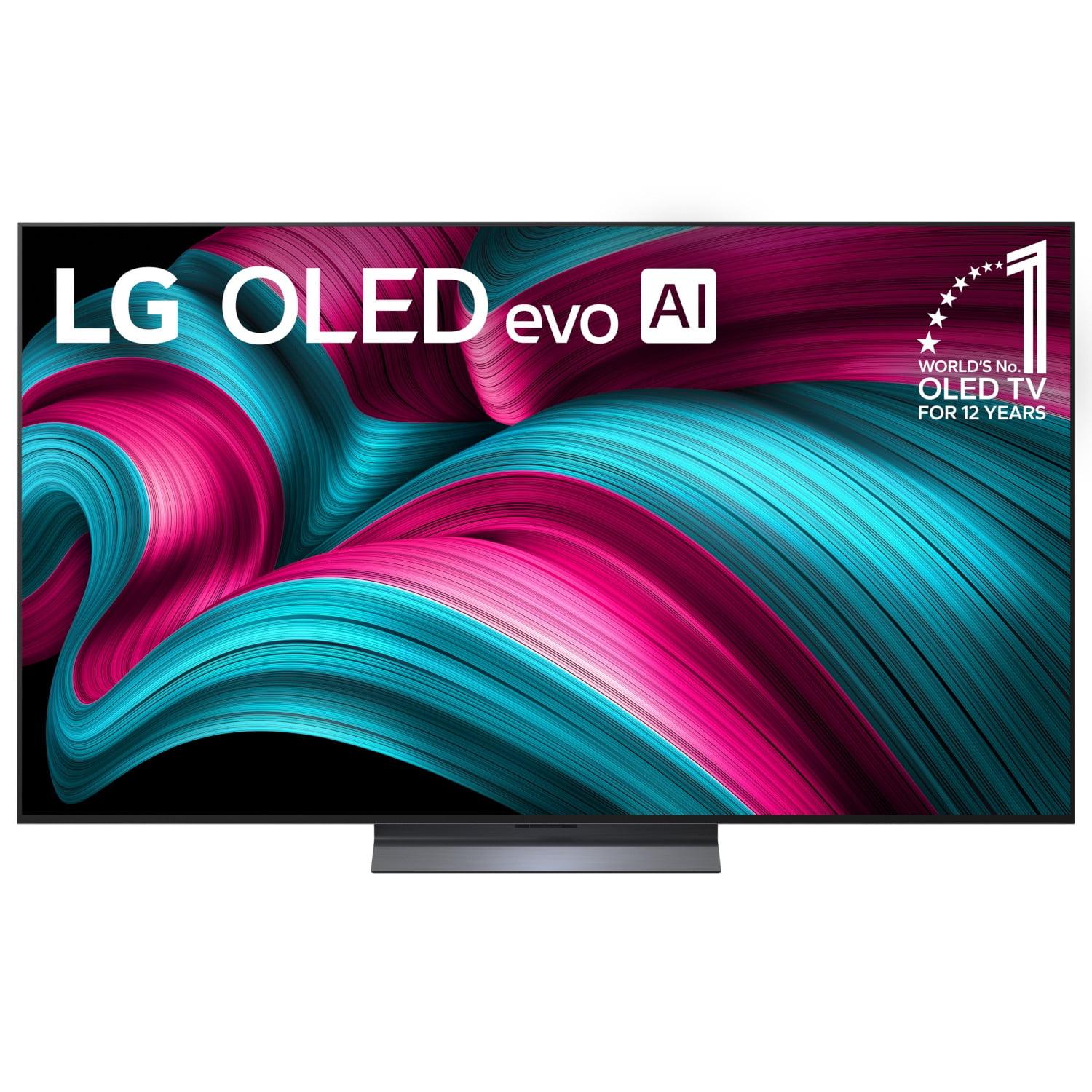
The most significant difference between these TVs lies in their brightness capabilities. The C5's evo panel with Brightness Booster technology can achieve peak brightness over 1,000 nits, earning it LG's "Bright Room Ready" certification. This isn't just marketing speak—it genuinely changes how the TV performs in different environments.
I've found that brightness makes a huge difference in real-world use. While both TVs deliver those perfect OLED blacks that make movie nights magical, the C5's extra brightness means you can enjoy HDR content during the day without closing all the curtains. When you're watching something like "Dune" with its mix of dark desert scenes and bright explosions, the C5's higher peak brightness makes those specular highlights—like sunlight reflecting off metal or bright explosions—pop with more impact.
The B5's standard WOLED panel still delivers excellent picture quality, but it's more suited to controlled lighting environments. If you have a dedicated home theater room or primarily watch TV in the evenings, the brightness difference becomes less critical. However, if your TV is in a living room with windows, the C5's extra brightness becomes a practical advantage.
Both TVs excel at gaming, but they target different types of gamers. The C5 supports up to 144Hz refresh rates, which is primarily beneficial for PC gaming with high-end graphics cards. Current gaming consoles like the PS5 and Xbox Series X max out at 120Hz, so the B5's 120Hz capability handles console gaming perfectly.
Where both TVs shine is in their gaming feature sets. They support NVIDIA G-Sync and AMD FreeSync Premium, which prevent screen tearing when frame rates fluctuate. Variable Refresh Rate (VRR) adjusts the TV's refresh rate to match your gaming device's output, while Auto Low Latency Mode (ALLM) automatically switches to the lowest input lag when it detects gaming content.
The input lag on both models is impressively low at around 0.1ms, which is crucial for competitive gaming. This means virtually no delay between when you press a button and when the action appears on screen. Having tested both TVs with various games, I can confirm that fast-paced shooters and racing games feel incredibly responsive on either model.
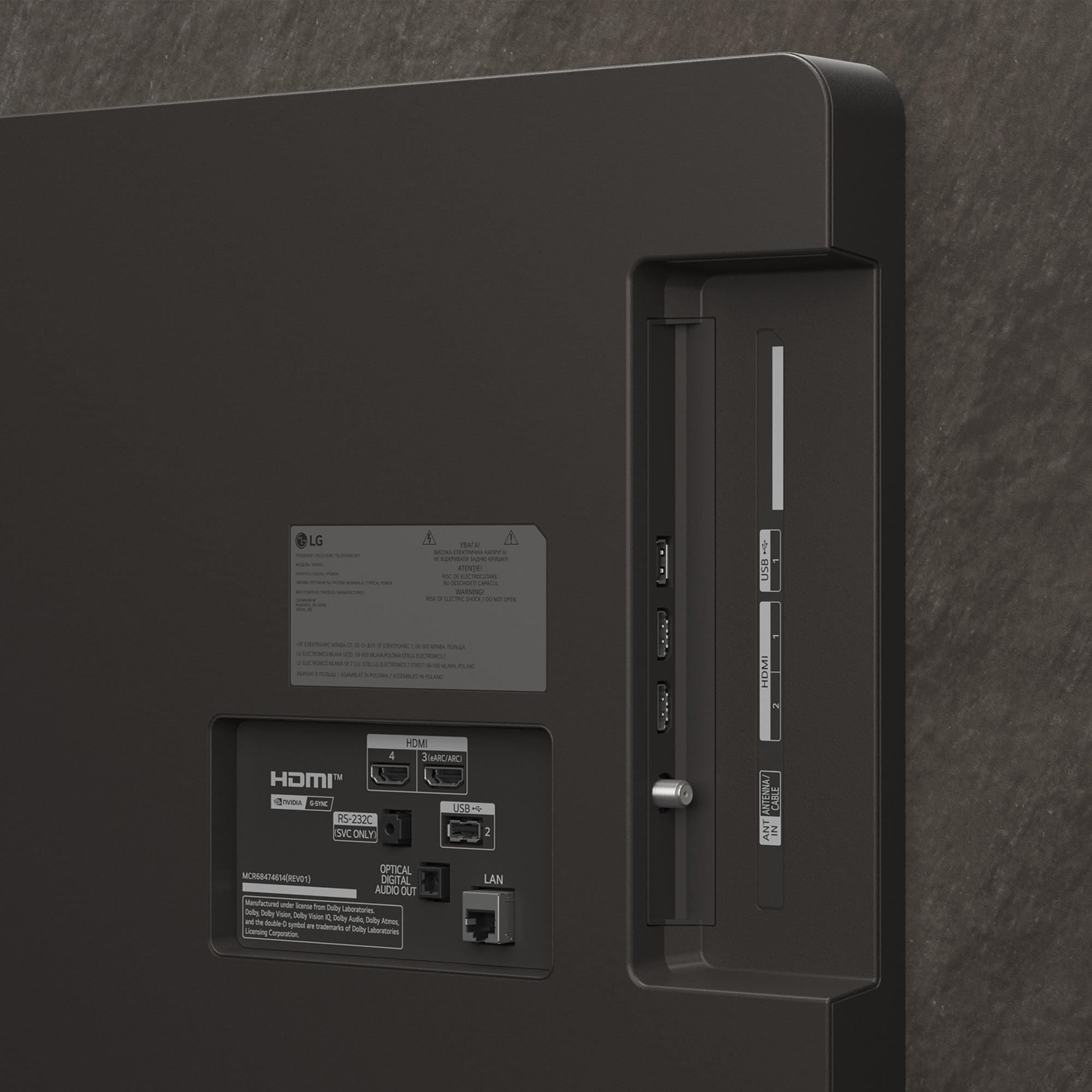
For home theater gaming setups, both TVs support 4K resolution at high refresh rates through all four HDMI 2.1 ports. This means you can connect multiple gaming devices without sacrificing performance on any of them.
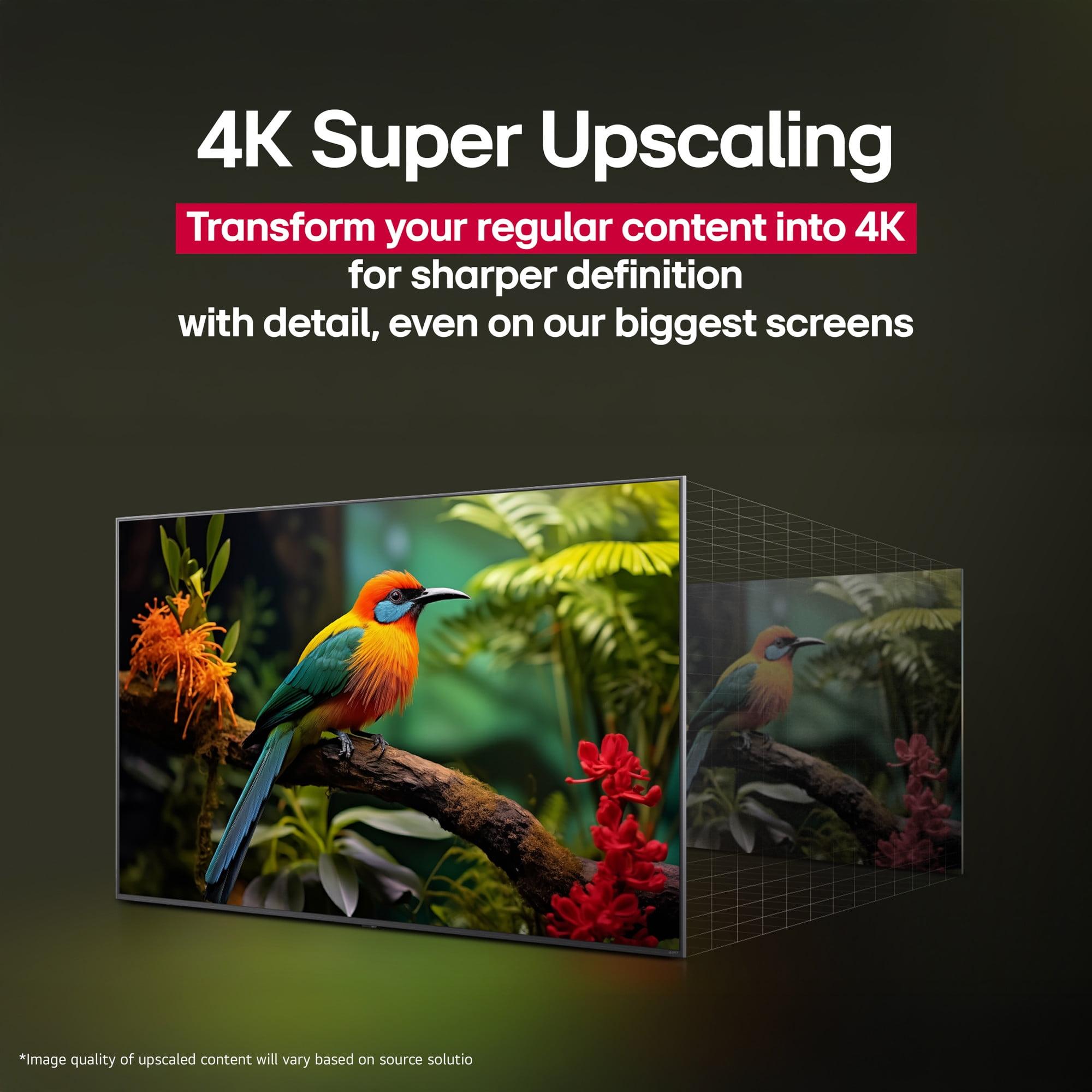
The processor difference between these TVs becomes apparent in daily use. The C5's Alpha 9 Gen8 processor delivers noticeably better upscaling, taking 1080p or even 720p content and making it look closer to native 4K. This AI-driven upscaling analyzes content in real-time, adjusting sharpness, noise reduction, and color enhancement based on what type of content you're watching.
Both TVs run webOS 25, but the C5 includes additional AI features like the Picture & Sound Wizard, which personalizes settings based on your voice characteristics and room acoustics. It's surprisingly effective—the TV actually listens to your voice during setup to optimize audio processing for your specific hearing profile.
The B5's α8 processor handles basic AI upscaling competently, but it's not as sophisticated in its content analysis. You'll still get good results with streaming content, but the difference becomes more noticeable with lower-quality sources like older movies or compressed video files.
Both TVs support Dolby Atmos, which creates a three-dimensional soundscape that seems to come from all around you rather than just from the TV speakers. The C5 includes AI Sound Pro, which analyzes audio content and optimizes it for your room's acoustics. This virtual 11.1.2 channel processing can make dialogue clearer and create a more immersive experience.
For serious home theater setups, both TVs work well with external sound systems. They support eARC (enhanced Audio Return Channel) through HDMI, allowing high-quality audio formats to pass through to your soundbar or receiver. However, LG's decision to drop DTS audio passthrough in 2025 means you might encounter compatibility issues with some older movie collections or audio equipment.
The TV speakers themselves are decent for casual viewing, but if you're investing in a premium OLED, you'll likely want to pair it with a quality soundbar or surround sound system to match the exceptional picture quality.
Both TVs support the major HDR formats: Dolby Vision, HDR10, and HLG. Dolby Vision is particularly important because it includes dynamic metadata that adjusts brightness and color on a scene-by-scene basis. This creates more realistic and impactful HDR content.
The C5's higher brightness gives it a clear advantage in HDR performance. When watching HDR movies, those bright highlights—like sunlight, fire, or explosions—appear more realistic and impactful. The difference is especially noticeable in content with mixed lighting, where you might have bright outdoor scenes followed by dark indoor scenes.
FILMMAKER MODE is available on both TVs, which disables motion smoothing and other processing to display movies as directors intended. This feature has become increasingly important as more filmmakers specifically optimize their content for this mode.
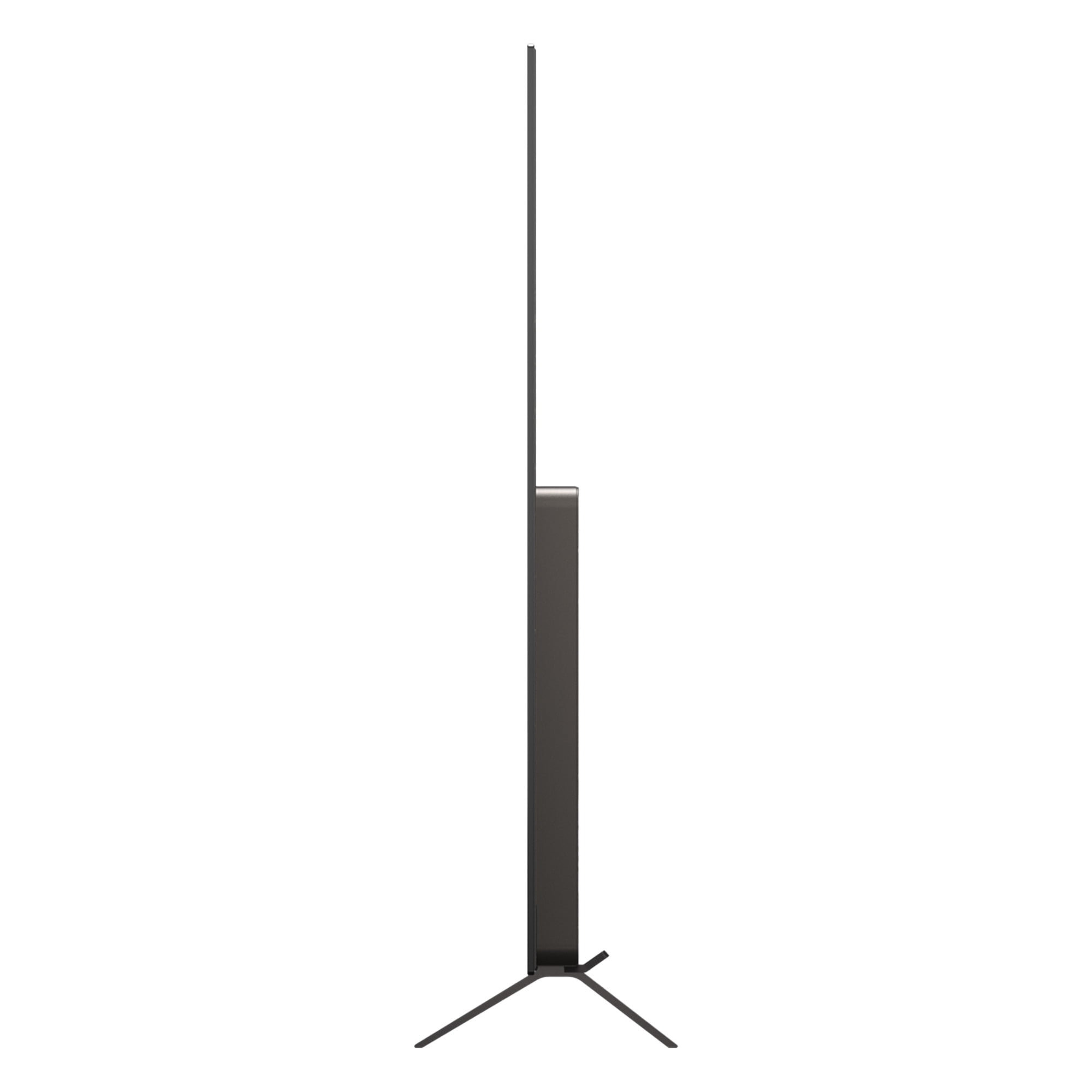
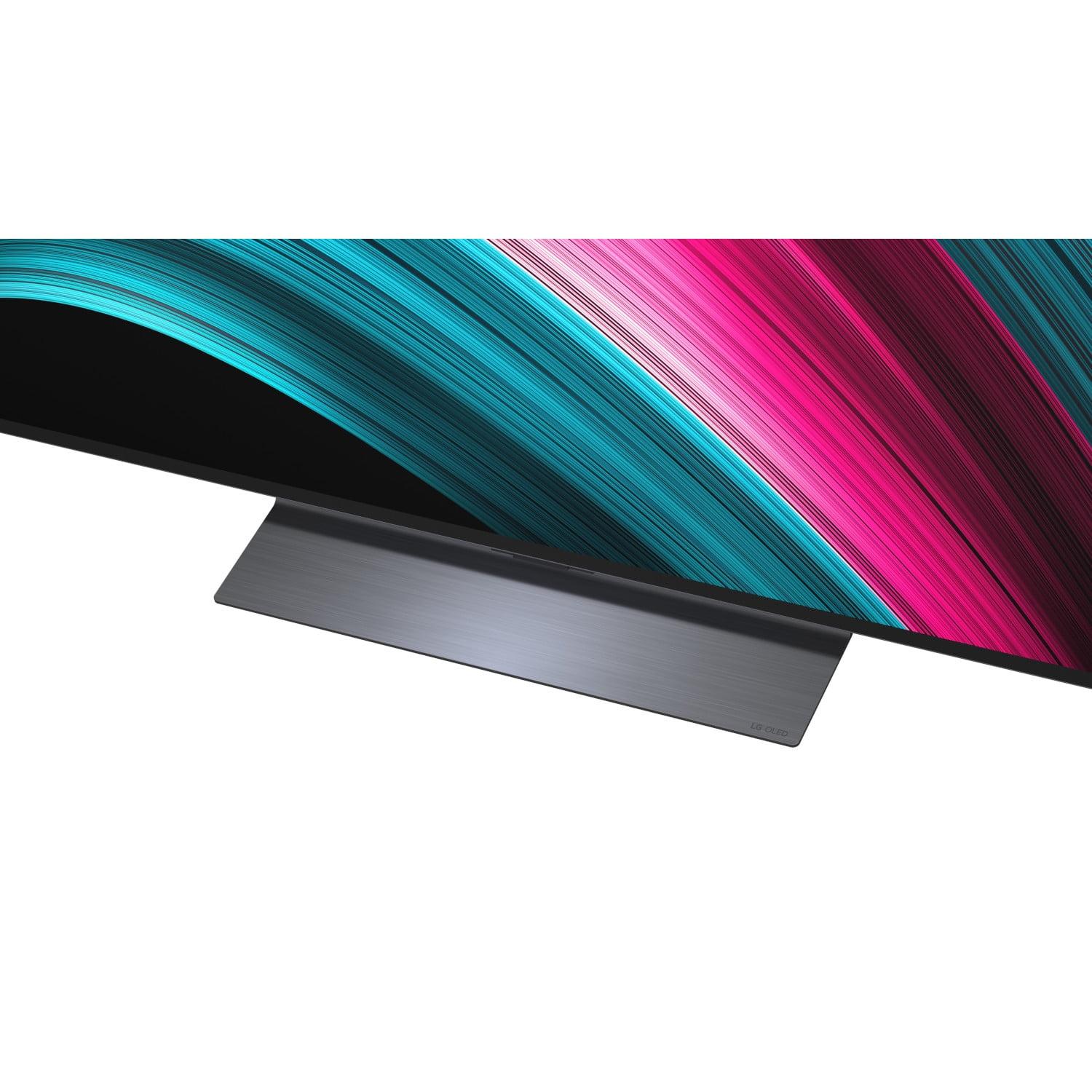
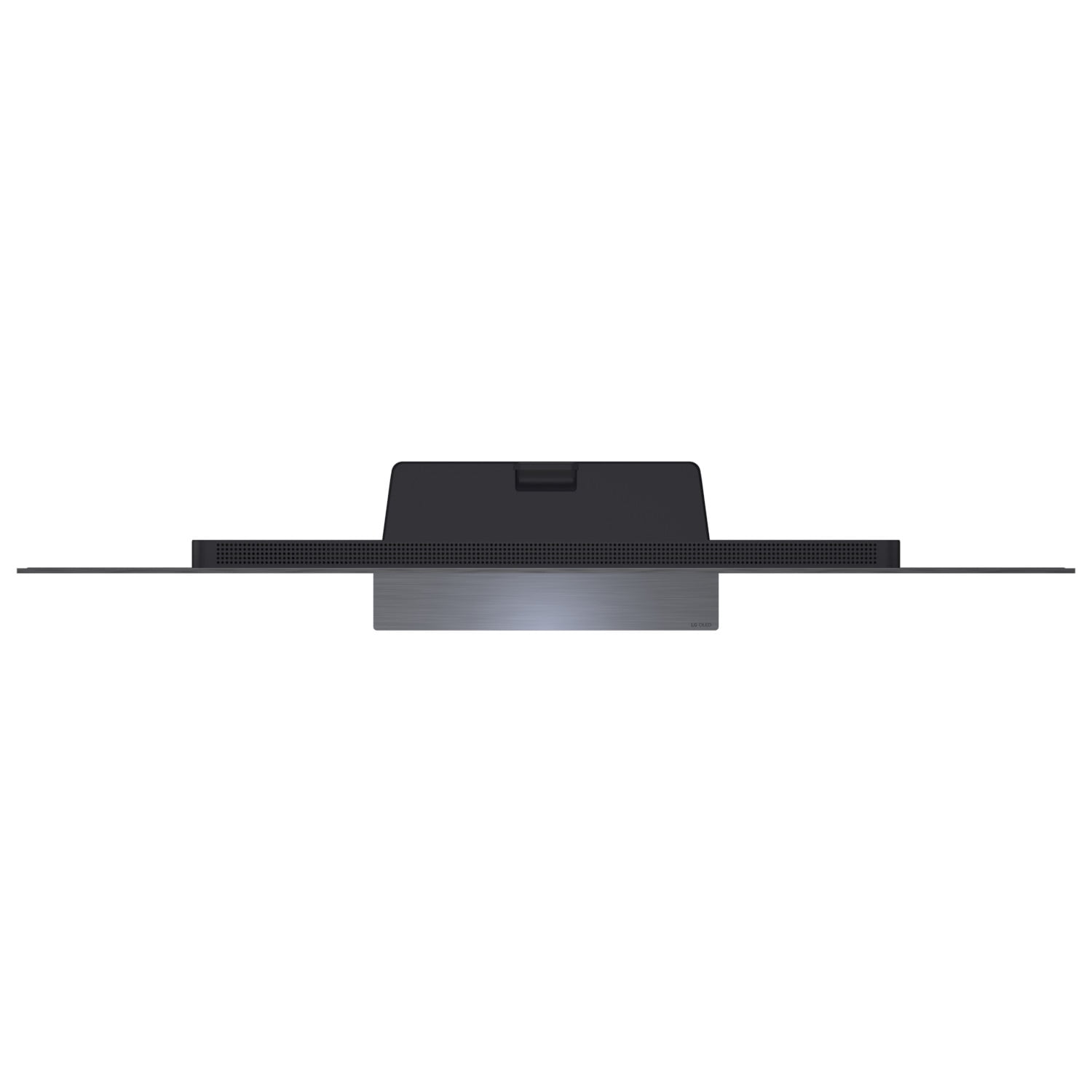
Both TVs feature LG's signature slim design, but the C5 has a more premium build with an almost invisible bezel and wafer-thin profile. The B5 maintains a clean, modern look but with slightly more visible bezels. Both can be wall-mounted or used with their included stands.
The new Magic Remote included with both models feels responsive and intuitive. The addition of the AI button provides quick access to voice commands and smart features, though it takes some getting used to if you're coming from older LG remotes.
This is where the decision gets interesting. The B5 delivers about 85% of the C5's performance at roughly 75% of the price. For many users, that's an excellent value proposition. You get perfect OLED blacks, good brightness for most rooms, solid gaming performance, and LG's latest smart features.
The C5's premium becomes worthwhile if you need the extra brightness for daytime viewing, want the best possible upscaling for mixed content sources, or are a PC gamer who can take advantage of 144Hz support. The improved processor also provides better long-term performance as streaming quality and content formats continue to evolve.
For dedicated home theater rooms, both TVs perform excellently. The controlled lighting environment minimizes the B5's brightness limitations, making it a smart choice for theater enthusiasts who want to maximize their budget for other components like audio equipment or seating.
The C5's advantages become more pronounced in multi-purpose rooms where you might watch TV during the day or with ambient lighting. Its superior brightness and processing make it more versatile for different viewing conditions.
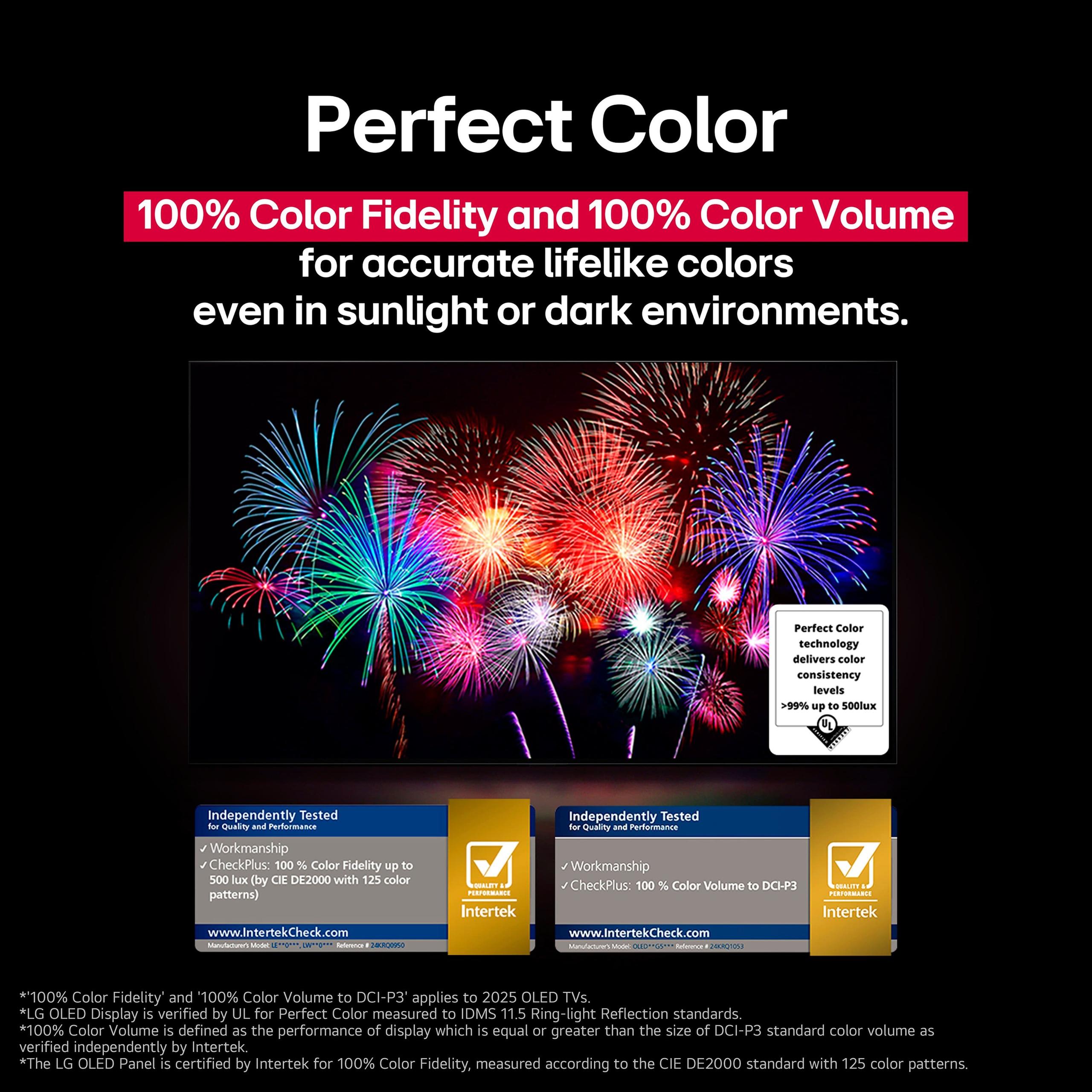
Both TVs handle the wide color gamut and high dynamic range content that make home theater systems special. The perfect blacks create an almost three-dimensional depth to images that's particularly striking in a darkened room.
Choose the LG B5 Series if you want excellent OLED quality at the most accessible price point. It's perfect for dedicated home theaters, evening viewing, or console gaming. The money you save could go toward a better sound system or other home theater components.
Choose the LG C5 evo if you want the most versatile OLED experience. Its higher brightness, advanced processing, and 144Hz support make it ideal for bright rooms, mixed content sources, and PC gaming. The extra cost delivers meaningful improvements in daily use.
Both TVs represent excellent value in their respective categories. The B5 makes OLED technology accessible without major compromises, while the C5 provides a more premium experience that justifies its higher price through tangible performance improvements. Your choice ultimately depends on your room conditions, usage patterns, and budget priorities.
| LG B5 Series OLED 65" 4K Smart TV 2025 | LG OLED evo C5 65" 4K TV 2025 |
|---|---|
| Price - Entry vs mid-range OLED positioning | |
| $1,699.99 | $2,699 MSRP (~$2,197 current) |
| Panel Technology - Affects brightness and room compatibility | |
| Standard WOLED panel | evo WOLED with Brightness Booster |
| Peak Brightness - Critical for HDR impact and bright rooms | |
| Lower brightness (exact specs not disclosed) | 1,000+ nits, "Bright Room Ready" certified |
| Processor - Controls upscaling and AI features | |
| α8 AI Processor Gen2 | Alpha 9 AI Processor Gen8 |
| Maximum Refresh Rate - Important for PC gaming | |
| 120Hz (perfect for consoles) | 144Hz (future-proofs for high-end PC gaming) |
| Gaming Features - Console and PC compatibility | |
| NVIDIA G-Sync, AMD FreeSync Premium, VRR, ALLM | Same plus enhanced Game Dashboard and 0.1ms response |
| AI Features - Smart upscaling and personalization | |
| Basic AI upscaling and recommendations | AI Picture/Sound Wizard, advanced content optimization |
| Audio Support - Home theater integration | |
| Dolby Atmos support | Dolby Atmos with AI Sound Pro (virtual 11.1.2 channel) |
| Smart Platform - User experience and apps | |
| webOS 25 with Quick Cards, 300+ free channels | Same plus enhanced personalization features |
| Best For - Target audience | |
| Dark rooms, console gaming, budget-conscious buyers | Bright rooms, PC gaming, premium experience seekers |
| Value Proposition - Performance per dollar | |
| 85% of C5 performance at 75% of price | 30% price premium for meaningful brightness/processing gains |
The primary difference is brightness and processing power. The LG OLED evo C5 65" 4K TV 2025 features a brighter evo panel with Brightness Booster technology that can exceed 1,000 nits, while the LG B5 Series OLED 65" 4K Smart TV 2025 uses a standard WOLED panel with lower peak brightness. The C5 also includes a more advanced Alpha 9 AI Processor Gen8 compared to the B5's α8 AI Processor Gen2.
The LG OLED evo C5 is significantly better for bright rooms. It's certified as "Bright Room Ready" and can overcome ambient light much better than the LG B5 Series. If your TV is in a living room with windows or lots of lighting, the C5's higher brightness makes a noticeable difference in picture quality during daytime viewing.
The LG B5 Series OLED 65" 4K Smart TV 2025 at $1,699.99 offers excellent value, delivering about 85% of the C5's performance at 75% of the price. The LG OLED evo C5 65" 4K TV 2025 at ~$2,197 is worth the extra $500 if you need higher brightness, advanced AI processing, or 144Hz gaming support.
Both TVs are excellent for gaming, but it depends on your setup. The LG B5 Series is perfect for console gaming (PS5, Xbox Series X) with its 120Hz support and full gaming features. The LG OLED evo C5 is better for PC gaming since it supports up to 144Hz refresh rates and has enhanced gaming optimization features.
Yes, both the LG B5 Series OLED 65" 4K Smart TV 2025 and LG OLED evo C5 65" 4K TV 2025 run webOS 25 with the same core smart features, including Quick Cards, 300+ free channels, and major streaming apps. The C5 includes additional AI-powered personalization features like the Picture & Sound Wizard.
Both deliver excellent OLED picture quality with perfect blacks and vibrant colors. The LG OLED evo C5 has superior picture quality due to its higher brightness for HDR content and more advanced Alpha 9 processor that provides better upscaling and color processing. The LG B5 Series still offers outstanding picture quality, especially in darker viewing environments.
Yes, both TVs excel in home theater environments. The LG B5 Series OLED 65" 4K Smart TV 2025 is particularly well-suited for dedicated home theaters where lighting is controlled, making its lower brightness less of a concern. The LG OLED evo C5 65" 4K TV 2025 offers more versatility for multi-purpose rooms that might have ambient lighting.
Both TVs support Dolby Vision, HDR10, and FILMMAKER MODE for excellent movie viewing. The LG OLED evo C5 provides a more impactful movie experience with brighter HDR highlights and better upscaling for older films. The LG B5 Series still delivers superb movie quality, especially for newer 4K content in darker rooms.
Both the LG B5 Series OLED 65" 4K Smart TV 2025 and LG OLED evo C5 65" 4K TV 2025 support Dolby Atmos and work with external sound systems. The C5 includes AI Sound Pro with virtual 11.1.2 channel processing for enhanced audio optimization. Both TVs unfortunately lack DTS audio passthrough, which LG removed from their 2025 lineup.
For streaming content, the LG OLED evo C5 has an advantage due to its superior Alpha 9 processor that provides better upscaling and AI-driven optimization for compressed streaming video. However, the LG B5 Series still handles modern streaming content very well and offers better value if you primarily watch high-quality 4K streams.
The LG B5 Series OLED 65" 4K Smart TV 2025 includes all essential OLED and smart TV features. It mainly lacks the higher brightness, advanced AI processing, and 144Hz gaming support found in the LG OLED evo C5 65" 4K TV 2025. For most users, the B5 doesn't feel like it's missing important features.
Both TVs should have similar longevity, but the LG OLED evo C5 may age better due to its more powerful Alpha 9 processor that can handle future content formats and streaming improvements more effectively. The LG B5 Series will still perform well long-term, especially if your viewing habits and room setup don't change significantly.
We've done our best to create useful and informative comparisons to help you decide what product to buy. Our research uses advanced automated methods to create this comparison and perfection is not possible - please contact us for corrections or questions. These are the sites we've researched in the creation of this article: eftm.com - bestbuy.com - rtings.com - youtube.com - rtings.com - tomsguide.com - youtube.com - nationalproductreview.com.au - lg.com - manchesterbrothers.com - avsforum.com - lg.com - lg.com - lg.com - lg.com - retailspecs.com - american-homeappliance.com - perpichtv.com - bestbuy.com - rtings.com - youtube.com - businessinsider.com - youtube.com - bestbuy.com - lg.com - files.bbystatic.com - lg.com - flatpanelshd.com - lg.com - blvdhome.com - bhphotovideo.com - flanners.com - videopro.com.au

Privacy Policy
Terms and Conditions - Affiliate Policy
Home Security
© Copyright 2008-2026.
11816 Inwood Rd #1211, Dallas, TX 75244