

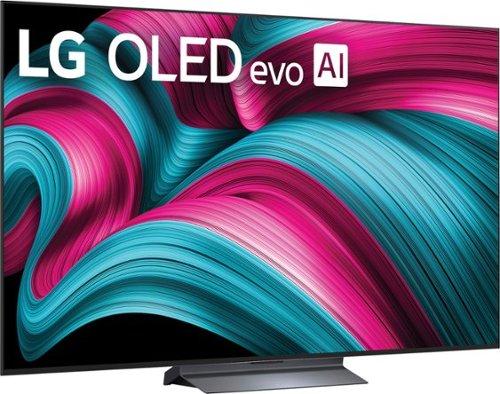






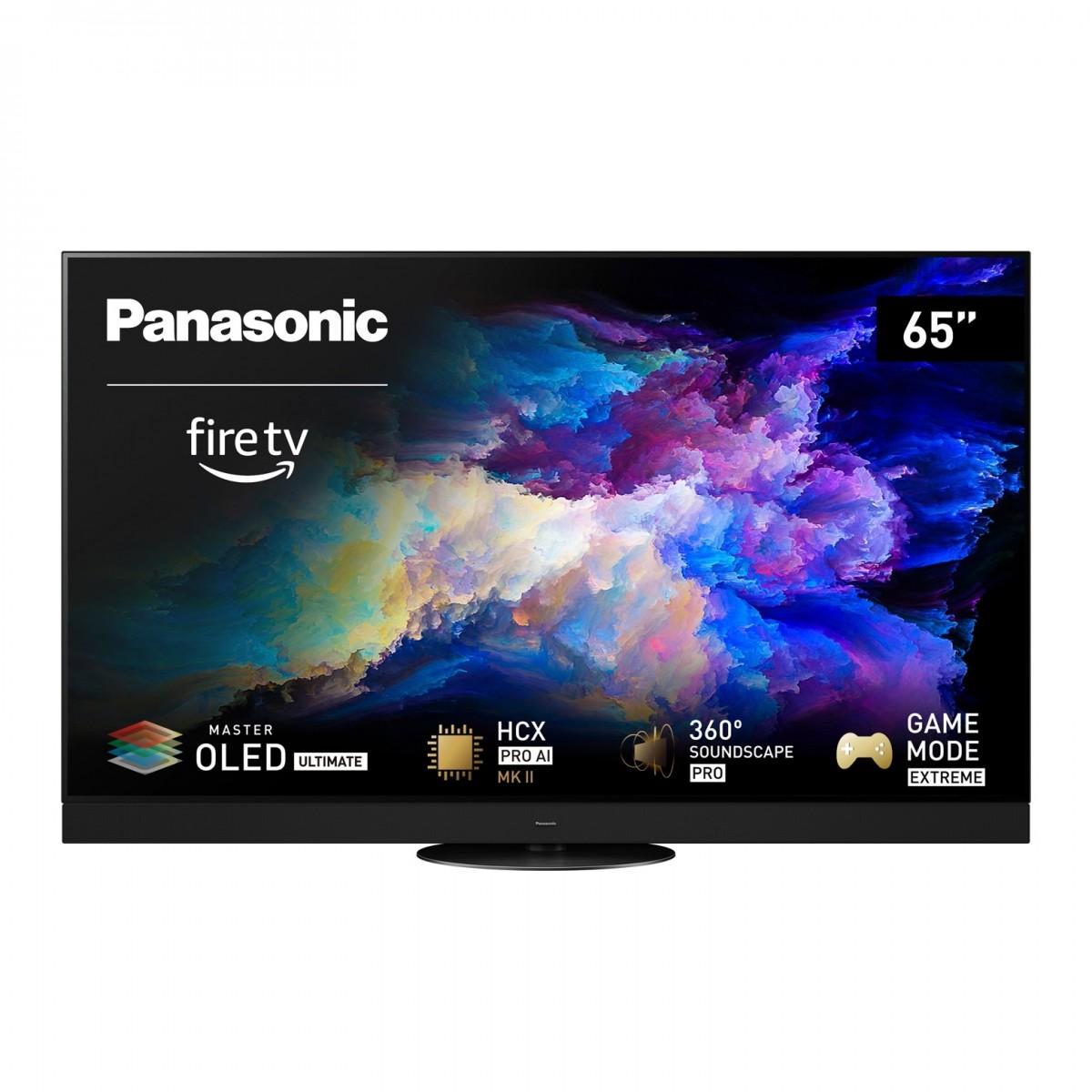
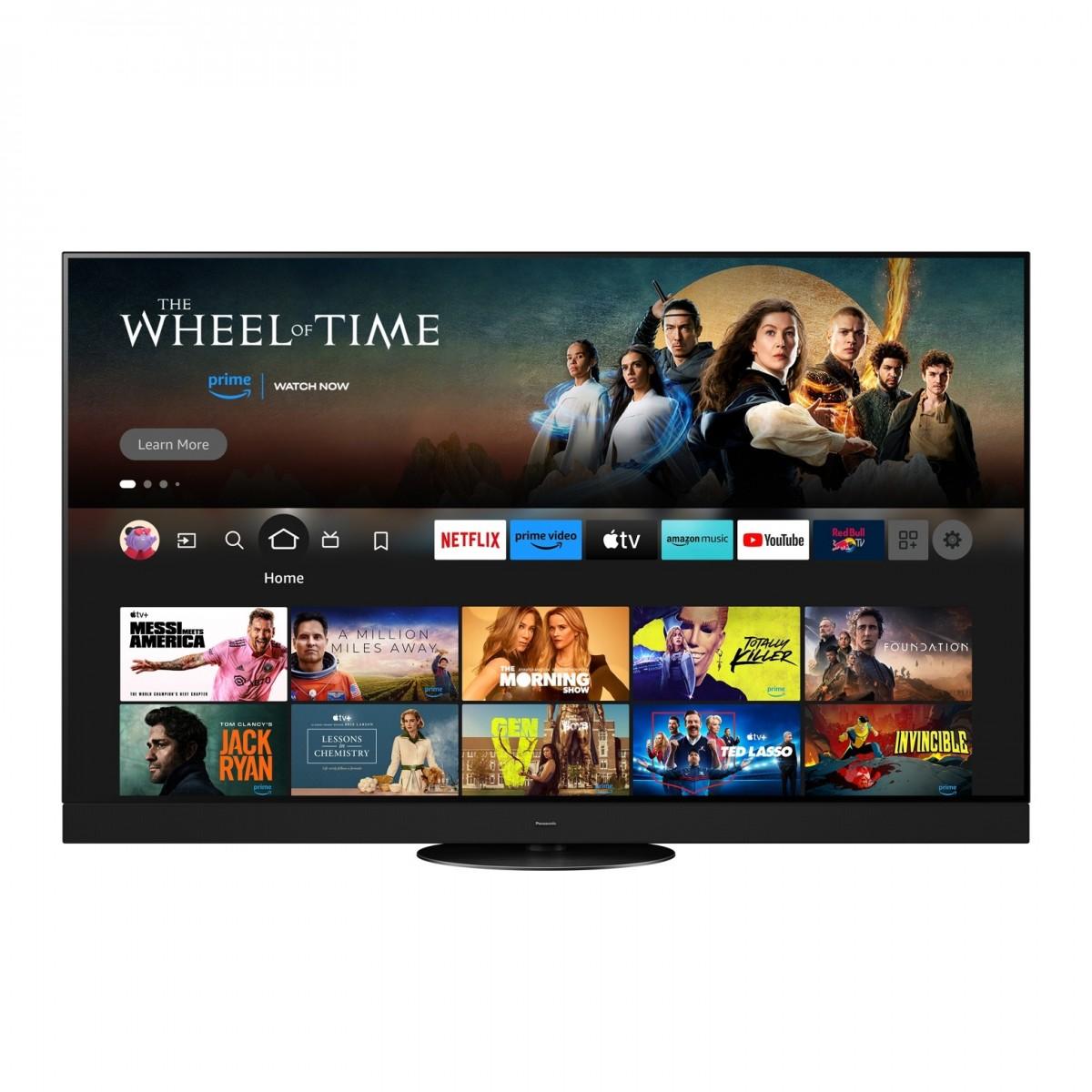
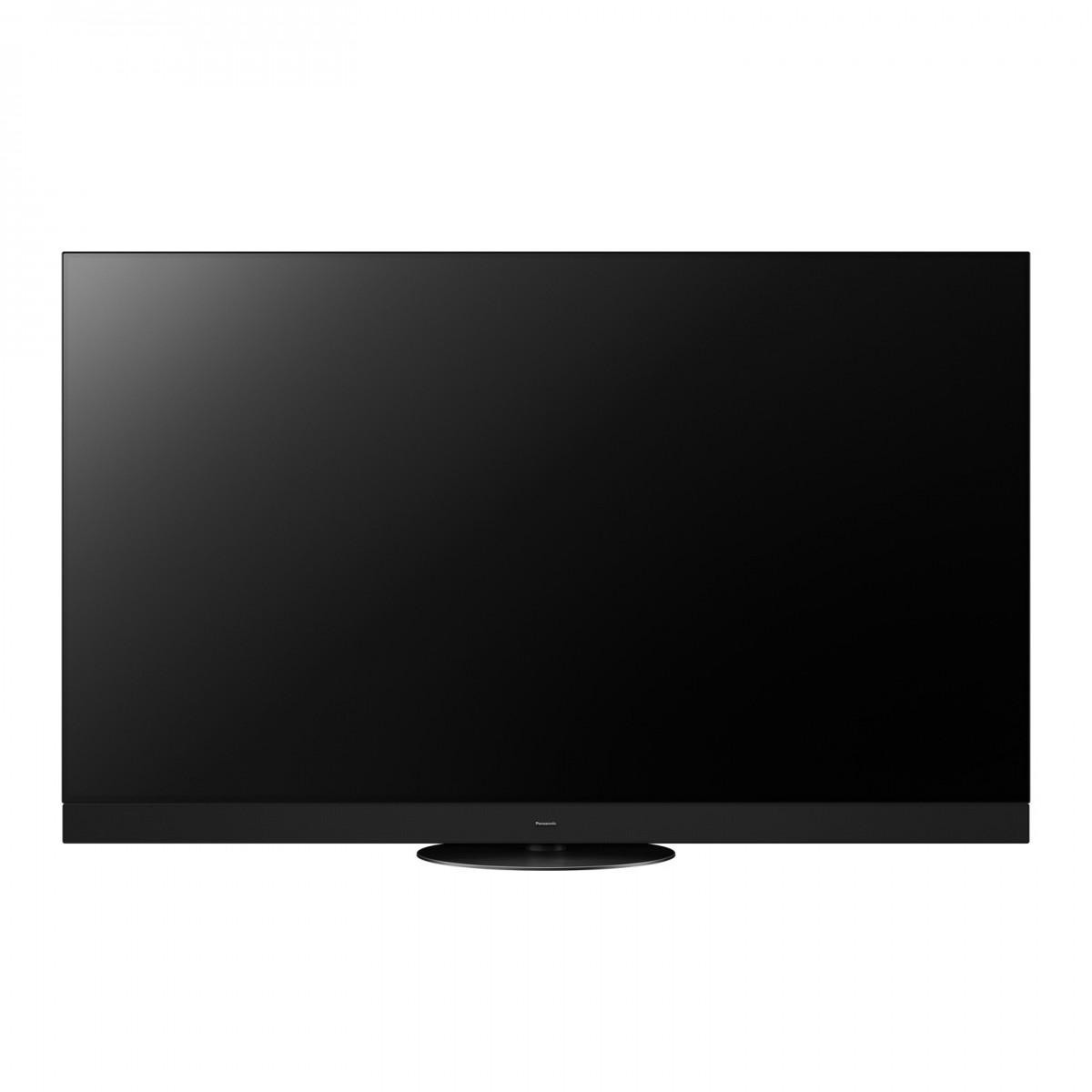
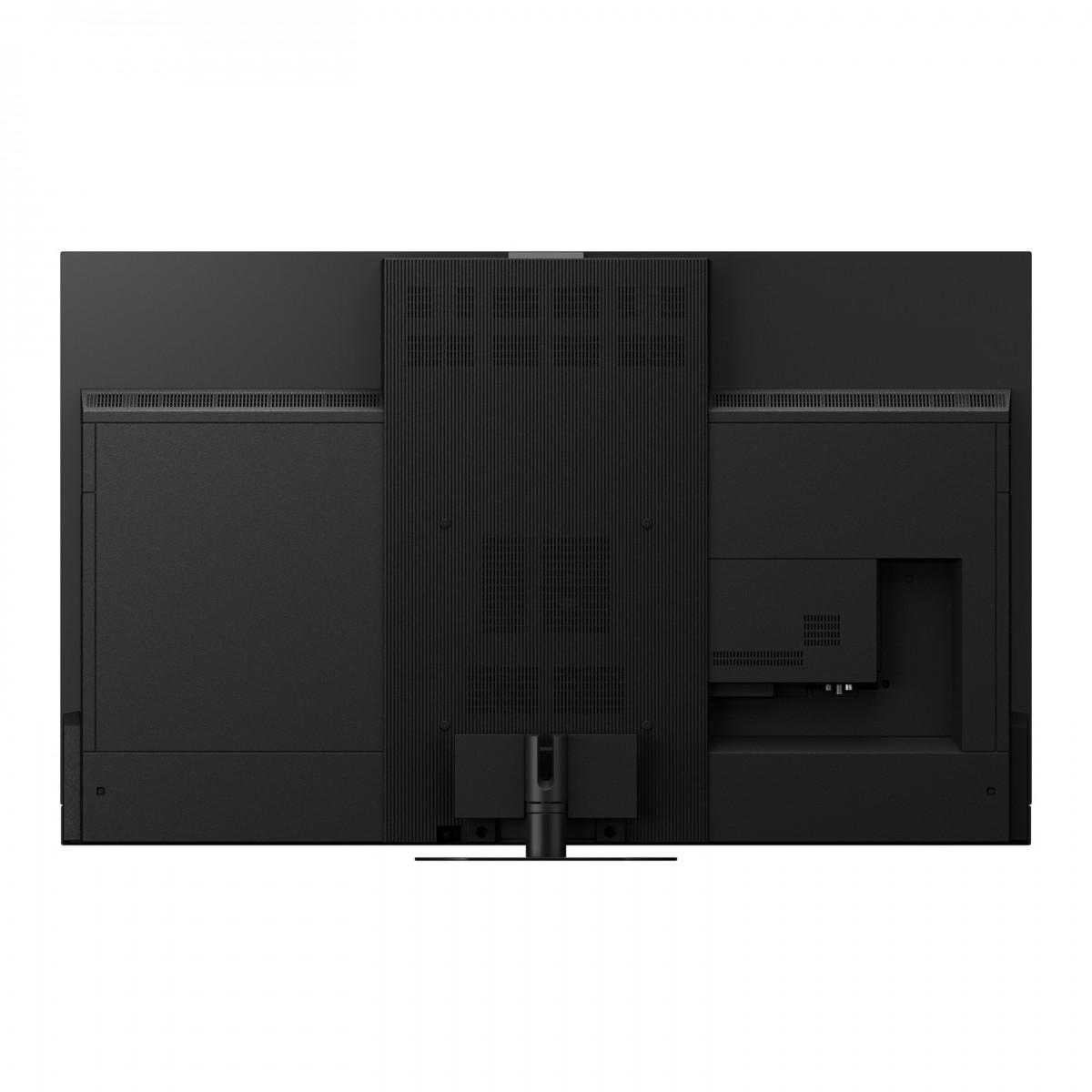
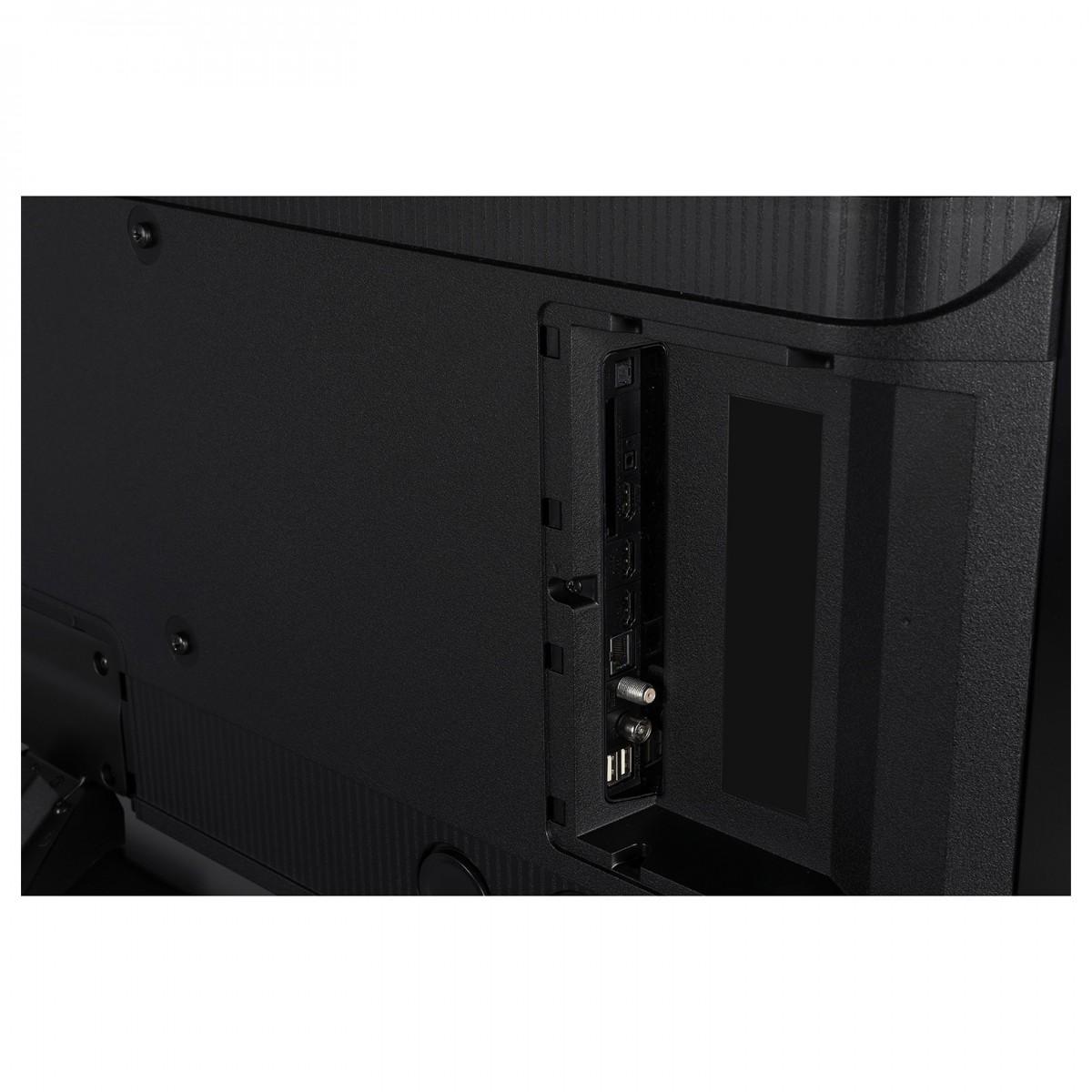
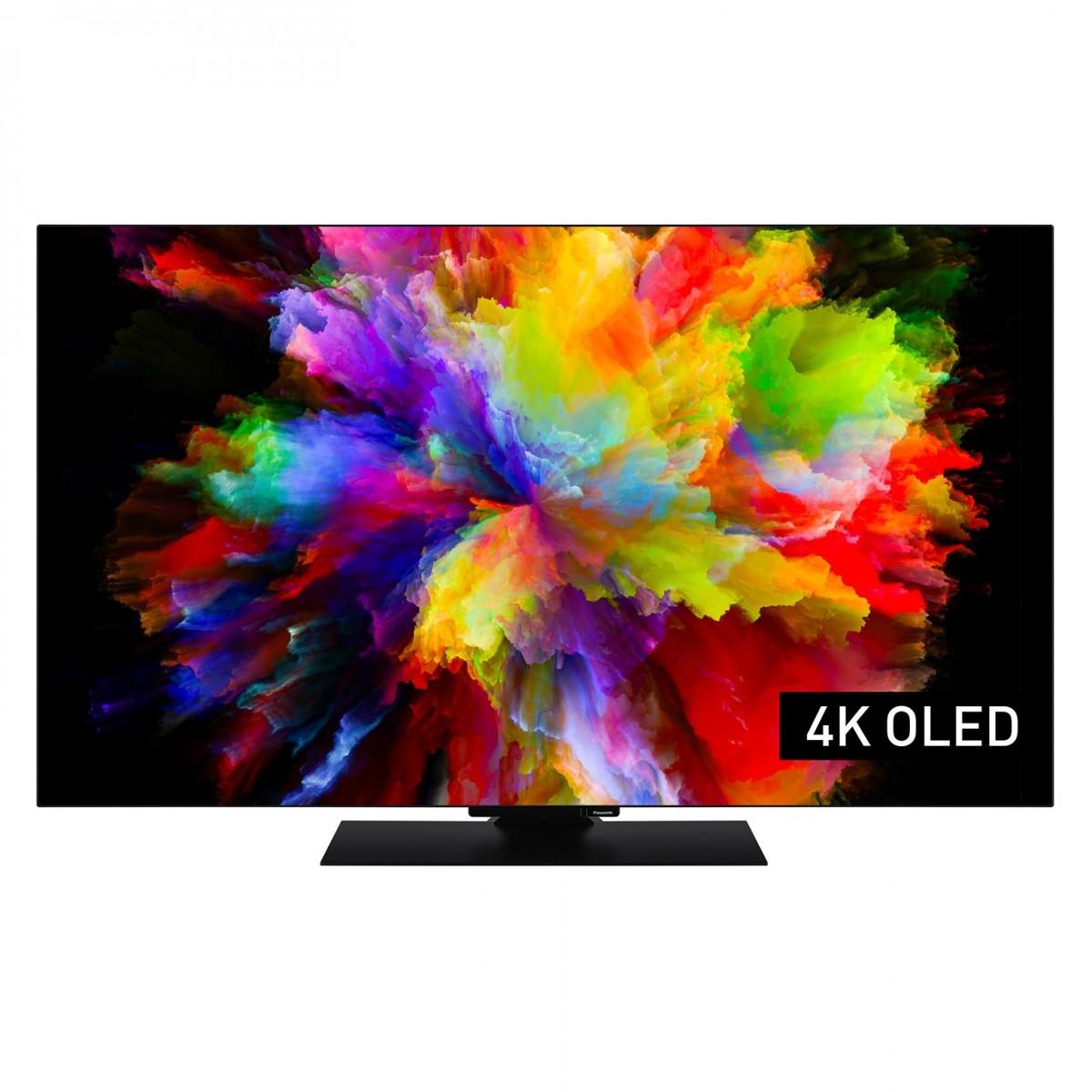
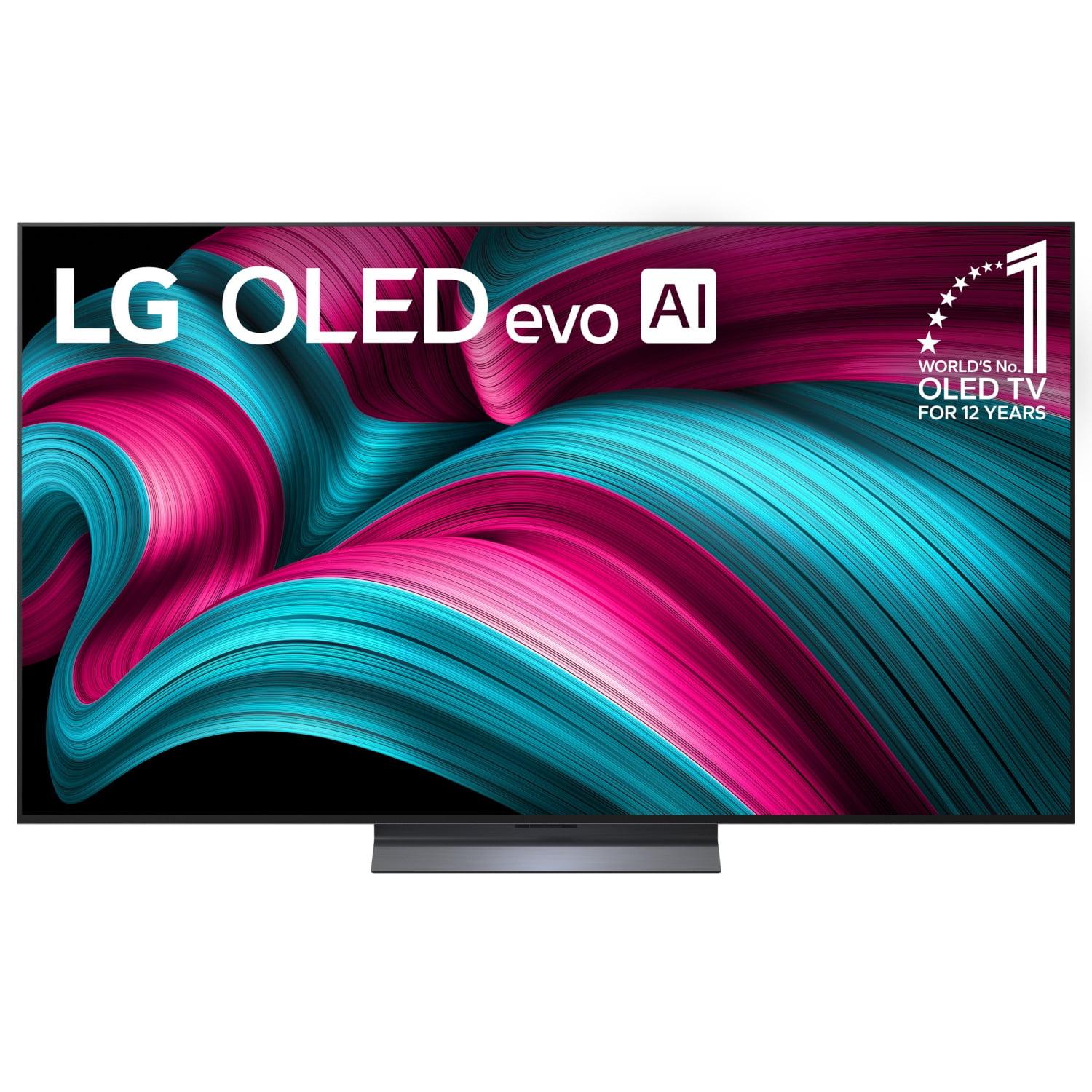
When you're ready to invest in a premium 65-inch OLED TV, two models stand out in 2025: the Panasonic Z95A and LG OLED evo C5. Both deliver the perfect blacks and infinite contrast that make OLED technology so compelling, but they take surprisingly different approaches to get there. Understanding these differences will help you choose the right TV for your specific needs and budget.
Before diving into the comparison, it's worth understanding what sets OLED apart from other TV technologies. Unlike LCD TVs that use a backlight shining through layers of filters, OLED (Organic Light-Emitting Diode) panels contain millions of individual pixels that create their own light. When a pixel needs to display black, it simply turns off completely—creating true black rather than the dark gray you get from LCD TVs with backlight bleed.
This fundamental difference gives OLED TVs their signature infinite contrast ratio, where bright highlights can sit right next to perfect blacks without any blooming or halos. The result is more realistic, three-dimensional images that feel closer to what your eyes see in real life.
However, not all OLED TVs are created equal. The key differences lie in how bright they can get, how accurately they reproduce colors, what smart features they offer, and how well they handle different types of content like movies, sports, and games.
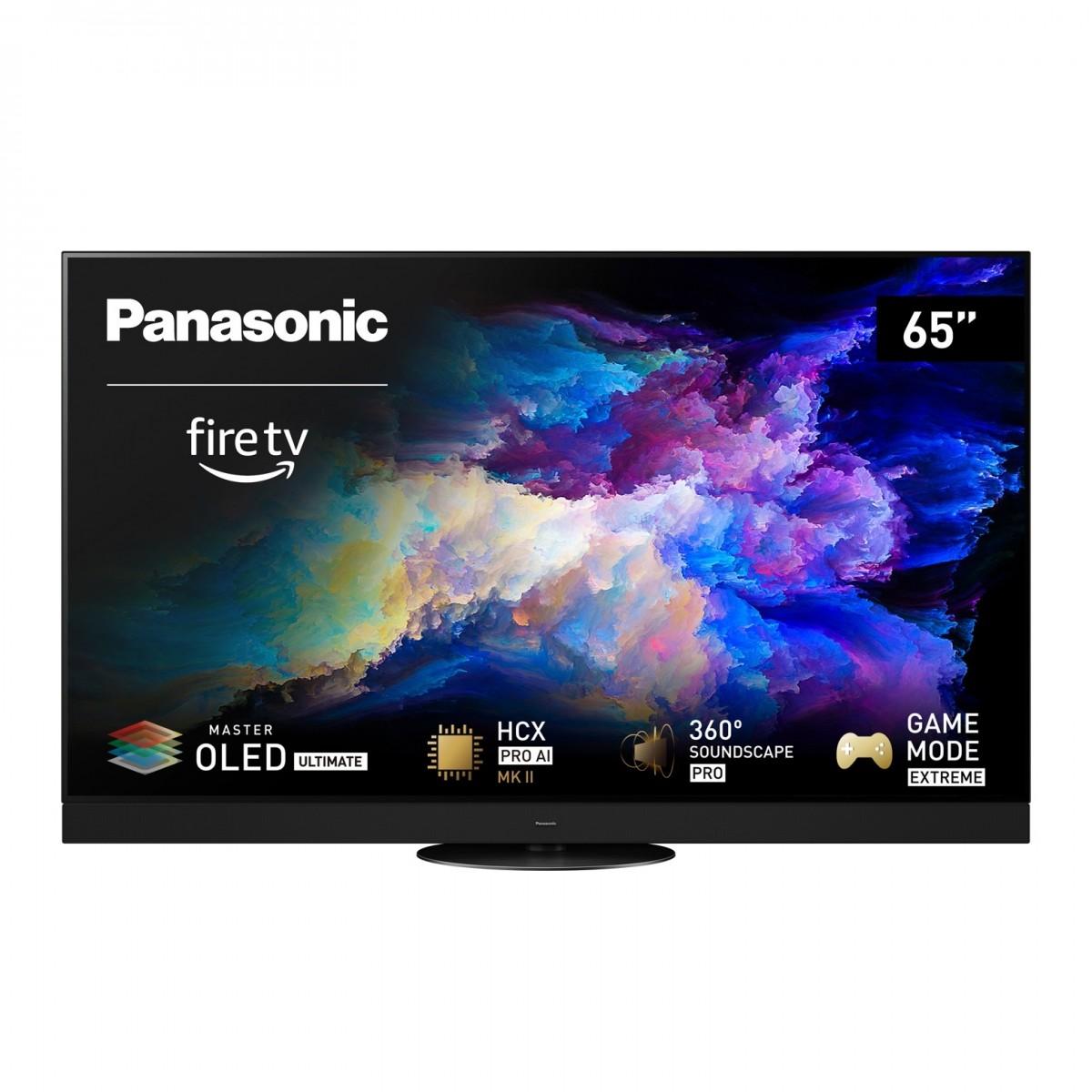
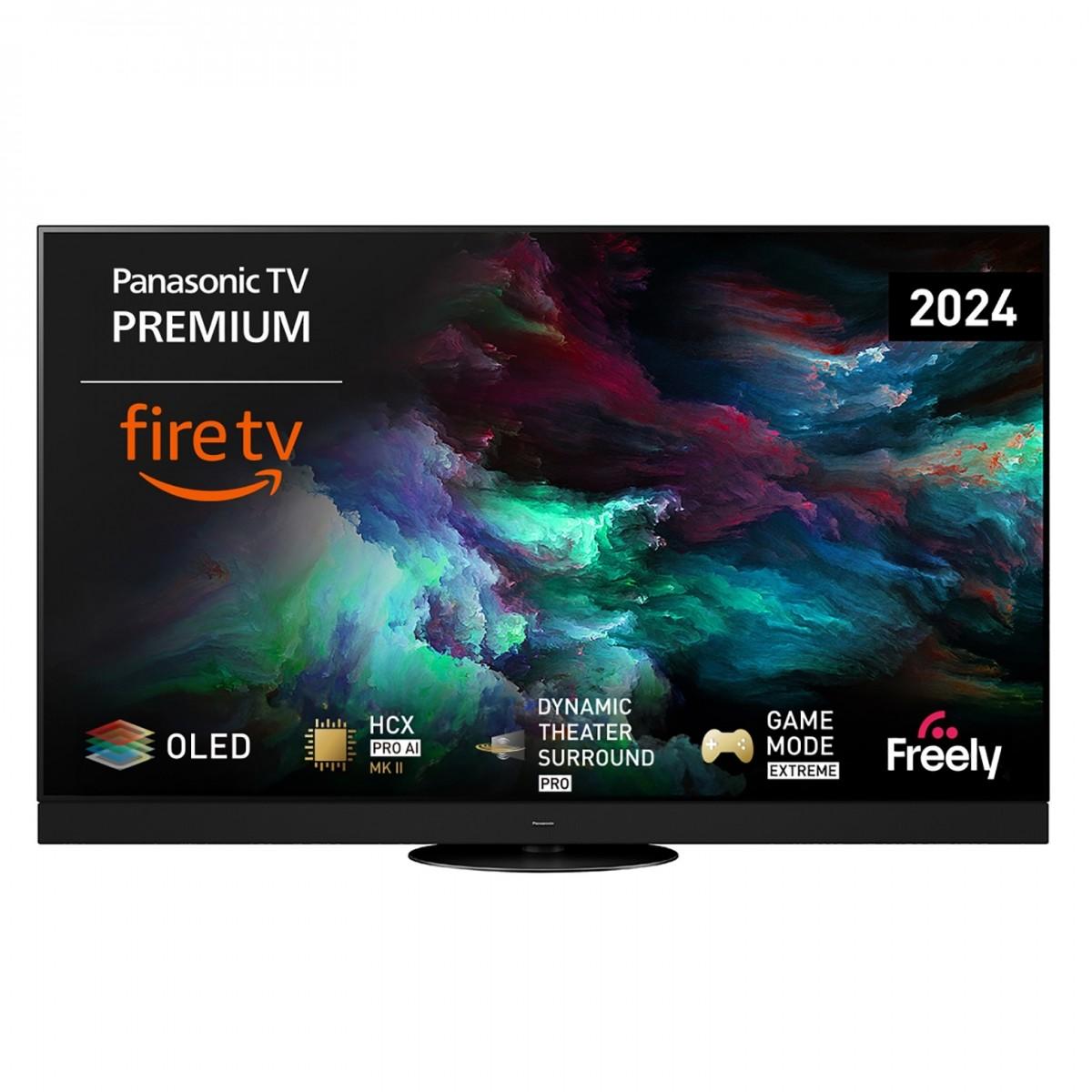
The Panasonic Z95A represents the cinema purist approach. Released in 2025, it uses LG Display's latest META Gen 2 MLA (Micro Lens Array) panel technology, which adds microscopic lenses over each pixel to dramatically boost brightness output. Panasonic has tuned this panel with their HCX Pro AI Processor MKII to deliver what they consider reference-level picture quality—the kind of accuracy that professional colorists use when mastering movies.
The LG OLED evo C5, also launched in 2025, takes a more balanced approach. It's LG's mid-range OLED offering, positioned below their flagship G5 series but packed with features that matter to mainstream users. LG has focused on delivering solid picture quality while excelling in areas like gaming performance and smart TV functionality.
At the time of writing, the Panasonic Z95A commands a significant price premium—roughly 50% more than the LG C5. This raises an important question: is that extra cost justified, and for whom?
The most significant performance gap between these TVs lies in their brightness capabilities. The Panasonic Z95A can reach peaks of over 2,000 nits in HDR content, while the LG C5 tops out around 1,000 nits. To put this in perspective, a typical sunny day outdoors measures about 100,000 nits, while indoor lighting ranges from 100-500 nits.
Why does this matter? HDR (High Dynamic Range) content is mastered with the assumption that your display can reproduce a wide range of brightness levels. When you're watching a movie scene with bright explosions against a dark night sky, or sunlight streaming through a window, higher peak brightness makes these highlights feel more realistic and impactful.
The Panasonic Z95A's superior brightness becomes particularly noticeable in two scenarios: bright rooms and HDR content with specular highlights (think reflections off water, car headlights, or bright fire). In our research across multiple expert reviews, the consensus is clear—the Z95A delivers a more convincing HDR experience when brightness matters most.
However, brightness isn't everything. The LG C5 has made notable improvements over its predecessor, the C4, with better overall brightness distribution and improved color volume in darker scenes. For most content viewed in typical home lighting conditions, both TVs will look excellent. The difference becomes more pronounced when you're dealing with very bright rooms or content that specifically benefits from those peak brightness moments.
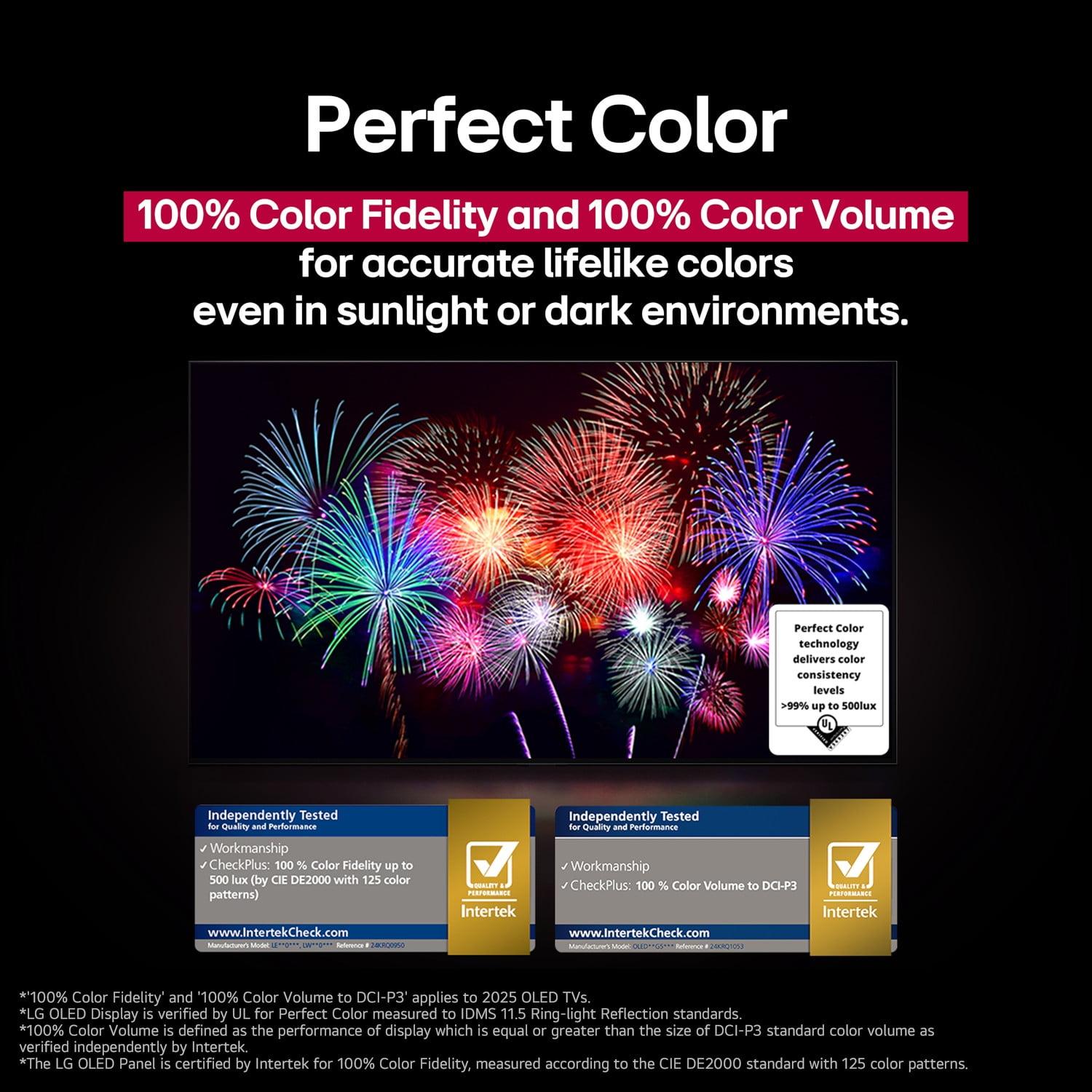
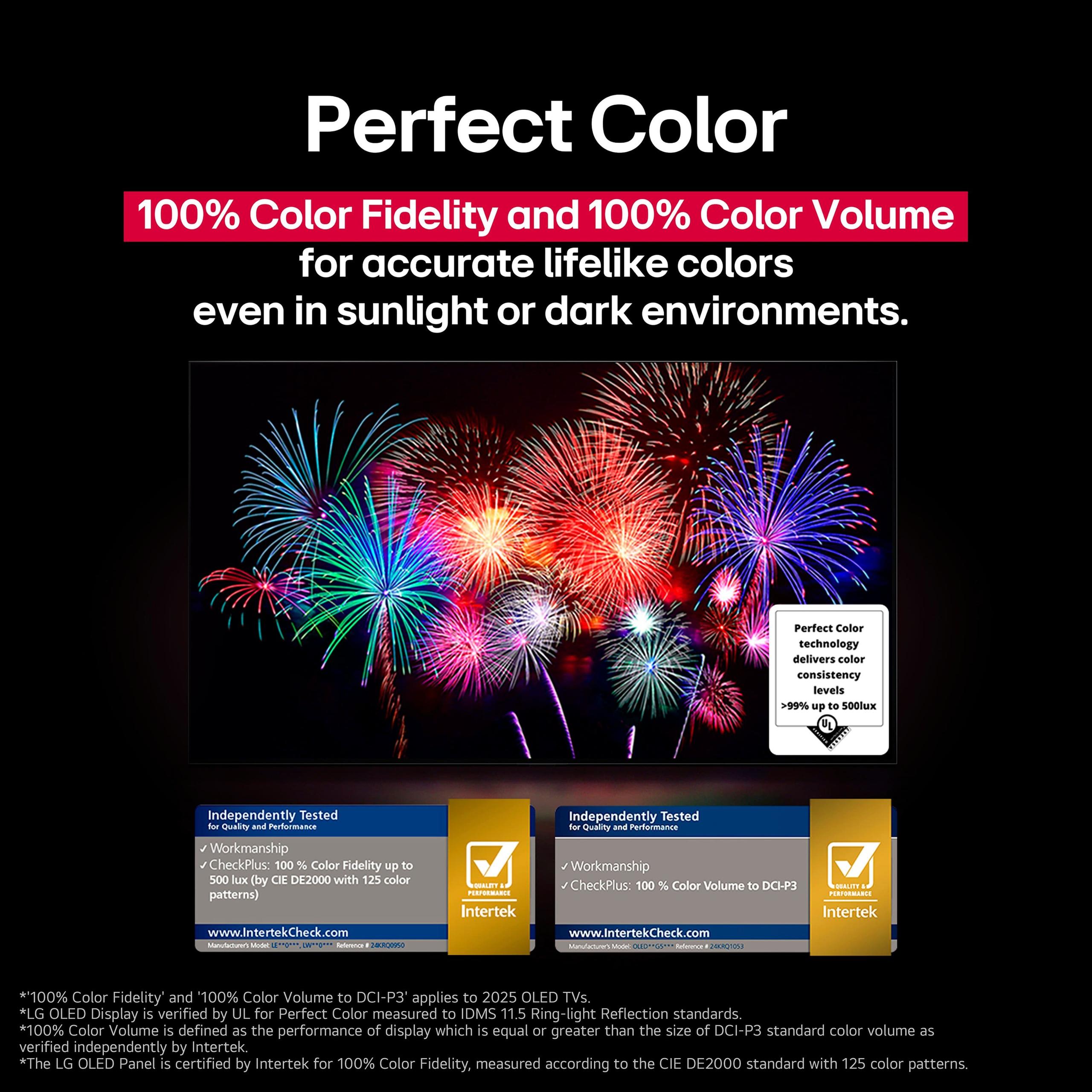
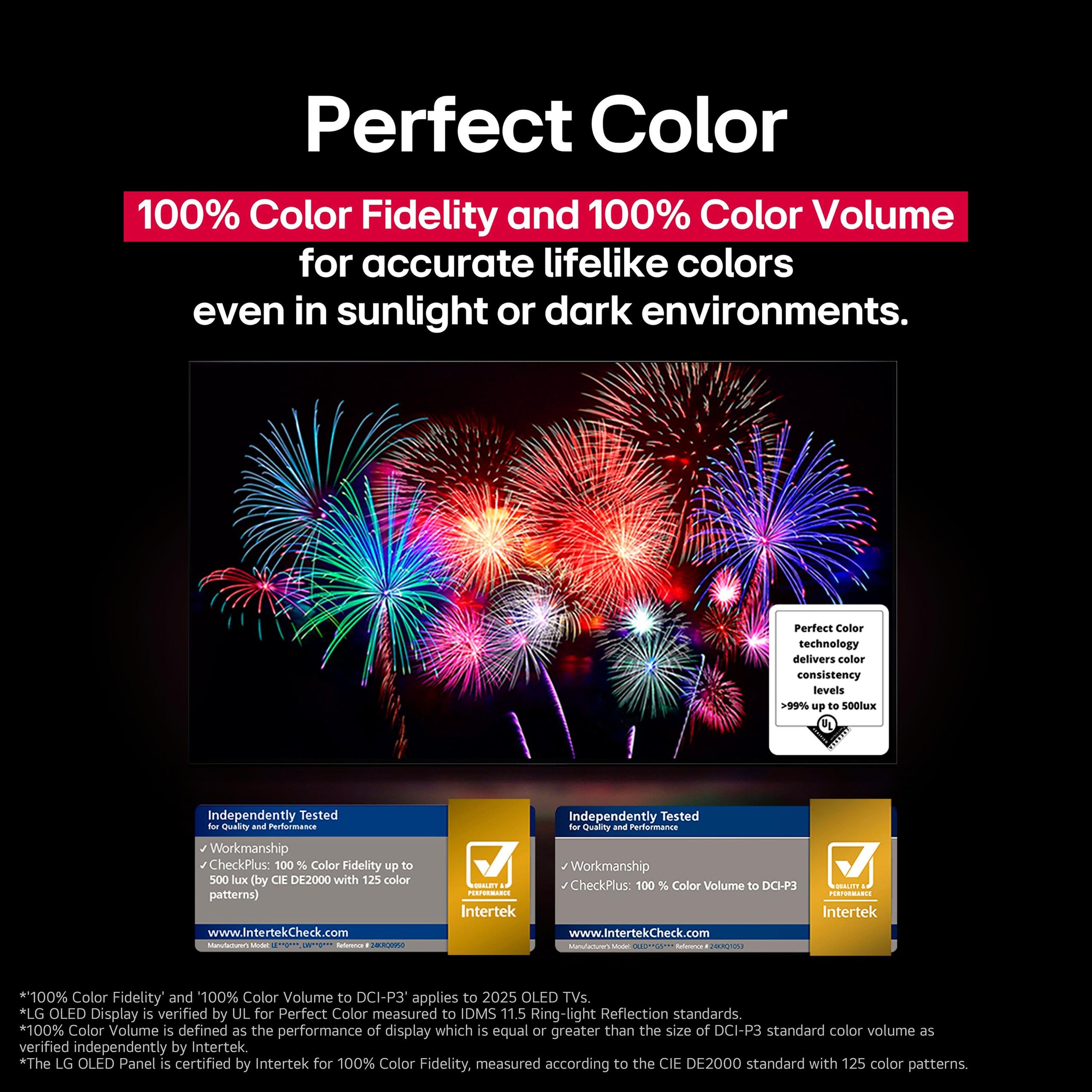
Color reproduction reveals another interesting contrast between these models. The Panasonic Z95A covers over 80% of the Rec. 2020 color space—the standard that defines what colors HDR content can contain. Its HCX Pro AI Processor MKII has been specifically tuned for color accuracy, making it a favorite among videophiles who want to see content exactly as the director intended.
The LG C5 offers what many consider the best out-of-box color accuracy in its price range. While it doesn't quite match the Z95A's color volume (the total range of colors a display can show at different brightness levels), it comes surprisingly close and requires minimal calibration to achieve accurate results.
For practical purposes, both TVs will deliver rich, vibrant colors that look natural and engaging. The Panasonic Z95A has a slight edge in the most demanding HDR content, while the LG C5 offers more consistent performance across different content types without requiring professional calibration.
If gaming is important to you, the LG C5 is the clear winner. LG has equipped it with four full-bandwidth HDMI 2.1 ports, enabling 4K gaming at up to 144Hz refresh rate—higher than most gaming TVs can manage. This means smoother motion in fast-paced games, particularly when using a high-end gaming PC or the latest consoles.
The C5's 0.1ms response time is essentially instantaneous, eliminating the lag between your controller input and what appears on screen. It supports both NVIDIA G-Sync and AMD FreeSync, which synchronize the TV's refresh rate with your graphics card to eliminate screen tearing and stuttering.
For console gamers, the LG C5 includes Auto Low Latency Mode (ALLM), which automatically switches to game mode when it detects a gaming signal. It also offers Variable Refresh Rate (VRR) support, crucial for maintaining smooth gameplay when frame rates fluctuate.
The Panasonic Z95A, while capable of gaming, treats it as a secondary function. It includes standard gaming features but lacks the comprehensive optimization and multiple HDMI 2.1 ports that serious gamers expect. If gaming is just occasional entertainment, it'll work fine. If you're building a serious gaming setup, the C5 is the obvious choice.
This is where the two TVs diverge most dramatically. The LG C5 runs webOS 25, LG's latest smart TV platform that's been refined over many years. It includes AI-powered content recommendations, extensive app libraries with all major streaming services, and integration with voice assistants like Amazon Alexa and Google Assistant.
The Magic Remote that comes with the LG C5 functions like a computer mouse, letting you point and click rather than navigating with traditional directional buttons. The interface is intuitive, regularly updated, and includes features like Quick Cards for organizing your favorite apps and over 300 free LG Channels.
The Panasonic Z95A takes a more traditional approach with its My Home Screen interface. While functional, it offers a more limited app ecosystem and lacks the AI-driven features that make modern smart TVs feel intelligent. Many Z95A owners end up connecting external streaming devices like Apple TV or NVIDIA Shield to get the full smart TV experience they want.
This difference matters more than you might expect. A great smart TV interface can make the difference between easily finding something to watch or spending 10 minutes navigating clunky menus. If you already own premium streaming devices, the Z95A's limitations won't bother you. If you want everything built-in and working seamlessly, the LG C5 delivers a superior experience.
Both TVs support Dolby Atmos, the surround sound format that creates three-dimensional audio by bouncing sound off your ceiling. However, the Panasonic Z95A generally delivers better built-in audio quality with more robust speakers and better dialogue clarity.
That said, both TVs face the same fundamental limitation: thin OLED panels don't have room for large speakers. While the built-in audio is adequate for casual viewing, serious home theater enthusiasts will want to pair either TV with a dedicated sound system or soundbar to fully realize their potential.
The audio difference between these models is noticeable but not dramatic. If you're planning to upgrade your audio setup anyway, this shouldn't be a major deciding factor.
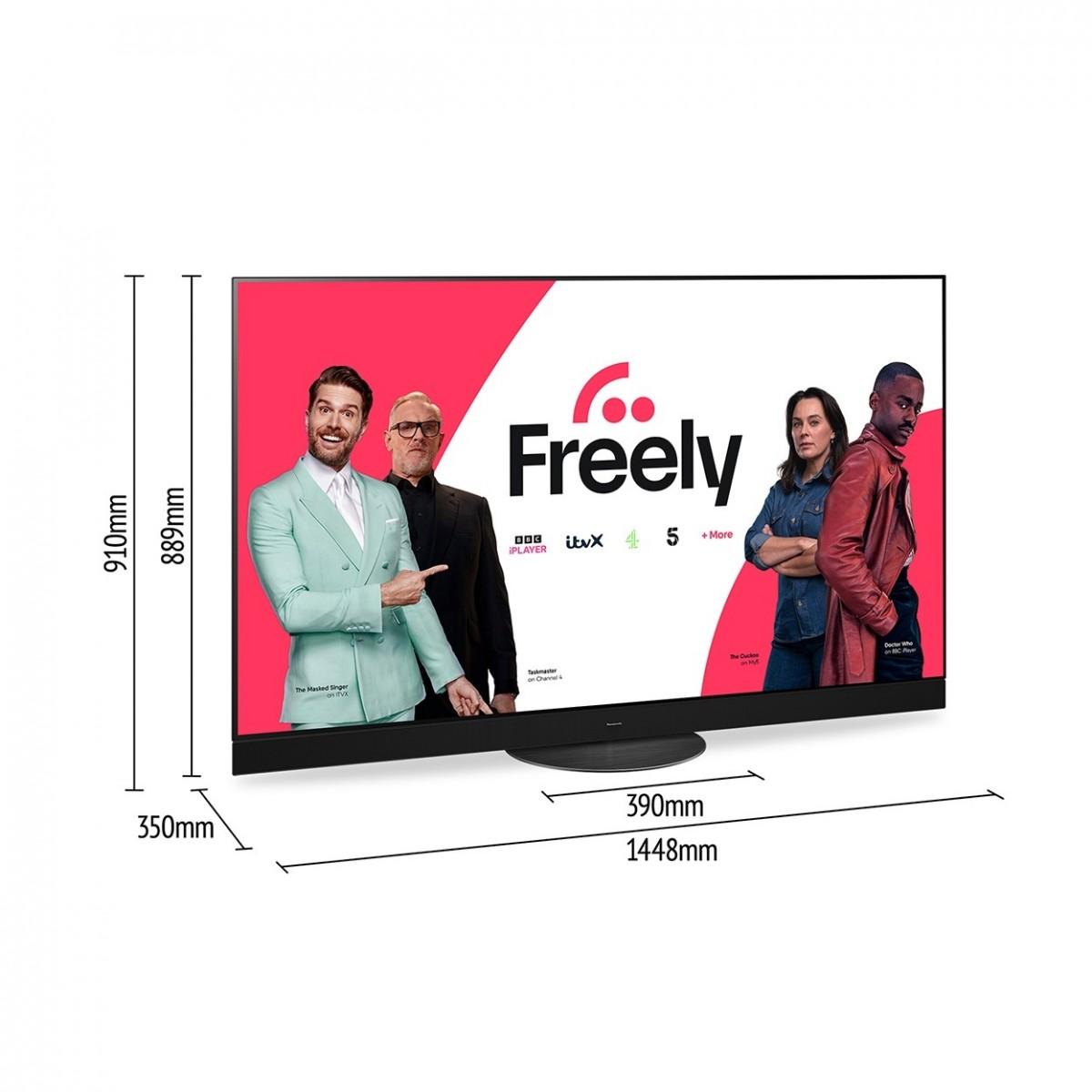
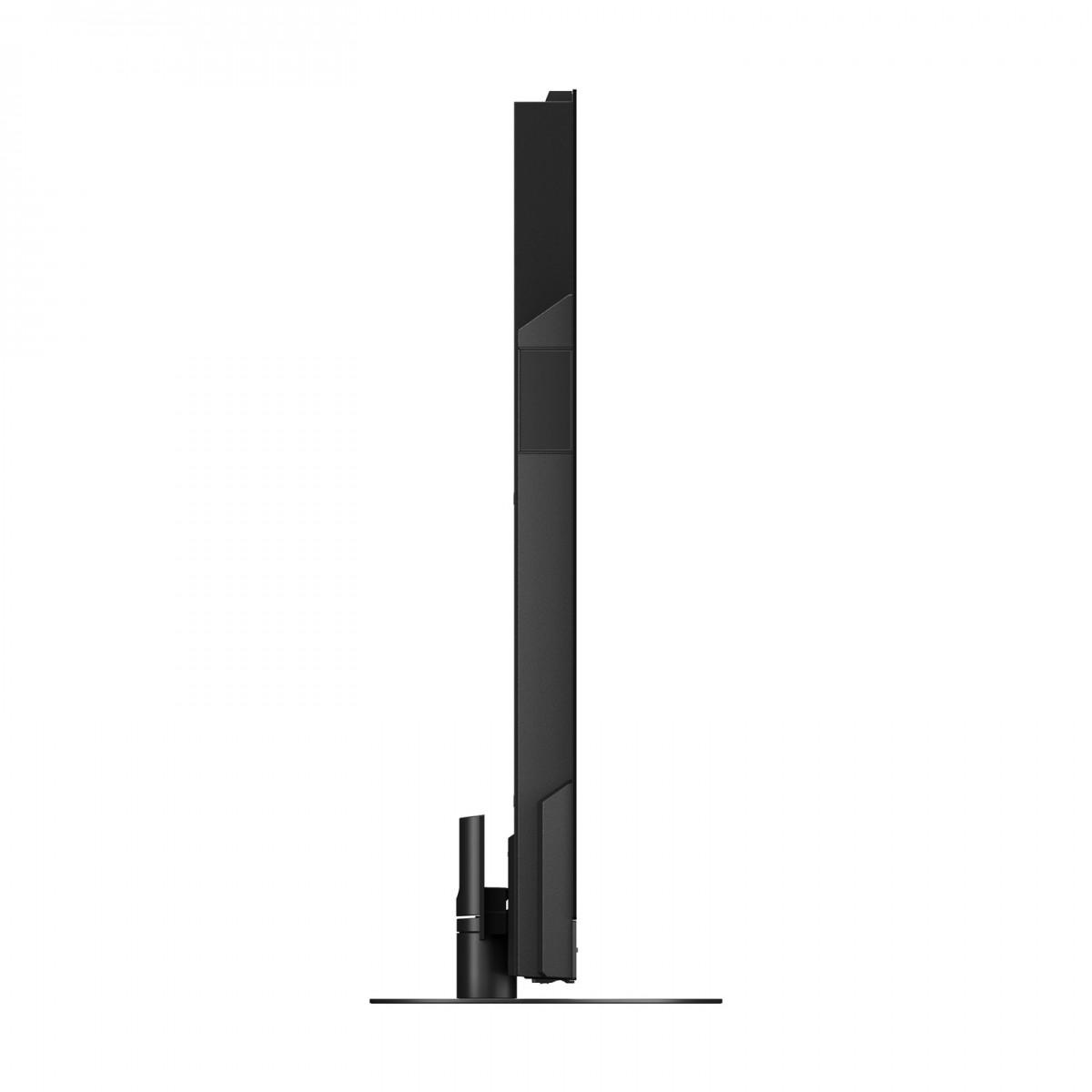
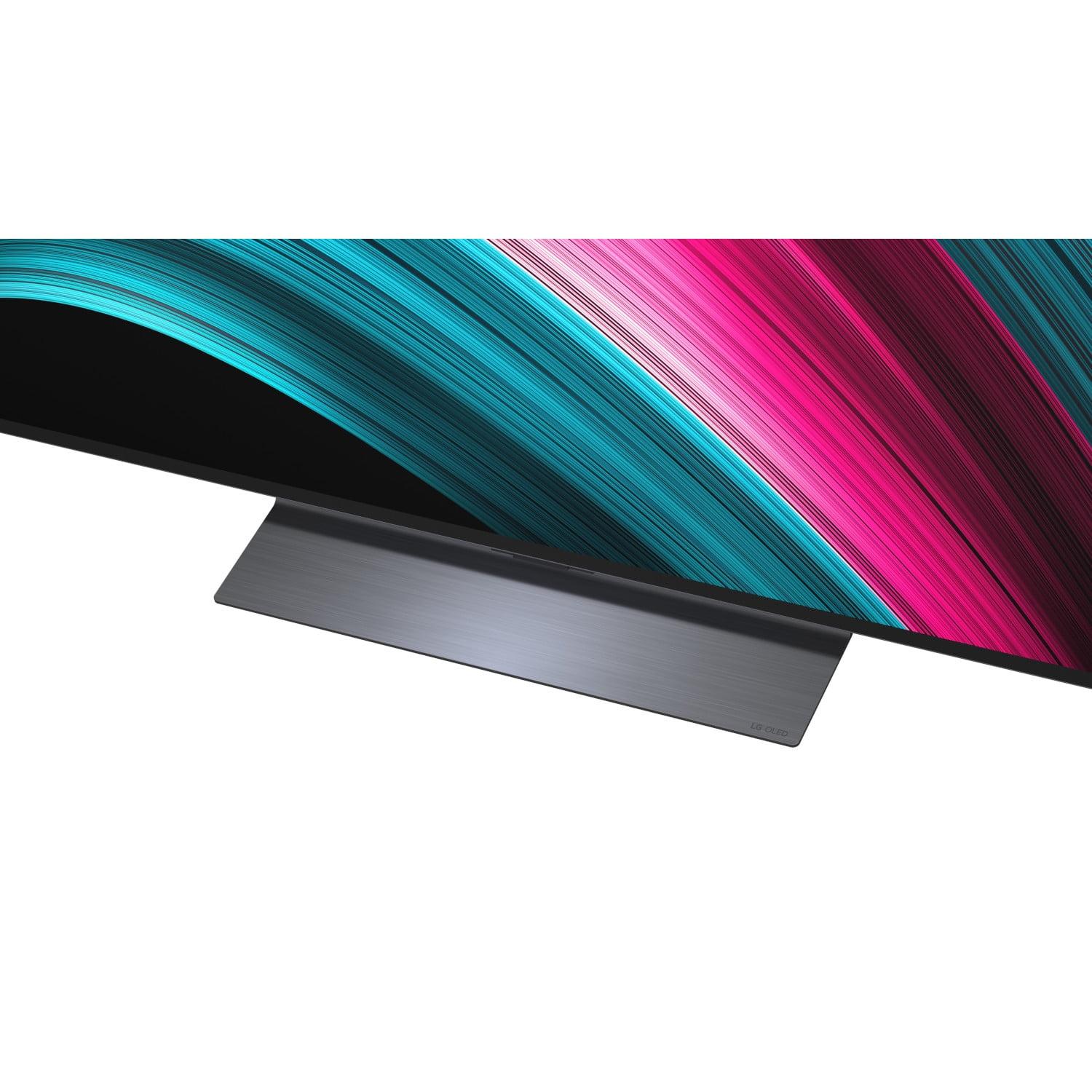
The Panasonic Z95A feels more premium in terms of build quality and materials. It's only available in the 65-inch size, suggesting Panasonic has focused on perfecting this specific configuration rather than offering multiple options.
The LG C5 offers excellent build quality for its price point, with an ultra-thin profile and nearly invisible bezels that look great wall-mounted or on a stand. While it doesn't feel quite as premium as the Z95A, the difference is subtle and unlikely to matter in day-to-day use.
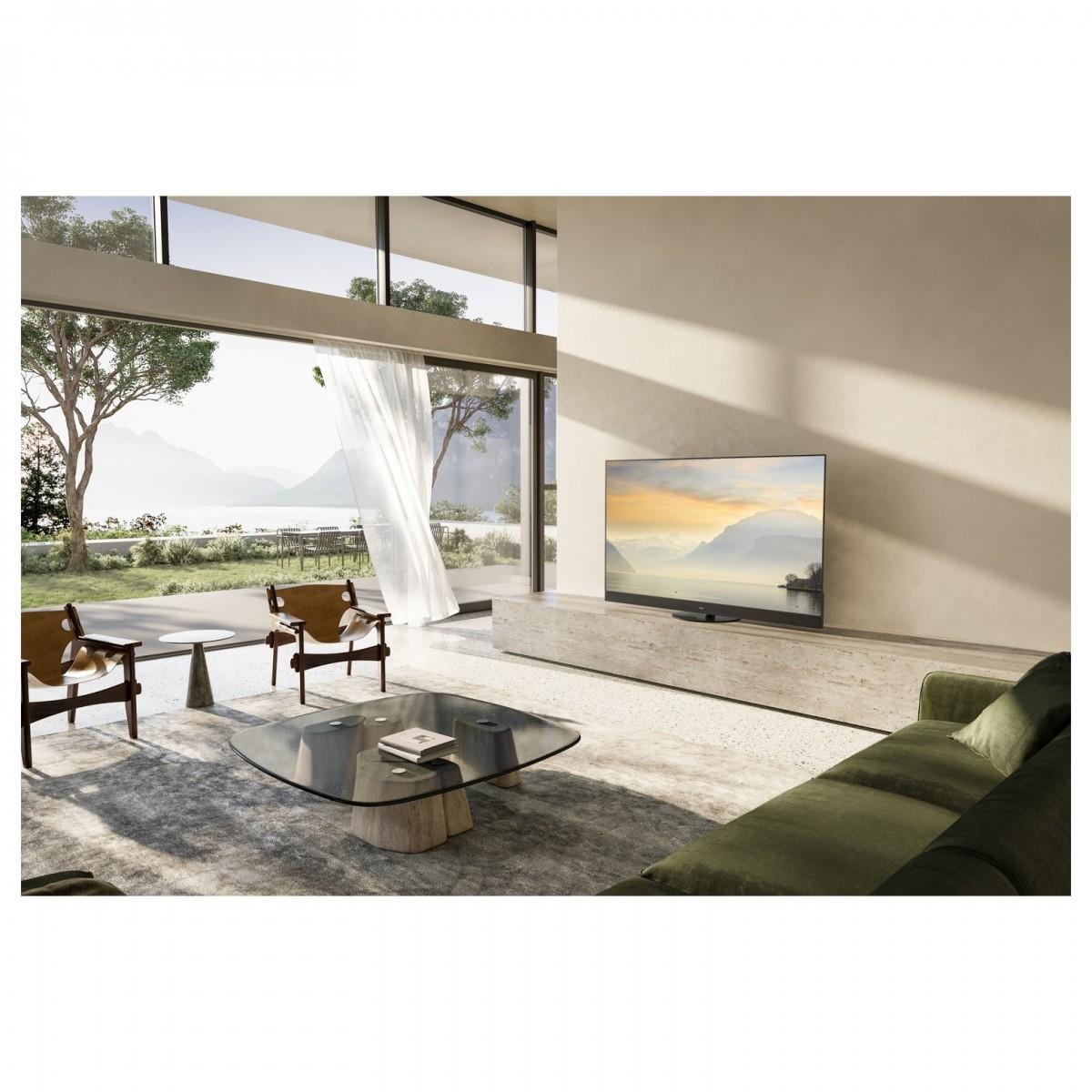
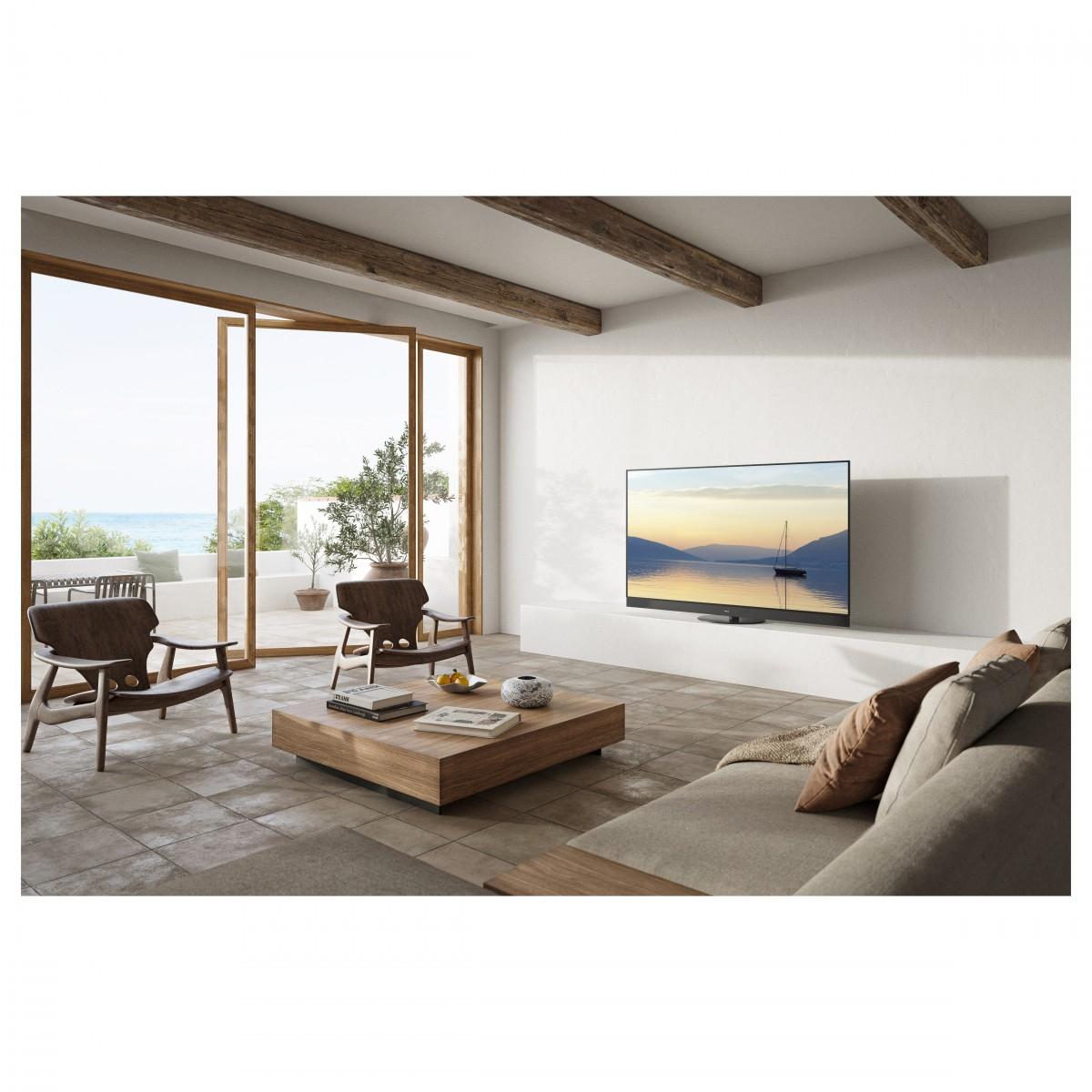
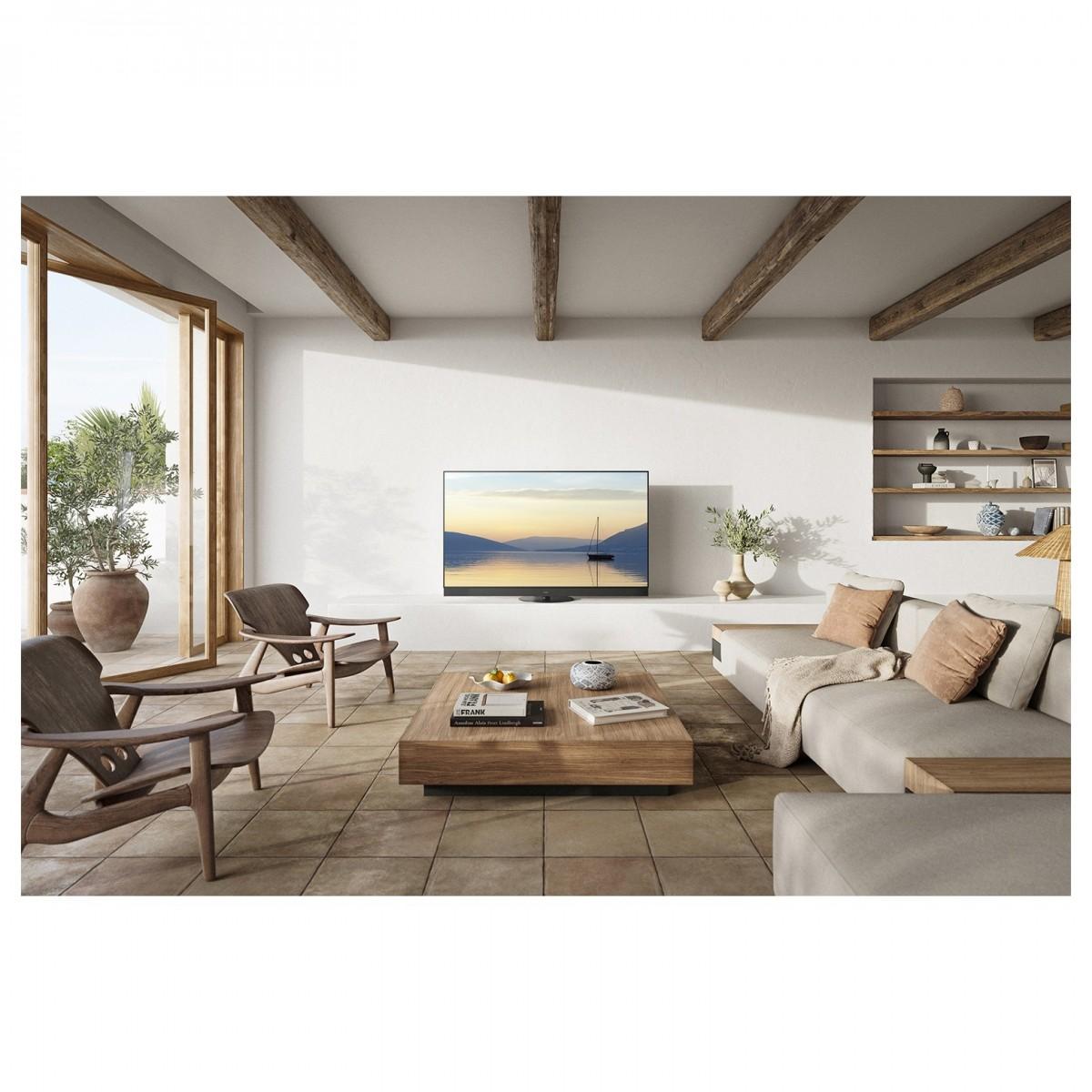
Both TVs are designed to blend into modern living spaces, though the Panasonic Z95A's more refined aesthetic commands attention as a premium piece of technology.
For dedicated home theater setups, the choice depends on your priorities and room characteristics. The Panasonic Z95A excels in controlled lighting environments where its superior color accuracy and peak brightness can shine. It's the better choice for movie purists who want reference-level picture quality and plan to use external devices for streaming and gaming.
The LG C5 offers more versatility for multi-purpose rooms where the TV needs to handle everything from bright daytime viewing to late-night gaming sessions. Its superior smart features and gaming capabilities make it better suited for families or users who want one device to do everything well.
In bright home theater rooms with significant ambient light, the Z95A's higher peak brightness provides a meaningful advantage. In darker, more controlled environments, both TVs will deliver stunning picture quality, making the C5's better value and additional features more compelling.
At the time of writing, the price gap between these models is substantial—roughly 50% more for the Panasonic Z95A. This positions them differently in the market despite their similar screen sizes and OLED technology.
The LG C5 represents excellent value, delivering about 85% of the Z95A's picture quality at roughly 65% of the cost, while adding superior gaming and smart TV capabilities. For most buyers, this represents the sweet spot between premium OLED performance and reasonable pricing.
The Panasonic Z95A justifies its premium through best-in-class brightness and color accuracy. However, it requires buyers who specifically need these advantages and are willing to sacrifice modern conveniences or pay extra for external devices to match the C5's functionality.
Choose the Panasonic Z95A if:
Choose the LG C5 if:
The LG OLED evo C5 emerges as the better choice for most buyers in 2025. It delivers the core OLED experience—perfect blacks, infinite contrast, and vibrant colors—while adding modern gaming features and an excellent smart TV platform at a more accessible price point.
The Panasonic Z95A serves a more specific audience: those who prioritize absolute picture quality above all else and are willing to pay a significant premium for that advantage. It's undeniably the better display for pure image quality, but its limited feature set and high price make it harder to recommend broadly.
Both TVs represent the current state of OLED technology in 2025, building on years of panel improvements and processing advances. Your choice should align with how you plan to use the TV, your room conditions, and whether you value ultimate picture quality or comprehensive functionality more highly.
For most people setting up a modern living room entertainment center, the LG C5 offers the better overall package. For dedicated movie enthusiasts with specific picture quality requirements and budgets to match, the Panasonic Z95A delivers an uncompromising viewing experience that justifies its premium positioning.
| Panasonic Z95A 65" OLED 4K Ultra HD Smart TV | LG OLED evo C5 65" 4K TV 2025 |
|---|---|
| Peak Brightness - Critical for HDR impact and bright room viewing | |
| Up to 2,012 nits (exceptional for specular highlights) | ~1,000 nits (good for most content, improved over C4) |
| Panel Technology - Determines overall picture capabilities | |
| LG Display META Gen 2 MLA panel (flagship tier) | LG's mid-range OLED panel (excellent value tier) |
| Color Volume - How vibrant colors appear at different brightness levels | |
| Over 80% Rec. 2020 coverage (reference-level accuracy) | Strong color performance, best-in-class out-of-box accuracy |
| Gaming Features - Essential for console and PC gaming | |
| Standard gaming support (adequate for casual use) | 4K @ 144Hz, 4x HDMI 2.1, VRR, G-Sync/FreeSync, 0.1ms response |
| Smart TV Platform - Daily usability and app ecosystem | |
| Basic My Home Screen interface (limited apps) | webOS 25 with AI features, extensive app library, Magic Remote |
| Audio Quality - Built-in sound performance | |
| Better integrated speakers with Dolby Atmos | Good Dolby Atmos support, adequate built-in audio |
| Processor - Handles upscaling and picture optimization | |
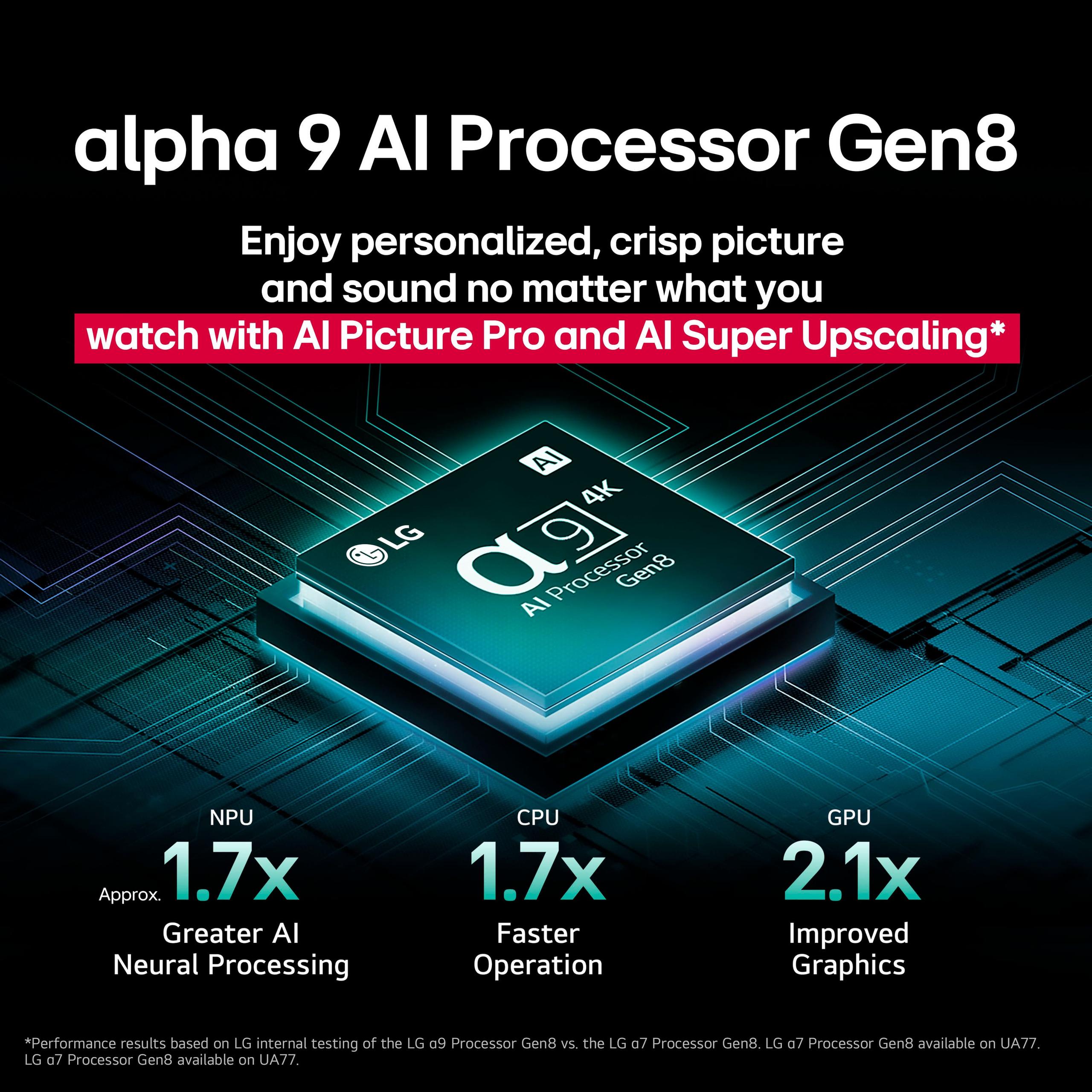
| HCX Pro AI Processor MKII (cinema-focused tuning) | Alpha 9 AI Processor Gen8 (balanced performance) |
| HDR Support - Premium content format compatibility | |
| Dolby Vision, HDR10+ Adaptive | Dolby Vision, HDR10, HLG |
| Design & Build - Premium feel and aesthetic appeal | |
| Premium materials, only 65" size available | Attractive design, ultra-thin bezels, multiple sizes planned |
| Voice Control - Smart home integration | |
| Limited voice assistant support | Amazon Alexa, Google Assistant, Apple HomeKit |
| Value Proposition - Performance per dollar spent | |
| Premium price for maximum picture quality | Excellent value with 85% of flagship performance at lower cost |
The LG OLED evo C5 is significantly better for gaming. It offers 4K gaming at up to 144Hz, four HDMI 2.1 ports, 0.1ms response time, and support for both NVIDIA G-Sync and AMD FreeSync. The Panasonic Z95A has basic gaming features but lacks the advanced gaming optimizations that serious gamers need.
The biggest difference is brightness capability. The Panasonic Z95A can reach over 2,000 nits peak brightness compared to the LG C5's ~1,000 nits. This makes the Z95A better for bright rooms and more impactful HDR highlights, while the C5 still delivers excellent OLED picture quality for most viewing conditions.
The LG OLED evo C5 has far superior smart TV capabilities with webOS 25, extensive app libraries, AI-powered recommendations, and voice assistant integration. The Panasonic Z95A has a basic smart interface with limited apps, so most users pair it with external streaming devices.
Yes, both excel in home theaters but for different reasons. The Panasonic Z95A offers reference-level color accuracy and maximum brightness, making it ideal for movie purists in dedicated theater rooms. The LG C5 provides excellent versatility for multi-purpose theater rooms that also need gaming and smart TV features.
The LG OLED evo C5 offers better overall value, delivering about 85% of the Panasonic Z95A's picture quality while adding superior gaming and smart features at a significantly lower price. The Z95A justifies its premium only for buyers who specifically need maximum brightness and color accuracy.
The Panasonic Z95A generally has better built-in audio quality with more robust speakers and clearer dialogue. However, both TVs support Dolby Atmos, and serious home theater users will want to add a dedicated sound system regardless of which OLED they choose.
The Panasonic Z95A performs better in bright rooms due to its much higher peak brightness (over 2,000 nits vs ~1,000 nits). This helps combat glare and maintains better picture quality when there's significant ambient light, though both TVs will struggle with direct sunlight.
Both support the essential HDR formats, but with slight differences. The LG C5 supports Dolby Vision, HDR10, and HLG, while the Panasonic Z95A adds HDR10+ Adaptive. Both deliver excellent HDR performance, with the Z95A having an advantage in peak brightness for HDR highlights.
LG typically provides more frequent and longer-term software updates for their OLED TVs. The LG C5 runs on webOS 25 with LG's Re:New Program promising updates for up to five years. The Panasonic Z95A receives updates but less frequently and for shorter periods.
The Panasonic Z95A is currently only available in 65 inches, while LG typically offers the C5 series in multiple sizes including 55", 65", 77", and 83" options. This gives LG more flexibility for different room sizes and budgets.
The LG OLED evo C5 is much easier for daily use with its intuitive webOS interface, Magic Remote point-and-click navigation, and comprehensive built-in apps. The Panasonic Z95A requires more setup complexity and typically needs external devices for the best streaming experience.
For most first-time OLED buyers, the LG C5 is the better choice. It offers excellent OLED picture quality, comprehensive modern features, and better value. Choose the Panasonic Z95A only if you're specifically prioritizing maximum brightness and color accuracy for a dedicated movie-watching setup and don't mind the higher cost.
We've done our best to create useful and informative comparisons to help you decide what product to buy. Our research uses advanced automated methods to create this comparison and perfection is not possible - please contact us for corrections or questions. These are the sites we've researched in the creation of this article: youtube.com - youtube.com - whathifi.com - tomsguide.com - shop.panasonic.com - store.in.panasonic.com - rtings.com - applianceplus.co.nz - rtings.com - store.in.panasonic.com - samsung.com - bestbuy.com - rtings.com - youtube.com - businessinsider.com - youtube.com - bestbuy.com - lg.com - files.bbystatic.com - lg.com - flatpanelshd.com - lg.com - blvdhome.com - bhphotovideo.com - flanners.com - videopro.com.au

Privacy Policy
Terms and Conditions - Affiliate Policy
Home Security
© Copyright 2008-2026.
11816 Inwood Rd #1211, Dallas, TX 75244