

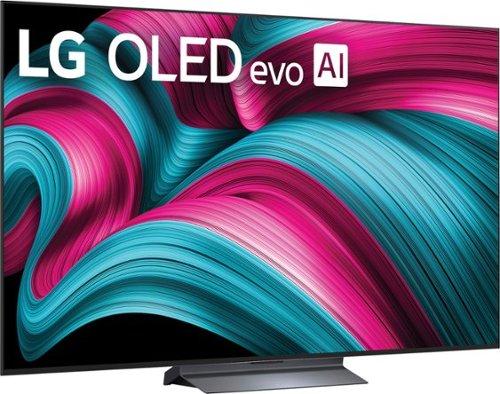




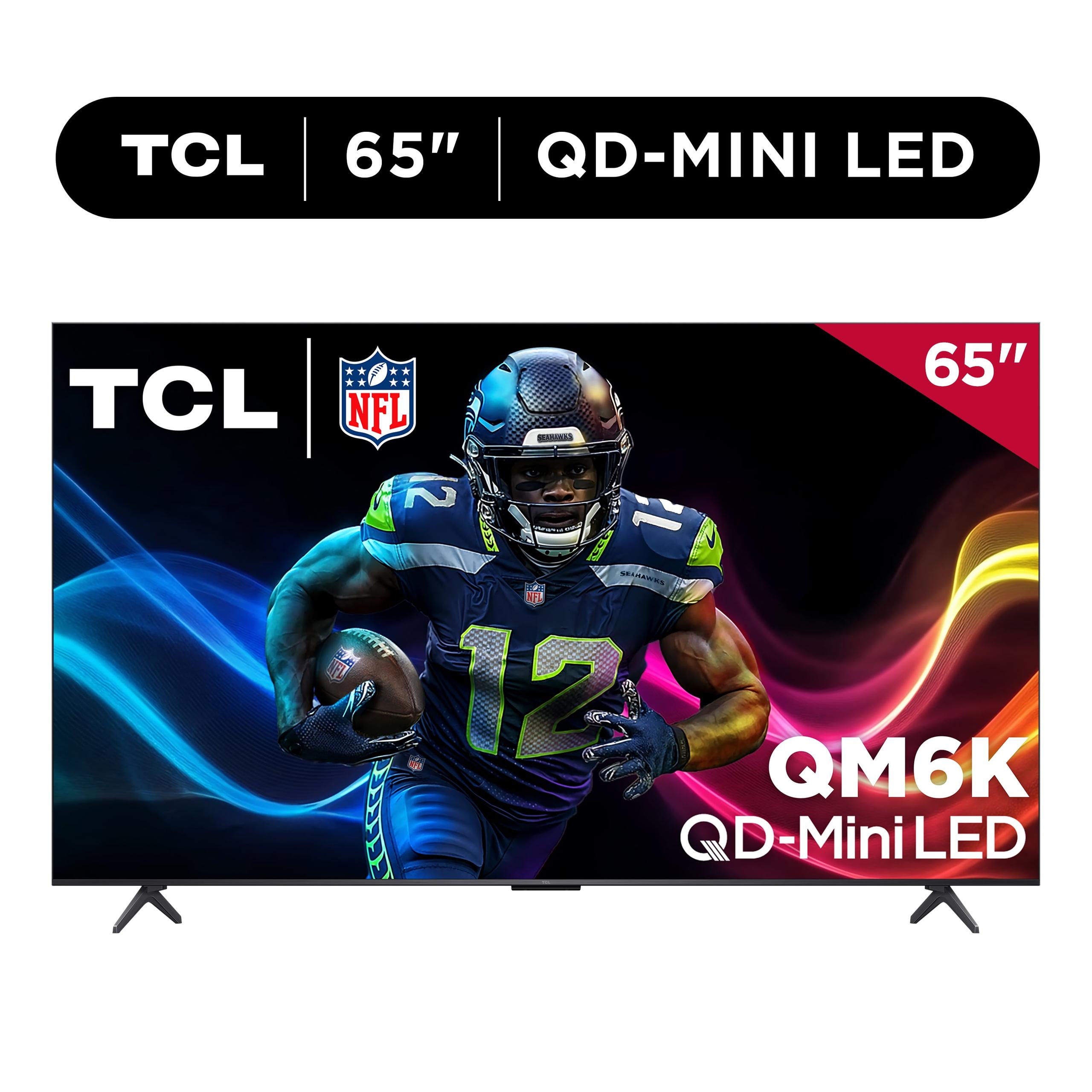
Shopping for a new 65" 4K TV can feel overwhelming with so many options flooding the market. Two standout models from 2025 represent completely different approaches to delivering great picture quality: the premium LG OLED evo C5 65" 4K TV at $2,196.99 and the value-focused TCL 65" QM6K QD-Mini LED 4K TV priced between $699.99–$799.99. Both hit stores in March 2025, but they use fundamentally different technologies to create the images you see on screen.
Understanding these differences isn't just about specs—it's about finding the TV that works best for your space, viewing habits, and budget. Let's dive into what makes each of these displays tick and help you decide which one deserves a place in your living room.
The 65" category has become the new standard for living rooms, offering that cinematic experience without requiring a massive wall. It's large enough to make movies feel immersive from typical viewing distances (about 8-10 feet), yet manageable enough for most homes. This size also represents where manufacturers deploy their best technologies, making it a competitive battleground for features and performance.
When shopping in this category, you're making several key decisions beyond just size. The display technology fundamentally shapes your viewing experience, affecting everything from how dark scenes look to how the TV performs in bright rooms. Gaming capabilities have become crucial as consoles push 4K at higher frame rates. Smart TV features determine your daily interaction with the device. And of course, value—getting the most performance for your dollar—remains paramount for most buyers.
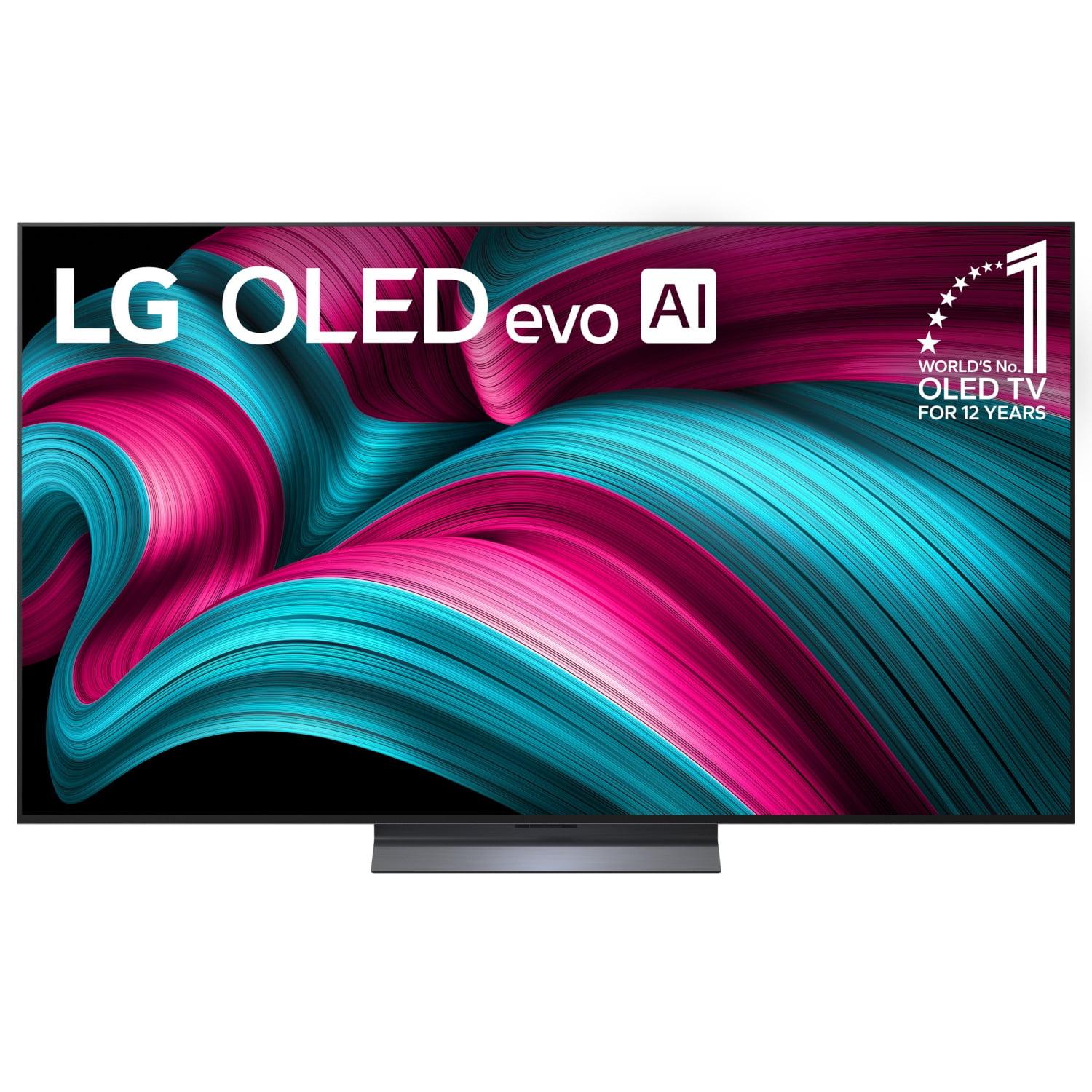
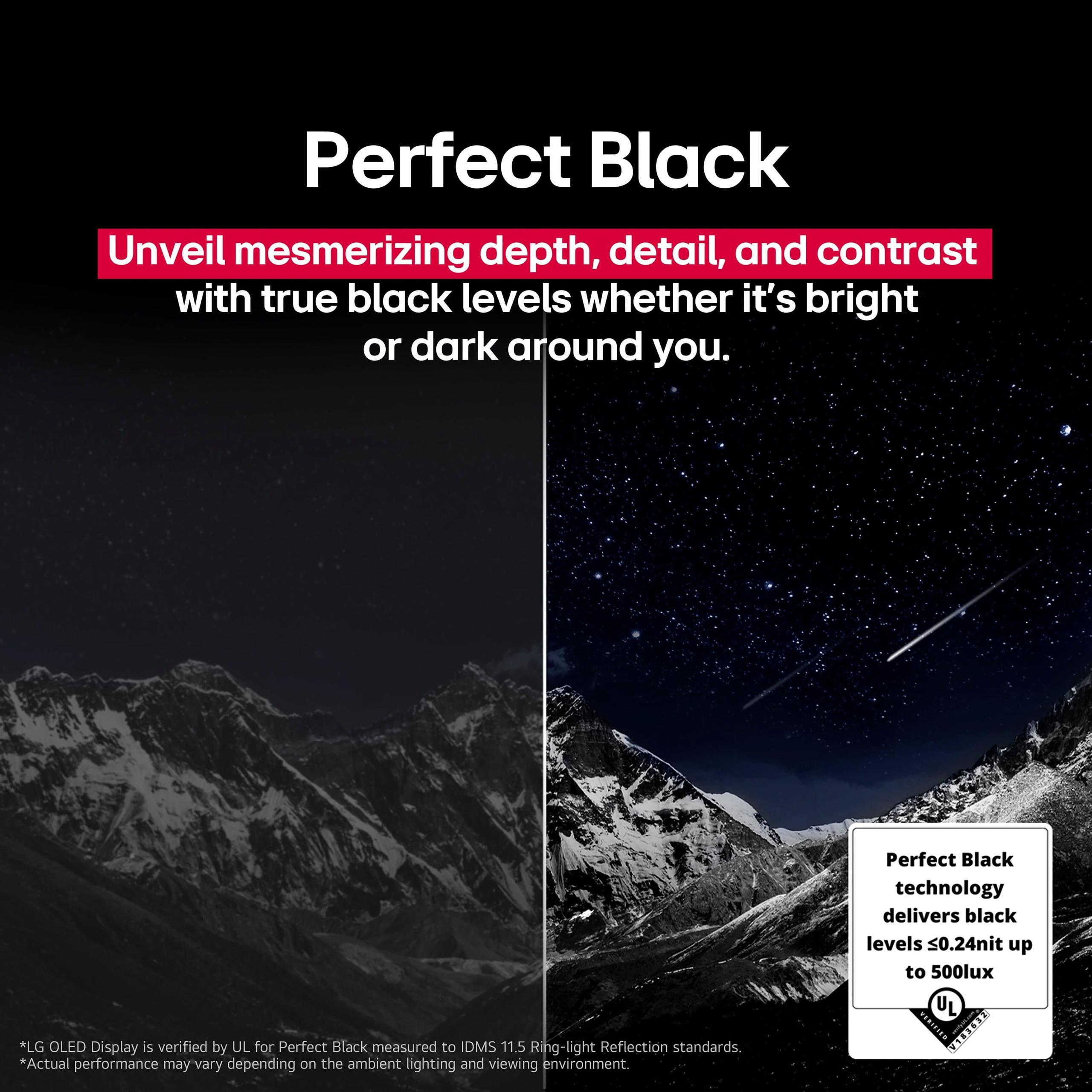
The core difference between these two TVs lies in how they create light. The LG OLED evo C5 uses OLED (Organic Light-Emitting Diode) technology, where each pixel creates its own light. Think of it like having over 8 million tiny light bulbs that can turn completely on or off independently. When a pixel needs to be black, it simply turns off completely—no light escapes, creating perfect blacks.
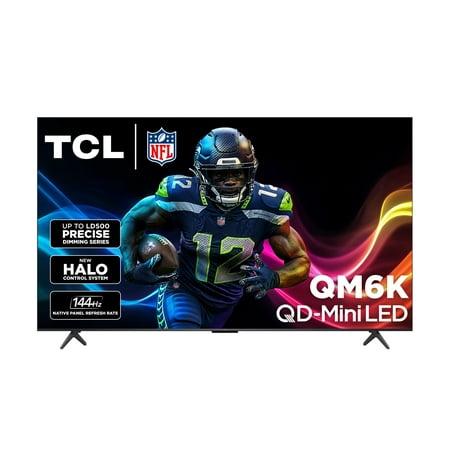
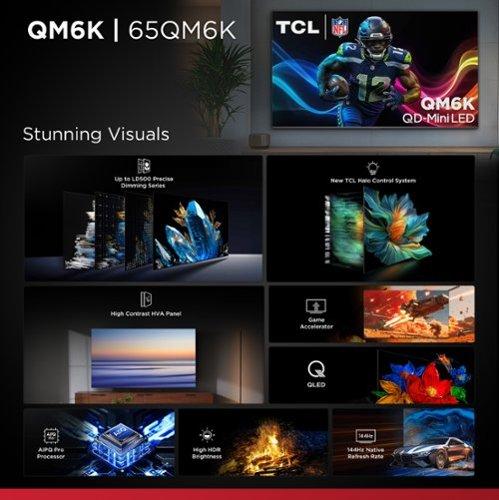
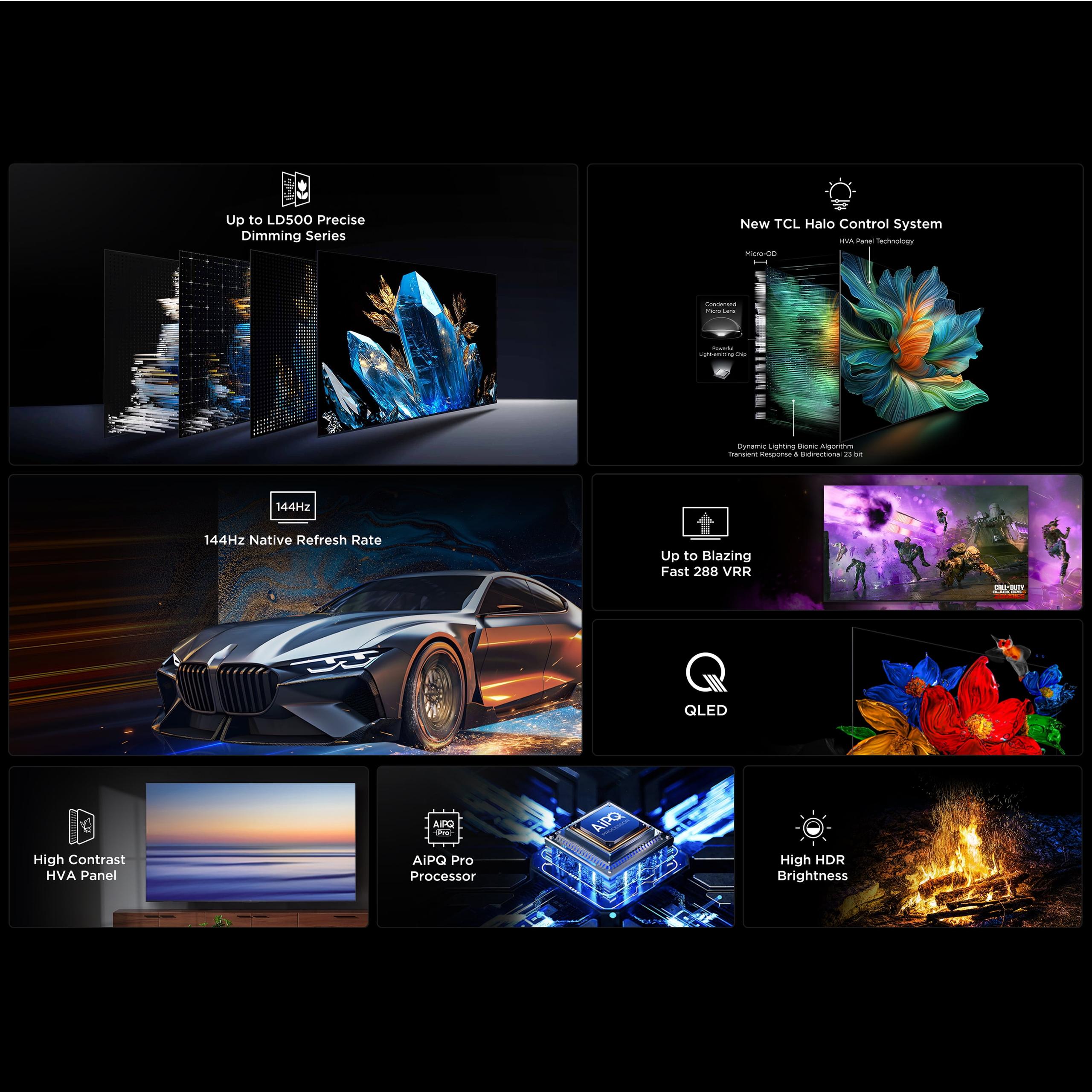
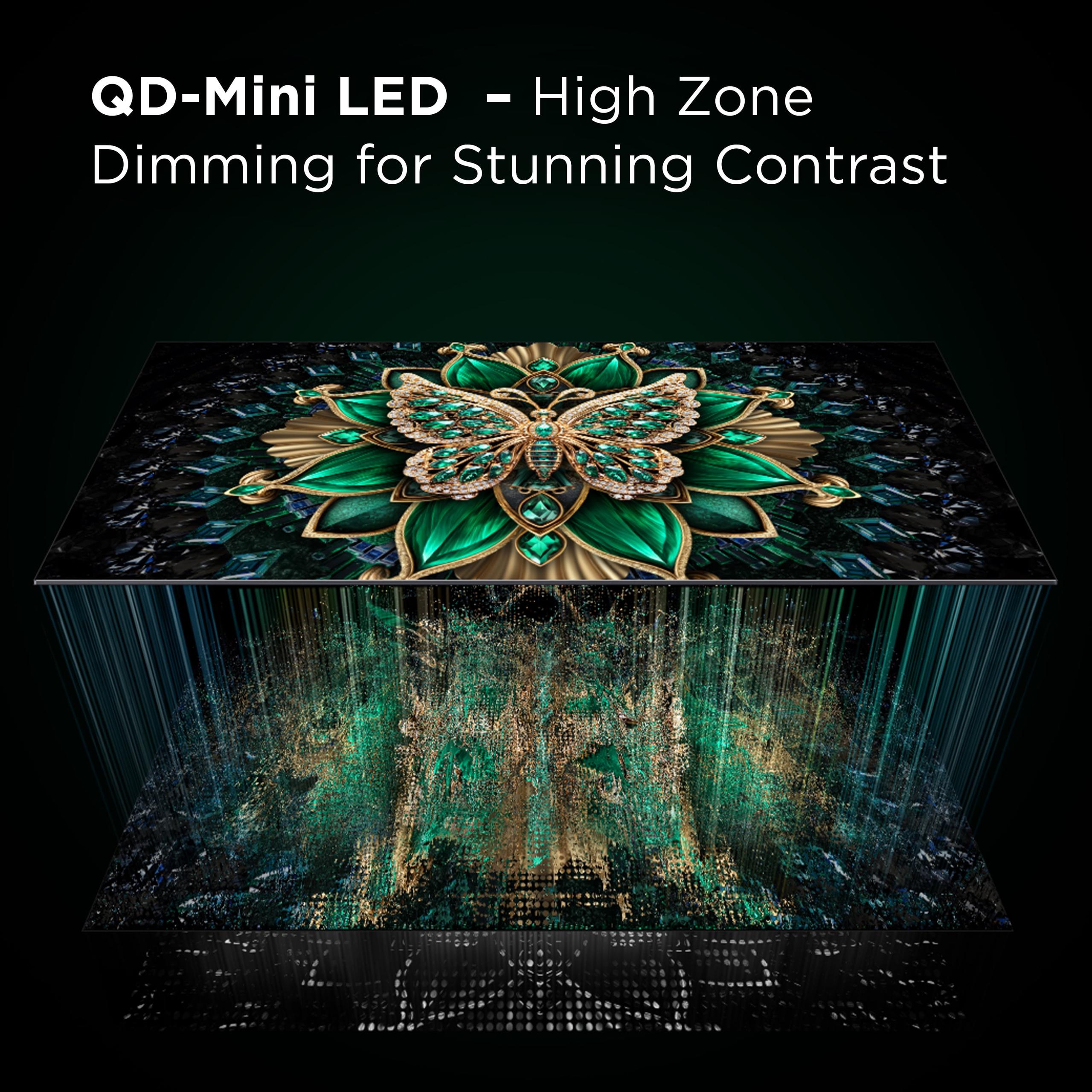
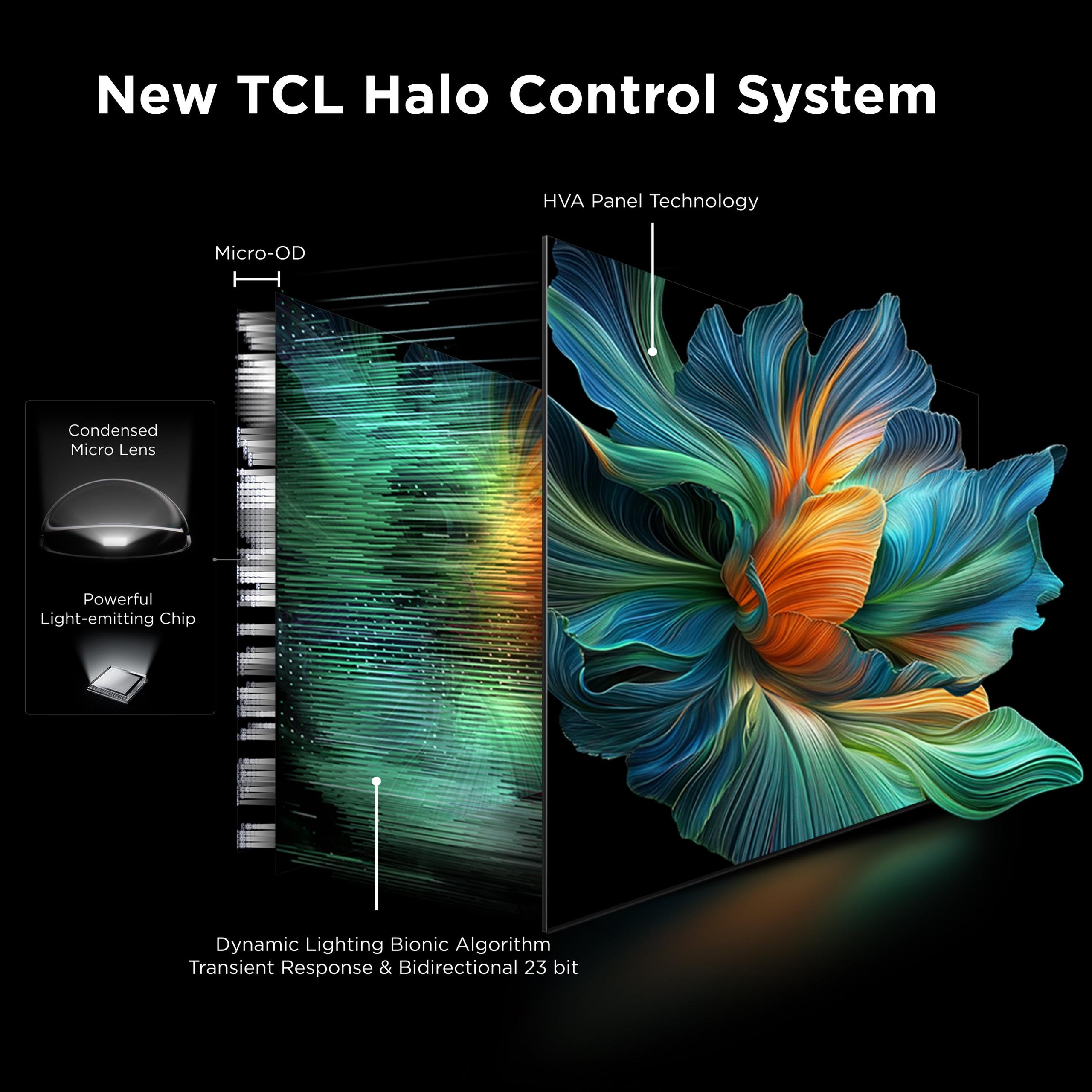
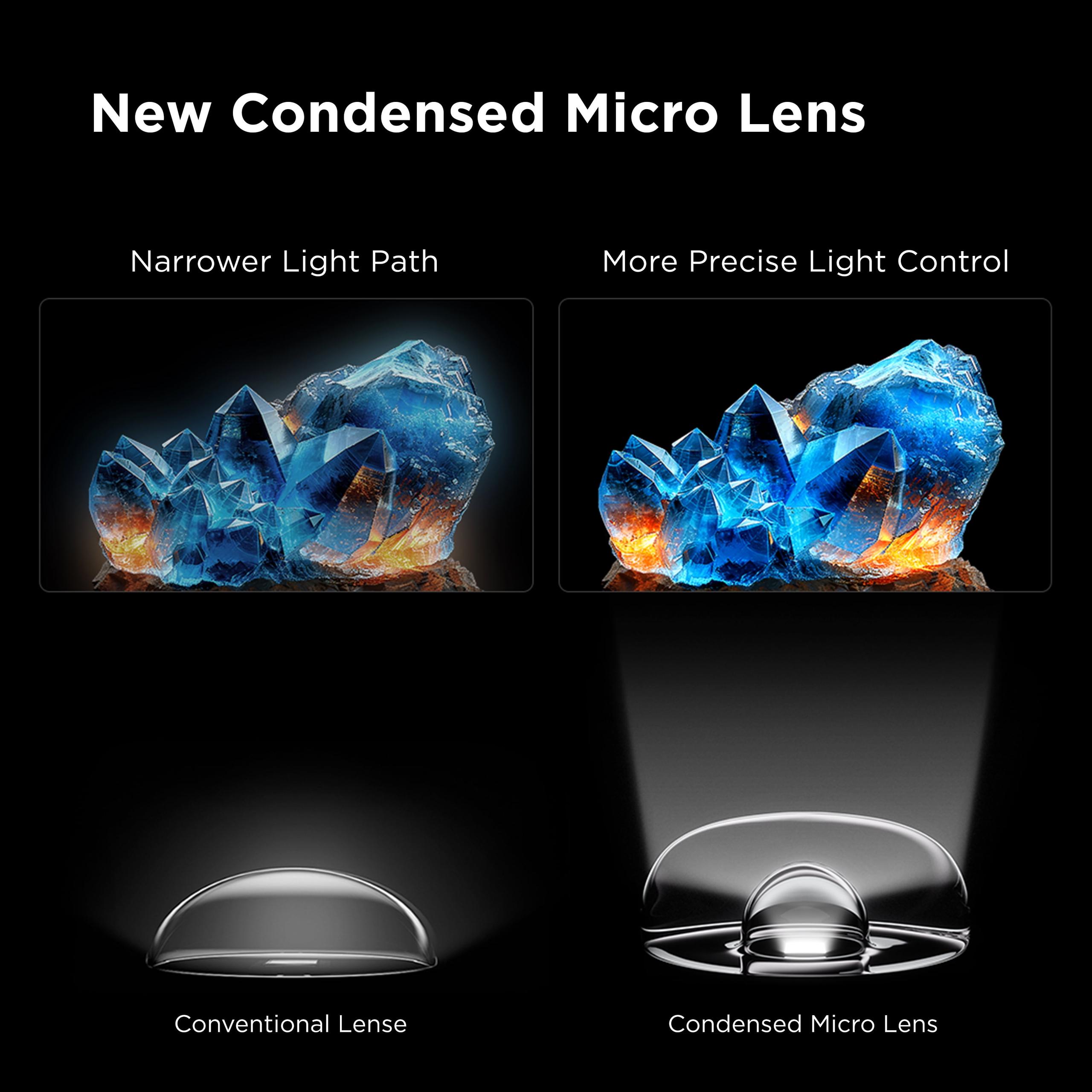
The TCL QM6K takes the Mini LED approach, which is essentially a really advanced version of traditional LED-backlit LCD technology. Instead of having a few dozen LED zones like older TVs, it uses hundreds of tiny LEDs arranged behind the screen (up to 500 local dimming zones in this case). These LEDs can brighten or dim in specific areas to create better contrast, but they still shine through an LCD panel that acts like a shutter system.
Both approaches have distinct advantages. I've spent considerable time with both OLED and Mini LED displays, and the differences become apparent quickly once you know what to look for.
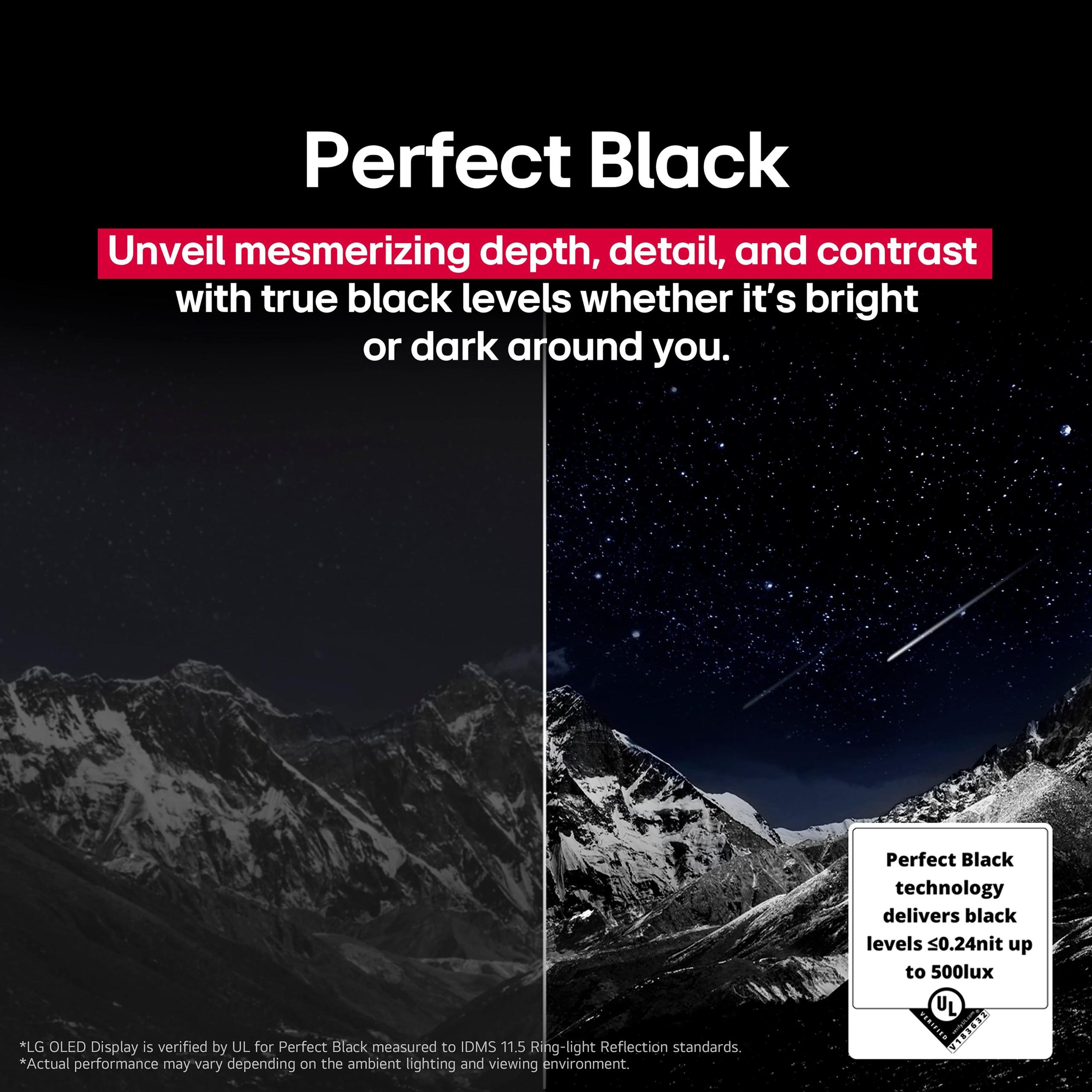
This is where OLED technology truly shines. The LG C5's ability to achieve perfect blacks isn't just a spec sheet bragging point—it fundamentally changes how content looks. When watching a movie with dark scenes, like space sequences or nighttime scenes, the OLED can display true black while keeping bright stars or city lights perfectly luminous. This creates what we call "infinite contrast" because you're dividing brightness by true zero.
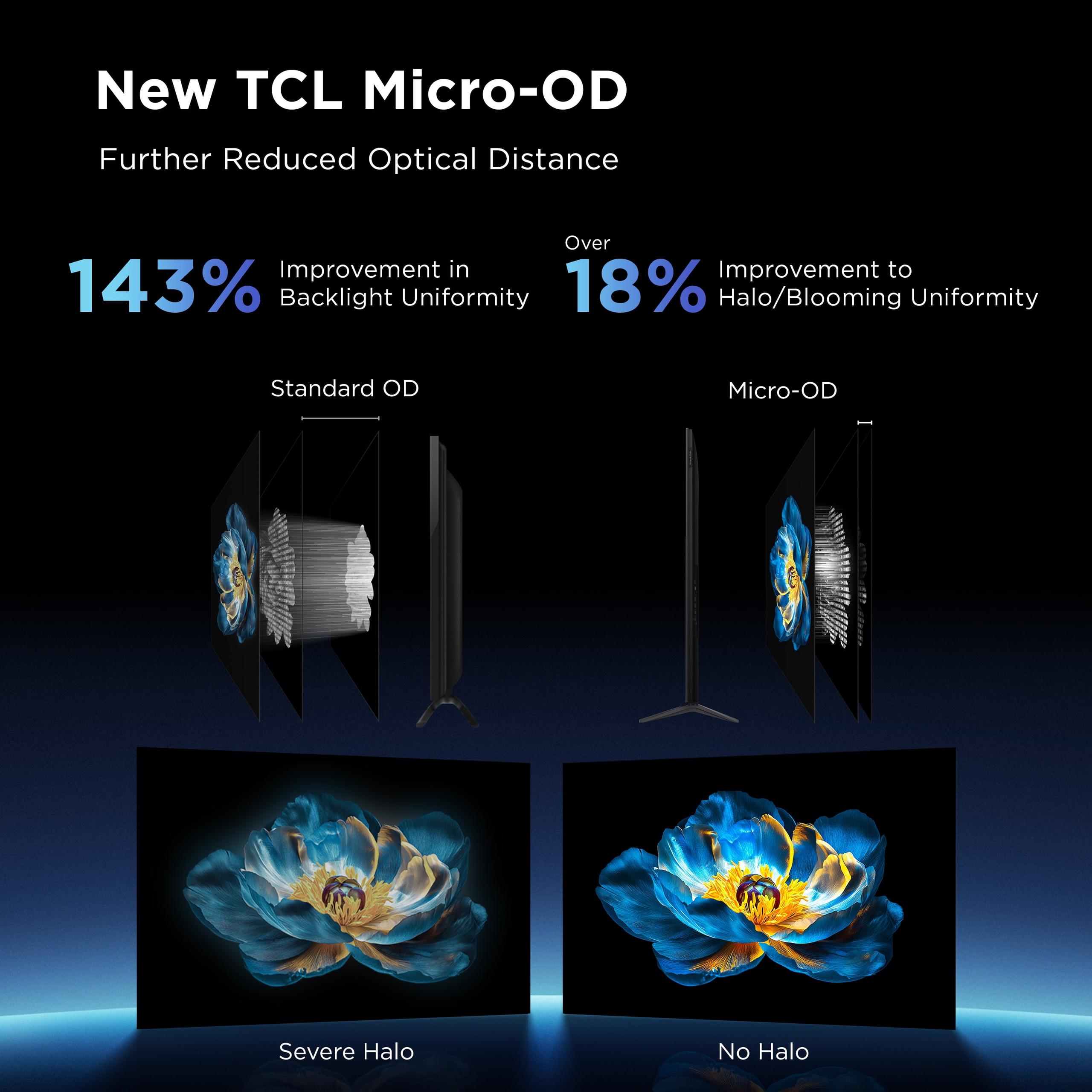
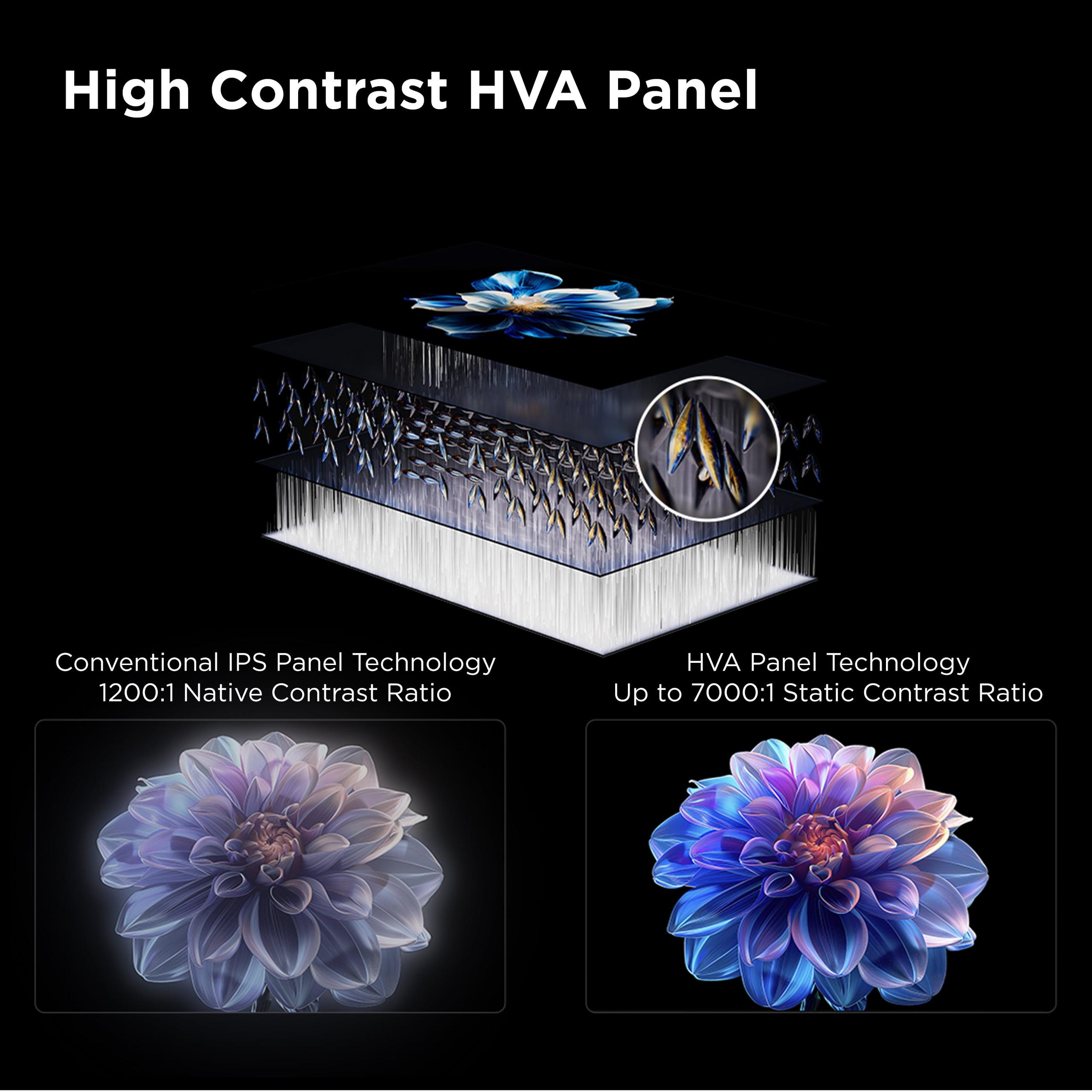
The TCL QM6K, despite its impressive 500 local dimming zones, can't quite match this performance. It can achieve very deep blacks (up to 7000:1 contrast ratio), but there's always some light bleeding through the LCD panel. In very dark scenes, you might notice subtle "blooming" or "haloing" around bright objects—imagine a street lamp in a dark scene having a slight glow around it. For most content, this isn't distracting, but it's noticeable when compared directly to OLED.
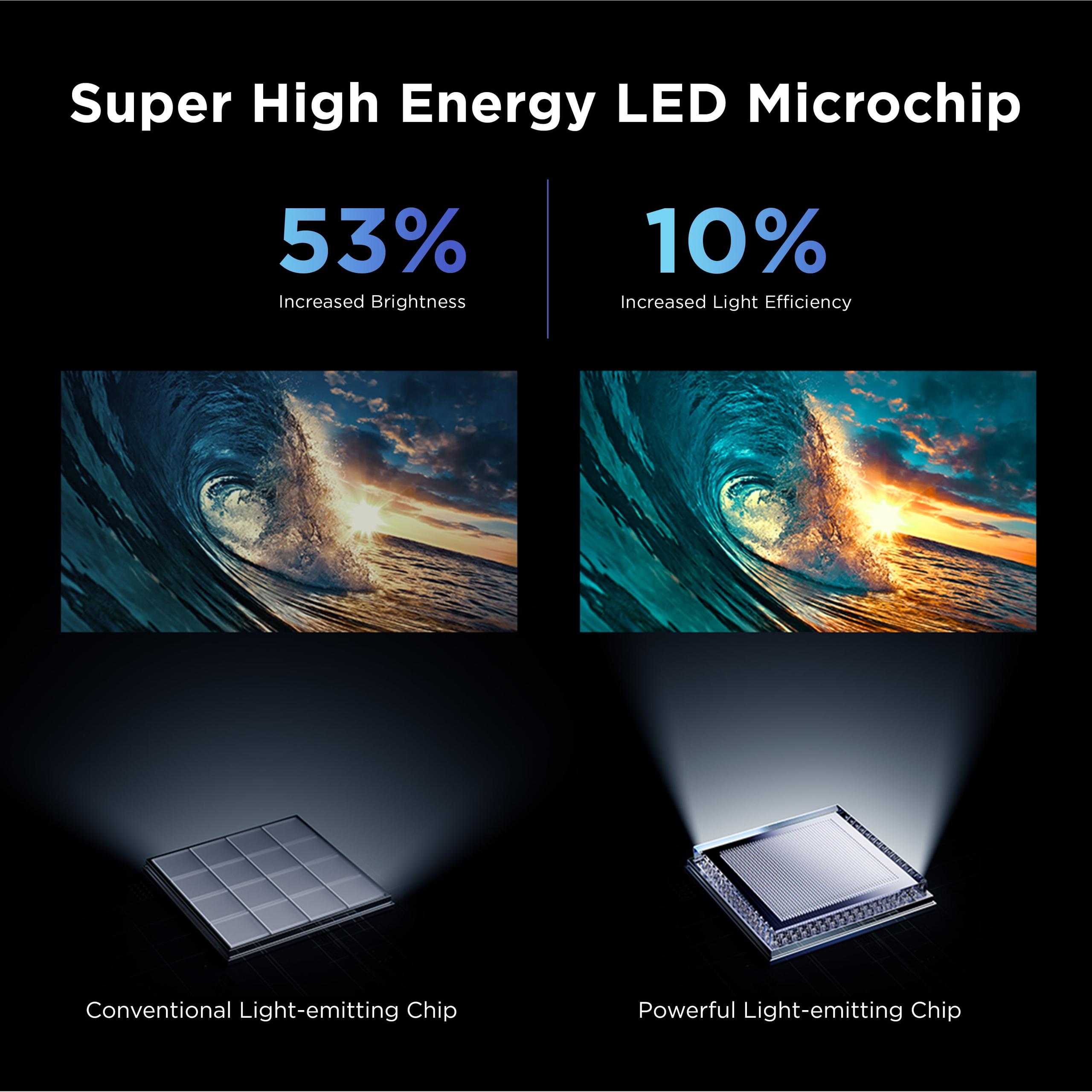
Here's where the tables turn. The TCL QM6K can get significantly brighter than the LG C5, especially in well-lit rooms. TCL's new Super High Energy LED Chip technology delivers 53% more brightness than previous generations while using 10% less energy. Combined with its anti-glare matte panel finish, the QM6K maintains excellent visibility even with windows behind your seating area.
The LG C5 has improved brightness over the previous C4 model (which was already quite good), but it still struggles in direct sunlight. OLED panels have physical limitations on peak brightness due to the organic materials used. If your viewing room has large windows or bright overhead lighting, the TCL's brightness advantage becomes practically significant.
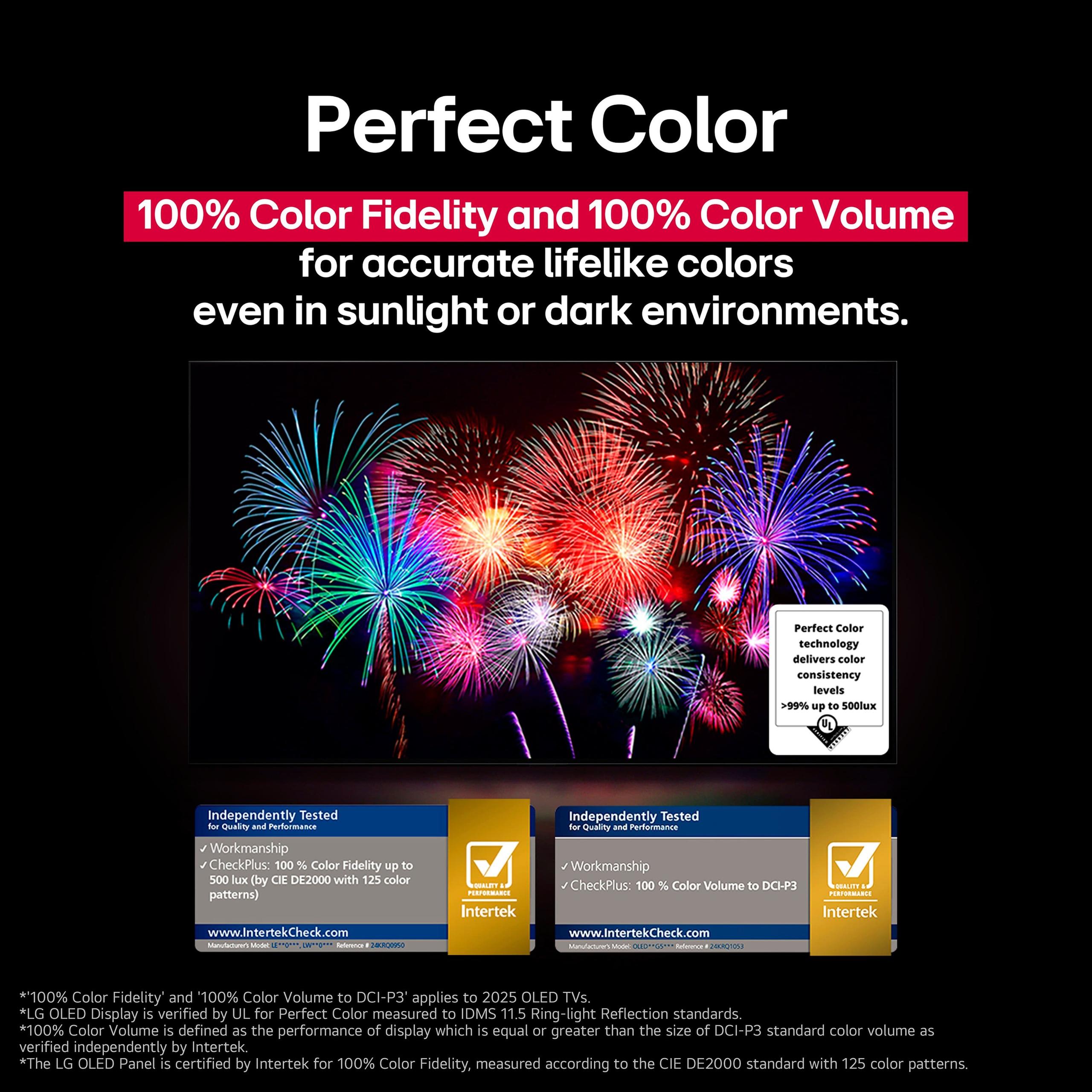
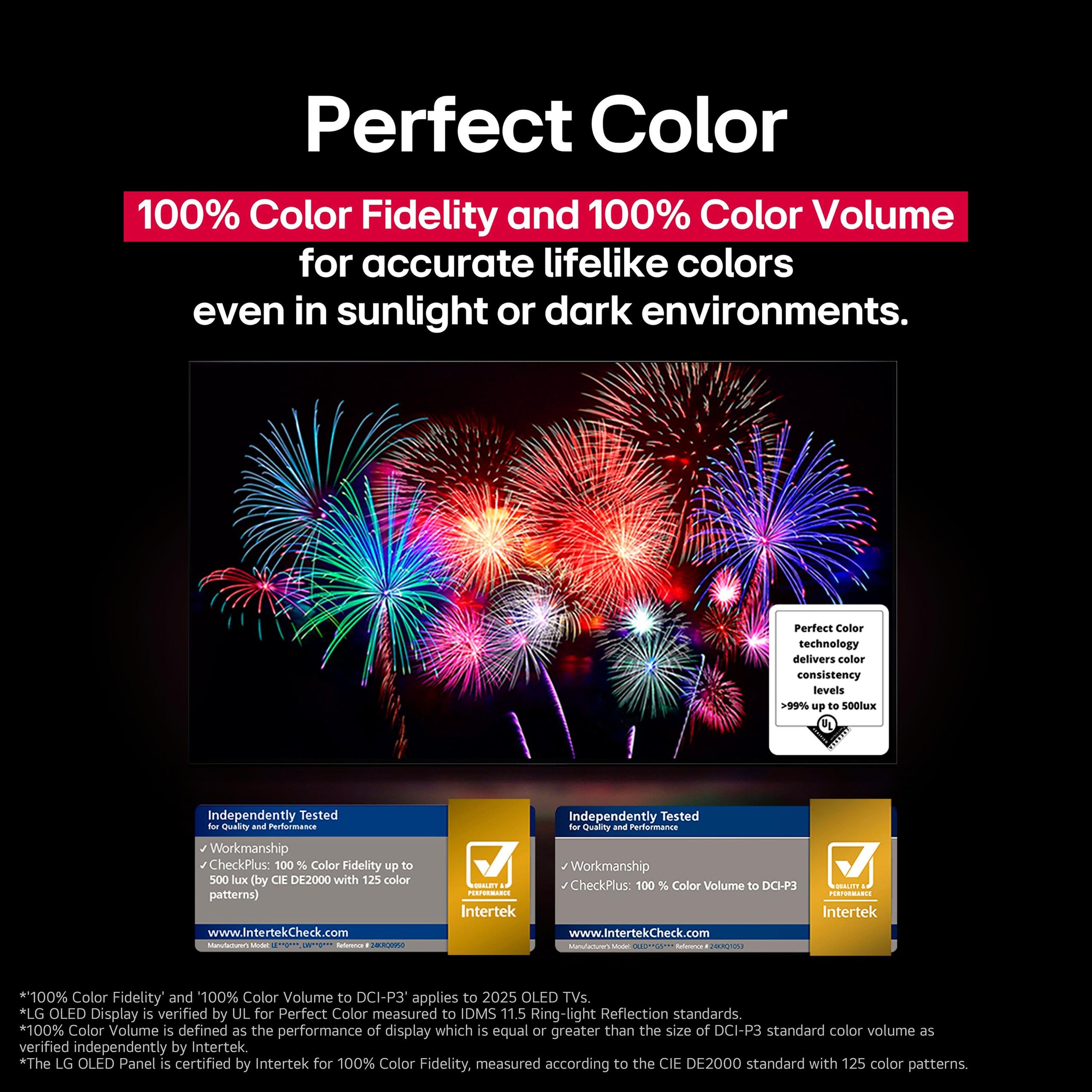
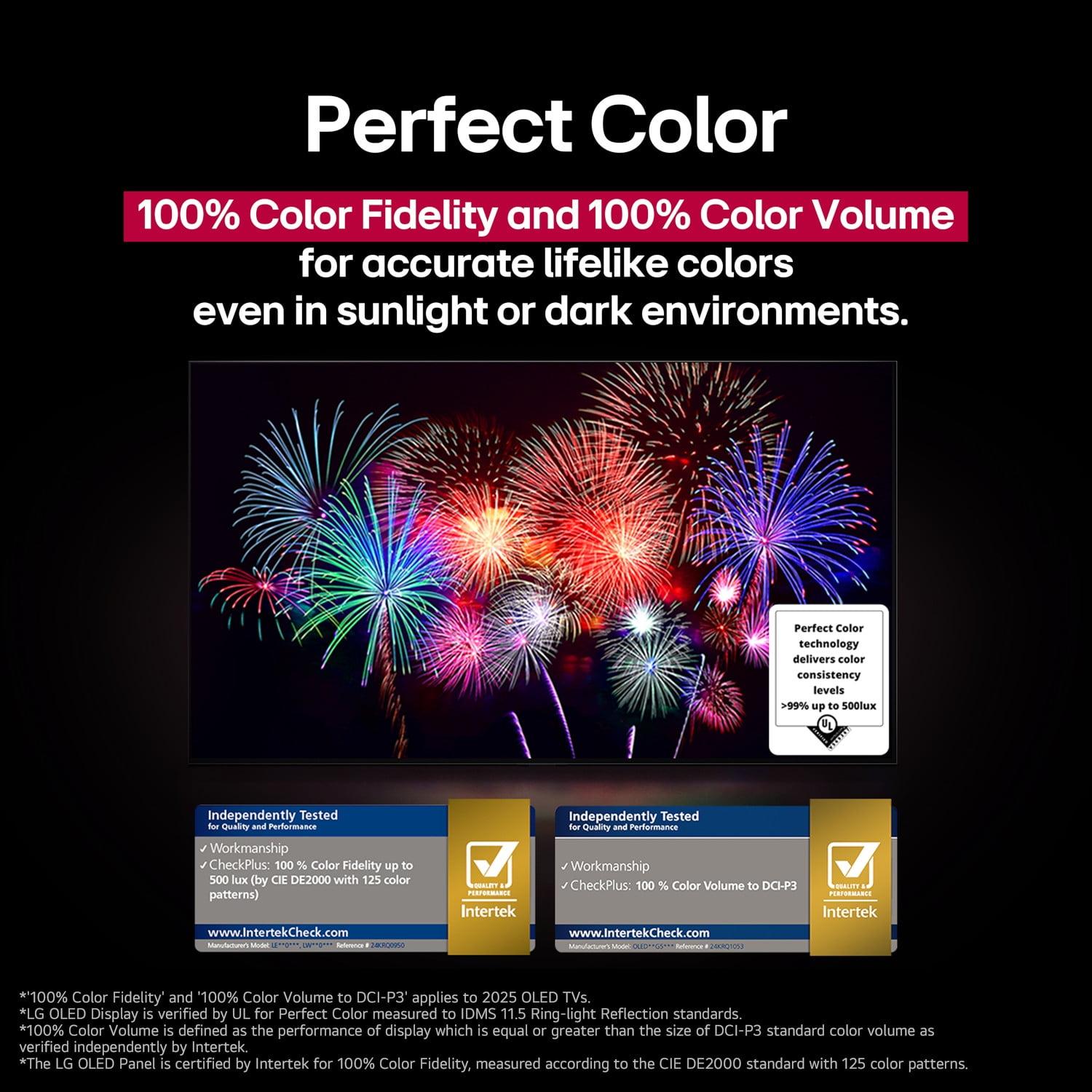
Both TVs excel at color reproduction, but in different ways. The LG C5 delivers exceptionally accurate colors right out of the box—some of the best measurements I've seen recently. Colors appear natural and film-like, with excellent fine detail in shadow areas where lesser displays might crush details into solid black.
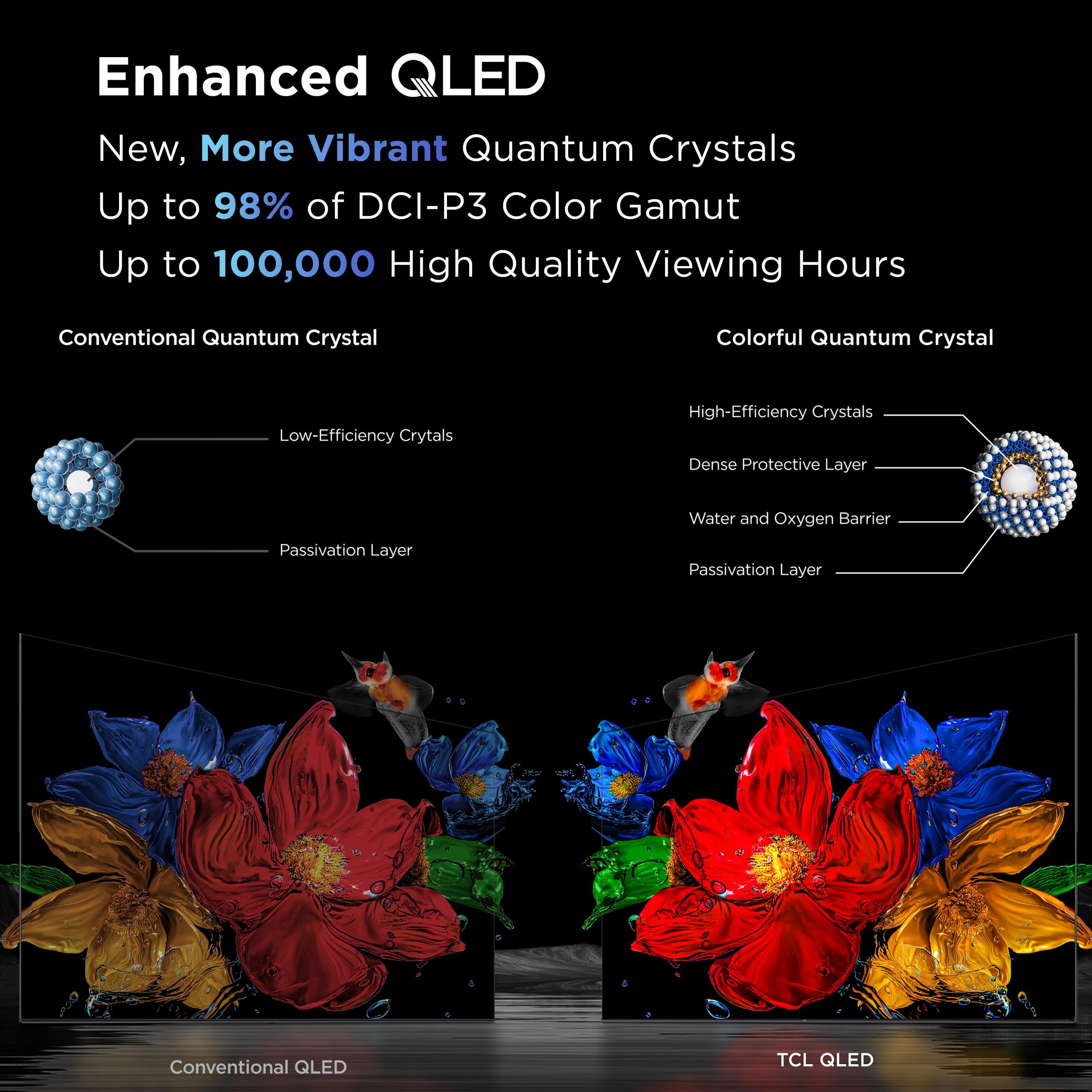
The TCL QM6K uses quantum dot technology (that's the "QD" in QD-Mini LED), which enhances color vibrancy and volume. Quantum dots are tiny particles that can produce very pure colors when hit by light. While it might not match the C5's out-of-the-box accuracy, it delivers impressively vivid colors for its price point.
For HDR (High Dynamic Range) content, both support modern standards like Dolby Vision, but they handle it differently. The C5's perfect blacks make dark HDR scenes stunning, while the QM6K's higher peak brightness makes bright HDR highlights more spectacular. It's like comparing a perfectly dark theater to a bright stadium—both have their place.
Modern gaming demands have pushed TV manufacturers to take gaming seriously, and both of these displays deliver impressive performance for gamers.
The LG C5 offers native 120Hz with support up to 144Hz, and crucially, all four HDMI ports support full HDMI 2.1 bandwidth. This means you can connect multiple gaming devices (PlayStation 5, Xbox Series X, gaming PC) and get maximum performance from each. The TV also supports both G-Sync and FreeSync Premium, which synchronize the display's refresh rate with your graphics card or console to eliminate screen tearing.
The TCL QM6K actually offers a higher native refresh rate at 144Hz and supports up to 288Hz VRR through its Game Accelerator 288 feature. However, only two of its HDMI ports support HDMI 2.1—the others are limited to HDMI 2.0. For most users, two HDMI 2.1 ports are sufficient, but if you have multiple current-generation consoles plus a gaming PC, you might feel limited.
Input lag—the delay between pressing a button and seeing the action on screen—is crucial for competitive gaming. The LG C5 achieves an incredibly low 0.1ms response time, essentially instantaneous for human perception. The TCL QM6K also delivers very low input lag in Game Mode, making both excellent choices for serious gamers.
Having tested both with fast-paced games like racing simulators and first-person shooters, I can confidently say either TV will satisfy even competitive gamers. The difference in real-world gaming performance is minimal—you're more likely to be limited by your internet connection or controller than by either display.
The LG C5 runs webOS 2025, LG's proprietary smart TV platform that's evolved significantly over the years. It features a clean, intuitive interface with the new Magic Remote that makes navigation feel natural. The platform includes over 300 free LG Channels, personalized recommendations based on viewing habits, and seamless integration with popular streaming services.
The TCL QM6K uses Google TV, which is Google's latest smart TV platform (evolved from Android TV). It offers excellent integration with Google services, robust voice control through Google Assistant, and access to the full Google Play Store. If you're already embedded in Google's ecosystem, this feels more natural.
Both platforms work well, but they have different philosophies. webOS feels more like a traditional TV experience with smart features added, while Google TV feels more like a streaming device that happens to have TV functions. Neither approach is inherently better—it depends on your preferences and existing devices.
Both TVs support major voice assistants. The LG C5 works with Google Assistant, Amazon Alexa, and Apple HomeKit, making it compatible with most smart home setups. The TCL QM6K offers similar compatibility, with particularly strong Google Assistant integration built into the Google TV platform.
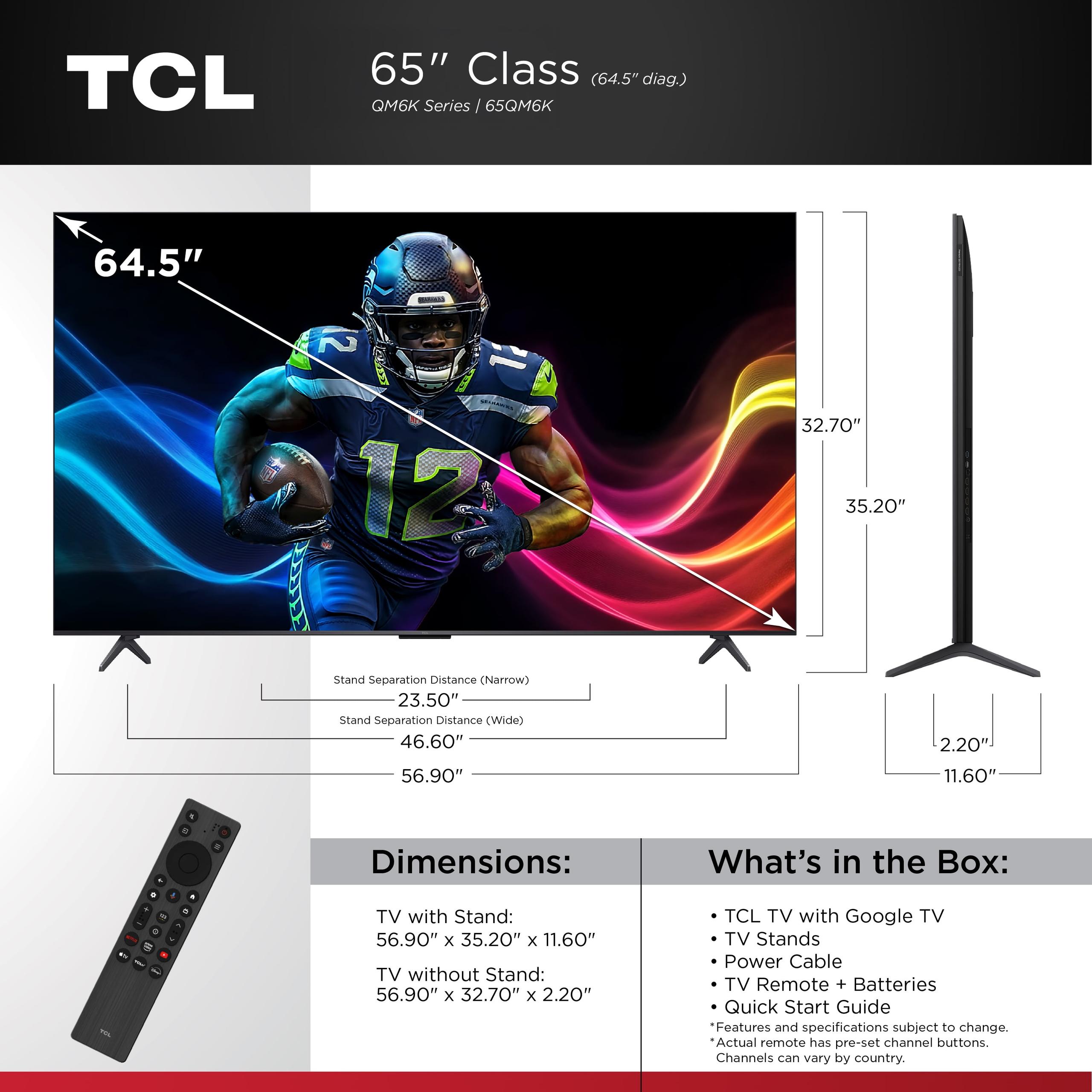
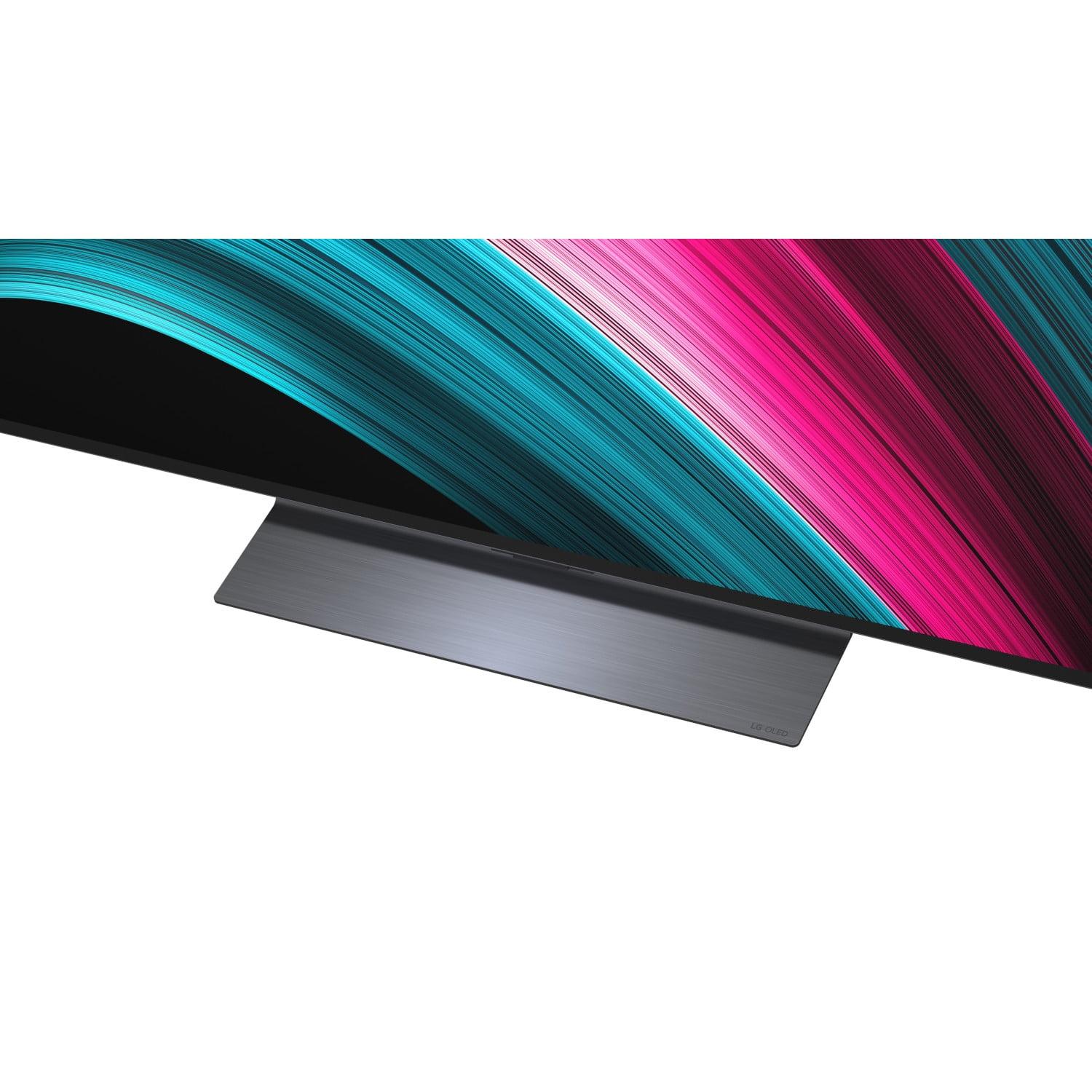
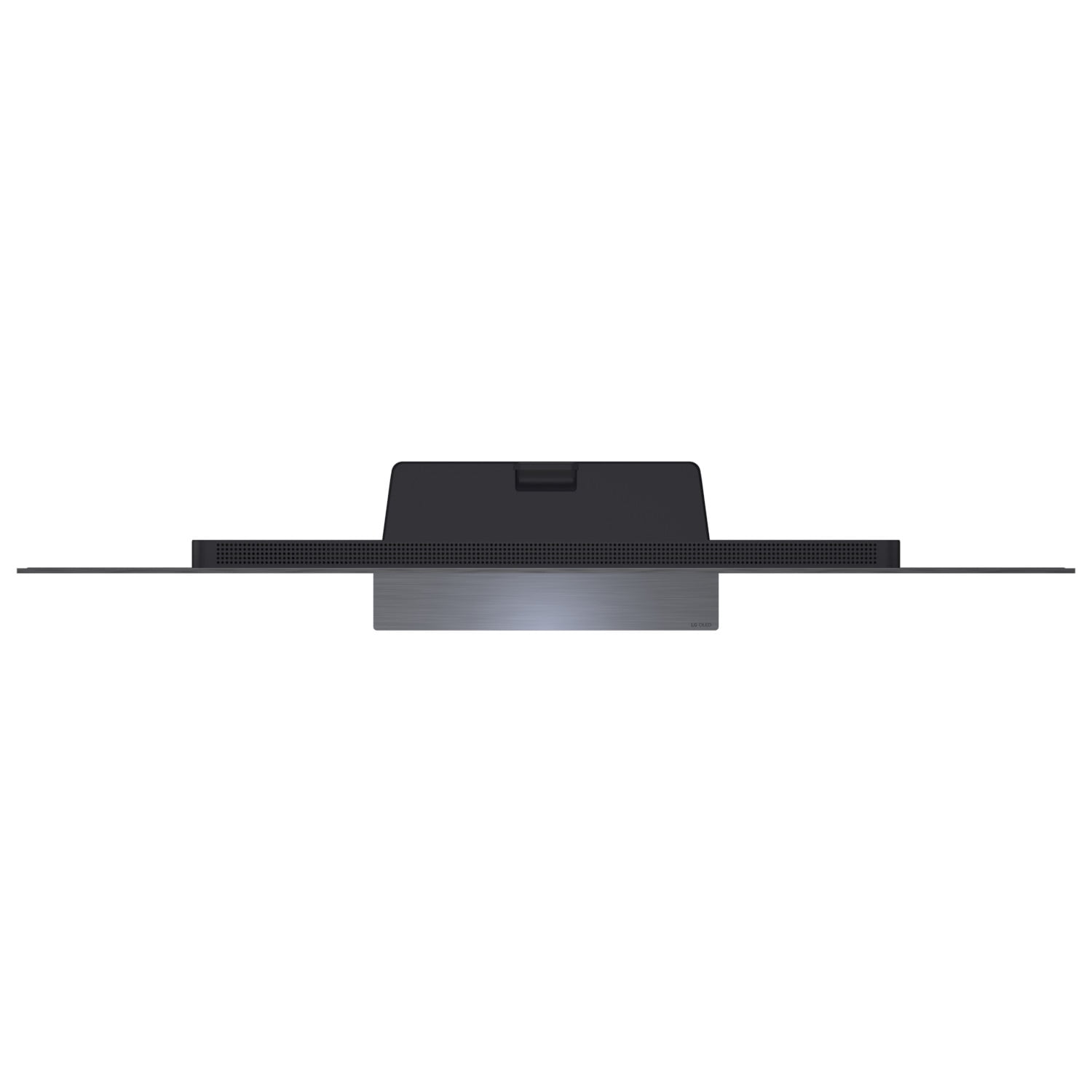
The LG C5 clearly targets the premium market with its build quality. The metal stand feels substantial, the bezel is nearly invisible, and the overall design language screams "premium electronics." The wafer-thin profile around the top and sides creates an elegant look that works well in modern living spaces.
The TCL QM6K takes a more practical approach. The plastic stand is functional but not particularly premium-feeling, and the overall construction prioritizes value over luxury. It's not unattractive, but it clearly targets budget-conscious buyers who prioritize performance over aesthetics.
This is where OLED technology shows another advantage. The LG C5 maintains excellent picture quality from wide viewing angles—colors and brightness remain consistent whether you're sitting directly in front or off to the side. This makes it ideal for family movie nights or when entertaining guests.
The TCL QM6K offers good viewing angles, but you'll notice some dimming and color shifting at extreme angles. For most living room setups, this isn't problematic, but it's worth considering if you have a wide seating arrangement.
If you're building a dedicated home theater setup, several factors become more important. The LG C5's perfect blacks and wide viewing angles make it exceptional for movie watching in dark rooms. The lack of blooming around bright objects maintains the cinematic experience directors intended.
However, the TCL QM6K's higher brightness can be advantageous even in home theaters, especially for HDR content with bright highlights. The anti-glare panel also helps if you can't achieve complete light control in your space.
For audio, both TVs support Dolby Atmos, but neither has particularly impressive built-in speakers. If you're serious about home theater, you'll want to pair either display with a dedicated sound system. Notably, the LG C5 dropped DTS audio passthrough support in 2025, which might matter if you have older disc collections or audio equipment.
Here's where the decision gets interesting. The LG OLED evo C5 at $2,196.99 delivers reference-quality picture performance with premium features and build quality. You're paying for the absolute best in contrast performance, color accuracy, and gaming features.
The TCL 65" QM6K at $699.99–$799.99 offers remarkable value, delivering about 80% of premium performance at roughly 35% of the premium price. It provides high brightness, solid gaming specs, and modern smart features in a package that costs less than many smaller premium TVs.
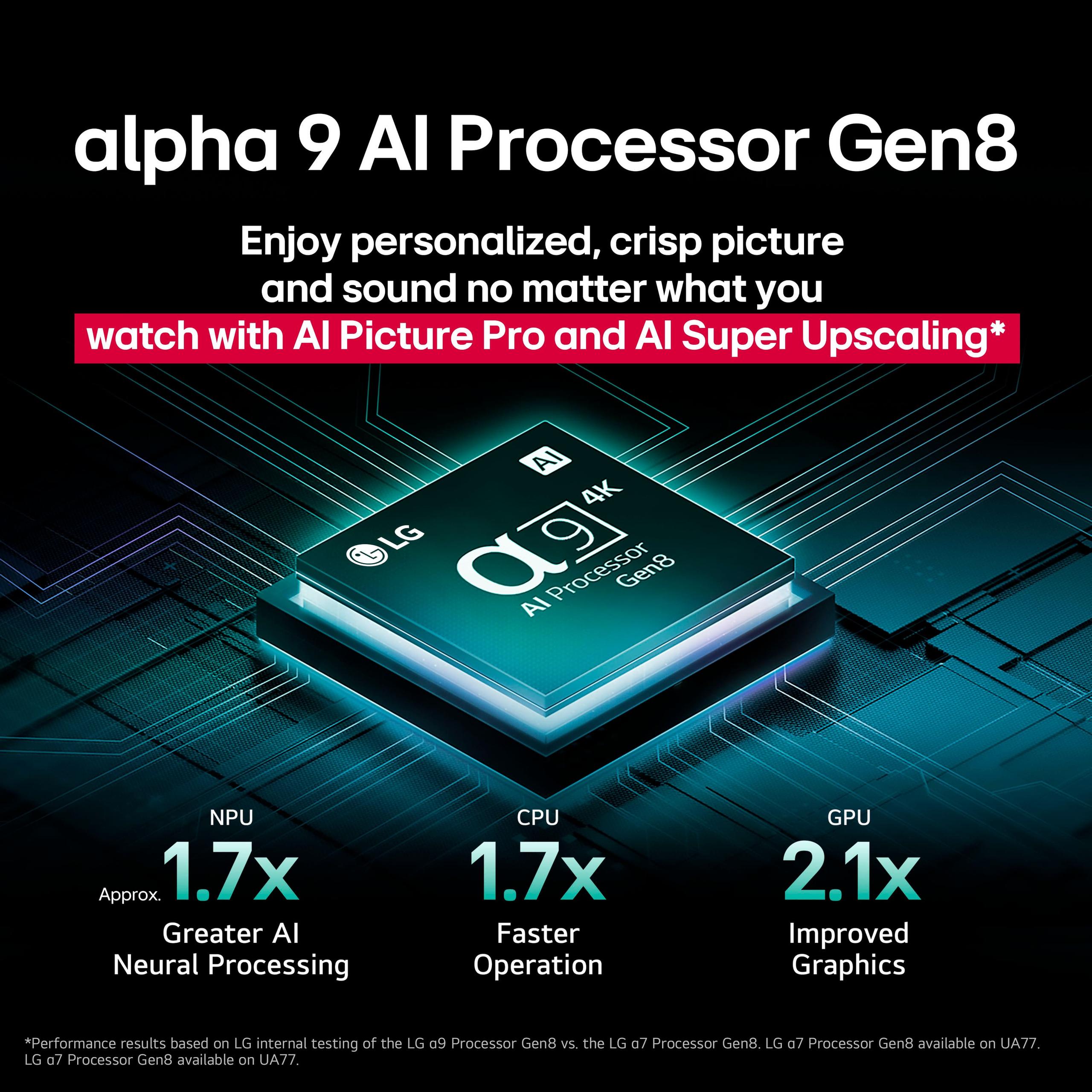
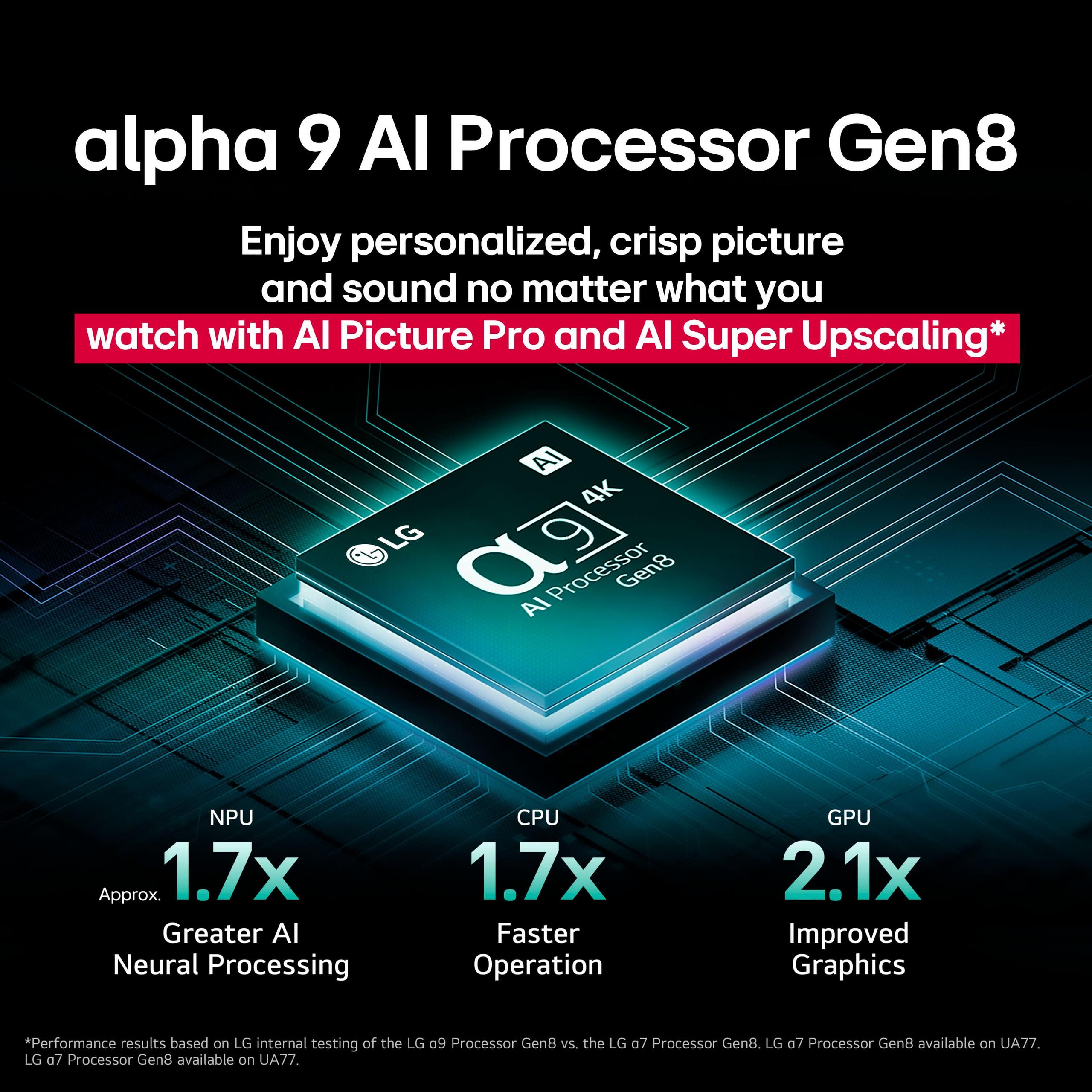
The LG C5 excels in areas where OLED technology naturally shines: perfect blacks, infinite contrast, wide viewing angles, and color accuracy. Its Alpha 9 AI Processor Gen8 provides sophisticated real-time image processing, though some users find the AI enhancement too aggressive and prefer more natural processing.
The TCL QM6K leverages its Mini LED technology for superior brightness and anti-glare performance. Its quantum dot layer enhances color vibrancy, while the 500 local dimming zones provide better contrast than traditional LED TVs, even if they can't match OLED's infinite contrast.
Choose the LG OLED evo C5 if picture quality is your absolute priority, you primarily watch content in darker environments, you want the most premium gaming experience with all HDMI 2.1 ports, and you're willing to invest in reference-level performance. It's the choice for enthusiasts who want the best possible experience regardless of budget.
Choose the TCL 65" QM6K if value and performance-per-dollar are your primary concerns, your viewing environment is bright or has significant ambient light, you want modern gaming features without premium pricing, or you're entering the 4K market and want excellent features without breaking the bank.
Both the LG OLED evo C5 and TCL QM6K represent excellent choices in their respective categories. The LG delivers uncompromising picture quality with premium features for those who want the absolute best. The TCL offers exceptional value with impressive performance for buyers who want modern features without premium pricing.
Your choice ultimately depends on your priorities: absolute picture quality versus exceptional value, dark room performance versus bright room capability, and premium features versus practical functionality. Both will provide years of excellent viewing experience—the question is which approach better matches your needs and budget.
| LG OLED evo C5 65" 4K TV 2025 | TCL 65" QM6K QD-Mini LED 4K TV |
|---|---|
| Price - The fundamental value equation | |
| $2,196.99 | $699.99–$799.99 |
| Display Technology - Determines contrast, blacks, and viewing experience | |
| WOLED (self-emissive pixels for perfect blacks) | QD-Mini LED with 500 local dimming zones |
| Peak Brightness - Critical for HDR and bright room viewing | |
| Improved over C4 but limited by OLED physics | Superior brightness with anti-glare matte panel |
| Contrast Ratio - Affects depth and realism in dark scenes | |
| Infinite contrast (perfect blacks) | Up to 7000:1 native contrast |
| Gaming Refresh Rate - Smoothness for fast-paced games | |
| 120Hz native, up to 144Hz supported | 144Hz native, up to 288Hz VRR |
| HDMI 2.1 Ports - Future-proofing for multiple gaming devices | |
| 4 ports (all support 4K 144Hz) | 2 ports (2 additional HDMI 2.0 ports) |
| Input Lag - Response time for competitive gaming | |
| 0.1ms response time | Very low input lag in Game Mode |
| HDR Support - Enhanced color and brightness range | |
| Dolby Vision, HDR10, HLG | Dolby Vision IQ, HDR10+, HDR10, HLG |
| Smart Platform - Daily interface and app experience | |
| webOS 2025 with Magic Remote | Google TV with Google Assistant |
| Viewing Angles - Performance when not sitting directly in front | |
| Excellent (minimal color/brightness loss) | Good (some dimming at extreme angles) |
| Build Quality - Premium feel and long-term durability | |
| Premium materials, metal stand, elegant design | Functional plastic construction, lighter weight |
| Room Brightness Suitability - Where each TV performs best | |
| Excellent in dark/controlled lighting | Excels in bright rooms with ambient light |
| Color Accuracy - Out-of-box performance for natural colors | |
| Reference-level accuracy, film-like reproduction | Enhanced QLED colors, very good for price point |
| Audio Features - Built-in sound capabilities | |
| Dolby Atmos support (no DTS passthrough) | Standard performance with DTS Virtual:X |
| Best Use Case - Who should choose this TV | |
| Home theater enthusiasts, premium gaming, dark rooms | Value buyers, bright rooms, casual to serious gaming |
The TCL 65" QM6K QD-Mini LED 4K TV at $699.99–$799.99 offers exceptional value, delivering premium features like 144Hz gaming, quantum dot colors, and 500 local dimming zones at a fraction of the cost. The LG OLED evo C5 65" 4K TV 2025 at $2,196.99 provides reference-quality picture performance with perfect blacks and premium build quality, but costs nearly three times more.
The TCL QM6K is significantly better for bright rooms thanks to its higher peak brightness and anti-glare matte panel that reduces reflections. The LG C5 struggles in direct sunlight and bright ambient lighting due to OLED's inherent brightness limitations, making it better suited for controlled lighting environments.
The LG OLED evo C5 delivers superior picture quality with perfect blacks, infinite contrast, and exceptional color accuracy. The TCL QM6K offers impressive picture quality for its price with vivid quantum dot colors and good contrast, but cannot match OLED's perfect blacks and may show some blooming in dark scenes.
Both TVs excel for gaming, but serve different needs. The LG C5 offers four HDMI 2.1 ports supporting 4K at 144Hz with 0.1ms response time, ideal for multiple gaming devices. The TCL QM6K provides 144Hz native refresh rate with 288Hz VRR support and very low input lag, but only has two HDMI 2.1 ports.
For dedicated home theater setups, the LG OLED evo C5 is the superior choice with its perfect blacks, infinite contrast, and wide viewing angles that create a true cinematic experience in dark rooms. The TCL QM6K can work well for home theater but may show some blooming around bright objects and has narrower viewing angles.
The TCL 65" QM6K achieves significantly higher peak brightness than the LG C5, making it better for HDR highlights and bright room viewing. The LG C5 has improved brightness over previous models but is still limited by OLED technology's physical constraints.
The LG OLED evo C5 typically offers better long-term support with LG's Re:New Program providing up to five years of updates, plus superior build quality with premium materials. The TCL QM6K uses more basic construction but Mini LED technology may have fewer long-term concerns than OLED's organic materials.
The LG OLED evo C5 excels for movie watching with perfect blacks that maintain shadow detail, infinite contrast for dramatic scenes, and filmmaker-intended color accuracy. The TCL QM6K offers good movie performance with bright HDR highlights and vivid colors, but cannot match OLED's contrast performance in dark scenes.
The TCL QM6K generally consumes more power due to its backlight system, though TCL's new LED chip technology improved efficiency by 10%. The LG OLED evo C5 typically uses less power since pixels only consume energy when lit, though peak brightness scenes can increase consumption.
Choose the LG OLED evo C5 if you prioritize the best possible picture quality, watch primarily in dark rooms, want premium gaming with all HDMI 2.1 ports, and budget isn't a primary concern. Choose the TCL 65" QM6K if you want excellent performance at an affordable price, view in bright rooms, need strong gaming features without premium cost, or are entering the 4K market.
We've done our best to create useful and informative comparisons to help you decide what product to buy. Our research uses advanced automated methods to create this comparison and perfection is not possible - please contact us for corrections or questions. These are the sites we've researched in the creation of this article: bestbuy.com - rtings.com - youtube.com - businessinsider.com - youtube.com - bestbuy.com - lg.com - files.bbystatic.com - lg.com - flatpanelshd.com - lg.com - blvdhome.com - bhphotovideo.com - flanners.com - videopro.com.au - youtube.com - tomsguide.com - youtube.com - tcl.com - tomsguide.com - youtube.com - youtube.com - hometechnologyreview.com - rtings.com - bestbuy.com - tcl.com - youtube.com - youtube.com - bestbuy.com - youtube.com - youtube.com - youtube.com - tcl.com - youtube.com - walmart.com - tcl.com - displayspecifications.com - kitele.com - displayspecifications.com - flatpanelshd.com - woodruffappliance.com - displayspecifications.com - prnewswire.com - tcl.com - youtube.com - abt.com - youtube.com - tclkenya.co.ke - budgethomefurn.com

Privacy Policy
Terms and Conditions - Affiliate Policy
Home Security
© Copyright 2008-2026.
11816 Inwood Rd #1211, Dallas, TX 75244