

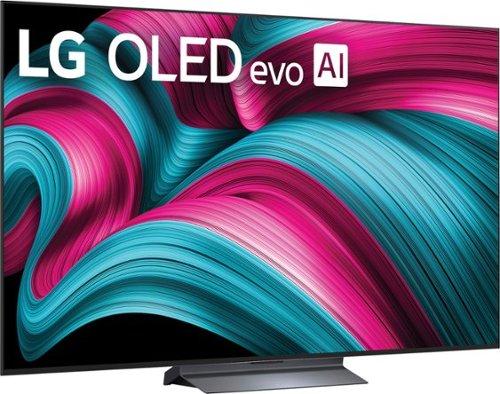


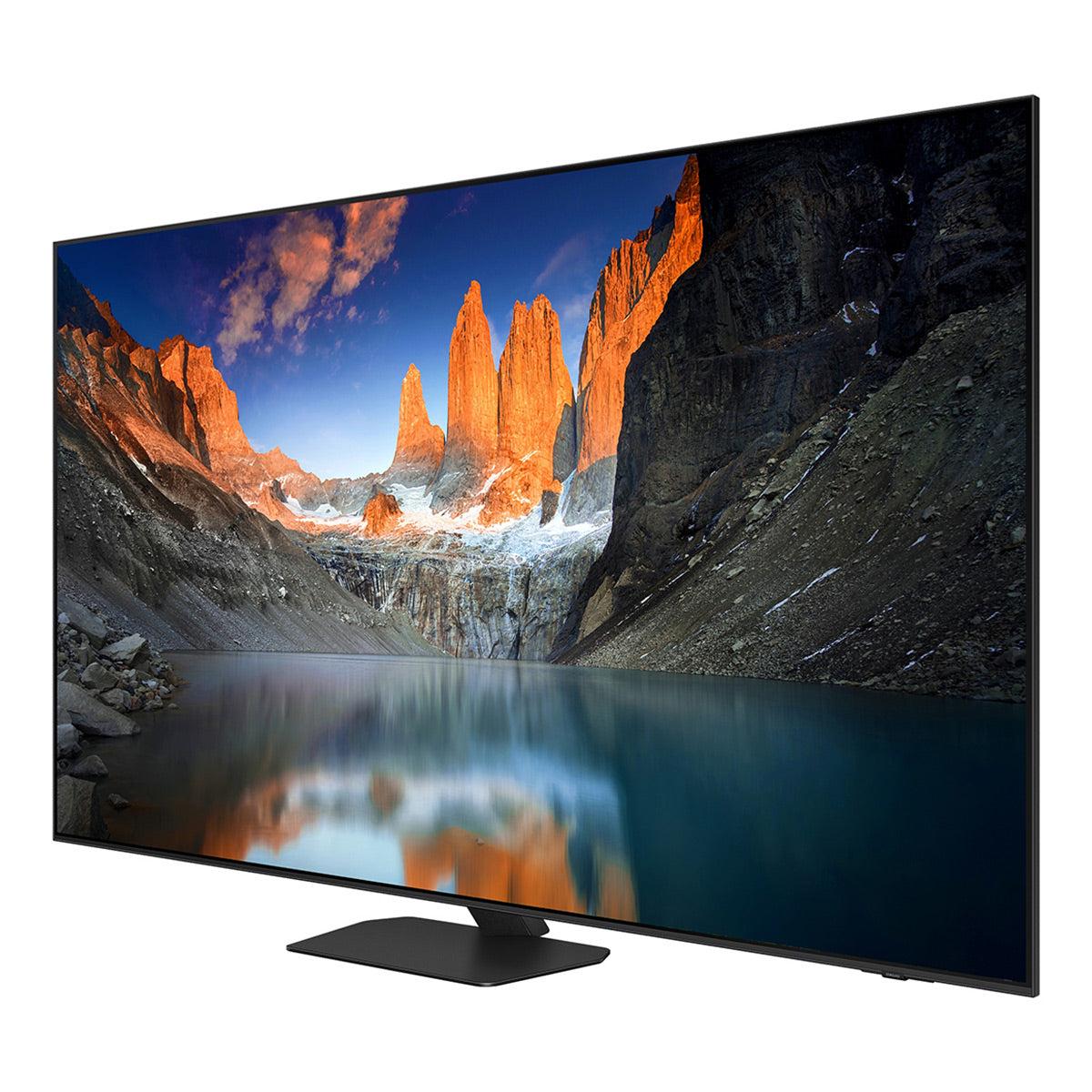
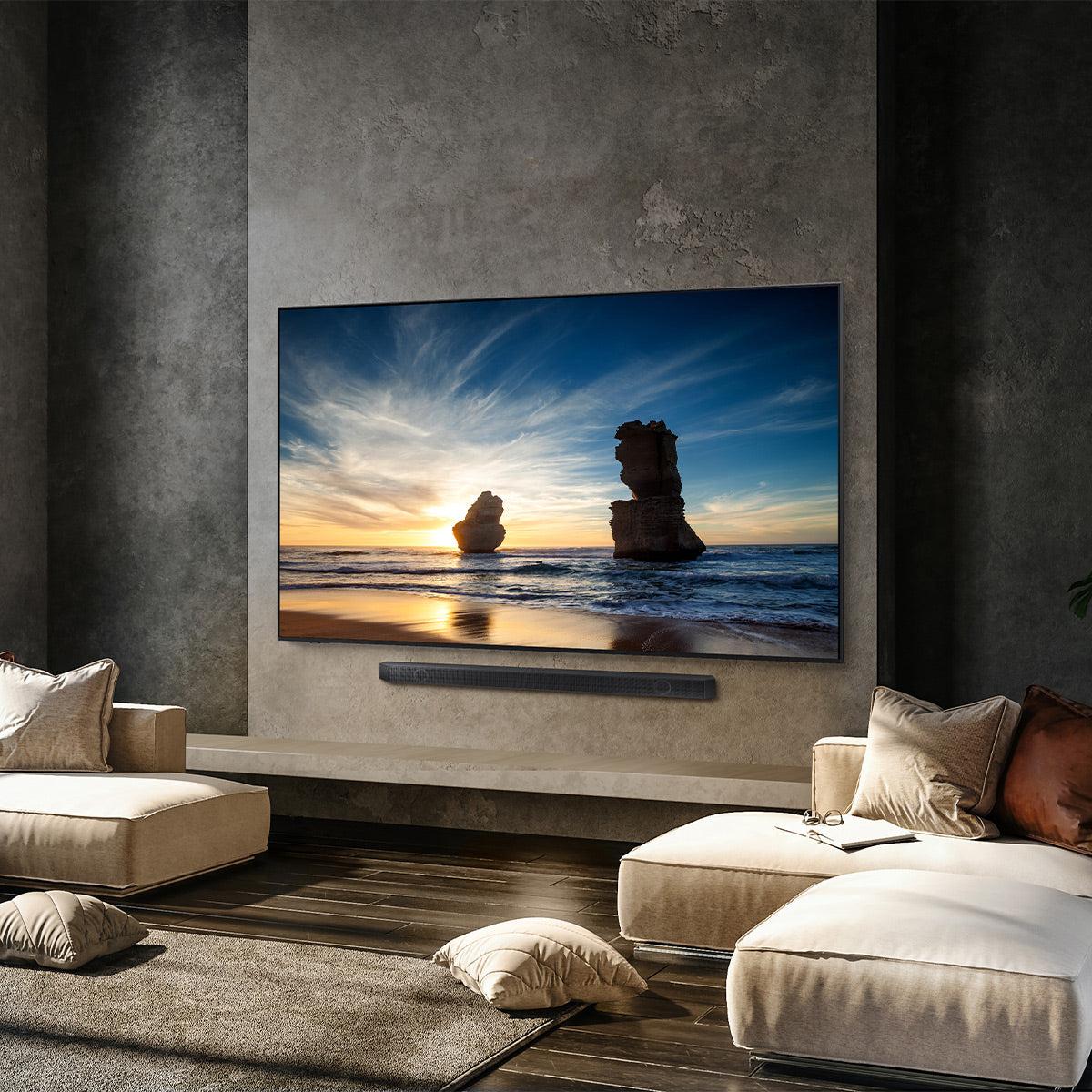
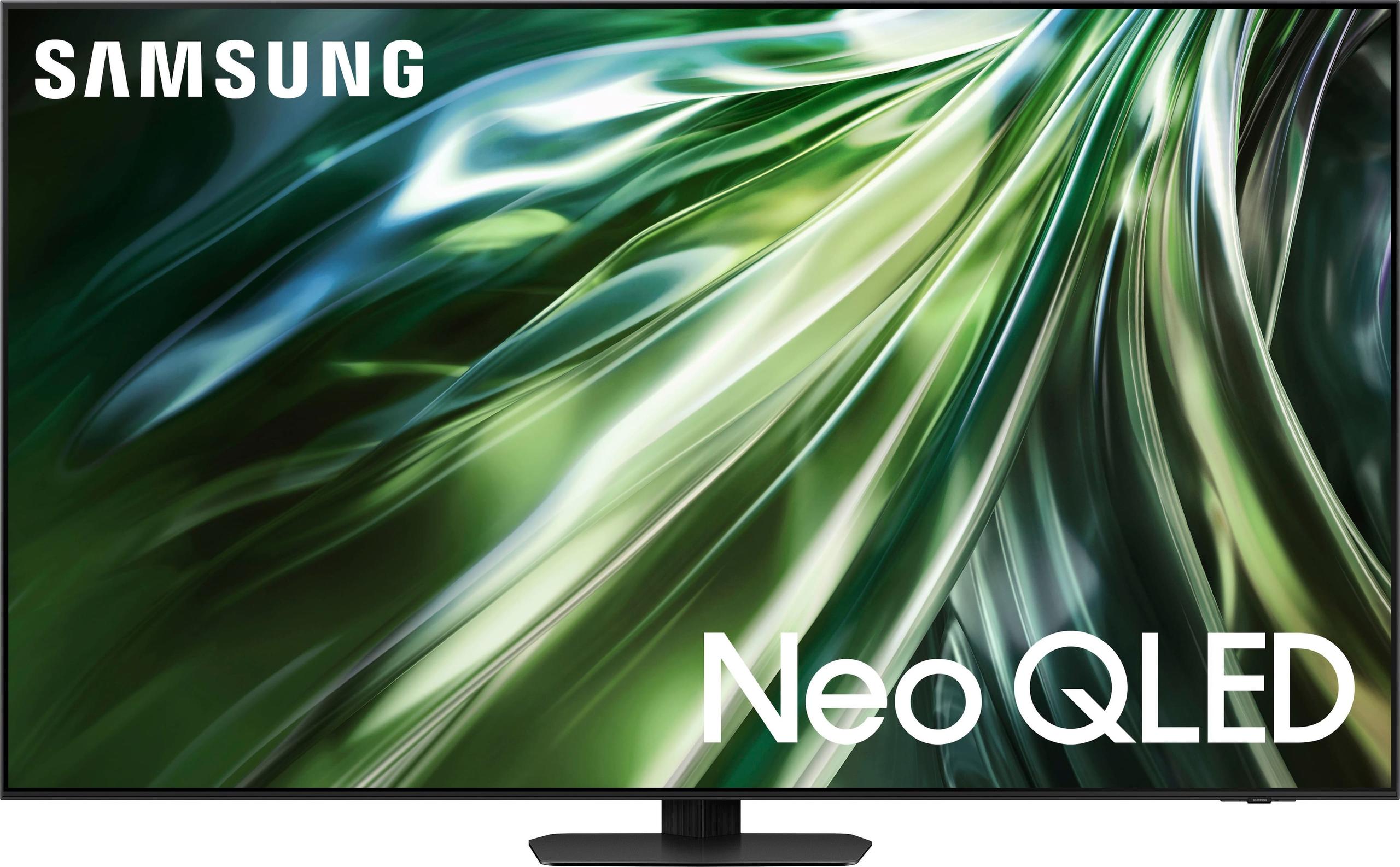

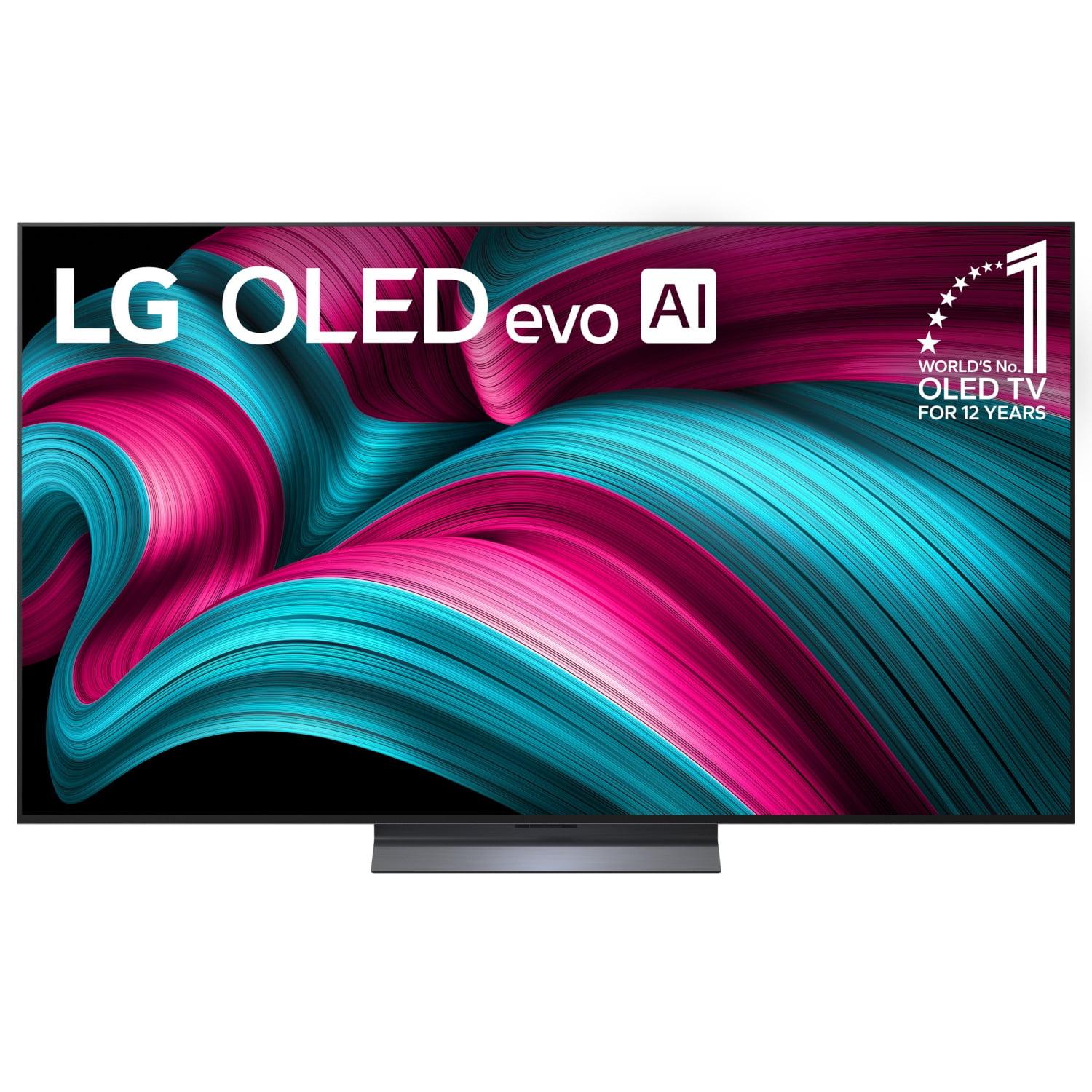
Choosing between the LG OLED evo C5 65" 4K TV 2025 at $2,196.99 and the Samsung 65" QN90D Series 4K Neo QLED Smart TV at around $1,500-$2,000 isn't just about picking a TV—it's about choosing between two completely different philosophies of how to create the perfect picture. After spending considerable time with both display technologies, I can tell you that your decision will fundamentally shape your viewing experience for years to come.
The 65-inch premium TV market has evolved dramatically over the past few years. Both of these 2025 models represent the latest thinking in display technology, but they take radically different approaches to achieving excellent picture quality. The fundamental choice you're making is between OLED (Organic Light-Emitting Diode) technology and Mini-LED QLED (Quantum Dot LED) technology—and this decision will impact everything from where you can place your TV to how your favorite movies look.
When I'm helping people choose between these technologies, I always start with their room. The best TV technology depends heavily on your environment. OLED excels in controlled lighting conditions, while Mini-LED QLED shines (literally) in bright rooms. But there's much more to consider beyond just brightness, including gaming performance, color accuracy, and long-term value.
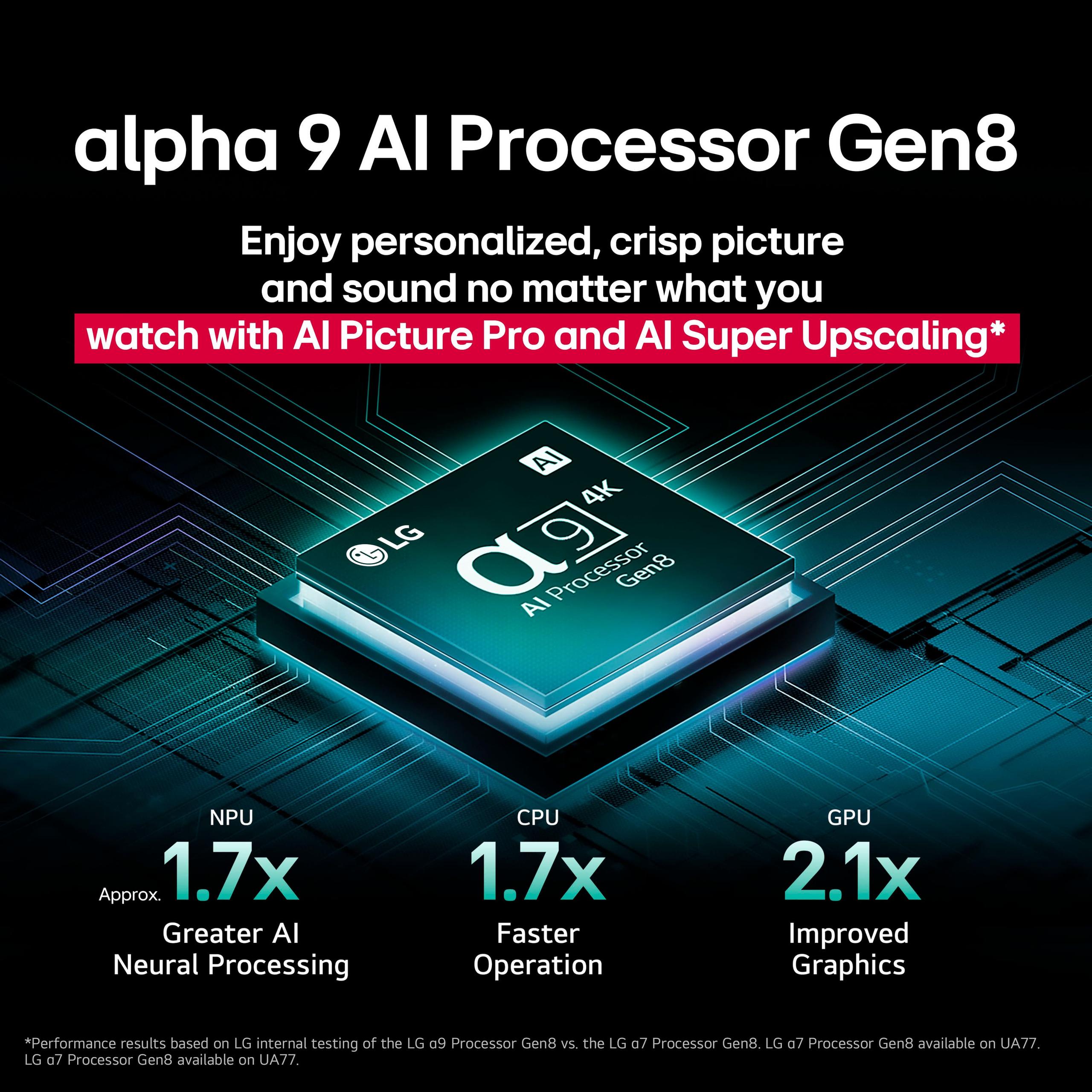
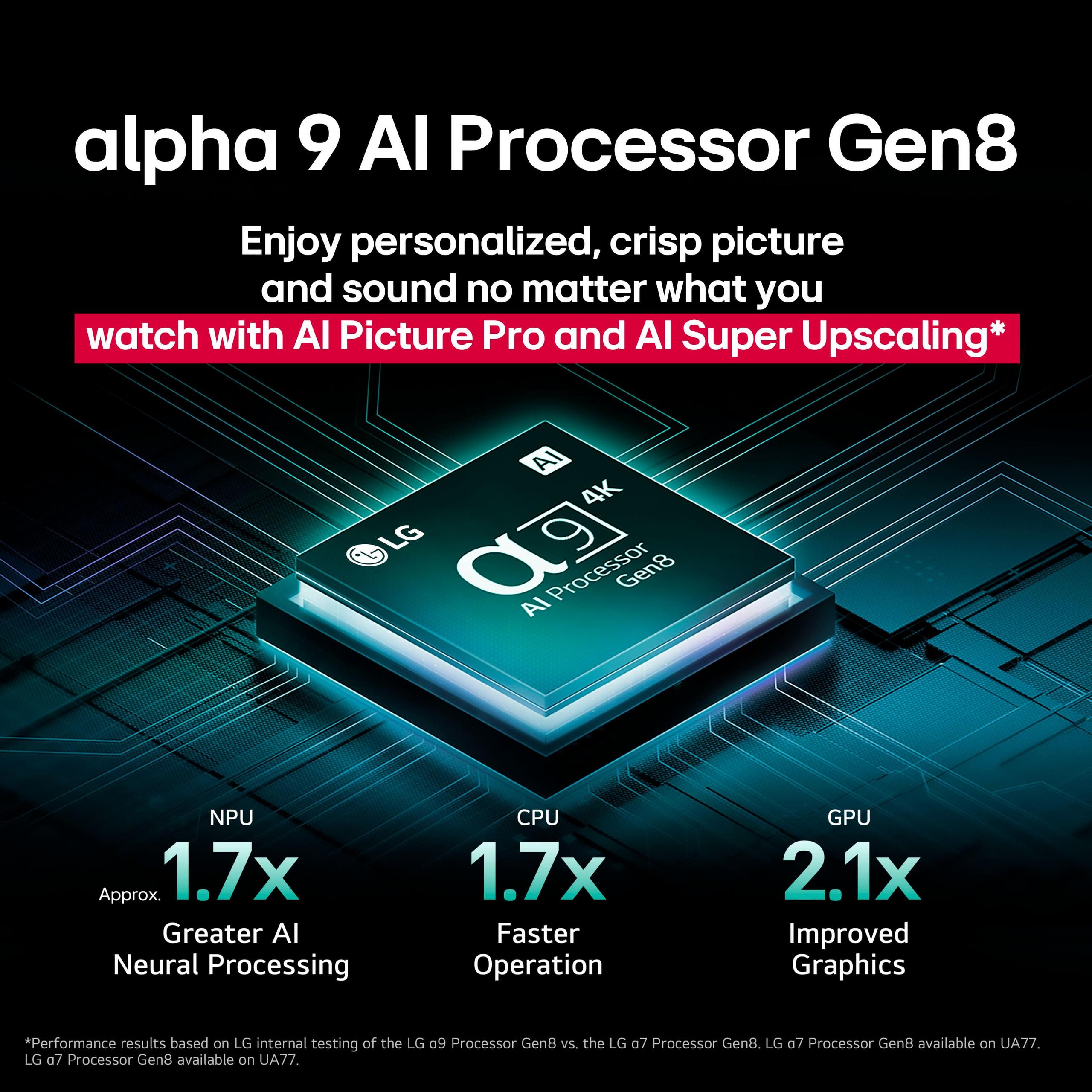
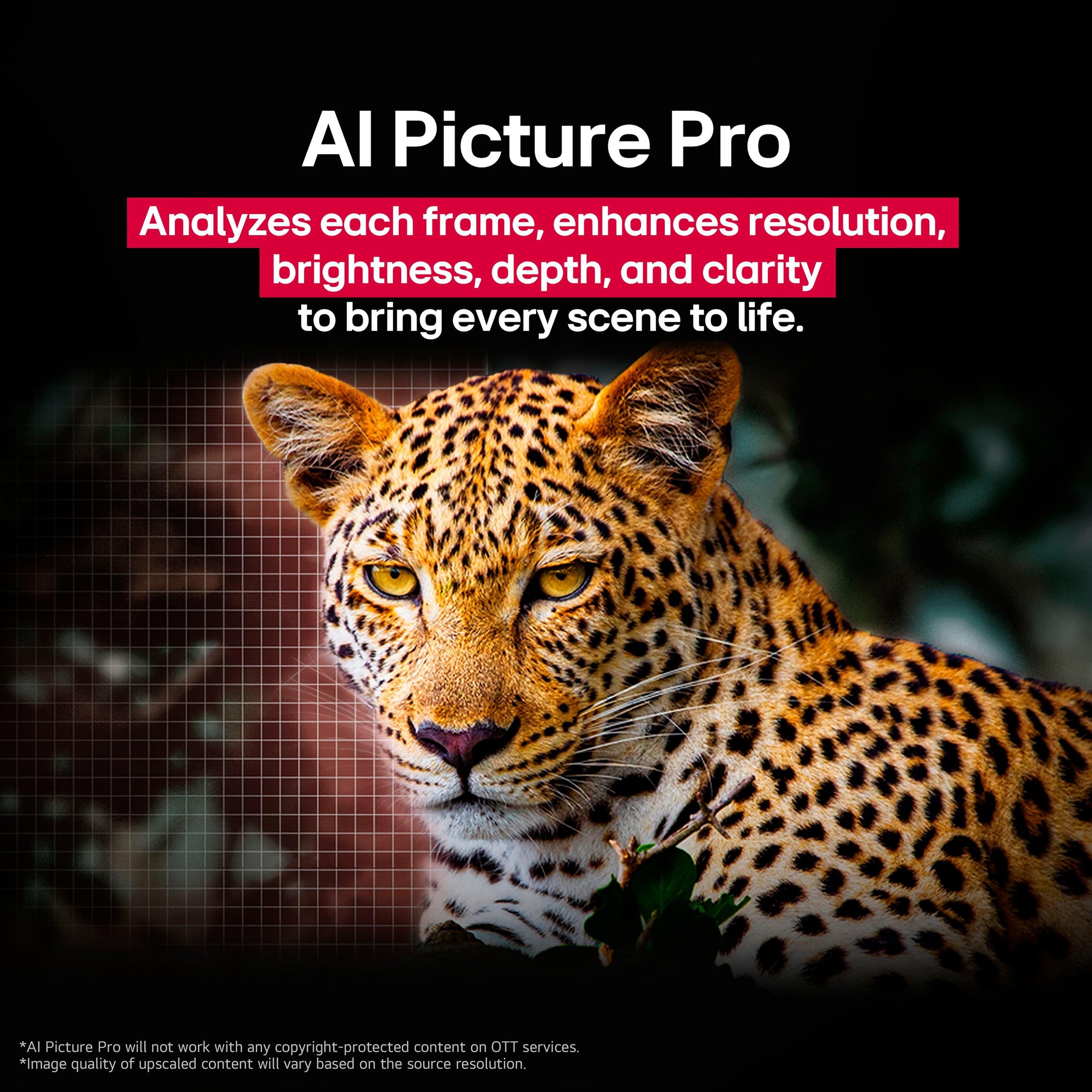
Both TVs launched in 2025, representing significant improvements over their 2024 predecessors. The LG OLED evo C5 builds on the success of the C4 with notable brightness improvements—a crucial development since brightness has traditionally been OLED's main weakness. LG's new "Bright Room Ready" technology and Brightness Booster represent genuine progress in making OLED more versatile.
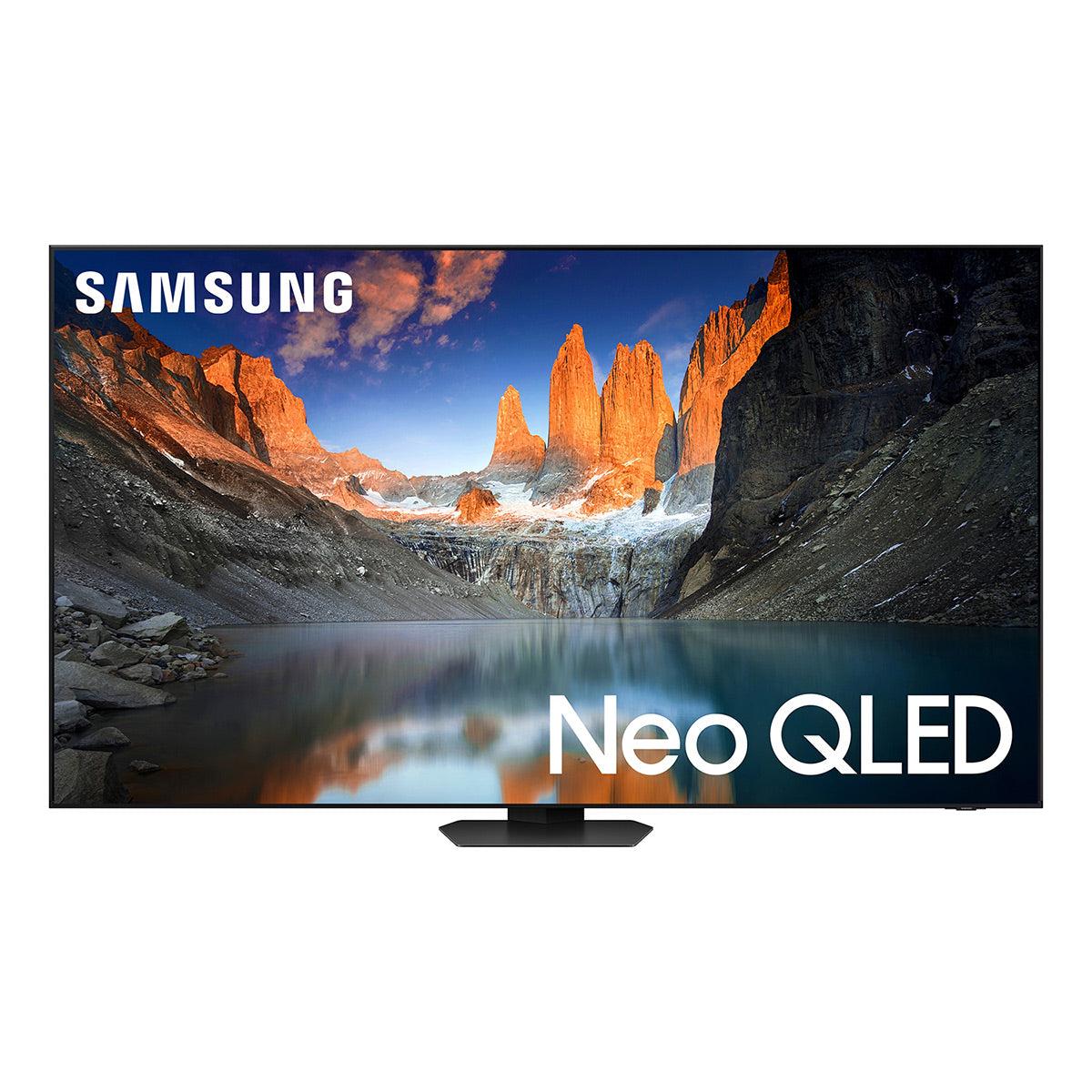
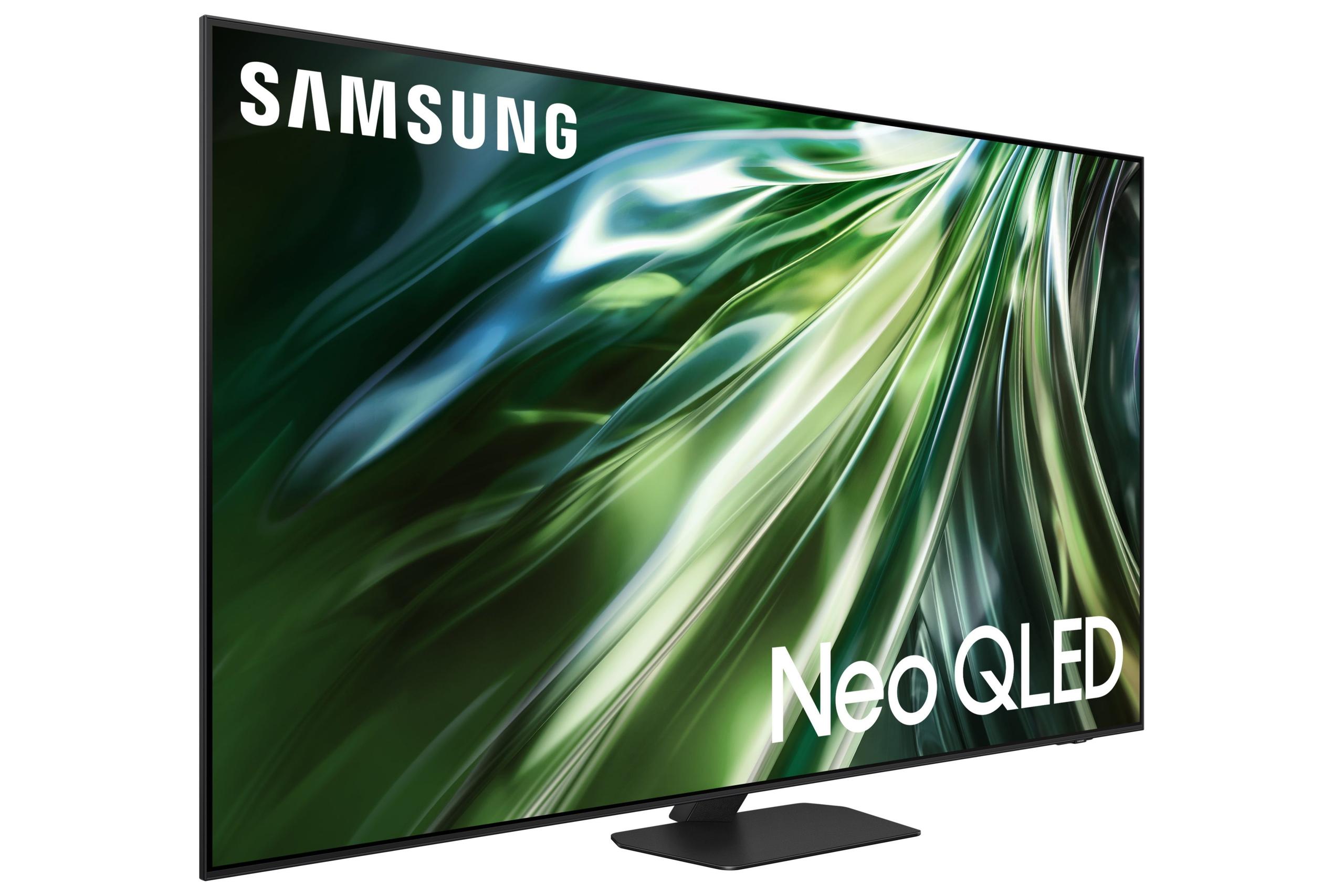
The Samsung QN90D continues Samsung's Mini-LED evolution, featuring their latest Neo QLED technology with improved local dimming zones and enhanced brightness control. What's particularly impressive is how Samsung has reduced the blooming effect (unwanted light halos around bright objects) that plagued earlier Mini-LED implementations.
Having tested both previous generations, I can confidently say these 2025 models address many of the historical weaknesses of their respective technologies. The C5's improved brightness makes it more practical for varied lighting conditions, while the QN90D's refined local dimming brings it closer to OLED's contrast performance.
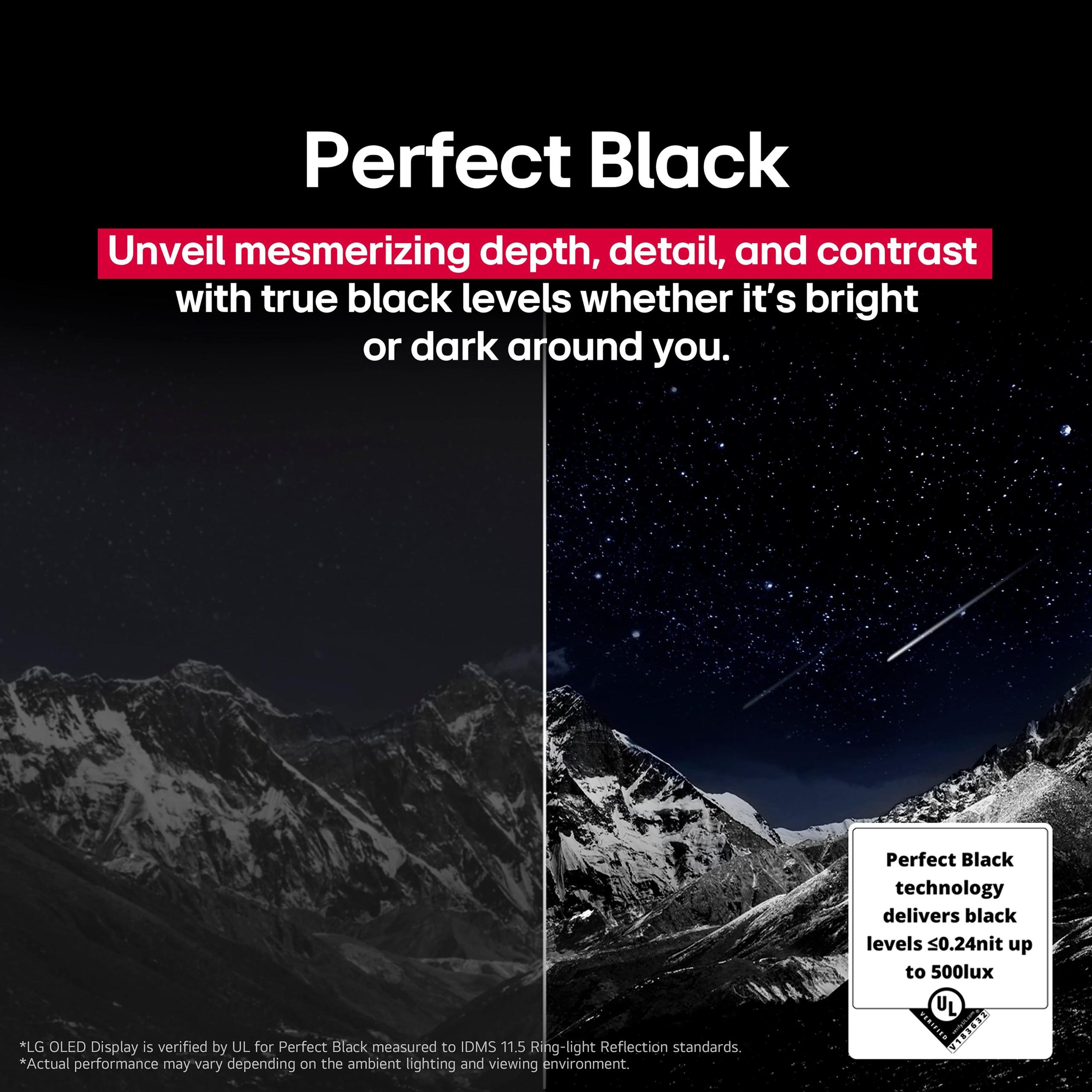
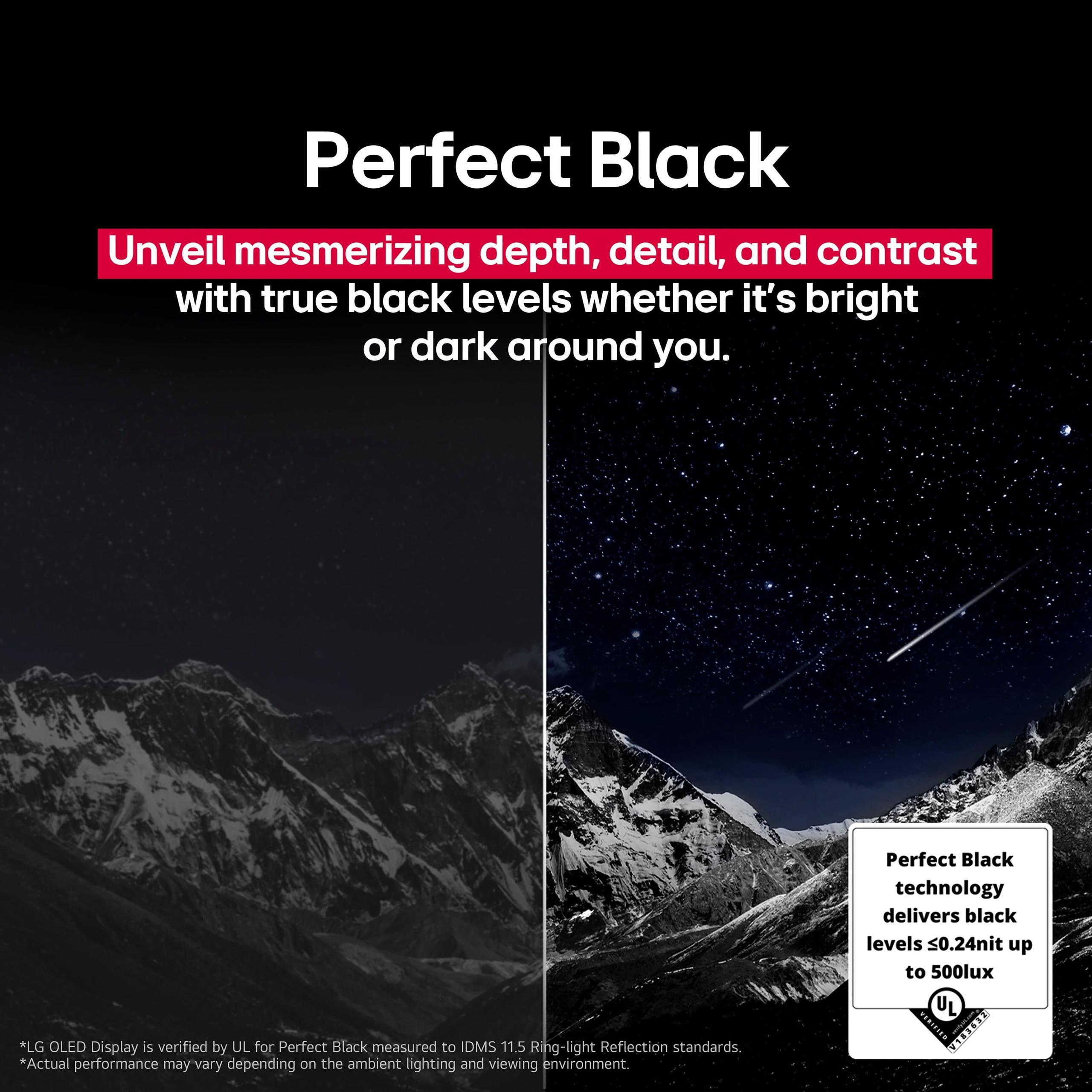
The most fundamental difference between these TVs lies in how they handle contrast—the difference between the darkest and brightest parts of an image. The LG OLED evo C5 achieves what's called "infinite contrast" because each of its 8.3 million pixels can turn completely off, creating perfect blacks. When you're watching a movie with a starfield or a dark cave scene, those black areas are truly black, not the dark gray you get with most TVs.
The Samsung QN90D takes a different approach. Its Mini-LED backlighting system uses thousands of tiny LEDs arranged in local dimming zones. When a zone needs to be dark, the LEDs dim or turn off entirely. While this doesn't achieve true black like OLED, the QN90D's implementation is sophisticated enough that most viewers won't notice the difference in typical viewing conditions.
Where this becomes practically important is in dark room viewing. I've found that OLED's perfect blacks create a more immersive experience when watching movies in a dedicated home theater setup. The absence of any backlight bleed or glow makes the image appear to float in space, which is particularly striking with cinematic content.
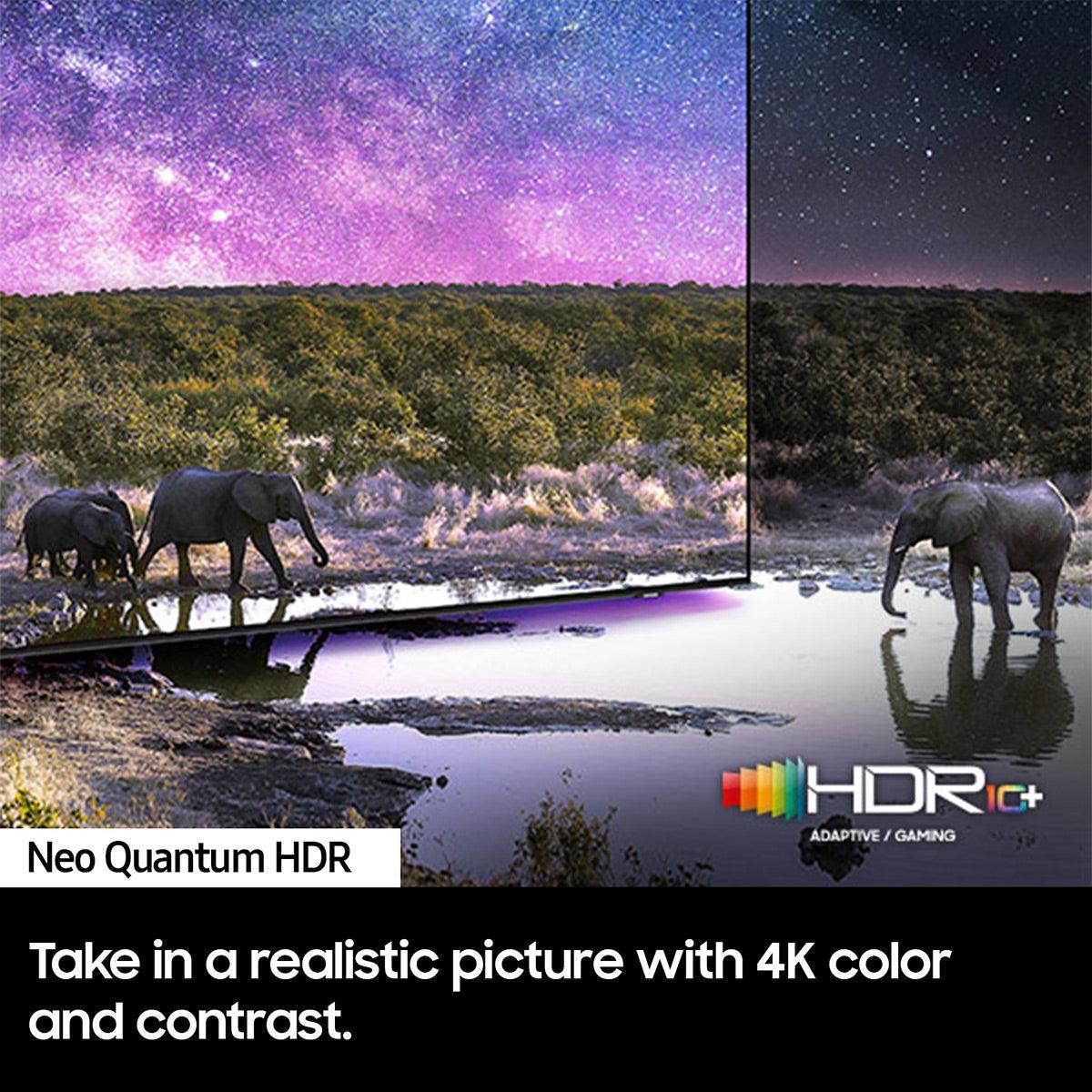
Here's where the Samsung QN90D pulls ahead significantly. Peak brightness—measured in nits—determines how well a TV can display HDR (High Dynamic Range) content and perform in bright rooms. The QN90D can achieve peak brightness levels that are 2-3 times higher than the C5, making HDR highlights like sunlight, explosions, or shiny objects much more impactful.
This brightness advantage isn't just about numbers—it's about real-world usability. If your TV room has large windows or you primarily watch during the day, the QN90D's higher brightness helps overcome ambient light and maintain picture quality. The C5, despite its 2025 brightness improvements, still works best in controlled lighting conditions.
From a home theater perspective, both can work well, but they create different experiences. The QN90D delivers more dramatic HDR with sparkling highlights, while the C5 provides a more film-like presentation with perfect blacks. Neither approach is objectively better—it depends on your preferences and setup.
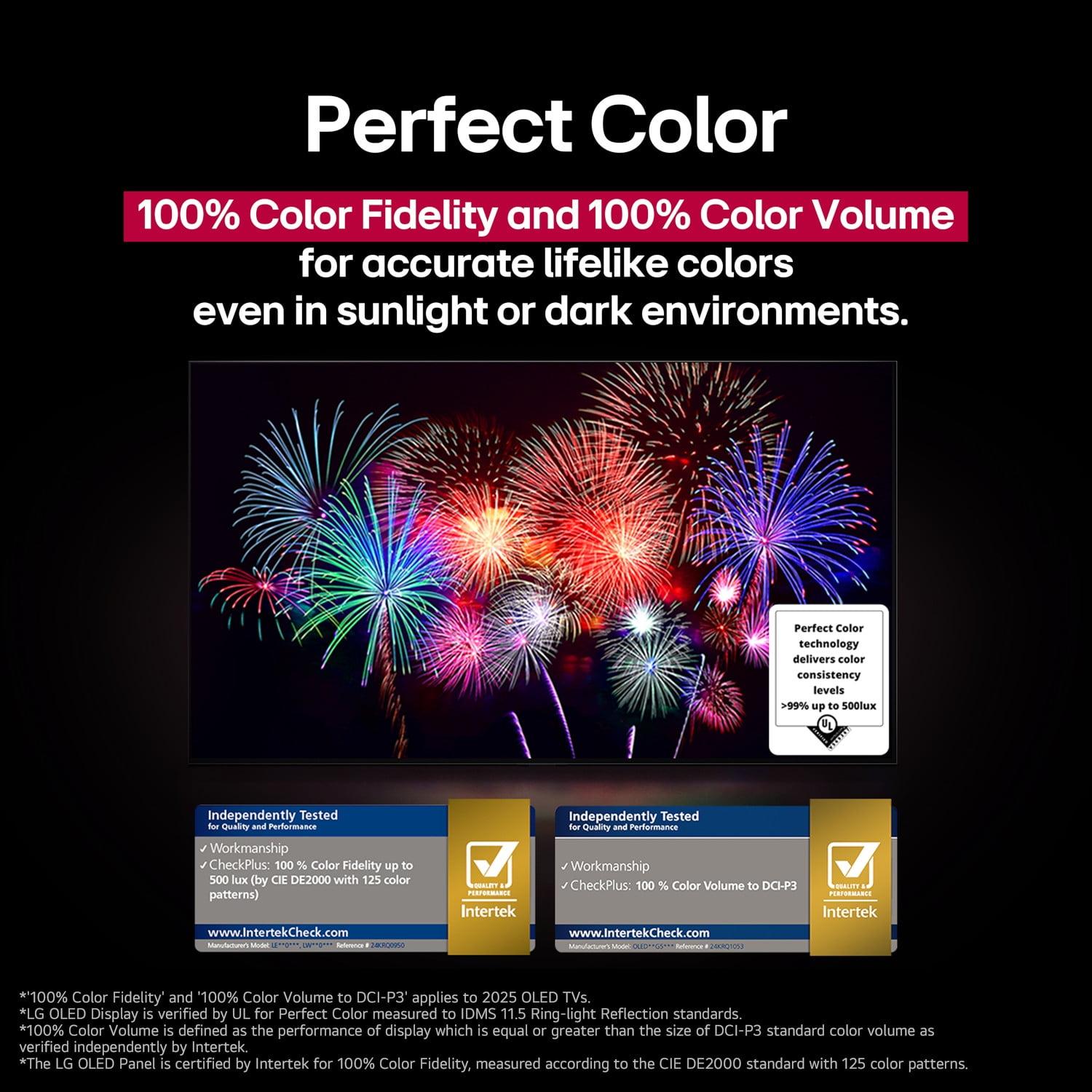
Color reproduction reveals another interesting contrast between these technologies. The Samsung QN90D uses Quantum Dot technology, which employs microscopic particles to enhance color purity and volume. This means the TV can maintain vivid, saturated colors even at high brightness levels—crucial for HDR content.
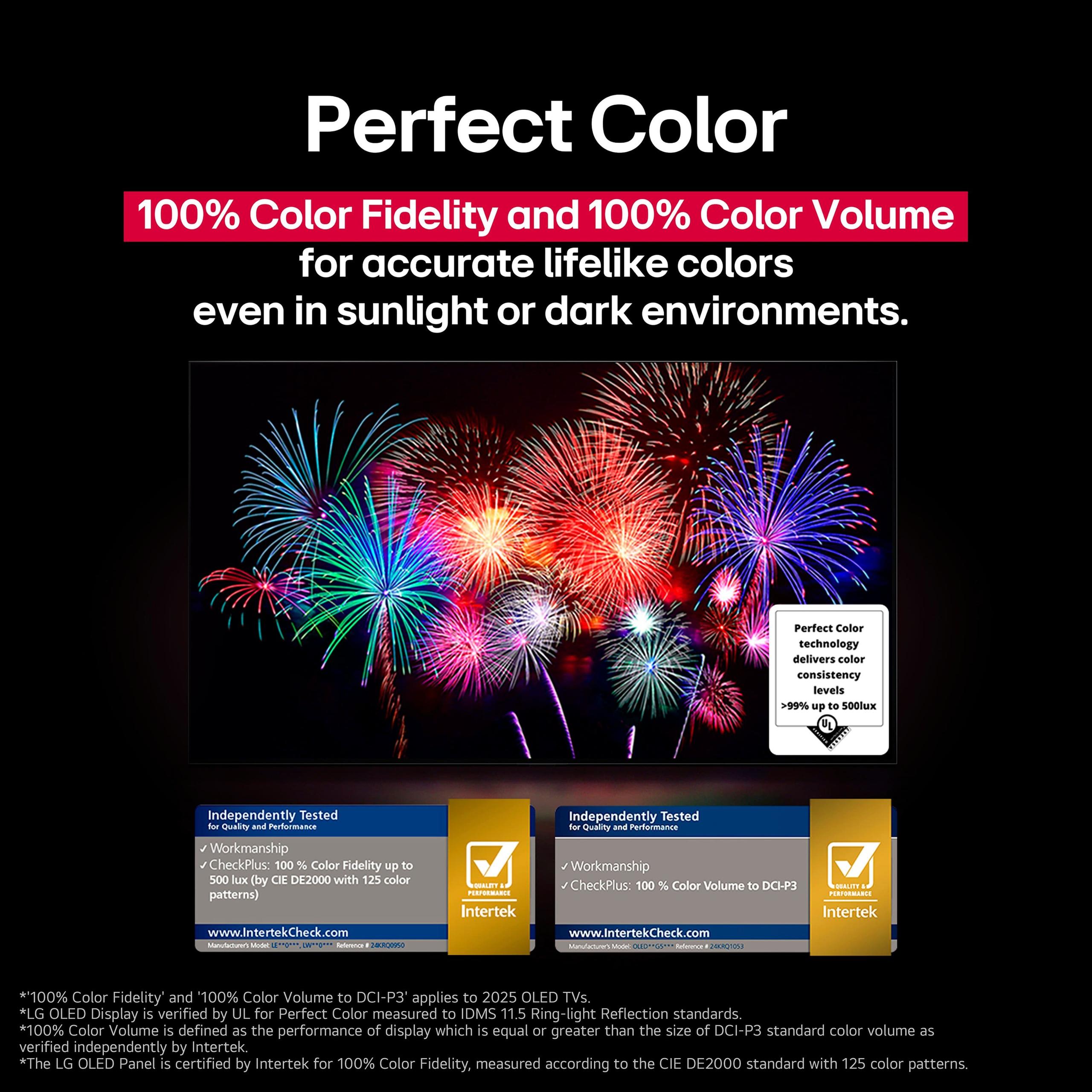
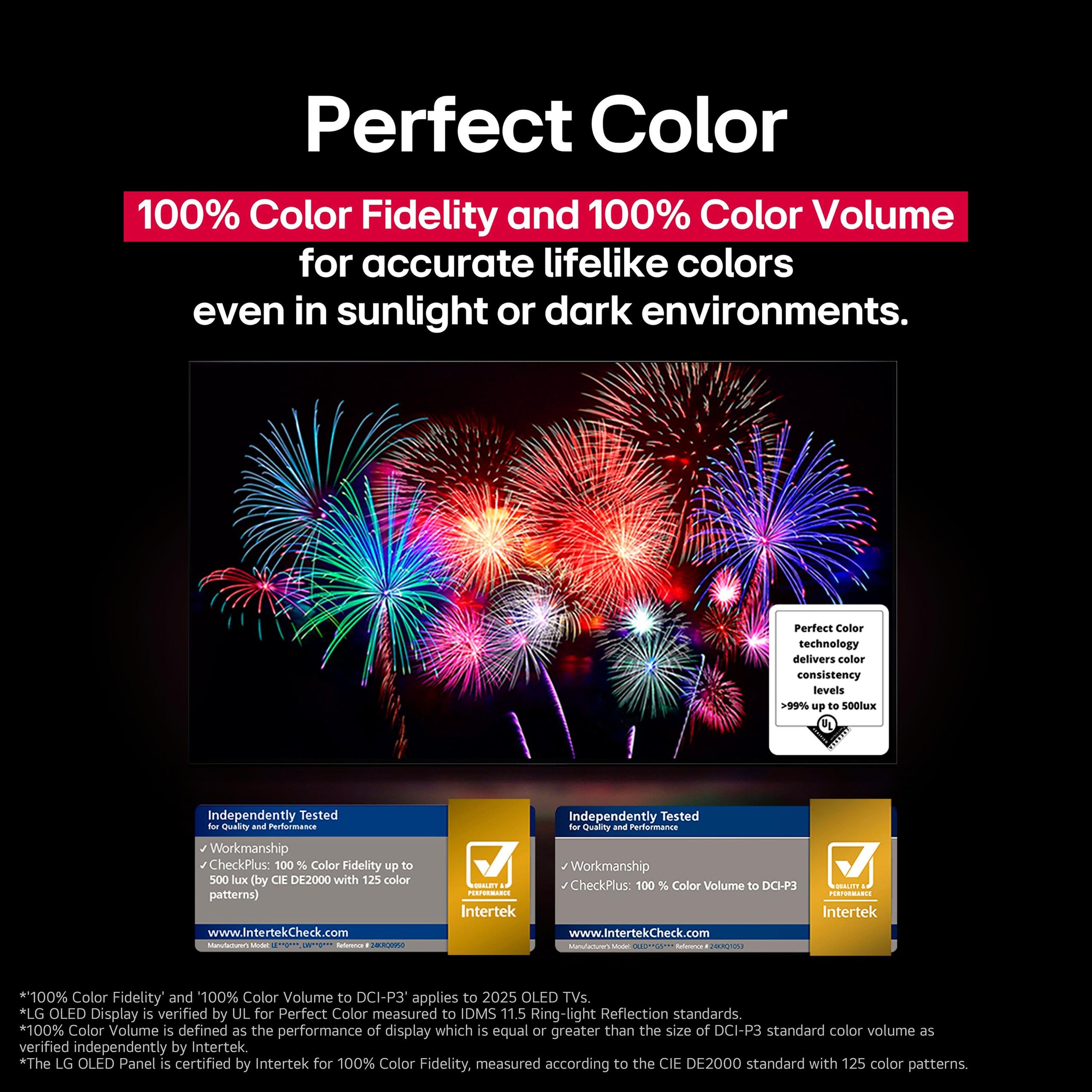
The C5's WOLED (White OLED) technology approaches color differently. While it achieves excellent color accuracy out of the box—often surpassing professional monitors—it can show some color dilution in very bright highlights. This is most noticeable when comparing bright, colorful HDR scenes side by side with a Quantum Dot display.
However, the C5's color accuracy advantage shouldn't be understated. For viewers who prioritize natural, film-accurate colors, the C5 often delivers a more authentic presentation. The QN90D's colors can appear more vibrant and punchy, which many viewers prefer, but purists might find them slightly oversaturated.
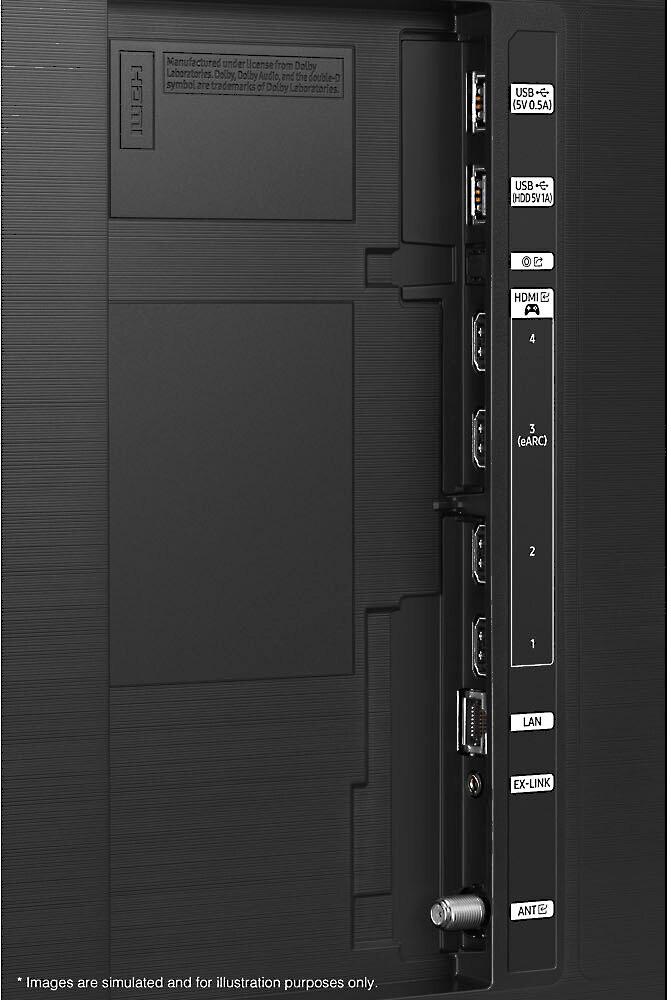
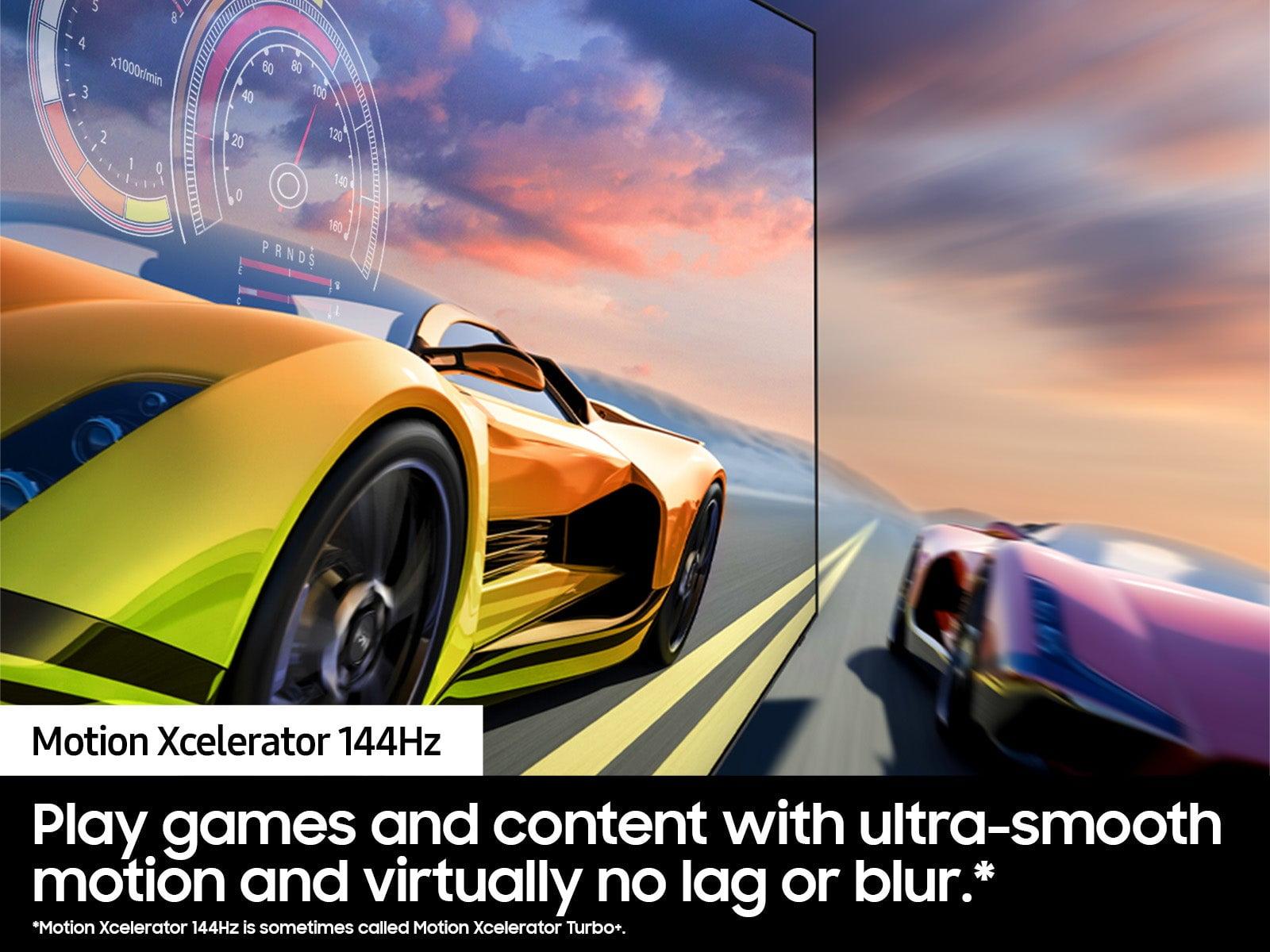
Both TVs excel as gaming displays, but with different strengths. The LG OLED evo C5 offers a 0.1ms response time—essentially instantaneous—making it ideal for competitive gaming where every millisecond matters. Its four HDMI 2.1 ports all support 4K at 144Hz, providing flexibility for multiple gaming systems or PC connections.
The Samsung QN90D matches most gaming features with 4K at 144Hz support and low input lag, but adds unique gaming ecosystem features. Samsung's Gaming Hub integrates cloud gaming services directly into the TV, and the Game Bar 3.0 provides enhanced gaming information and settings without needing external software.
For home theater gaming setups, both TVs support Variable Refresh Rate (VRR) and Auto Low Latency Mode (ALLM), ensuring smooth gameplay with modern consoles. The C5's instant pixel response eliminates motion blur in fast-paced games, while the QN90D's higher brightness can make HDR gaming more impactful in bright rooms.
While both TVs support Dolby Atmos, their implementation differs significantly. The Samsung QN90D includes a more robust built-in audio system with Object Tracking Sound+, which moves audio to match on-screen action. Its 4.2.2 channel, 60W speaker system provides better built-in audio than the C5.
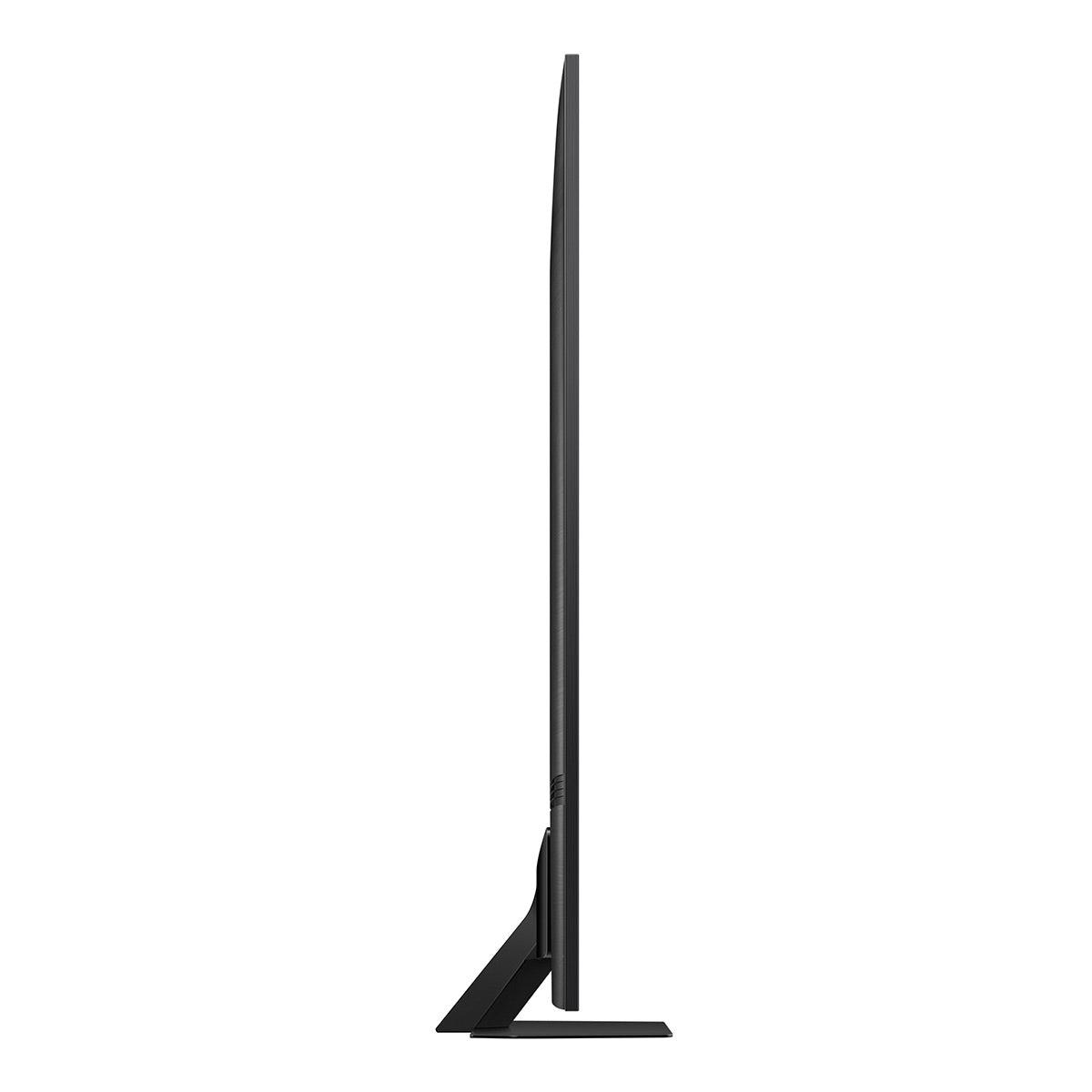
The C5's audio approach focuses more on processing, with AI Sound Pro that adapts to content type and room acoustics. While its built-in speakers are less powerful, the TV's thin profile and audio processing work well with external sound systems—common in home theater setups.
For serious home theater enthusiasts, both TVs work excellently with dedicated audio systems. The C5's eARC (enhanced Audio Return Channel) support and the QN90D's comprehensive audio features ensure compatibility with high-end soundbars and receivers.
Both TVs run mature smart TV platforms. The C5's webOS 25 has evolved into one of the most user-friendly interfaces, with personalized recommendations and seamless app integration. LG's Magic Remote remains one of the best TV remotes, with intuitive point-and-click navigation.
Samsung's Tizen OS on the QN90D offers broader app selection and deeper integration with Samsung's ecosystem. Features like SmartThings integration and Samsung Health apps extend the TV's functionality beyond entertainment.
The practical difference comes down to personal preference. WebOS feels more streamlined and focused, while Tizen offers more customization options and features. Both platforms receive regular updates and support all major streaming services.
At $2,196.99, the LG OLED evo C5 represents premium pricing for premium technology. You're paying for OLED's unique advantages: perfect blacks, wide viewing angles, and exceptional color accuracy. LG's 5-year Re:New Program adds value by ensuring ongoing software updates and feature additions.
The Samsung QN90D's pricing around $1,500-$2,000 makes it more accessible while still delivering flagship-level performance. You get superior brightness, excellent color volume, and comprehensive gaming features at a lower cost. For most viewers, the QN90D offers better value, especially in bright room environments.
The value equation also depends on your upgrade timeline. OLED technology tends to age well, with consistent performance over time. Mini-LED technology is evolving rapidly, which could make today's models seem outdated sooner, but also means you're getting cutting-edge performance at a reasonable price.
For dedicated home theater use, both TVs excel but in different ways. The LG OLED evo C5 provides the more cinematic experience with its perfect blacks and film-accurate colors. In a light-controlled environment, OLED's infinite contrast creates an immersive viewing experience that's difficult to match.
The Samsung QN90D brings different strengths to home theater use. Its higher brightness makes HDR content more impactful, and its superior built-in audio reduces the need for immediate sound system upgrades. For theaters that might occasionally have ambient light, the QN90D's brightness advantage is valuable.
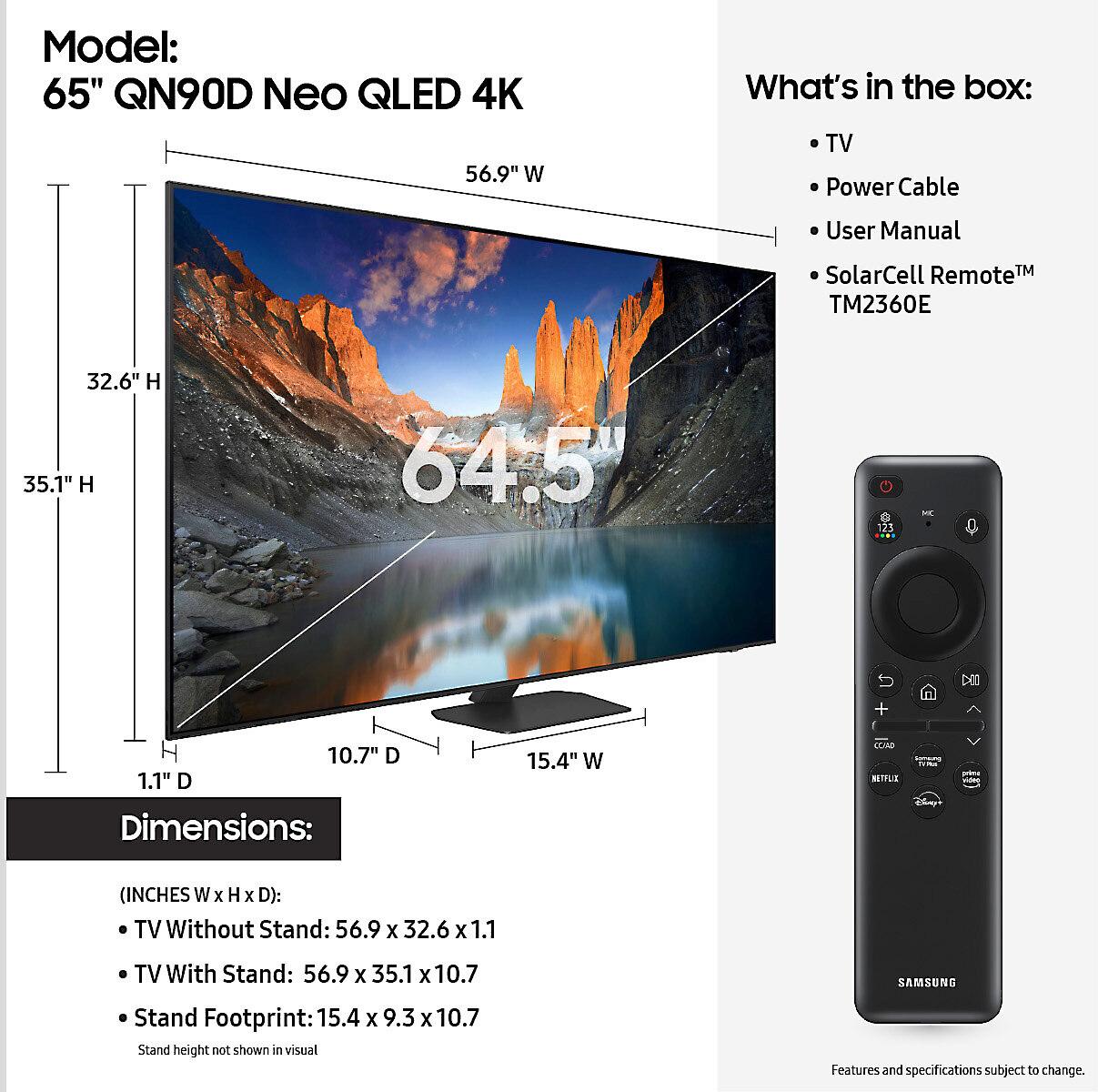
Screen size considerations also matter. At 65 inches, both TVs work well in medium to large home theaters. The C5's wide viewing angles benefit larger seating arrangements, while the QN90D's brightness helps maintain picture quality in less-than-ideal viewing positions.
Choose the LG OLED evo C5 if you prioritize the ultimate dark room viewing experience. Its perfect blacks and color accuracy make it ideal for movie enthusiasts who want a cinema-like experience at home. The premium price reflects premium technology that delivers in specific use cases.
Choose the Samsung QN90D if you want versatility and value. Its superior brightness, comprehensive feature set, and lower price make it better suited for most home environments. The QN90D adapts better to different lighting conditions and viewing scenarios.
Your room's lighting conditions remain the primary decision factor. If you can control lighting and prioritize cinematic quality, the C5 justifies its premium price. If you need a TV that performs well in various conditions while offering excellent value, the QN90D is the smarter choice.
Both TVs represent excellent investments that will provide years of enjoyment. The decision ultimately comes down to your specific needs, room setup, and viewing preferences. Neither choice is wrong—they're just different approaches to achieving great picture quality.
| LG OLED evo C5 65" 4K TV 2025 | Samsung 65" QN90D Series 4K Neo QLED Smart TV |
|---|---|
| Price - Significant difference affects value proposition | |
| $2,196.99 | ~$1,500-$2,000 |
| Display Technology - Fundamentally different approaches to picture quality | |
| WOLED (White OLED) with self-lit pixels | Mini-LED Neo QLED with Quantum Dot layer |
| Contrast Performance - Critical for dark scene detail and immersion | |
| Perfect blacks, infinite contrast ratio | Excellent contrast but cannot achieve true black |
| Peak Brightness - Determines HDR impact and bright room performance | |
| Lower peak brightness, improved from 2024 | 2-3x brighter than C5, excellent for HDR |
| Color Volume - How well colors are maintained at high brightness | |
| Can show color dilution in bright highlights | Maintains vivid colors even at peak brightness |
| Gaming Performance - Response time and features for modern consoles | |
| 0.1ms response time, 4K@144Hz on all HDMI ports | Low input lag, 4K@144Hz, Gaming Hub integration |
| Viewing Angles - Important for group viewing and seating flexibility | |
| Excellent wide viewing angles | Very good but not quite OLED-level |
| Smart TV Platform - Daily user experience and app ecosystem | |
| webOS 25 with Magic Remote | Tizen OS with broader app selection |
| Audio System - Built-in sound quality and features | |
| Standard speakers with AI Sound Pro | 4.2.2CH 60W with Object Tracking Sound+ |
| Best Use Case - Where each TV excels most | |
| Dark rooms, home theater, cinematic content | Bright rooms, mixed content, versatile family use |
| Warranty & Support - Long-term value consideration | |
| 5-year Re:New Program with software updates | Standard Samsung warranty and support |
The Samsung 65" QN90D Series 4K Neo QLED Smart TV is significantly better for bright rooms. Its Mini-LED technology can achieve 2-3 times higher peak brightness than the LG OLED evo C5 65" 4K TV 2025, making it much more effective at overcoming ambient light and glare. While the C5 has improved brightness for 2025, it still works best in controlled lighting conditions.
The LG OLED evo C5 65" 4K TV 2025 is priced at $2,196.99, while the Samsung 65" QN90D Series 4K Neo QLED Smart TV typically costs around $1,500-$2,000. This makes the Samsung model more budget-friendly while still offering premium features and performance.
The LG OLED evo C5 65" 4K TV 2025 has superior contrast with perfect blacks due to its self-lit OLED pixels that can turn completely off. The Samsung 65" QN90D Series 4K Neo QLED Smart TV offers excellent contrast but cannot achieve true blacks like OLED technology, though most viewers won't notice this difference in typical viewing conditions.
Yes, both TVs excel for gaming. The LG OLED evo C5 65" 4K TV 2025 offers a 0.1ms response time and 4K@144Hz on all four HDMI 2.1 ports, making it ideal for competitive gaming. The Samsung 65" QN90D Series 4K Neo QLED Smart TV matches gaming features with 4K@144Hz support and adds Gaming Hub integration for cloud gaming services.
For dedicated home theater use, the LG OLED evo C5 65" 4K TV 2025 provides a more cinematic experience with perfect blacks and film-accurate colors in light-controlled environments. The Samsung 65" QN90D Series 4K Neo QLED Smart TV offers more dramatic HDR with brighter highlights, making it better for theaters that might have some ambient light.
The Samsung 65" QN90D Series 4K Neo QLED Smart TV has superior built-in audio with a 4.2.2CH 60W speaker system and Object Tracking Sound+ technology. The LG OLED evo C5 65" 4K TV 2025 has standard speakers with AI Sound Pro processing but works better with external sound systems due to its thin profile.
The LG OLED evo C5 65" 4K TV 2025 offers superior color accuracy out of the box, often matching professional monitors. The Samsung 65" QN90D Series 4K Neo QLED Smart TV uses Quantum Dot technology for more vibrant colors and better color volume at high brightness levels, though some may find them slightly oversaturated.
Yes, both support HDR content. The LG OLED evo C5 65" 4K TV 2025 supports Dolby Vision and HDR10 with excellent color accuracy. The Samsung 65" QN90D Series 4K Neo QLED Smart TV supports HDR10+ and provides more impactful HDR presentation due to its higher peak brightness capability.
The Samsung 65" QN90D Series 4K Neo QLED Smart TV offers better value for most buyers with its lower price, superior brightness, and comprehensive feature set. The LG OLED evo C5 65" 4K TV 2025 justifies its premium price for viewers who prioritize perfect blacks and cinematic quality in controlled lighting environments.
The LG OLED evo C5 65" 4K TV 2025 runs webOS 25 with an intuitive Magic Remote and streamlined interface. The Samsung 65" QN90D Series 4K Neo QLED Smart TV uses Tizen OS with broader app selection and deeper Samsung ecosystem integration. Both platforms support all major streaming services and receive regular updates.
The Samsung 65" QN90D Series 4K Neo QLED Smart TV is better for sports viewing due to its higher brightness that makes daytime sports content more vibrant and its ability to perform well in bright rooms. The LG OLED evo C5 65" 4K TV 2025 offers excellent motion clarity but works best for sports viewing in darker environments.
Choose the LG OLED evo C5 65" 4K TV 2025 if you prioritize perfect blacks, wide viewing angles, and cinematic quality in controlled lighting. Choose the Samsung 65" QN90D Series 4K Neo QLED Smart TV if you need versatility for various lighting conditions, want better value, or prefer brighter, more vibrant HDR presentation.
We've done our best to create useful and informative comparisons to help you decide what product to buy. Our research uses advanced automated methods to create this comparison and perfection is not possible - please contact us for corrections or questions. These are the sites we've researched in the creation of this article: bestbuy.com - rtings.com - youtube.com - businessinsider.com - youtube.com - bestbuy.com - lg.com - files.bbystatic.com - lg.com - flatpanelshd.com - lg.com - blvdhome.com - bhphotovideo.com - flanners.com - videopro.com.au - samsung.com - standardtvandappliance.com - gerhardsappliance.com - bestbuy.com - image-us.samsung.com - rtings.com - youtube.com - images.samsung.com

Privacy Policy
Terms and Conditions - Affiliate Policy
Home Security
© Copyright 2008-2026.
11816 Inwood Rd #1211, Dallas, TX 75244